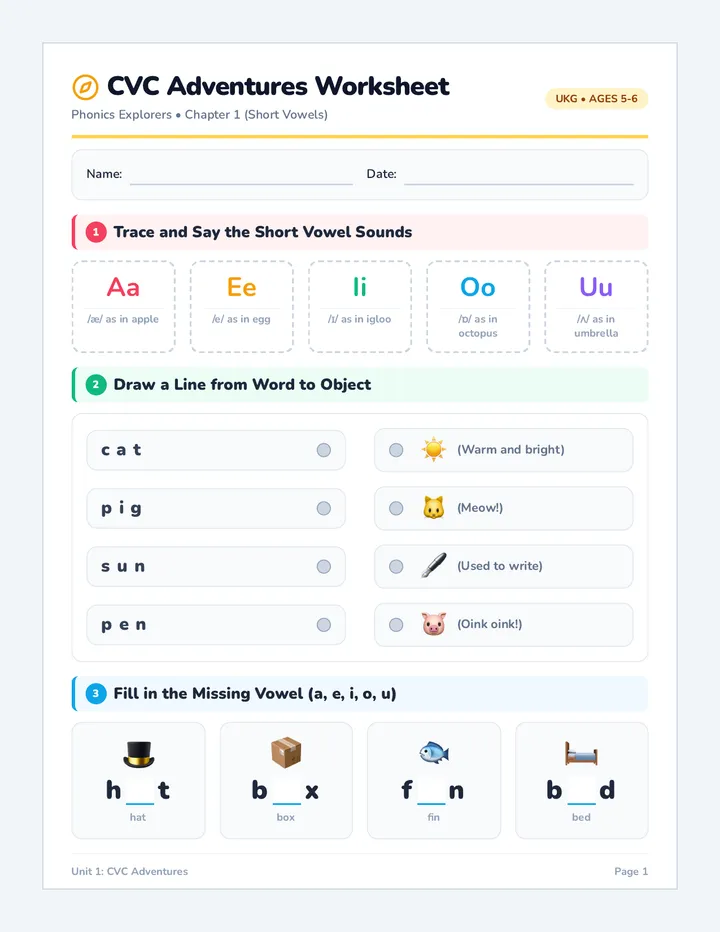
A foundational lesson introducing the five short vowel sounds (a, e, i, o, u) through visual associations and CVC word practice. Students will identify, trace, and write simple words to build phonemic awareness.
A comprehensive handwriting improvement program for middle school students, blending print and cursive techniques using engaging academic and motivational content.
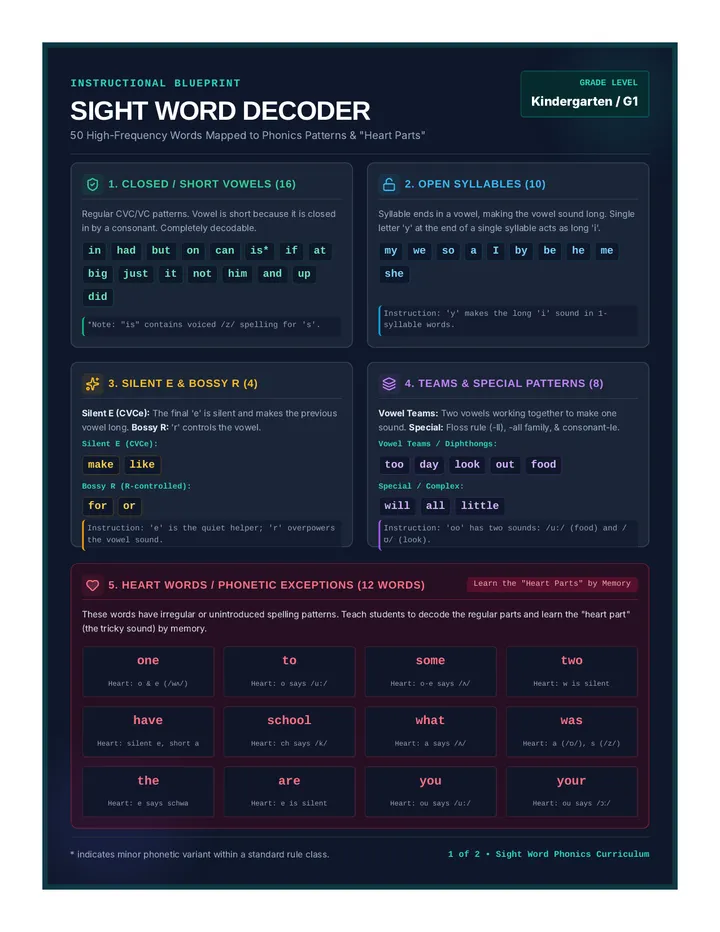
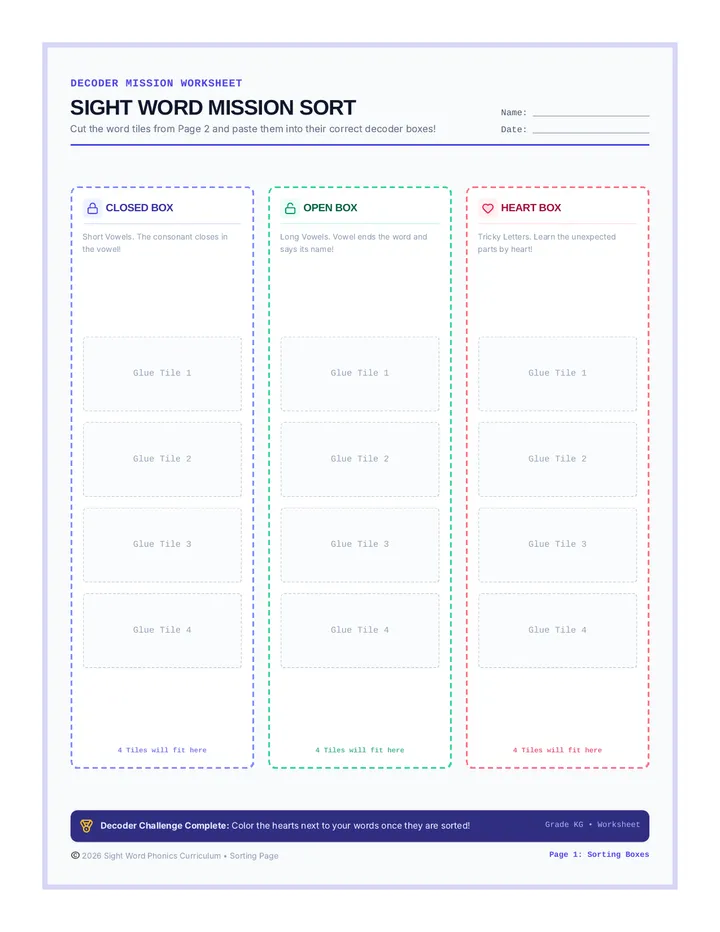
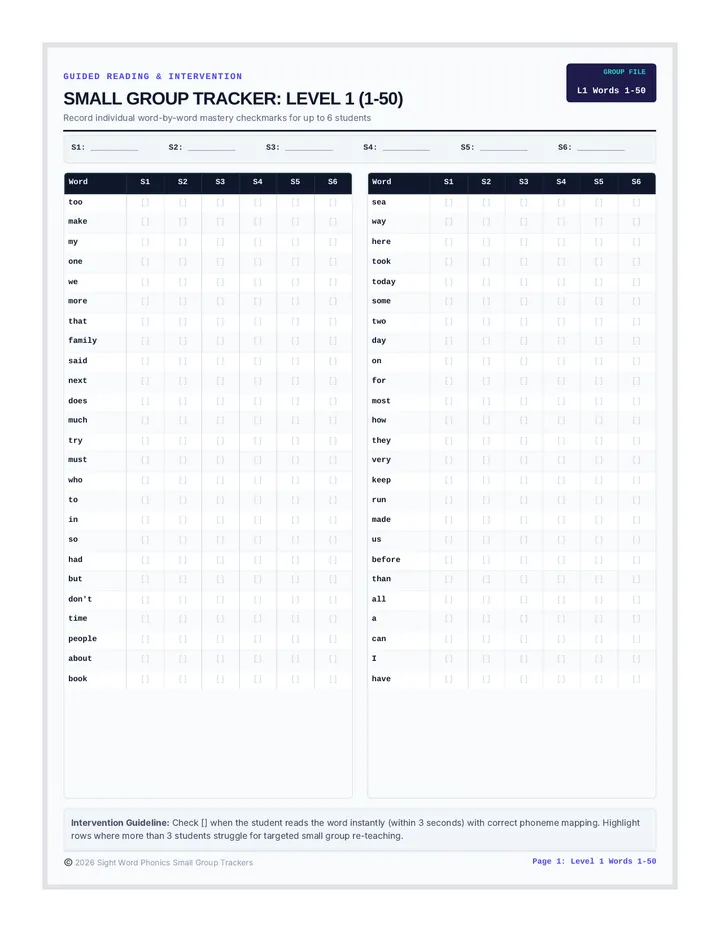
A comprehensive set of foundational literacy materials focused on 27 key sight words and nouns, covering word recognition, handwriting, sentence structure, and phonics.
The final review lesson where students apply all previous strategies (adjectives, situational details, and logical conjunctions) to create complex and polished sentences.
The final lesson focuses on using 'Because, But, So' to expand sentences logically and demonstrate deeper reasoning and detail.
In this lesson, students learn to add situational details to their sentences using 'Where', 'When', and 'How' question words.
This lesson introduces the concept of a complete sentence versus a fragment and begins basic sentence expansion using 'Who' and 'What' details.
A lesson focused on identifying characters, setting, problem, and solution in fiction, and main idea and details in nonfiction using decodable text.
A focused lesson on termites using simplified text and visual supports for Grade 1 students, based on the CKLA reader 'The Green Fern Zoo'.
A lesson focused on decoding closed syllables featuring the 'sh' digraph in CVC words. Students will practice word recognition, reading fluency, and comprehension through a themed decodable passage.
A foundational lesson on Wilson Step 1.2 focusing on CVC word segmenting, blending, and sentence construction using sound tapping techniques.
A follow-up lesson focusing on complex sentence structures, including comma placement in compound sentences and starting sentences with subordinating conjunctions. Introduces advanced conjunctions like 'although', 'while', and 'unless'.
A lesson on using coordinating and subordinating conjunctions to build complex sentences. Students learn to use conjunctions as 'bridges' to connect their ideas together clearly.
A focused lesson on beginning and ending consonant blends and common digraphs (sh, th, wh, ch, ck, ph, ng, nk) using short vowel words. Students "construct" words in a workshop-themed environment.
An introduction to the building blocks of language, teaching second graders the difference between words that can stand alone (free roots) and those that need a 'buddy' (bound roots).
A two-day mini-lesson for bilingual students focused on decoding prefixes (un-, re-, dis-, pre-, micro-) using a spy-themed 'Agent of Meaning' narrative. Students use context clues and semantics to unlock word meanings in short stories and practice exercises.
Students practice identifying and matching CVC words to pictures through an engaging cut-and-paste puzzle activity.
A collection of resources to encourage and track reading progress over the summer break for K-3 students, including a parent letter and activity suggestions.
A home-school communication system for K-3 students featuring a homework bag log and an introductory letter for parents, detailing a Monday-Tuesday-Thursday homework schedule.
A lesson focused on teaching third-grade students how to answer 'Wh-' questions in complete sentences by restating the question as a statement. Students will practice this skill using texts about inventors, animal adaptations, and space.
A comprehensive lesson on decoding multisyllabic words using all six syllable types through interactive slides and a multi-page practice packet.
A comprehensive STAAR-aligned assessment and analysis packet for John Knowles' 'A Separate Peace', focusing on diction, characterization, verbal irony, and conflict.
A lesson focused on mastering the 'oi' and 'oy' diphthongs in complex, multisyllabic words, featuring a systematic word sort and visual instruction.