A comprehensive lesson on simple past tense verbs focusing on common irregular forms (be, have, do, run, swim, sit, go, eat, see) for 2nd and 3rd grade students. Includes visual instruction, reading practice, and application activities.
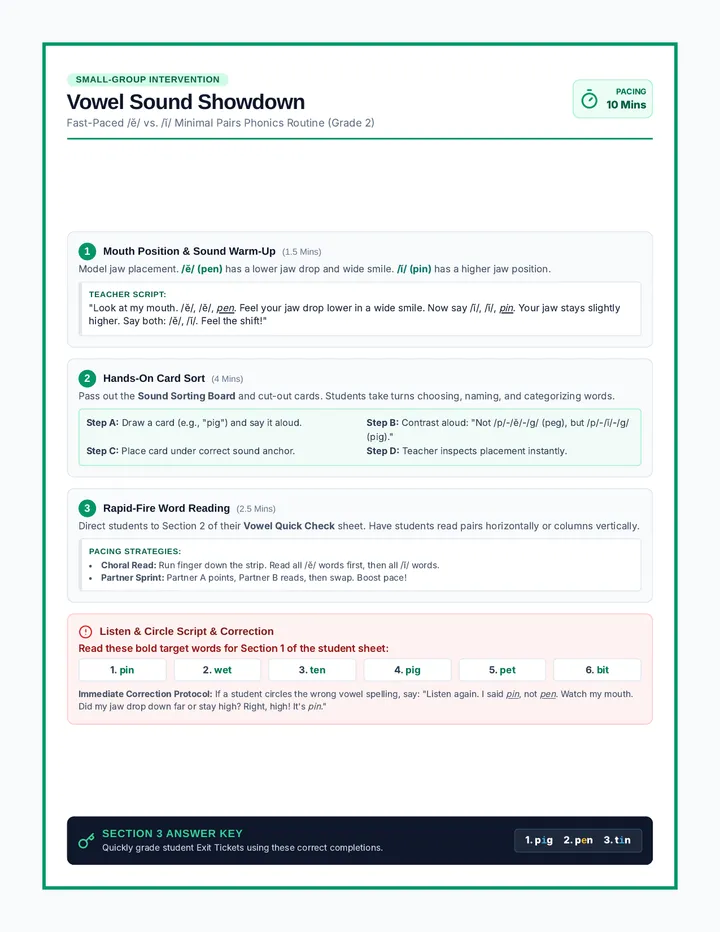
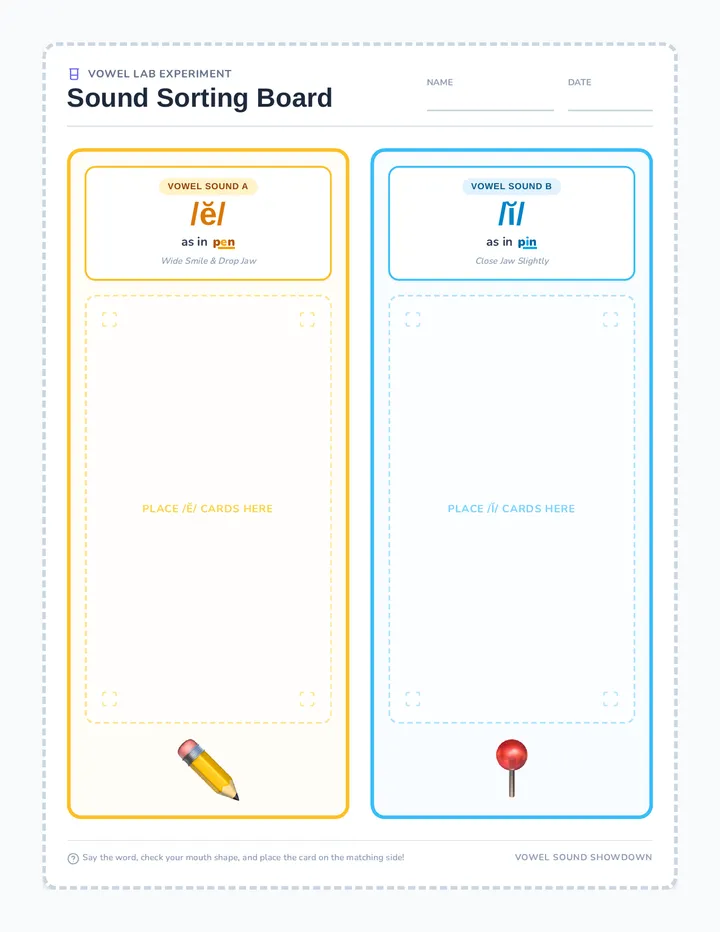
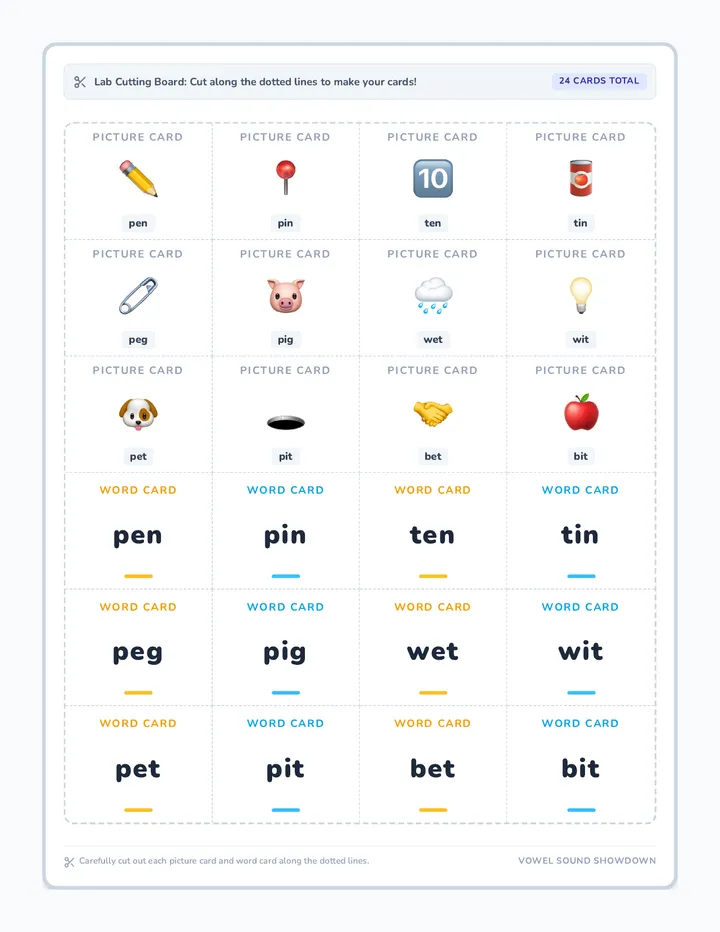
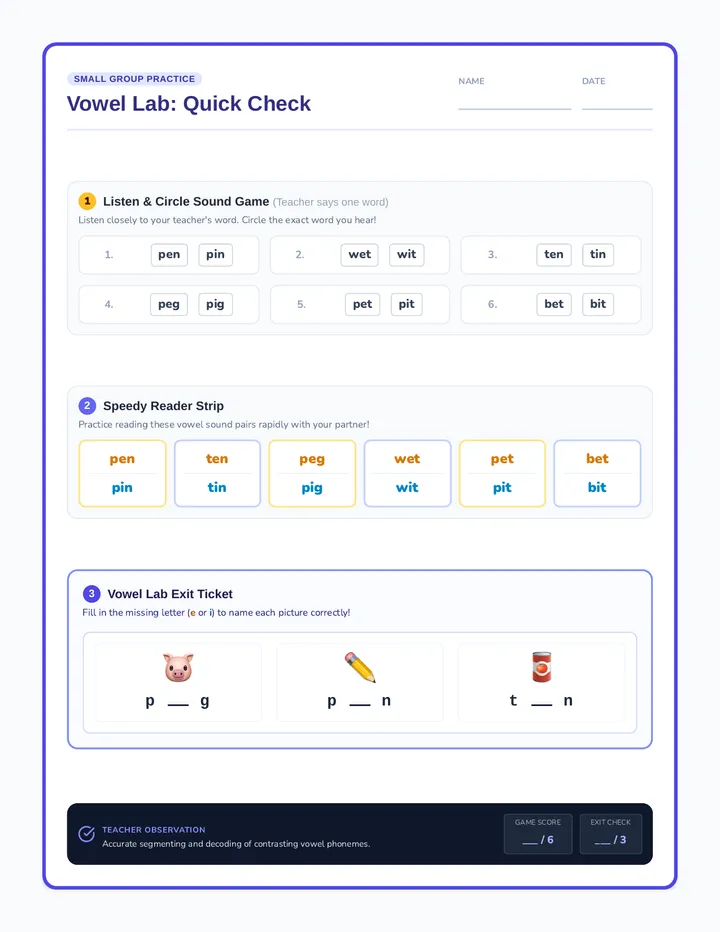
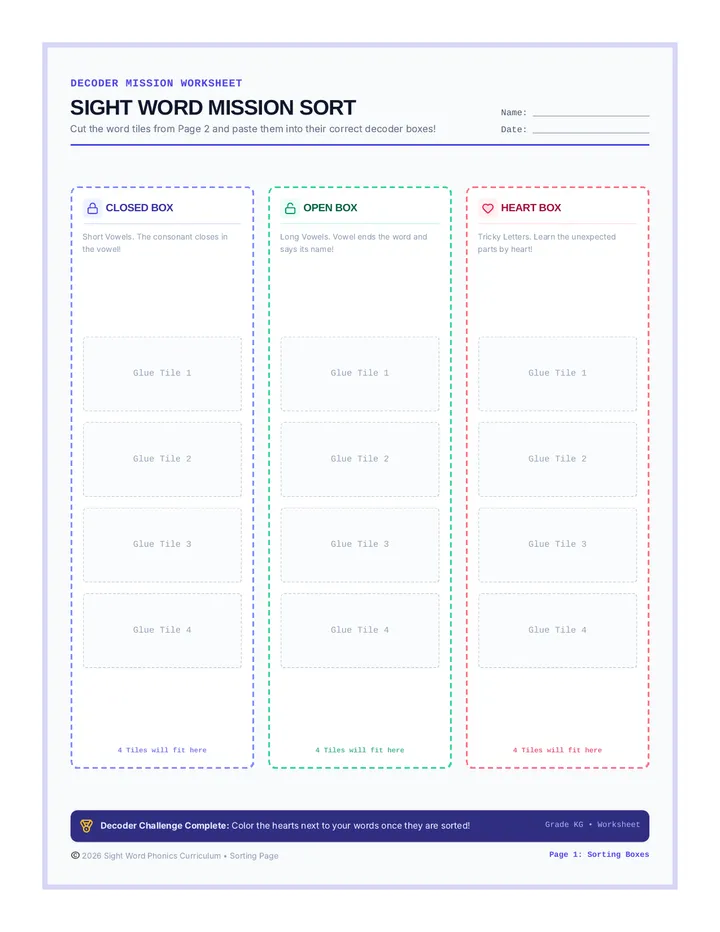
A fun, dual-language introduction to short vowel CVC words through engaging stories and hands-on mini-books. Students will build phonics fluency and reading comprehension in both English and Spanish contexts.
Tracking tools for 5th grade reading fluency benchmarks. Includes Fall (132 WPM), Winter (149 WPM), and Spring (162 WPM) trackers.
Tracking tools for 4th grade reading fluency benchmarks. Includes Fall (115 WPM), Winter (133 WPM), and Spring (147 WPM) trackers.
Tracking tools for 1st grade reading fluency benchmarks. Includes Winter (37 WPM) and Spring (66 WPM) trackers. No Fall benchmark is typically assessed at this level.
Tracking tools for 3rd grade reading fluency benchmarks. Includes Fall (87 WPM), Winter (110 WPM), and Spring (125 WPM) trackers.
A focused lesson on Chapter 19 of 'Because of Winn-Dixie', exploring Otis's backstory, his time in jail, and the deepening empathy Opal feels for him.
Tracking tools for 2nd grade reading fluency benchmarks. Includes Fall (56 WPM), Winter (84 WPM), and Spring (101 WPM) trackers.
Students step into the wings of North Carolina's pollinators to write descriptive narratives from a unique point of view. This lesson combines biology and creative writing to master perspective and sensory language.
A reading comprehension lesson centered on a story about Beth and her diverse group of pets, focusing on identifying key details through "Wh-" questions.
A pair of phonics worksheets focusing on analyzing the 'ea' phonogram sounds and spelling patterns for the long 'a' sound.
A final evaluation and reflection session including the final assessment, feedback charts, and student-teacher goal reviews.
Provides timed writing practice and mock exam conditions to build stamina and review structural clarity.
Practices formal letter writing focused on the achievements of geniuses, reinforcing formal tone and structural transitions.
Introduces formal report writing on space technology, emphasizing passive vs. active voice and data-driven analysis.
Develops argumentative skills through opinion essays on debatable topics, focusing on conjunctions, counter-arguments, and persuasive transitions.
Explores the lives of historical figures through biography writing, emphasizing tense consistency and logical life-event sequencing.
Teaches email etiquette and structure through a comparison of urban and rural life, focusing on sentence fragments and transitional words for comparison.
Focuses on writing articles about elderly care, teaching subject-verb agreement, punctuation, and article structure with tiered difficulty for elementary to high school levels.
This lesson introduces students to the features of informational texts, such as headings, captions, maps, and glossaries, using the mentor text 'A Mountain Gorilla Grows Up' to model how these features provide additional facts and details. Students will practice identifying and using these features to locate information.
A lesson focused on analyzing key details and identifying the main idea in informational texts about government and citizenship, aligned with Benchmark Grade 3 Unit 1.
A reading fluency lesson focused on the unique world of auctions. Students practice reading speed and accuracy with a passage about auctioneers and bidding, followed by oral retelling practice.
A lesson focused on building reading fluency through repeated readings of a passage about egg farming. Students practice word recognition and reading speed while also working on comprehension through oral retelling.
A targeted reteach lesson focused on distinguishing between central idea and theme in fictional texts through guided practice and independent task cards.
A focused lesson on identifying chronological sequence in informational texts, specifically targeting RI.3.8 standards for 3rd-grade students.