Book Talk Slides
Literature Circles
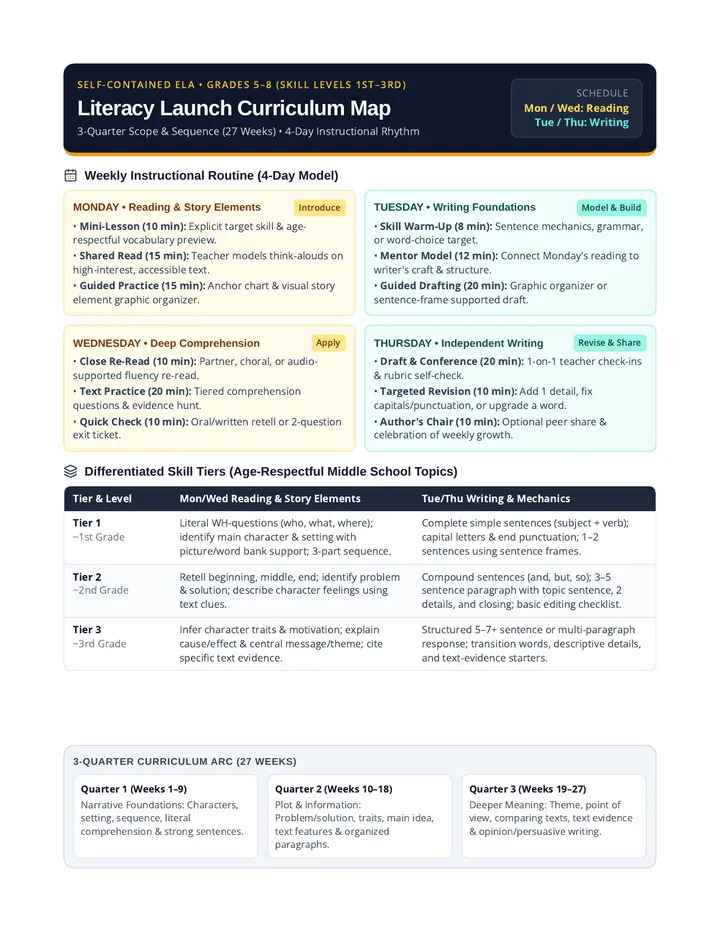
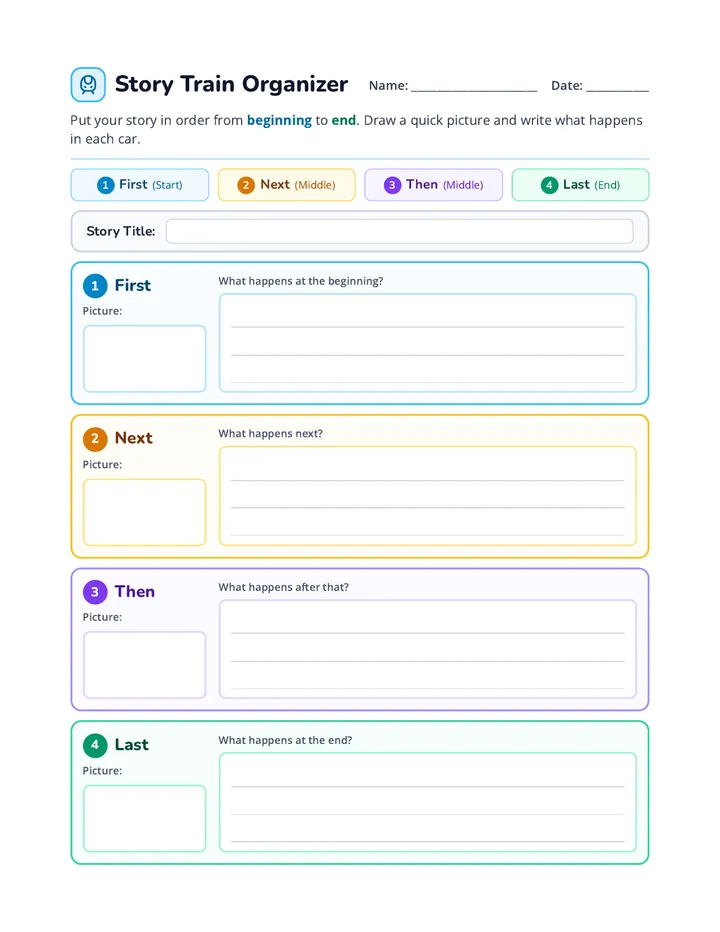
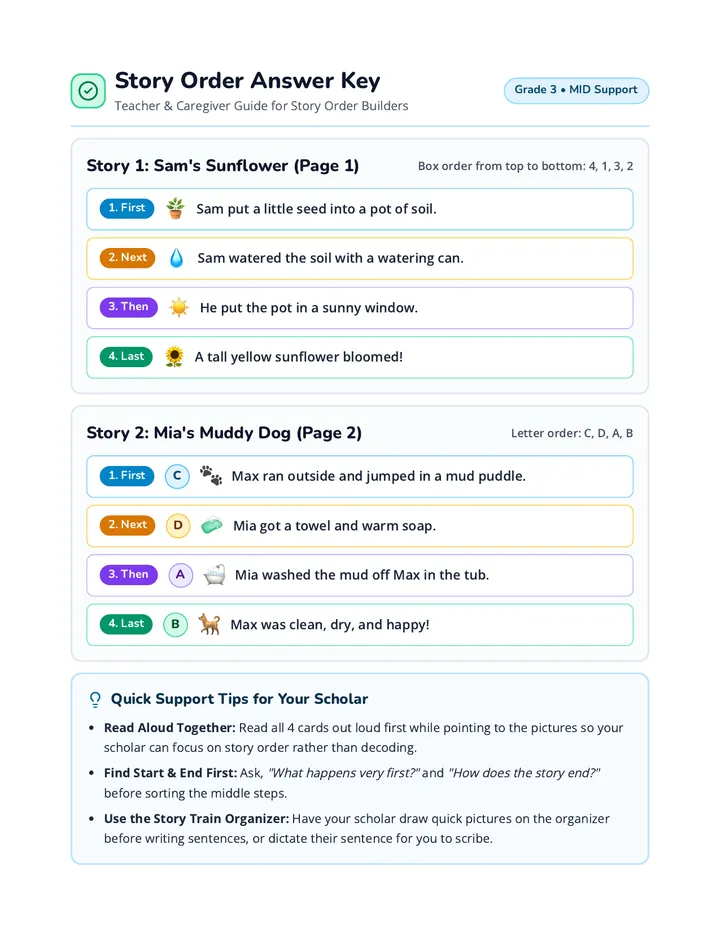
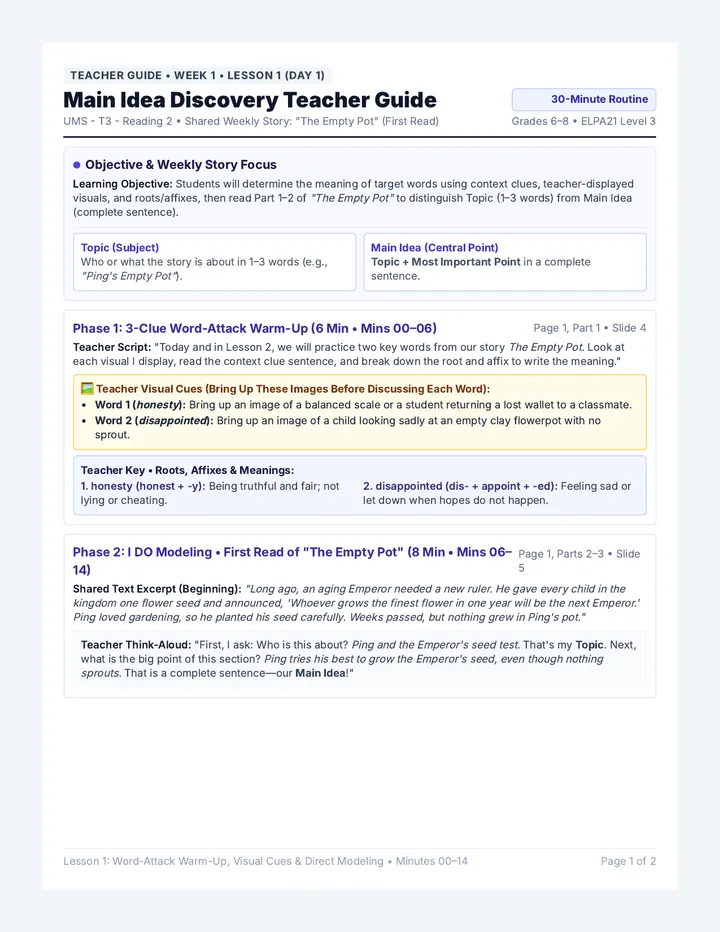
Story Circle Lab
Great books come alive when we think out loud together.
Listen & Build
Analyze the Text
Lead Your Role
Today's Mission
What Makes a Strong Book Circle?
Discussion Skills
Listen closely, build on your classmates' ideas, and invite every voice in.
Text Analysis
Dig into character choices, theme, plot turns, and the author's craft.
Circle Roles
Use your role to spark curiosity and keep your group focused on evidence.
How We Talk
Three Core Discussion Moves
1. Listen Actively
Eyes on speaker, track ideas
"What I hear you saying is..." • "Can you show me that page?"
2. Build on Ideas
Connect, add, or respectfully challenge
"I want to add to ___'s point..." • "I see it differently because..."
3. Invite Everyone In
Share the air time
"What do you think, ___?" • "We haven't heard from ___ yet."
Team Responsibilities
Meet Your Circle Roles
Discussion Director
Brings big "why" and "how" questions about plot & character, and keeps everyone talking.
Connector
Links themes and events in the text to real life, other books, or the wider world.
Word Wizard
Hunts for vivid, surprising, or tricky words and explores why the author chose them.
Craft Detective
Spots powerful passages, figurative language, or clues about how the author built the story.
Digging Deeper
Four Lenses for Text Analysis
Character
What motivates this character? How are they changing, and what do their choices reveal?
Theme
What big message or truth about life is the author exploring beneath the surface?
Plot
Which turning point or conflict shifted the story, and what tension is building next?
Author's Craft
Why did the author choose this word, image, pacing, or point of view right here?
Session Roadmap
How Our 22-Minute Circle Runs
5 Minutes
1. Open & Share
Discussion Director opens with a big question. Everyone shares one quick reaction.
12 Minutes
2. Dig Deeper
Word Wizard, Connector, and Craft Detective share evidence. Build on ideas together!
5 Minutes
3. Wrap Up
Agree on one big takeaway about theme or character, and preview next reading.
Circle Debrief
Reflect on Your Talk
1. Which discussion move helped your group the most today?
2. What new idea about character, theme, plot, or craft did a classmate spark for you?
3. Complete your Circle Talk Reflection Sheet before you leave.
Circle Facilitation Teacher Guide
Teacher Facilitation Guide
Story Circle Lab
Time: 50 Minutes
Group Size: 4 Students / Circle
Learning Objectives
- Discussion: Listen actively, build on peers' ideas, and invite quiet voices into the conversation.
- Text Analysis: Cite evidence to analyze character, theme, plot, and author's craft.
- Collaboration: Fulfill a structured circle role to deepen group inquiry.
Materials Checklist
- Book Talk Slides (projected for norms & timer)
- Role Cards Prep Sheet (1 per student)
- Circle Talk Reflection Sheet (1 per student)
- Current class novel / short story & sticky notes
50-Minute Session Pacing
| Time |
Phase |
Teacher & Student Moves |
| 8 min |
Hook & Norms |
|
| Slides 1–3 |
Introduce the 3 discussion moves (Listen, Build, Invite). Model one sentence stem aloud with a student volunteer. |
|
| 10 min |
Role Prep |
|
| Slides 4–5 + Prep Sheet |
Assign or let groups choose roles. Students independently complete their My Circle Prep Sheet using text evidence and page numbers. |
|
| 22 min |
Circle Discussion |
|
| Slide 6 + Tracker |
Run the 3-round protocol (5 min Open, 12 min Dig Deeper, 5 min Wrap Up). Circulate silently to tally discussion moves and coach if needed. |
|
| 10 min |
Debrief & Exit |
|
| Slide 7 + Reflection |
Invite 2–3 groups to share one big insight. Students complete the Circle Talk Reflection Sheet as an exit ticket. |
|
Grouping & Room Setup
Arrange desks in tight quads so students can make eye contact without shouting. Groups of 4 work best (one per role). For groups of 3, combine Word Wizard and Craft Detective. For groups of 5, assign two Connectors or Craft Detectives focusing on different chapters.
Story Circle Lab • Teacher Guide Page 1 of 2
Facilitation & Assessment
Teacher Reference
Active Listening Look-Fors
- Students turn books to the cited page when a peer shares evidence.
- Speakers reference a classmate by name before adding on.
- Groups pause 3–5 seconds after a question instead of rushing.
- Conversation moves beyond plot summary into why and how.
Troubleshooting Challenges
- One voice dominates: Whisper to the Director: "Invite someone who hasn't spoken yet."
- Dead silence: Prompt: "Have everyone read their favorite sentence from their prep sheet."
- Off-topic talk: Point to Slide 5 and ask: "Which lens are you exploring right now?"
Differentiation & Scaffolds
Support (ELL / Developing Readers)
- Pre-highlight 1–2 key passages so students focus on analysis rather than hunting.
- Encourage rehearsal of one sentence stem with a partner before the circle starts.
Extension (Ready for More)
- Challenge students to connect two lenses (e.g., how author's craft reveals theme).
- Ask the Discussion Director to synthesize opposing viewpoints before moving on.
Quick Circle Observation Rubric
| Criterion |
Developing (1) |
Proficient (2) |
Exemplary (3) |
| Discussion Skills |
Listens passively; rarely speaks or interrupts peers. |
Listens respectfully and builds on at least one peer's idea. |
Actively builds on ideas and invites quieter peers into the talk. |
| Text Analysis |
Shares general opinions without page or text support. |
Cites specific evidence to discuss character, plot, theme, or craft. |
Connects multiple lenses with precise quotes and thoughtful reasoning. |
| Role Readiness |
Prep sheet incomplete; struggles to fulfill role duties. |
Prep sheet complete; fulfills role responsibilities smoothly. |
Uses role creatively to spark deeper group inquiry. |
Story Circle Lab • Teacher Guide Page 2 of 2
Role Cards Prep Sheet
Student Reference
Literature Circle Role Cards
Cut apart or keep as a reference
Discussion Director
Plot & Character
Your Job: Lead the conversation with open-ended "why" and "how" questions. Make sure everyone gets a chance to speak.
Try Asking:
- "Why do you think the character made that choice on page ___?"
- "How did this turning point change what happens next?"
- "What do you think, ___? We haven't heard your view yet."
Move: Open the circle & invite everyone in
Connector
Theme
Your Job: Link moments in the story to real life, history, current events, or other books to uncover big themes.
Try Sharing:
- "This moment on page ___ reminds me of ___ because..."
- "What big message about life is the author showing here?"
- "Have you ever seen a situation like this in real life?"
Move: Build on a peer's idea with a connection
Word Wizard
Word Choice
Your Job: Spot 2–3 vivid, surprising, or unfamiliar words. Help your group figure out their meaning and mood.
Try Asking:
- "Look at the word ___ on page ___. What clues help us define it?"
- "Why did the author use this exact word instead of a simpler one?"
- "How does this word change the mood of the scene?"
Move: Point the group to the exact page & line
Craft Detective
Author's Craft
Your Job: Find a standout passage—like figurative language, dialogue, or pacing—and analyze how the author built it.
Try Asking:
- "Let's read paragraph ___ on page ___ aloud. What stands out?"
- "How does the author's description build tension or emotion?"
- "What does this craft choice reveal about the character?"
Move: Read a short passage aloud together
Circle Preparation
My Circle Prep Sheet
Name: _______________________
Date: ____________
Book / Text: _________________
Pages Read: _________
My Role: __________________
1. Role Notes & Text Evidence
Jot down quotes, words, connections, or clues for your role. Include page numbers so your group can follow along.
2. Text Analysis Spotlight
Choose one lens—Character, Theme, Plot, or Author's Craft—and explain something you noticed in today's reading.
3. Two Questions or Ideas for My Circle
Write two open-ended questions or talking points you want to bring to your group.
Question / Idea #1:
Question / Idea #2:
Circle Talk Reflection Sheet
During & After Circle
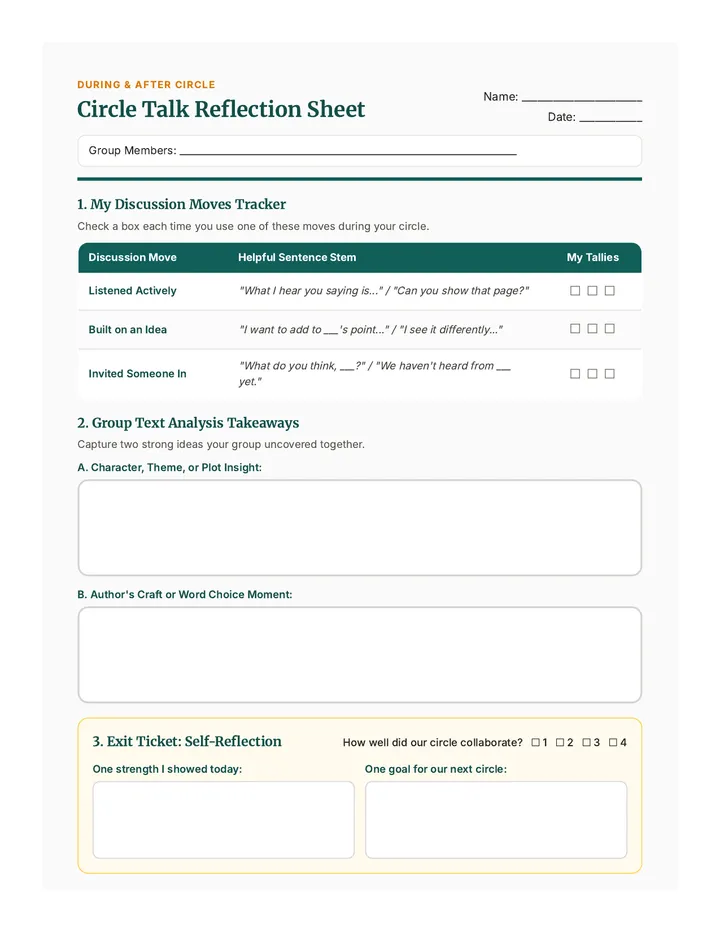
Circle Talk Reflection Sheet
Name: _______________________
Date: ____________
Group Members: ___________________________________________________________________
1. My Discussion Moves Tracker
Check a box each time you use one of these moves during your circle.
| Discussion Move |
Helpful Sentence Stem |
My Tallies |
| Listened Actively |
"What I hear you saying is..." / "Can you show that page?" |
☐ ☐ ☐ |
| Built on an Idea |
"I want to add to ___'s point..." / "I see it differently..." |
☐ ☐ ☐ |
| Invited Someone In |
"What do you think, ___?" / "We haven't heard from ___ yet." |
☐ ☐ ☐ |
2. Group Text Analysis Takeaways
Capture two strong ideas your group uncovered together.
A. Character, Theme, or Plot Insight:
B. Author's Craft or Word Choice Moment:
3. Exit Ticket: Self-Reflection
How well did our circle collaborate? ☐ 1 ☐ 2 ☐ 3 ☐ 4
One strength I showed today:
One goal for our next circle: