A cumulative simulation where students act as book editors to fix spelling errors in a manuscript draft.
A reading-focused lesson that introduces 3rd-grade prefixes (bi-, tri-, sub-, mid-) through a narrative story and comprehension activities.
A lesson exploring the history and cultural impact of ranch dressing based on a Newsela article, featuring a reading comprehension worksheet and answer key.
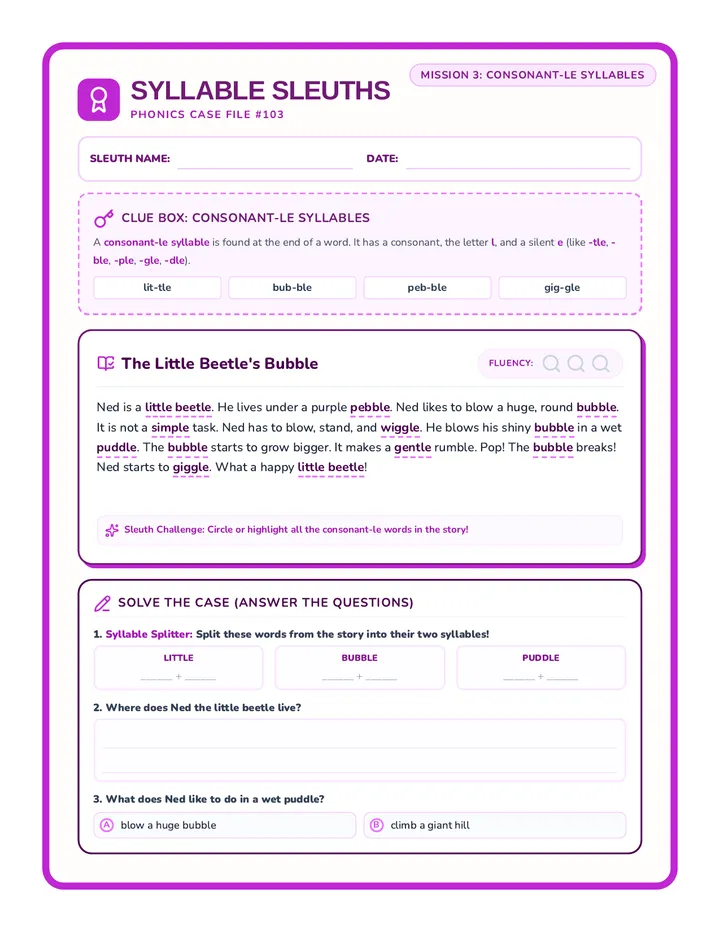
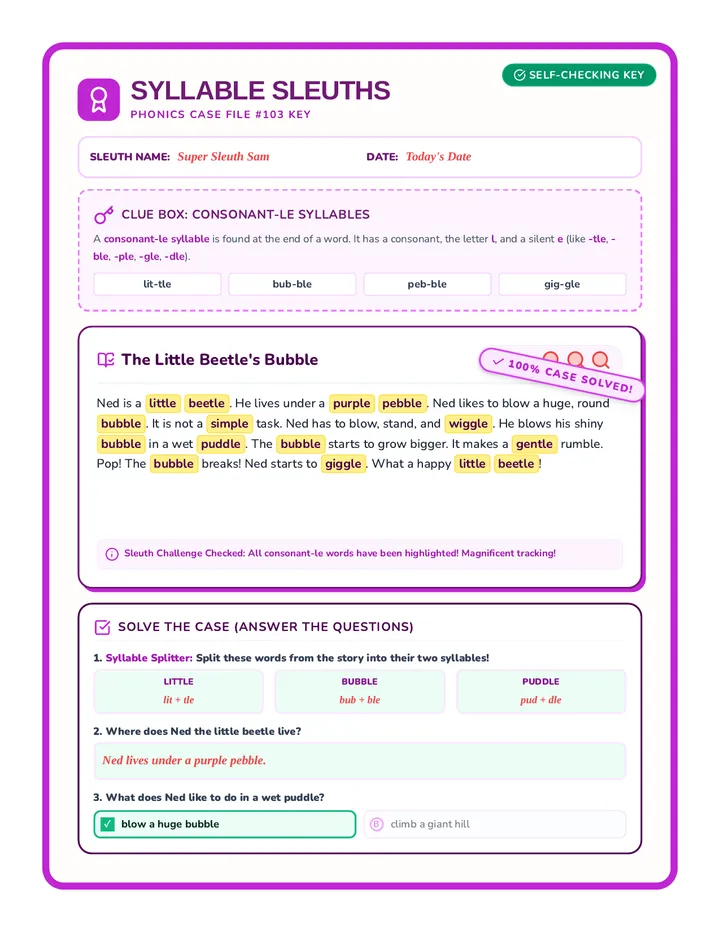
Mastering the final stable syllable 'Consonant-le' found at the end of multi-syllabic words.
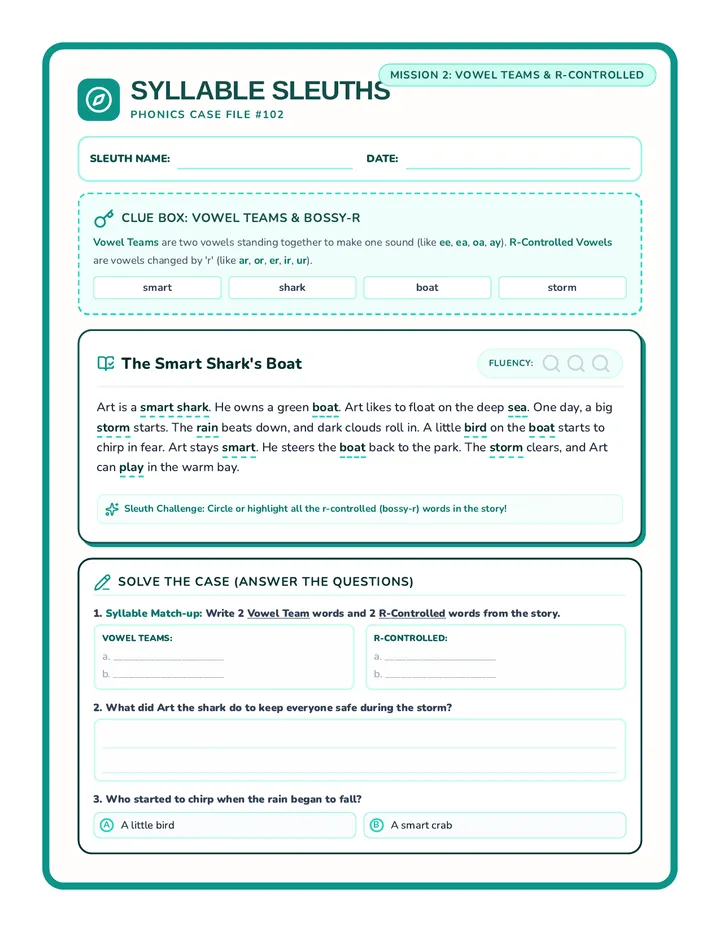
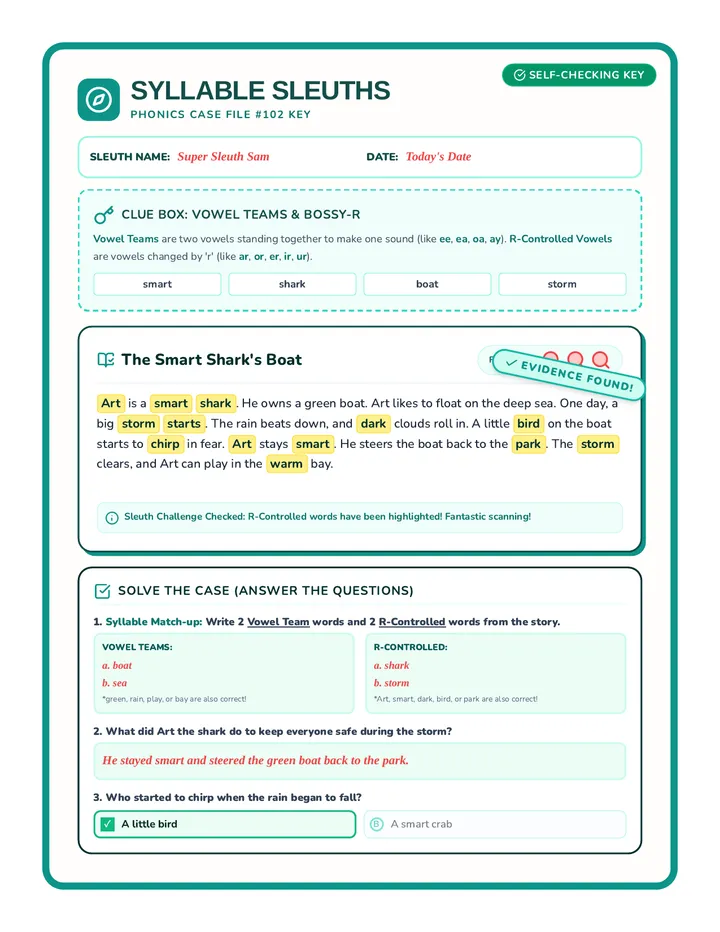
Analyzing how the 'Bossy R' influences the sound of the preceding vowel in R-controlled syllables.
Tracking down vowel teams where two vowels work together to create a specific long or unique vowel sound.
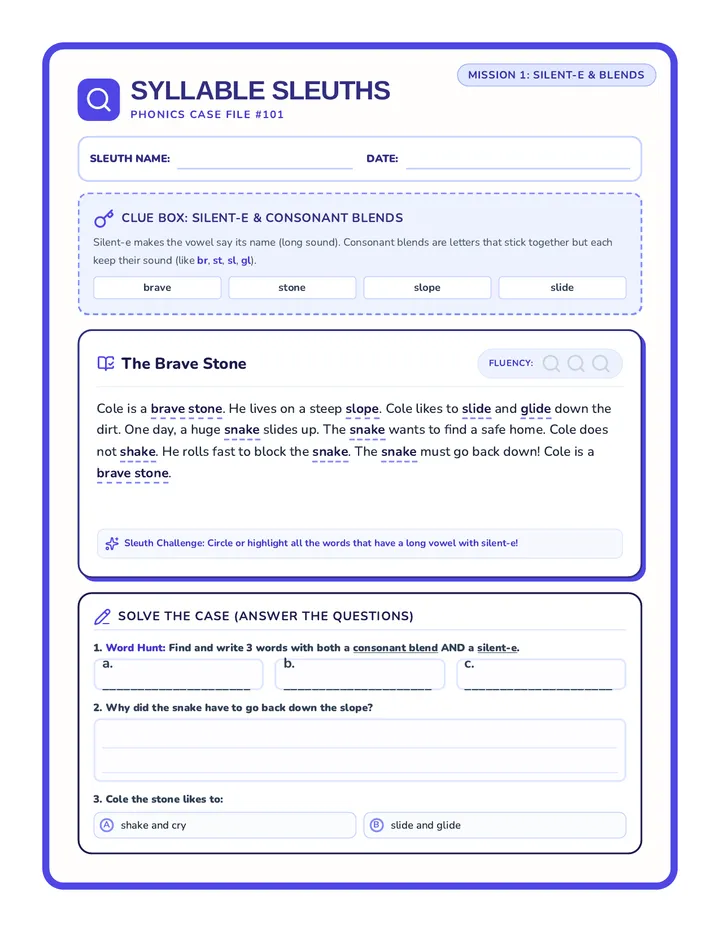
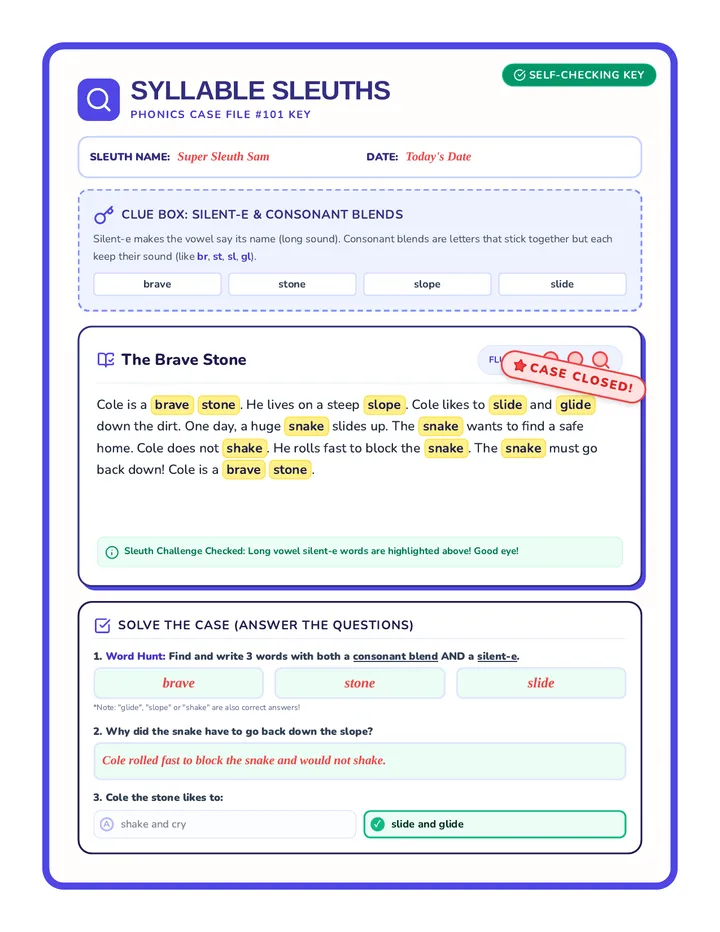
Deciphering the Magic E (VCe) pattern where a silent 'e' at the end of a syllable makes the preceding vowel long.
Exploring open syllables that end in a single vowel, which typically makes its long sound.
Investigation of closed syllables where a single vowel is followed by one or more consonants, resulting in a short vowel sound.
A comprehensive assessment on fairy tale elements and plot structures for elementary students, featuring two differentiated levels to meet specific grade-level standards.
A collection of instructional resources and organizing tools for nonsense word fluency practice across various phonics patterns.
A lesson focused on chapters 29-35 of Louis Sachar's Holes, exploring the deepening friendship between Stanley and Zero as they face the challenges of the desert. Students will analyze character relationships, make inferences about their survival, and identify the central theme of loyalty.
A comprehensive assessment based on E.B. White's classic novel Stuart Little, designed for 3rd-grade students to test their comprehension of the plot, characters, and themes.
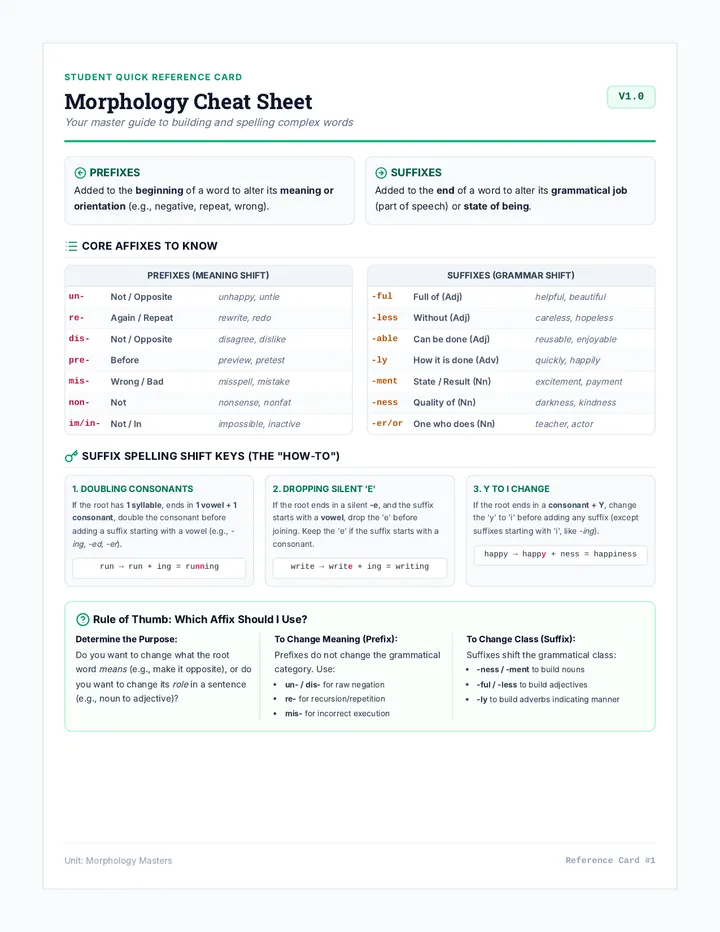
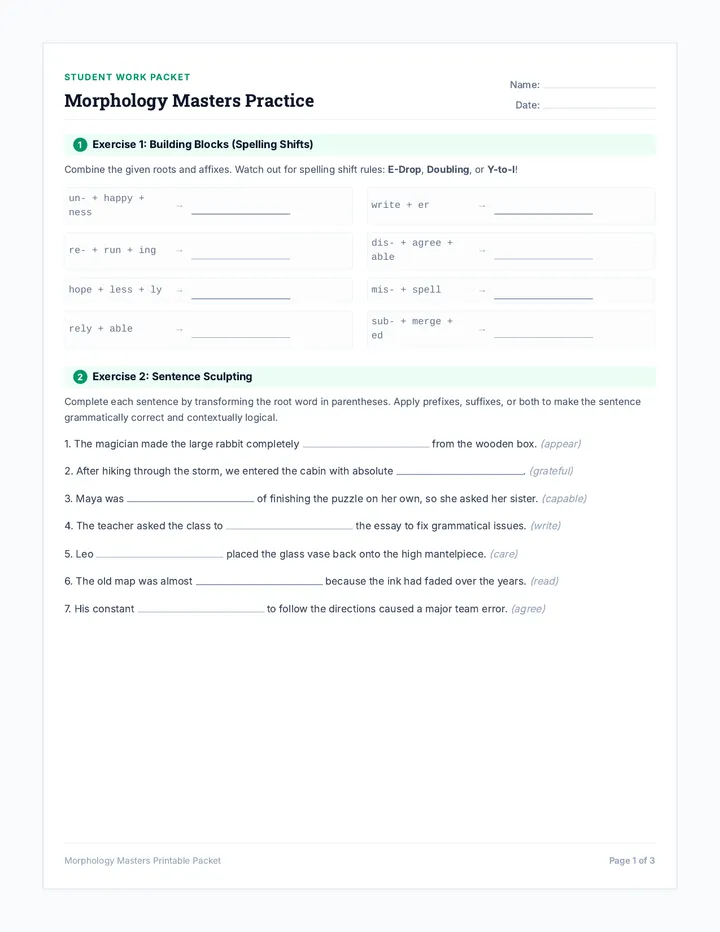
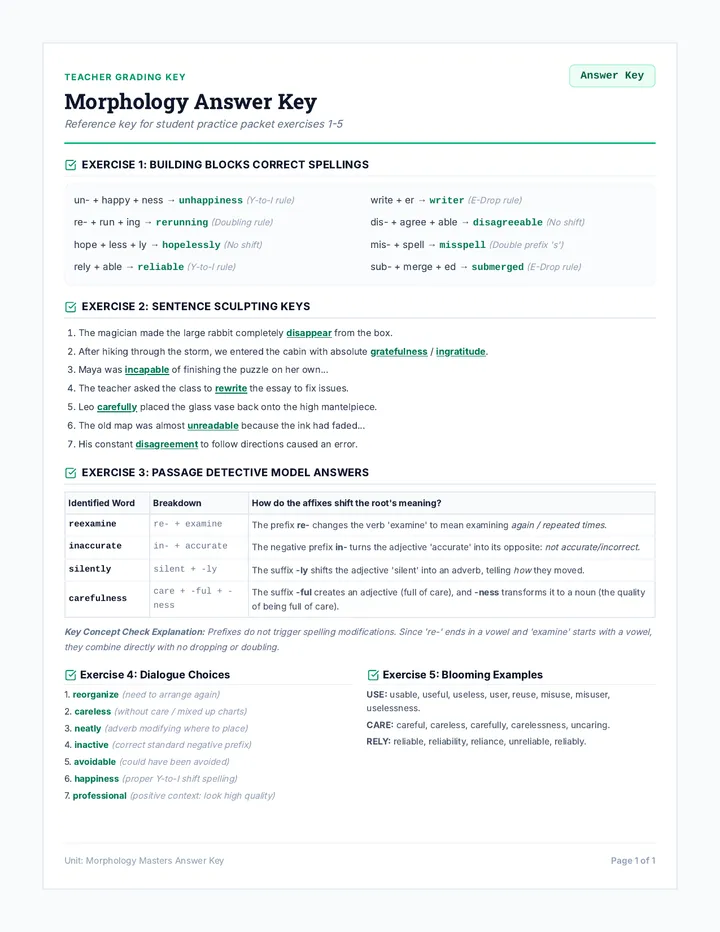
A comprehensive lesson on adding suffixes to multi-syllabic words ending in a silent 'e', focusing on the rules for dropping or keeping the 'e' based on the suffix type.
Conclusion of the fable where Leo chooses honesty. Students determine the central idea and the overarching moral of the story.
Students follow the plot as Leo's lie leads to unexpected consequences, focusing on how character choices drive the story and how those choices make the character feel.
Introduction to the fable 'Leo and the Golden Coin'. Students identify the characters, setting, and the initial problem Leo faces when he finds something that isn't his.
A lesson focused on decoding popular sayings using a variety of phonics patterns including CVC, blends, silent e, vowel teams, R-controlled vowels, and multi-syllabic words.
A lesson focusing on identifying nouns, verbs, adjectives, adverbs, prepositions, conjunctions, and interjections using athletic and academic contexts.
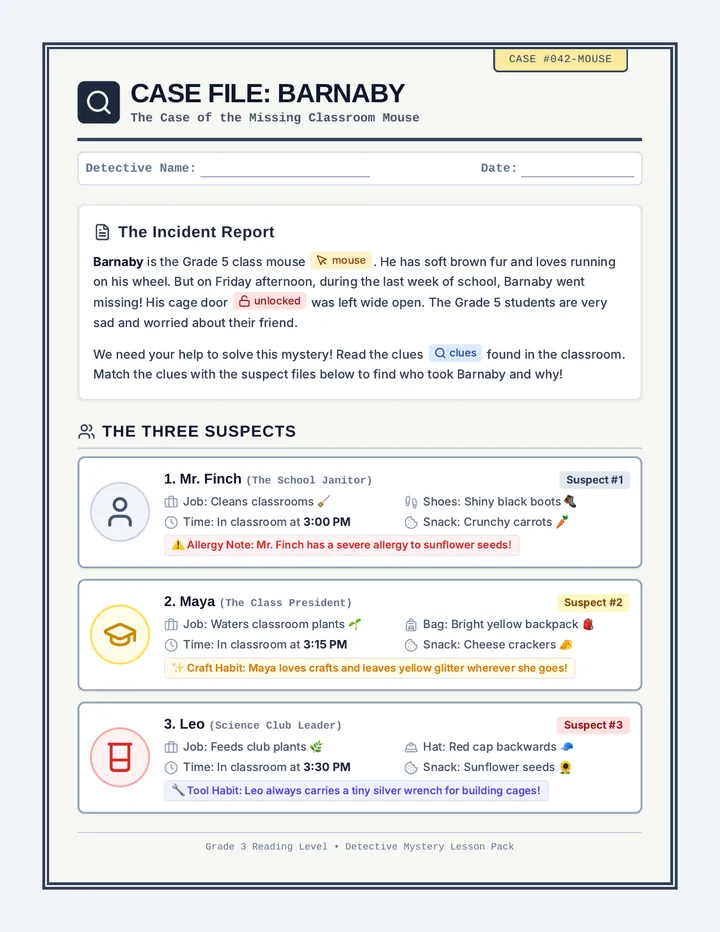
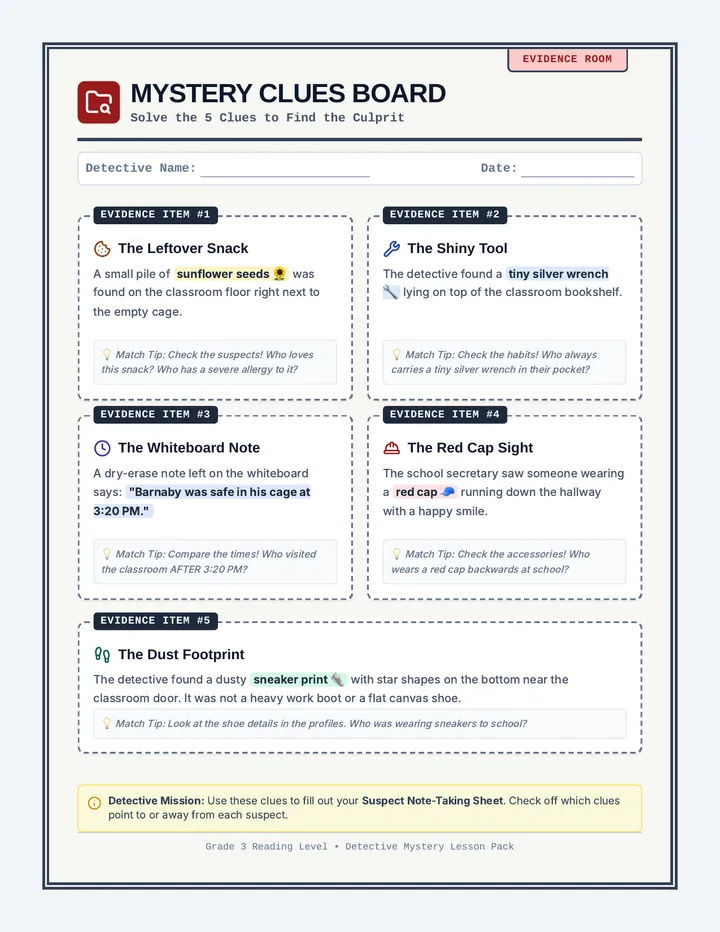
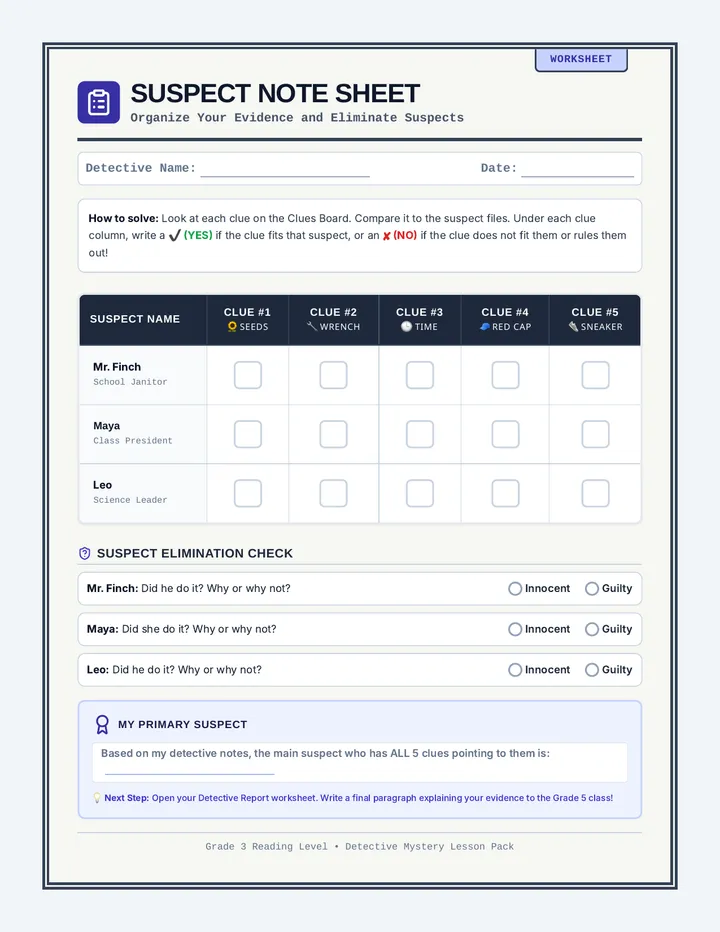
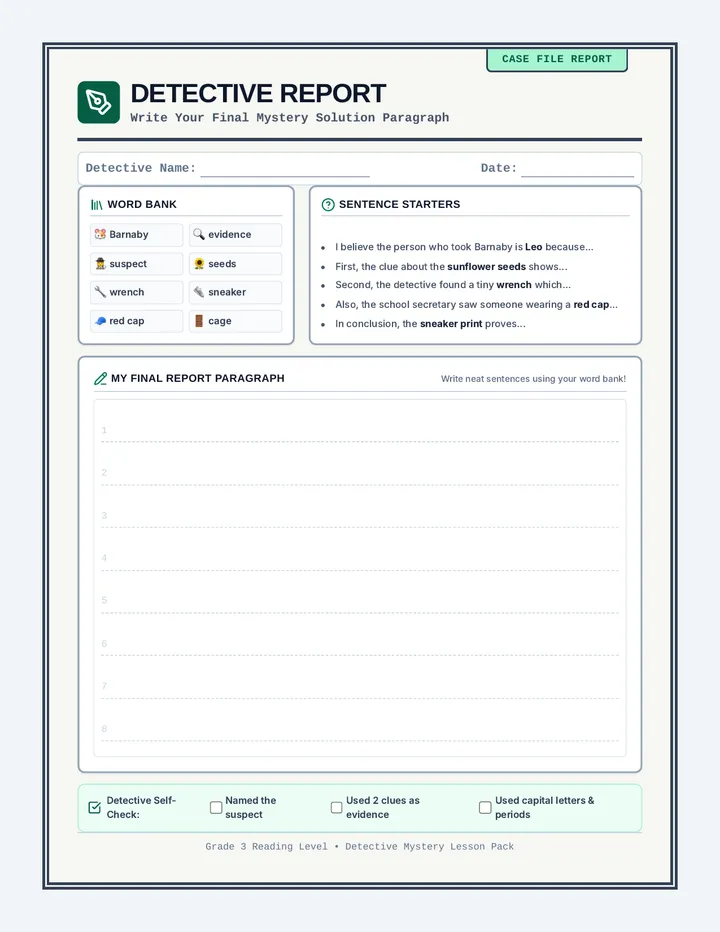
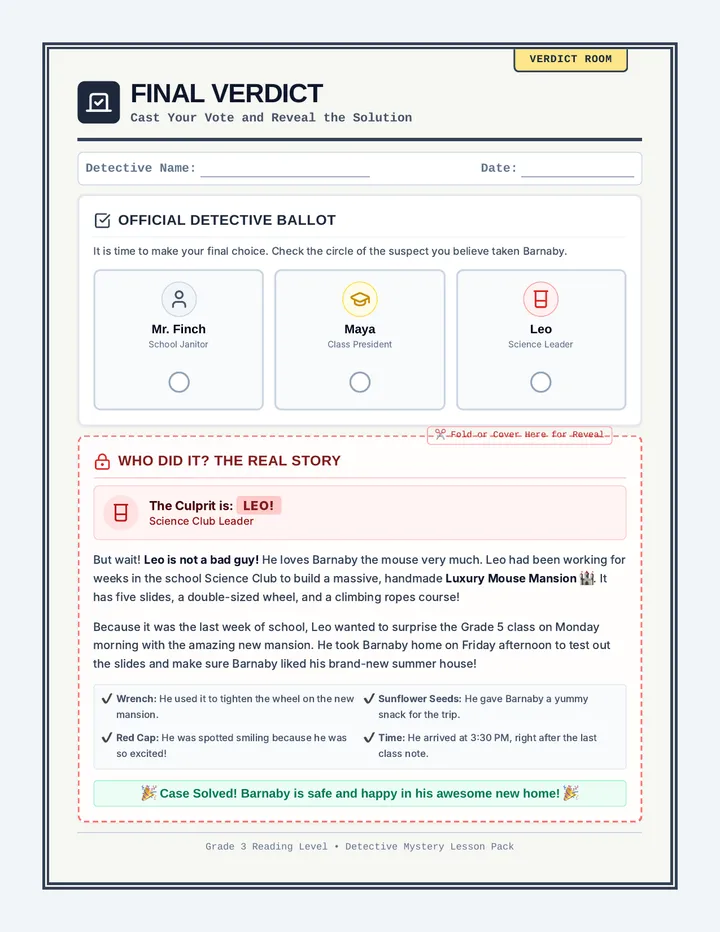
A lesson on making inferences using the 'Detective Agency' theme. Students learn to combine text evidence with background knowledge to uncover hidden meanings in short stories.
A word study lesson focused on the /oi/ diphthong, teaching the spelling patterns 'oi' and 'oy' through a toy factory theme. Students will learn the positional rules for each spelling and practice through sorting and identification activities.
A pair of engaging recording sheets designed for students to track their reading on Epic!, featuring specific templates for both fiction and nonfiction texts.
Students will read a realistic fiction passage and answer 20 EOG-style questions that require them to refer explicitly to the text for evidence.
Students practice combining simple sentences with the same subjects into compound sentences using pronouns and adding descriptive predicate expanders (where, when, why, and how).
Students will read a detailed historical account of the Wright Brothers' first flight at Kitty Hawk and answer 20 EOG-style questions, focusing on citing explicit text evidence.
A lesson focused on identifying central ideas and morals within realistic fiction through a story about responsibility and growth.
A collection of weekly reading assessments (CFUs) for Module 1, focused on character traits, central message, and point of view.
A lesson focused on analyzing character traits, determining central messages, and distinguishing points of view using the story 'A Little Help'. Students practice applying RL.2, RL.3, and RL.6 standards through standards-aligned multiple-choice questions.
Assessment for 'Fort Friends' focusing on Arizona 3rd grade standards RL.1 and RL.9 through AASA-aligned multiple-choice questions.
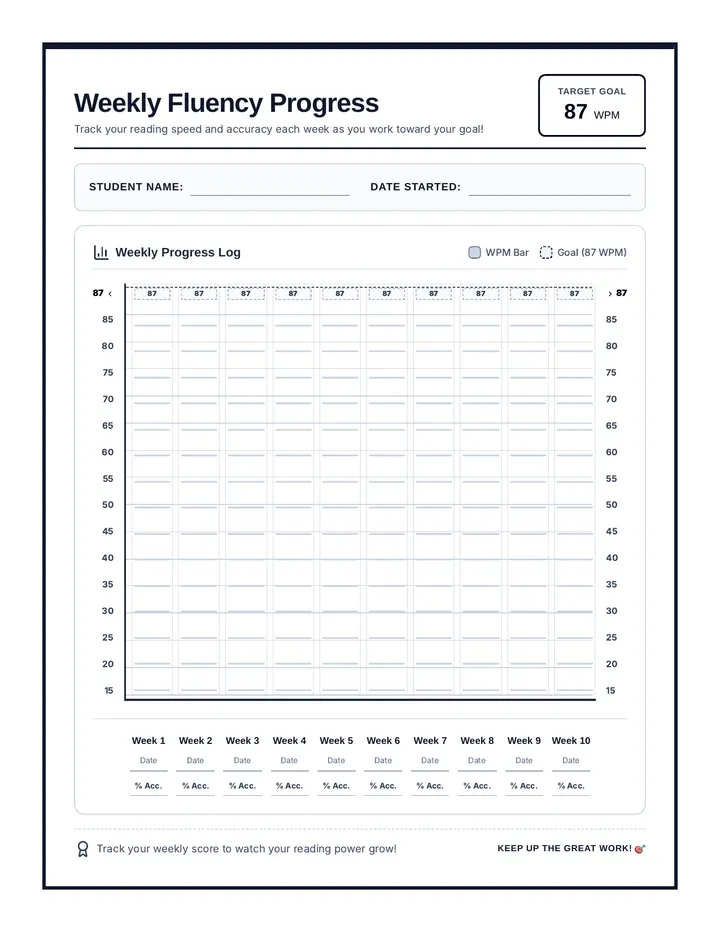
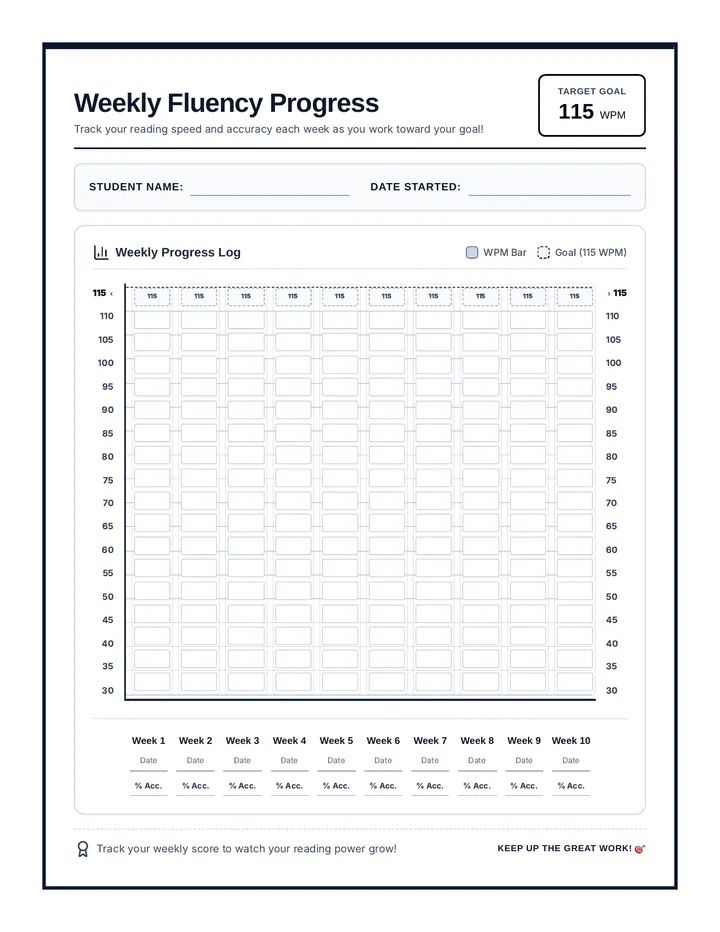
A collection of visual goal-tracking dashboards for grades 1-5, using a rocket launch theme to help students visualize their reading fluency targets for the year.
A sports-themed mystery story and comprehension activity designed for 3rd-4th grade reading levels, focusing on making inferences and identifying key details.
A lesson focused on reading comprehension and identifying key details from a news article about a manatee rescue.
A lesson focused on decoding VCCV and VCV syllable patterns, along with common prefixes and suffixes, through an engaging reading passage and comprehension check.
A reading comprehension lesson focused on identifying evidence and answering questions about a narrative text, themed around a forest mystery.
A quick-fire 30-minute sub plan focusing on the 1-1-1 doubling rule for suffixes -ed, -er, -est, and -ing. Students act as 'Word Mechanics' to fix words before they leave the factory.