A 4th-grade reading comprehension practice focusing on the DIBELS Maze format, featuring an engaging passage about the remarkable intelligence and physical abilities of octopuses.
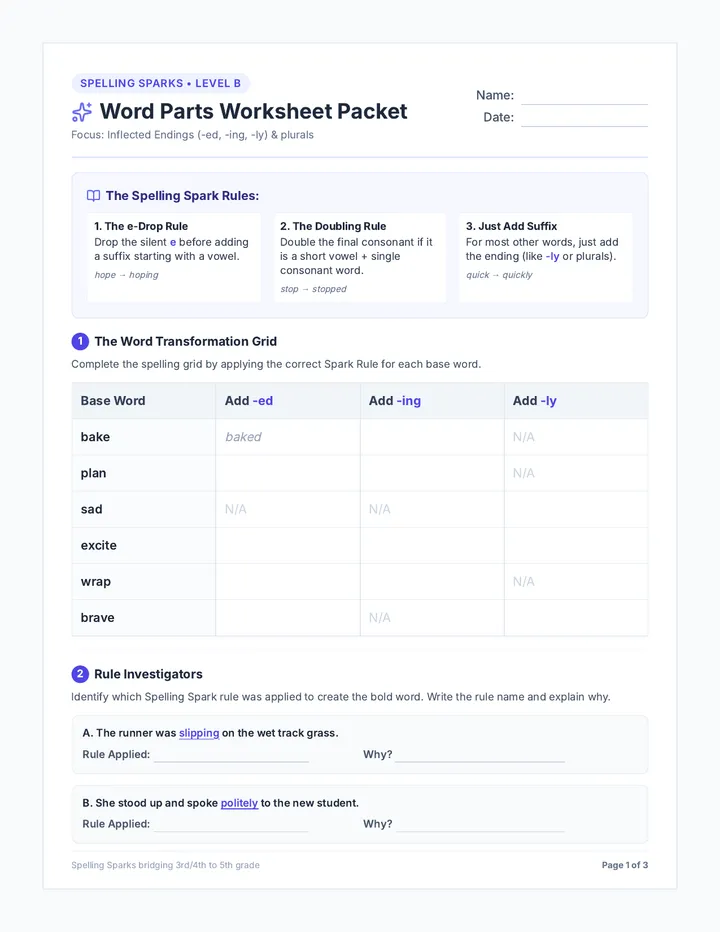
A spelling bridge program for rising fifth graders, reviewing essential third and fourth-grade spelling patterns. Focuses on inflected endings, syllable junctures, silent letters, and complex vowels through structured worksheets and hands-on sorting cards.
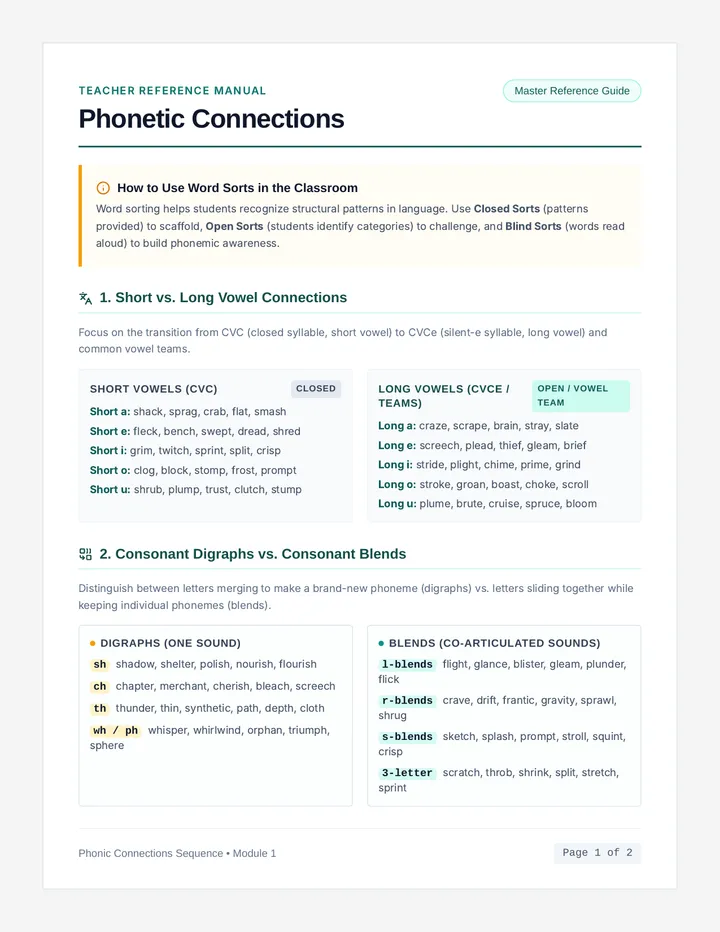
A foundational phonics lesson centered around sorting words by their phonetic connections, including vowel patterns, digraphs, blends, and complex spelling rules. Includes a master reference guide for teachers and a clean, versatile student sorting activity sheet.
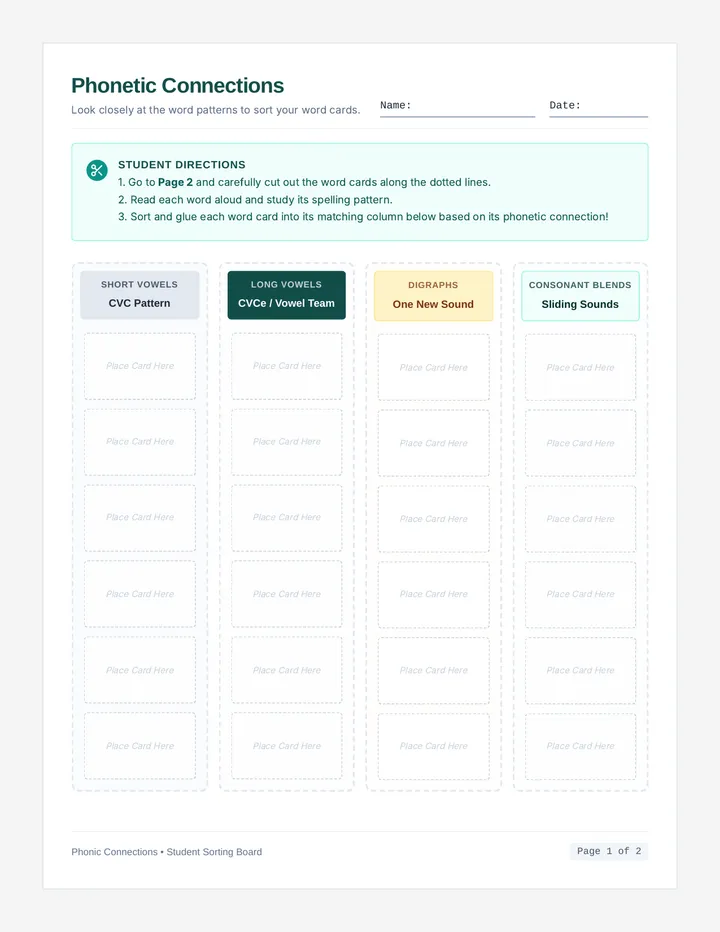
A 2-page print-ready student sorting worksheet. Page 1 features a beautifully structured 4-column Phonetic Sorting Board with Name/Date lines, and Page 2 contains 24 clean, dotted cut-out word cards featuring targeted phonetic patterns (CVC, CVCe, digraphs, and blends).
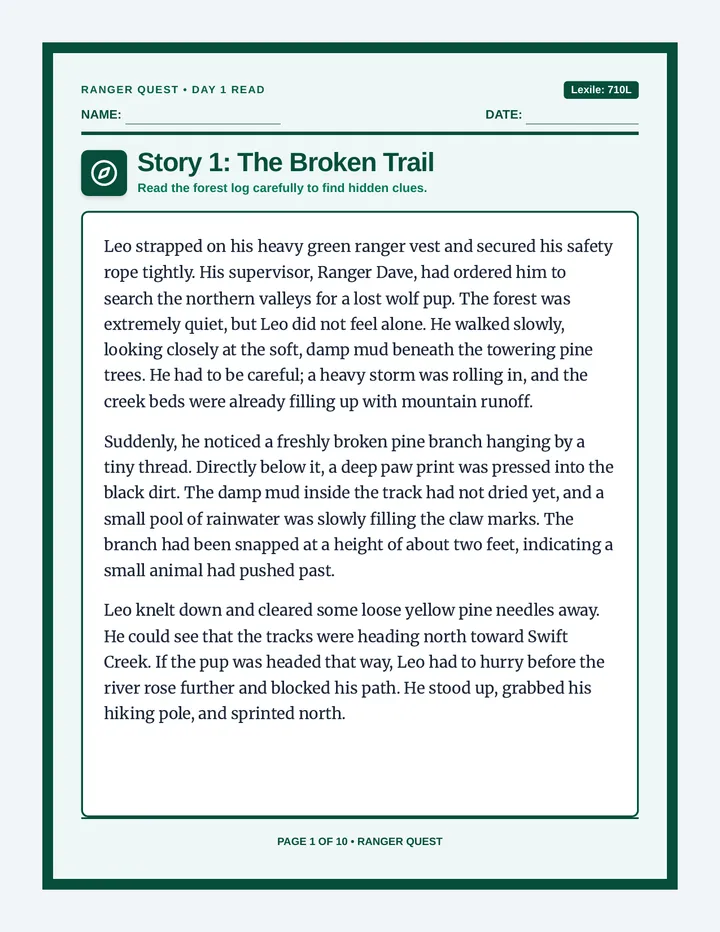
An 8-week reading comprehension curriculum designed for entering fifth graders, featuring high-interest adventure themes like wilderness survival, deep-sea exploration, cyber defense, and volcanology. It focuses on critical reading comprehension skills like inferences, cause and effect, summarizing, and context clues with high-contrast, large print student packets.
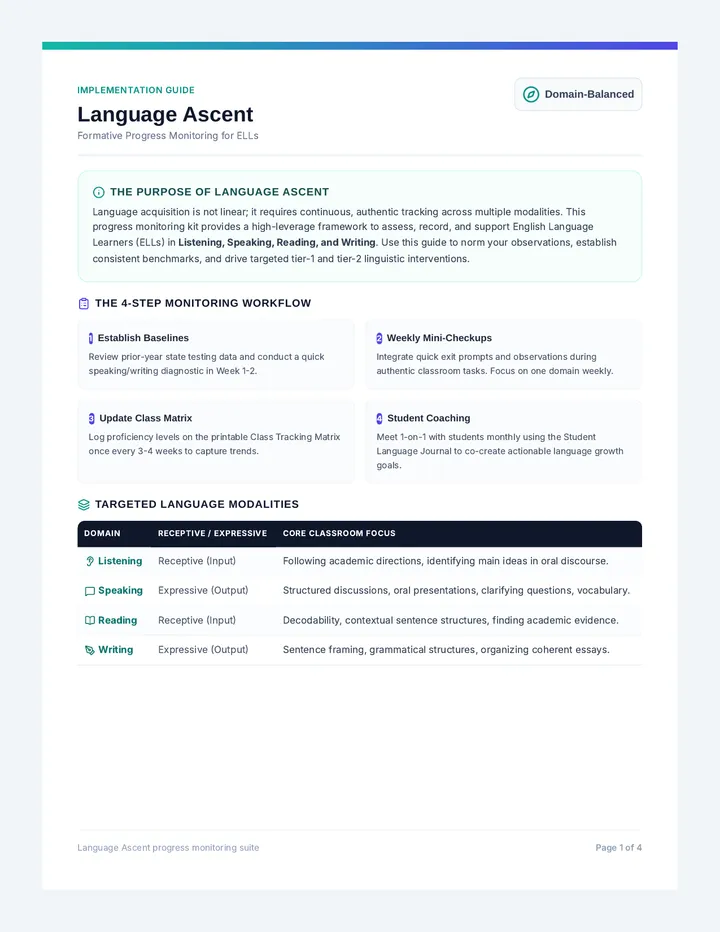
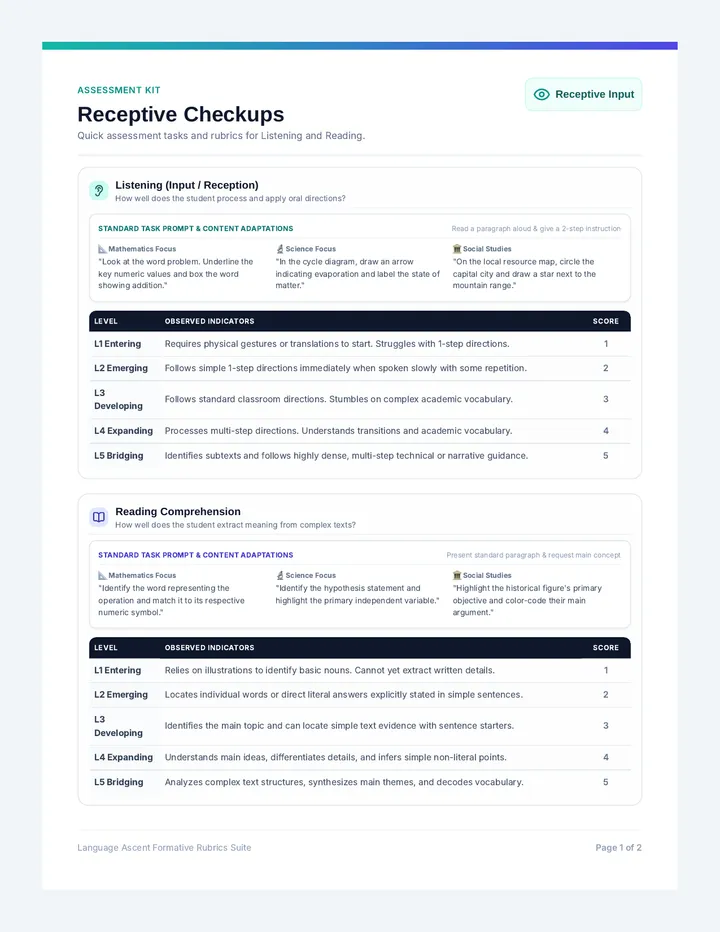
A comprehensive progress monitoring kit for English Language Learners (ELLs) across all four core language domains. Includes step-by-step teacher instructions, a printable class tracking matrix, a student self-monitoring journal, and quick formative assessment rubrics.
A comprehensive 2-page master sorting guide for teachers, mapping out phonics categories (vowels, digraphs, blends, diphthongs, and silent letters) with an extensive word repository and pedagogical strategies.
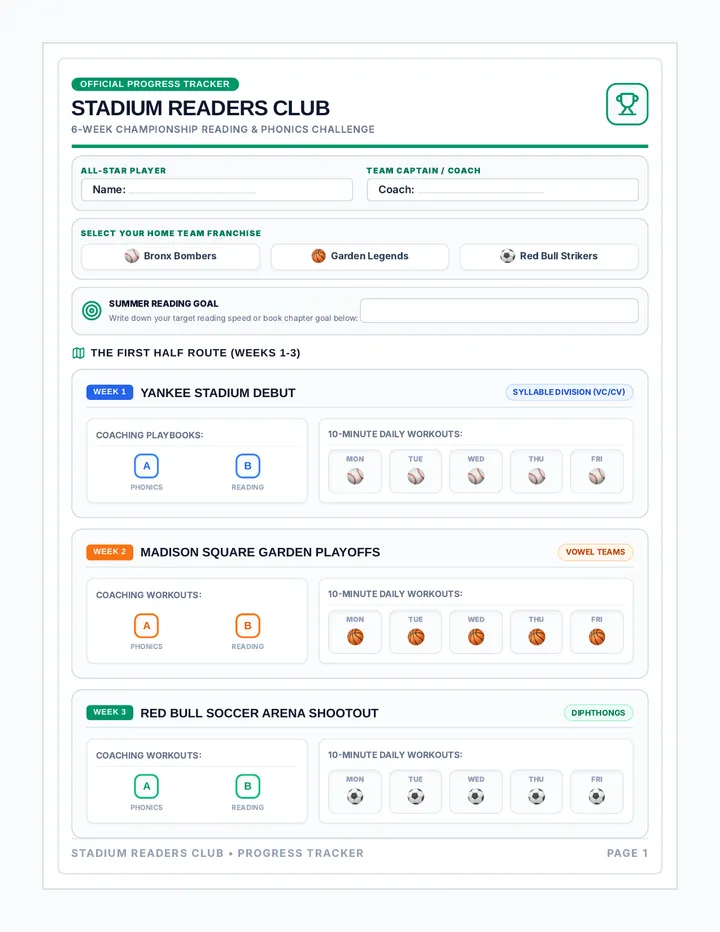
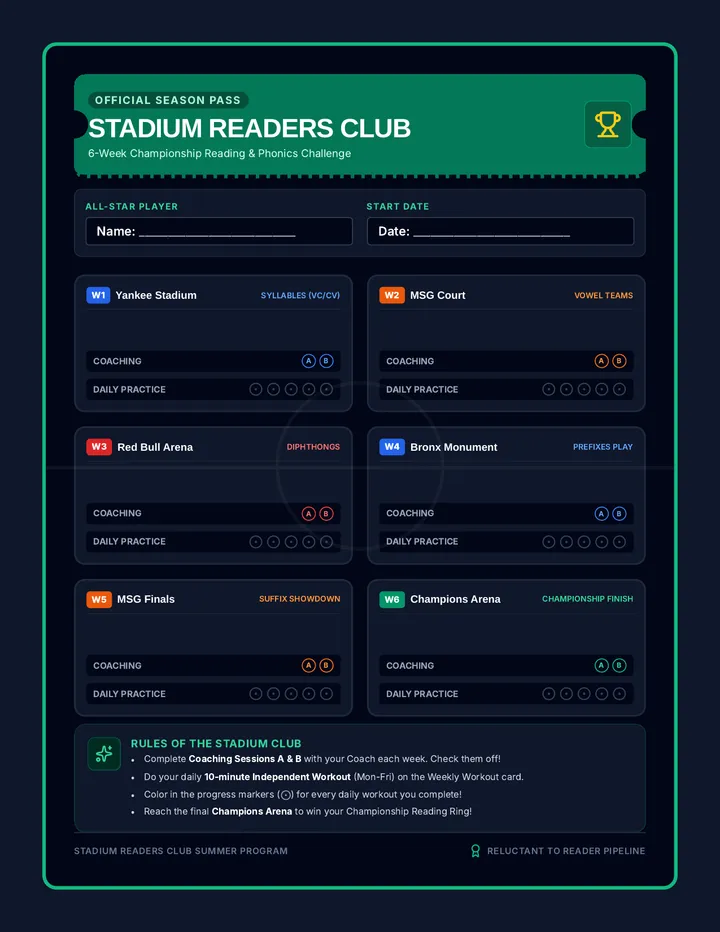
The 'Stadium Readers Club' is a high-interest, sports-themed reading intervention program designed specifically for reluctant entering 5th graders. It integrates phonics, word study, and reading comprehension across a 6-week schedule, utilizing the child's passion for the New York Yankees, New York Knicks, and soccer.
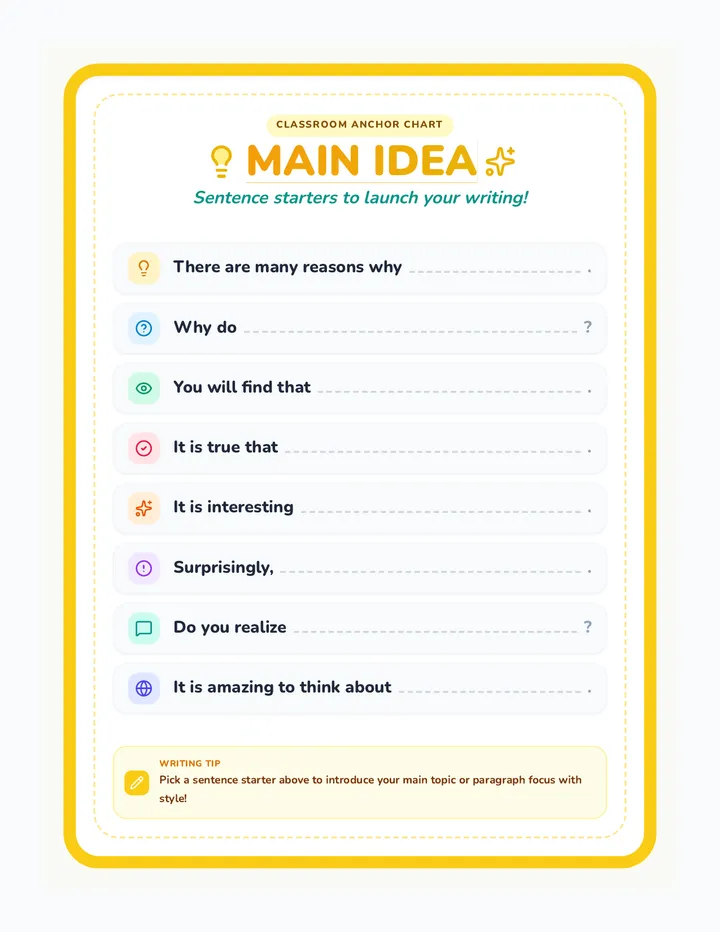
A creative lesson focused on providing elementary students with scaffolding tools, sentence starters, and structured frameworks for persuasive and expository writing.
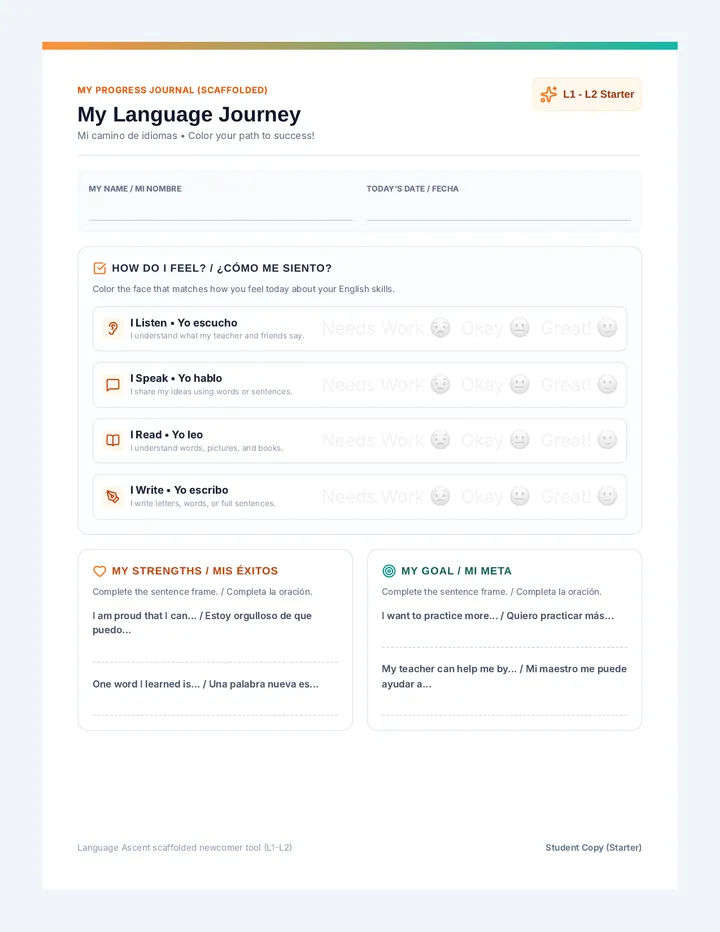
A highly scaffolded, visual, bilingual (English/Spanish) student self-monitoring journal page tailored for early language acquisition levels (L1-L2).
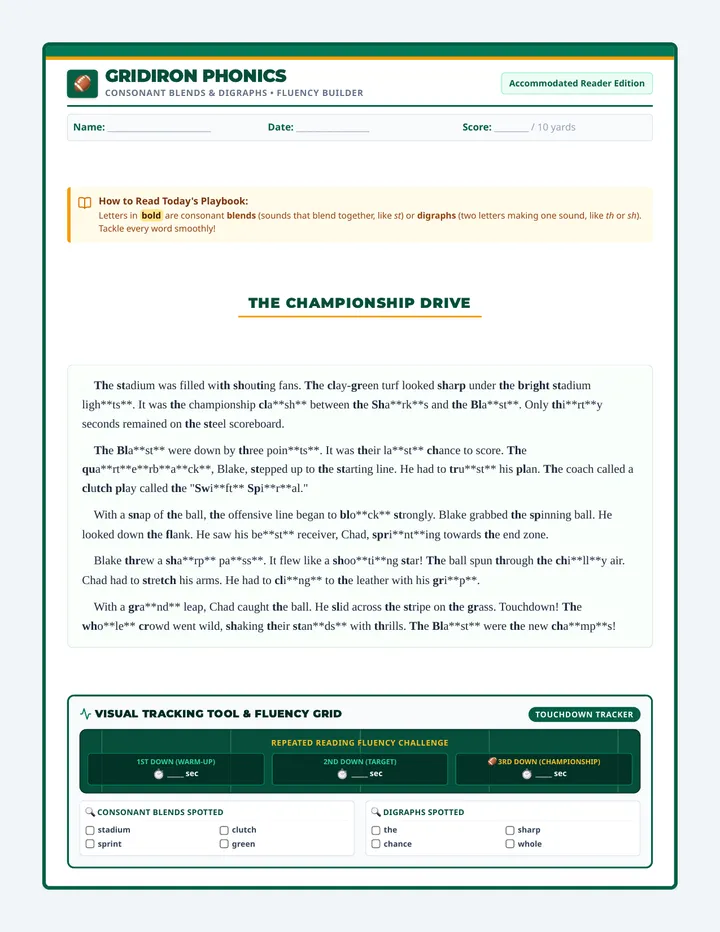
A high-interest multi-day phonics lesson centered around an exciting NFL football championship game. Students practice identifying, decoding, and tracking words with consonant blends and digraphs through structured warm-ups, a targeted reading passage, and scaffolded comprehension activities.
Quick formative assessment prompts and rubrics across listening, speaking, reading, and writing domains to facilitate easy, real-time feedback.