A critical thinking lesson for 8th Grade ELA focused on the historical origins of inductive and deductive reasoning. Students analyze the contributions of Aristotle and Descartes to the scientific method using video evidence.
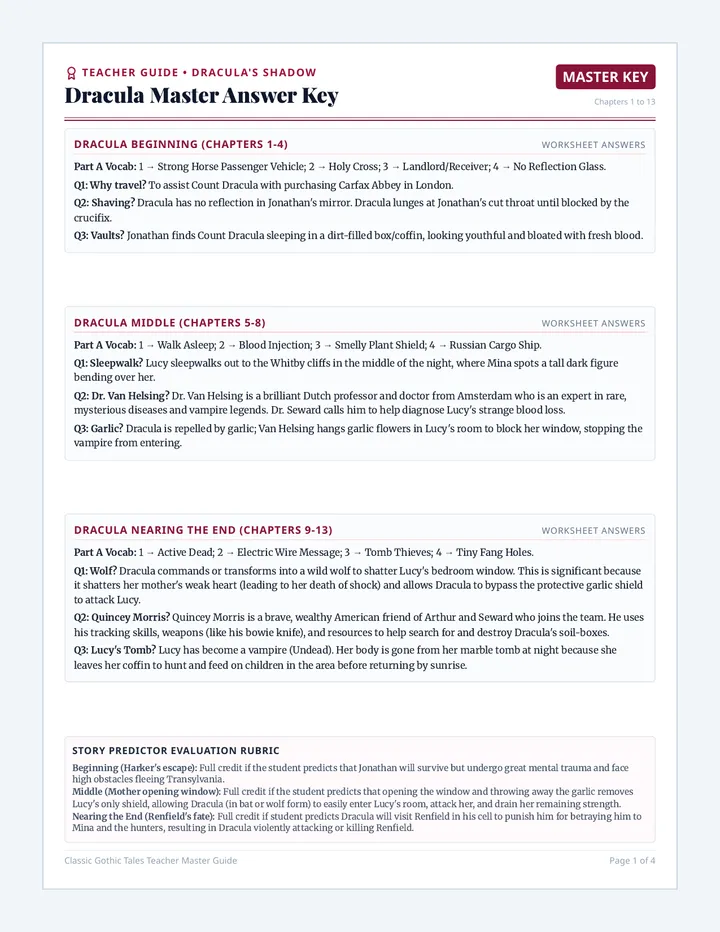
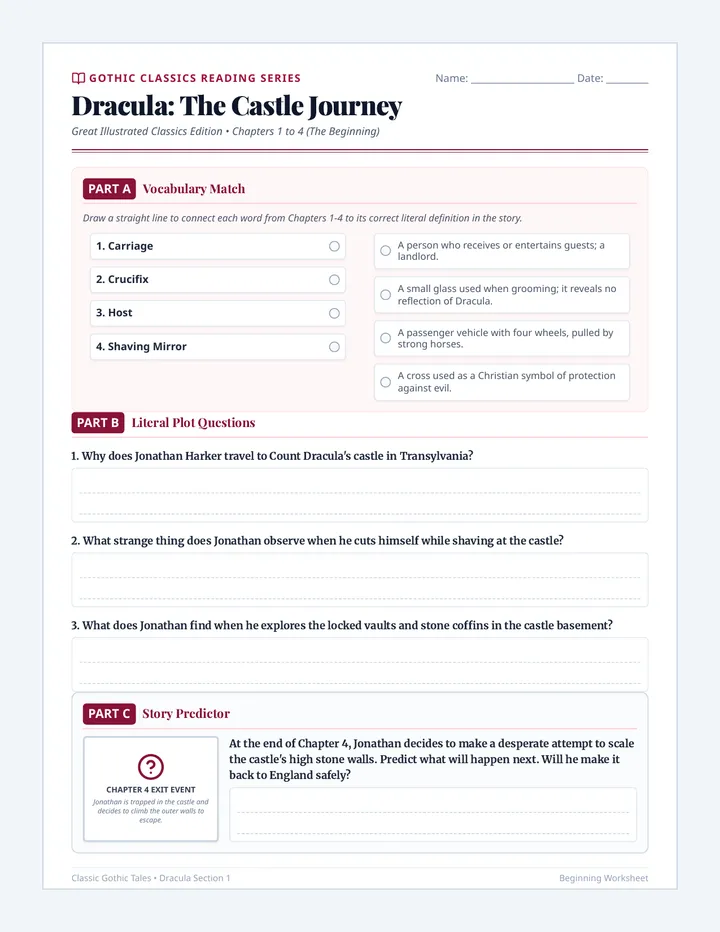
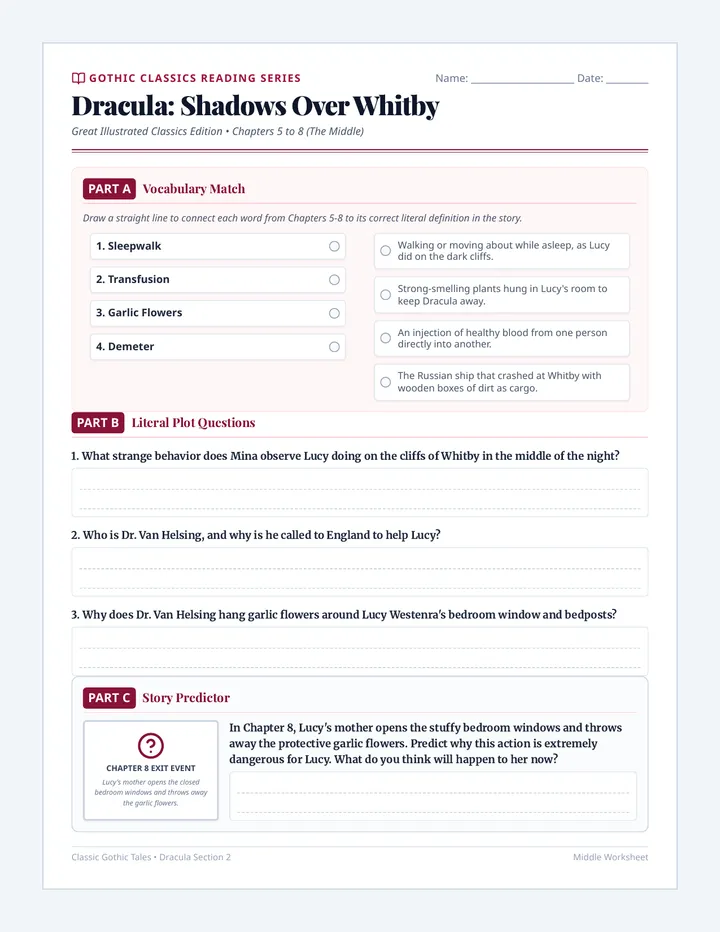
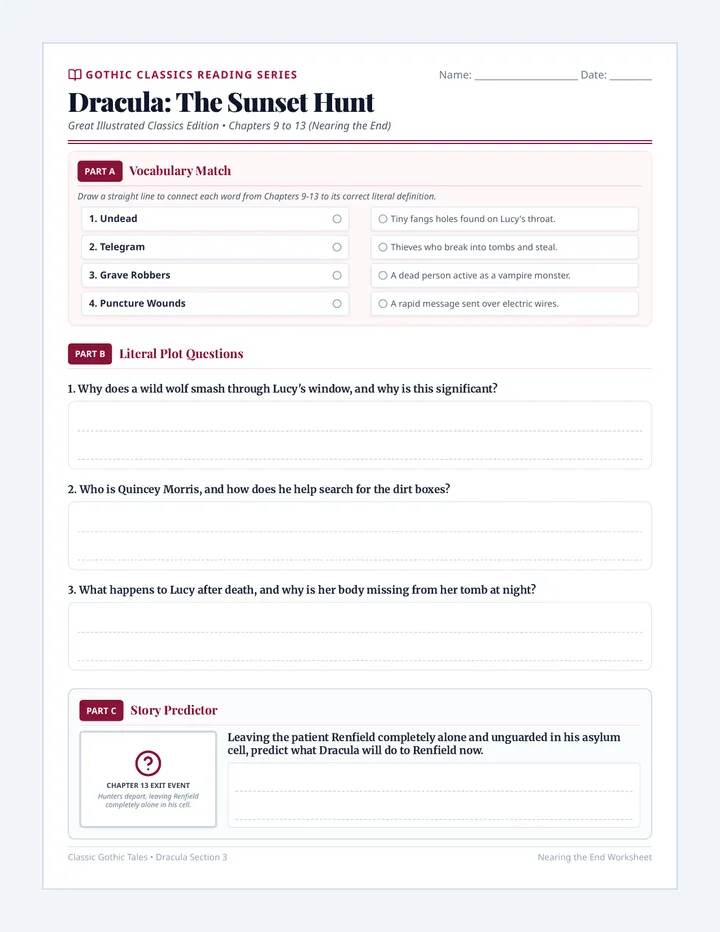
A comprehensive reading study sequence based on the Great Illustrated Classics editions of Dracula, Frankenstein, Dr. Jekyll and Mr. Hyde, and The Legend of Sleepy Hollow. Features student chapter worksheets with vocabulary matching and illustration-based questions, paired with a master teacher question bank and answer key.
A thrilling, detective-themed ELA lesson where students become 'Syntax Sleuths' to track down grammatical errors, run-ons, and punctuation slip-ups.
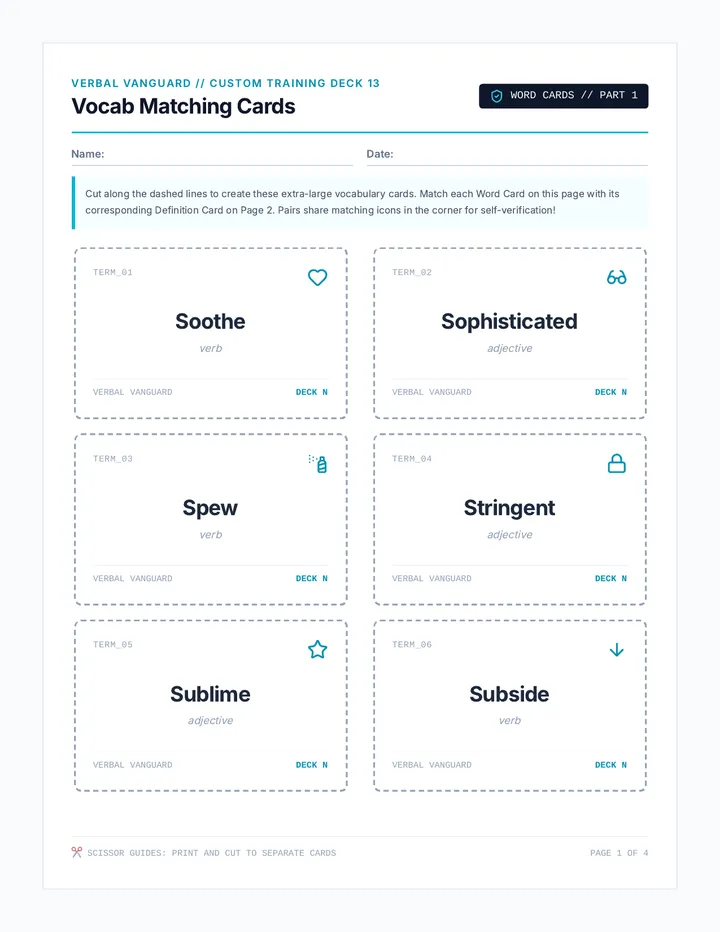
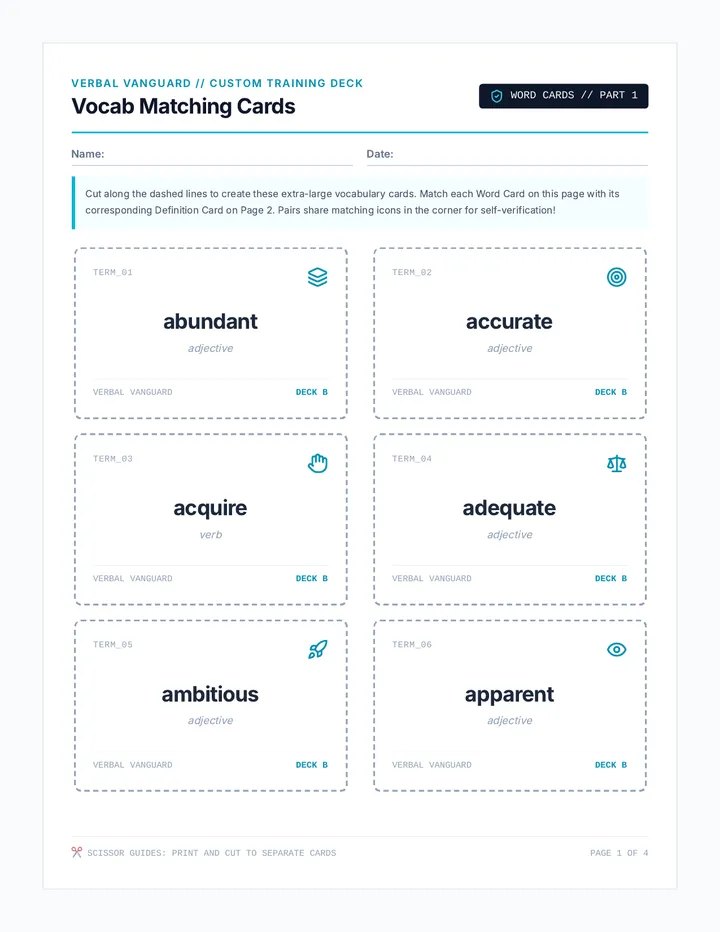
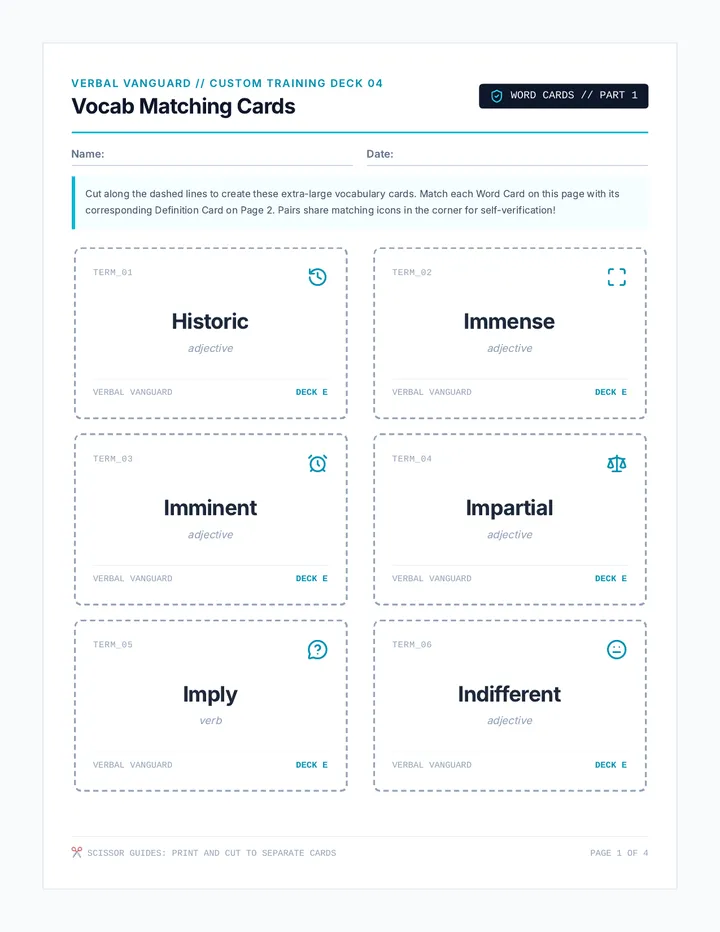
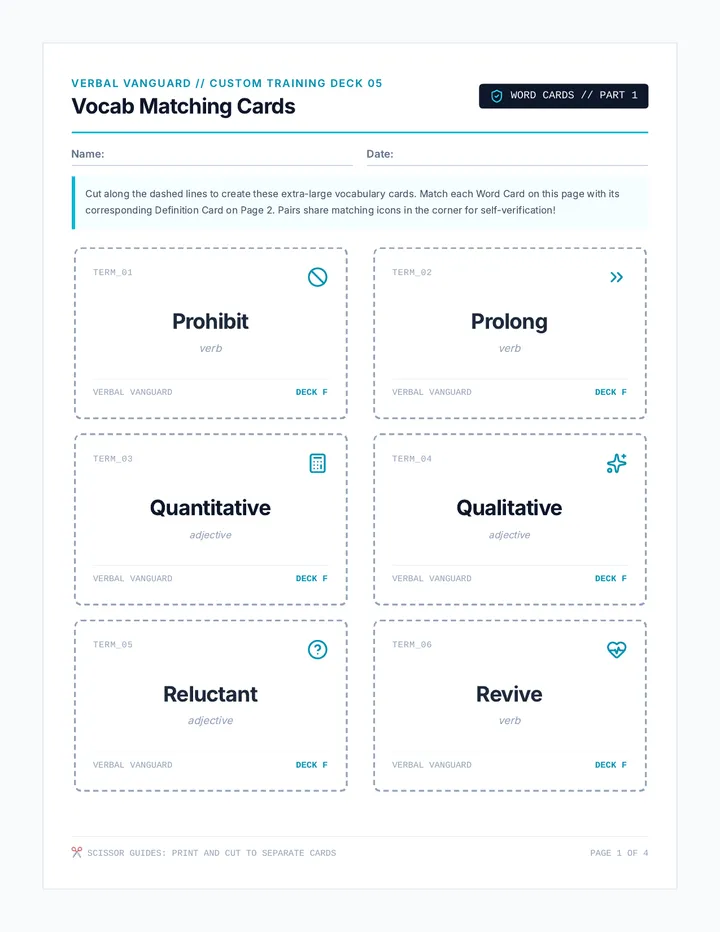
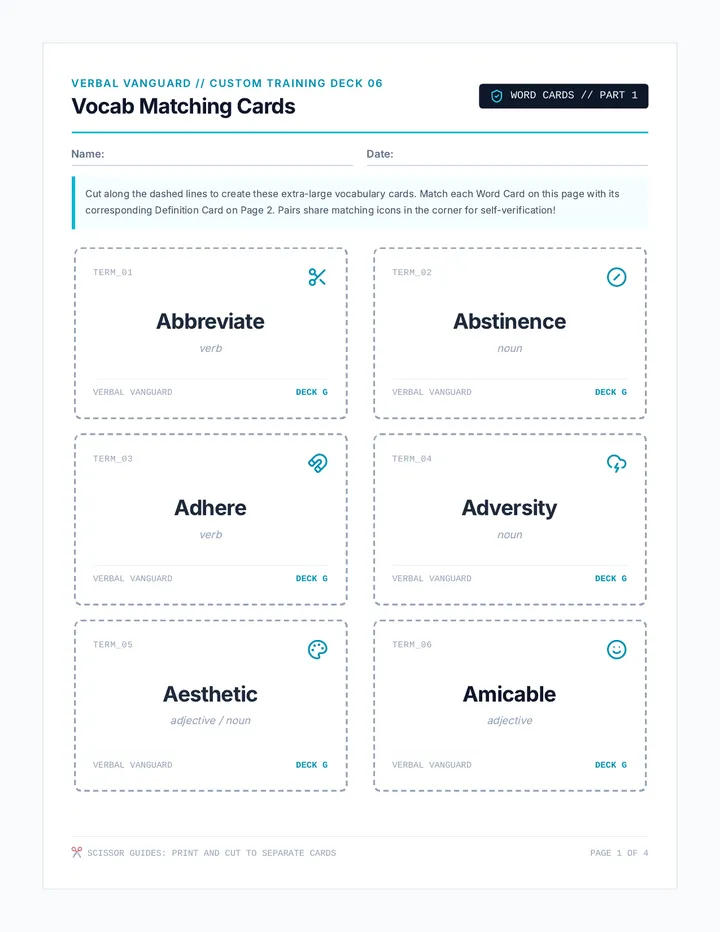
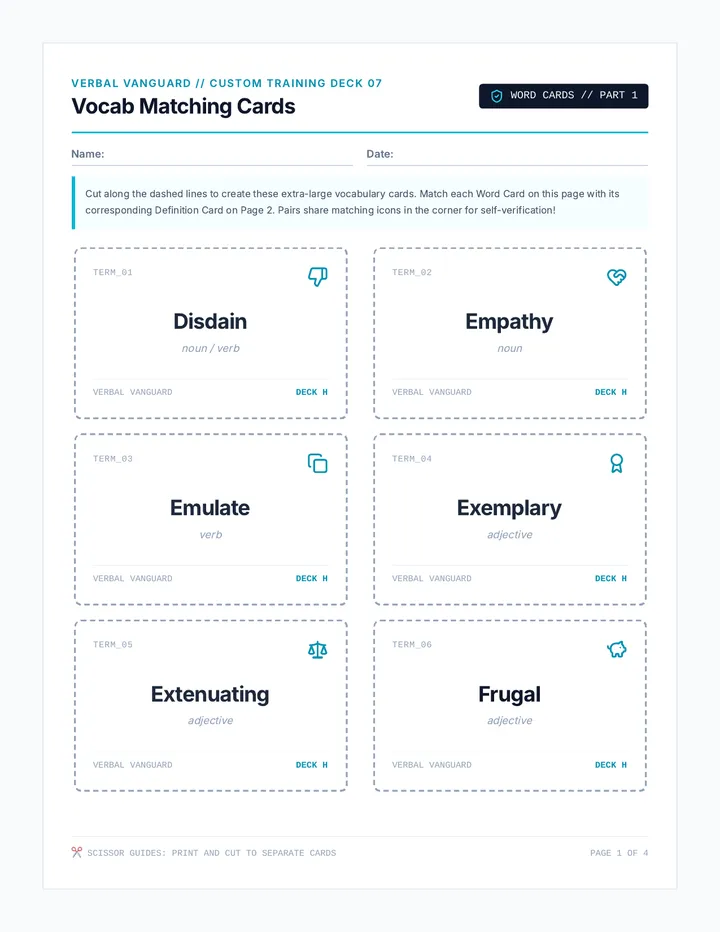
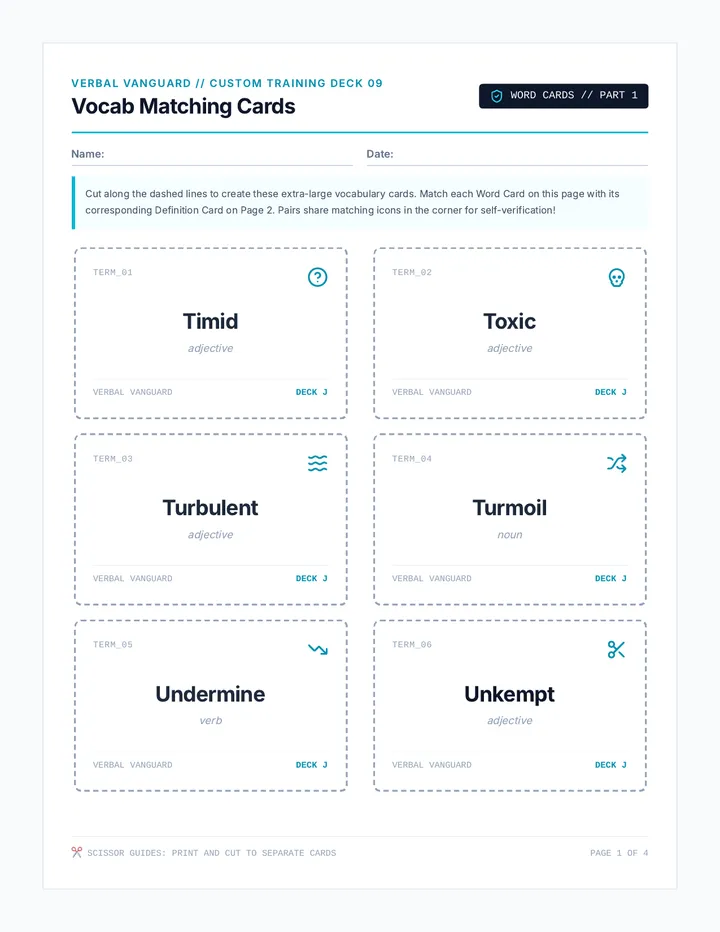
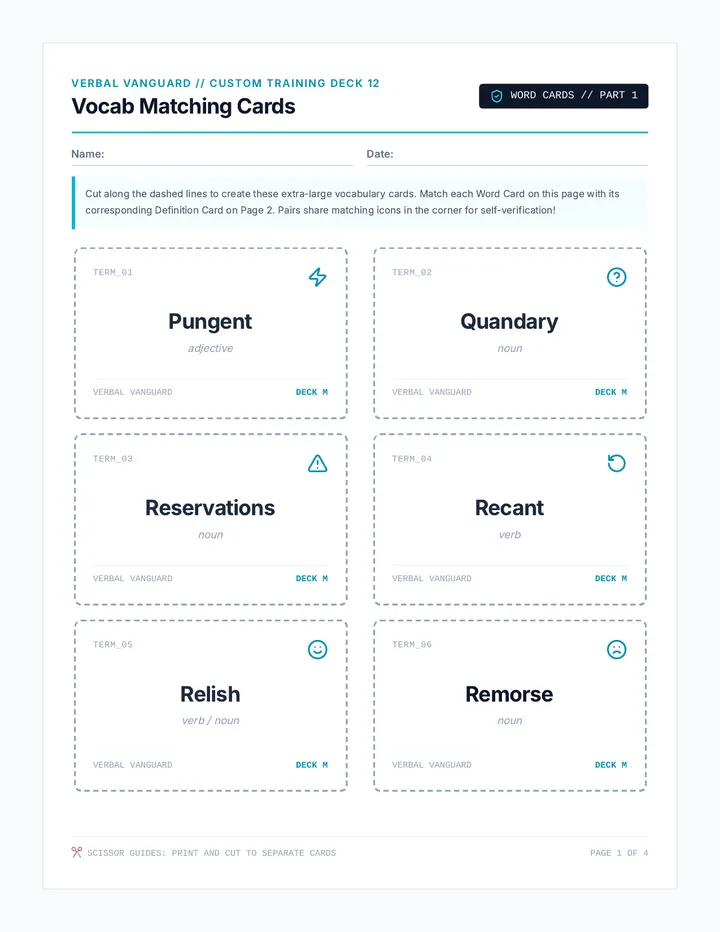
Large-format printable matching card deck featuring the student's thirteenth set of 12 custom vocabulary words and roots, scaled up for easy handling and reading. Upgraded with matching Lucide icons for self-checking and high visual appeal across a 4-page print-ready layout.
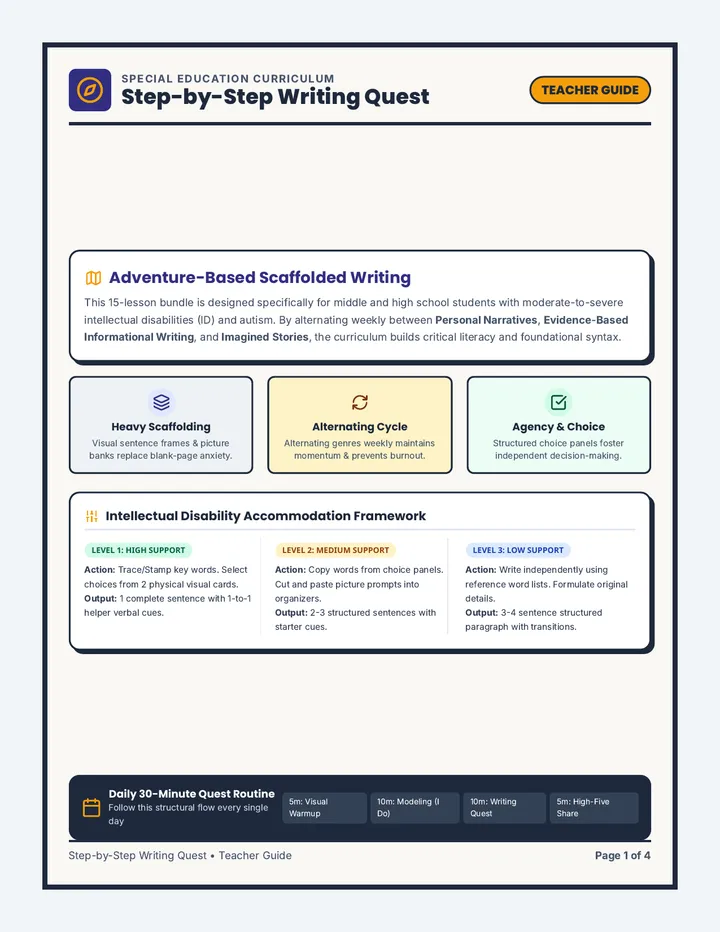
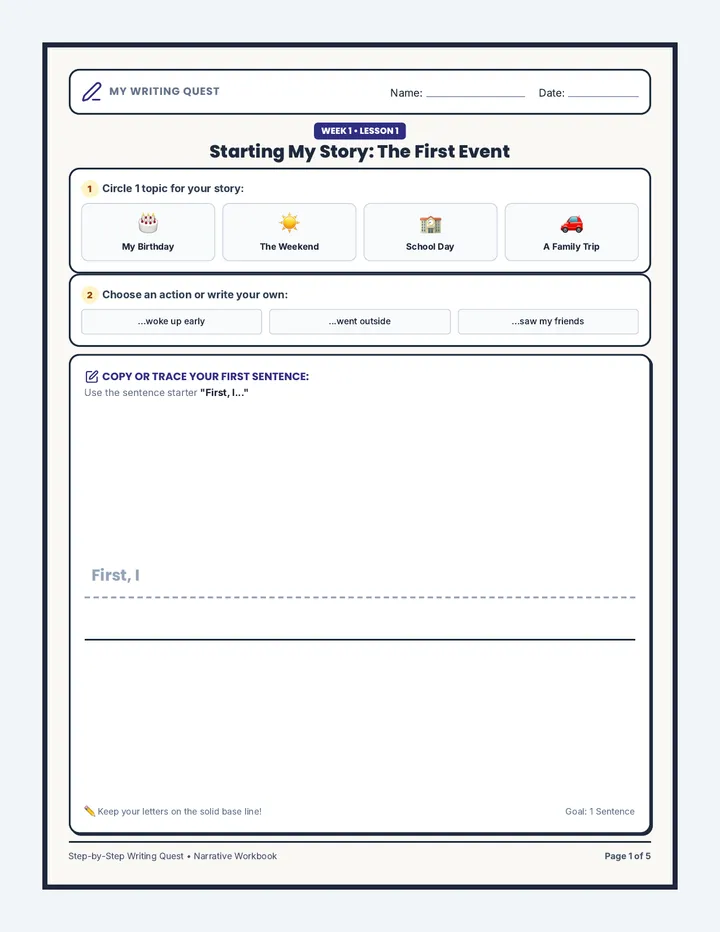
A comprehensive 15-lesson writing curriculum tailored for middle and high school students with intellectual disabilities. The sequence alternates weekly between personal narratives, evidence-based informational writing, and imagined stories, using heavy visual scaffolding, structured sentence frames, and clear graphic organizers.
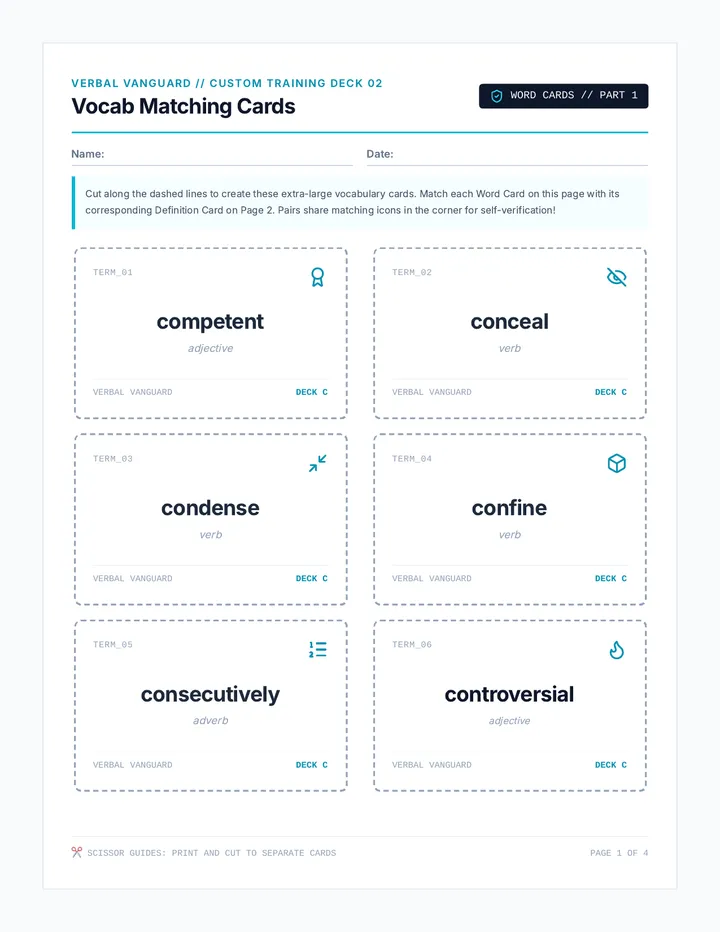
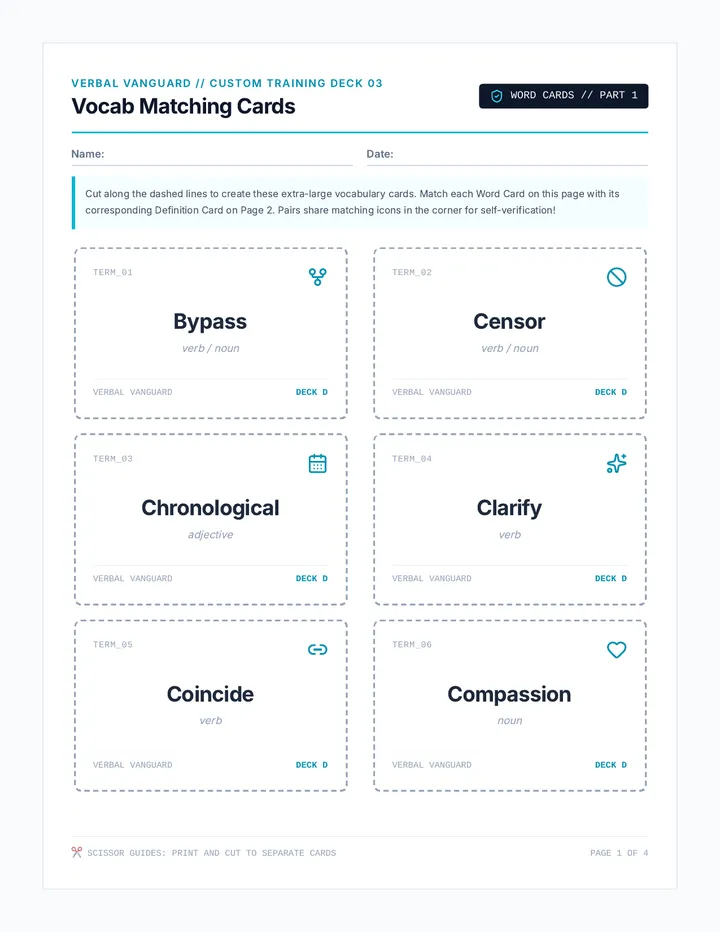
A collection of large-format printable vocabulary matching card decks designed to teach high-frequency SAT/ACT words and roots using visual icons for self-checking.
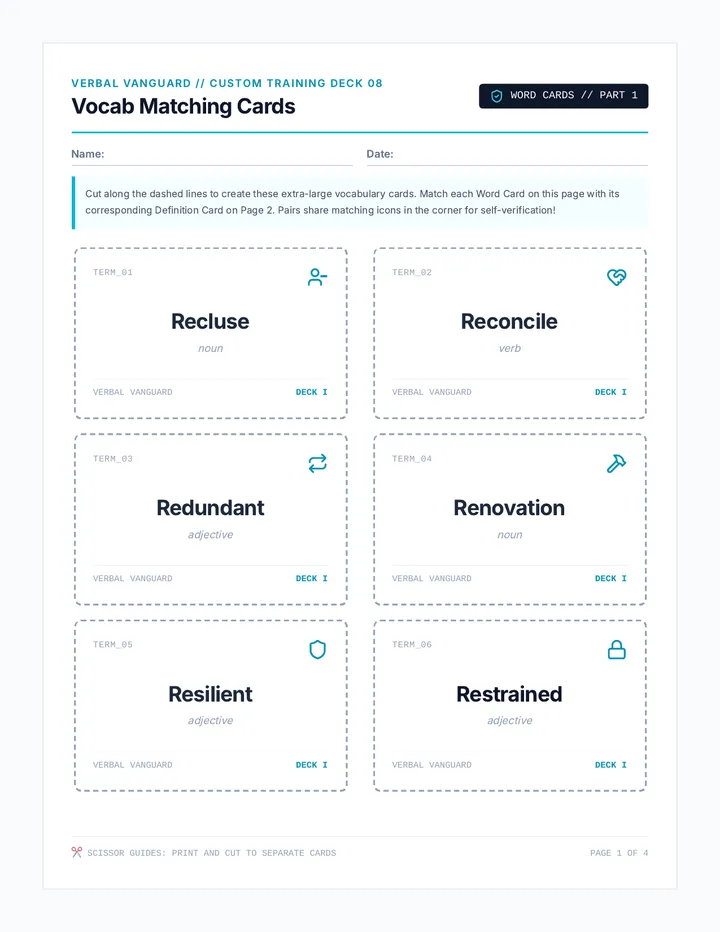
Large-format printable matching card deck featuring the student's twelfth set of 9 custom vocabulary words and roots, scaled up for easy handling and reading. Upgraded with matching Lucide icons for self-checking and high visual appeal across a 4-page print-ready layout.
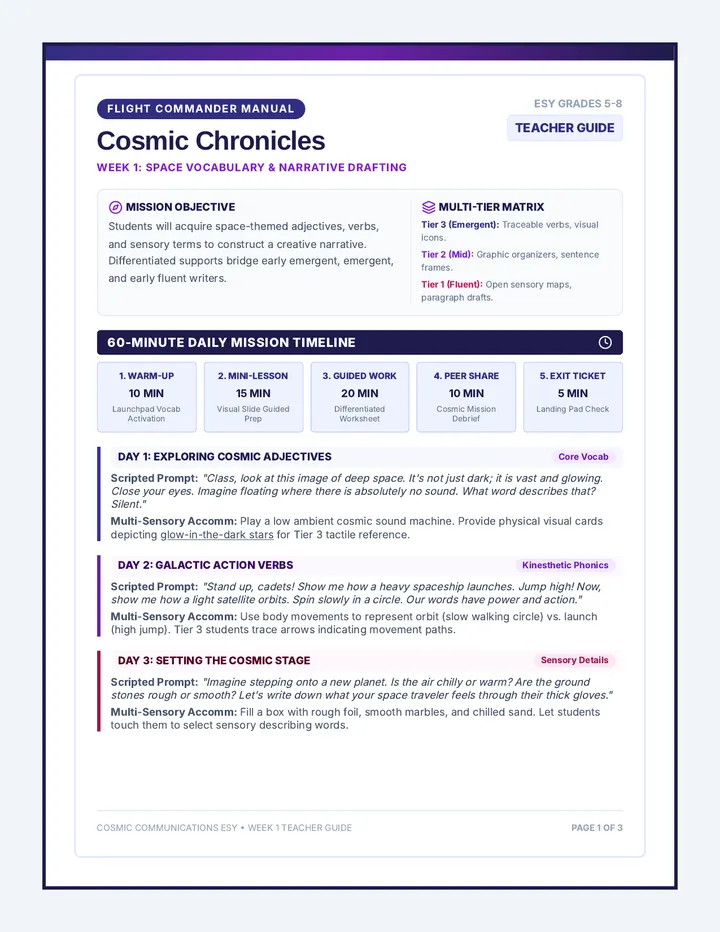
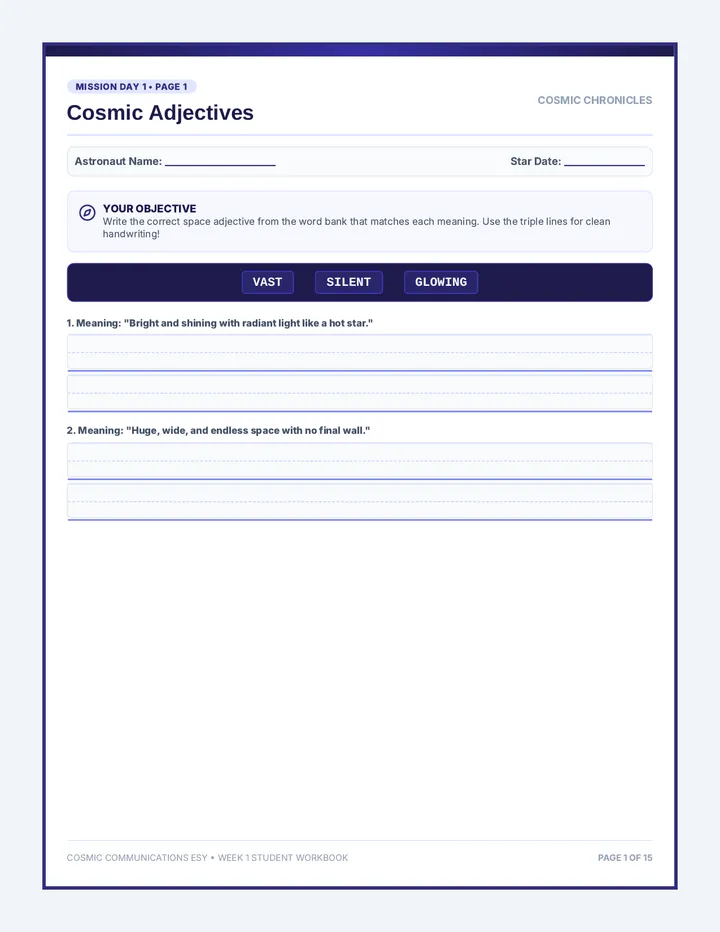
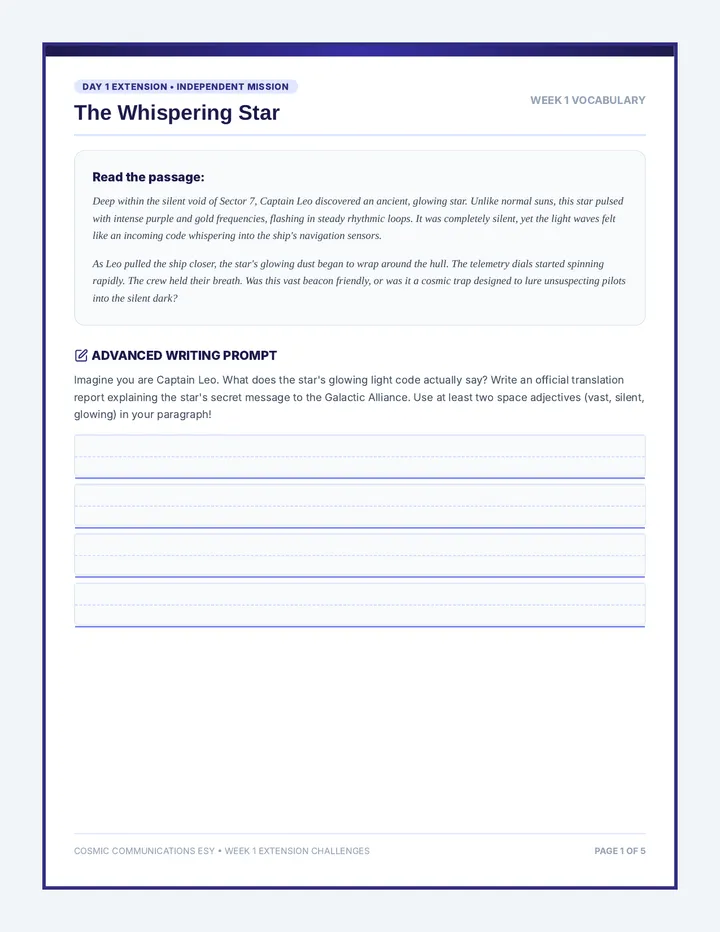
A comprehensive, space-themed 4-week Extended School Year (ESY) ELA curriculum designed for middle school students with disabilities (grades 5-8). It features daily scaffolded learning structures, differentiated materials spanning early emergent to early fluent readers, and visual sensory supports that make ELA skill acquisition accessible, engaging, and structured.
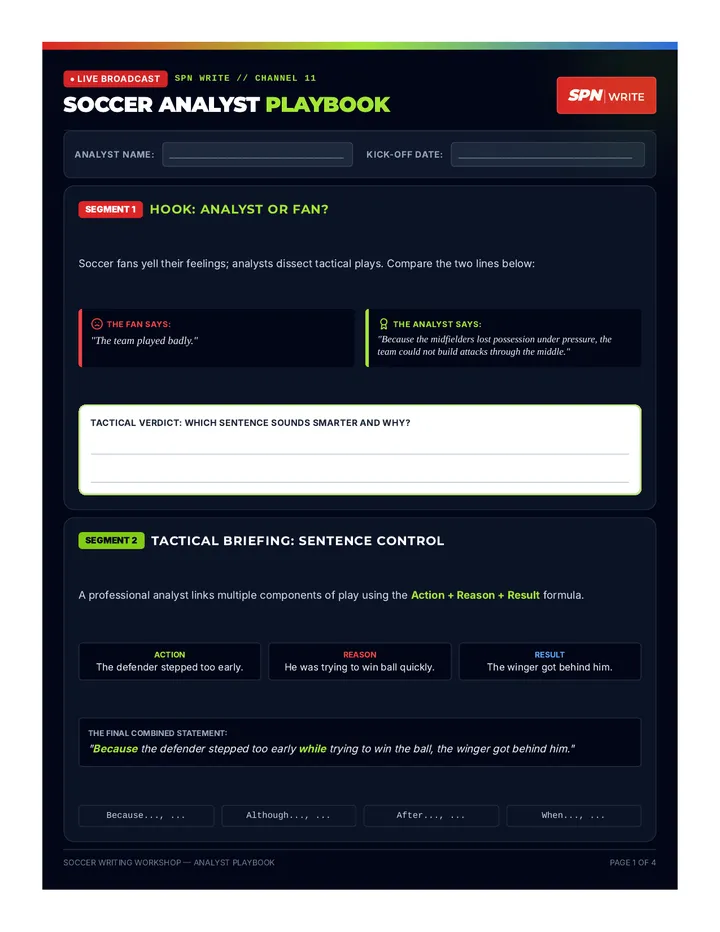
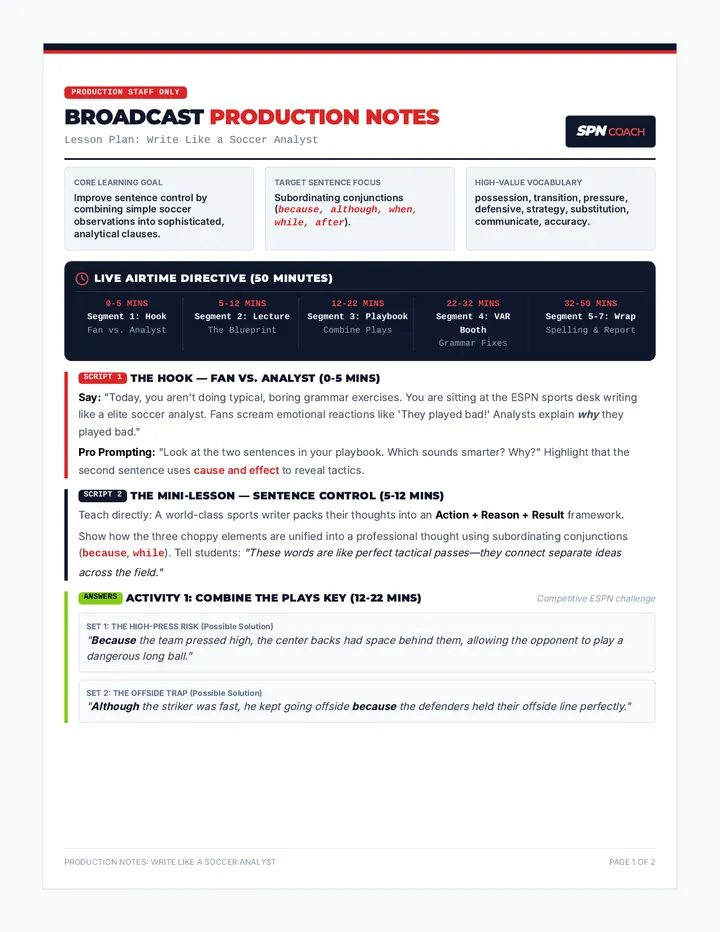
A high-impact writing lesson that teaches students to write like professional sports analysts by combining short sentences and mastering complex syntax. Uses an exciting soccer broadcast theme to teach subordinating conjunctions, edit grammatical errors with VAR, and write tactical analyses.
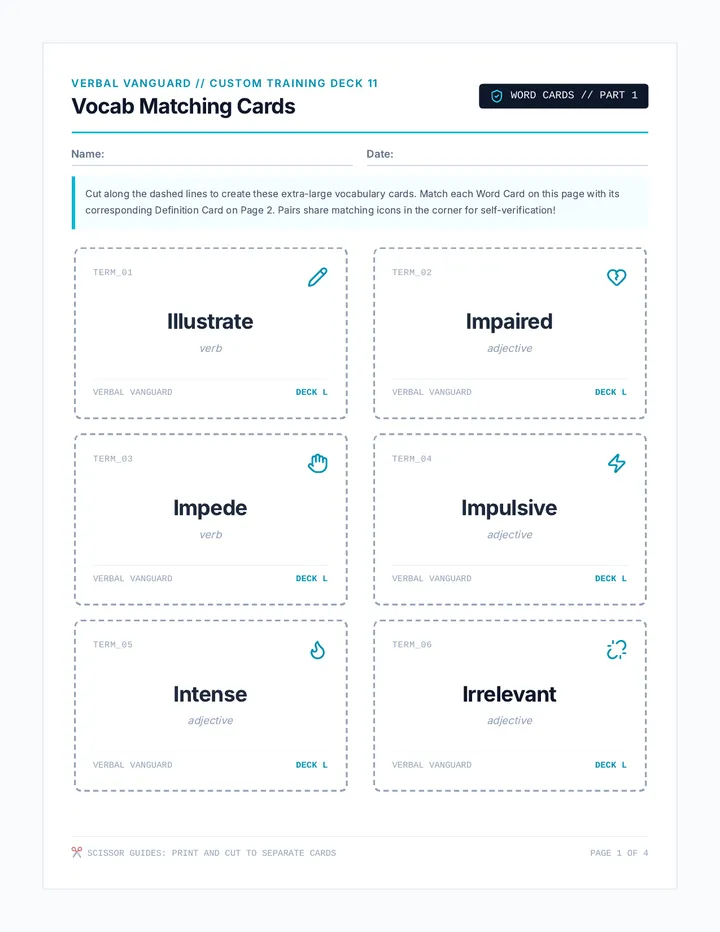
Large-format printable matching card deck featuring the student's eleventh set of 12 custom vocabulary words and roots, scaled up for easy handling and reading. Upgraded with matching Lucide icons for self-checking and high visual appeal across a 4-page print-ready layout.
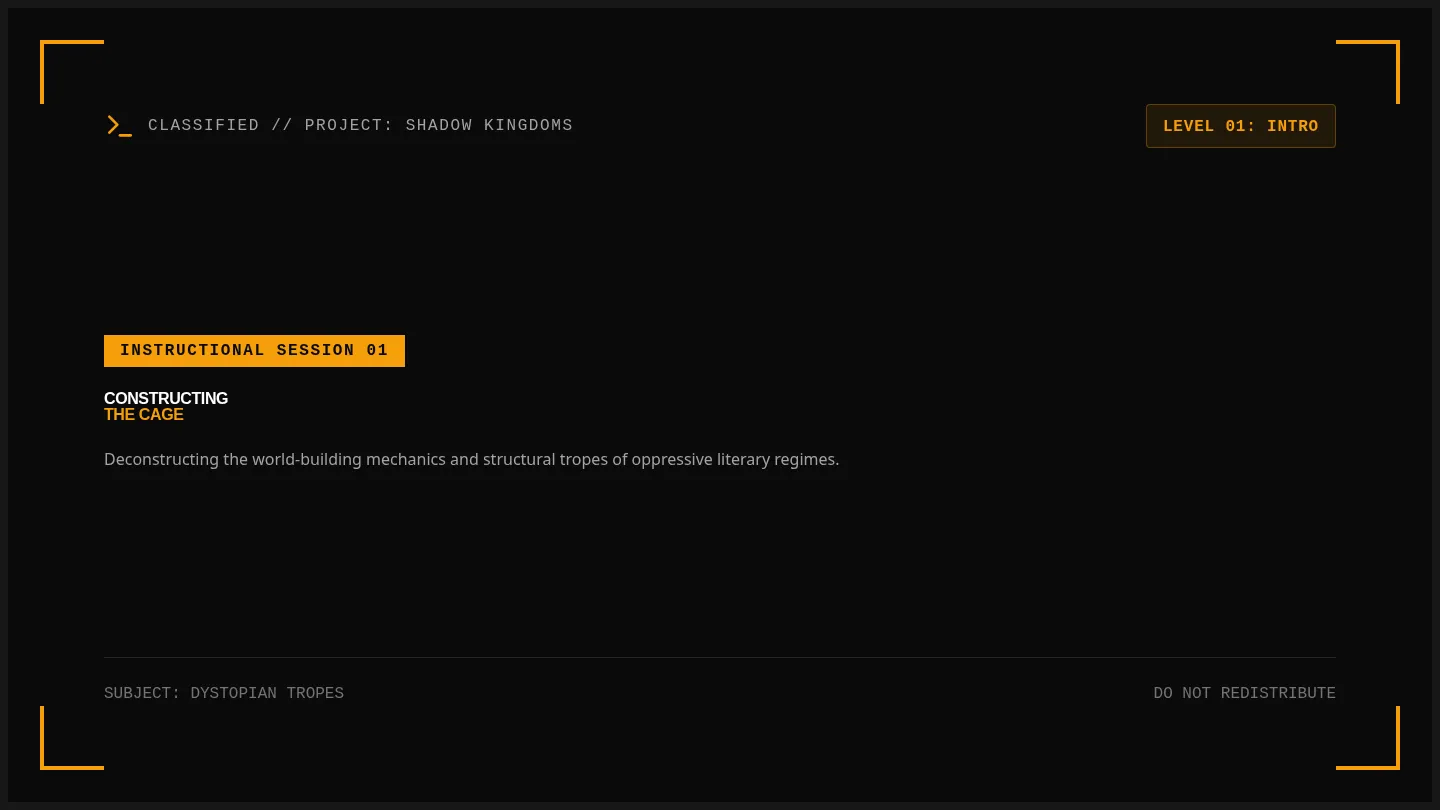
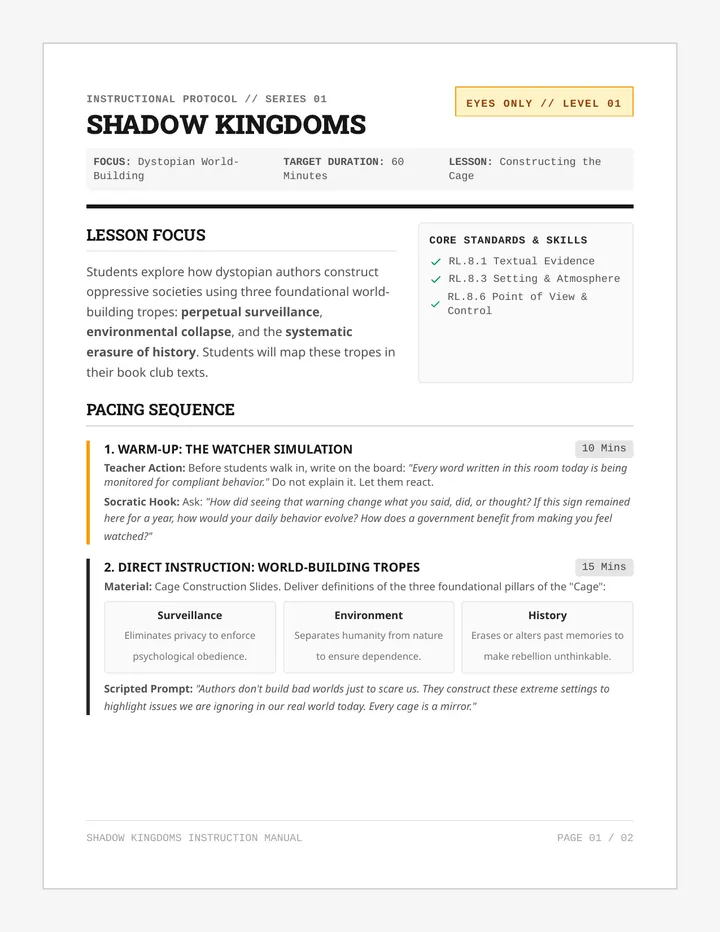
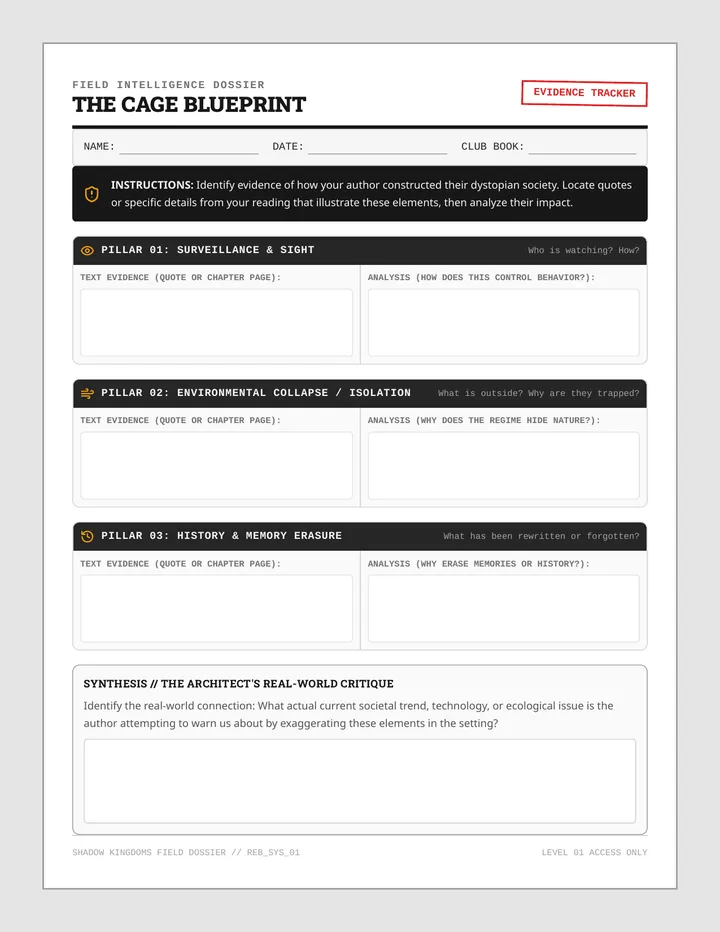
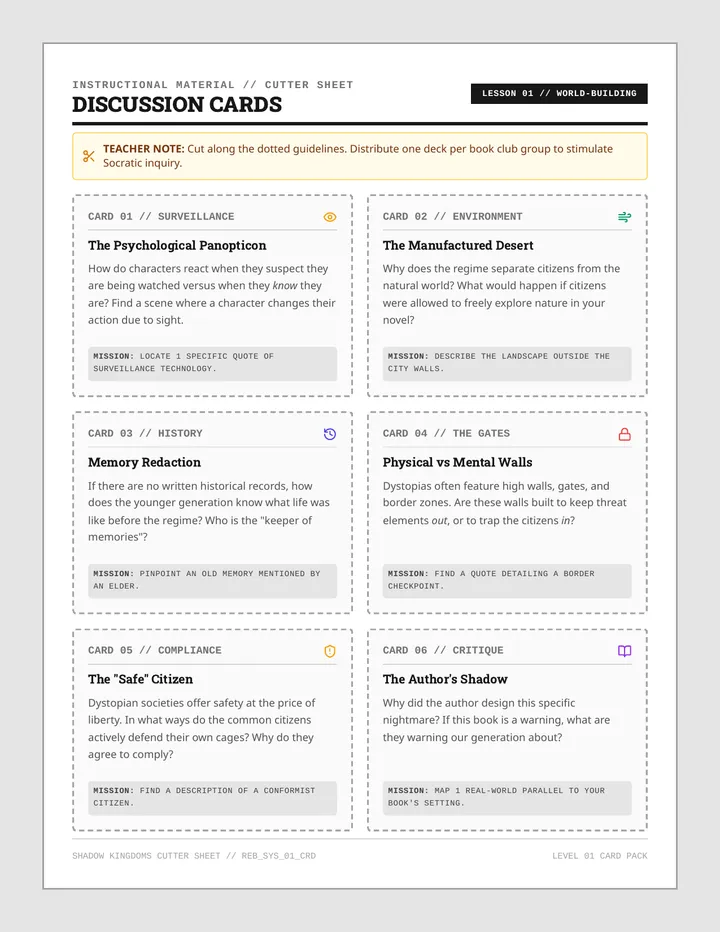
A comprehensive book-club companion unit designed to guide students through the dark alleys of dystopian literature. Through three thematic lessons, students deconstruct propaganda, analyze world-building, track protagonist rebellion, and explore authors' real-world critiques.
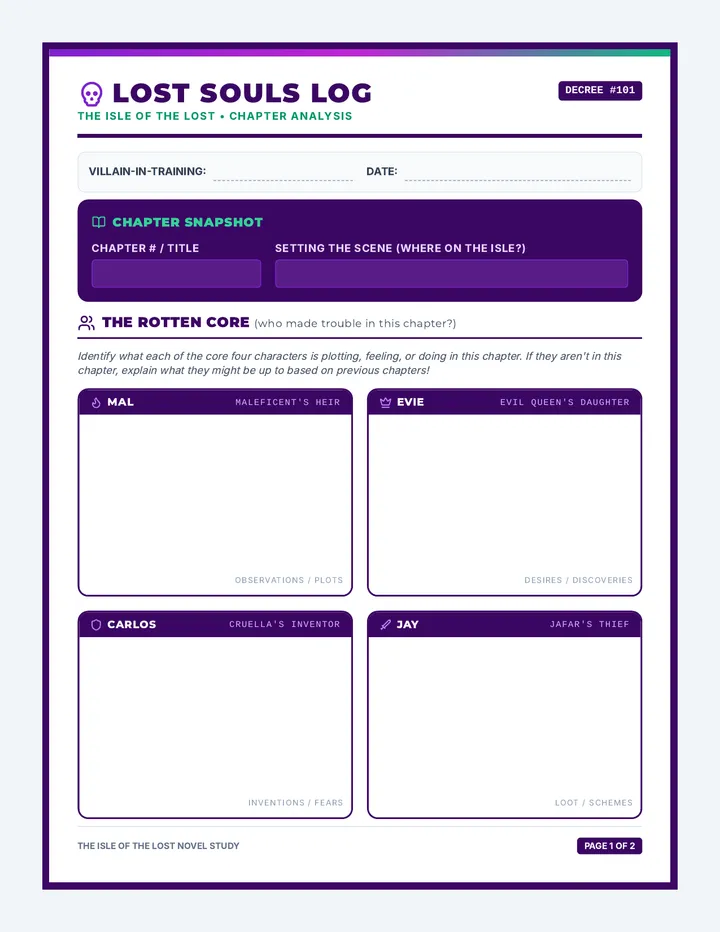
A unit studying 'The Isle of the Lost' by Melissa de la Cruz, examining themes of identity, expectations, and choices in a world of villains.
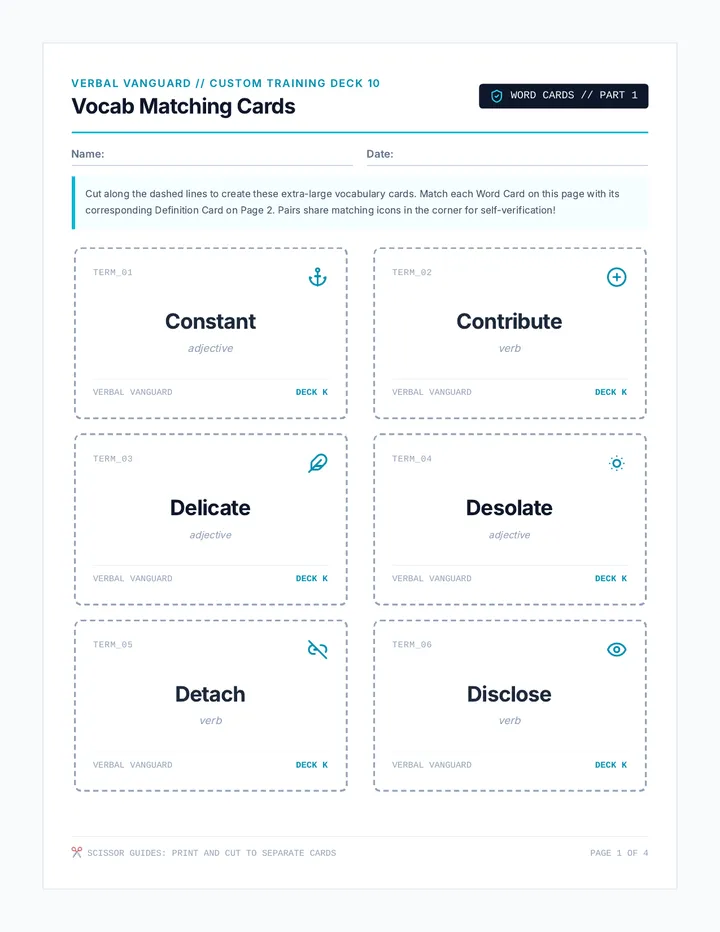
Large-format printable matching card deck featuring the student's tenth set of 12 custom vocabulary words and roots, scaled up for easy handling and reading. Upgraded with matching Lucide icons for self-checking and high visual appeal across a 4-page print-ready layout.