A high-energy carnival-themed lesson where students learn the letter D through air writing, dancing, and forming Play-Doh shapes. Focused on fine motor skills and letter recognition for Pre-K and Kindergarten students.
A structured reading intervention sequence at Douglas School combining targeted phonic lessons with the multisensory Nessy online literacy system.
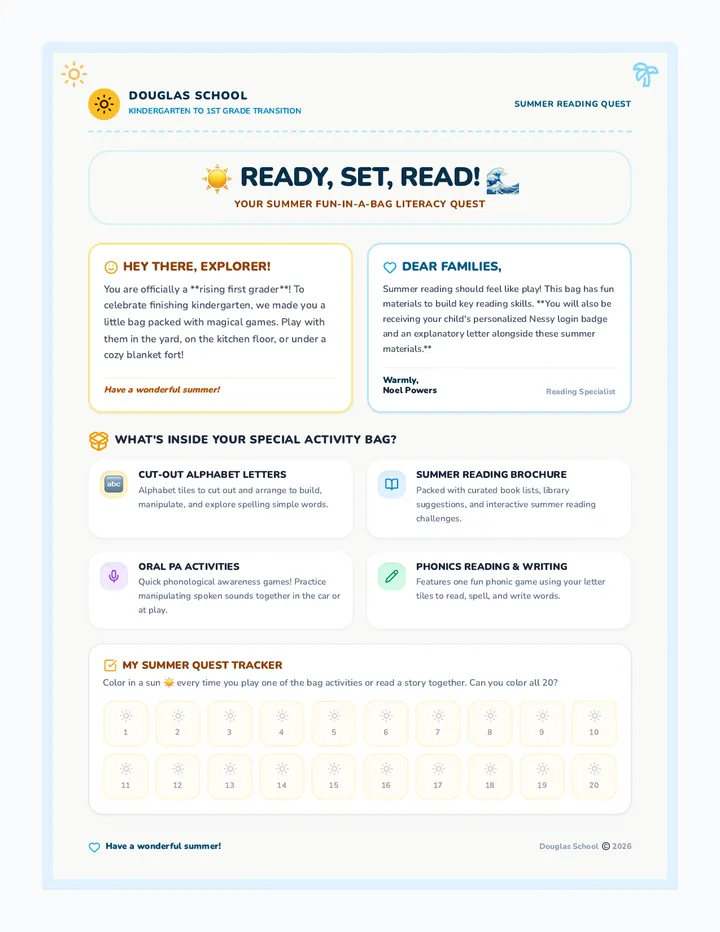
Summer literacy communication and family engagement resources to help rising kindergarteners maintain and build reading skills over the summer break through play-based activities.
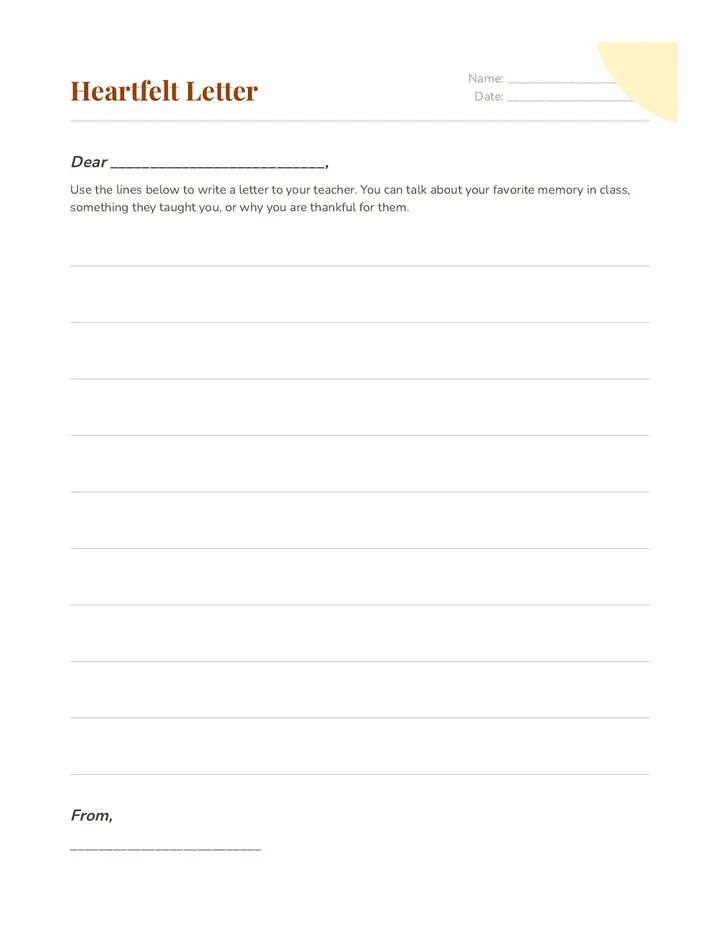
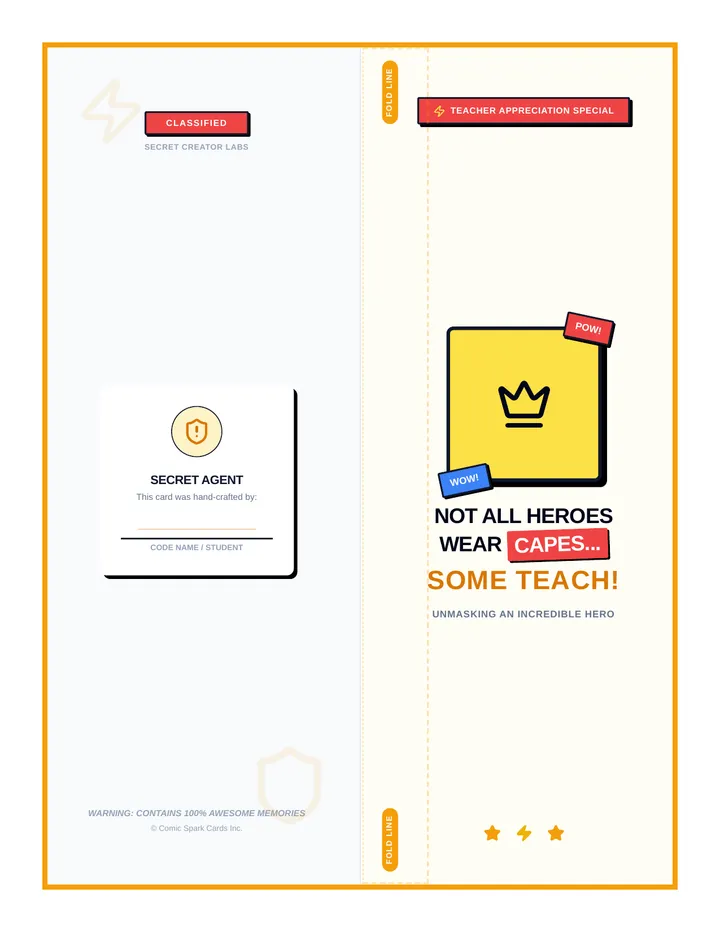
A set of three creative thank-you note templates including a traditional letter, an acrostic poem, and printable postcards for Teacher Appreciation Week.
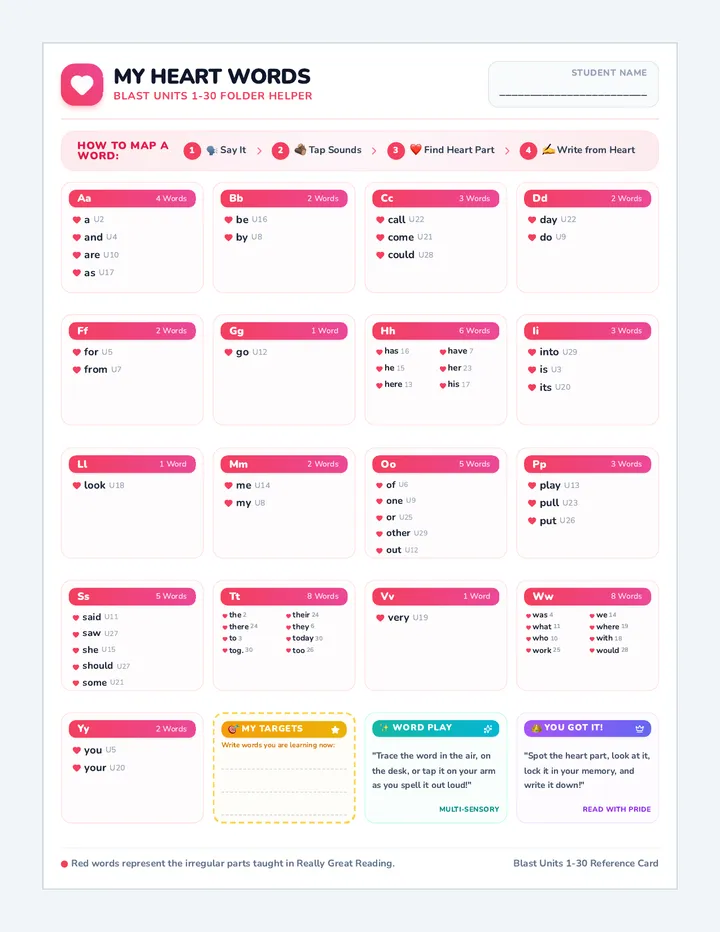
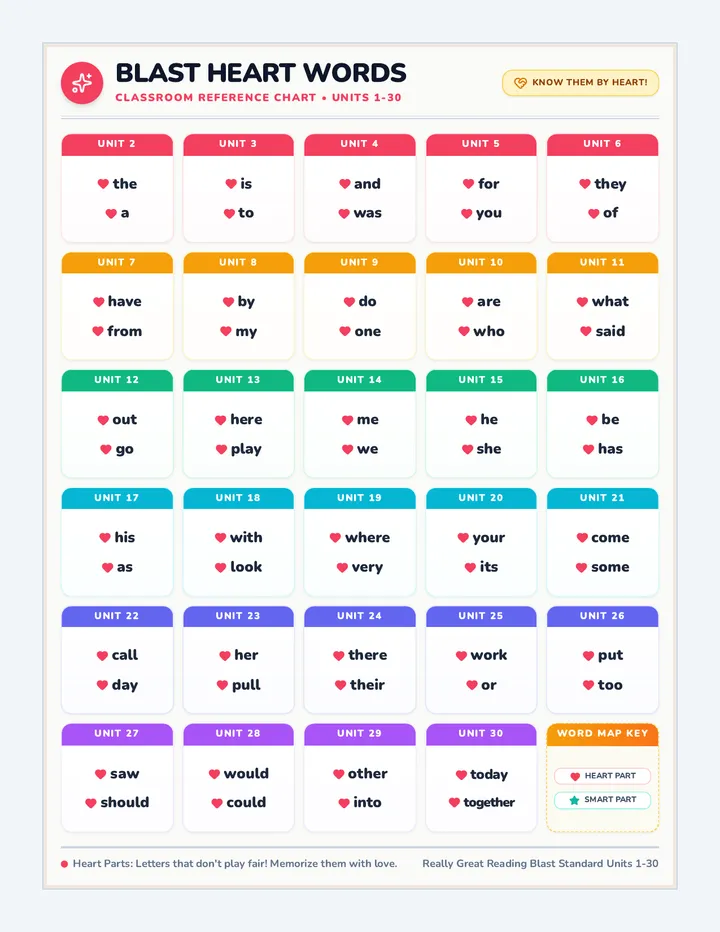
A complete suite of orthographic mapping references and student folder aids for Really Great Reading curricula, featuring both Countdown and Blast levels.
Materials and communication documents for launching and onboarding families to the Nessy Literacy Program at Douglas School.
A cheerful, sunny summer reading introductory letter for rising first graders and their parents at Douglas School. It details how to use their "Summer Reading Activity Bag" containing alphabet flashcards, sight word popcorn matches, and syllable hopping games, complete with a printable 20-day summer tracking chart.
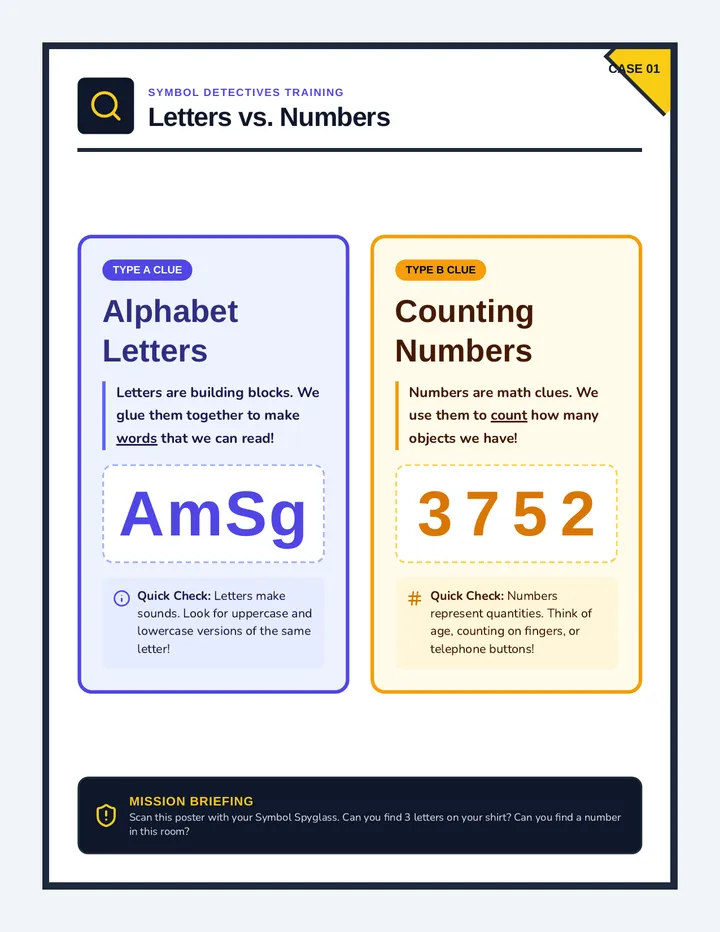
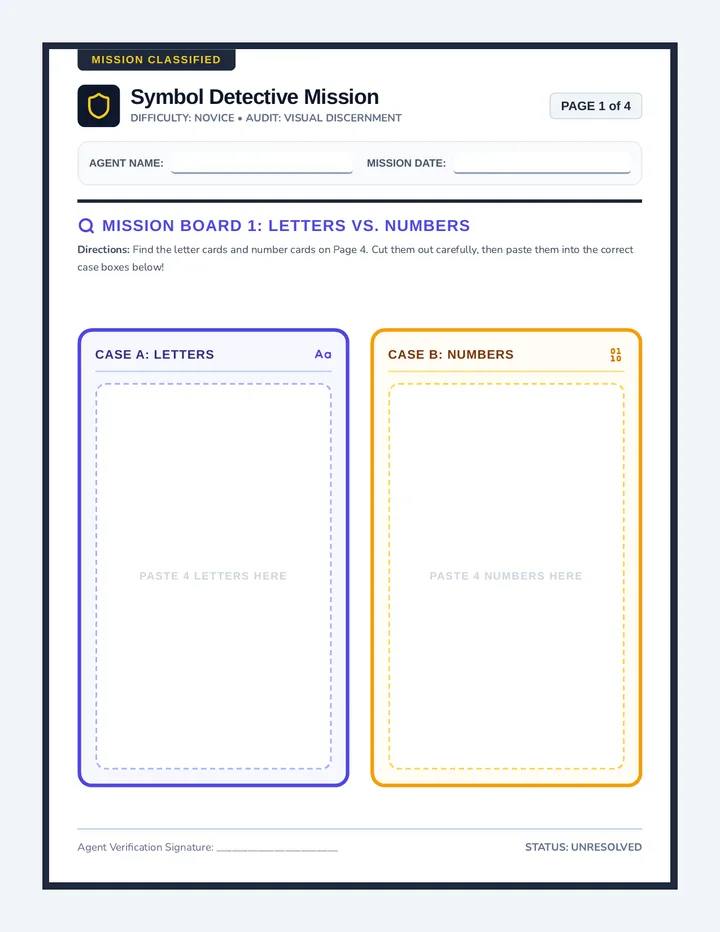
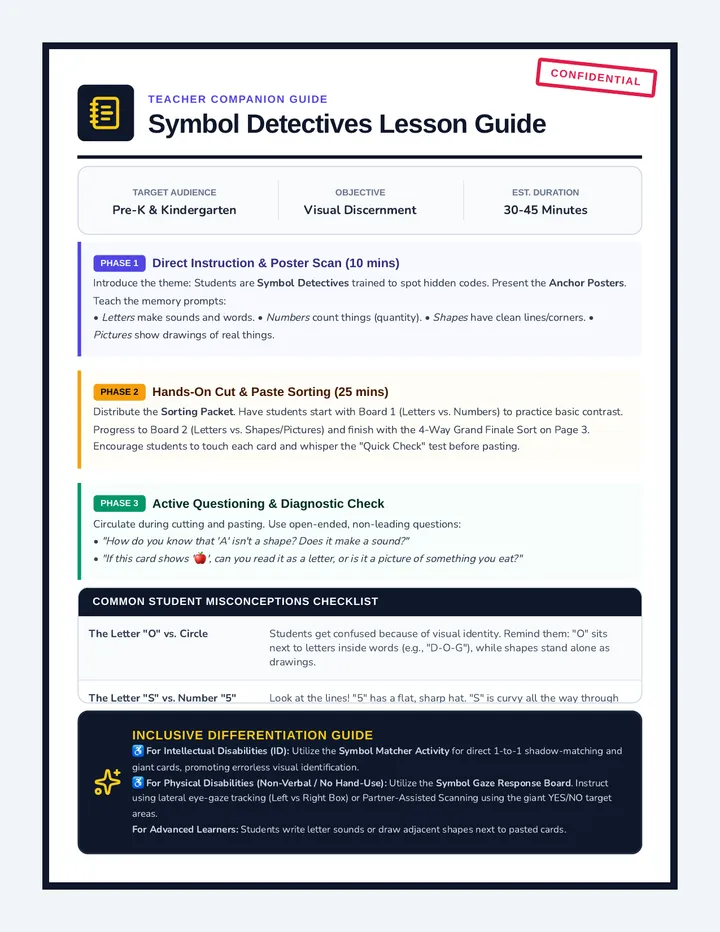
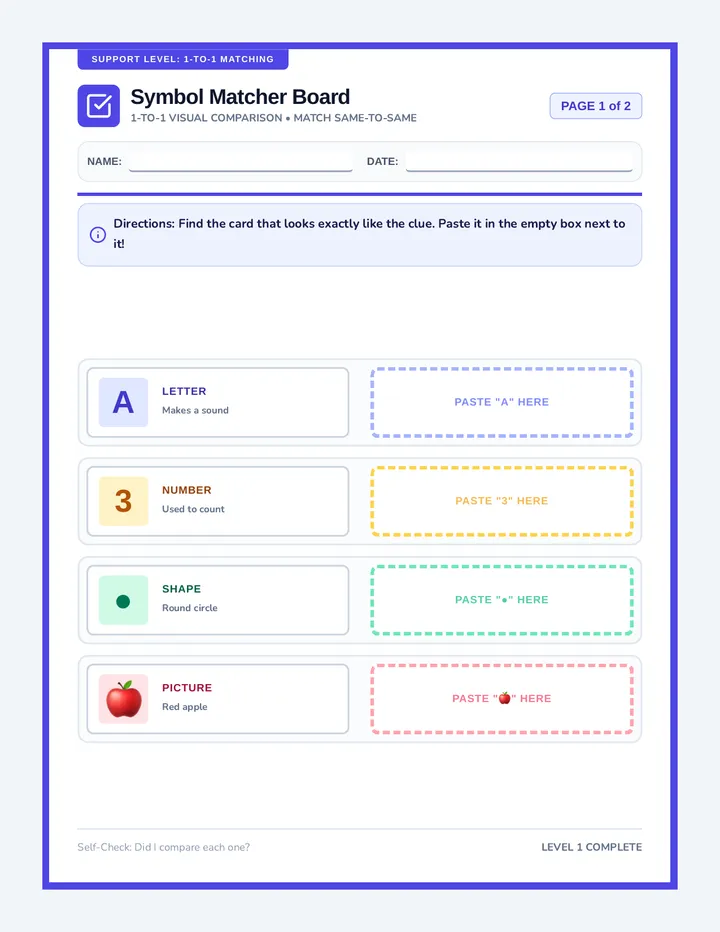
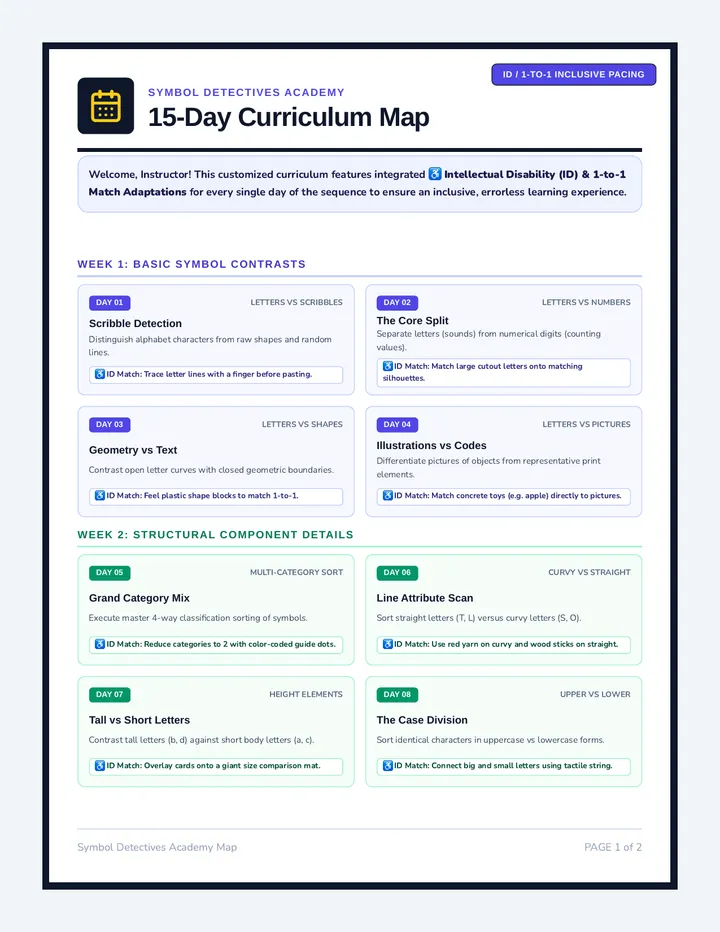
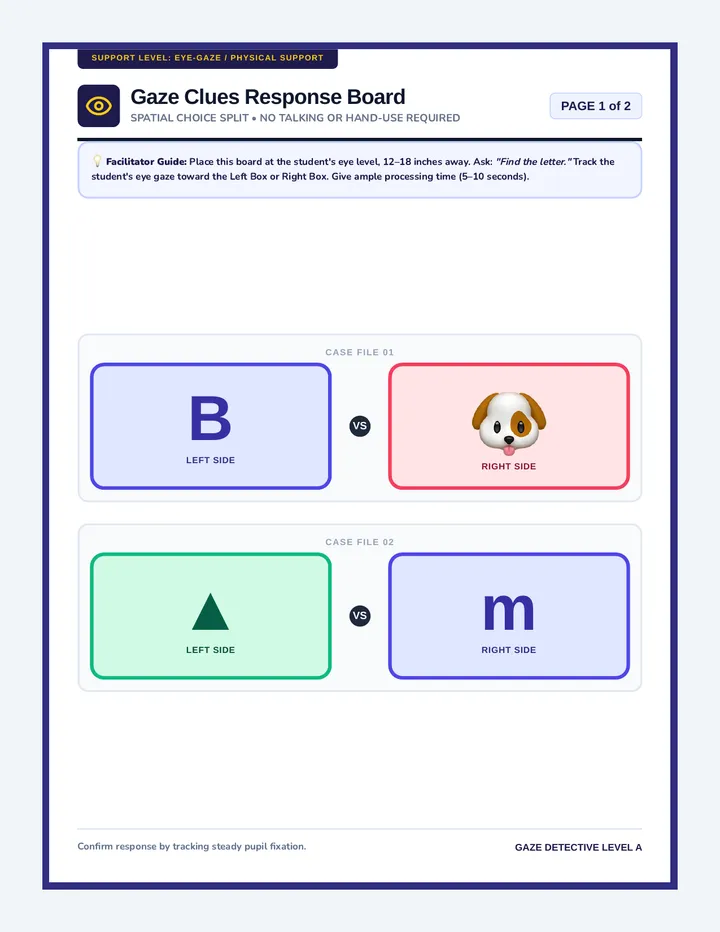
A systematic 15-day visual discernment sequence designed for early learners to master symbol identification. Over 15 days, students progress from simple letter-versus-object contrasts to complex character comparisons, similarity checks, and functional print identification.
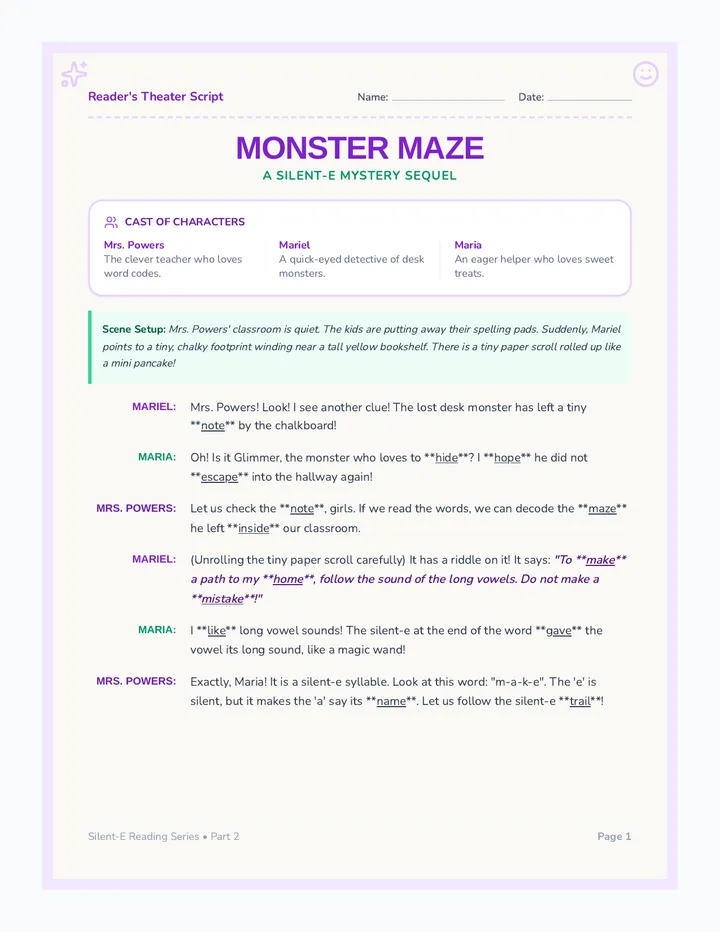
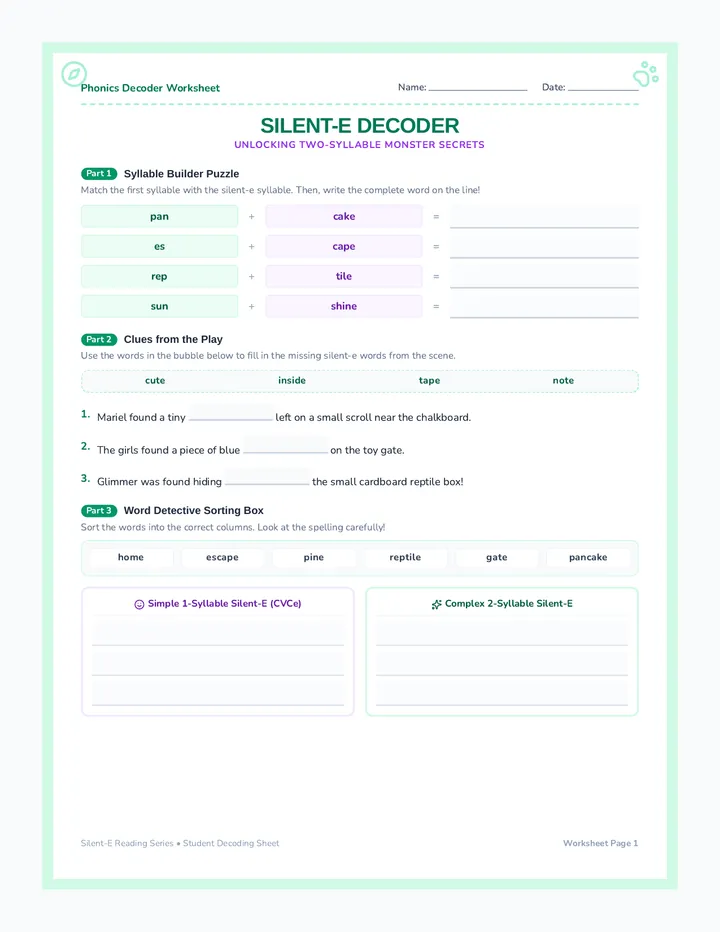
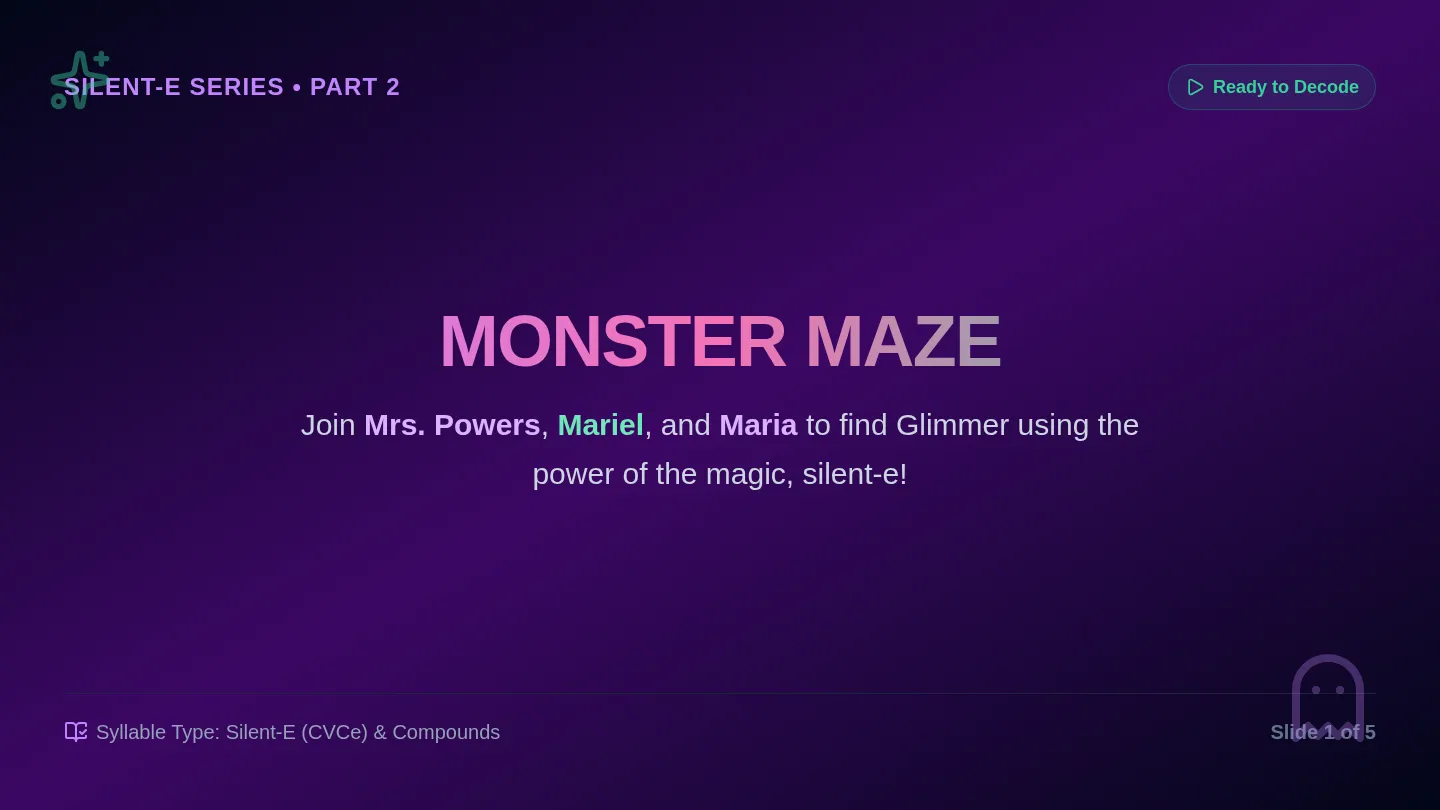
A lesson focusing on the silent-e syllable type (CVCe and two-syllable words) using a playful Reader's Theater sequel. Students build phonics fluency, decode key silent-e words, and collaborate on reading aloud.
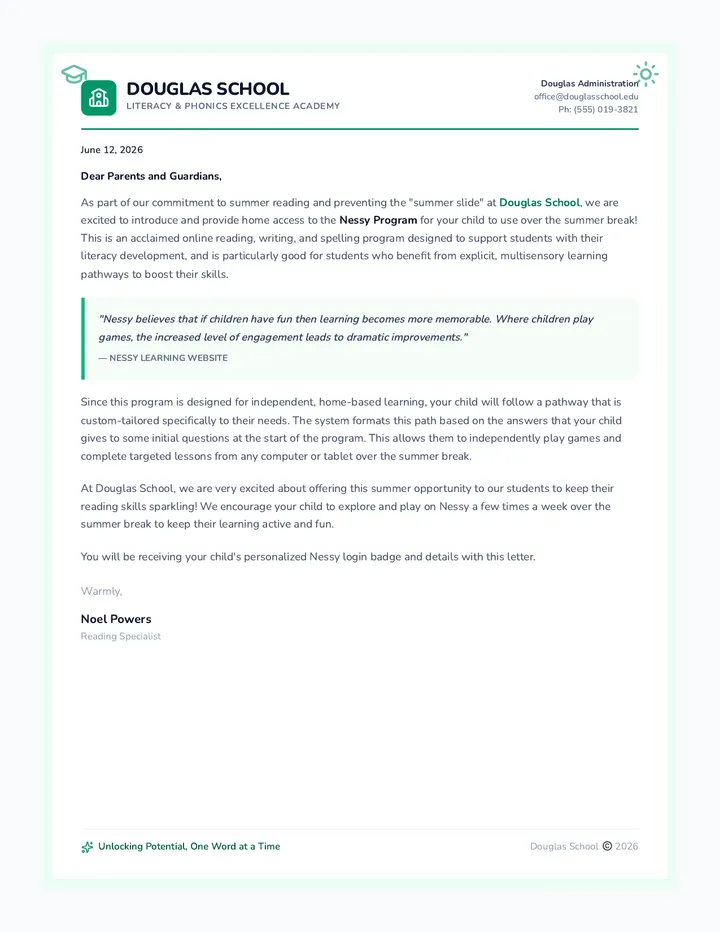
A formal parent/guardian introductory letter from Douglas School detailing home access to the Nessy Program over the summer break. It highlights the program's history, multisensory learning approach, and how families can use it at home to prevent the summer slide.
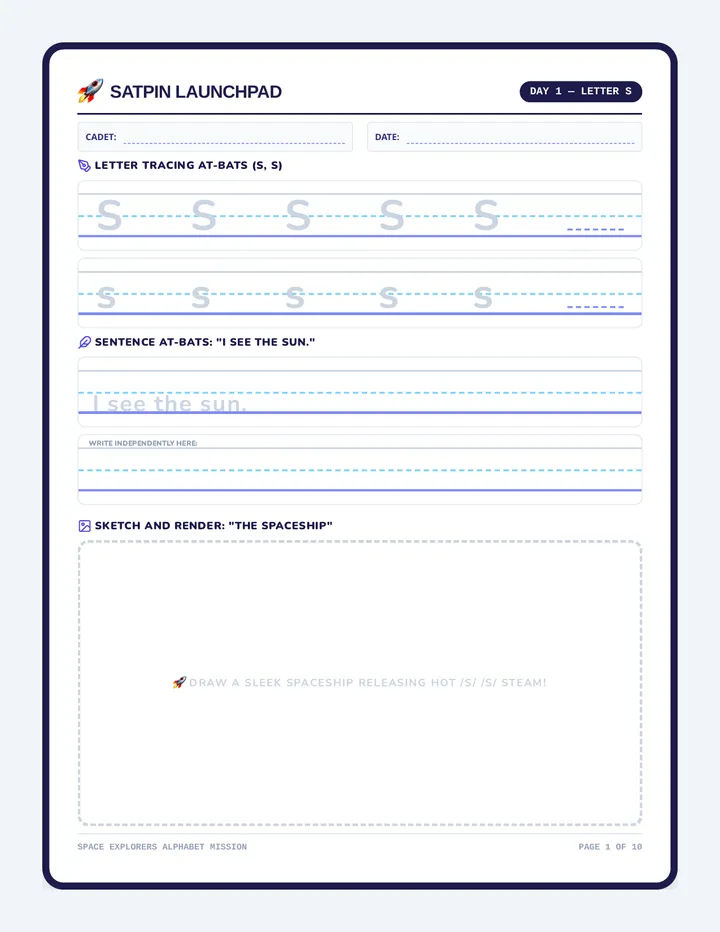
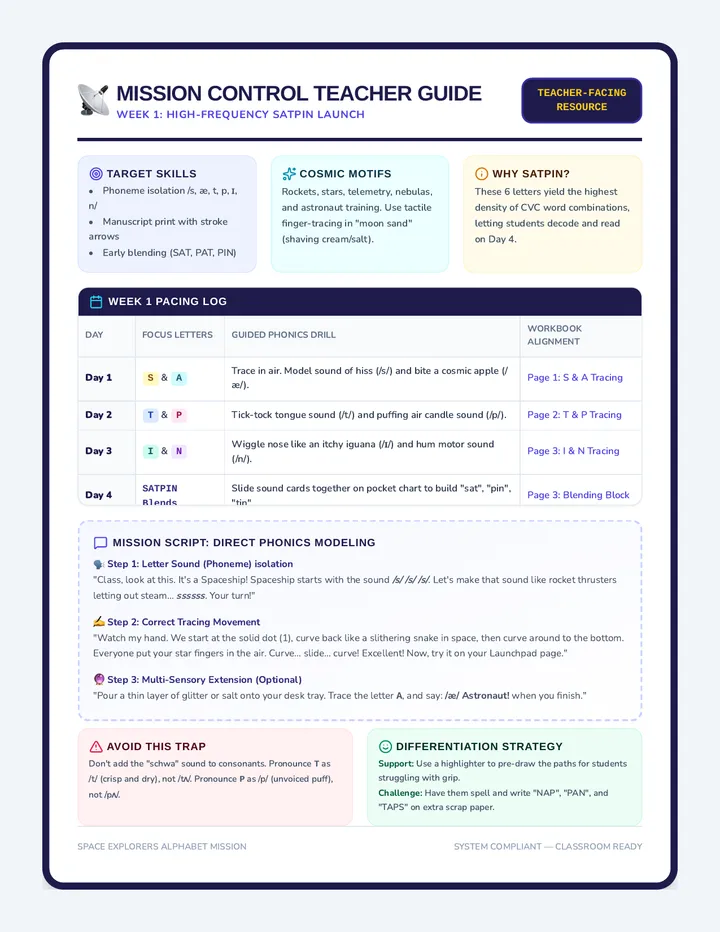
A 4-week ELA workbook and instructional sequence themed around outer space exploration. Focuses on letter recognition, sounds, foundational handwriting, and early phonics using SATPIN, the full A-Z, vowels and consonants, and tricky letter pairs.
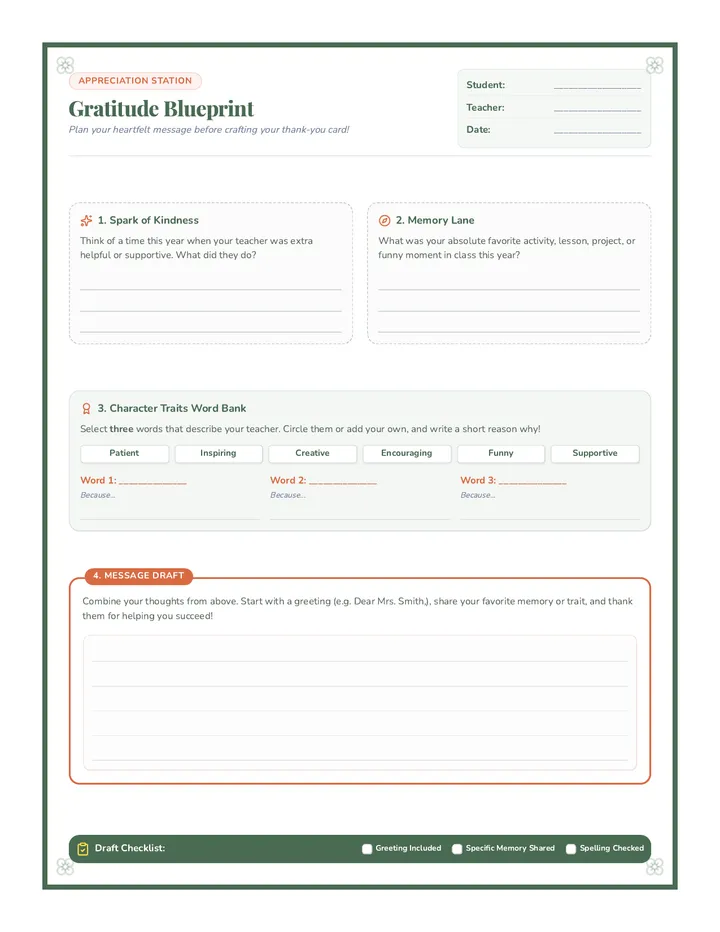
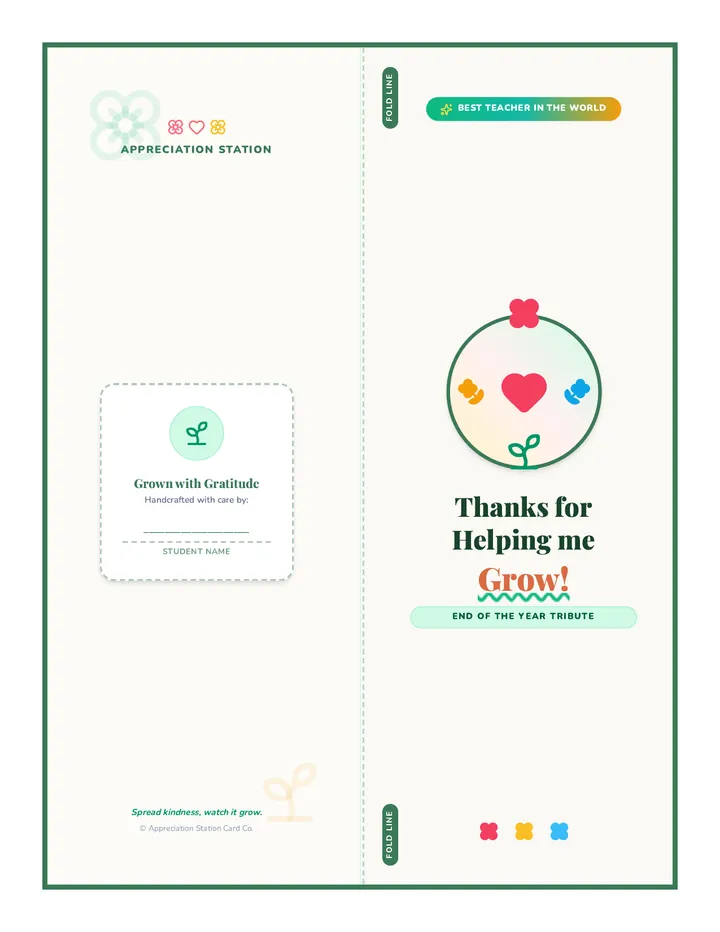
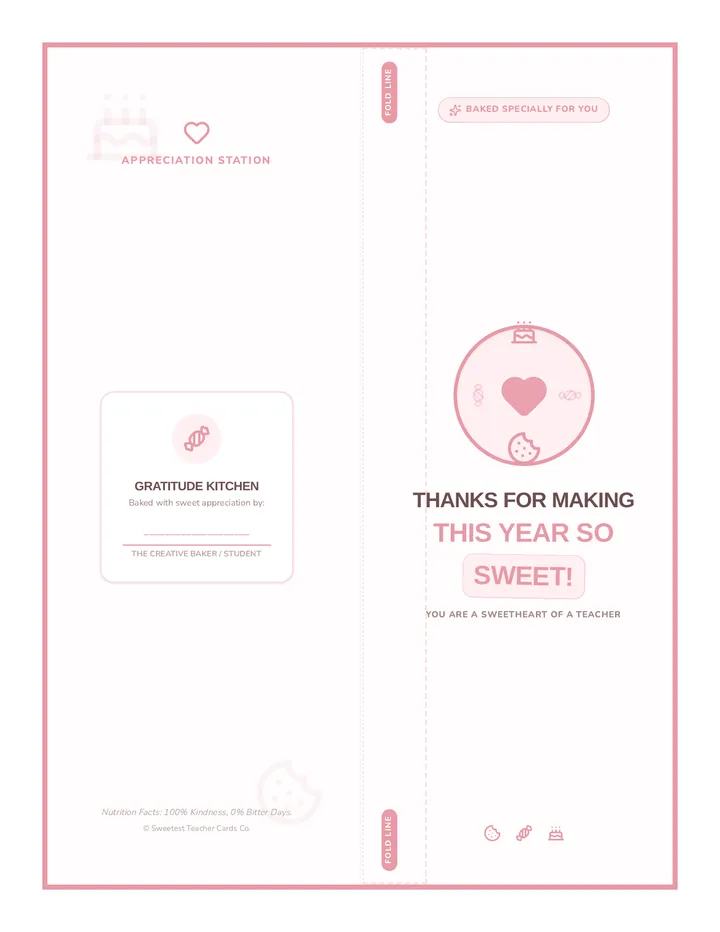
A complete end-of-the-year thank-you card crafting lesson. Students brainstorm specific memories and acts of kindness, draft their messages, and assemble beautifully styled, fold-in-half appreciation cards for their teachers.
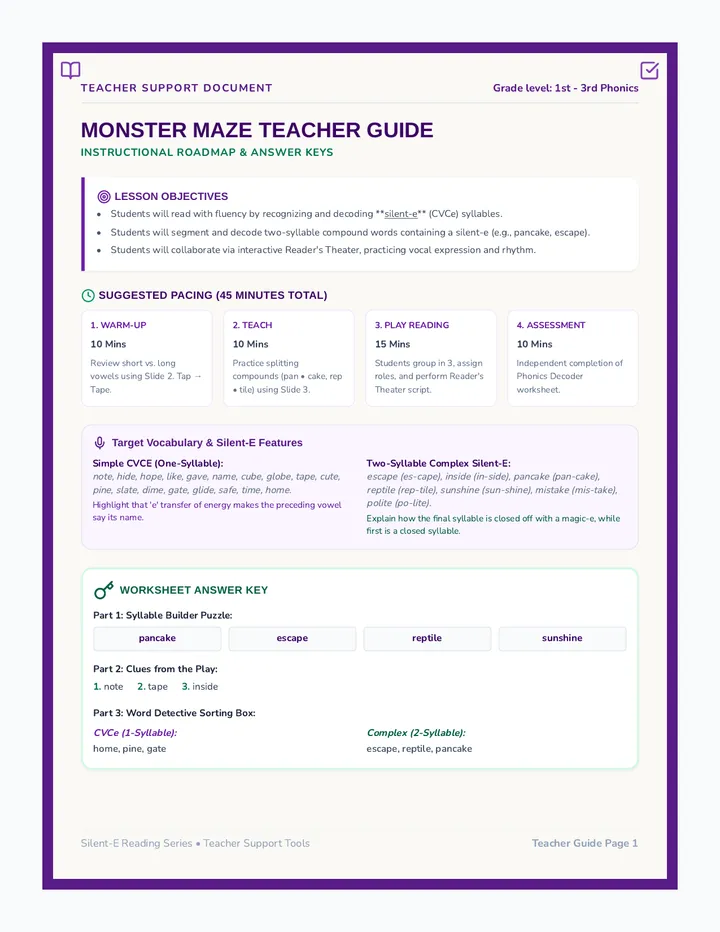
A teacher-facing lesson plan, pacing guide, and answer key for the "Monster Maze" curriculum. It outlines instruction strategies, discussion prompts, target silent-e phonetic concepts, and explicit answers for the student decoding worksheet.