Lenny.com
Explore
Create
ActivitiesNewMathEnglish Language ArtsScience & EngineeringSocial StudiesGlobal LanguagesHealth & Physical EducationSpecial EducationCounseling & Life SkillsArts & CreativityESL
Lenny.com
Lenny.com
Explore
Create
ActivitiesNewMathEnglish Language ArtsScience & EngineeringSocial StudiesGlobal LanguagesHealth & Physical EducationSpecial EducationCounseling & Life SkillsArts & CreativityESL
Lenny.com
English Language ArtsPhonics & Reading FoundationsLetter IdentificationLearn Letters A-ZLowercase and Uppercase LettersConsonants and VowelsLetter-Sound AssociationsLetter-Sound Associations: LowercaseLetter-Sound Associations: UppercaseBeginning and Ending SoundsRhymingBlending And SegmentingShort VowelsShort Vowel SoundsConsonant BlendsConsonant DigraphsBlends, Digraphs, and TrigraphsDigraphs, Blends, and Silent LettersLong Vowel SoundsLong Vowel PatternsShort and Long VowelsShort and Long Vowel PatternsSilent EVowel SoundsVowel TeamsR-Controlled VowelsDiphthongs: Oi, Oy, Ou, OwVariant VowelsVariant, Diphthong, And R Vowel PatternsSoft G And CSight WordsIrregular WordsWord RecognitionSyllablesSyllable TypesTwo-Syllable WordsMultisyllabic WordsPhoneme ManipulationDecodable TextsVocabularyAction WordsQuestion WordsNouns and AdjectivesClassify WordsCompound WordsSynonyms and AntonymsHomophonesHomophones and HomonymsShades of MeaningContext CluesPrefixes and SuffixesGreek and Latin RootsAnalogiesIdioms and AdagesForeign Words and ExpressionsWord Choice and UsageReference SkillsReading ComprehensionRead-Along Literary TextsRead-Along Informational TextsReality vs. FictionStory ElementsCharacterSequenceMain IdeaCause And EffectCompare And ContrastReading StrategiesText StructureAuthor's PurposeAuthor's Purpose And ToneAuthor's PerspectivePoint Of ViewThemeInference And ThemeInference And AnalysisPoetry ElementsLiterary DevicesAnalyzing LiteratureAnalyzing Informational TextsComparing TextsAudience, Purpose, And ToneBusiness DocumentsNovel StudyNonfiction Book StudyGrammar & MechanicsSentencesNounsVerbsAdjectivesPronounsCapitalizationPunctuationContractionsConjunctionsPrepositionsArticlesAdjectives And AdverbsVerb TypesVerb TensePronouns And AntecedentsPronoun TypesSubject-Verb AgreementDirect And Indirect ObjectsSentences, Fragments, And Run-OnsPhrases And ClausesCommasSemicolons, Colons, And CommasDashes, Hyphens, And EllipsesSpellingAbbreviationsFormattingVerb Tense And MoodMisplaced ModifiersWritingDescriptive DetailsCreative WritingOpinion WritingTopic SentencesOrganizing WritingLinking WordsSentence VarietyIntroductions And ConclusionsPersuasive And Opinion WritingExpository WritingPersuasive StrategiesDeveloping And Supporting ArgumentsTopic Sentences And Thesis StatementsSummarizingResearch SkillsEditing And RevisingActive And Passive Voice=Writing Clearly And ConciselyDebate & Public SpeakingPublic Speaking BasicsPersuasive TechniquesClaims and EvidenceTypes of ArgumentsReasoning TypesLogical FallaciesTopic ResearchOrganizing EvidenceDebate Speech OrganizationAttacking and Defending ArgumentsClash and EngagementImpact CalculusQuestioning and Cross-ExaminationCritical ThinkingInformal LogicFormal LogicInductive Reasoning

Subject-Verb Agreement

Matching singular and plural subjects with their corresponding verb forms. Addresses complex scenarios involving collective nouns, compound subjects, and prepositional phrases.

Lenny.com

Solutions

Lenny for EducatorsLenny for SchoolsLenny for Districts

Product

ExploreSign inCreateSupportAbout

Resources

Getting startedMTSS Acceleration Program

© 2026 Lenny Learning Inc.

TermsPrivacyAccessibility
LinkedInInstagramX
Lenny

Videos

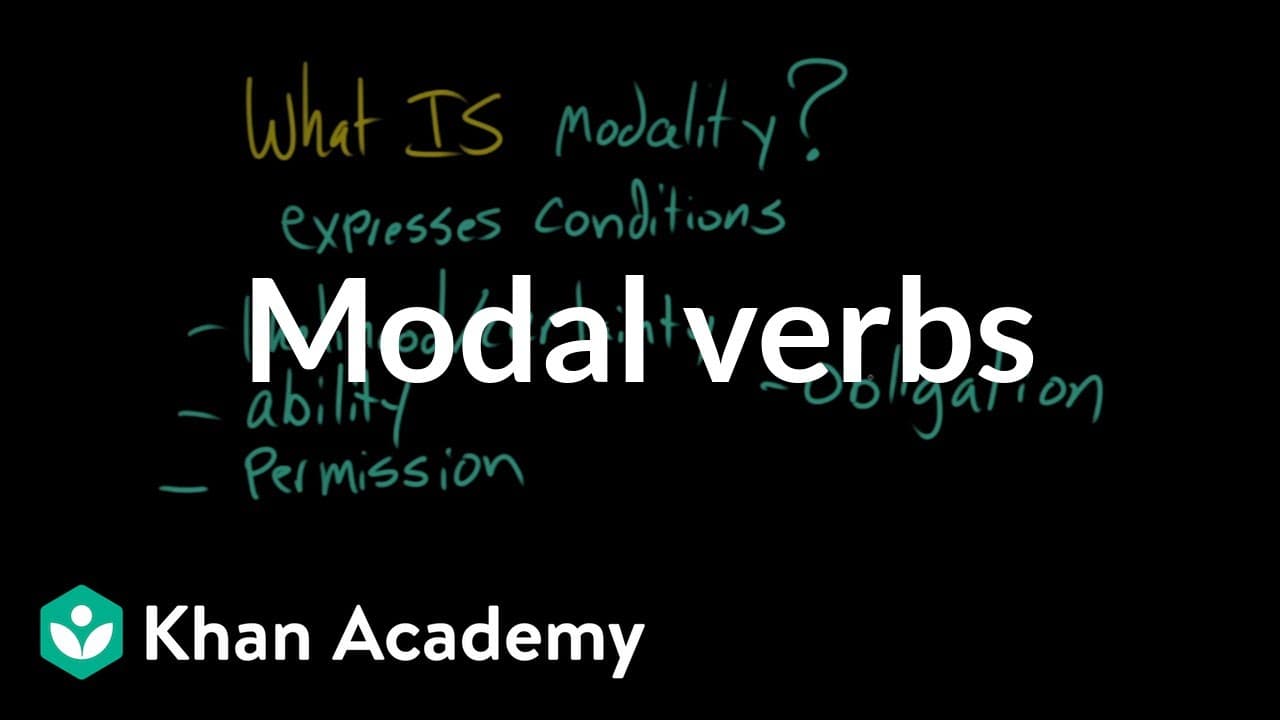
Understanding Modal Verbs: Ability, Permission, and Obligation

Understanding Modal Verbs: Ability, Permission, and Obligation

This educational video provides a clear and engaging introduction to modal verbs, a special class of auxiliary or "helper" verbs in the English language. Narrated by David, the video defines modality as the expression of conditions—such as likelihood, ability, permission, and obligation—and introduces the core list of modal verbs including may, might, must, can, could, shall, should, will, and would. The narrator uses a digital whiteboard to visually map out these concepts, making abstract grammar rules concrete and accessible. The content breaks down the three unique grammatical properties of modal verbs that distinguish them from regular verbs. First, they "agree with everything," meaning they do not change form based on the subject (e.g., no adding 's' for third-person singular). Second, they lack an infinitive form (one cannot say "to can" or "to must"). Third, they indicate specific modalities. Through humorous and relatable examples—like a detective deducing clues or a height requirement for a "Doom-coaster"—the video illustrates how these verbs function in everyday sentences. For educators, this video serves as an excellent foundational tool for teaching parts of speech and sentence structure. It effectively clarifies common student errors, such as incorrect conjugation or using modals as infinitives. The clear visual text and distinct color-coding aid in retention, while the diverse examples provide readymade sentences for classroom analysis. It is particularly useful for upper elementary and middle school English Language Arts curriculums, as well as for English Language Learners (ELLs) mastering the nuances of English verb structures.
Khan AcademyKhan Academy

4mins 53s

Matching Subjects and Verbs Correctly

Matching Subjects and Verbs Correctly

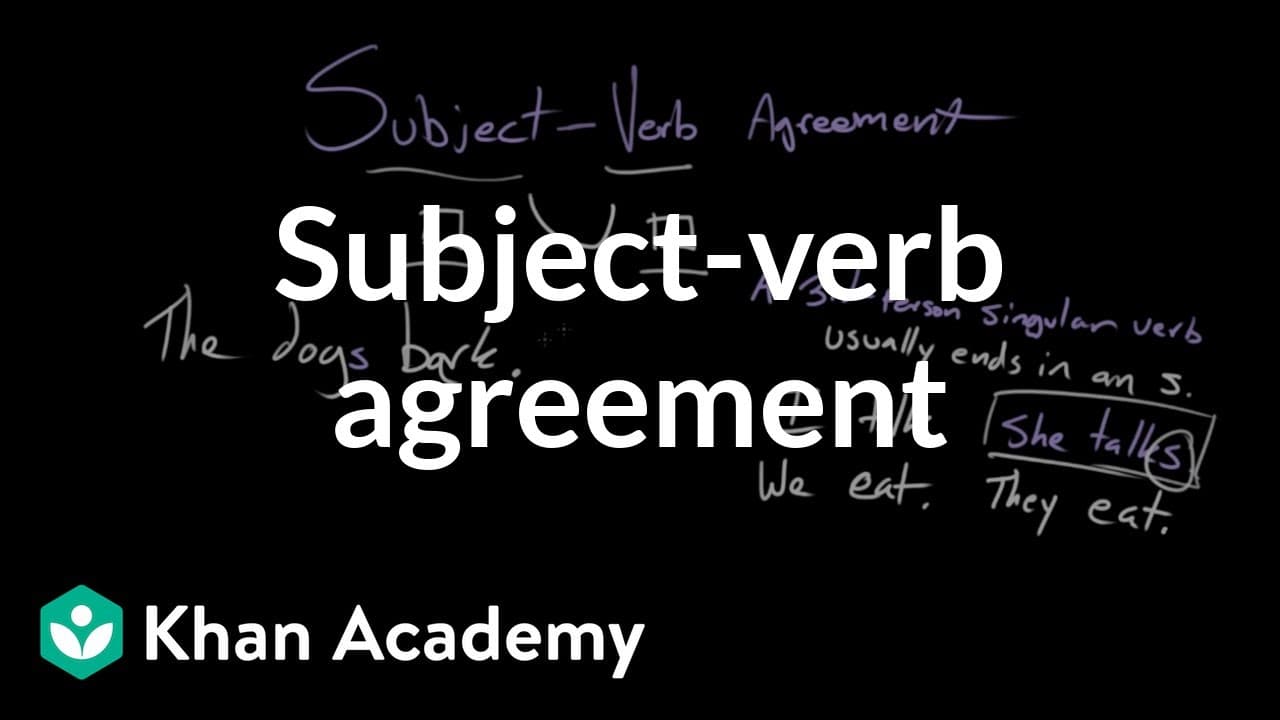
This educational video provides a clear and accessible explanation of subject-verb agreement, a fundamental concept in English grammar. The narrator uses the analogy of a "square peg in a square hole" to illustrate the necessity of matching sentence parts correctly. The video breaks down the differences between singular and plural subjects and how they dictate the form of the verb, specifically highlighting the counter-intuitive rule that while plural nouns often end in "s," third-person singular verbs also end in "s." The video explores key grammatical themes including conjugation, singular versus plural forms, and the specific rules governing third-person singular verbs. It directly addresses the common confusion students face regarding why an "s" is added to verbs for singular subjects (e.g., "The dog barks") but removed for plural subjects (e.g., "The dogs bark"). Additionally, the video touches upon indefinite pronouns like "anyone," explaining why they are treated as singular subjects despite implying a group context. For educators, this video serves as an excellent tool for introducing or reinforcing grammar rules in upper elementary and middle school classrooms. The step-by-step strategy provided—finding the subject, determining if it is singular or plural, and checking for the "s"—gives students a practical method for self-editing. The visual use of a blackboard with clear color-coded text helps visual learners grasp the patterns of agreement, making it a valuable resource for writing workshops and grammar mini-lessons.

Khan AcademyKhan Academy

4mins 53s

How Subjects and Verbs Agree

How Subjects and Verbs Agree

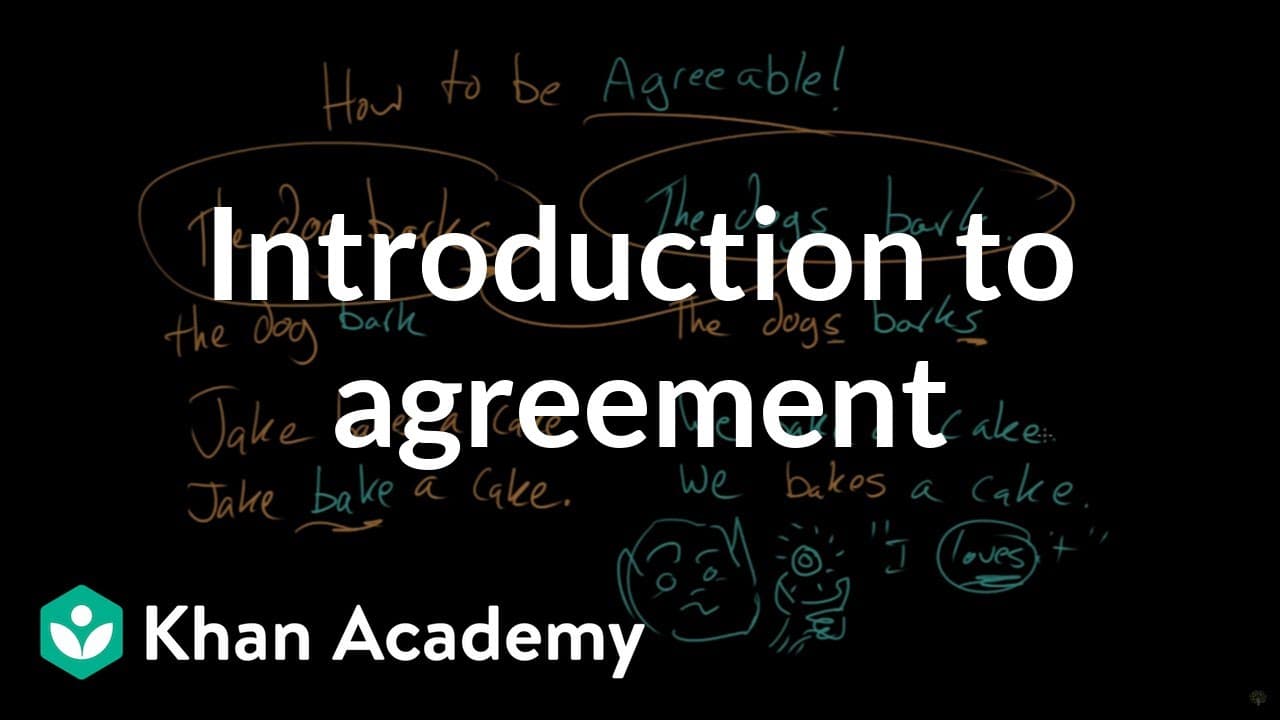
This video provides an engaging introduction to the concept of subject-verb agreement in English grammar, specifically focusing on the relationship between singular/plural nouns and present tense verbs. The narrator uses a blackboard style to visually demonstrate how the letter "s" tends to "migrate" between the subject and the verb. Through clear examples like "The dog barks" versus "The dogs bark," the video illustrates the general rule that singular subjects often take a verb ending in "s," while plural subjects take a base verb form. A key highlight of the explanation is the "Gollum Test," a humorous analogy drawing on the character from *The Lord of the Rings*. The narrator explains that adding an "s" to a verb when the subject is already plural (e.g., "We bakes") sounds like the character Gollum ("We hates it"). This pop culture reference serves as a memorable mnemonic device for students to self-correct their writing by listening to how their sentences sound. For educators, this video is an excellent tool for simplifying a grammar rule that often confuses young writers. It moves beyond rote memorization by offering visual and auditory hooks—the "migrating s" and the "Gollum voice"—that help students internalize the pattern. It is particularly useful for introduction in upper elementary grades or remediation in middle school, helping students identify and fix common agreement errors in their own writing.

Khan AcademyKhan Academy

3mins 34s

How to Revise and Edit Writing Using ARMS and CUPS

How to Revise and Edit Writing Using ARMS and CUPS

This educational video guides students through the final two stages of the writing process: revising and editing. Hosted in a whimsical "Fact Forest" setting, the narrator distinguishes between revising (improving content and structure) and editing (correcting mechanical errors). The video introduces two powerful mnemonic devices—ARMS (Add, Remove, Move, Substitute) for revision and CUPS (Capitalization, Usage, Punctuation, Spelling) for editing—to help young writers systematically improve their work. Key themes include the distinction between subjective improvements and objective corrections, the importance of audience awareness, and specific strategies for enhancing clarity and engagement. The video demonstrates these concepts using a sample paragraph about Antarctic exploration, modeling exactly how to replace vague words with specific vocabulary, improve sentence flow, and fix grammatical mistakes. It emphasizes that writing is a process that moves from "good to great" through careful review. For educators, this resource serves as an excellent anchor for a writing workshop. It provides concrete, memorable strategies that students can immediately apply to their own drafts. The step-by-step demonstration of correcting a paragraph offers a clear model for students to follow, demystifying the often-abstract concepts of "flow" and "voice." It encourages students to view writing as an iterative craft rather than a one-time task.

Miacademy & MiaPrep Learning ChannelMiacademy & MiaPrep Learning Channel

11mins 6s

Mastering the Rules of Subject-Verb Agreement

Mastering the Rules of Subject-Verb Agreement

In this engaging Language Arts lesson, students visit the fictional kingdom of Harmony Island, where communication has broken down because the subjects cannot agree on which verbs to use. The host and her robot companion, Mia, help King Graham R. Whiz establish official laws for subject-verb agreement to restore order. Through this narrative framework, the video systematically breaks down complex grammar rules into four clear, manageable guidelines.

Miacademy & MiaPrep Learning ChannelMiacademy & MiaPrep Learning Channel

11mins 16s

Three Cool Things About Indefinite Pronouns

Three Cool Things About Indefinite Pronouns

This video provides a clear and engaging overview of indefinite pronouns, a specific category of pronouns used when referring to unspecified people or things. The narrator, David, breaks down the concept by explaining the literal meaning of "indefinite" and offering common examples like "anybody," "each," and "everyone." He uses a catchy song reference to help viewers remember the category and establishes a friendly, accessible tone for learning complex grammatical rules. The content focuses on three main "cool things" or rules regarding indefinite pronouns: their flexibility to function as either subjects or objects, the unique "dual" nature of words like "both," "neither," and "either," and the tricky rule that they are usually treated as singular verbs. The video delves into the nuance of subject-verb agreement, addressing the common confusion students face when words implying a group (like "everyone") require singular verbs (like "is"). For educators, this video serves as an excellent tool for teaching parts of speech and sentence structure. It goes beyond basic definitions by discussing linguistic evolution and the conflict between strict grammar rules and modern usage, specifically how context can sometimes override grammatical number. This makes it suitable for discussing prescriptive versus descriptive grammar with older students while remaining simple enough for introducing the basics of pronoun agreement.

Khan AcademyKhan Academy

5mins 2s

Materials

Proofreader Press Exit Ticket

Proofreader Press Exit Ticket

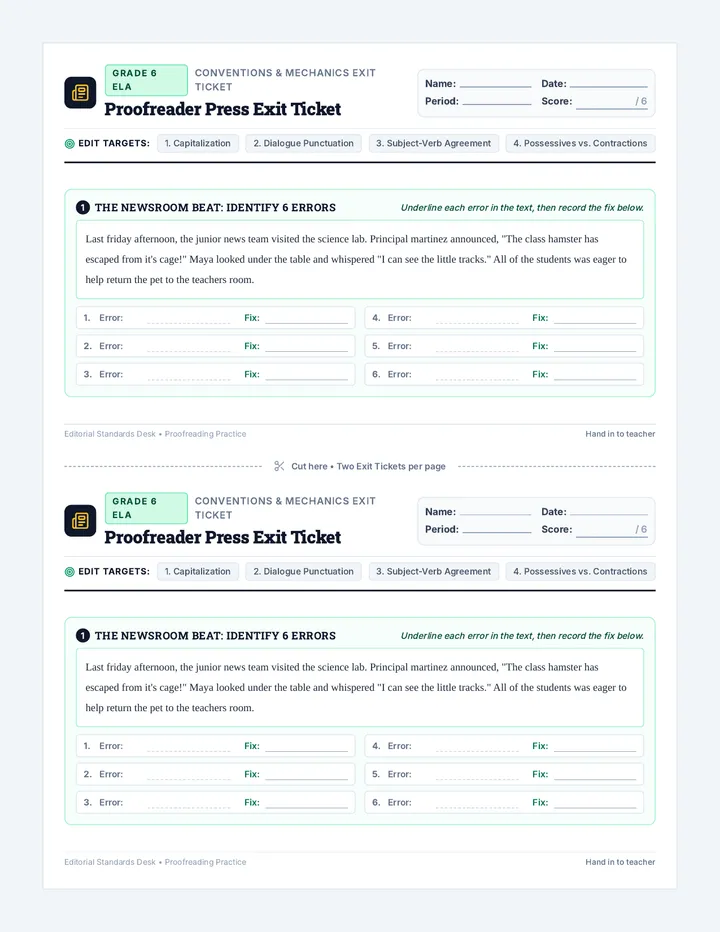
A print-ready 2-up half-sheet exit ticket for Grade 6 containing the newsroom editing passage with 6 targeted errors covering capitalization, dialogue punctuation, subject-verb agreement, and possessives.

TE

Tesa Etchieson

ILEARN Caminos Blueprint Guide

ILEARN Caminos Blueprint Guide

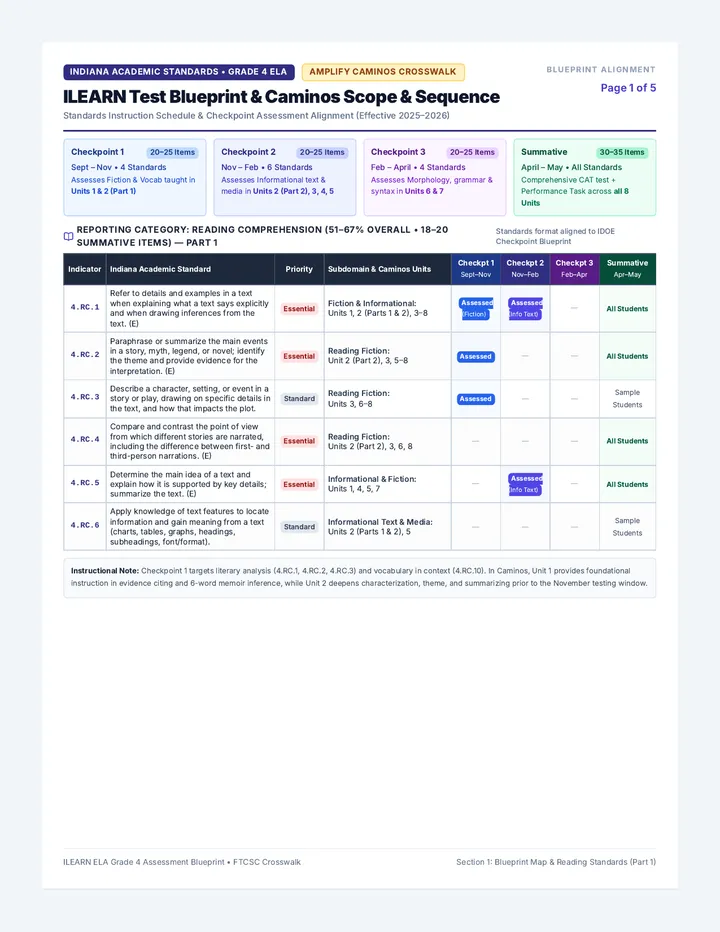
Comprehensive Grade 4 ILEARN Test Blueprint and Amplify Caminos Scope & Sequence crosswalk. Formatted to match the state ILEARN checkpoint blueprint, showing exactly when Indiana Academic Standards (Reading, Vocabulary, Writing, Grammar, and Communication) are taught across Units 1–8 and assessed in Checkpoints 1, 2, 3, and the Summative Assessment.

A

Amy.Hacker

Book Jacket Studio Worksheet

Book Jacket Studio Worksheet

A comprehensive 2-page book jacket and front-matter design worksheet where students craft their own book cover illustration, back cover blurb, endorsements, dedication, table of contents, chapter names, preface, and interior illustration.

MG

MICHELLE GRIMALDI

Sentence Editing Practice Worksheet

Sentence Editing Practice Worksheet

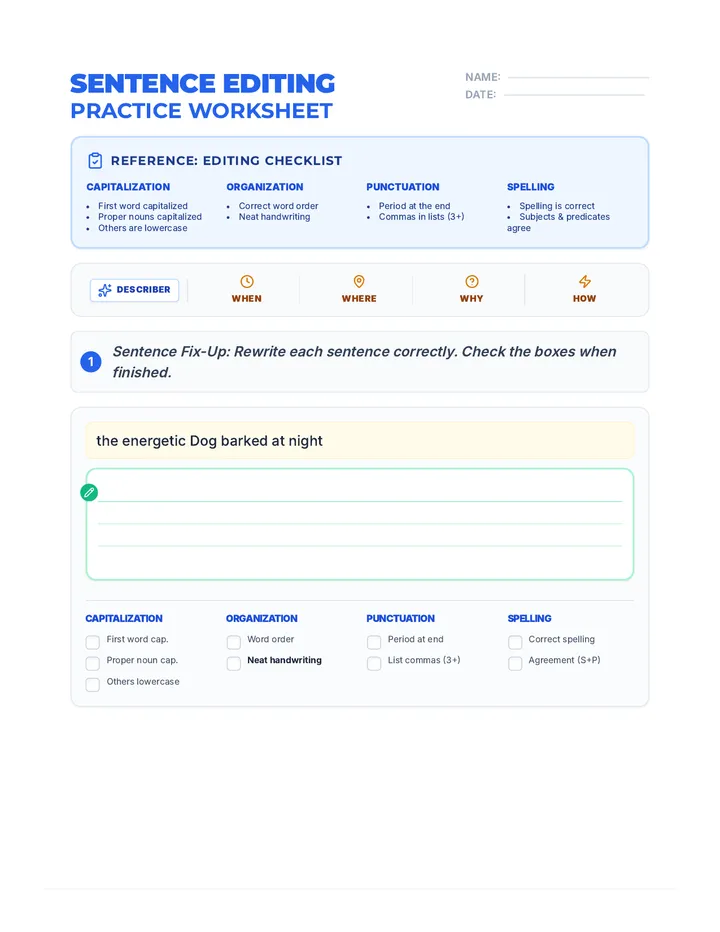
An extensive 6-page worksheet for sentence building and correction. Features an editing checklist for review at the top of Page 1, followed by four 'Sentence Fix-Up' items and six complex frames. All tasks include 4 handwriting lines and a standardized checklist with increased font sizes for better legibility. Subtitle removed and font sizes polished for classroom use.

EV

Erin Venuti

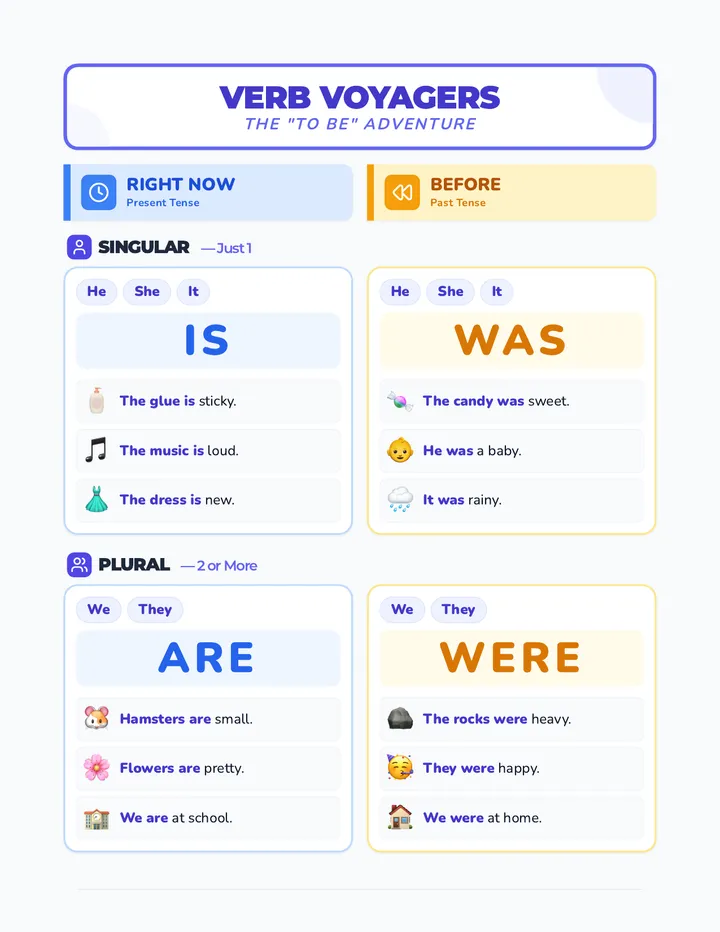
Verb Voyagers Anchor Chart Revised

Verb Voyagers Anchor Chart Revised

A condensed version of the Verb Voyagers anchor chart, removing student information sections and adjusting spacing and font sizes to ensure it fits perfectly on a single printable page.

T

tdunbar

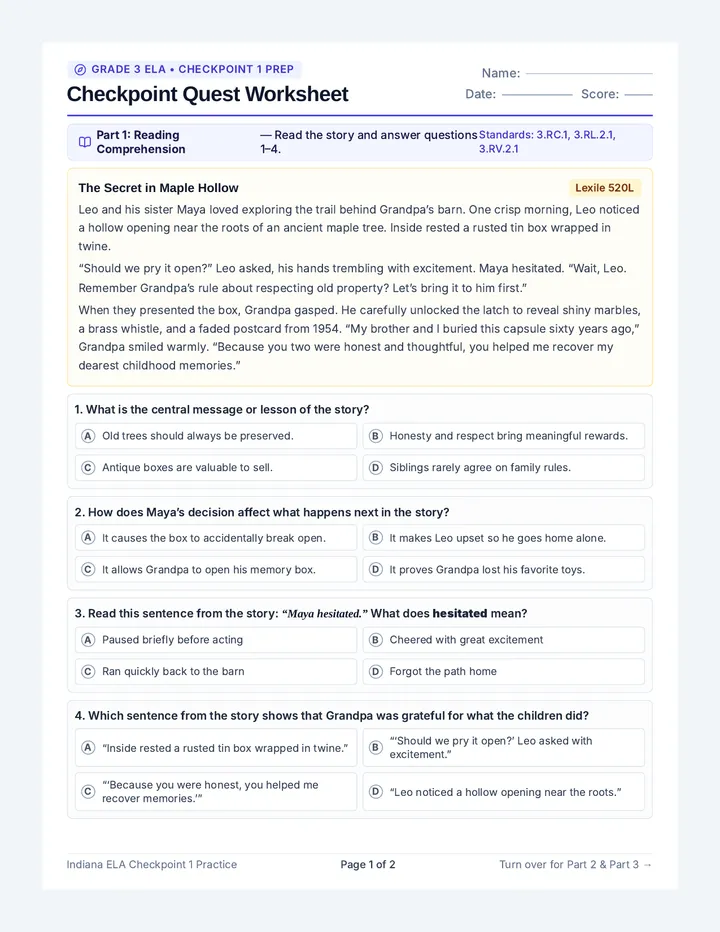
Checkpoint Quest Worksheet

Checkpoint Quest Worksheet

A 2-page print-ready Grade 3 English Language Arts review worksheet for Indiana ILEARN Checkpoint 1, updated with larger readable fonts across all sections and with Question 4 converted to a multiple-choice format.

RF

Rebecca French

Sequences

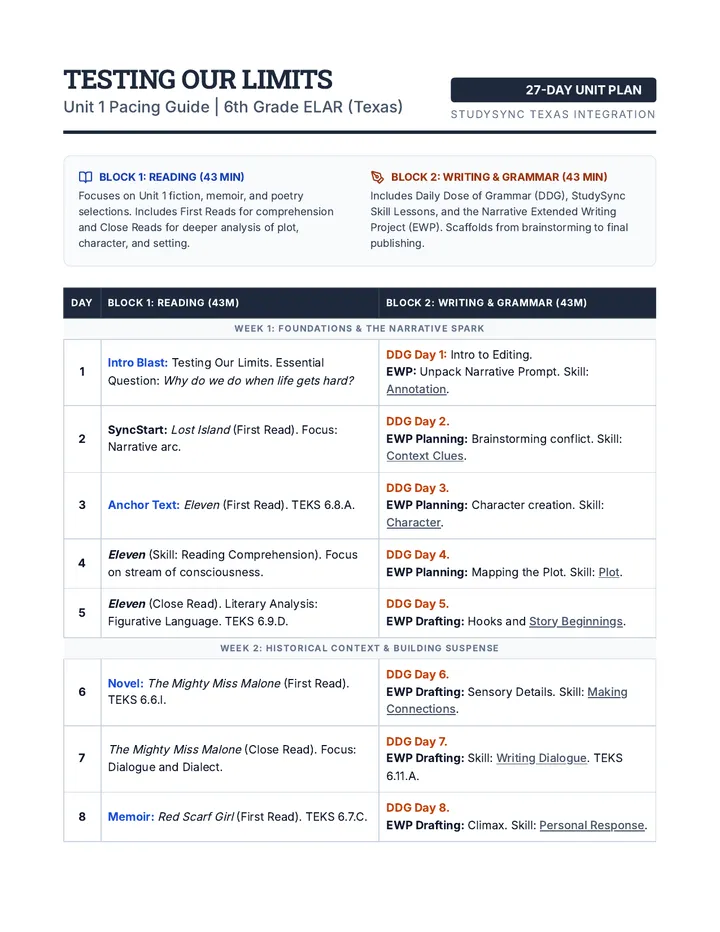
Unit 1 Pacing Guide Document

Testing Our Limits Unit Sequence

A 27-day instructional sequence for 6th Grade ELAR Unit 1: Testing Our Limits, featuring dual blocks for Reading and Writing with daily grammar and skill scaffolding.

DM

Dawn Mustian

81
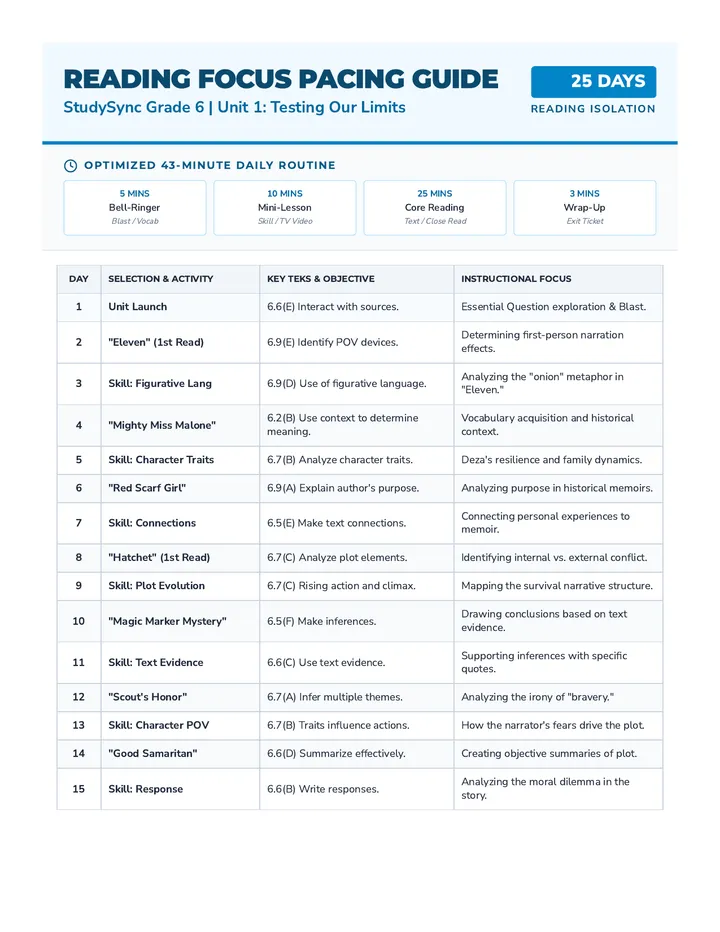
Reading Focus Pacing Guide

Testing Our Limits Unit

A 25-day comprehensive unit for StudySync Grade 6 that explores the theme of courage and resilience through isolated reading and writing tracks, aligned to ELA TEKS.

DM

Dawn Mustian

79
Grammar Quest Log Worksheet

EOC Geography Review

A 10-day review series that integrates English 1 EOC revising and editing skills with World Geography core content, designed for daily warm-ups.

PR

Penne Reed

3
History Rewritten Tracker Worksheet

History Rewritten EOC Review

A 10-day English 2 EOC review sequence integrated with World History content, focusing on high-frequency revising and editing TEKS.

PR

Penne Reed

2
Mission Message Guide Enseignant

Expertise Formation Premier Degré

Une série de modules de formation destinés aux conseillers pédagogiques pour renforcer leur expertise en ingénierie de formation continue, spécifiquement appliquée à l'enseignement du français à l'école primaire.

VD

Val Désirée

27
Word Power Worksheet

Summer Power Review

A comprehensive Grade 2 literacy review packet designed for summer practice. It includes anchor charts for spelling rules, vowel types, grammar, and morphology, followed by a detailed review worksheet.

MP

Ms. Patel

23