Lenny.com
Explore
Create
ActivitiesNewMathEnglish Language ArtsScience & EngineeringSocial StudiesGlobal LanguagesHealth & Physical EducationSpecial EducationCounseling & Life SkillsArts & CreativityESL
Lenny.com
Lenny.com
Explore
Create
ActivitiesNewMathEnglish Language ArtsScience & EngineeringSocial StudiesGlobal LanguagesHealth & Physical EducationSpecial EducationCounseling & Life SkillsArts & CreativityESL
Lenny.com
Lenny.com

Solutions

Lenny for EducatorsLenny for SchoolsLenny for Districts

Product

ExploreSign inCreateSupportAbout

Resources

Getting startedMTSS Acceleration Program

© 2026 Lenny Learning Inc.

TermsPrivacyAccessibility
LinkedInInstagramX
Lenny

Commas

Rules for lists, introductory phrases, and compound sentences. Develops precision in sentence structure while addressing common errors like comma splices.

English Language ArtsPhonics & Reading FoundationsLetter IdentificationLearn Letters A-ZLowercase and Uppercase LettersConsonants and VowelsLetter-Sound AssociationsLetter-Sound Associations: LowercaseLetter-Sound Associations: UppercaseBeginning and Ending SoundsRhymingBlending And SegmentingShort VowelsShort Vowel SoundsConsonant BlendsConsonant DigraphsBlends, Digraphs, and TrigraphsDigraphs, Blends, and Silent LettersLong Vowel SoundsLong Vowel PatternsShort and Long VowelsShort and Long Vowel PatternsSilent EVowel SoundsVowel TeamsR-Controlled VowelsDiphthongs: Oi, Oy, Ou, OwVariant VowelsVariant, Diphthong, And R Vowel PatternsSoft G And CSight WordsIrregular WordsWord RecognitionSyllablesSyllable TypesTwo-Syllable WordsMultisyllabic WordsPhoneme ManipulationDecodable TextsVocabularyAction WordsQuestion WordsNouns and AdjectivesClassify WordsCompound WordsSynonyms and AntonymsHomophonesHomophones and HomonymsShades of MeaningContext CluesPrefixes and SuffixesGreek and Latin RootsAnalogiesIdioms and AdagesForeign Words and ExpressionsWord Choice and UsageReference SkillsReading ComprehensionRead-Along Literary TextsRead-Along Informational TextsReality vs. FictionStory ElementsCharacterSequenceMain IdeaCause And EffectCompare And ContrastReading StrategiesText StructureAuthor's PurposeAuthor's Purpose And ToneAuthor's PerspectivePoint Of ViewThemeInference And ThemeInference And AnalysisPoetry ElementsLiterary DevicesAnalyzing LiteratureAnalyzing Informational TextsComparing TextsAudience, Purpose, And ToneBusiness DocumentsNovel StudyNonfiction Book StudyGrammar & MechanicsSentencesNounsVerbsAdjectivesPronounsCapitalizationPunctuationContractionsConjunctionsPrepositionsArticlesAdjectives And AdverbsVerb TypesVerb TensePronouns And AntecedentsPronoun TypesSubject-Verb AgreementDirect And Indirect ObjectsSentences, Fragments, And Run-OnsPhrases And ClausesCommasSemicolons, Colons, And CommasDashes, Hyphens, And EllipsesSpellingAbbreviationsFormattingVerb Tense And MoodMisplaced ModifiersWritingDescriptive DetailsCreative WritingOpinion WritingTopic SentencesOrganizing WritingLinking WordsSentence VarietyIntroductions And ConclusionsPersuasive And Opinion WritingExpository WritingPersuasive StrategiesDeveloping And Supporting ArgumentsTopic Sentences And Thesis StatementsSummarizingResearch SkillsEditing And RevisingActive And Passive Voice=Writing Clearly And ConciselyDebate & Public SpeakingPublic Speaking BasicsPersuasive TechniquesClaims and EvidenceTypes of ArgumentsReasoning TypesLogical FallaciesTopic ResearchOrganizing EvidenceDebate Speech OrganizationAttacking and Defending ArgumentsClash and EngagementImpact CalculusQuestioning and Cross-ExaminationCritical ThinkingInformal LogicFormal LogicInductive Reasoning

Videos

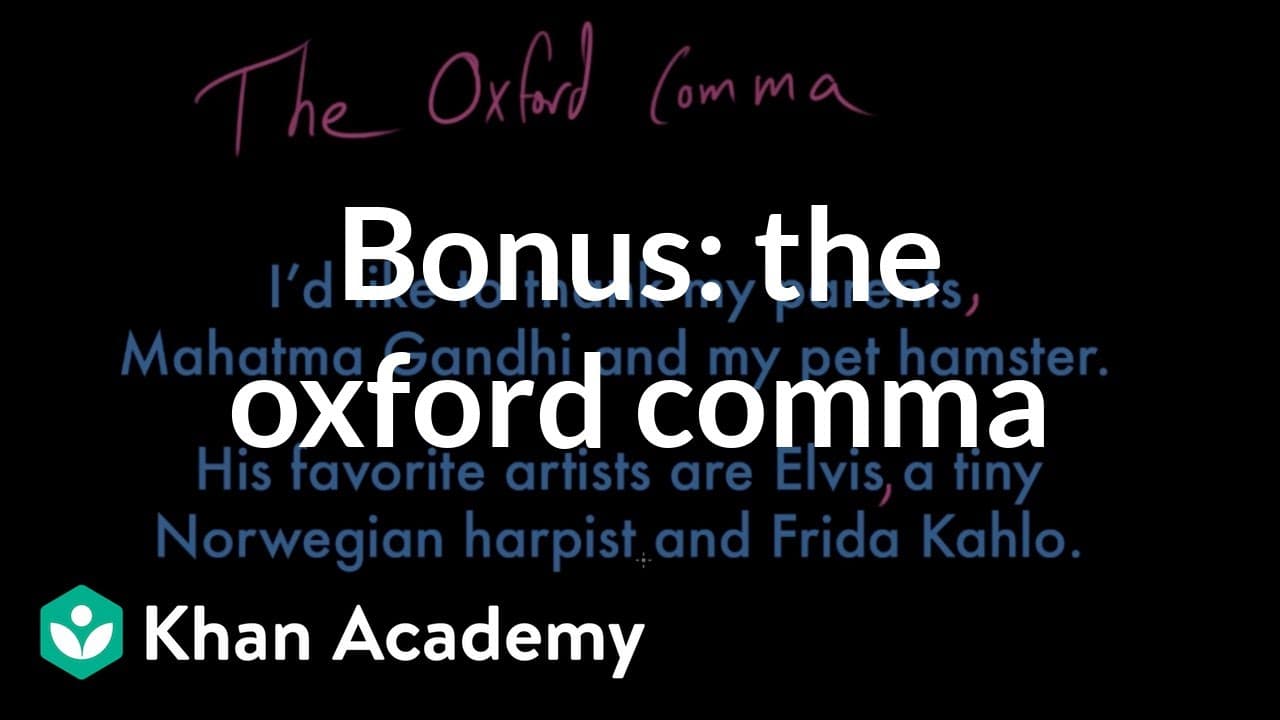
How the Oxford Comma Prevents Confusion

How the Oxford Comma Prevents Confusion

This engaging video explores the function and importance of the Oxford comma (also known as the serial comma) through humorous and memorable examples. Narrators David and Paige explain that while the comma placed before the conjunction in a list is optional in some style guides, its omission can lead to hilarious and confusing misunderstandings. They illustrate this with sentences implying one's parents are Mahatma Gandhi and a hamster, or that Elvis is a tiny Norwegian harpist. The video delves into the nuances of grammatical clarity versus stylistic choice, referencing major style guides like AP (which typically omits it) and Chicago (which includes it). It introduces the grammatical concept of "apposition" to explain why these specific misunderstandings occur. The narrators also offer a sophisticated counter-argument: that rewriting a sentence to change the word order is often a better solution for ambiguity than relying solely on punctuation. For educators, this video serves as an excellent hook for grammar lessons, demonstrating that punctuation is not just about following arbitrary rules but about ensuring clear communication. It provides a non-threatening entry point into complex topics like appositives, ambiguity, and style guides. The humorous examples stick in students' minds, making the concept of the serial comma easier to recall and apply in their own writing.

Khan AcademyKhan Academy

3mins 43s

Using Commas in Tag Questions and Direct Address

Using Commas in Tag Questions and Direct Address

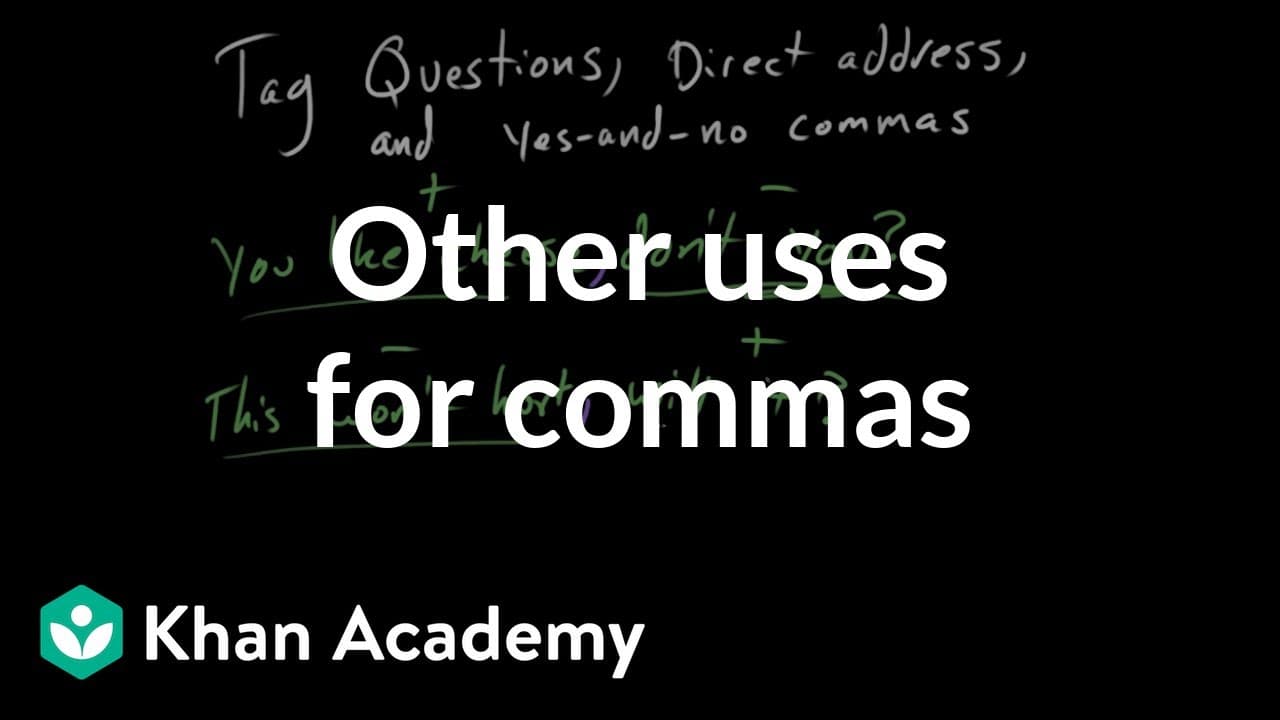
In this engaging grammar lesson, grammarians David and Paige explore three specific and common uses for commas in everyday writing and dialogue. Using a conversational teaching style with digital whiteboard illustrations, the duo breaks down the mechanics of "tag questions" (turning a statement into a question), "direct address" (speaking to a specific person), and "yes or no" responses. The video uses humorous, memorable examples centering on a mutual love of cheese to demonstrate how commas function as necessary separators in these sentence structures. Key themes include the structural logic of tag questions—specifically the relationship between positive assertions and negative tags (and vice versa)—and the "separating function" of the comma. The video details how to punctuate sentences where a speaker names the person they are talking to, and how to properly set off introductory affirmations or negations at the start of a sentence. The visual use of different colors helps distinguish between the different parts of speech being separated. This video is highly valuable for upper elementary and middle school English Language Arts classrooms, particularly for units on punctuation mechanics and dialogue writing. Teachers can use this resource to help students correct run-on sentences in creative writing or to clarify the often-missed comma rules in conversational text. The clear, isolated examples make it easy for students to visualize where the pauses—and thus the punctuation—belong in their own writing.

Khan AcademyKhan Academy

3mins 24s

Mastering Dialogue: Formatting, Punctuation, and Tags

Mastering Dialogue: Formatting, Punctuation, and Tags

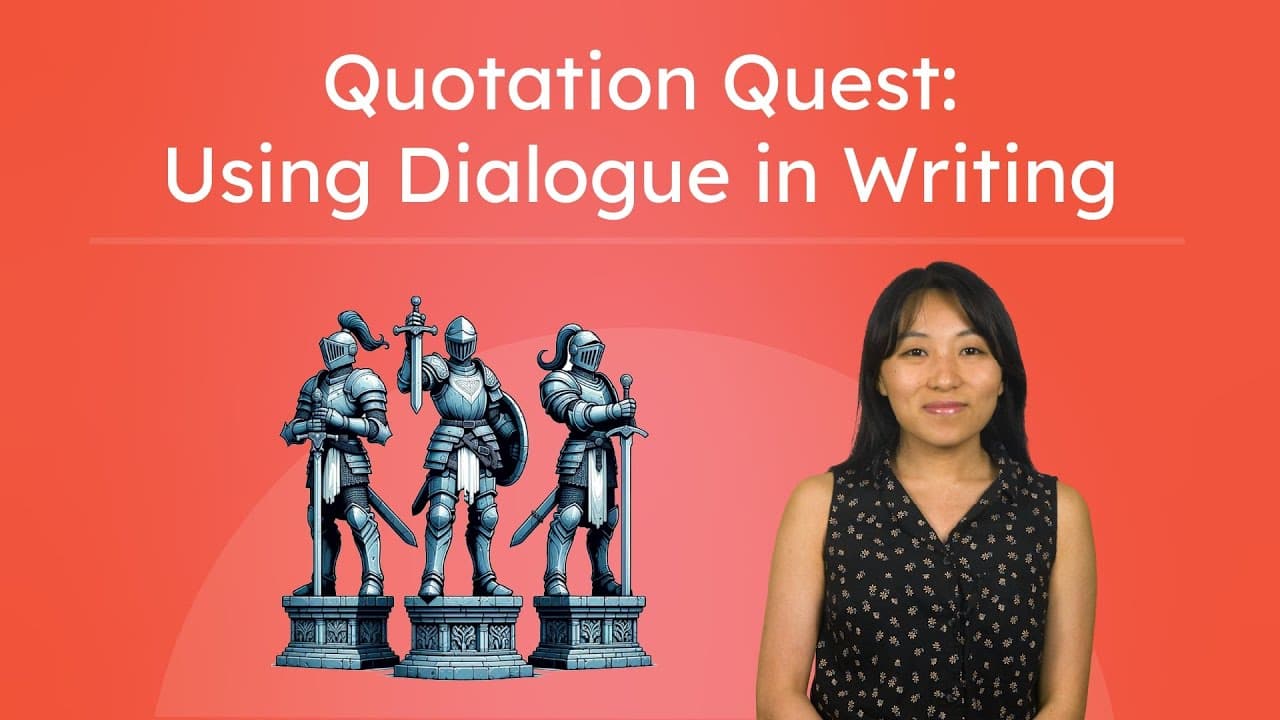
This engaging language arts video invites students into the "Whispering Hall" of Genre Land to master the mechanics of writing dialogue. Through a quest-based narrative featuring three knight statues, the host guides viewers through three distinct challenges: formatting, punctuation, and dialogue tags. The video contrasts confusing, unformatted blocks of text with properly structured dialogue to visually demonstrate the importance of these writing conventions. The content systematically breaks down the technical rules of dialogue writing. Key topics include when to start new paragraphs (paragraph breaks and indentation), how to use quotation marks and other punctuation within speech, capitalization rules for quoted sentences, and the proper use and placement of dialogue tags. It also distinguishes between valid tags (speaking verbs like "said" or "asked") and action beats (like "smiled" or "ran"), clarifying common grammatical errors. This video is an excellent resource for upper elementary and middle school writing workshops. It transforms dry grammar rules into a gamified editing mission, encouraging students to analyze text critically. Teachers can use the specific "bad vs. good" examples to model editing skills, while the clear breakdown of rules provides a solid foundation for narrative writing units. The step-by-step revision of a single story throughout the video offers a cohesive example of the writing process in action.
Miacademy & MiaPrep Learning ChannelMiacademy & MiaPrep Learning Channel

10mins 24s

How to Use Commas in Dialogue

How to Use Commas in Dialogue

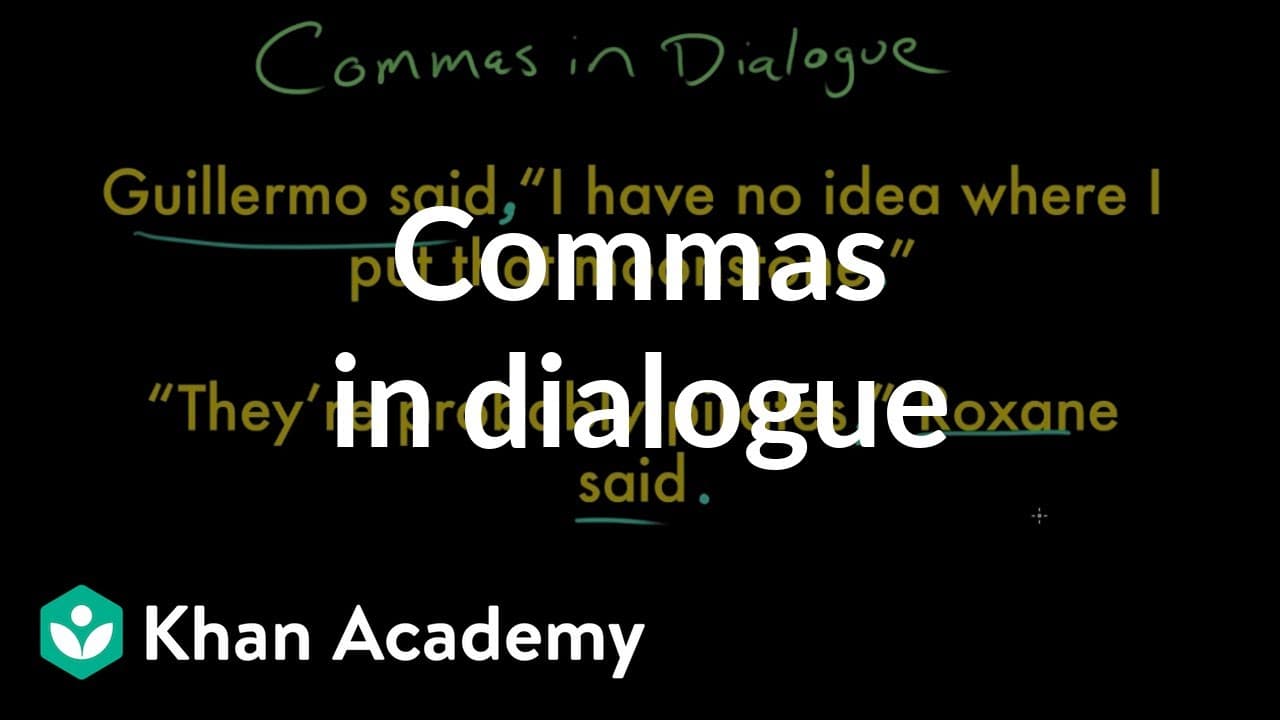
This video provides a clear and engaging explanation of how to properly use commas when writing dialogue. Using a helpful "runway" metaphor, the narrators demonstrate the mechanics of punctuating speech in two common scenarios: when the speaker tag comes before the quote, and when the speaker tag follows the quote. The video uses specific sentence examples involving characters Guillermo and Roxane to visually illustrate where commas, periods, and quotation marks belong. The content focuses on the specific grammatical rules of "reported speech" or dialogue tags. Key themes include the function of commas as separators between narration and speech, the correct placement of punctuation inside or outside quotation marks, and the exceptions for question marks and exclamation points. The visual metaphor of an airplane taking off and landing helps solidify the concept of ramping up to or winding down from spoken words. For educators, this video serves as an excellent tool for teaching writing mechanics and editing skills. It simplifies a rule that often confuses students—specifically the counter-intuitive requirement to use a comma instead of a period at the end of a spoken sentence when a dialogue tag follows. Teachers can use this resource to introduce dialogue punctuation in creative writing units, support students during the editing phase of the writing process, or as a remediation tool for students struggling with writing mechanics.

Khan AcademyKhan Academy

3mins

Using Commas in Letters and Emails

Using Commas in Letters and Emails

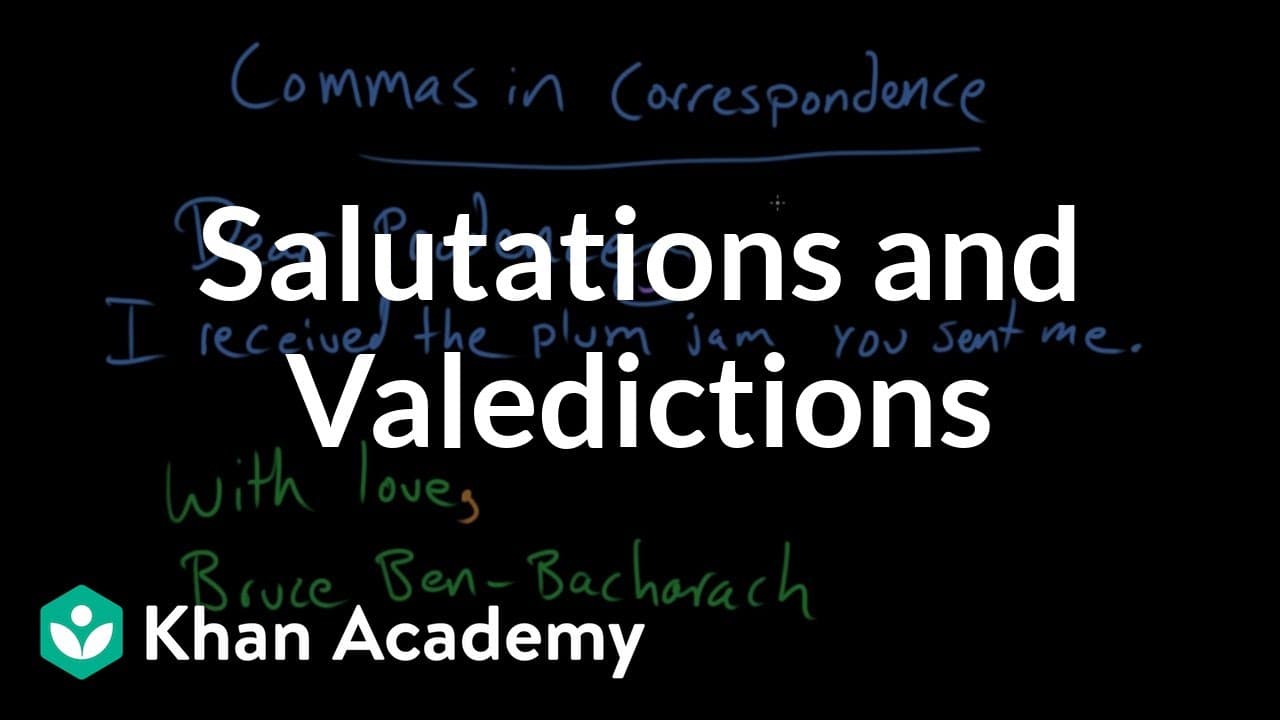
This video provides a clear and concise grammar lesson on how to correctly use commas in correspondence, specifically within letters and emails. The narrators, David and Paige, demonstrate the proper placement of commas in two key areas: the greeting (salutation) and the closing (valediction). Using handwritten examples on a digital whiteboard, they visually break down the structure of a standard letter to show exactly where punctuation belongs. The lesson explores the mechanics of separating introductory phrases from the body of a message and closing phrases from a signature. Beyond just the punctuation rules, the video introduces specific terminology—"salutation" and "valediction"—and briefly touches on their etymological roots, connecting them to concepts of saying "hello" and "goodbye." For educators, this resource serves as an excellent primer or review for units on letter writing or functional writing skills. It is particularly useful for teaching students the structural conventions of formal and informal communication, ensuring they can compose professional and grammatically correct emails and letters. The visual annotations make the abstract rules concrete and easy to follow for learners.

Khan AcademyKhan Academy

2mins 18s

Using Commas in Addresses and Dates

Using Commas in Addresses and Dates

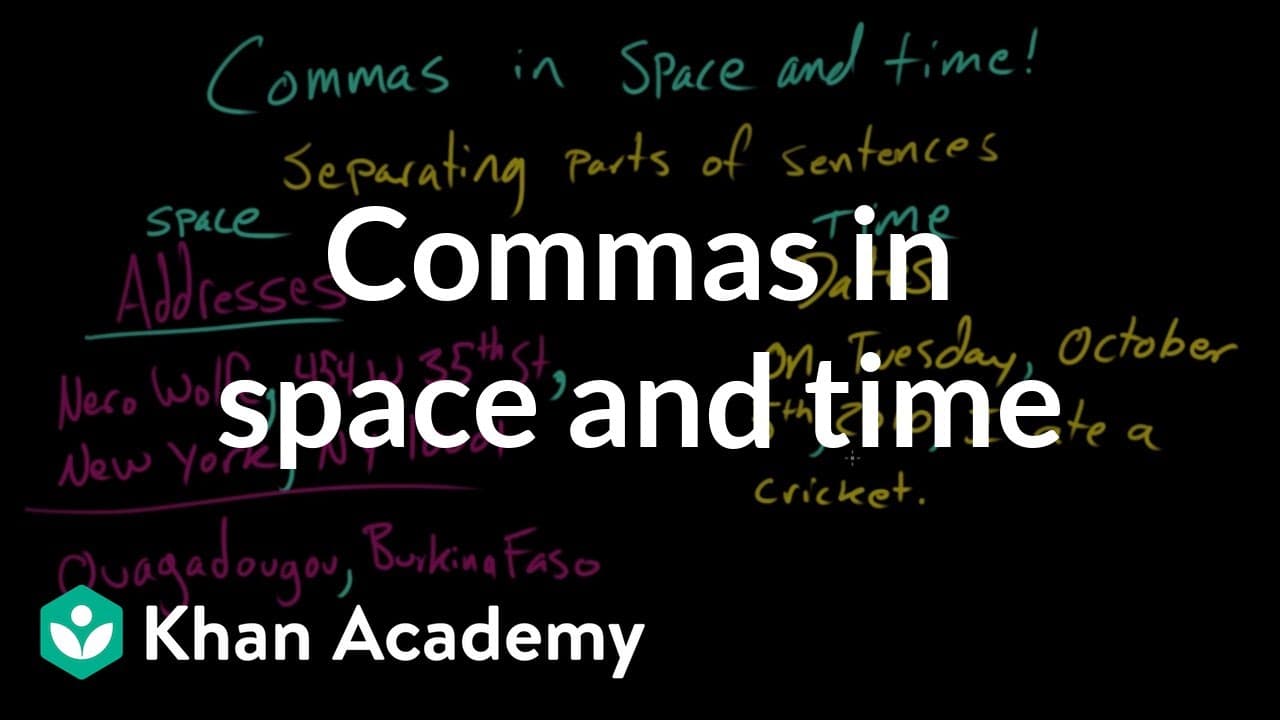
This educational video from Khan Academy features grammar experts David and Paige explaining the specific rules for using commas when writing addresses and dates. Dubbed "Commas in Space and Time," the lesson breaks down the punctuation conventions needed to separate elements of a physical location (street, city, state) and elements of a specific date (day of week, month/day, year). The video uses a digital whiteboard format where the narrators handwrite examples in real-time while explaining the logic behind the punctuation. They provide clear, concrete examples including a fictional address for detective Nero Wolfe and a humorous sentence involving eating a cricket on a specific date in 2010. The visual demonstration helps students see exactly where commas are placed relative to the words. This resource is highly valuable for elementary and middle school English Language Arts classrooms focusing on writing mechanics and grammar conventions. It simplifies a rule that students often forget—specifically the need to place a comma *after* the year or state when the sentence continues. Teachers can use this to introduce the topic or as a quick refresher before a letter-writing unit or biography project.

Khan AcademyKhan Academy

3mins 19s

Materials

Quotation Harvest Slides

Quotation Harvest Slides

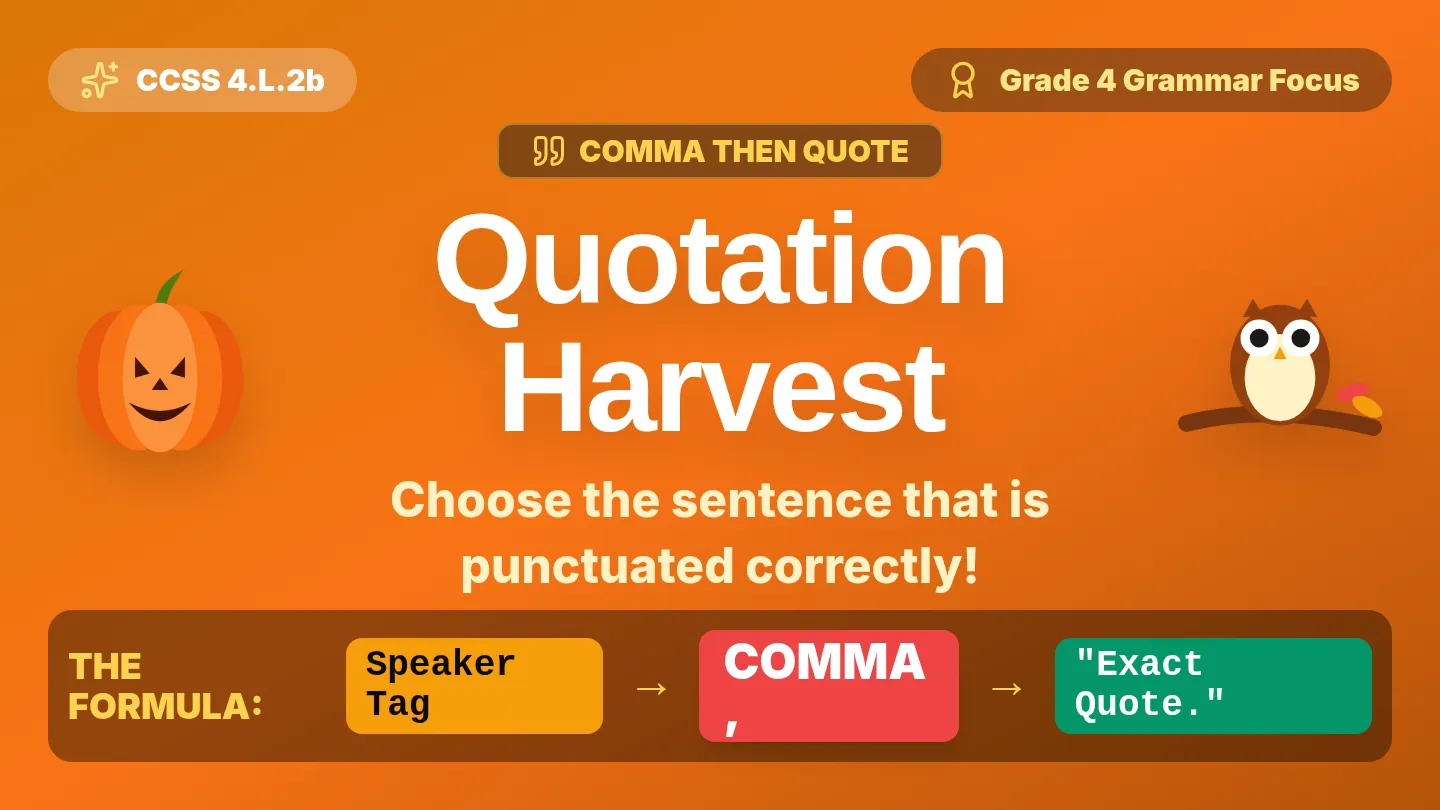
Comprehensive 34-slide fall-themed presentation for 4.L.2b featuring an expanded, balanced distribution of answer choices including multiple D options across 15 practice challenges and solutions.

MS

Mallory Stradley

Wild Safari Preposition Slides

Wild Safari Preposition Slides

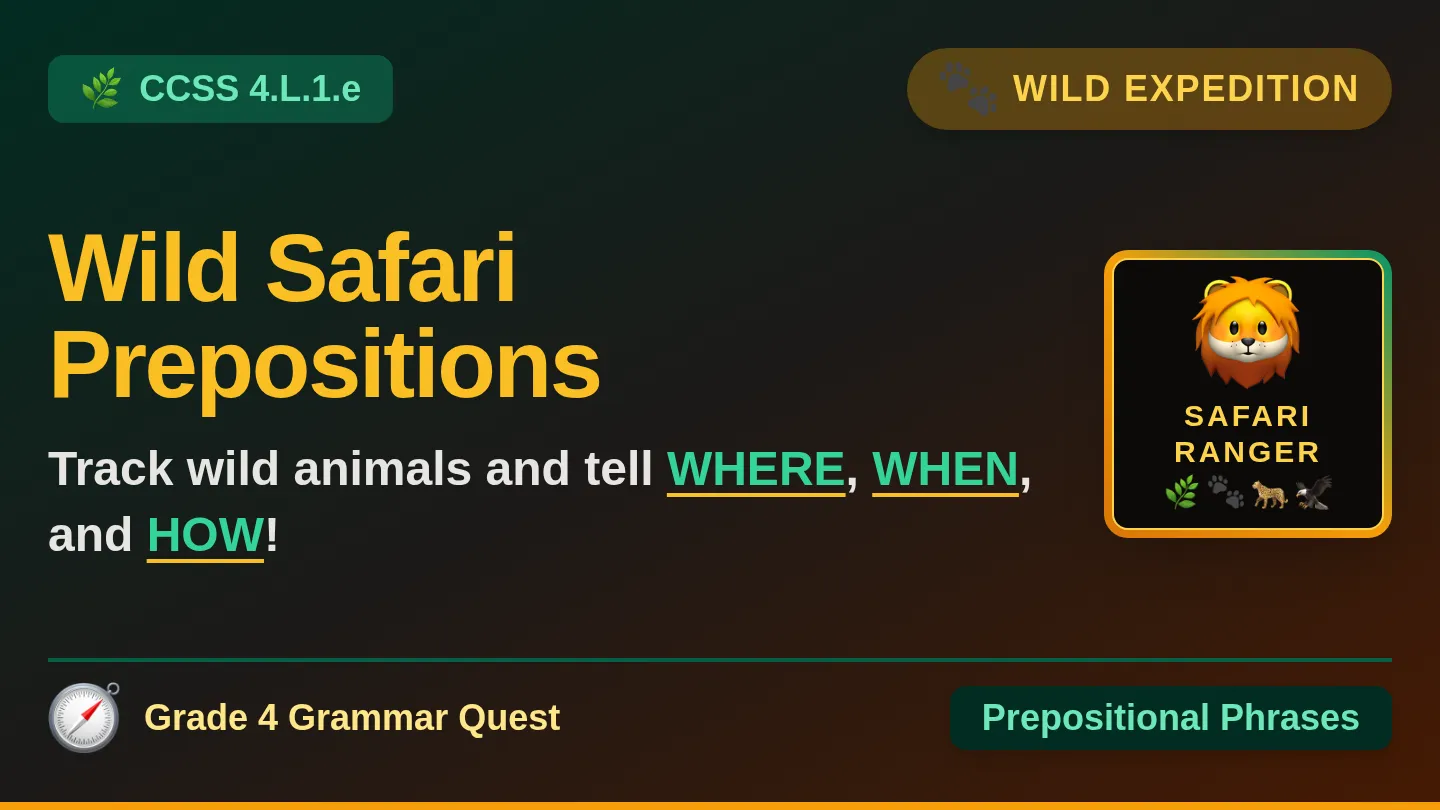
An expanded 40-slide safari presentation featuring 16 wild animal practice questions paired with 16 matching answer slides, including dedicated practice and mini-lesson on introductory prepositional phrases placed at the start of sentences.

MS

Mallory Stradley

ILEARN Caminos Blueprint Guide

ILEARN Caminos Blueprint Guide

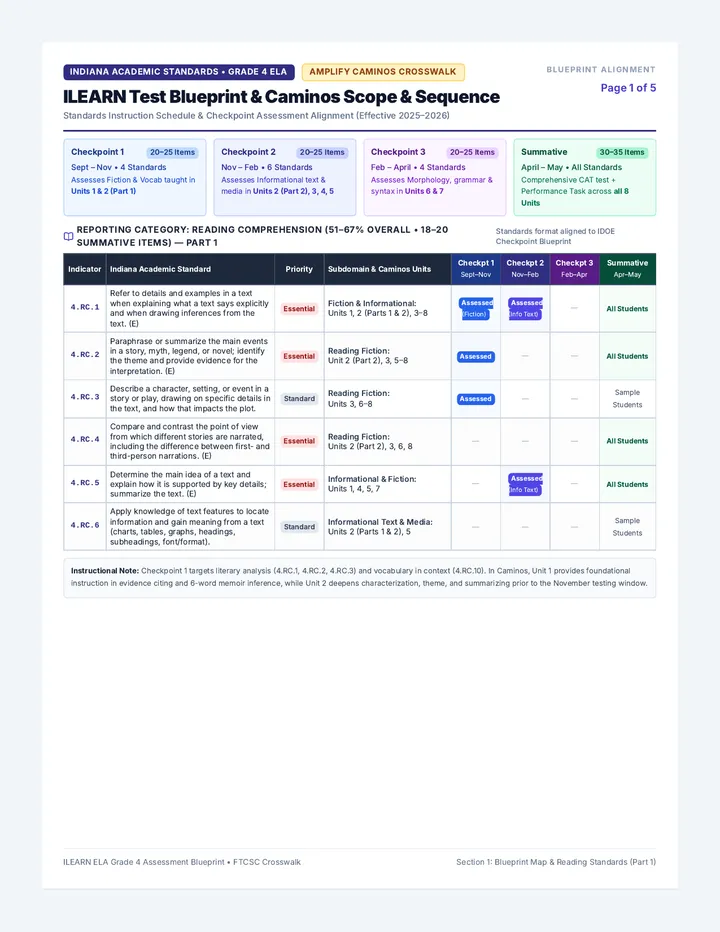
Comprehensive Grade 4 ILEARN Test Blueprint and Amplify Caminos Scope & Sequence crosswalk. Formatted to match the state ILEARN checkpoint blueprint, showing exactly when Indiana Academic Standards (Reading, Vocabulary, Writing, Grammar, and Communication) are taught across Units 1–8 and assessed in Checkpoints 1, 2, 3, and the Summative Assessment.

A

Amy.Hacker

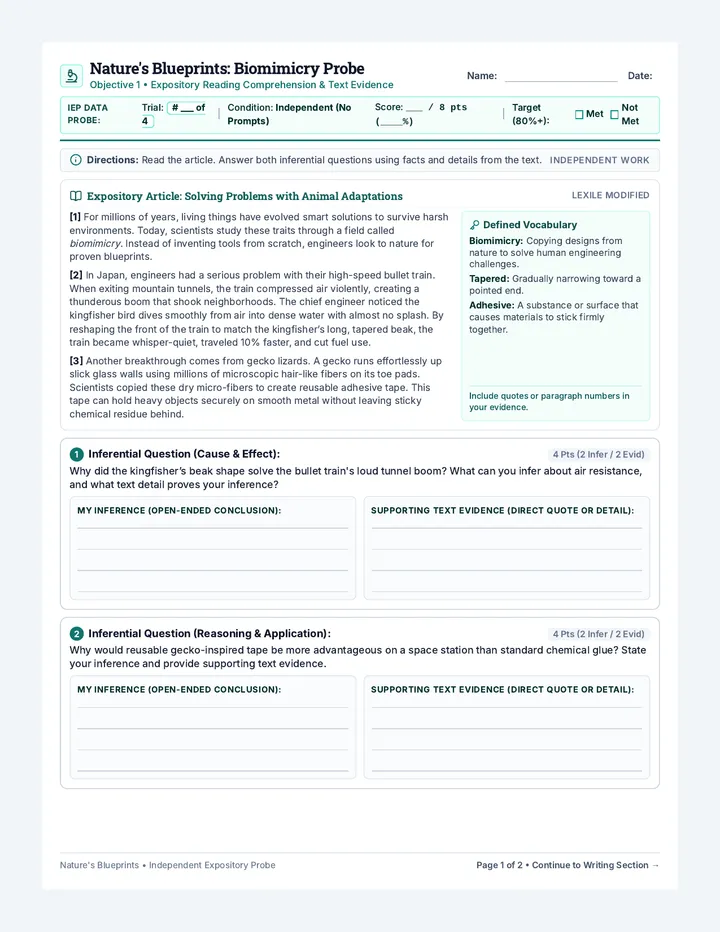
Biomimicry Probe Worksheet

Biomimicry Probe Worksheet

A two-page independent progress monitoring worksheet assessing expository reading inference with supportive text evidence, elaborative paragraph writing with two or more supporting details, and single-skill editing mechanics, featuring expanded student writing space and streamlined header data tracking.

A

amanda_raboin

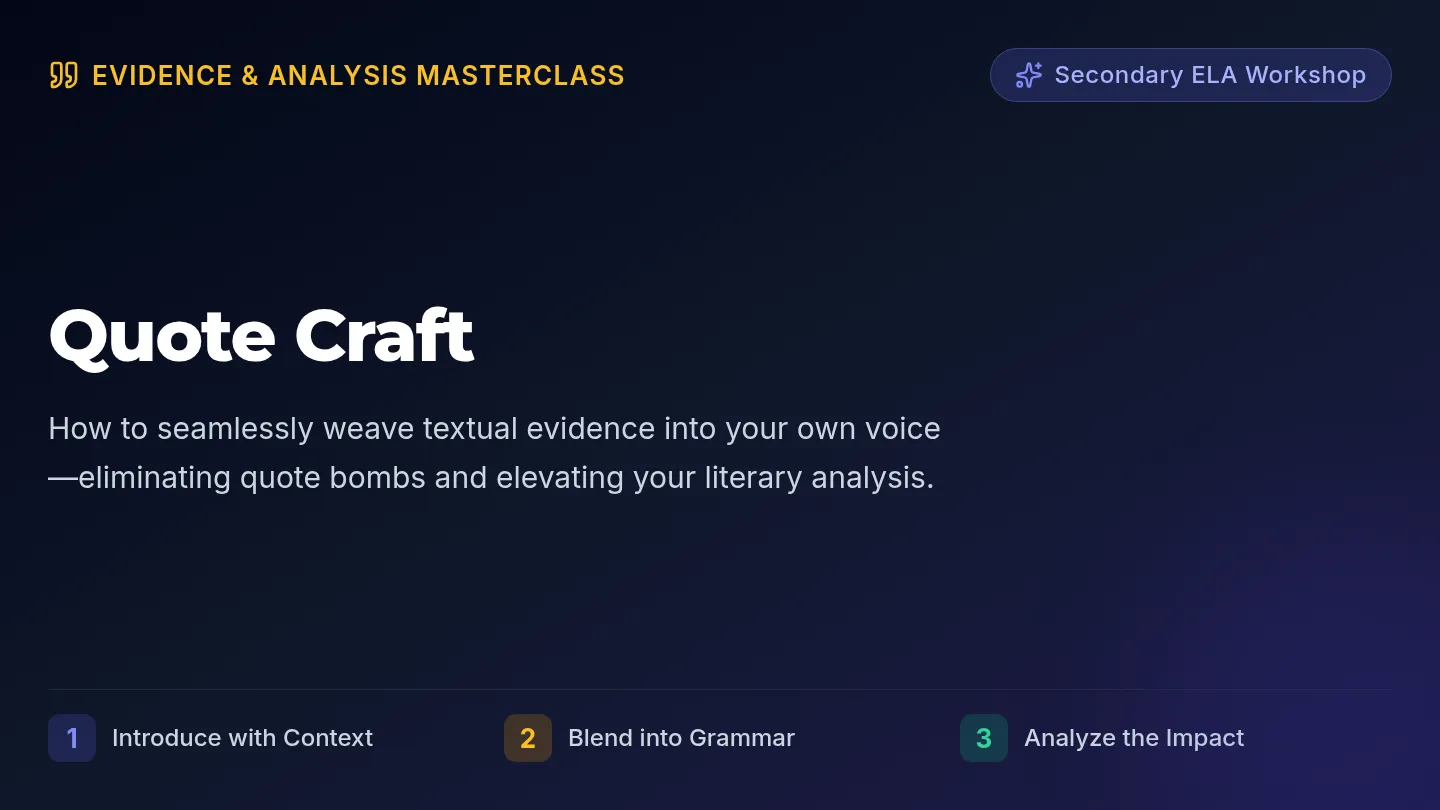
Quote Craft Slides

Quote Craft Slides

An instructional slide deck designed for middle and secondary English language arts classrooms to teach seamless quotation integration. The presentation guides students through common quotation errors, the Introduce-Cite-Explain framework, syntactic blending strategies, punctuation rules, and analytical follow-up.

JT

Jennifer Tzall

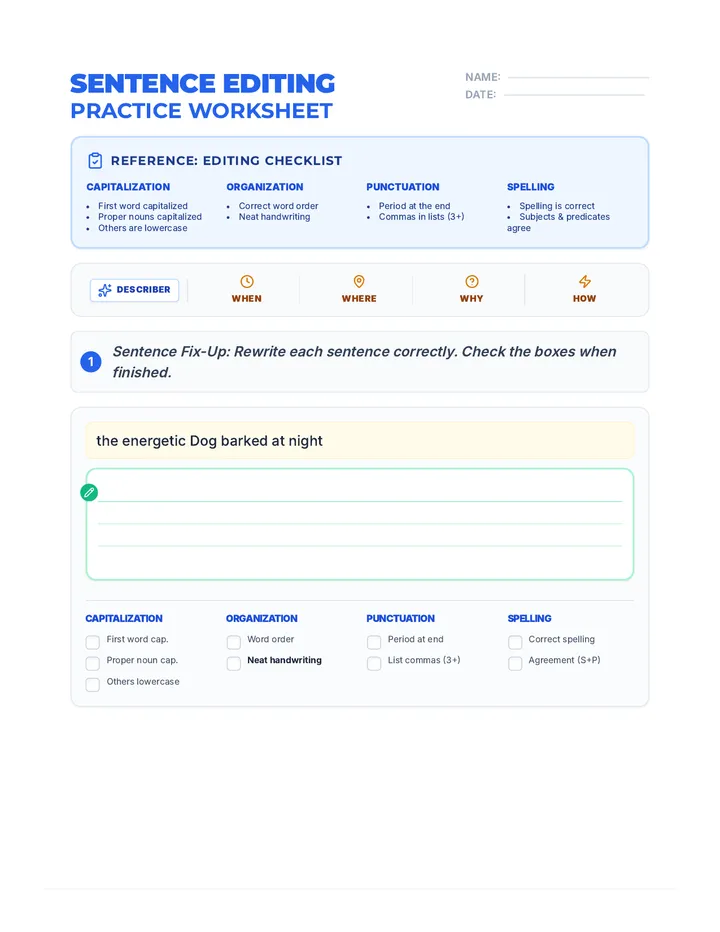
Sentence Editing Practice Worksheet

Sentence Editing Practice Worksheet

An extensive 6-page worksheet for sentence building and correction. Features an editing checklist for review at the top of Page 1, followed by four 'Sentence Fix-Up' items and six complex frames. All tasks include 4 handwriting lines and a standardized checklist with increased font sizes for better legibility. Subtitle removed and font sizes polished for classroom use.

EV

Erin Venuti

Sequences

Invention Quest Slides

Frindle Frenzy Novel Study

A 9-day novel study for 'Frindle' by Andrew Clements, aligned to 3rd Grade ELAR TEKS, focusing on character development, vocabulary, and plot analysis.

LH

Lucy Hellerman

56
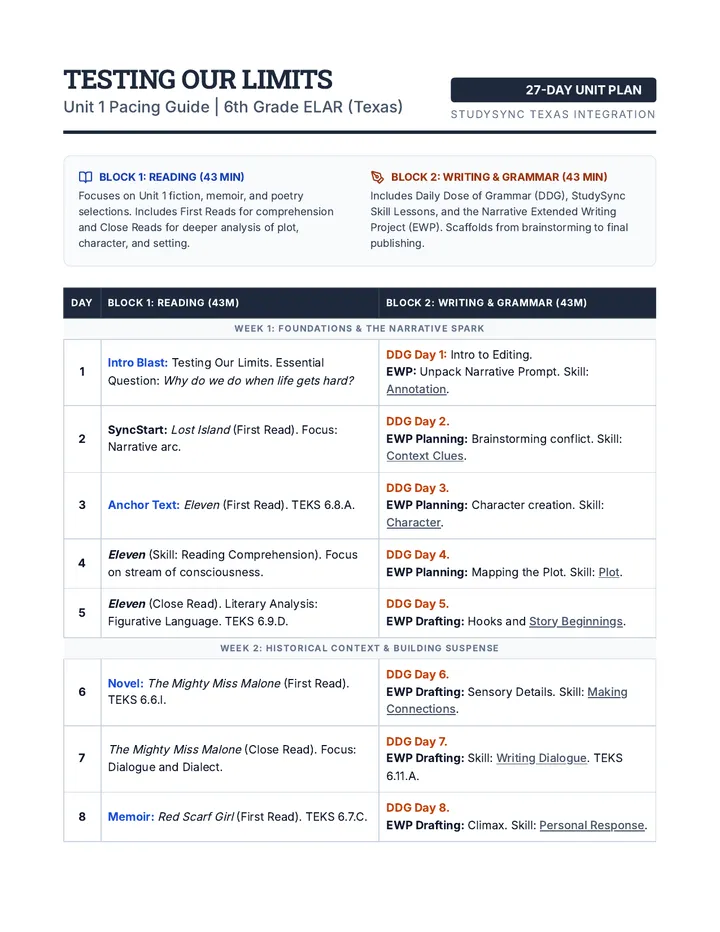
Unit 1 Pacing Guide Document

Testing Our Limits Unit Sequence

A 27-day instructional sequence for 6th Grade ELAR Unit 1: Testing Our Limits, featuring dual blocks for Reading and Writing with daily grammar and skill scaffolding.

DM

Dawn Mustian

81
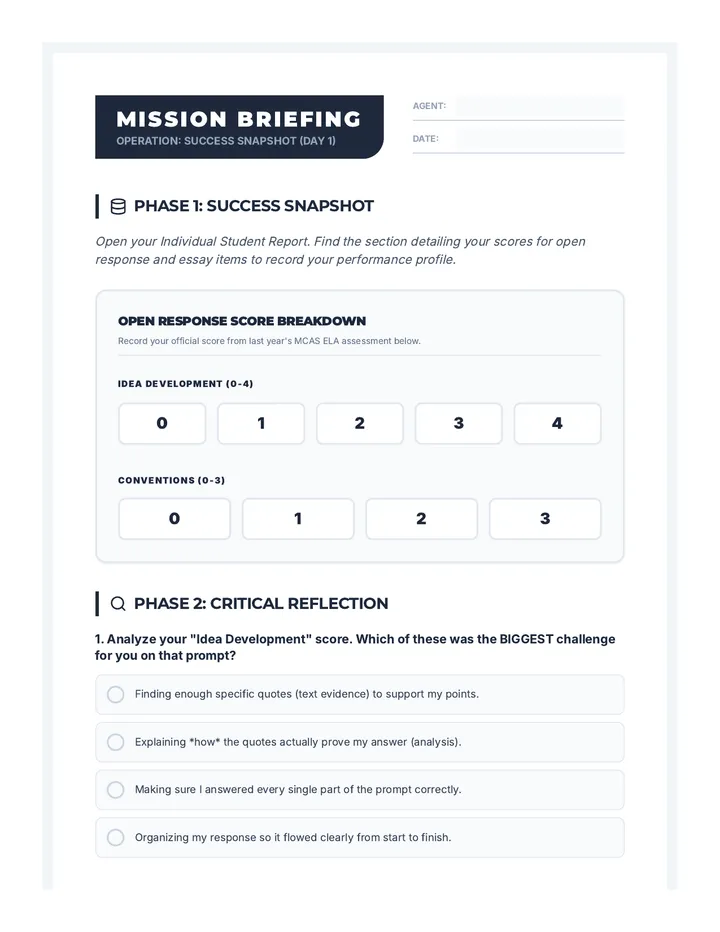
Mission Briefing Worksheet

Mastery Mission

A project-based learning unit designed to help middle school students analyze their past MCAS ELA performance, deconstruct scoring rubrics, and create a personalized strategy playbook for upcoming assessments. Students move from 'investigating' their scores to 'rebooting' their responses and 'finalizing' their test-taking toolkit.

M

mhbutterworth

18
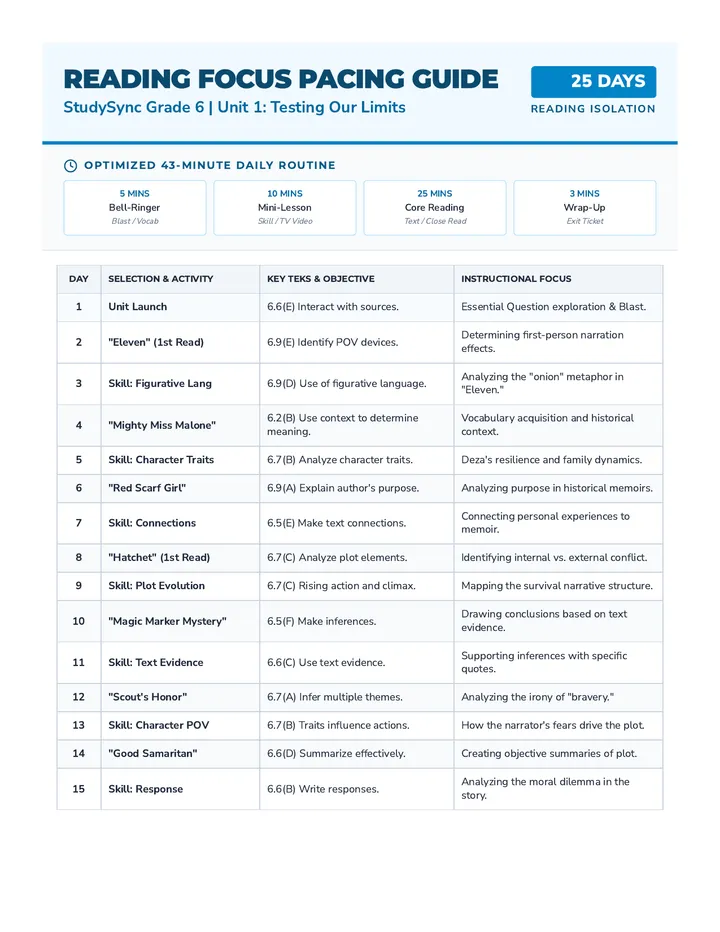
Reading Focus Pacing Guide

Testing Our Limits Unit

A 25-day comprehensive unit for StudySync Grade 6 that explores the theme of courage and resilience through isolated reading and writing tracks, aligned to ELA TEKS.

DM

Dawn Mustian

79
Burger Builder Slides

Paragraph Foundations

A foundational paragraph writing unit designed for early writers and SpEd students to master core paragraph structures through narrative, opinion, and informational writing with heavy visual scaffolding.

E

ecreamer

23
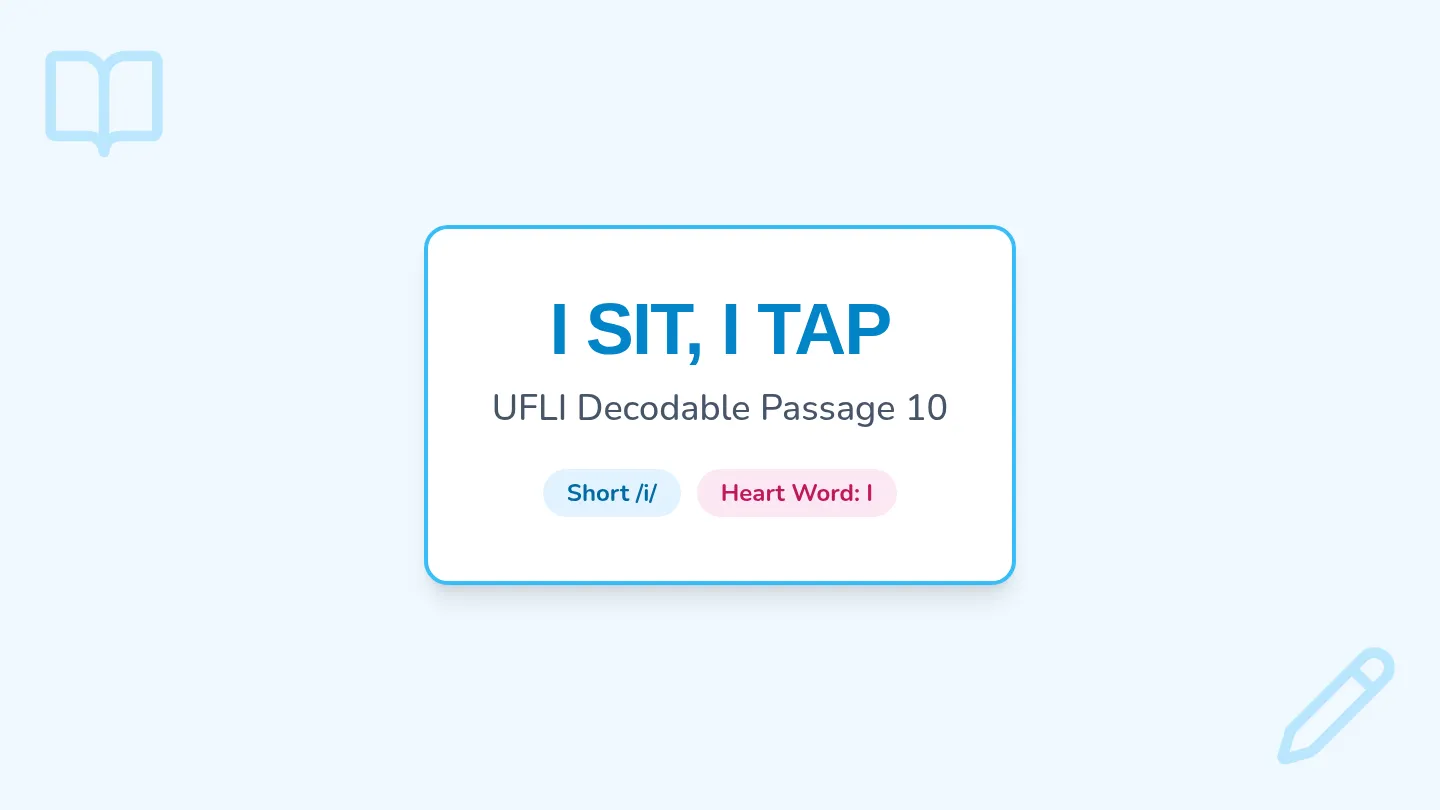
I Sit I Tap Slides

Reading Foundations

A collection of decodable passages and activities aligned with UFLI Foundations, focusing on systematic phonics and heart word acquisition. Each lesson centers on a specific phonics skill and accompanying "heart words" to build reading fluency.

N

npowers

54