A printable sheet of four index-sized reference cards for solving vocabulary multiple-choice questions. Each card features the updated title "Steps for Answering Vocab MCQs" along with color-coded instructions and a punch-hole guide.
An authentic-looking scrap paper template for 3rd grade rough drafting, featuring a yellow notebook header, red margin line, and blue writing lines.
A simple, single-page writing template designed to look like a sheet of scrap paper, perfect for brainstorming, mind-mapping, or rough drafting.
An instructional guide for teachers providing an overview of the four writing styles, a weekly pacing guide, a 3rd-grade rubric, and tips for differentiation.
A high-energy 7-slide presentation that introduces 3rd grade students to descriptive, narrative, expository, and persuasive writing with clear definitions and examples.
A versatile two-page writing template for students to draft their responses, featuring an illustration box, wide lines for handwriting, and a self-check editing list.
A colorful choice board featuring 20 writing prompts for 3rd graders with a visual icon for each prompt to stimulate creativity. Categorized into descriptive, narrative, expository, and persuasive styles.
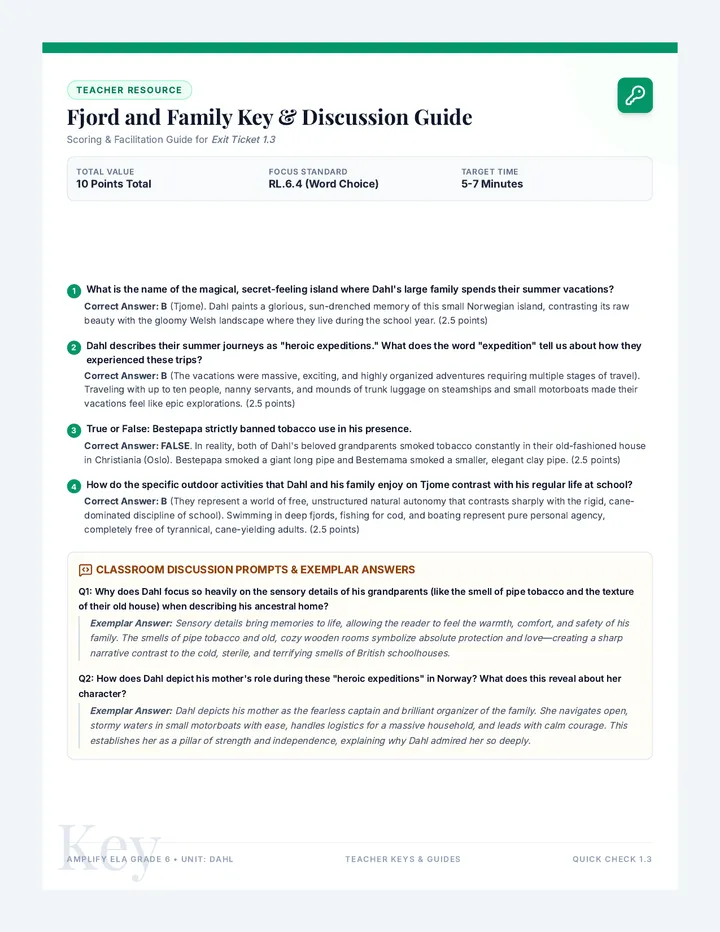
A teacher guide and answer key for the Reading Detectives unit, including pacing suggestions, unit objectives, and full answer keys for all five stories.
A 3rd-grade reading comprehension worksheet focused on mixed skills review through a story about a baker's mistake.
A 3rd-grade reading comprehension worksheet focused on making inferences through a story about a hidden treehouse.
A 3rd-grade reading comprehension worksheet focused on cause and effect through a story about a rainstorm rescue.
A 3rd-grade reading comprehension worksheet focused on sequencing events through a story about planting a garden.
A 3rd-grade reading comprehension worksheet focused on main idea and supporting details through a short story about lost mittens.
A slide deck introducing 3rd-grade reading comprehension skills using a detective theme, covering main idea, sequencing, cause and effect, and making inferences.
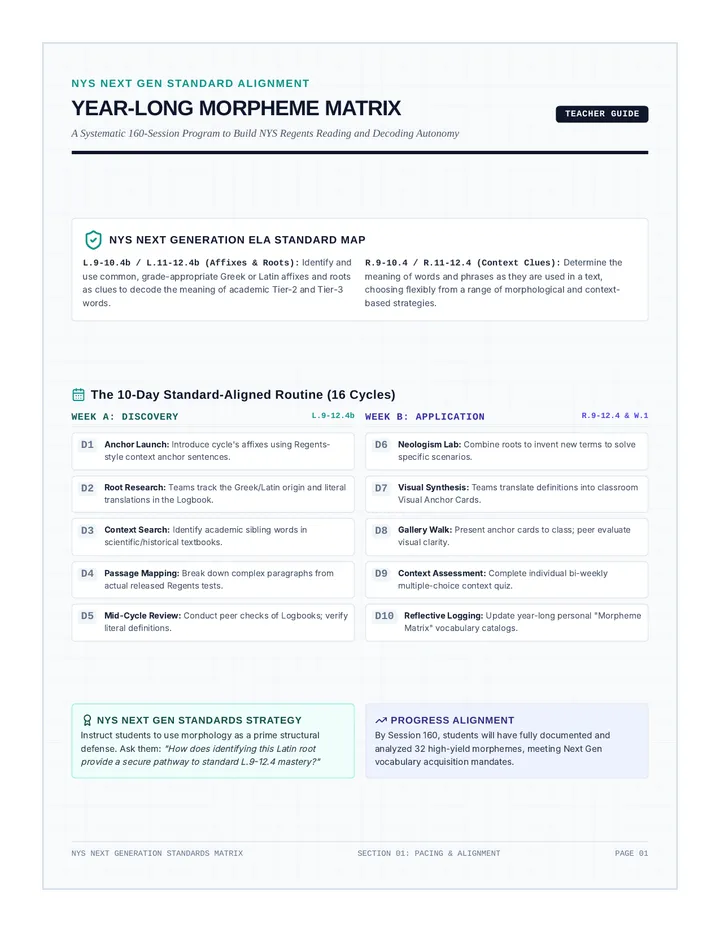
A comprehensive teacher guide for the 'Word Works' lesson. Includes a 45-minute pacing guide, objective alignment with standards, discussion prompts, material inventory, and full answer keys for the worksheet and quiz.
A 1-page assessment quiz titled 'Linguistic Lab Assessment'. It tests students on word morphology (prefixes/roots/suffixes), word relationships (synonym/antonym/part-whole), and identifying parts of speech/function in sentences.
A printable page of 12 matching 'gear' cards for a vocabulary activity. Students cut out the cards and match words based on relationships like synonyms, antonyms, and part/whole pairs. Designed with a mechanical, laboratory aesthetic.
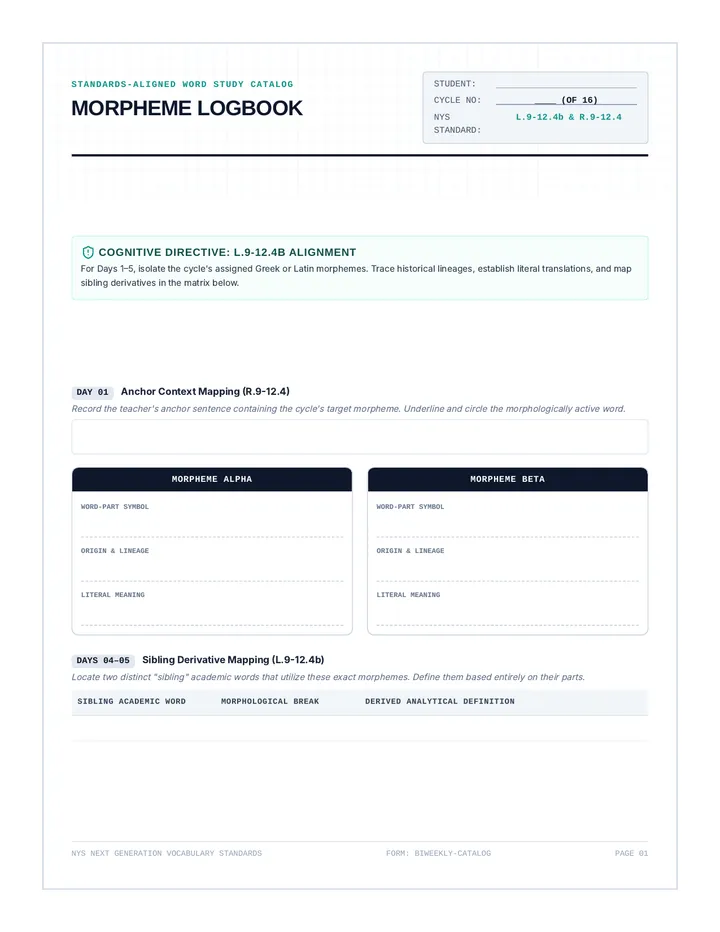
A 3-page student worksheet titled 'Morphology Blueprints'. It includes a graphic organizer for deconstructing word parts (prefix, root, suffix), practice questions using context clues, and a section on word relationships (synonyms, antonyms, part/whole) using a mechanical theme.
A 6-slide visual presentation for an 8th-grade speech and language lesson titled 'Word Works'. It covers morphology (prefixes, roots, suffixes), word relationships (synonyms, antonyms, part/whole), and parts of speech using a mechanical/blueprint theme.
An answer key and teacher guide for the Citrus Siege Quiz, focusing on the early November section (Nov 1-20) of the novel Tangerine.
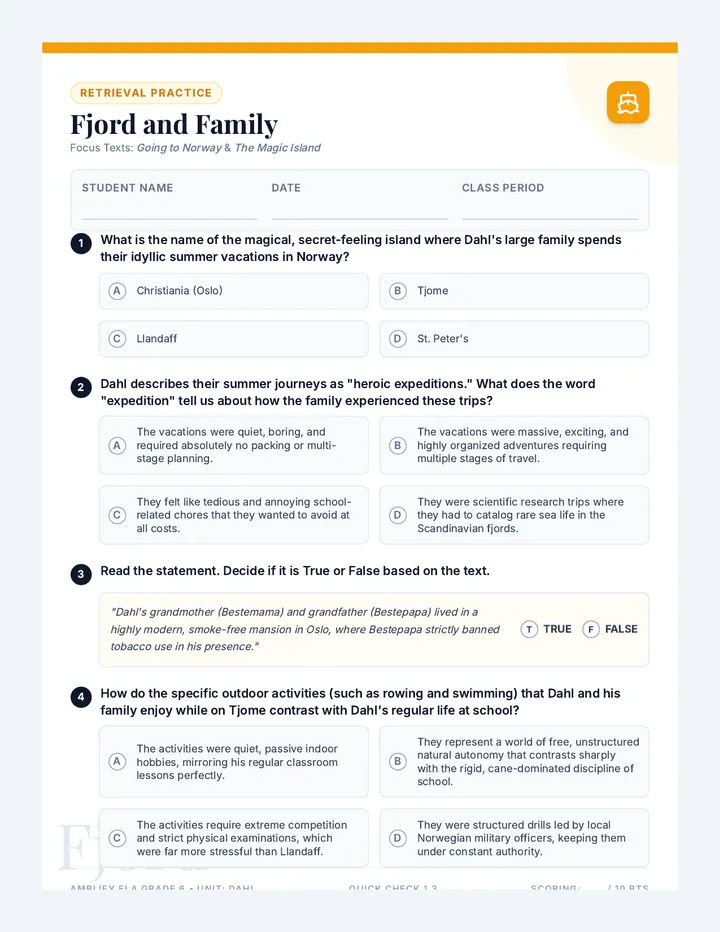
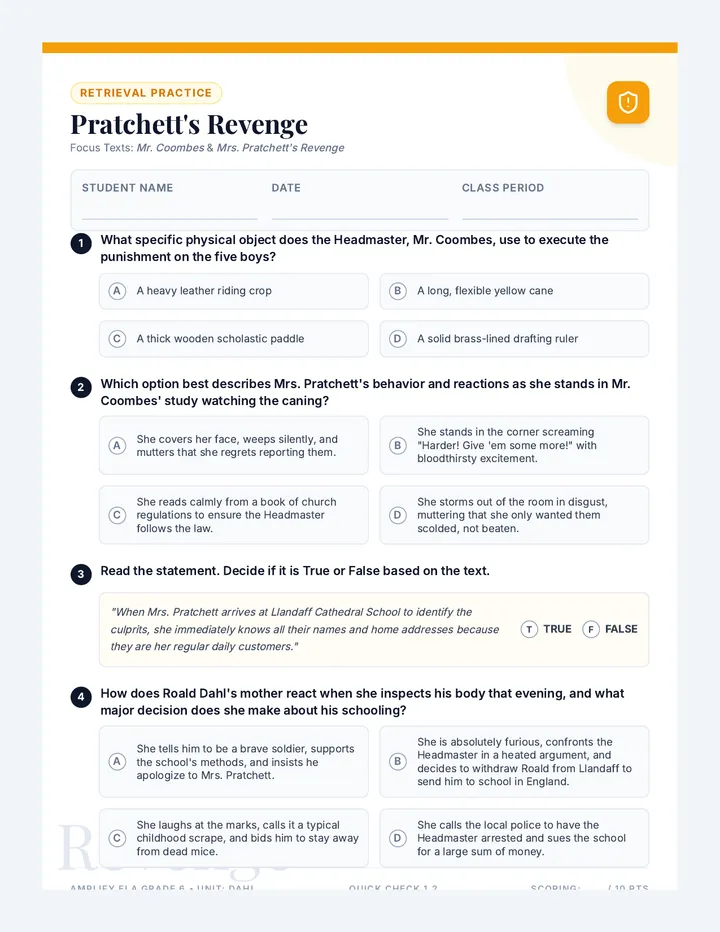
A 15-question multiple-choice comprehension check for the first part of the November section (Nov 1-20) of the novel Tangerine.
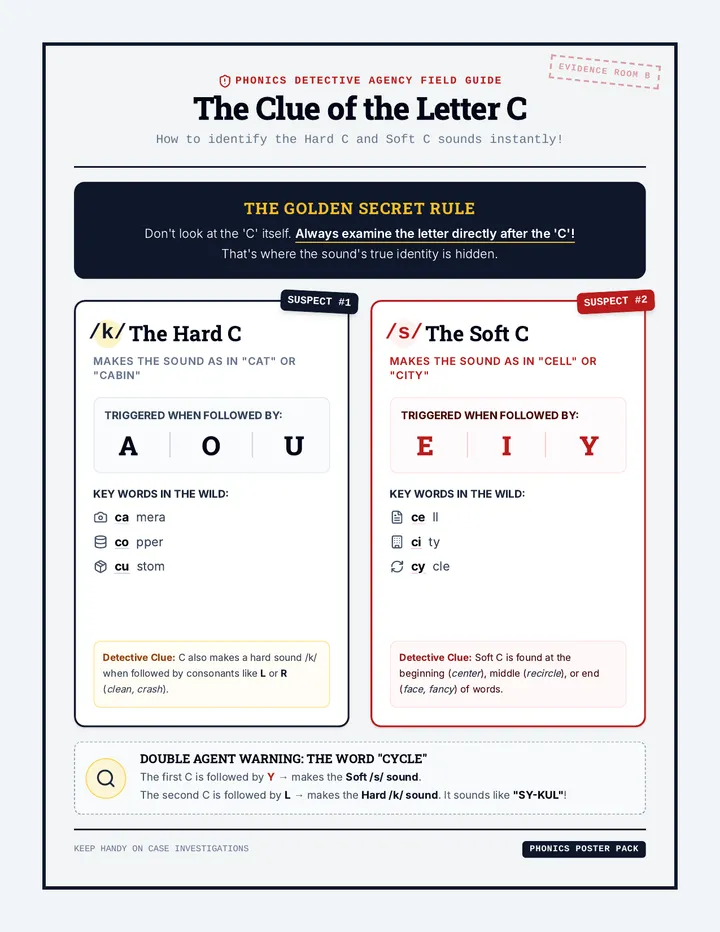
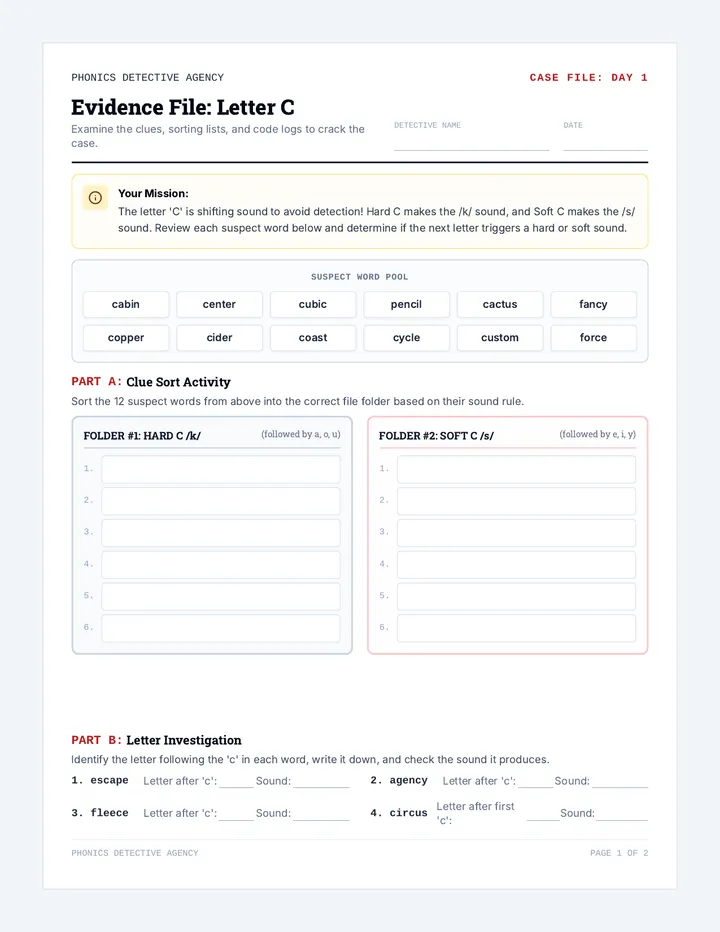
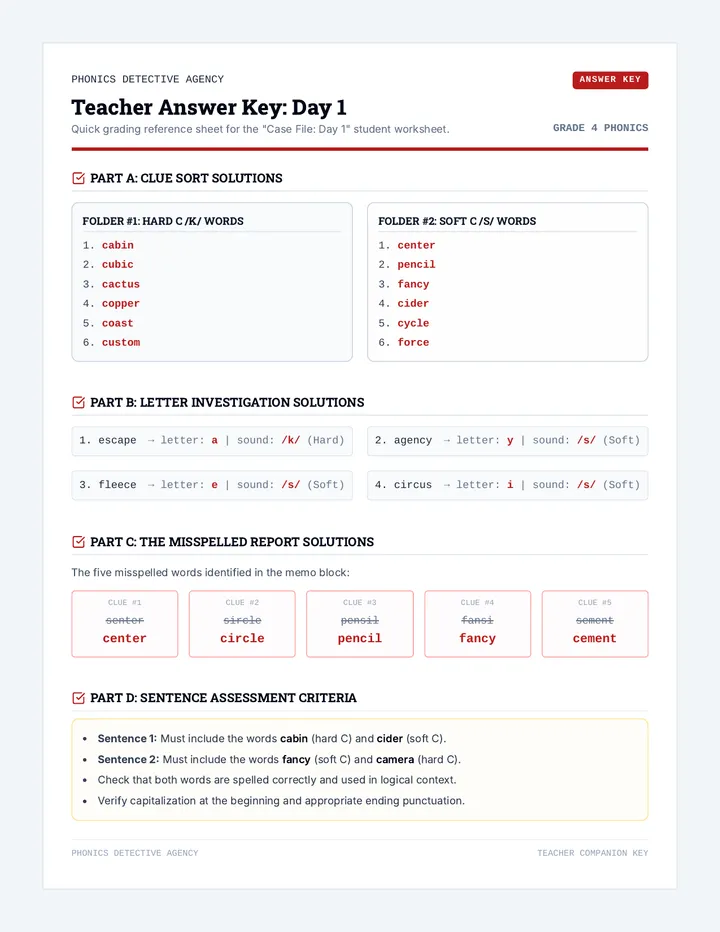
A comprehensive 30-page take-home phonics packet designed to help students master complex letter combinations. Revised with strict 958px height constraints and pixel-perfect isolation to eliminate printing overlap and ensure absolute layout stability across all 30 pages.
A professional assessment rubric for the Inkwell Inquiry worksheet, focusing on main idea identification, evidence selection, and literary insight.
A literary analysis worksheet featuring a short story excerpt about urban development and lost memory, with dedicated workspace for students to identify the main idea and provide supporting evidence.
A comprehensive teacher's guide for the Literary Analysis Lab, including lesson pacing, TEKS alignment, a detailed answer key, and an SCR scoring rubric with a student exemplar.