A printable storytelling evaluation worksheet designed for small groups of three, including a role rotation guide, a 14-point skill checklist, and a reflection section for students to assess their read-aloud techniques.
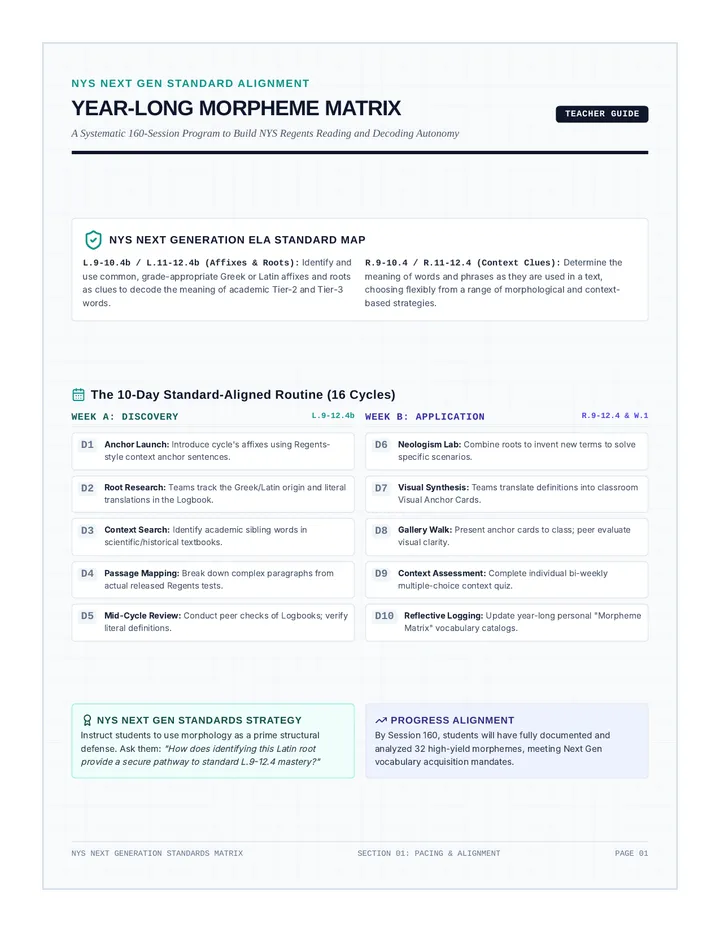
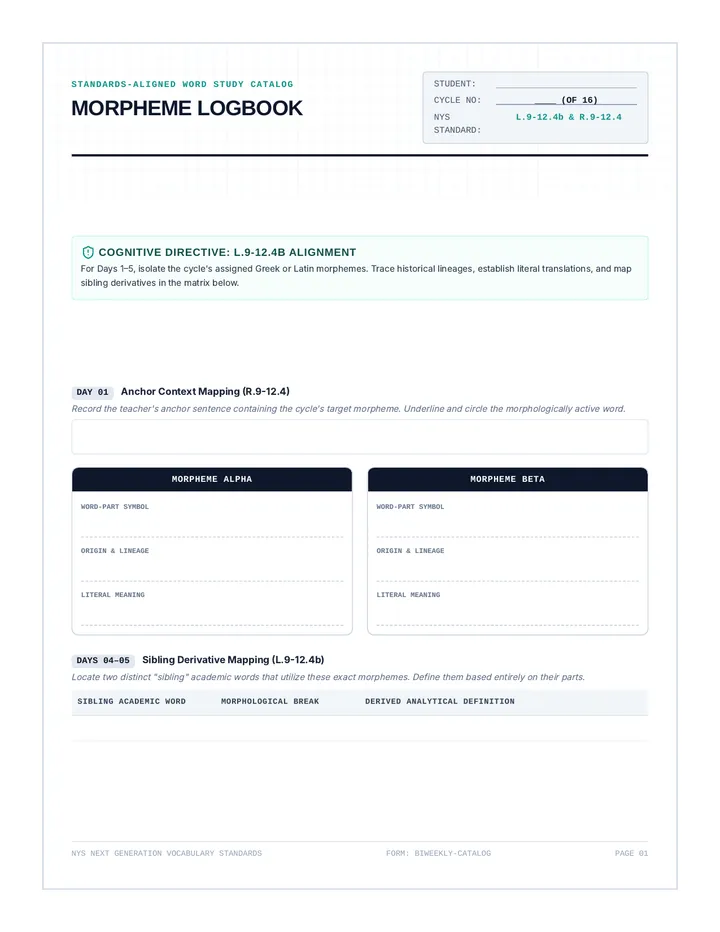
A comprehensive, year-long academic vocabulary system mapping 32 critical Greek and Latin roots across 16 bi-weekly cycles (covering 160 class sessions), designed specifically to build NYS Regents reading comprehension and decoding autonomy.
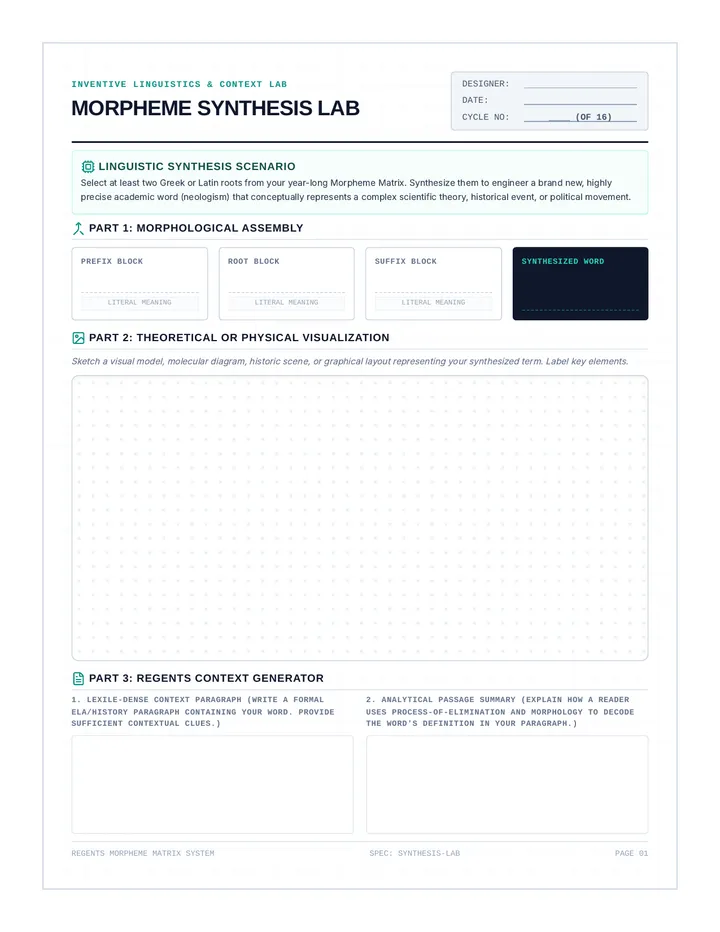
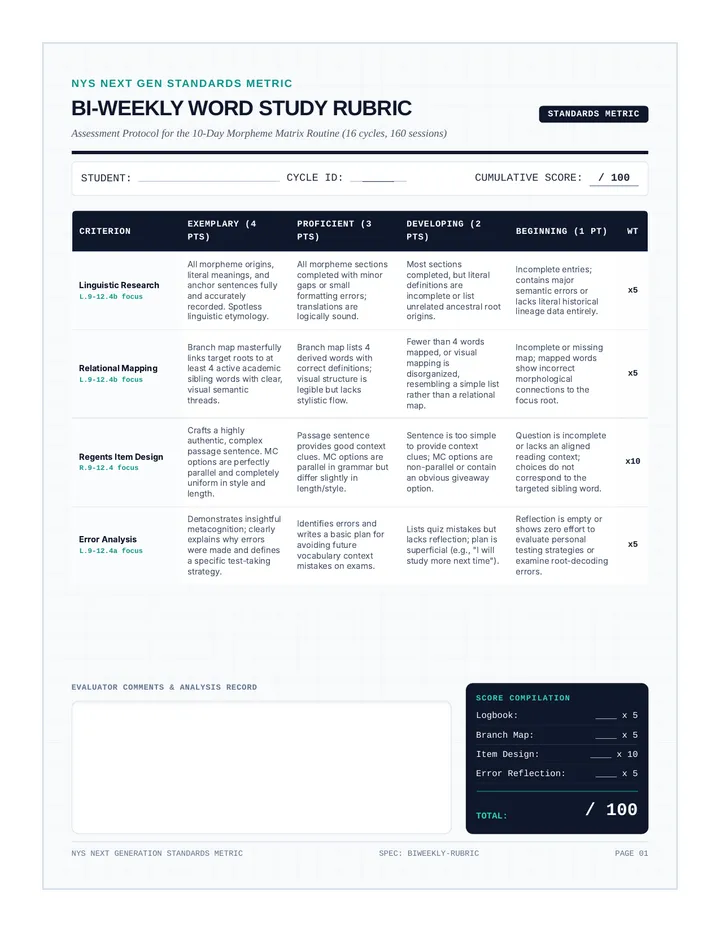
Students apply their compiled affix knowledge in a neologism design lab and demonstrate cumulative mastery using a comprehensive unit rubric.
A comprehensive assessment rubric evaluating student research logbooks, visual anchor charts, invented neologisms, and presentations.
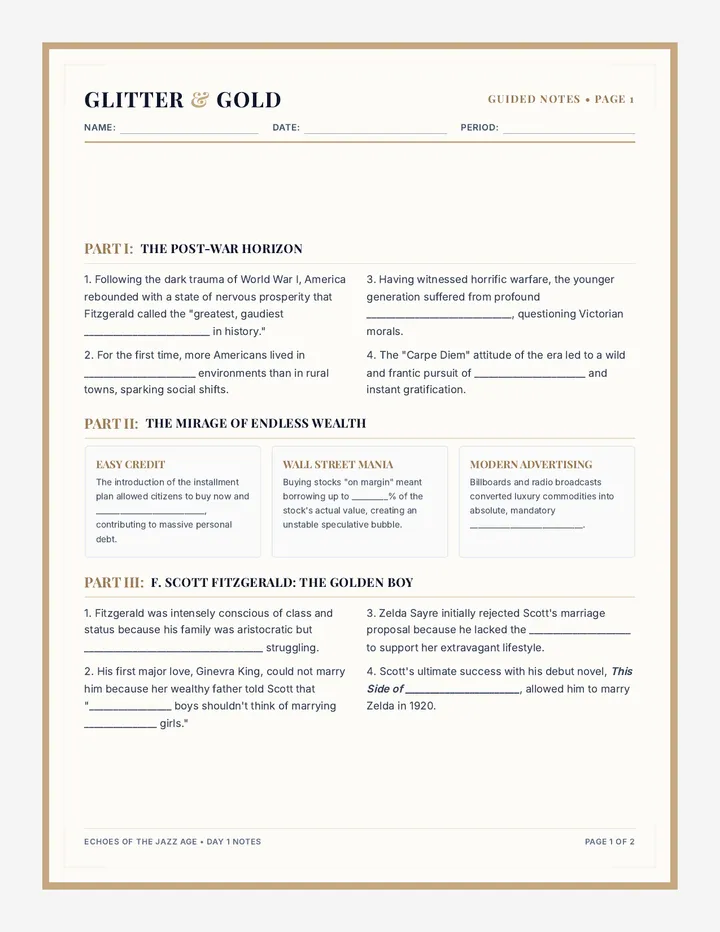
A 3-day introductory sequence for high school Juniors preparing to read The Great Gatsby. Students explore F. Scott Fitzgerald's autobiographical connections, analyze the music, fashion, and consumerism of the Roaring Twenties through primary source stations, and investigate the elusive American Dream, class divides, and Prohibition through a digital WebQuest, reading passage, and formative quiz.
Students synthesize their research findings into visual anchor charts and interactive presentations, examining the crossover of Greek and Latin morphemes across various STEAM fields.
An engaging student design worksheet where students combine roots and affixes to invent, illustrate, and explain a brand-new scientific, medical, or mathematical technology.
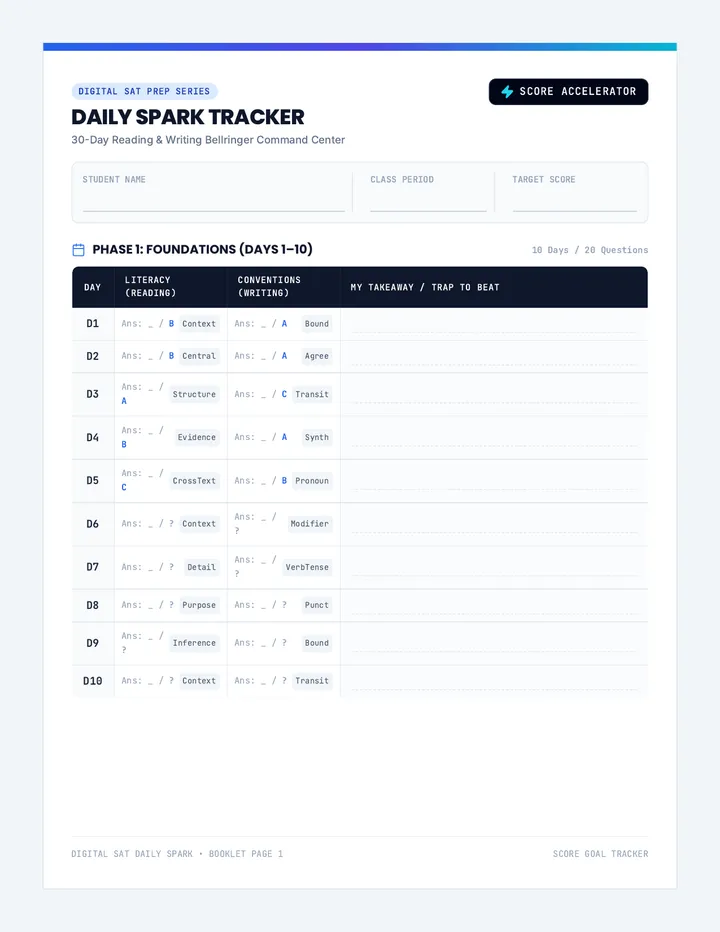
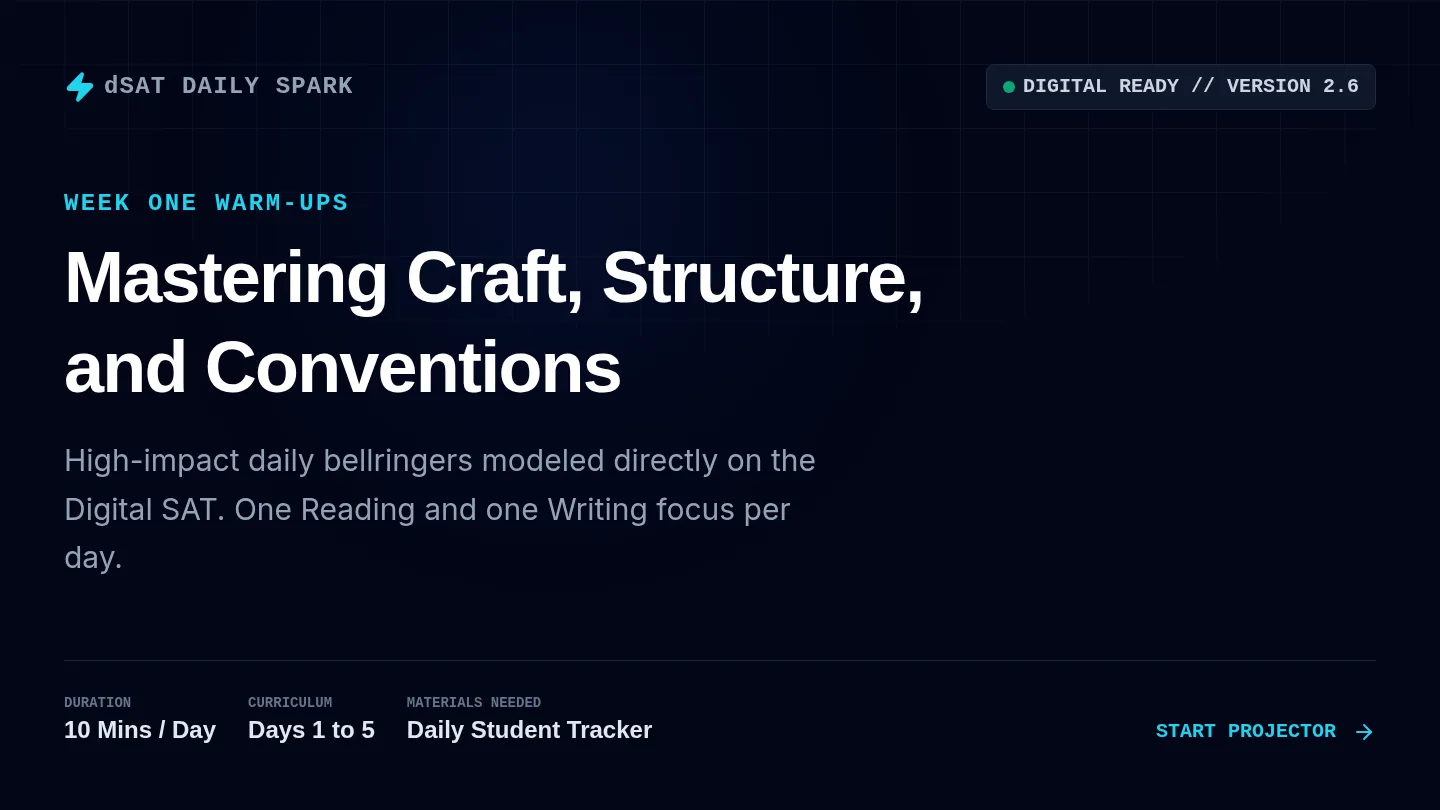
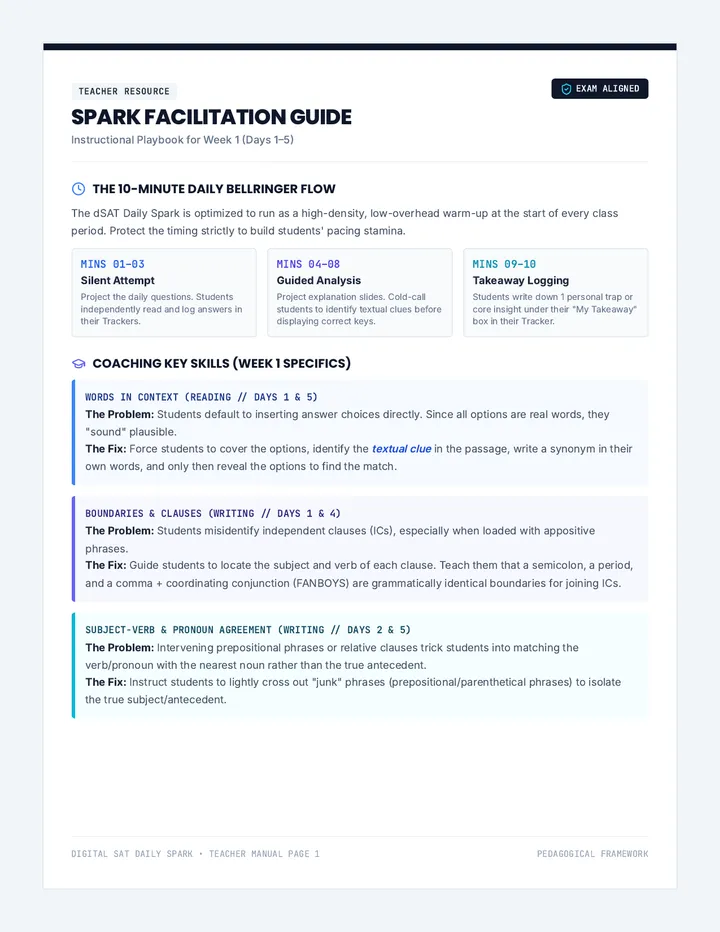
A comprehensive 30-day bellringer program designed to prepare students for the Digital SAT. Each day features one Reading and one Standard English Conventions question, complete with immediate skill breakdowns, detailed explanations, and strategic hints.
Students are introduced to the Morpheme Matrix framework, form research teams, select Regents-critical affixes, and begin their student-led linguistic investigation.
A beautiful 4-slide introductory slide deck presenting morphological anatomy and guiding the student inquiry mission.
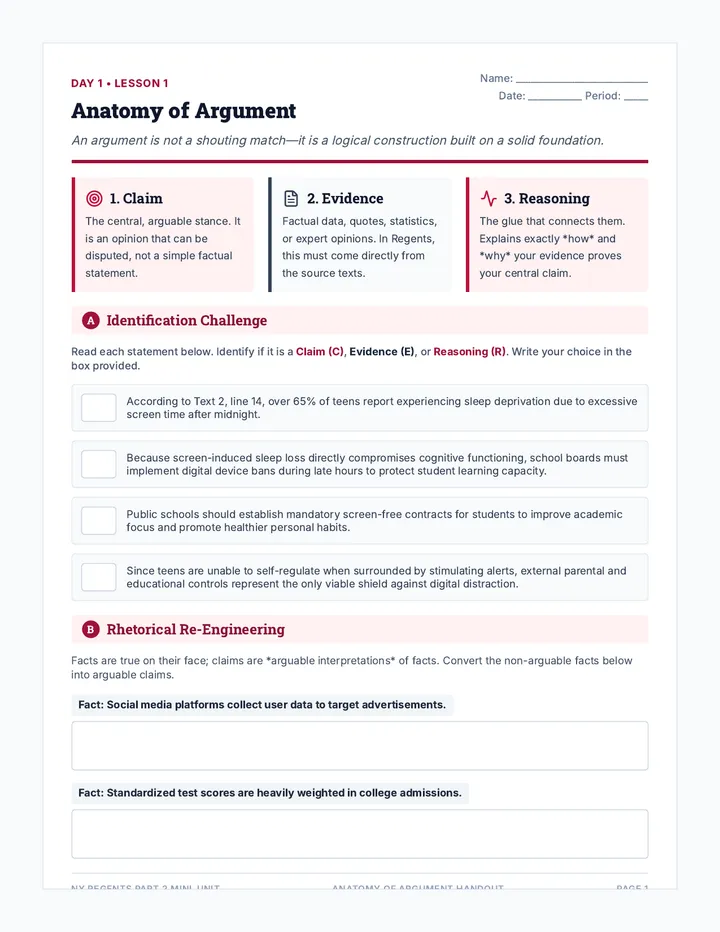
A 5-day, 10-lesson intensive writing unit aligned with the NYS Regents Part 2 Argumentation task. This unit scaffolds active reading, claim development, evidence citation, counterclaim construction, and the final 4-paragraph essay structure.
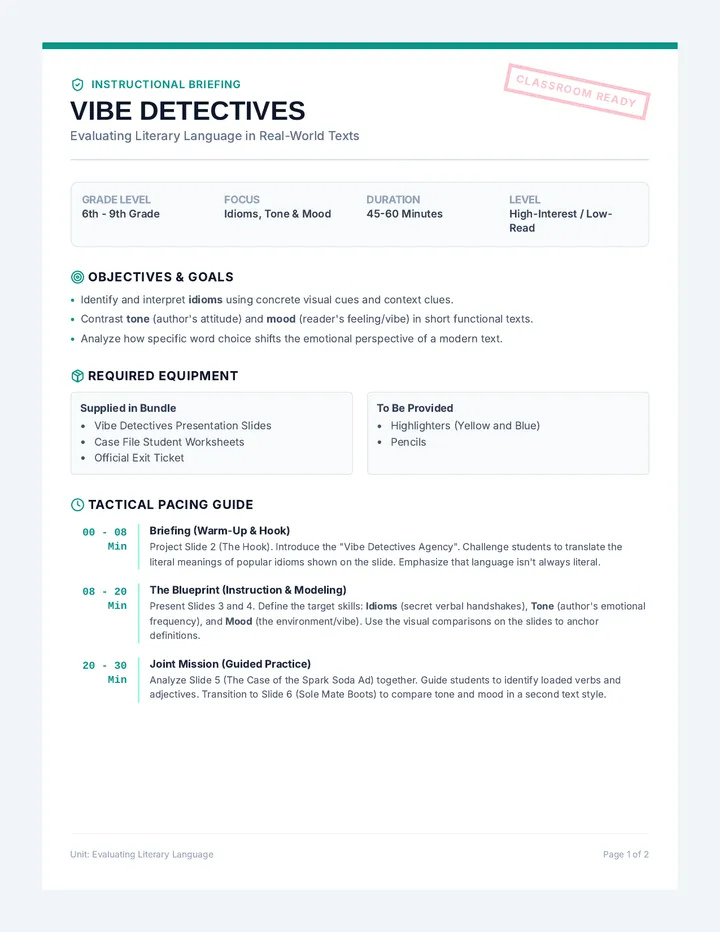
A high-interest, visual-heavy lesson where students become 'Vibe Detectives' to decode idioms, tone, and mood in modern advertisements, social posts, and blogs. Designed with low-readability, high-impact functional texts to ensure maximum accessibility and student engagement.
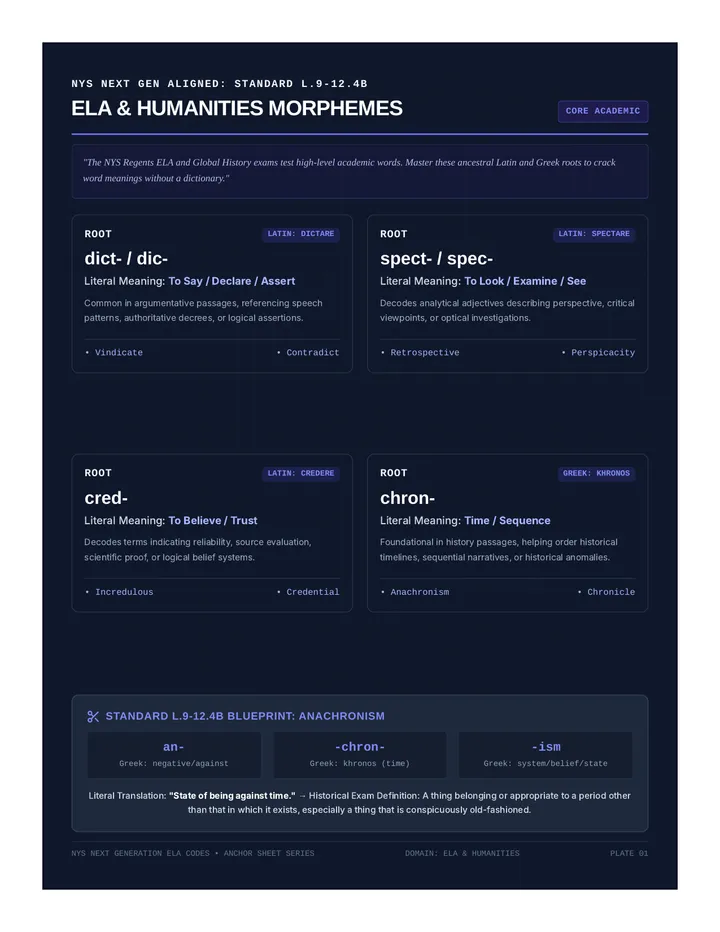
A 2-page visual reference and classroom anchor chart detailing high-frequency Greek and Latin affixes across ELA, Science, and Social Studies Regents exams, with etymology paths and academic context.