A simplified exploration of Book 6 of Homer's Odyssey, designed for WIDA Level 1-2 ELL students. The lesson focuses on key characters, basic plot sequencing, and essential vocabulary through a high-interest narrative.
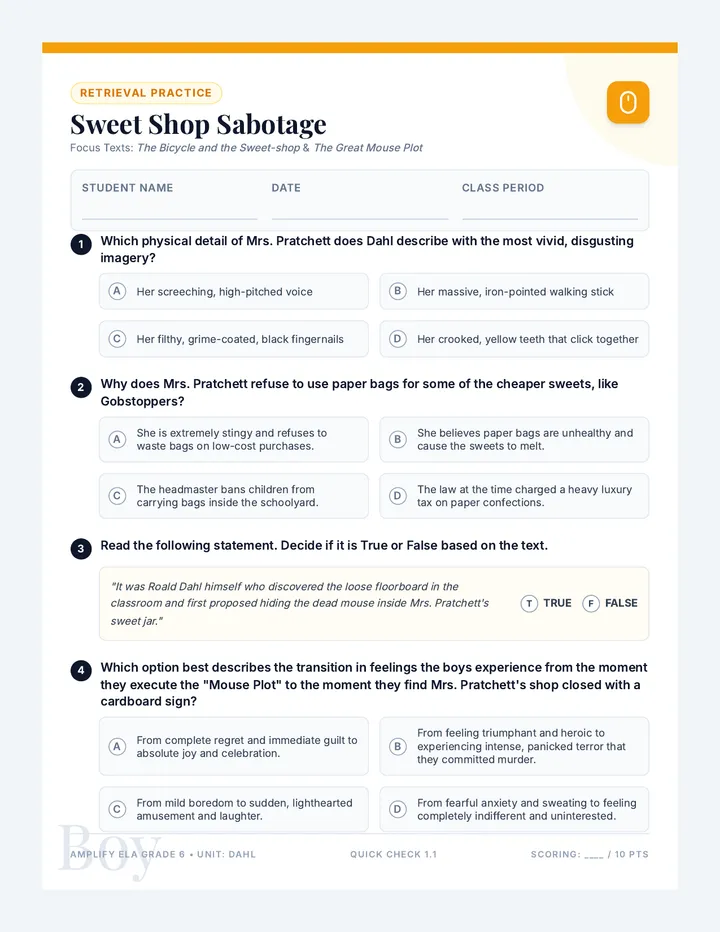
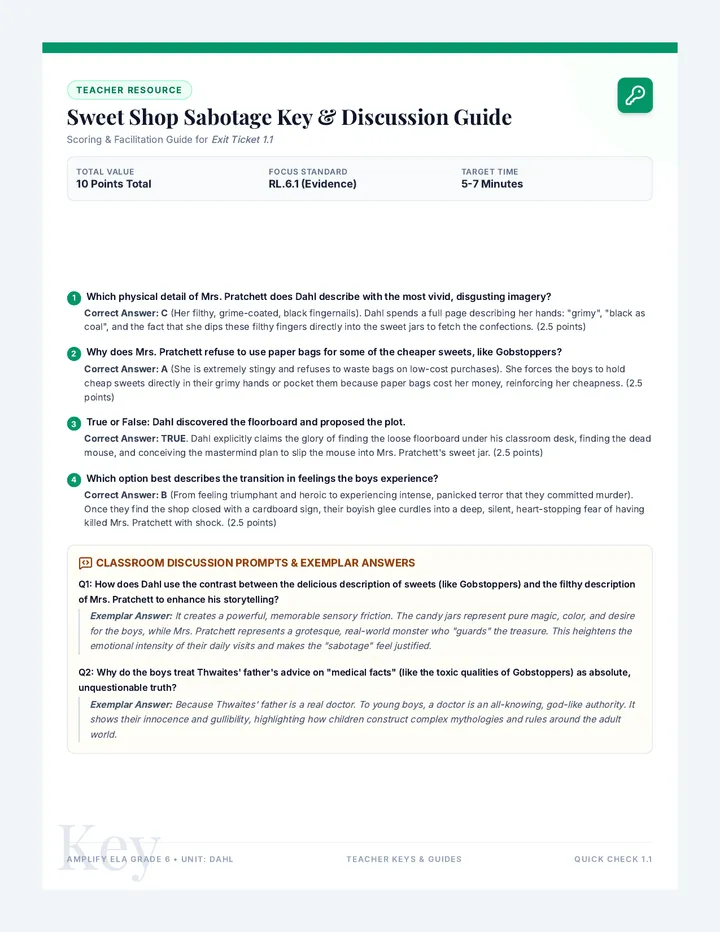
A retrieval practice sequence for the Roald Dahl narrative unit in Amplify ELA Grade 6, focusing on 'Boy: Tales of Childhood'. It features lesson-by-lesson quick check exit tickets and corresponding teacher guides with answer keys to reinforce reading comprehension, vocabulary, and narrative craft.
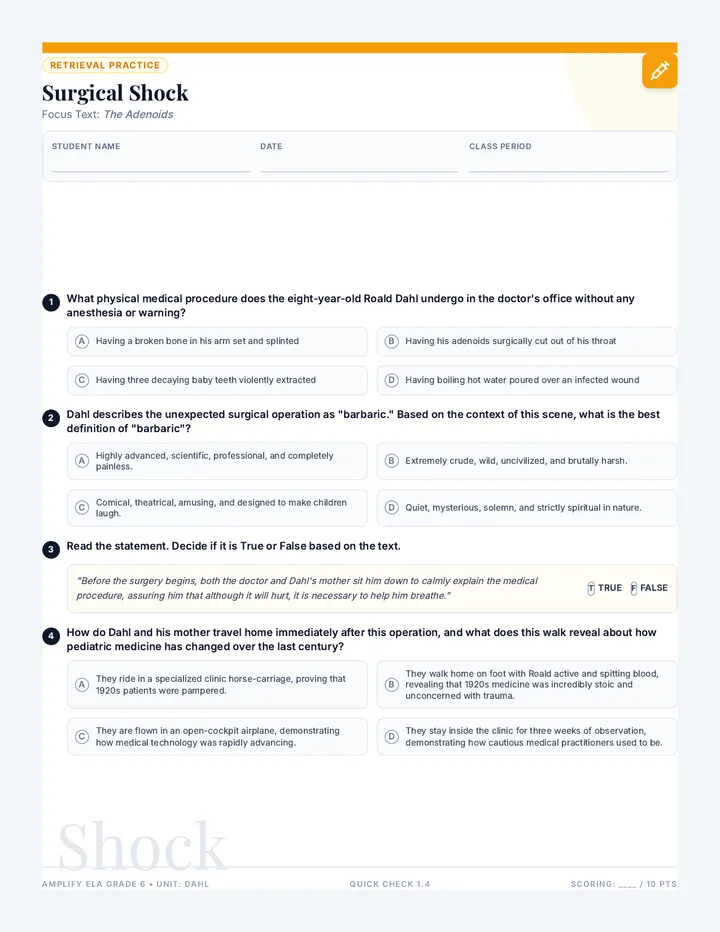
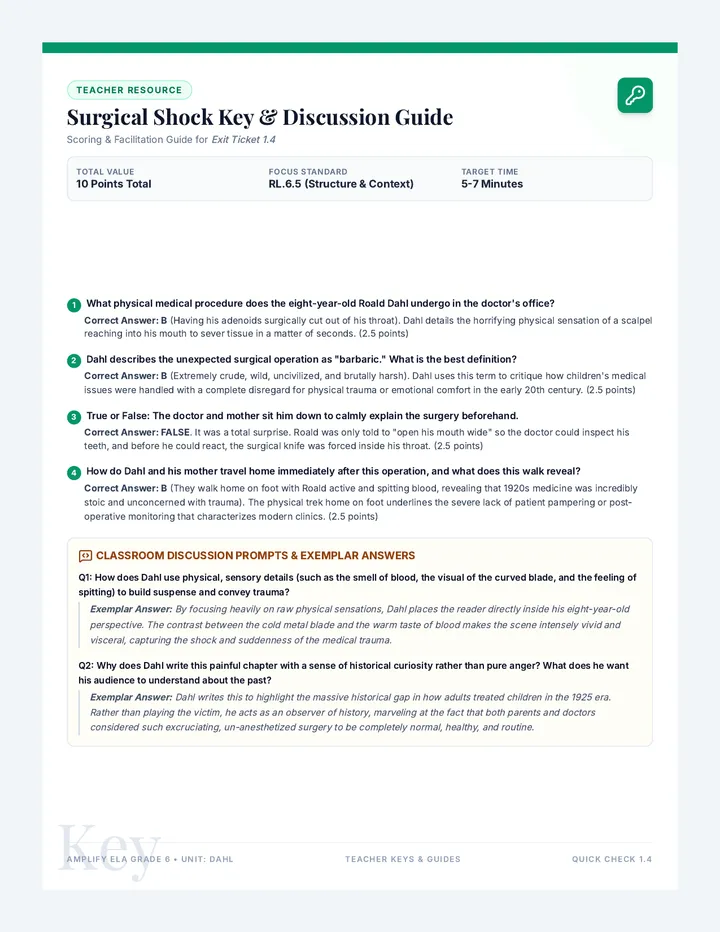
Covers retrieval and vocabulary for the intense chapters about early twentieth-century medical procedures, specifically 'The Adenoids' and the terrifying lack of anesthesia.
A detailed teacher guide and answer key for the Surgical Shock Exit Ticket, including scoring guidelines, context summaries, and historical background on 1920s pediatric medicine, plus discussion questions with answers.
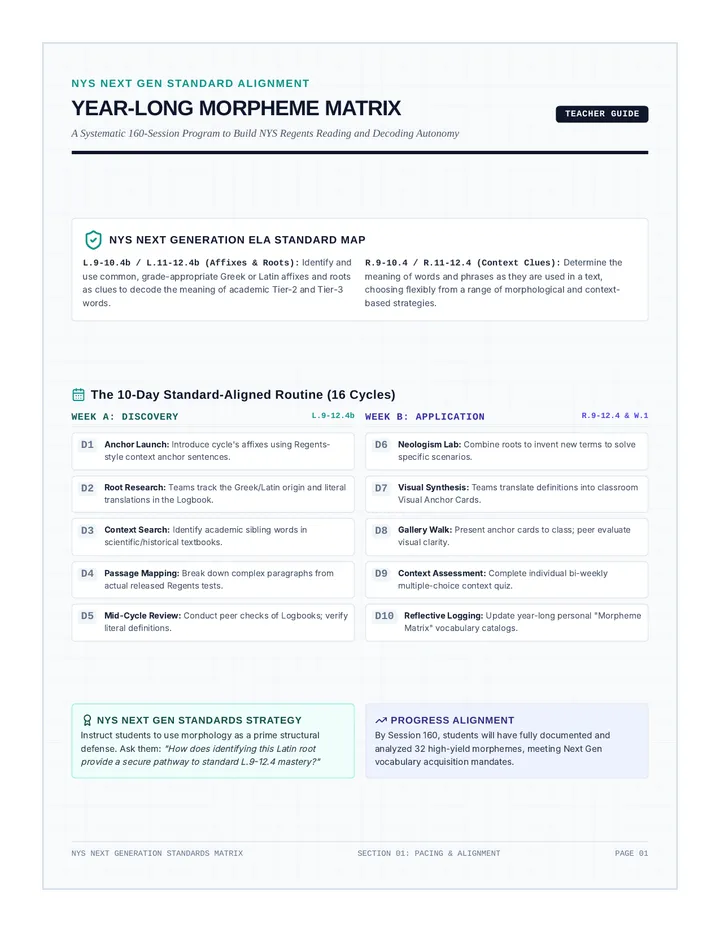
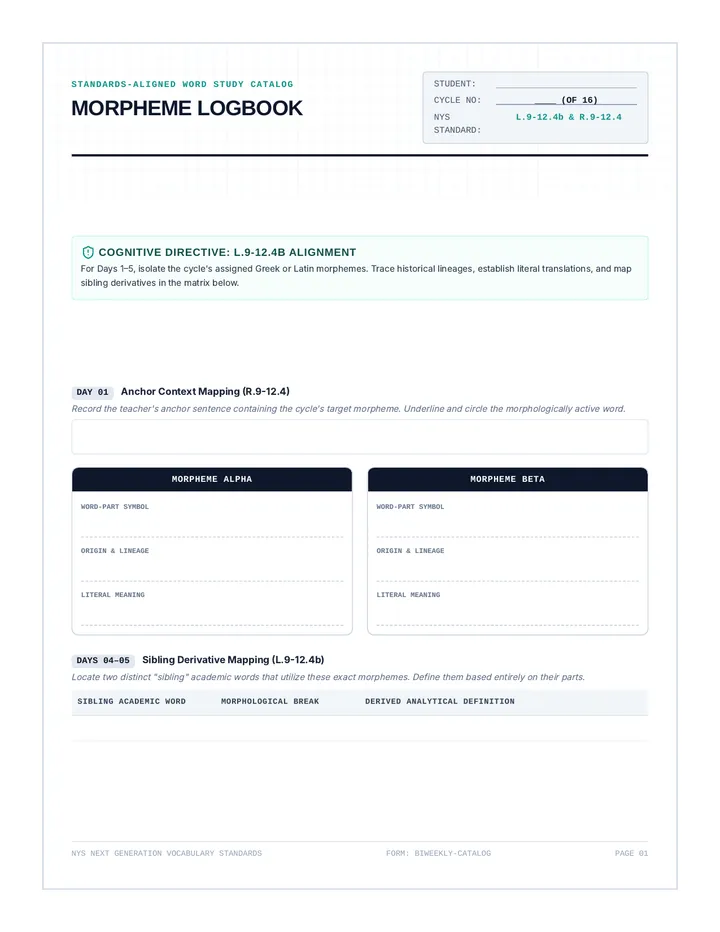
A comprehensive, year-long academic vocabulary system mapping 32 critical Greek and Latin roots across 16 bi-weekly cycles (covering 160 class sessions), designed specifically to build NYS Regents reading comprehension and decoding autonomy.
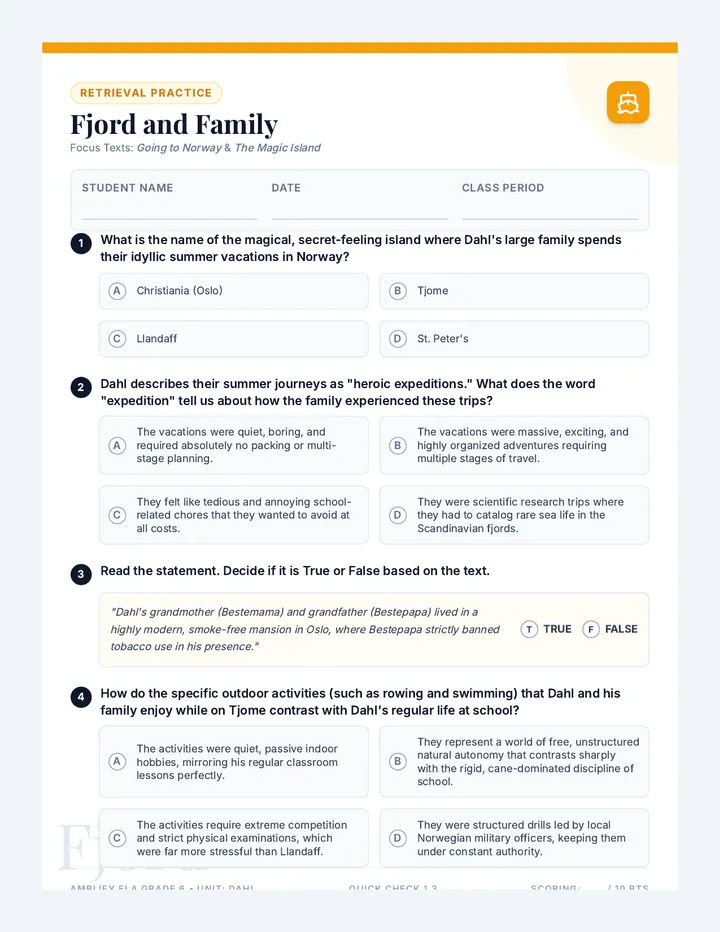
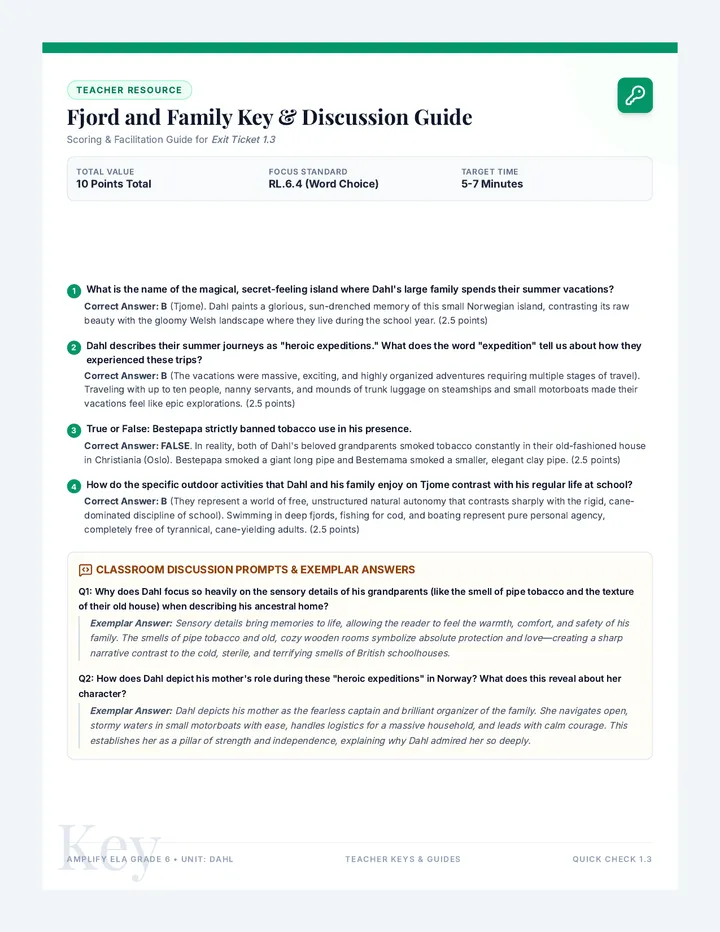
Focuses on the chapters 'Going to Norway' and family summer vacation customs, retrieving key details about Dahl's ancestral home, travel logs, and family members.
A printable 1-page student exit ticket focusing on the key details, shocking sensory descriptions, and historical context of the surgical procedure in 'The Adenoids' chapter. All questions are converted to multiple-choice and true/false.
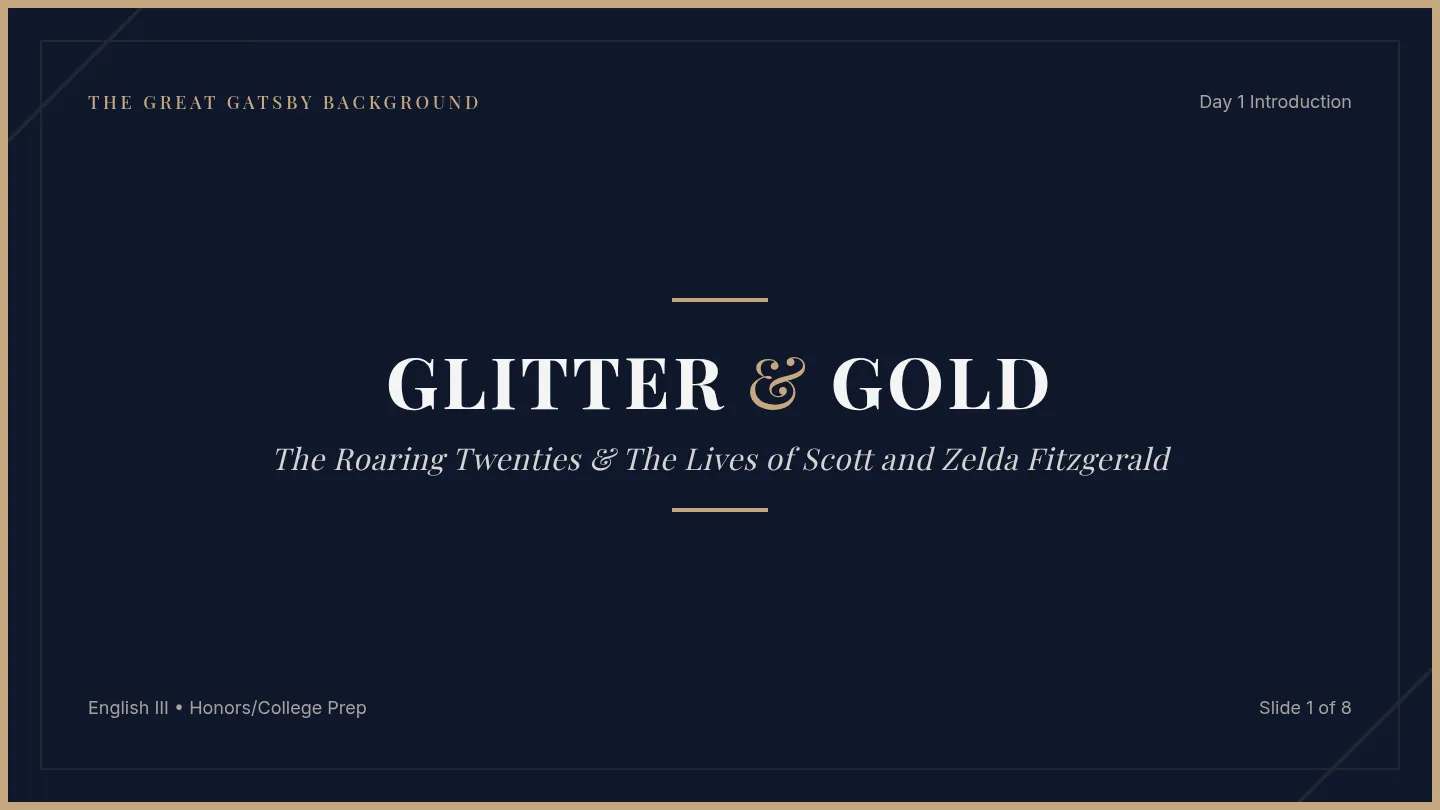
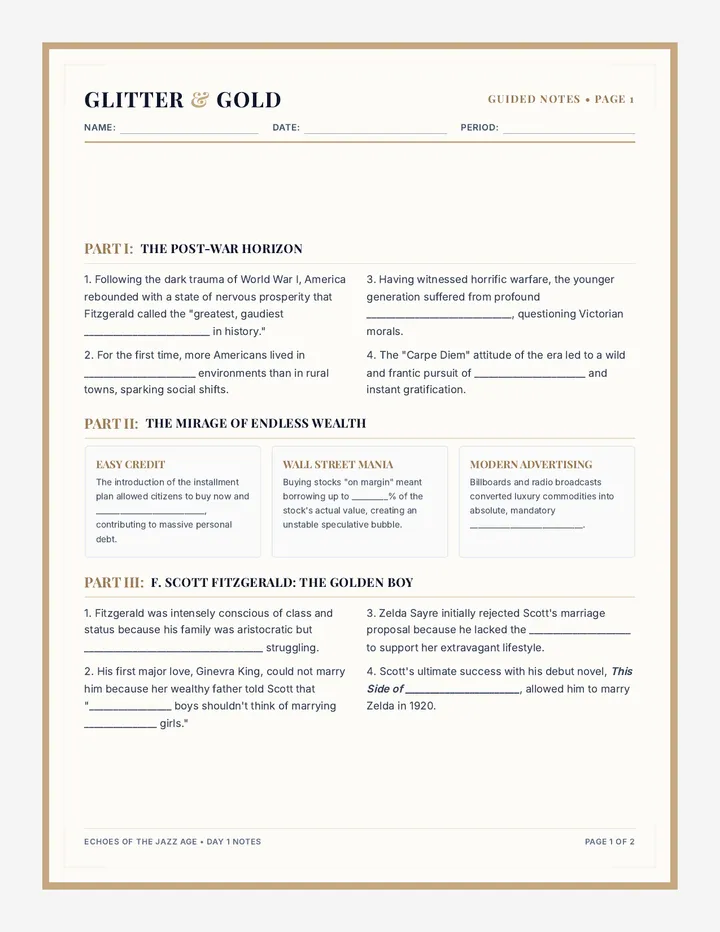
A 3-day introductory sequence for high school Juniors preparing to read The Great Gatsby. Students explore F. Scott Fitzgerald's autobiographical connections, analyze the music, fashion, and consumerism of the Roaring Twenties through primary source stations, and investigate the elusive American Dream, class divides, and Prohibition through a digital WebQuest, reading passage, and formative quiz.