Ad Anatomy Reading Ad Anatomy
The Ultimate Field Guide to Persuasion
Resource: Reference Text
Unit: Media Literacy
How to Use This Guide
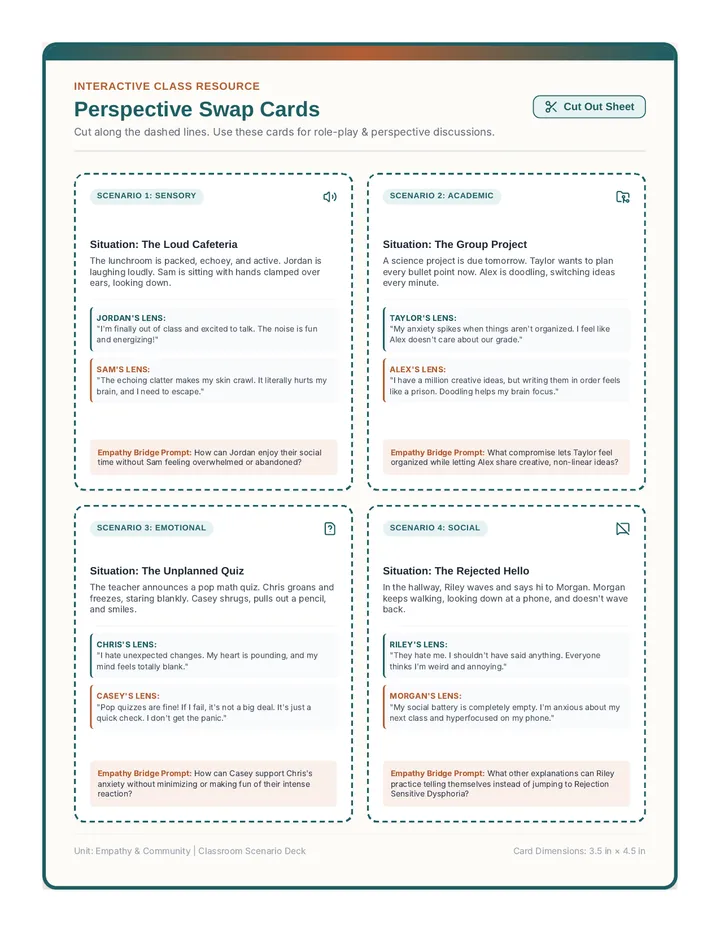
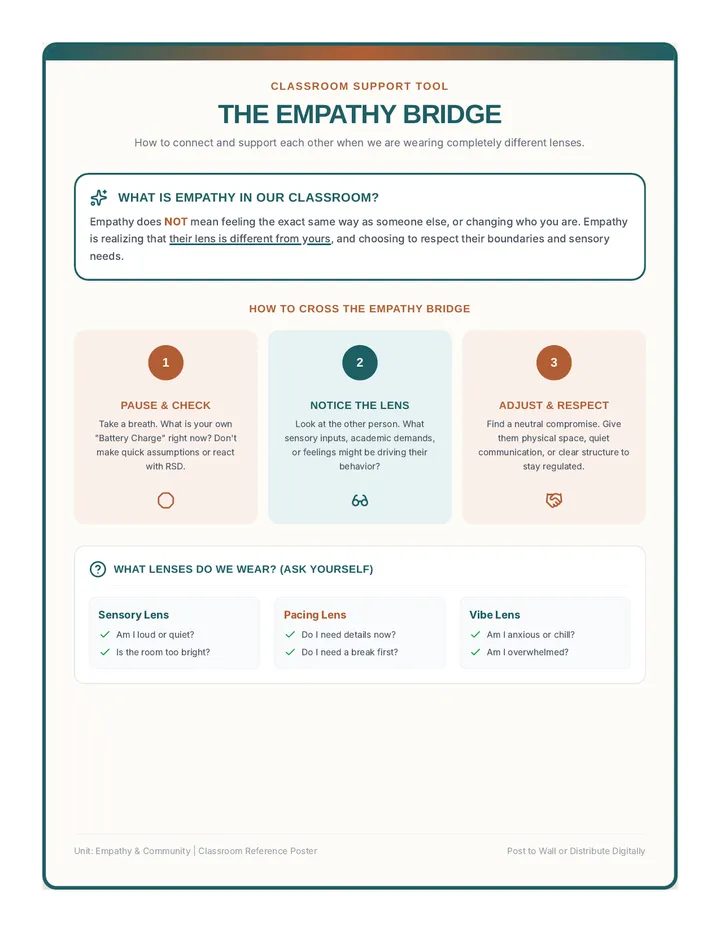
Advertisers spend billions to influence your choices. They want to make you feel a certain way or believe a promise. Use this guide to decode the "Invisible Language" of marketing. Every time you see an ad, ask: "What is the anatomy of this message?"
01
Promotions and Rewards
The Definition
Offers a tangible benefit like free gifts, coupons, or games to get customers excited.
The Psychology
"If I get something for free, I'm winning." Turns a purchase into a contest or a generous gift.
Identifying the Clues
"Buy one, get one free" (BOGO)
Scratch-off cards or digital codes
Limited time "free gifts"
02
Statistics and Data
The Definition
Uses hard numbers, percentages, and clinical results to prove effectiveness and build trust.
The Psychology
"Numbers don't lie." Builds an authoritative, professional tone that is hard to argue with.
Identifying the Clues
"9 out of 10 experts recommend..."
"Reduces plaque by 45%!"
Specific numbers instead of generalities
Ad Anatomy Master Guide
Page 2 of 5
03
Influencer Endorsements
The Definition
Partnering with influencers or celebrities to share "personal" experiences with a product.
The Psychology
"I trust this person." Makes a corporate message feel like a recommendation from a friend.
Identifying the Clues
A celebrity using the product "off-duty"
Unboxing videos or tutorials
Hashtags like #ad or #sponsored
04
Repetition
The Definition
Mentioning a brand name or logo multiple times during a single advertisement.
The Psychology
"I know that name." Re-exposure creates familiarity, and we choose the familiar over the unknown.
Identifying the Clues
Catchy jingles with the brand name
Logos appearing in every scene
Saying the name 3+ times in 30 seconds
Ad Anatomy Master Guide
Page 3 of 5
05
Asking the Right Questions
The Definition
Using questions to pique interest and force the consumer to provide an answer in their mind.
The Psychology
"I need an answer to that." Questions engage the brain more effectively than simple statements.
Identifying the Clues
"Who gives you the results you need?"
"Are you tired of feeling sluggish?"
"Wouldn't you rather be at the beach?"
06
Emotional Appeal
The Definition
Targeting emotional needs like security or acceptance. Fear-based appeals target anxiety.
The Psychology
"I want to feel safe/loved." Emotion tells you how a product will change your life, not just its price.
Identifying the Clues
Heartwarming family reunions
Dark, grainy imagery for security ads
Promises of popularity or confidence
Ad Anatomy Master Guide
Page 4 of 5
07
Interesting Characters
The Definition
Using mascots or recurring characters to add story value and recognition to the brand.
The Psychology
"That's the mascot!" Characters make brands feel human. We remember faces and stories better than logos.
Identifying the Clues
Animated animal mascots
Recurring "funny person" characters
Mascots featured on packaging
08
Personification
The Definition
Giving a product human traits like emotion, thought, or speech to make it engaging.
The Psychology
"This candy is hilarious!" Acting like people makes inanimate objects memorable and relatable.
Identifying the Clues
Talking food, drinks, or soap
Appliances with human feelings
Products "thinking" about their benefits
Ad Anatomy Master Guide
Page 5 of 5
09
Bandwagon
The Definition
Convincing you to join a massive group of people already using the product.
The Psychology
"I don't want to be left out." Pressure to join in when we believe "everyone" is doing it.
Identifying the Clues
"The #1 Most-Used App"
"Join the millions of fans..."
"Don't get left behind!"
10
Connect with Target Audience
The Definition
Using specific slang, music, or fashion that groups (like teens) relate to.
The Psychology
"This brand gets me." Seeing your world in an ad builds loyalty and identity-based trust.
Identifying the Clues
Trending songs or memes
Language like "no cap" or "vibes"
Diverse, relatable teen models
Be the Boss of Your Brain
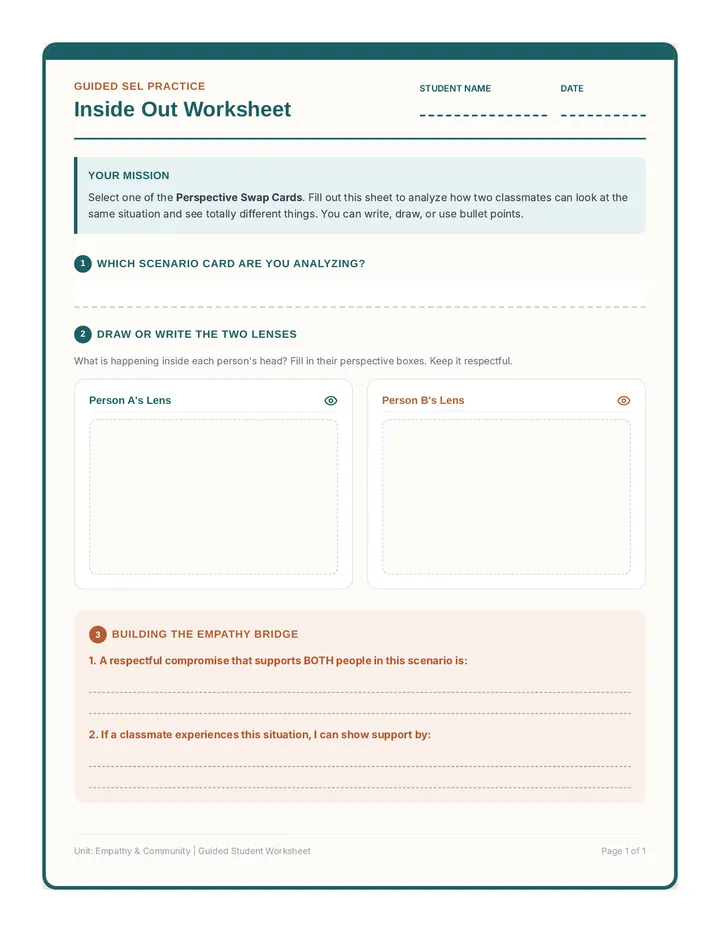
Persuasion is everywhere. Use this toolkit to decode the messages around you. Grab your "Brand Boss" activity packet and start decoding!
Brand Boss Activity Name:
Date:
Brand Boss
Activity: Marketing Lab
Mission Briefing
As Lead Strategist at Pulse Marketing , you must analyze 8 campaign summaries. Use your Ad Anatomy reference text to identify the primary technique and explain the strategy behind each choice.
01 The Analysis Room
Campaign A: Sparkling Penguin Soda
"A TV ad features a neon-colored animated penguin named 'Fizz' who dances every time someone opens a can. He looks directly at the camera with a friendly smirk."
Technique:
Why this technique for this product?
Campaign B: Kinetic Pro Shoes
"A top professional basketball player posts a video on social media wearing Kinetic Pro shoes while training in an empty gym. The caption is: 'True performance. My secret weapon.'"
Technique:
Why this technique for this product?
Campaign C: Shield-Guard Security
"A billboard shows a shadow at a front door at night. The text reads: 'Who is visiting your house while you sleep? Don’t find out the hard way.'"
Technique:
Why this technique for this product?
Campaign D: PureClean Mouthwash
"A graphic shows a laboratory microscope view. The text states: 'Kills 99.7% of bad breath germs instantly. Tested against competitors in clinical studies.'"
Technique:
Why this technique for this product?
Campaign E: Streamify Plus
"A popup ad features a live ticker of users joining. The text reads: 'Join the 12 million movie fans who have already switched to Streamify! Don't get left behind.'"
Technique:
Why this technique for this product?
Campaign F: Gummy-Glow Vitamins
"A radio jingle features a song where the brand name 'Gummy-Glow' is sung every 5 seconds for the entire 30-second commercial."
Technique:
Why this technique for this product?
Campaign G: Choco-Talk Bars
"Two chocolate bars sit on a shelf. One turns to the other and says, 'I'm so nervous to be eaten today!' The other replies, 'Don't worry, we're the best-tasting bars in town.'"
Technique:
Why this technique for this product?
Campaign H: Vibe-Check Apparel
"A TikTok ad features fast cuts of teens at a skatepark with lo-fi beats. Text overlays use terms like 'Main Character Energy' while showcasing hoodies."
Technique:
Why this technique for this product?
02 The Creative Lab
Pitch Perfect Slides Media Literacy
Pitch Perfect
Mastering the 10 Techniques of Modern Advertising
You are being
targeted.
The average person sees between 4,000 and 10,000 ads per day.
How many do you actually notice?
How many change your behavior?
1
Promotions & Rewards
Offer tangible benefits (coupons, free gifts) to get consumers excited and participating.
"Check your receipt for a $5 coupon off your next visit!"
2
Stats & Data
Use hard numbers and real-life examples to prove a product's superiority and build trust.
"Clinically proven to kill 99.9% of germs in 30 seconds."
3
Endorsements
Partnering with influencers or celebrities to share "authentic" personal experiences.
4
Repetition
Repeating the brand name or logo constantly to build identity awareness in the mind.
BRAND. BRAND. BRAND.
5
Asking Questions
Piquing interest by forcing the brain to engage with a question only the product can answer.
"Tired of feeling sluggish?"
6
Emotional Appeal
Targeting needs for security or acceptance—or using fear to motivate action.
7
Interesting Characters
Mascots create recognition and story. They use techniques like the "three-quarter gaze" for connection.
8
Be More Human
Personification: Lending products emotion, thought, or speech to make them relatable.
"Even your car needs a hug sometimes."
9
Bandwagon
Convincing you to join the winning side. "Everyone else is doing it, so why aren't you?"
10
Target Audience
Connecting specifically with your age group, music, and interests so you feel "seen."
#aesthetic #vibes #relatable
Ready to become a Brand Boss?
Grab your activity sheet and prepare to enter the Marketing Lab.
20
Mins: Analysis
30
Mins: Creative Lab
Marketing Master Key Marketing Master Key
Teacher Facilitation Guide (Substitute Friendly)
Lesson: The Art of the Sell
Sub Note
Paper-only lesson. Students read the 5-page "Ad Anatomy" guide and complete the "Brand Boss" activity, "Media Mindset" reflection, and "Marketing Mix-Up" bonus task.
Compact Pacing (50 Mins Total)
Intro
5m
Reading
10m
Analysis
10m
Lab
15m
Reflect
10m
Answer Key: Analysis Room Scenarios
A: Mascot: Fizz Penguin
Characters: Creates brand personality and emotional bond with kids.
E: 12M users joining ticker
Bandwagon: Creates social proof. Pressures user to join popular majority.
B: Pro Athlete Gym Post
Influencer: Authority on performance; feels like a recommendation.
F: Vitamin Brand Jingle
Repetition: Burns the name into memory for easy recall in-store.
C: Shadow at Front Door
Emotional Appeal (Fear): Targets vulnerability to motivate safety solution purchase.
G: Talking Candy Bars
Personification: Memorable, humorous bond with an inanimate product.
D: Clinical Study 99.7%
Stats: Sounds scientific and builds professional trust.
H: Skatepark / Gen Z Slang
Audience: Signals the brand understands current teen culture.
Early Finisher Task: Marketing Mix-Up
Challenge 1: Mascot for a pencil. Challenge 2: Jingle using repetition. Challenge 3: Influencer caption for cereal. Challenge 4: Bandwagon sneakers slogan.
Encourage students to focus on "Voice and Tone" for these mini-tasks.
Discussion Hooks
"Should sugary cereals be allowed to use mascots to target children?"
Sub Advice
Prioritize the "Media Mindset" reflection, then move to "Mix-Up" for fast workers.
Media Mindset Reflection Media Mindset
Critical Thinking Reflection
Phase 3: Synthesis • Page 1 of 2
Student Name:
Date:
"The most important part of media literacy is not just identifying the technique, but understanding the impact . Use your 'Ad Anatomy' guide and your work from 'Brand Boss' to answer the following questions with specific evidence."
1 The Ethics of Fear: Revisit Campaign C (The home security ad with the shadow at the door). At what point does using a consumer’s fear move from "effective marketing" to "unethical manipulation"? Explain your reasoning.
2 The Influencer Paradox: When an influencer you admire posts a "sponsored" video, does it change how you view their authenticity? Why might a brand prefer an influencer over a traditional high-profile movie star?
Media Mindset
Phase 3: Synthesis • Page 2 of 2
3 Data Deception: A brand claims "9 out of 10 users see results." If they only surveyed 10 people total, is the stat still "true"? Why is "Statistics and Data" so popular for products that affect our health or hygiene?
4 Targeting Identity: Revisit Campaign H (The TikTok ad with skateparks and slang). Why is connecting with a target audience's "aesthetic" or identity often more effective than simply describing the high quality of a product?
"The target of an ad is never just your wallet; it's your point of view."
Marketing Mix Up Task Marketing Mix-Up
Early Finisher Challenges
Bonus Task • Level: 8th Grade
"Great marketers never stop thinking. If you've finished your main briefing and the synthesis reflection, complete these four mini-challenges to sharpen your skills."
01
The Mascot Maker
Design a mascot for the world's most boring product: A Plain Wooden Pencil . Give it a name and a personality.
Mascot Name: _____________________
02
The Jingle Jam
Write a 4-line rhyming jingle for "Invis-o-Glue" using the Repetition technique. Make it catchy!
03
Influencer Caption
Write a social media caption for a gamer selling "Focus-Fuel Cereal." Use Gen-Z slang and ad techniques.
#ad #gamer
04
Slogan Sniper
Write a slogan for "Super-Speed Sneakers" using the Bandwagon technique. Make us feel left out!
Pulse Marketing Lab • End of Session