An immersive introductory lesson to Arthur Miller's *The Crucible* exploring the strict religious society of 1692 Salem, the psychological anatomy of hysteria, and the historical parallels to 1950s McCarthyism.
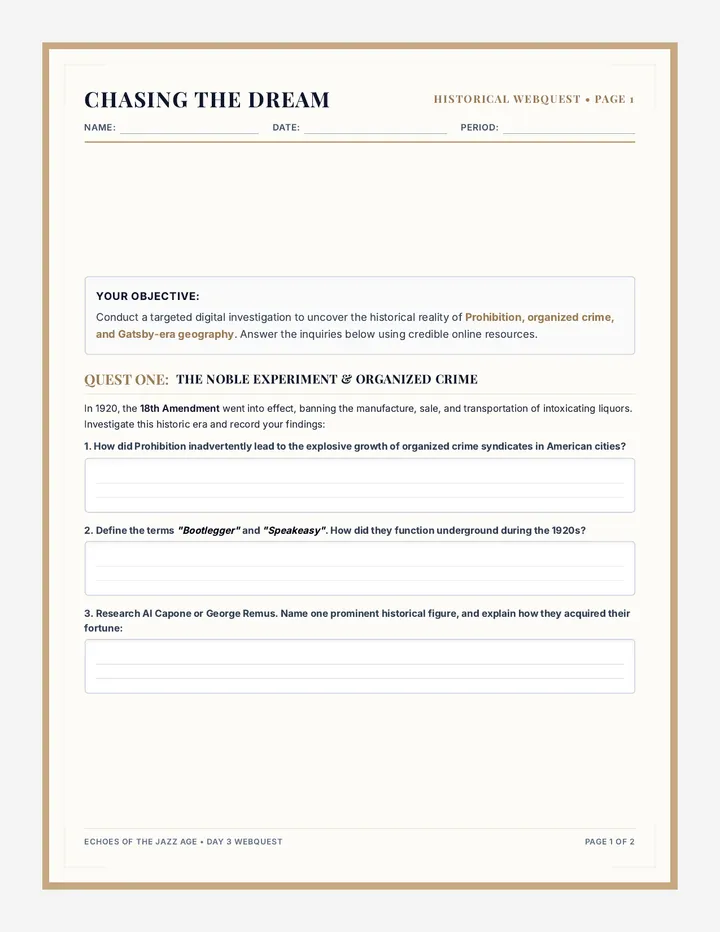
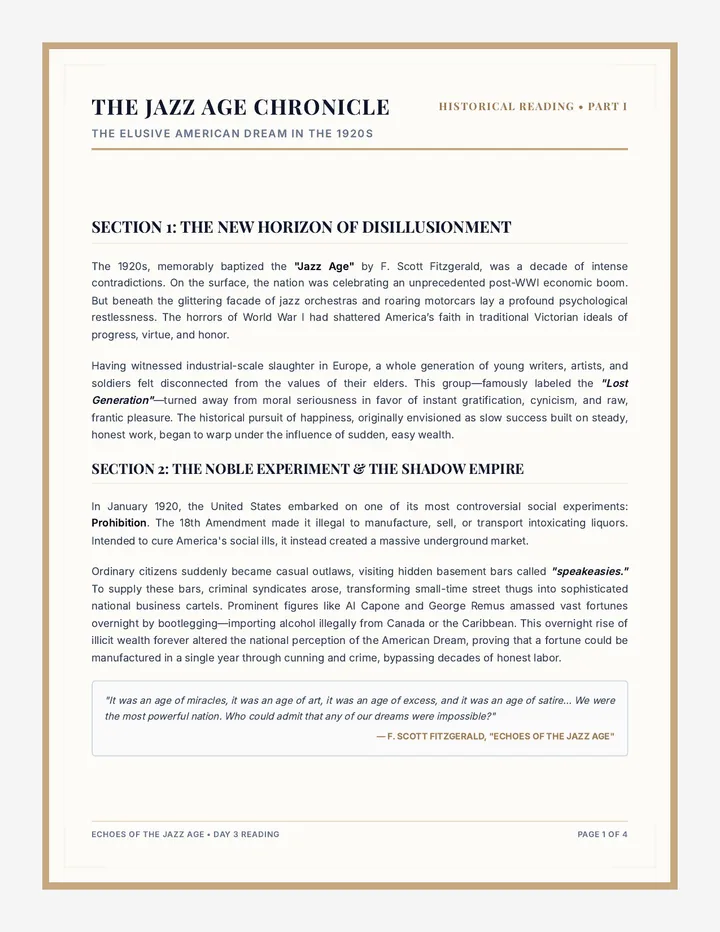
A 3-day introductory sequence for high school Juniors preparing to read The Great Gatsby. Students explore F. Scott Fitzgerald's autobiographical connections, analyze the music, fashion, and consumerism of the Roaring Twenties through primary source stations, and investigate the elusive American Dream, class divides, and Prohibition through a digital WebQuest, reading passage, and formative quiz.
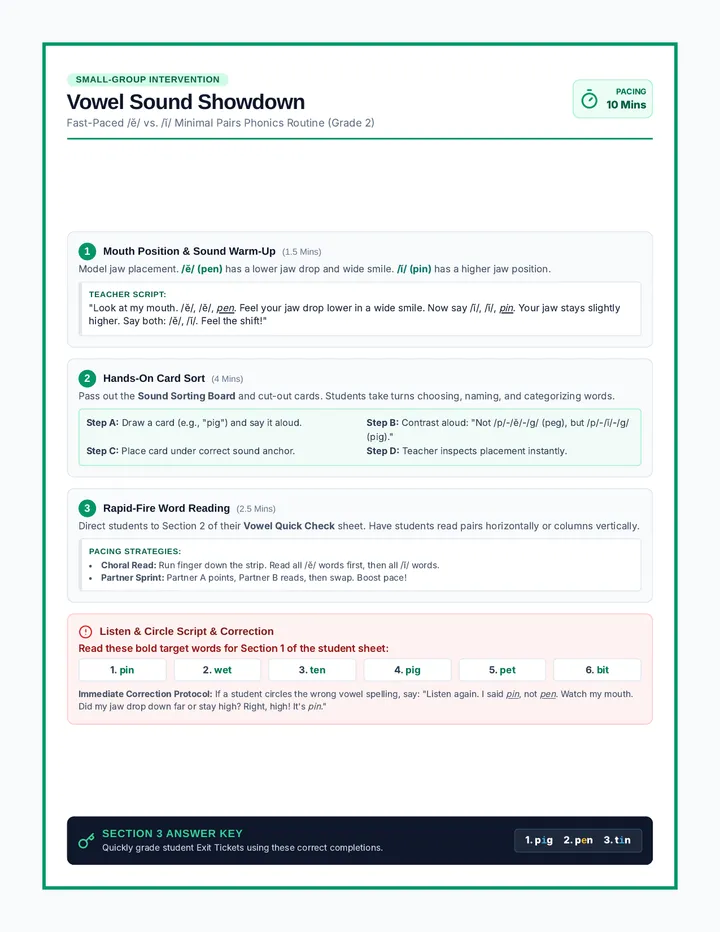
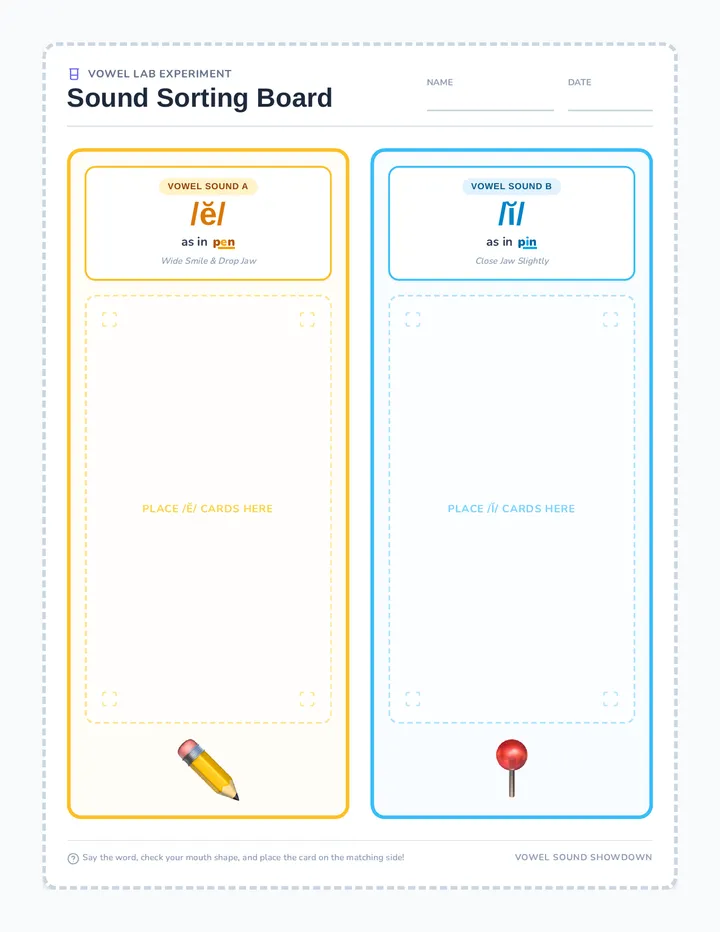
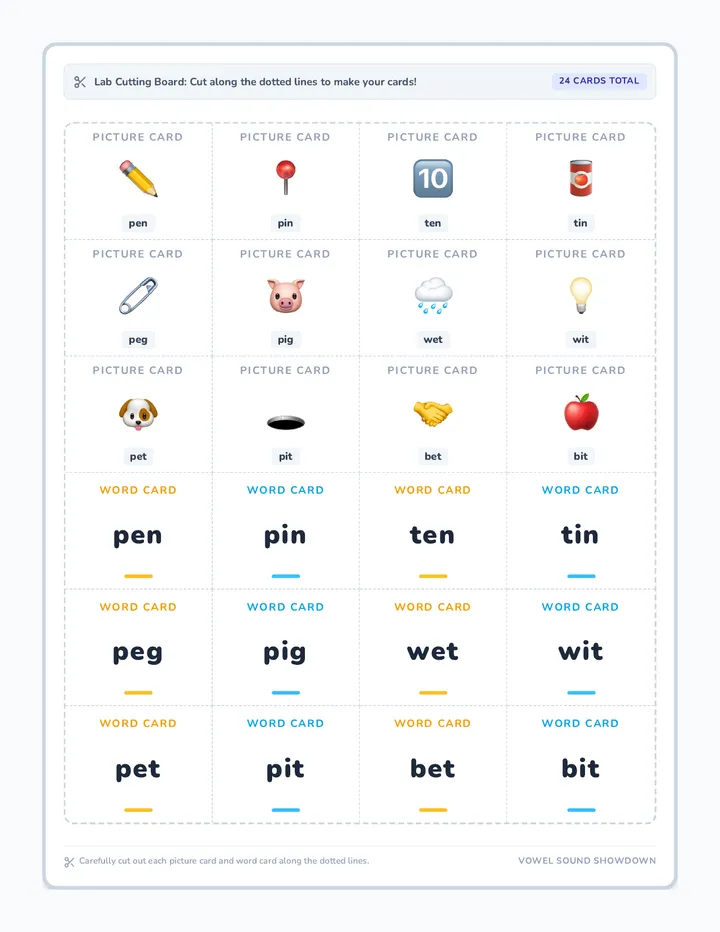
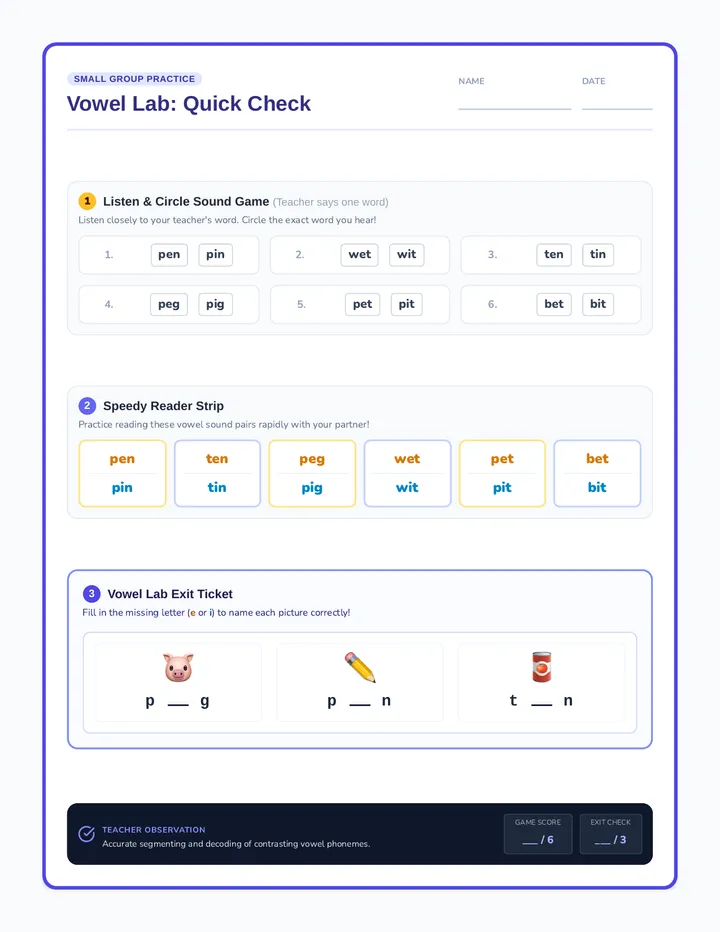
A targeted small-group phonics intervention designed to help second-grade students distinguish between short e (/ĕ/) and short i (/ĭ/) using high-impact minimal pair contrasts, hands-on sorting mats, and structured diagnostic routines.
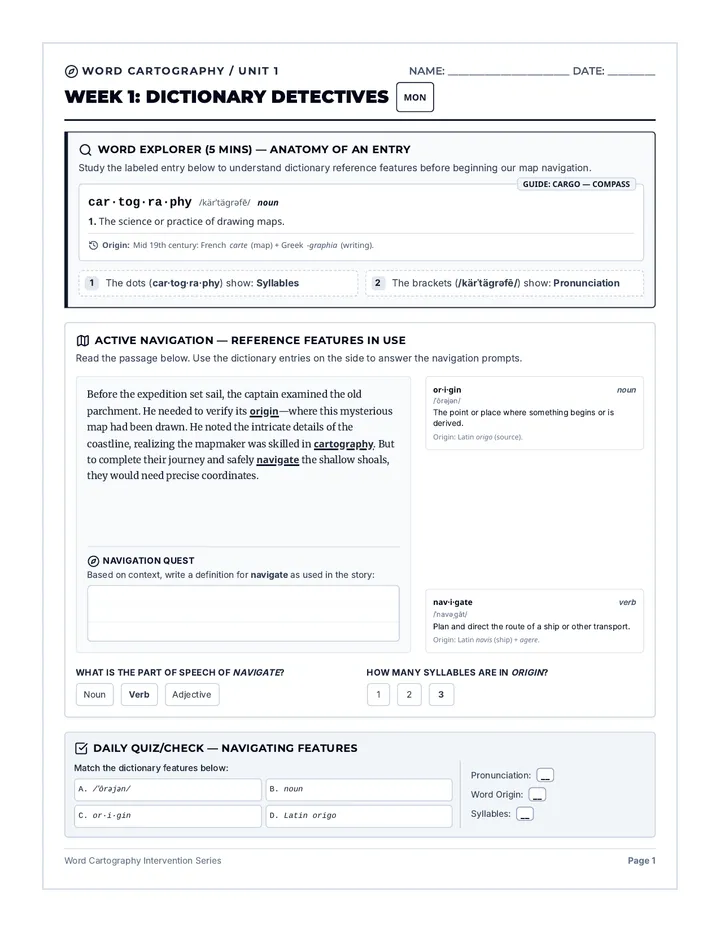
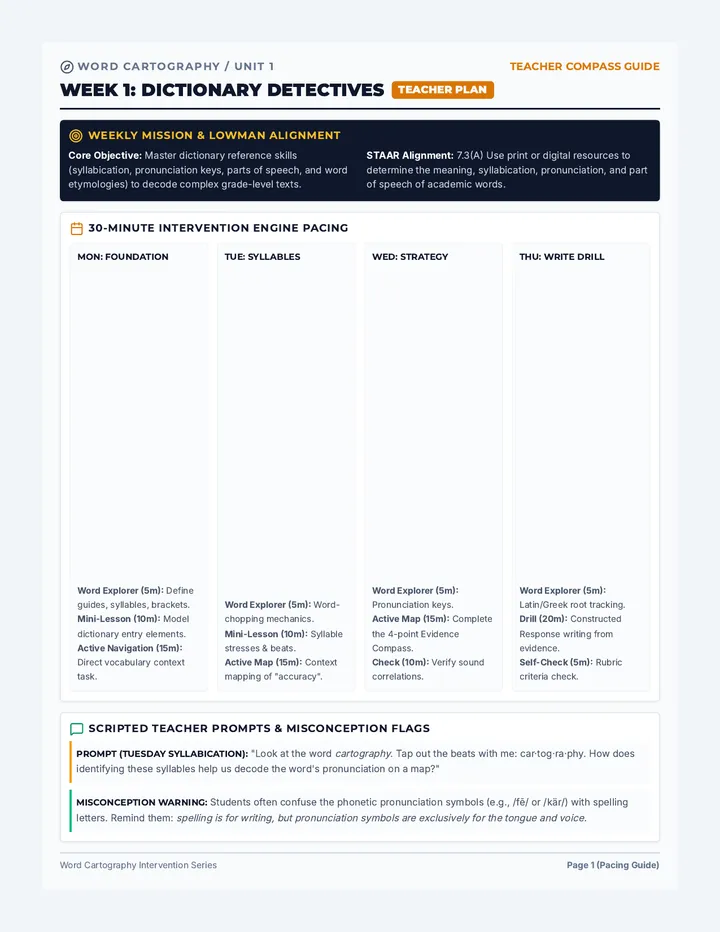
A 3-week foundational reading and vocabulary unit for 7th-grade intervention. Students master dictionary reference tools, high-leverage affixes, and root words while developing evidence-based reading analysis skills.
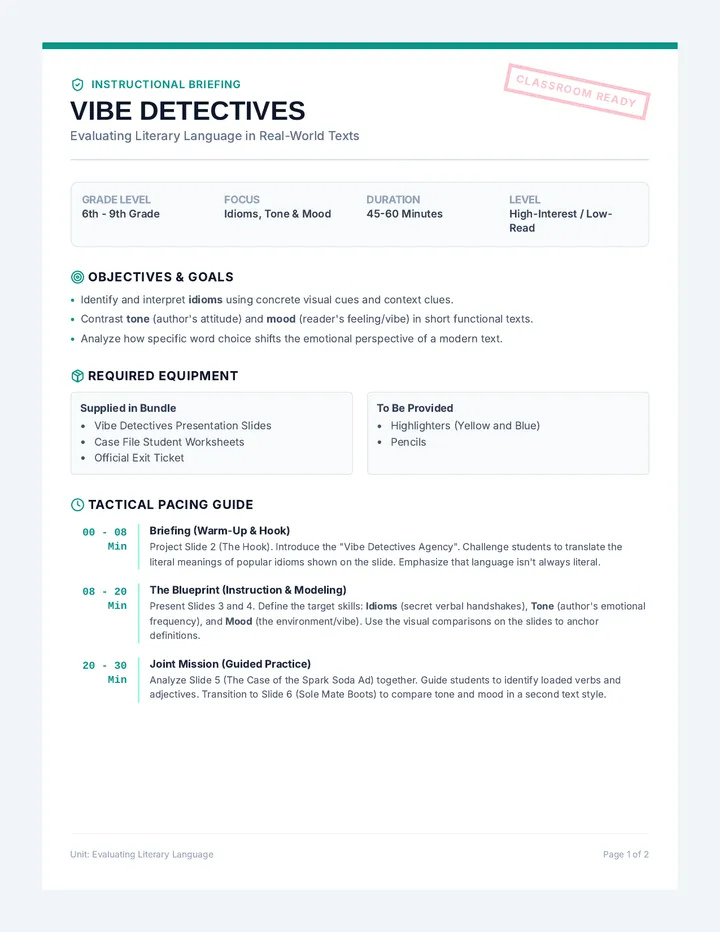
A high-interest, visual-heavy lesson where students become 'Vibe Detectives' to decode idioms, tone, and mood in modern advertisements, social posts, and blogs. Designed with low-readability, high-impact functional texts to ensure maximum accessibility and student engagement.
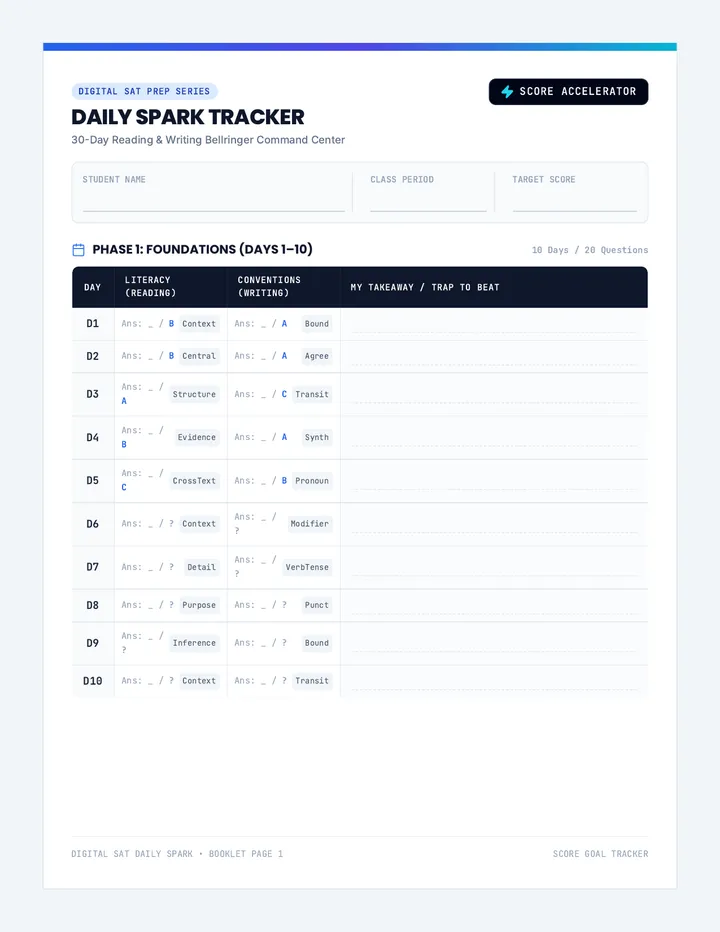
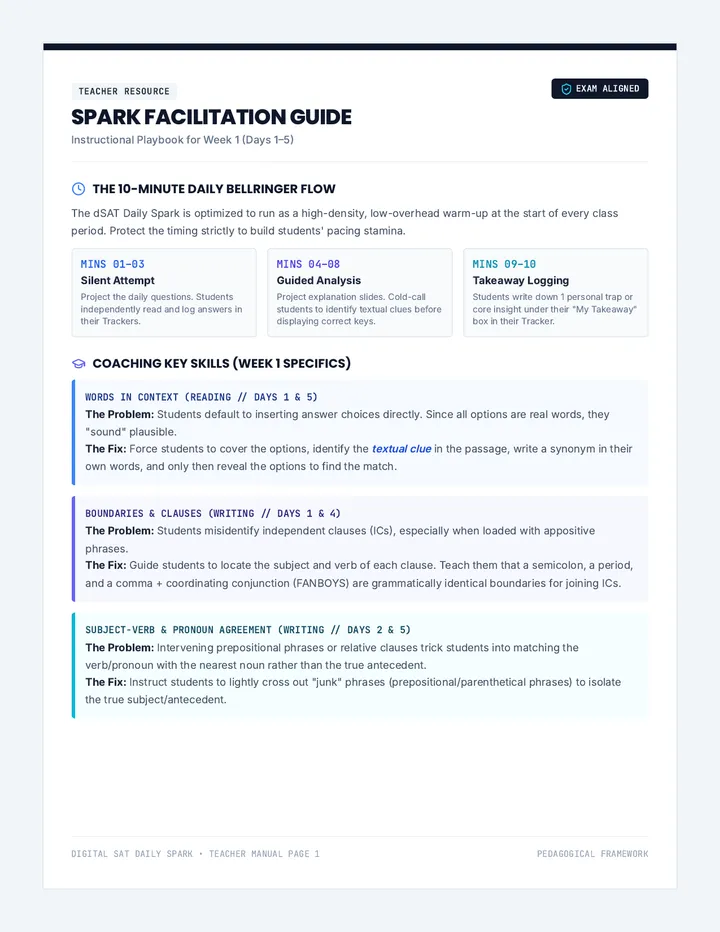
A comprehensive 30-day bellringer program designed to prepare students for the Digital SAT. Each day features one Reading and one Standard English Conventions question, complete with immediate skill breakdowns, detailed explanations, and strategic hints.
Investigate the historical reality of the American Dream, class divides, and Prohibition. Students conduct a digital WebQuest on historical events and complete a reading passage and formative comprehension quiz.
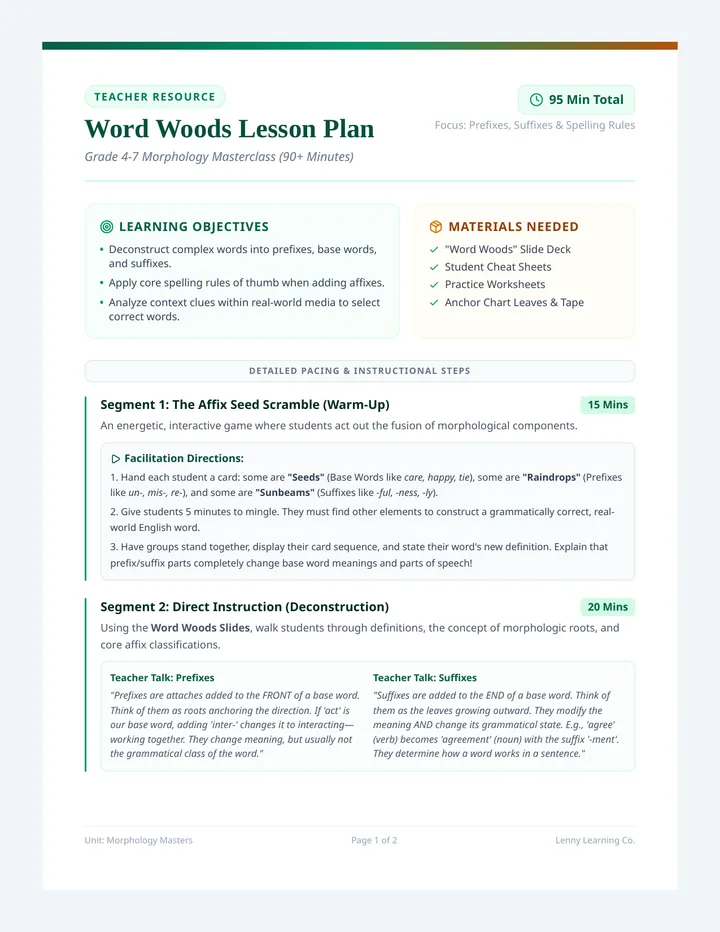
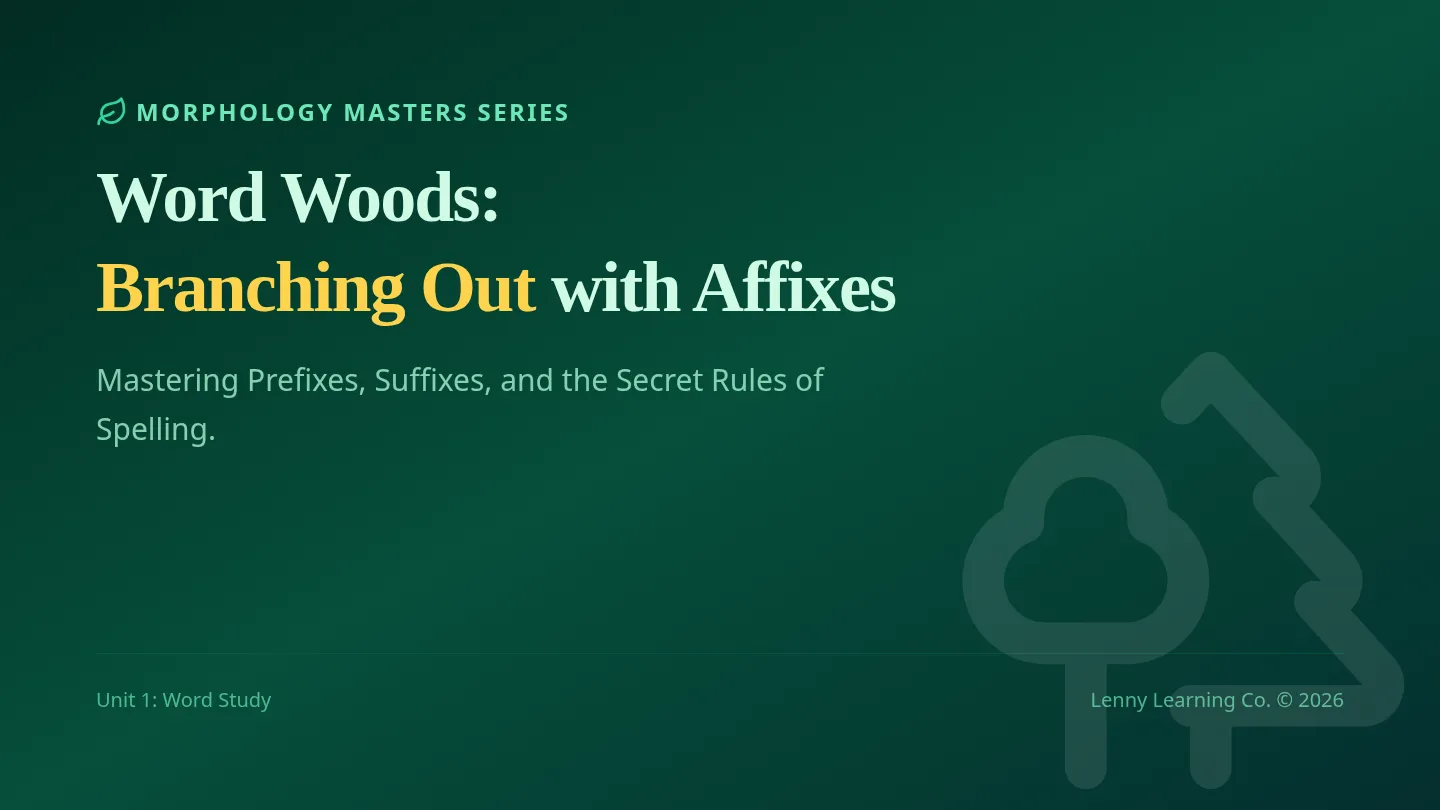
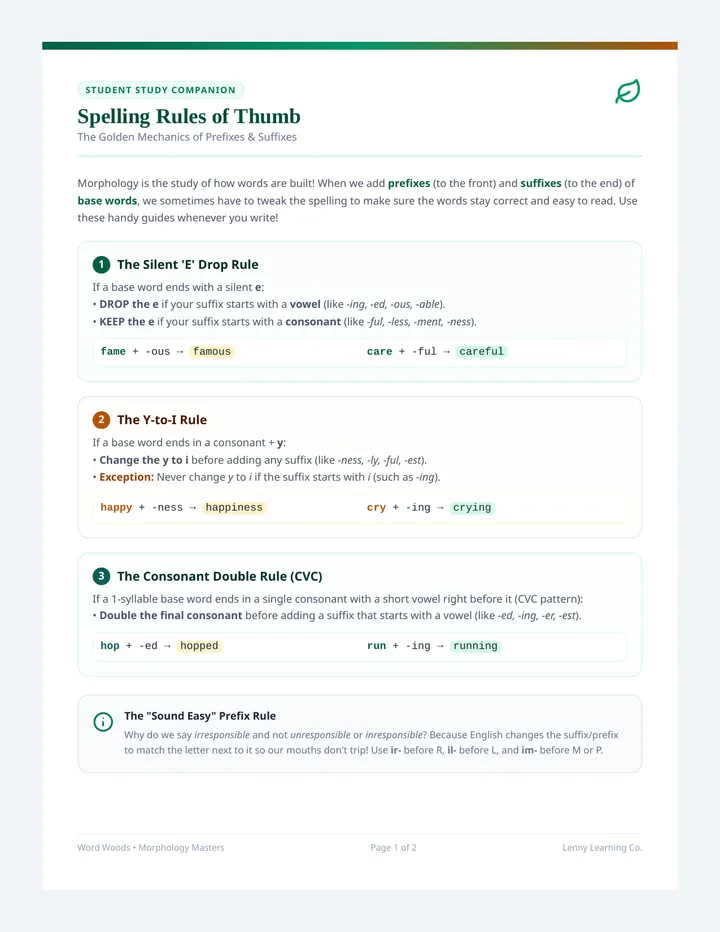
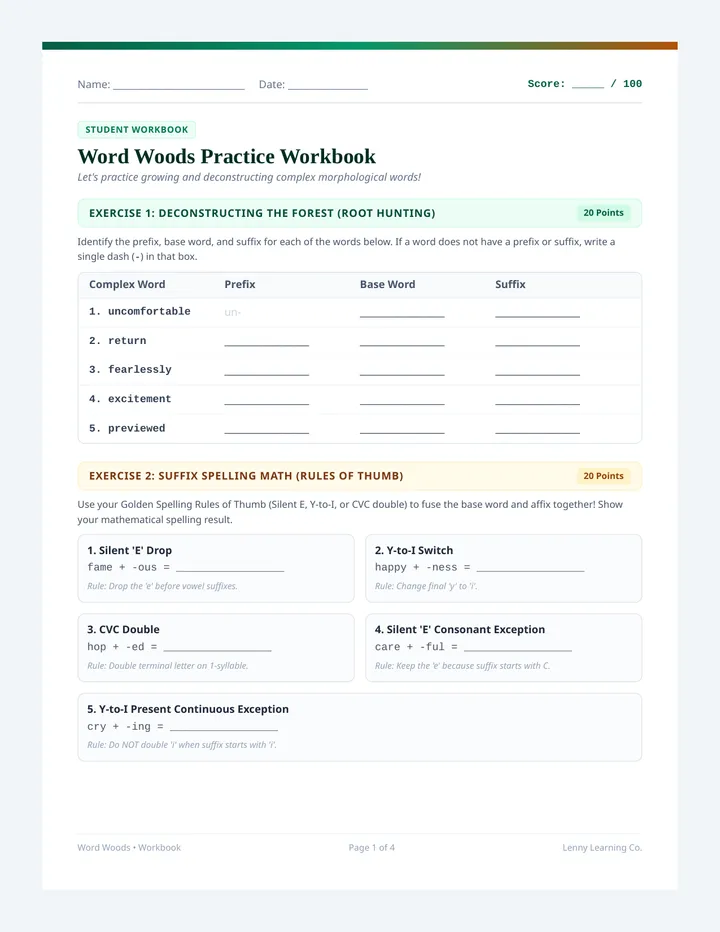
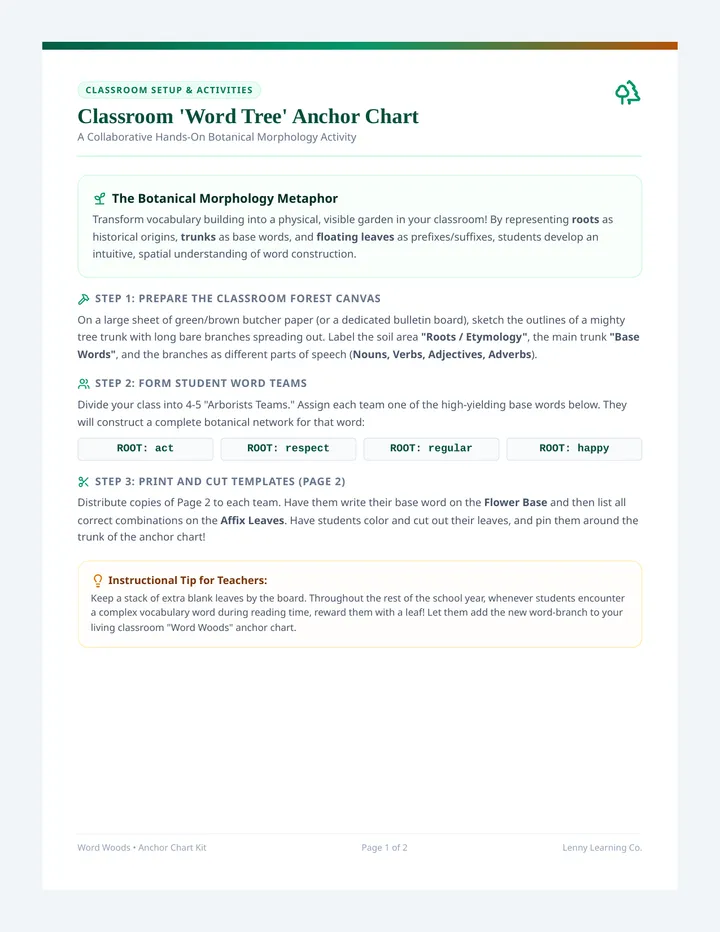
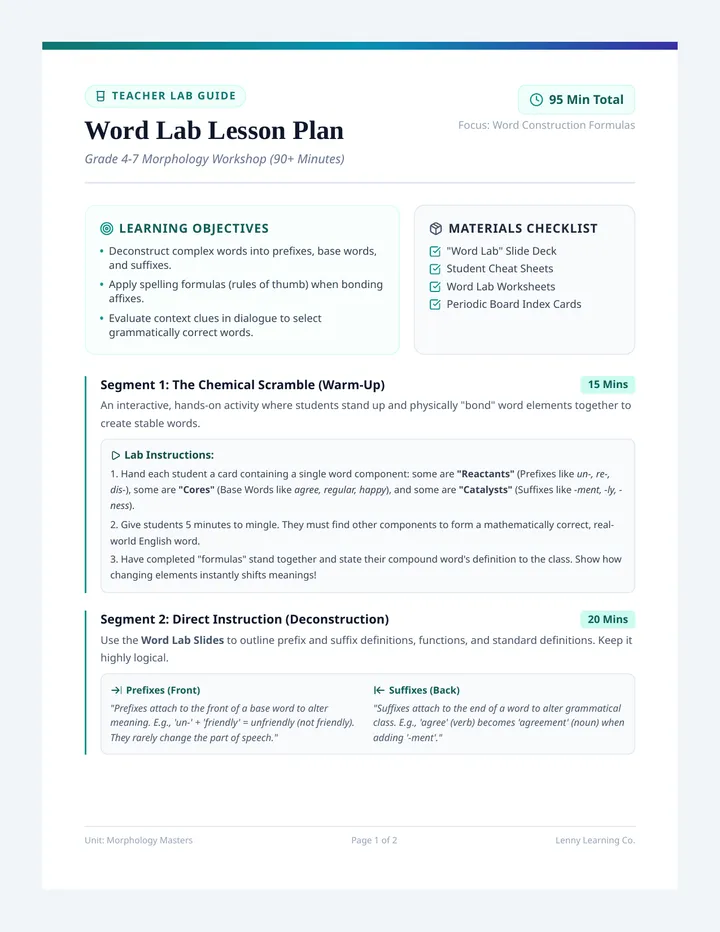
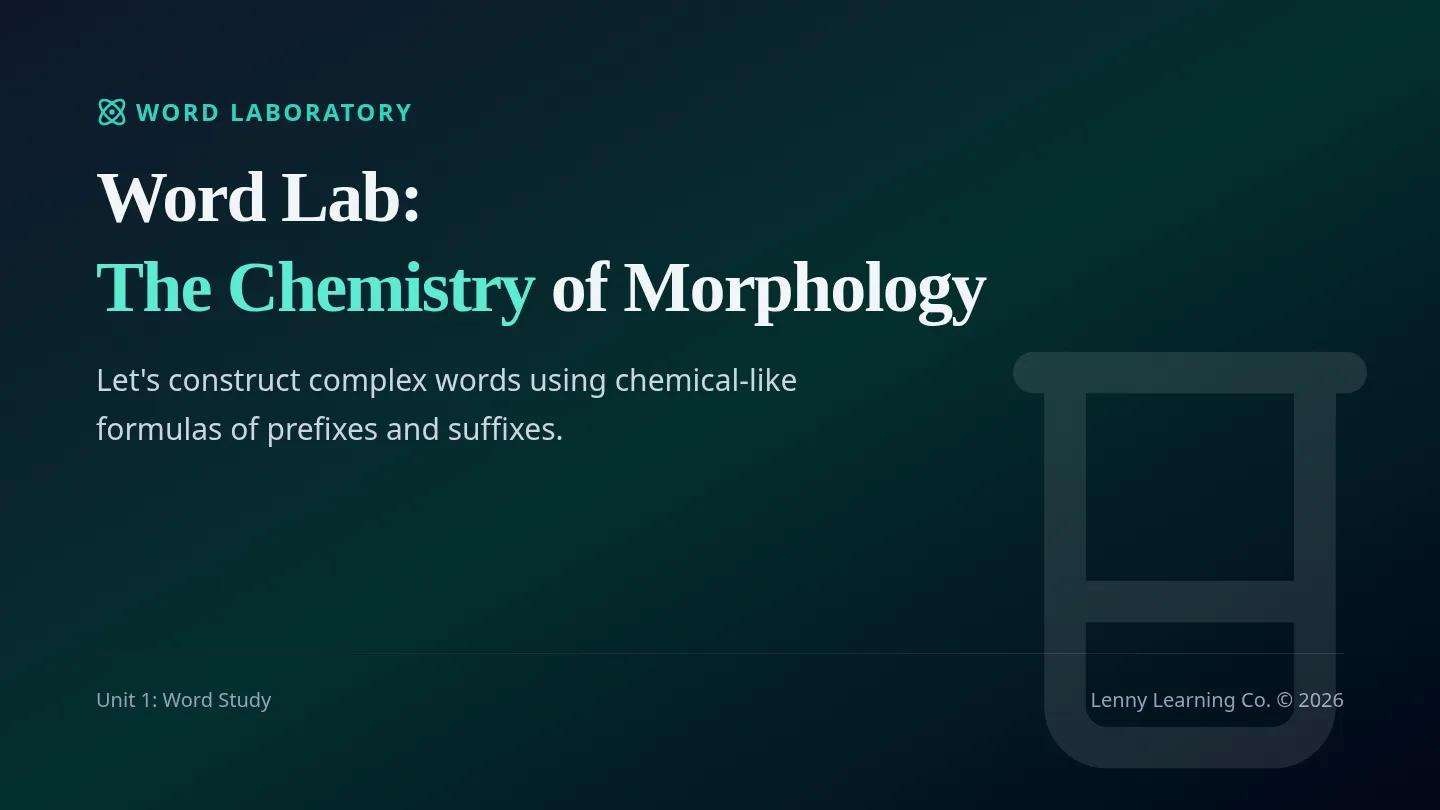
A masterclass sequence on word study, morphology, and vocabulary acquisition. This unit teaches students to deconstruct complex English words using structural analysis of roots and affixes.
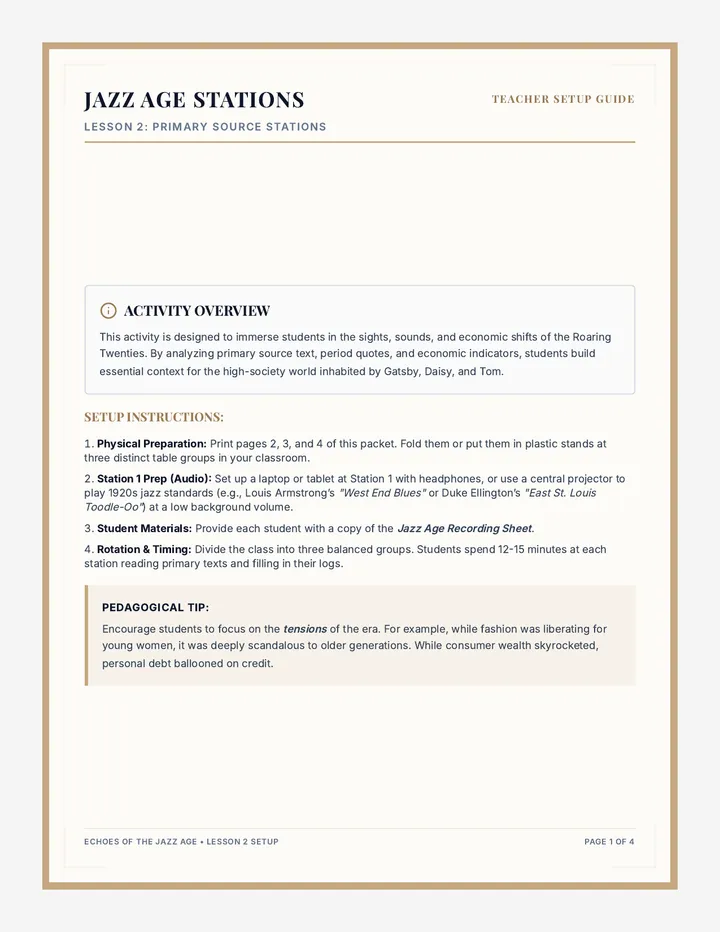
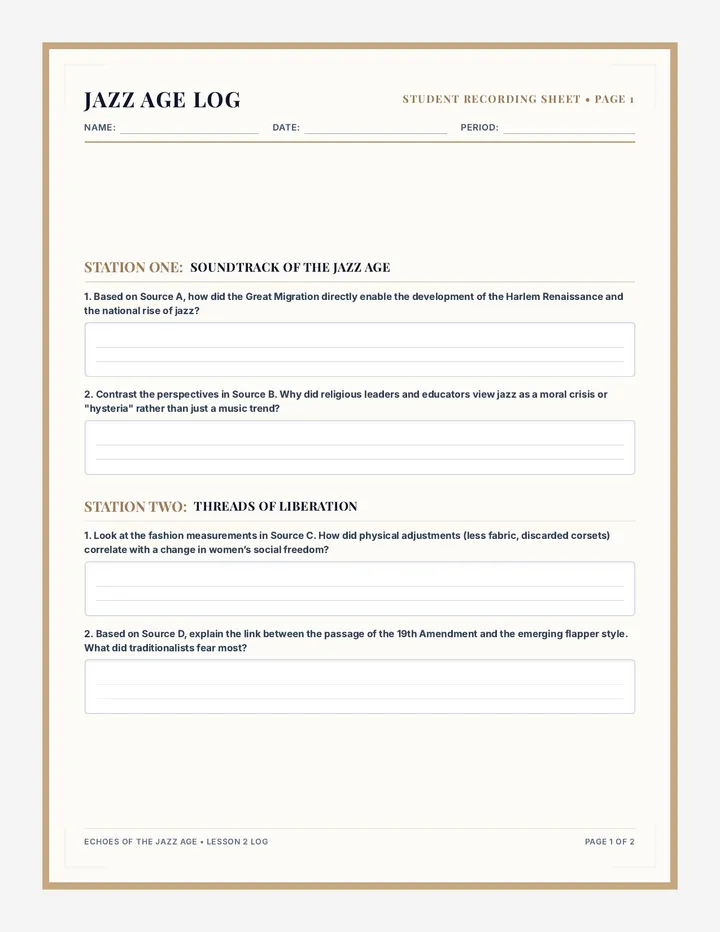
Examine the music, fashion, and social shifts of the 1920s through primary source stations. Students collaborate to analyze historical audio, visual dress trends, and economic consumer data using a student log sheet.
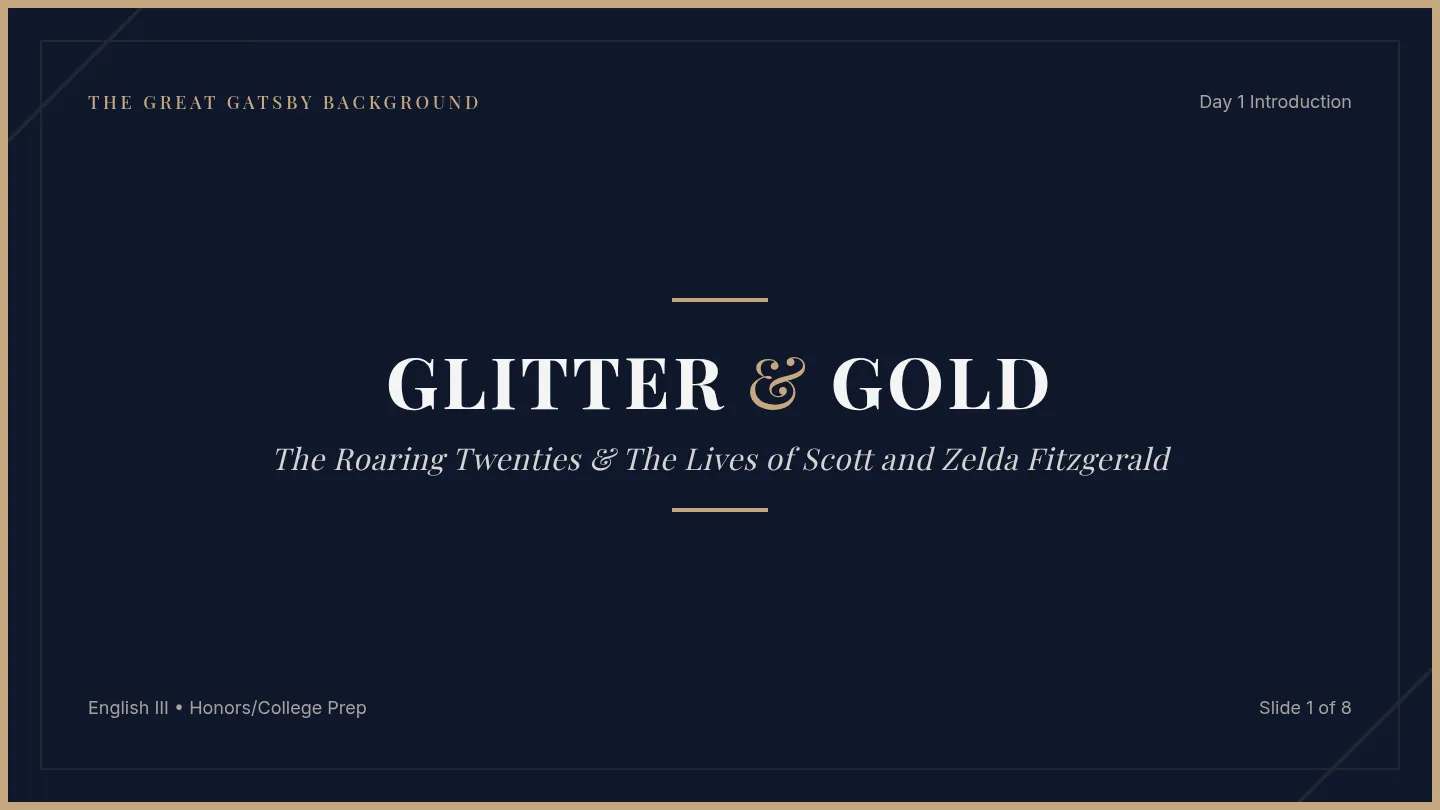
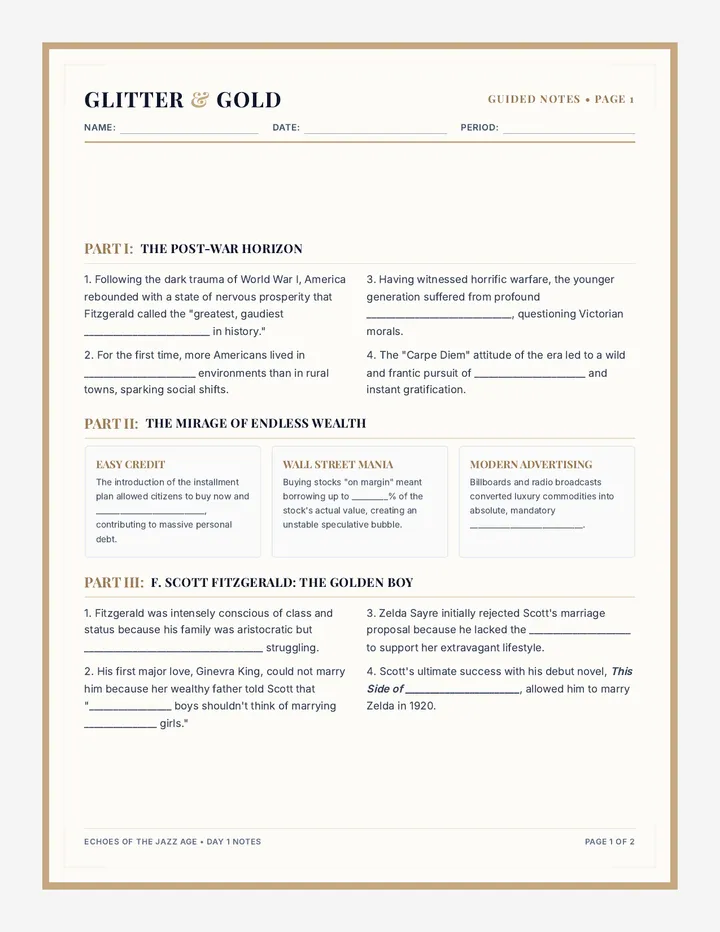
Explore F. Scott Fitzgerald's autobiographical connections and the economic boom of the 1920s. Students engage with visual slides and a matching guided notes worksheet to analyze how Fitzgerald's turbulent life and relationship with Zelda set the stage for The Great Gatsby.