This lesson focuses on identifying and pronouncing mixed s-blends (st, sp, sk, sl, sm, sn, sw) through engaging school and nature-themed reading passages and interactive slides.
A lesson focused on common prefixes (un-, re-, pre-, dis-) and suffixes (-ful, -less, -er, -ly) using a 'Word Workshop' theme to help students understand how word parts change meanings.
A foundational phonics lesson focusing on the glued sounds -all, -am, and -an through visual aids, tracing practice, and blending activities.
A lesson focused on analyzing how specific parts of a text contribute to the overall structure and the development of an argument through evidence. Students learn to see texts as 'blueprints' where every sentence serves a structural purpose.
An introductory lesson on building simple sentences using the 'Who + Doing What' formula. Students will use visual prompts to construct their own sentences with a focus on capitalization and ending punctuation.
A foundational writing lesson for first-grade students focused on building complete sentences with correct capitalization, punctuation, and grammar using a 'Sentence Builders' theme.
A space-themed fluency lesson for first graders, focusing on nonsense word decoding and sentence structure to build oral reading confidence.
A comprehensive lesson where students learn to use text evidence and background knowledge to make logical predictions about what will happen next in a story.
Day 2 of the Water Worlds unit. Students tackle longer informational texts and transition to using a Venn Diagram strategy to categorize similarities and differences in environmental zones, animal adaptations, and global importance.
A morning work resource focused on reading comprehension and multiple-choice practice within a space exploration theme.
A lesson focused on developing neat handwriting and spacing skills through the transcription of a seasonal poem. Students analyze poetic structure while practicing their penmanship on specialized lined paper.
A comprehensive set of multisensory resources designed to help first-grade students master the 40 Dolch Pre-Primer sight words through flashcards, word wall displays, and tracing activities.
Three reading passages about common daily routines and activities, helping students connect text to their own experiences.
Three reading passages about animals and where they live, designed to build comprehension through text-based and inferential questions.
A collection of 10 longer, more complex short stories designed for 3th-4th grade level readers. Focuses on identifying character, setting, and plot elements through multi-paragraph narratives and literal comprehension questions.
A 3rd-grade informational reading lesson about how the school system works, focusing on identifying and using text features like headings, bold words, and sidebars.
A 20-minute small group lesson focusing on blending CVC words with mixed short vowel sounds, incorporating Fundations-style tapping techniques.
A series of high-energy activities focusing on the '-ng' nasal endings (ang, ing, ong, ung) through music, movement, and jungle-themed games.
A comprehensive collection of home practice activities for the 40 Dolch pre-primer sight words, designed with a fun 'Word Detective' theme.
Students journey to the Sahara Desert to learn about the nomadic Tuareg people, making inferences about desert survival and predicting the arrival of life-sustaining water.
Students travel to the Andes Mountains in Peru to learn about traditional potato harvesting and weaving, practicing inferences about survival in high altitudes and predicting the steps of a cultural ceremony.
Students explore the vibrant floating markets of Thailand, using sensory details and cultural clues to make inferences and predict events in a nonfiction narrative.
An intensive 20-minute small group session focusing on the /er/ sound created by the 'Bossy R' (er, ir, ur) through studio-themed visuals, sorting, and gameplay.
A 45-minute lesson exploring the difference between literal and non-literal language through the lens of ancient myths and classic fables. Students will practice identifying and interpreting figurative expressions within narrative texts.
A foundational phonics lesson for first graders to master decoding and reading fluency with common digraphs (ch, sh, wh, th) through a fun detective-themed investigation.
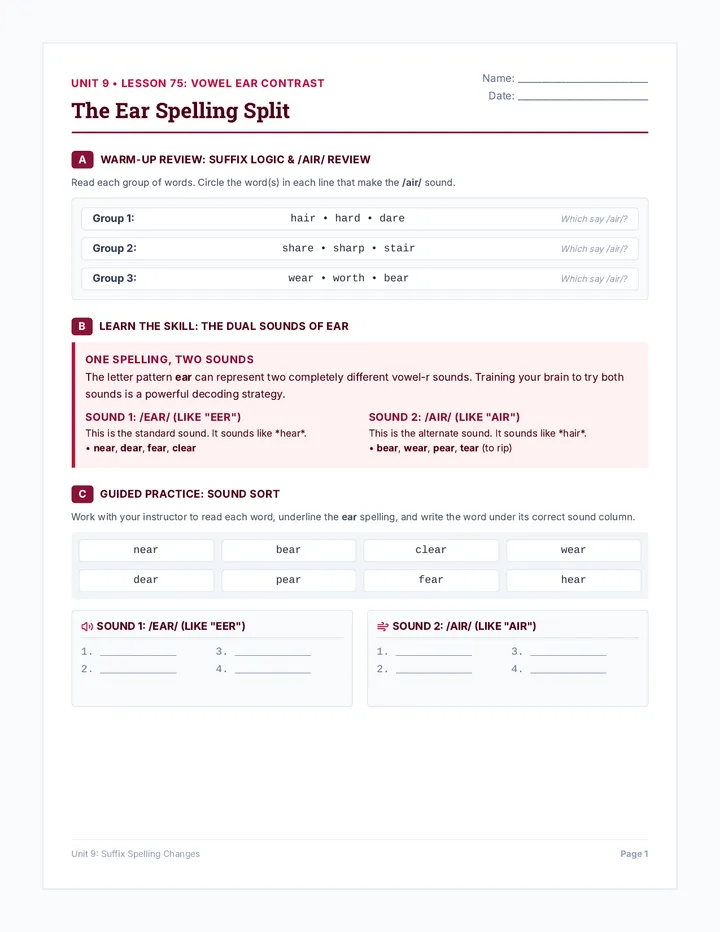
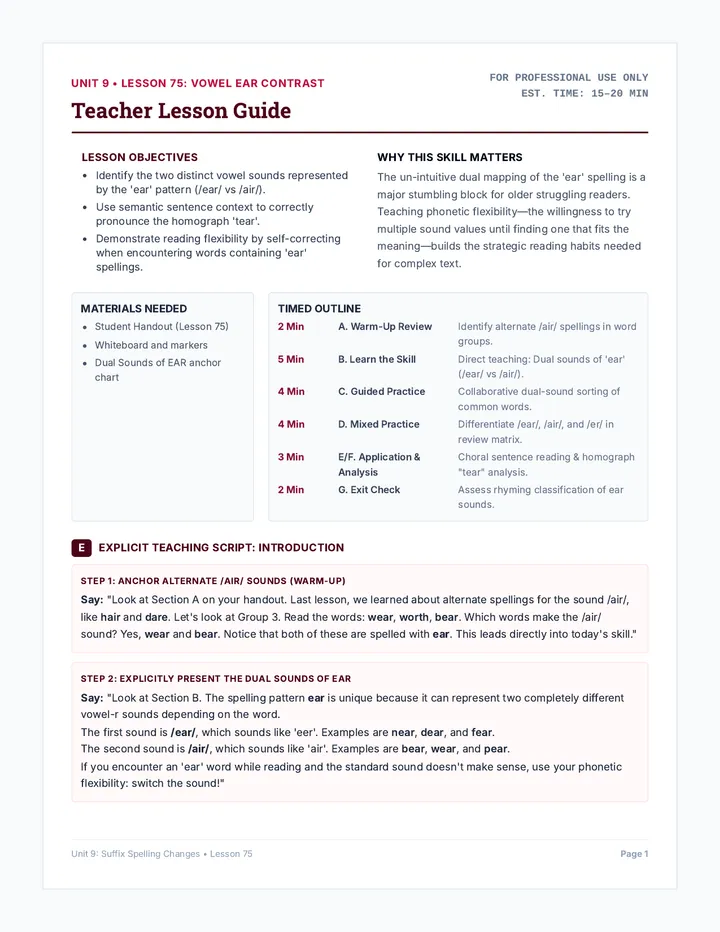
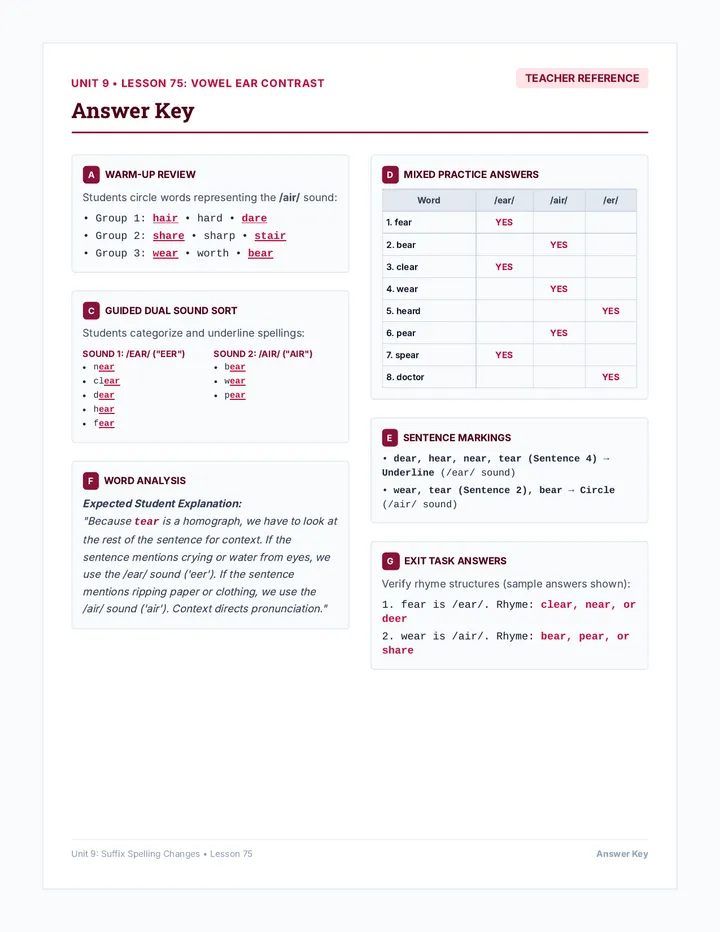
A pirate-themed phonics lesson focusing on recognizing and reading trigraphs (igh, ear, air, tch). Students become 'Trigraph Detectives' to hunt for these special three-letter sounds.
A foundational tracing lesson focusing on the first half of the alphabet (a-m) and initial numbers (1-5), designed for early learners to develop fine motor skills and character recognition.
A deep dive into figurative language from Chapter 6 of Peter Pan, focusing on the personification of Neverland and the use of similes to enhance narrative descriptions.
The capstone Socratic Seminar where students engage in a structured, evidence-based discussion about the ethics of modern digital persuasion.
Students evaluate the ethics of digital influence and prepare evidence-based arguments for a Socratic Seminar, focusing on active listening and logical fallacies.
Students identify and analyze modern persuasive techniques used in social media and digital advertising, focusing on emotional triggers and algorithmic micro-targeting.
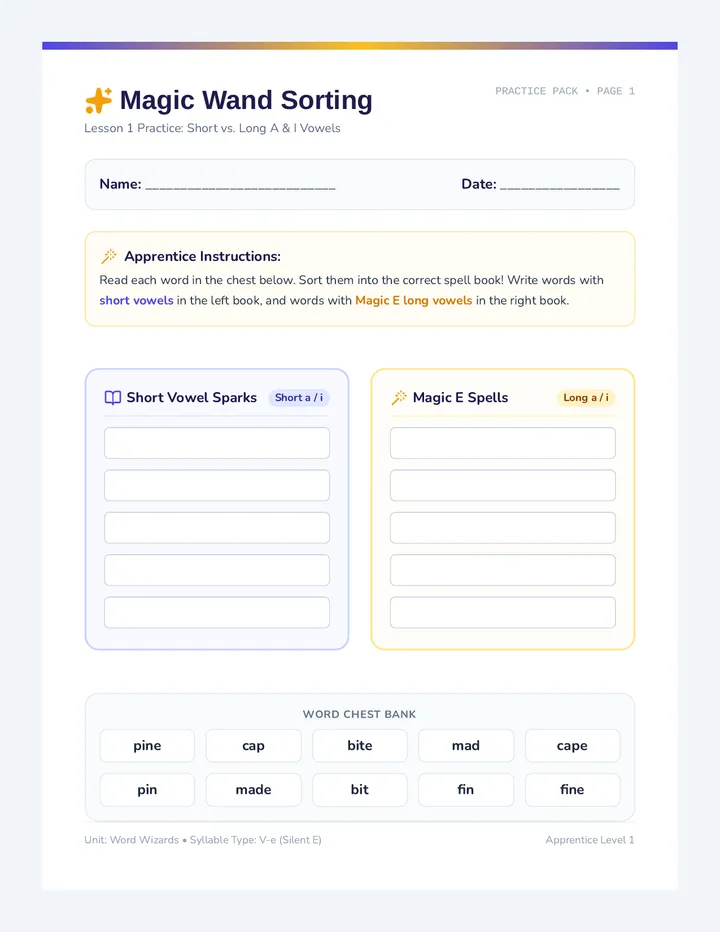
A foundational literacy lesson focusing on reading and writing CVCC words with a focus on 'st' and 'nk' blends, designed for 2nd-grade small group instruction with a magical wizard theme.
A foundational lesson on decoding 2-3 syllable words with common prefixes (pre-, re-, un-) and suffixes (-er, -est, -ful) through a jungle expedition theme. Students will practice reading for automaticity and accuracy.
A focused workshop for mastering Short Constructed Responses (SCR), featuring five evidence-rich passages that target theme, purpose, diction, and synthesis skills.
A foundational lesson introducing the letter N, focusing on uppercase and lowercase identification, the /n/ sound, and common vocabulary.