Students define and distinguish between reflexive and intensive pronouns using the 'removal test.' The lesson focuses on identifying these pronouns and understanding their grammatical roles.
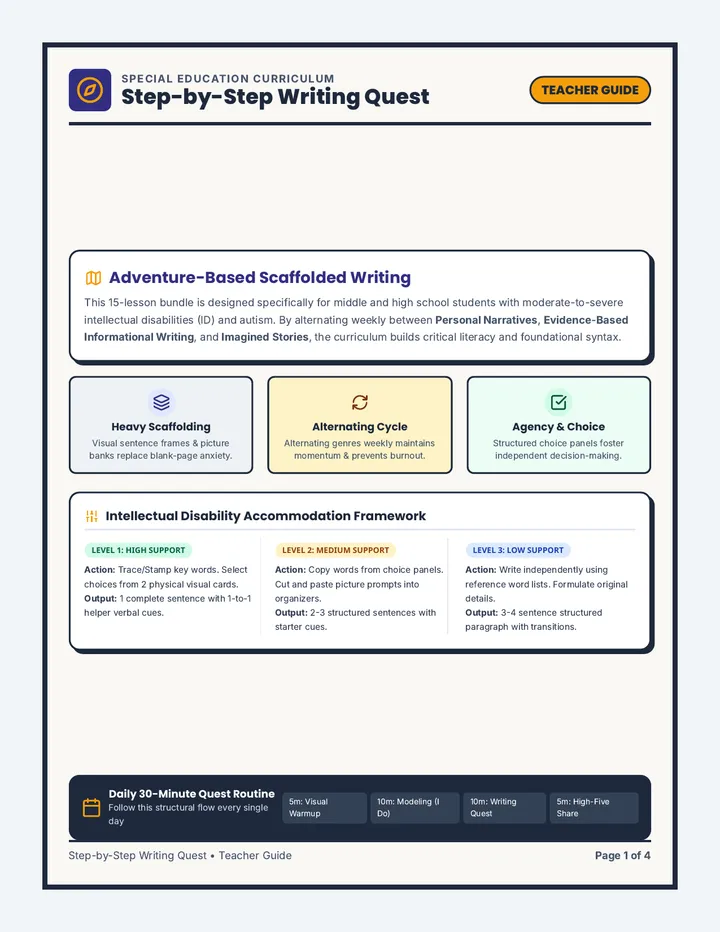
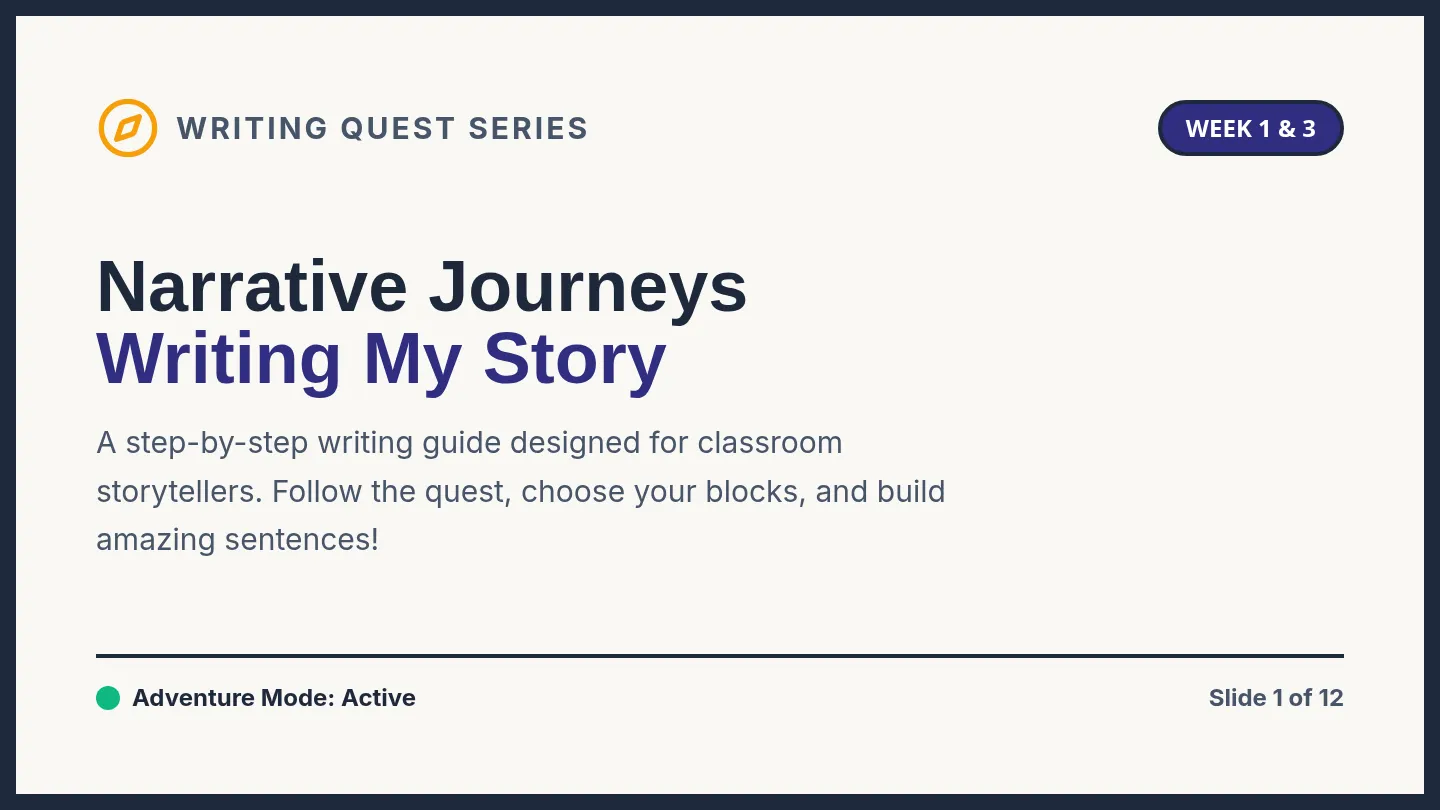
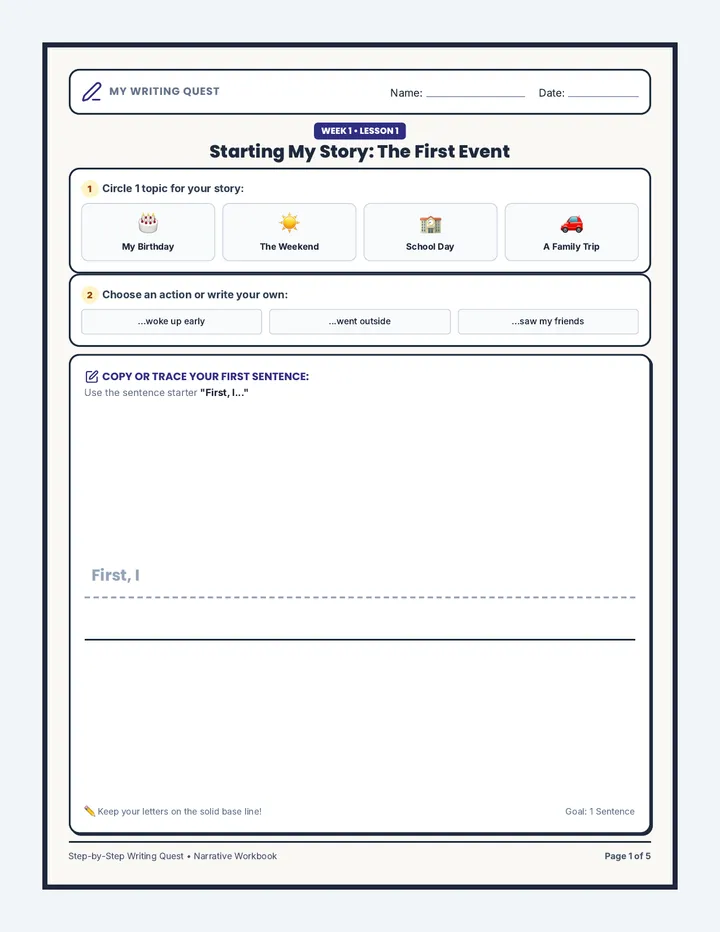
A comprehensive 15-lesson writing curriculum tailored for middle and high school students with intellectual disabilities. The sequence alternates weekly between personal narratives, evidence-based informational writing, and imagined stories, using heavy visual scaffolding, structured sentence frames, and clear graphic organizers.
The celebratory final meeting of the book clubs, designed as a festive victory banquet. Students commemorate their protagonist's return through a grand ceremonial toast, active crossover badge trading with other groups, and a high-interest 5-minute teaser of the Hero's Journey mapping project.
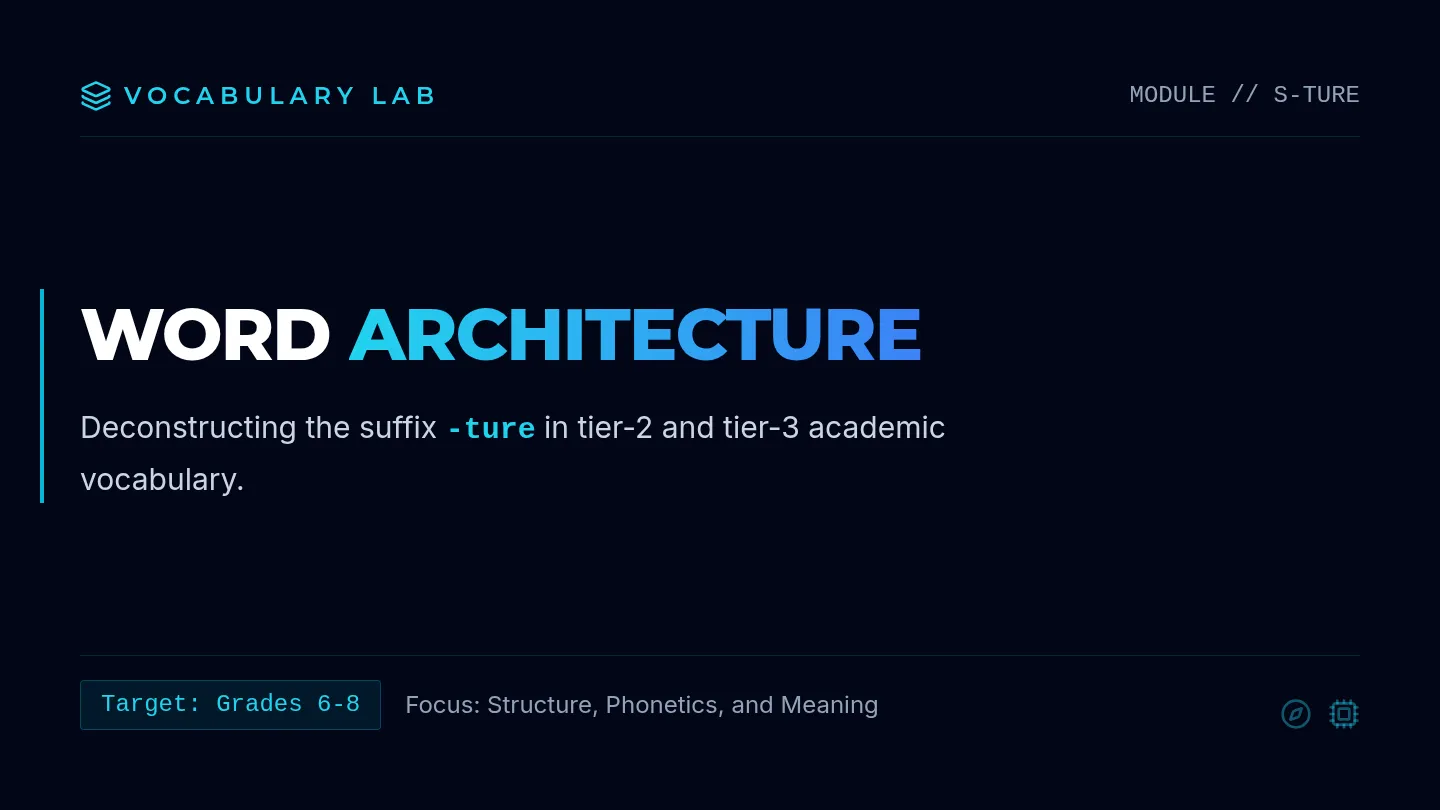
An interactive slide presentation for middle school students on the suffix '-ture'. It features academic tier-2 and tier-3 vocabulary like architecture, miniature, and caricature, and covers origin, pronunciation rules, syllable stress, guided classroom activities, and an exit ticket. All text sizes are strictly 24px (text-2xl) or larger.
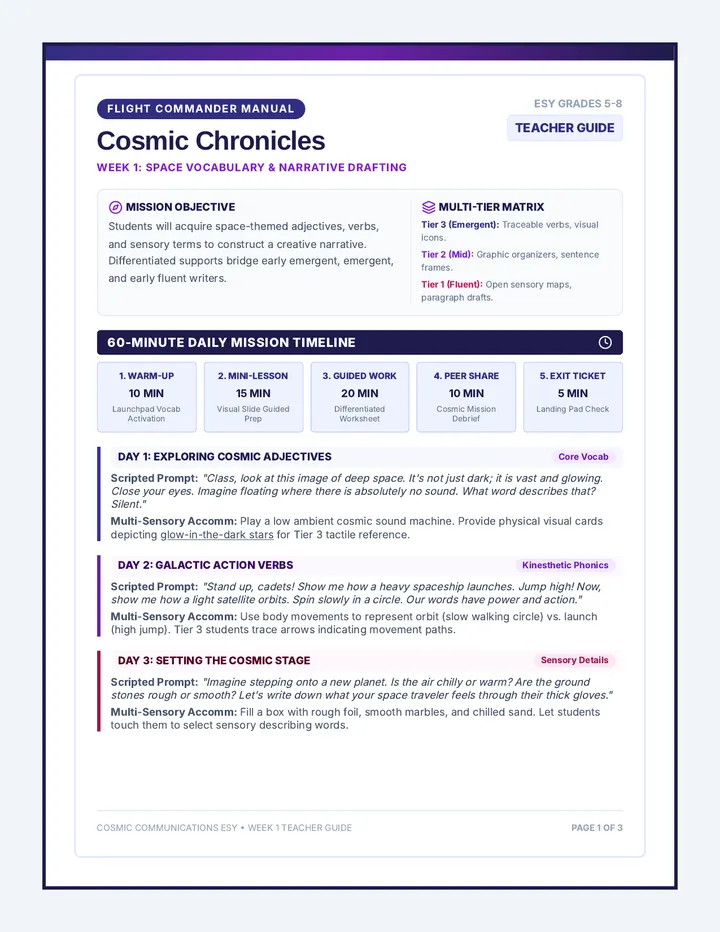
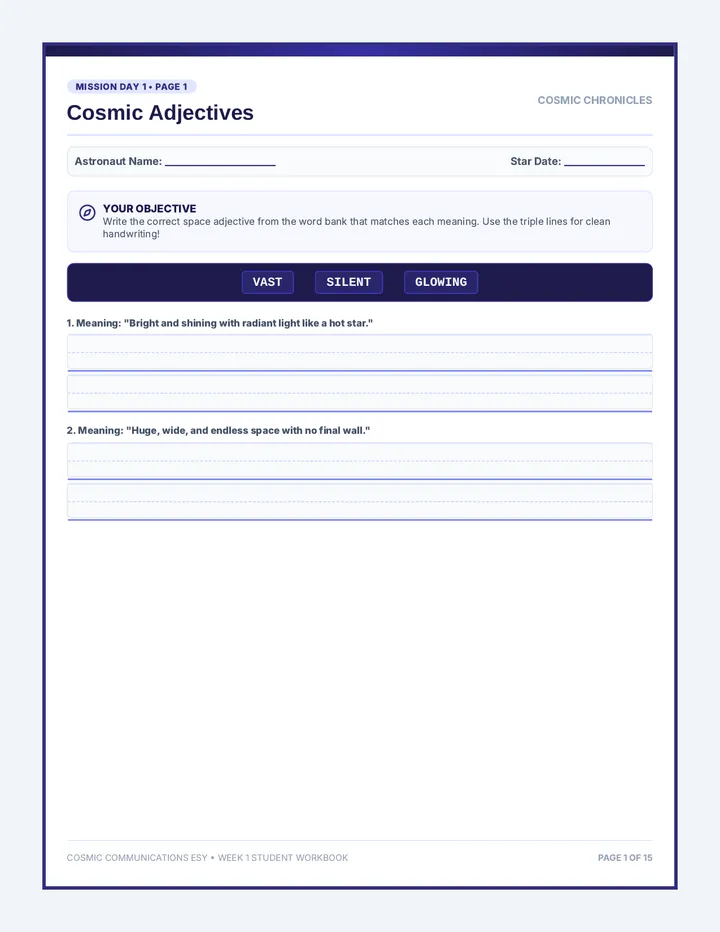
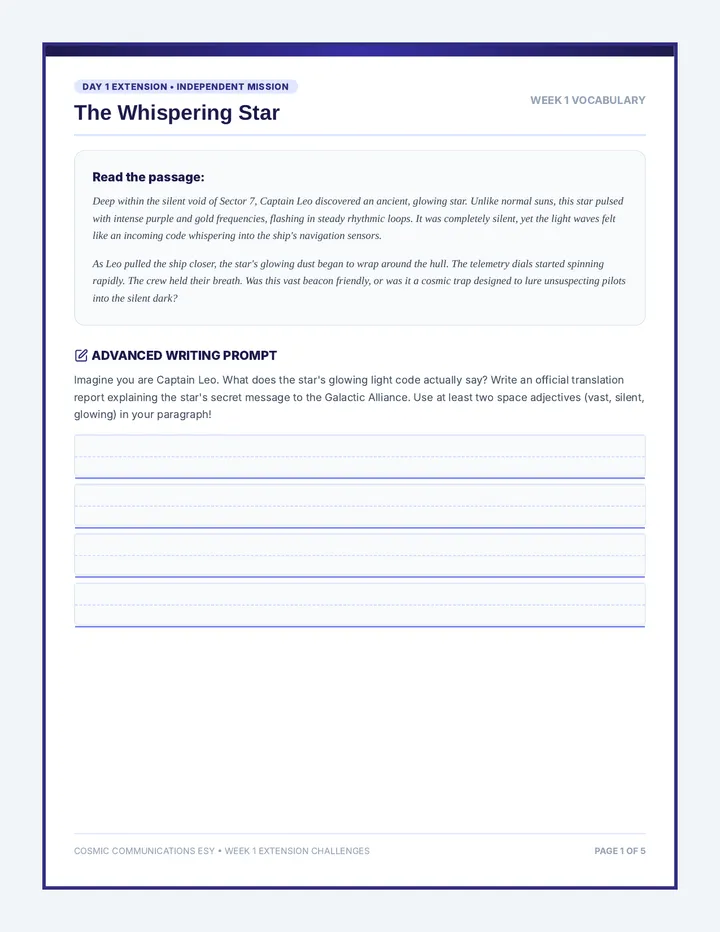
A comprehensive, space-themed 4-week Extended School Year (ESY) ELA curriculum designed for middle school students with disabilities (grades 5-8). It features daily scaffolded learning structures, differentiated materials spanning early emergent to early fluent readers, and visual sensory supports that make ELA skill acquisition accessible, engaging, and structured.
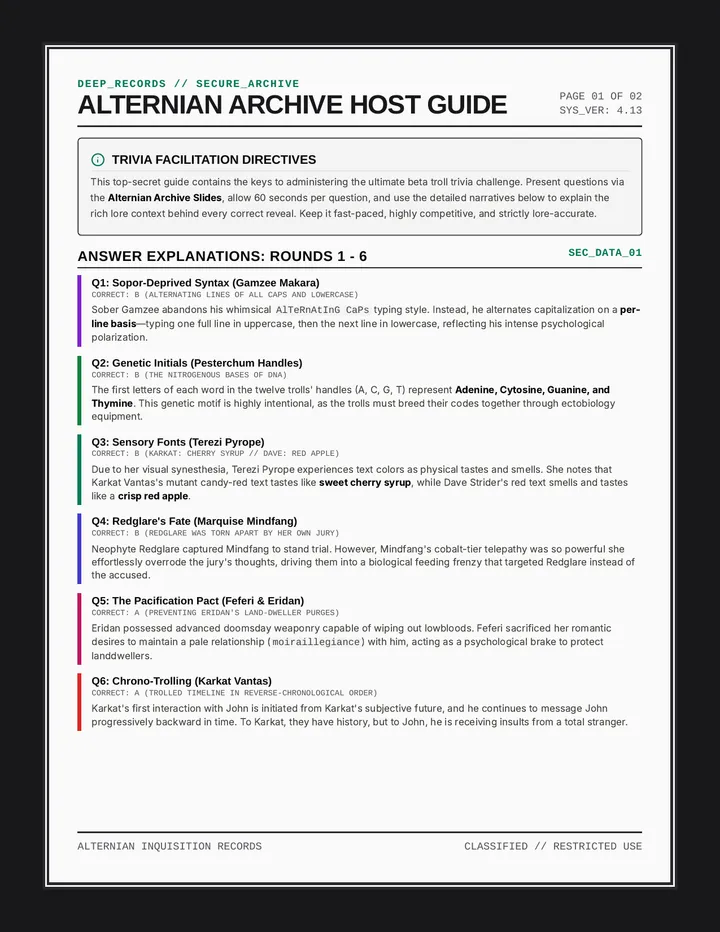
A high-intensity, visually striking trivia showdown centered on the deep-cut lore of the Homestuck Beta Trolls. Designed specifically for dedicated fans, this lesson challenges students with complex questions on relationships, quirks, and Alternian history.
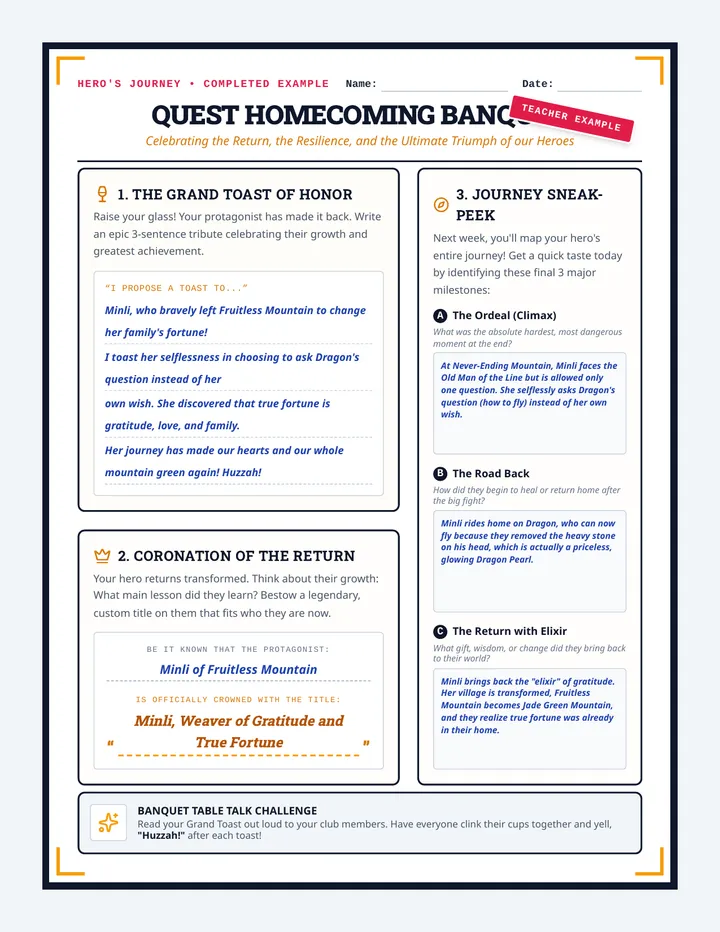
A completed 2-page teacher example of the Homecoming Banquet Placemat for the novel "Where the Mountain Meets the Moon" by Grace Lin. Features specific, high-quality sample student responses mapping Minli's journey while leaving classmate names and signatures blank for pedagogical modeling.
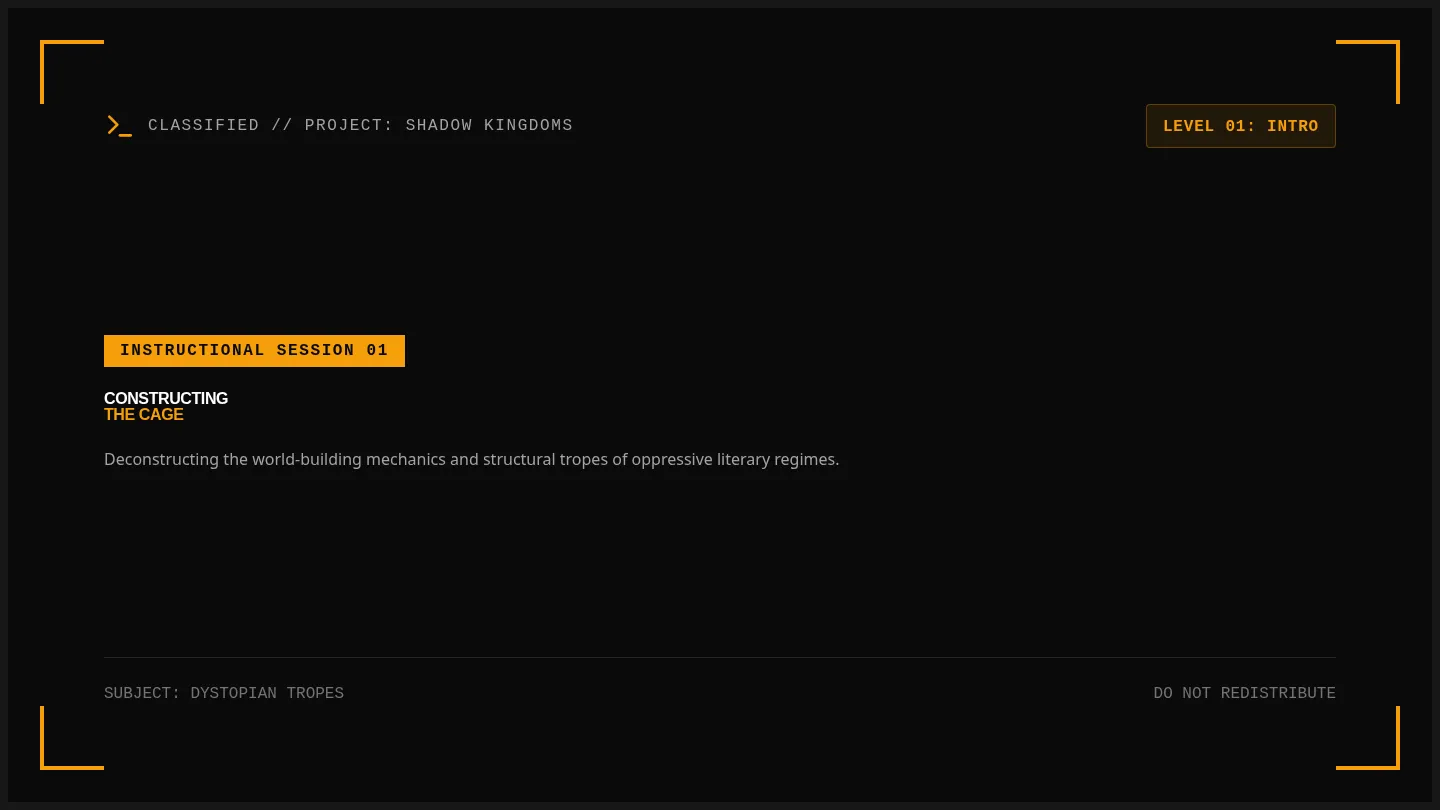
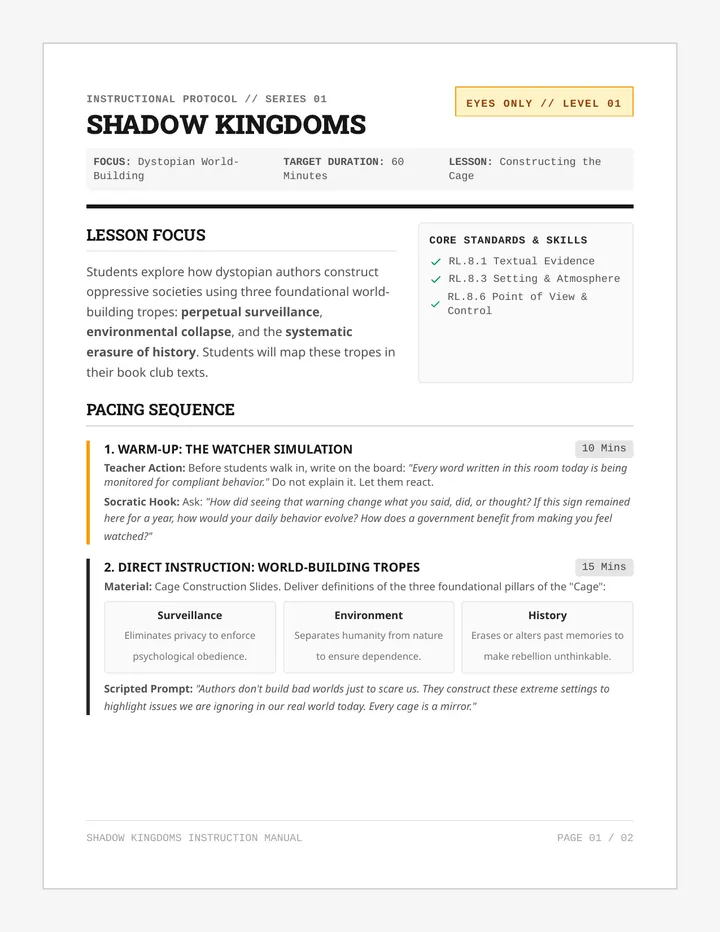
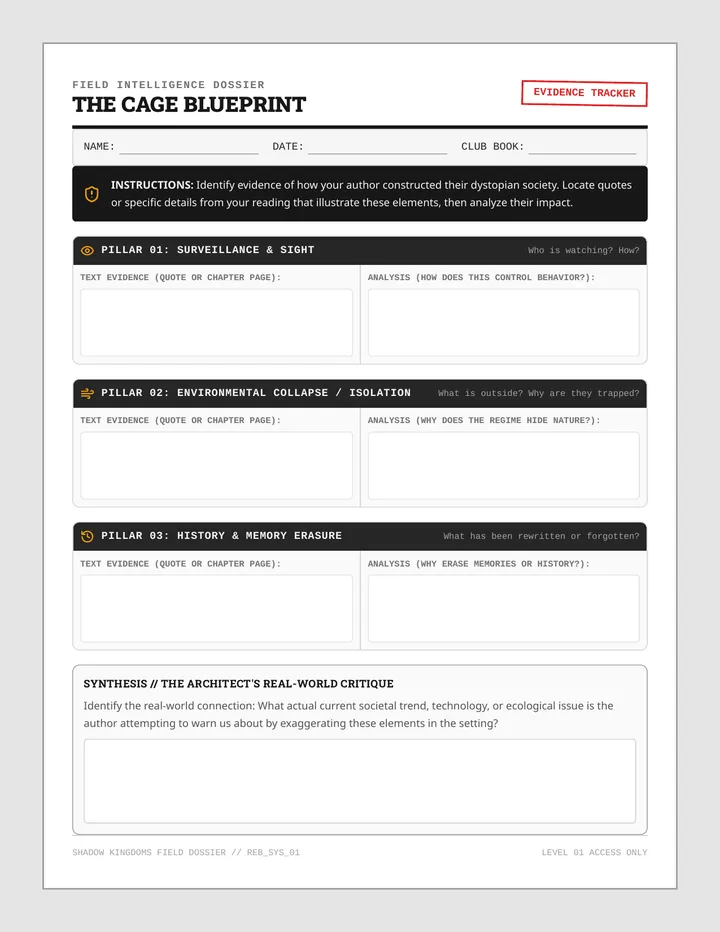
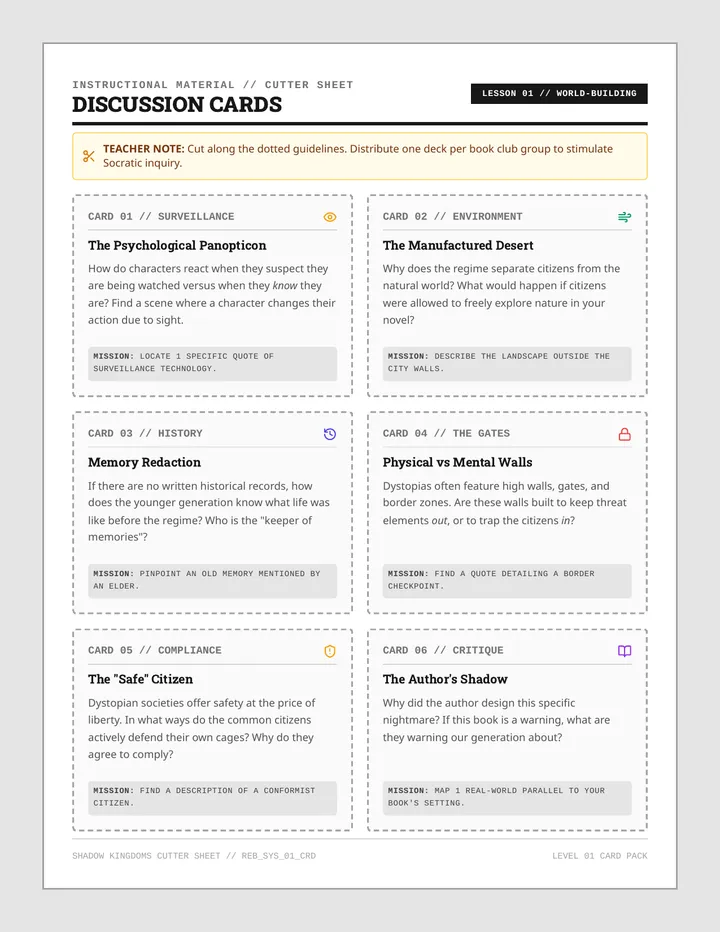
A comprehensive book-club companion unit designed to guide students through the dark alleys of dystopian literature. Through three thematic lessons, students deconstruct propaganda, analyze world-building, track protagonist rebellion, and explore authors' real-world critiques.
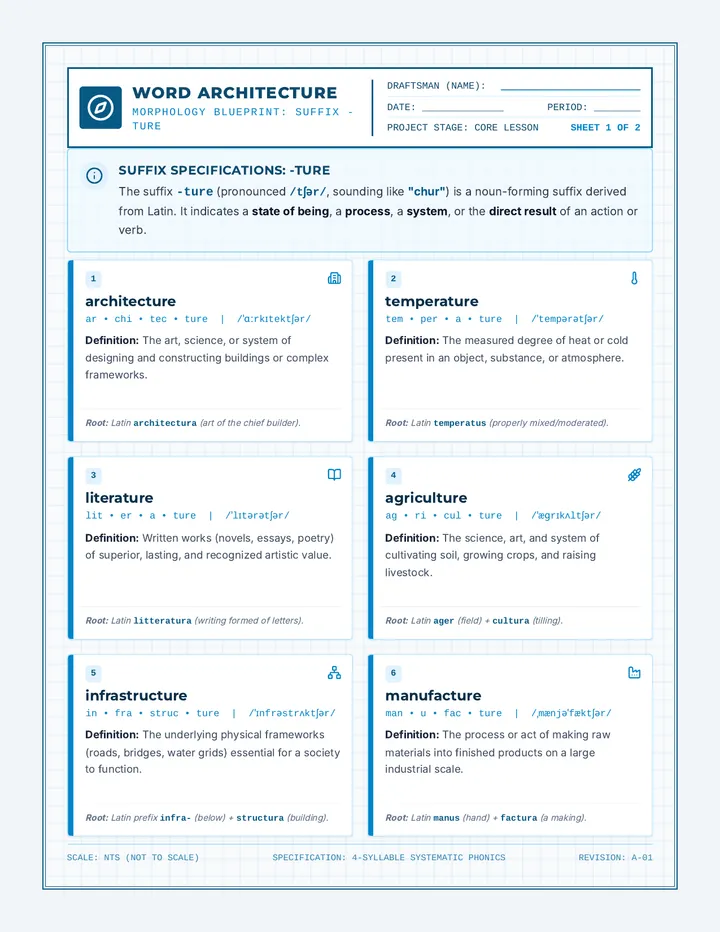
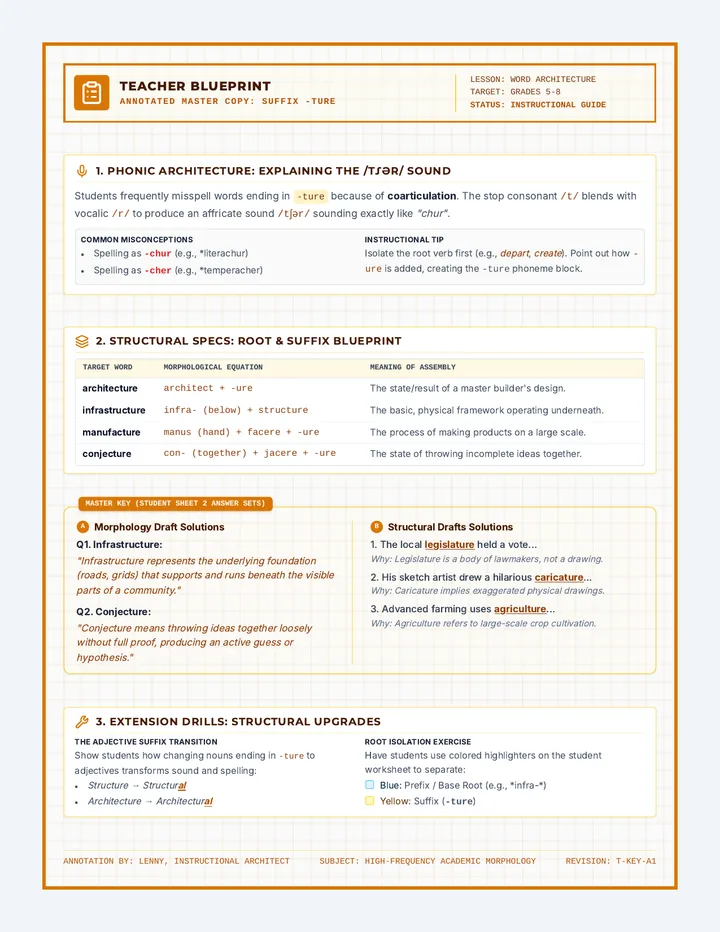
A middle school vocabulary lesson exploring 3-to-4 syllable academic words ending in the suffix -ture. Students examine pronunciation, morphological structure, definitions, and applications through a technical drafting/blueprint theme.
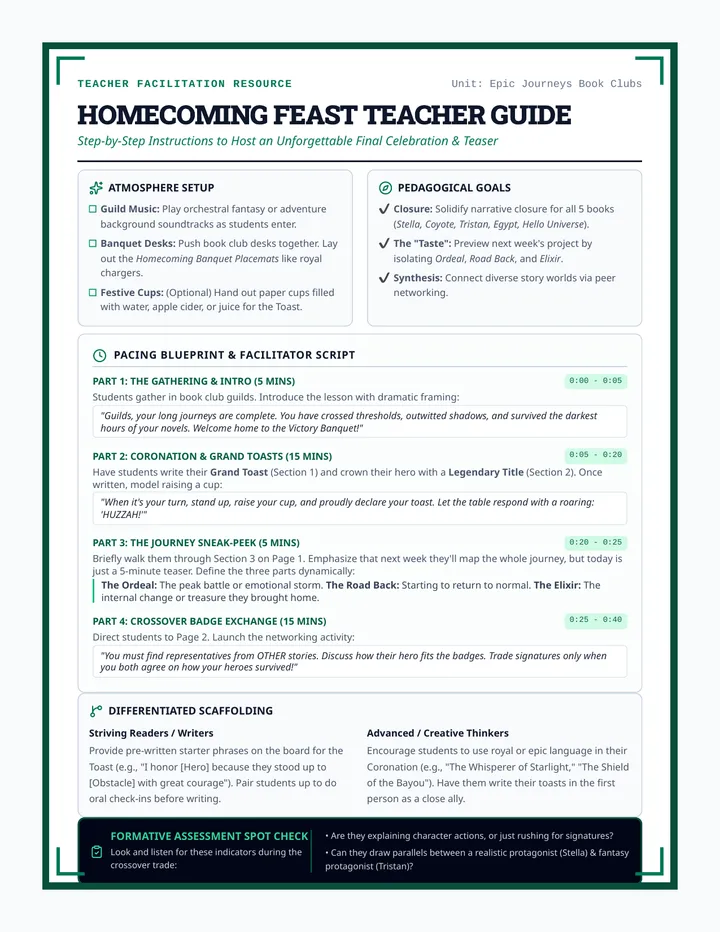
A 1-page teacher facilitation guide for running the final book club celebration meeting. Features a 45-minute step-by-step lesson plan, classroom setup checklist, teacher talk scripts for a theatrical 'Toast Ceremony', and instructions for scaffolding both the Hero's Journey preview and the crossover networking activity.
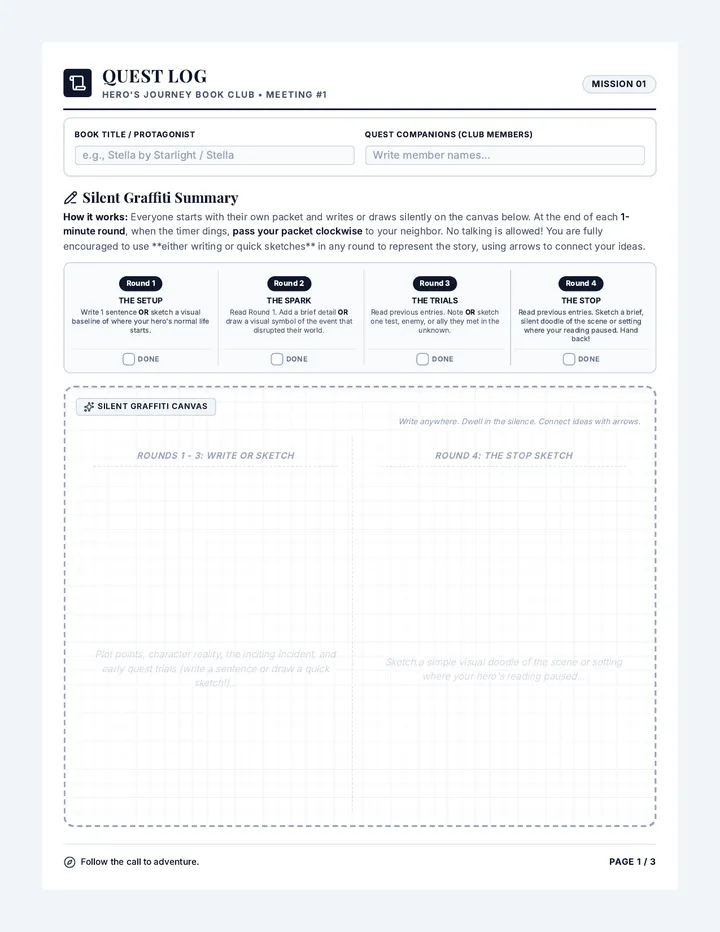
A multi-week novel study sequence structured around the Hero's Journey framework, featuring five engaging books (The Red Pyramid, Tristan Strong, Hello Universe, Coyote Sunrise, Stella by Starlight). Incorporates creative, gamified, and role-play activities to sustain student engagement and deepen literary analysis.
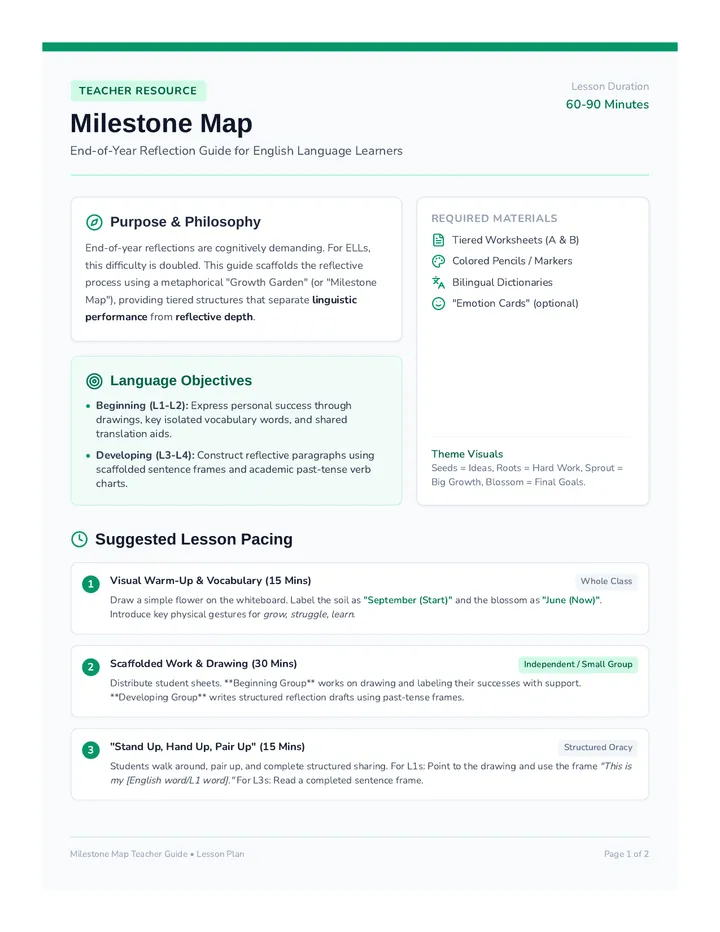
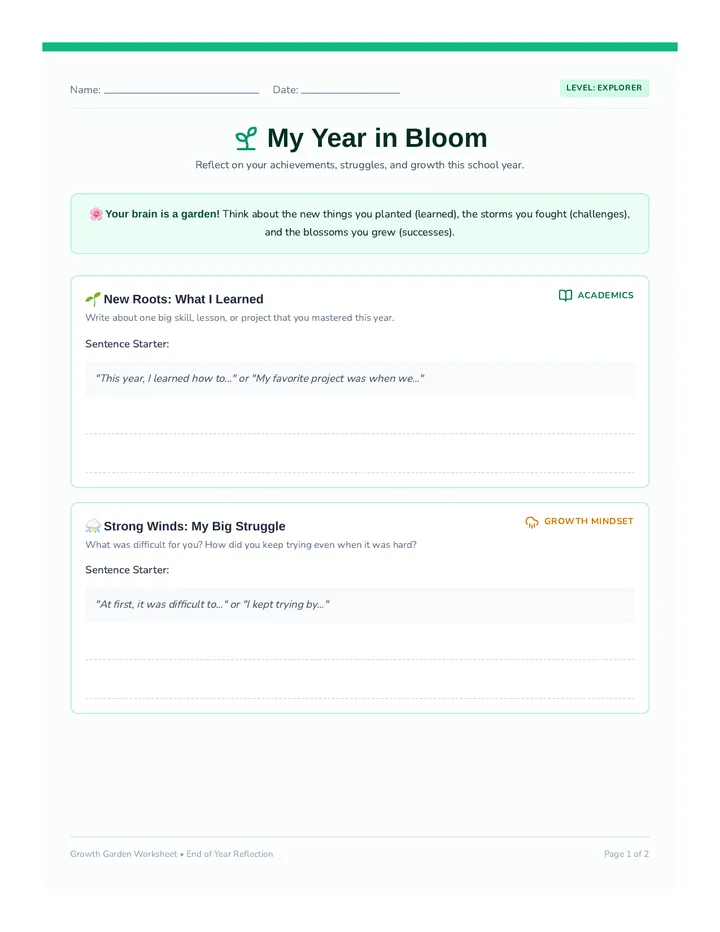
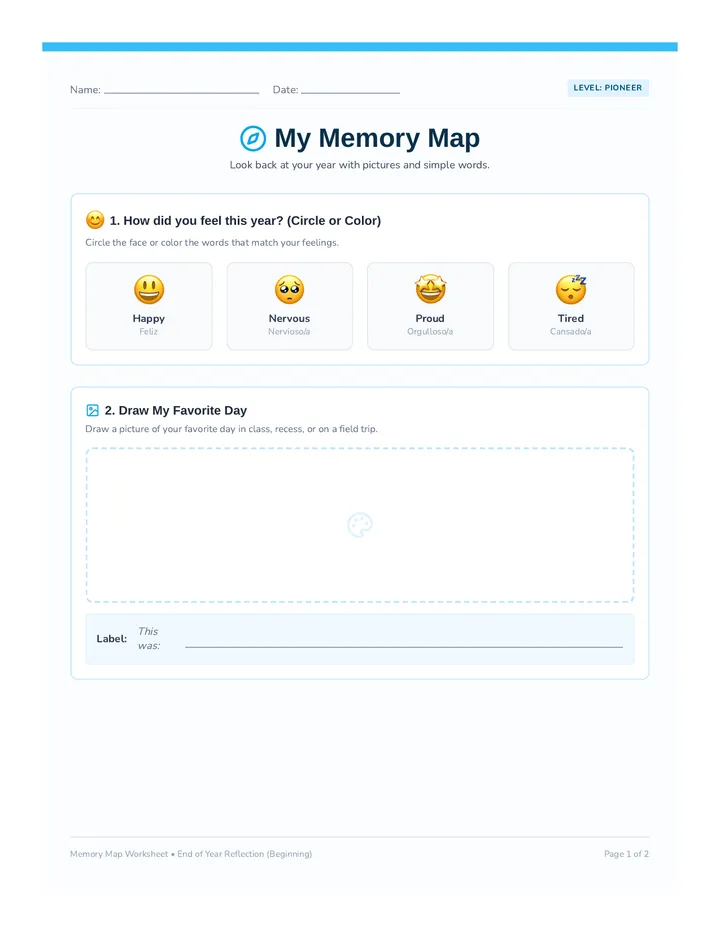
An end-of-year reflection lesson designed specifically for English Language Learners, featuring tiered worksheets for Beginning/Entering and Developing/Expanding levels, supported by a detailed facilitator guide.
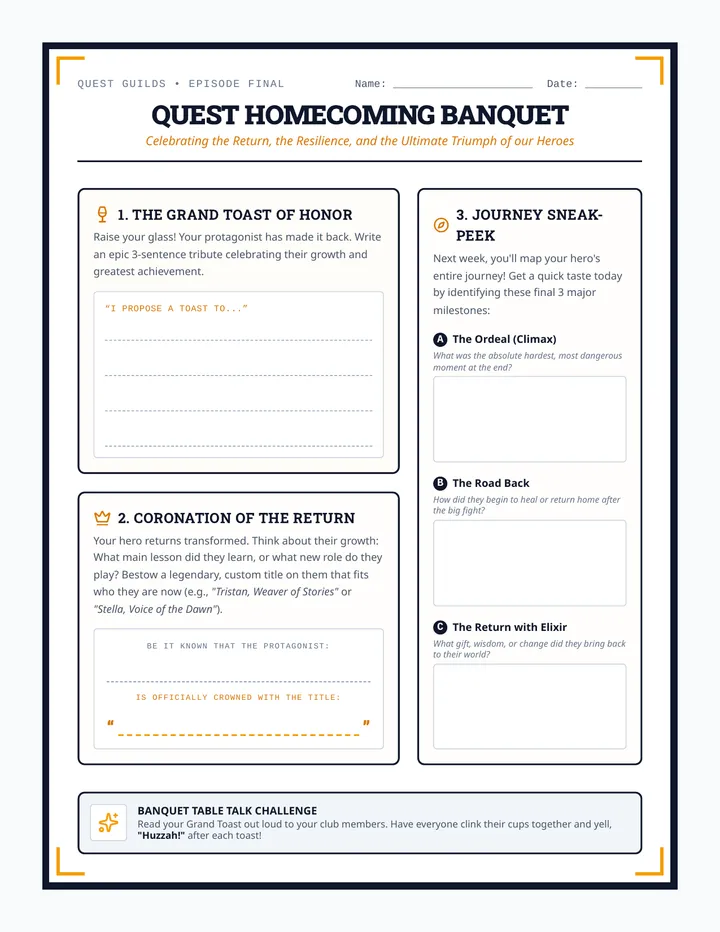
A 2-page celebratory student worksheet for the final book club meeting in a light, celebratory banquet theme. Page 1 features an epic toast-writing activity, a refined Coronation of the Return block with explicit directions and perfectly aligned CSS-dashed writing lines, and a 3-step Hero's Journey roadmap with Hero's Journey branding. Page 2 features a gamified crossover badge exchange board with responsive CSS-dashed layout borders for neat student handwriting alignment under the Hero's Journey brand.