A series of interactive editing stations designed for fourth graders to polish their Choose Your Own Adventure stories, focusing on organization, inner dialogue, sensory details, and punctuation.
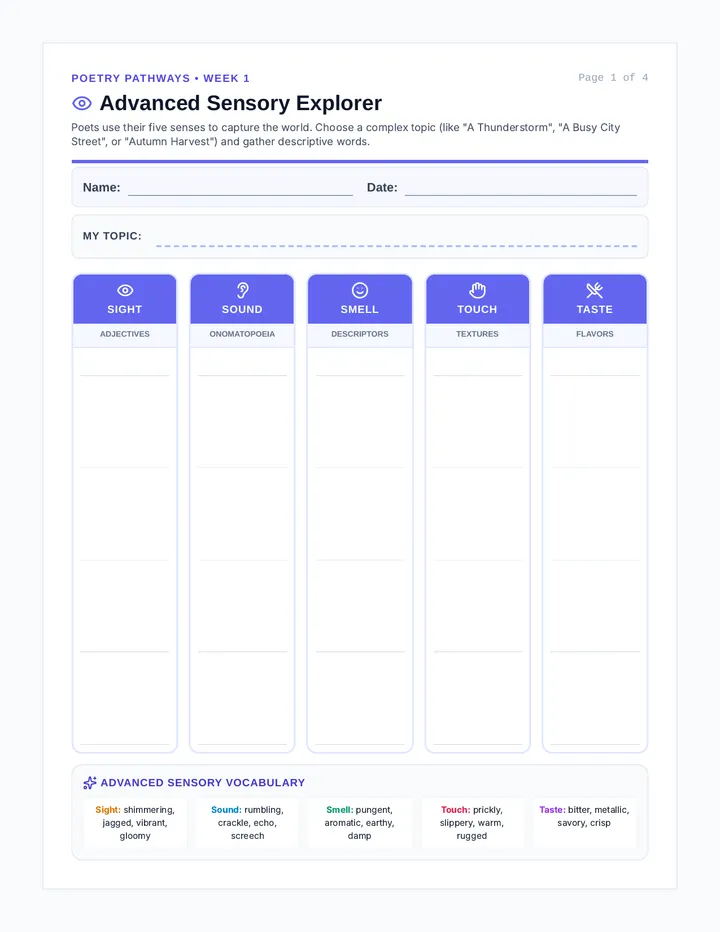
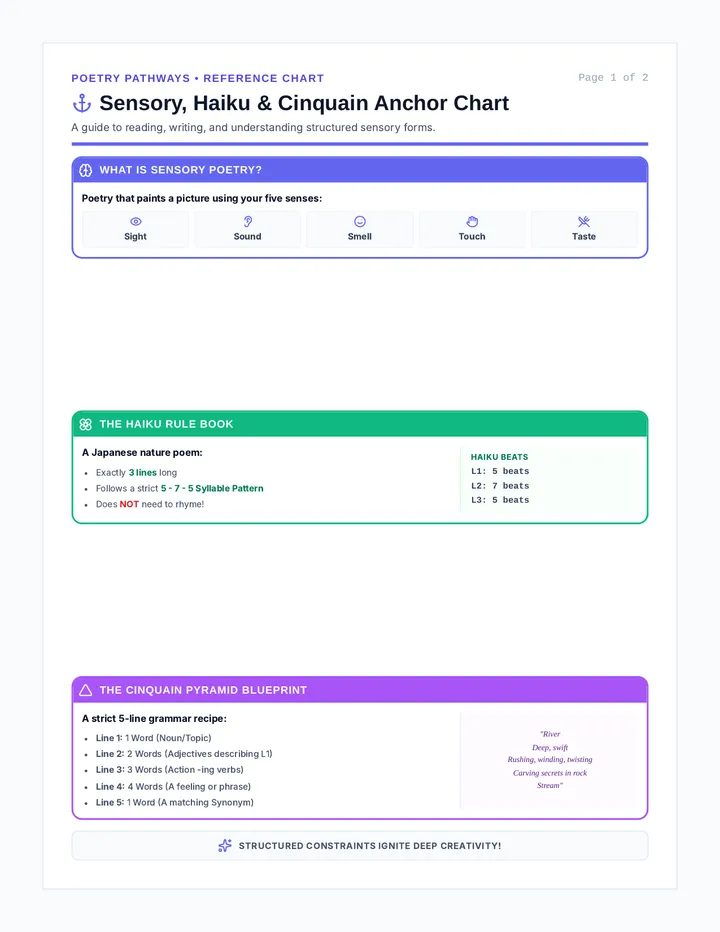
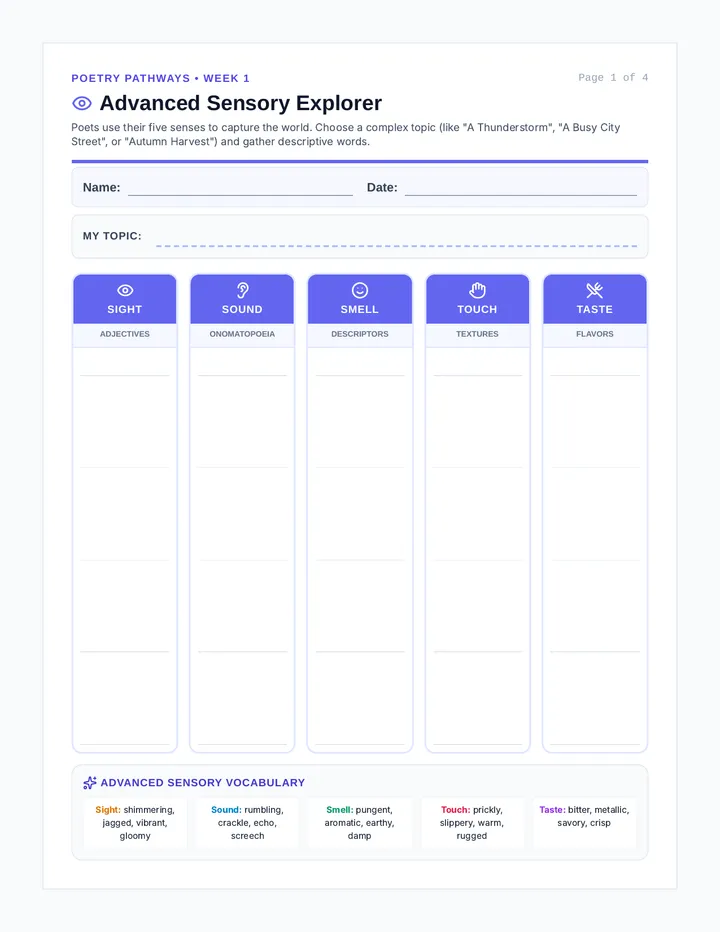
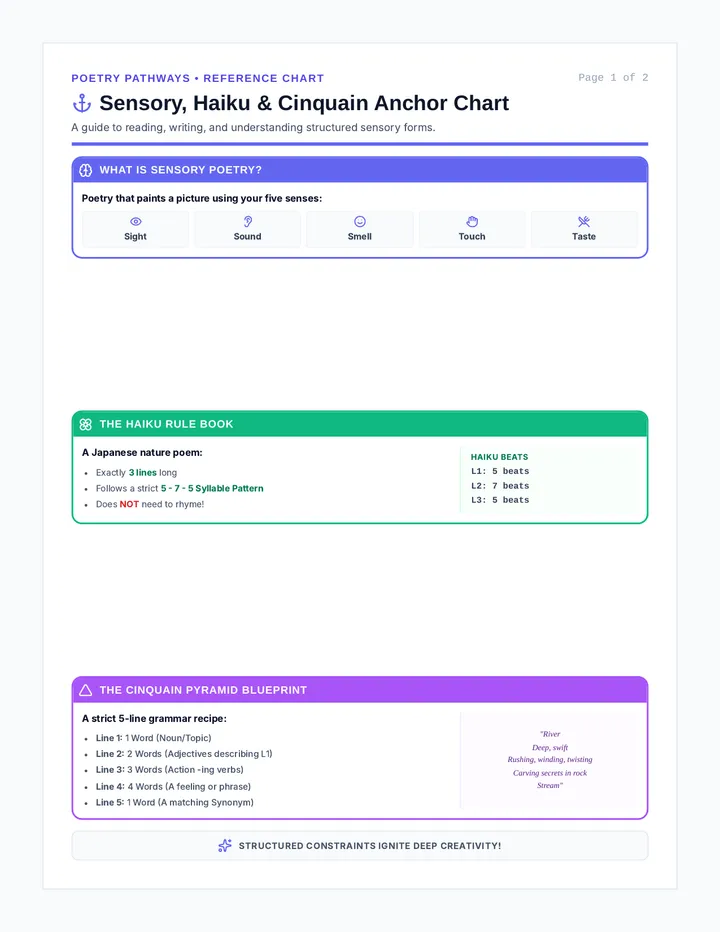
A comprehensive 4-week poetry curriculum designed for students requiring high structure and visual supports. It covers diverse poetry types (Haiku, Color, Acrostic, Couplets, Concrete, Free Verse, and Metaphor/Simile) with scaffolds like word banks, sentence frames, and graphic organizers.
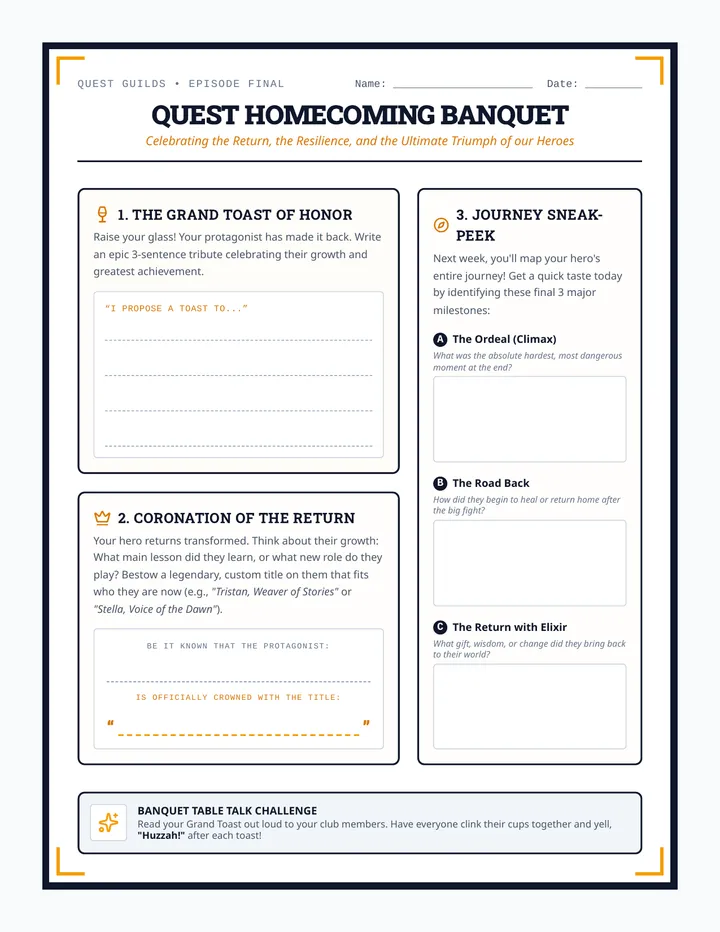
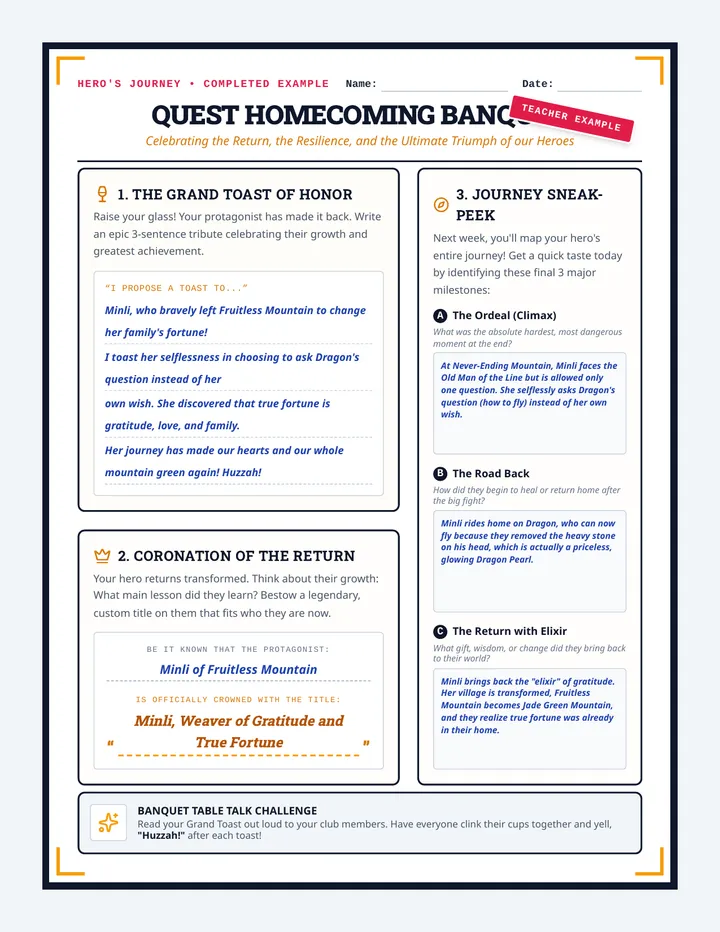
The celebratory final meeting of the book clubs, designed as a festive victory banquet. Students commemorate their protagonist's return through a grand ceremonial toast, active crossover badge trading with other groups, and a high-interest 5-minute teaser of the Hero's Journey mapping project.
A completed 2-page teacher example of the Homecoming Banquet Placemat for the novel "Where the Mountain Meets the Moon" by Grace Lin. Features specific, high-quality sample student responses mapping Minli's journey while leaving classmate names and signatures blank for pedagogical modeling.
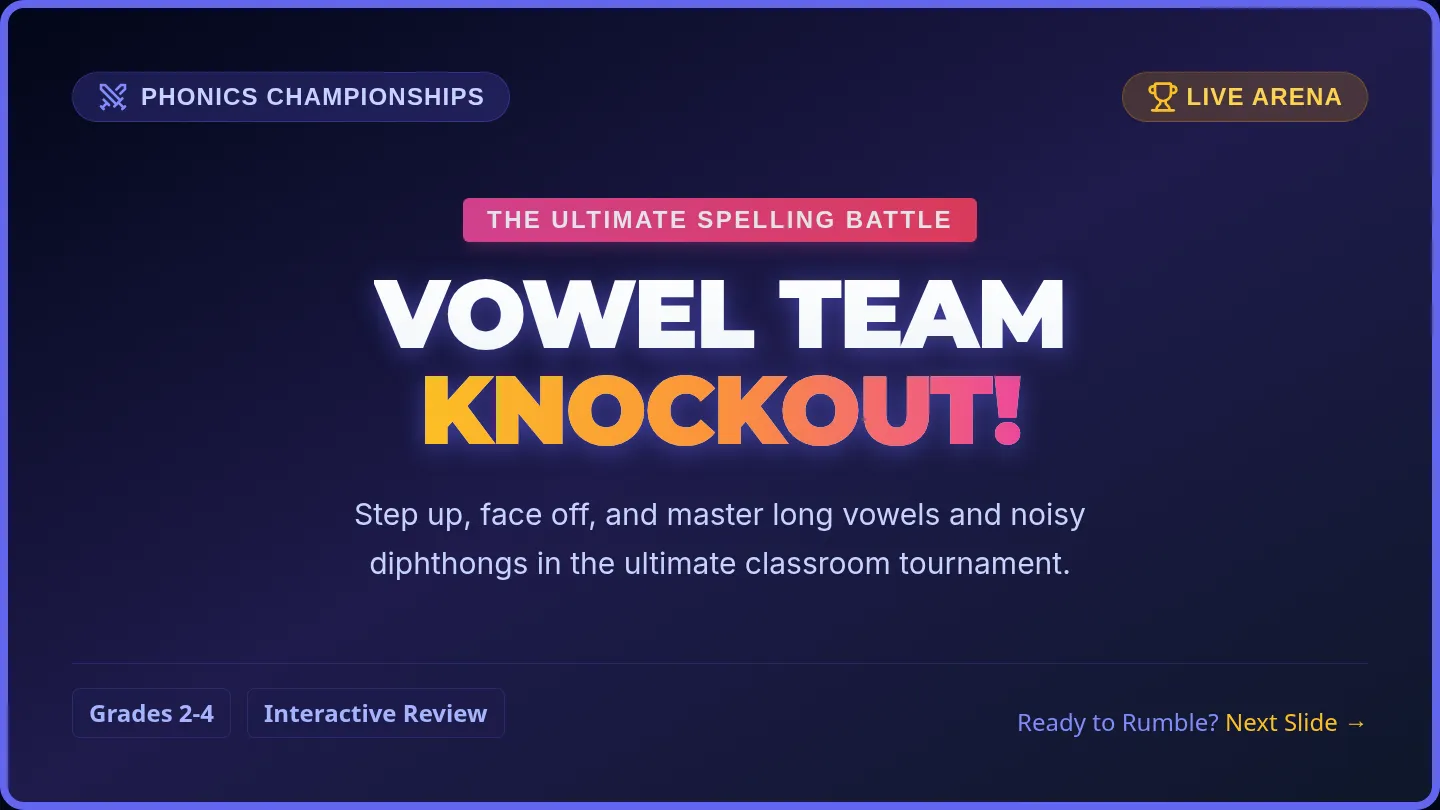
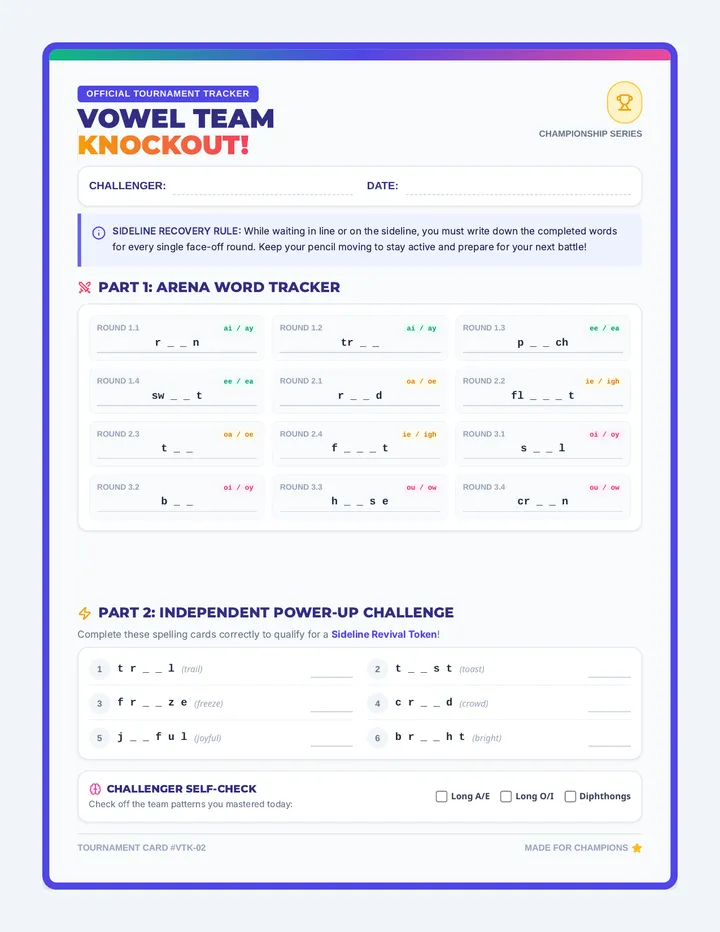
An energetic classroom phonics lesson where students compete in a friendly Knockout tournament to master vowel teams and diphthongs. Includes interactive instructional and gameplay slides, plus a student tracking sheet.
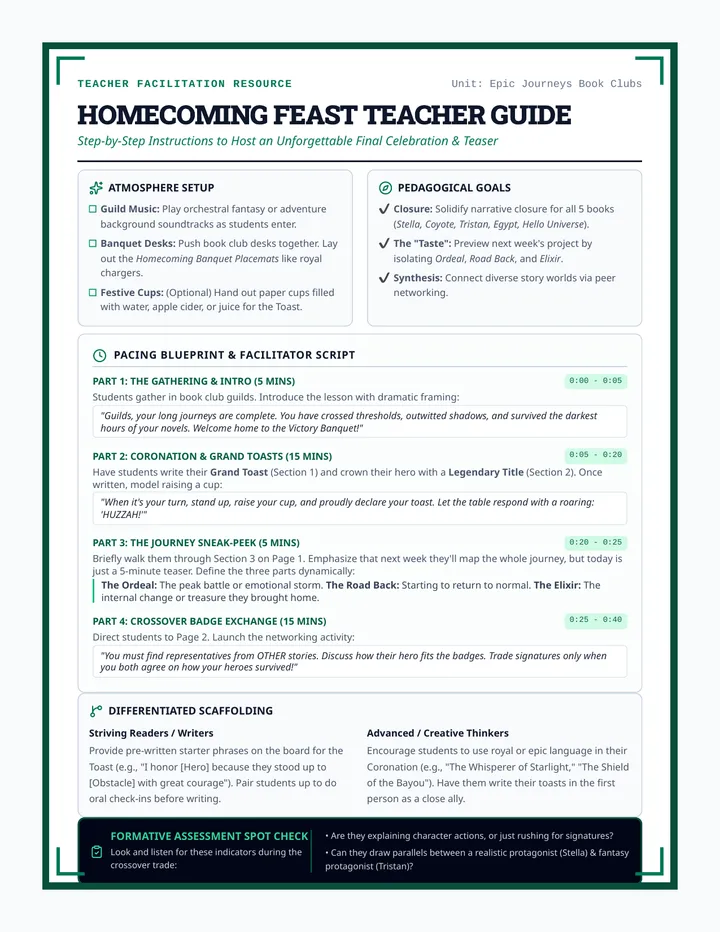
A 1-page teacher facilitation guide for running the final book club celebration meeting. Features a 45-minute step-by-step lesson plan, classroom setup checklist, teacher talk scripts for a theatrical 'Toast Ceremony', and instructions for scaffolding both the Hero's Journey preview and the crossover networking activity.
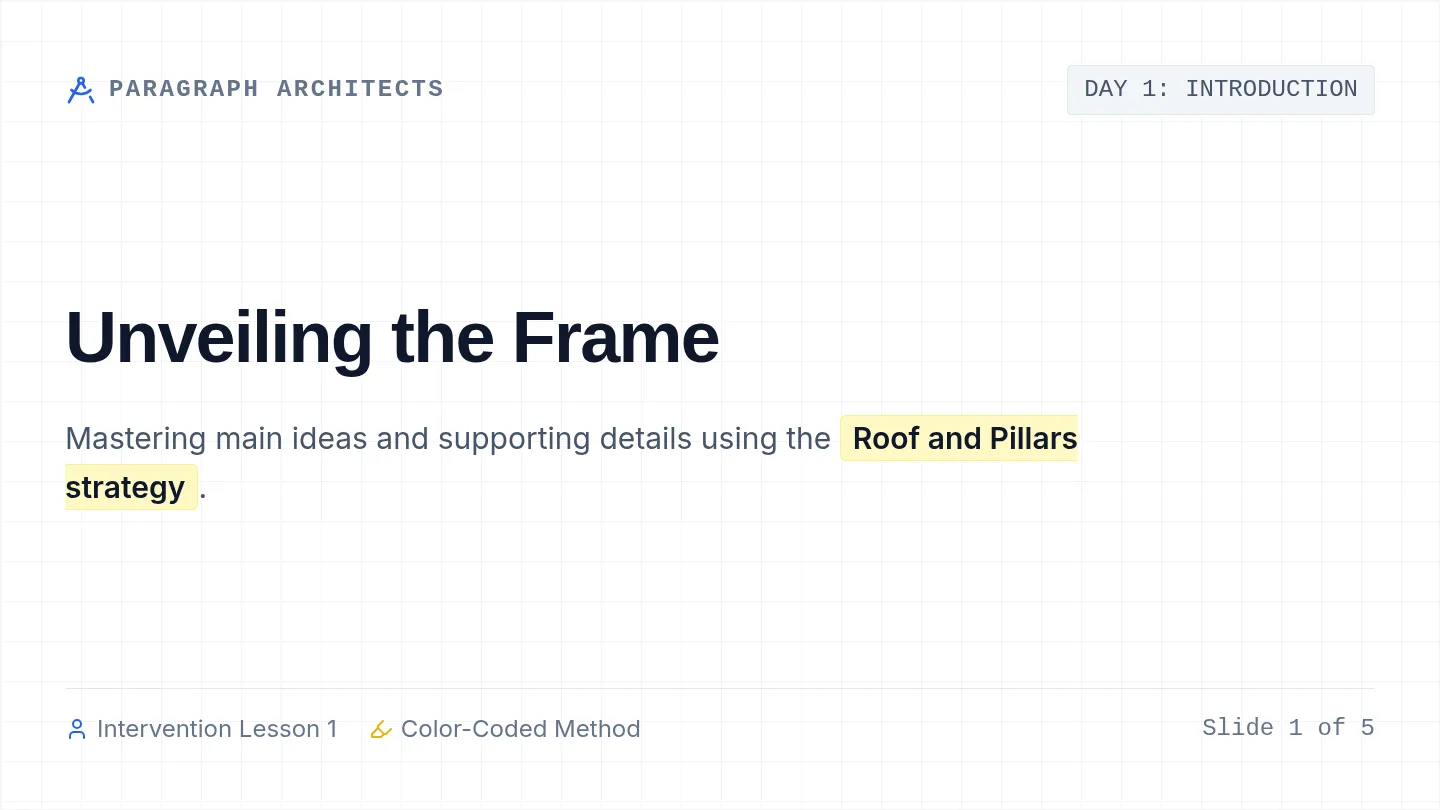
An intensive intervention lesson designed to help struggling readers master main idea identification using hands-on, color-coded highlighting strategies. Students learn to dismantle paragraph structures like blueprint architects, physically separating the 'roof' (main idea) from the 'supporting pillars' (details).
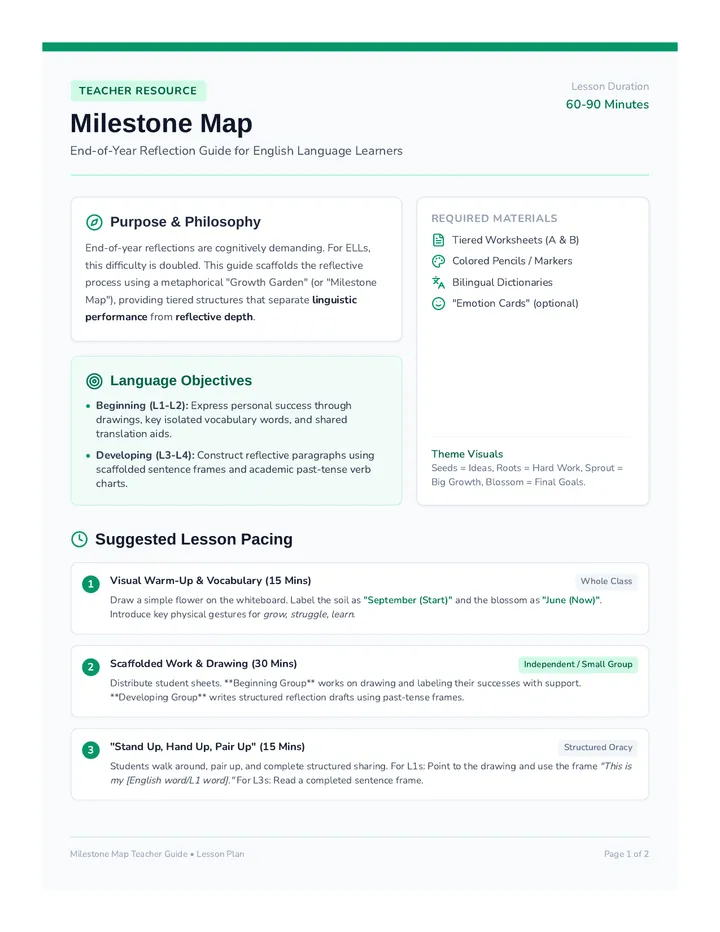
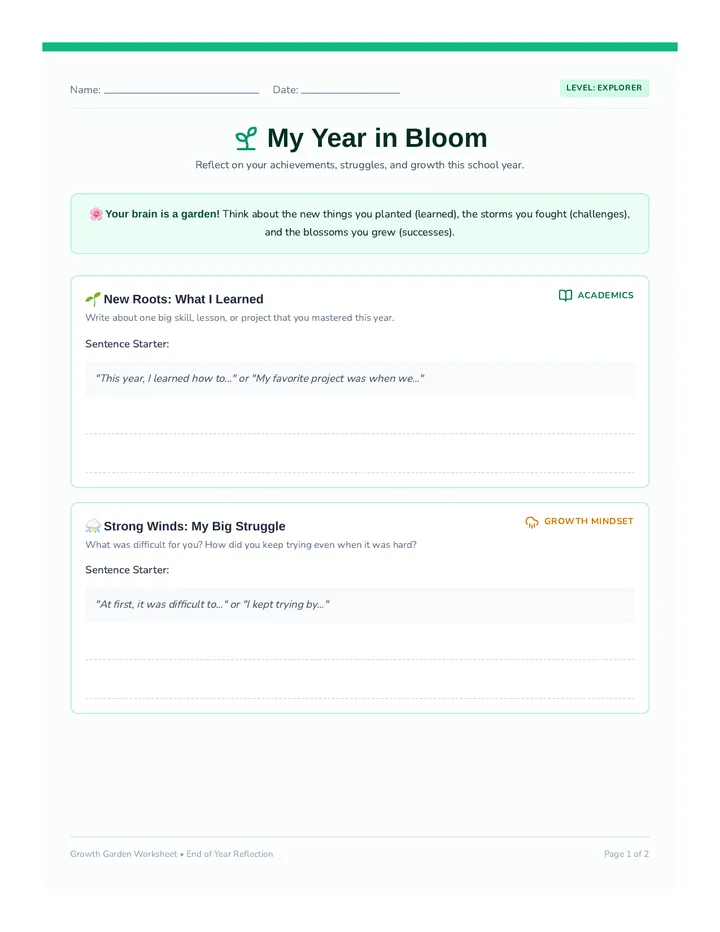
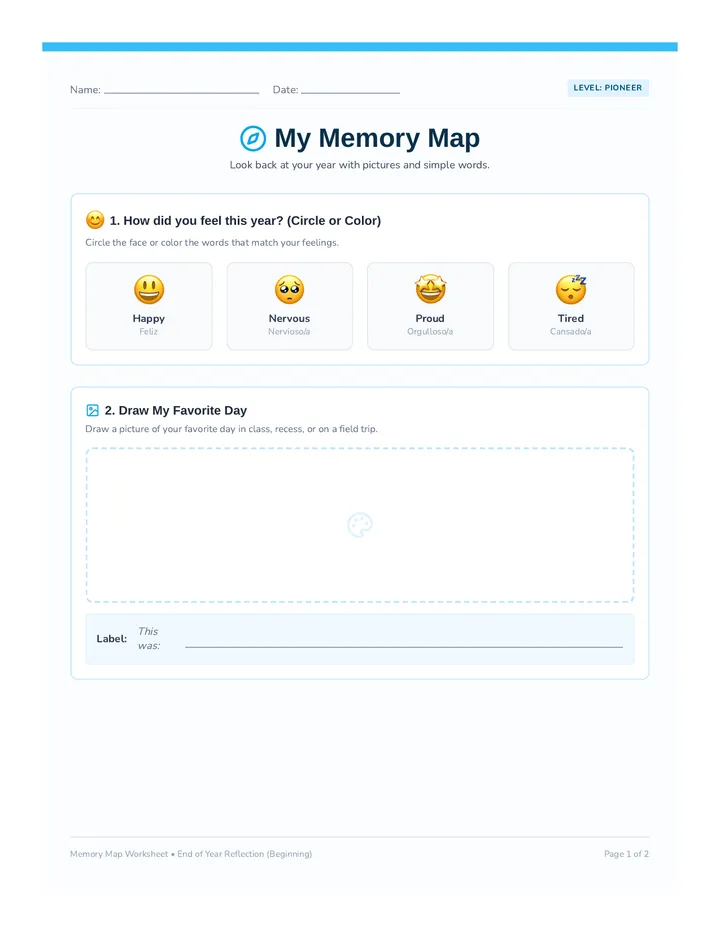
An end-of-year reflection lesson designed specifically for English Language Learners, featuring tiered worksheets for Beginning/Entering and Developing/Expanding levels, supported by a detailed facilitator guide.
A 2-page celebratory student worksheet for the final book club meeting in a light, celebratory banquet theme. Page 1 features an epic toast-writing activity, a refined Coronation of the Return block with explicit directions and perfectly aligned CSS-dashed writing lines, and a 3-step Hero's Journey roadmap with Hero's Journey branding. Page 2 features a gamified crossover badge exchange board with responsive CSS-dashed layout borders for neat student handwriting alignment under the Hero's Journey brand.
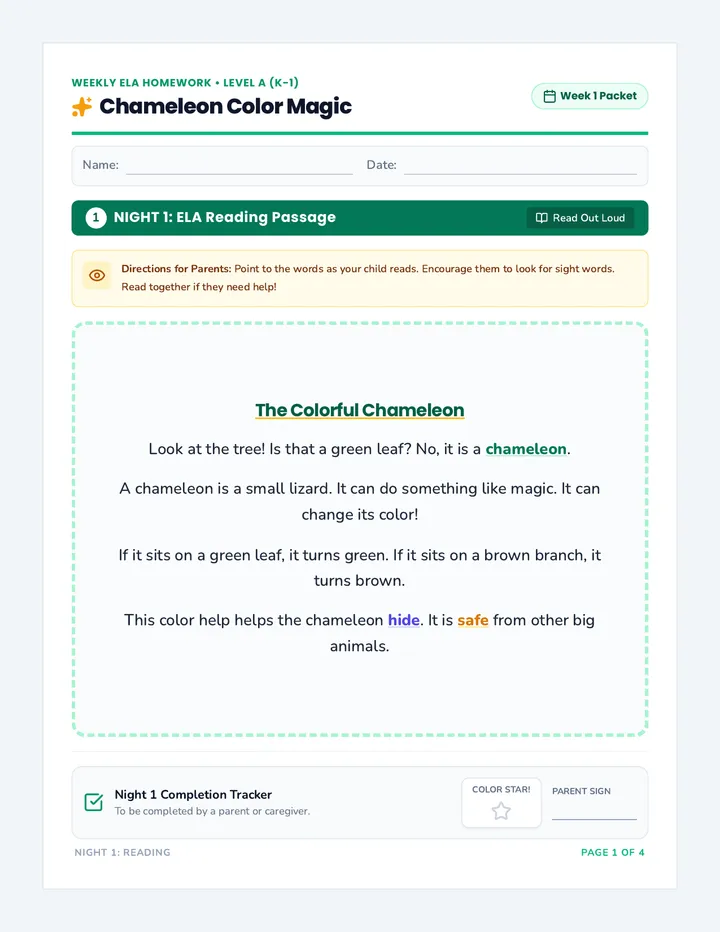
Weekly ELA homework packets focused on high-interest animal adaptations for elementary students (K-5). Each packet contains four nights of structured work: Night 1 (Reading), Night 2 (Vocabulary), Night 3 (Comprehension Activity), and Night 4 (Comprehension Questions), customized with visual icons, sentence frames, and simplified tracking guides for varying reading levels.
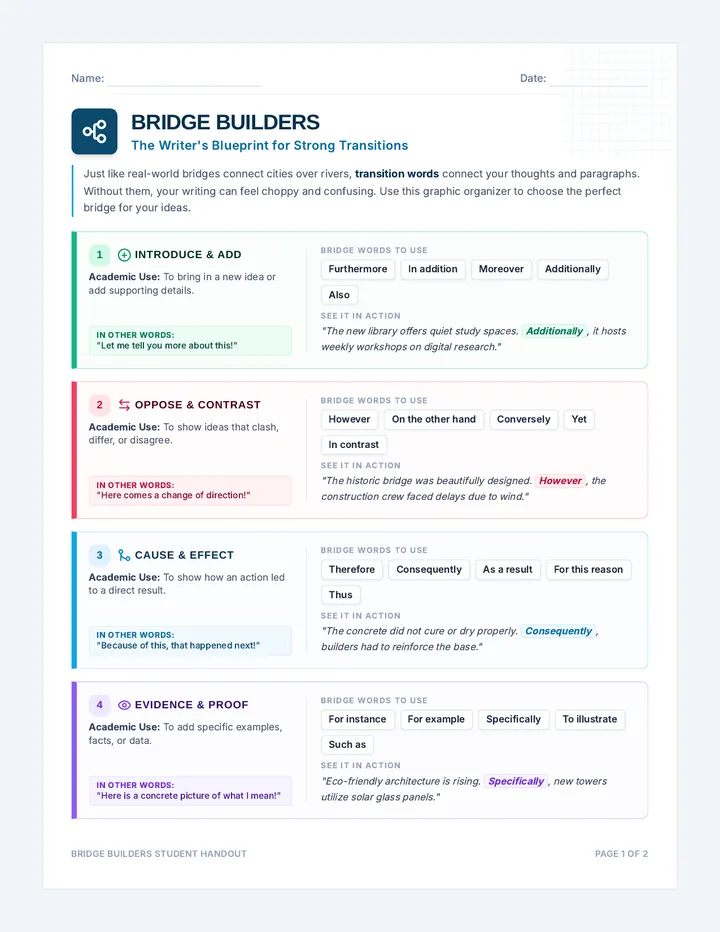
A comprehensive lesson focused on understanding and applying transition words to build logical, smooth connections between ideas in writing.
A printable 1-page student tournament sheet to keep all students actively spelling and engaged during the game. Includes Name/Date fields, a live face-off word tracker, and independent spelling challenges to earn back into the game.