Students design a fictional map and use prepositions to precisely locate landmarks.
A math place value unit focusing on identifying digit values through the thousands place with interactive detective-themed worksheets and puzzles.
A structured, multi-part phonics intervention lesson focusing on compound words and syllable division rules (VCCV, VCV) for decoding 2-syllable and 3-syllable words.
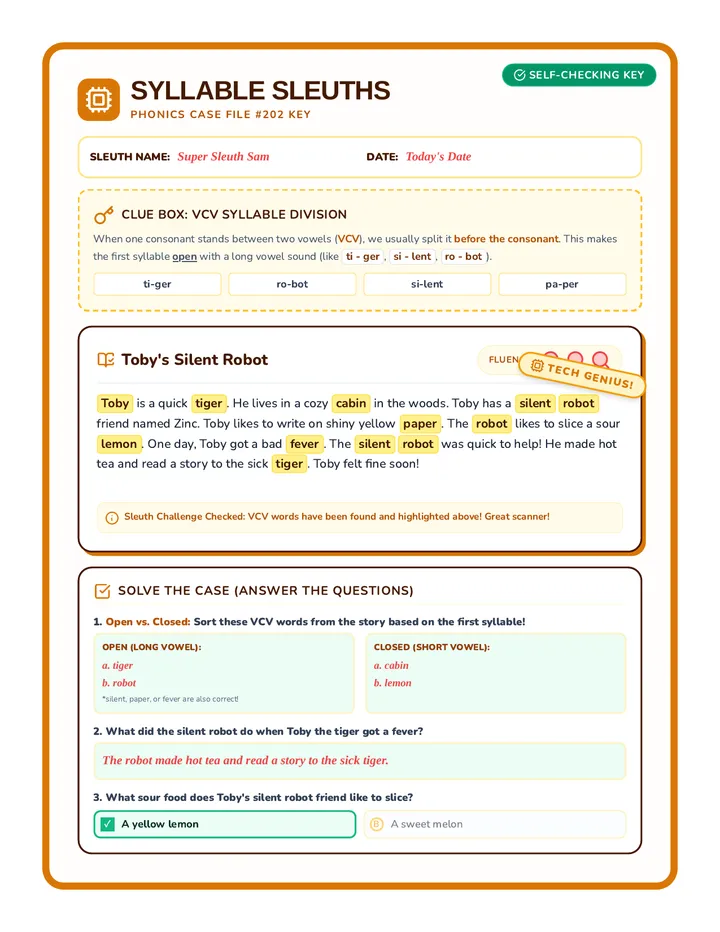
A self-checking child-friendly answer key for the Tiger Robot Worksheet. It displays correct answers in red handwriting style with detective-themed grade stamp.
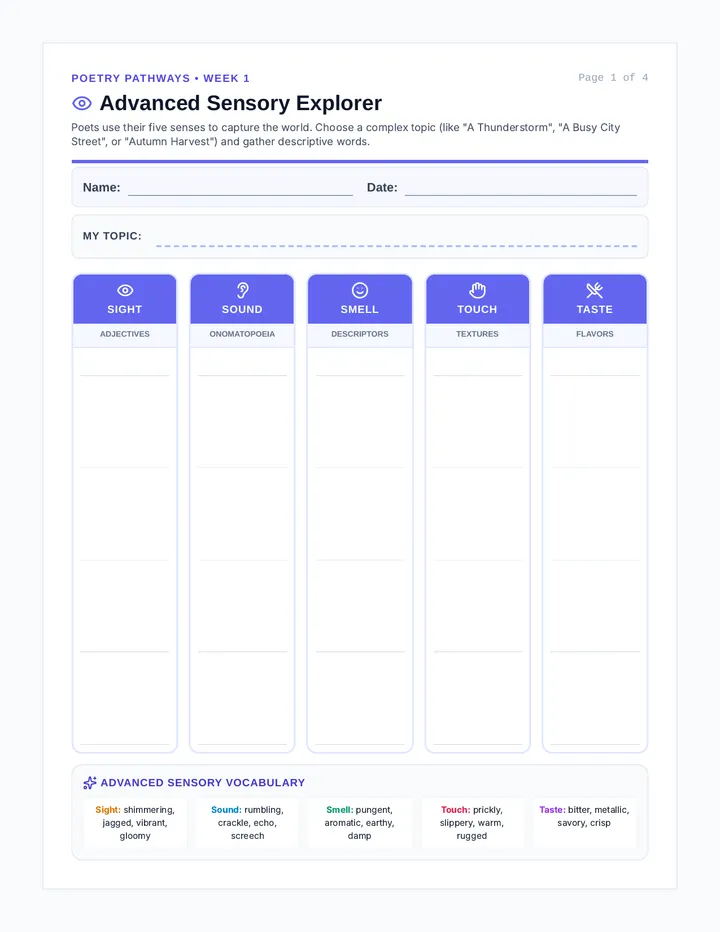
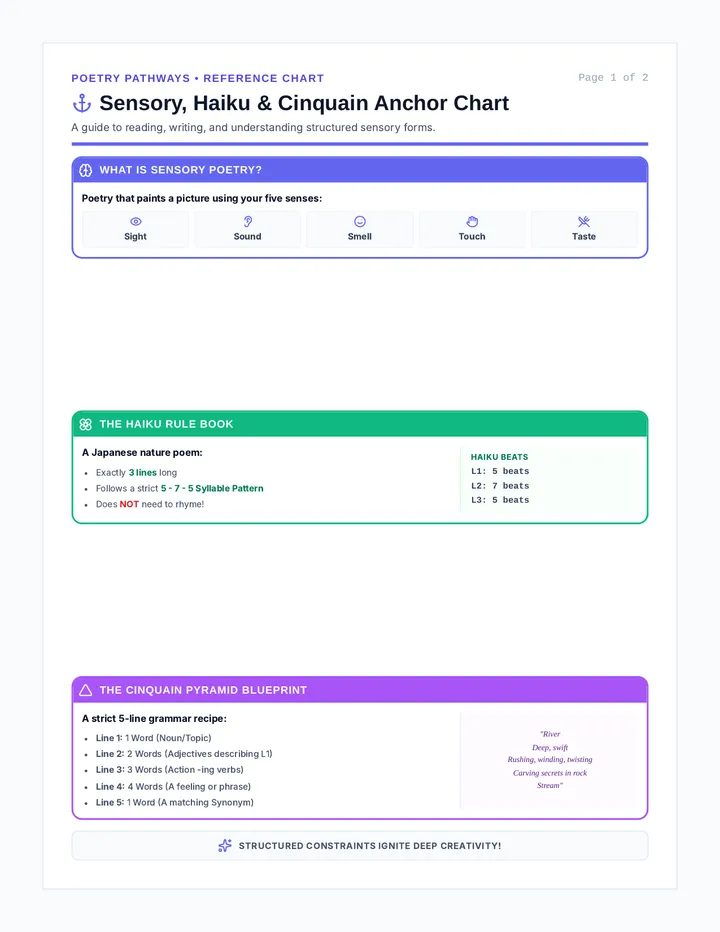
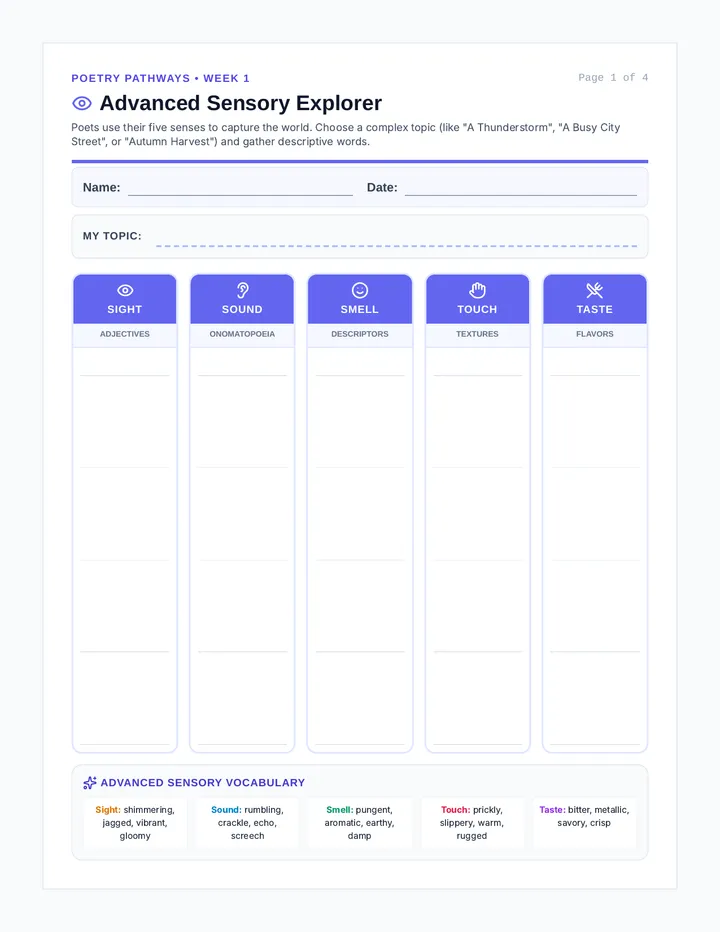
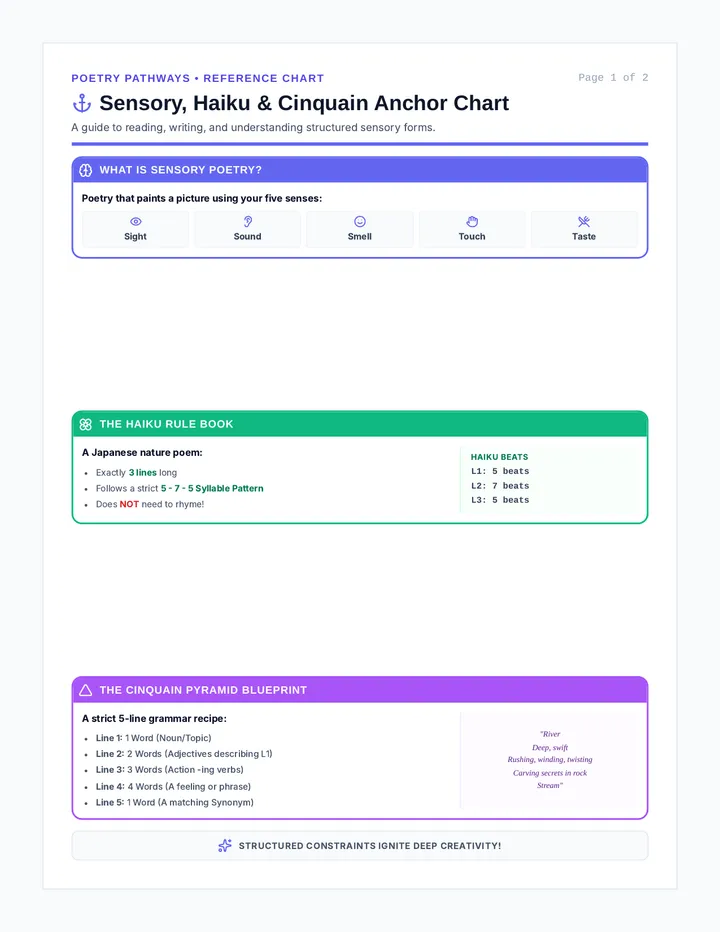
A comprehensive 4-week poetry curriculum designed for students requiring high structure and visual supports. It covers diverse poetry types (Haiku, Color, Acrostic, Couplets, Concrete, Free Verse, and Metaphor/Simile) with scaffolds like word banks, sentence frames, and graphic organizers.
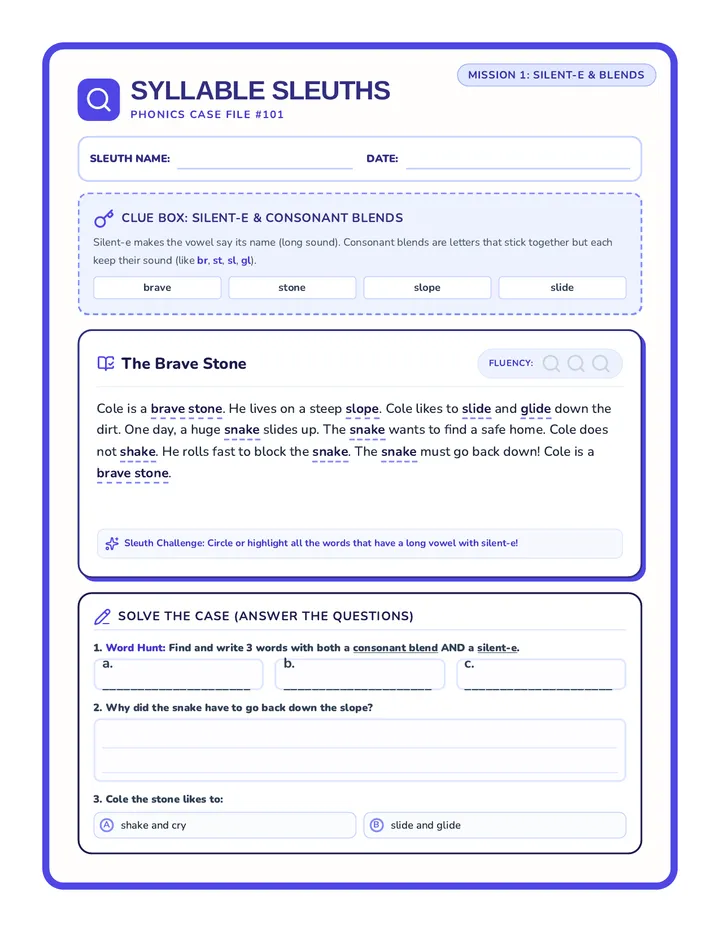
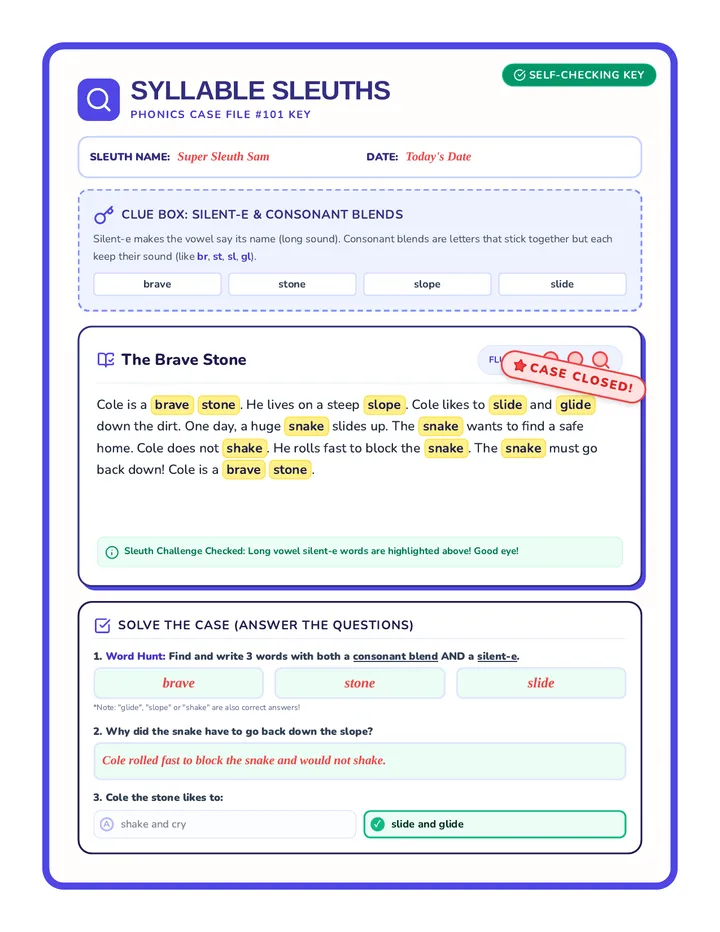
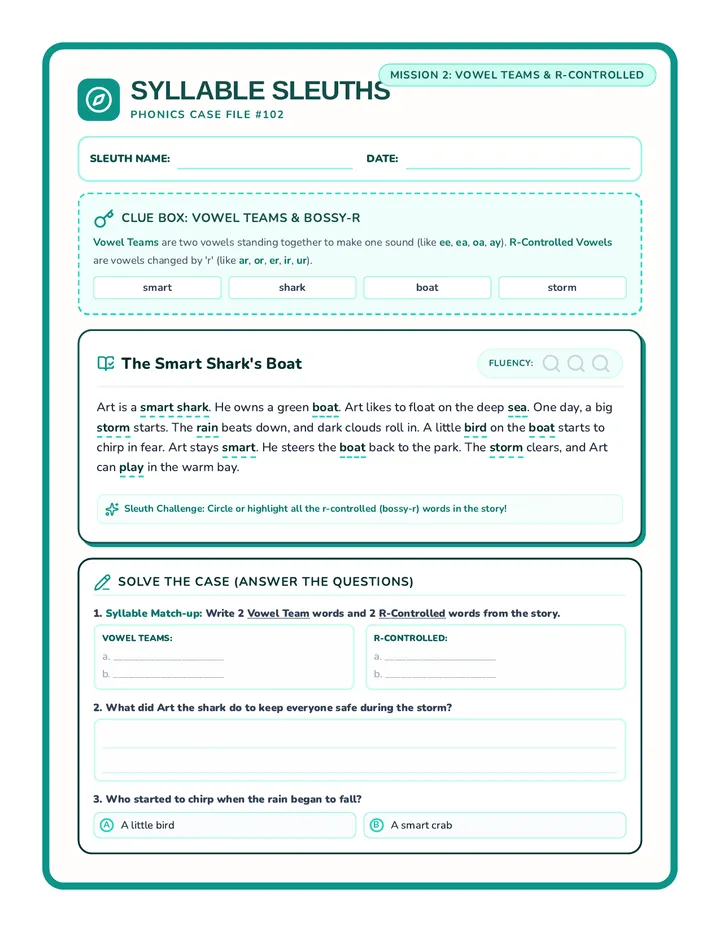
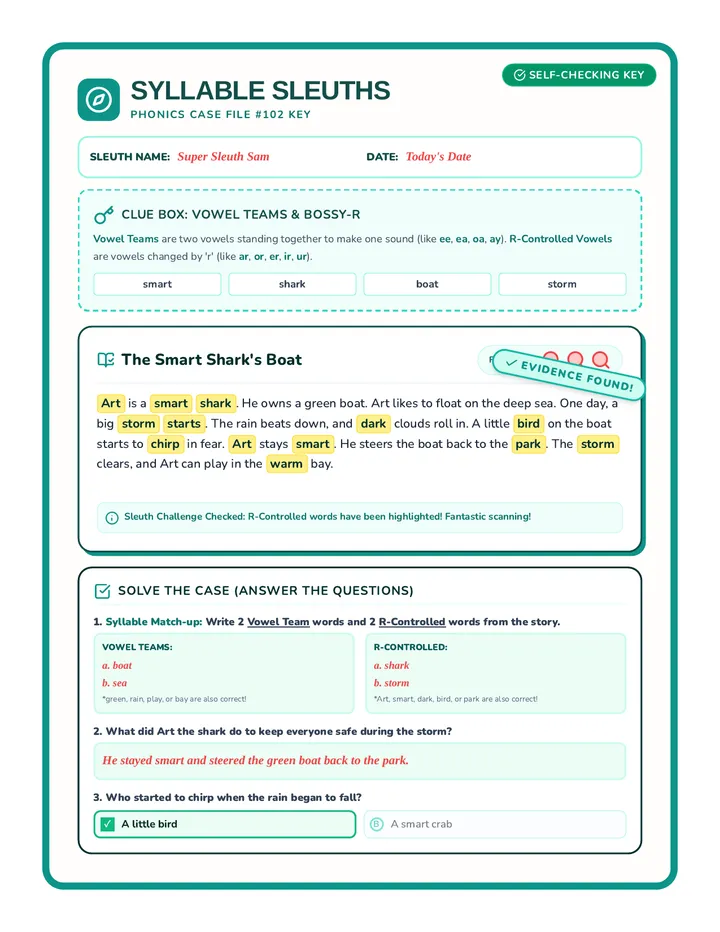
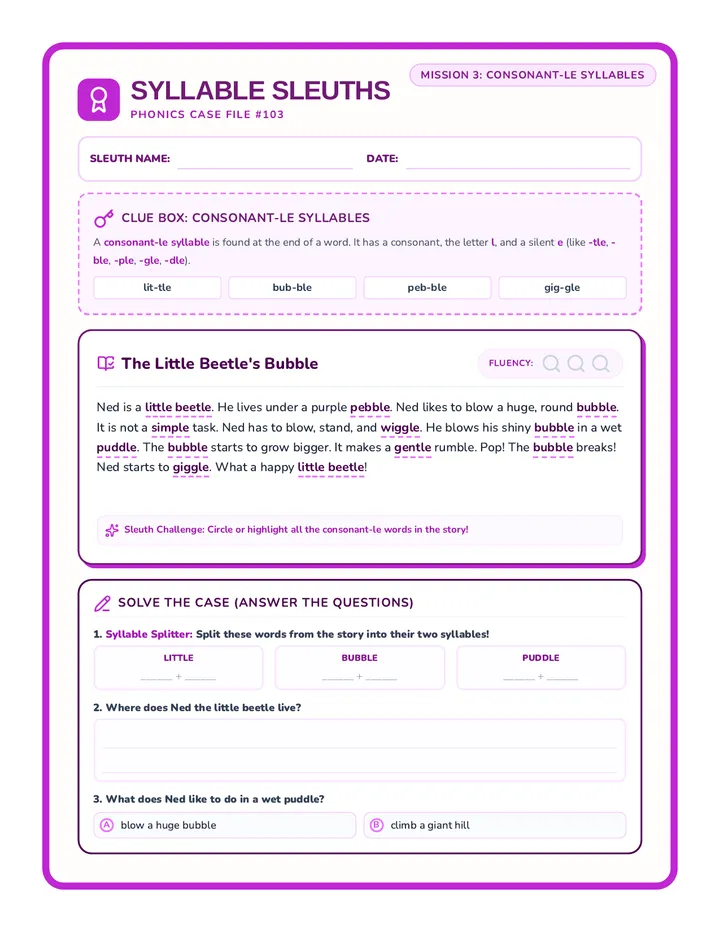
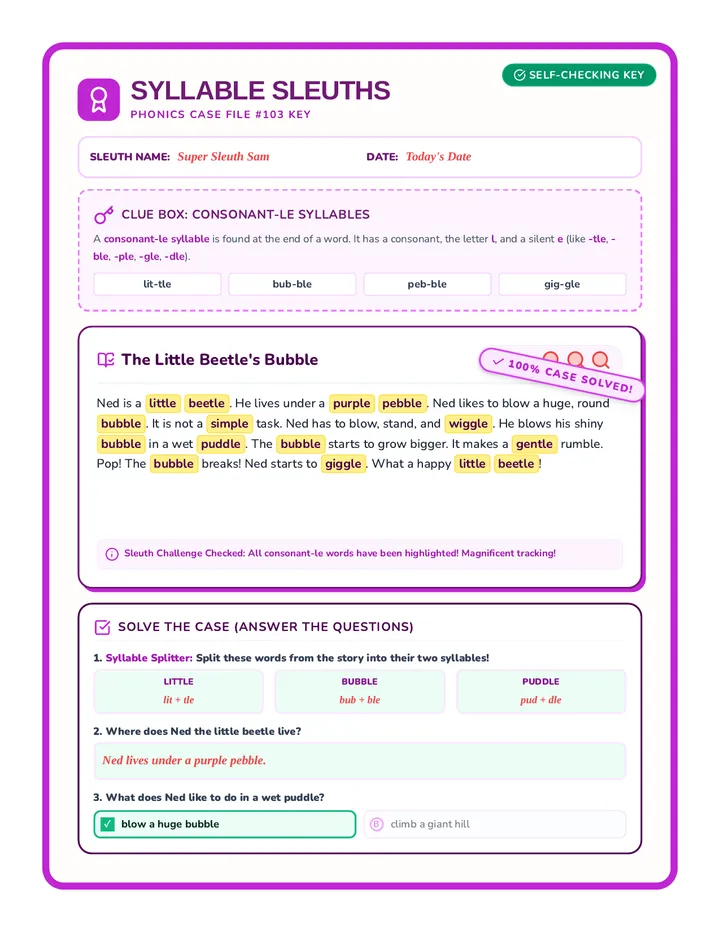
A highly structured, 3-part phonics intervention lesson focusing on advanced syllable types, consonant blends, silent-e, vowel teams, r-controlled vowels, and consonant-le syllables through decodable texts and self-checking materials.
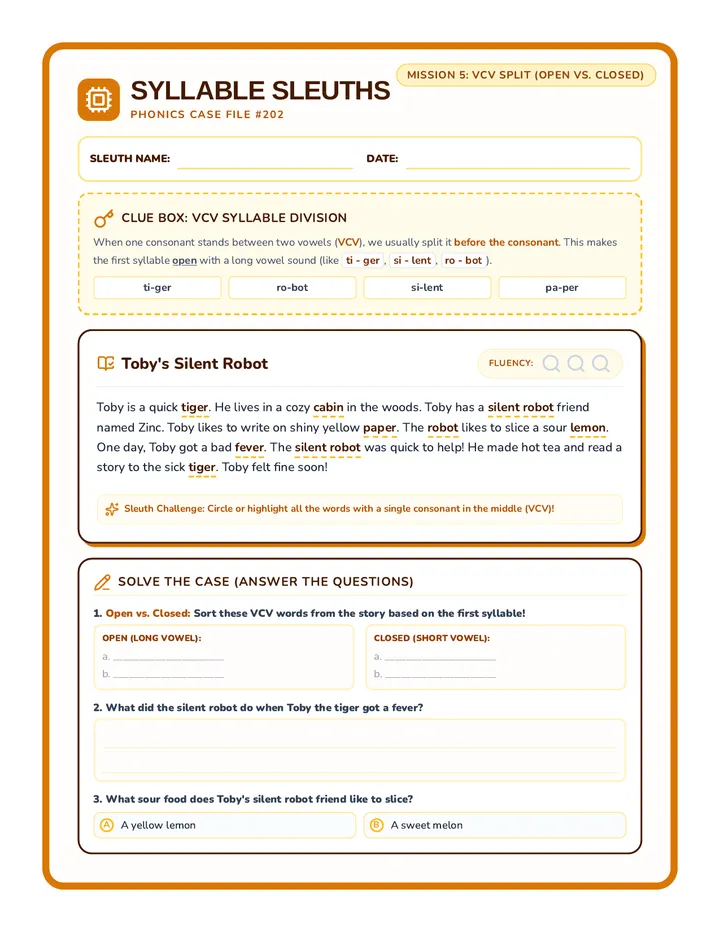
A student-facing decodable passage worksheet focusing on VCV syllable division (open vs. closed). Includes a decodable text 'Toby's Silent Robot', a fluency tracker, a VCV syllable sorting activity, and text-dependent comprehension questions.
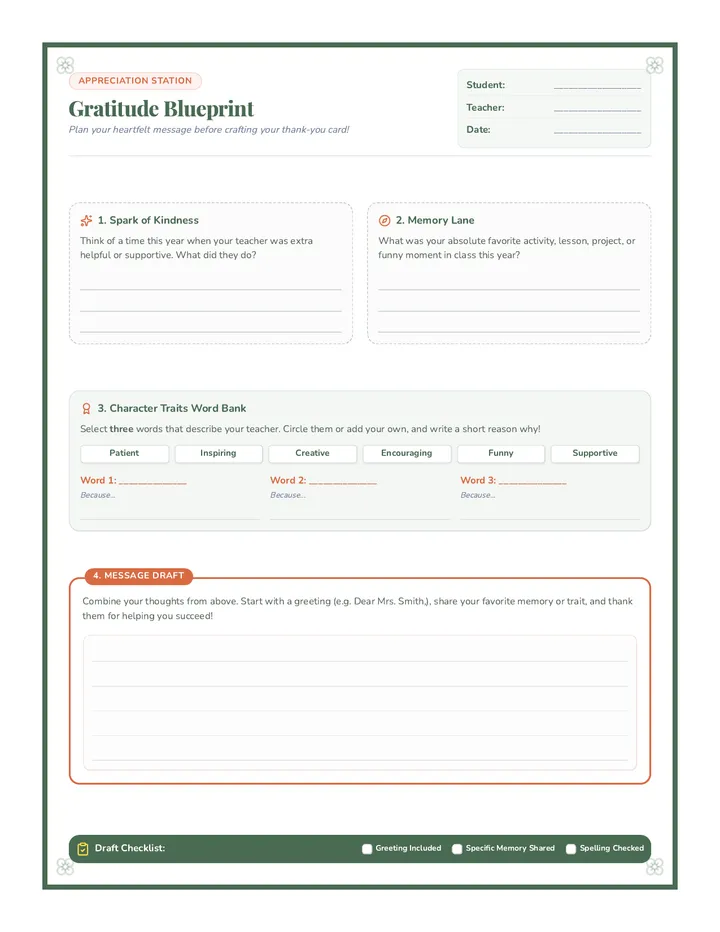
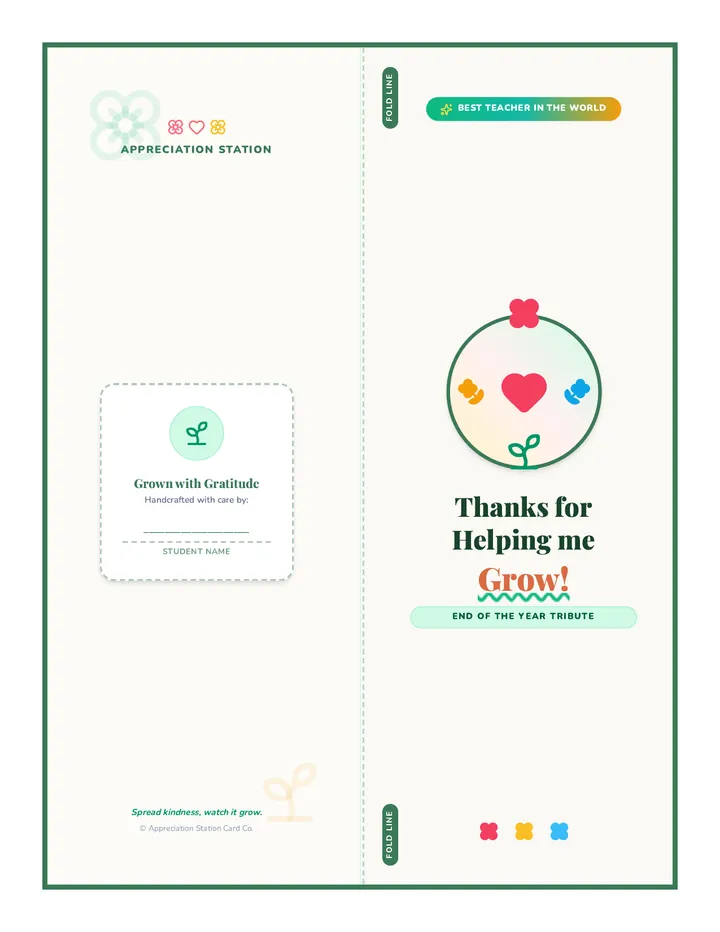
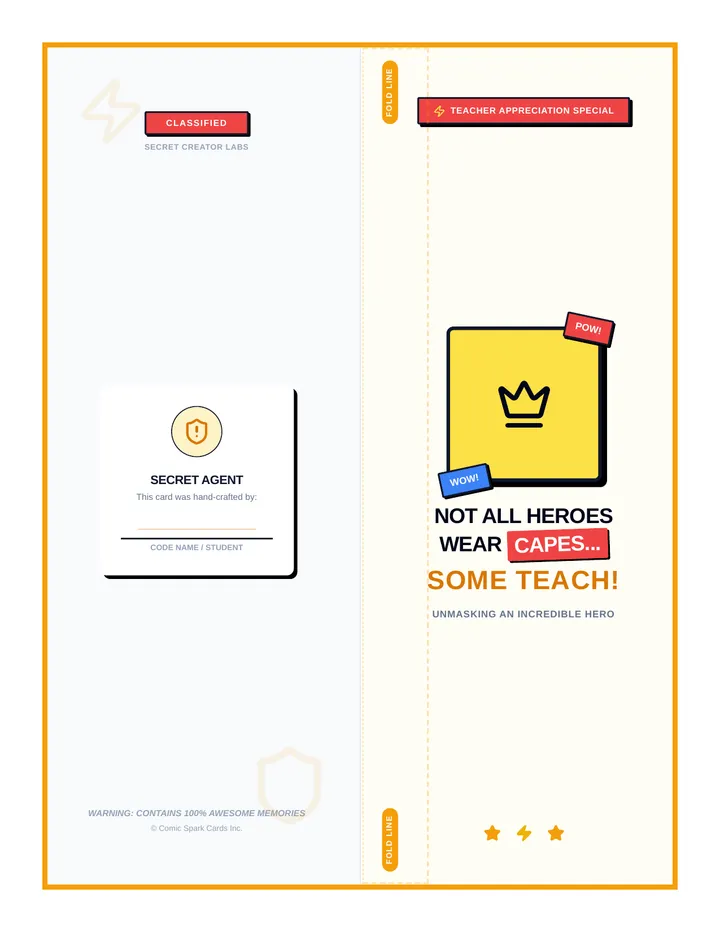
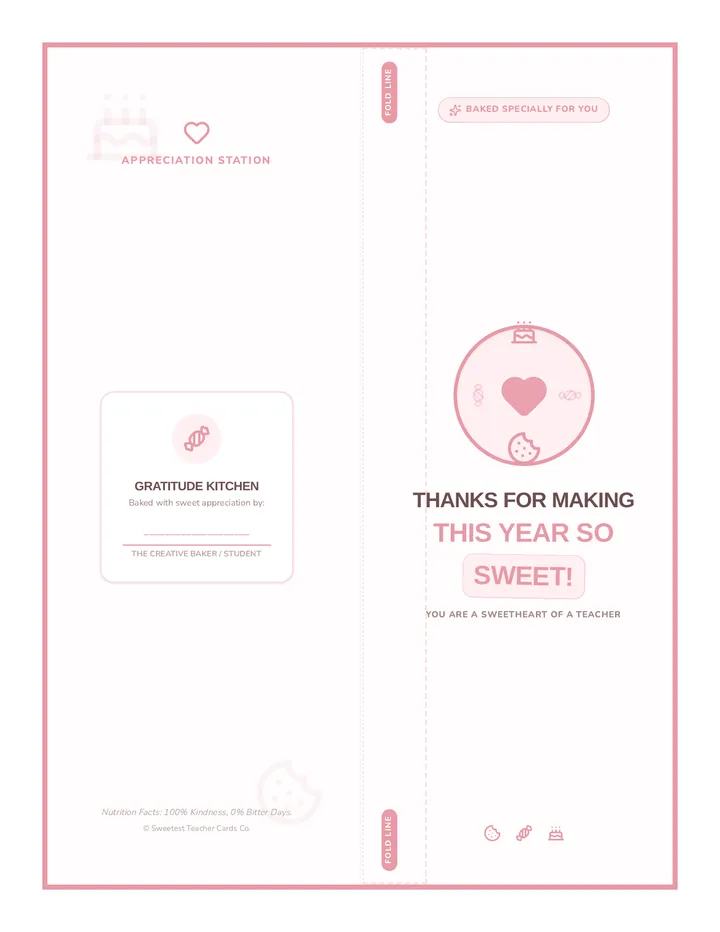
A complete end-of-the-year thank-you card crafting lesson. Students brainstorm specific memories and acts of kindness, draft their messages, and assemble beautifully styled, fold-in-half appreciation cards for their teachers.
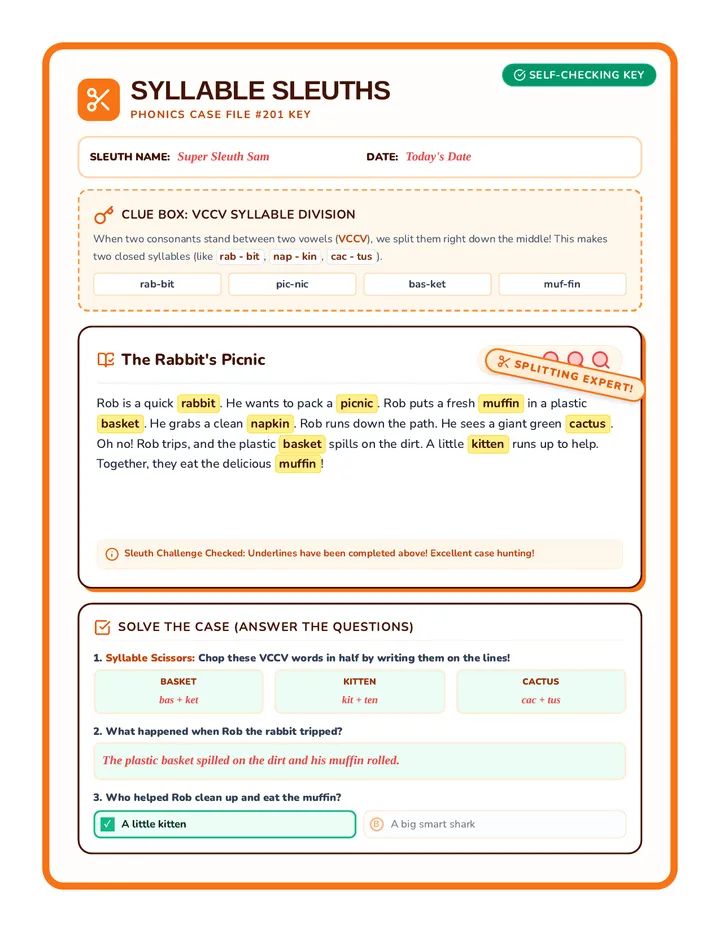
A self-checking child-friendly answer key for the Rabbit Picnic Worksheet. It displays correct answers in red handwriting style with detective-themed grade stamp.
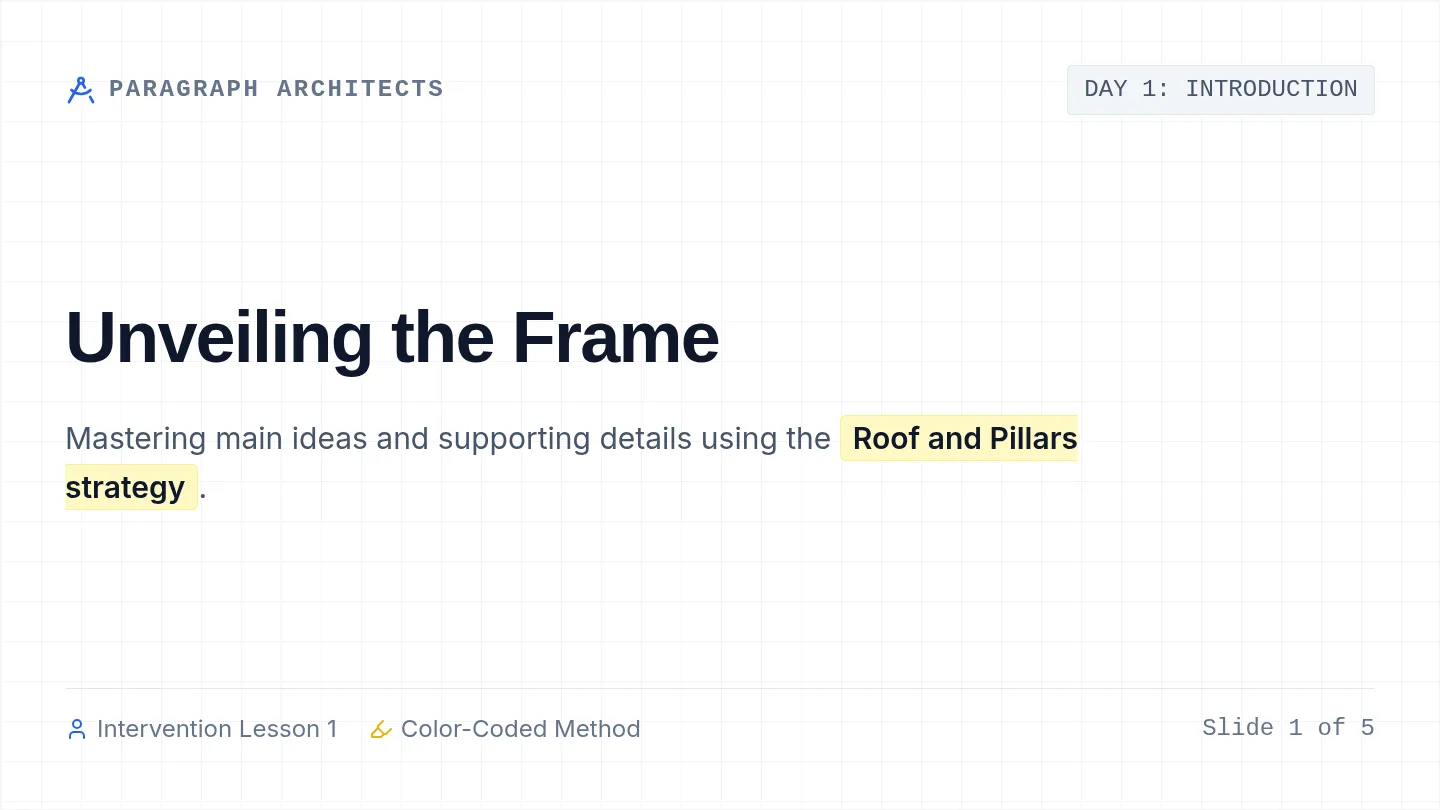
An intensive intervention lesson designed to help struggling readers master main idea identification using hands-on, color-coded highlighting strategies. Students learn to dismantle paragraph structures like blueprint architects, physically separating the 'roof' (main idea) from the 'supporting pillars' (details).
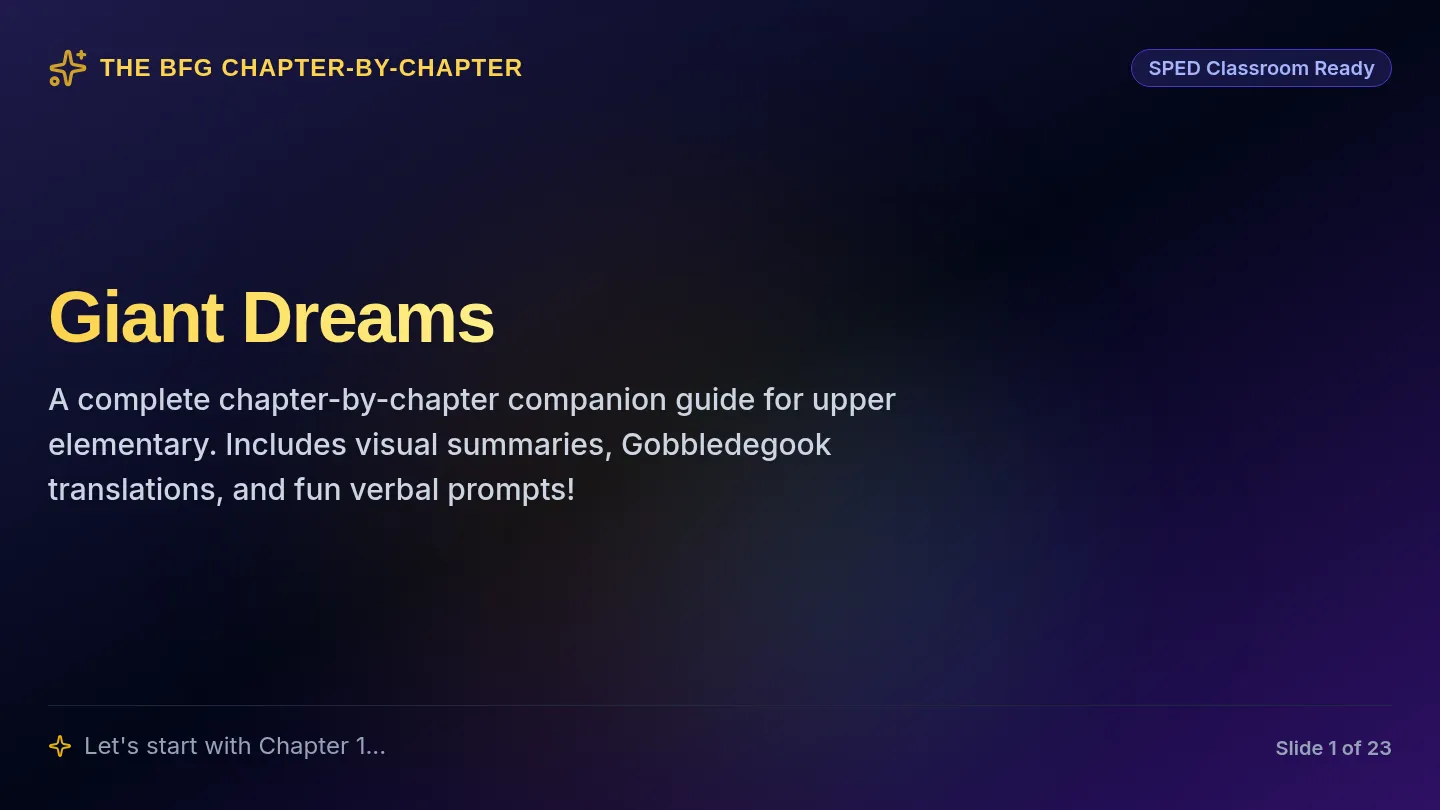
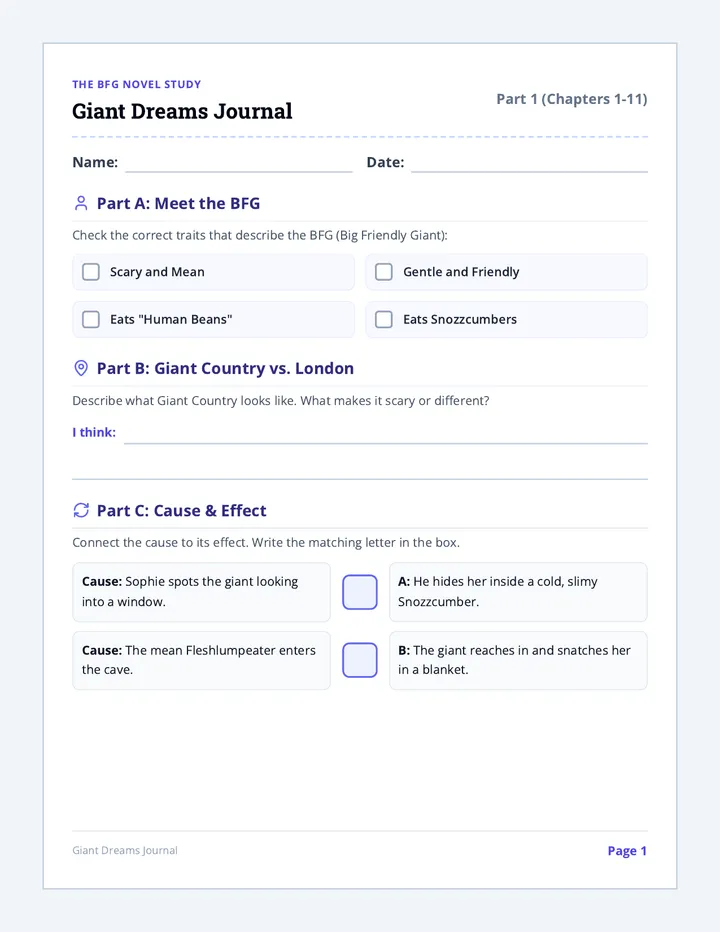
An interactive, SPED-friendly novel study of Roald Dahl's 'The BFG', tailored for upper elementary students (grades 3-5). Features simplified summaries, visual layouts, decoded BFG vocabulary ('gobbledegook'), and interactive class discussion prompts.
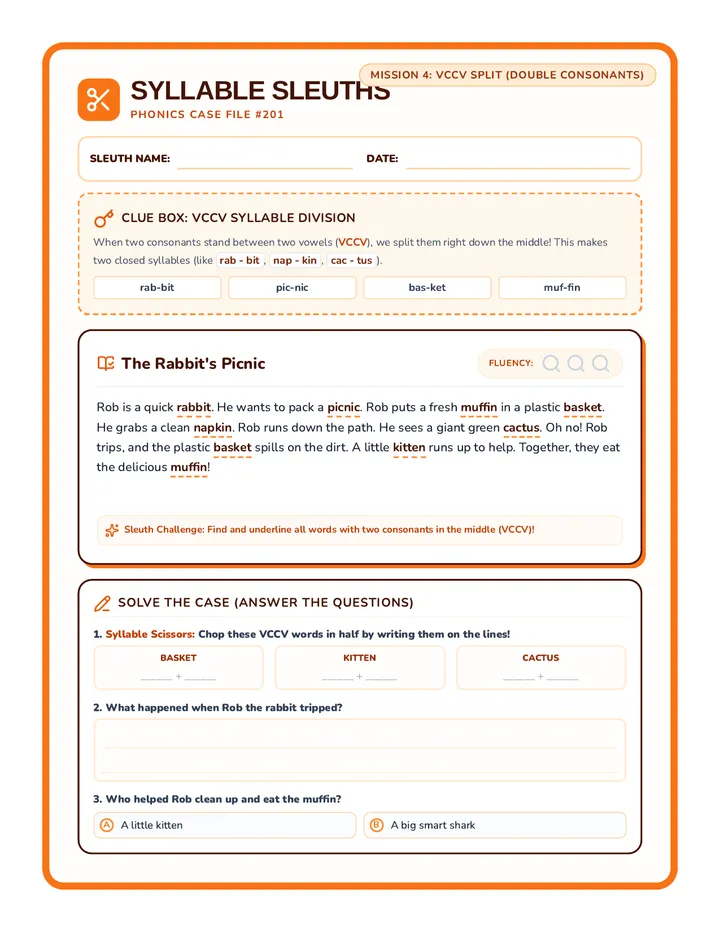
A student-facing decodable passage worksheet focusing on VCCV (double consonant) syllable division. Includes a decodable text 'The Rabbit's Picnic', a fluency tracker, a VCCV syllable division exercise, and comprehension questions.