Lenny.com
Explore
Create
ActivitiesNewMathEnglish Language ArtsScience & EngineeringSocial StudiesGlobal LanguagesHealth & Physical EducationSpecial EducationCounseling & Life SkillsArts & CreativityESL
Lenny.com
Lenny.com
Explore
Create
ActivitiesNewMathEnglish Language ArtsScience & EngineeringSocial StudiesGlobal LanguagesHealth & Physical EducationSpecial EducationCounseling & Life SkillsArts & CreativityESL
Lenny.com
Lenny.com

Solutions

Lenny for EducatorsLenny for SchoolsLenny for Districts

Product

ExploreSign inCreateSupportAbout

Resources

Getting startedMTSS Acceleration Program

© 2026 Lenny Learning Inc.

TermsPrivacyAccessibility
LinkedInInstagramX
Lenny
English Language ArtsPhonics & Reading FoundationsLetter IdentificationLearn Letters A-ZLowercase and Uppercase LettersConsonants and VowelsLetter-Sound AssociationsLetter-Sound Associations: LowercaseLetter-Sound Associations: UppercaseBeginning and Ending SoundsRhymingBlending And SegmentingShort VowelsShort Vowel SoundsConsonant BlendsConsonant DigraphsBlends, Digraphs, and TrigraphsDigraphs, Blends, and Silent LettersLong Vowel SoundsLong Vowel PatternsShort and Long VowelsShort and Long Vowel PatternsSilent EVowel SoundsVowel TeamsR-Controlled VowelsDiphthongs: Oi, Oy, Ou, OwVariant VowelsVariant, Diphthong, And R Vowel PatternsSoft G And CSight WordsIrregular WordsWord RecognitionSyllablesSyllable TypesTwo-Syllable WordsMultisyllabic WordsPhoneme ManipulationDecodable TextsVocabularyAction WordsQuestion WordsNouns and AdjectivesClassify WordsCompound WordsSynonyms and AntonymsHomophonesHomophones and HomonymsShades of MeaningContext CluesPrefixes and SuffixesGreek and Latin RootsAnalogiesIdioms and AdagesForeign Words and ExpressionsWord Choice and UsageReference SkillsReading ComprehensionRead-Along Literary TextsRead-Along Informational TextsReality vs. FictionStory ElementsCharacterSequenceMain IdeaCause And EffectCompare And ContrastReading StrategiesText StructureAuthor's PurposeAuthor's Purpose And ToneAuthor's PerspectivePoint Of ViewThemeInference And ThemeInference And AnalysisPoetry ElementsLiterary DevicesAnalyzing LiteratureAnalyzing Informational TextsComparing TextsAudience, Purpose, And ToneBusiness DocumentsNovel StudyNonfiction Book StudyGrammar & MechanicsSentencesNounsVerbsAdjectivesPronounsCapitalizationPunctuationContractionsConjunctionsPrepositionsArticlesAdjectives And AdverbsVerb TypesVerb TensePronouns And AntecedentsPronoun TypesSubject-Verb AgreementDirect And Indirect ObjectsSentences, Fragments, And Run-OnsPhrases And ClausesCommasSemicolons, Colons, And CommasDashes, Hyphens, And EllipsesSpellingAbbreviationsFormattingVerb Tense And MoodMisplaced ModifiersWritingDescriptive DetailsCreative WritingOpinion WritingTopic SentencesOrganizing WritingLinking WordsSentence VarietyIntroductions And ConclusionsPersuasive And Opinion WritingExpository WritingPersuasive StrategiesDeveloping And Supporting ArgumentsTopic Sentences And Thesis StatementsSummarizingResearch SkillsEditing And RevisingActive And Passive Voice=Writing Clearly And ConciselyDebate & Public SpeakingPublic Speaking BasicsPersuasive TechniquesClaims and EvidenceTypes of ArgumentsReasoning TypesLogical FallaciesTopic ResearchOrganizing EvidenceDebate Speech OrganizationAttacking and Defending ArgumentsClash and EngagementImpact CalculusQuestioning and Cross-ExaminationCritical ThinkingInformal LogicFormal LogicInductive Reasoning

House Detail Detectives

A 4th-grade informational reading lesson where students analyze how details in texts about household inventions and items connect to one another through cause and effect, sequence, and comparison. Includes direct instruction slides, an active practice worksheet, a teacher lesson plan, an exit ticket, and a complete answer key.

HPHector Parra

[ ] Cause [ ] Sequence

(Check one)

Text 3: Keeping the Balance: The Smart Thermostat (1883)

In the 1880s, schoolteacher Warren Johnson got tired of cold classrooms. He had to run to the basement boiler room to shovel coal whenever the room grew chilly, and then run back to open windows when it became stifling hot. To solve this, Johnson experimented with two different metals—brass and iron—welded flat against each other into a strip. Brass expands faster than iron when warmed, causing the metal strip to bend. When the room cools down, the strip straightens back out and touches an electric wire, which signals the furnace to turn on.

Part 3: Written Detail Explanation

Standard 1, Indicator 5

Describe how the detail about the metal strip bending when heated relates to the detail about the furnace turning on and off. Use at least one connector phrase (e.g., "This detail causes...", "These details relate because...").

Detail Detective Checklist:

Named both details Stated relationship type Used clear evidence

Page 2 of 2 • Around the House Reading Series

Instructional Delivery & Student Support

Grade 4 • Lesson Pacing Guide

4

Independent Practice: Detail Connectors Worksheet (15 Mins)

Individual / Pairs

Distribute the 2-page Detail Connectors Worksheet. Students read the historical passages about Hubert Booth's vacuum cleaner, Charles Strite's pop-up toaster, and Warren Johnson's bimetallic thermostat.

  • Teacher Circling Focus: Verify students are not merely copying sentences; check that they explicitly state how or why the two details link.
  • Formative Checkpoint: If a student struggles on Part 2, point them to the signal words (e.g., "because", "instead of", "when cooled").

5

Closure & Formative Assessment: House Links Exit Ticket (10 Mins)

Individual

Administer the House Links Exit Ticket (Josephine Cochrane's dishwasher). Students work independently to answer 1 multiple-choice question and 1 constructed response. Collect immediately to sort into Mastered, Progressing, and Needs Reteach piles.

Common Misconceptions & Rapid Teacher Fixes

Misconception 1: Mere Retelling

Students just summarize the two sentences without stating how they connect.

Fix: Prompt with "Why did event B happen after event A?"

Misconception 2: Confusing Time & Cause

Assuming any two events that happen in order have a cause-and-effect link.

Fix: Ask: "Did the first event FORCE the second event to happen?"

Targeted Differentiation Strategies

Support / Intervention:

Provide pre-highlighted texts. Use the 2-step graphic organizer card: Detail 1 → Bridge Word → Detail 2.

English Language Learners:

Provide bilingual signal word cards (because / porque). Pair with a structured sentence frame card from Slide 6.

Extension / Advanced:

Challenge students to find a third detail that connects across texts (e.g., how both Booth and Strite solved everyday kitchen irritations).

Standard 1, Indicator 5 Mastery Benchmark:

80%+ of students correctly identify connection type and justify the link in complete sentences.

Page 2 of 2 • Detail Detectives Teacher Instructional Guide

3 Points (Advanced) Explains the scientific mechanism (bending/straightening) AND uses clear connector terms (because, causes, therefore).

2 Points (Proficient) States that the bending strip turns the furnace on or off, but reasoning is slightly incomplete or informal.

1 Point (Emerging) Only repeats facts from the text without explaining how the two details relate.

House Links Exit Ticket: Answer Key (4 Pts Total)

Josephine Cochrane Dishwasher

Question 1: Multiple Choice (1 Pt) Correct: B

Distractor Analysis: A reverses cause and effect (the racks prevented chips, didn't cause them). C is an inaccurate comparison of plate types. D incorrectly states sequence (racks came after fragile dishes).

Question 2: Constructed Response (2 Pts) Cause & Effect Connection

"The detail that 'the dishes stayed still' relates to 'not a single plate broke' because hand washing broke plates by making them bump together. By keeping the dishes still in racks while only the water moved, the plates could never collide, which caused them to stay safe and unbroken."

Question 3: Self-Reflection (1 Pt): Award 1 point for honest completion of the self-rating. Formative Diagnostic

Data-Driven Next Steps (Based on Exit Ticket Scores)

3–4 Points (Mastery): Independent reading of advanced Around the House passages; peer tutor partners.

2 Points (Approaching): 10-minute small group using highlighters to mark Cause (yellow) and Effect (blue).

0–1 Points (Needs Reteach): Use physical index cards with one detail per card and connect with a paper clip bridge word.

Page 2 of 2 • Detail Detectives Teacher Evaluation Key
You might also like

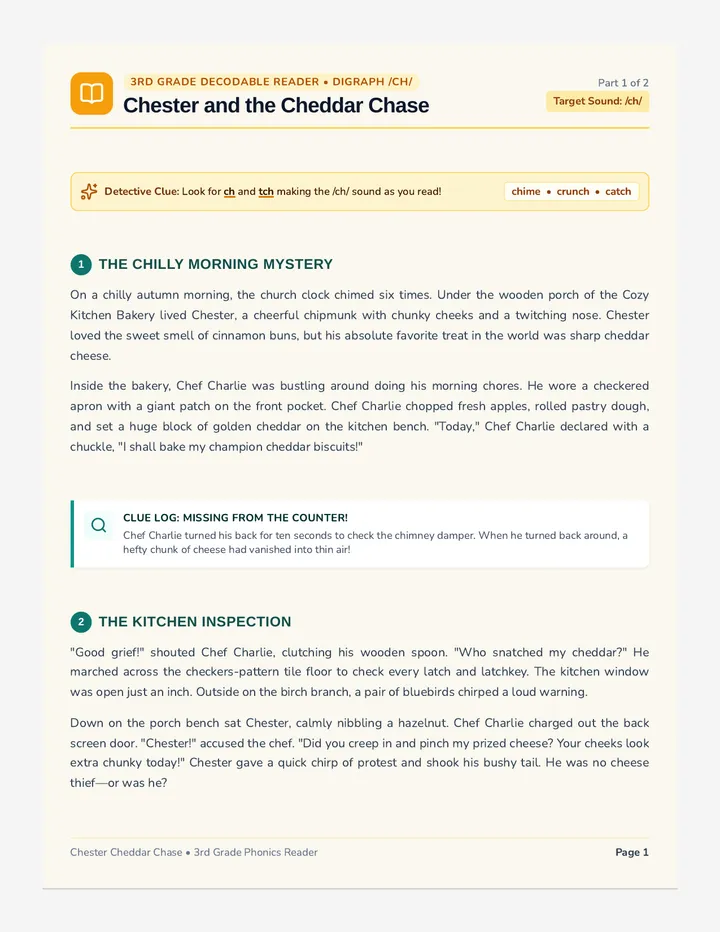
Chester Cheddar Chase Story

Chester Mystery Unit

A comprehensive multi-day third-grade reading, phonics, and writing unit focused on the digraph /ch/, narrative story progression, and mystery dialogue conventions.

V

victoria.lesniak

7
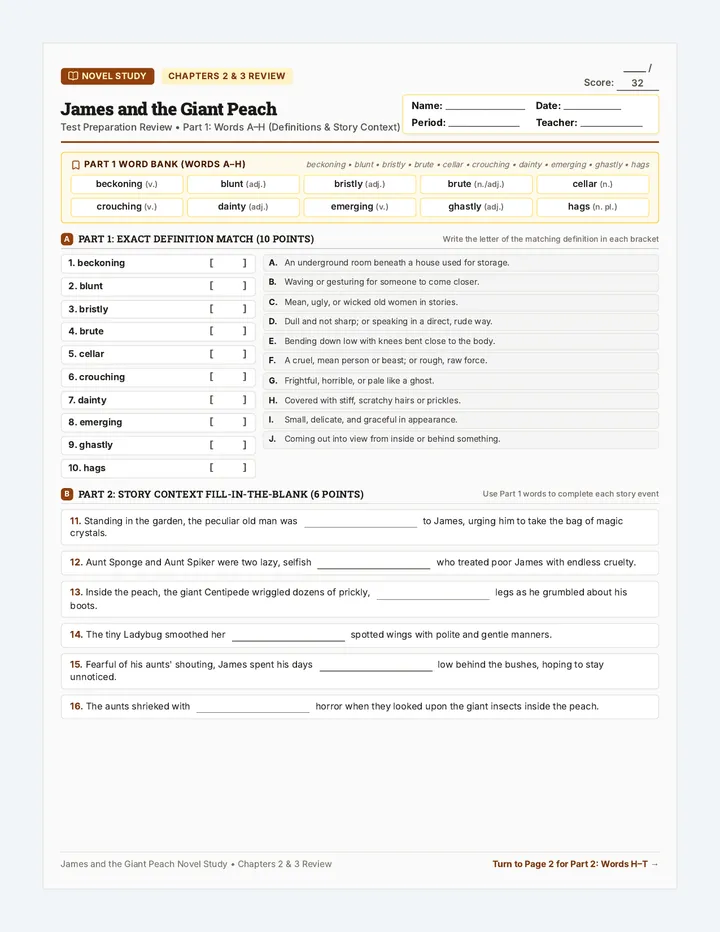
Giant Peach Review Worksheet

Peach Lexicon Review

A novel study review lesson for James and the Giant Peach Chapters 2 and 3 featuring a student practice worksheet and comprehensive teacher answer key.

GL

Grace Lisberg

2
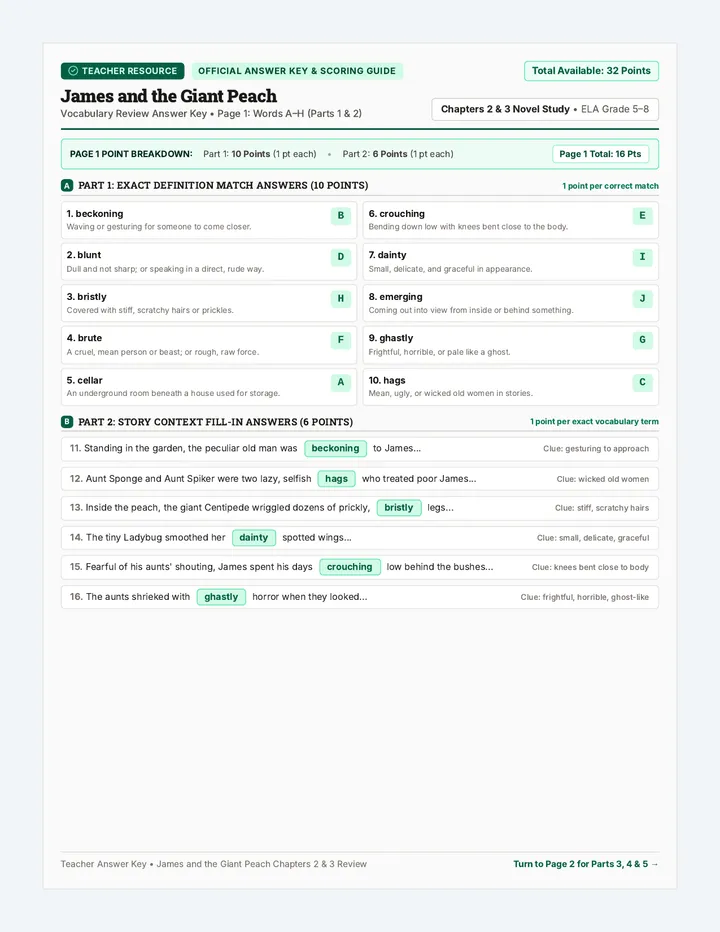
Giant Peach Review Answer Key

Giant Peach Review Answer Key

A comprehensive two-page teacher answer key and scoring guide for the James and the Giant Peach Chapters 2 and 3 vocabulary review worksheet.

GL

Grace Lisberg

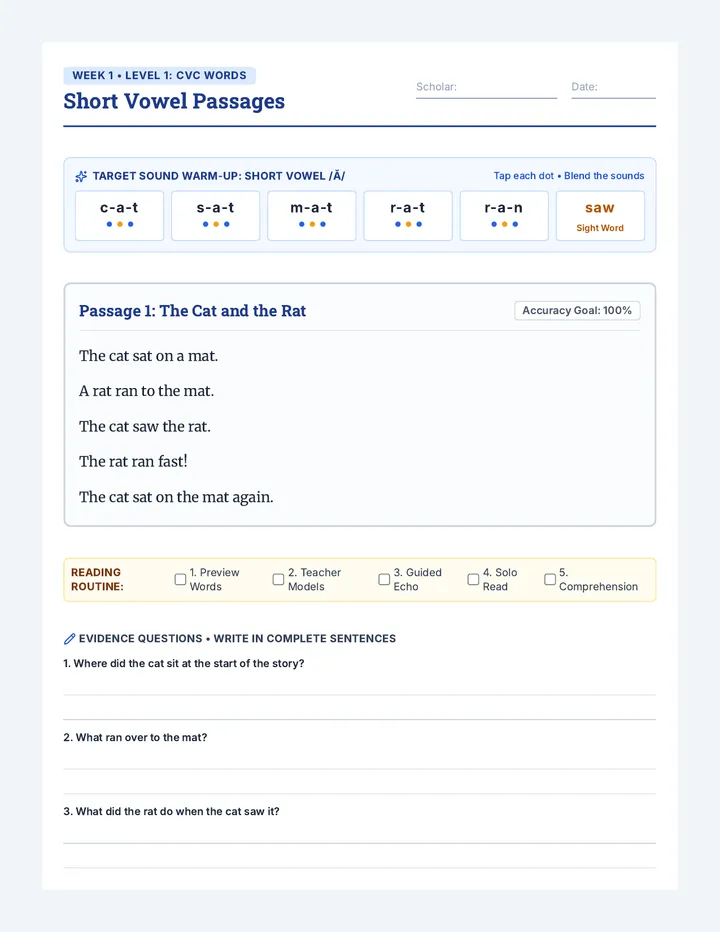
Short Vowel Passages Worksheet

Phonics Scholar Pathway

An eight-week tier-two reading intervention sequence guiding elementary scholars from decodable CVC short vowels through complex multisyllabic words and fluent comprehension. Each week provides structured decodable passages, targeted word banks, text-dependent comprehension questions, and systematic fluency tracking.

B

Bhoovaragavaswamym

8
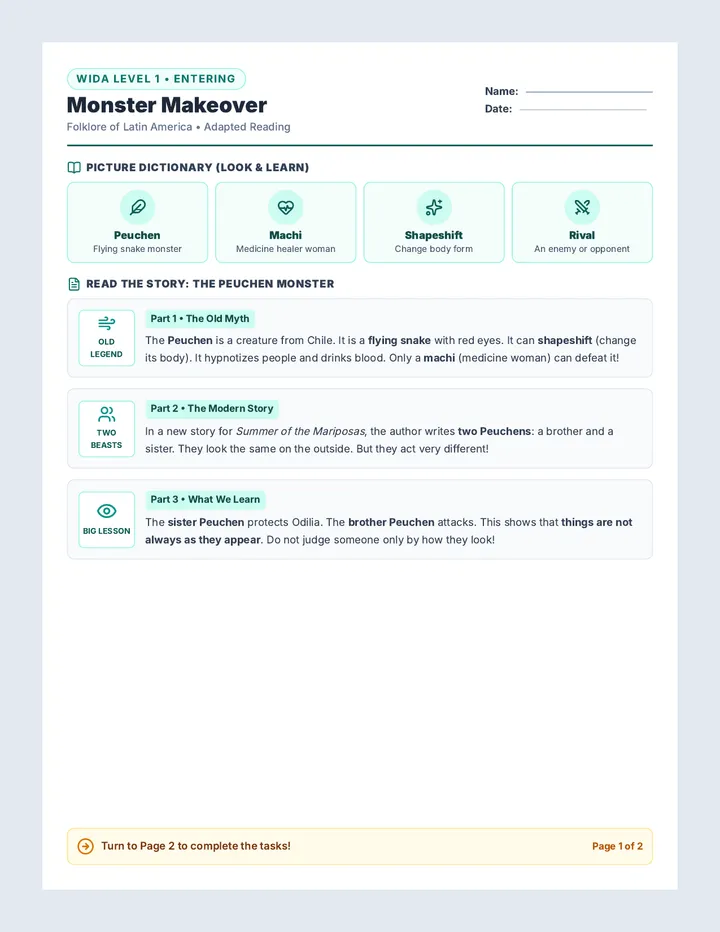
Monster Makeover Level 1 Packet

Folklore Shapeshifters

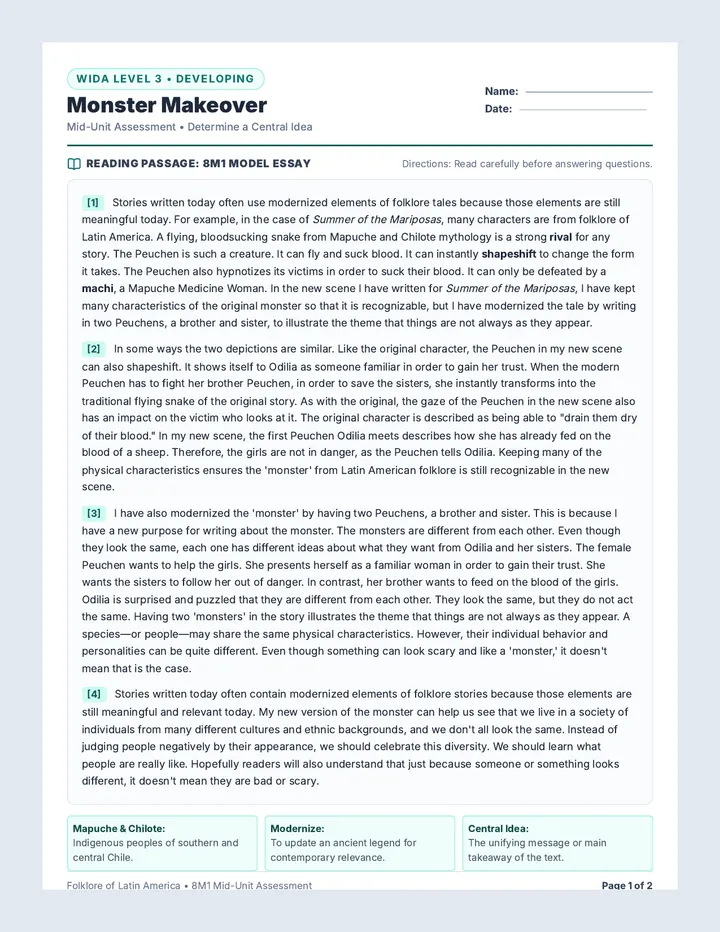
A differentiated three-tier assessment lesson based on Grade 8 Module 1 Latin American folklore and Summer of the Mariposas, featuring adapted readings, visual scaffolds, matching, and text-evidence tasks for WIDA Levels 1, 2, and 3.

AD

Andrea DeFusco

3
Monster Makeover Level 3 Packet

Monster Makeover Level 3 Packet

A 2-page printable assessment packet for WIDA Level 3 (Developing) students featuring paragraph-numbered authentic text, academic vocabulary analysis, central idea multiple choice, text evidence selection, and a short constructed response.

AD

Andrea DeFusco

Fluency Flight Tracker Sheet

Fluency Spark Academy

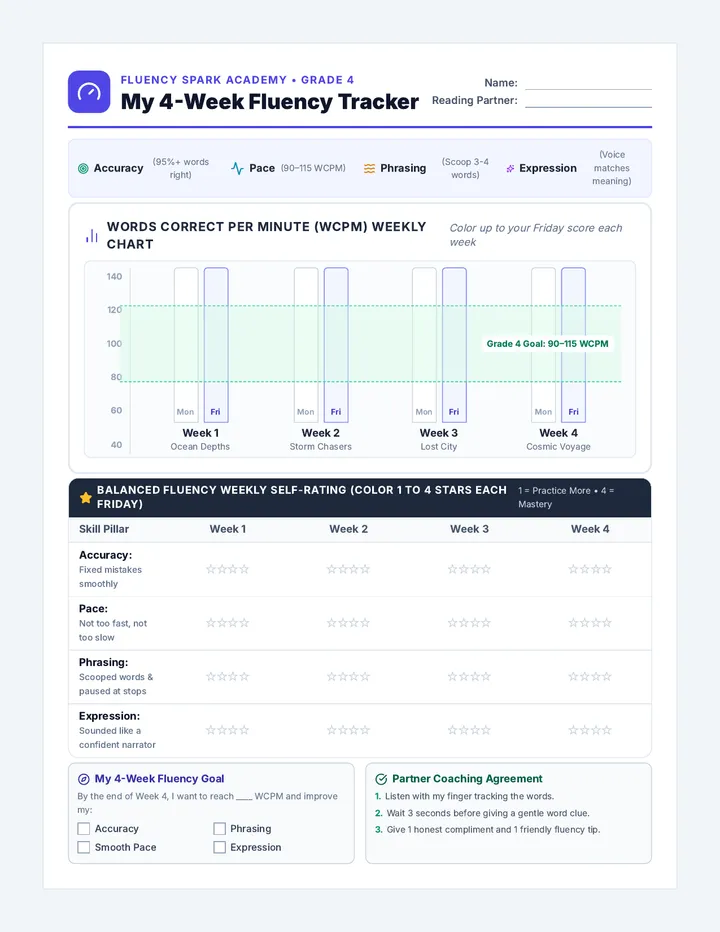
A comprehensive 4-week balanced fluency curriculum designed for 4th-grade students needing targeted support in accuracy, pacing, phrasing, and expression. Structured around quick 5-to-10 minute daily partner and whole-group routines for 20 students, featuring engaging high-interest texts and student self-tracking systems.

KM

Kelly Messer

9
Jabari Launch Slides

Jabari Problem Solvers

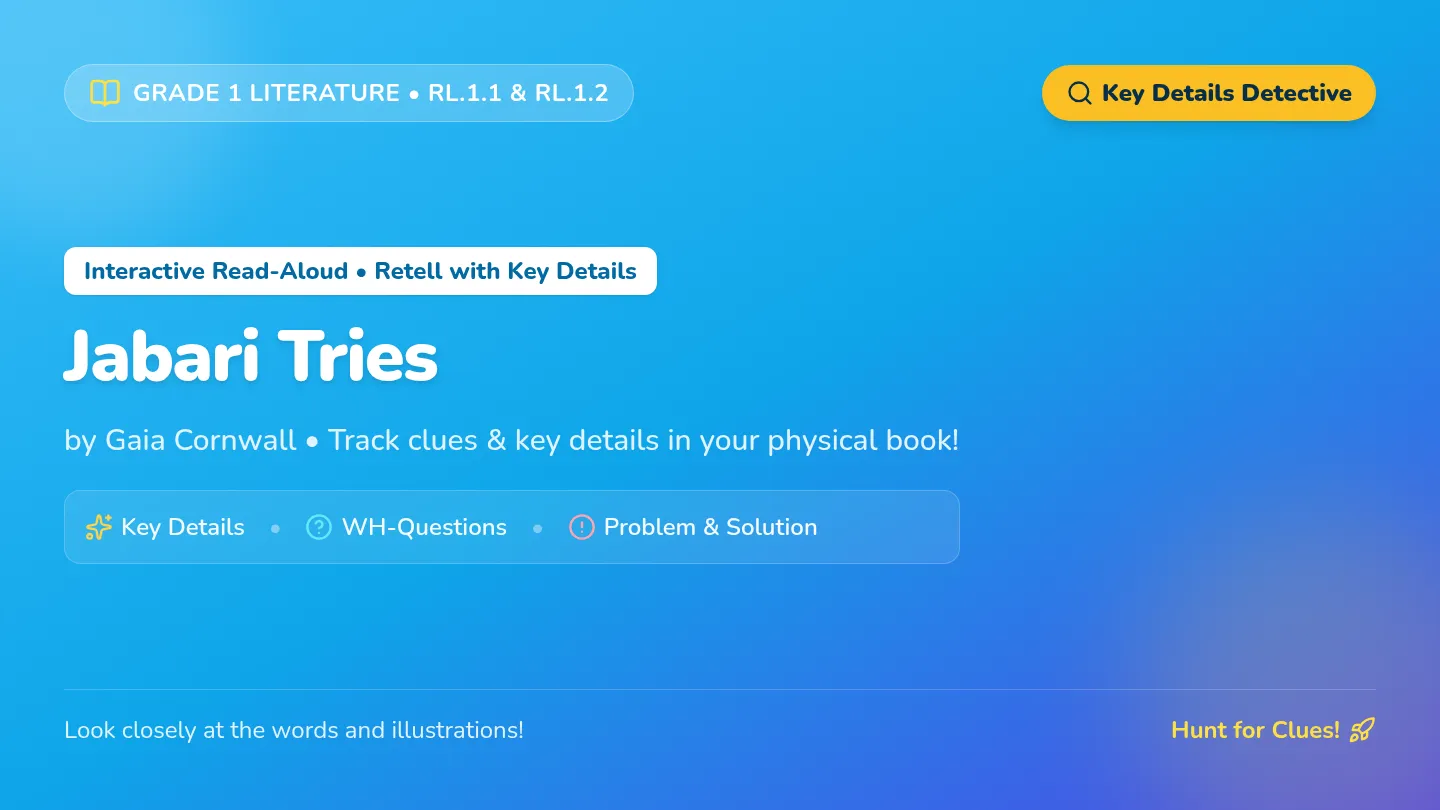
A dynamic 1st-grade comprehension lesson centered on *Jabari Tries* by Gaia Cornwall. Students track story elements, master WH questions, analyze problem and solution, and practice retelling Jabari's engineering journey alongside their physical book.

A

awarner1

4
Jabari Read Aloud Guide

Jabari Read Aloud Guide

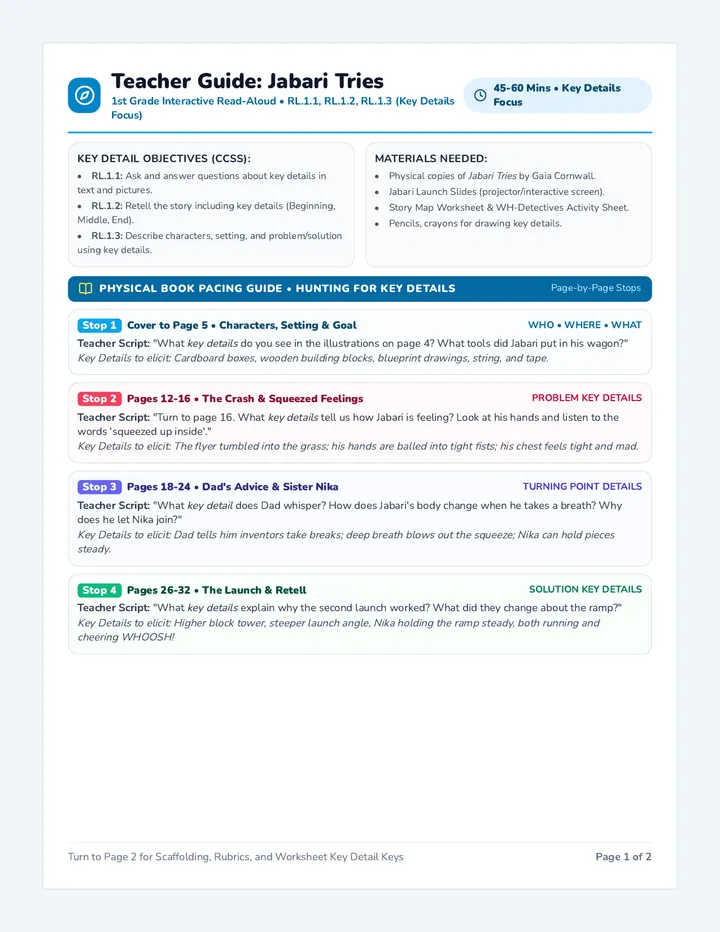
A 2-page comprehensive instructional guide for teachers delivering the *Jabari Tries* 1st-grade lesson. Includes page-by-page read-aloud stopping points focused on key details, scripted WH-questions, problem-solution facilitation notes, key details retelling rubrics, and answer keys.

A

awarner1

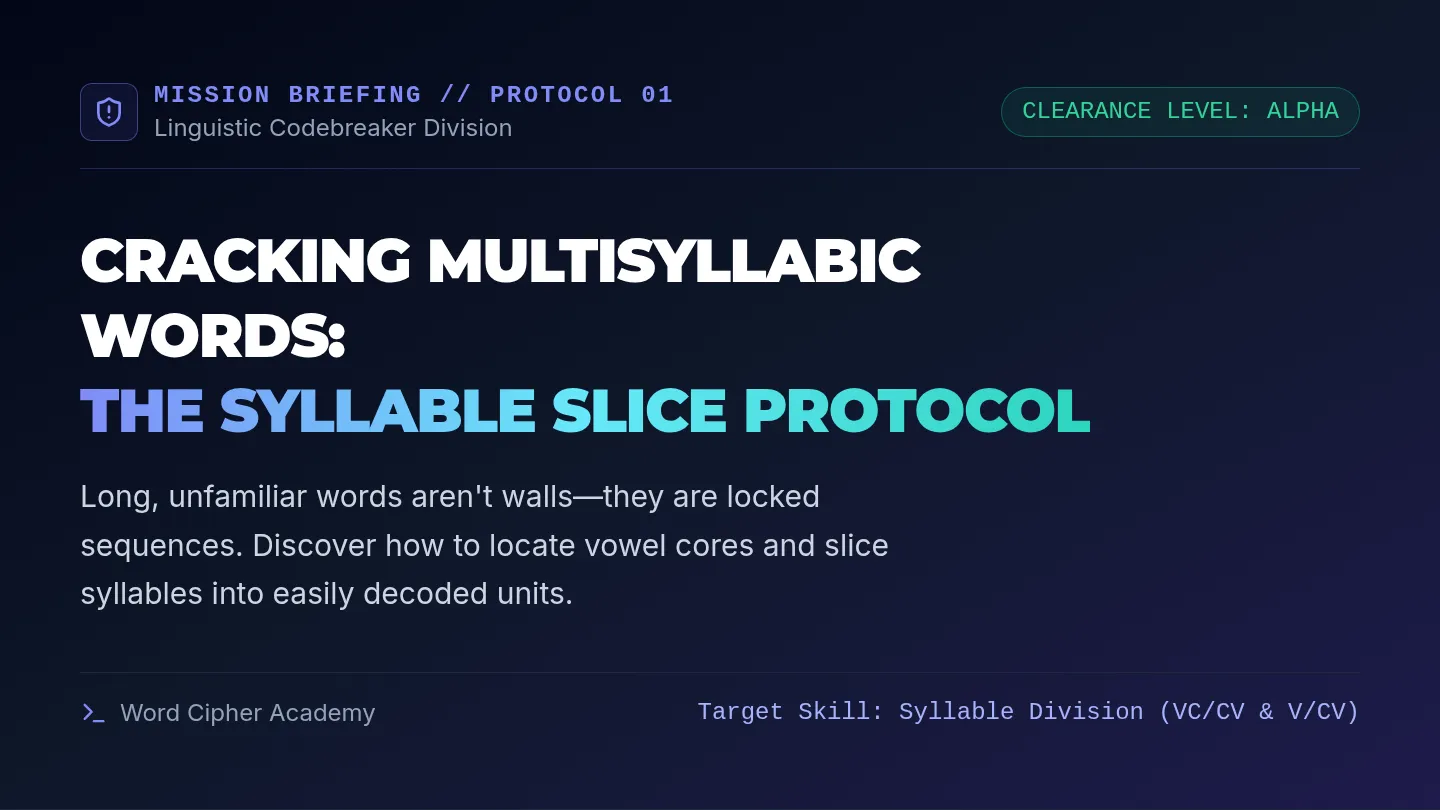
Syllable Division Slides

Word Cipher Academy

A targeted upper-elementary and middle school phonics intervention sequence designed to decode multisyllabic academic words through syllable division, advanced vowel teams, and morphemic analysis. Structured with a mature codebreaking theme to engage older striving readers without feeling juvenile.

Lenny Avatar
Lenny
9
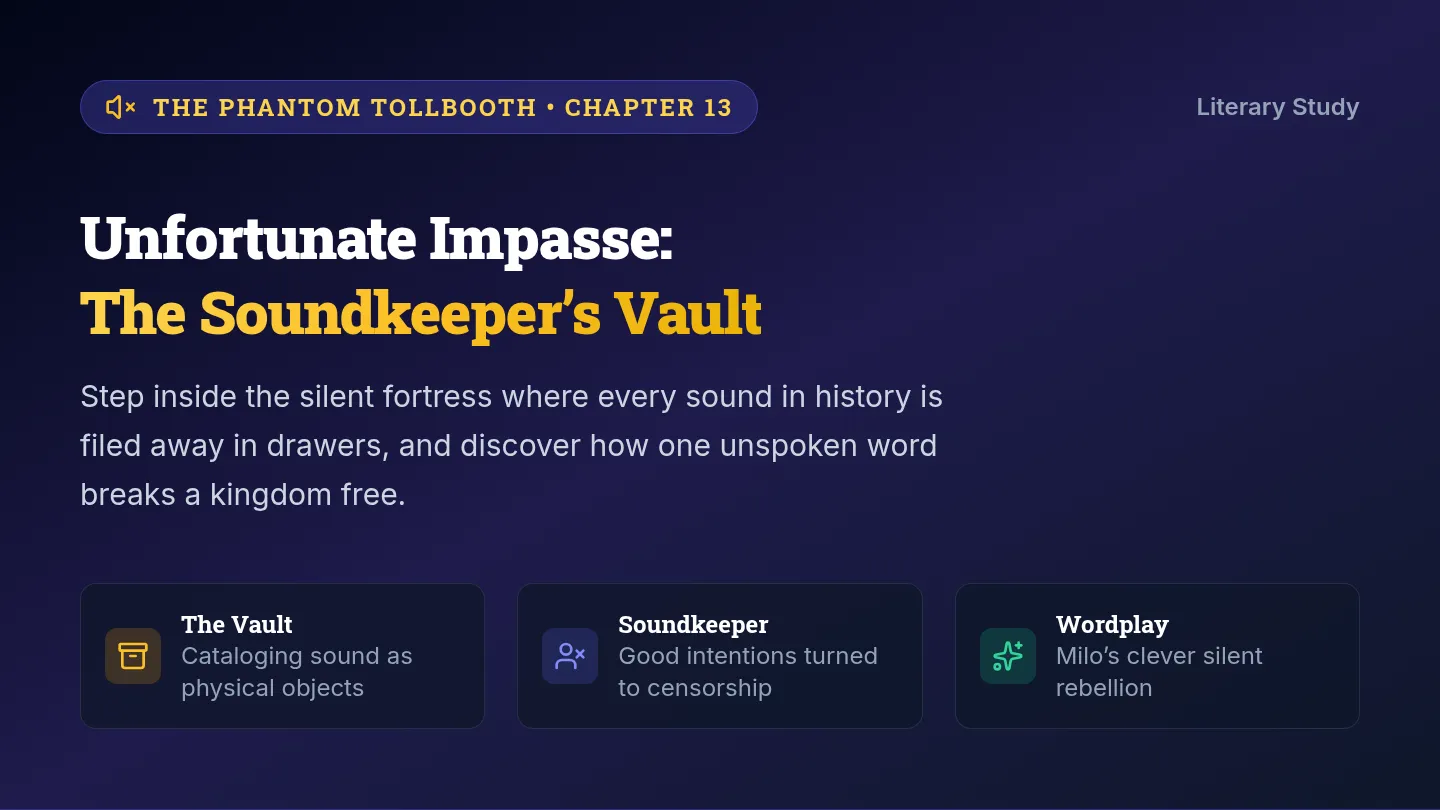
Sound Vault Slides

Sound Vault Secrets

An in-depth study of Chapter 13 of The Phantom Tollbooth, examining the Soundkeeper's fortress, sound censorship, and wordplay. Students explore the balance between silence and noise while analyzing Milo's clever wordplay and character growth.

CH

Courtney Holdren

4
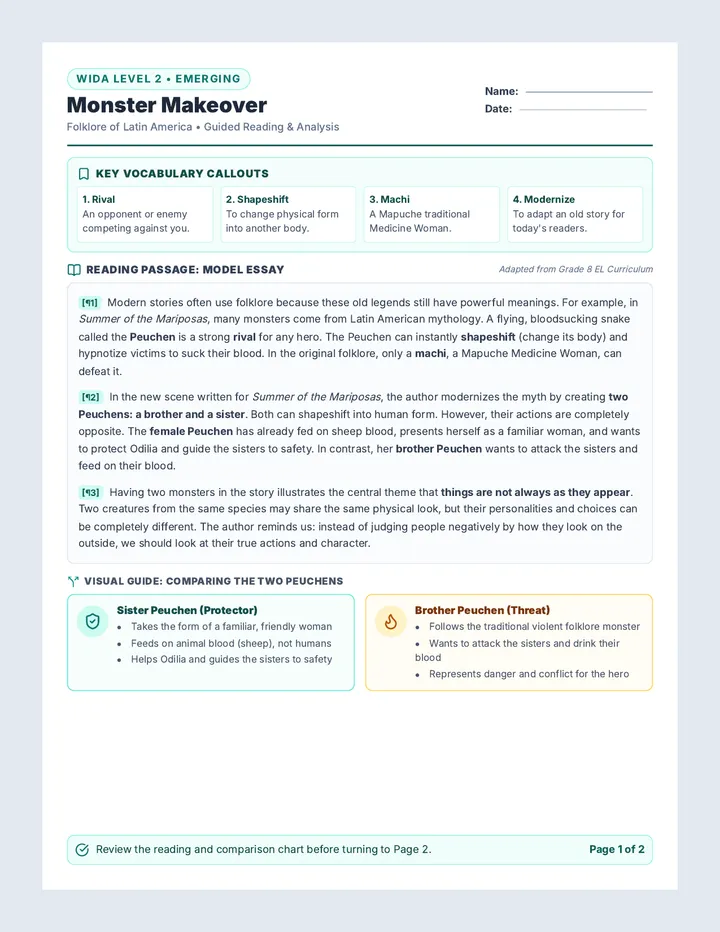
Monster Makeover Level 2 Packet

Monster Makeover Level 2 Packet

A 2-page printable assessment packet for WIDA Level 2 (Emerging) students featuring sentence frames, labeled comparison diagrams, vocabulary in context, supported multiple-choice questions, and structured text evidence tasks.

AD

Andrea DeFusco