A culminating project where students apply all context clue strategies to solve a 'case file' and decode a short story.
A math place value unit focusing on identifying digit values through the thousands place with interactive detective-themed worksheets and puzzles.
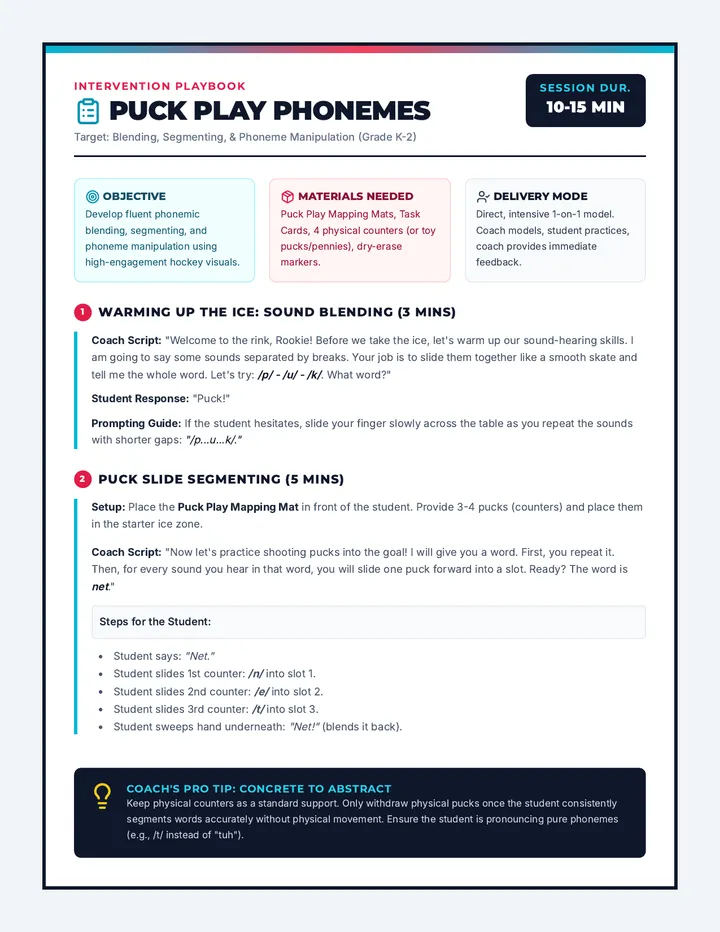
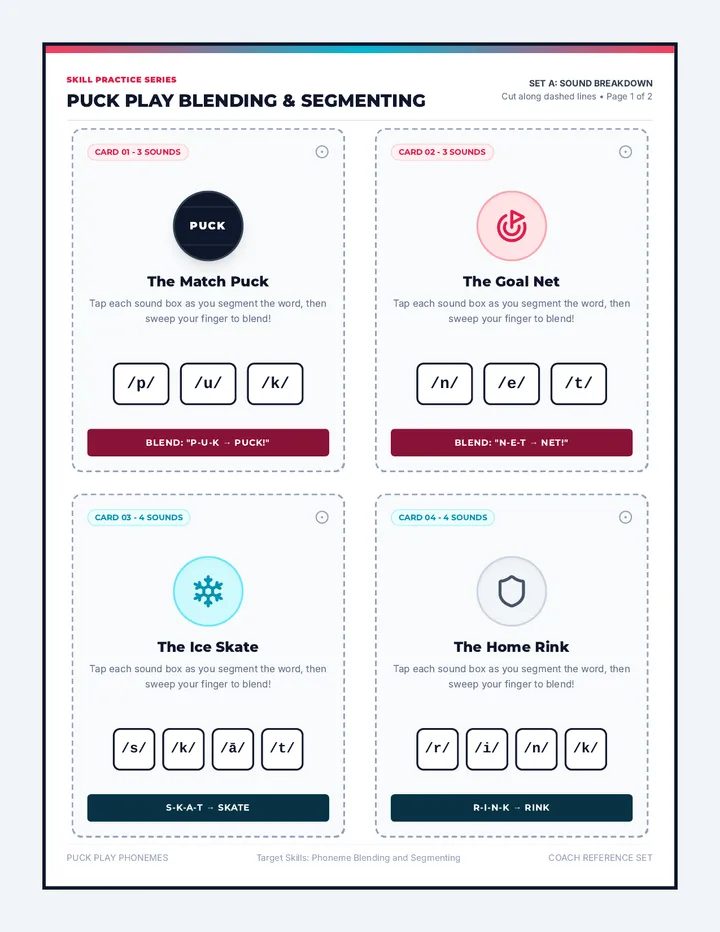
A hockey-themed one-on-one phonemic awareness intervention lesson focusing on blending, segmenting, and phoneme manipulation. Includes interactive sound-mapping mats, structured task cards, and an educator guide for seamless delivery.
A 2-page print-ready set of 8 interactive task cards (4 cards per page). Page 1 features Blending and Segmenting cards with individual sound boxes, and Page 2 features 'Sound Shootout' Phoneme Manipulation cards with step-by-step visual swap prompts.
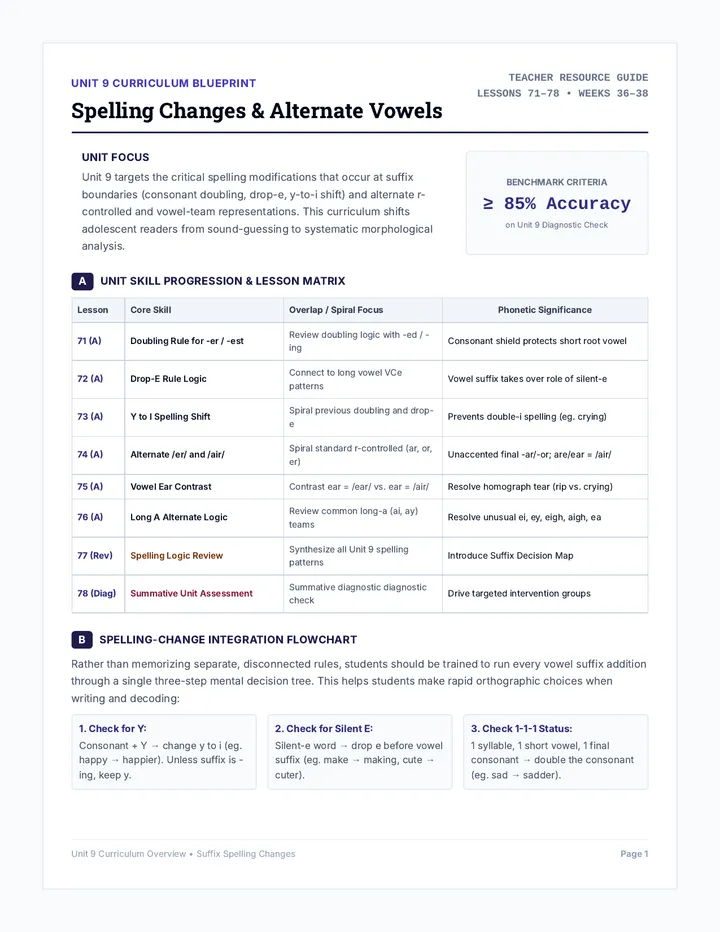
A reading intervention unit targeting the critical spelling changes that occur at suffix boundaries, designed for older struggling readers. The sequence covers final consonant doubling and silent-e dropping logic.
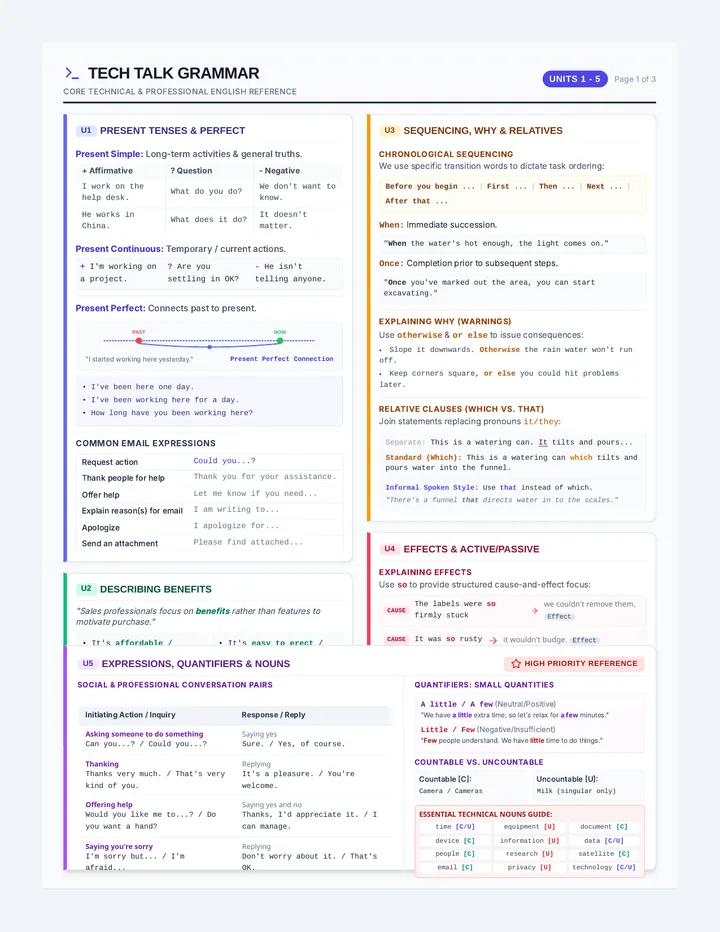
Tech Talk Grammar is a structured, comprehensive grammar study guide series spanning 15 units of core English skills for professional and technical communication. This lesson encapsulates the entire reference suite split into highly organized, beautifully themed cheat sheets.
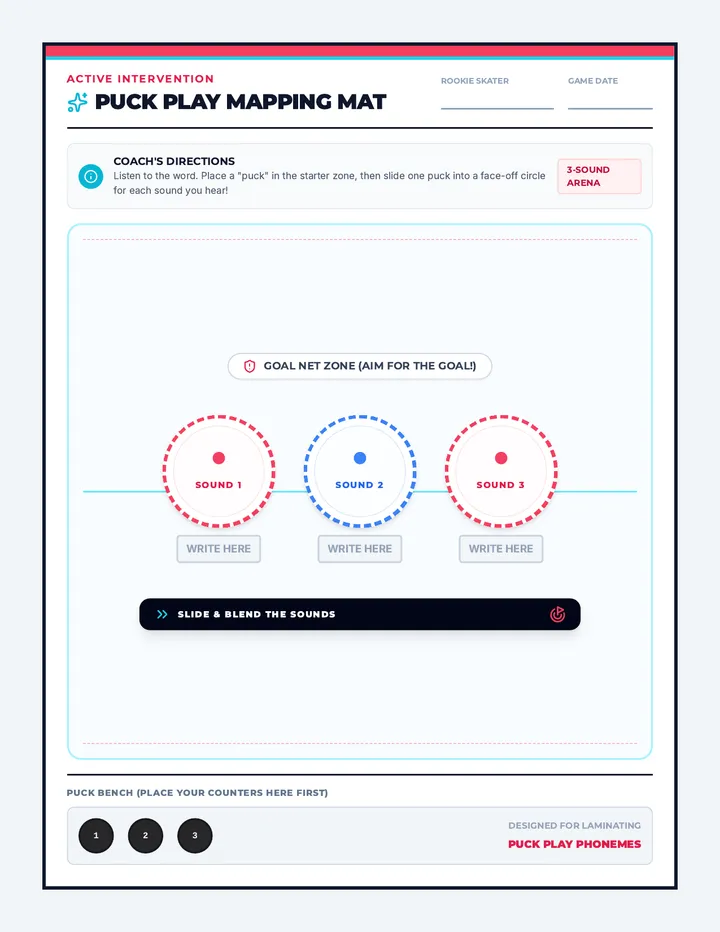
A 2-page print-ready student phoneme mapping mat. Page 1 features a 3-sound 'Ice Arena' mapping track, and Page 2 features a 4-sound 'Championship Rink' mapping track. Optimized for physical counters (pucks) and writing graphemes.
A structured reading intervention sequence at Douglas School combining targeted phonic lessons with the multisensory Nessy online literacy system.
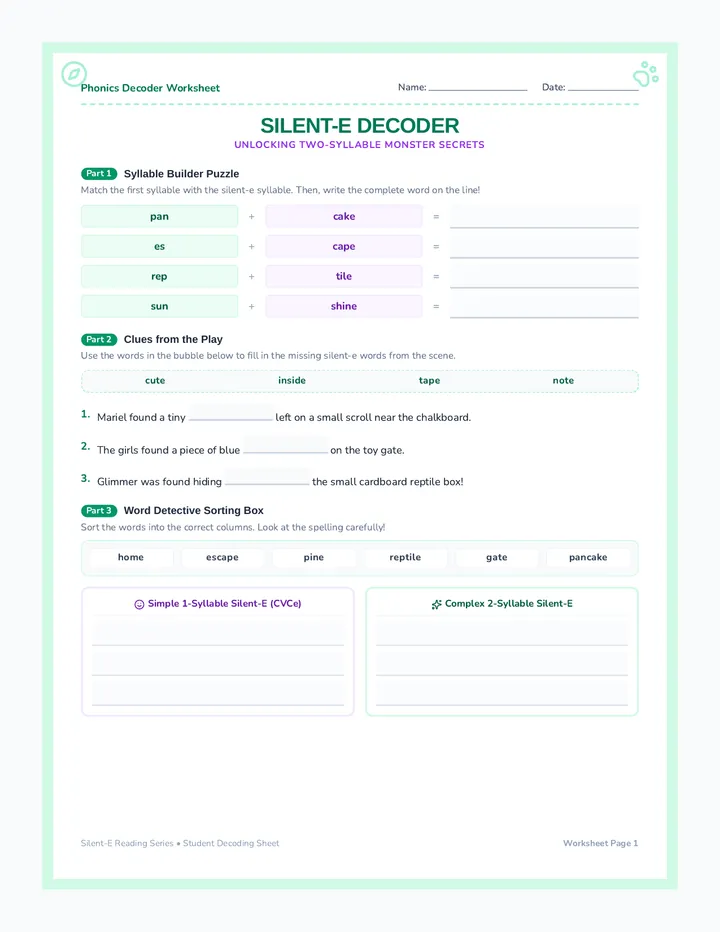
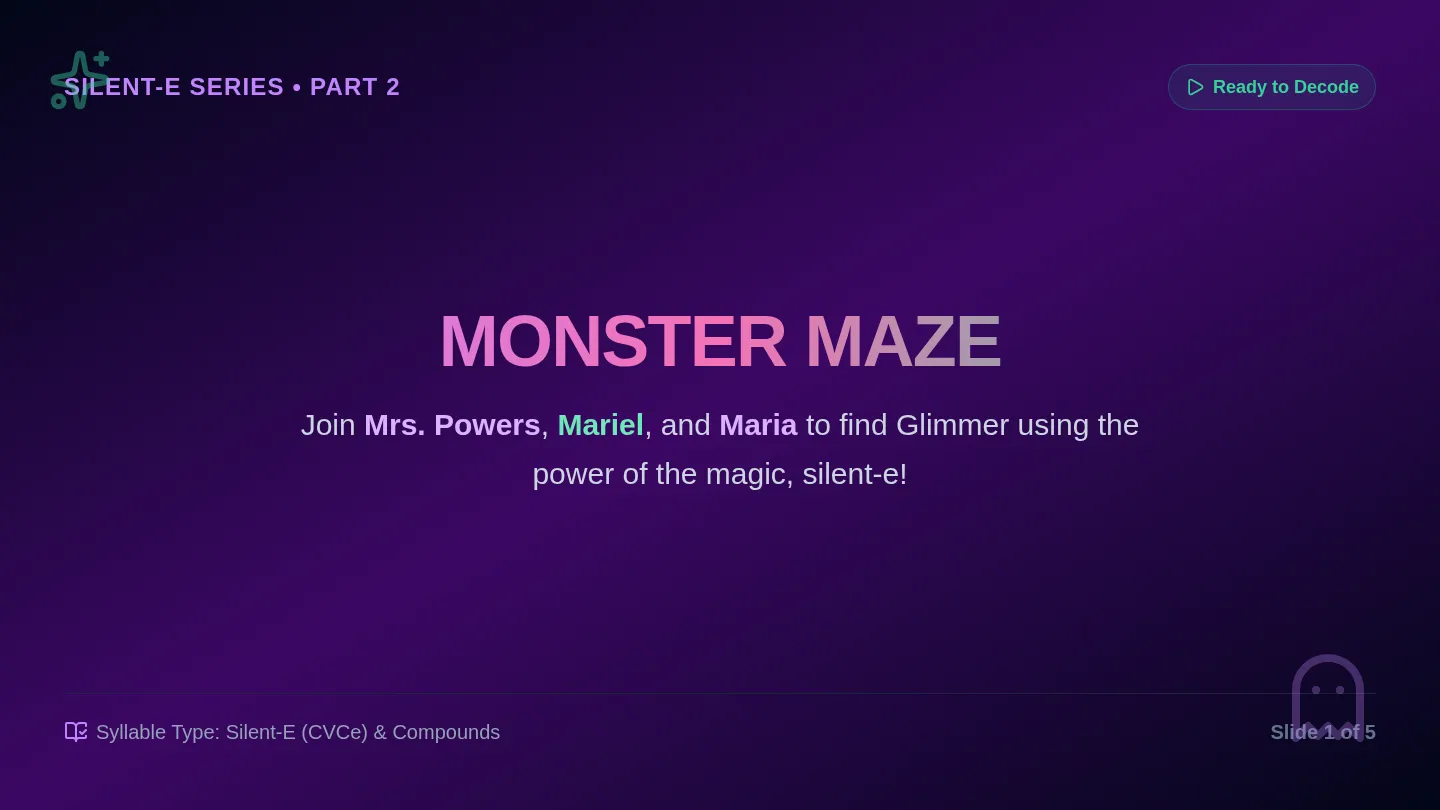
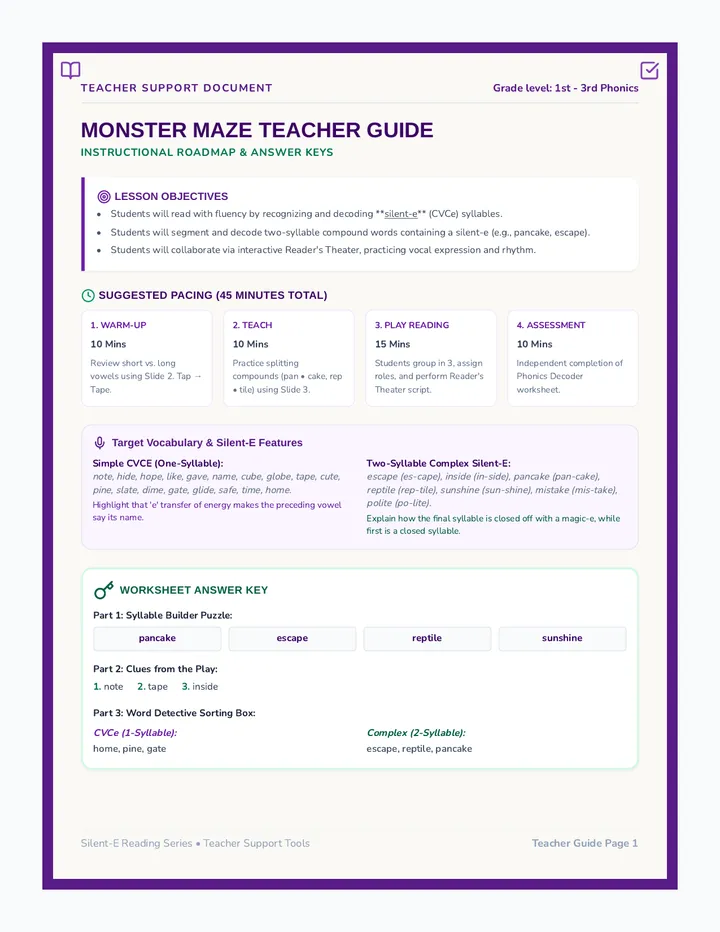
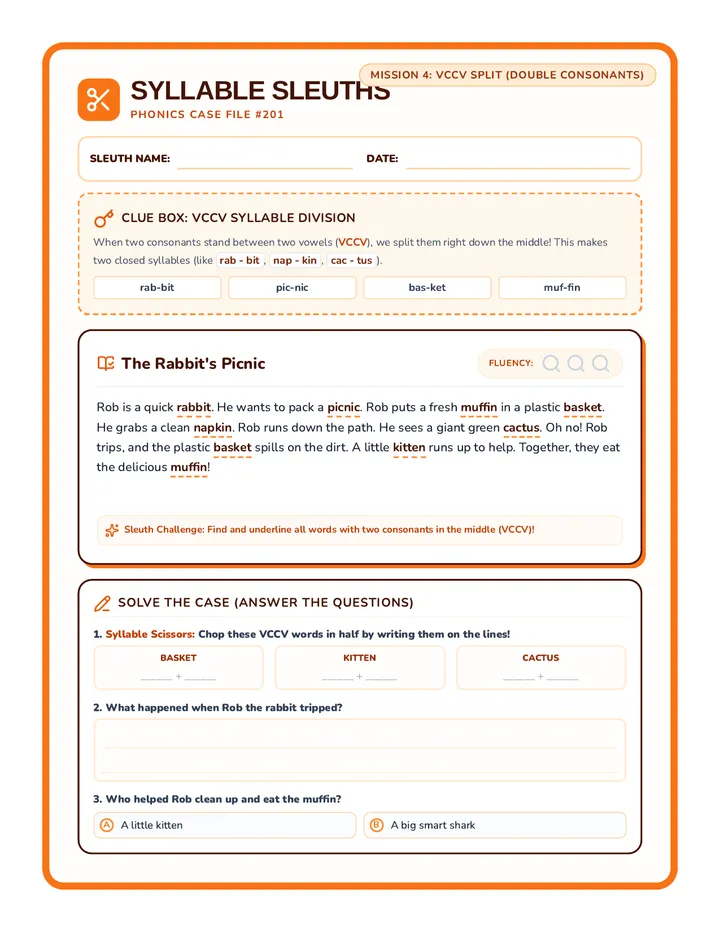
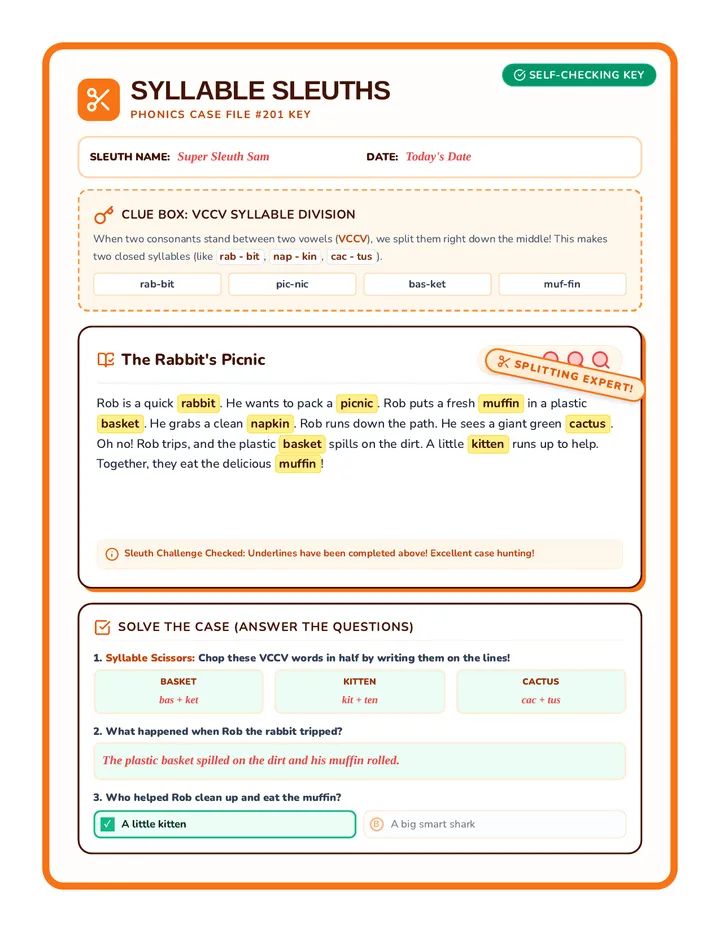
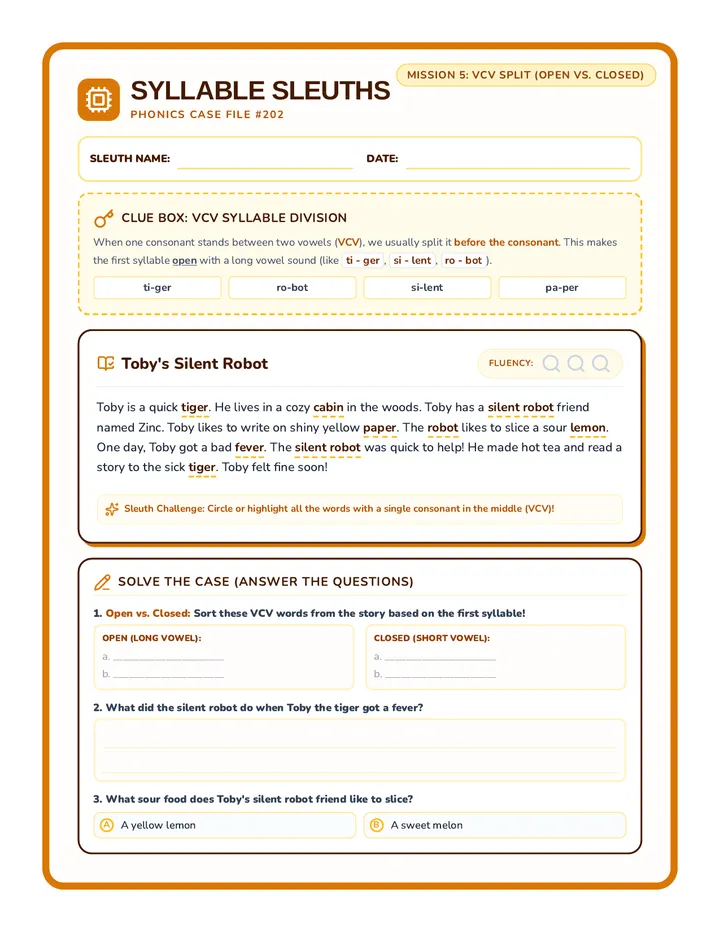
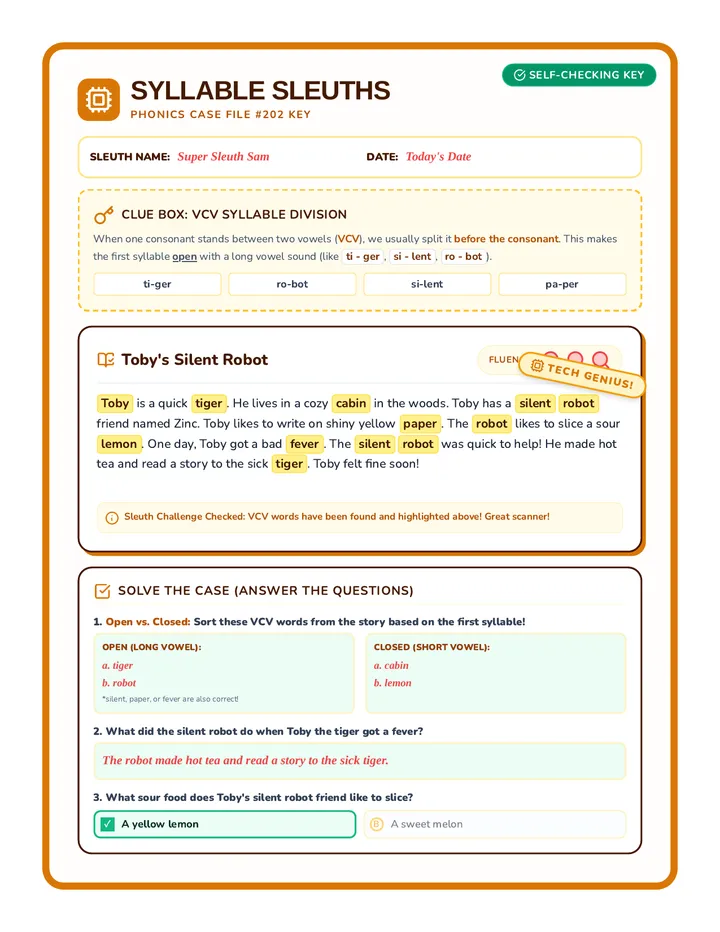
A structured, multi-part phonics intervention lesson focusing on compound words and syllable division rules (VCCV, VCV) for decoding 2-syllable and 3-syllable words.
A 2-page teacher-facing instructional guide and scripted playbook for delivering the Puck Play Phonemes intervention. Contains step-by-step scripts, curated hockey-themed word chains, and a diagnostic student progress-tracking chart.
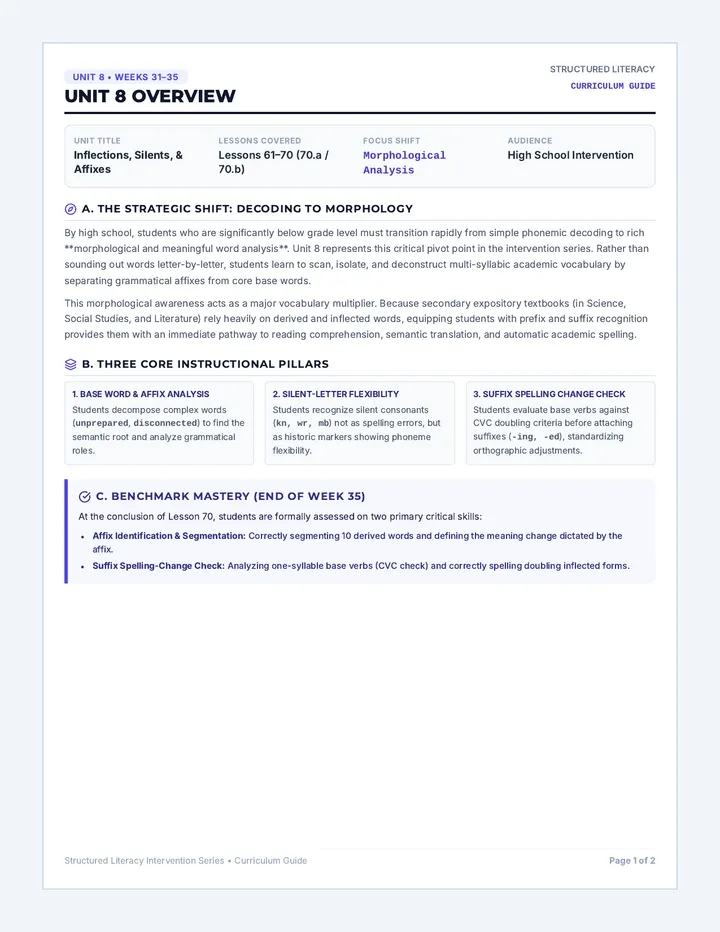
A structured high school reading intervention sequence focusing on silent consonants, orthographic markers, pluralization rules, and academic spelling structures.
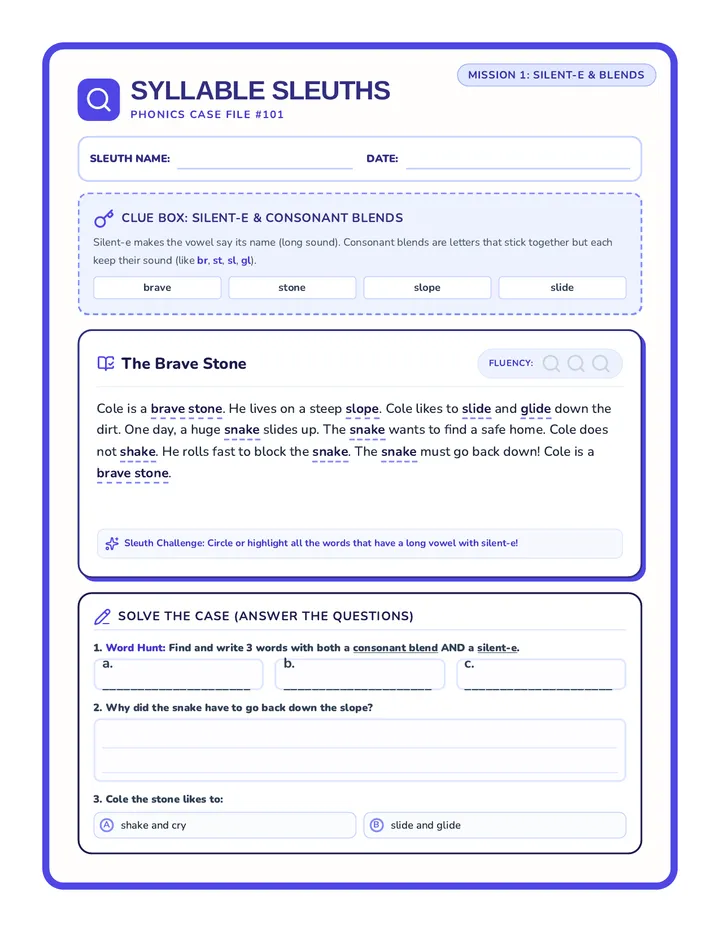
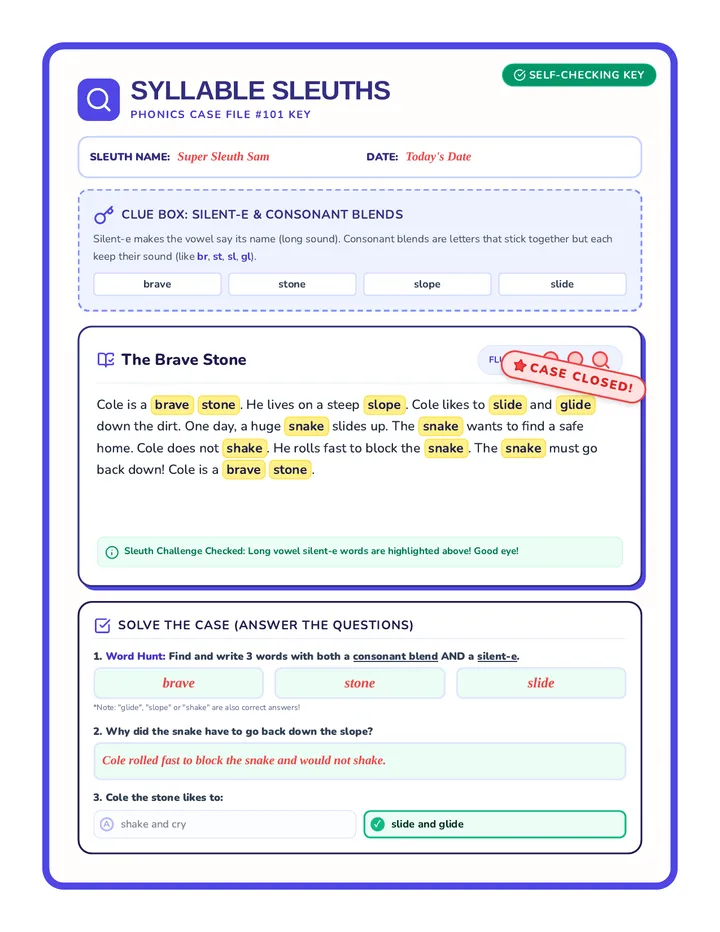
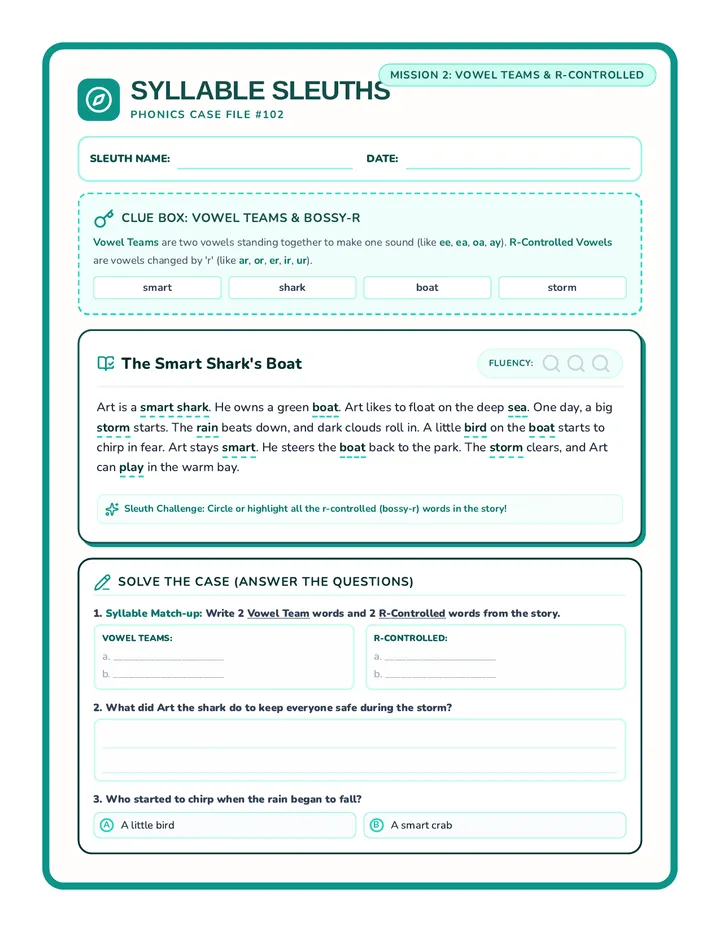
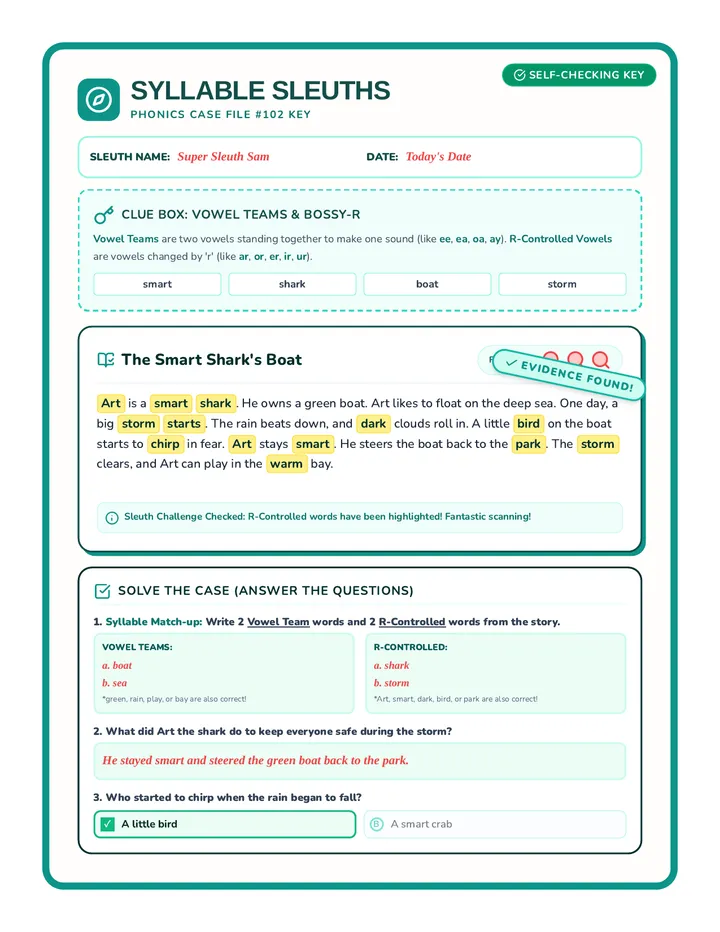
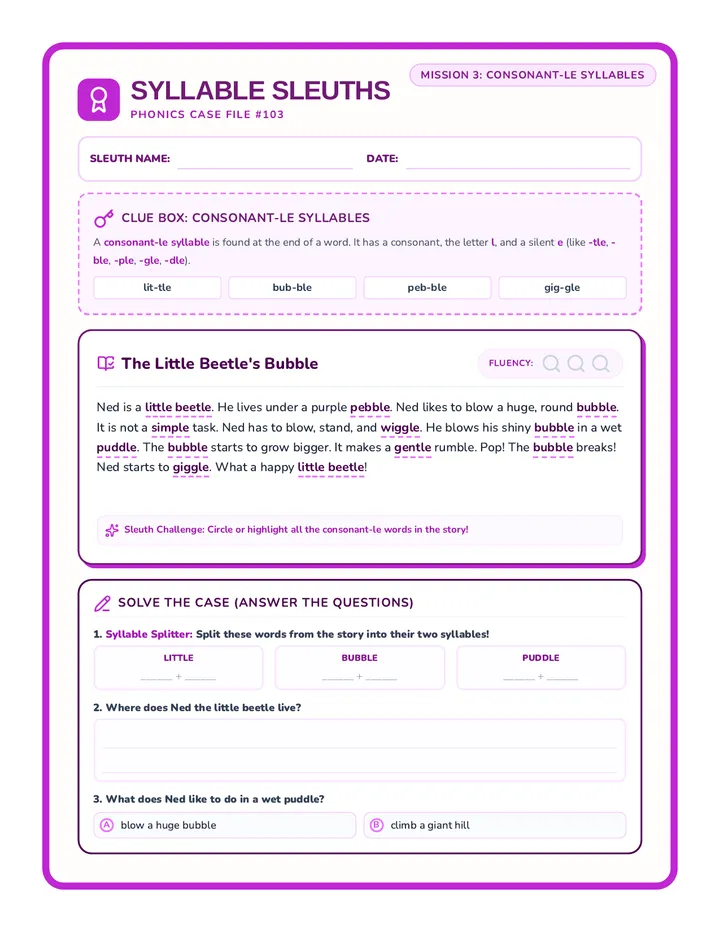
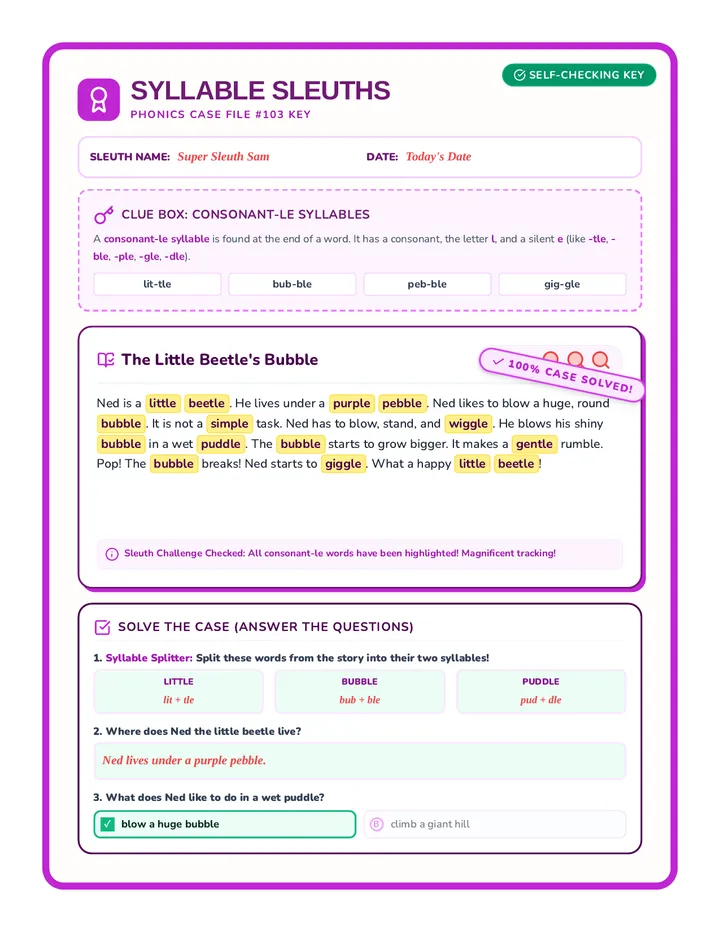
A highly structured, 3-part phonics intervention lesson focusing on advanced syllable types, consonant blends, silent-e, vowel teams, r-controlled vowels, and consonant-le syllables through decodable texts and self-checking materials.
A beautiful, dense, and interactive 3-page grammar cheat sheet booklet for Tech Talk Grammar Units 1-15. It incorporates custom SVG diagrams, visual certainty scales, comparison tables, and highlighted key language rules with high-contrast color-coded boxes.