A highly structured grammar lesson focusing on the distinction between 'its' and 'it's', customized with visual icon supports, step-by-step rule scaffolding, and self-monitoring checklists for students who benefit from predictable layouts.
A high-energy, 30-minute lesson designed to teach 4th-grade students the mechanics of collaborative dialogue. Using creative 'Would You Rather' prompts, students practice active listening, responding to follow-up questions, and building on peer ideas.
An interactive ELA lesson focused on collaborative discussion and active listening, aligned with MN State Standard 4.3.1.2. Students learn to build on others' ideas and ask clarifying questions using a fun chemistry lab theme.
A third-grade interactive lesson where students decode literal and figurative meanings of idioms to complete a collaborative map-based treasure hunt.
An immersive, detective-themed lesson guiding students to master subject-verb agreement for 'is' vs 'are'. Includes a detailed teacher guide, presentation slides, student case file worksheet, and a final clue hunt exit ticket.
An ELA and self-reflection project where 3rd-6th grade students curate their year-long academic growth, select their best writing, and design an interactive art-gallery-style showcase of their progress.
An immersive, multi-sensory ELA lesson designed for grades 3-6 to unlock descriptive writing. Students explore mystery tactile objects, build sensory vocabulary, and compose descriptive paragraphs.
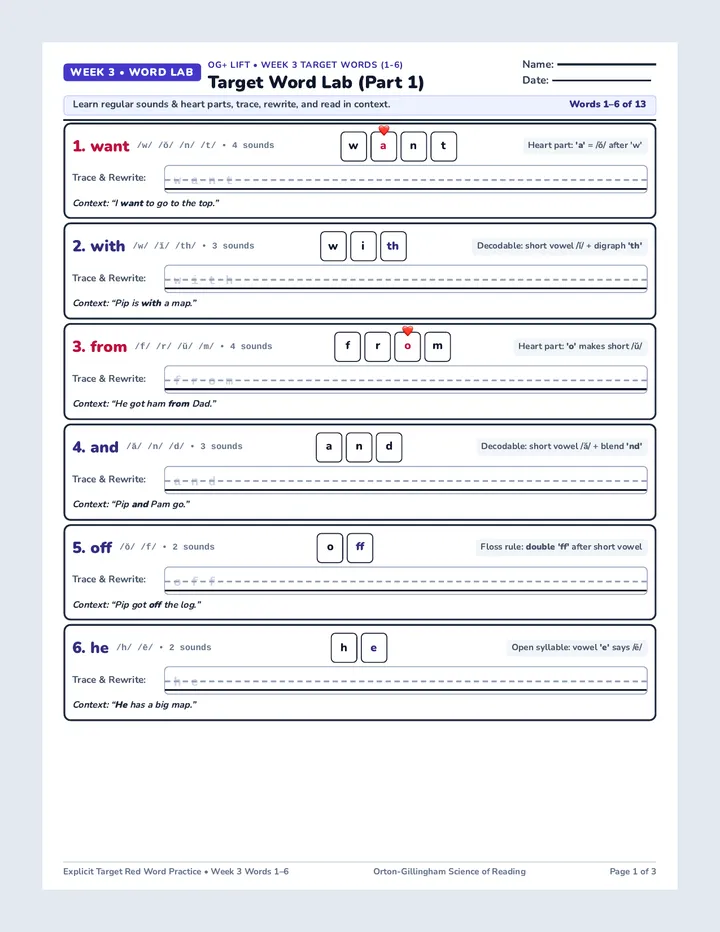
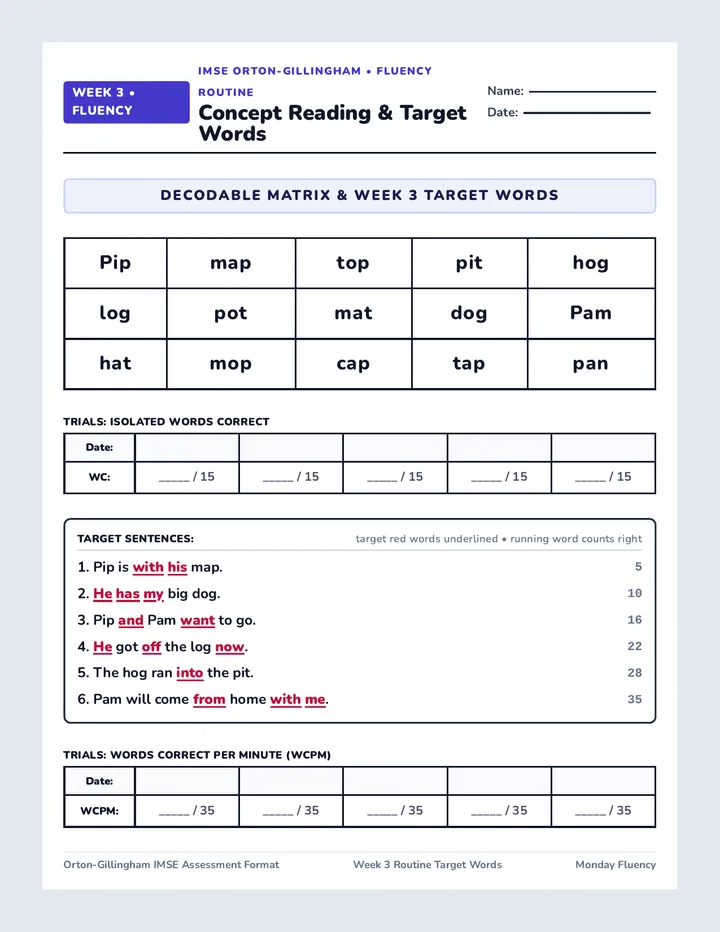
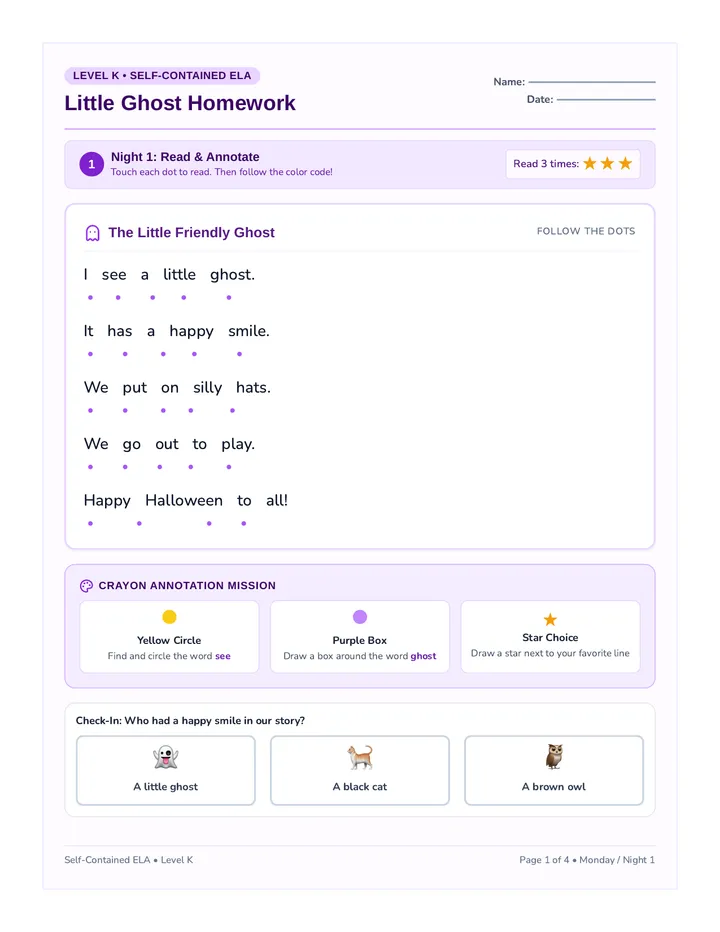
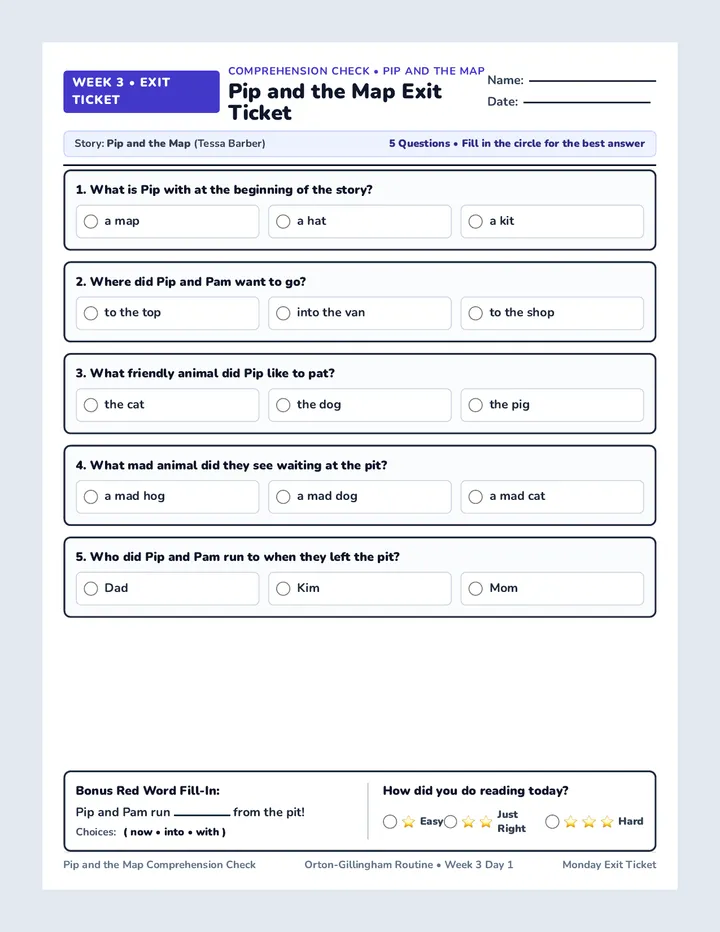
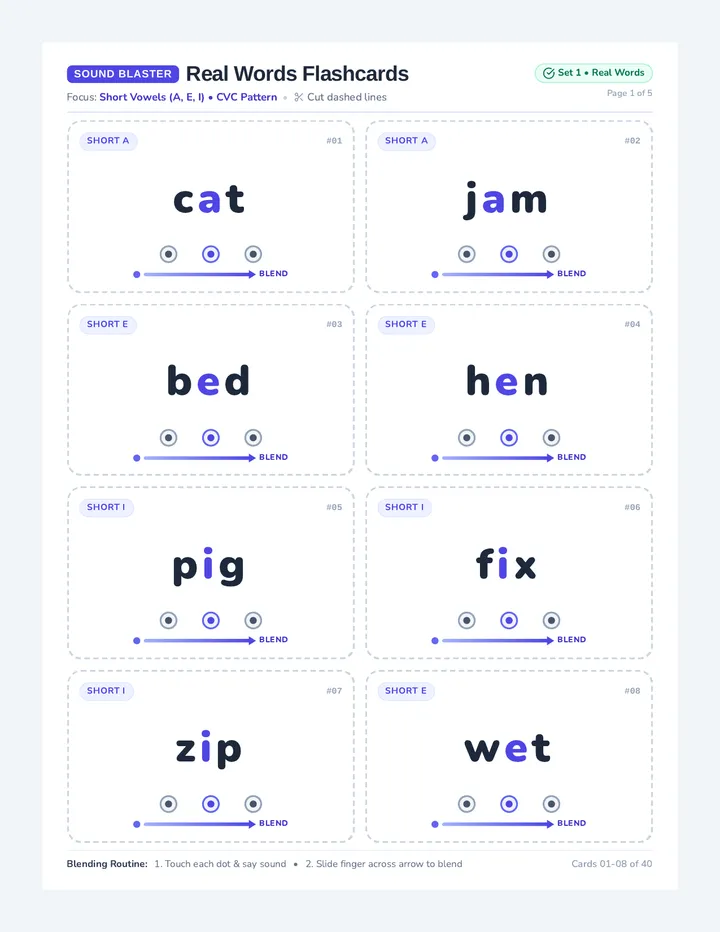
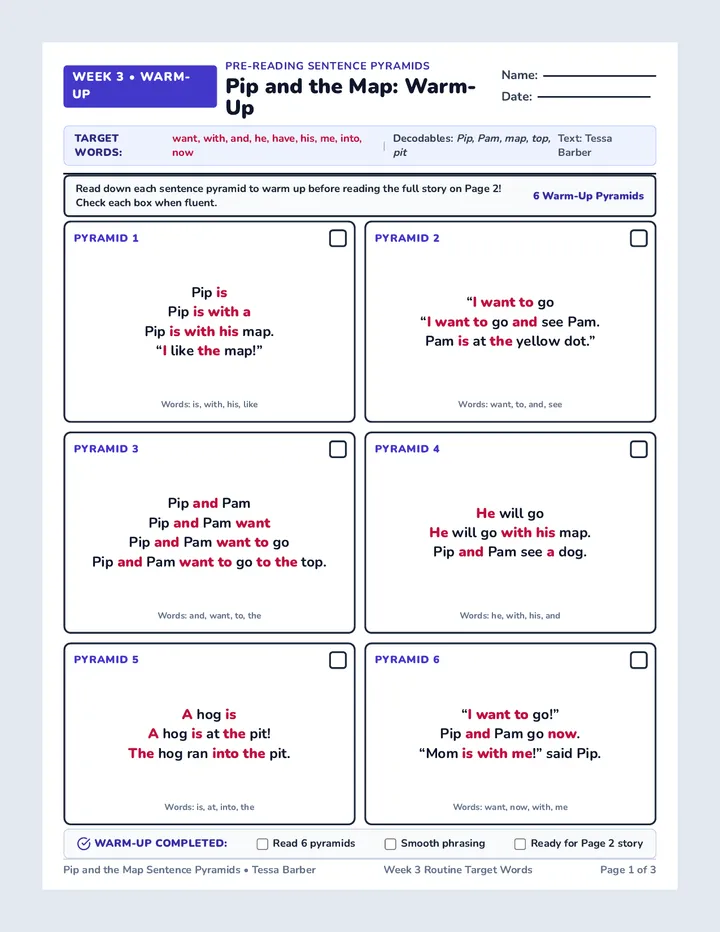
A phonics-focused reading comprehension lesson for Grade 3 reading intervention, centered on decoding CVC words, short 'u' sounds, and sight words through a story about a playful dog named Gus.
Students combine their cumulative learning of sensing verbs, prepositional phrases, and comparisons to co-construct and independently draft a descriptive paragraph about an outback landscape, utilizing a multi-tiered writing frame.
Students learn how prepositional phrases give information about 'where' and 'when' events occur, practicing adding them to simple sentences containing sensing verbs to build descriptive detail.
Students investigate sensing verbs related to the five senses, identifying how the author uses them to share how natural elements feel during drought, and brainstorming sensory details about the outback.
Students explore how authors use figurative language to paint 'word pictures' by identifying comparisons using 'like' and 'as' in the text, and co-constructing similes about the natural world.
Students sequence the key events in 'Mallee Sky' (drought changing to welcome rainfall) using a simplified storyboard planner, identifying how environmental patterns affect the landscape.
An interactive, high-seas 4th-grade vocabulary and reading lesson. Students use context clues to decode pirate-themed vocabulary, practice using interactive vocabulary-matching cards, and apply their learning in a creative captain's logbook worksheet, entirely offline.
A pirate-themed grammar adventure for fourth graders focusing on punctuation, capitalization, and identifying parts of speech. Students decode captain's logs, correct shipwrecked sentences, and classify linguistic treasures.
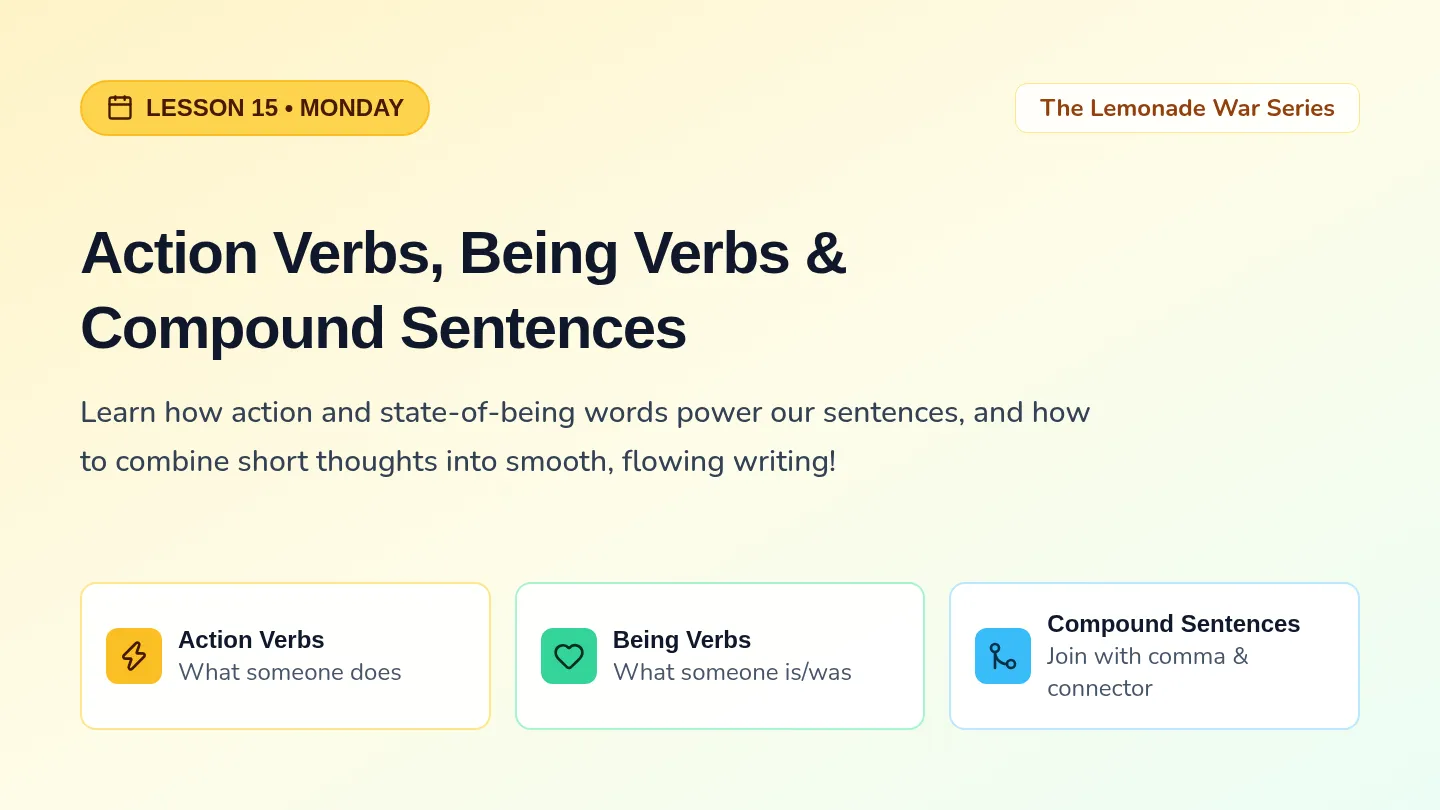
Students identify precise action verbs (stretch, shrink, spin) and compose a final descriptive reflective diary entry about Elnim's journey.
Students identify wordplay (alliteration and onomatopoeia) in "The Boy Who Tried to Shrink His Name" (skateboard spins, name explosions) and analyze non-verbal gestures of friendship.
Students write contrast sentences using "yet" and explore Elnim's home customs (swirling curry, wearing a sari, sweet coconut ada).
Students trace the emotional orange line in the drawings and learn how to write choice compound sentences using comma + "or".
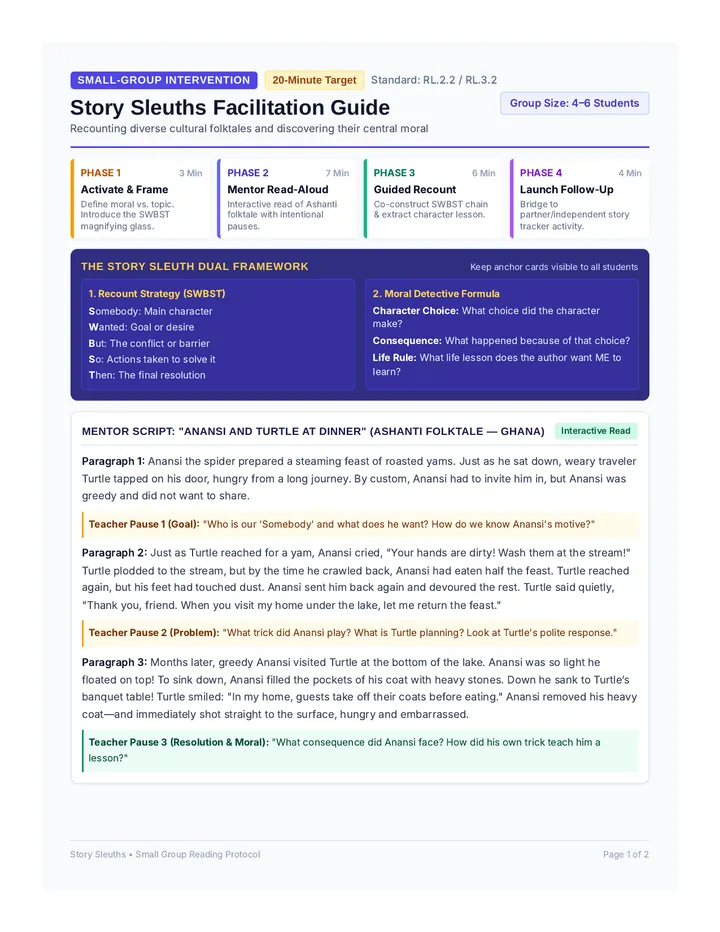
Students summarize Elnim's story and analyze figurative language, learning how names can feel heavy like a suitcase or taste like warm cardamom cake.
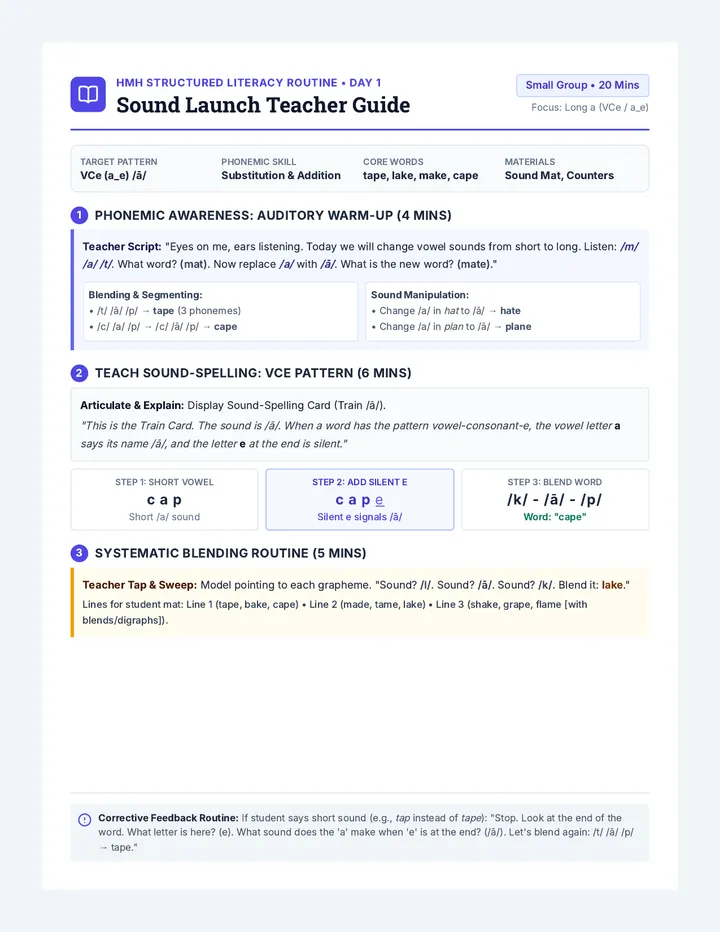
Day 5 of the phonics adventure. Scouts demonstrate mastery by reviewing both VCE and CLE word structures, completing a spelling and reading review, and taking the Syllable Scouts Post-Test.
Day 4 of the phonics adventure. Scouts practice reading sentences and a decodable camping passage packed with Consonant-le (CLE) words like 'candle', 'jungle', and 'giggle'.
Day 3 of the phonics adventure. Scouts explore Consonant-le (CLE) syllables, understanding how to divide words before the consonant + 'le' (e.g., 'ca-mle' -> 'can-dle', 'pud-dle') and spelling CLE words correctly.