An exploration of the cultural conflict at Merry Mount, teaching students to identify main ideas, topic sentences, and text evidence through the lens of early American history and folklore.
An engaging indoor Easter activity for students to practice reading comprehension and problem-solving through rhyming riddles. The lesson includes printable clue strips designed to fit inside plastic eggs and a teacher's master key for setup.
A lesson designed to help students identify 'Right There' questions in text and use specific marking strategies (starring, underlining, and highlighting) to locate evidence directly within the passage.
A strategy-focused lesson teaching students three specific ways to collect text evidence (notetaking, annotating, and underlining) to improve performance on standardized tests, including a practice passage about monarch butterflies.
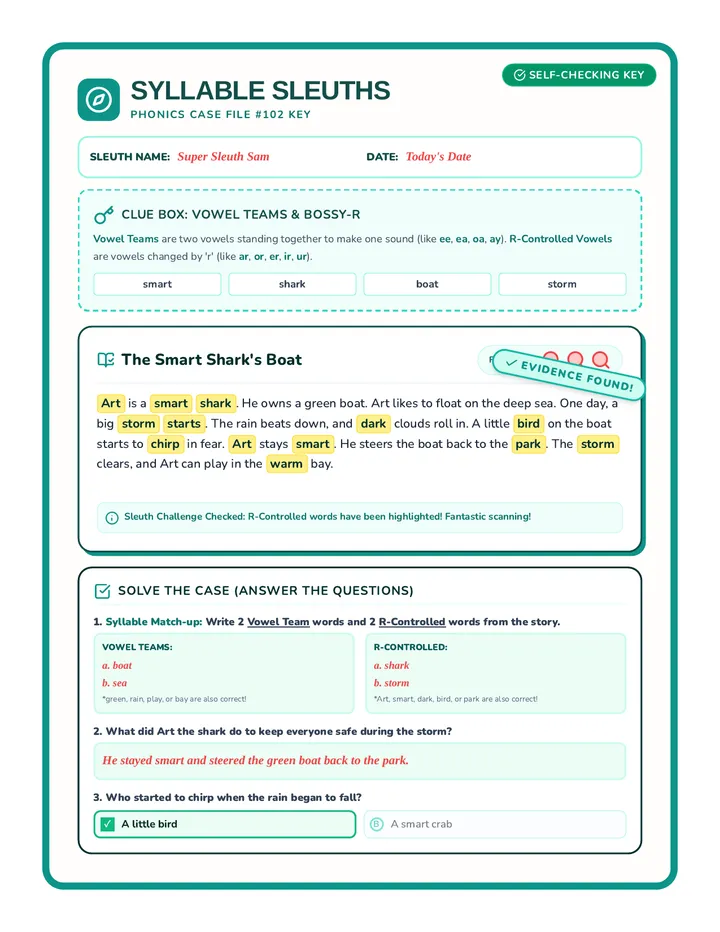
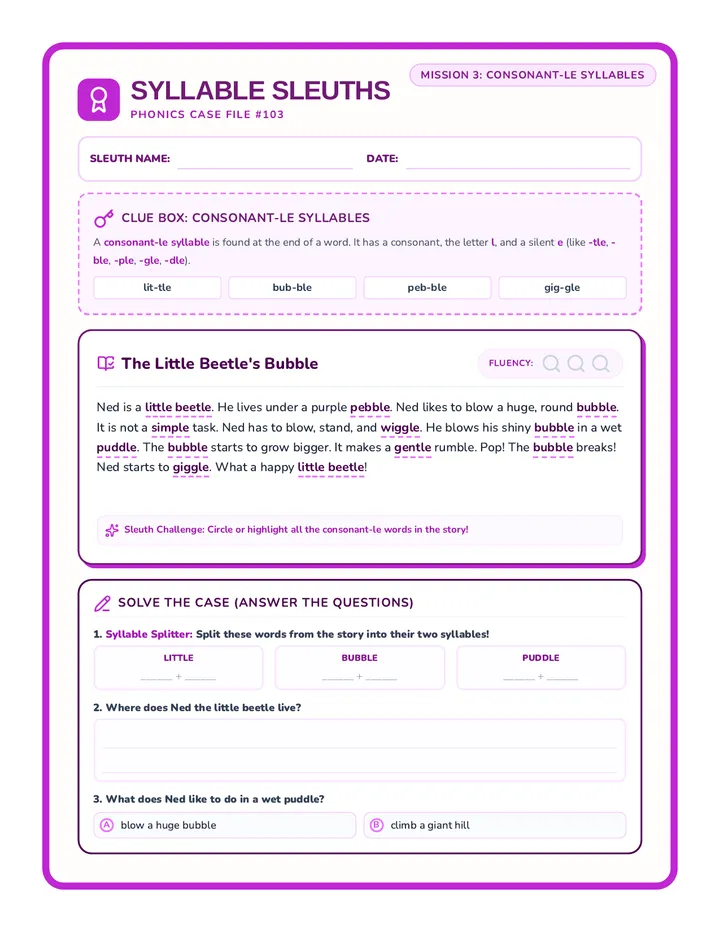
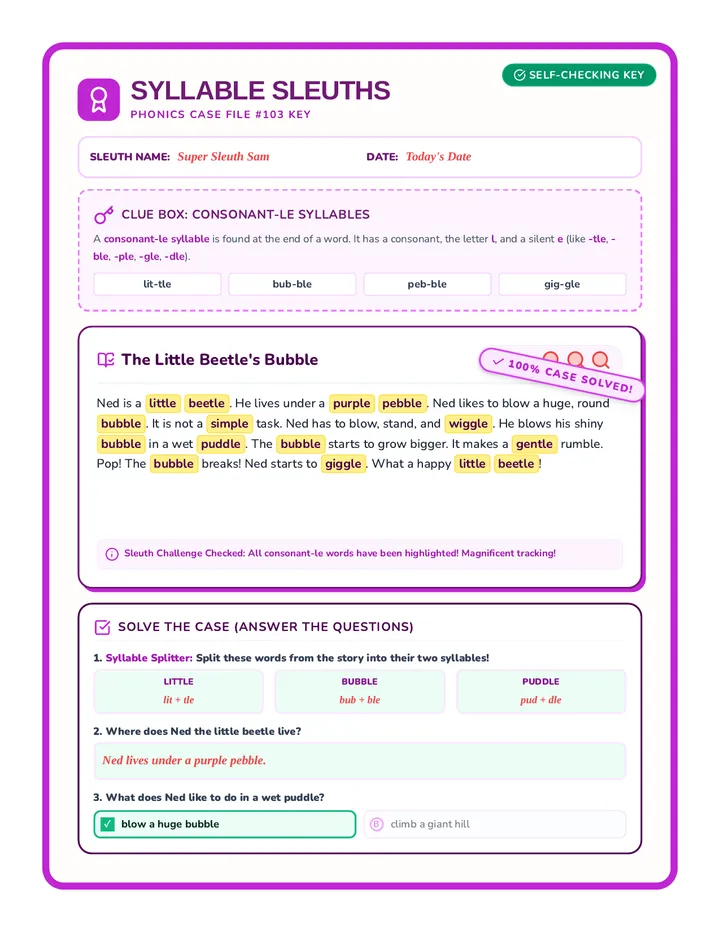
A high-flying exploration of kites that integrates long 'i' phonics patterns and multisyllabic decoding strategies for upper elementary and middle school students.
A multi-sensory lesson for 6th-grade emergent bilinguals that uses "The Dirt Book" to explore poetry structure and the underground ecosystem, culminating in a hands-on "dirt dessert" activity.
A comprehensive review of the RACE writing strategy, focusing on analyzing author's purpose and figurative language through guided instruction and highly-scaffolded practice.
An investigation into the Boston Tea Party, focusing on identifying main ideas and evidence within primary and secondary accounts of the 1773 protest.
A station-rotation lesson themed around animal crackers that integrates zoology and conservation vocabulary through reading, writing, speaking, and a STEM challenge. Designed for 6th-grade students to practice multimodal literacy skills while exploring animal ethics and habitat preservation.
A lesson focused on equipping 7th-grade students with the tools to evaluate the reliability and accuracy of information sources using the R.E.A.L. framework.