A comprehensive financial literacy lesson introducing 5th-grade students to employee benefits, their forms, and how they add total value beyond a basic salary. It includes a slide deck, student activity worksheet, and teacher guide.
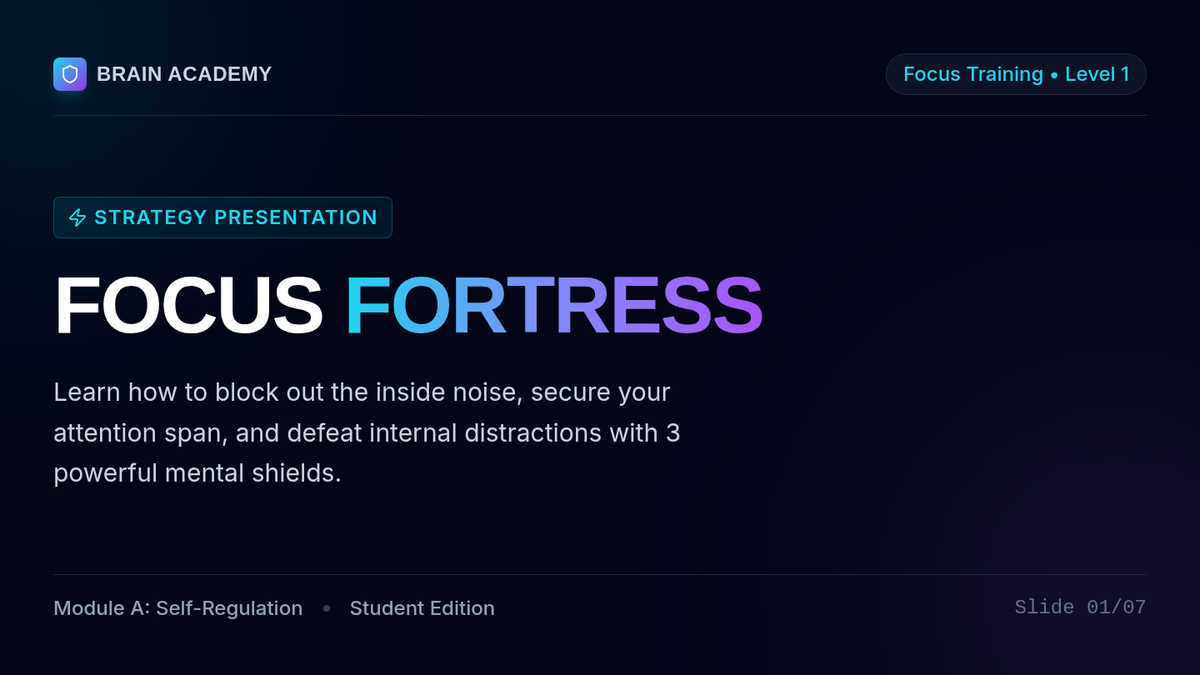
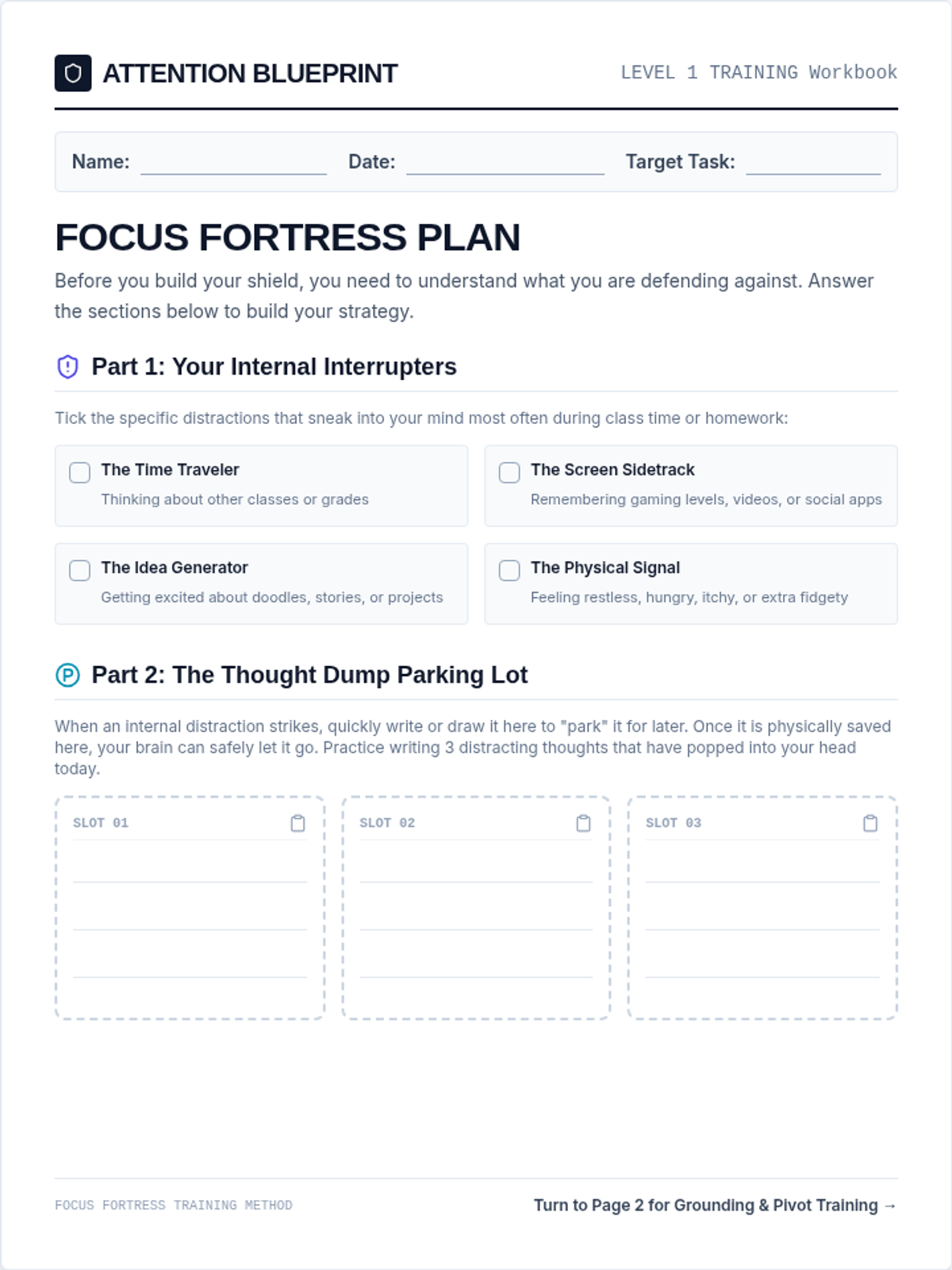
A lessons designed to teach students how to identify and conquer internal distractions using three core strategies: Thought Dumping, Mindful Grounding, and Self-Talk & Redirection.
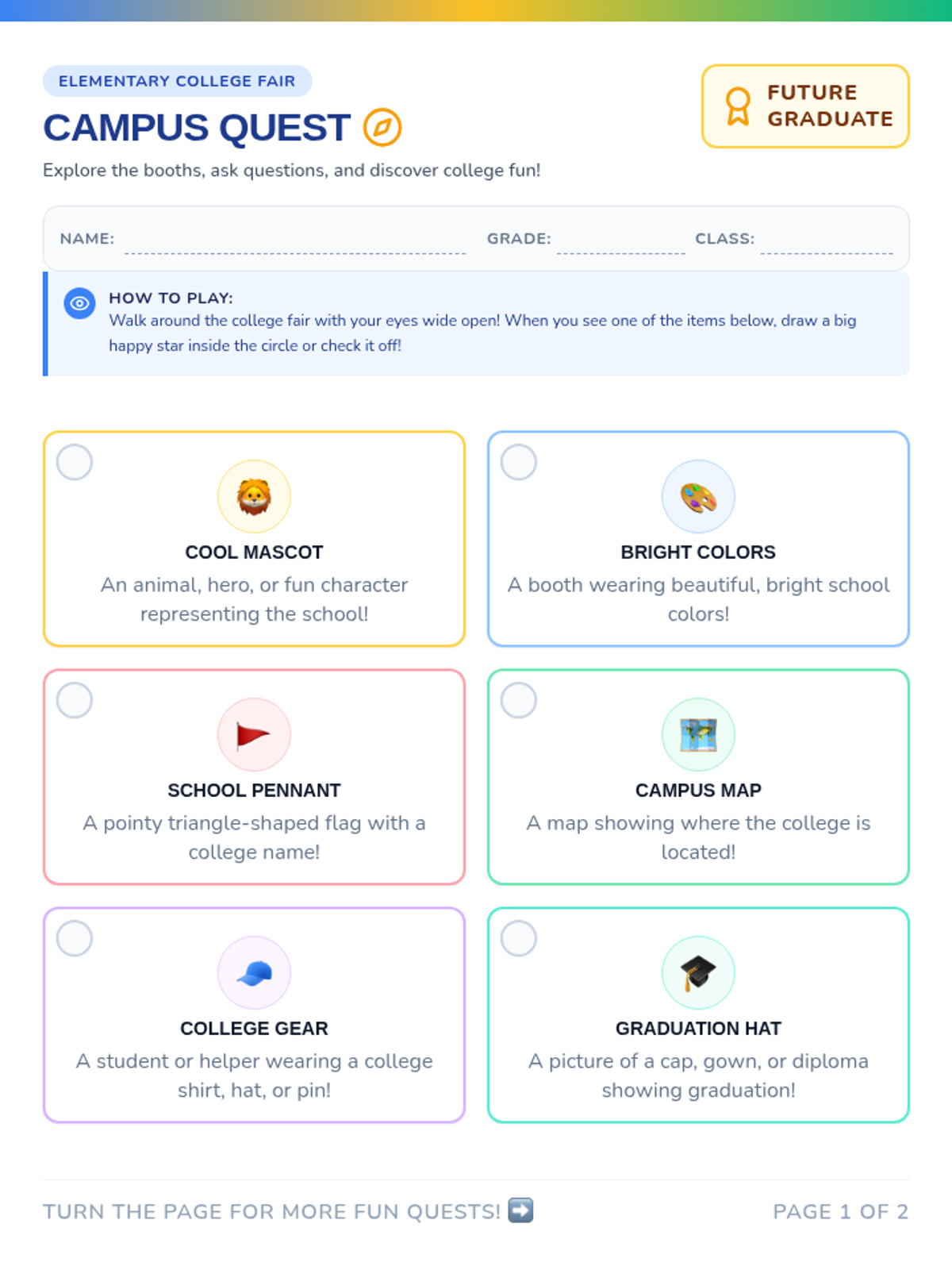
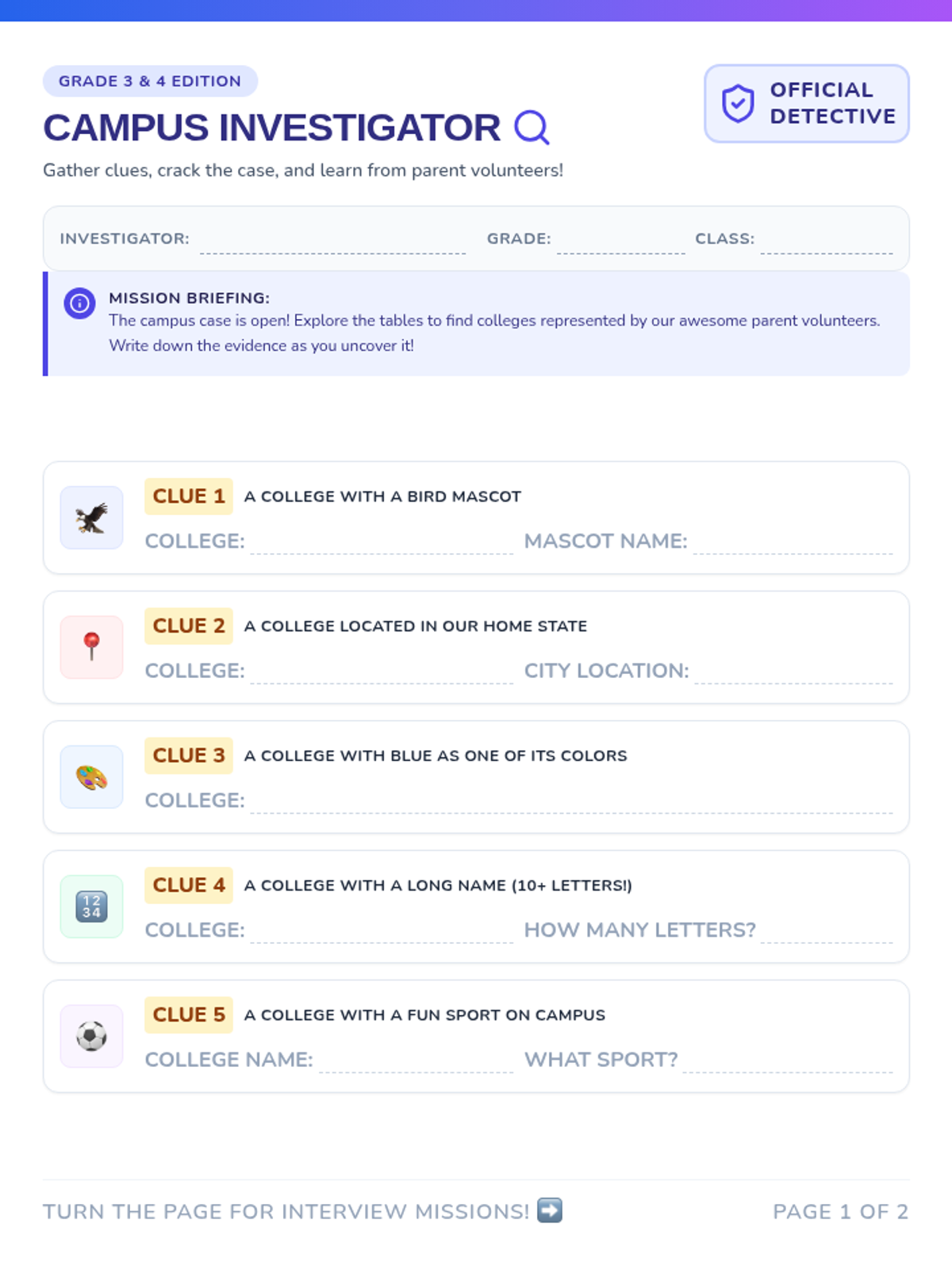
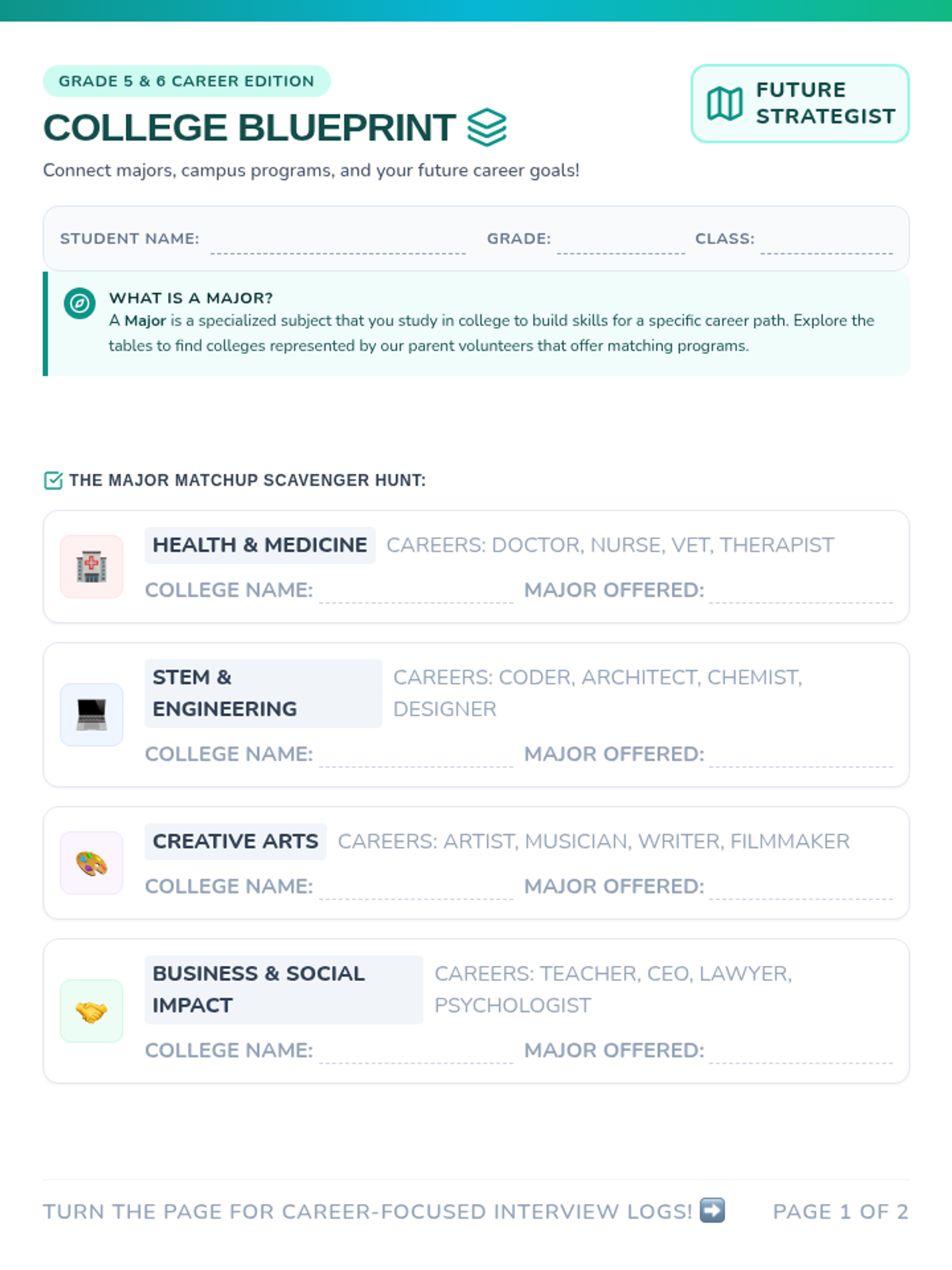
A collection of leveled scavenger hunt worksheets and interactive interview templates for elementary students (K-2, 3-4, and 5-6) to use during a school college fair.
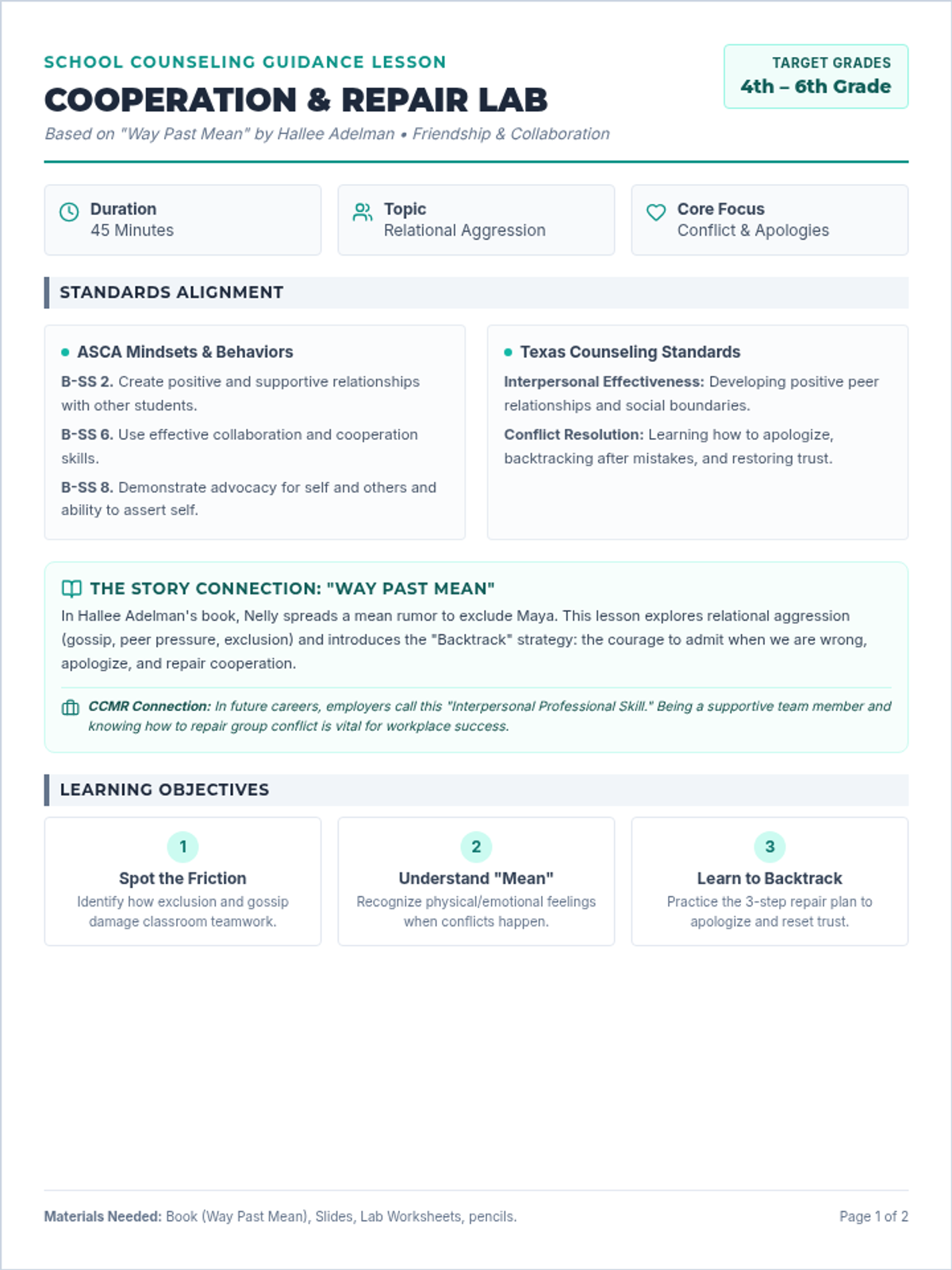
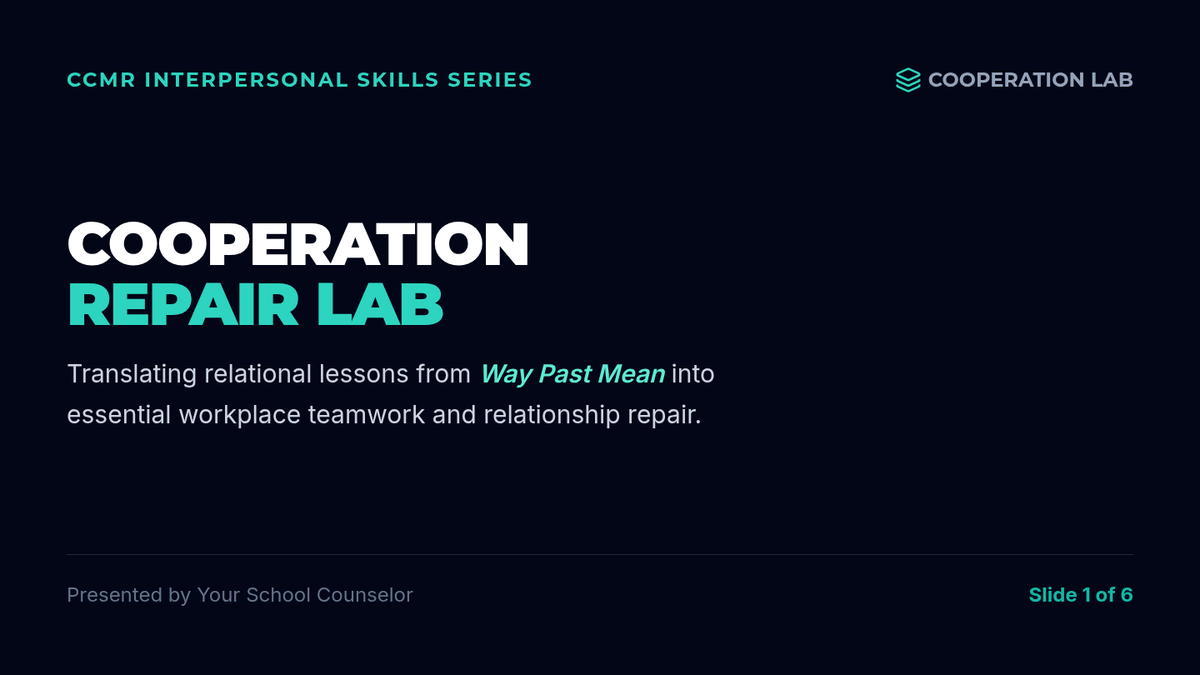
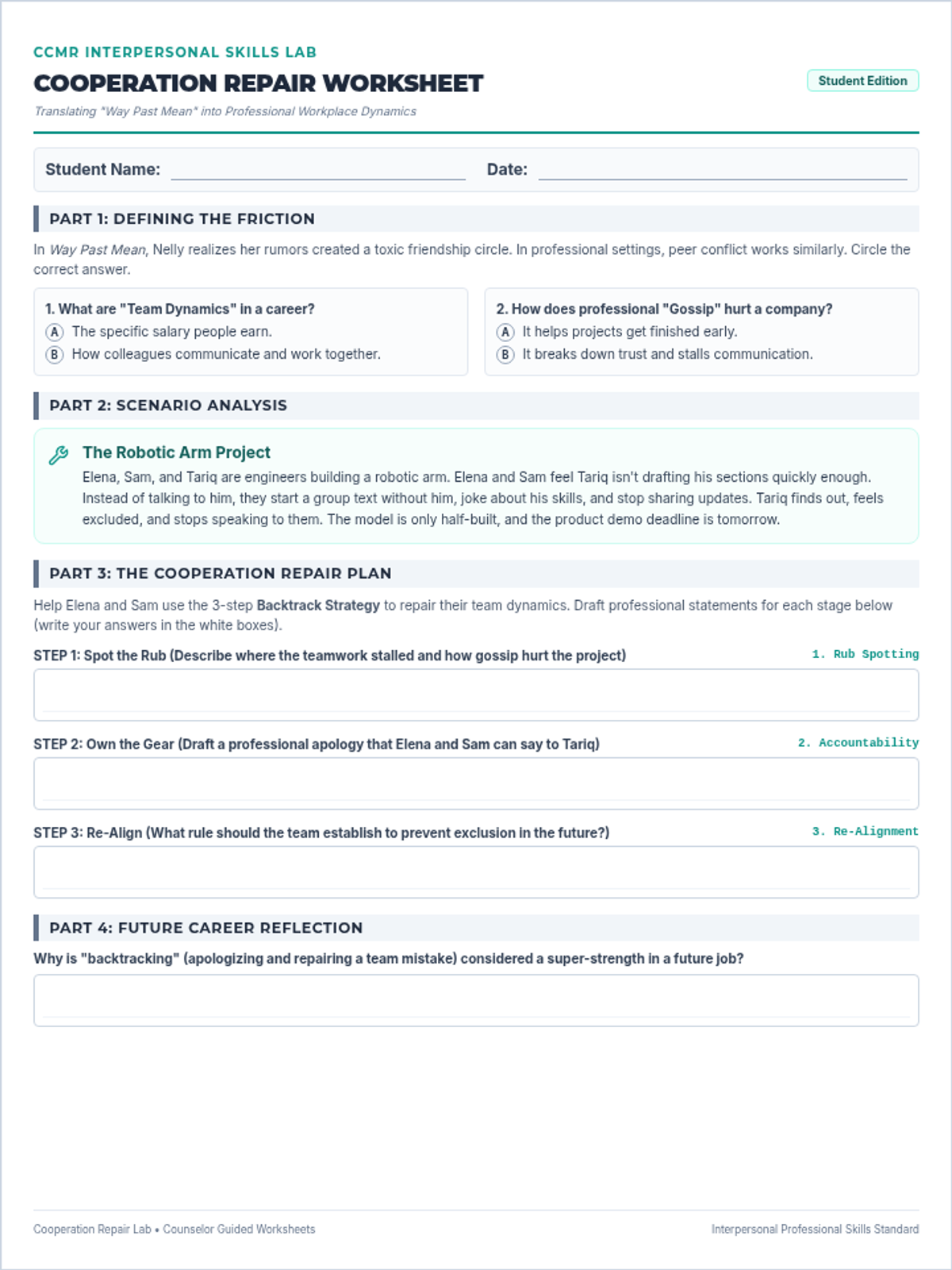
A comprehensive school counseling lesson that translates the relational aggression themes from 'Way Past Mean' into essential college, career, and military readiness (CCMR) interpersonal skills. Students analyze professional team dynamics, active collaboration, and relationship repair in career settings.
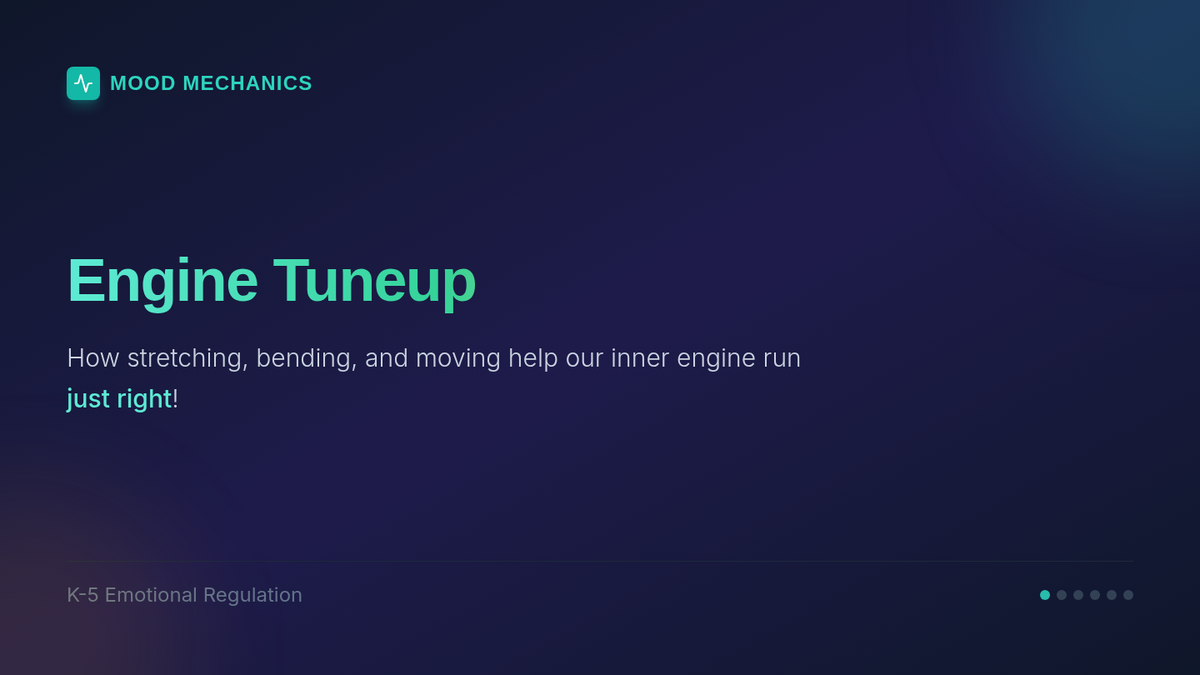
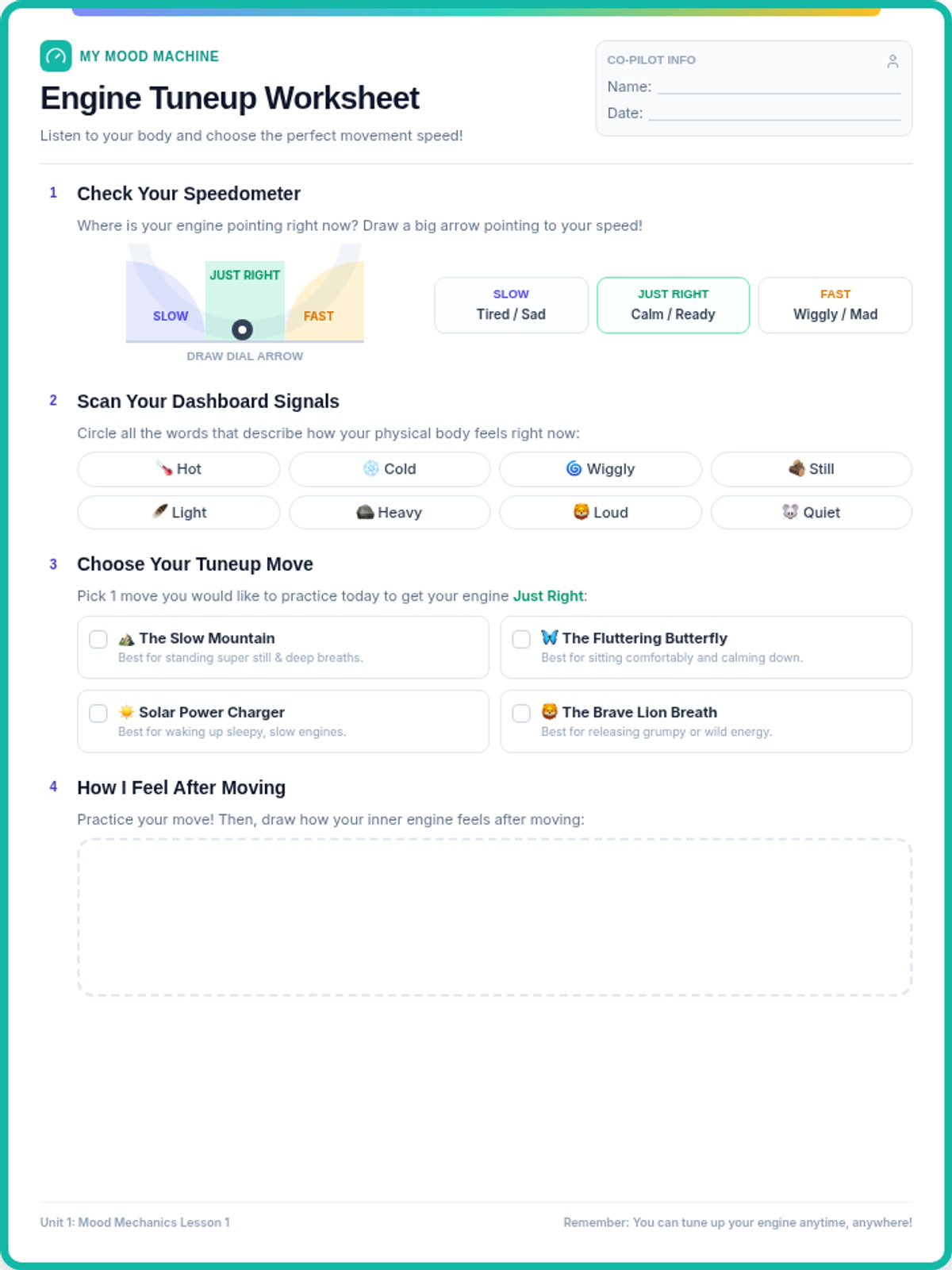
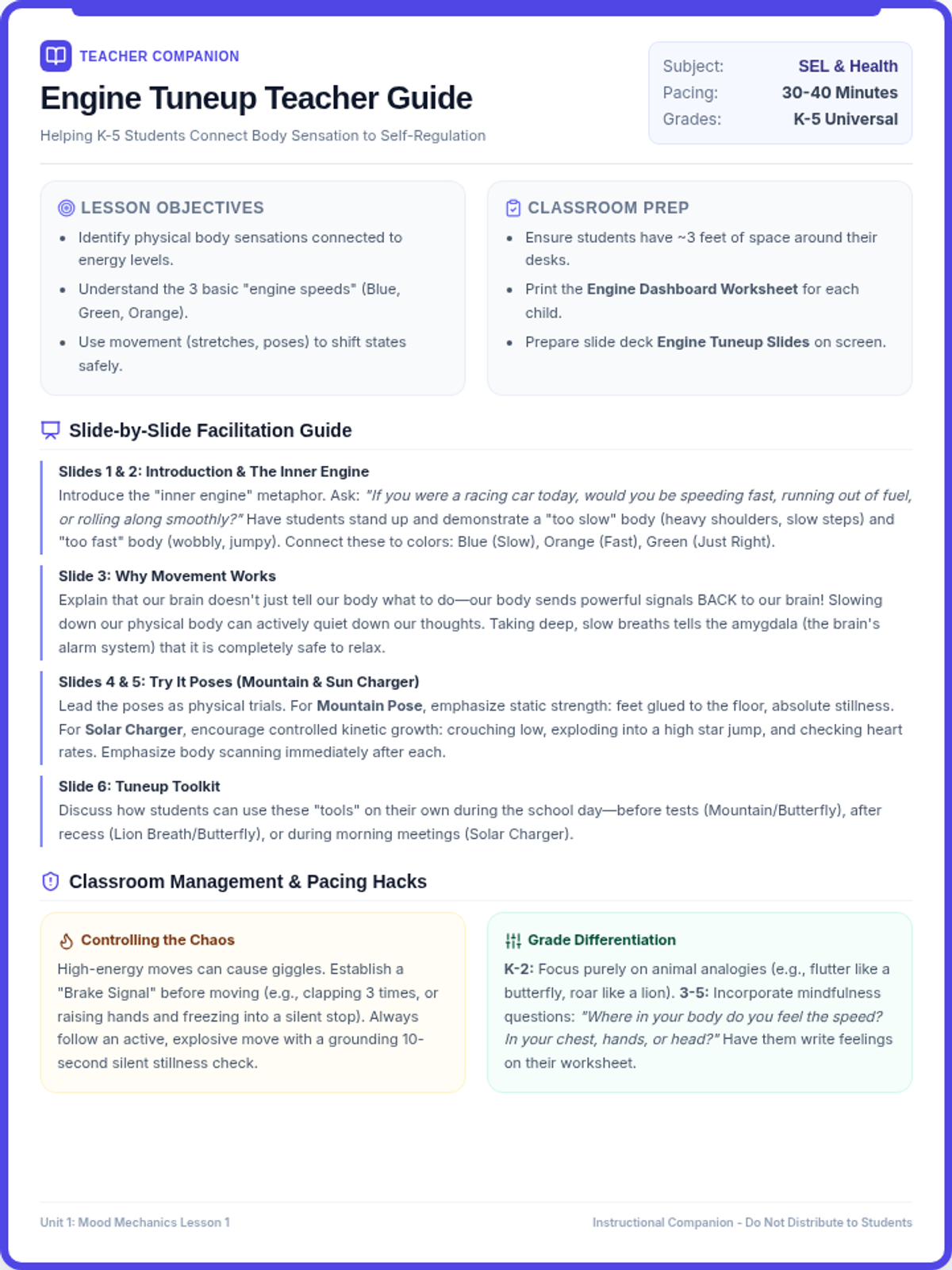
An introductory lesson for K-5 students on how slow stretches, yoga poses, and intentional movement help regulate emotions and tune up their inner engine.
A foundational lesson introducing elementary students to the science and practice of deep breathing and mindful movement as powerful self-regulation tools.
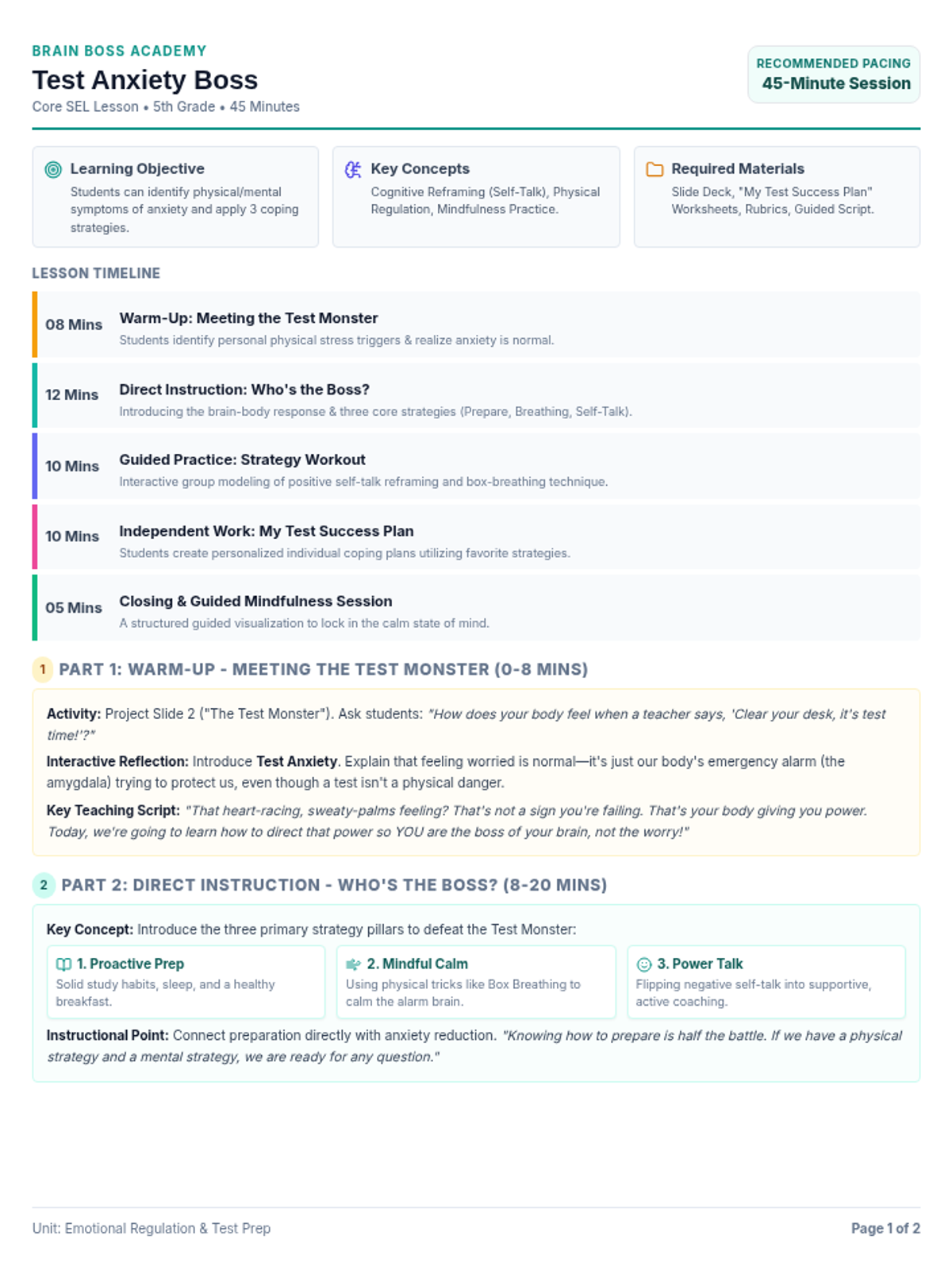
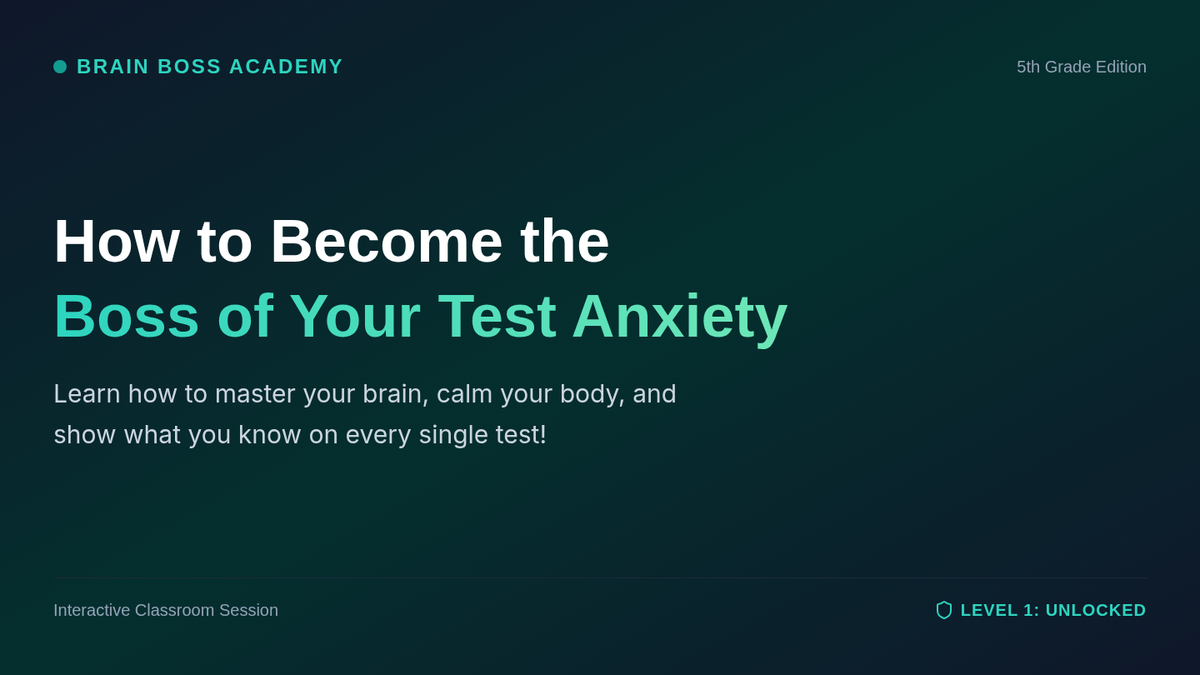
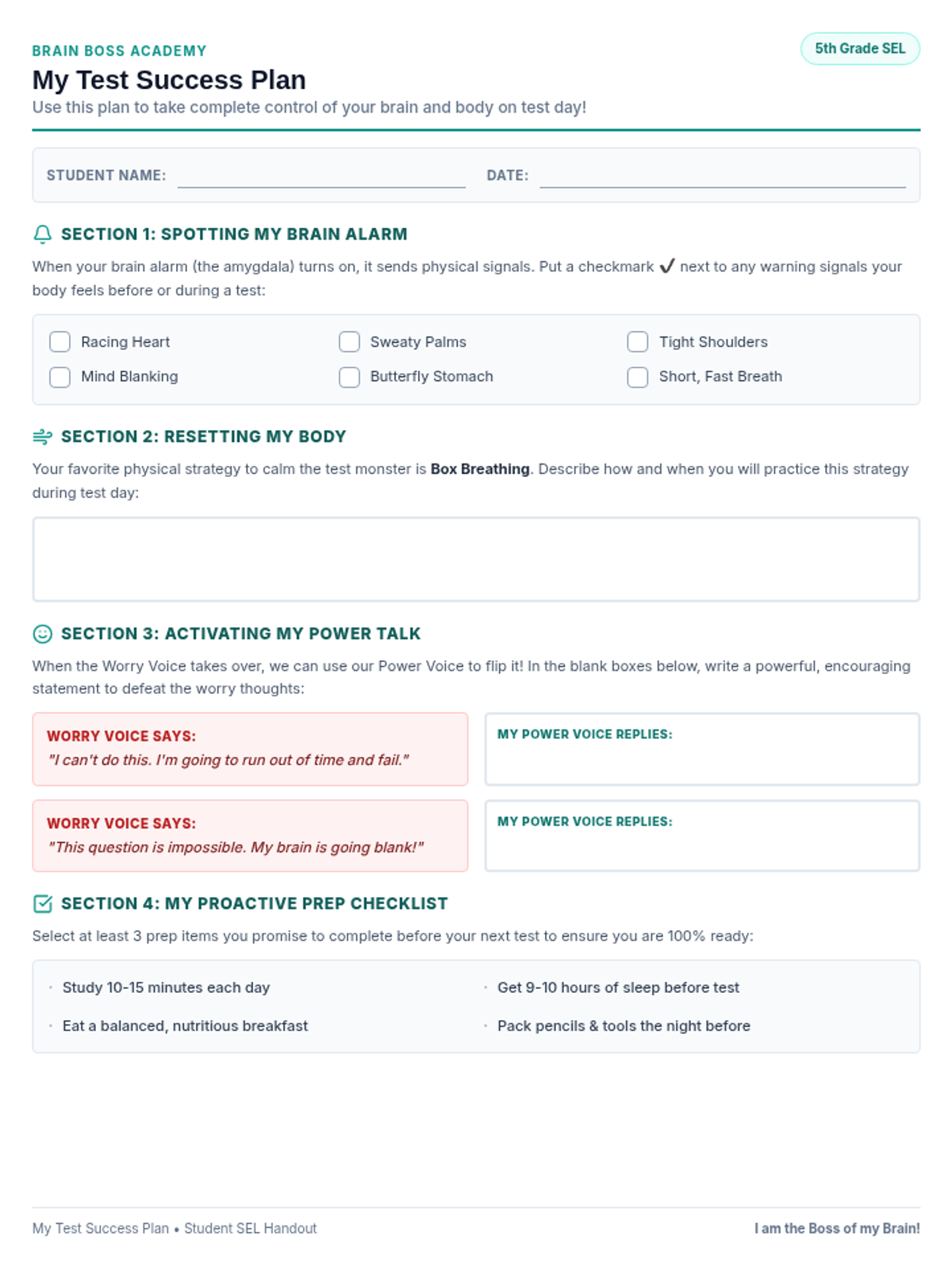
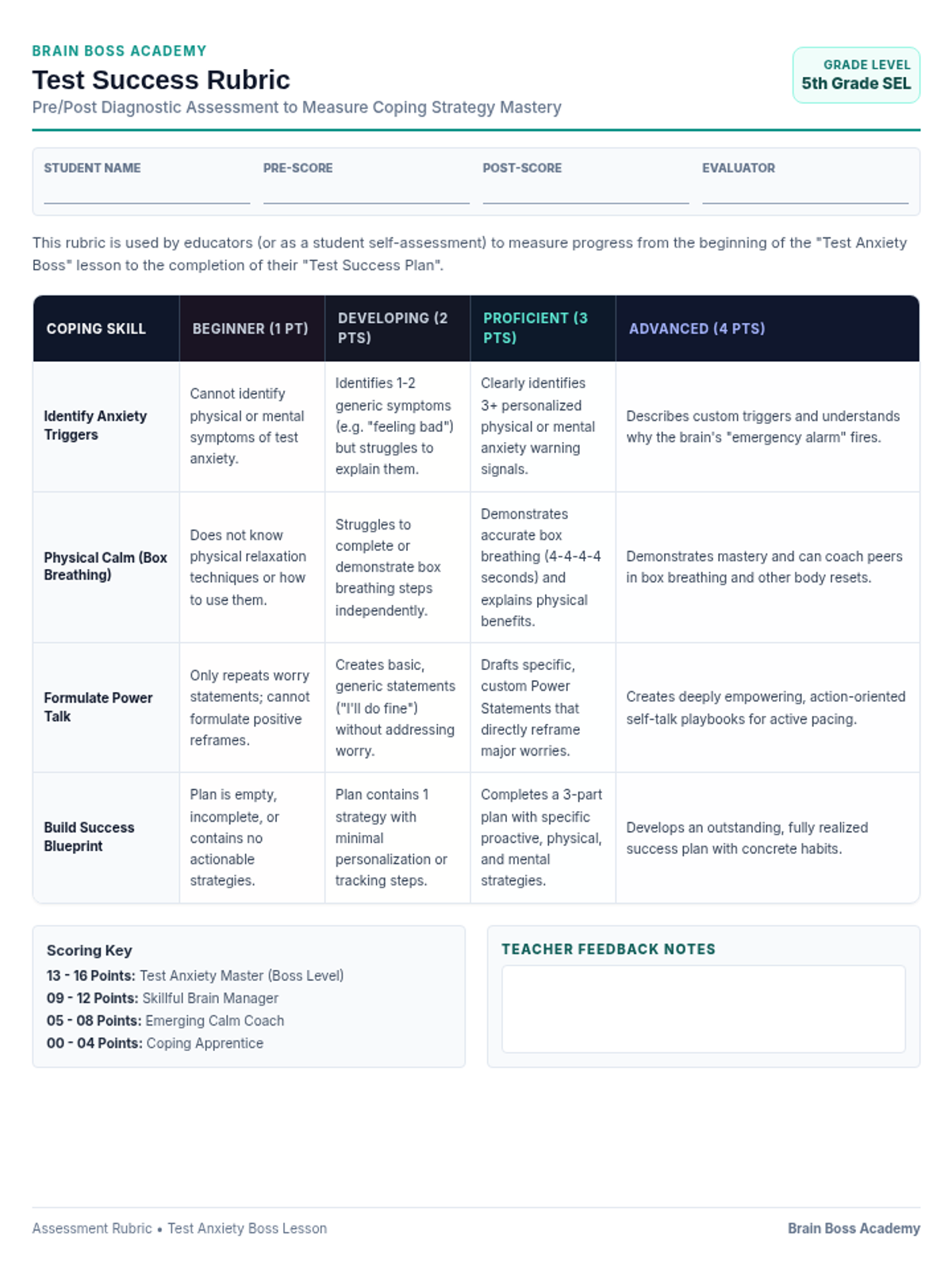
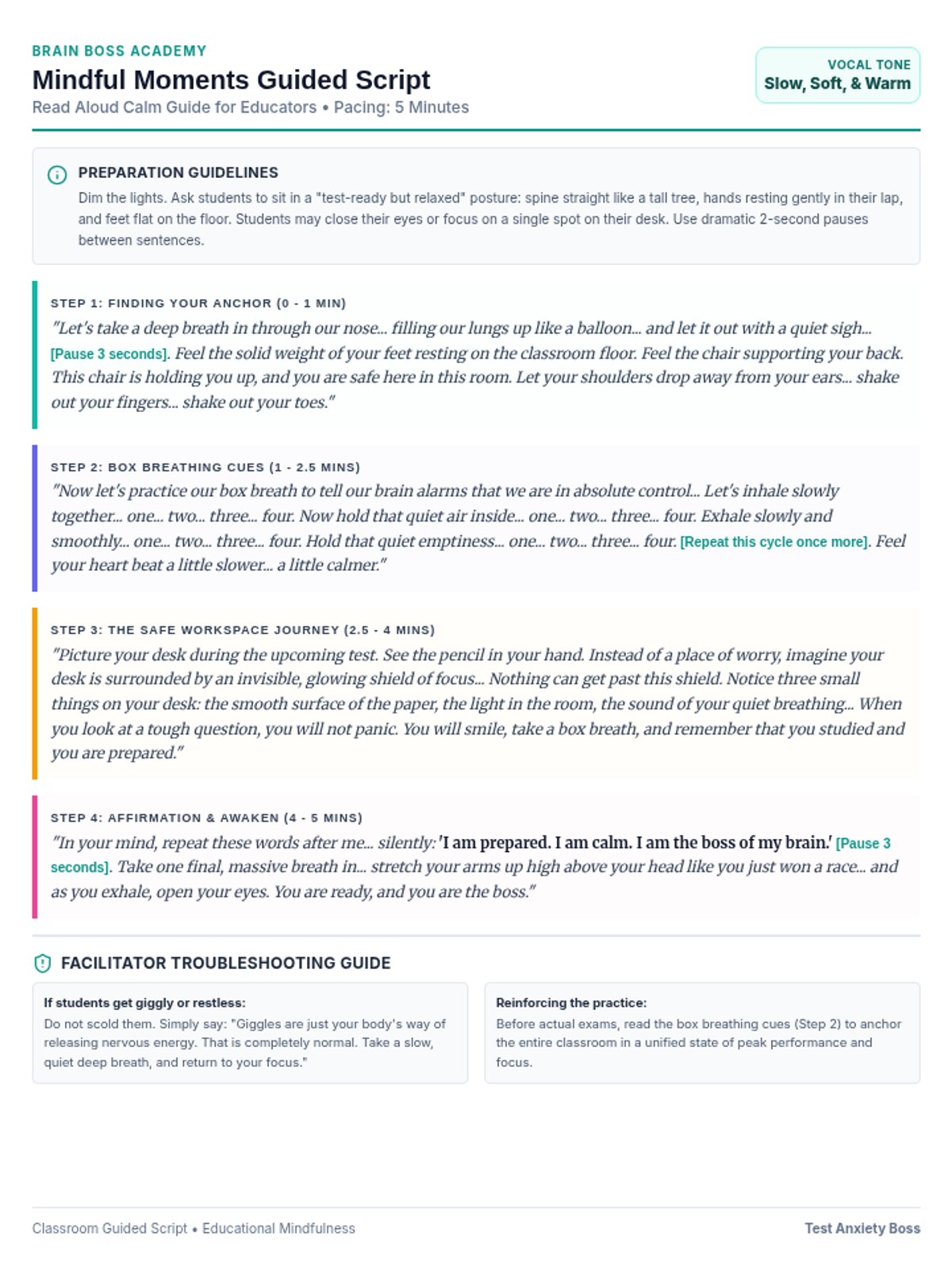
A high-impact 45-minute lesson for 5th grade students to understand test anxiety and master cognitive-behavioral and mindfulness strategies to take control of their test-day experiences.
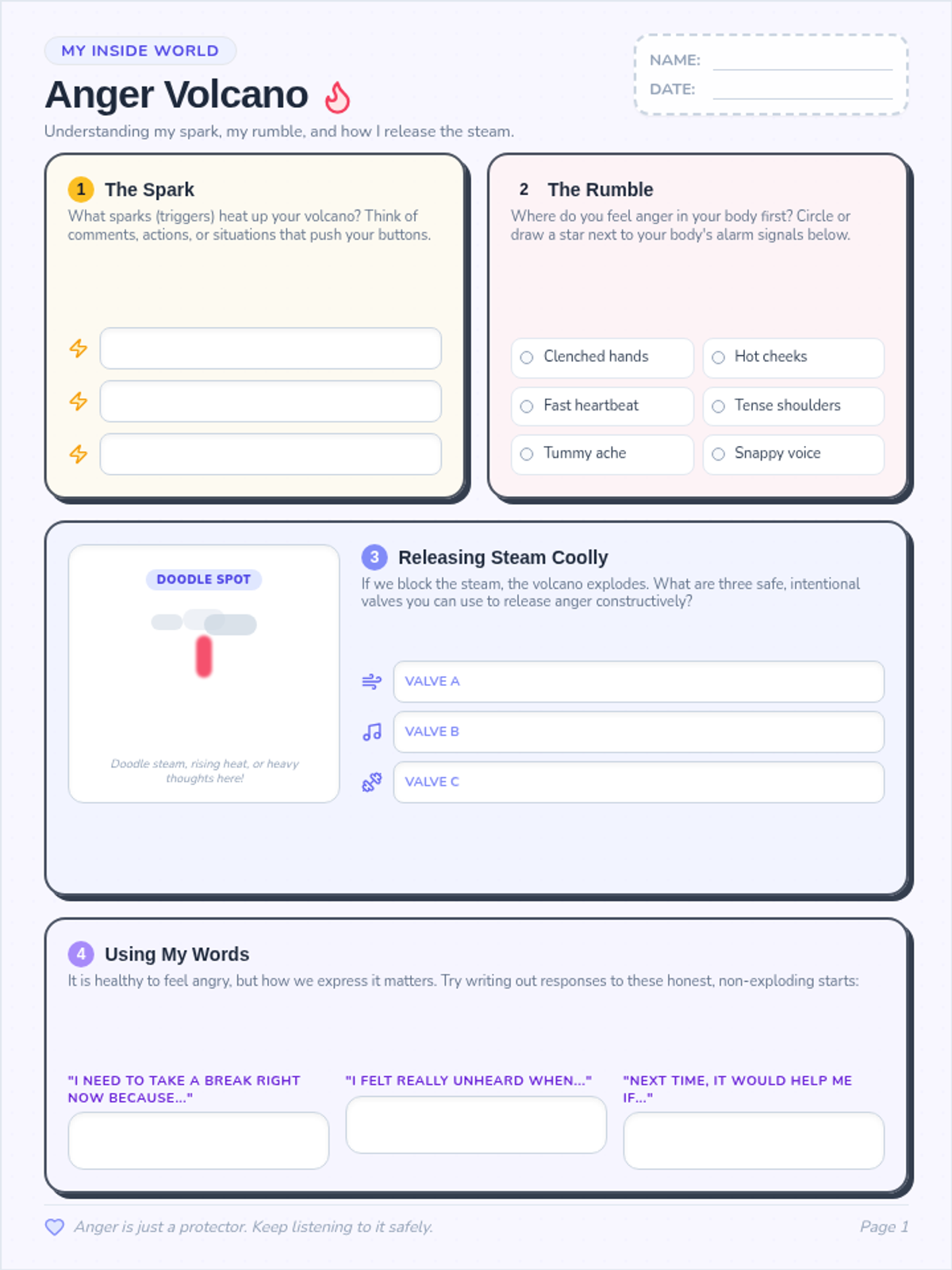
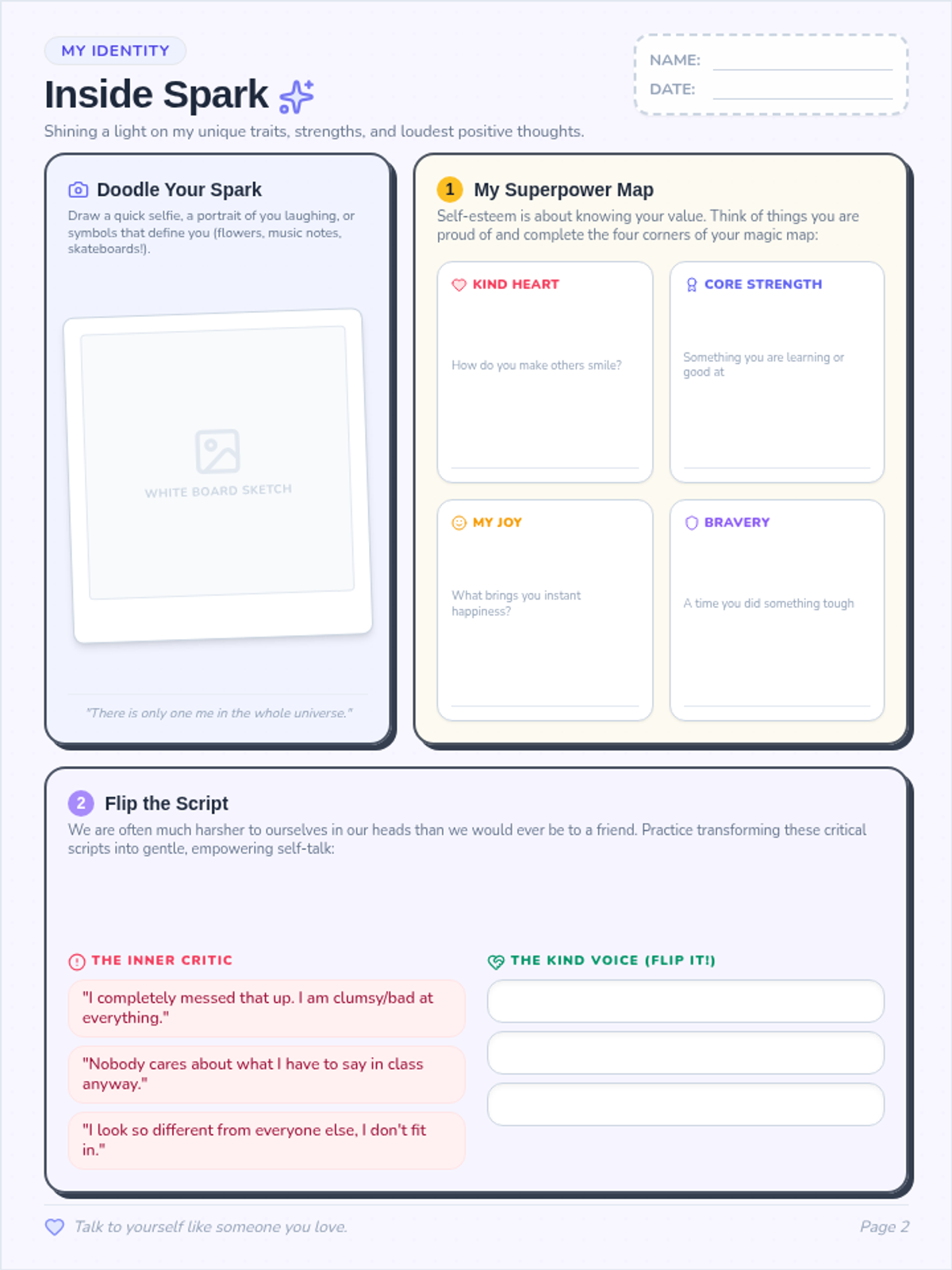
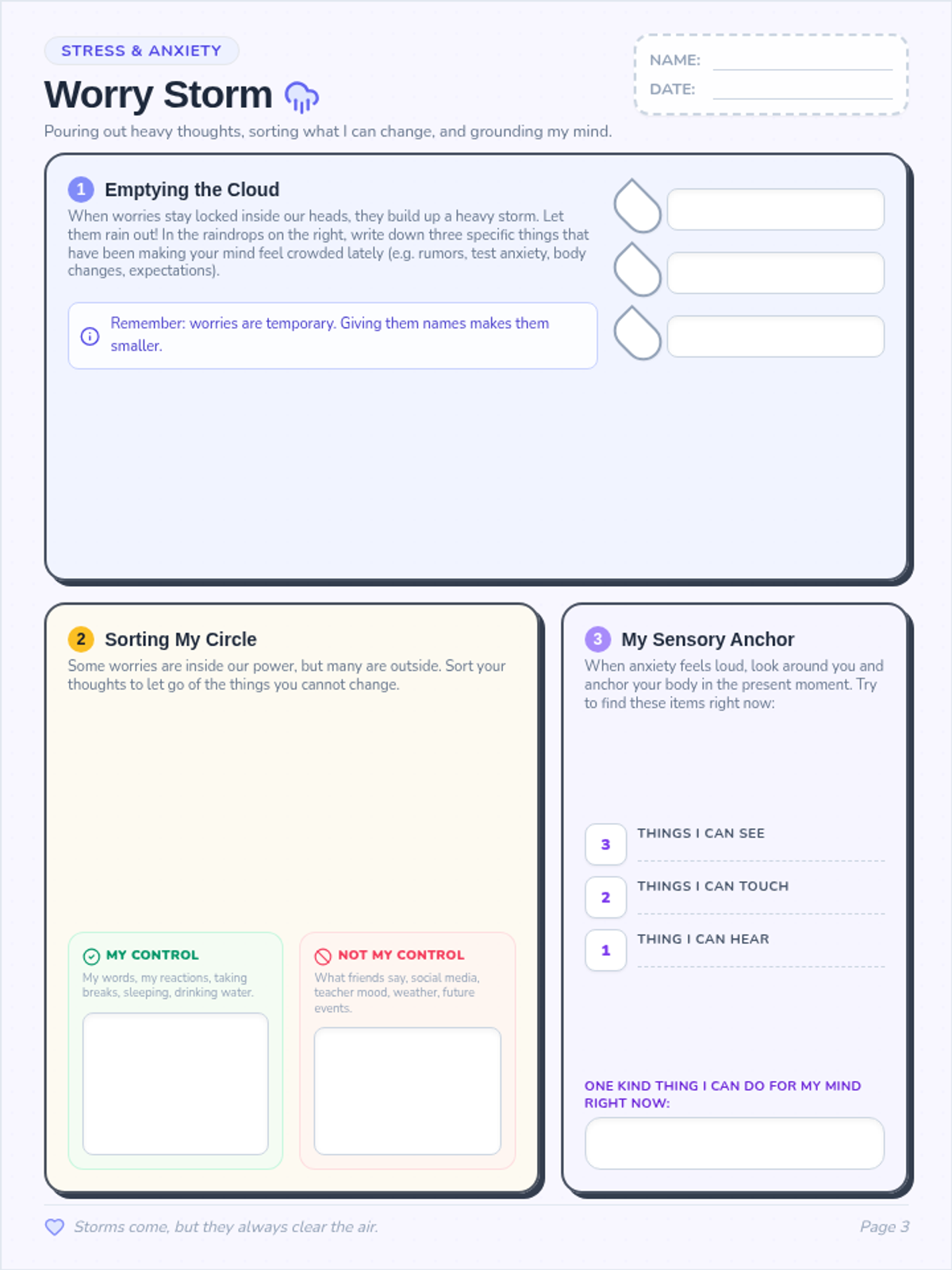
A collection of highly engaging, sketchbook-style journaling worksheets designed specifically for 12-year-old girls. This lesson focuses on self-esteem, managing stress and anxiety, navigating friendships, and constructively communicating and expressing anger.
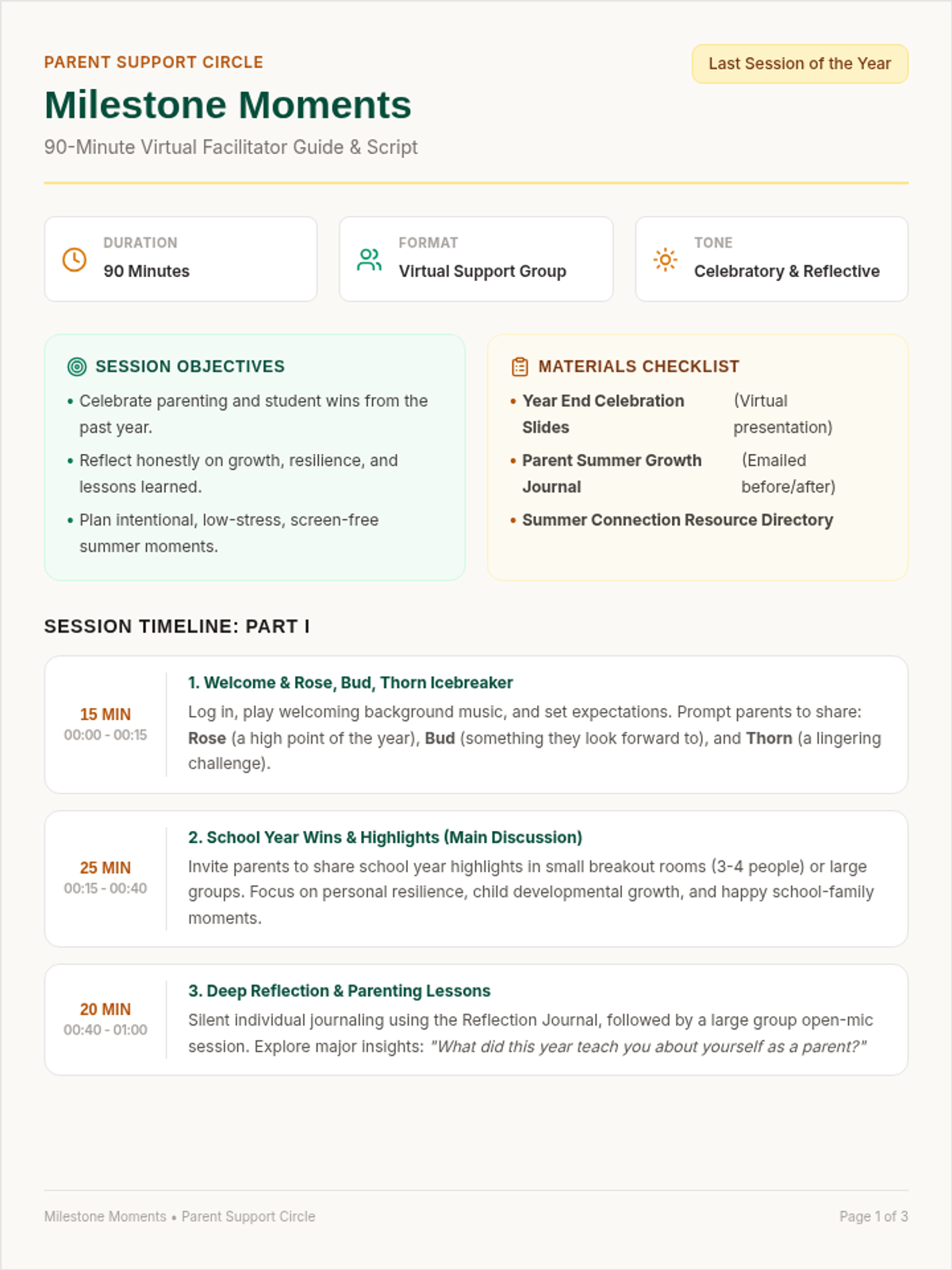
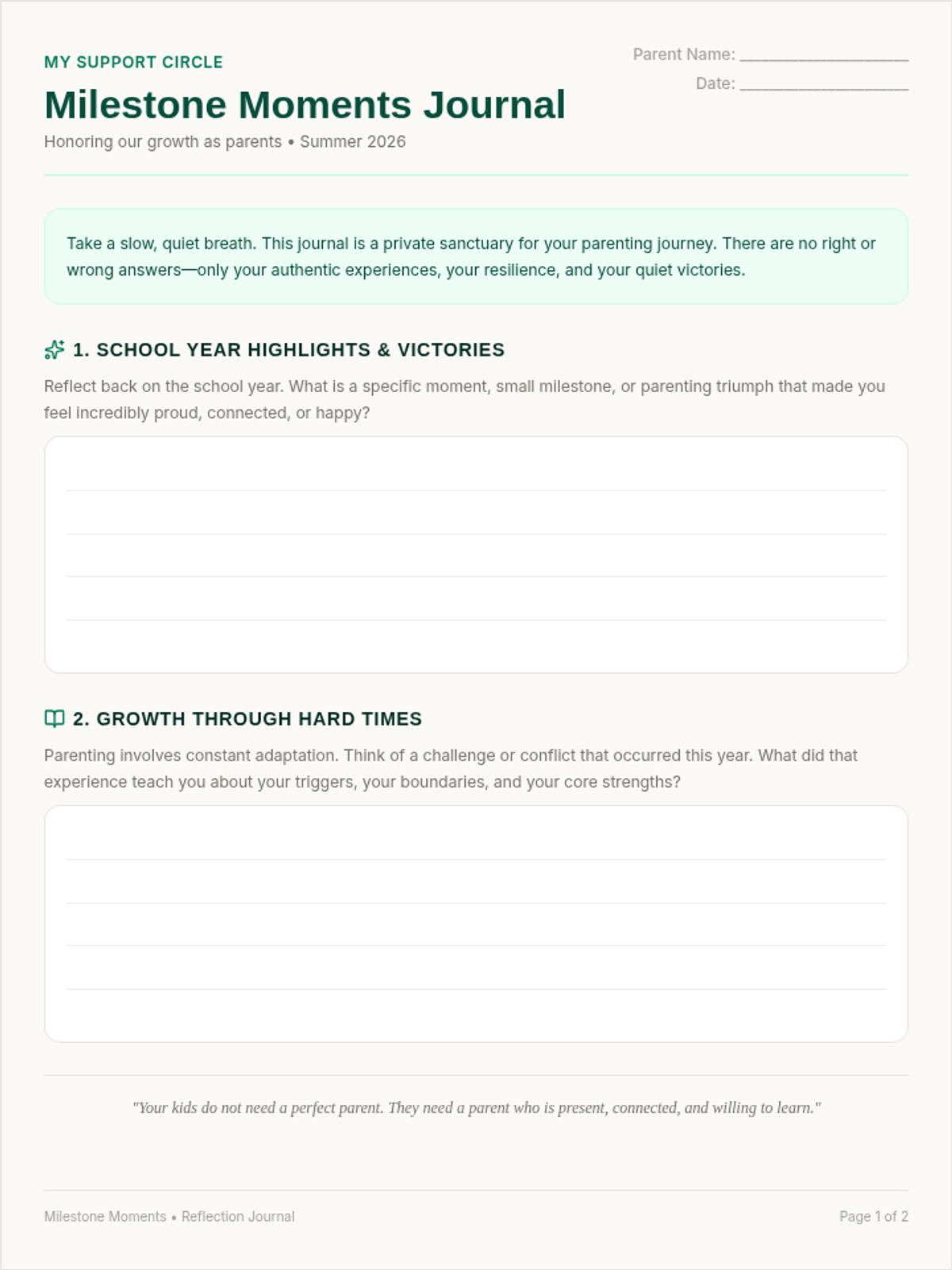
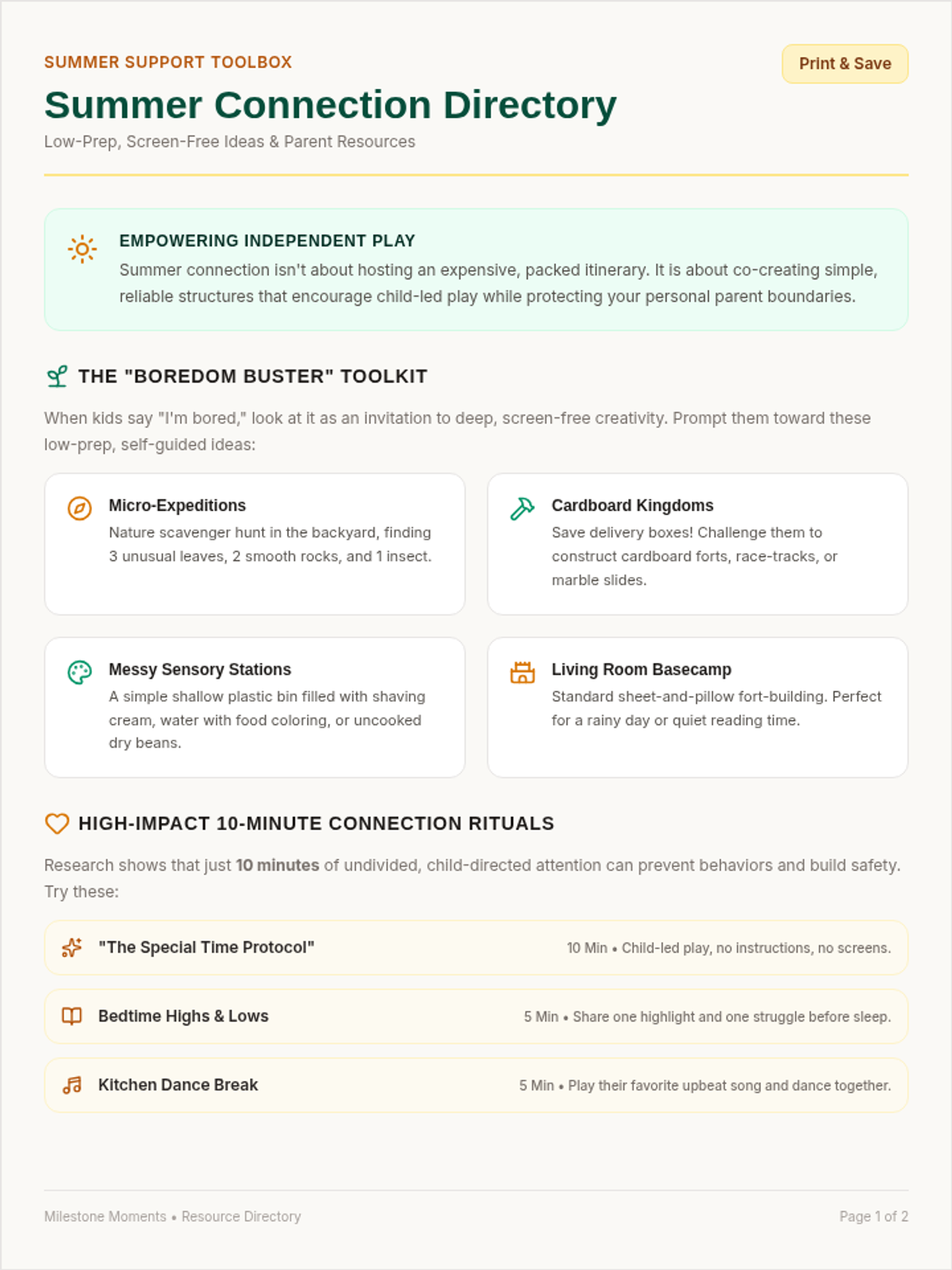
A warm, celebratory parent support group session focused on reflecting on school year successes, planning screen-free summer adventures, and setting growth goals.
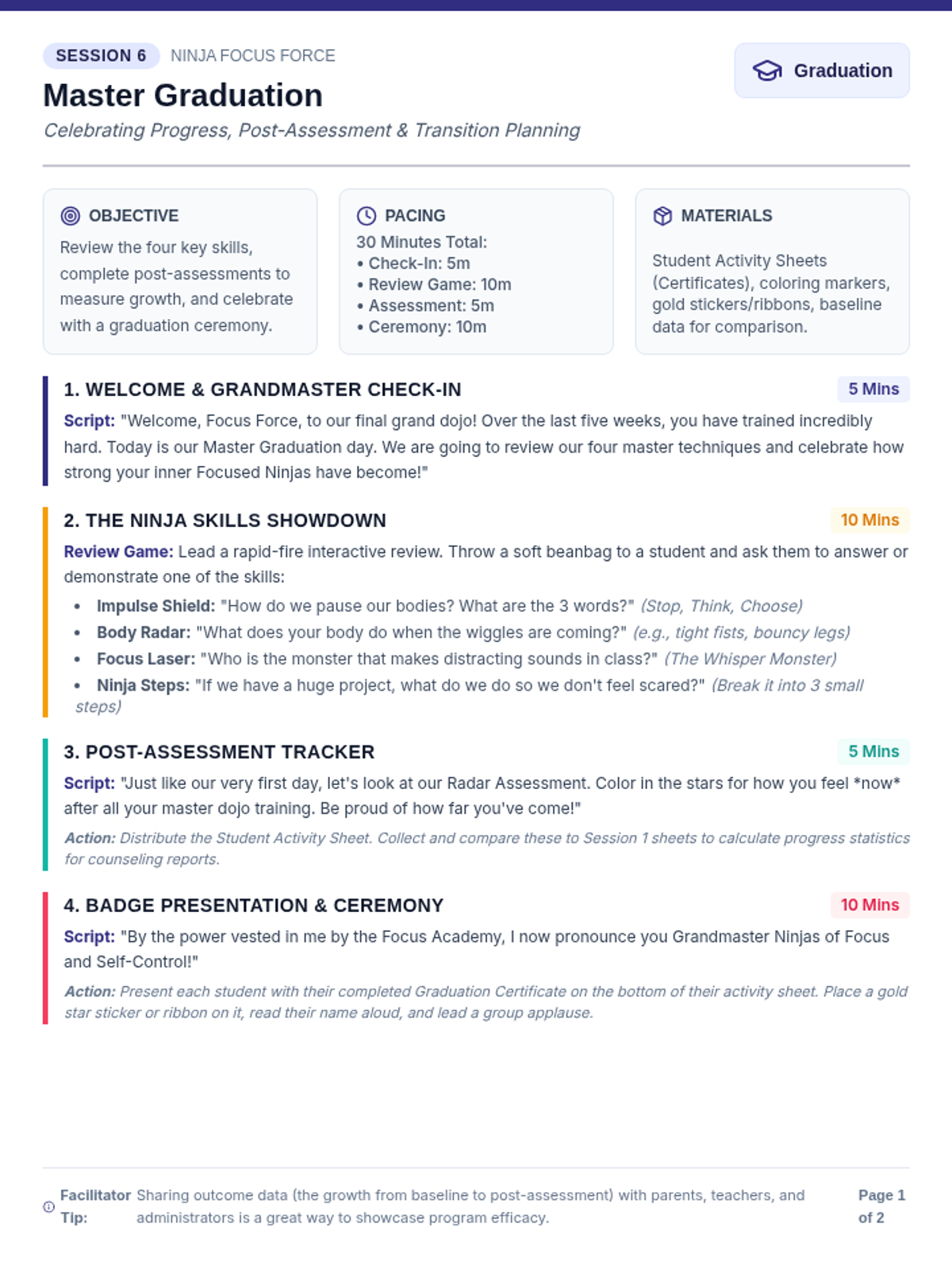
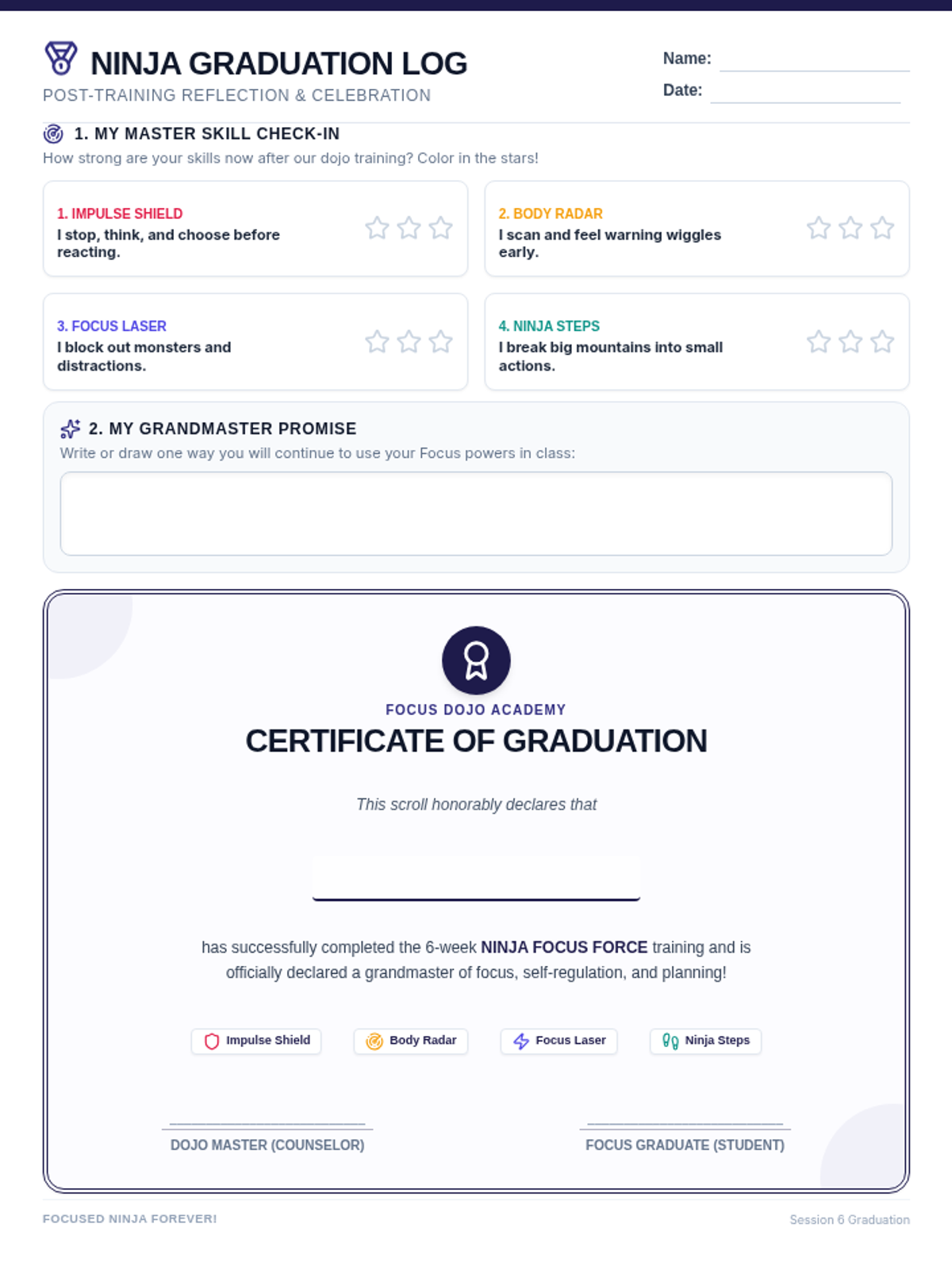
Celebrating the group's progress. Students review their ninja strategies, complete a post-assessment, and receive their graduation badges.
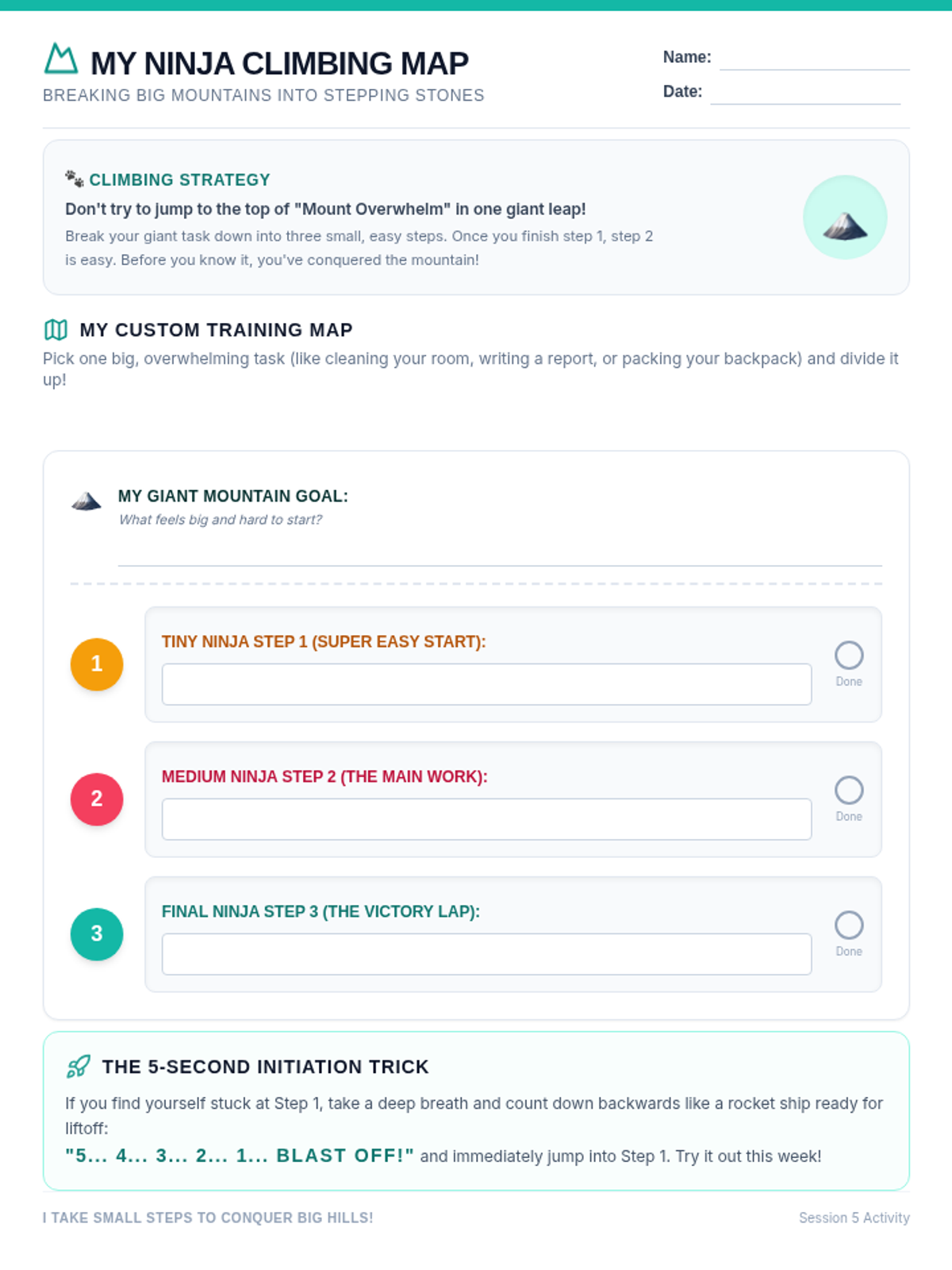
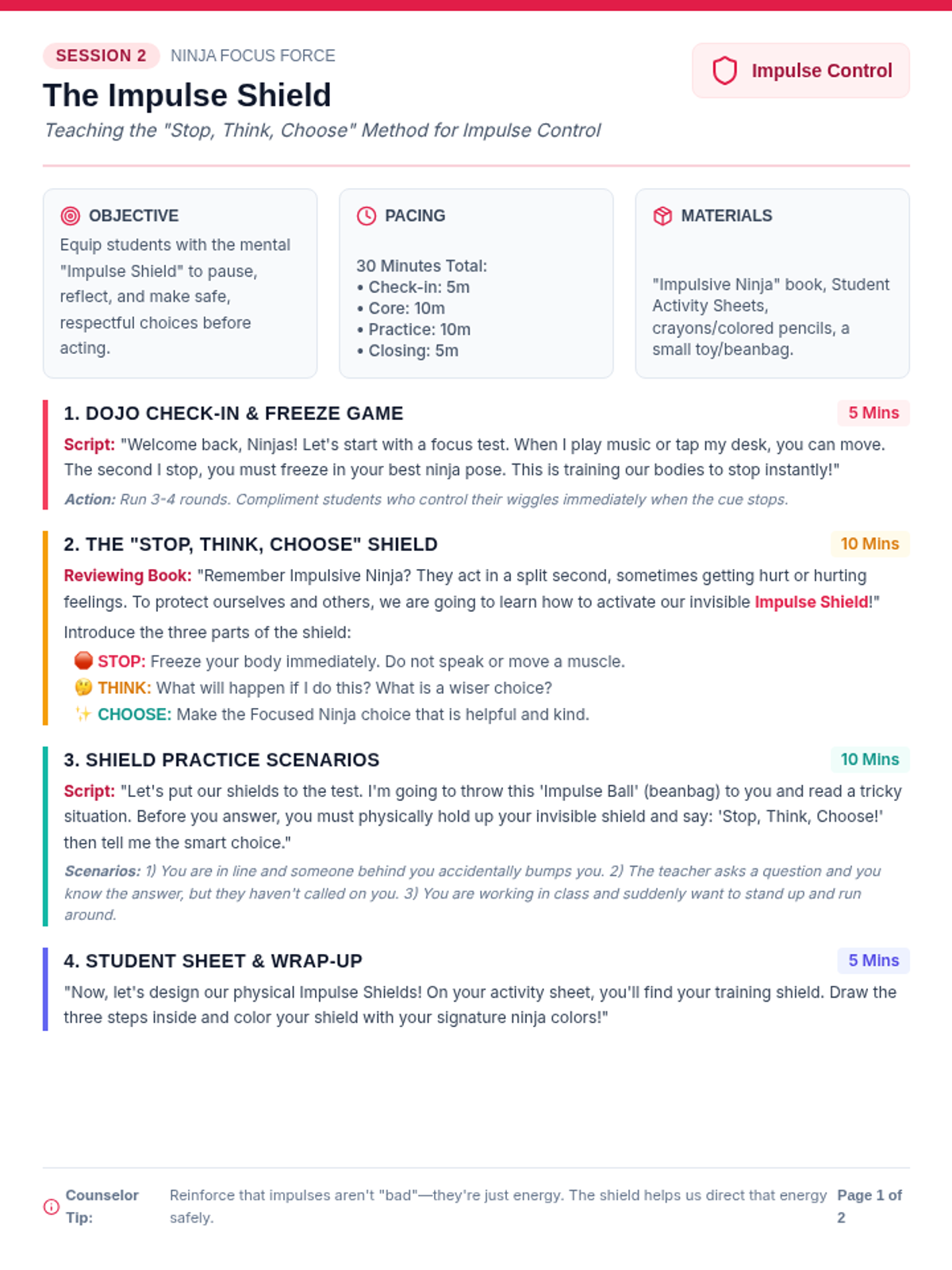
Mastering goal setting and action planning. Students learn to break big, overwhelming tasks into small, manageable 'ninja-steps'.
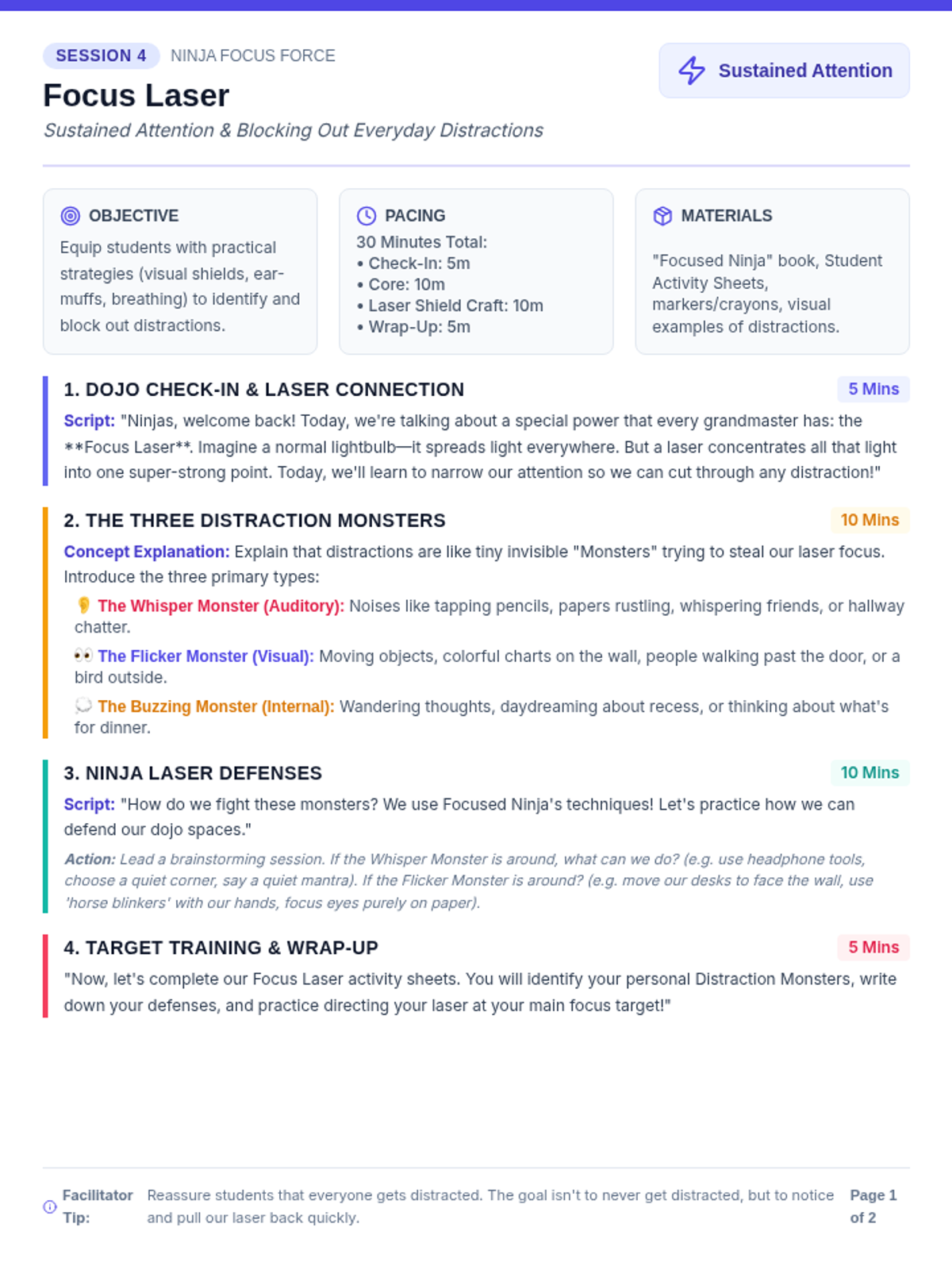
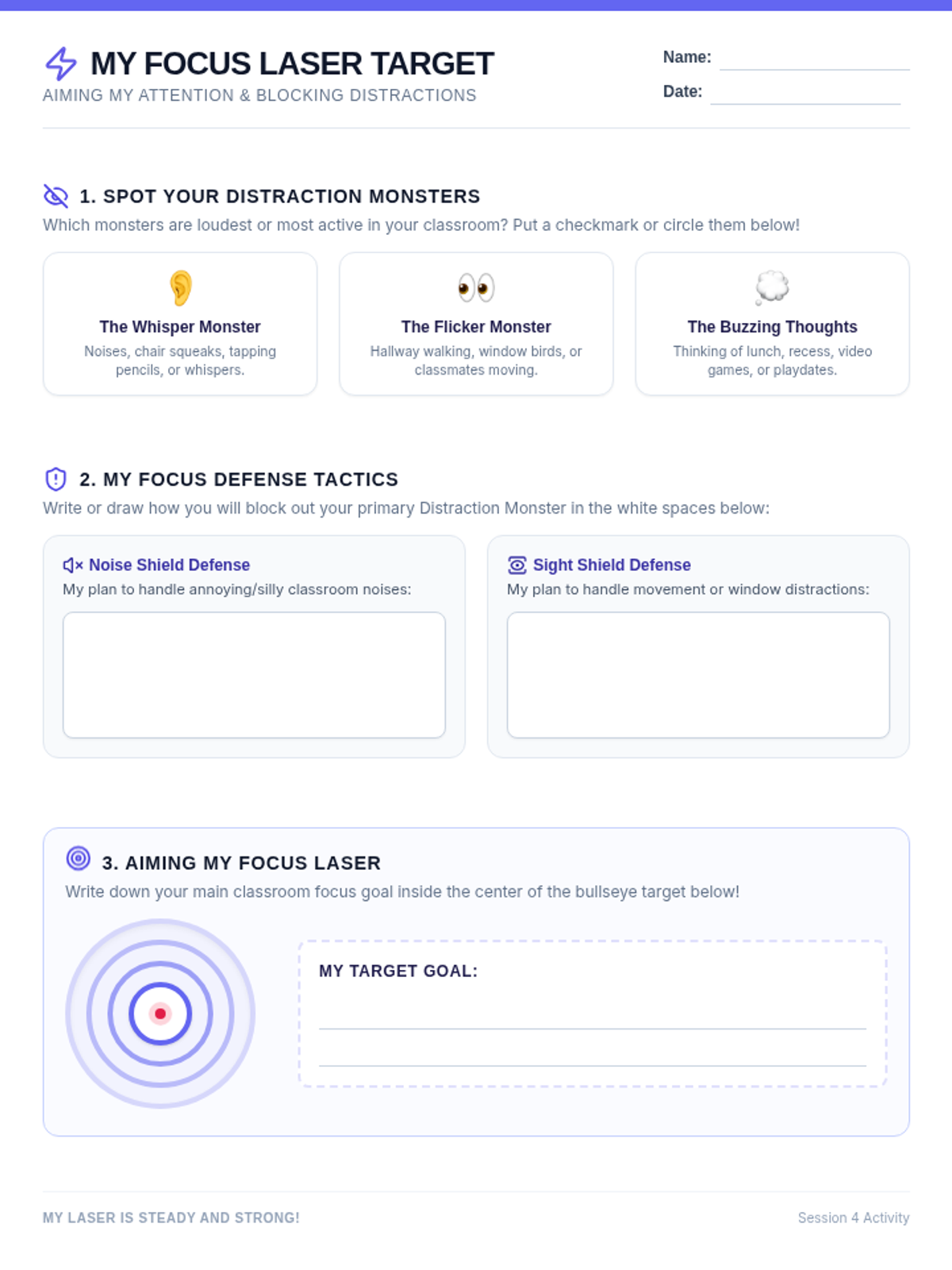
Enhancing sustained attention and concentration. Students practice blocking out distractions using the Focused Ninja's techniques.
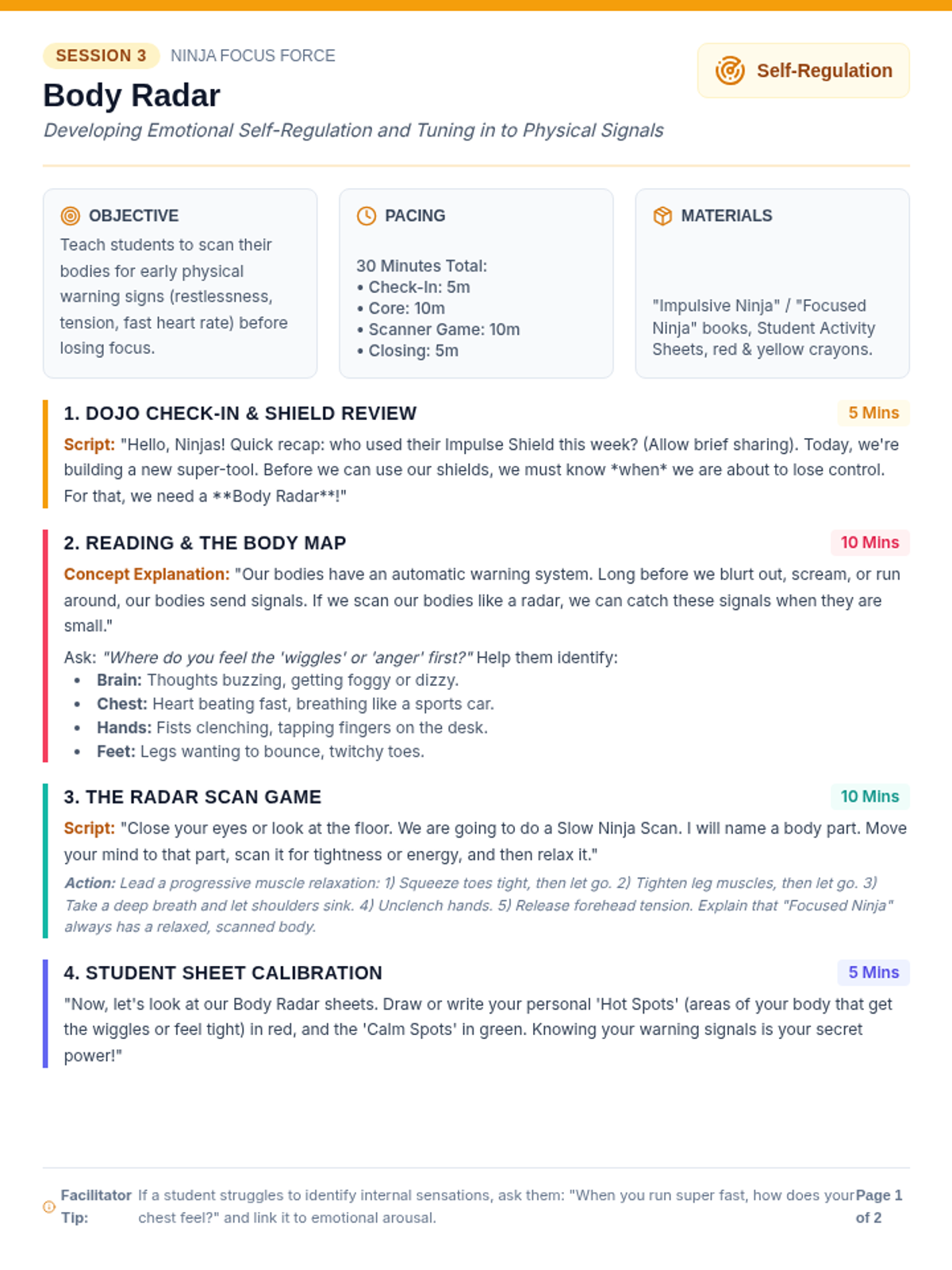
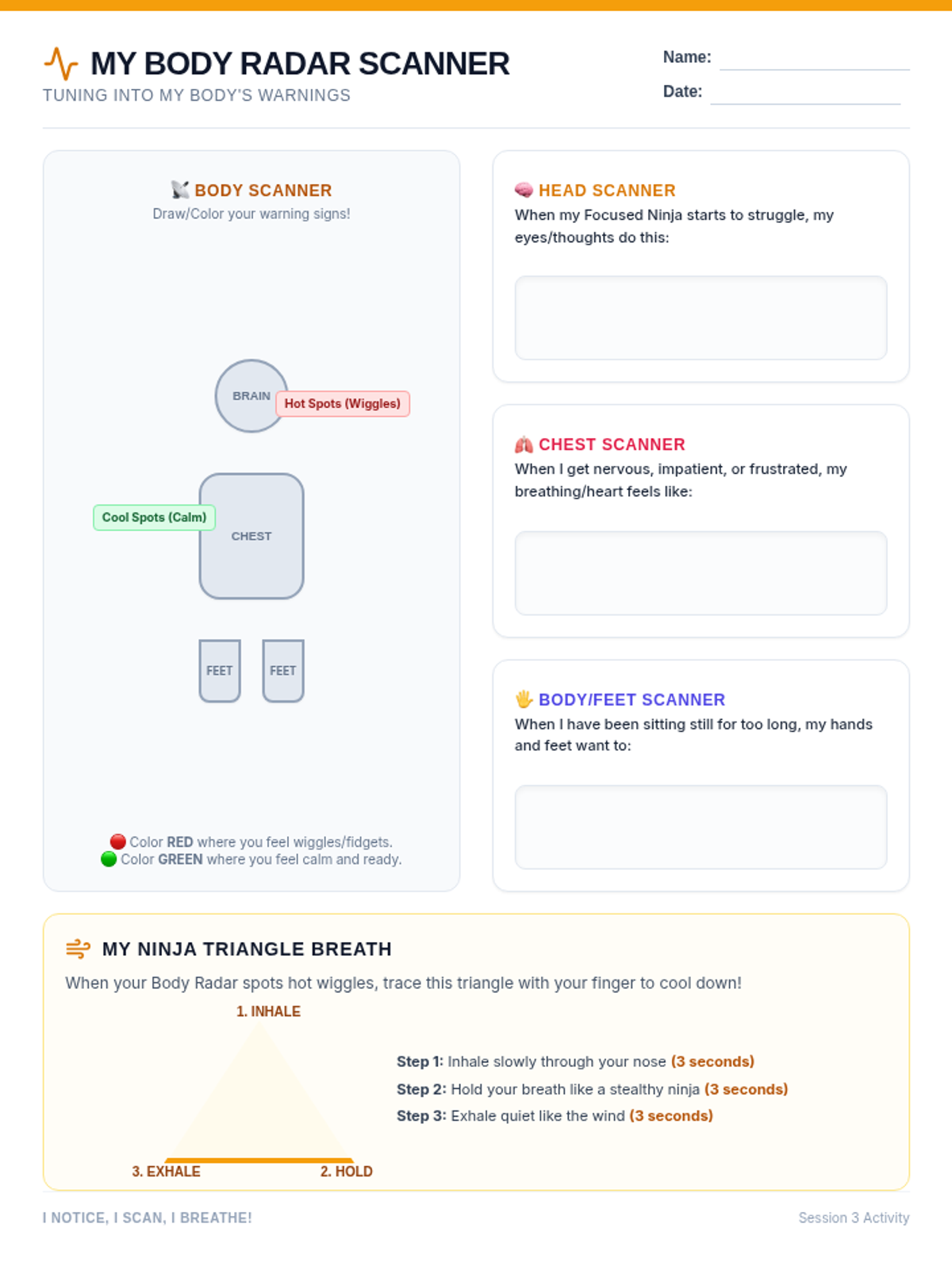
Developing emotional self-regulation. Students learn to scan their bodies for early warning signs of distraction, restlessness, or frustration.
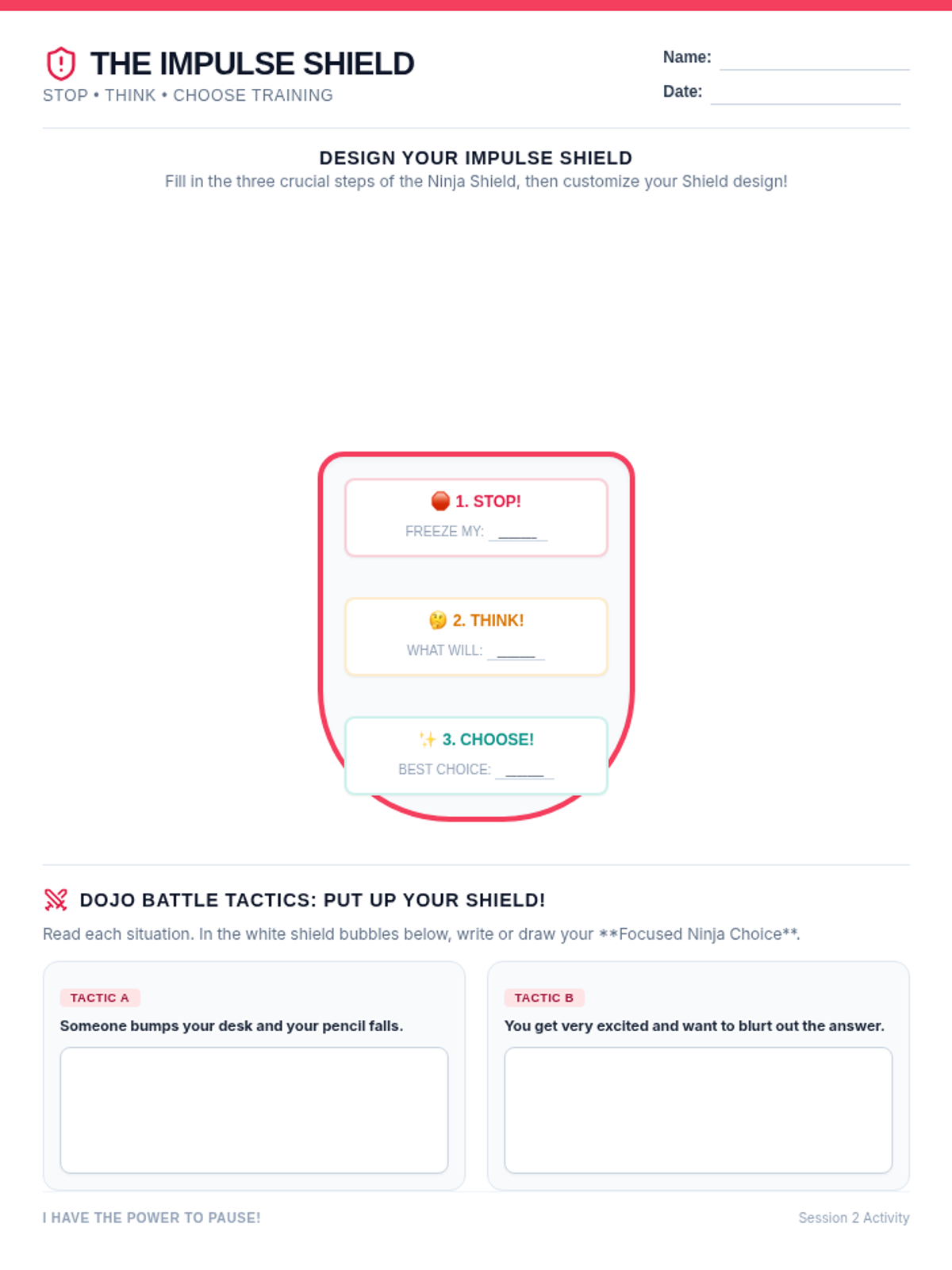
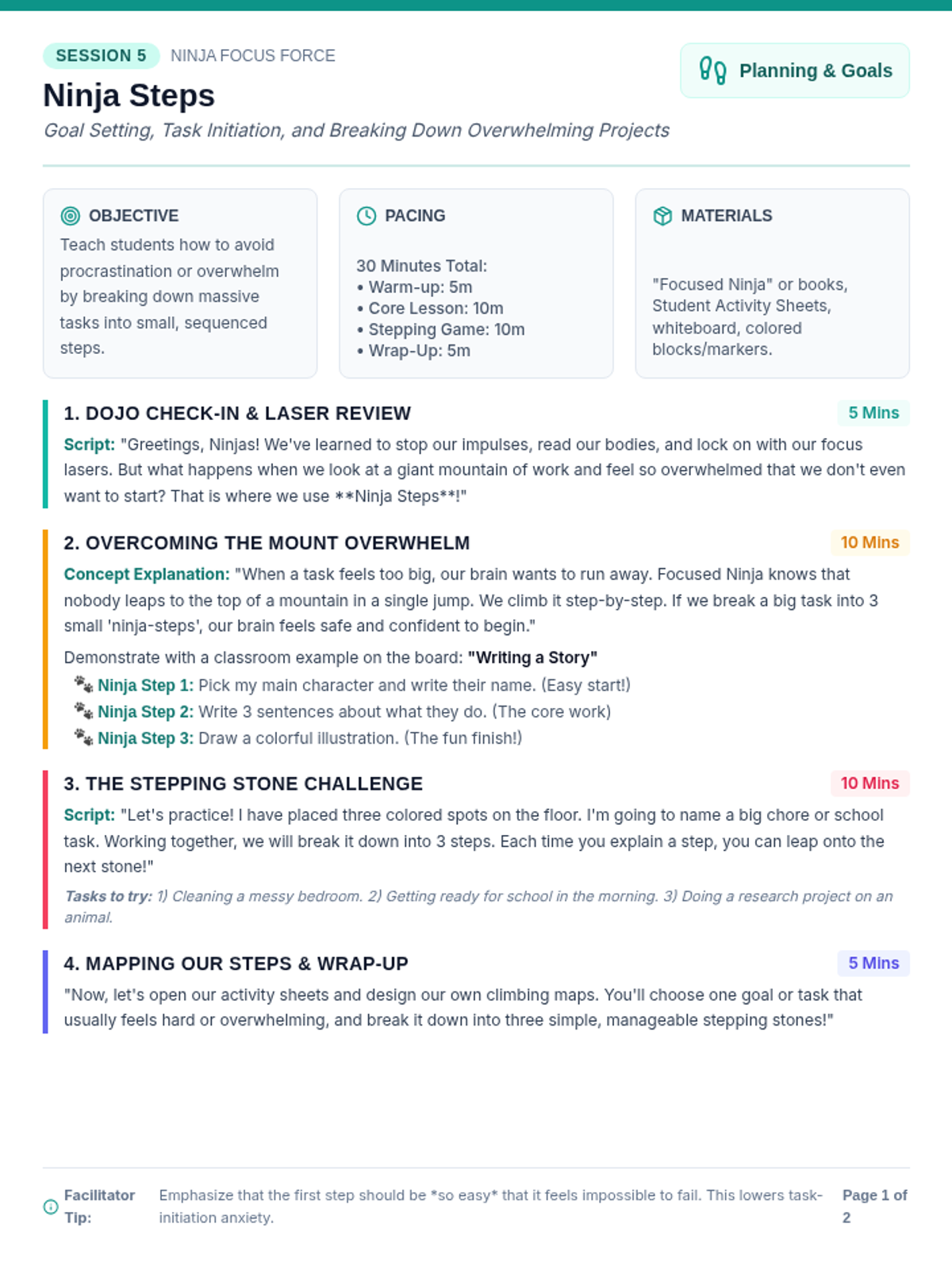
Teaching impulse control through the 'Stop and Think' method. Students learn to pause before reacting, using the concept of an invisible defensive shield.
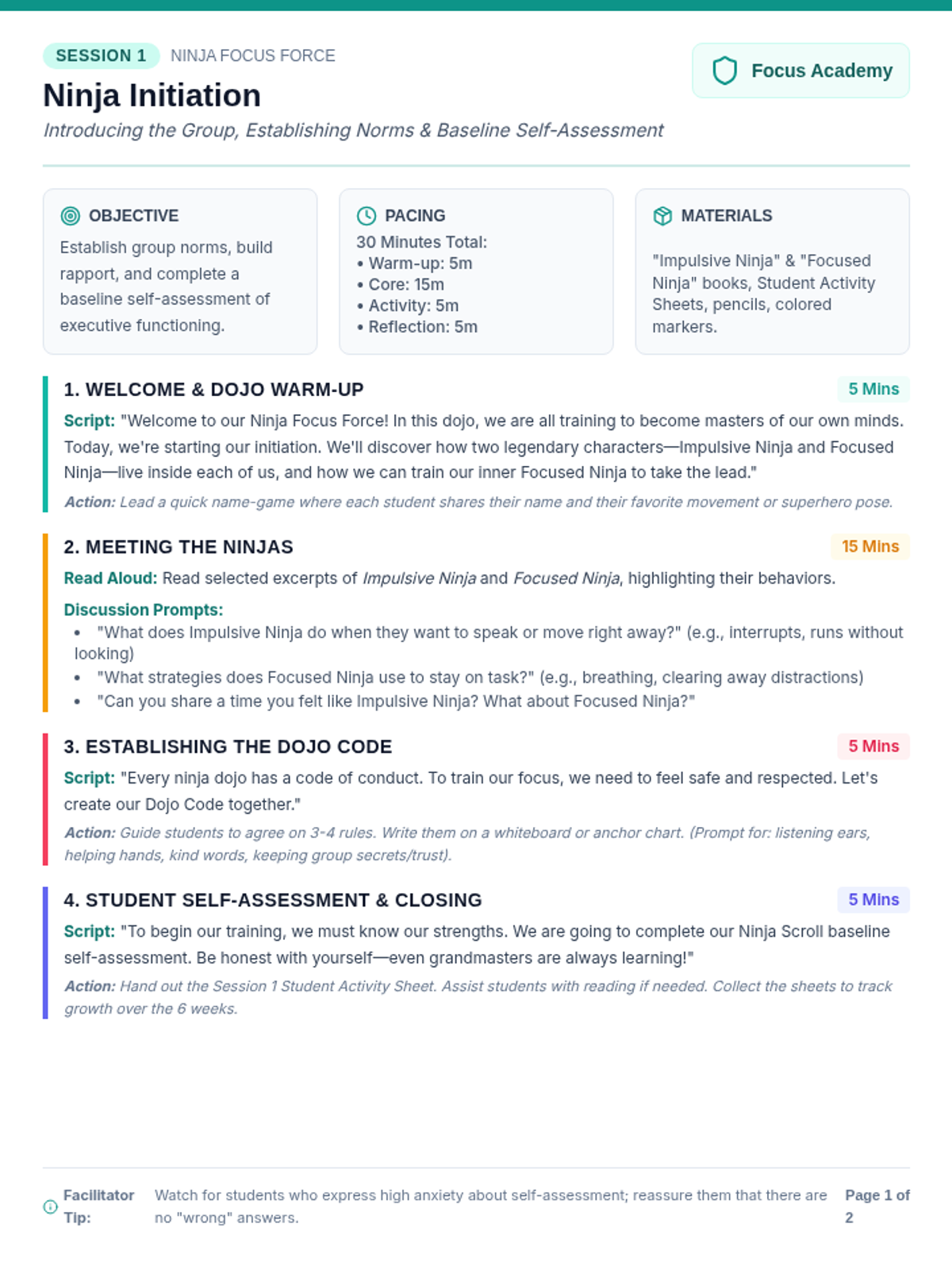
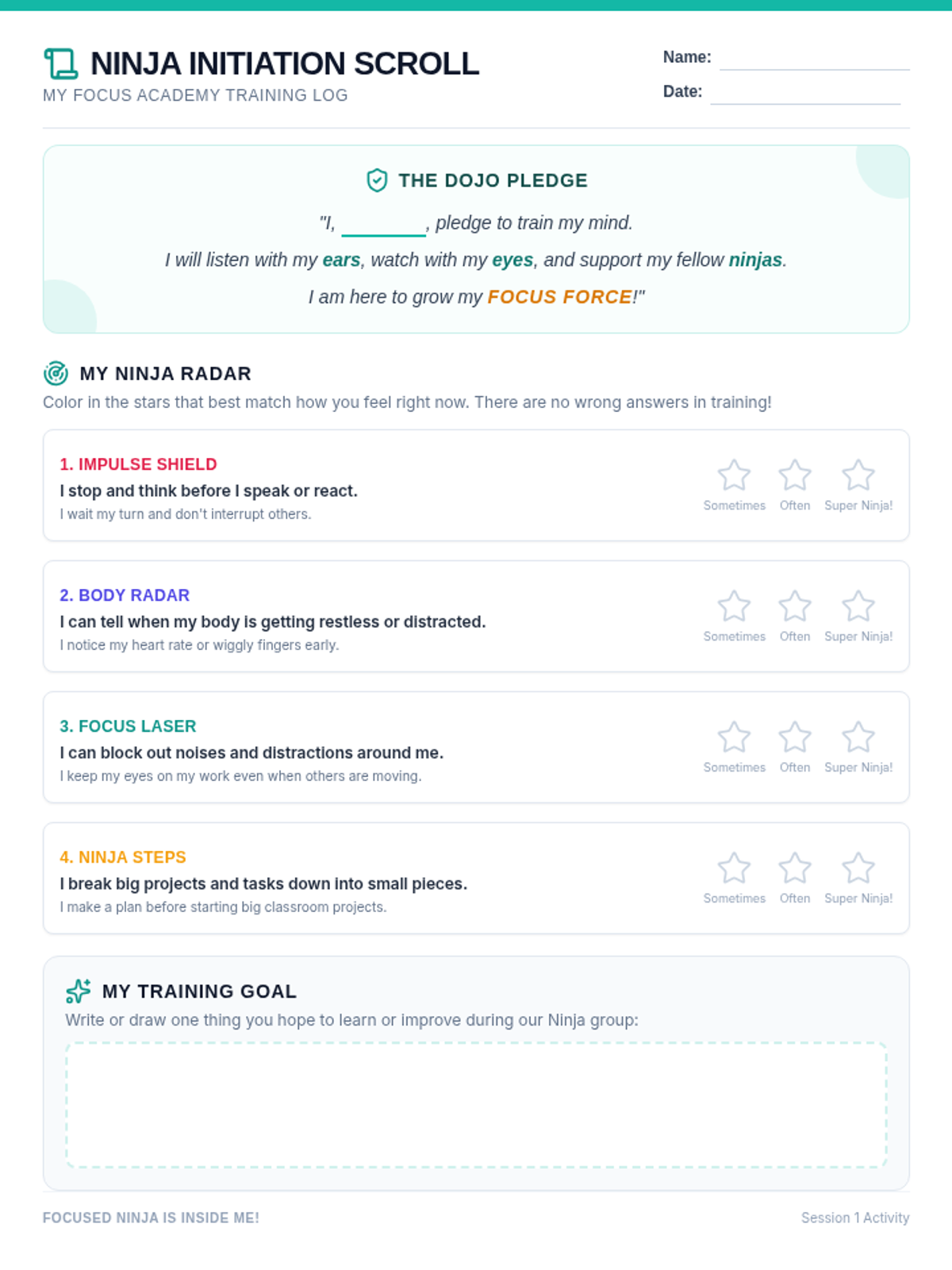
Introducing the group, establishing norms, and meeting Impulsive Ninja and Focused Ninja. Students complete a baseline self-assessment of their focus and impulse control.
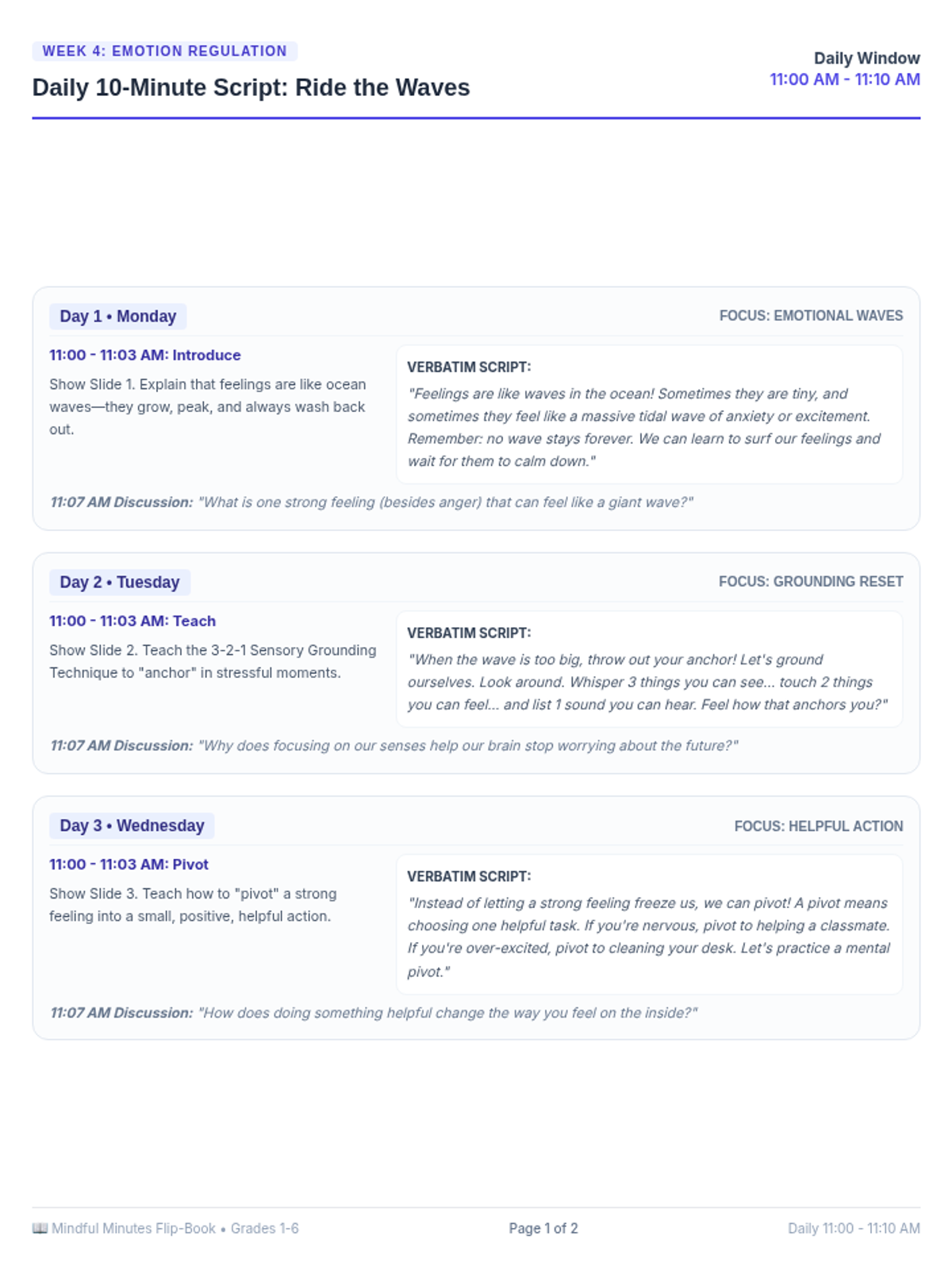
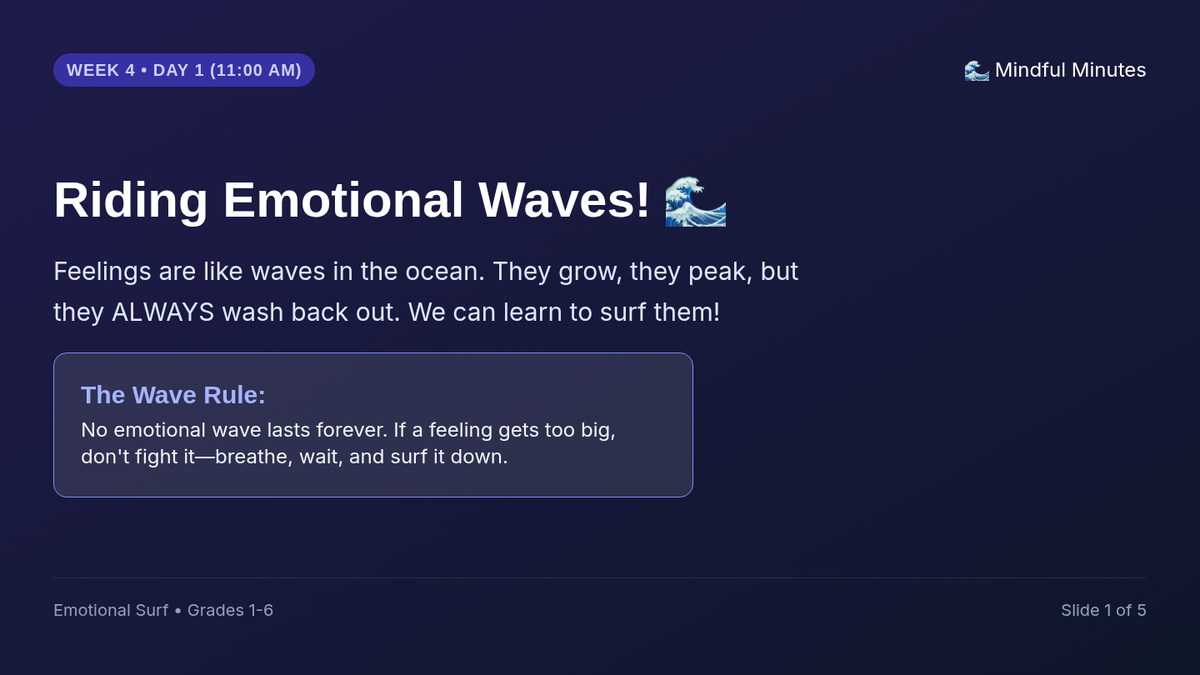
Five 10-minute daily SEL scripts and visual slides focusing on handling strong feelings and managing stress daily (emotion regulation).
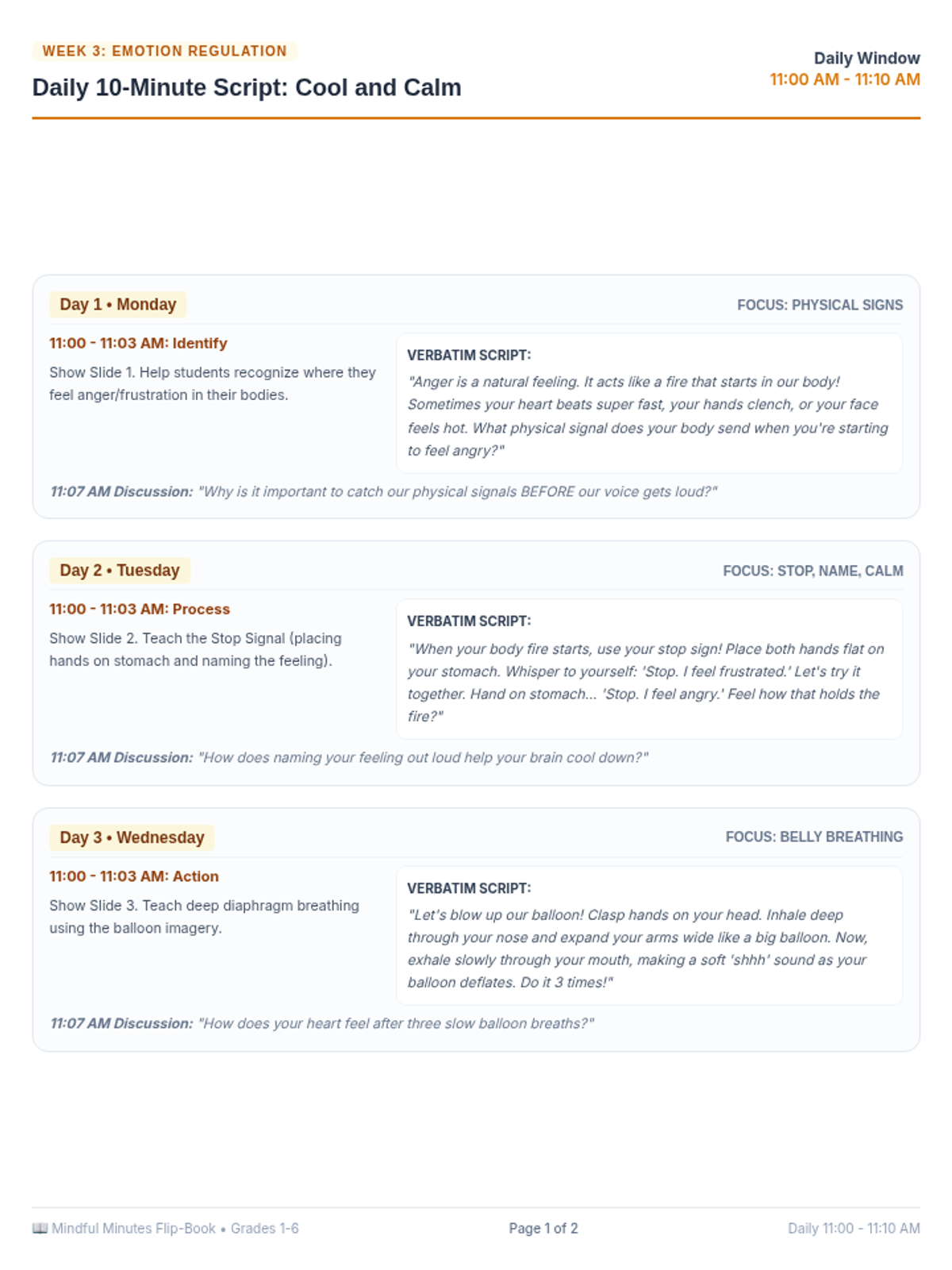
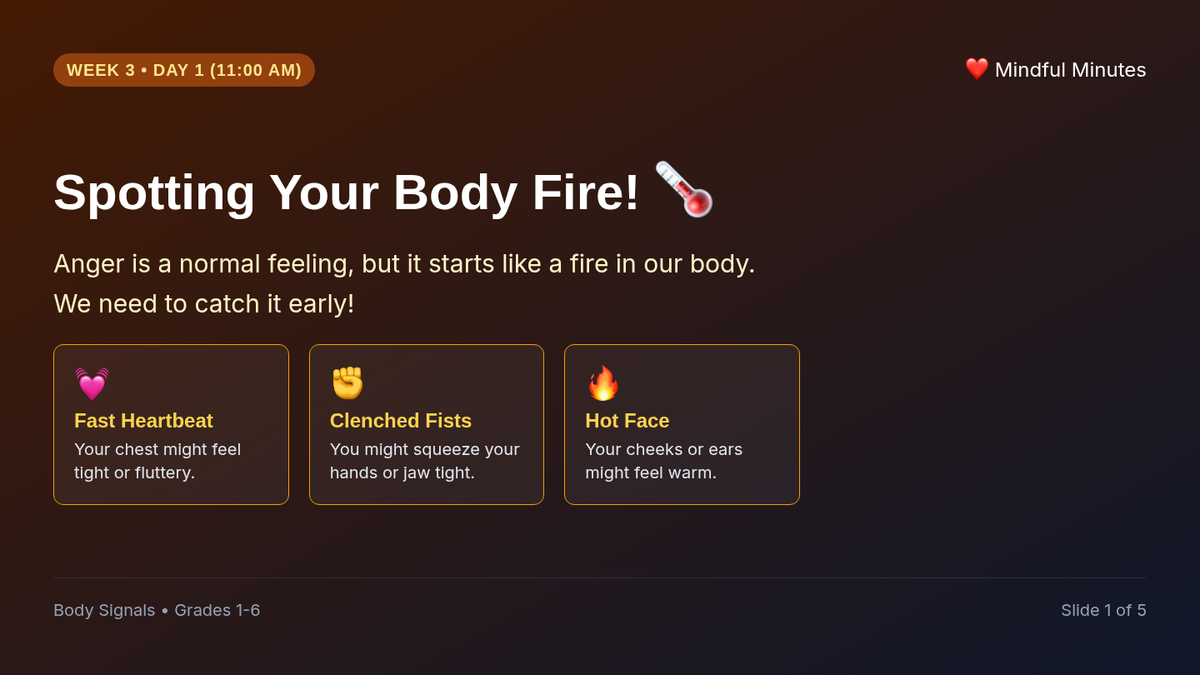
Five 10-minute daily SEL scripts and visual slides focusing on calming down and managing anger (emotion regulation).
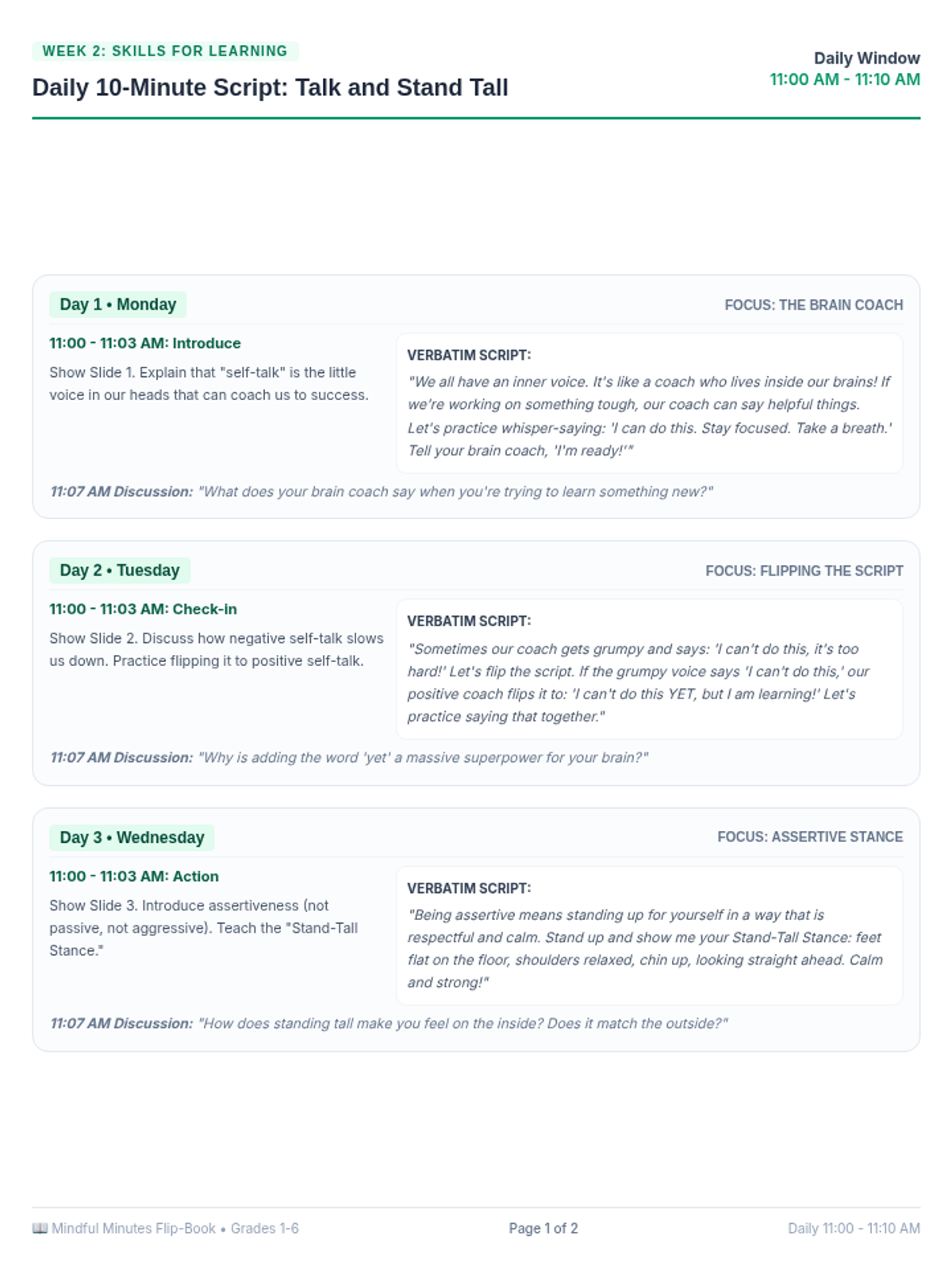
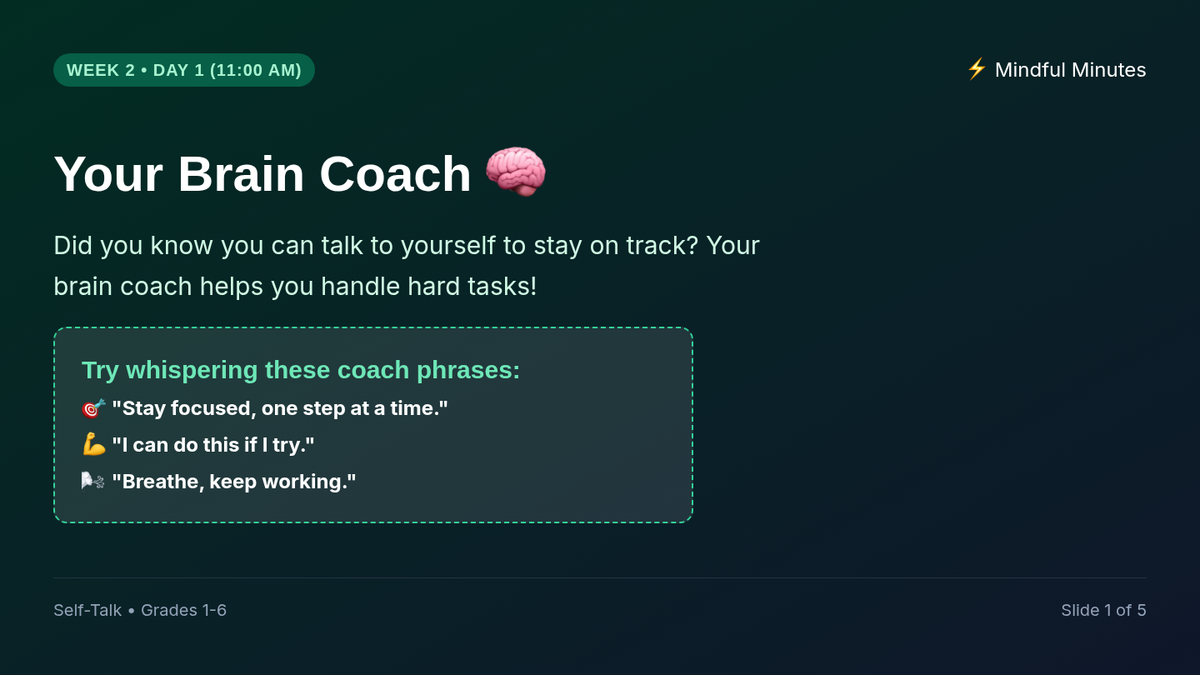
Five 10-minute daily SEL scripts and visual slides focusing on self-talk for focus and learning to be assertive (skills for learning).
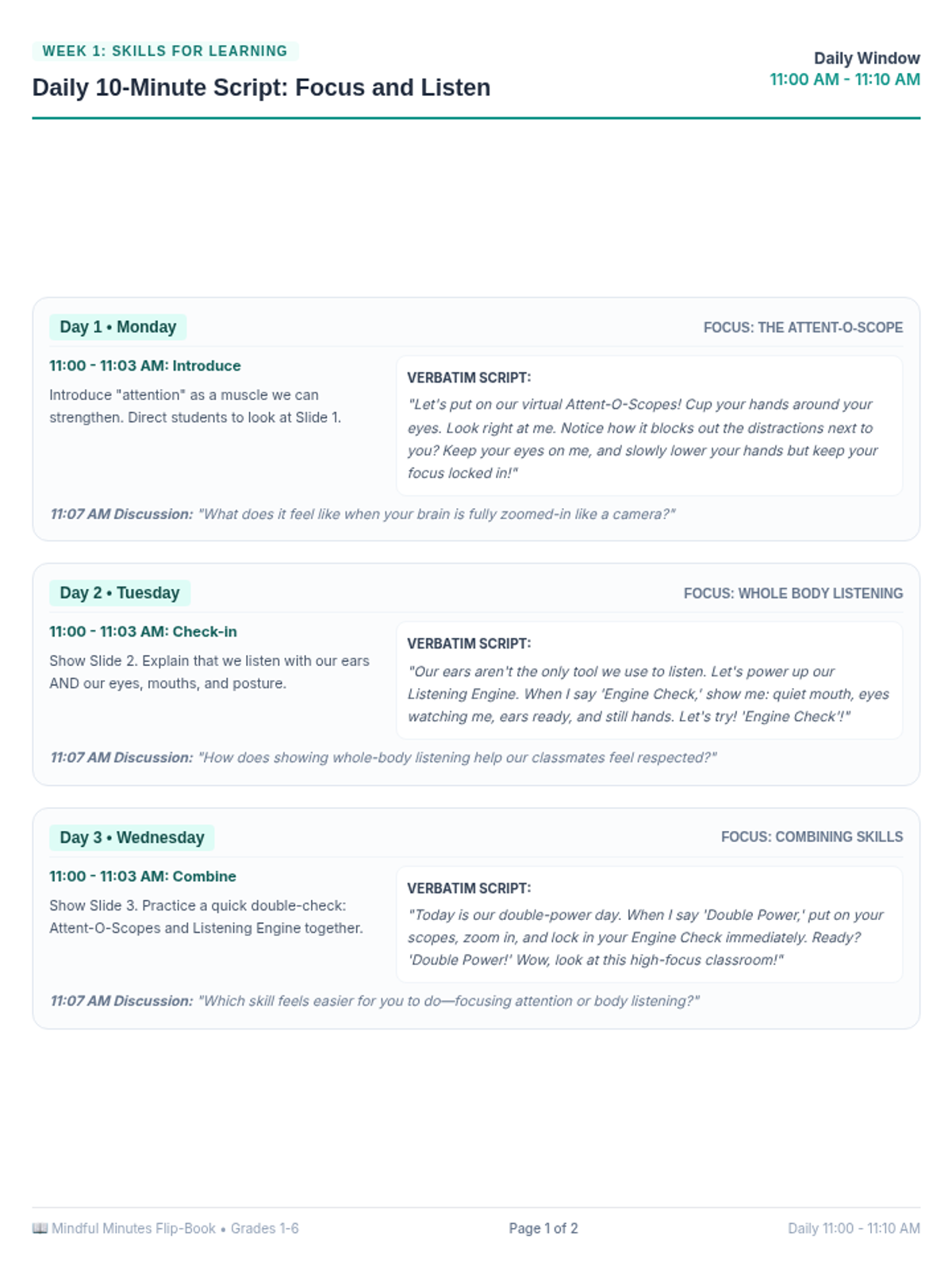
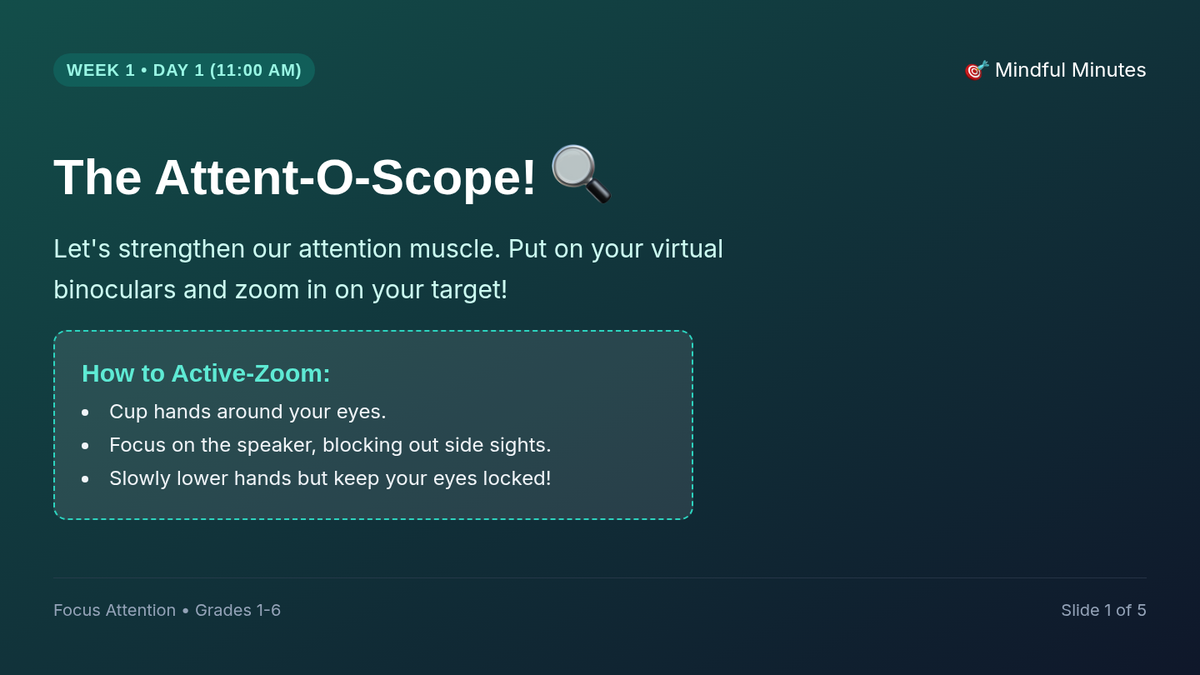
Five 10-minute daily SEL scripts and visual slides focusing on focusing attention and listening with the body (skills for learning).
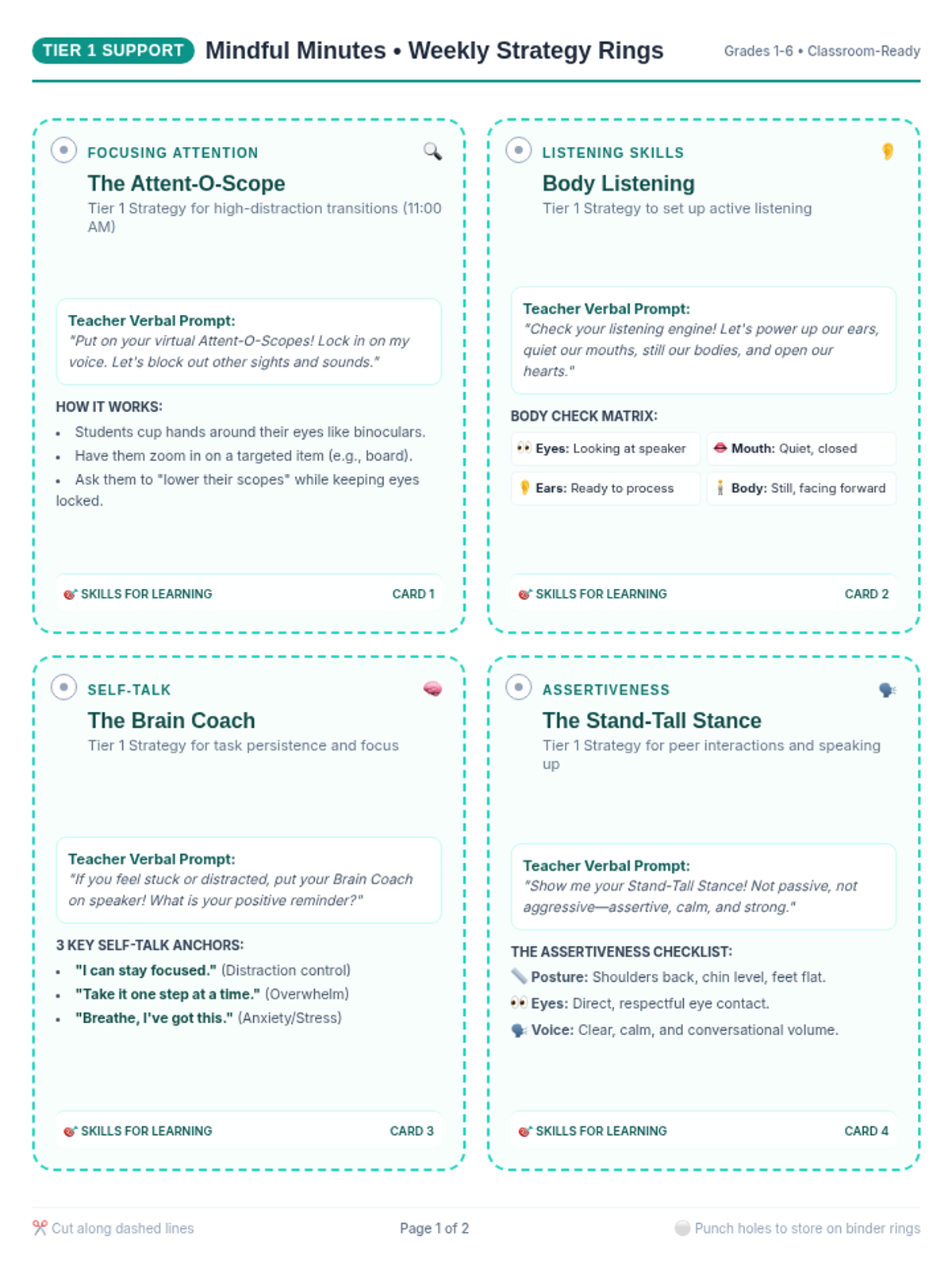
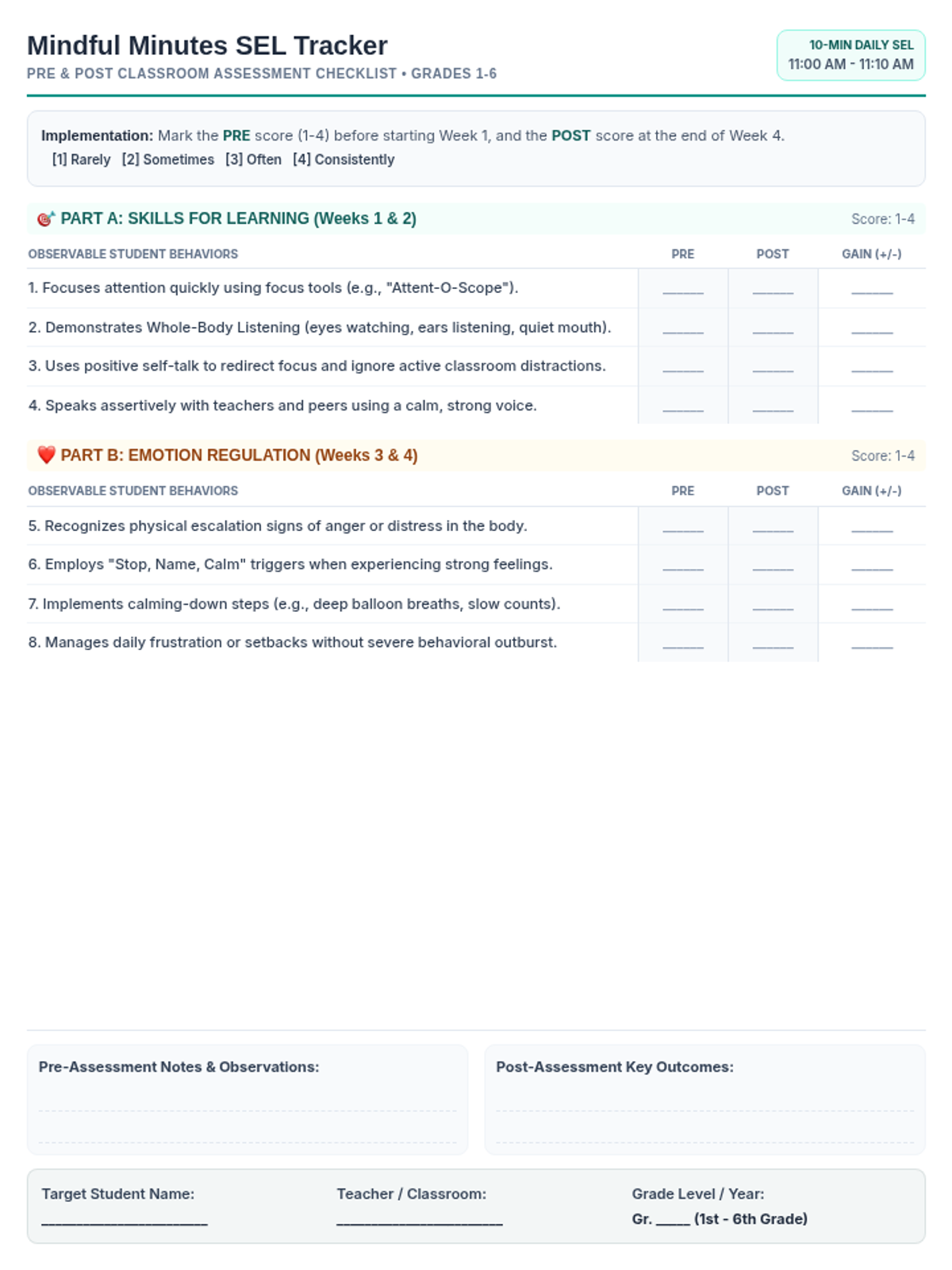
Foundational tools for the Mindful Minutes curriculum, containing Tier 1 behavioral strategy cards for printable rings and a teacher pre/post-assessment checklist.
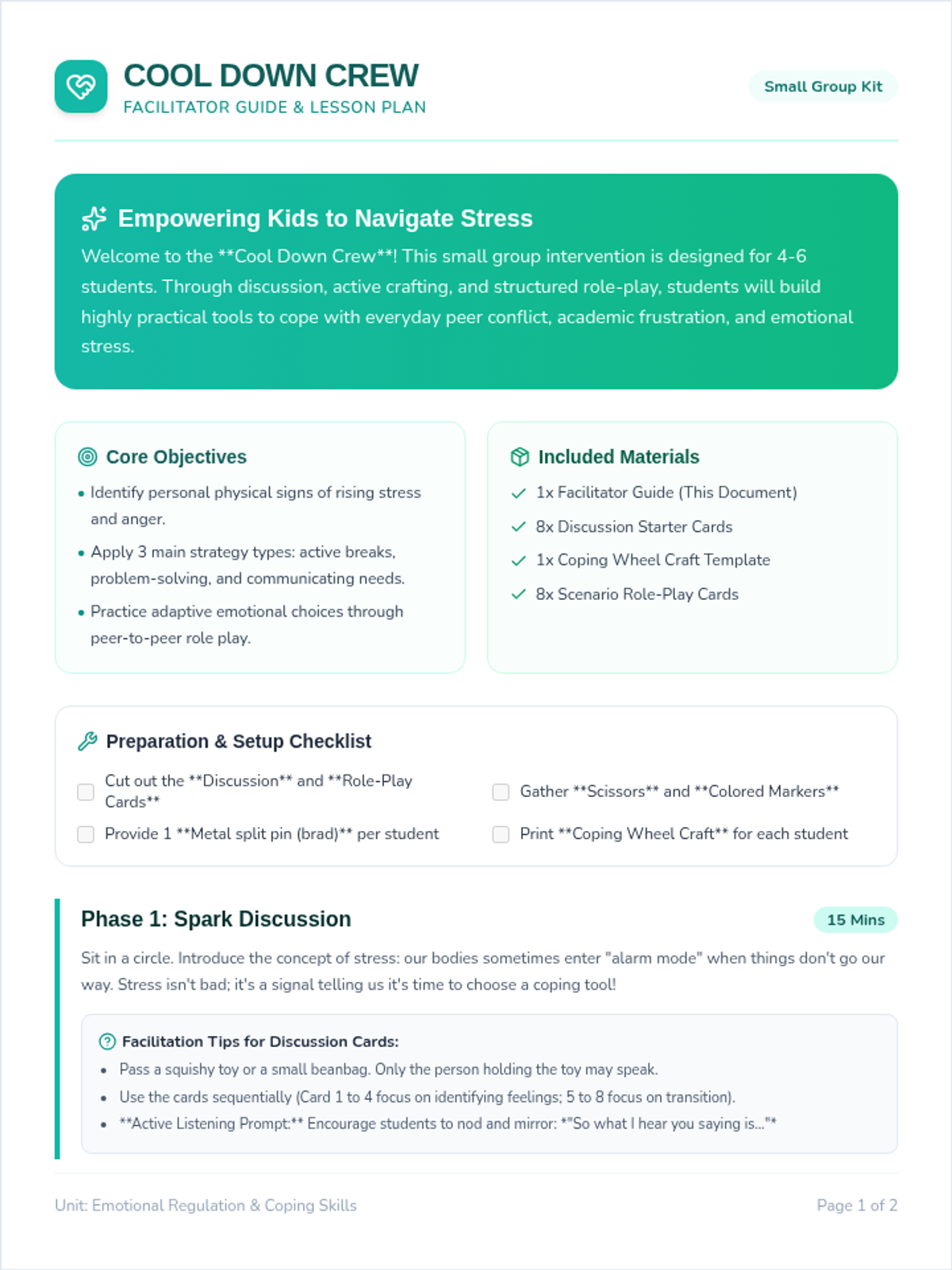
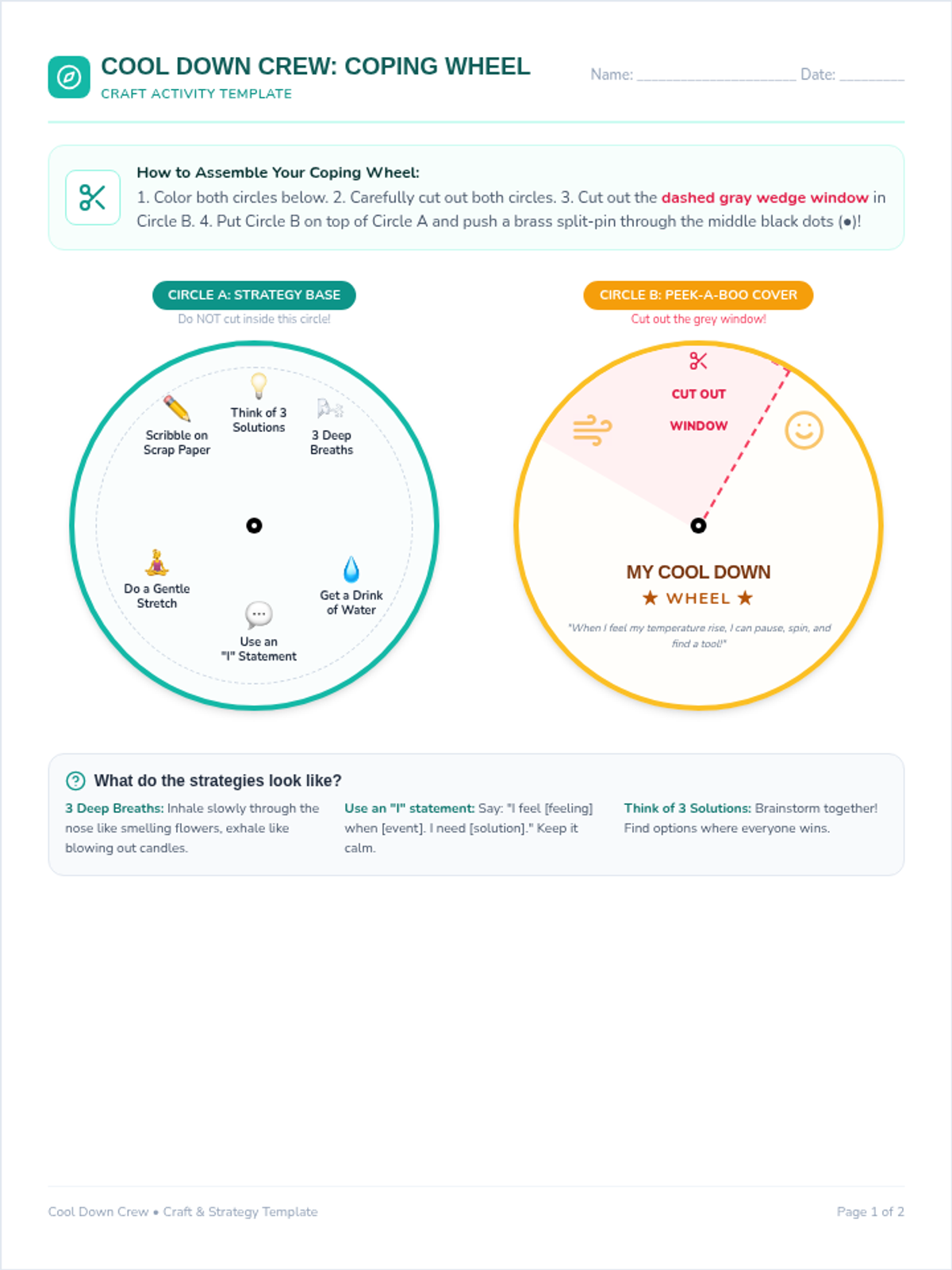
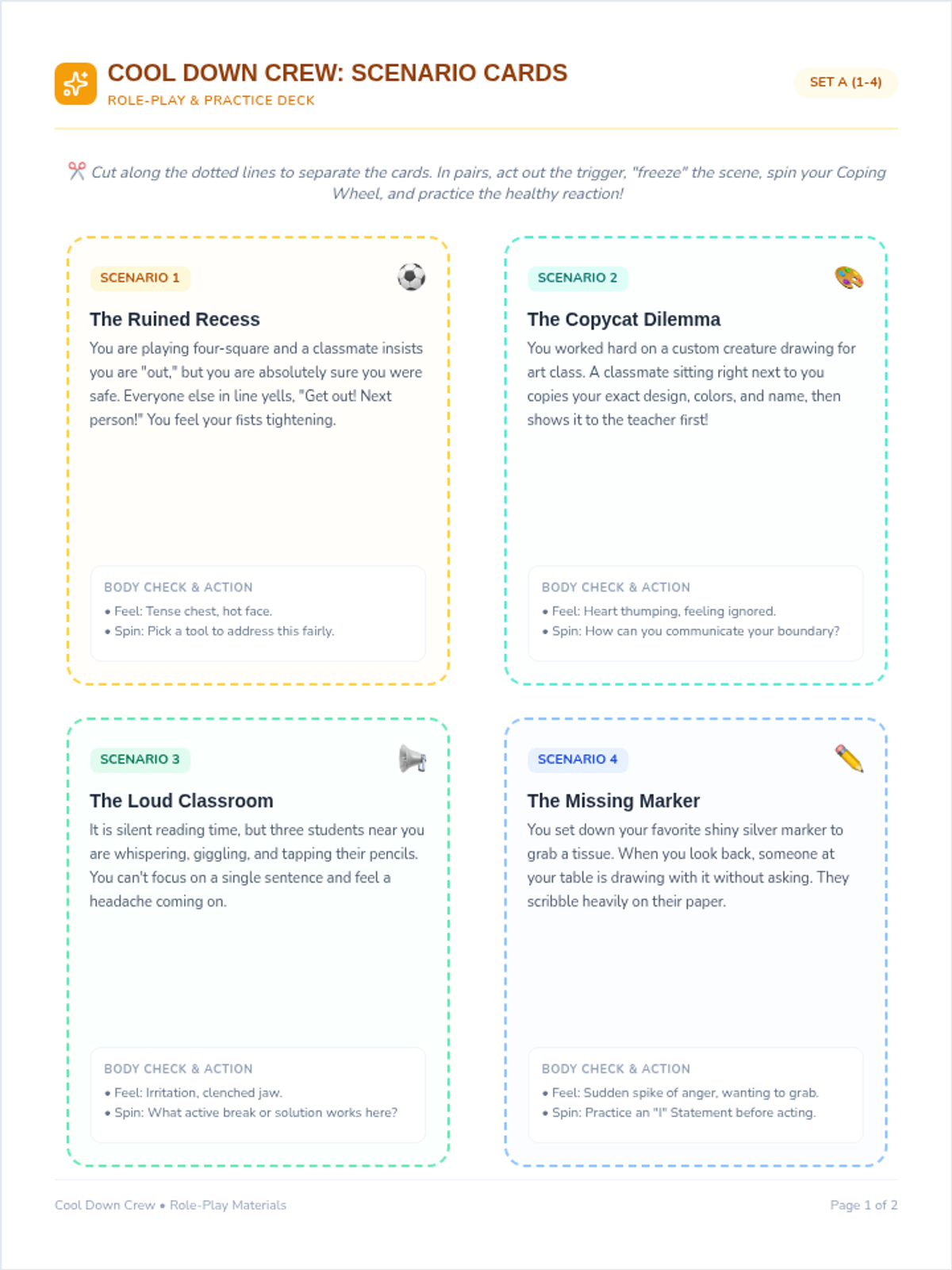
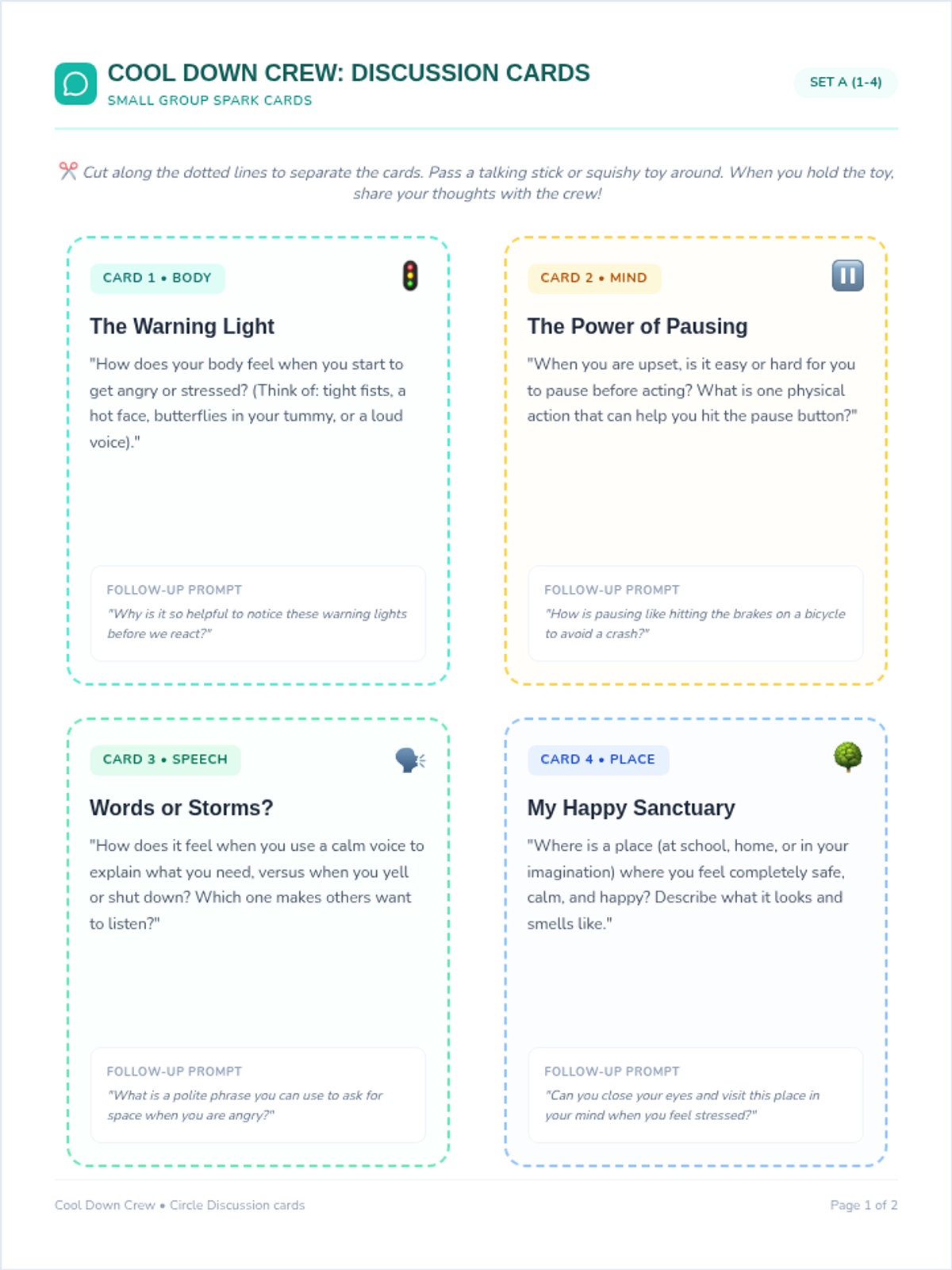
An interactive small group kit designed to equip kids with practical coping tools for everyday stress and conflict. The lesson features a hands-on coping wheel craft, discussion cards, and scenario-based role-play cards.
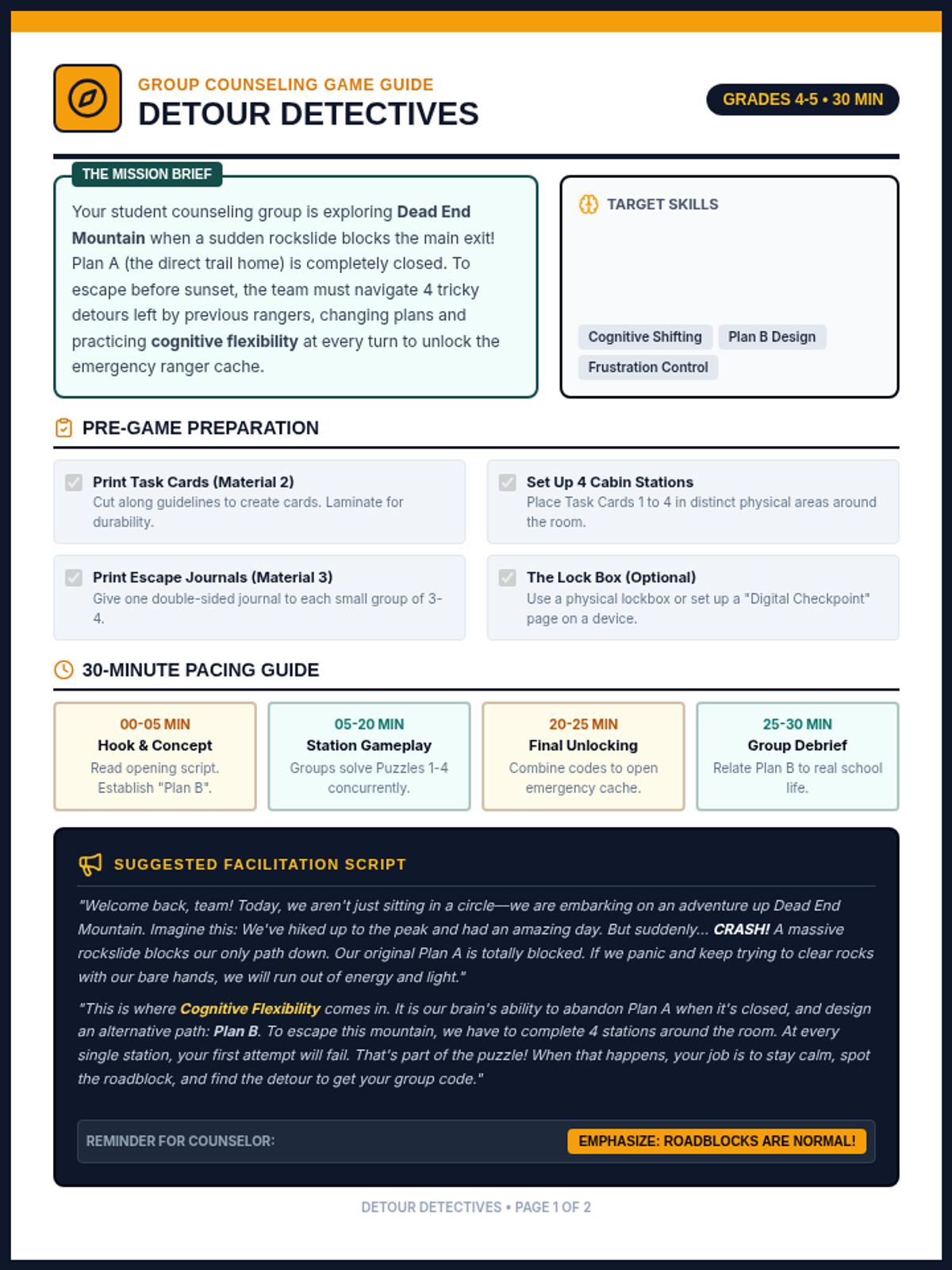
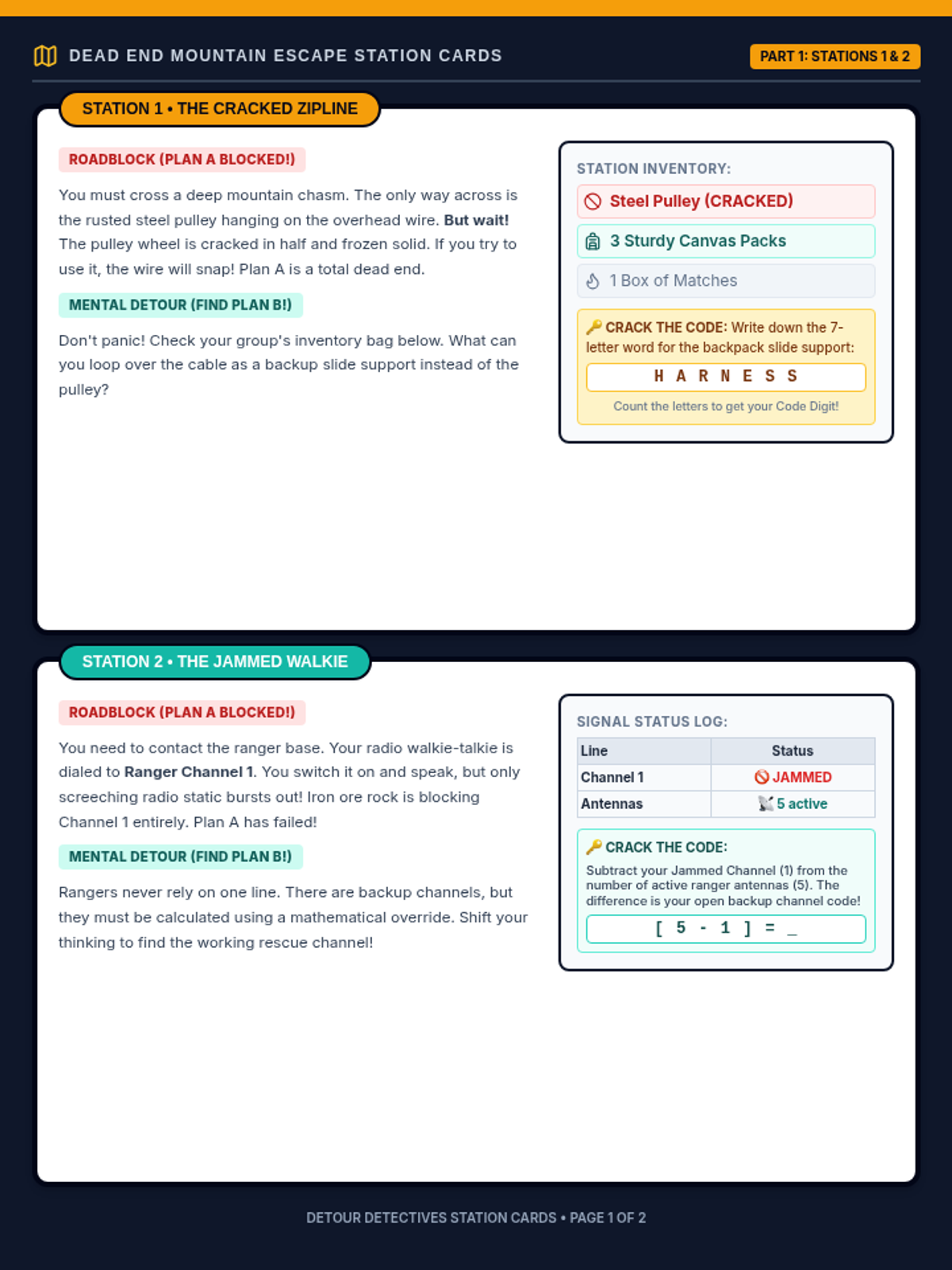
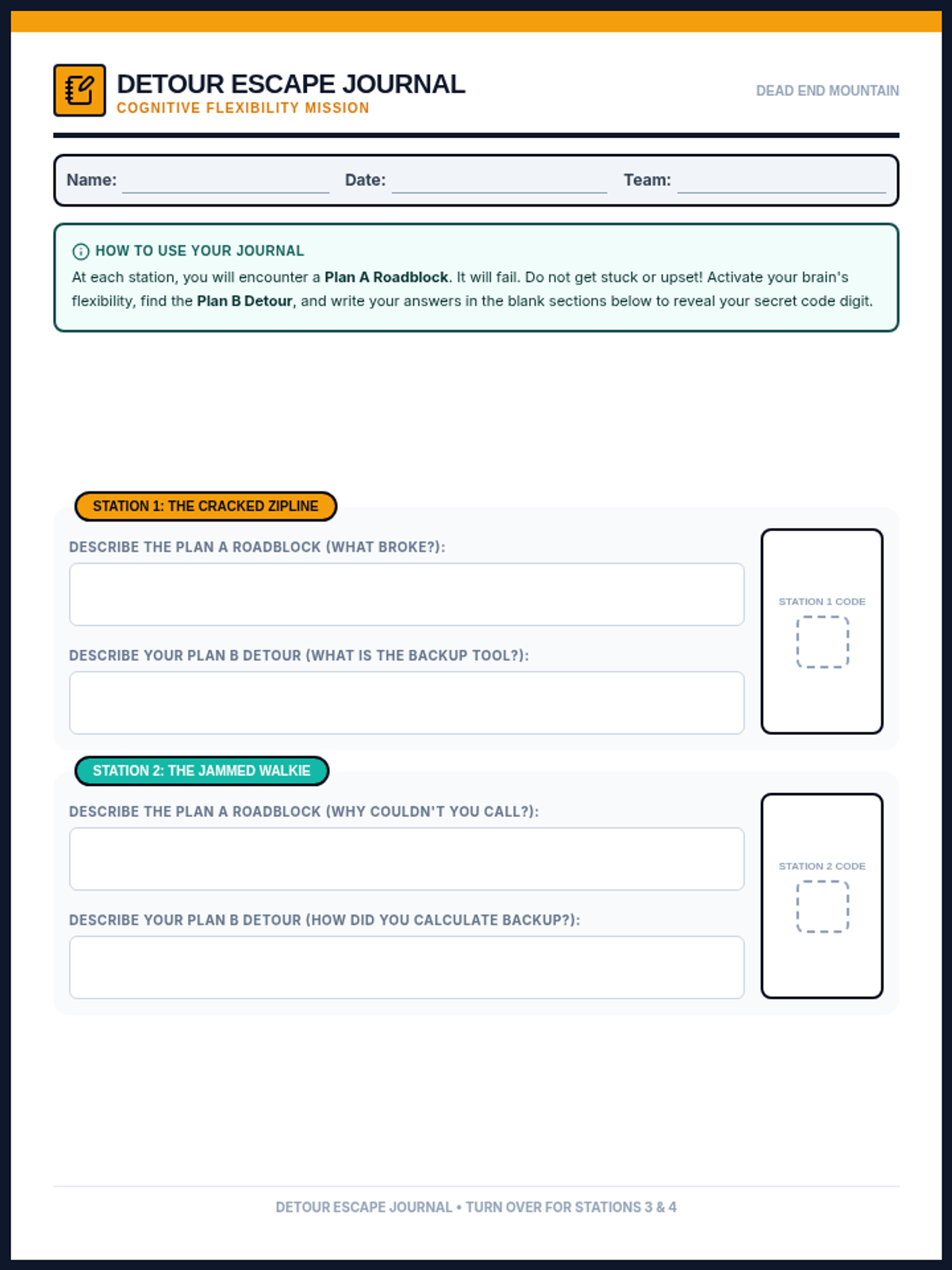
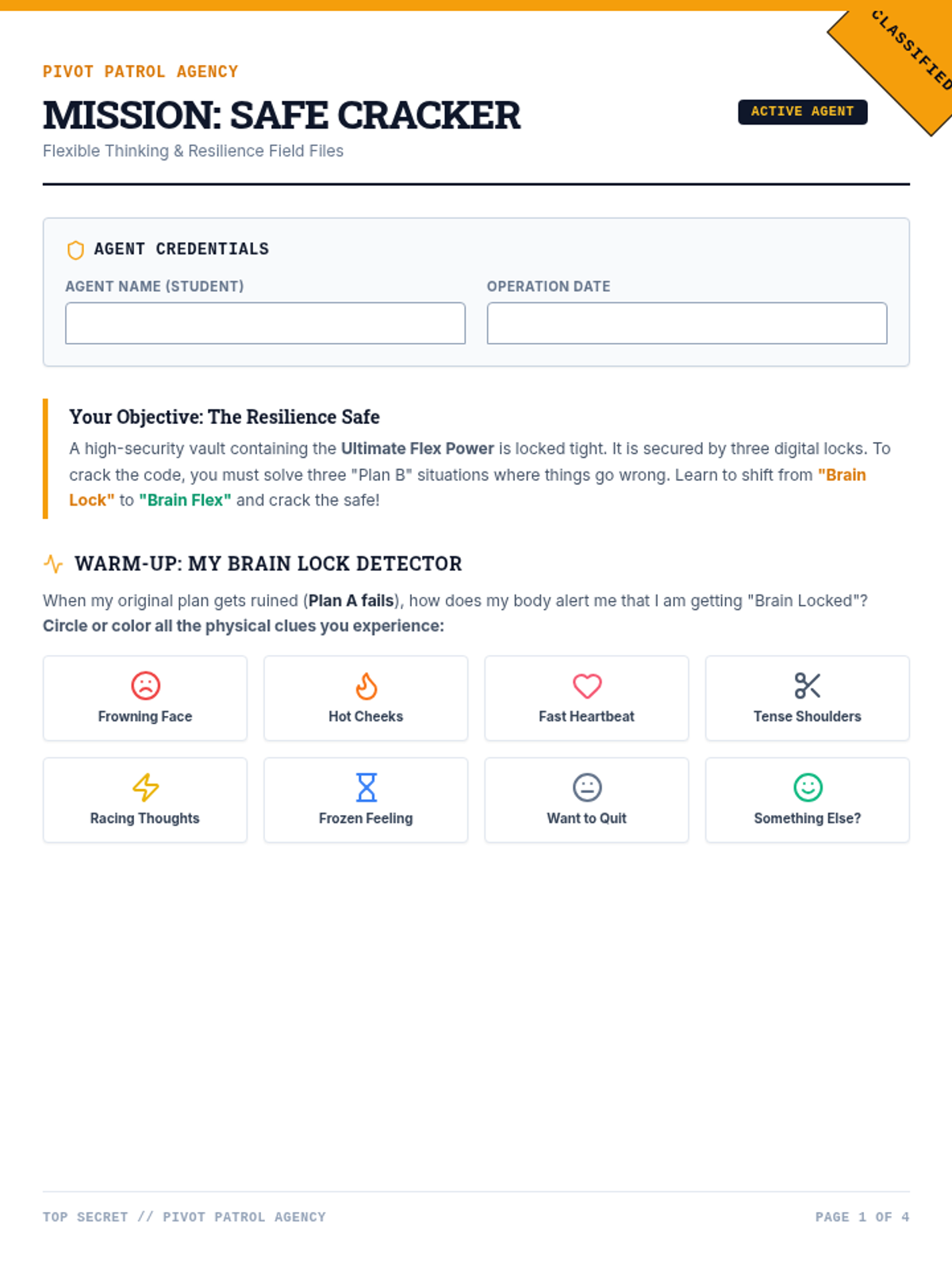
A high-energy, 30-minute counseling escape game for 4th and 5th graders teaching cognitive flexibility. Students collaborate to solve puzzle stations by discovering alternative paths ('Plan B') when their initial attempts are blocked.
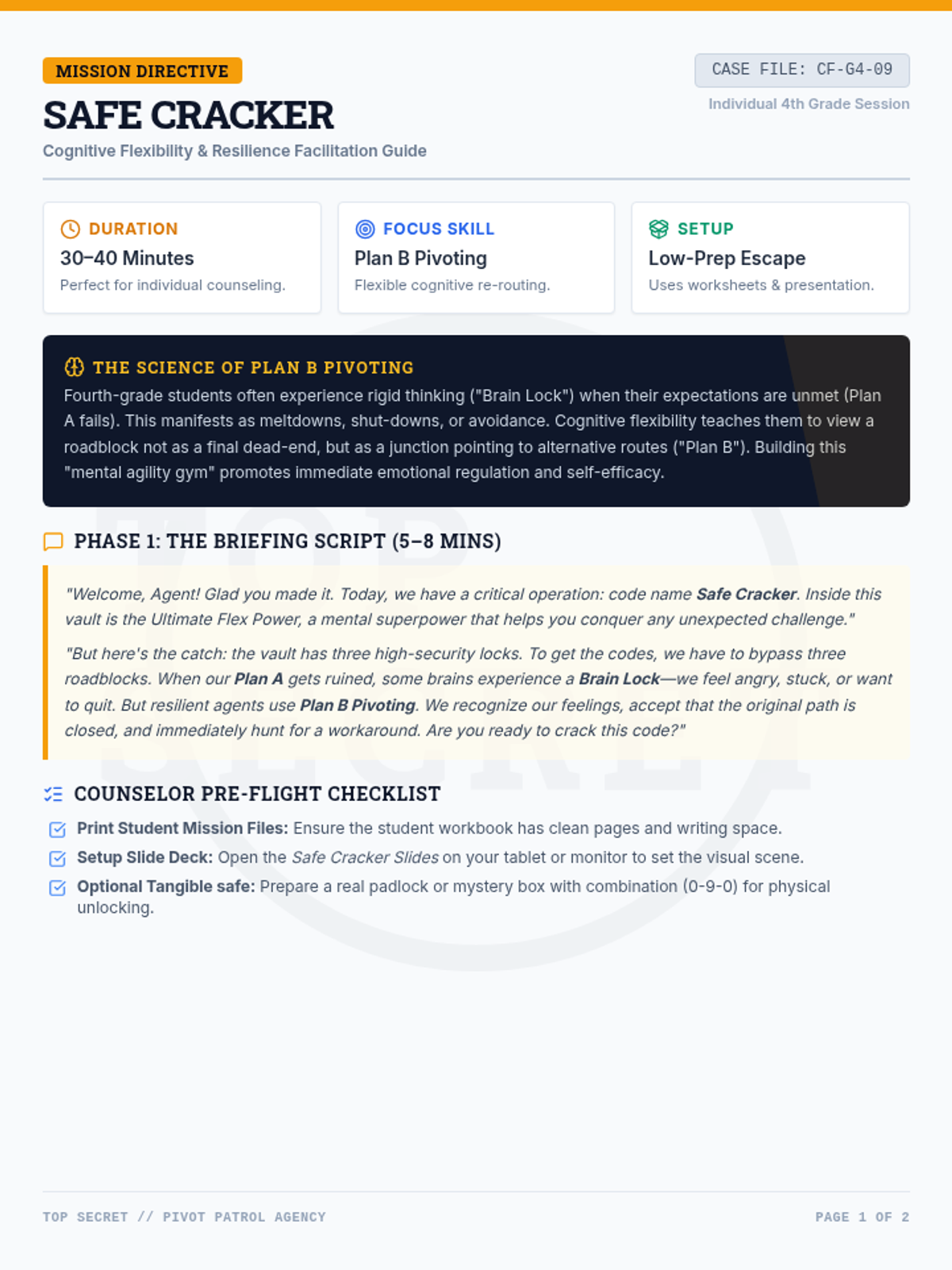
A hands-on, escape-room-style counseling lesson where students practice cognitive flexibility by solving interactive 'Plan B' challenges to crack open a resilience safe.
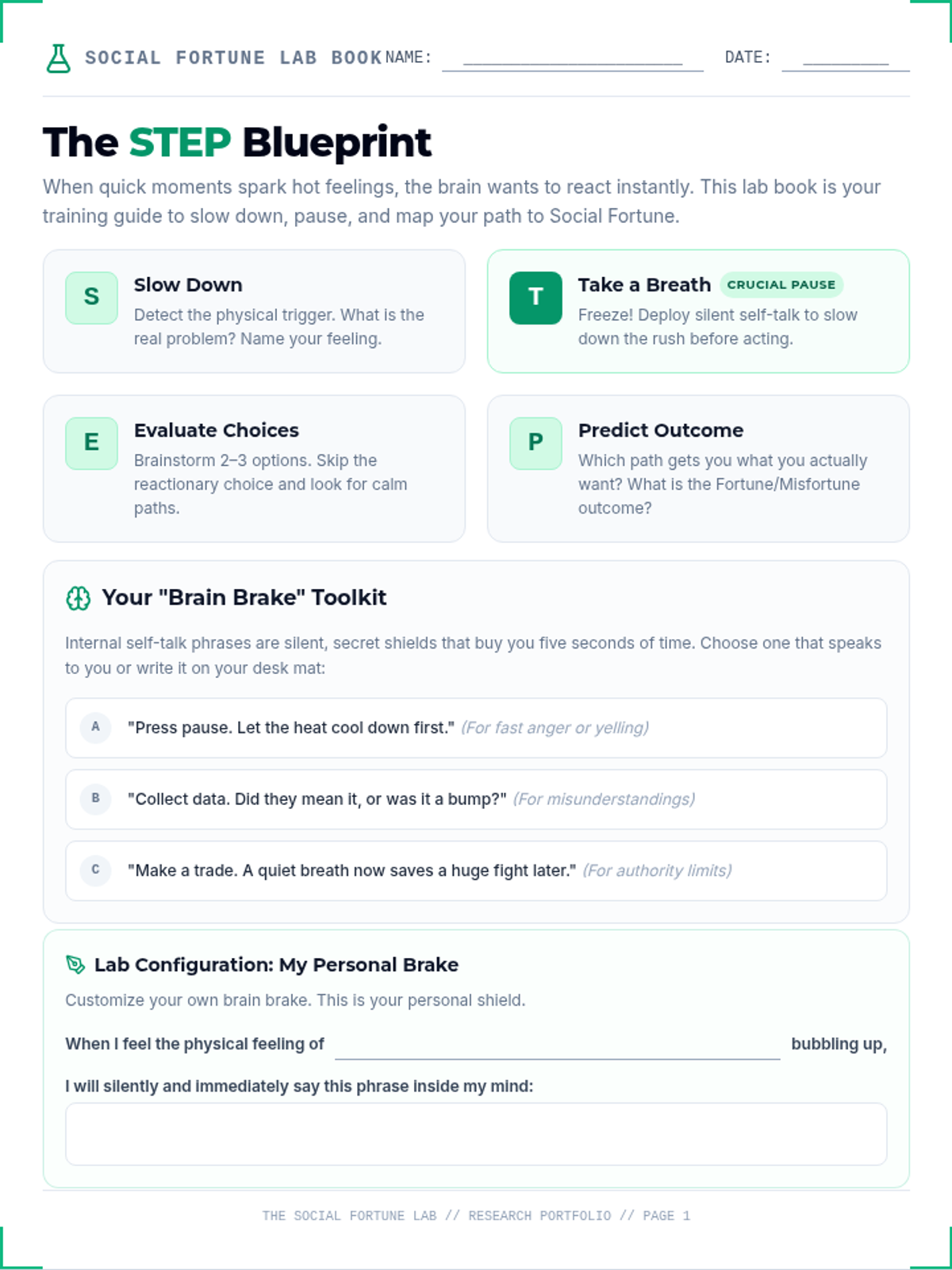
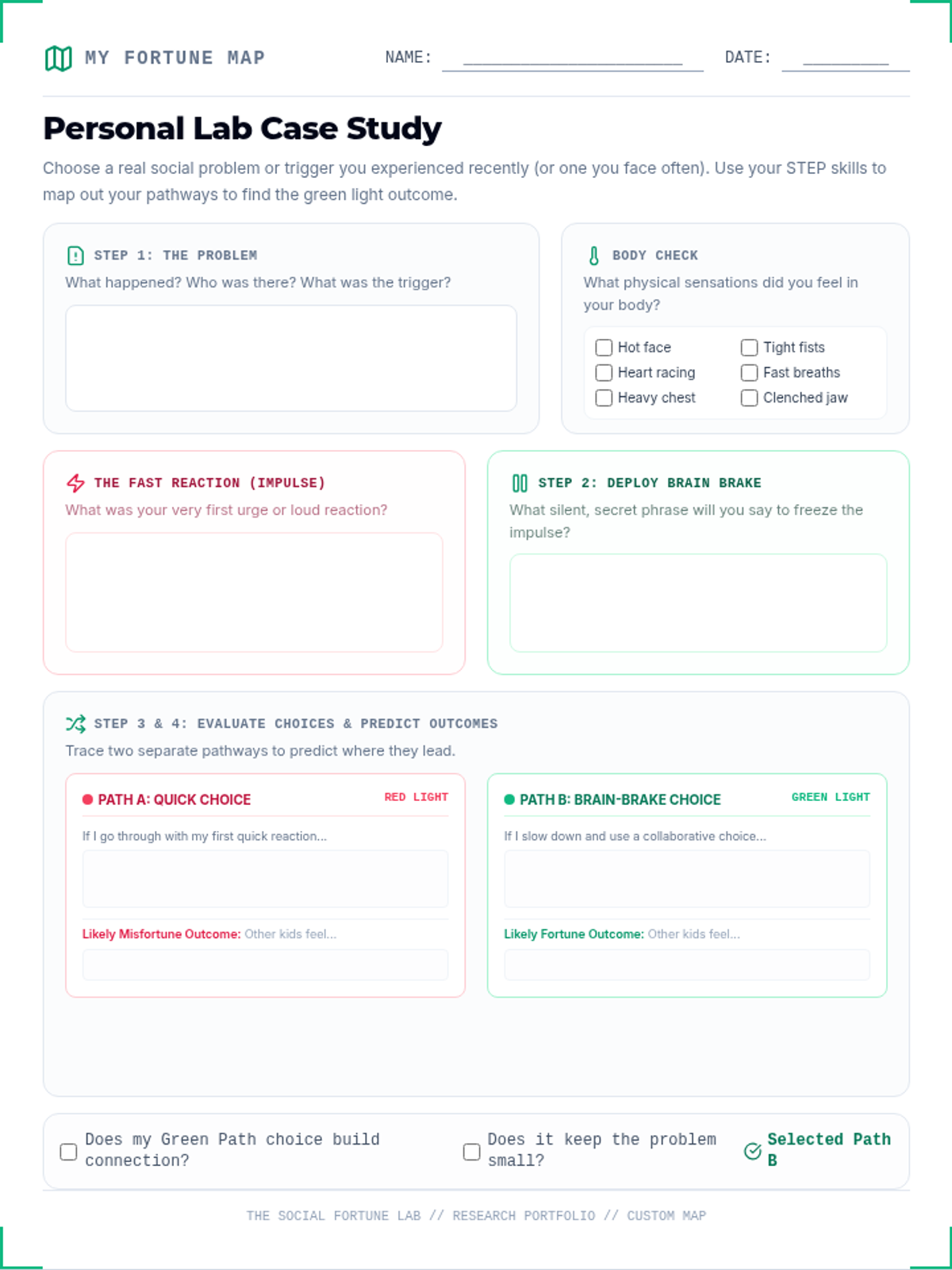
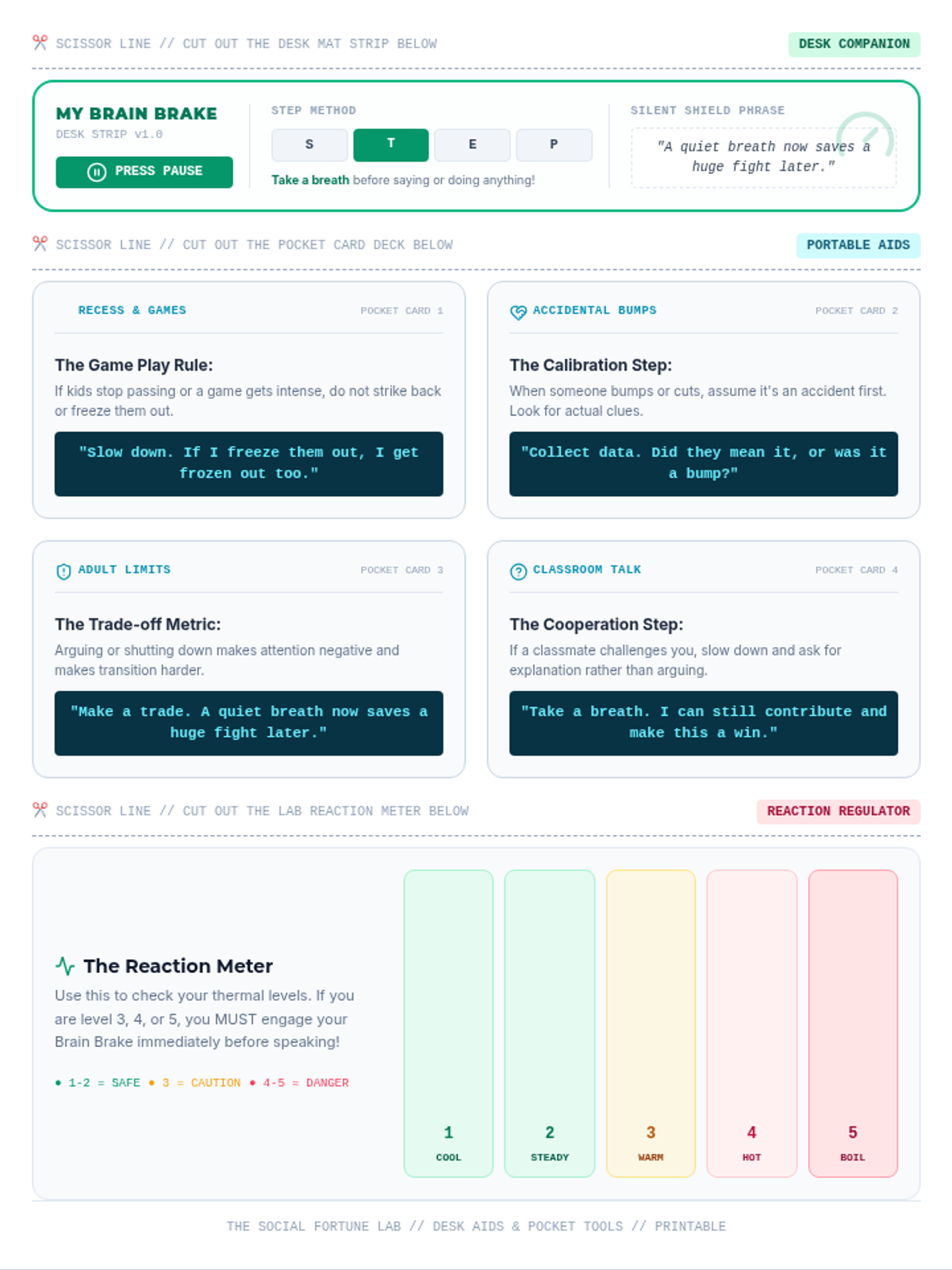
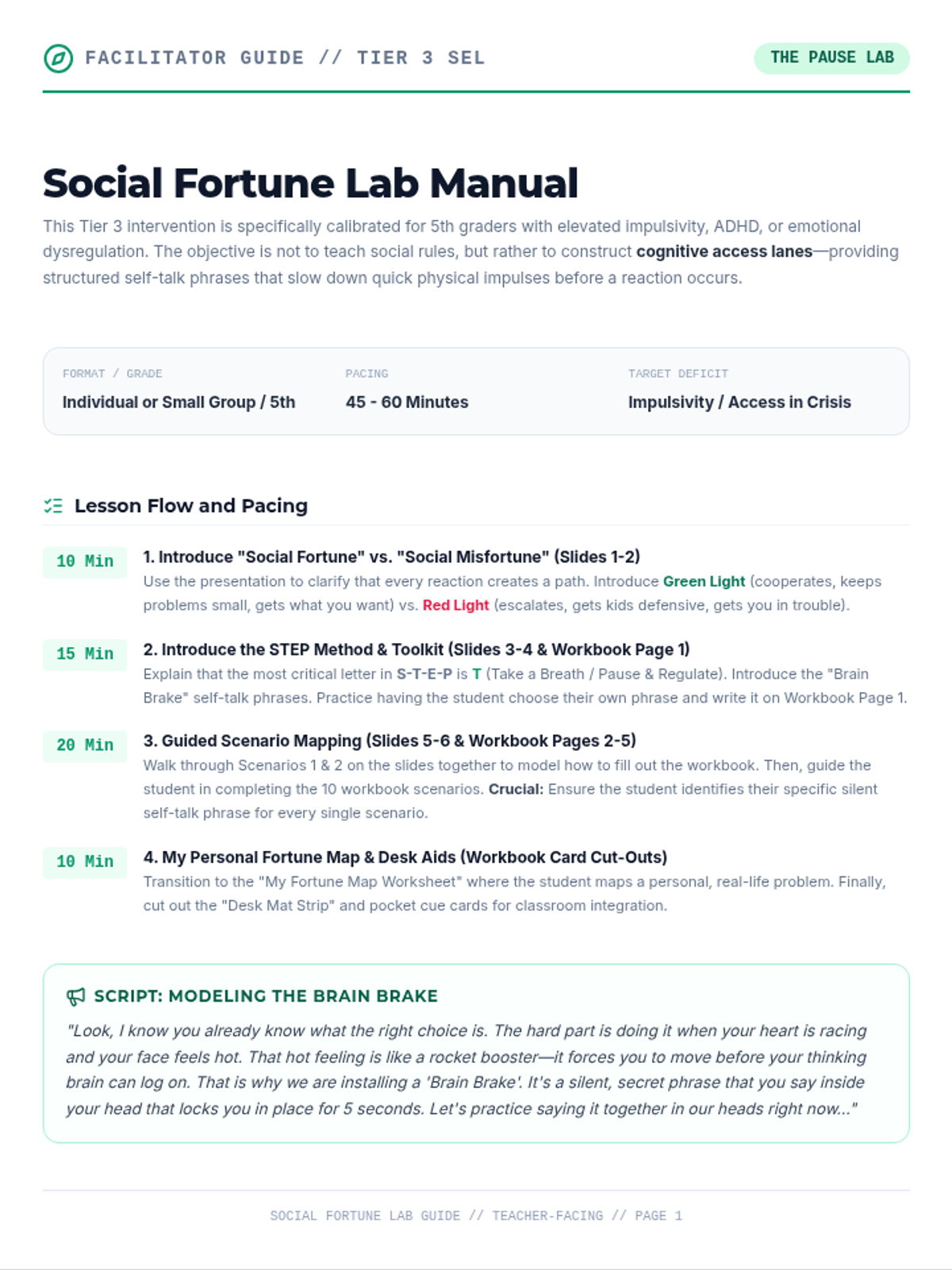
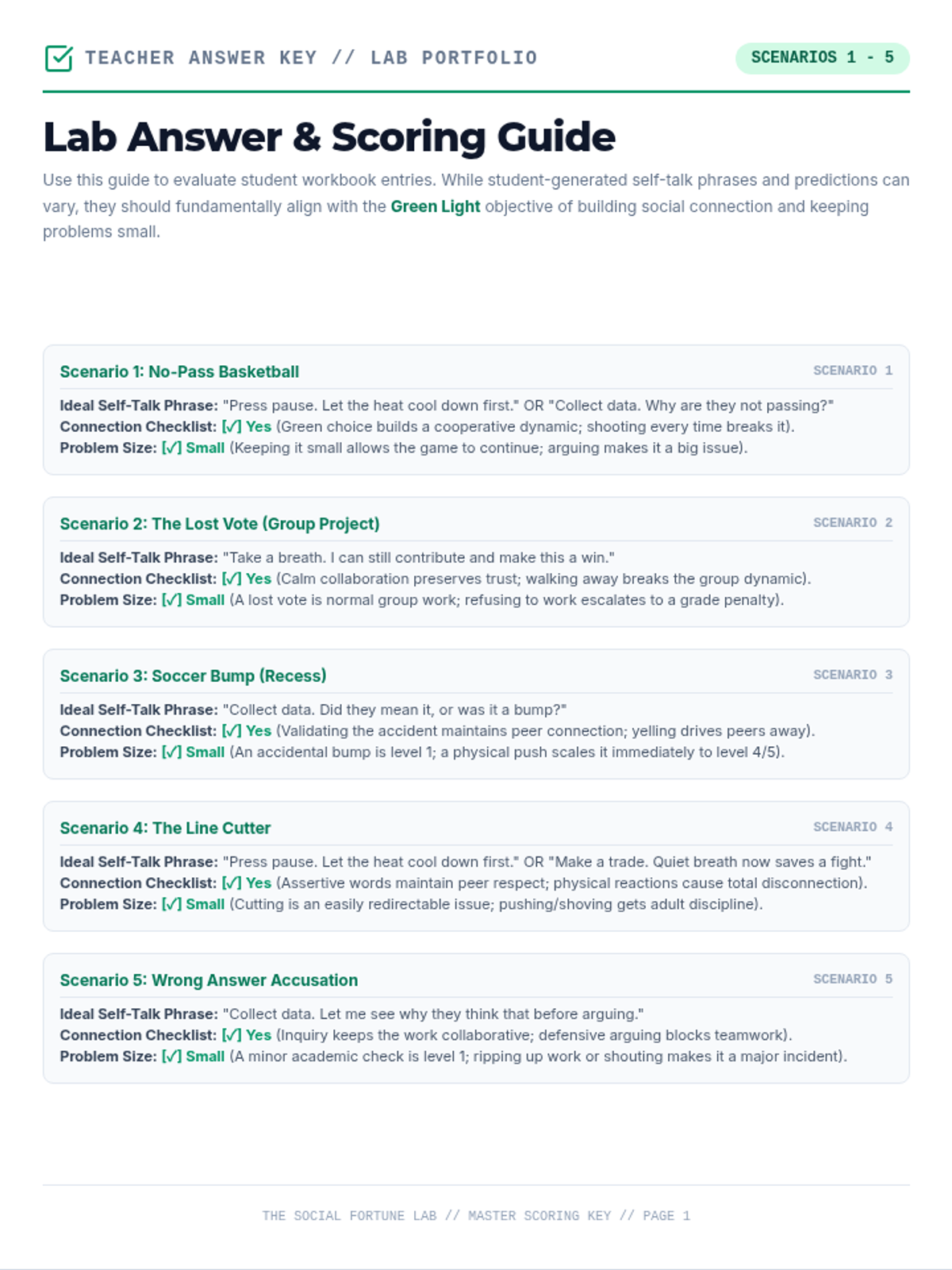
A intensive Tier 3 social-emotional learning lesson for 5th graders designed to slow down impulsive reactions, utilize the STEP framework, regulate with internal self-talk, and predict 'Social Fortune vs. Social Misfortune' outcomes across real-life scenarios.
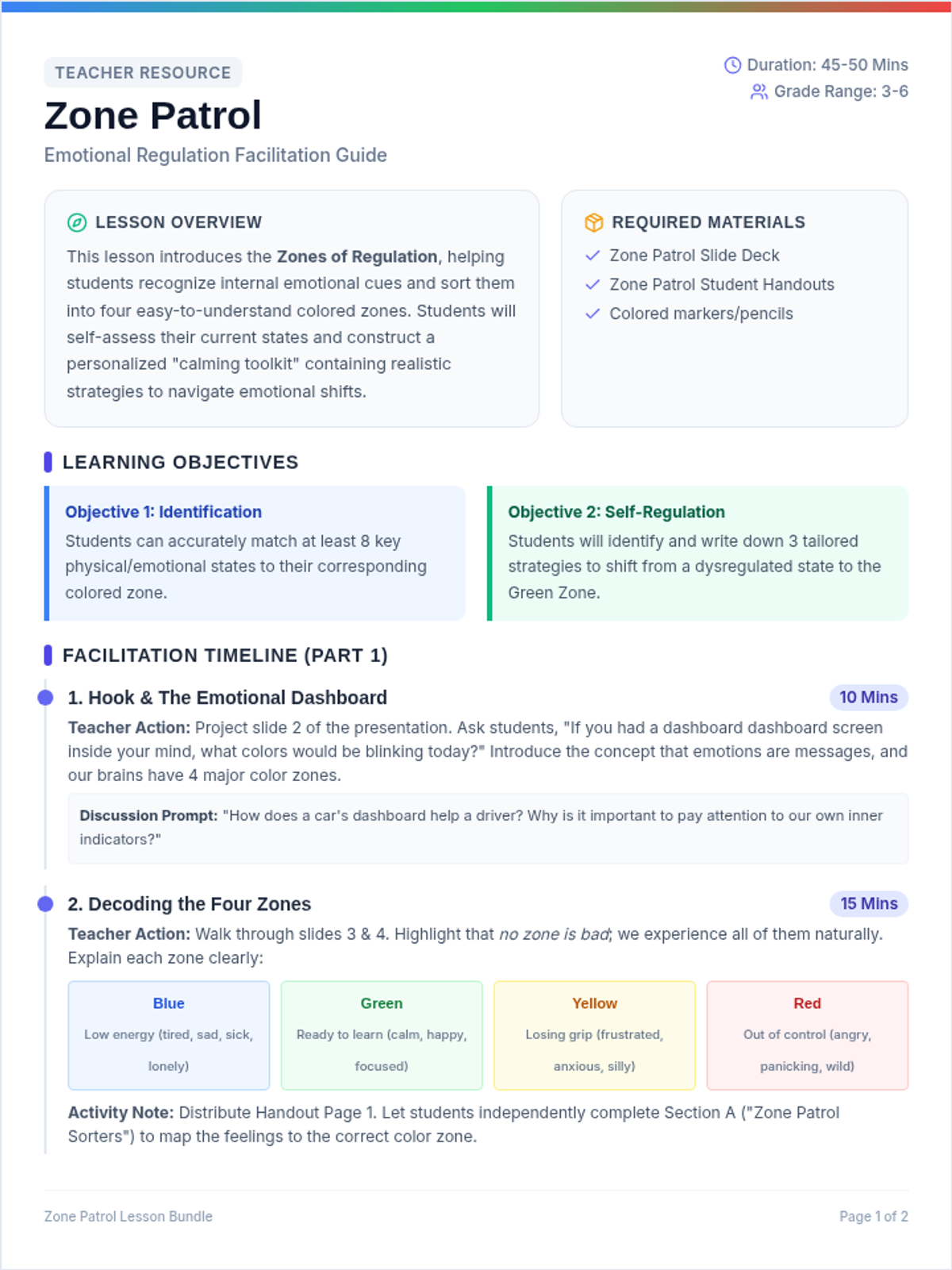
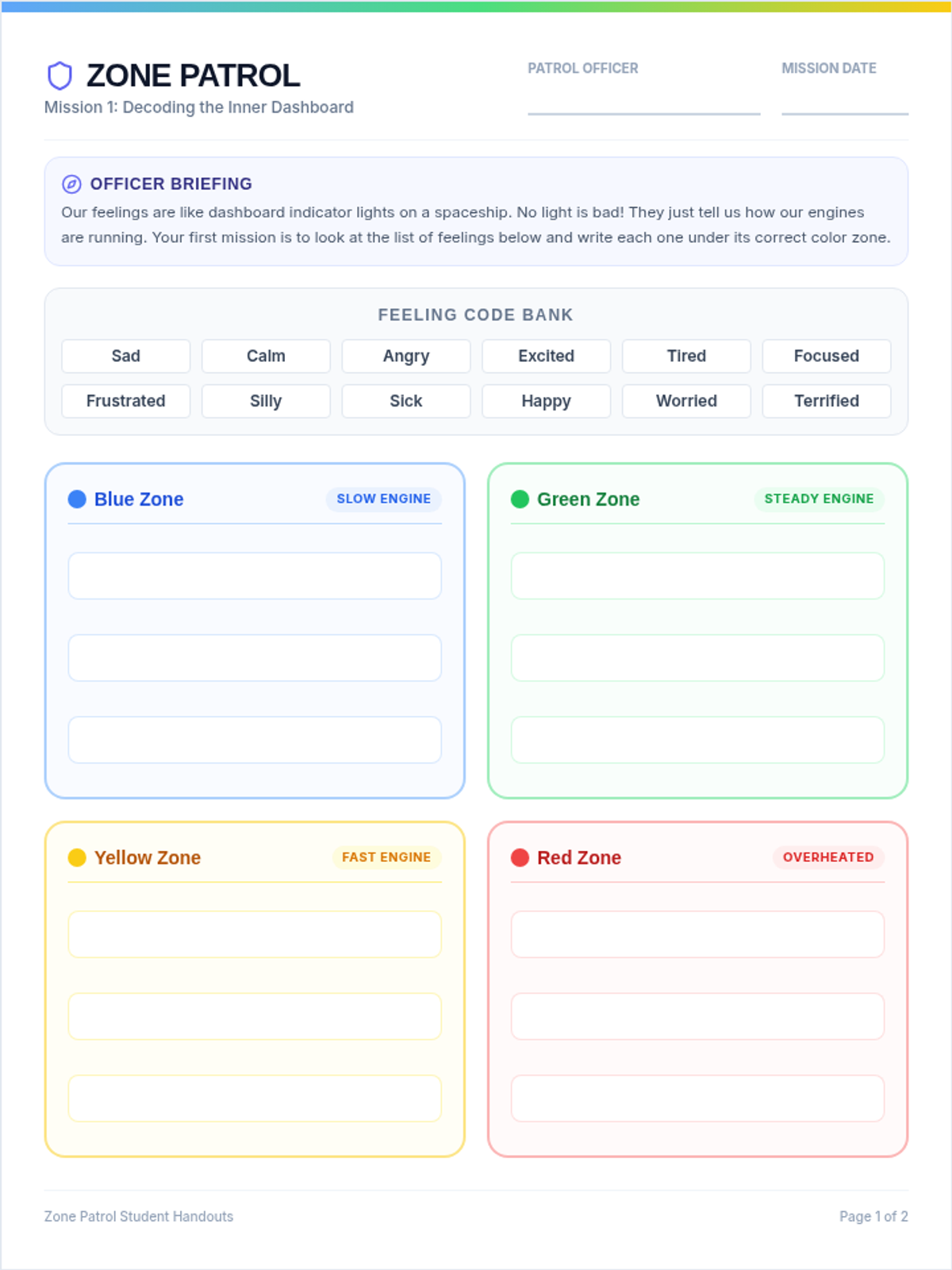
An engaging elementary-to-middle school lesson focusing on the Zones of Regulation. Students learn to identify their feelings, categorize them into the four color zones, and construct a personal toolbox of calming strategies.
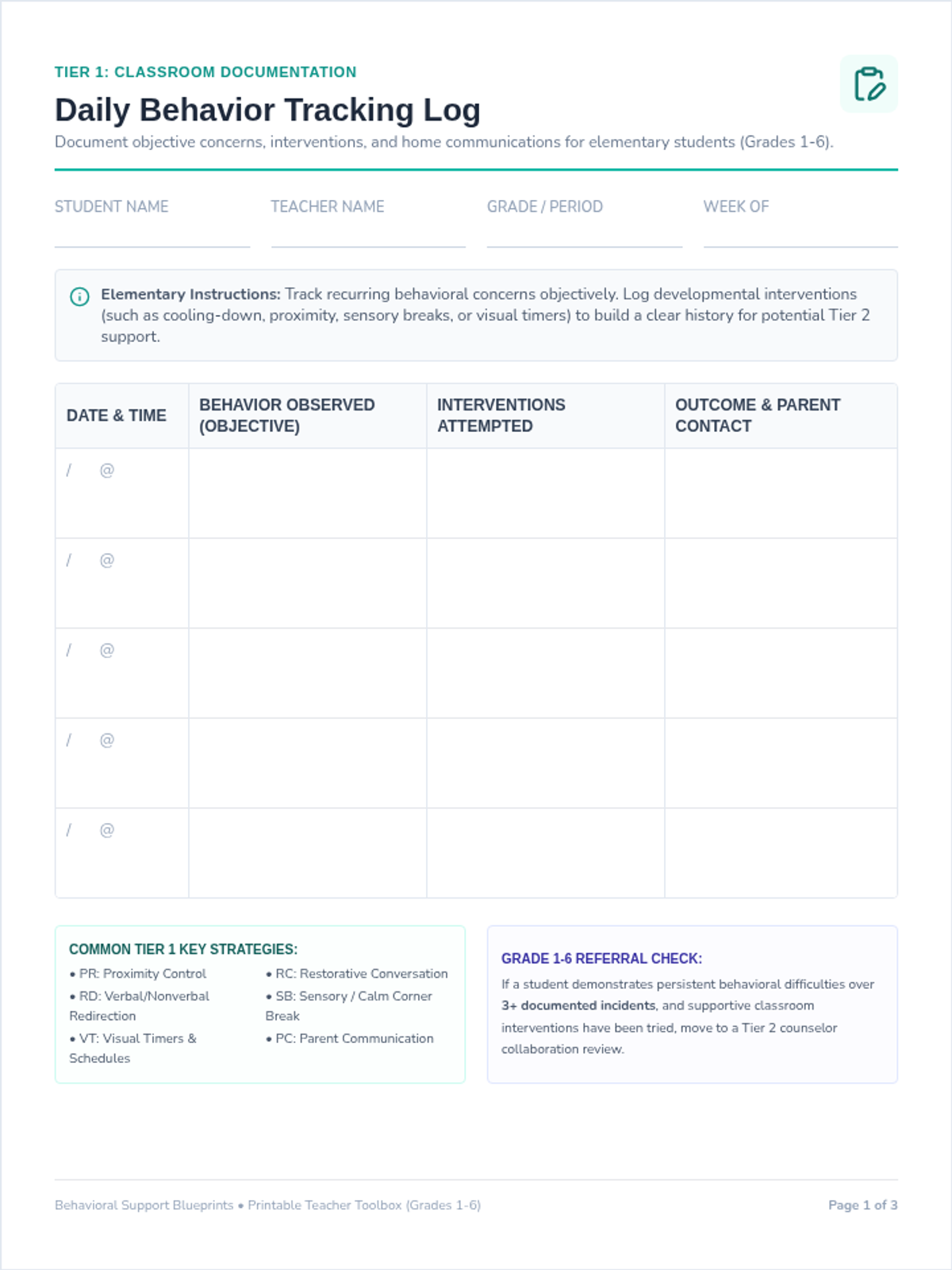
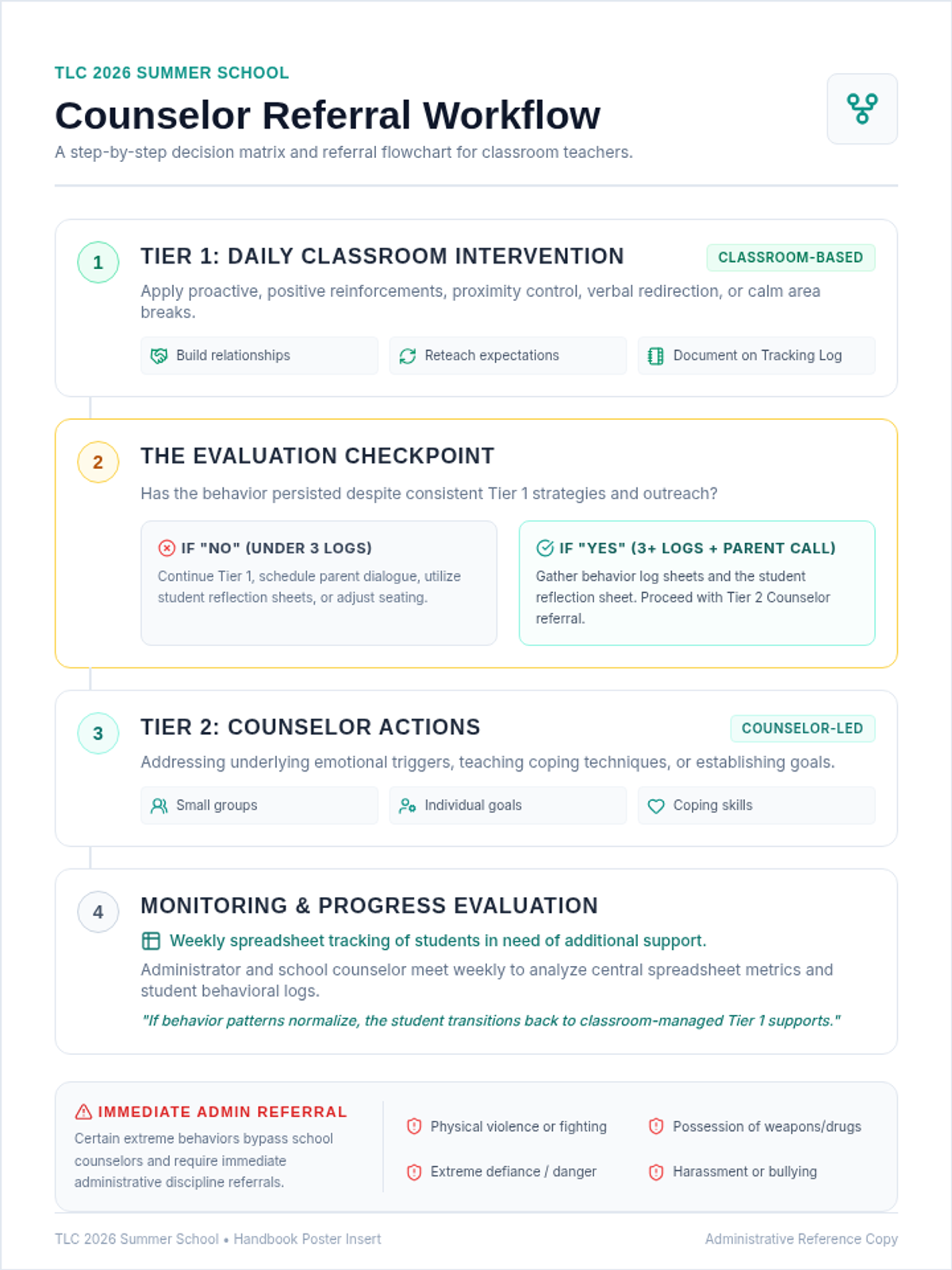
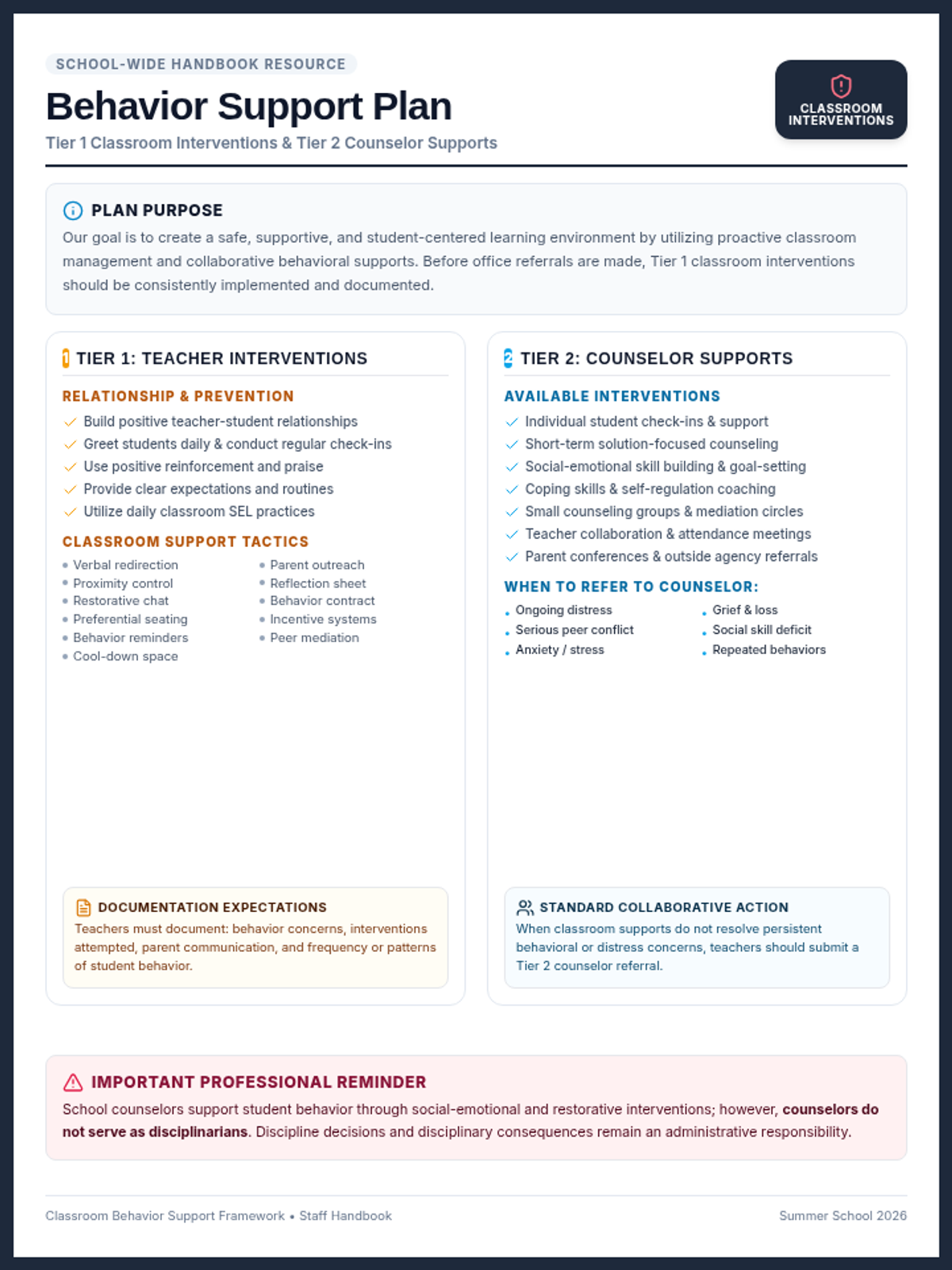
A comprehensive professional development and resource package for educators, mapping out Tier 1 classroom interventions and Tier 2 school counselor supports to build a proactive, collaborative, and restorative student support culture.
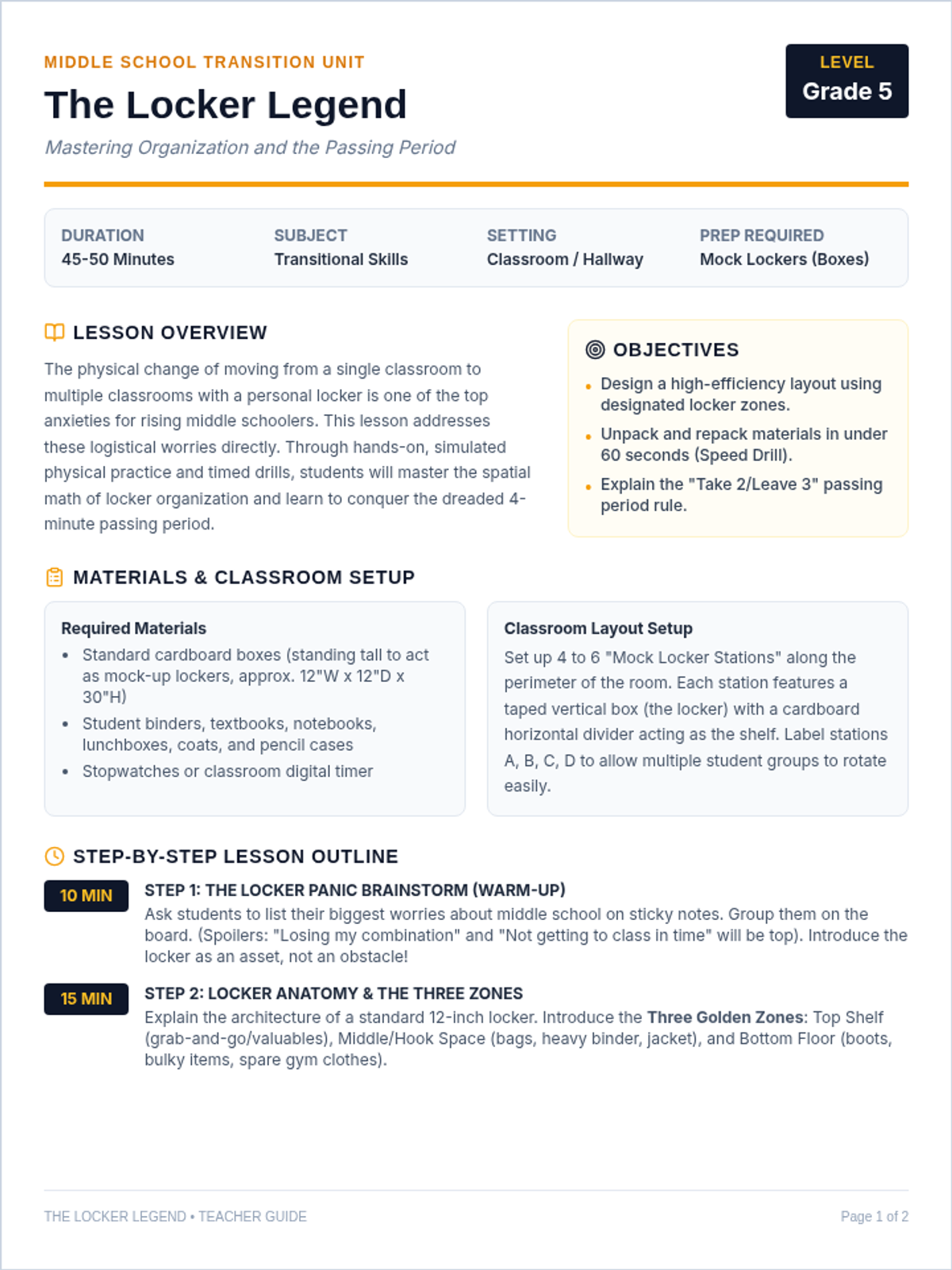
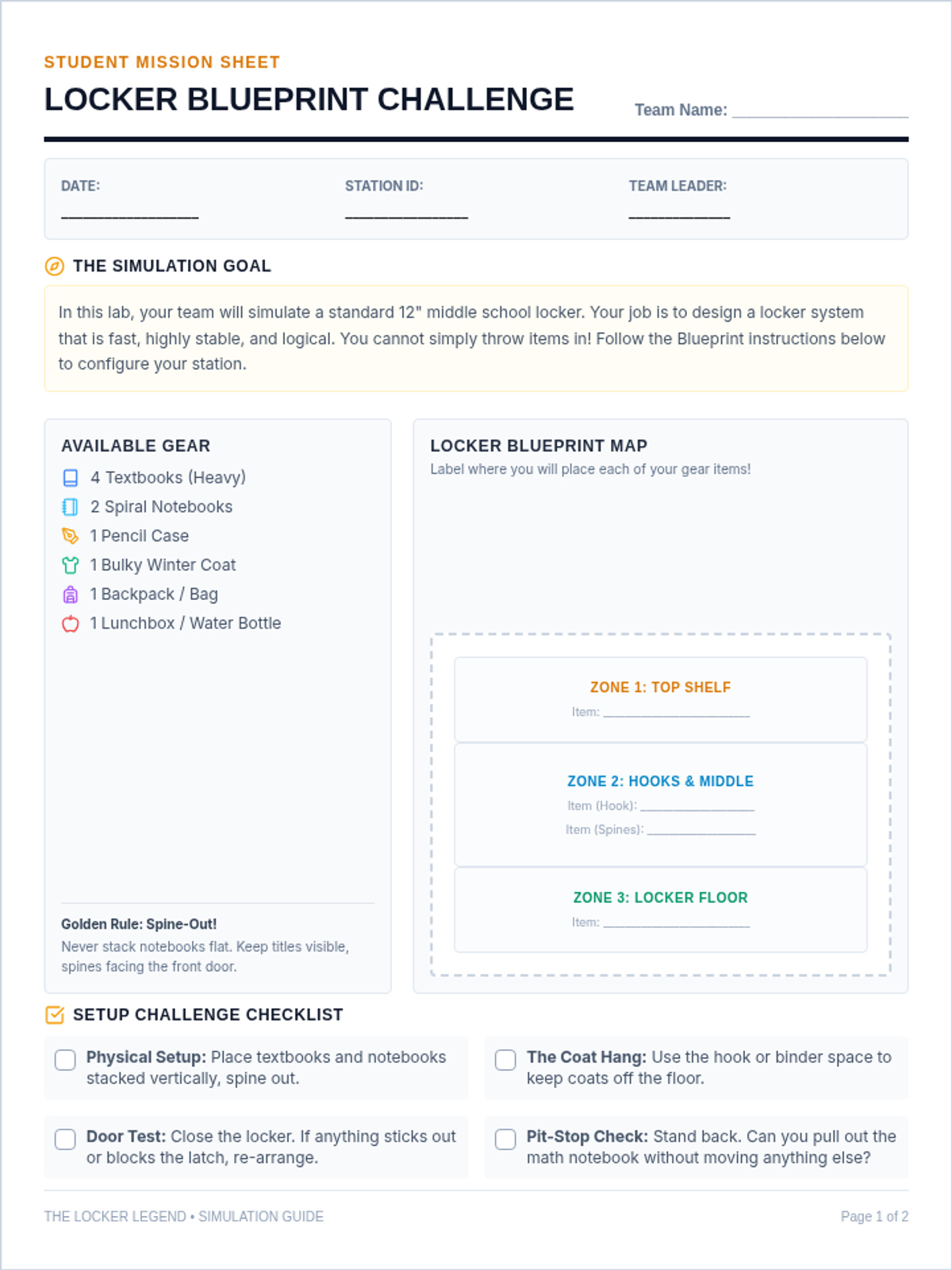
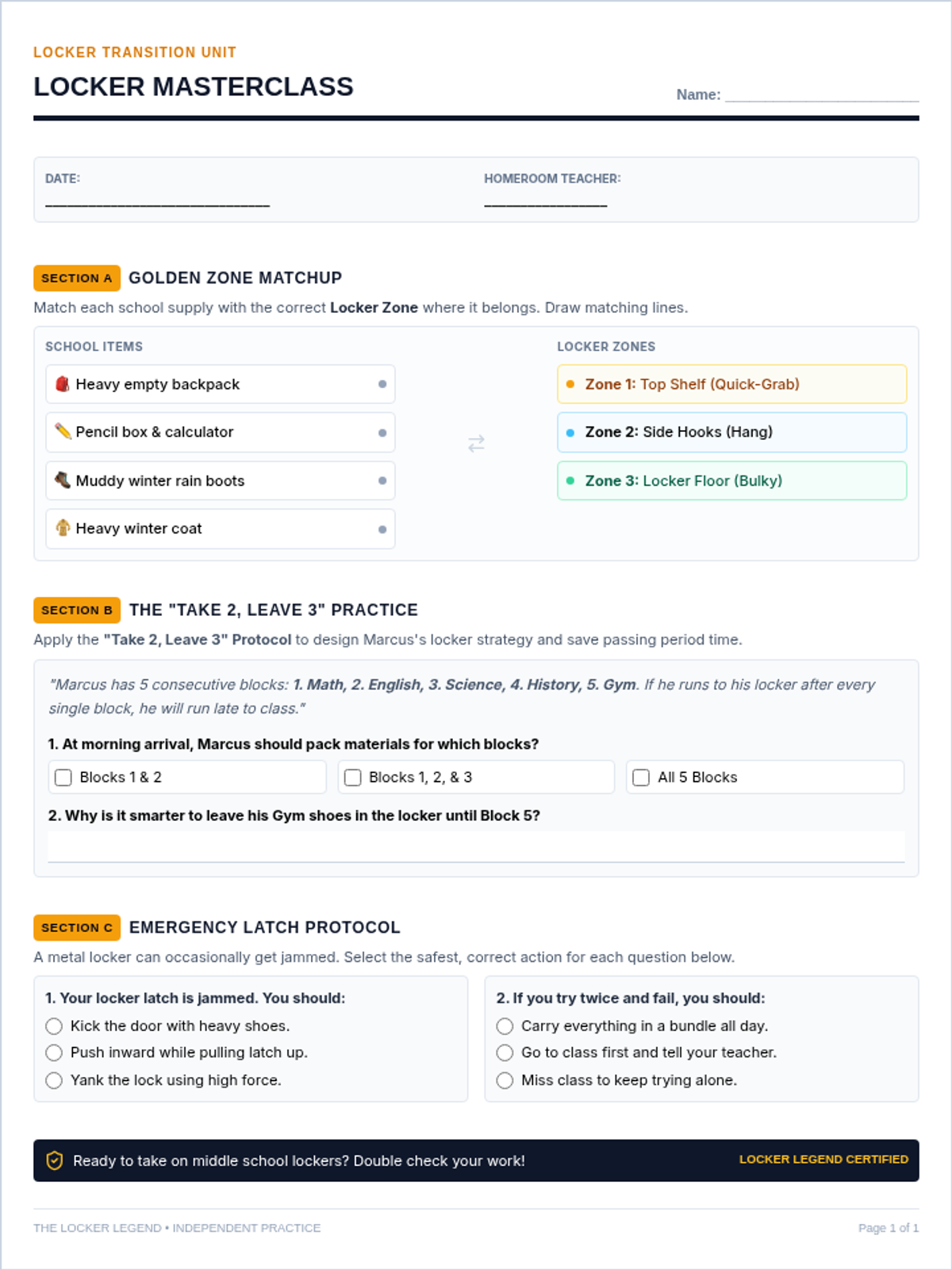
A transitional skills lesson designed to ease fifth-grade anxiety about middle school lockers and passing periods through hands-on organizational simulations and speed-packing drills.
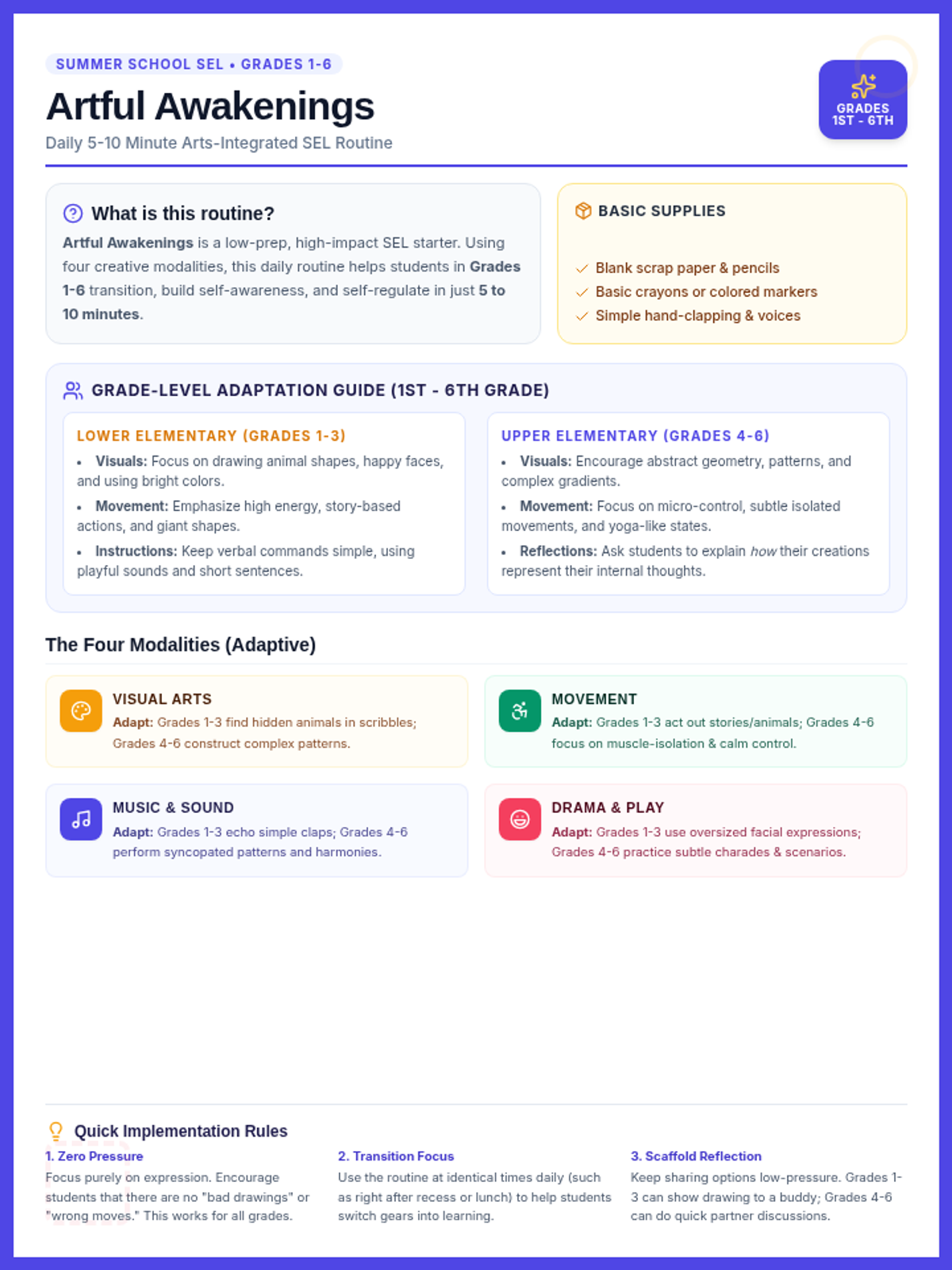
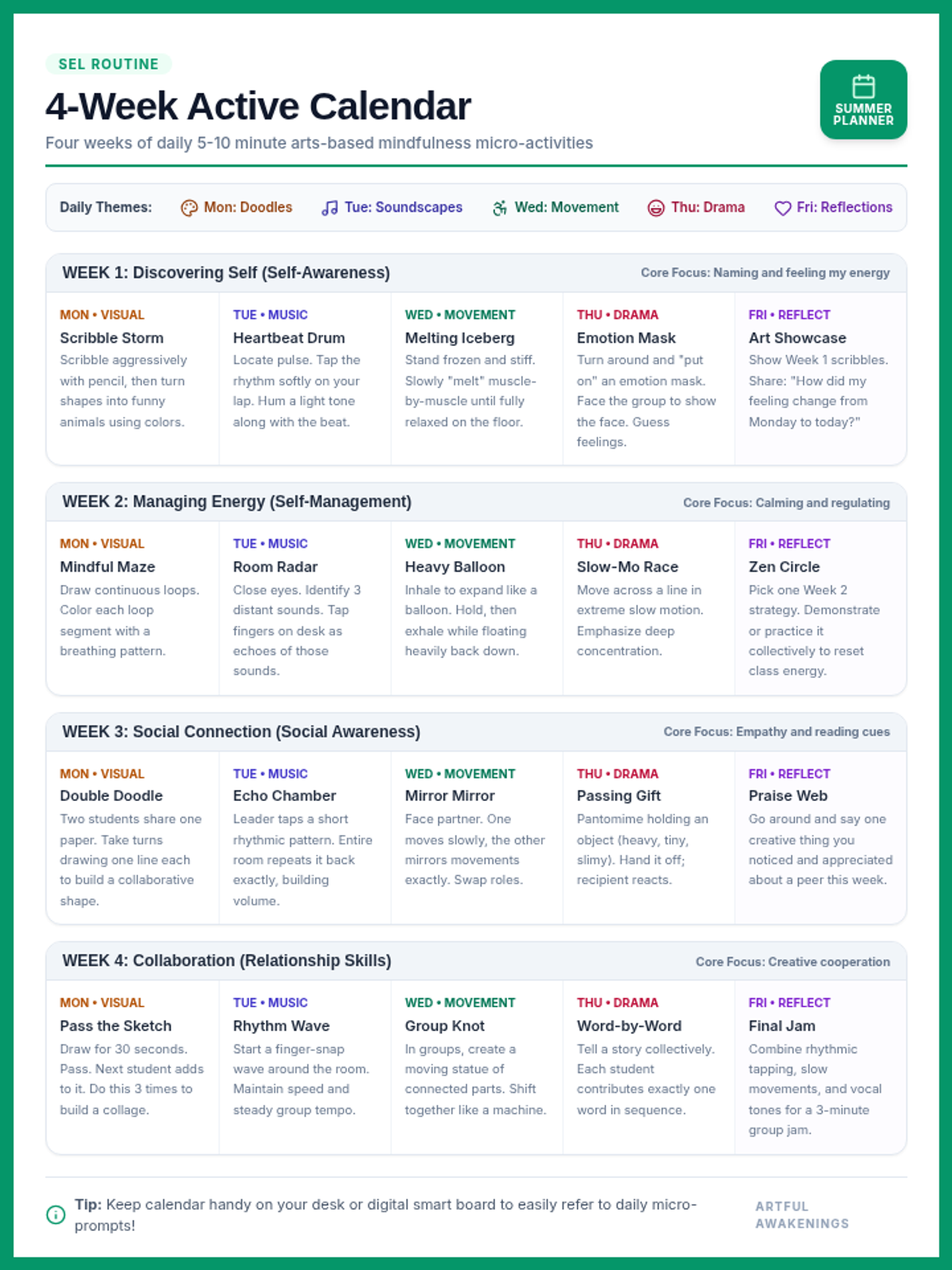
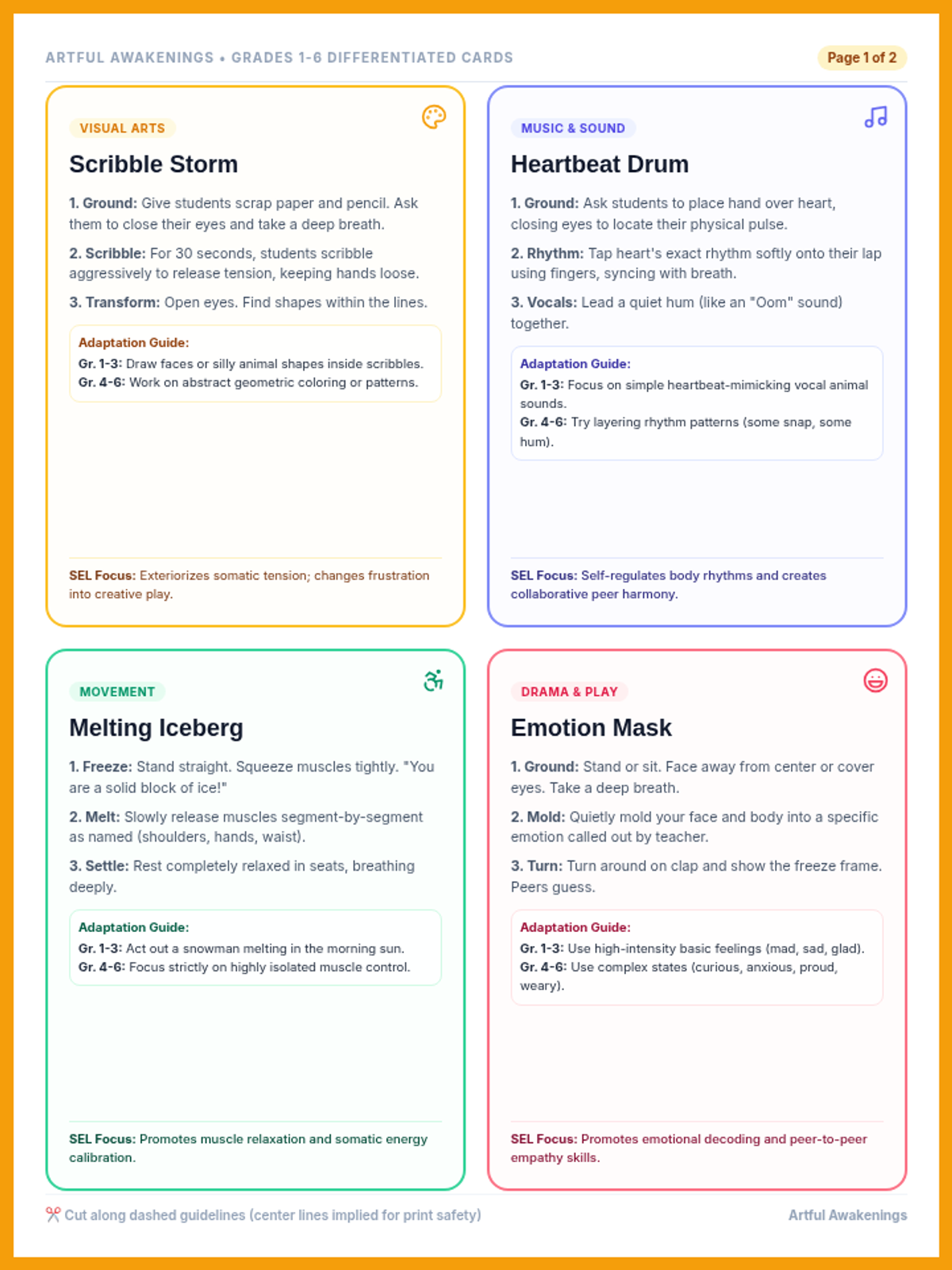
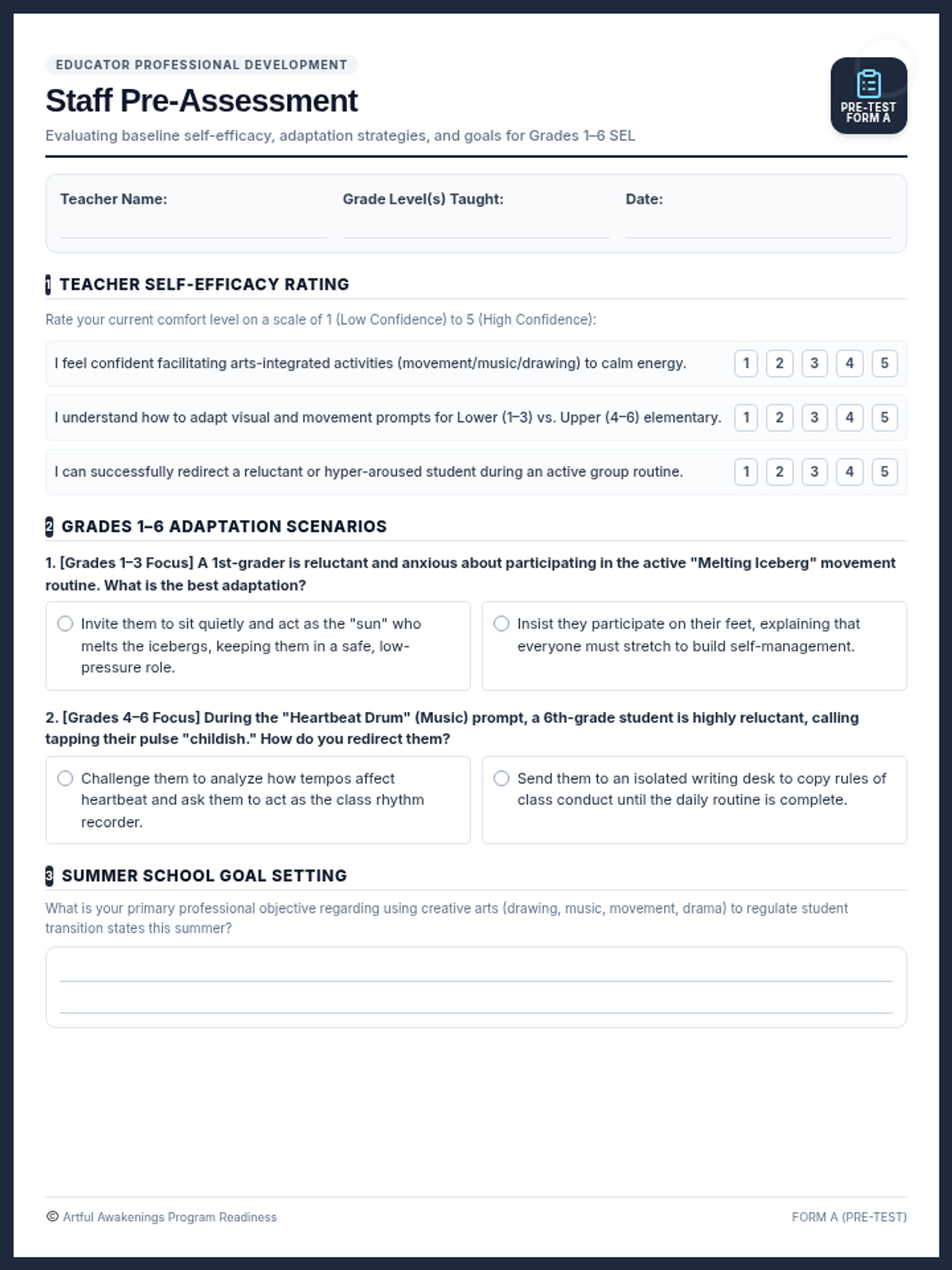
A daily 5-10 minute SEL routine incorporating visual arts, movement, music, and drama to build self-awareness and emotional regulation during summer school.
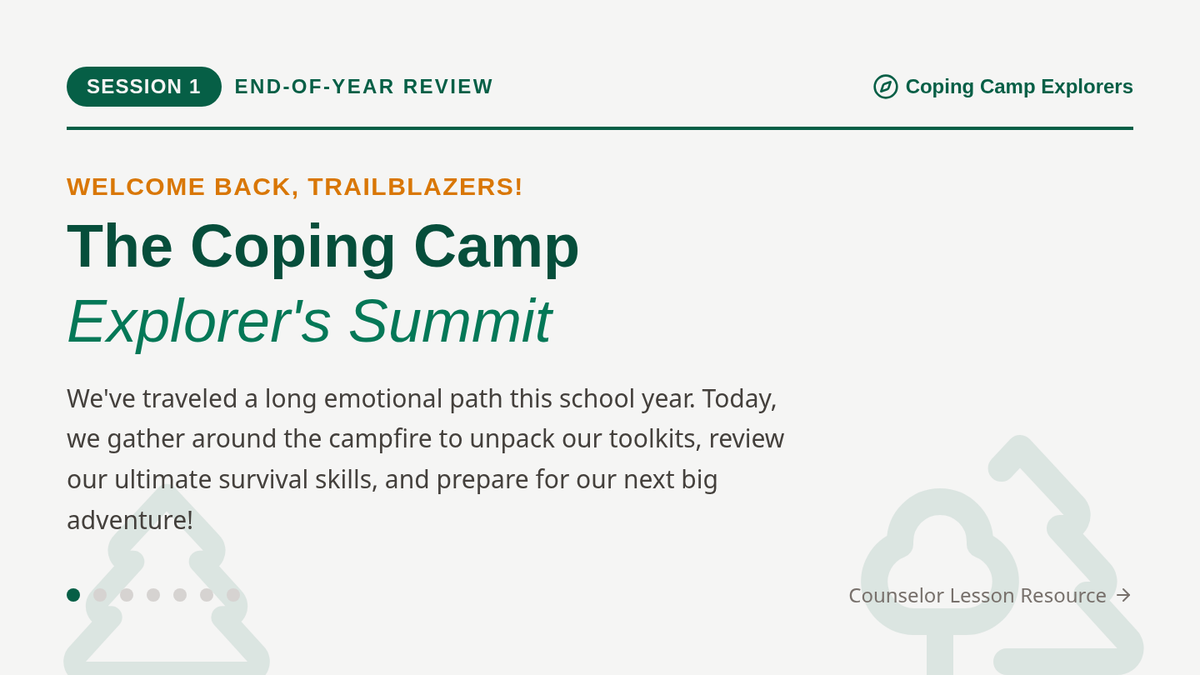
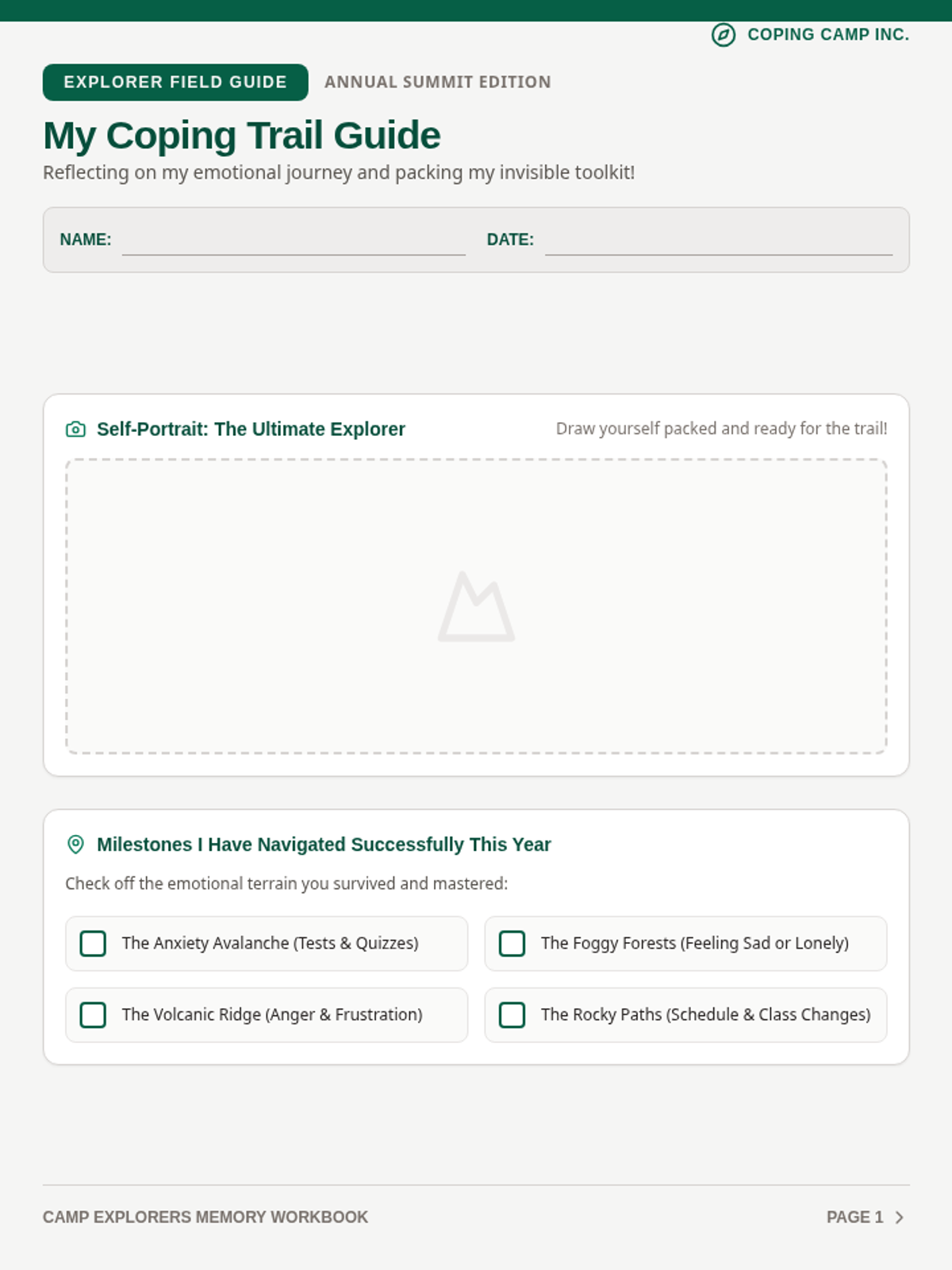
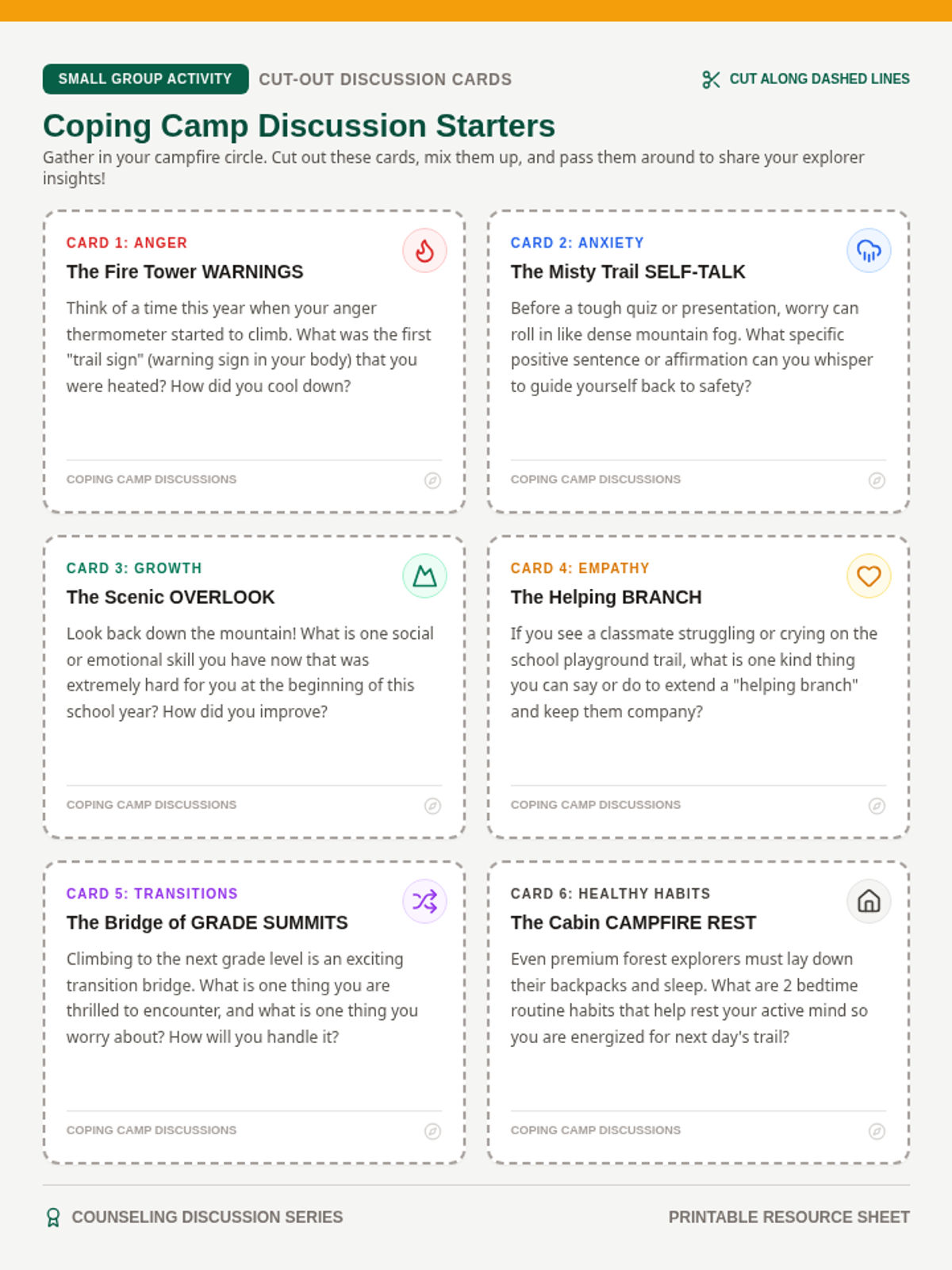
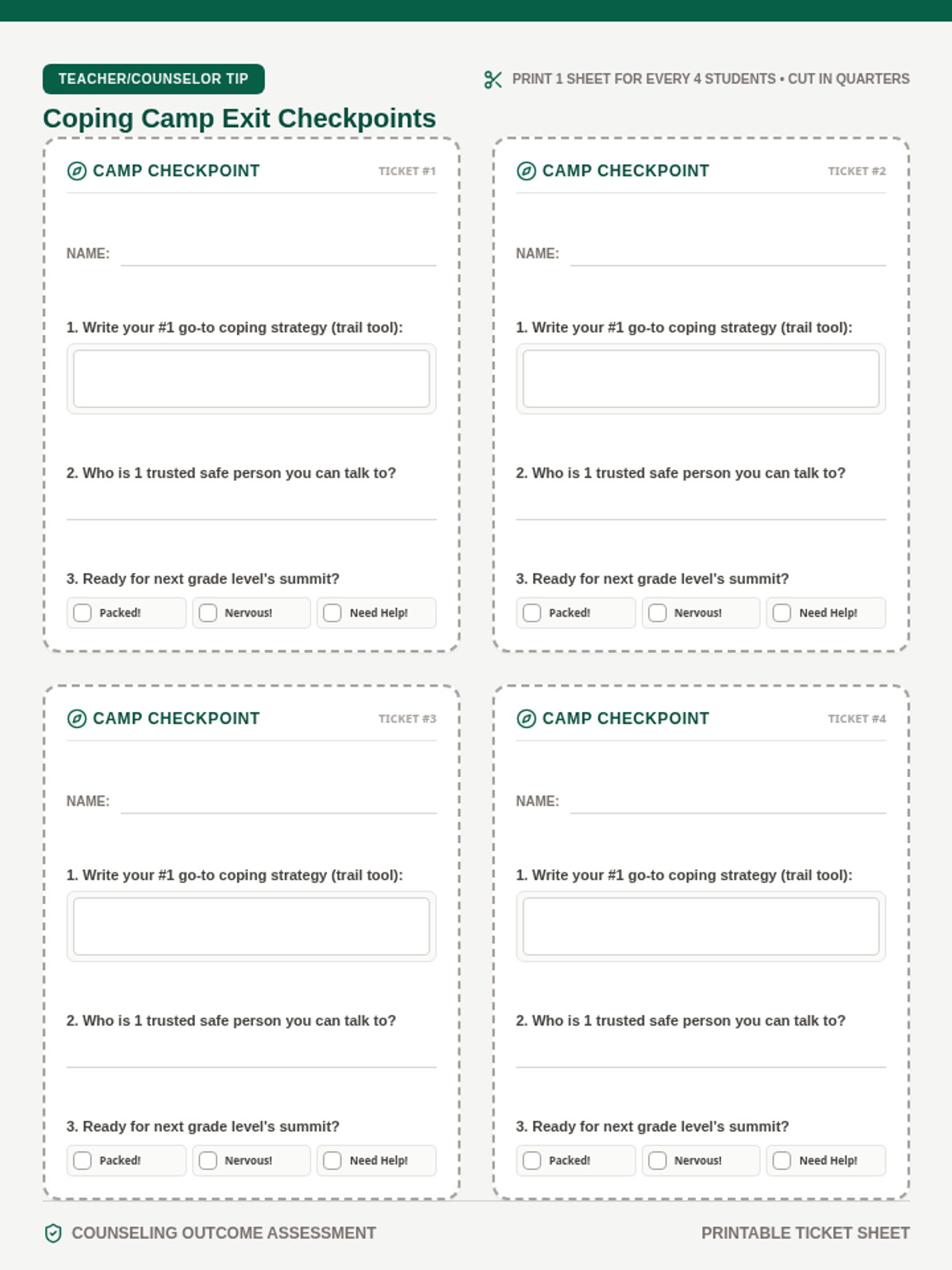
A comprehensive end-of-year counseling lesson designed to review coping strategies, celebrate emotional growth, and prepare students for transitions. The lesson includes an interactive slide deck, a printable personal memory book, interactive discussion task cards, and counseling exit tickets, all tied together under a friendly 'Coping Camp Explorers' theme.
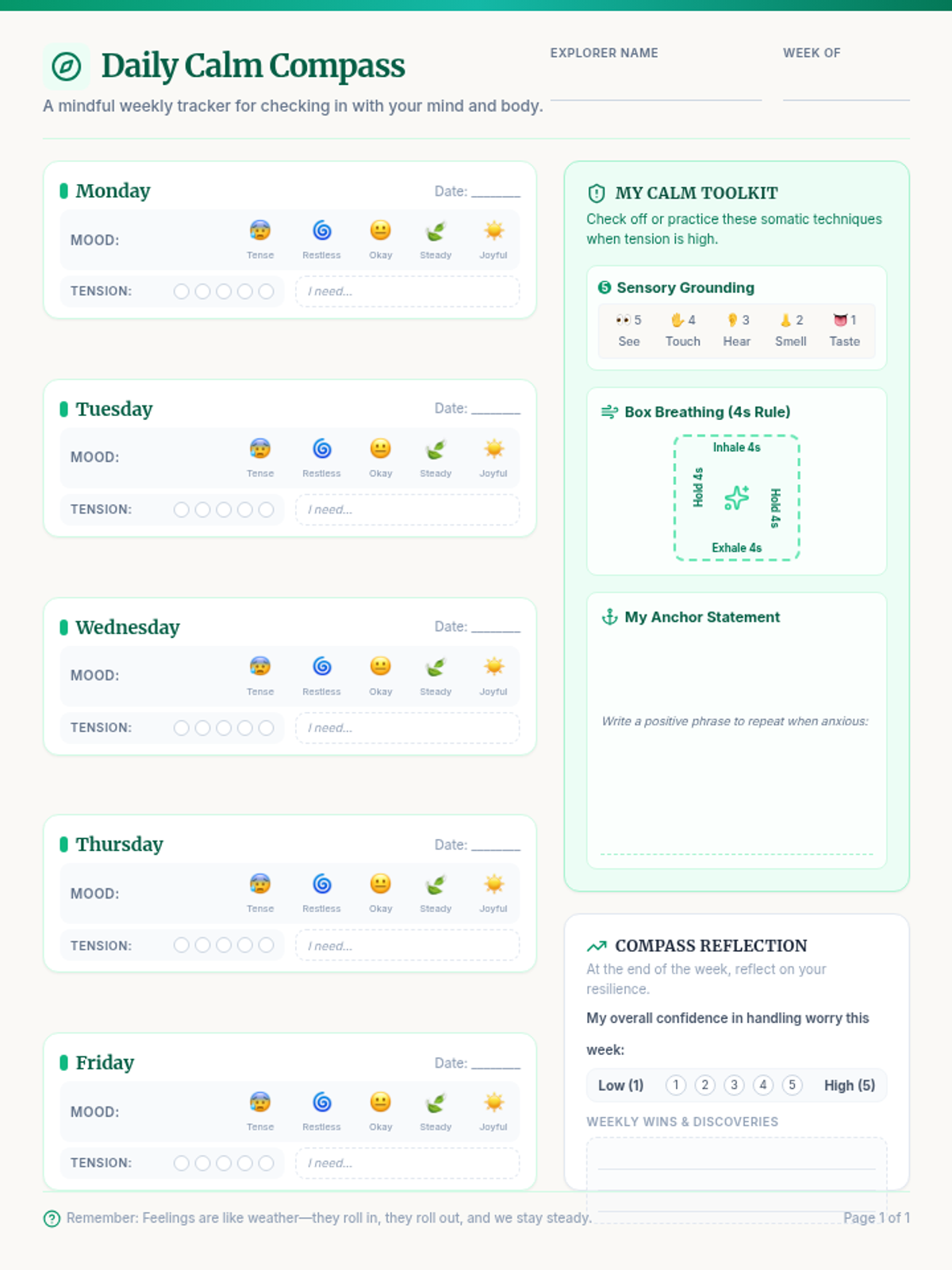
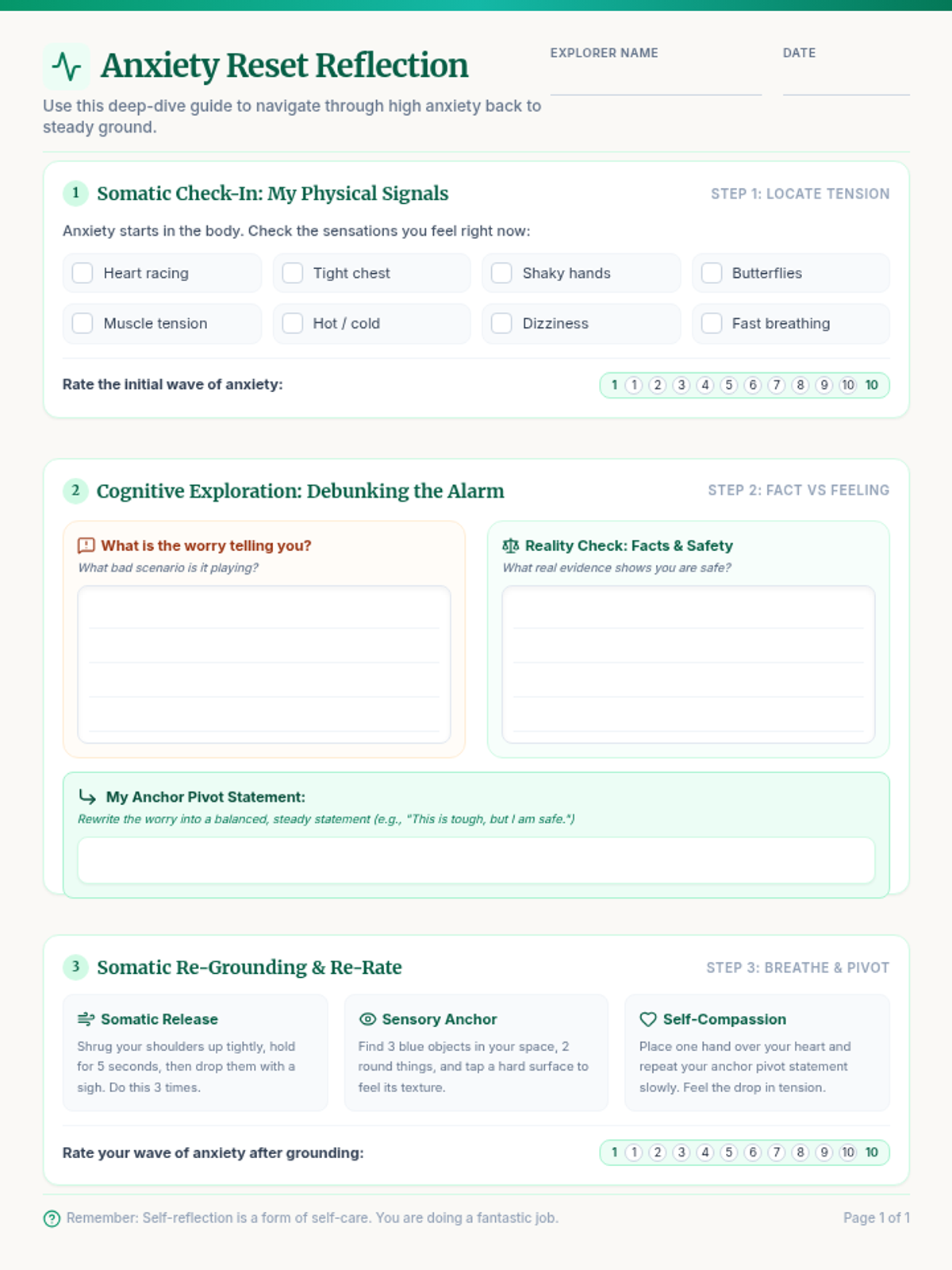
A therapeutic toolkit and instructional guide designed to help individuals understand, track, and navigate anxiety. This lesson combines daily visual tracking with cognitive-behavioral and somatic grounding techniques to build emotional resilience and self-regulation skills.
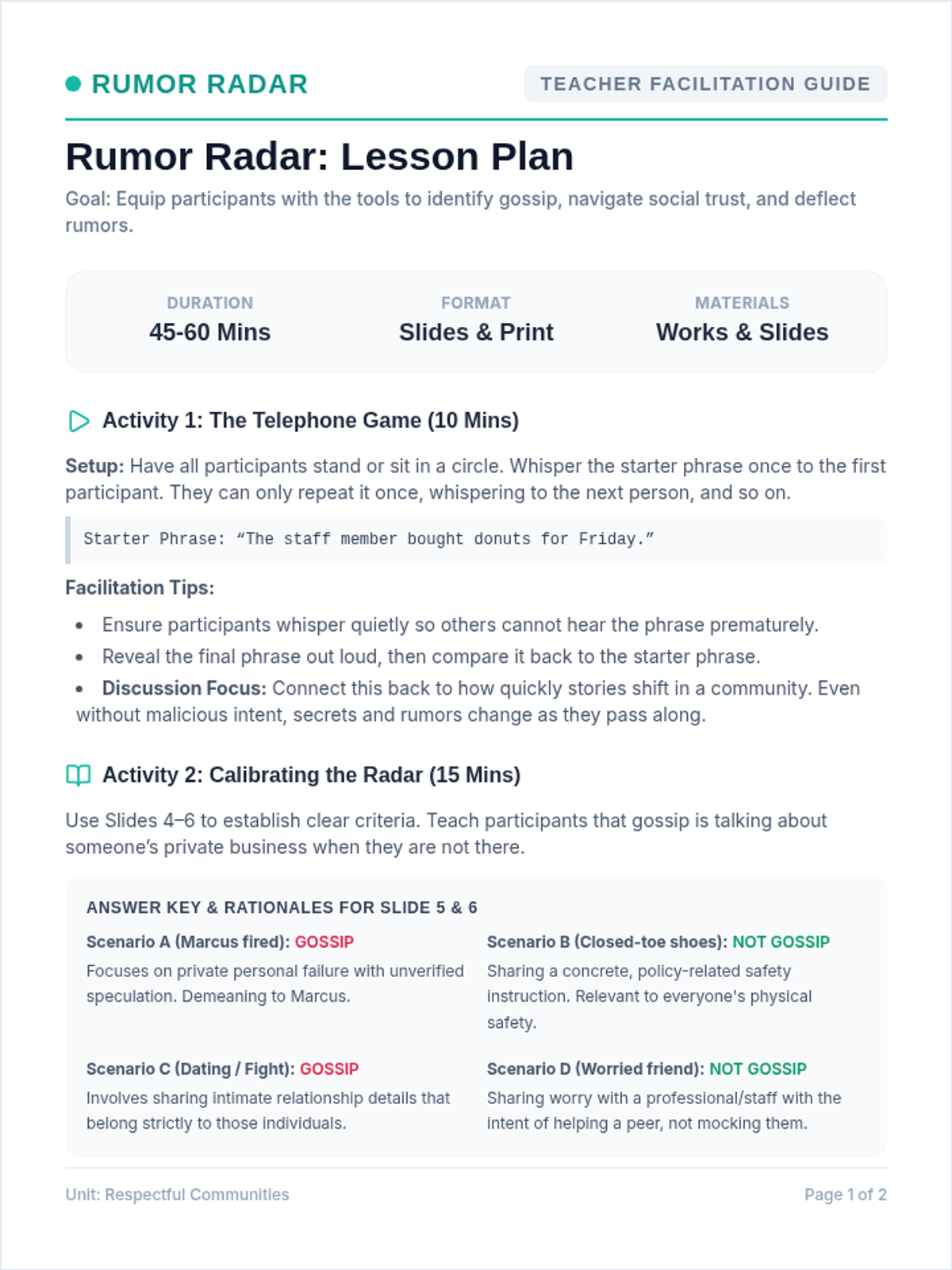
A dynamic lesson designed to help participants understand the impact of gossip, how rumors spread, and how to build healthy, respectful communication habits using visual scenarios and discussion prompts.
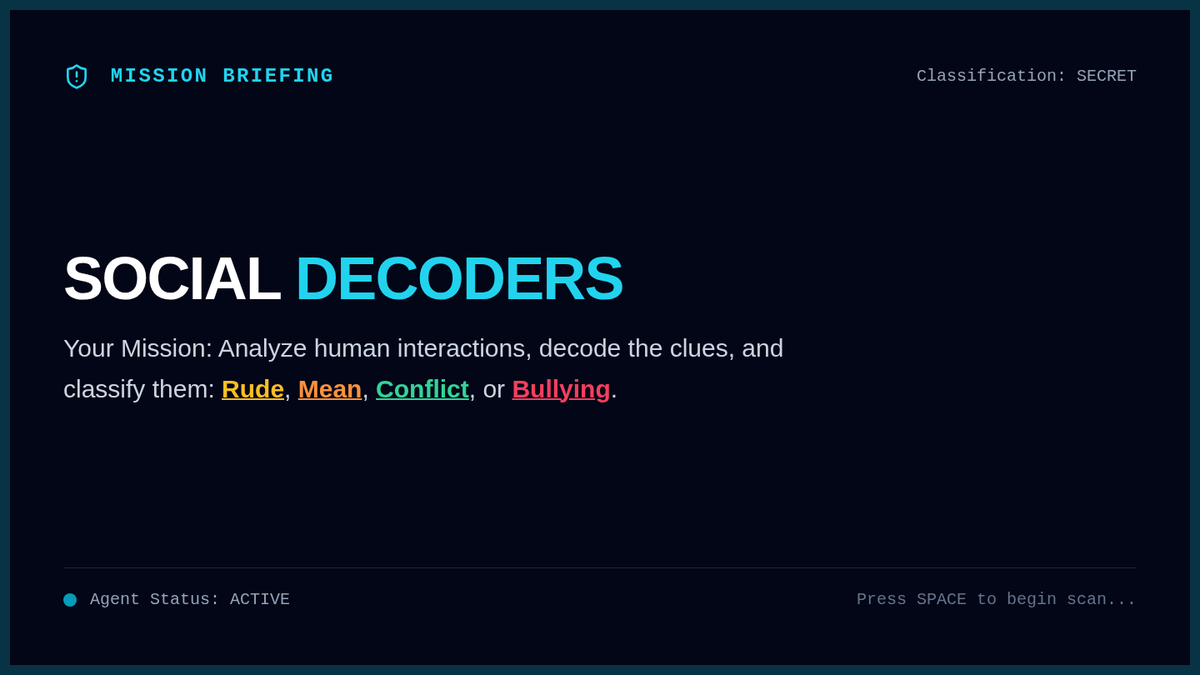
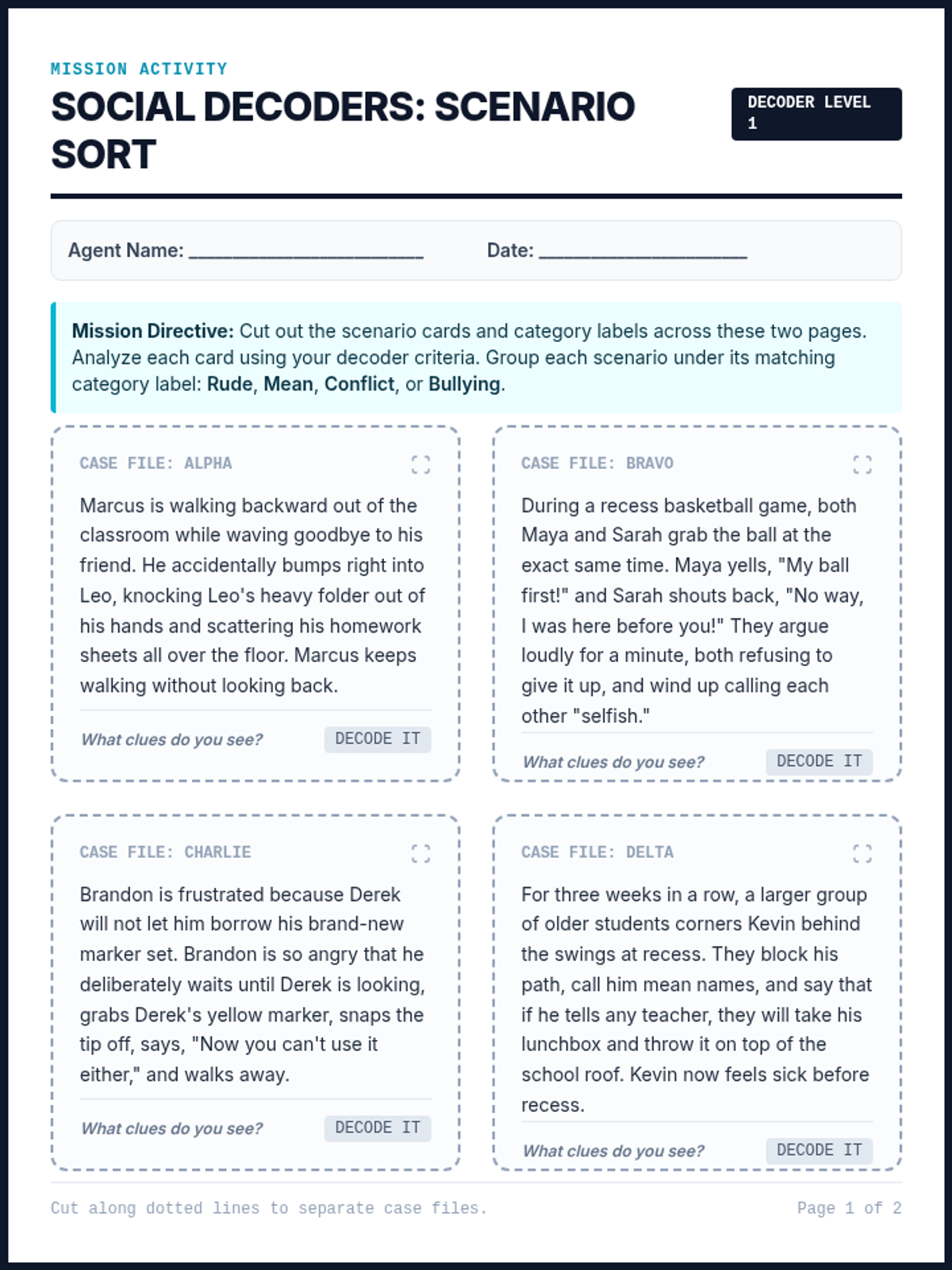
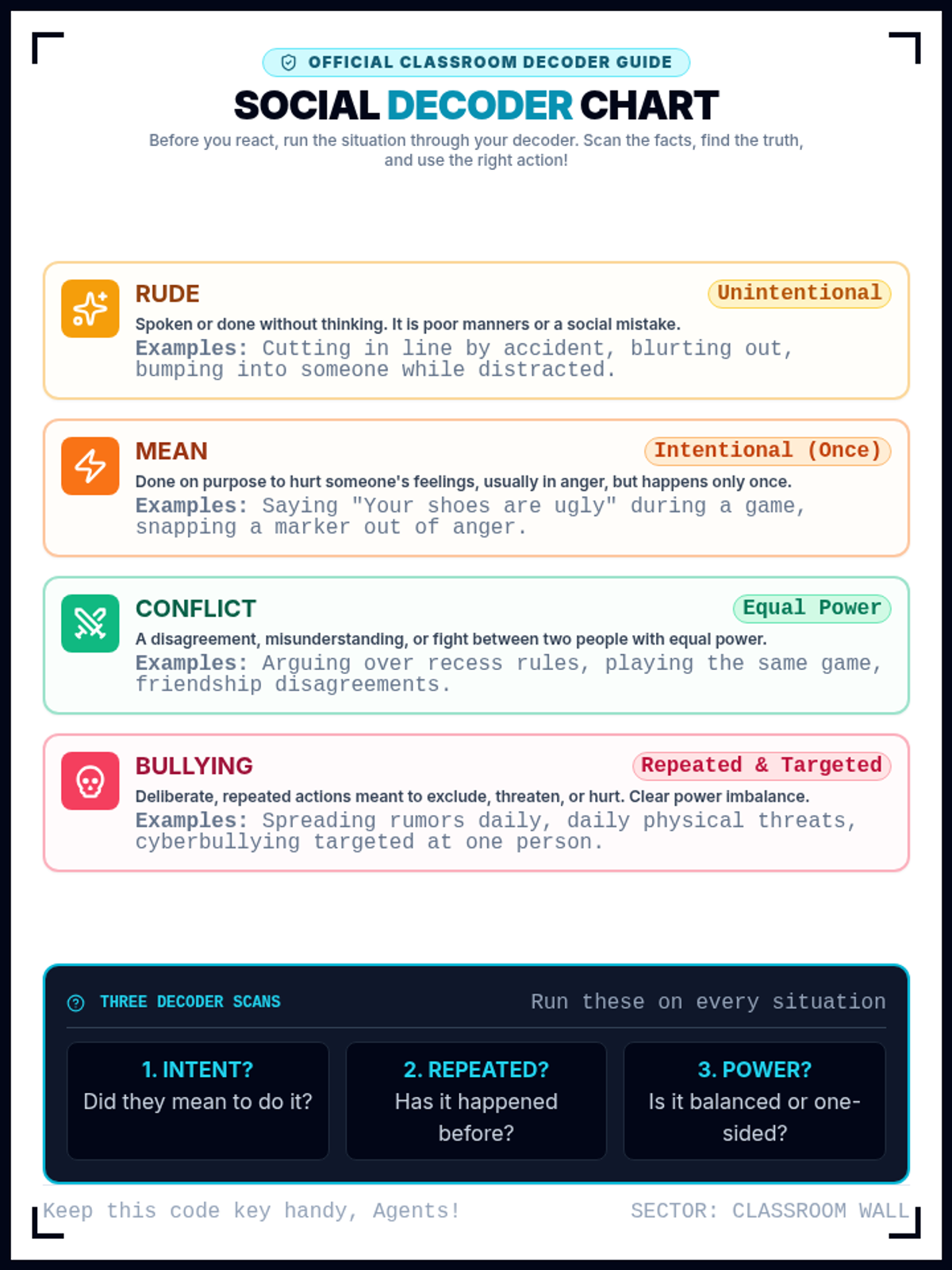
An upper elementary lesson that teaches students to distinguish between conflict, rudeness, meanness, and bullying through a detective-themed investigation. Students analyze social scenarios, learn key criteria, and practice upstander strategies.
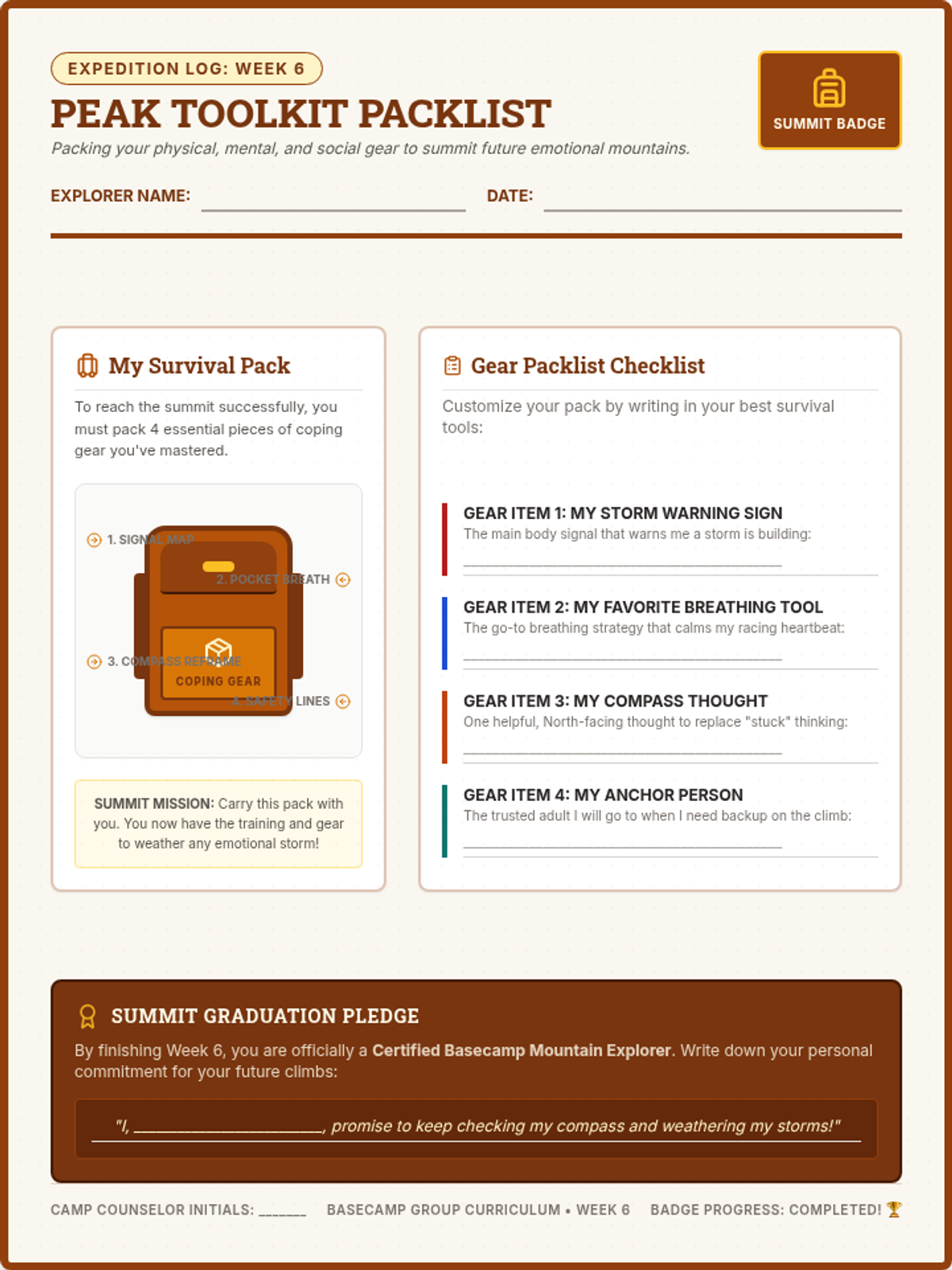
Week 6 of the Basecamp Emotion Regulation curriculum. Students review their 6-week adventure, synthesize their personalized coping skills, and construct their final "Peak Coping Kit" to use in future emotional climbs.
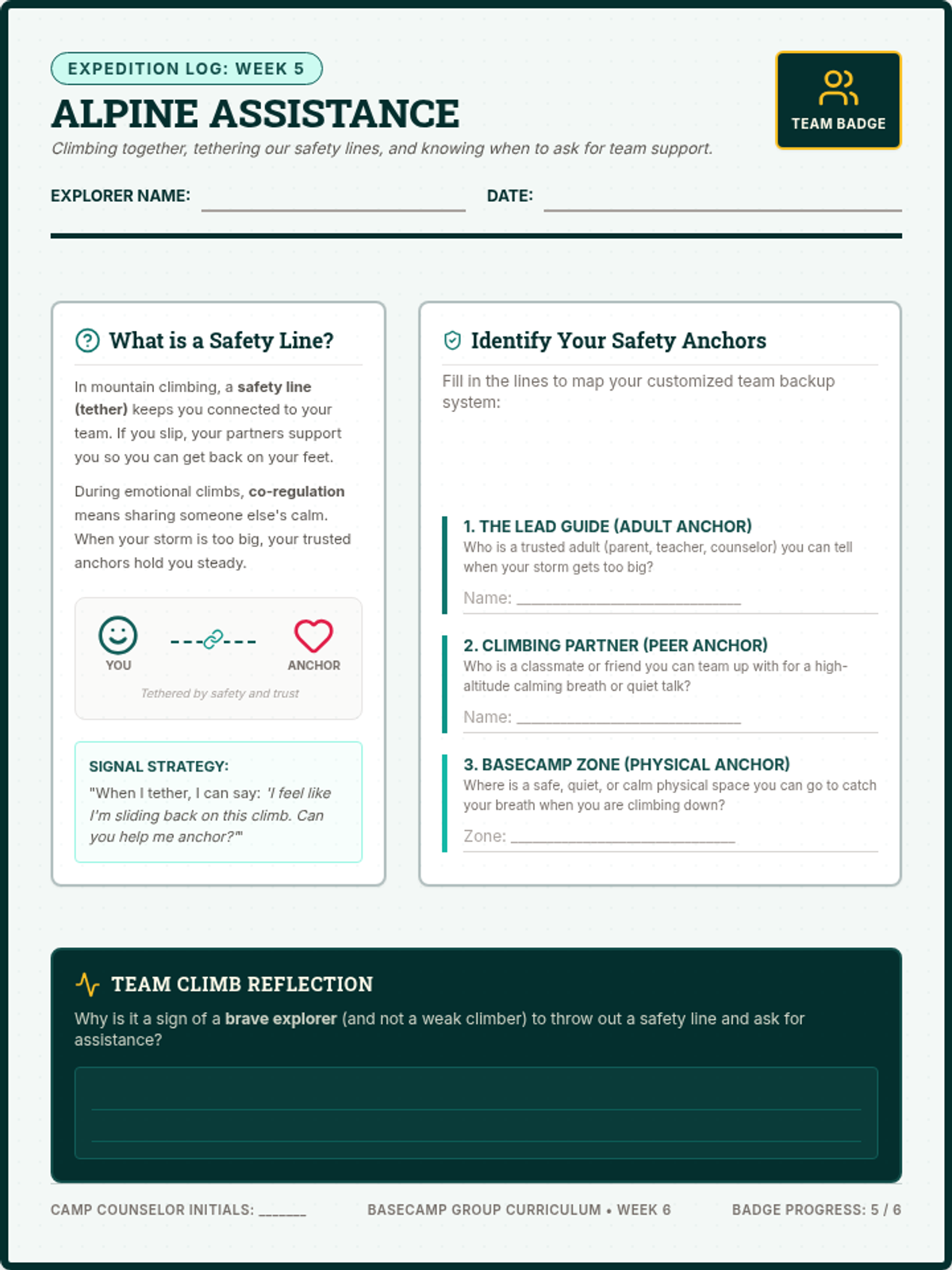
Week 5 of the Basecamp Emotion Regulation curriculum. Students focus on co-regulation, climbing together, establishing trust, and understanding when and how to seek help from trusted "safety lines."
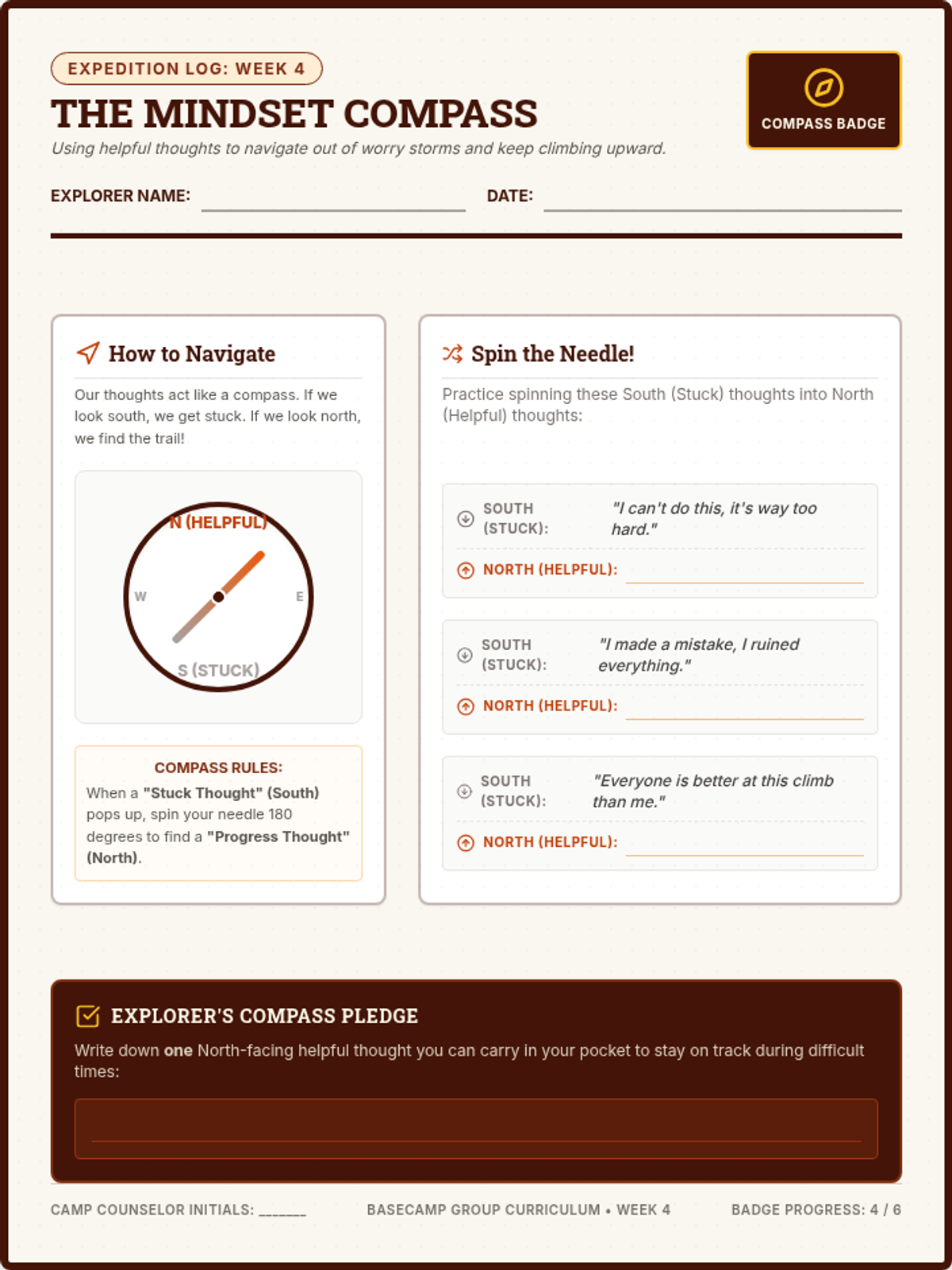
Week 4 of the Basecamp Emotion Regulation curriculum. Students discover cognitive-behavioral strategies, learning how to use positive self-talk and perspective shifts to reframe negative thoughts.
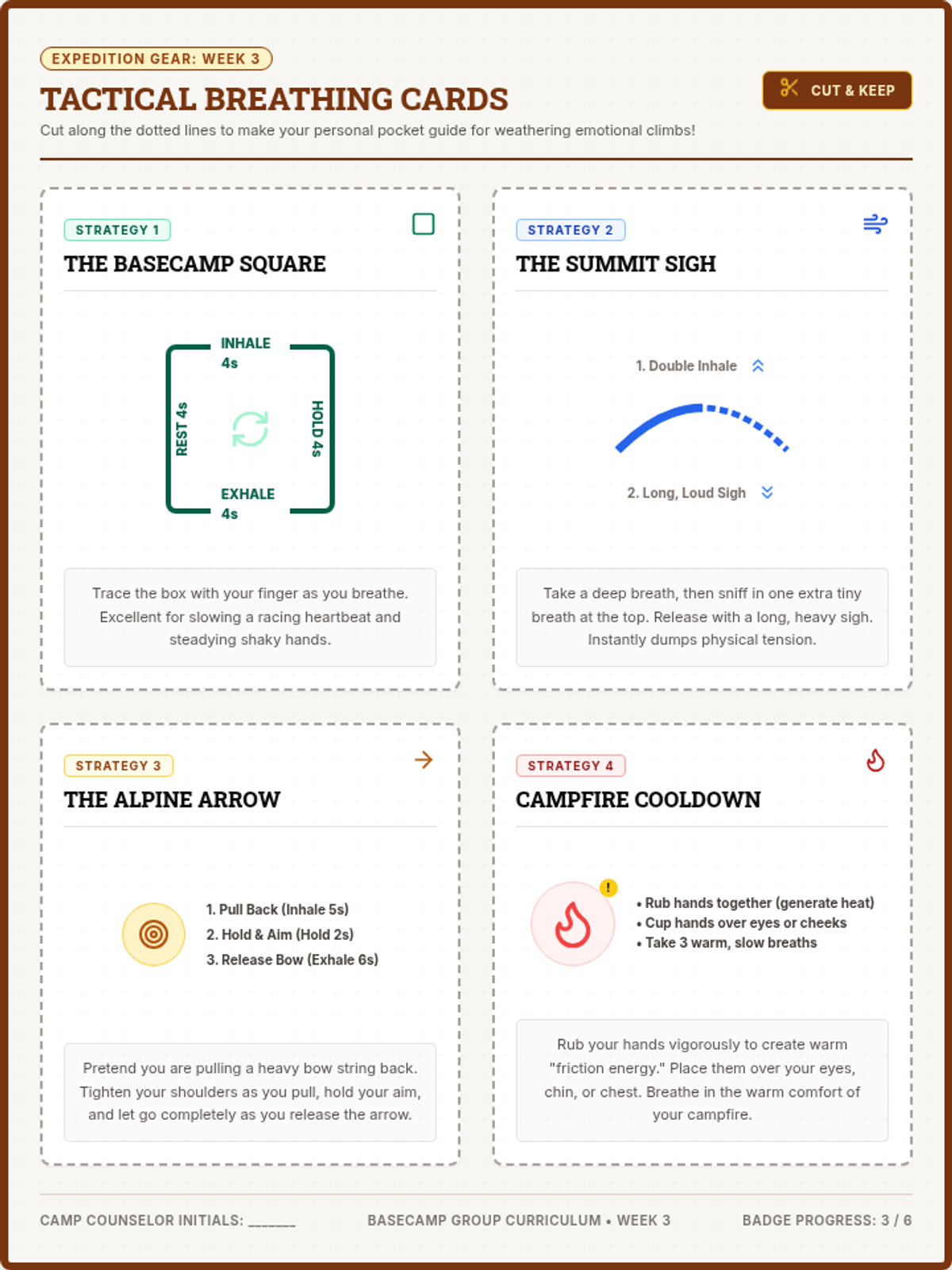
Week 3 of the Basecamp Emotion Regulation curriculum. Students practice hands-on physical calming strategies, including tactical breathing, grounding, and sensory reset exercises.
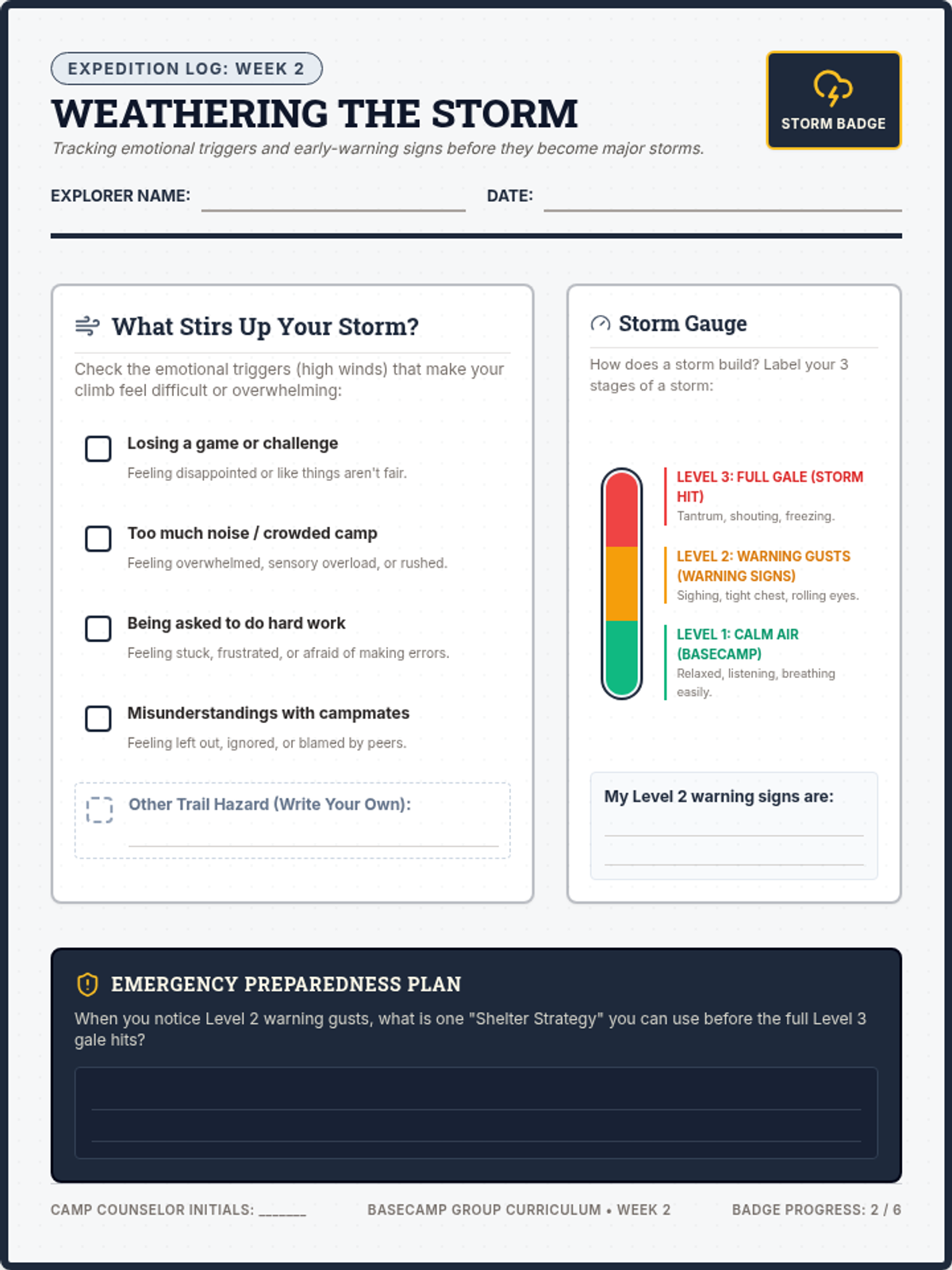
Week 2 of the Basecamp Emotion Regulation curriculum. Students explore the concept of emotional "storms" (triggers) and learn to notice early warning signs before a storm hits.
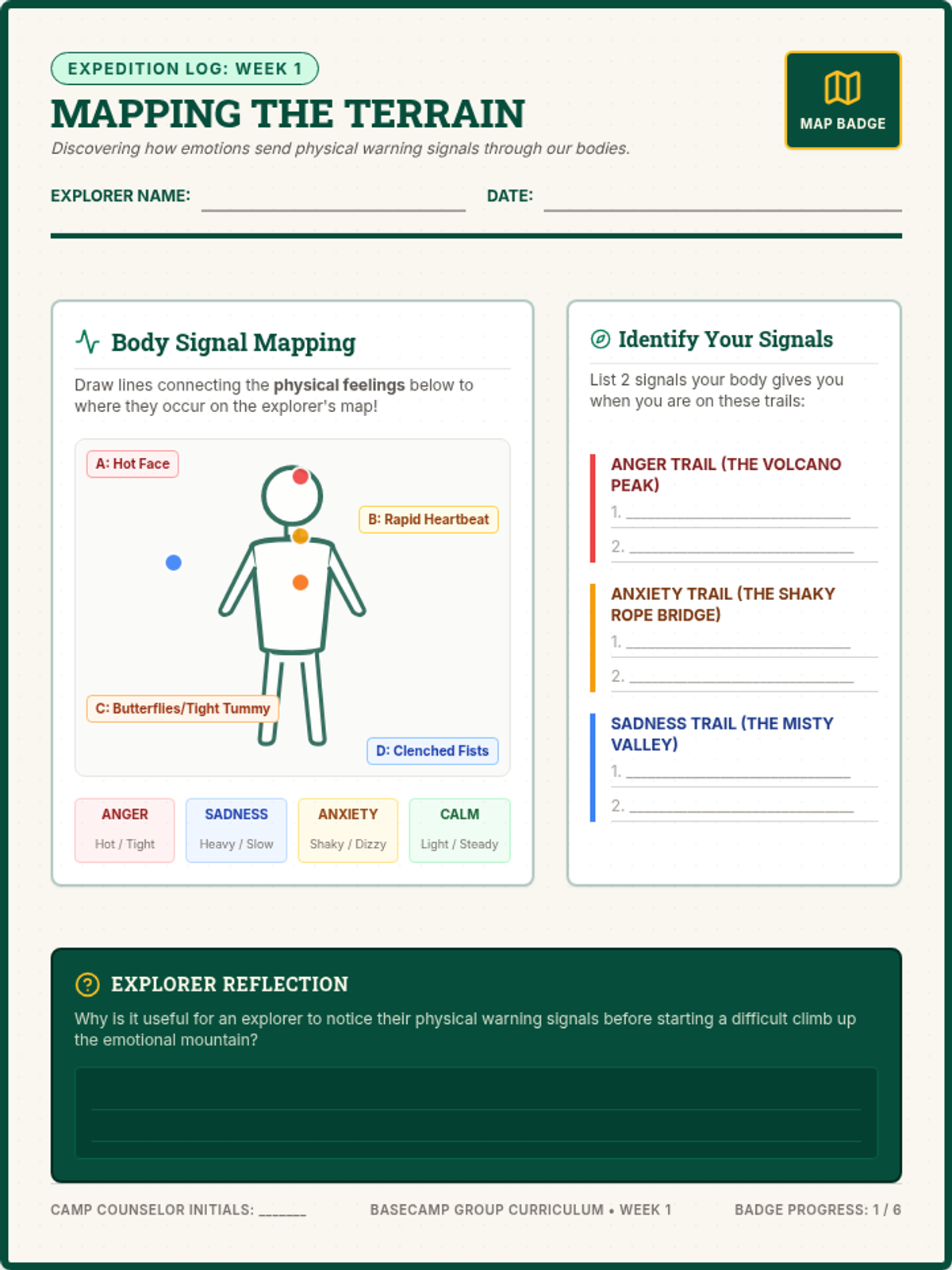
Week 1 of the Basecamp Emotion Regulation curriculum. Students are introduced to the mountain-climbing theme, learn to identify and name different emotions, and map how these feelings physically manifest as bodily signals.
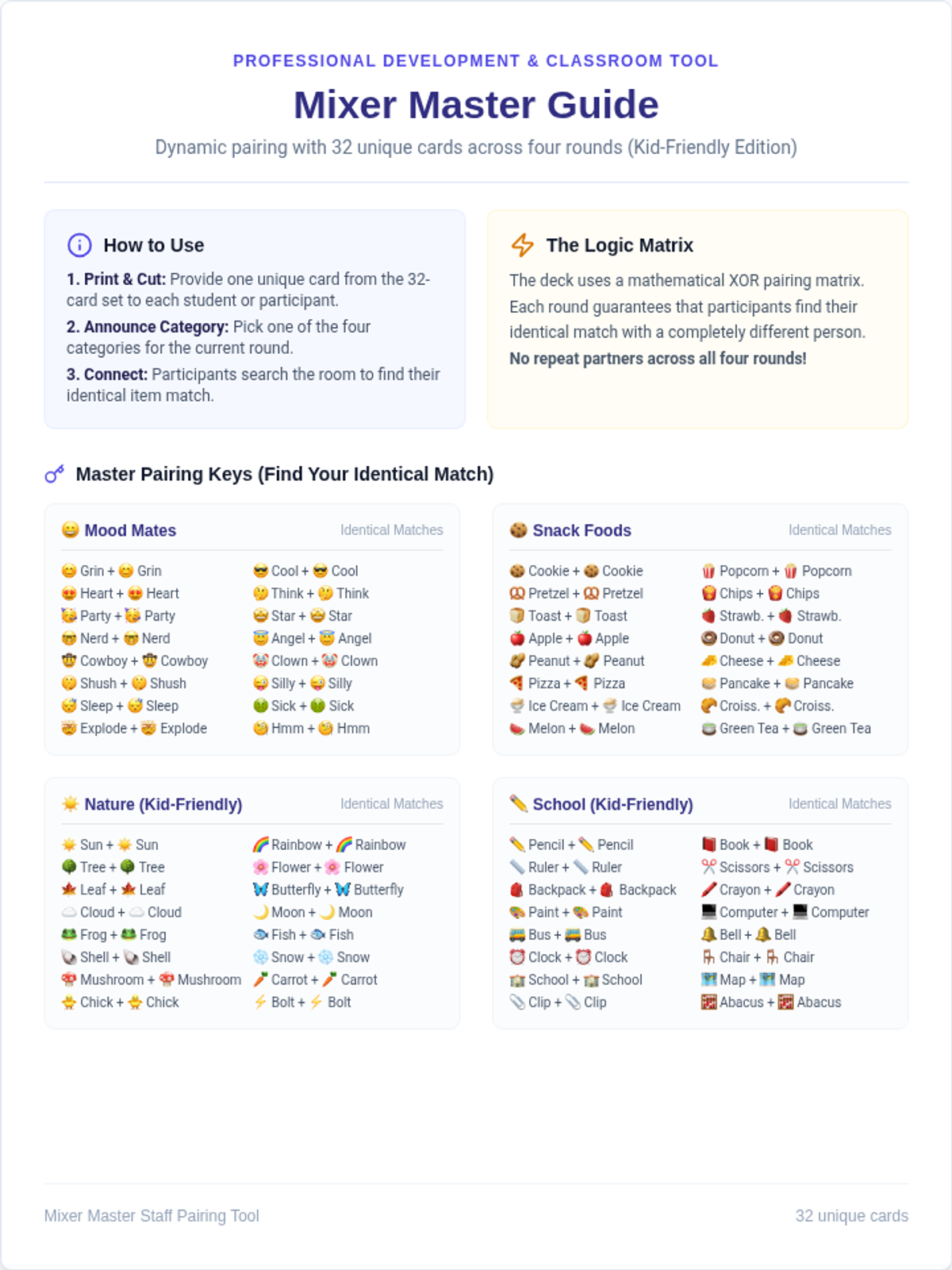
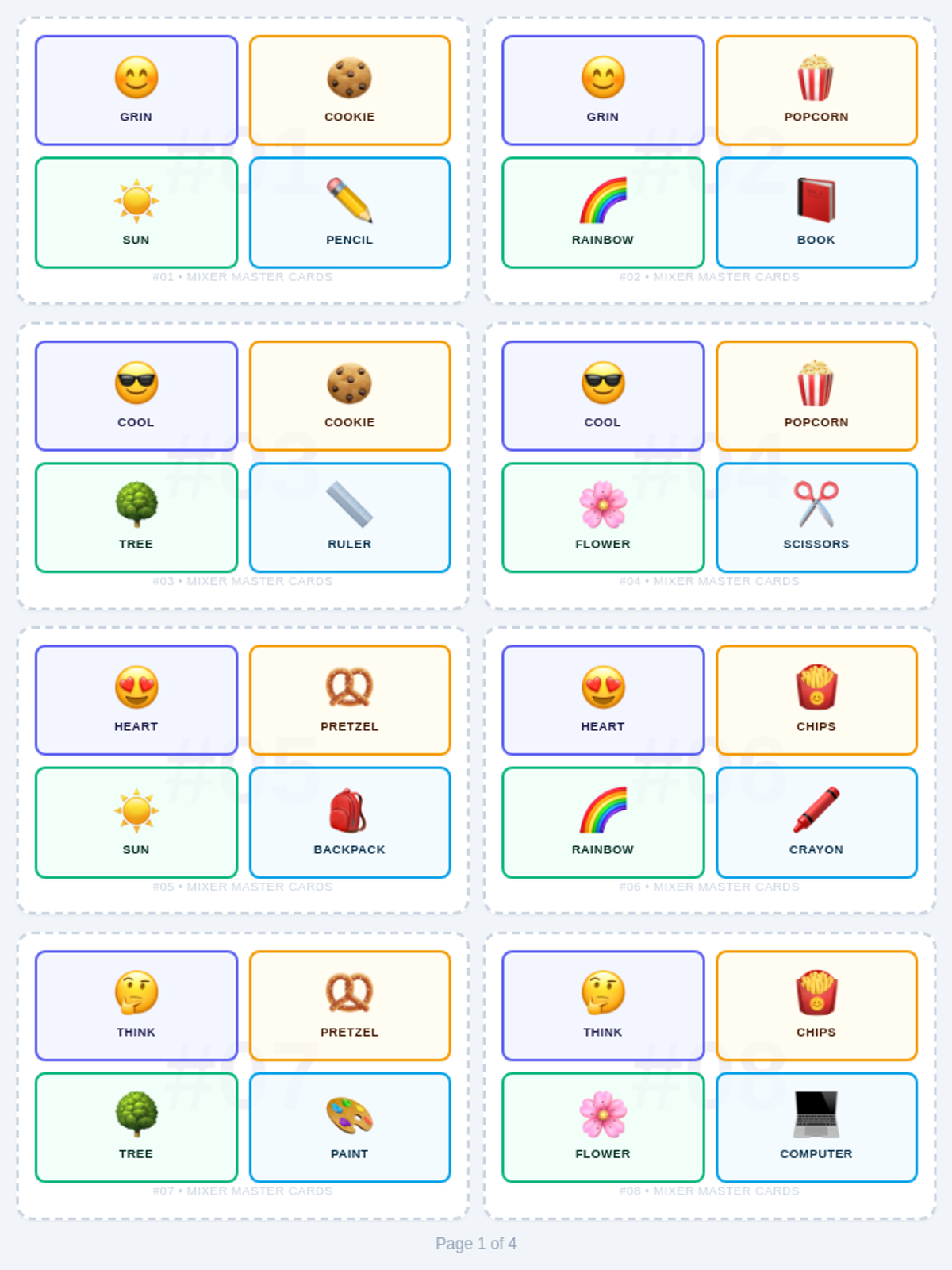
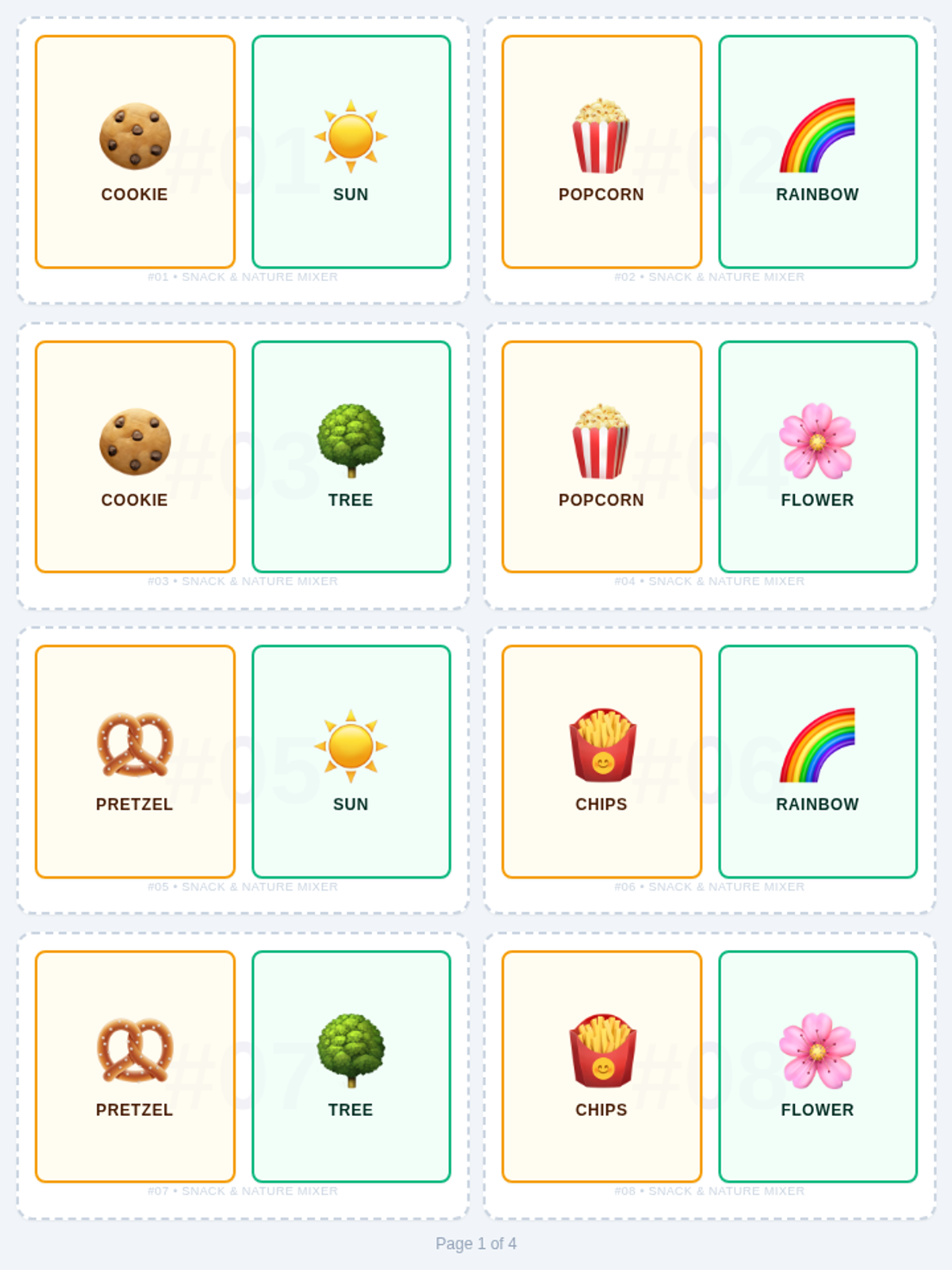
A lesson designed to facilitate quick, dynamic staff pairing and mixing during professional development sessions, utilizing a 32-card XOR matrix across four categories.
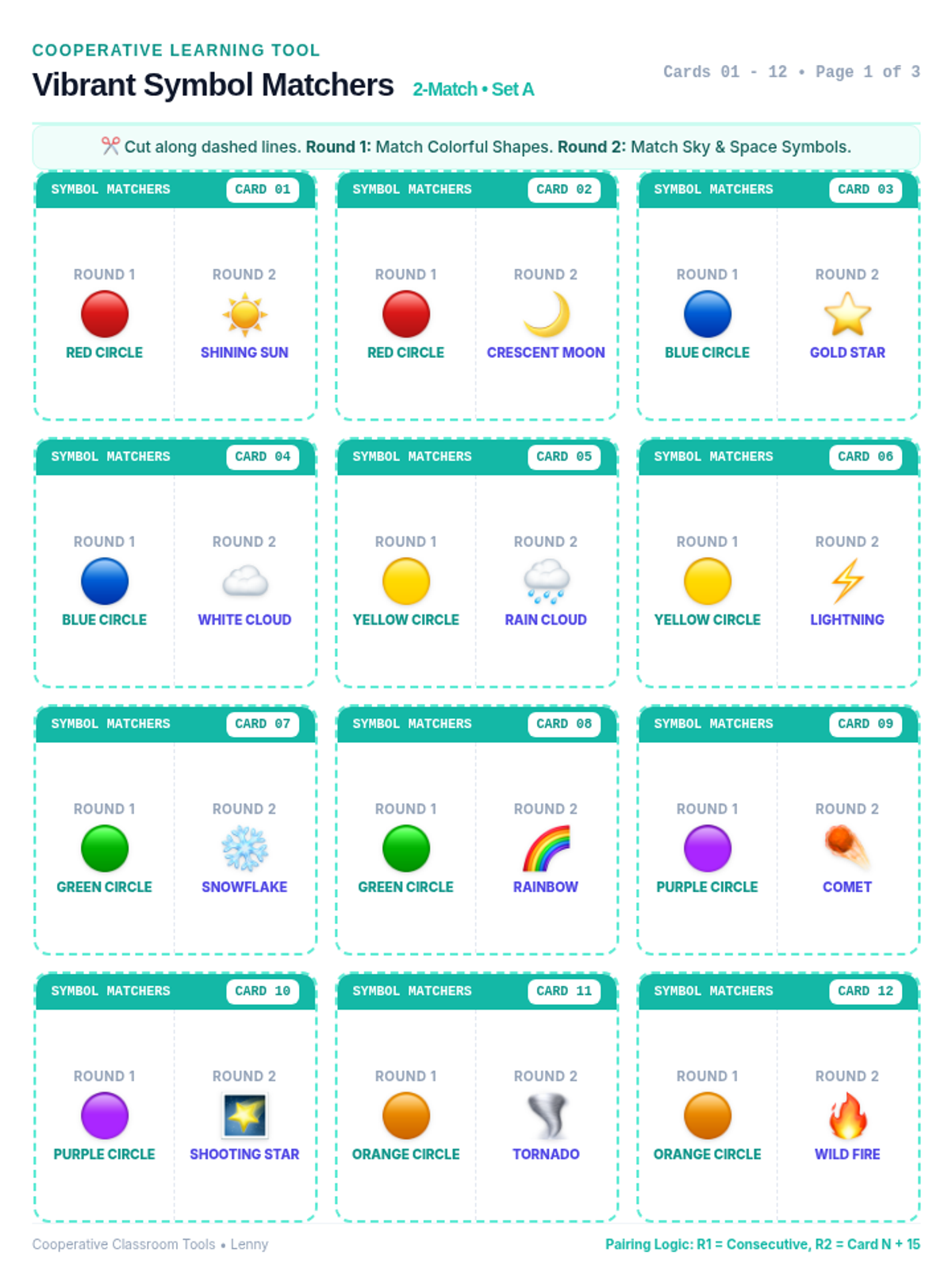
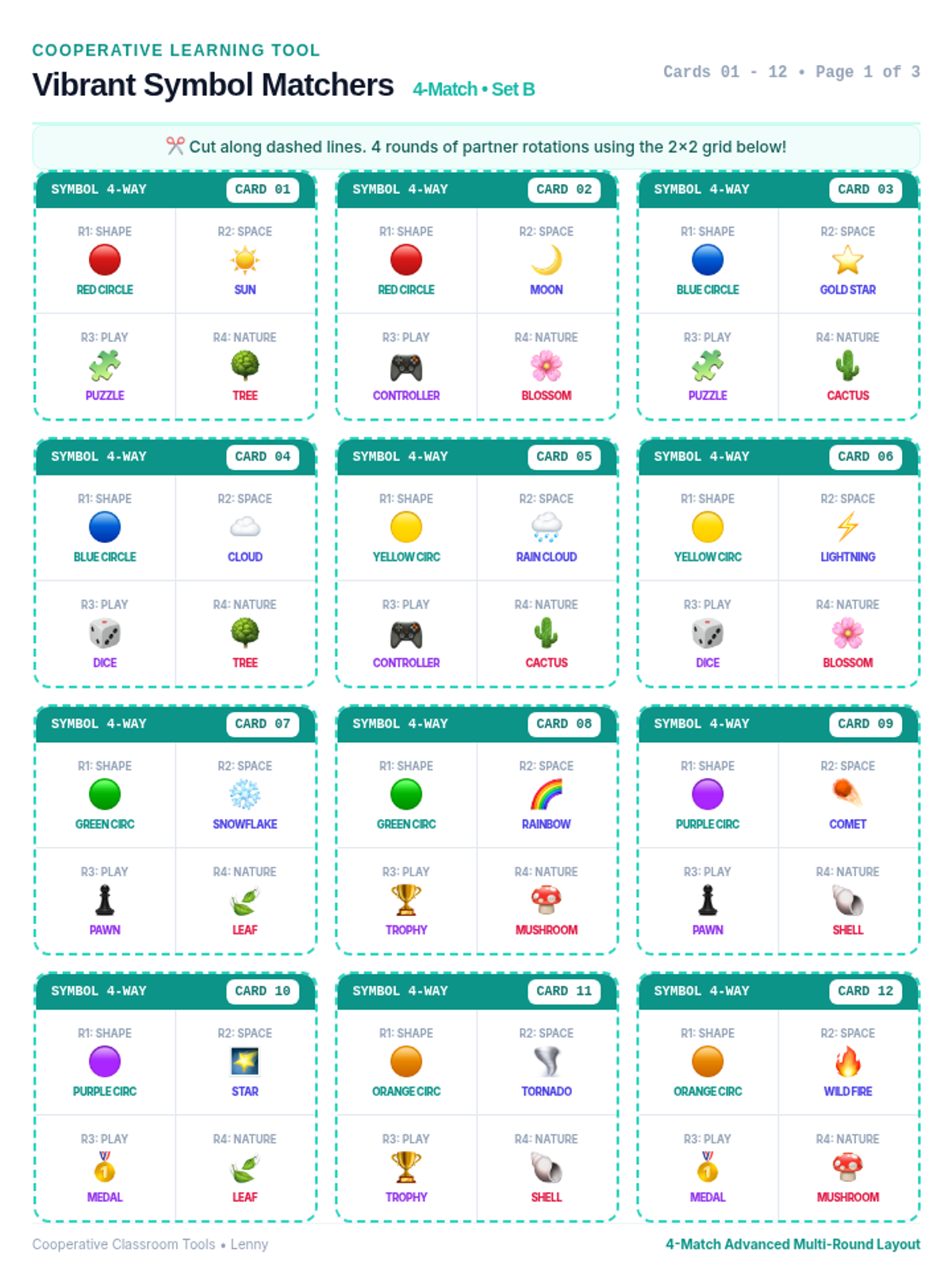
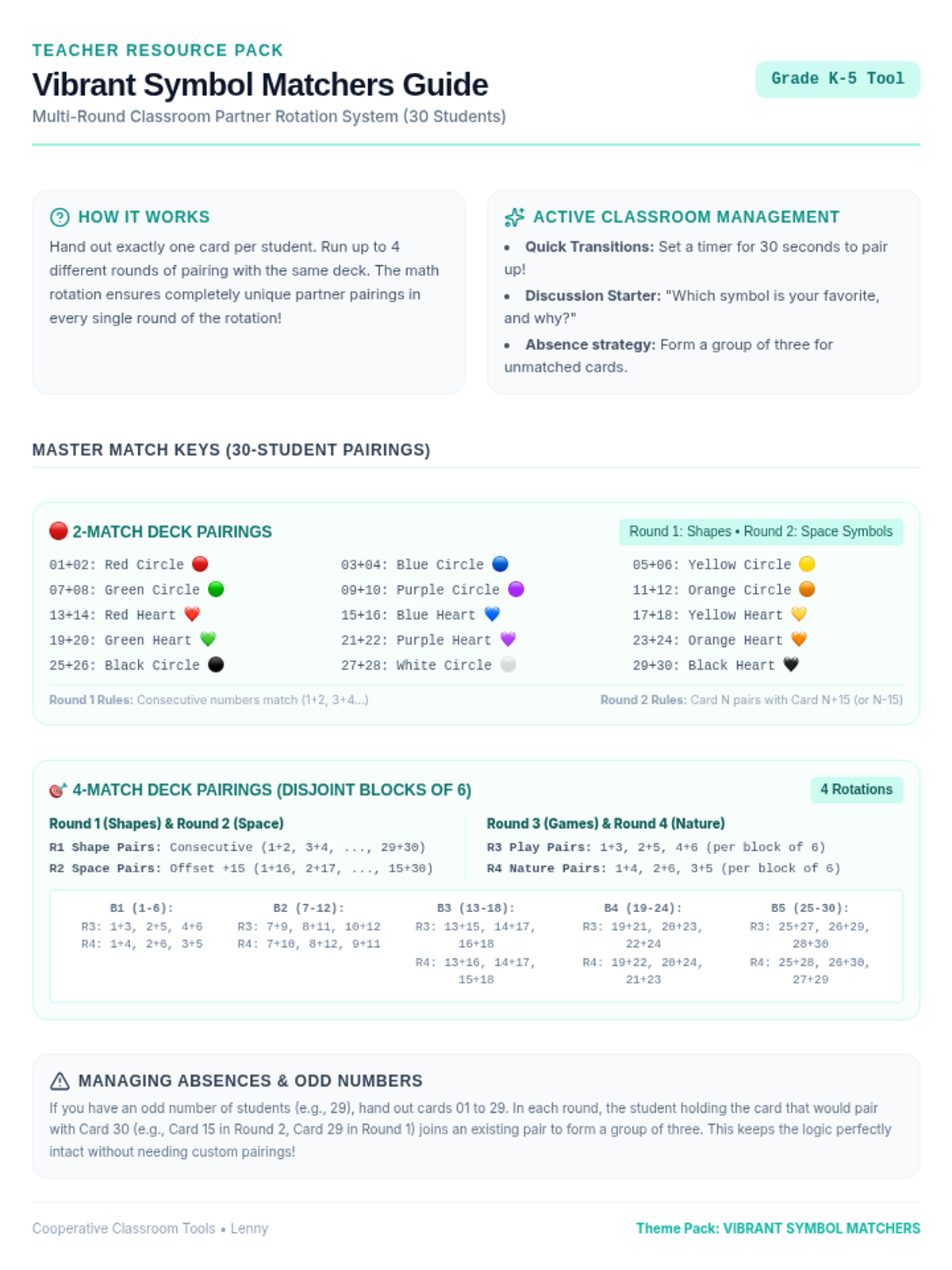
A vibrant symbol-themed partner matching set with shapes, space, games, and nature categories to help students pair up instantly.
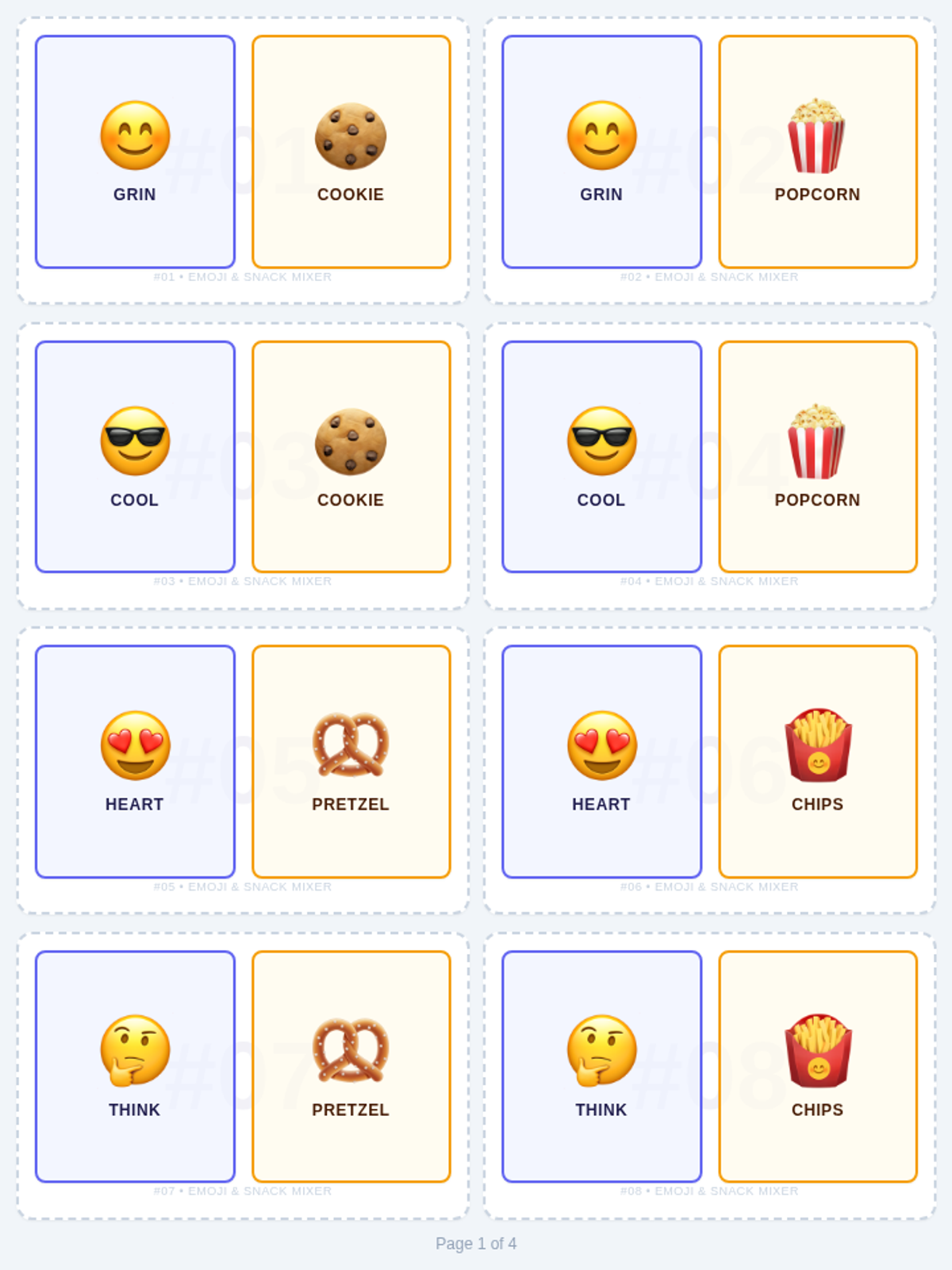
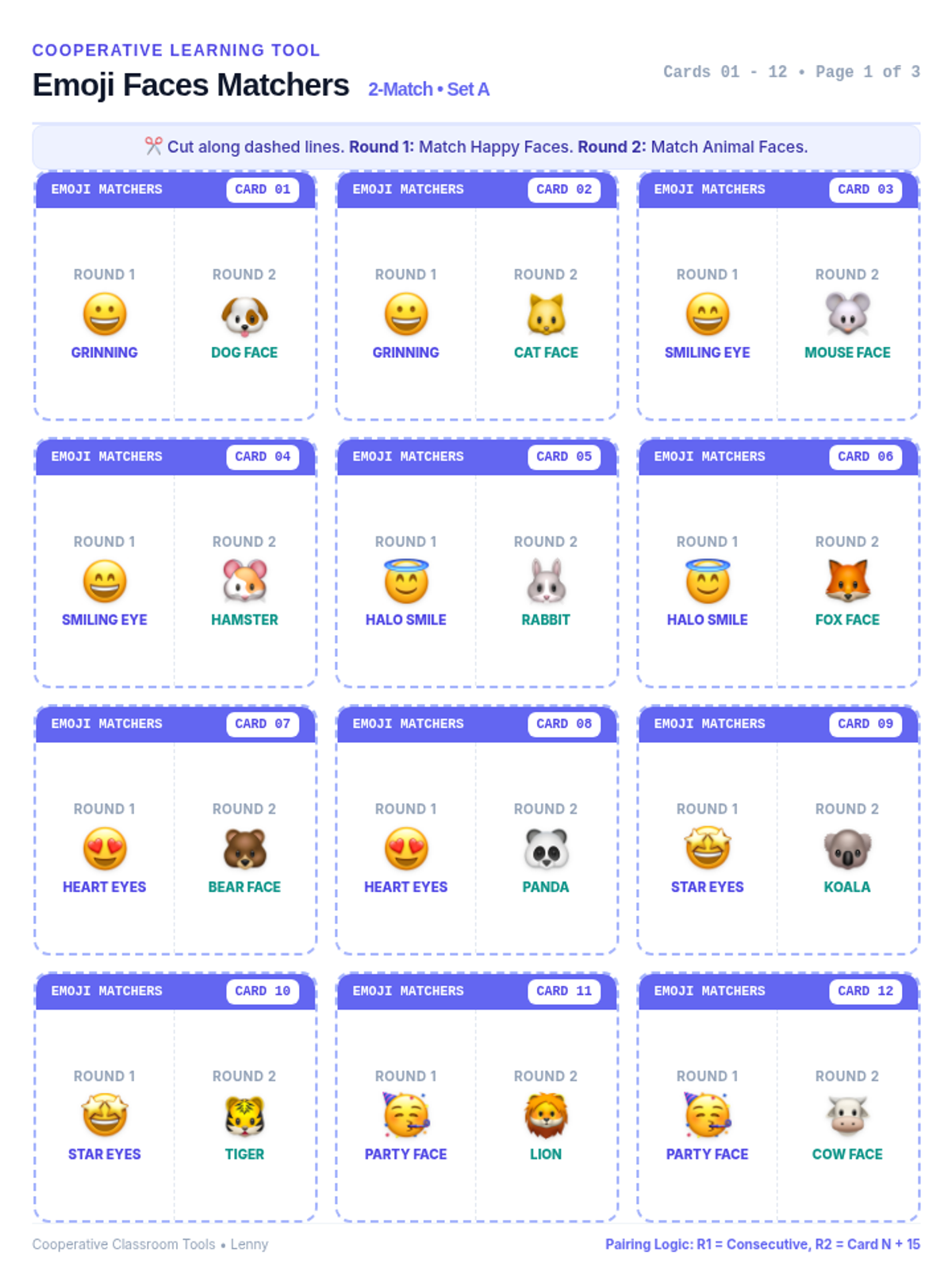
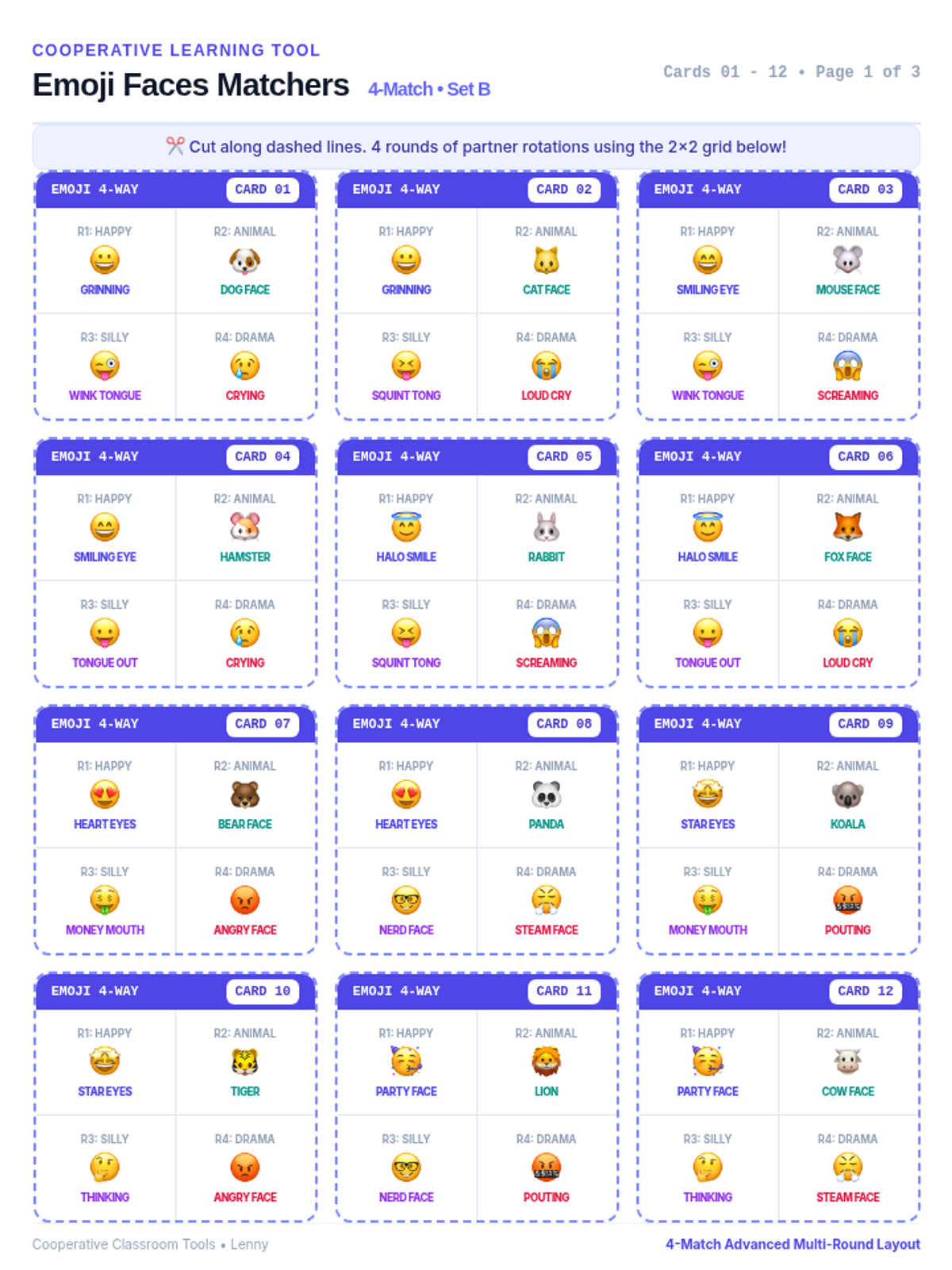
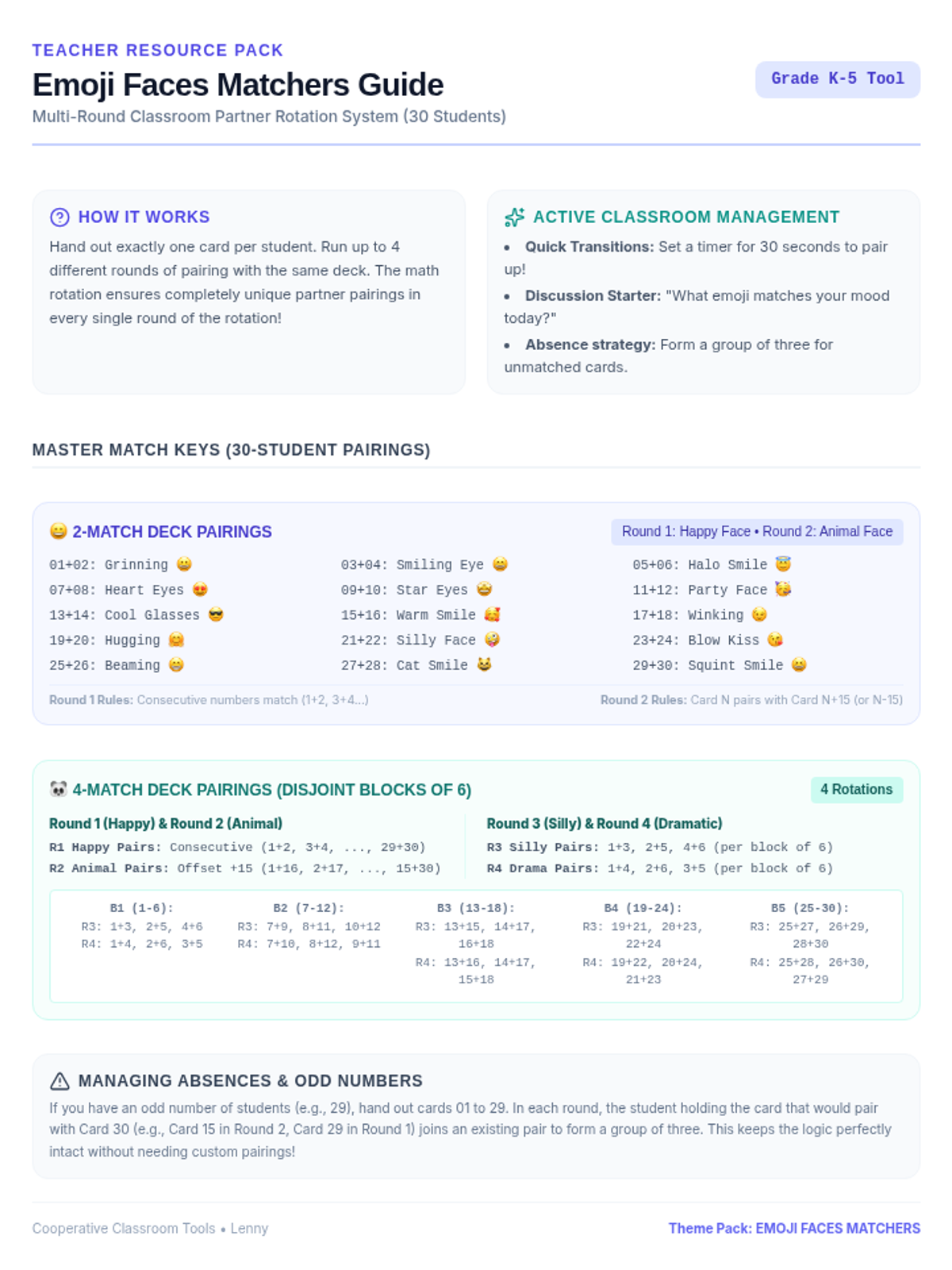
An engaging emoji face-themed partner matching set featuring happy, silly, dramatic, and animal face categories for quick social-emotional pairings.
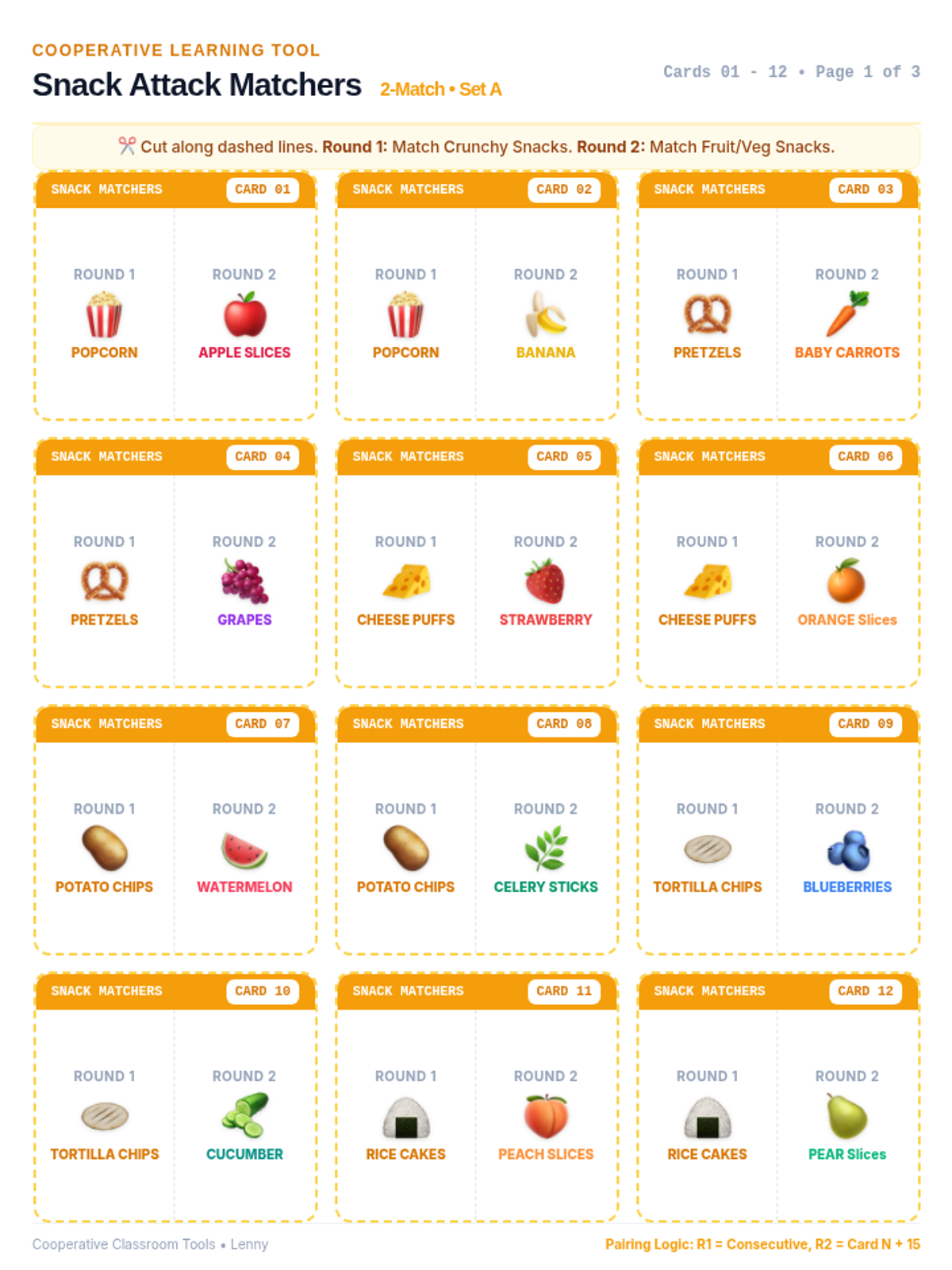
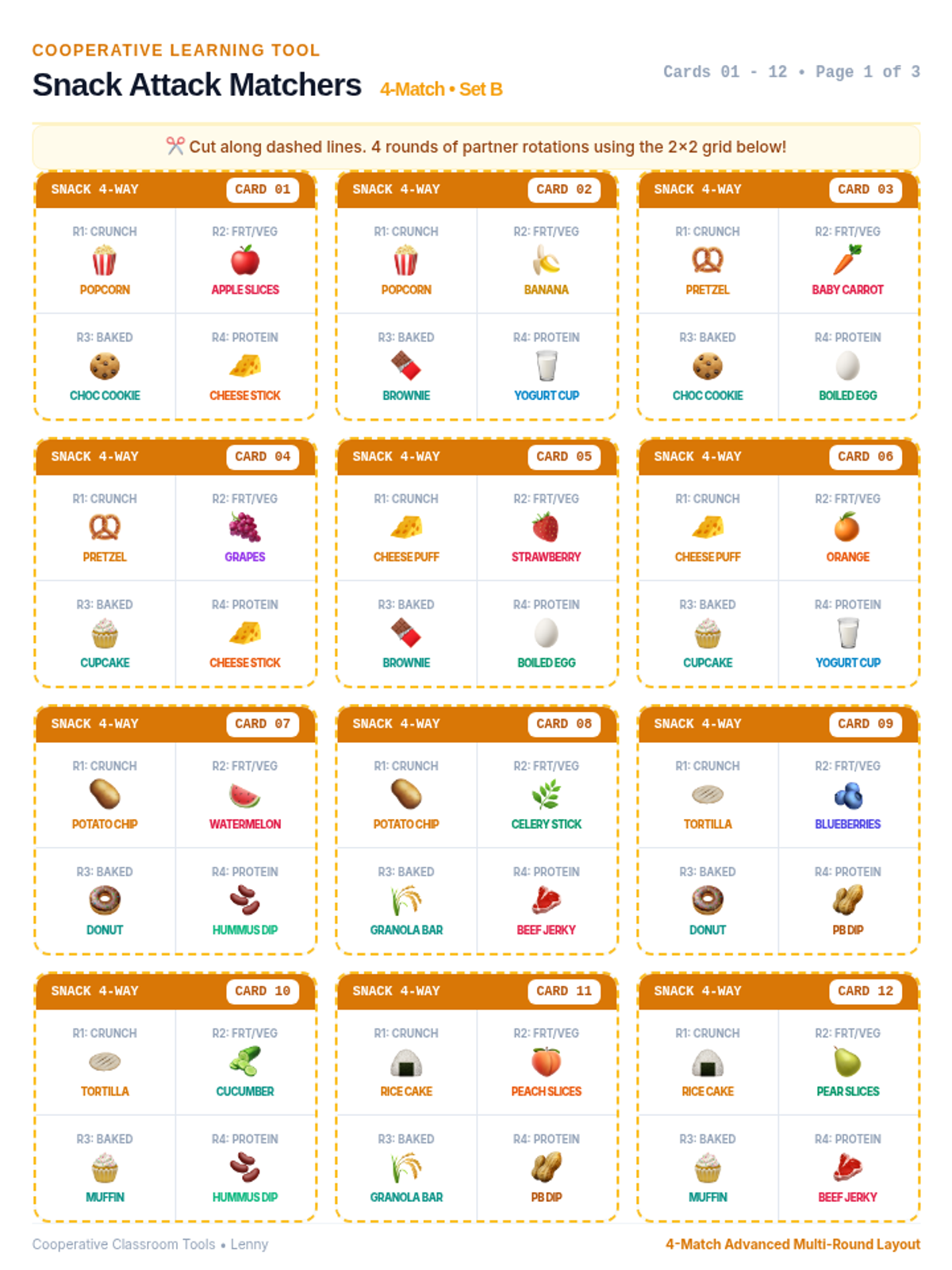
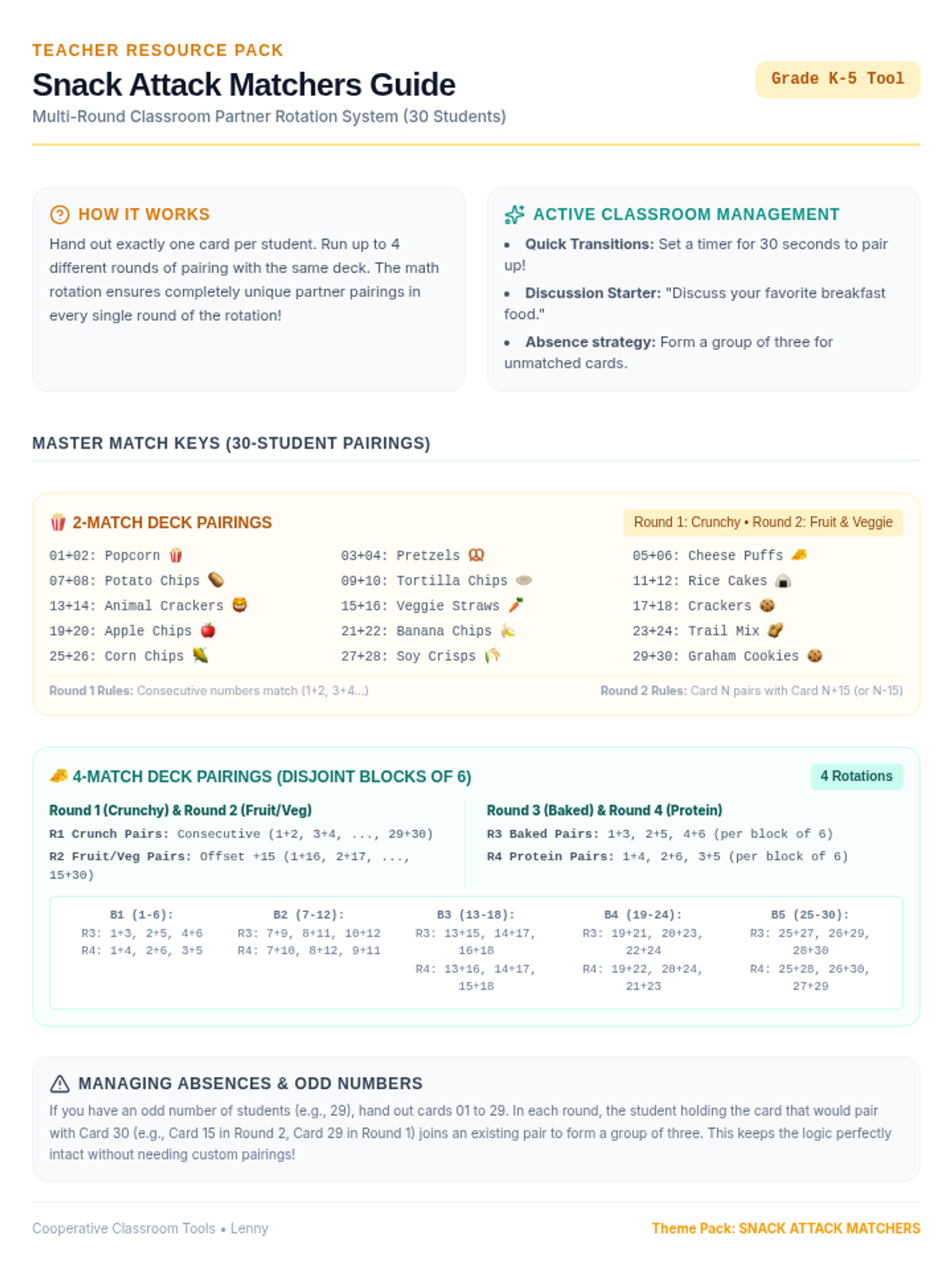
A popular snack-themed partner matching set with crunchy, fruit/veg, baked, and dairy categories to keep students active and engaged.
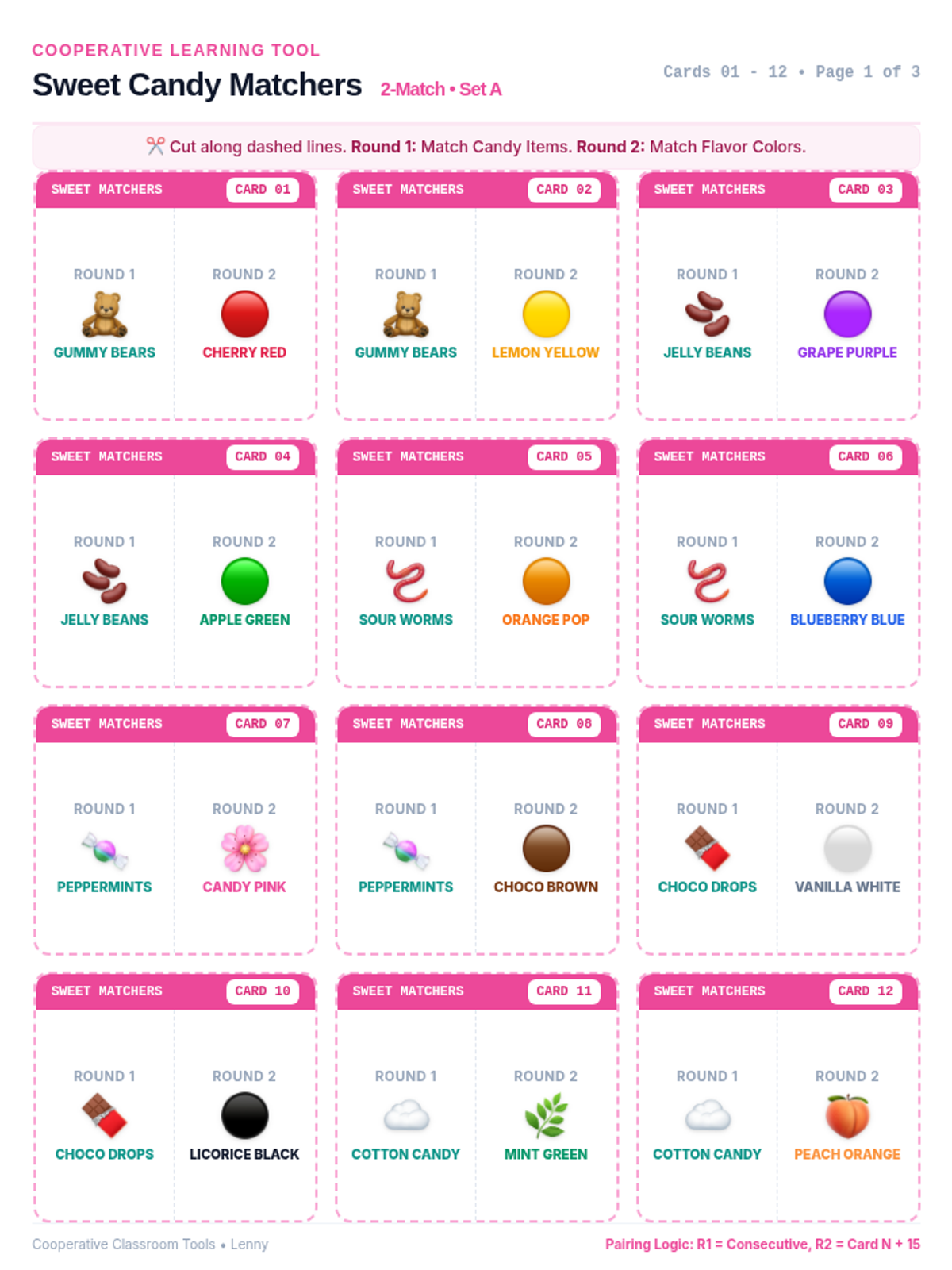
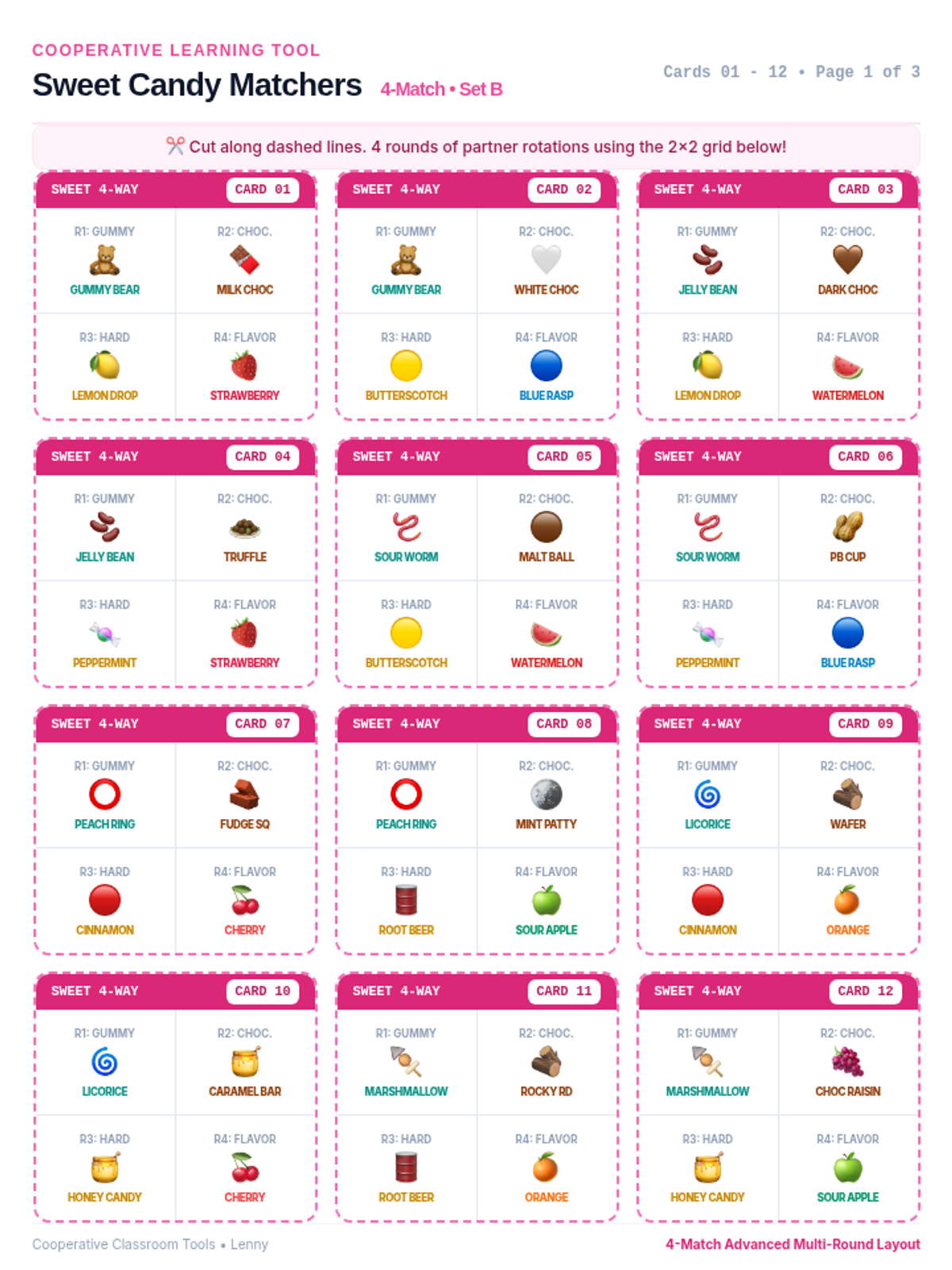
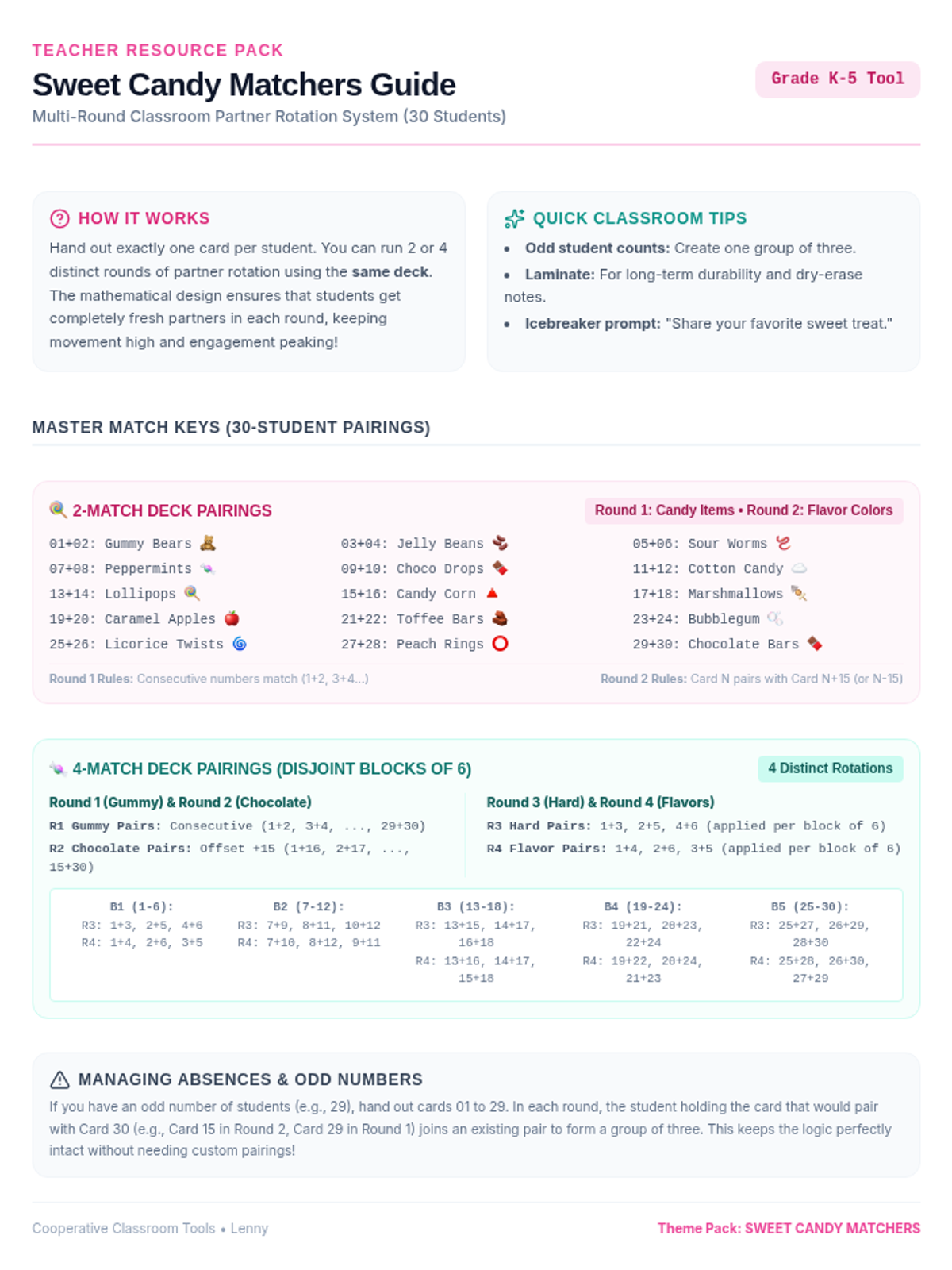
A delightful candy-themed partner matching set with 2-match (chewy vs sweet) and 4-match (gummy, chocolate, lollipop, flavor) cards and a detailed teacher pairing guide.
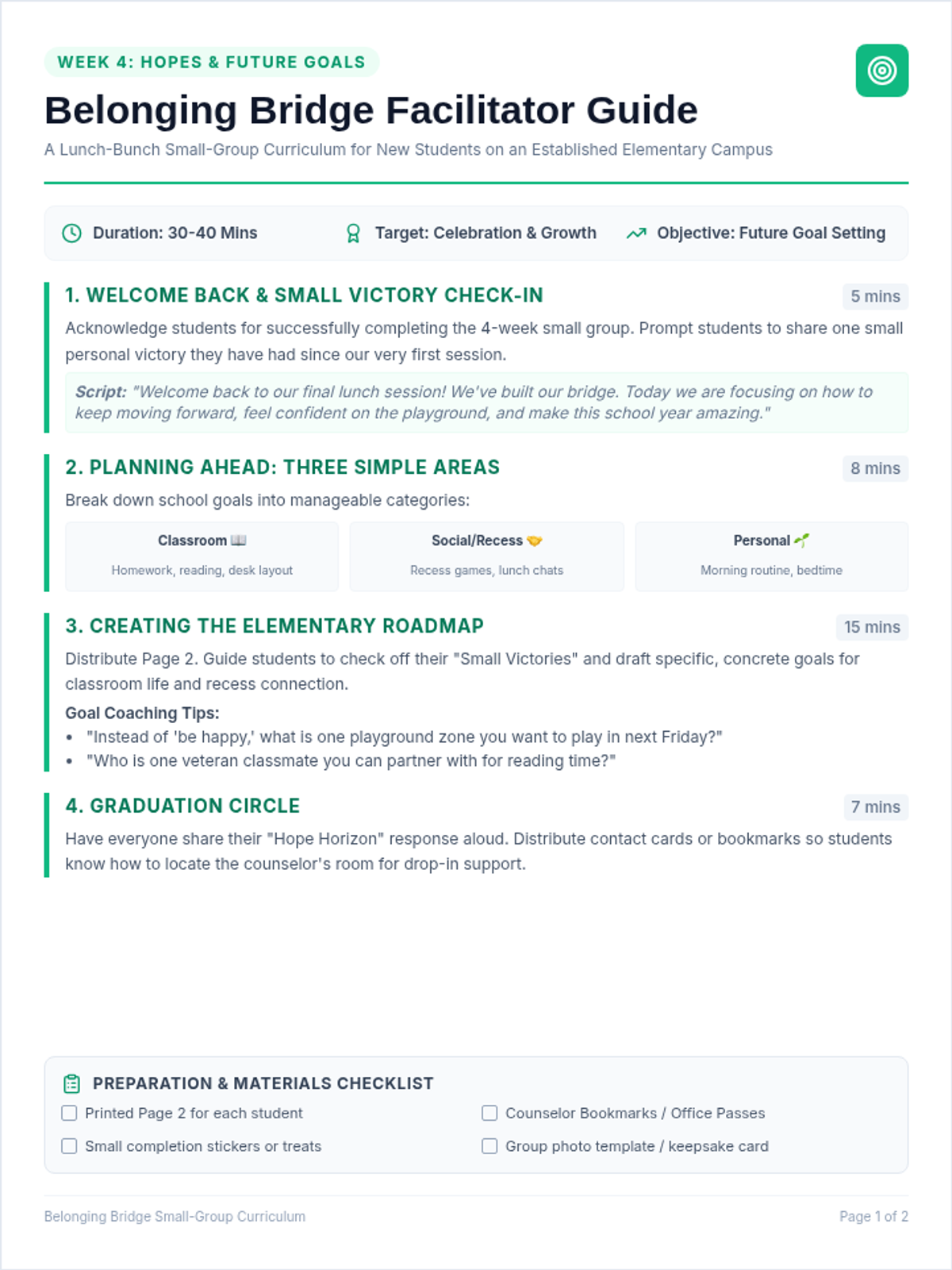
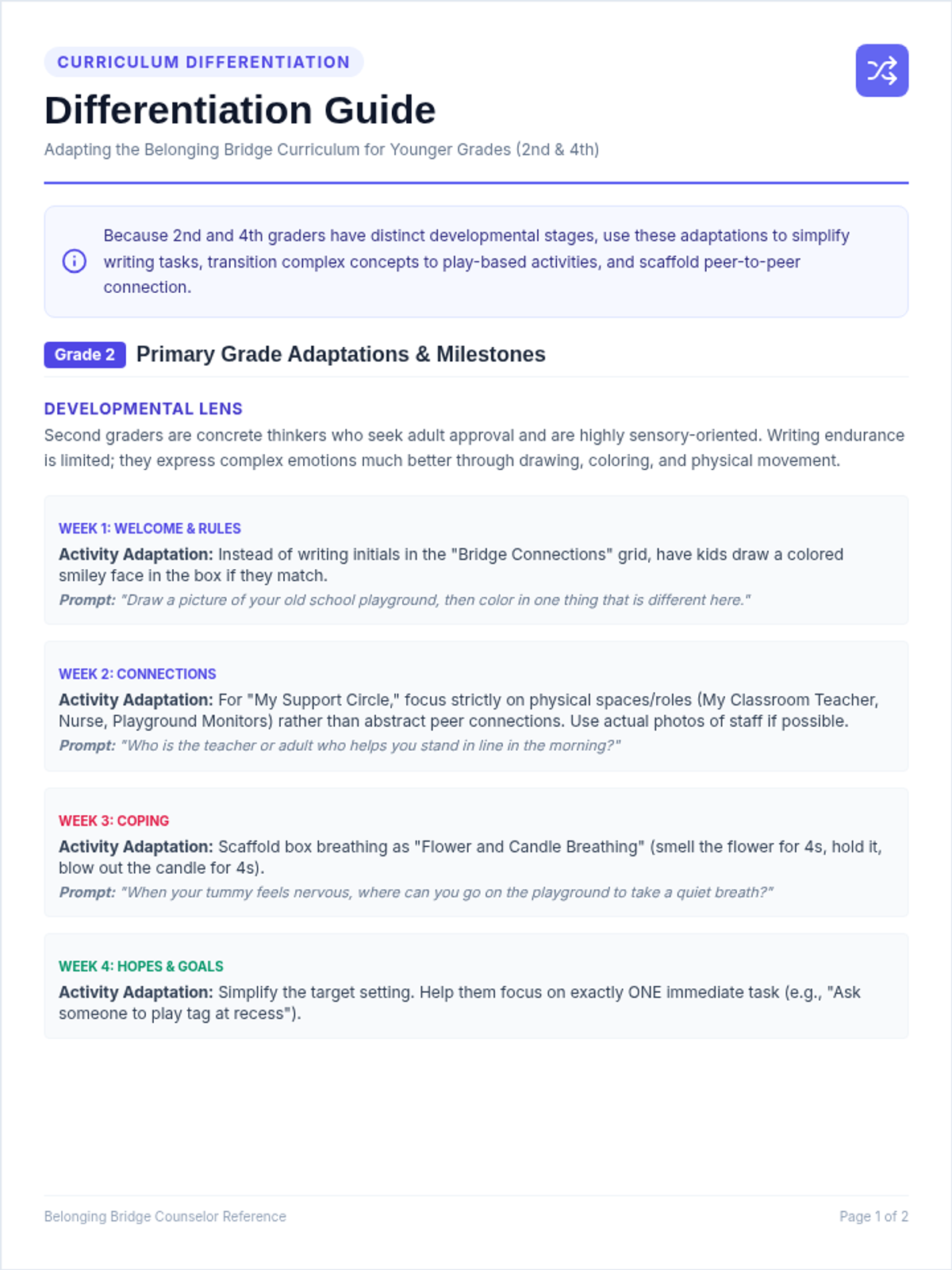
Week 4 of the Belonging Bridge curriculum, focusing on academic and social goals, celebrating small victories, and looking ahead with a sense of agency and belonging.
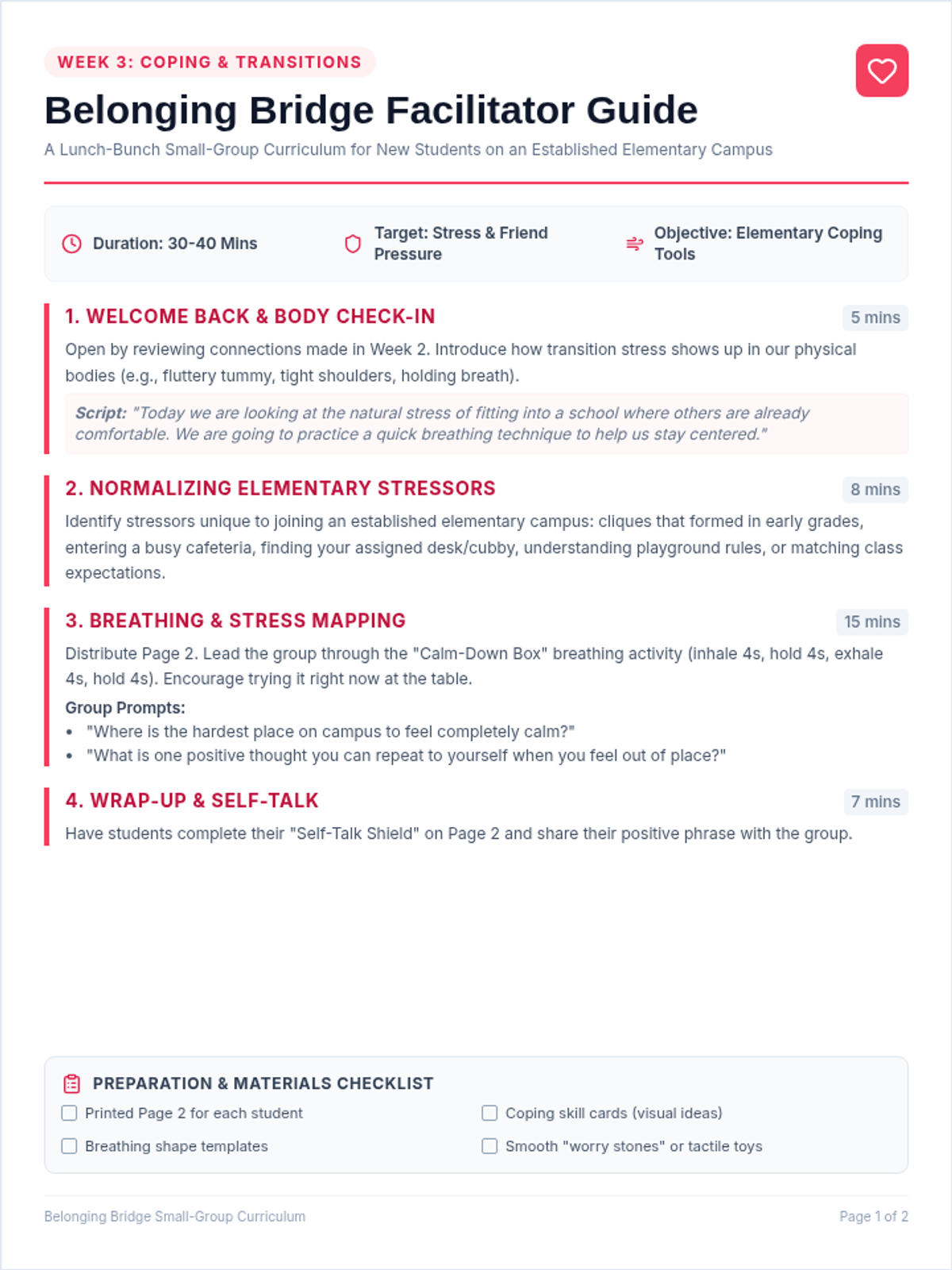
Week 3 of the Belonging Bridge curriculum, introducing coping skills for transition stress, identifying personal triggers, and creating a calming routine.
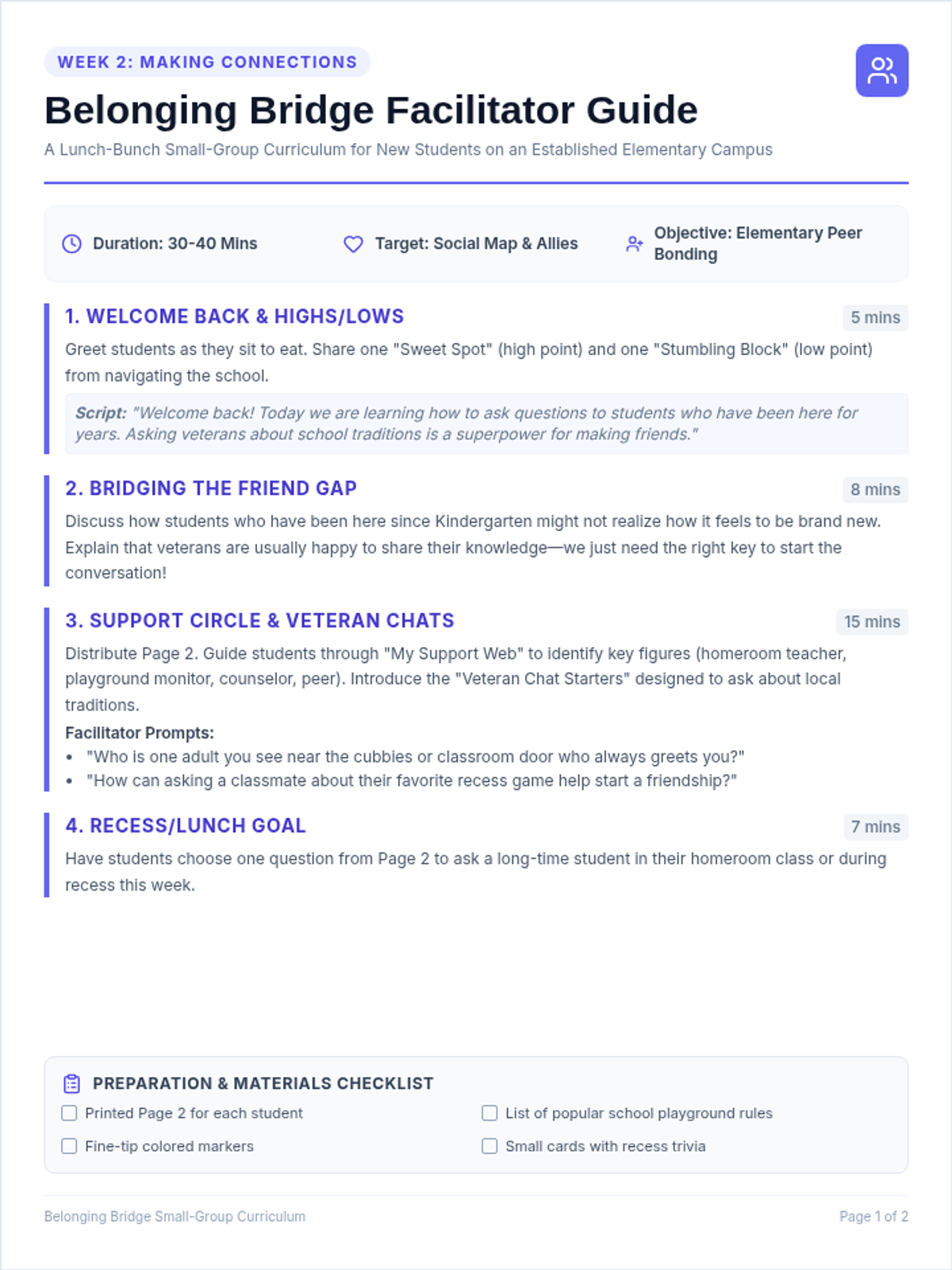
Week 2 of the Belonging Bridge curriculum, helping students map their support networks, learn strategies for making peer connections, and build group relationships.
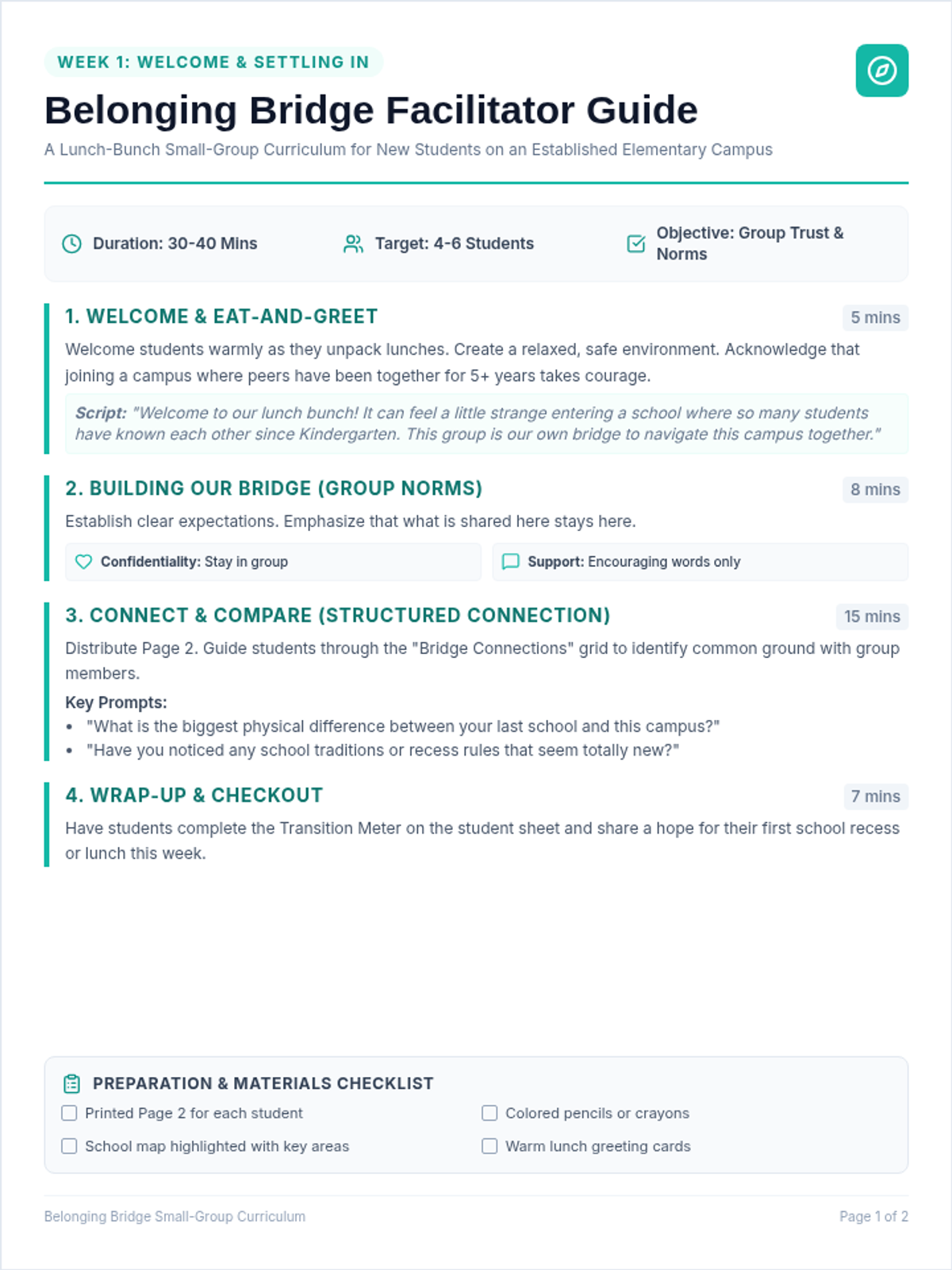
Week 1 of the Belonging Bridge curriculum, introducing group norms, breaking the ice, and providing an orientation to school spaces and people.
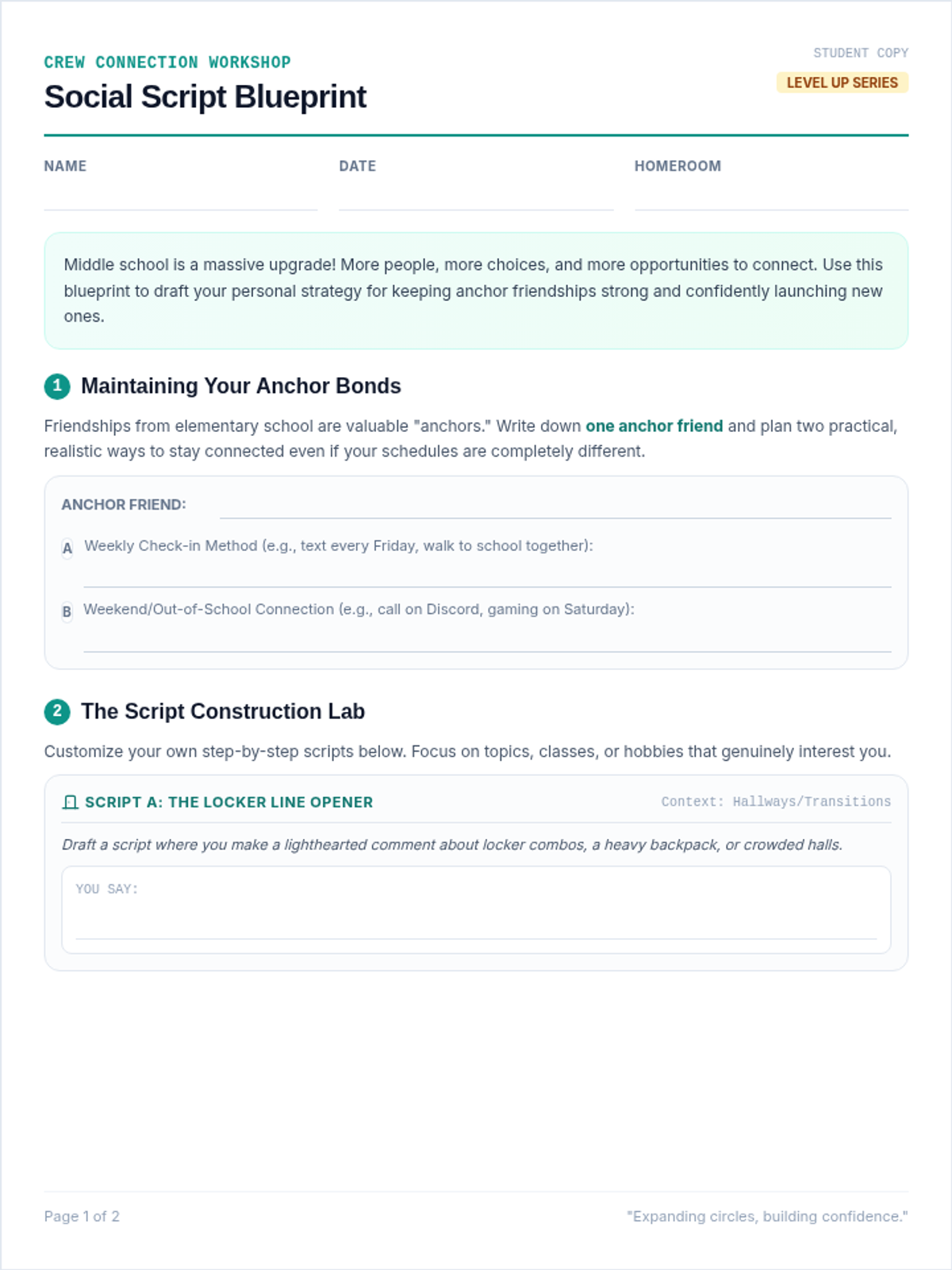
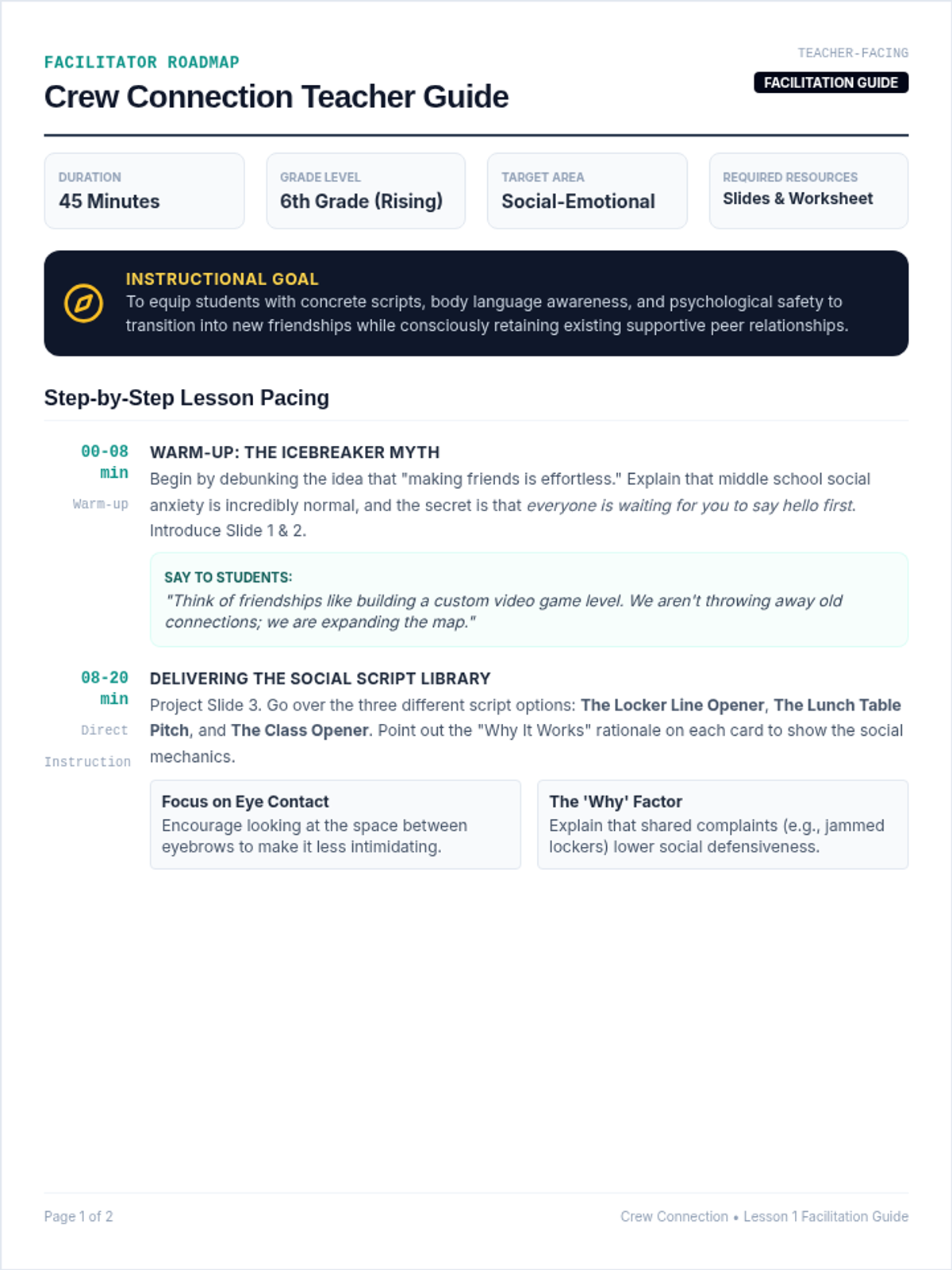
A transformative social-emotional lesson designed to help rising and new middle schoolers navigate friendship transitions. It provides actionable, step-by-step social scripts to confidently initiate new connections and strategies for maintaining existing bonds.
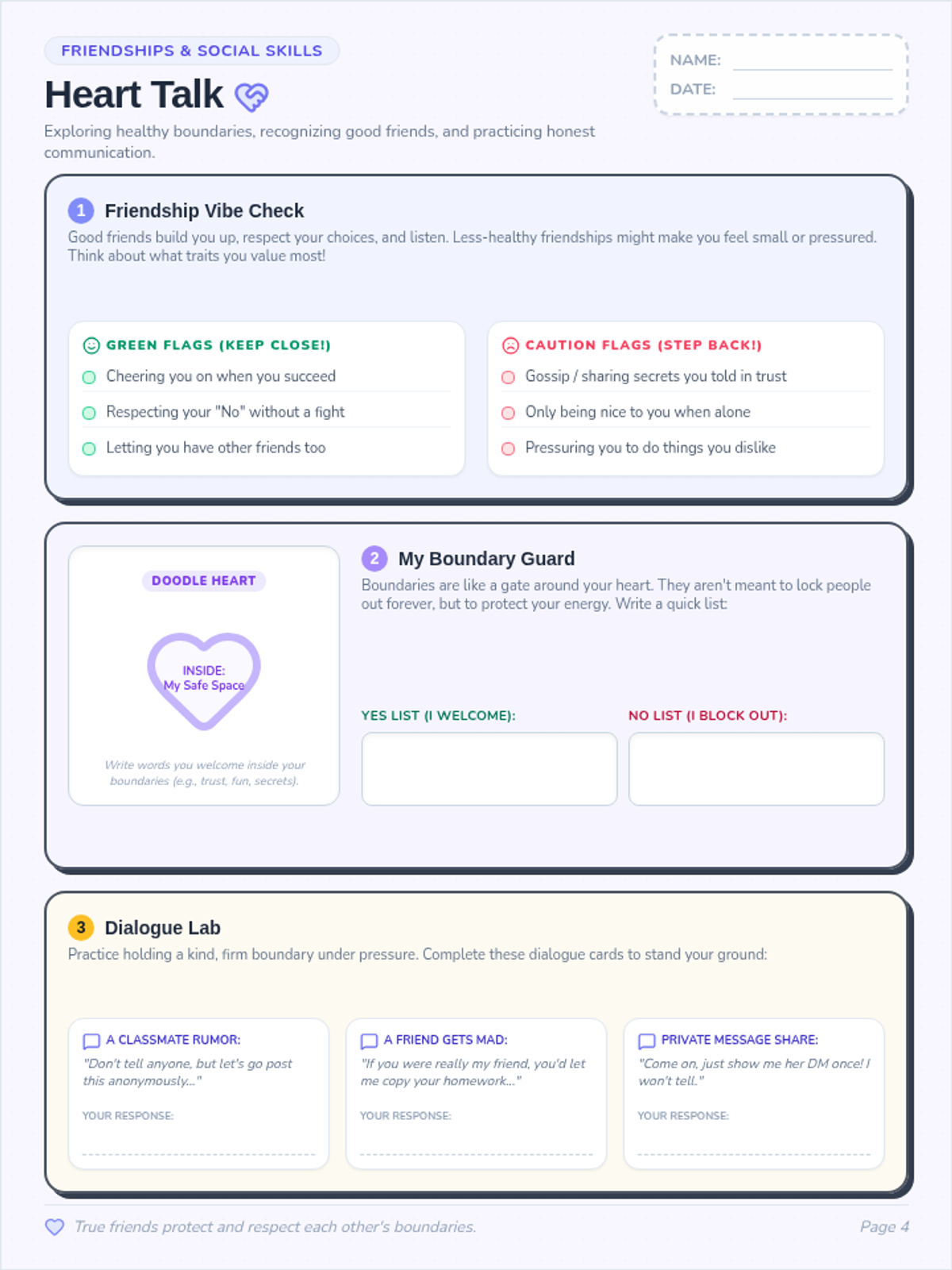
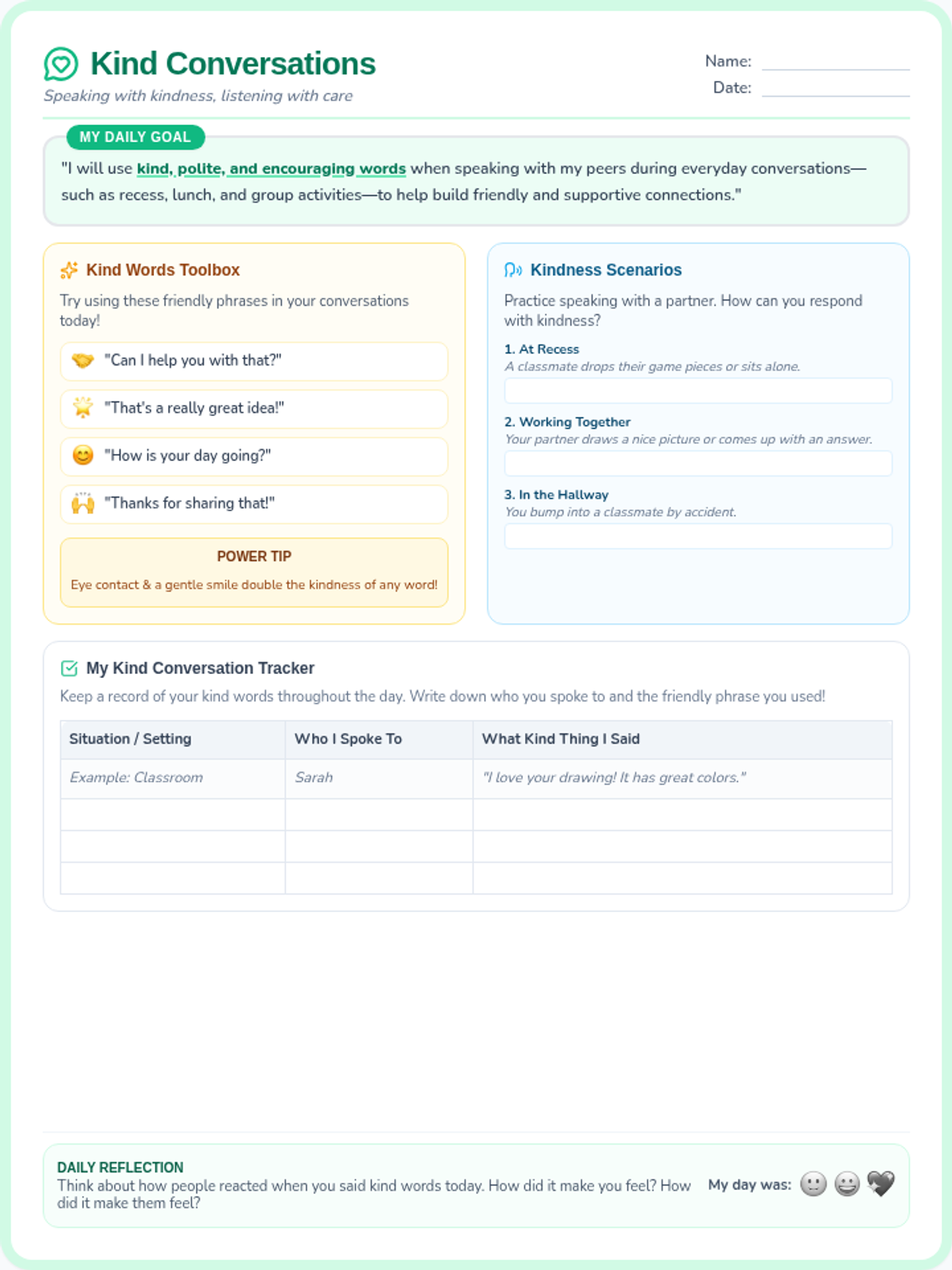
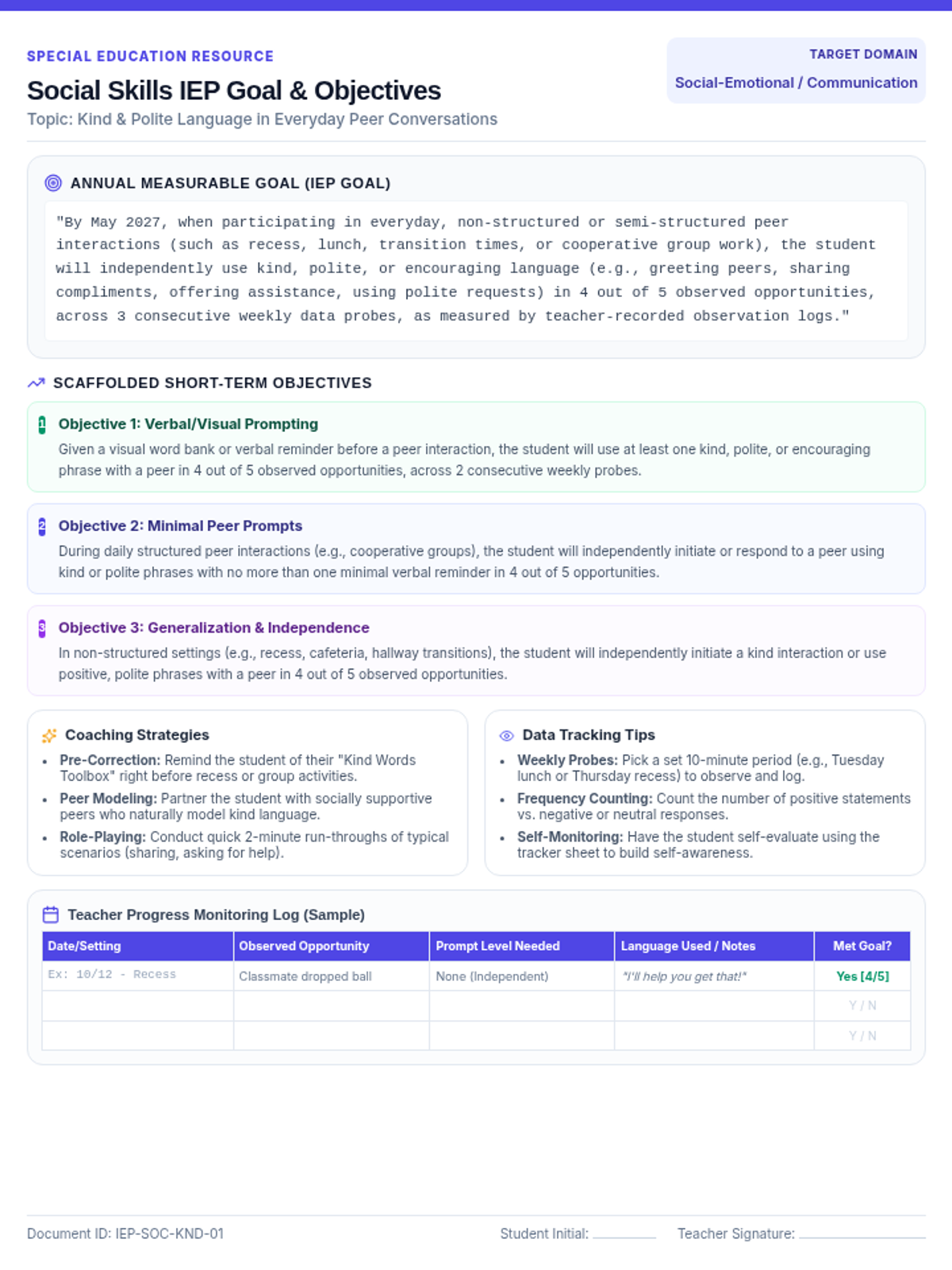
A social skills lesson designed to help students learn and apply kind, polite, and encouraging language during daily peer interactions. Includes clear visual objectives, structured discussion cards, and a reflection tracker.
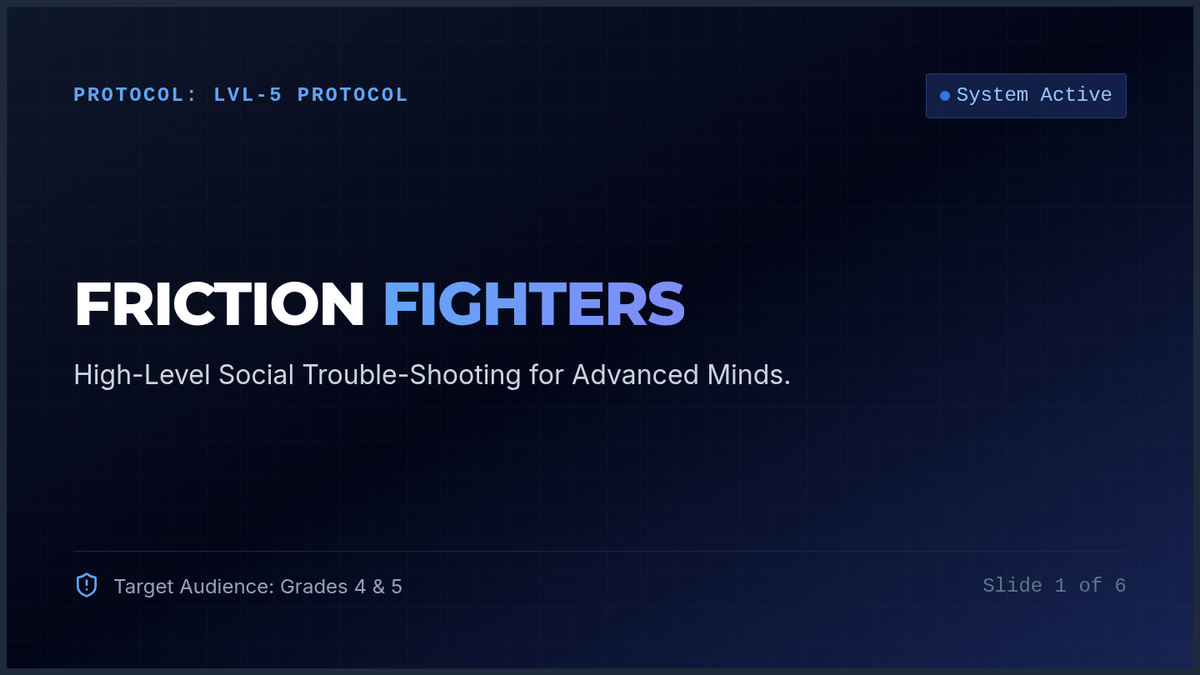
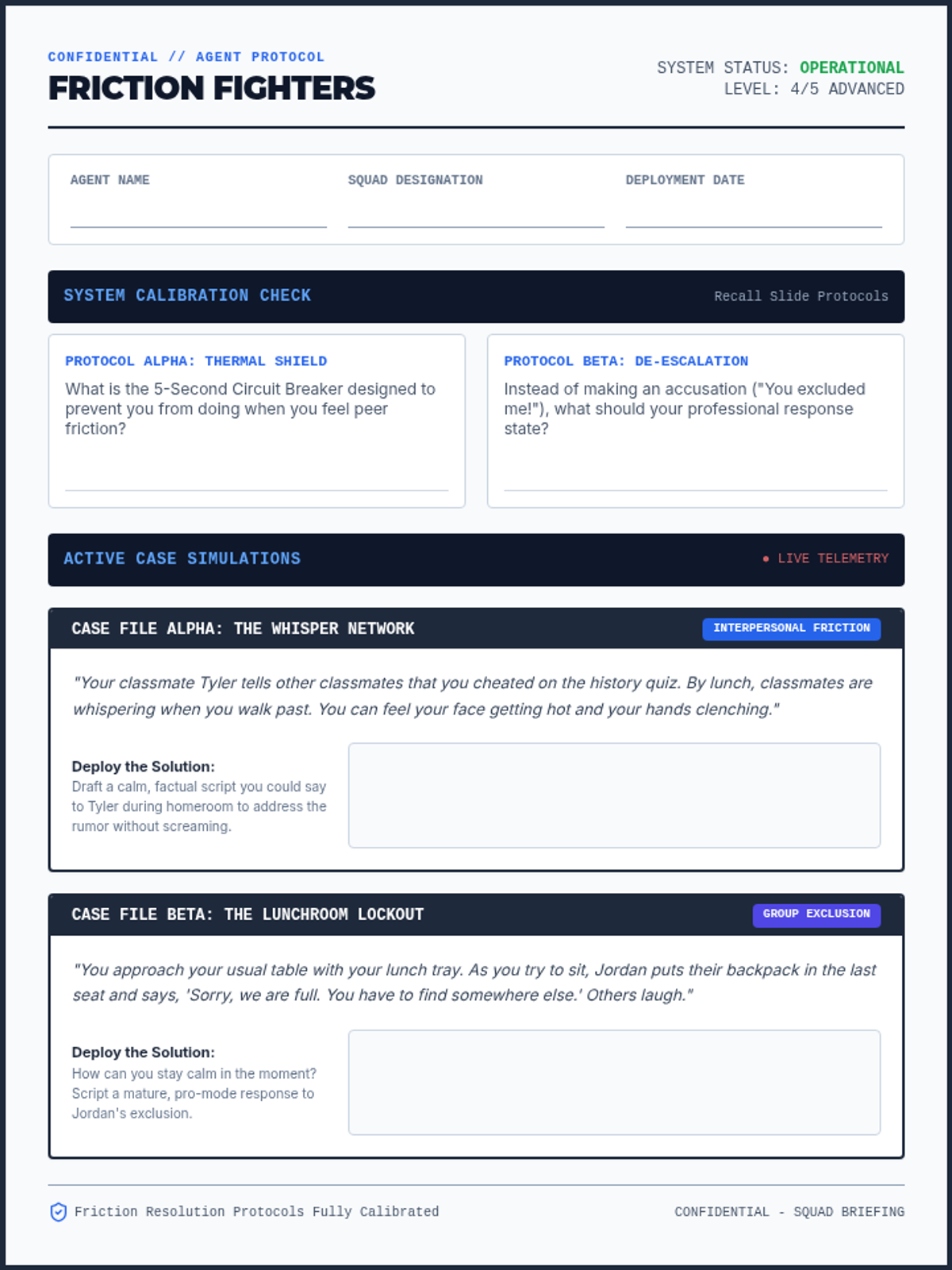
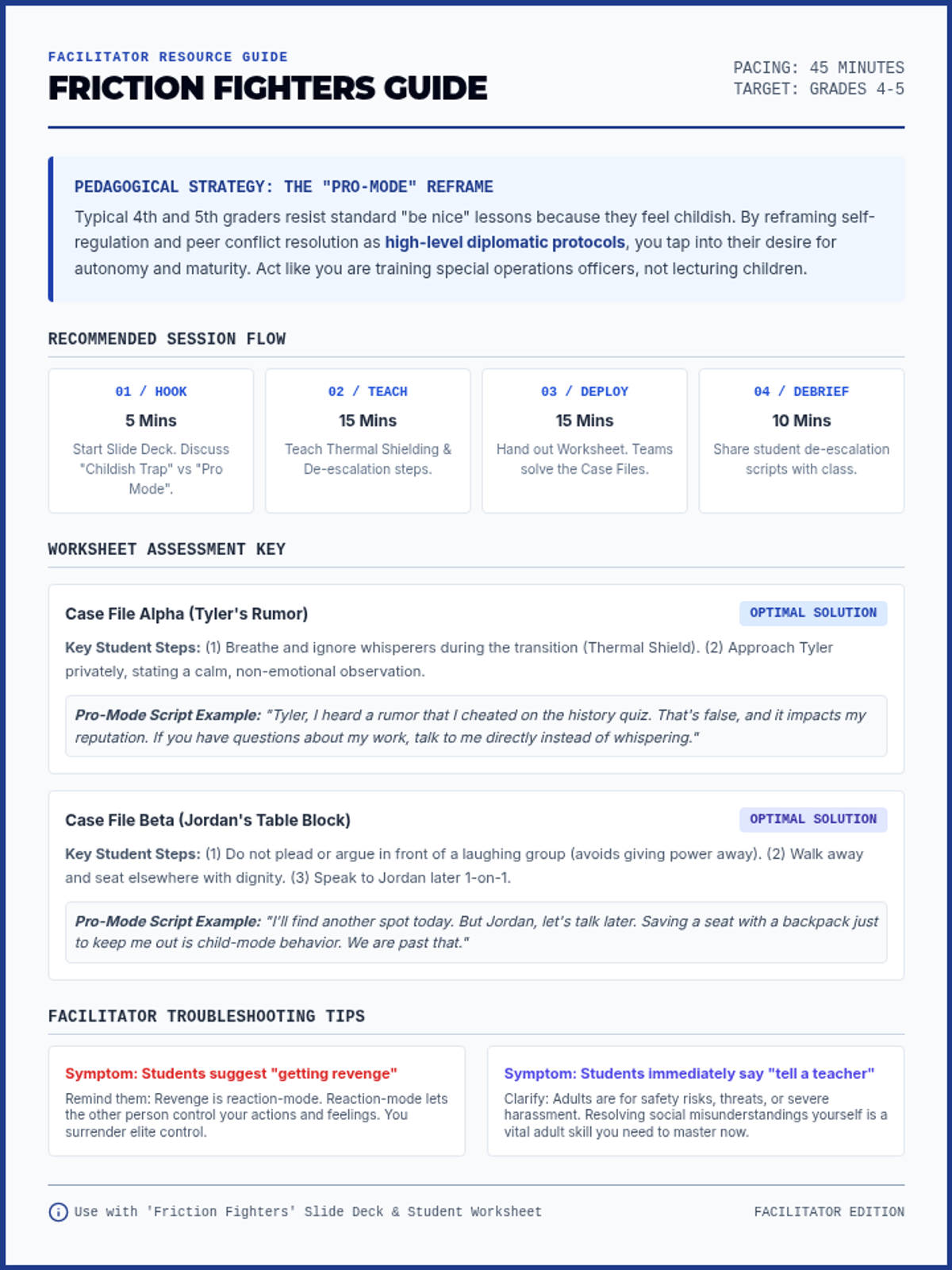
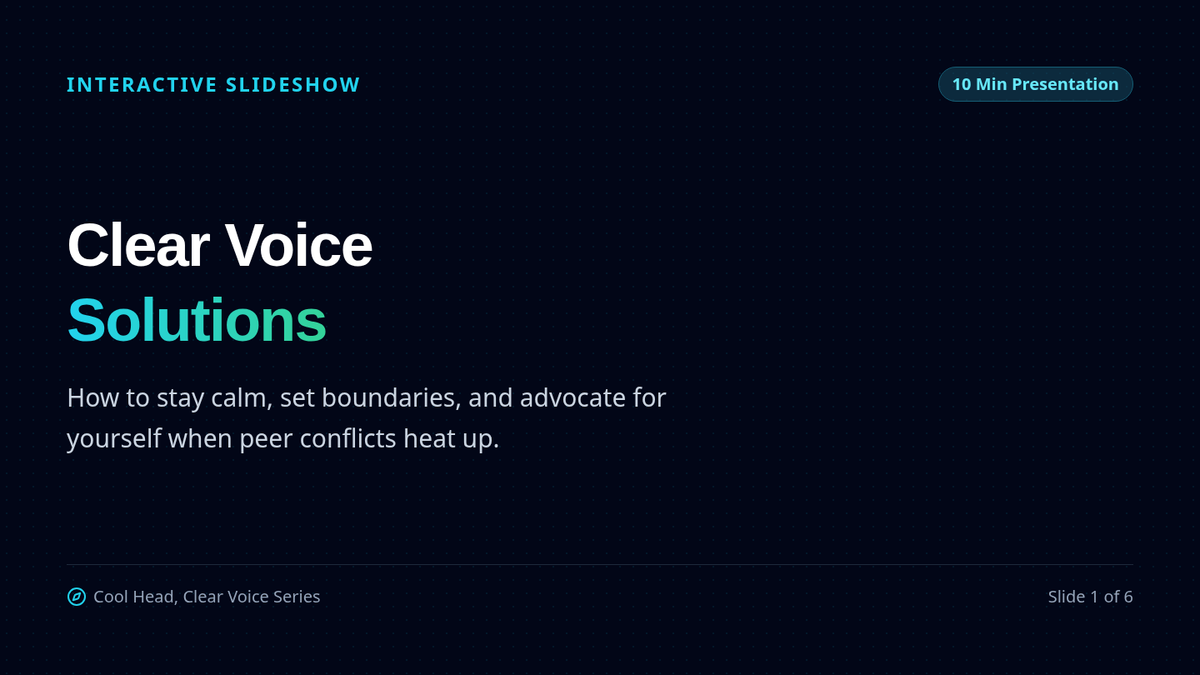
A high-engagement guidance lesson for 4th and 5th graders that reframes peer conflict resolution and emotional self-regulation as high-level professional skills. Students learn to cool down and solve peer friction independently.
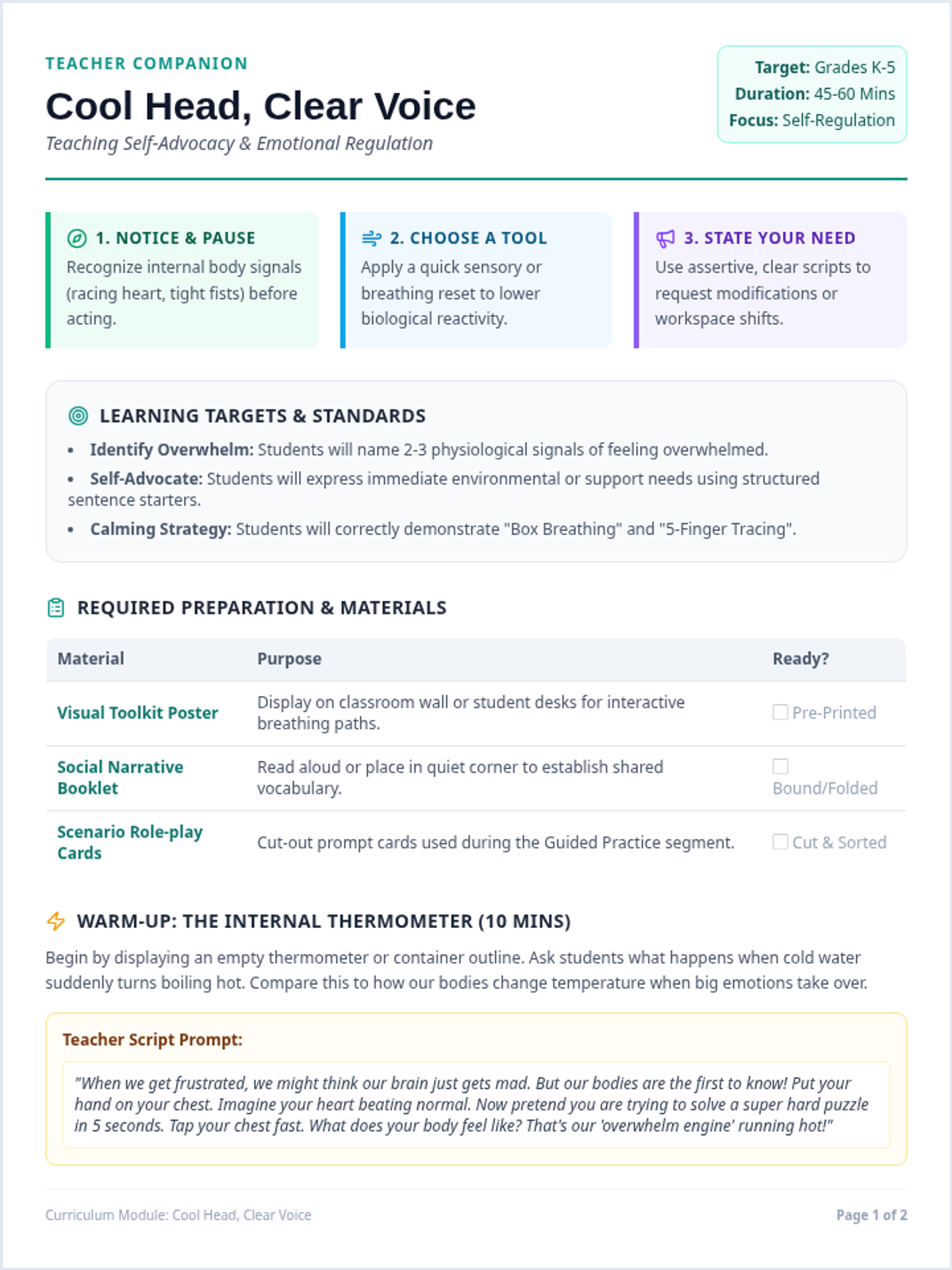
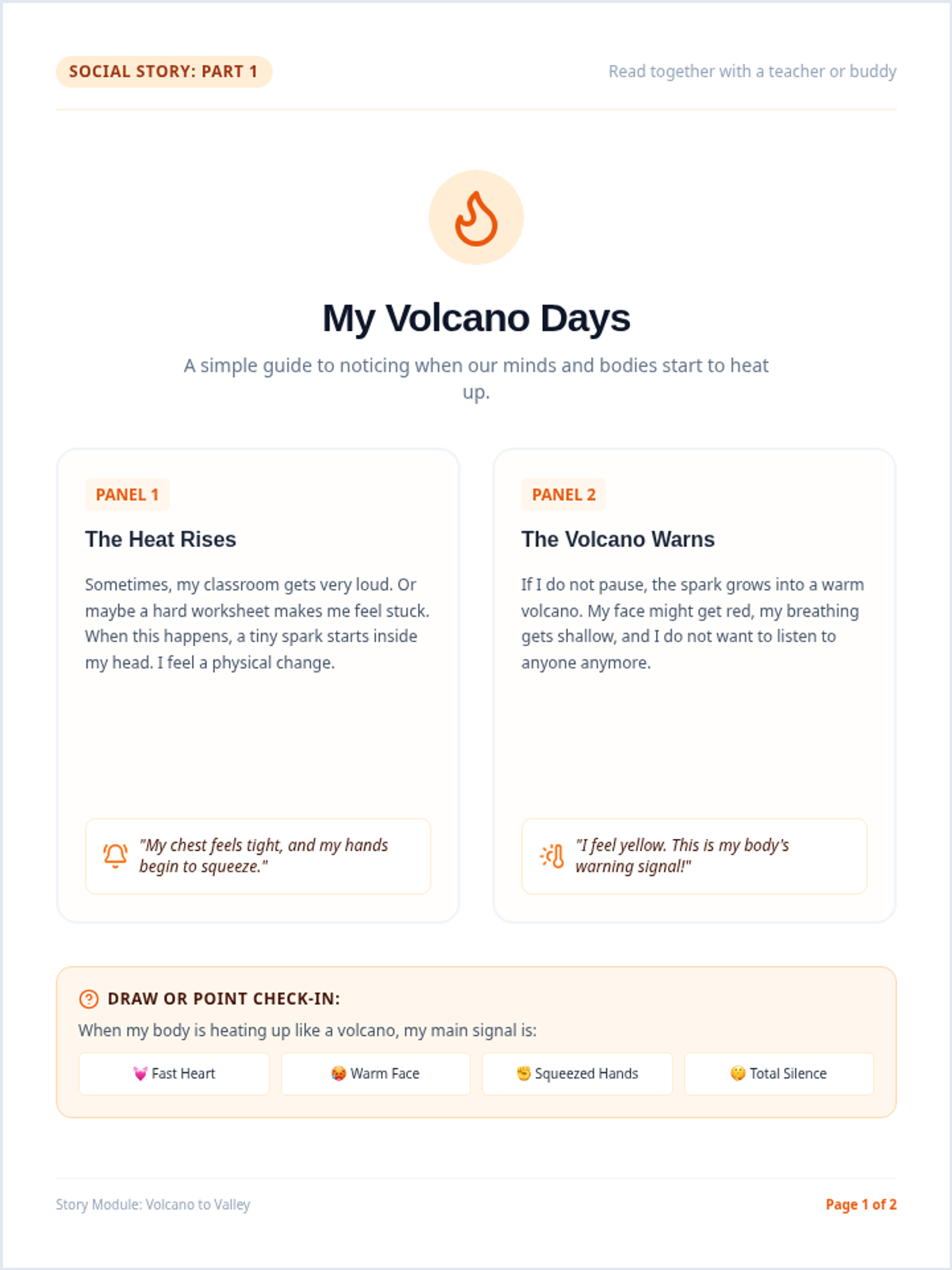
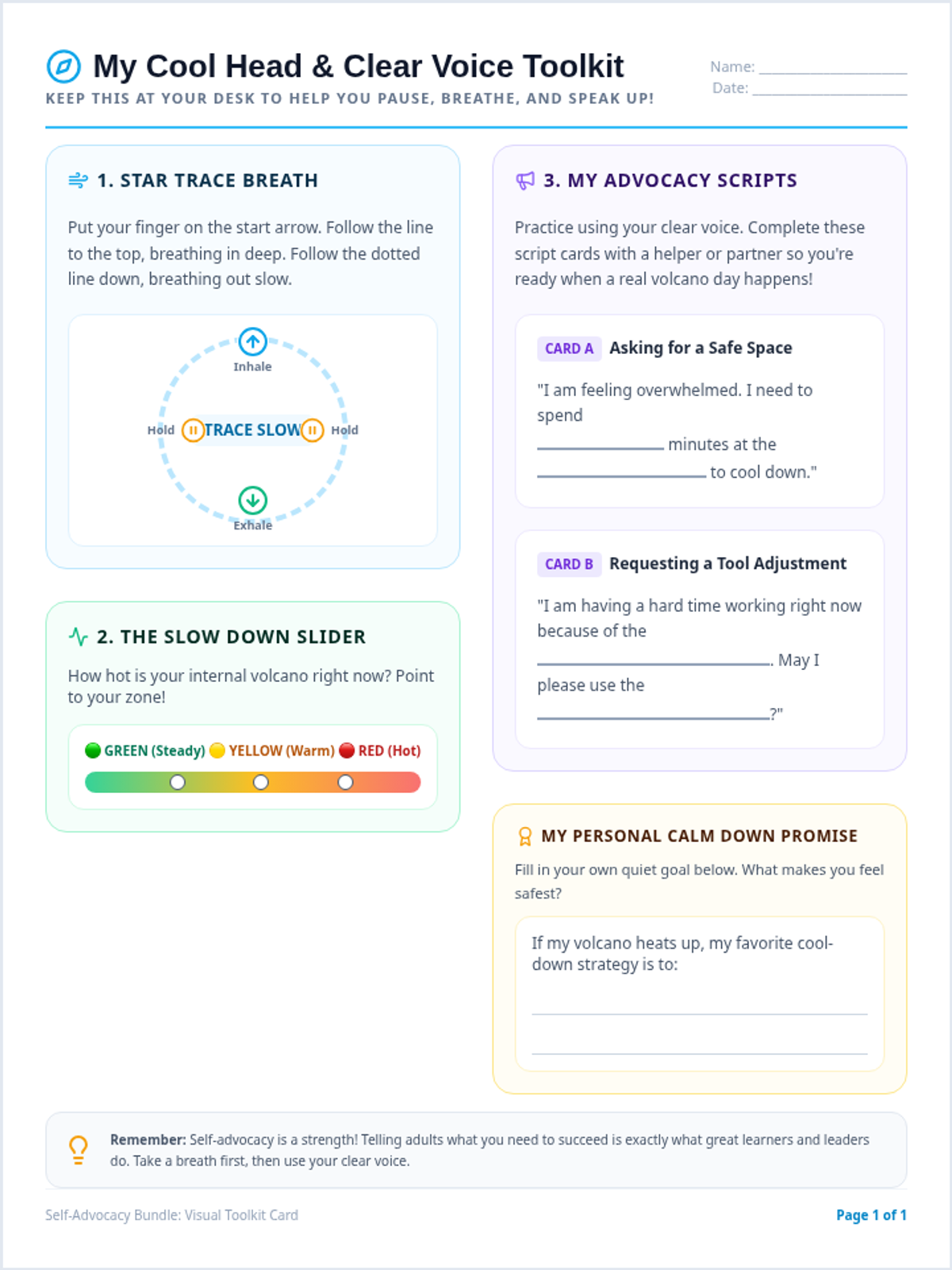
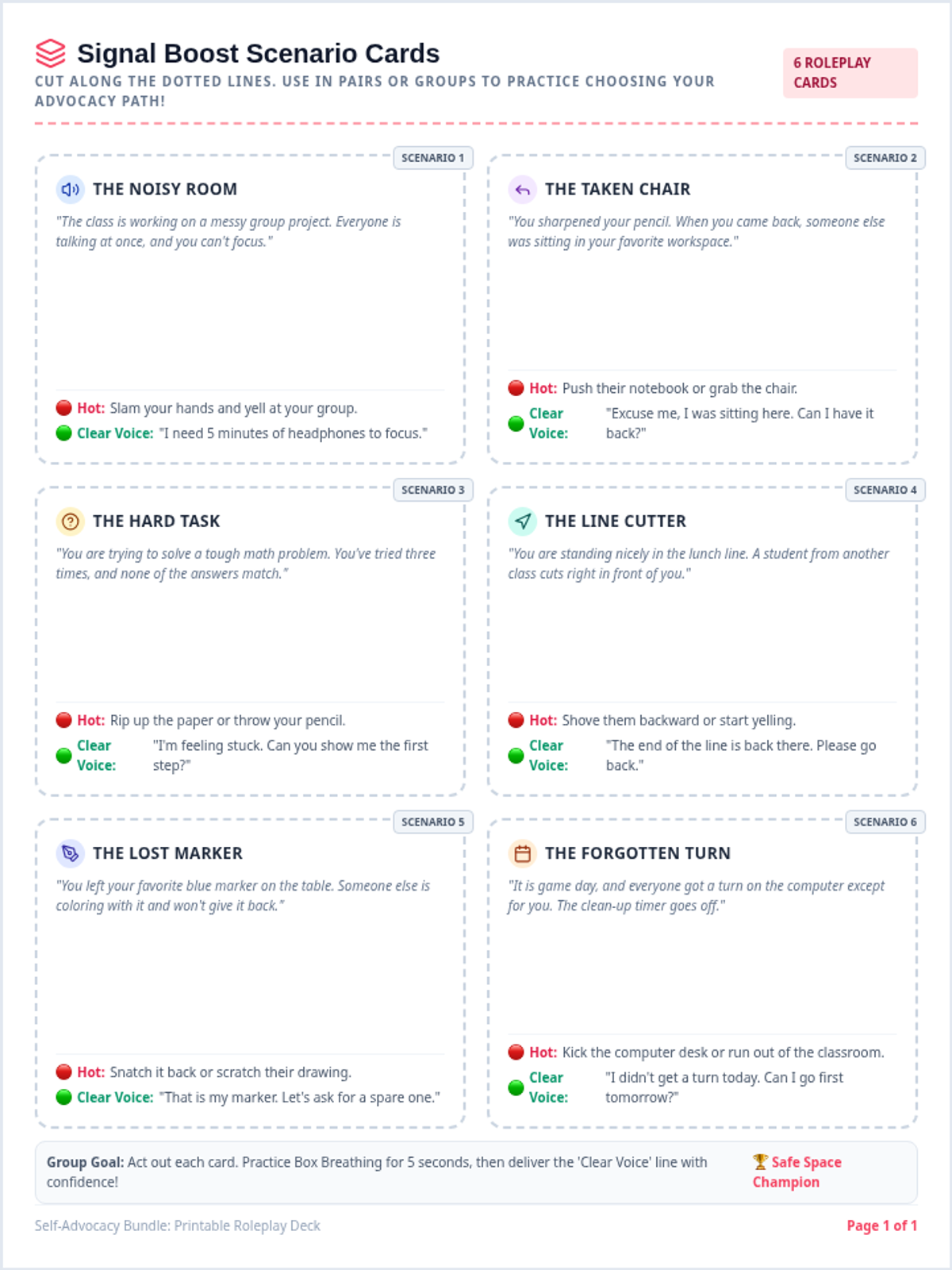
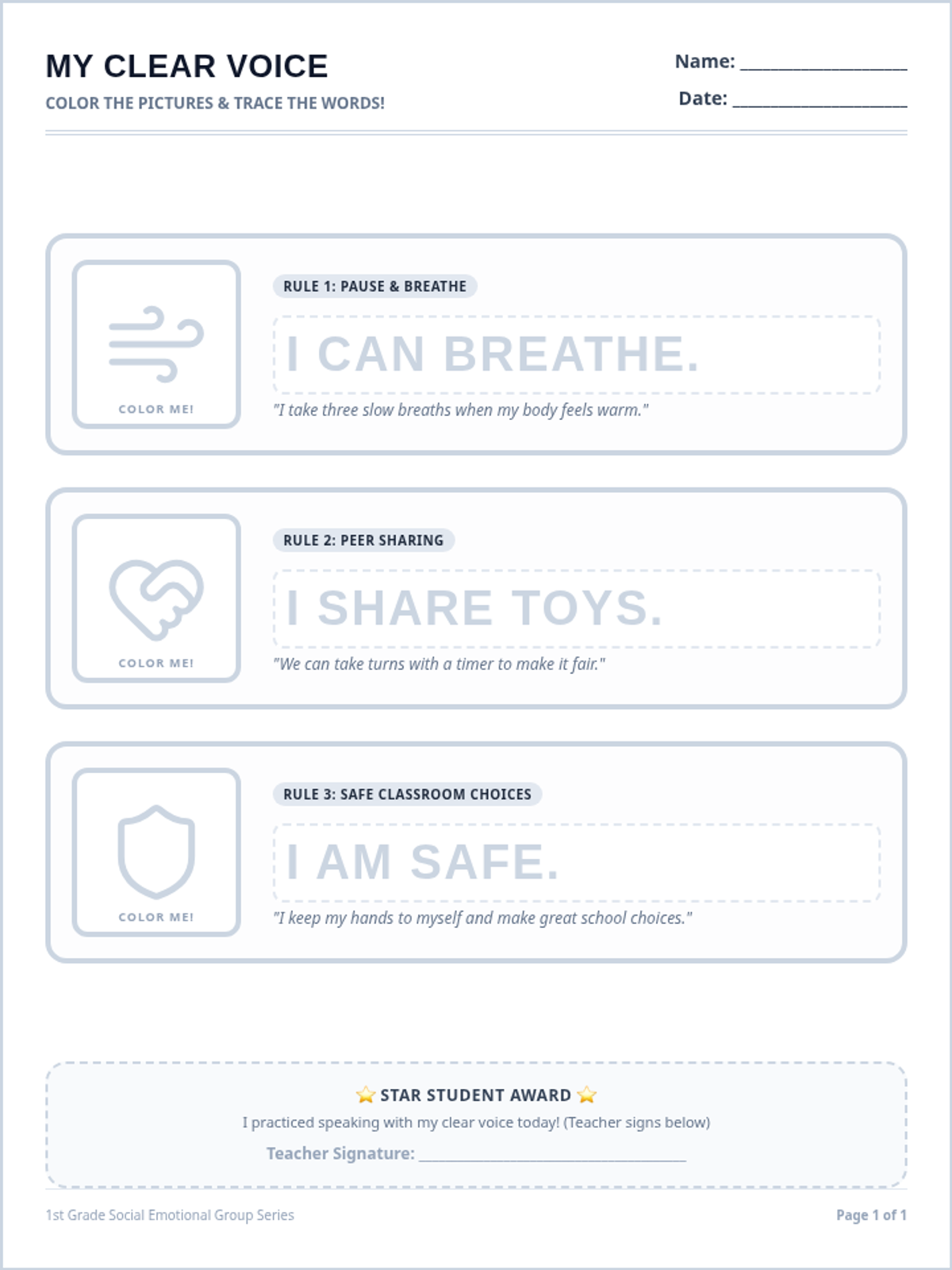
A complete lesson bundle on emotional regulation, self-advocacy, and calming strategies. Includes a comprehensive teacher's guide, a visual toolkit, a social narrative book, and interactive role-playing scenario cards.