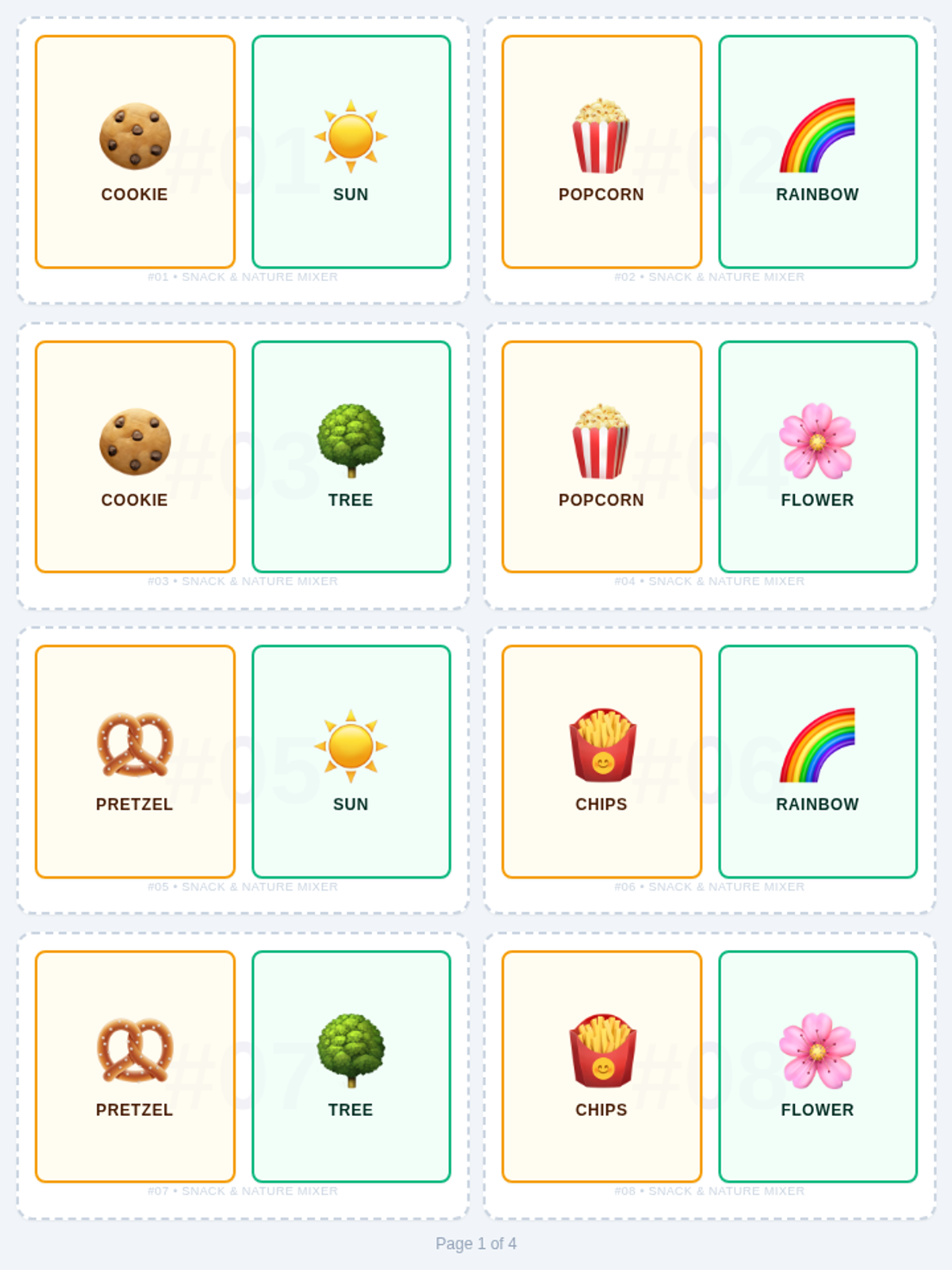
A popular snack-themed partner matching set with crunchy, fruit/veg, baked, and dairy categories to keep students active and engaged.
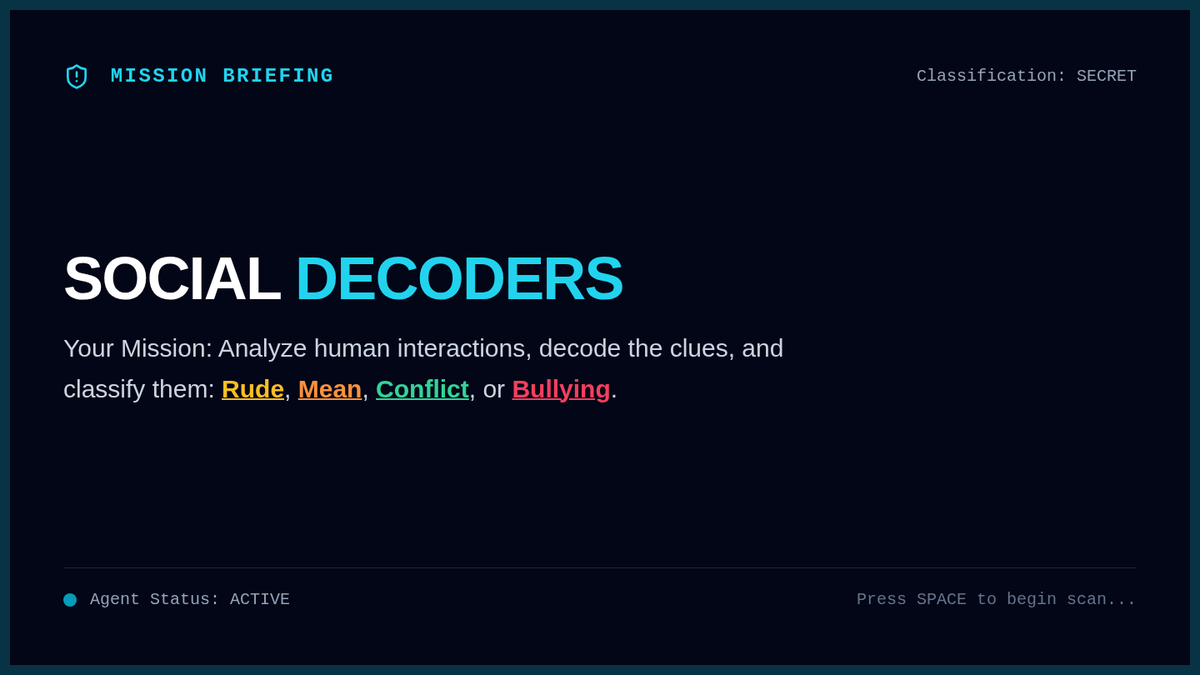
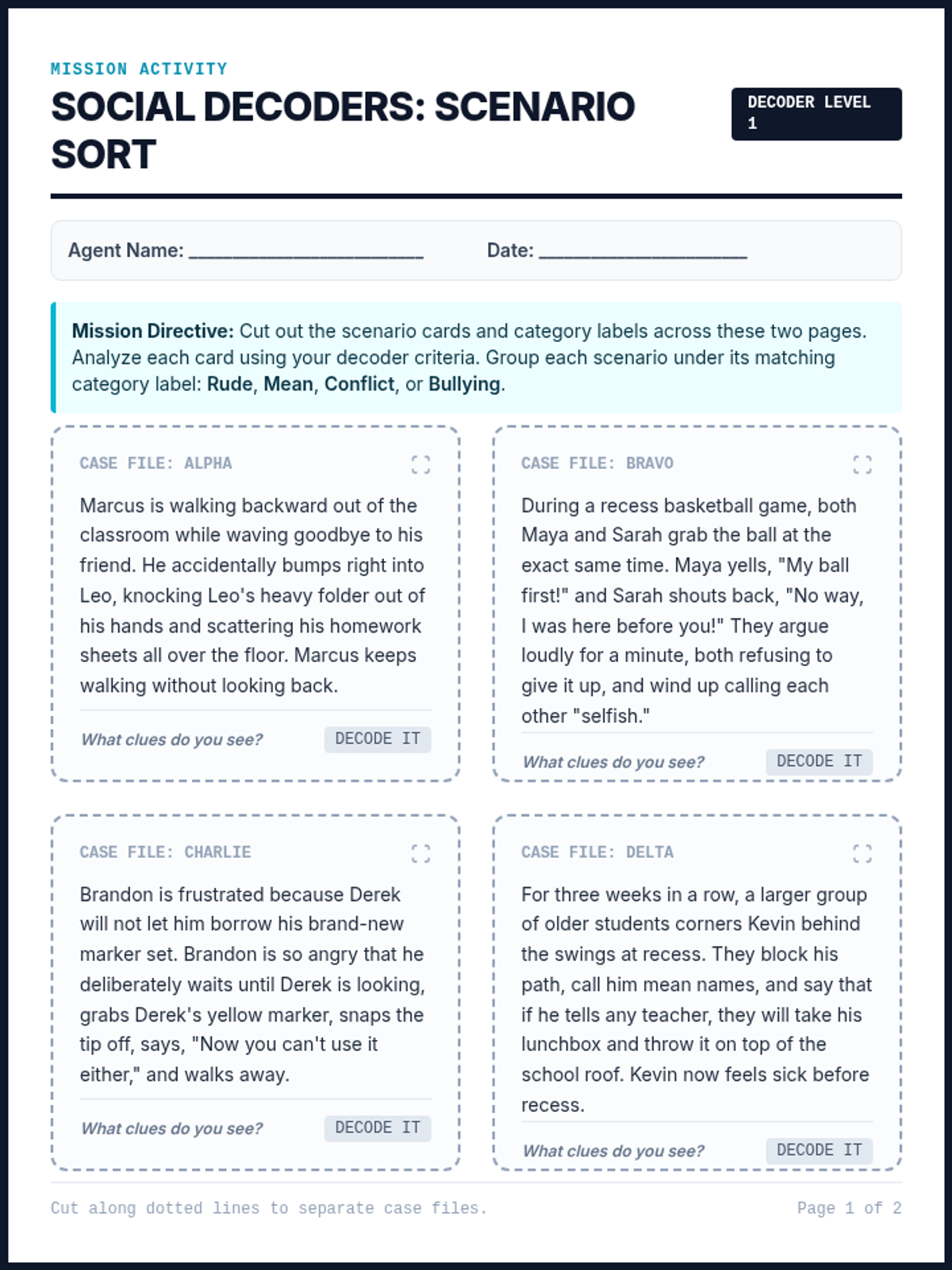
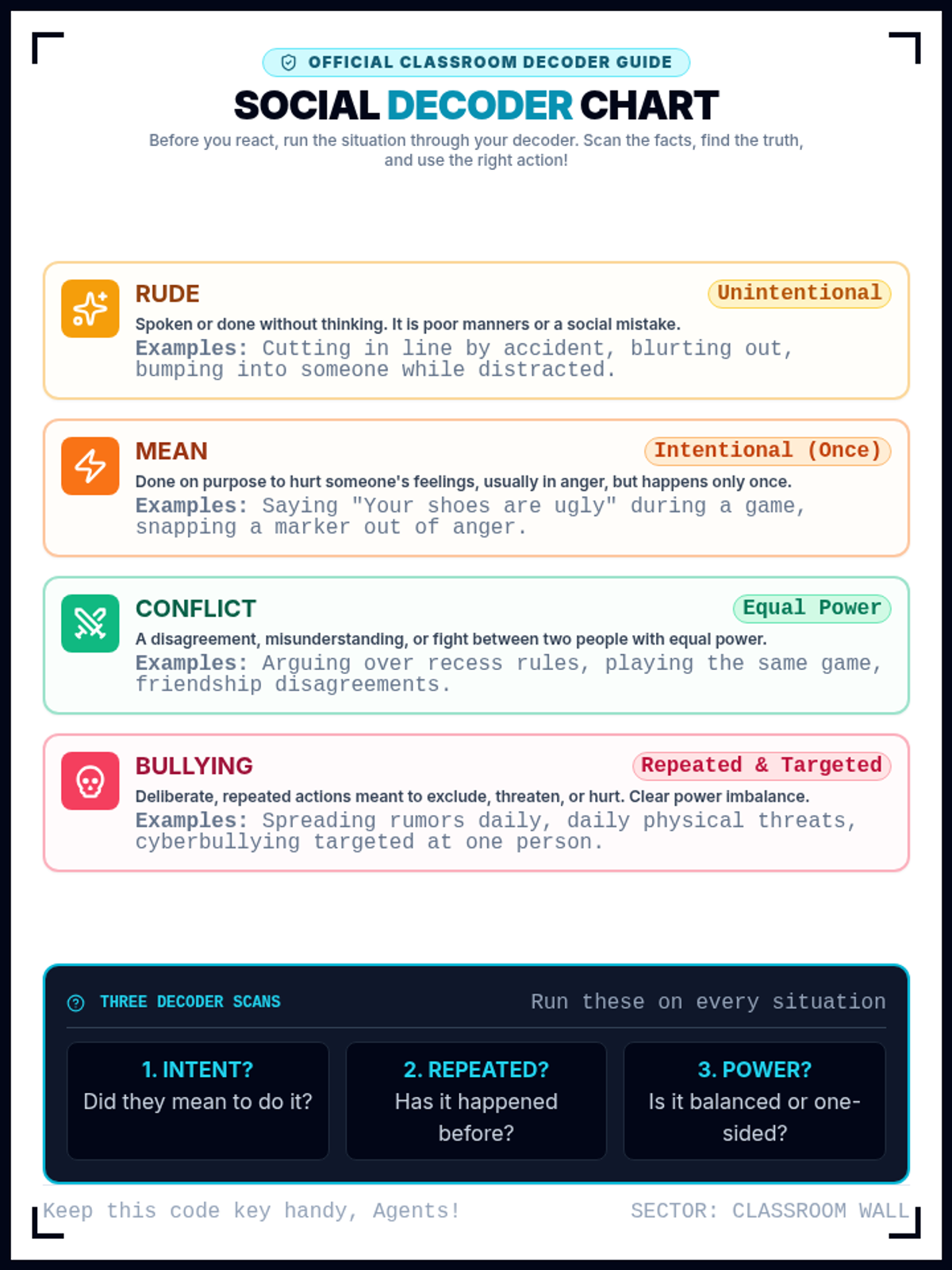
An upper elementary lesson that teaches students to distinguish between conflict, rudeness, meanness, and bullying through a detective-themed investigation. Students analyze social scenarios, learn key criteria, and practice upstander strategies.
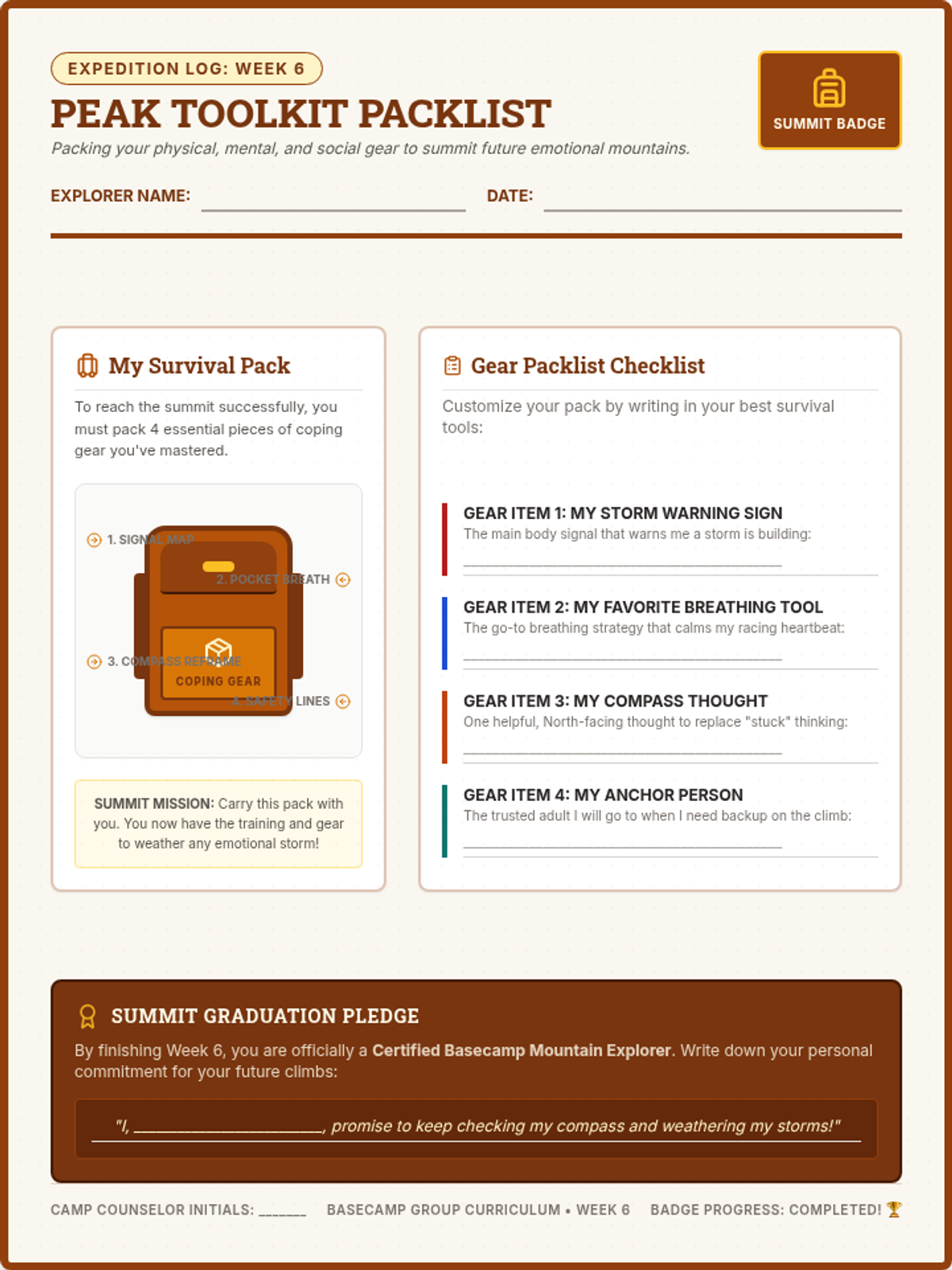
Week 6 of the Basecamp Emotion Regulation curriculum. Students review their 6-week adventure, synthesize their personalized coping skills, and construct their final "Peak Coping Kit" to use in future emotional climbs.
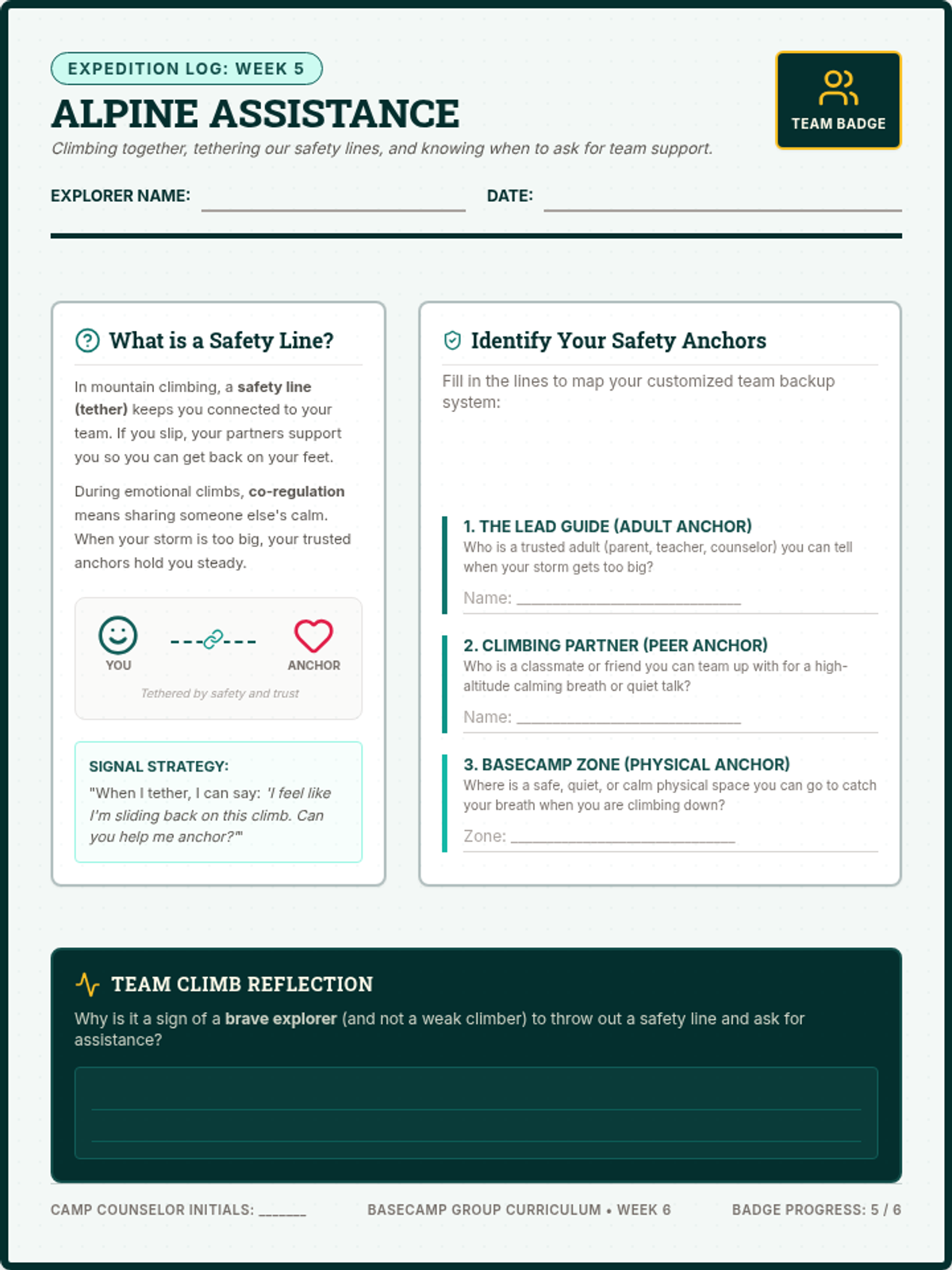
Week 5 of the Basecamp Emotion Regulation curriculum. Students focus on co-regulation, climbing together, establishing trust, and understanding when and how to seek help from trusted "safety lines."
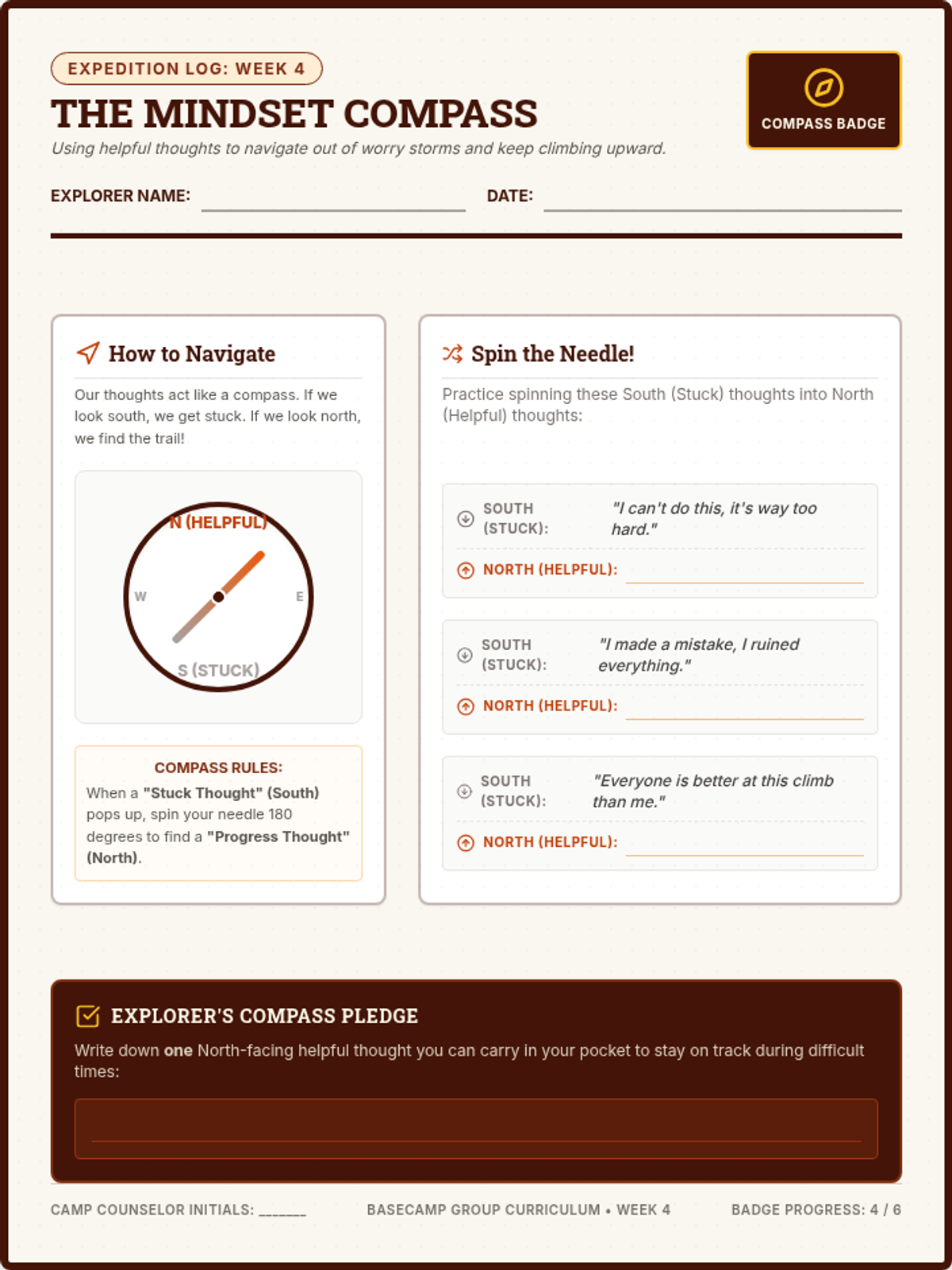
Week 4 of the Basecamp Emotion Regulation curriculum. Students discover cognitive-behavioral strategies, learning how to use positive self-talk and perspective shifts to reframe negative thoughts.
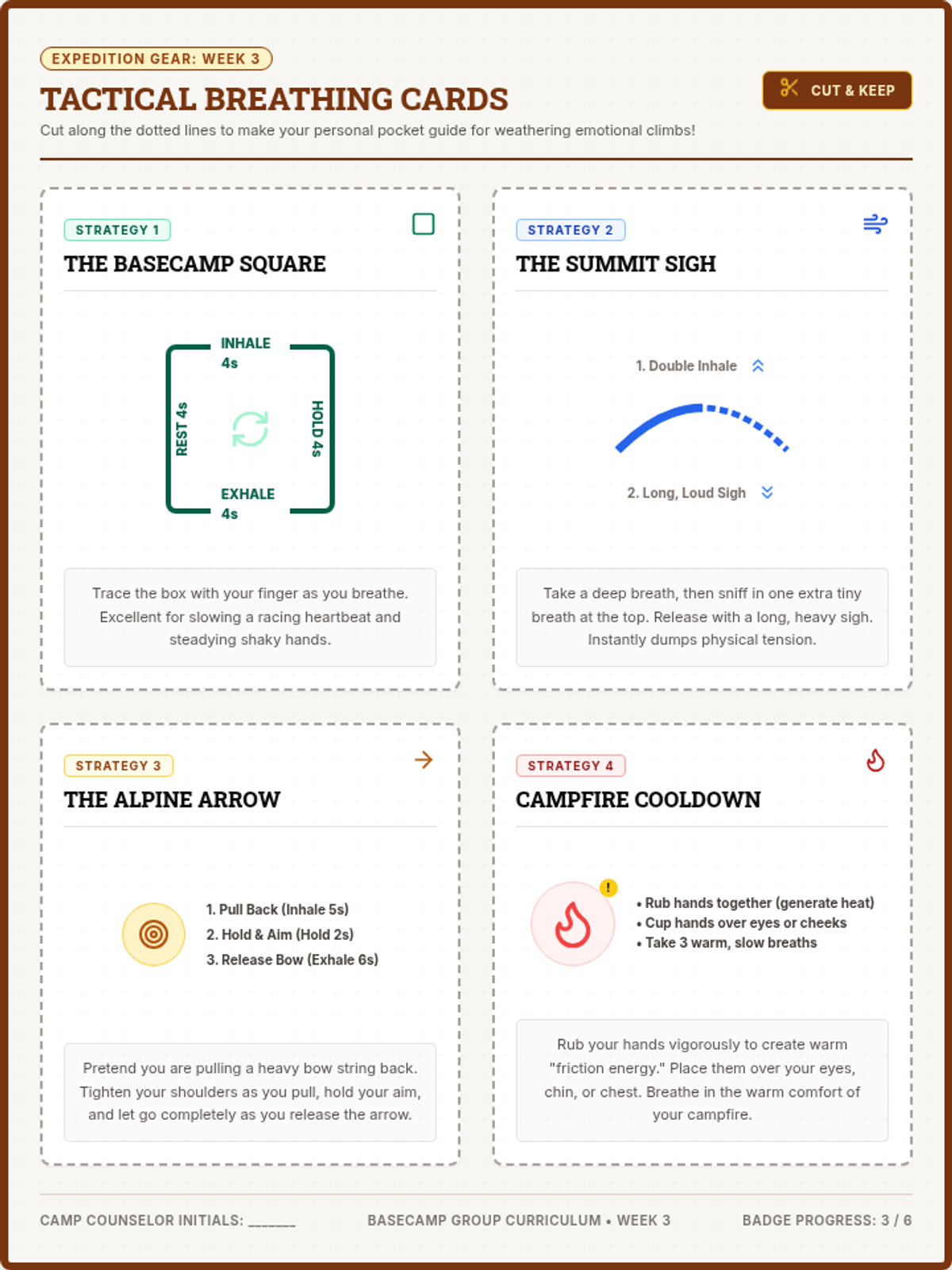
Week 3 of the Basecamp Emotion Regulation curriculum. Students practice hands-on physical calming strategies, including tactical breathing, grounding, and sensory reset exercises.
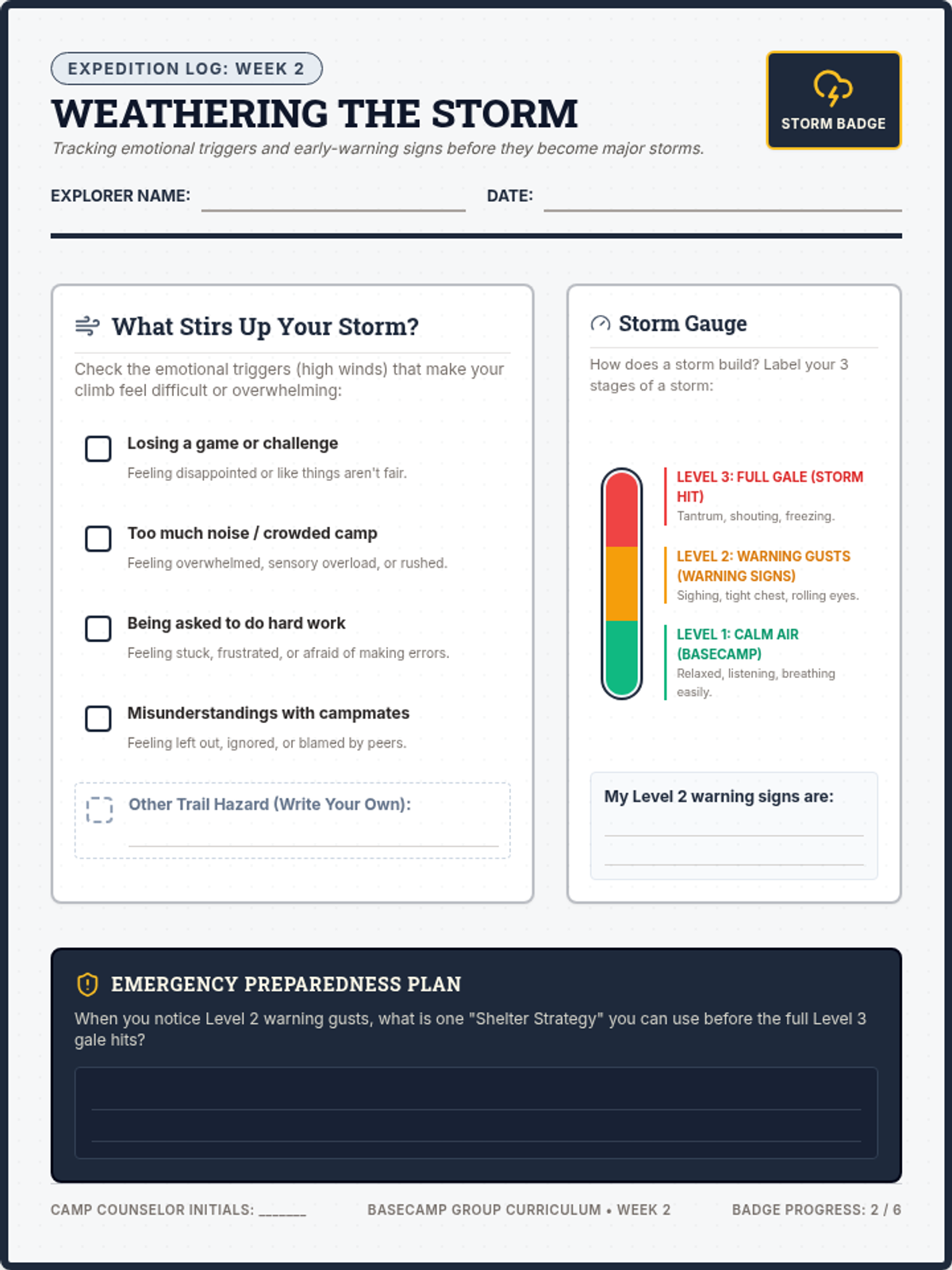
Week 2 of the Basecamp Emotion Regulation curriculum. Students explore the concept of emotional "storms" (triggers) and learn to notice early warning signs before a storm hits.
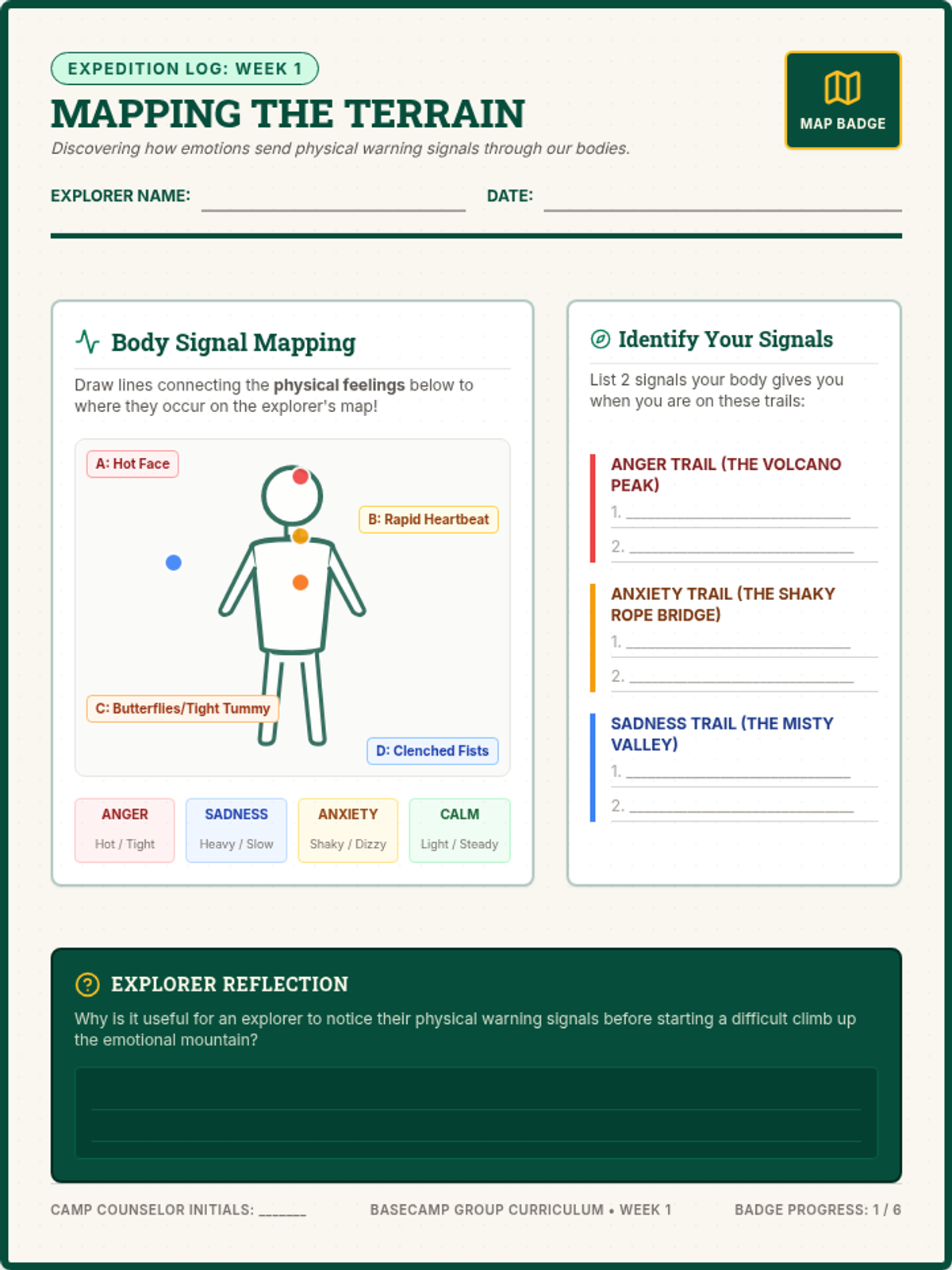
Week 1 of the Basecamp Emotion Regulation curriculum. Students are introduced to the mountain-climbing theme, learn to identify and name different emotions, and map how these feelings physically manifest as bodily signals.
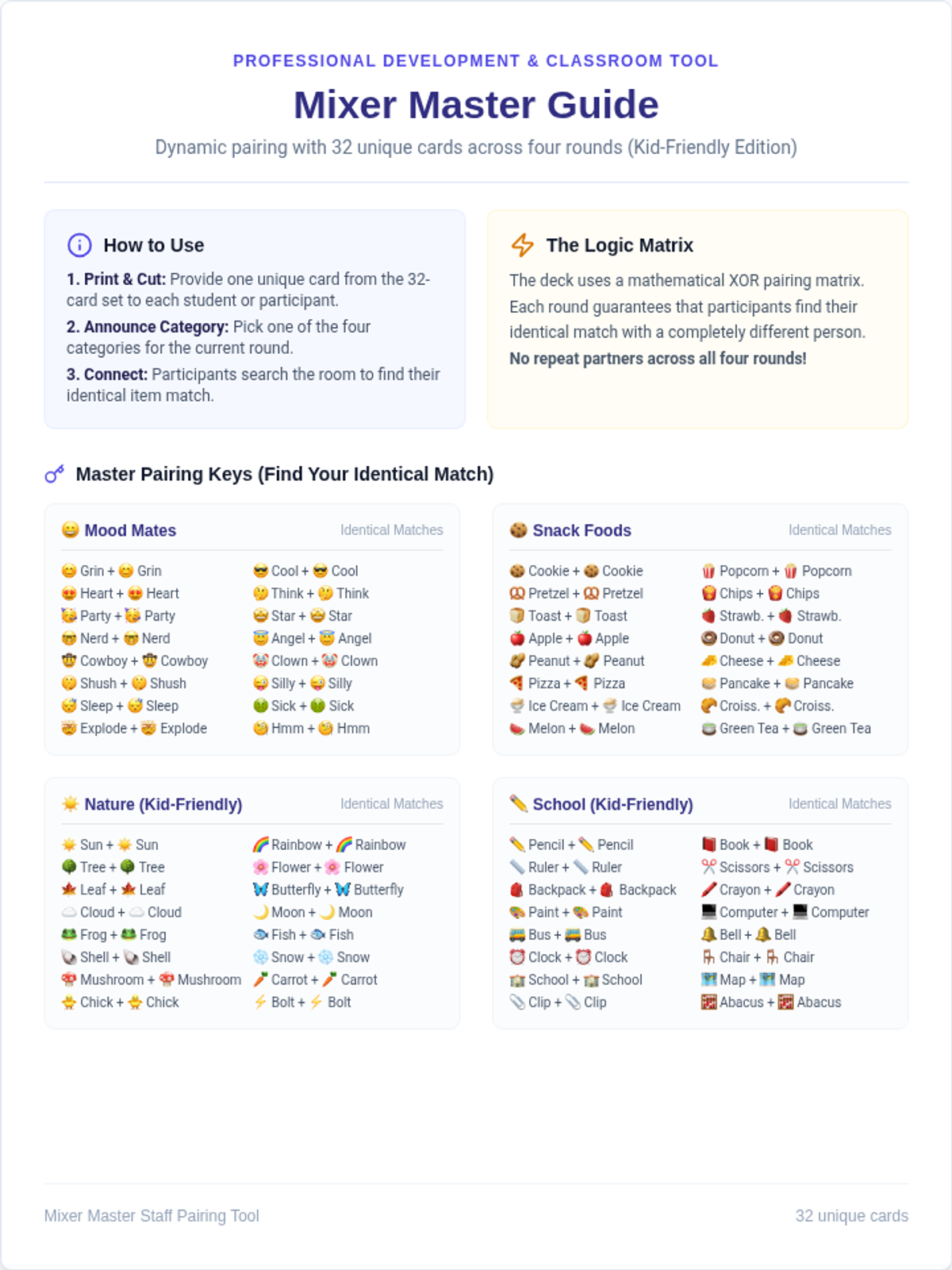
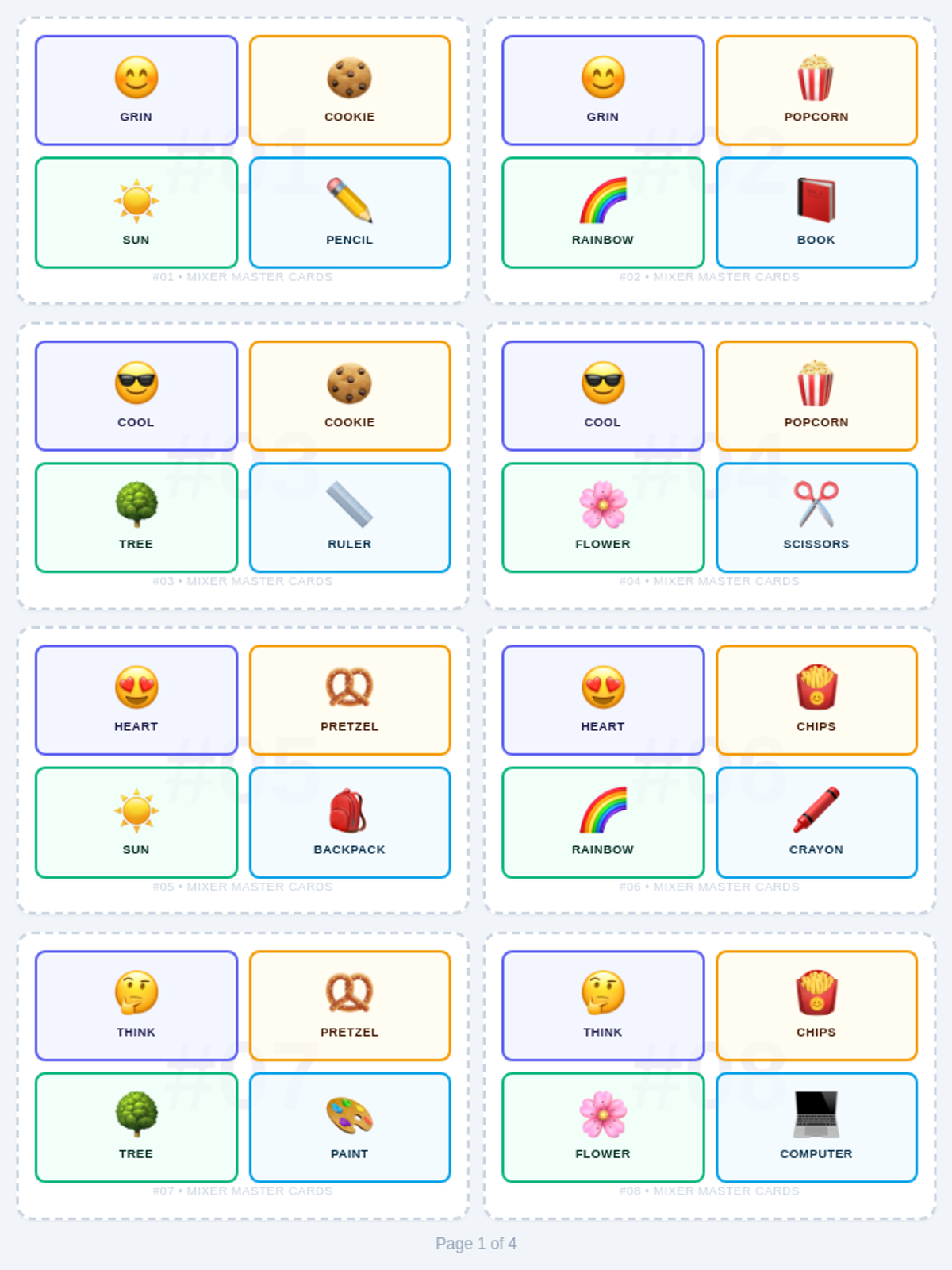
A lesson designed to facilitate quick, dynamic staff pairing and mixing during professional development sessions, utilizing a 32-card XOR matrix across four categories.
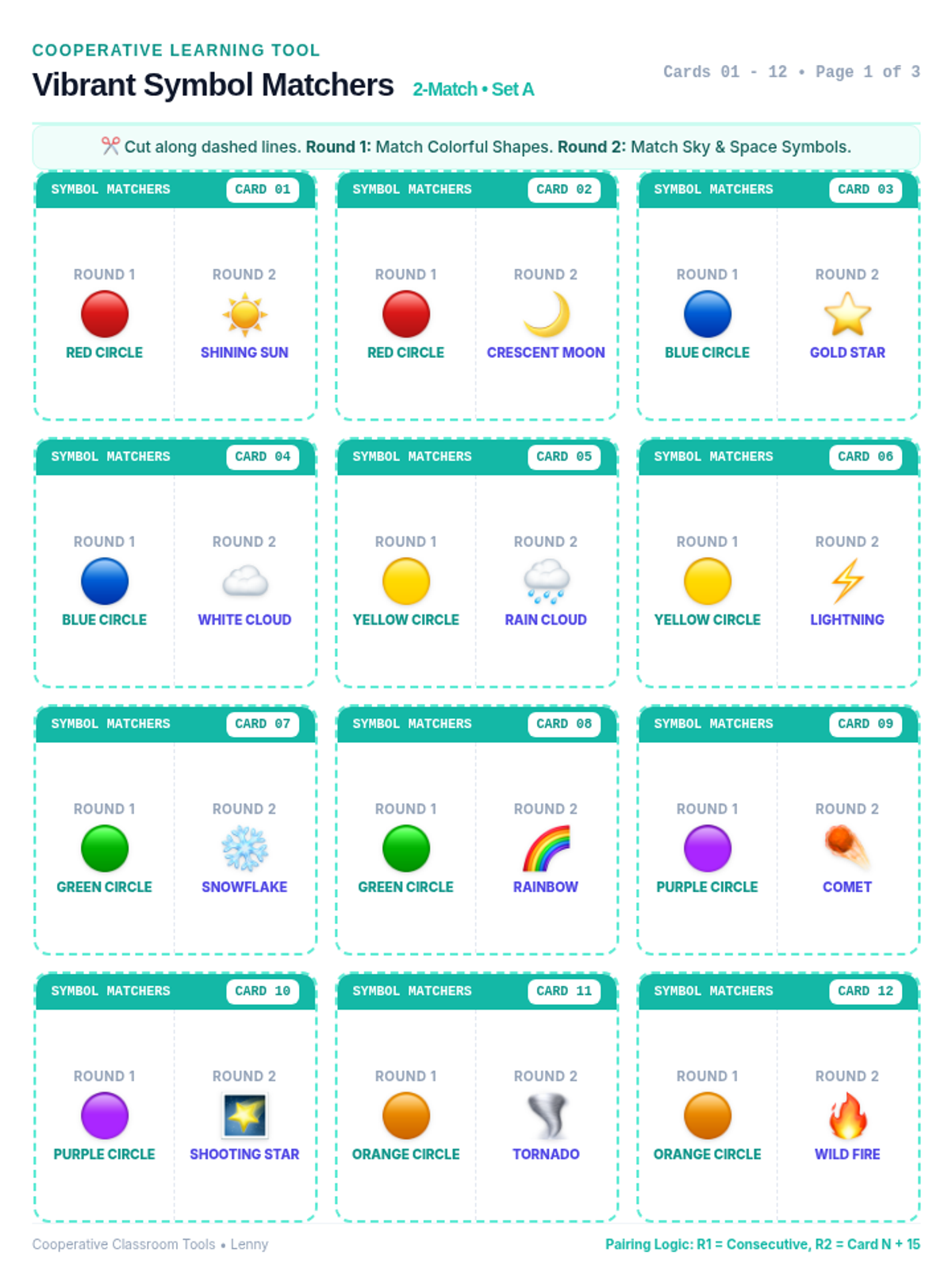
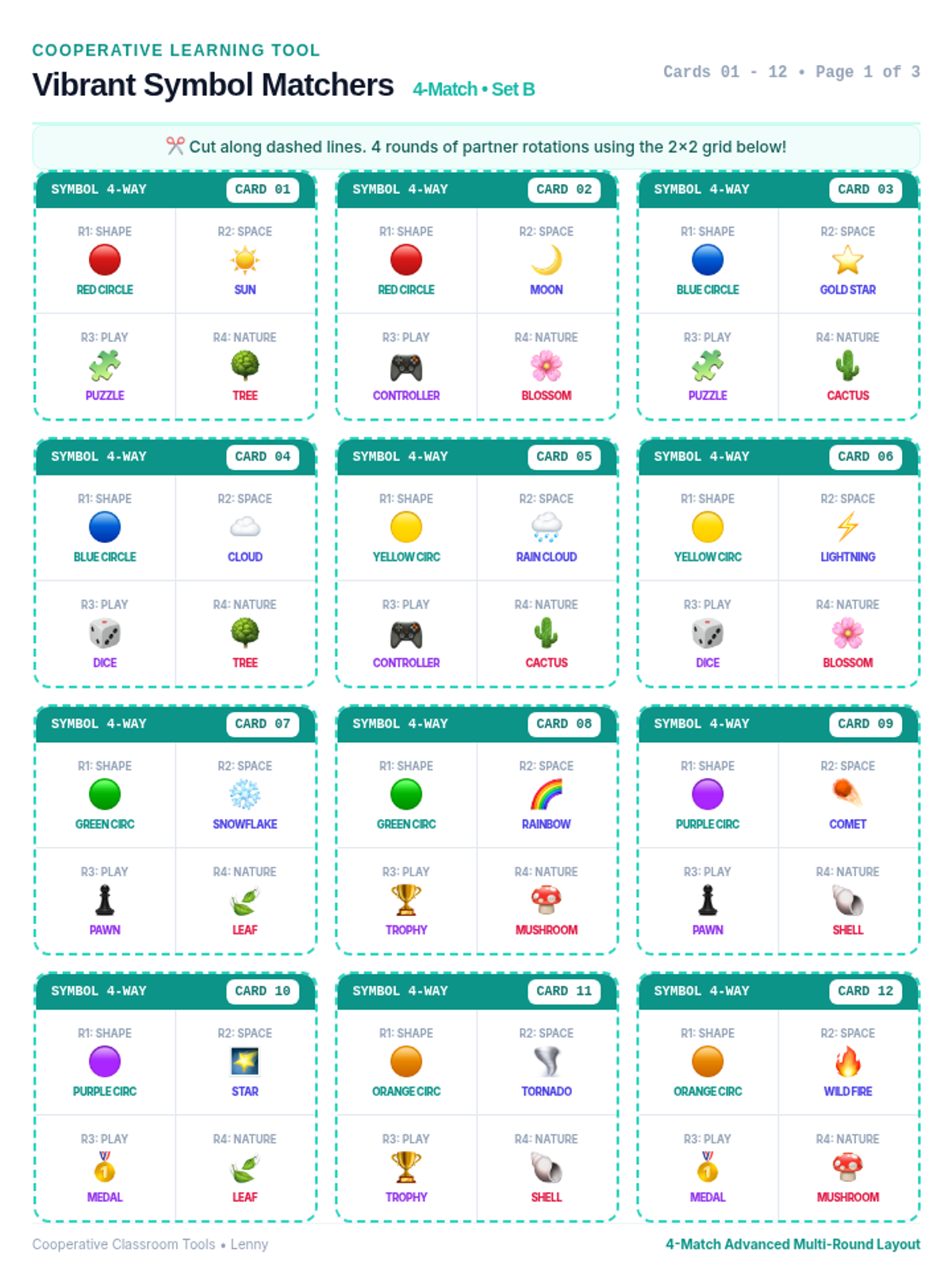
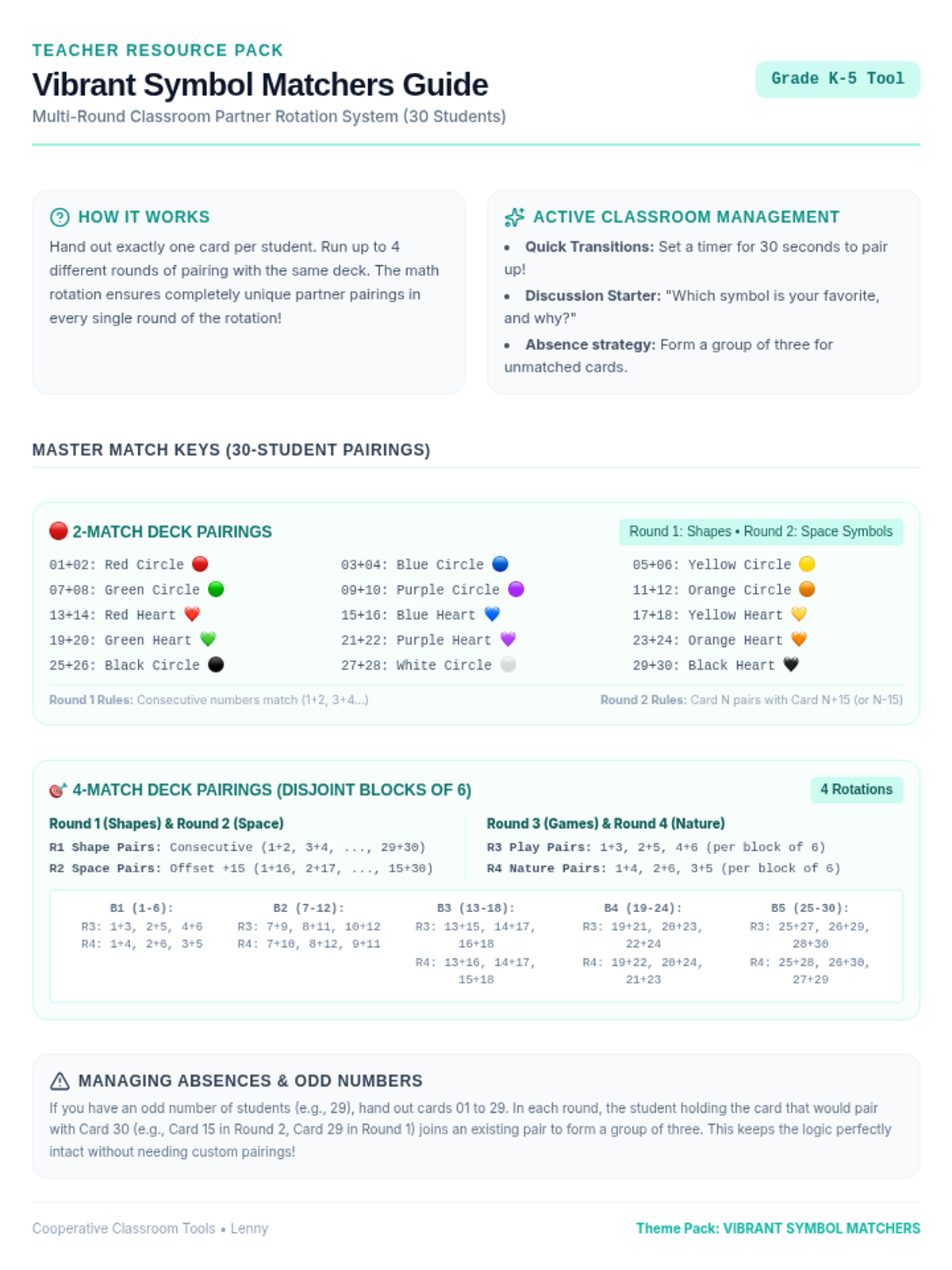
A vibrant symbol-themed partner matching set with shapes, space, games, and nature categories to help students pair up instantly.
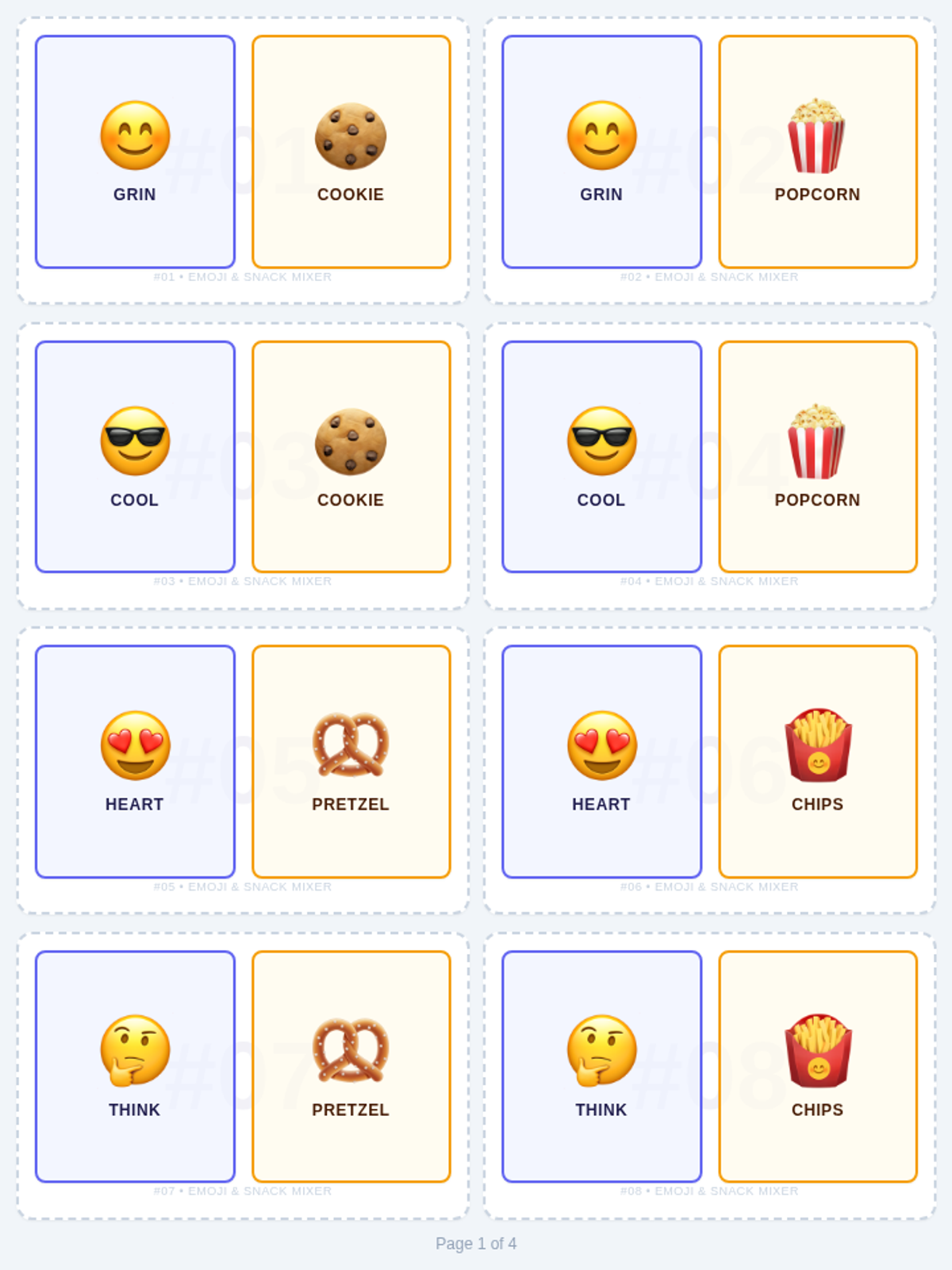
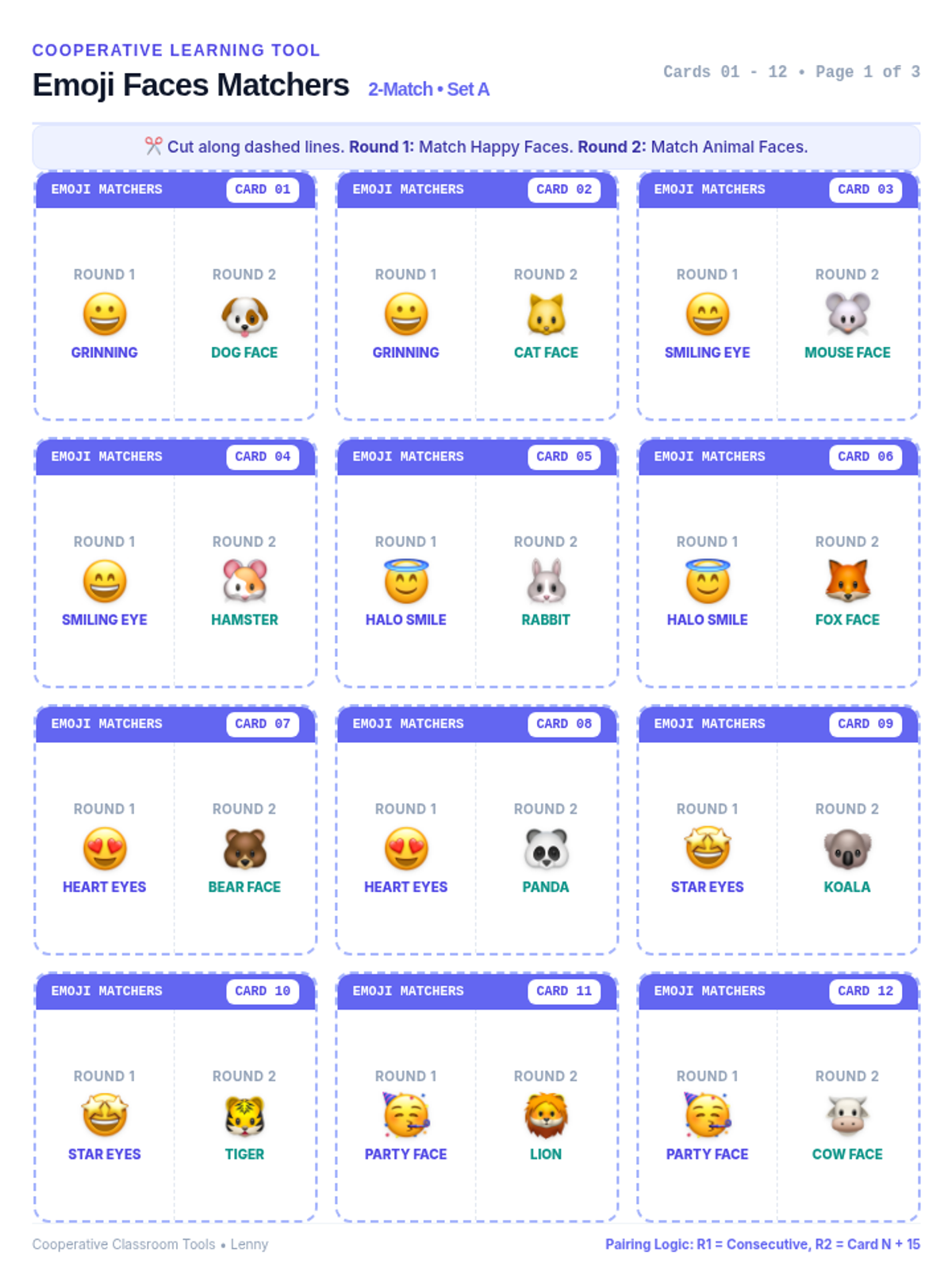
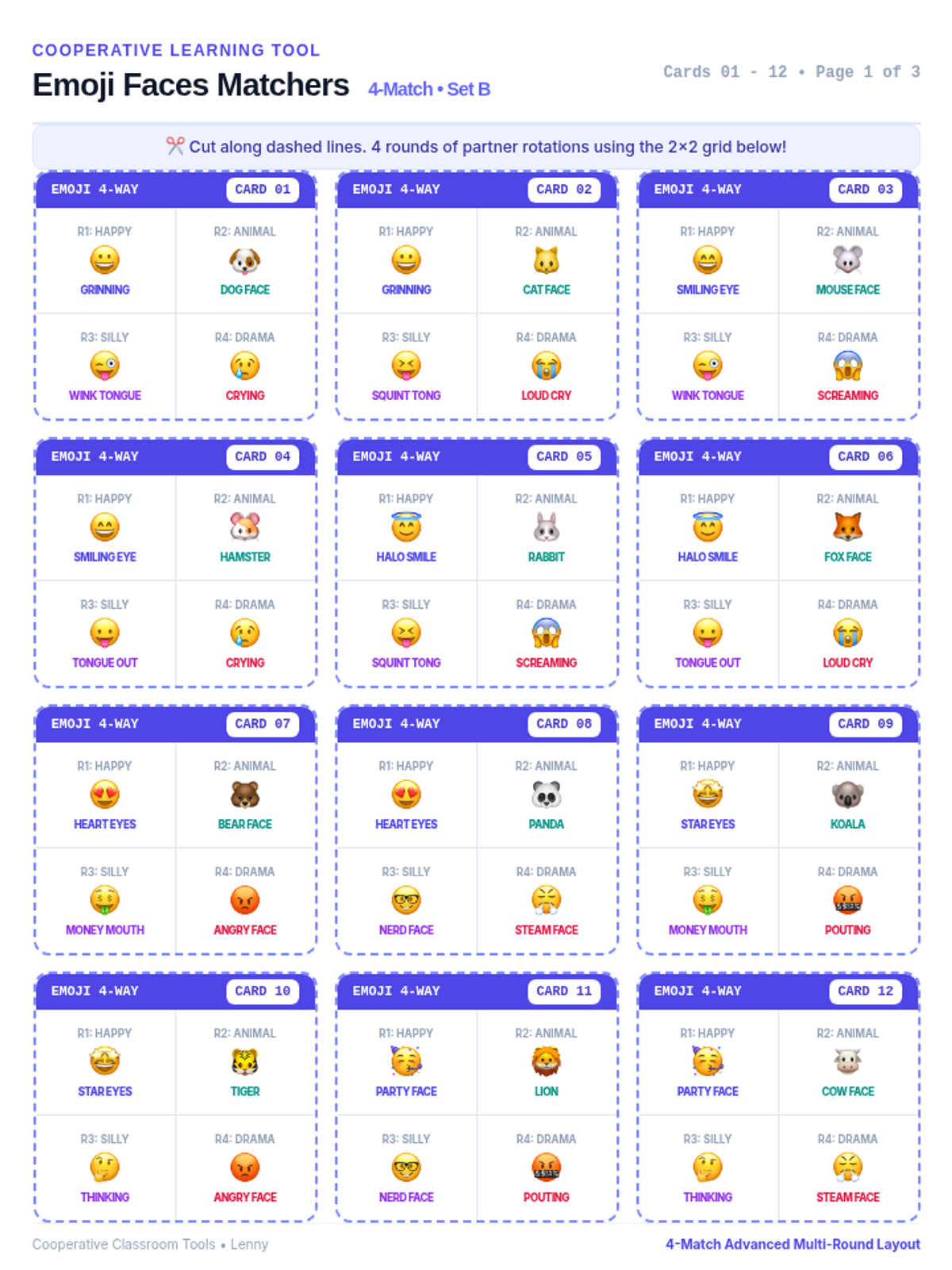
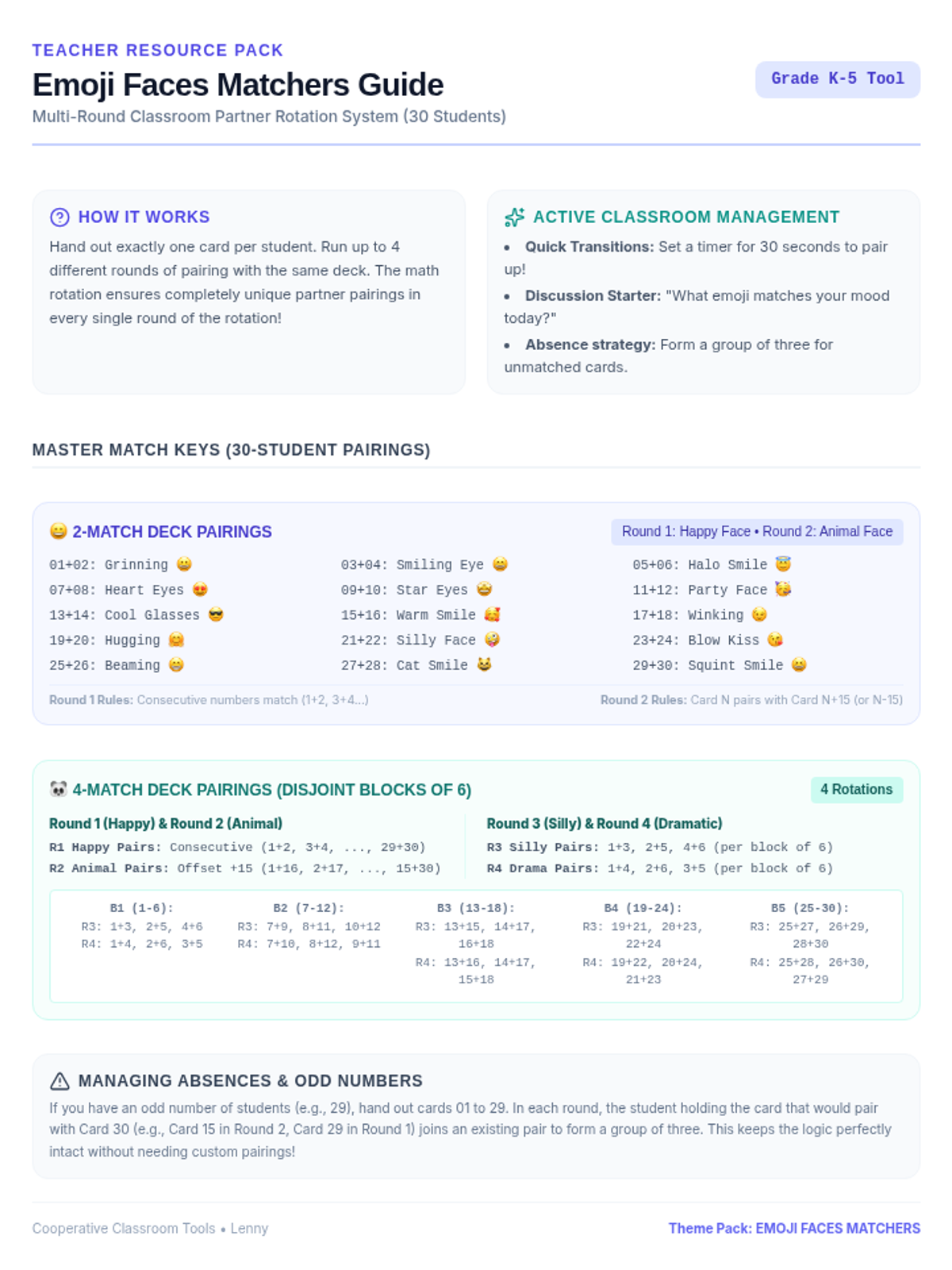
An engaging emoji face-themed partner matching set featuring happy, silly, dramatic, and animal face categories for quick social-emotional pairings.
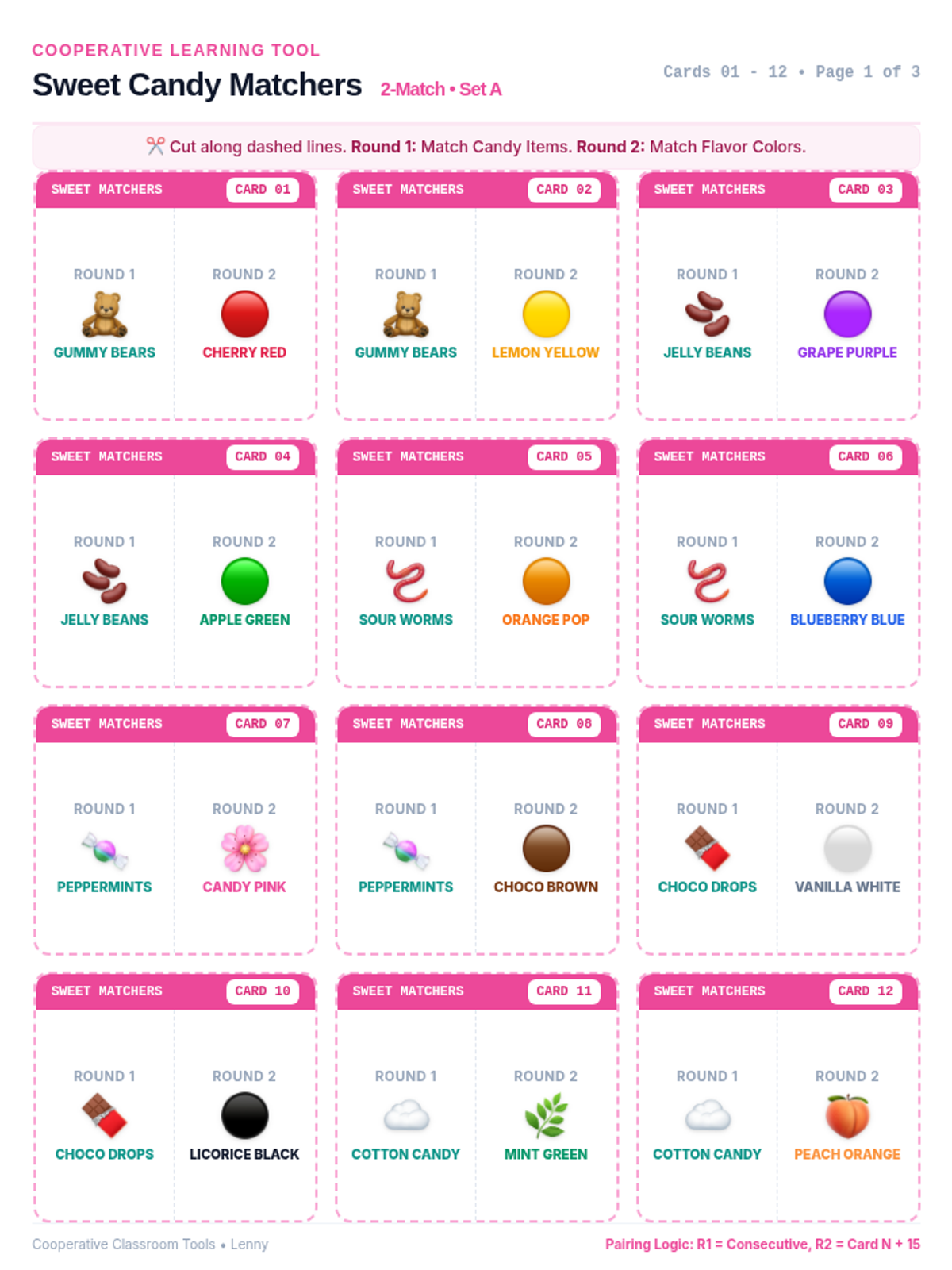
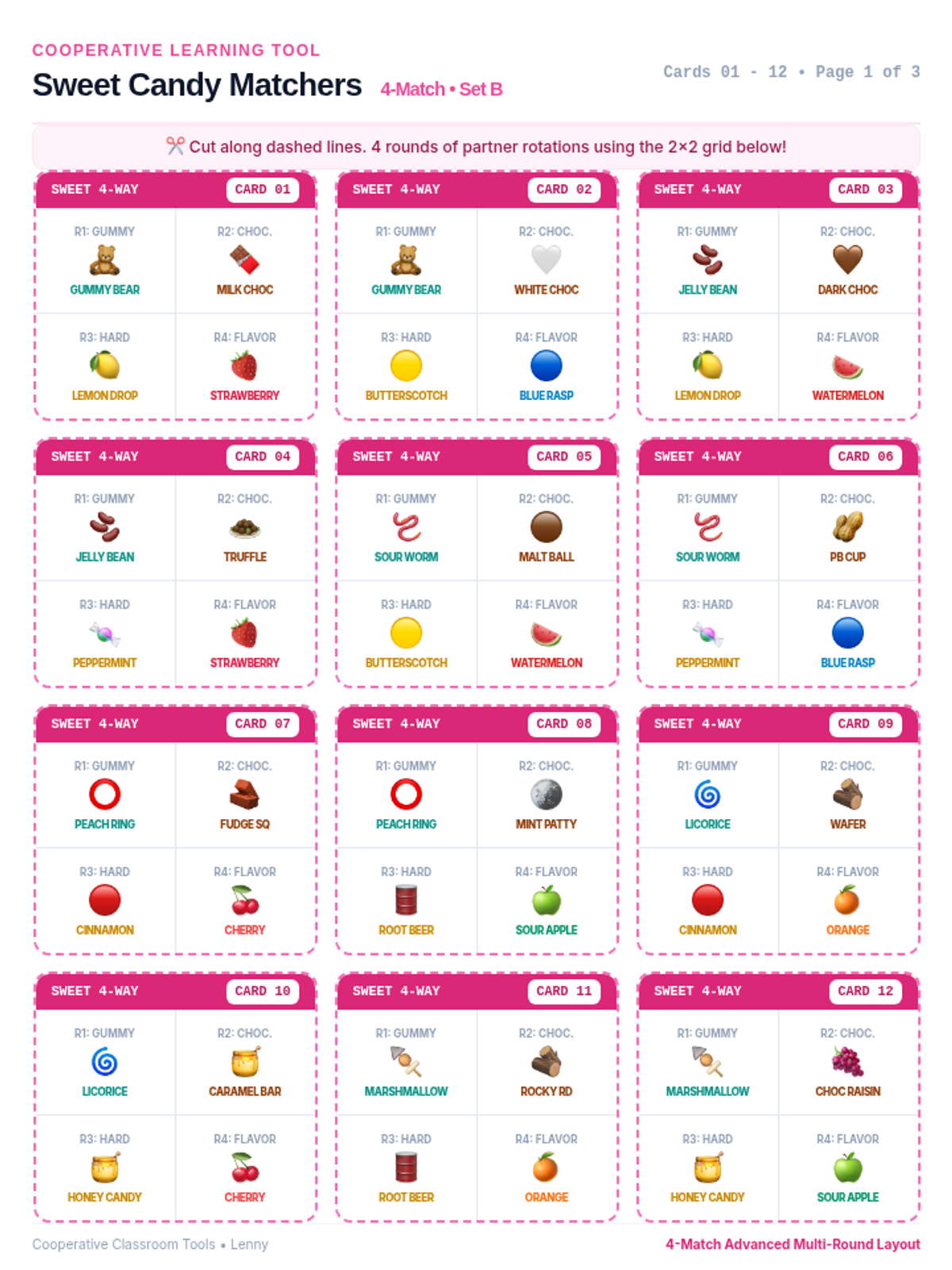
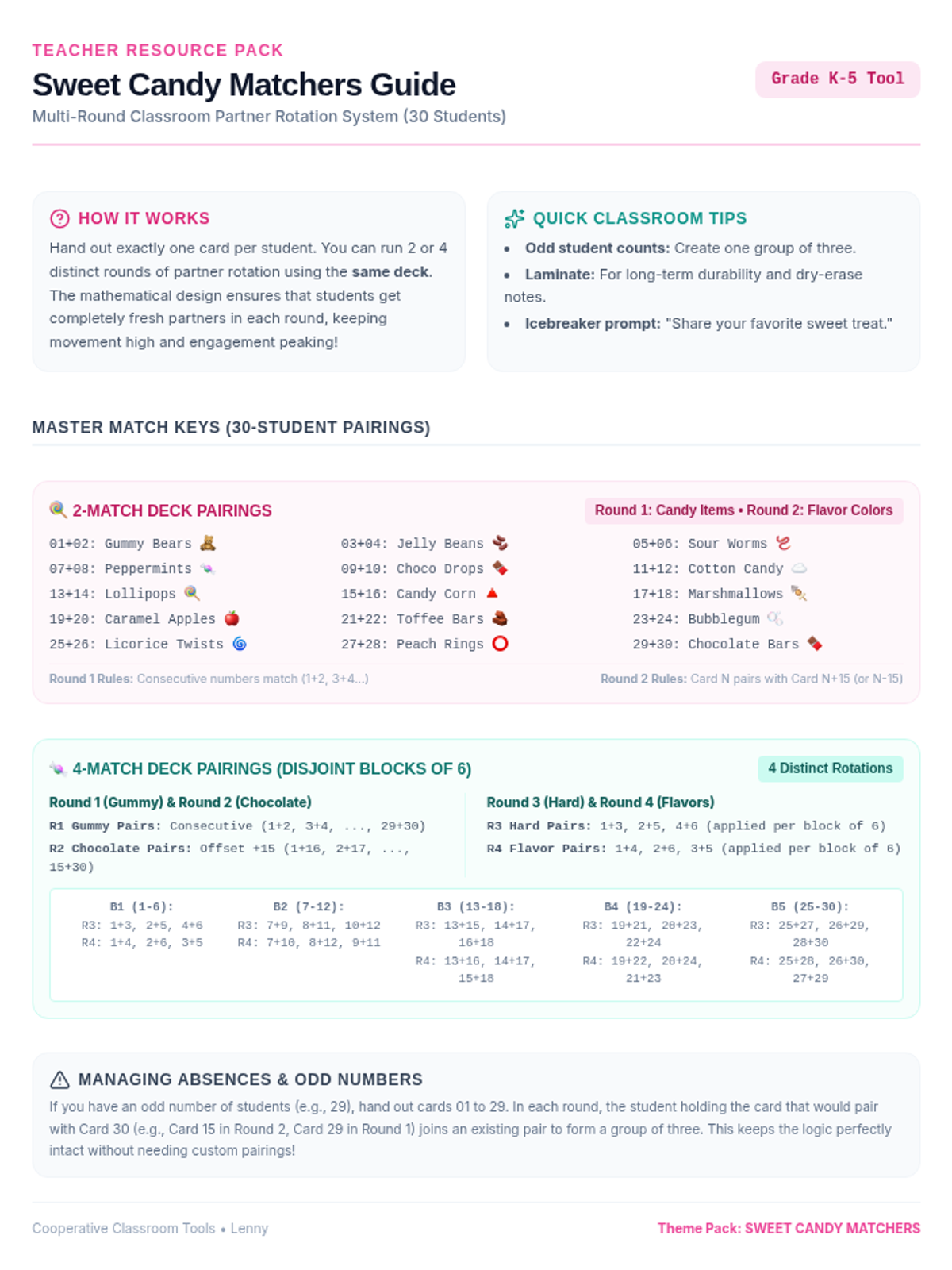
A delightful candy-themed partner matching set with 2-match (chewy vs sweet) and 4-match (gummy, chocolate, lollipop, flavor) cards and a detailed teacher pairing guide.
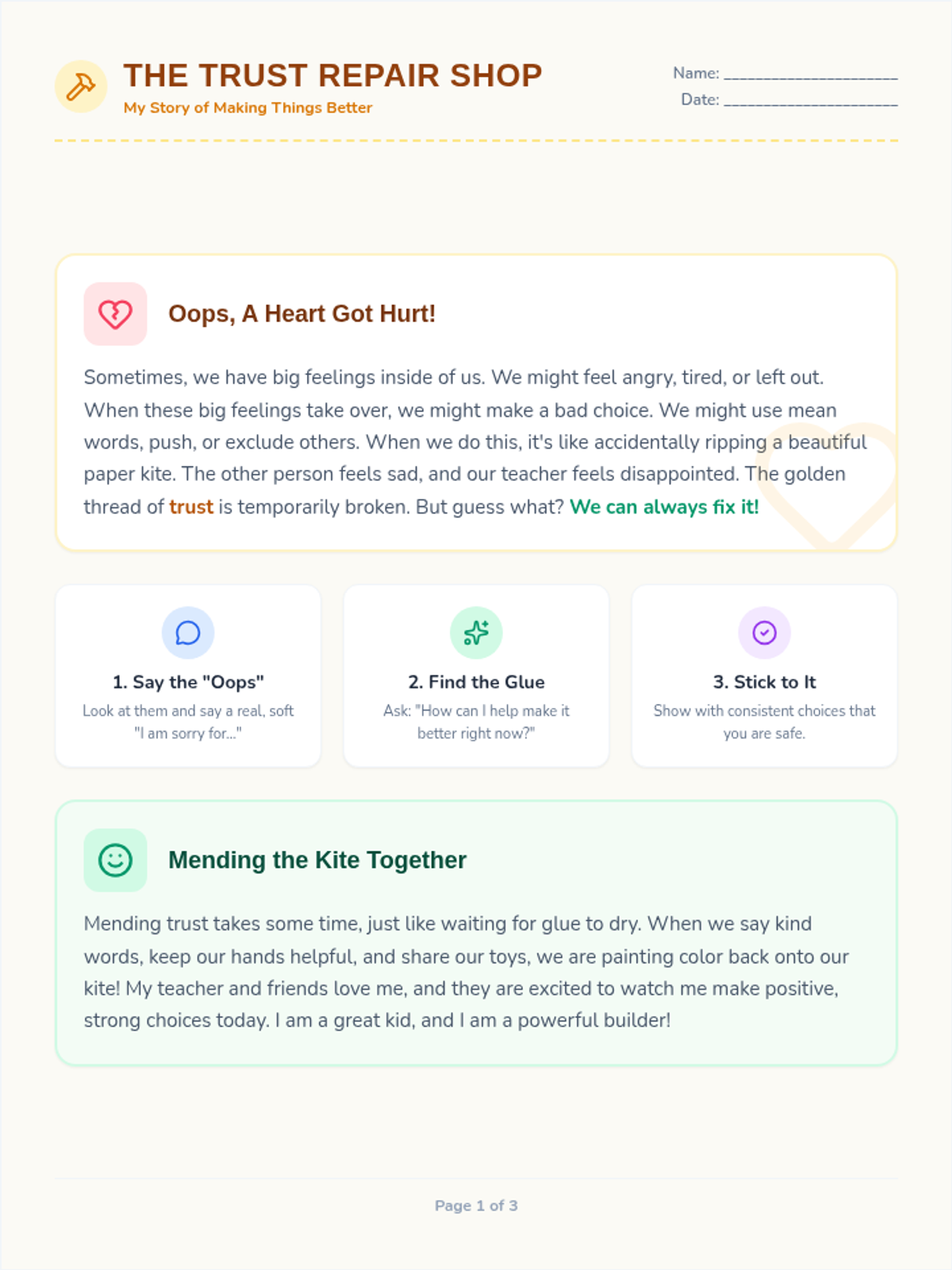
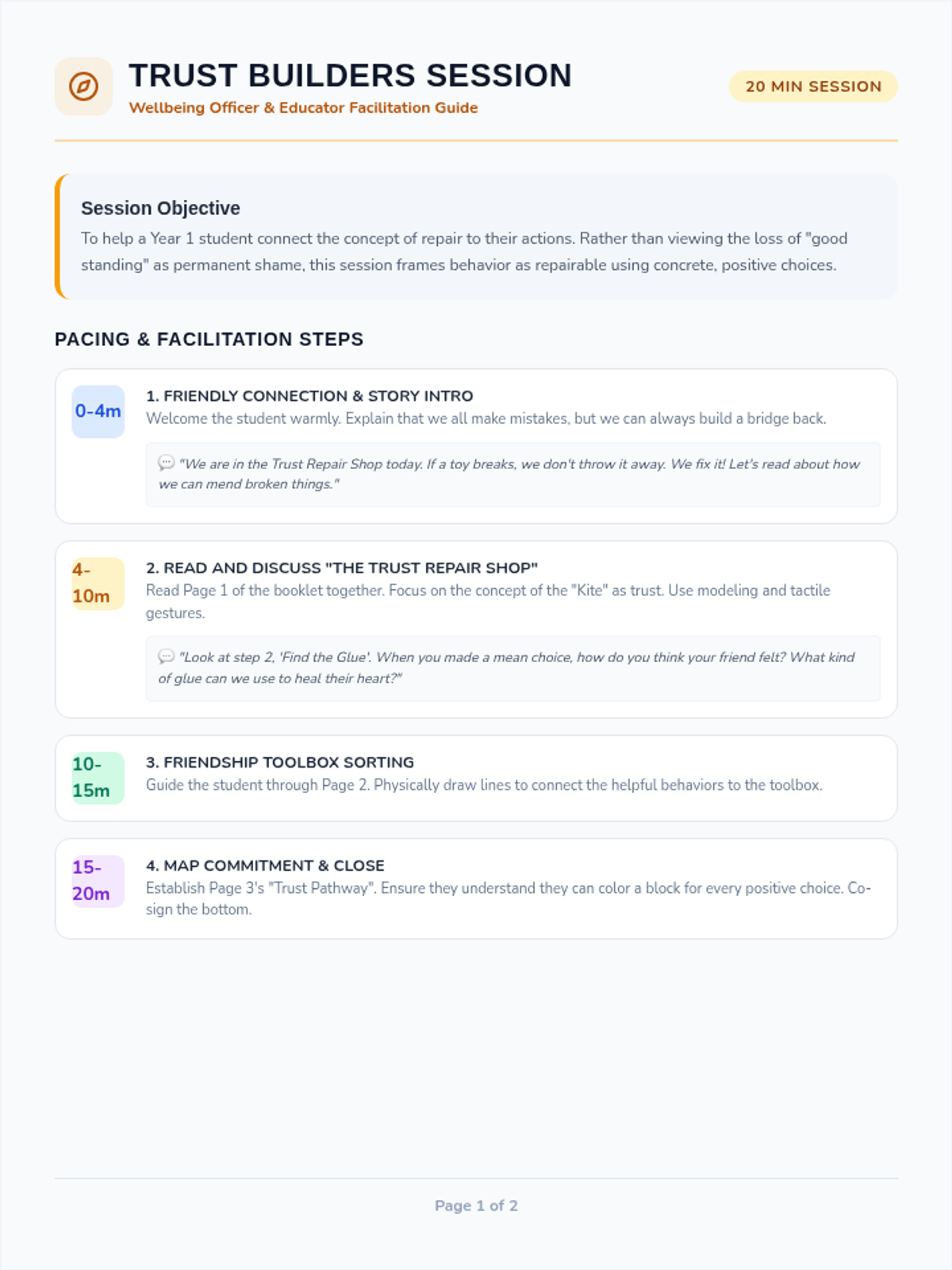
A restorative 20-minute session featuring a personalized social story and hands-on activities designed for a Year 1 student to understand, practice, and track behavioral repair.
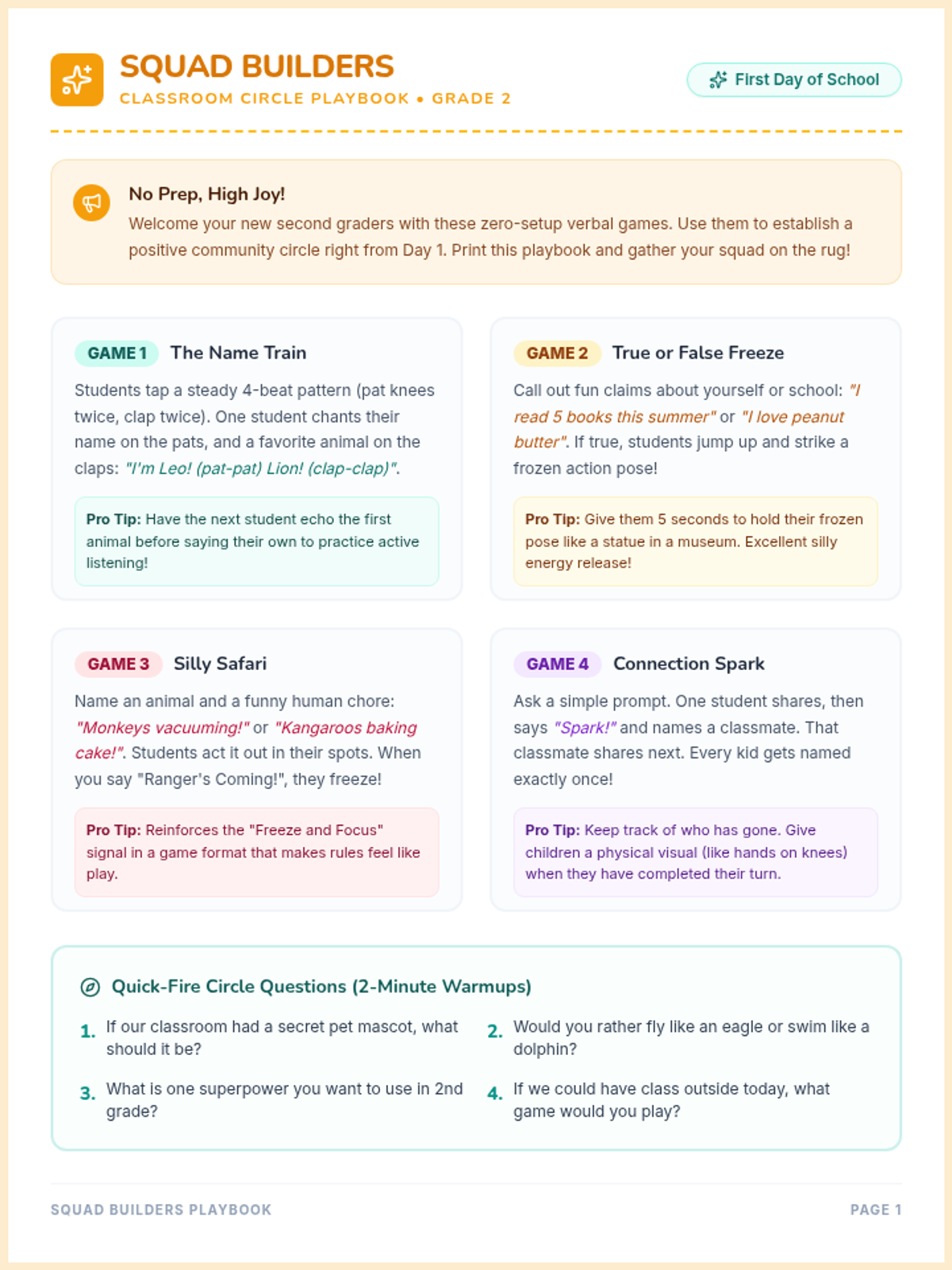
A collection of low-prep, high-energy verbal icebreakers and community-building games designed specifically for second graders on their first day of school.
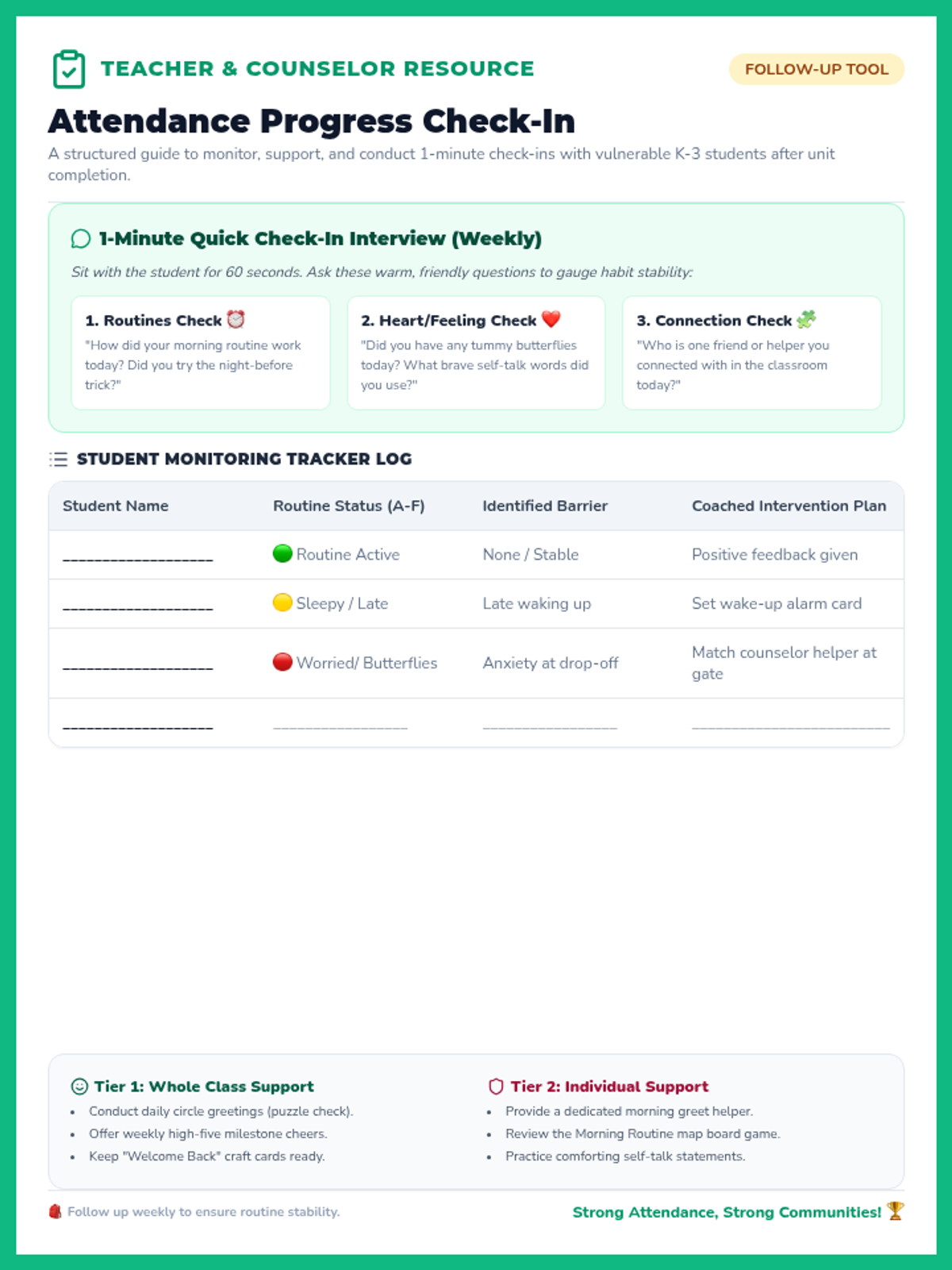
Provides a culmination for the attendance adventures, helping students celebrate their completed milestones, review key habits, and commit to arriving on-time.
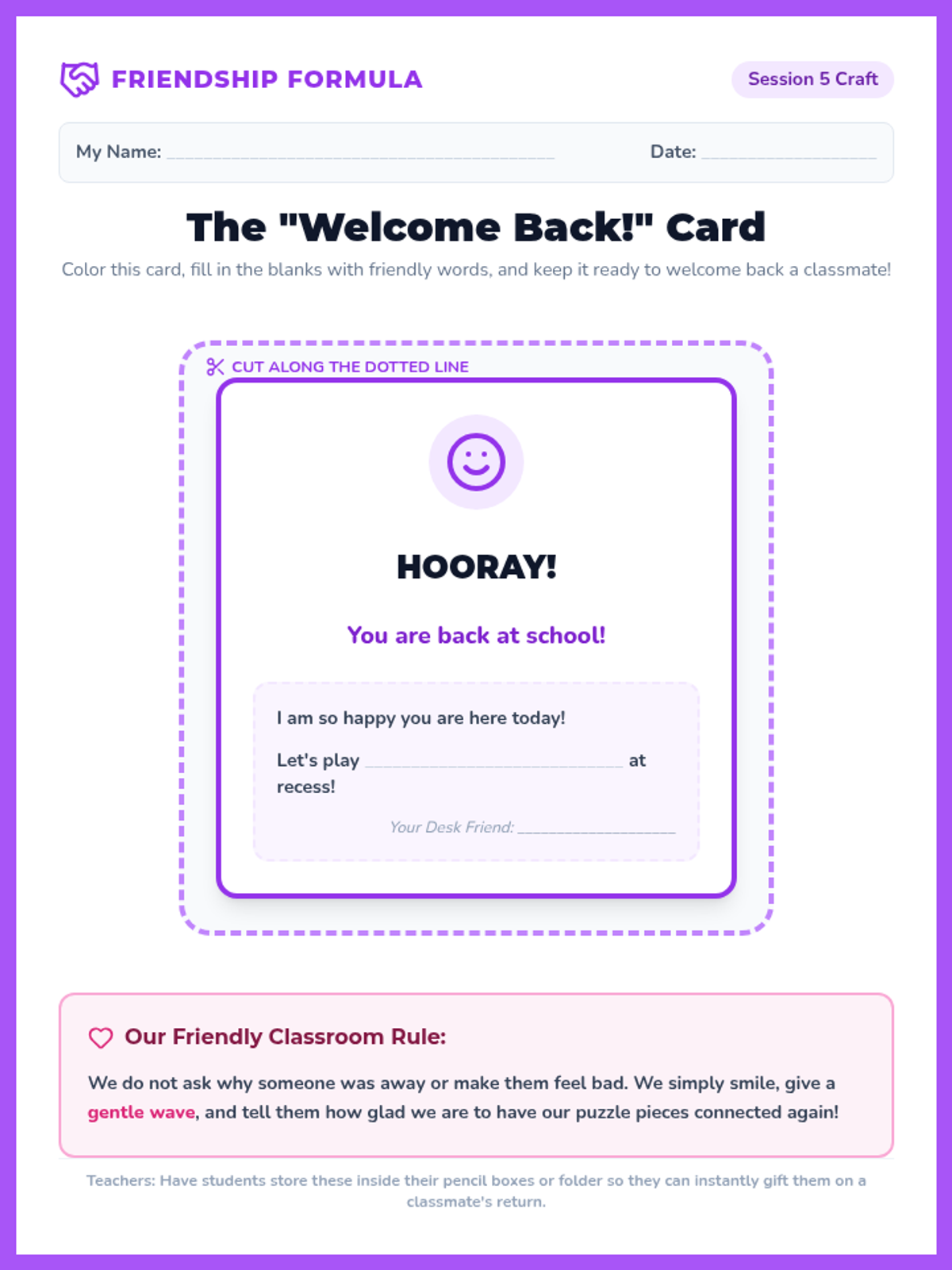
Helps students understand how their relationships with peers make school exciting, and teaches positive ways to welcome classmates back when they have been absent.
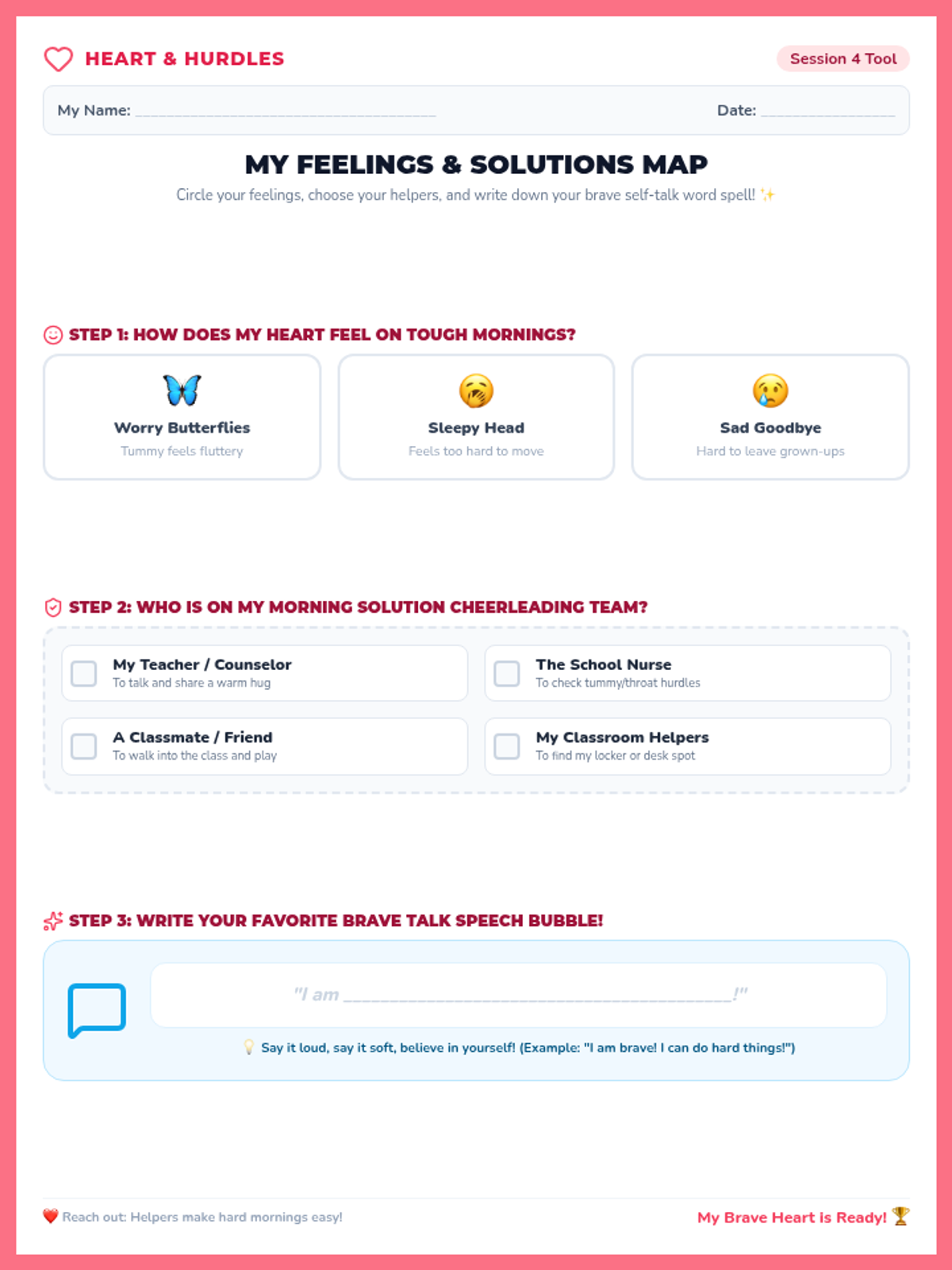
Focuses on identifying anxiety, feeling sick, or other barriers to attending, and teaches children helpful solutions and comforting self-talk.
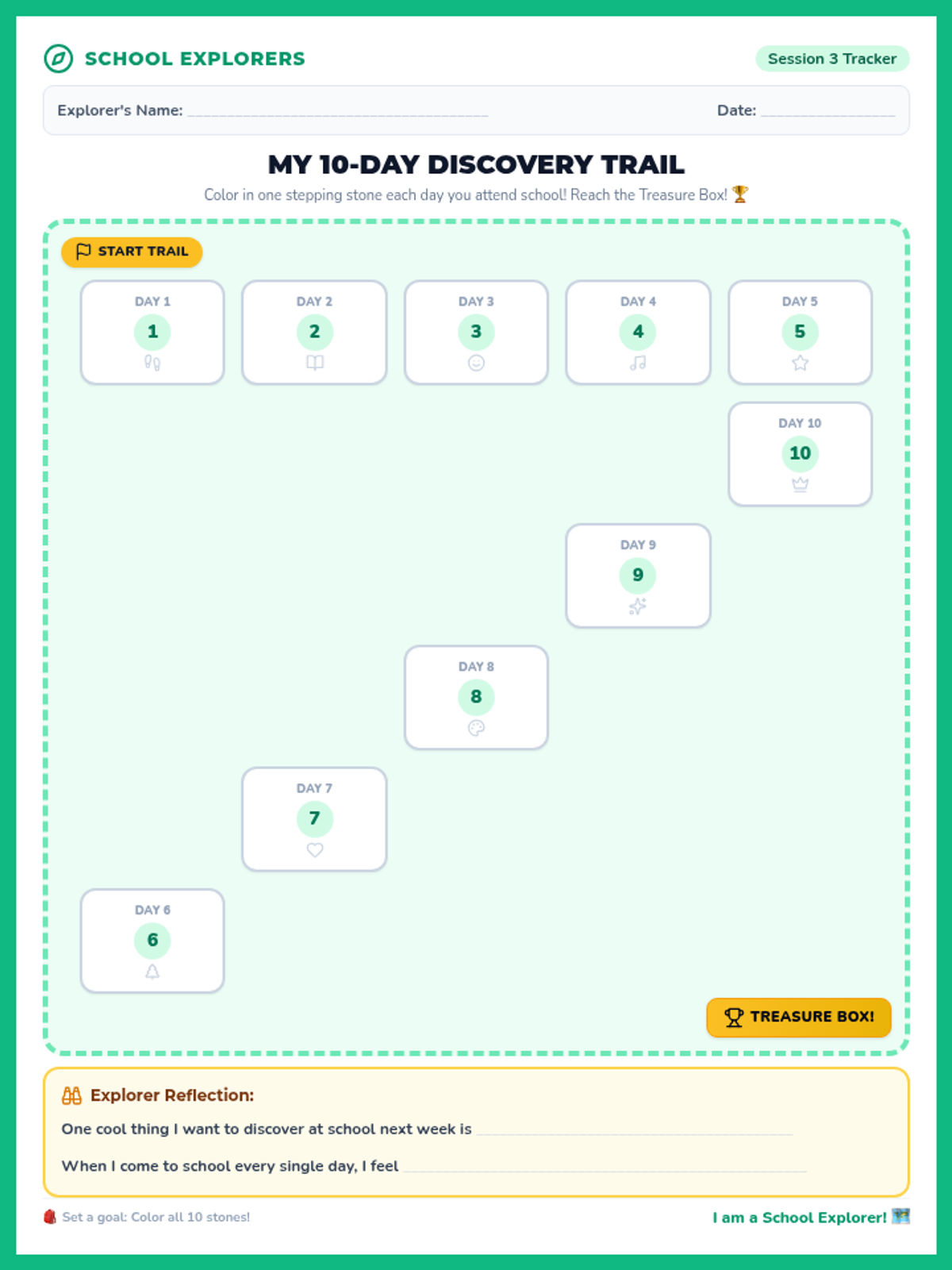
Frames school as a thrilling daily journey of learning, discovery, and friendship to build anticipation and excitement for attendance.
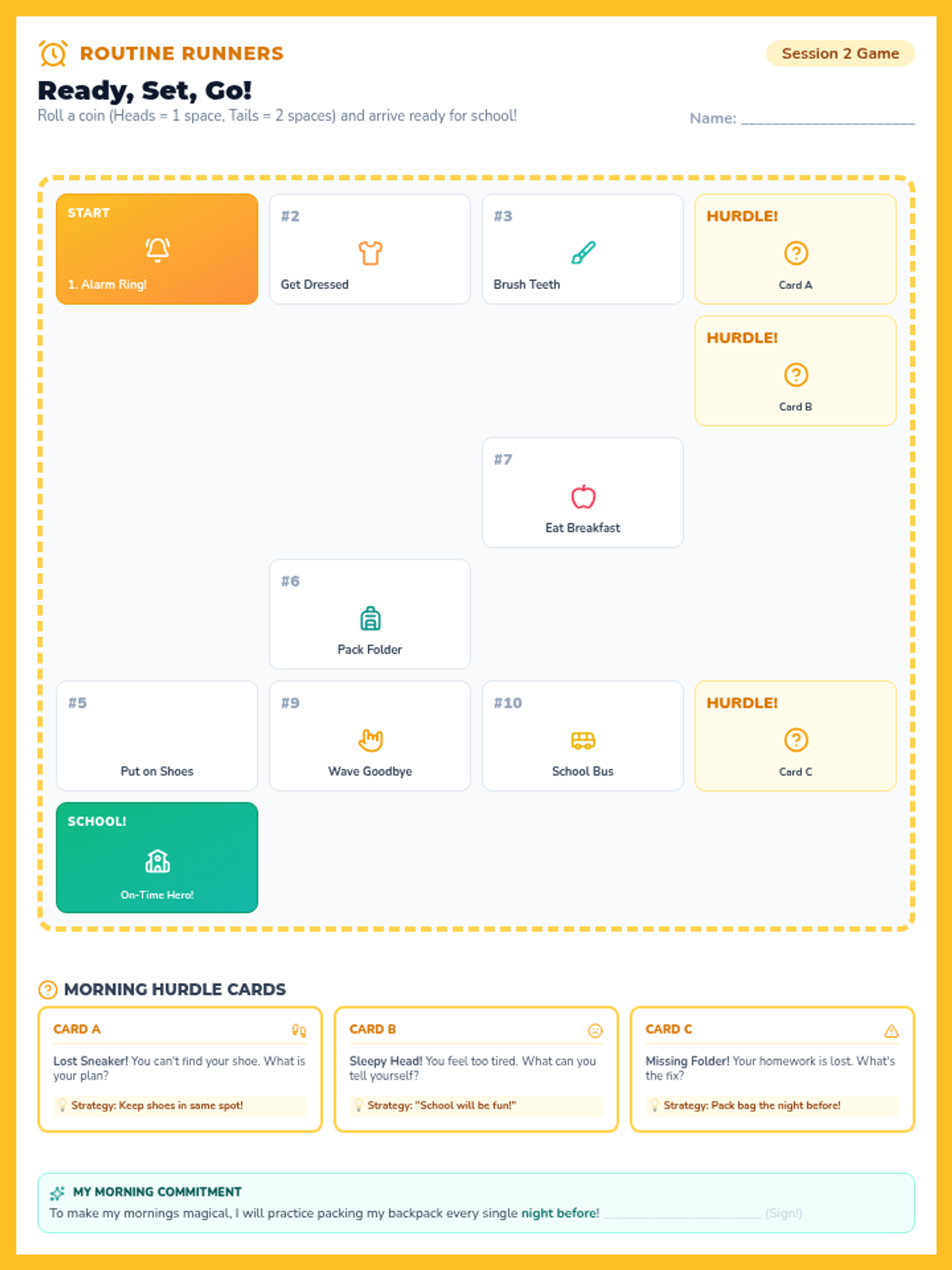
Teaches concrete morning routines and helps students outline practical, visual steps to prepare for school and arrive on time.
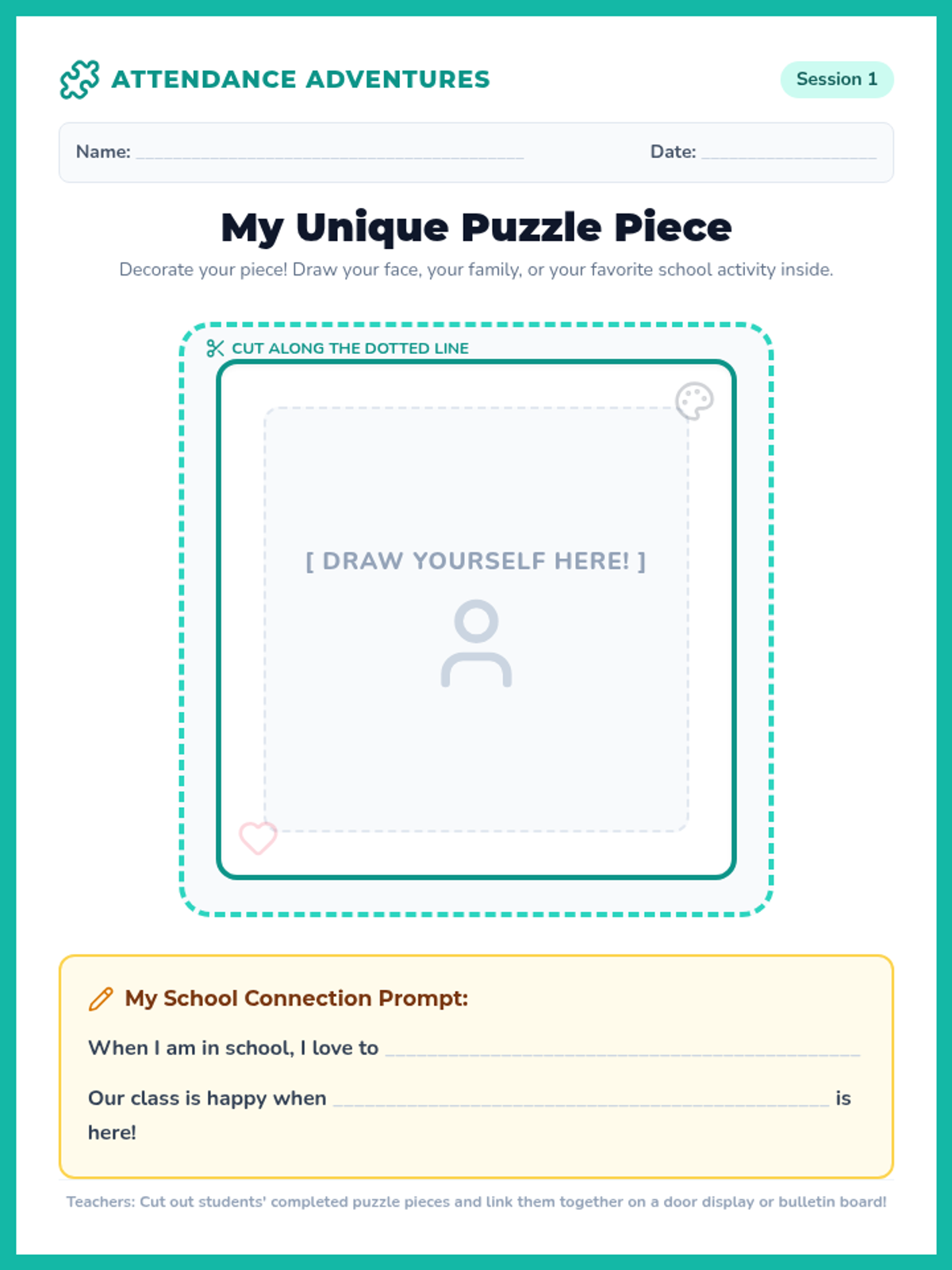
Focuses on the classroom community, demonstrating that every student is a unique and important puzzle piece who is noticed and missed when they are absent.
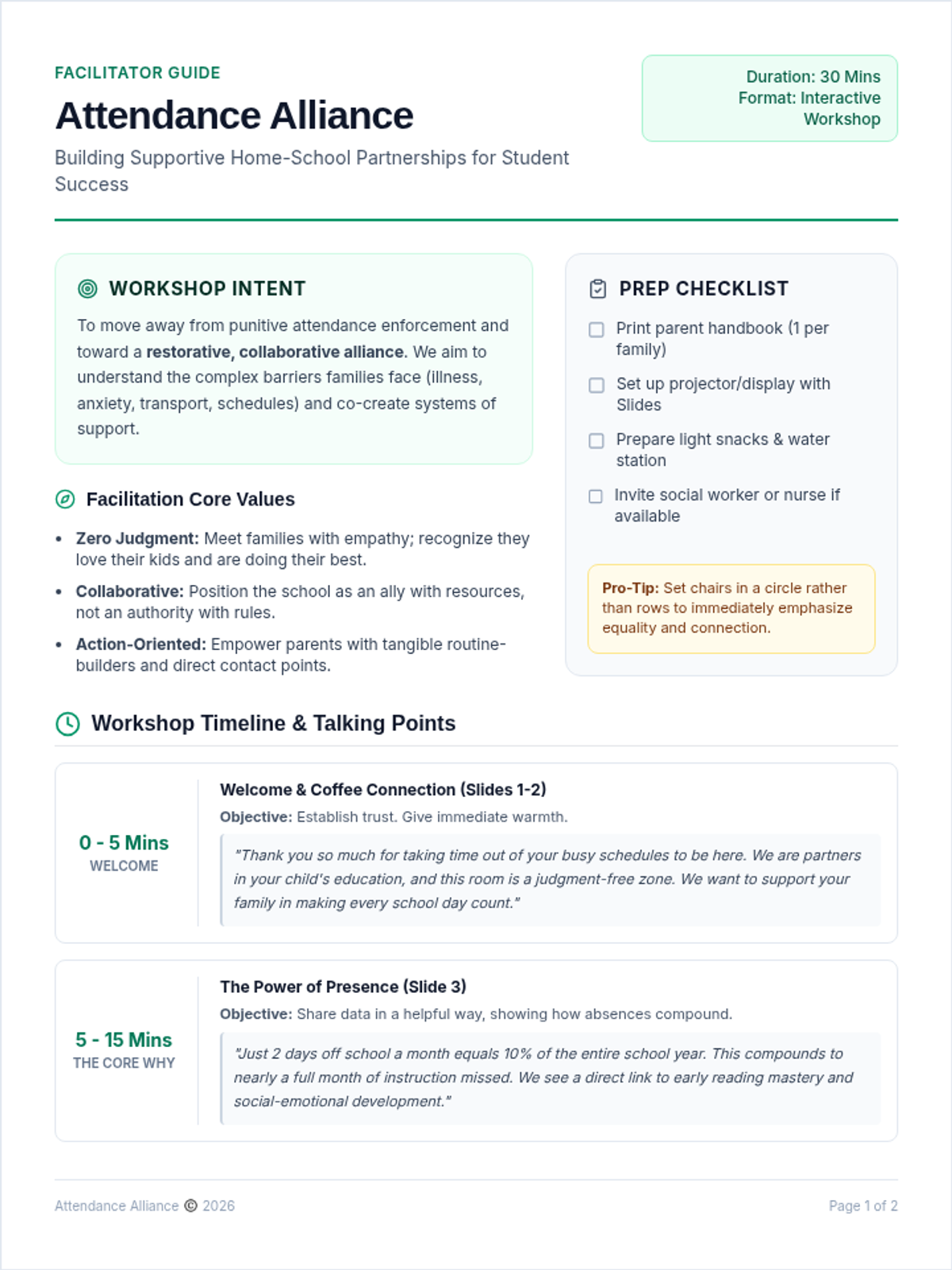
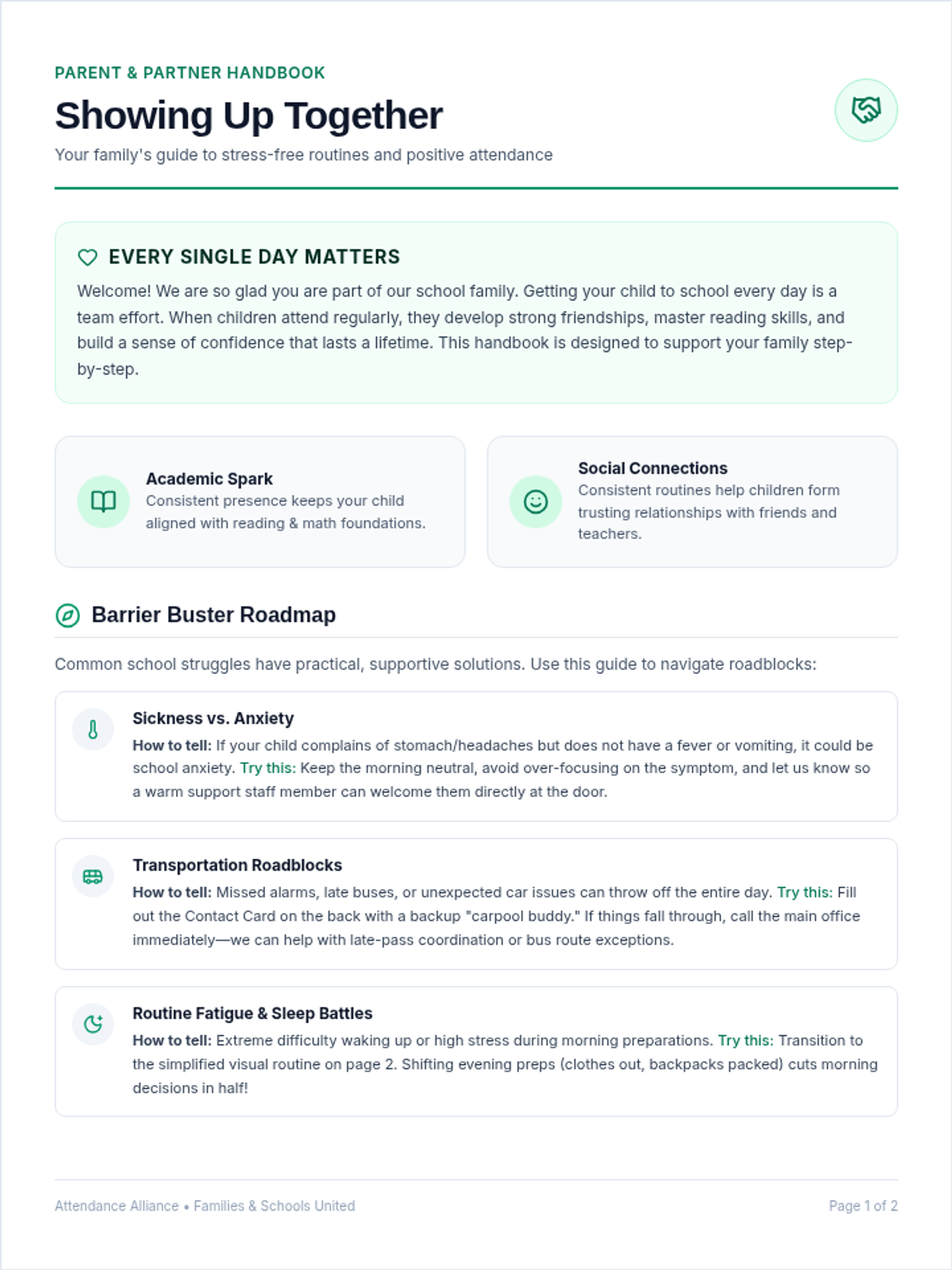
A collaborative parent workshop kit designed to address student attendance barriers, provide supportive resources, and build a strong home-school partnership. It includes a parent-facing slide deck, a printable action guide, and a facilitator guide for educators.
Students dive deeper into specific careers that match their profiles, select a career path, and create their personal strengths reflection within their portfolio.
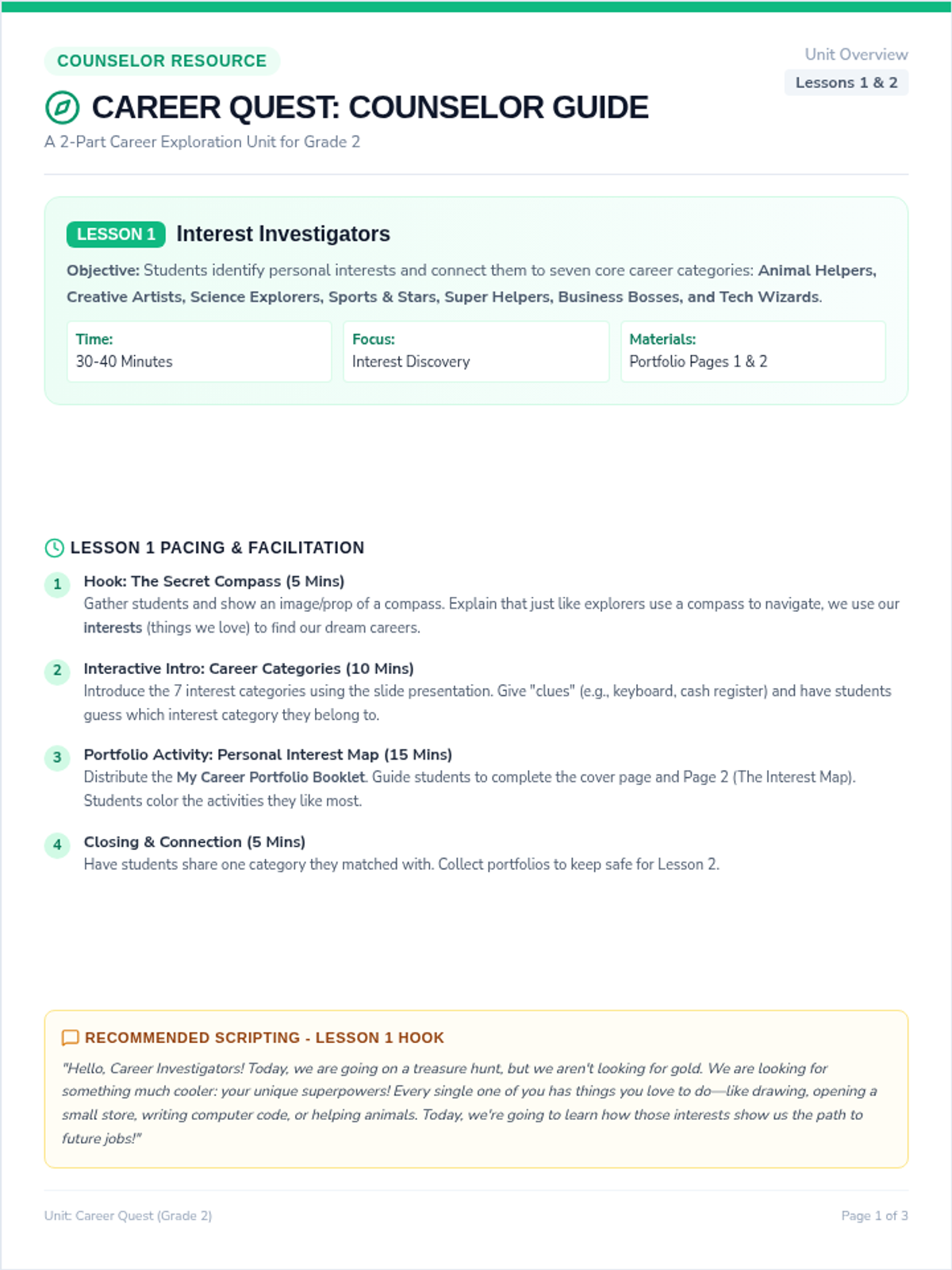
Students identify their personal interests (animals, art, science, sports, helping others) and explore diverse career categories that match those interests.
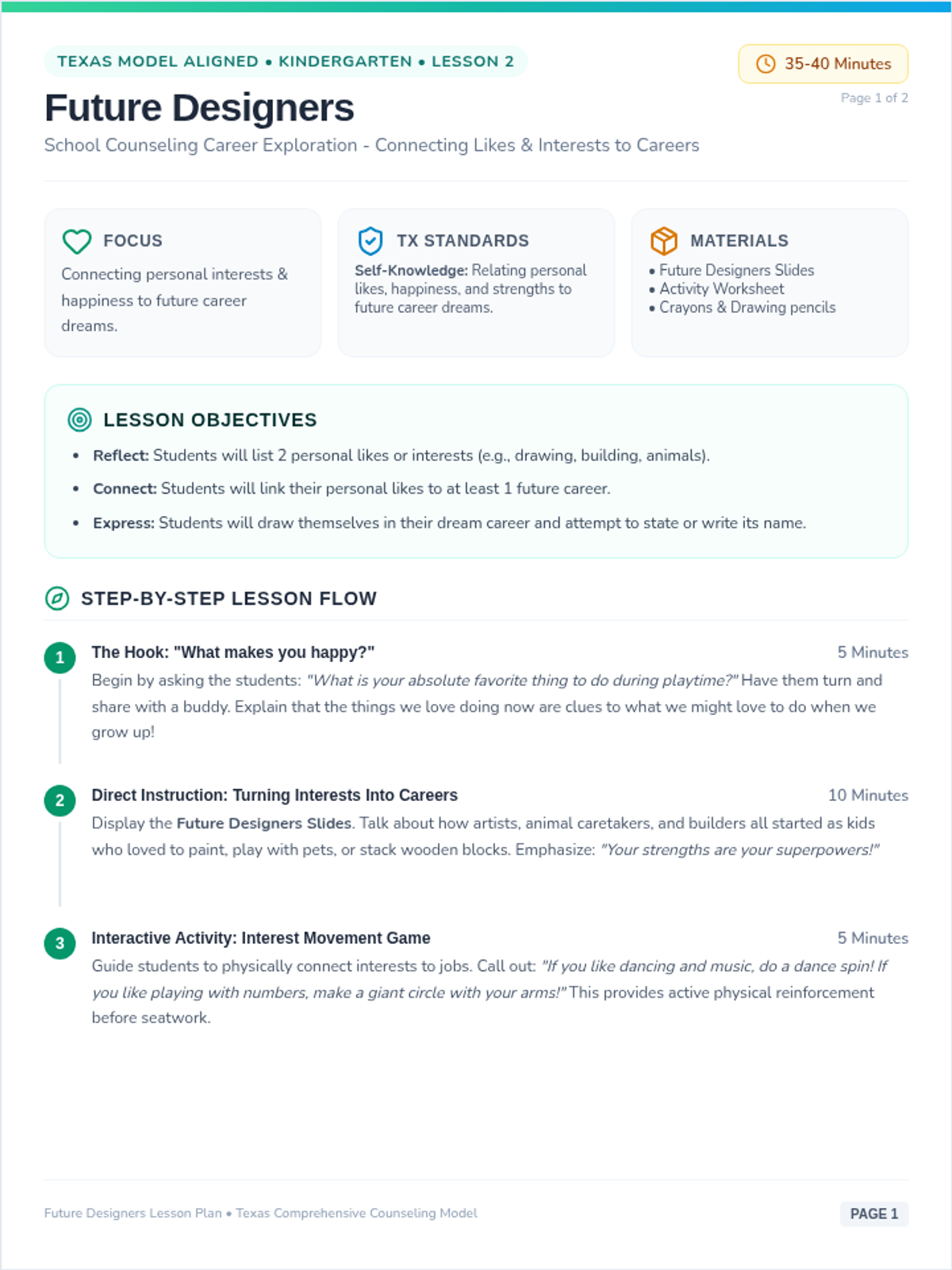
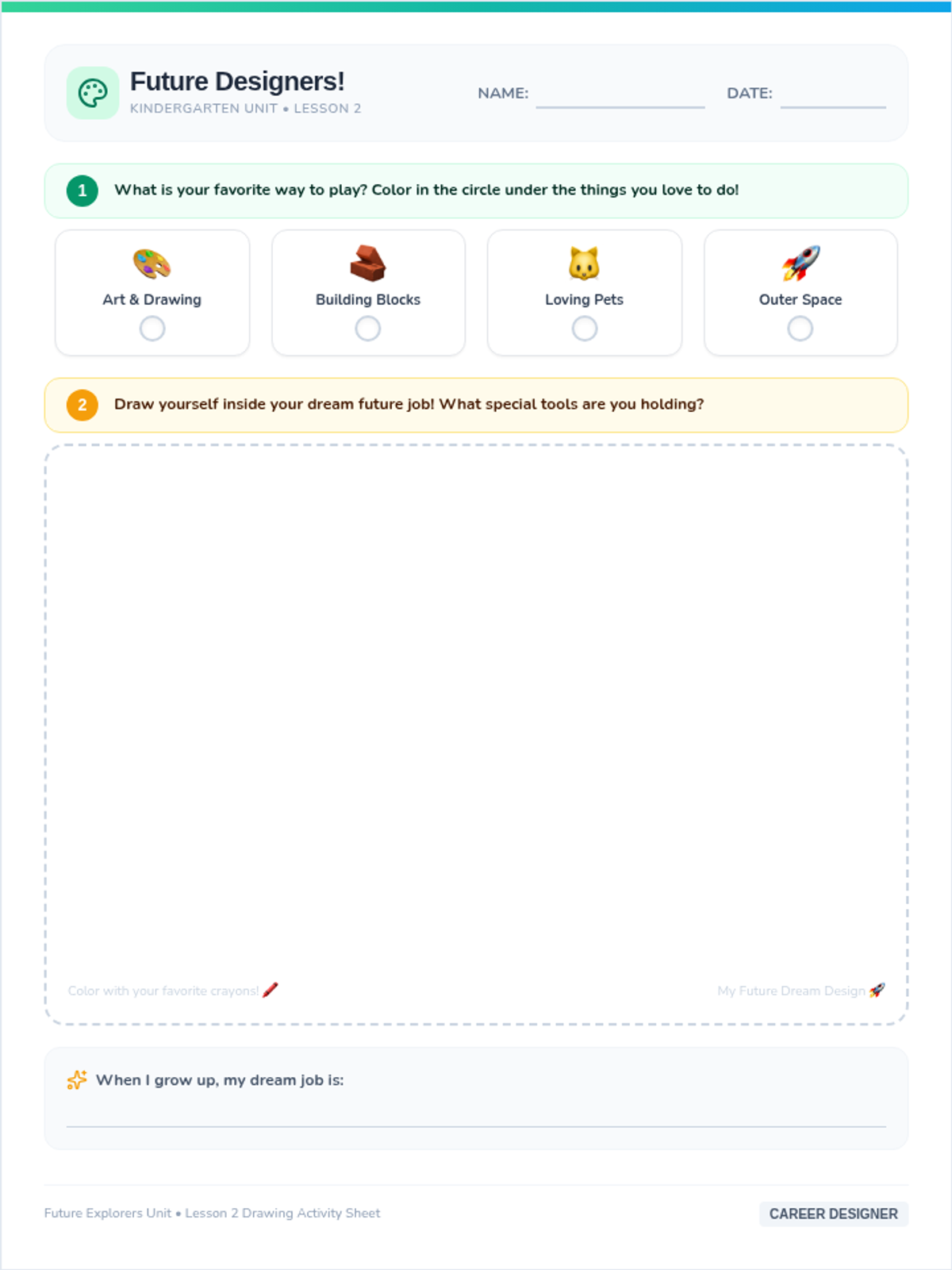
The second lesson of the career unit, focusing on connecting personal interests, strengths, and likes to future jobs. Students reflect on what makes them happy and draw themselves in their favorite future dream careers.
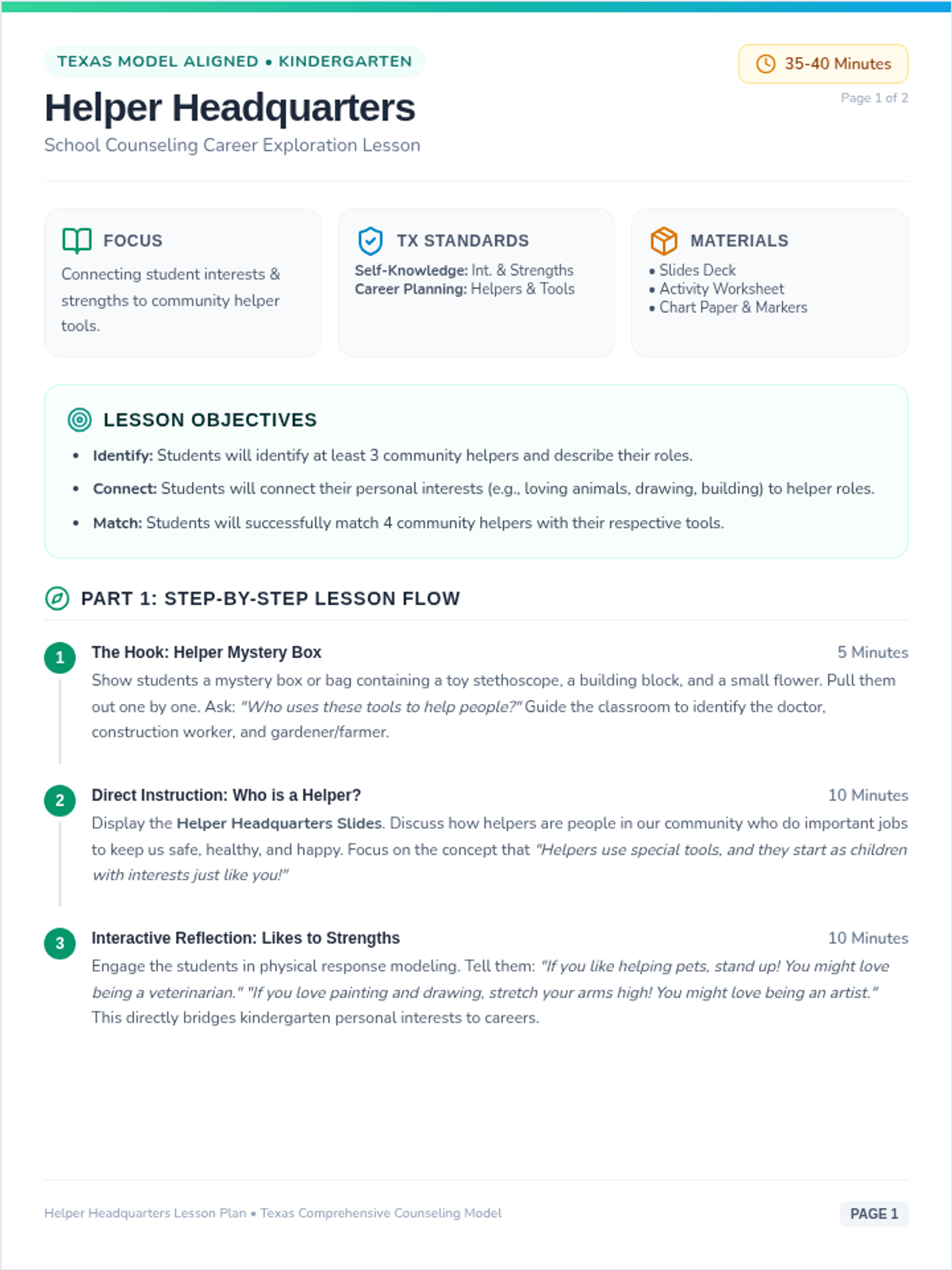
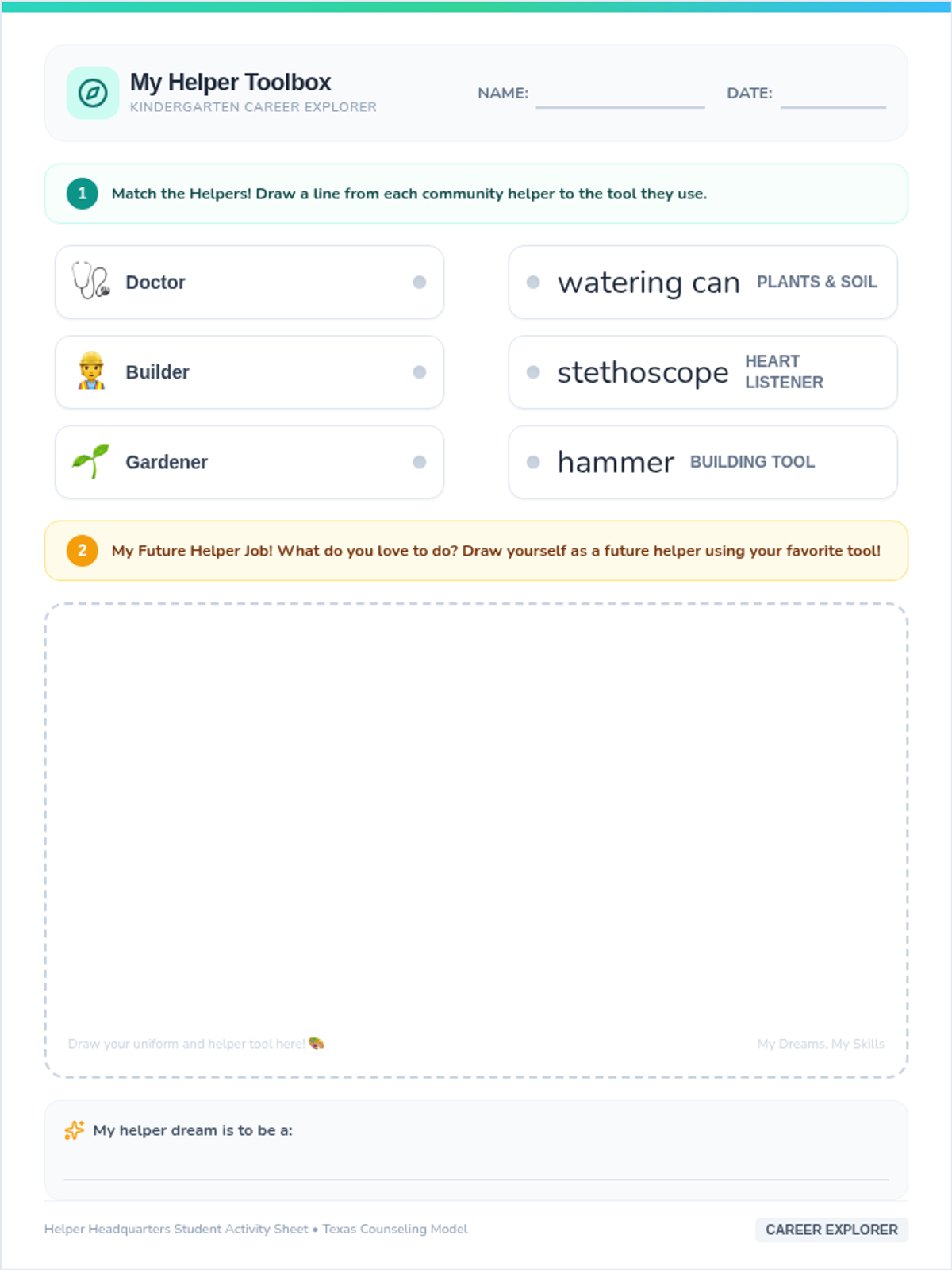
The first lesson of the career unit, focusing on identifying a wide variety of careers, their specialized roles, and matching tools, from chefs and astronauts to builders and doctors.
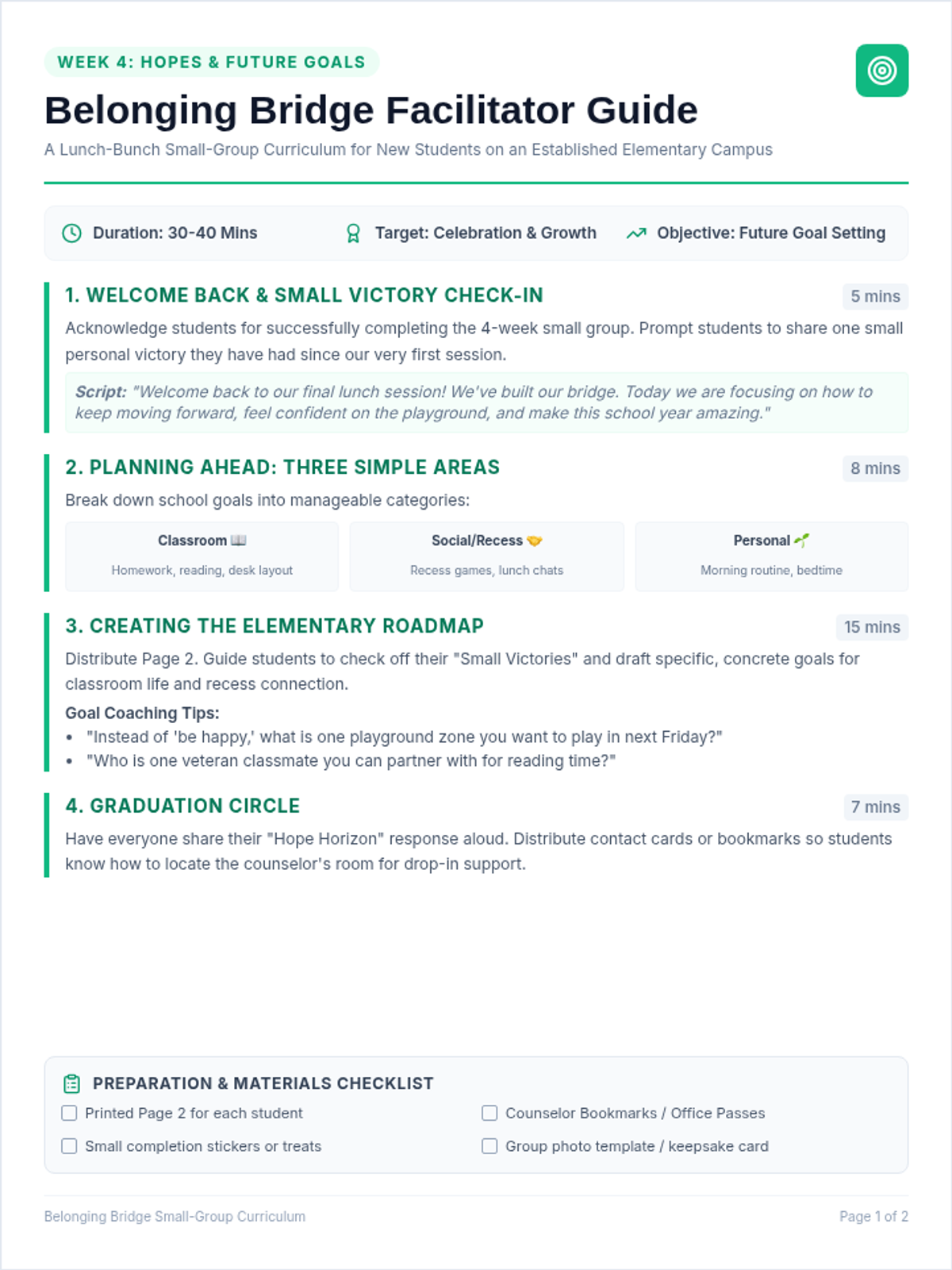
Week 4 of the Belonging Bridge curriculum, focusing on academic and social goals, celebrating small victories, and looking ahead with a sense of agency and belonging.
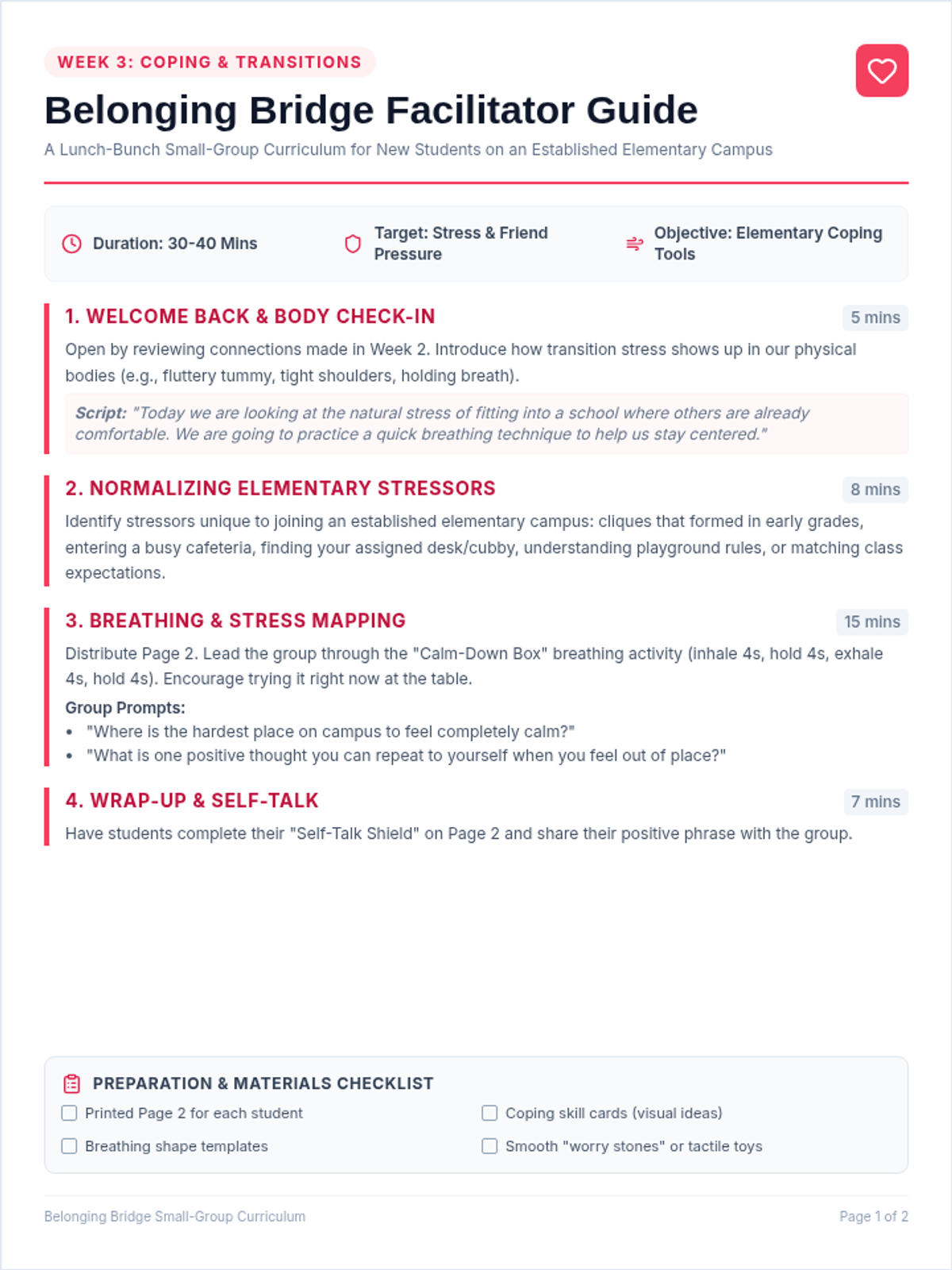
Week 3 of the Belonging Bridge curriculum, introducing coping skills for transition stress, identifying personal triggers, and creating a calming routine.
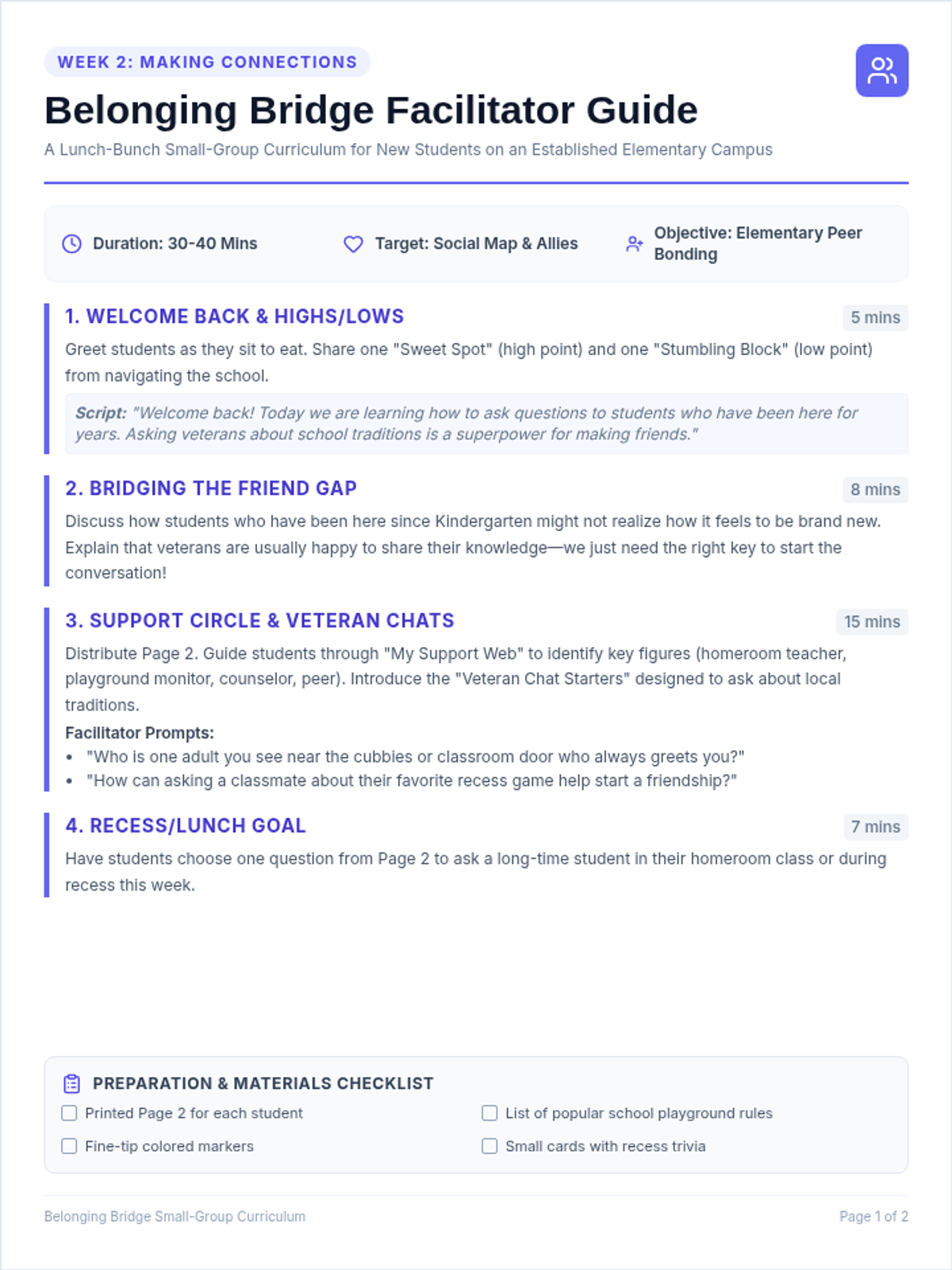
Week 2 of the Belonging Bridge curriculum, helping students map their support networks, learn strategies for making peer connections, and build group relationships.
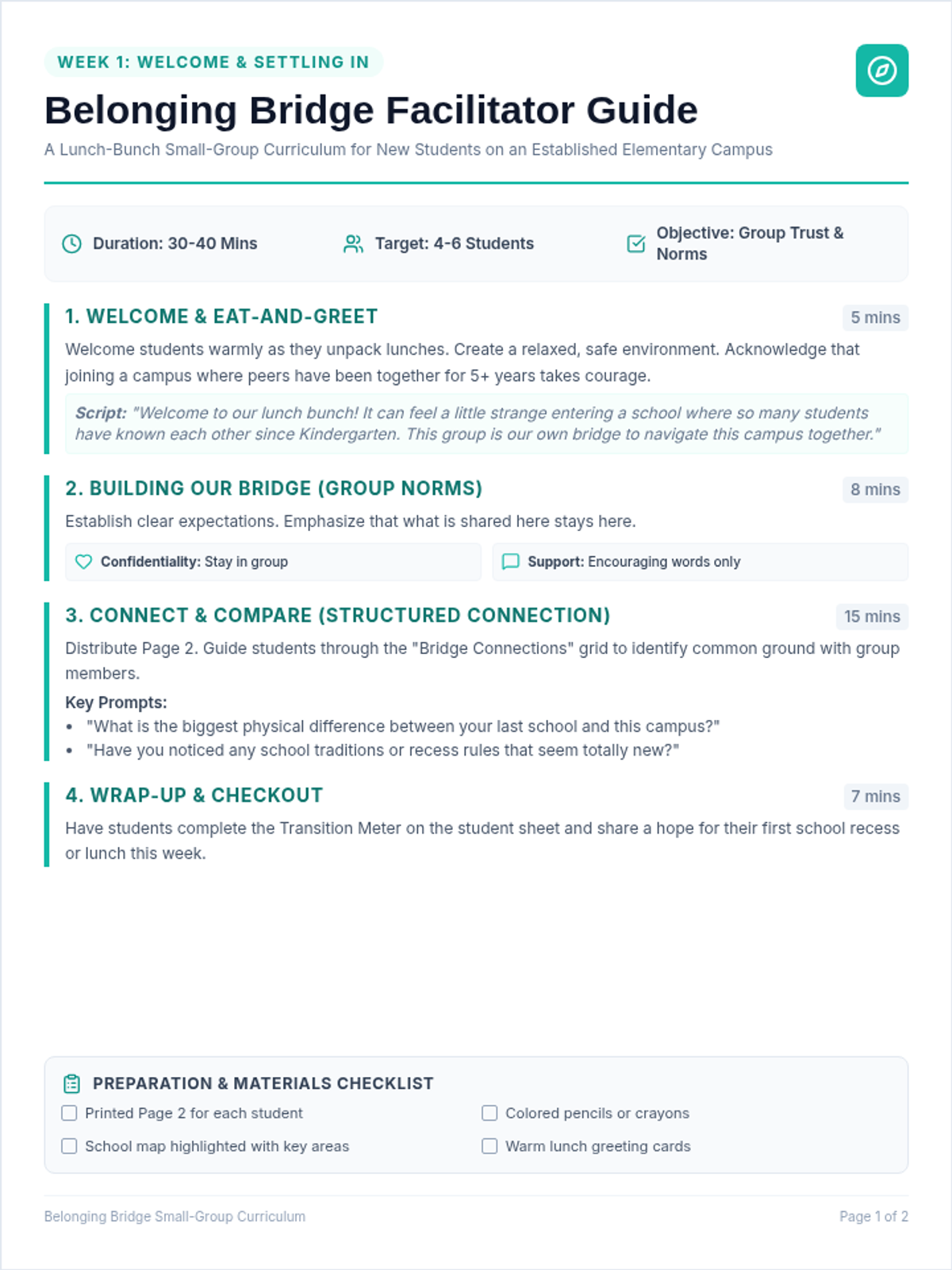
Week 1 of the Belonging Bridge curriculum, introducing group norms, breaking the ice, and providing an orientation to school spaces and people.
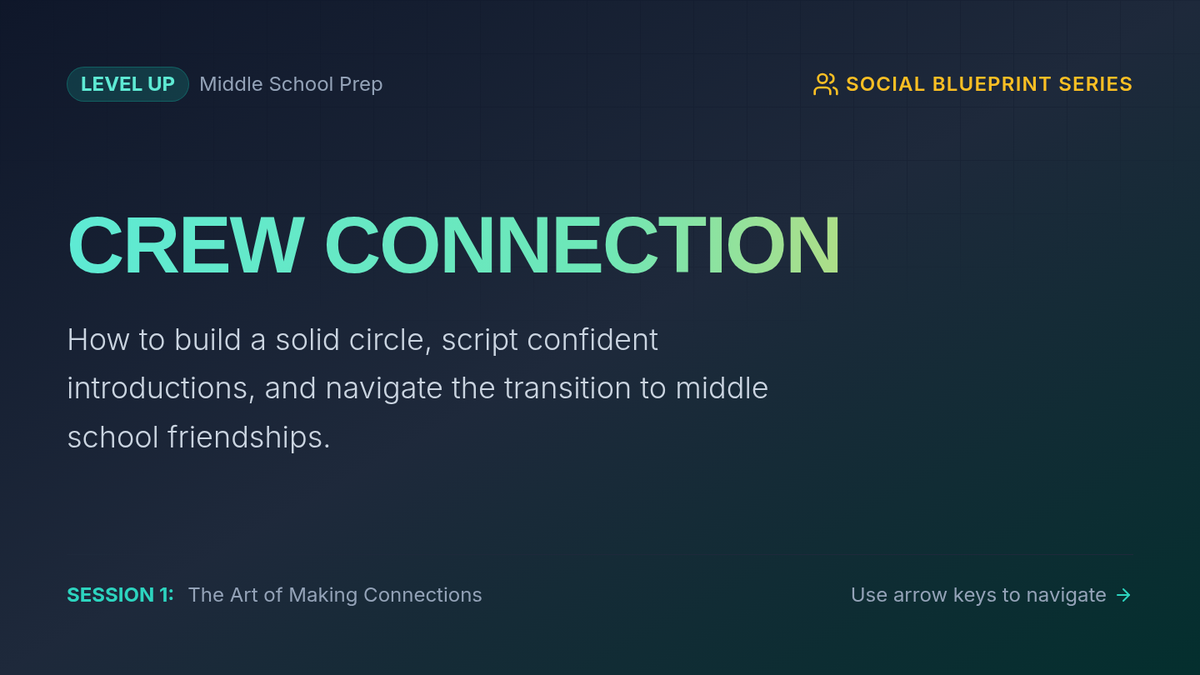
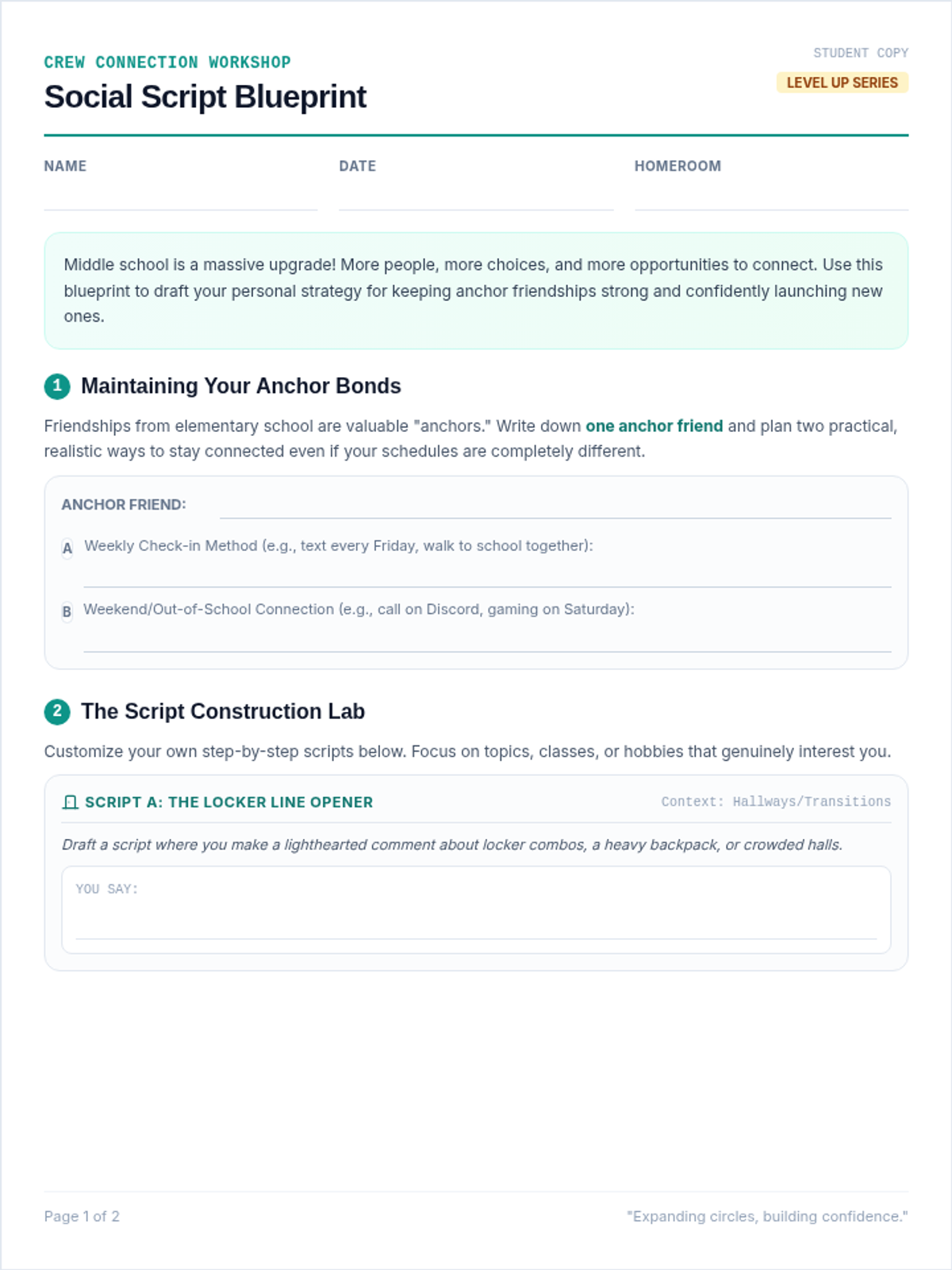
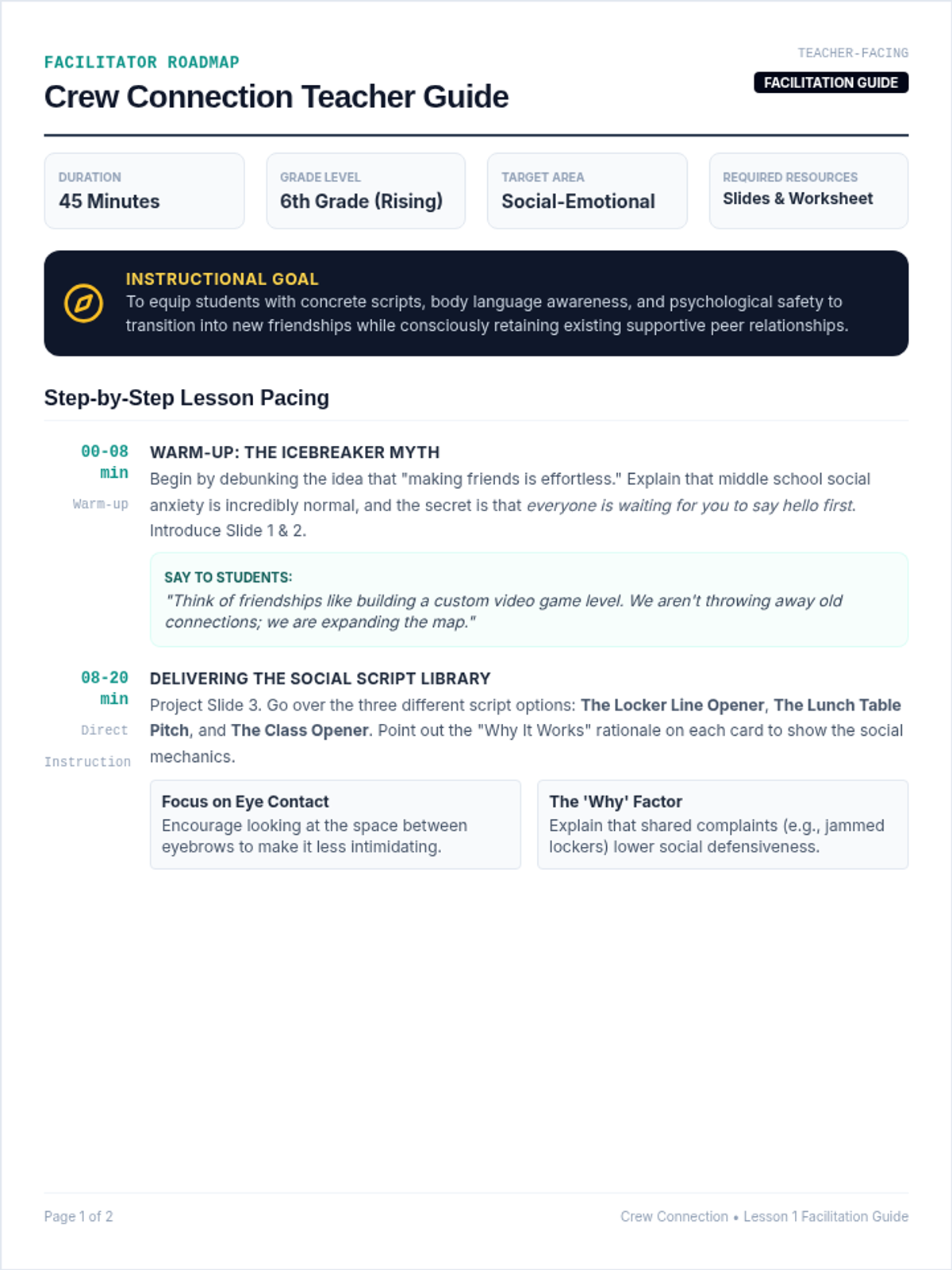
A transformative social-emotional lesson designed to help rising and new middle schoolers navigate friendship transitions. It provides actionable, step-by-step social scripts to confidently initiate new connections and strategies for maintaining existing bonds.
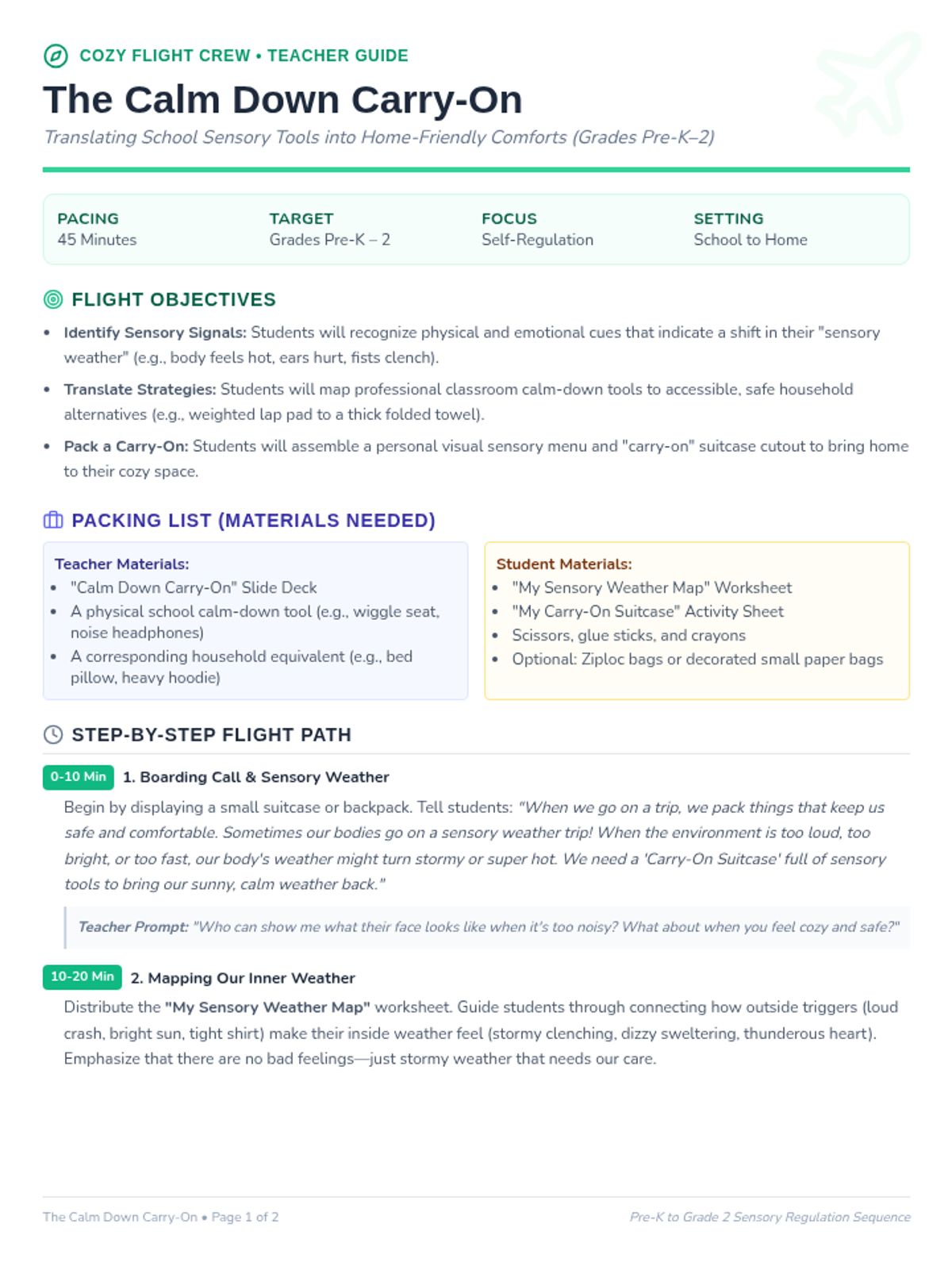
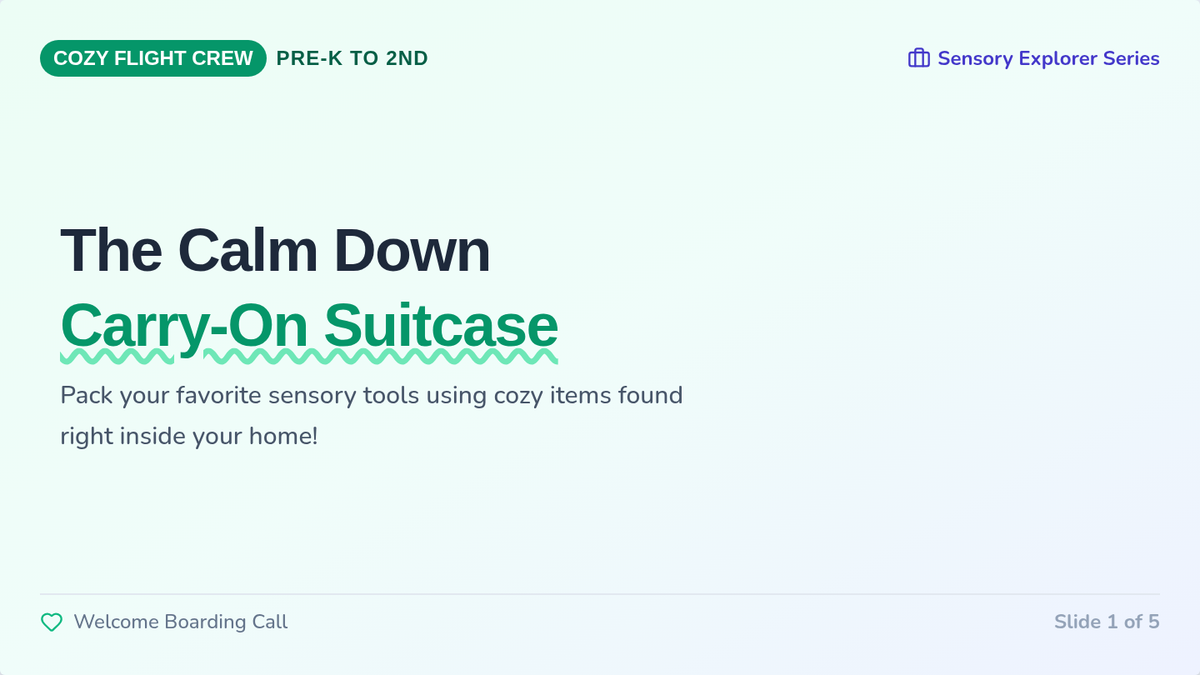
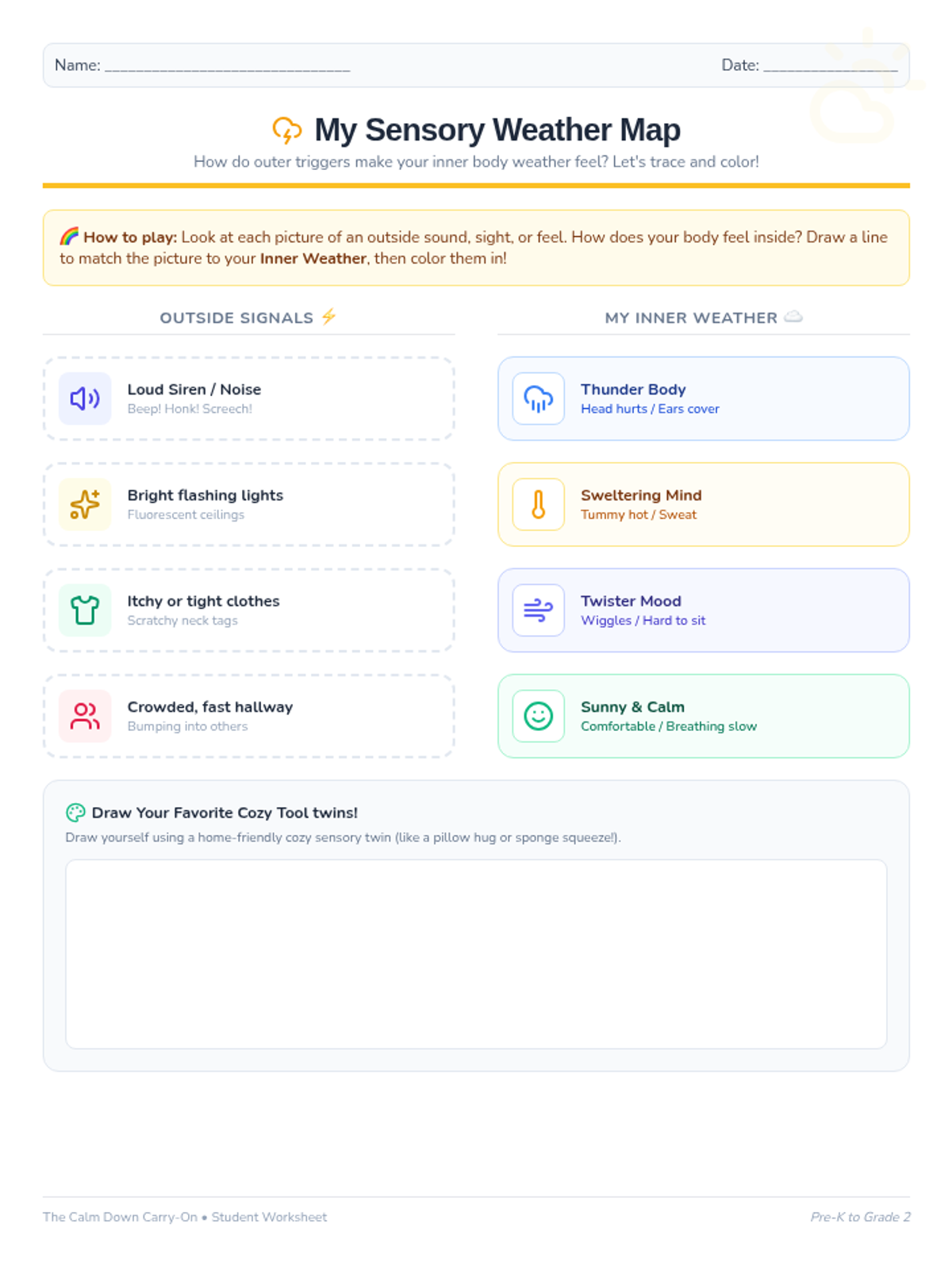
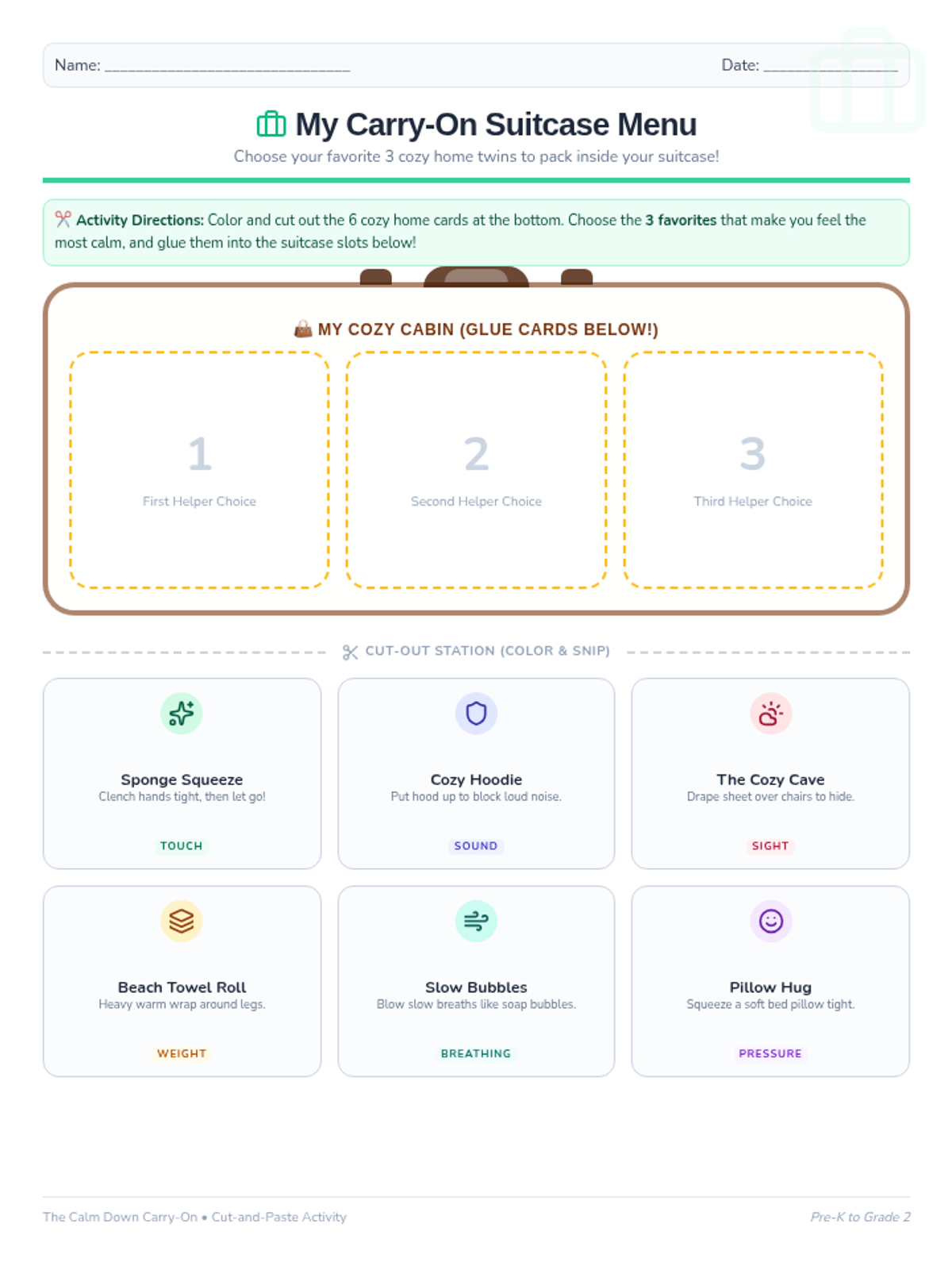
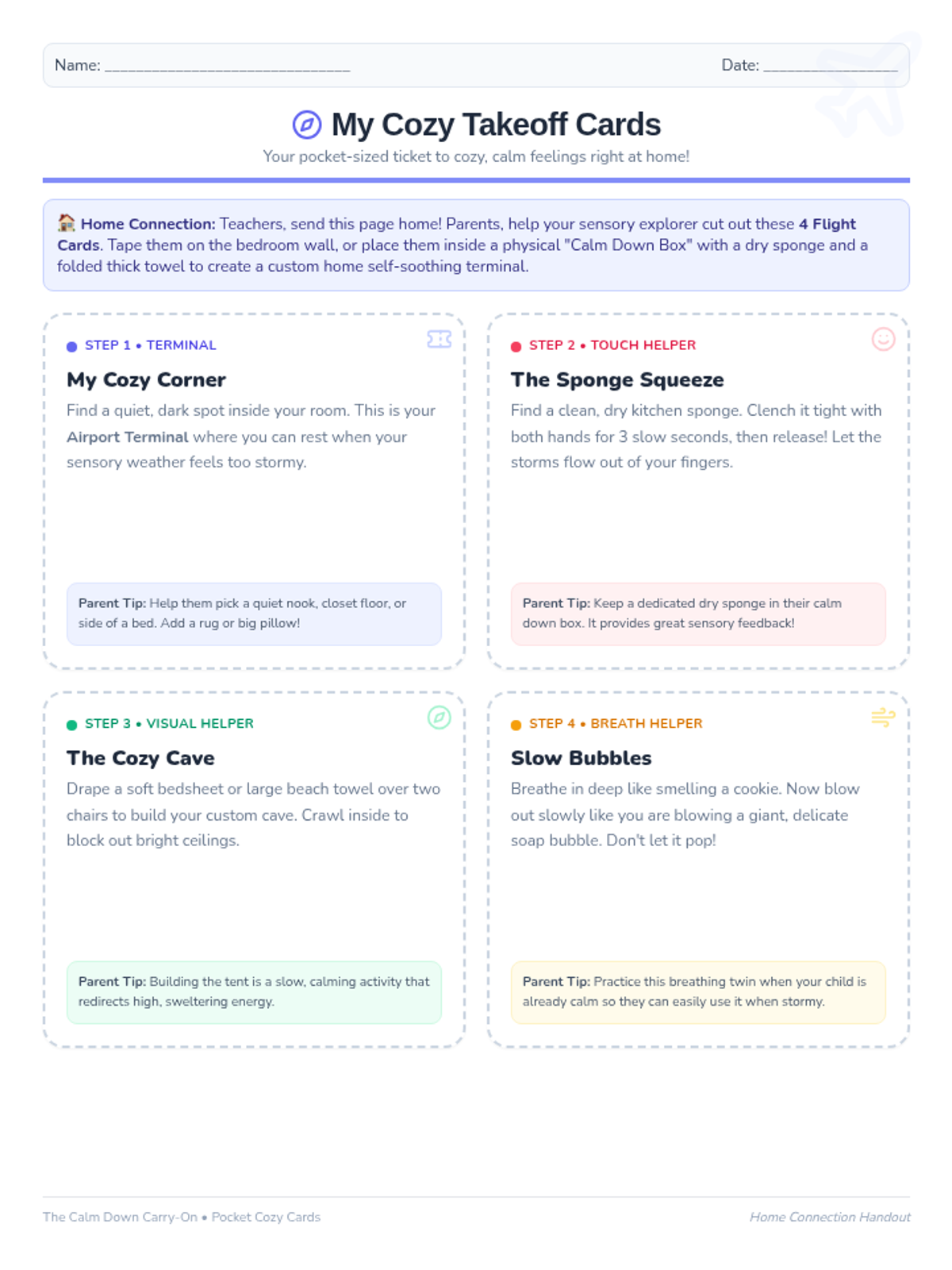
A sensory-focused lesson helping young learners (Pre-K to 2nd grade) translate school self-regulation tools into home-friendly coping strategies using everyday household items. Students identify triggers and design a custom "carry-on" menu and physical self-soothing kit.
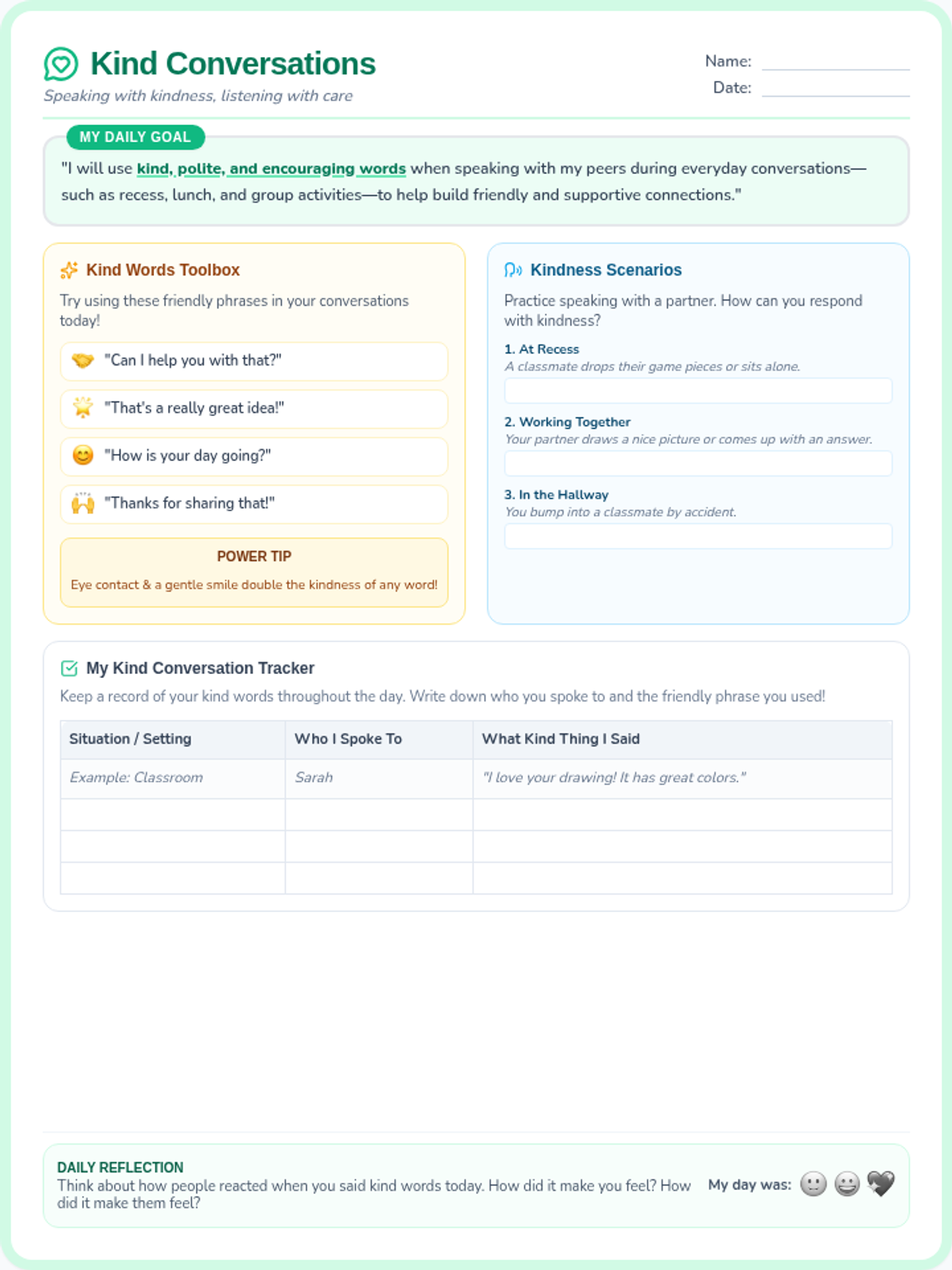
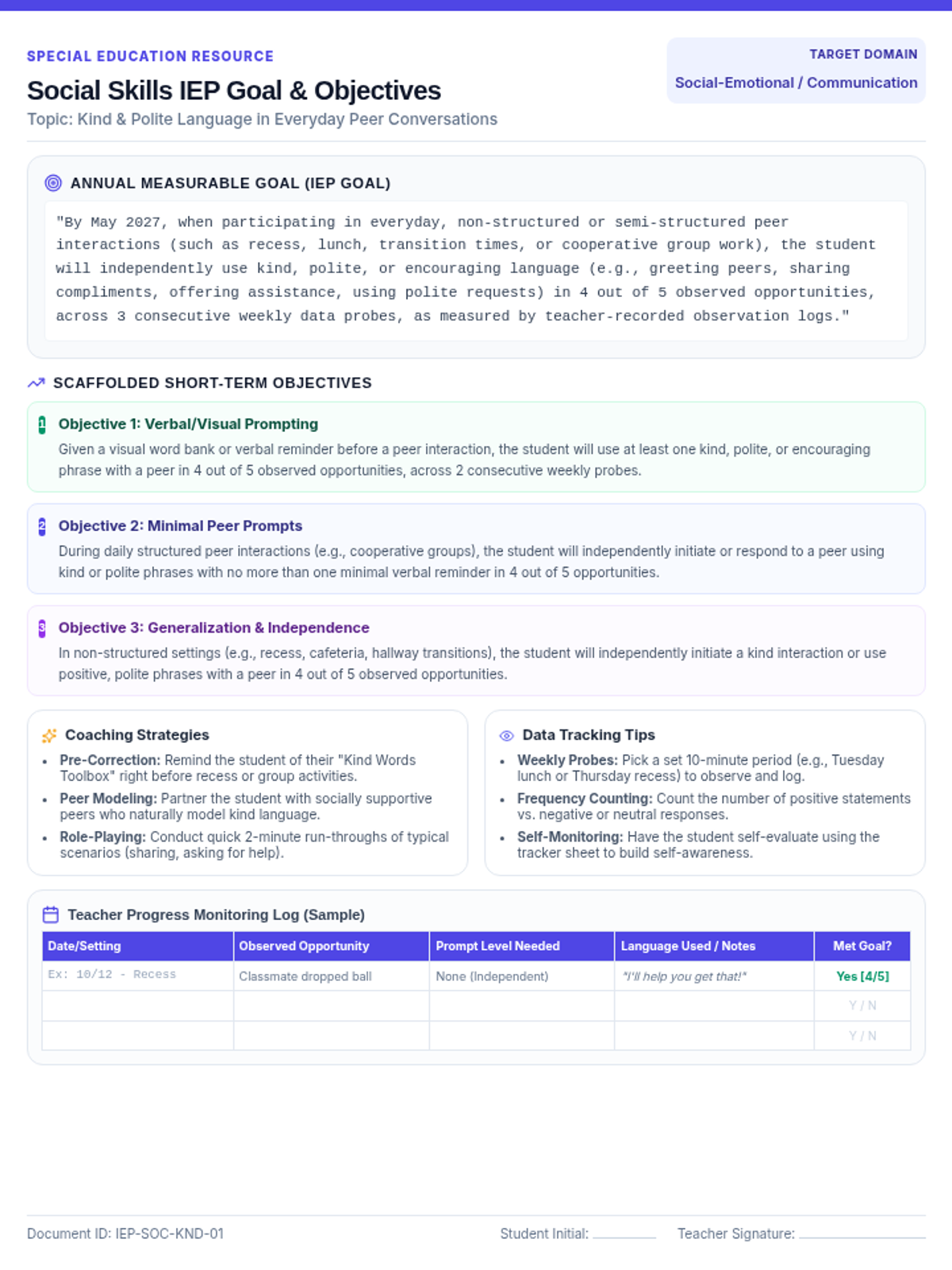
A social skills lesson designed to help students learn and apply kind, polite, and encouraging language during daily peer interactions. Includes clear visual objectives, structured discussion cards, and a reflection tracker.