Students learn the difference between information that is safe to share with others and information that should be kept private. They practice sorting information types to understand why we need security on digital devices.
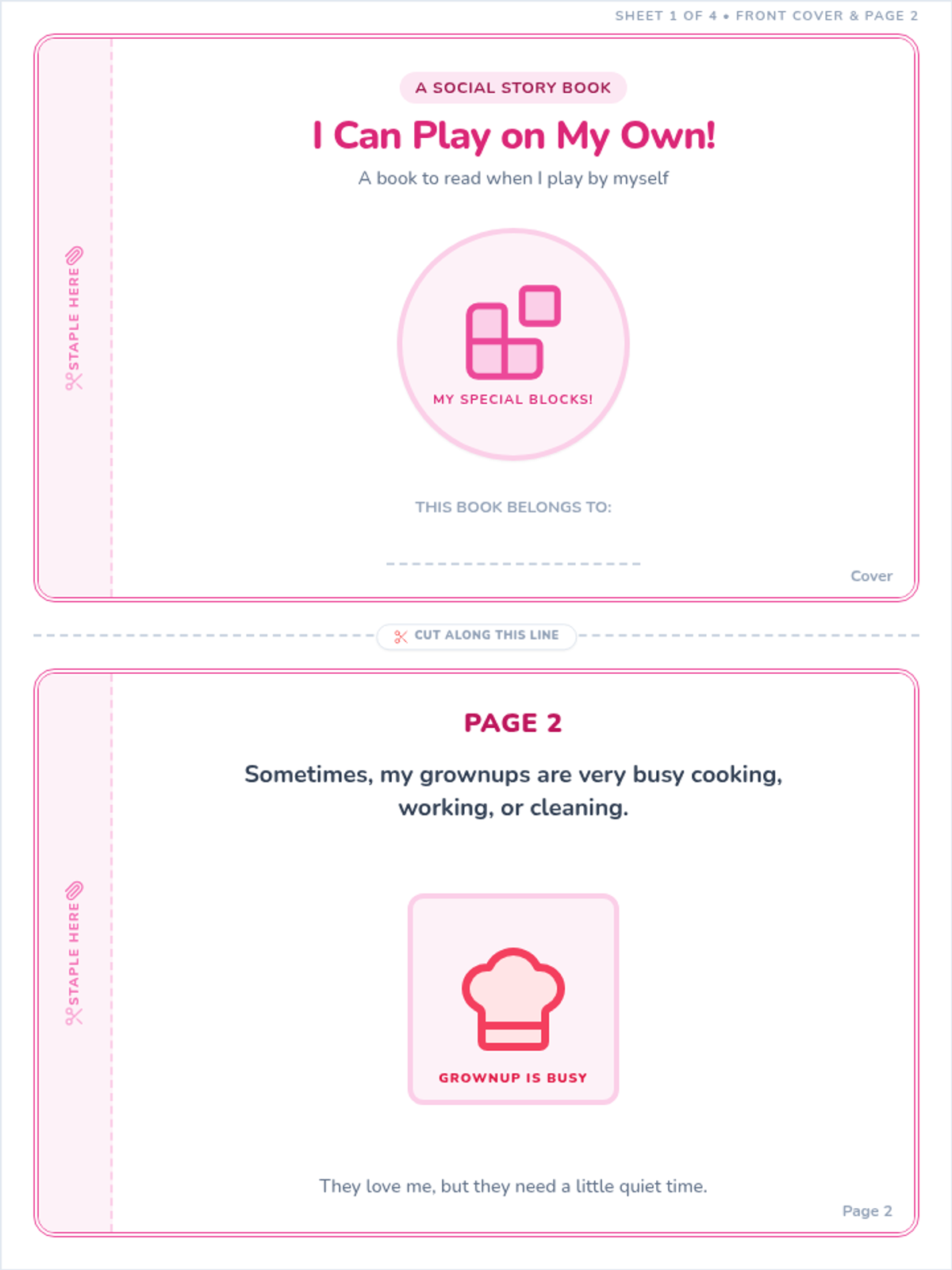
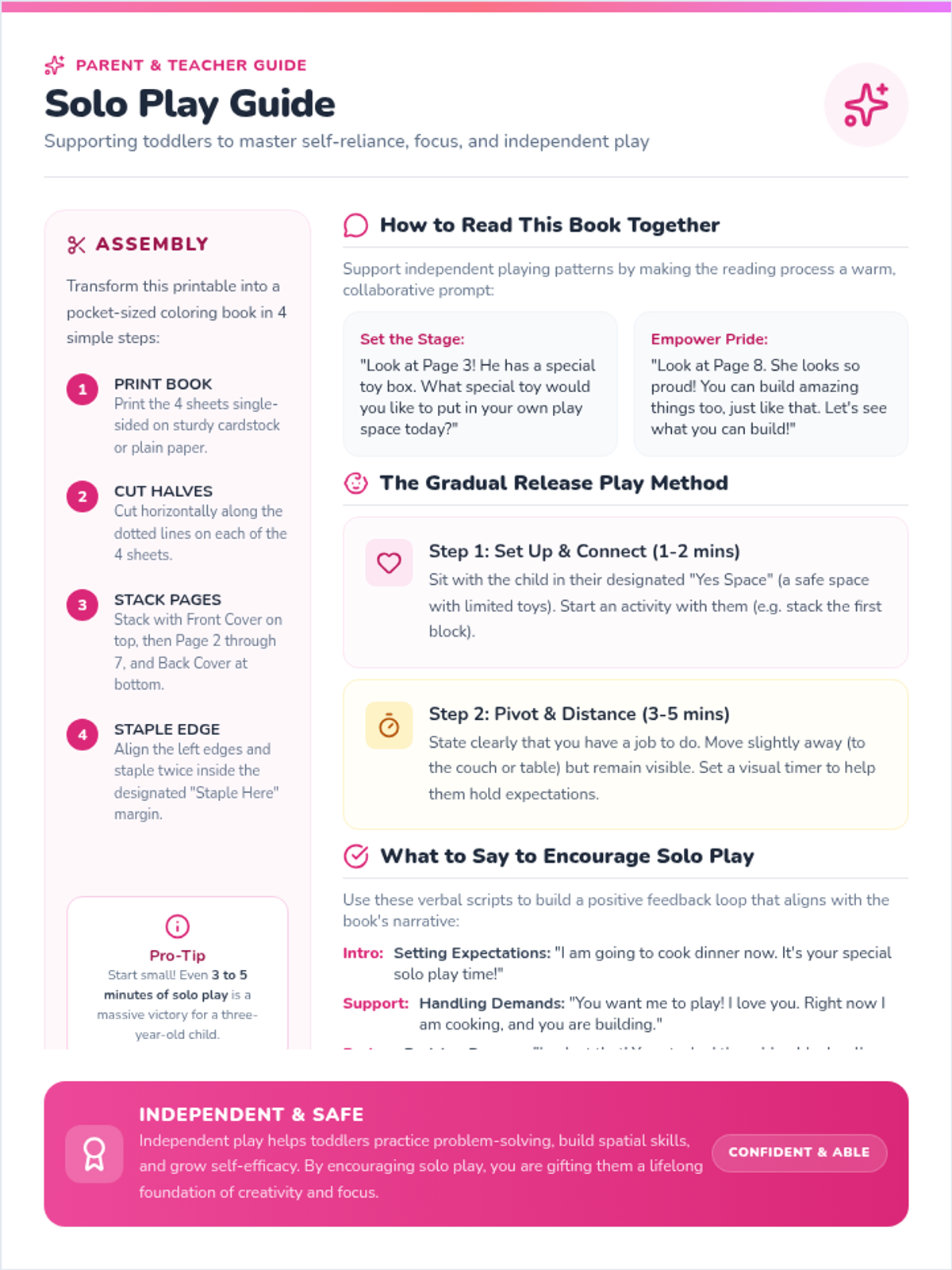
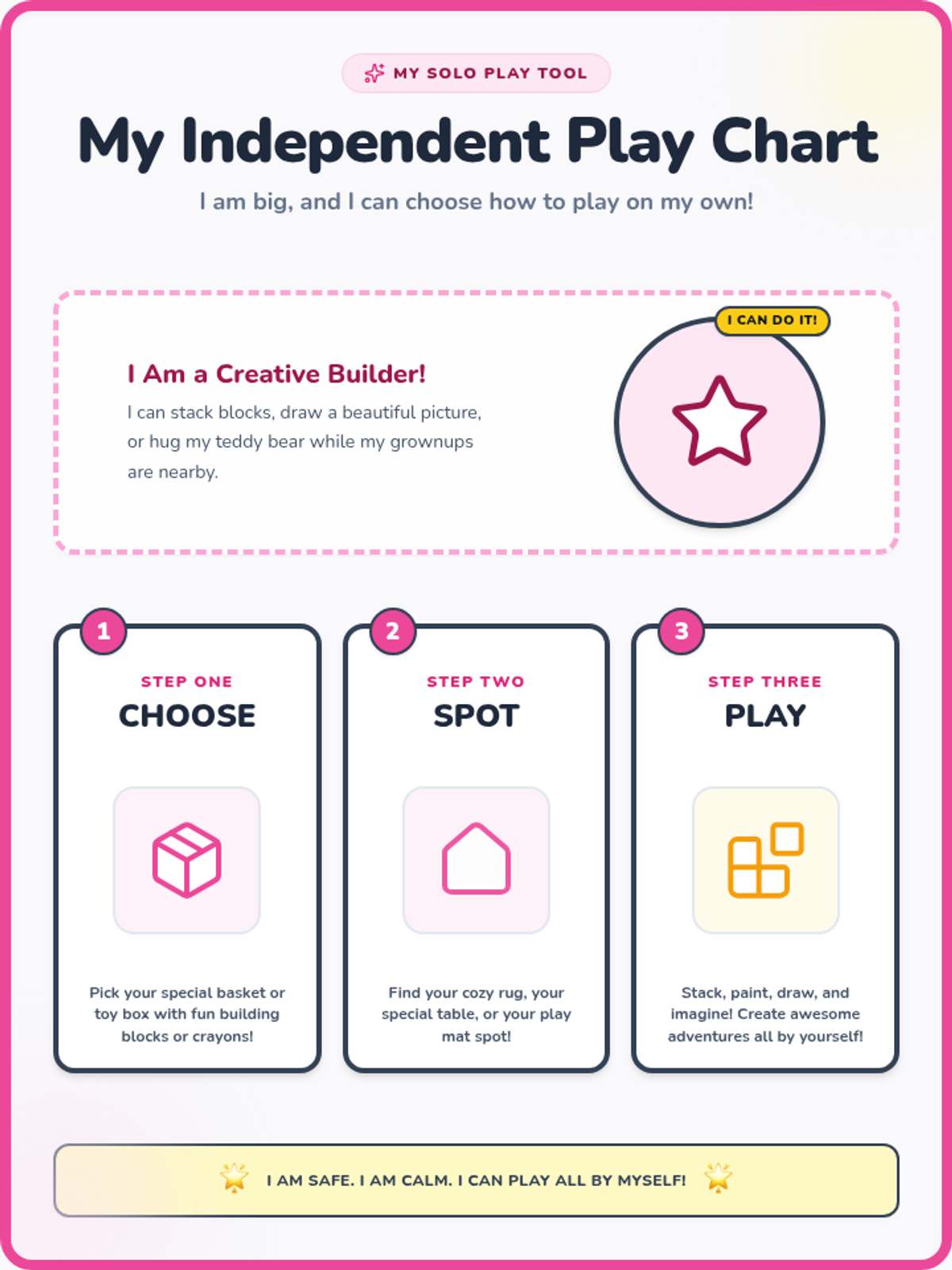
A comforting social story and supporting tools that encourage toddlers to discover the joy and pride of playing independently, showing them that 'solo play' is a fun and safe adventure.
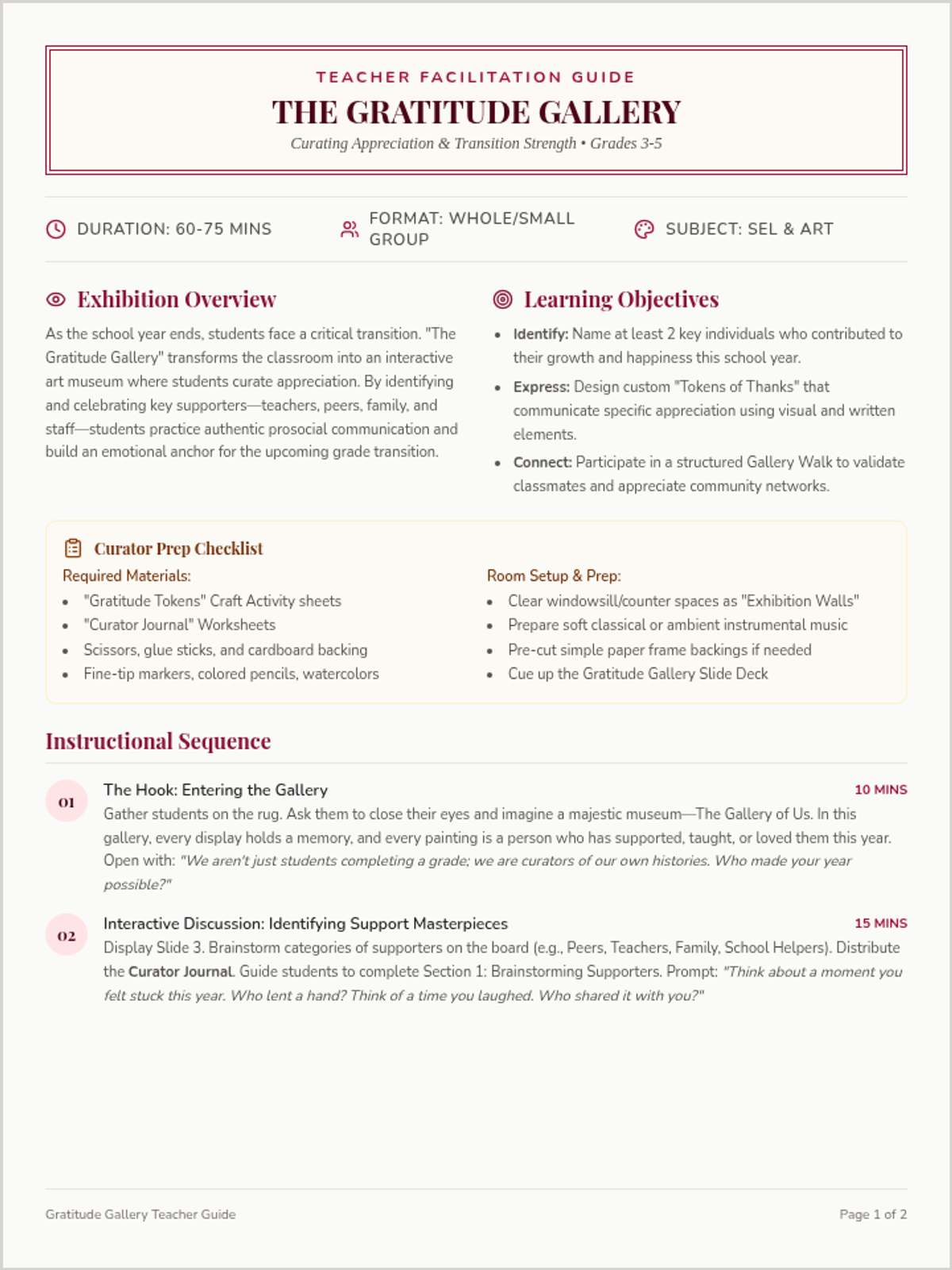
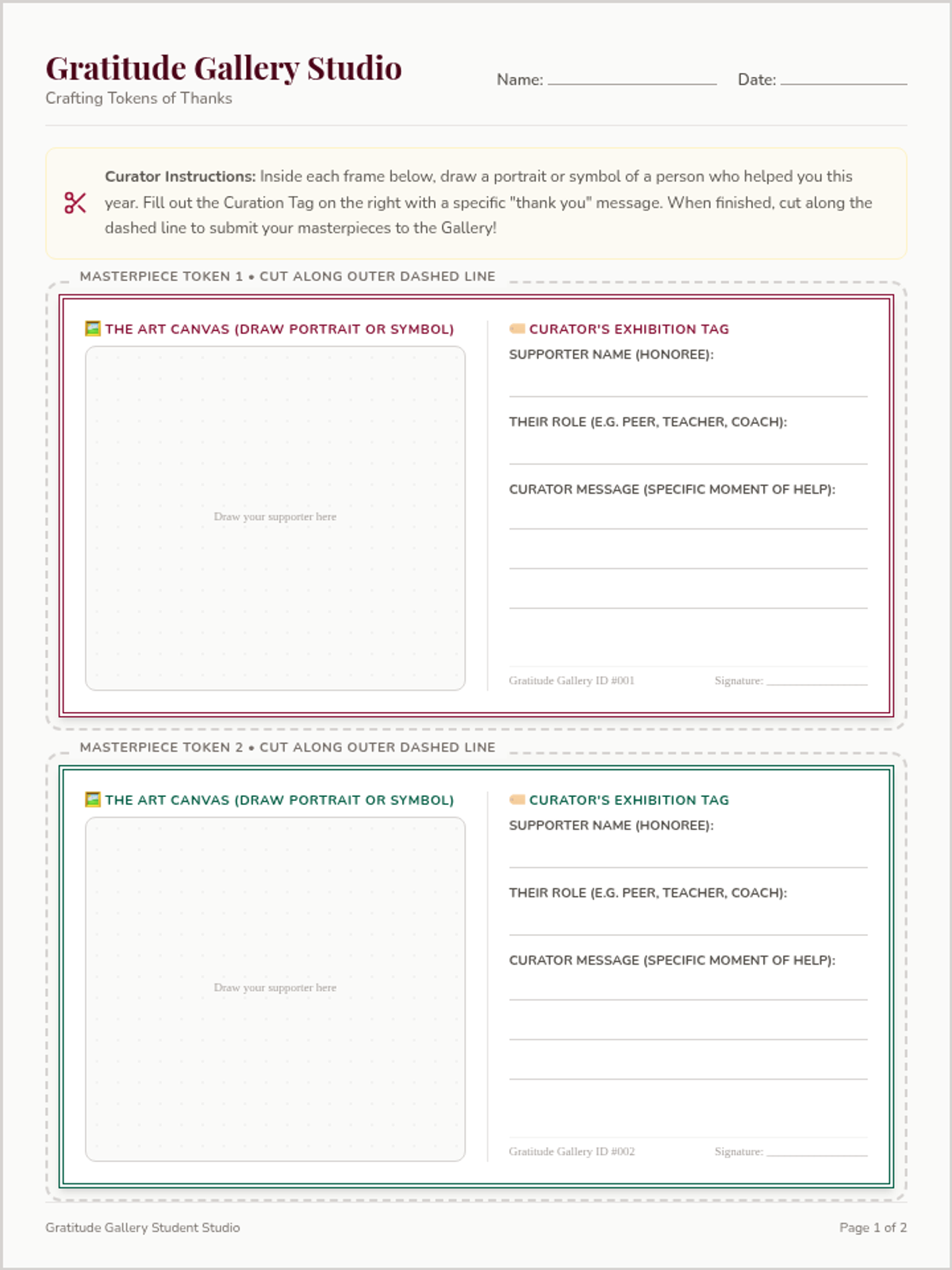
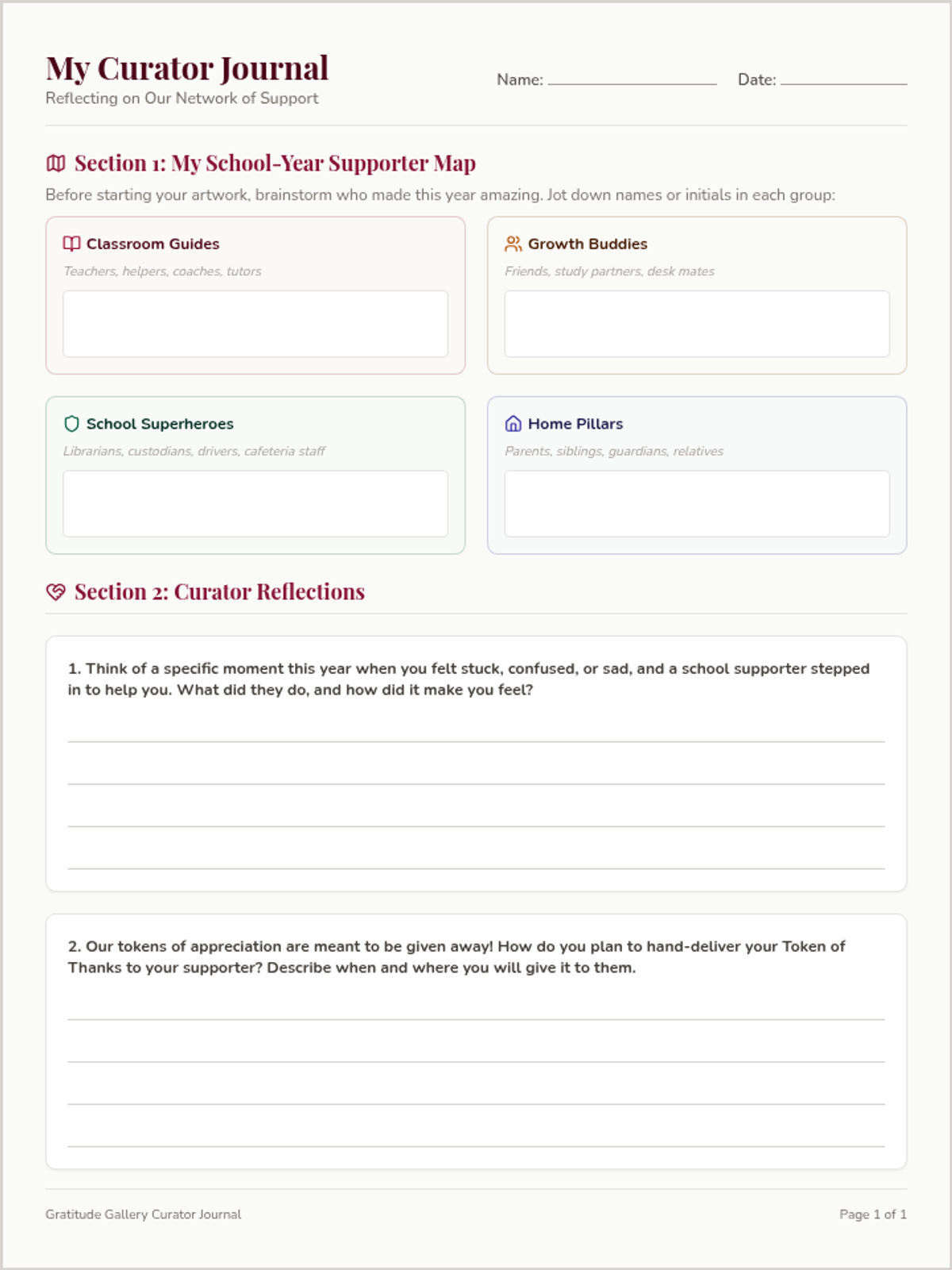
A lesson focusing on the power of expressing appreciation to build a positive community. 3rd-5th grade students reflect on school-year supporters and create physical 'tokens of thanks' to display in a classroom gallery walk, facilitating a positive transition to the next grade.
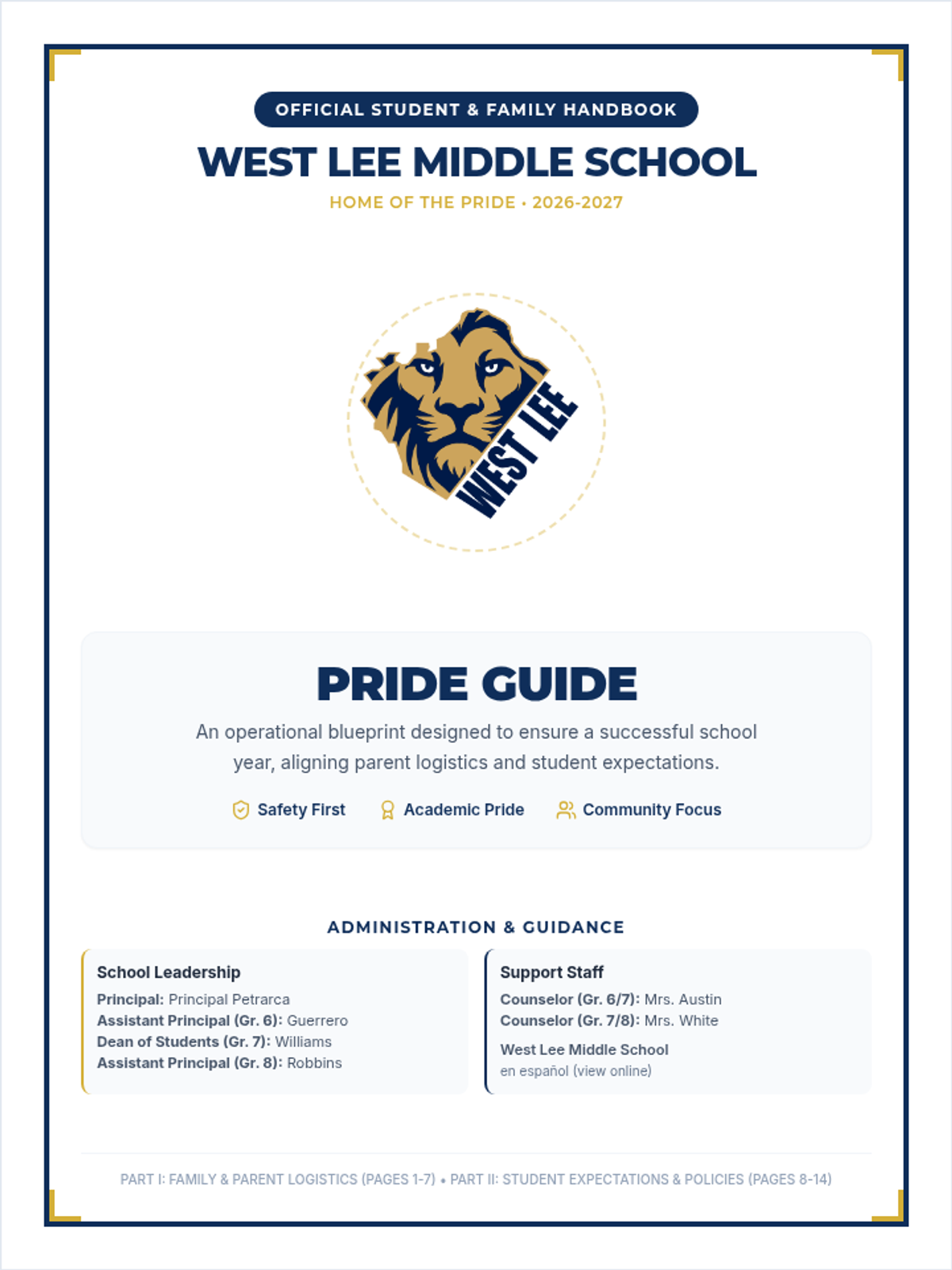
An operational guide and student handbook for West Lee Middle School Pride, providing comprehensive rules, procedures, and logistical information for families and students.
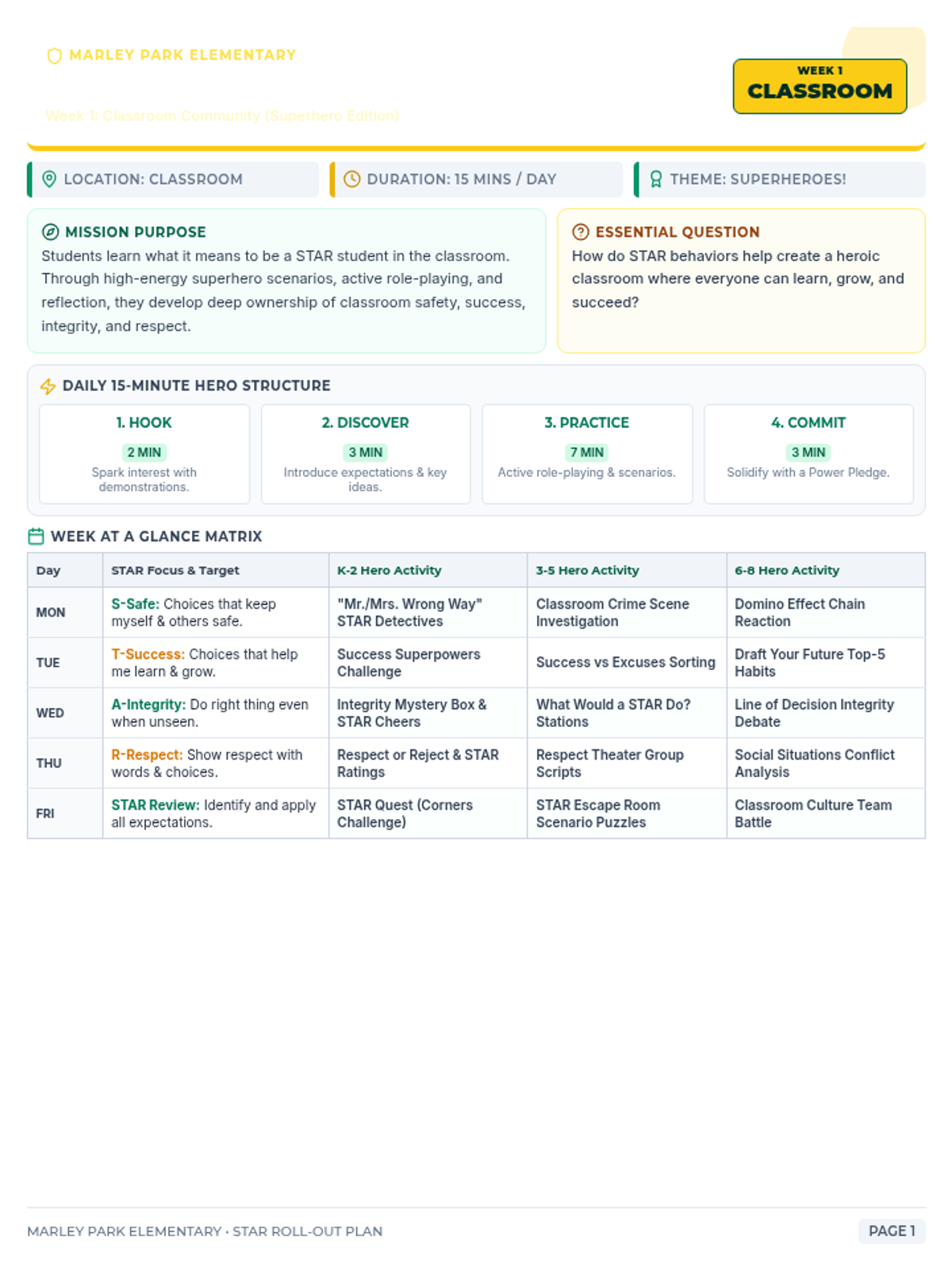
A comprehensive classroom expectations rollout for Week 1 of the school year. Includes a teacher guide and three separate grade-band slide decks (K-2, 3-5, 6-8) designed with a Marley Park green and yellow superhero theme.
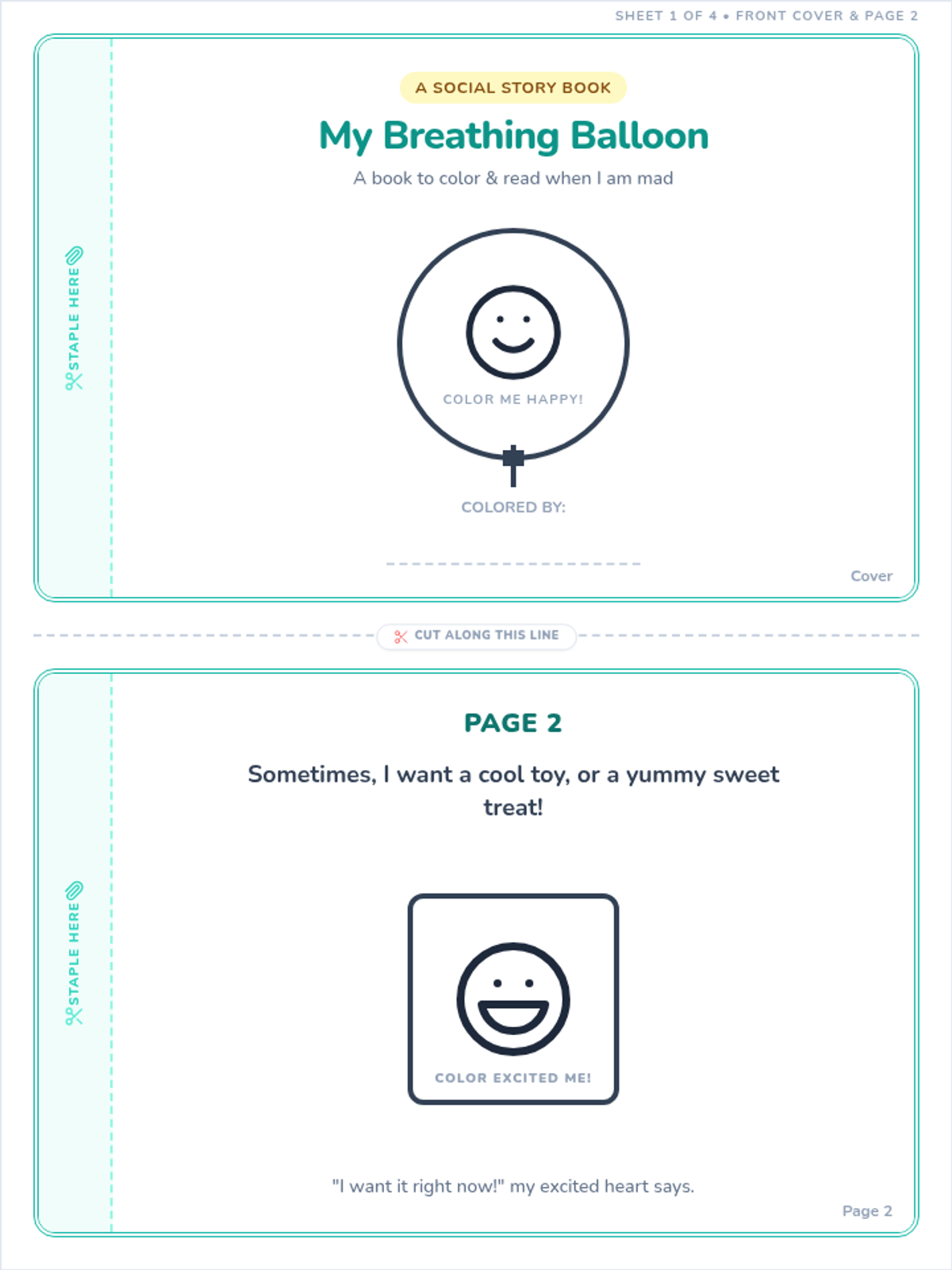
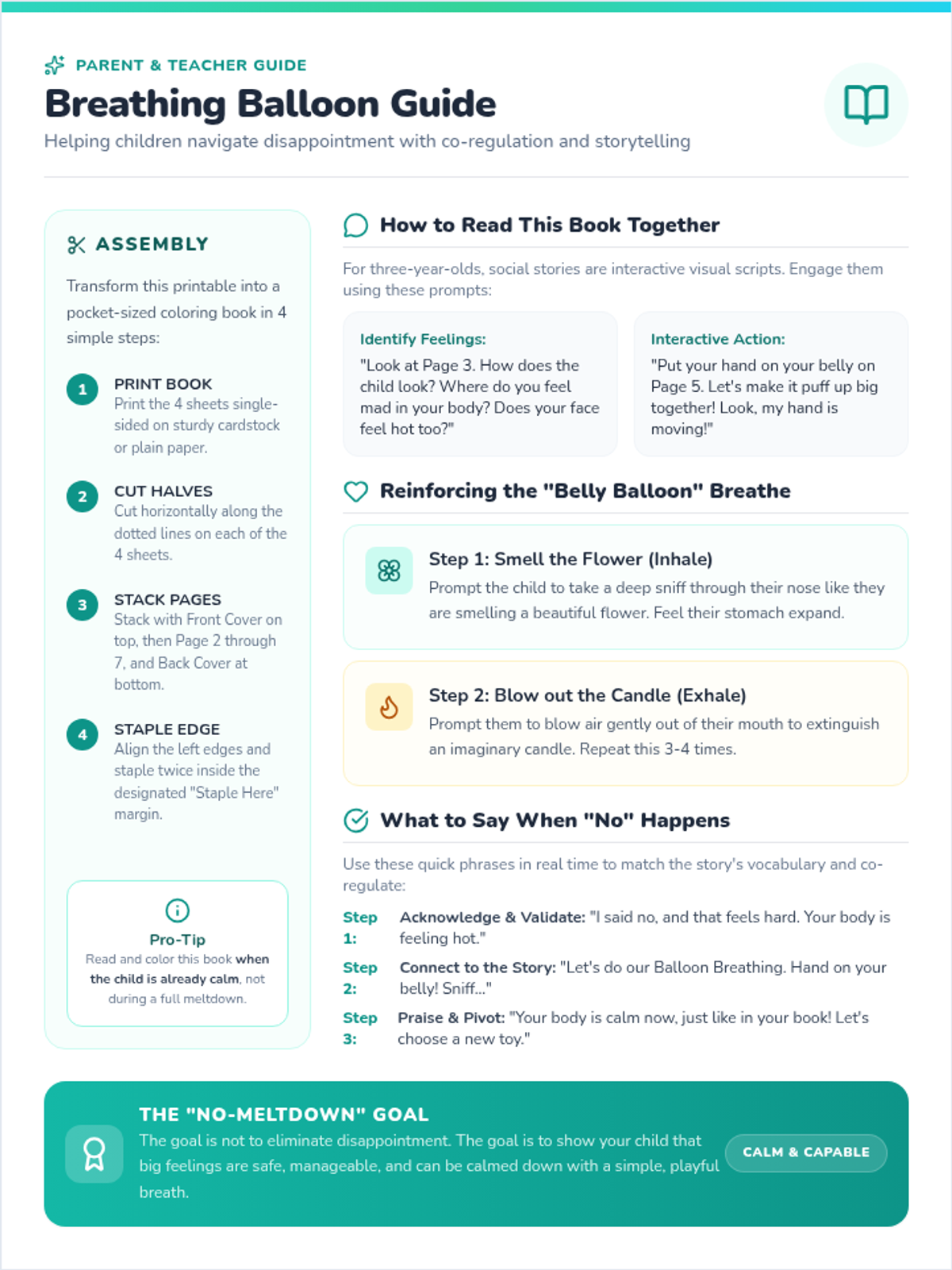
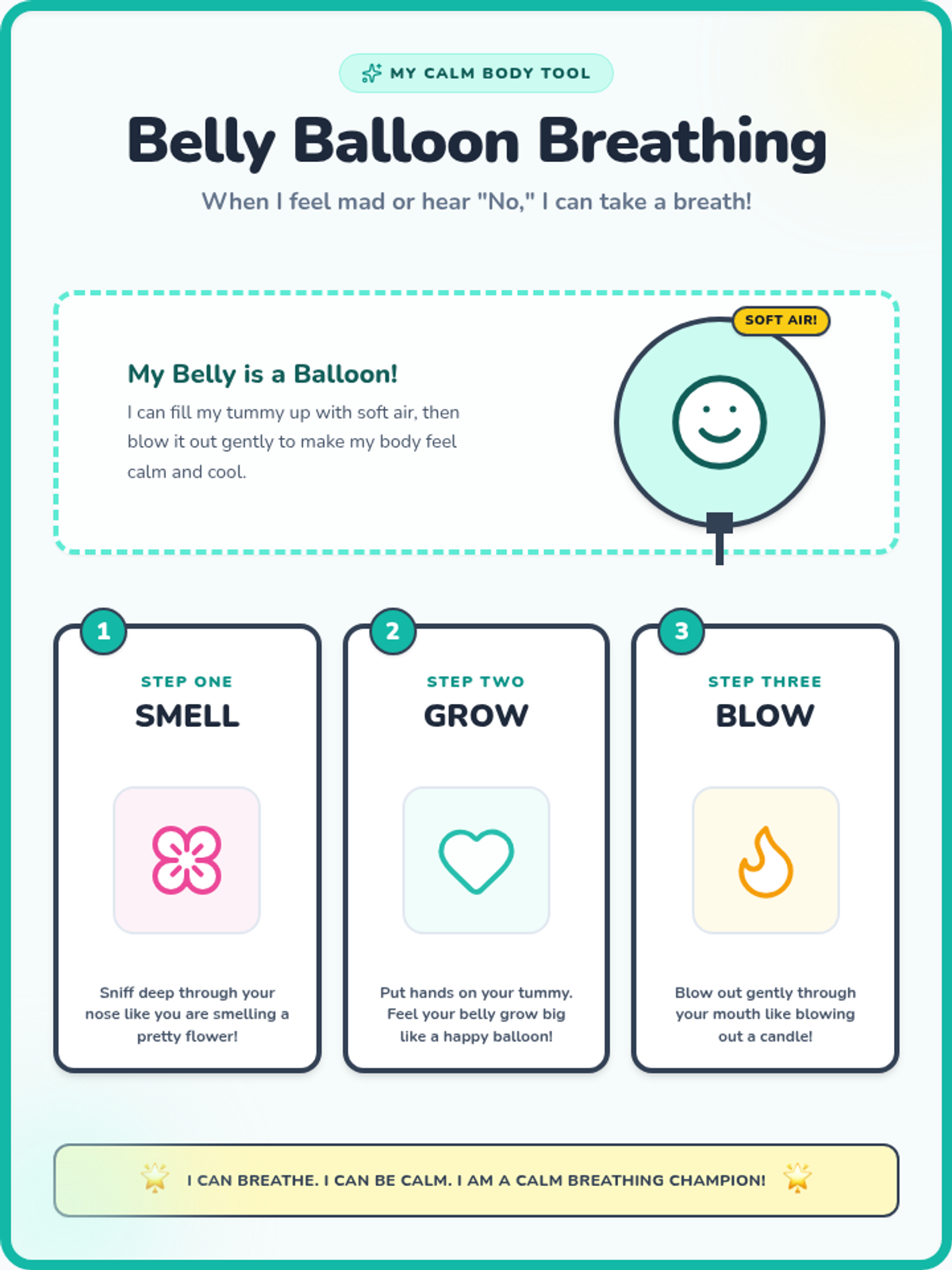
A nurturing social story and coloring book set designed for toddlers and preschoolers. Teaches the power of deep belly breaths to handle disappointments and hear 'no' calmly.
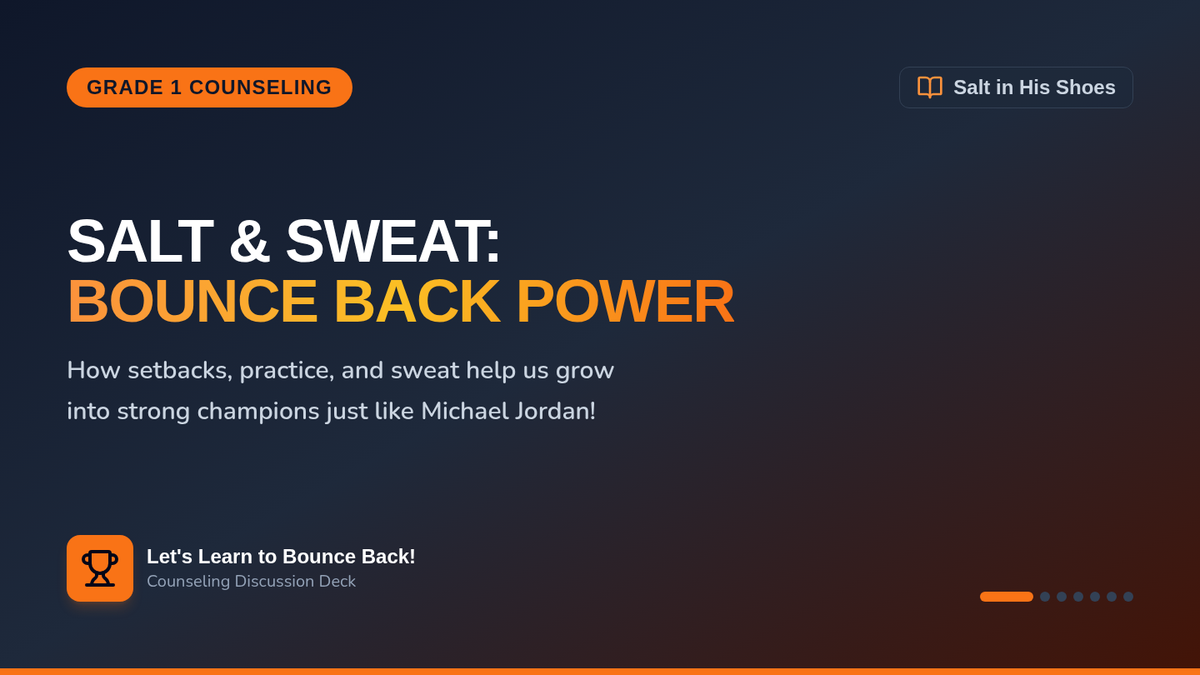
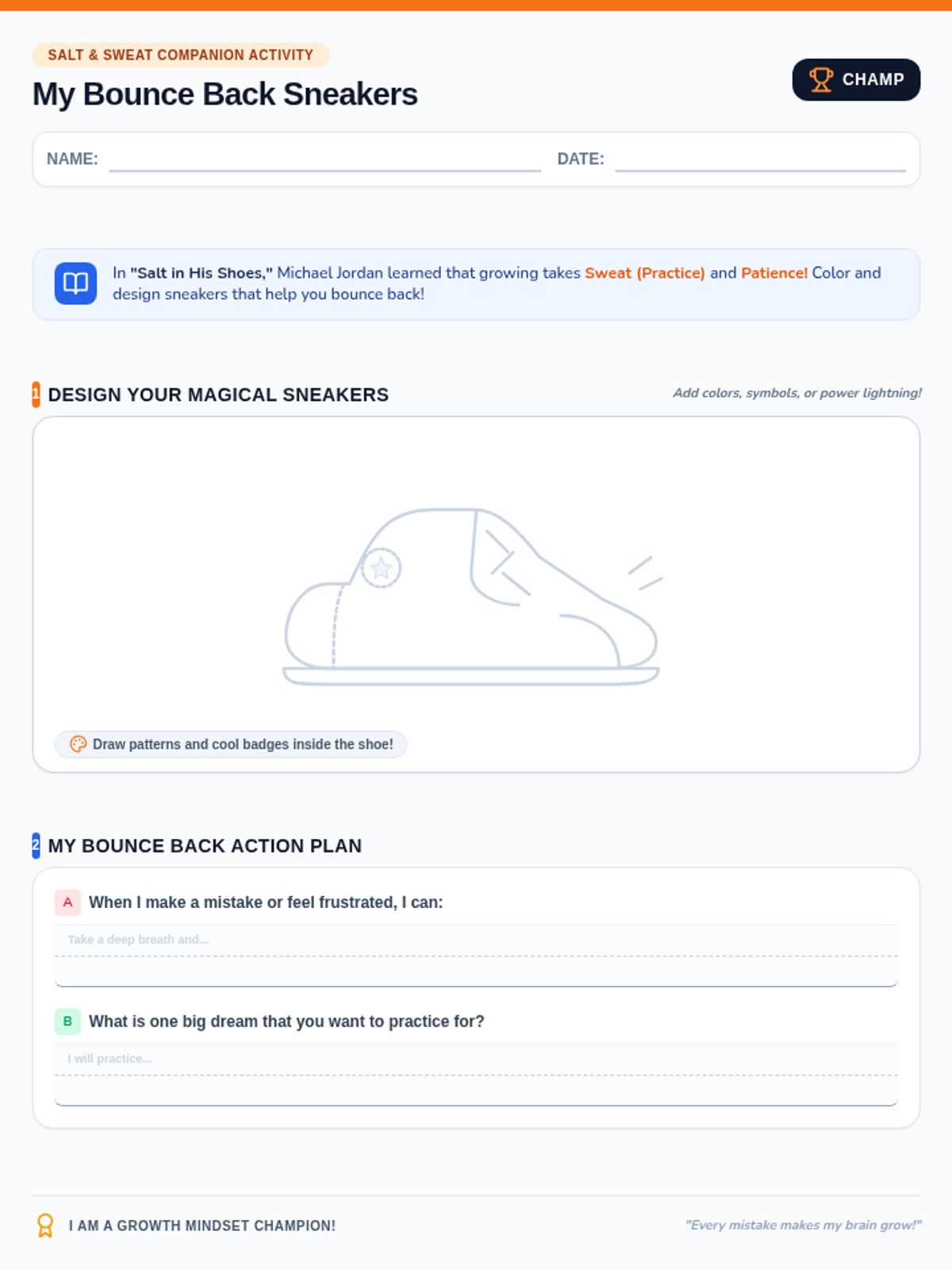
A counseling lesson for first graders based on the book 'Salt in His Shoes'. Students explore resilience, learning that setbacks and practice are how we grow, and design their own 'Bounce Back Sneakers' to show how they overcome challenges.
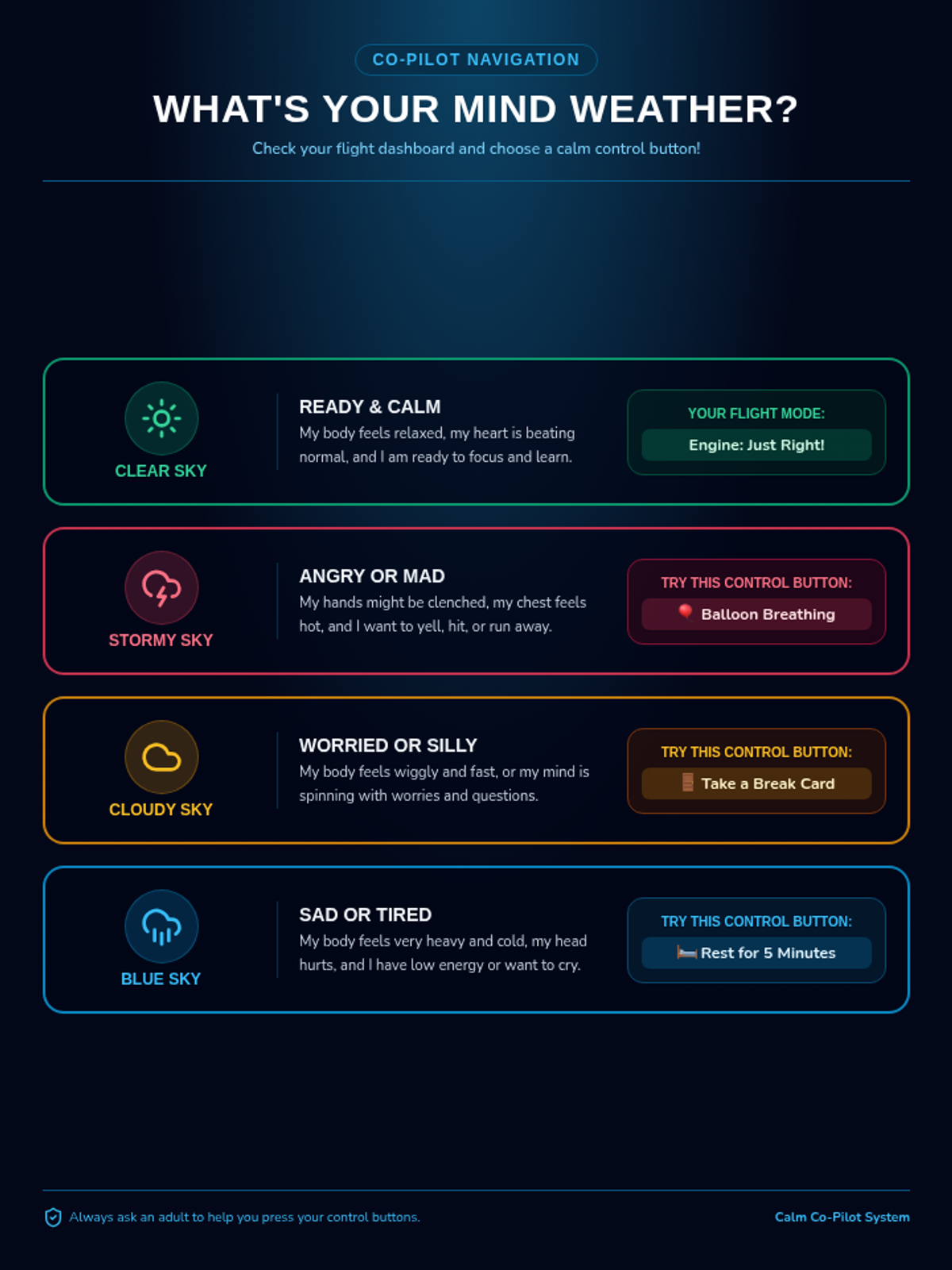
Day 4 of the Calm Co-Pilots intervention. A final review where students assemble their personal Calm Kit, practice choosing a strategy with adult prompting, and complete the post-assessment.
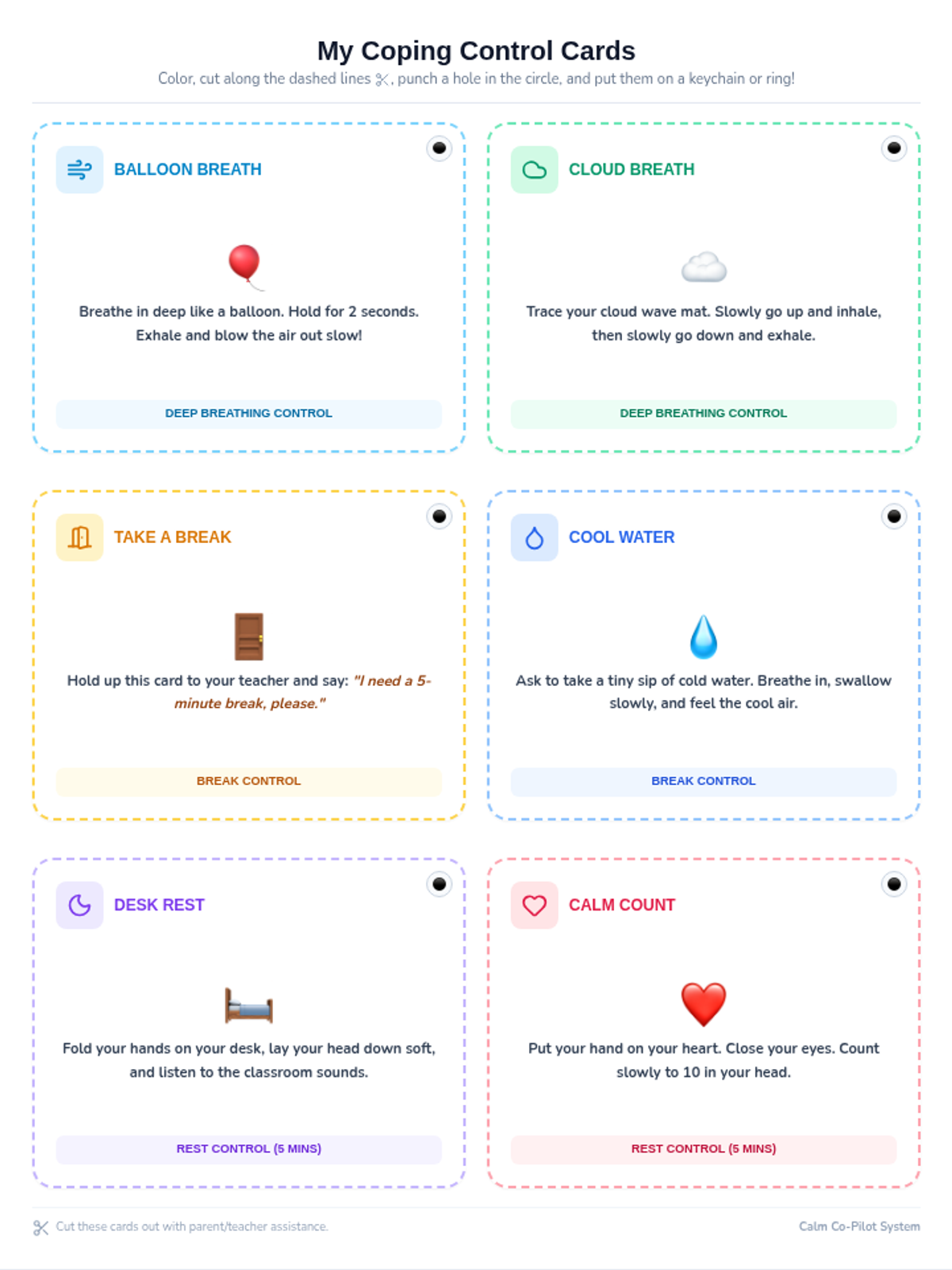
Day 3 of the Calm Co-Pilots intervention. Focuses on requesting a 5-minute break and practicing structured rest using sensory supports, cards, and timers with adult prompts.
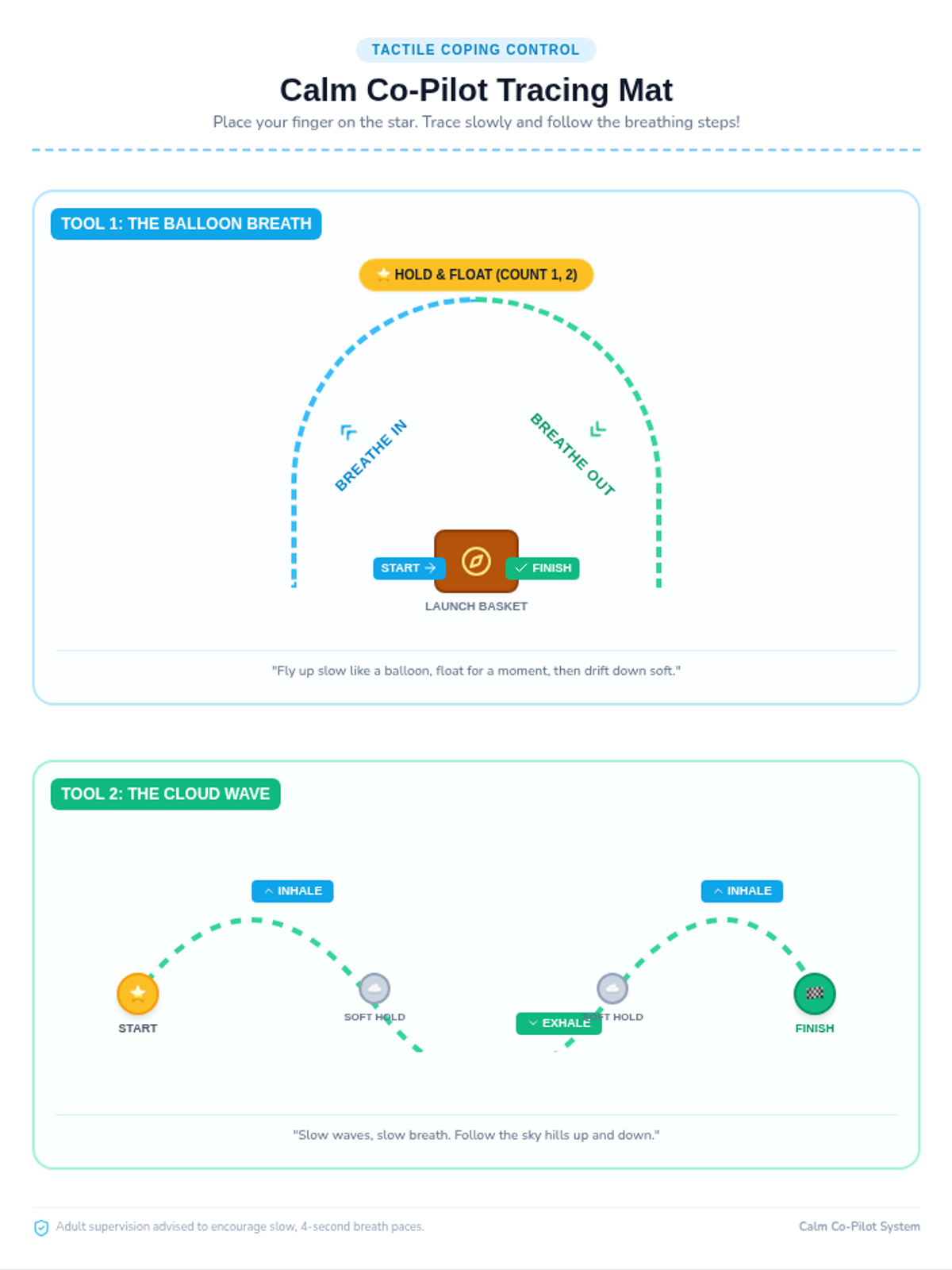
Day 2 of the Calm Co-Pilots intervention. Focuses on deep breathing using physical, tactile tracing mats to anchor their focus and regulate their physical response to big emotions.
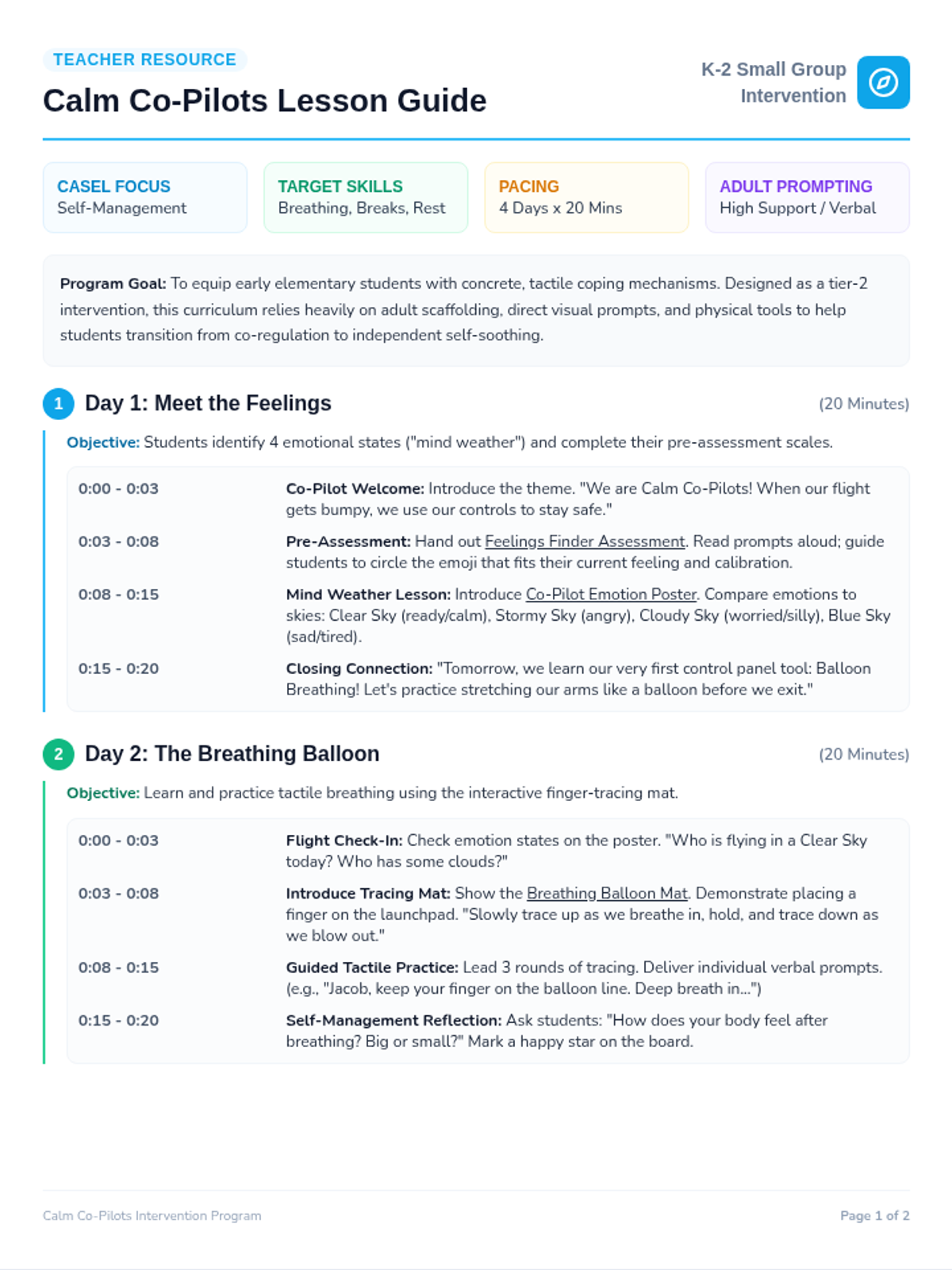
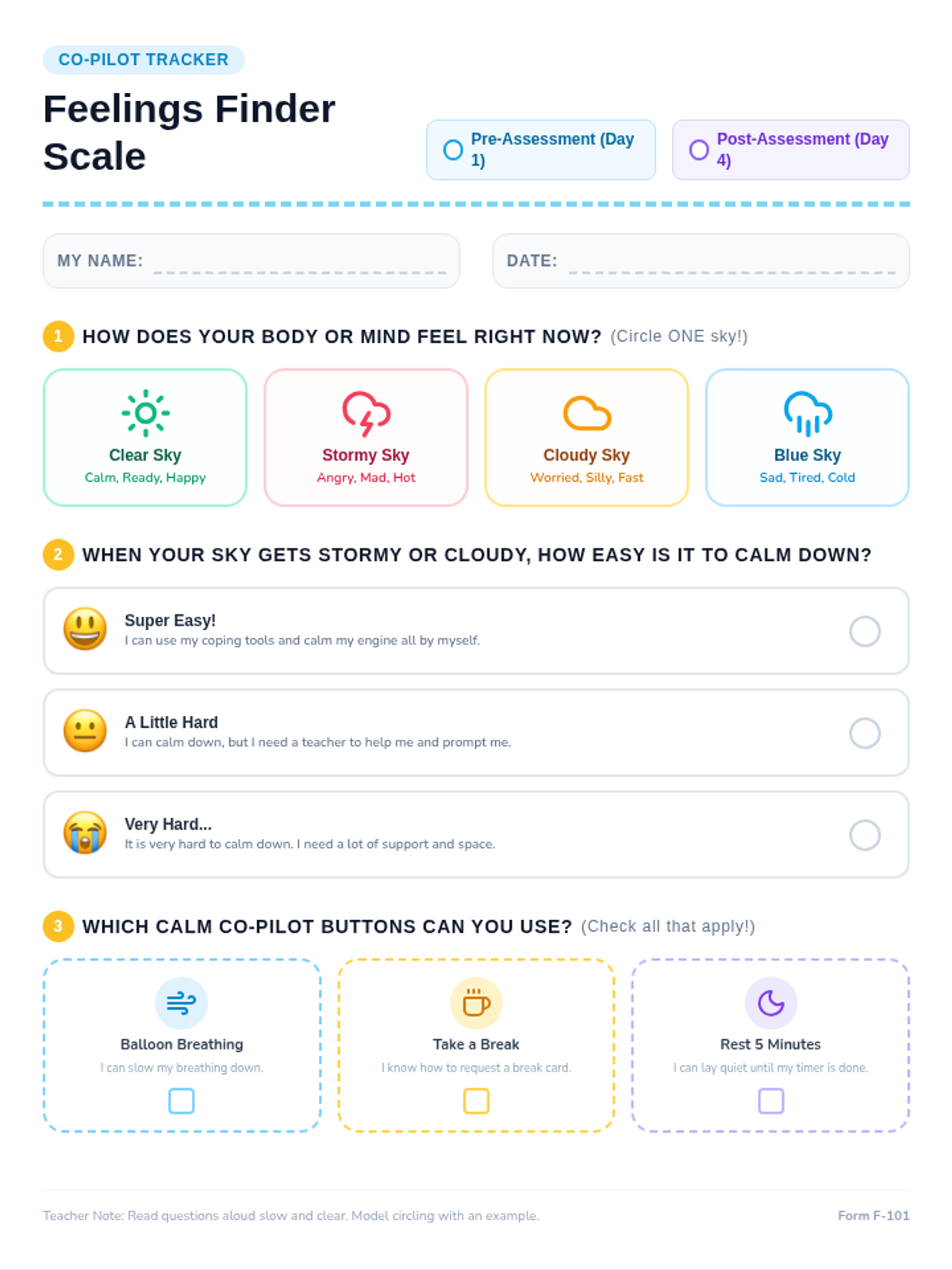
Day 1 of the Calm Co-Pilots intervention. Students explore different emotional states, complete their pre-assessment, and learn to identify when their engines are running too hot, too cold, or just right.
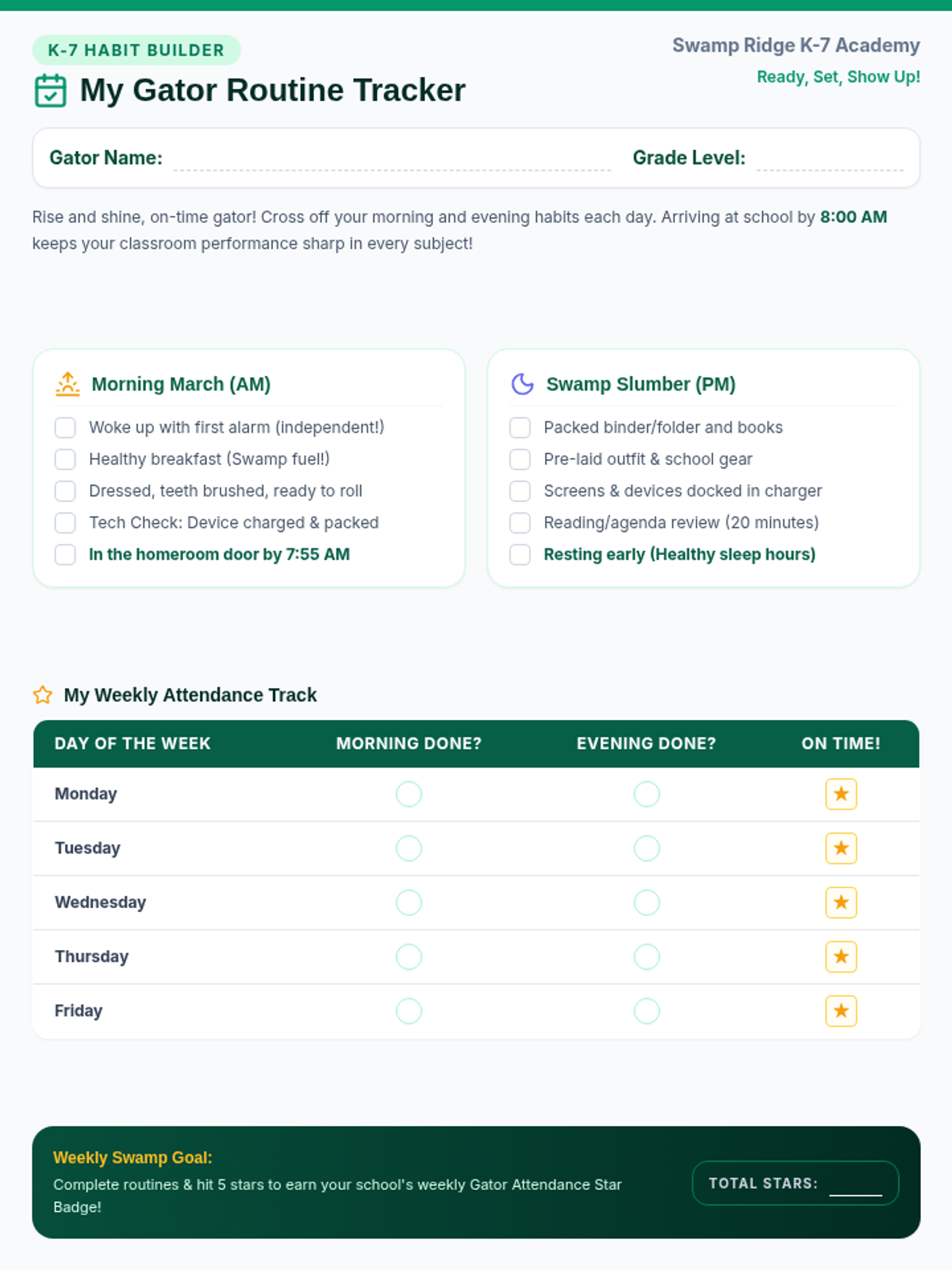
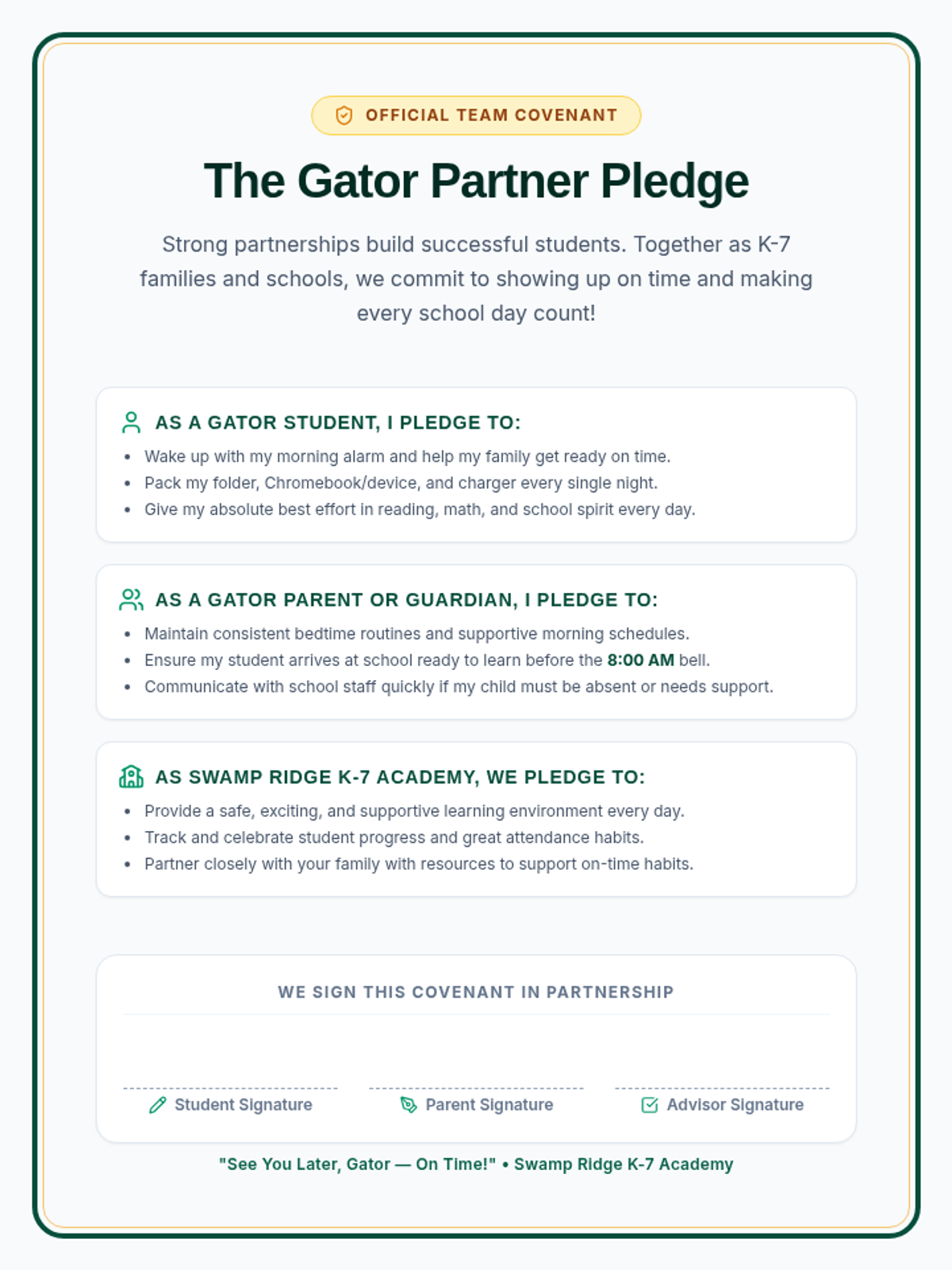
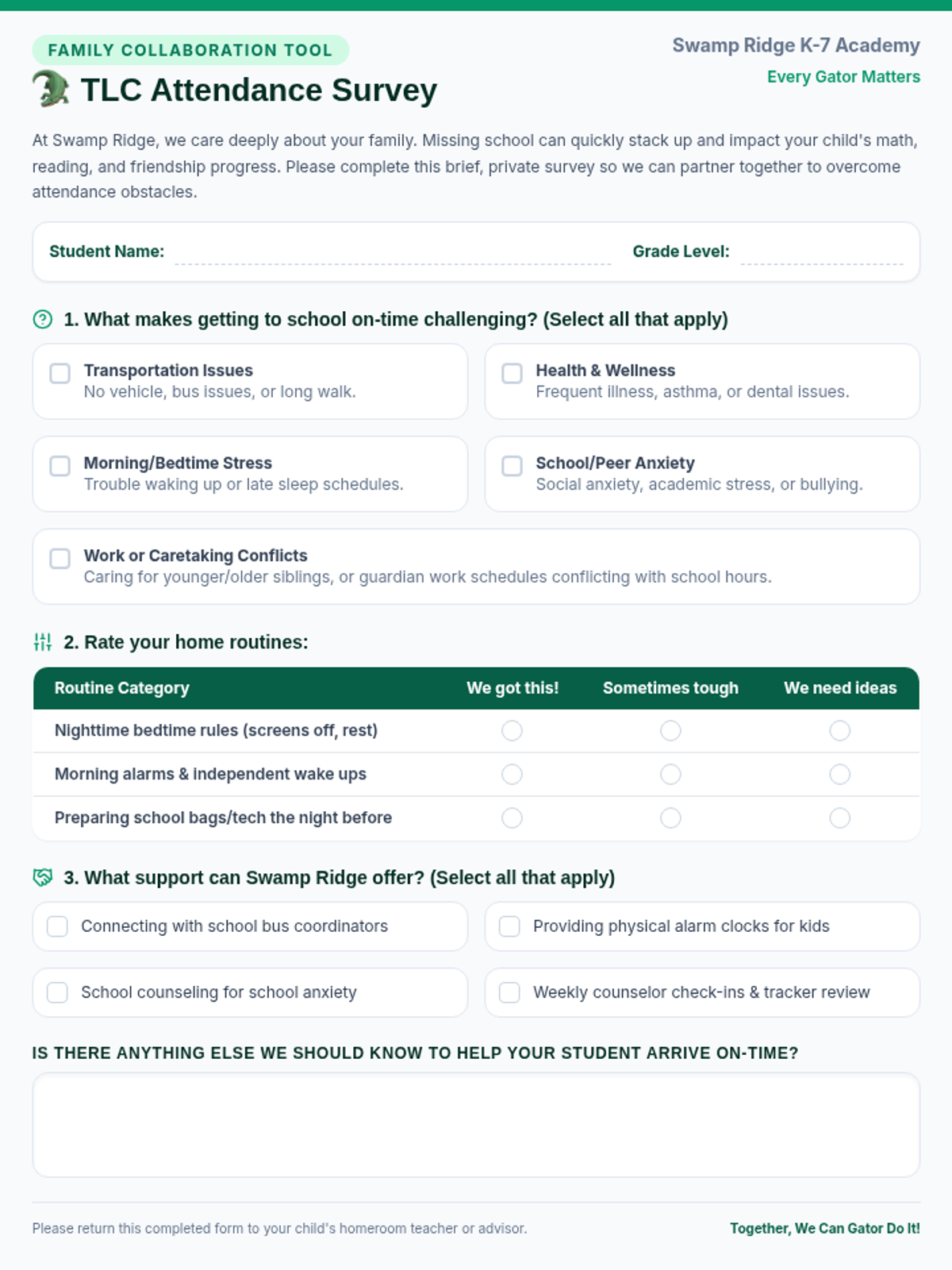
A family-focused guide to building daily routines and understanding the academic impact of school attendance. Includes a presentation for parent meetings, a student-friendly routine tracker, and a family partnership pledge.
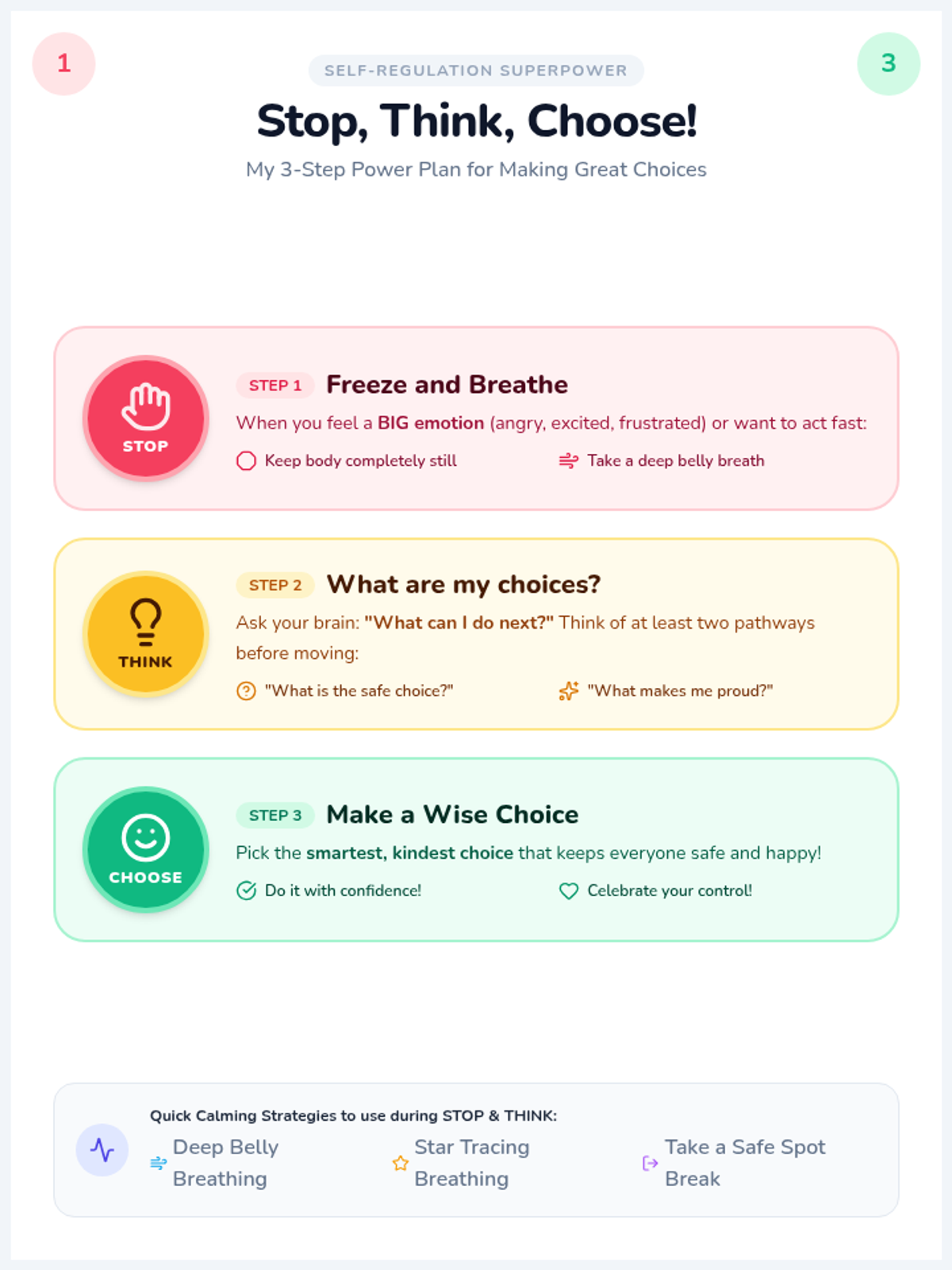
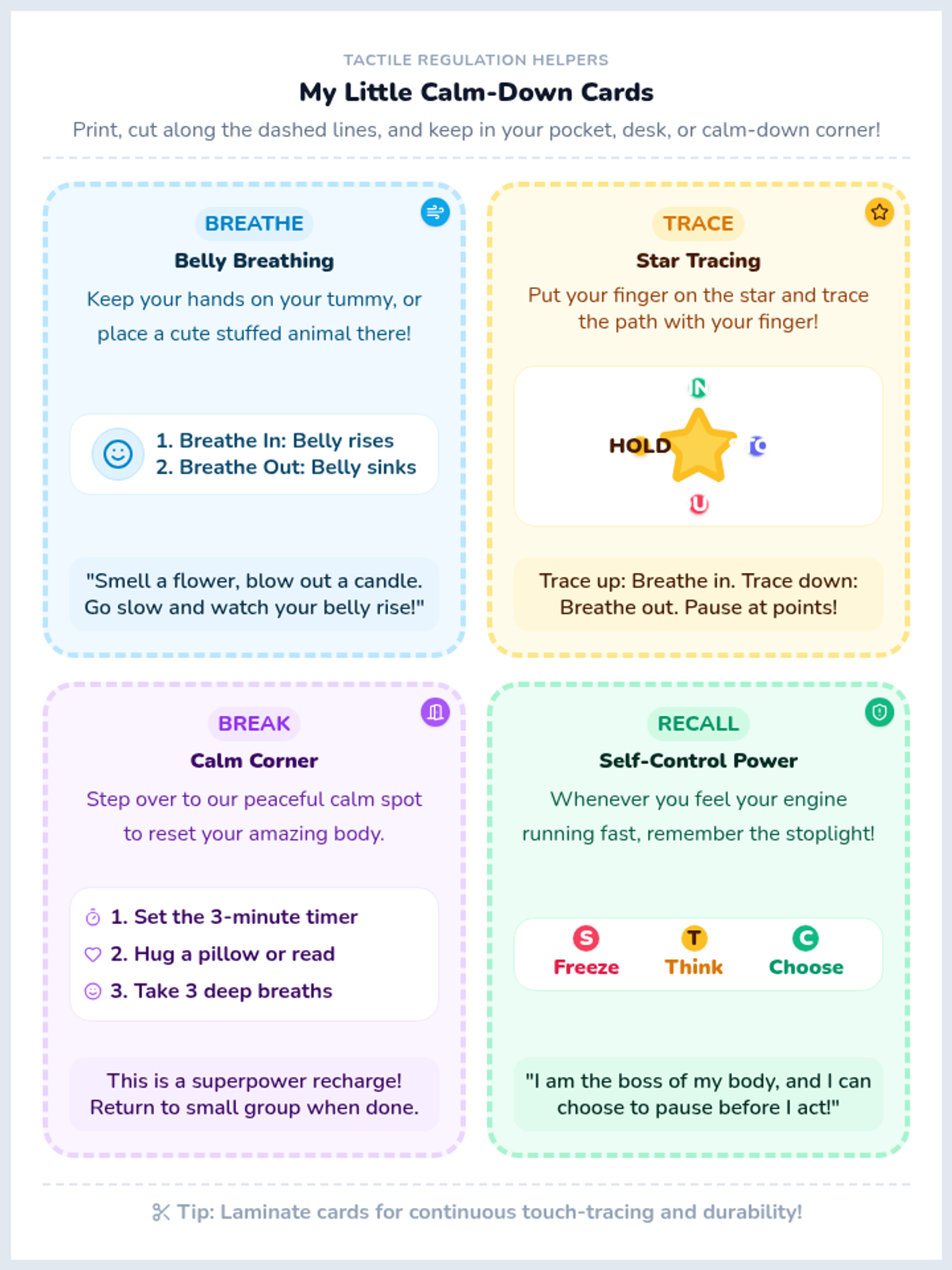
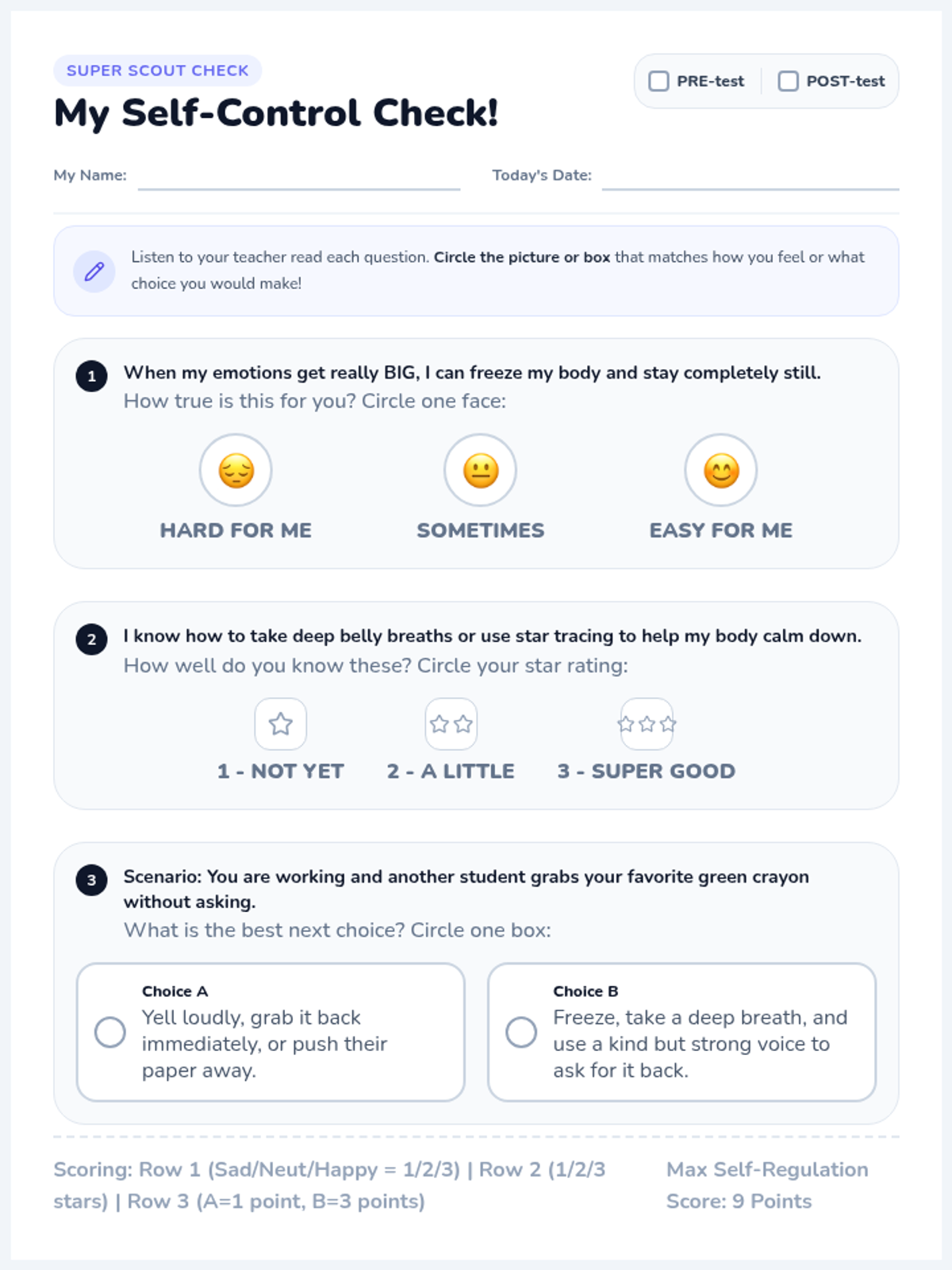
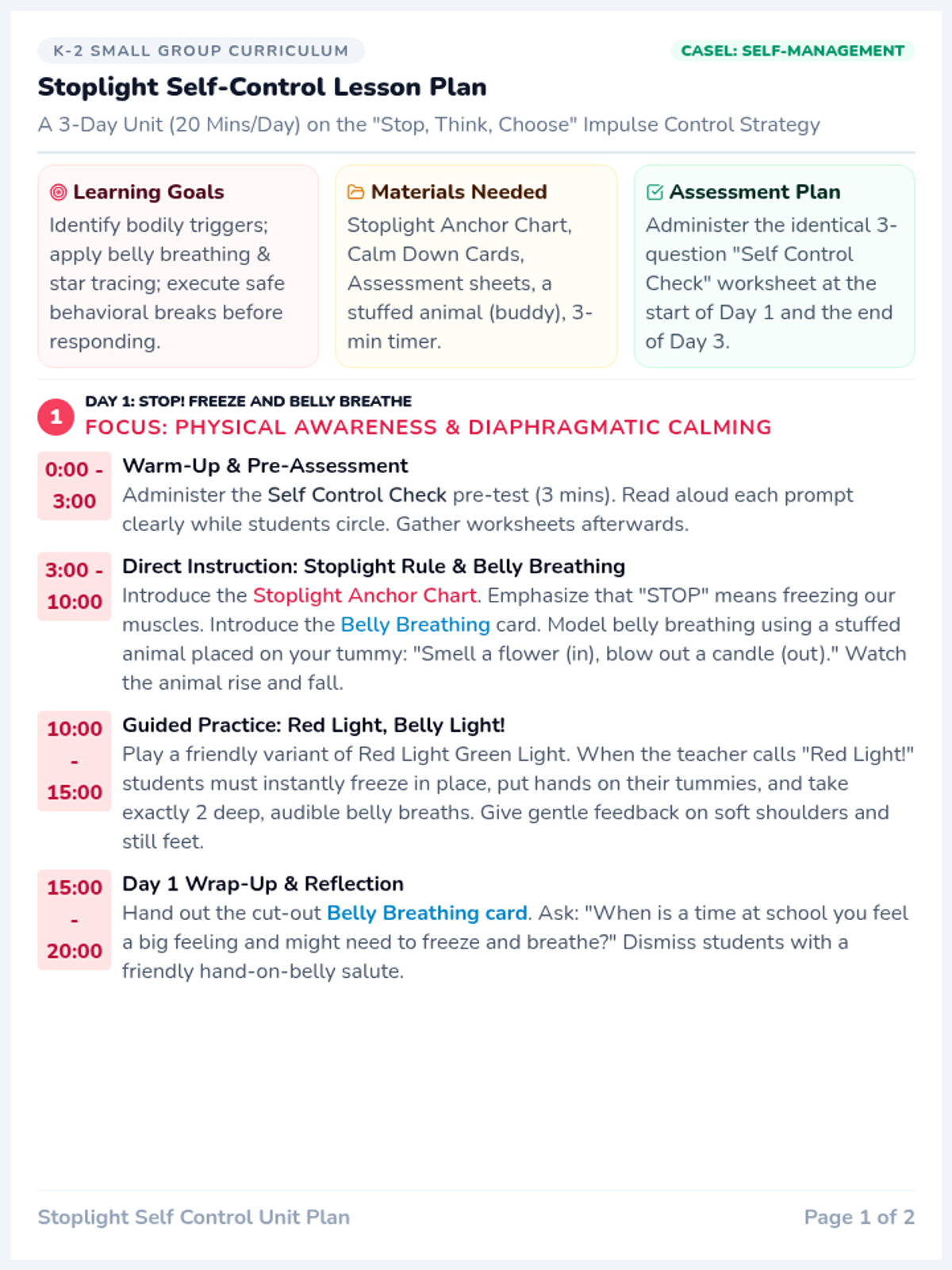
A comprehensive 3-day small group unit for grades K-2 focusing on the 'Stop, Think, Choose' strategy. Students learn self-management skills including deep belly breathing, star tracing, and taking physical calm-down breaks.
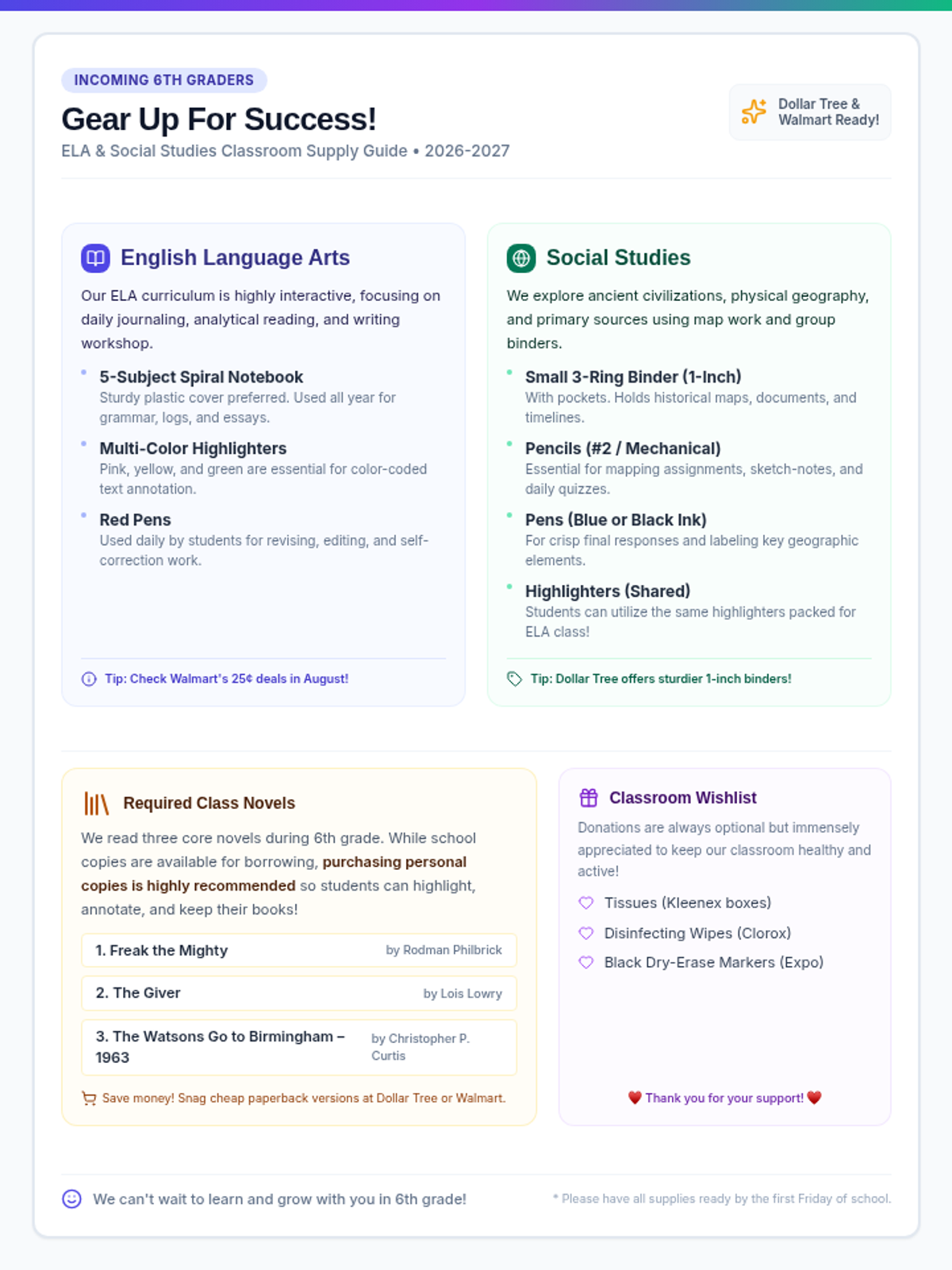
A welcoming prep guide and supply list for incoming sixth graders to ensure they have the tools needed for ELA and Social Studies success.
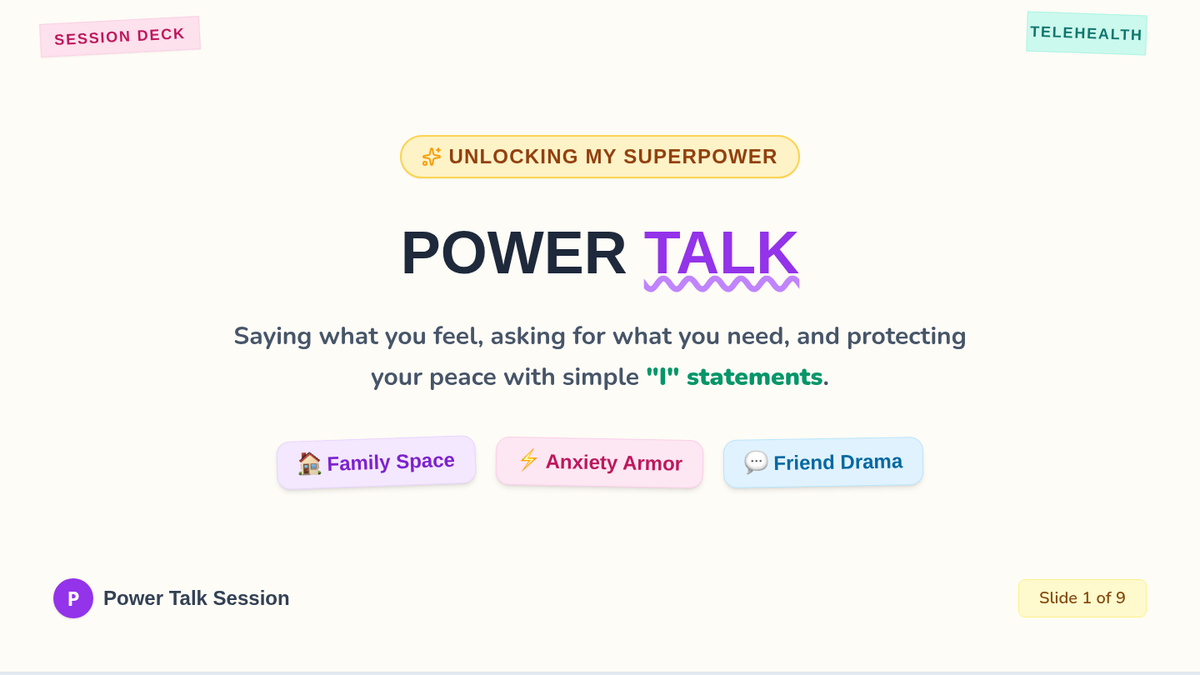
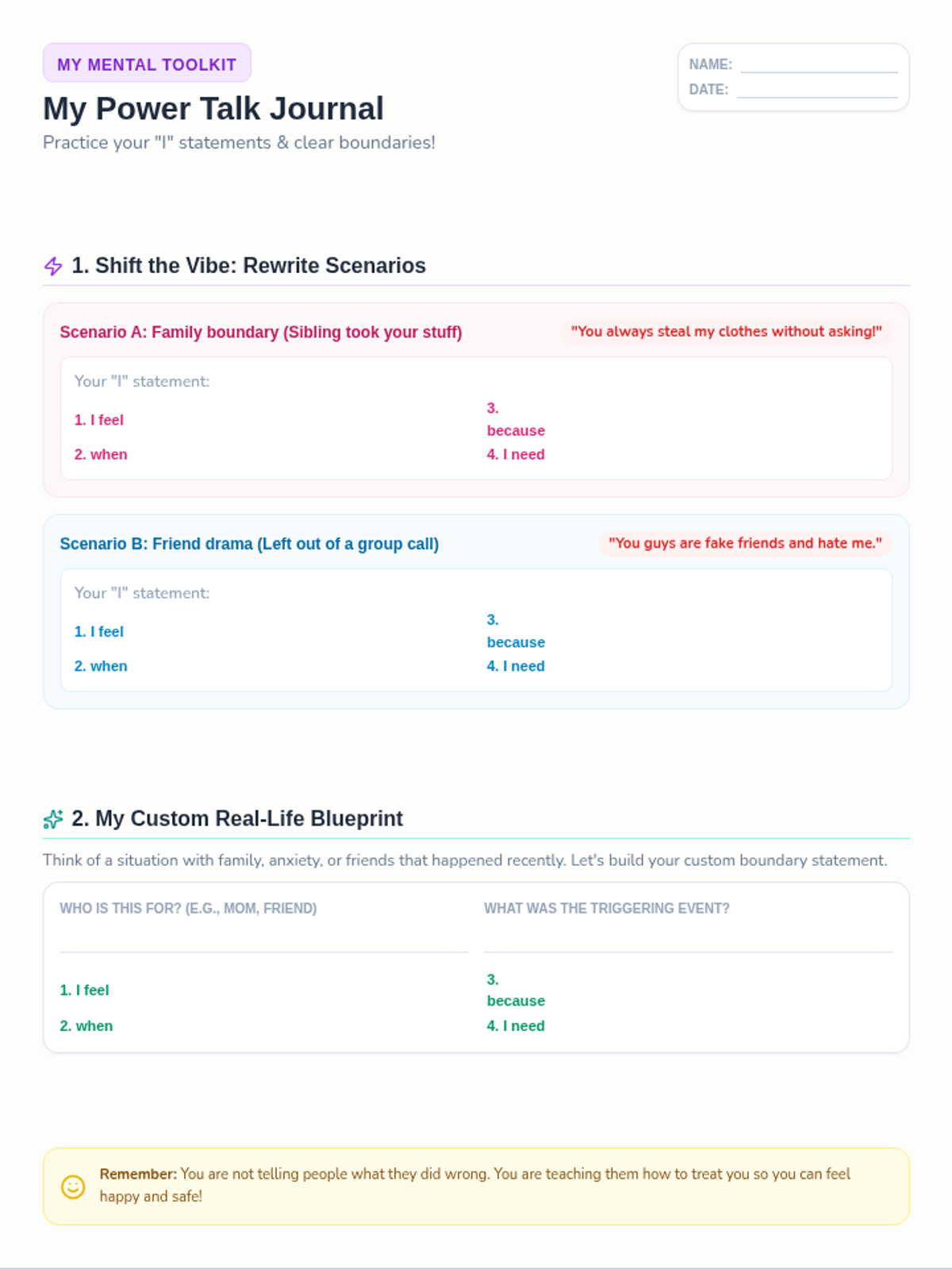
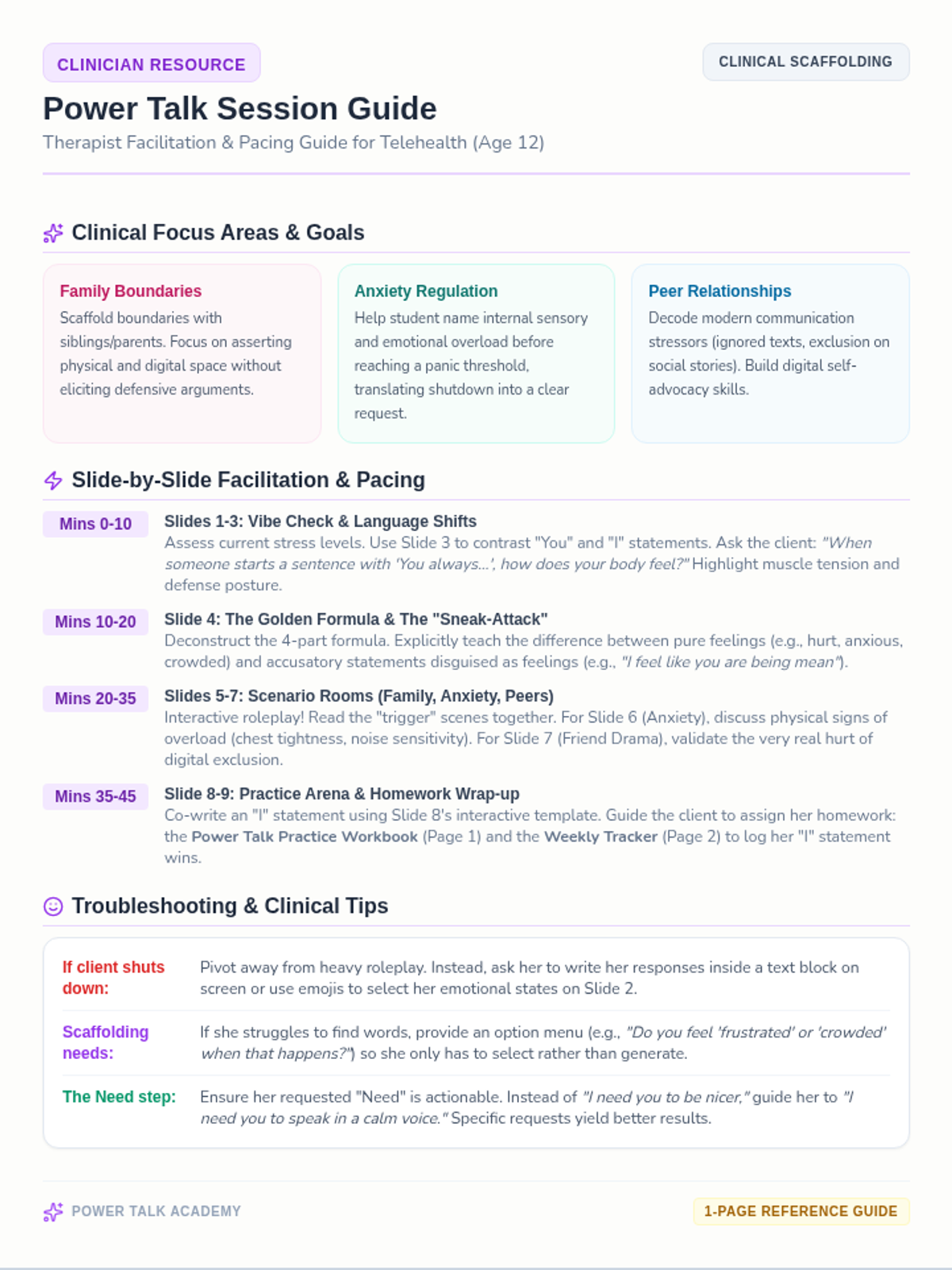
A telehealth session lesson designed for a 12-year-old girl to learn and practice 'I' statements. The lesson focuses on self-advocacy, managing anxiety, setting family boundaries, and resolving online or offline friend drama using engaging, scrapbook-themed, and text-message-styled interactive slides.
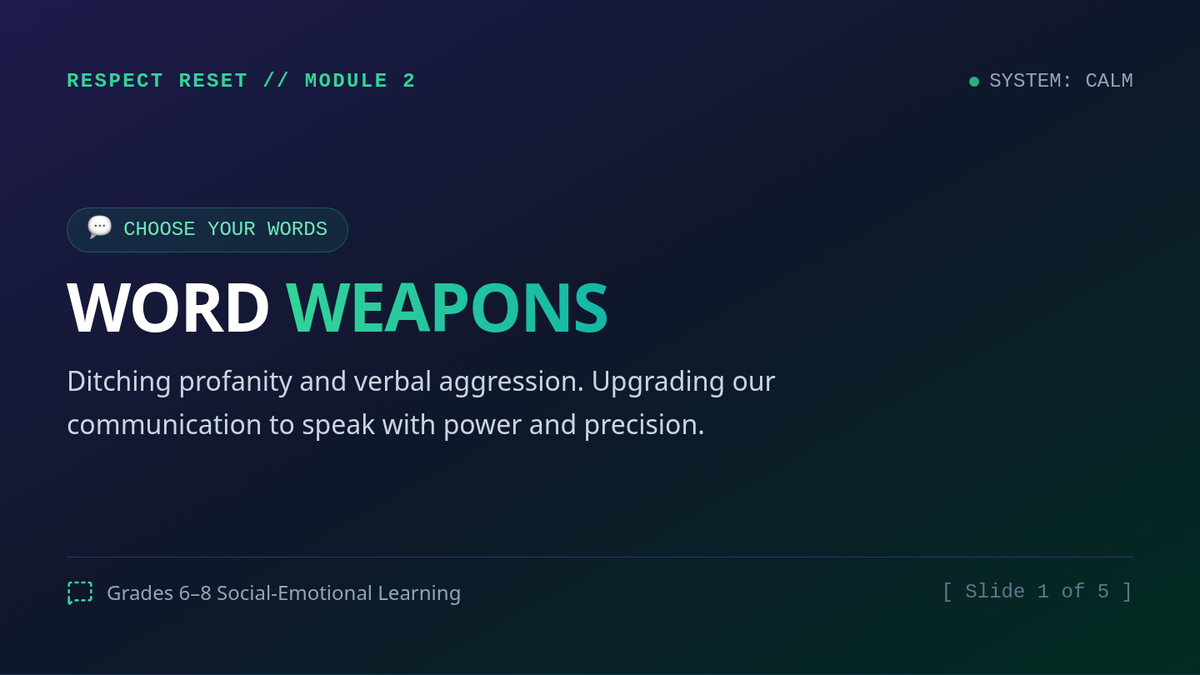
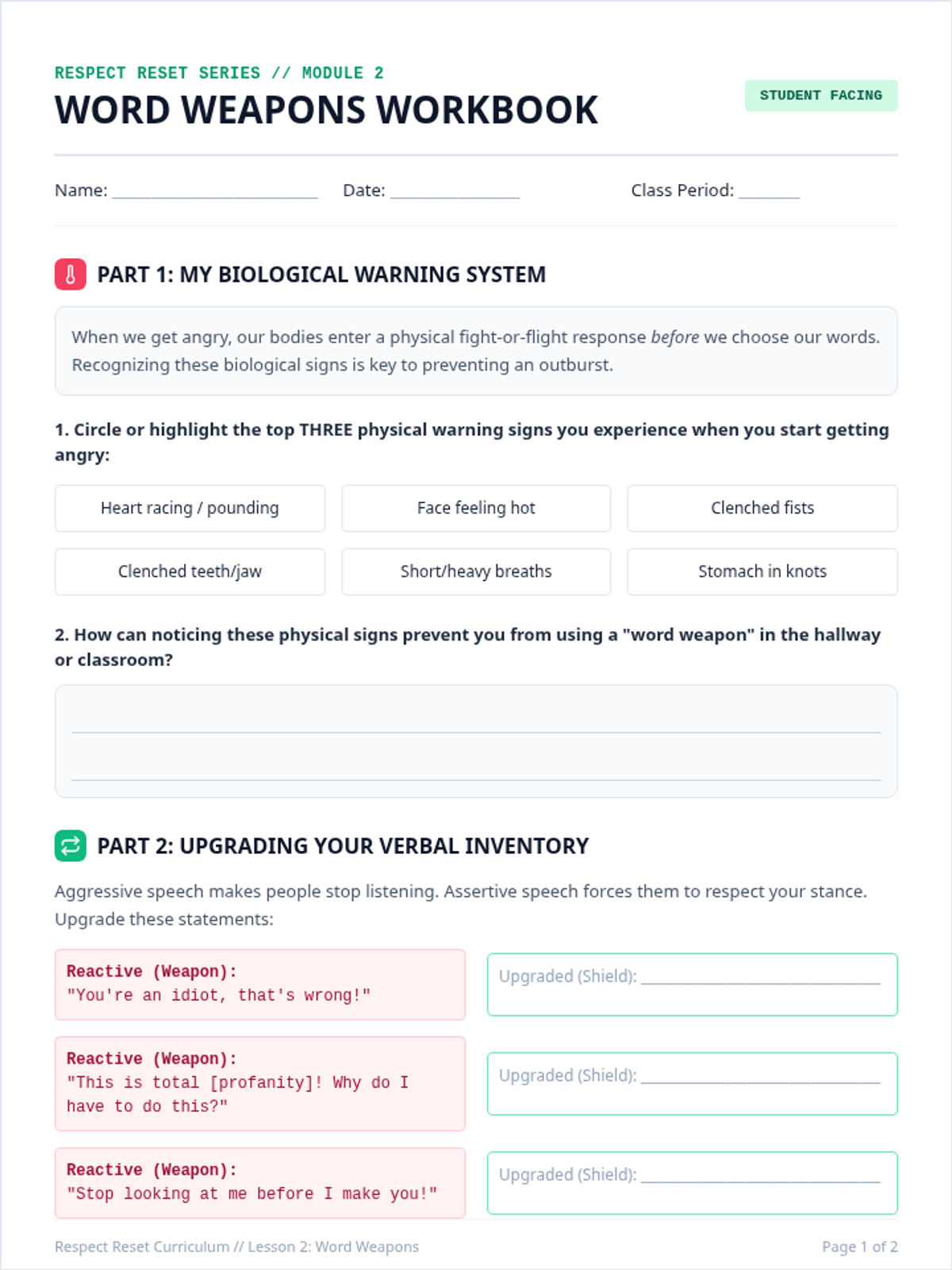
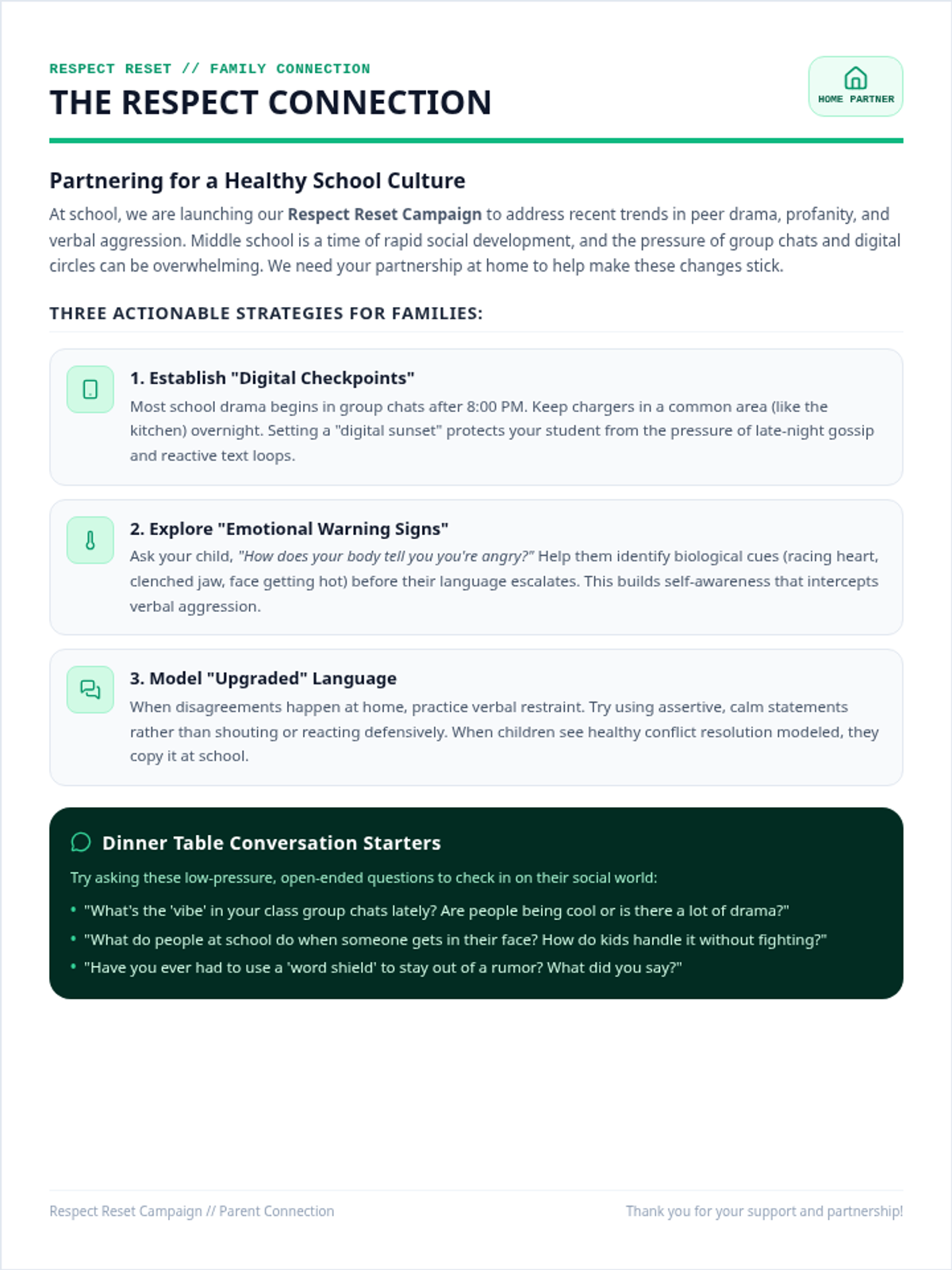
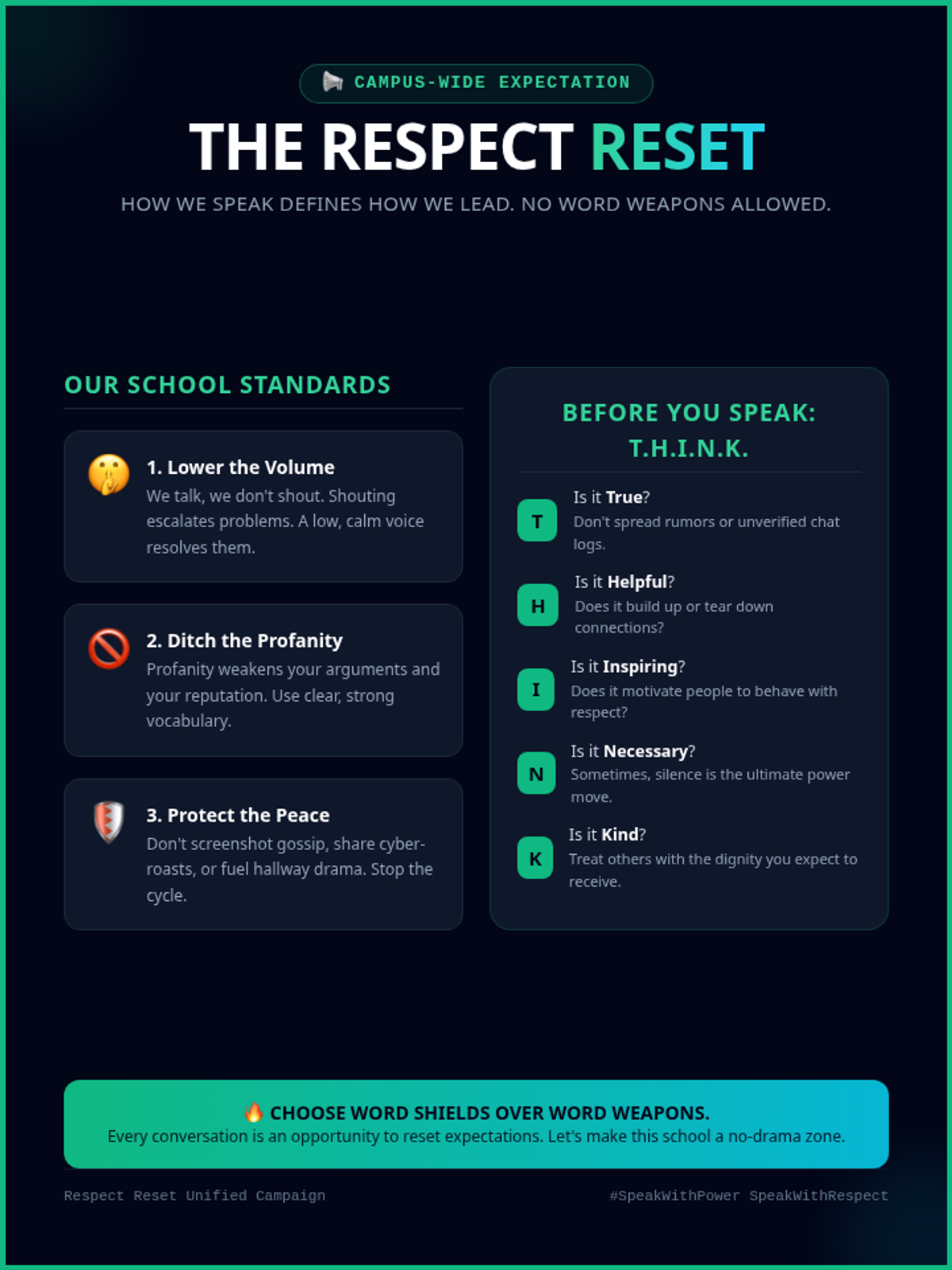
Addresses verbal aggression, profanity, and reactive language. Students develop emotional regulation skills and learn how to replace toxic words with constructive, assertive communication.
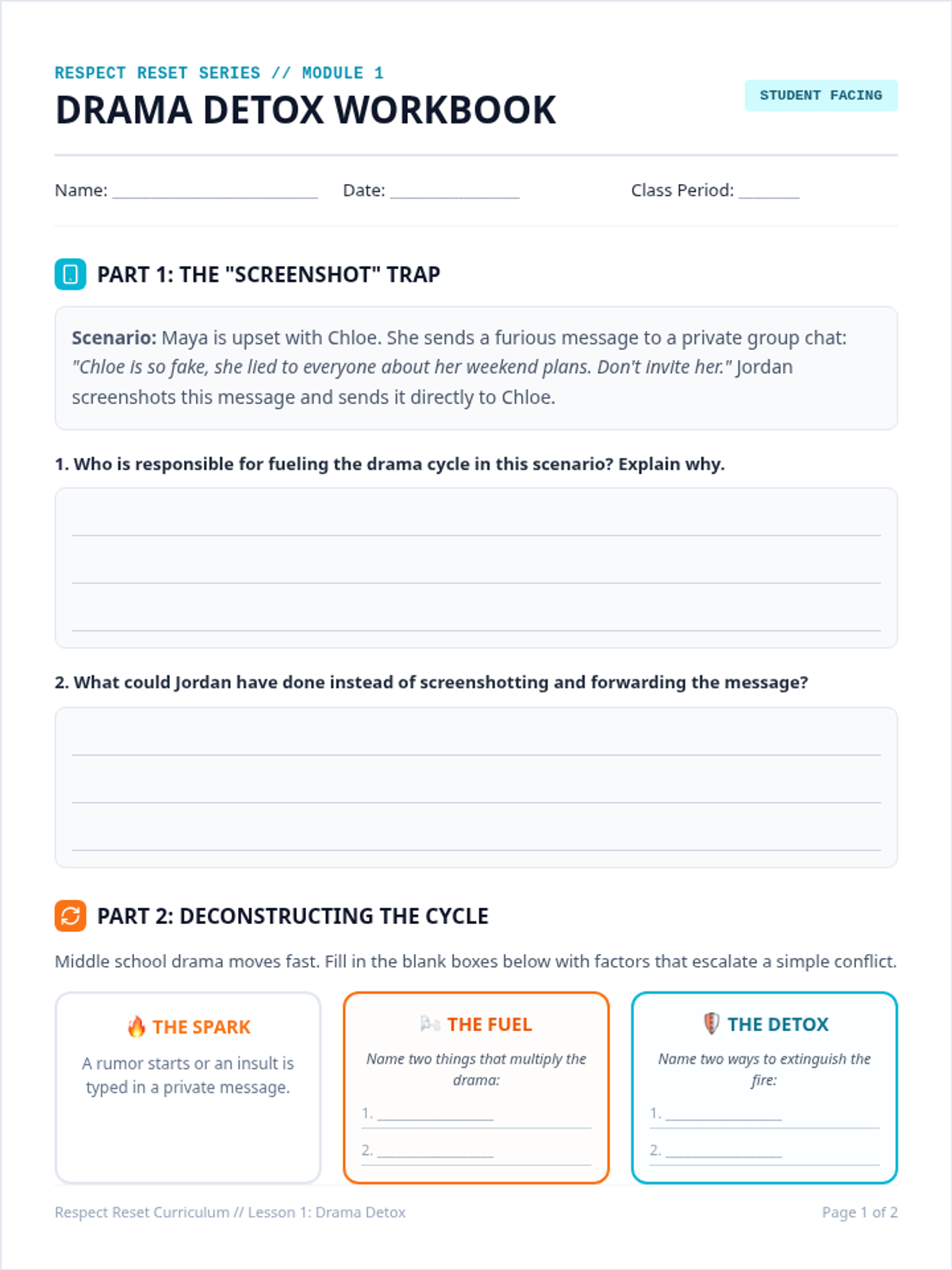
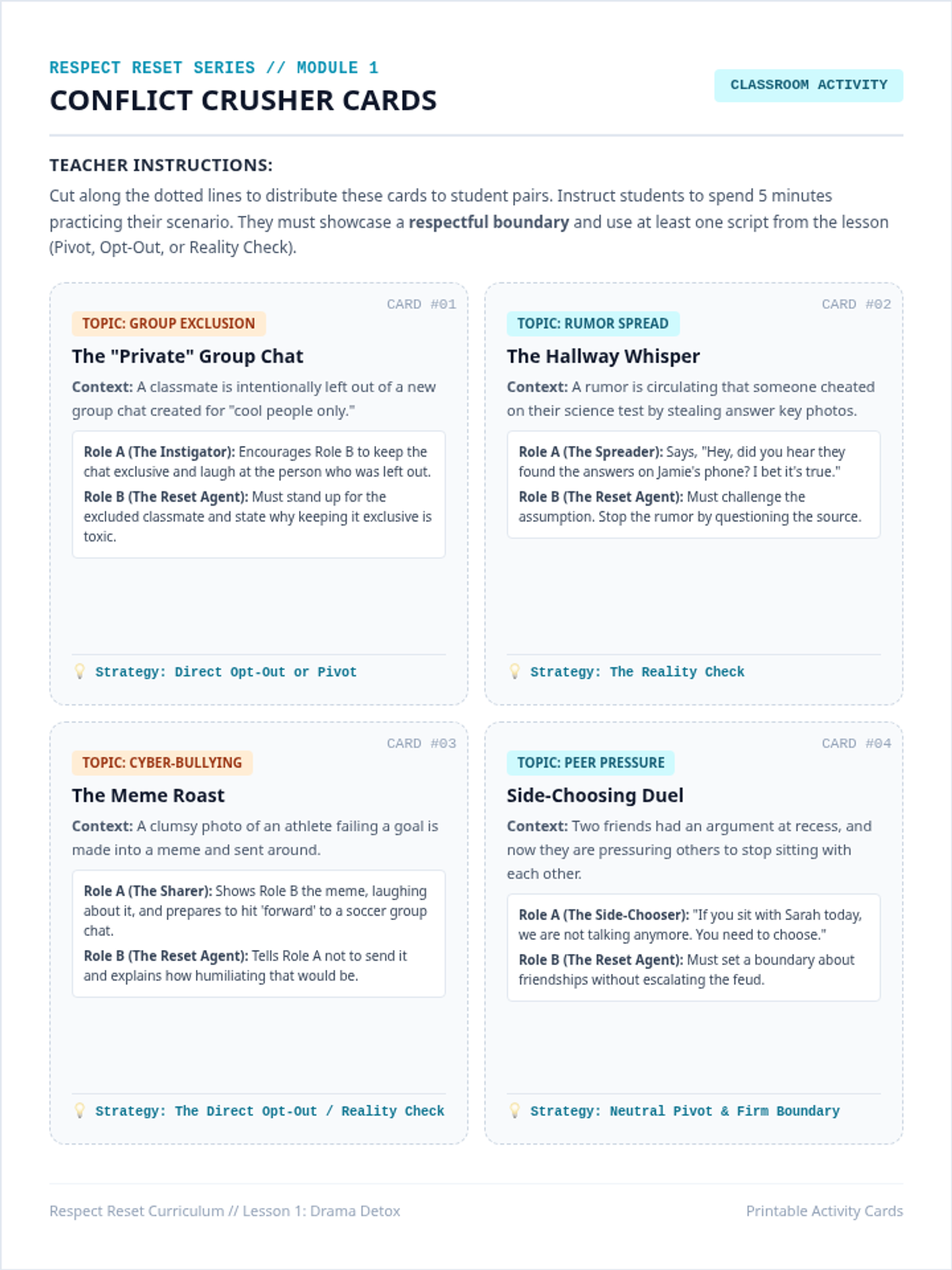
Focuses on social media drama, peer pressure, and respectful boundaries for middle schoolers. Students learn how to navigate rumors, cyberbullying, and negative group dynamics.
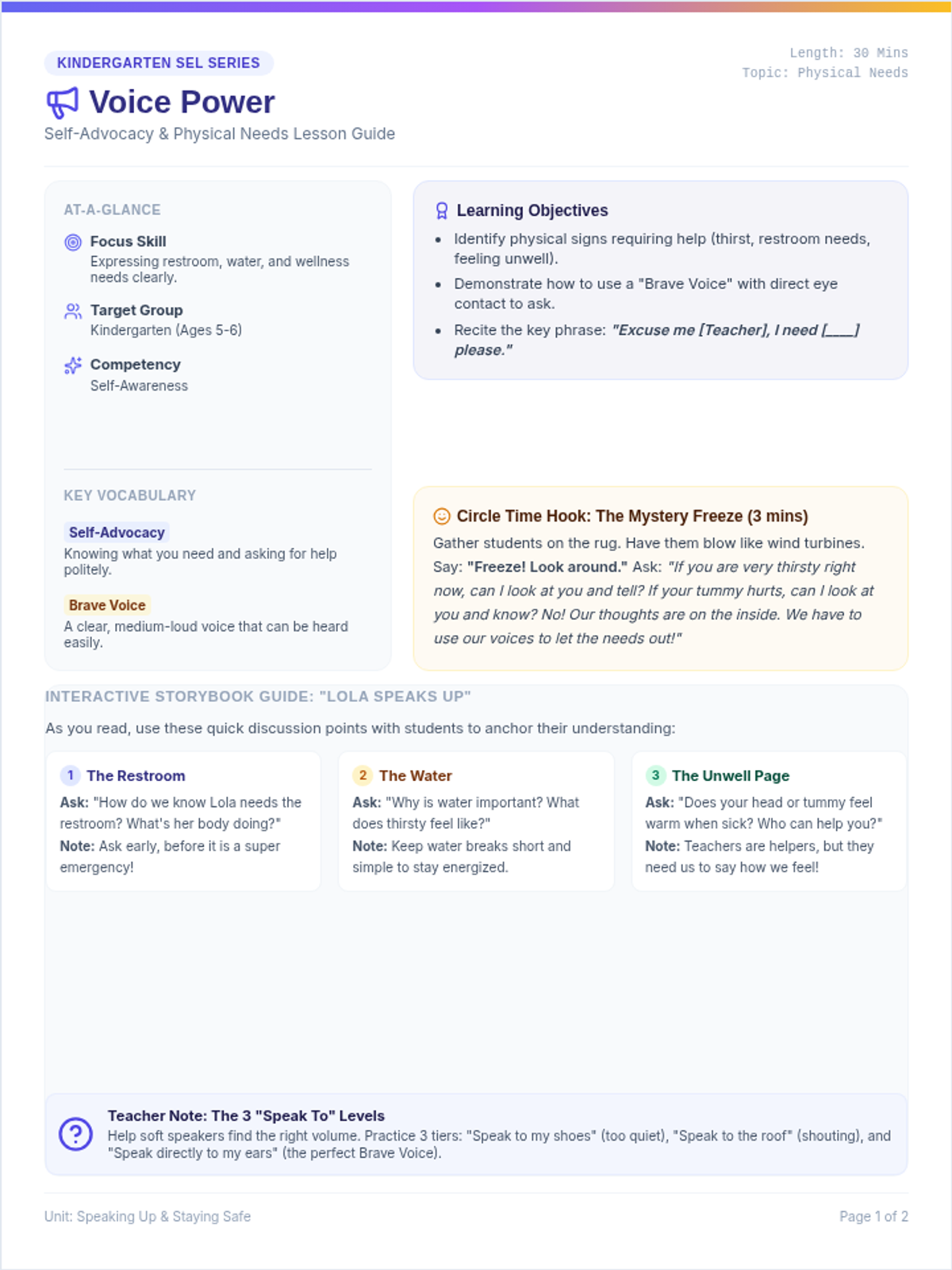
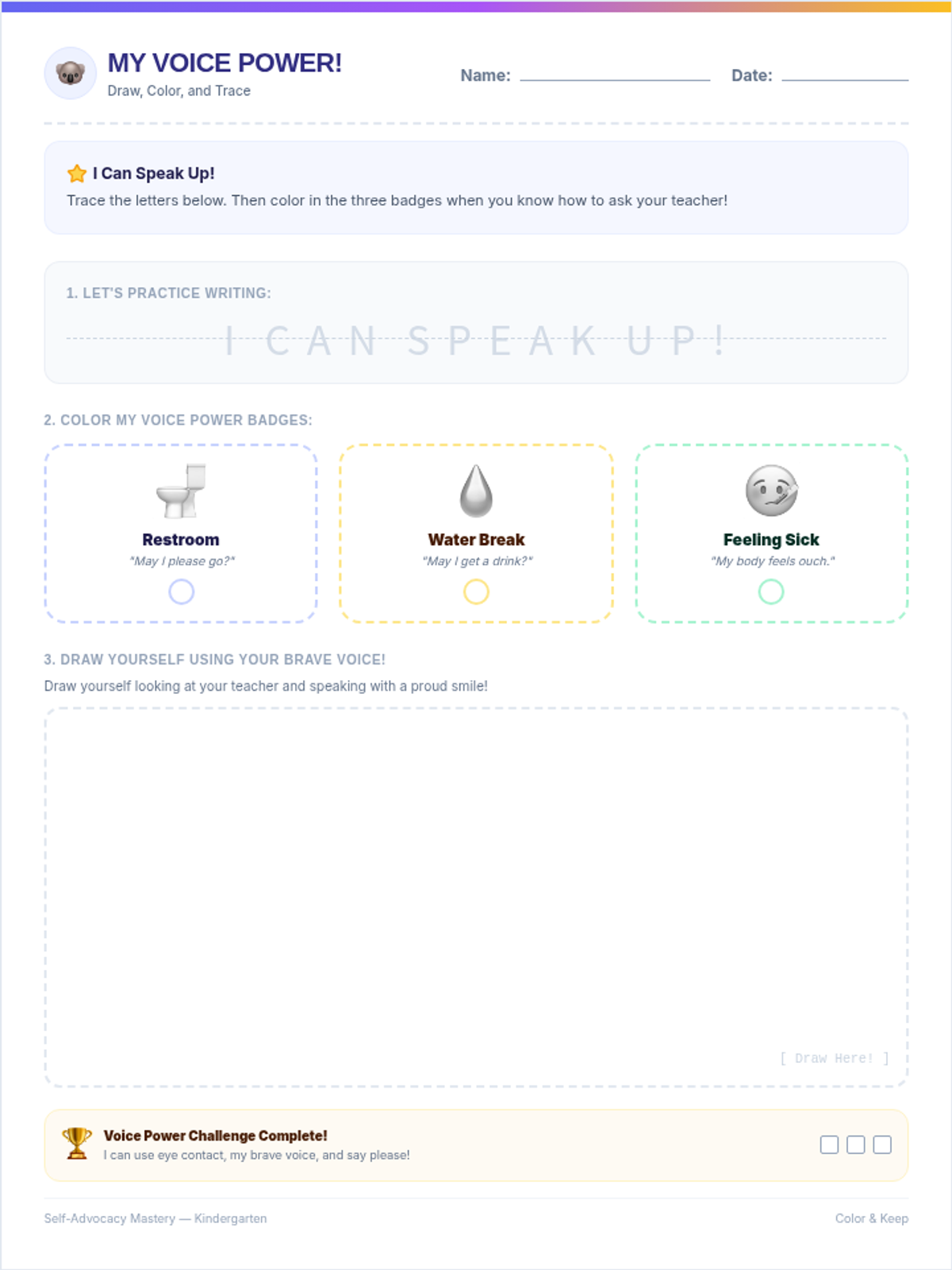
A social-emotional learning lesson for Kindergarteners focused on self-advocacy. Students learn how to speak up to their teacher about basic physical needs like water, restroom breaks, and feeling unwell through an engaging storybook and interactive discussion.
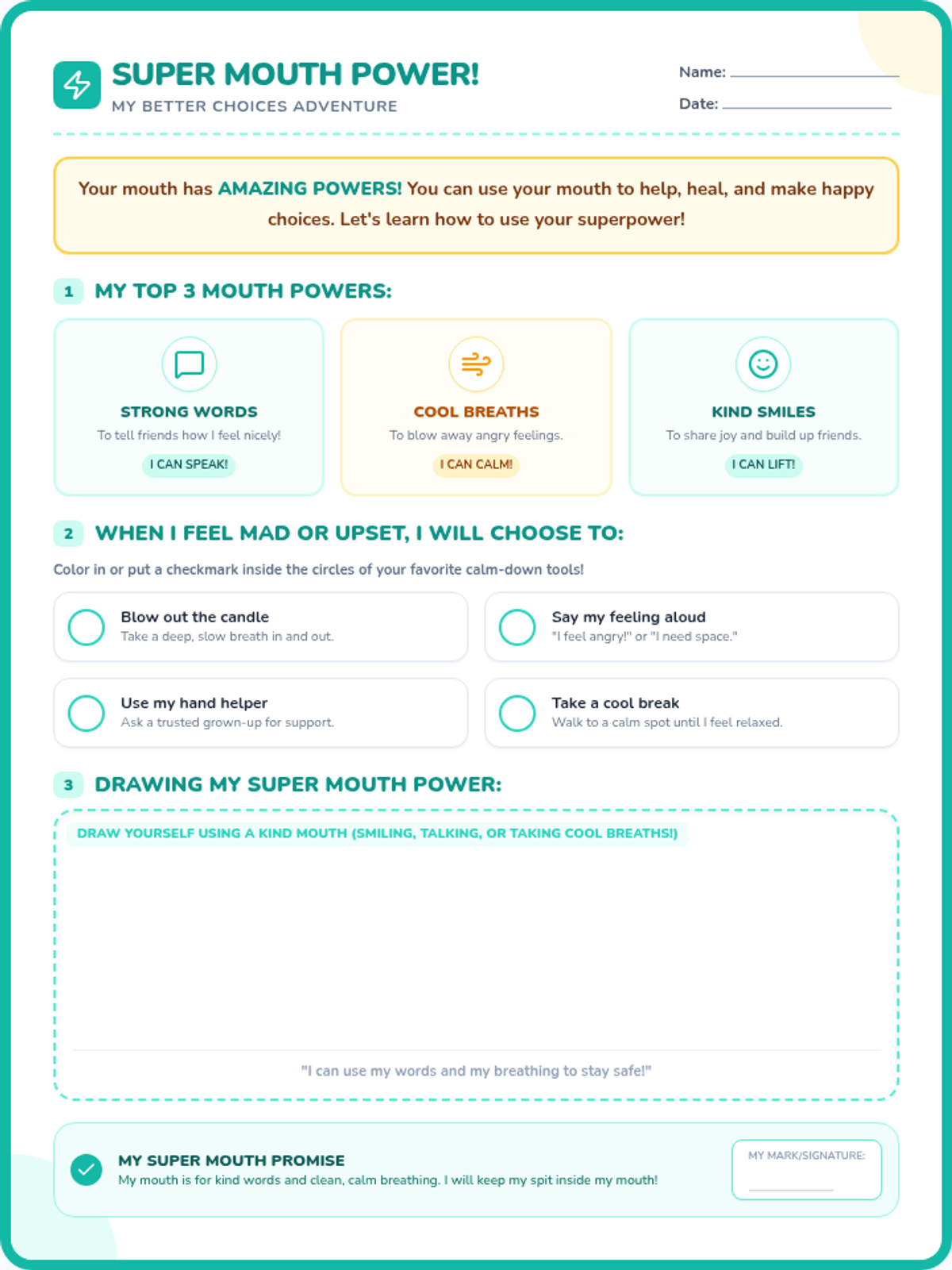
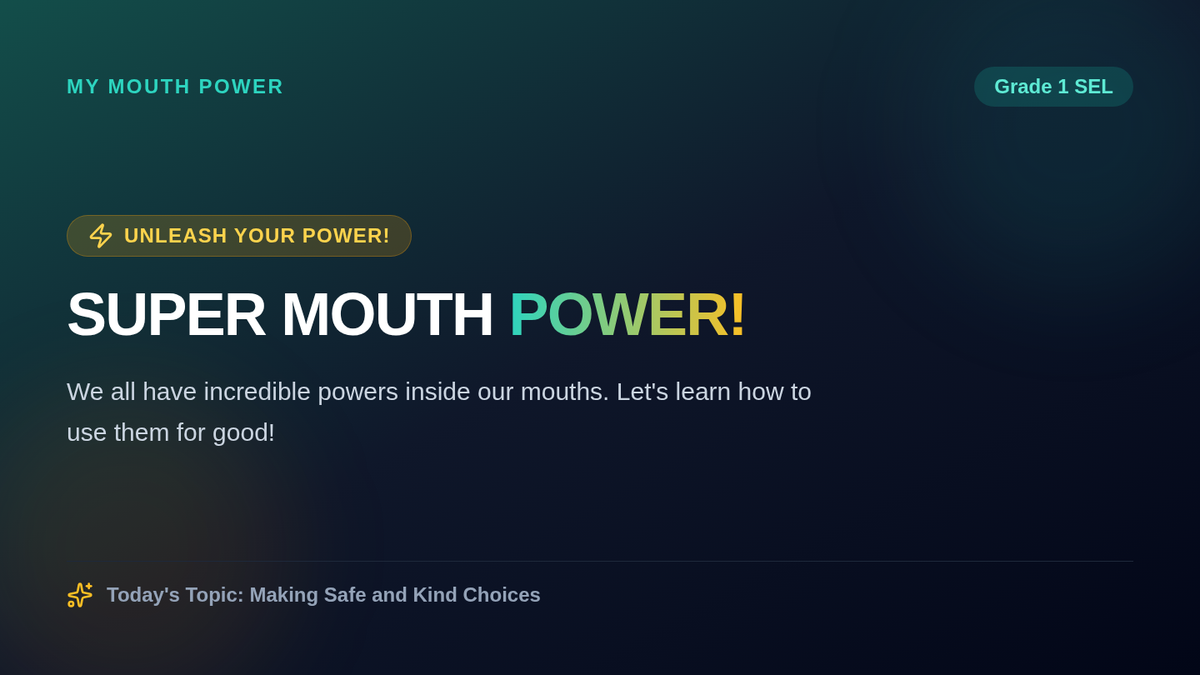
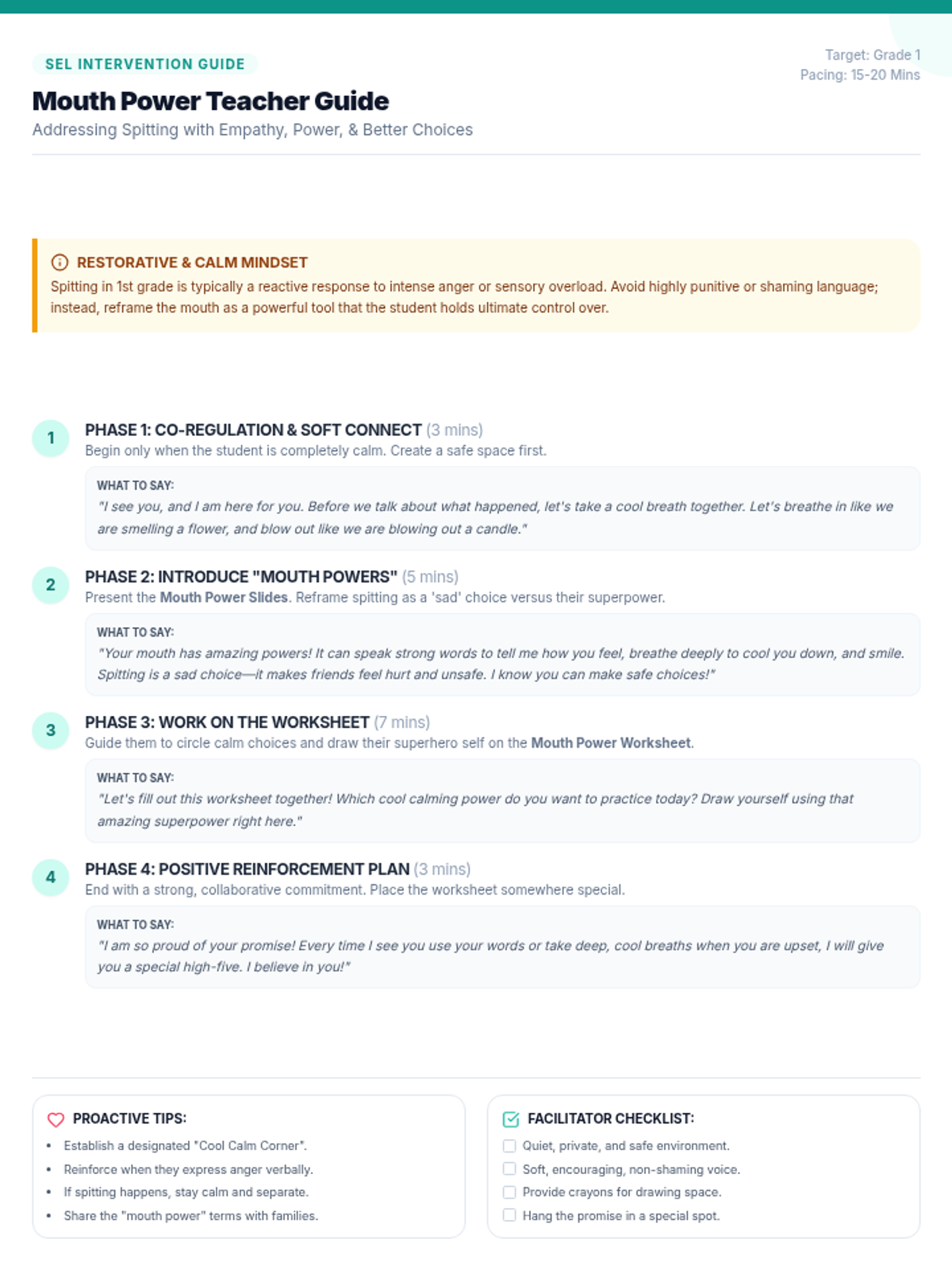
An SEL lesson designed for first-grade students to address spitting behaviors by teaching them how to use their mouth for positive powers (words, breathing, smiling) rather than hurting others. It includes a student reflection worksheet, interactive slides, and a teacher facilitation guide.
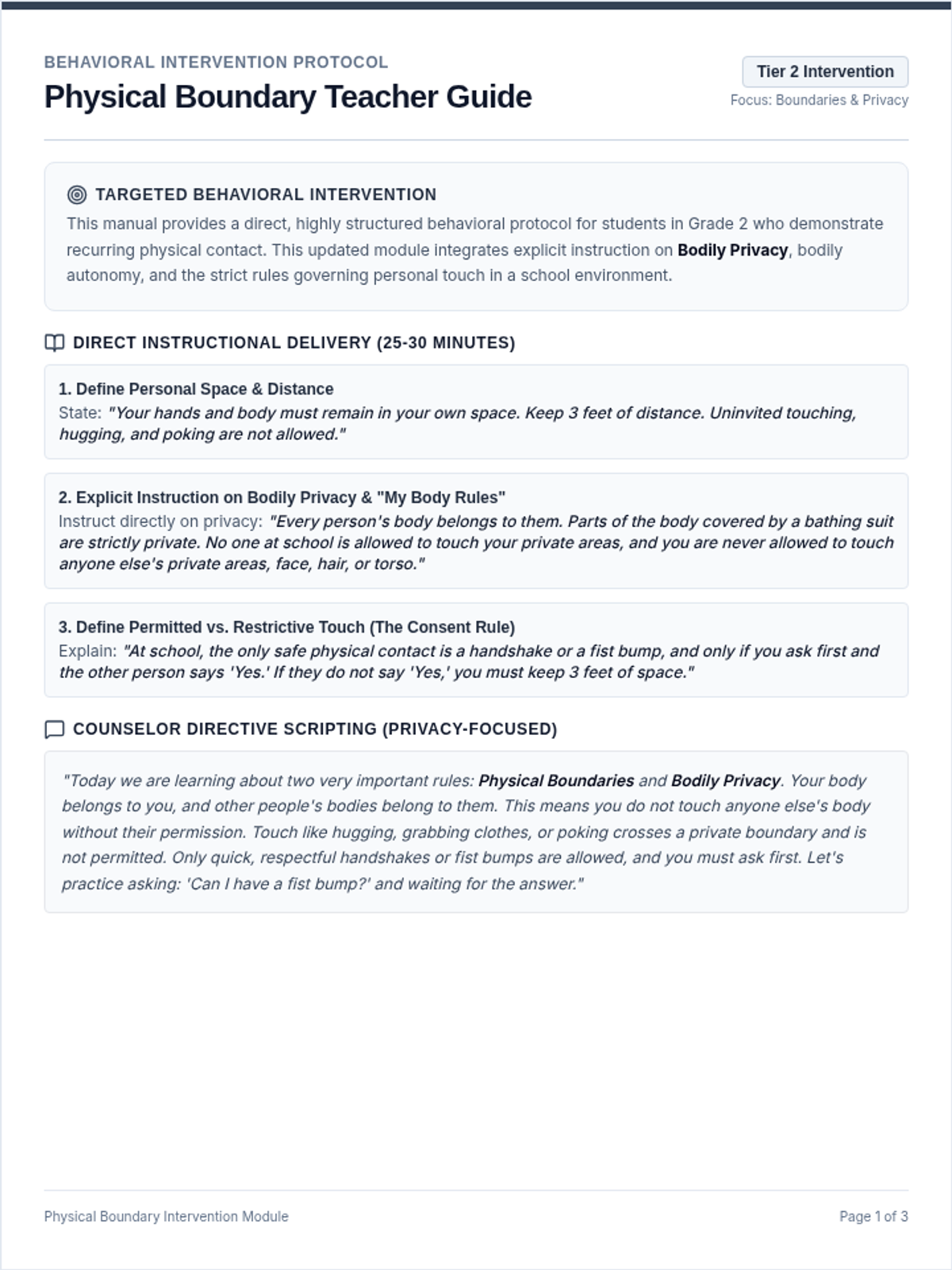
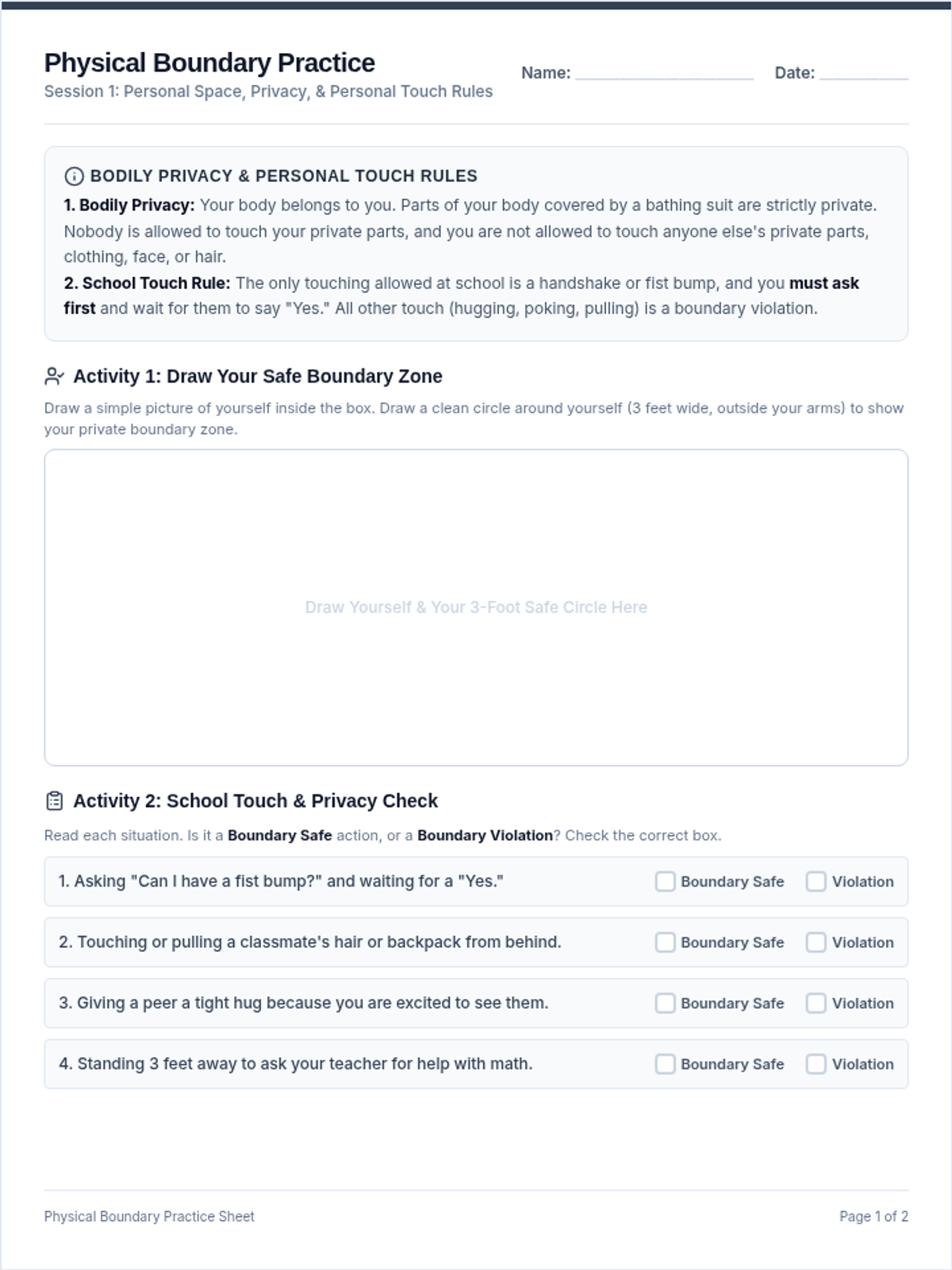
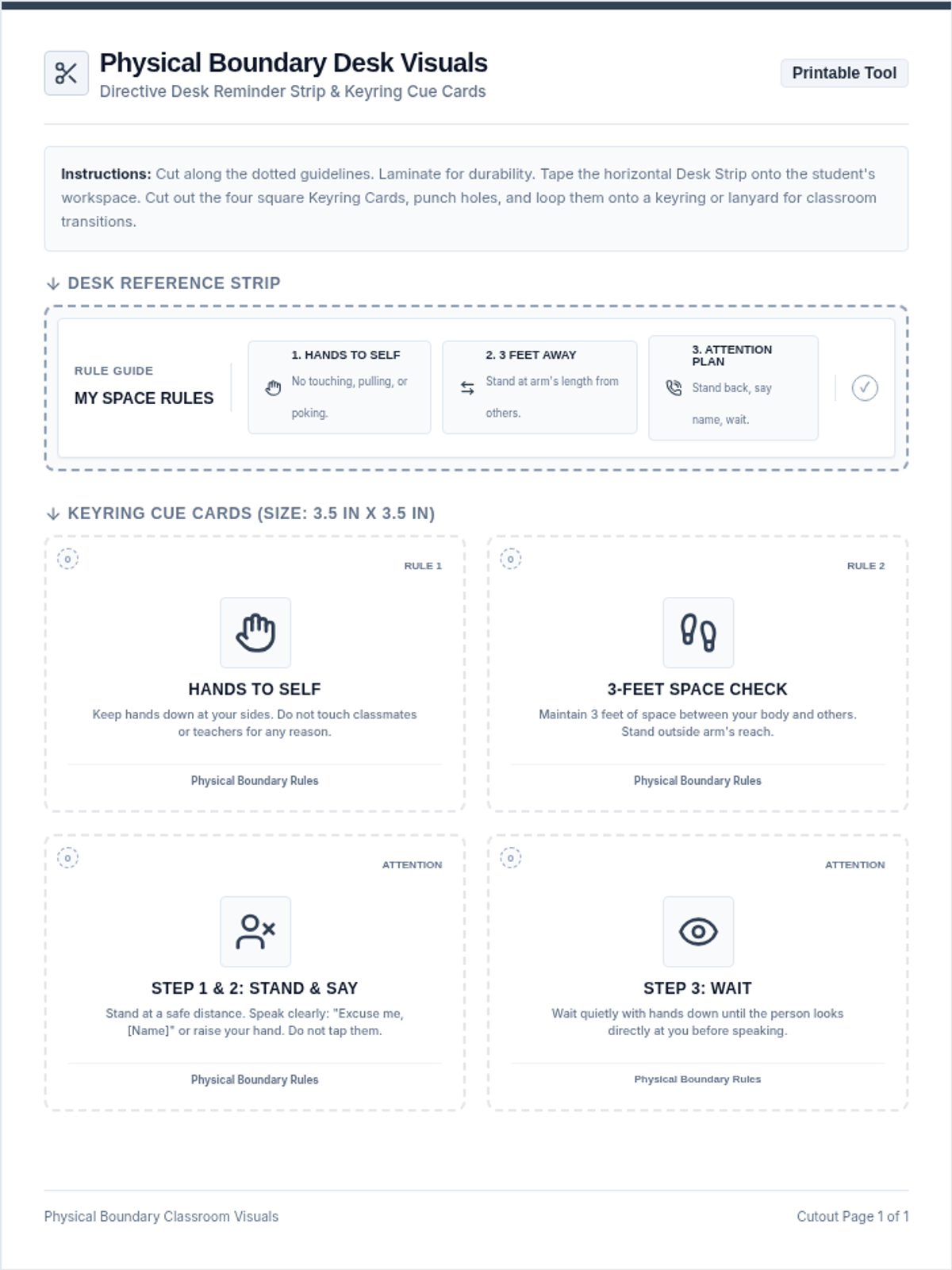
A directive behavioral intervention lesson designed for 2nd-grade students to learn explicit physical boundary limits, replace inappropriate touching of peers and adults, and practice structured attention-seeking replacement actions. Includes a professional guidance packet with de-escalation scripts, student workbooks, and desk visual reminders.
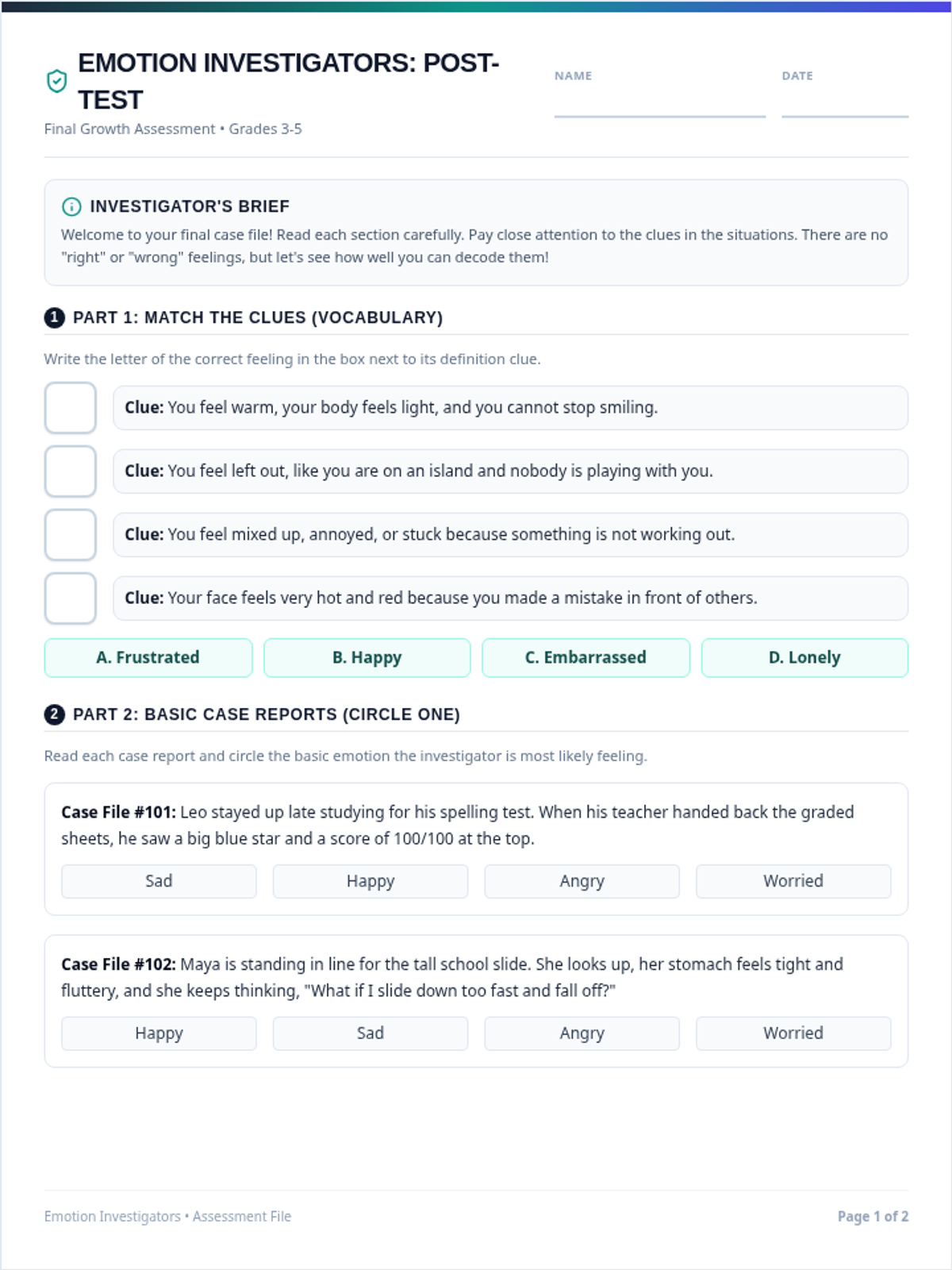
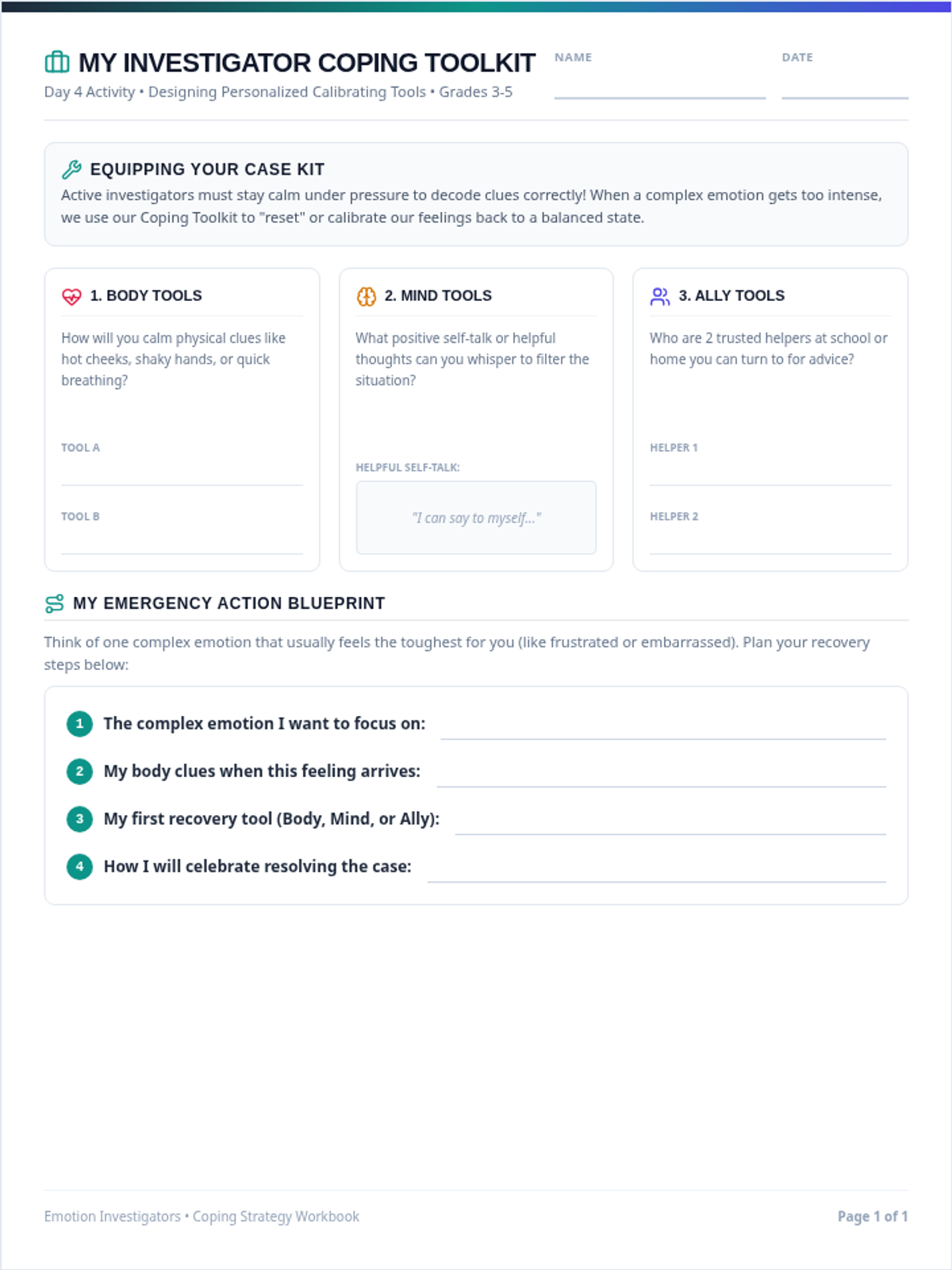
Focuses on identifying and planning coping strategies for intense emotions, reviewing progress, and conducting the post-test.
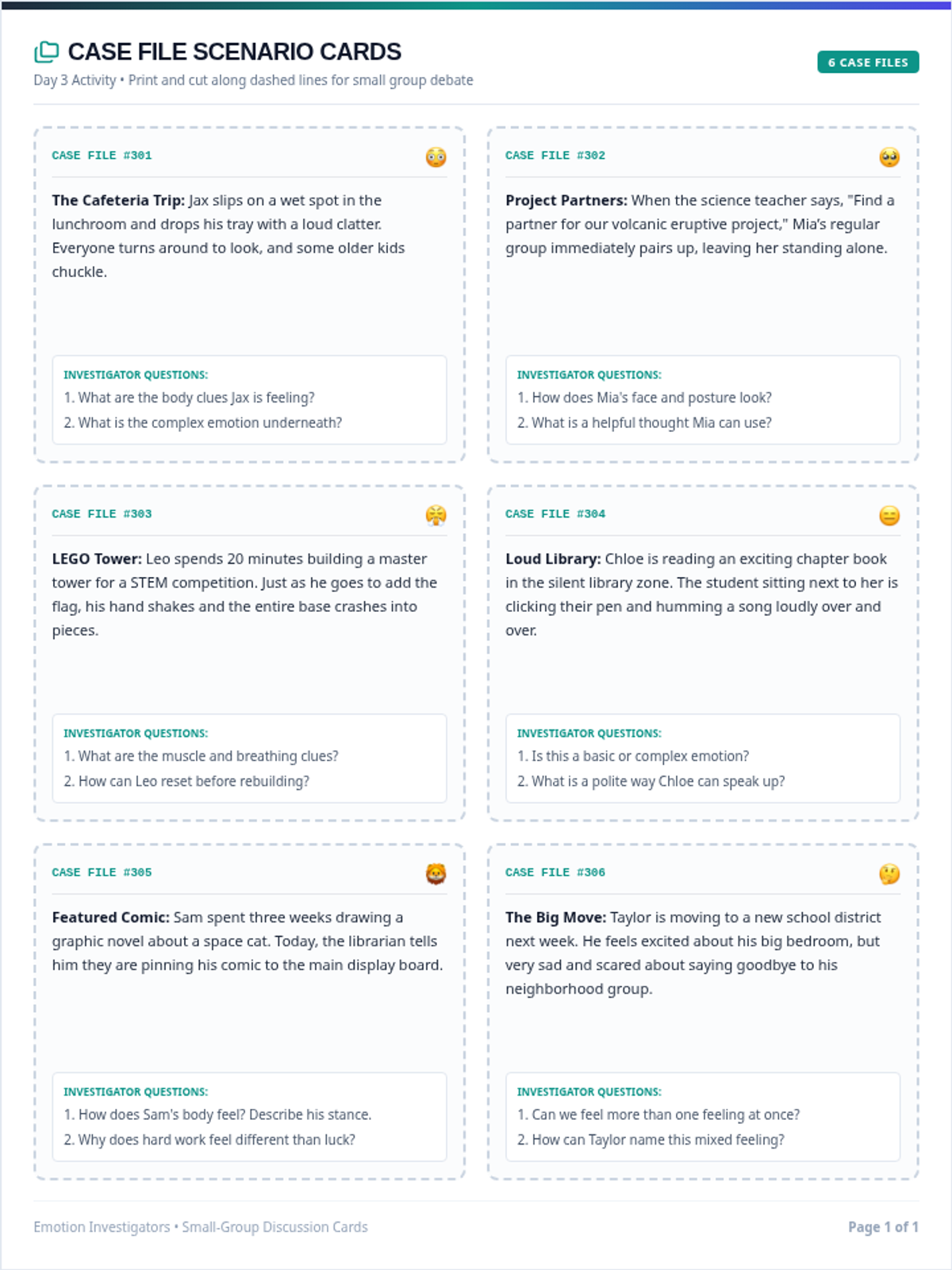
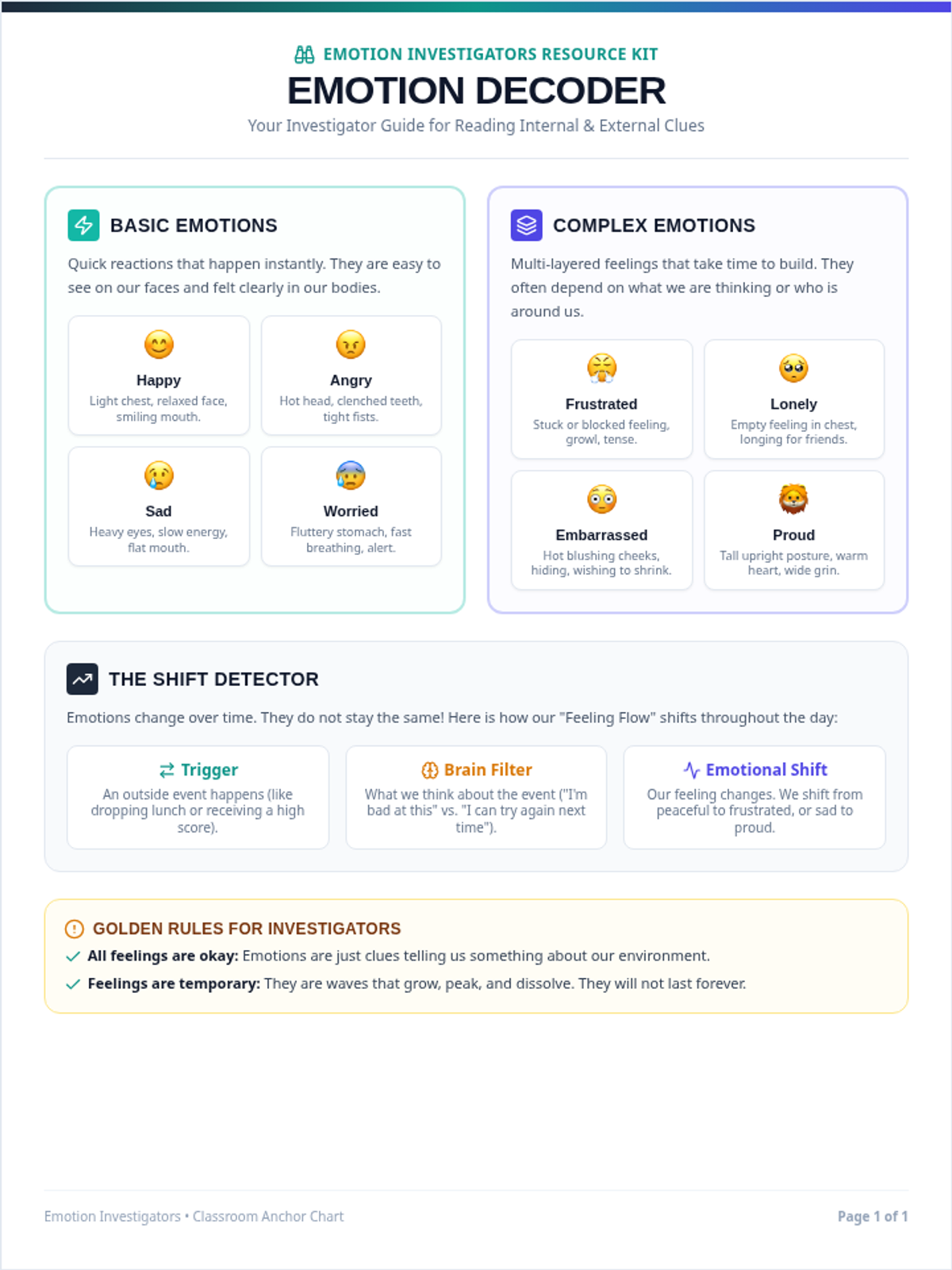
Focuses on decoding complex emotions (frustrated, embarrassed, lonely, proud) through reading and discussing scenario cards.
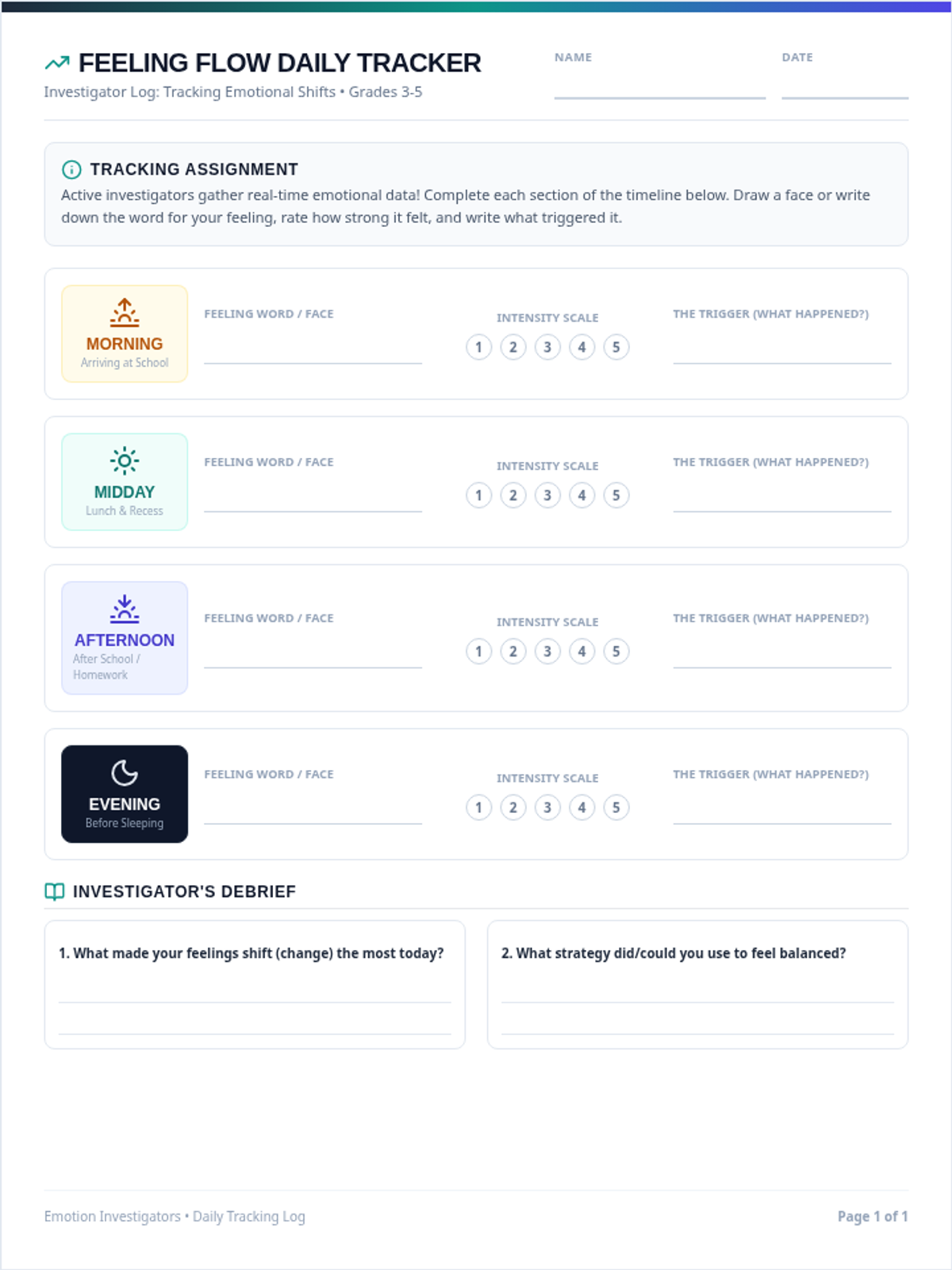
Explores how emotions shift throughout the day due to external events and internal thoughts, introducing the daily tracking log.
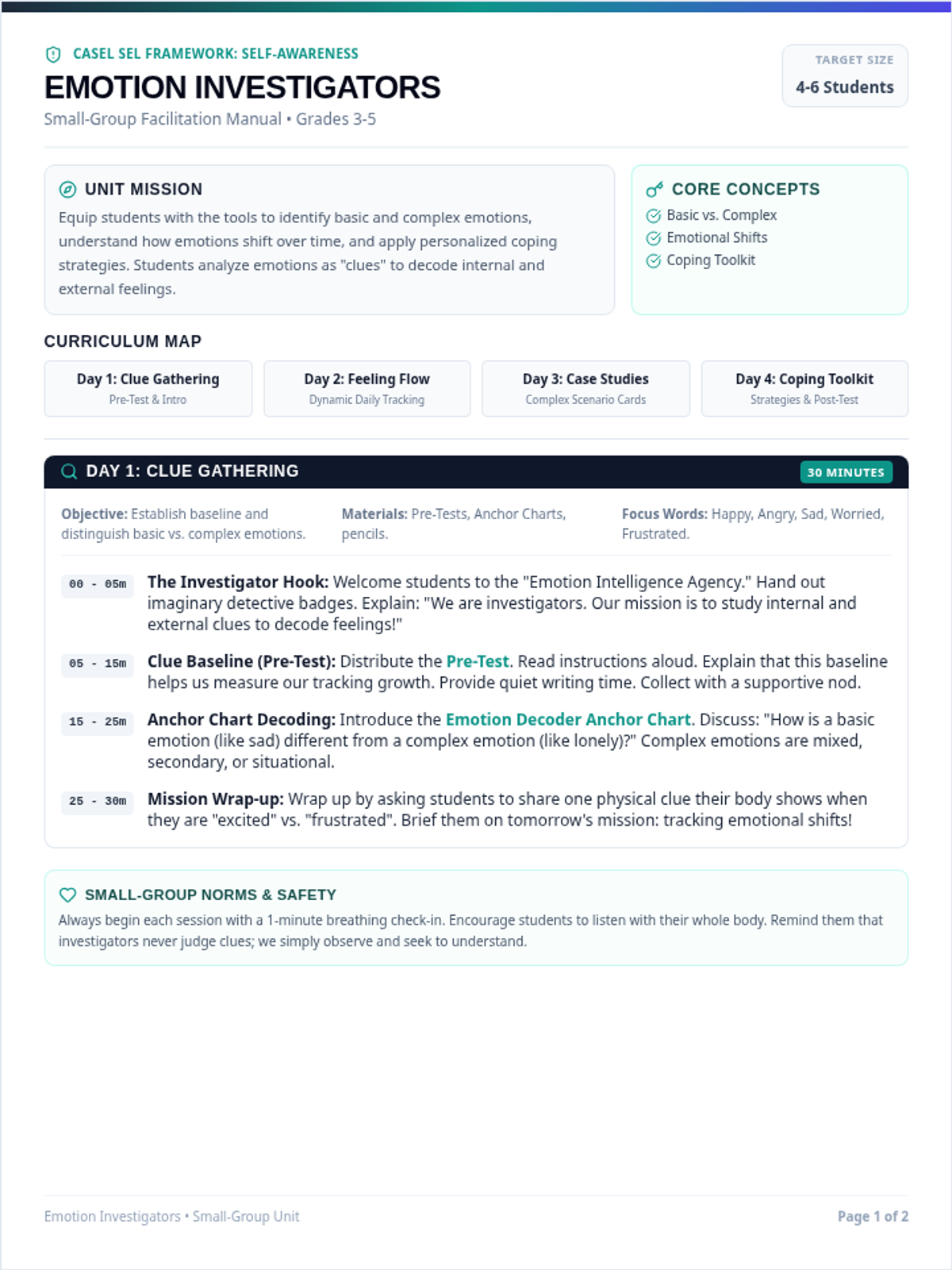
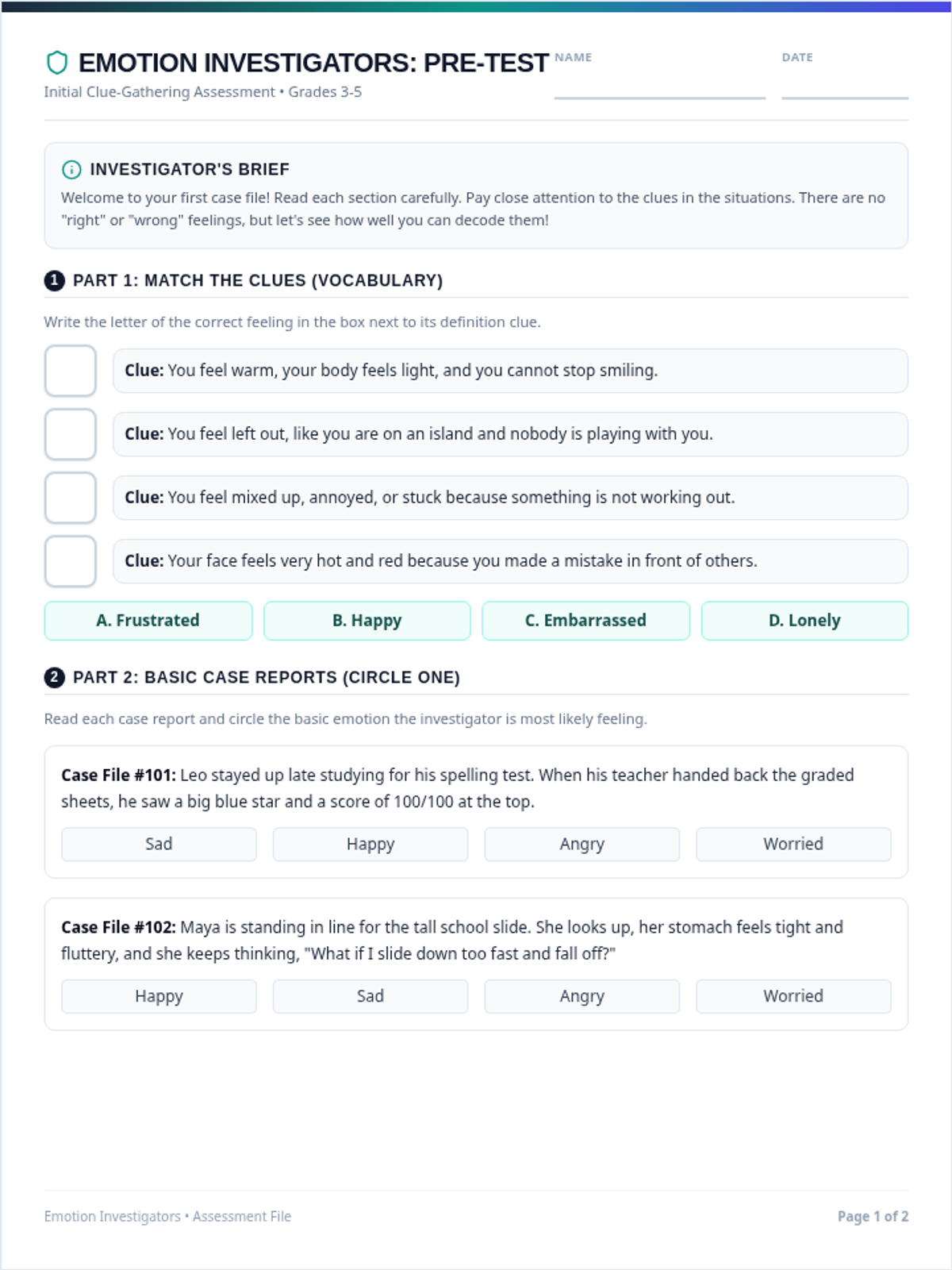
Focuses on baseline assessment with the Pre-Test and introduces the difference between basic and complex emotions using visual anchor charts.
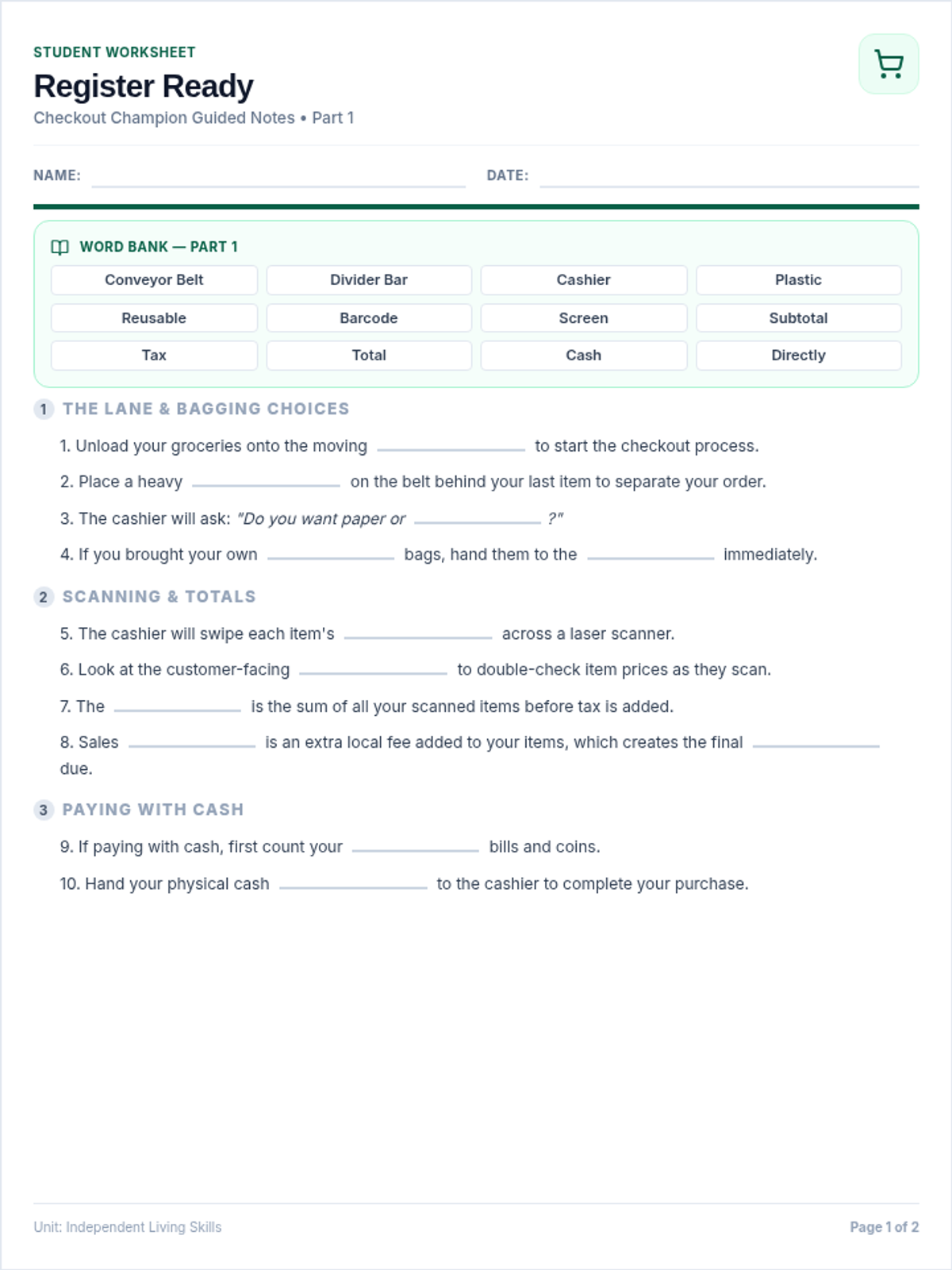
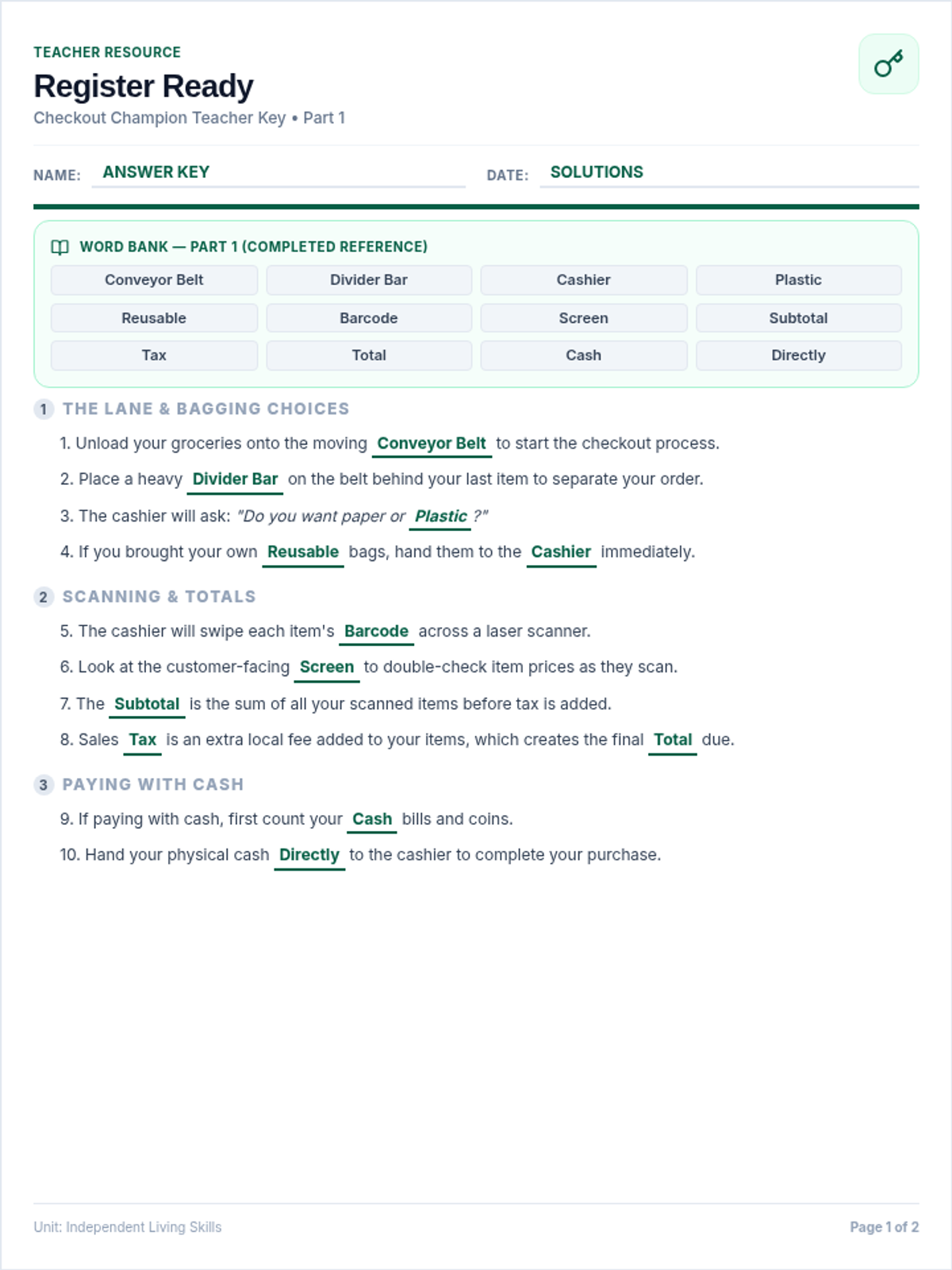
A comprehensive lesson teaching students how to navigate a point-of-sale transaction, covering cashier interaction, bagging choices, and the specific steps for paying with cash, card, or Apple Pay.
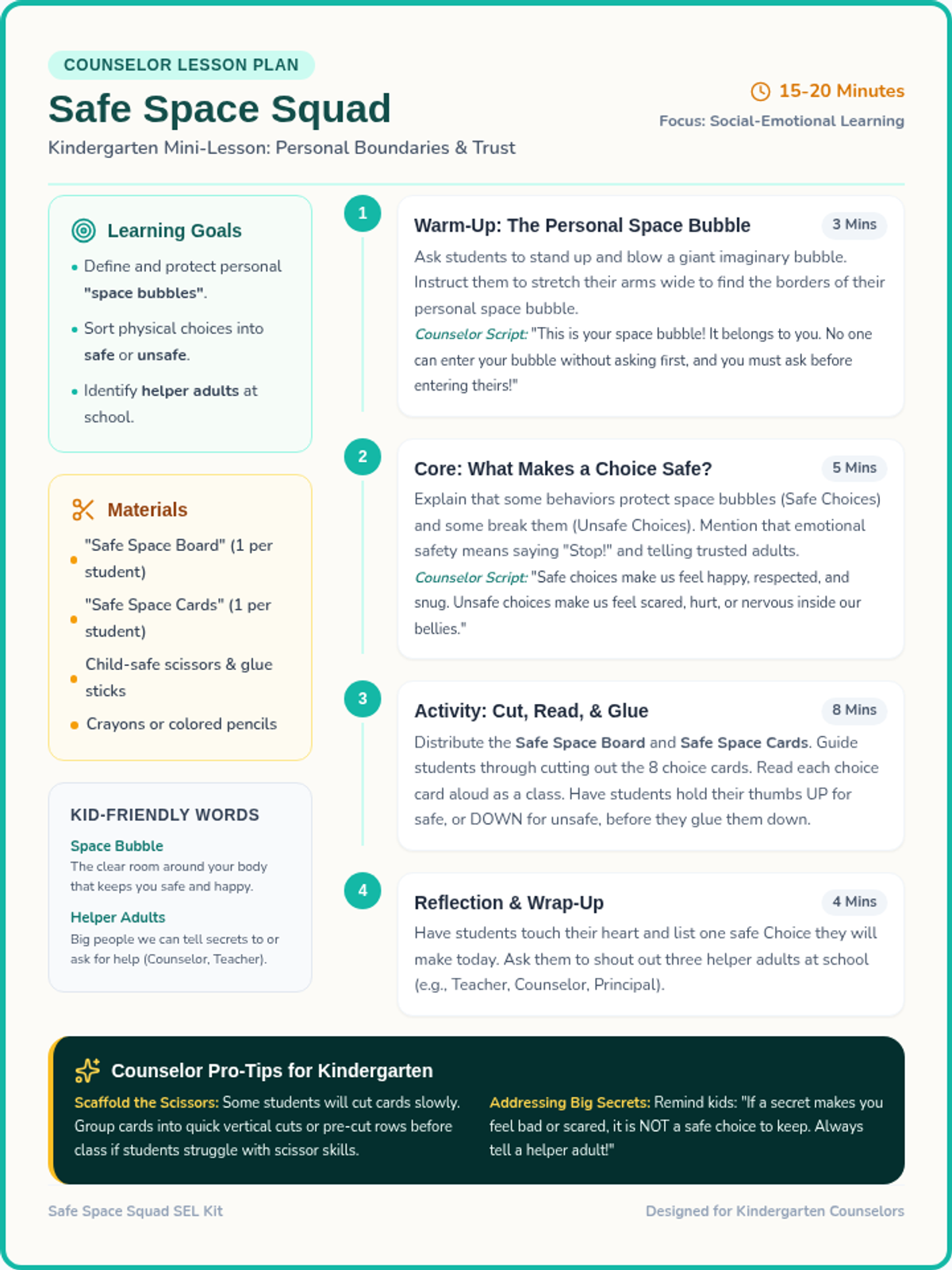
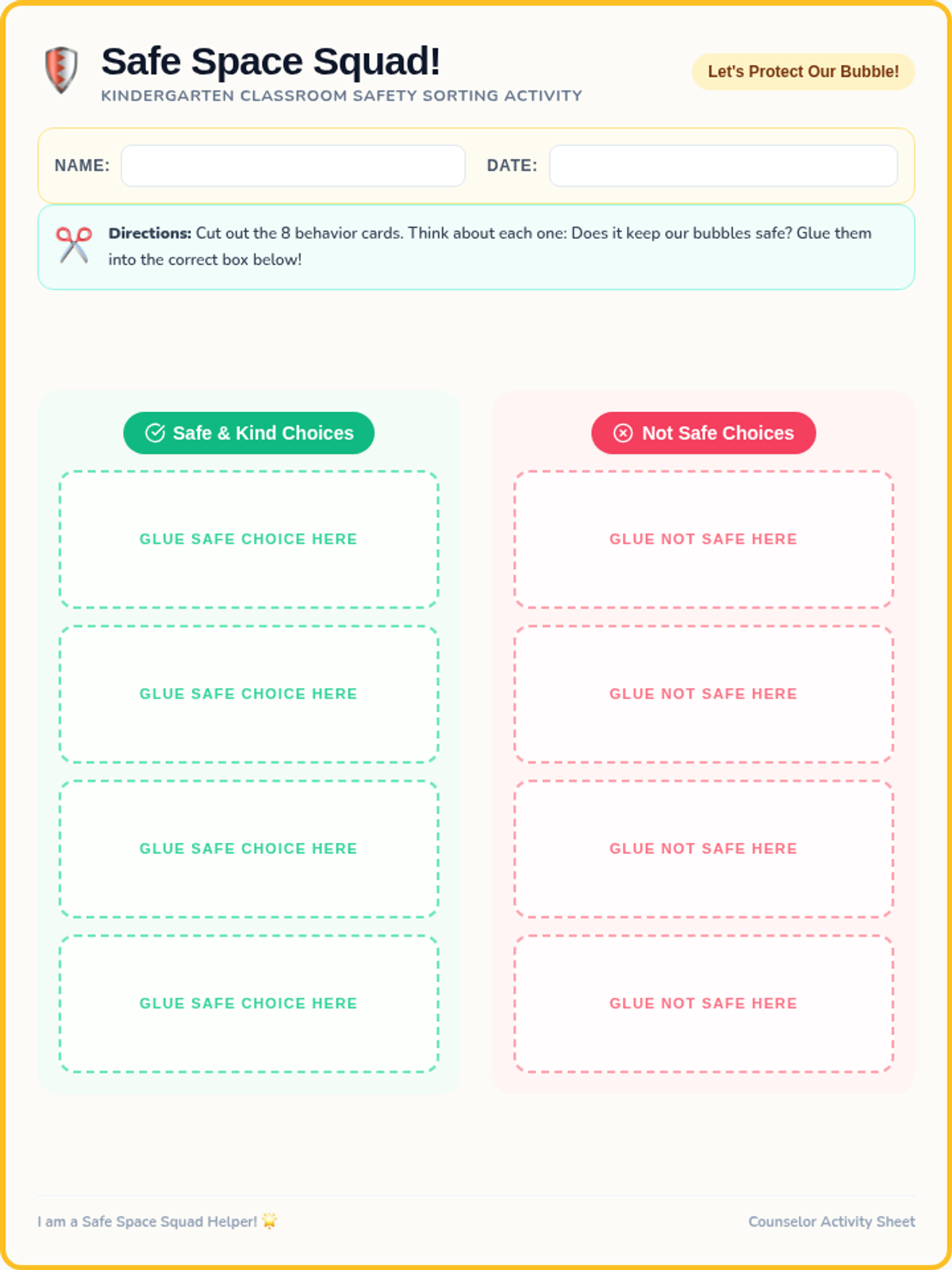
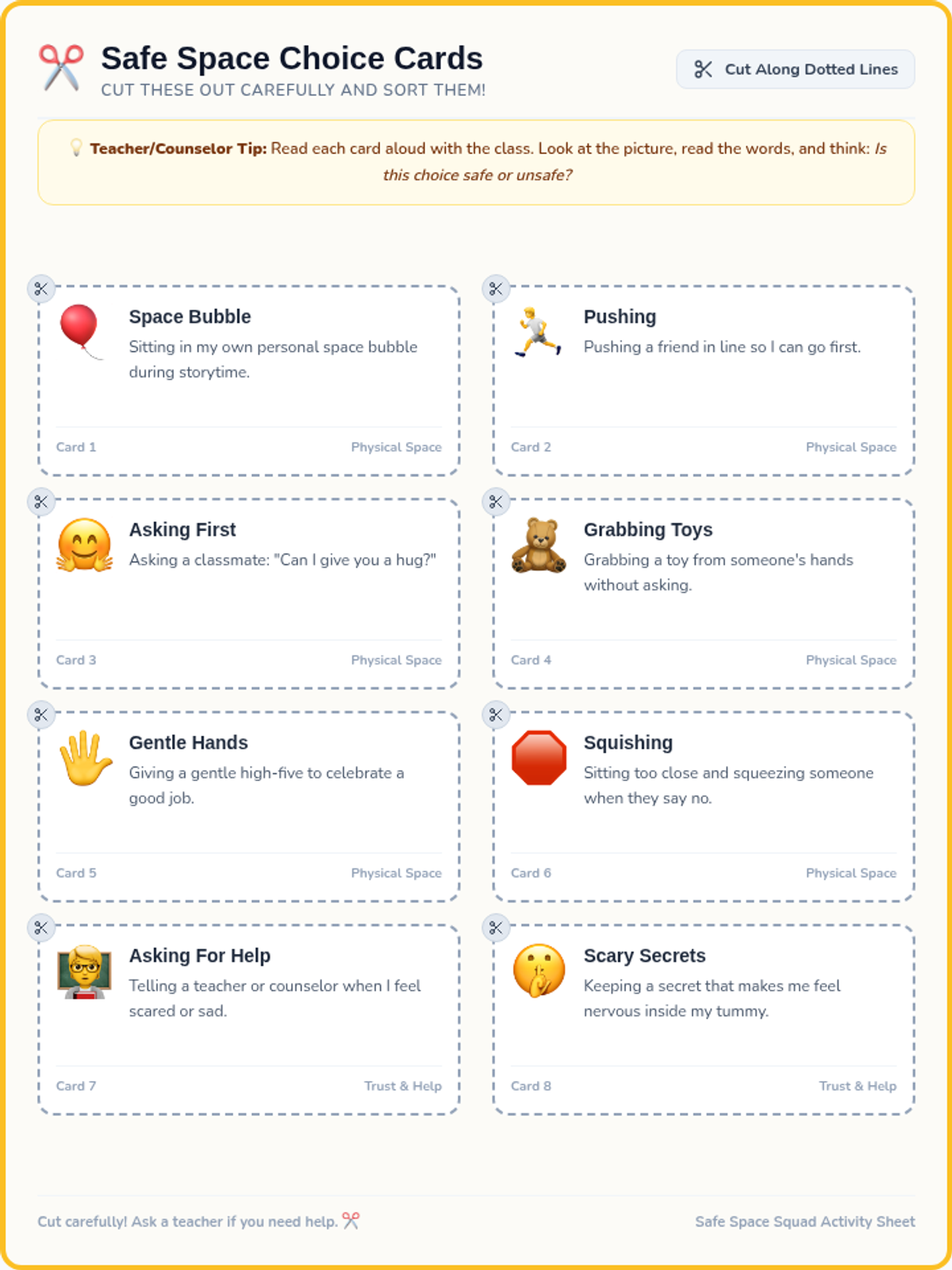
A counselor-led mini-lesson on classroom safety, physical boundaries, and emotional trust for kindergarten students, featuring a visual cut-and-paste sorting activity.
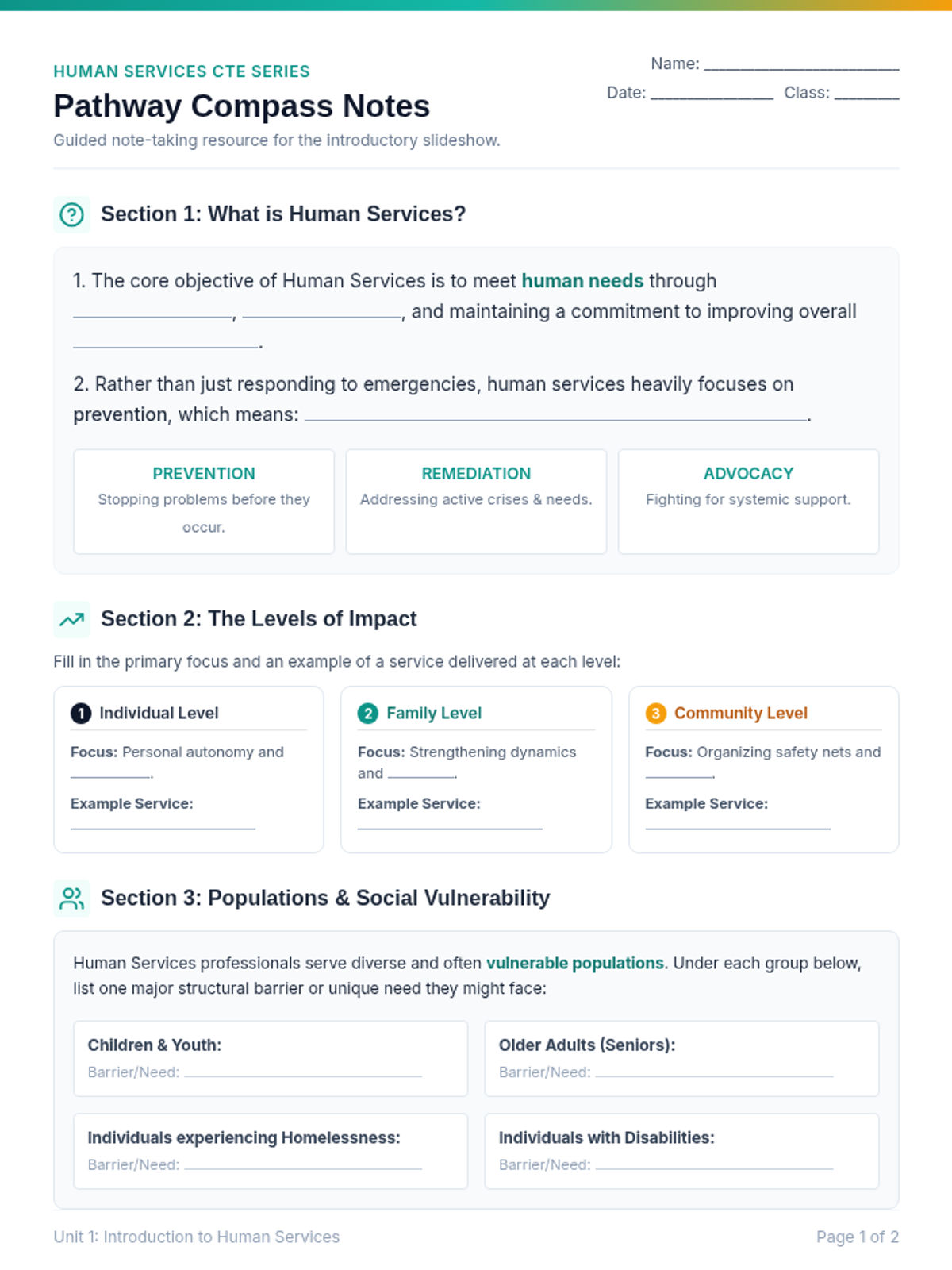
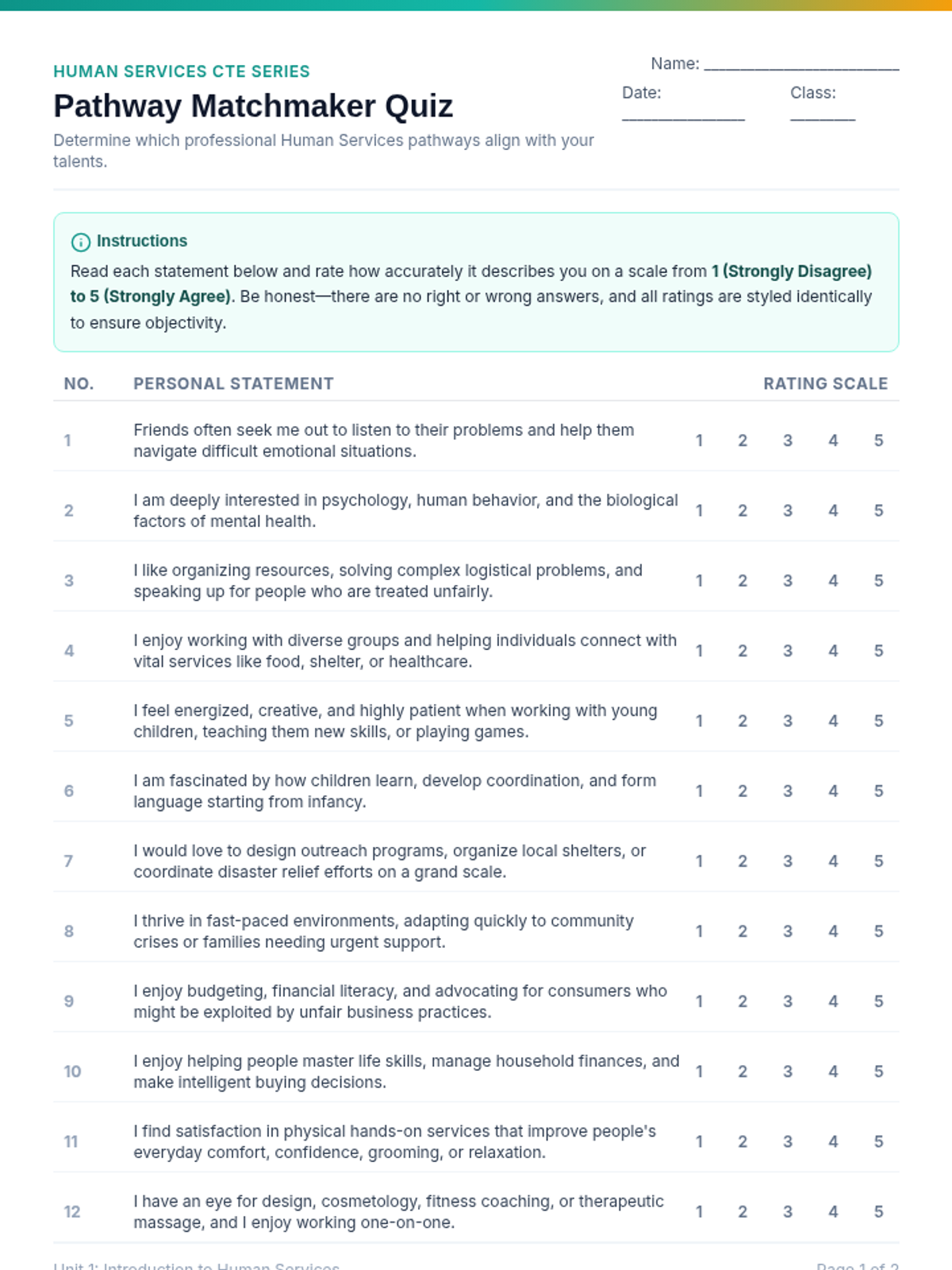
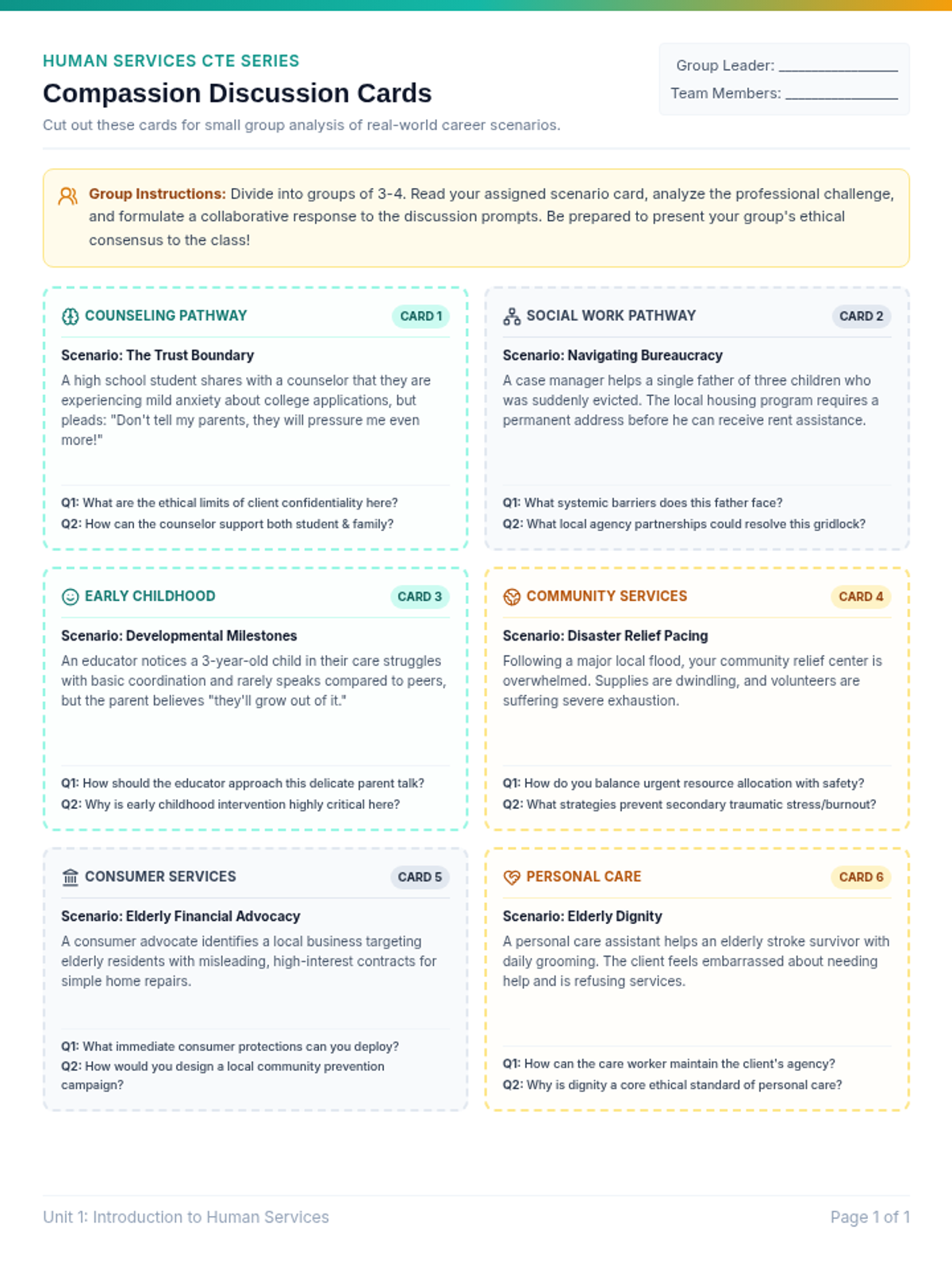
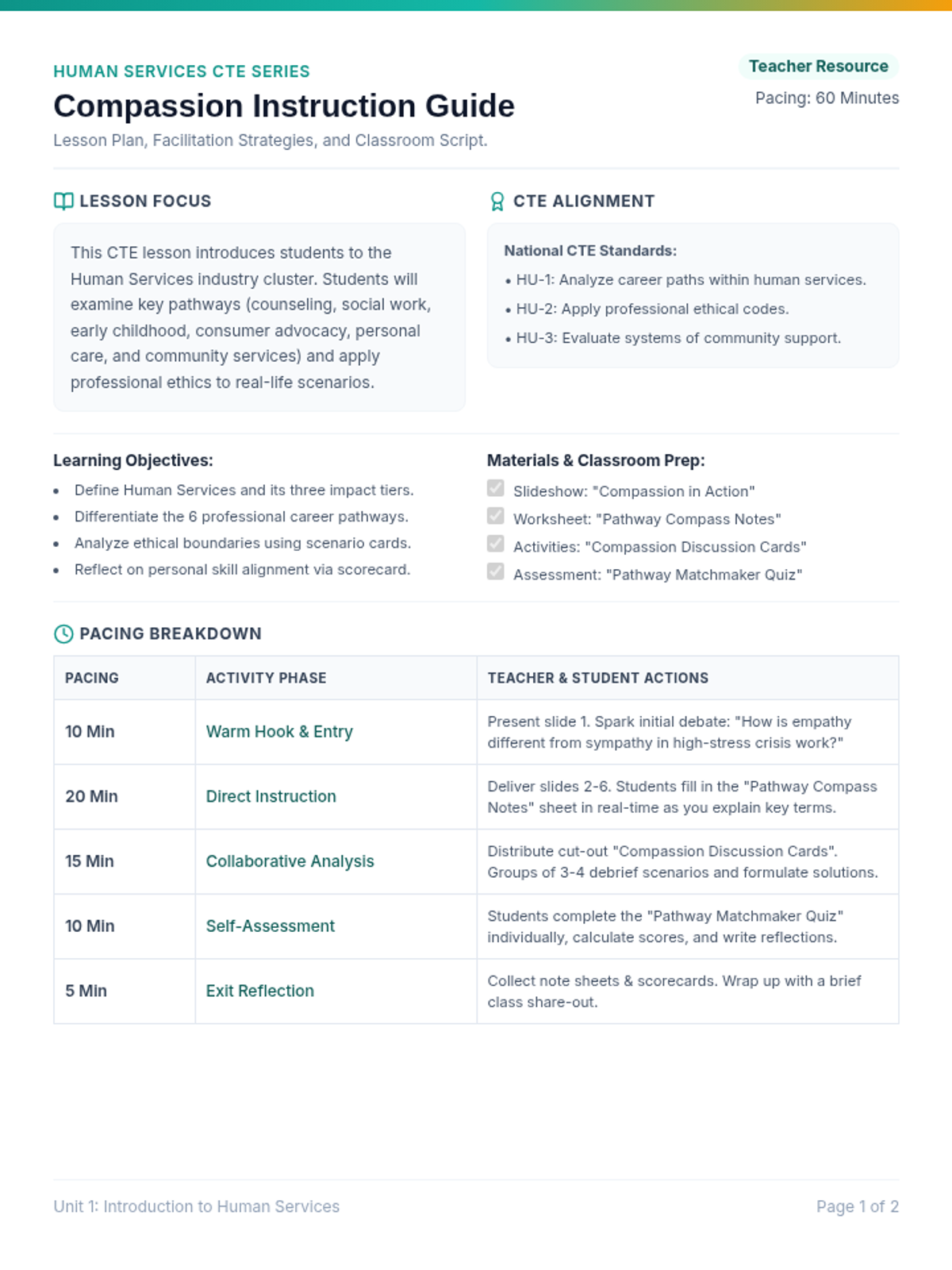
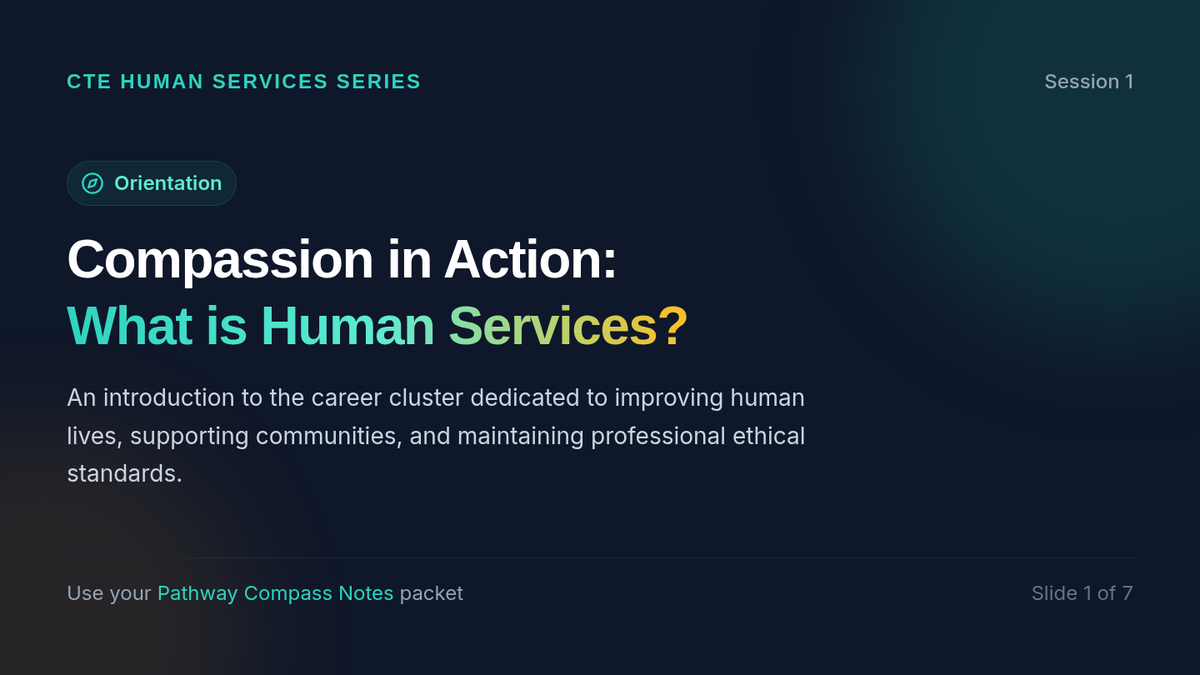
An introductory CTE lesson on the Human Services career cluster. Students explore core concepts, career pathways, populations served, and ethical standards through visual slides, guided notes, a career self-assessment quiz, and real-world discussion cards.
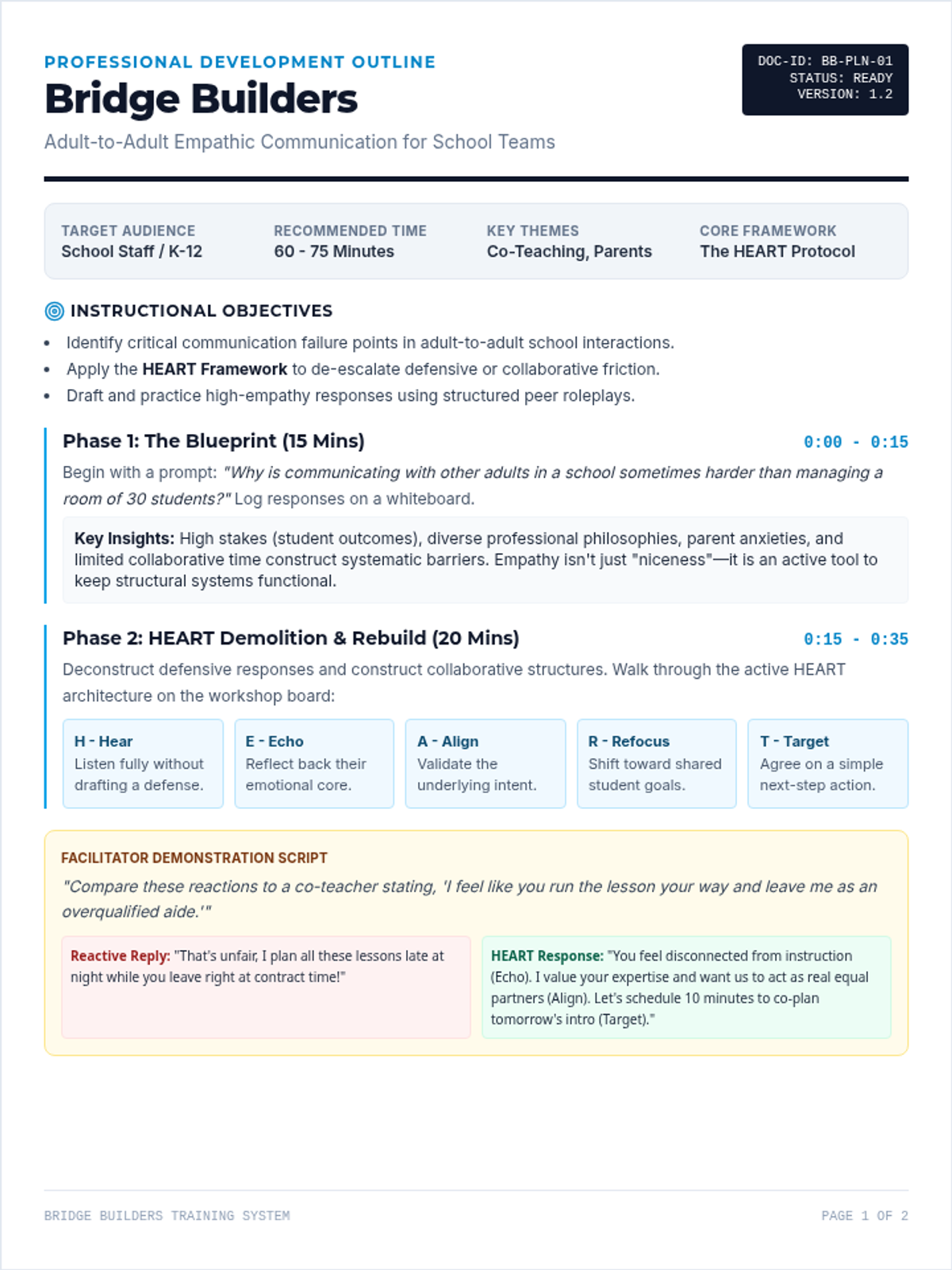
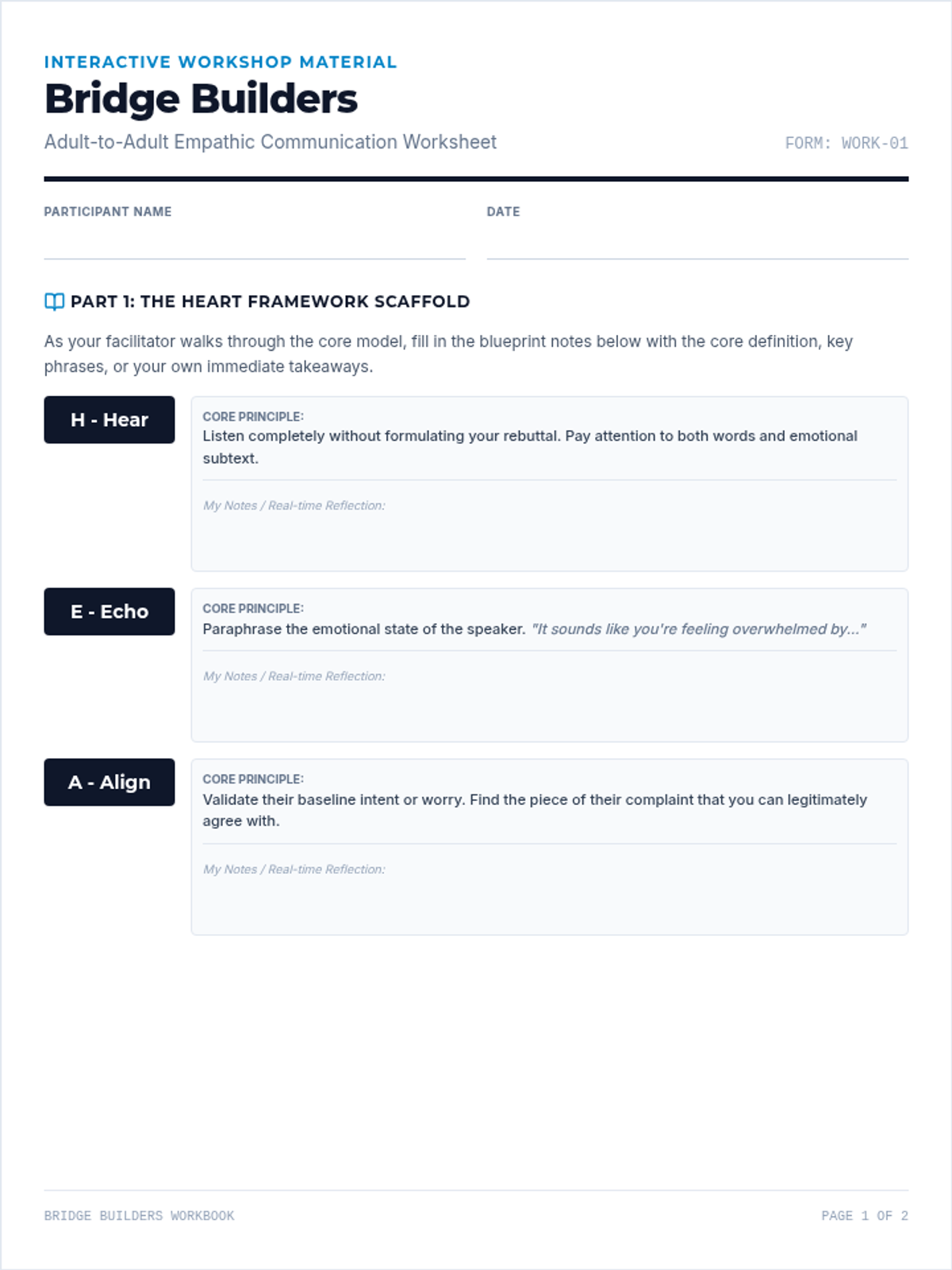
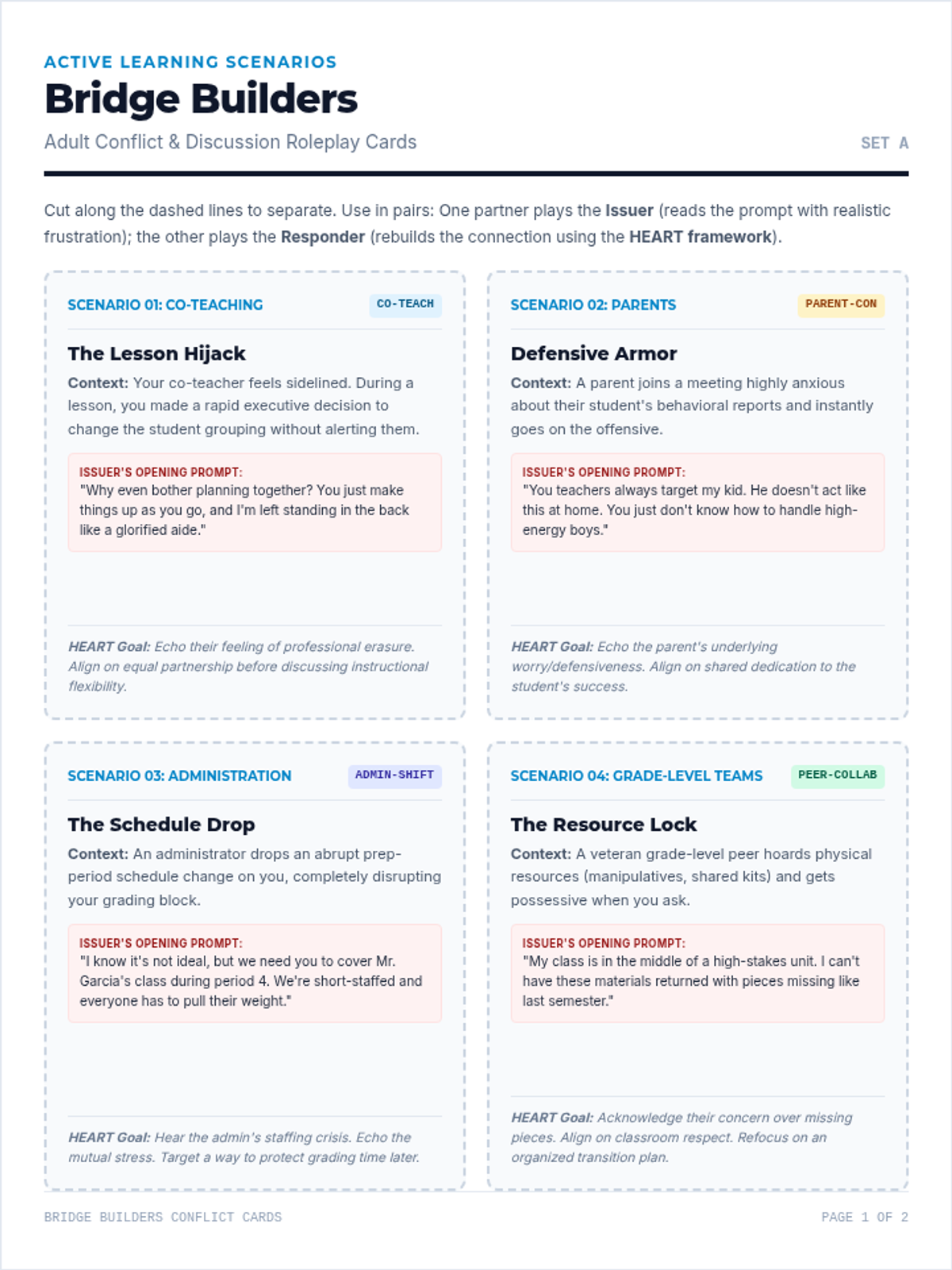
A professional development training module designed for school staff to master adult-to-adult empathic communication. It equips teachers and administrators with frameworks to handle co-teaching conflicts, difficult parent-teacher conferences, and administrative collaboration.
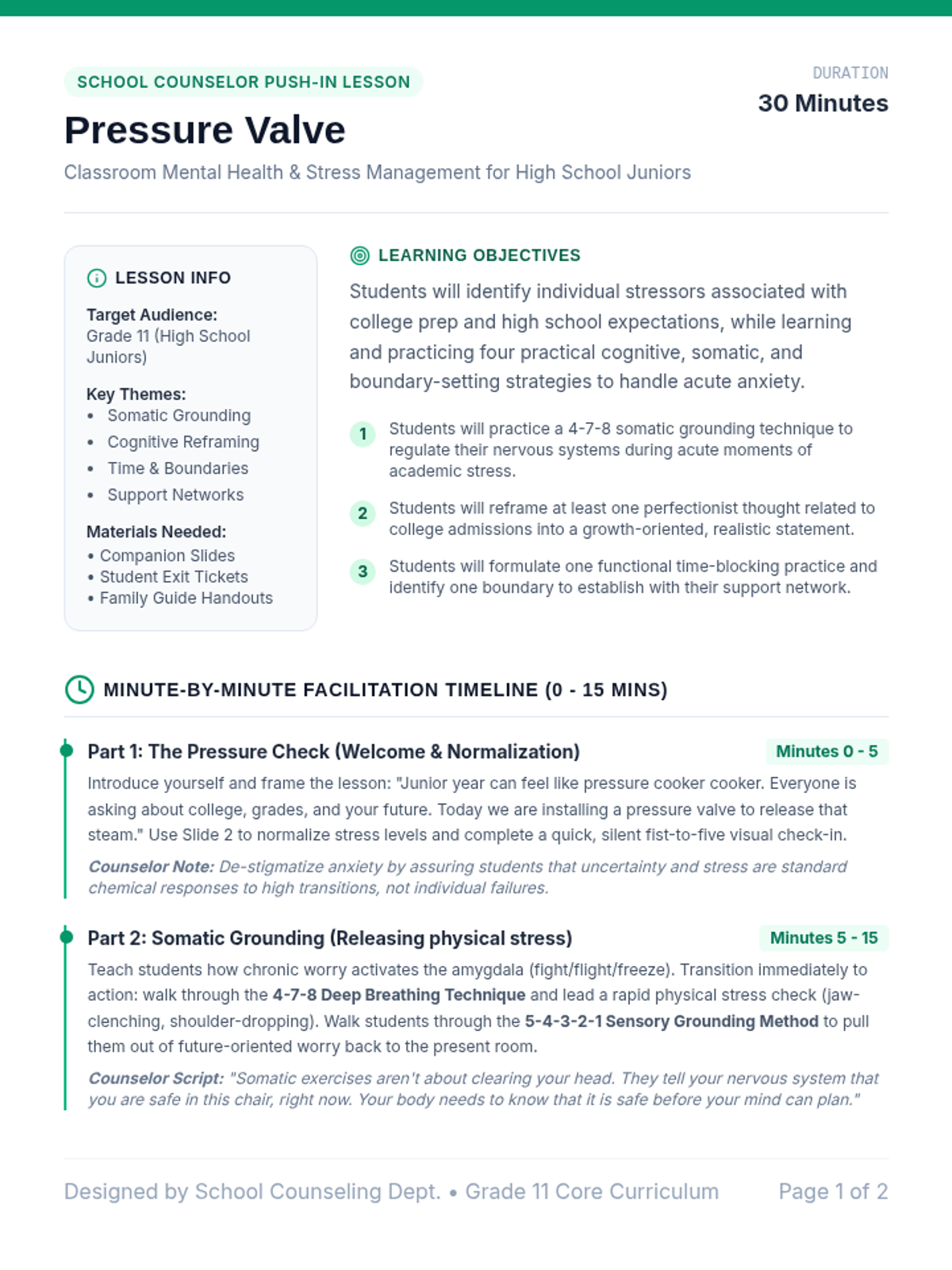
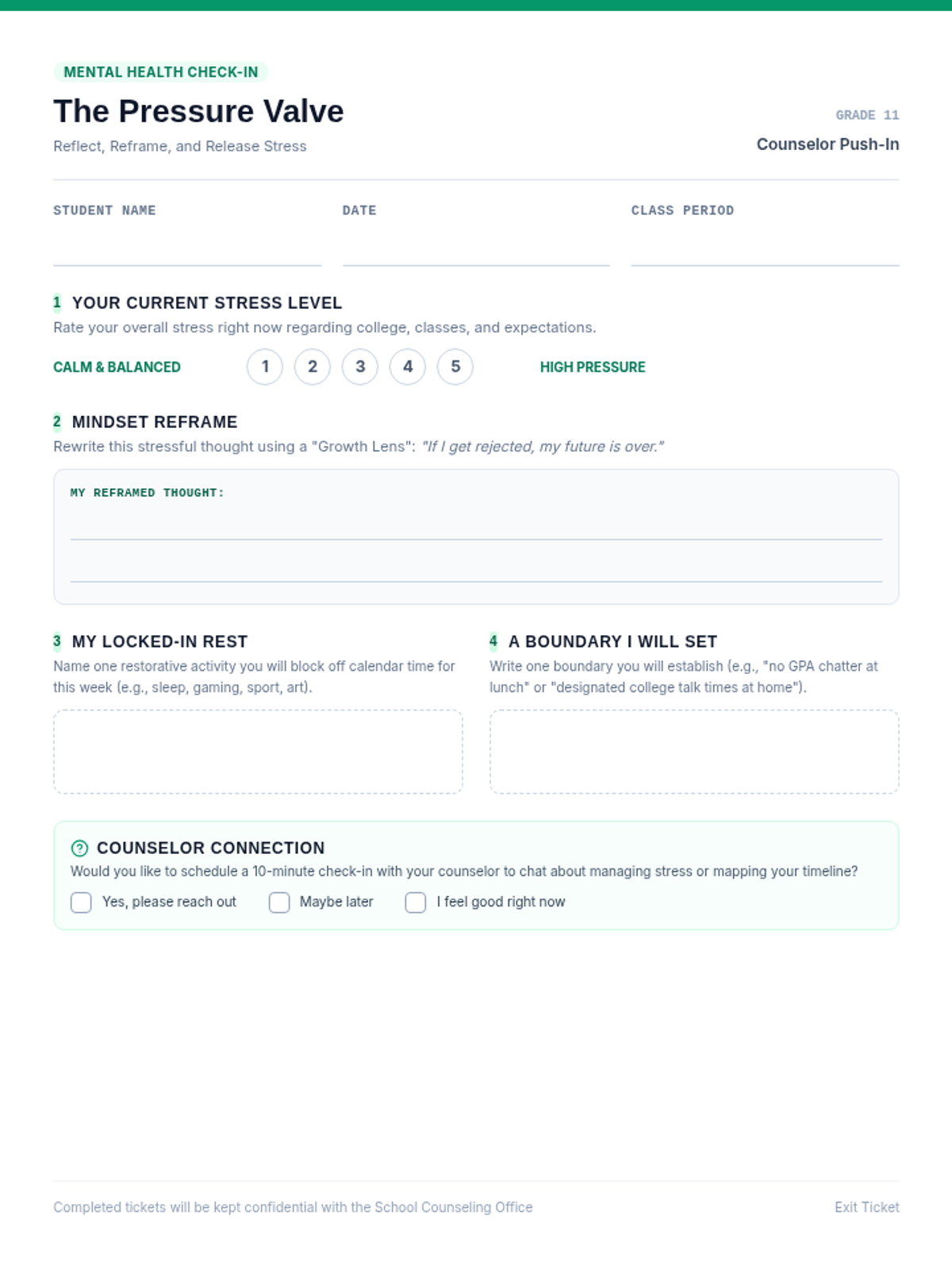
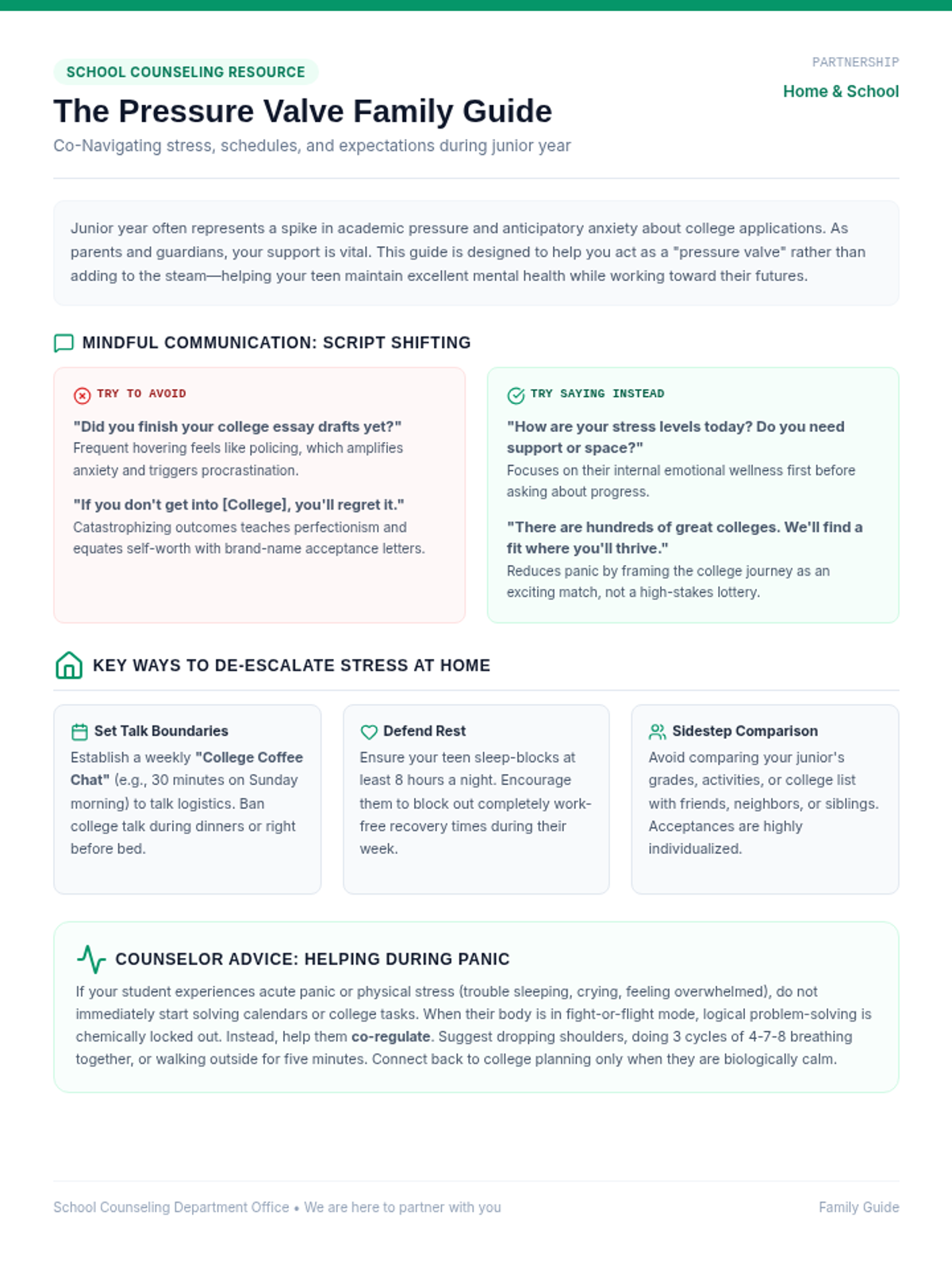
A high-impact 30-minute classroom push-in counselor lesson designed to equip high school juniors with practical cognitive reframing, somatic grounding, time management, and family boundary-setting tools to handle college admission stress.
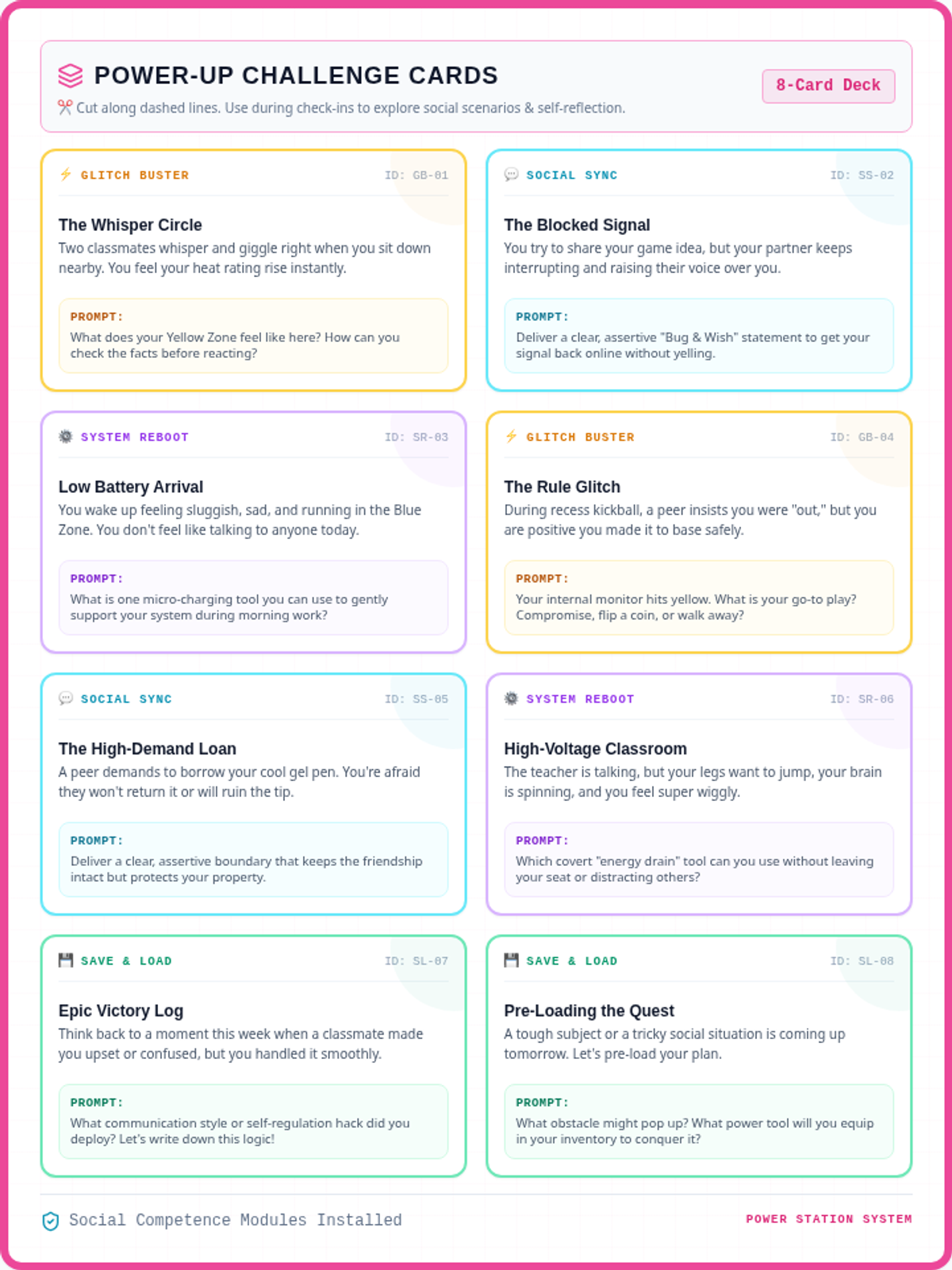
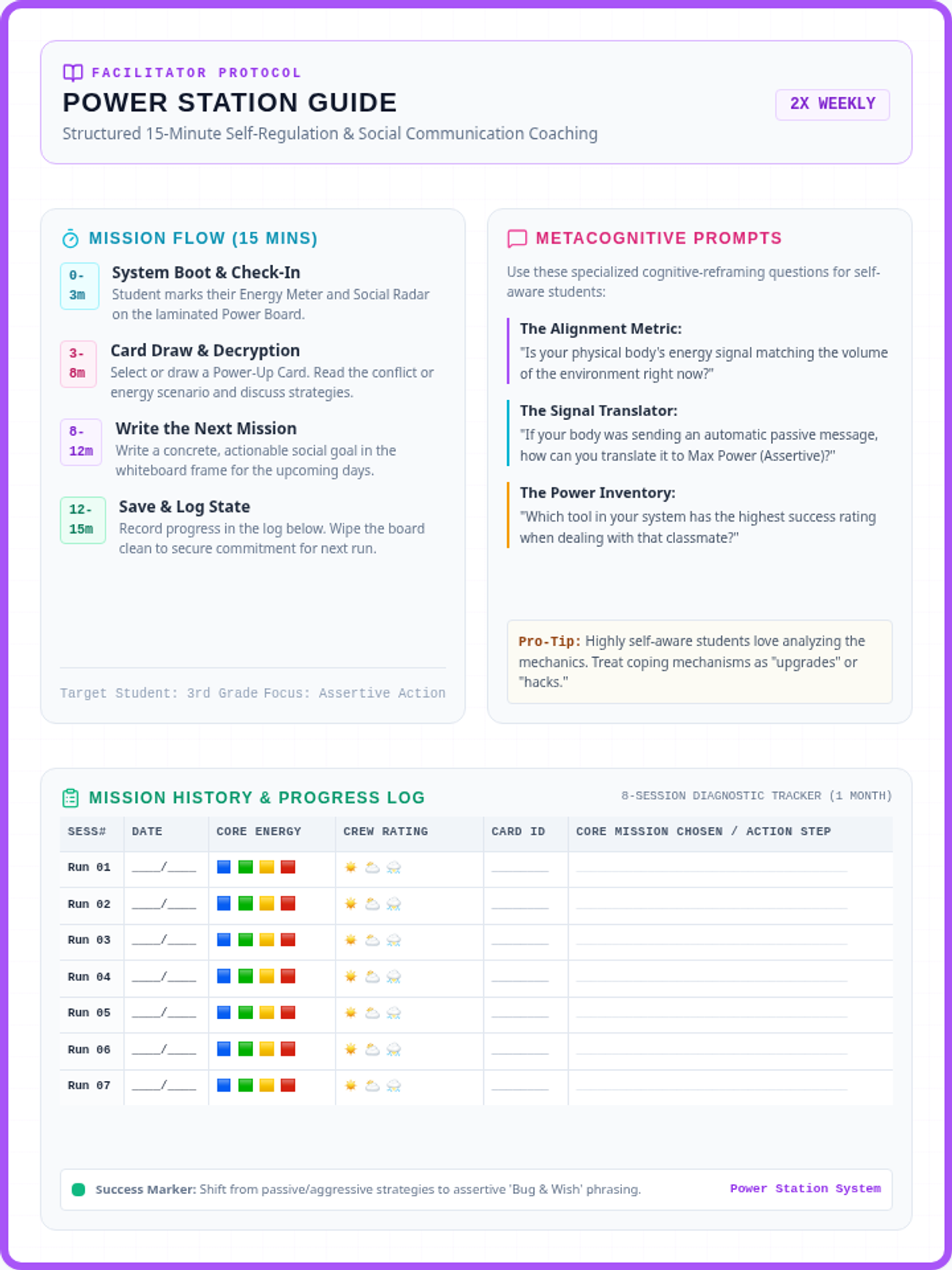
A self-regulation and social problem-solving system designed for rapid, highly-focused 1-on-1 sessions. Includes a reusable visual check-in board, target scenario discussion cards, and a structured pacing guide for 15-minute check-ins twice a week.
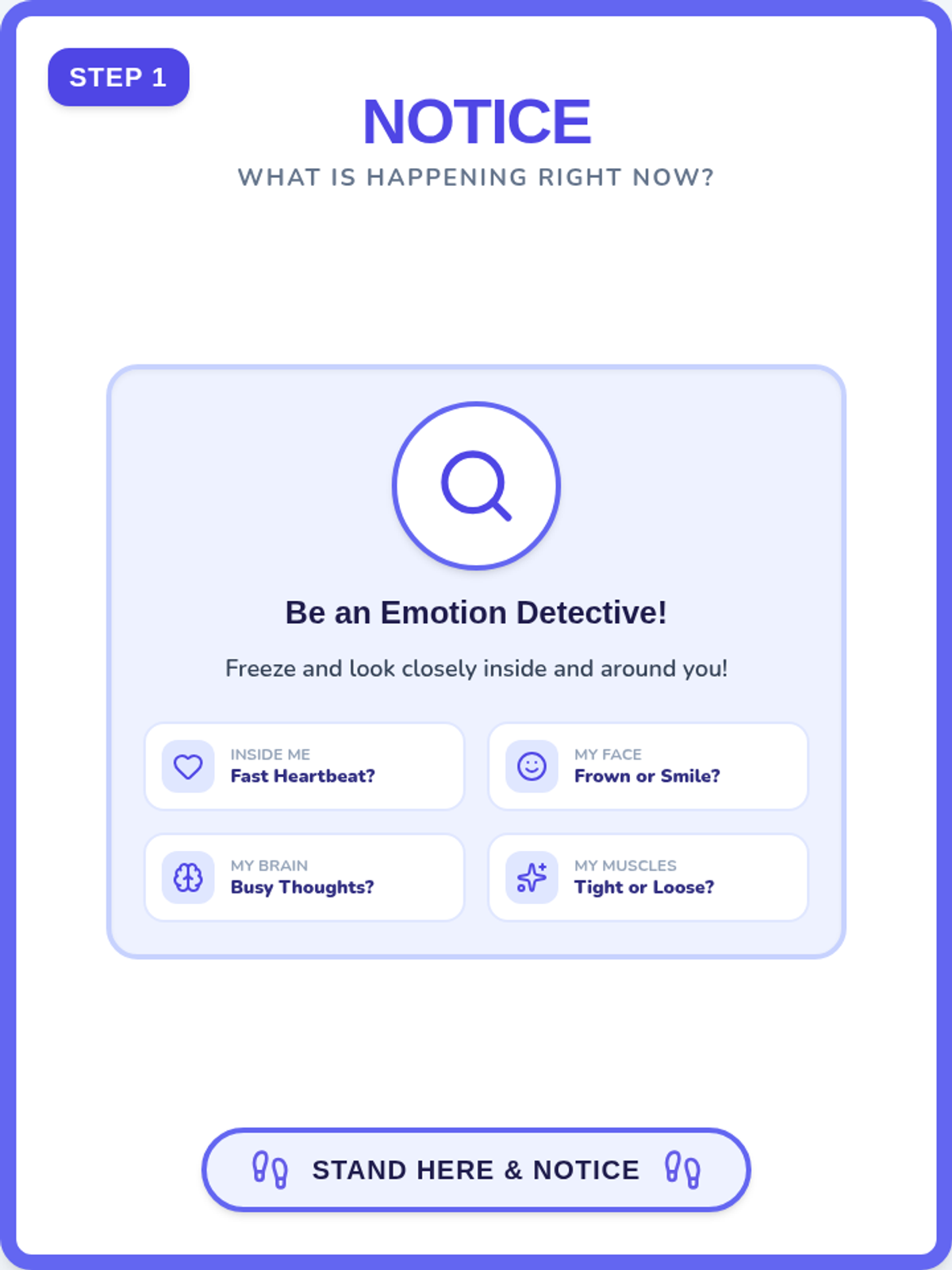
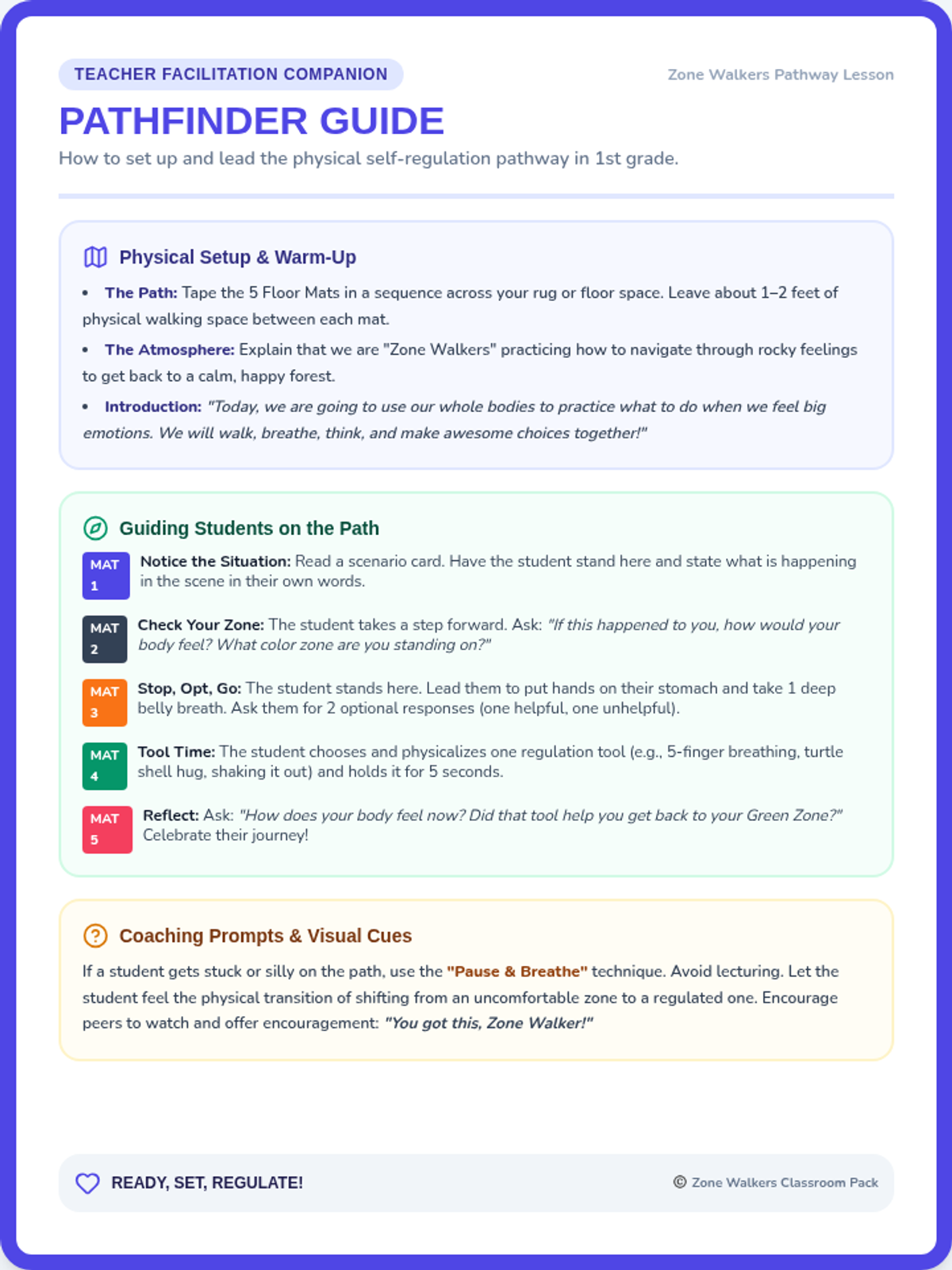
A physical, interactive lesson where 1st graders practice self-regulation by physically walking through a step-by-step pathway. Students act out relatable scenarios and learn to notice situations, identify their emotion zones, apply the Stop-Opt-Go method, test regulation tools, and reflect on their helpfulness.
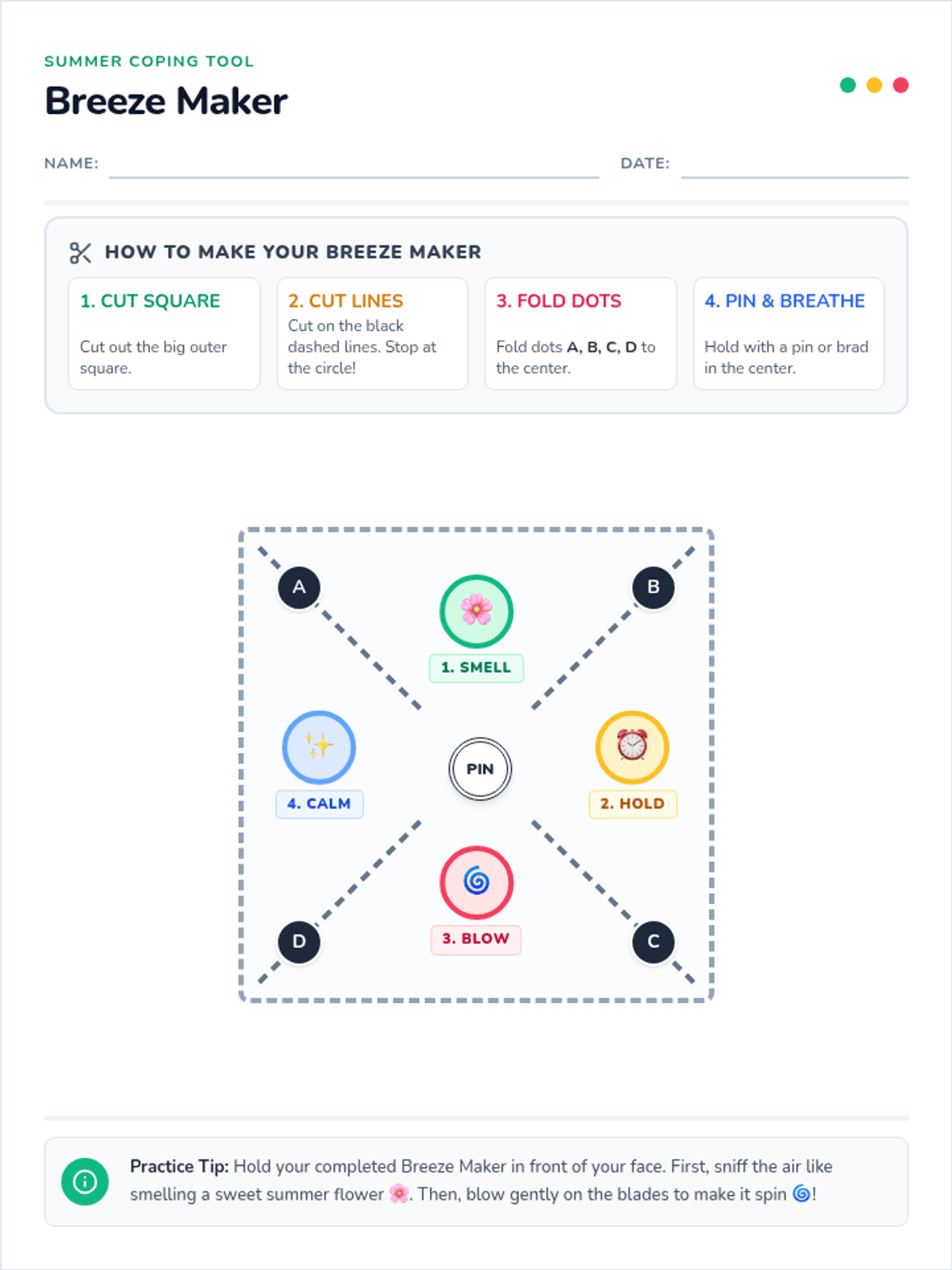
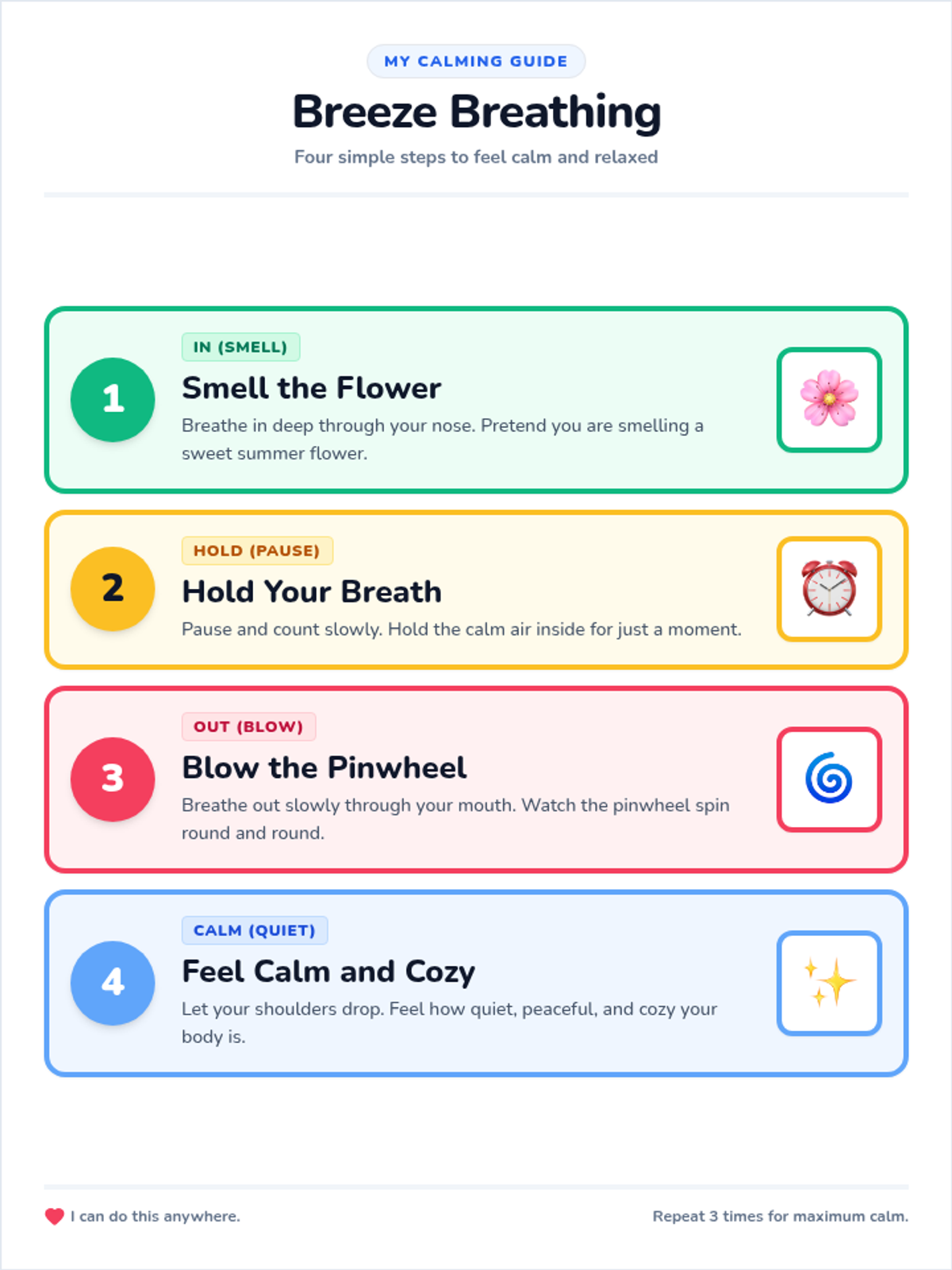
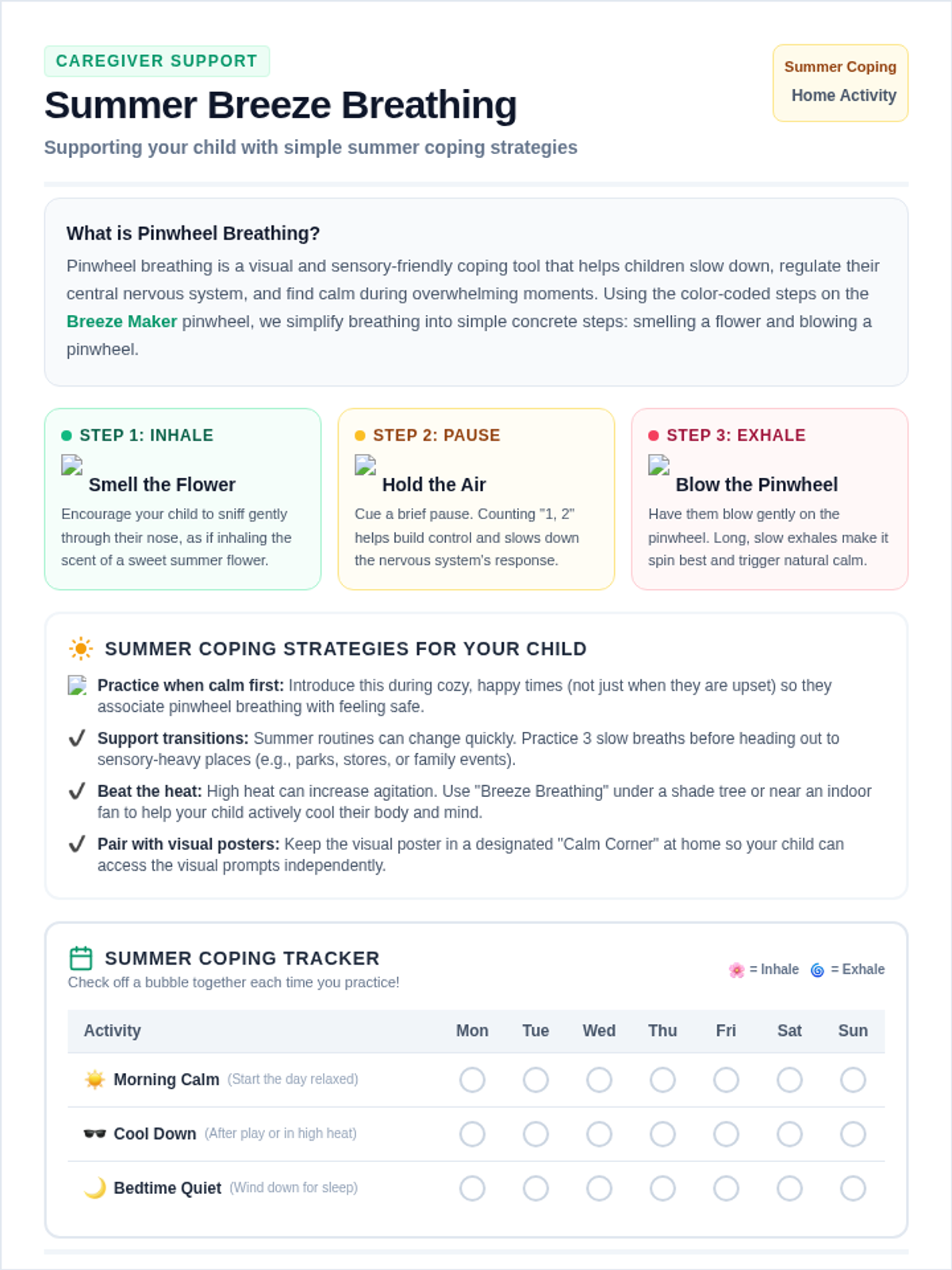
A specialized coping skills bundle featuring simplified pinwheel craft templates, visual step-by-step posters, and a practical parent guide to support low-cognitive students in practicing pinwheel breathing for summer stress management.
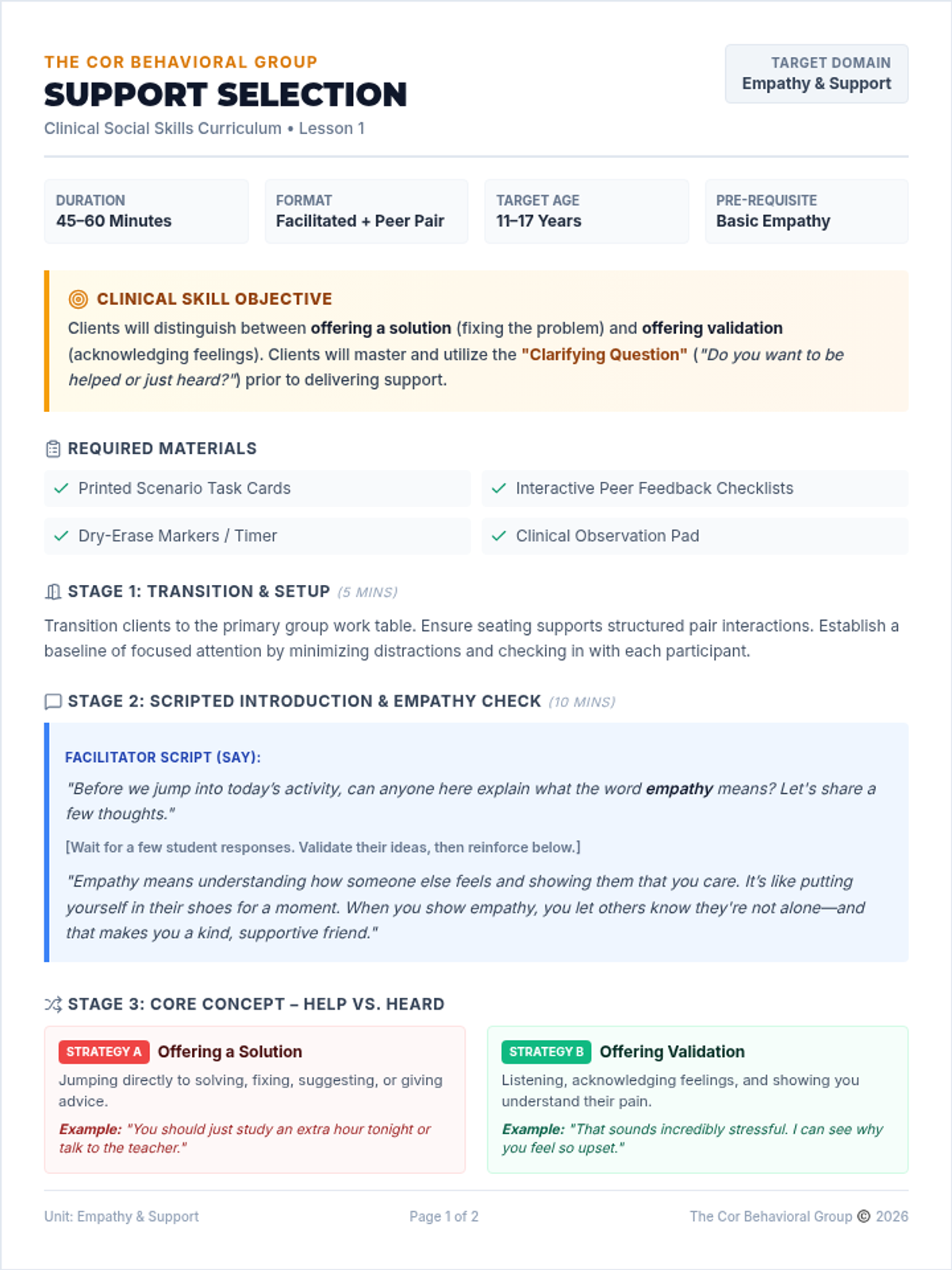
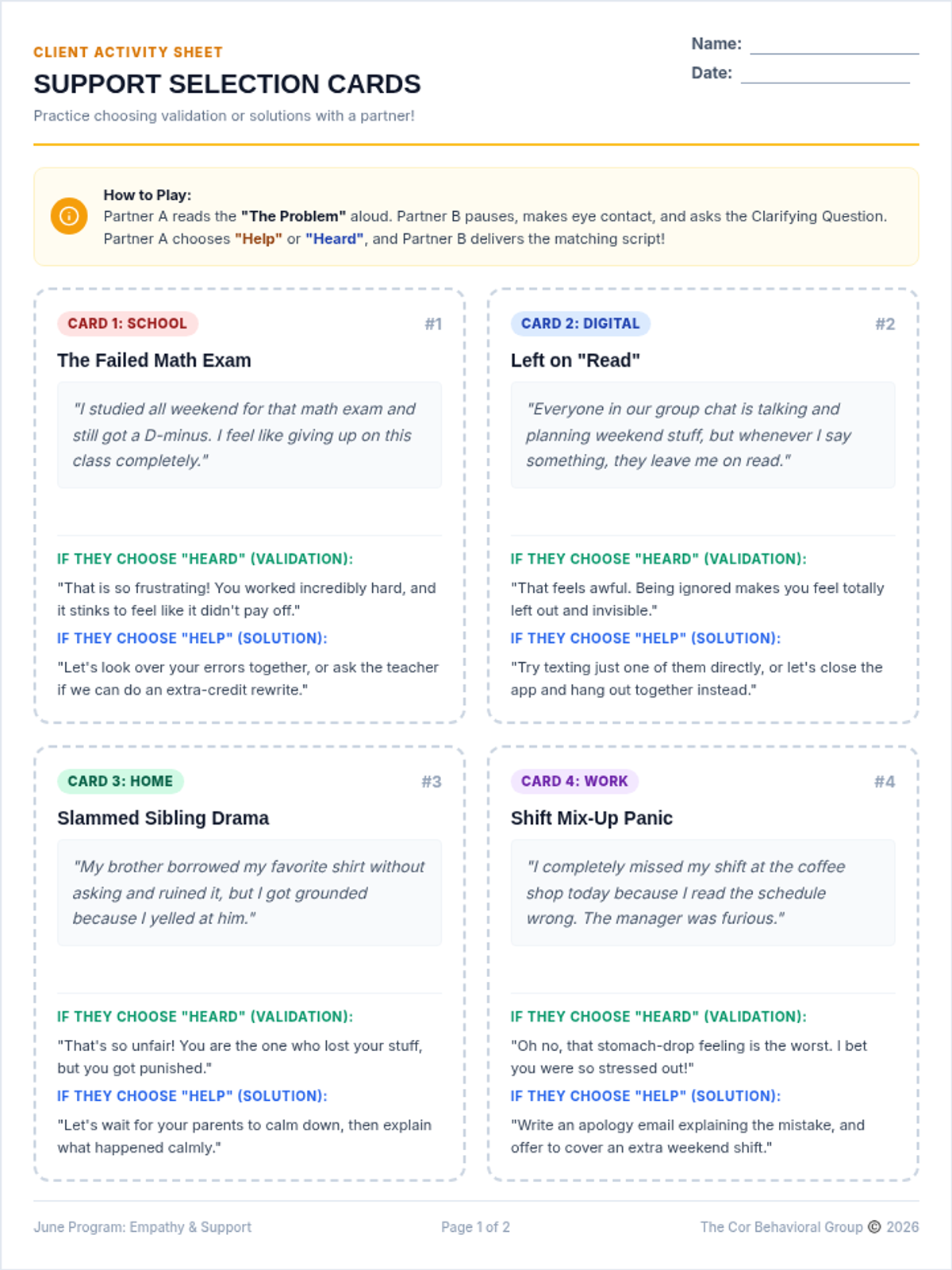
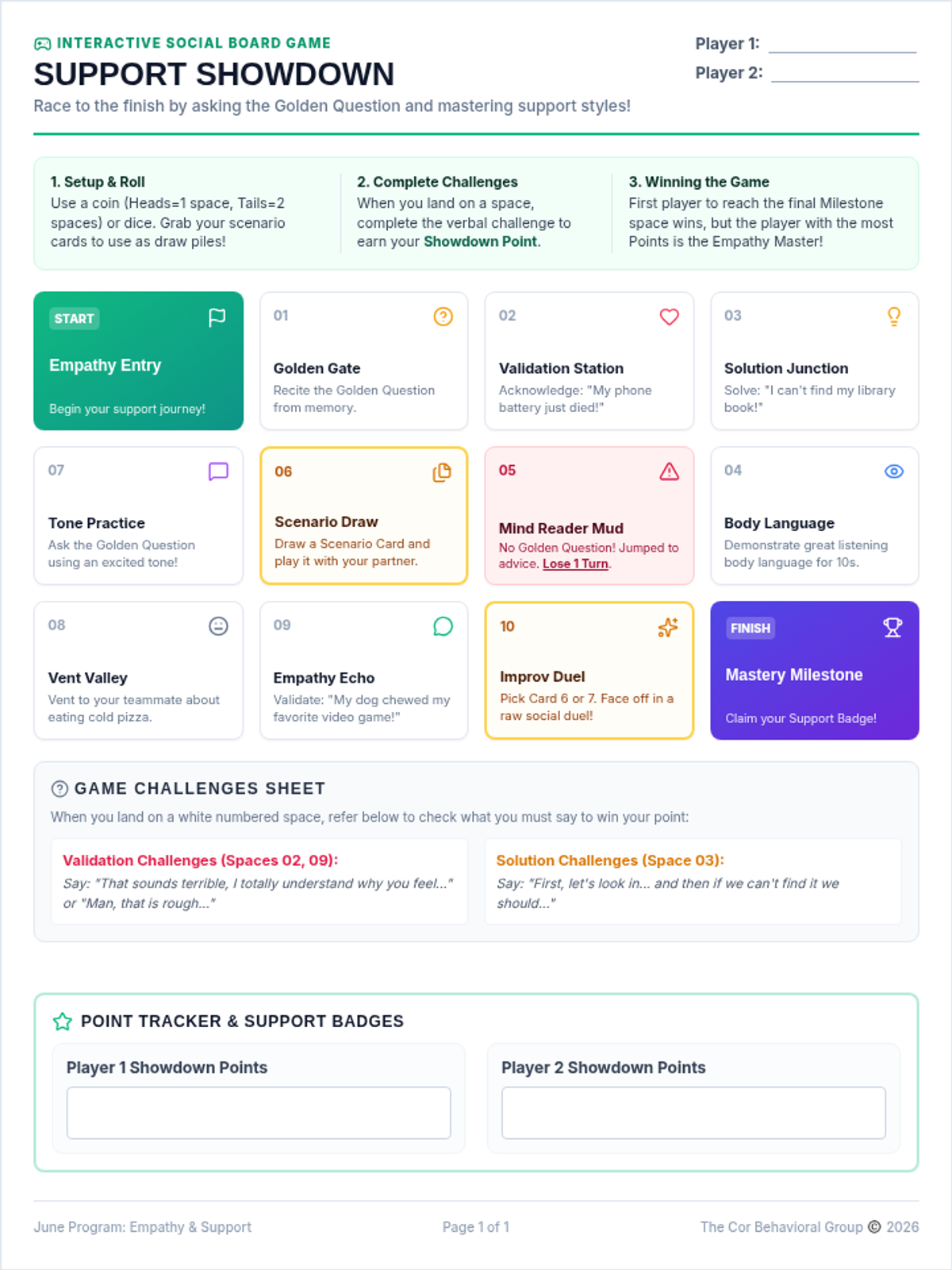
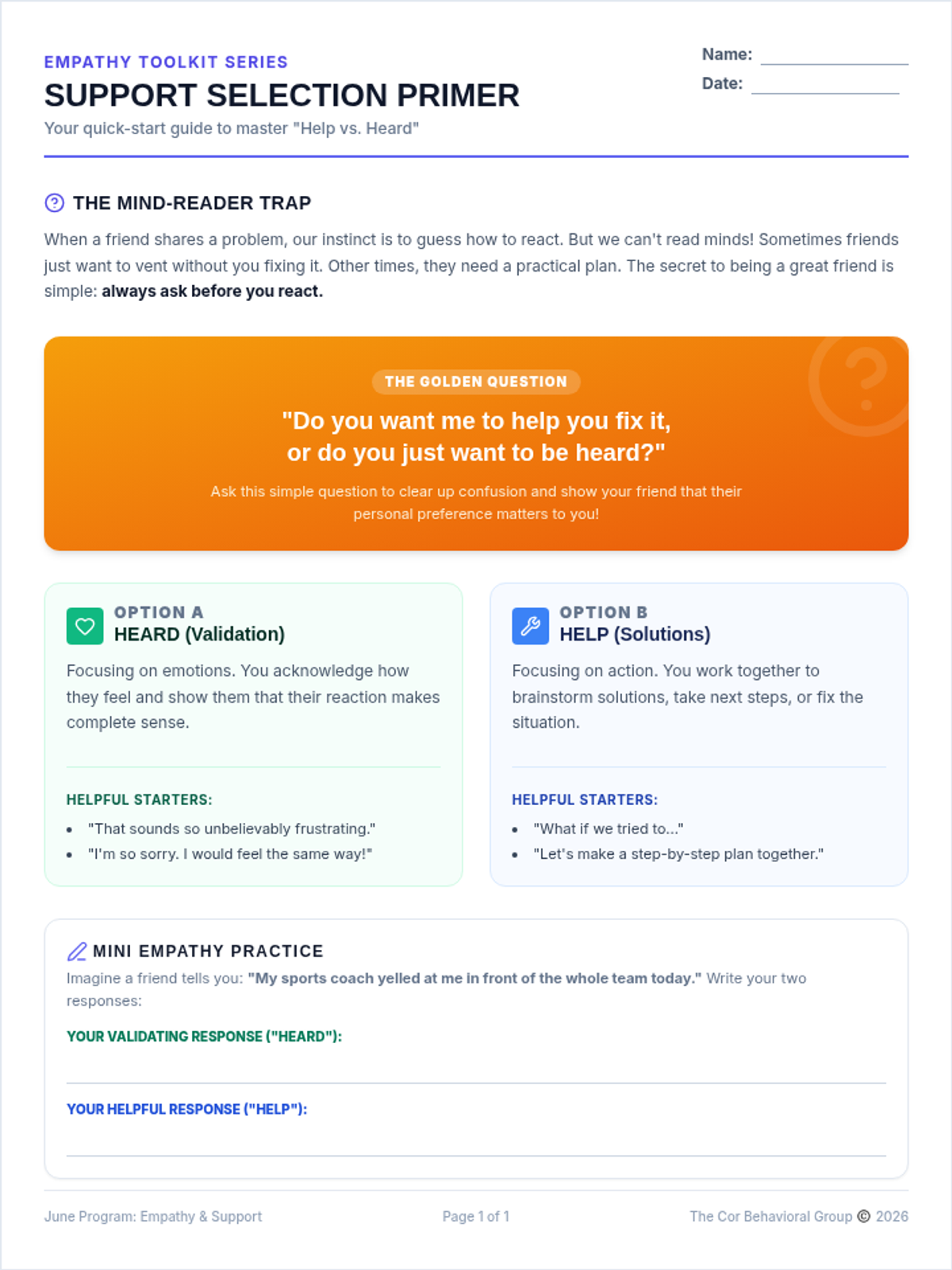
A comprehensive social skills lesson focusing on the critical distinction between validating a peer's feelings and solving their problems. Includes a step-by-step clinical facilitator guide and printable, interactive role-play scenario cards.
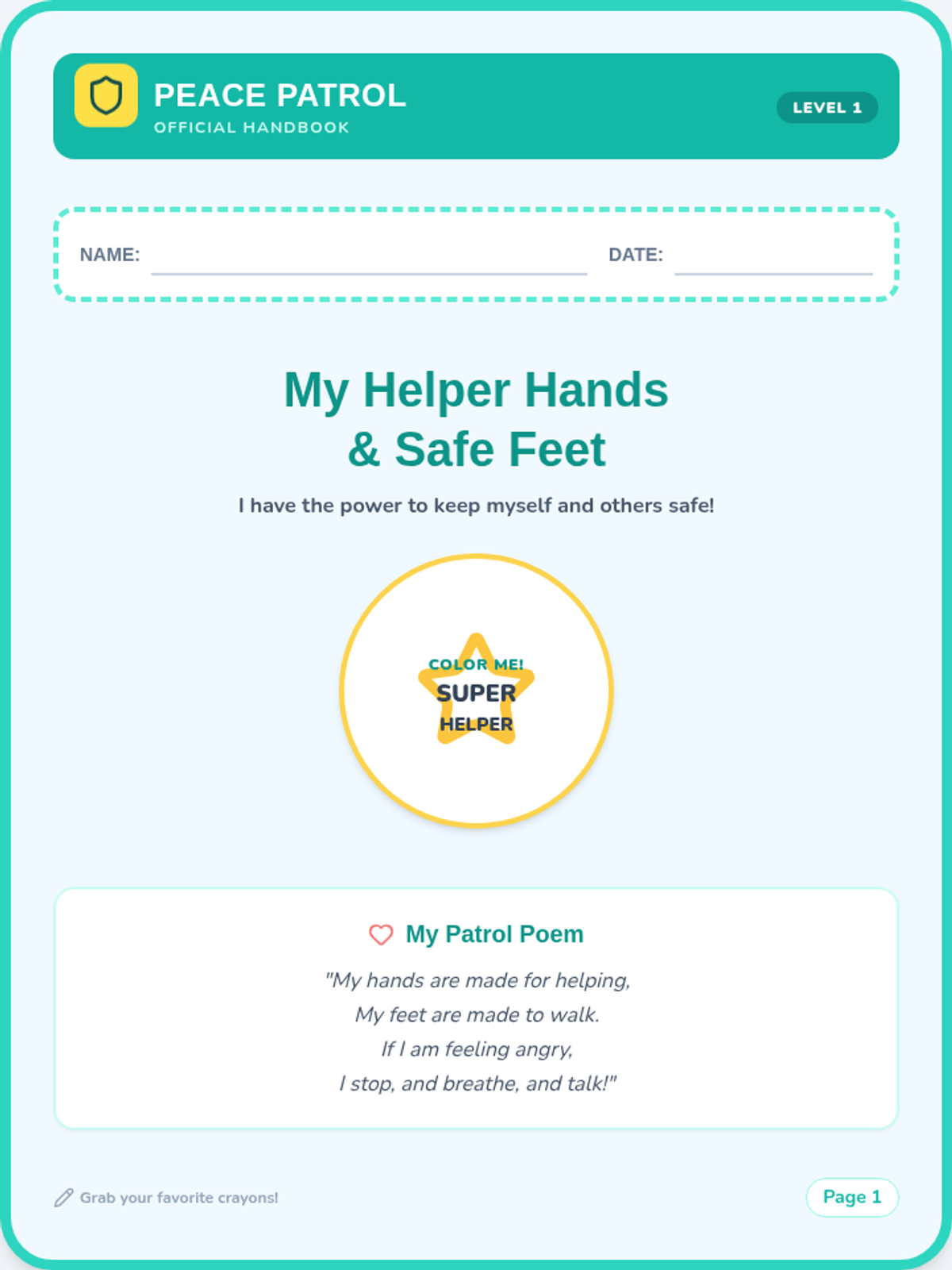
A lesson for kindergarten and early elementary students to learn and practice keeping their hands and feet to themselves, focusing on positive safe alternatives and self-regulation.
A year-long personal reflective diary and mindfulness tool for middle school students, designed with clean layouts and predictable structures to support neurodivergent learners through art, self-expression, and self-regulation prompts.
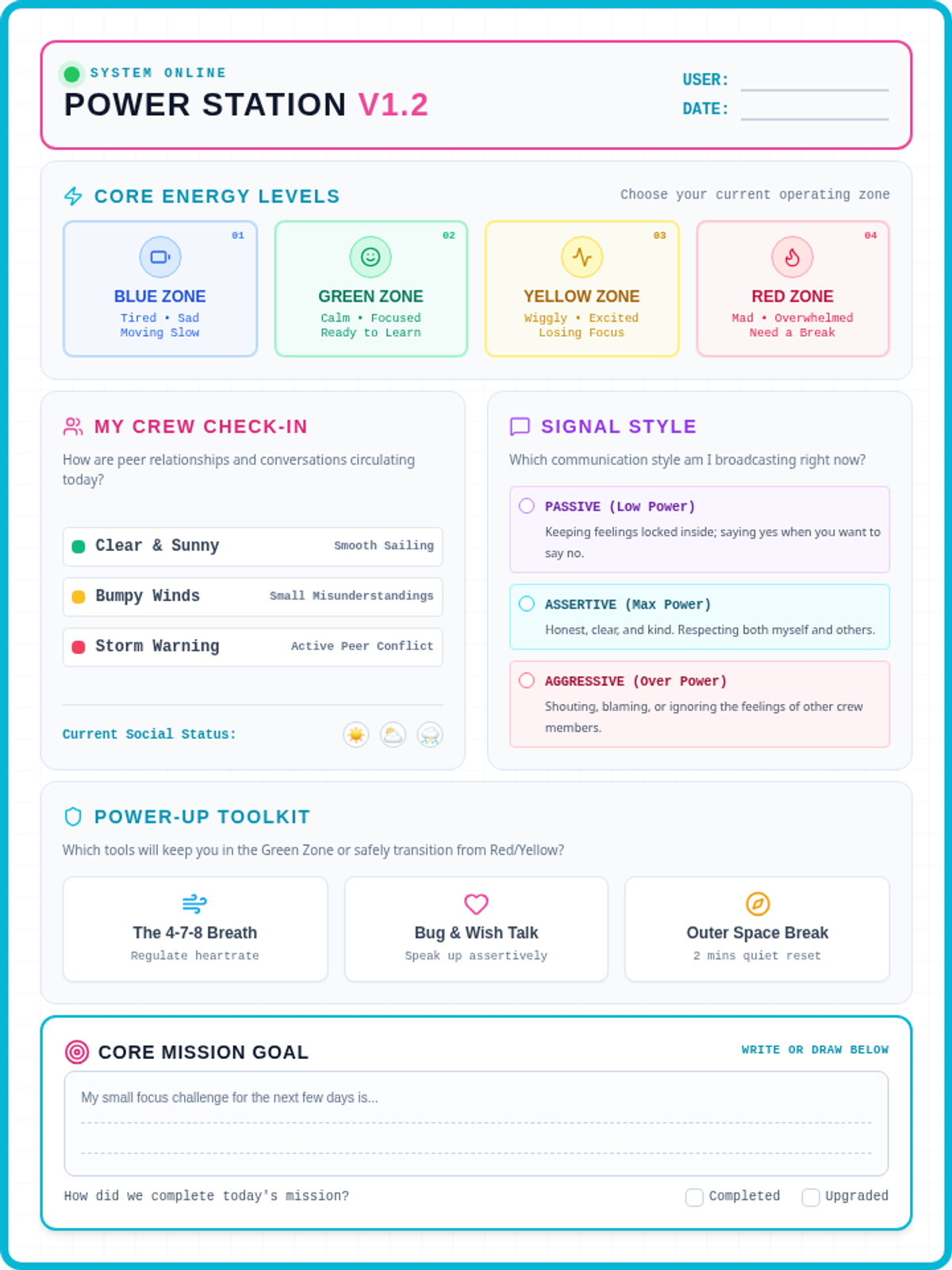
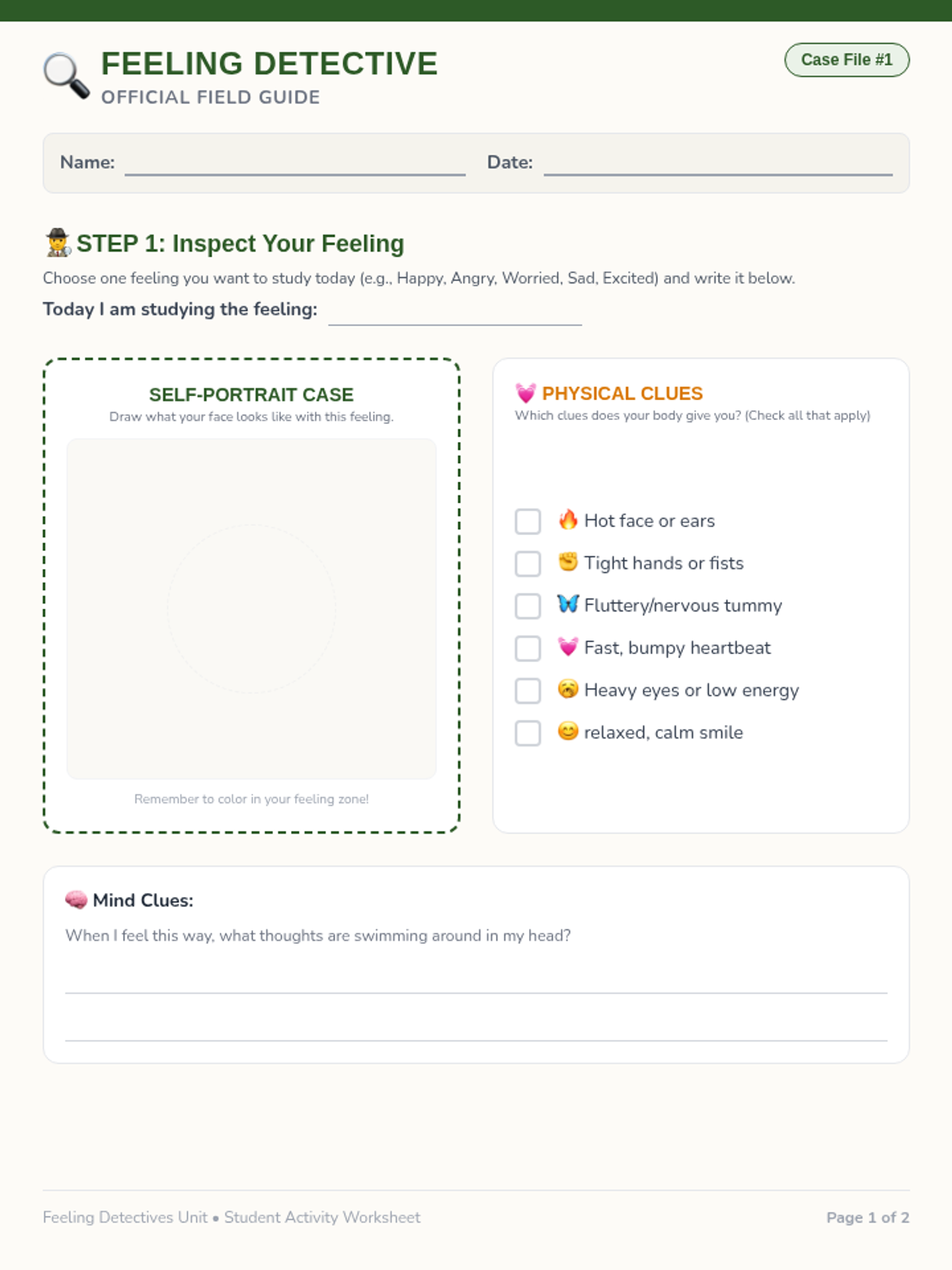
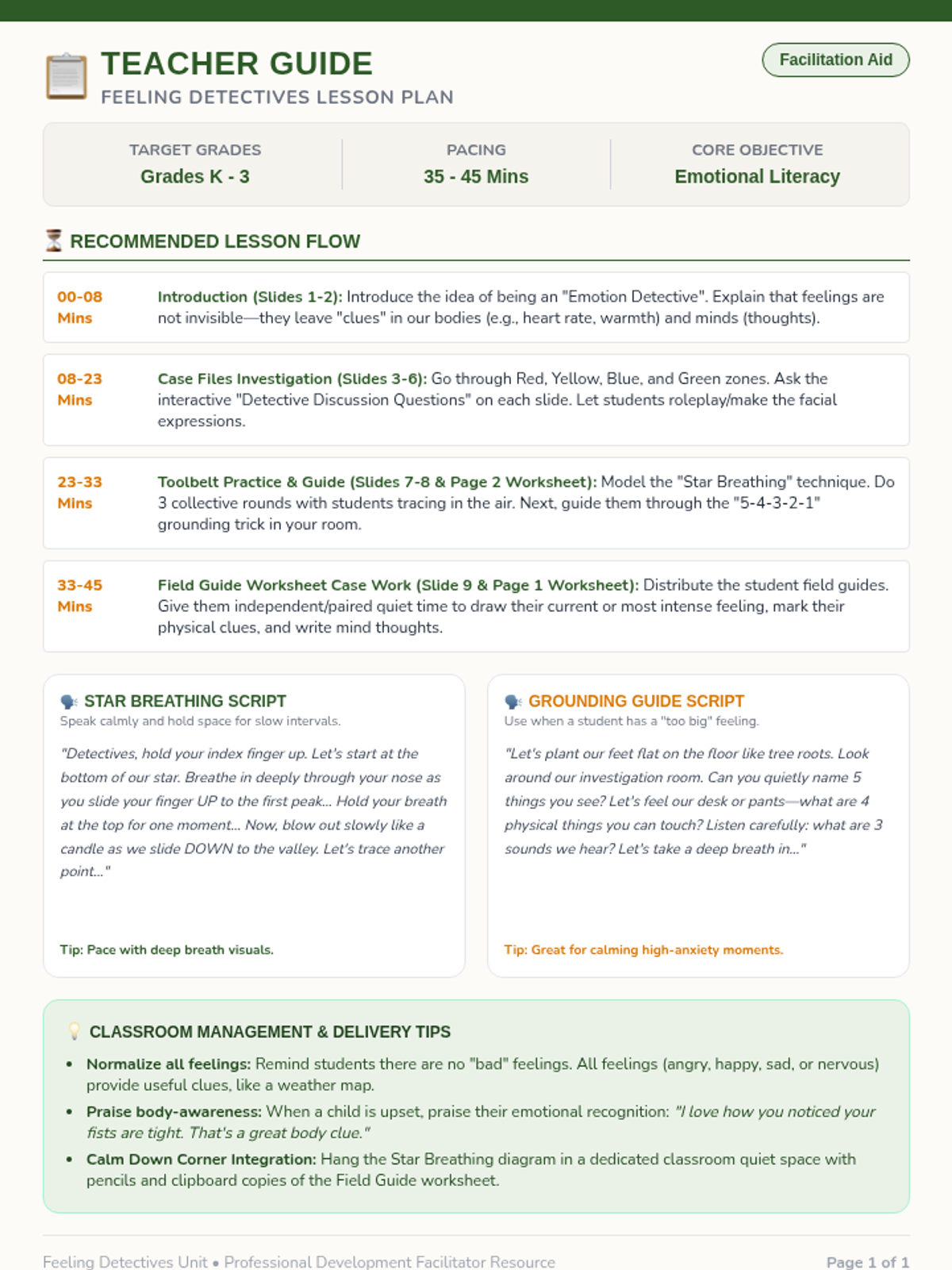
An introductory social-emotional learning lesson designed for elementary students to help them identify, label, and regulate their emotions through interactive exploration, guided breathing, and grounding techniques.
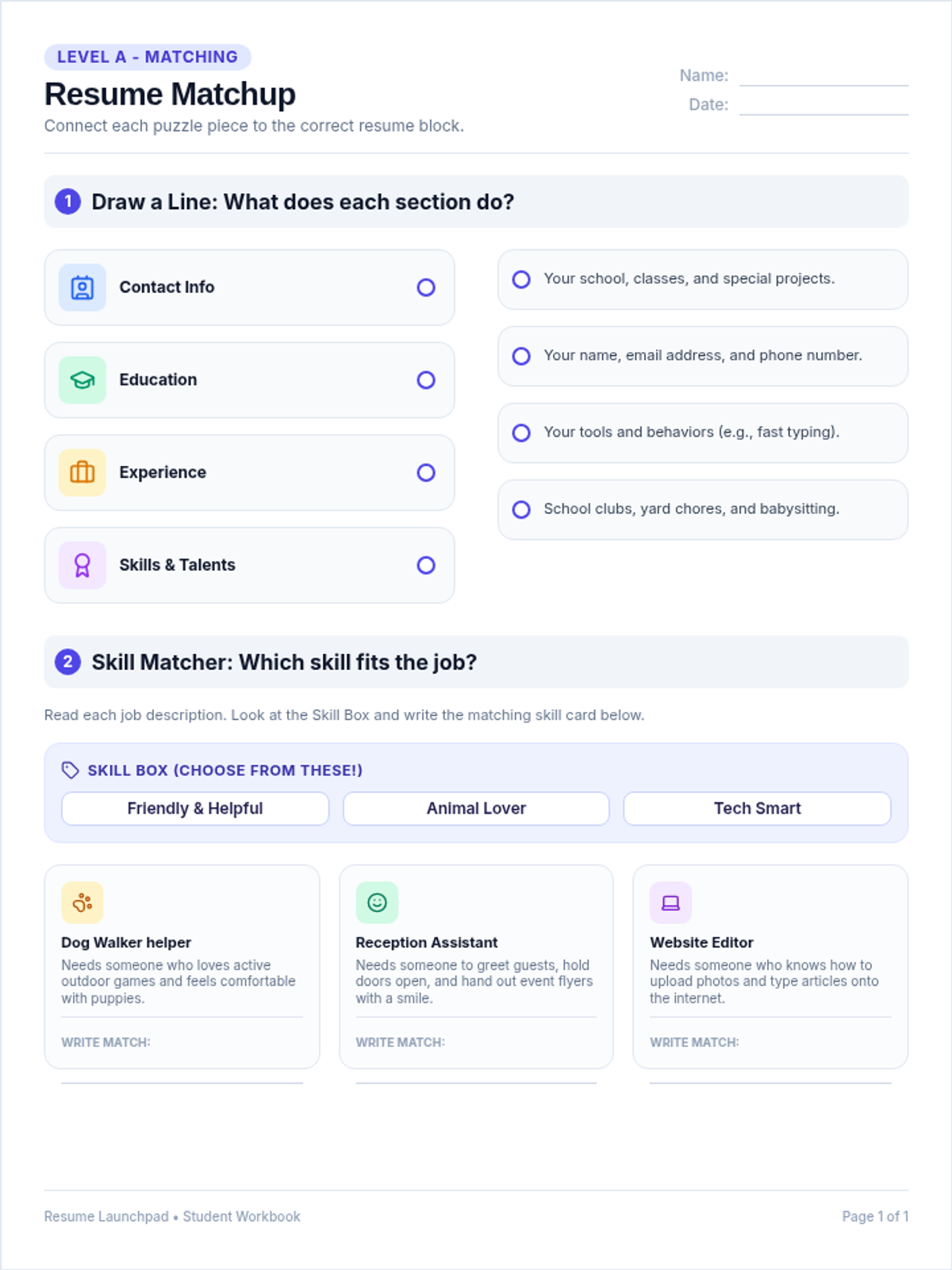
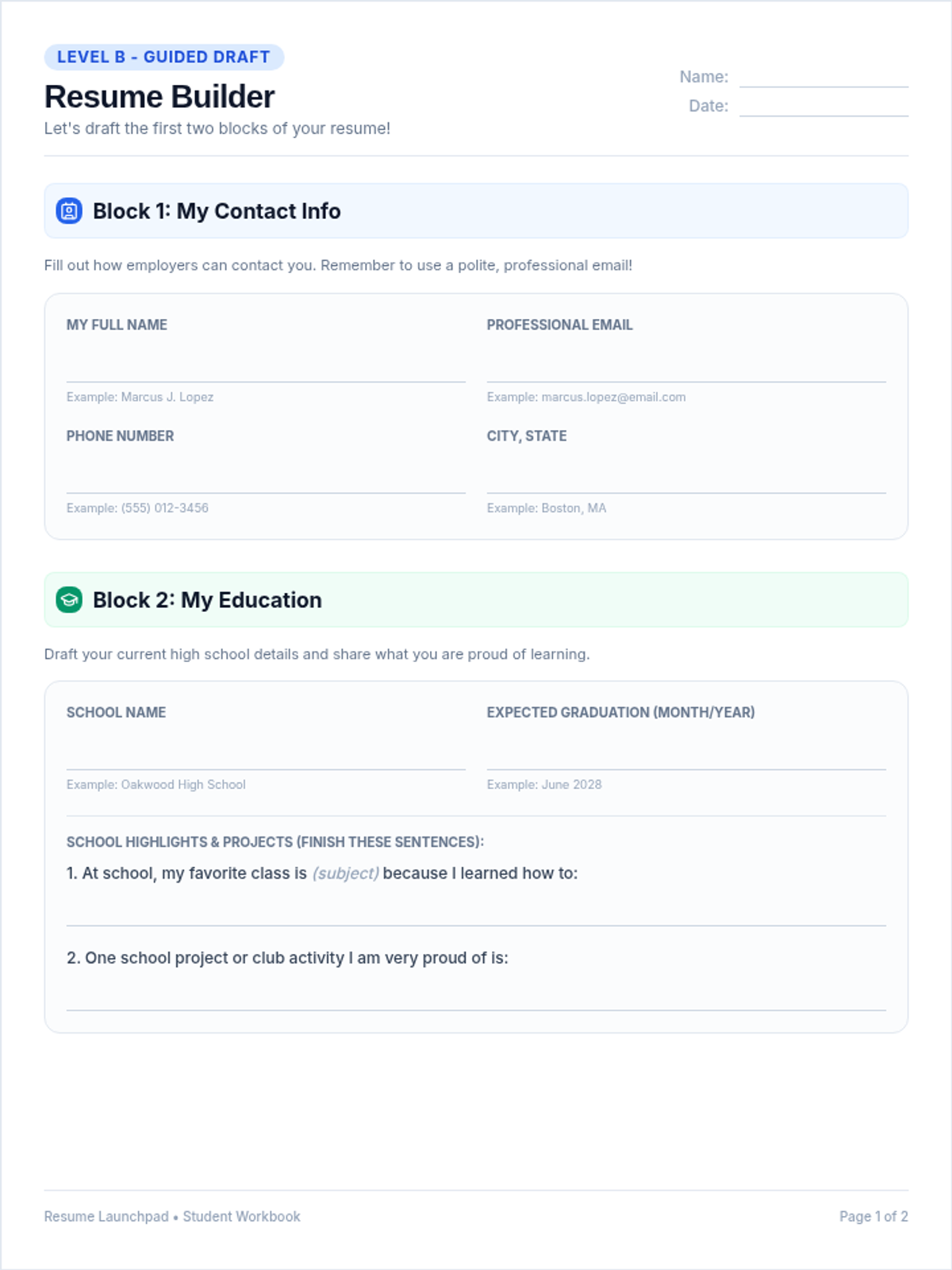
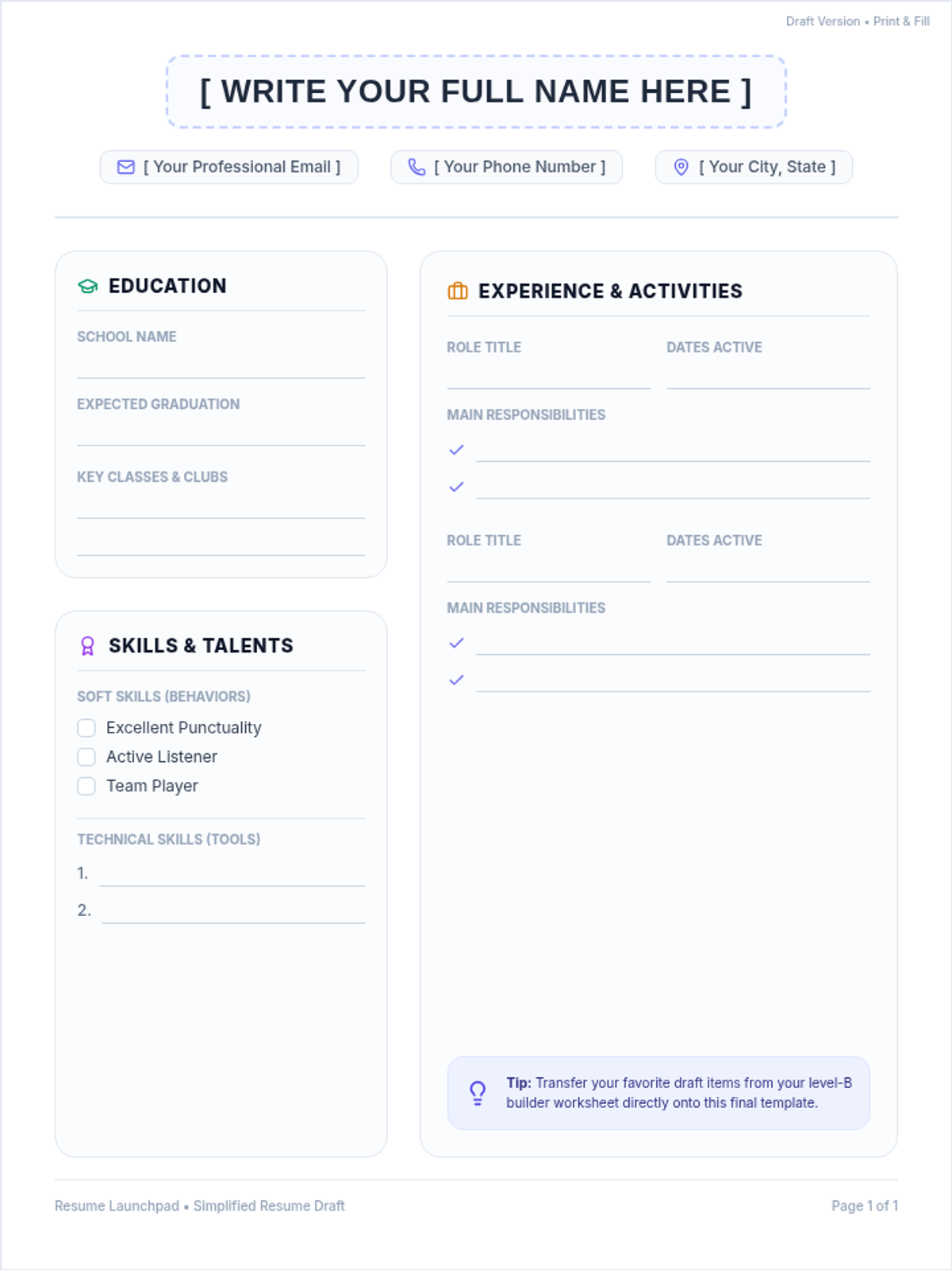
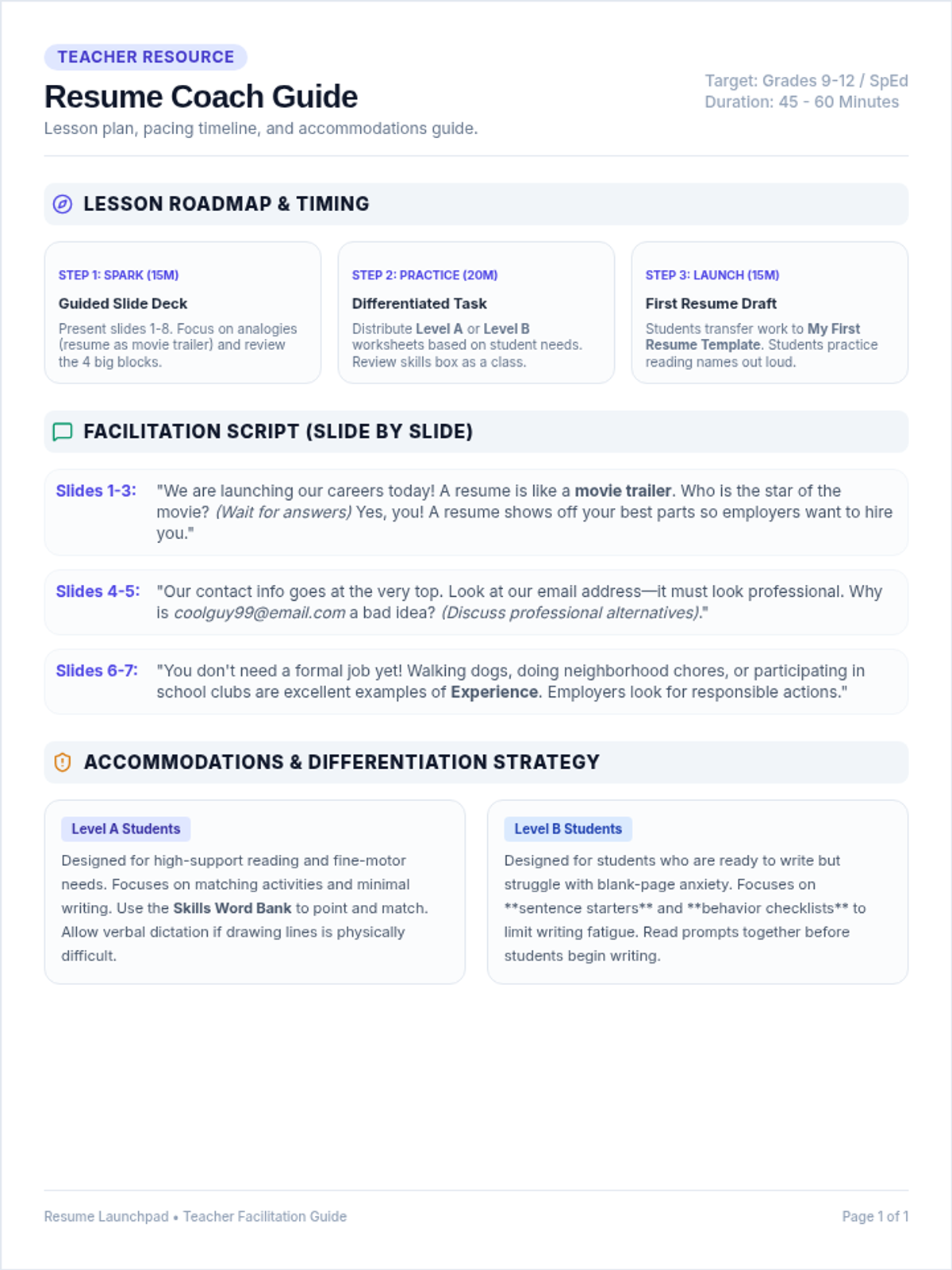
A comprehensive, highly structured lesson designed to teach students how to build their first resume. Includes visual presentation slides, differentiated worksheets with word banks, matching activities, and a simplified resume template with visual cues.
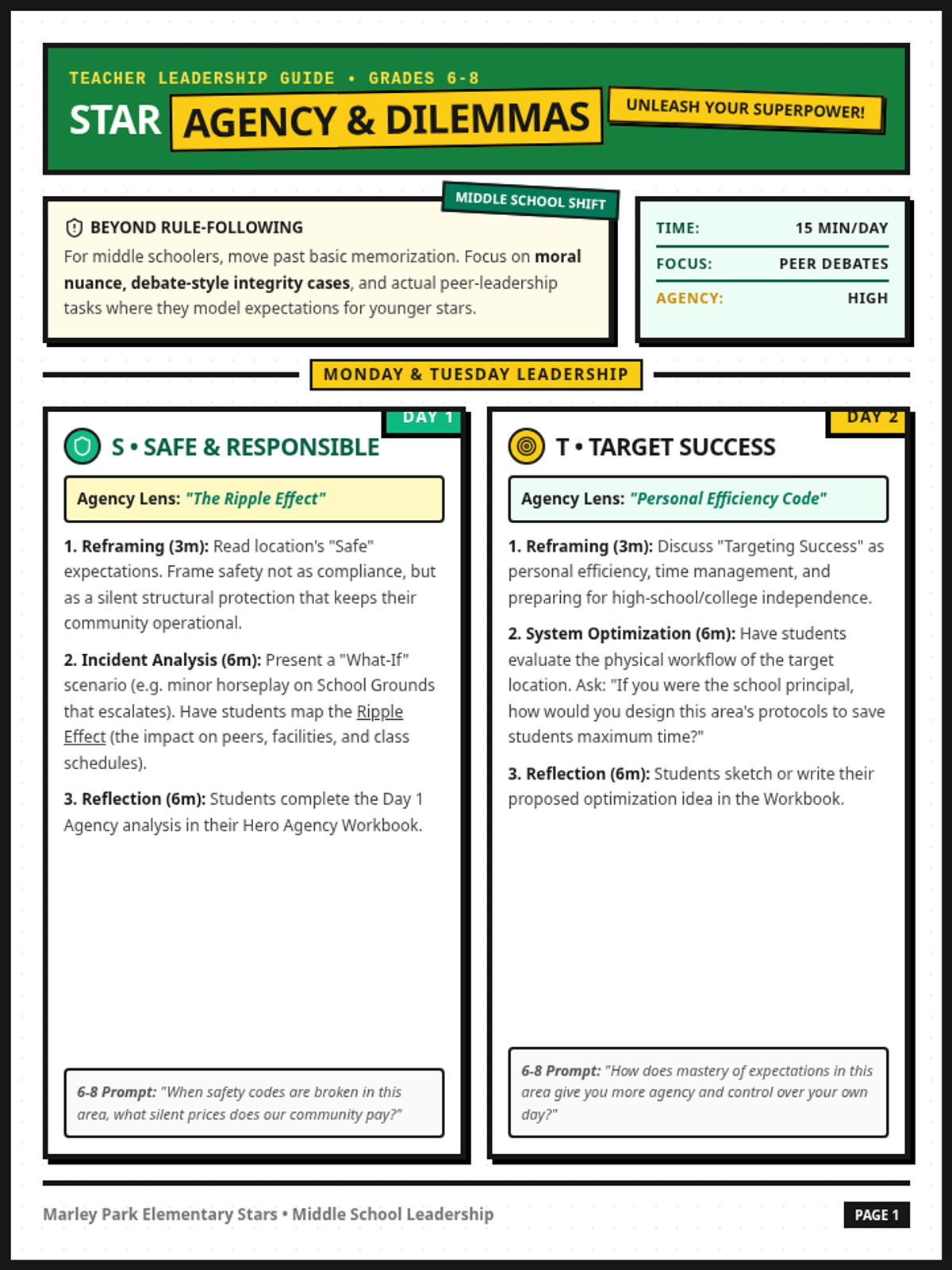
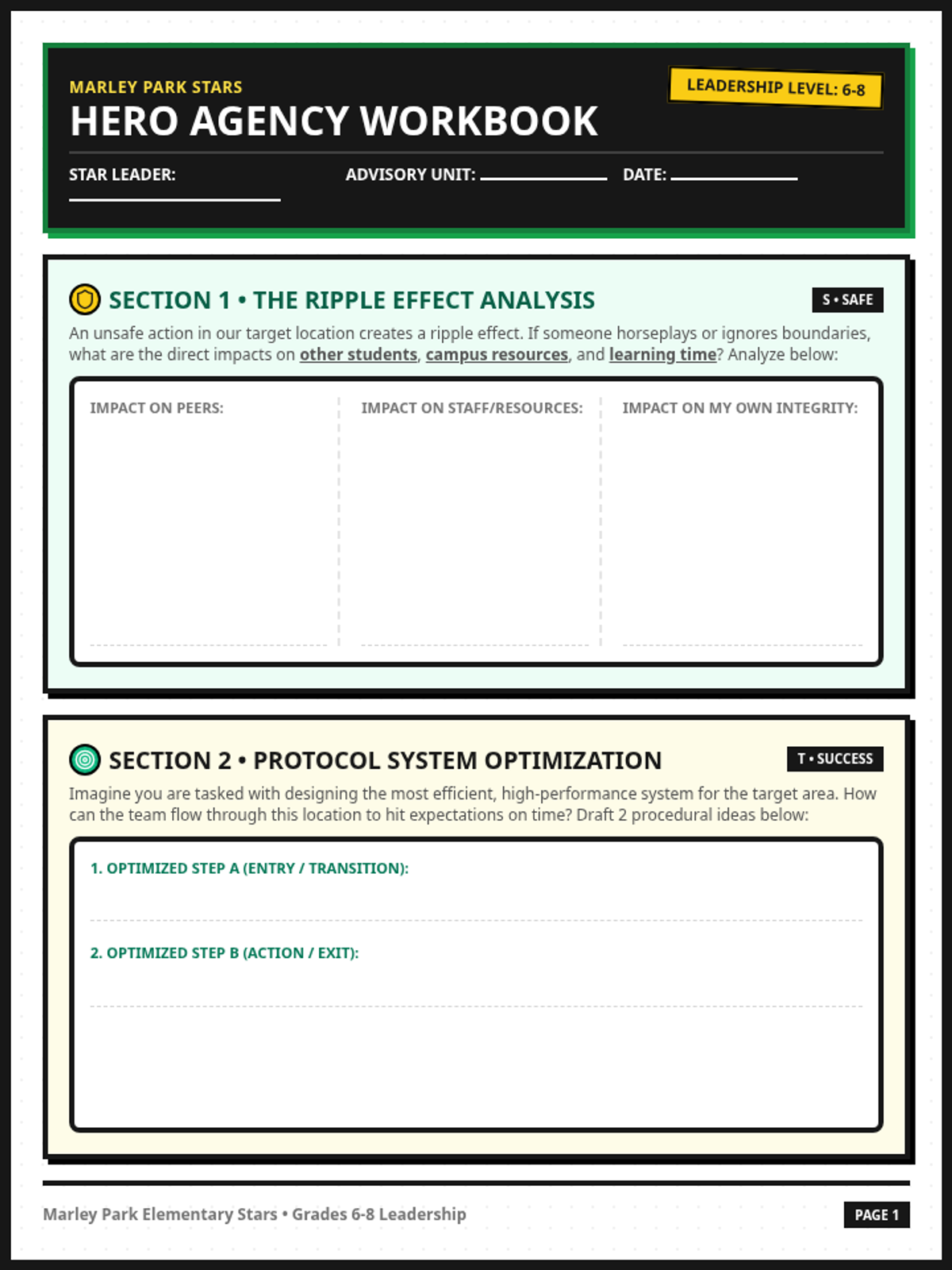
A universal 5-day lesson set for middle school (grades 6-8) that leverages peer leadership, debate-style moral dilemmas (exploring the nuance of integrity), and self-guided agency projects to cultivate respect and responsibility across campus.
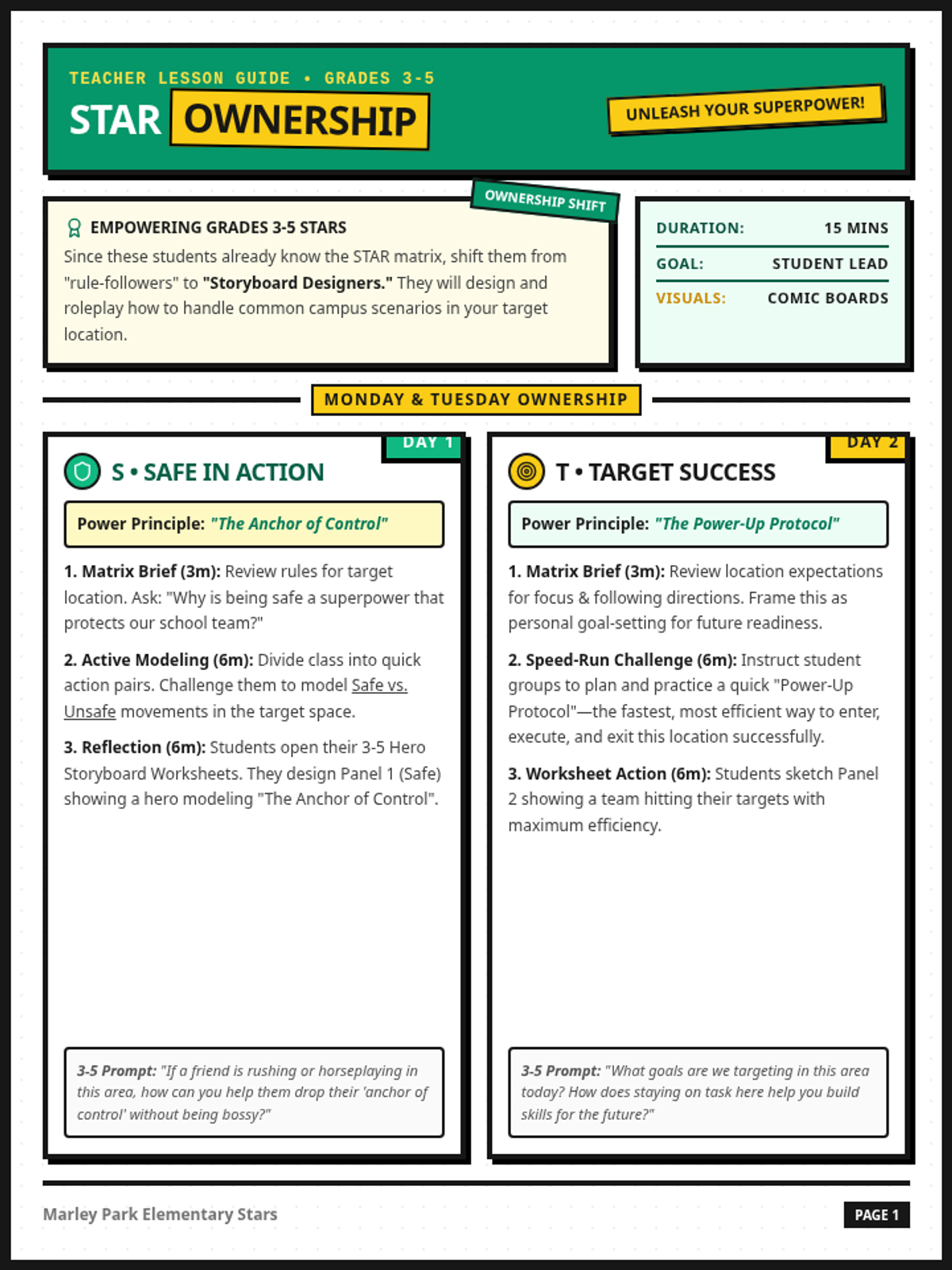
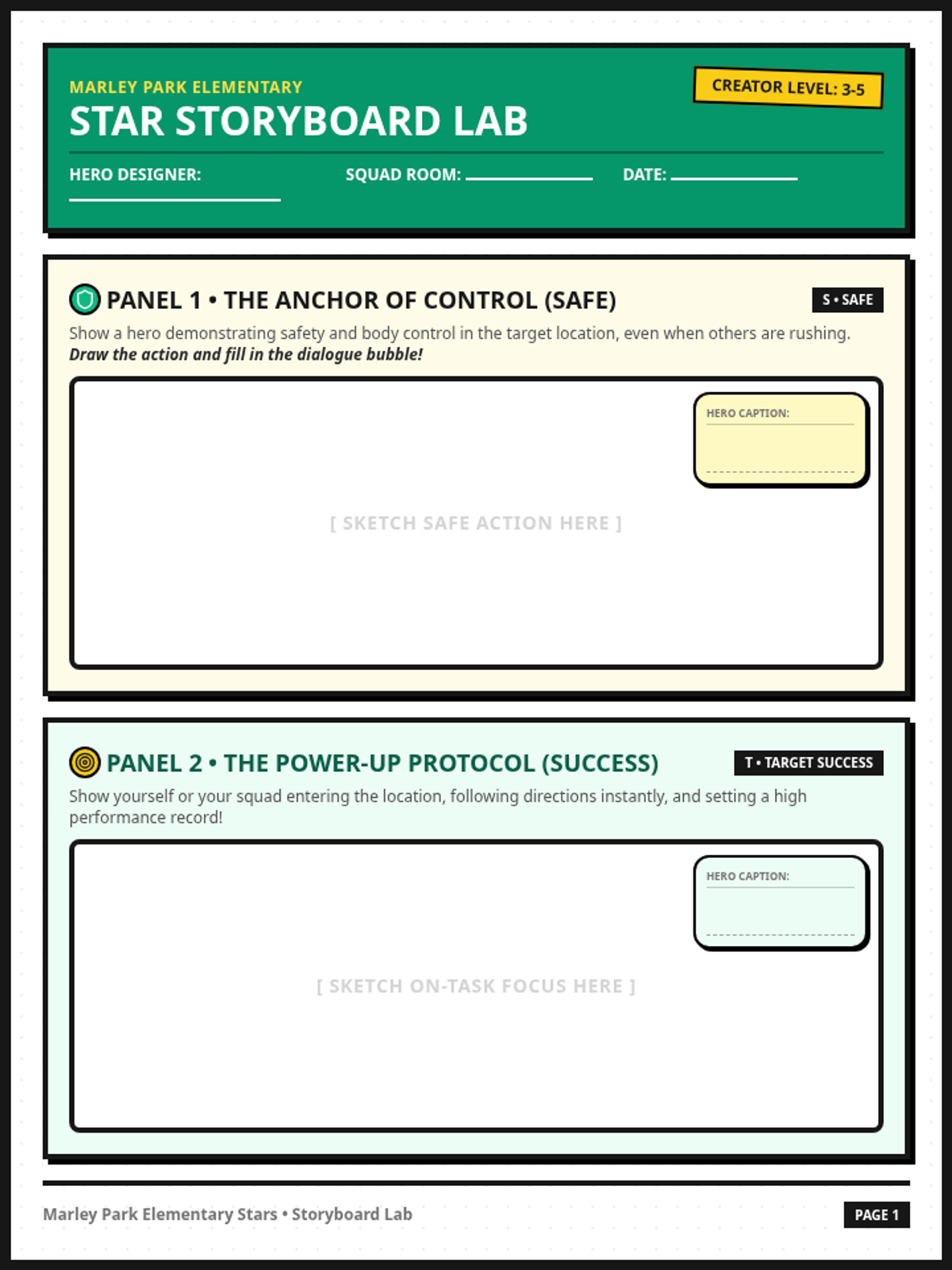
A universal 5-day lesson set for grades 3-5 that shifts focus toward student ownership, comic storyboard creation, and scenario-based problem solving to understand STAR expectations in any school setting.
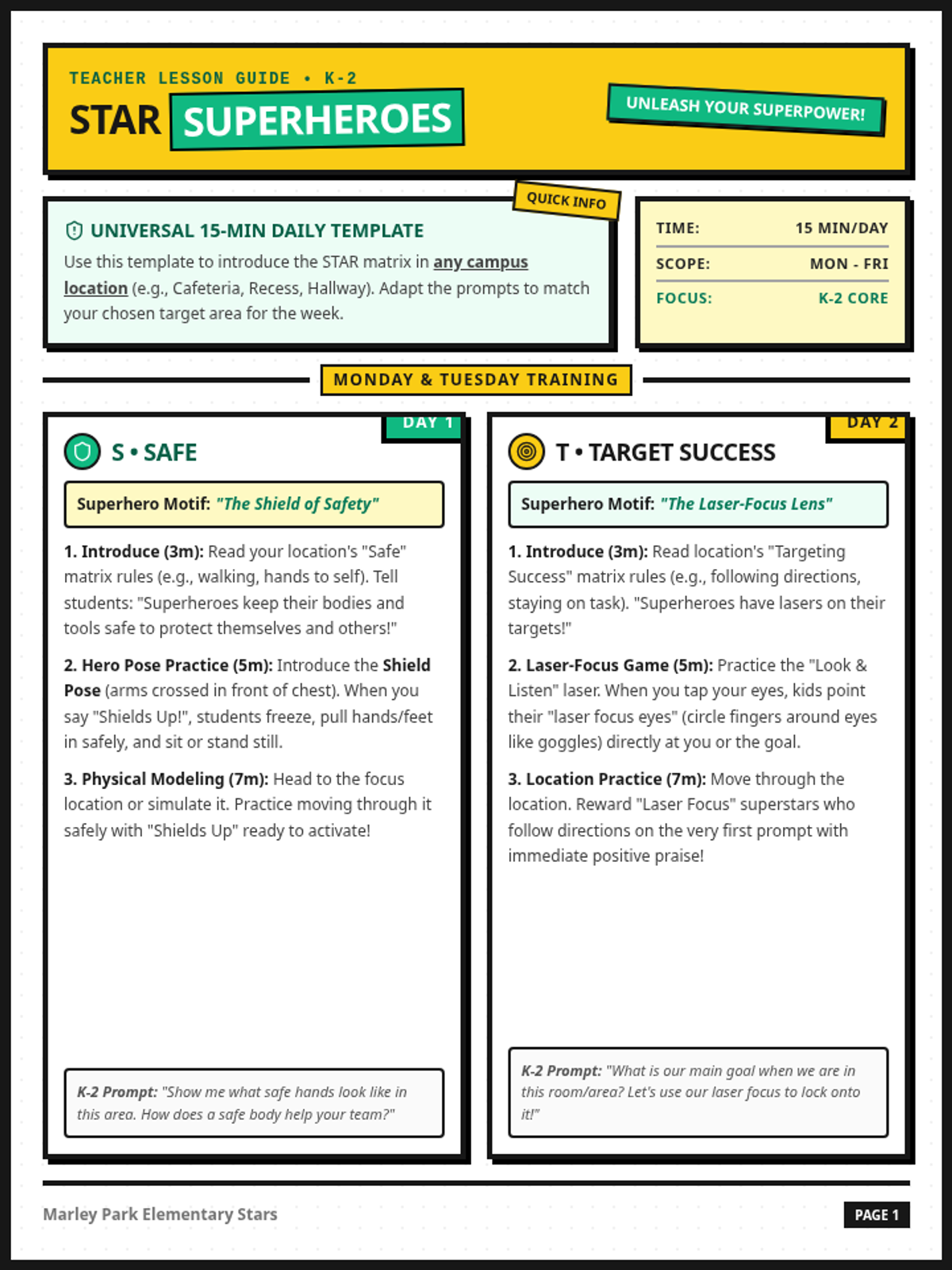
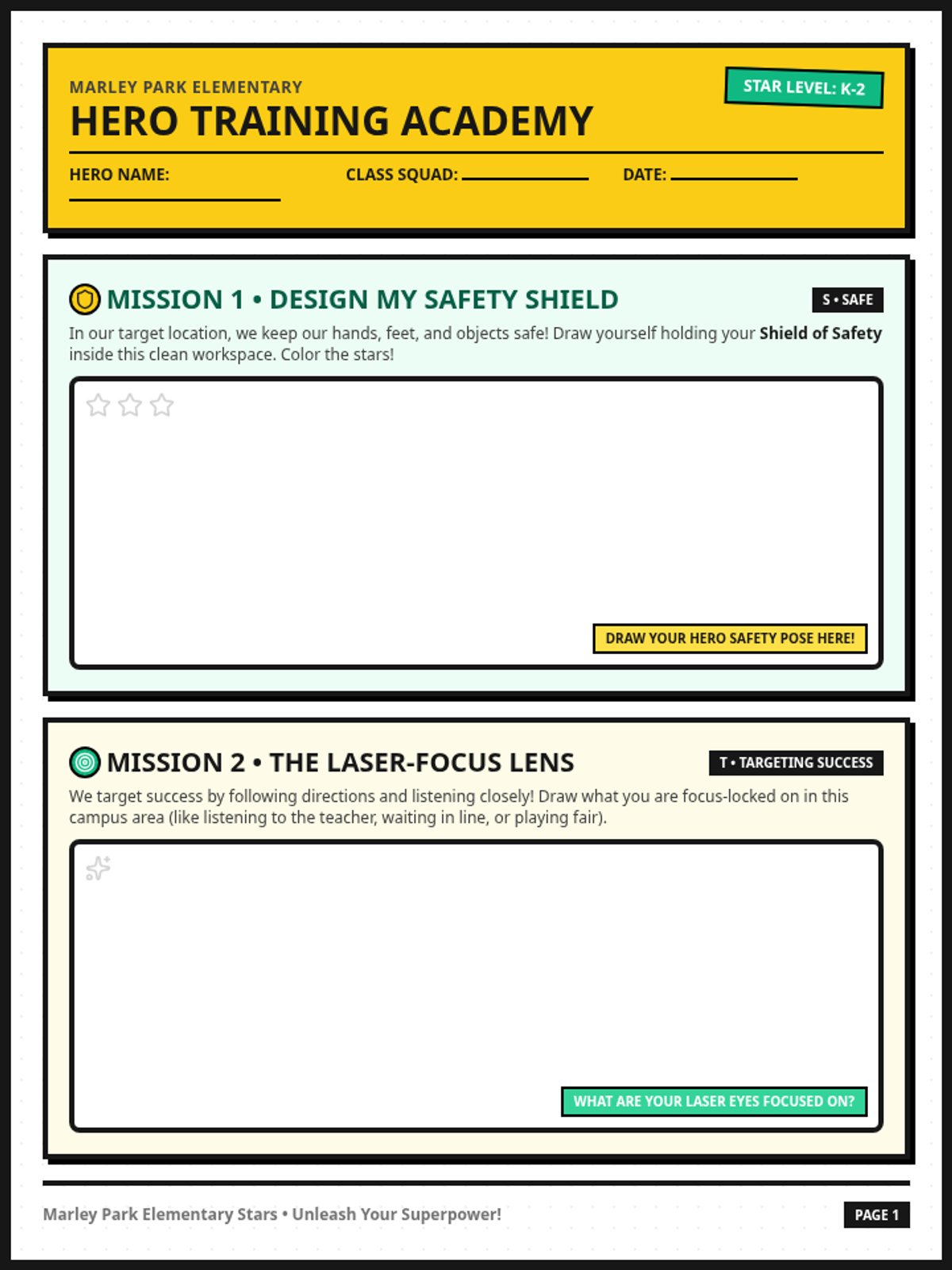
A universal 5-day lesson set for K-2 students focused on introducing STAR expectations (Safe, Targeting Success, Acting with Integrity, Respectful & Responsible) in any campus location through physical modeling, simple superhero analogies, and an interactive superhero-themed student activity guide.
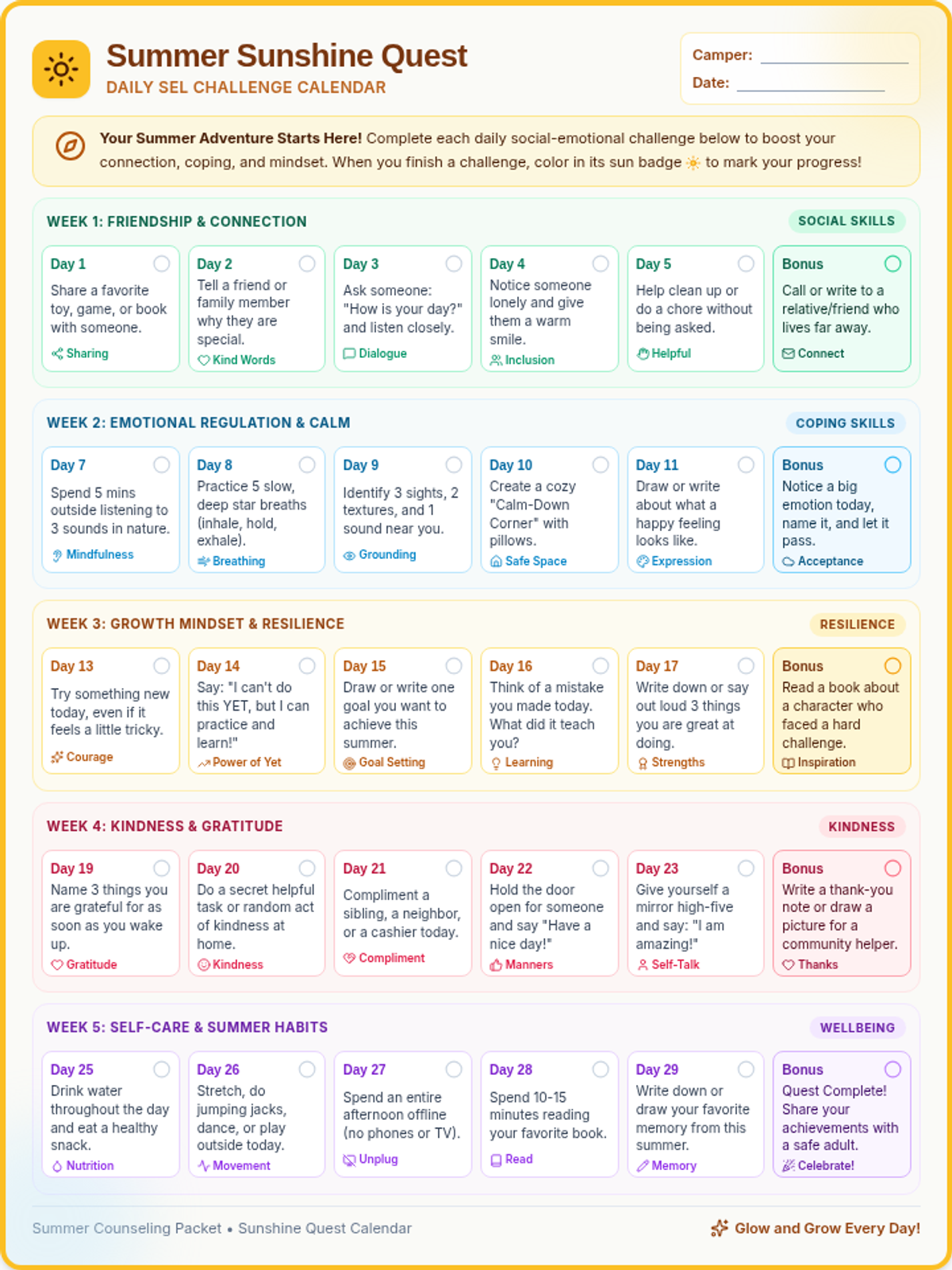
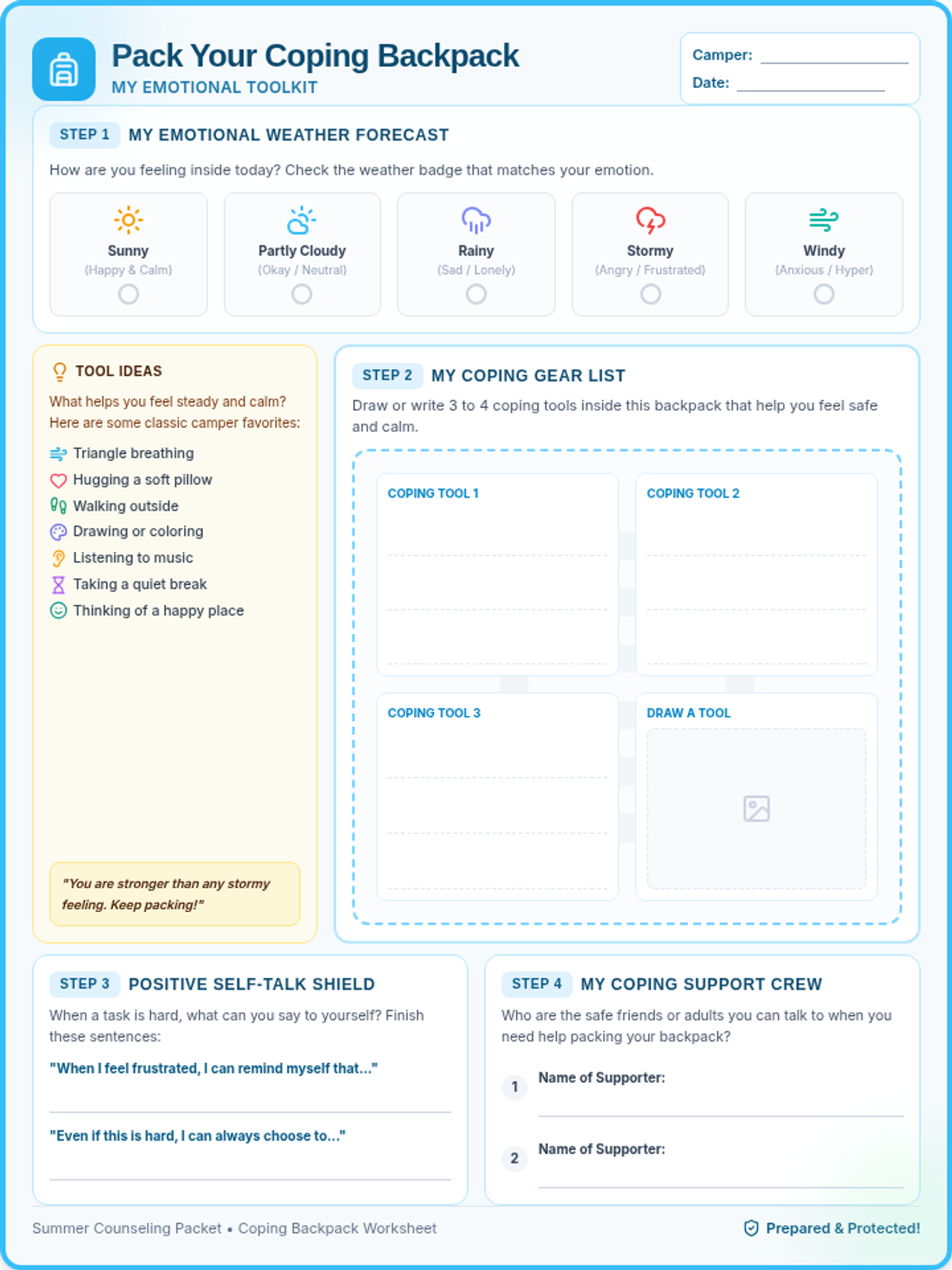
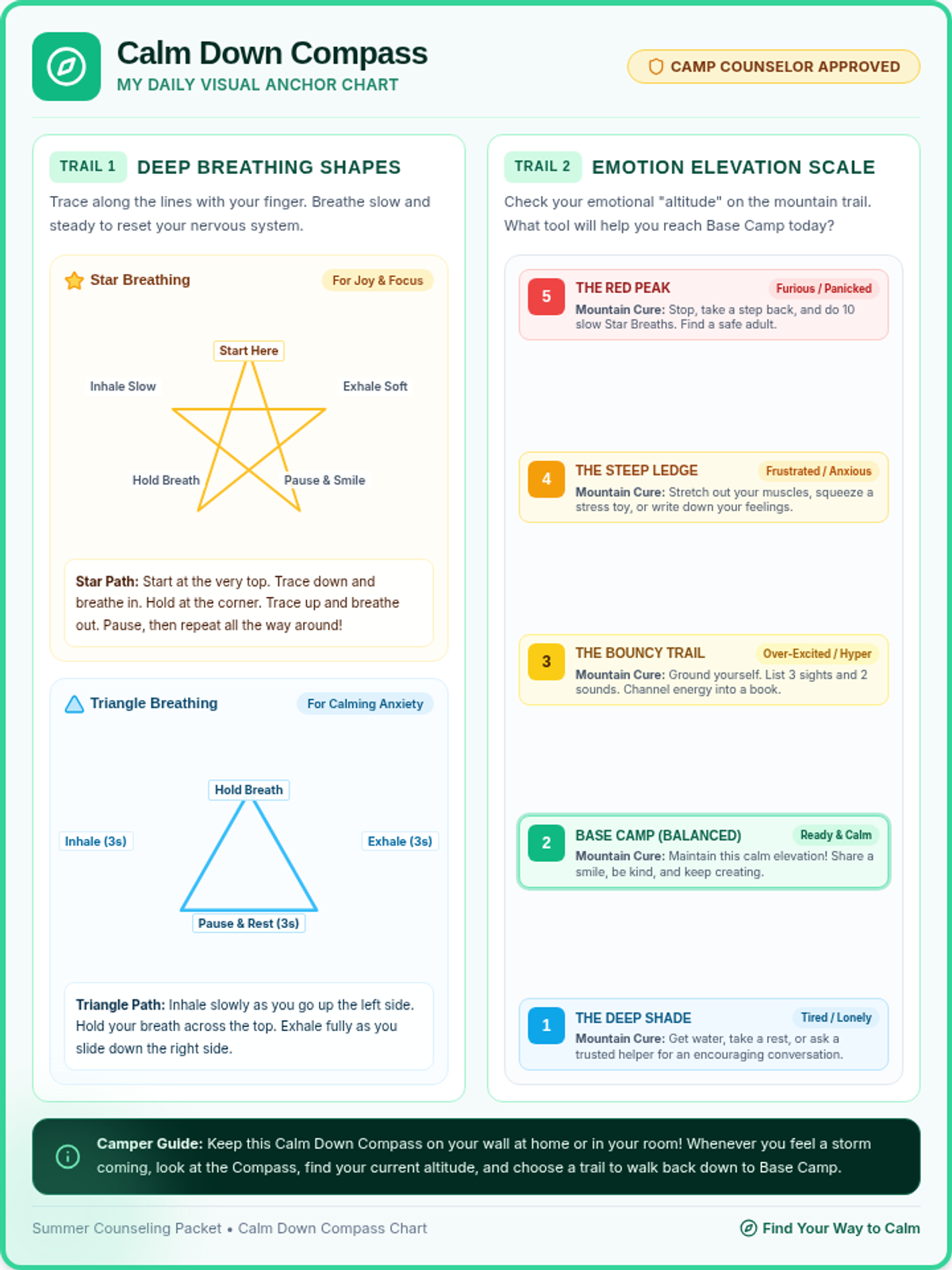
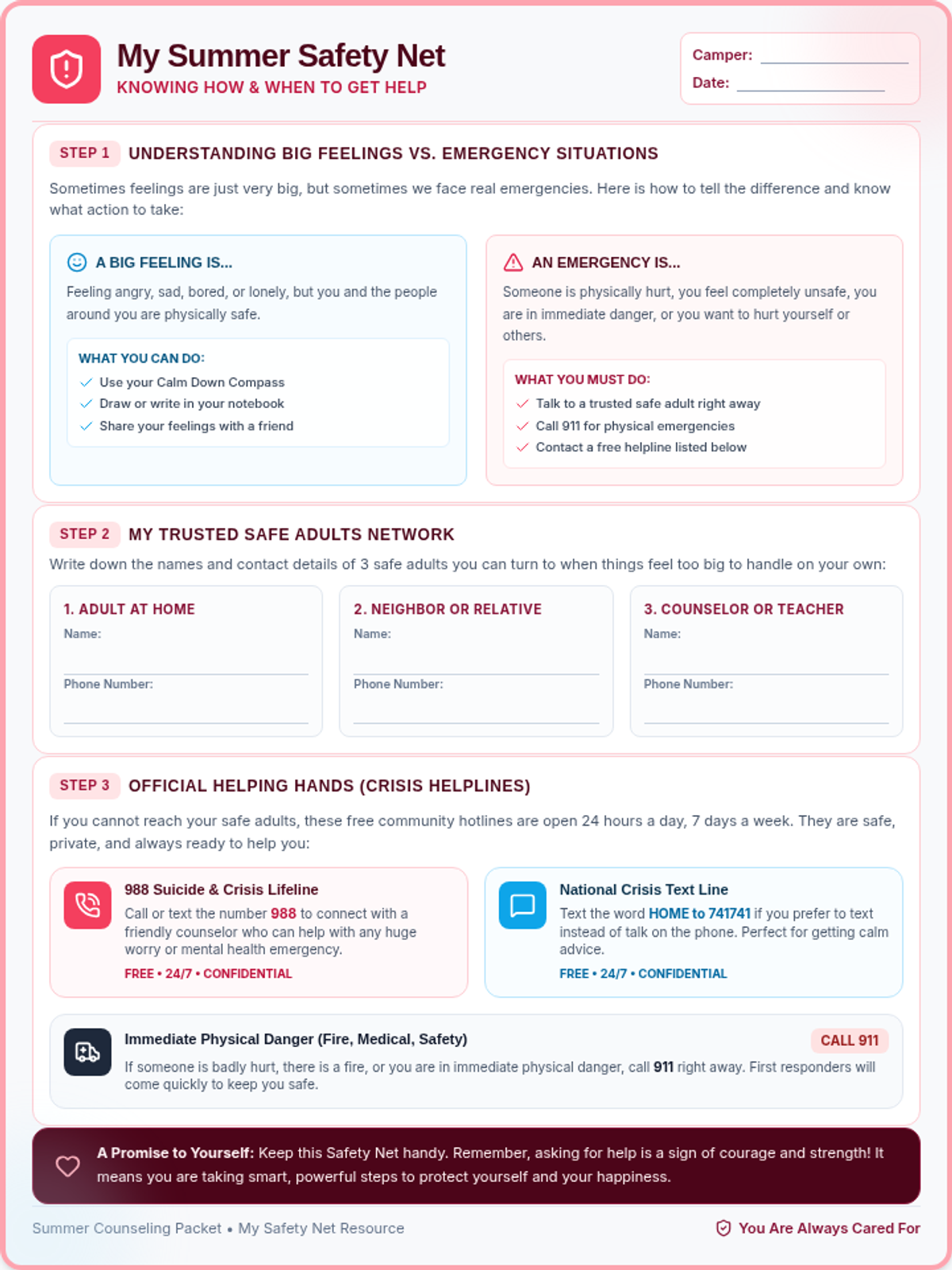
A comprehensive summer counseling packet containing daily SEL challenge calendars, coping skill worksheets, deep breathing visual anchor charts, and a safety net resource for getting help in emergencies.
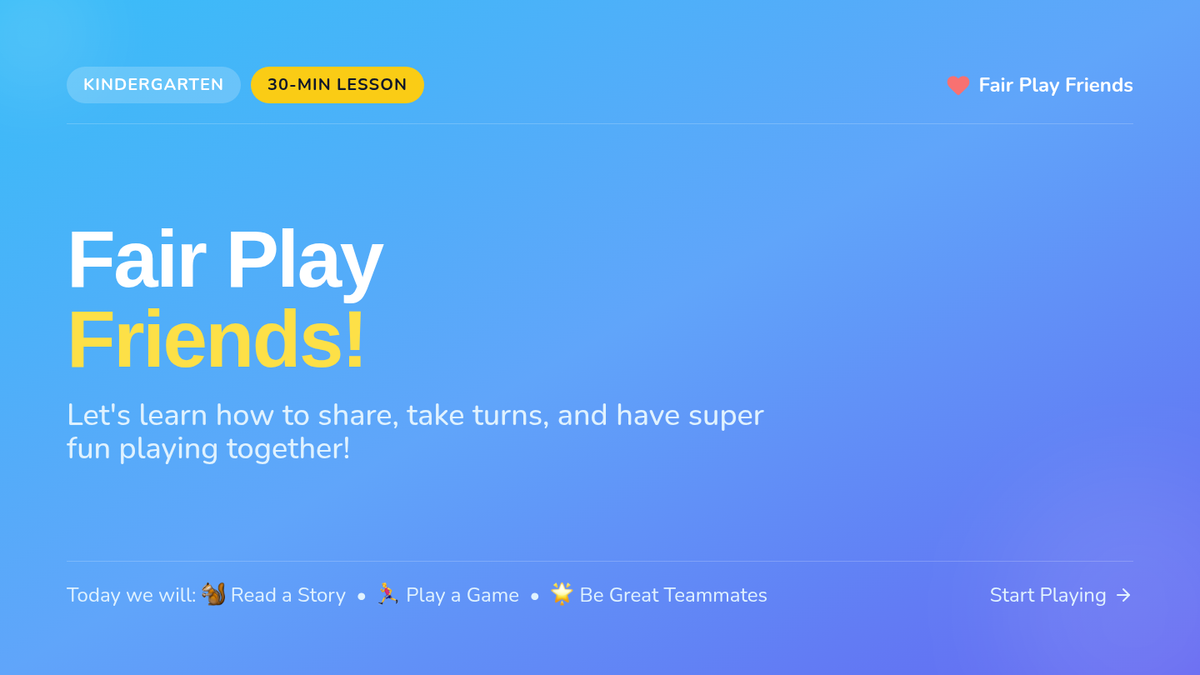
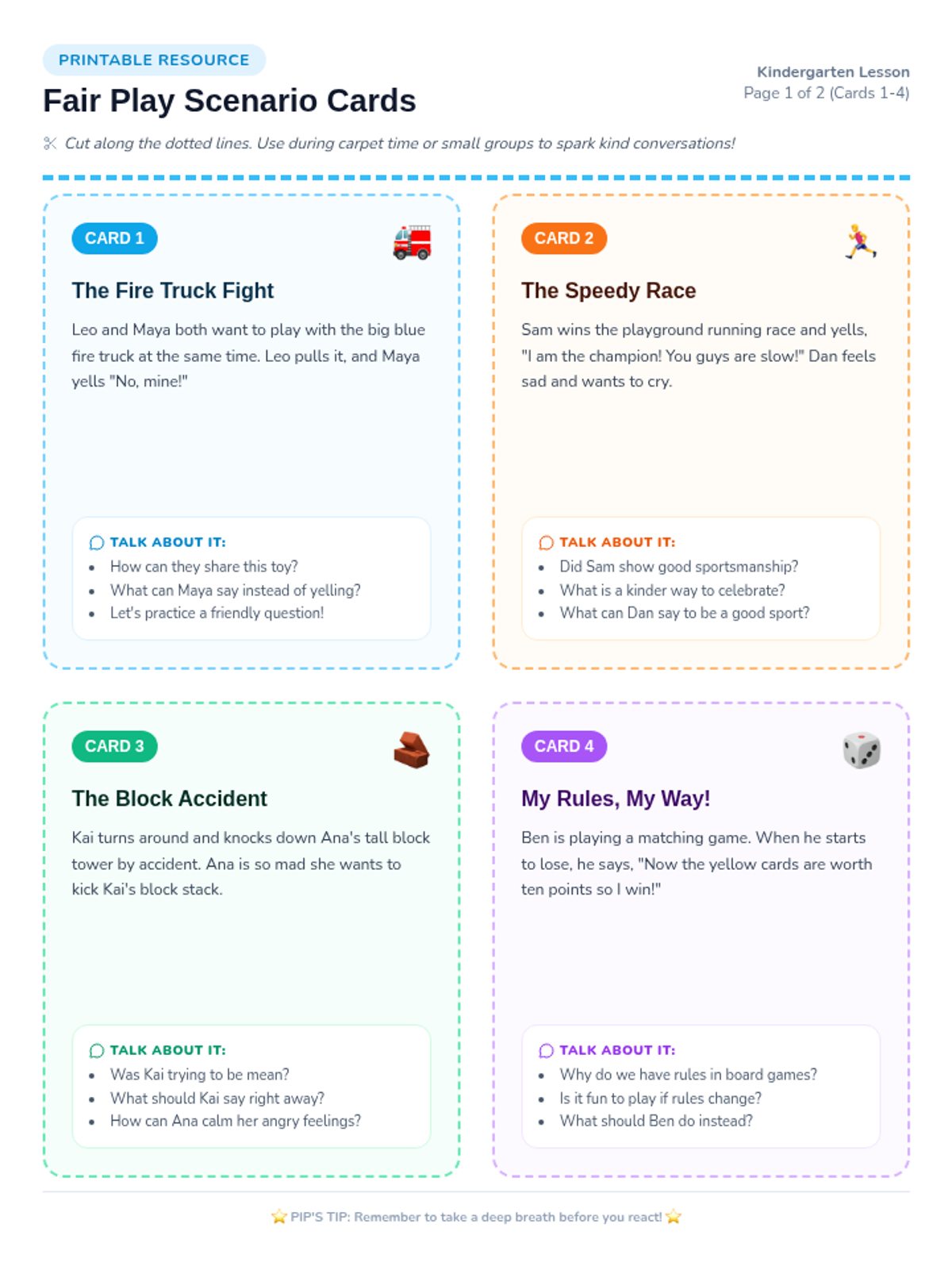
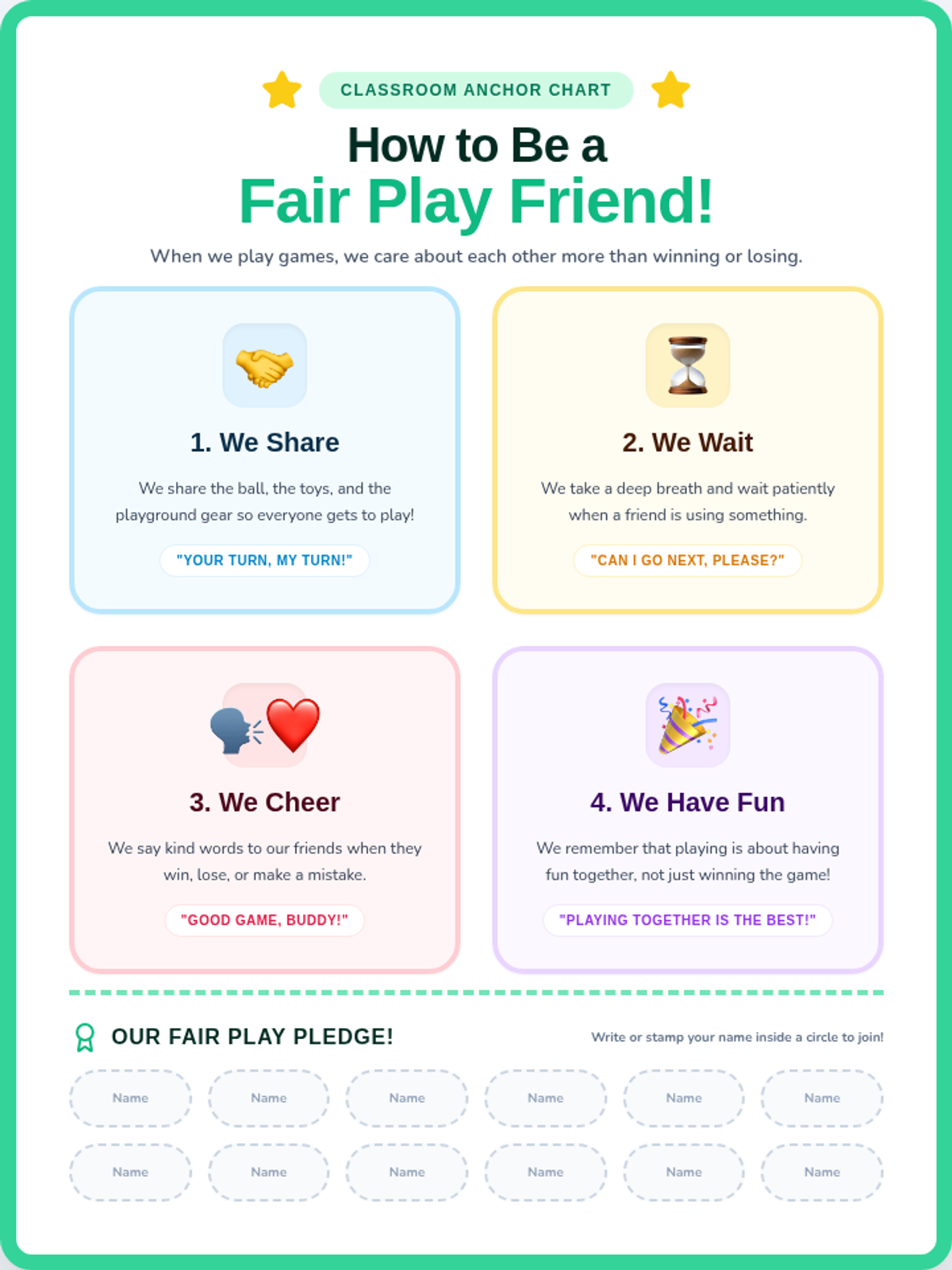
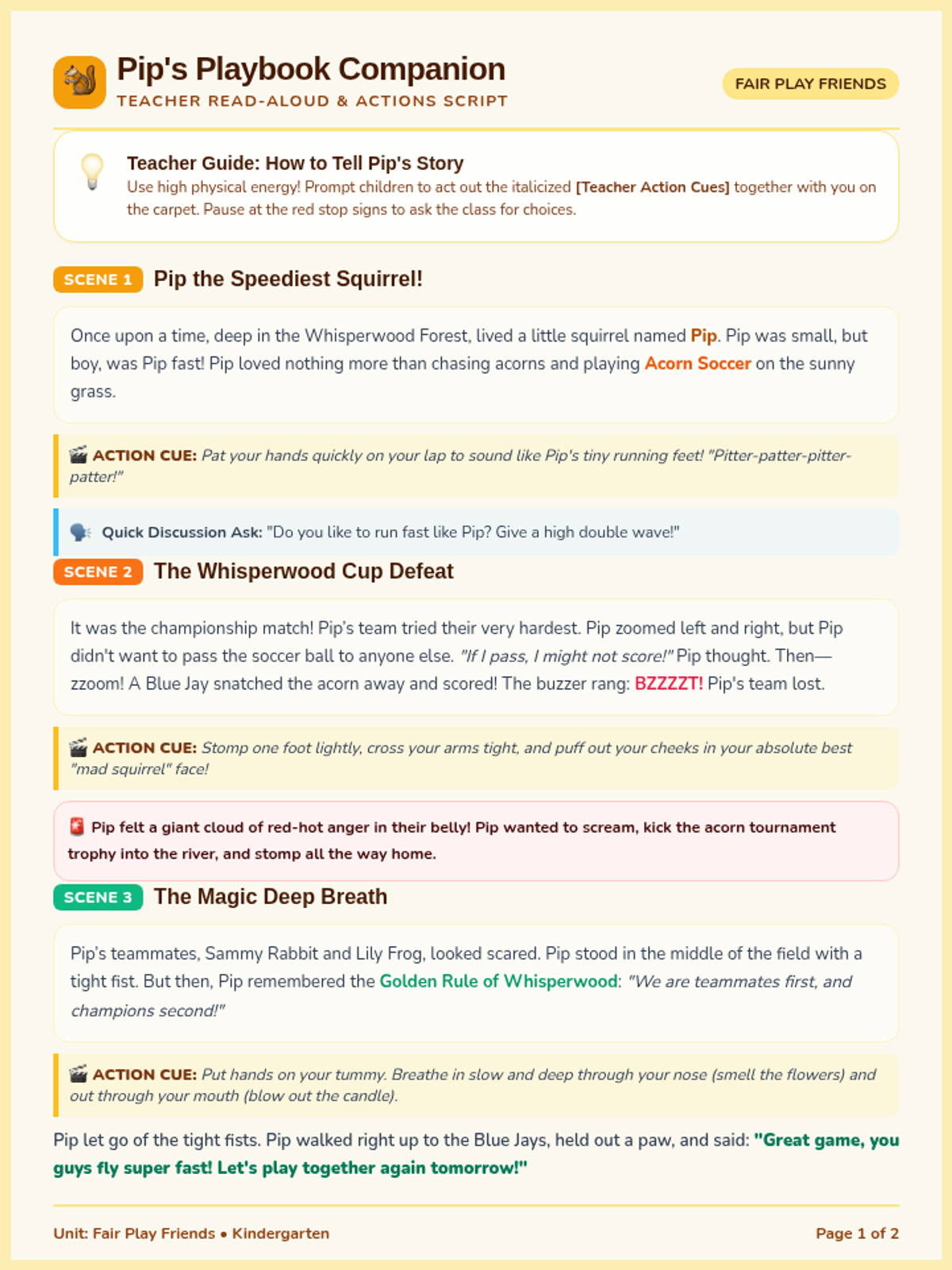
A 30-minute interactive lesson for Kindergarteners focusing on the fundamentals of good sportsmanship, including sharing, taking turns, and handling winning or losing with grace. It features a character-driven story, a movement-based voting game, small-group scenario discussion cards, and a visual anchor chart.
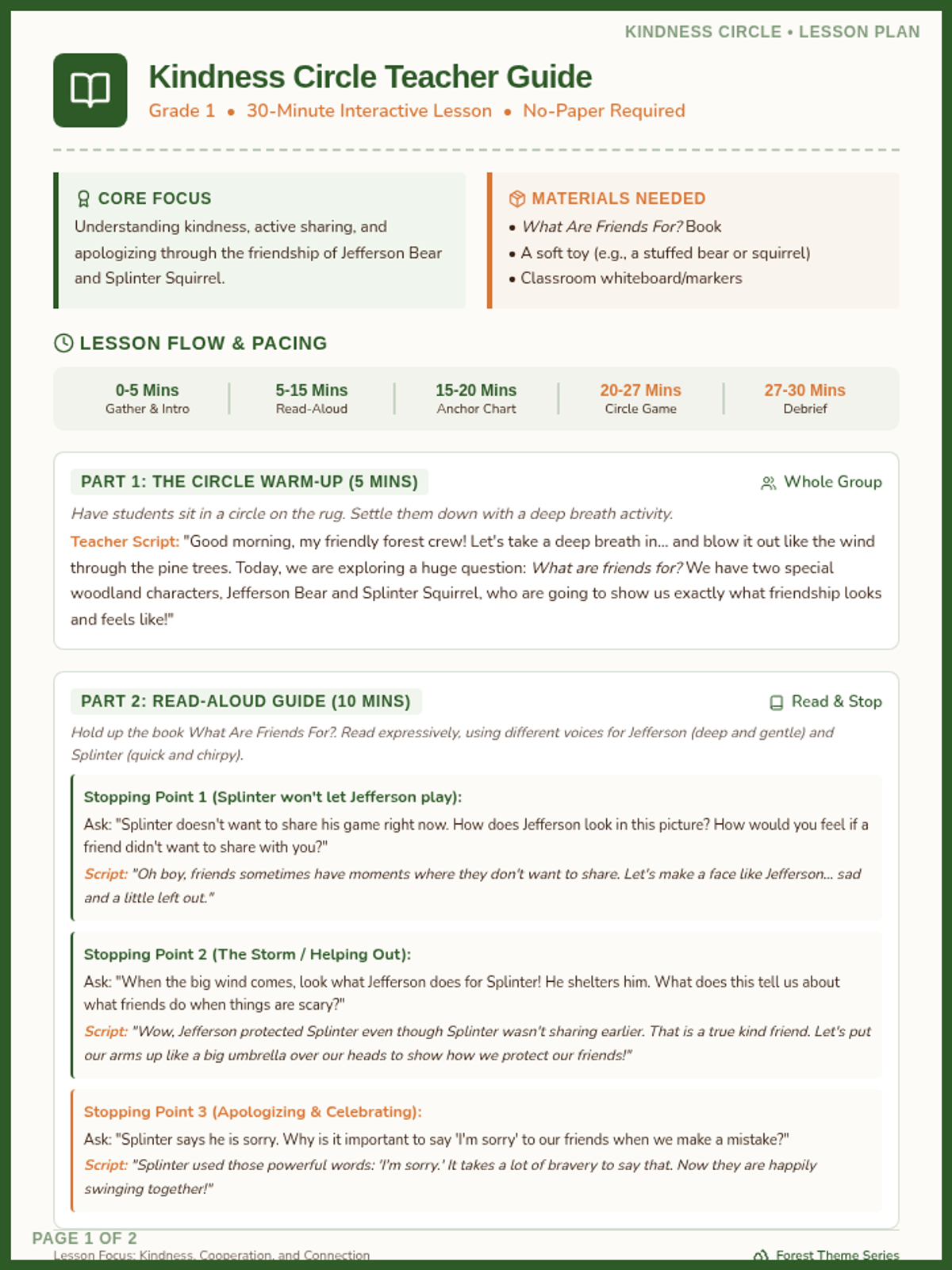
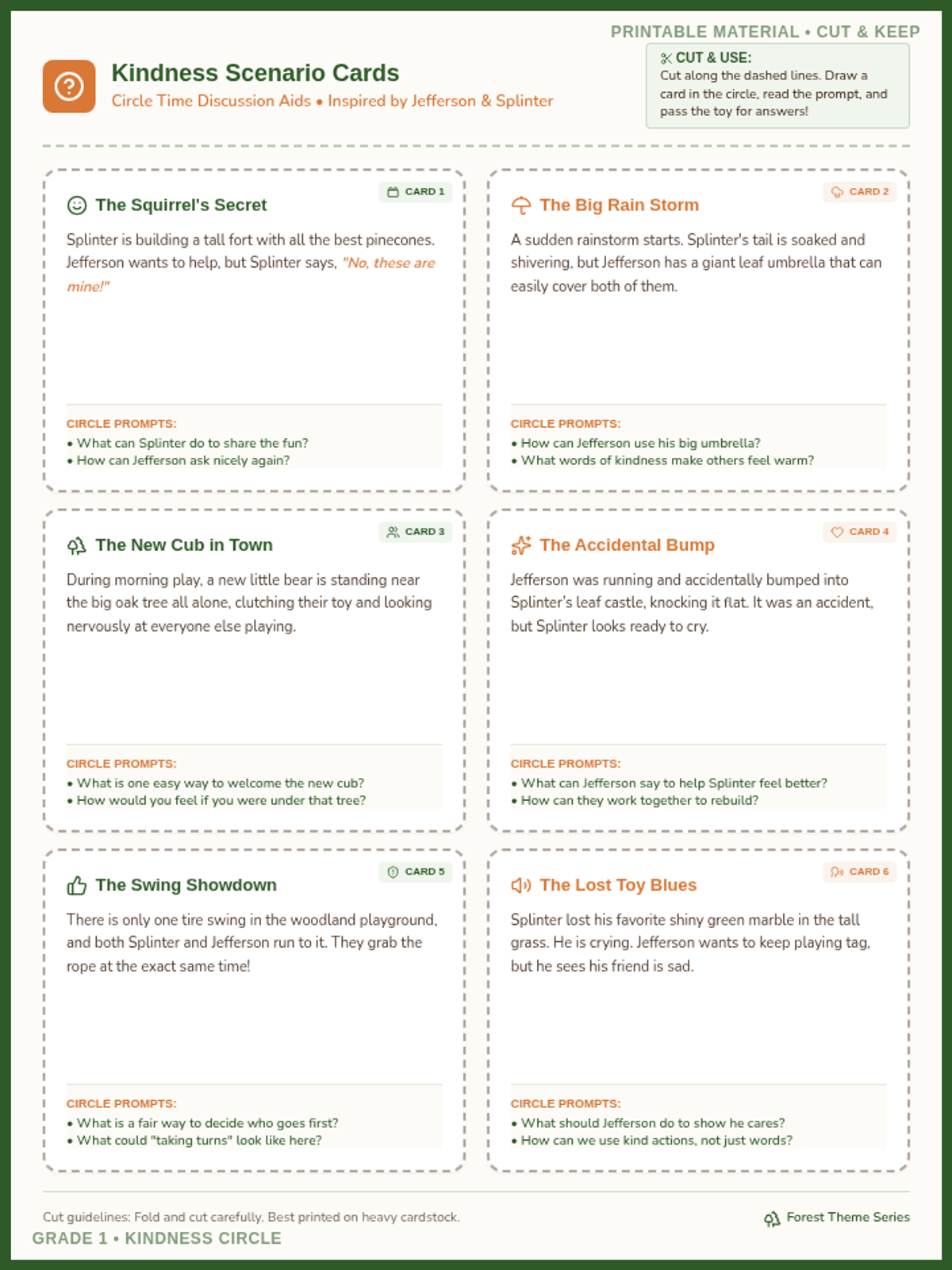
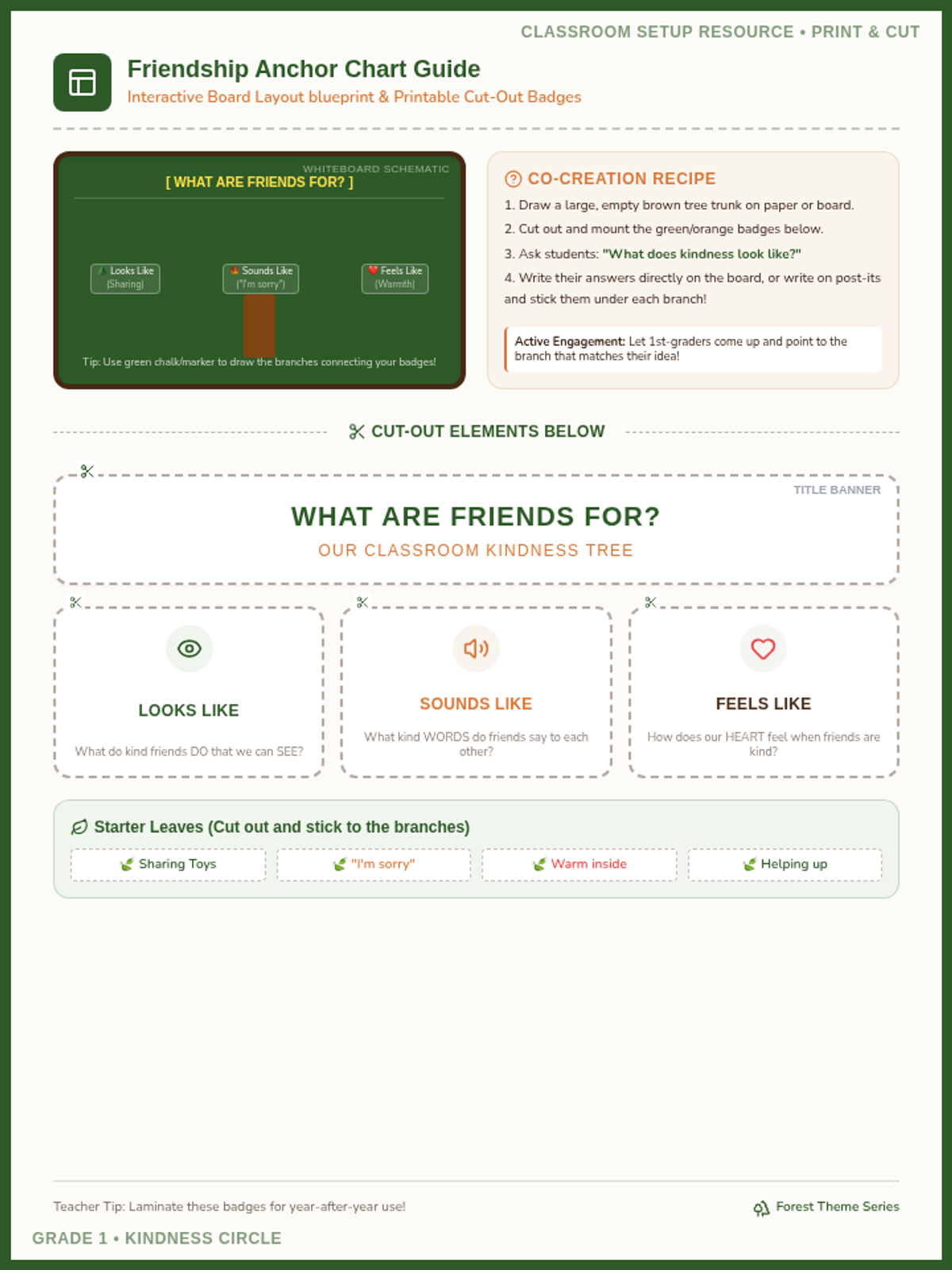
A 30-minute interactive lesson for 1st graders focused on kindness and friendship, centered around the book 'What Are Friends For?' by Sally Grindley & Penny Dann. Features a reading guide, an interactive anchor chart, and an active Friendship Corners game with printable scenario cards and corner badges.
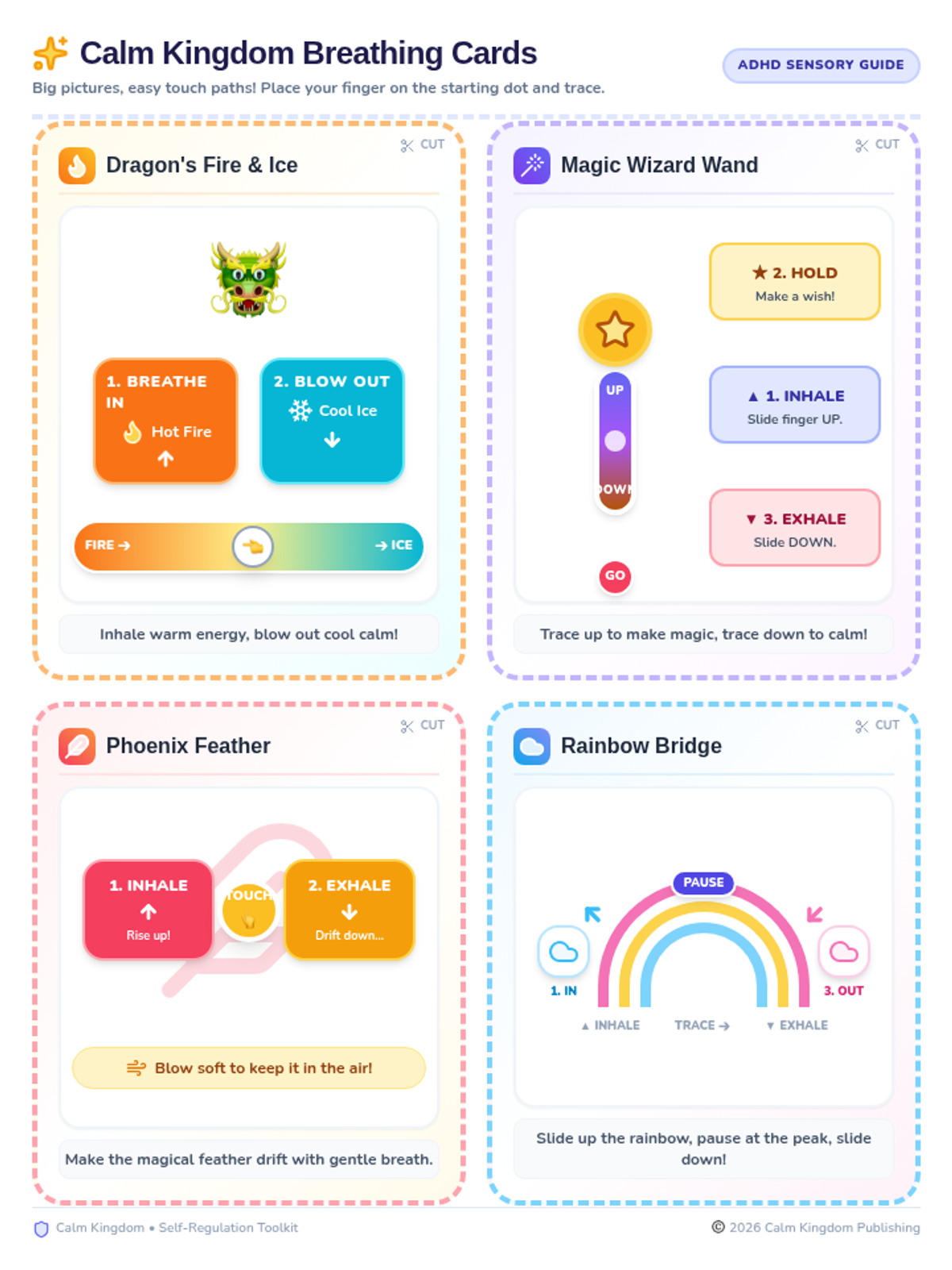
A fantasy-themed self-regulation and mindfulness resource designed for early elementary students to practice calming strategies and sensory breathing exercises.
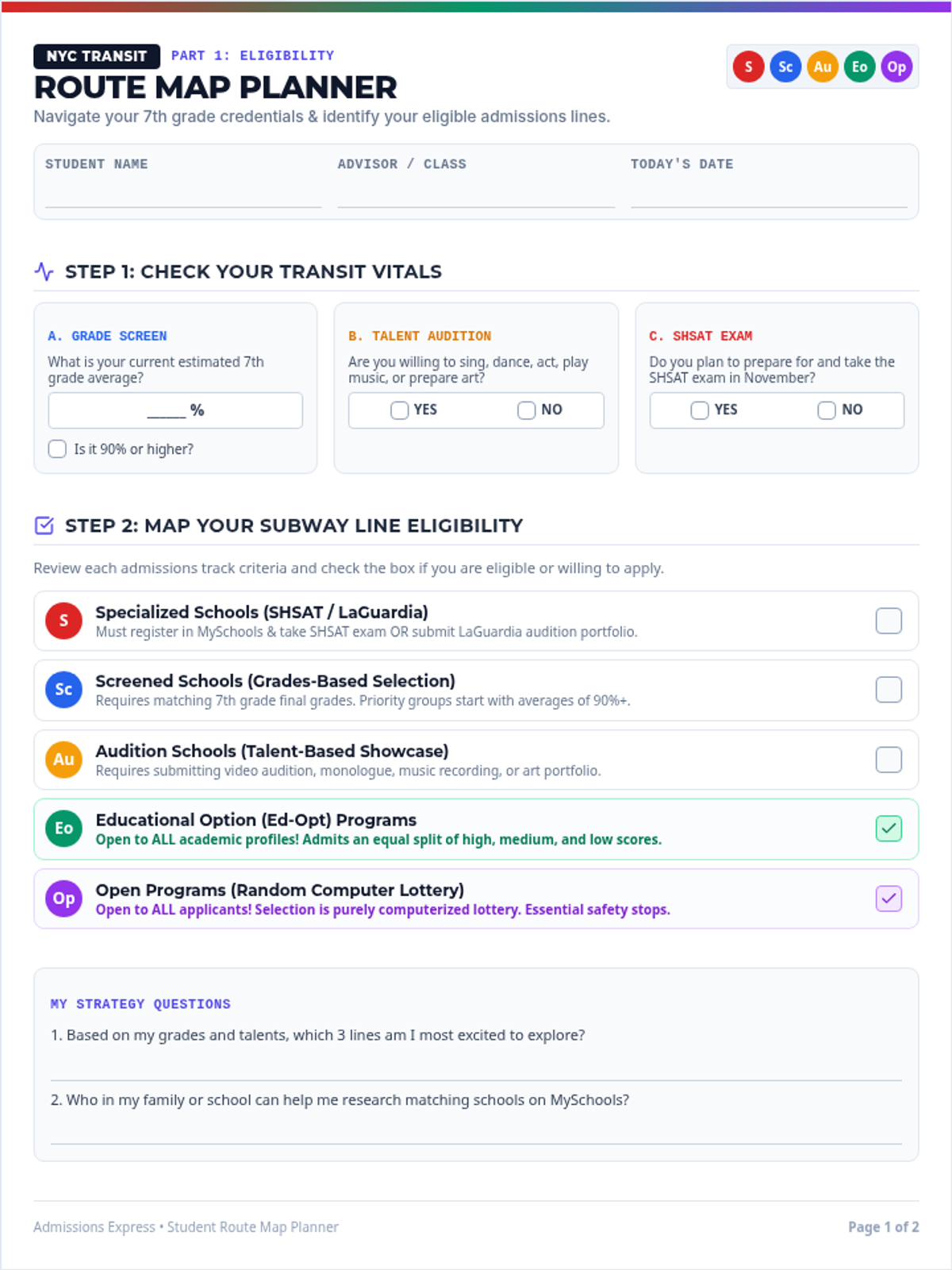
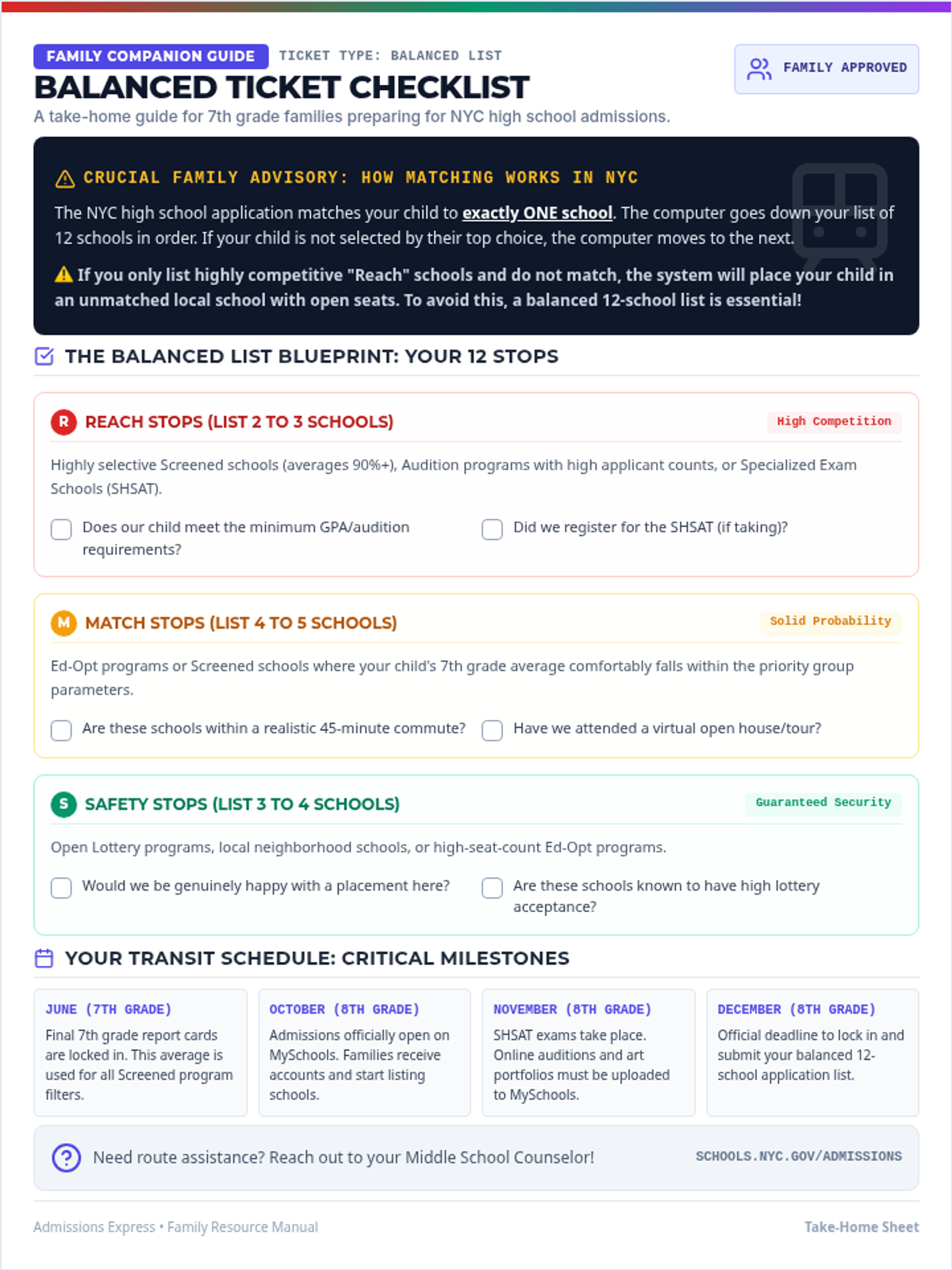
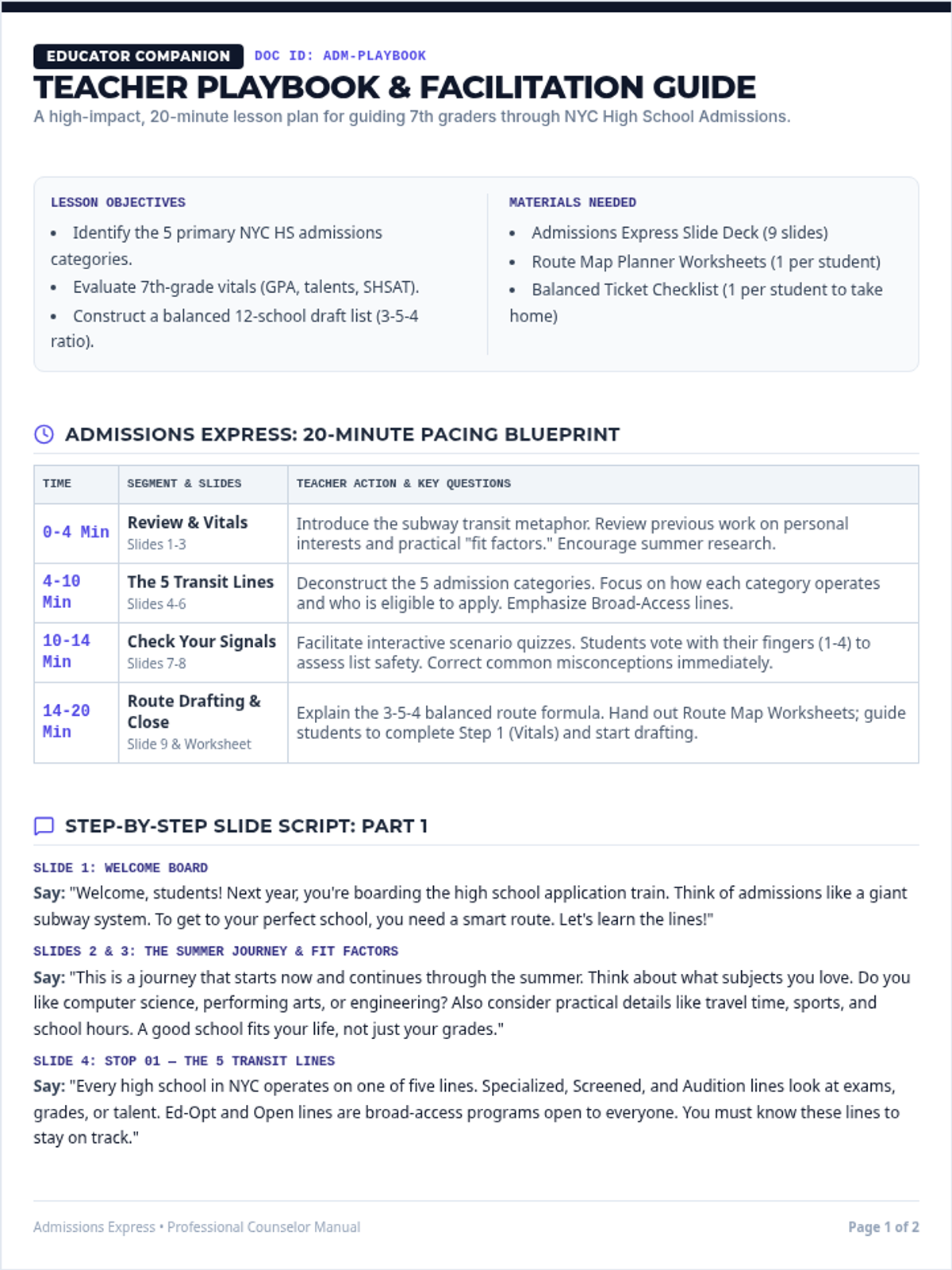
A high-impact, 20-minute lesson designed to guide 7th-grade students through the NYC high school admissions process. Students explore the five primary admission categories and learn how to construct a balanced list of schools using an interactive mountain-themed adventure planner.
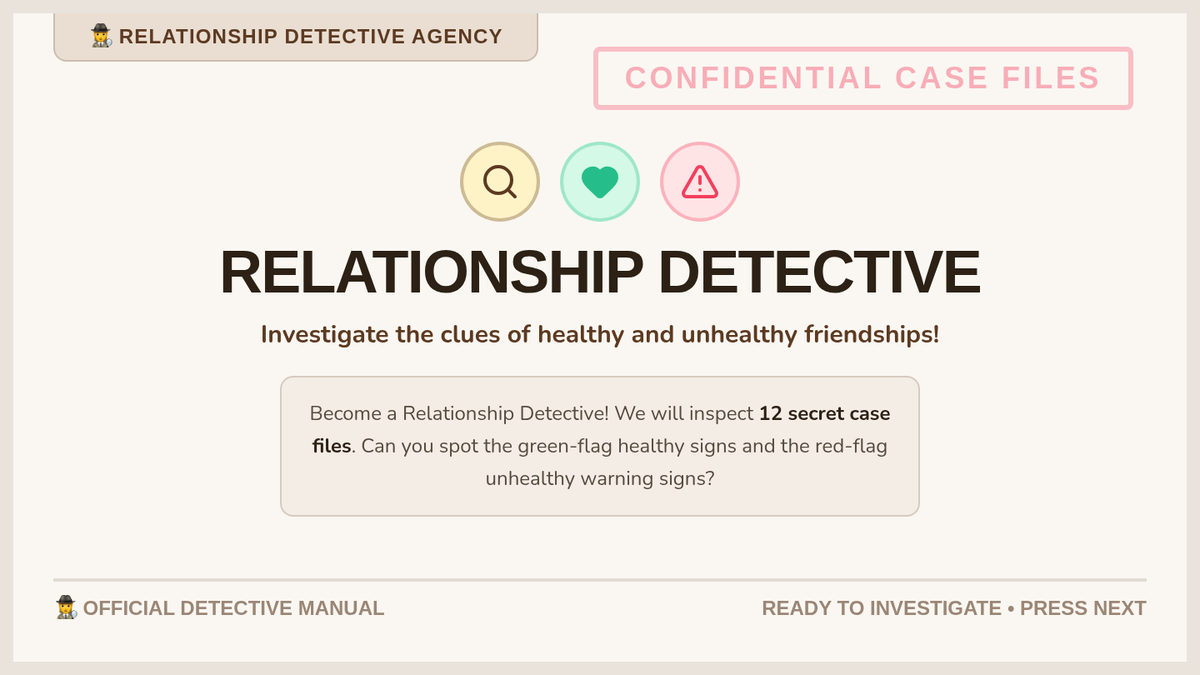
A highly visual, engaging interactive lesson where students act as 'Relationship Detectives' to investigate 12 friendship case files, sorting healthy green-flag behaviors from unhealthy red-flag behaviors.
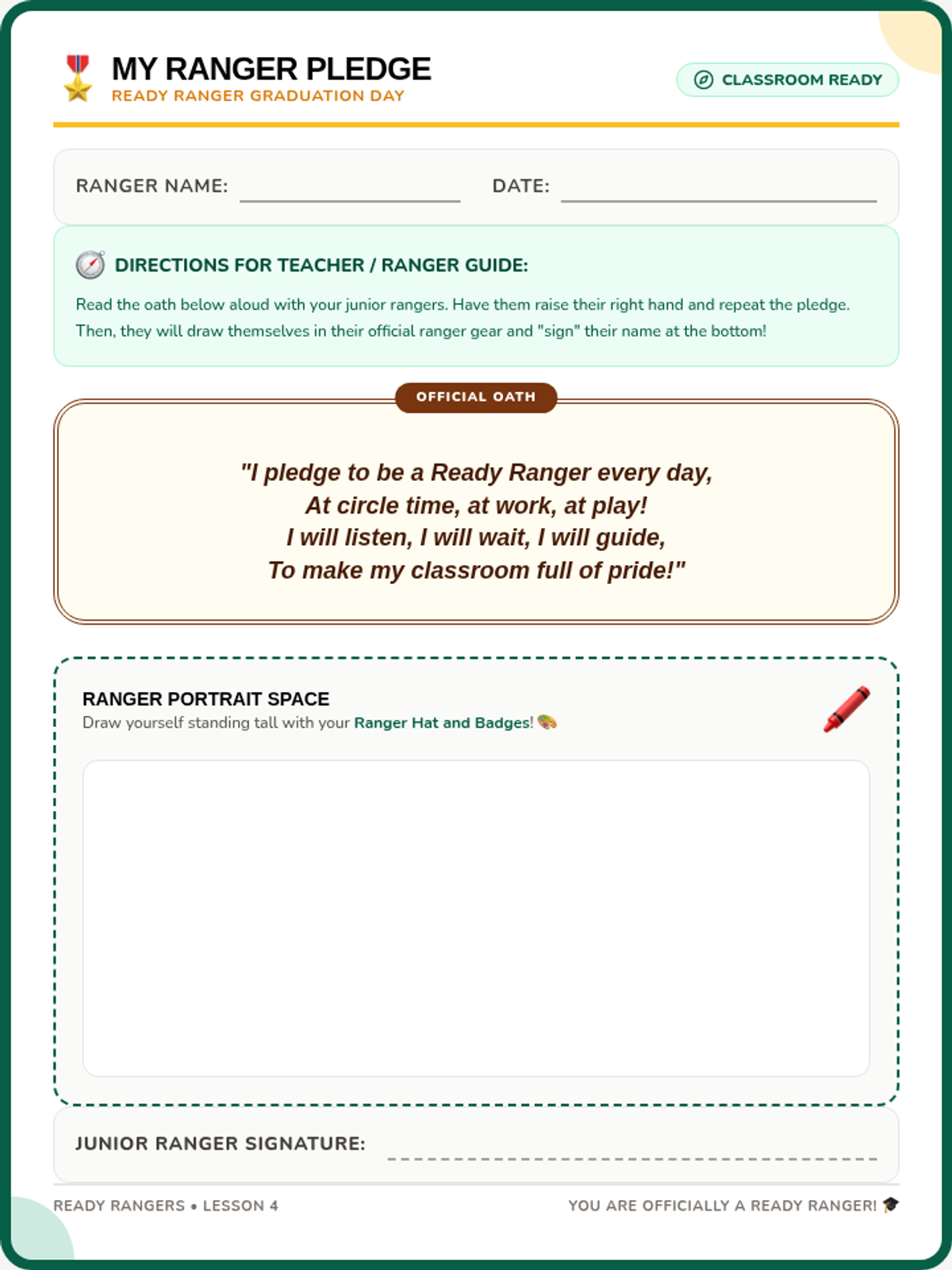
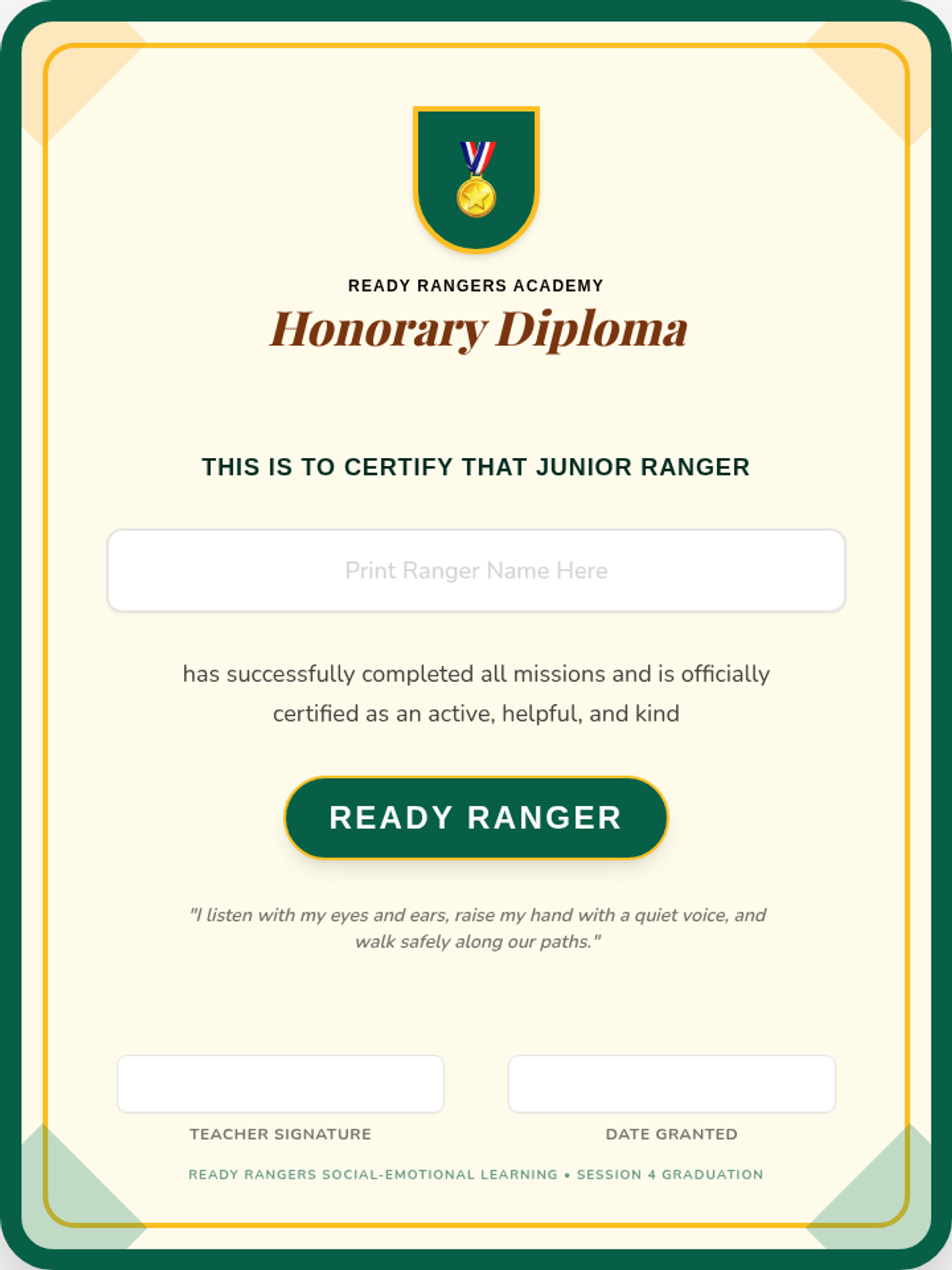
A celebratory final session where students review all three ranger skills, sign a Ranger Pledge, and receive their graduation certificates.
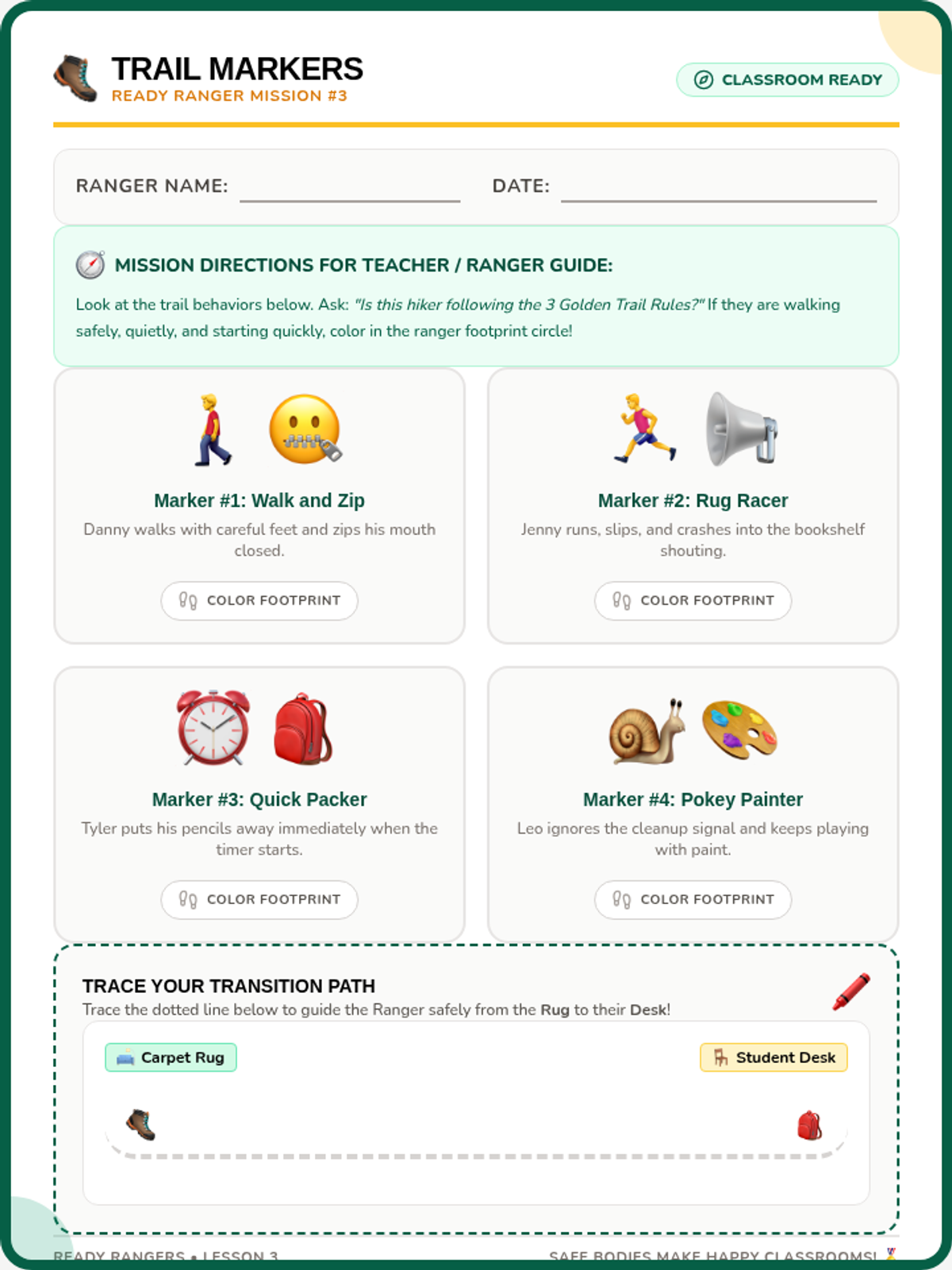
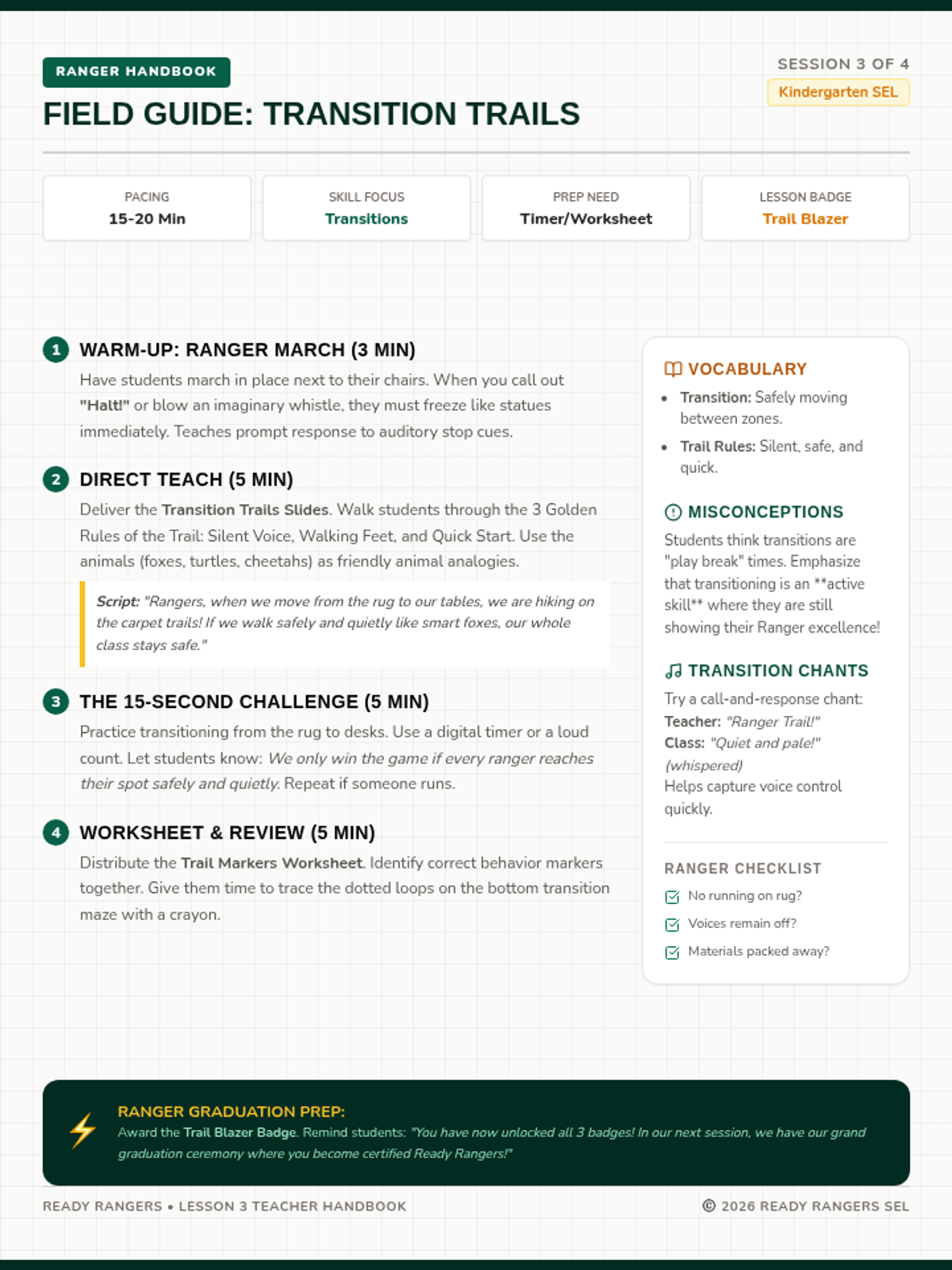
Students practice moving safely, quickly, and quietly between activities using the concept of classroom ranger trails.
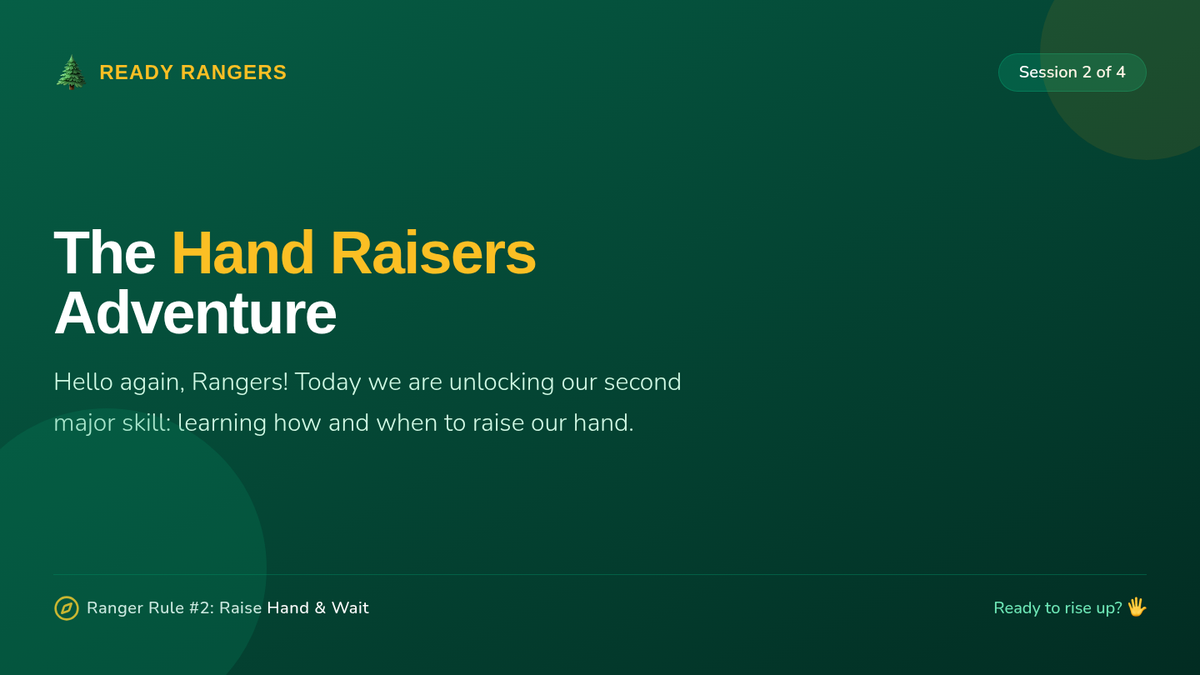
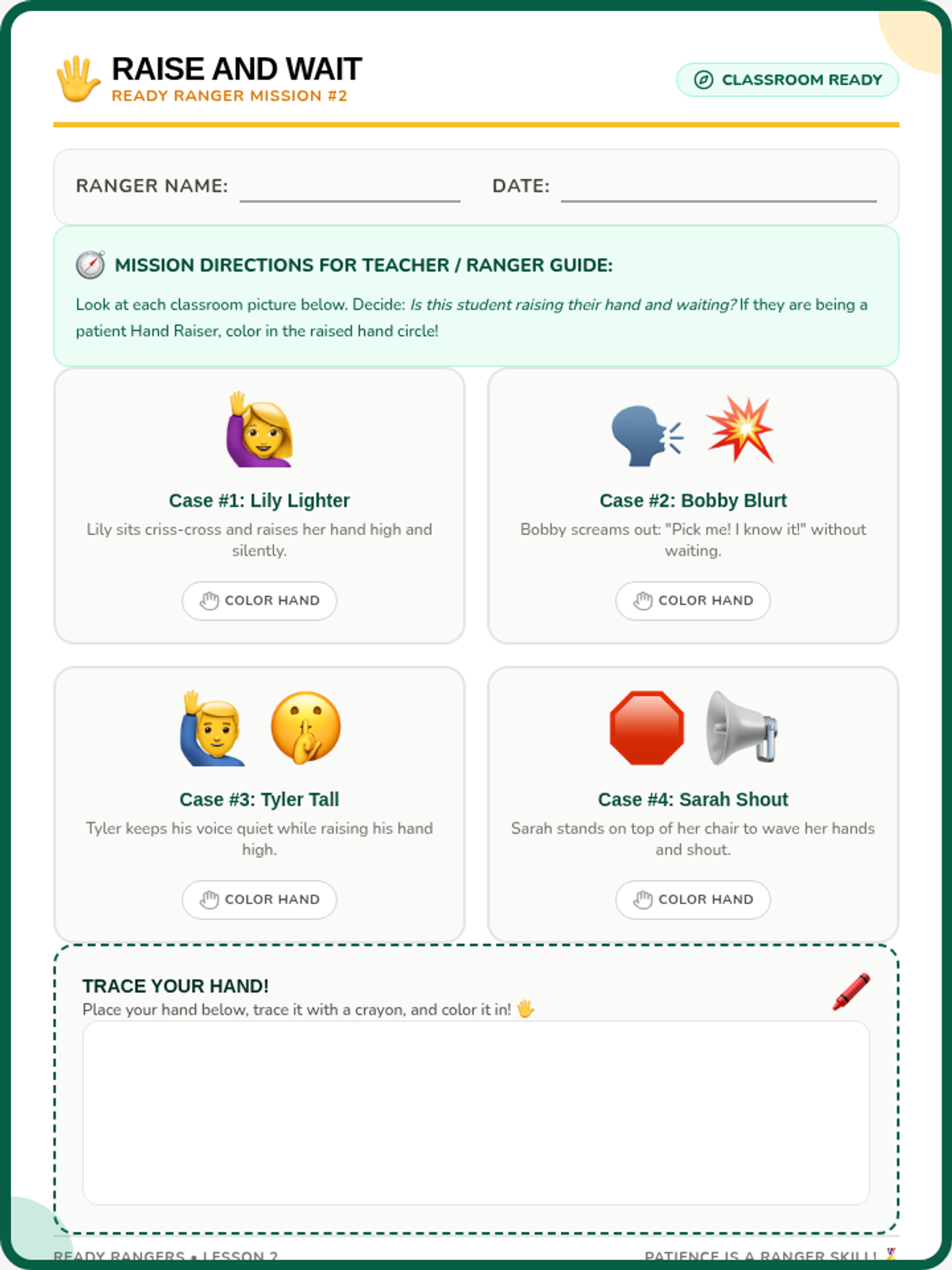
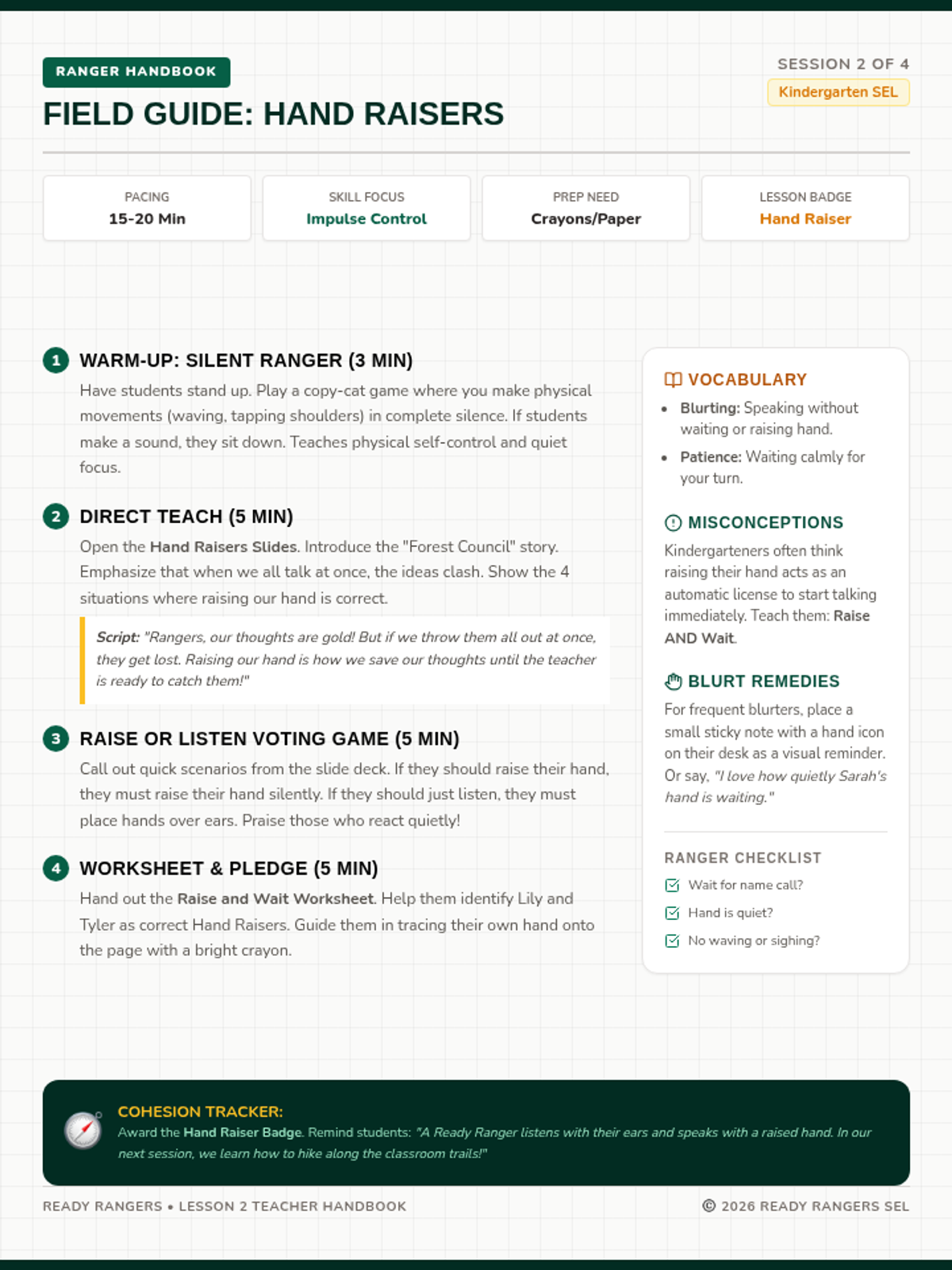
Students learn when and how to raise their hands to speak or ask for help, practicing impulse control and patience.
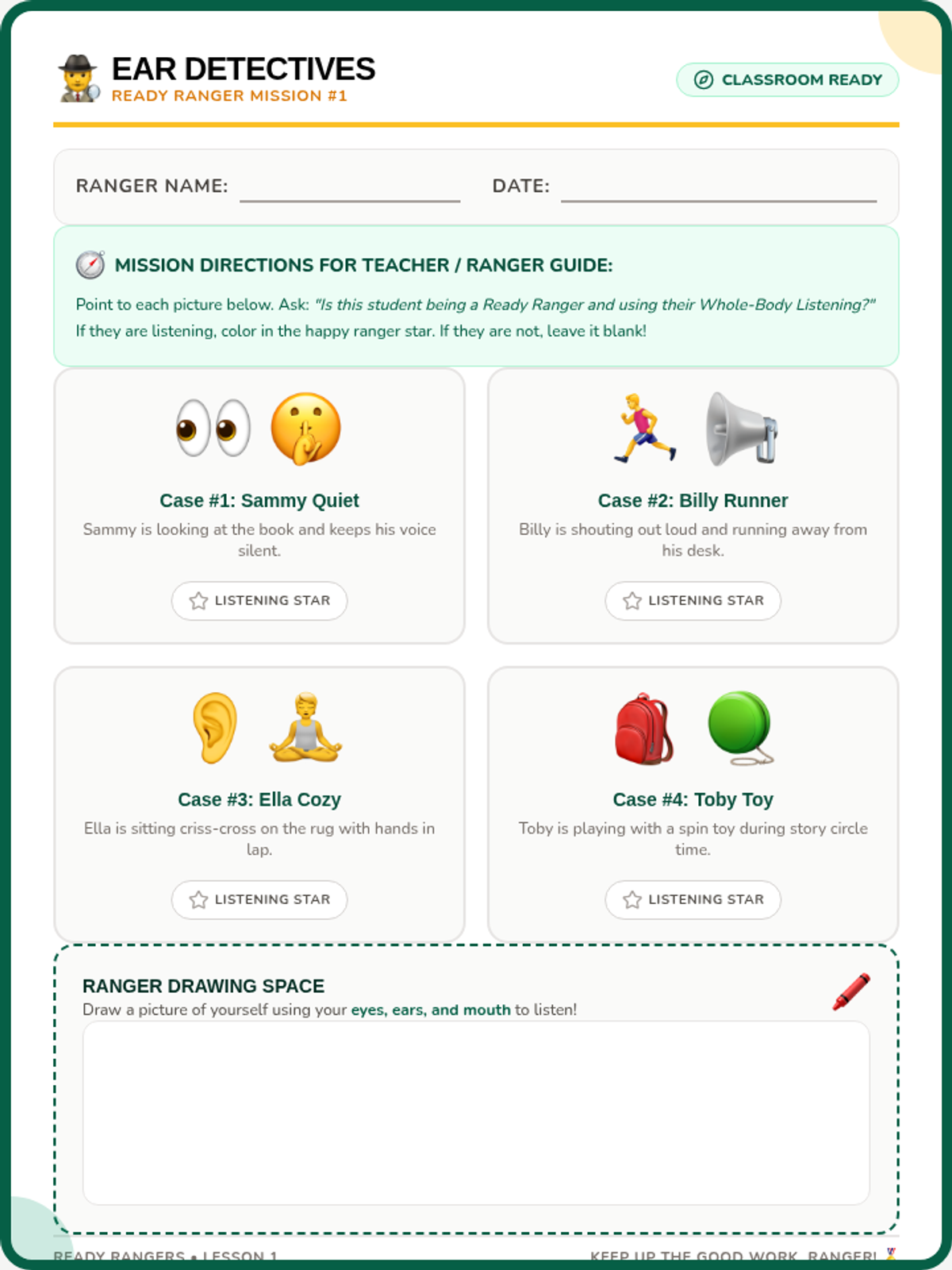
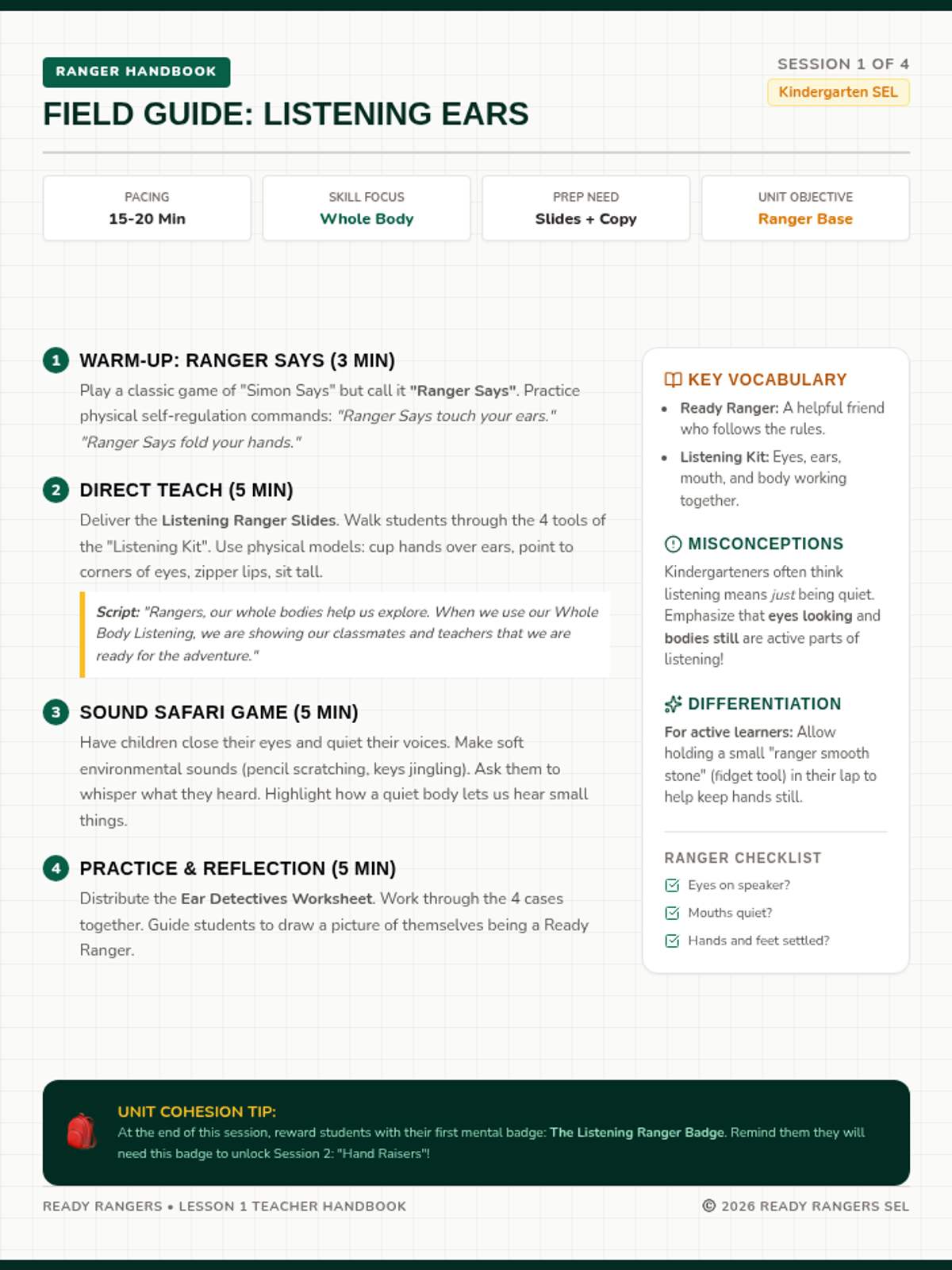
Students learn the concept of whole-body listening (eyes watching, ears listening, mouth quiet, body still) through a ranger-themed adventure.
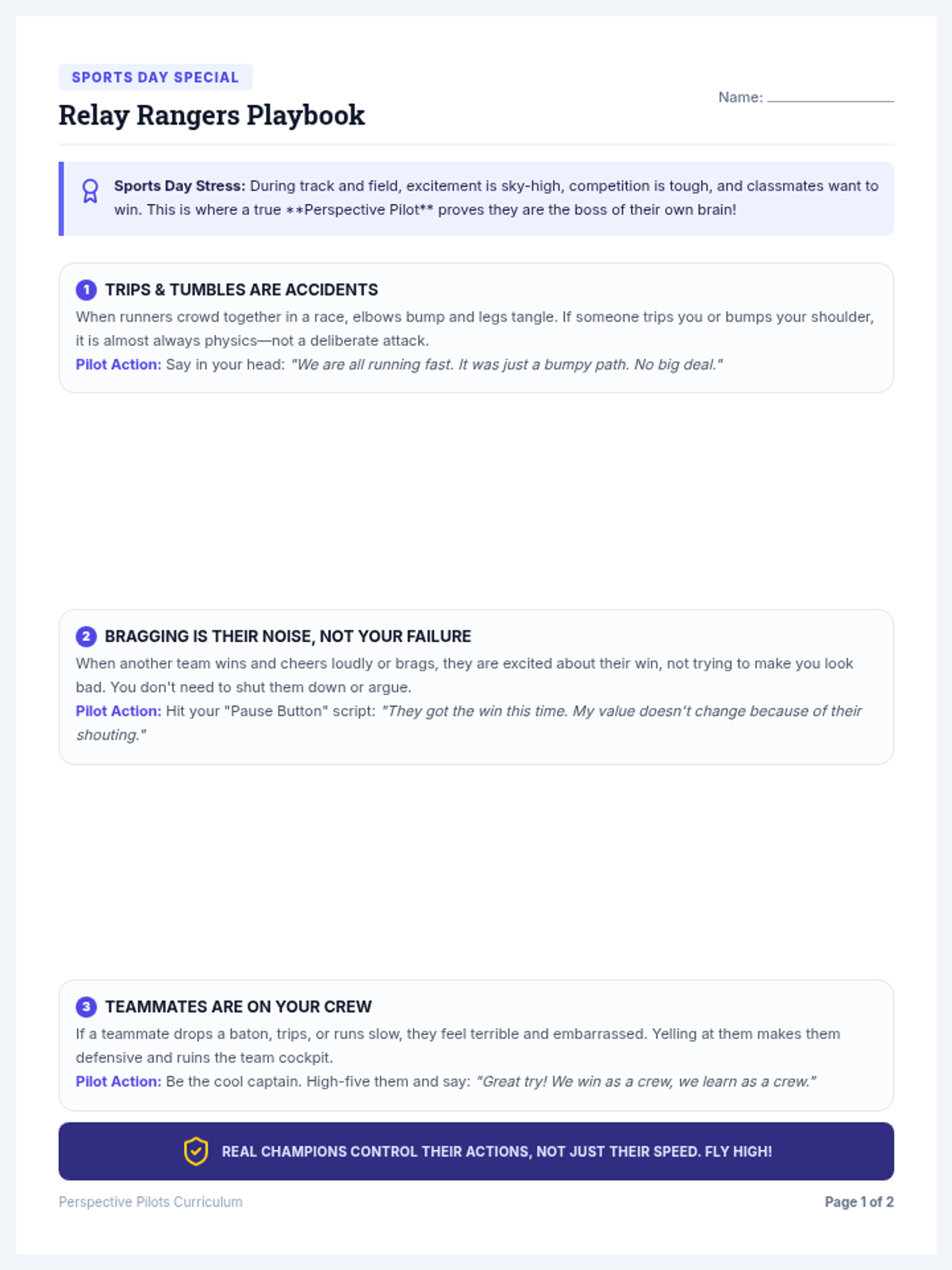
Navigating team competition, sportsmanship, and unexpected outcomes during a Track and Field Sports Day.