A comprehensive 3-day small group unit for grades K-2 focusing on the 'Stop, Think, Choose' strategy. Students learn self-management skills including deep belly breathing, star tracing, and taking physical calm-down breaks.
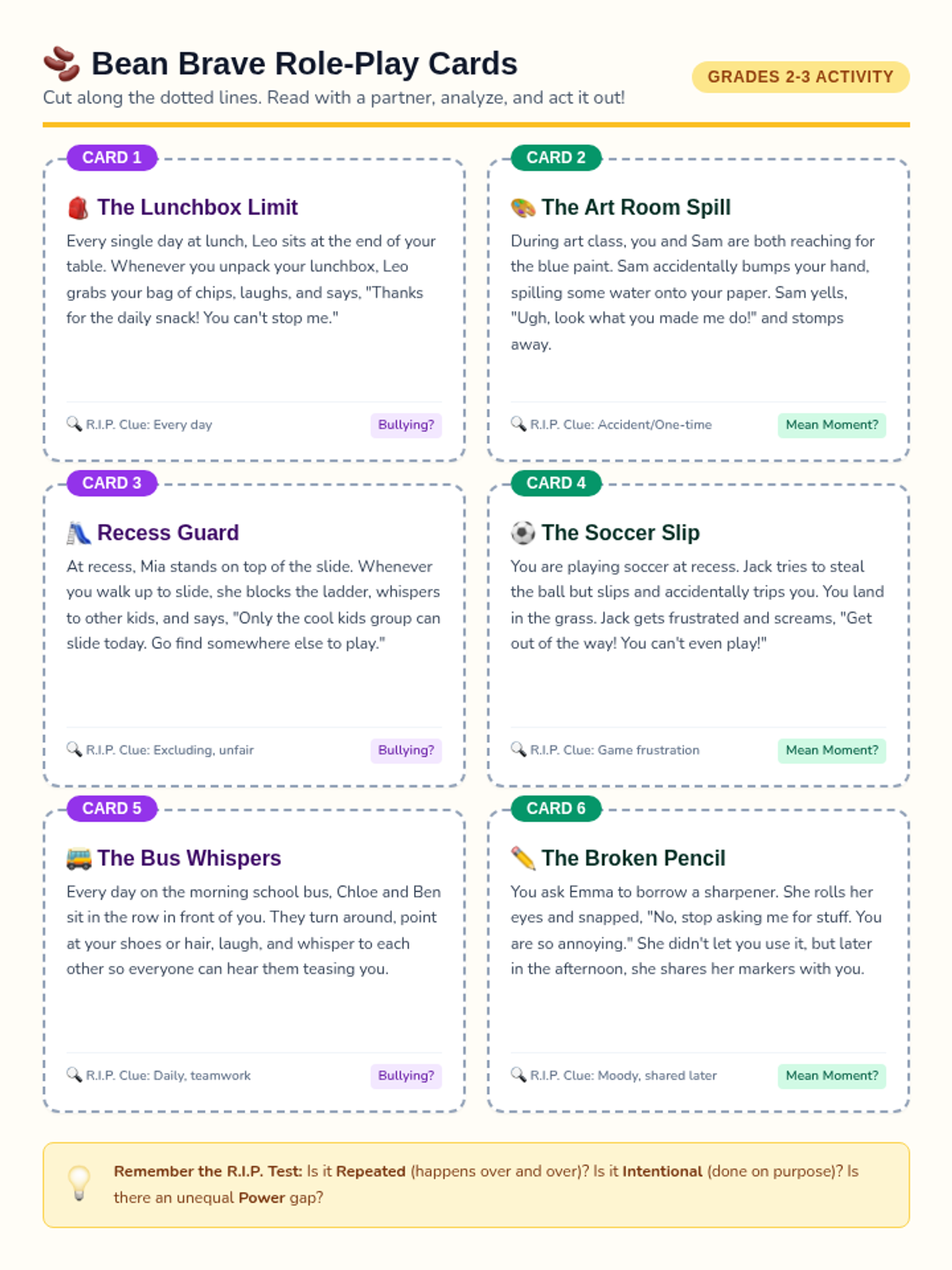
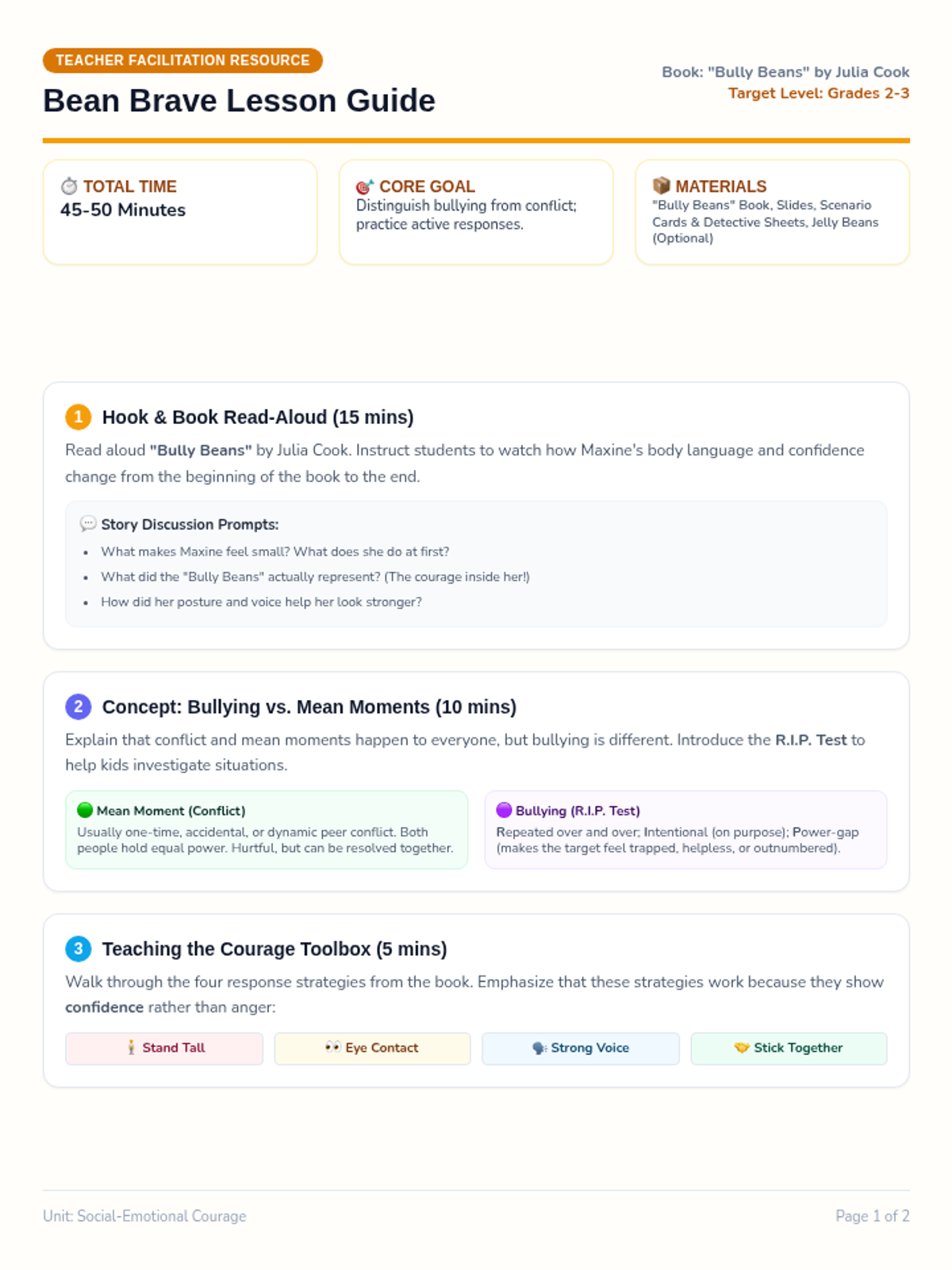
A social-emotional learning lesson for 2nd and 3rd graders based on the book 'Bully Beans' by Julia Cook. Students learn to distinguish between 'mean moments' and 'bullying' and practice active strategies to stand up for themselves and others.
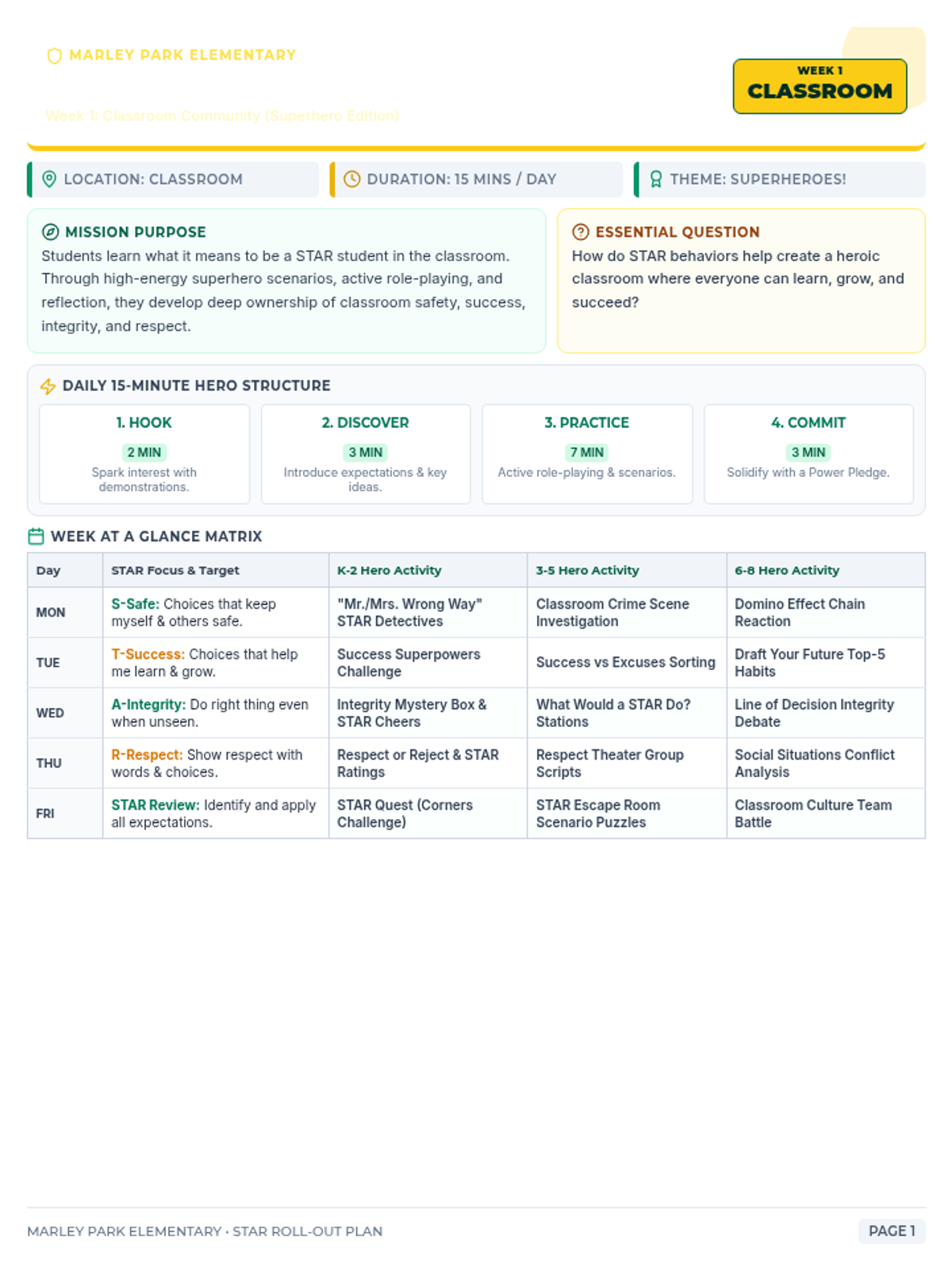
A comprehensive classroom expectations rollout for Week 1 of the school year. Includes a teacher guide and three separate grade-band slide decks (K-2, 3-5, 6-8) designed with a Marley Park green and yellow superhero theme.
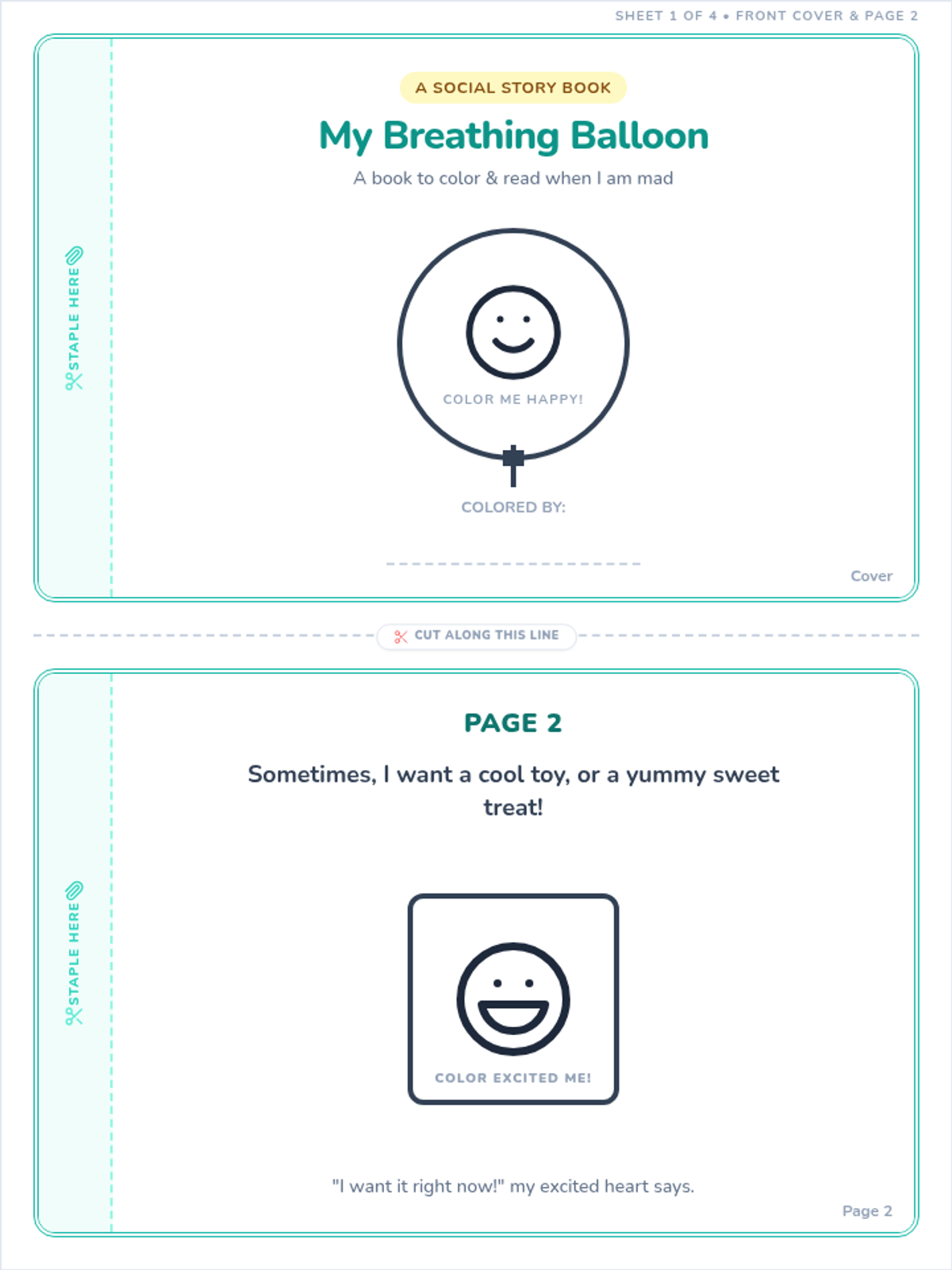
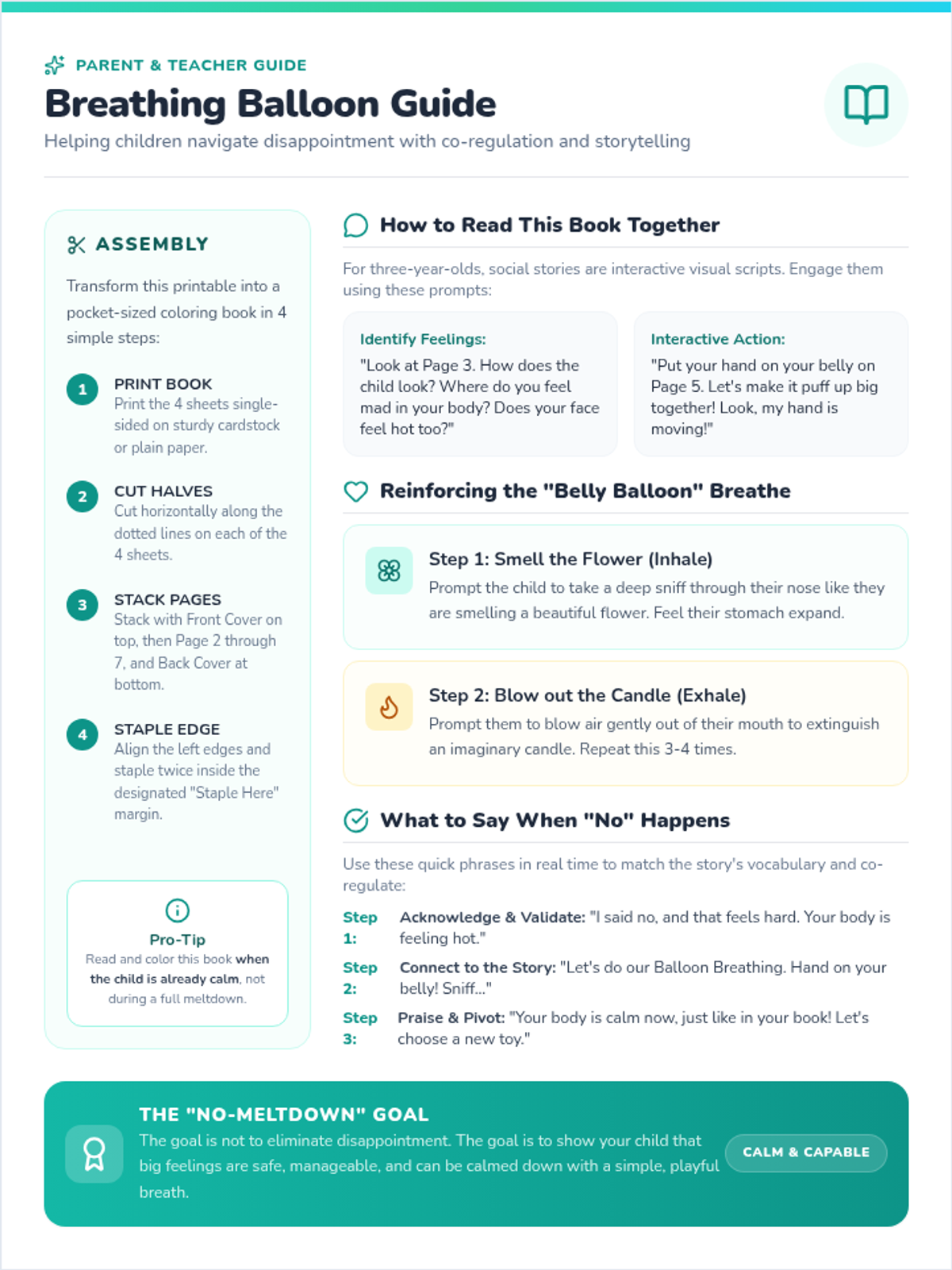
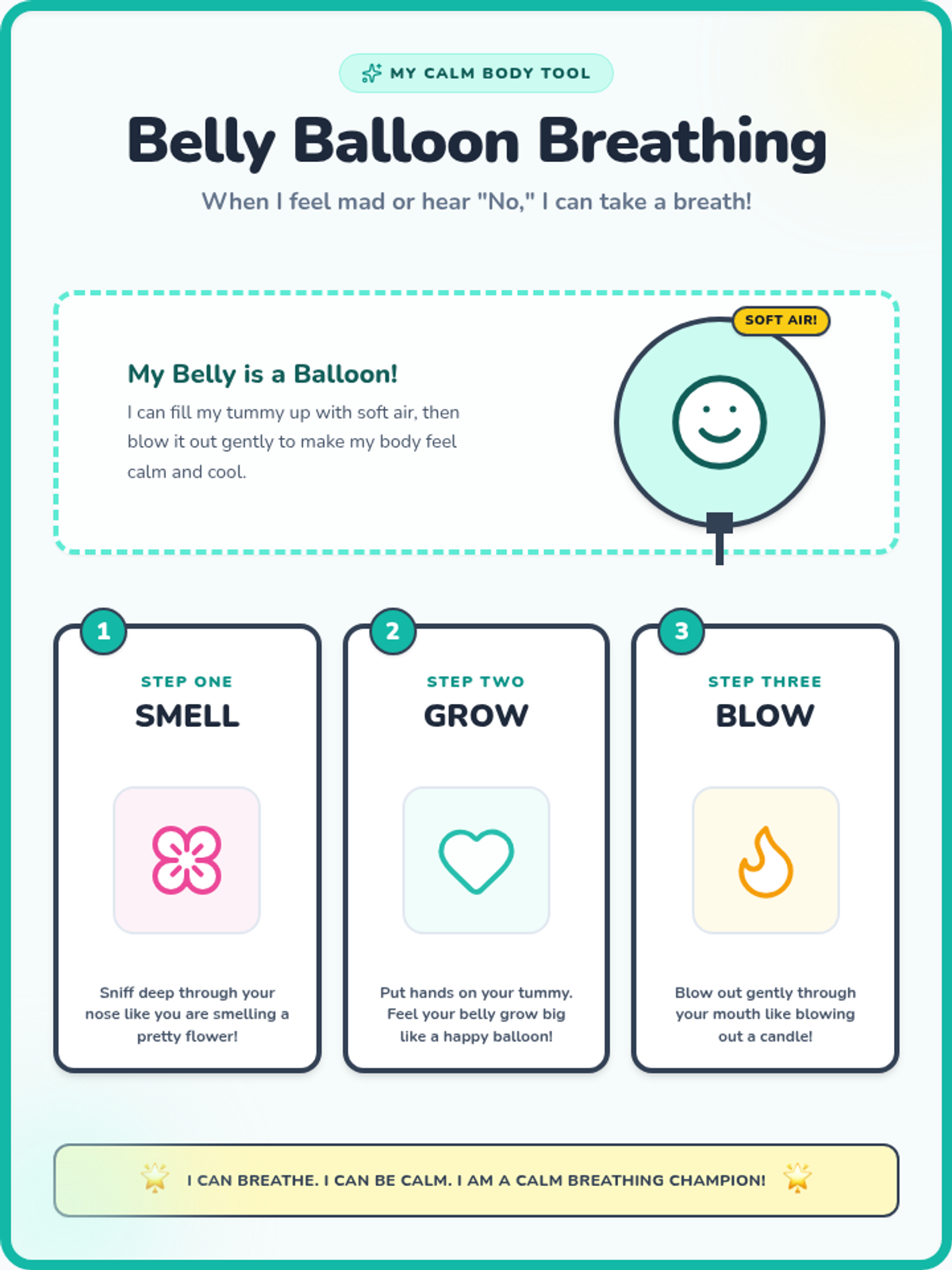
A nurturing social story and coloring book set designed for toddlers and preschoolers. Teaches the power of deep belly breaths to handle disappointments and hear 'no' calmly.
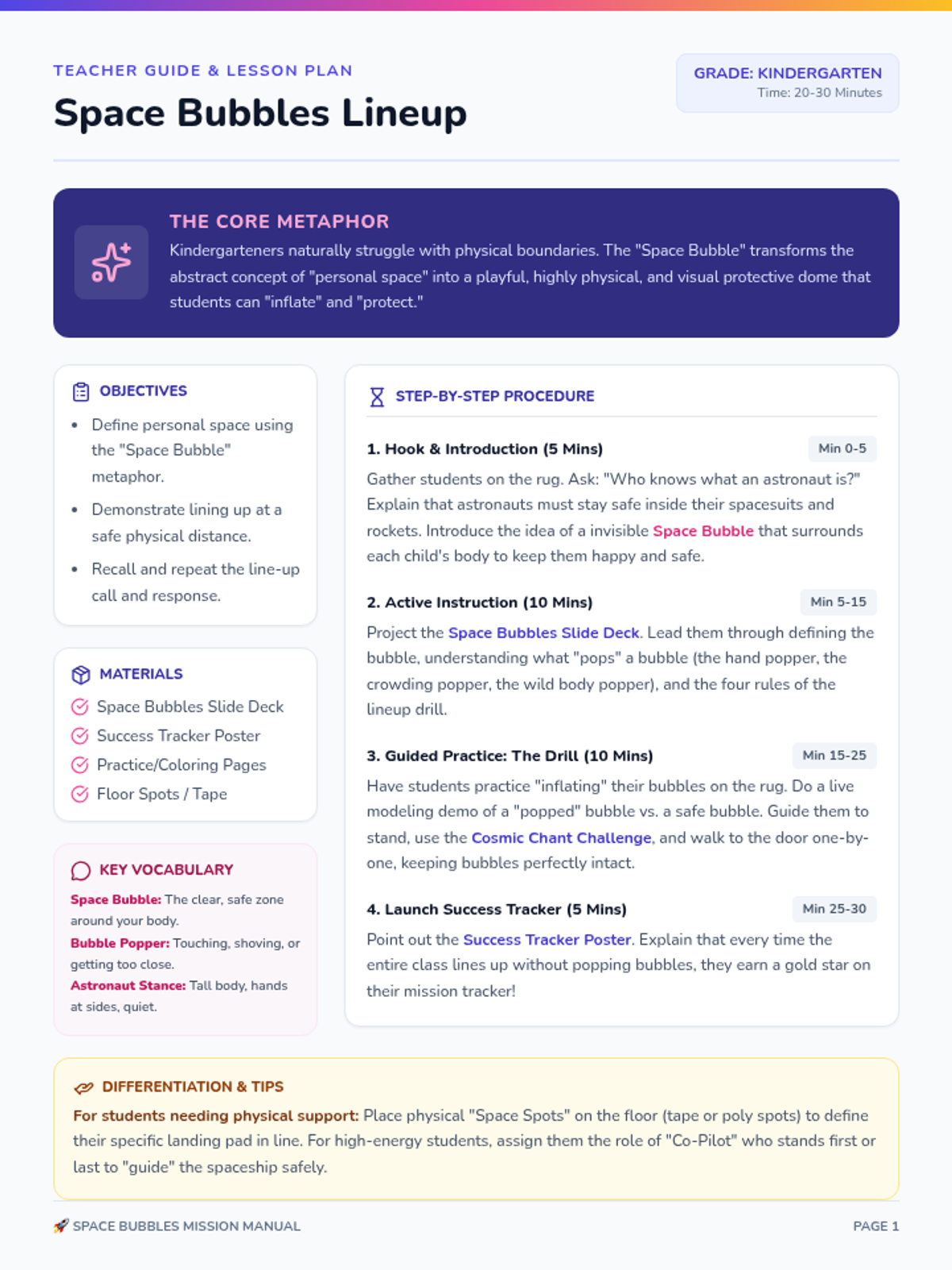
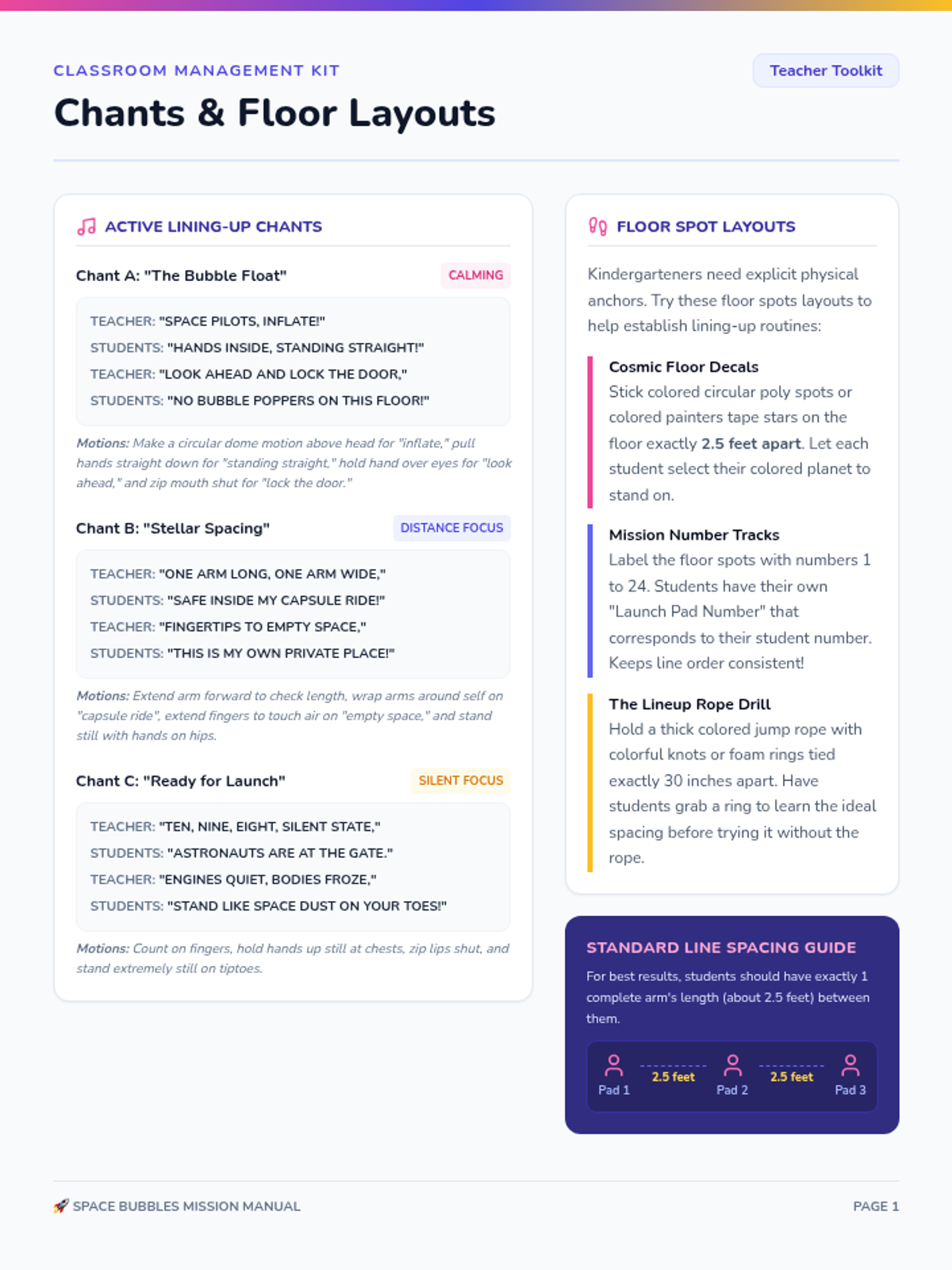
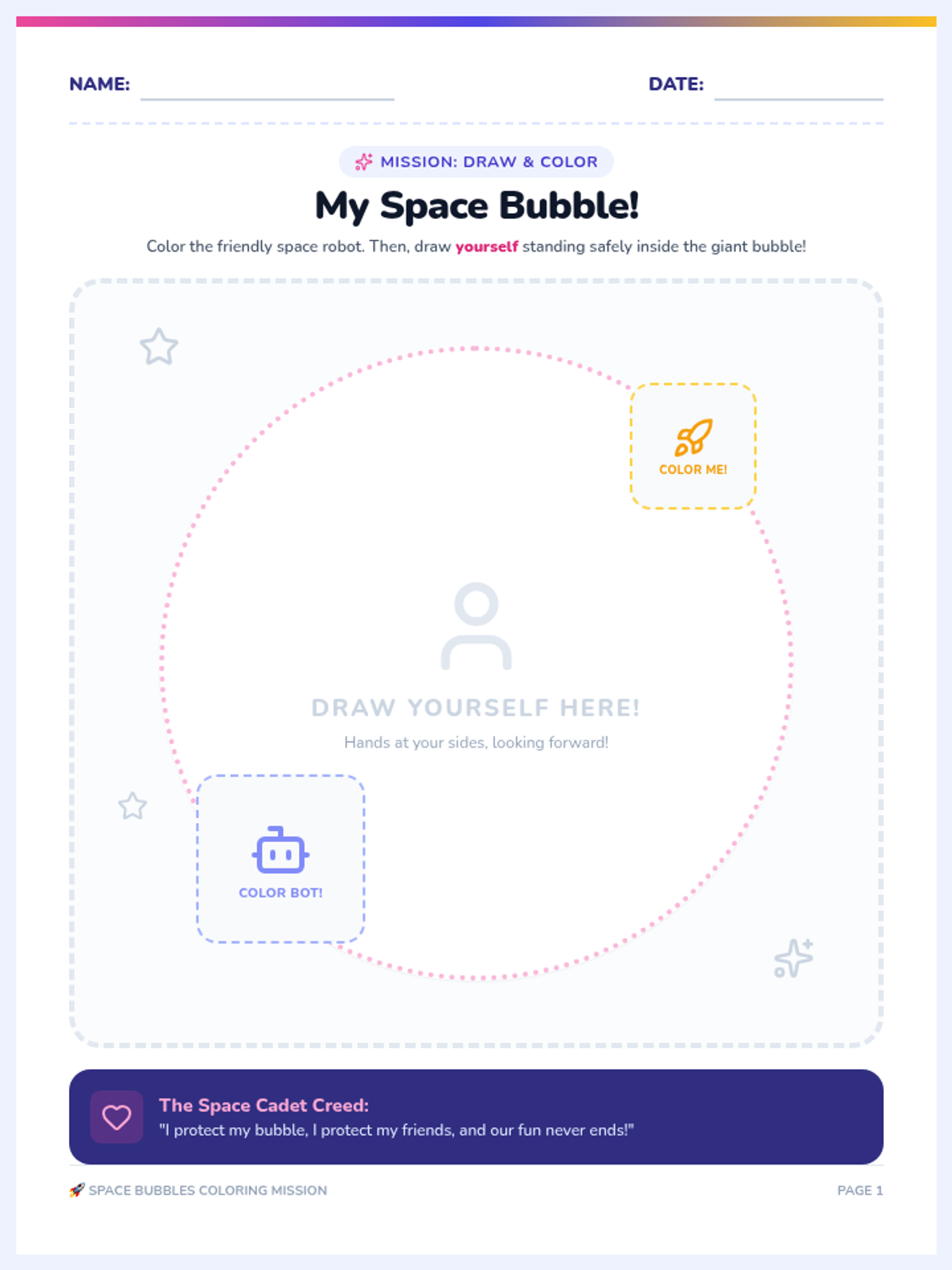
A comprehensive kindergarten classroom management lesson that uses the fun metaphor of space bubbles to teach students how to line up, respect personal space, keep hands to themselves, and maintain physical distance.
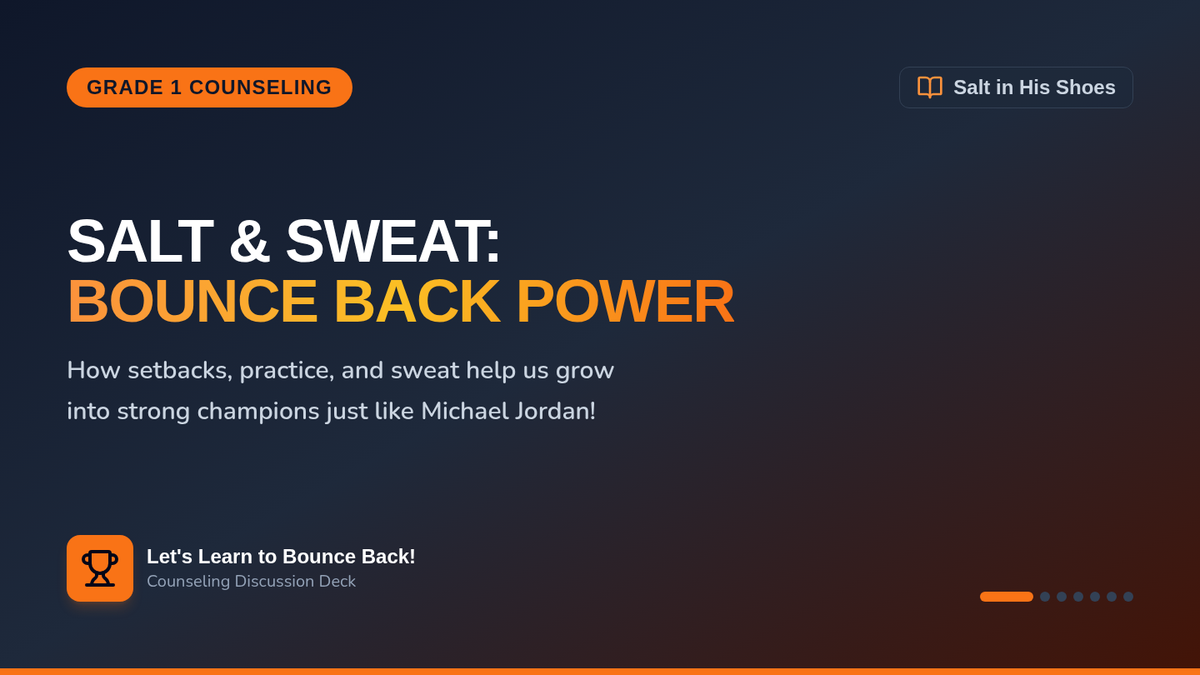
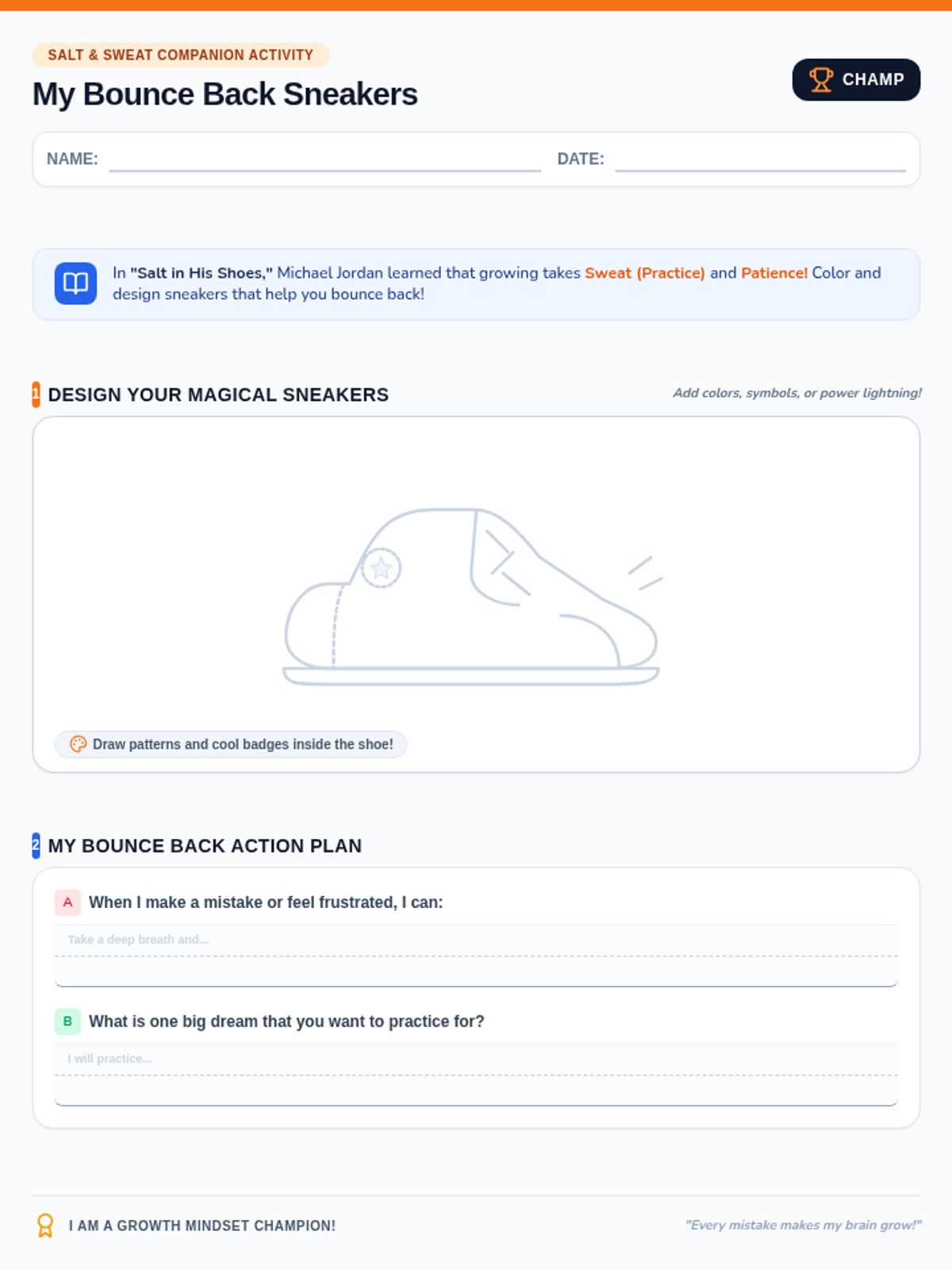
A counseling lesson for first graders based on the book 'Salt in His Shoes'. Students explore resilience, learning that setbacks and practice are how we grow, and design their own 'Bounce Back Sneakers' to show how they overcome challenges.
Day 4 of the Calm Co-Pilots intervention. A final review where students assemble their personal Calm Kit, practice choosing a strategy with adult prompting, and complete the post-assessment.
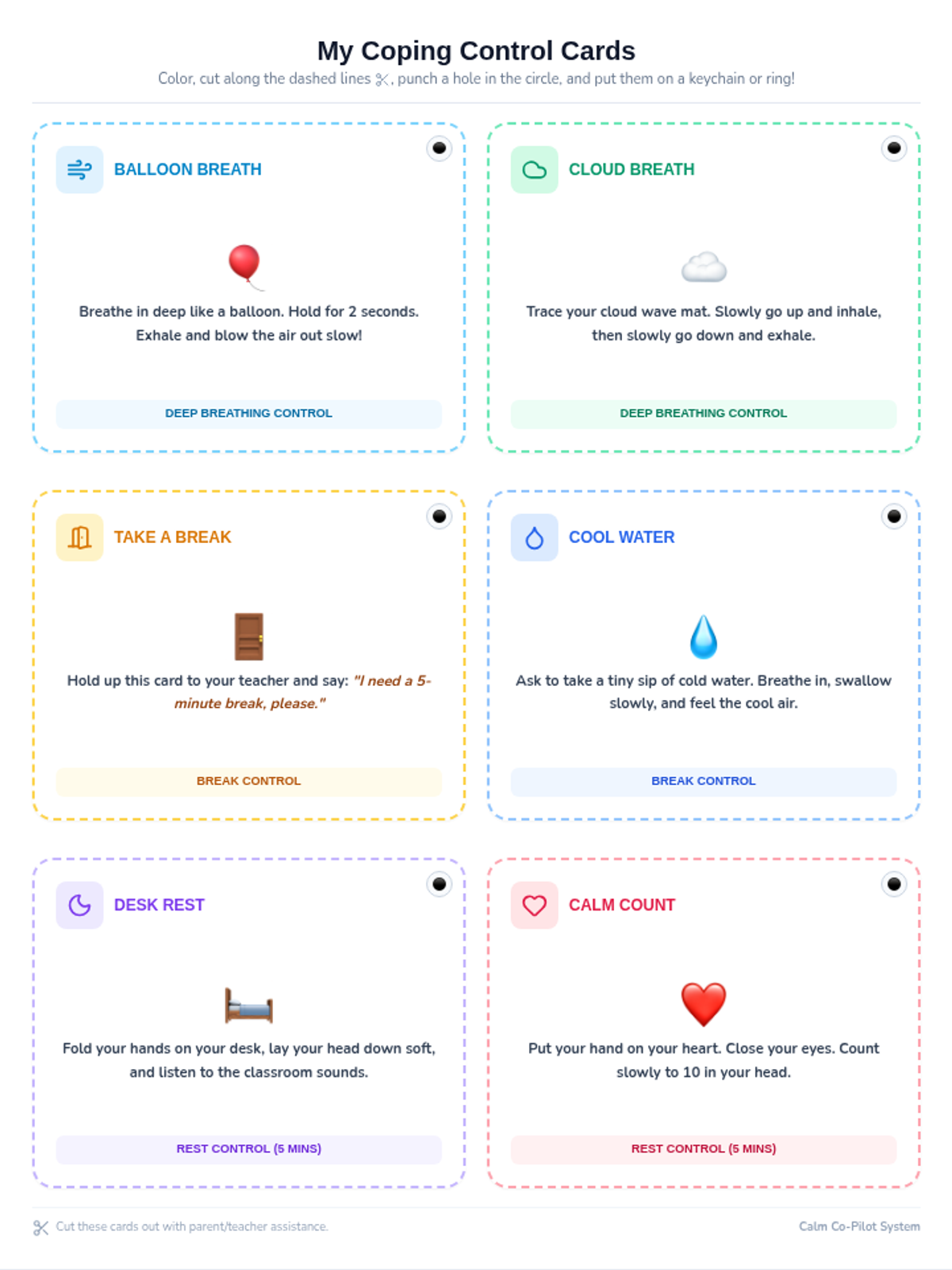
Day 3 of the Calm Co-Pilots intervention. Focuses on requesting a 5-minute break and practicing structured rest using sensory supports, cards, and timers with adult prompts.
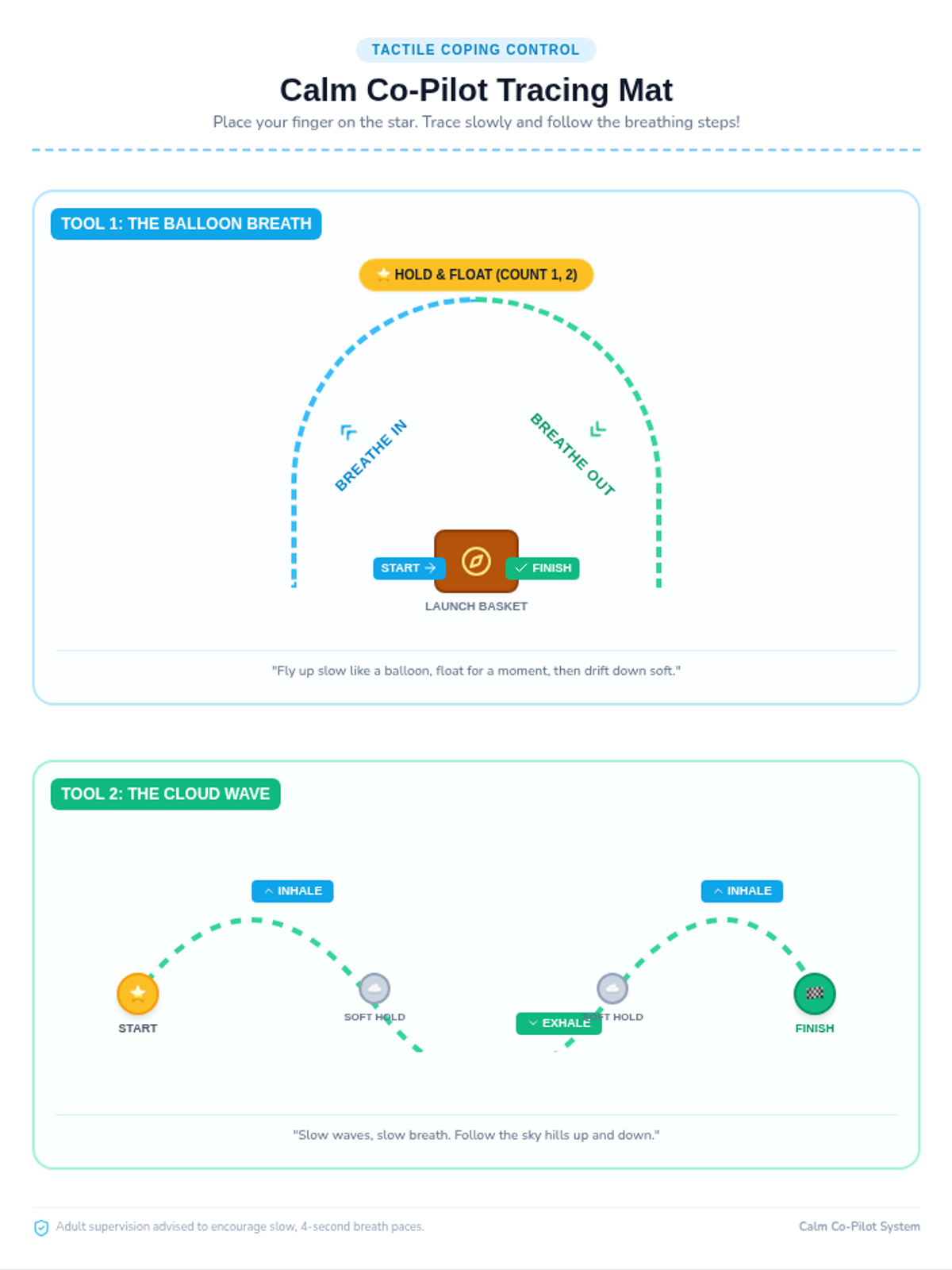
Day 2 of the Calm Co-Pilots intervention. Focuses on deep breathing using physical, tactile tracing mats to anchor their focus and regulate their physical response to big emotions.
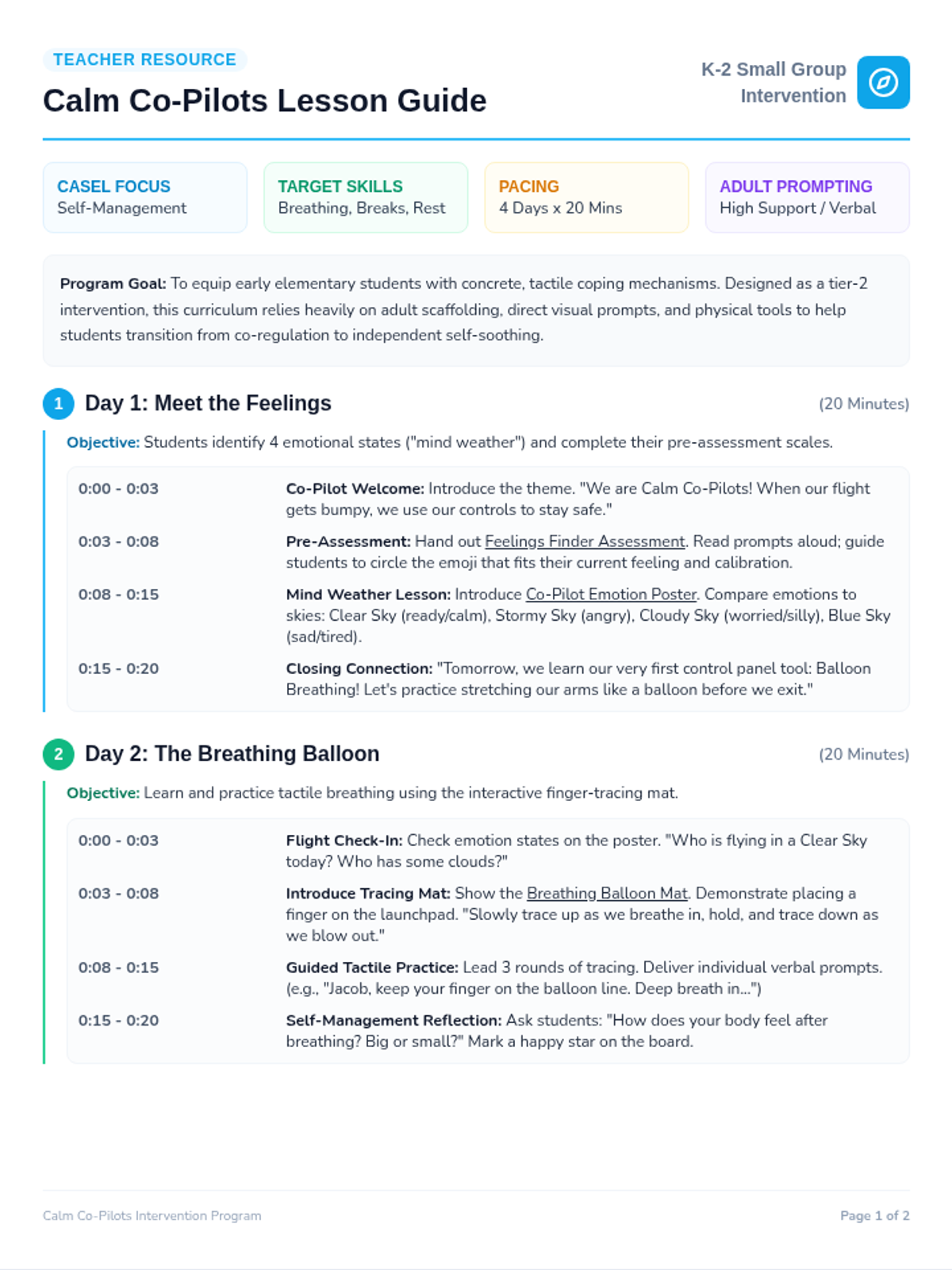
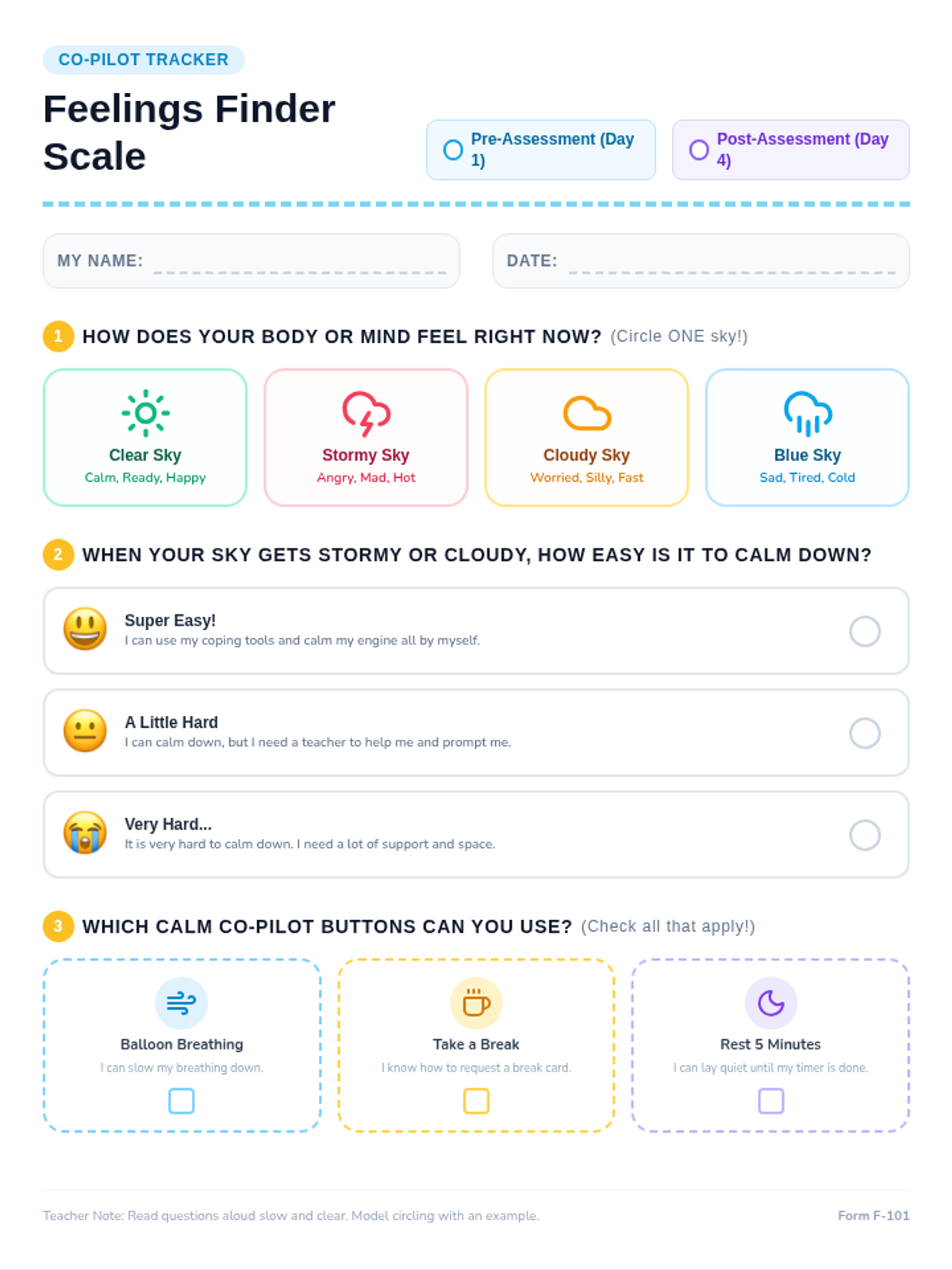
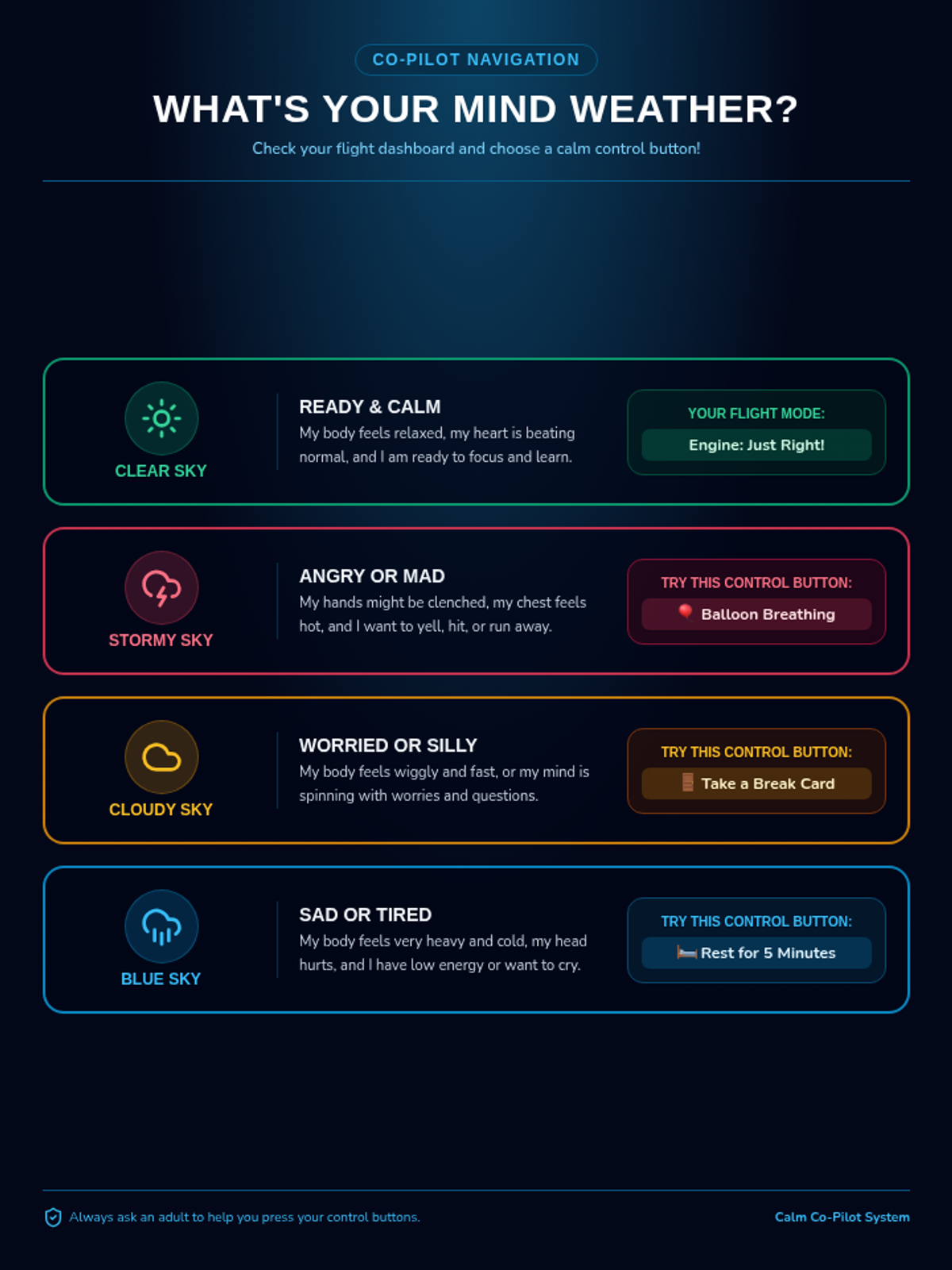
Day 1 of the Calm Co-Pilots intervention. Students explore different emotional states, complete their pre-assessment, and learn to identify when their engines are running too hot, too cold, or just right.
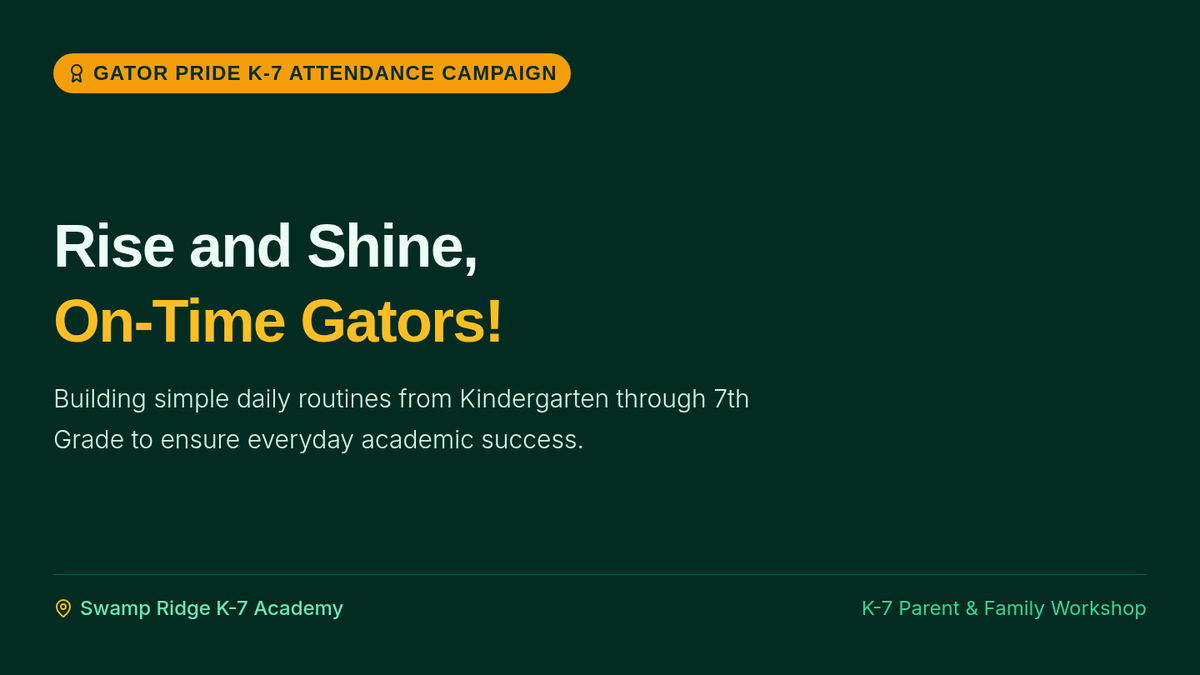
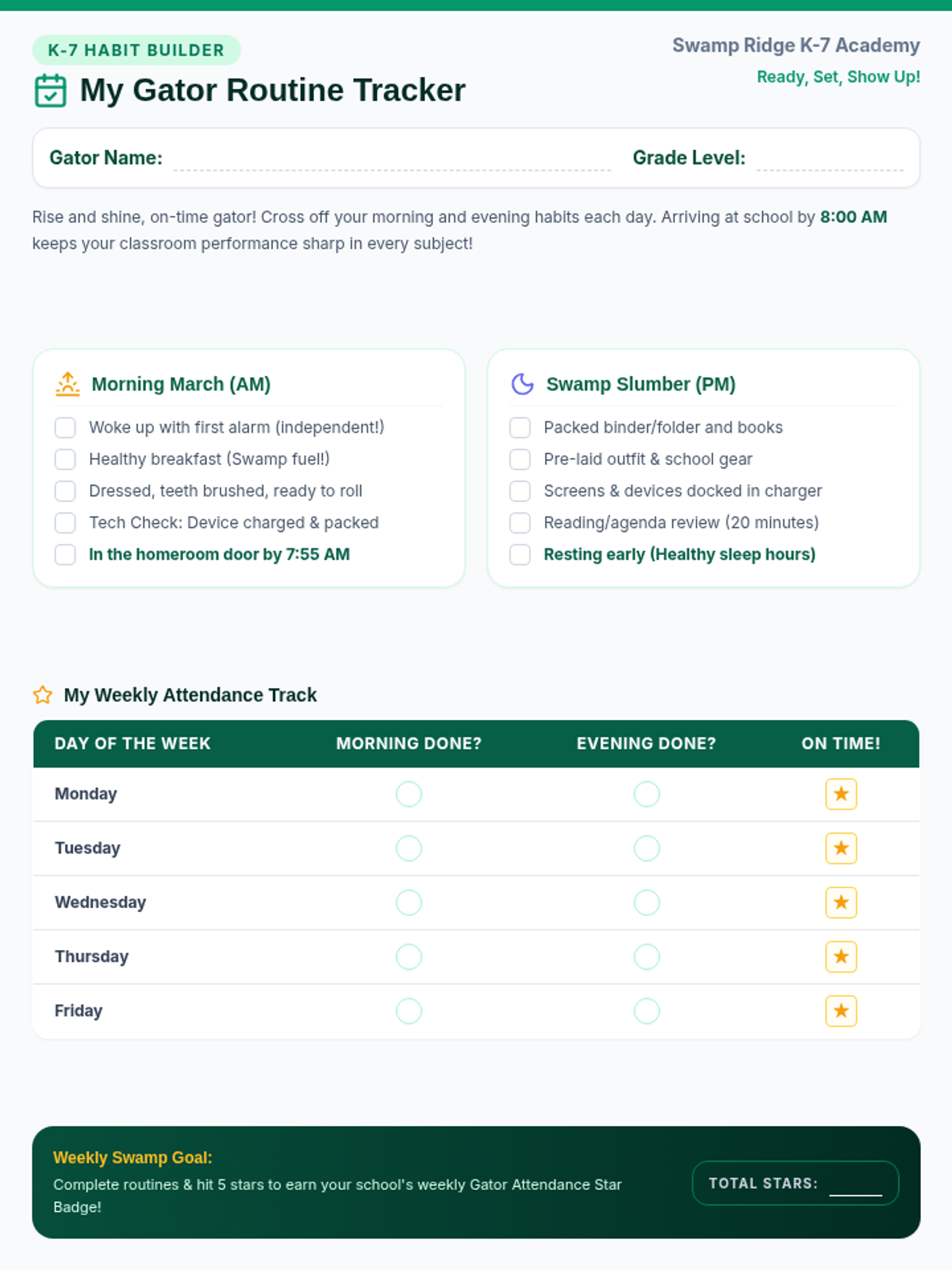
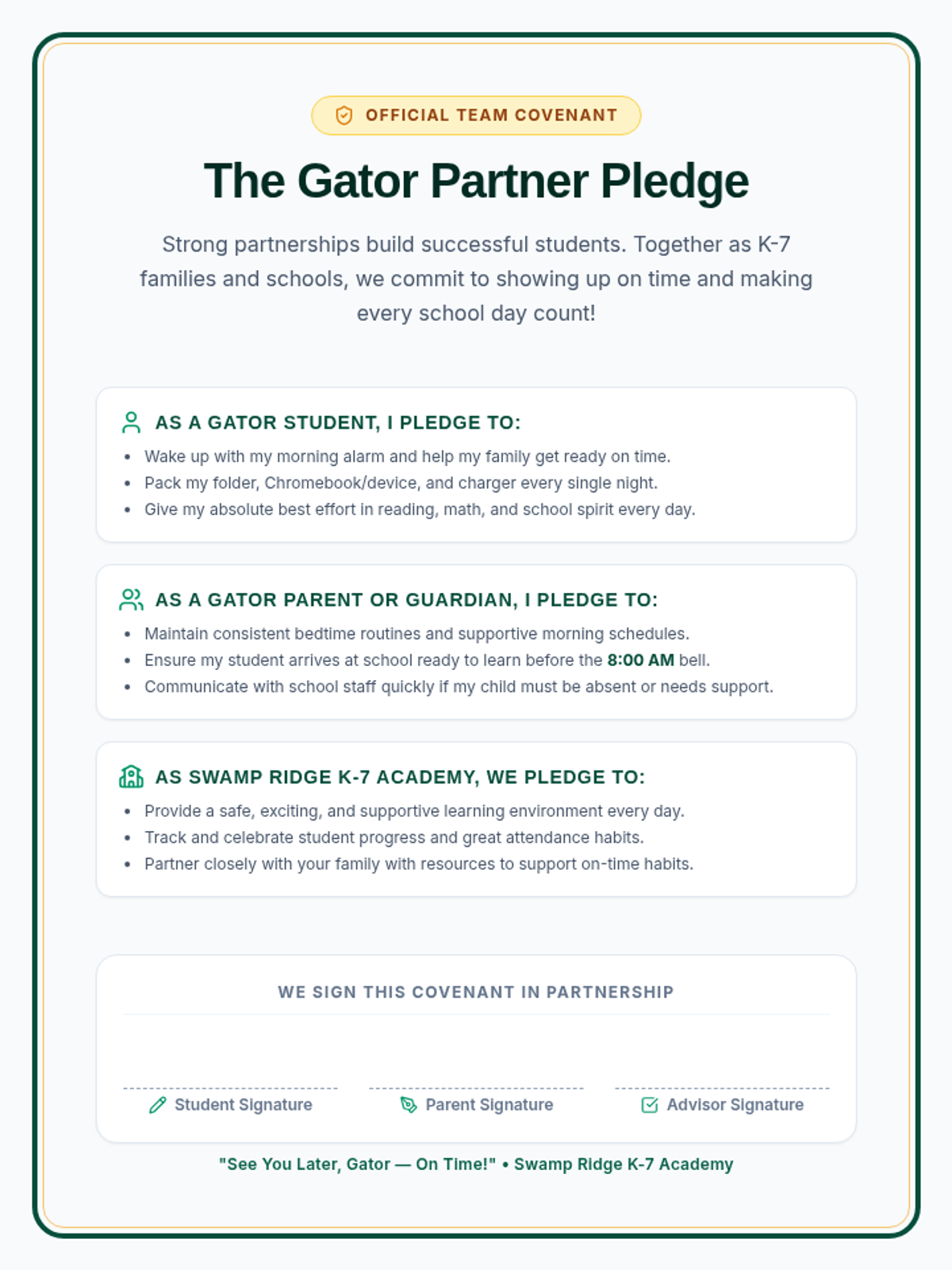
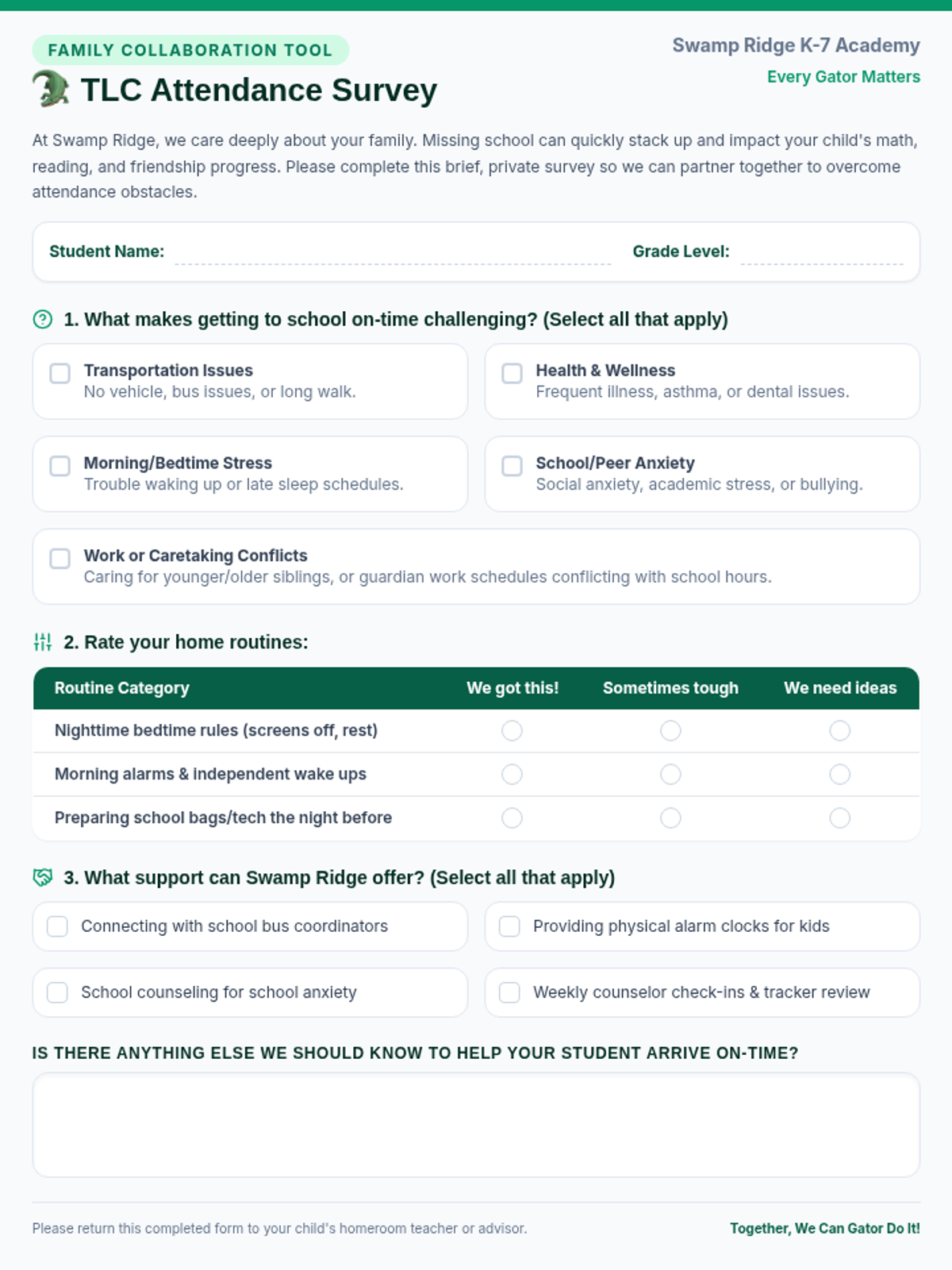
A family-focused guide to building daily routines and understanding the academic impact of school attendance. Includes a presentation for parent meetings, a student-friendly routine tracker, and a family partnership pledge.
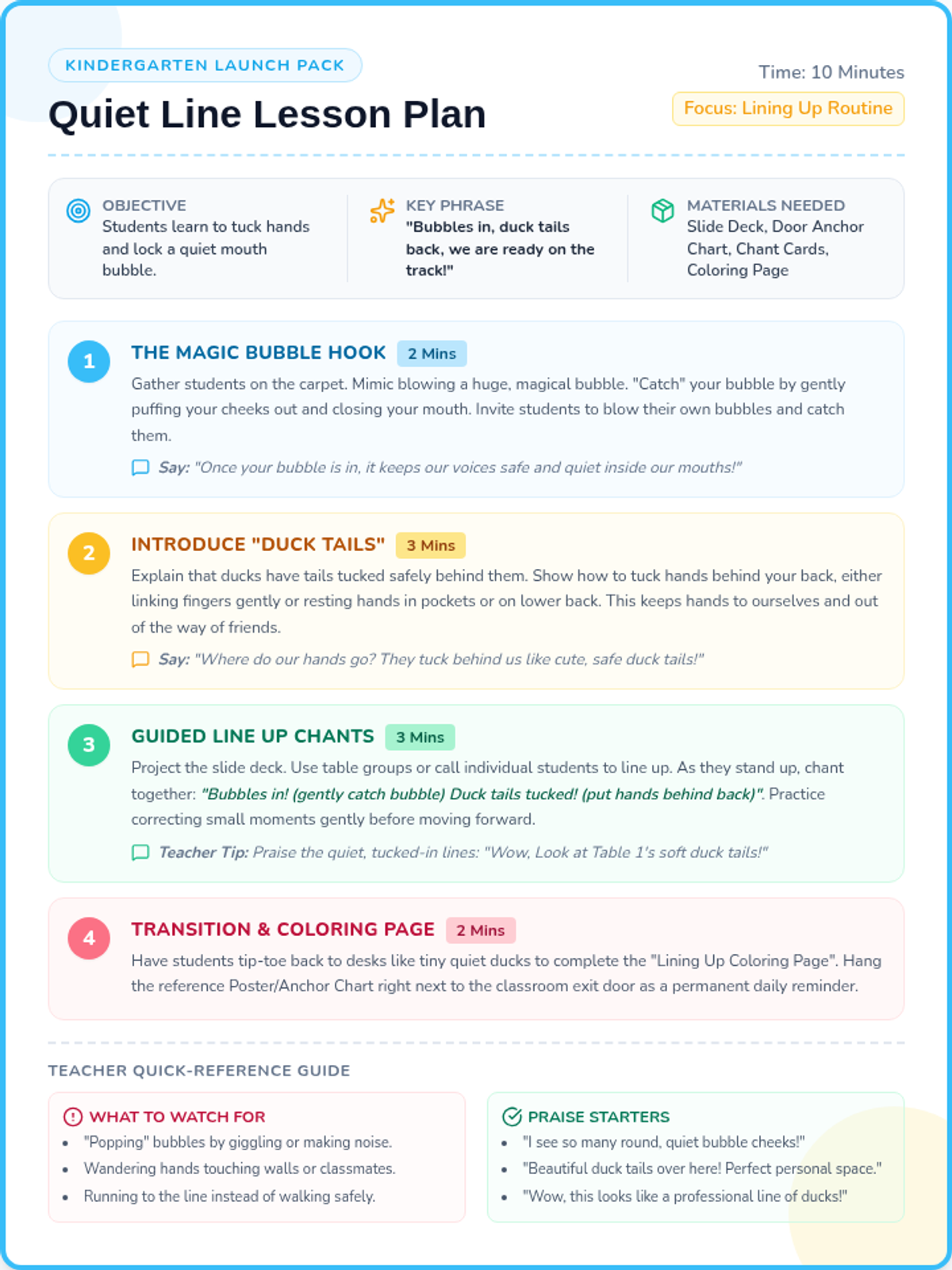
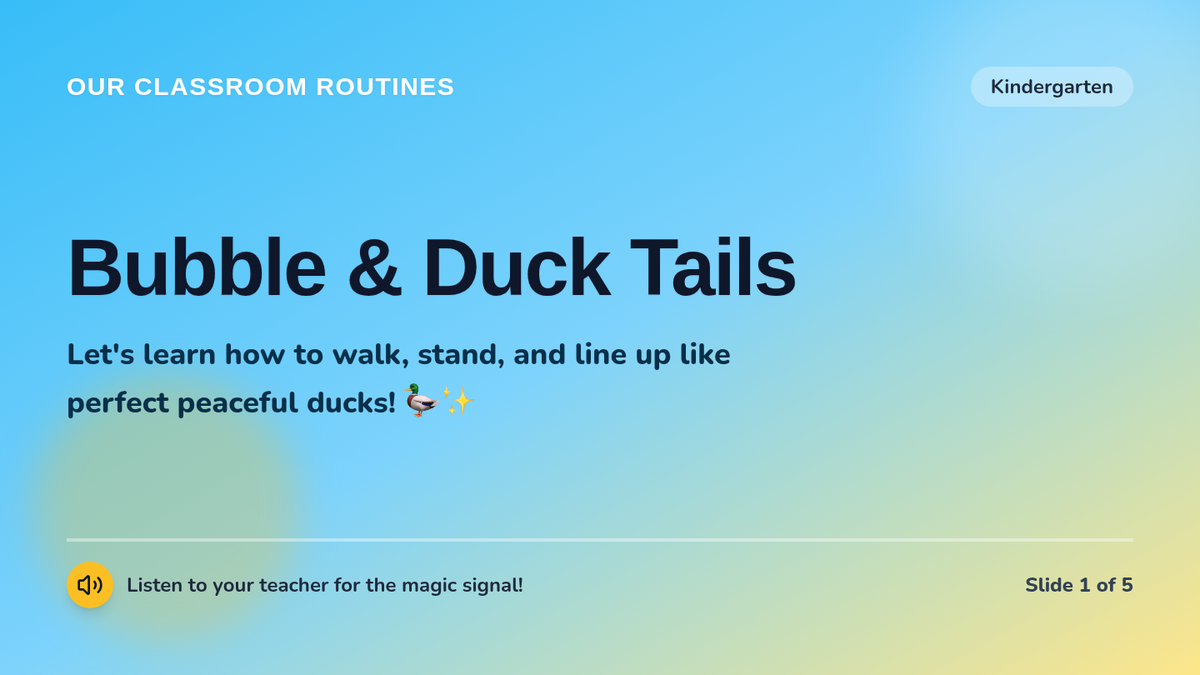
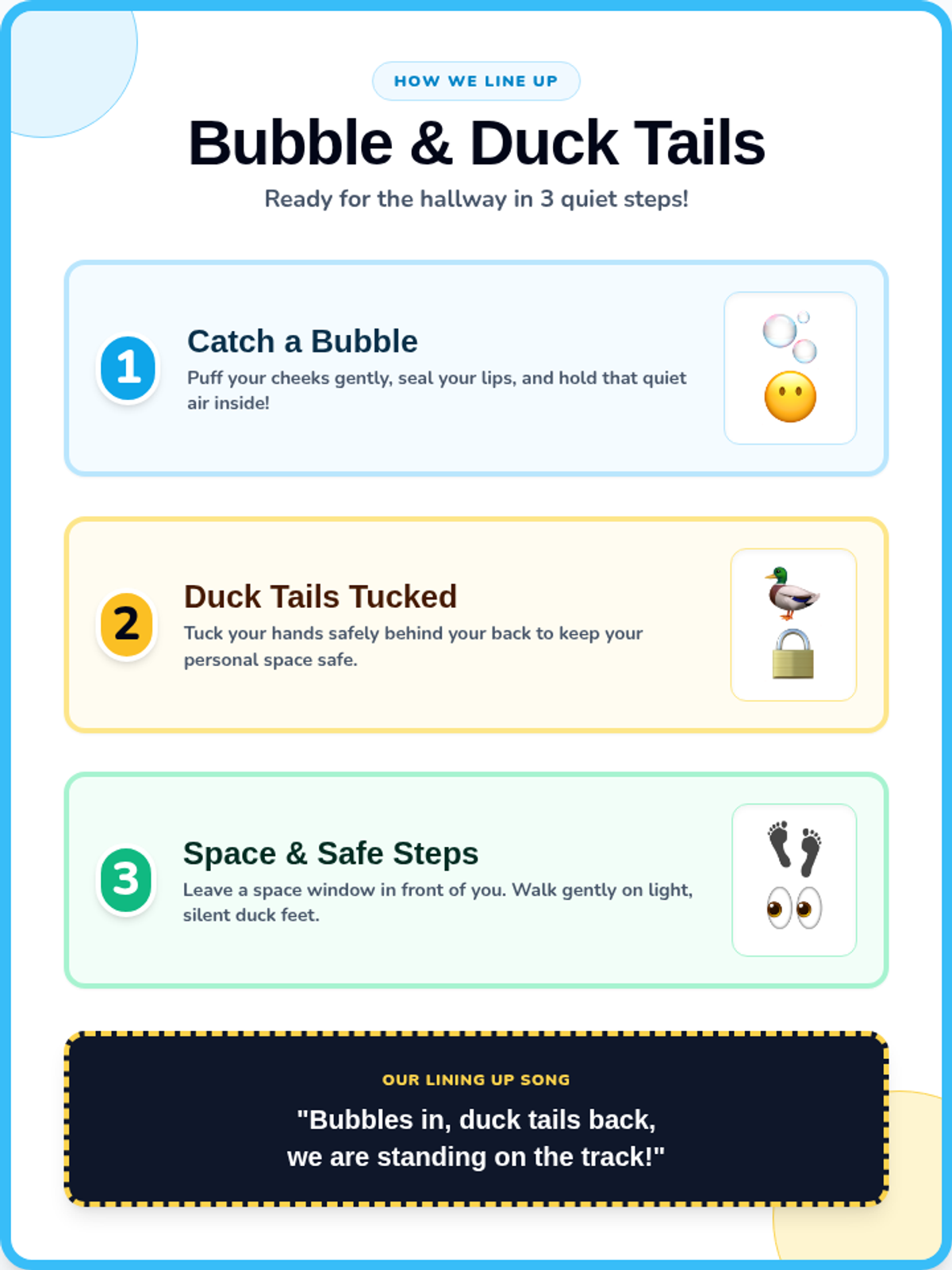
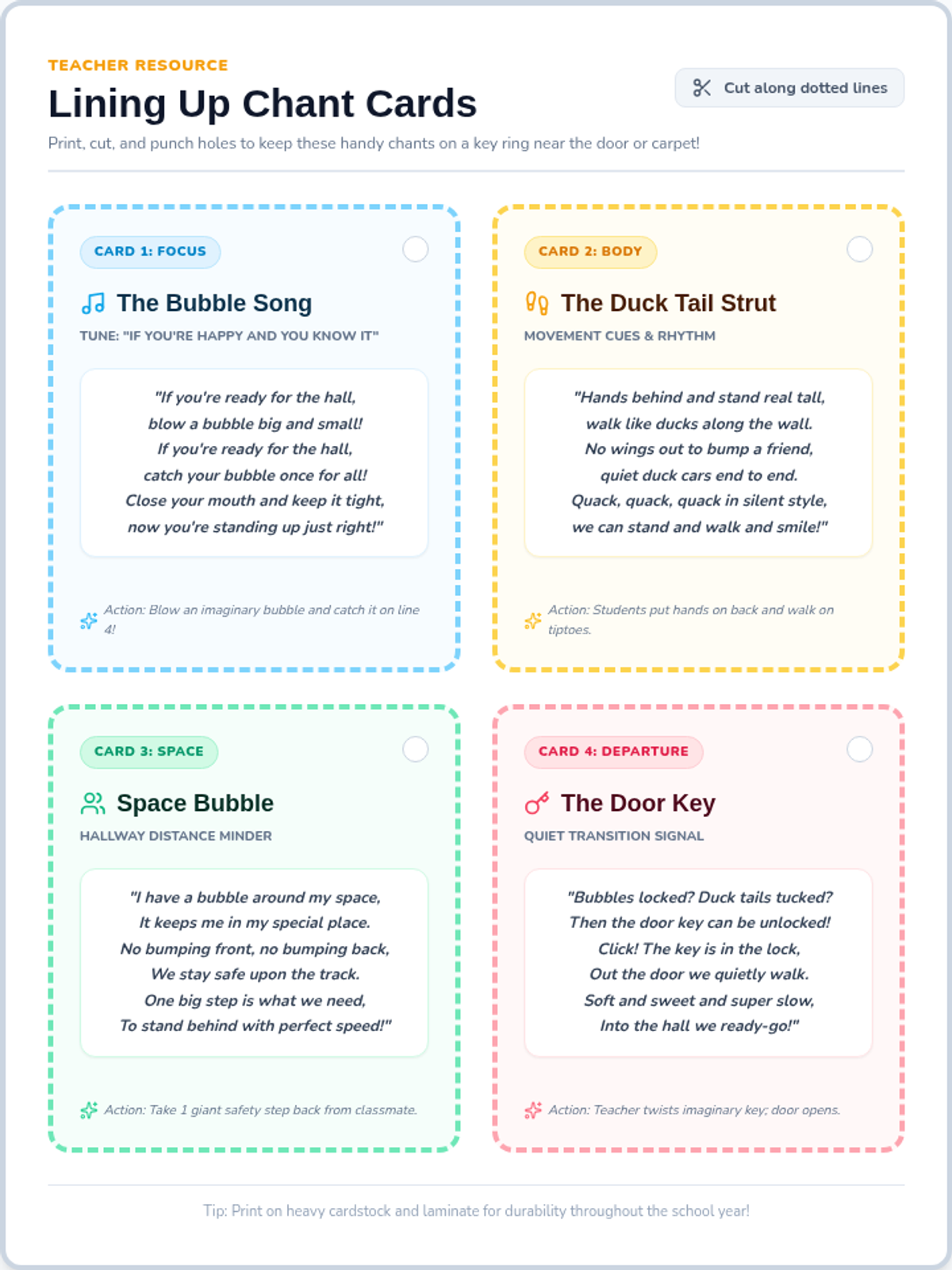
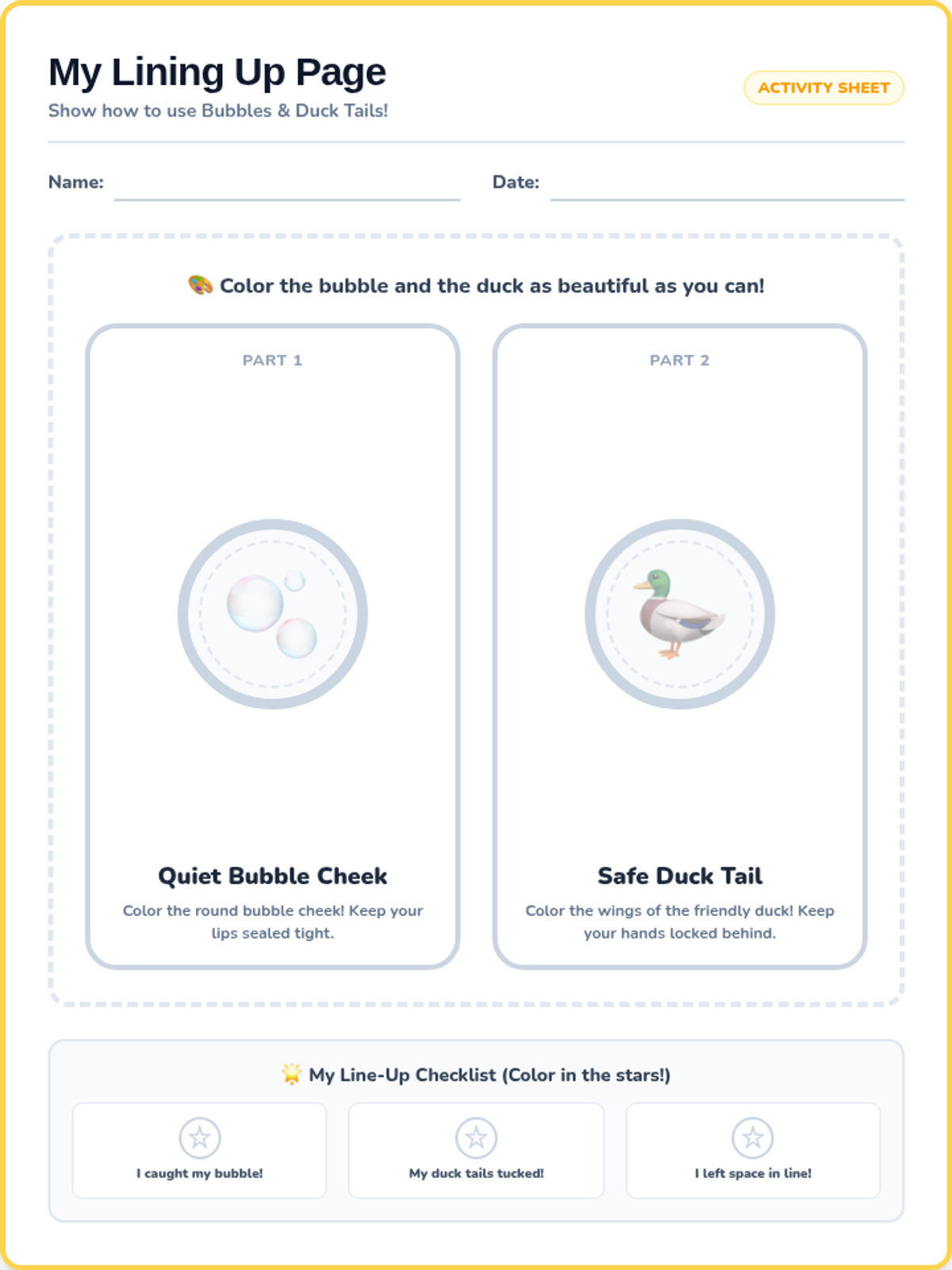
A structured mini-lesson and activities for kindergarteners to master the 'Bubble and Duck Tails' lining up routine at the start of the school year.
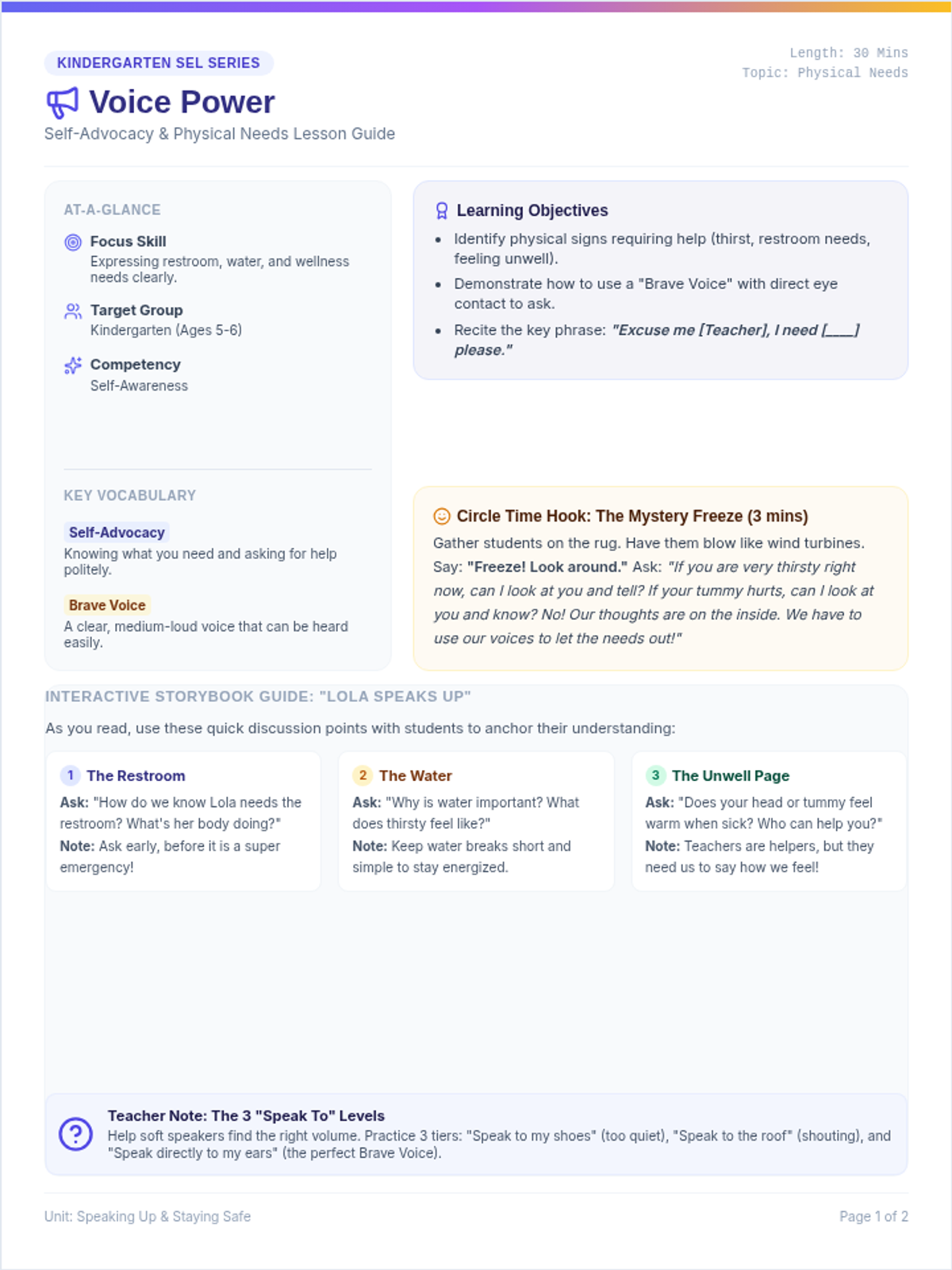
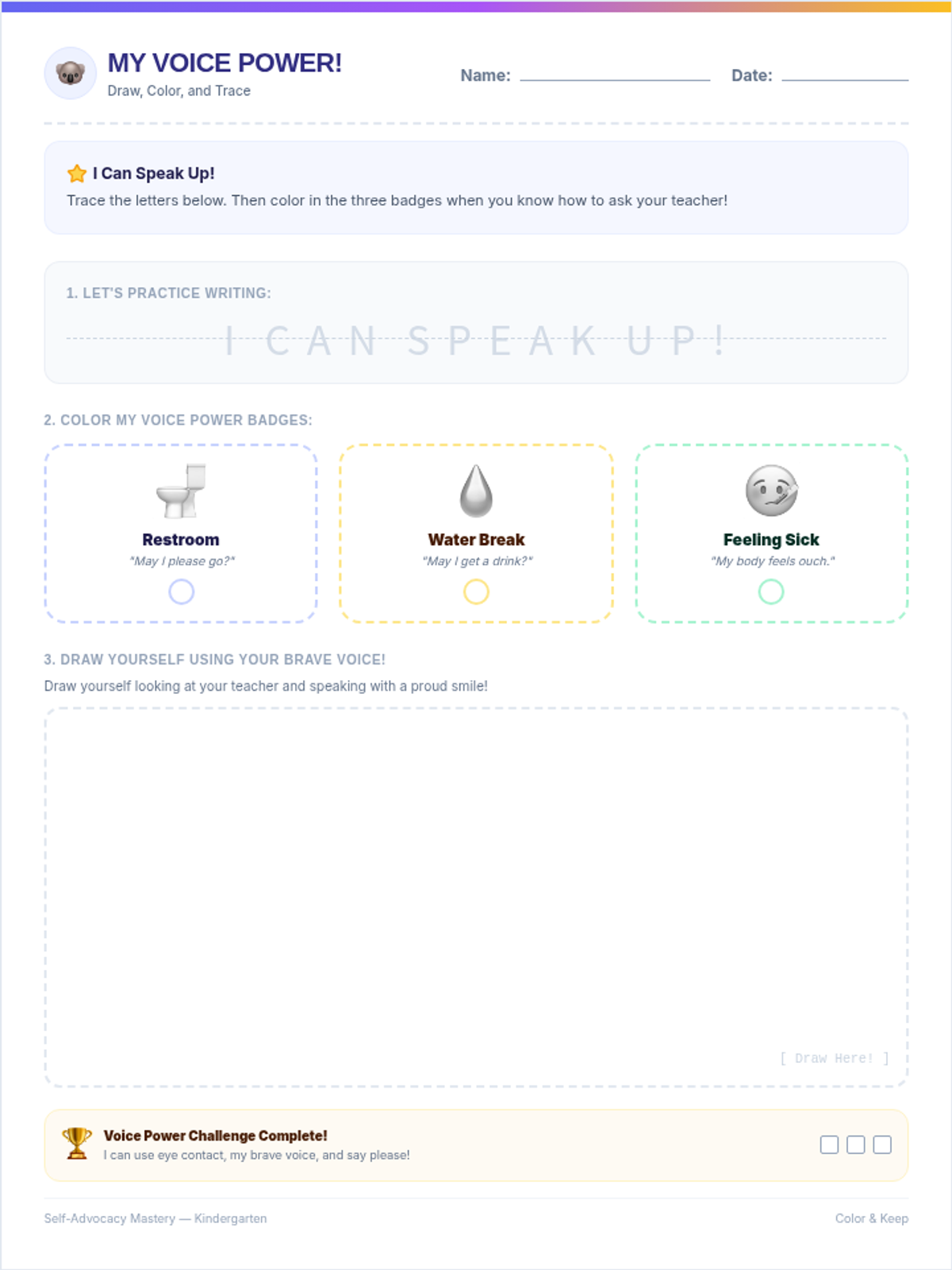
A social-emotional learning lesson for Kindergarteners focused on self-advocacy. Students learn how to speak up to their teacher about basic physical needs like water, restroom breaks, and feeling unwell through an engaging storybook and interactive discussion.
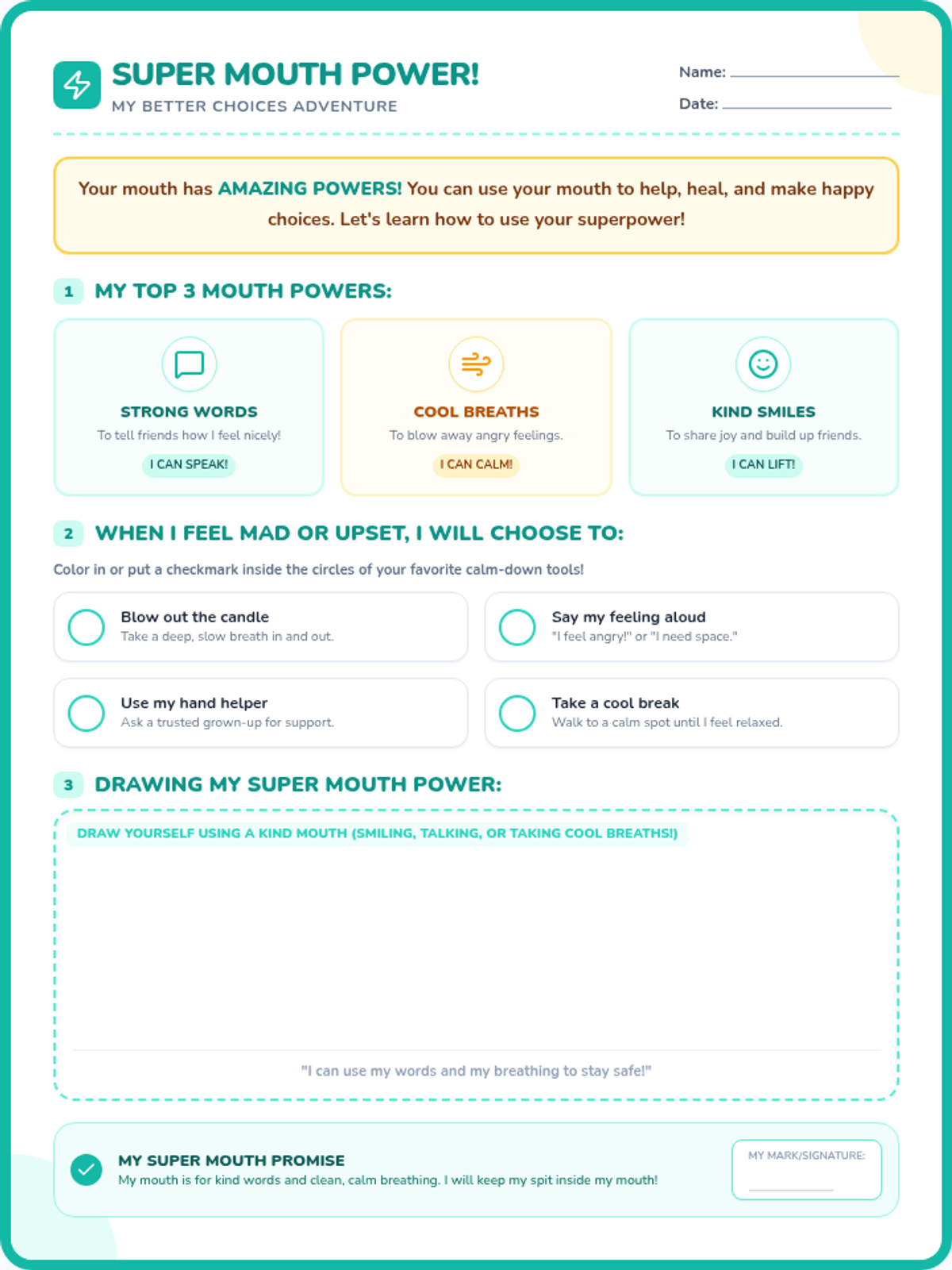
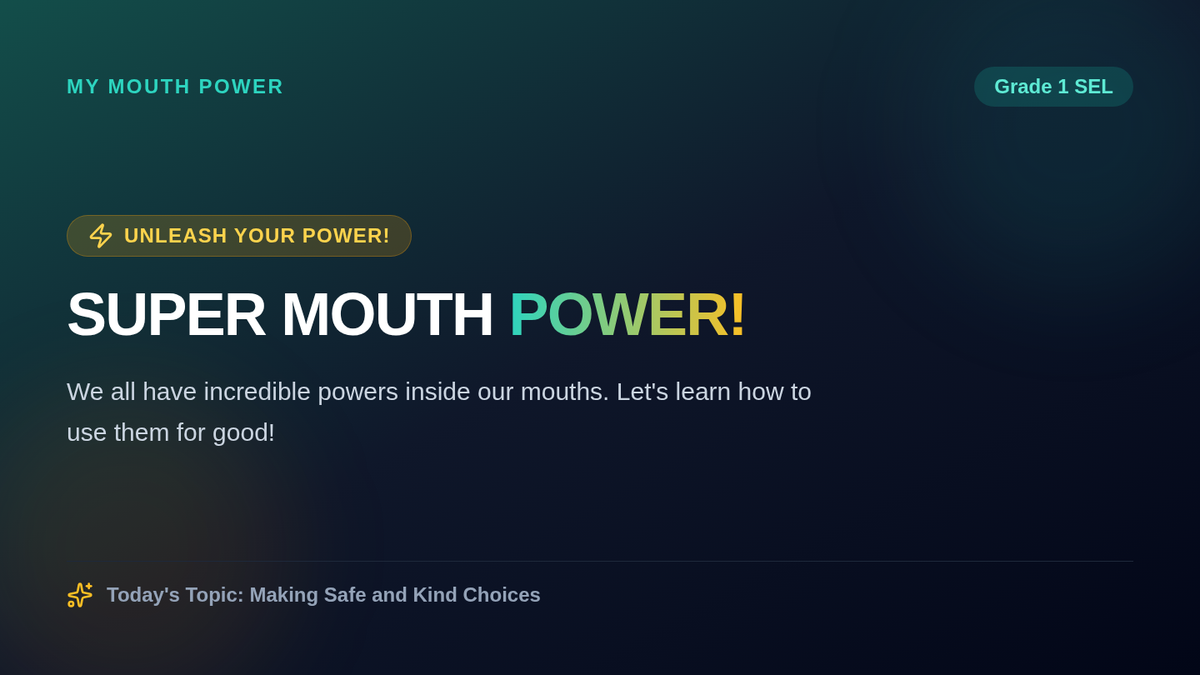
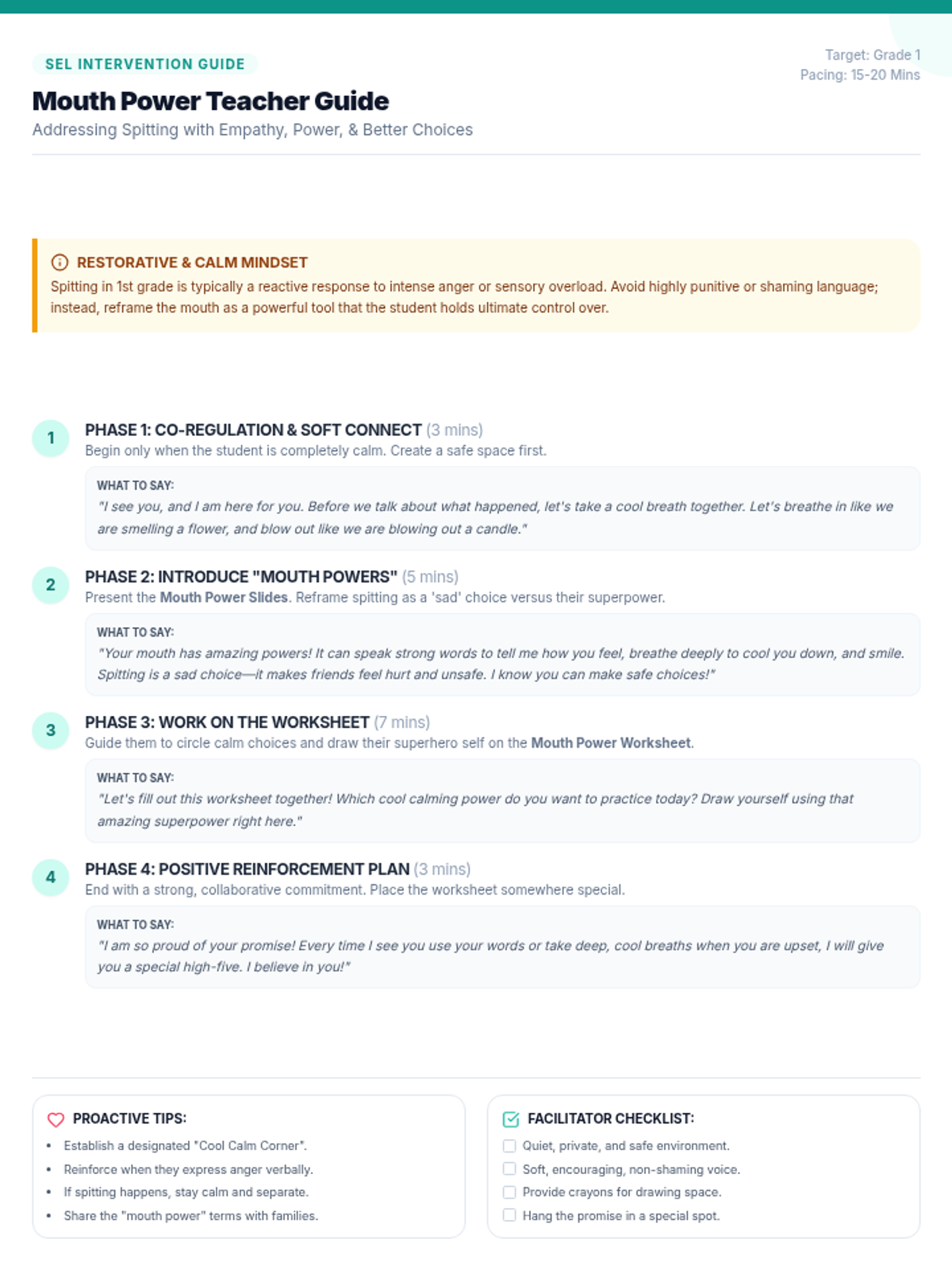
An SEL lesson designed for first-grade students to address spitting behaviors by teaching them how to use their mouth for positive powers (words, breathing, smiling) rather than hurting others. It includes a student reflection worksheet, interactive slides, and a teacher facilitation guide.
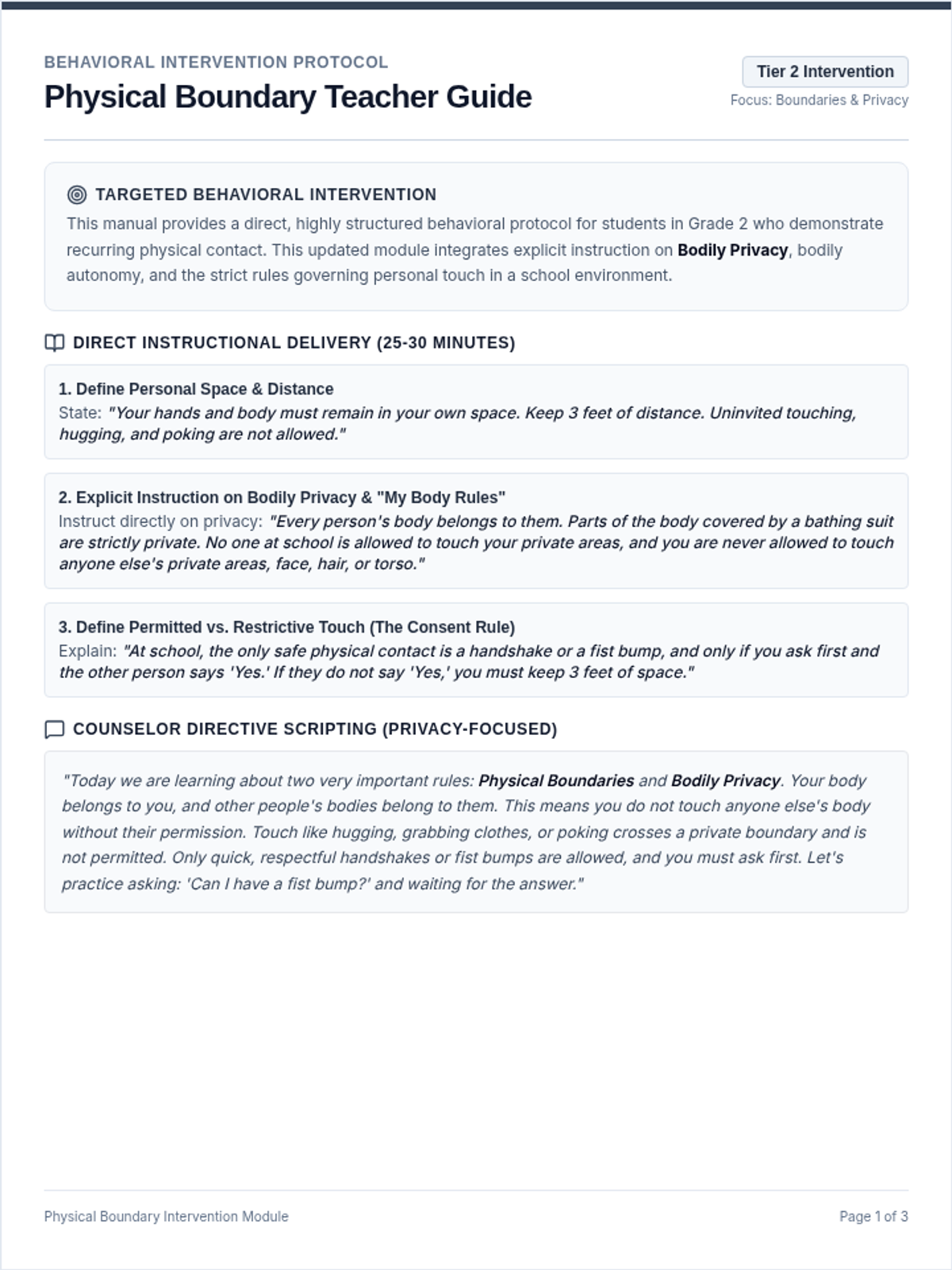
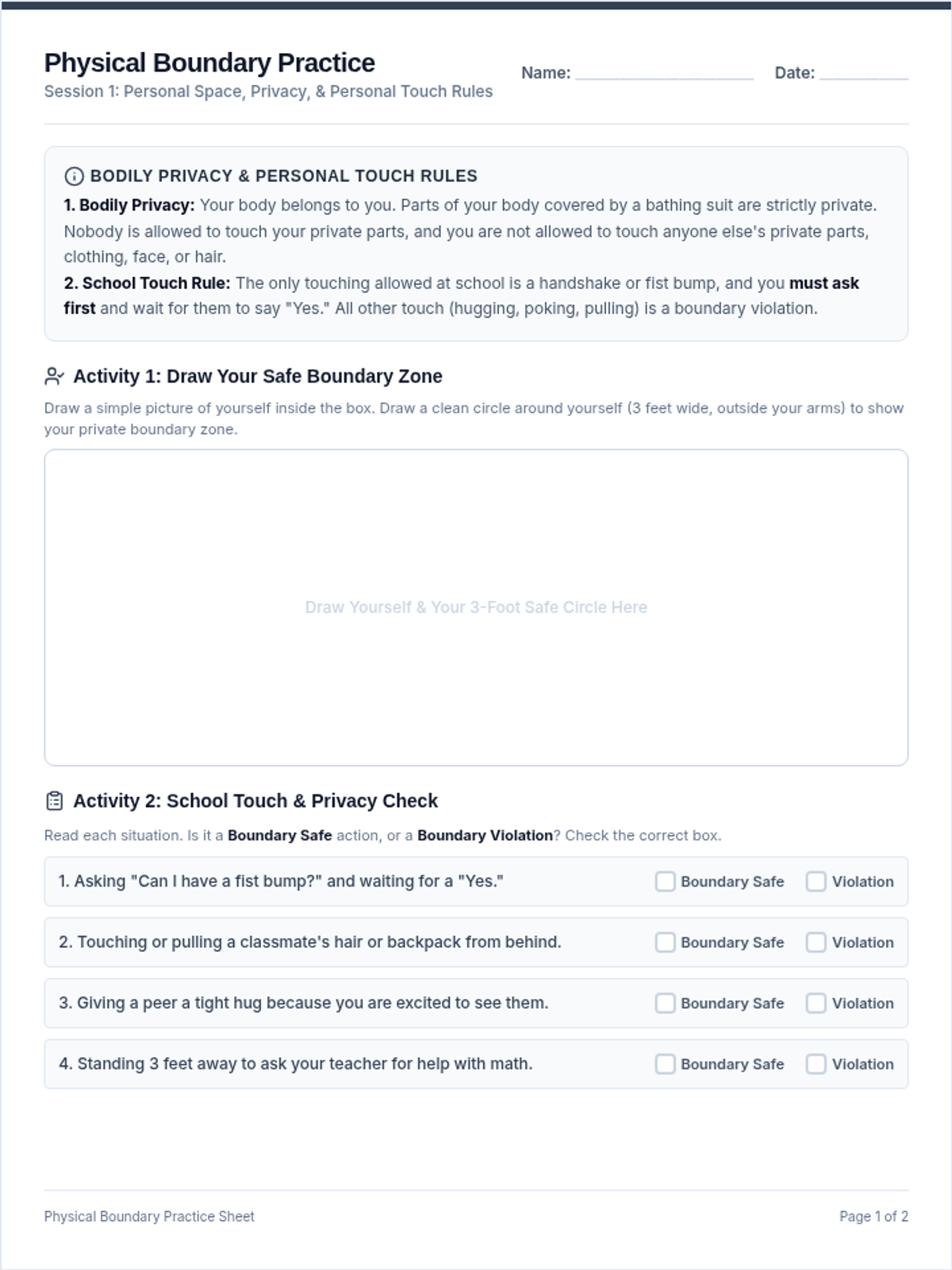
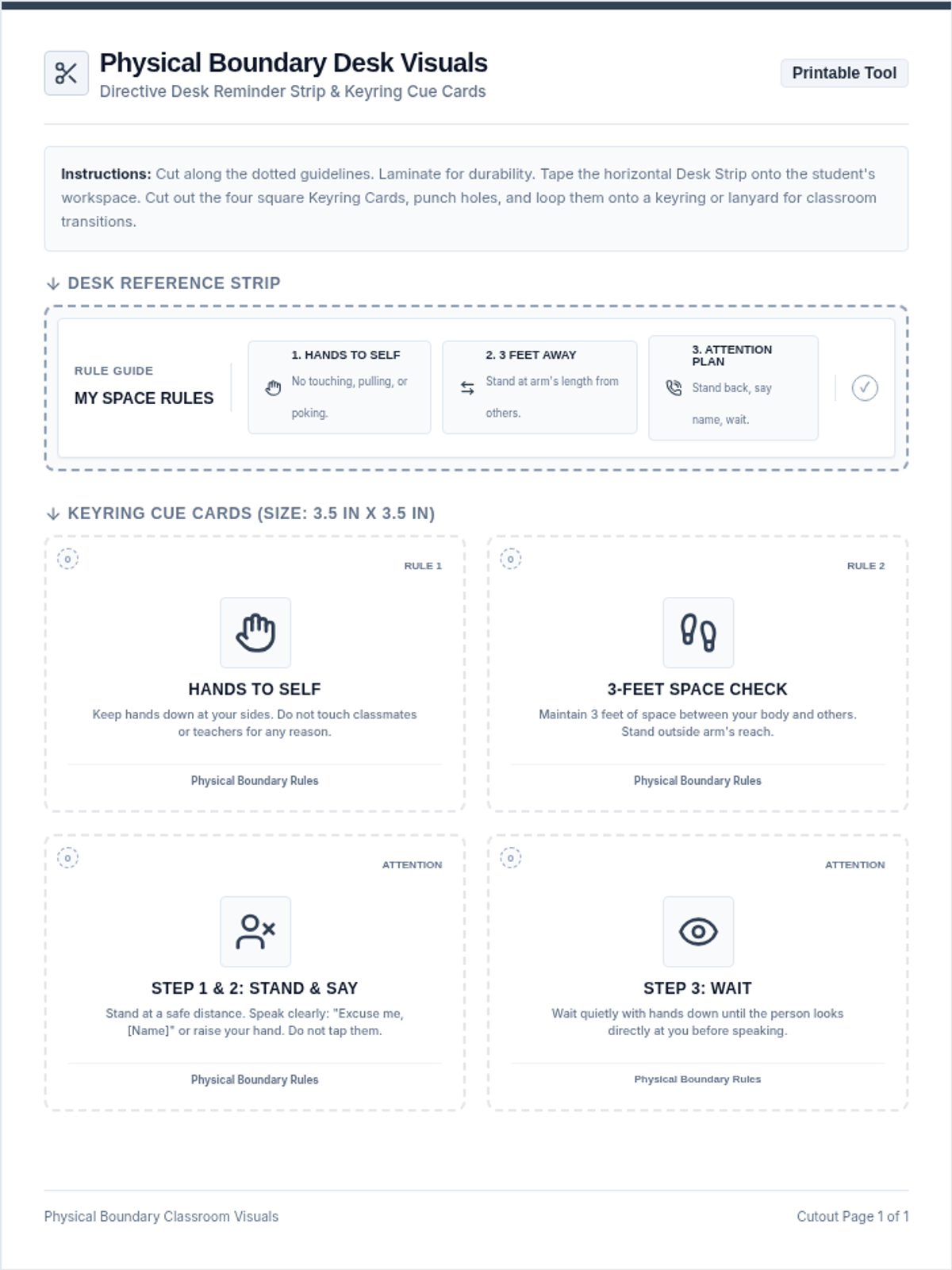
A directive behavioral intervention lesson designed for 2nd-grade students to learn explicit physical boundary limits, replace inappropriate touching of peers and adults, and practice structured attention-seeking replacement actions. Includes a professional guidance packet with de-escalation scripts, student workbooks, and desk visual reminders.
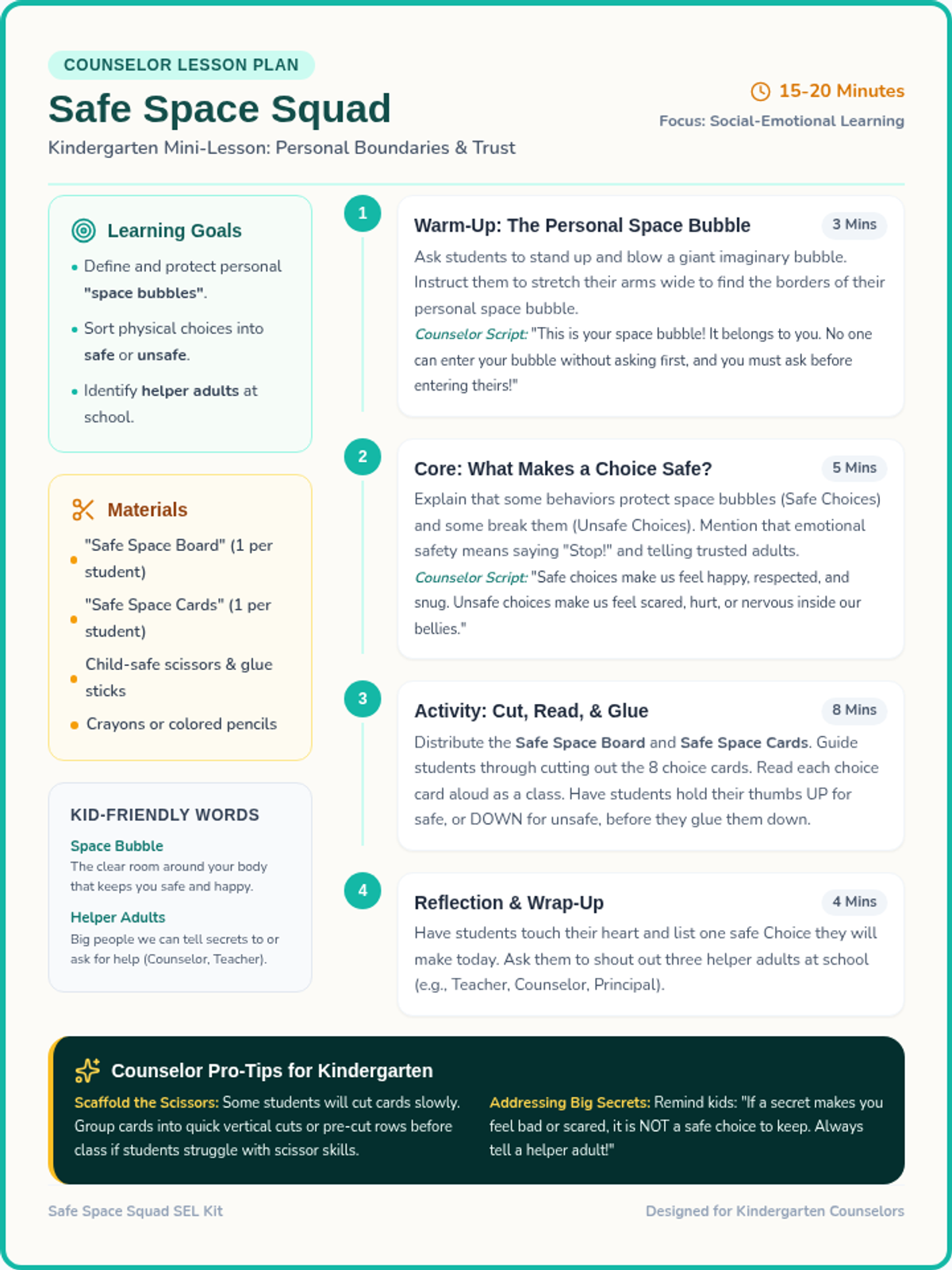
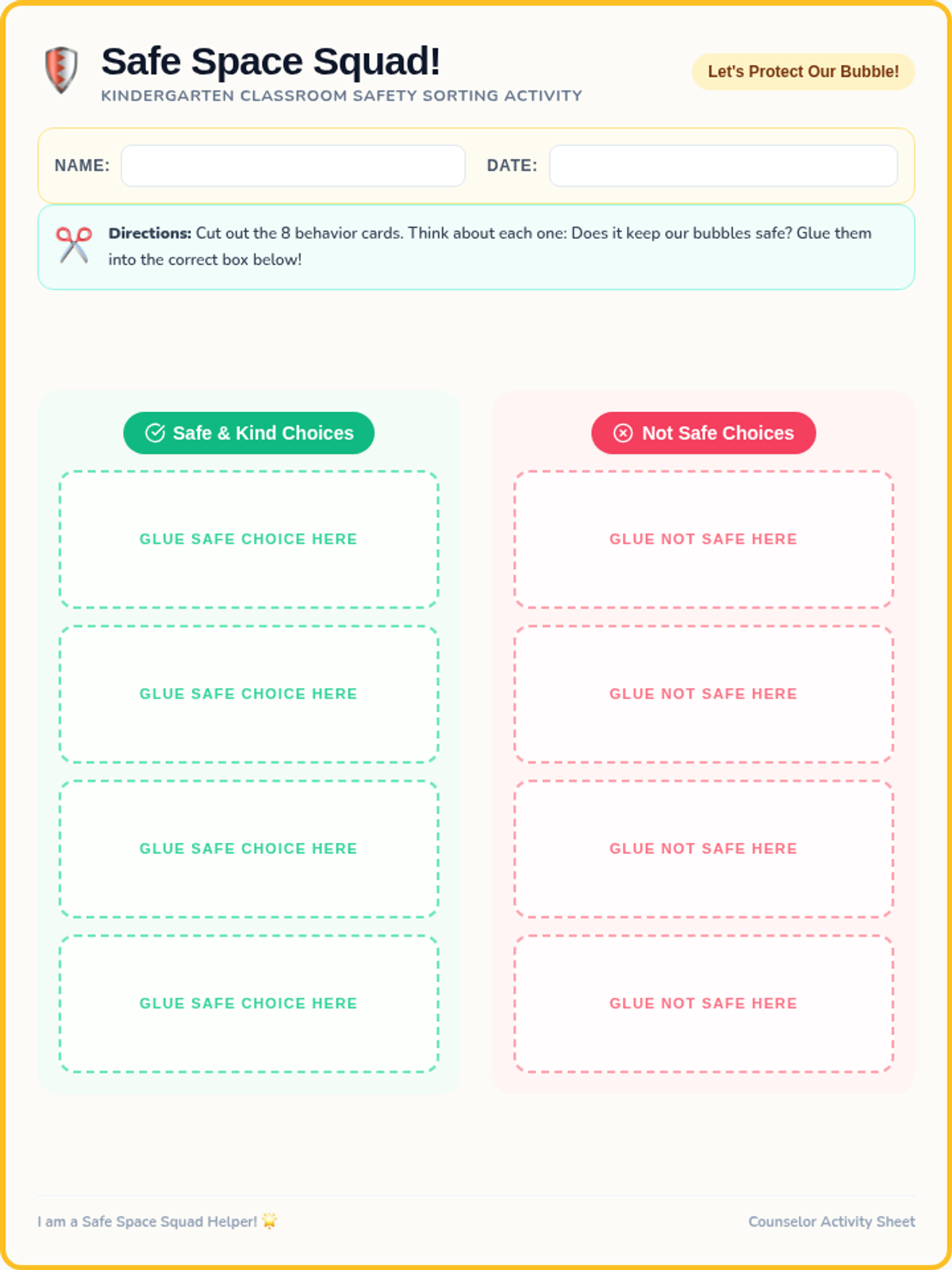
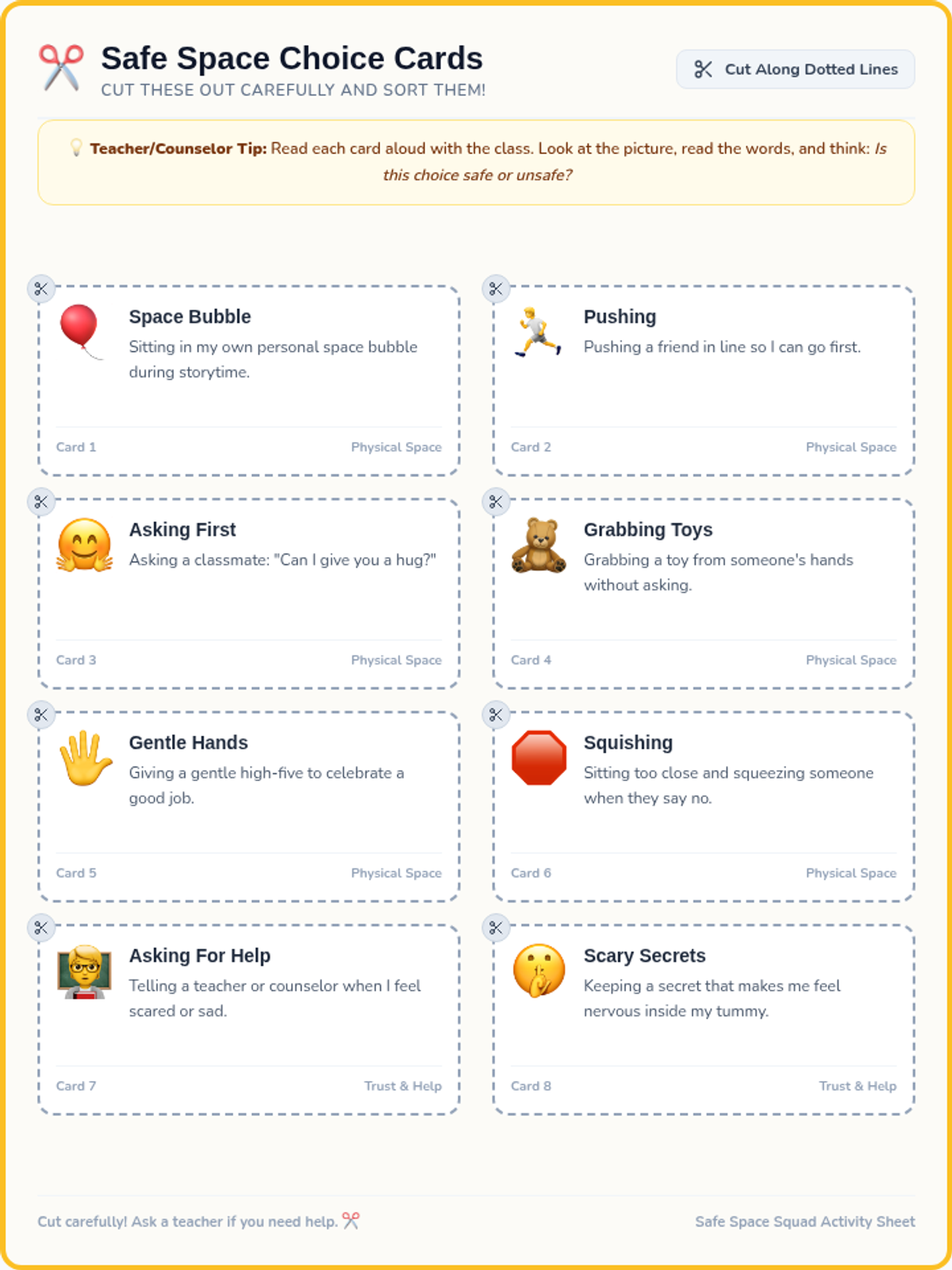
A counselor-led mini-lesson on classroom safety, physical boundaries, and emotional trust for kindergarten students, featuring a visual cut-and-paste sorting activity.
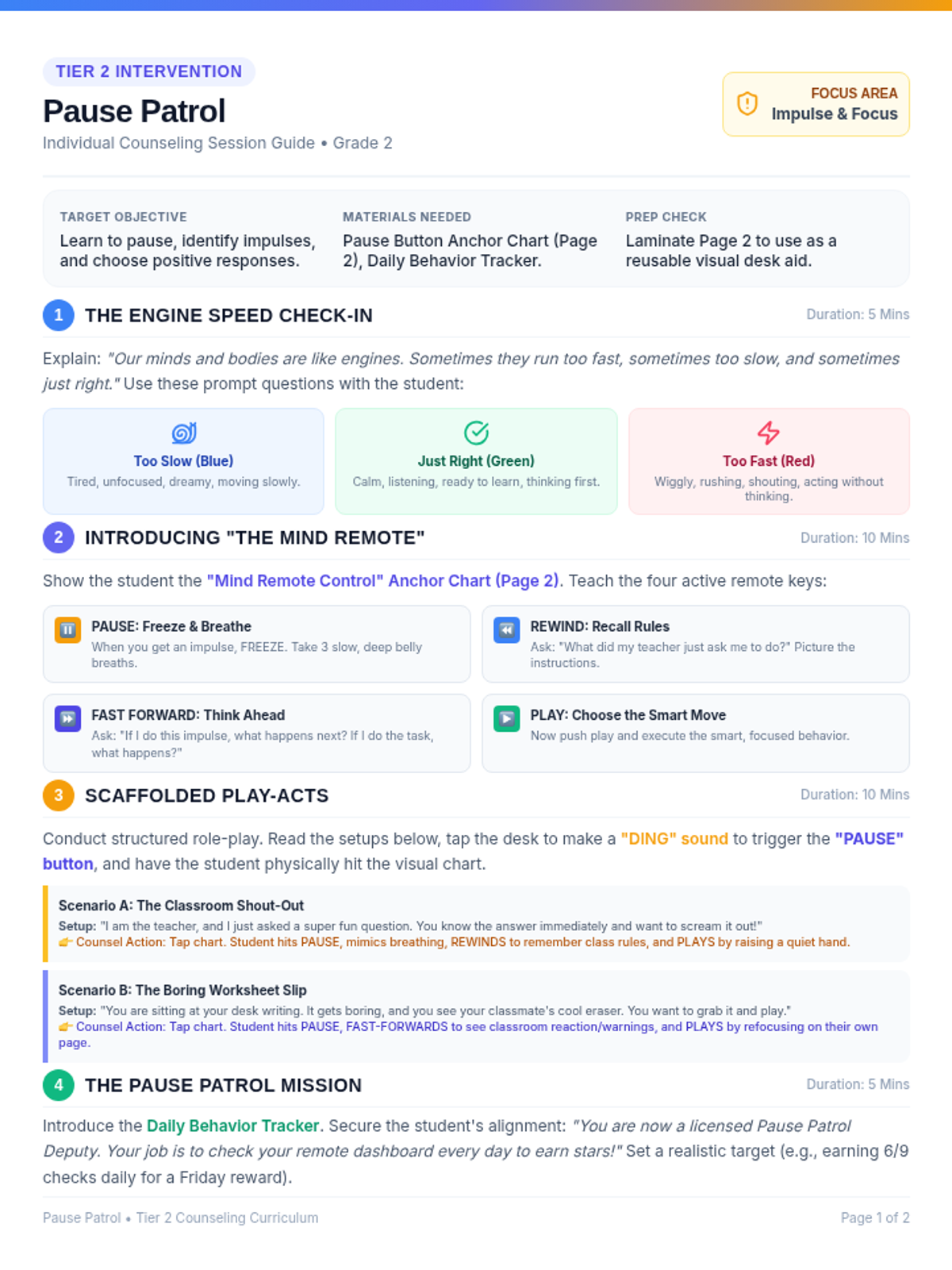
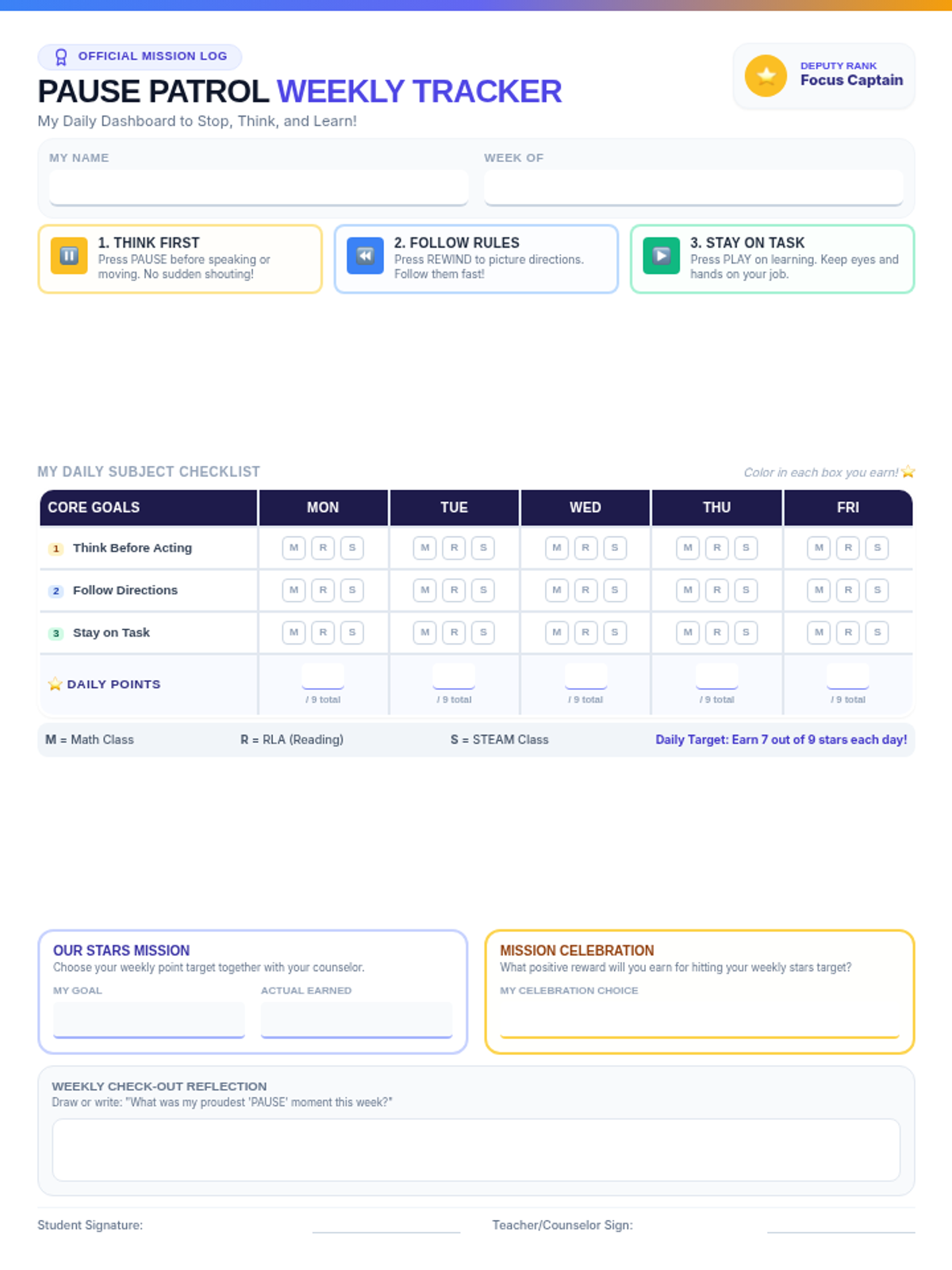
An individual counseling intervention for 2nd-grade students to build impulse control and focus. Includes a step-by-step counselor guide with visual self-regulation tools and a child-friendly daily behavioral self-monitoring chart.
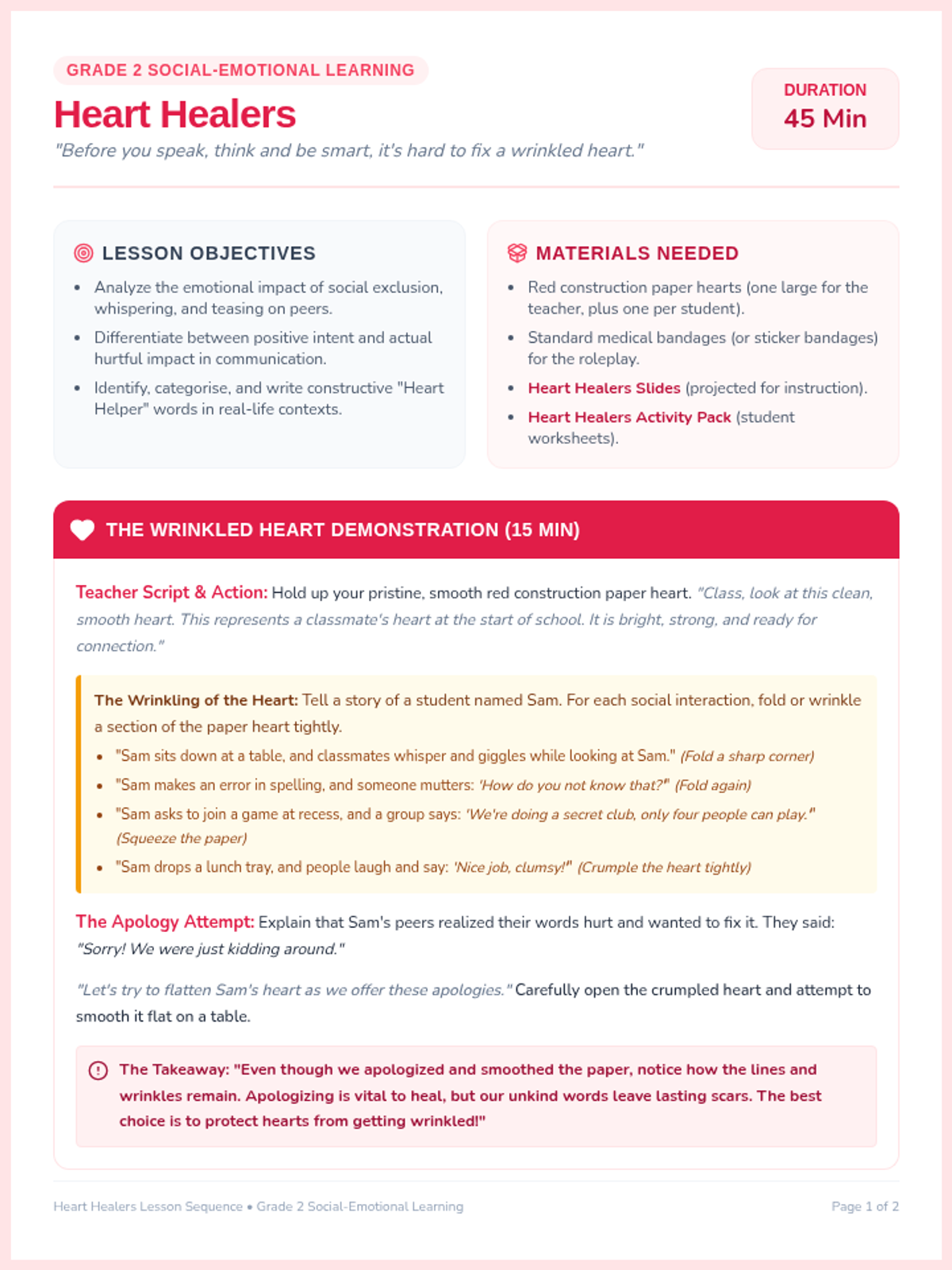
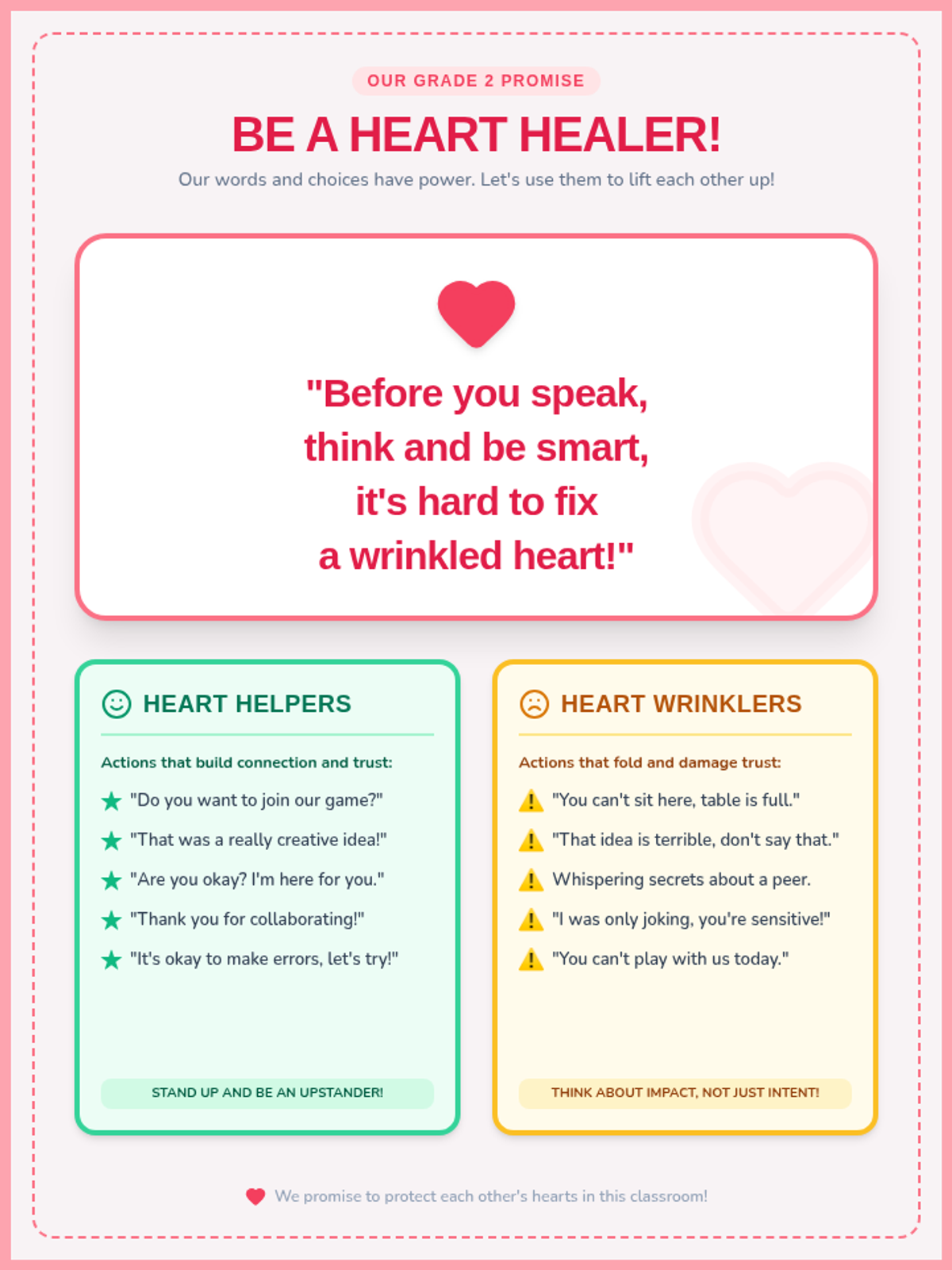
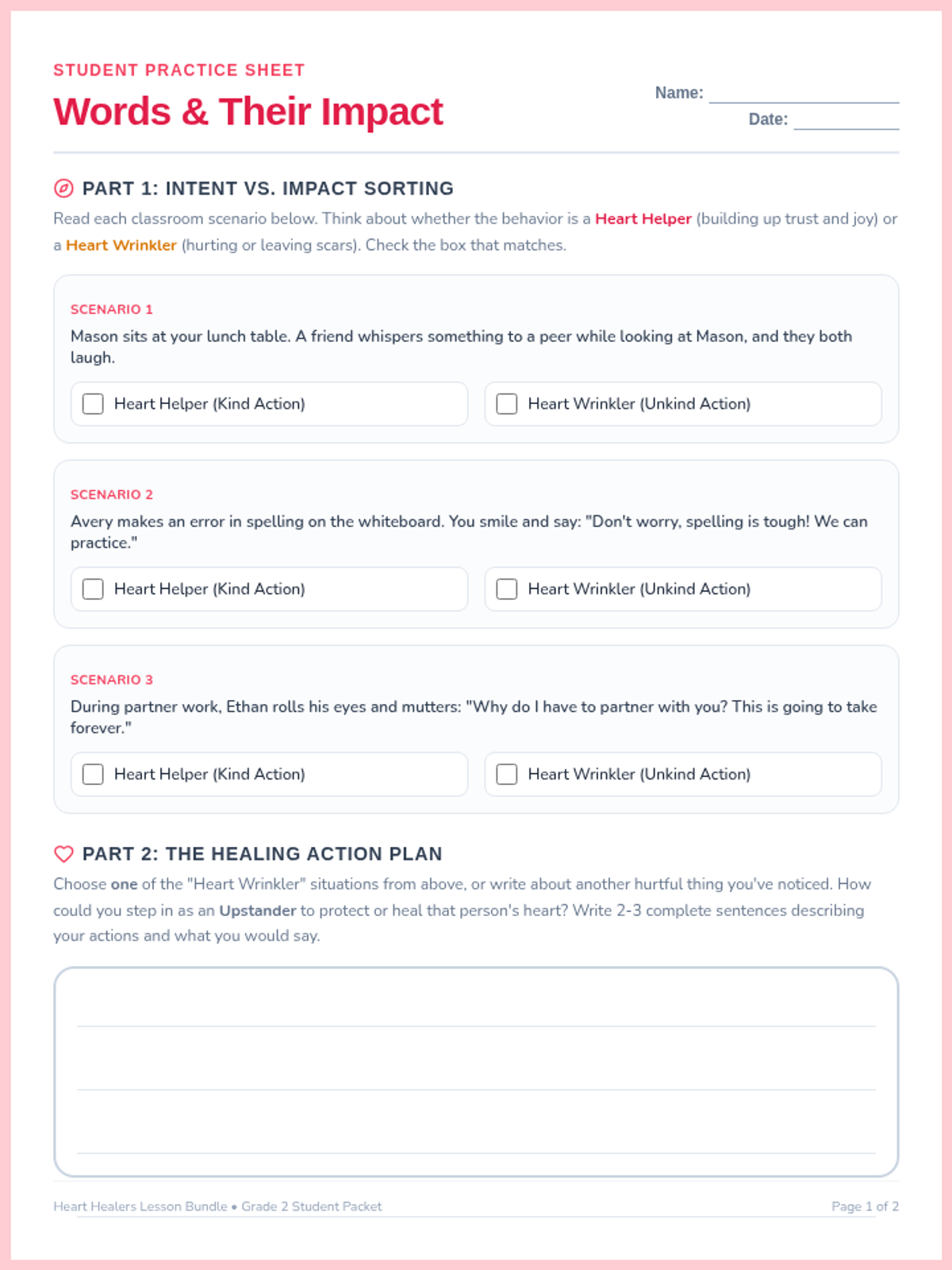
A heart-centered social-emotional learning lesson designed for 2nd-grade students using the 'Wrinkled Heart' metaphor. Students explore the lasting impact of unkind words, learn to differentiate intention, and practice active, written, and spoken healing strategies.
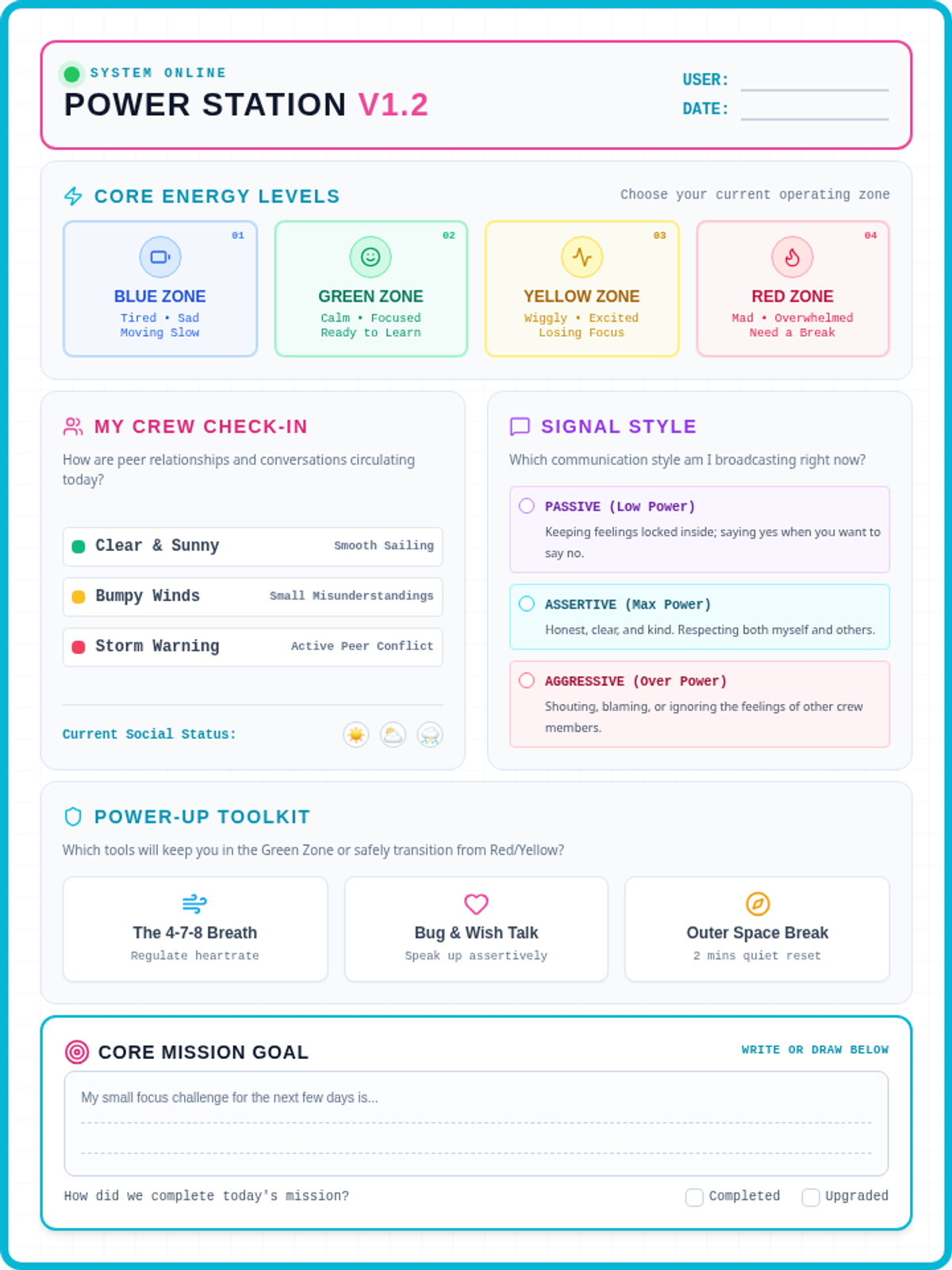
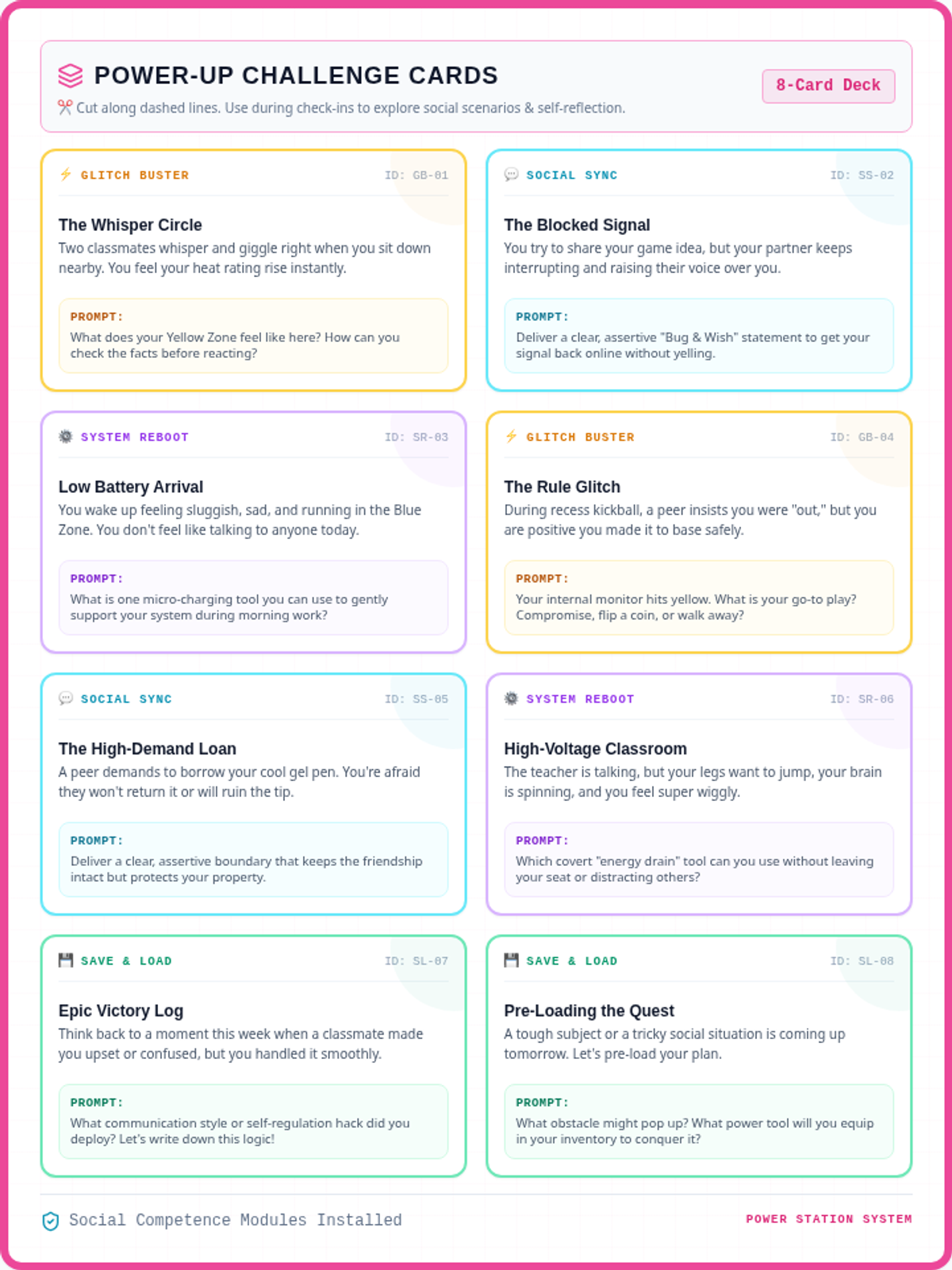
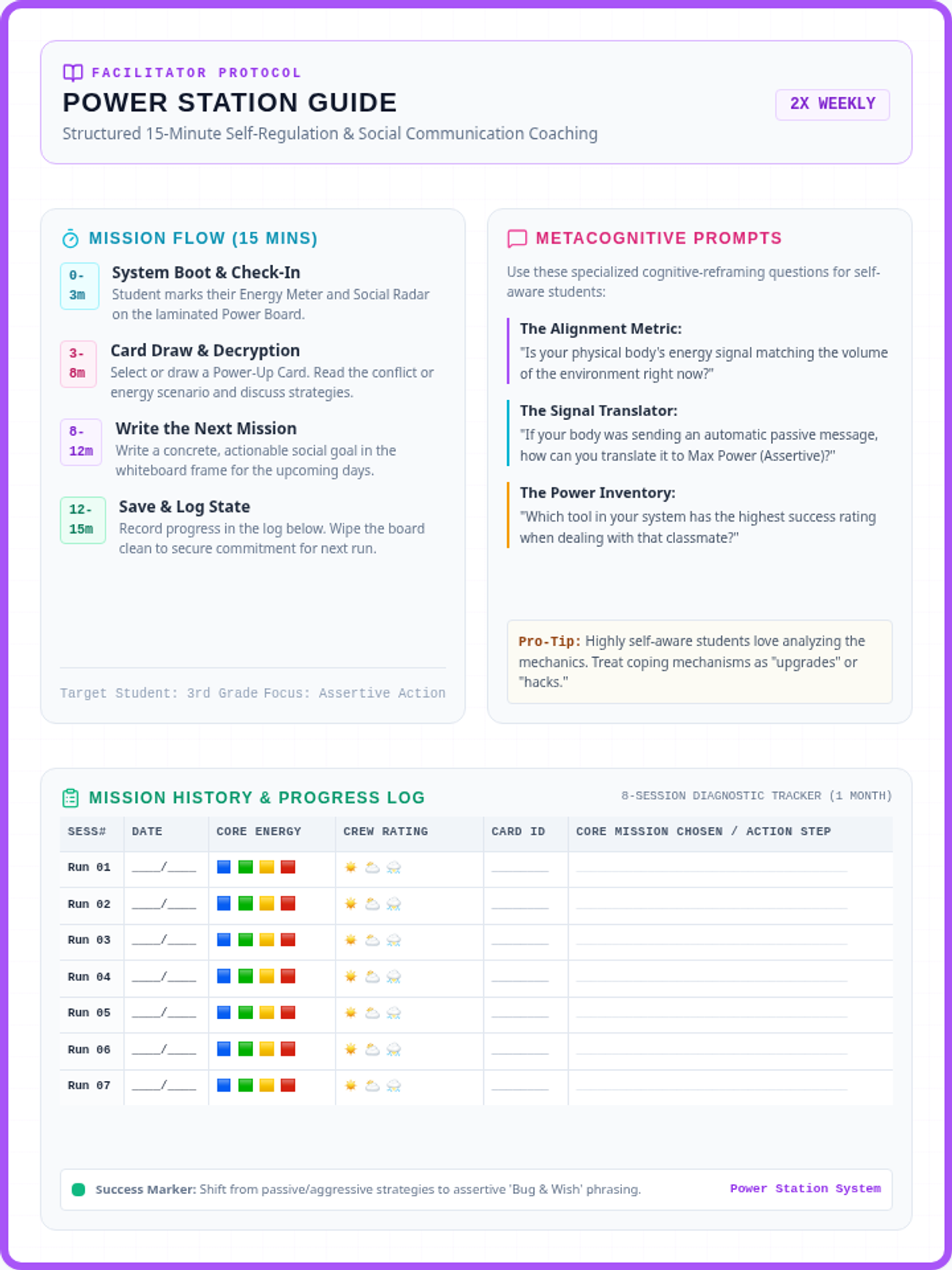
A self-regulation and social problem-solving system designed for rapid, highly-focused 1-on-1 sessions. Includes a reusable visual check-in board, target scenario discussion cards, and a structured pacing guide for 15-minute check-ins twice a week.