A 30-minute career exploration lesson for 1st graders focusing on identifying jobs, tools, and connecting interests to future work. Students will participate in a guided read-aloud, match tools to professions, and draw their future career.
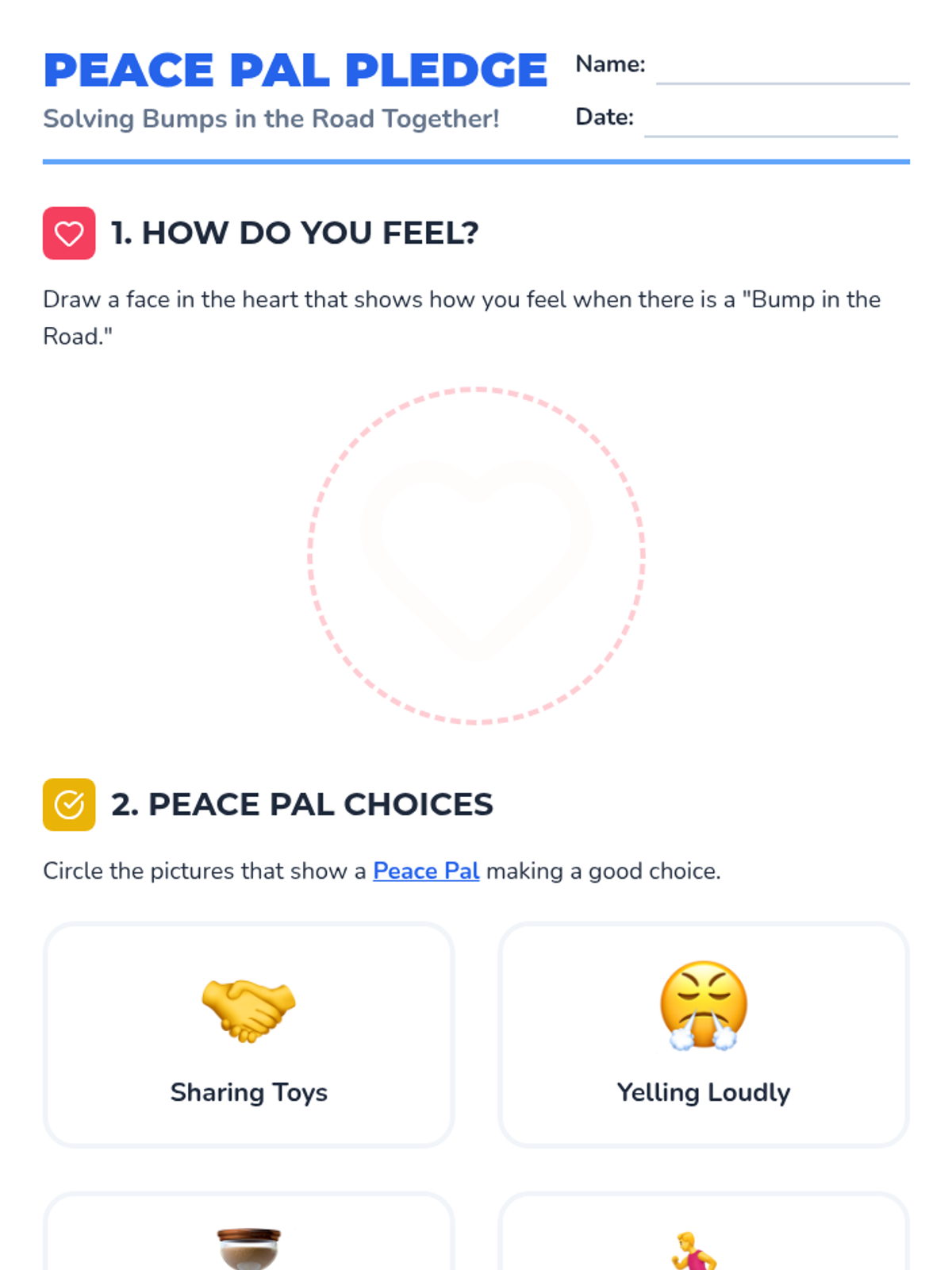
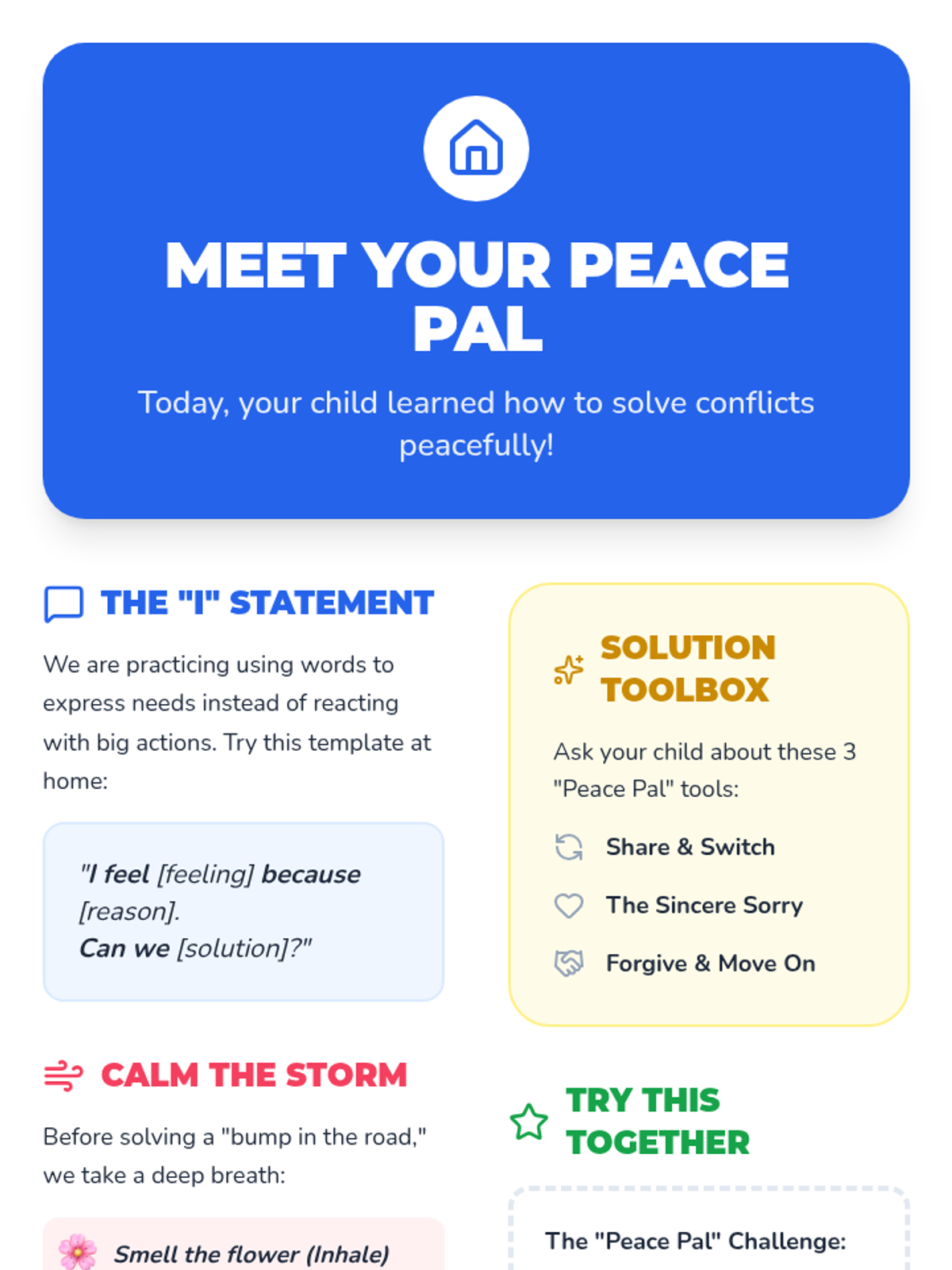
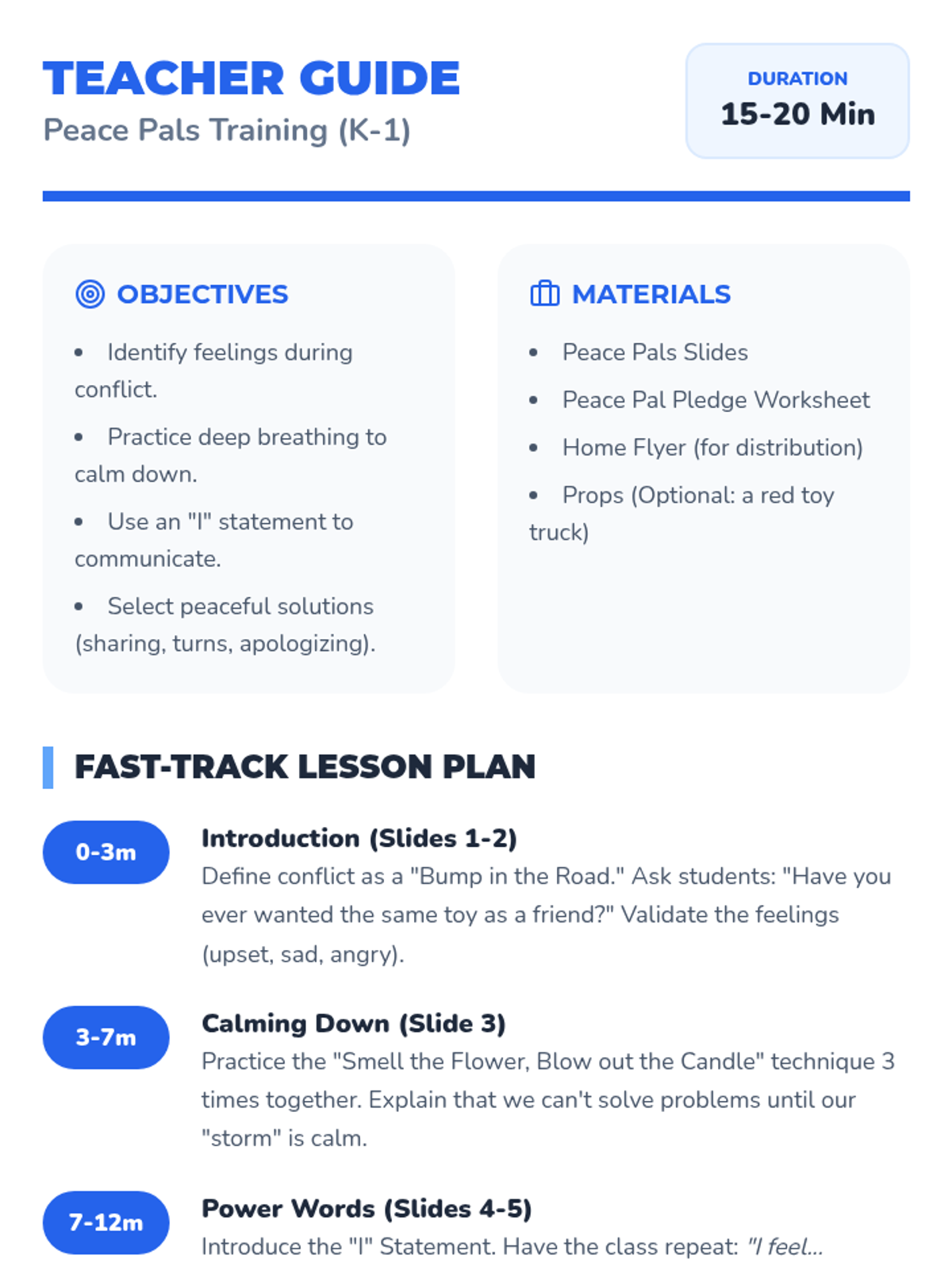
A short, high-energy lesson for K-1 students focused on becoming 'Peace Pals' by using 'I' statements, sharing, and practicing forgiveness. Includes a slide presentation, a hands-on scenario activity, a student worksheet, and a take-home flyer for families.
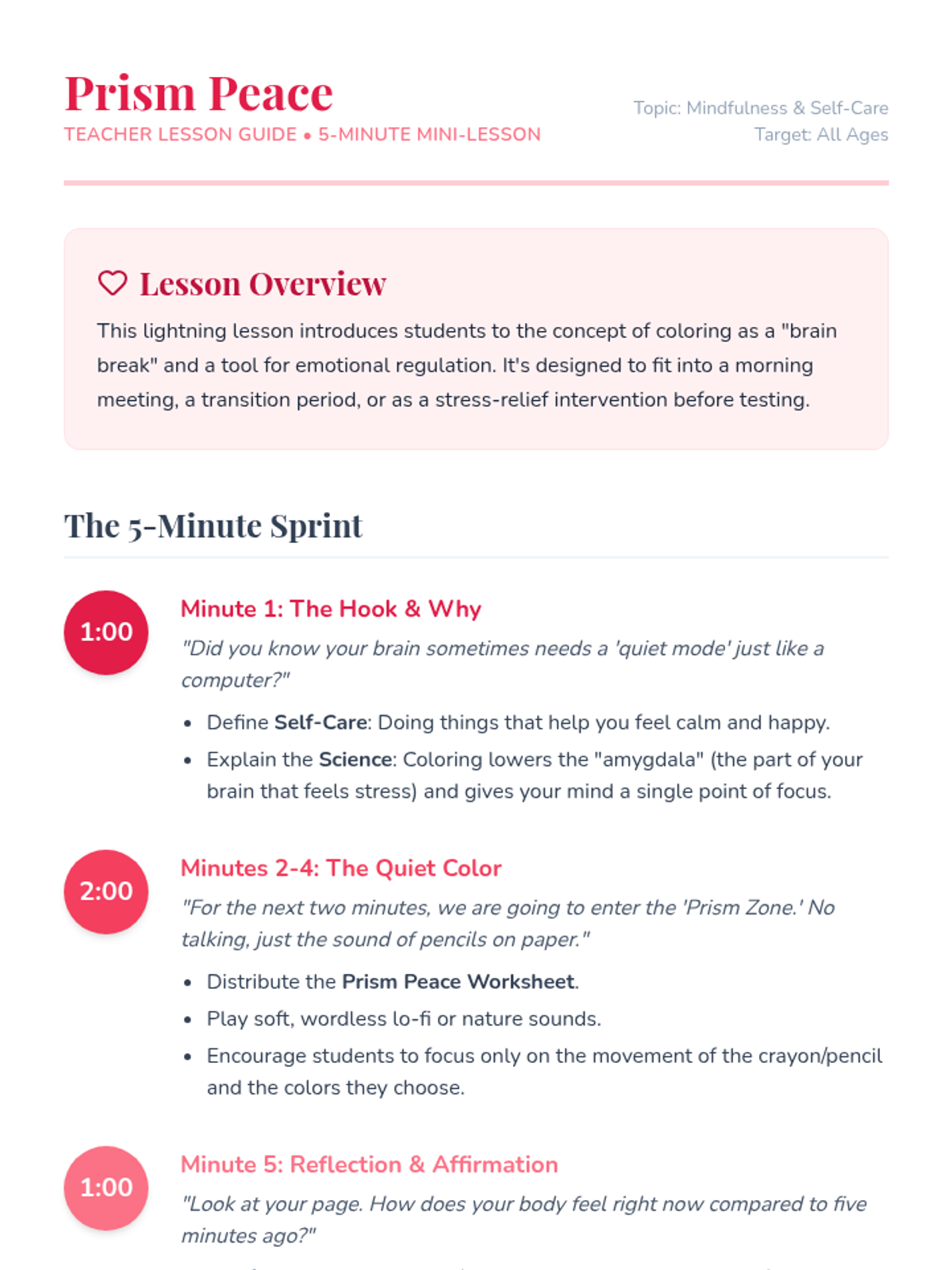
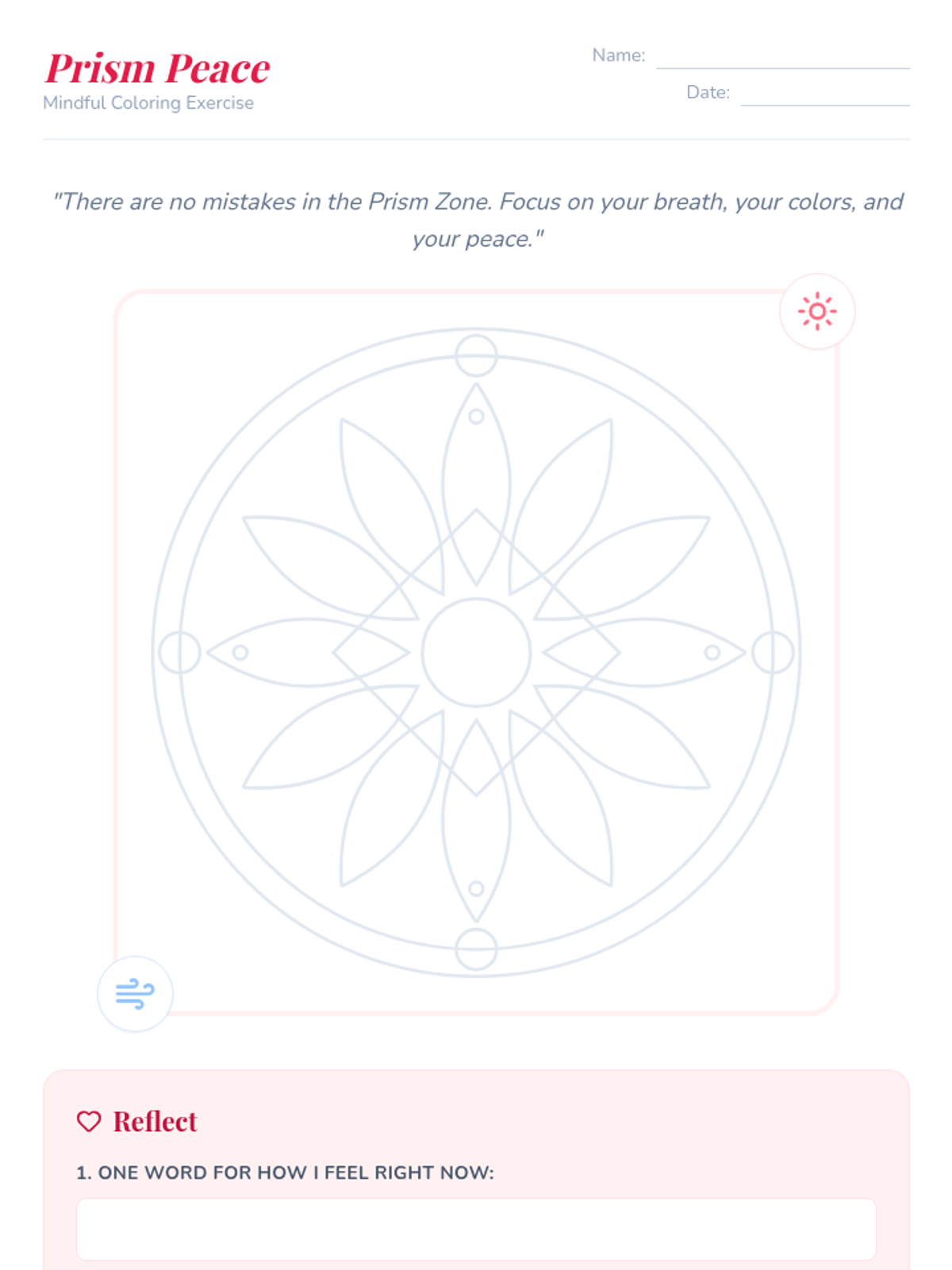
A quick, five-minute instructional session exploring the psychological benefits of coloring as a form of mindfulness and self-care.
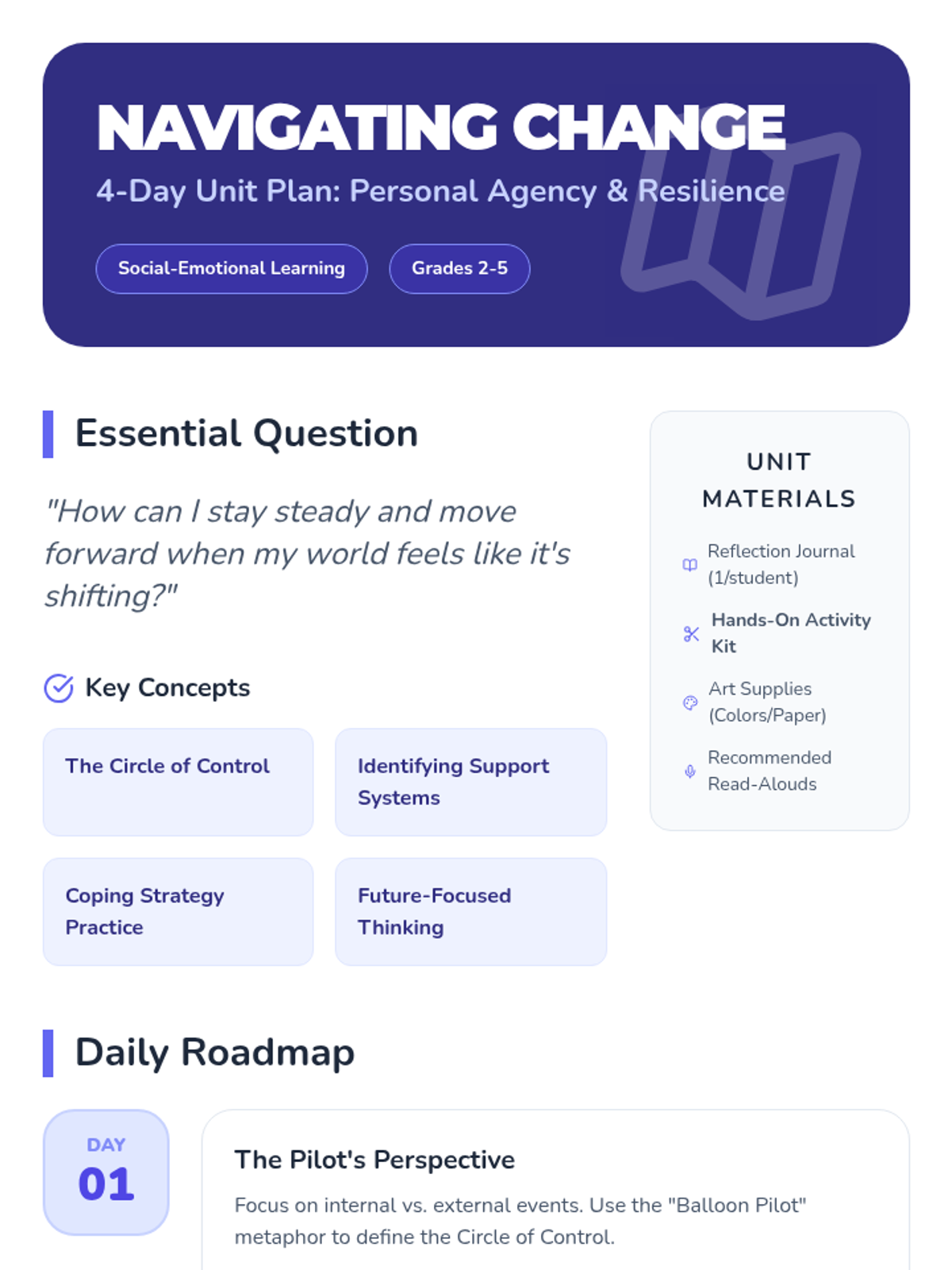
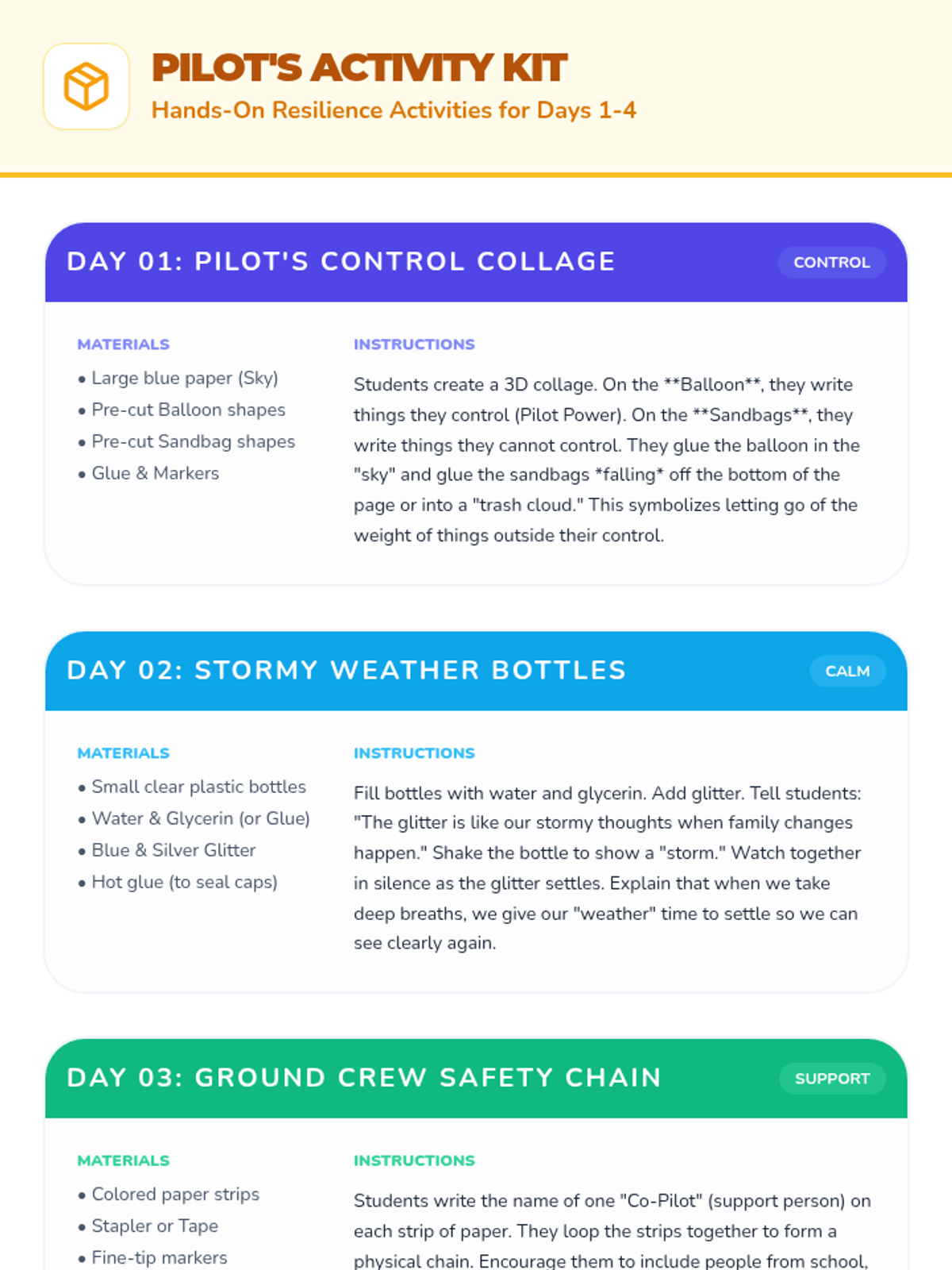
A multi-day unit plan and reflection journal to provide sustained support and deeper understanding of personal agency during transitions.
A comprehensive activity packet for small group or individual counseling sessions, providing deeper exploration of emotions and coping skills.
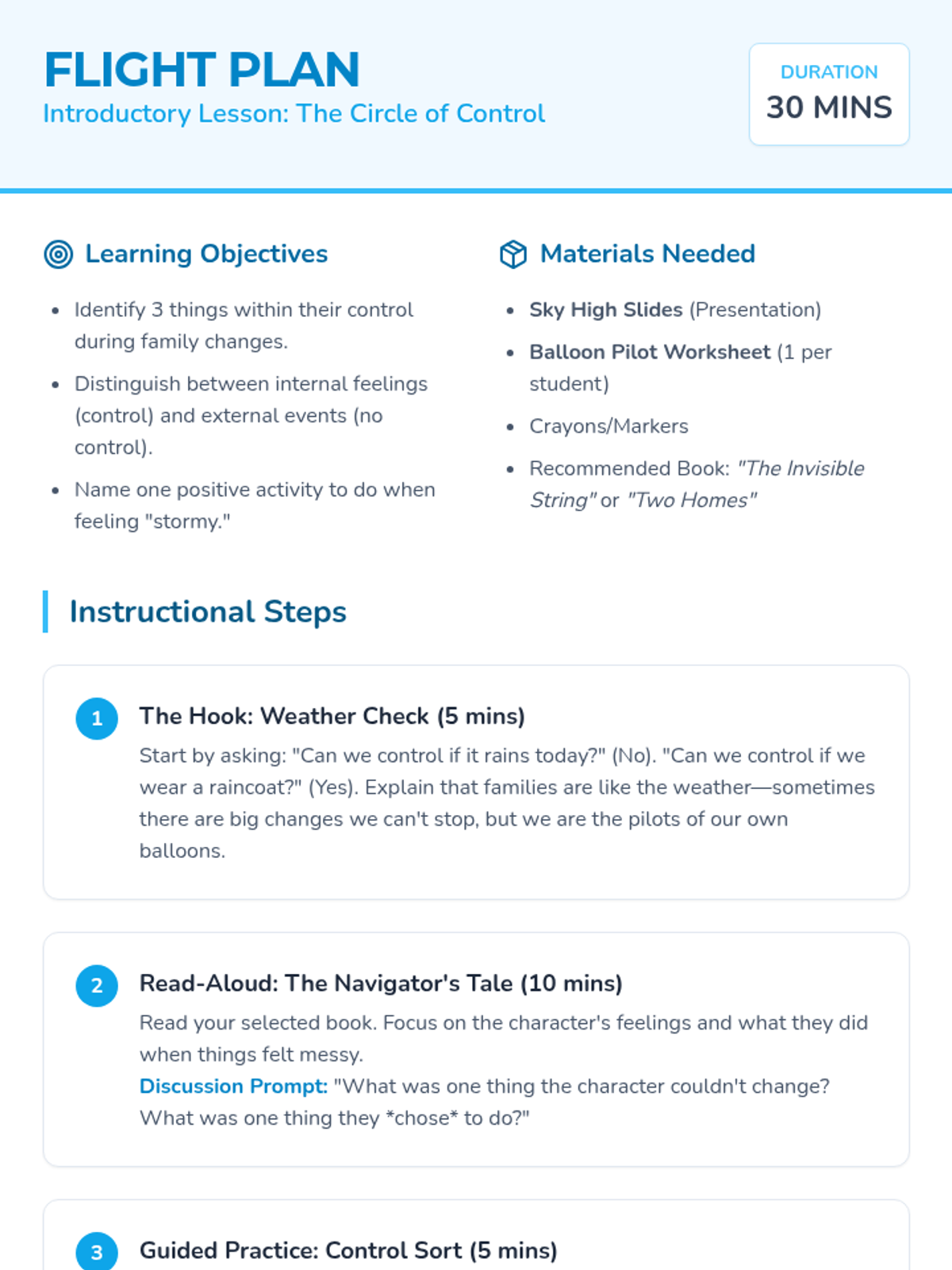
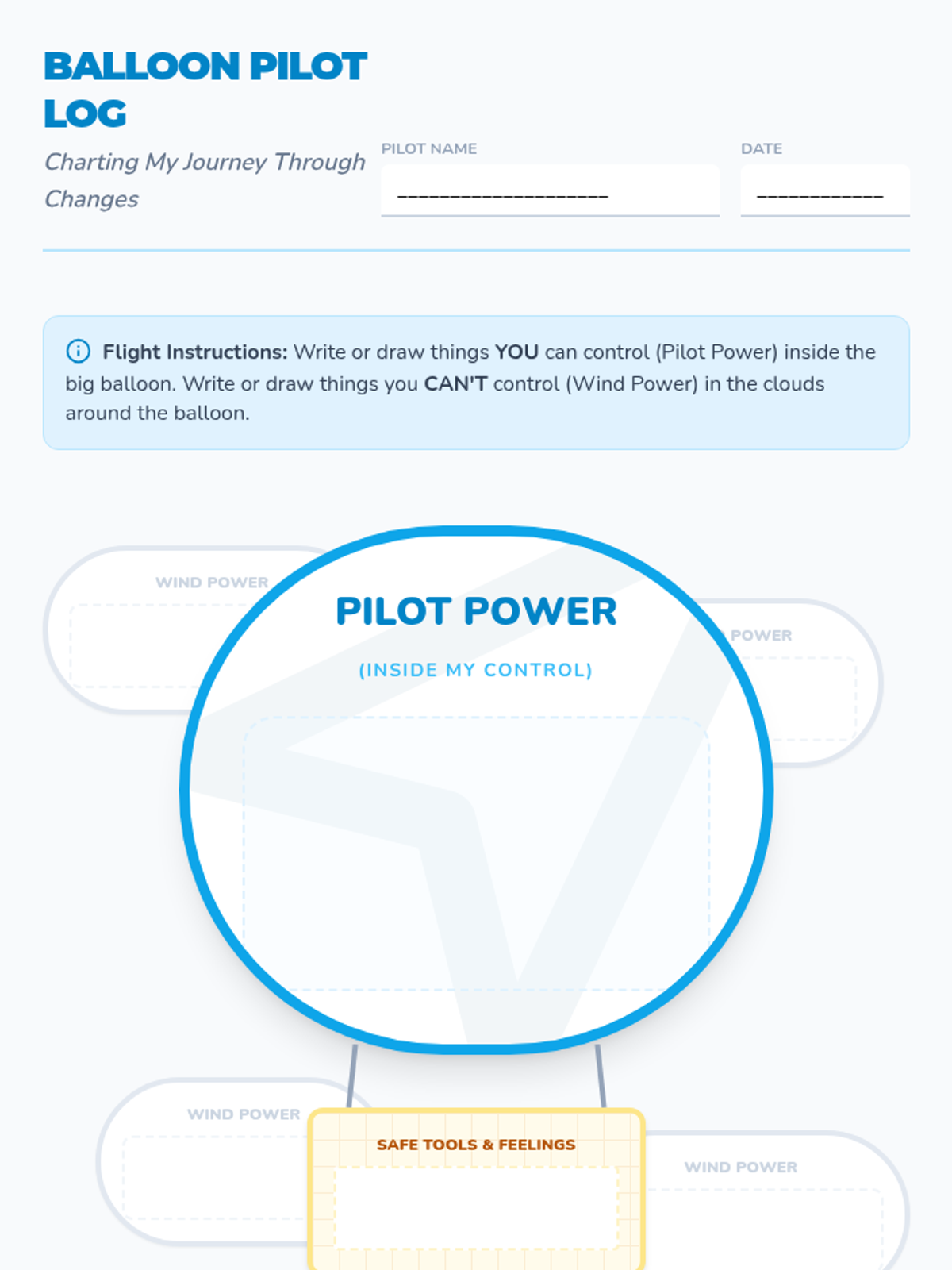
A 30-minute introductory lesson featuring a read-aloud and a primary activity focused on distinguishing between things we can and cannot control during family changes.
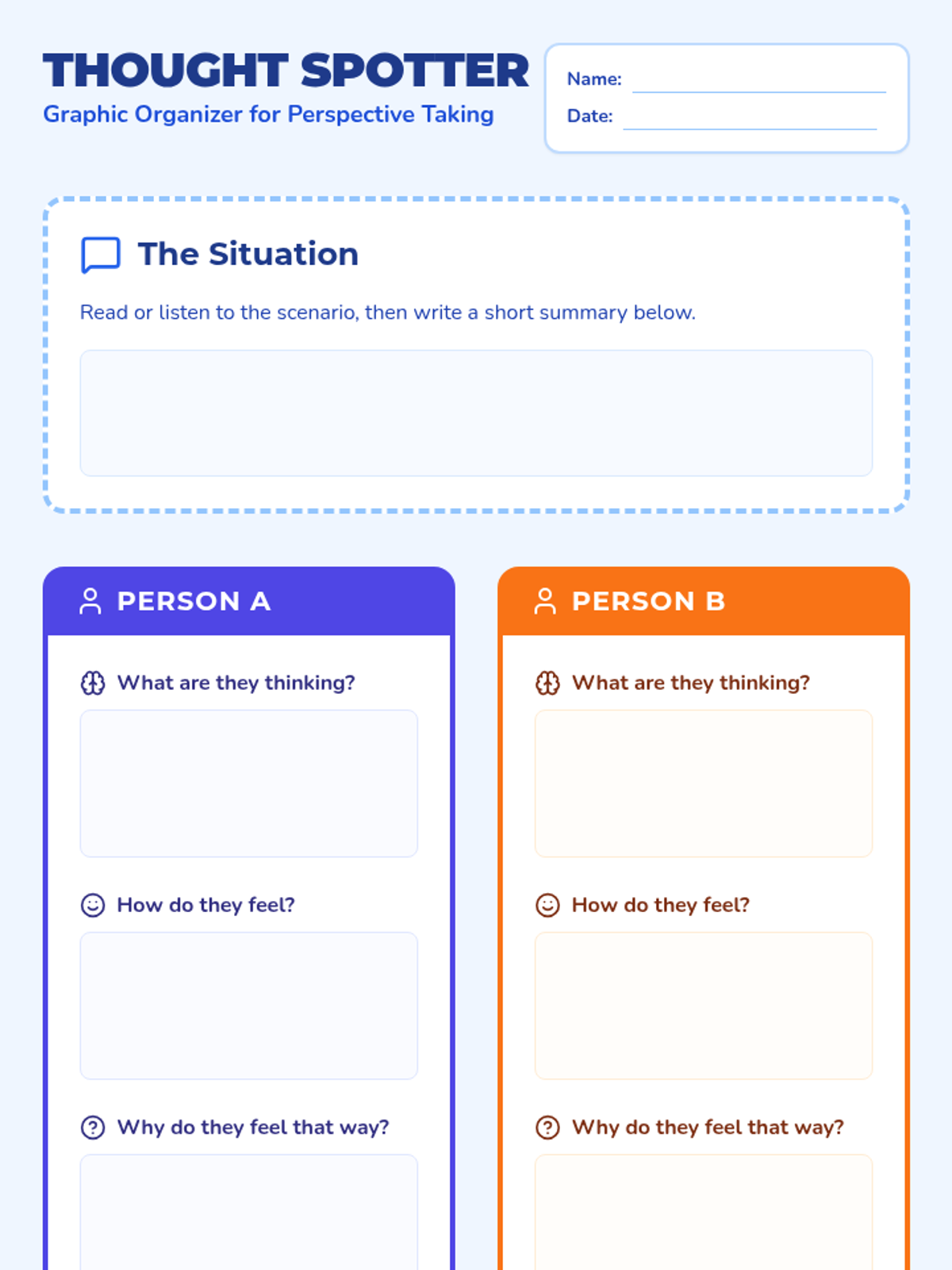
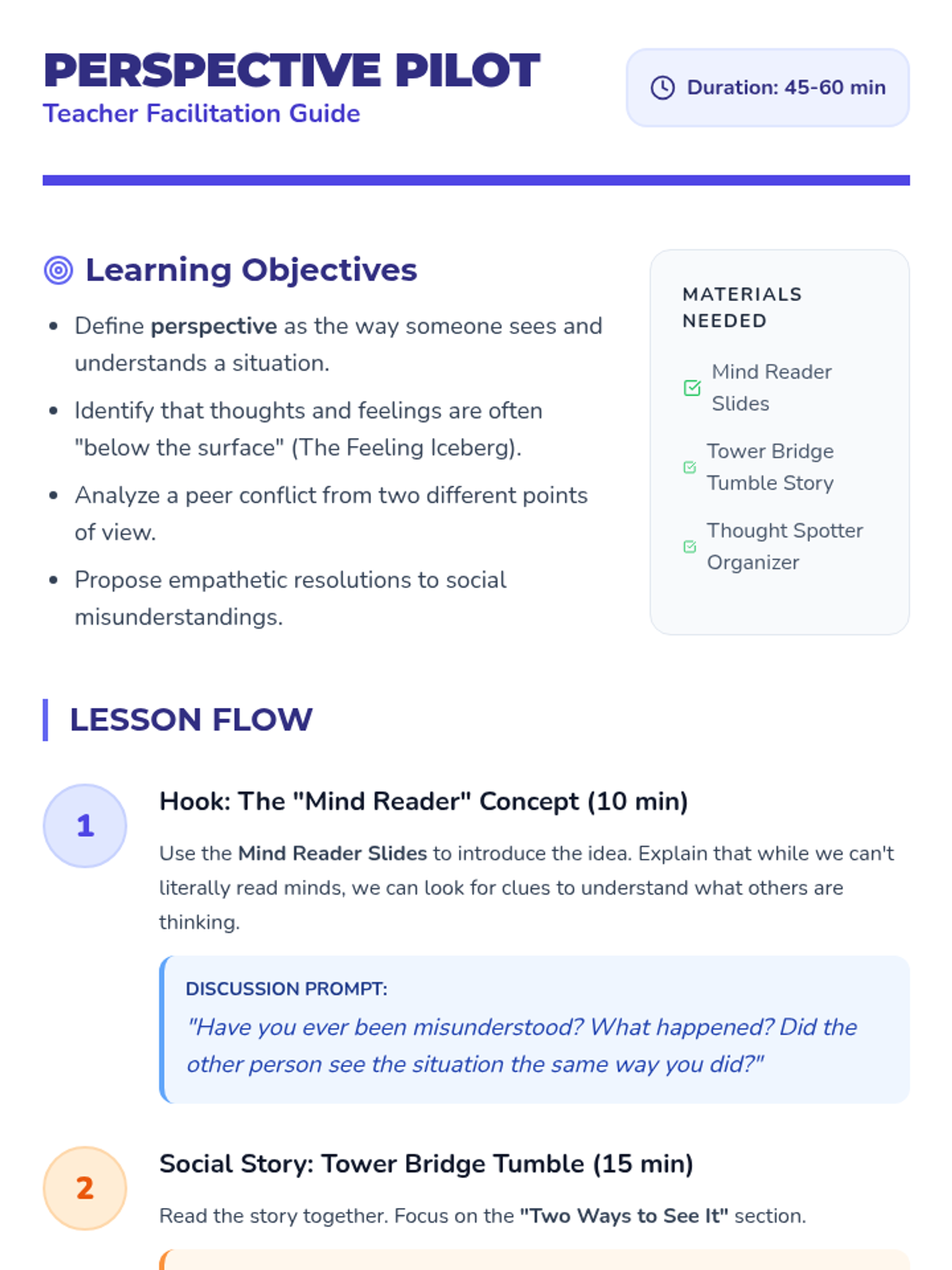
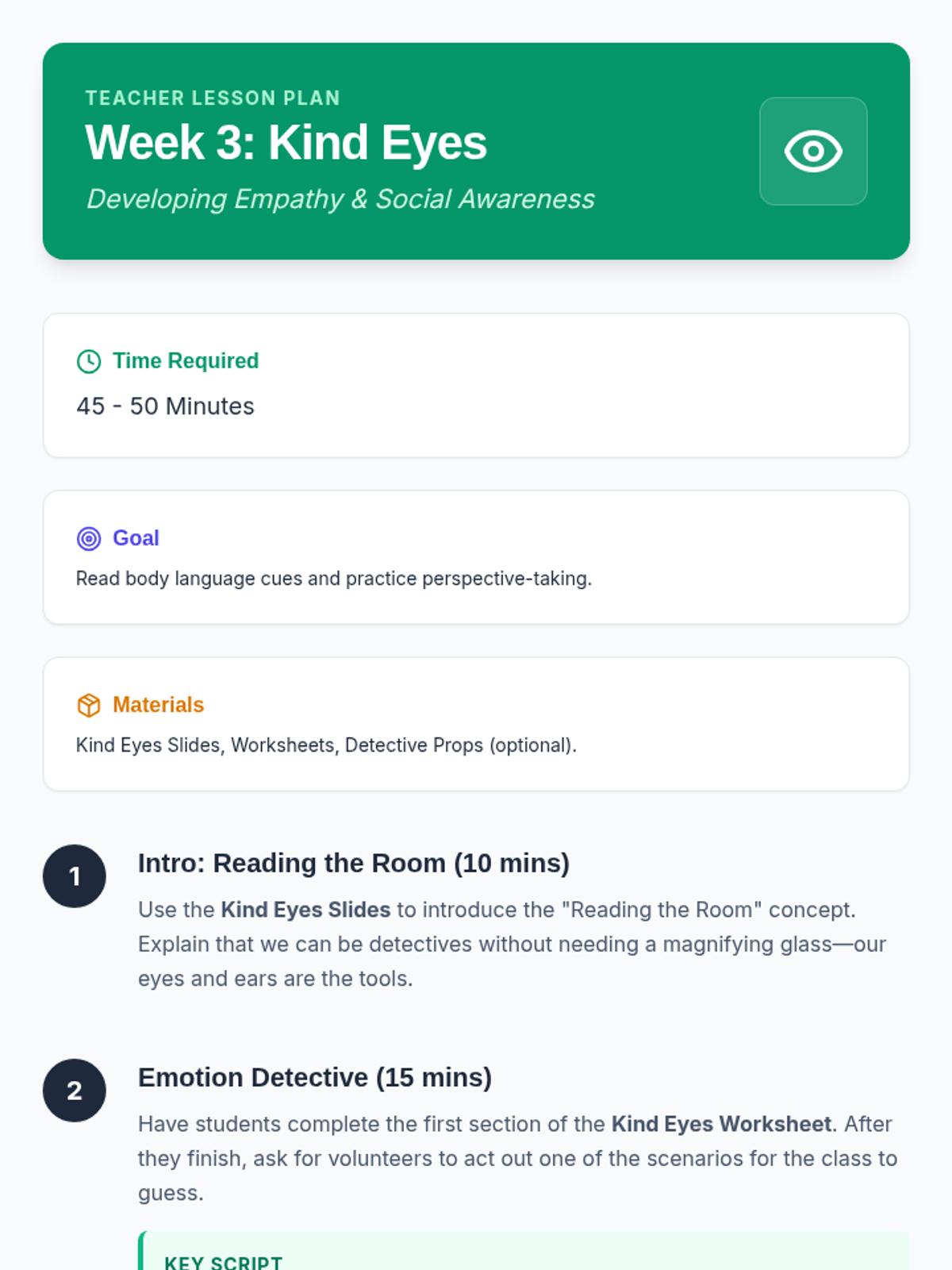
A lesson focused on developing perspective-taking skills through visual analysis of social scenarios and structured reflection on others' feelings during conflicts.
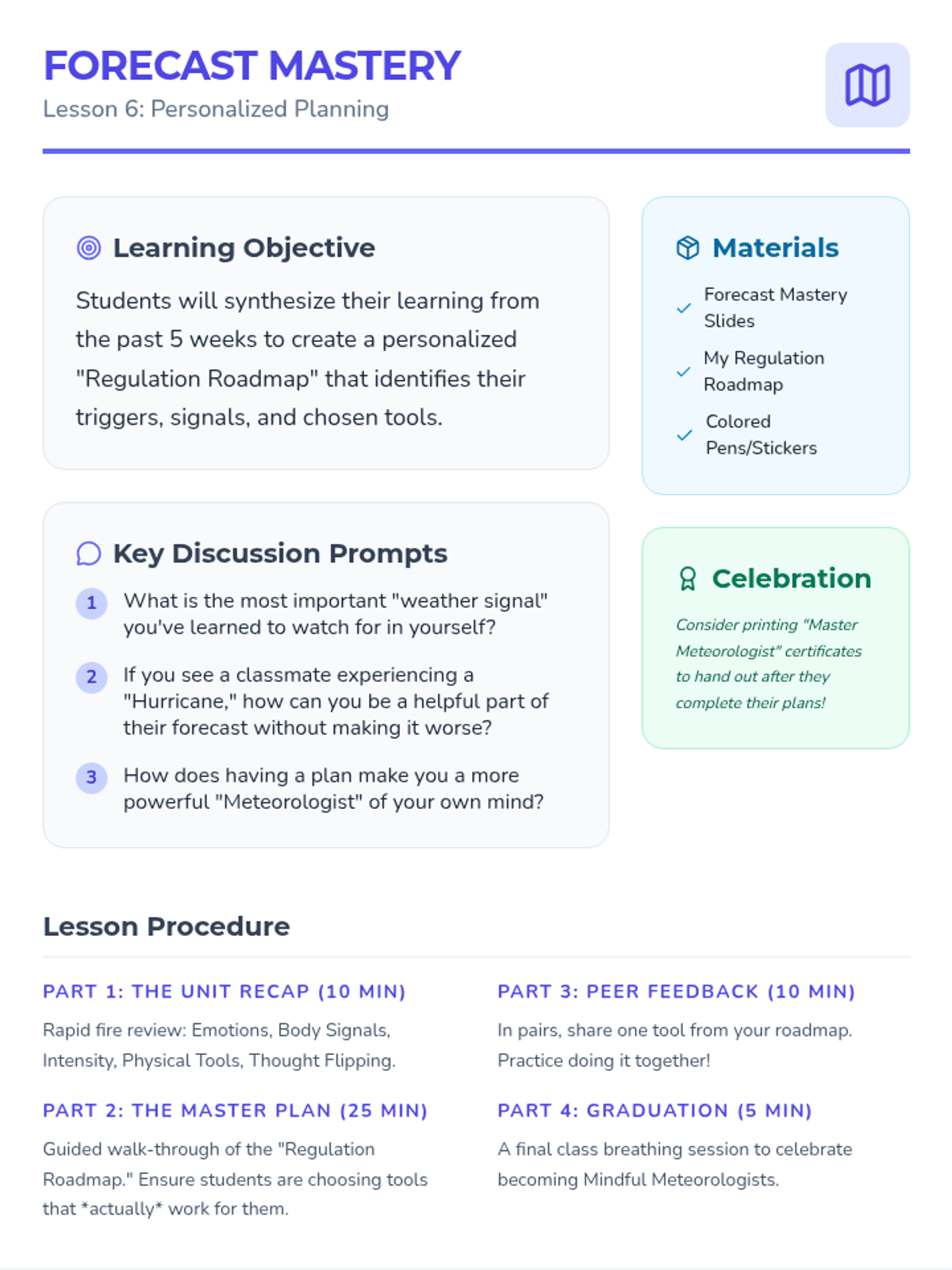
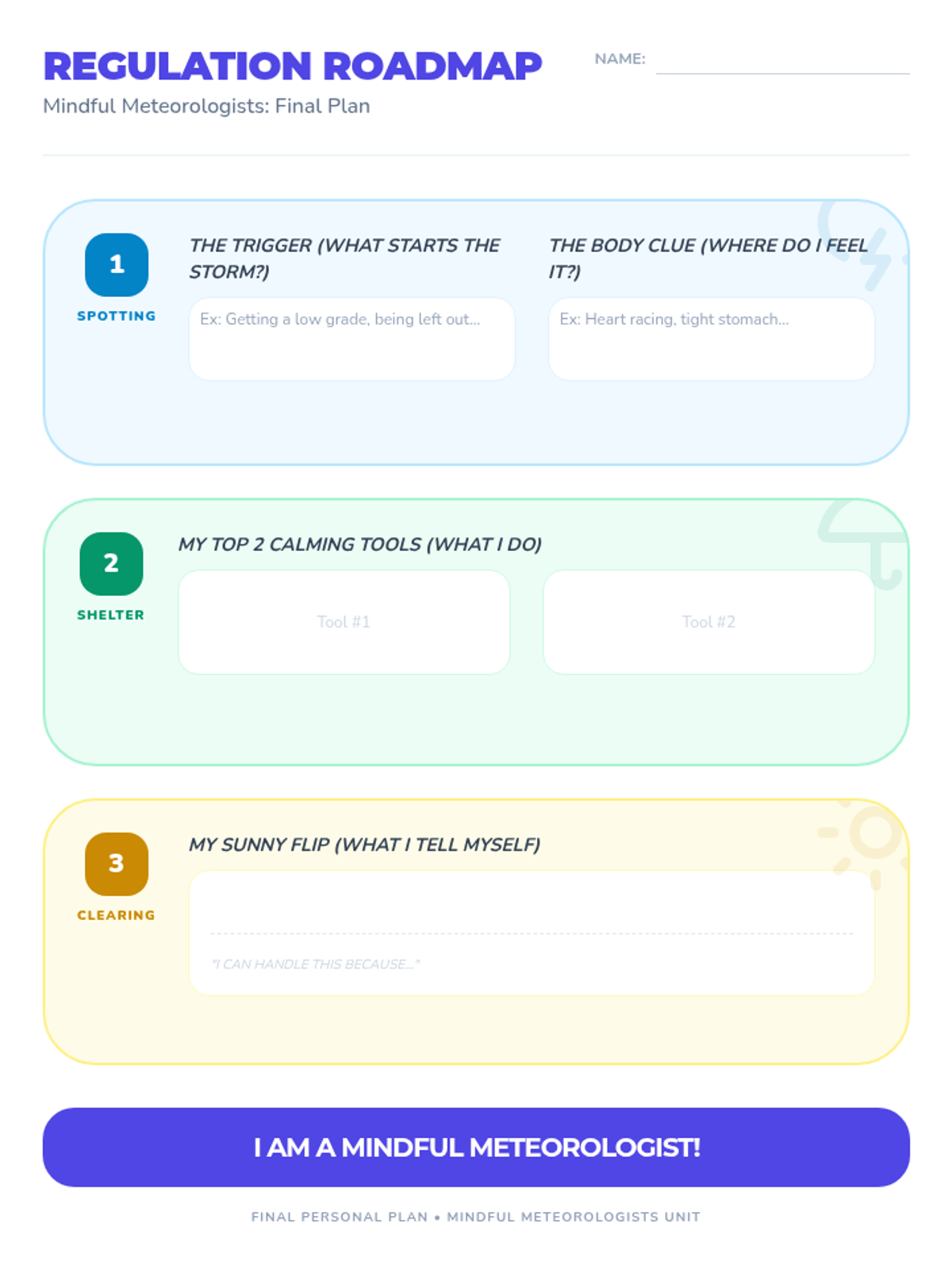
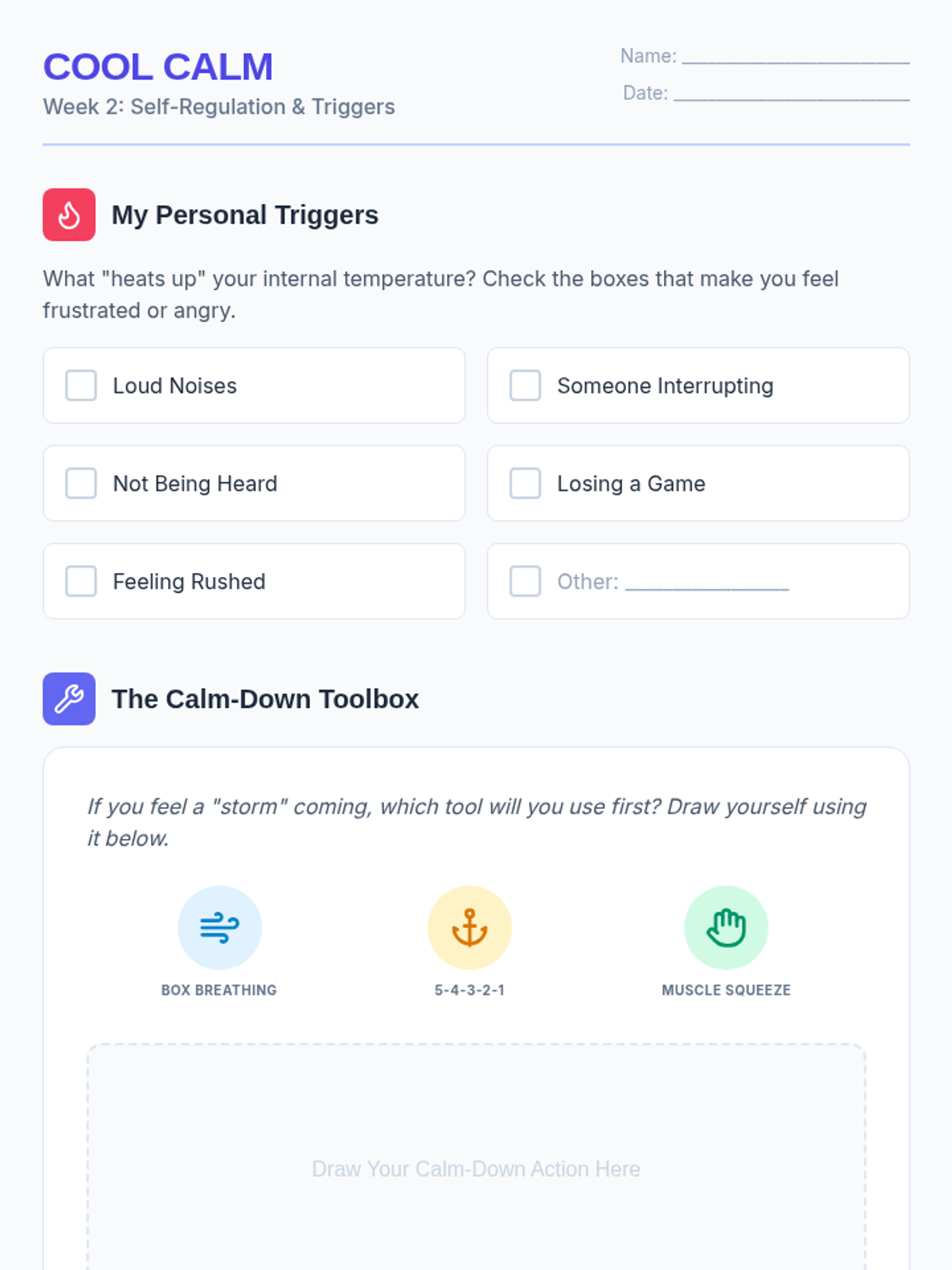
Creating a personalized self-regulation plan that combines identifying triggers, body signals, and chosen coping strategies.
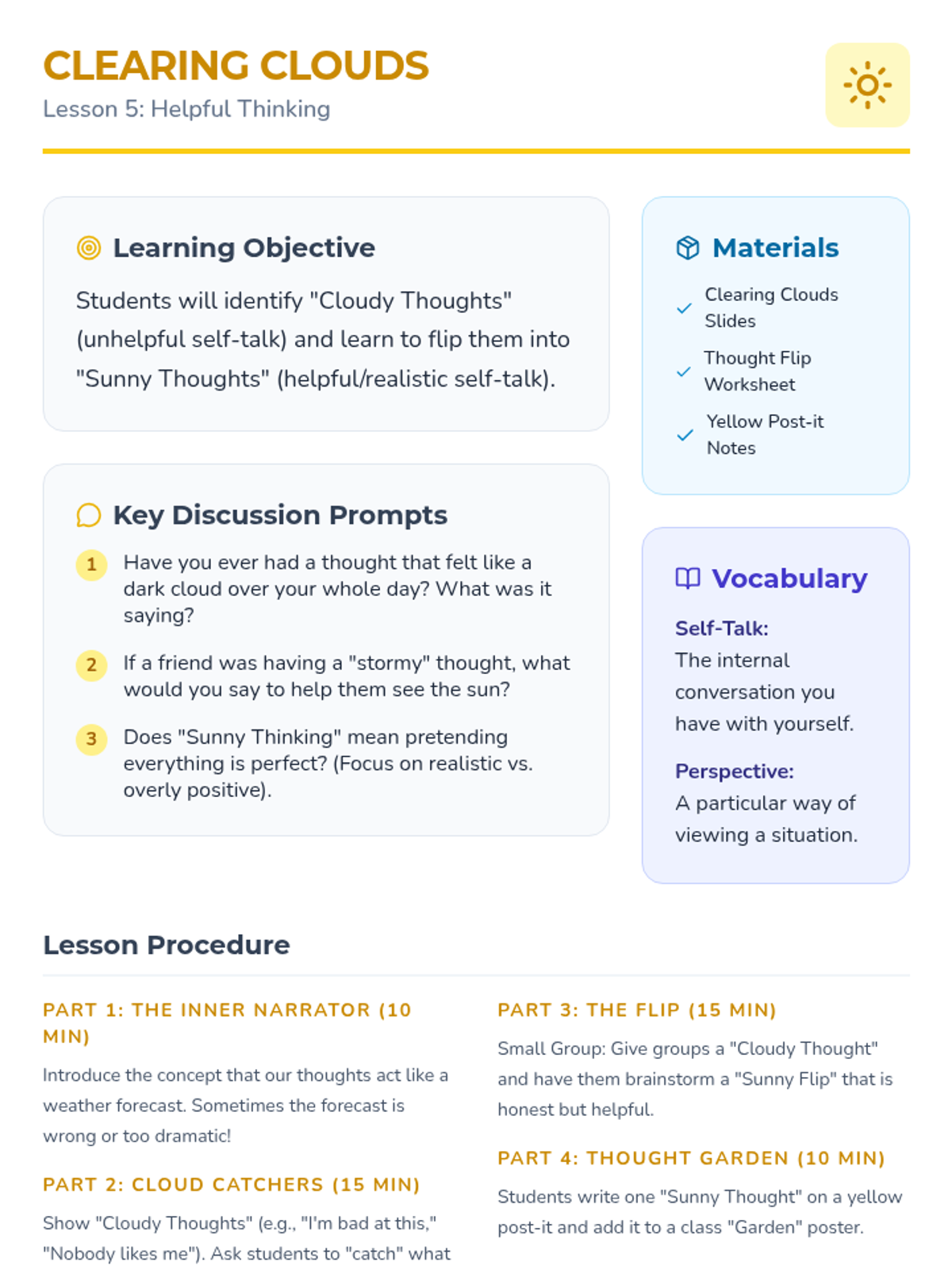
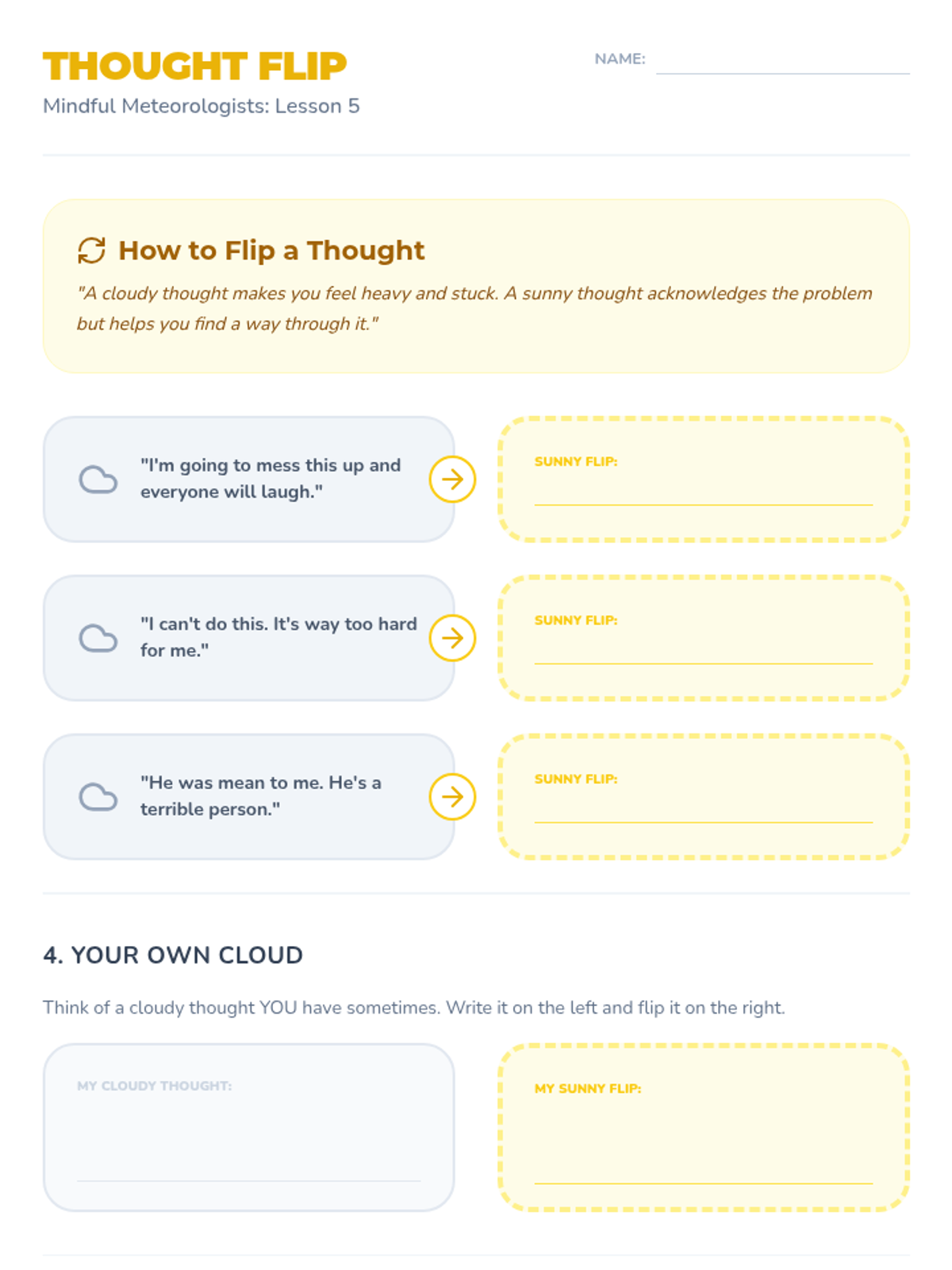
Learning how to use helpful self-talk and perspective-shifting to navigate through difficult emotional 'clouds'.
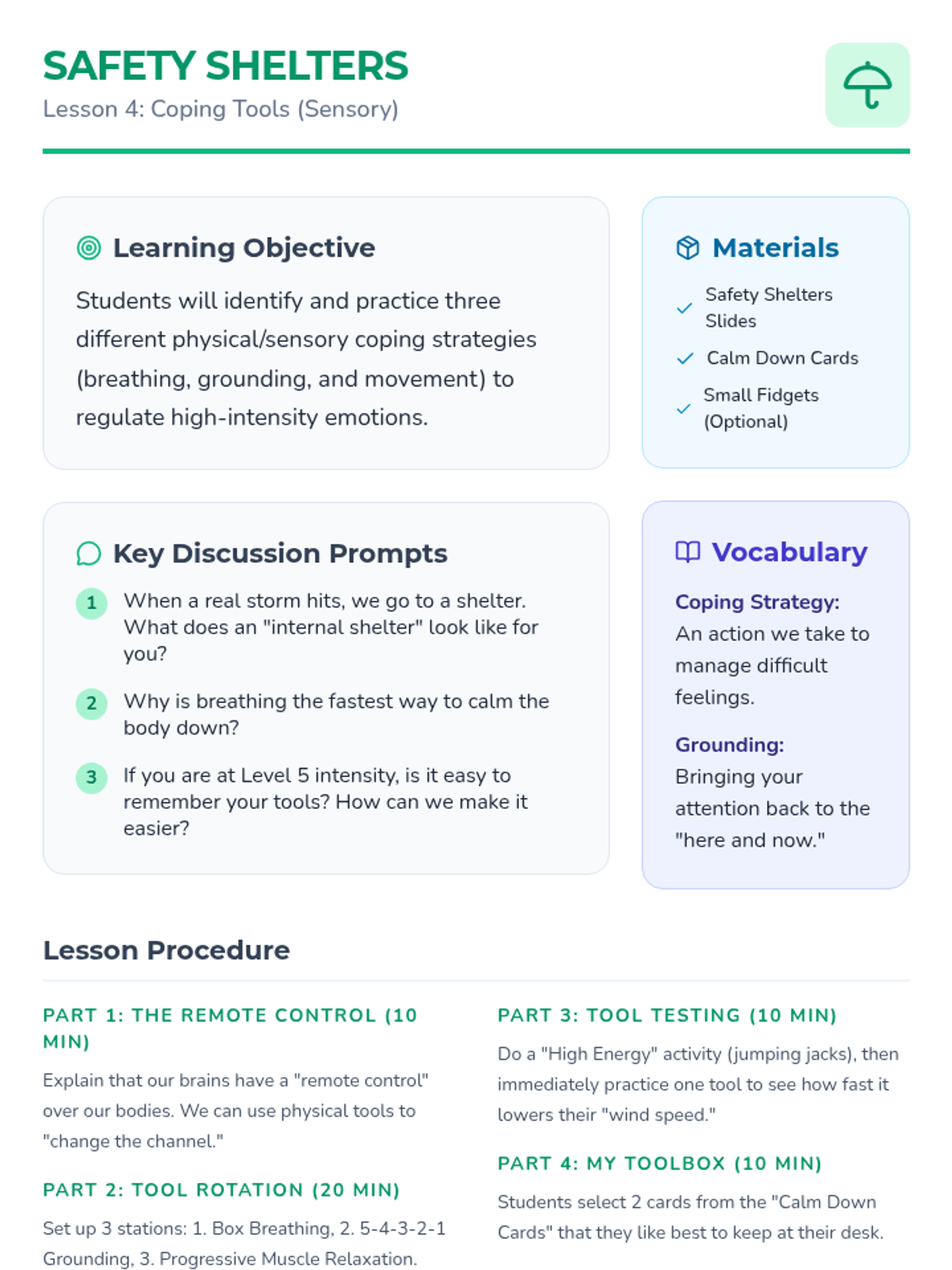
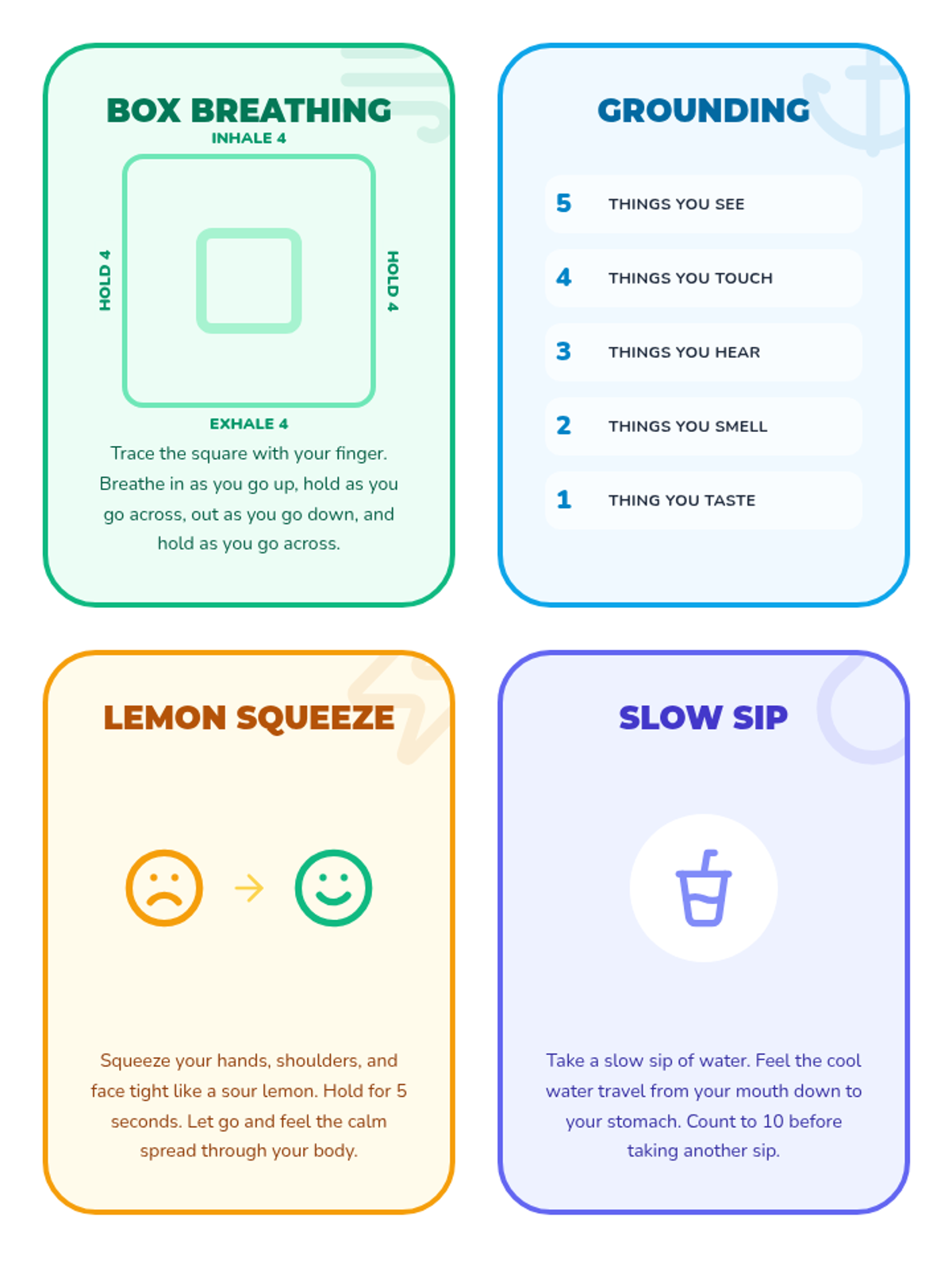
Developing a toolkit of sensory and breathing-based coping strategies to manage intense weather patterns in the mind.
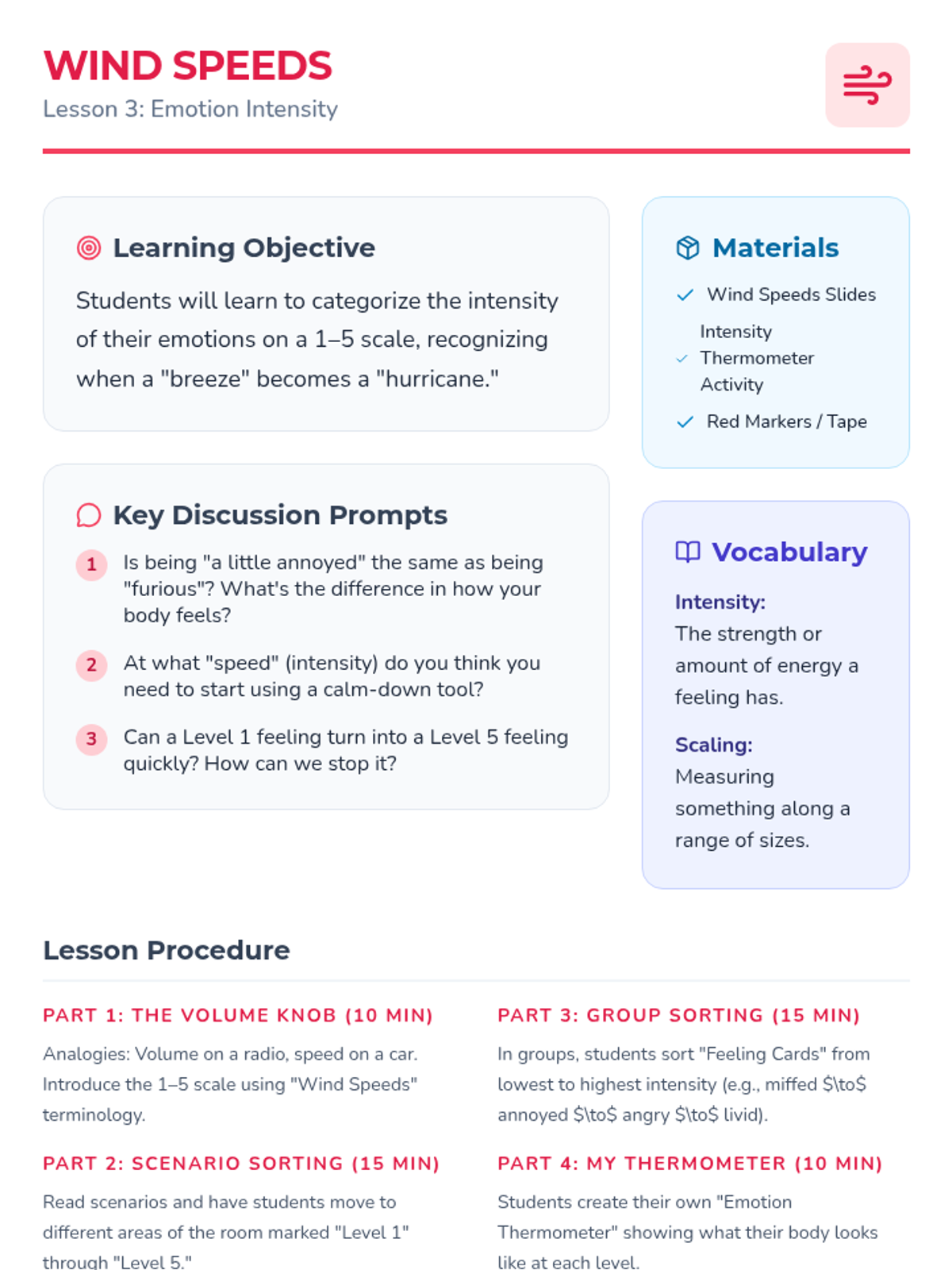
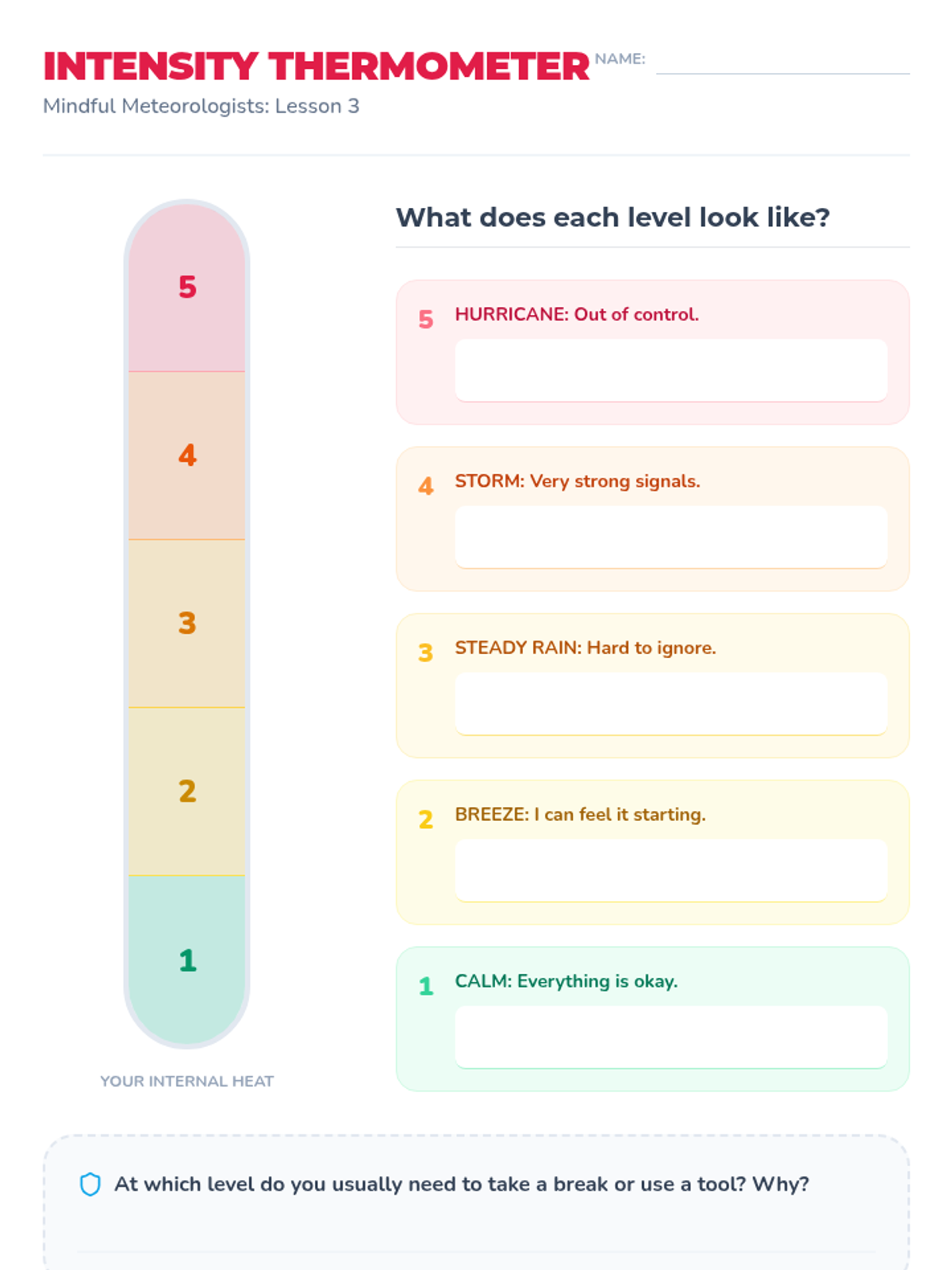
Exploring the intensity of emotions and using a scale to determine when big feelings require specific coping tools.
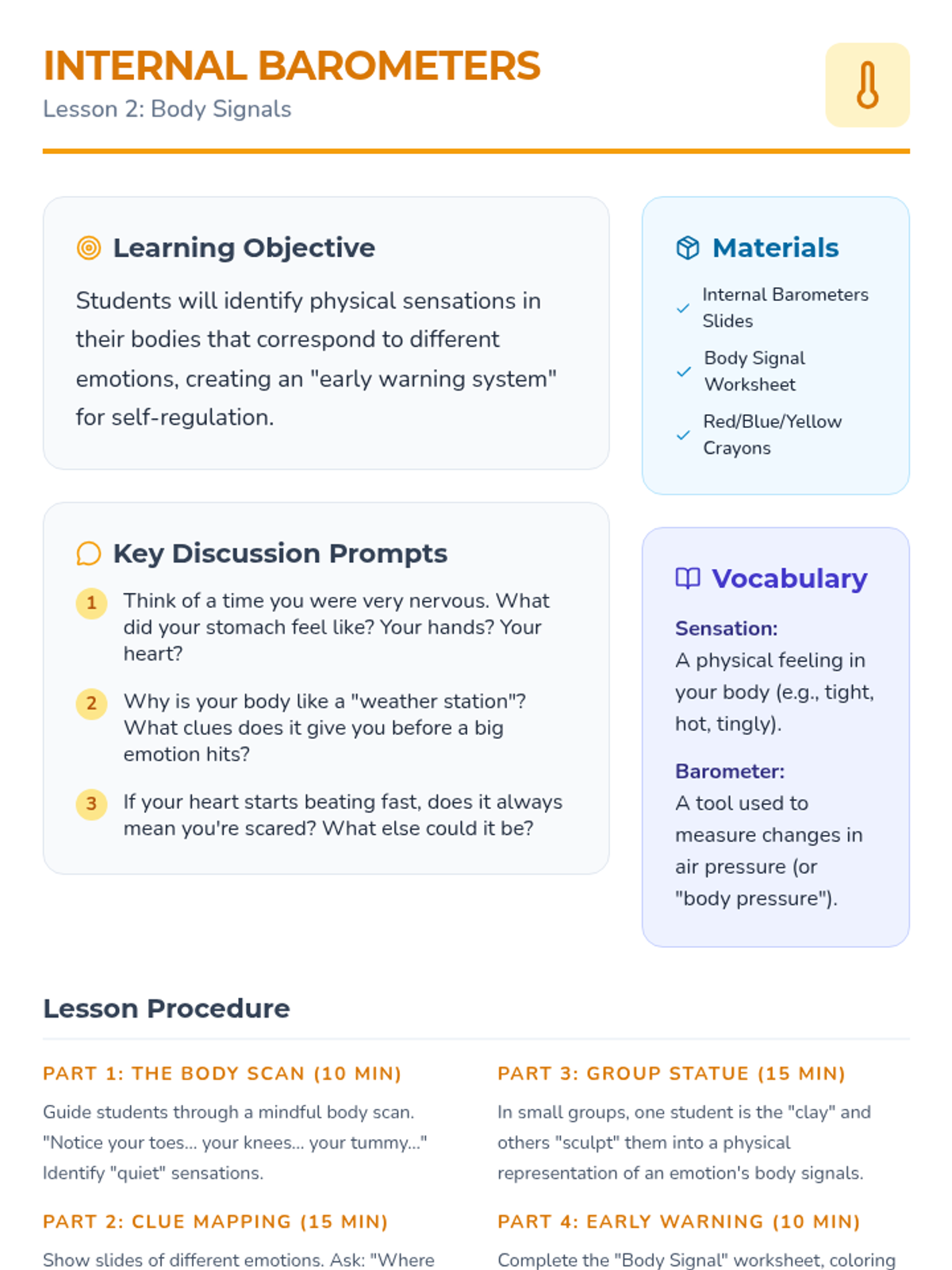
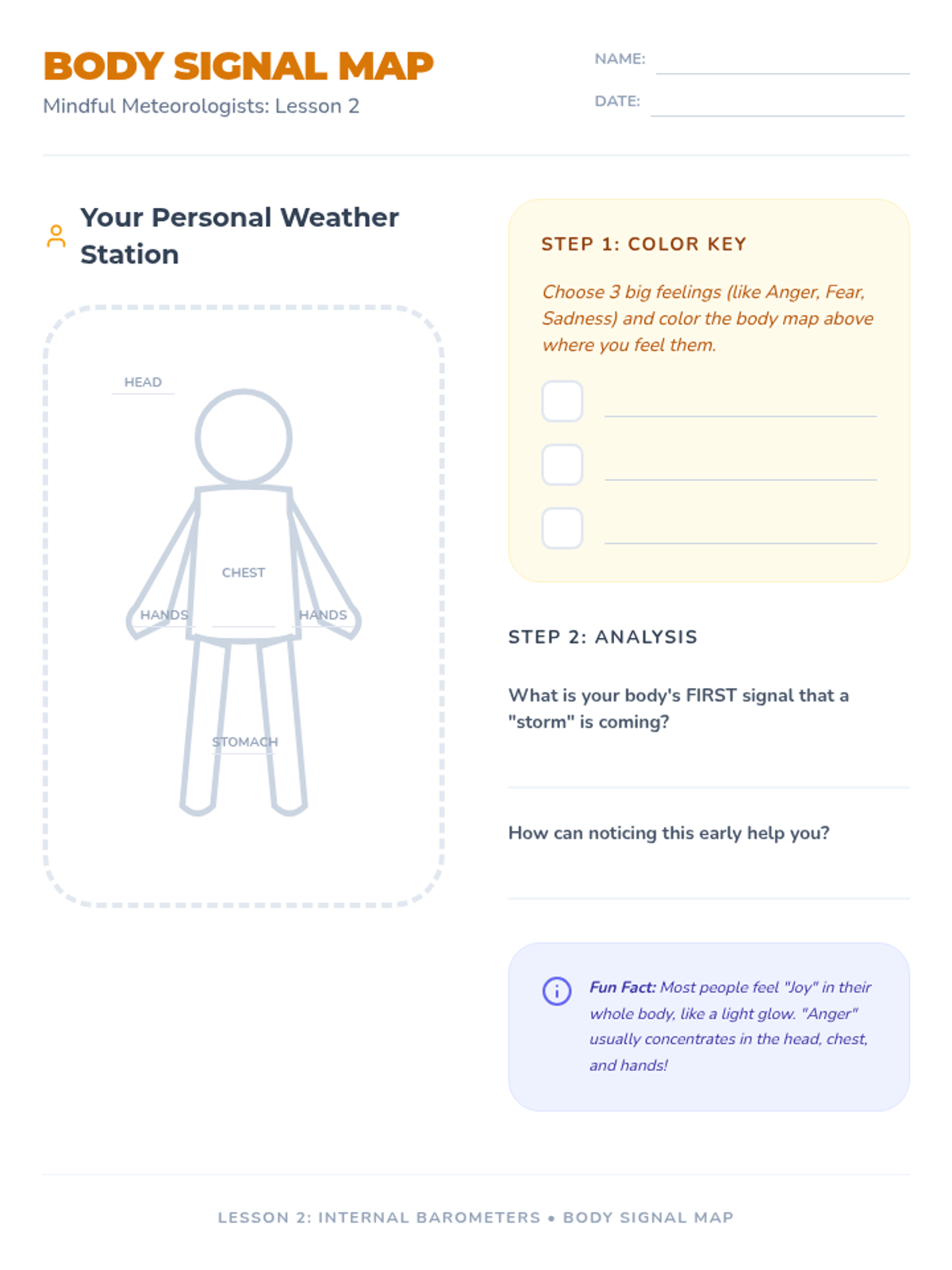
Learning to recognize the physical 'early warning' signs our bodies give us when we experience different emotions.
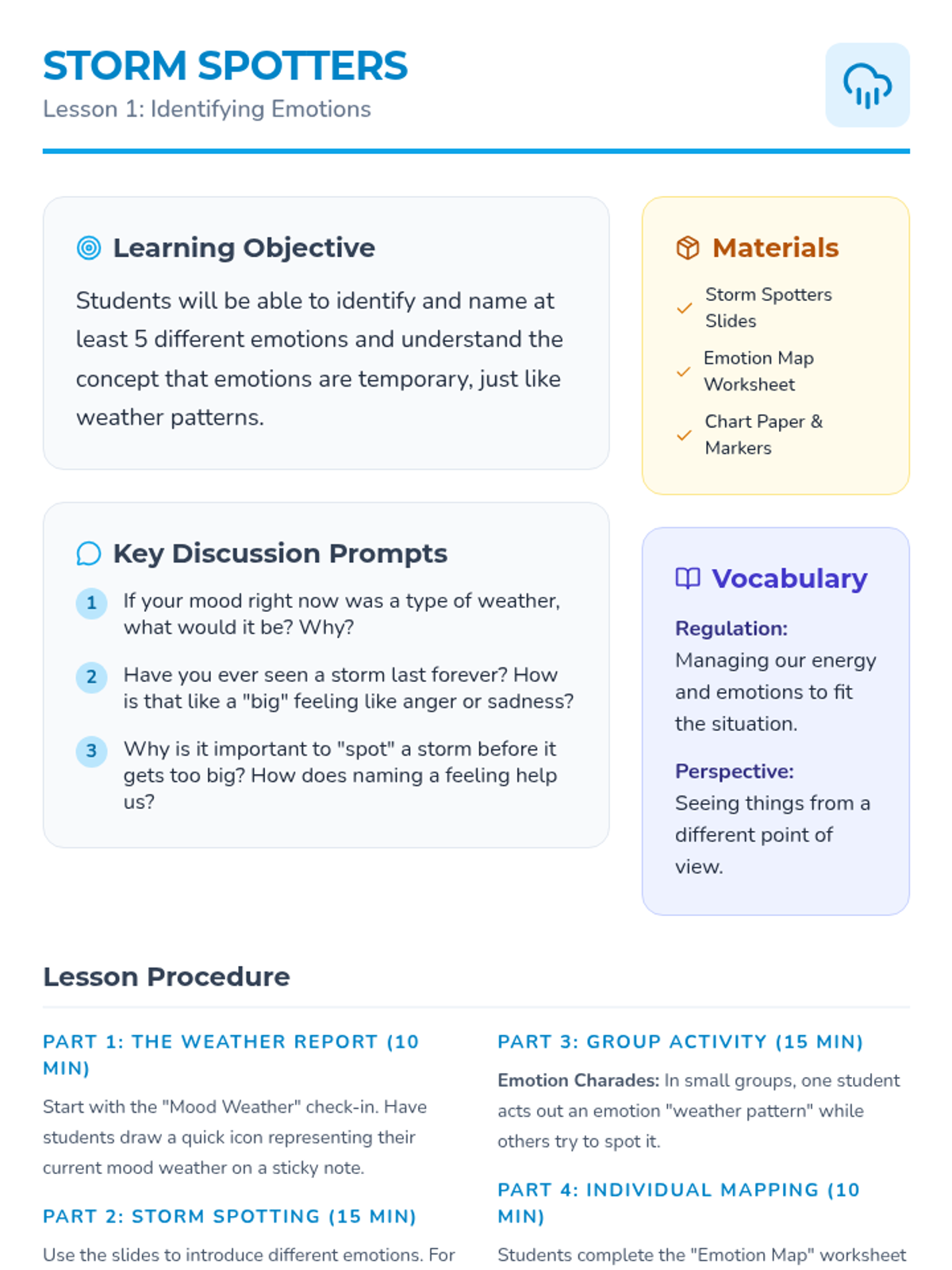
Introduction to identifying a wide range of emotions and understanding that all feelings are temporary, like weather patterns.
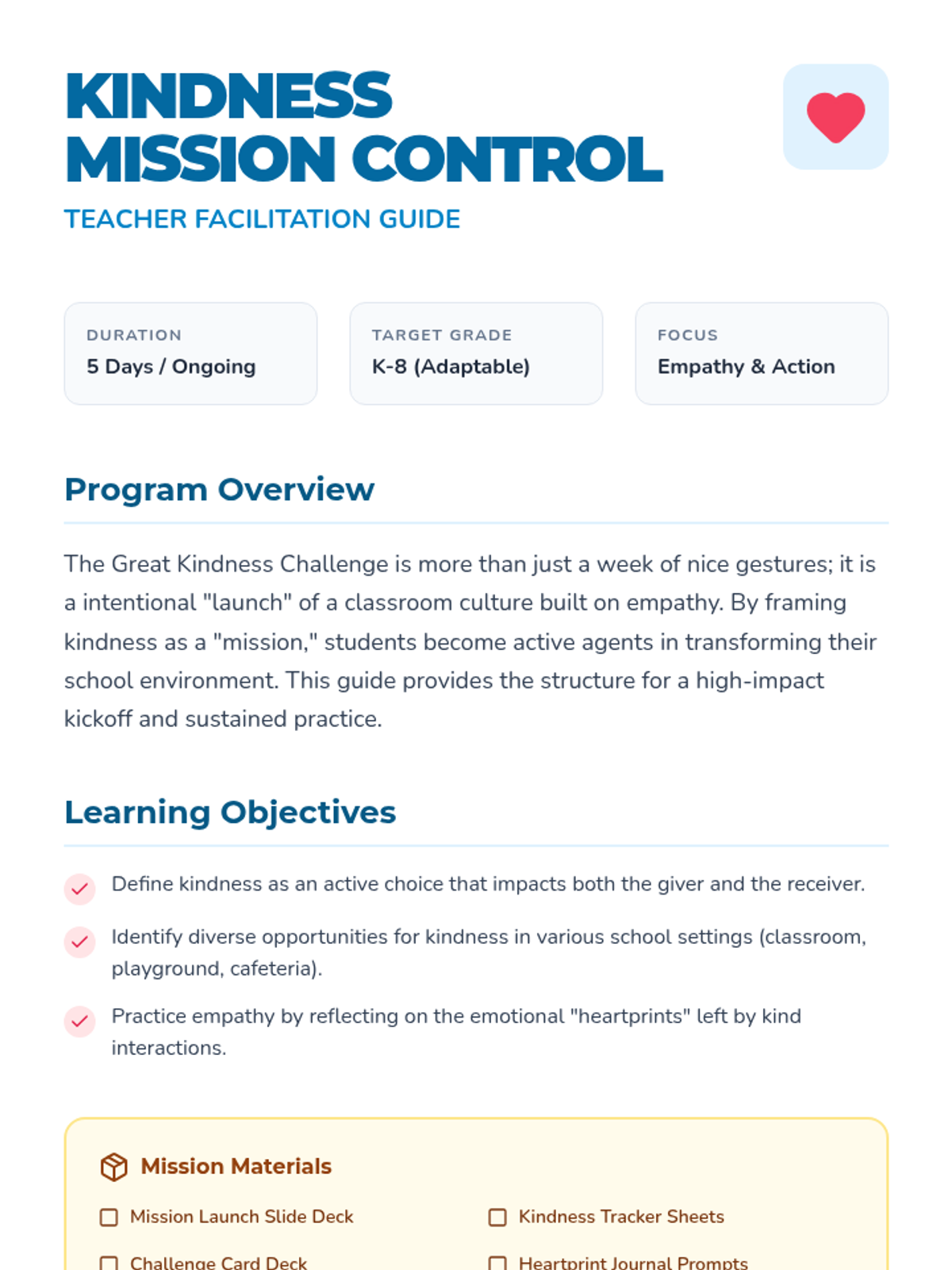
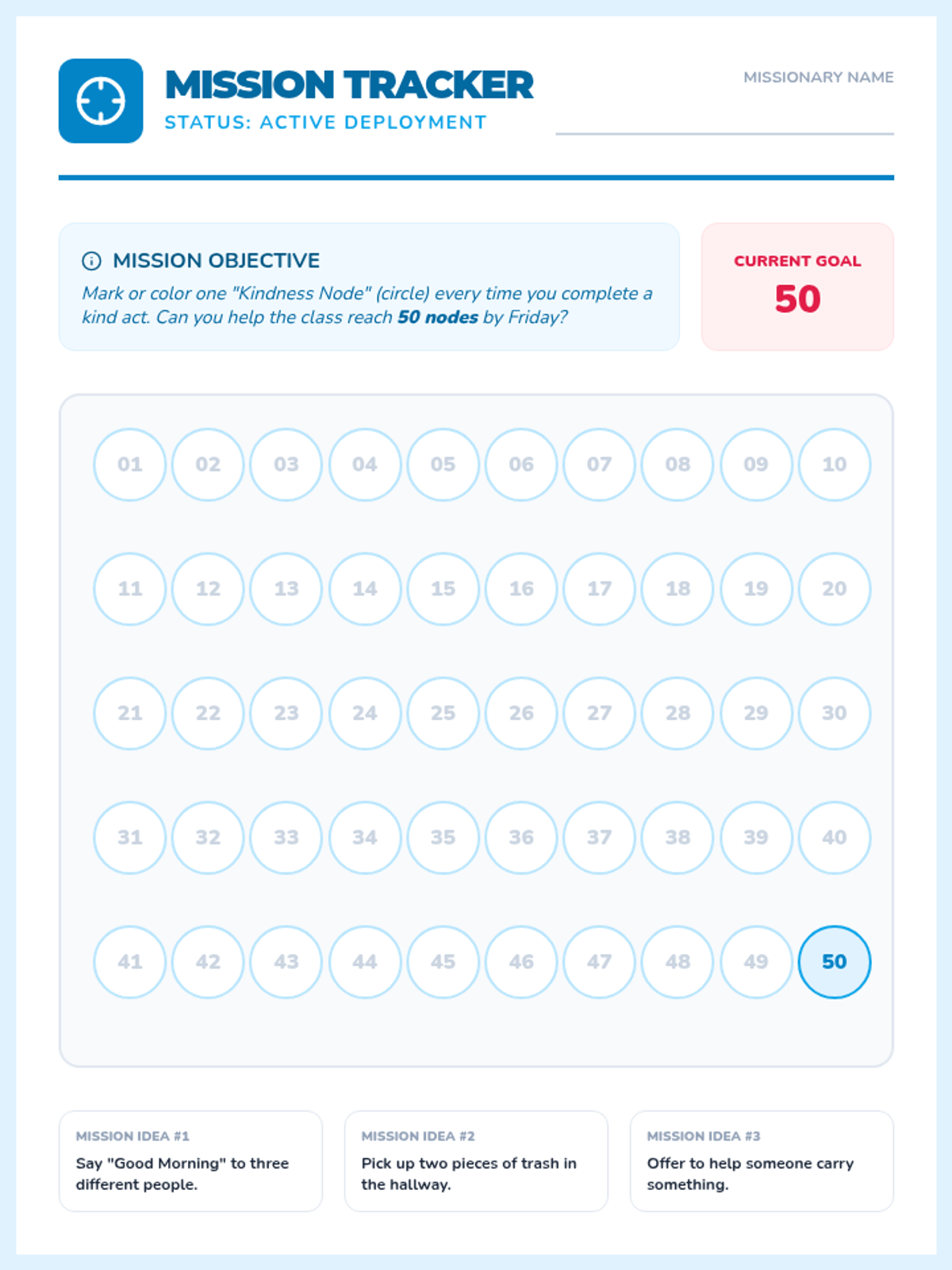
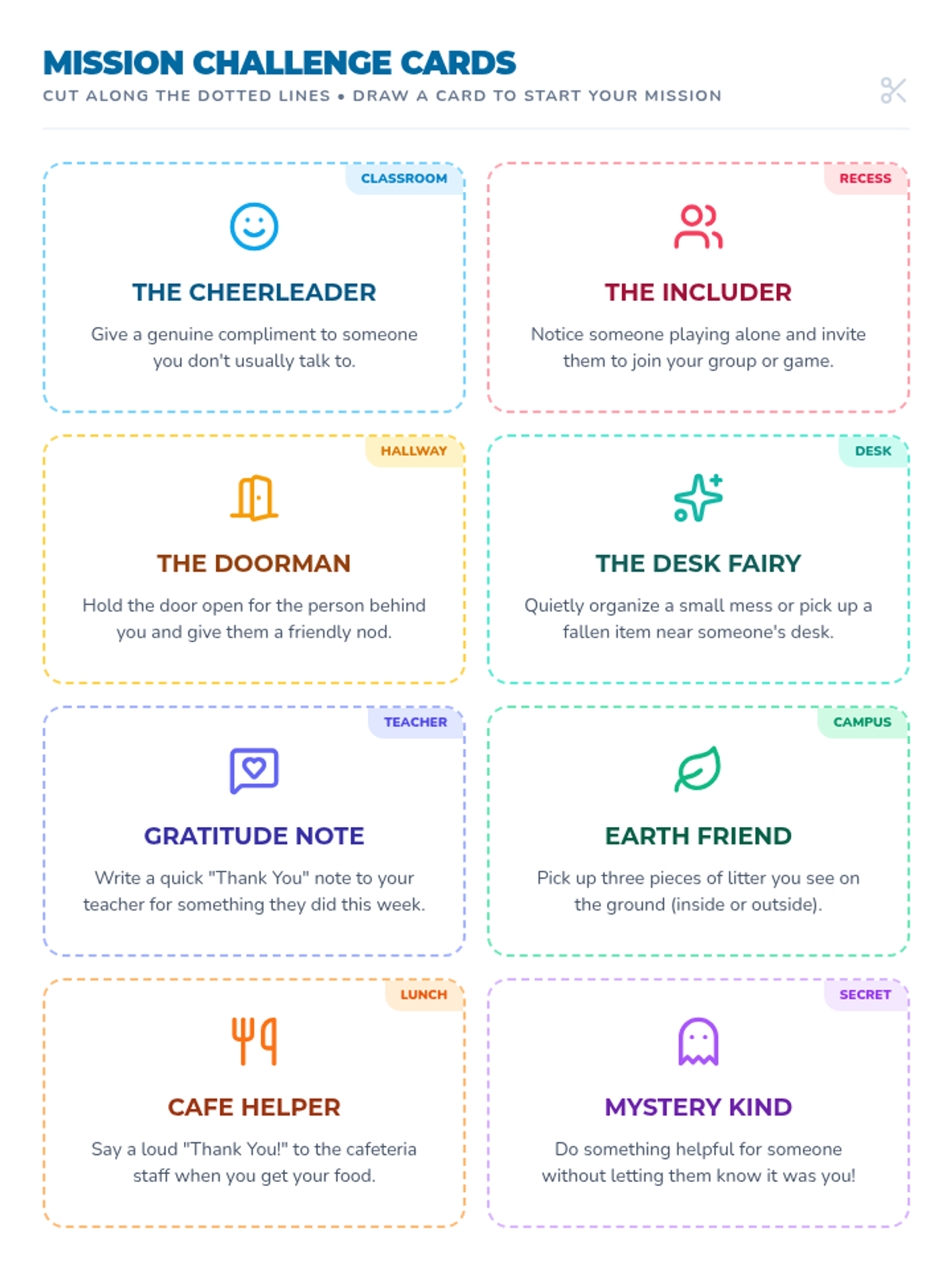
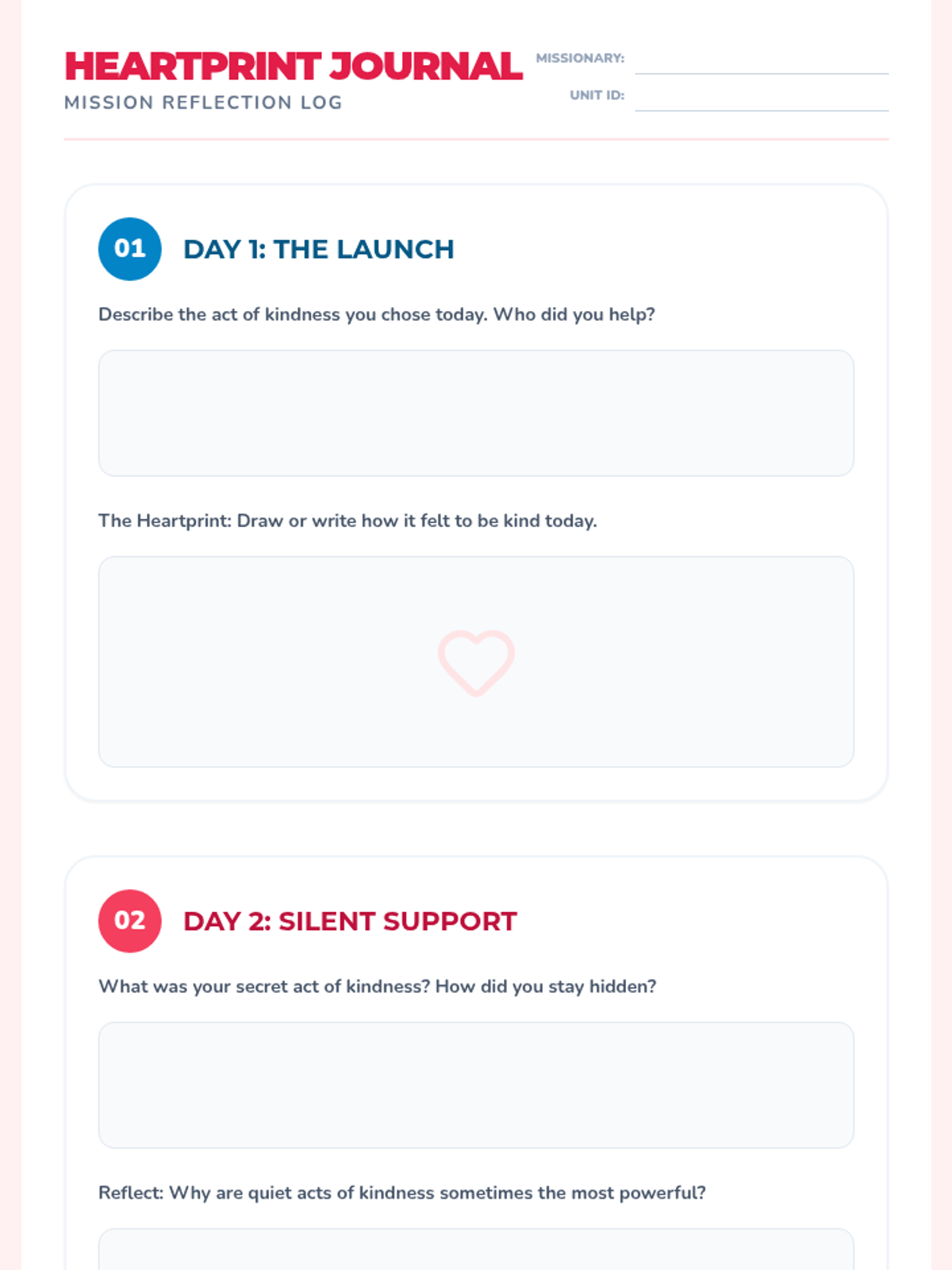
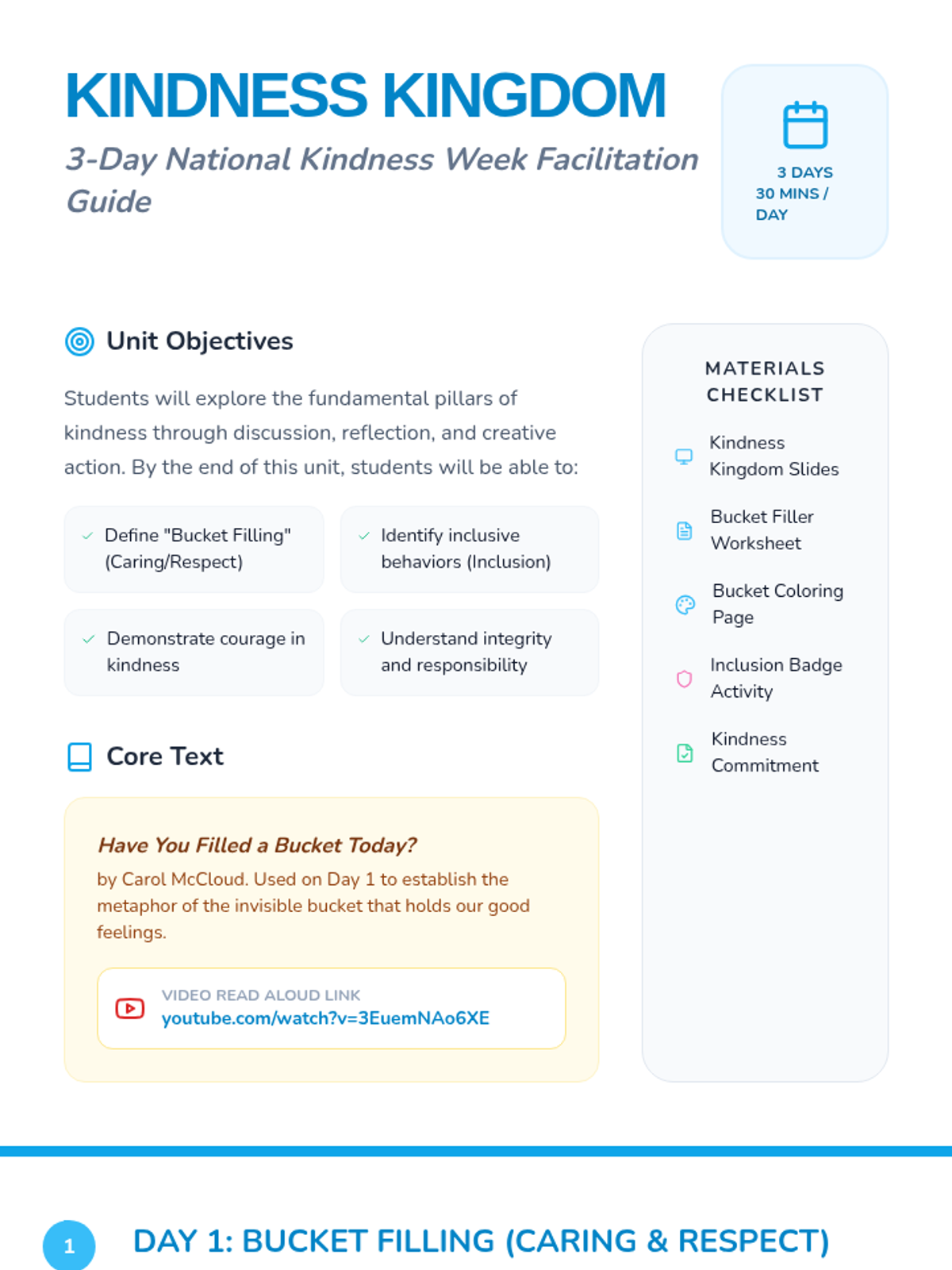
A comprehensive program to launch a kindness challenge in the classroom, featuring daily missions, tracking tools, and reflective journaling to build a culture of empathy and positive social interactions.
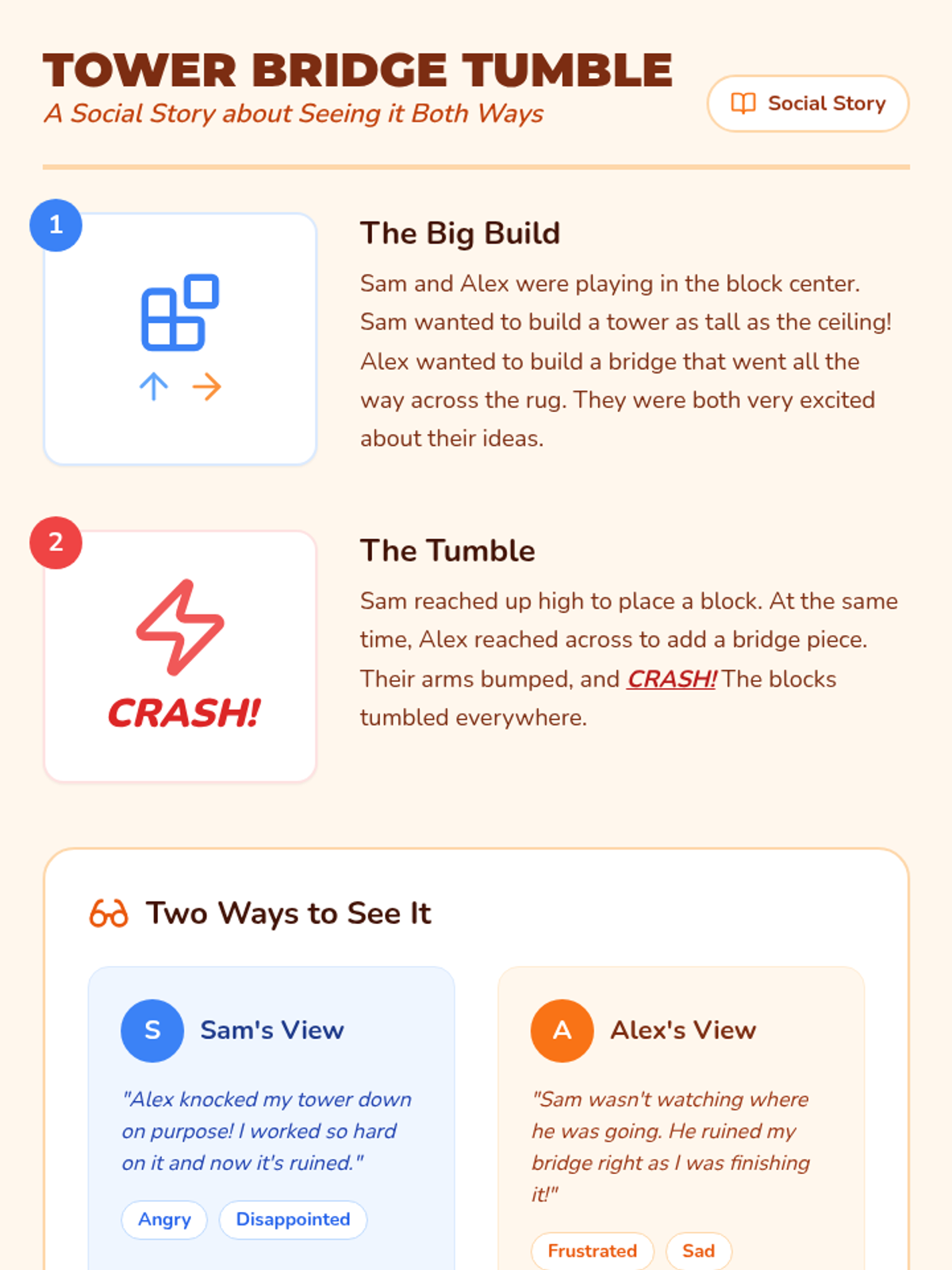
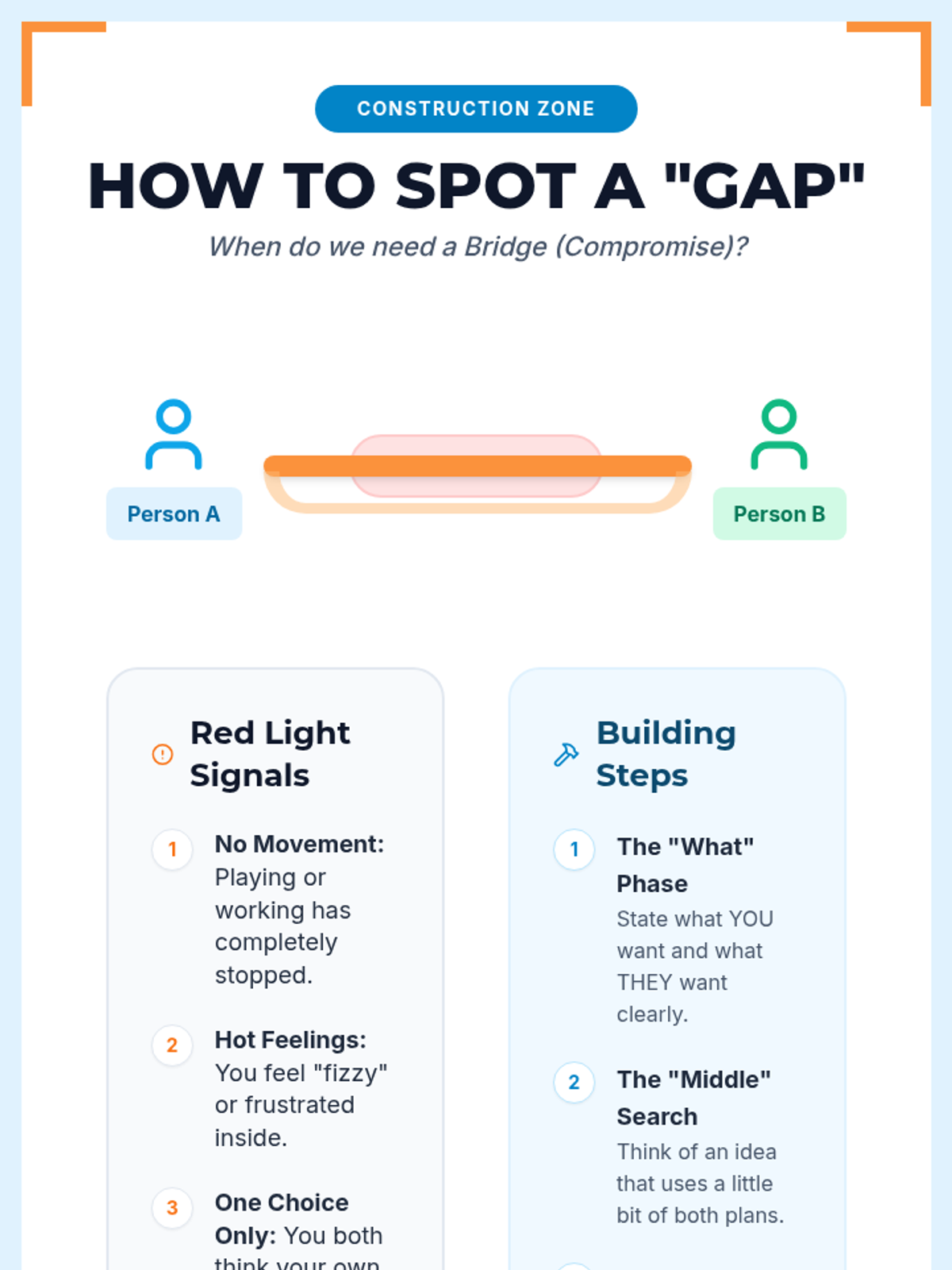
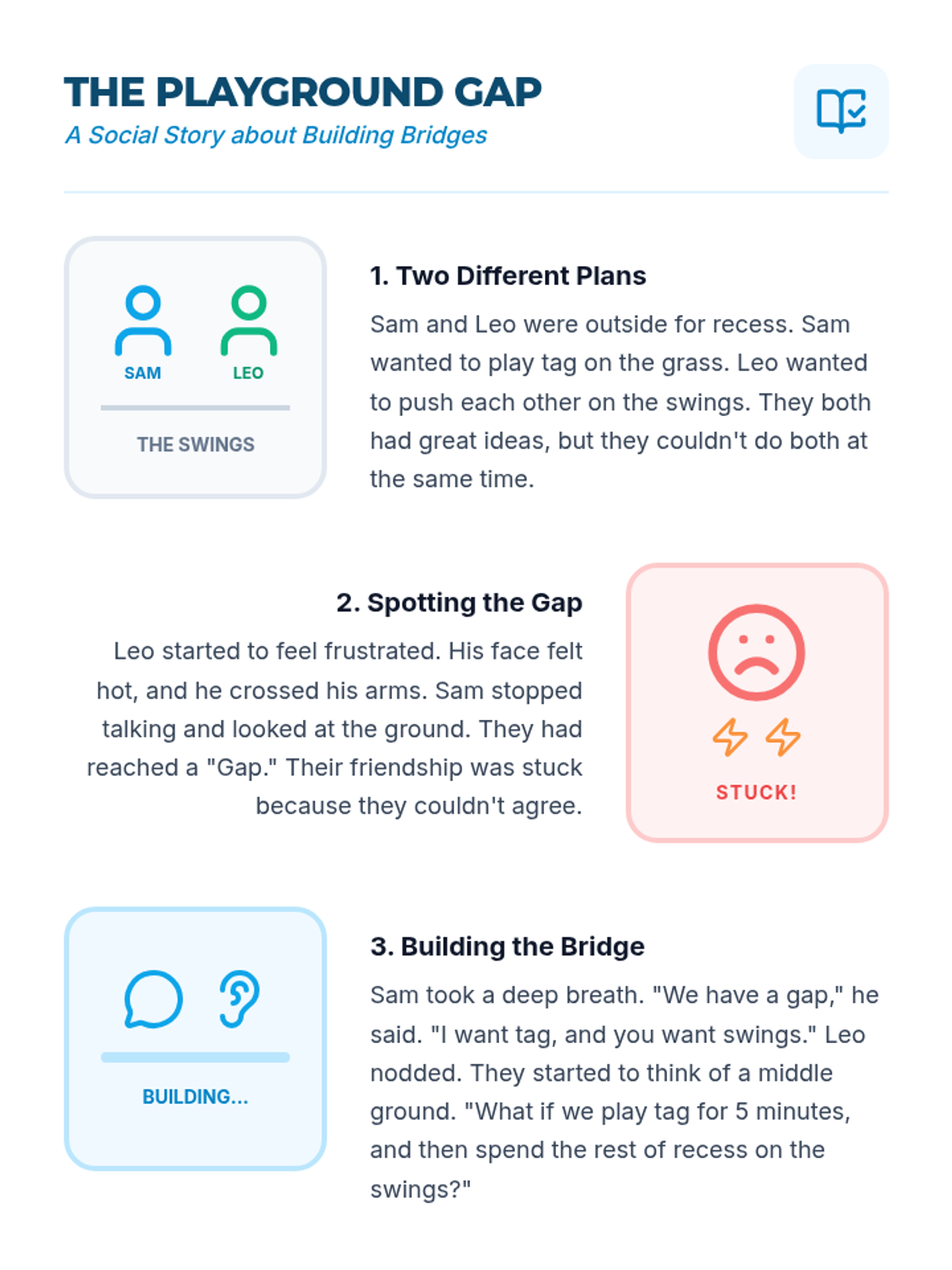
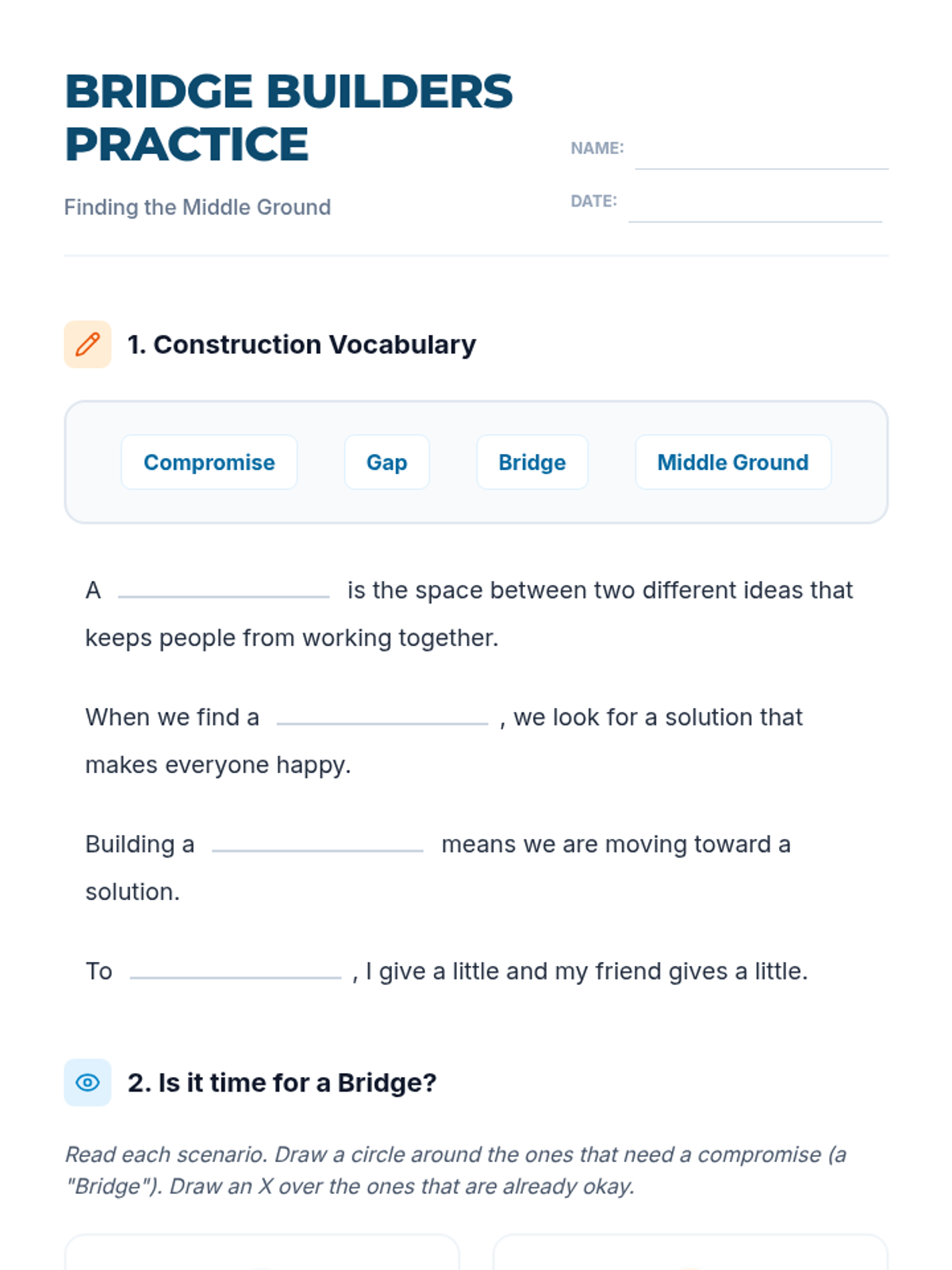
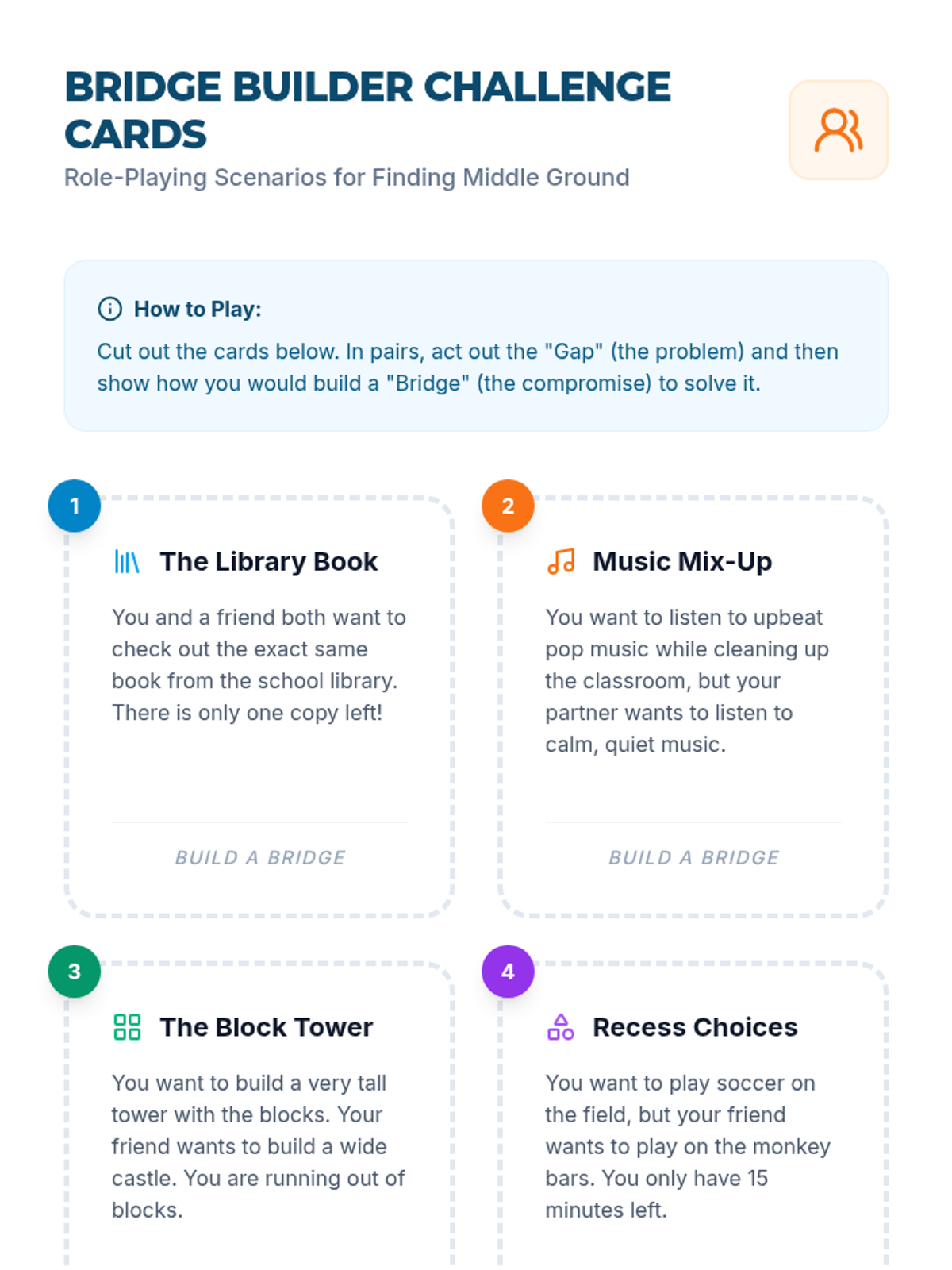
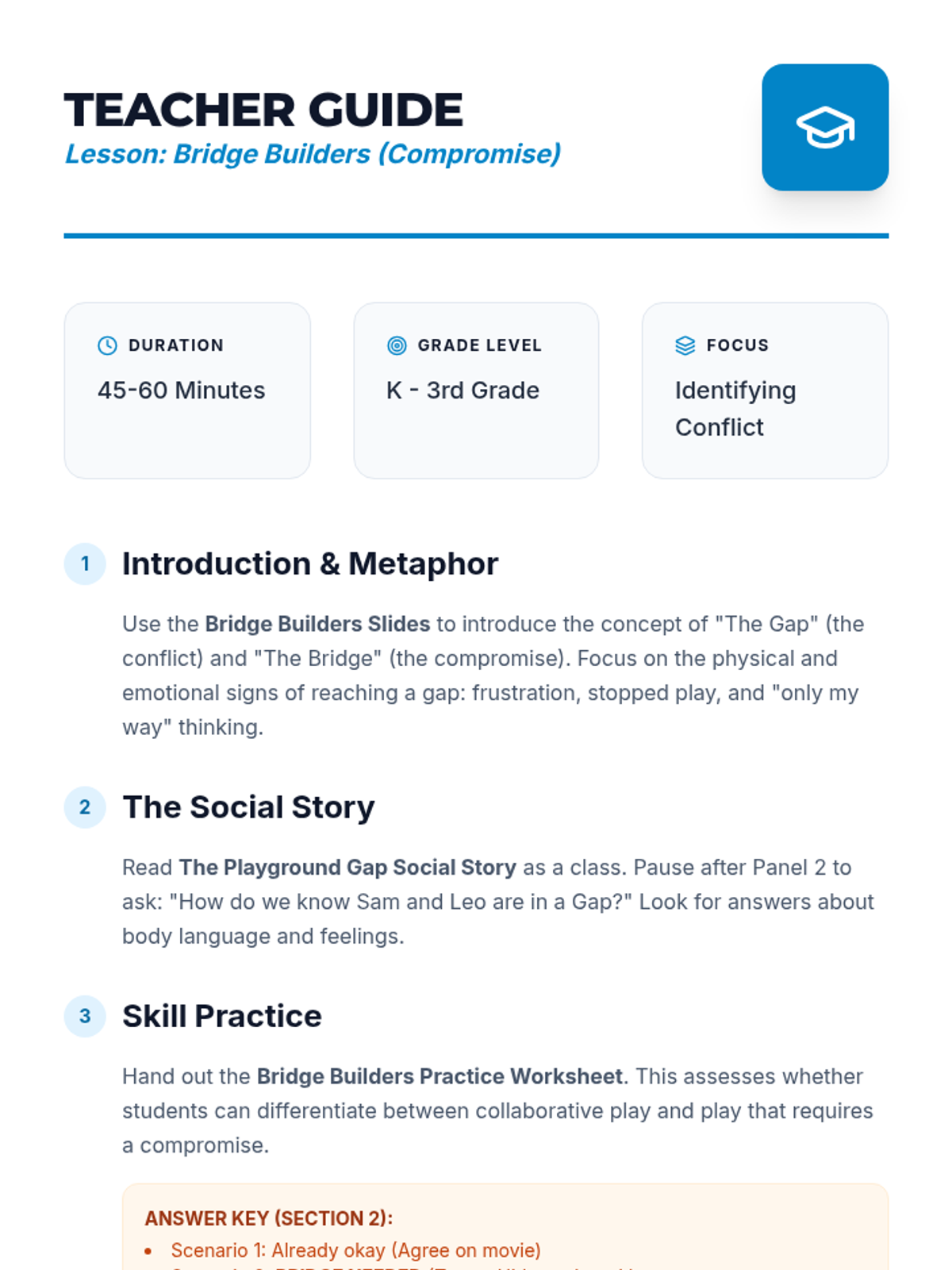
A comprehensive lesson on identifying when a compromise is needed using the 'Bridge Builders' metaphor to help students find middle ground in conflicts.
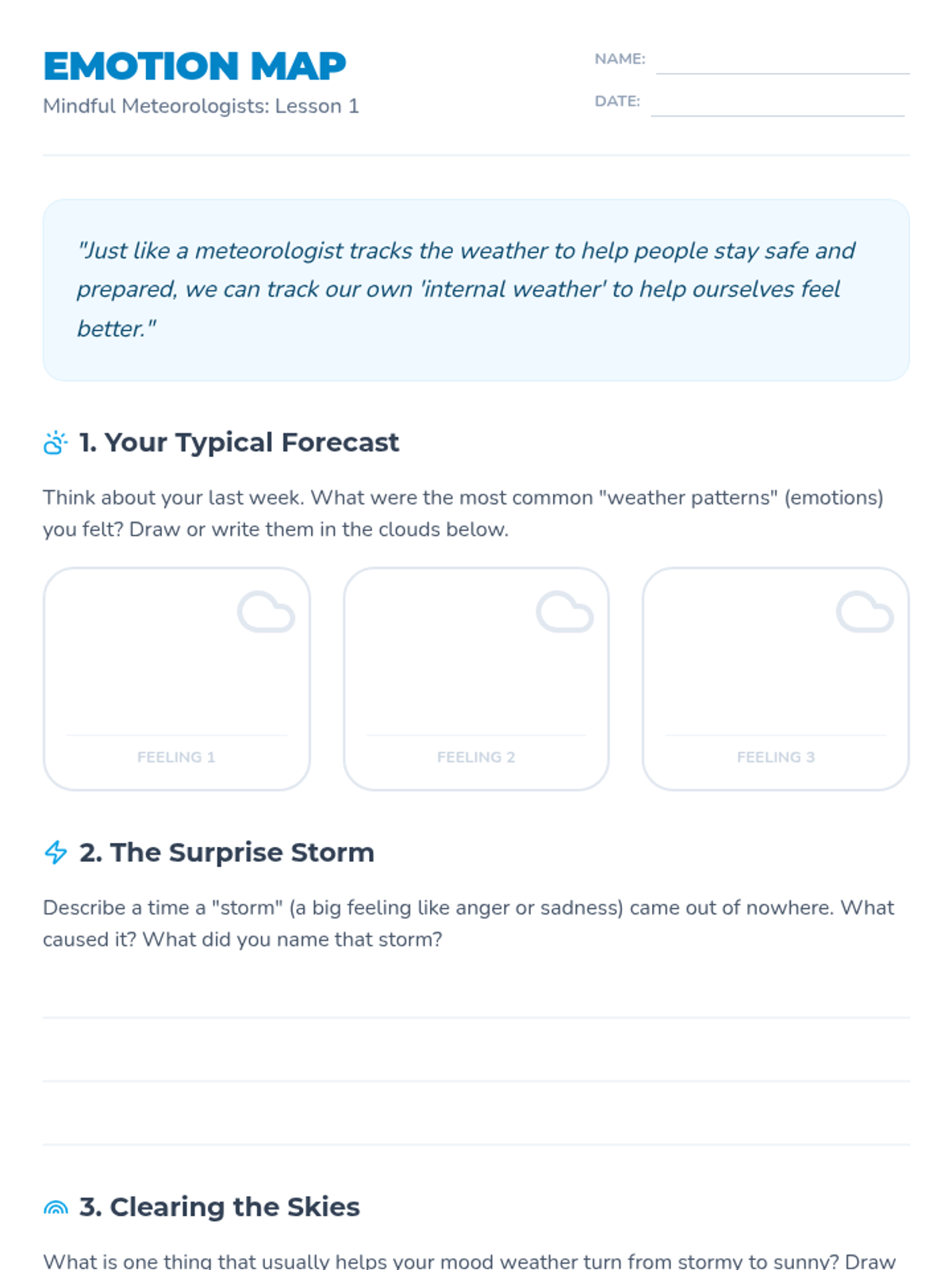
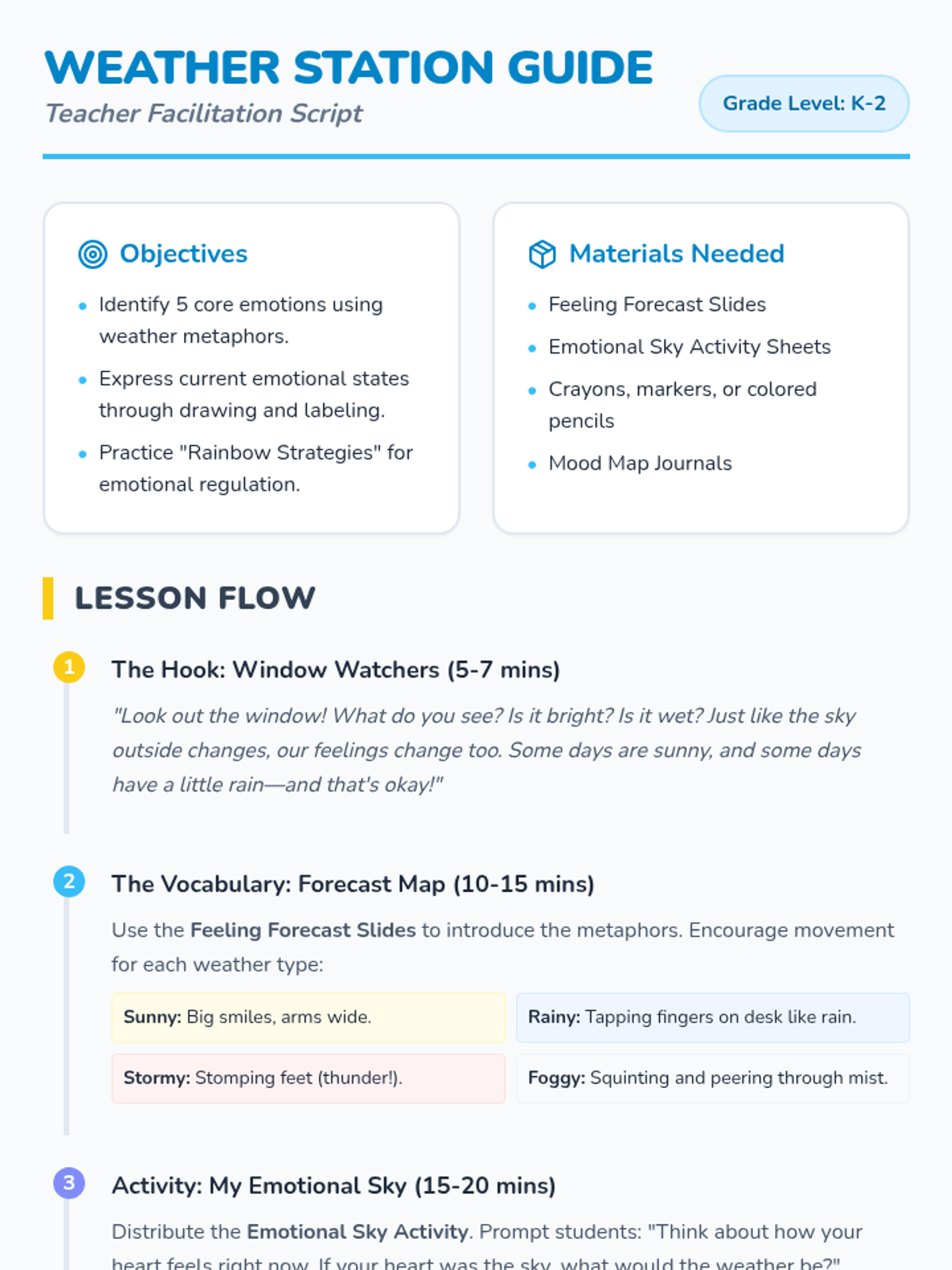
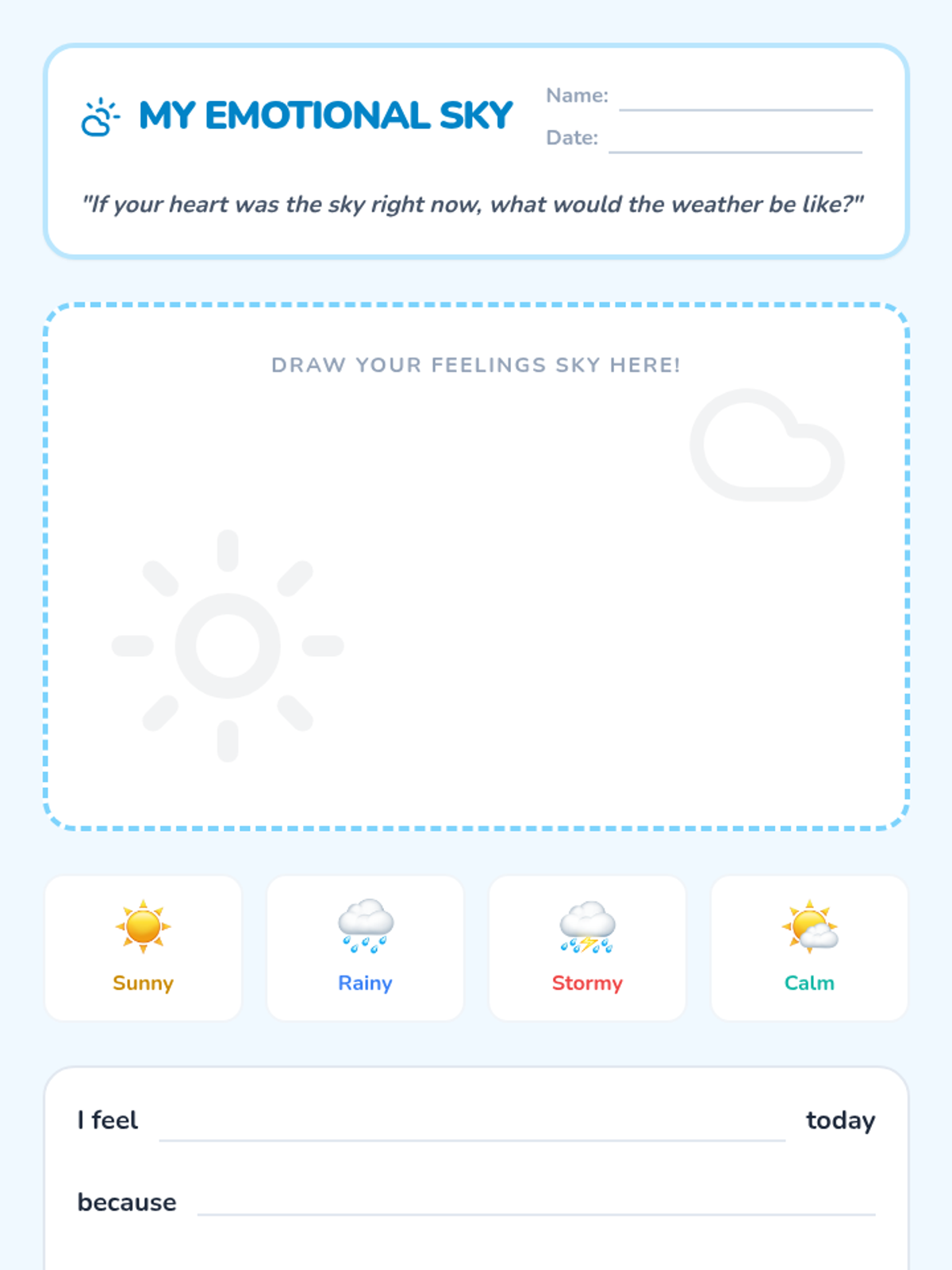
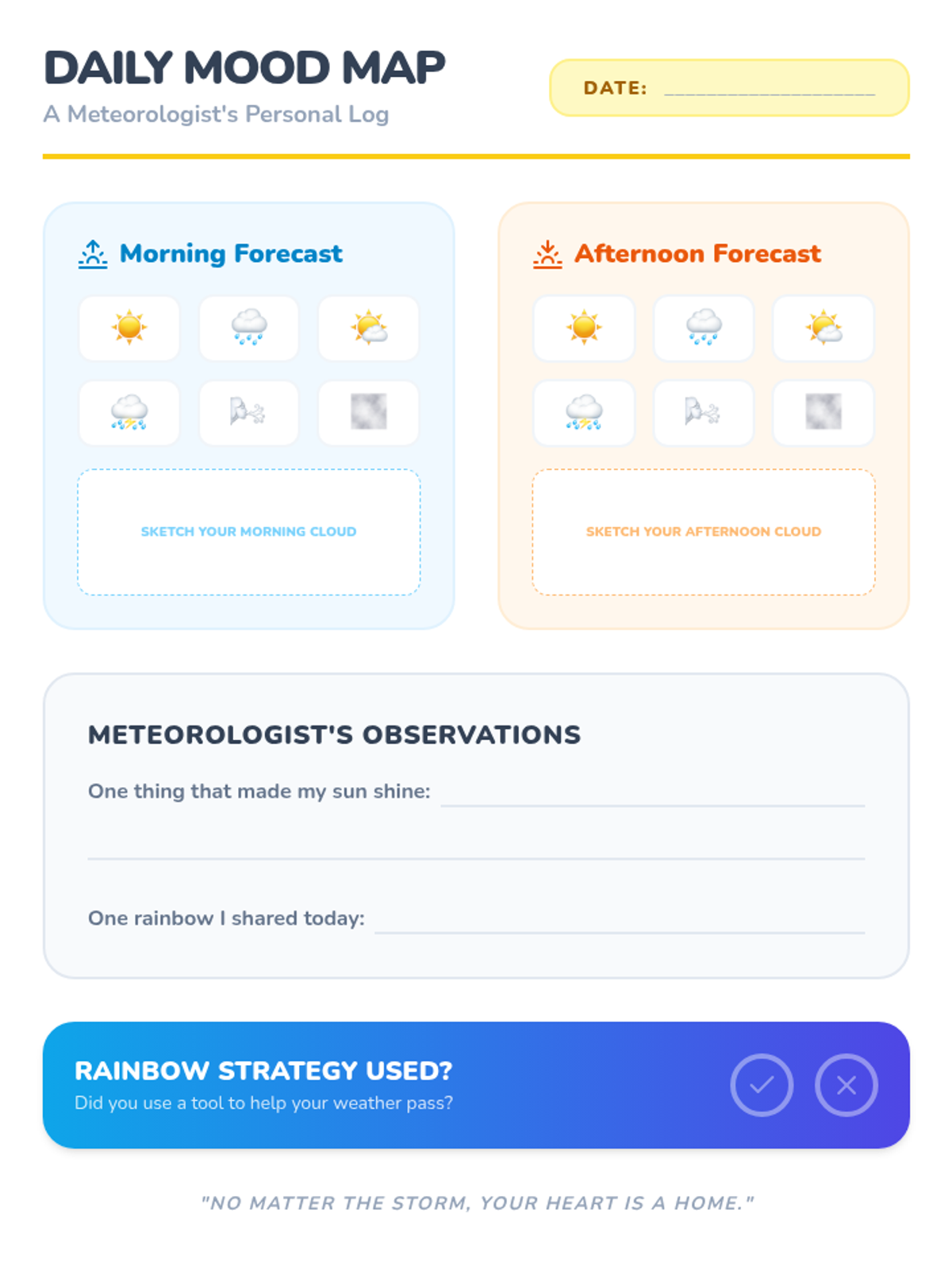
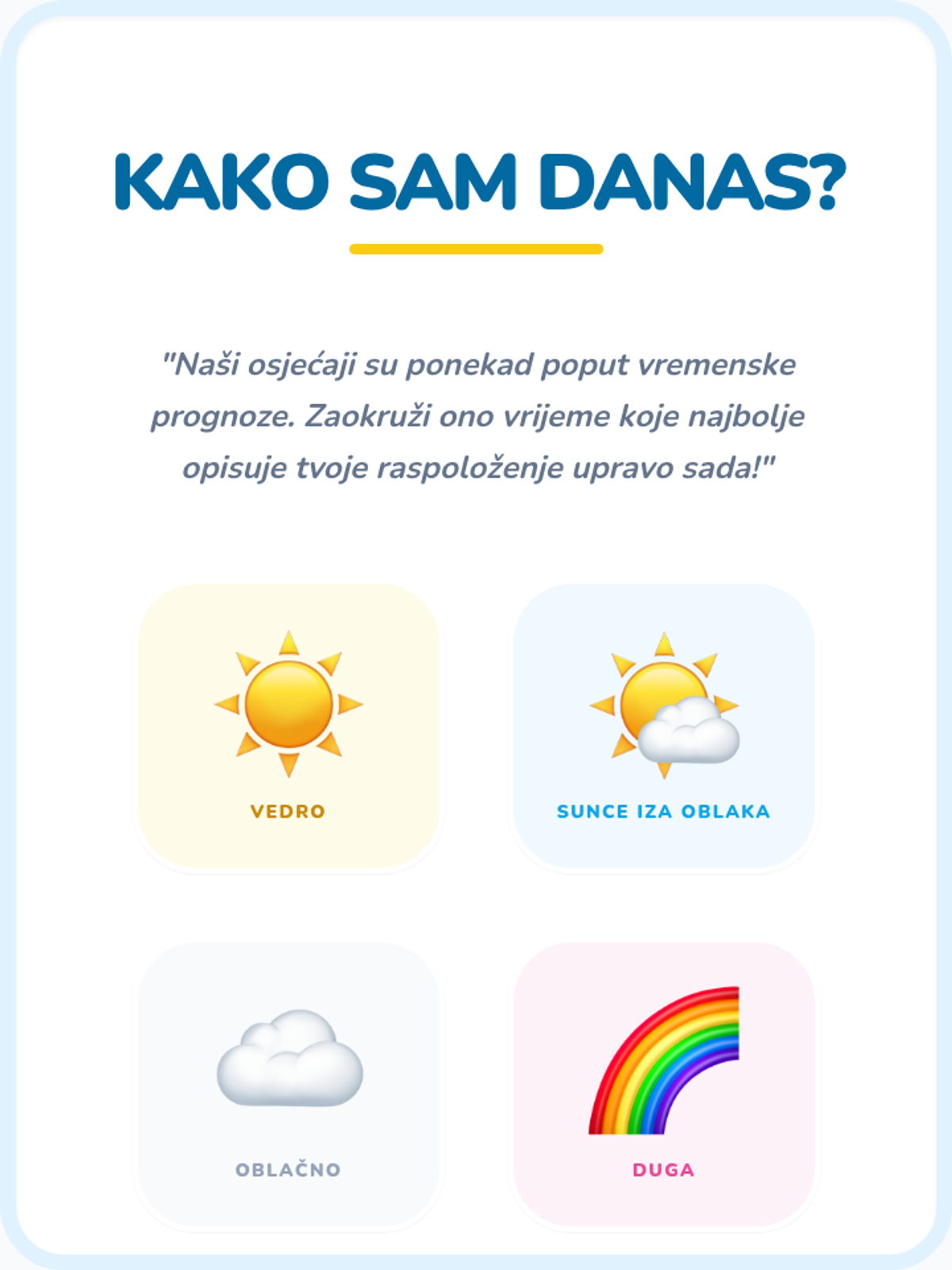
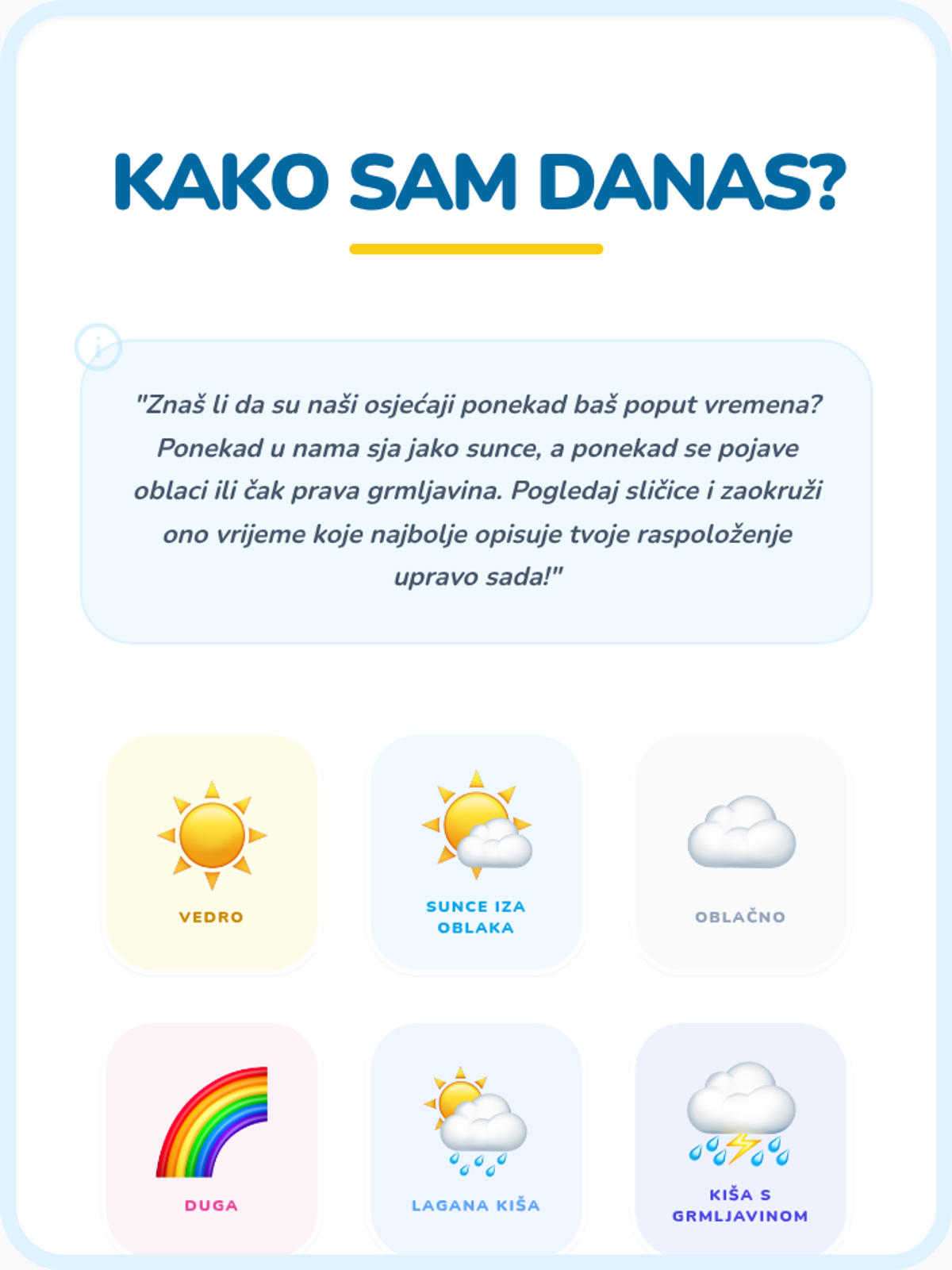
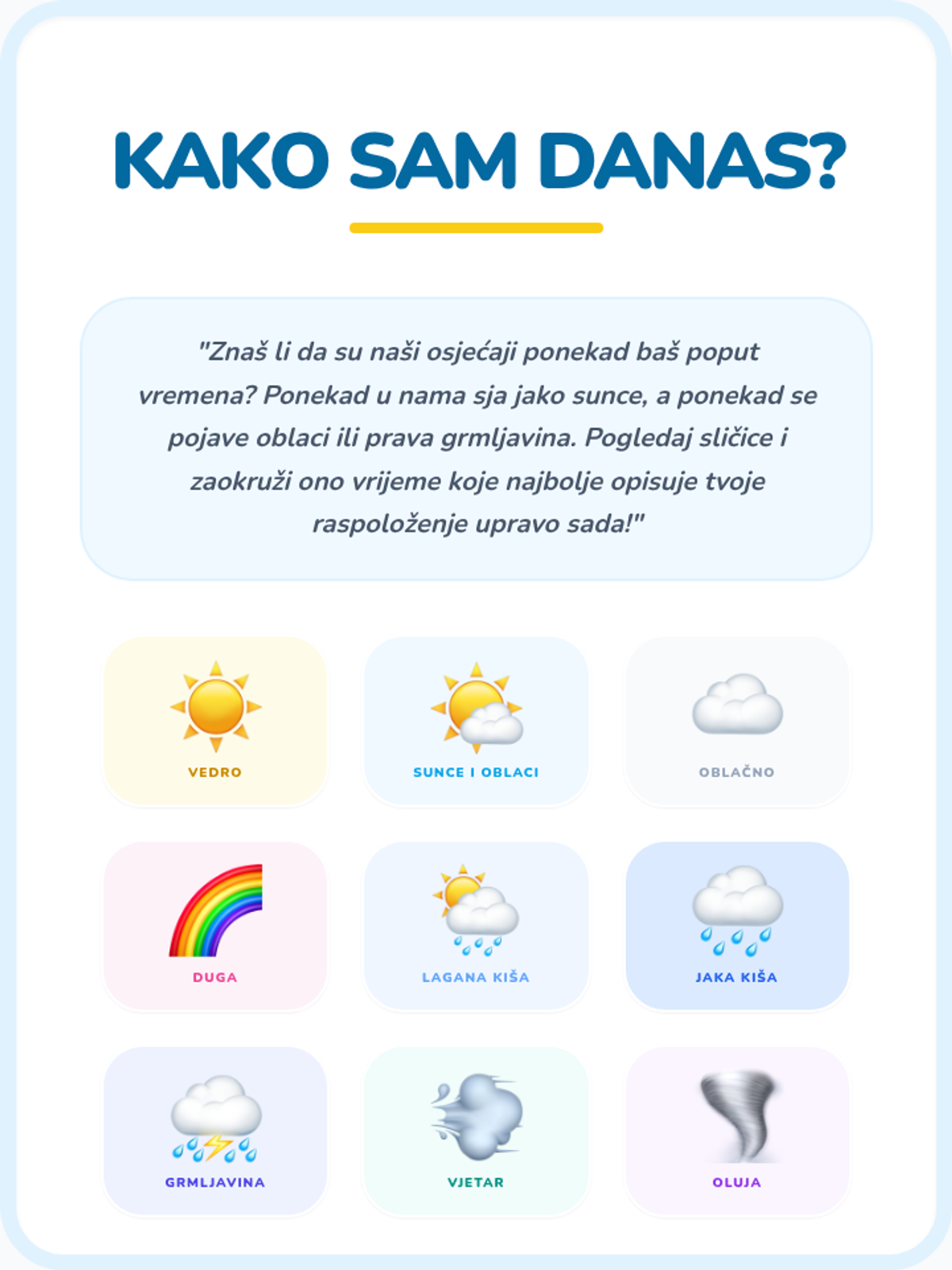
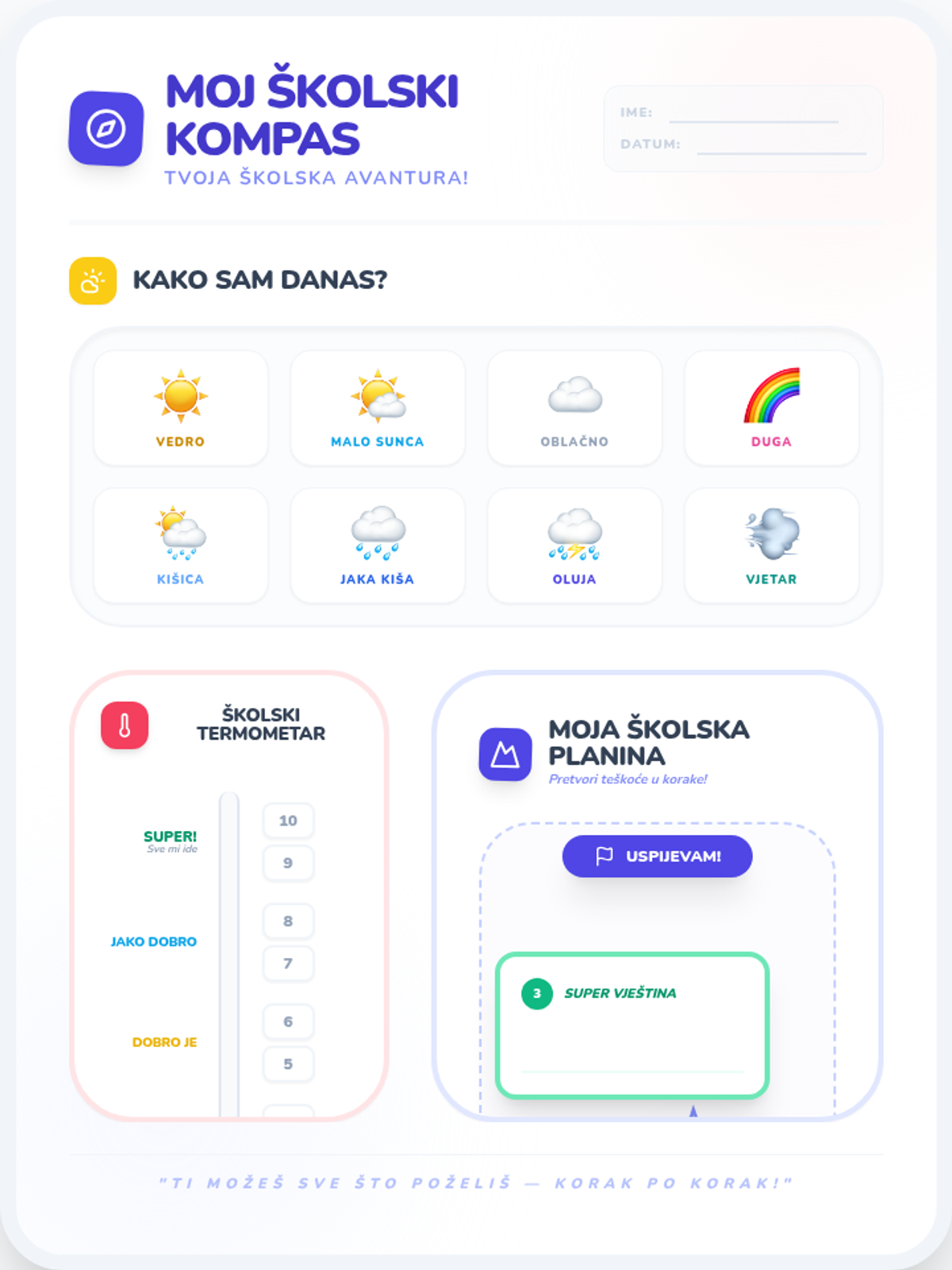
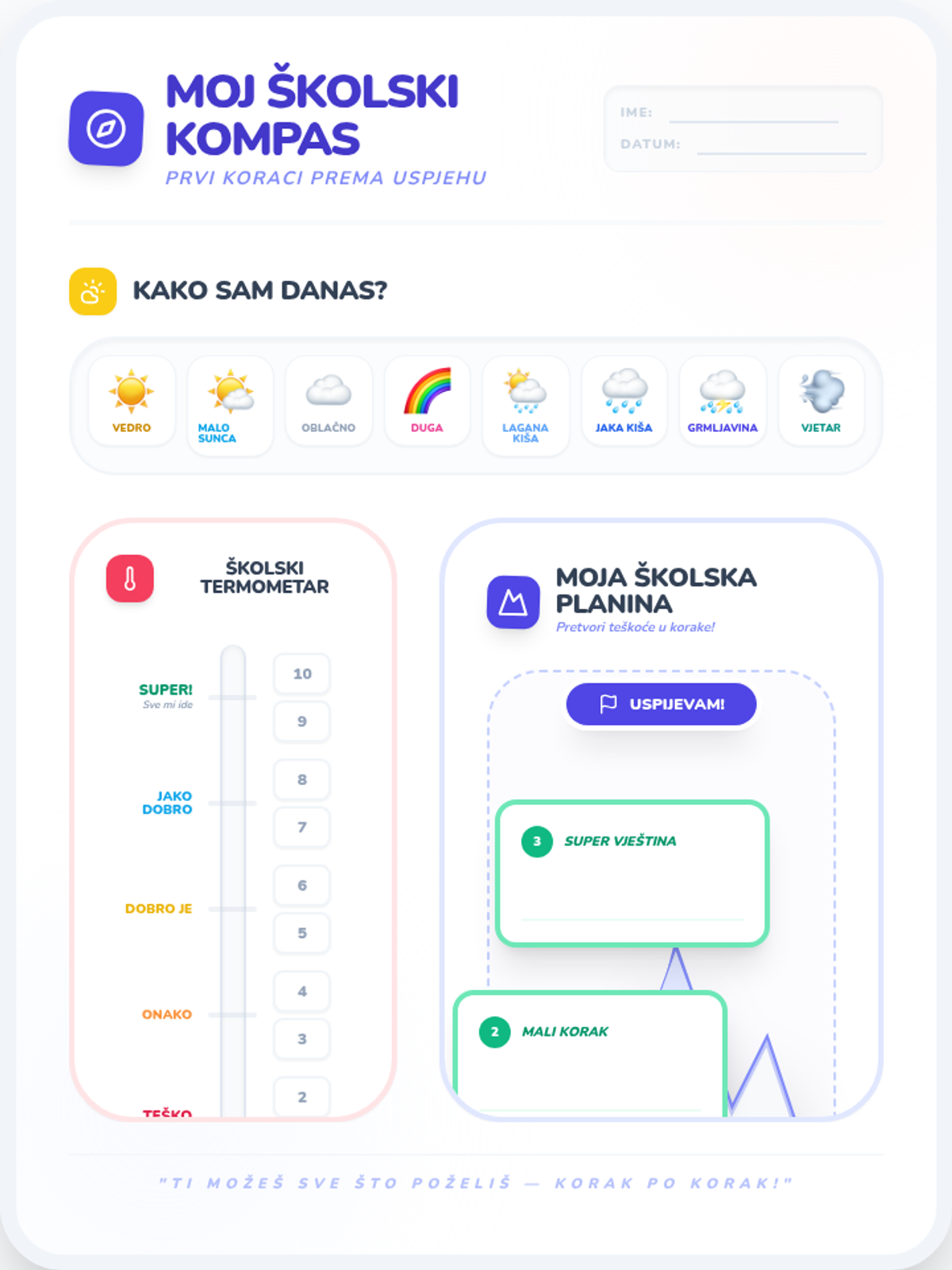
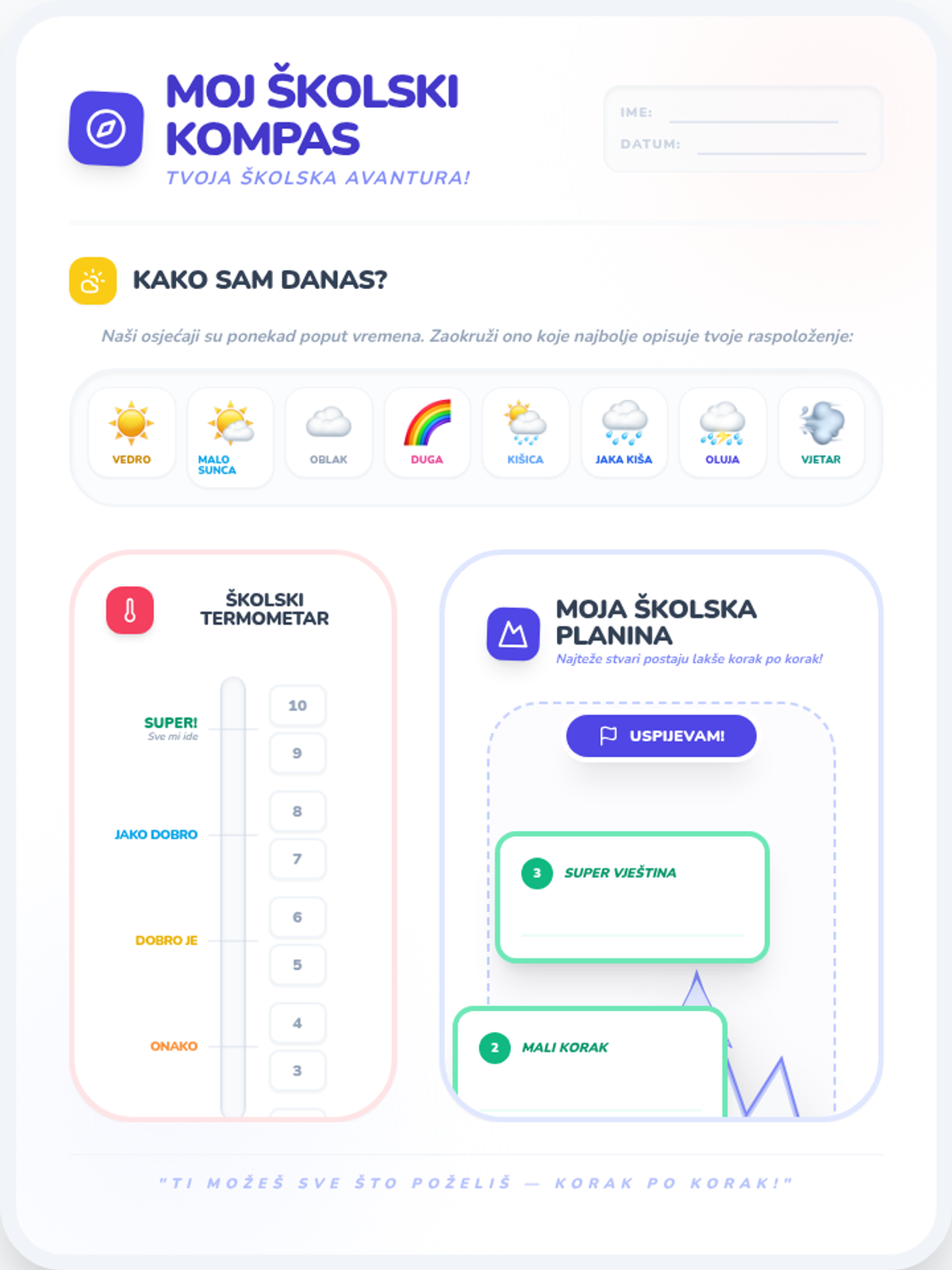
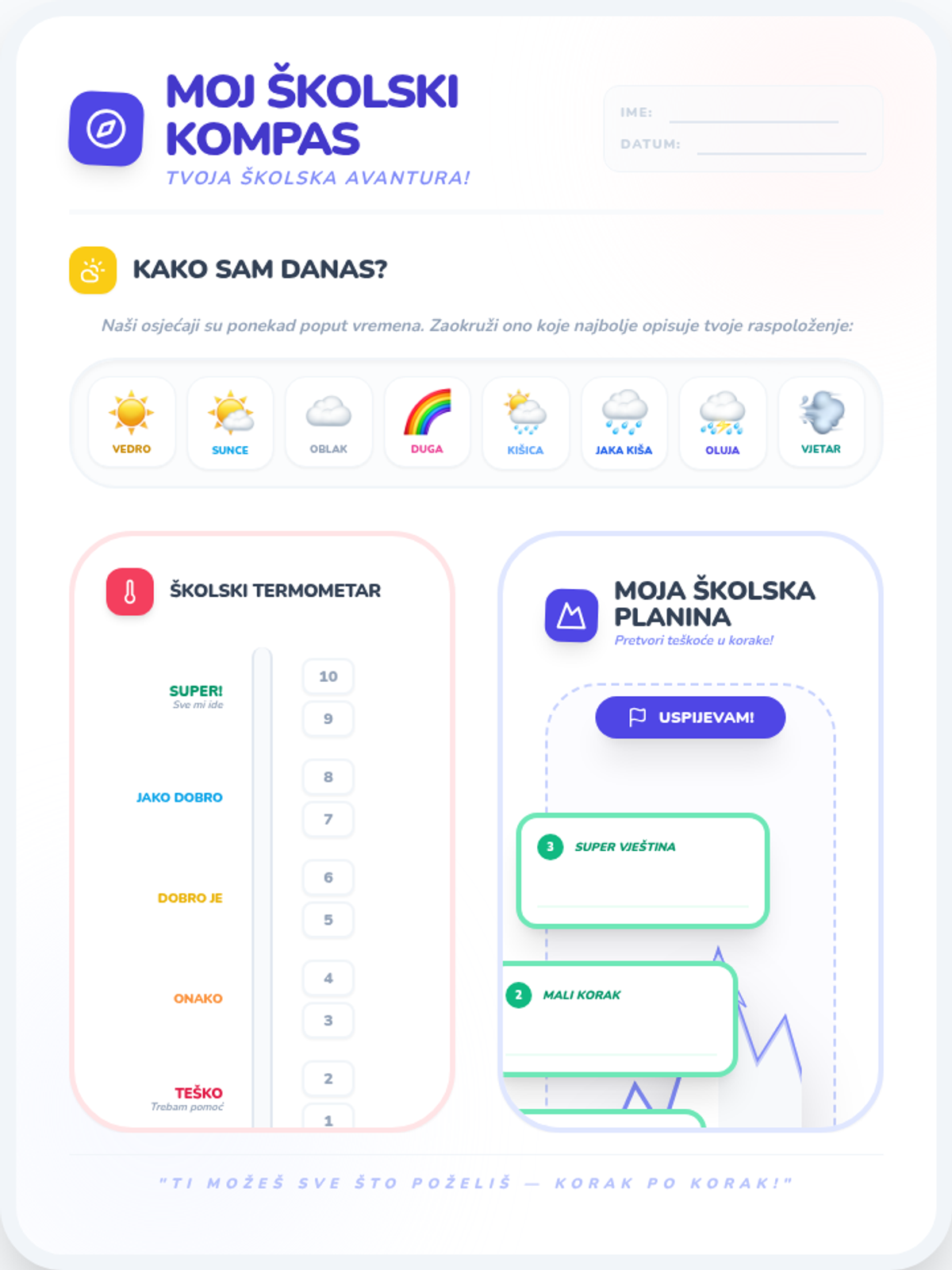
A K-2 lesson that uses weather metaphors to help students identify, express, and normalize their emotions while learning simple coping strategies.
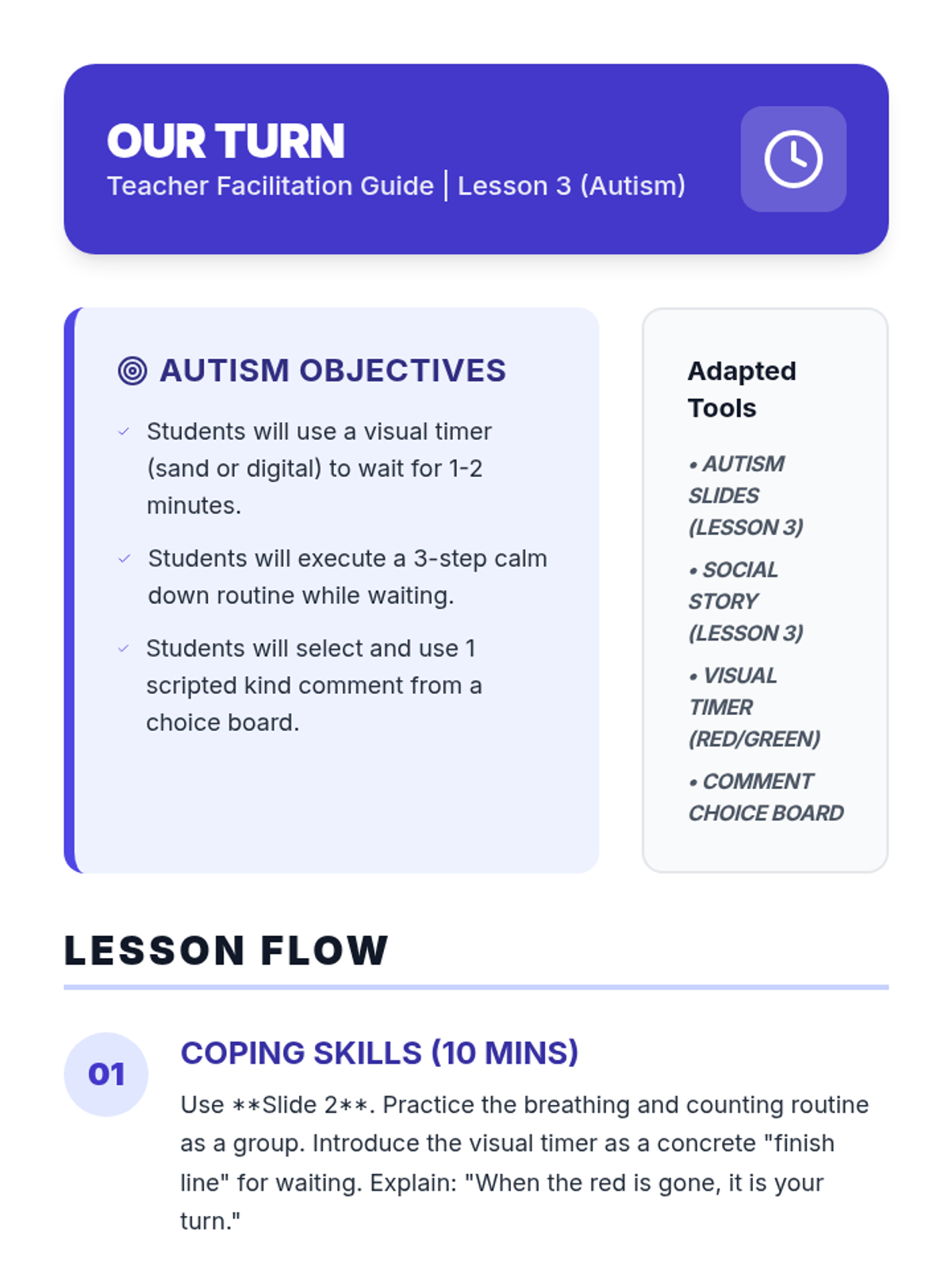
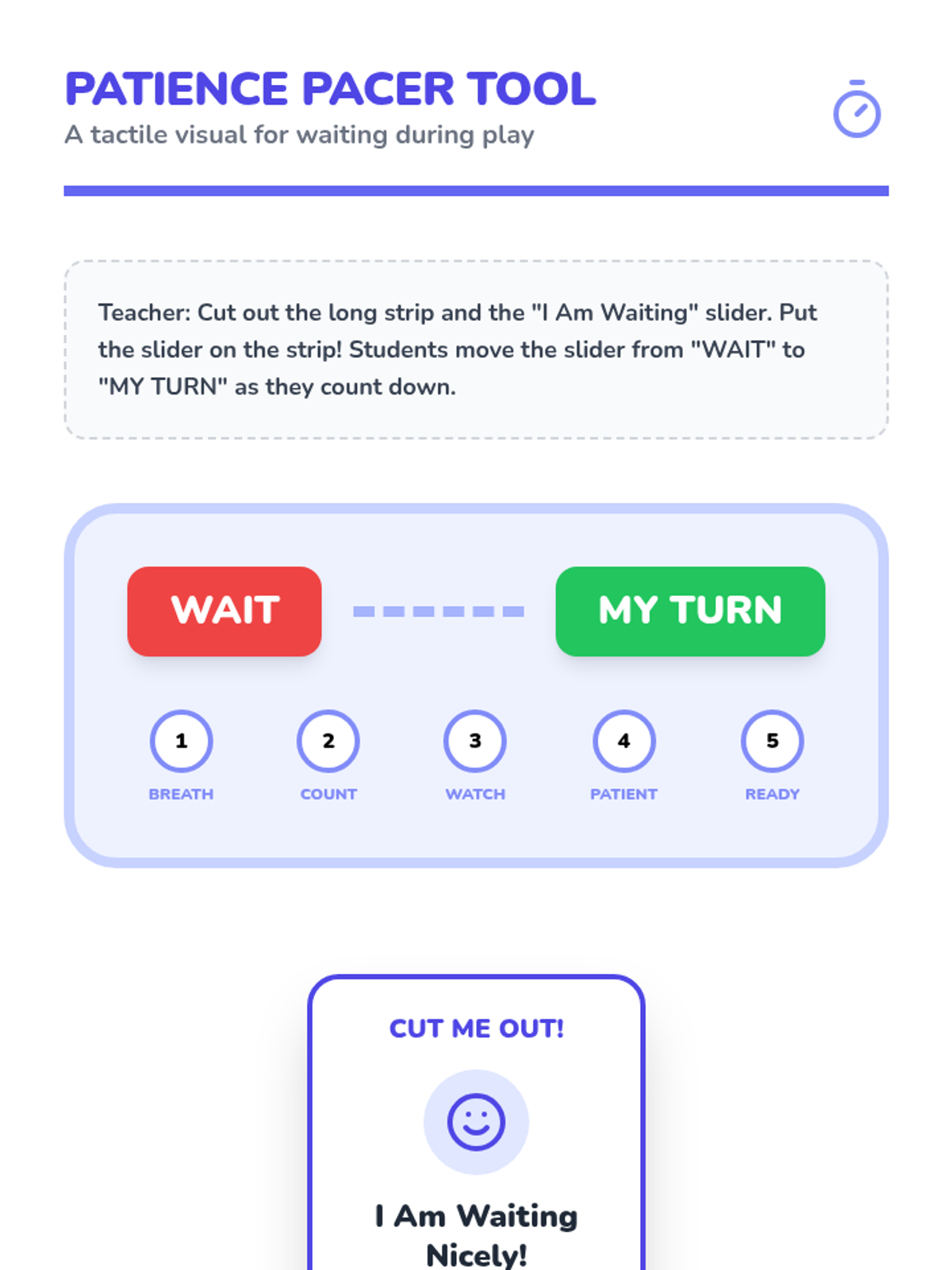
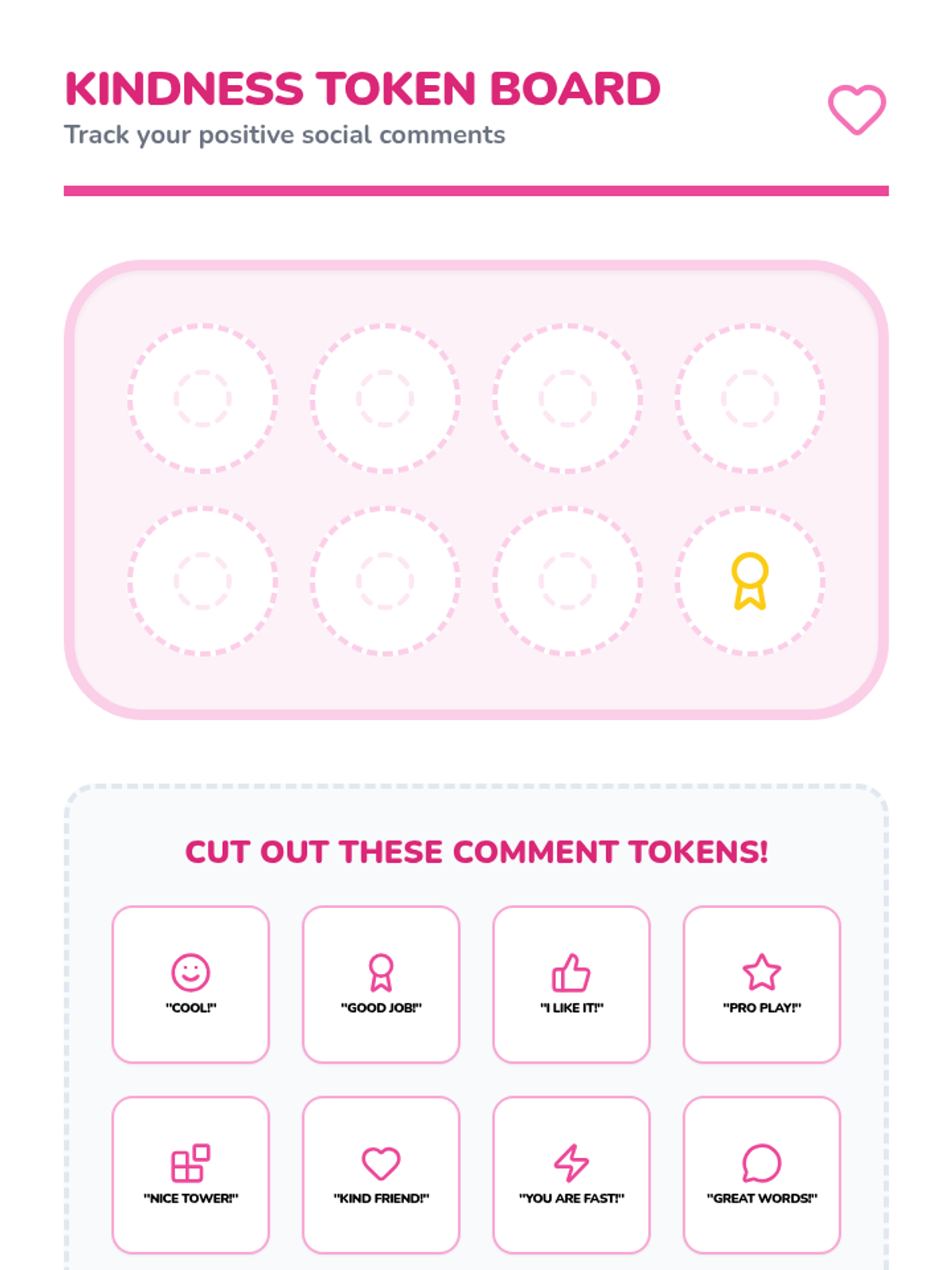
Focuses on the dynamics of group play, including waiting for a turn and making positive comments about others' play.
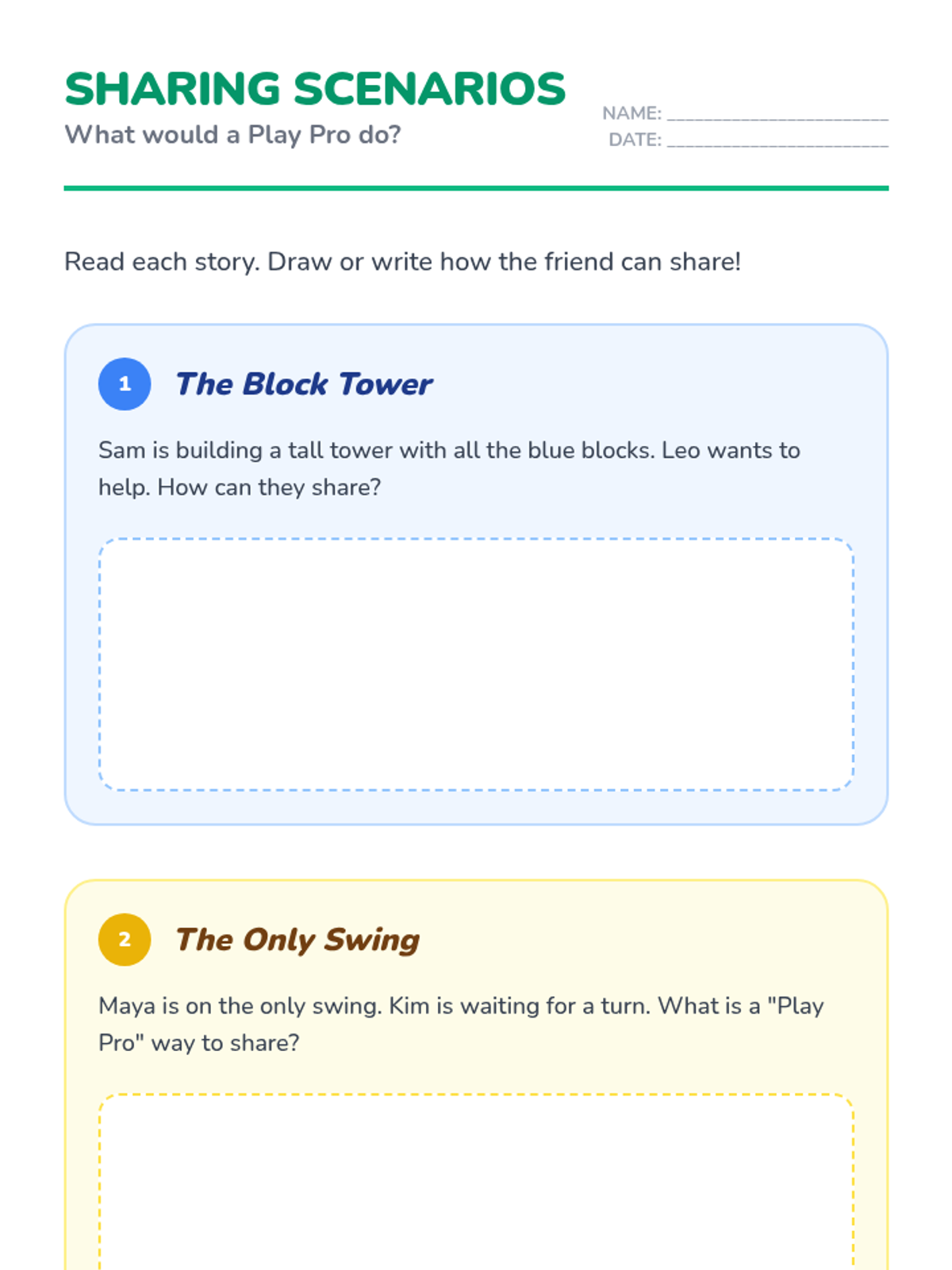
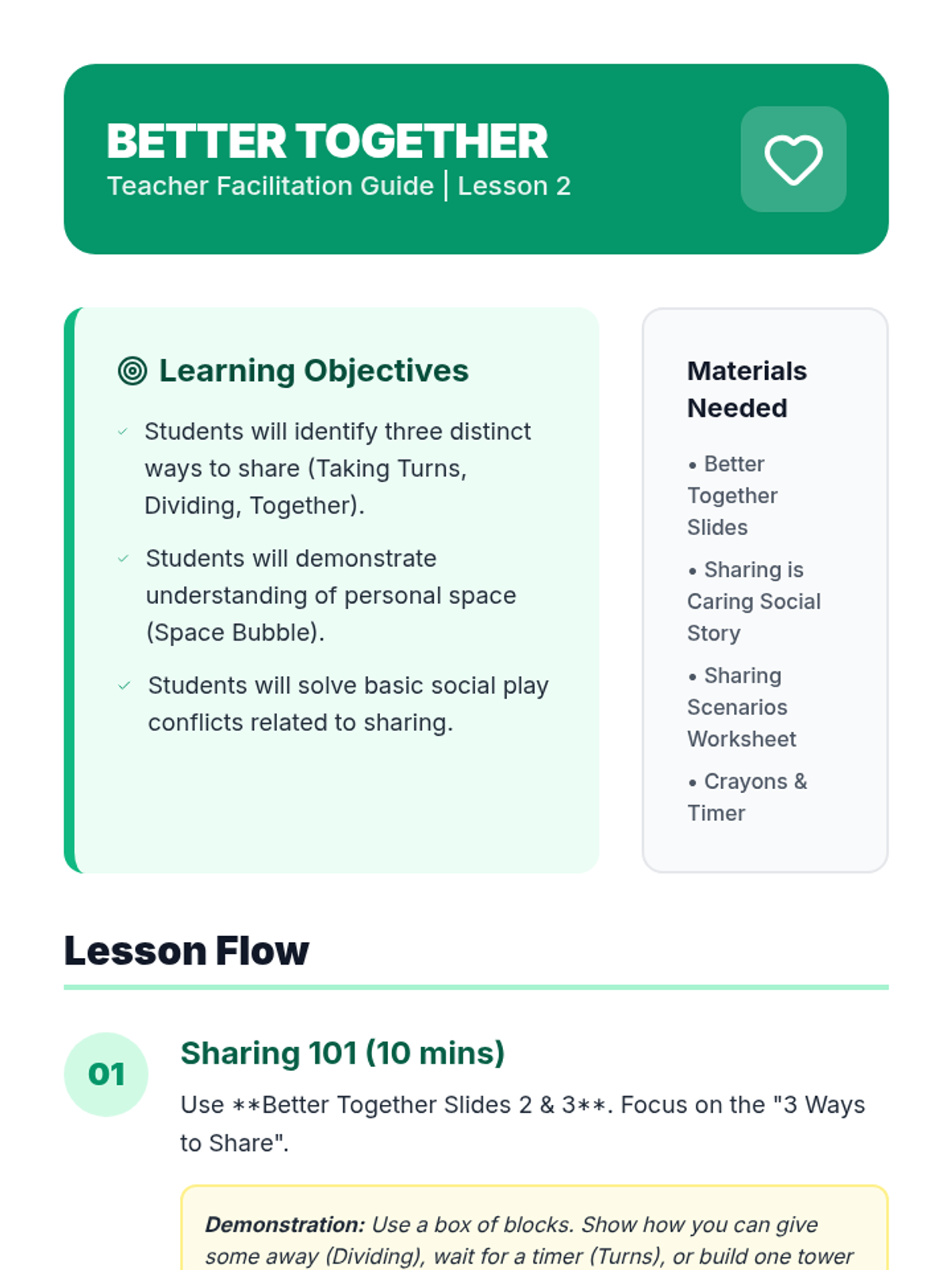
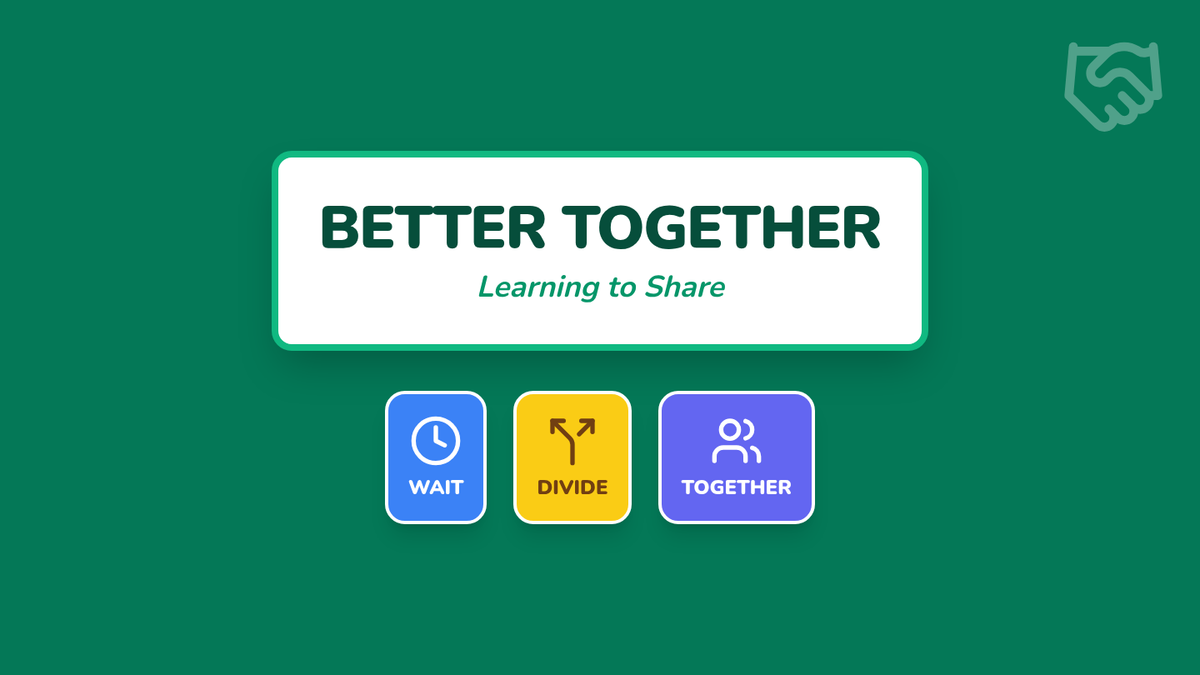
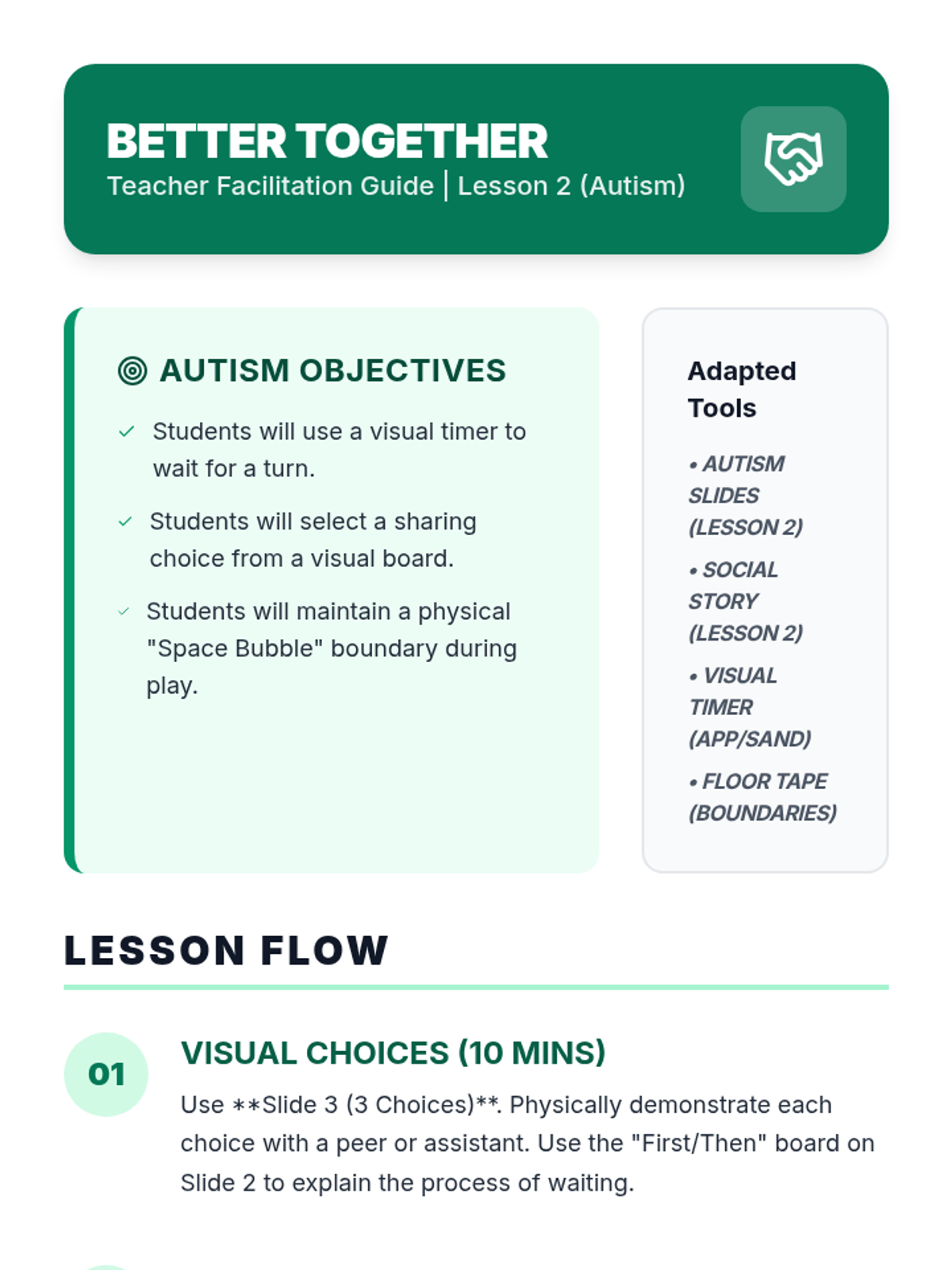
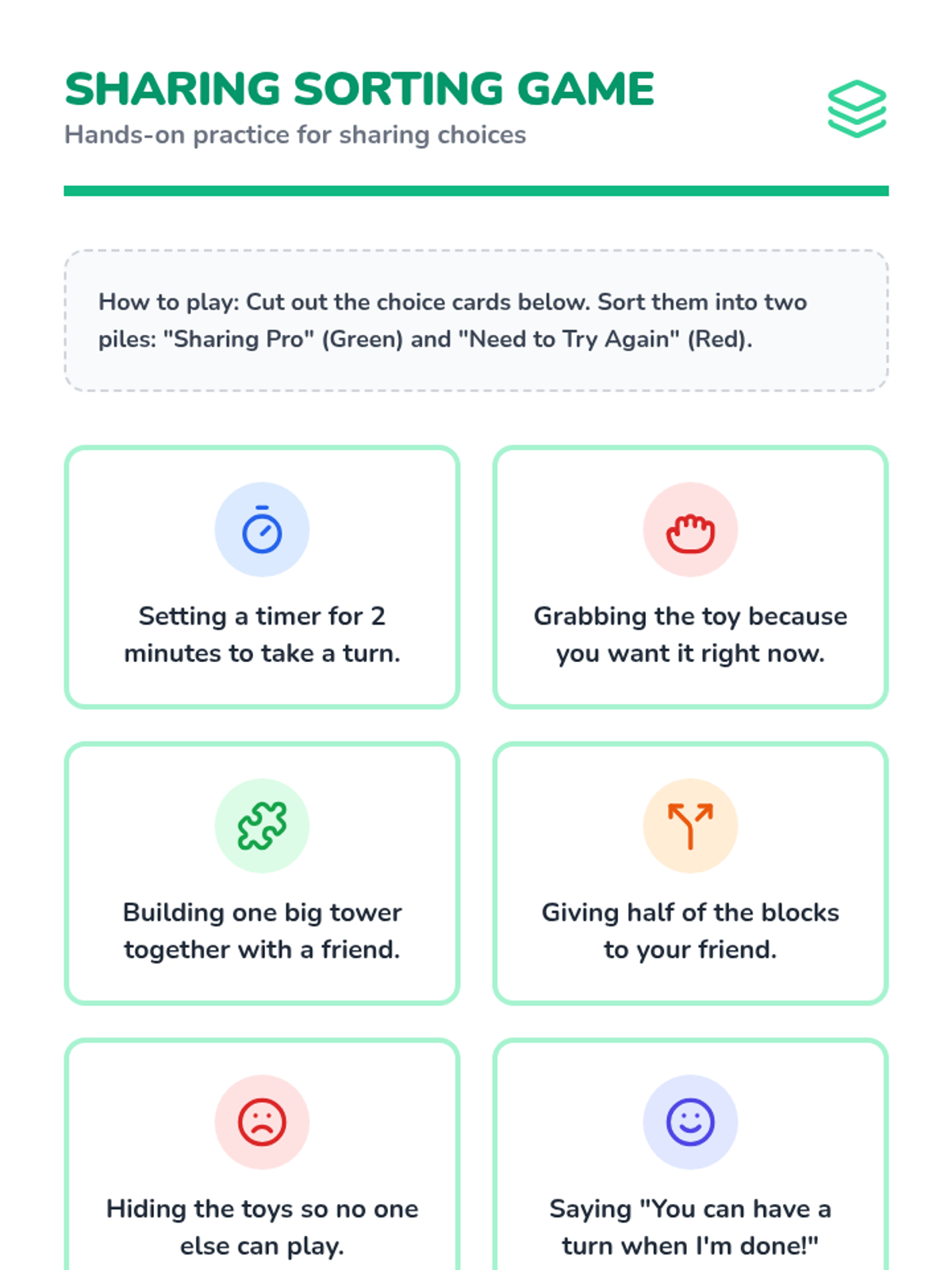
This lesson covers the essentials of interacting during play, specifically focusing on how to share toys and space with others.
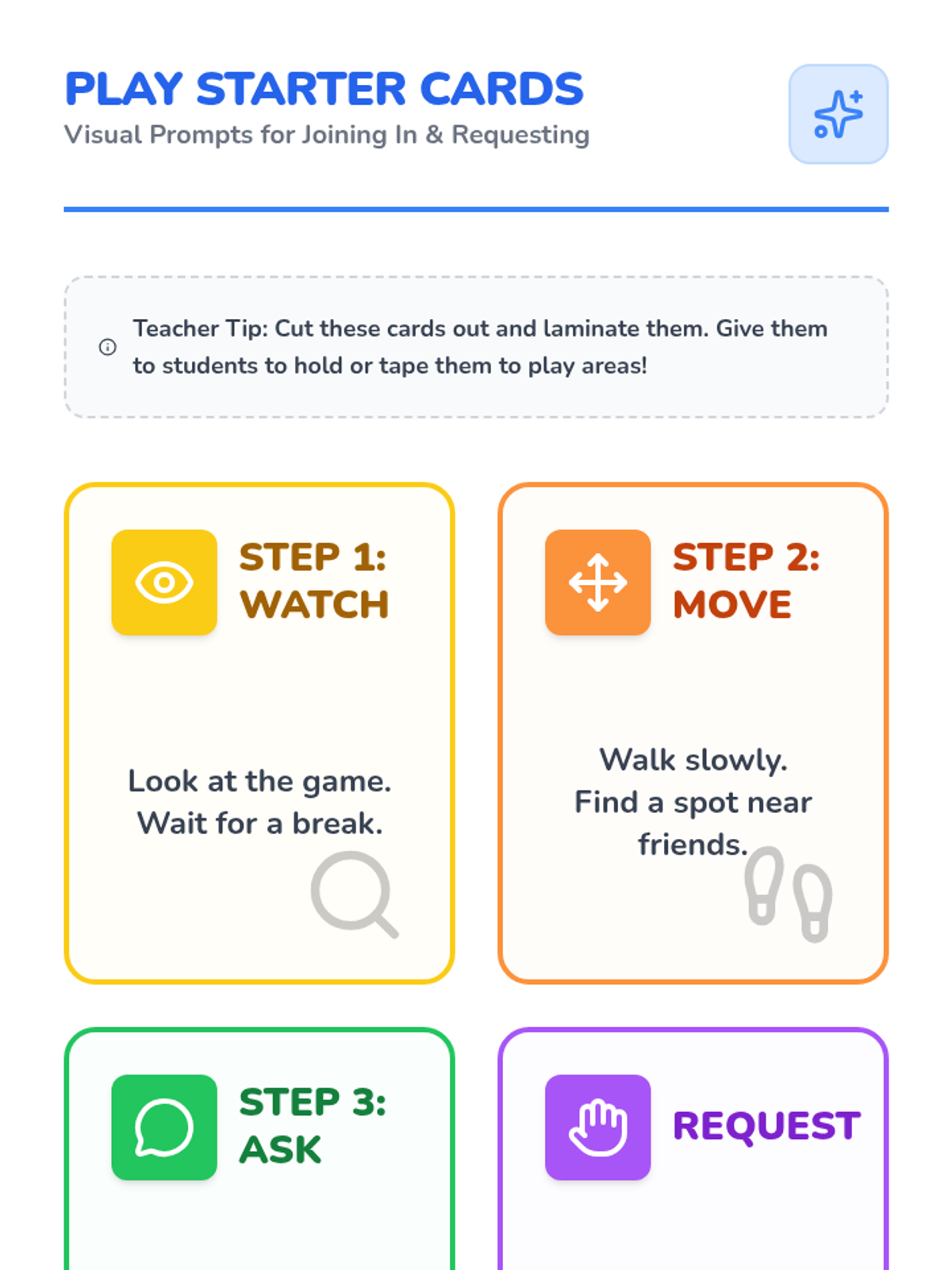
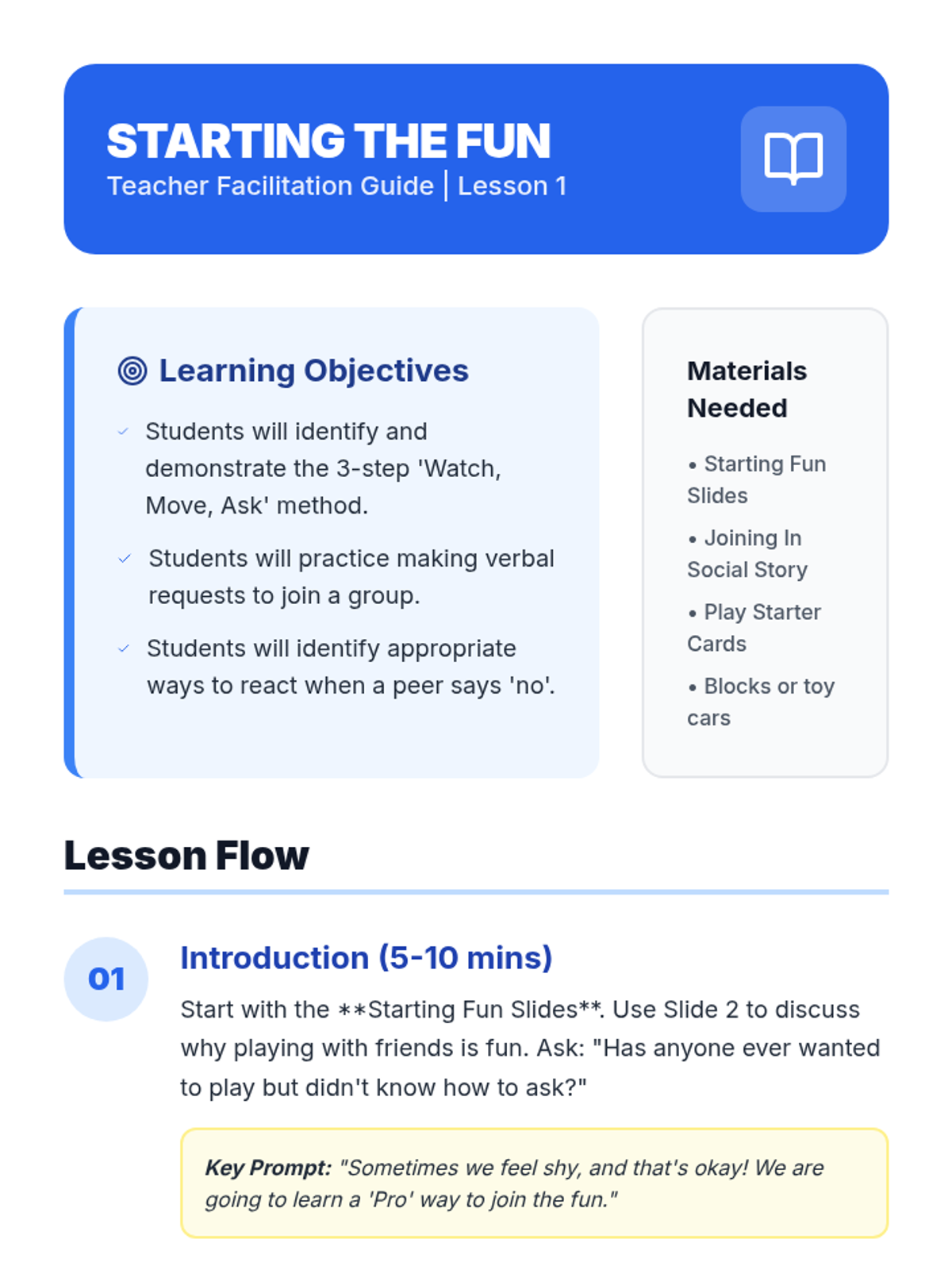
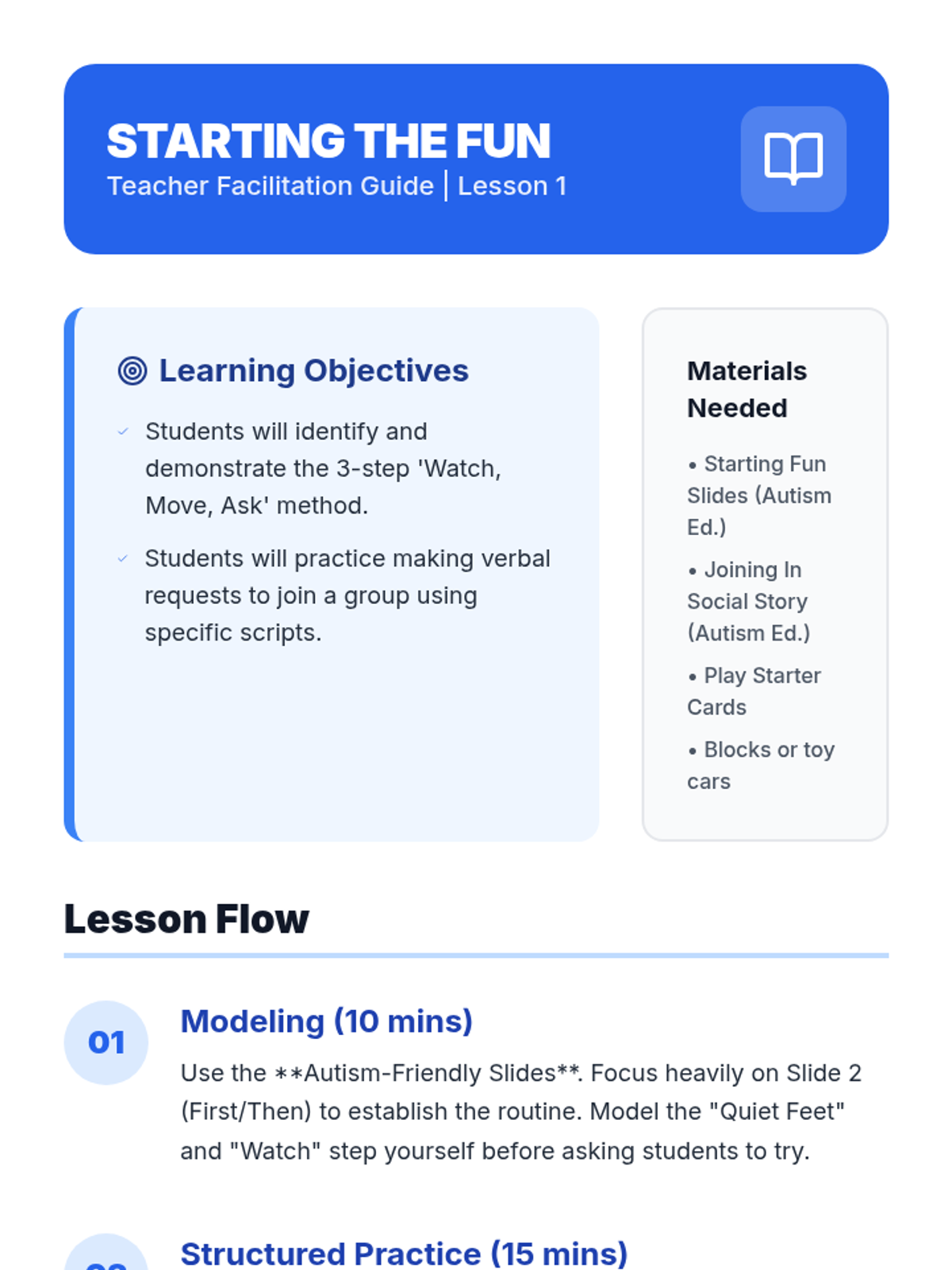
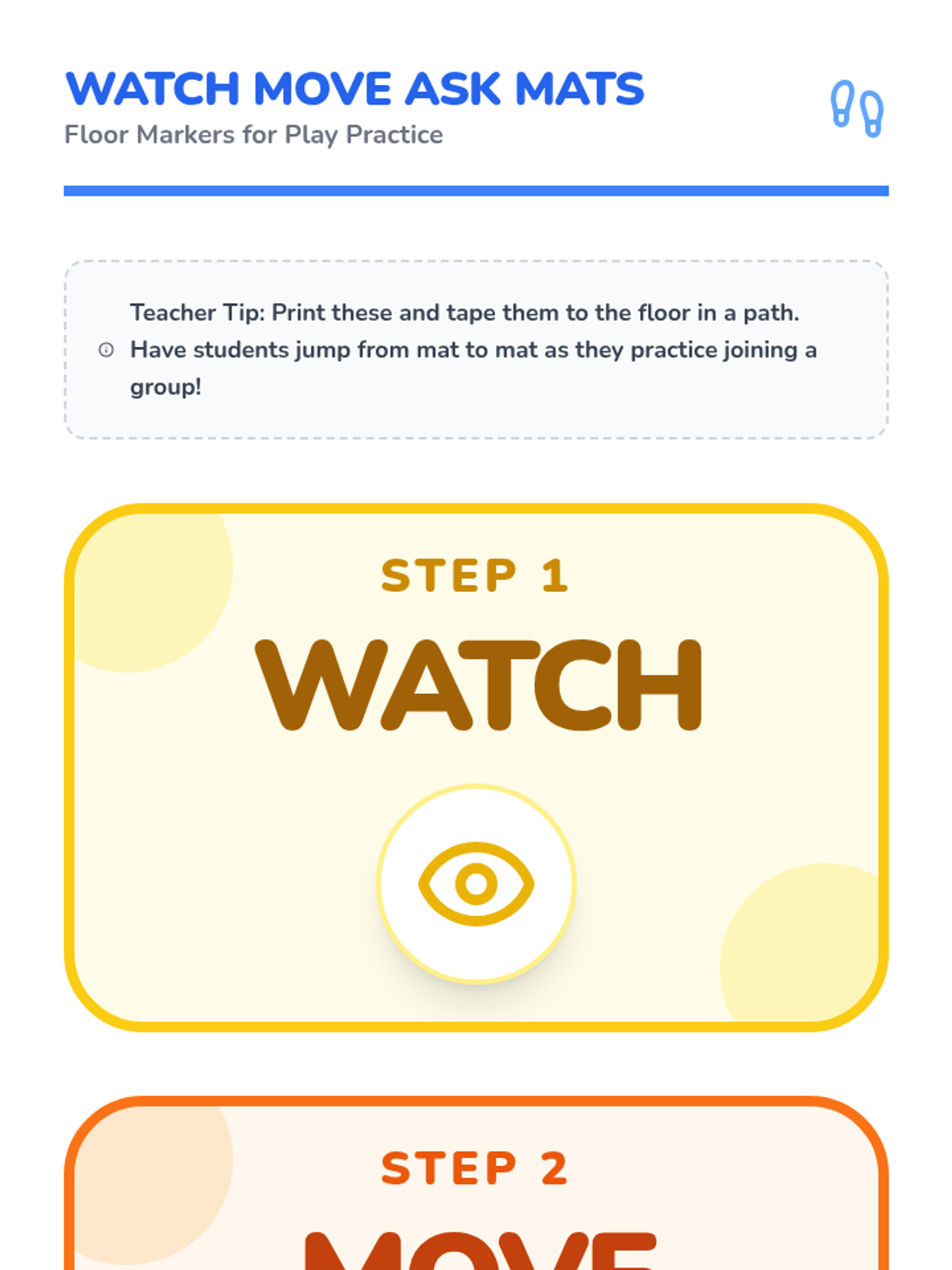
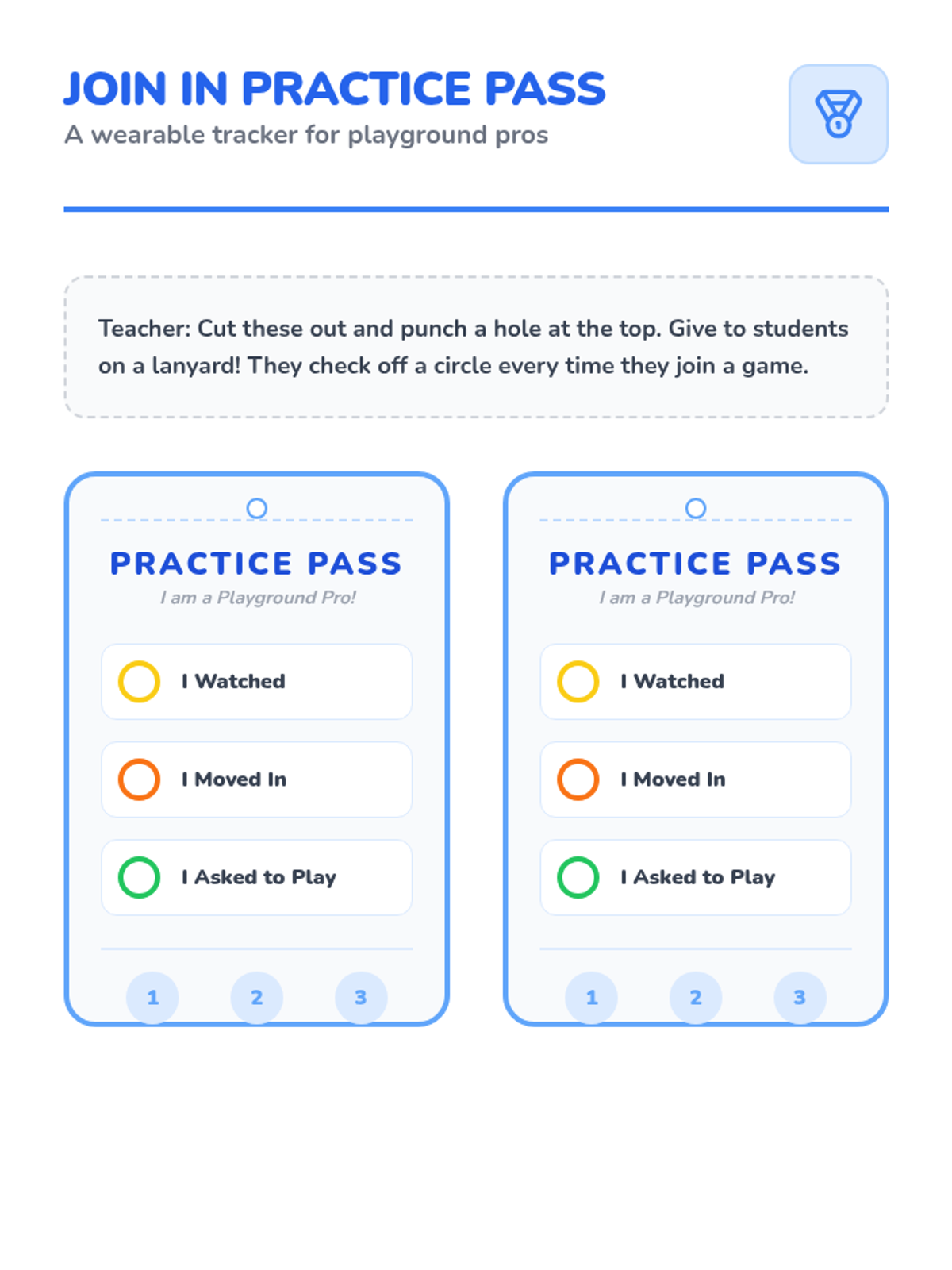
This lesson focuses on how to initiate play and make clear requests to join others. Students will learn the three-step 'Watch, Wait, and Ask' method.
A practical application lesson where students practice their new skills through role-play scenarios and earn their 'Respect Squad' badges for demonstrating positive social behaviors.
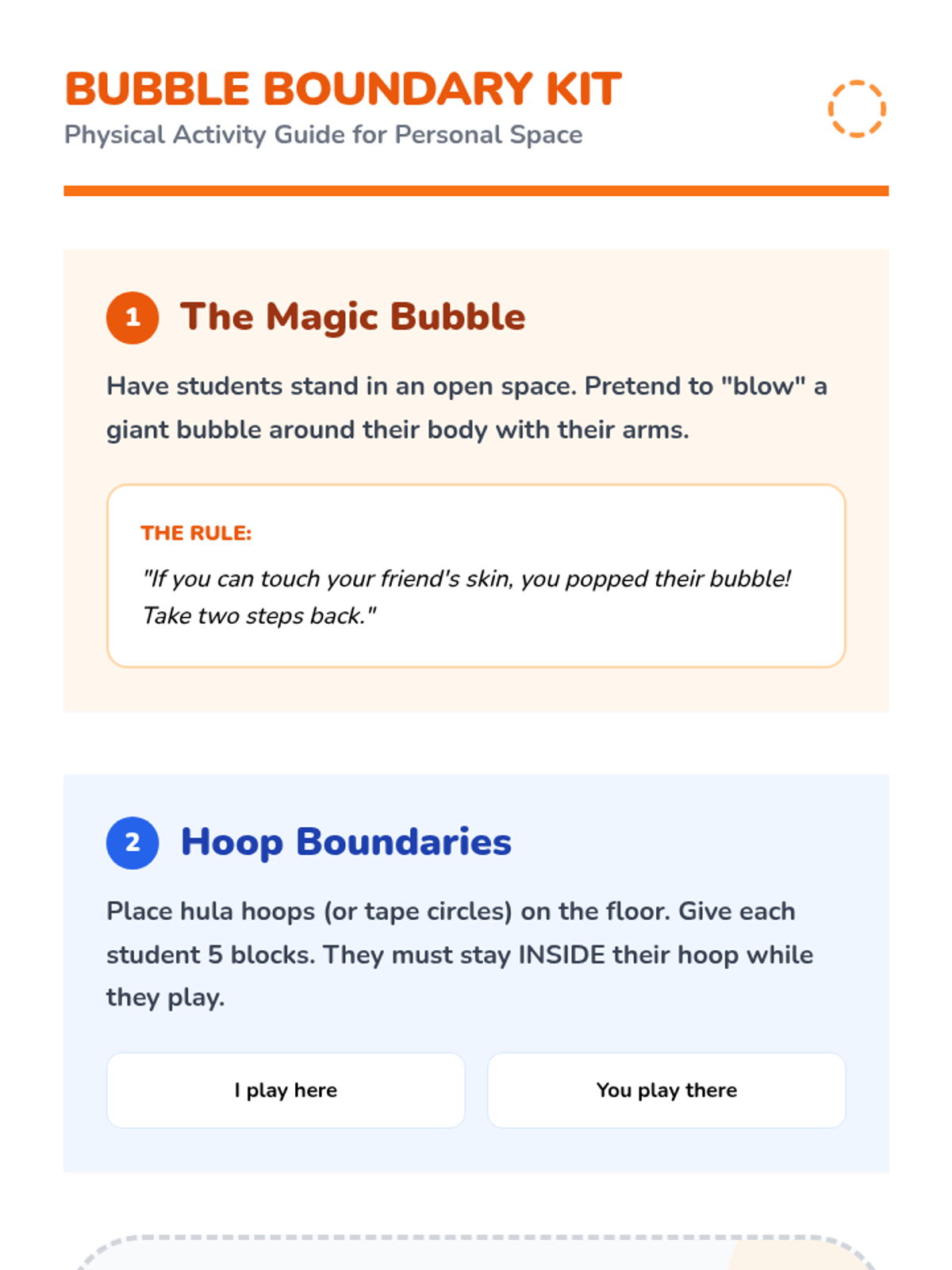
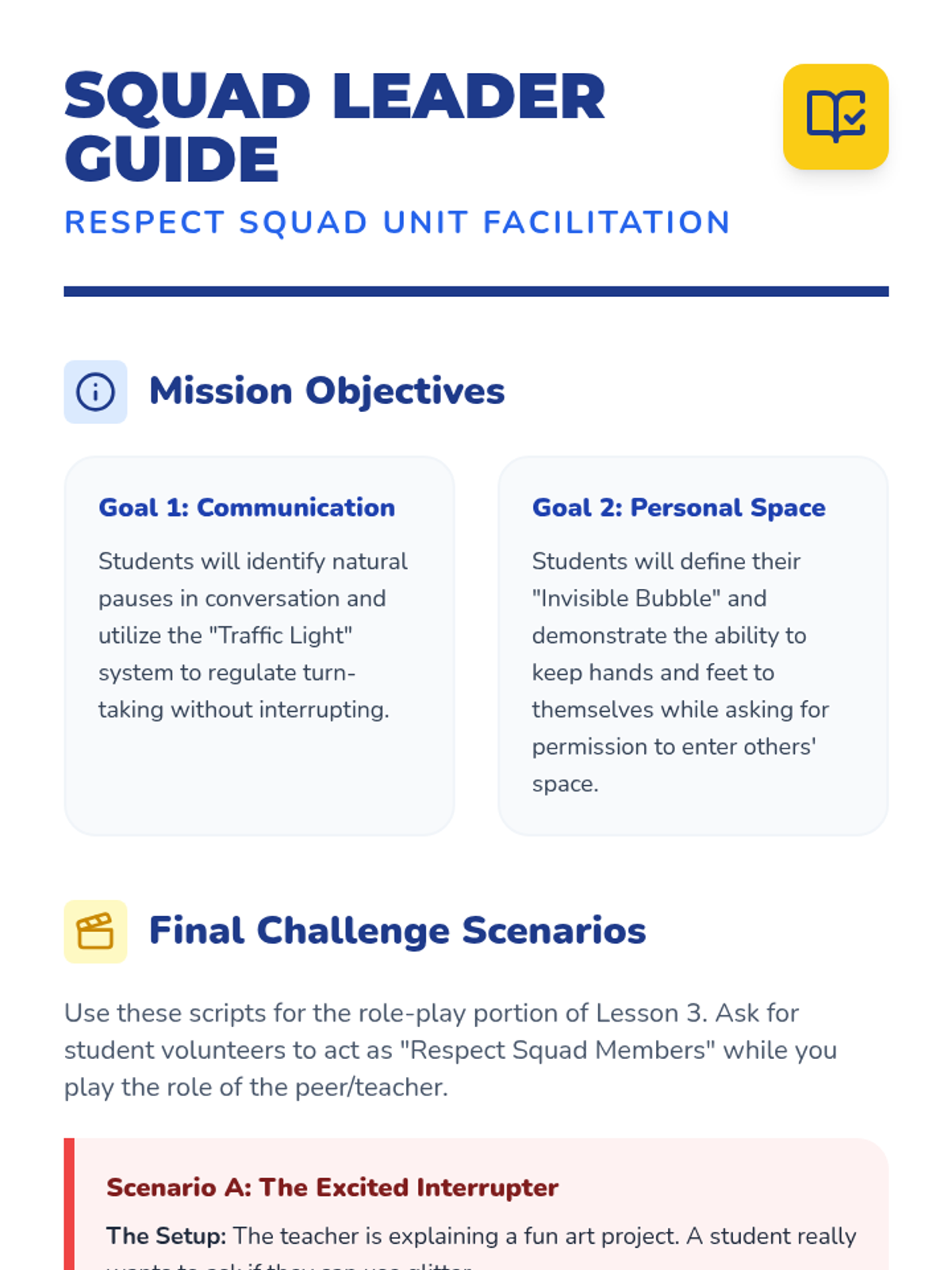
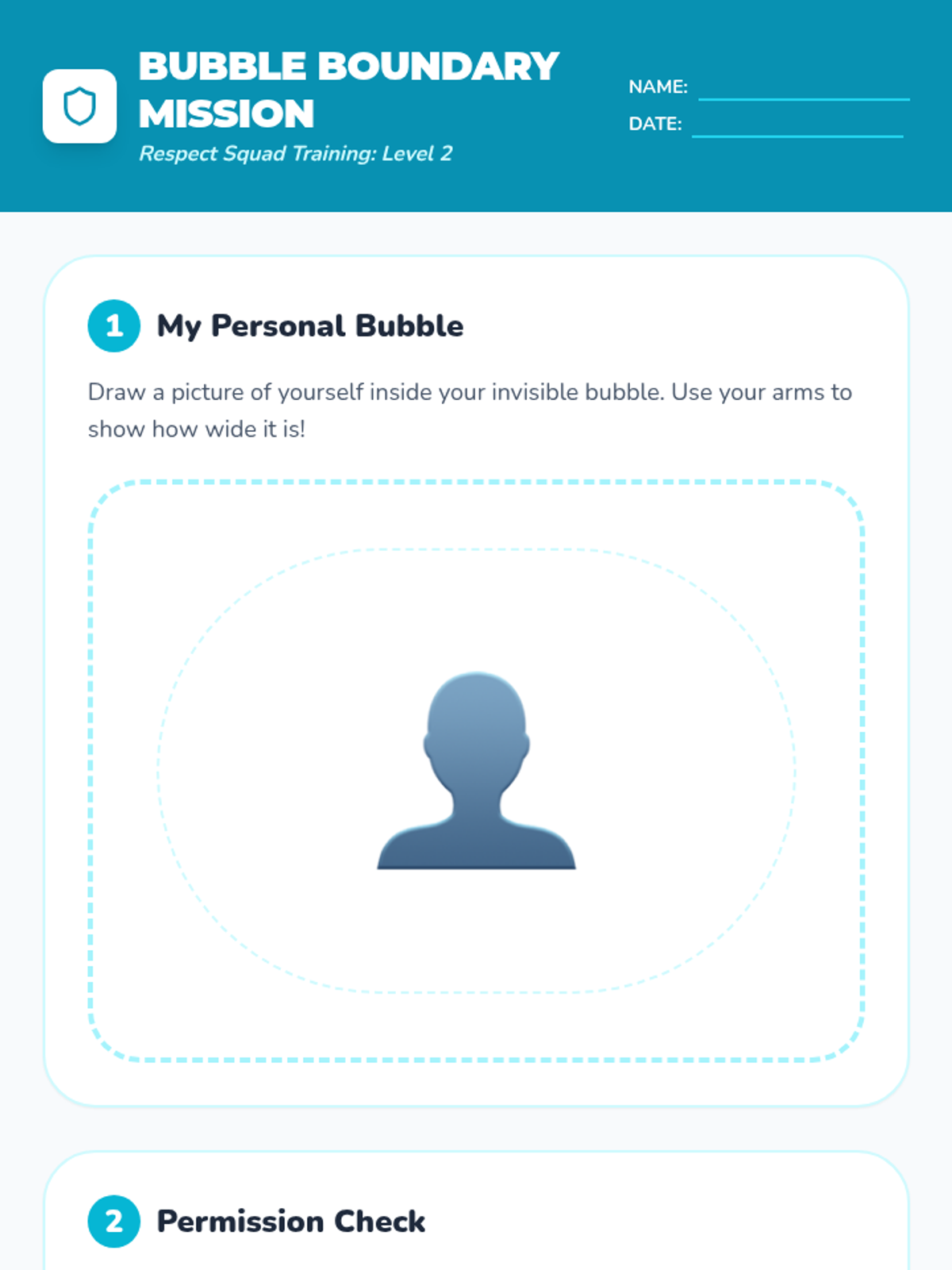
Teaches students the concept of personal space using the 'Invisible Bubble' metaphor, helping them understand how to keep their hands and feet to themselves while staying connected to others.
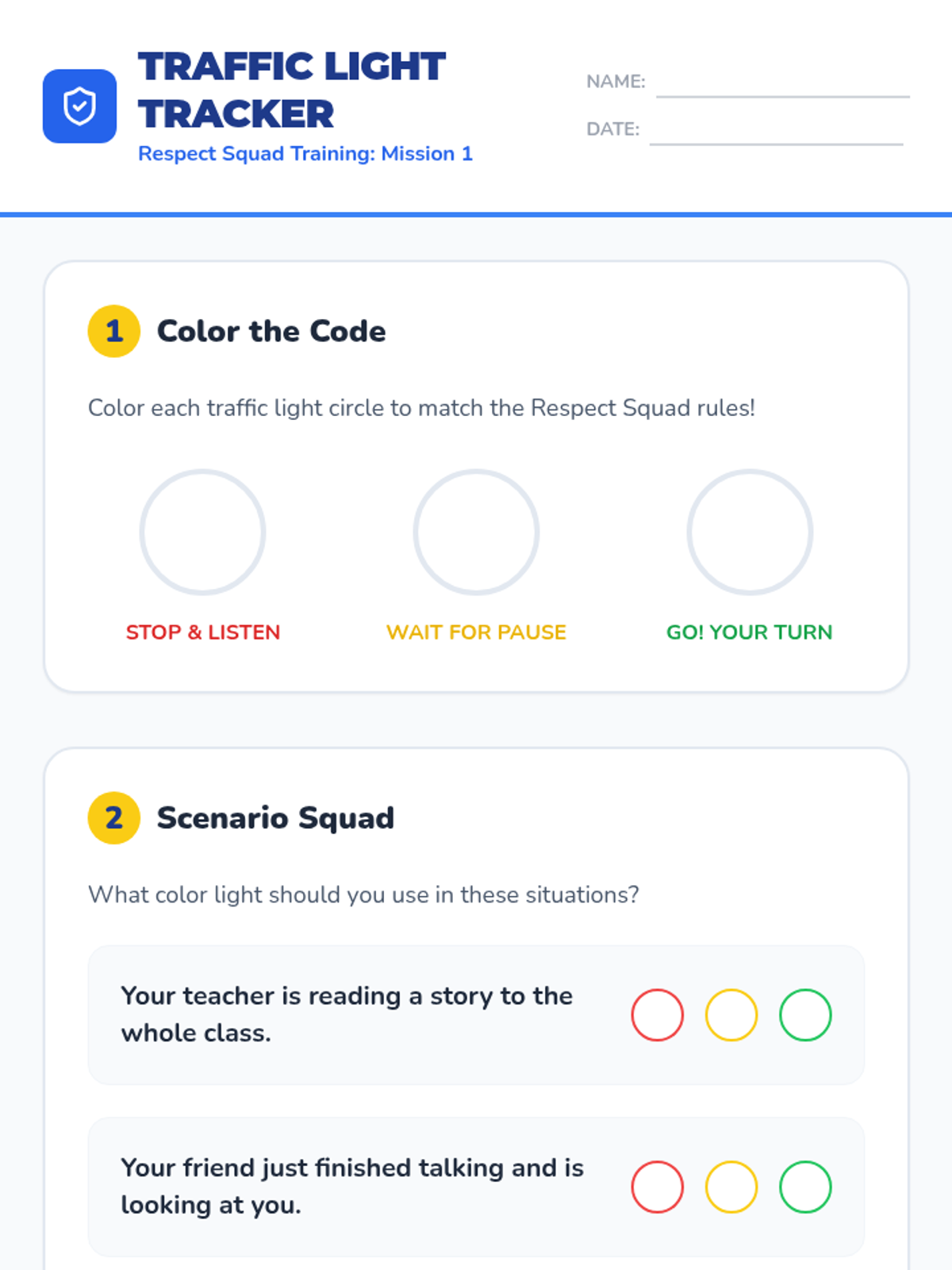
Focuses on the importance of waiting for a turn to speak, recognizing natural pauses in conversation, and avoiding interruptions through the 'Interrupting Volcano' and 'Traffic Light' analogies.
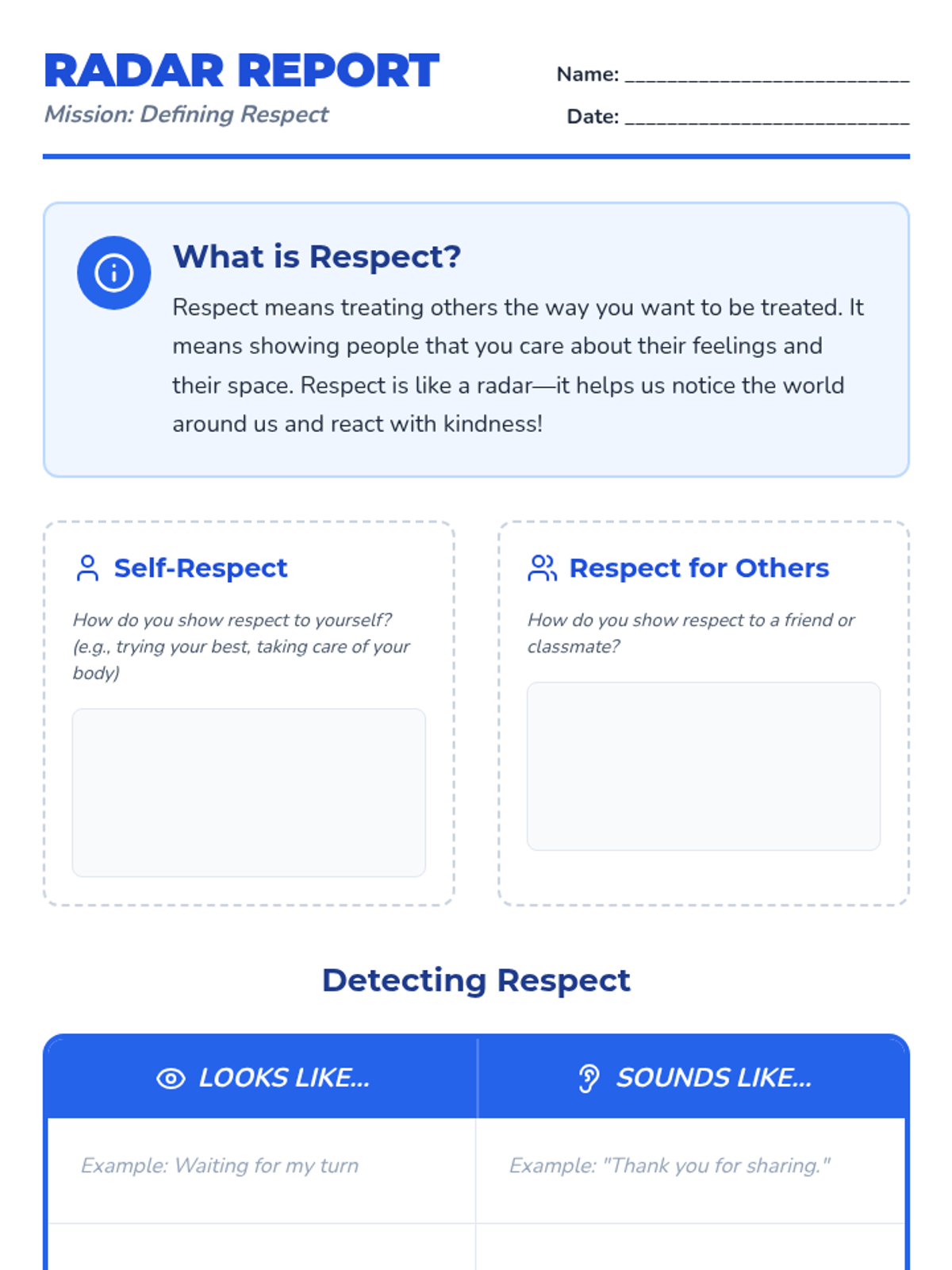
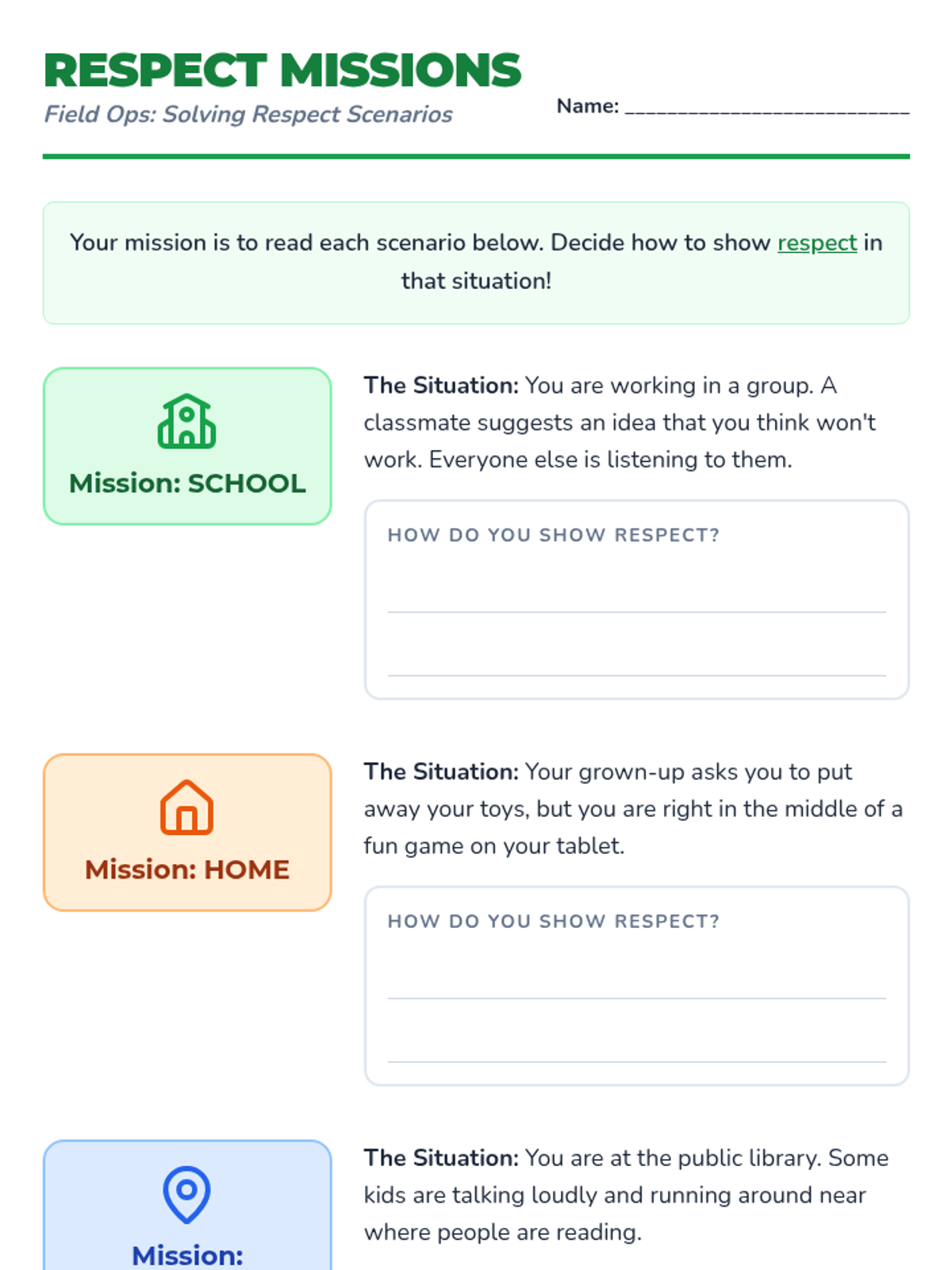
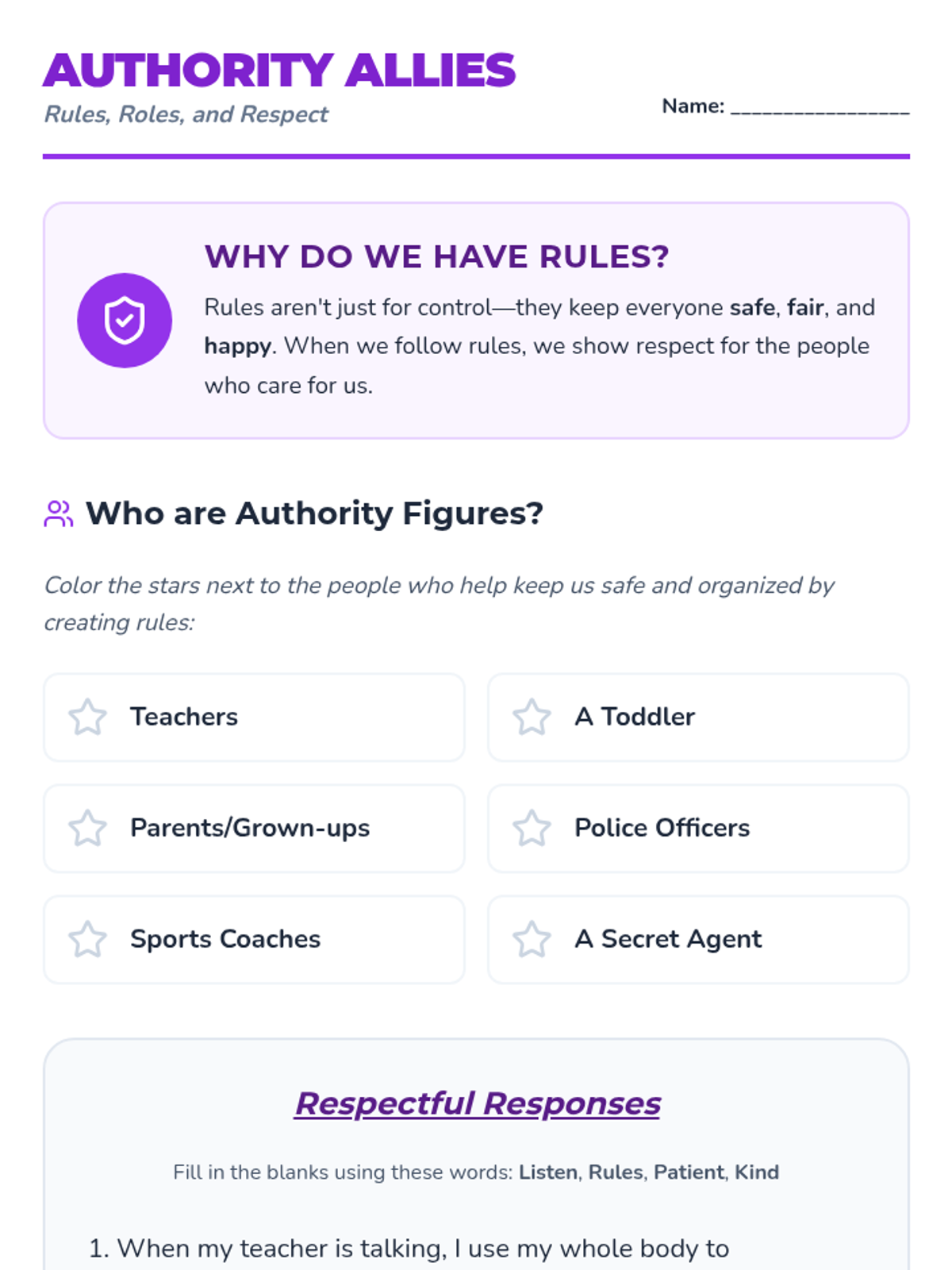
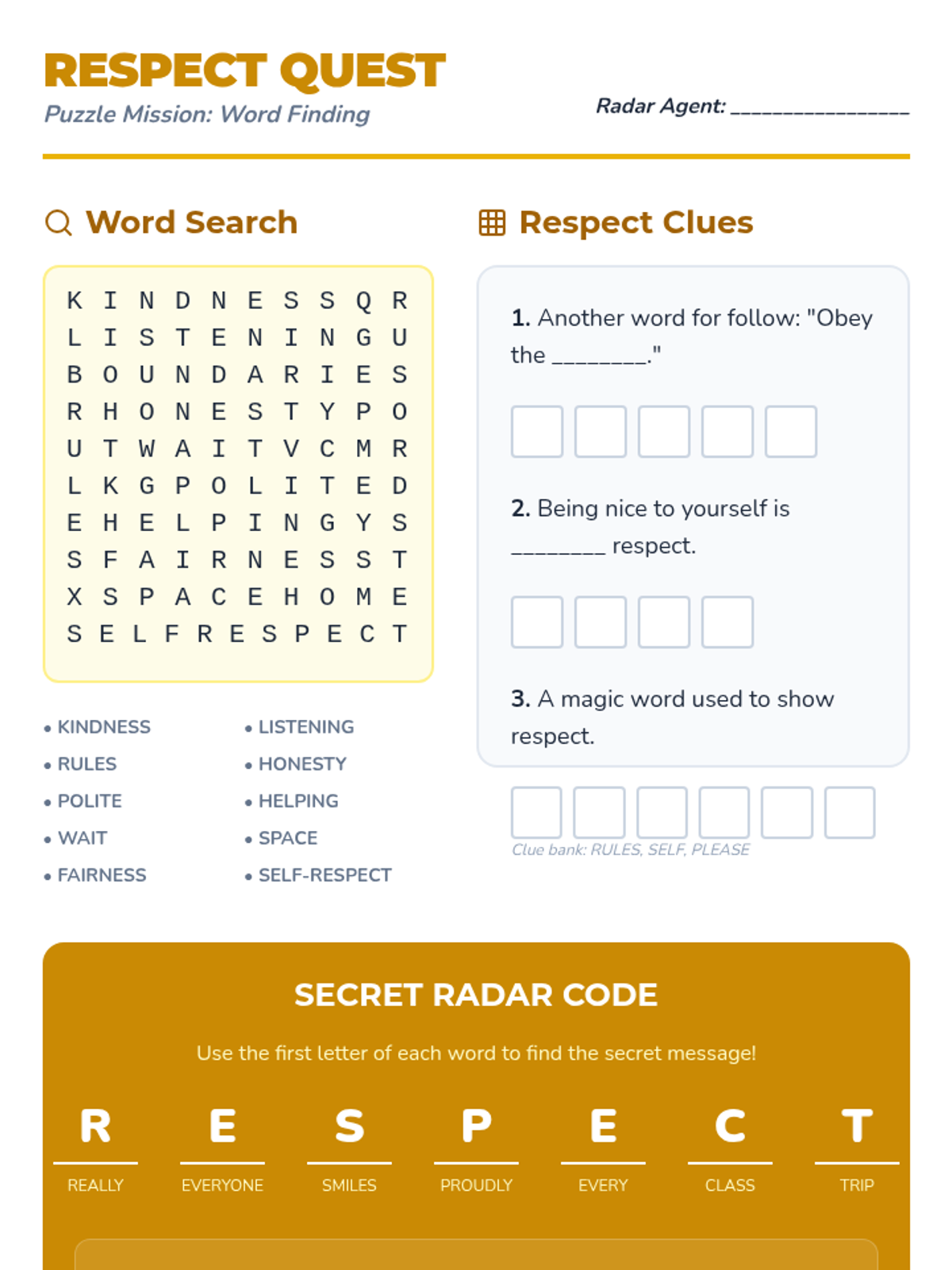
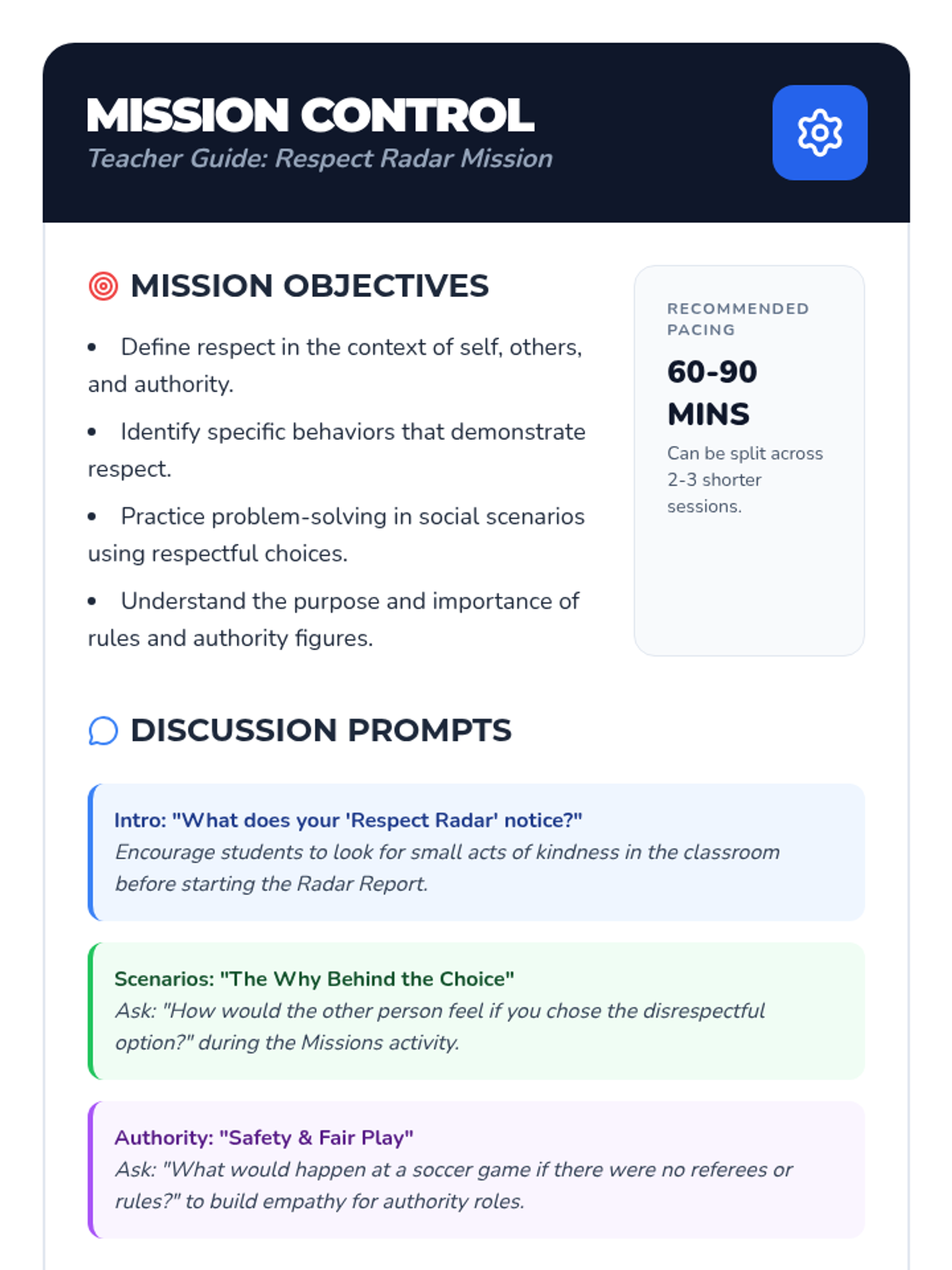
A comprehensive set of activities designed to help students identify, practice, and internalize respect for themselves, others, rules, and authority through scenarios, puzzles, and creative reflection.
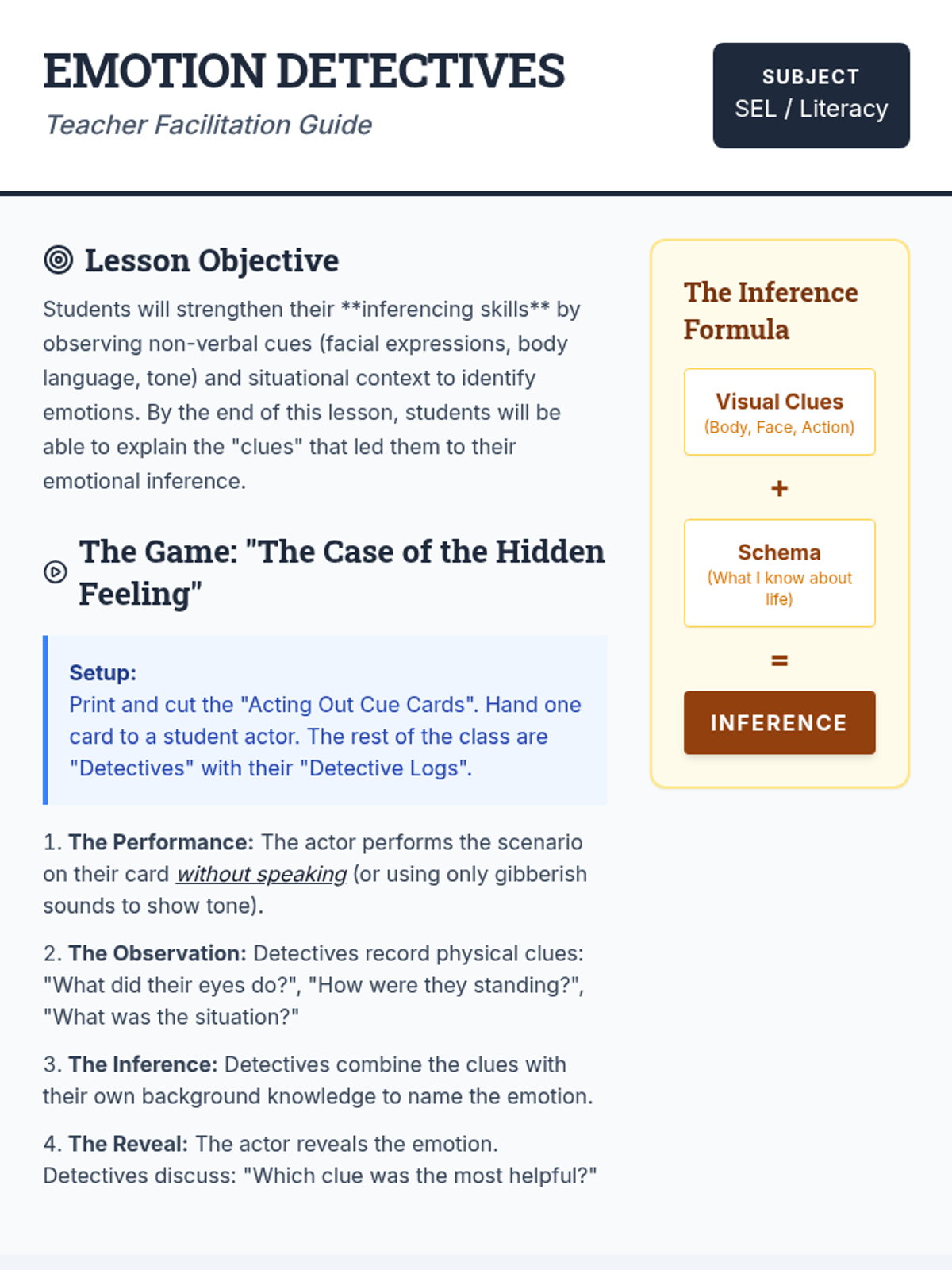
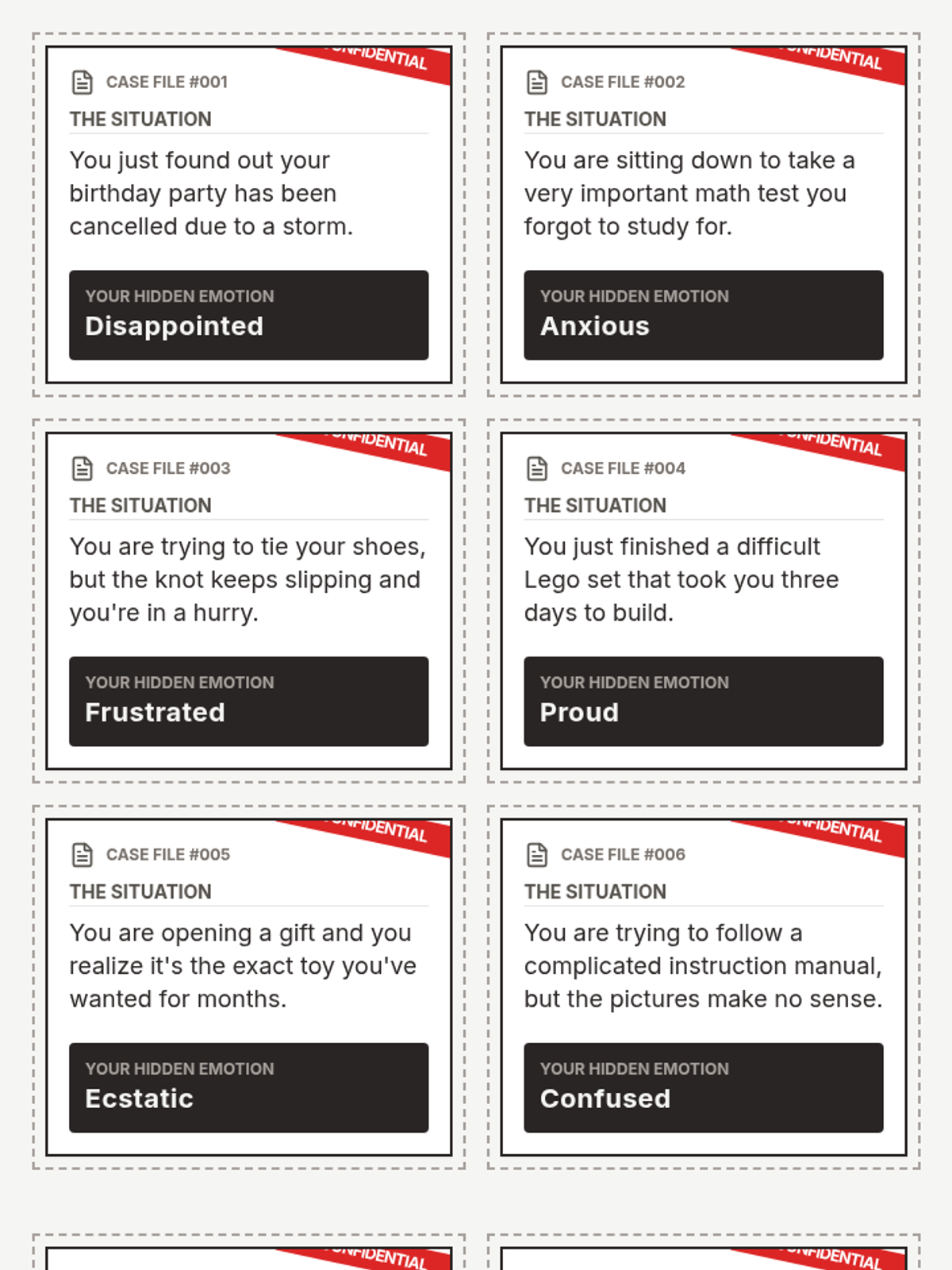
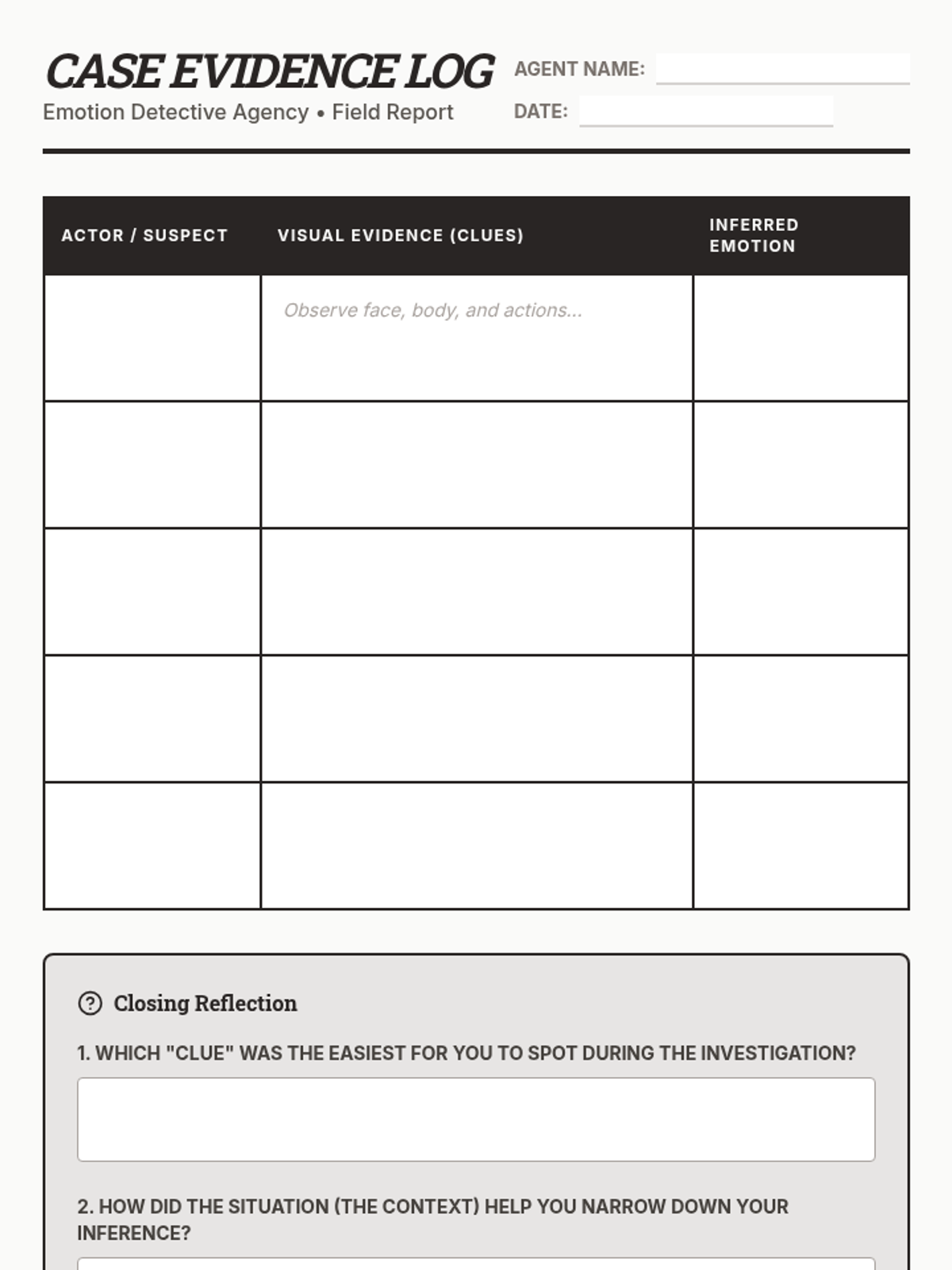
A social-emotional learning lesson where students use inferencing skills to identify emotions through body language and situational context. Students act out scenarios and their peers 'detect' the underlying emotion.
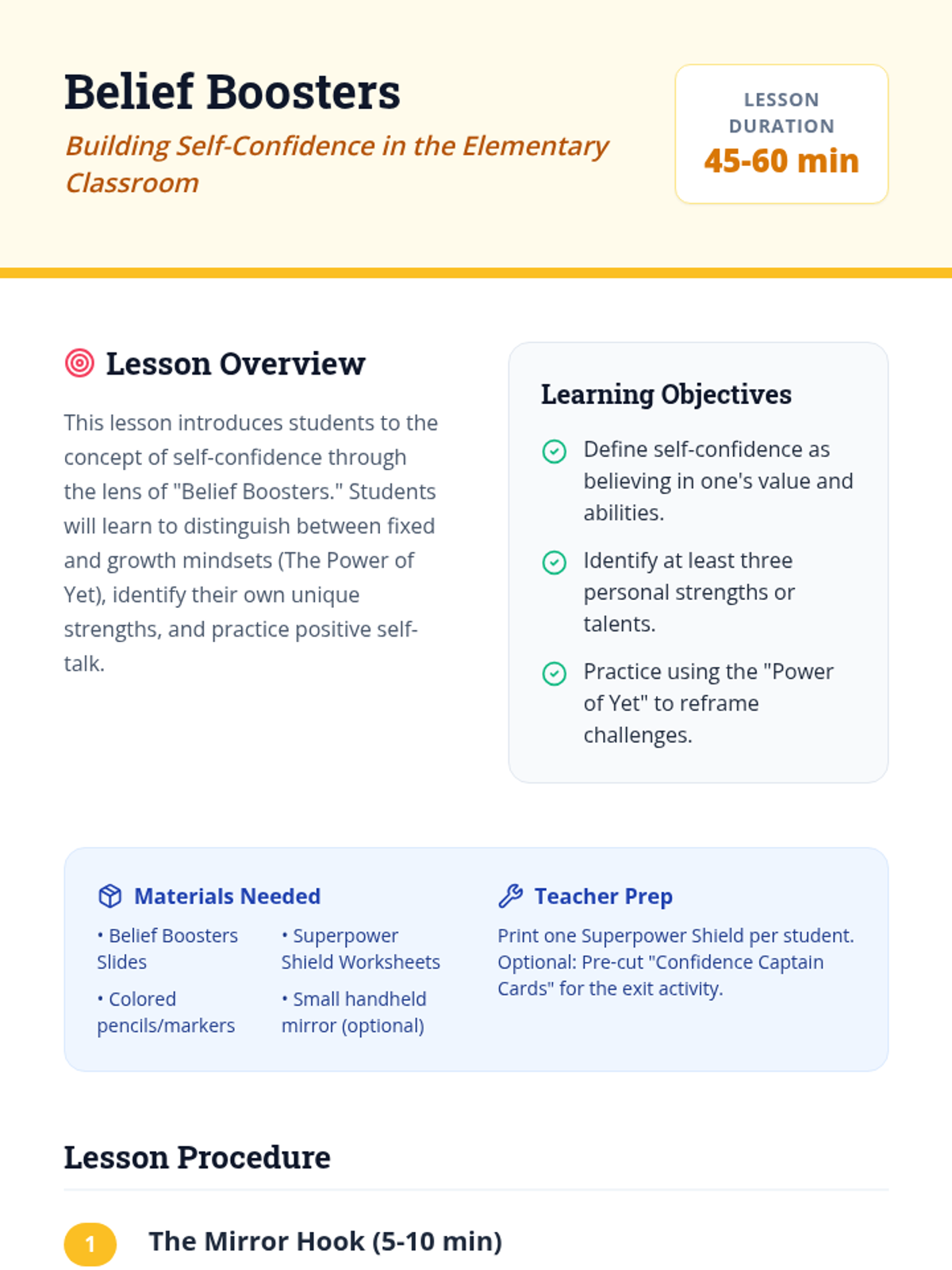
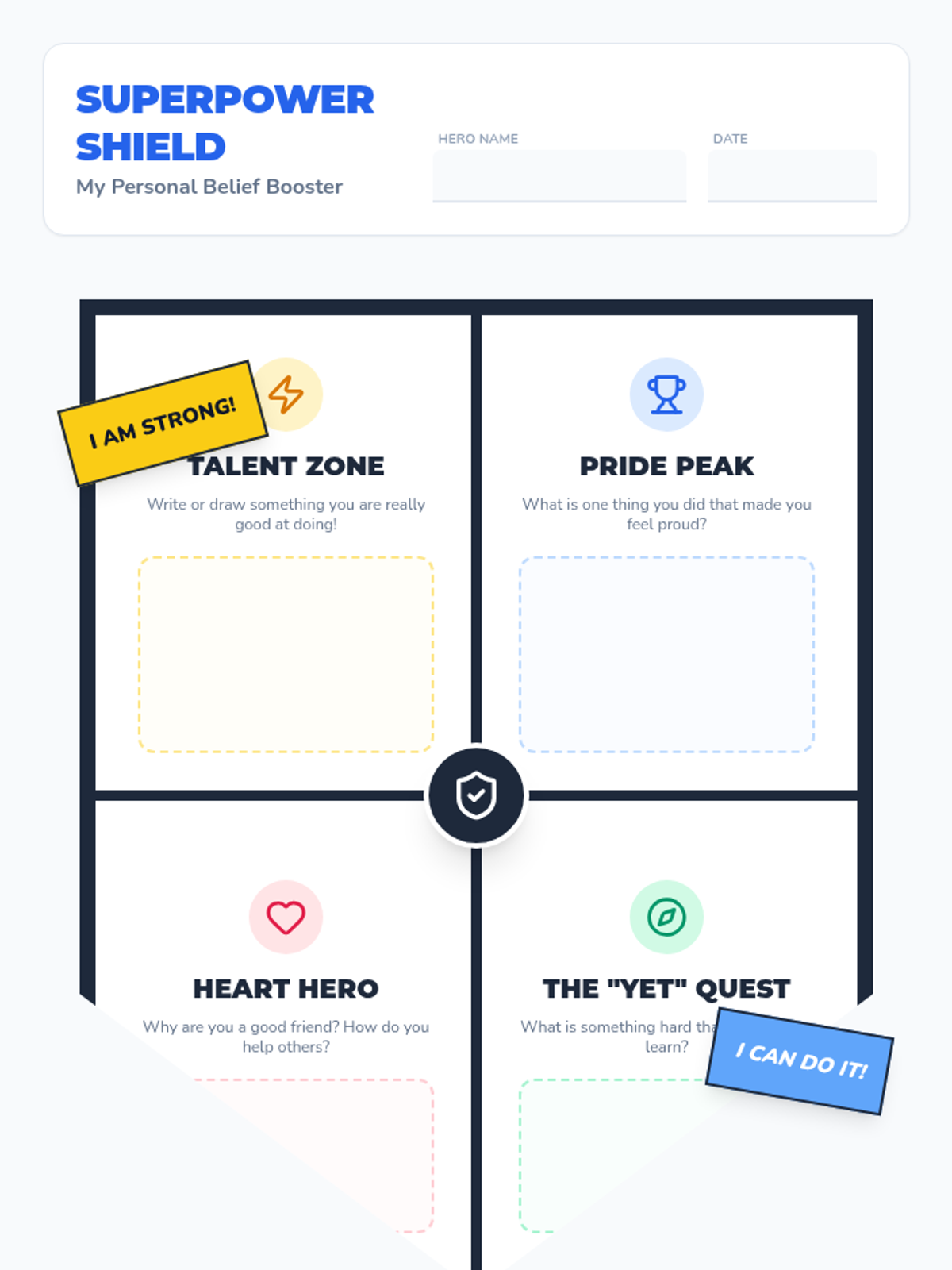
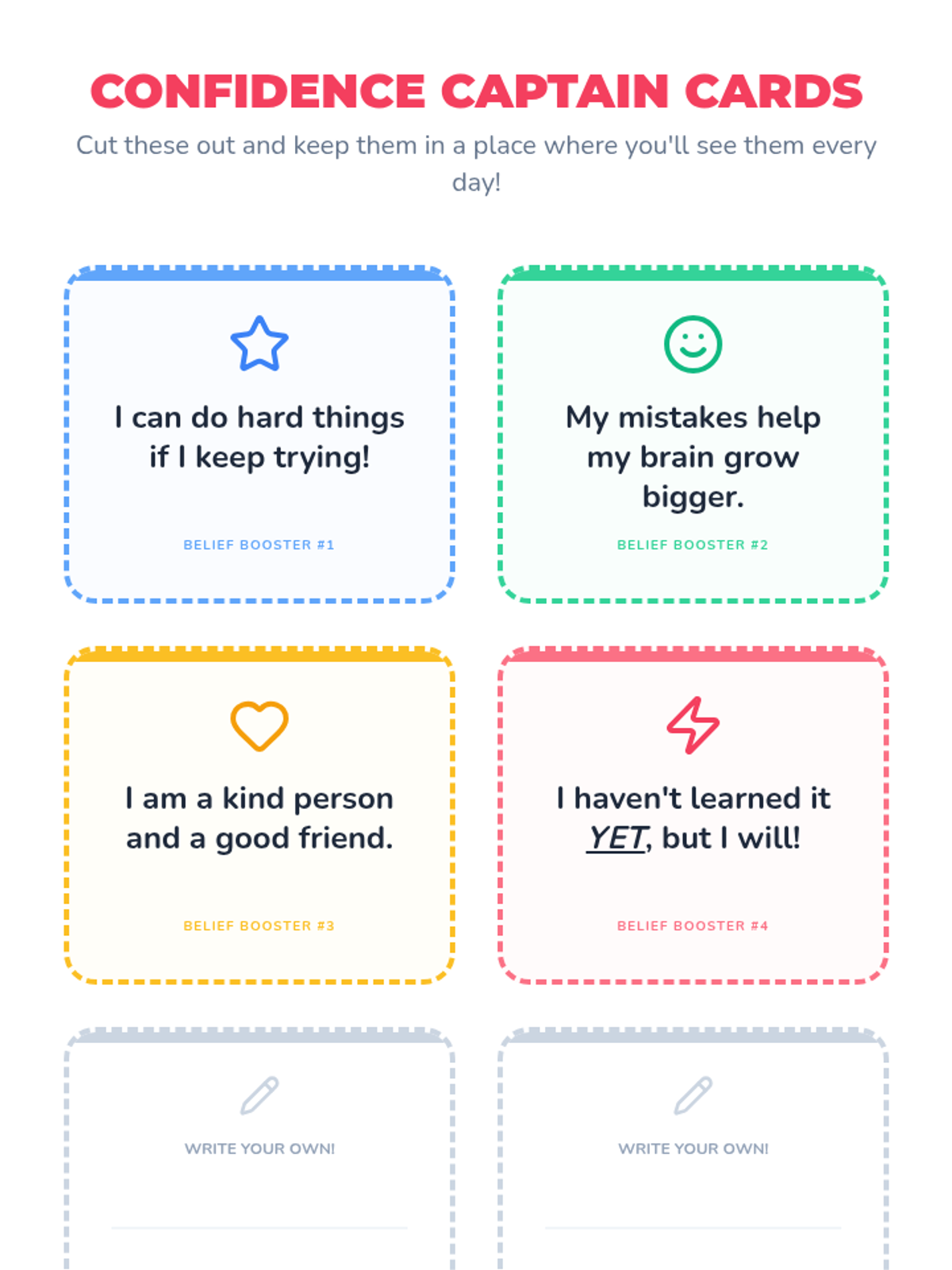
This lesson helps elementary students build self-confidence by identifying personal strengths, practicing positive self-talk, and understanding that mistakes are part of learning.
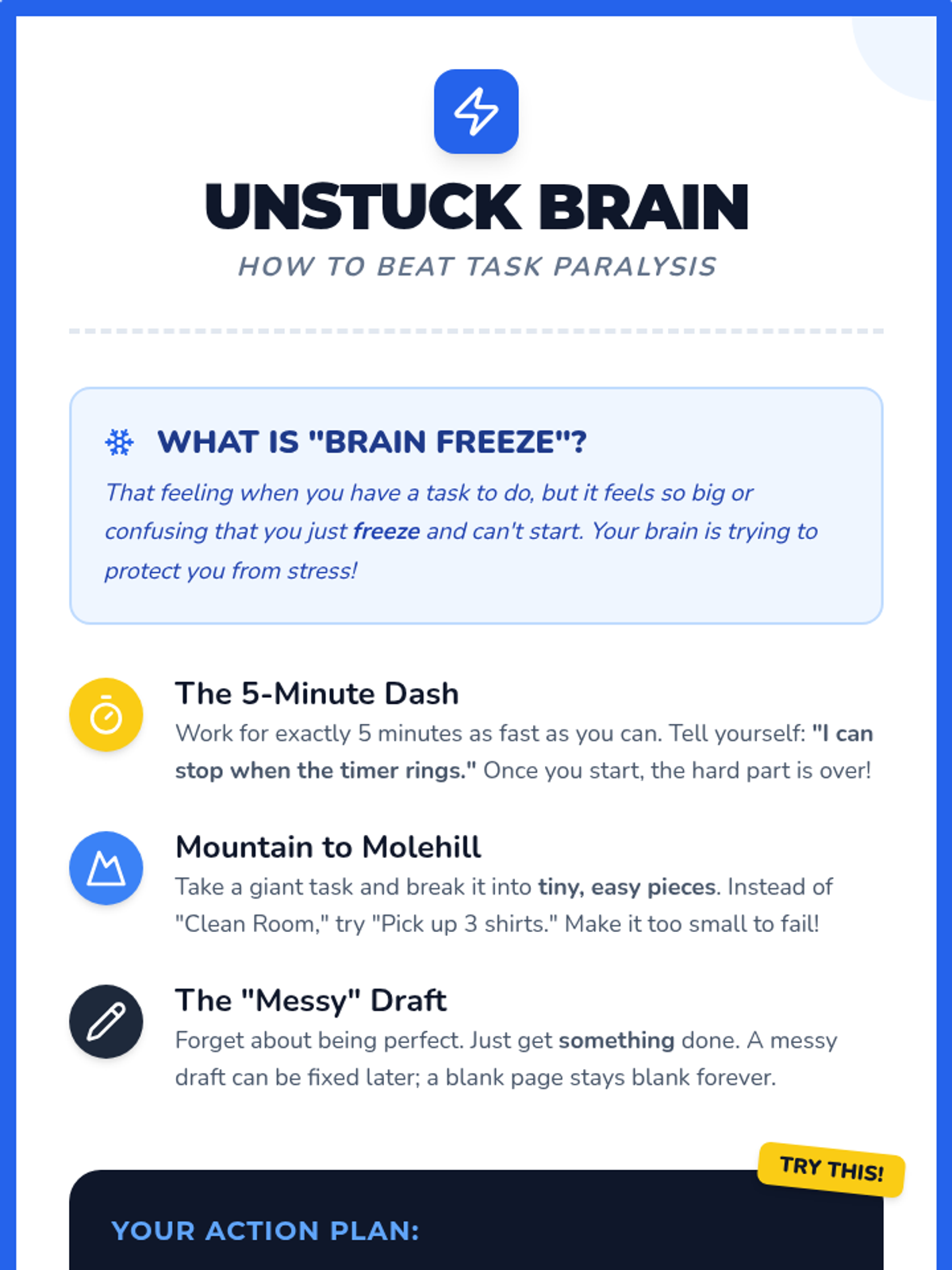
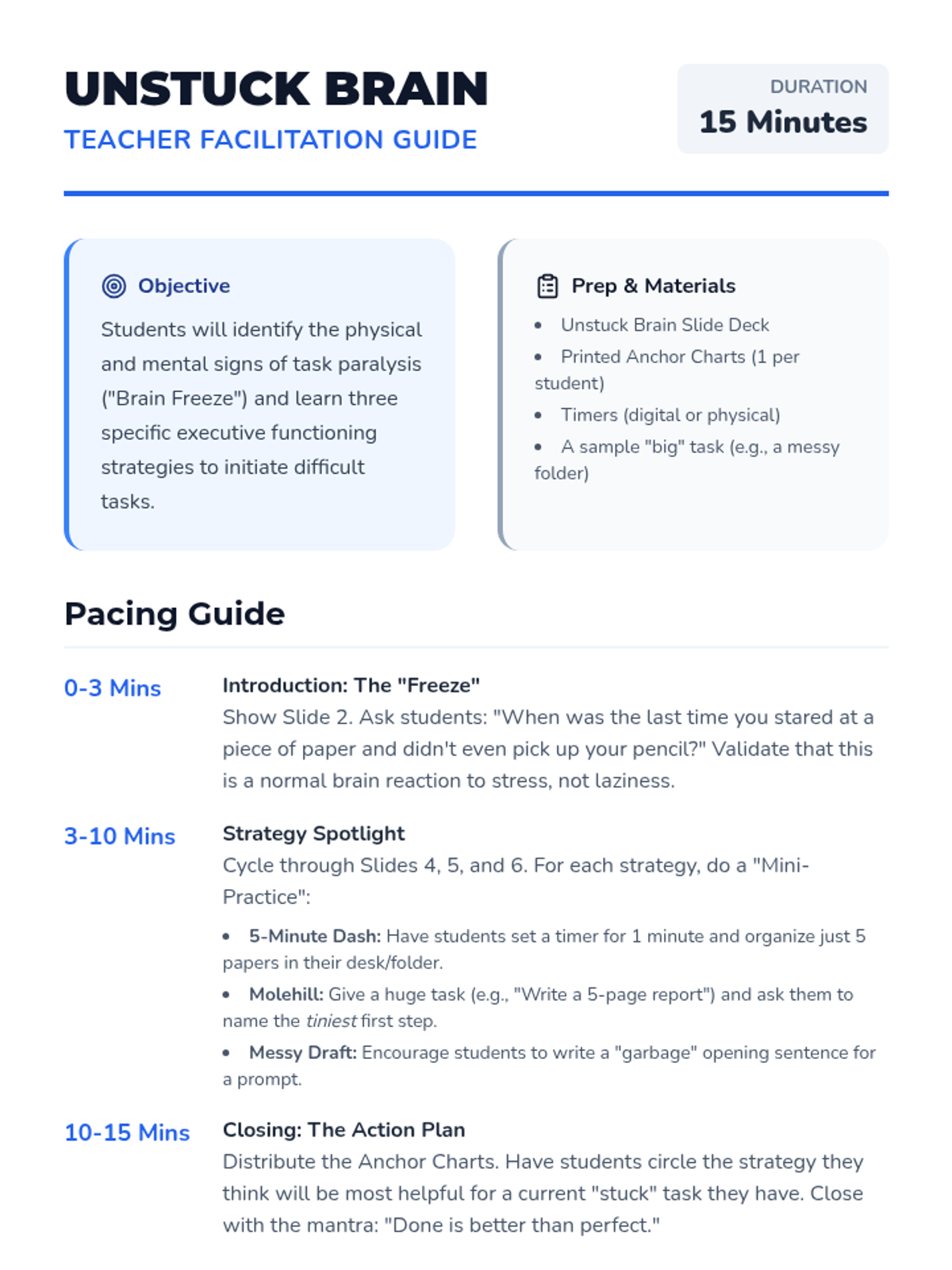
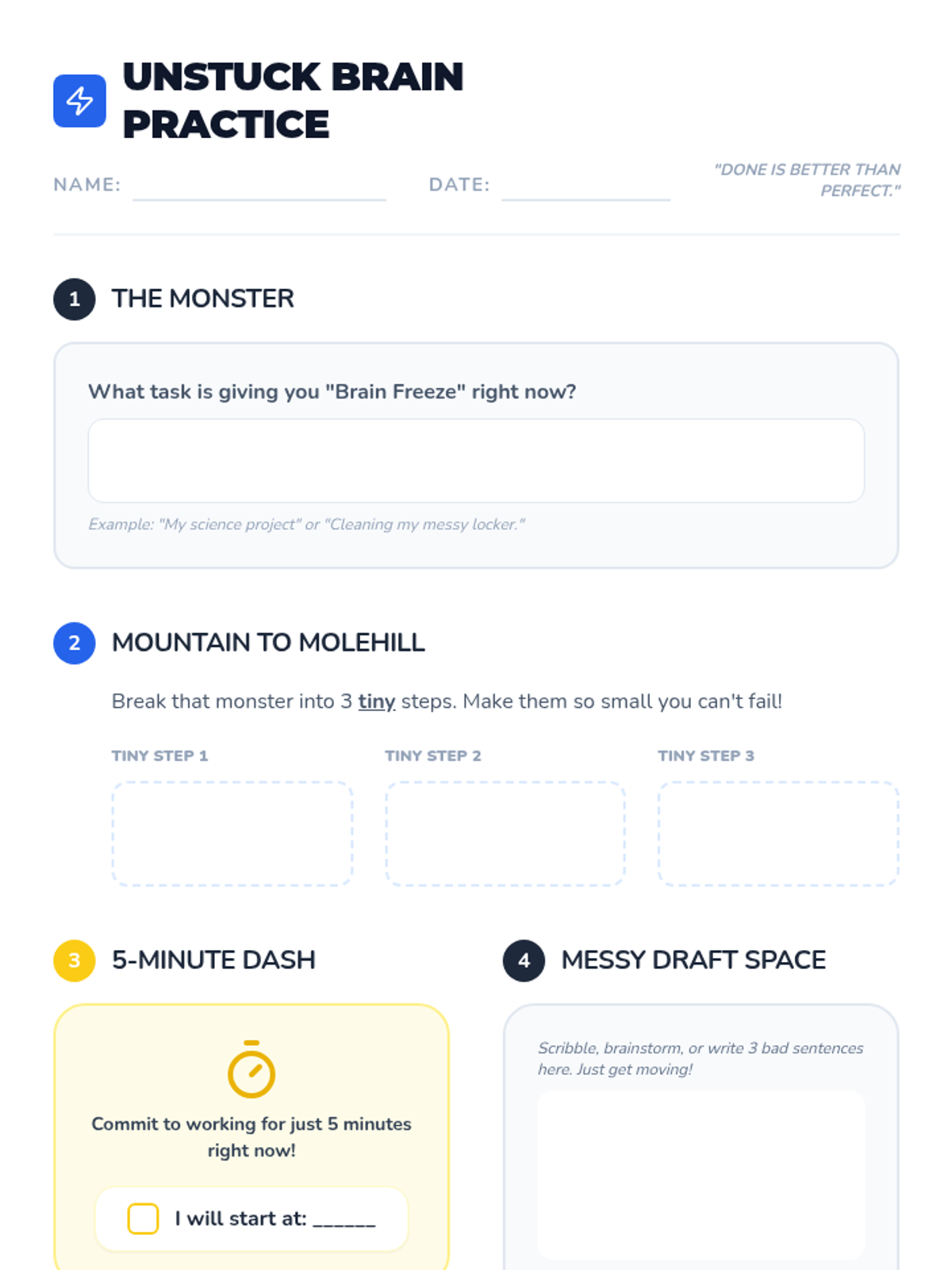
A small group lesson designed to help students identify task paralysis (the "brain freeze") and learn practical strategies to break tasks down and get started. It focuses on reducing overwhelm and moving from avoidance to action in 15 minutes.
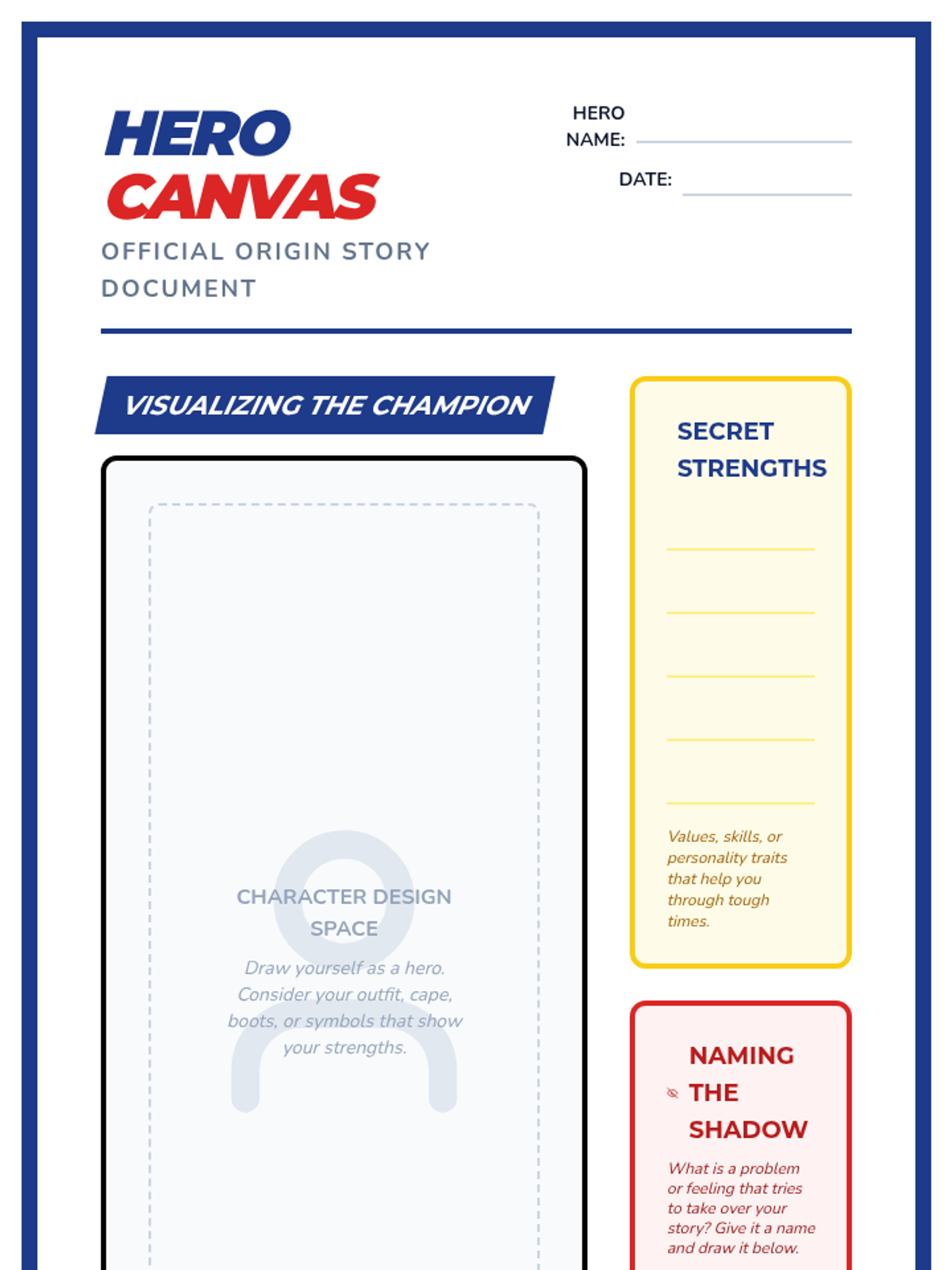
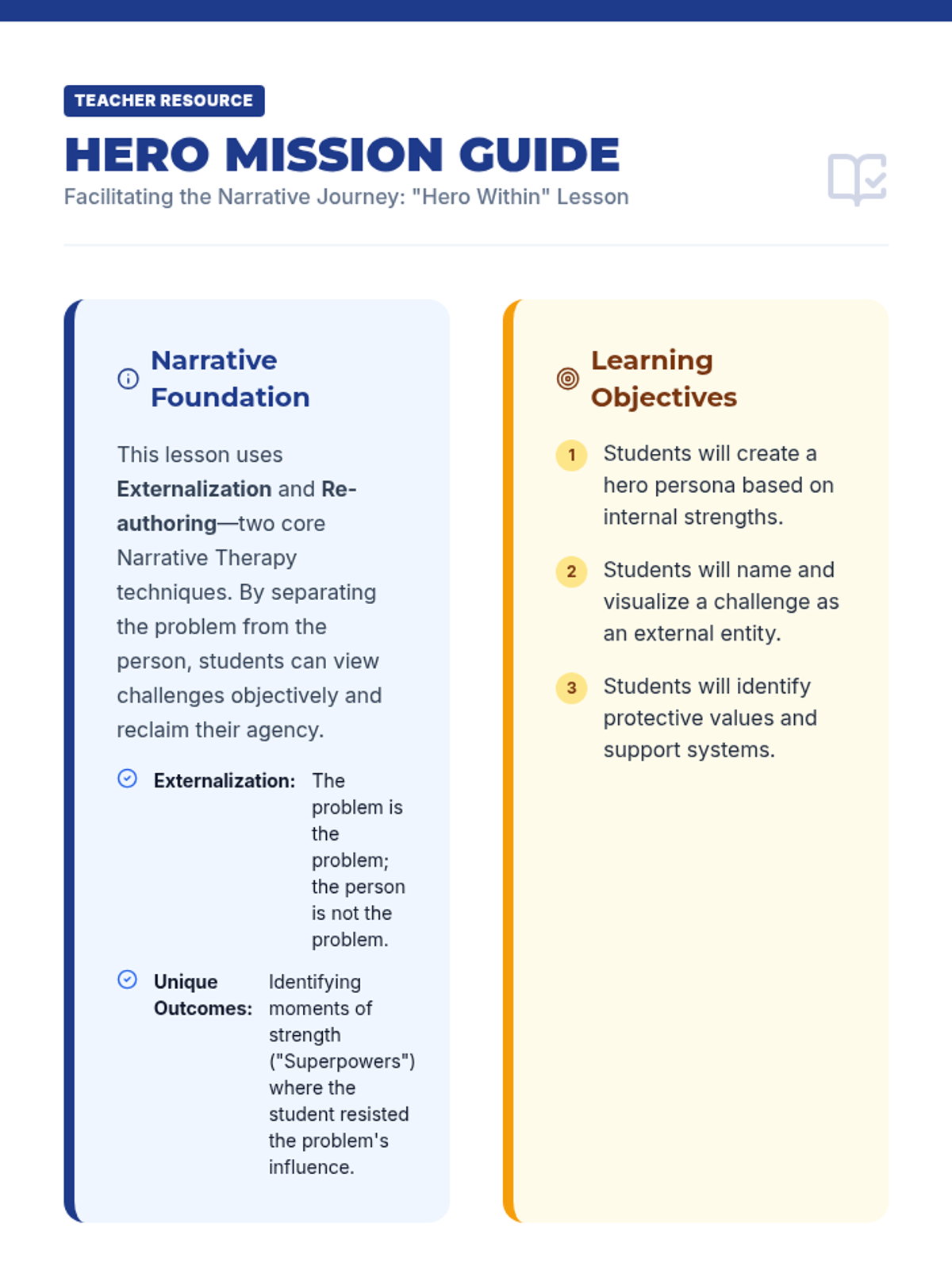
A lesson focused on helping students re-author their personal narratives by identifying their strengths, values, and 'heroic' qualities through creative art activities.
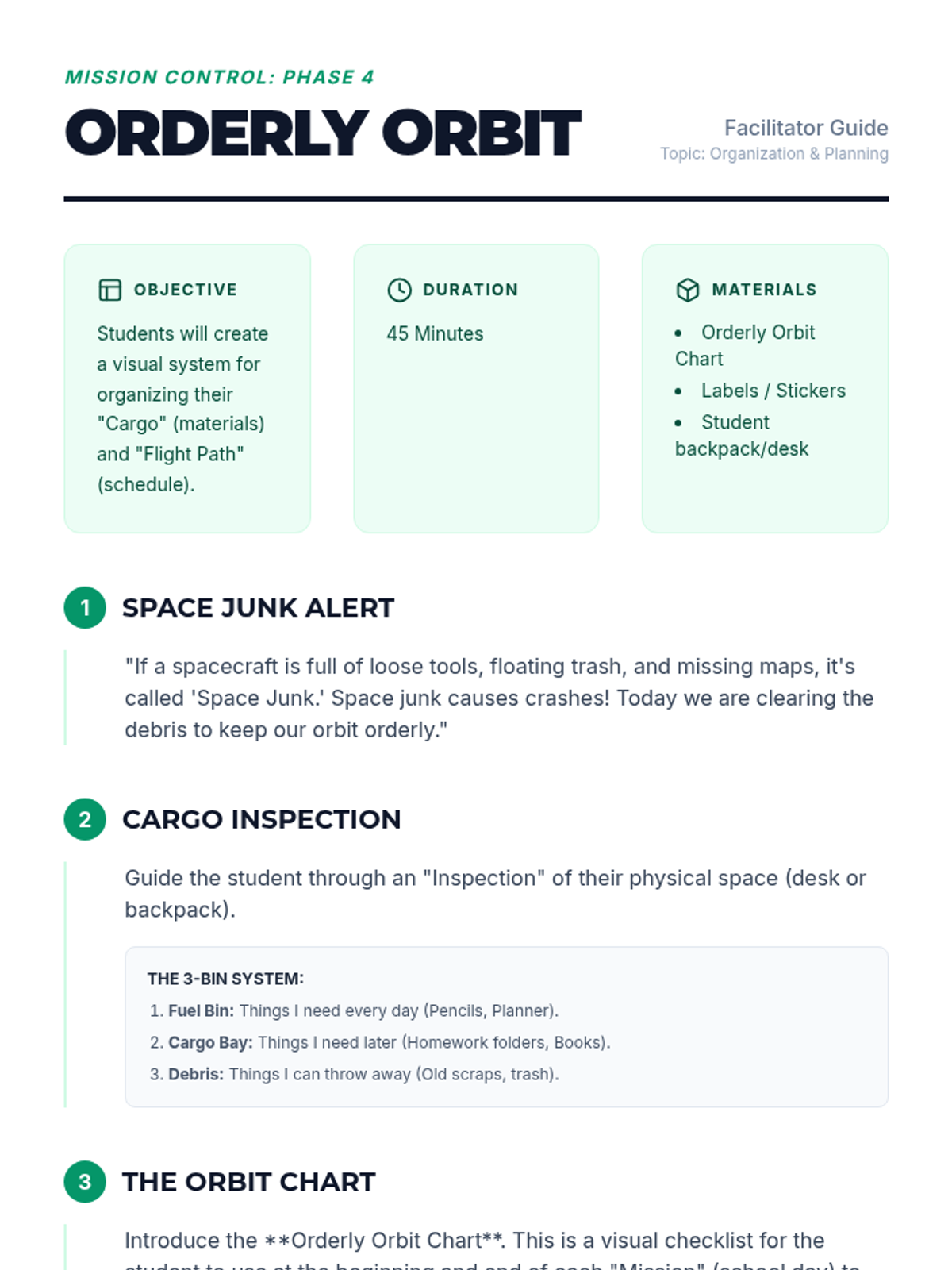
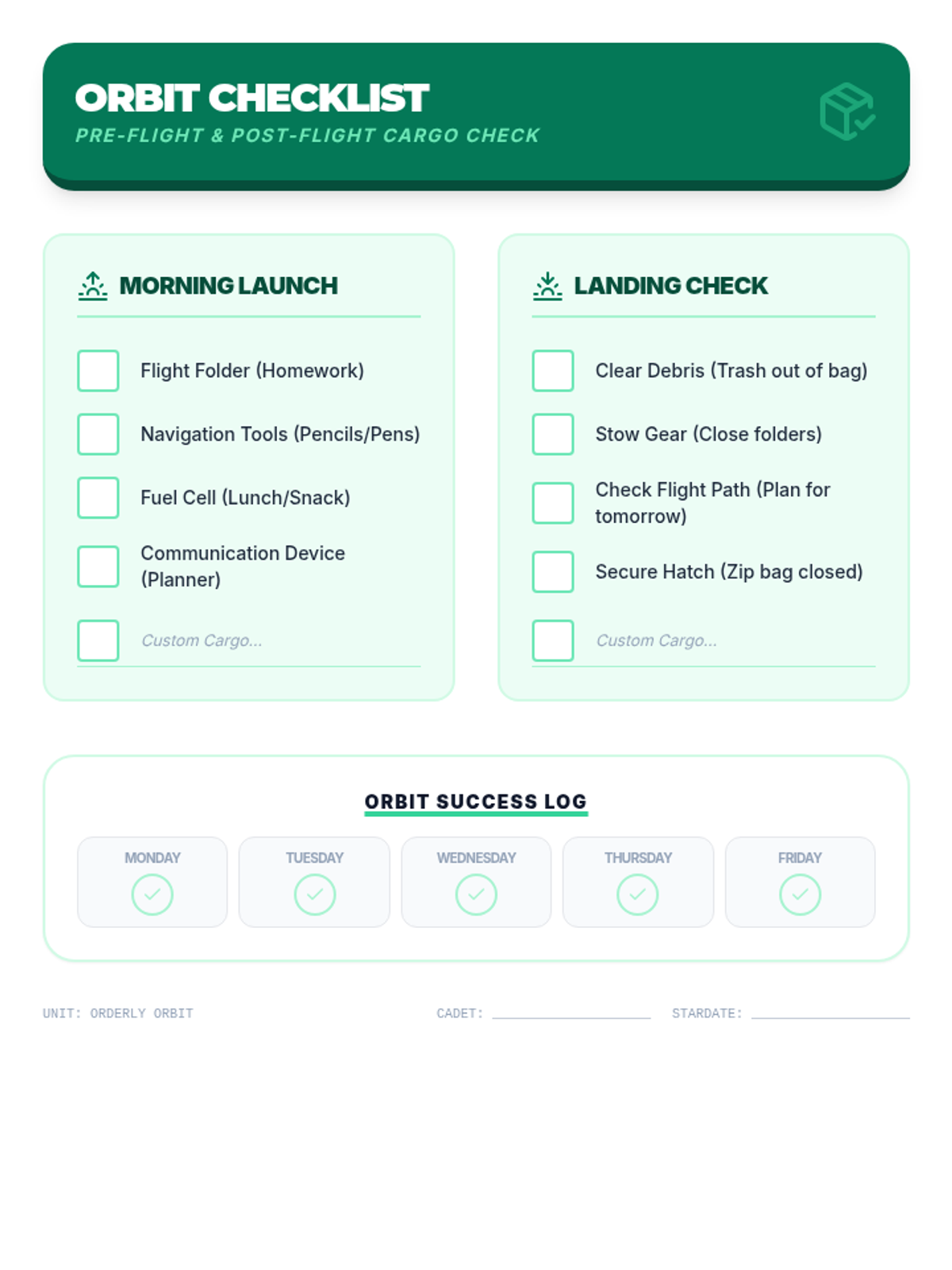
Teaches organizational strategies for managing physical materials and time, helping students maintain an 'Orderly Orbit' in their daily lives.
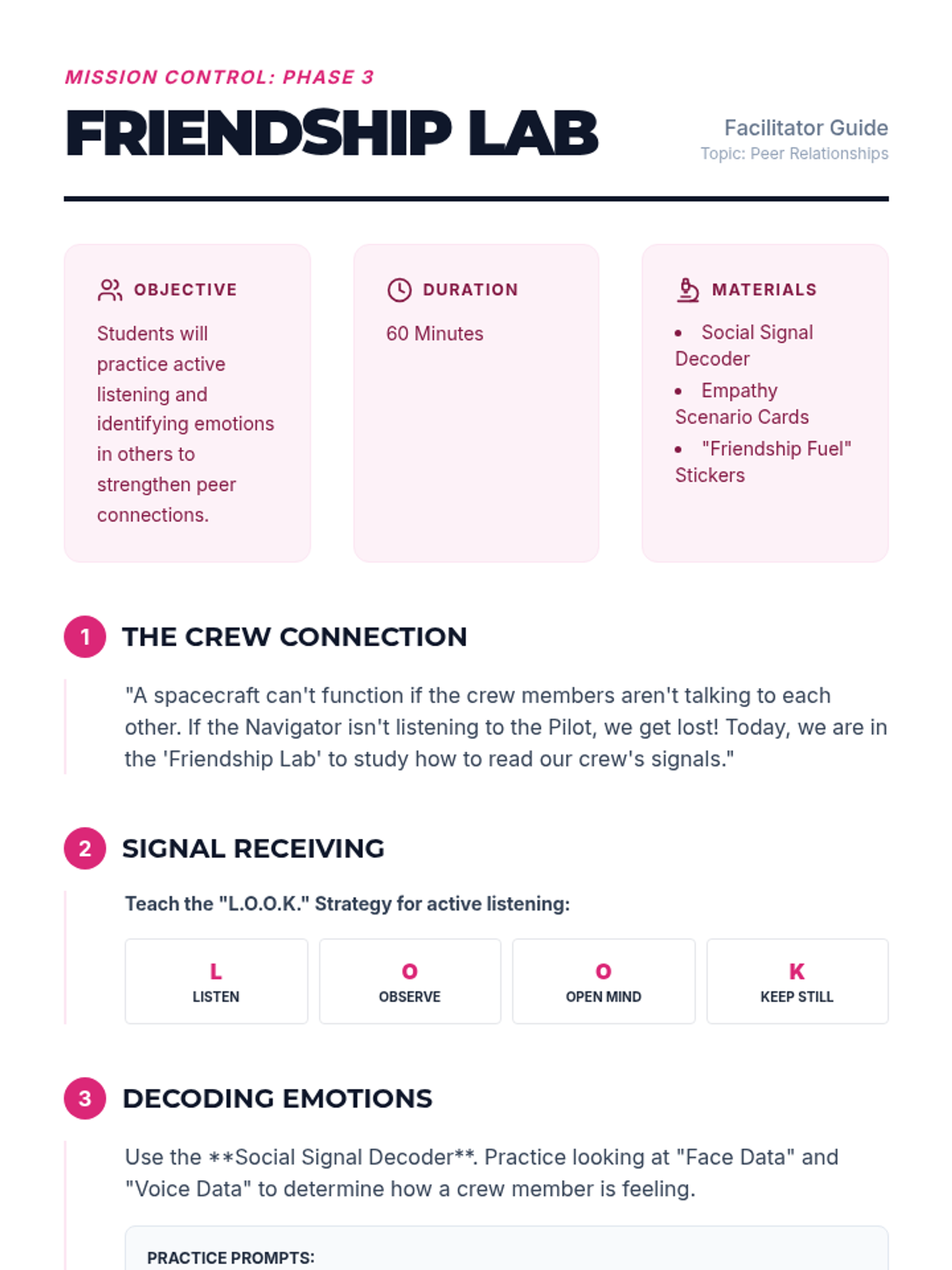
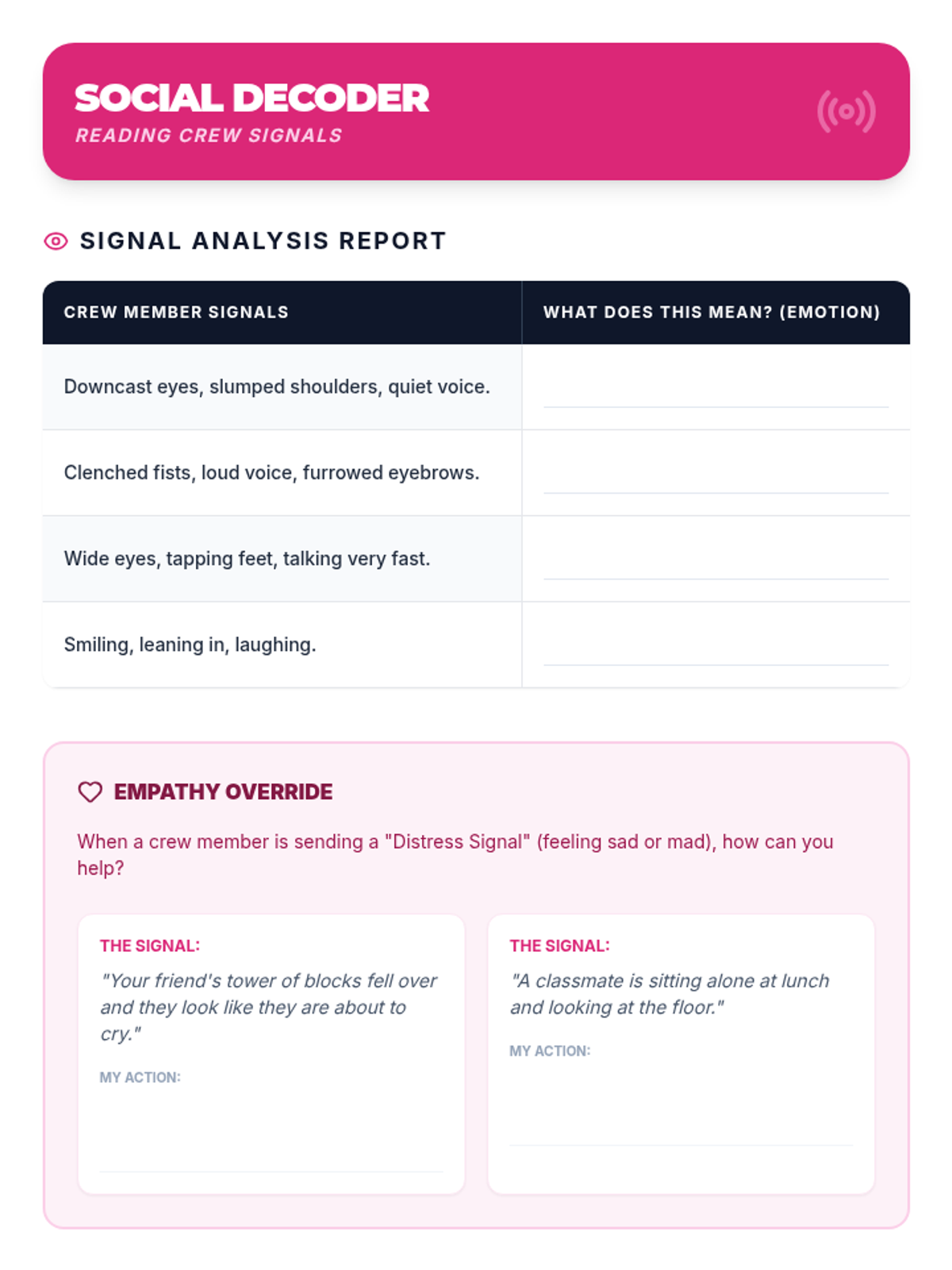
Targets social skills and peer interactions, focusing on empathy, active listening, and conflict resolution in various social scenarios.
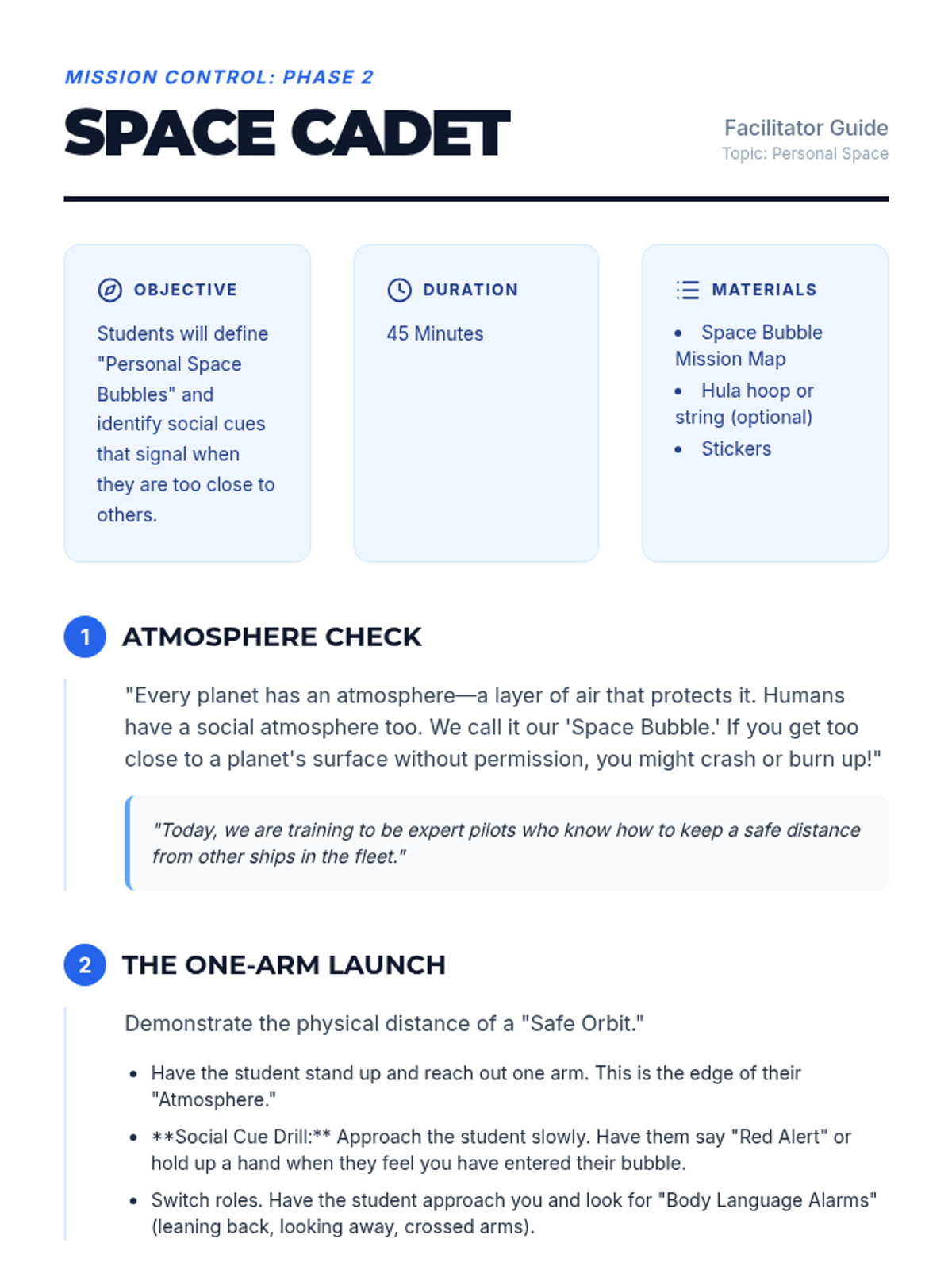
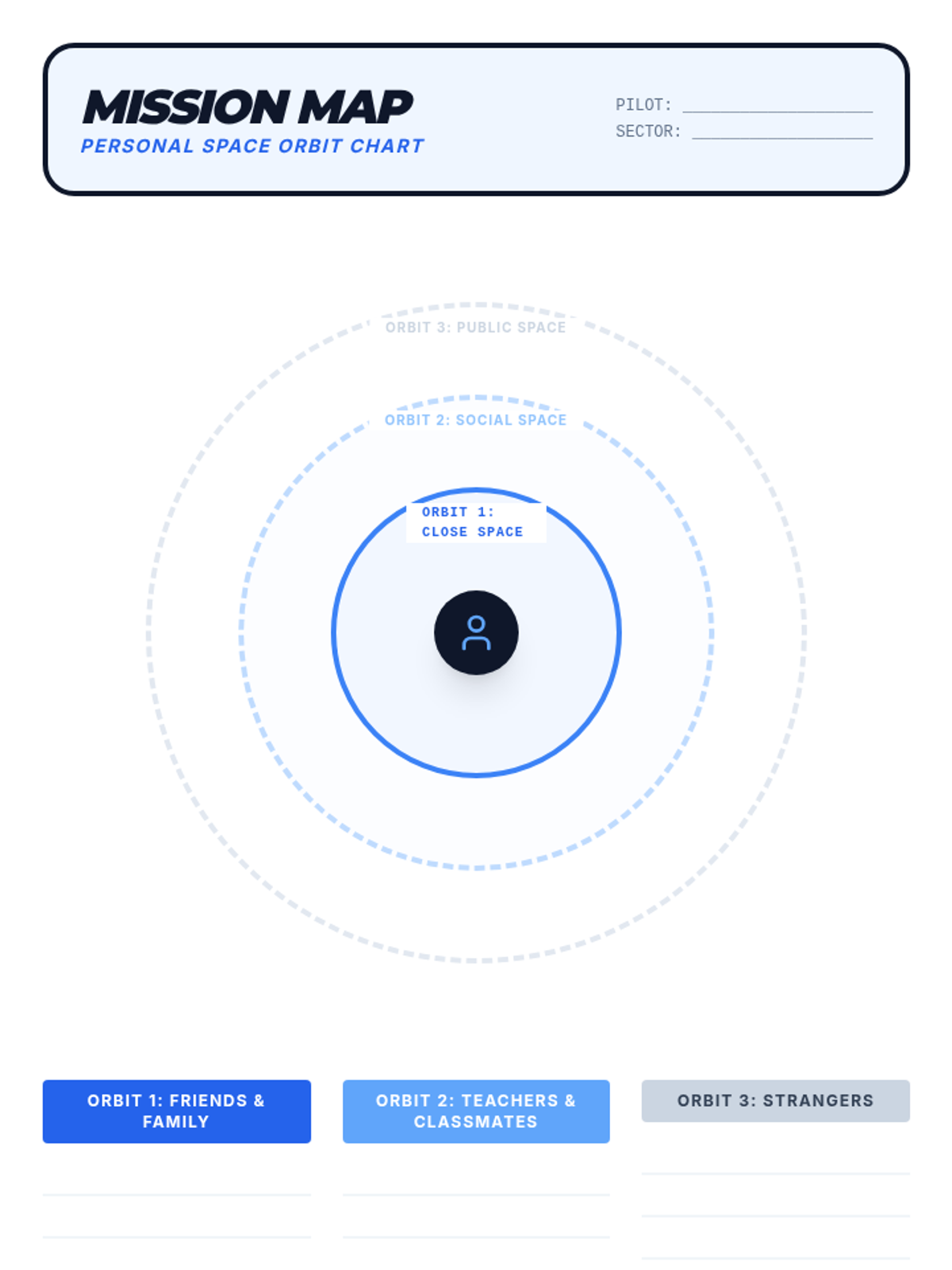
Explores the concept of personal space and physical boundaries, helping students understand social cues and 'the bubble' of others.
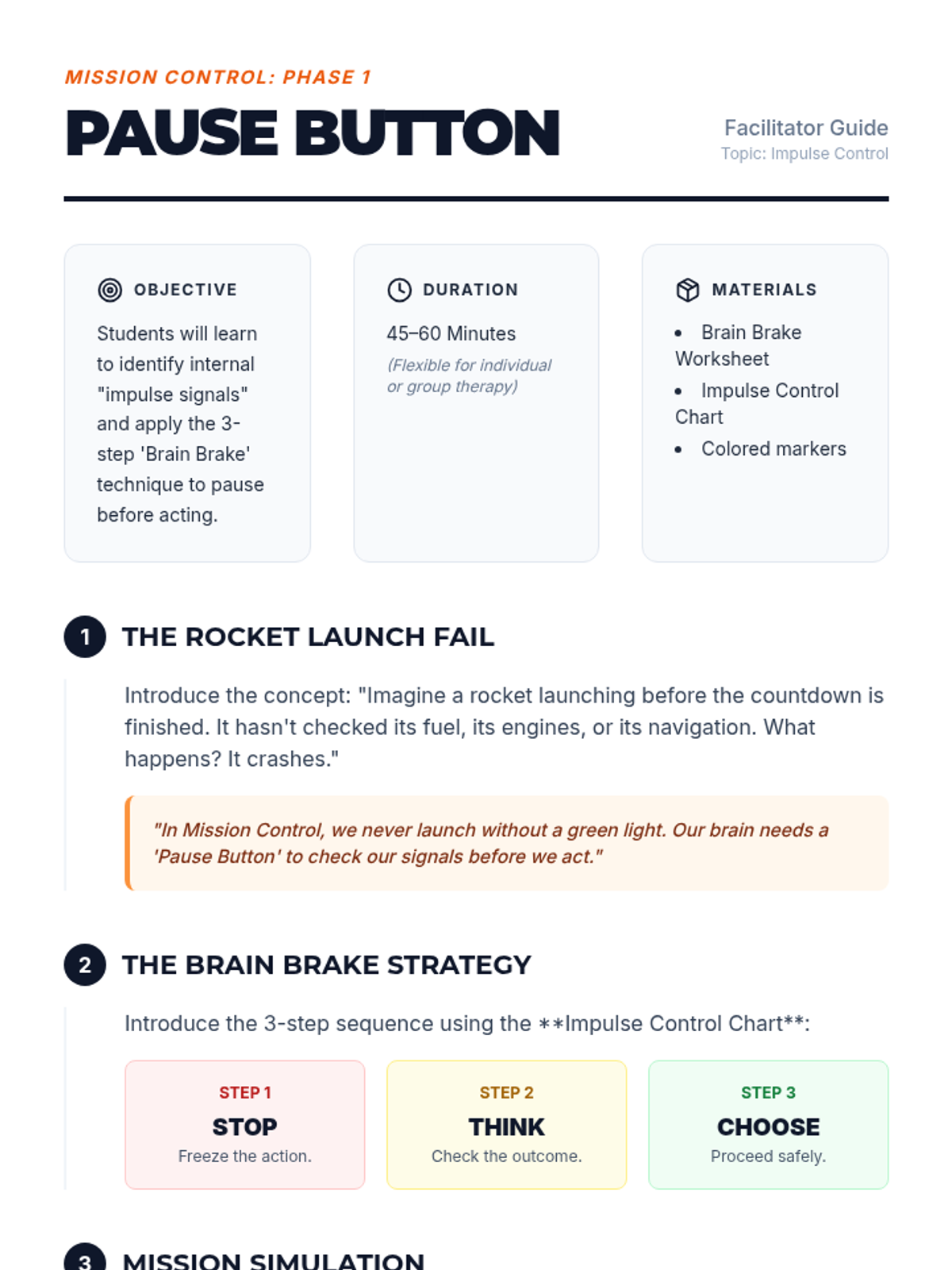
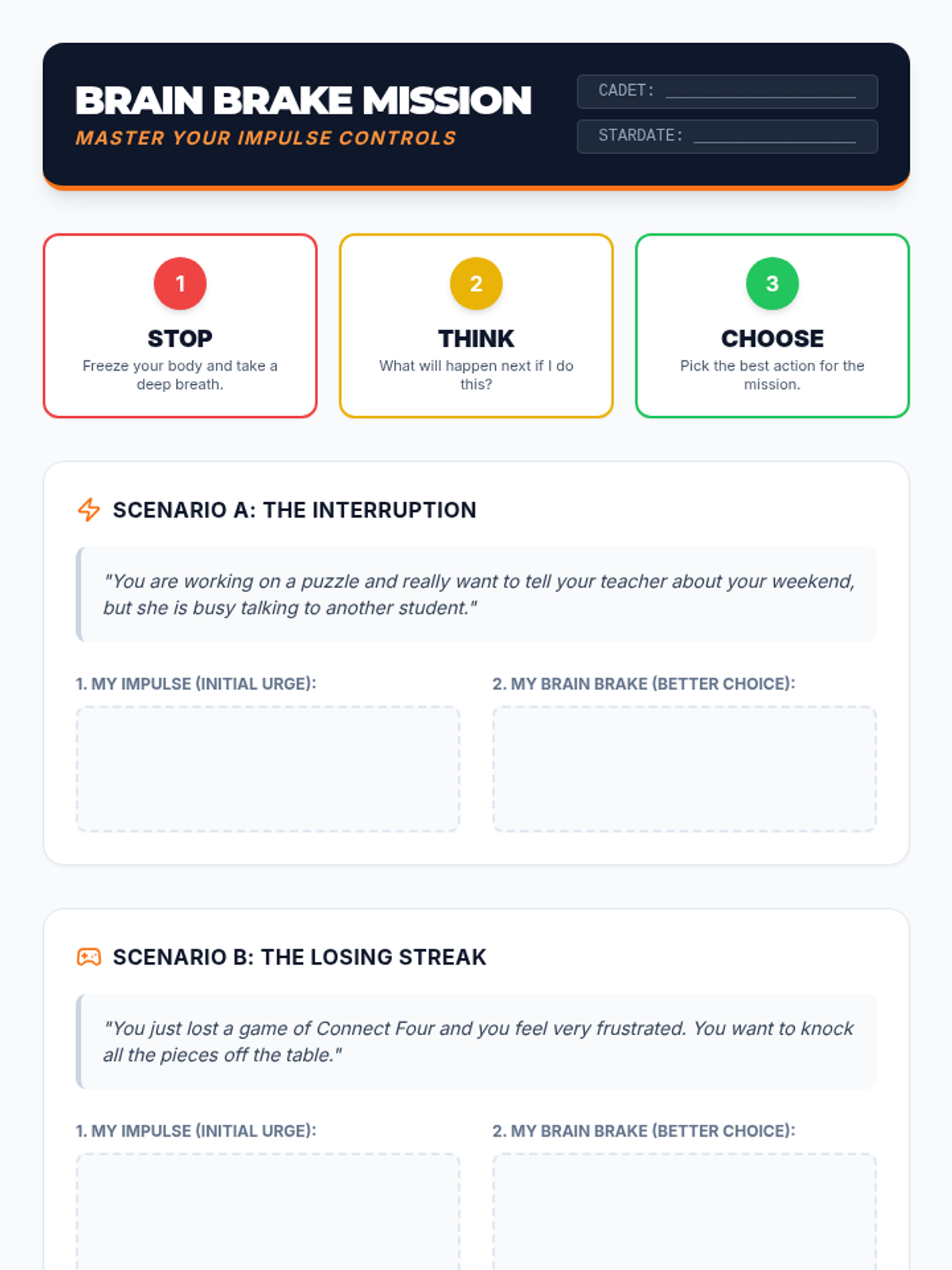
Focuses on developing impulse control by teaching students to 'pause' and evaluate their reactions before acting, using the 'Brain Brake' strategy.
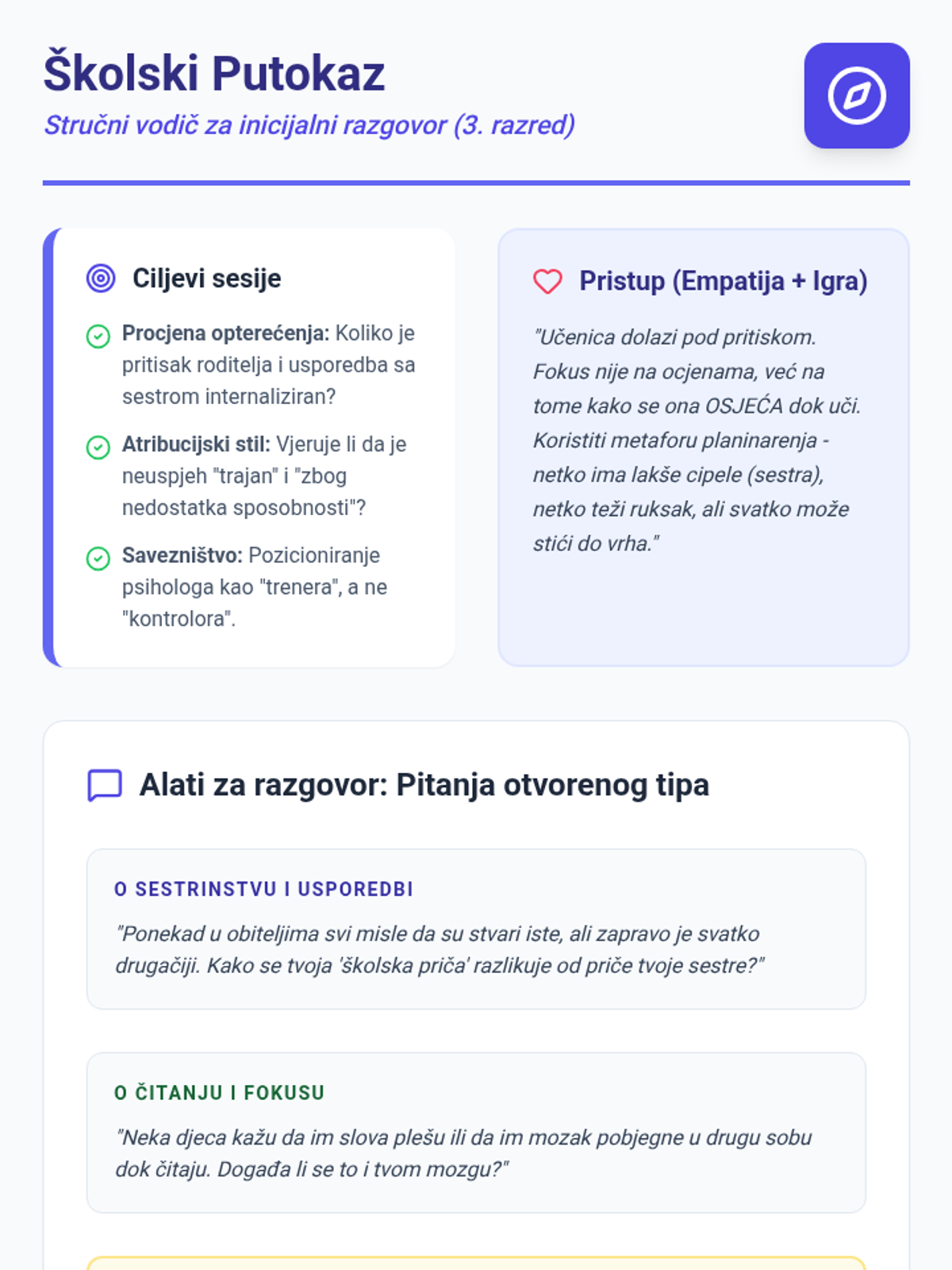
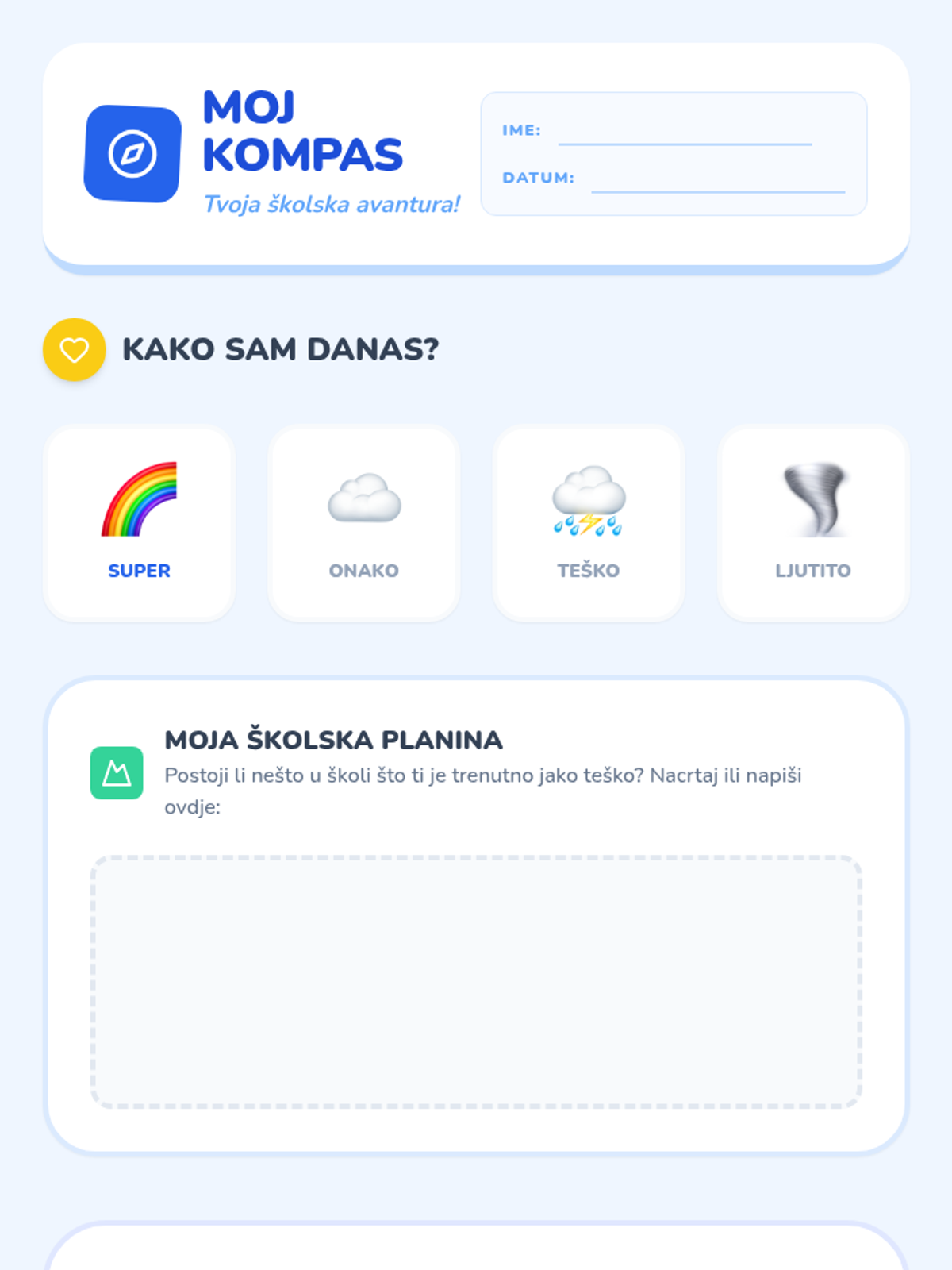
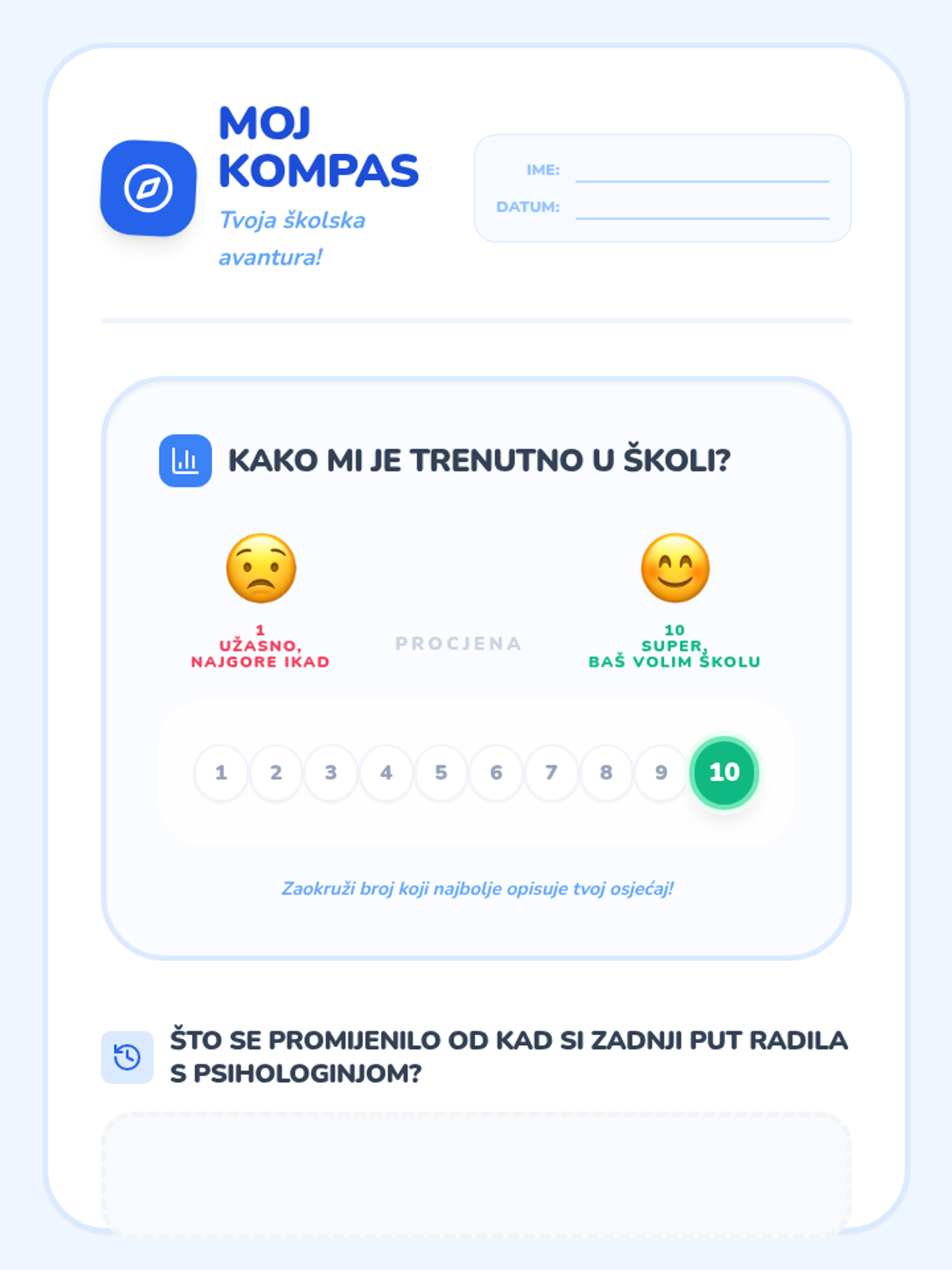
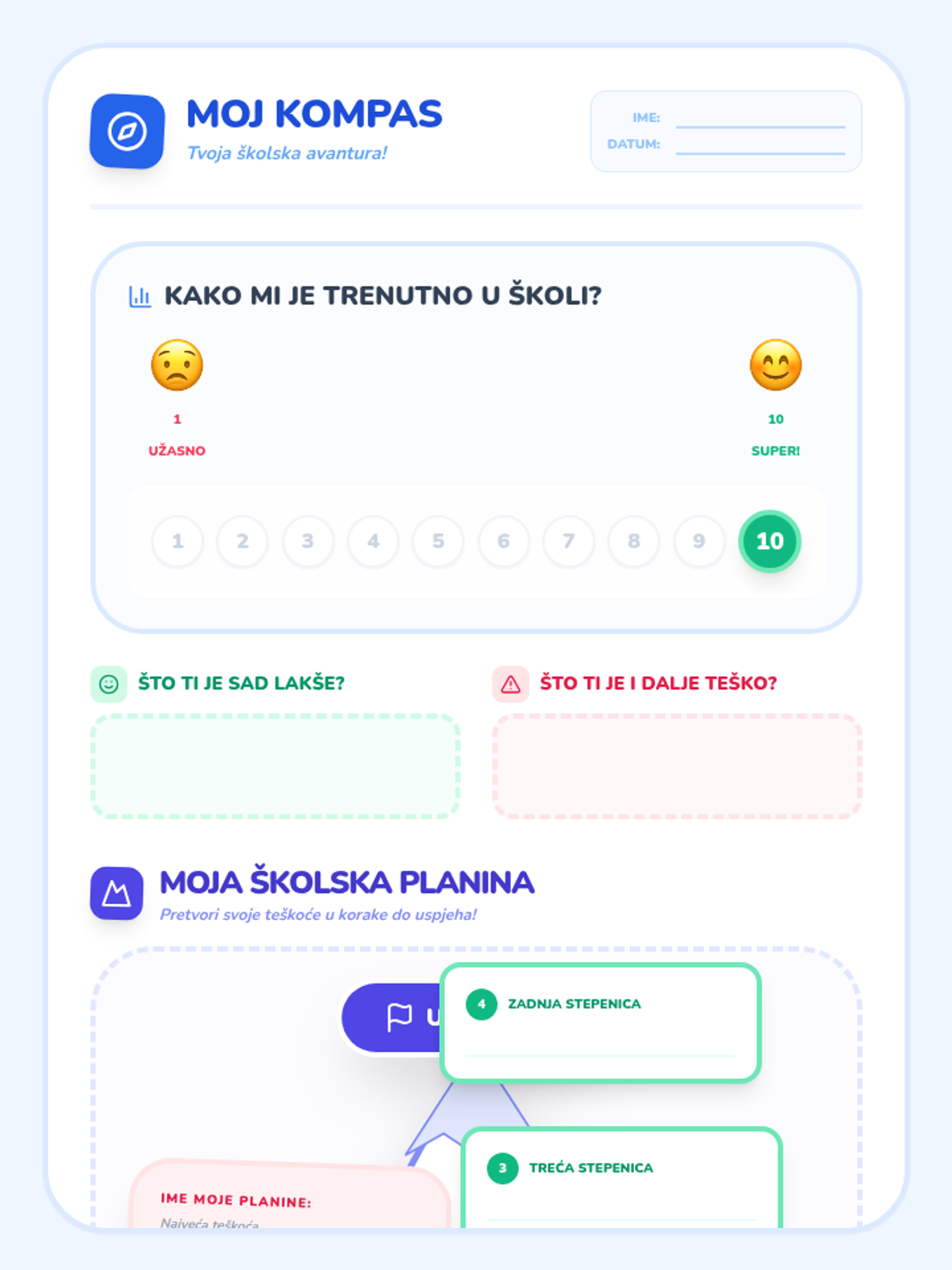
Prvi susret s učenicom trećeg razreda usmjeren na procjenu motivacije, atribucijskih stilova i uspostavljanje povjerenja kroz kreativne aktivnosti.
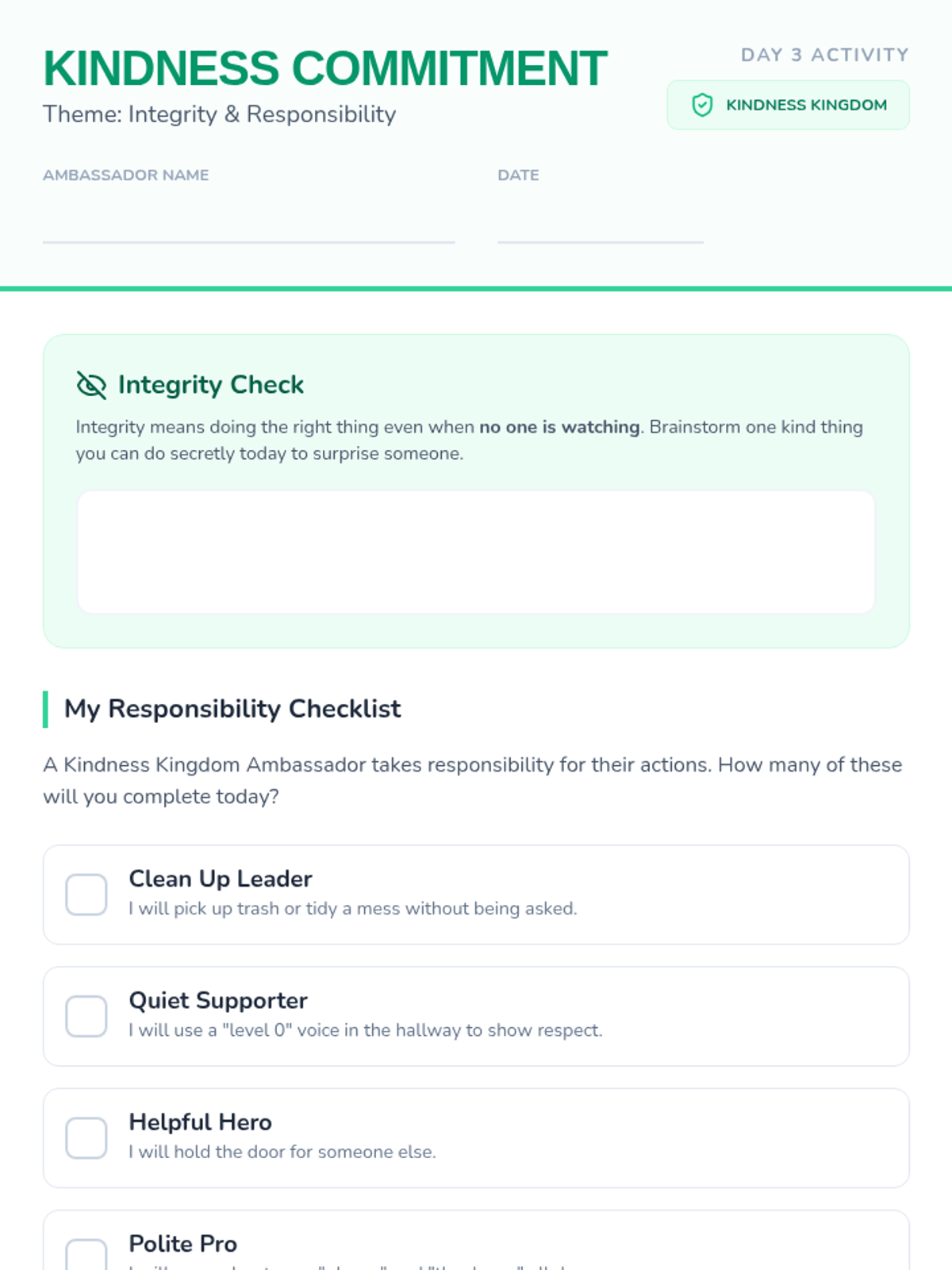
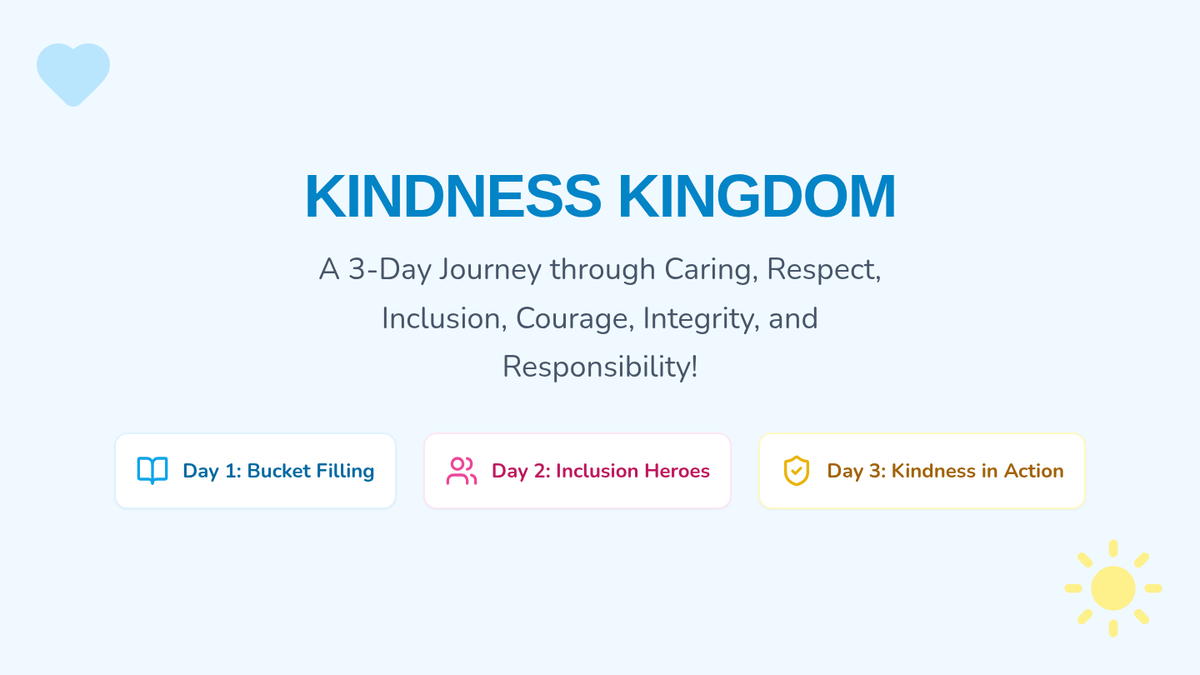
Explores integrity and responsibility by making personal commitments to kindness and identifying ways to act kindly even when no one is watching.
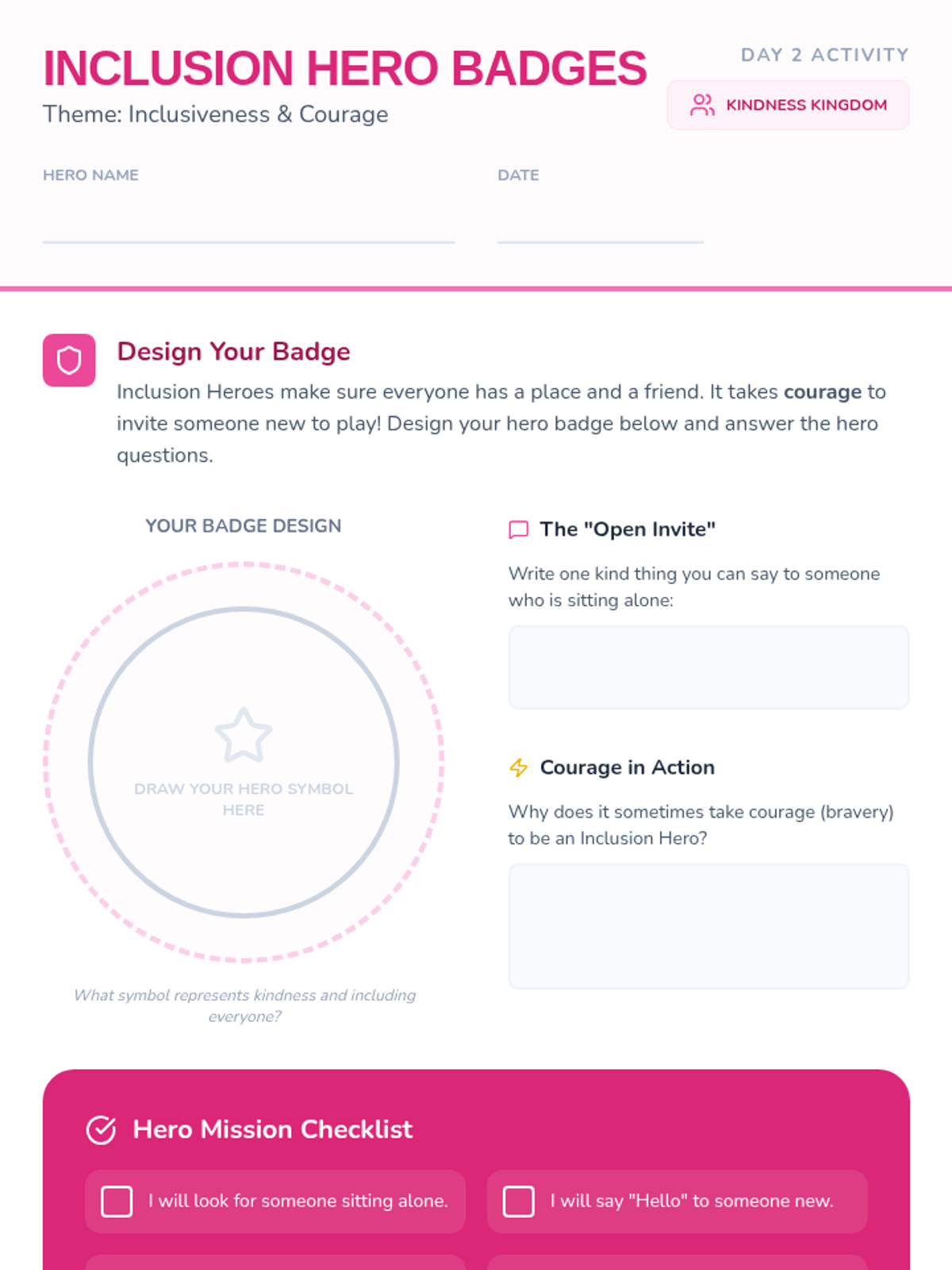
Focuses on inclusiveness and the courage to invite others in, featuring activities that promote social awareness and bravery in kindness.
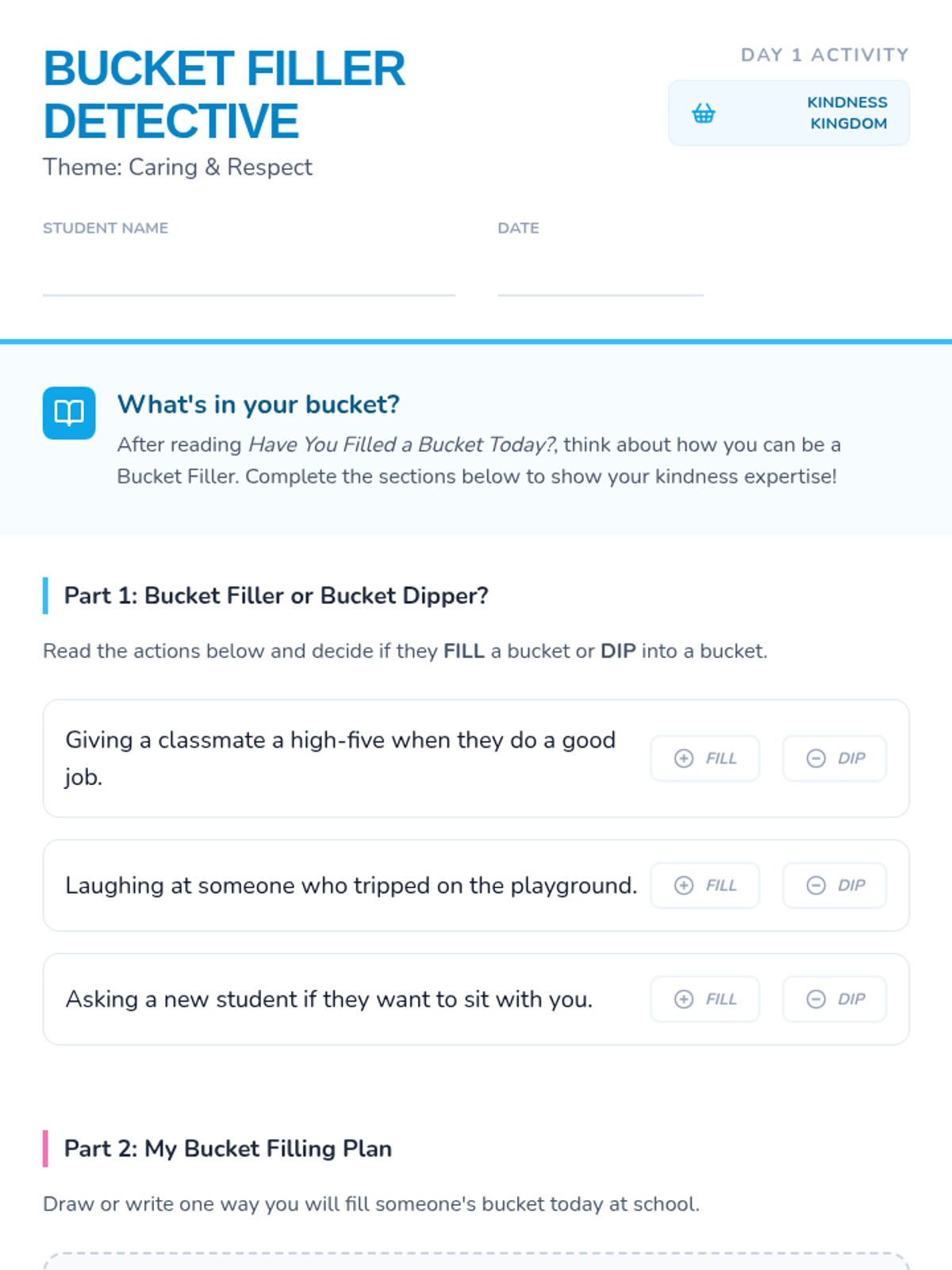
Students learn about caring and respect through the 'bucket filling' metaphor, identifying ways to be kind to others and themselves.
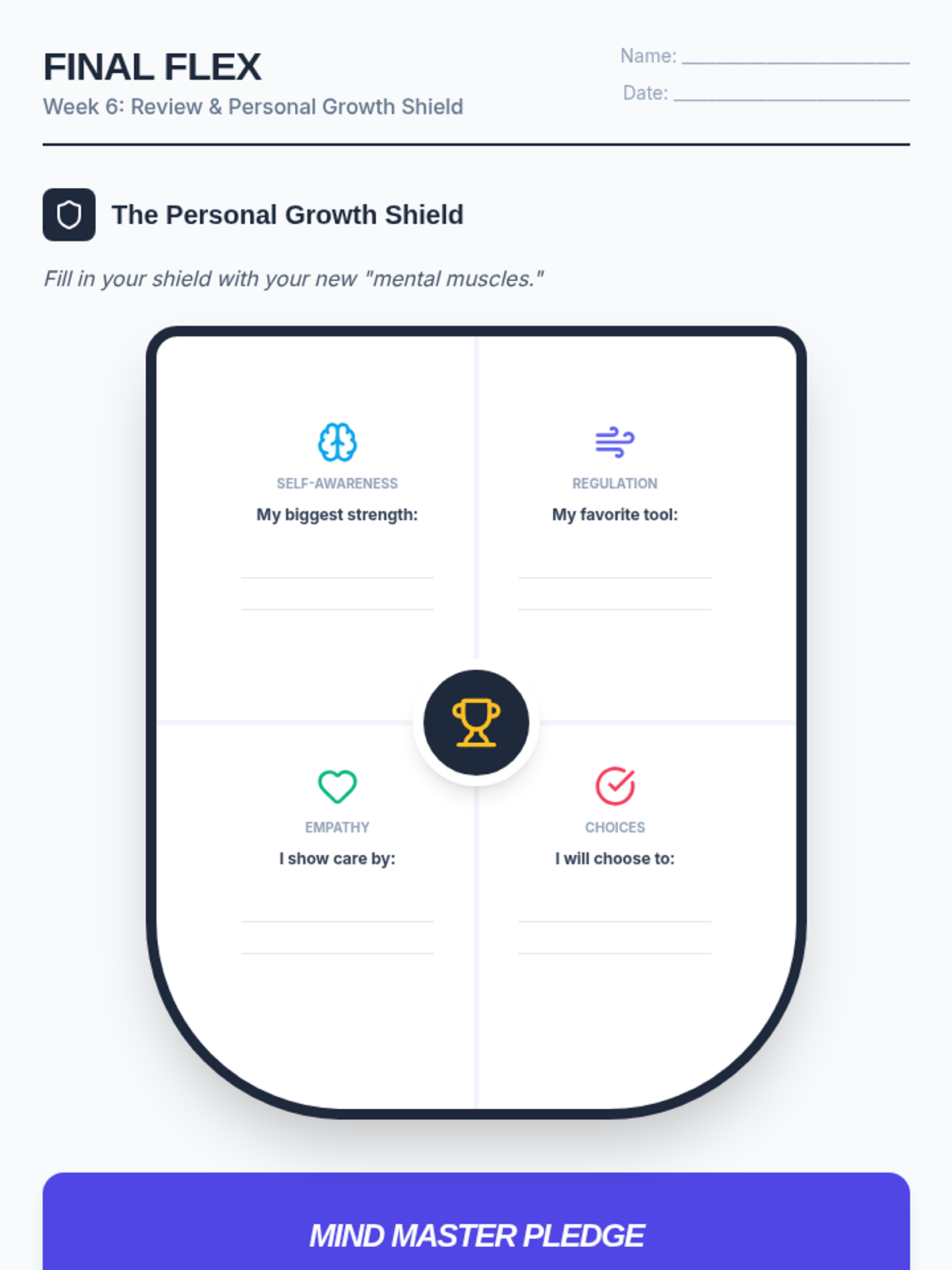
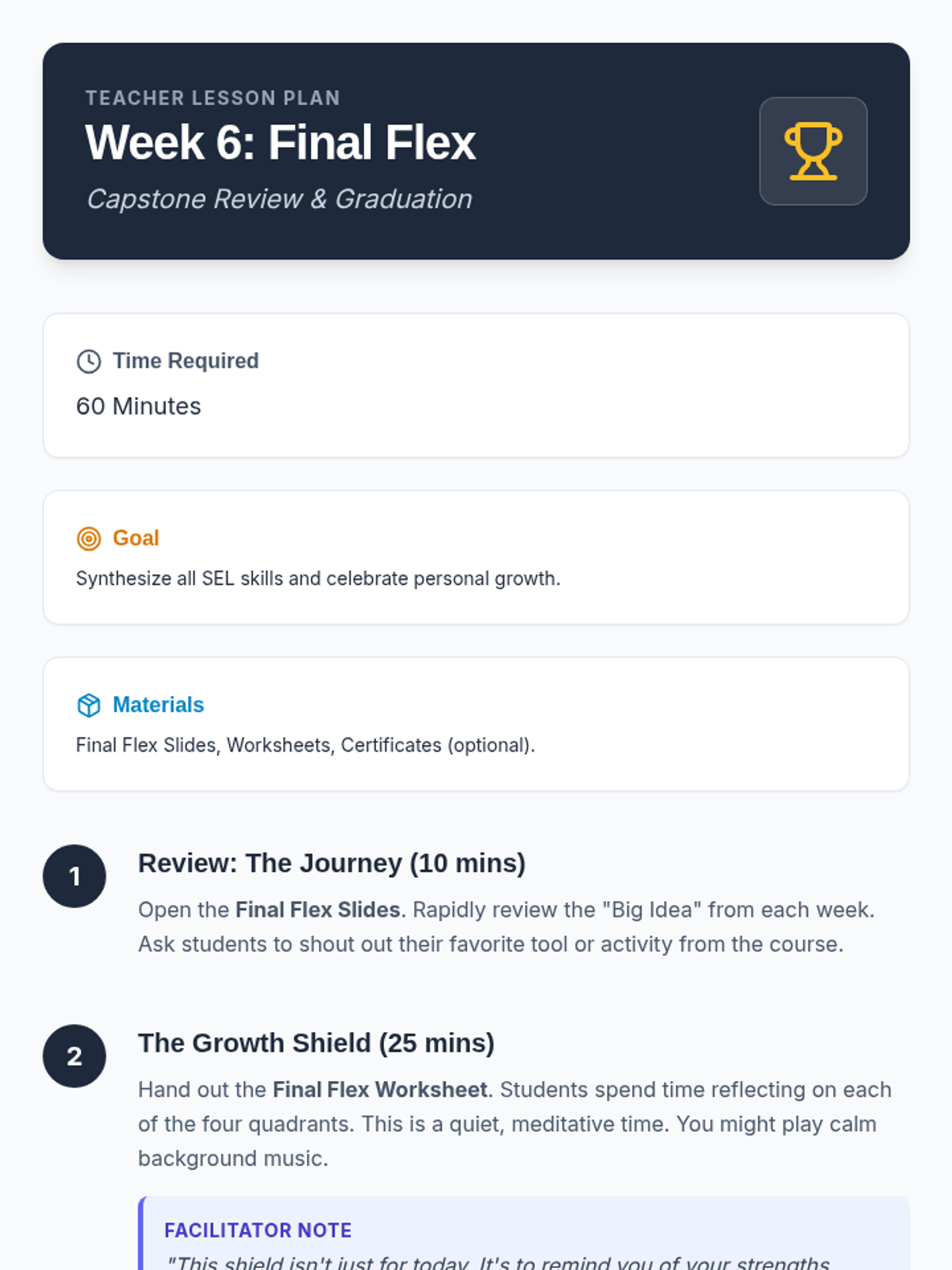
A capstone week that reviews all previous concepts and challenges students to apply their 'Mind Gym' skills to a final group project or reflection.
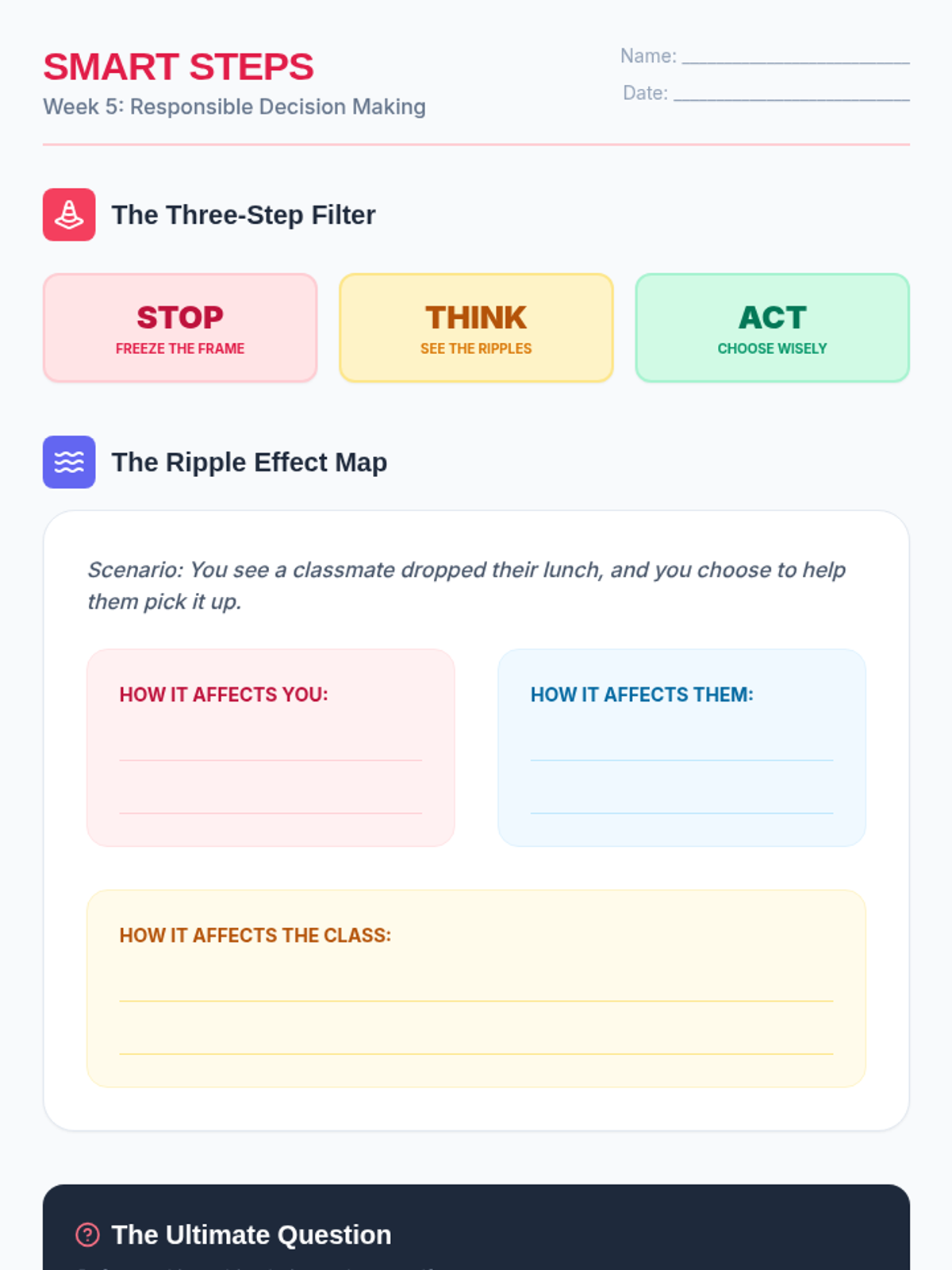
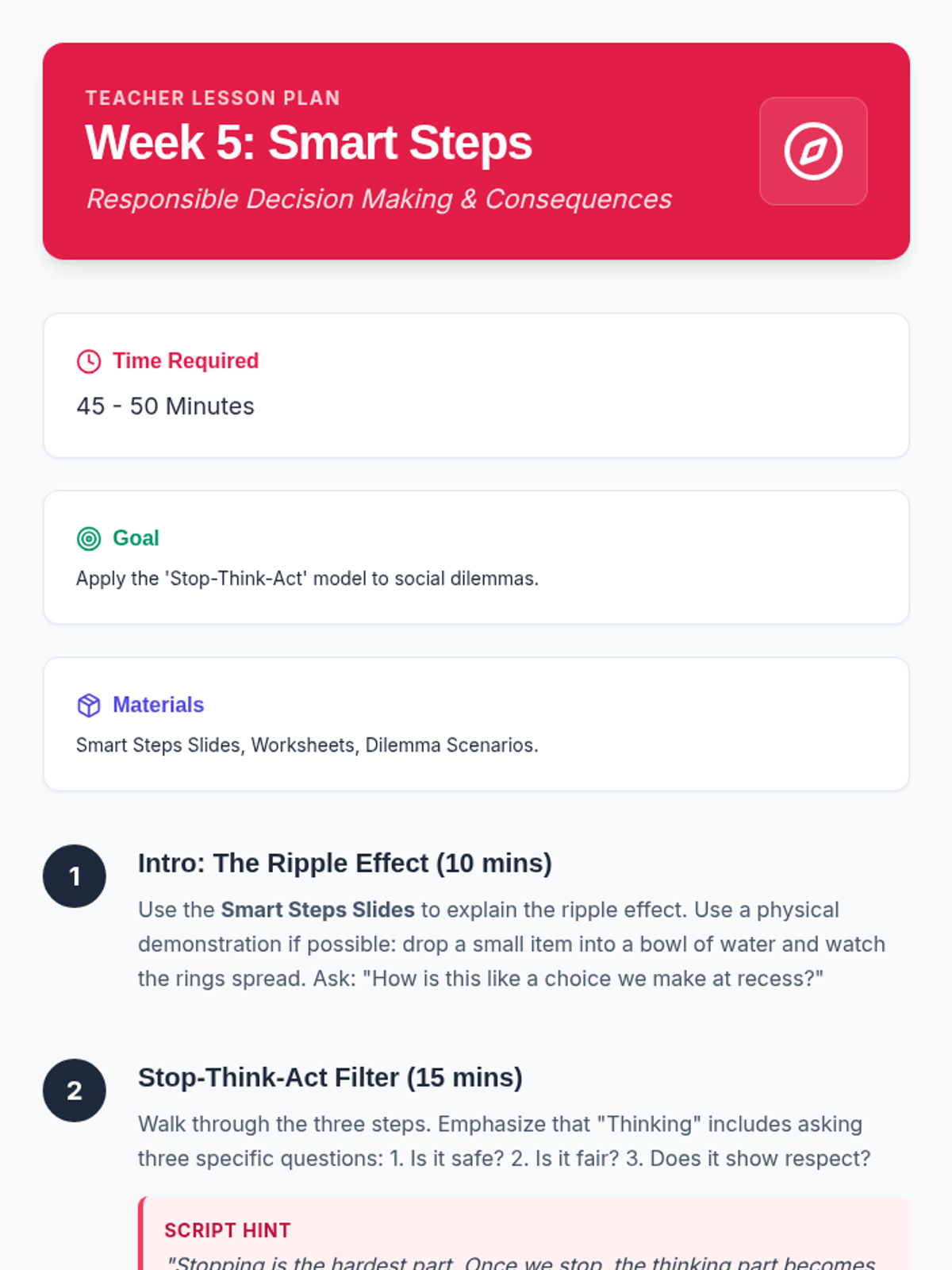
Teaches responsible decision-making by evaluating consequences, ethical standards, and safety when making choices in various situations.
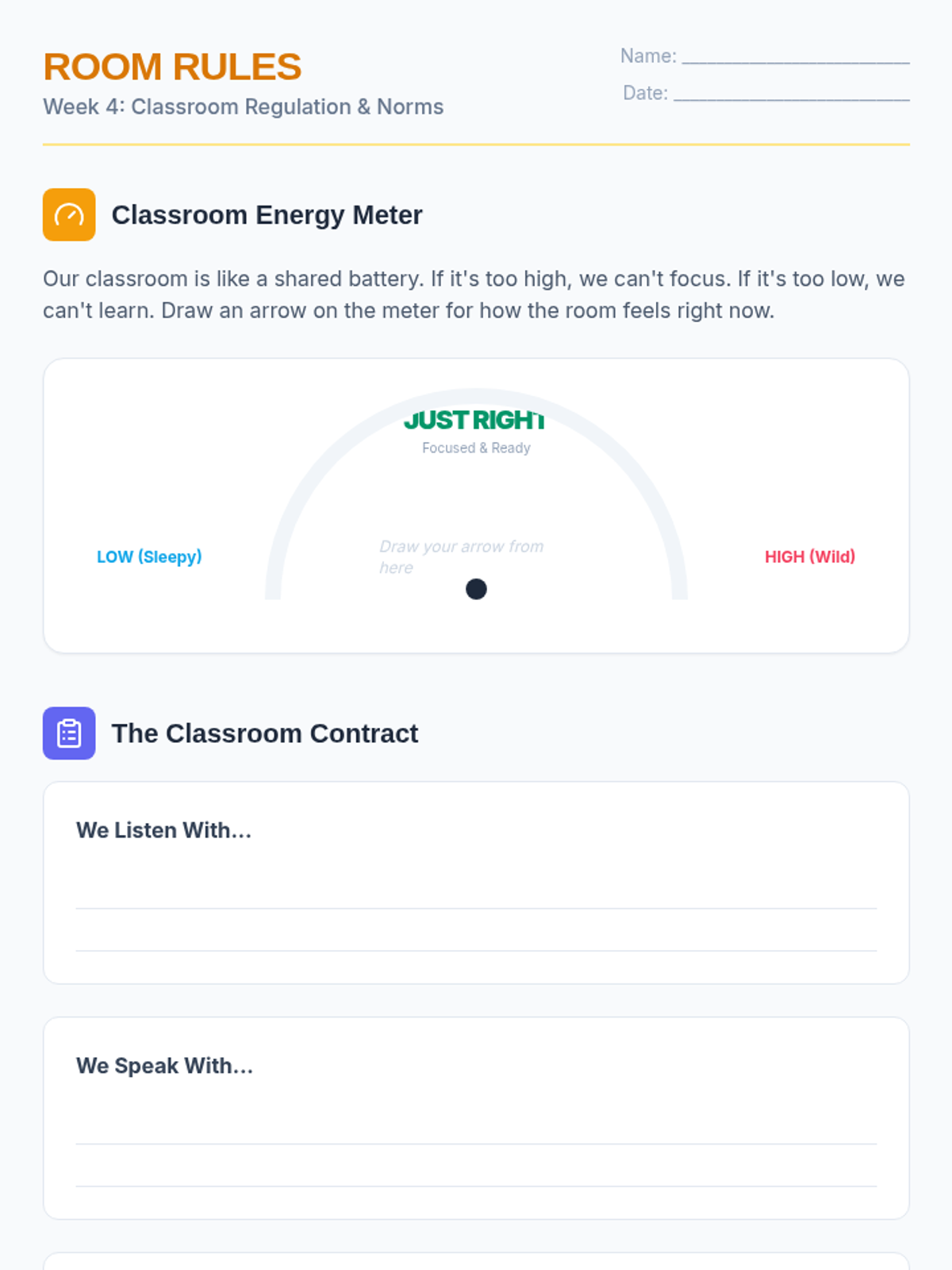
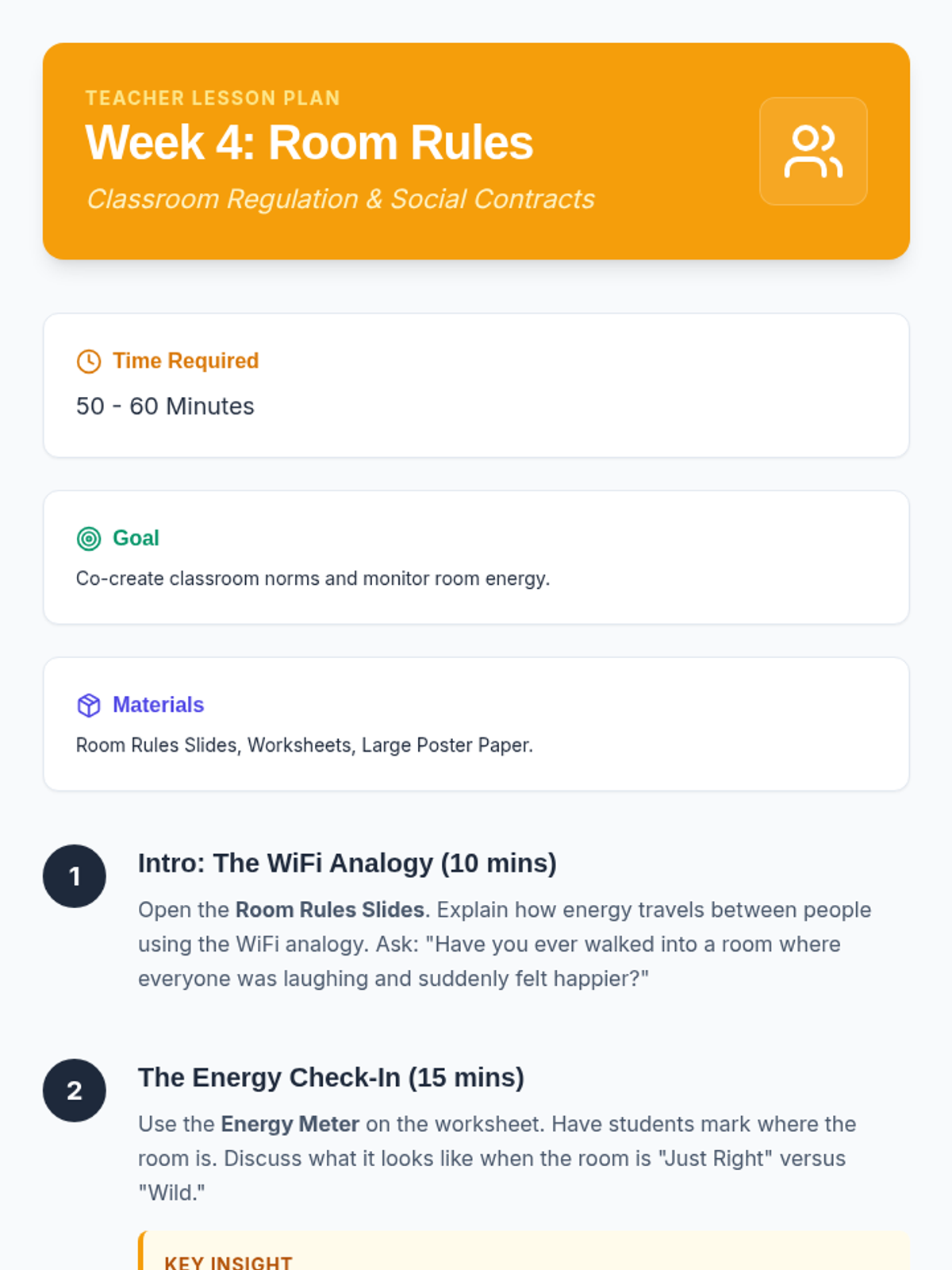
Addresses classroom regulation and collective responsibility, focusing on creating a positive learning environment through cooperation and shared norms.
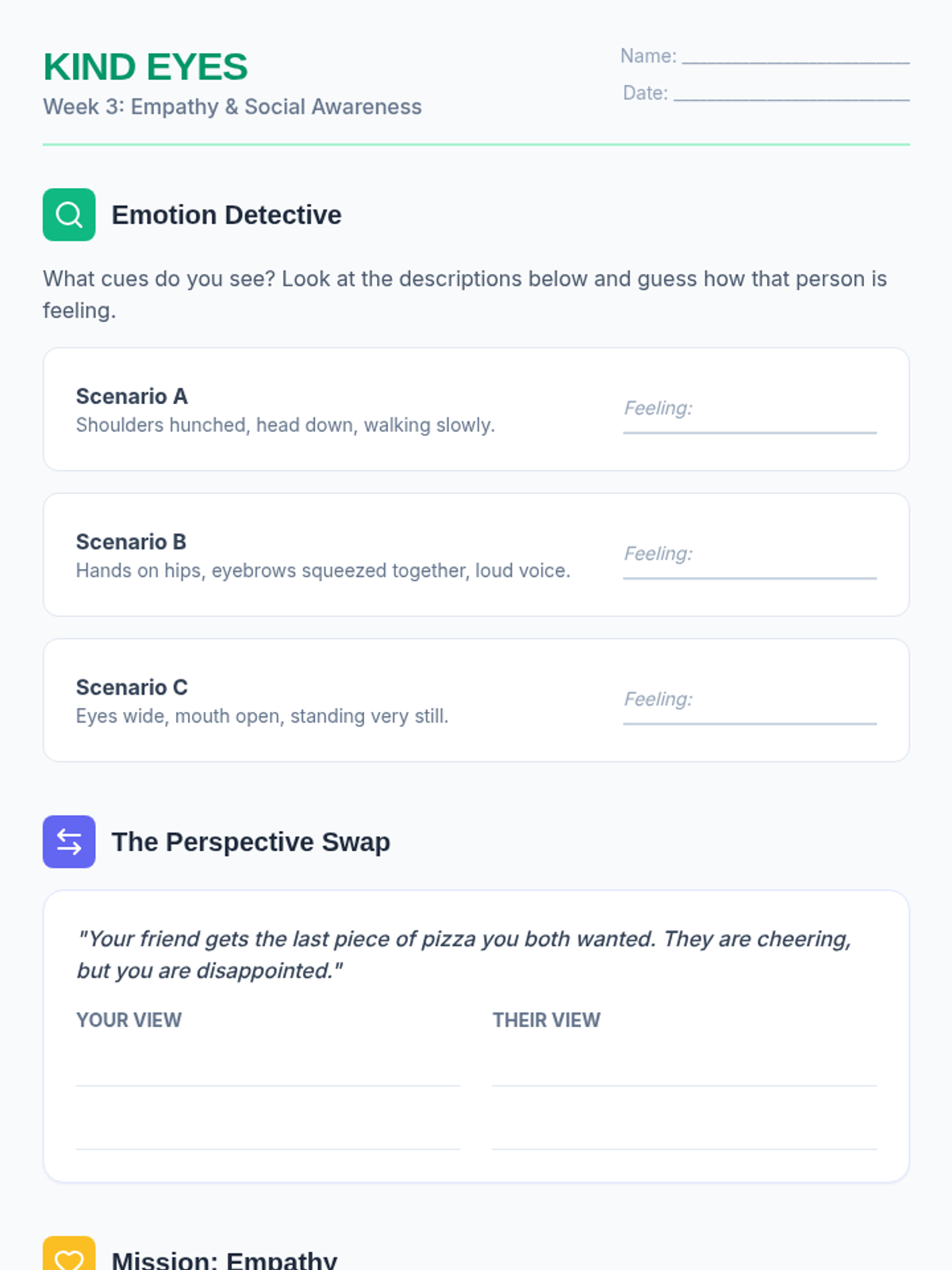
Explores social awareness and empathy, helping students understand different perspectives and the impact of their words and actions on others.
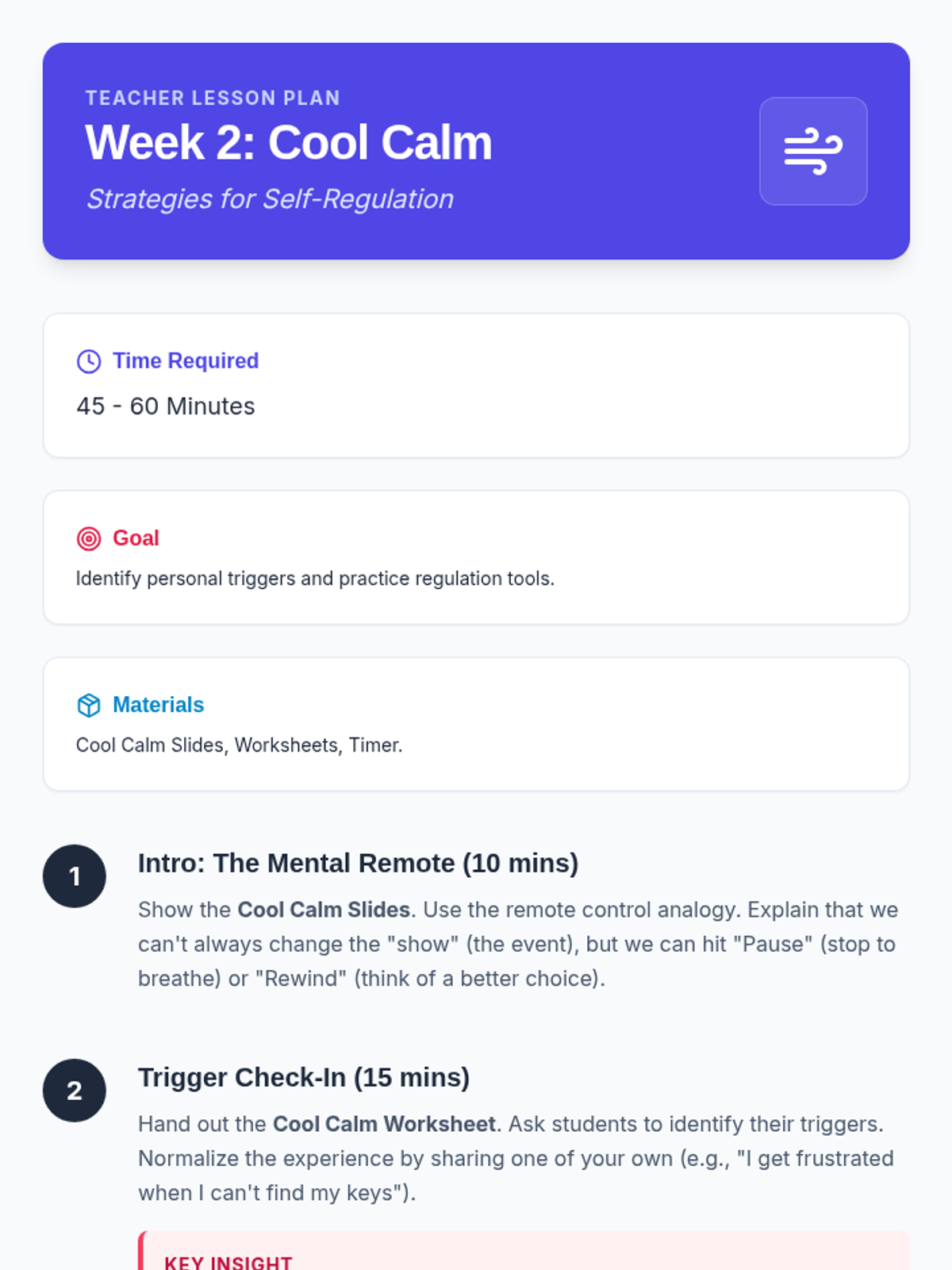
Focuses on self-regulation strategies, including identifying emotional triggers and practicing calming techniques like breathing and mindfulness.
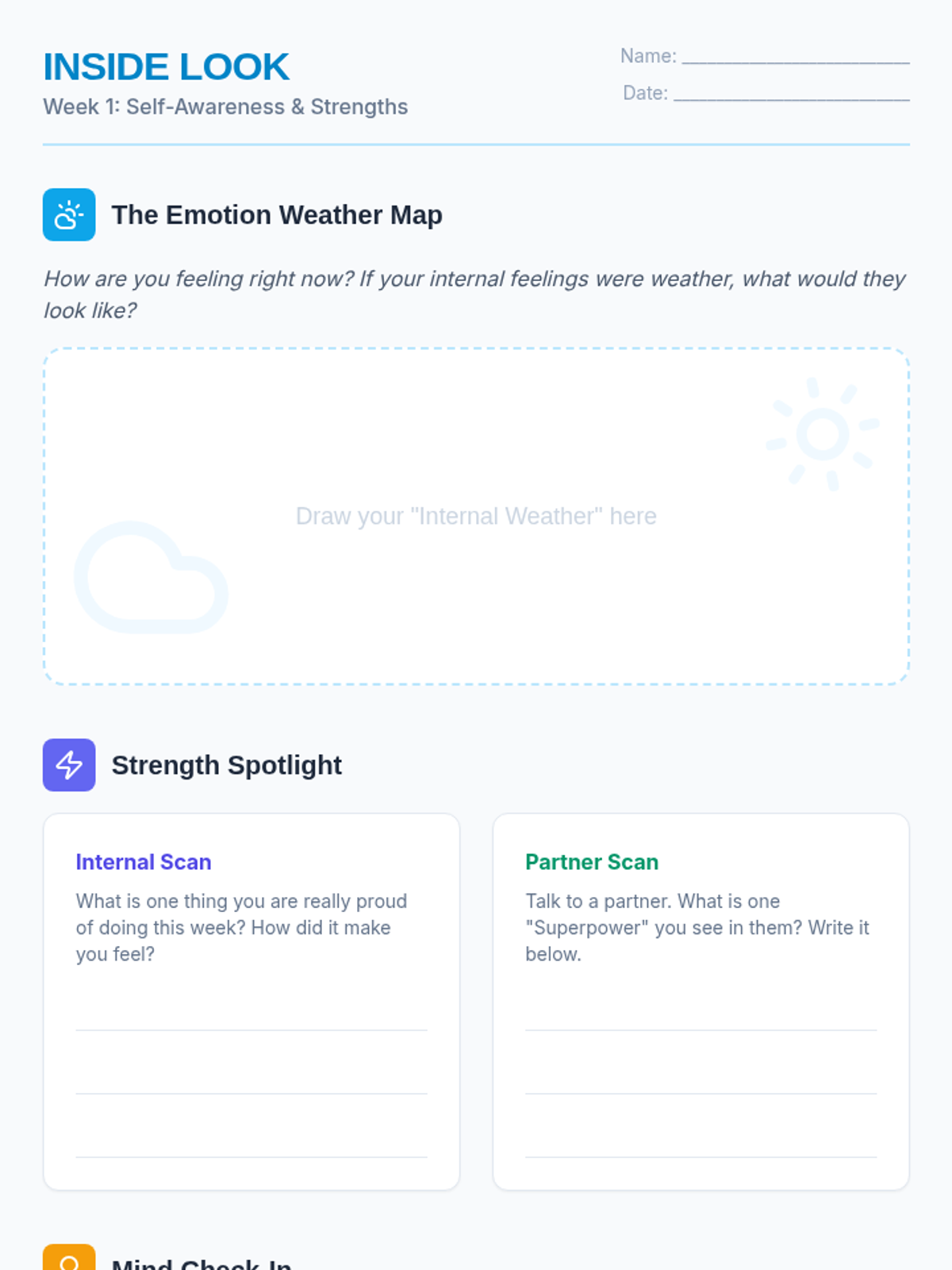
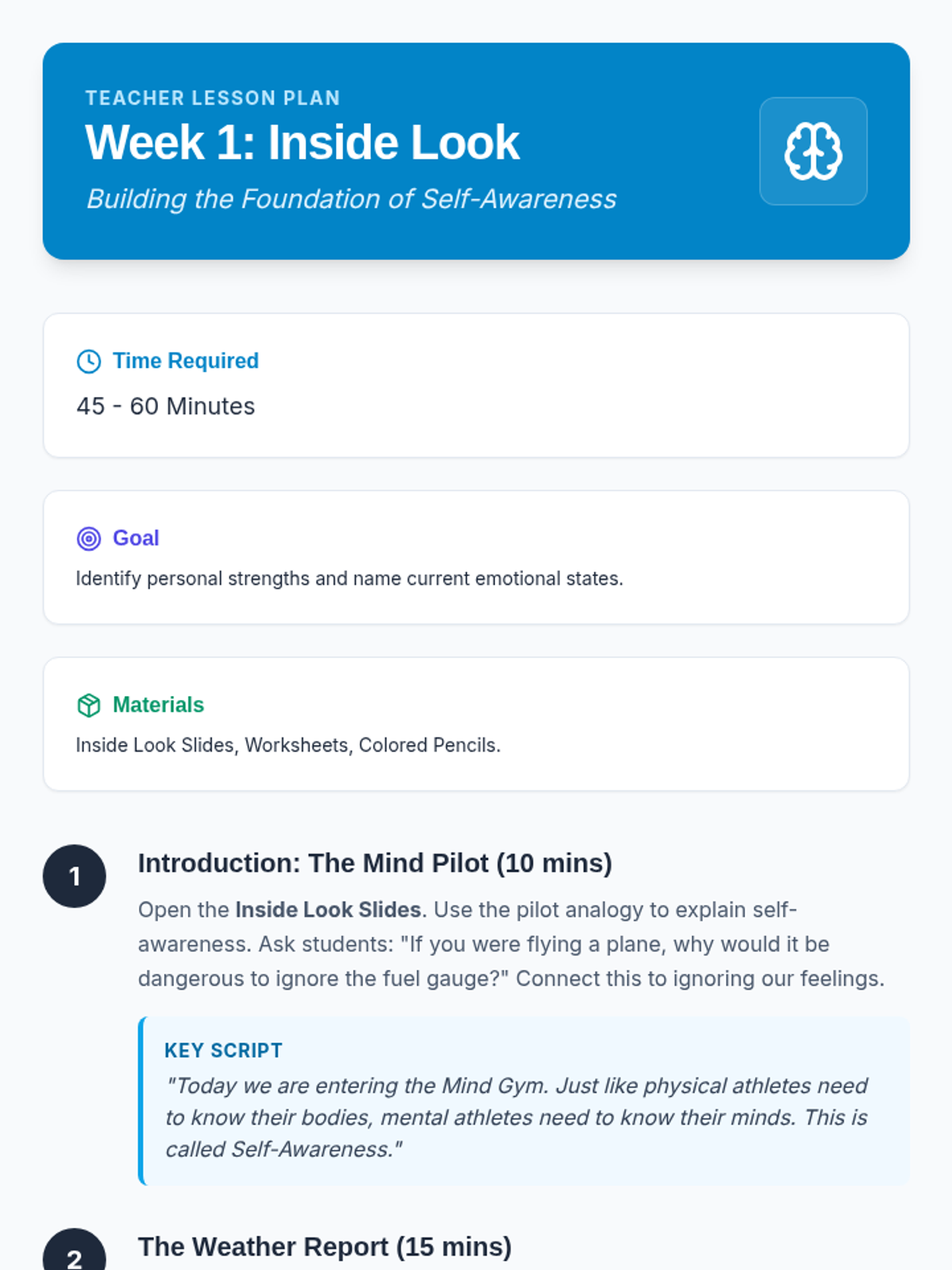
Introduction to self-awareness, focusing on identifying personal strengths, values, and emotions. Students learn to recognize how their internal state influences their actions.
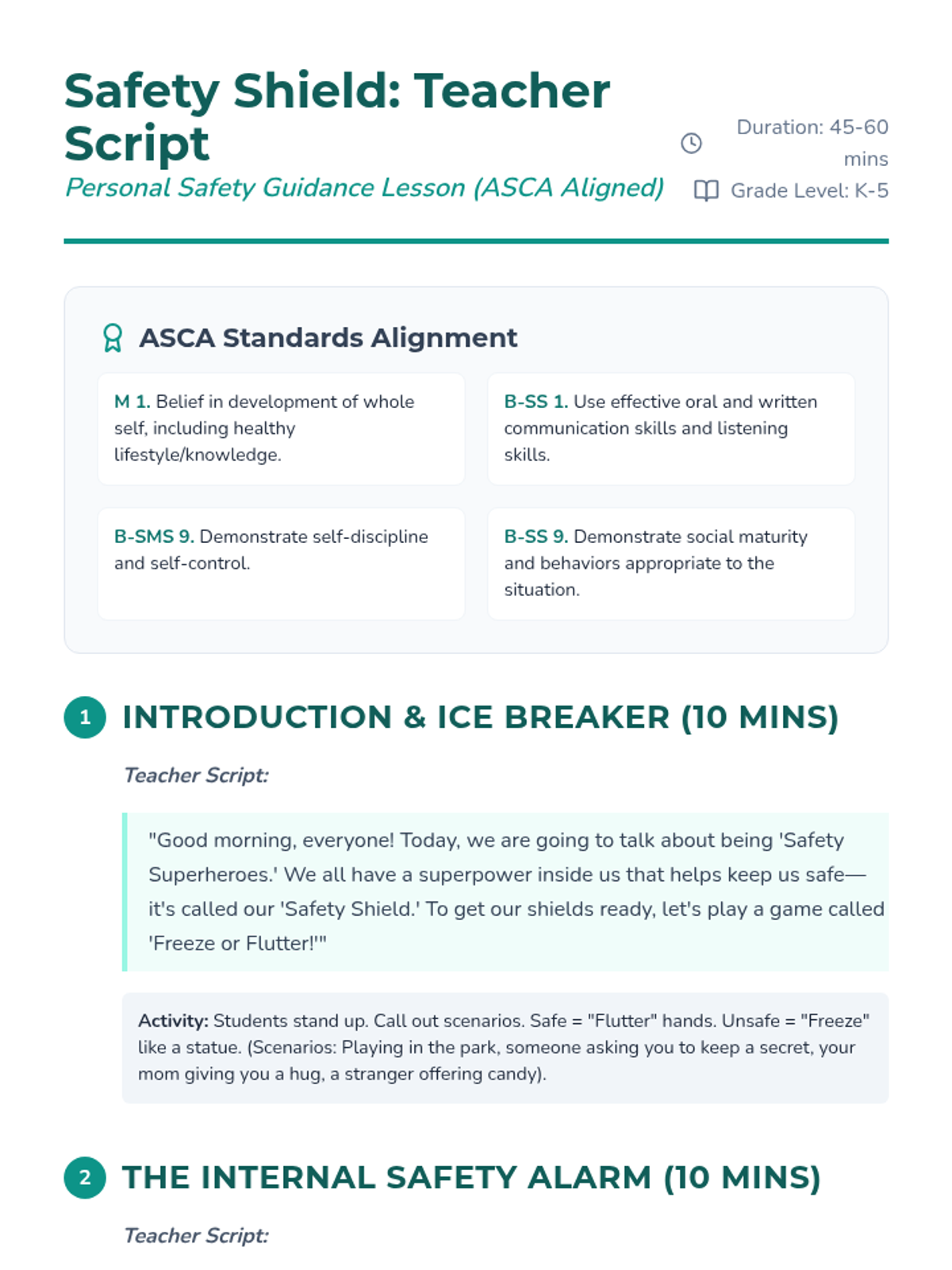
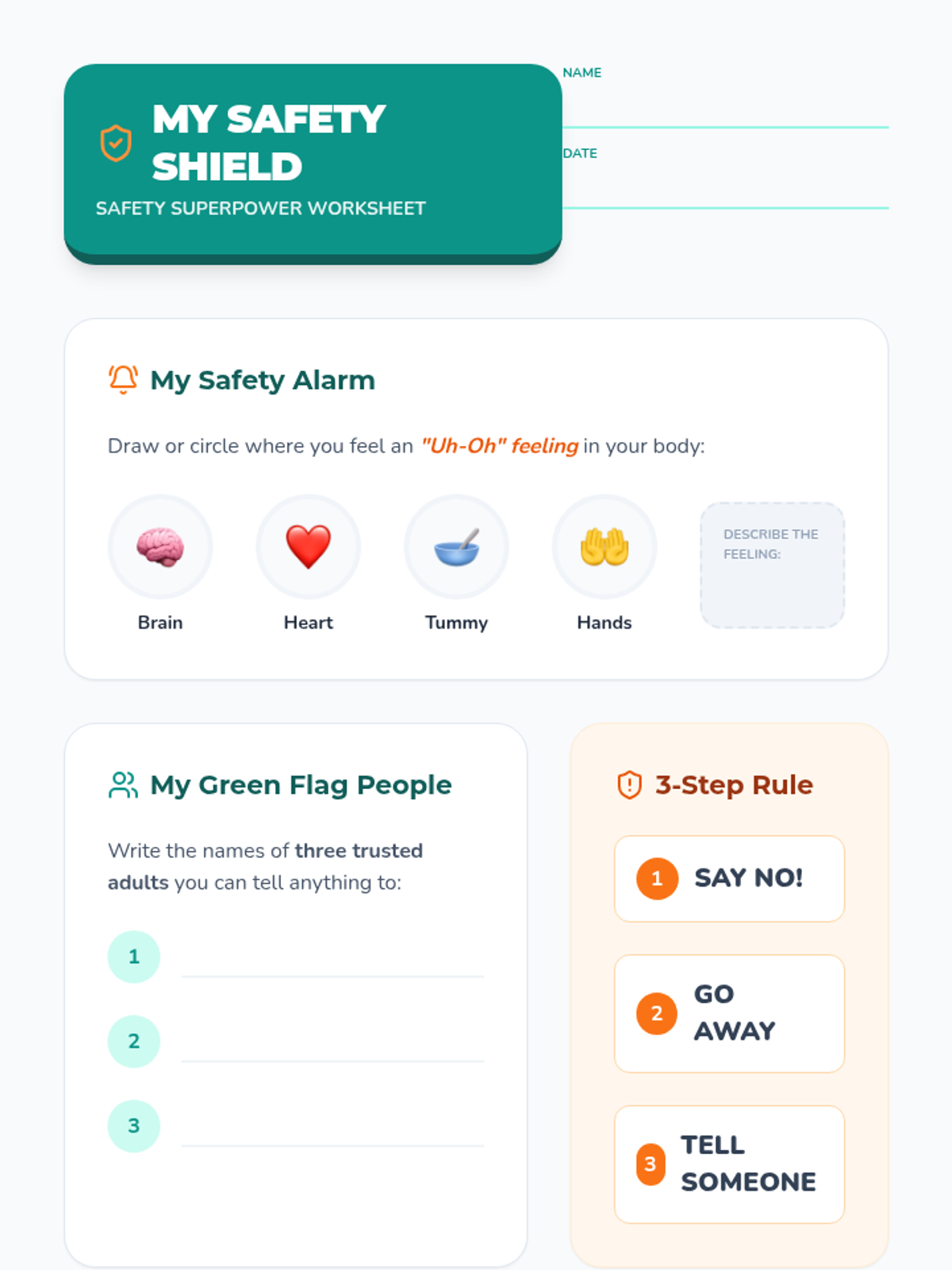
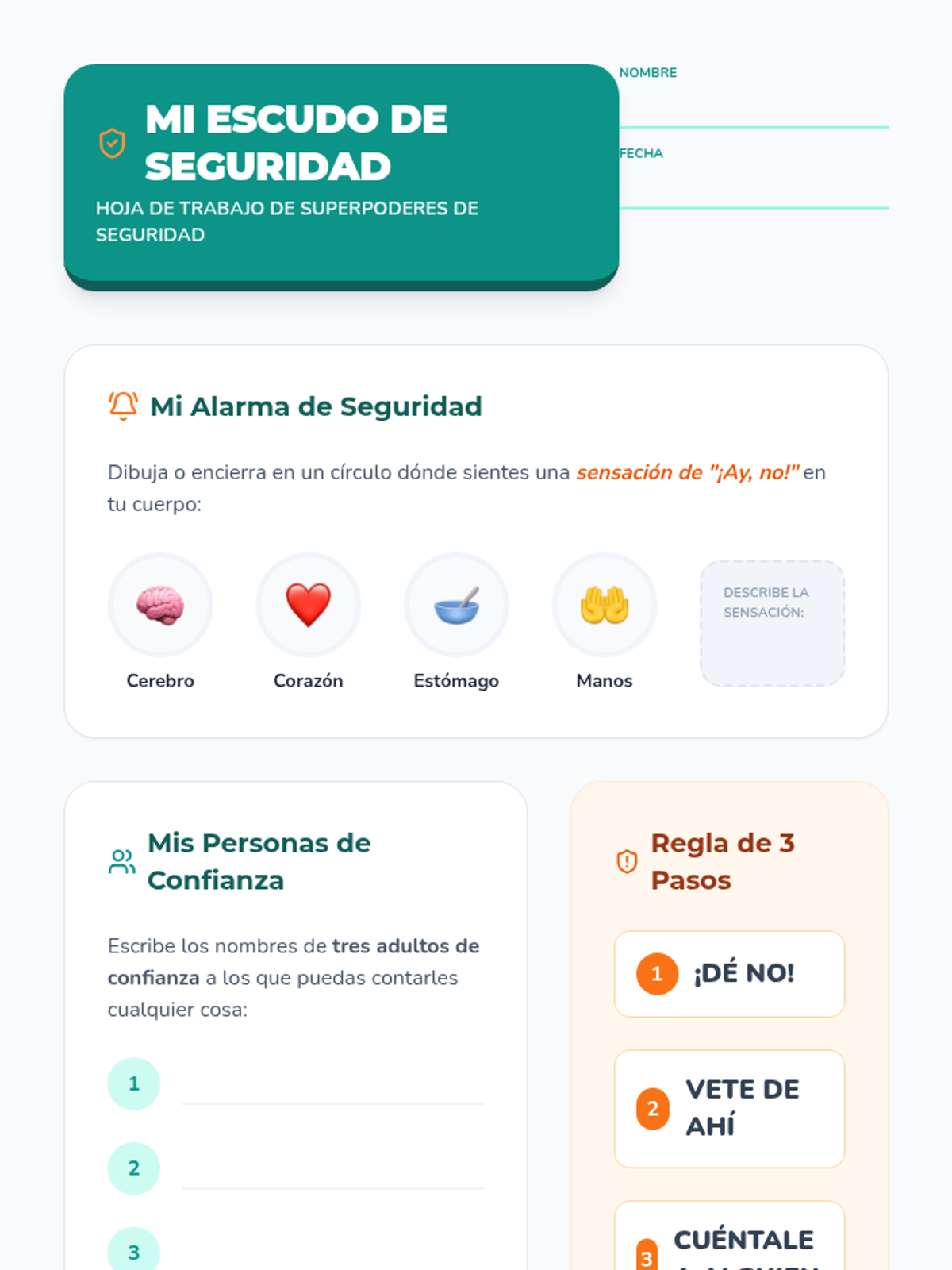
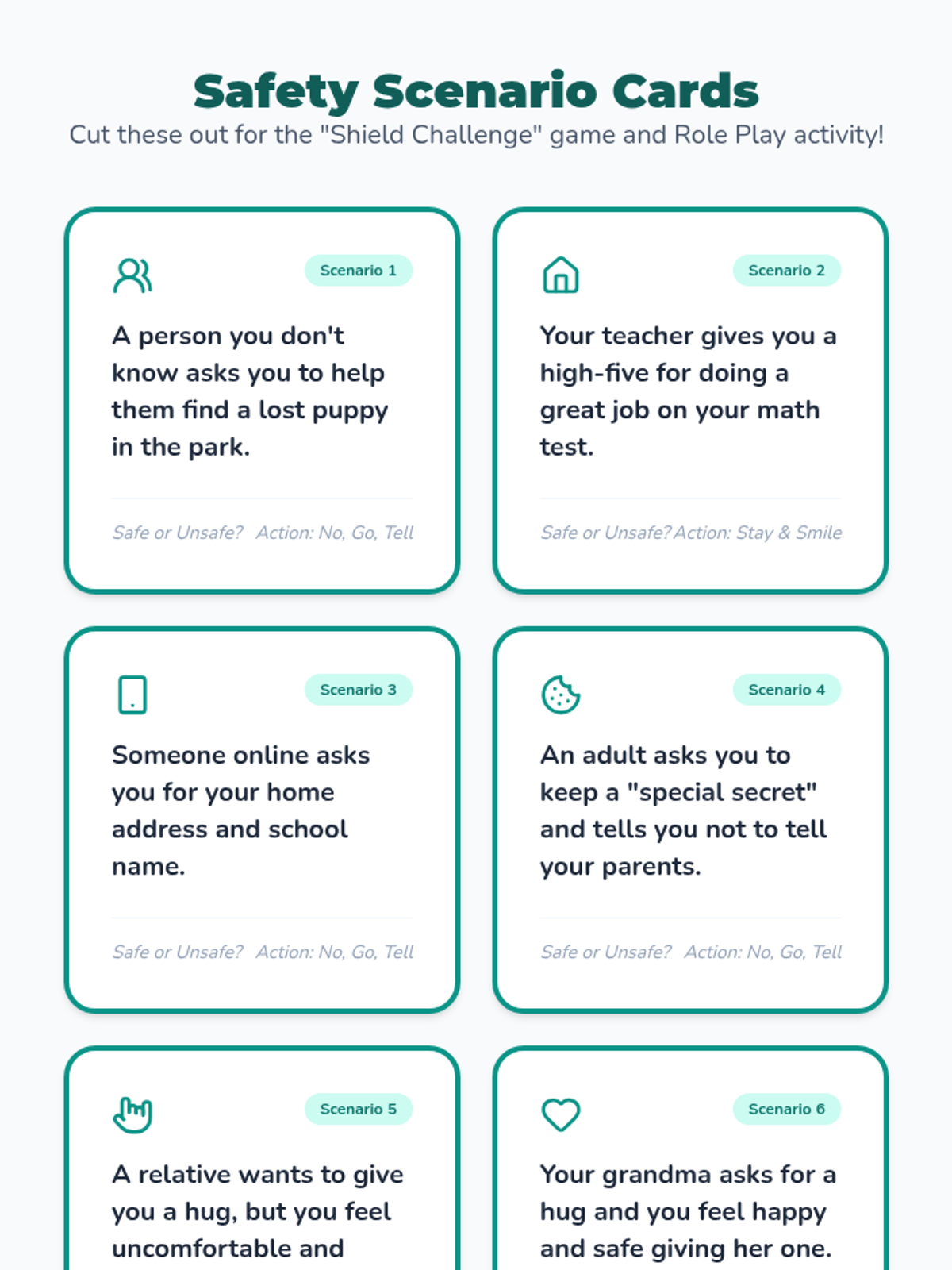
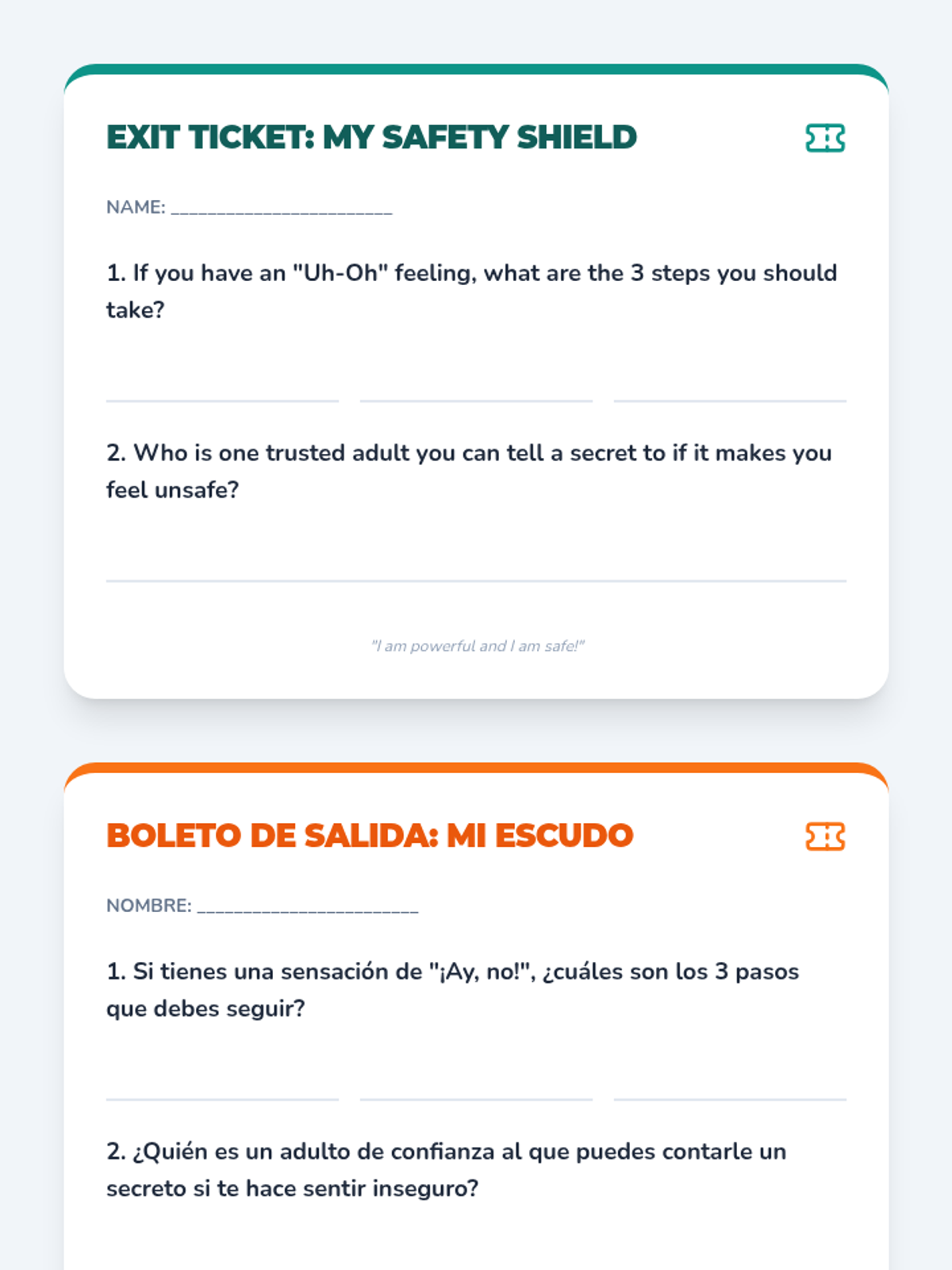
A comprehensive personal safety lesson aligned with ASCA standards, teaching students to identify safe/unsafe situations, recognize body signals, and identify trusted adults.
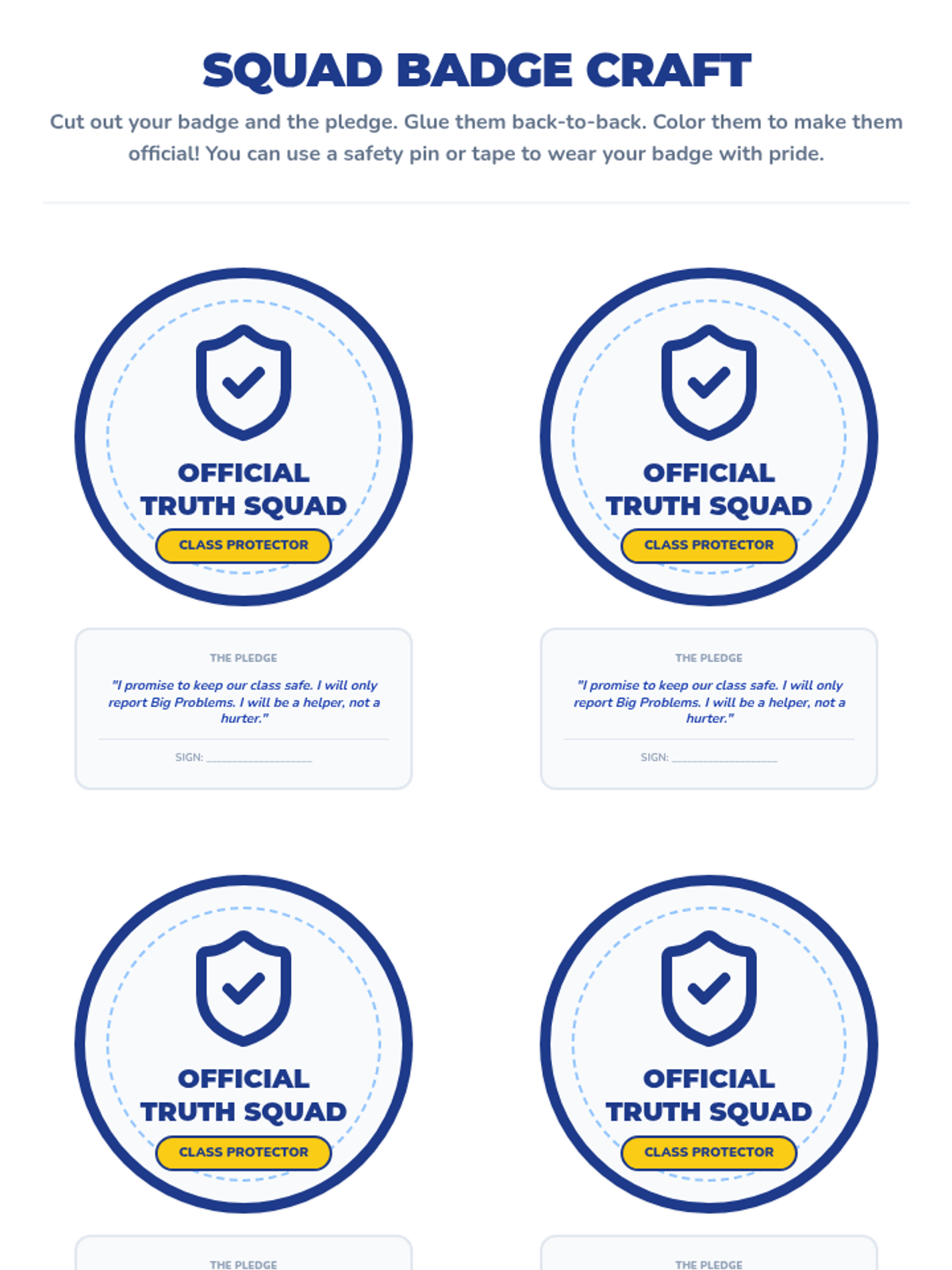
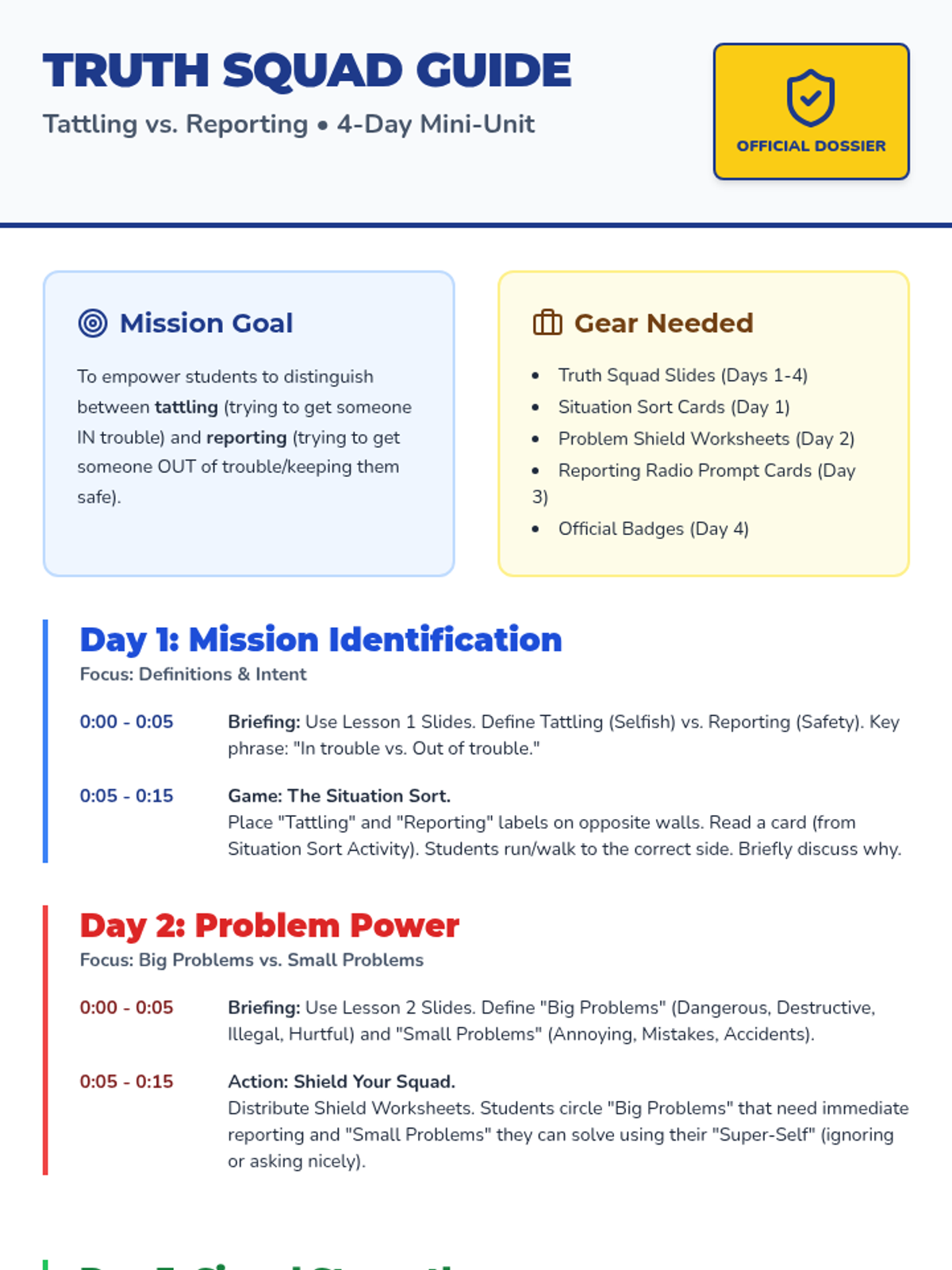
A final review and celebration where students earn their Truth Squad badges and commit to keeping their community safe.
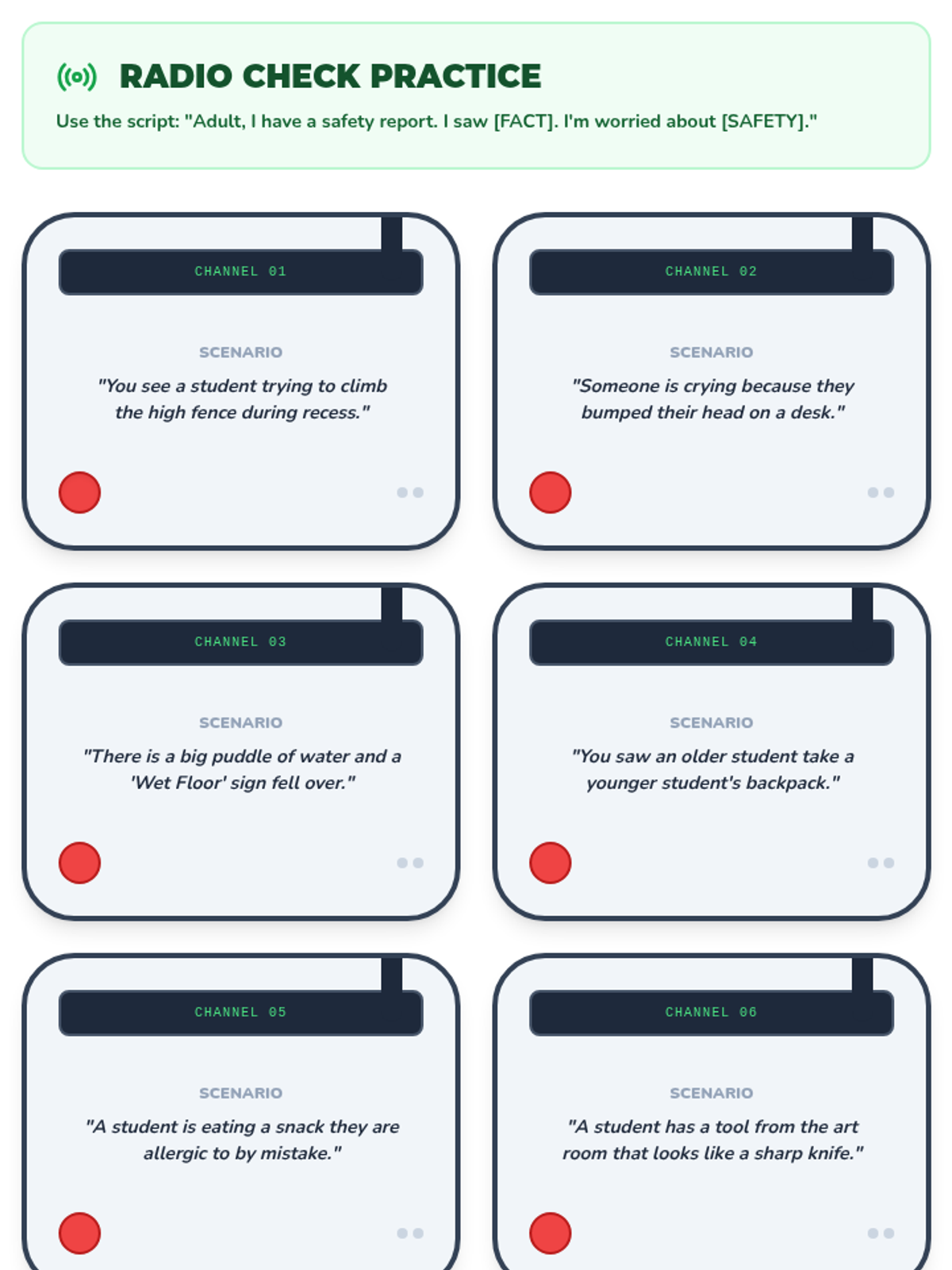
Focuses on the mechanics of reporting: who to tell, what to say, and how to use the 'Reporting Radio' to stay professional.
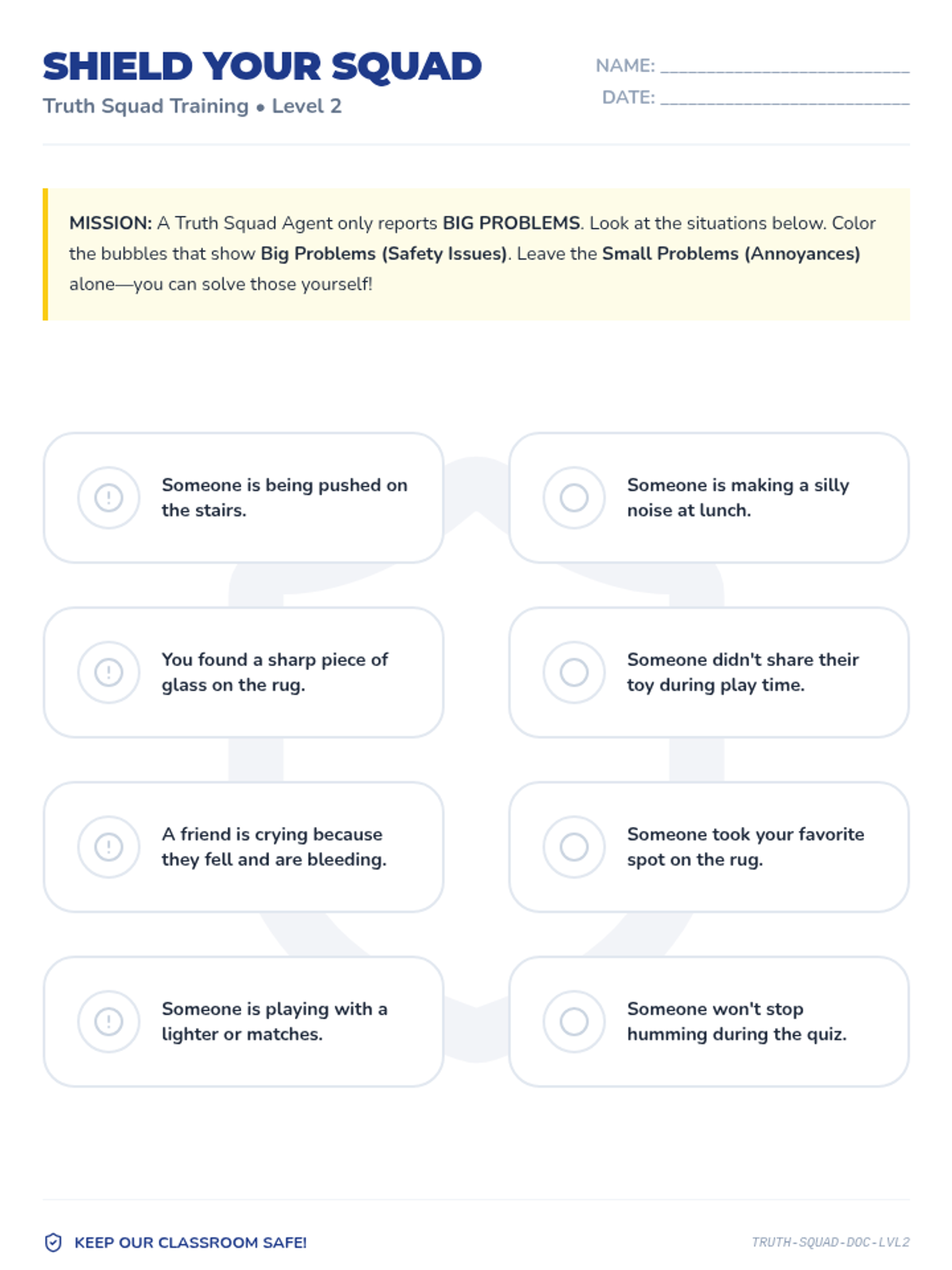
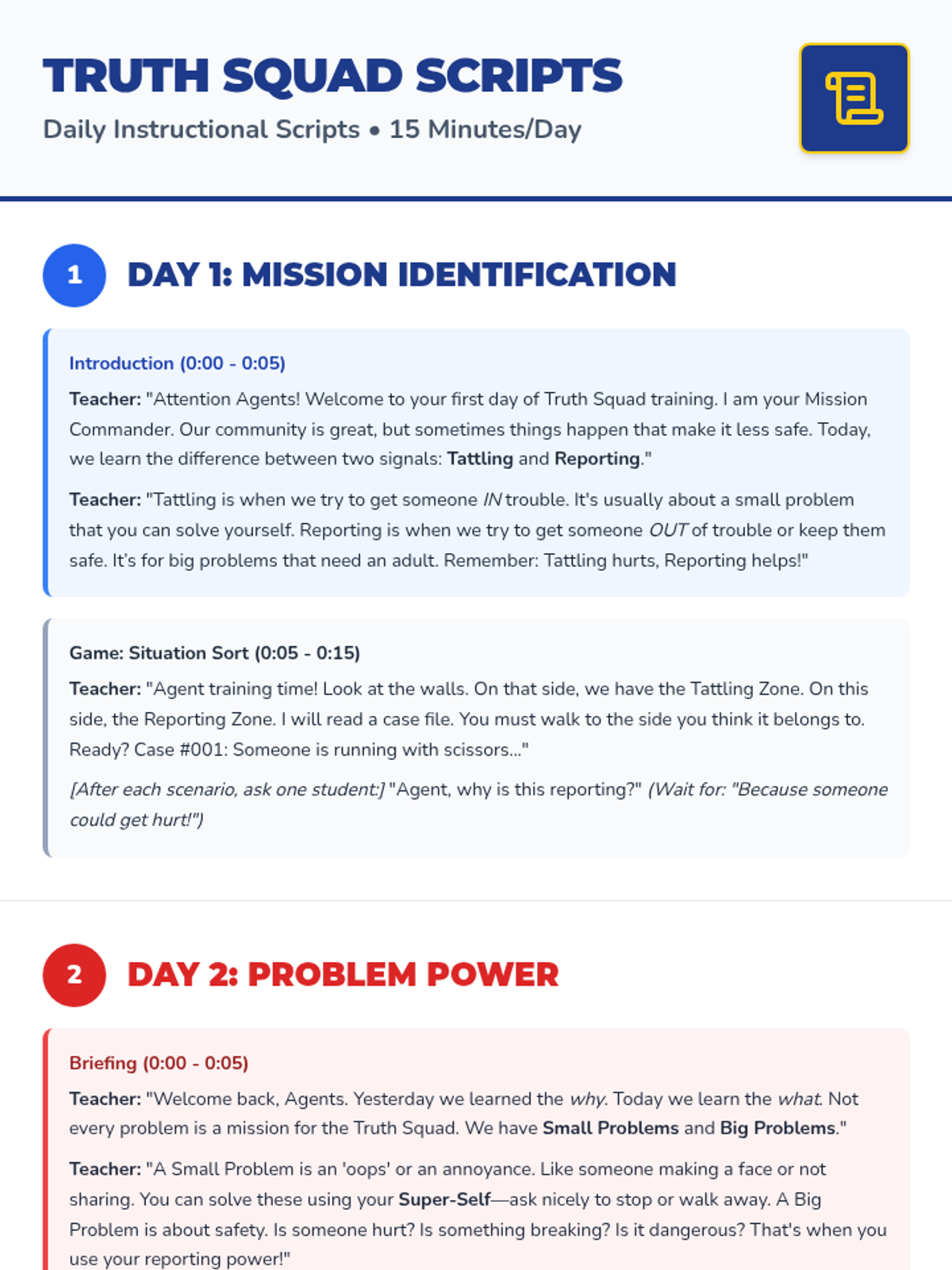
Students learn to differentiate between 'Big Problems' (Safety) and 'Small Problems' (Annoyances) to determine when reporting is necessary.
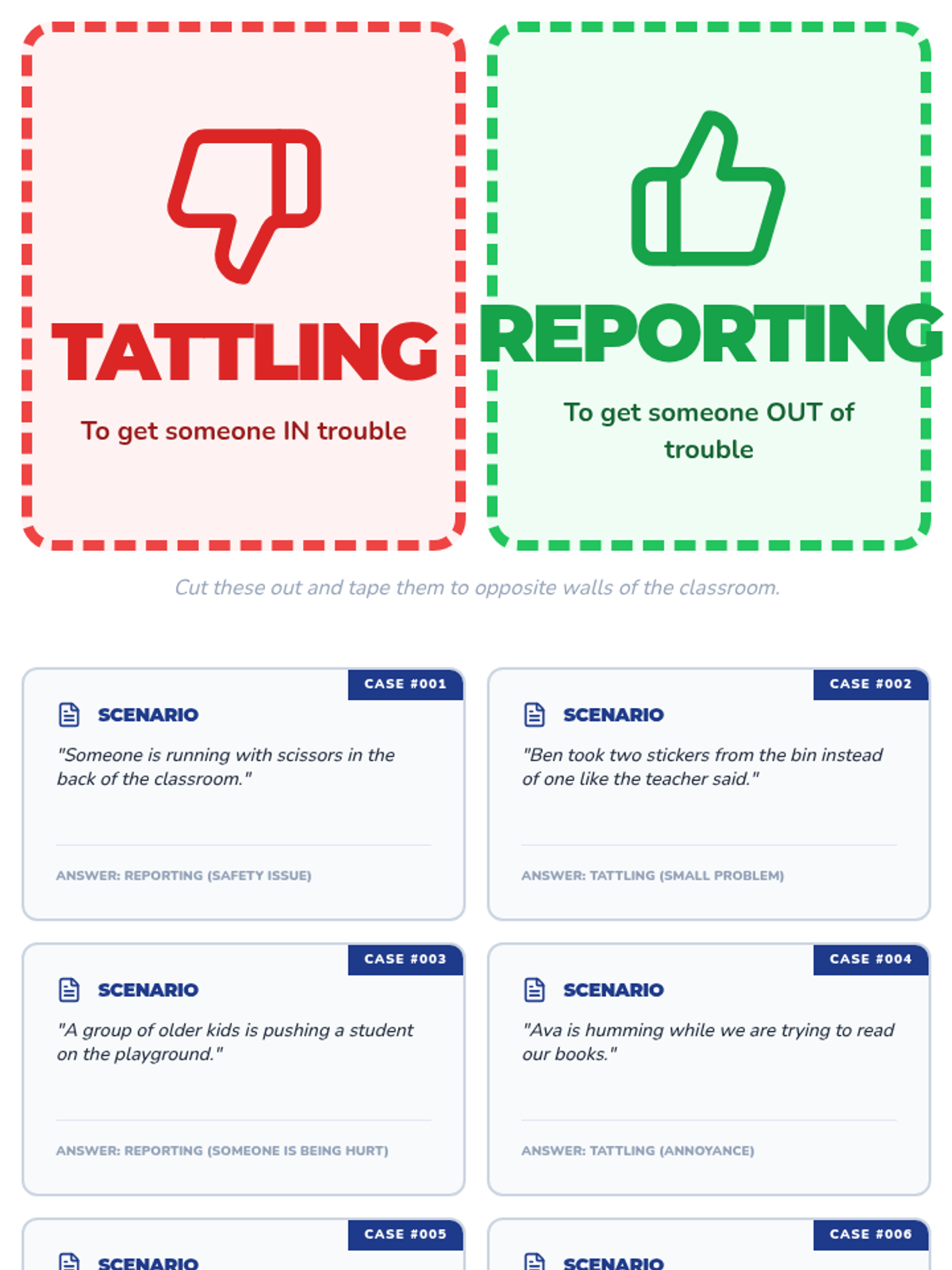
The introductory session where students learn the definitions of tattling and reporting and practice sorting common classroom scenarios.
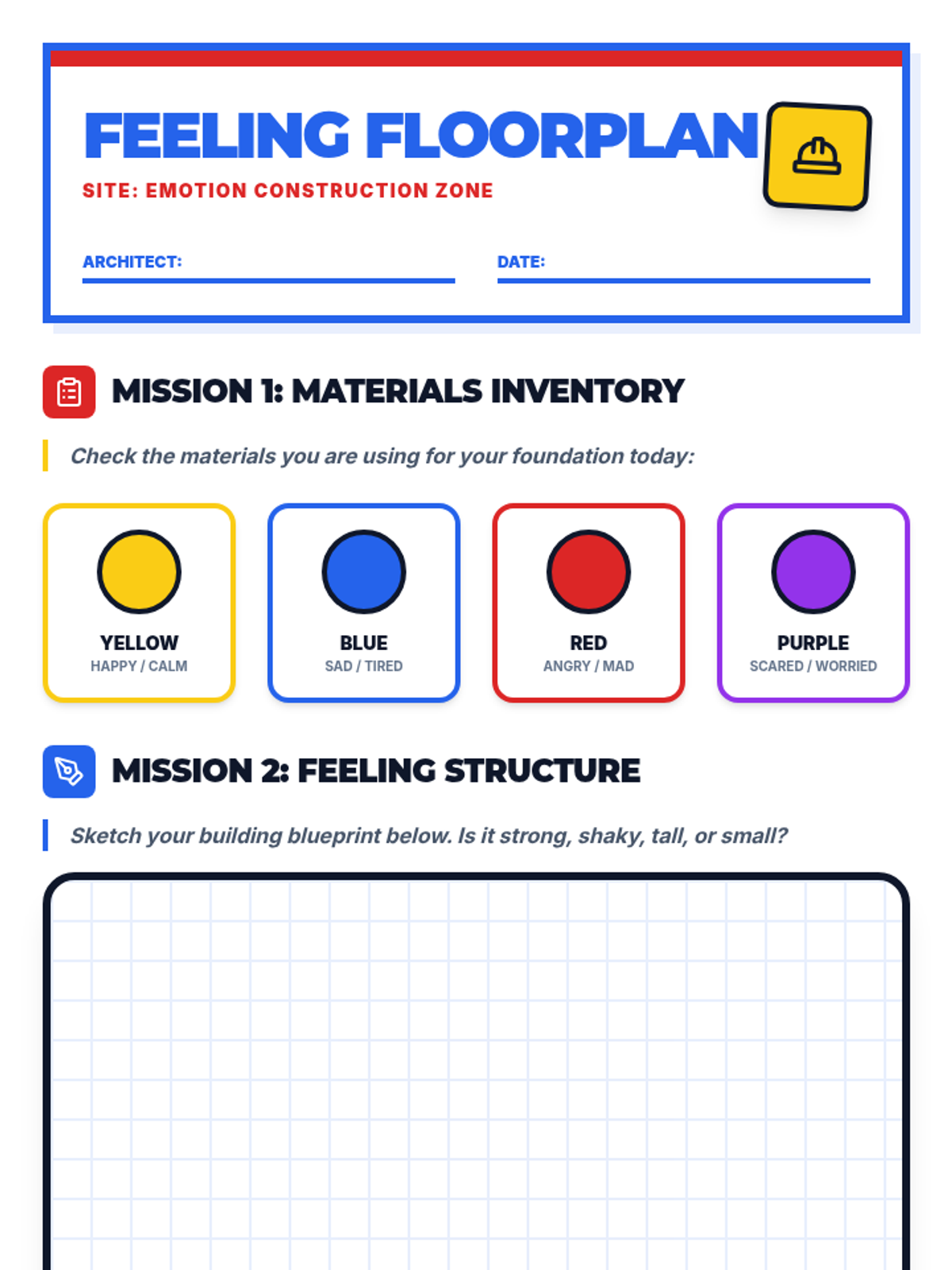
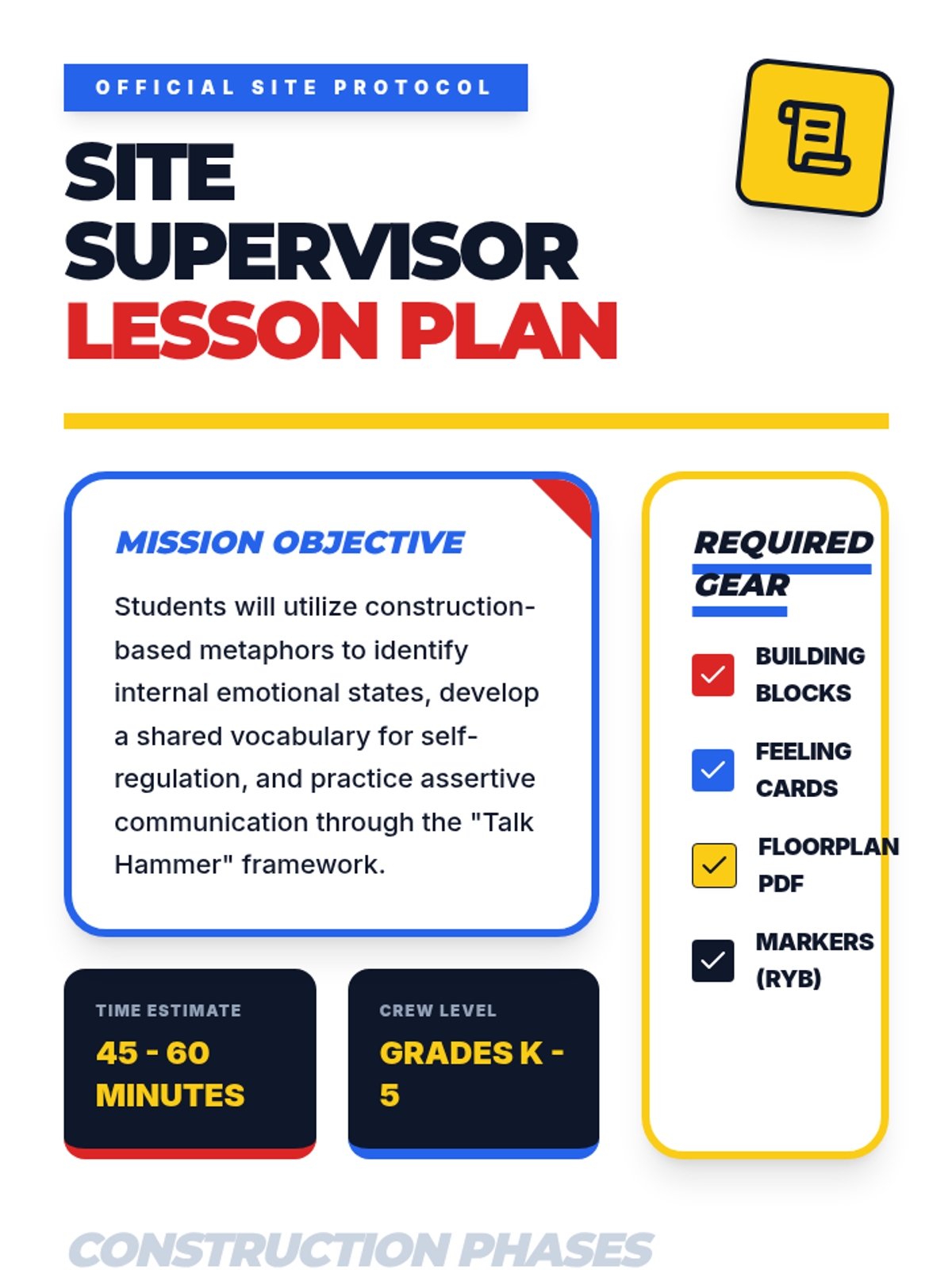
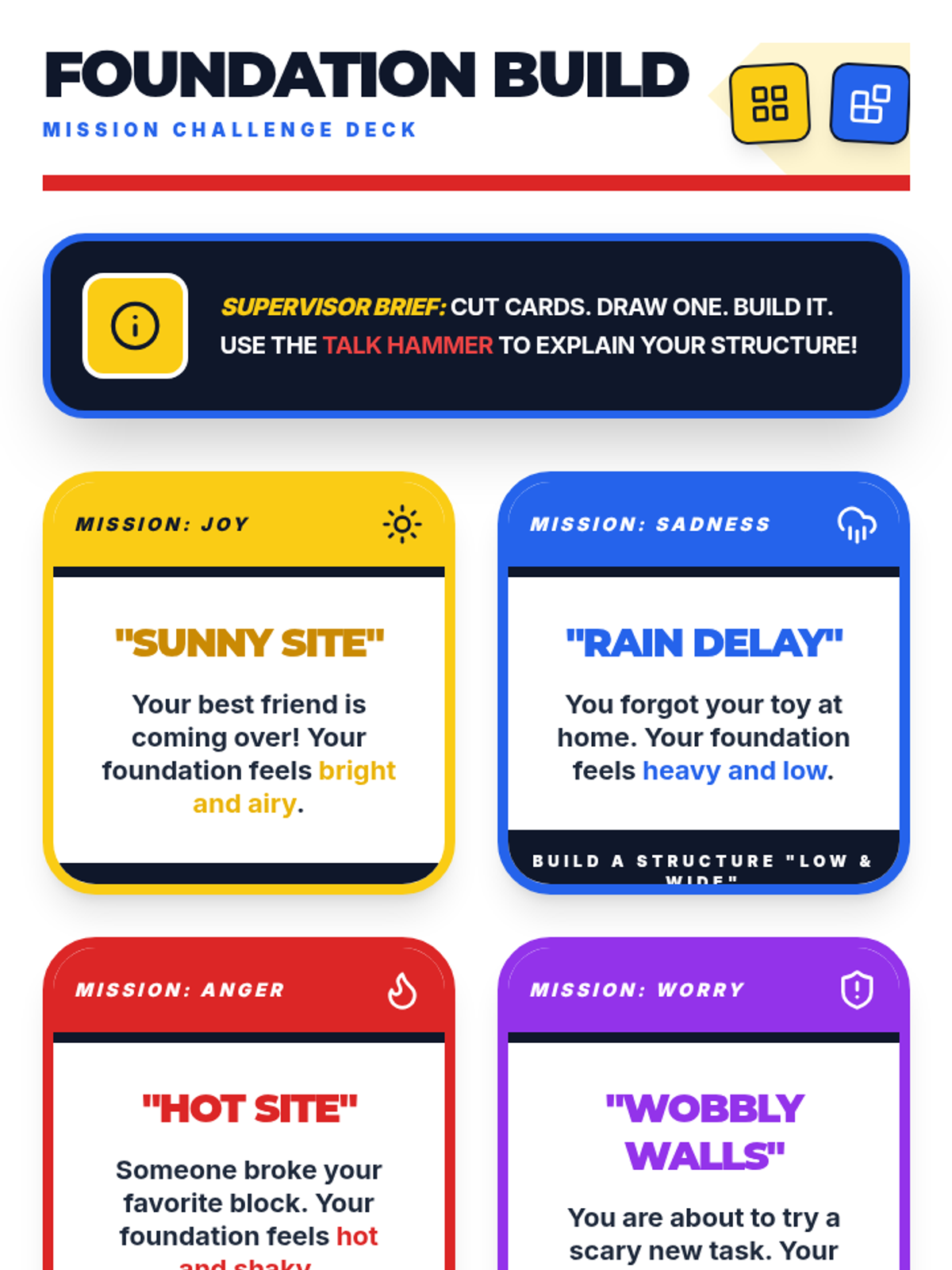
A hands-on social-emotional learning lesson where students use construction metaphors and building activities to identify, express, and regulate their emotions. Students will build 'feeling structures' to visualize their emotional foundations and develop a robust emotional vocabulary.
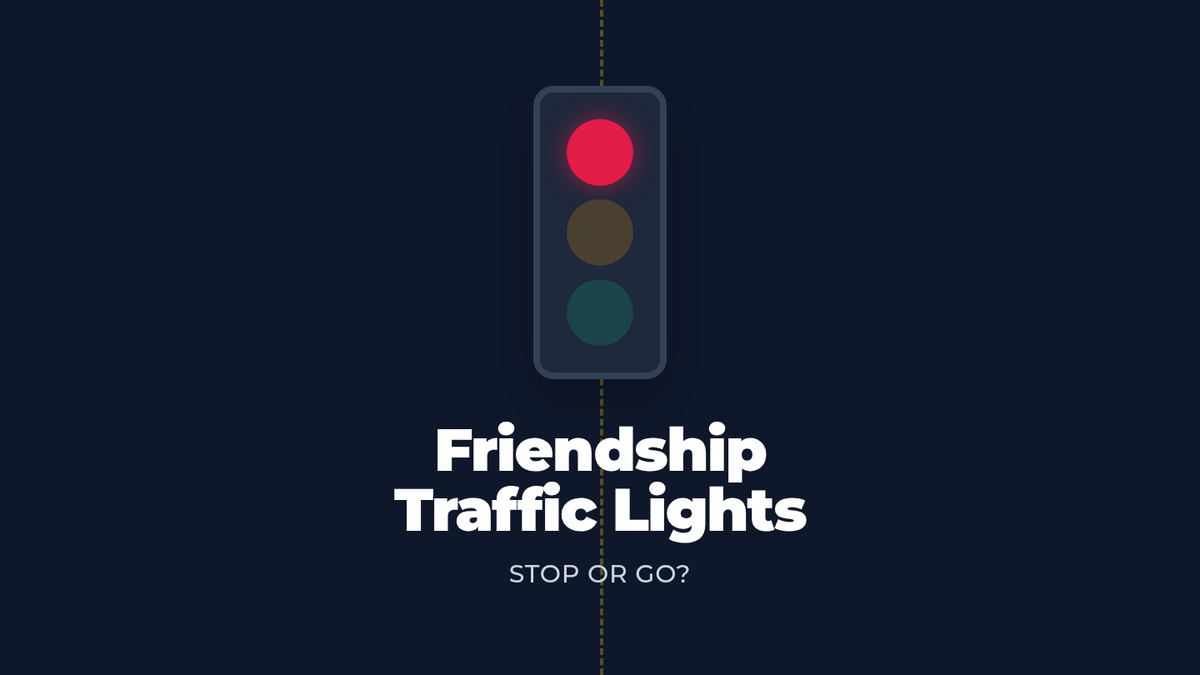
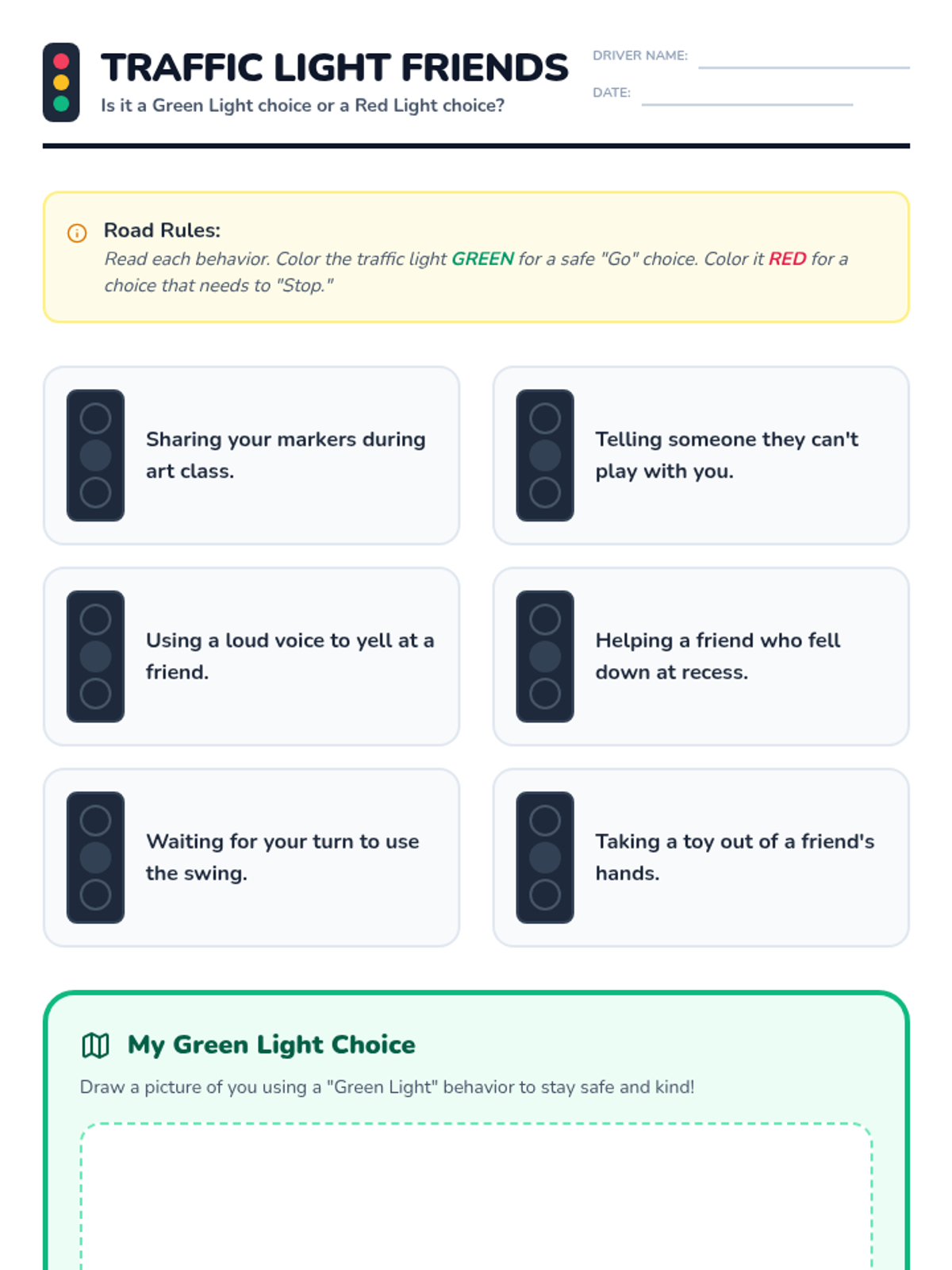
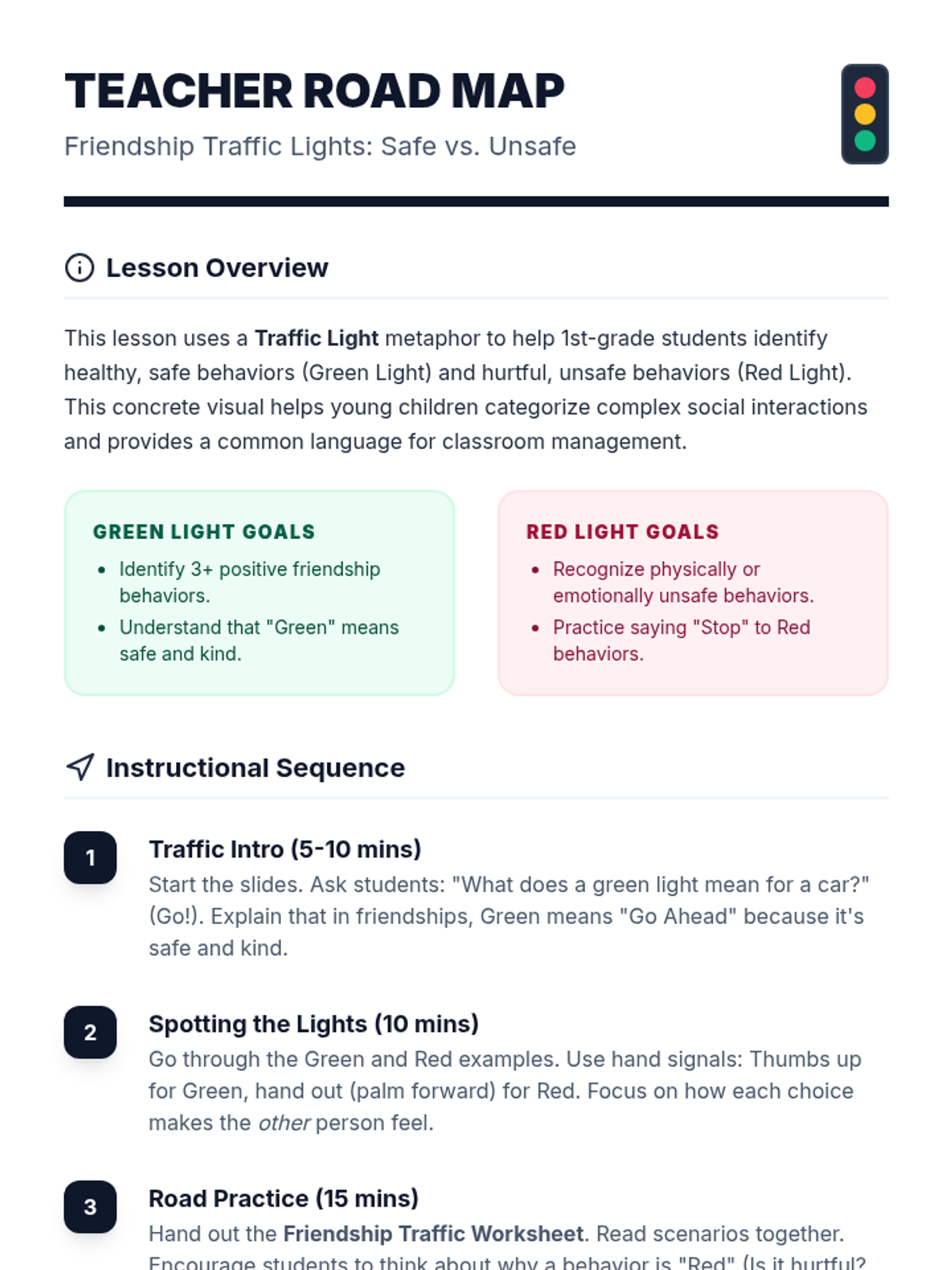
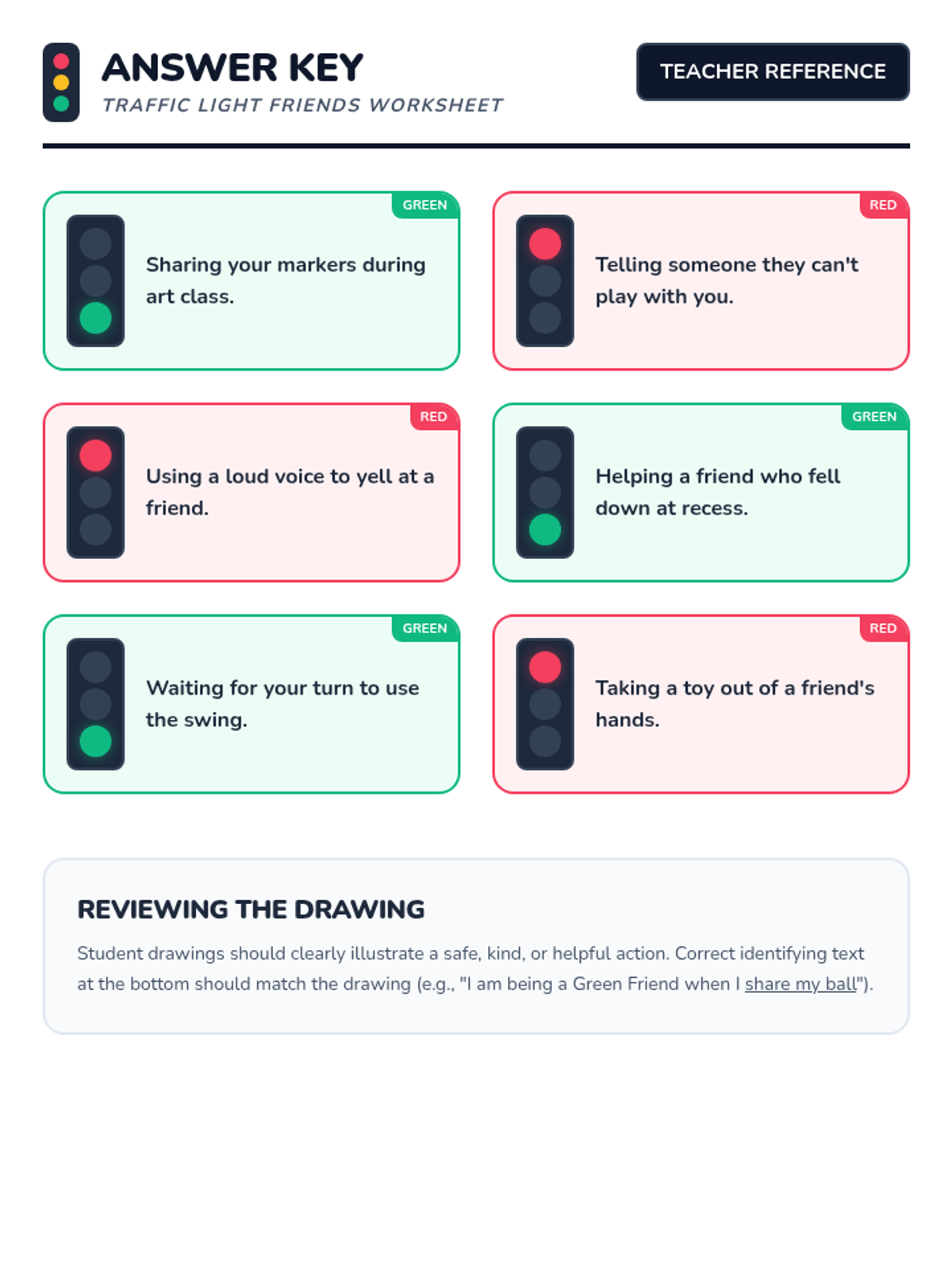
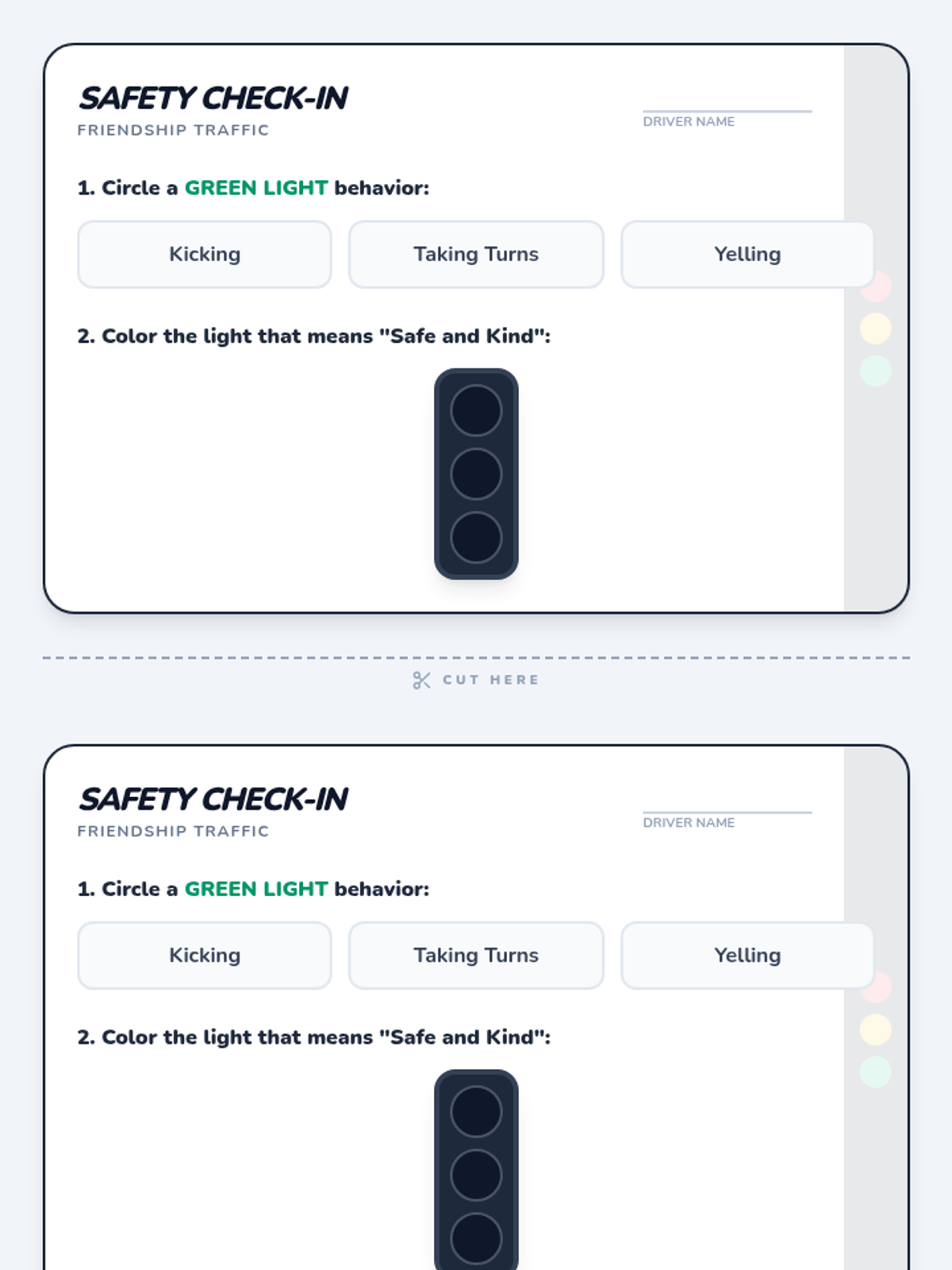
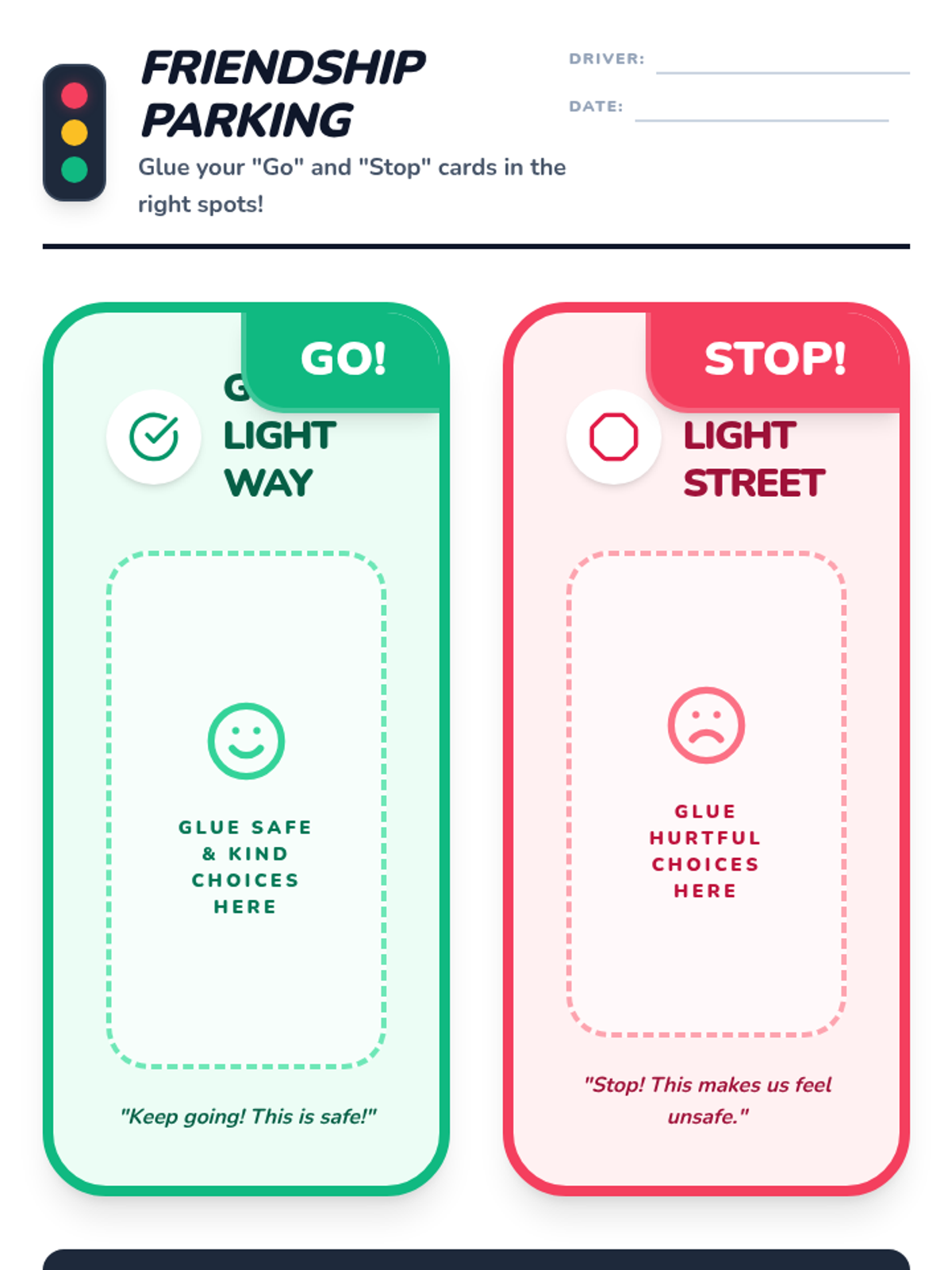
This lesson uses a stop light metaphor to help 1st graders distinguish between 'Green Friend' behaviors (safe and kind) and 'Red Friend' behaviors (unsafe or hurtful). Students learn to 'Go' with green behaviors and 'Stop' hurtful red behaviors to keep their social environment safe.
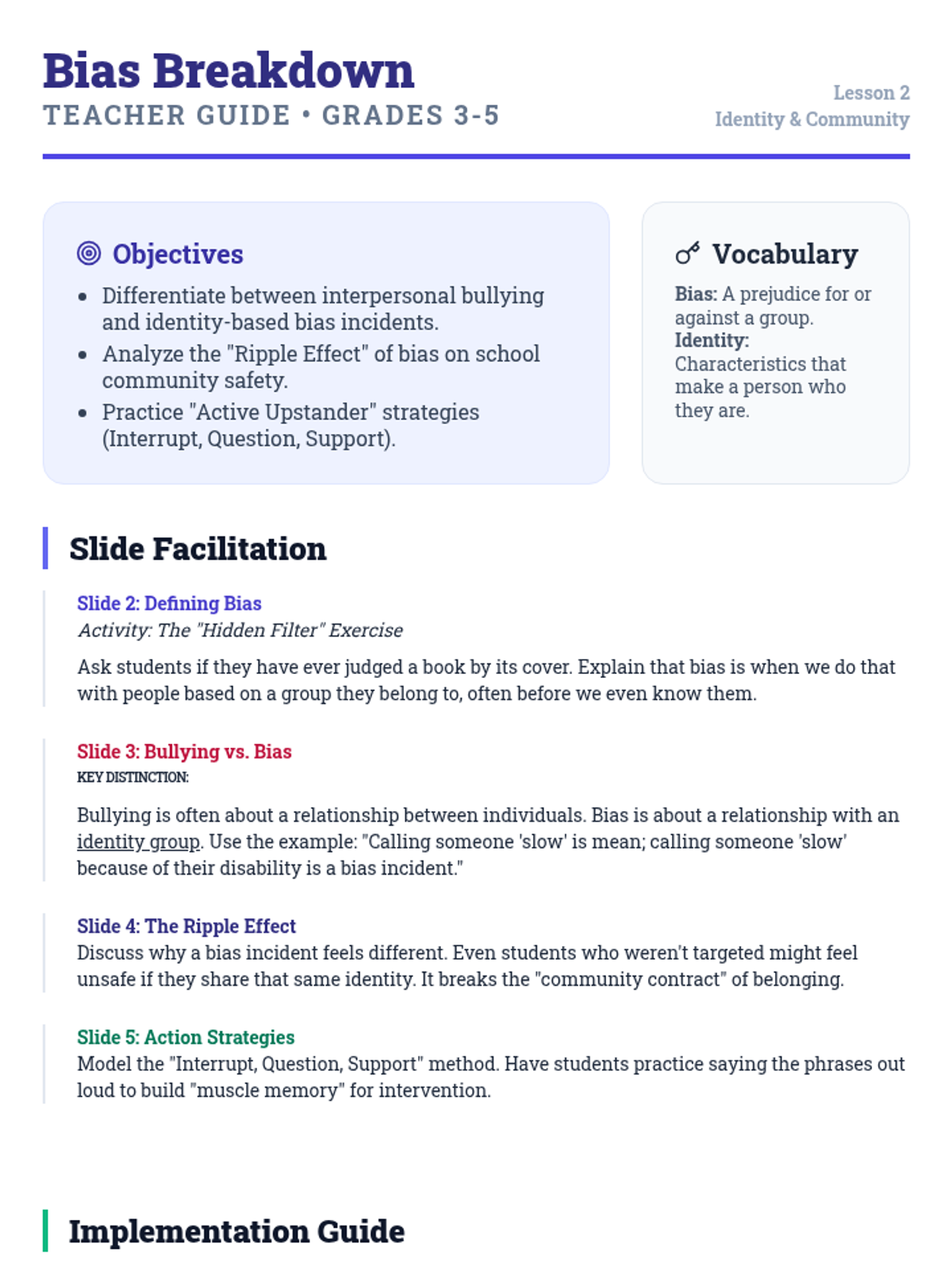
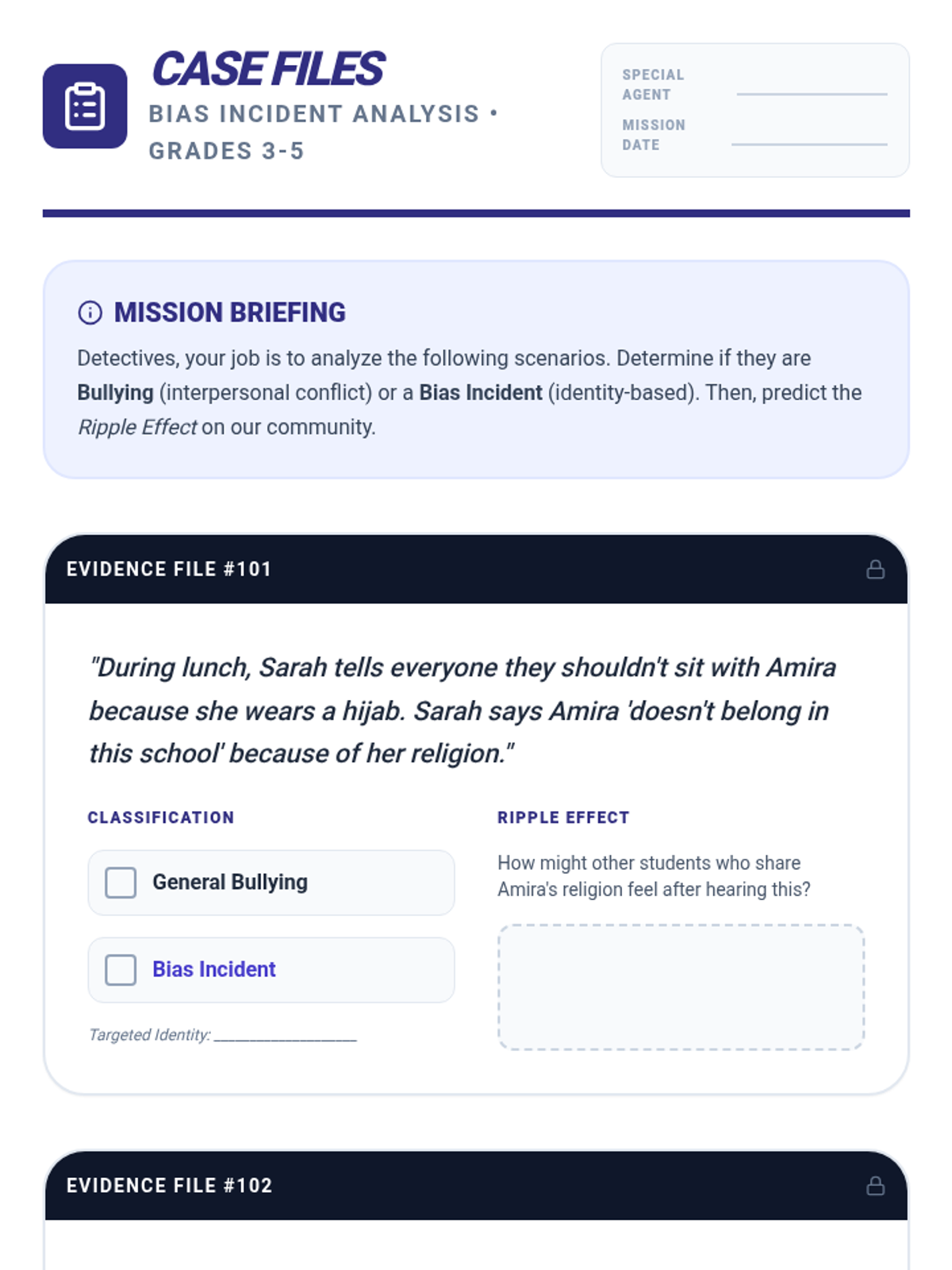
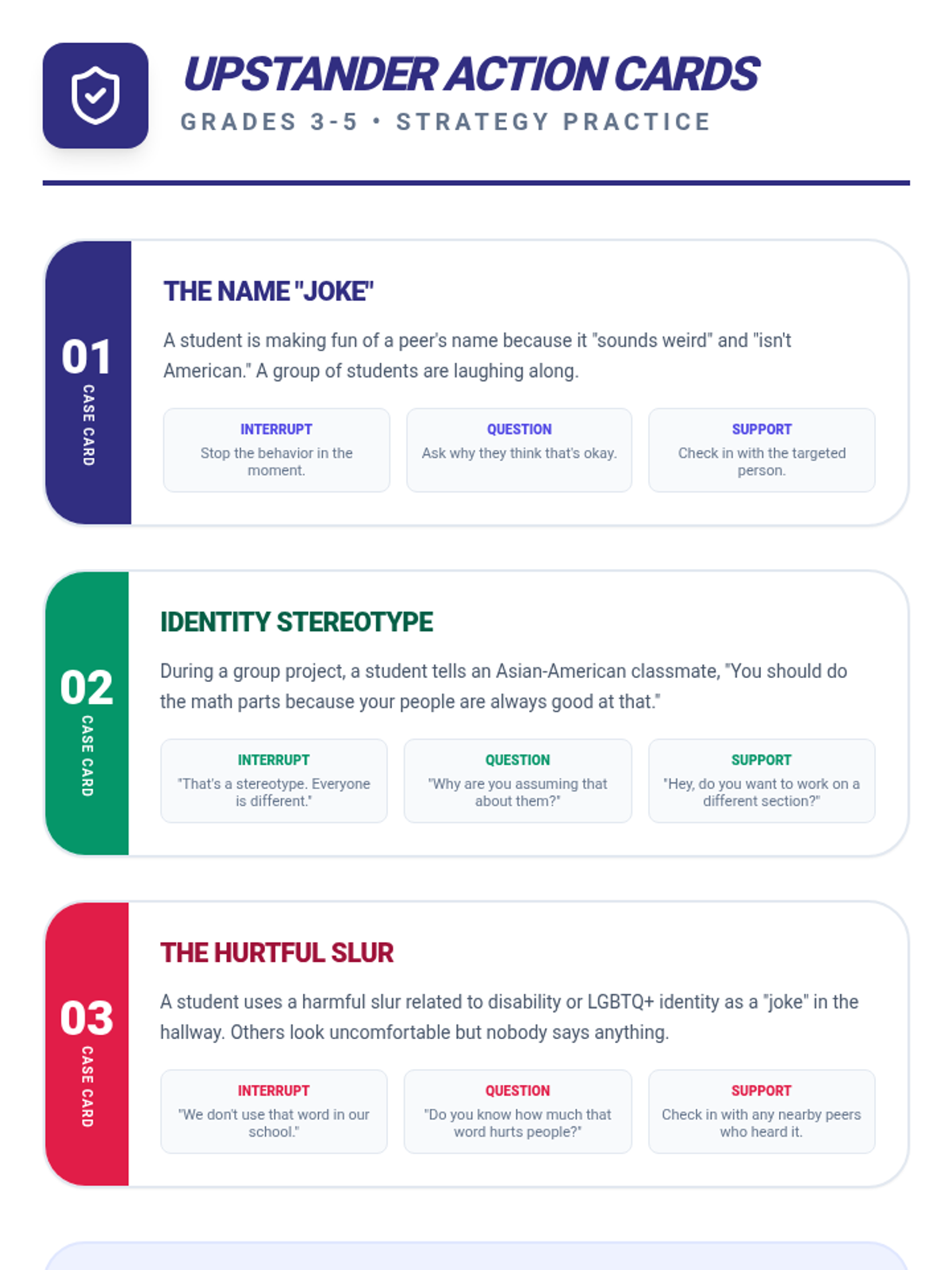
A lesson for upper elementary students that defines bias incidents, distinguishes them from bullying, and explores the importance of empathy and collective responsibility.
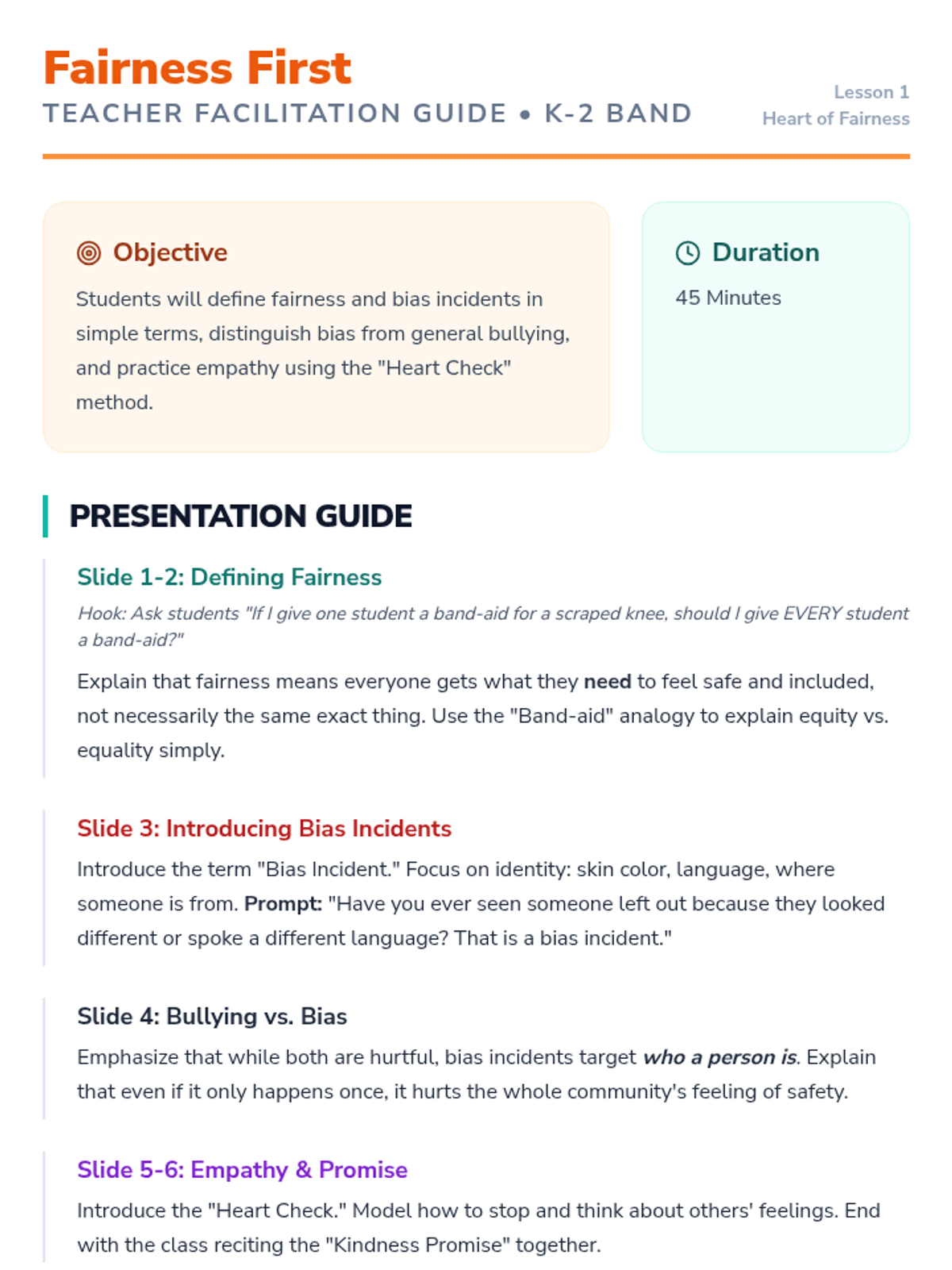
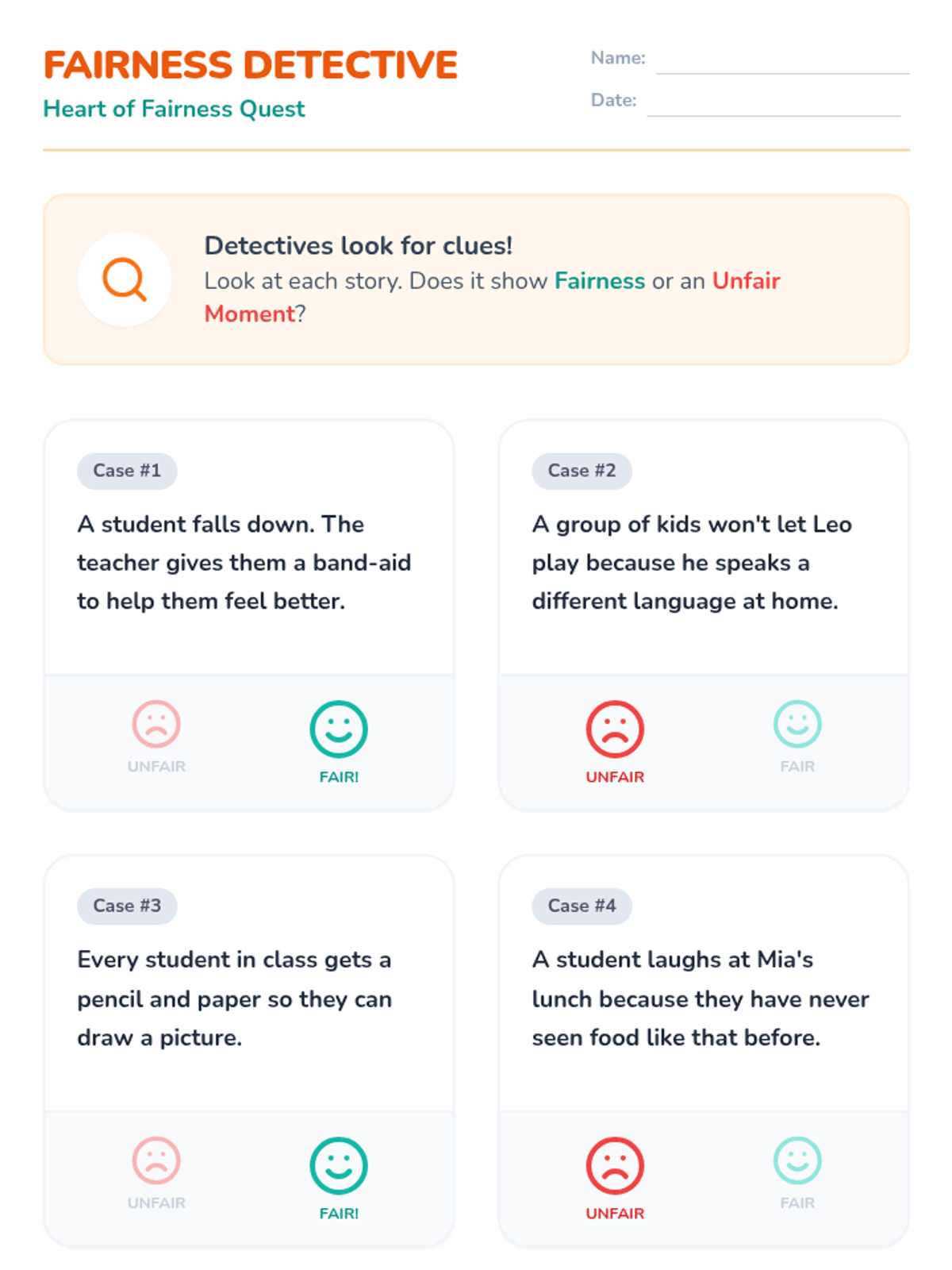
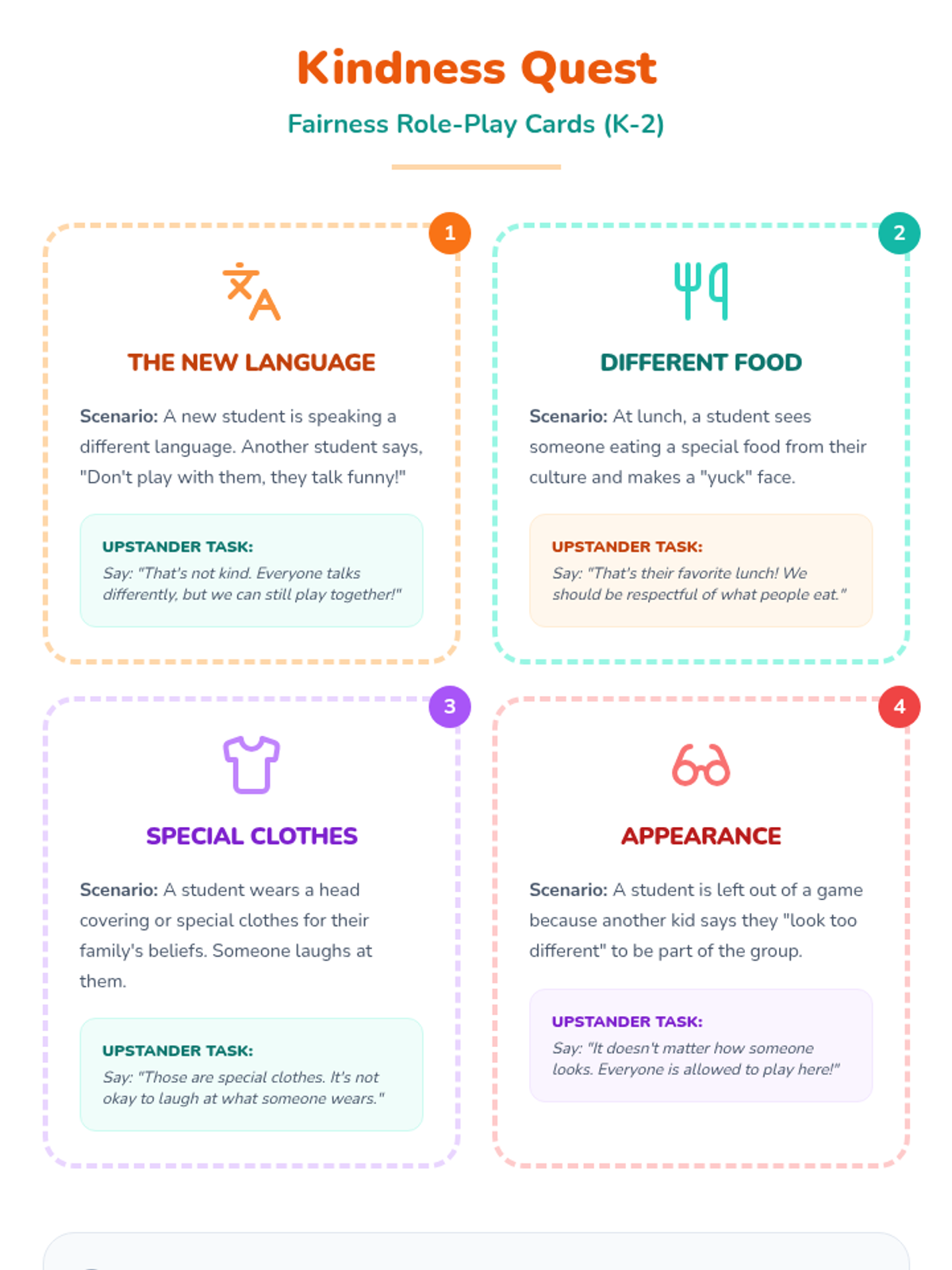
A foundational lesson for early elementary students focusing on identifying unfair treatment and understanding that everyone deserves respect, regardless of their differences.
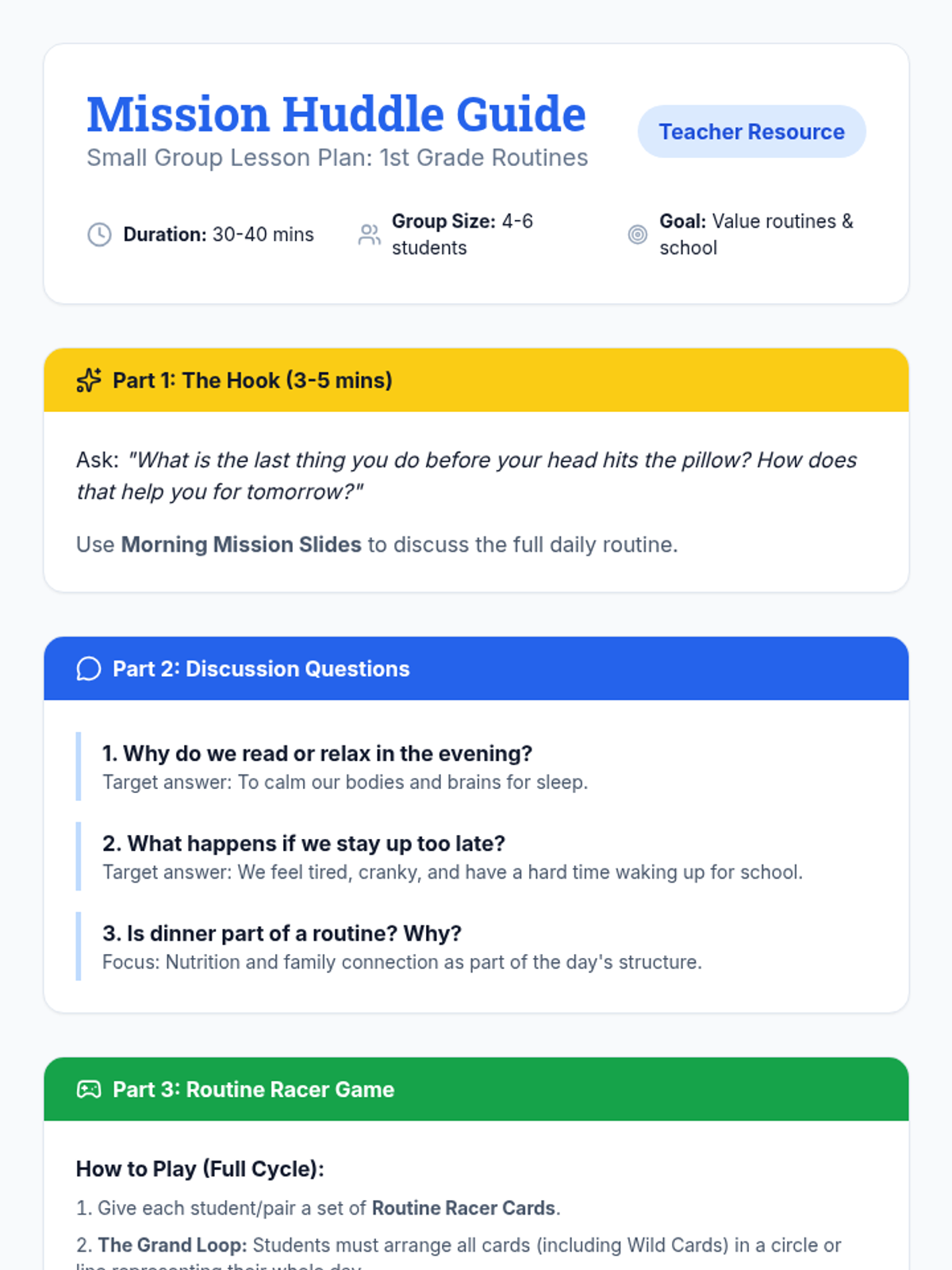
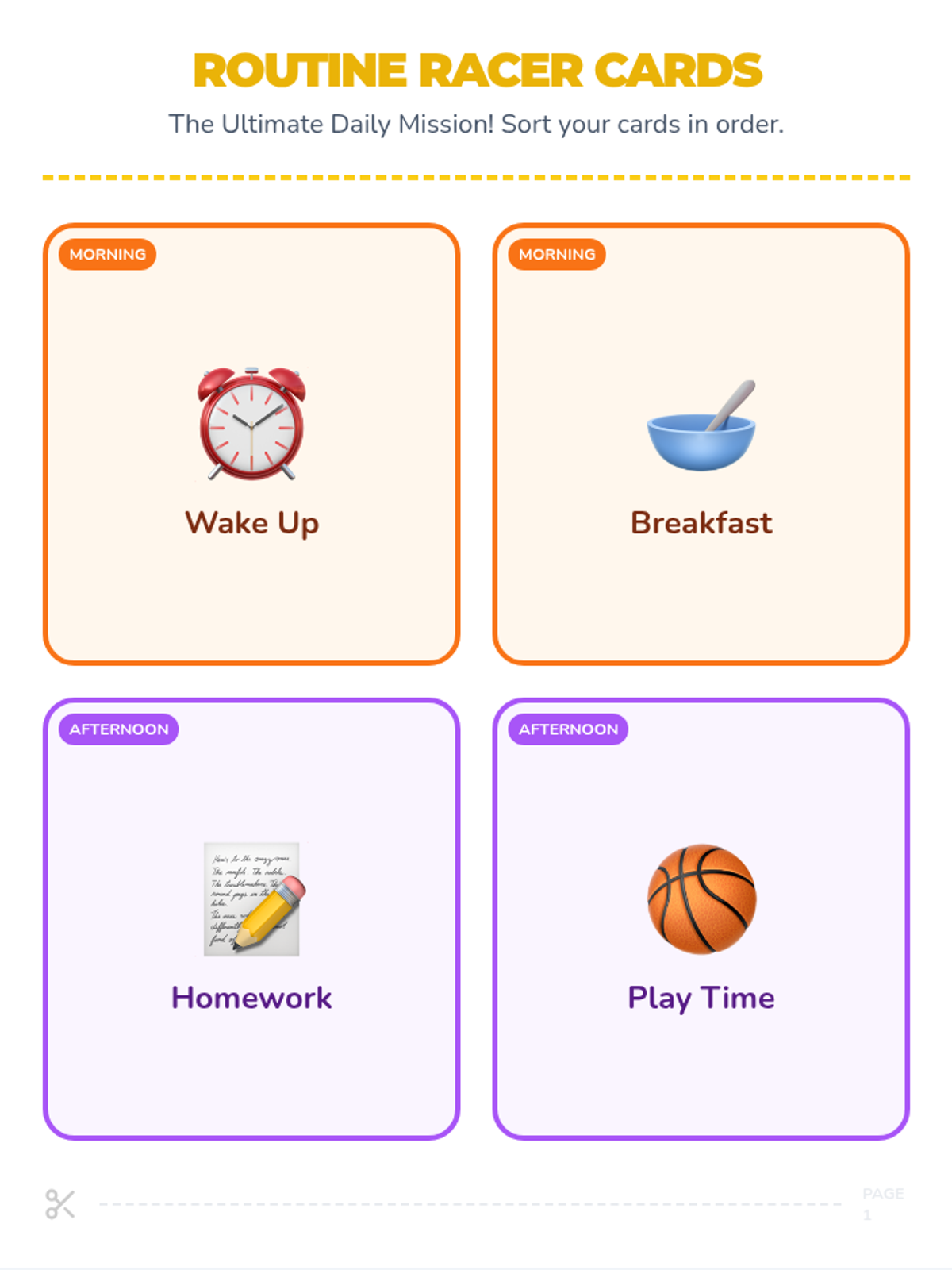
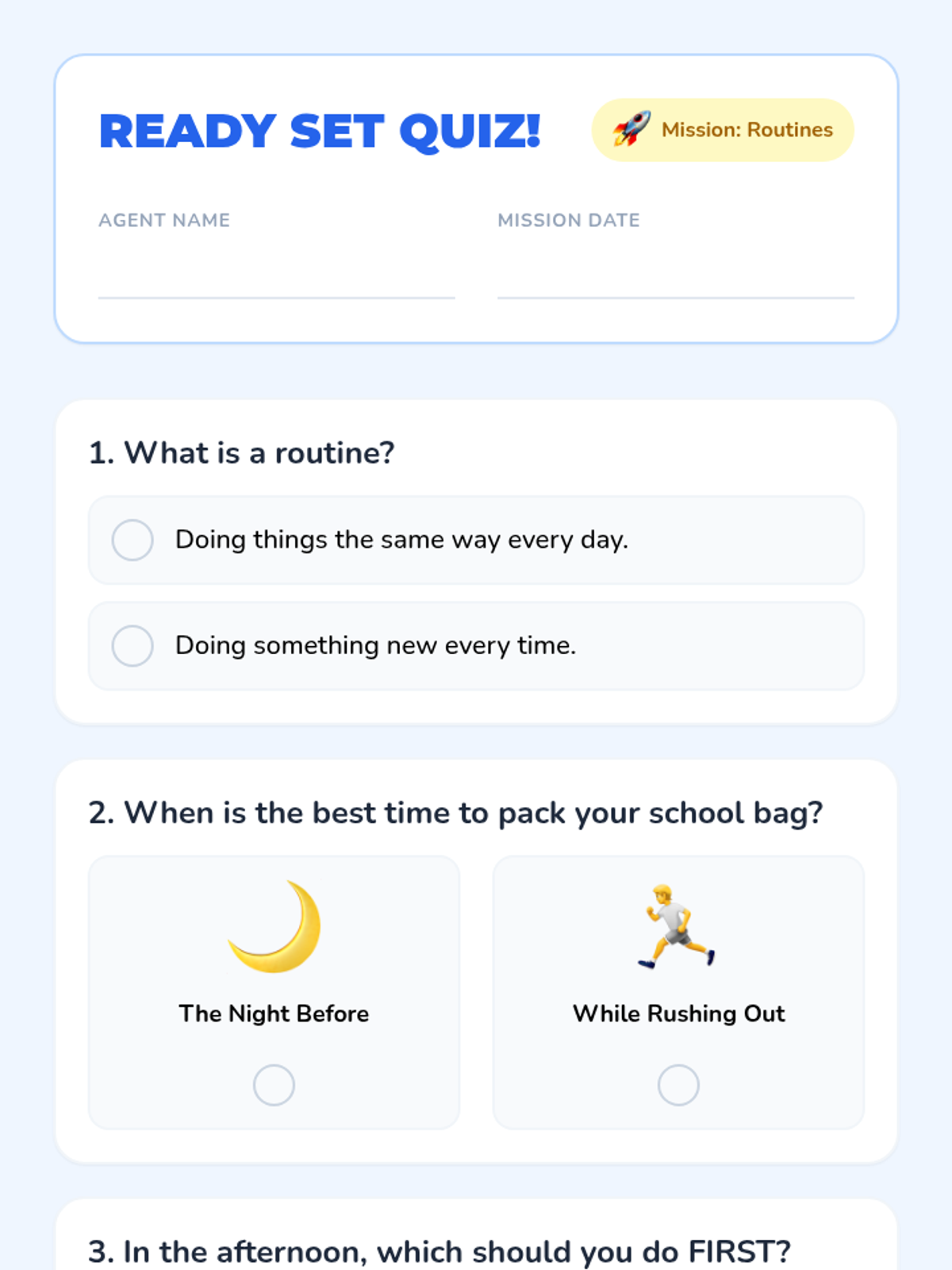
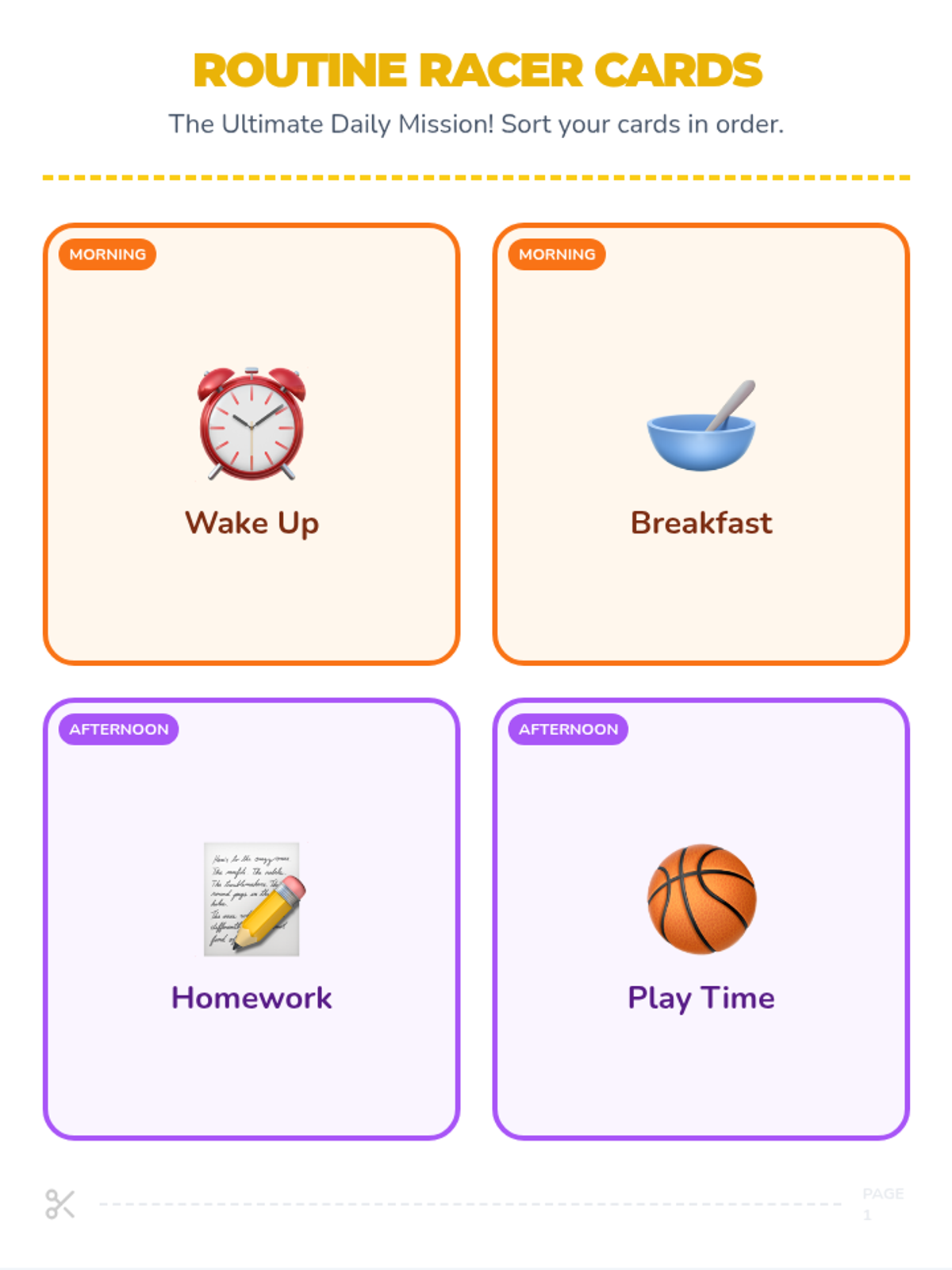
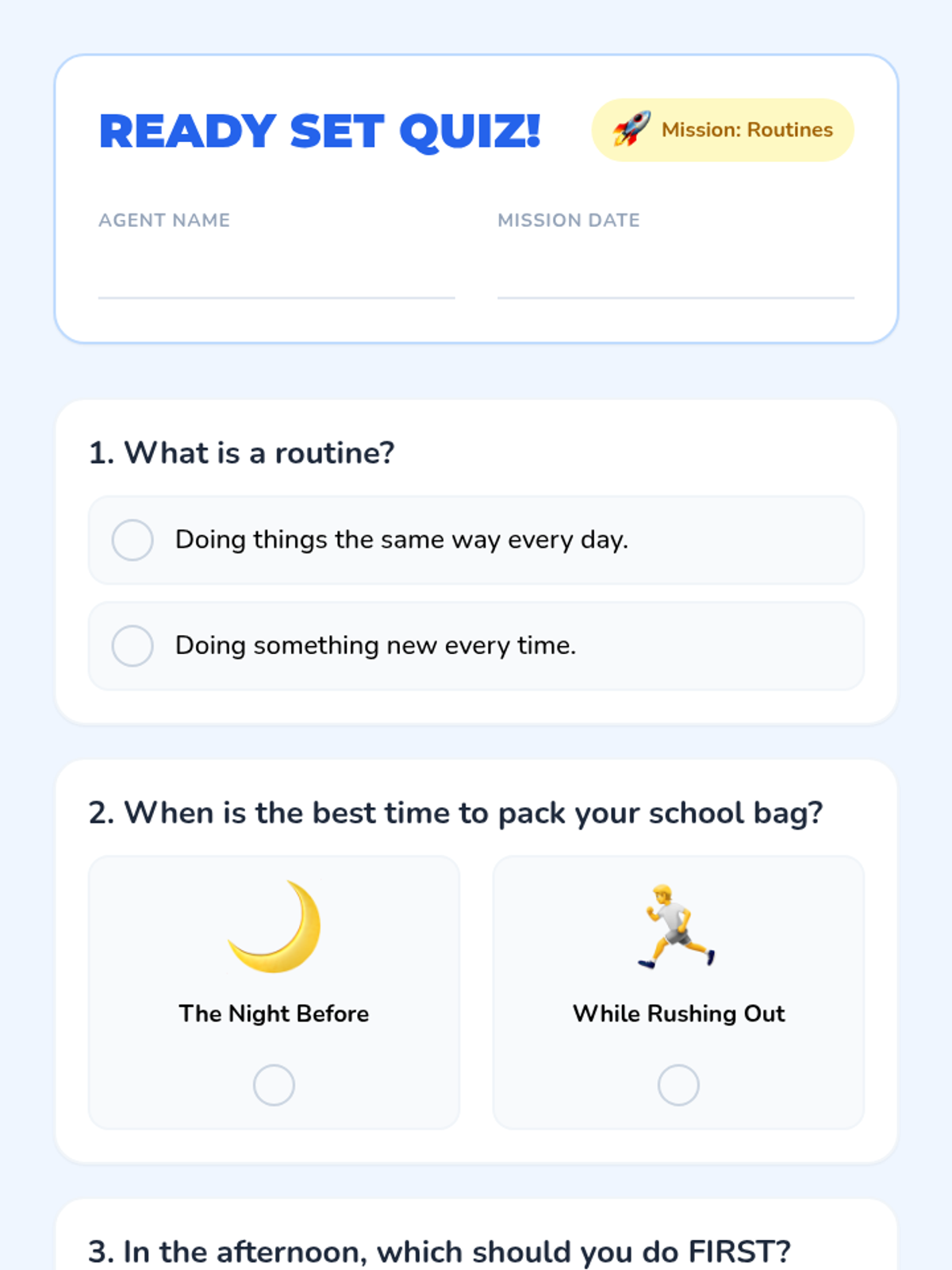
A small group lesson for 1st graders focused on introducing basic morning and evening routines and the concept of doing things the same way every day.