A complete curriculum teaching distress tolerance skills to 3rd graders through a fun space explorer theme, introducing child-friendly versions of DBT TIPP, ACCEPTS, Self-Soothe, and Radical Acceptance.
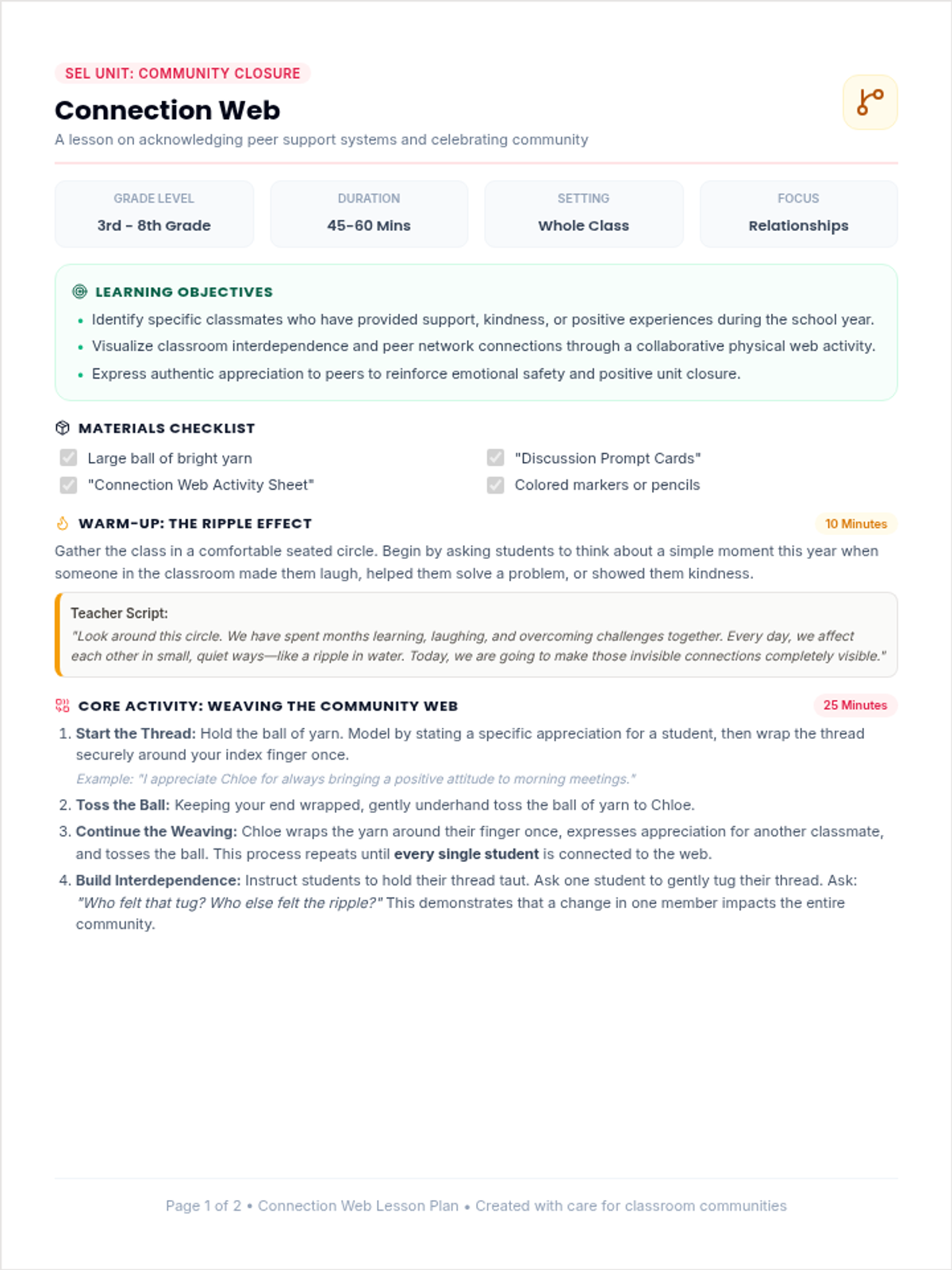
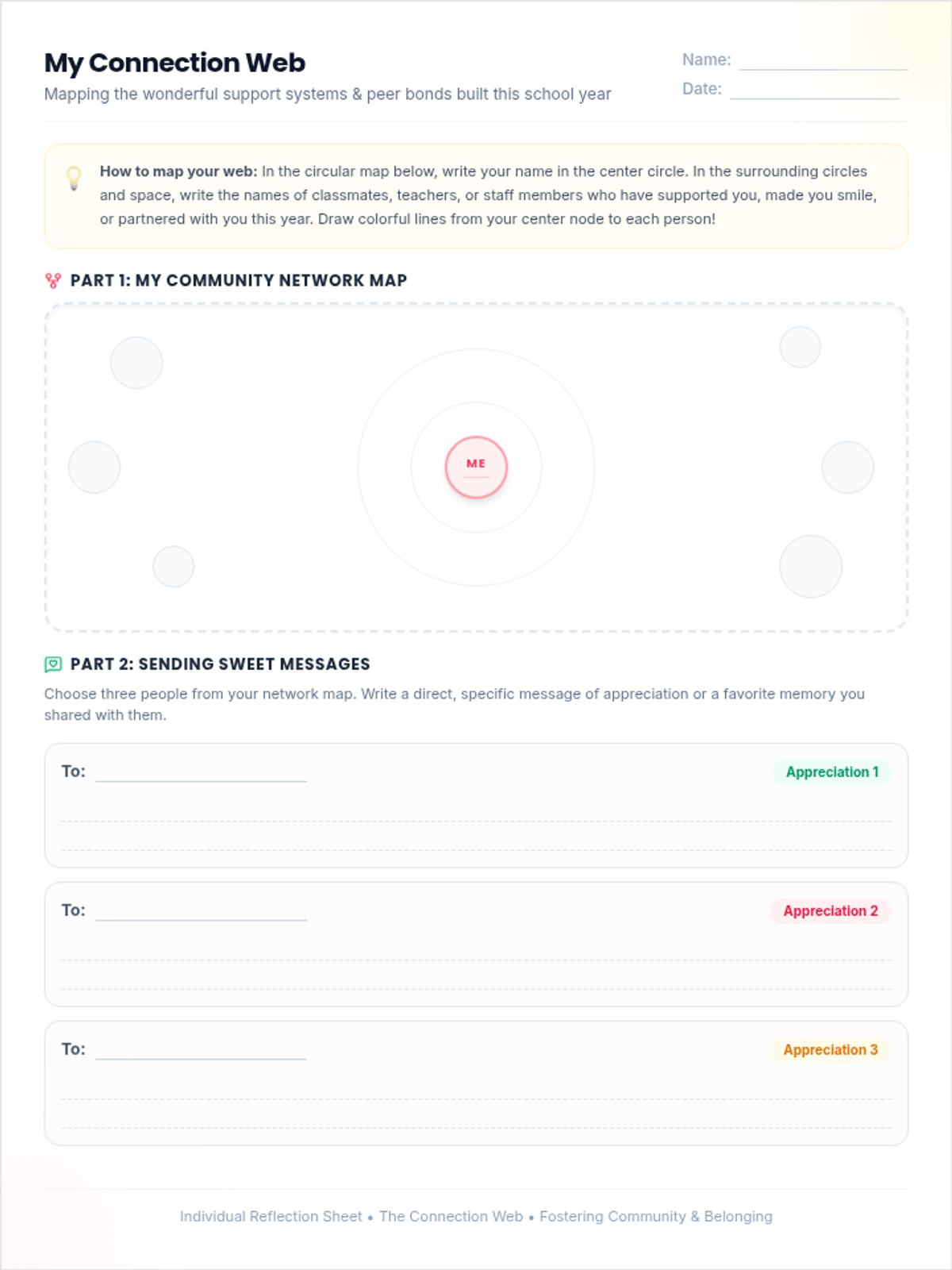
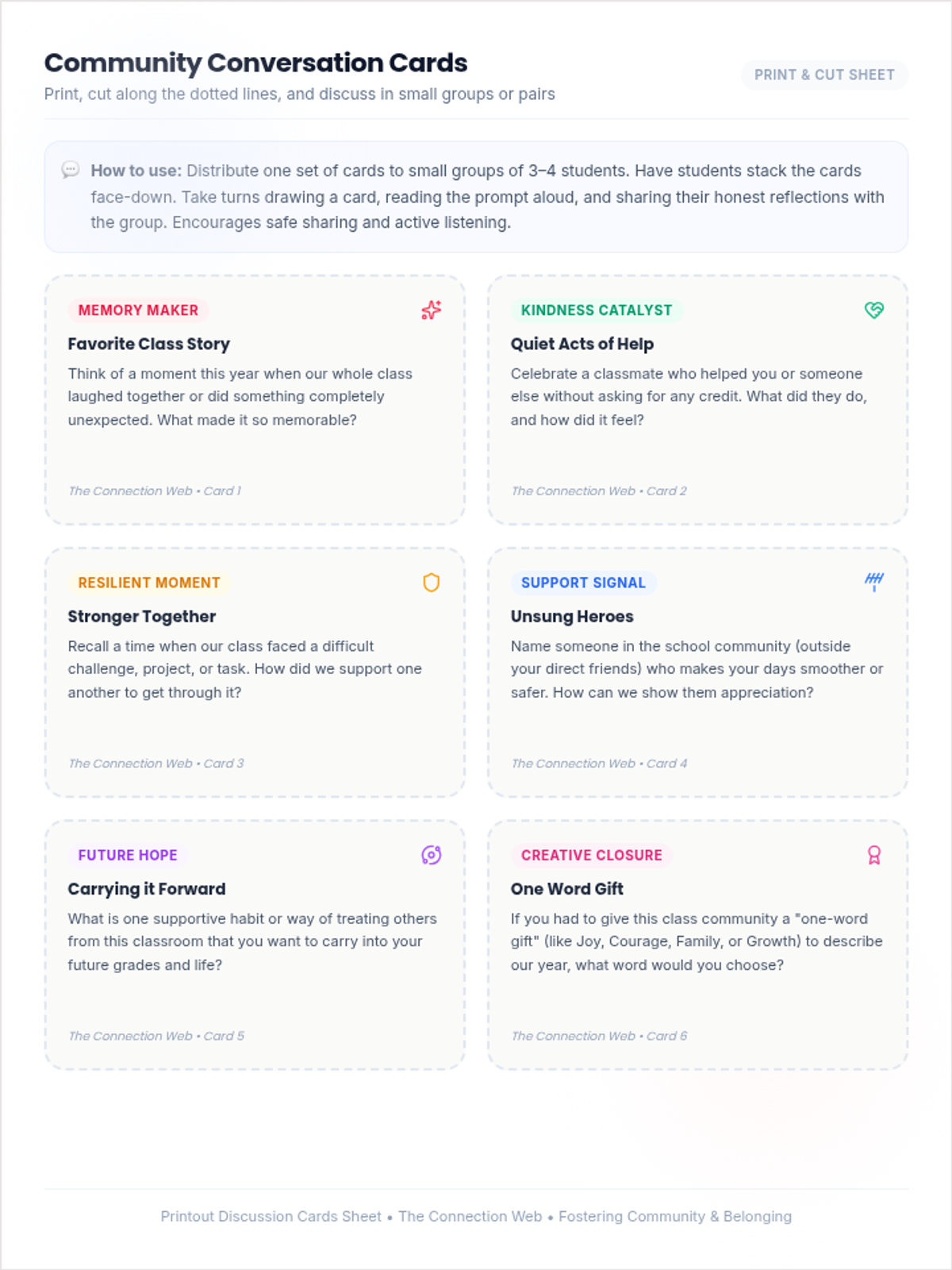
A warm, reflective social-emotional learning lesson designed to help students celebrate their classroom community, map their peer support networks, and experience positive closure as the school year ends.
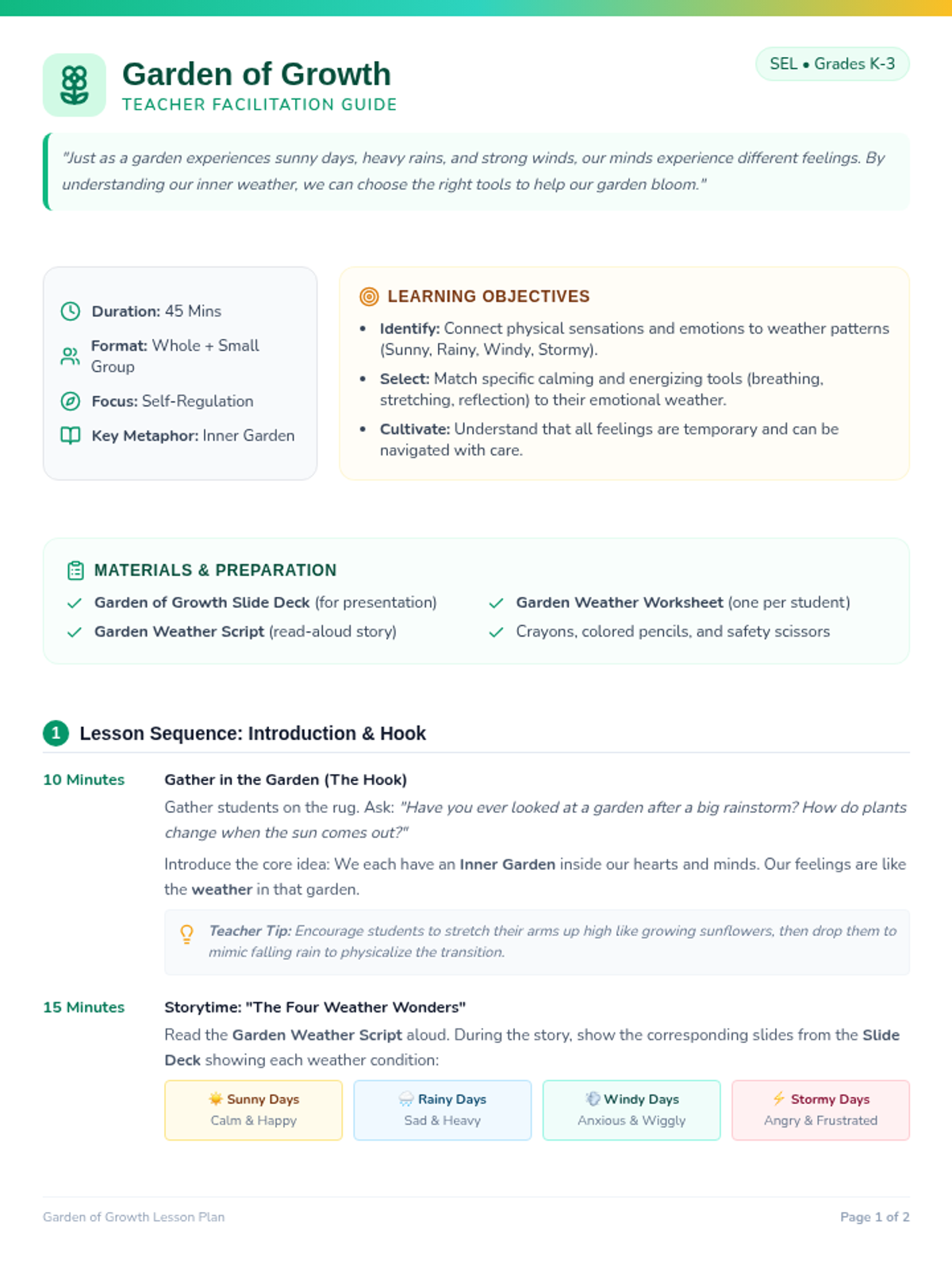
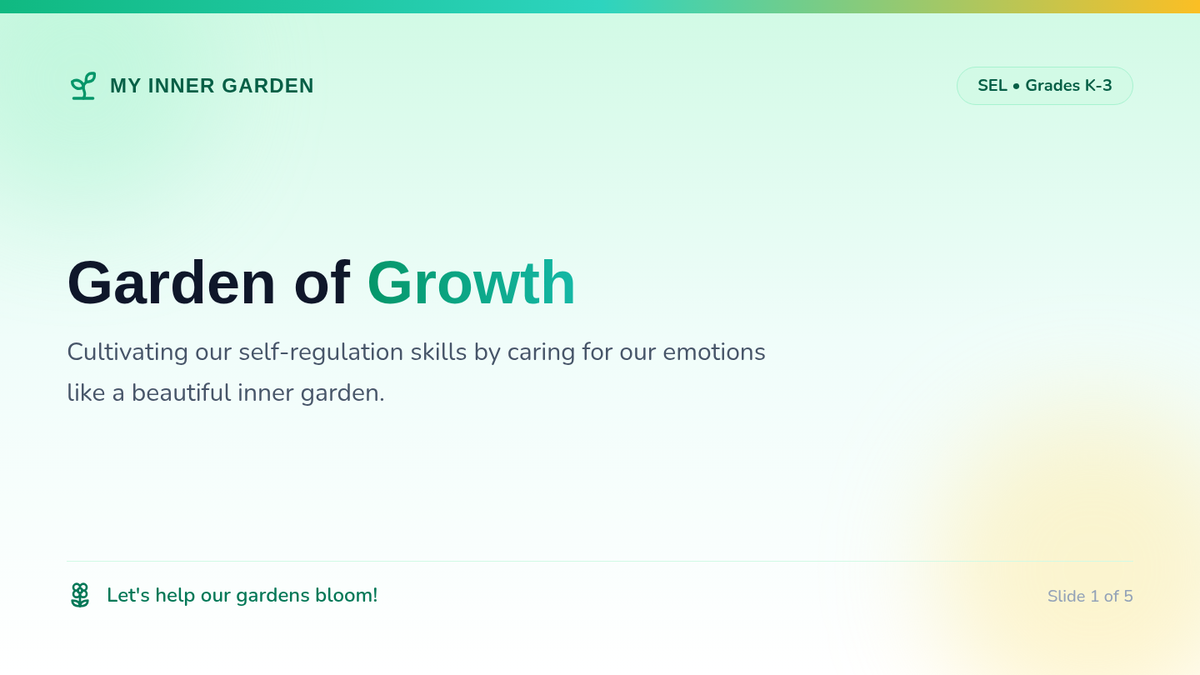
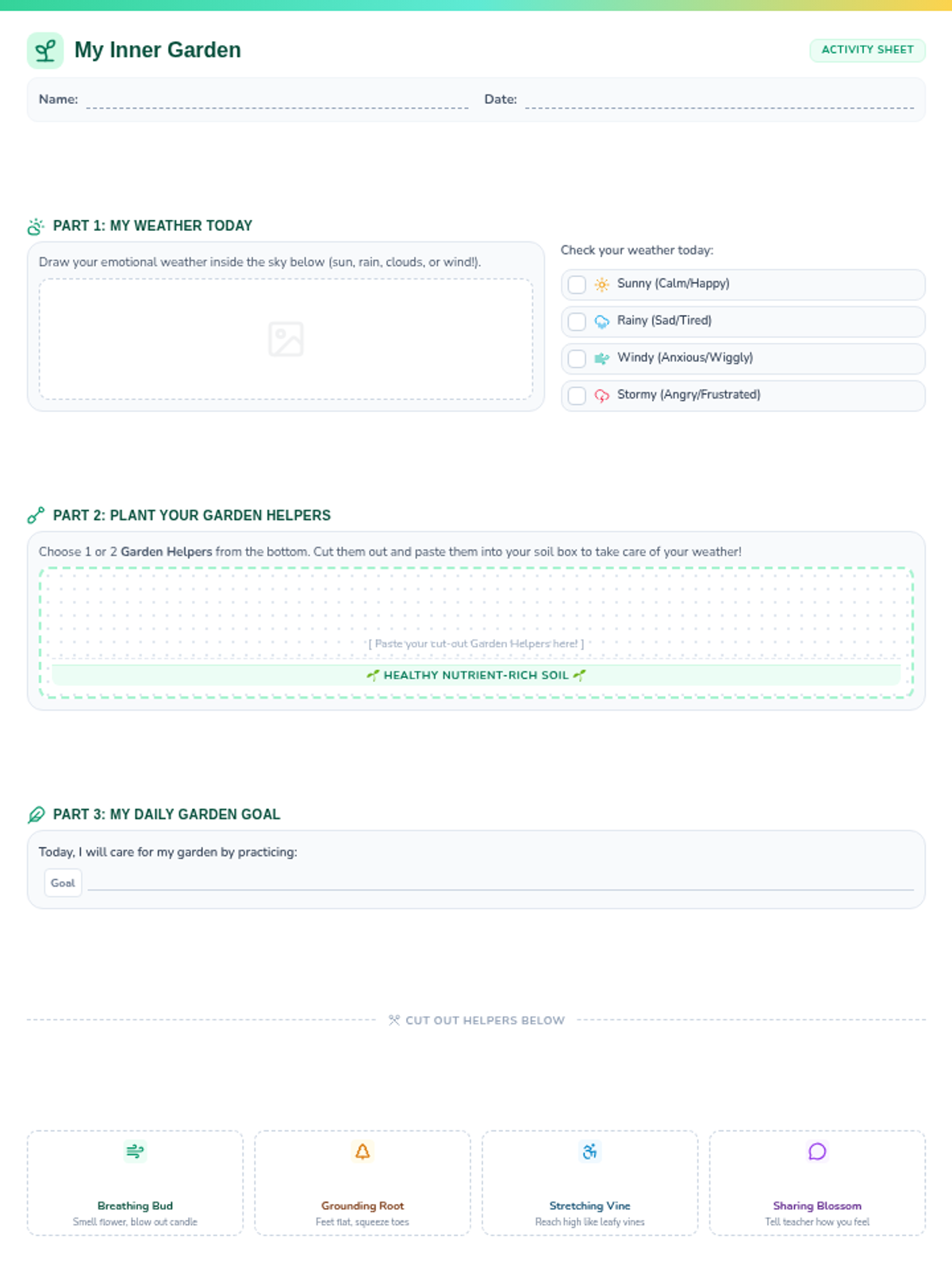
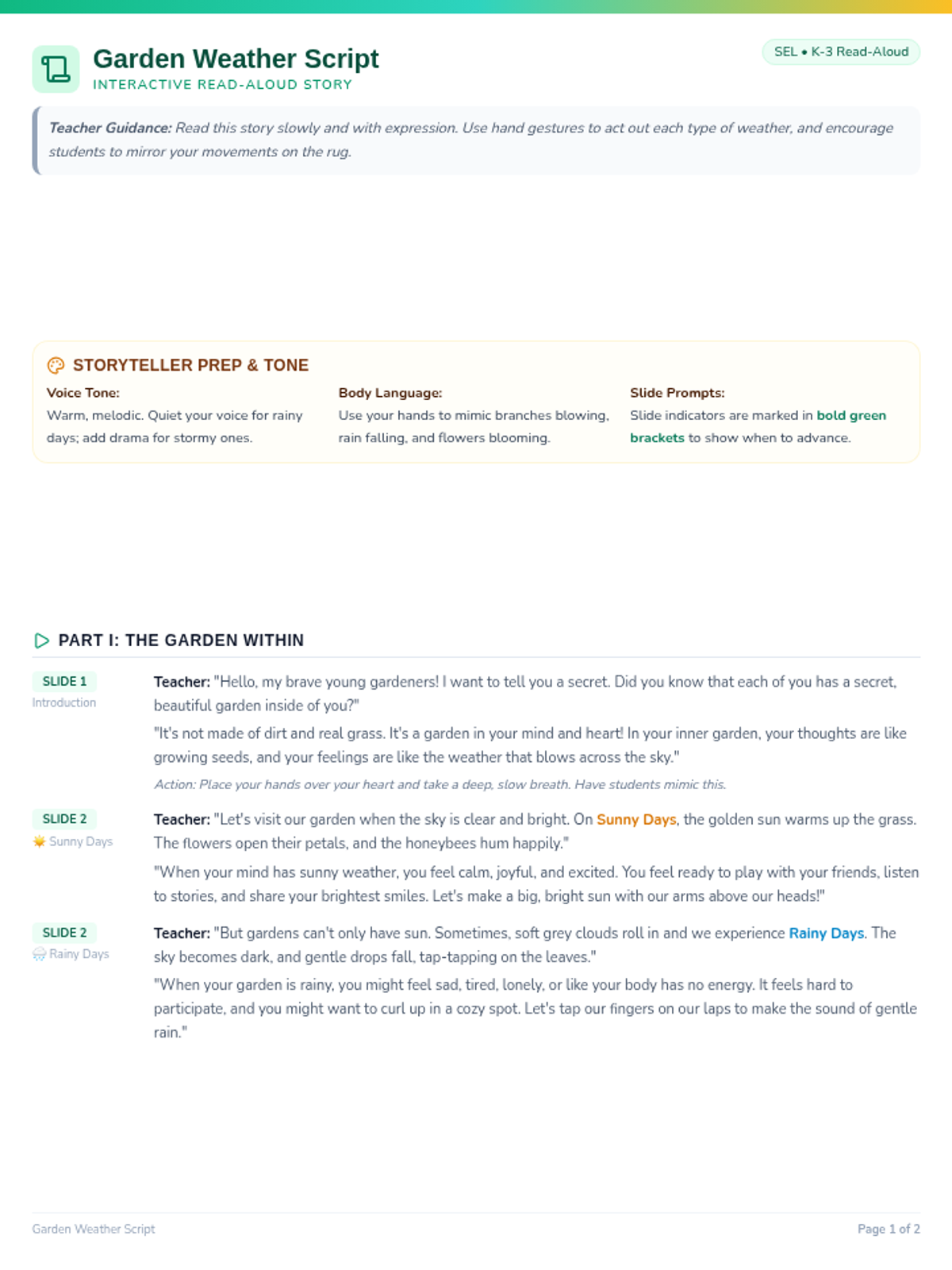
A nature-themed lesson for K-3 students using a garden metaphor to understand self-regulation, identify emotional 'weather', and cultivate healthy coping strategies.
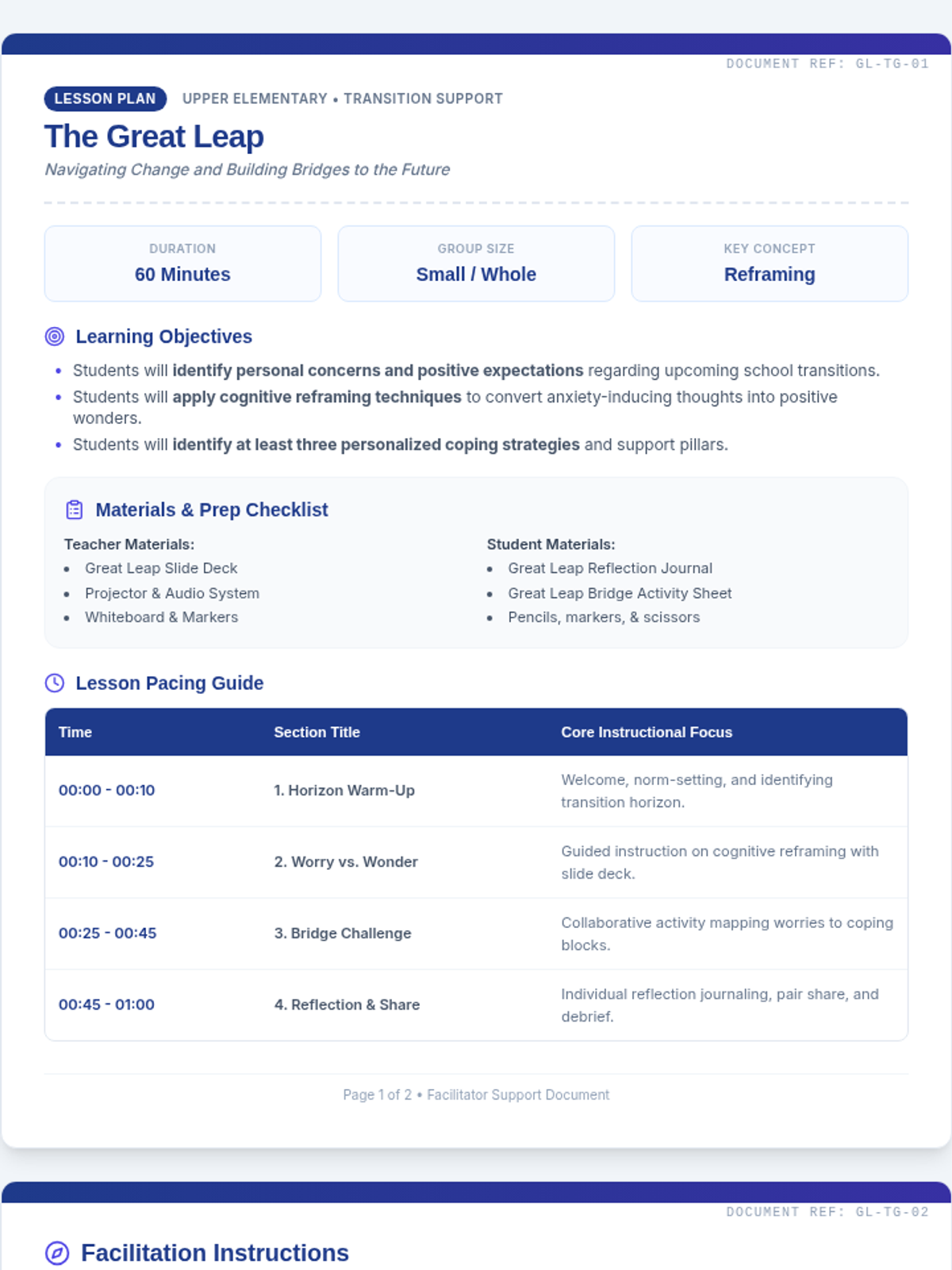
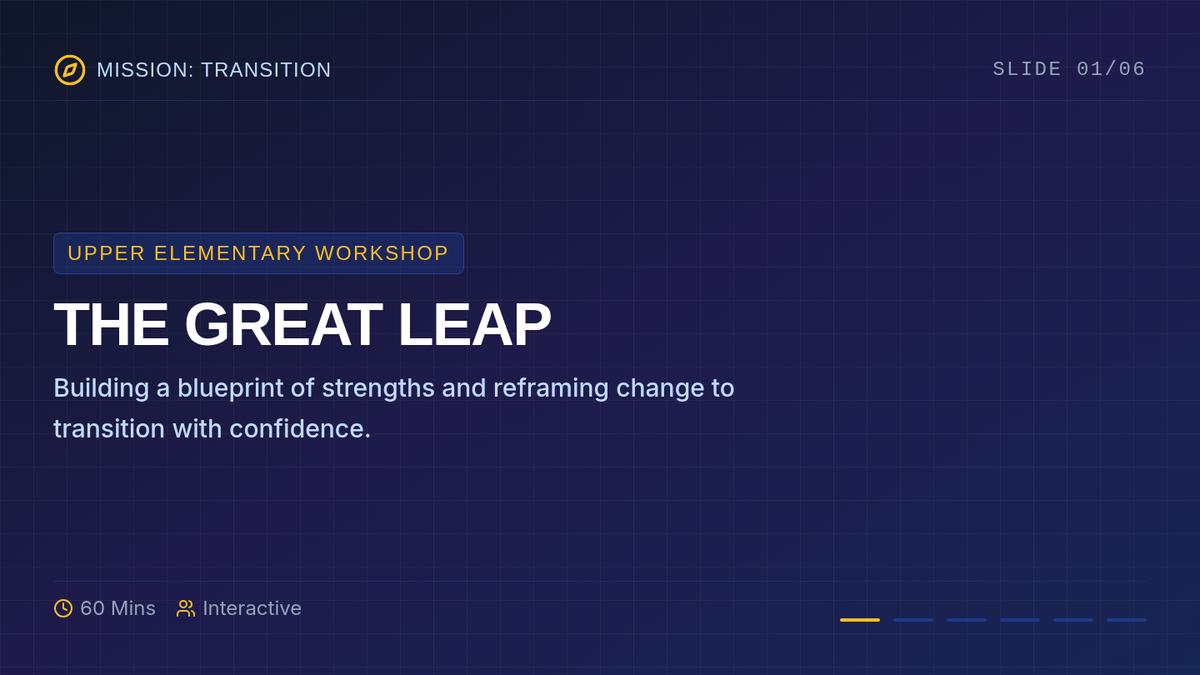
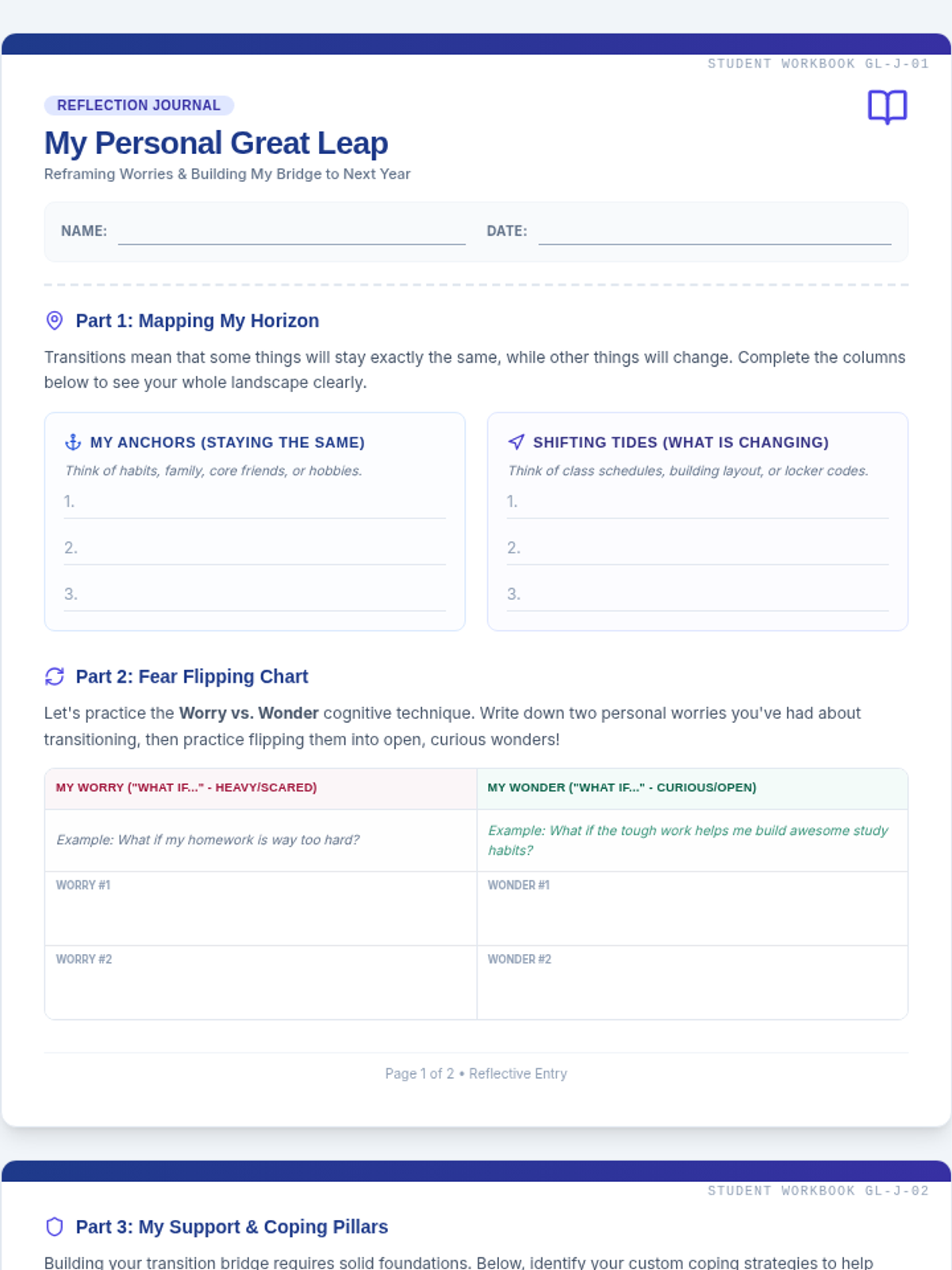
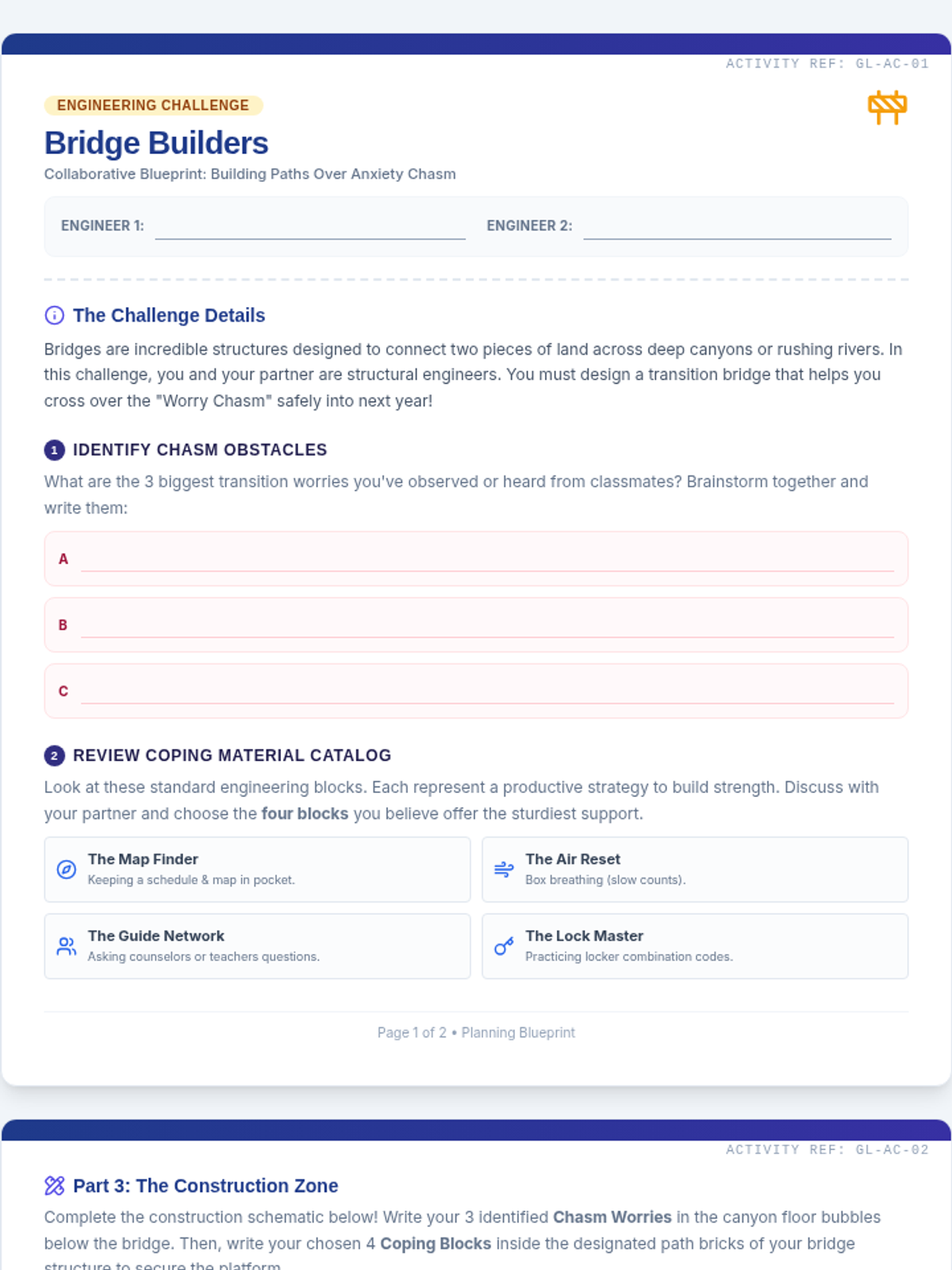
A transformative lesson designed to help upper elementary students navigate transition anxiety using cognitive reframing and practical coping strategies. Through interactive slides, reflection journals, and a collaborative bridge-building activity, students learn to flip their worries into actionable strengths.
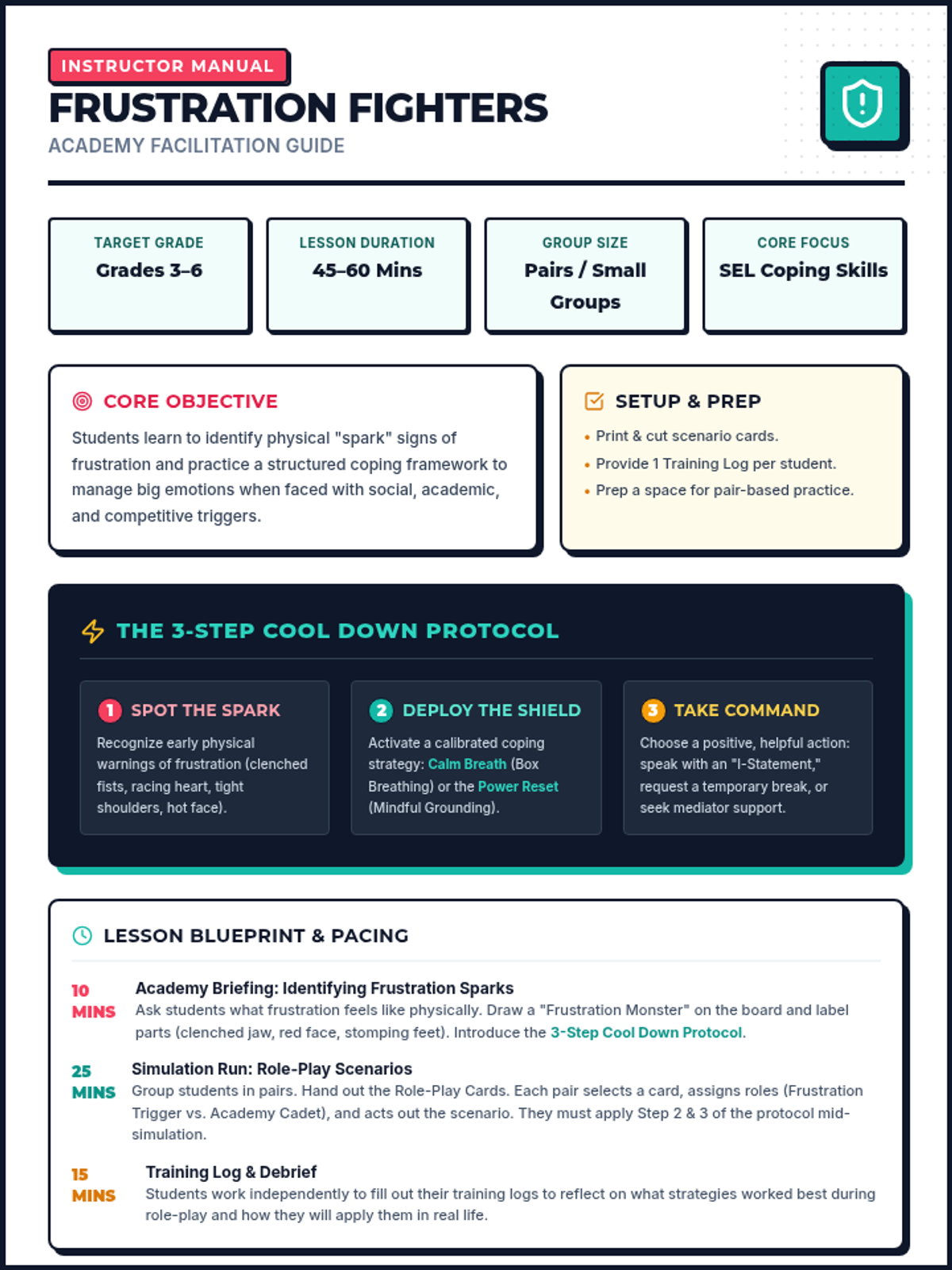
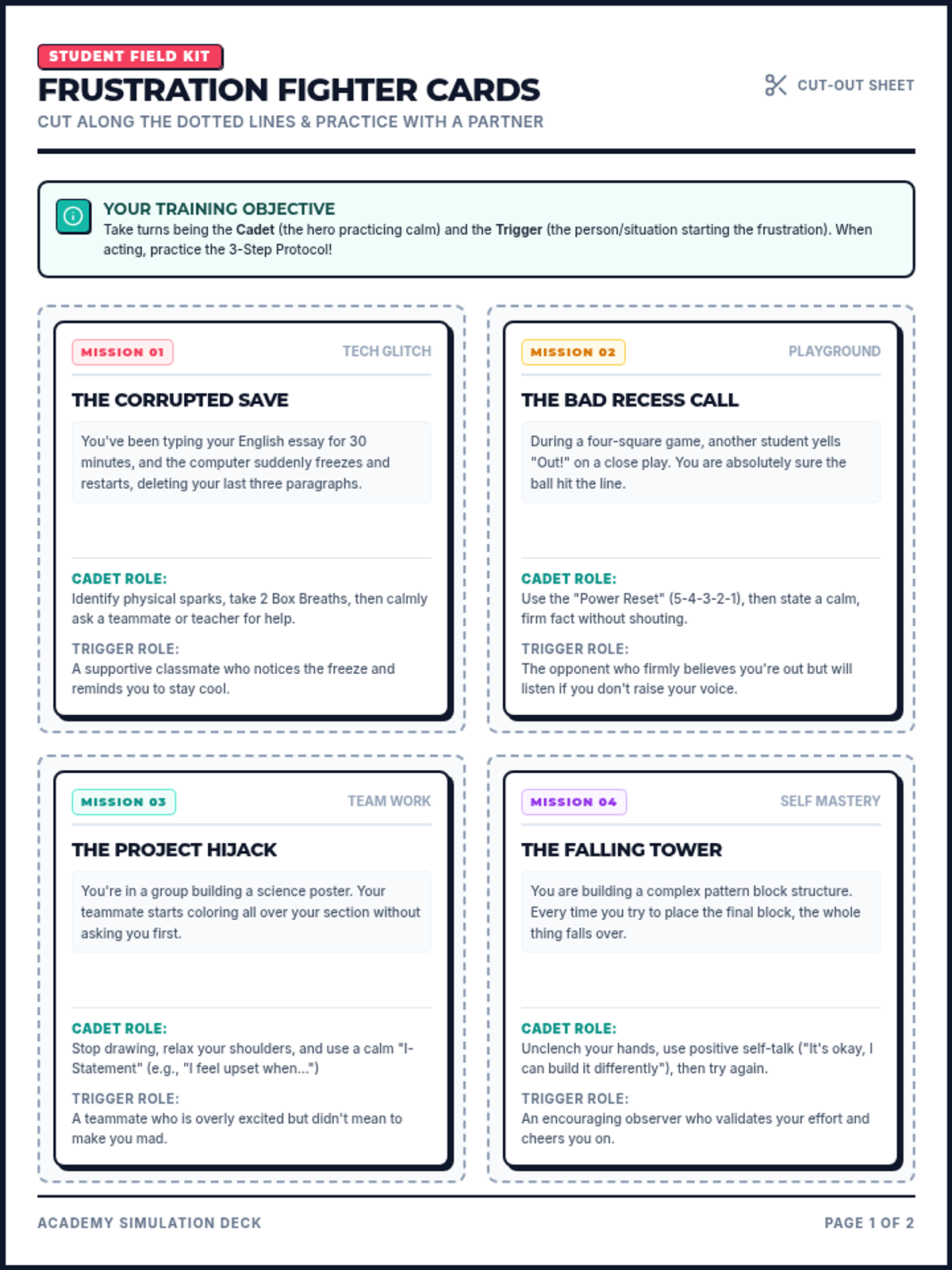
An interactive, superhero-themed lesson designed to help elementary and middle school students recognize frustration triggers and practice evidence-based coping skills. Through structured role-play and a reflective training log, students practice calming strategies in relatable social scenarios.
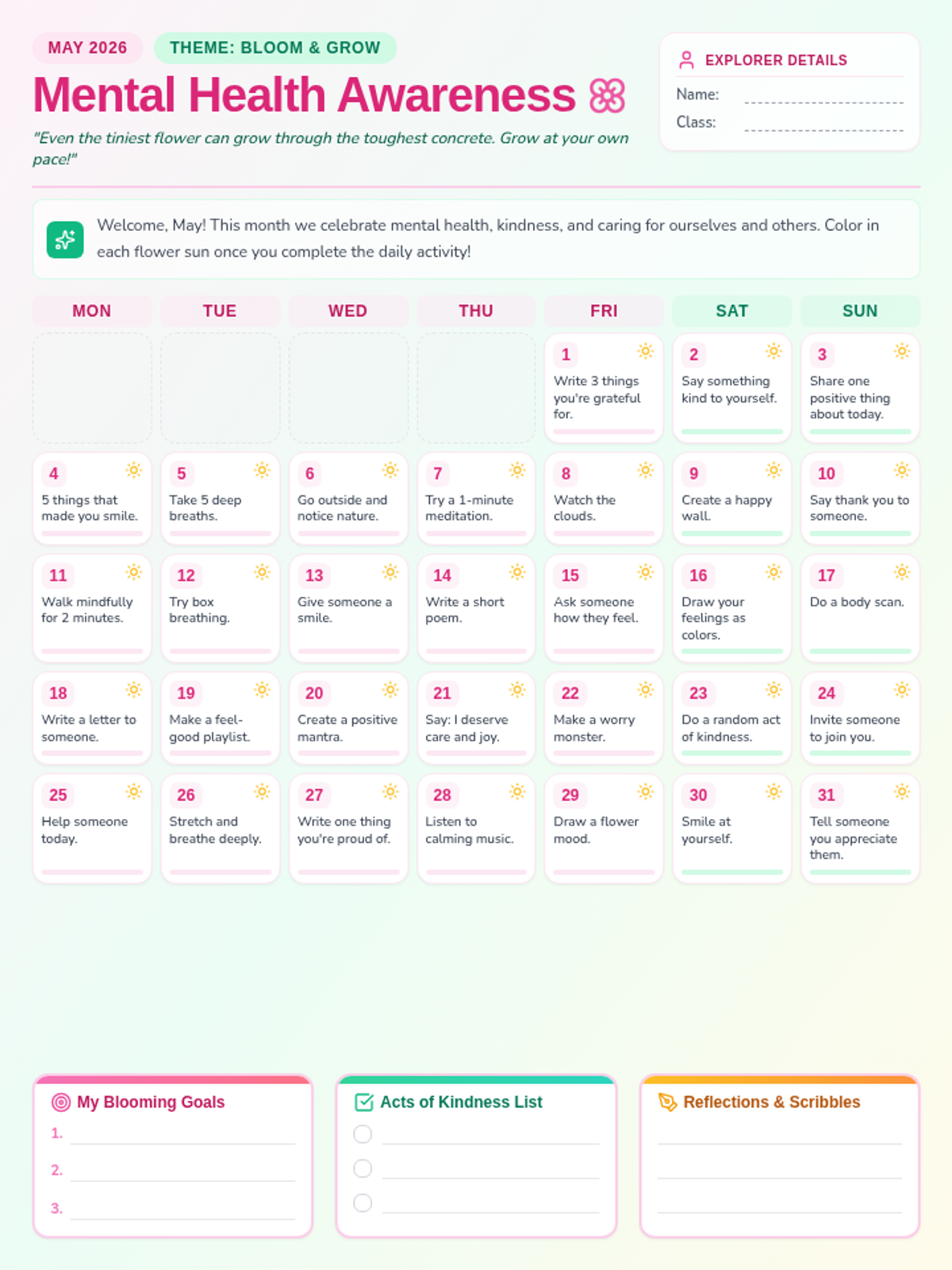
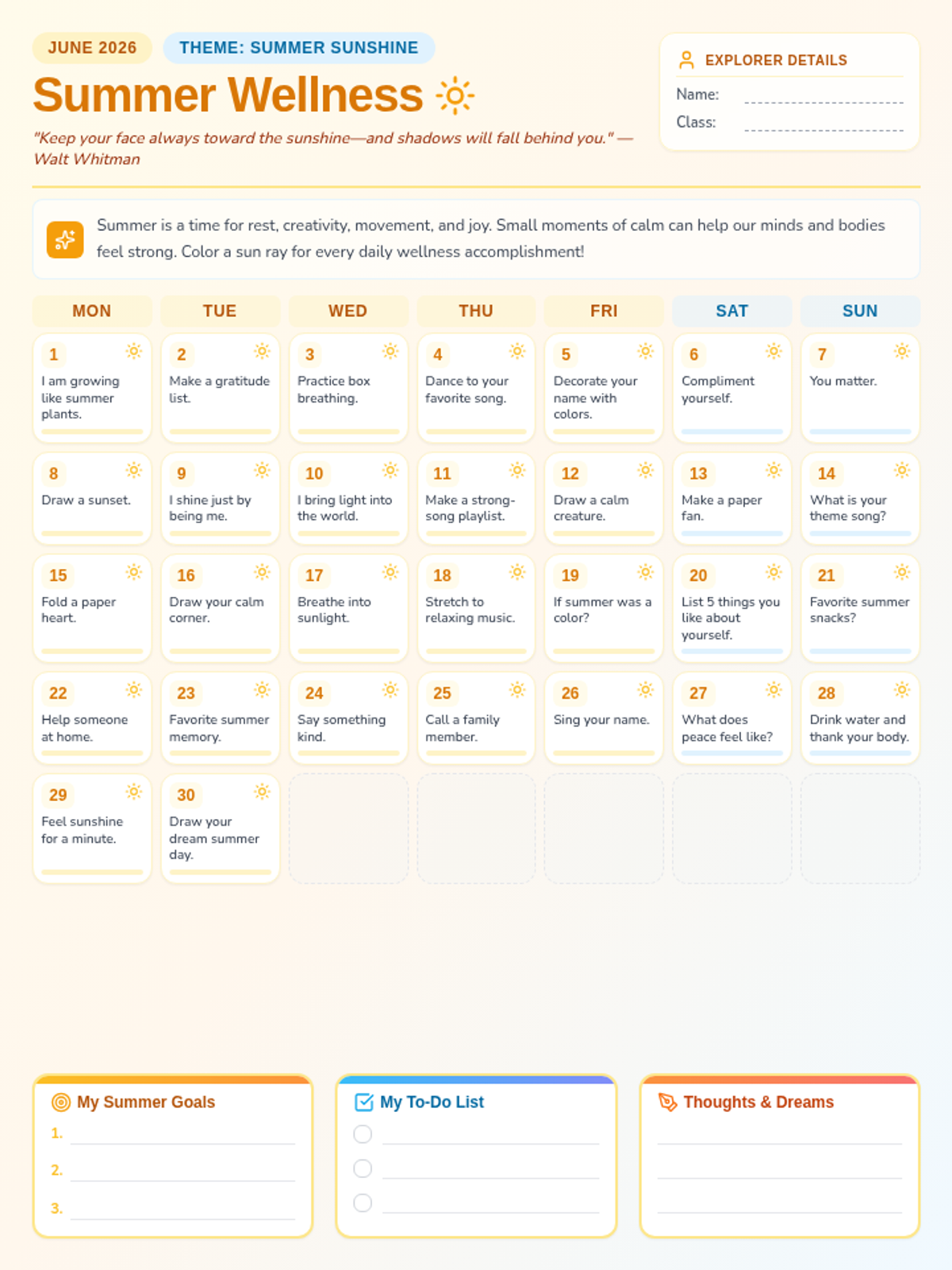
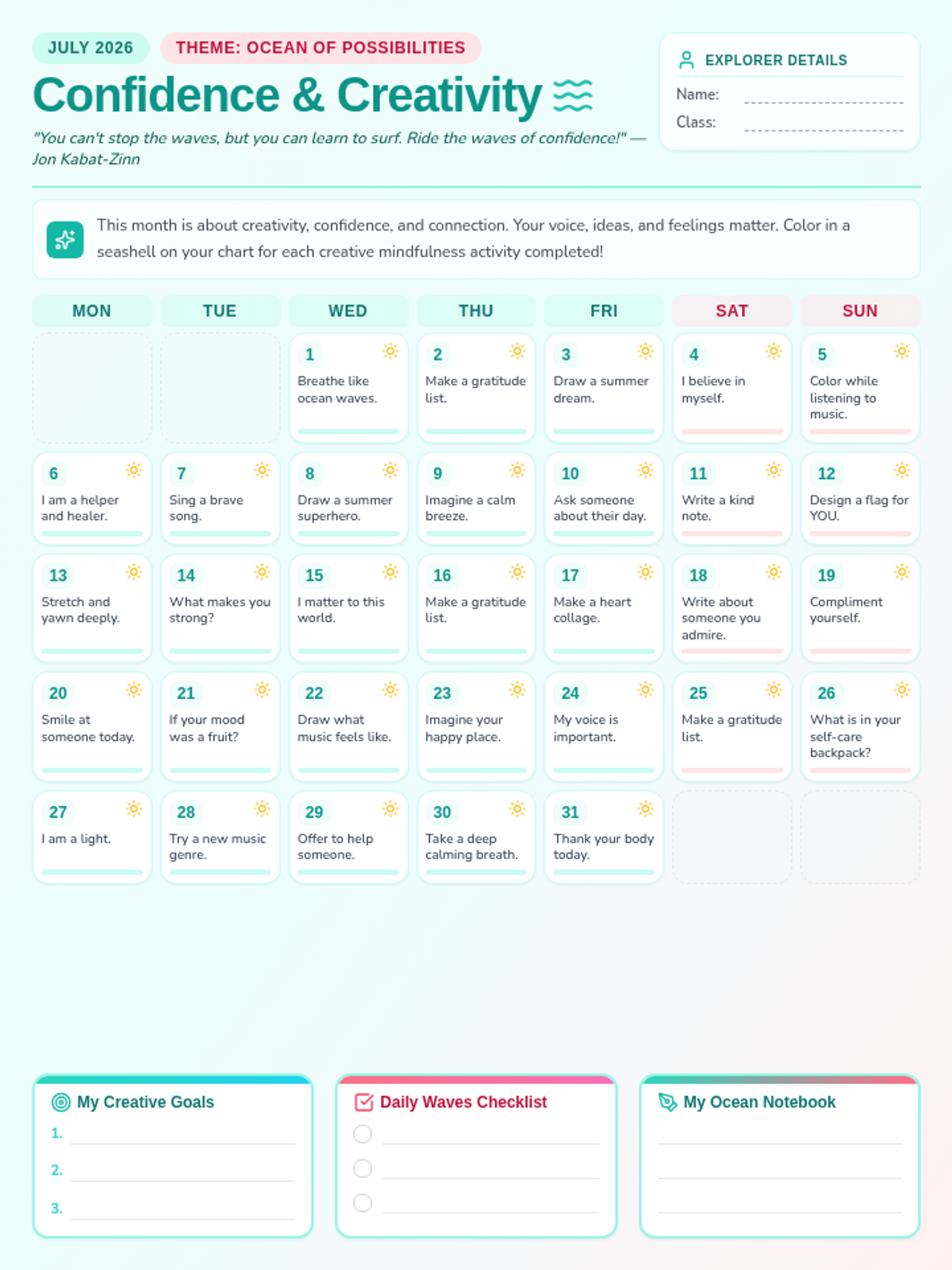
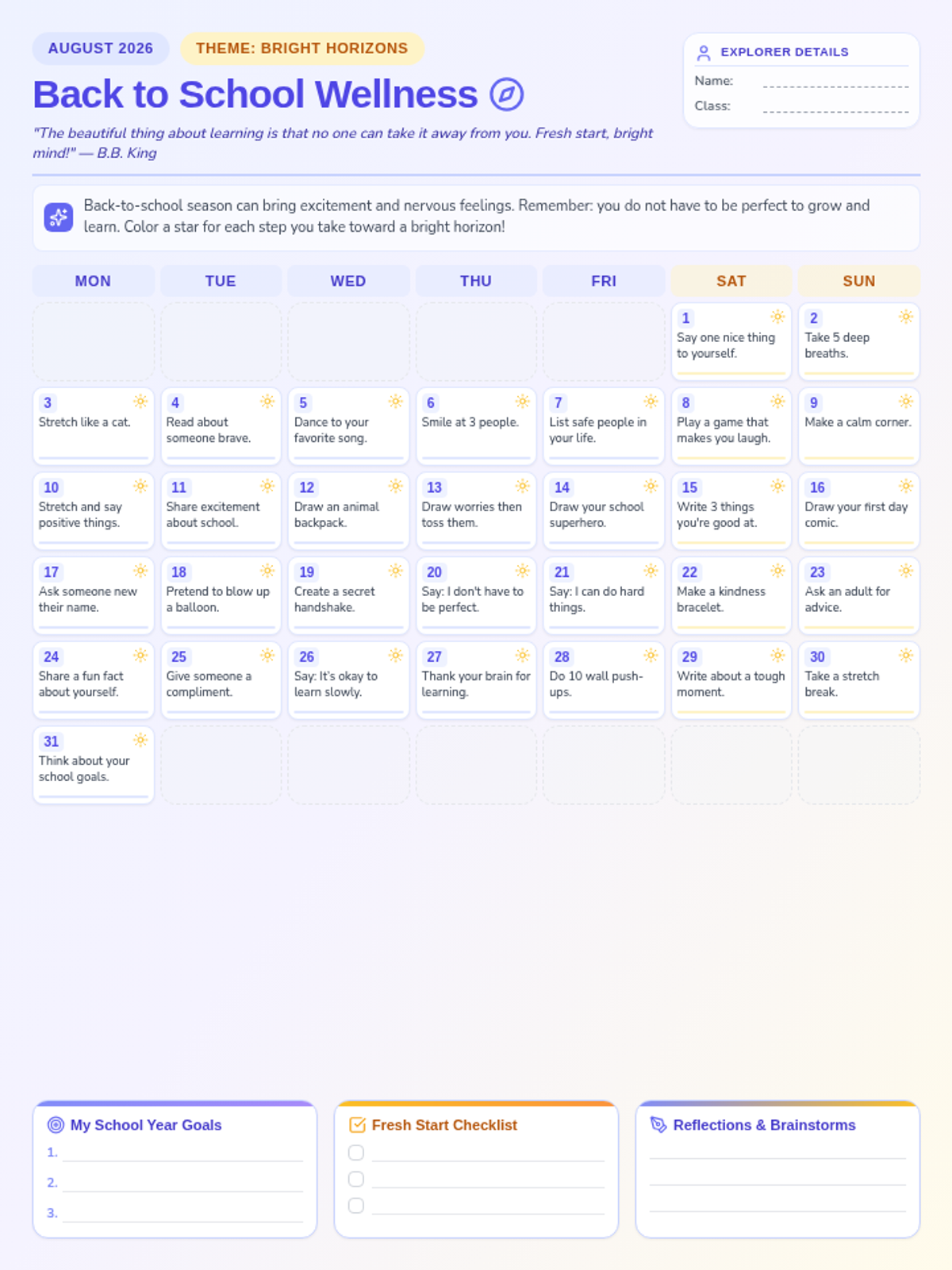
A vibrant series of four monthly mental health and wellness calendars for May through August 2026. Designed with playful bright colors, a distinct growth mindset theme for each month, and inspirational quotes, these calendars offer daily mindfulness activities suitable for K-12 students and their families.
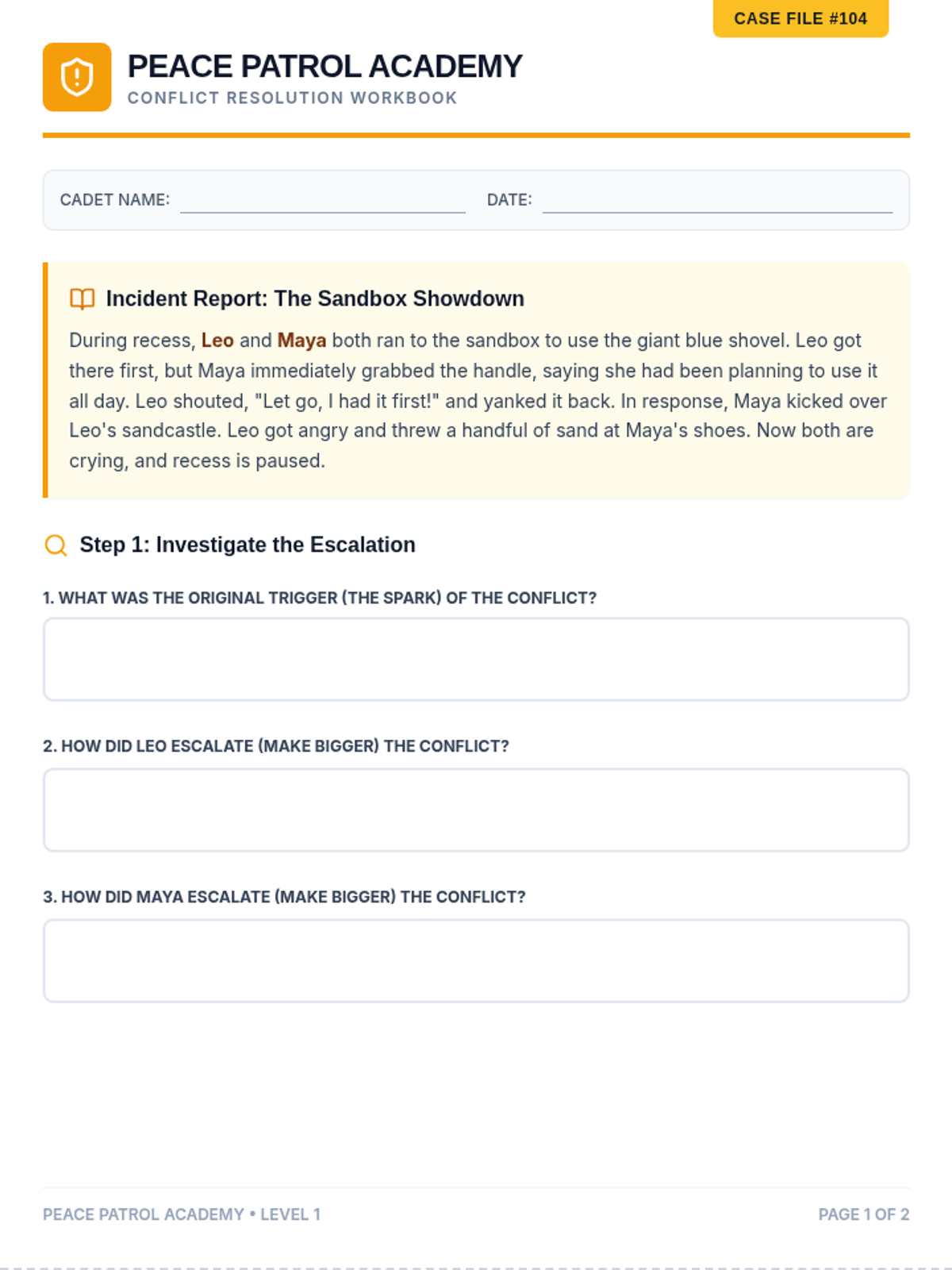
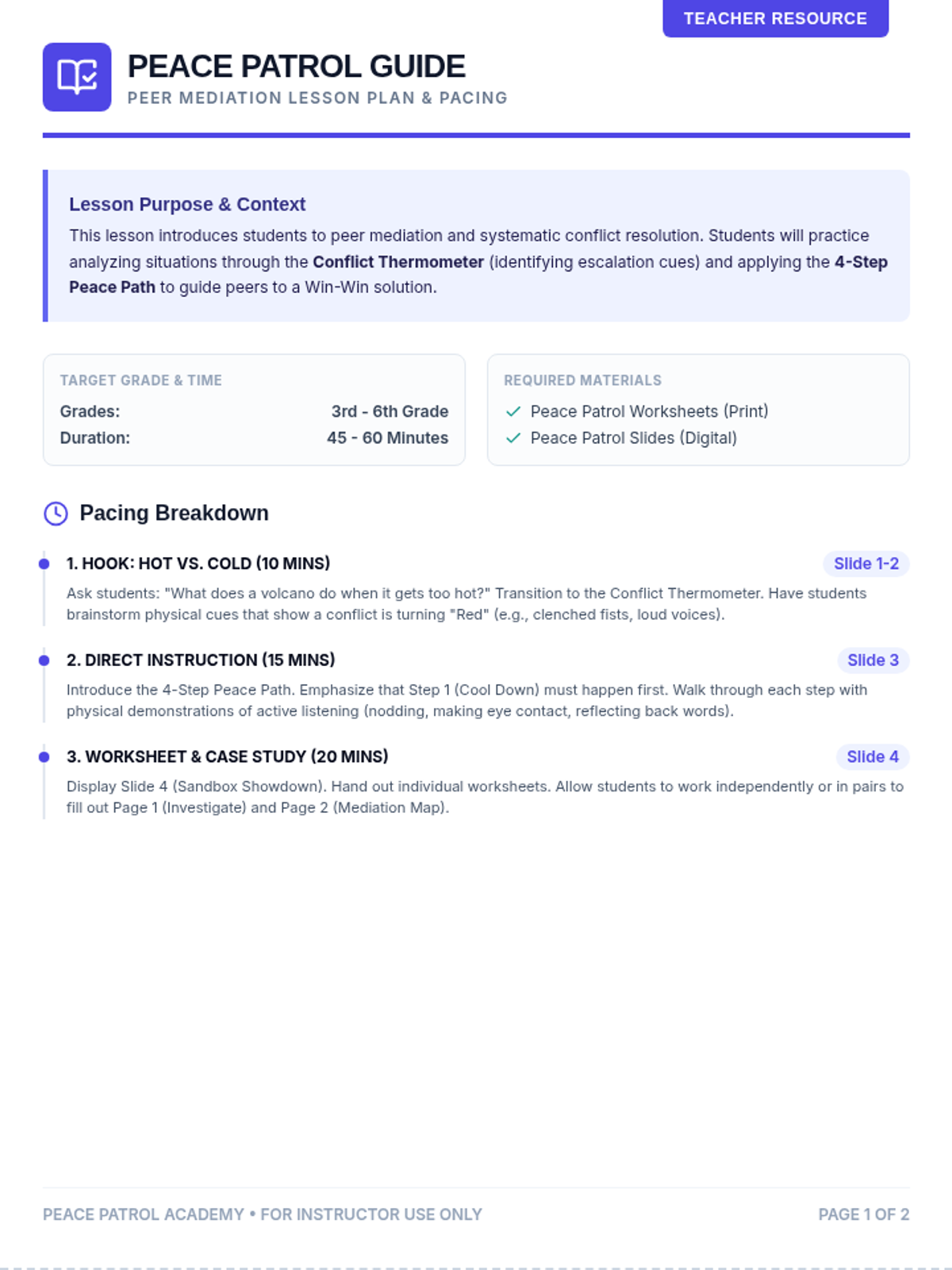
An interactive social-emotional learning lesson focusing on peer mediation, de-escalation, and conflict resolution using real-world social stories and active student practice.
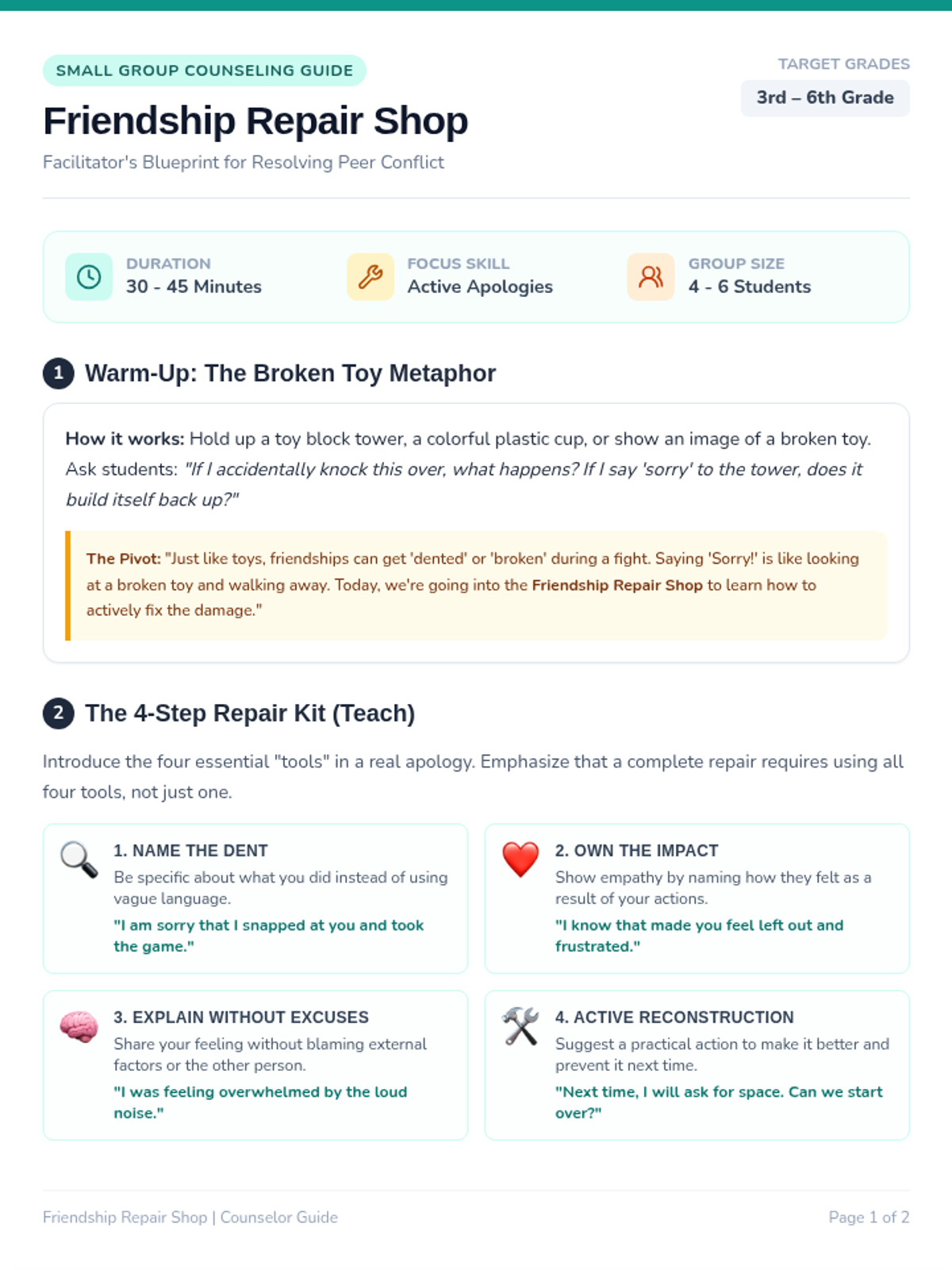
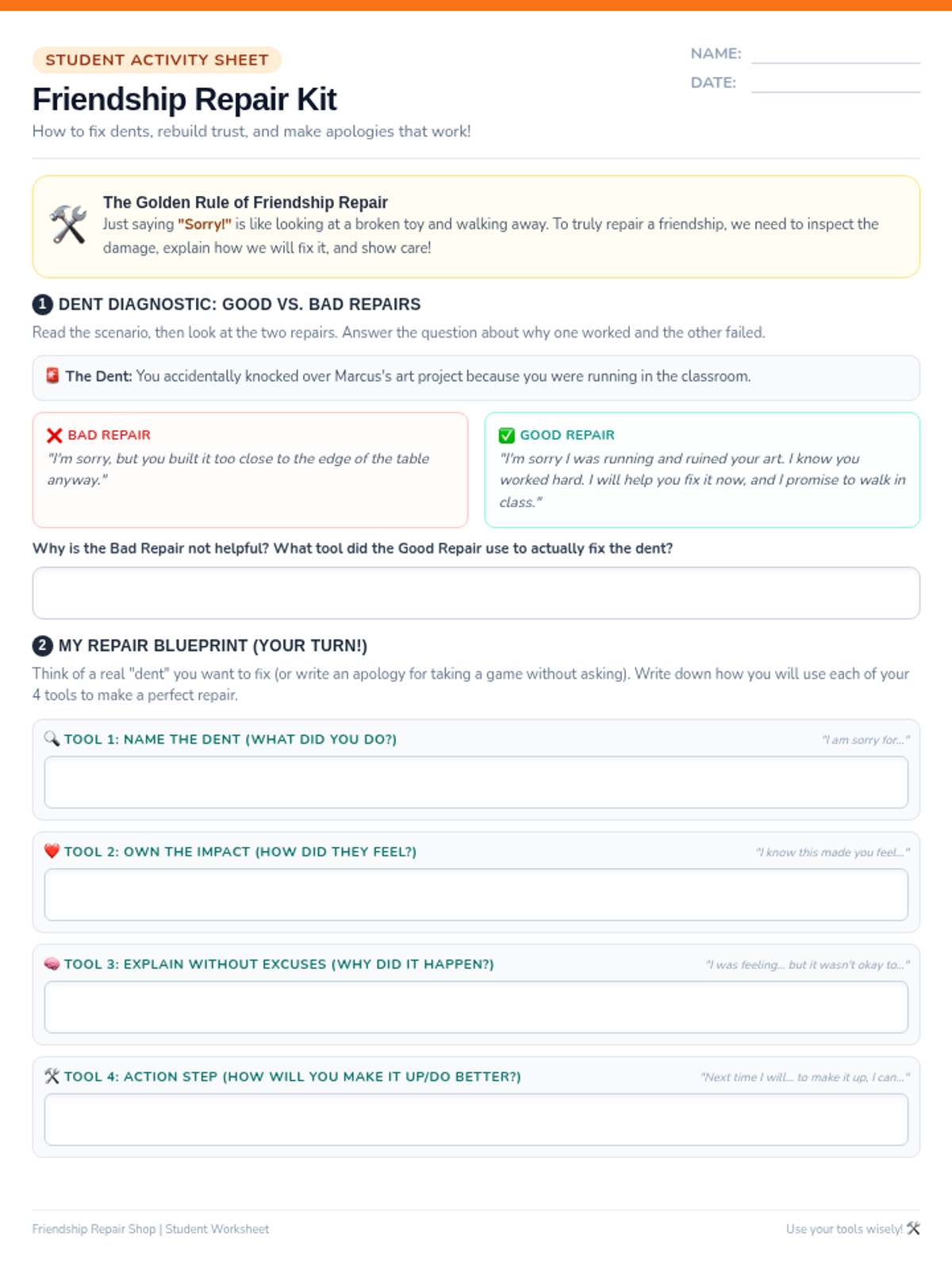
A small-group counseling session focused on peer conflict resolution, teaching students how to construct sincere apologies and actively repair damaged friendships using a concrete 4-step tool kit.
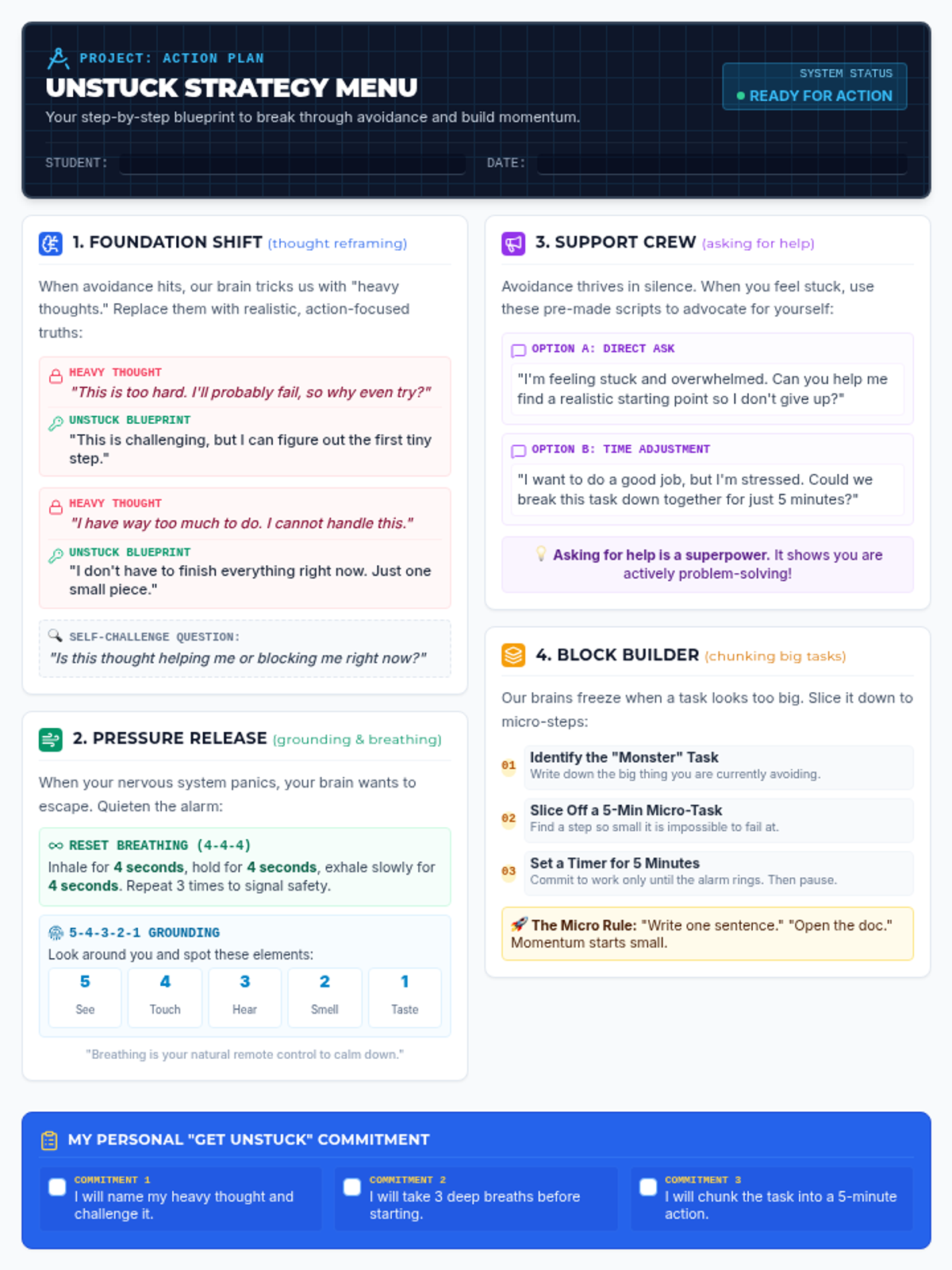
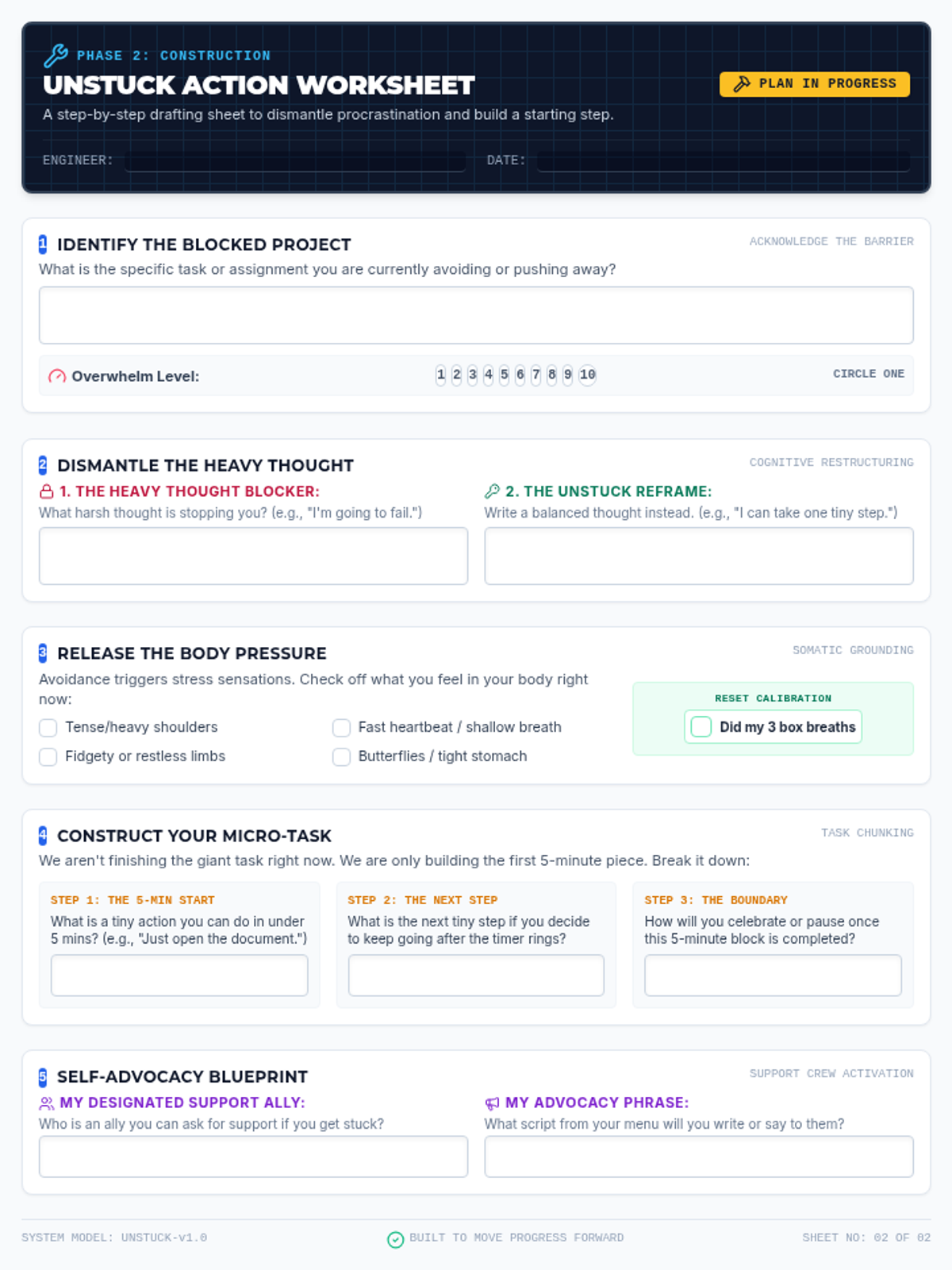
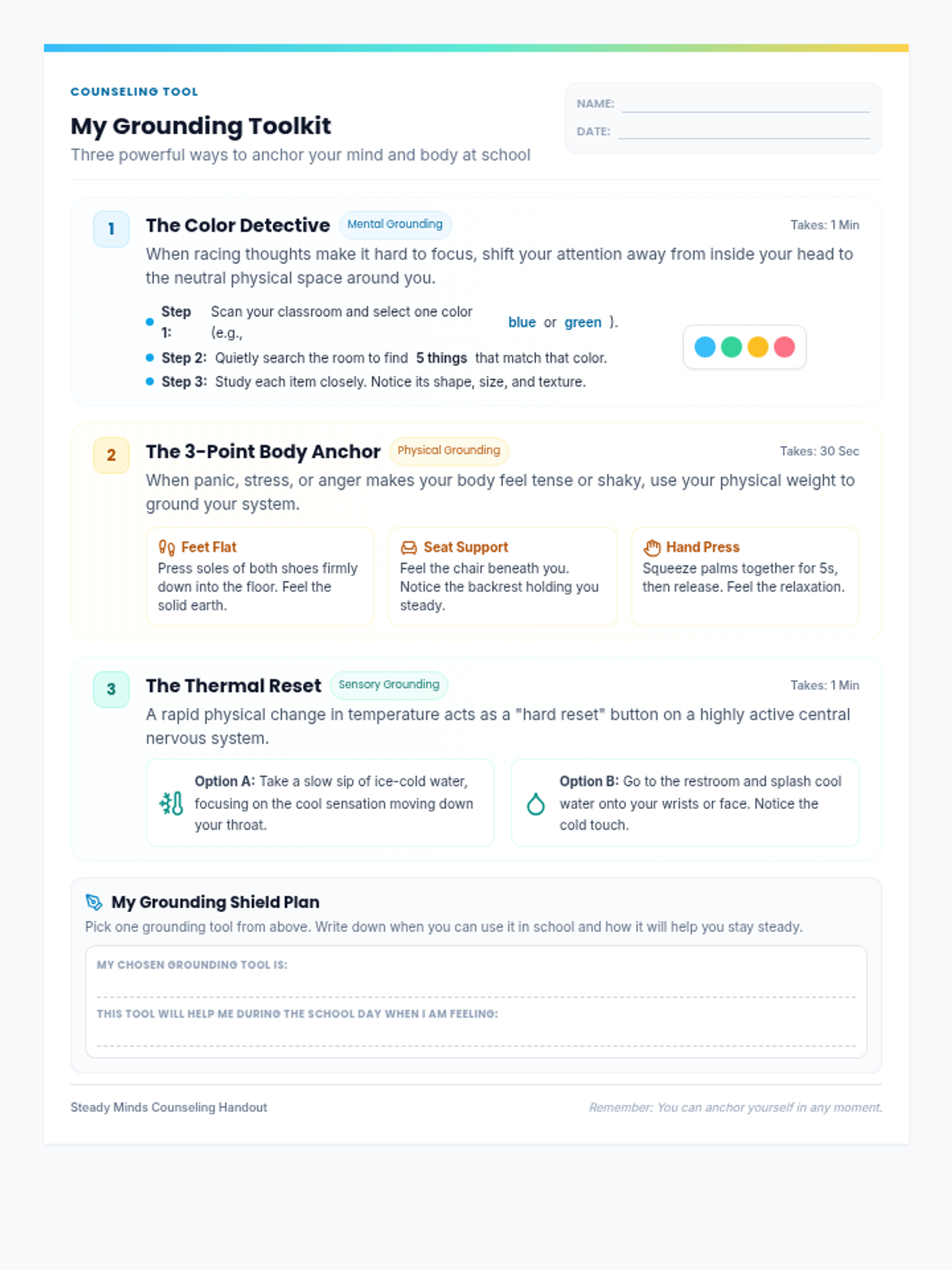
A structured problem-solving framework designed for students who use avoidance as a coping mechanism. This lesson provides practical tools for cognitive reframing, sensory grounding, self-advocacy, and task-chunking to help students move from avoidance to action.
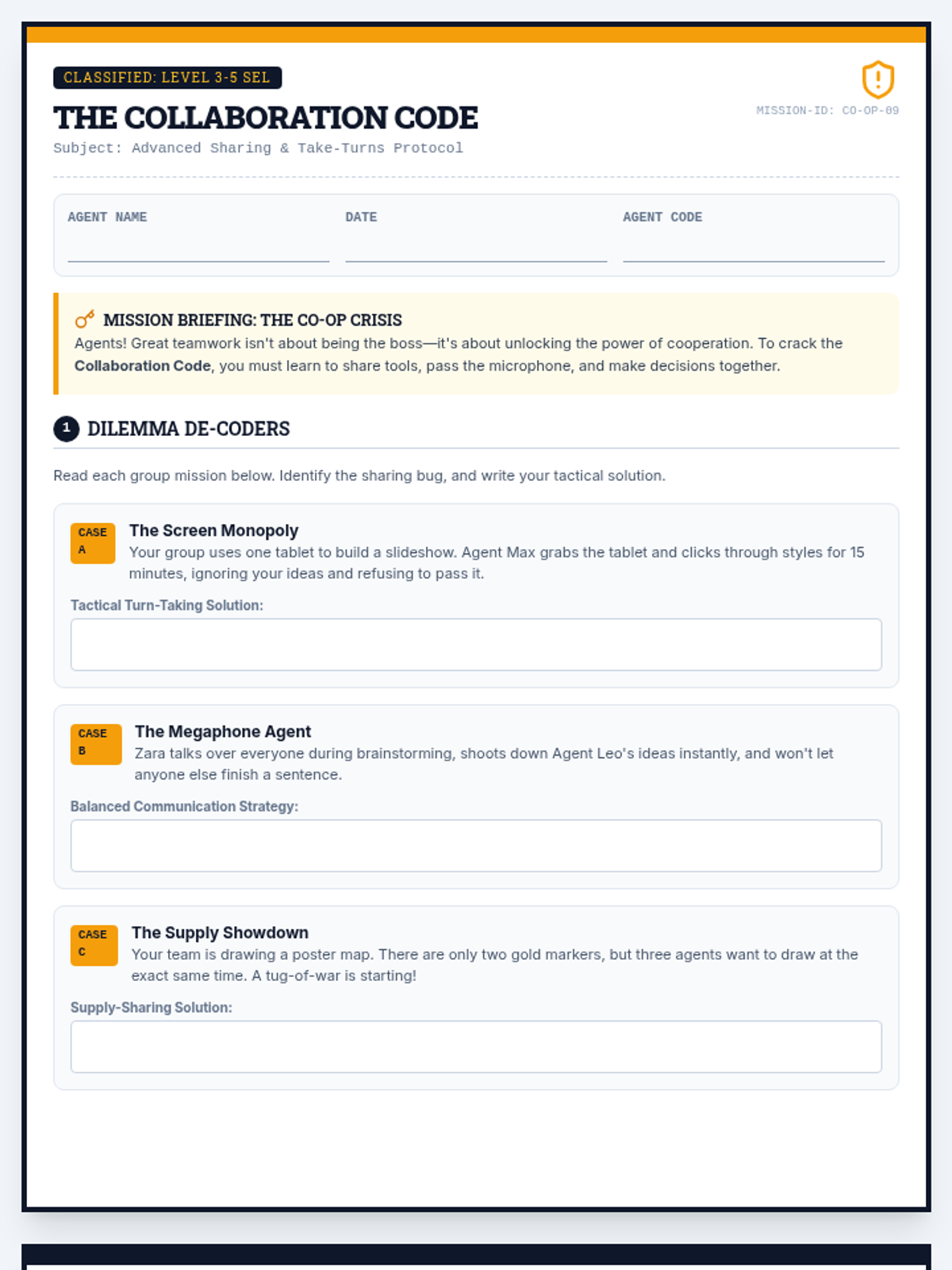
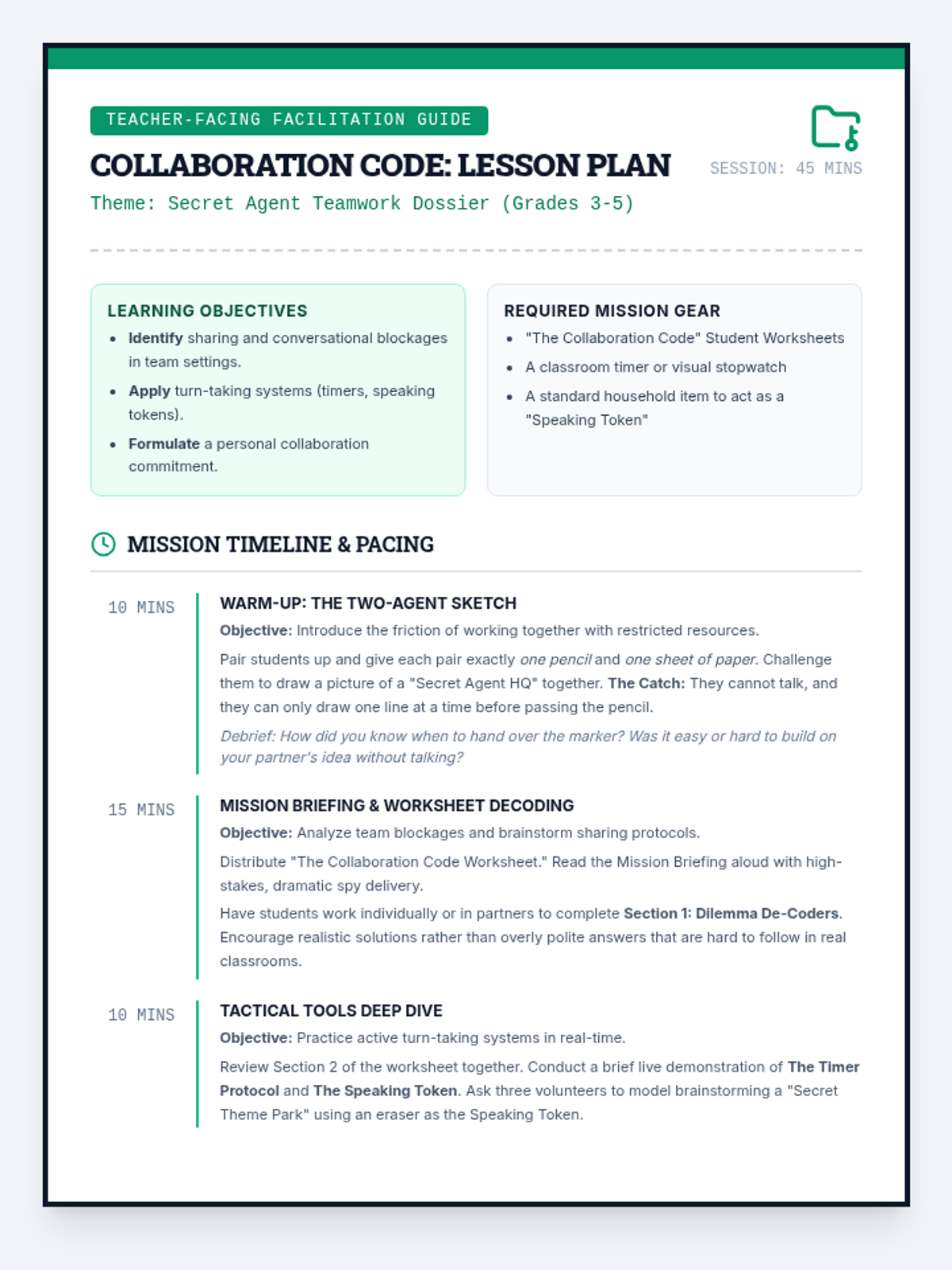
A spy-themed social-emotional learning lesson for grades 3-5 that teaches the mechanics of sharing resources, taking turns during group work, and active listening.
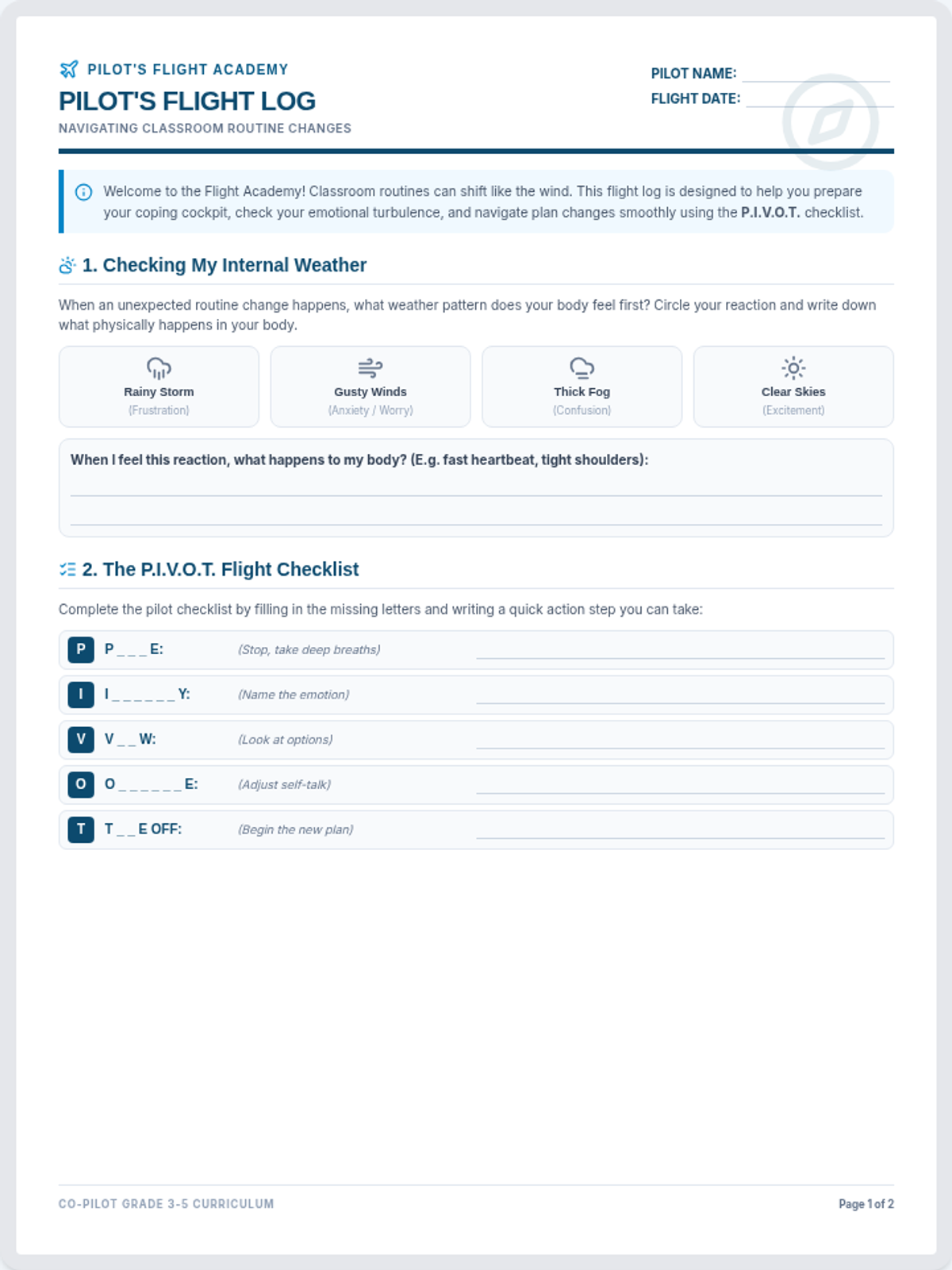
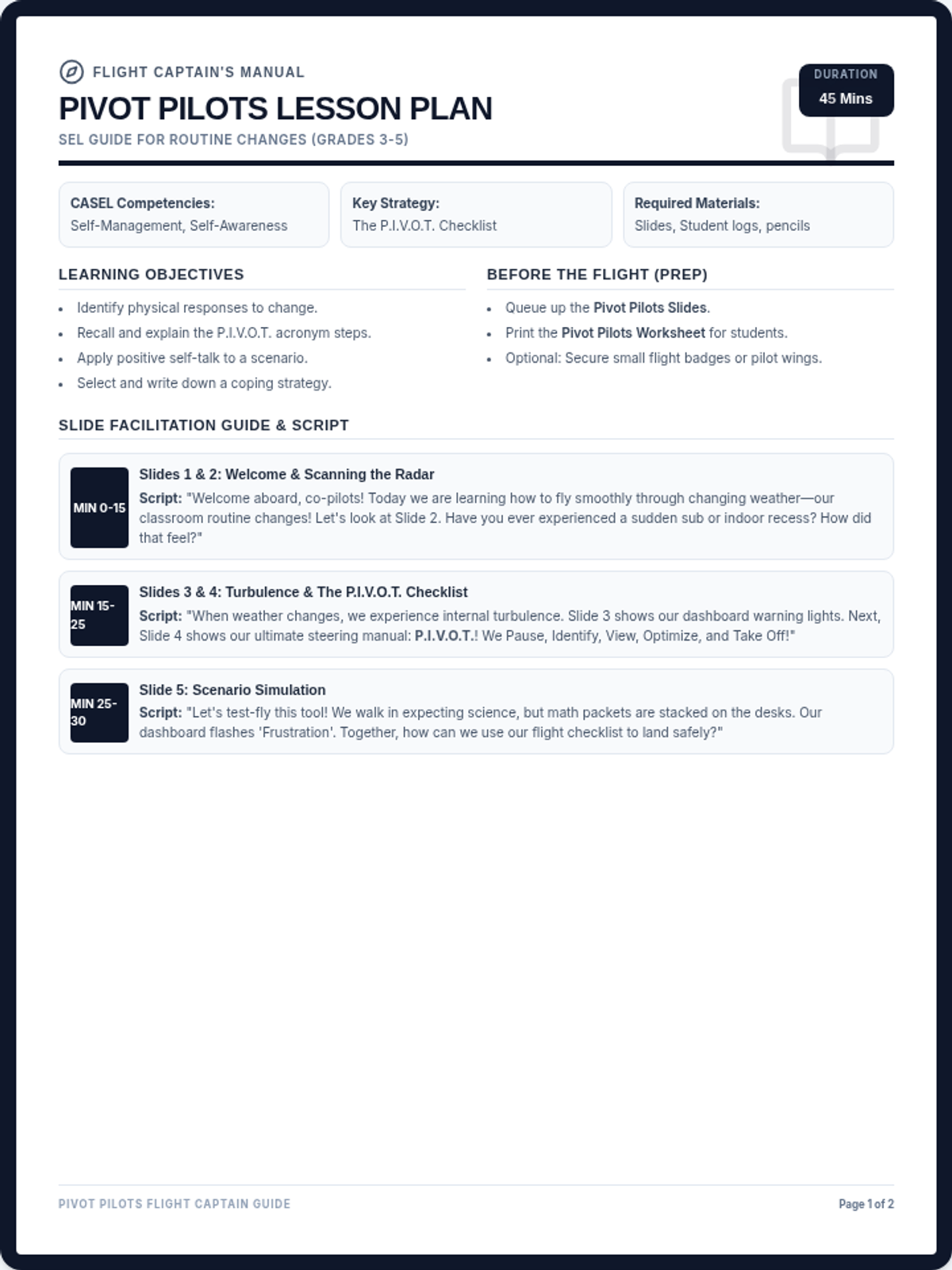
An SEL lesson for elementary students (ages 8-10) to help them navigate daily classroom routine changes. Students learn the "P.I.V.O.T." strategy to handle transitions with ease, flexibility, and emotional regulation.
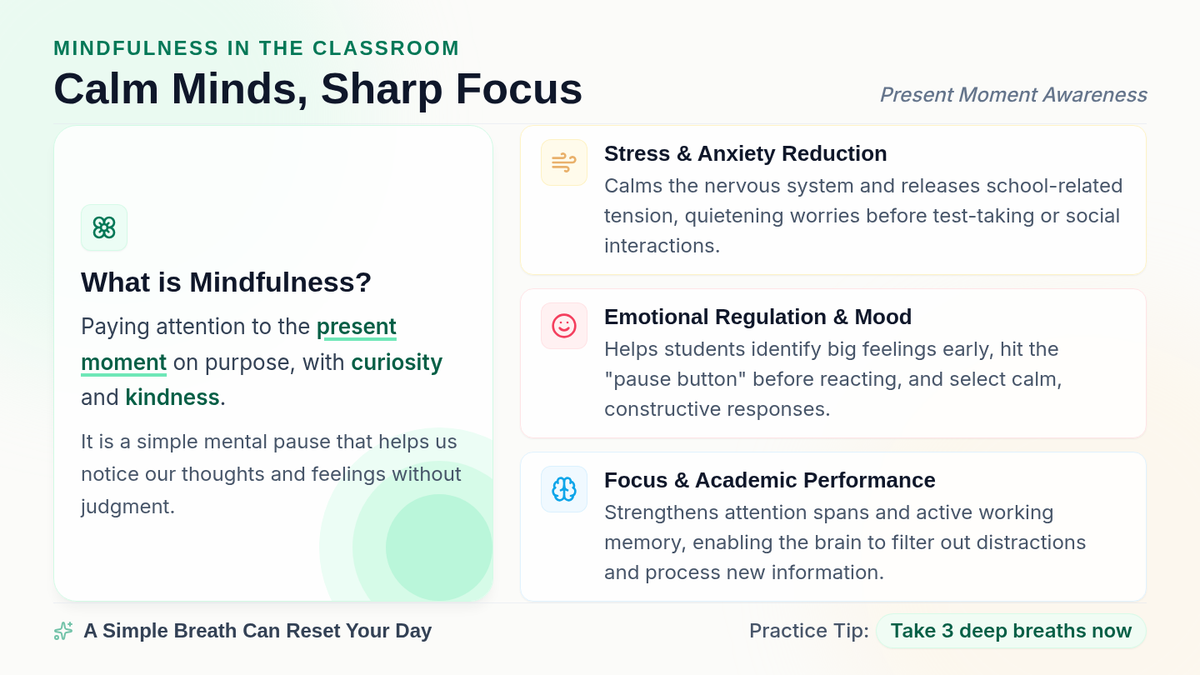
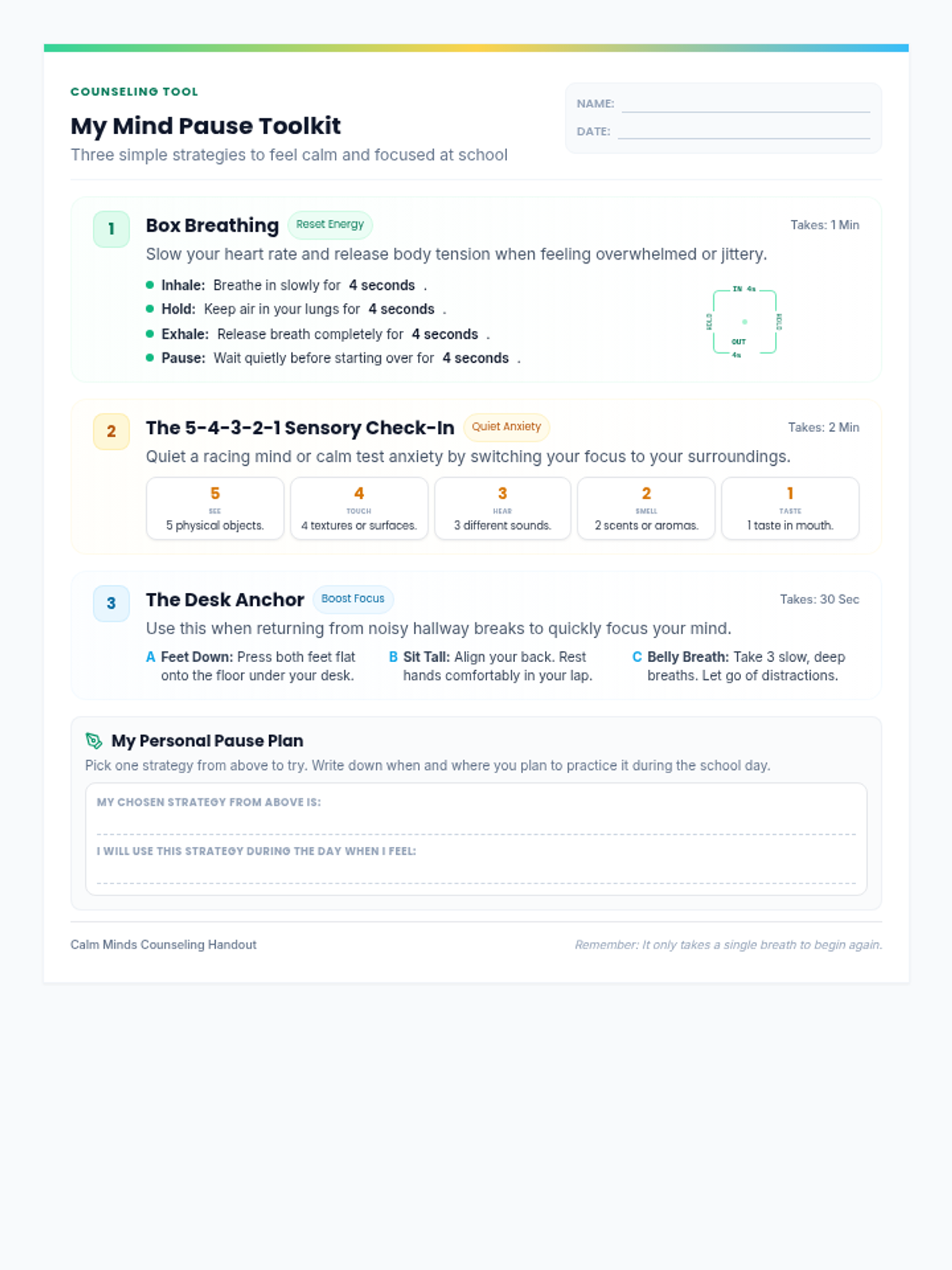
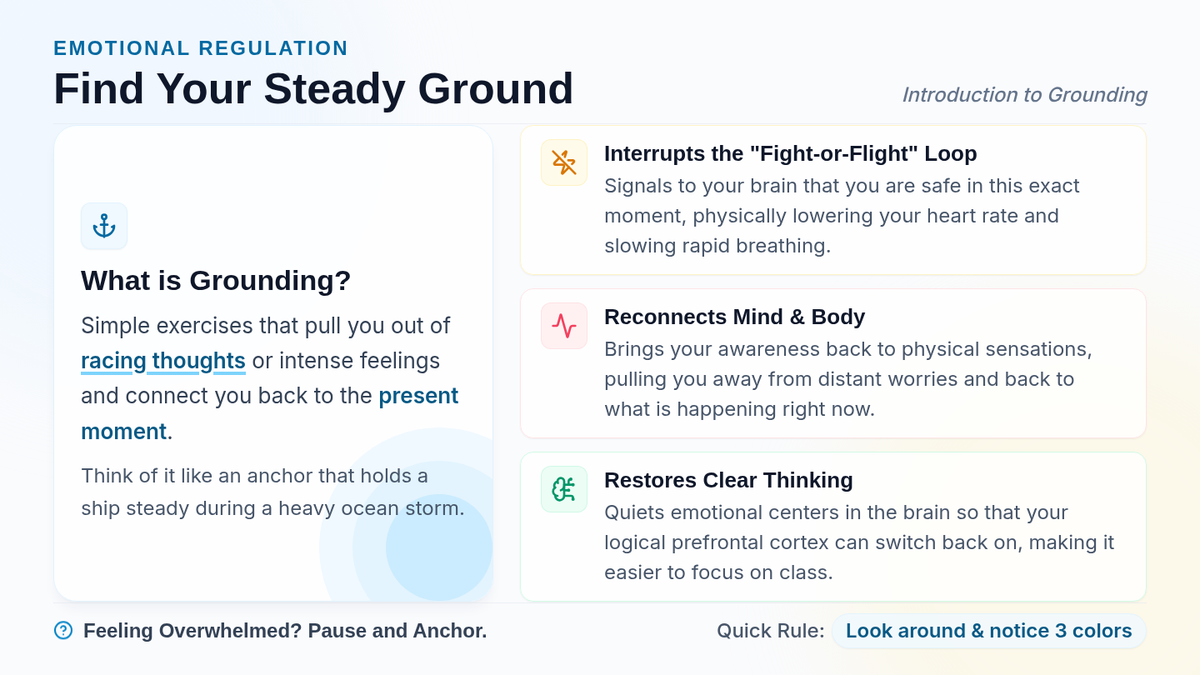
An introductory lesson on mindfulness for students, exploring what mindfulness is, its scientific benefits in a classroom setting, and practical applications for focus and emotional regulation.
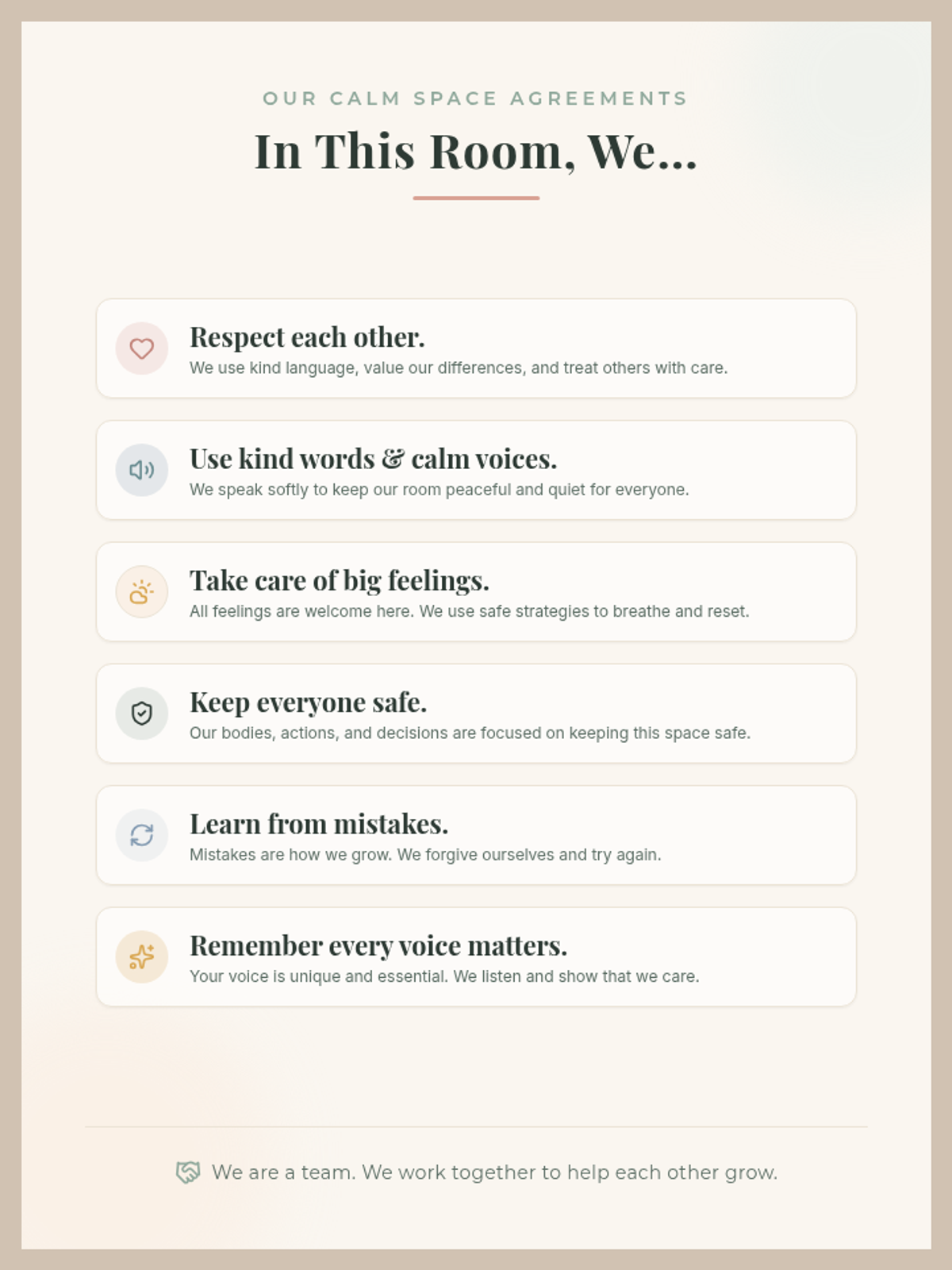
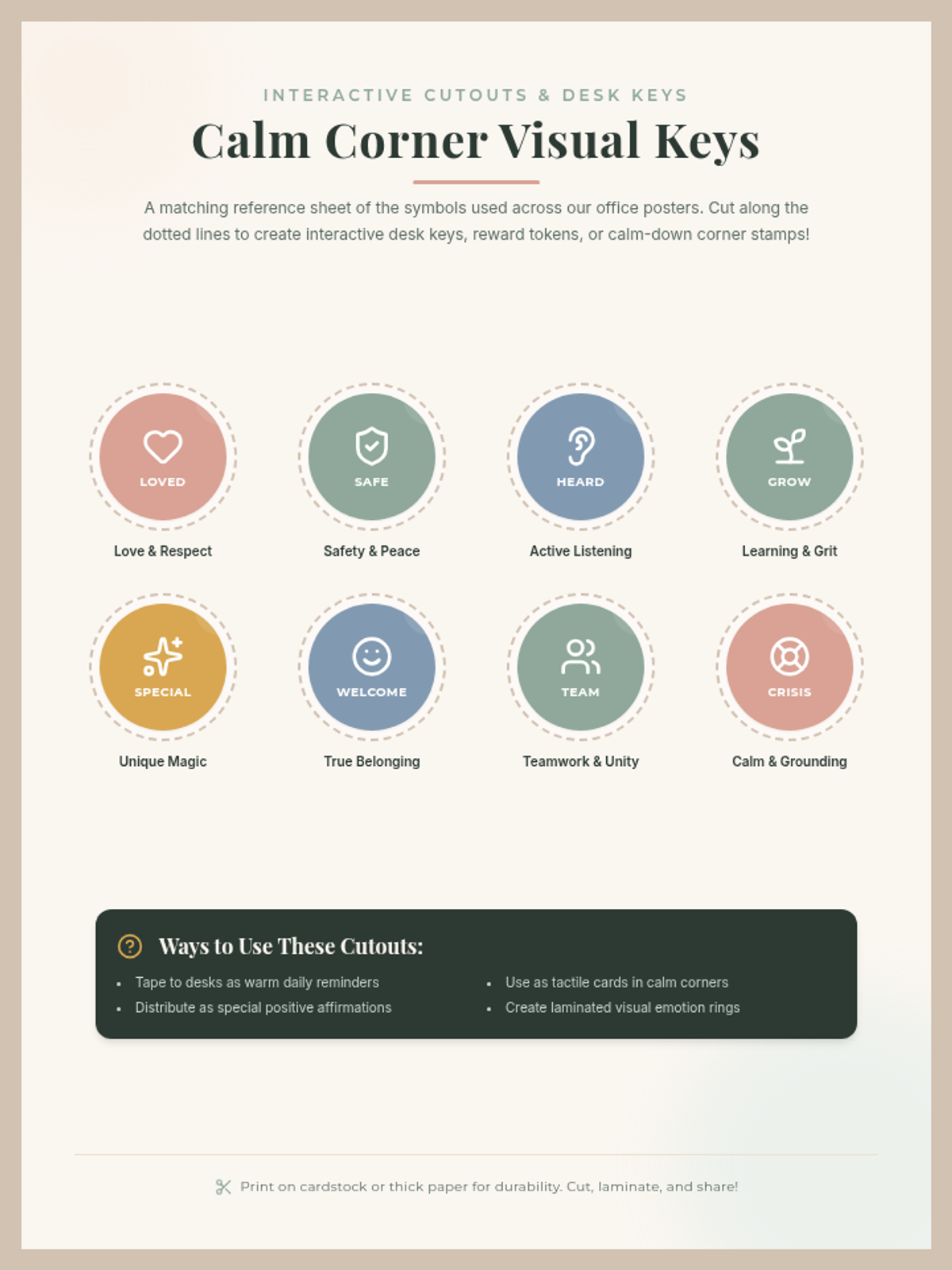
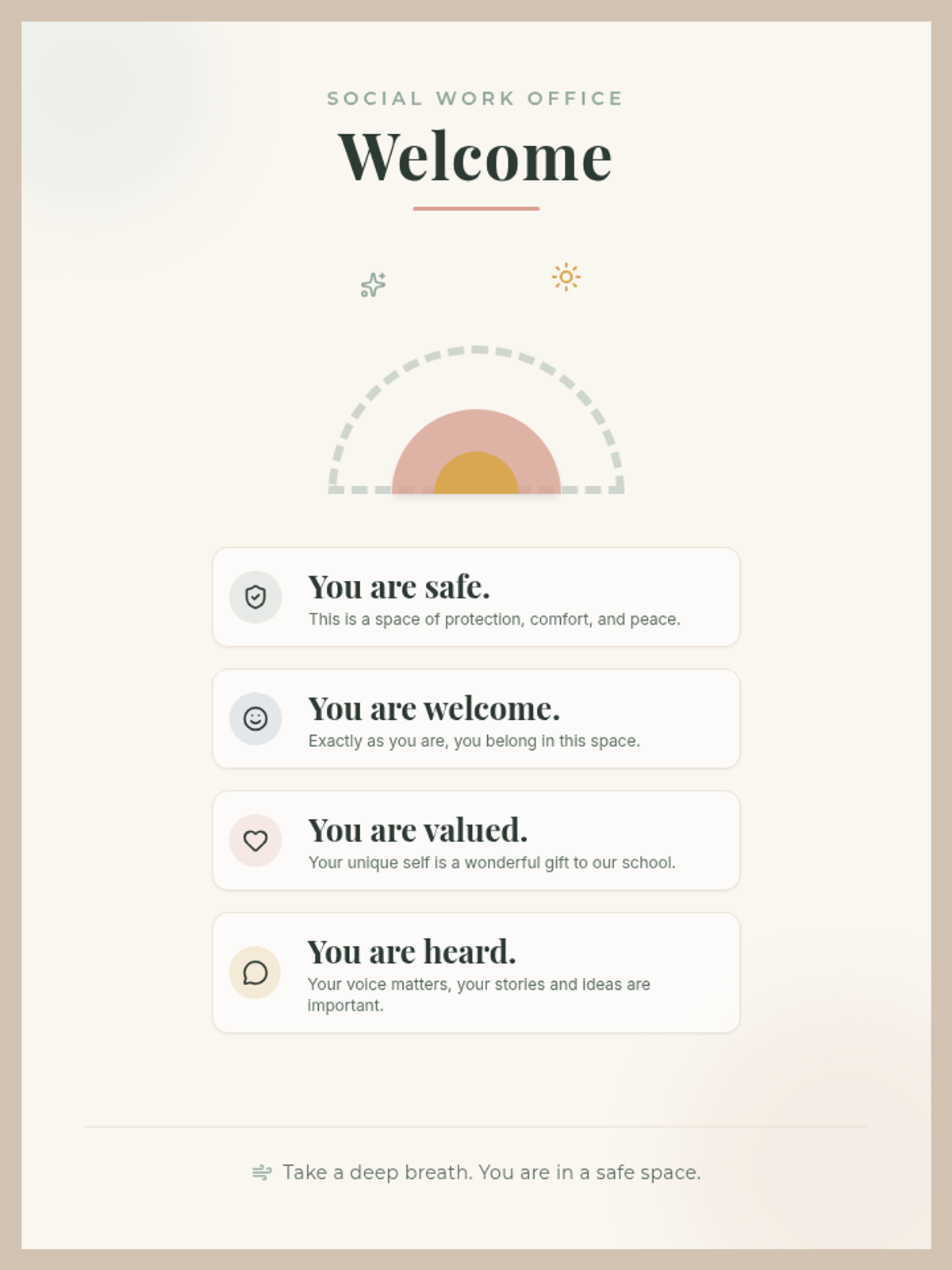
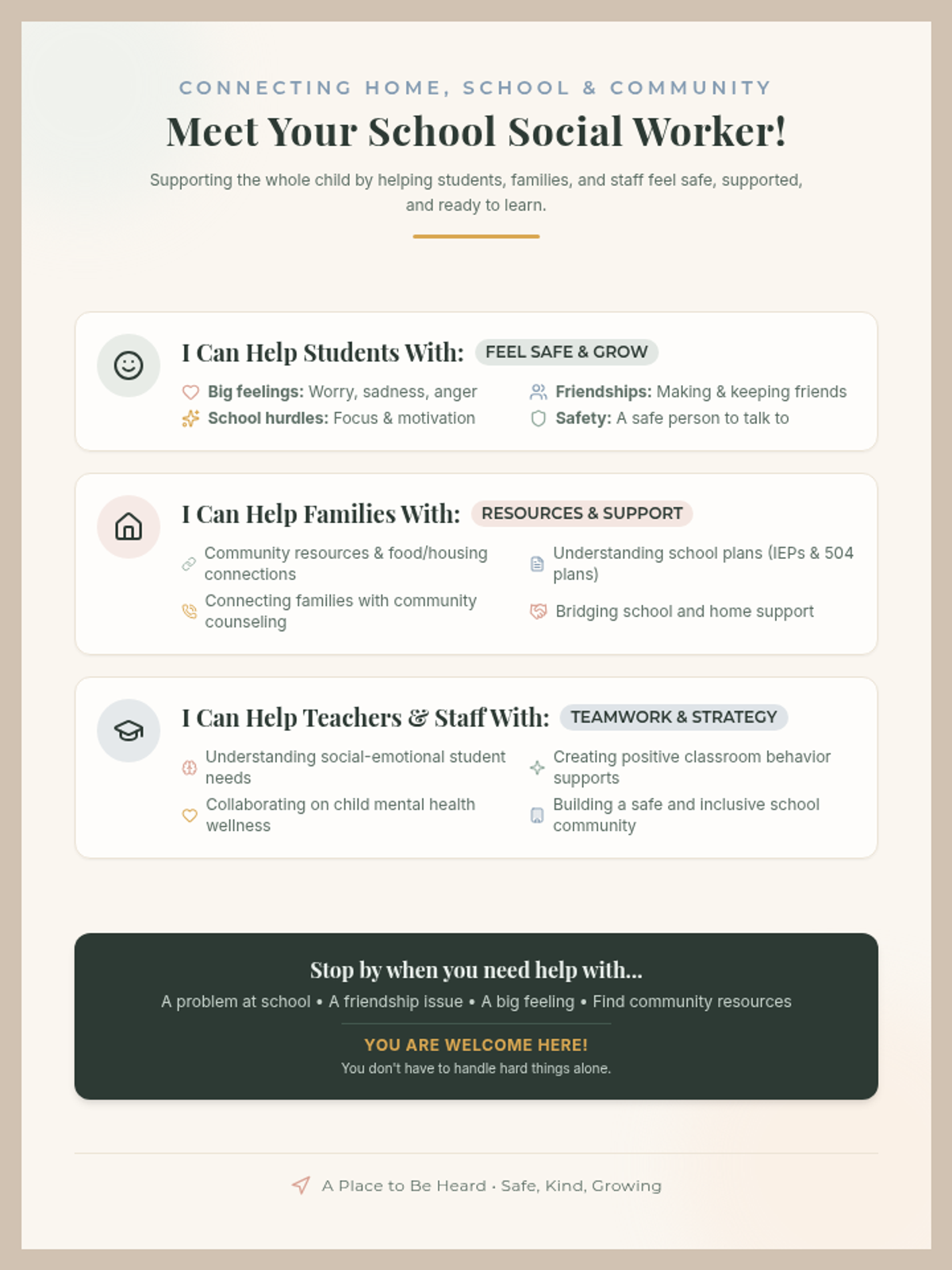
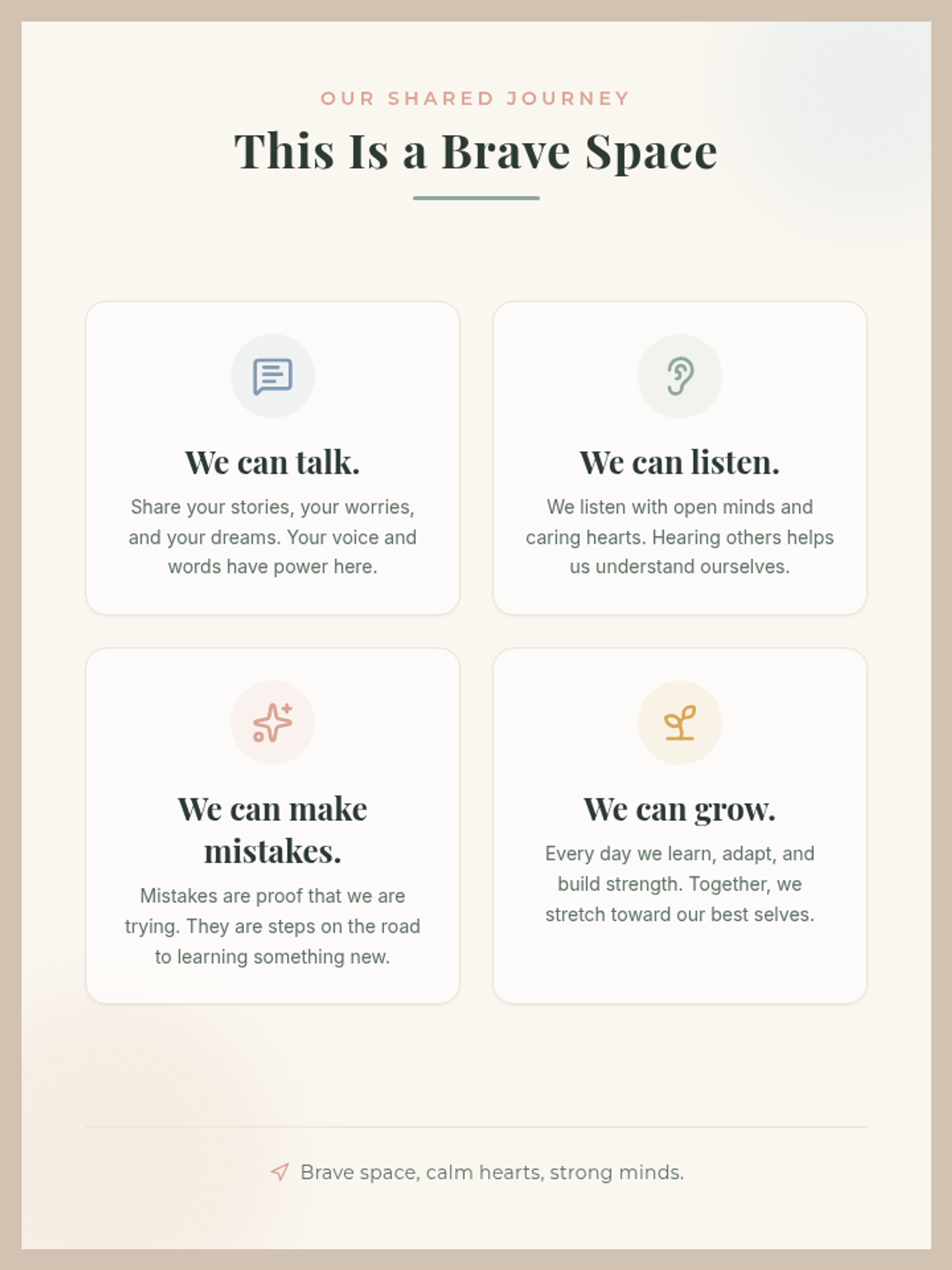
A cohesive suite of beautifully designed printable posters for an elementary school social work office or calm corner, utilizing soft earth tones, gentle affirmations, and clear supportive structures.
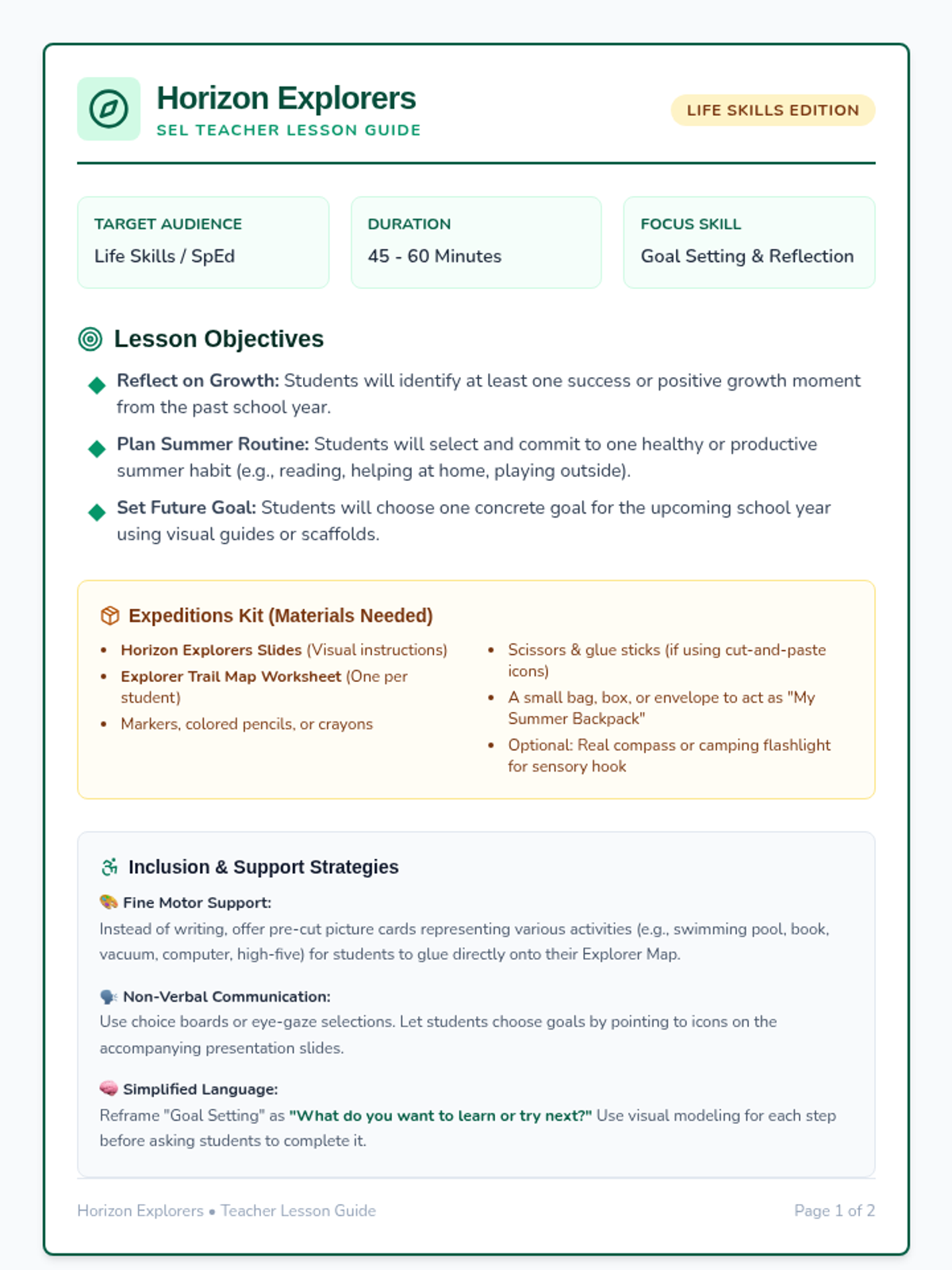
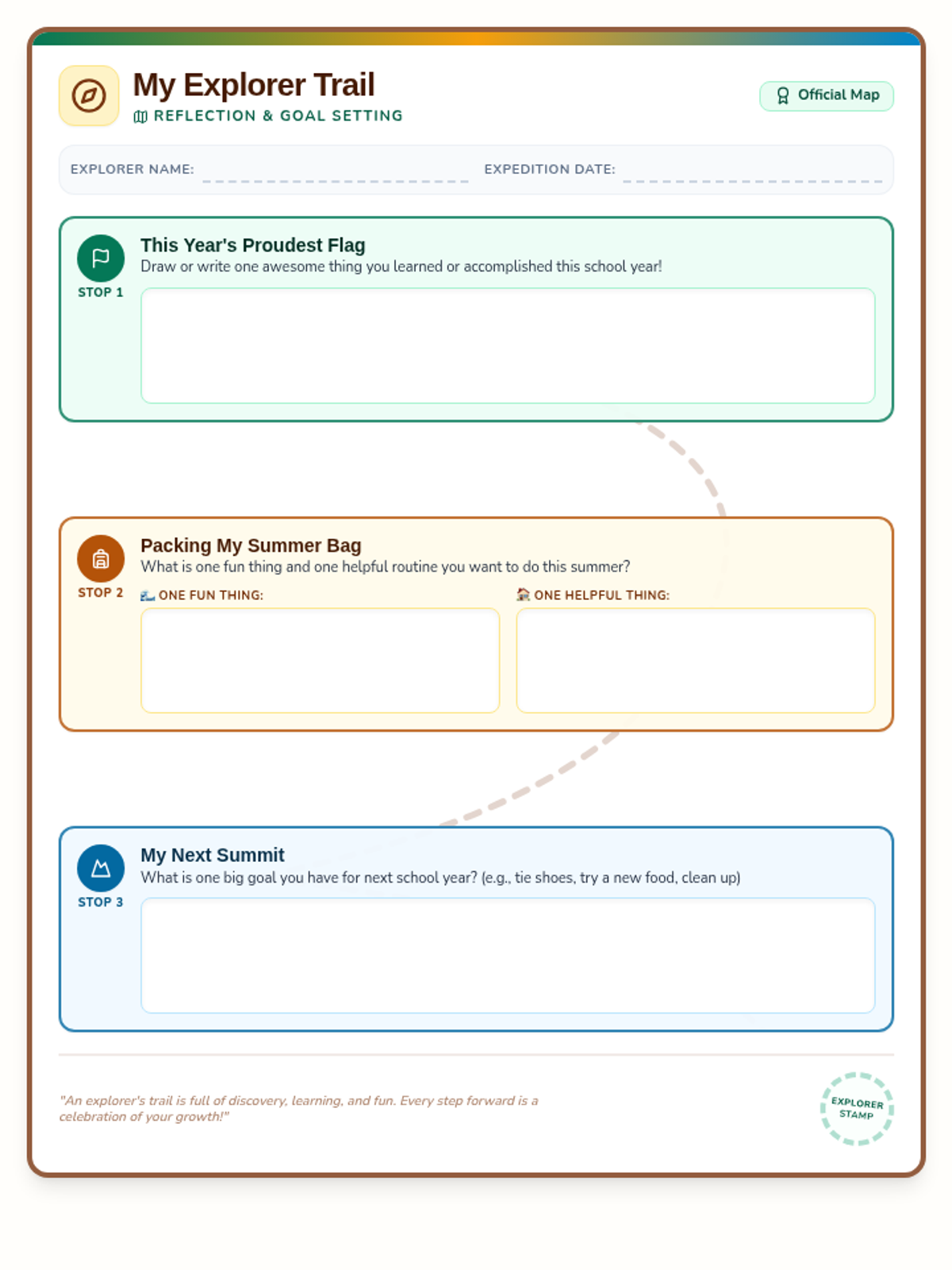
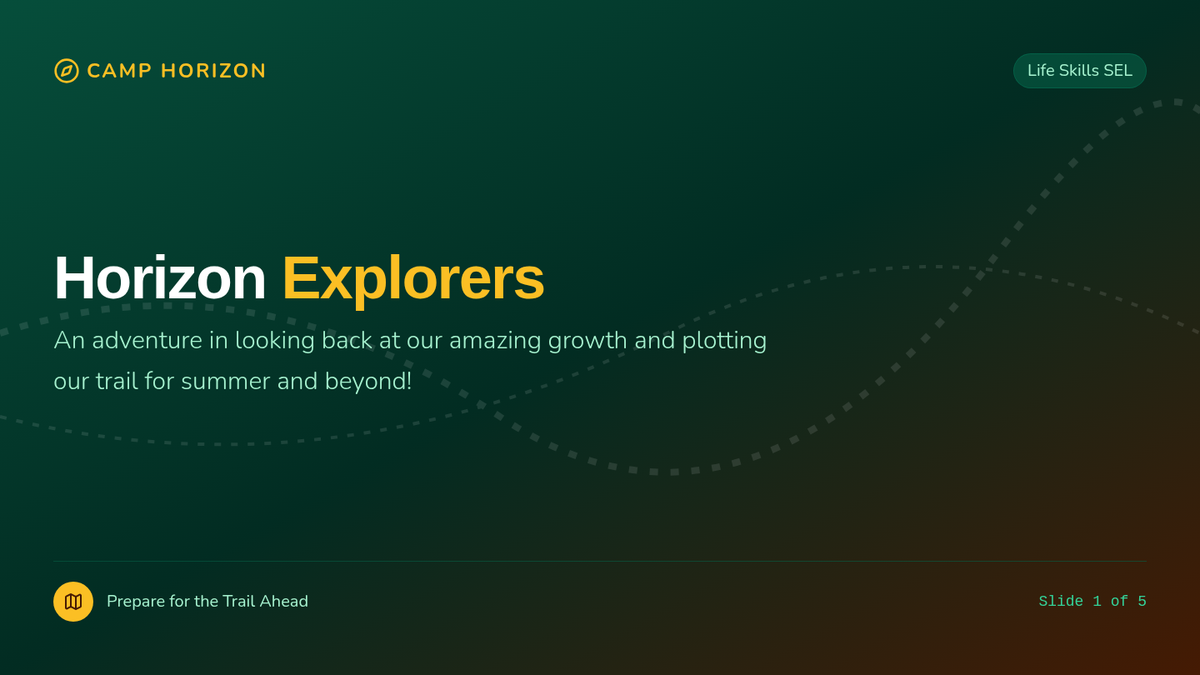
An end-of-the-year social-emotional learning lesson for life skills students focusing on reflection and goal setting. Using an outdoor adventure theme, students 'pack their bags' for a fun, productive summer and map out their path for the upcoming school year.
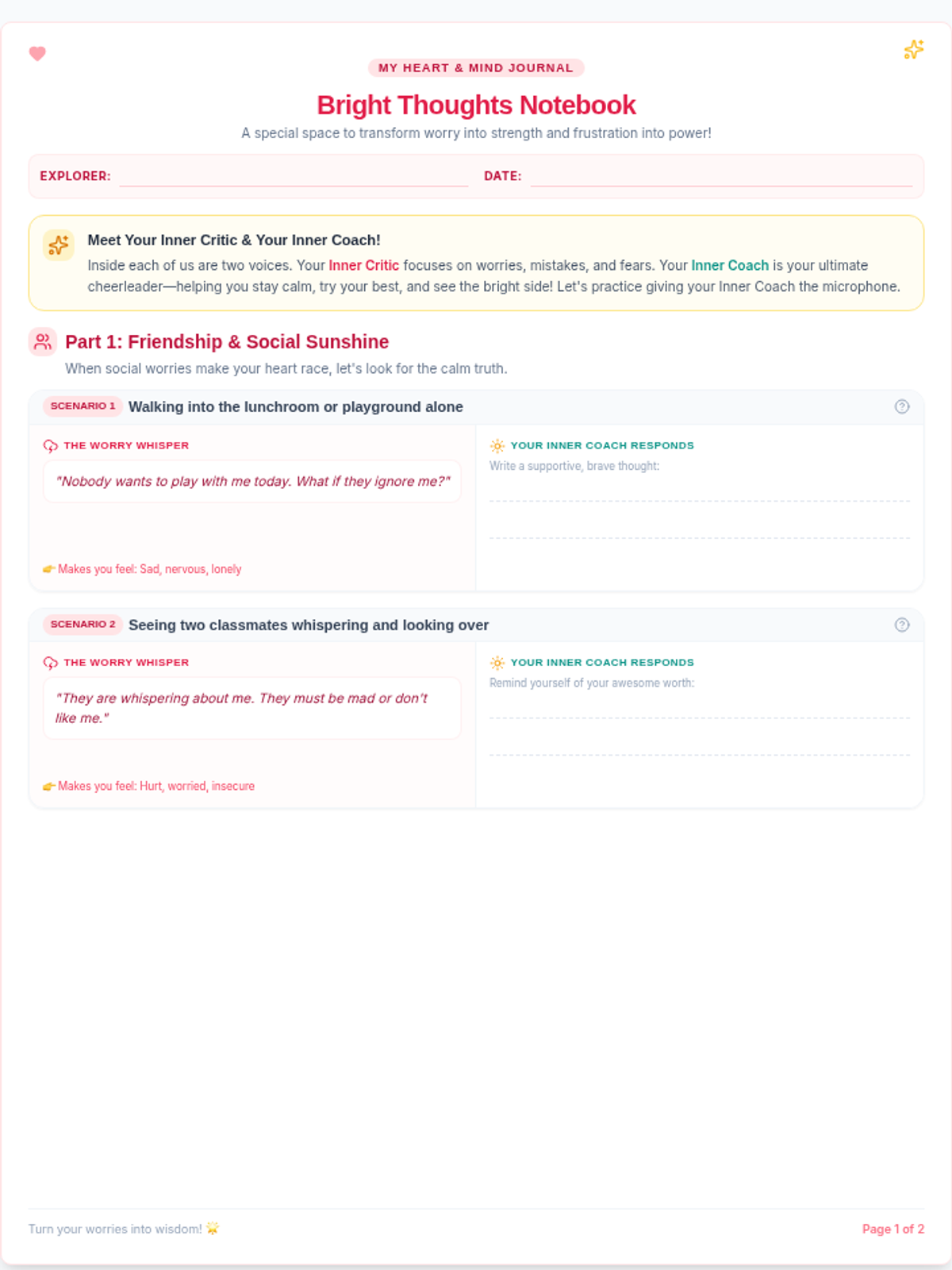
A gentle, reflective lesson designed to help students identify their inner critic and build a strong inner coach. Focused on transforming friendship worries and academic frustration into positive, supportive self-talk.
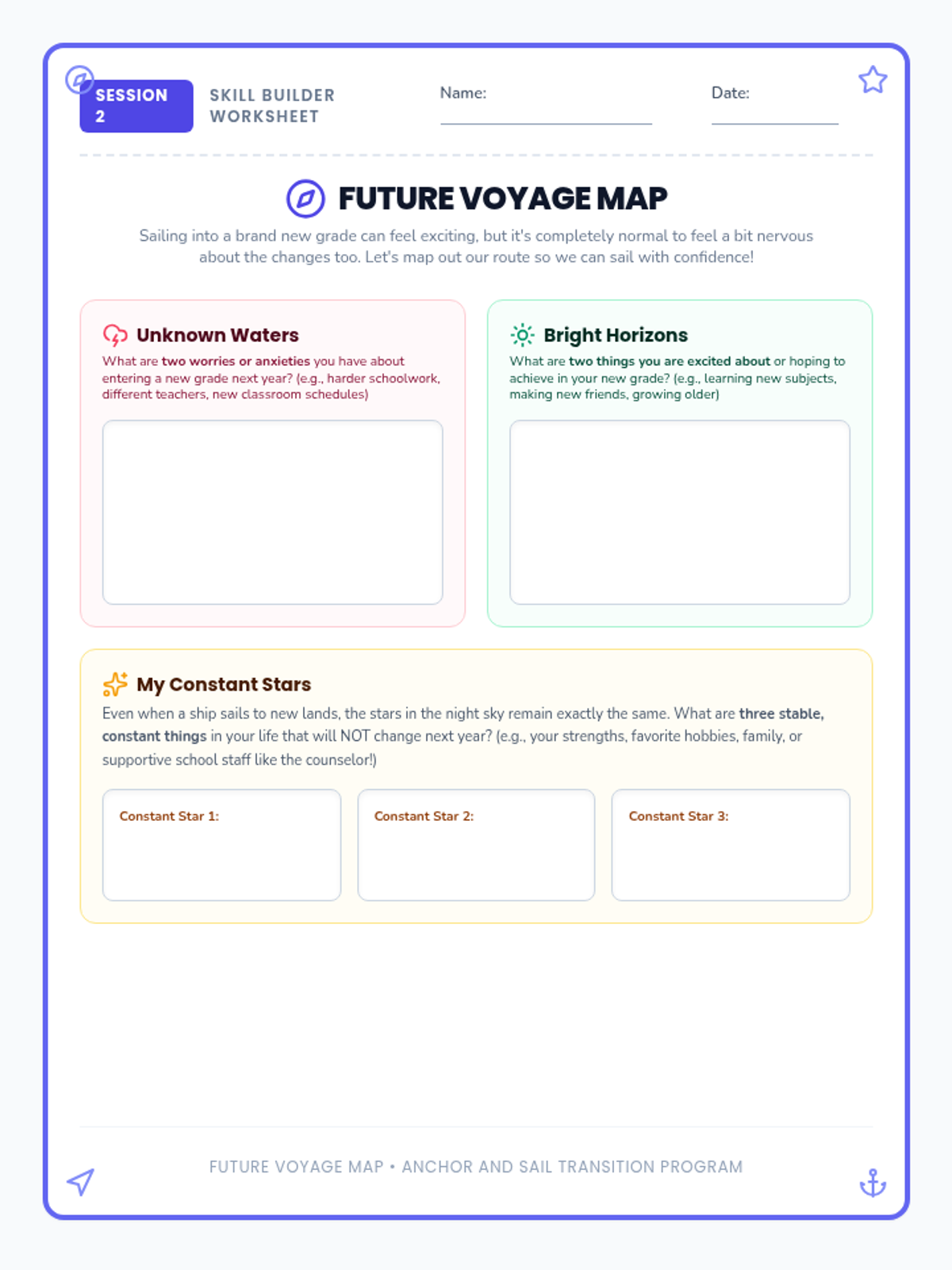
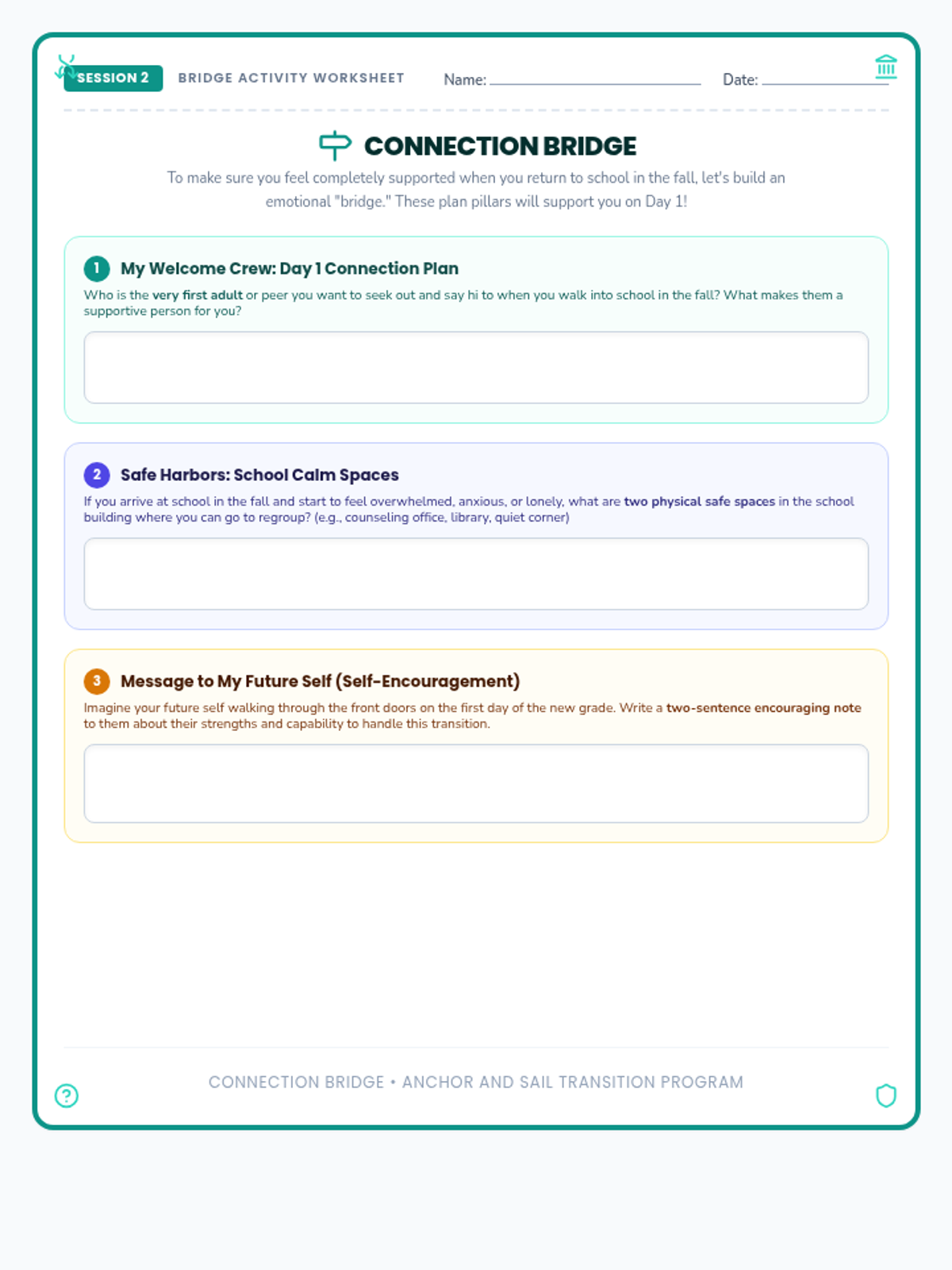
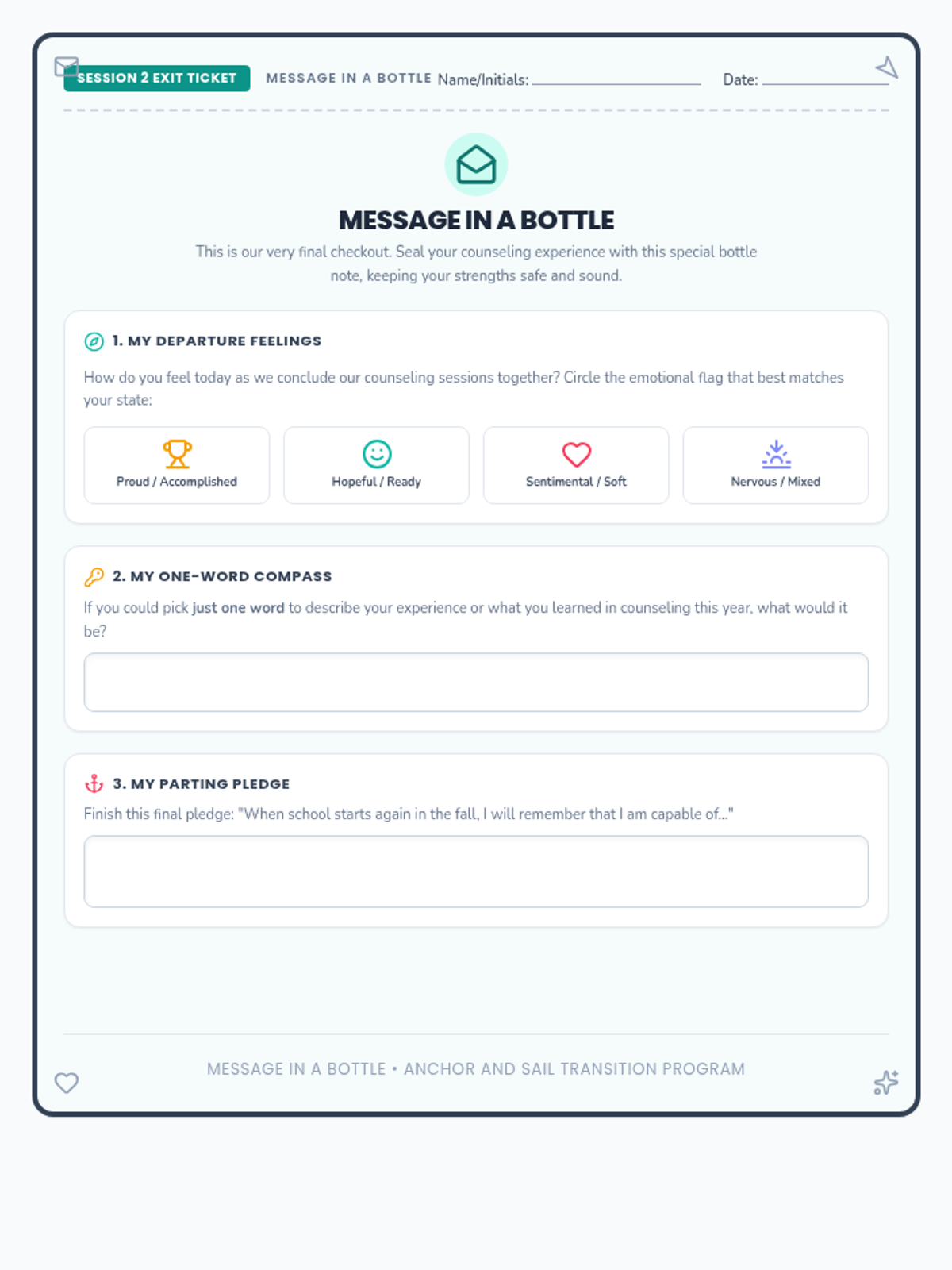
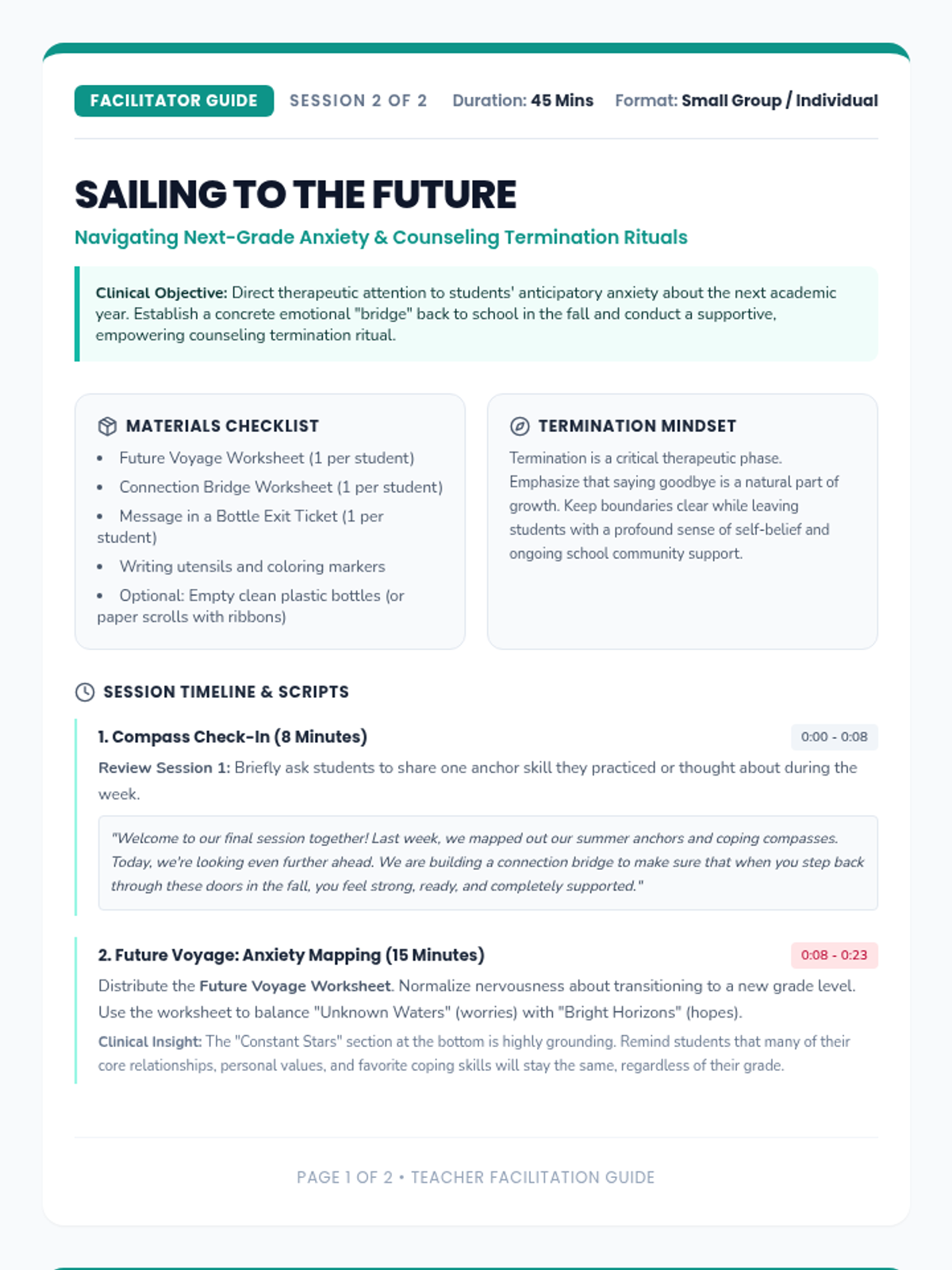
Session 2 focuses on addressing anxiety about entering a new grade, identifying what remains stable, building a concrete emotional "bridge" back to school in the fall, and conducting a meaningful counseling termination ritual.
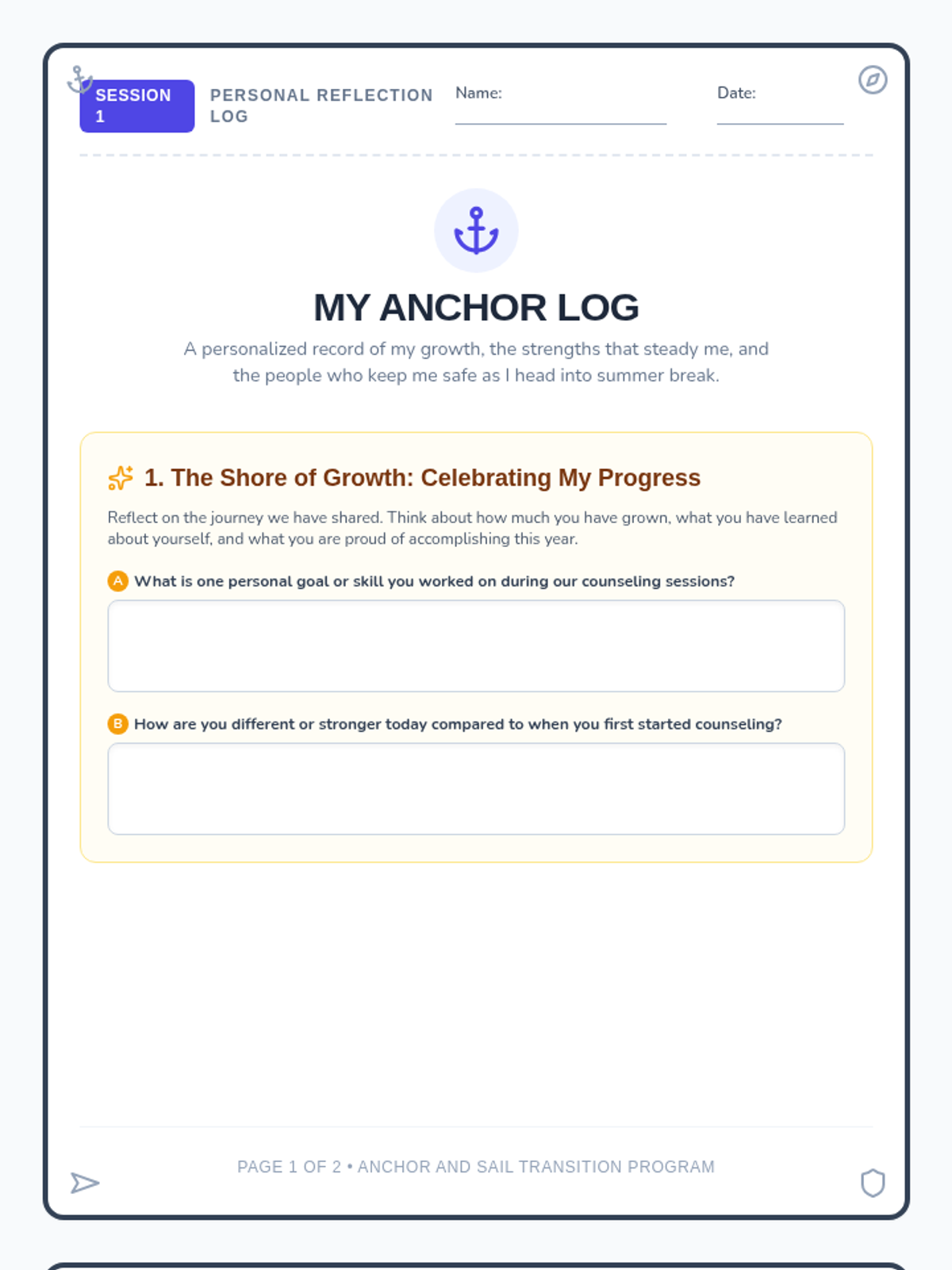
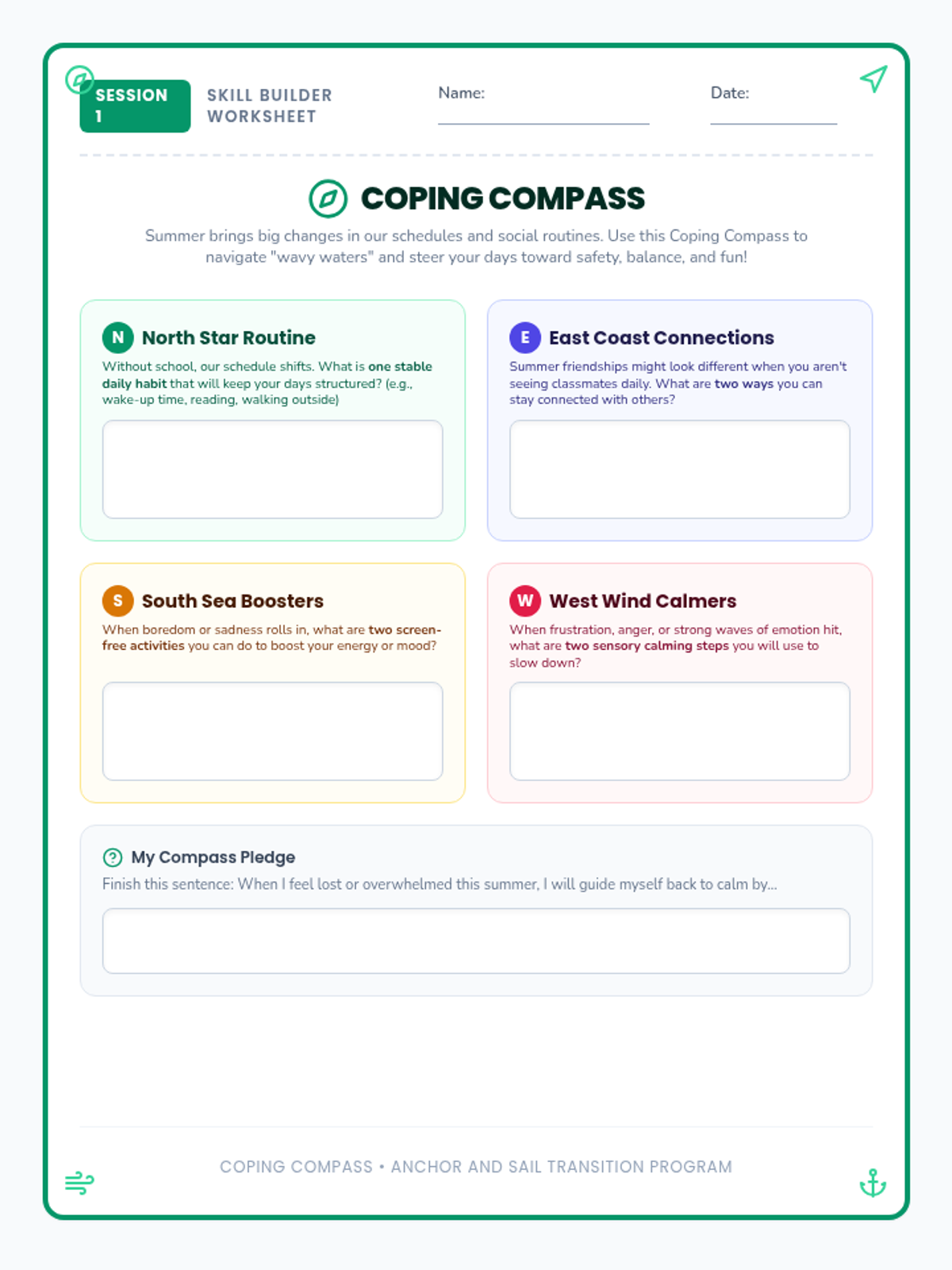
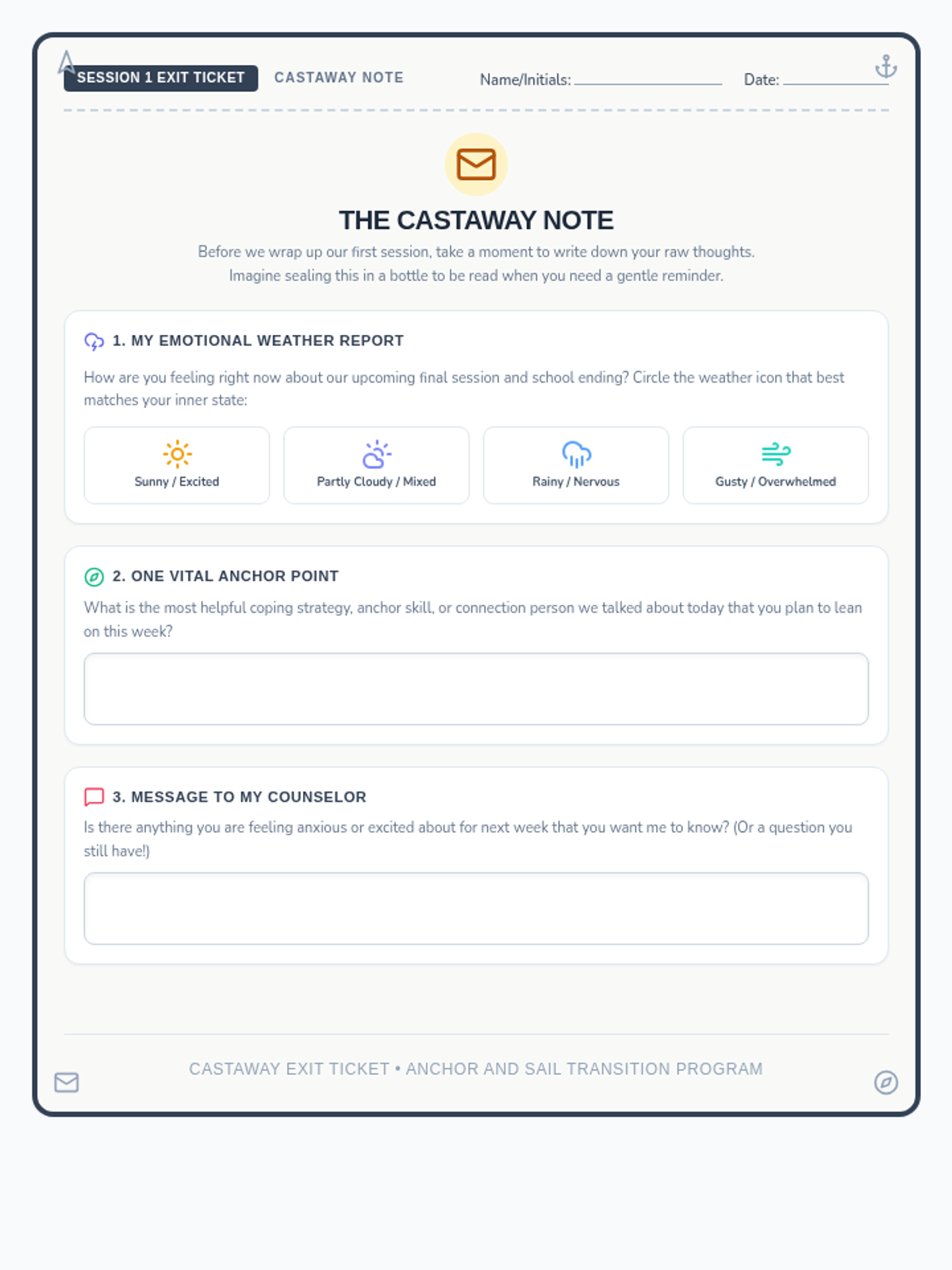
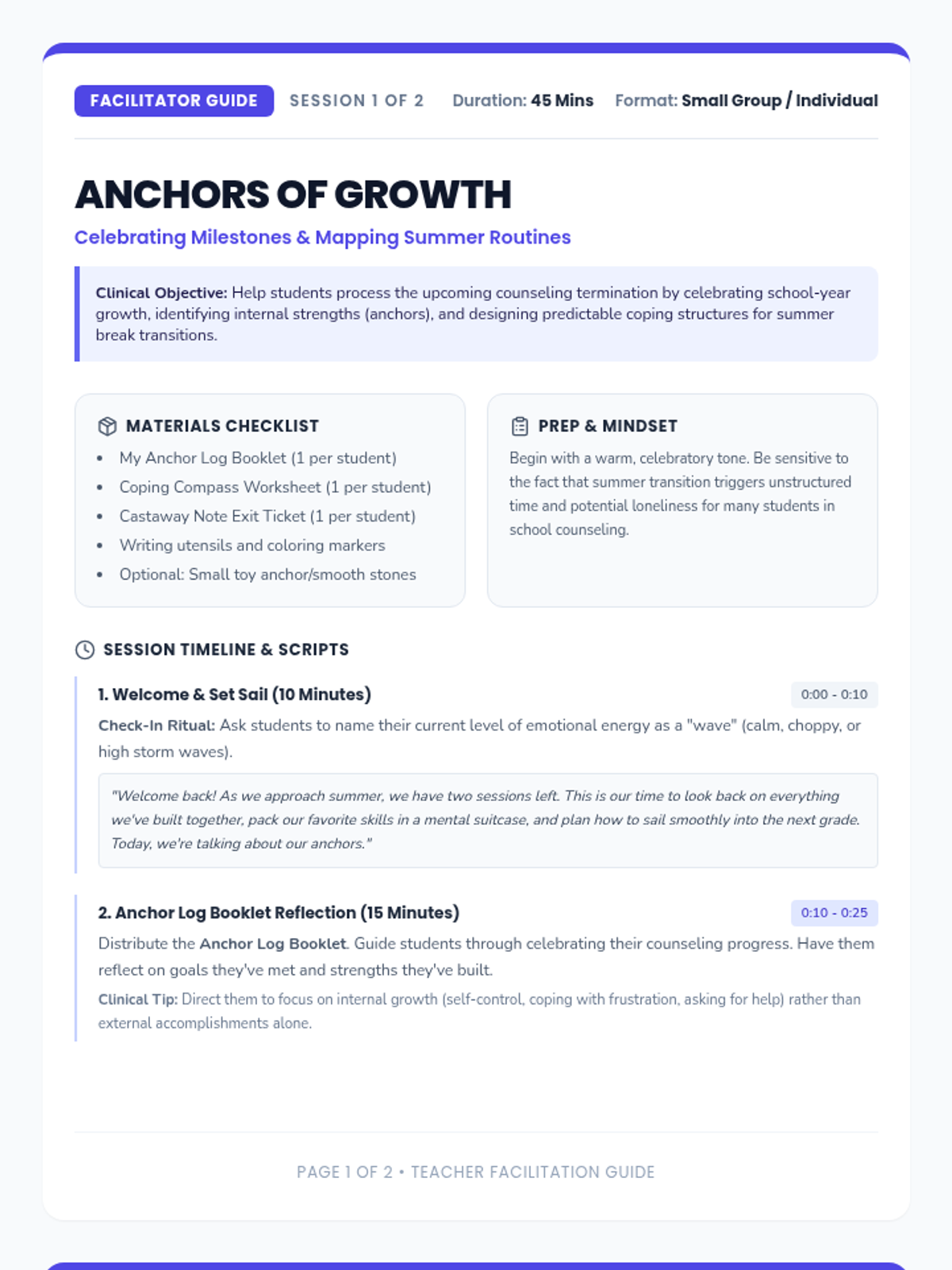
Session 1 focuses on reflecting on counseling progress, celebrating personal growth over the past year, identifying personal "anchors" (coping skills, support systems), and preparing for the changes in daily routines during summer break.
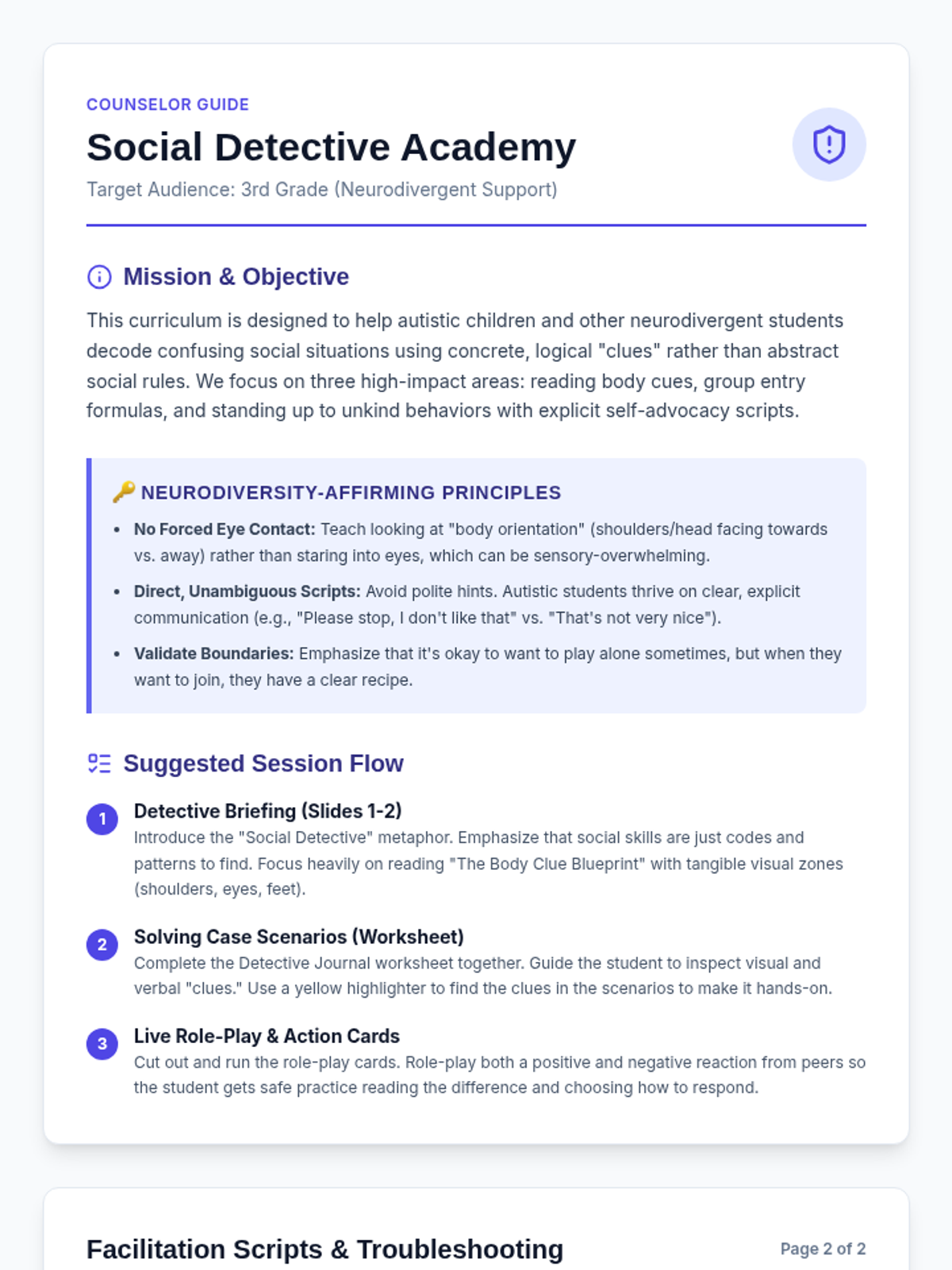
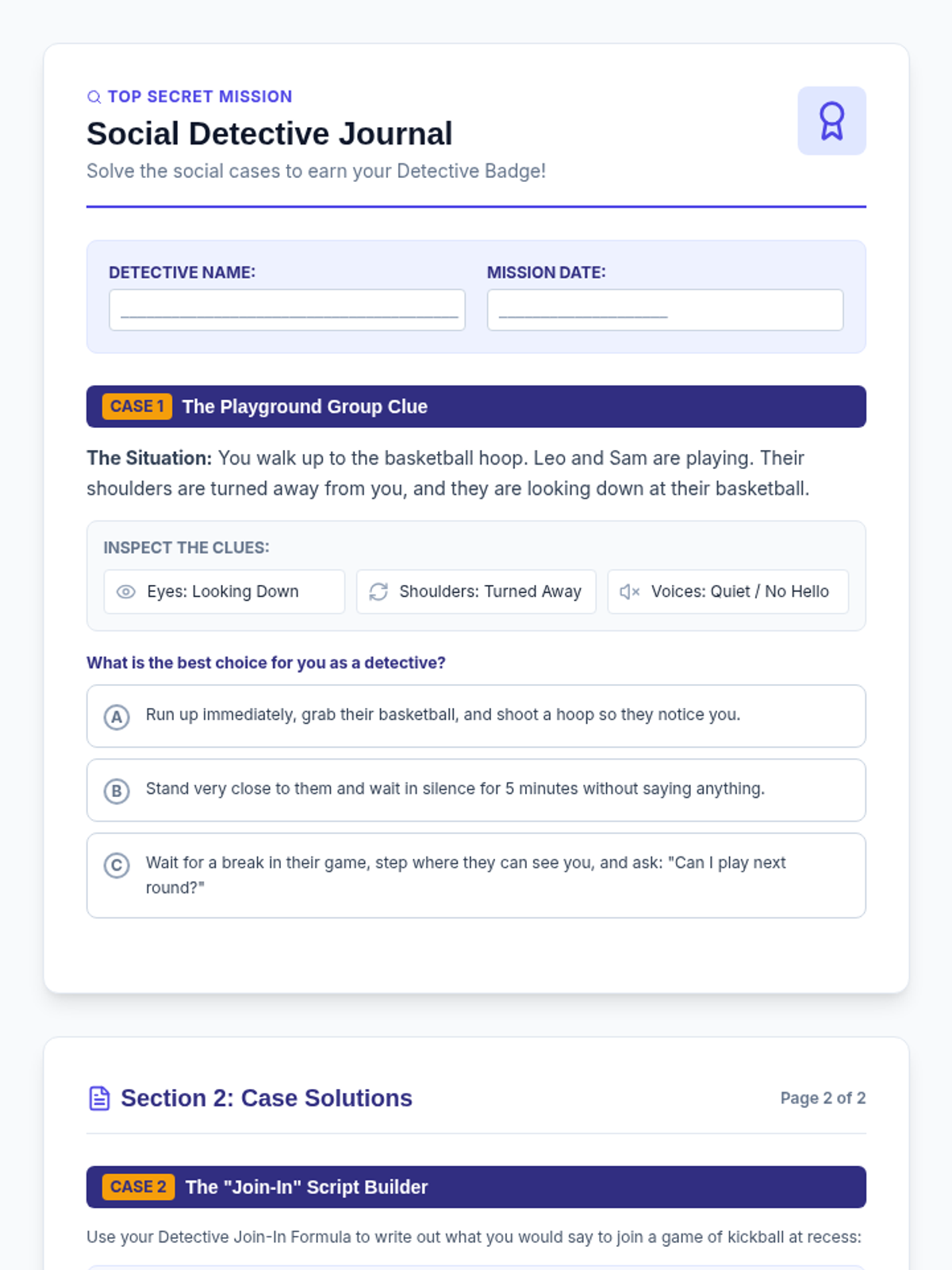
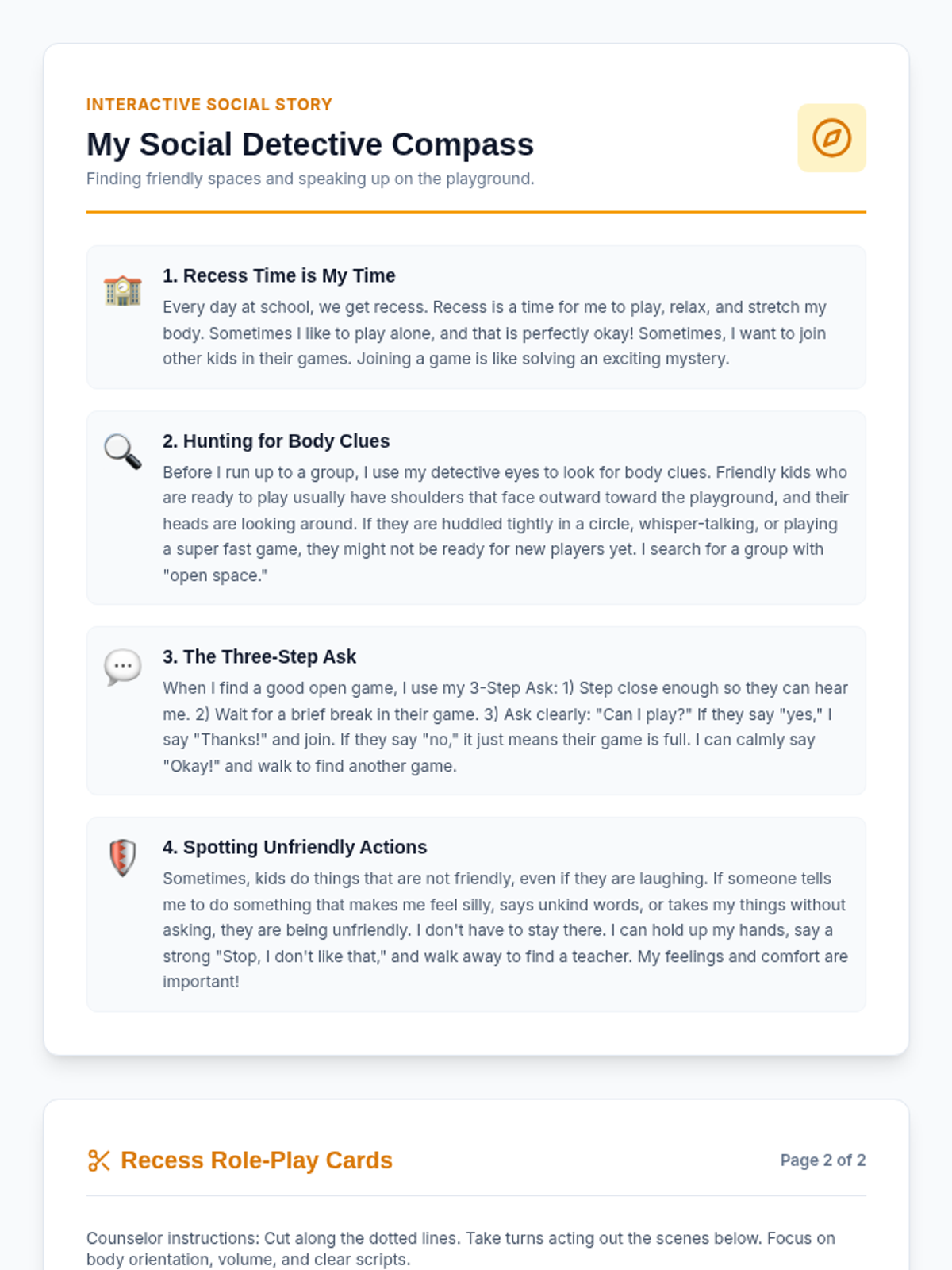
A comprehensive counseling lesson featuring a slide deck, scenario worksheet, social stories/role-play cards, and counselor guide to help 3rd-grade autistic students learn body language cues, group entry, and self-advocacy.
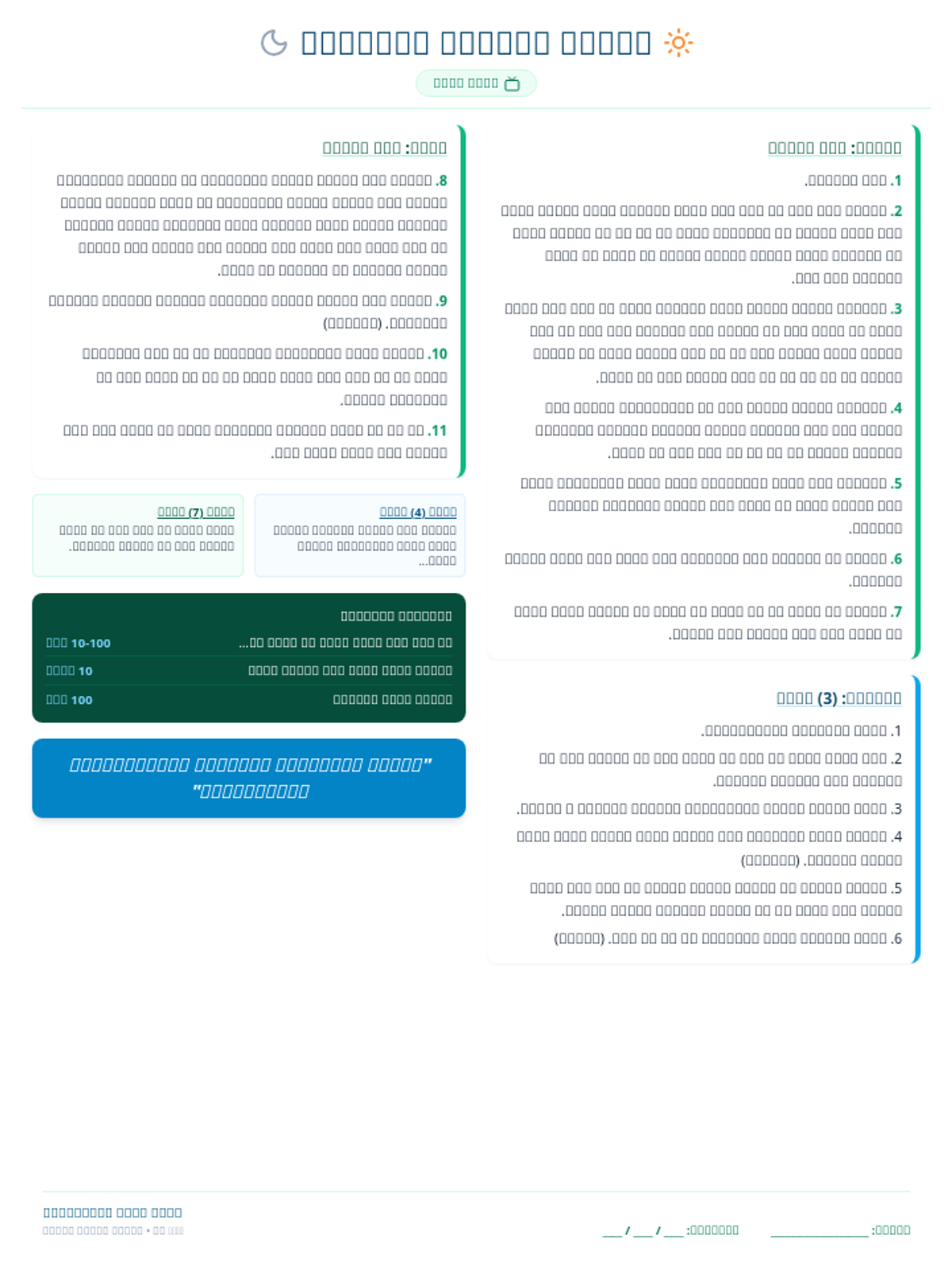
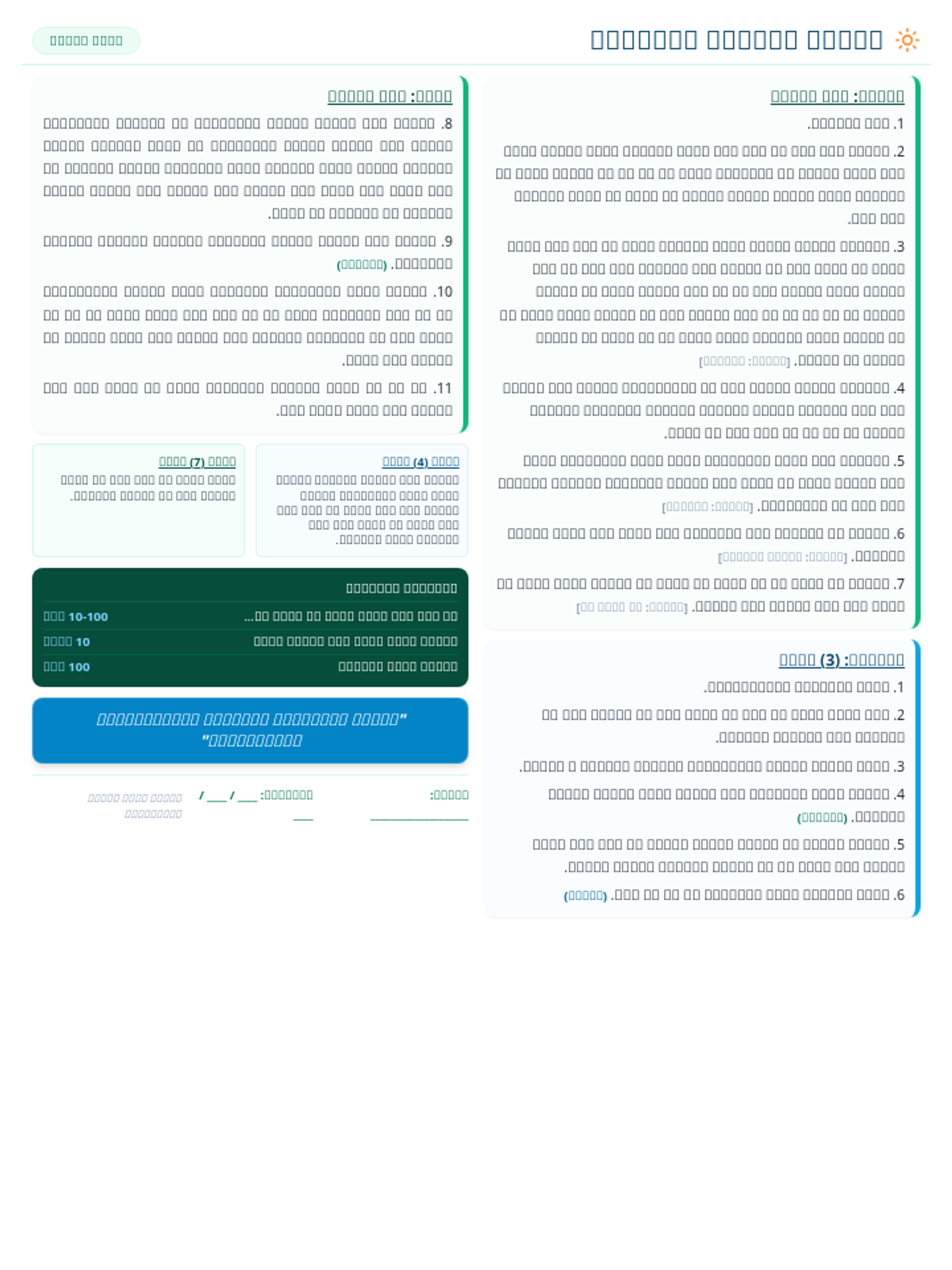
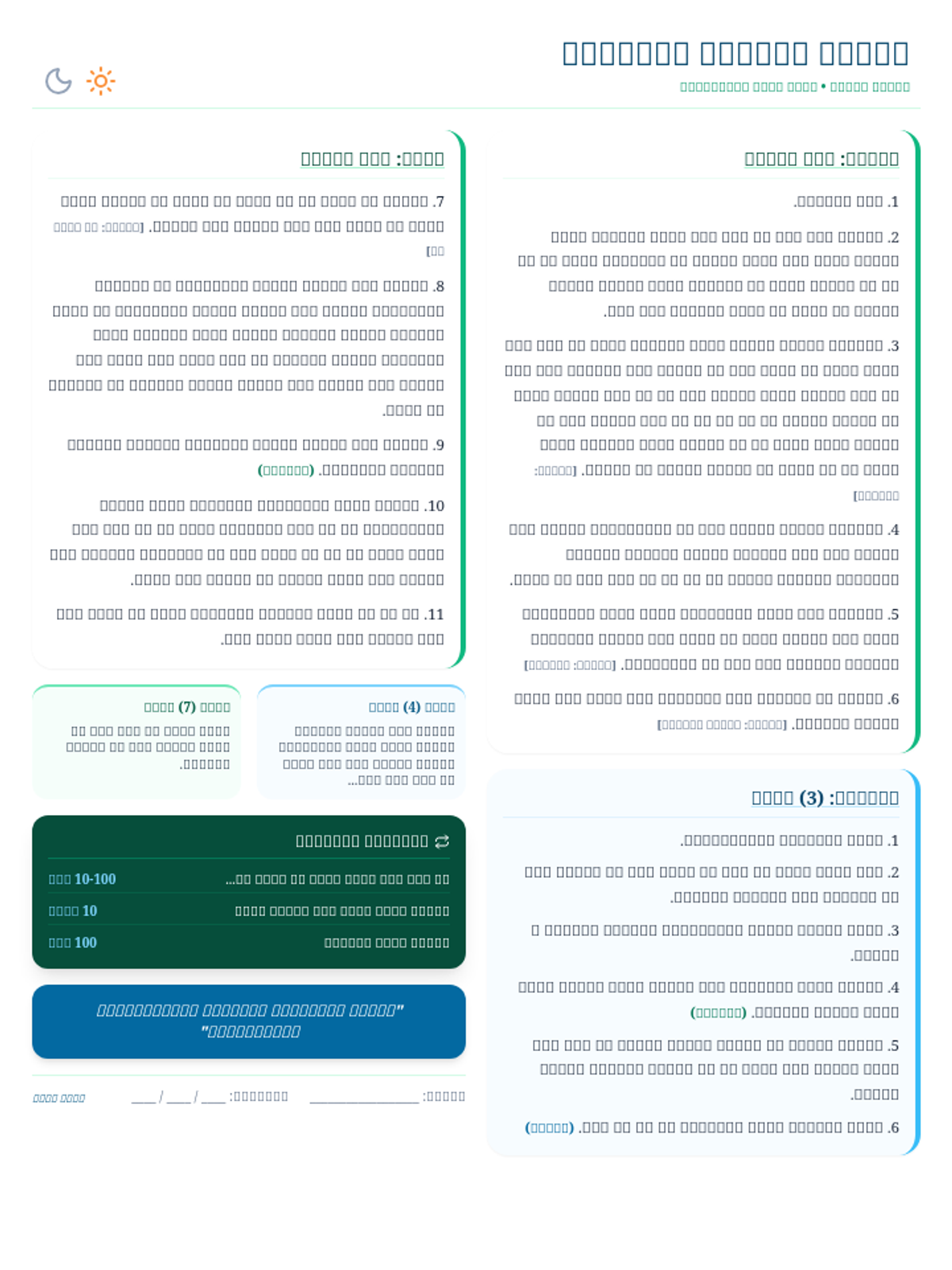
A lesson dedicated to learning and practicing the morning and evening remembrances (Athkar) for spiritual well-being.
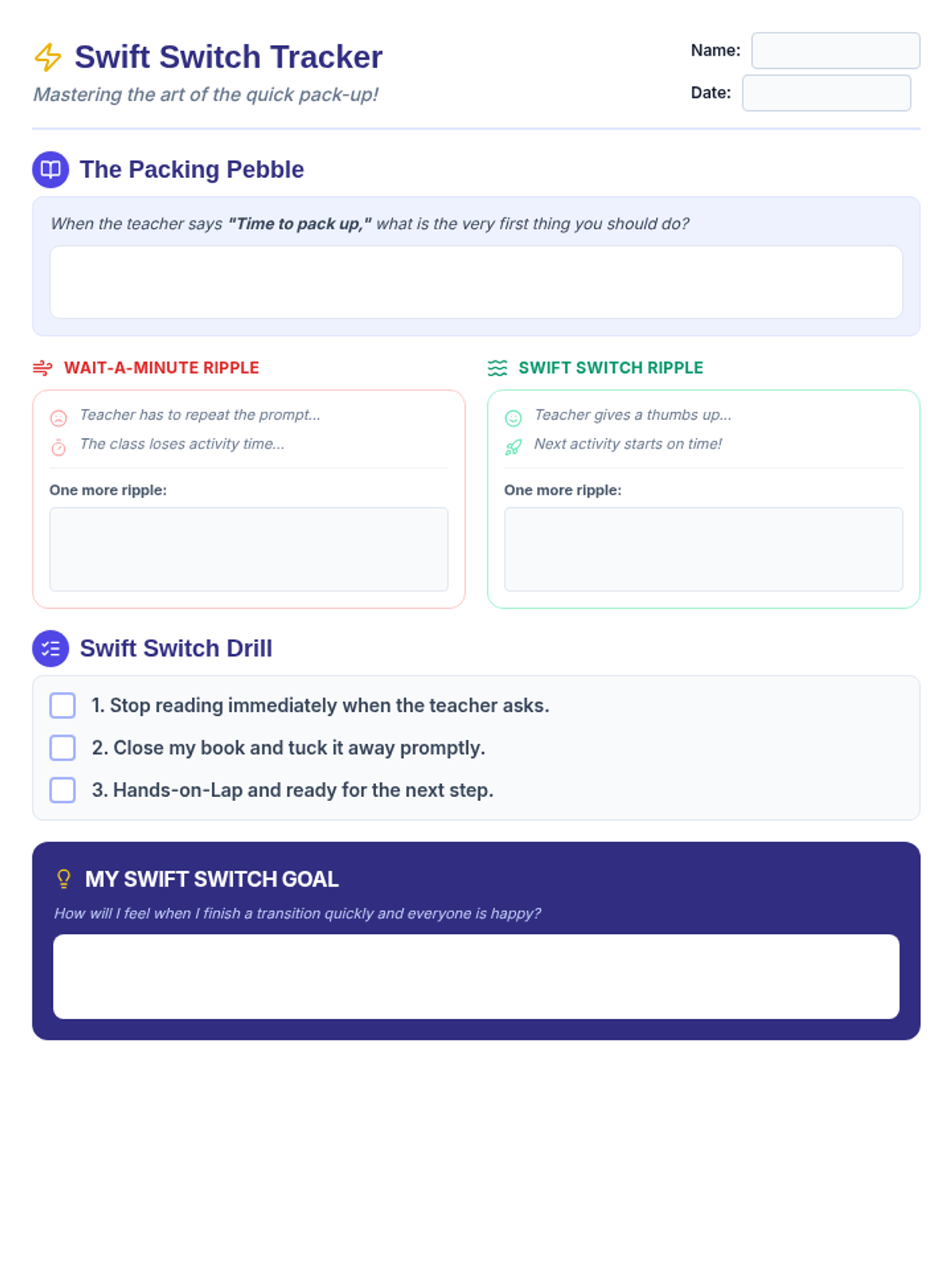
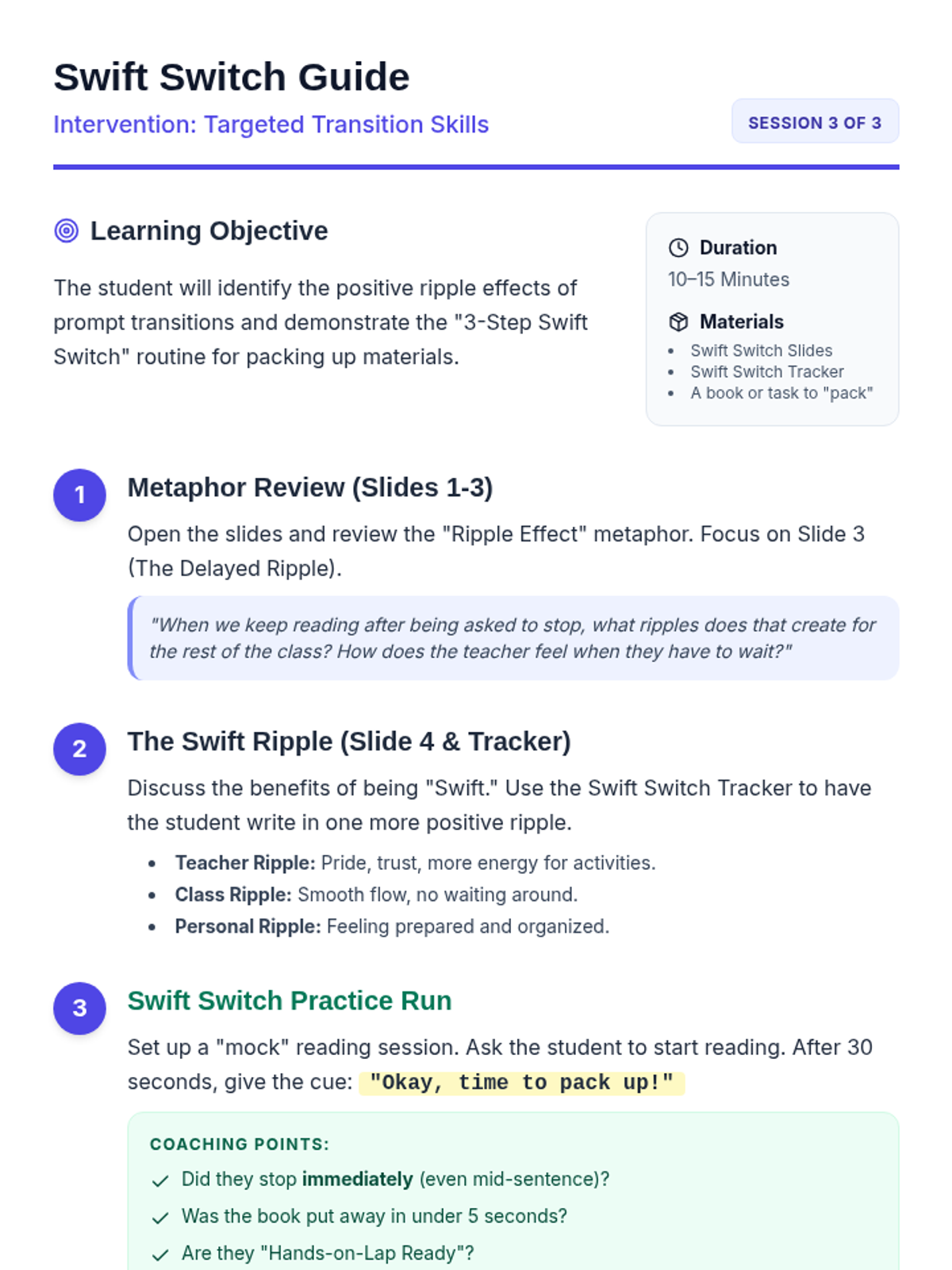
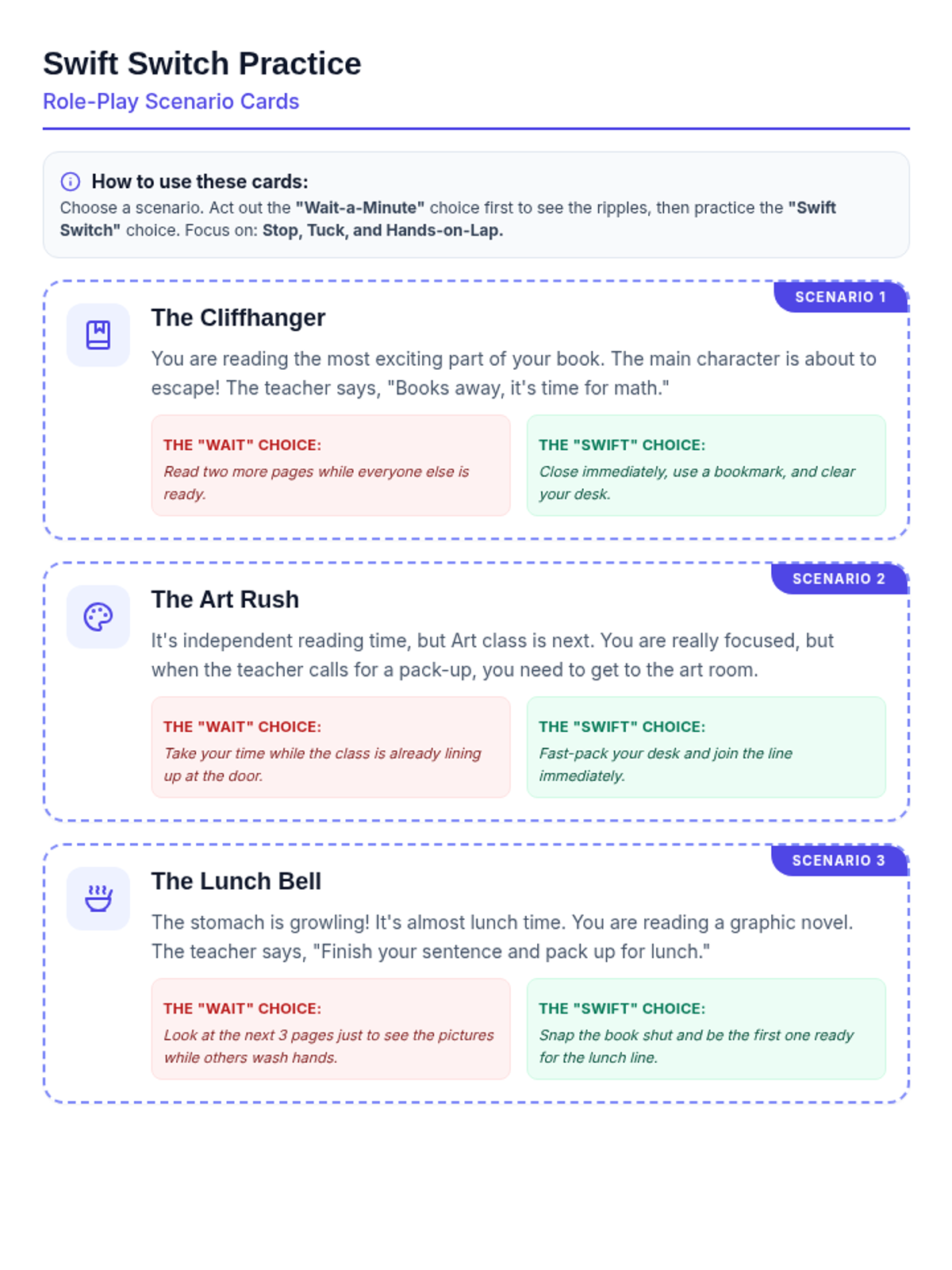
A targeted intervention focused on the transition skill of packing up materials promptly, highlighting the positive ripple effects of being ready for the next part of the day.
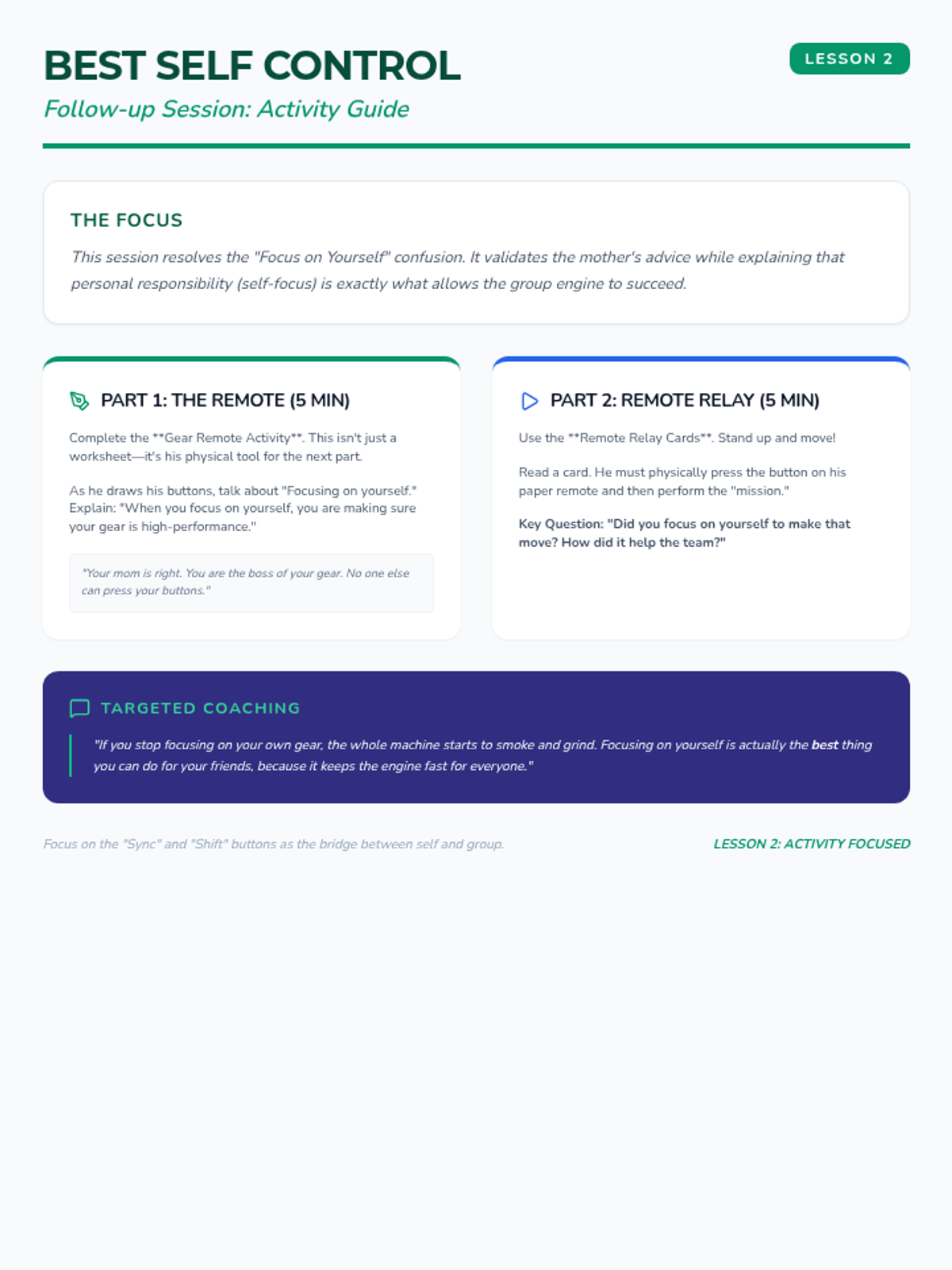
A follow-up session that clarifies the "Focus on Self" advice. It teaches that focusing on yourself means taking 100% responsibility for your own "Remote Control" to ensure your gear turns when the team needs it. Mostly activity-based.
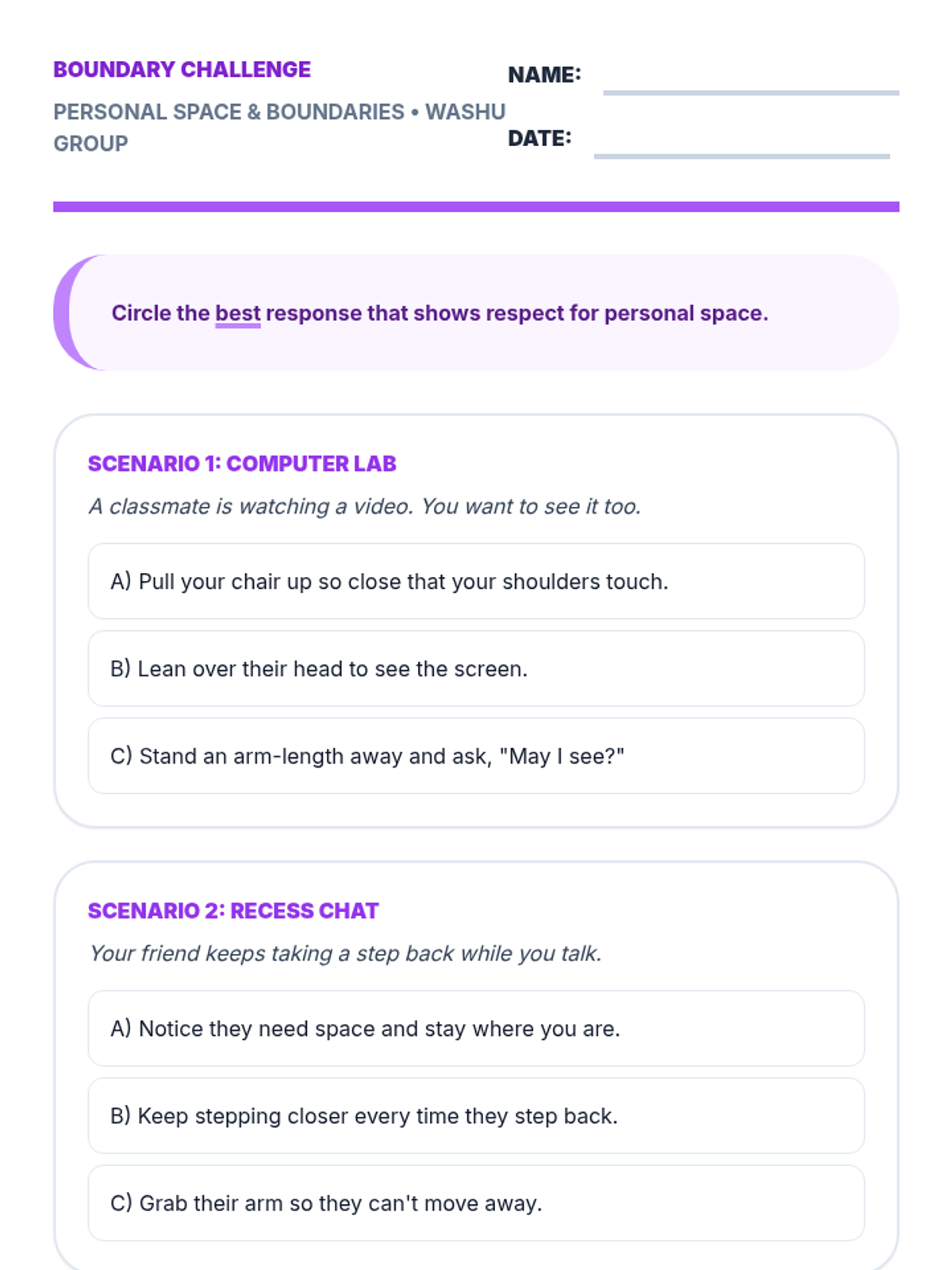
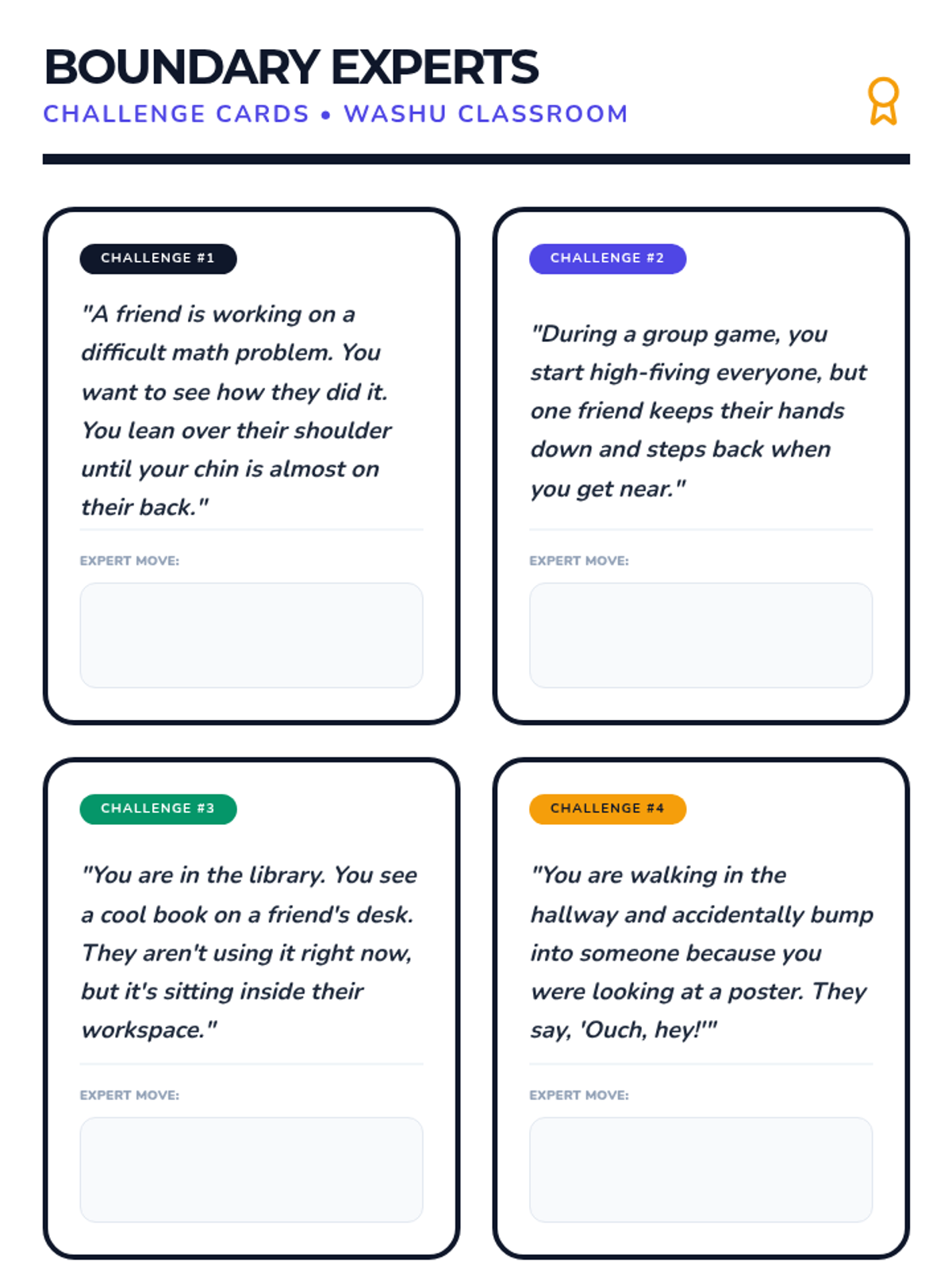
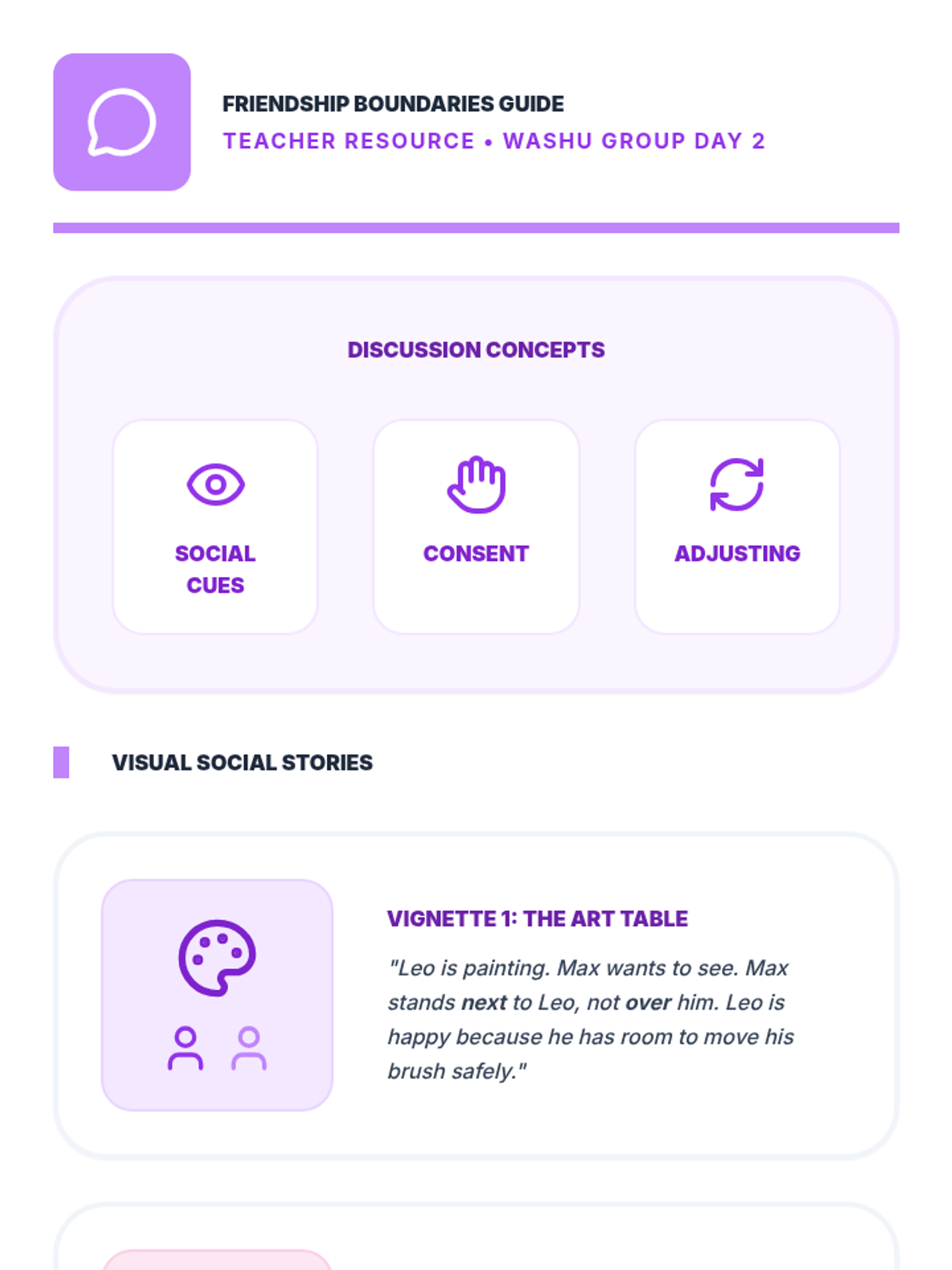
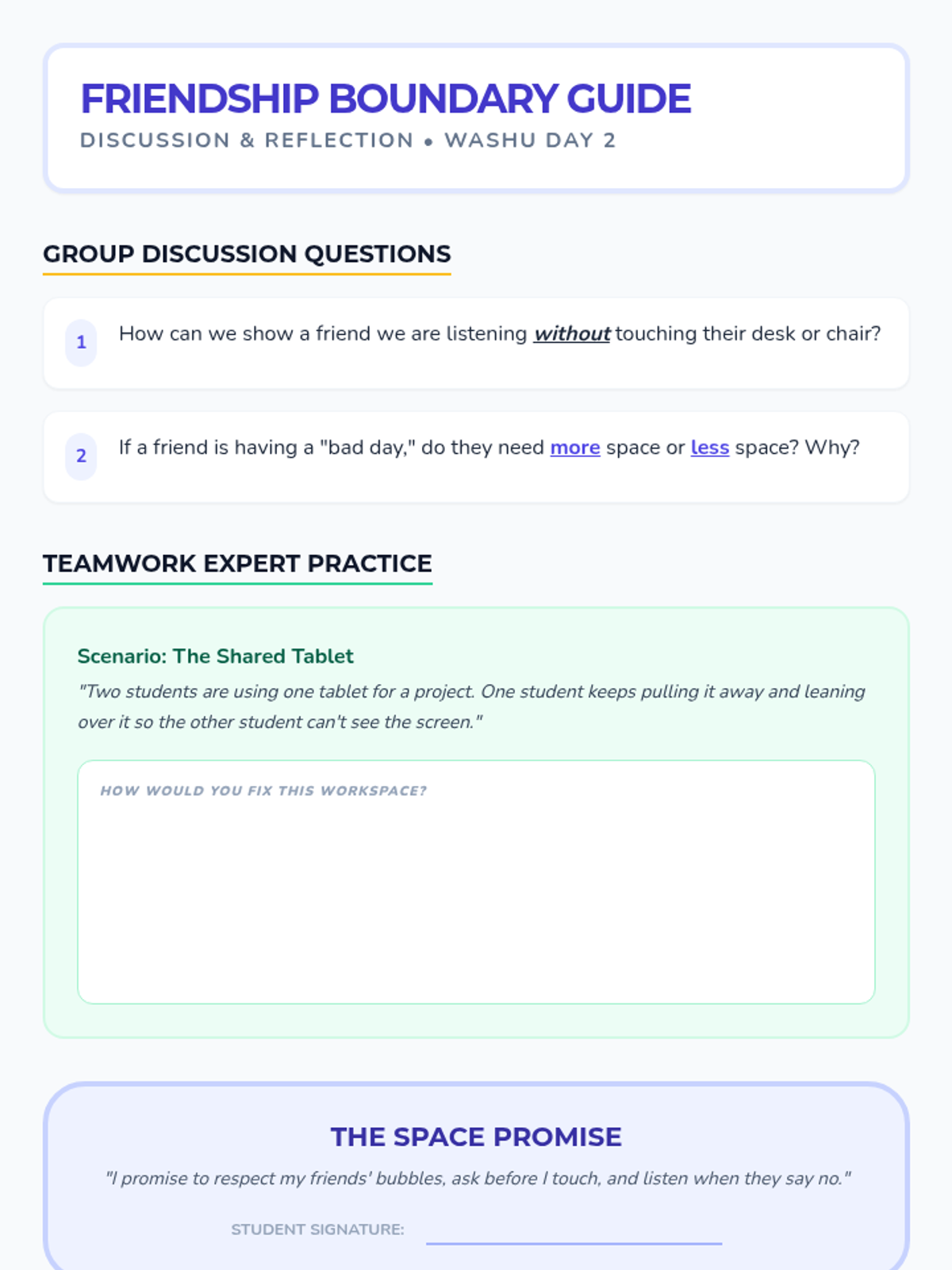
Advanced boundary application for WashU students, focusing on social challenges and respecting personal space within friendships and group work.
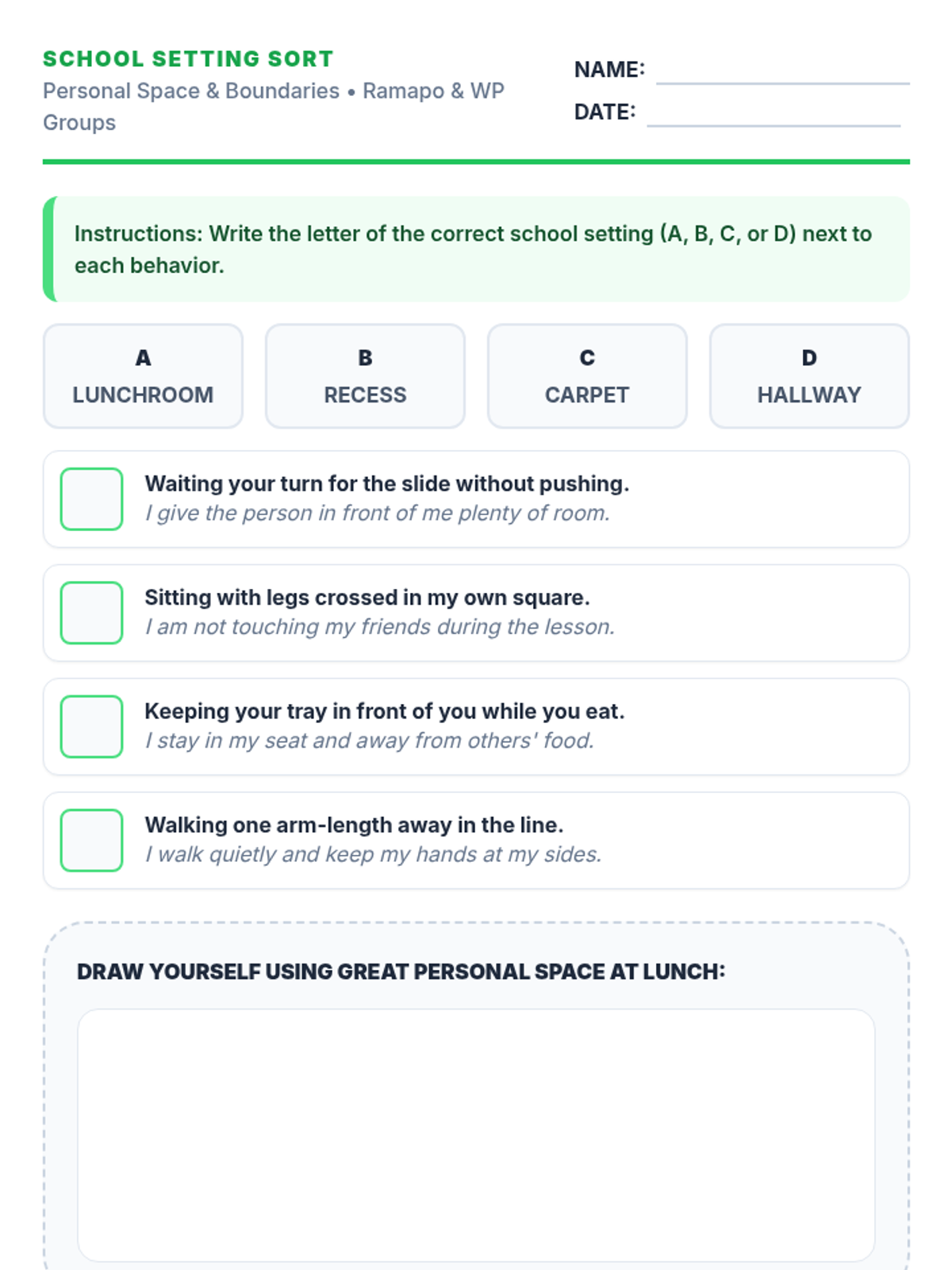
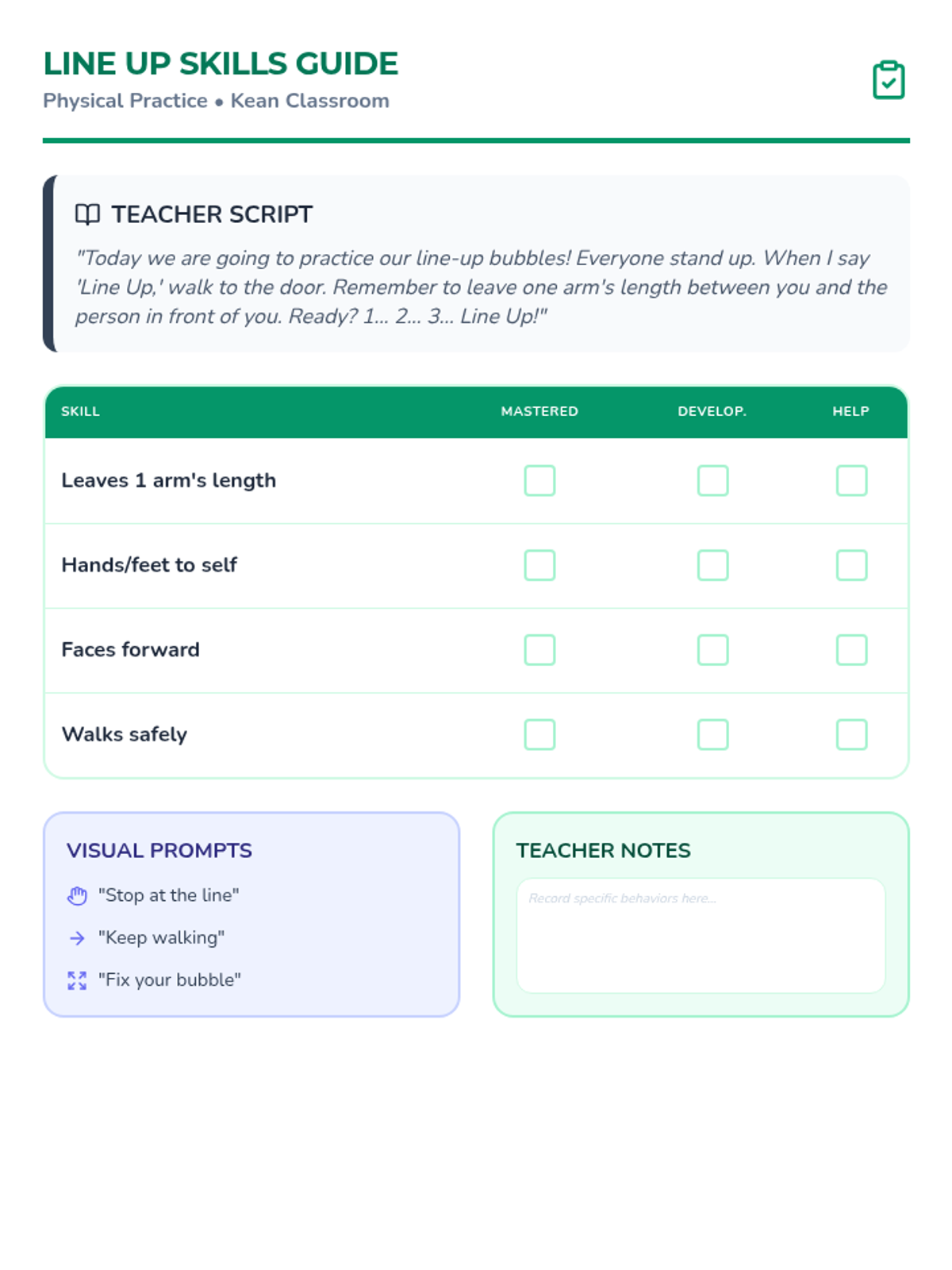
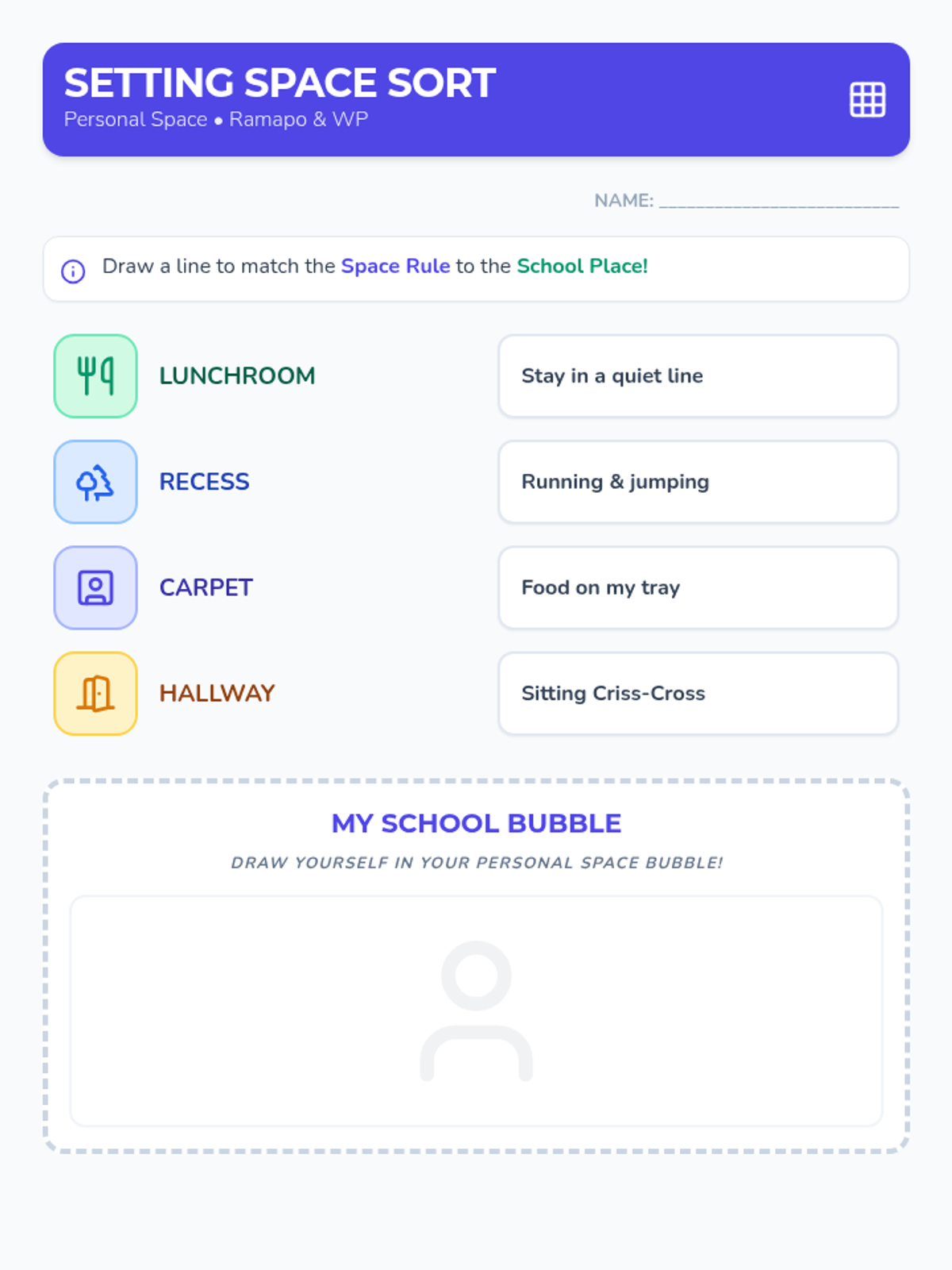
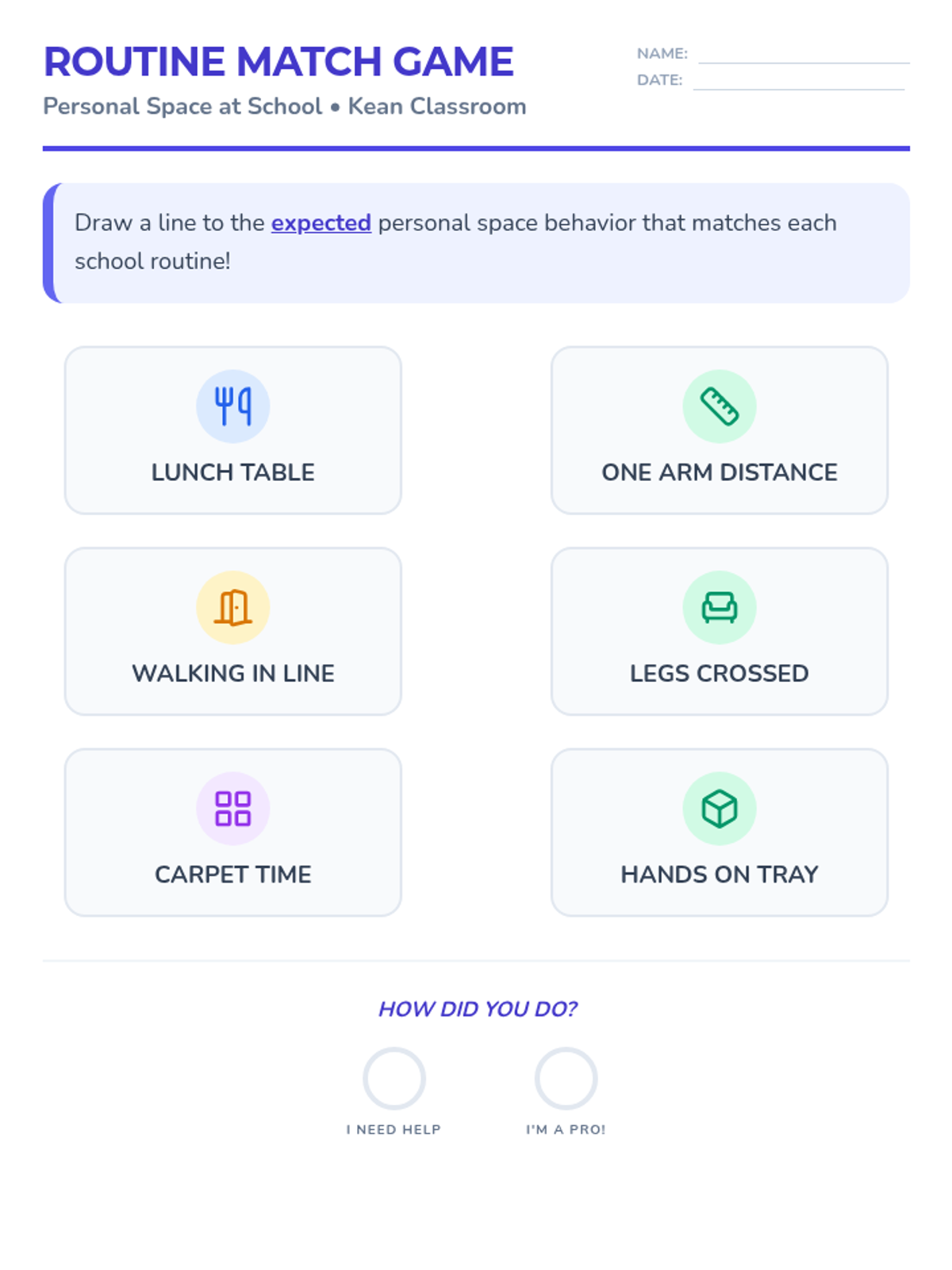
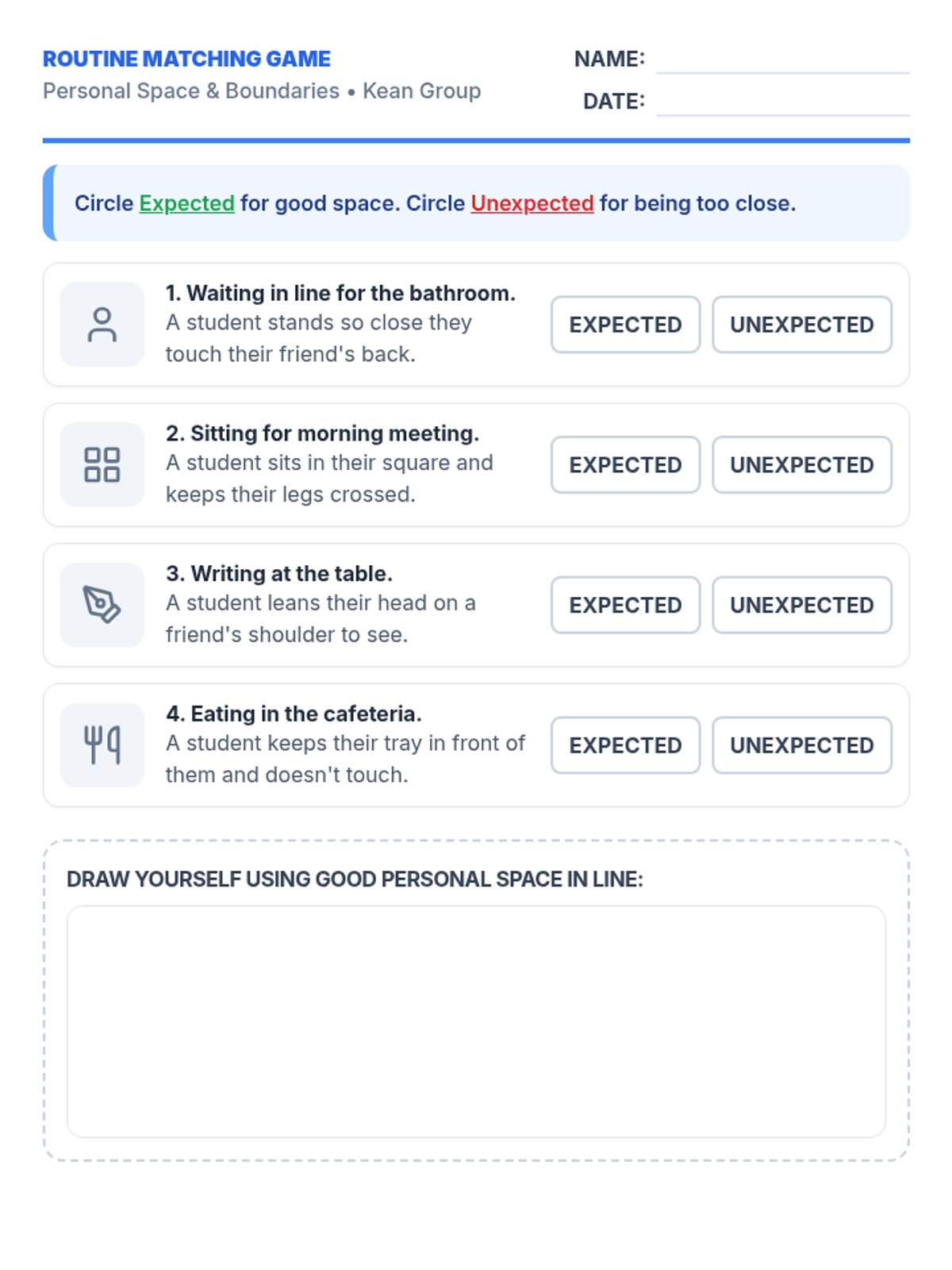
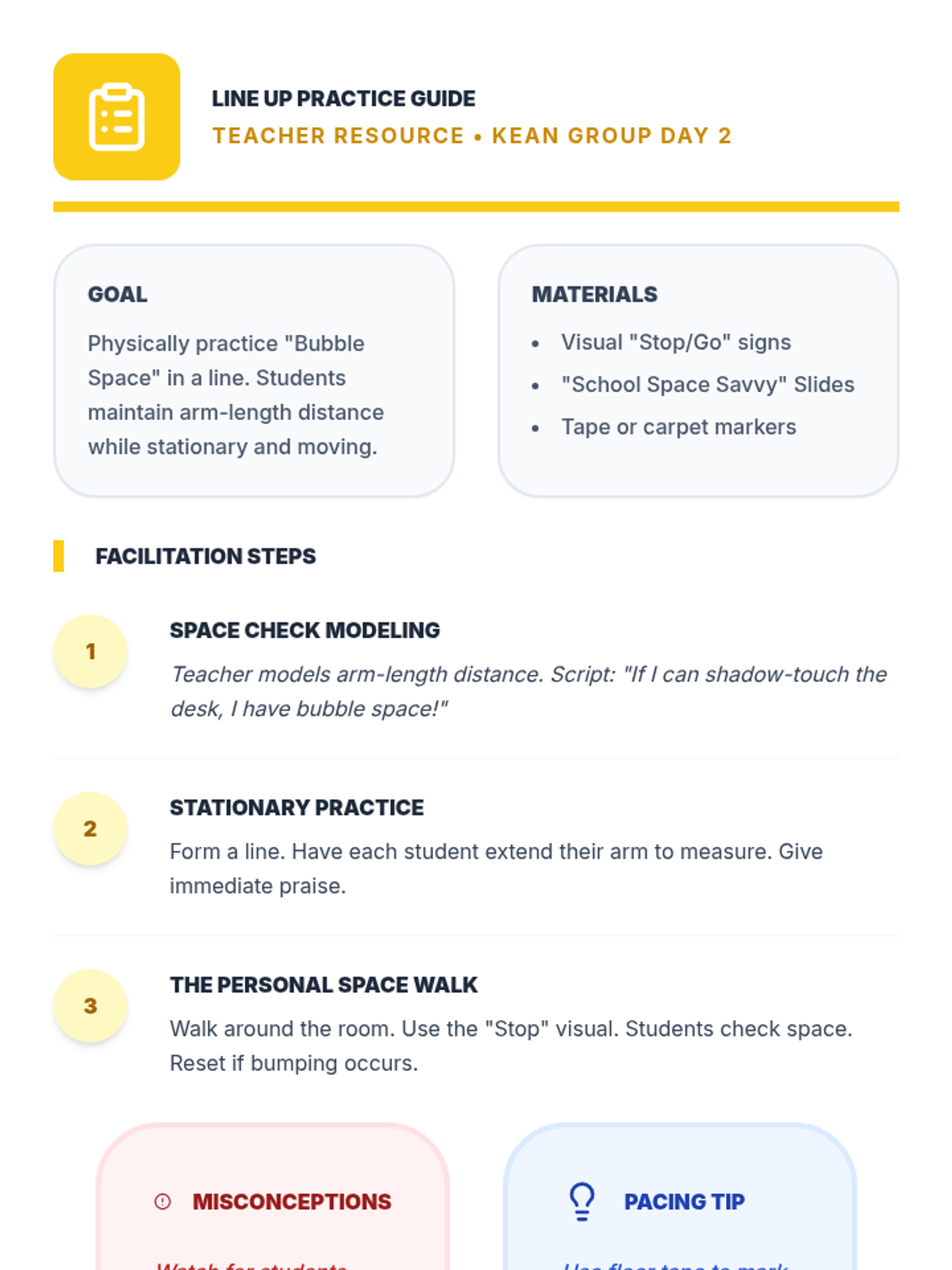
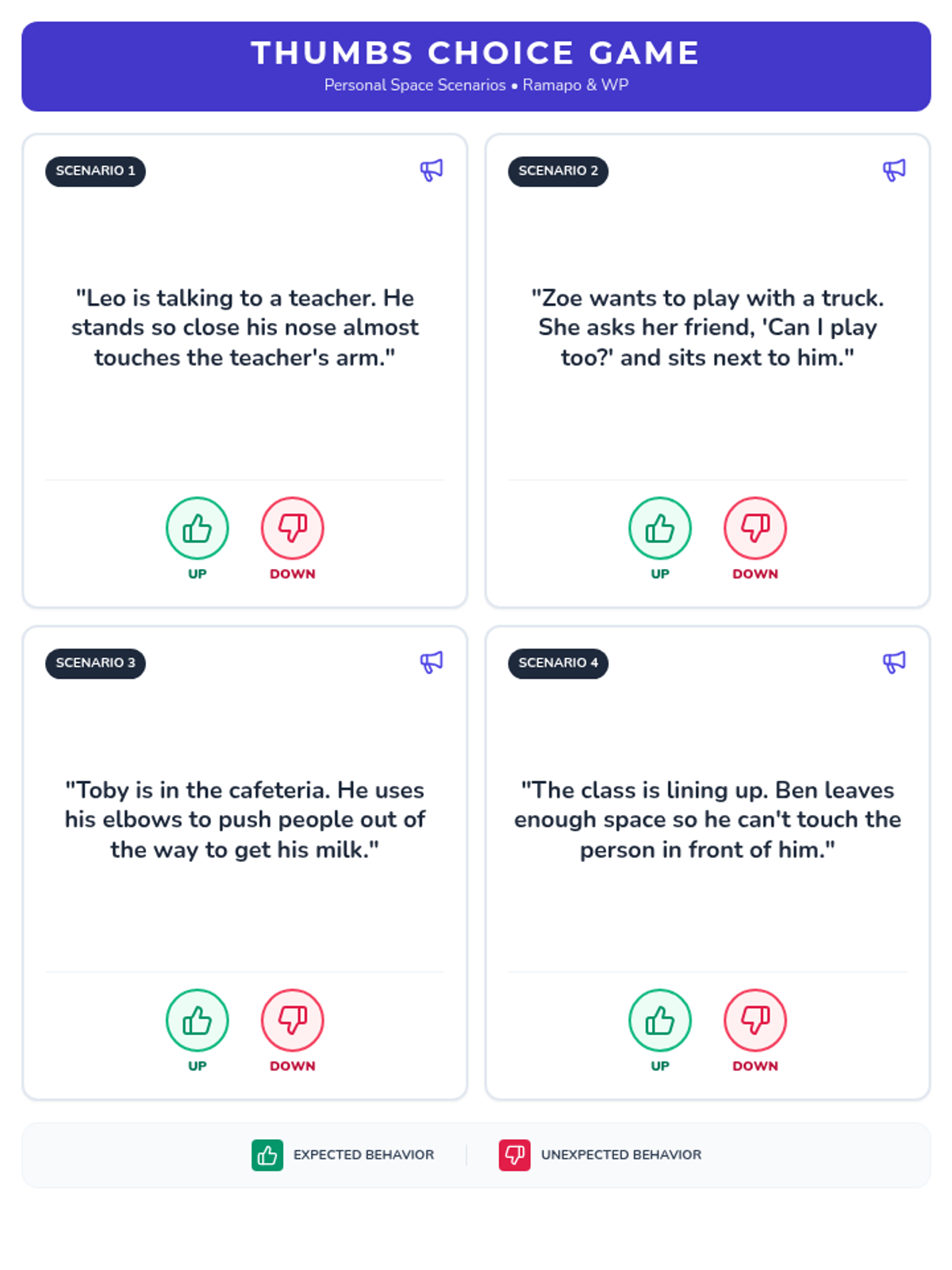
Involves hands-on practice for Kean (lining up) and sorting activities for Ramapo/WP to categorize expected vs. unexpected behaviors in specific school settings.
Focuses on identifying and practicing correct personal space behaviors during school routines such as lunch, recess, and transitions for Kean, Ramapo, and WP students.
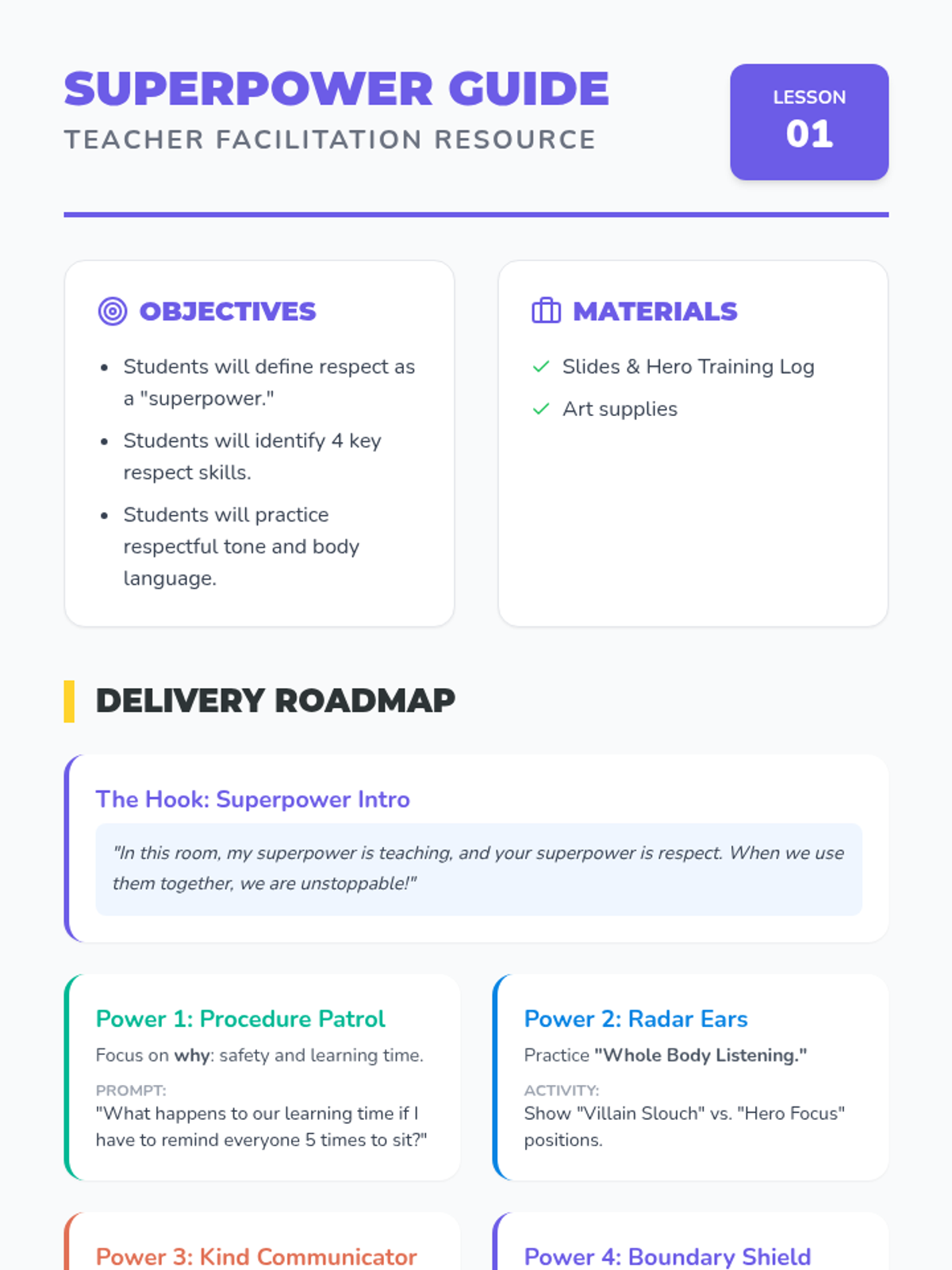
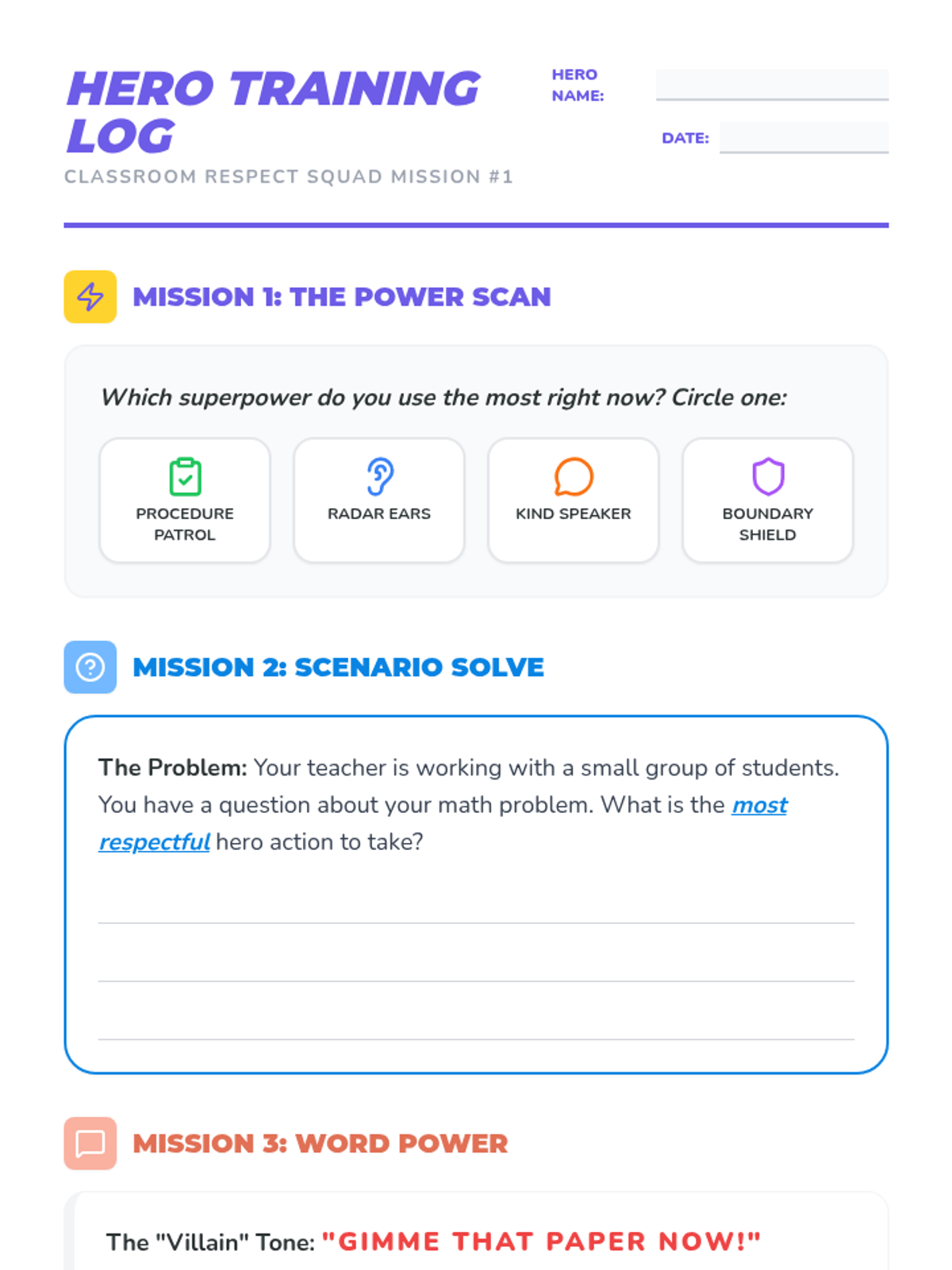
A lesson designed for grade 3 students to explore the concept of respect toward teachers through the lens of 'School Superpowers,' focusing on procedures, active listening, boundaries, and kind communication.
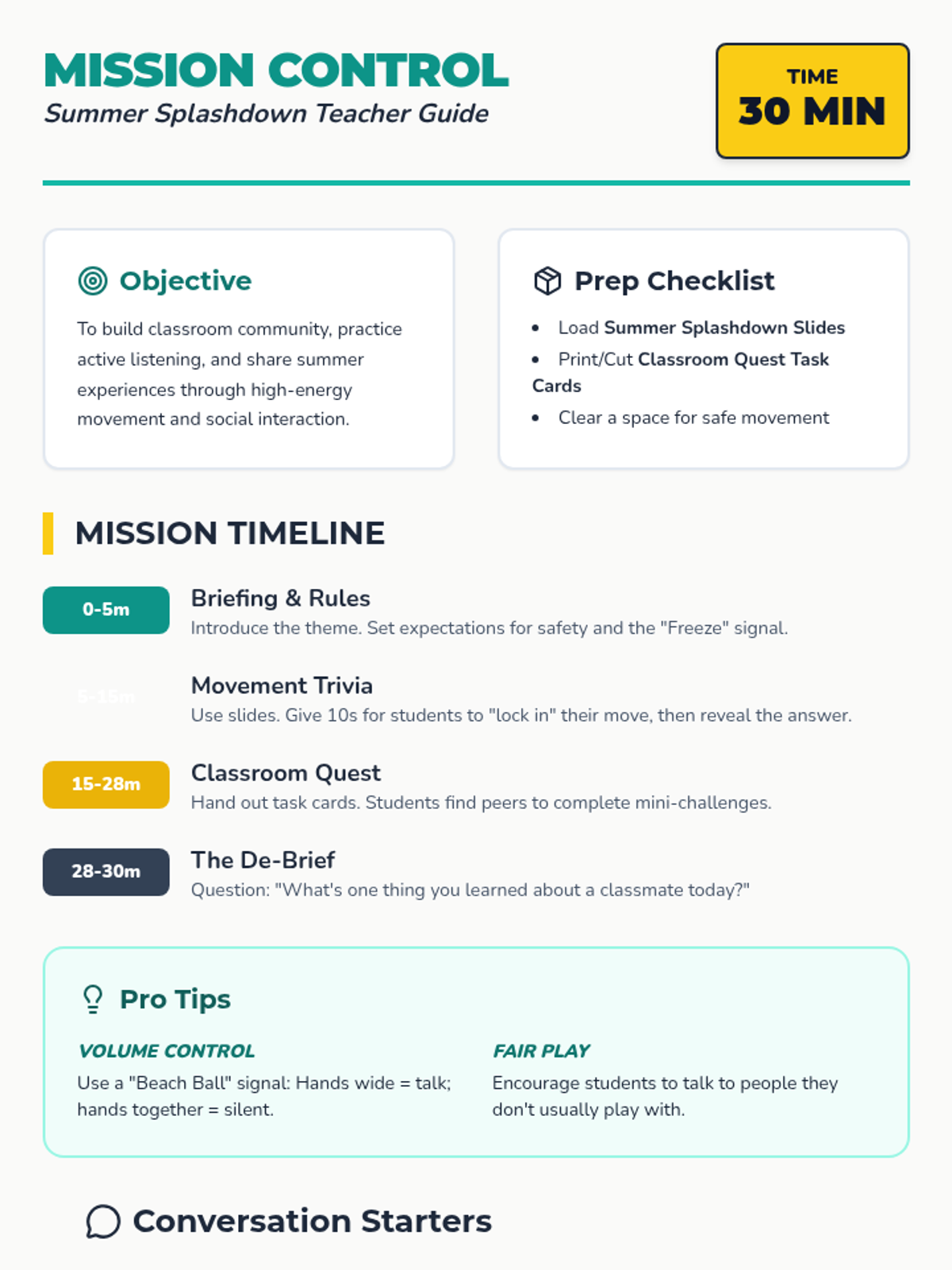
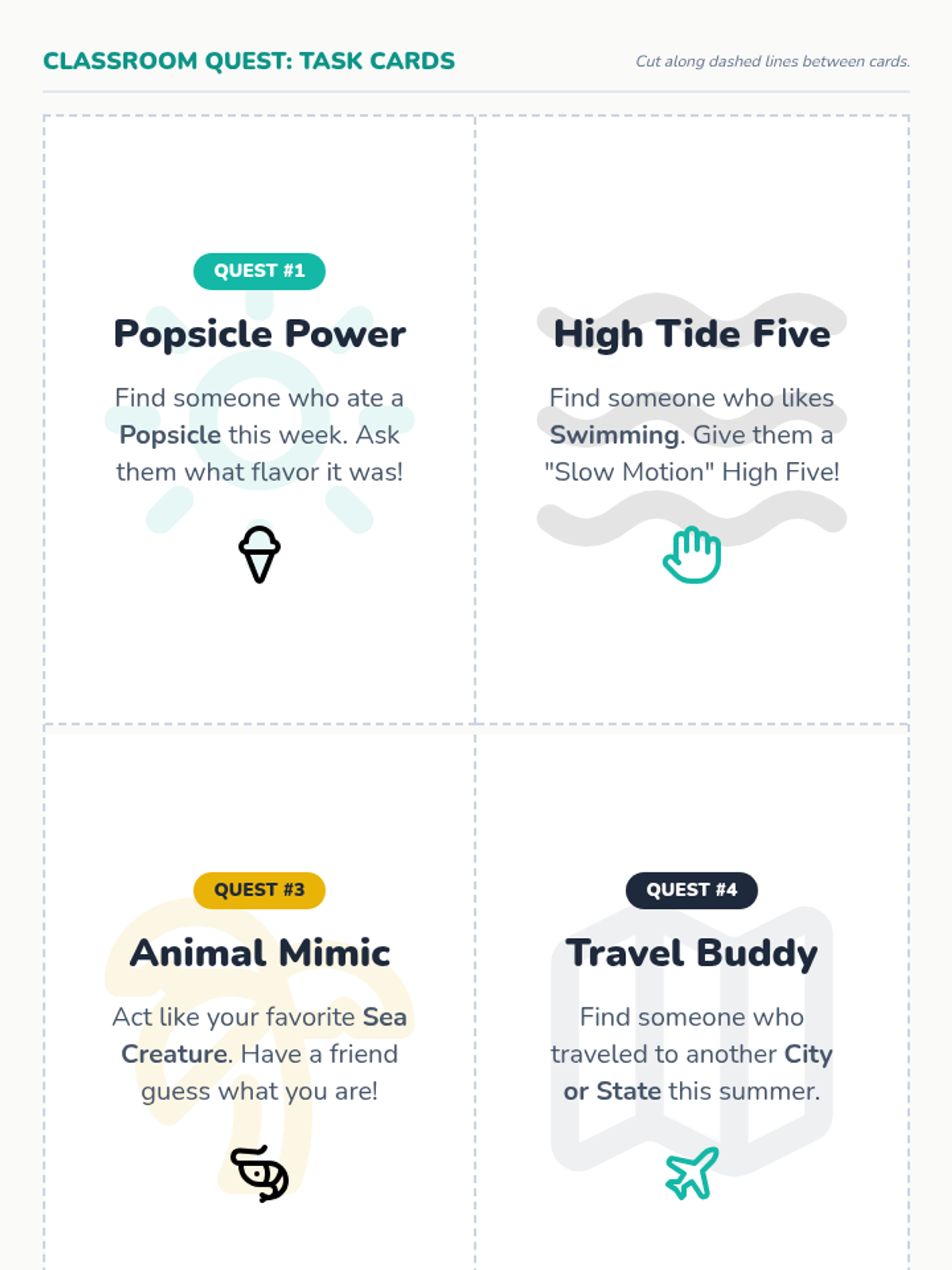
A high-energy, 30-minute session designed to build classroom community through summer-themed movement trivia and a social scavenger hunt.
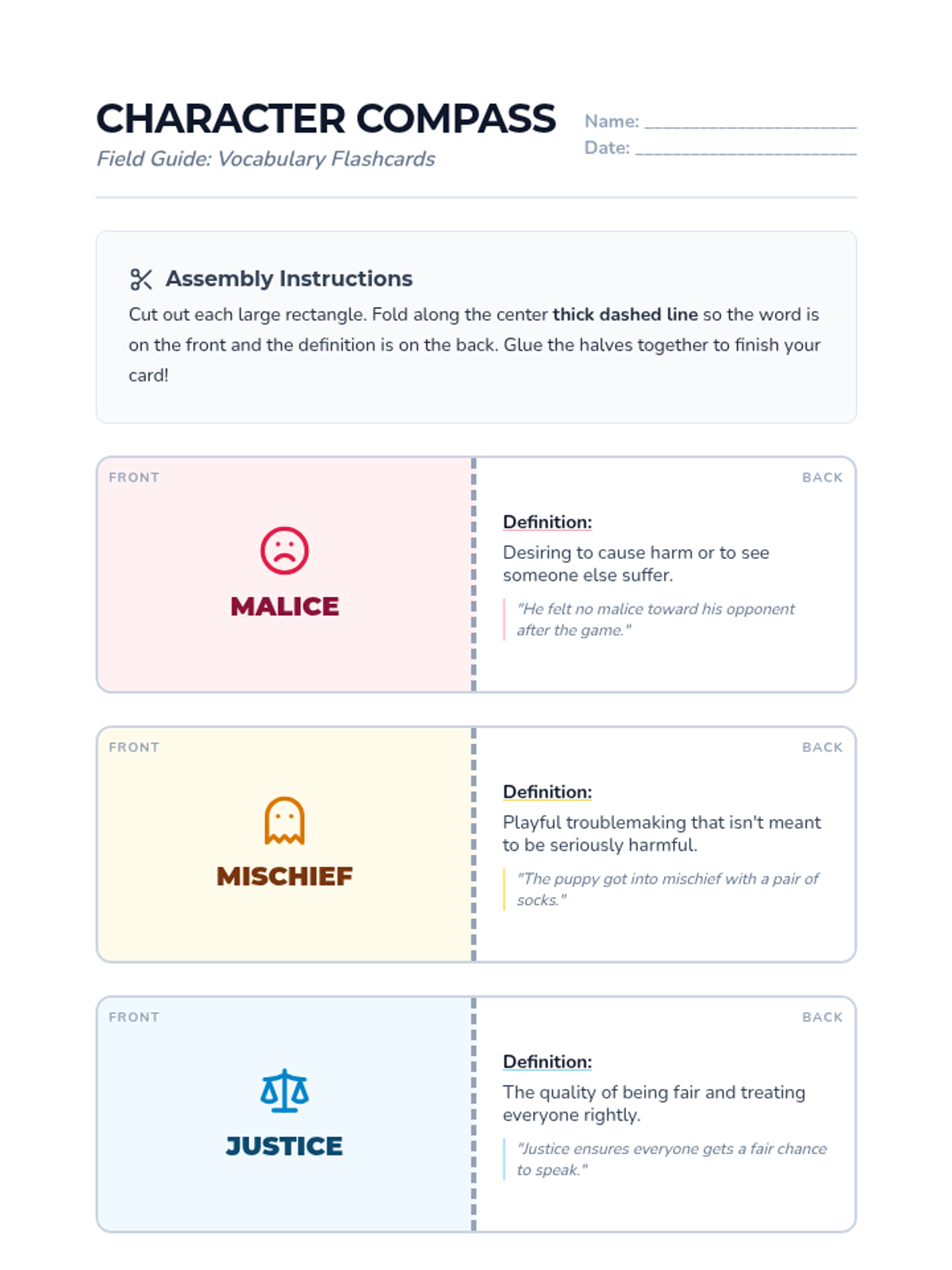
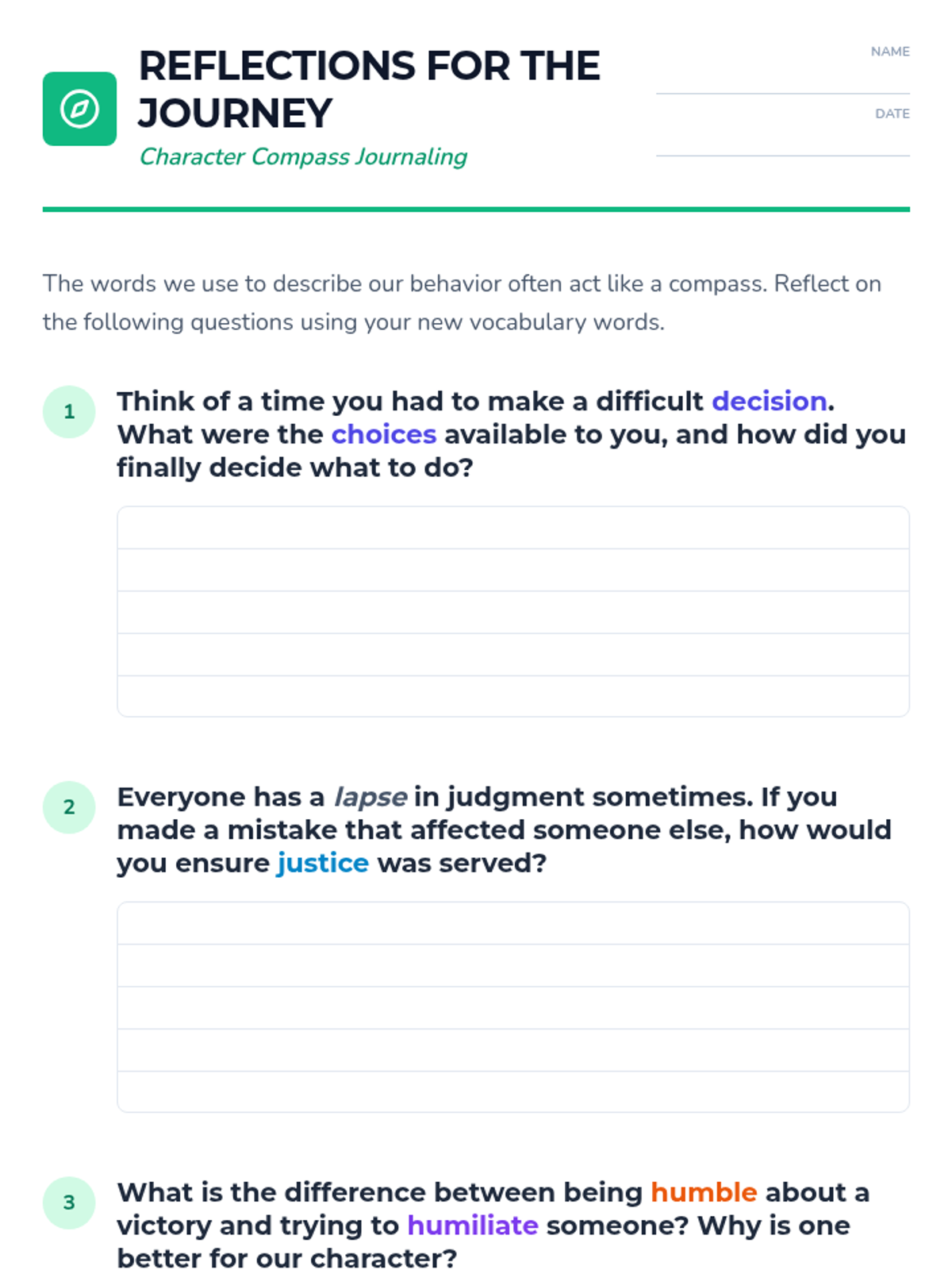
A lesson focused on social-emotional vocabulary, exploring how our choices and attitudes impact ourselves and others. Through foldable flashcards and reflective prompts, students navigate the complexities of character.
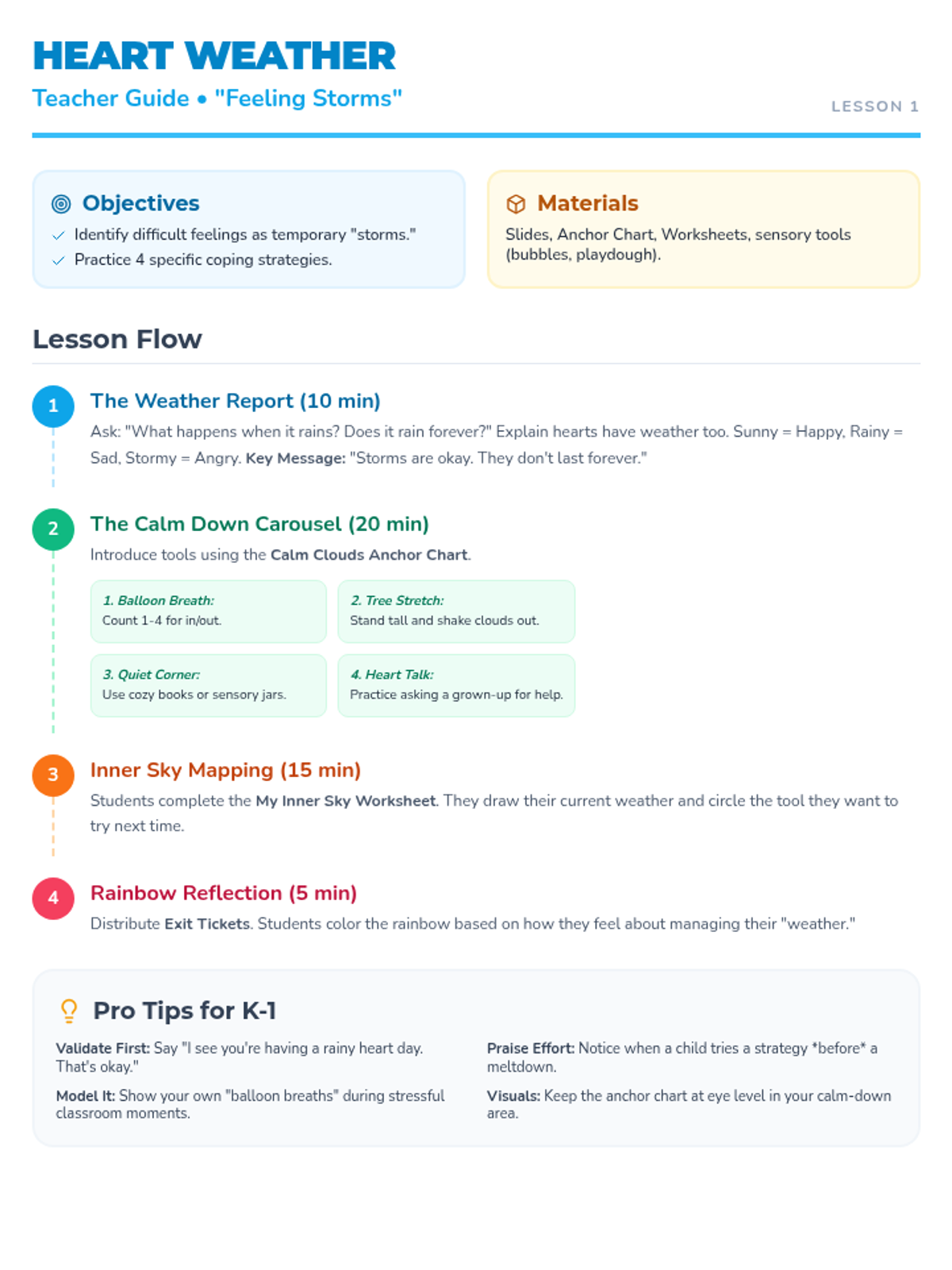
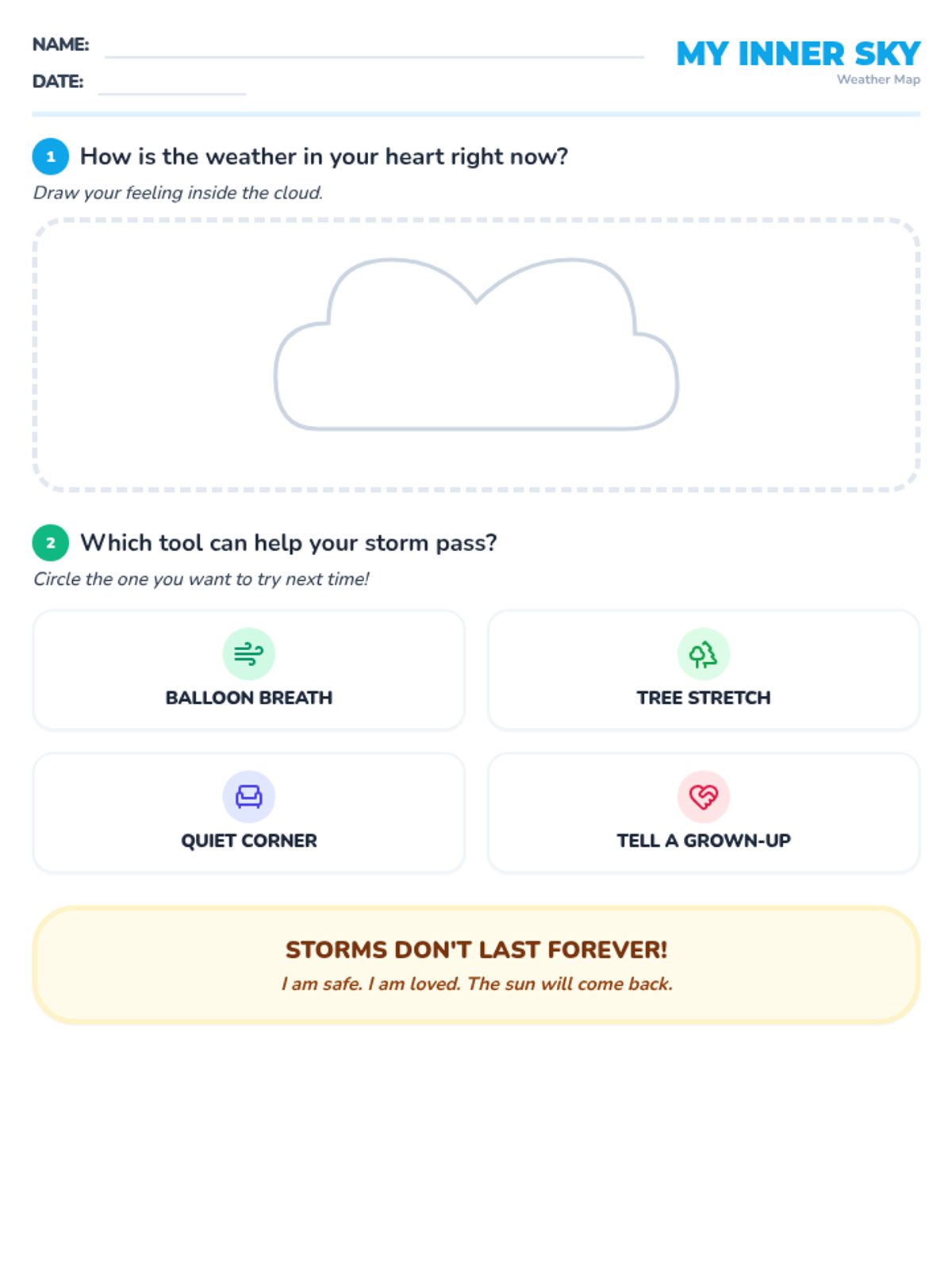
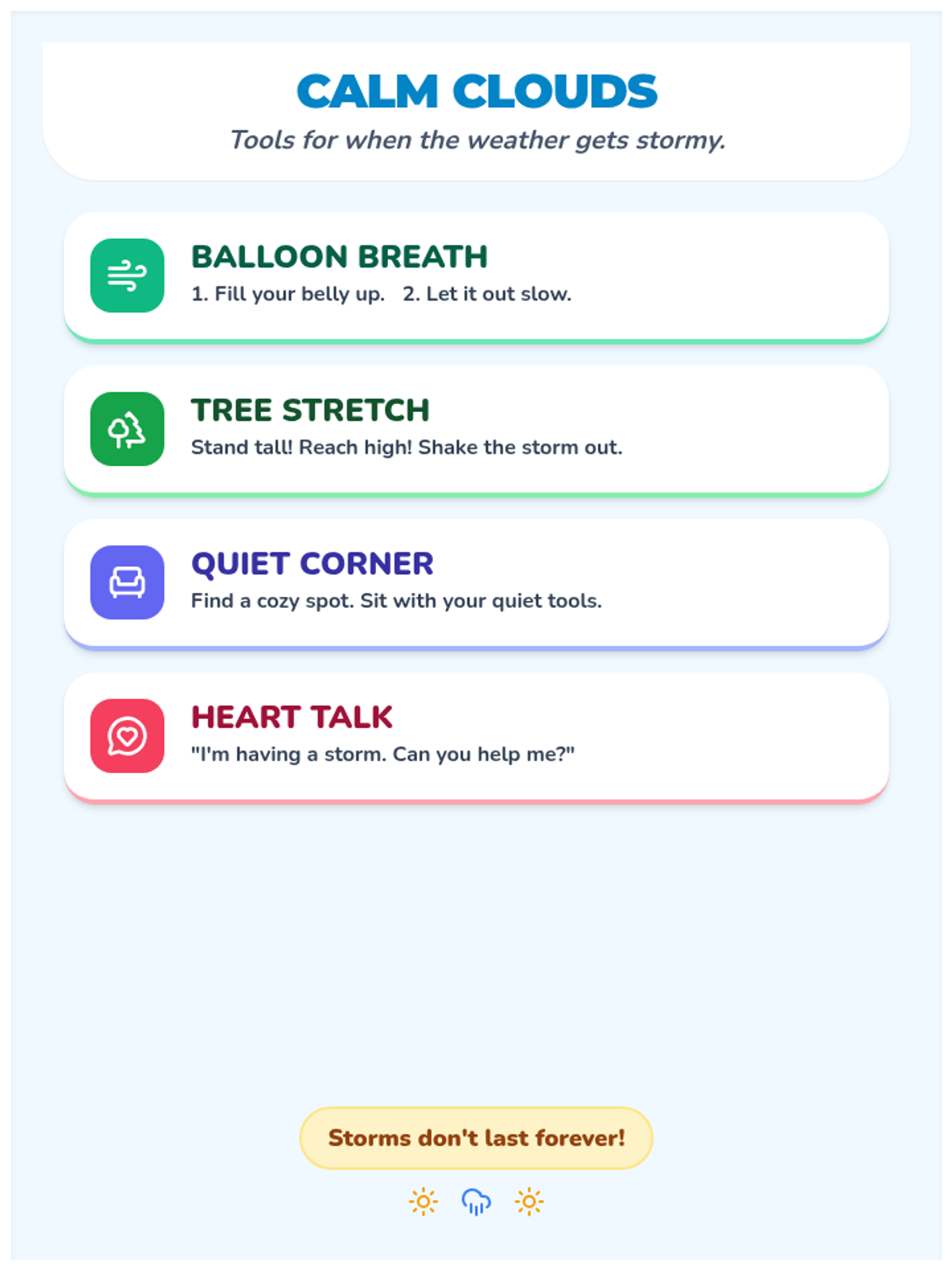
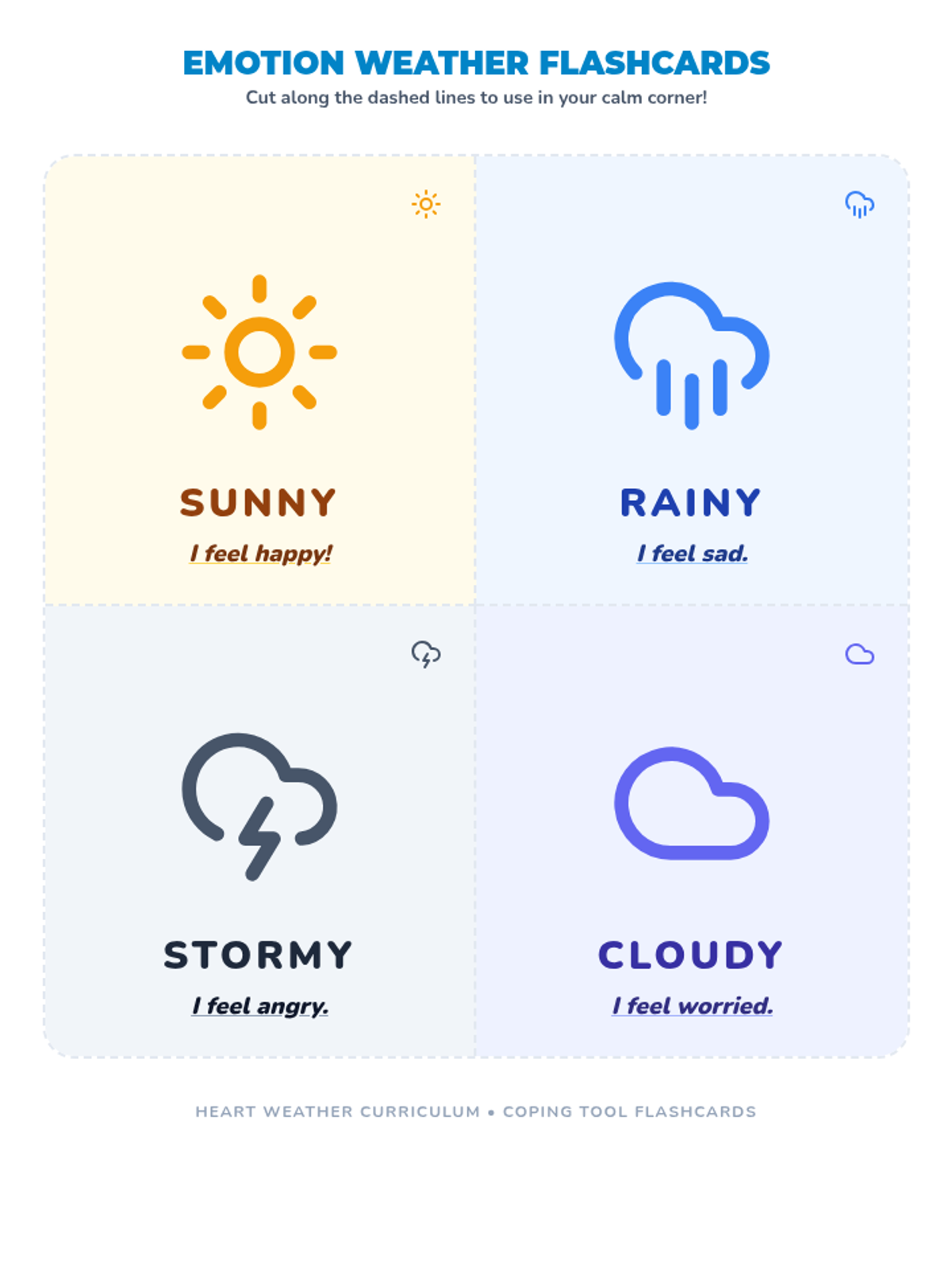
Students in grades 2-3 will use the "Heart Weather" metaphor to analyze emotional triggers, understand the science of self-regulation (the brain's weather station), and develop personalized resilience plans.
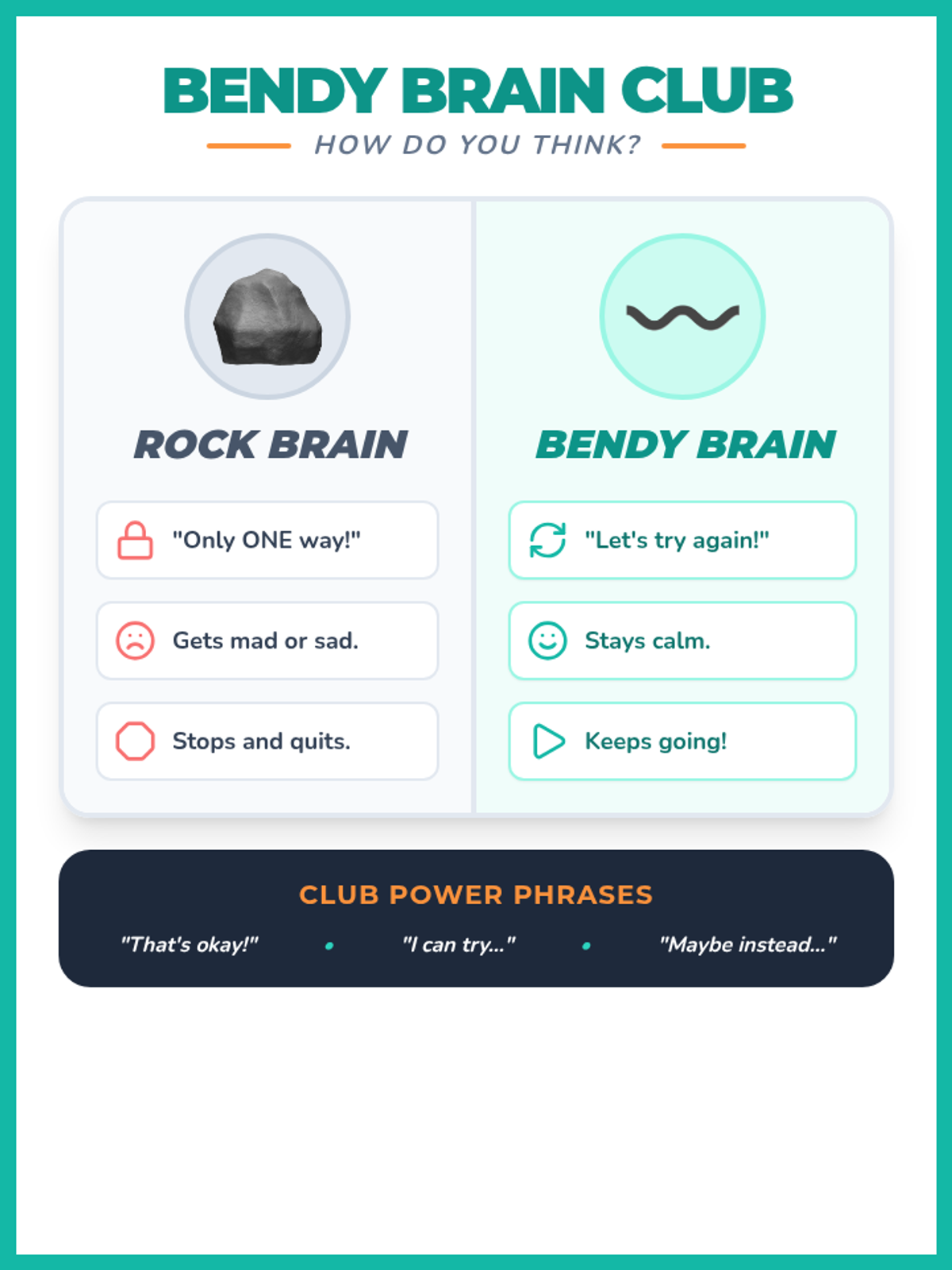
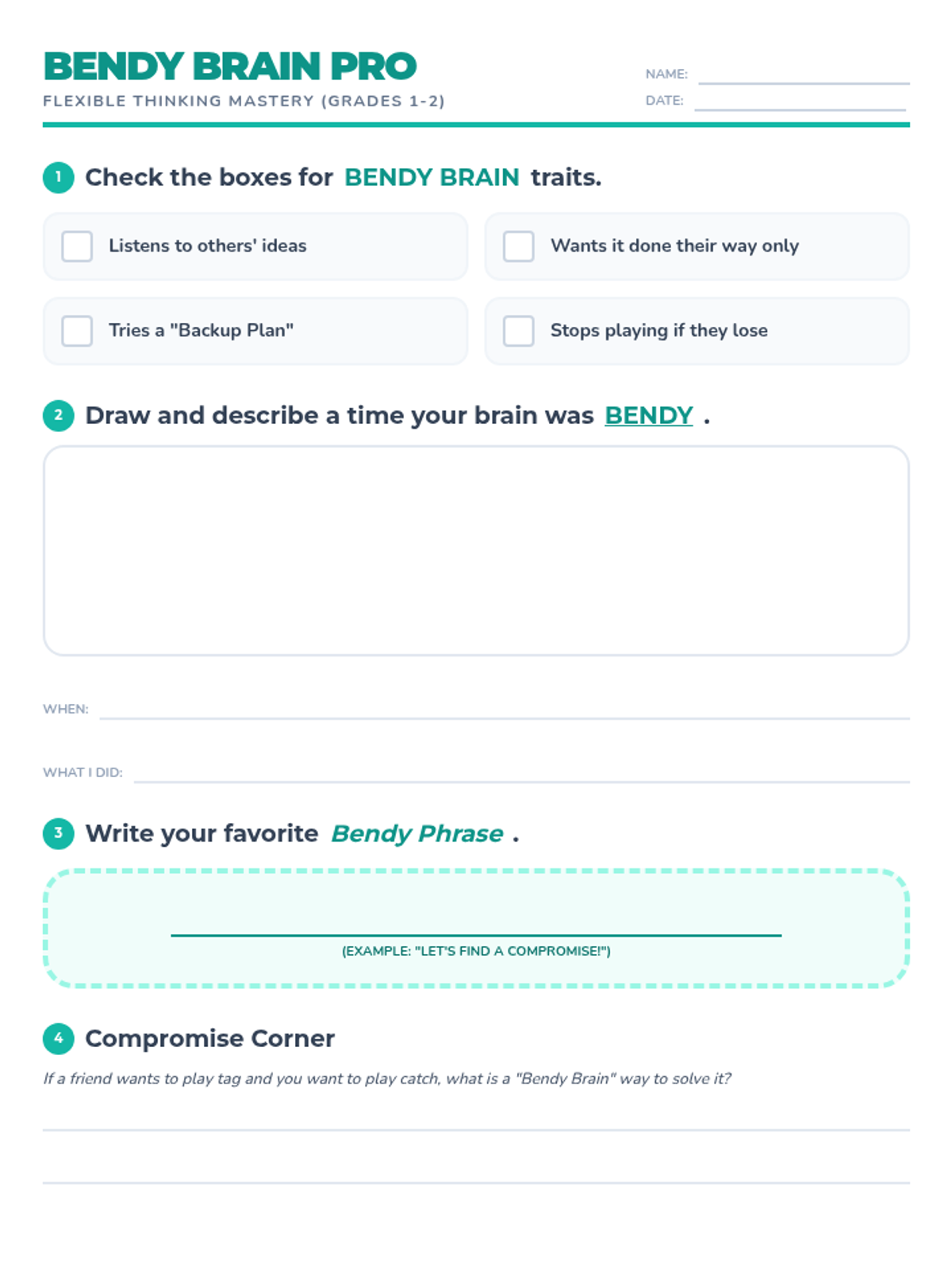
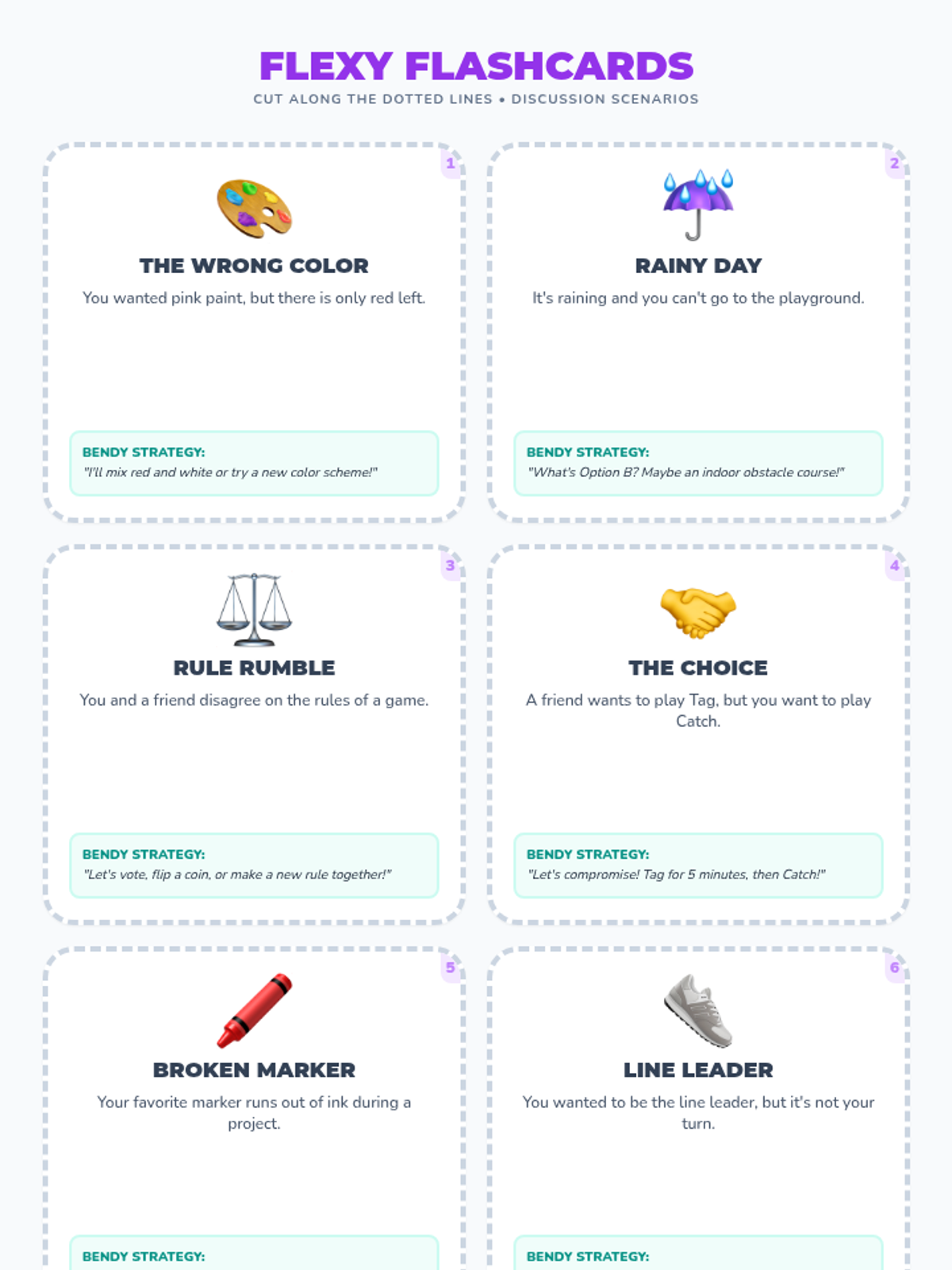
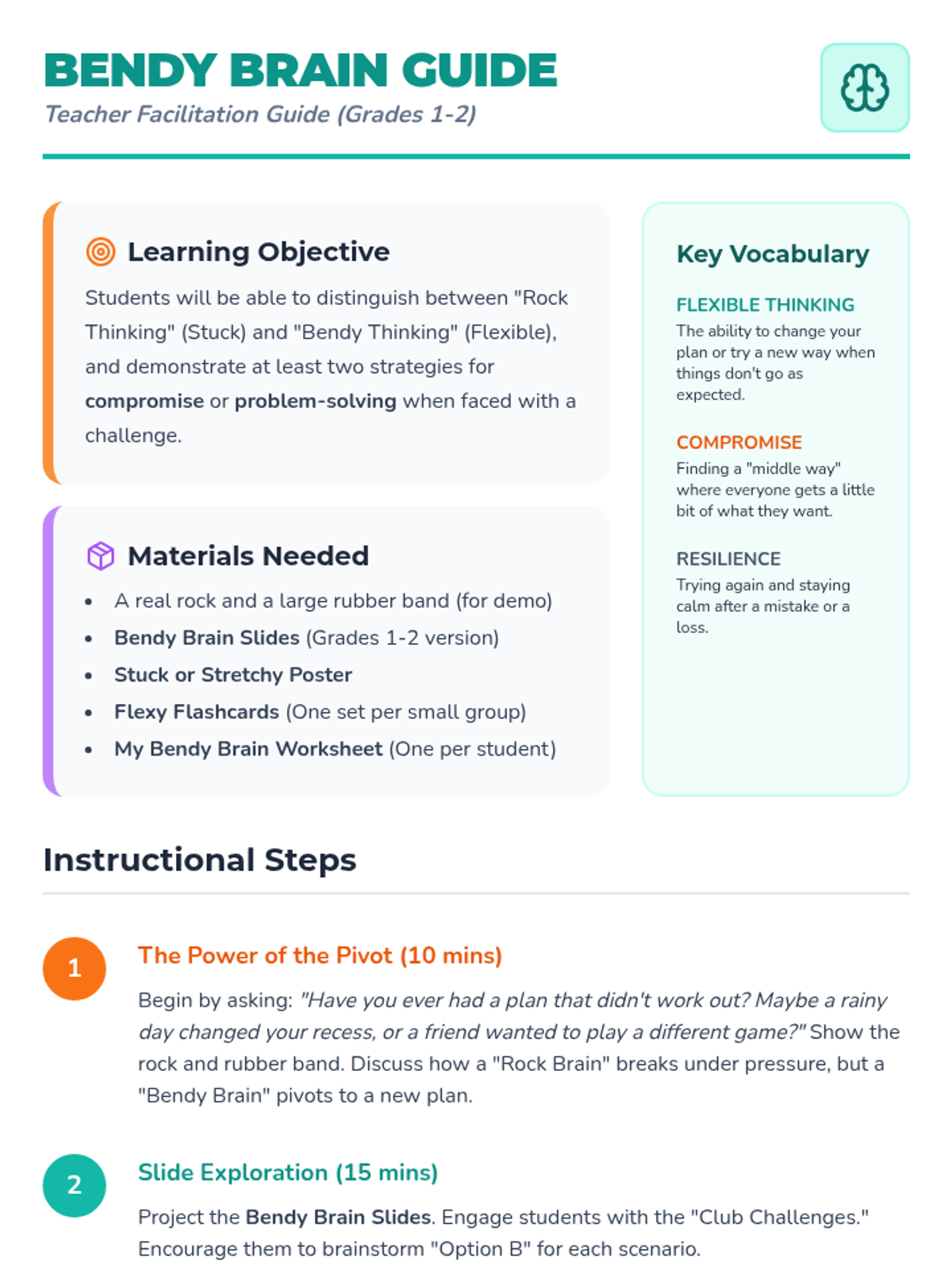
A foundational social-emotional learning lesson for K-1 students that introduces the concept of cognitive flexibility using the 'Rock Brain' vs. 'Bendy Brain' metaphor. Students learn to identify when they are stuck and practice 'stretching' their thinking in response to changes and challenges.
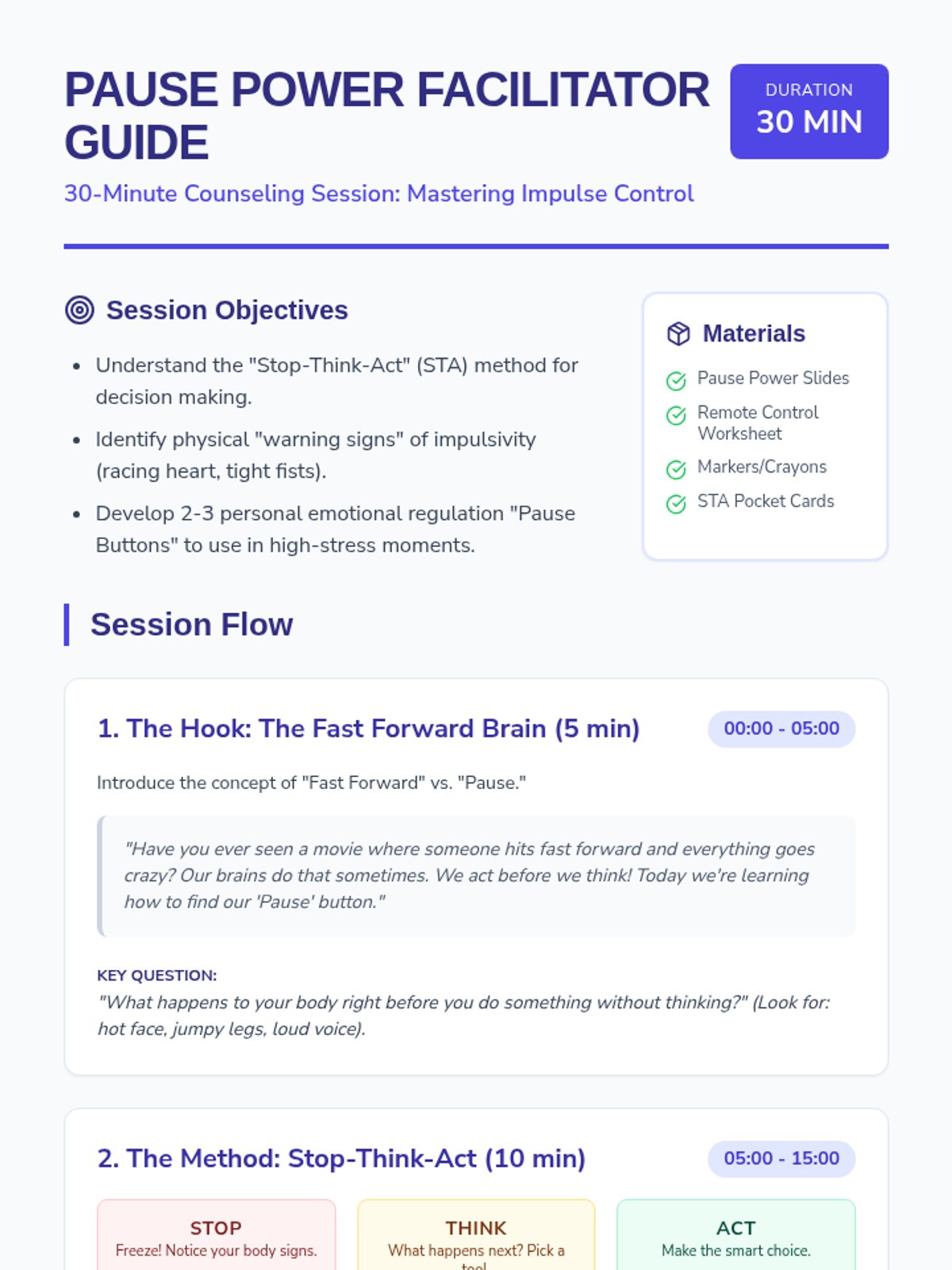
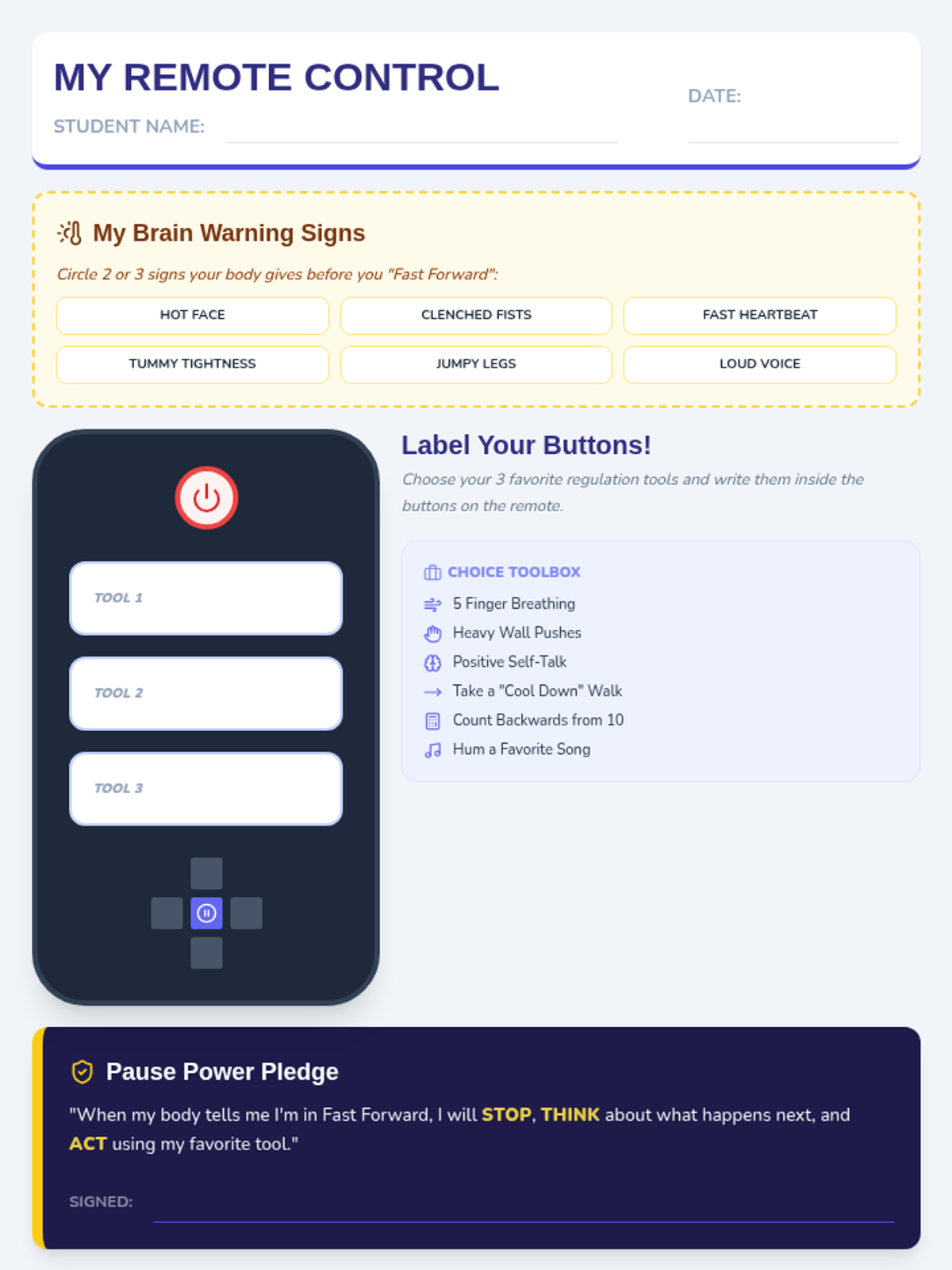
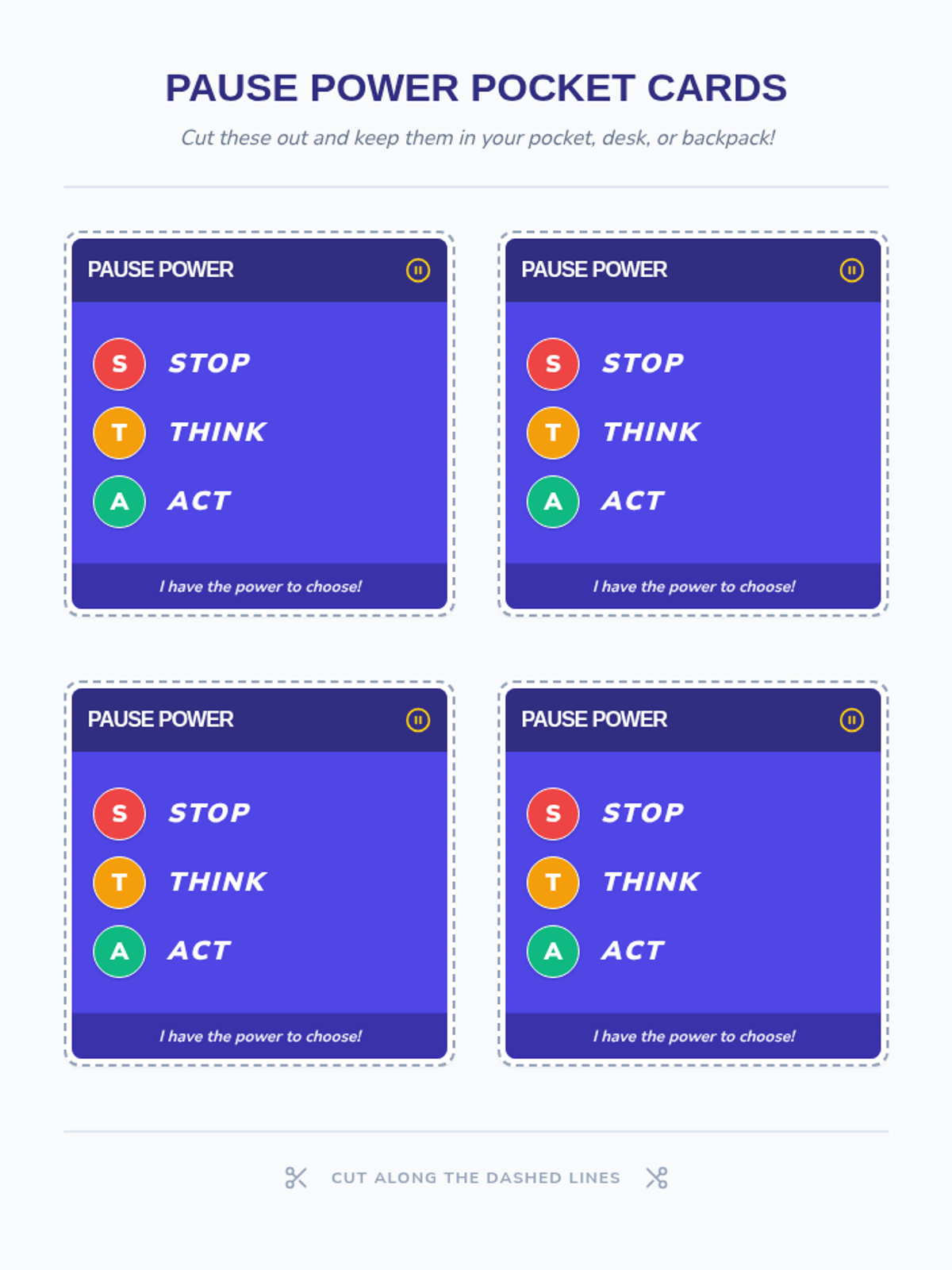
A 30-minute counseling session focused on the Stop-Think-Act method and emotional regulation tools to help students master impulse control.
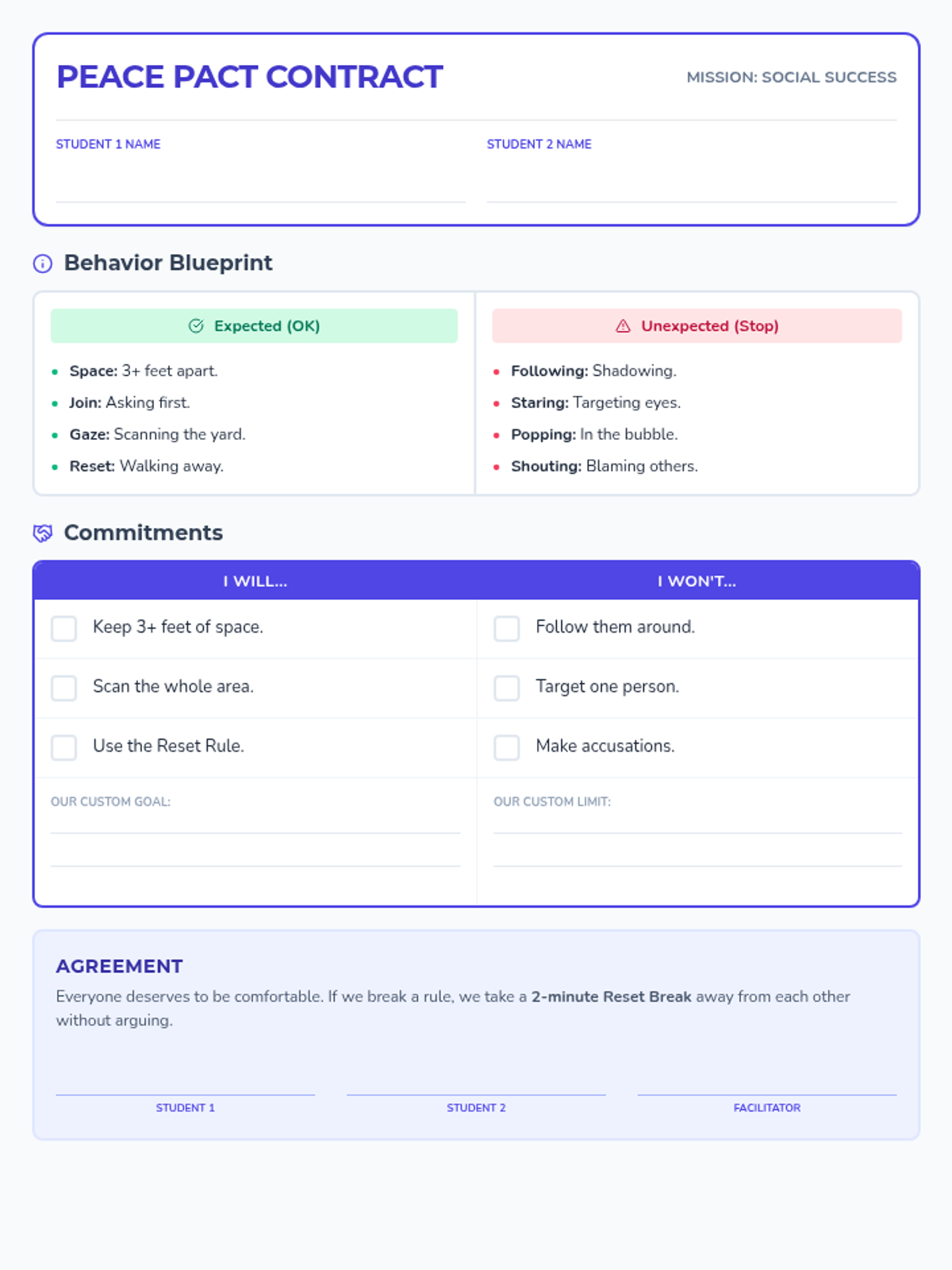
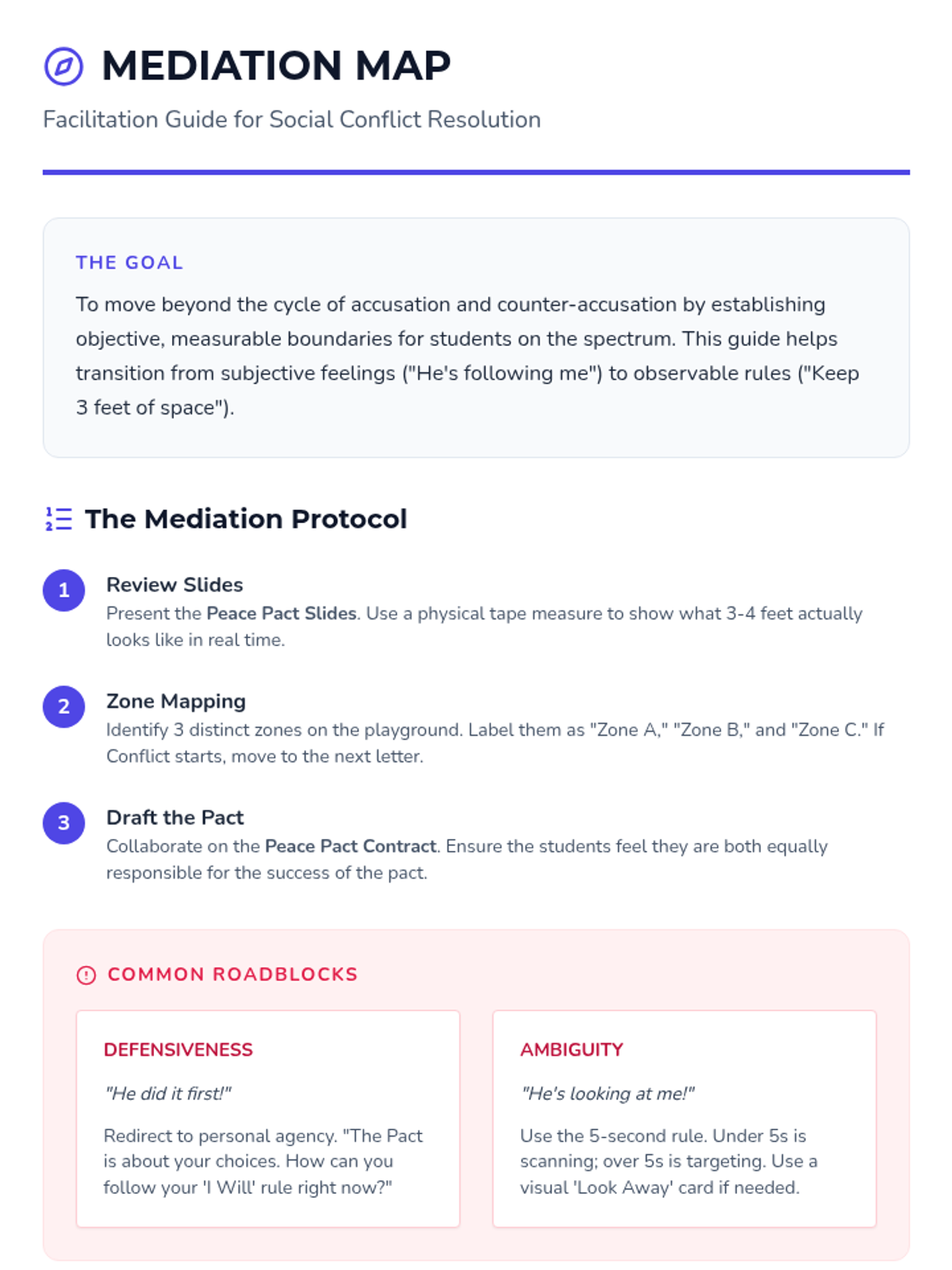
A structured approach to resolving recurring conflicts between students regarding personal space, physical boundaries, and perceived social behaviors during unstructured times.
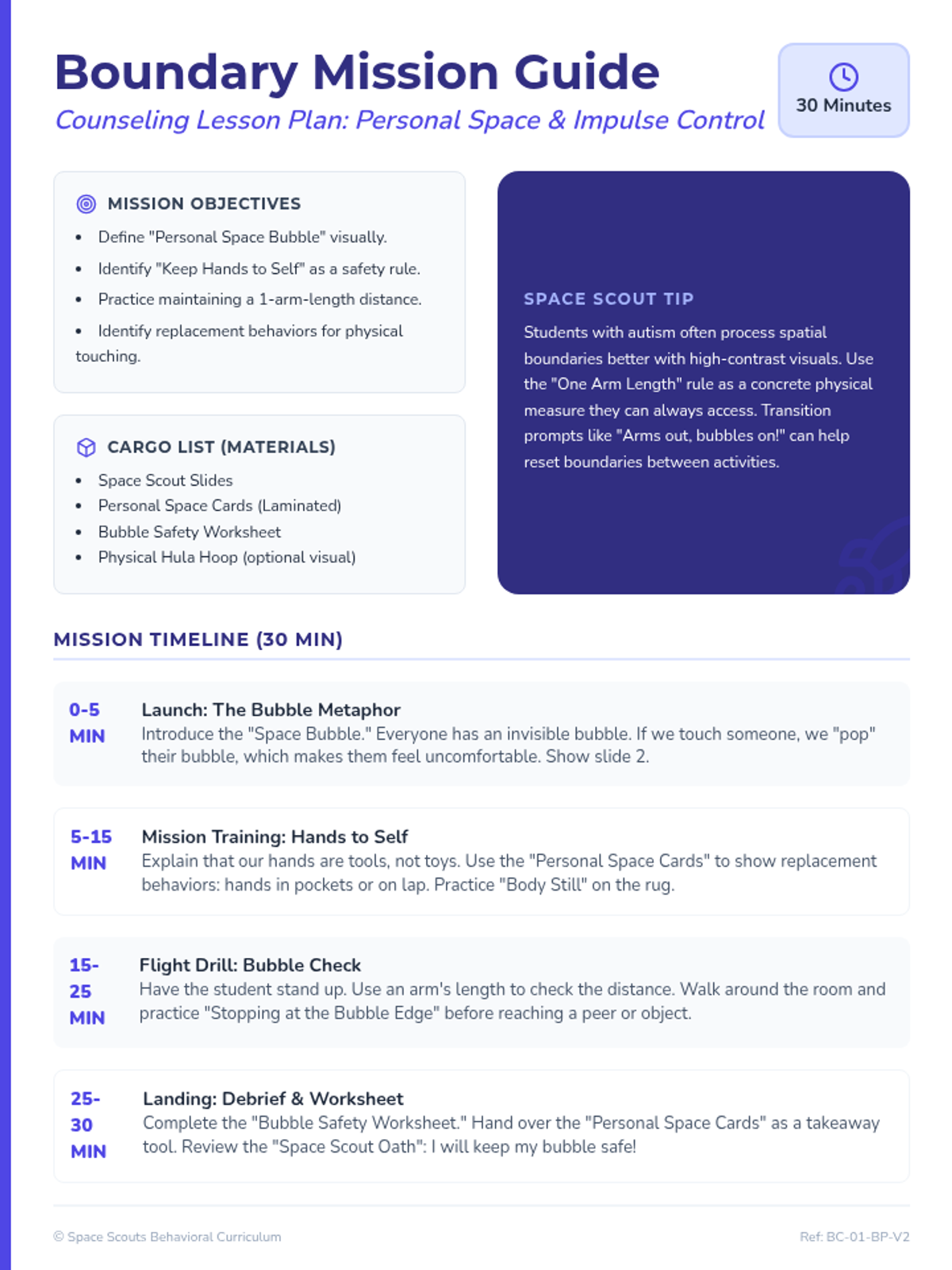
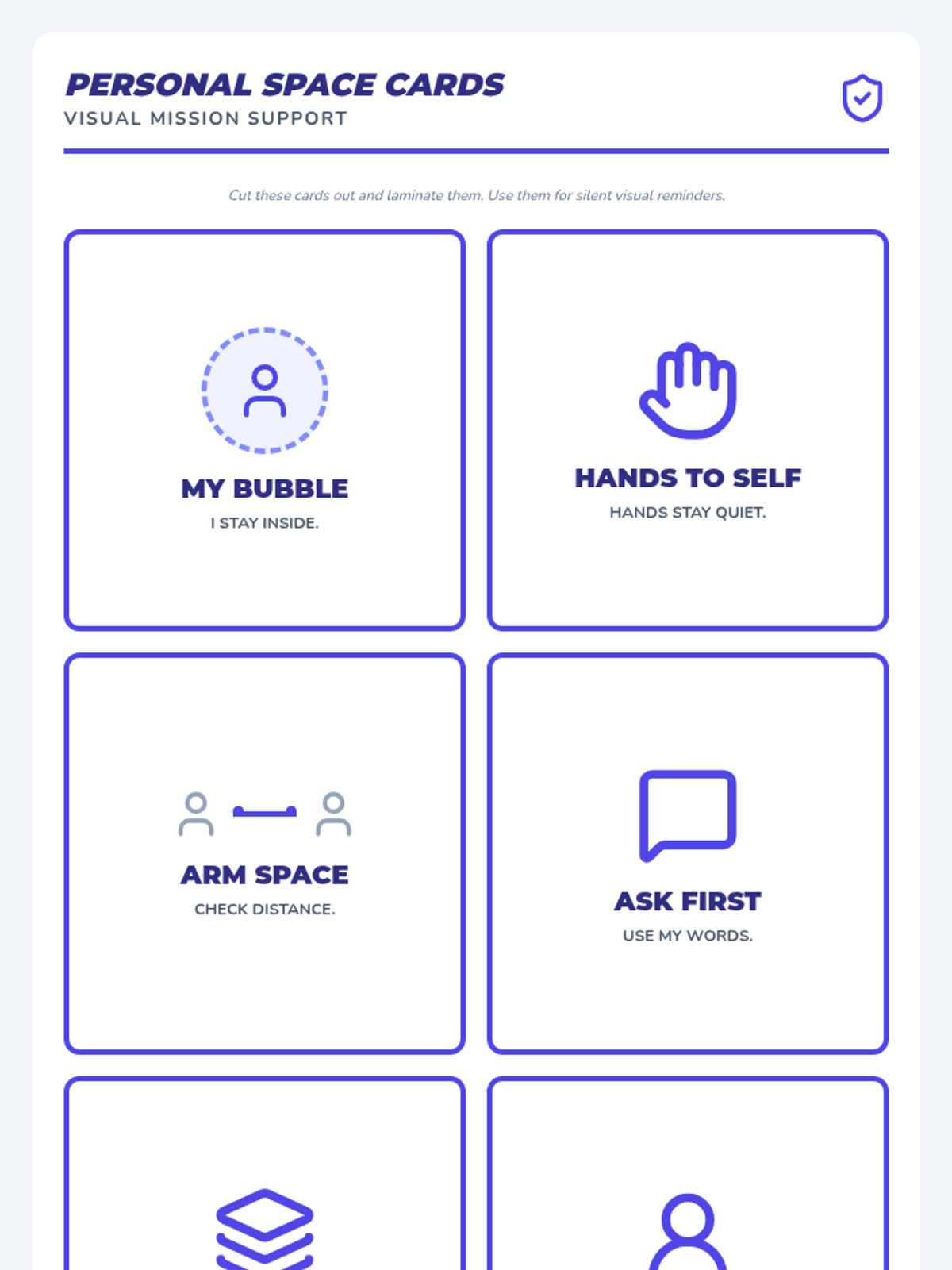
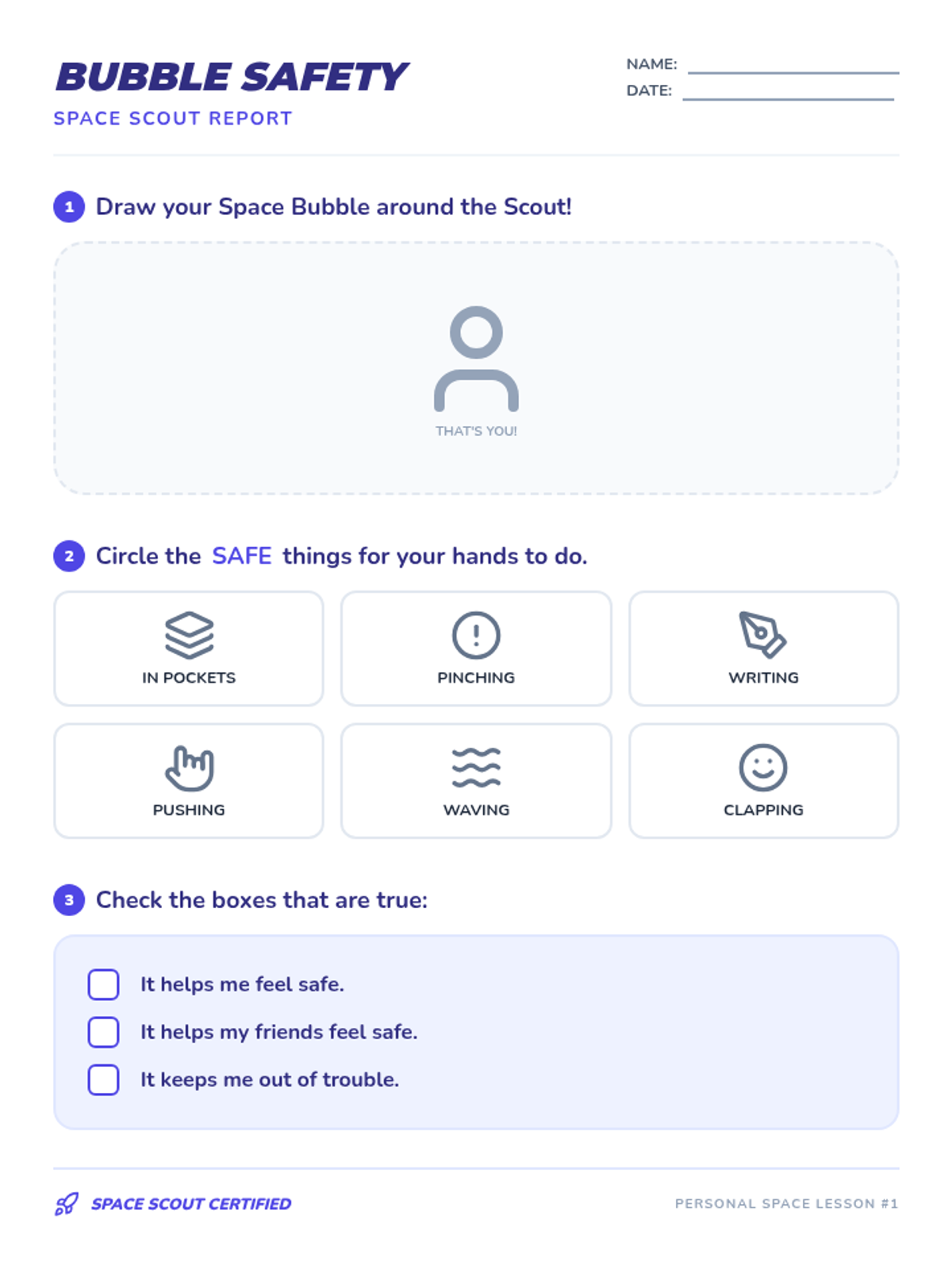
A 30-minute counseling session and supporting materials focused on teaching the 'personal space bubble' and keeping hands to self.
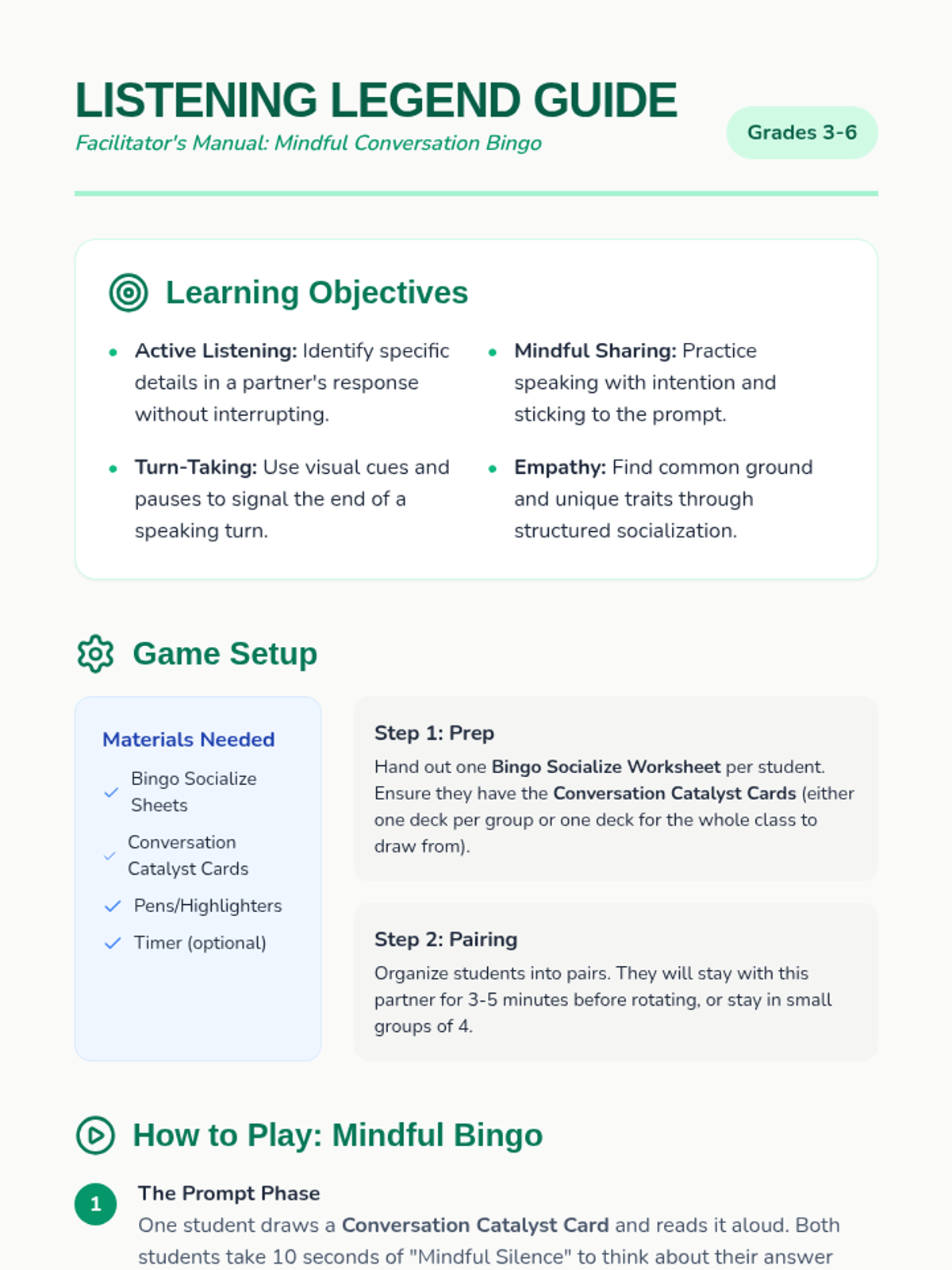
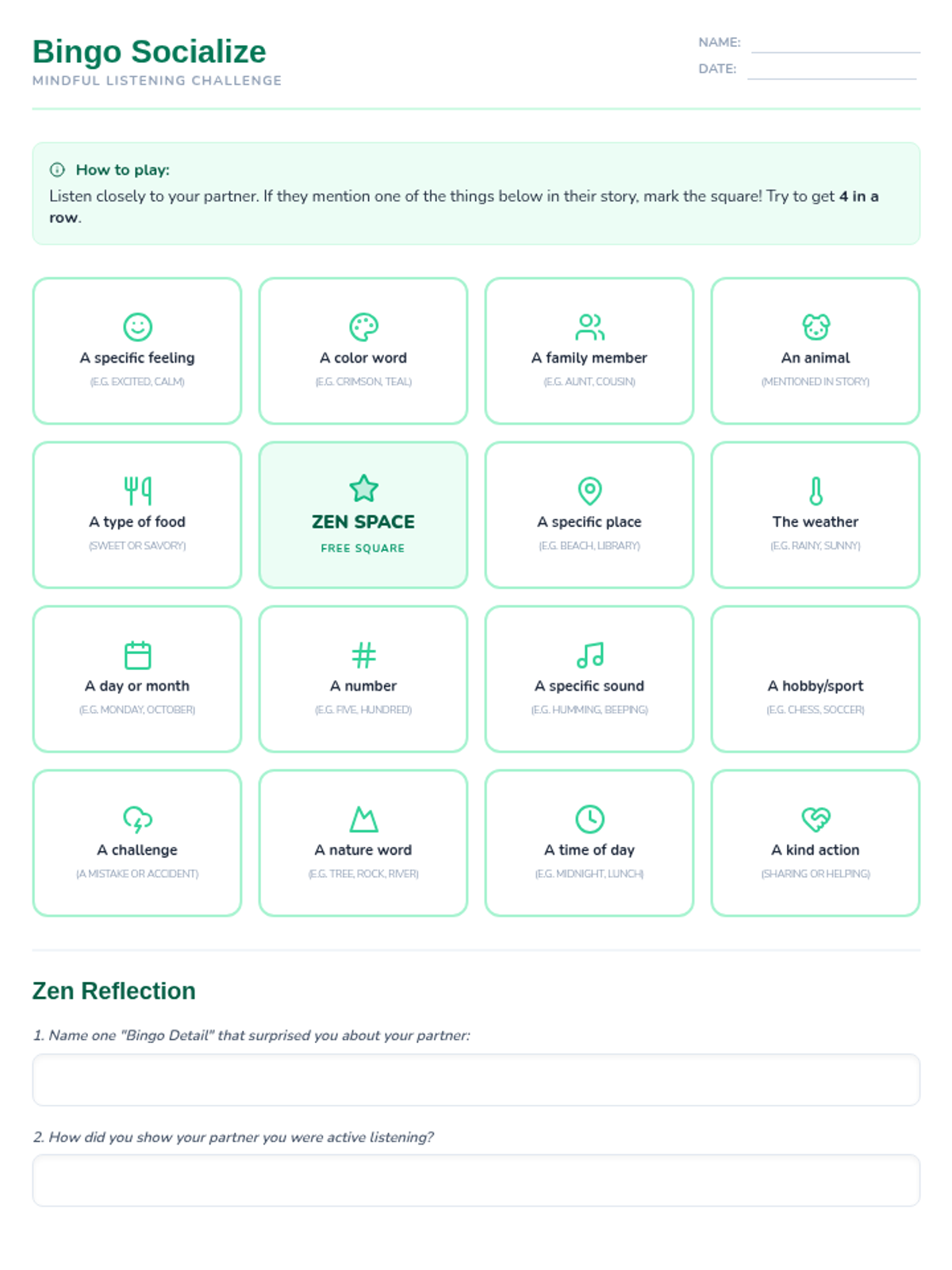
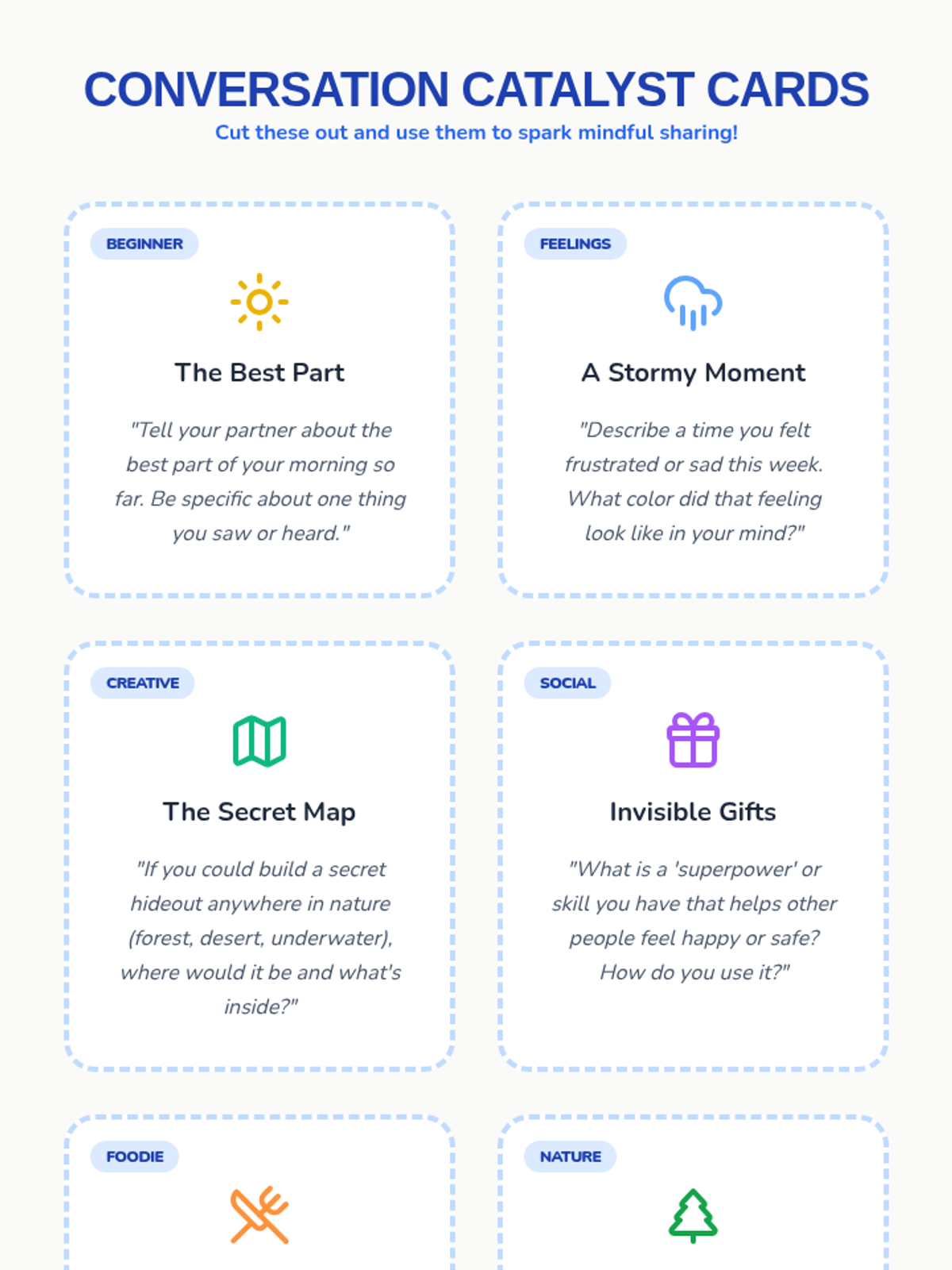
Students learn the art of mindful conversation through interactive games that emphasize listening for detail and sharing thoughts with intention.
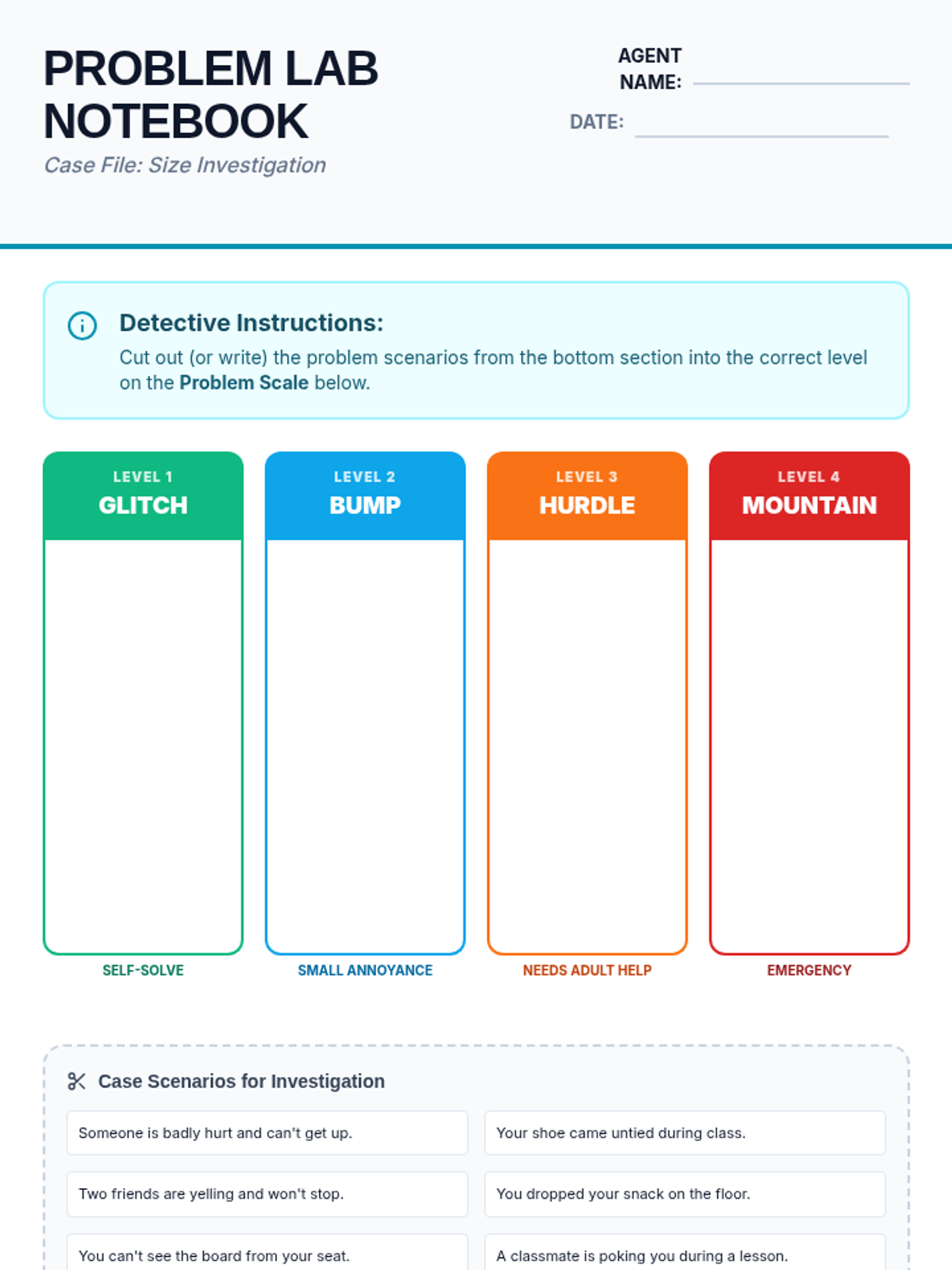
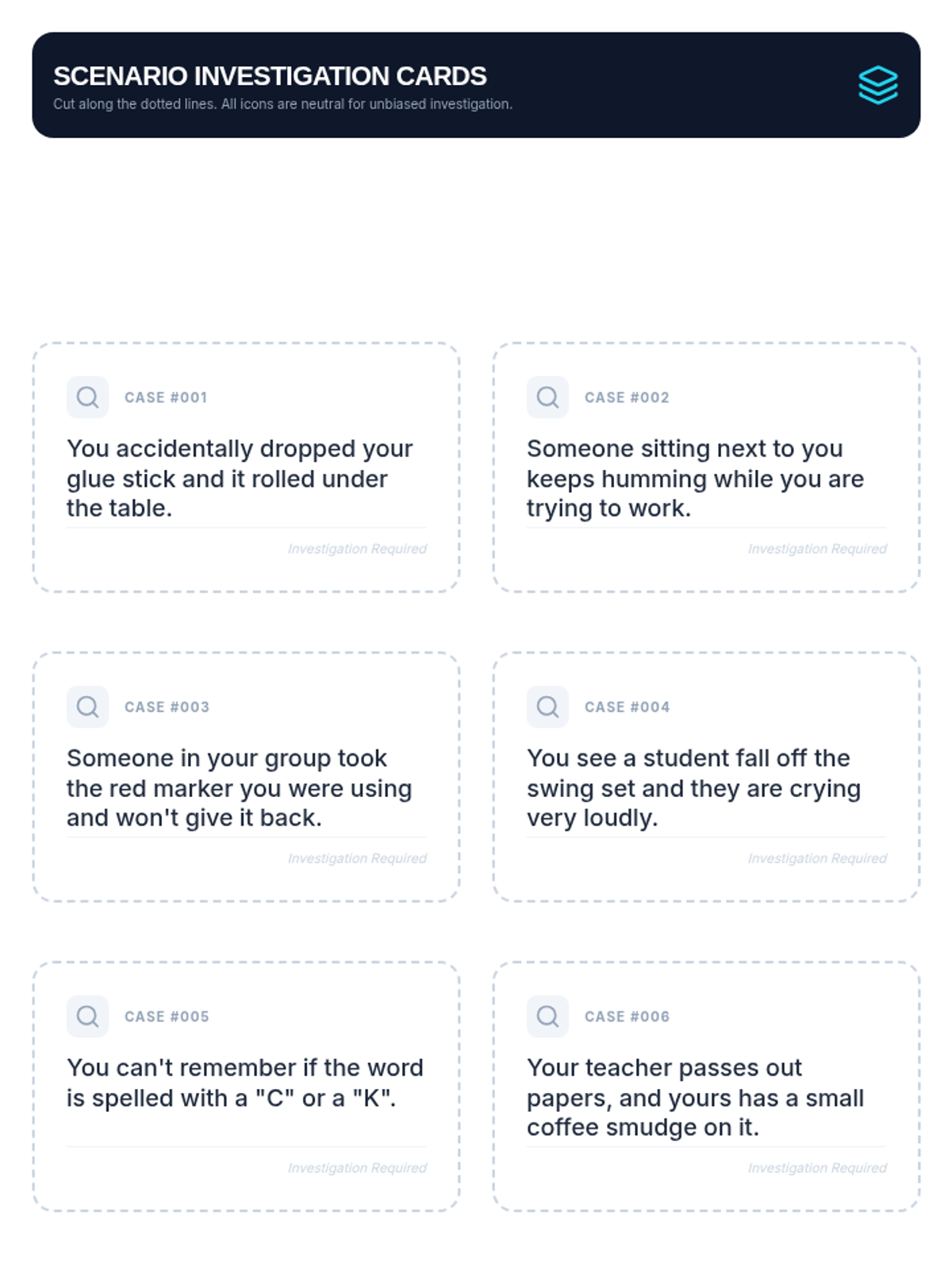
A lesson designed to help students categorize the magnitude of various problems and determine appropriate emotional and behavioral responses. Students will explore a four-level scale ranging from tiny 'glitches' to emergency 'mountains'.
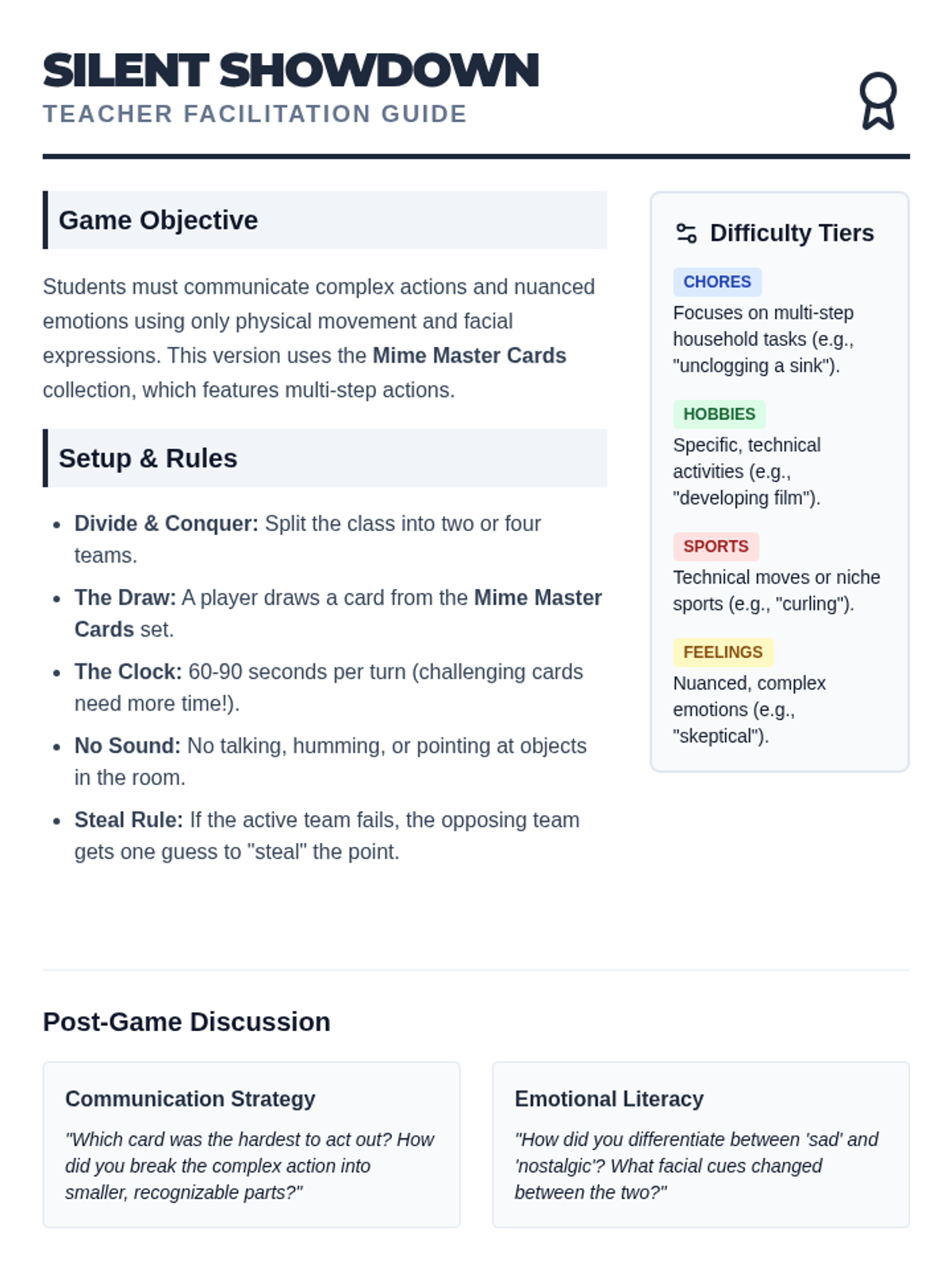
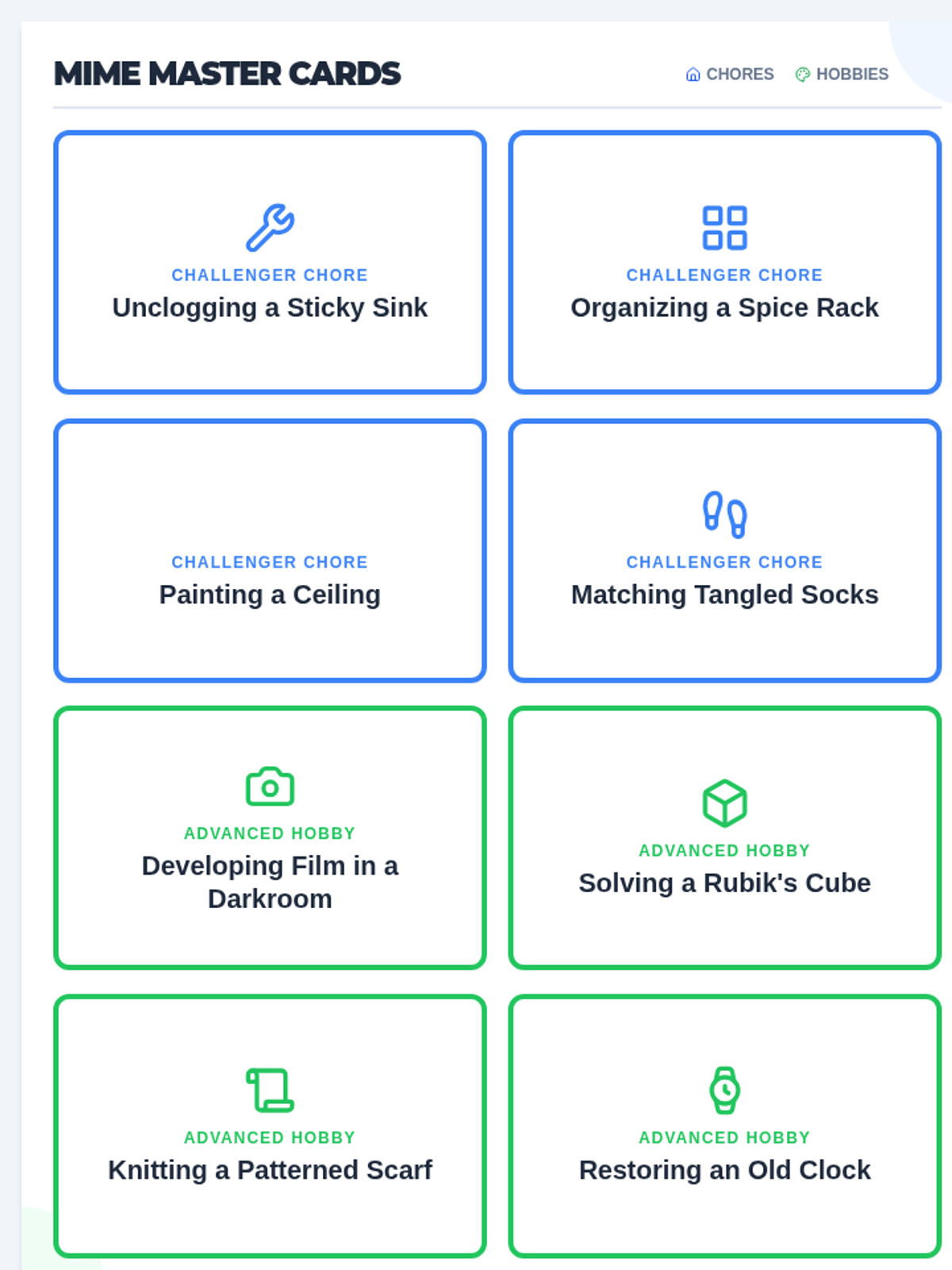
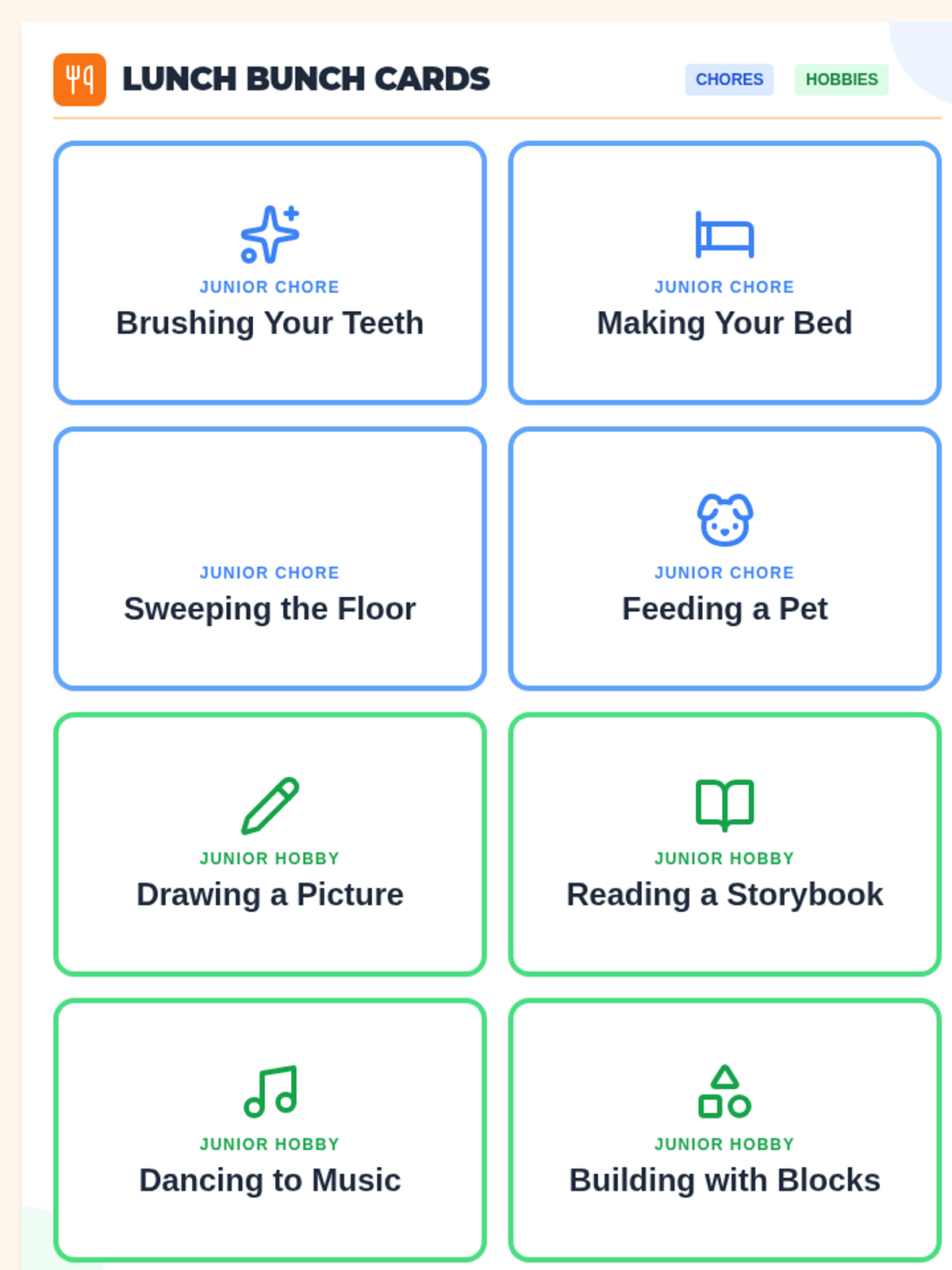
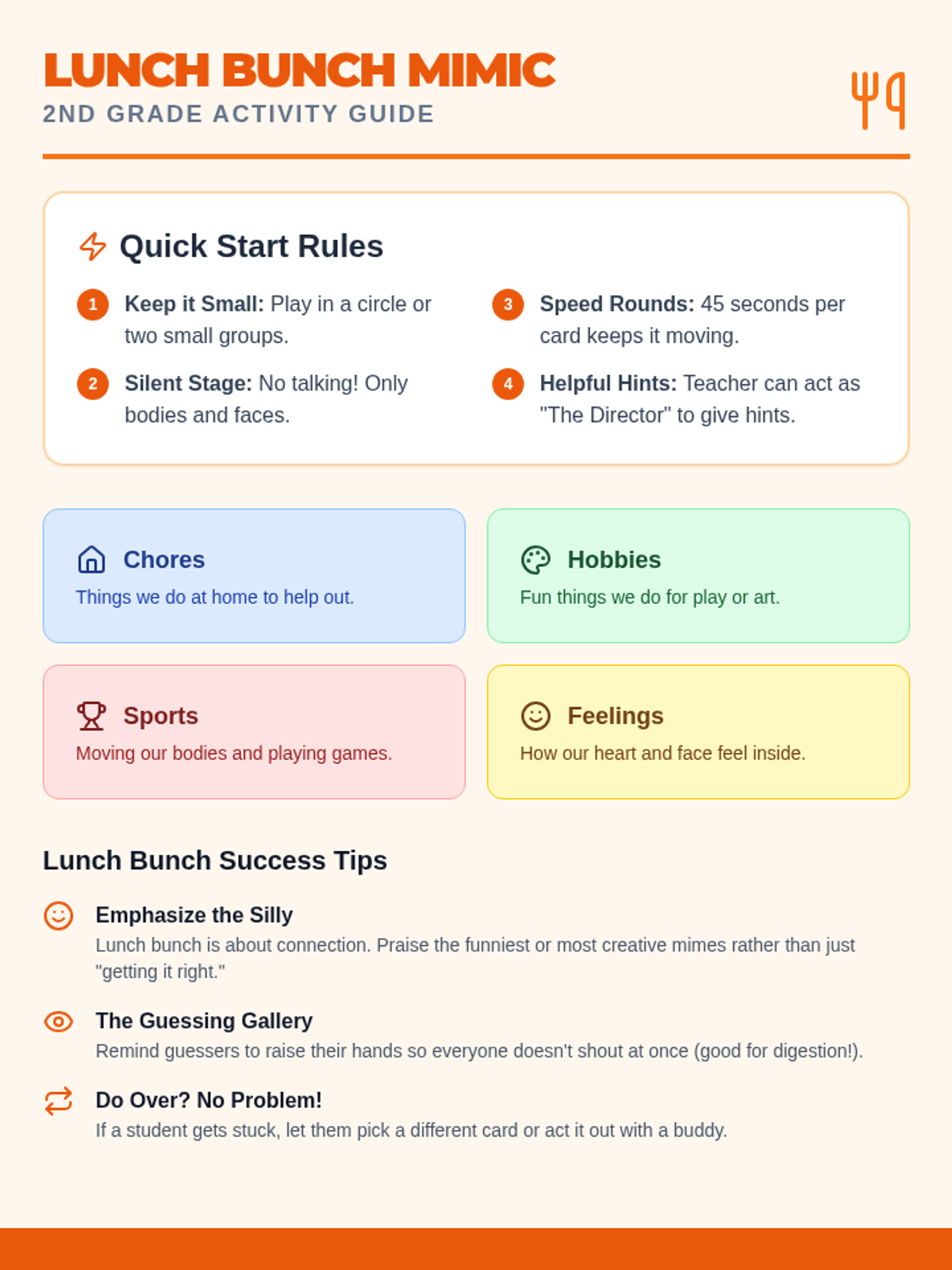
A dynamic lesson on non-verbal communication with two paths: a challenging 'Mime Master' level for older students and a simplified 'Lunch Bunch' version designed for 2nd grade social-emotional learning and casual play.
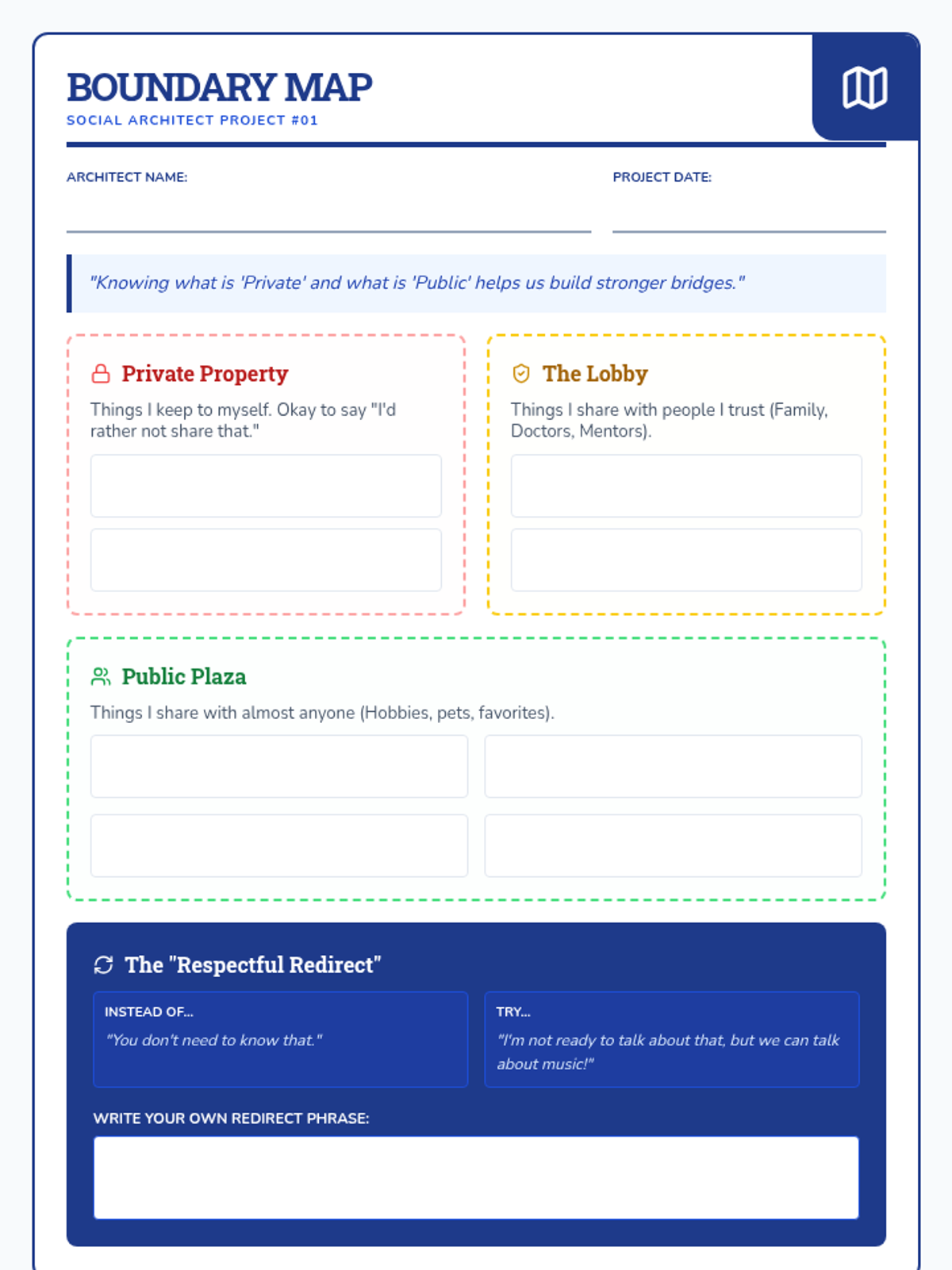
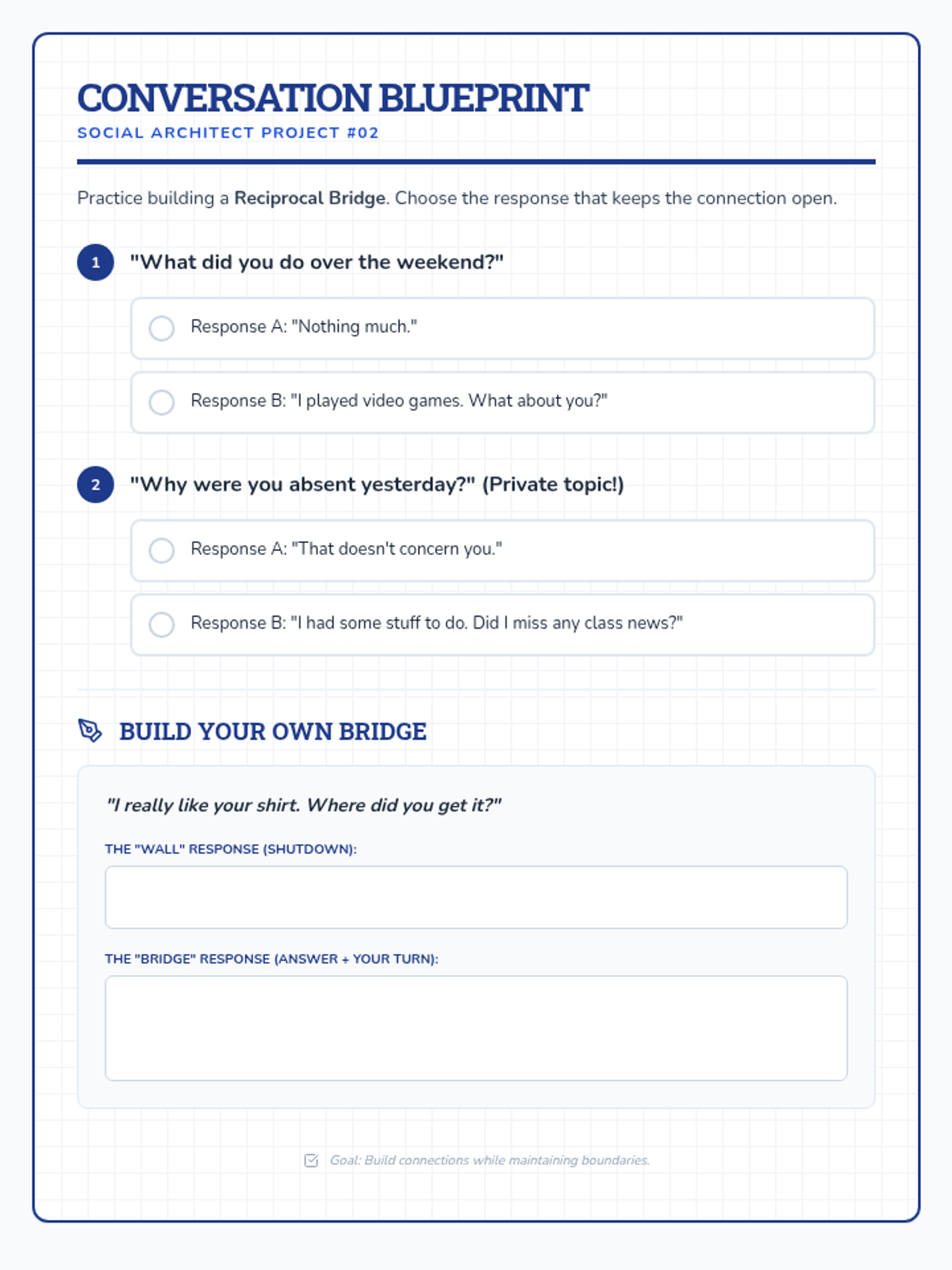
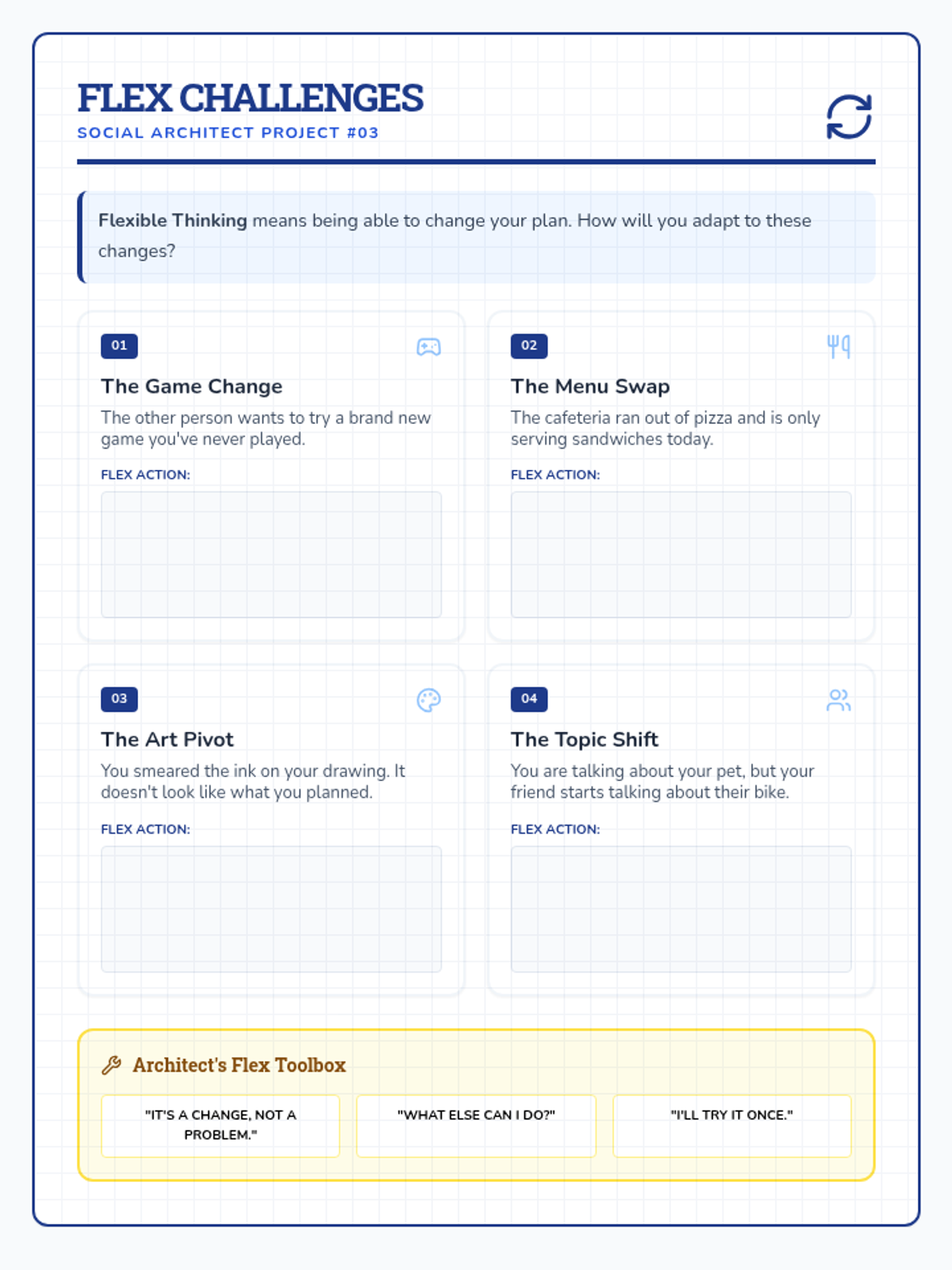
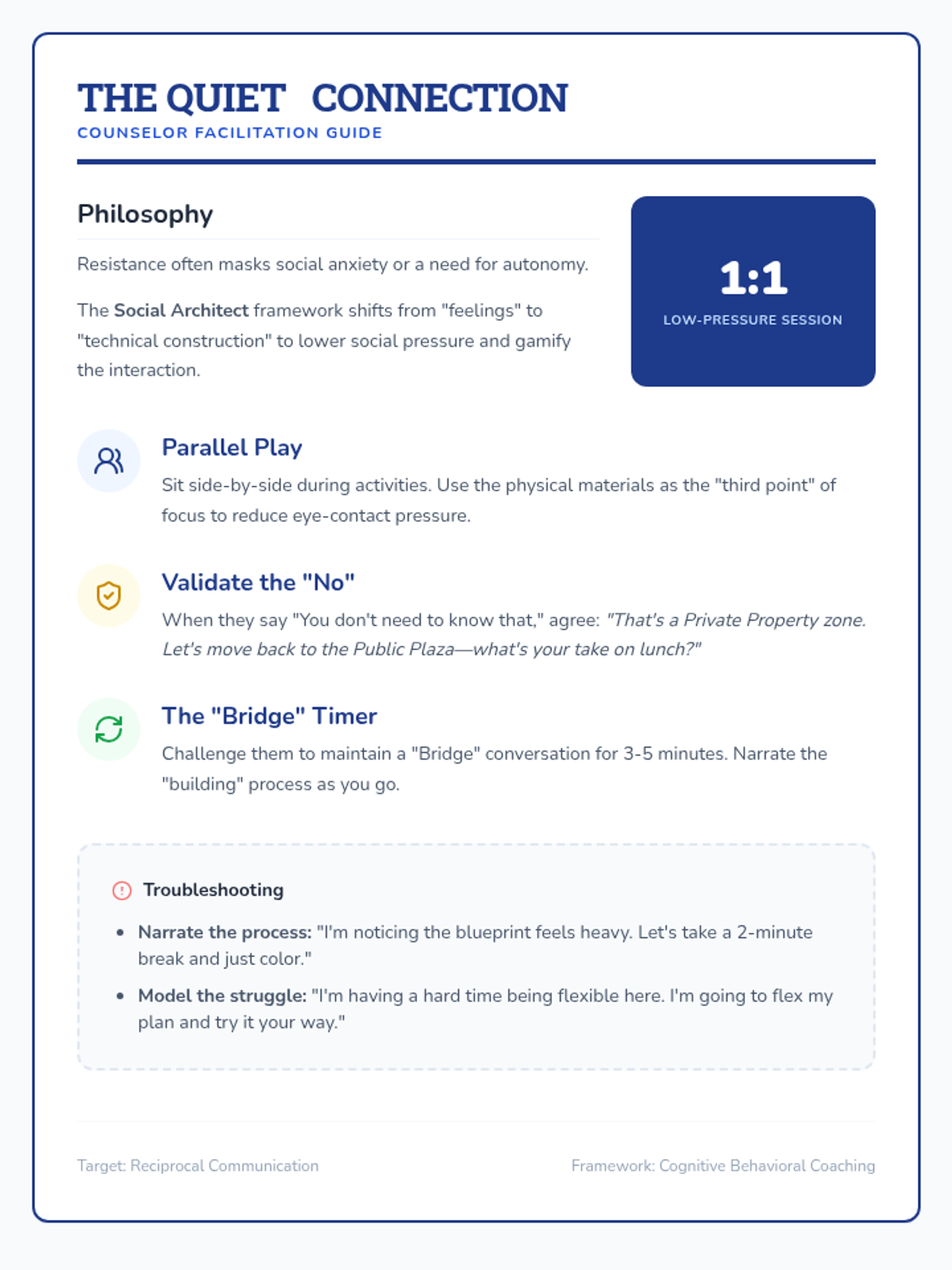
A series of low-pressure activities designed for students who struggle with reciprocal conversation and flexible thinking, using a 'Social Architect' theme to gamify communication skills.
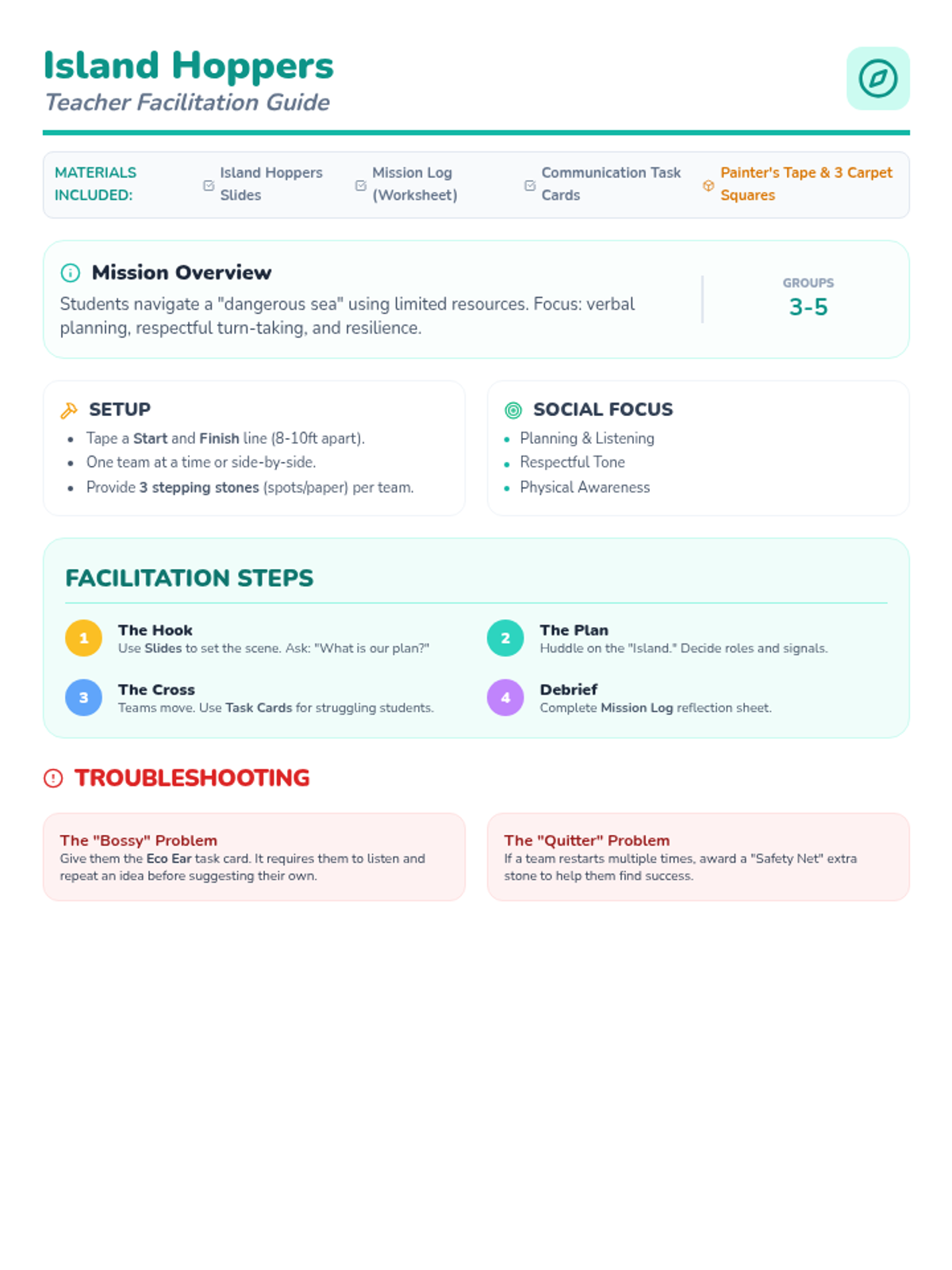
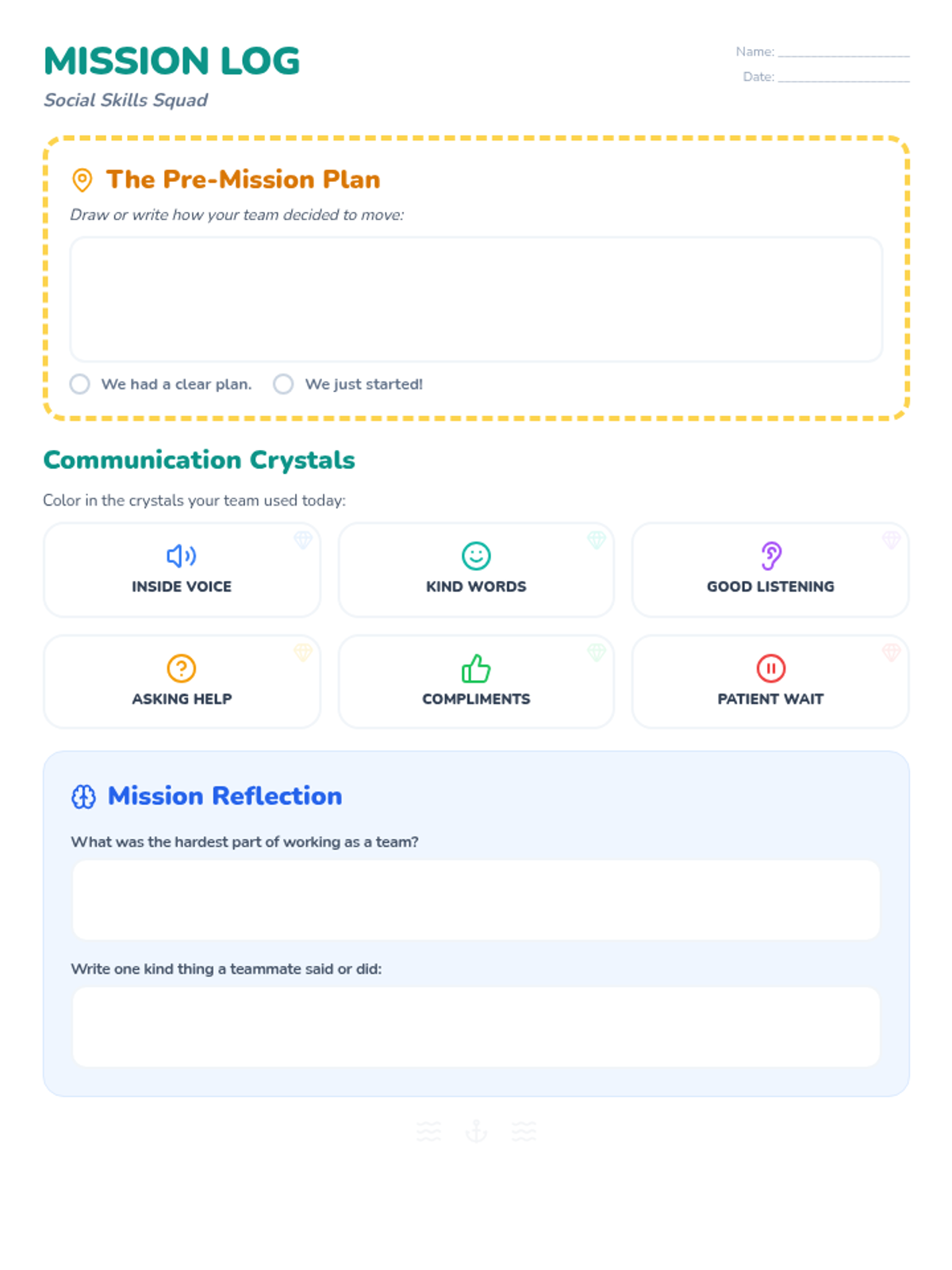
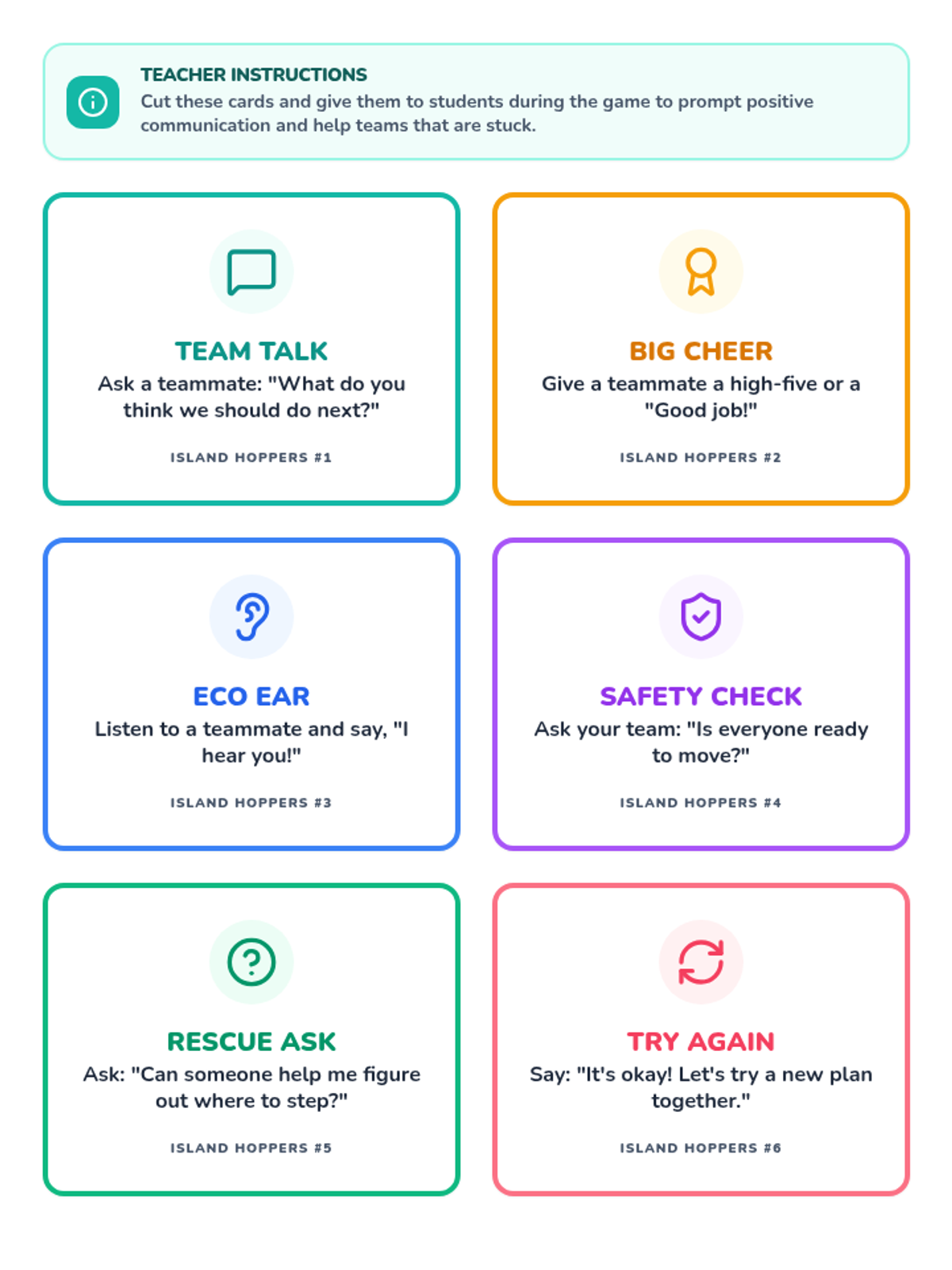
A collaborative movement-based lesson where students work together to navigate a series of 'islands' using limited resources and clear communication.
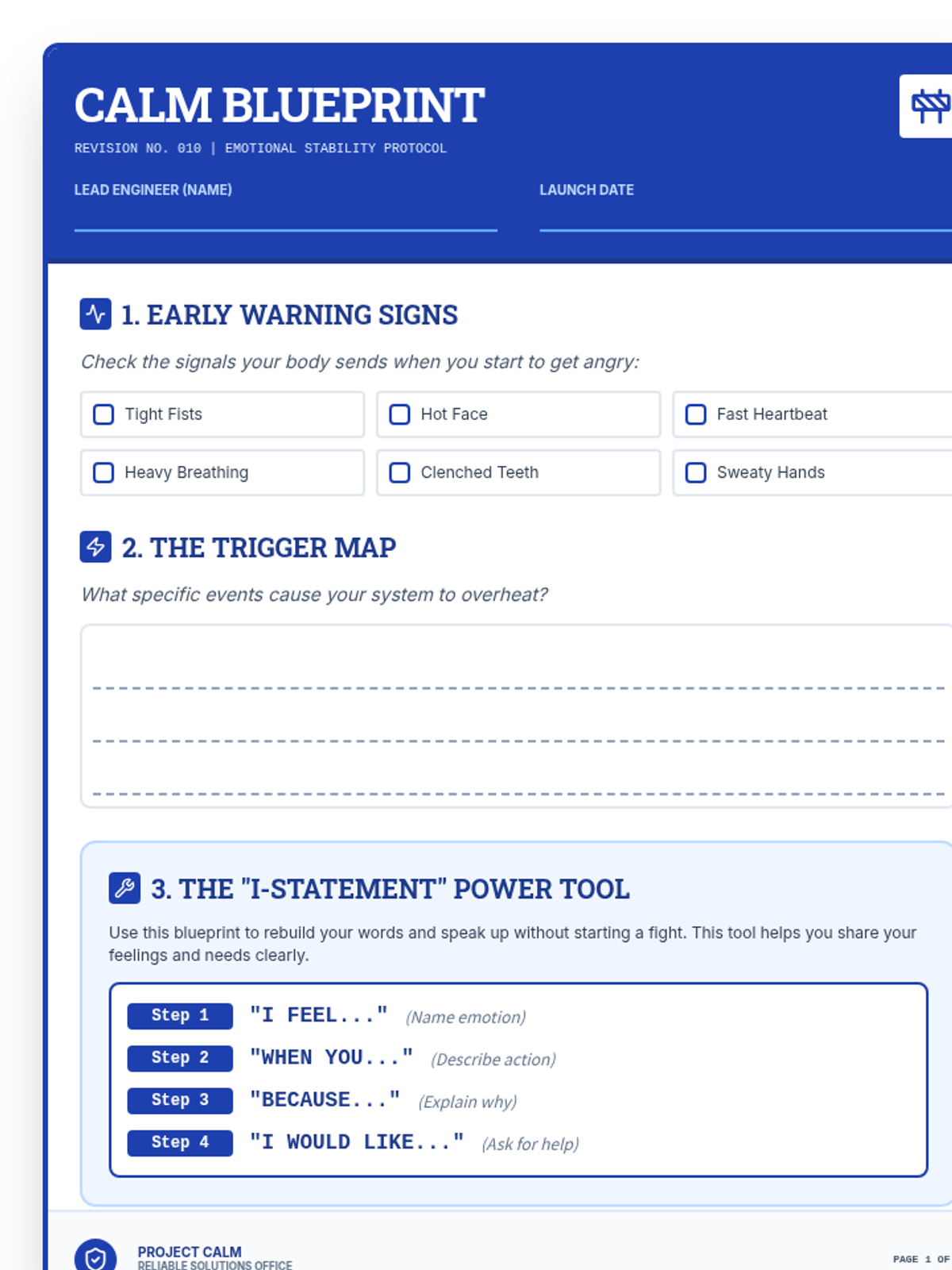
A lesson designed to help students identify their anger triggers and develop constructive communication strategies, specifically focusing on 'I' statements to replace aggressive physical threats.
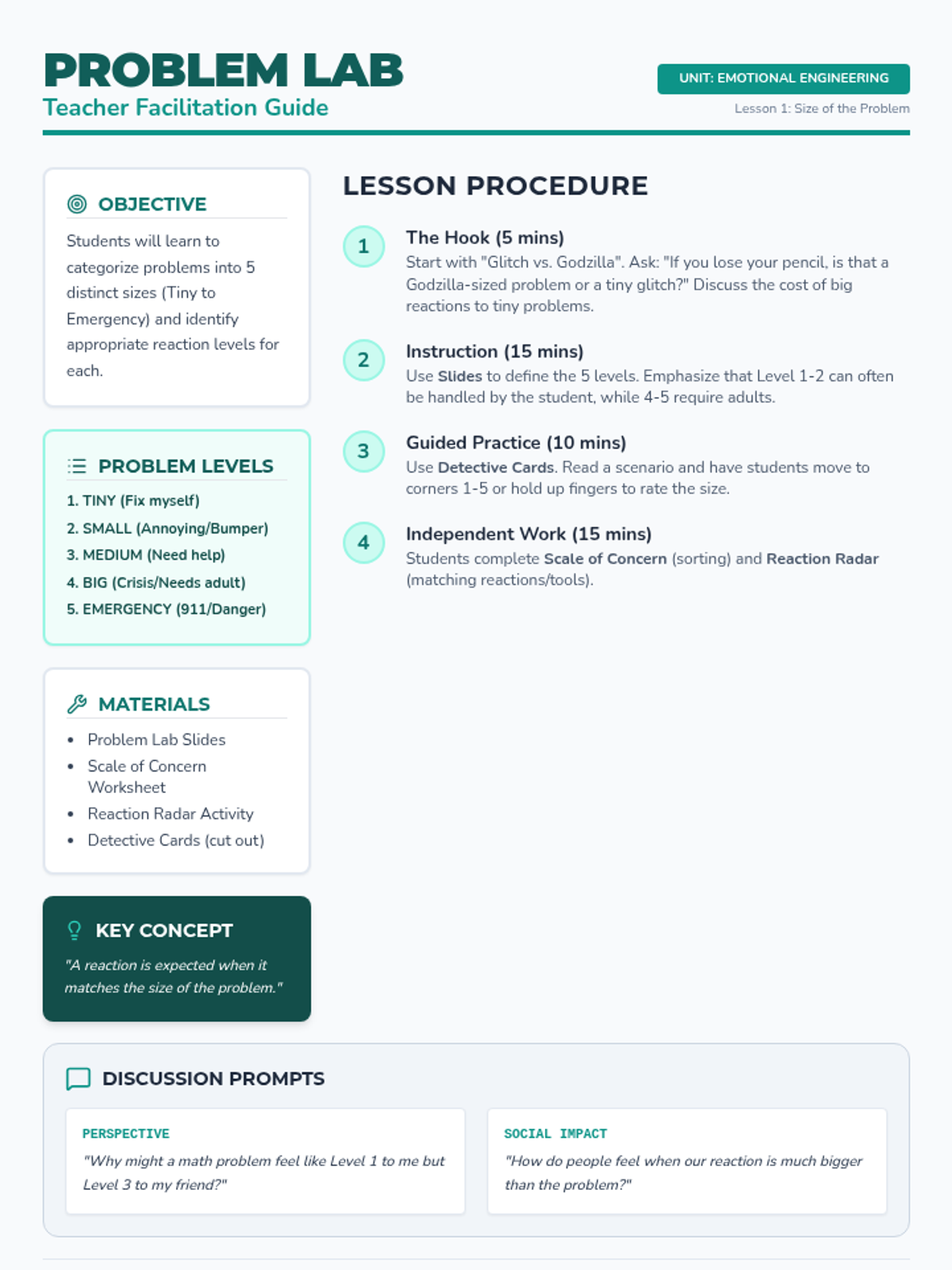
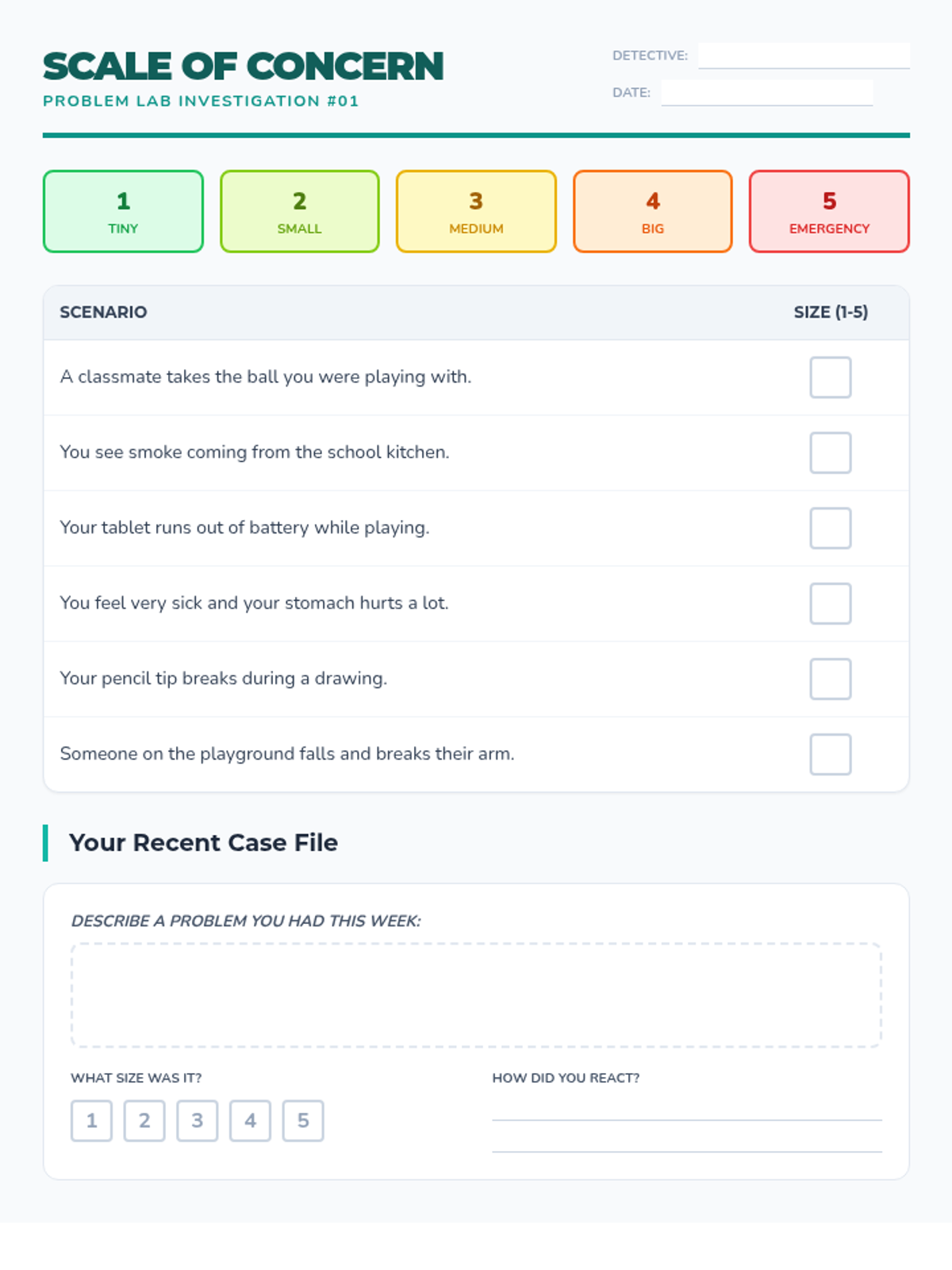
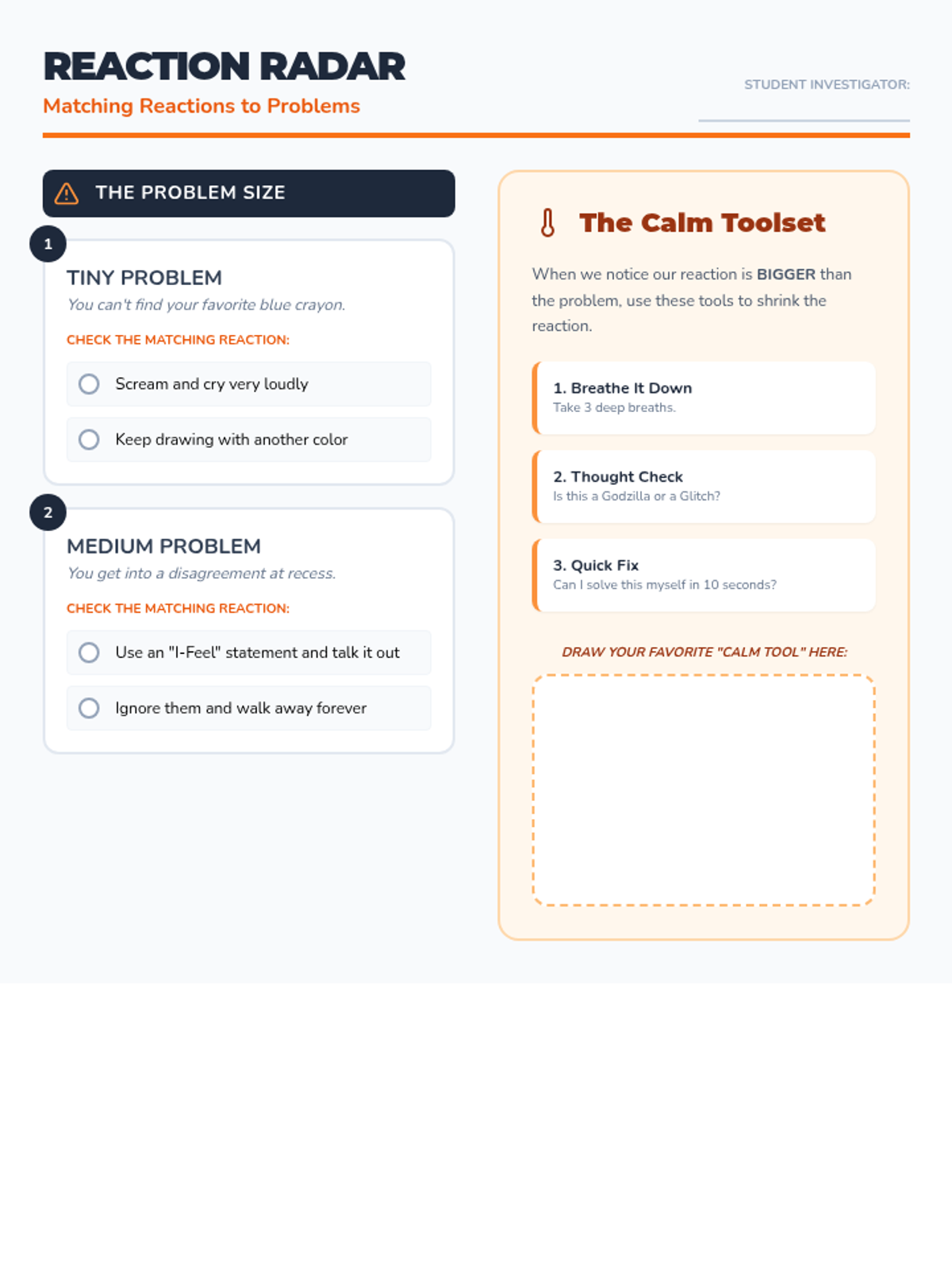
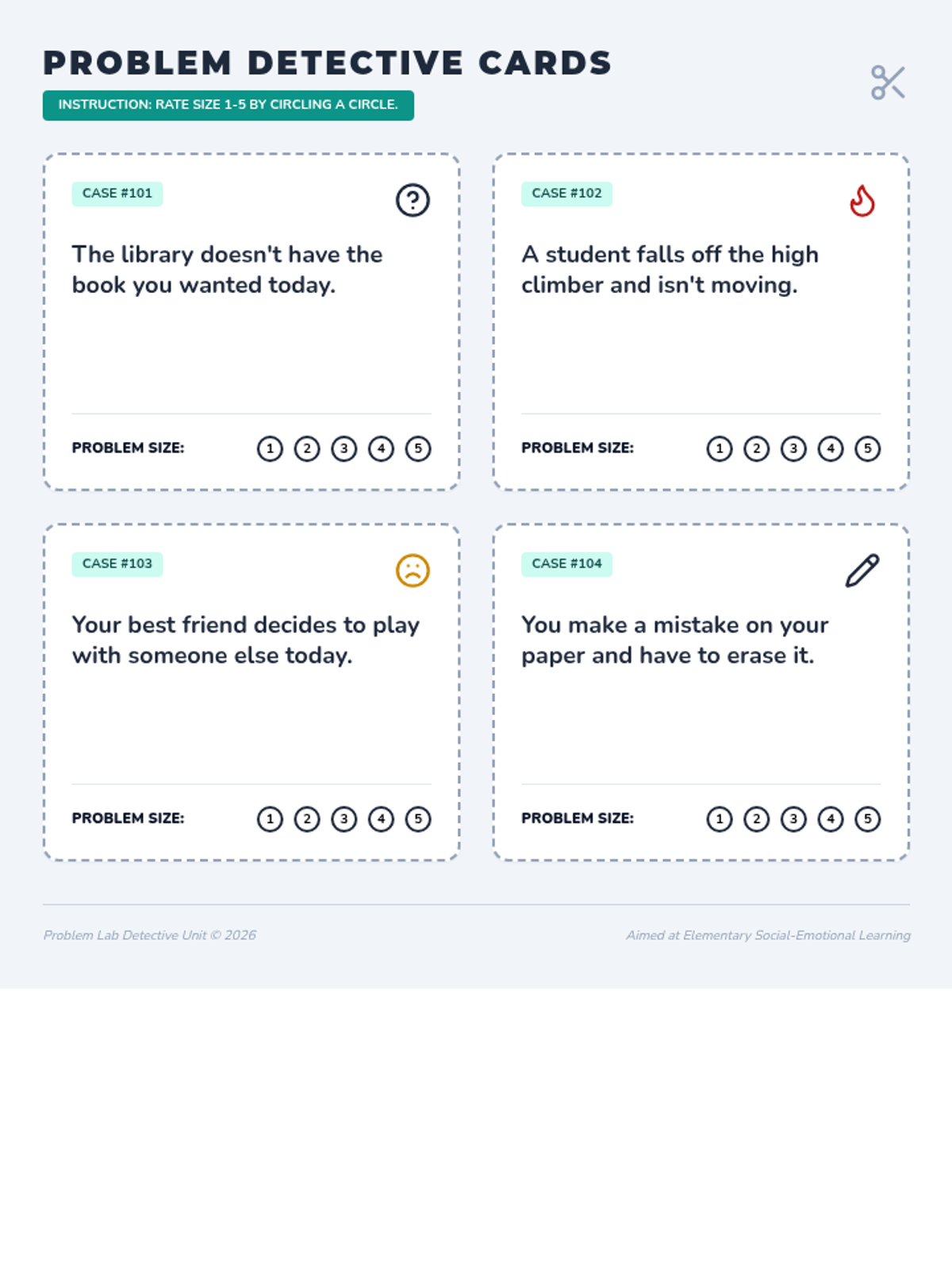
An interactive lesson teaching elementary students how to identify the size of their problems and match their reactions accordingly using a 'Problem Lab' theme.
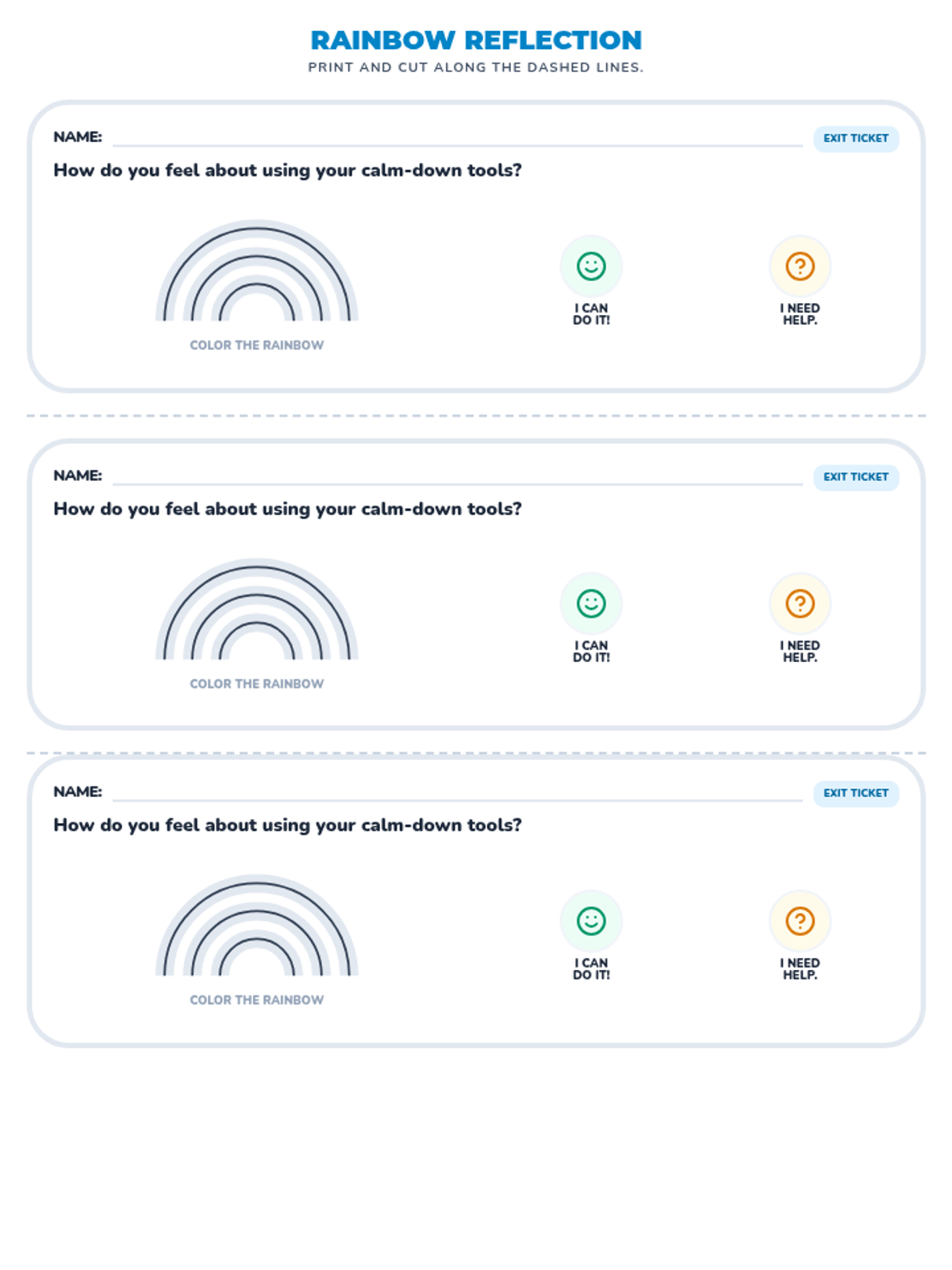
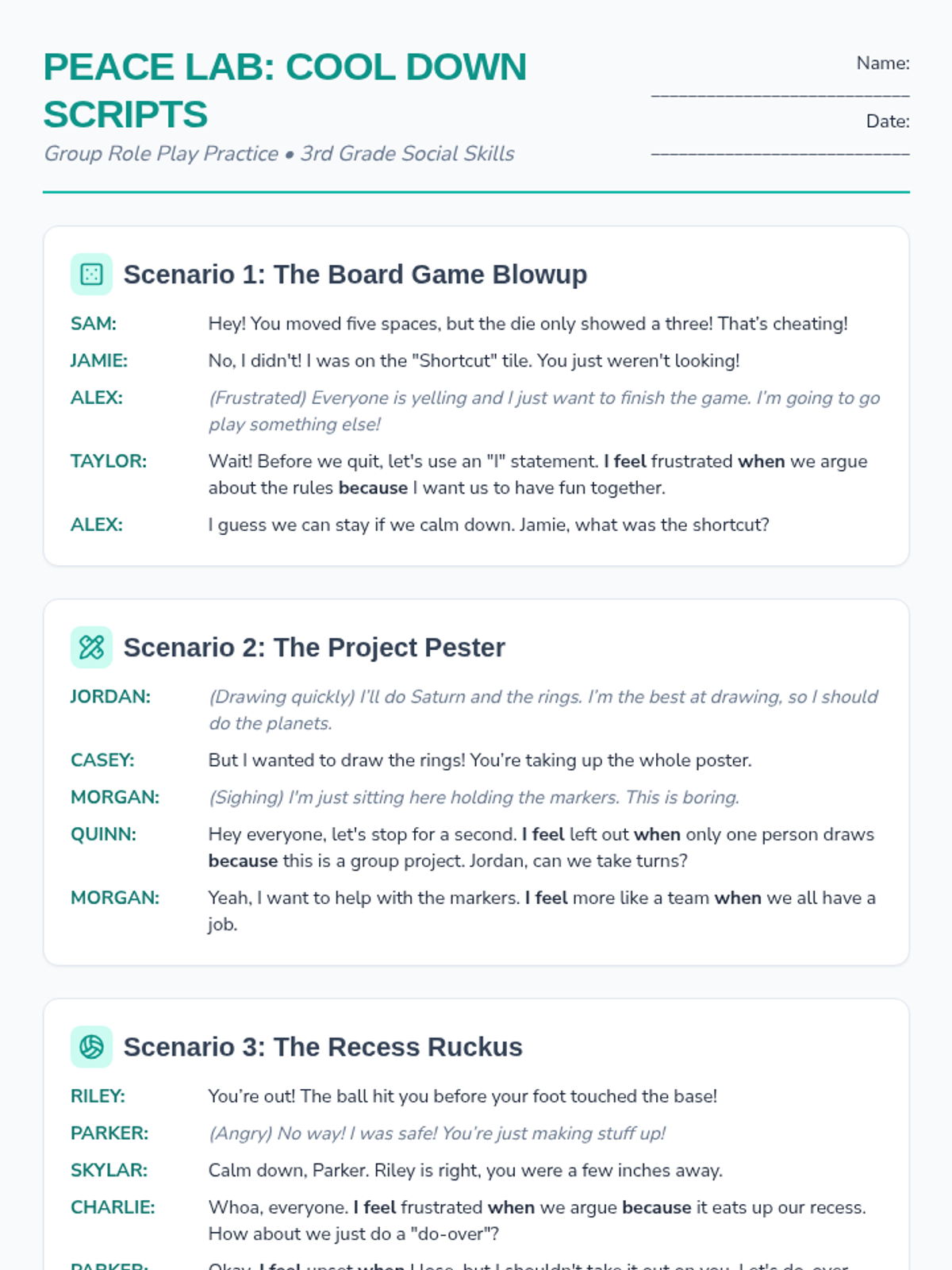
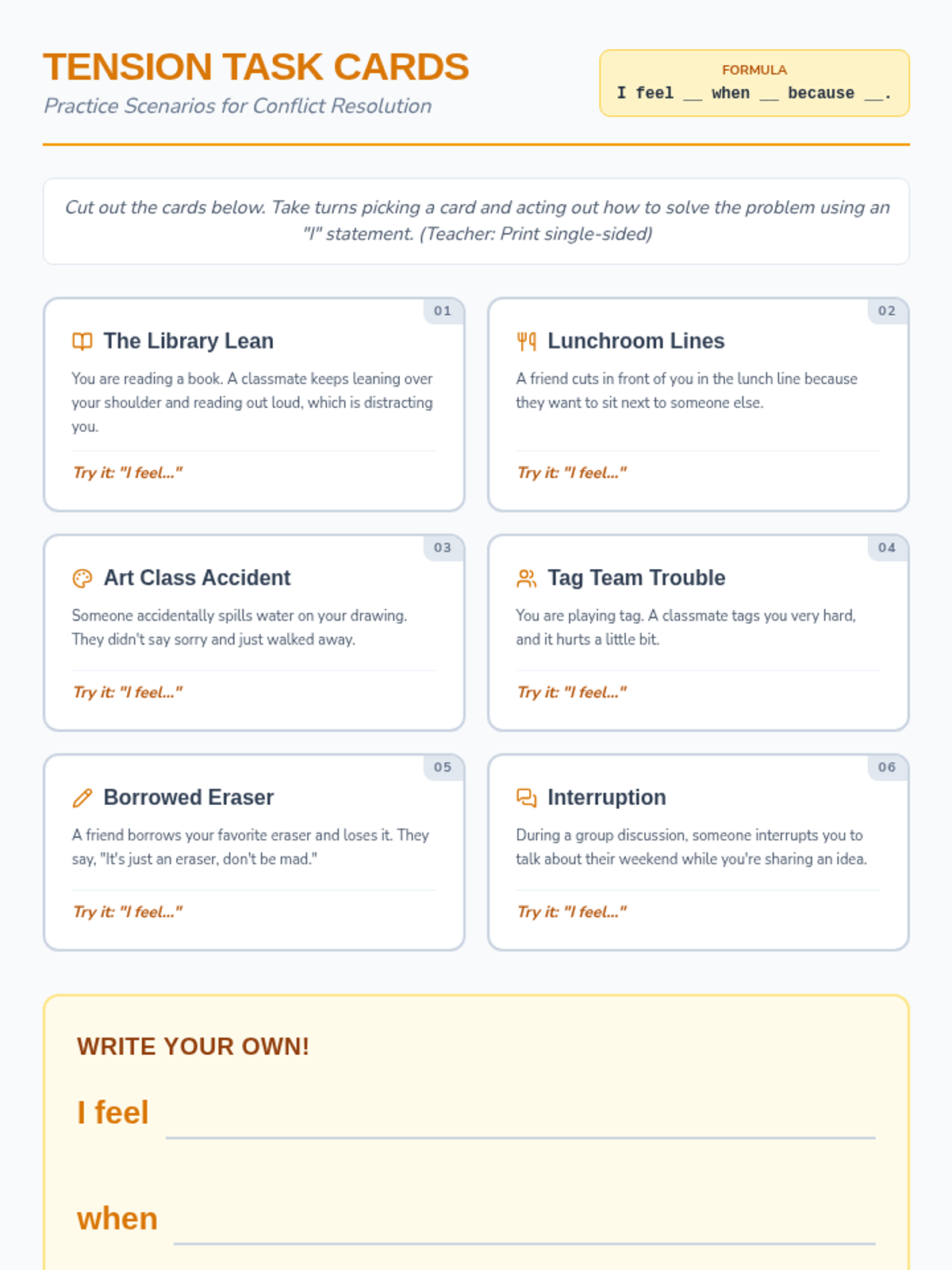
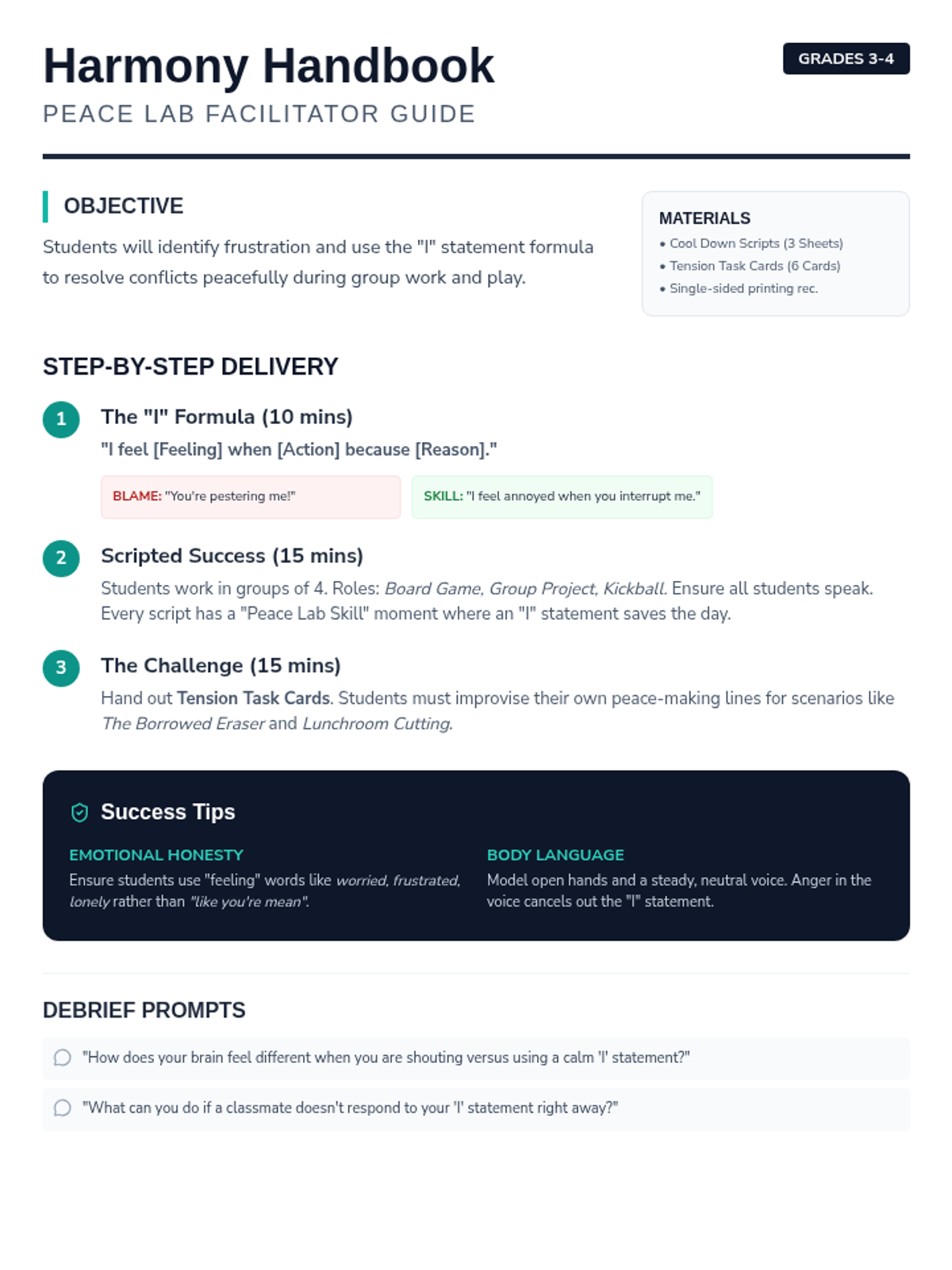
A hands-on social skills lesson focusing on managing frustration, conflict resolution, and the effective use of 'I' statements through collaborative role play.
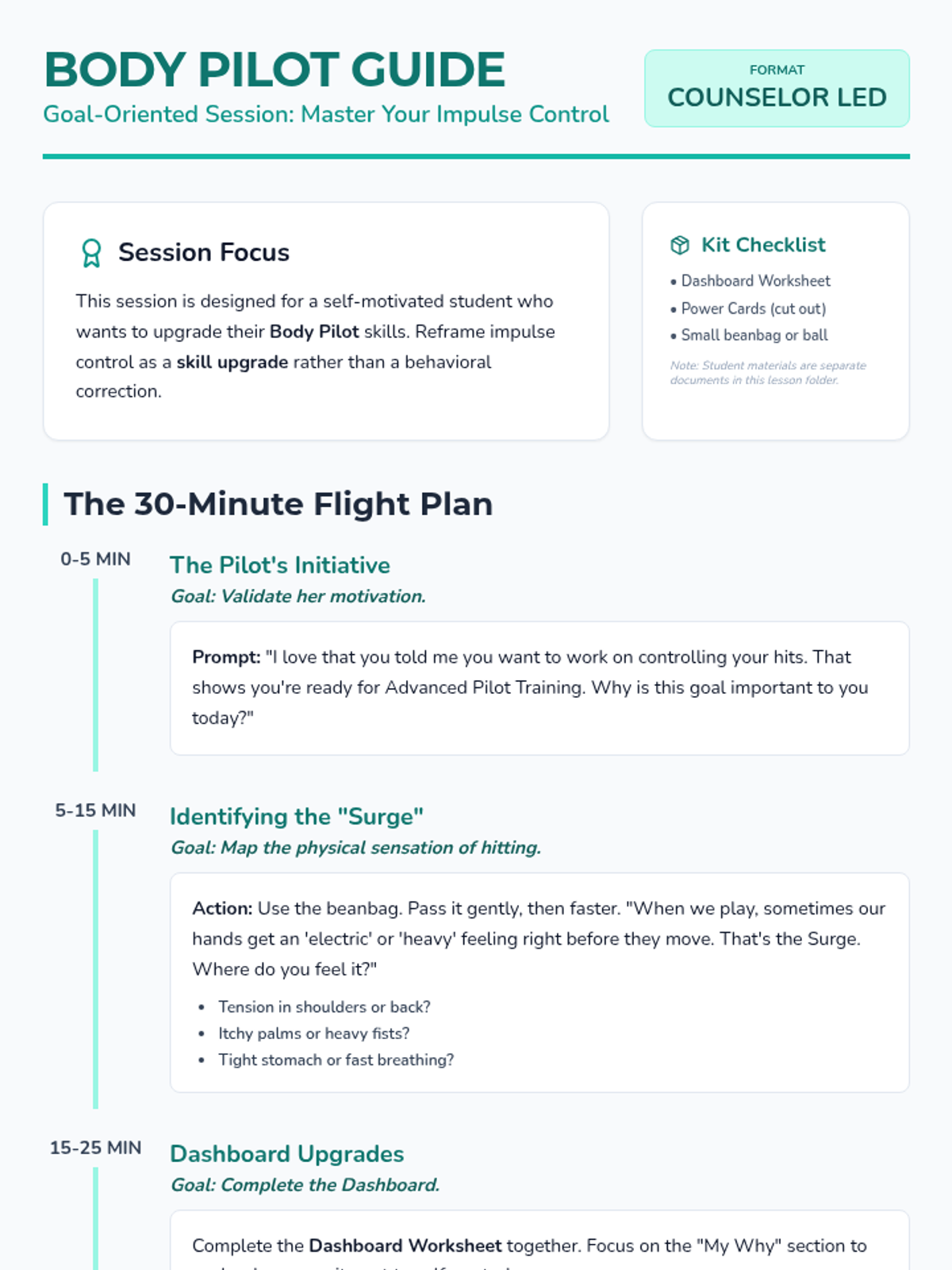
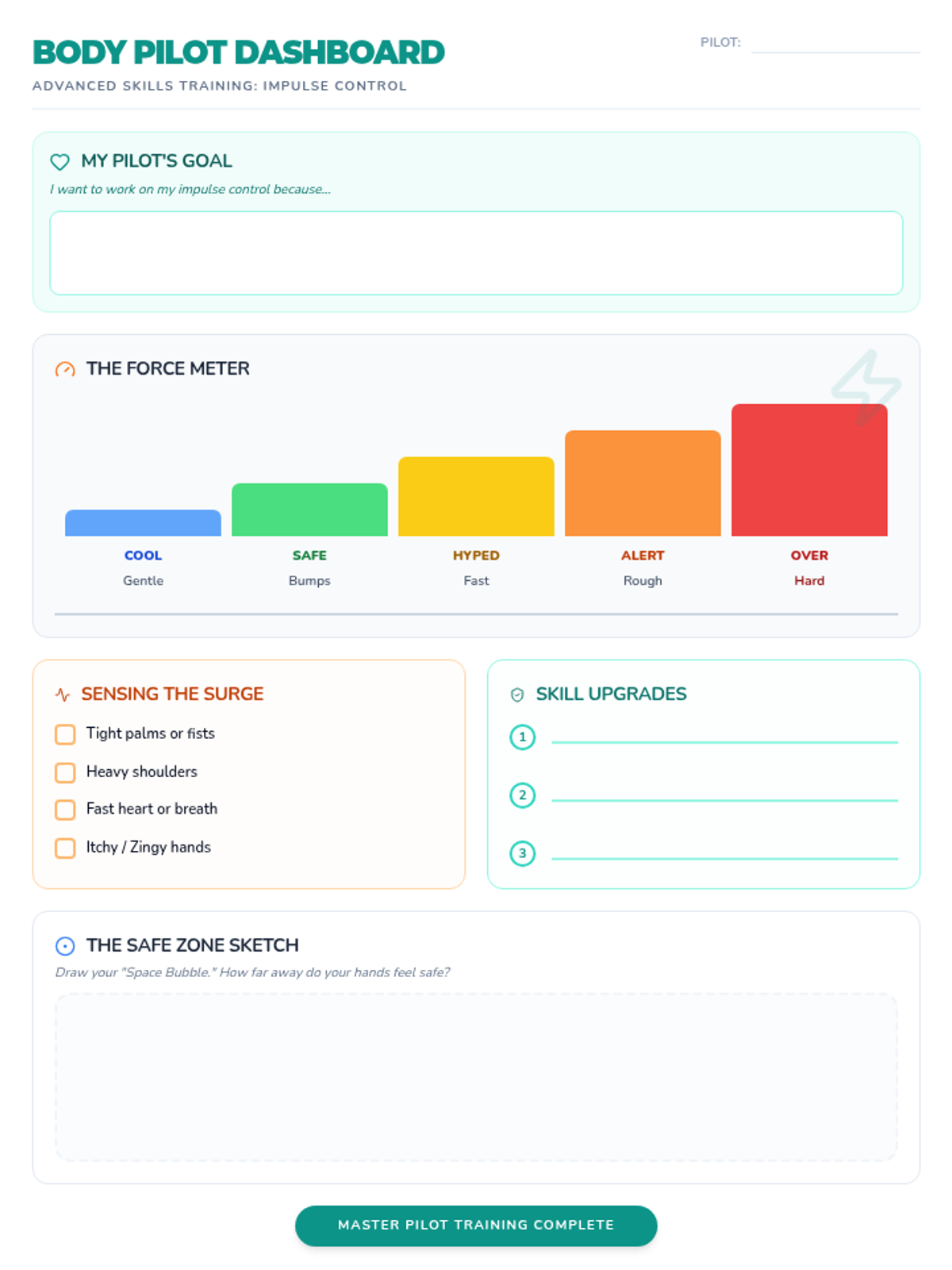
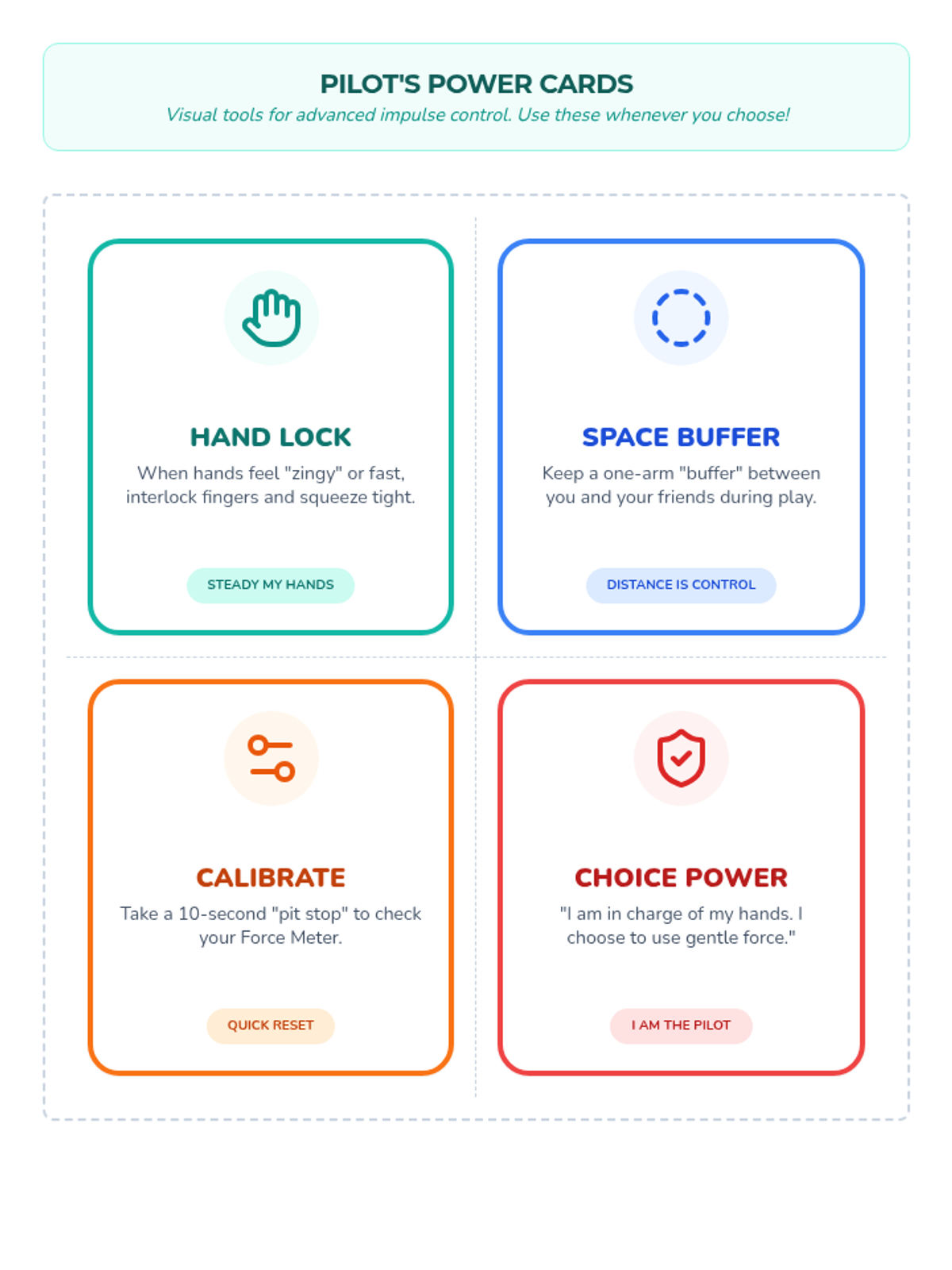
A 30-minute counseling session focused on helping students with autism understand and control physical impulses, specifically addressing 'play fighting' and personal space boundaries using the 'Body Pilot' metaphor.
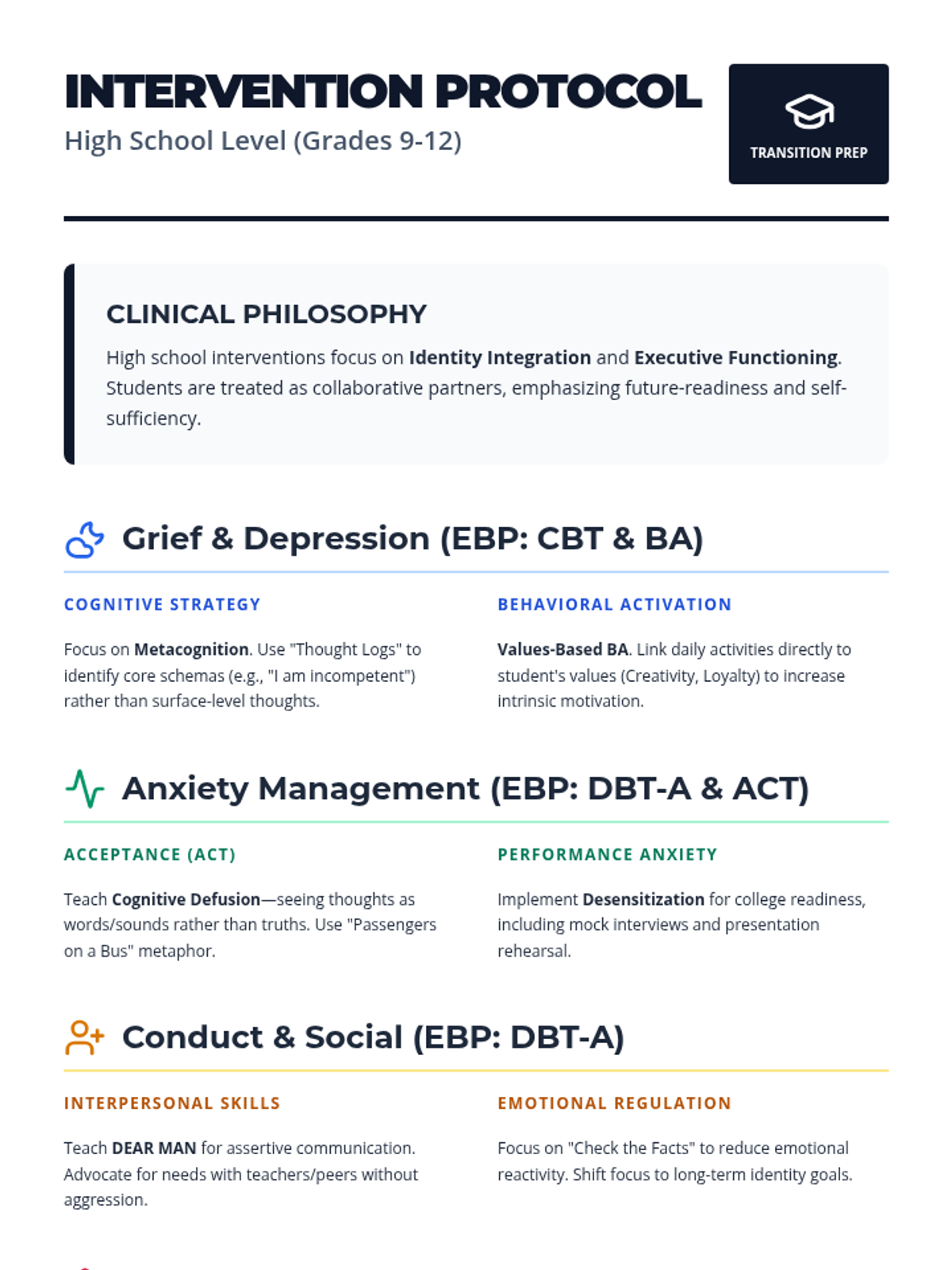
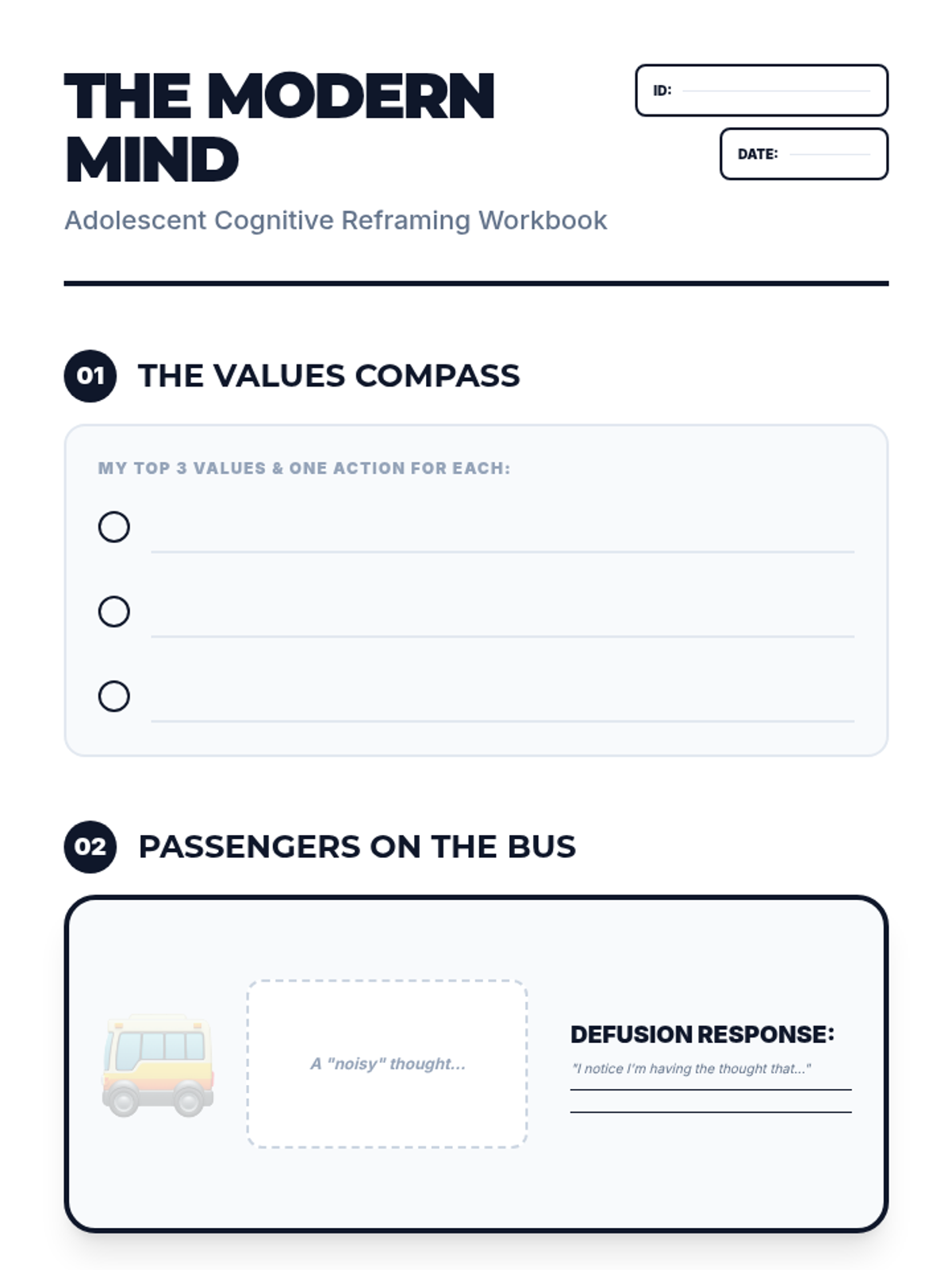
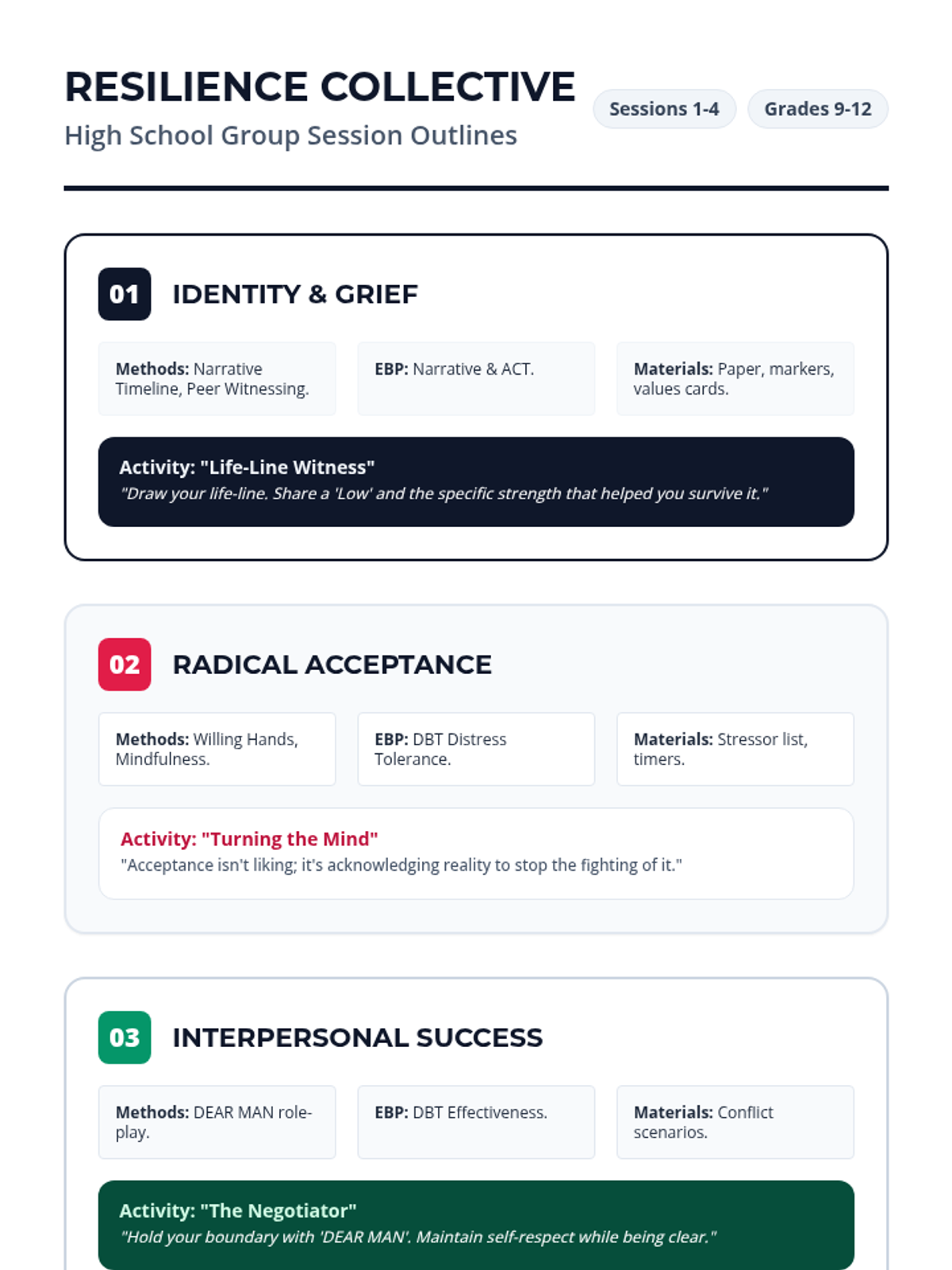
Advanced therapeutic interventions for high schoolers, emphasizing autonomy, complex cognitive reframing, interpersonal effectiveness, and comprehensive crisis protocols.