A lesson focused on social-emotional vocabulary, exploring how our choices and attitudes impact ourselves and others. Through foldable flashcards and reflective prompts, students navigate the complexities of character.
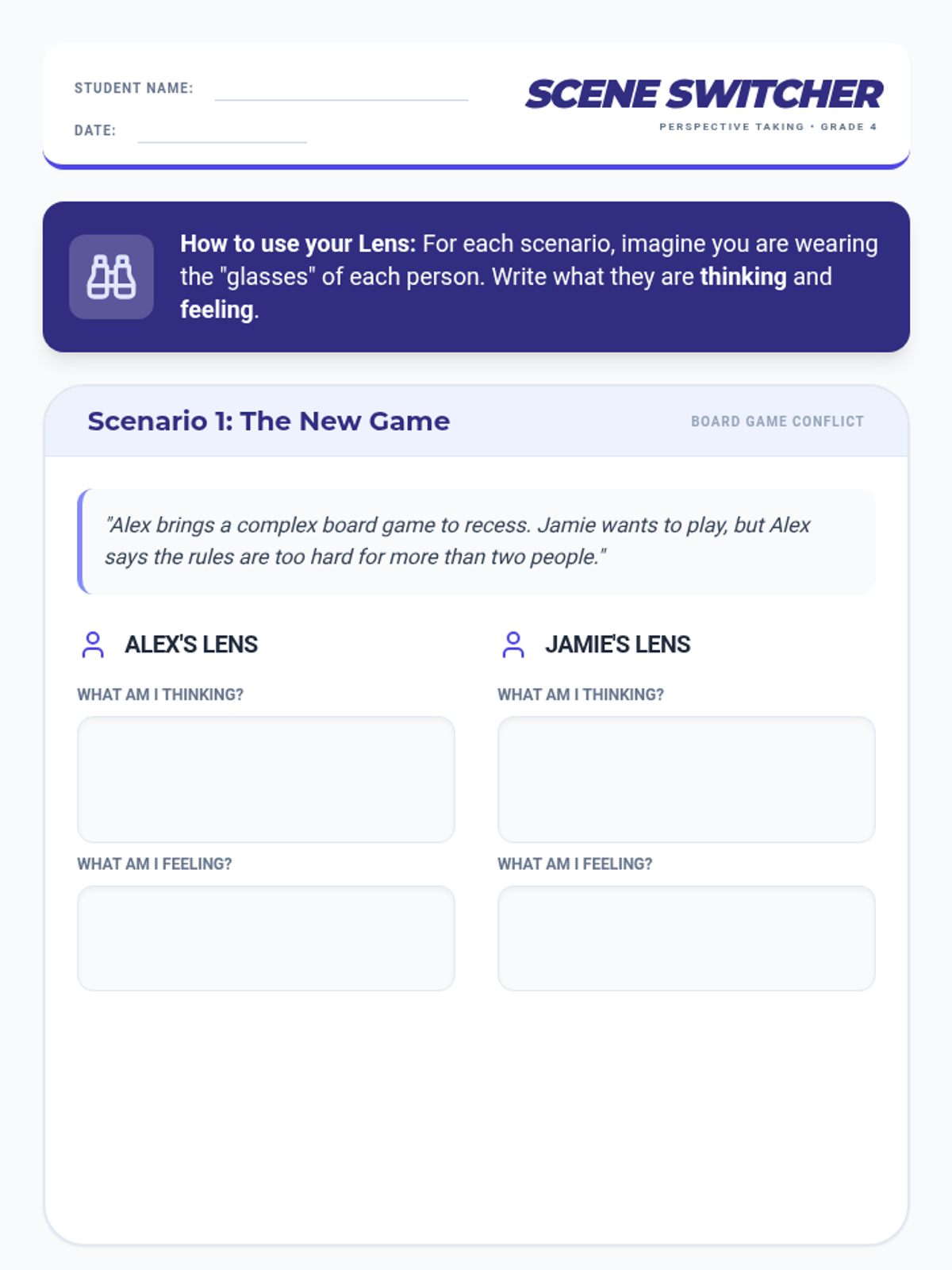
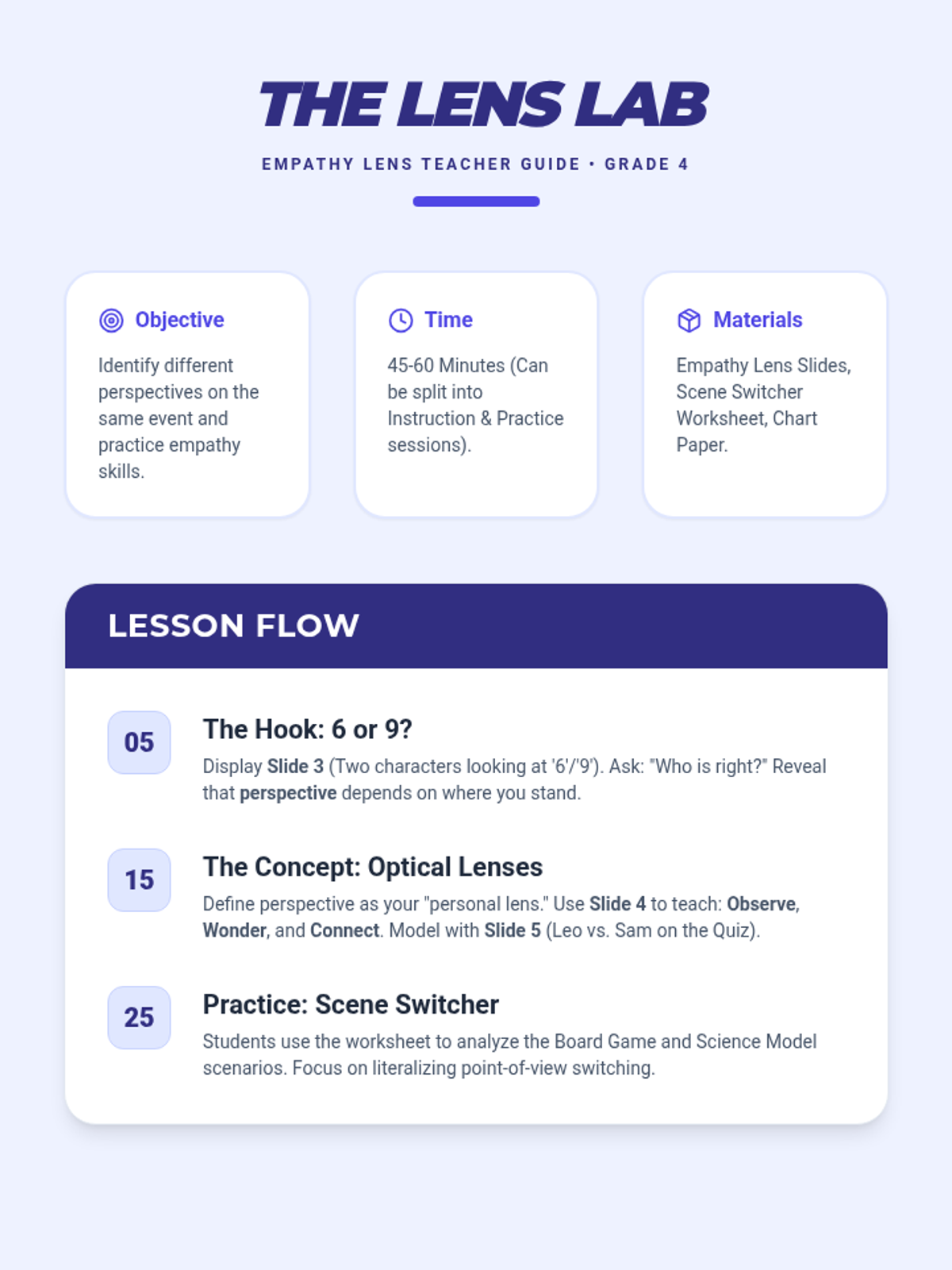
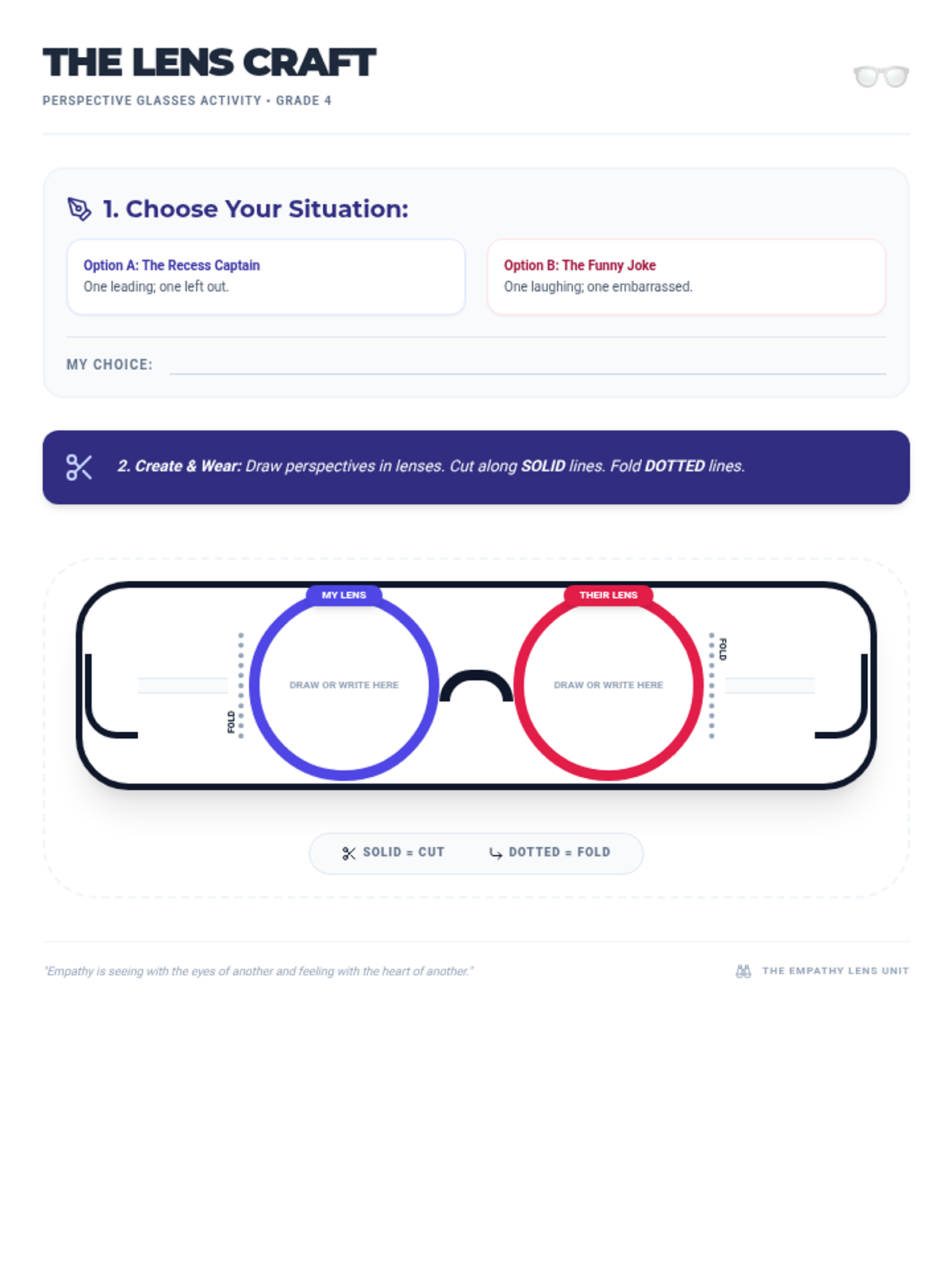
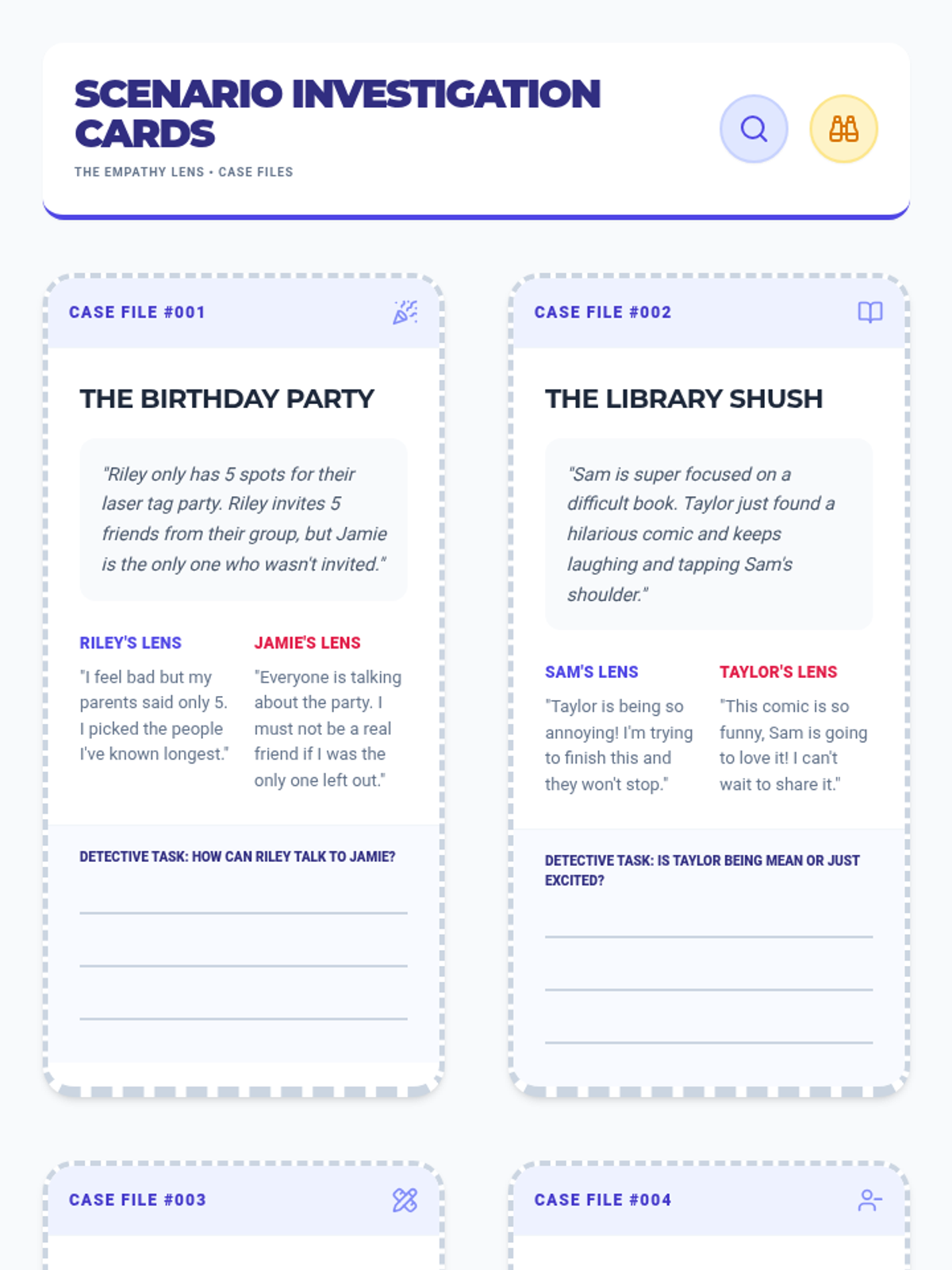
A perspective-taking lesson for fourth graders using the 'Optical Lens' metaphor. Students learn to recognize that two people can experience the same event differently and practice identifying others' feelings and thoughts.
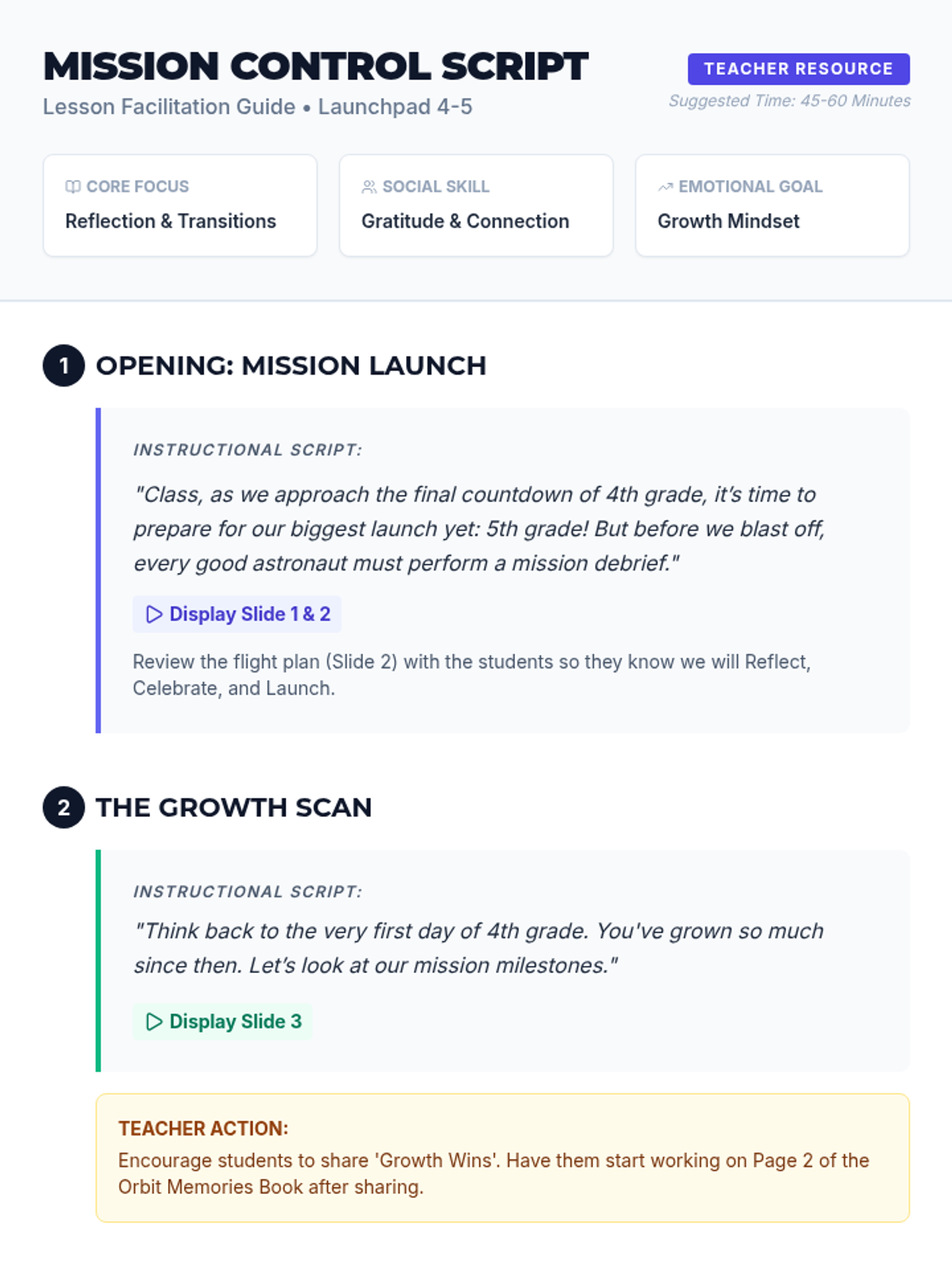
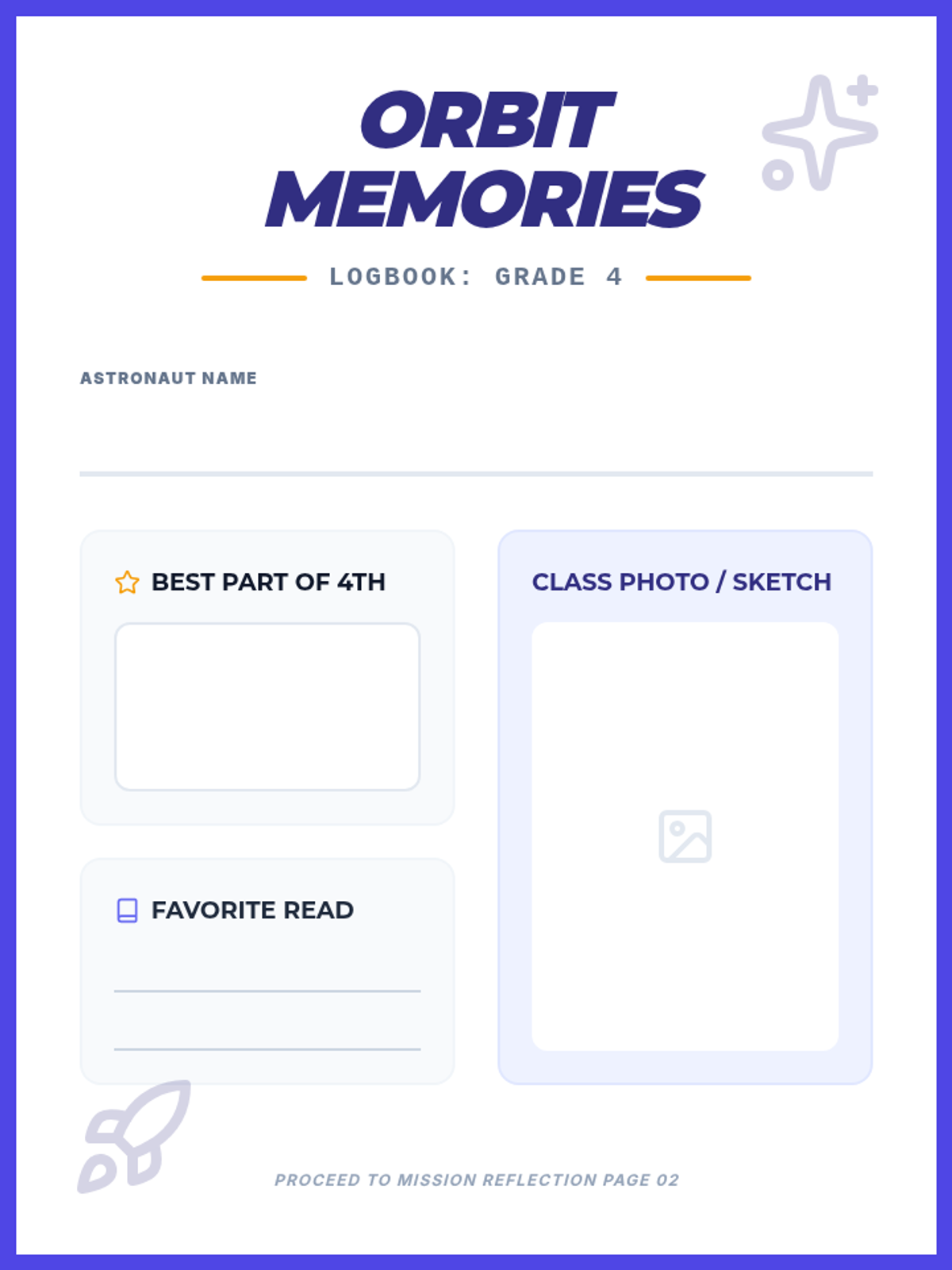
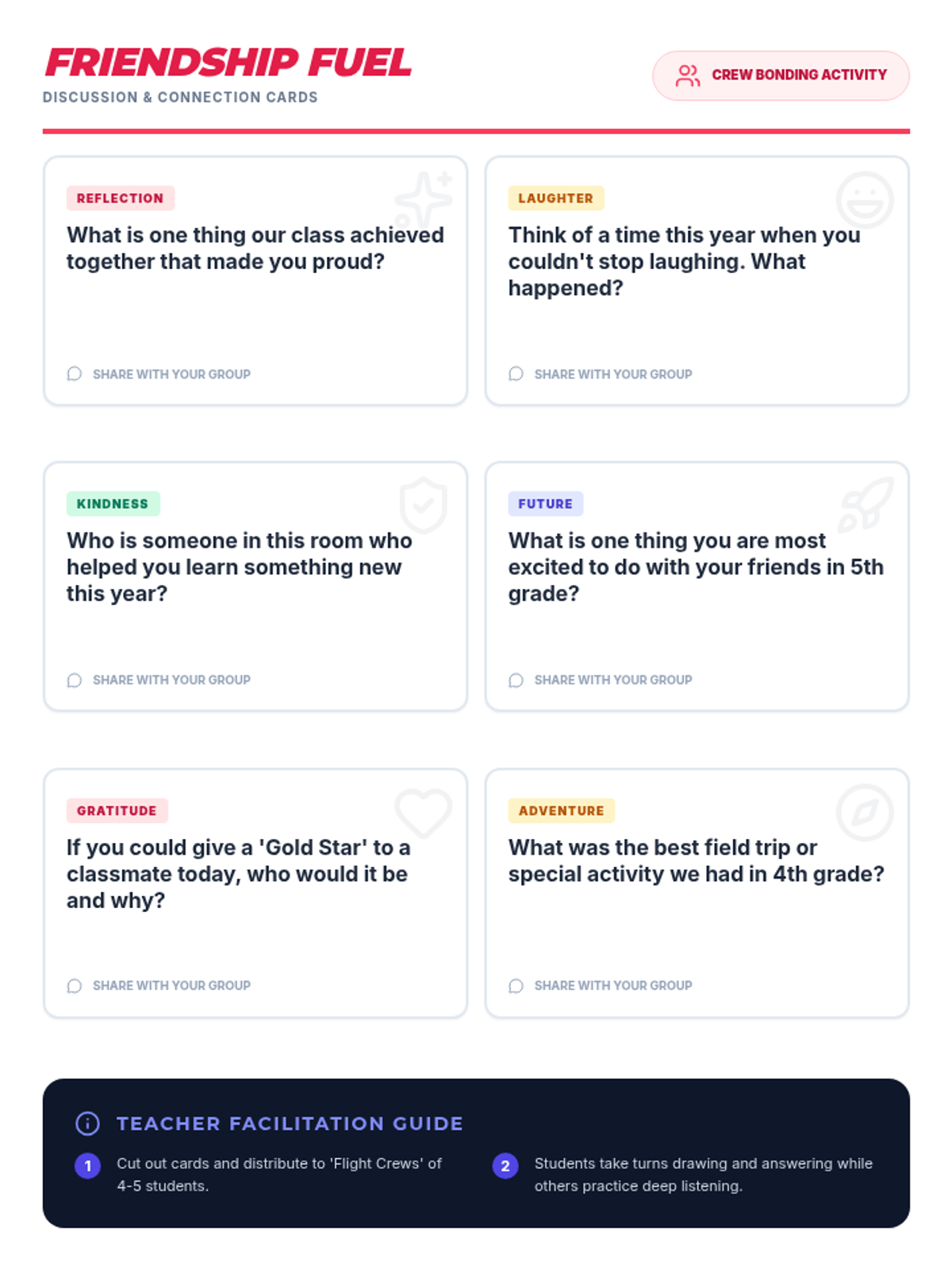
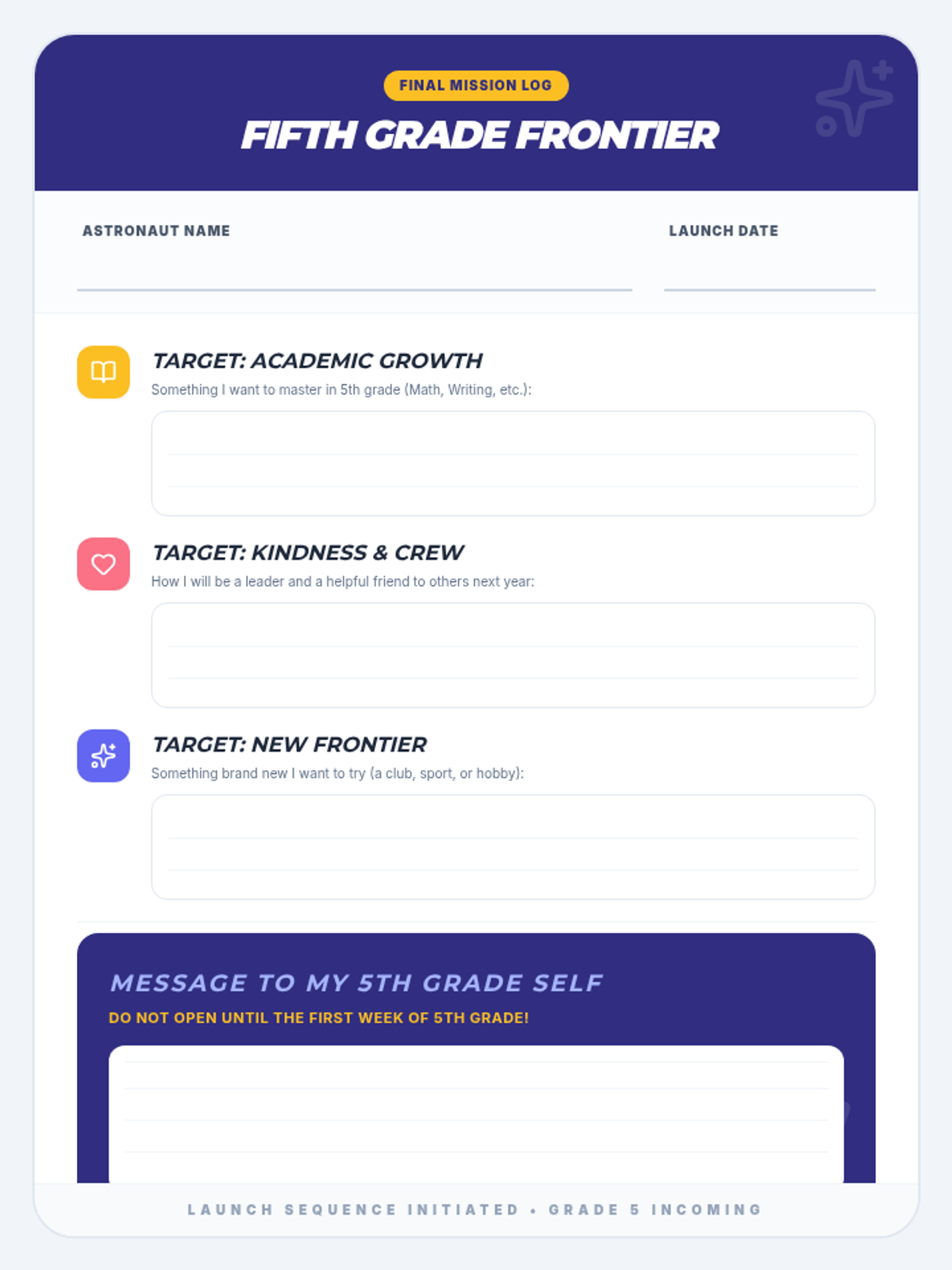
An end-of-year SEL lesson for 4th graders to reflect on their personal growth, celebrate classroom friendships, and set aspirational goals for the transition to 5th grade using a space-exploration theme.
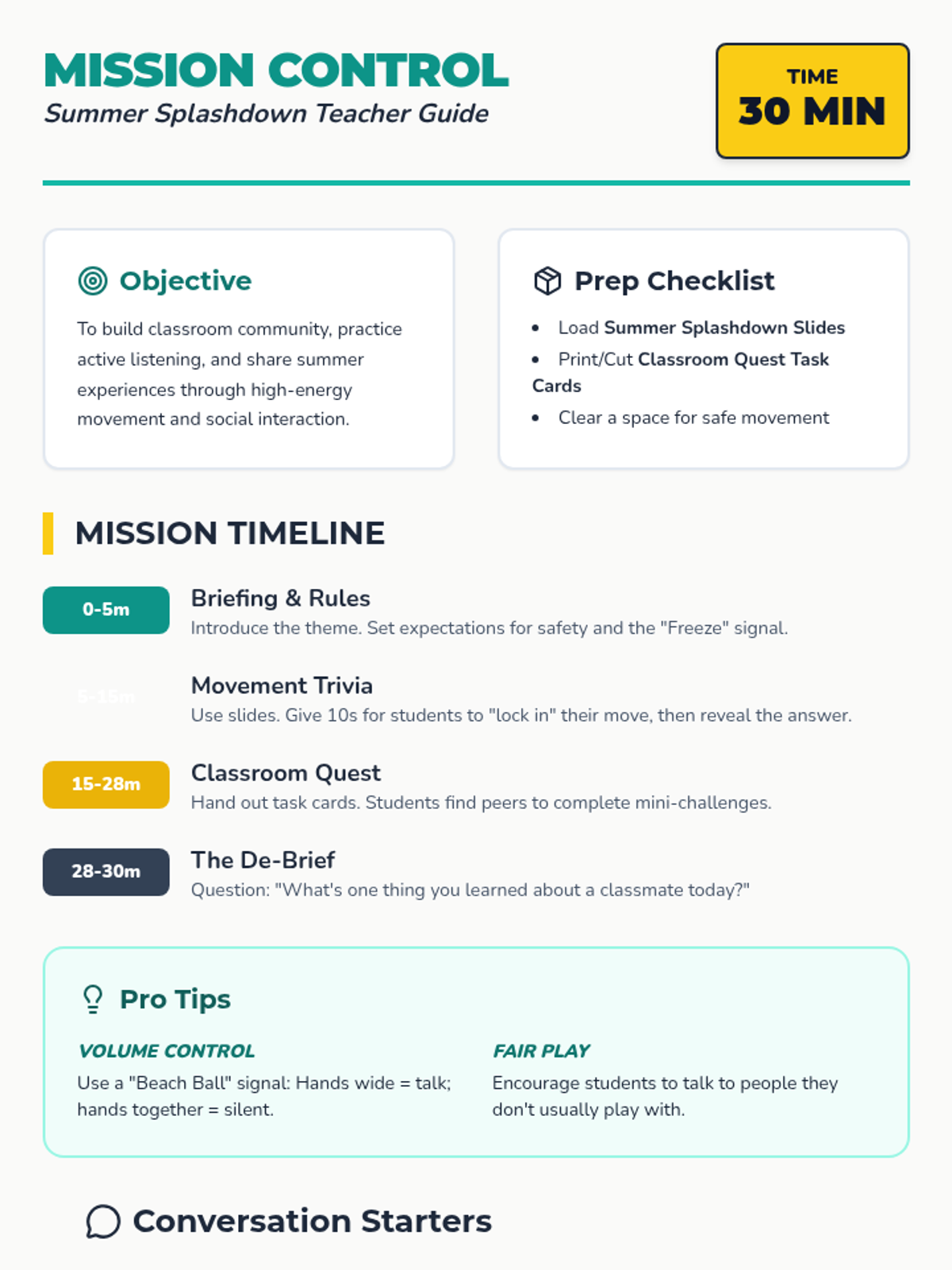
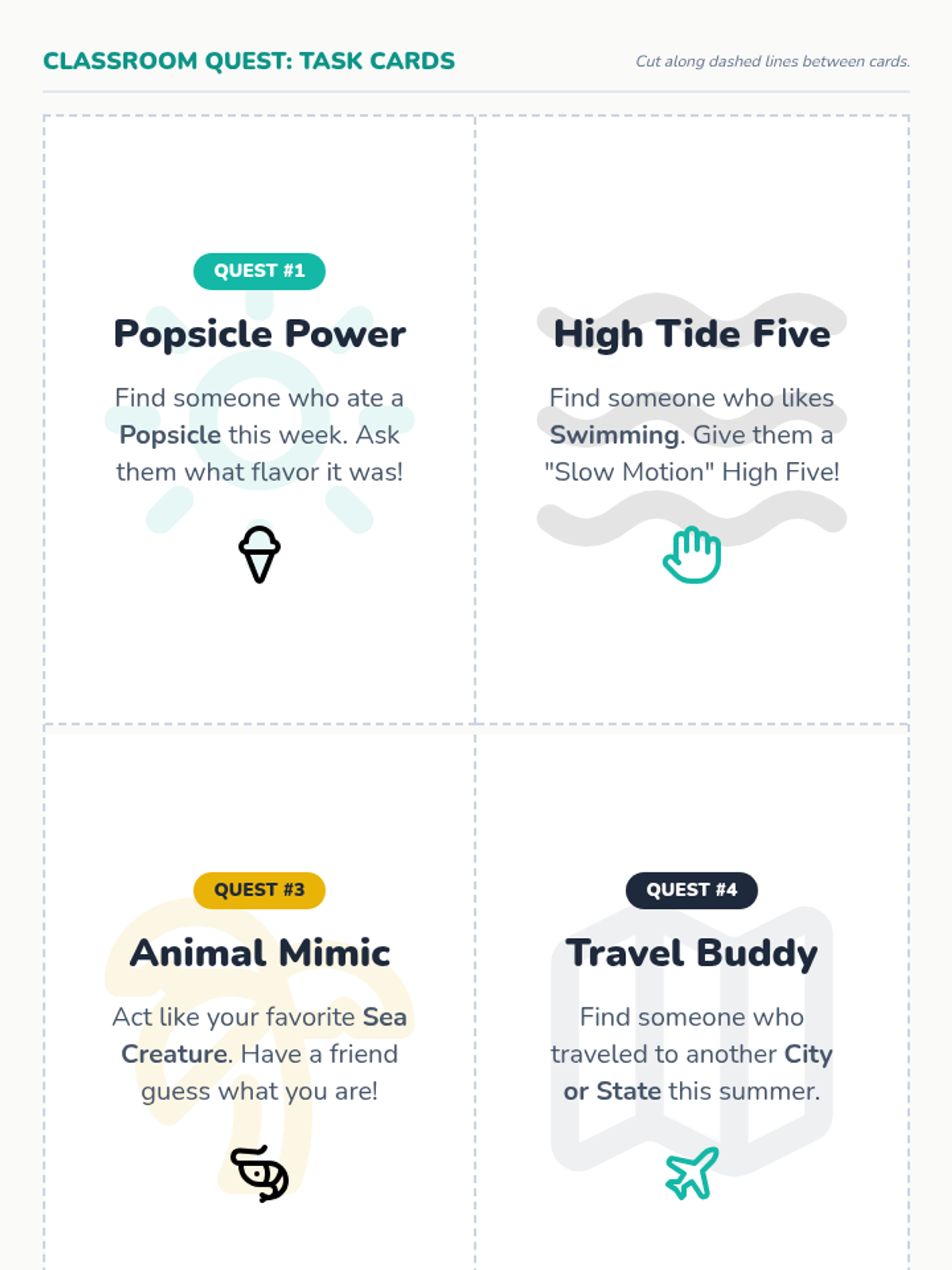
A high-energy, 30-minute session designed to build classroom community through summer-themed movement trivia and a social scavenger hunt.
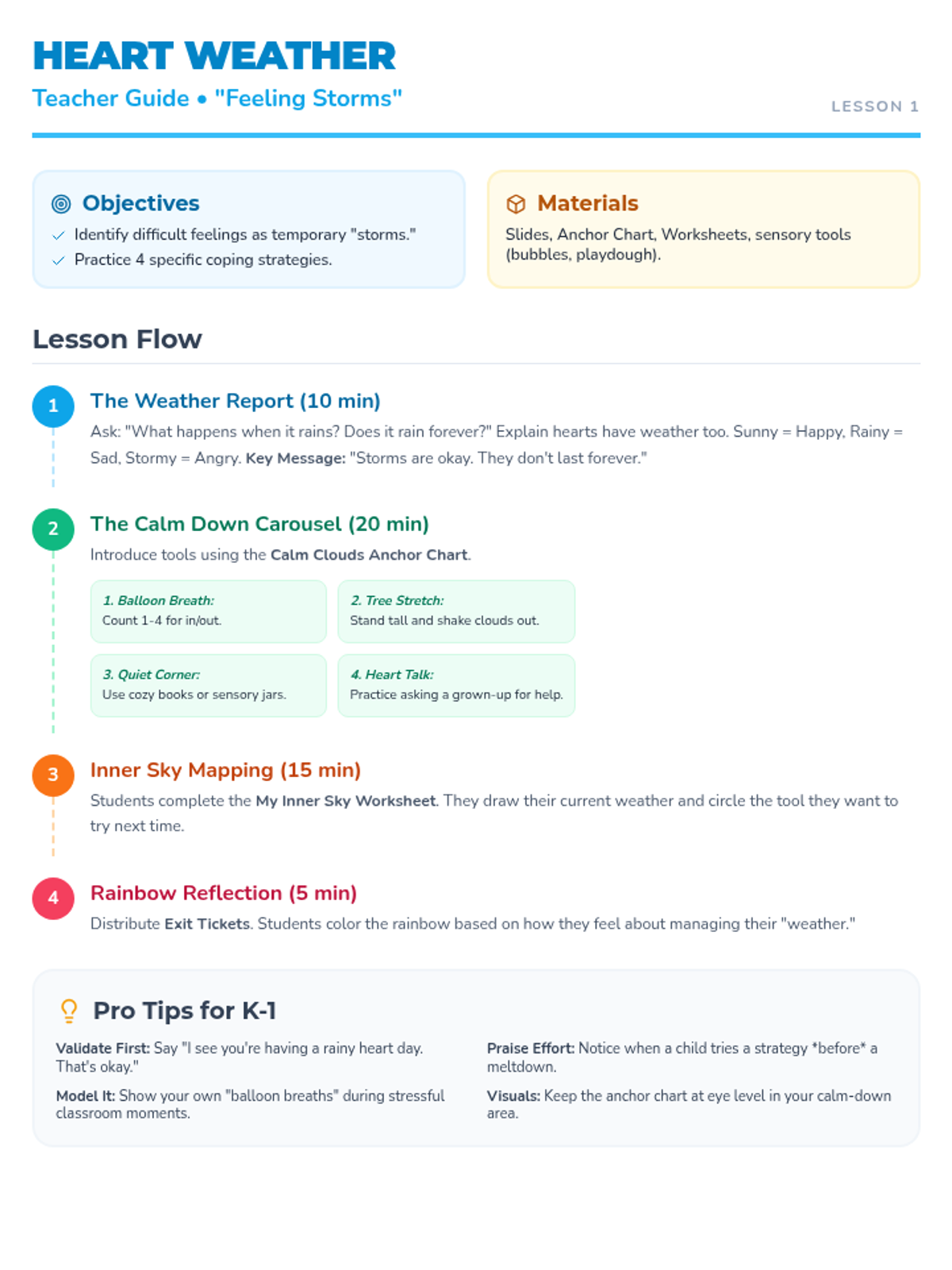
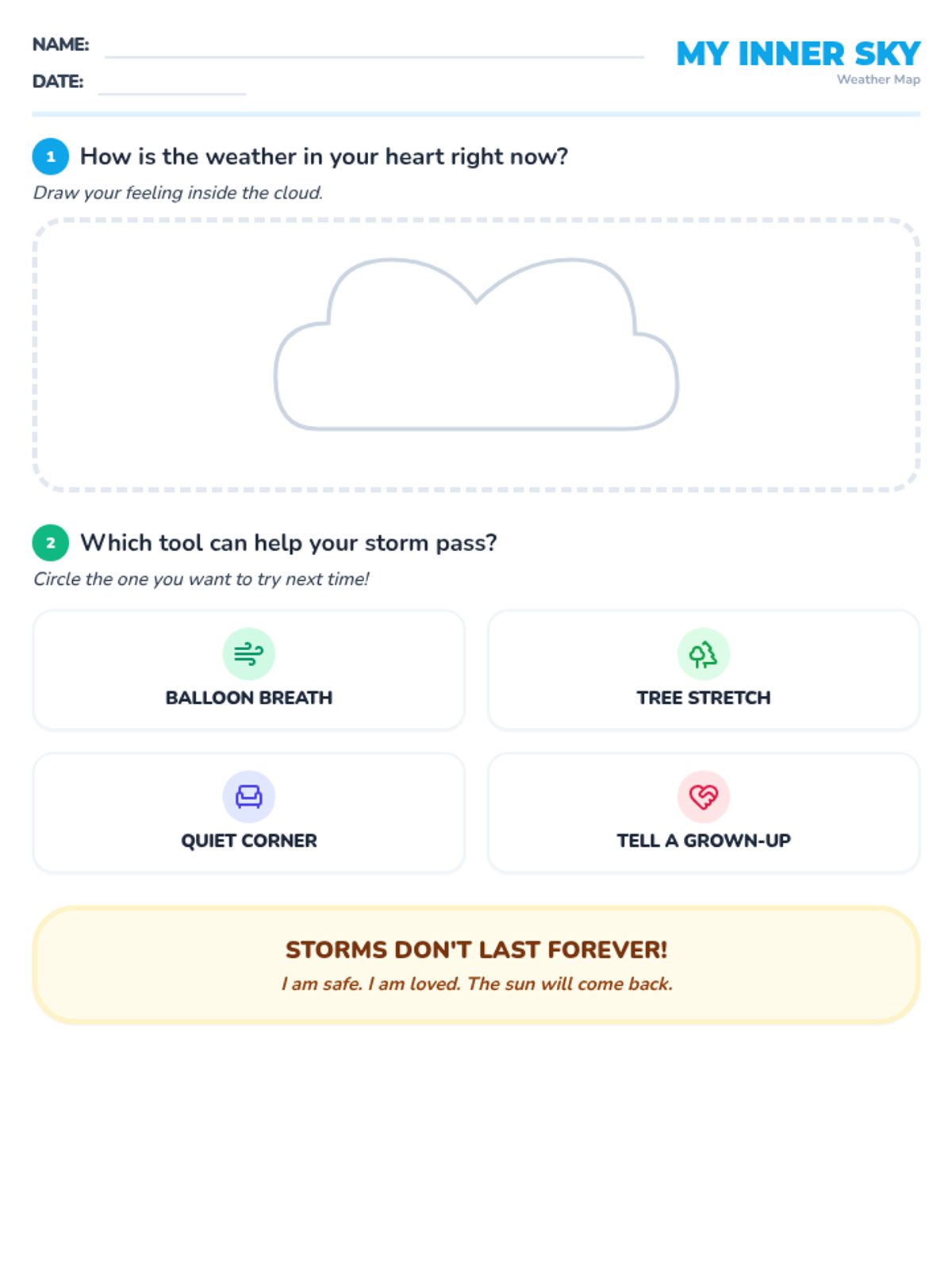
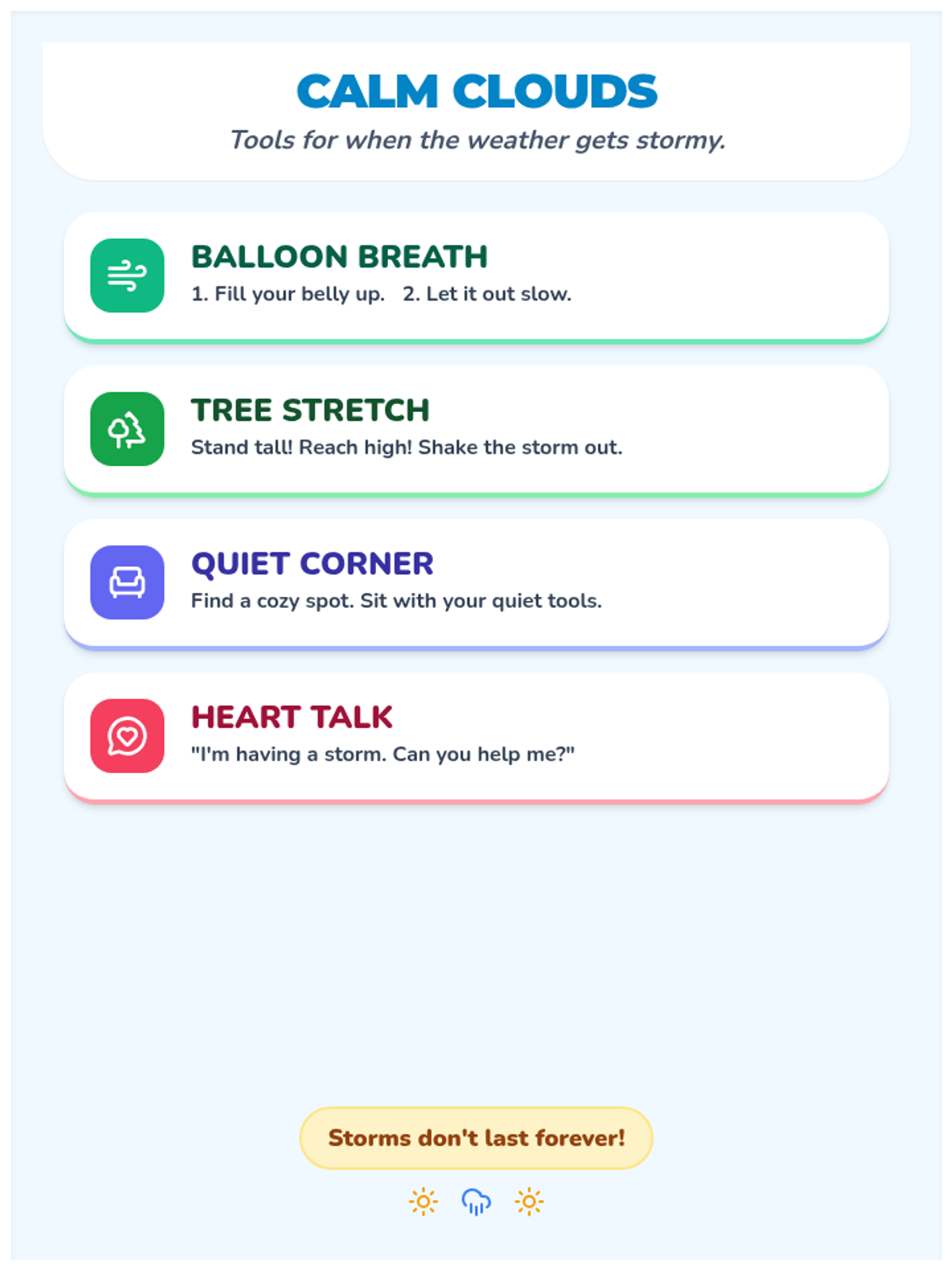
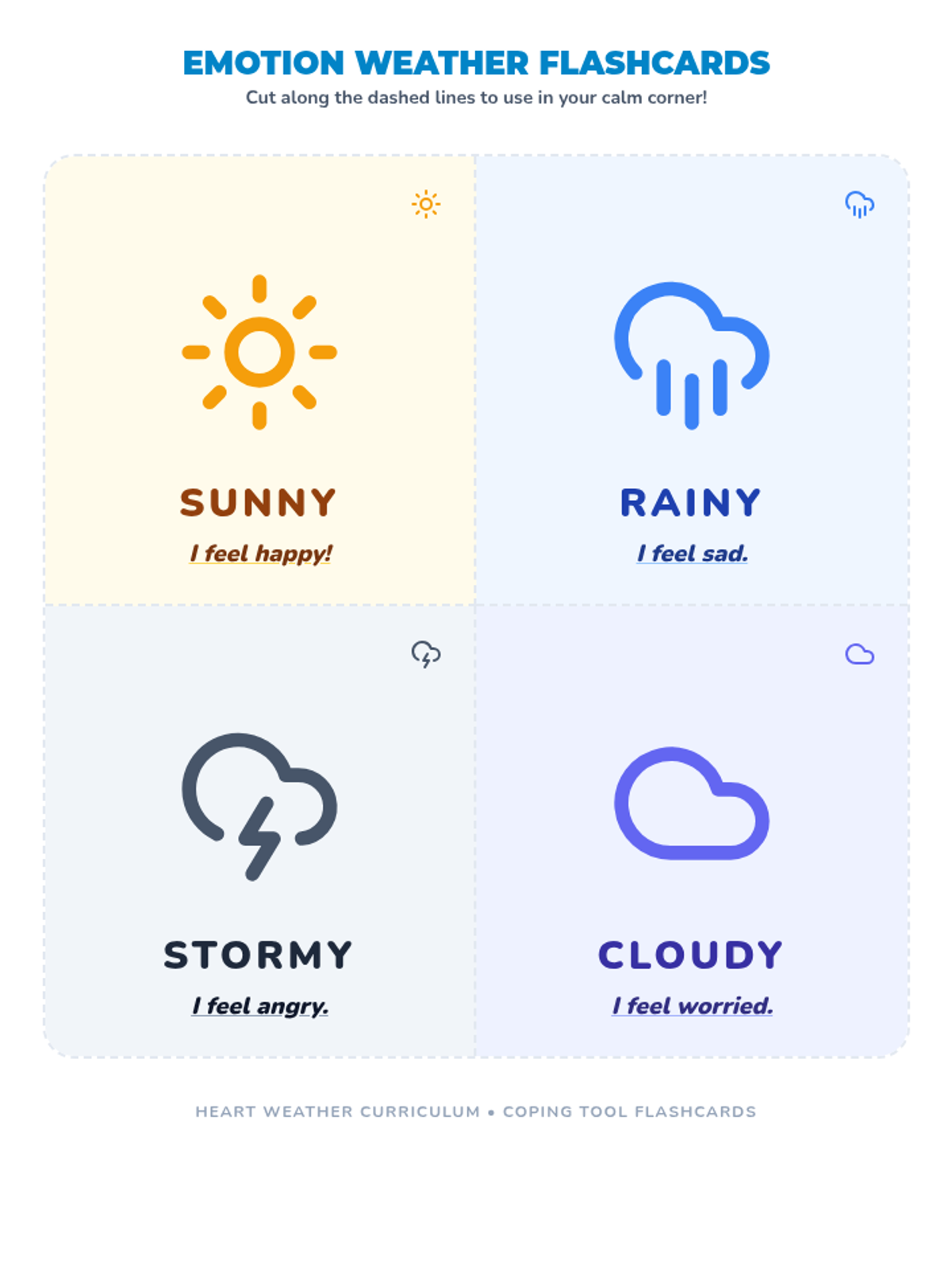
Students in grades 2-3 will use the "Heart Weather" metaphor to analyze emotional triggers, understand the science of self-regulation (the brain's weather station), and develop personalized resilience plans.
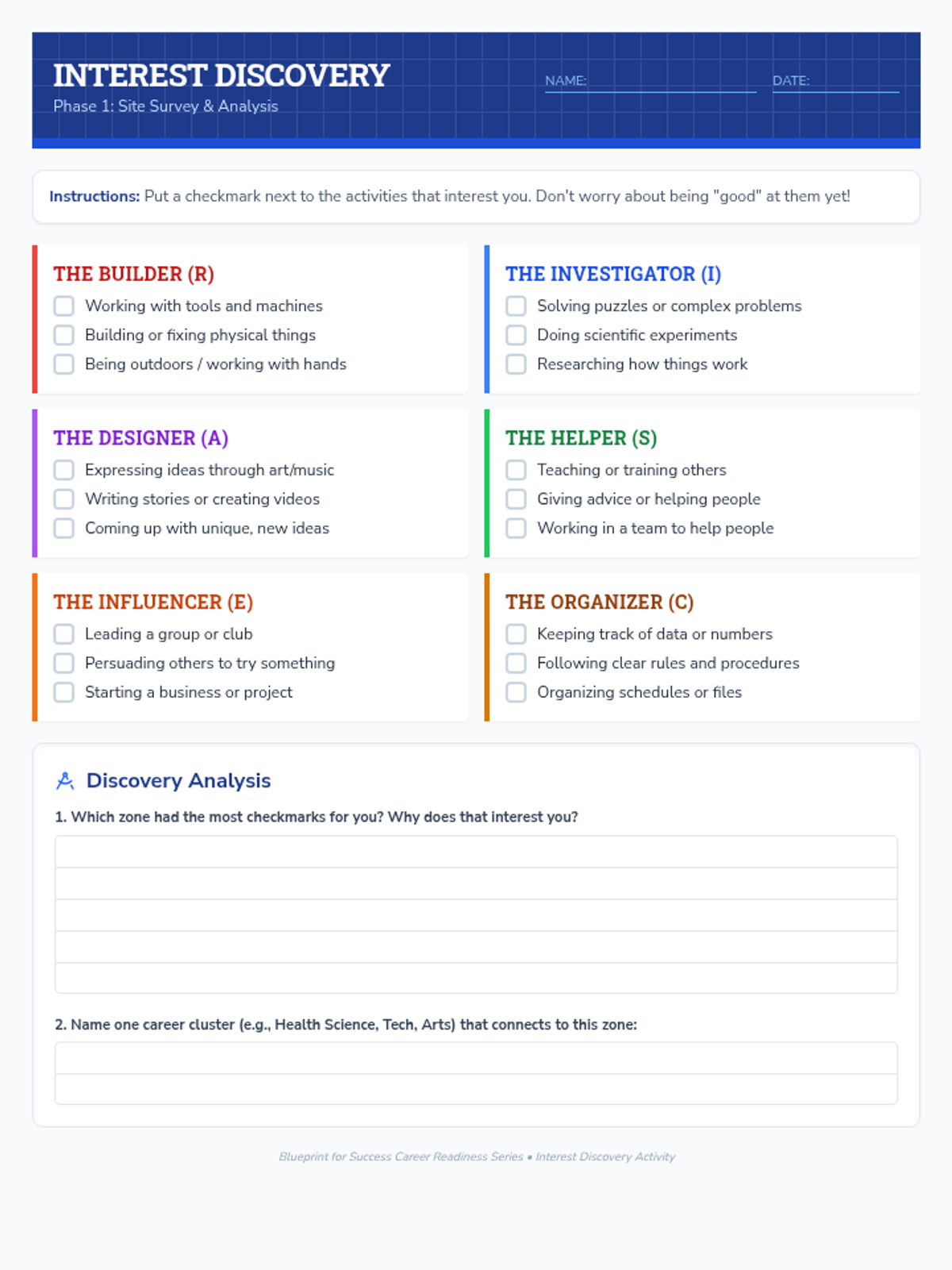
In this lesson, students explore their personal interests to identify potential career paths, set SMART goals, and build self-confidence in their ability to achieve their future aspirations.
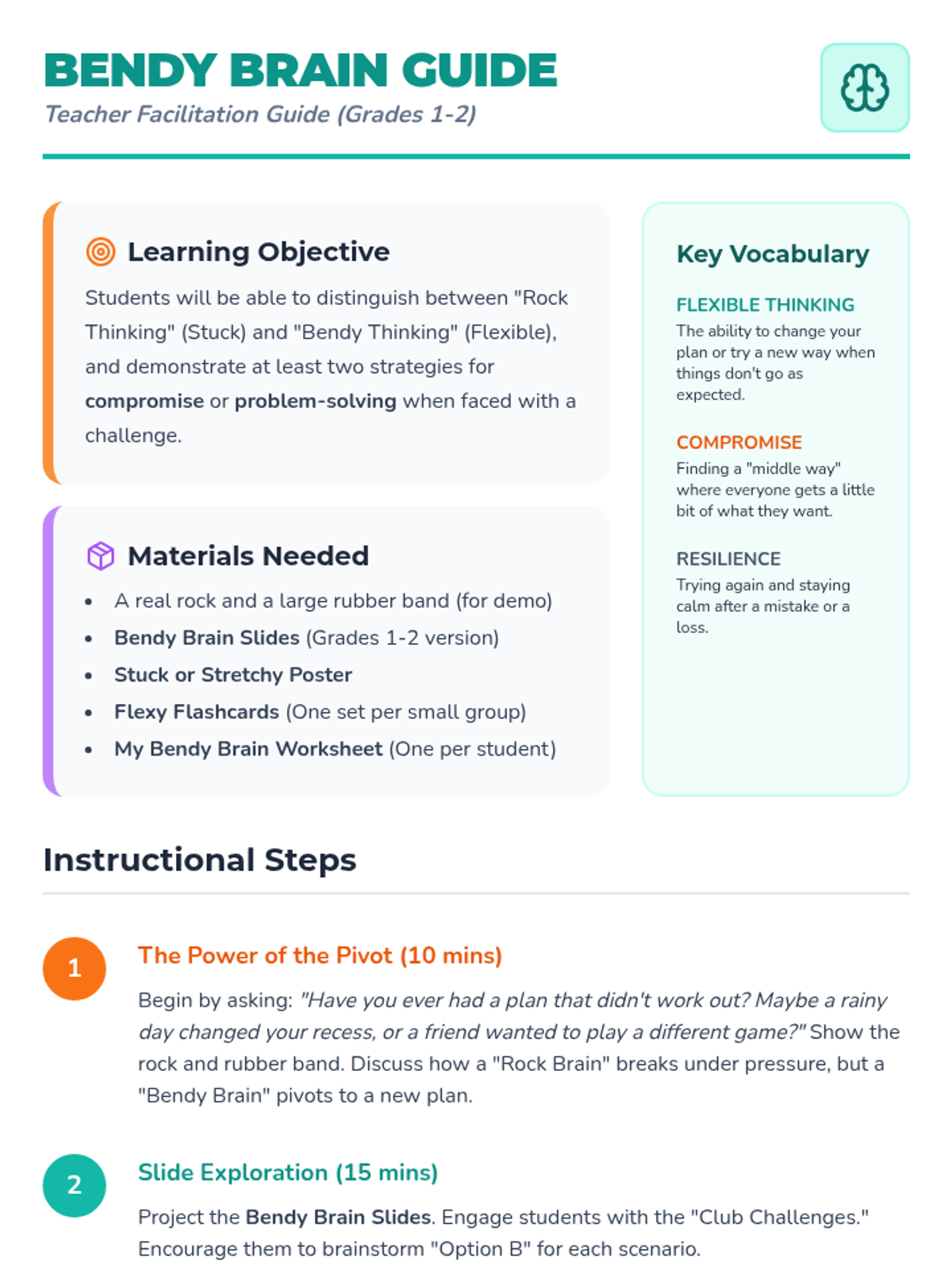
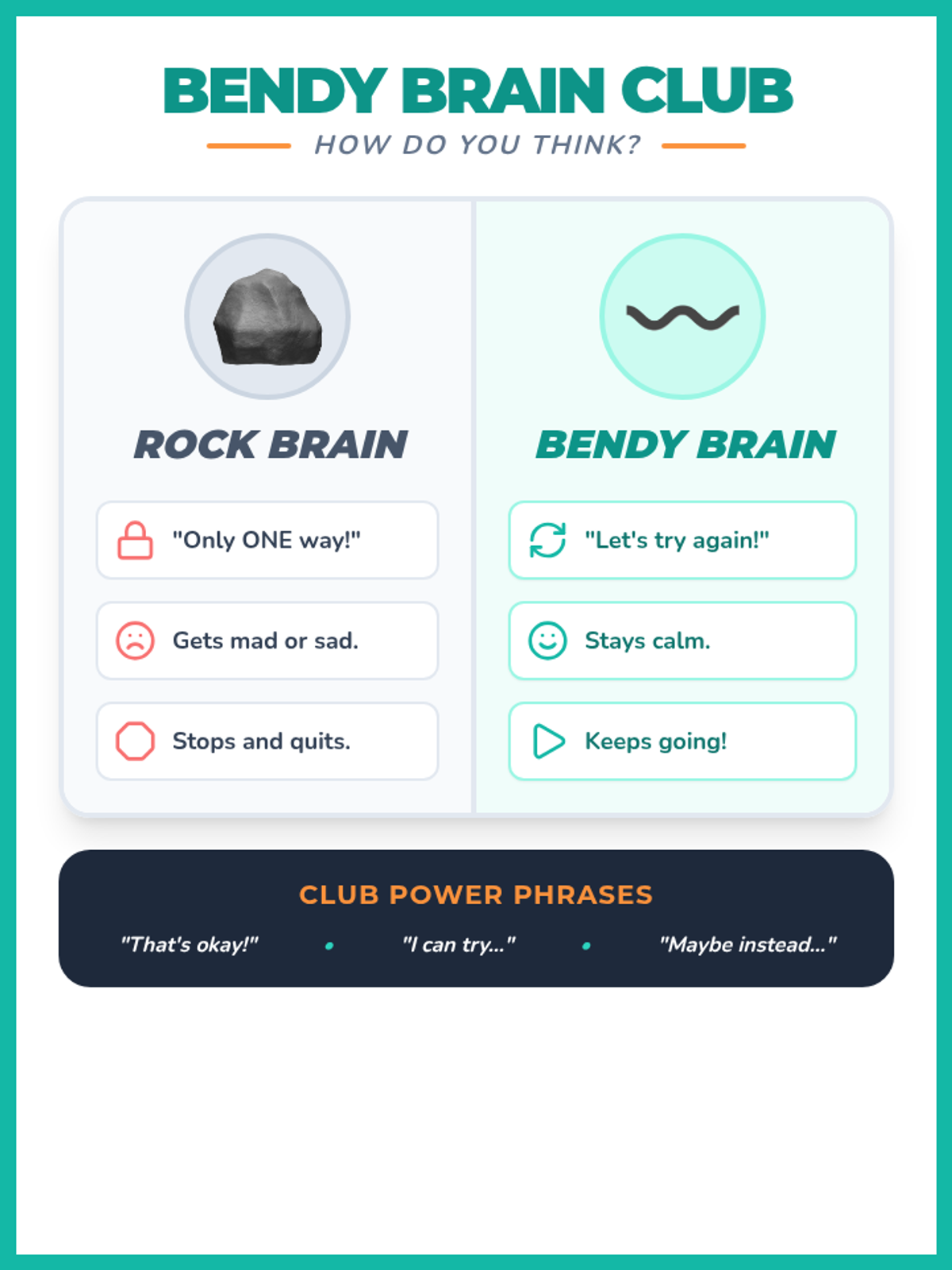
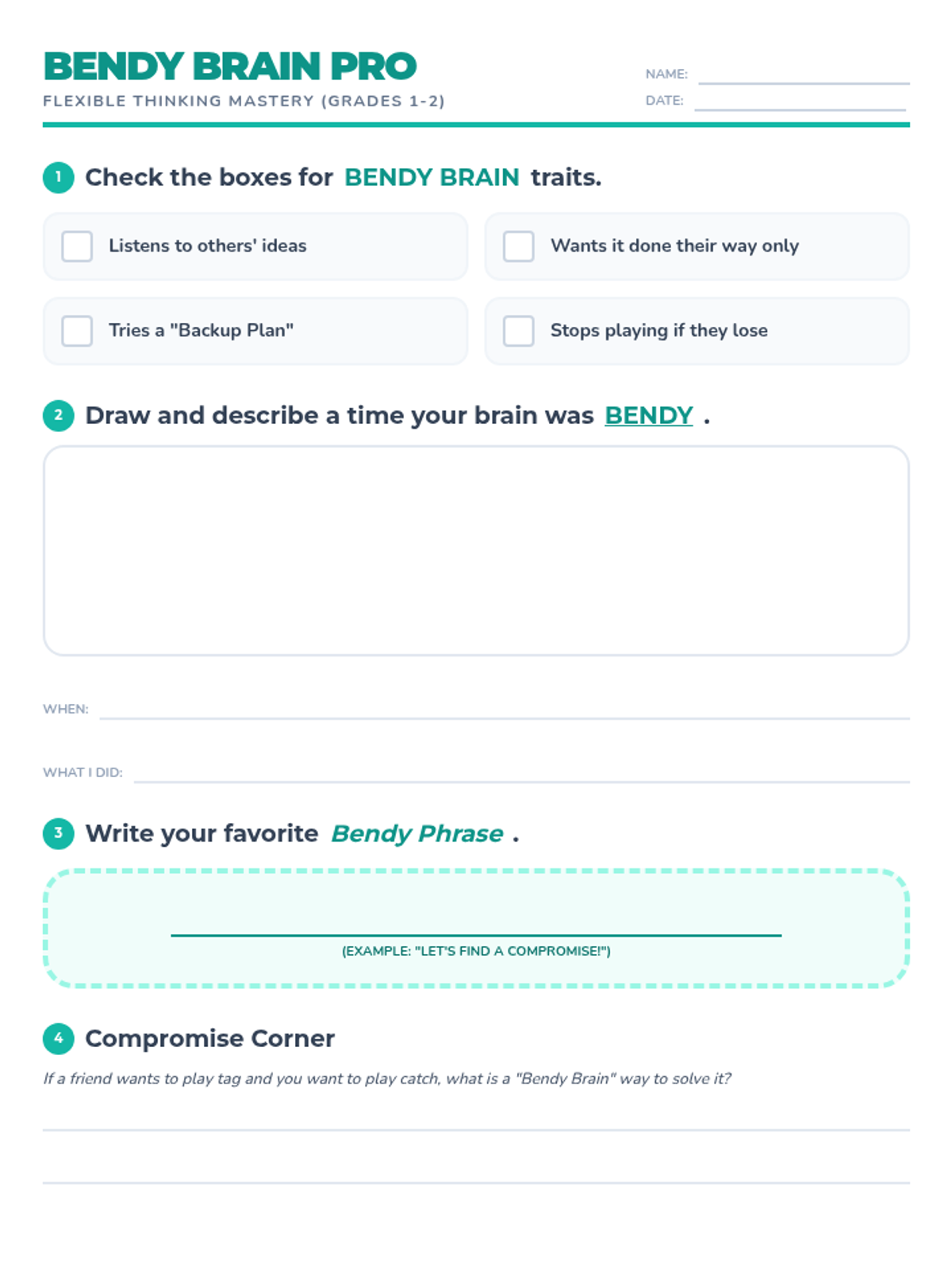
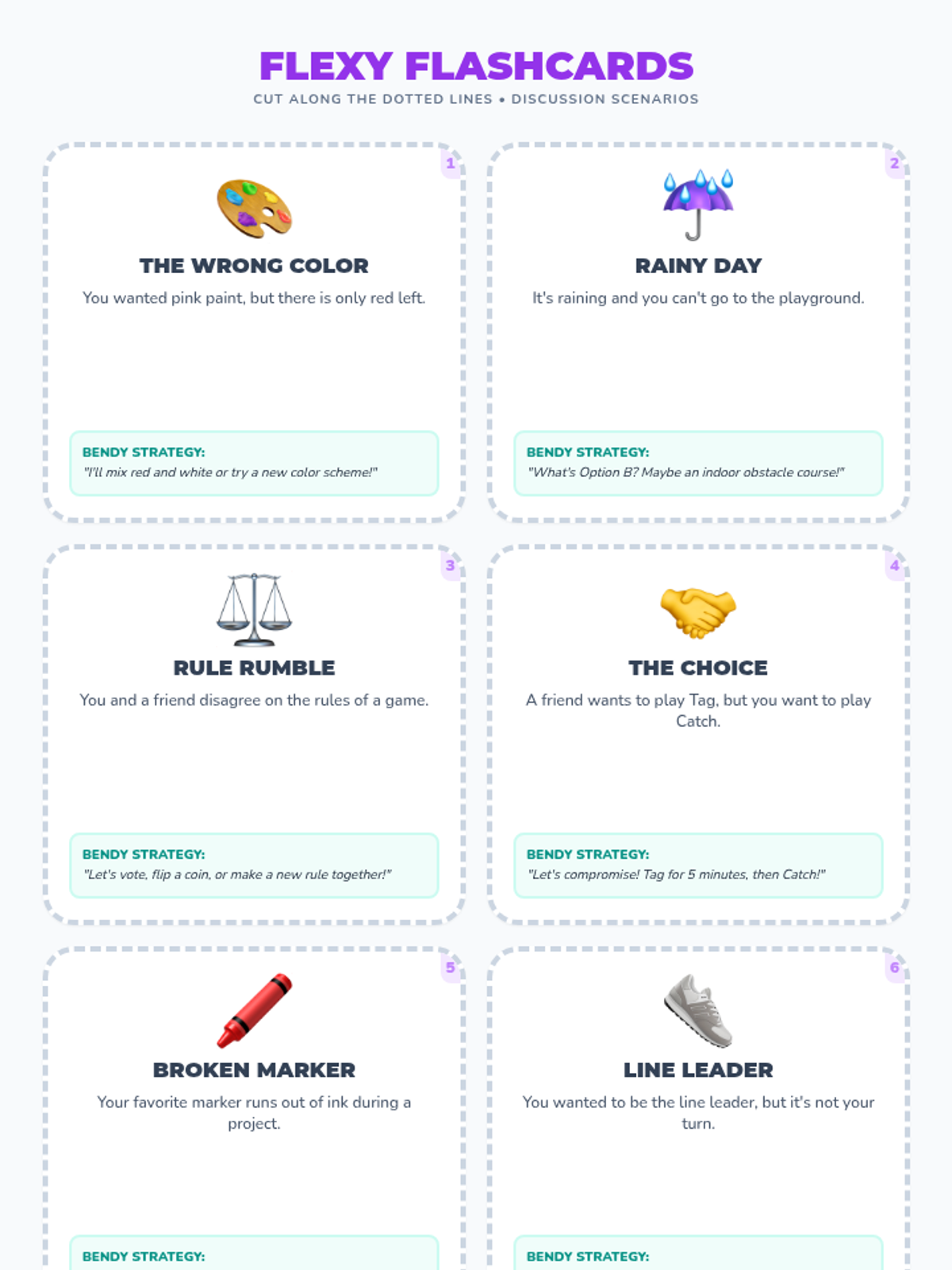
A foundational social-emotional learning lesson for K-1 students that introduces the concept of cognitive flexibility using the 'Rock Brain' vs. 'Bendy Brain' metaphor. Students learn to identify when they are stuck and practice 'stretching' their thinking in response to changes and challenges.
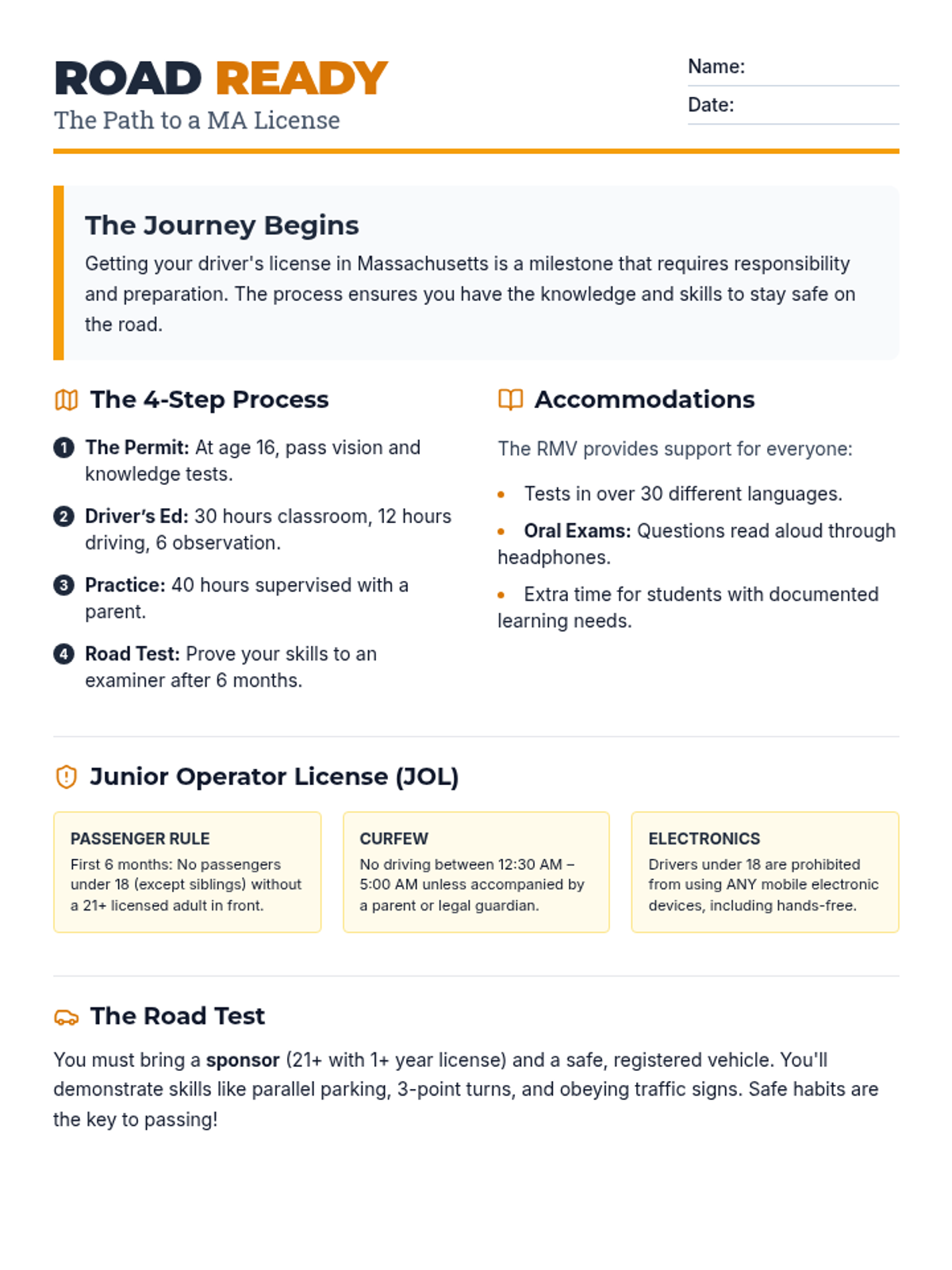
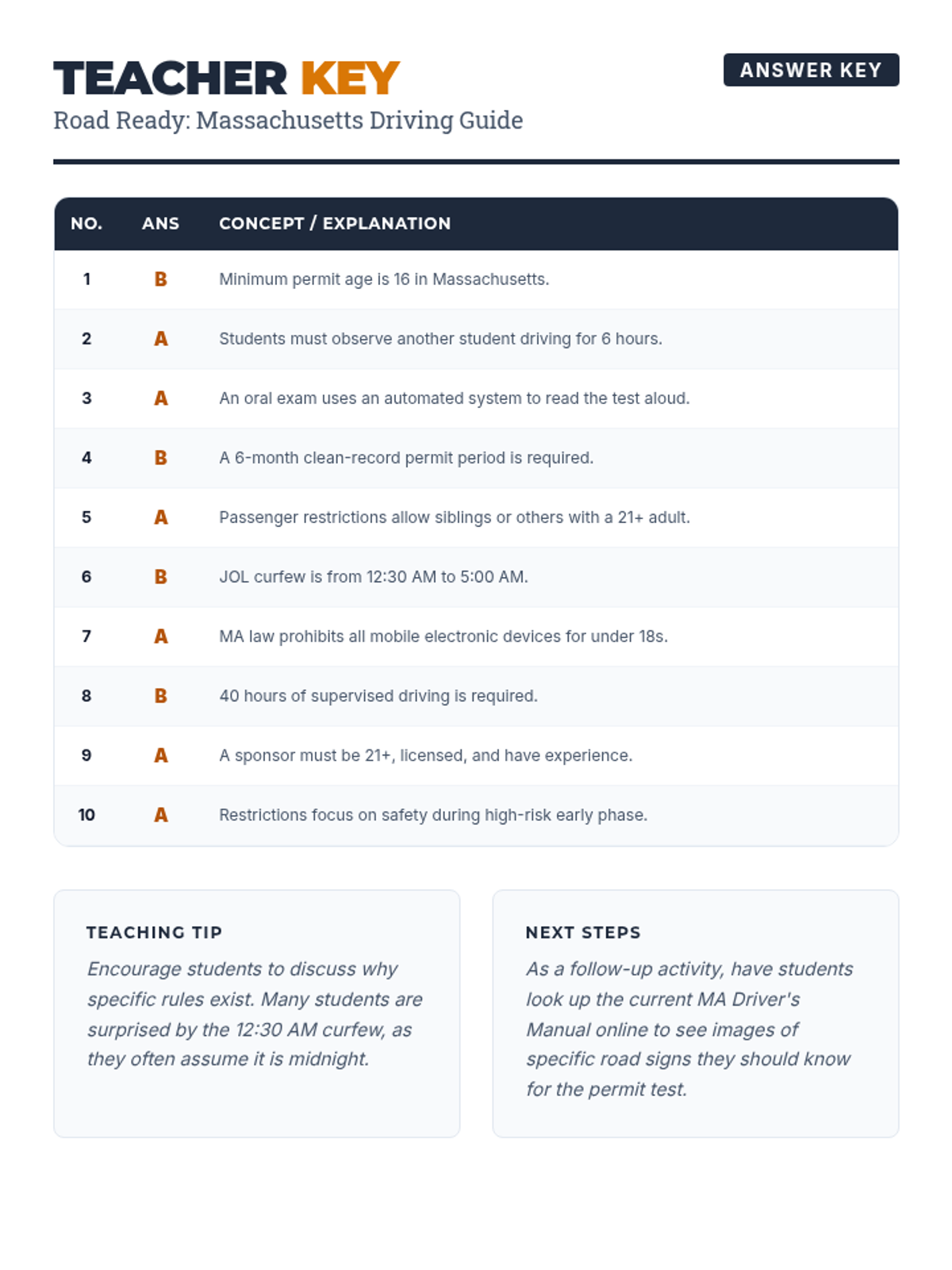
A comprehensive guide for middle school students exploring the path to earning a Massachusetts driver's license, covering permit tests, JOL restrictions, and road test preparation.
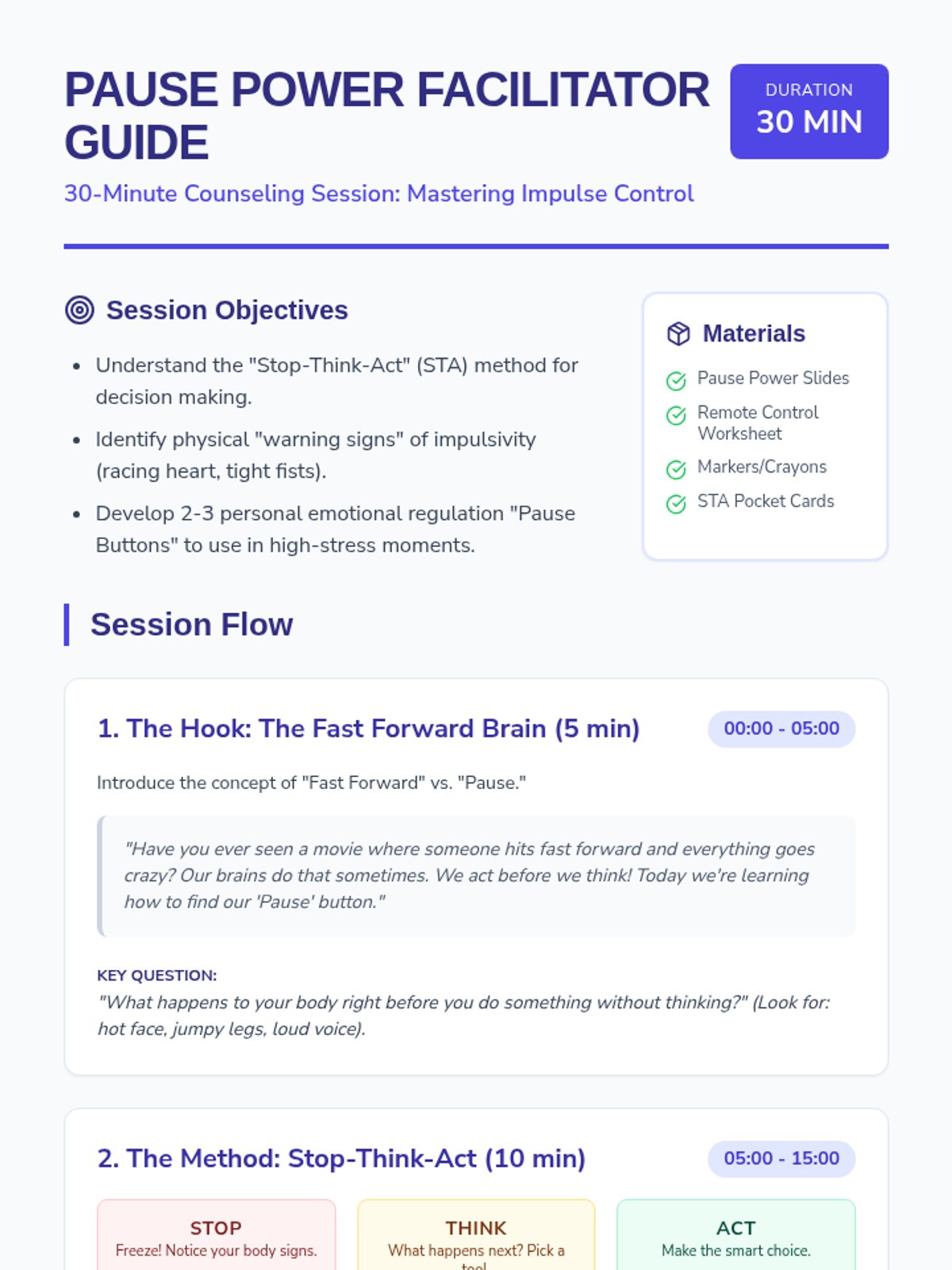
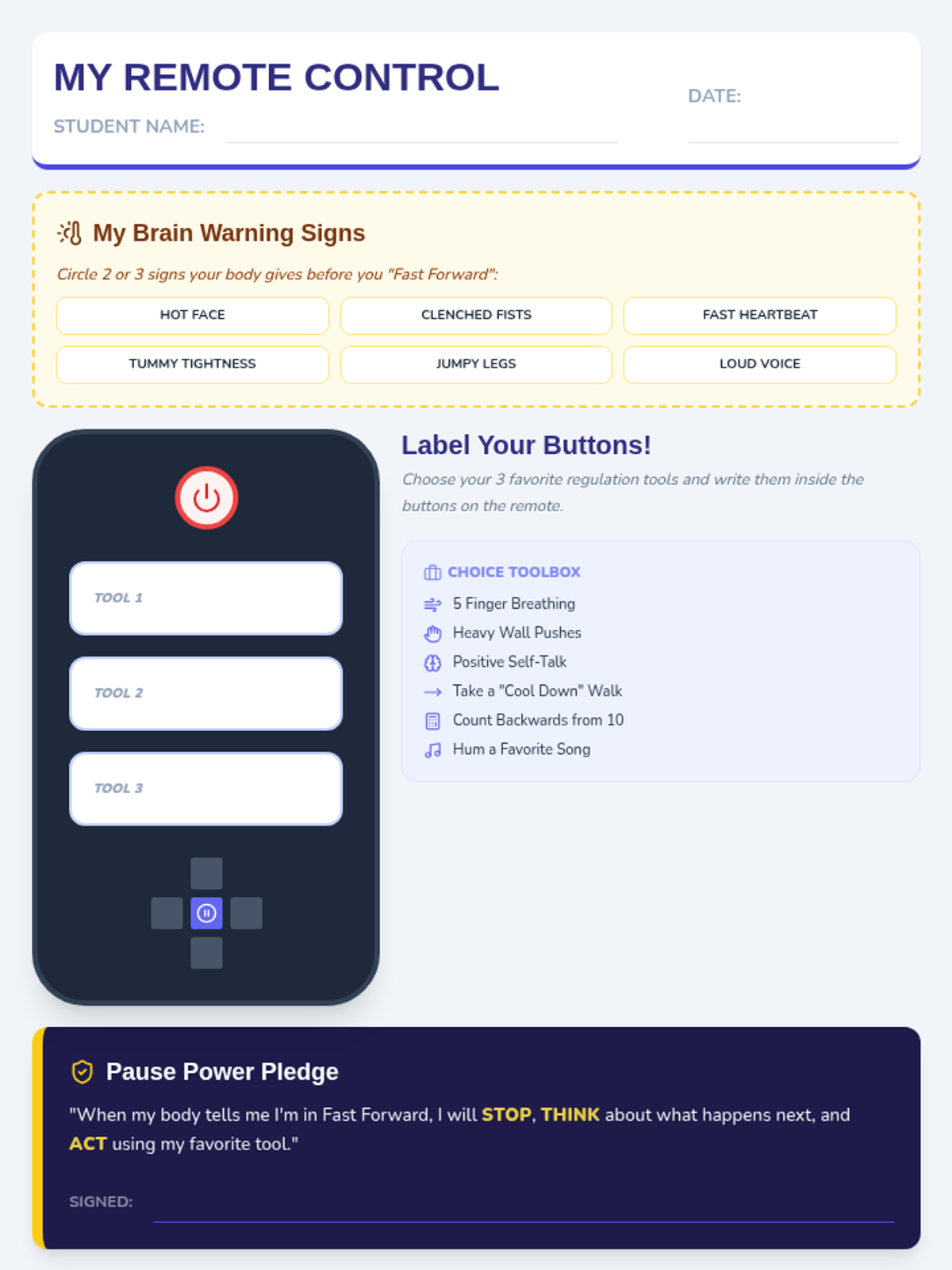
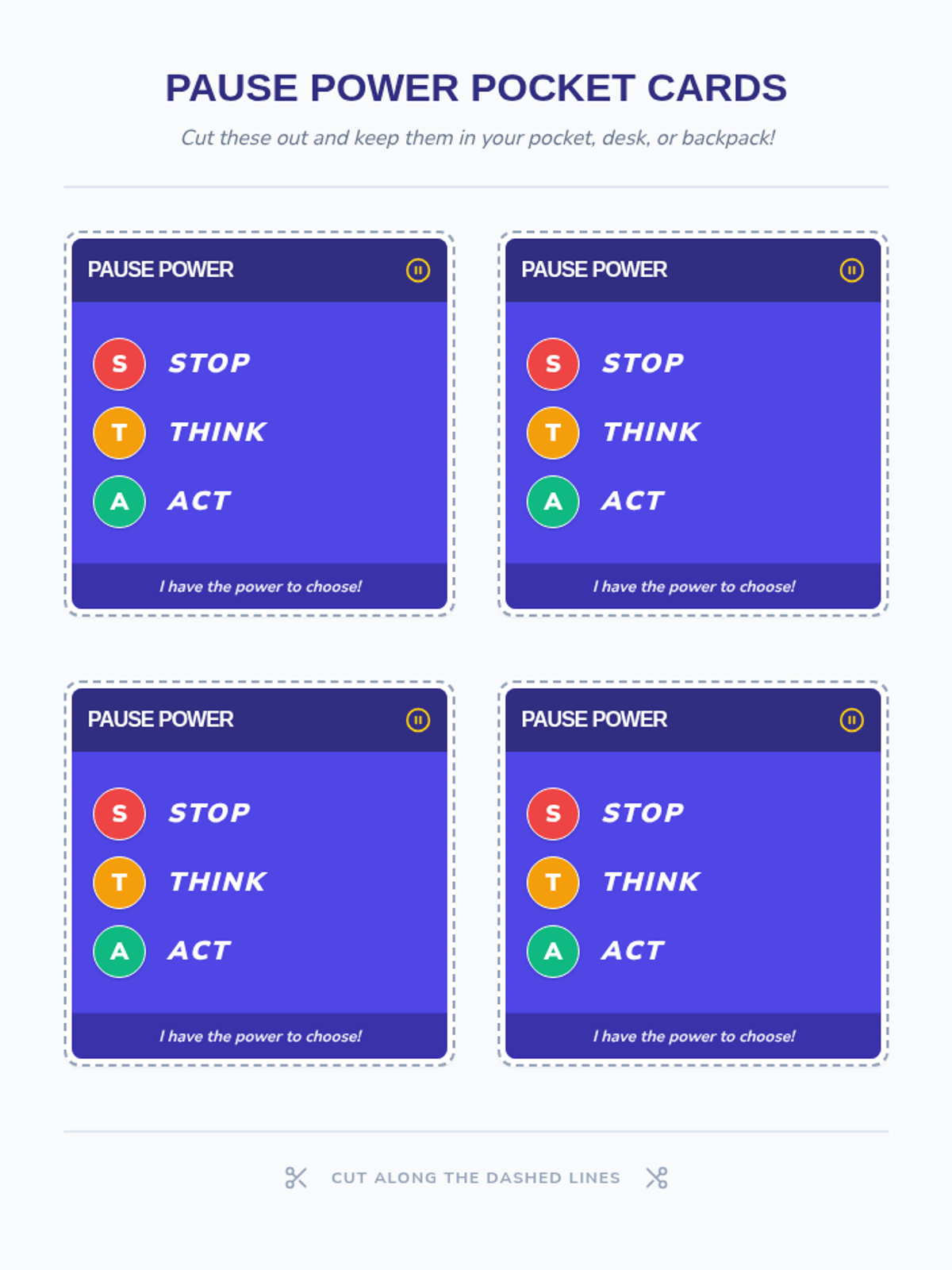
A 30-minute counseling session focused on the Stop-Think-Act method and emotional regulation tools to help students master impulse control.
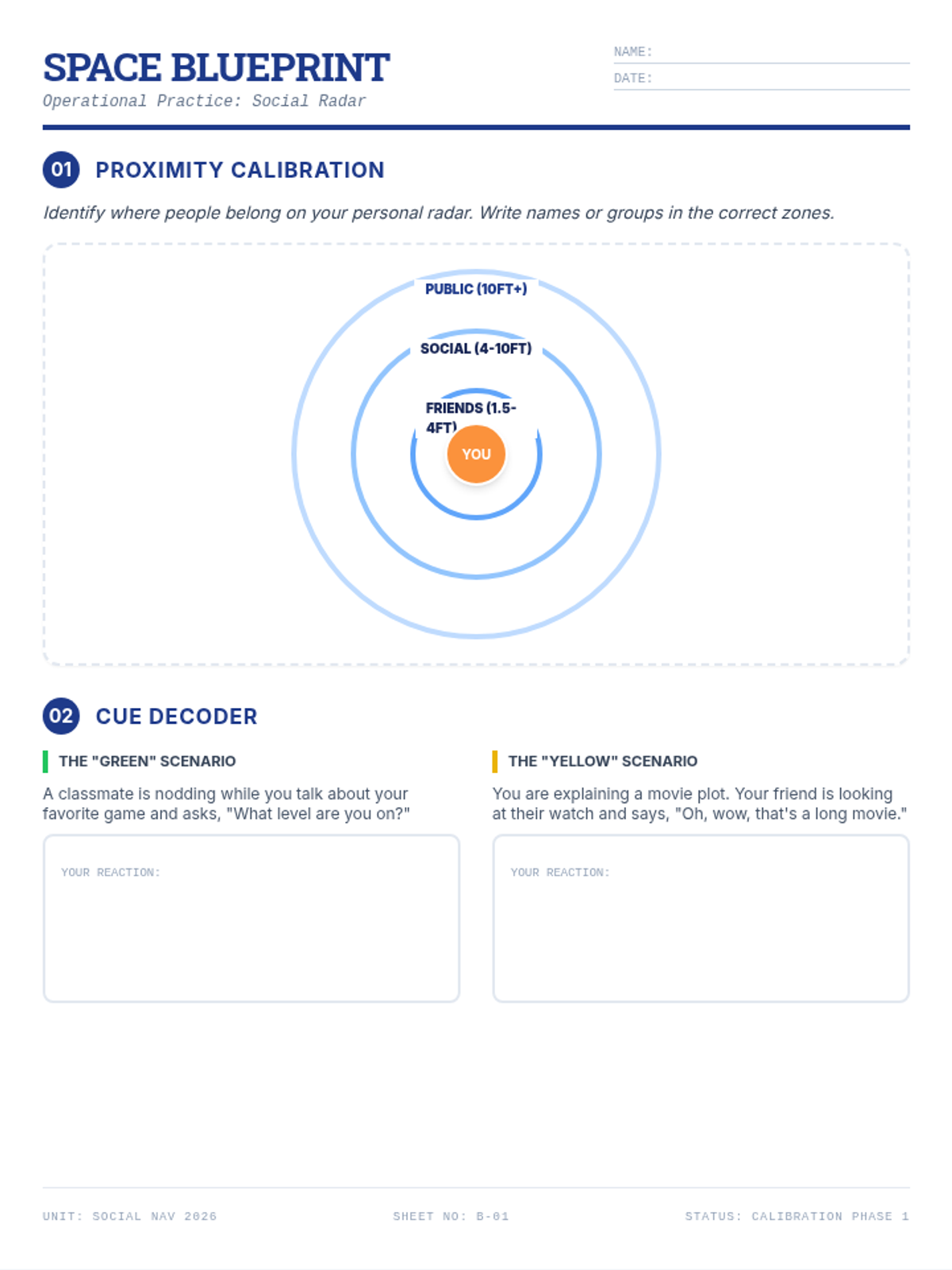
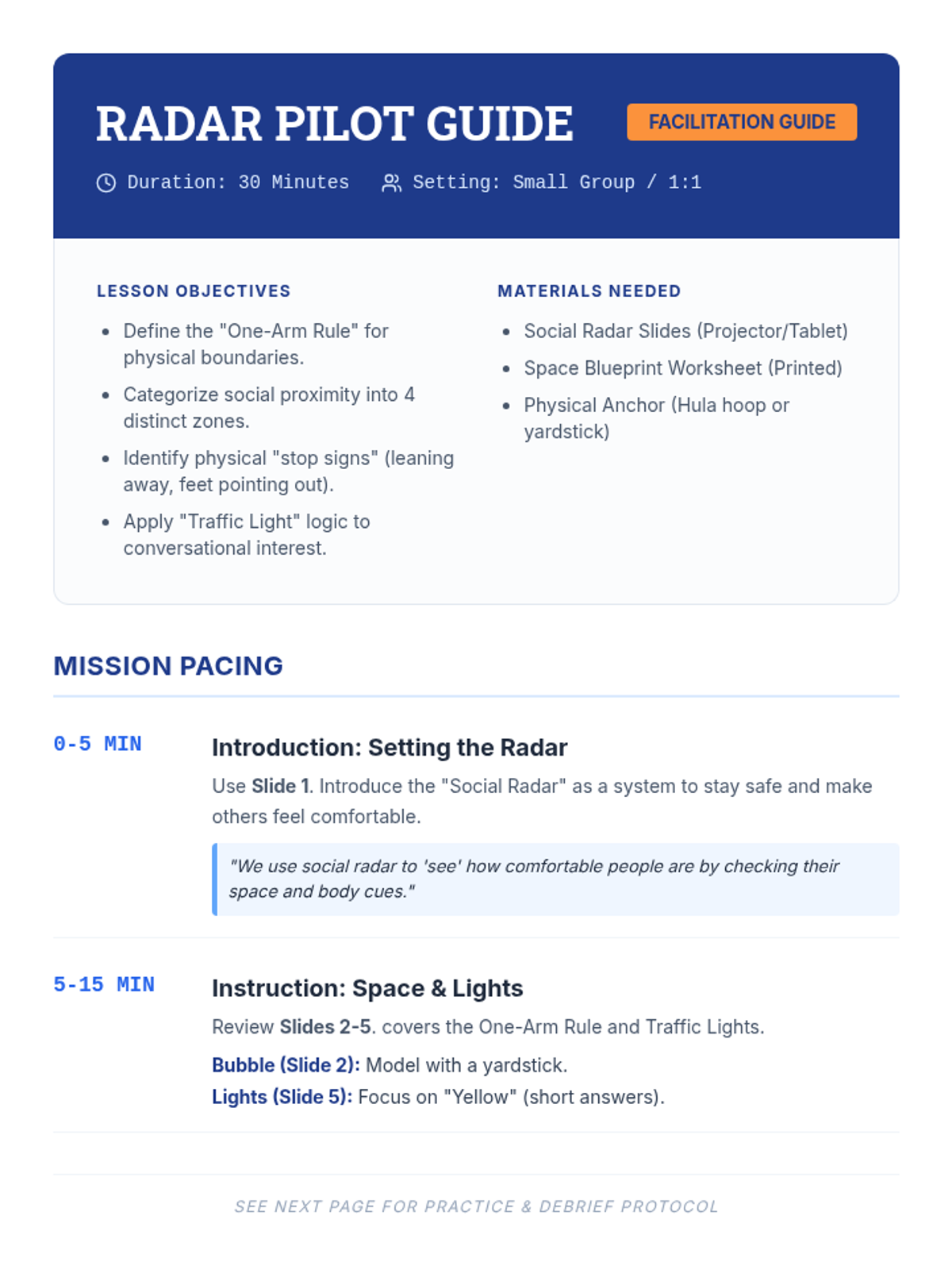
A 30-minute counseling lesson designed for middle school students with autism, focusing on navigating physical space and interpreting conversational social cues through a structured 'blueprint' lens.
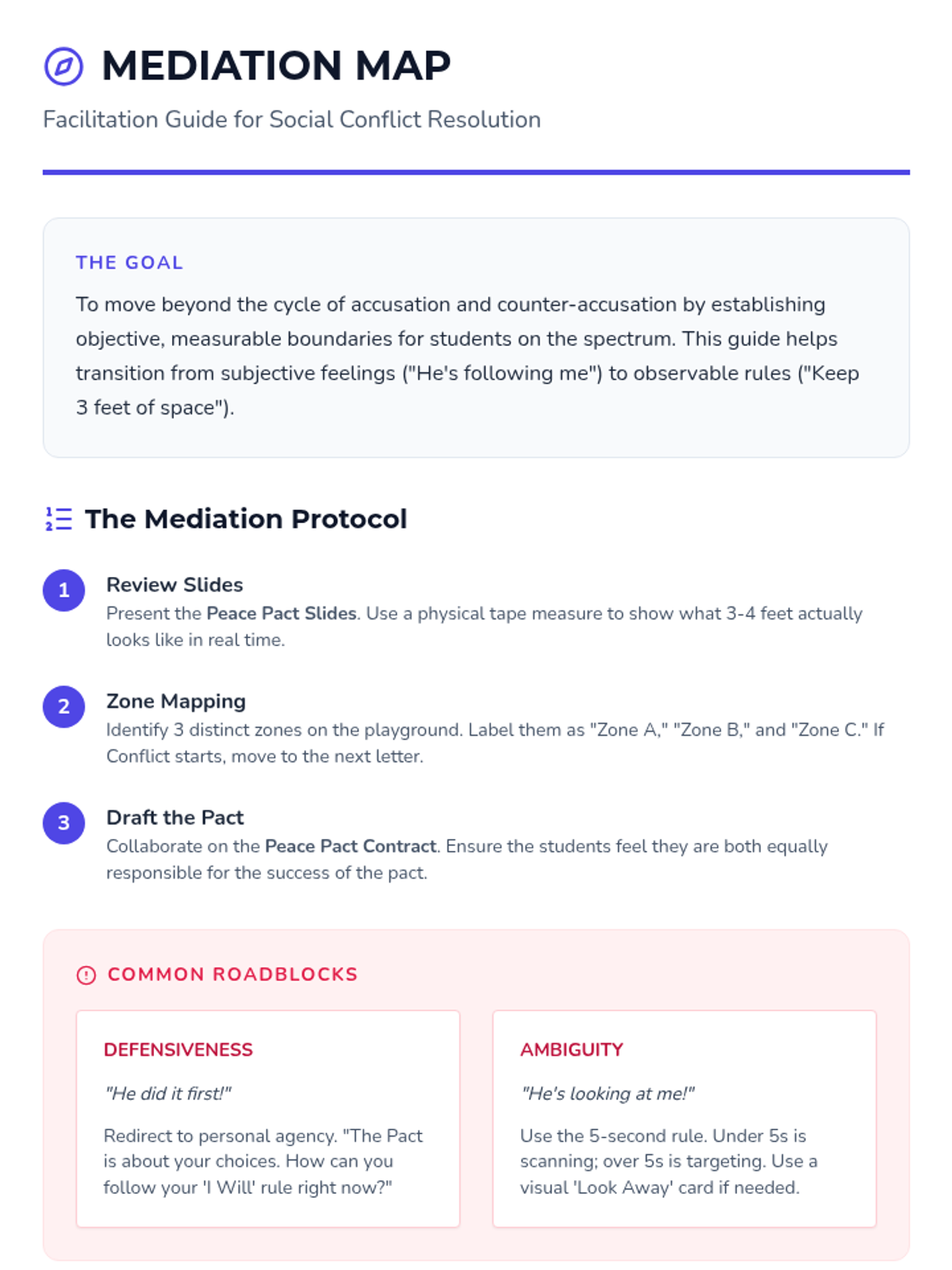
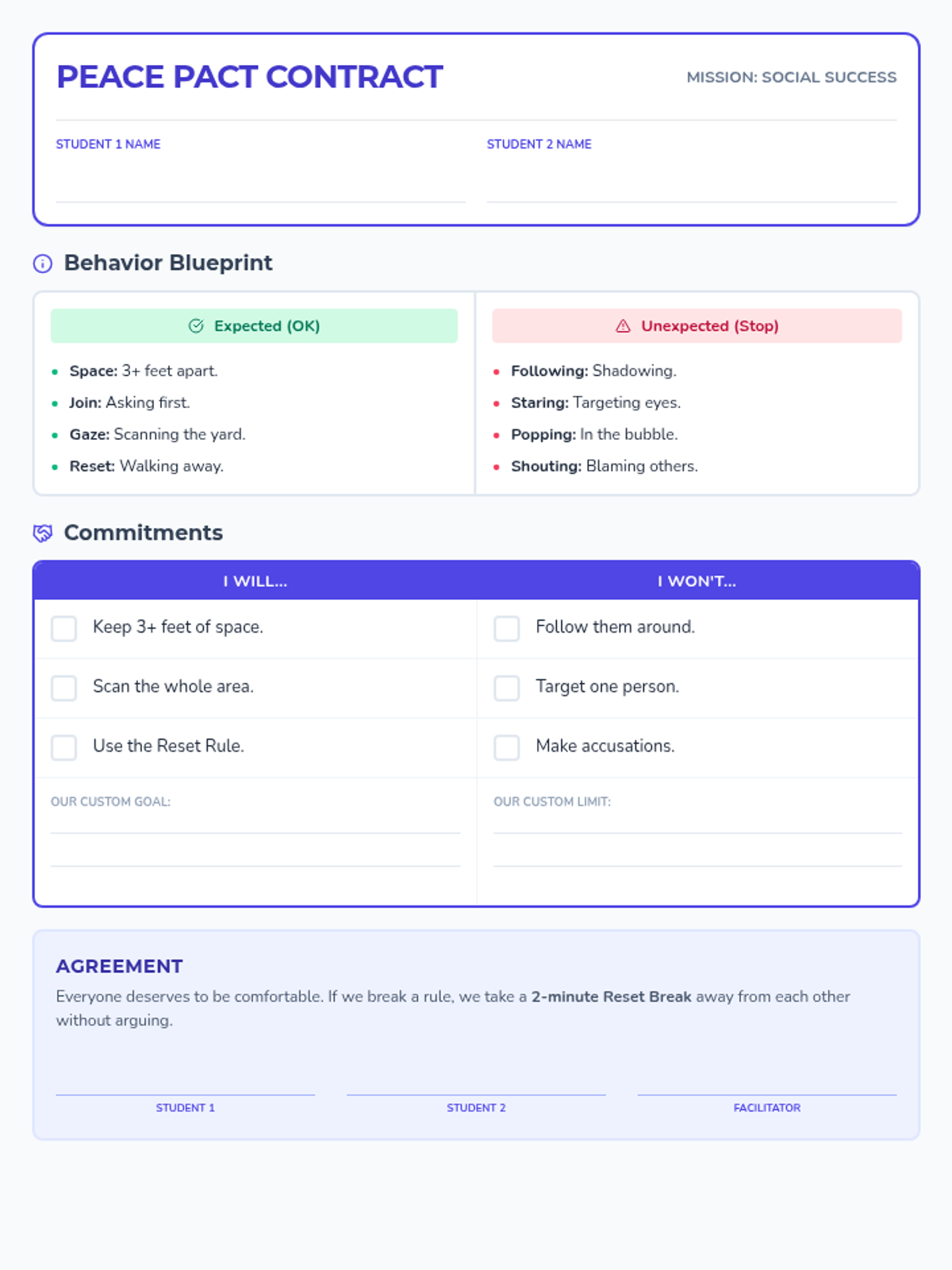
A structured approach to resolving recurring conflicts between students regarding personal space, physical boundaries, and perceived social behaviors during unstructured times.