A gentle, reflective lesson designed to help students identify their inner critic and build a strong inner coach. Focused on transforming friendship worries and academic frustration into positive, supportive self-talk.
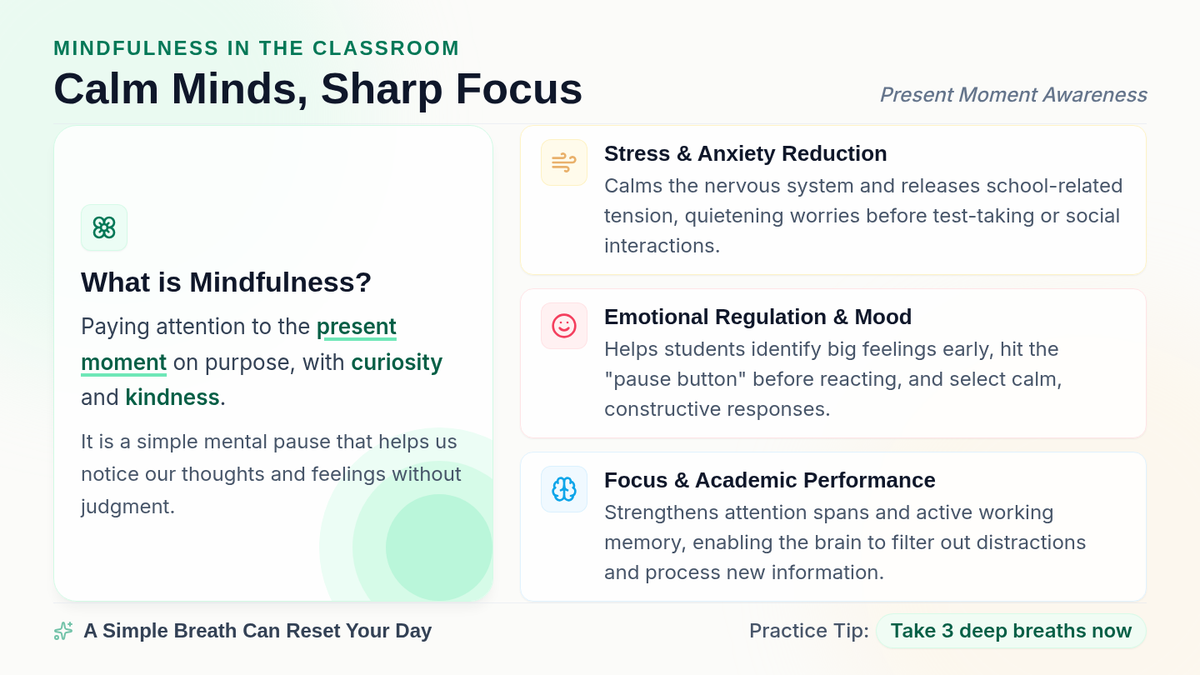
An introductory lesson on mindfulness for students, exploring what mindfulness is, its scientific benefits in a classroom setting, and practical applications for focus and emotional regulation.
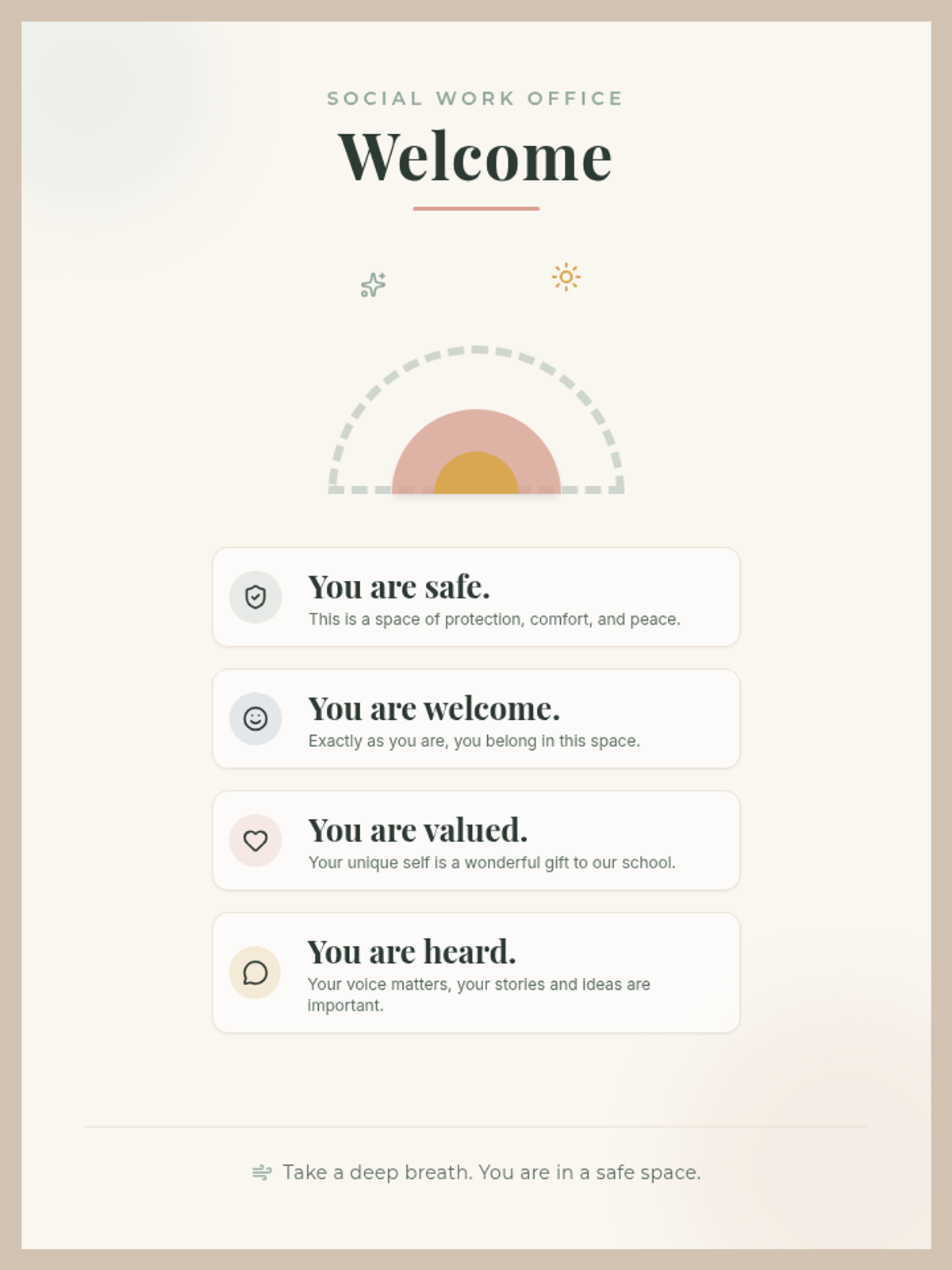
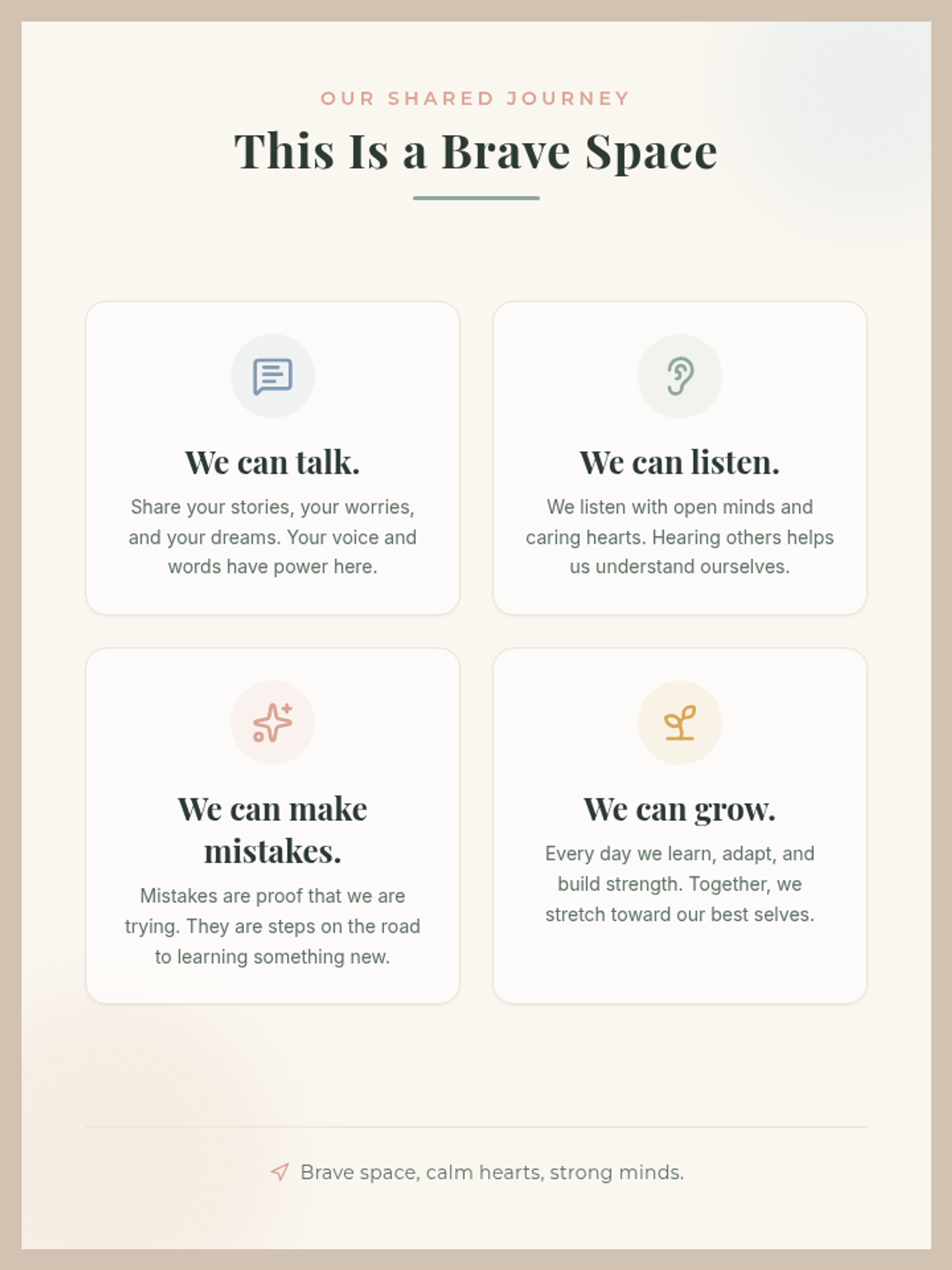
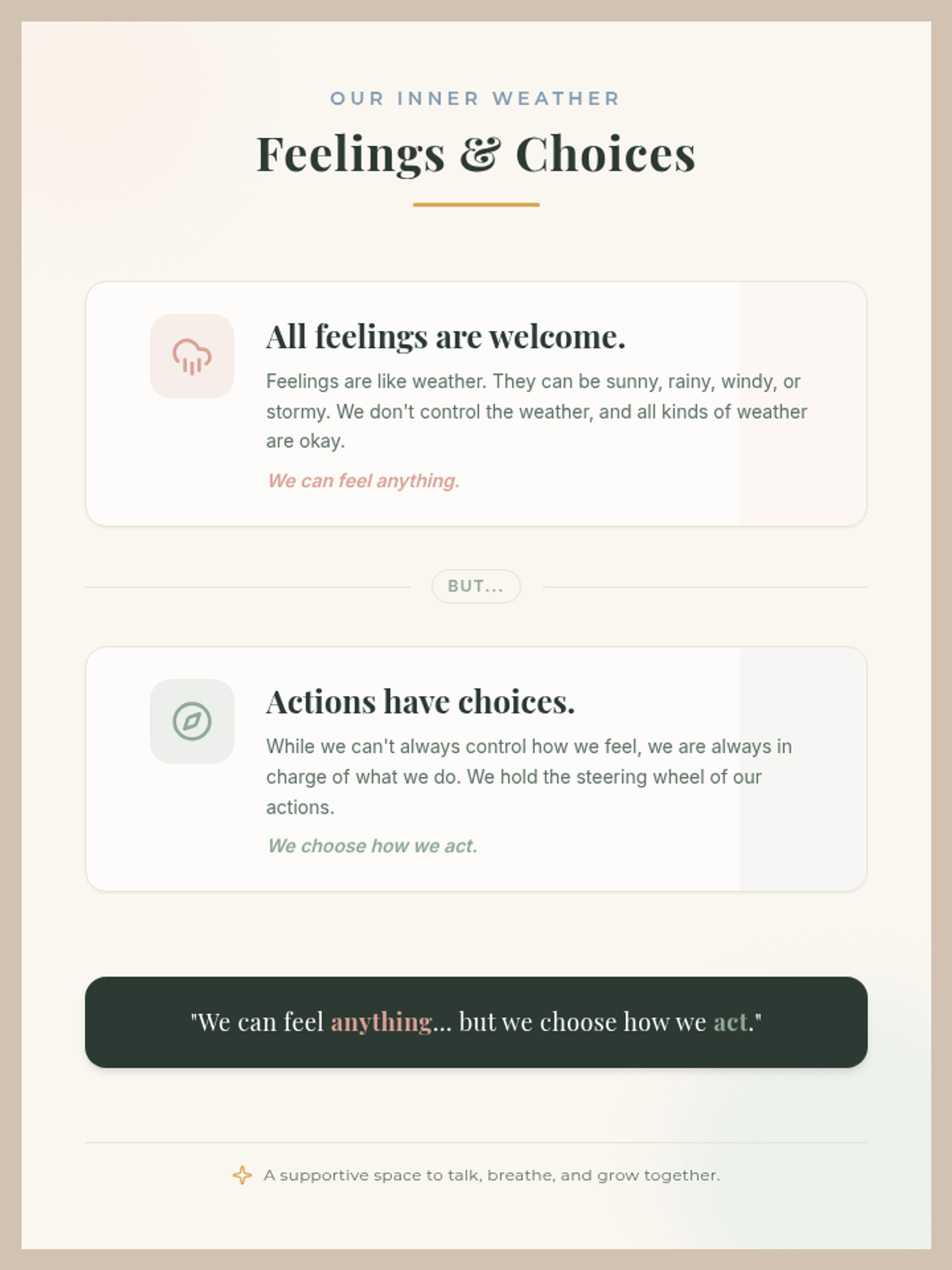
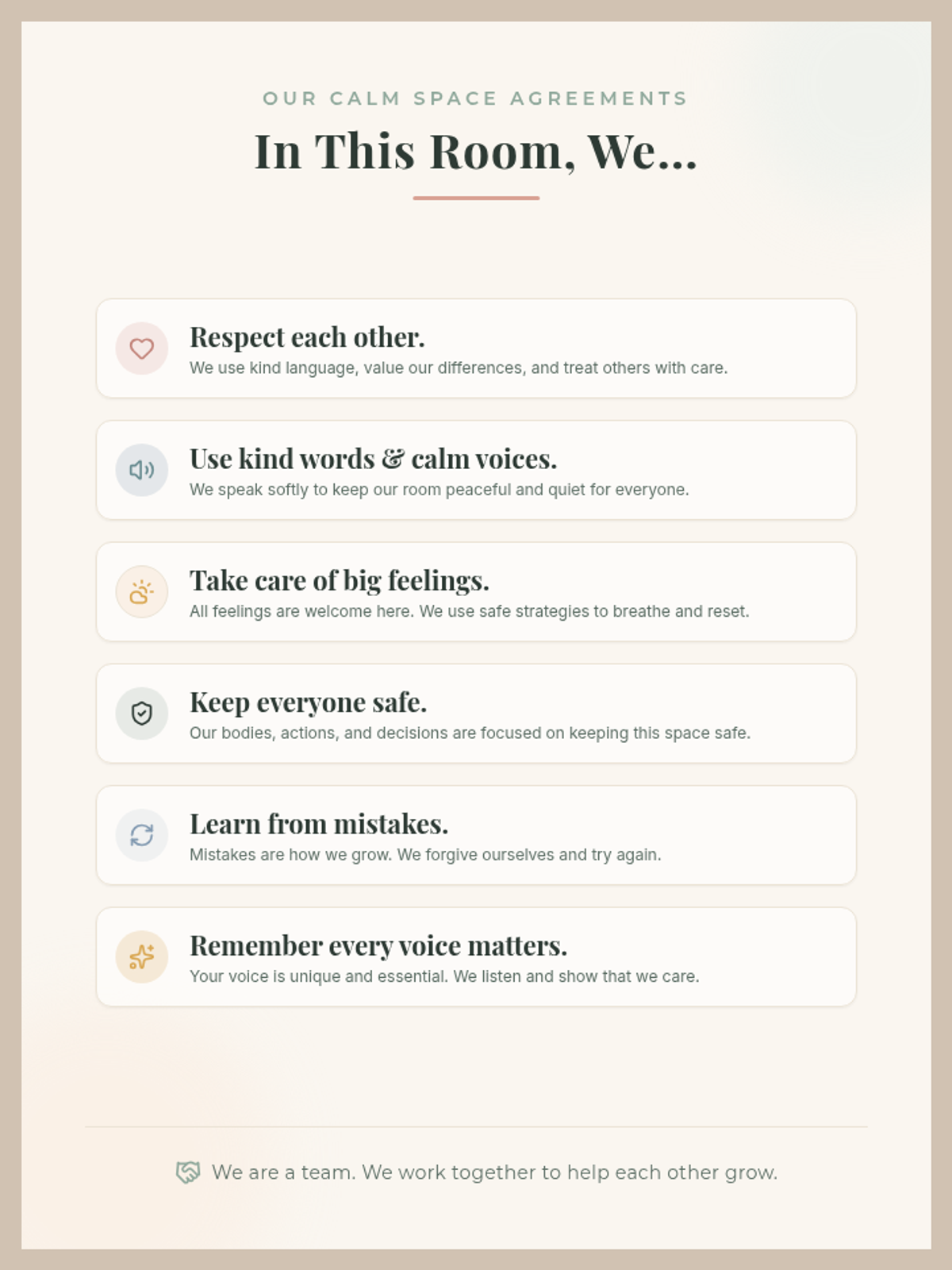
A cohesive suite of beautifully designed printable posters for an elementary school social work office or calm corner, utilizing soft earth tones, gentle affirmations, and clear supportive structures.
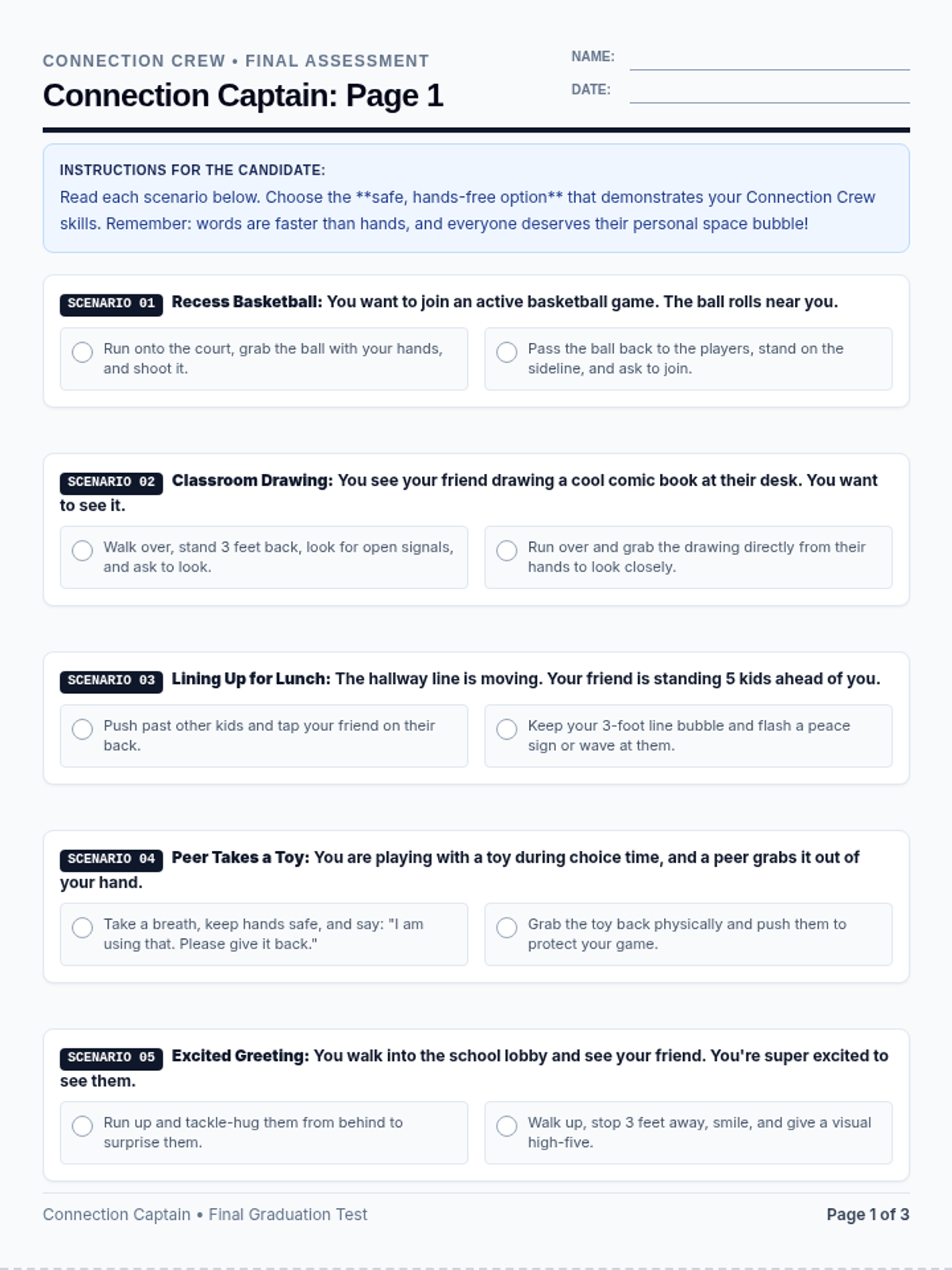
The final graduation assessment where students complete a comprehensive 15-scenario social situation test to prove mastery of safe play initiations, reading cues, keeping physical boundaries, and handling unexpected outcomes.
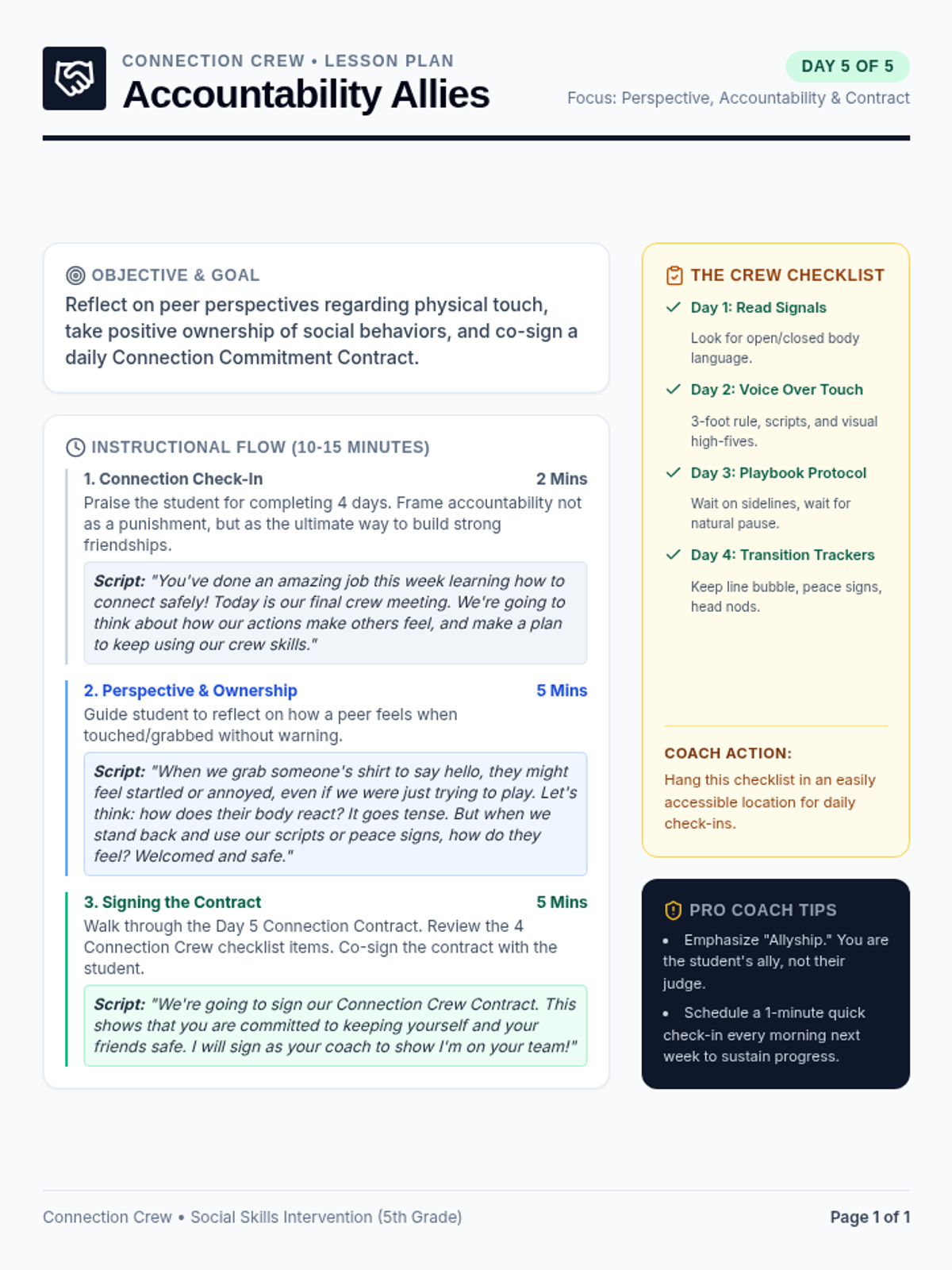
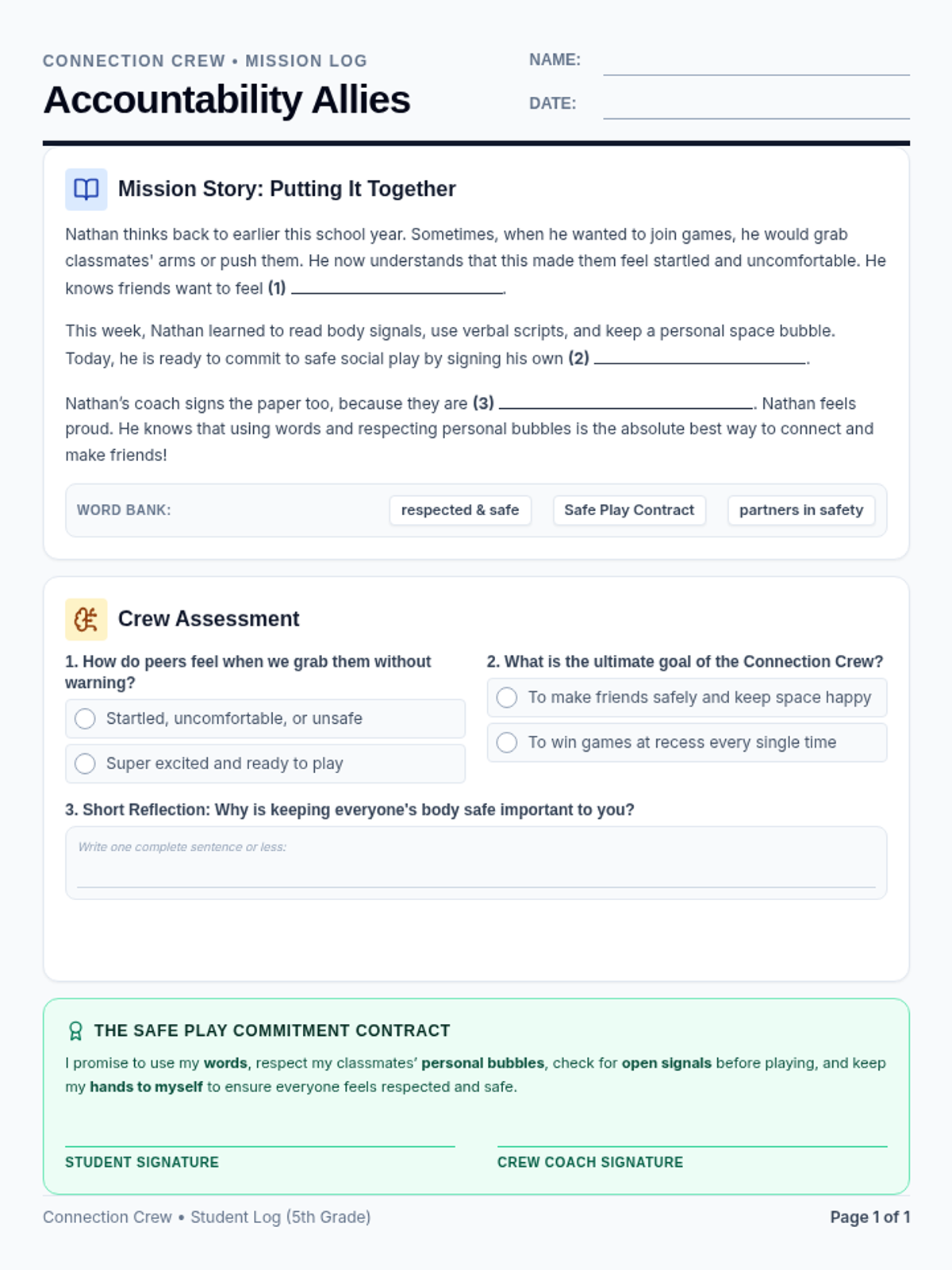
Students synthesize their skills, practice perspective-taking regarding past physical behaviors, and co-create an accountability checklist and safe play commitment contract.
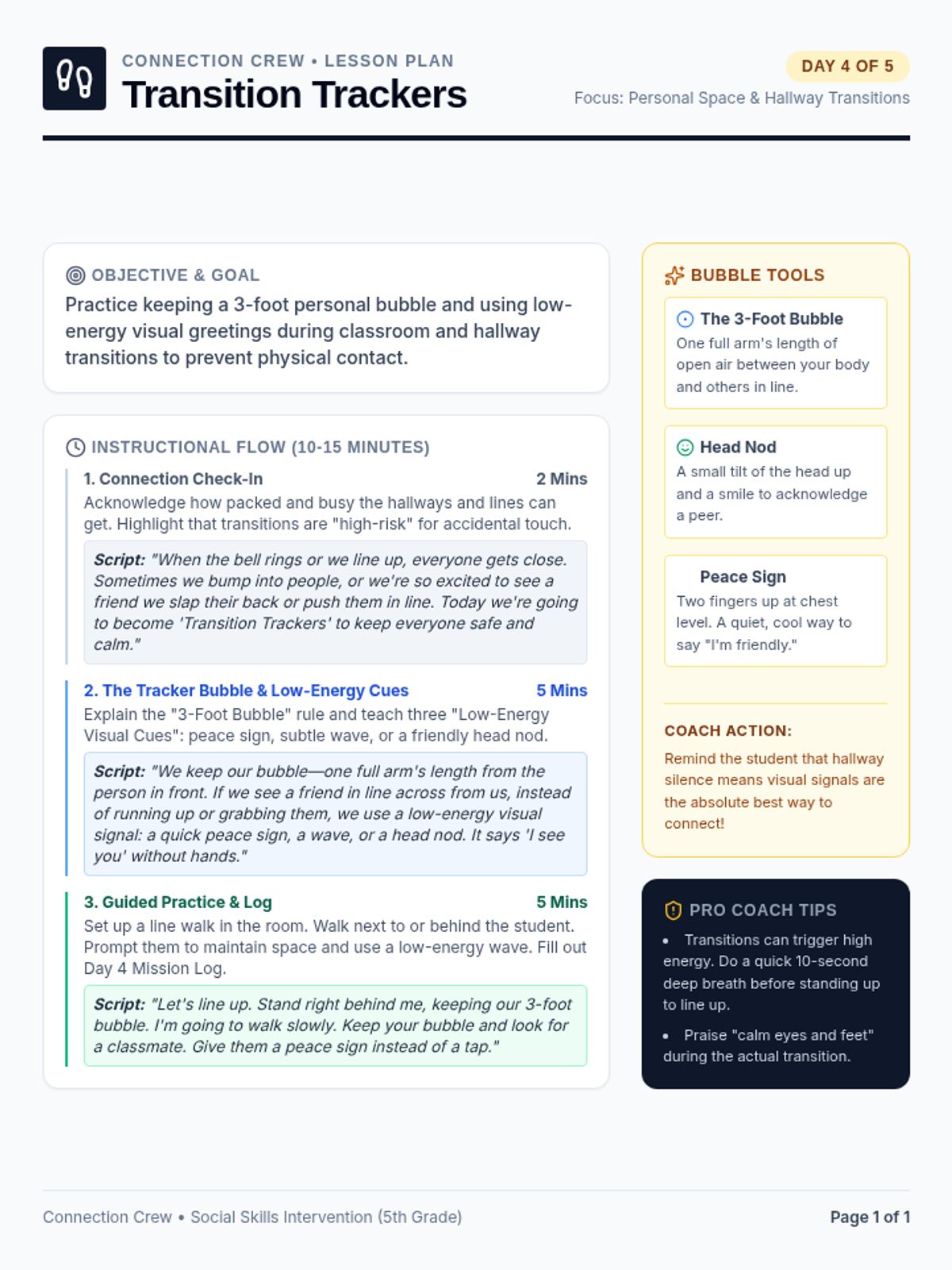
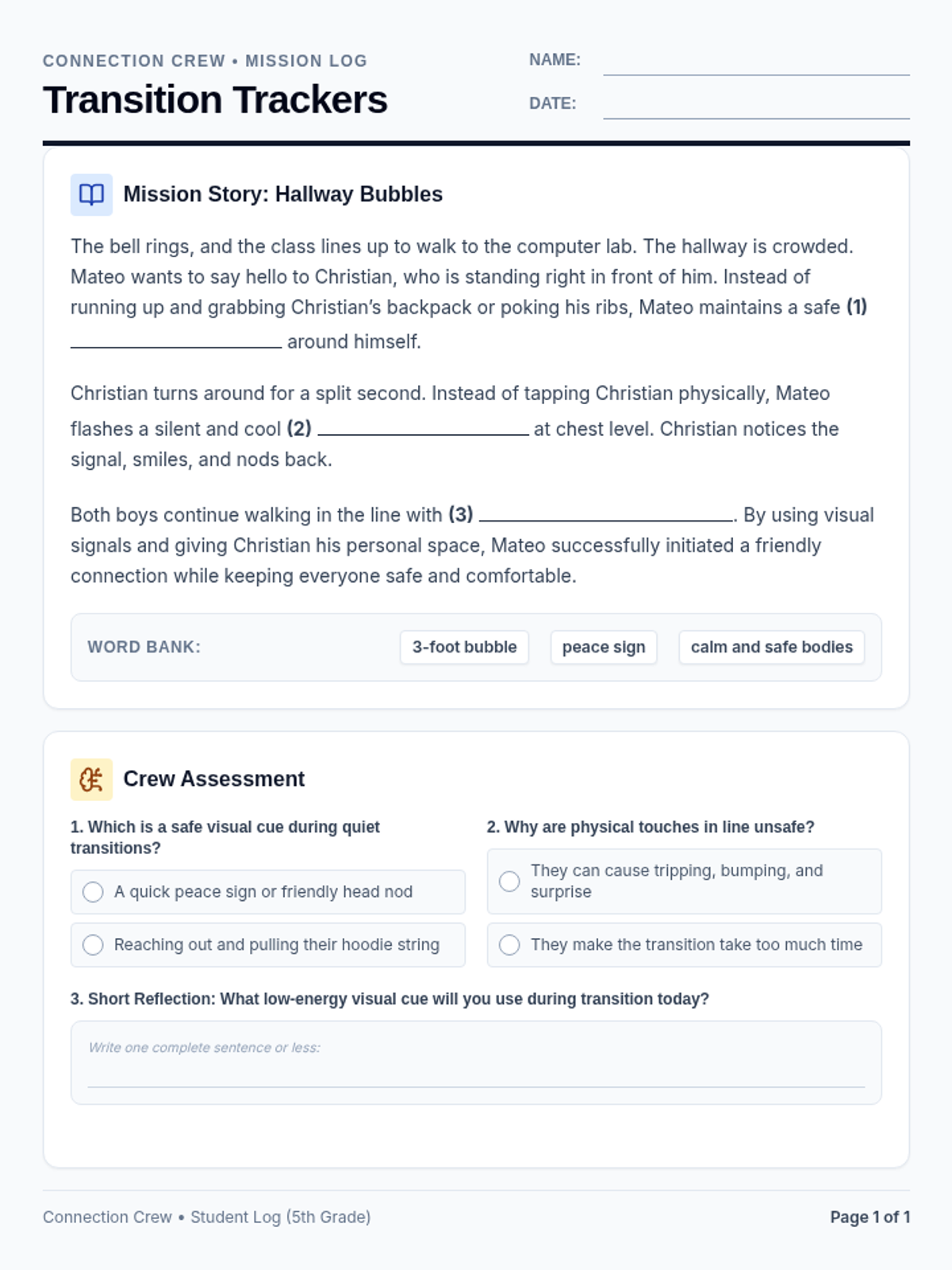
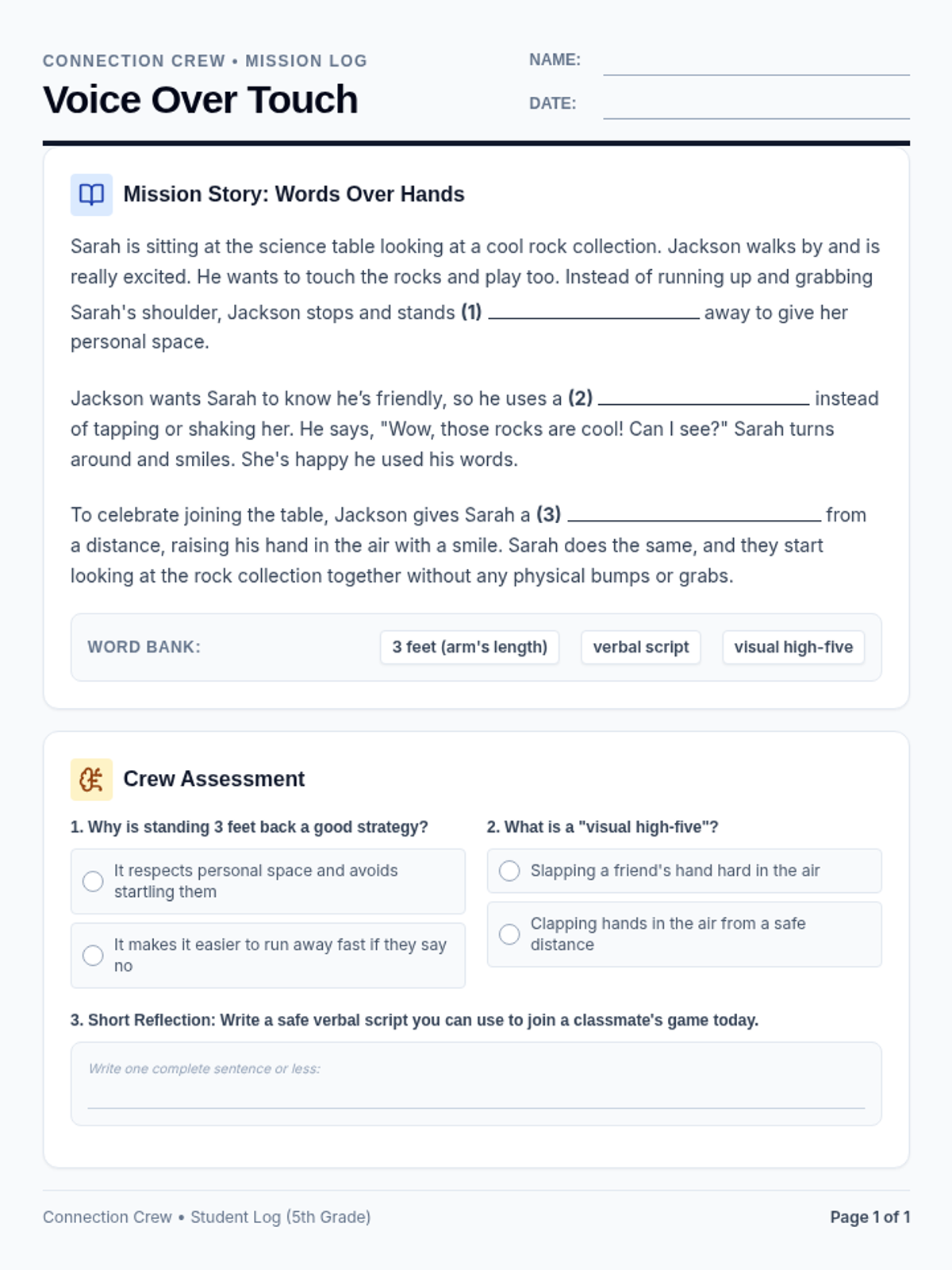
Students practice keeping physical boundaries and using low-energy visual greetings during classroom transitions to maintain safety and respect personal space.
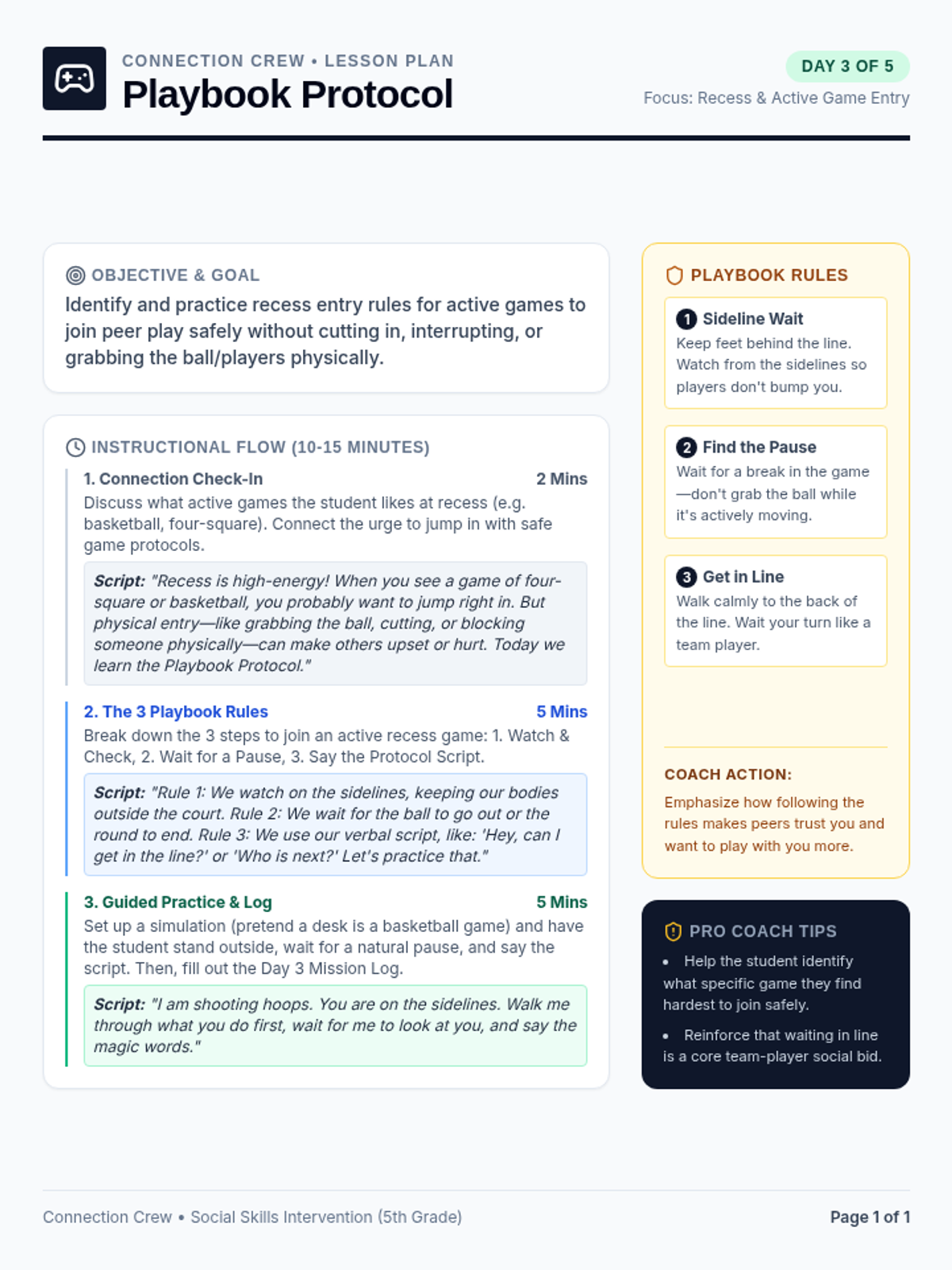
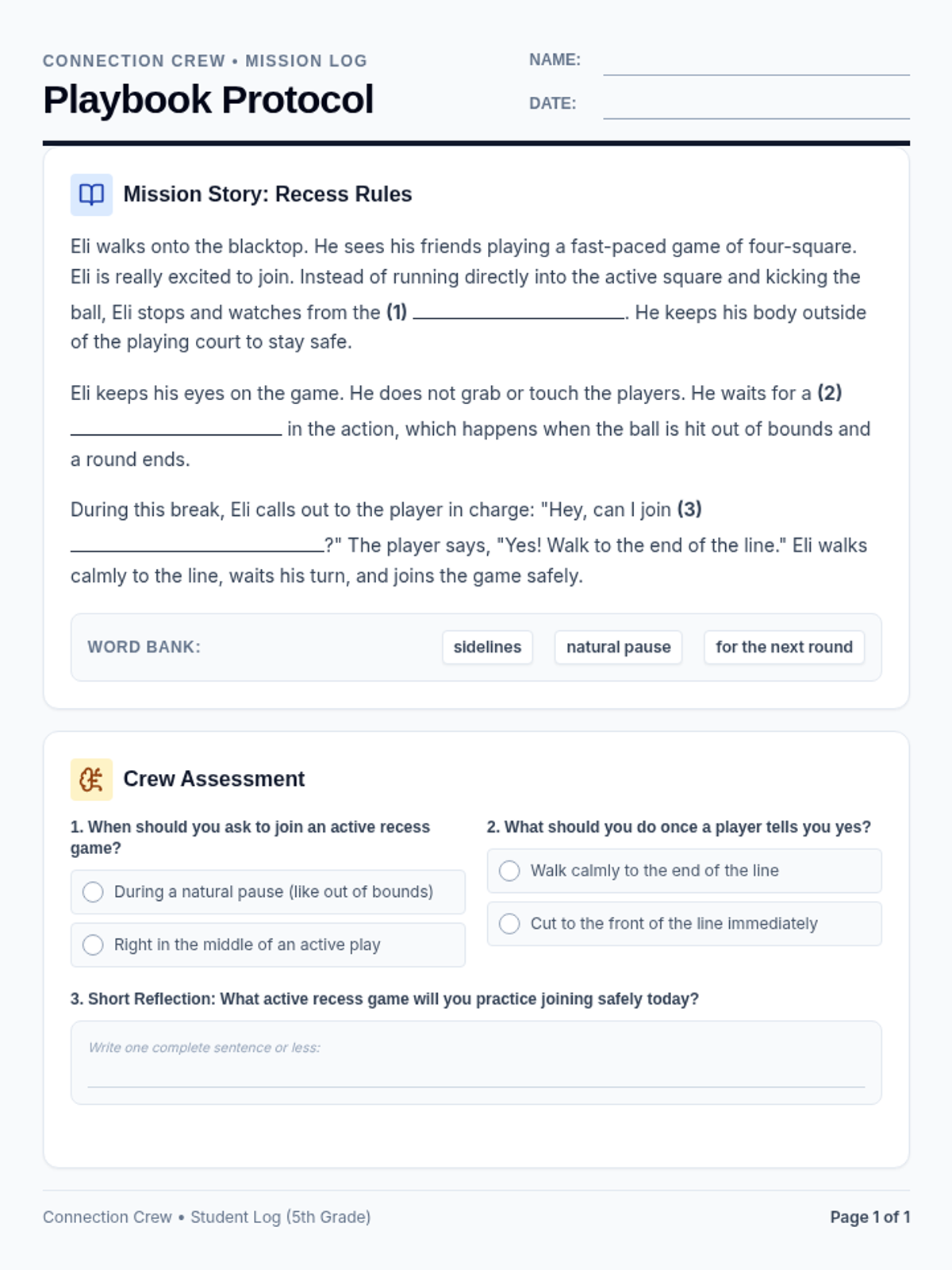
Students focus on the rules for joining active games during unstructured times (like recess), learning safe social entry techniques without physical interruption.
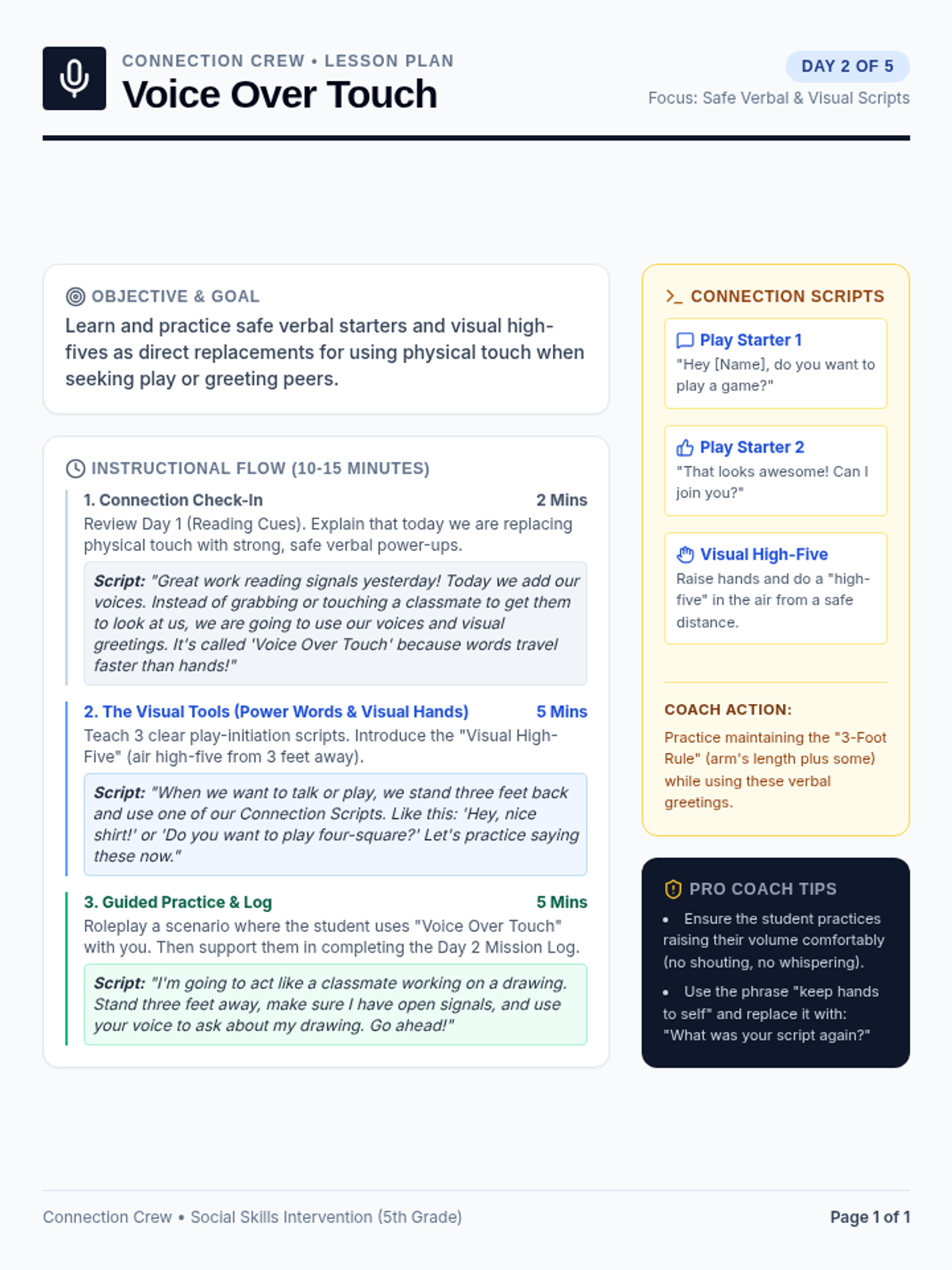
Students learn safe, verbal play-initiation scripts and non-physical greetings to seek social engagement without using physical contact.
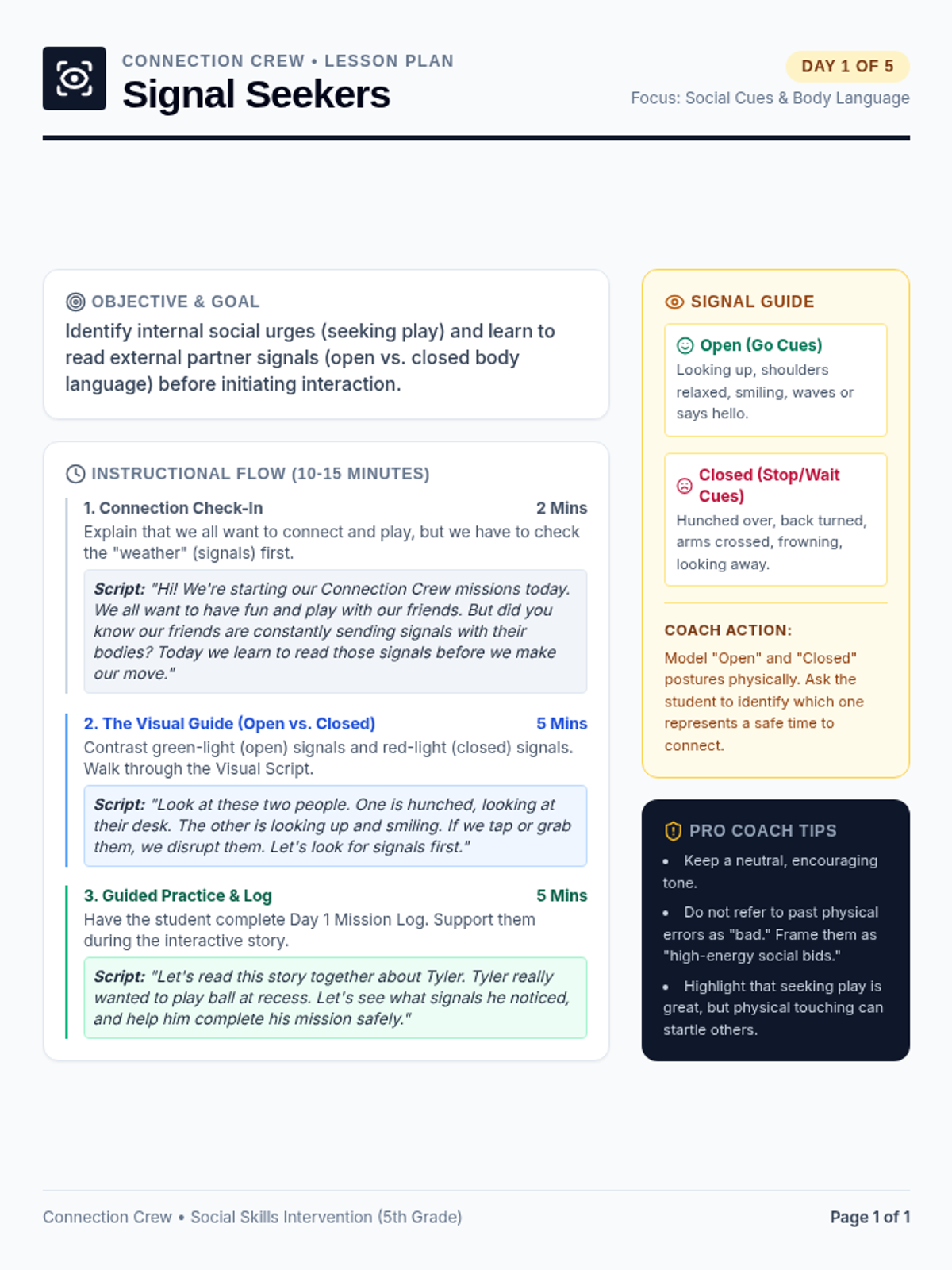
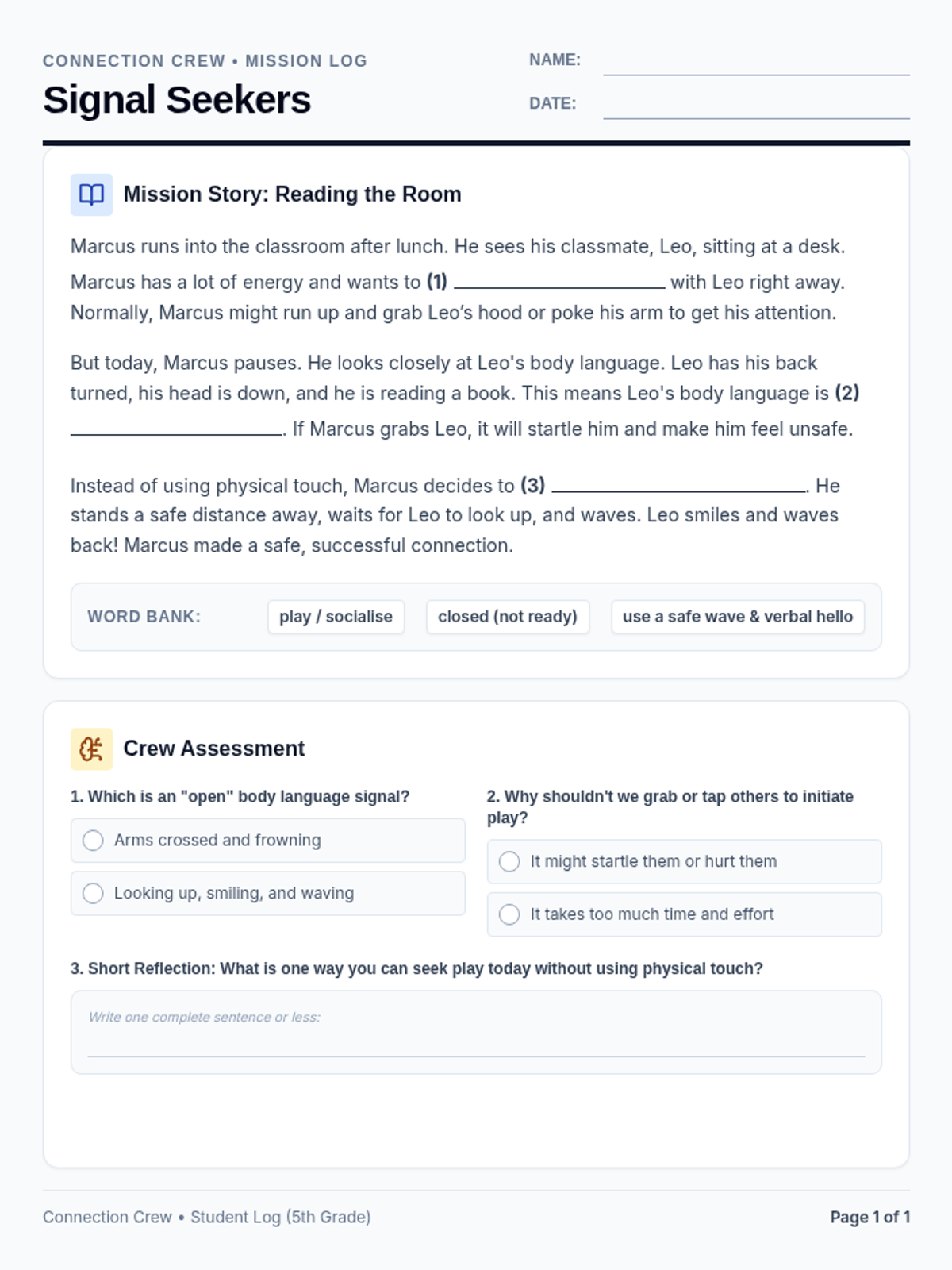
Students learn to recognize social cues and identify how their bodies seek connection during transitions and unstructured play, focusing on reading other people's signals before initiating play.
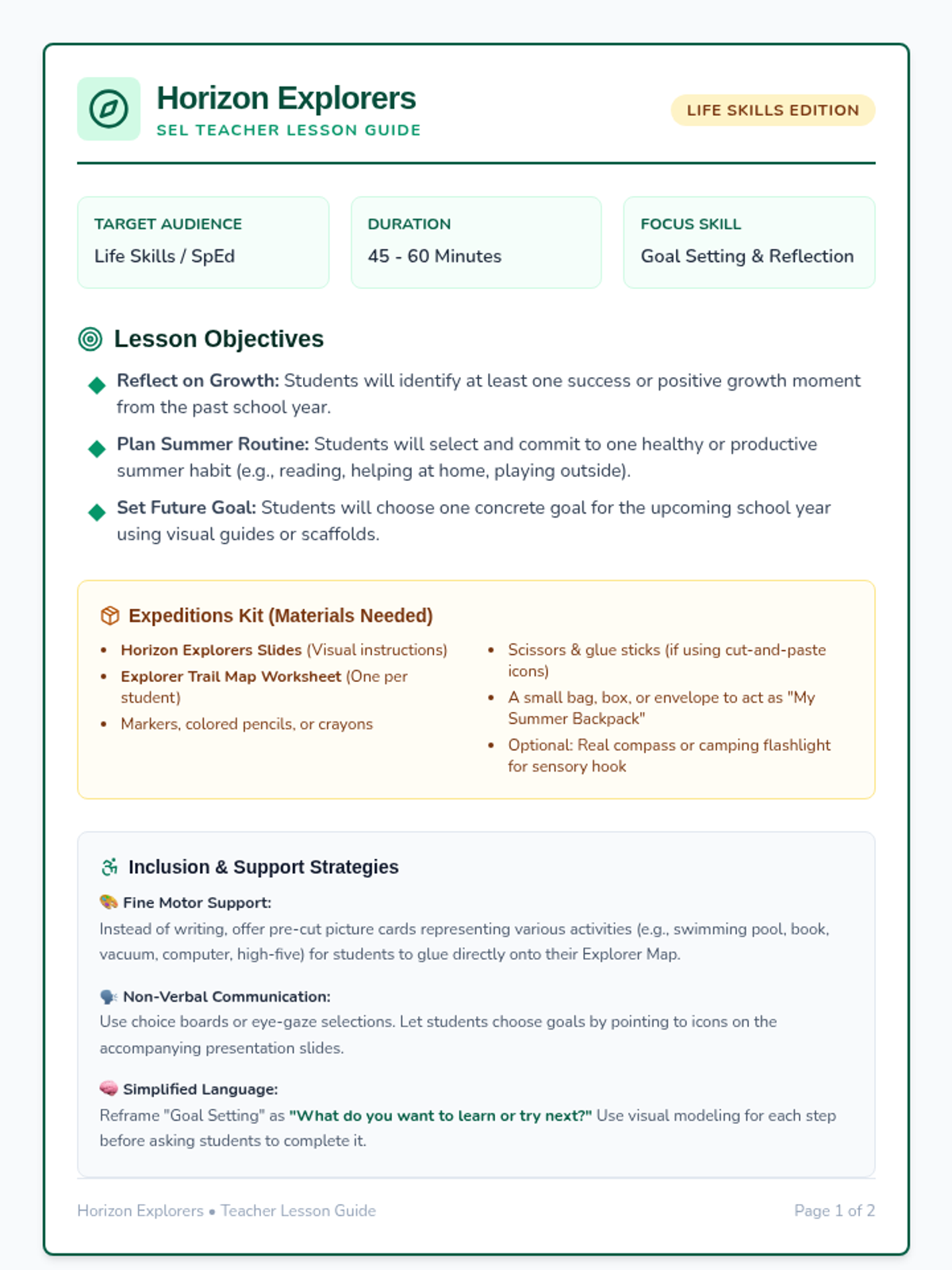
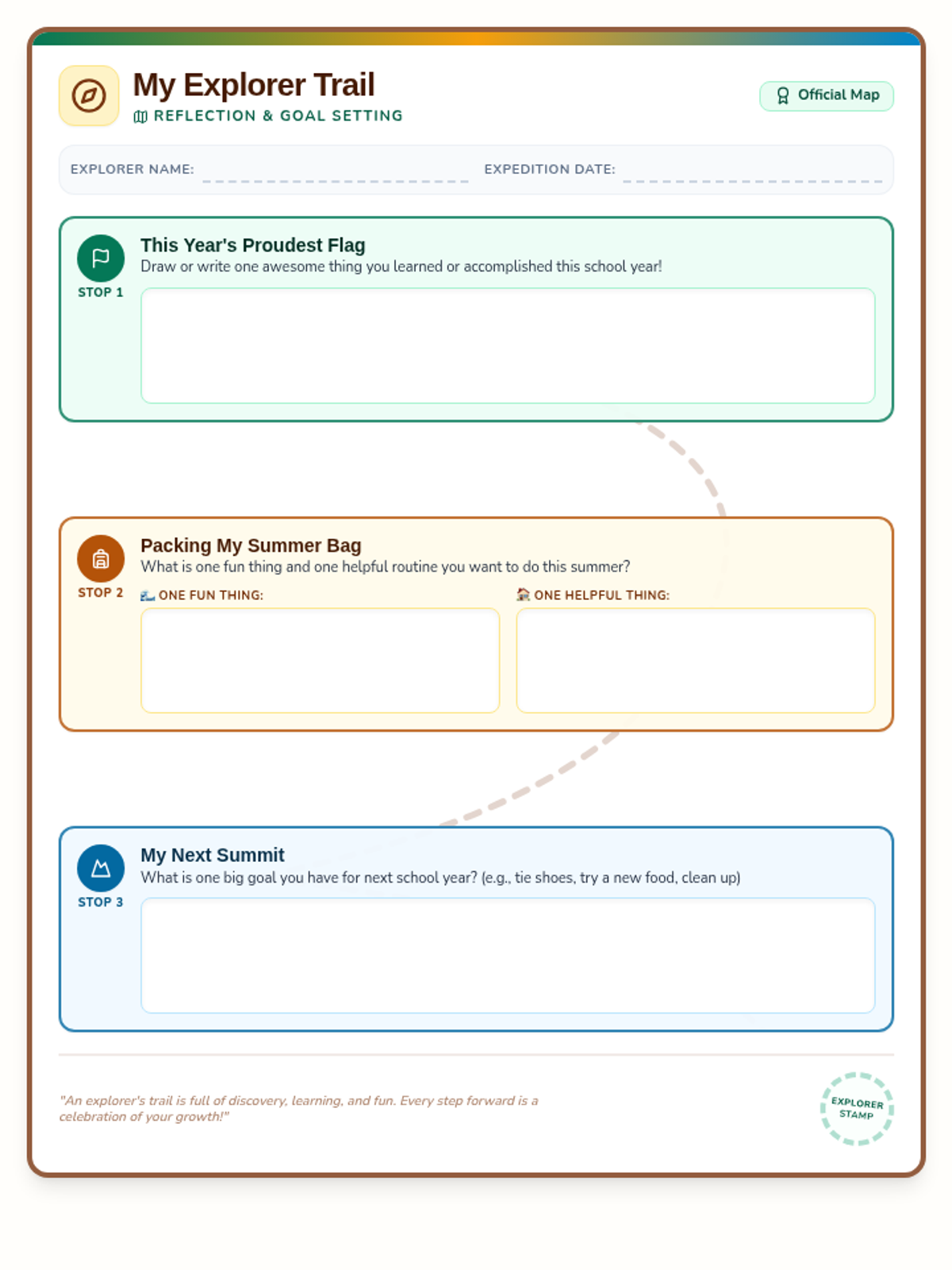
An end-of-the-year social-emotional learning lesson for life skills students focusing on reflection and goal setting. Using an outdoor adventure theme, students 'pack their bags' for a fun, productive summer and map out their path for the upcoming school year.
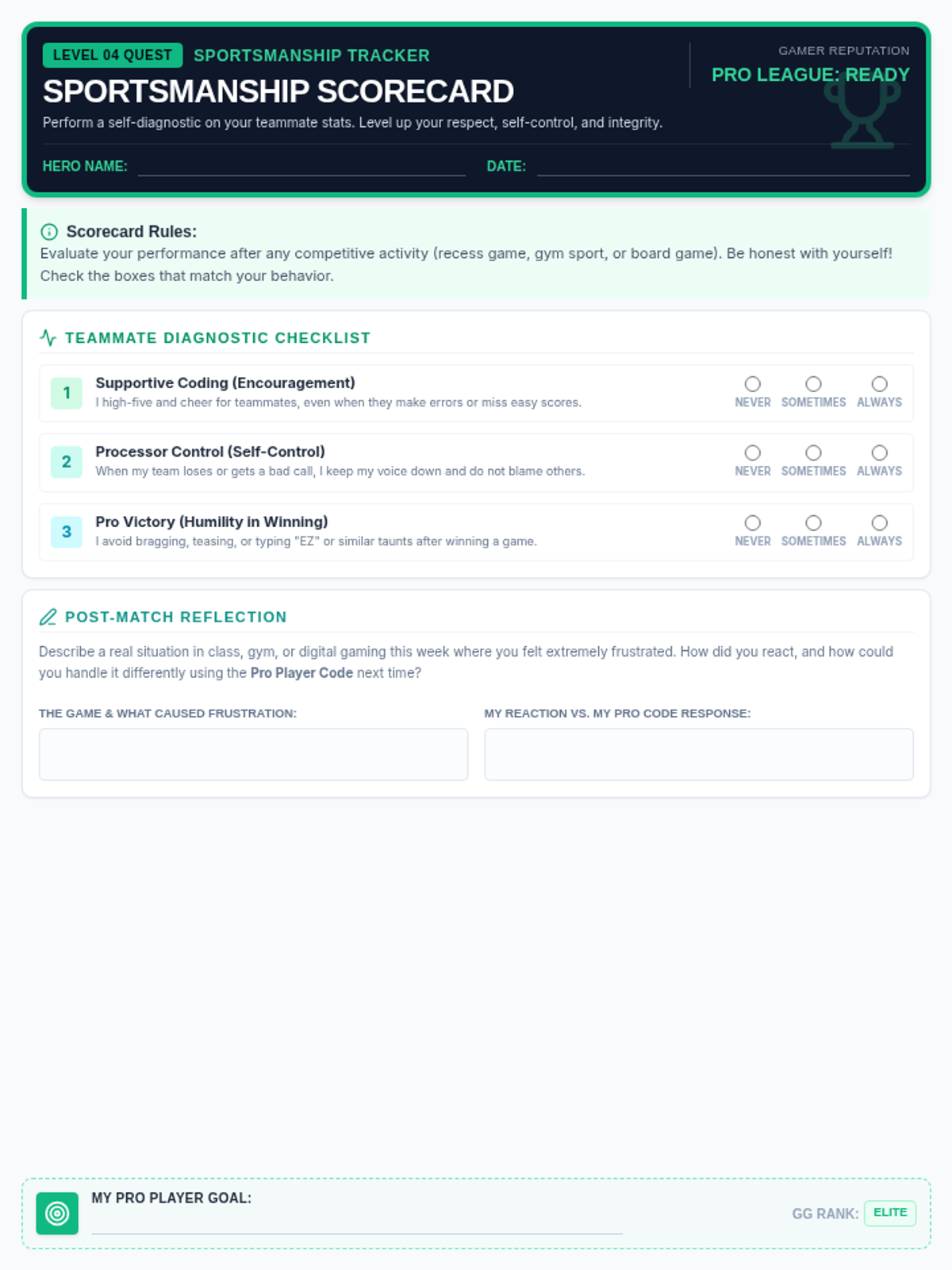
Focuses on building positive teammate habits, managing frustration during competition, and redefining what it means to win.
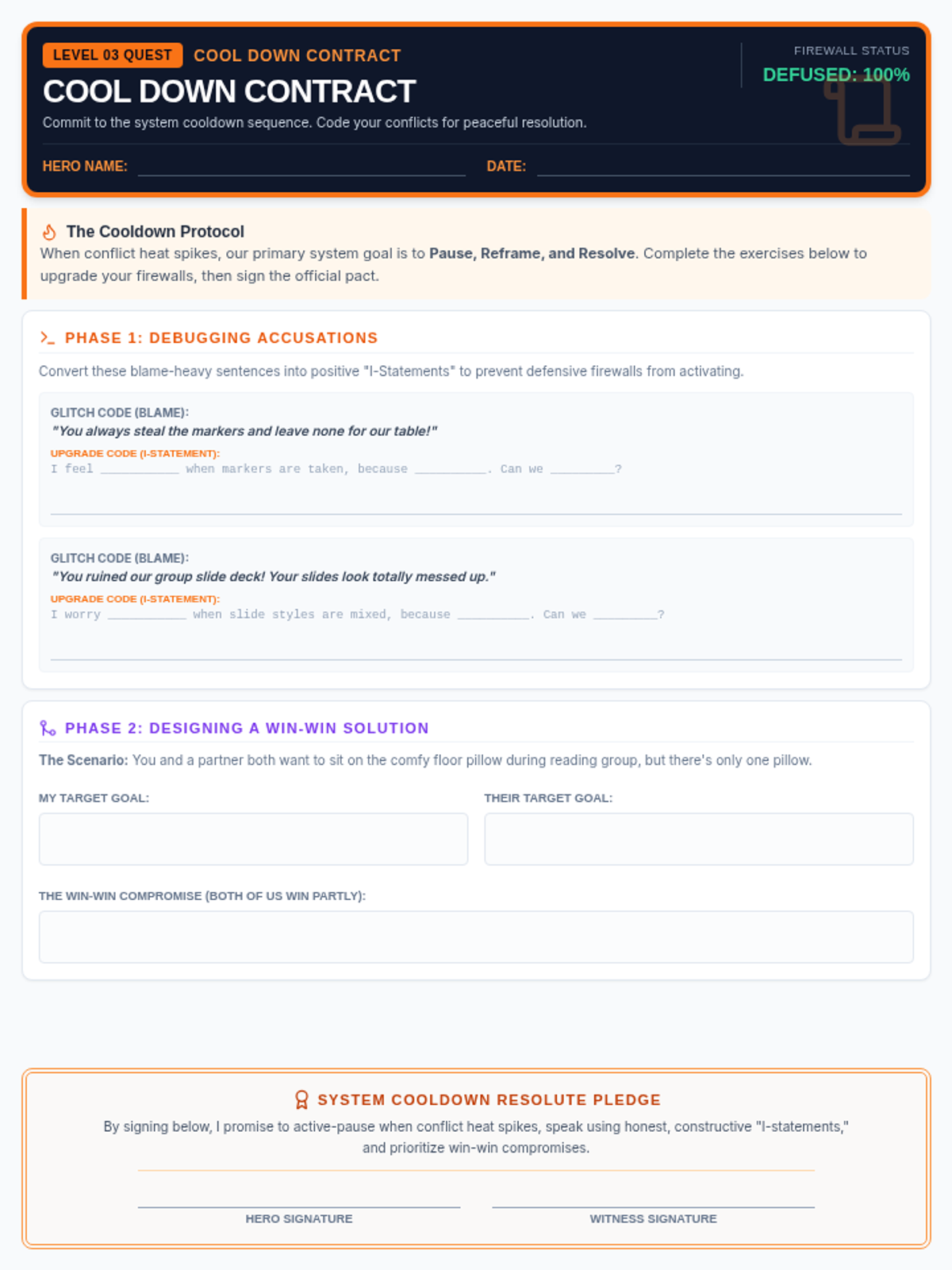
Teaches actionable techniques to cool down high-heat conflicts, communicate boundaries, and find win-win resolutions.
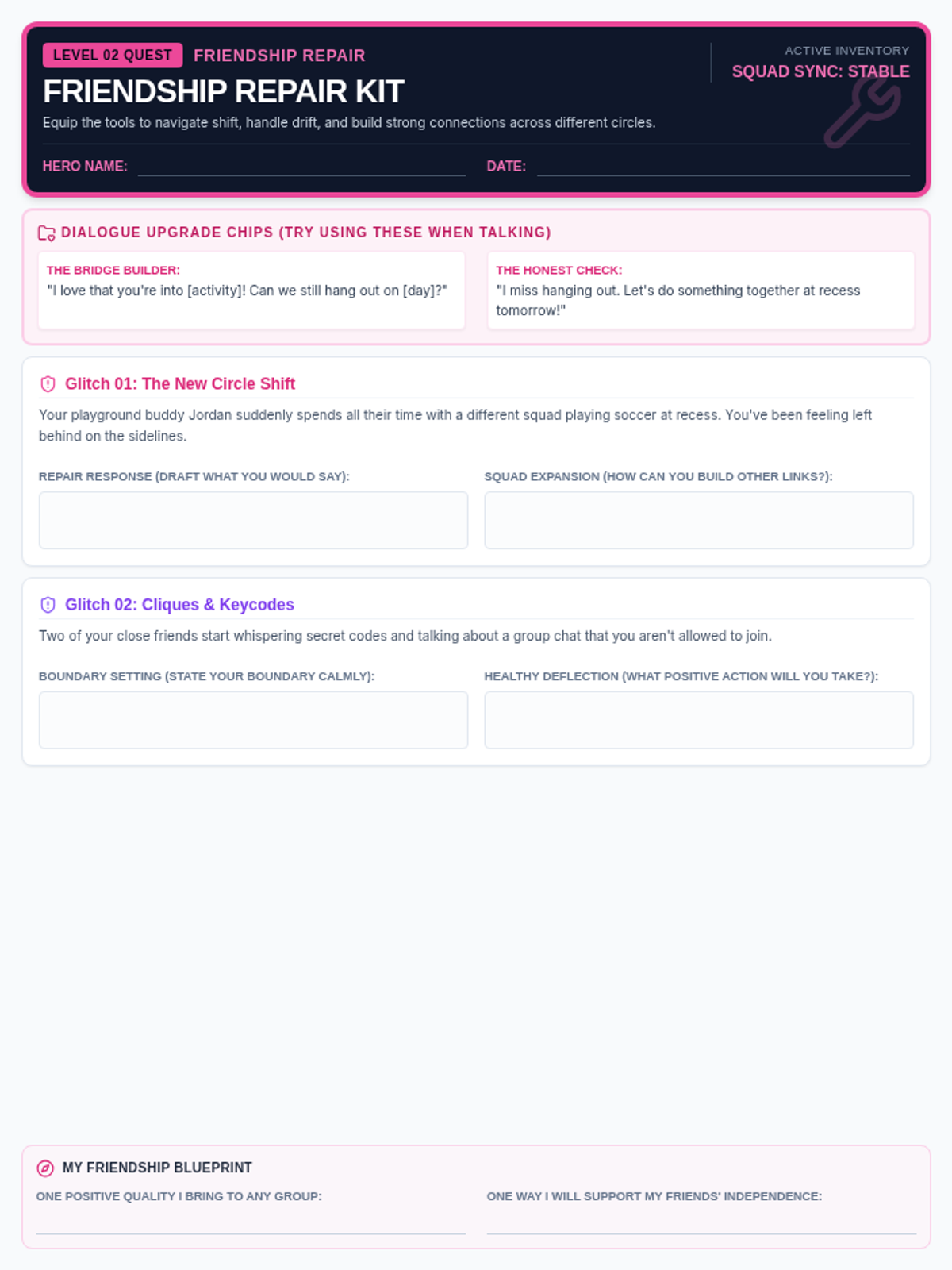
Equips 5th graders to navigate shifting friendship dynamics, handle cliques, and address growing apart with respect and maturity.
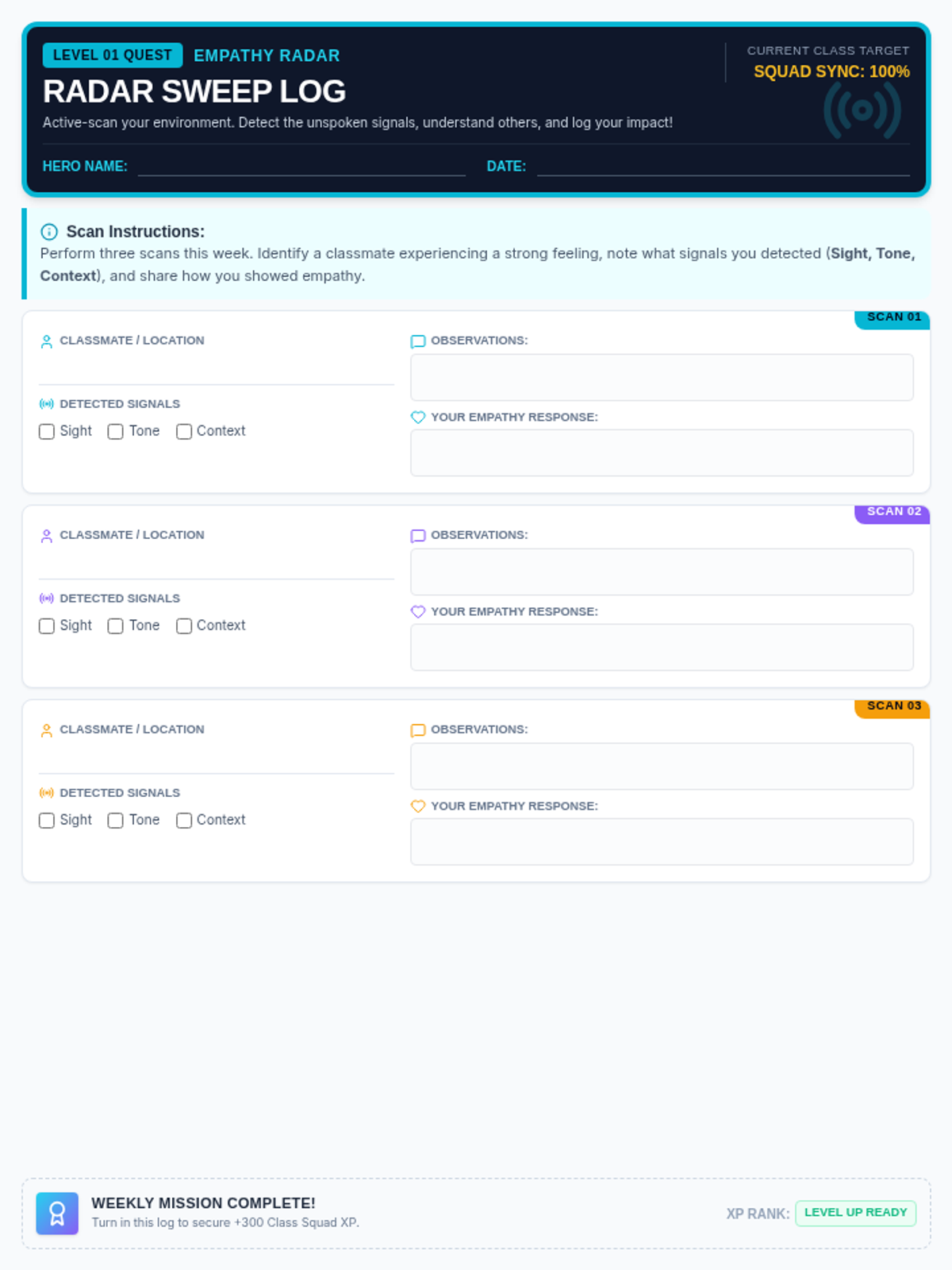
Students learn to active-scan their social environments for feelings, practicing perspectives-taking to build strong empathetic foundations.
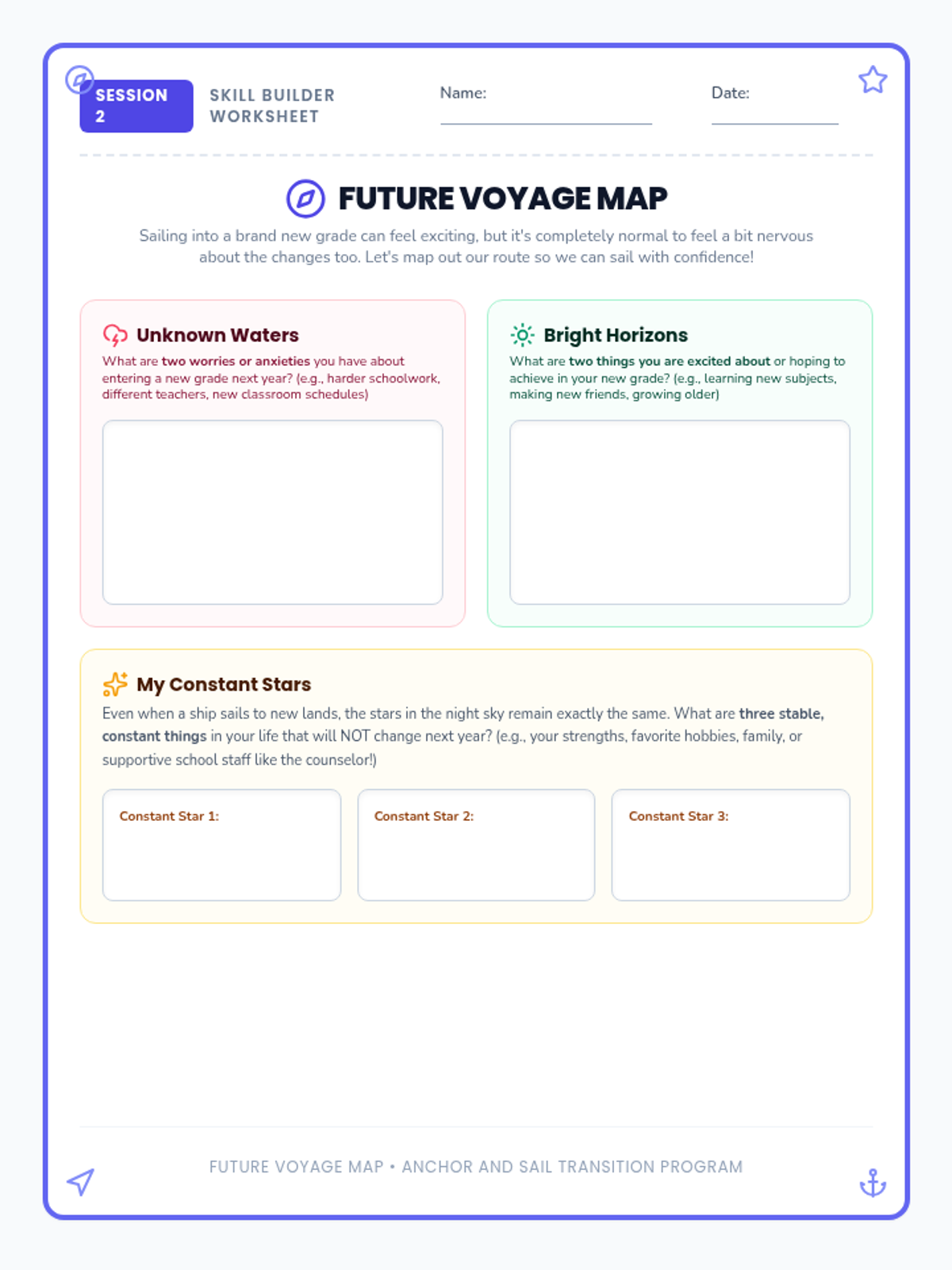
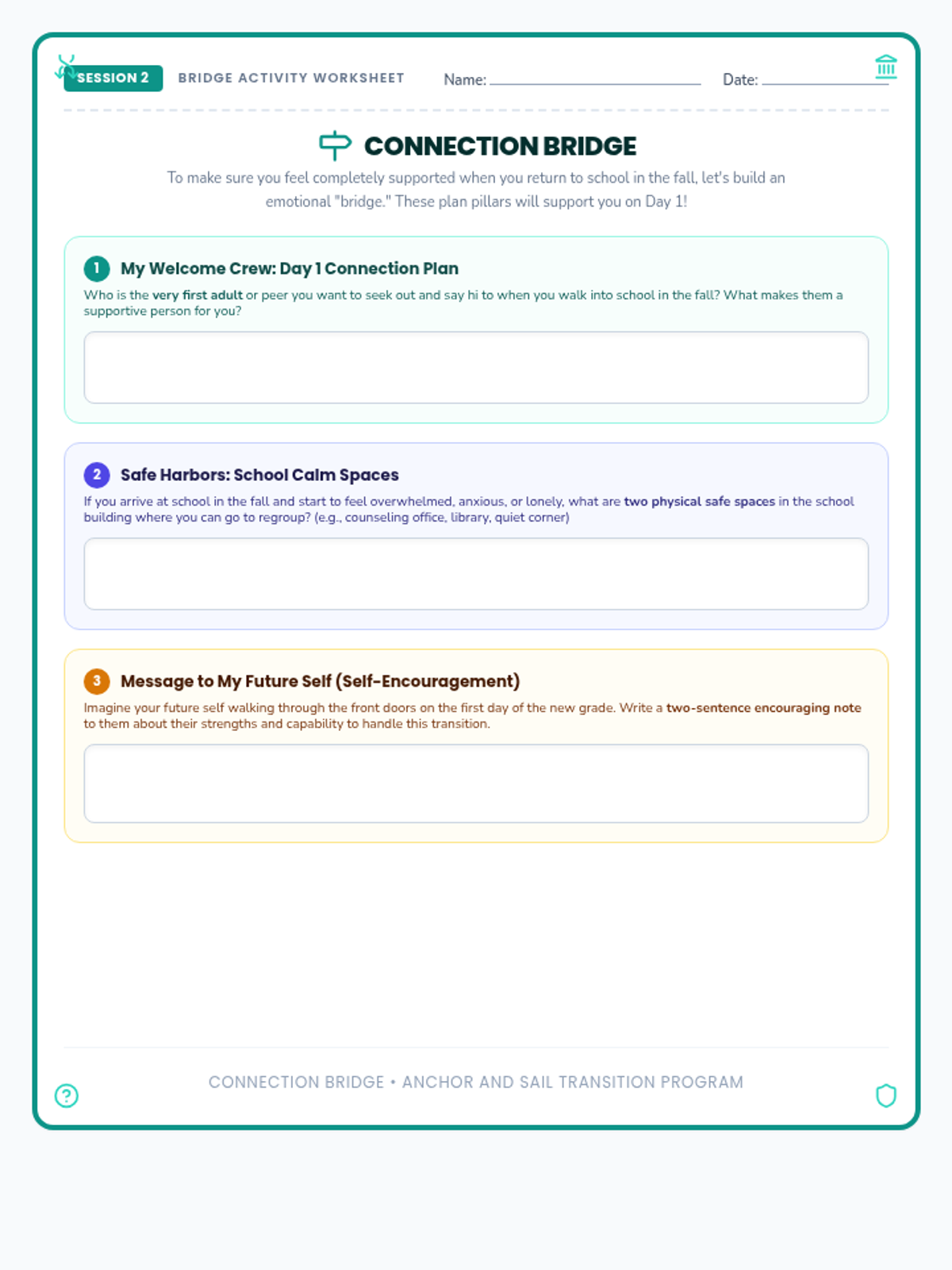
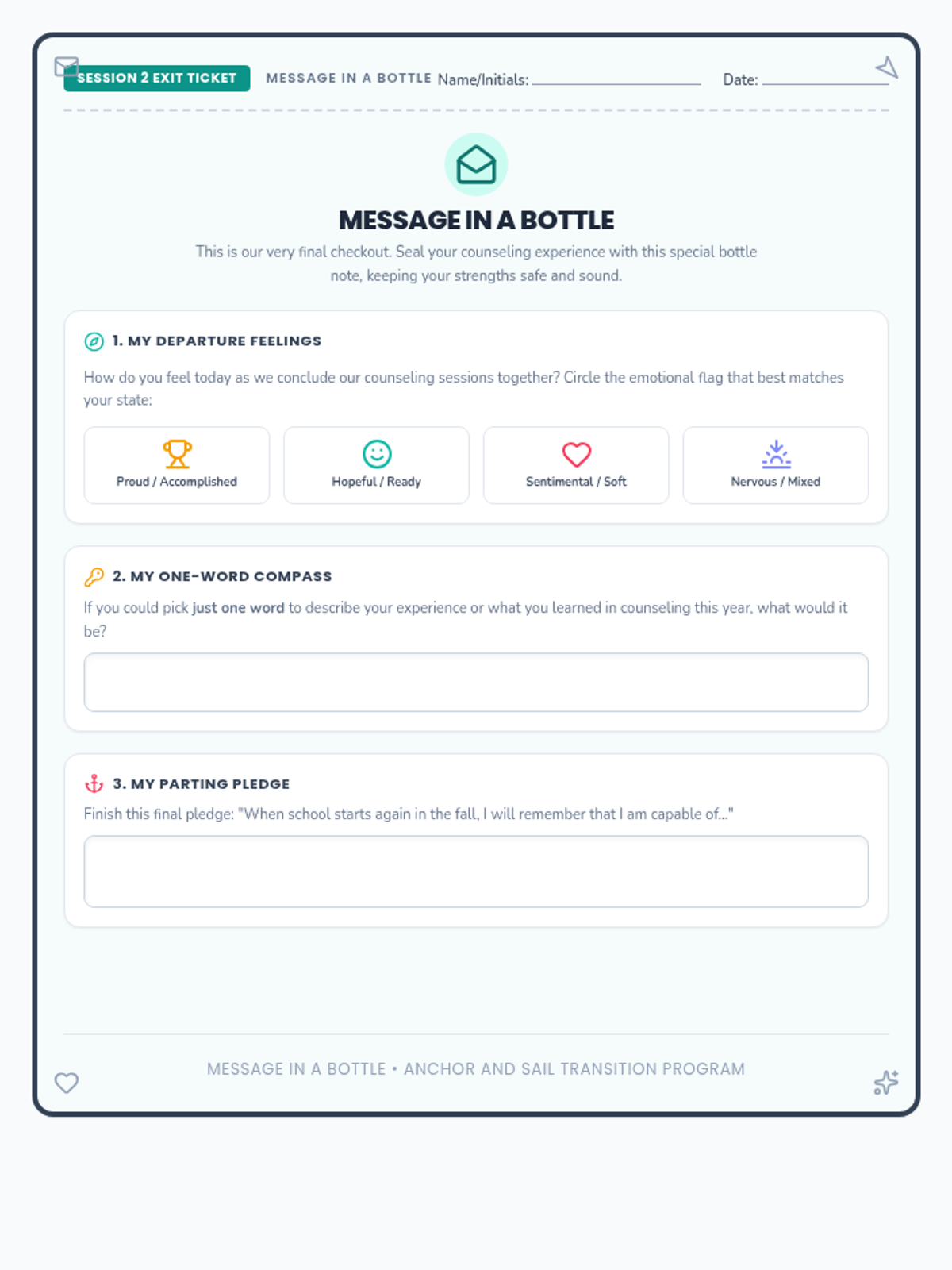
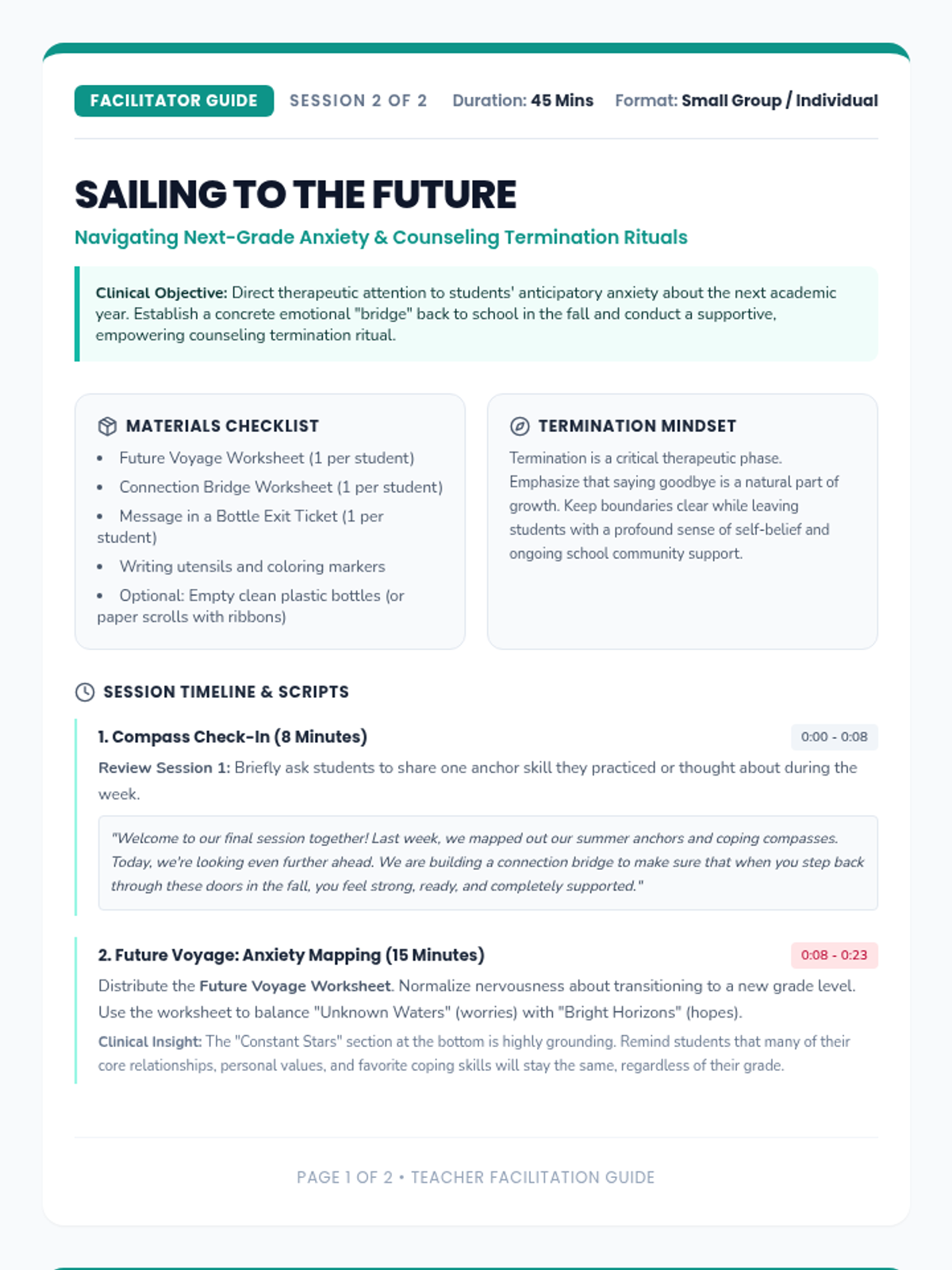
Session 2 focuses on addressing anxiety about entering a new grade, identifying what remains stable, building a concrete emotional "bridge" back to school in the fall, and conducting a meaningful counseling termination ritual.
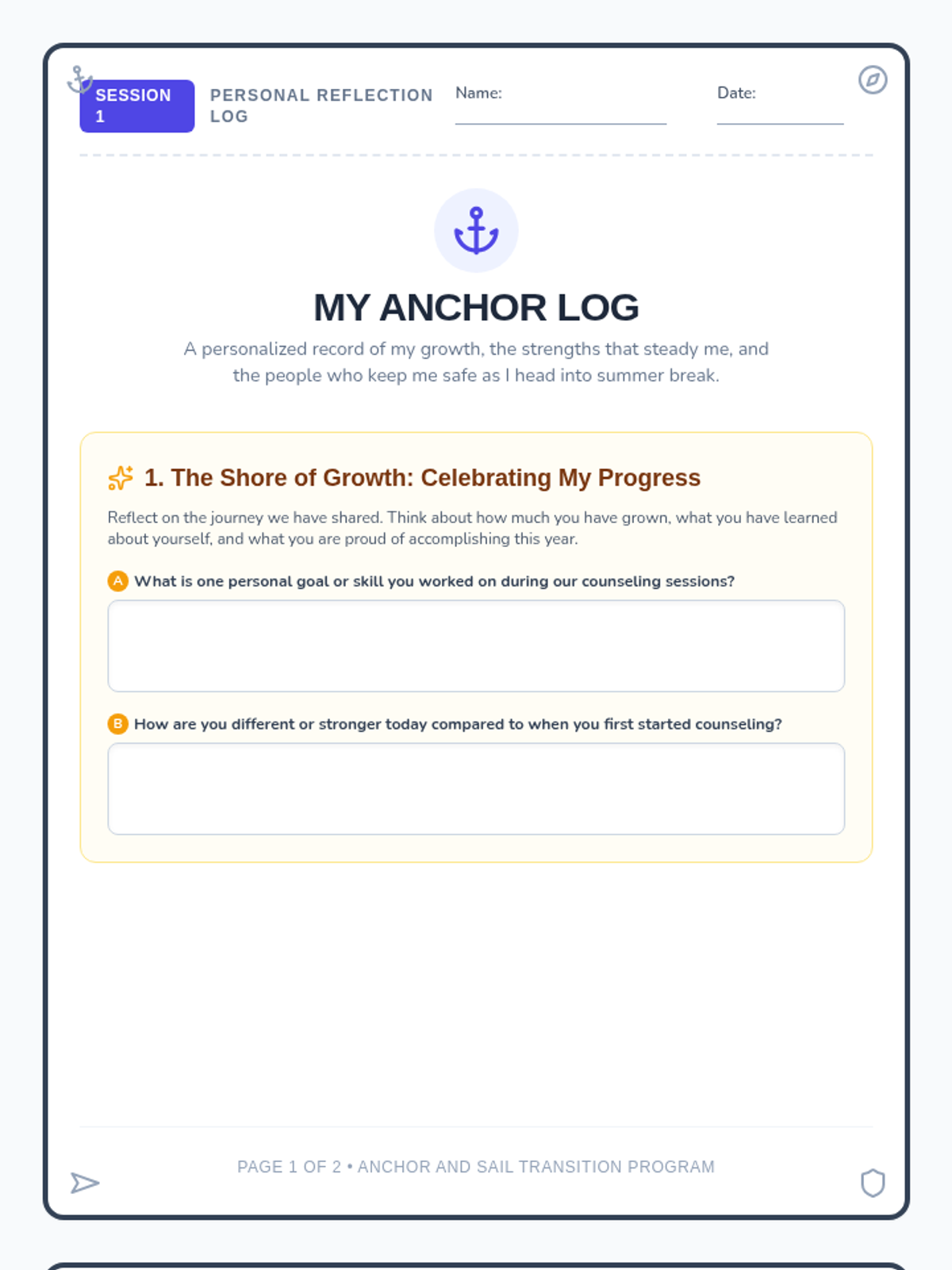
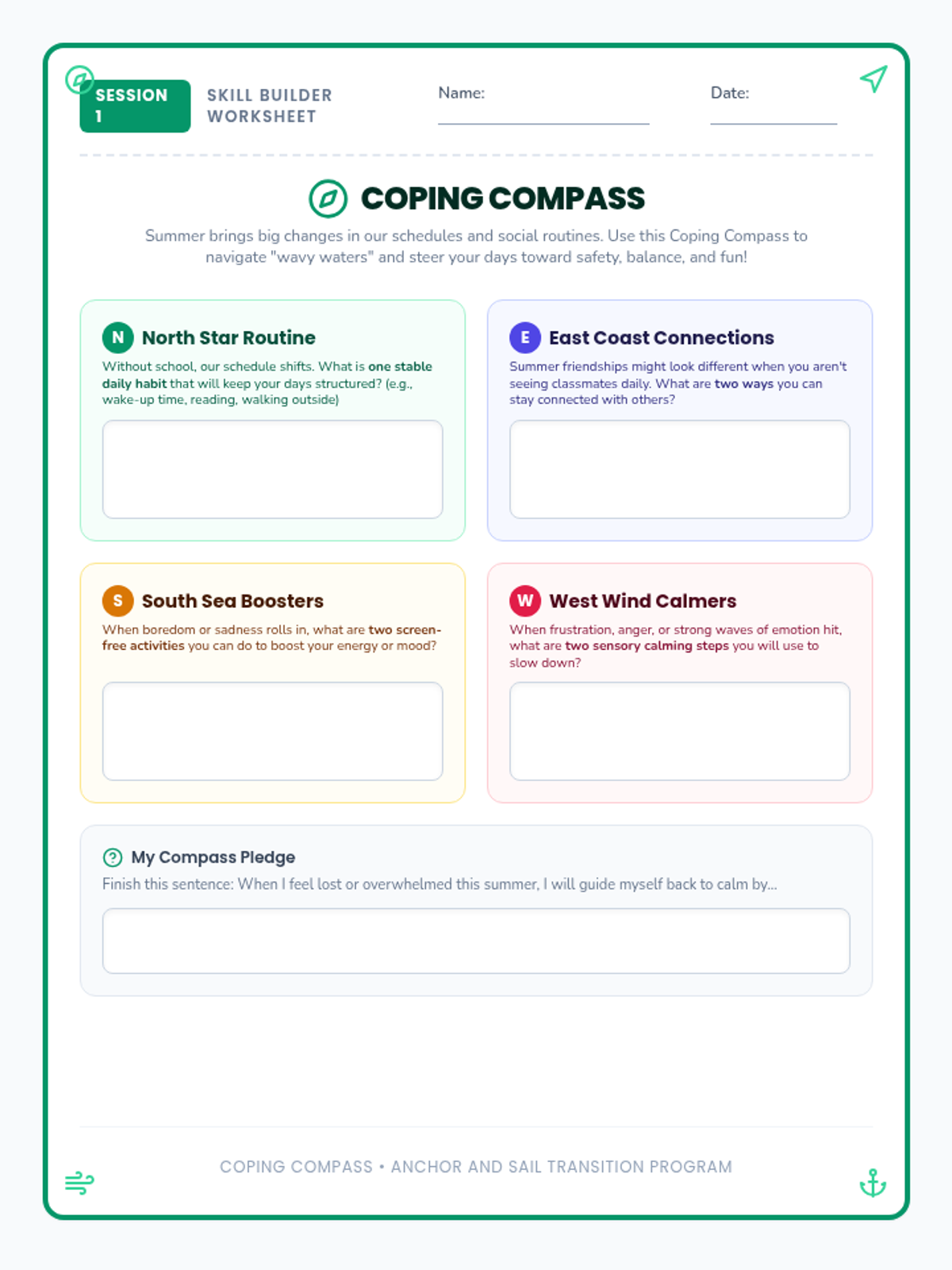
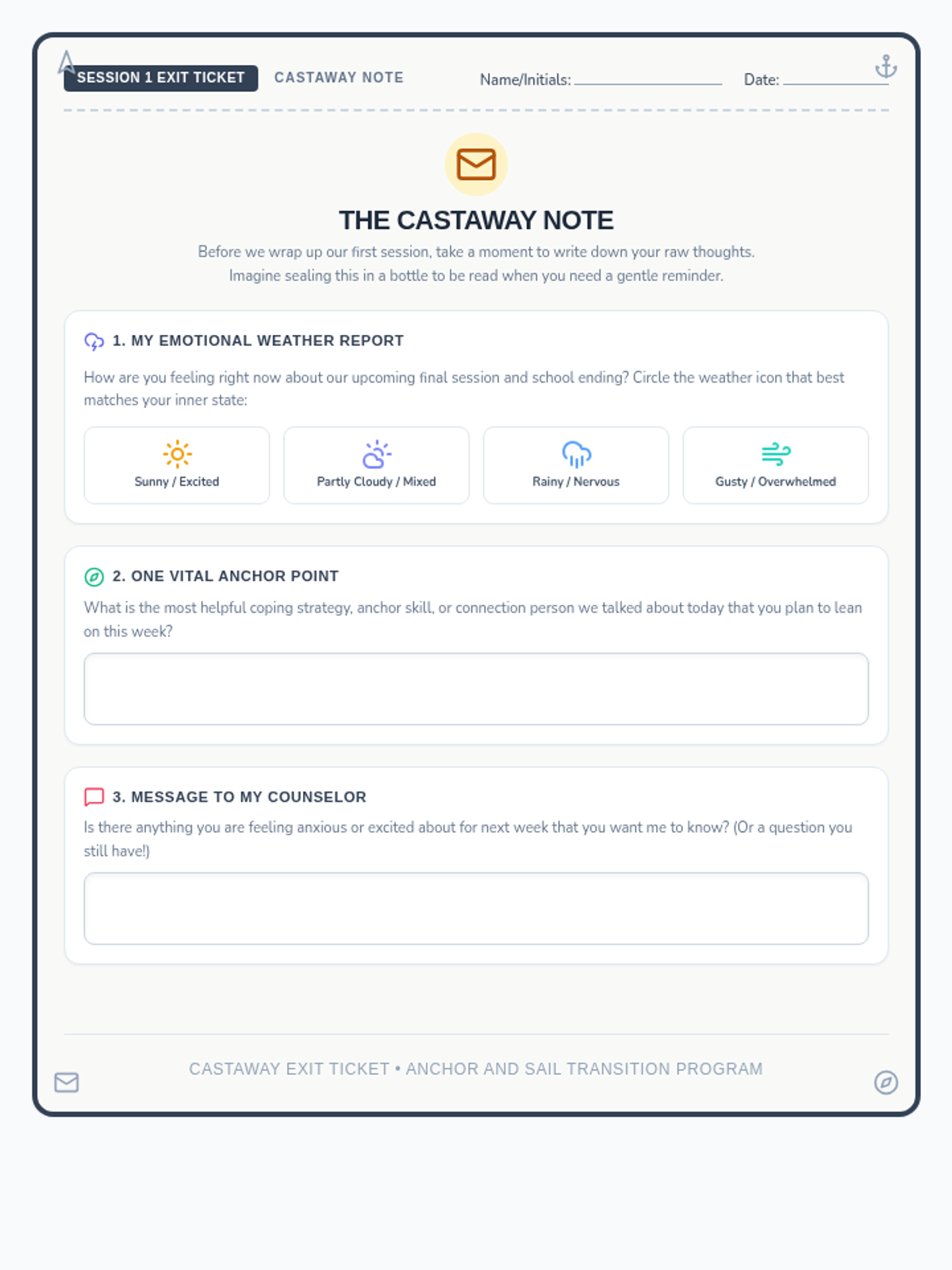
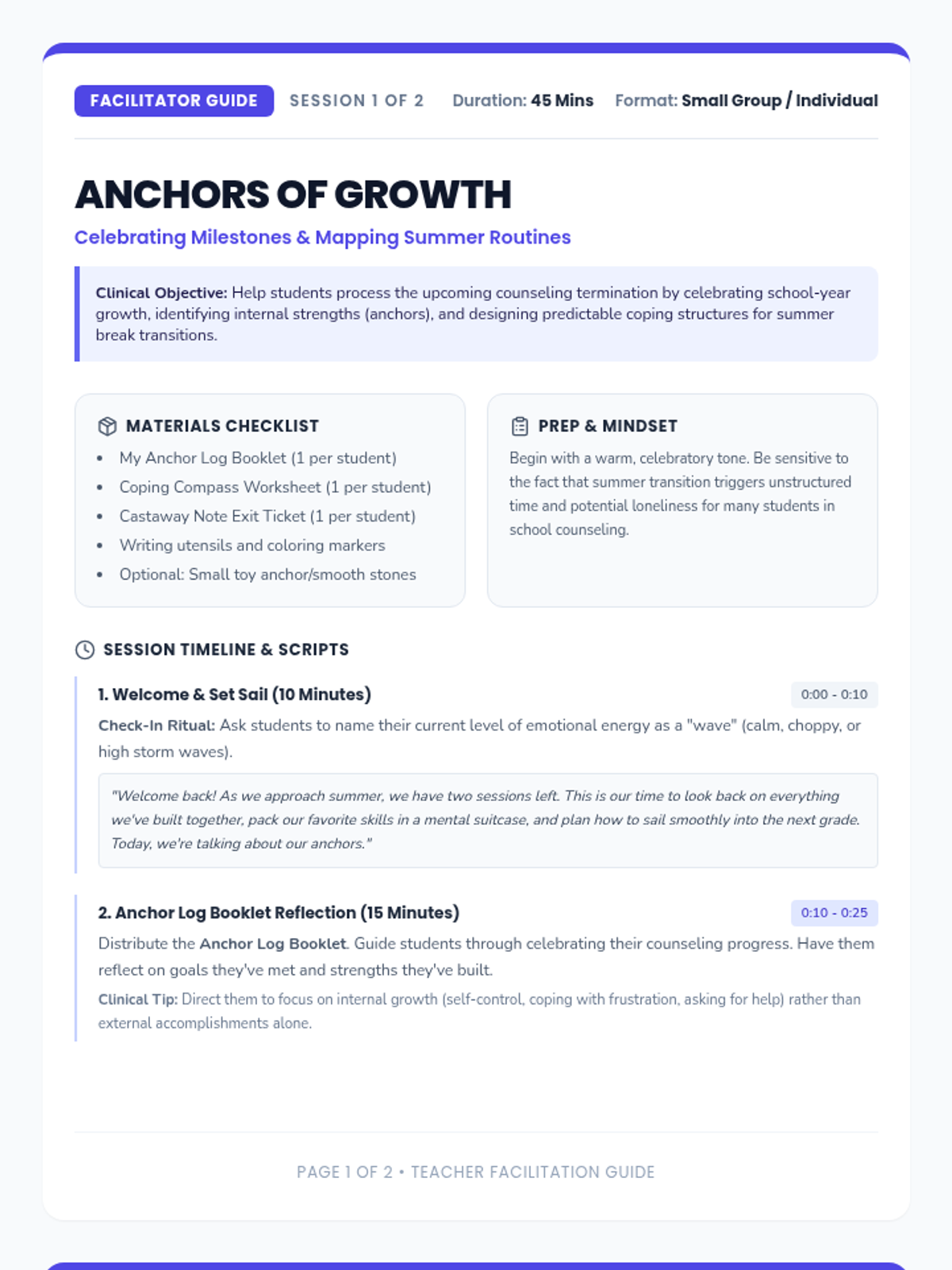
Session 1 focuses on reflecting on counseling progress, celebrating personal growth over the past year, identifying personal "anchors" (coping skills, support systems), and preparing for the changes in daily routines during summer break.
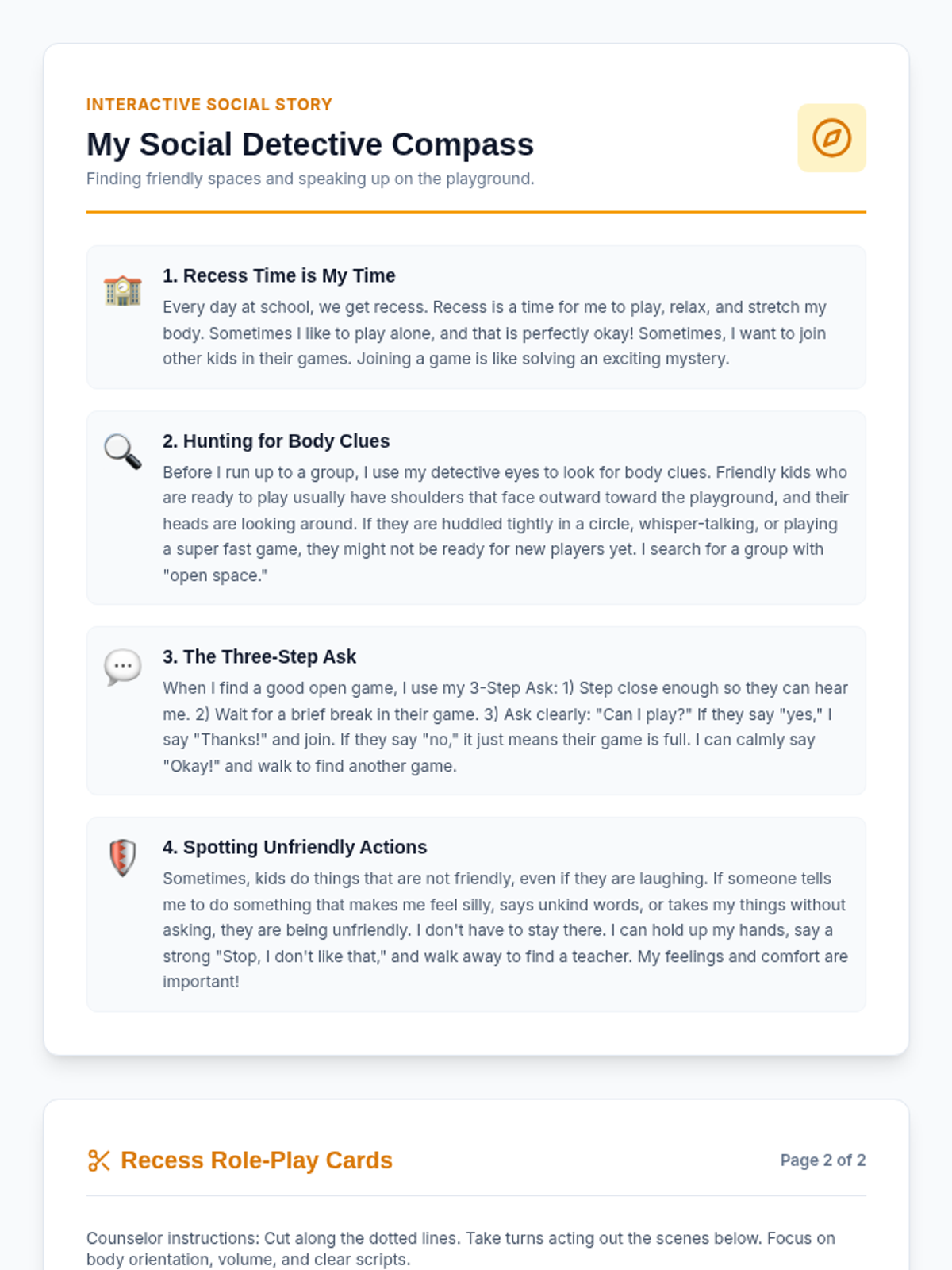
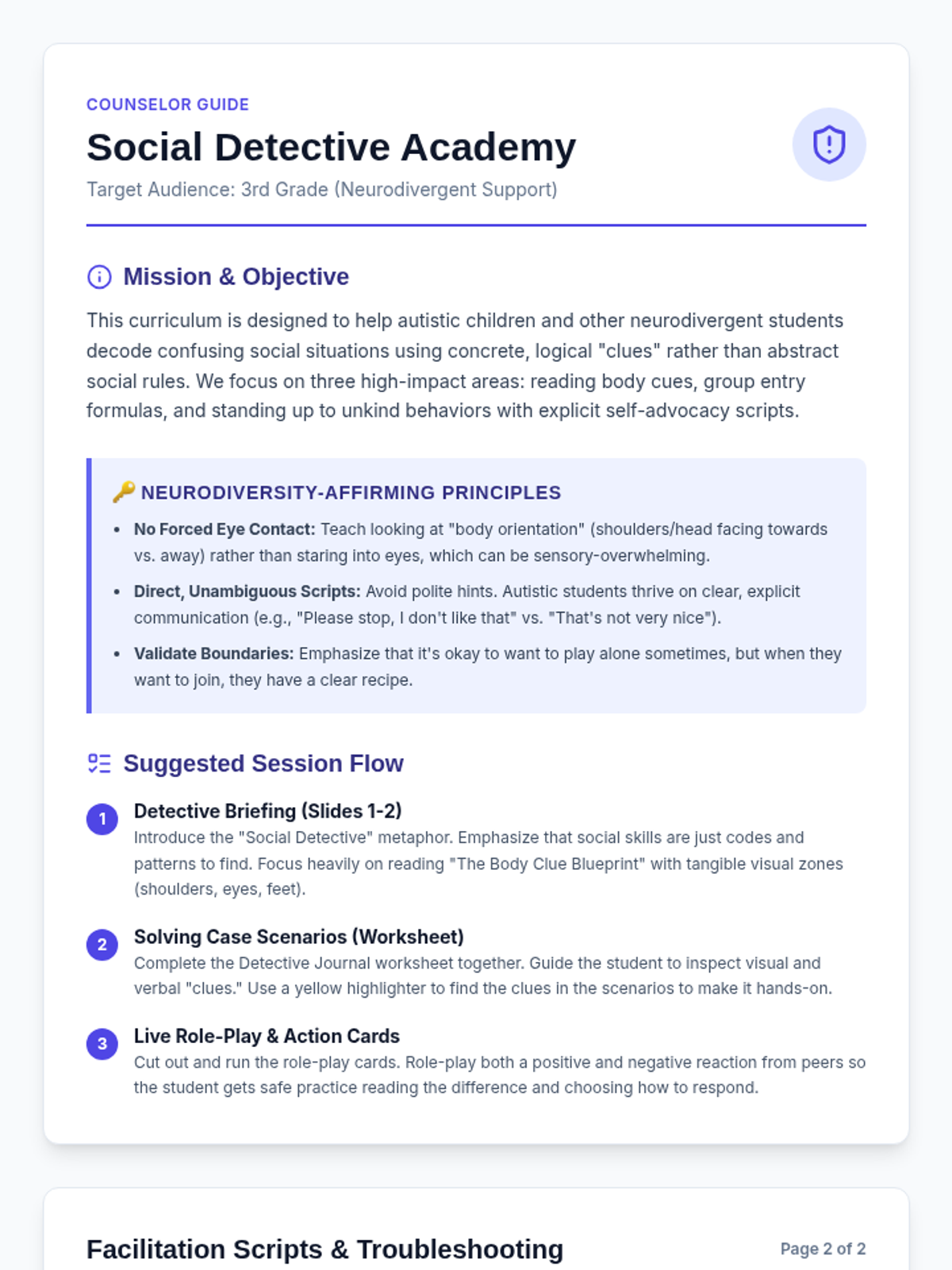
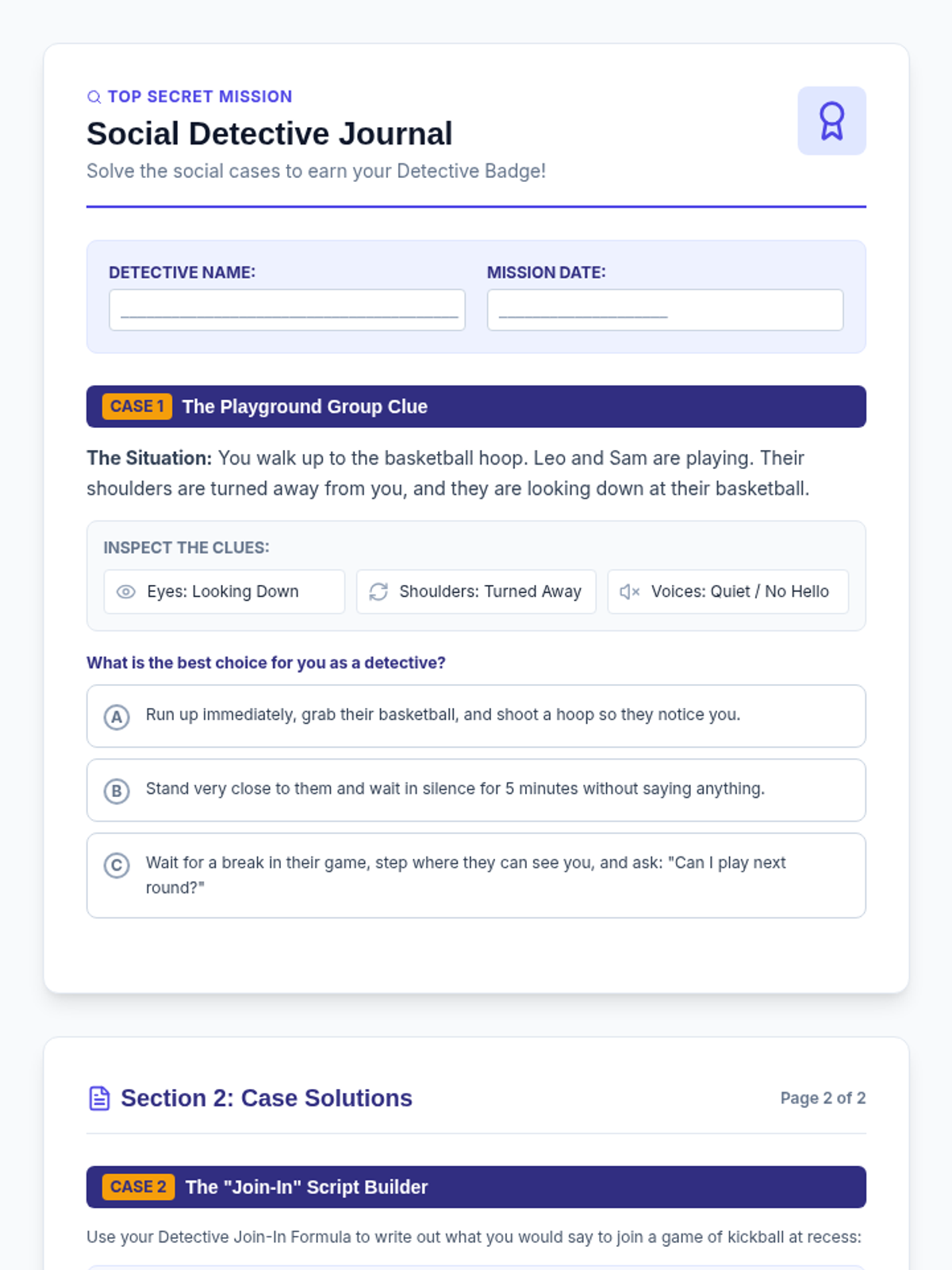
A comprehensive counseling lesson featuring a slide deck, scenario worksheet, social stories/role-play cards, and counselor guide to help 3rd-grade autistic students learn body language cues, group entry, and self-advocacy.
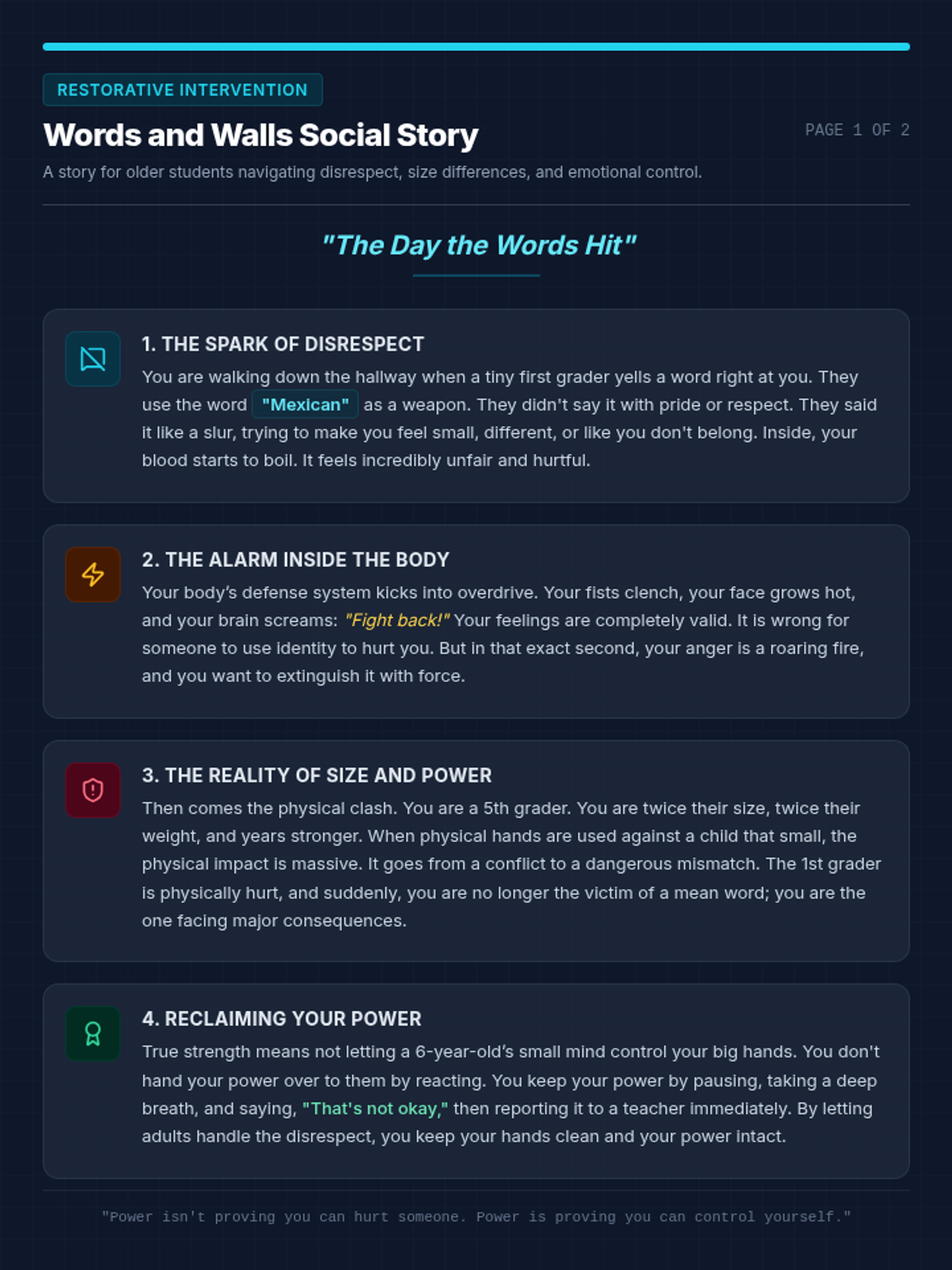
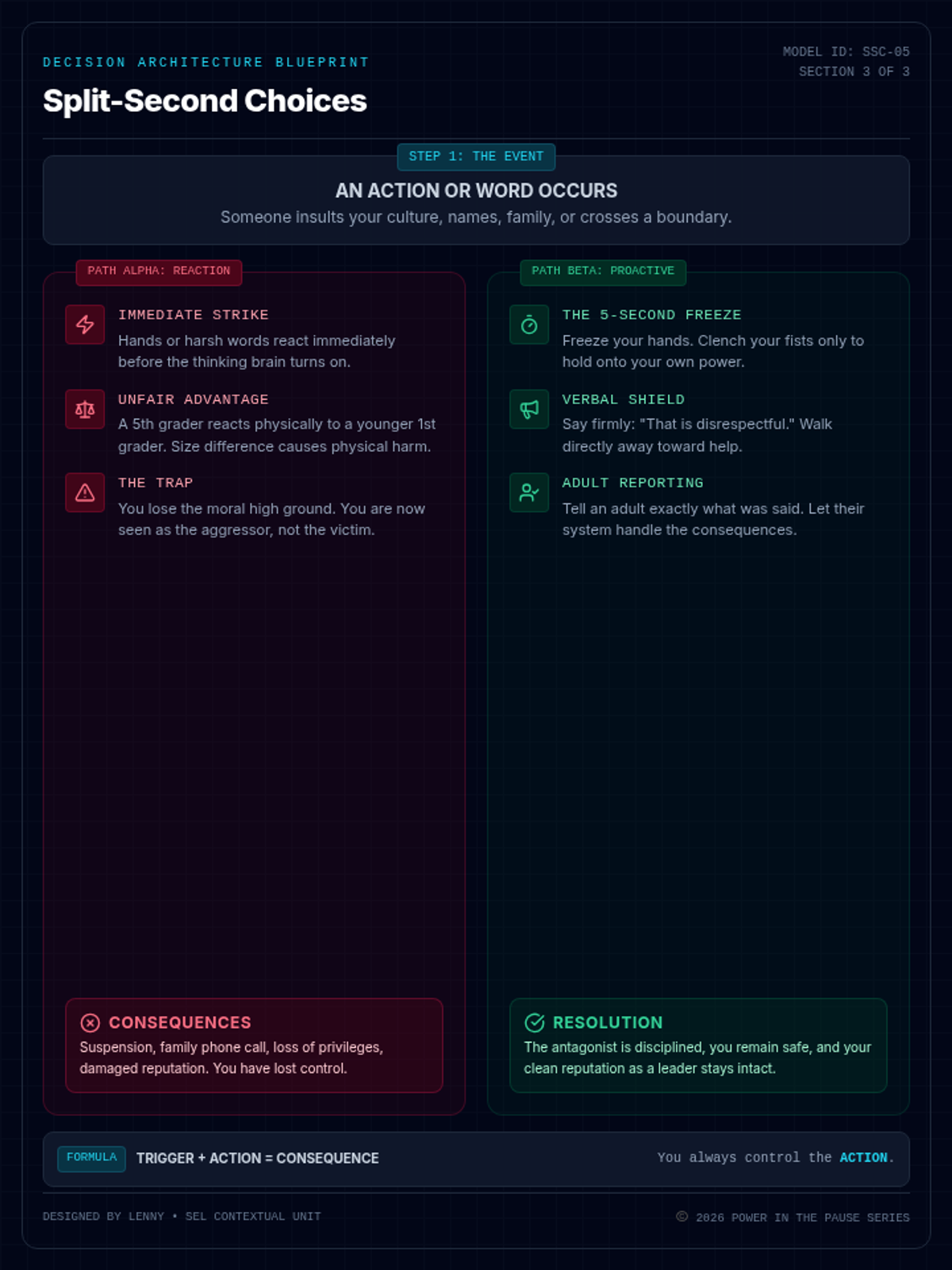
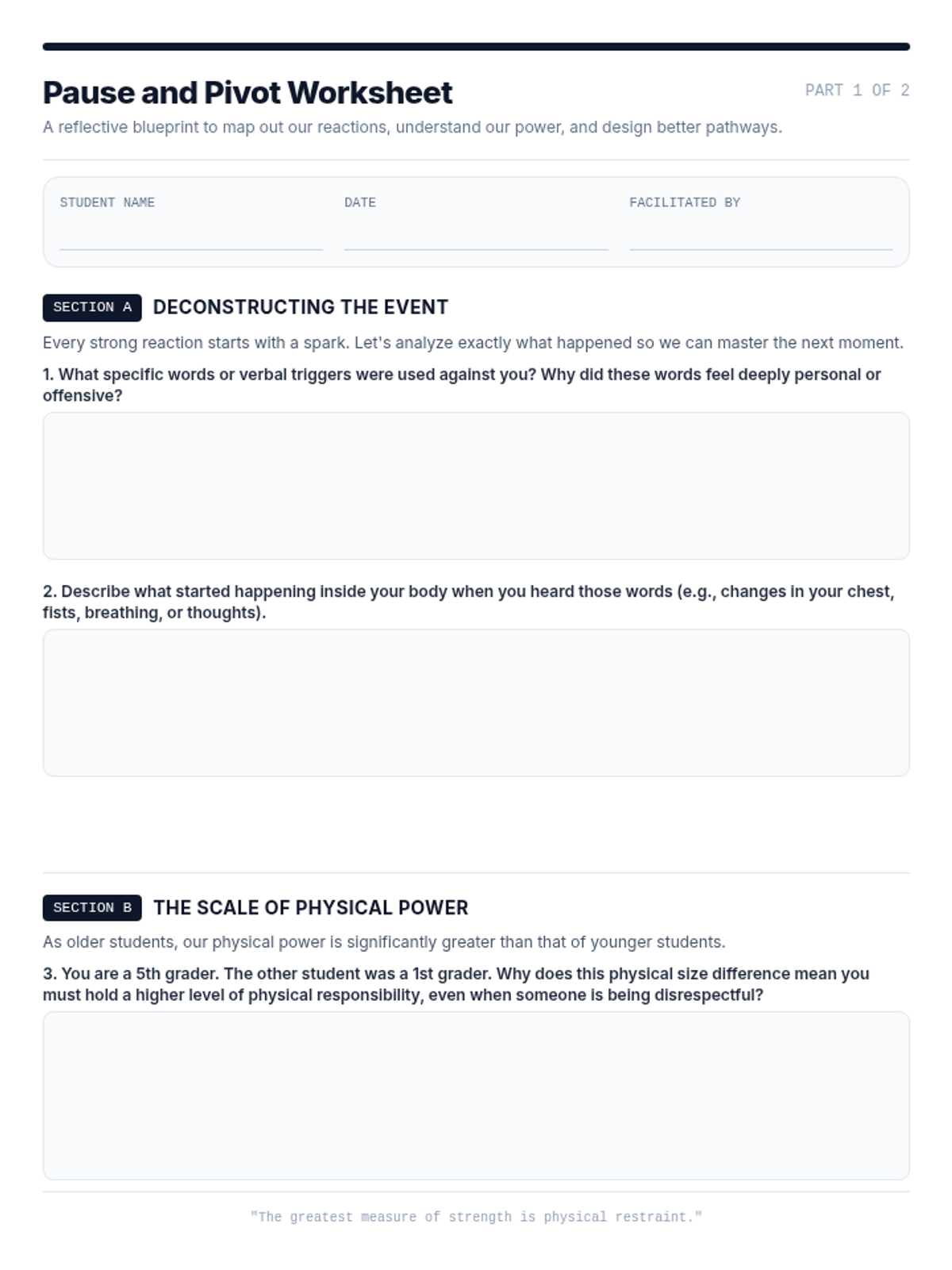
A restorative social-emotional learning lesson designed to help students navigate intense verbal triggers, understand the impact of physical reactions, and build a concrete blueprint for safe decision-making.
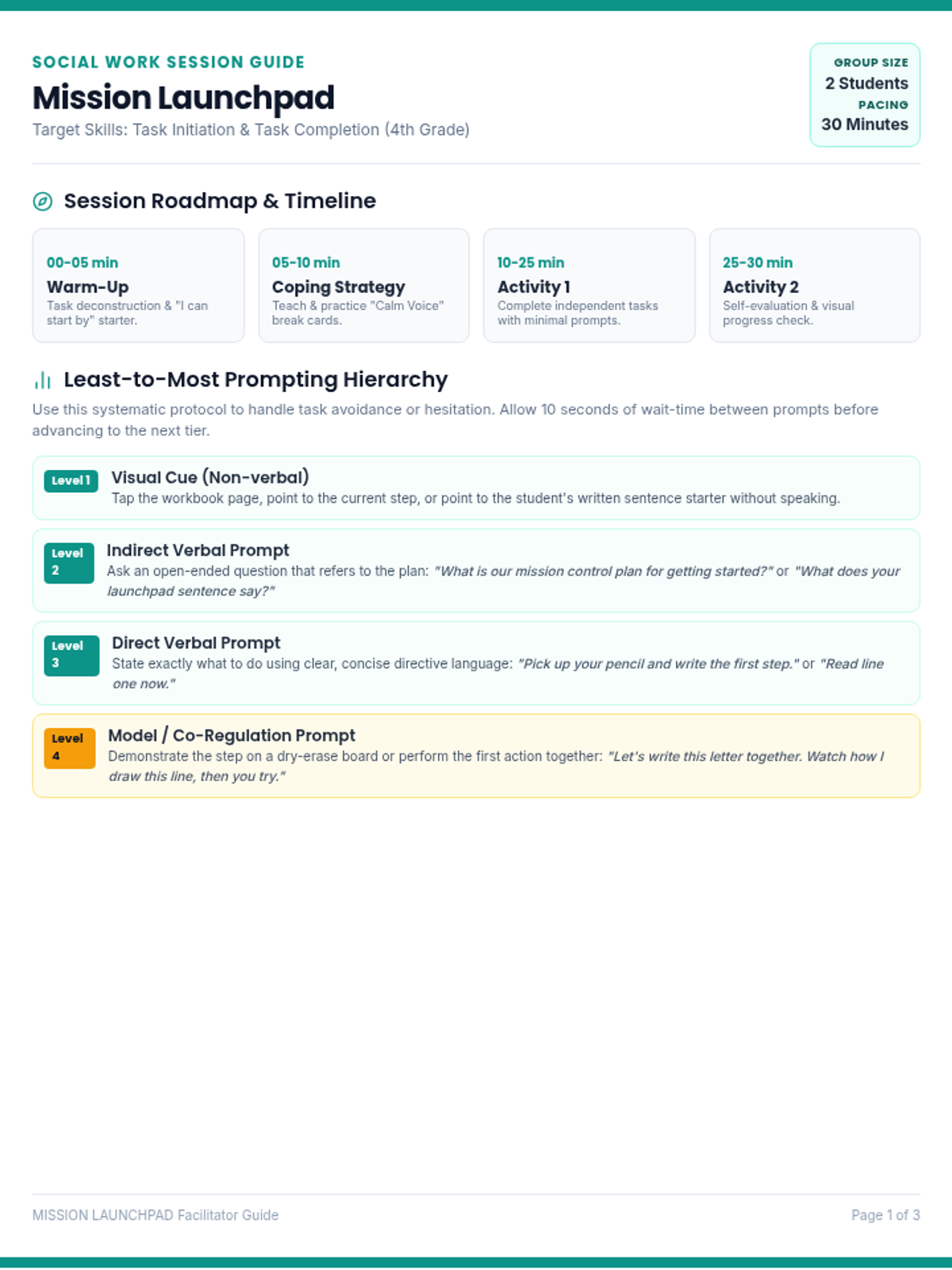
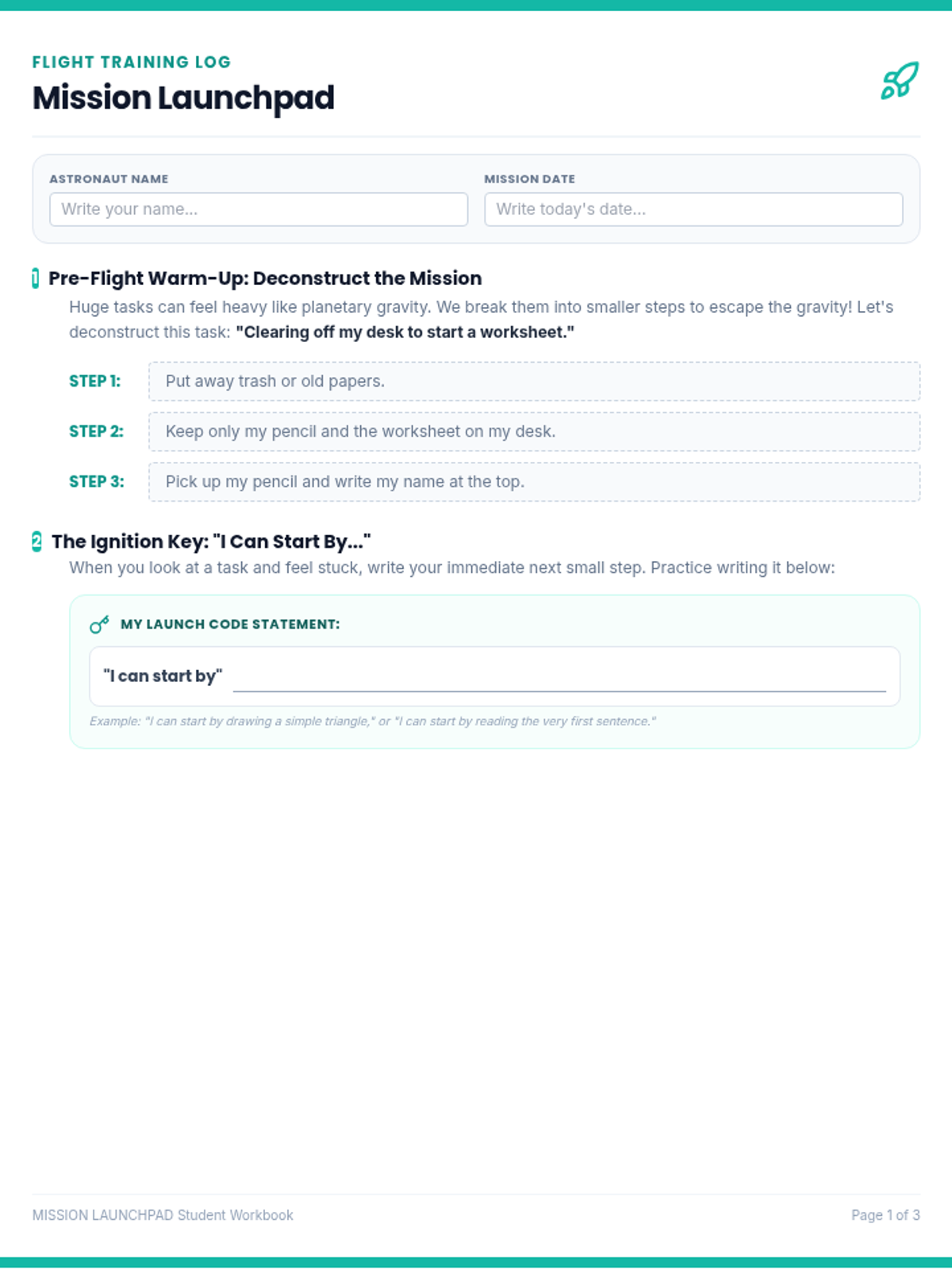
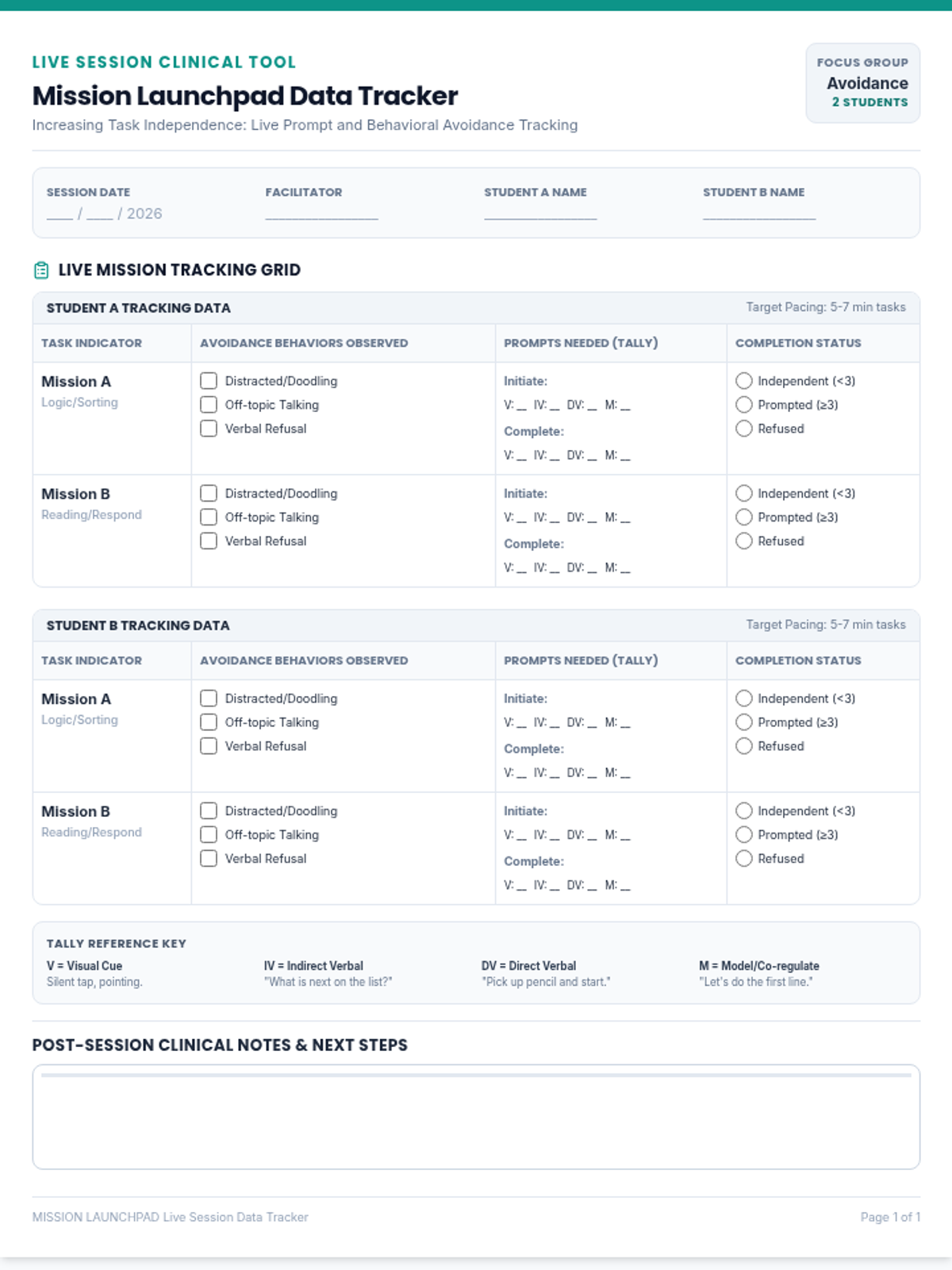
A highly structured social-emotional learning lesson designed to help 4th-grade students overcome task avoidance. Students practice task deconstruction, utilize a 'calm voice' break card coping strategy, and complete structured independent tasks.
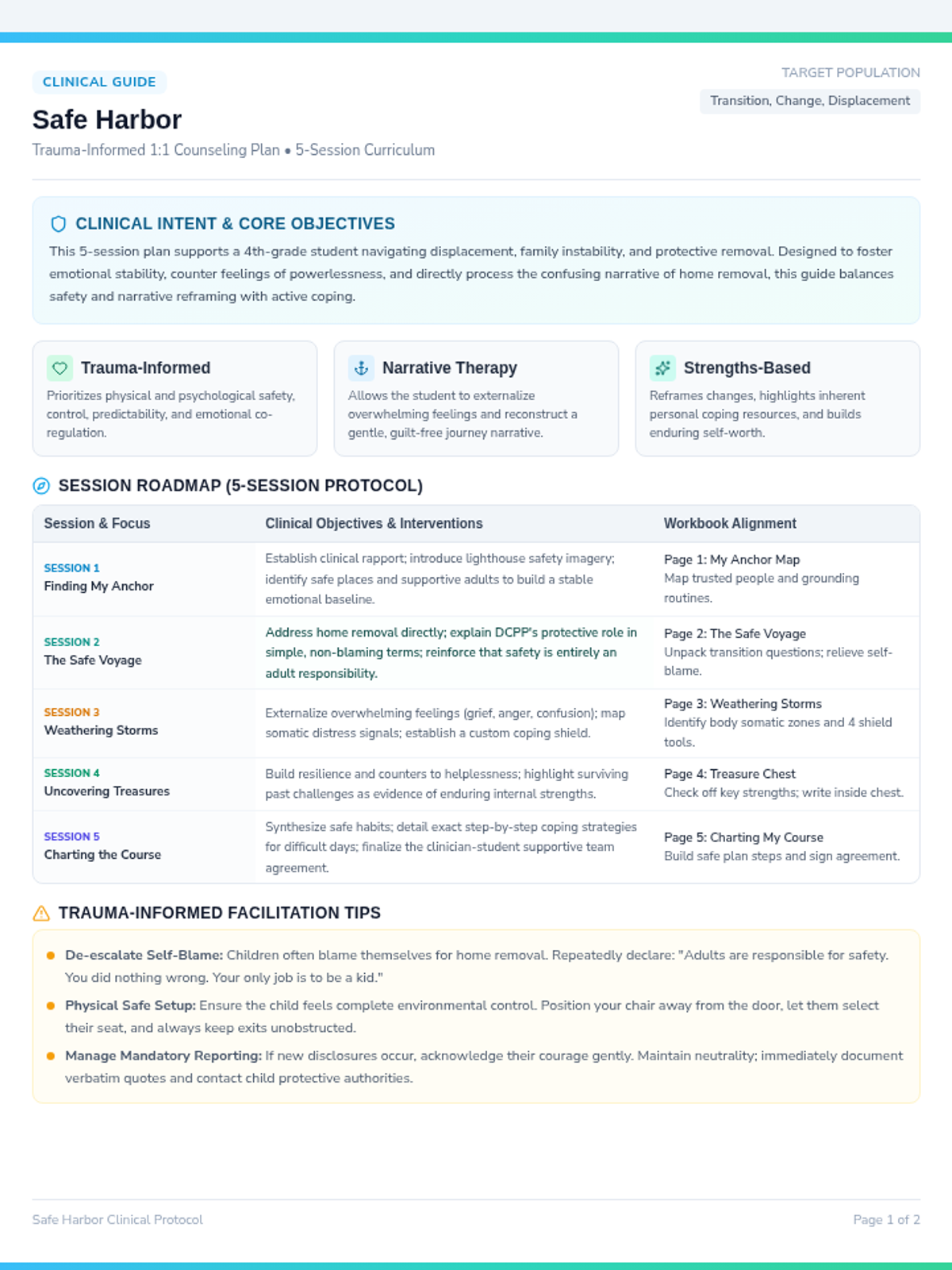
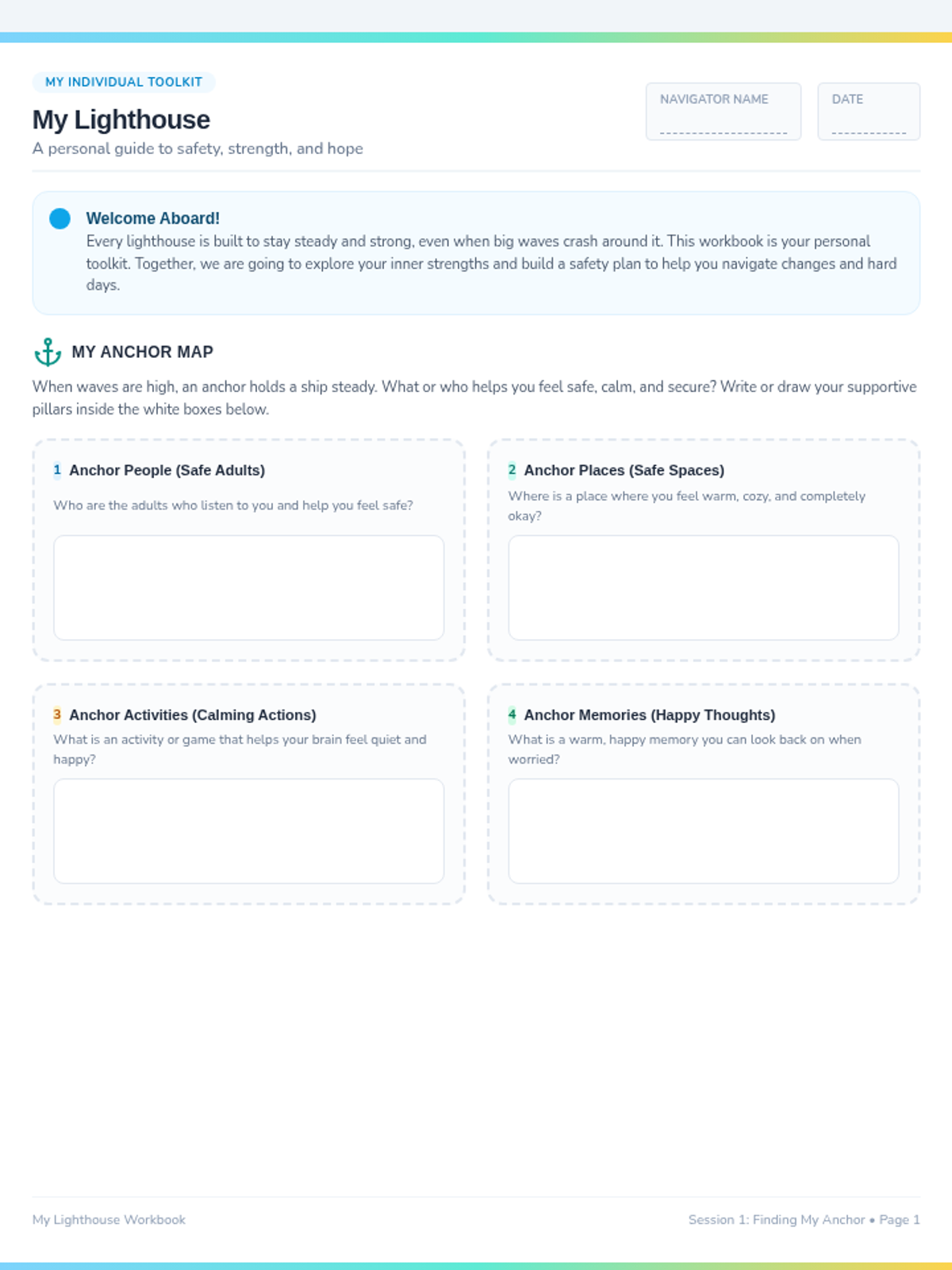
A trauma-informed individual counseling framework designed for a 4th-grade student navigating displacement, change, and child safety interventions. This lesson equips the counselor with a professional clinical plan and provides the student with a highly supportive, engaging workbook focused on emotional expression, self-esteem, and personal resilience.
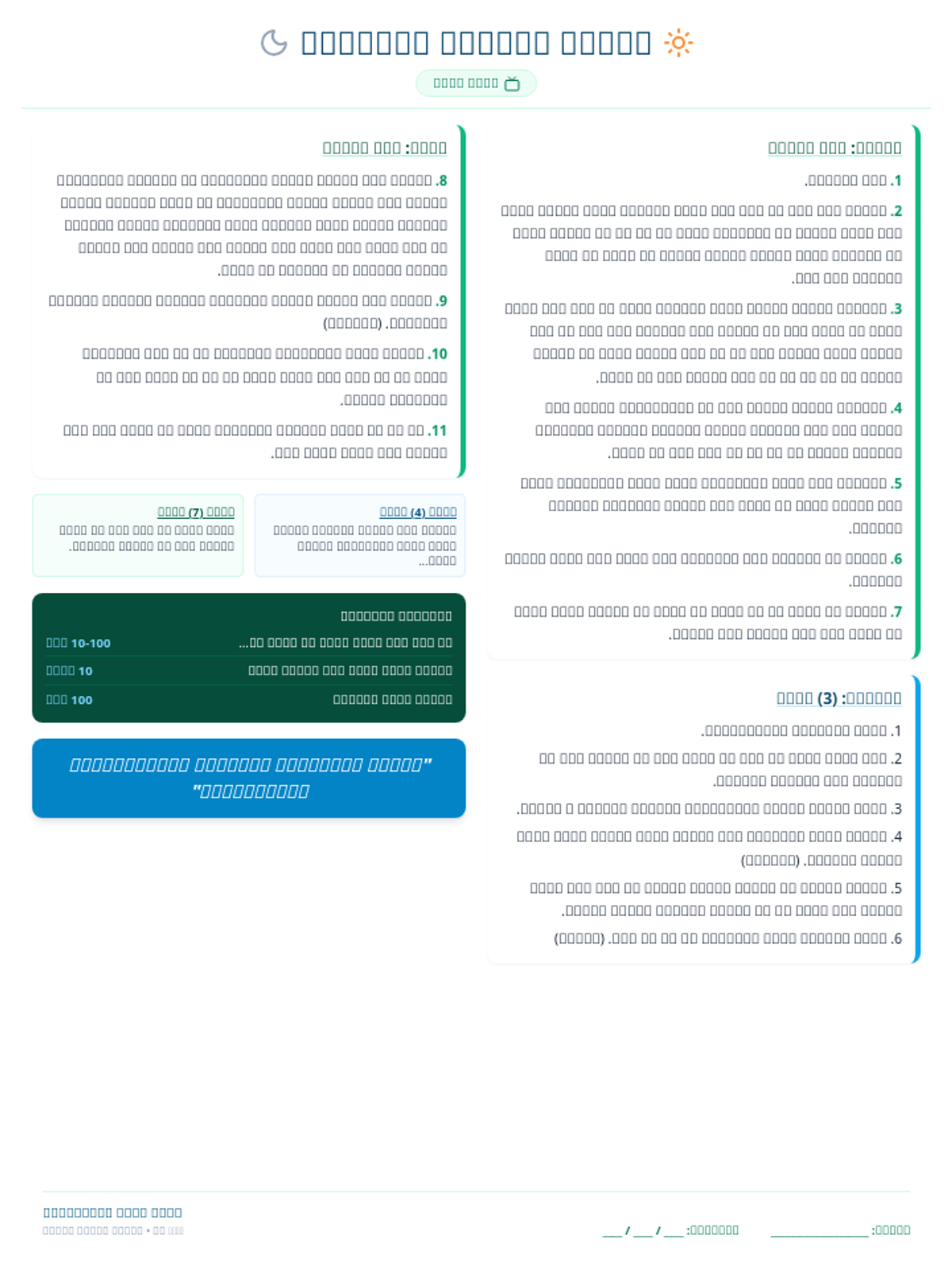
A lesson dedicated to learning and practicing the morning and evening remembrances (Athkar) for spiritual well-being.
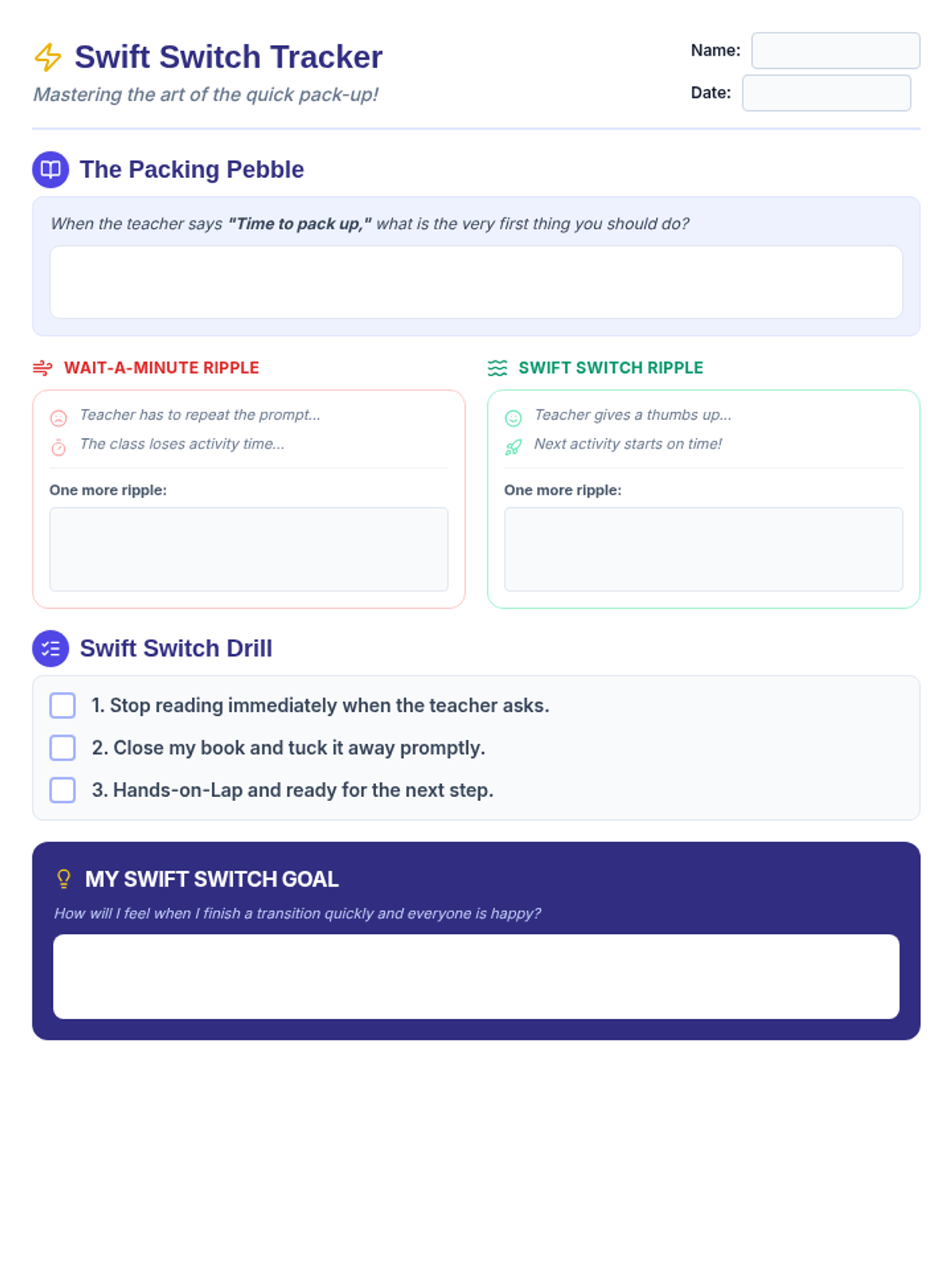
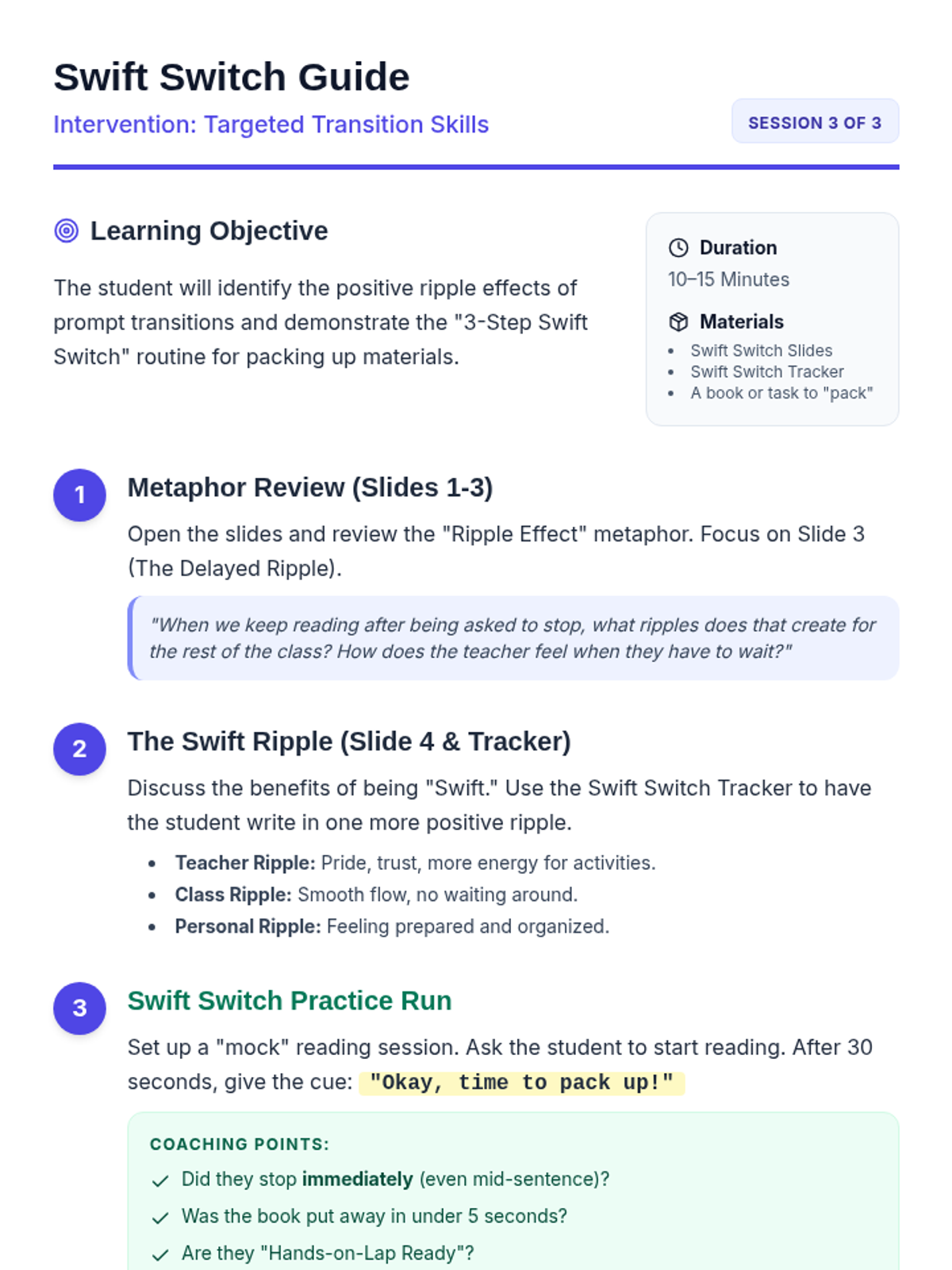
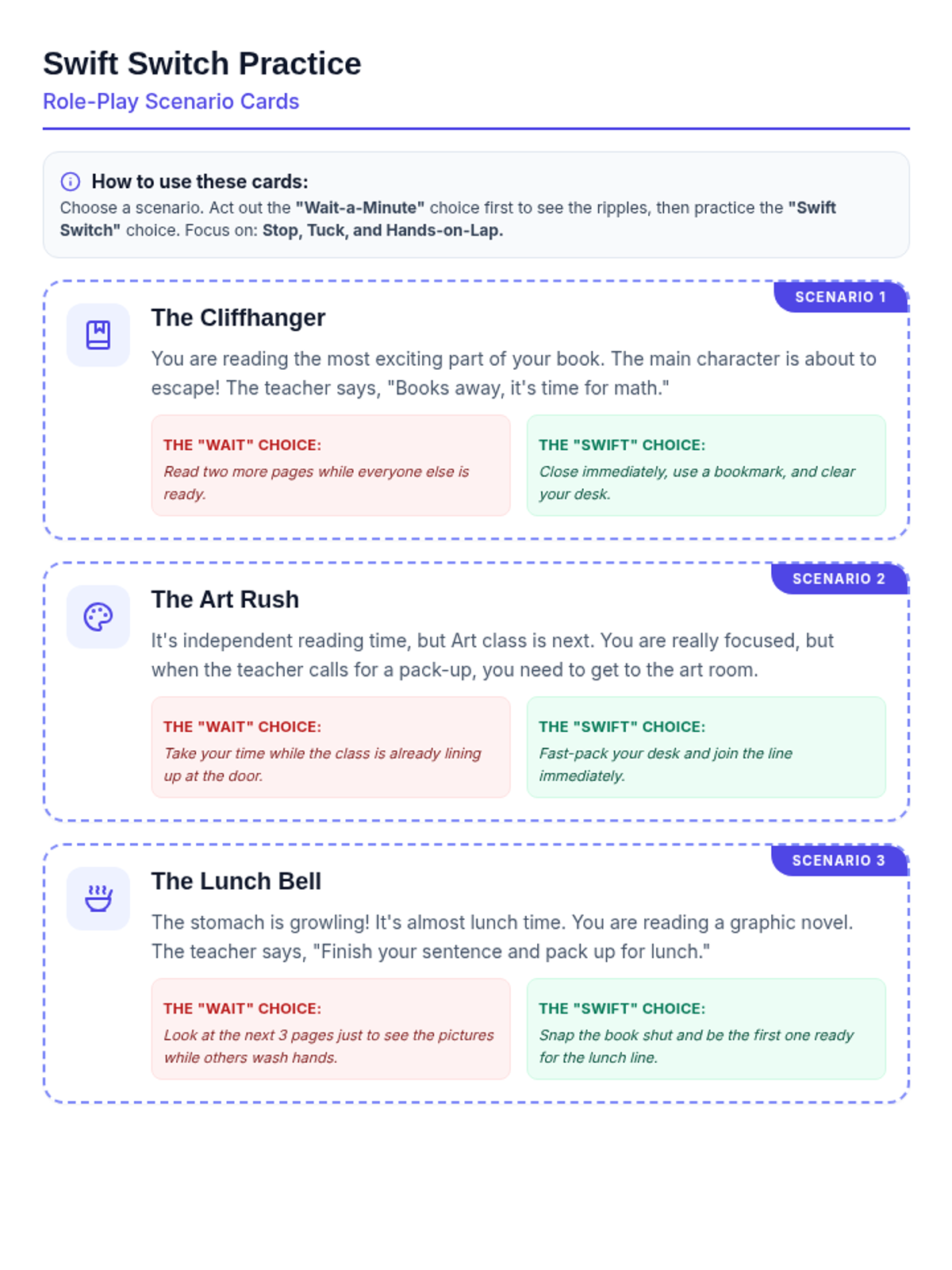
A targeted intervention focused on the transition skill of packing up materials promptly, highlighting the positive ripple effects of being ready for the next part of the day.
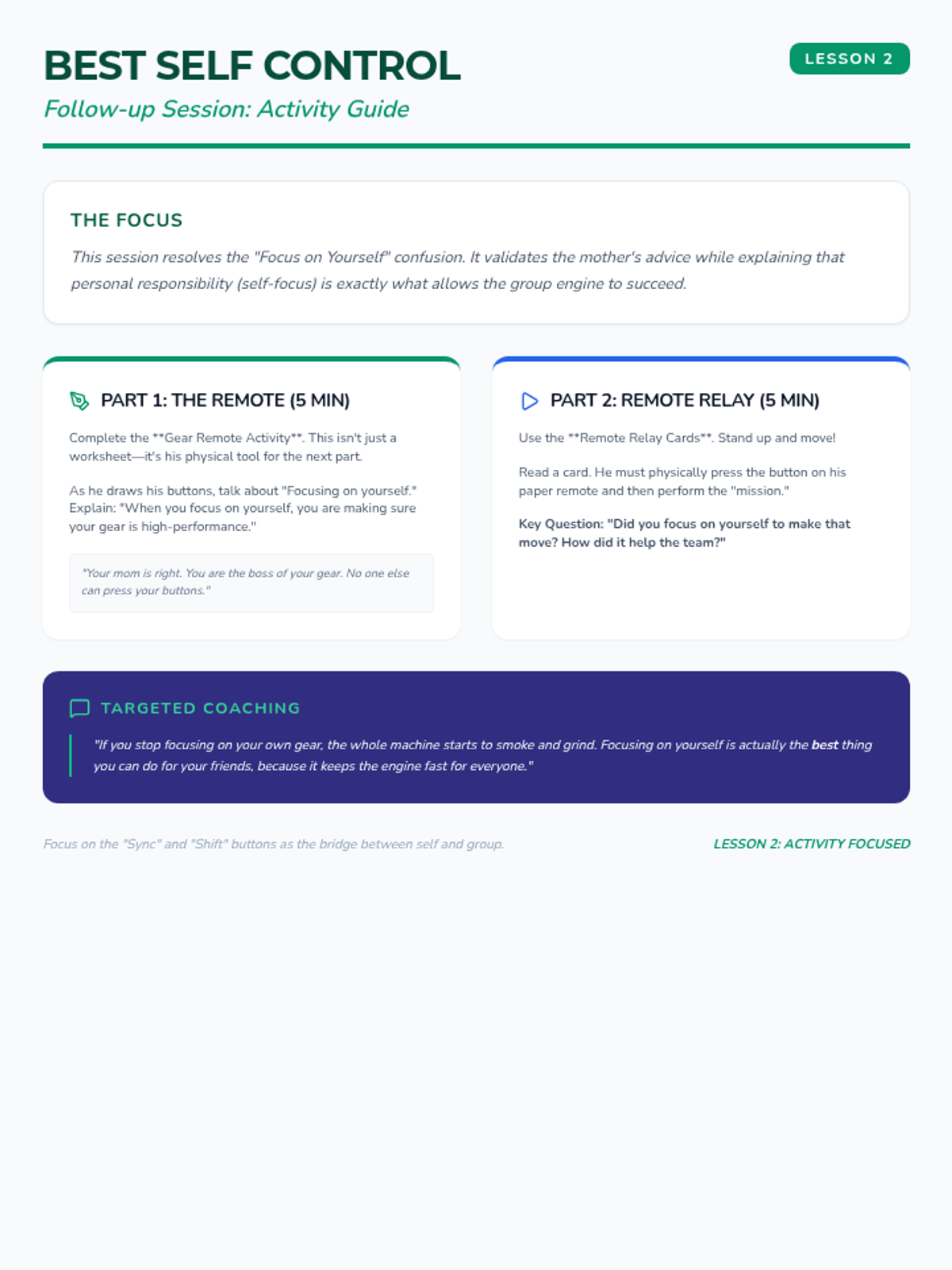
A follow-up session that clarifies the "Focus on Self" advice. It teaches that focusing on yourself means taking 100% responsibility for your own "Remote Control" to ensure your gear turns when the team needs it. Mostly activity-based.