Students learn to recognize social cues and identify how their bodies seek connection during transitions and unstructured play, focusing on reading other people's signals before initiating play.
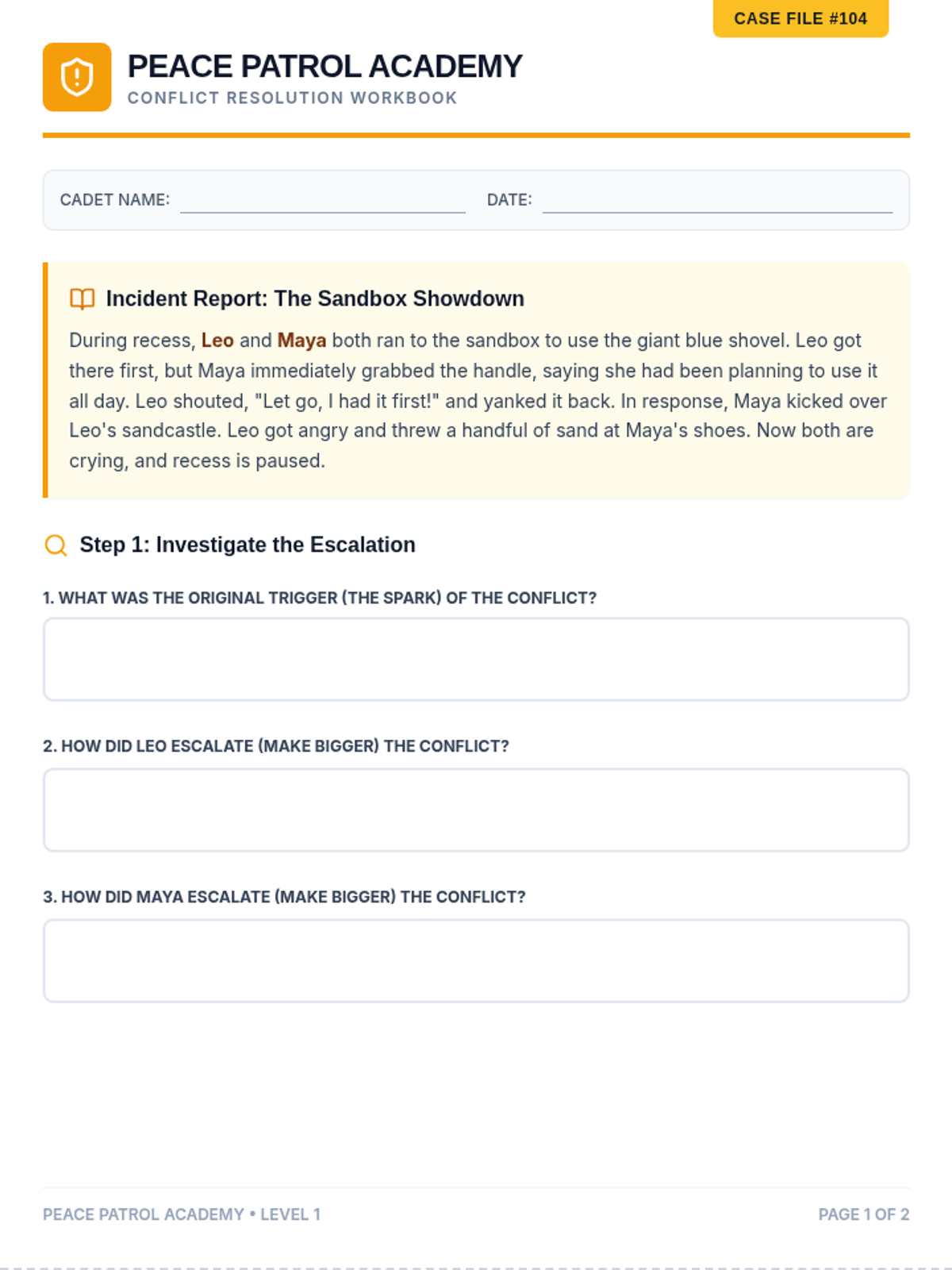
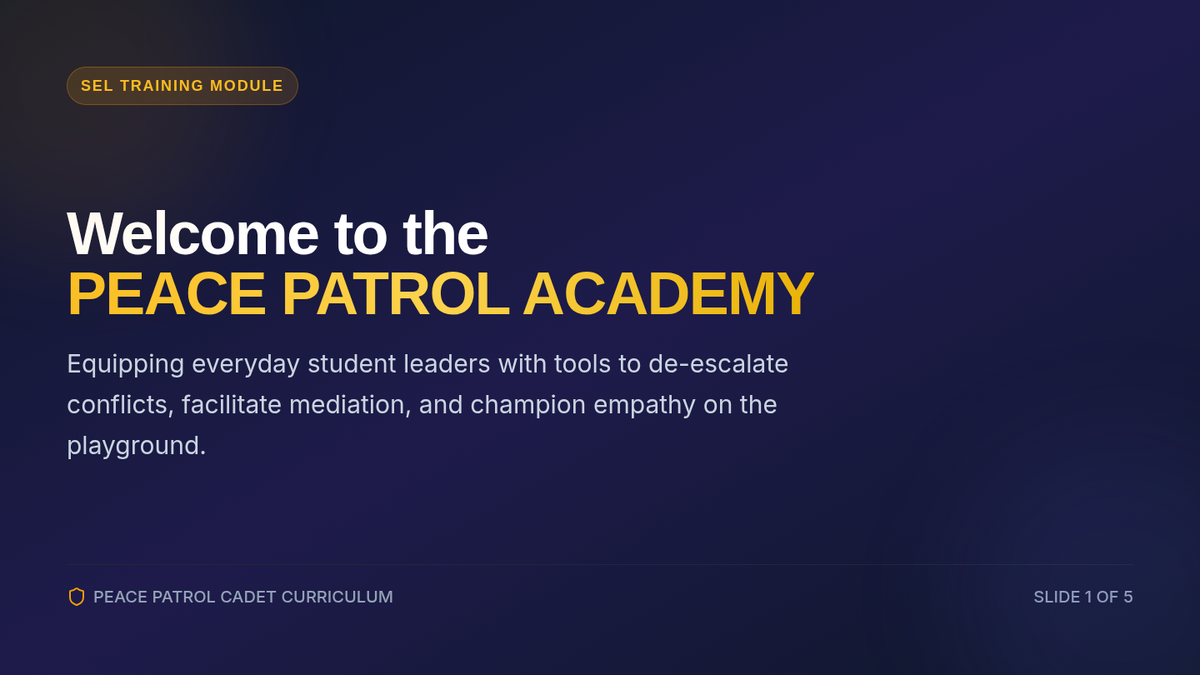
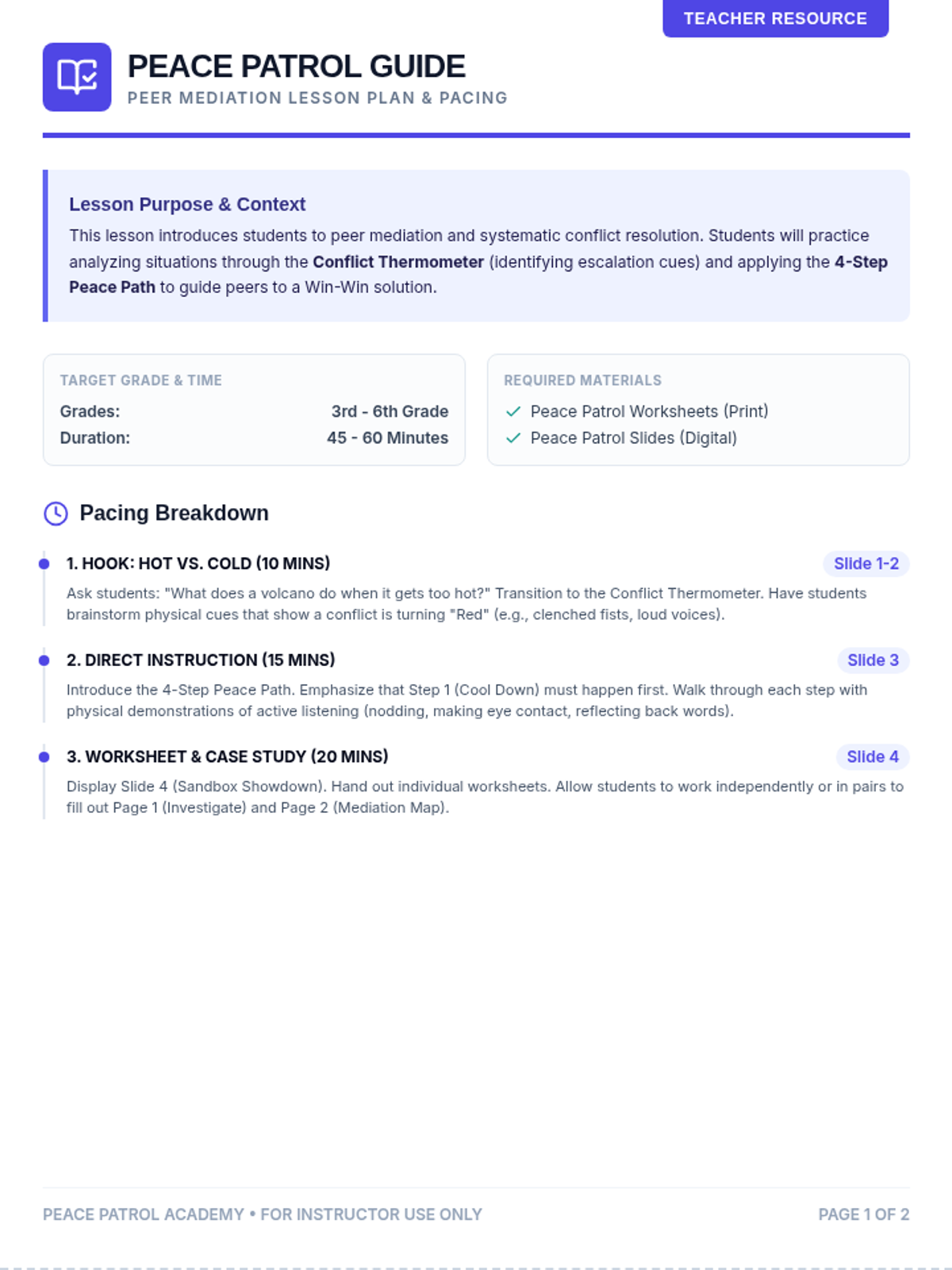
An interactive social-emotional learning lesson focusing on peer mediation, de-escalation, and conflict resolution using real-world social stories and active student practice.
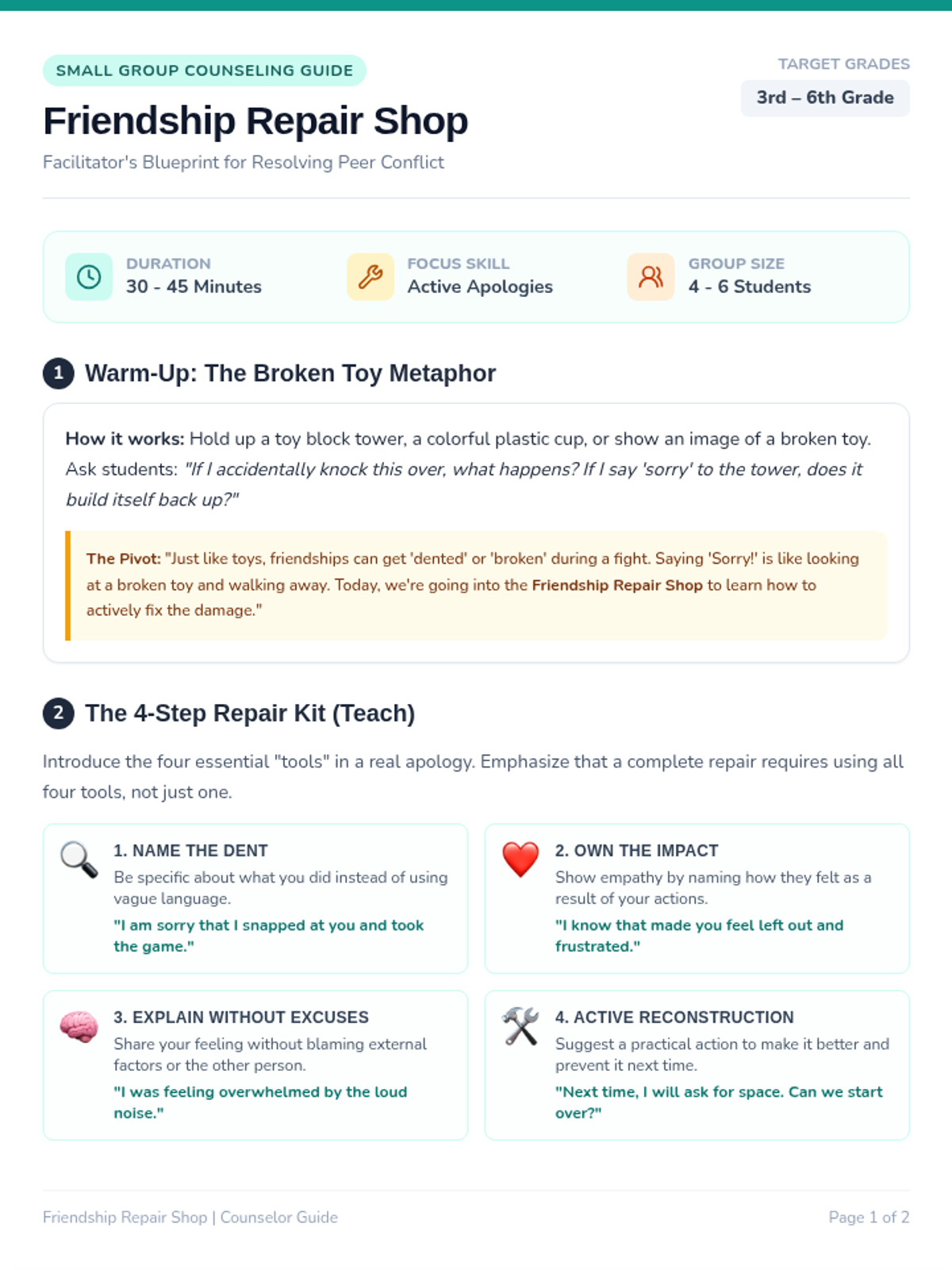
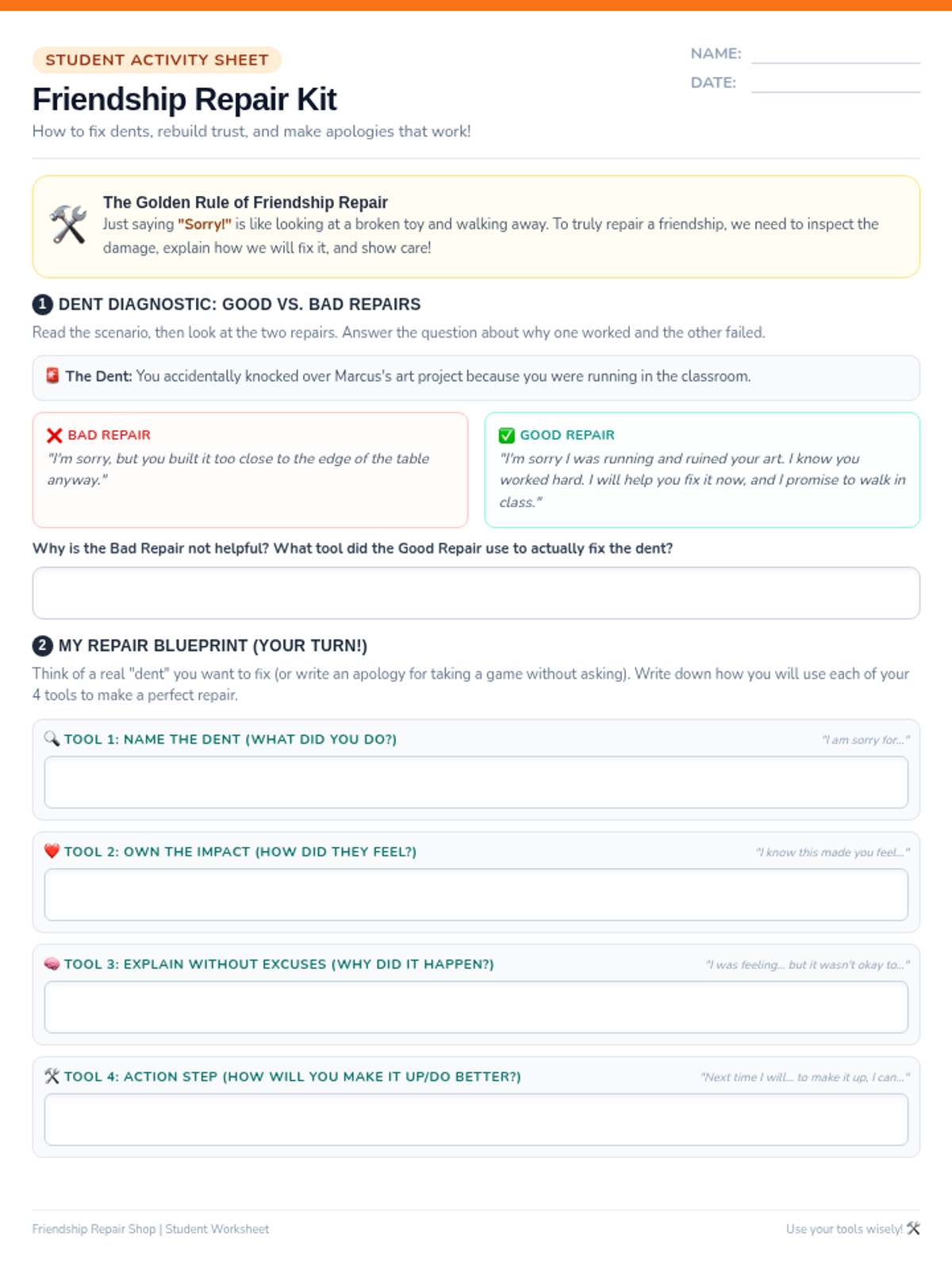
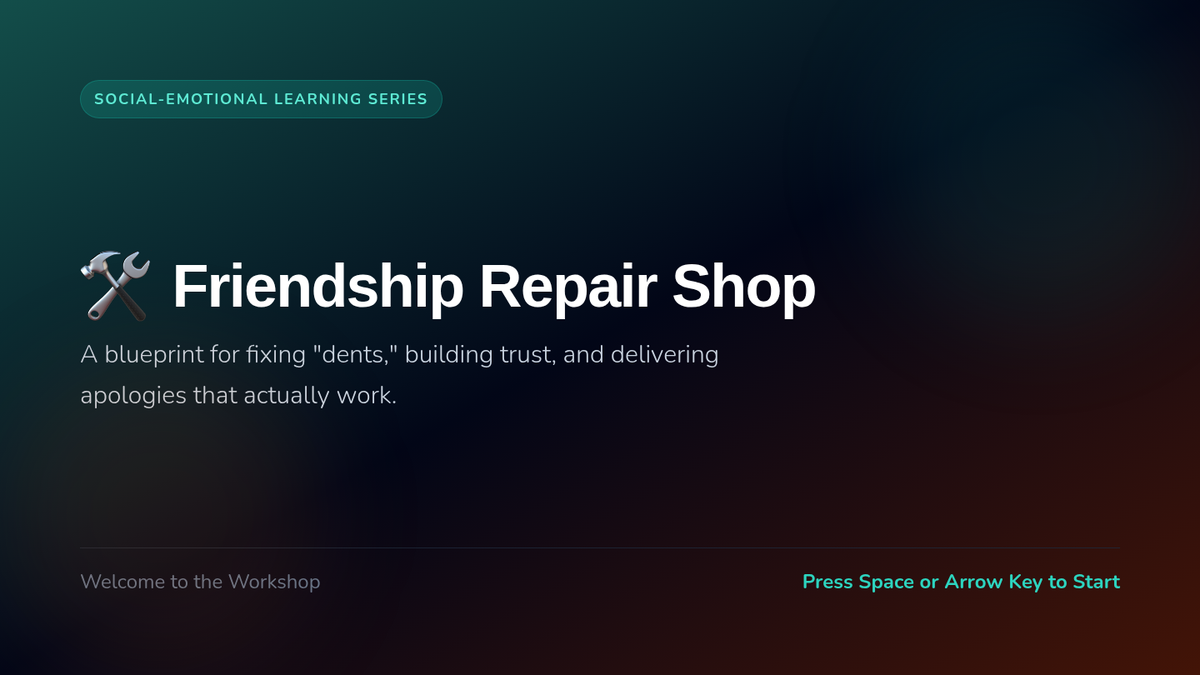
A small-group counseling session focused on peer conflict resolution, teaching students how to construct sincere apologies and actively repair damaged friendships using a concrete 4-step tool kit.
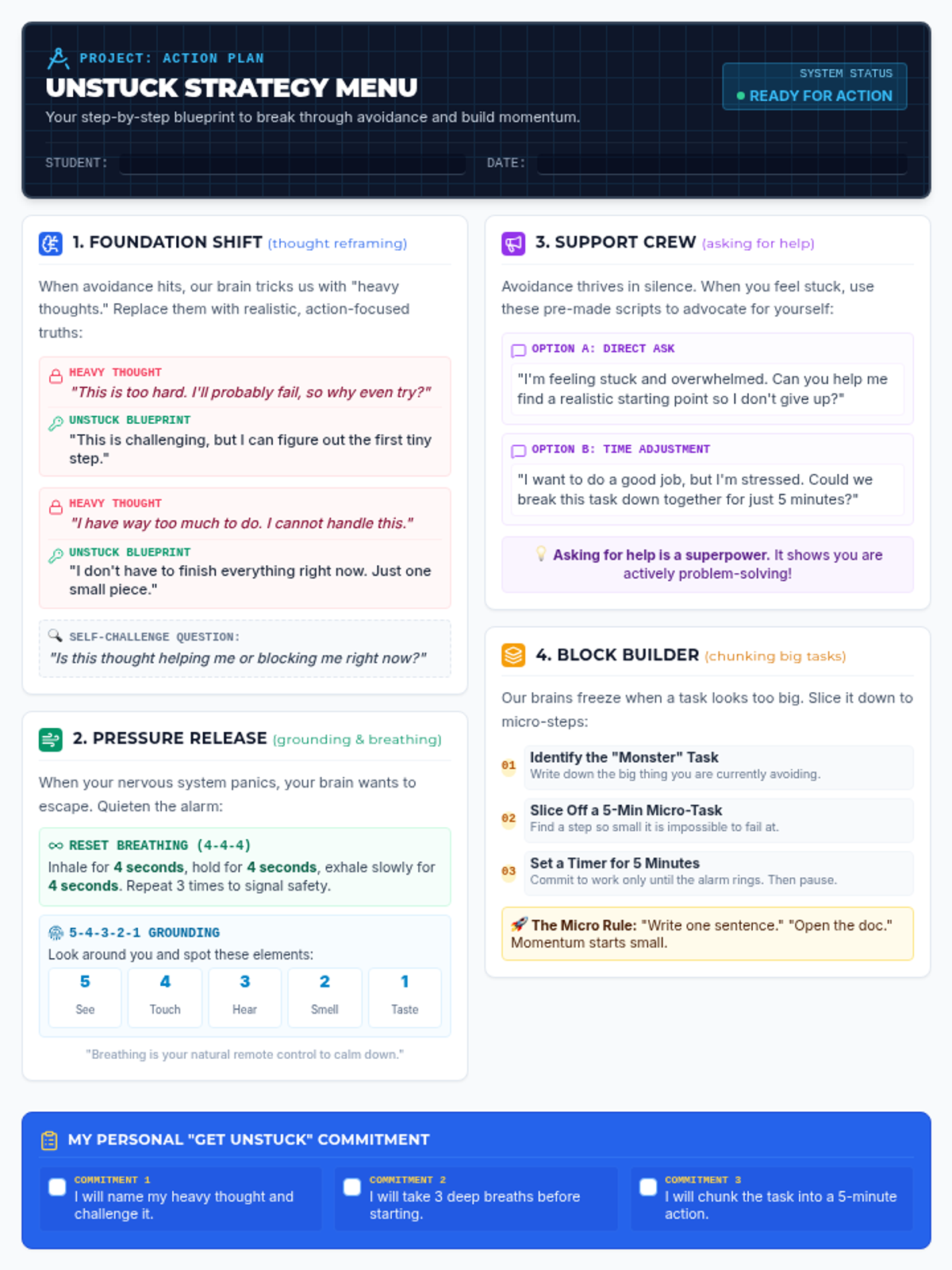
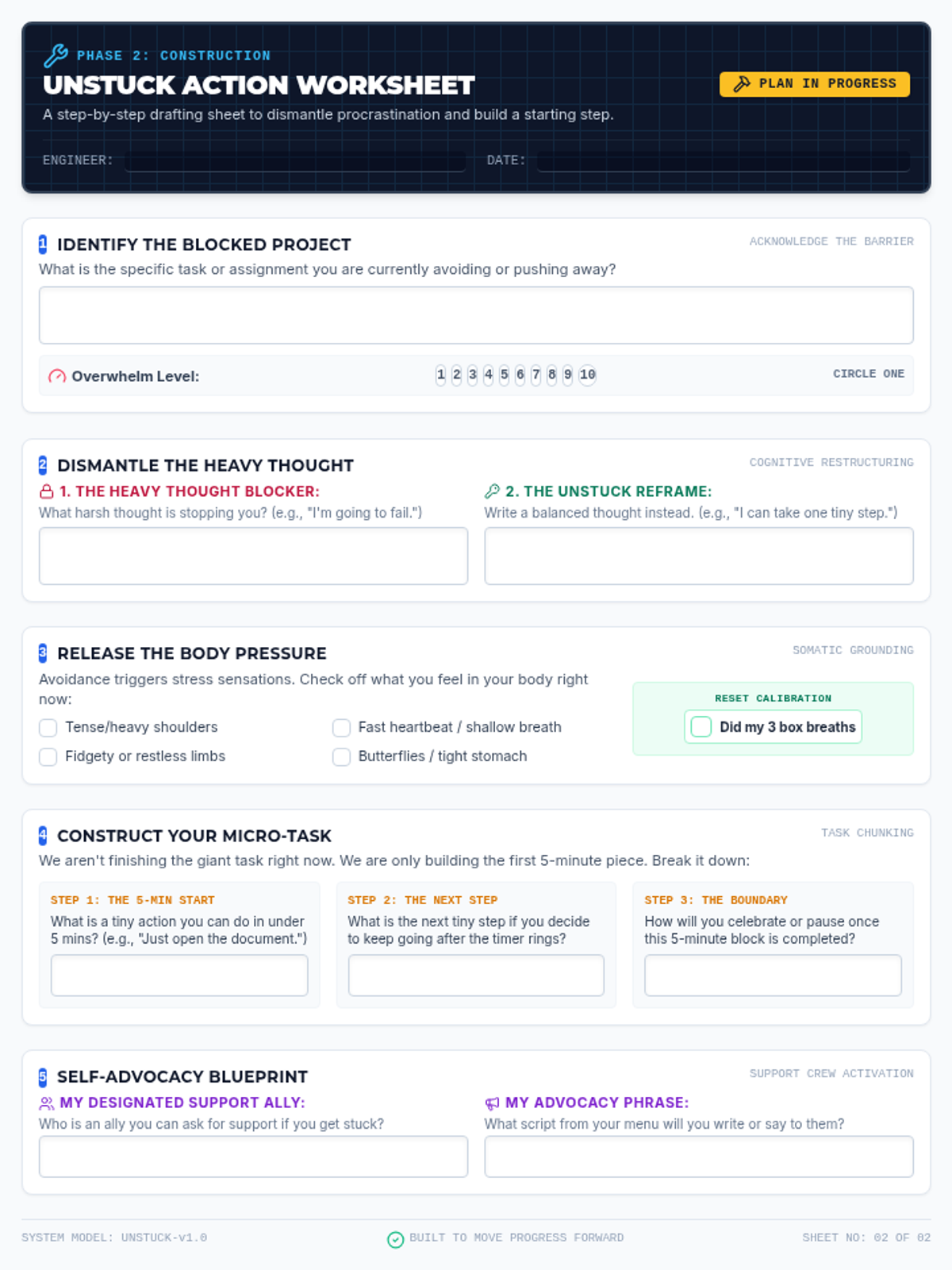
A structured problem-solving framework designed for students who use avoidance as a coping mechanism. This lesson provides practical tools for cognitive reframing, sensory grounding, self-advocacy, and task-chunking to help students move from avoidance to action.
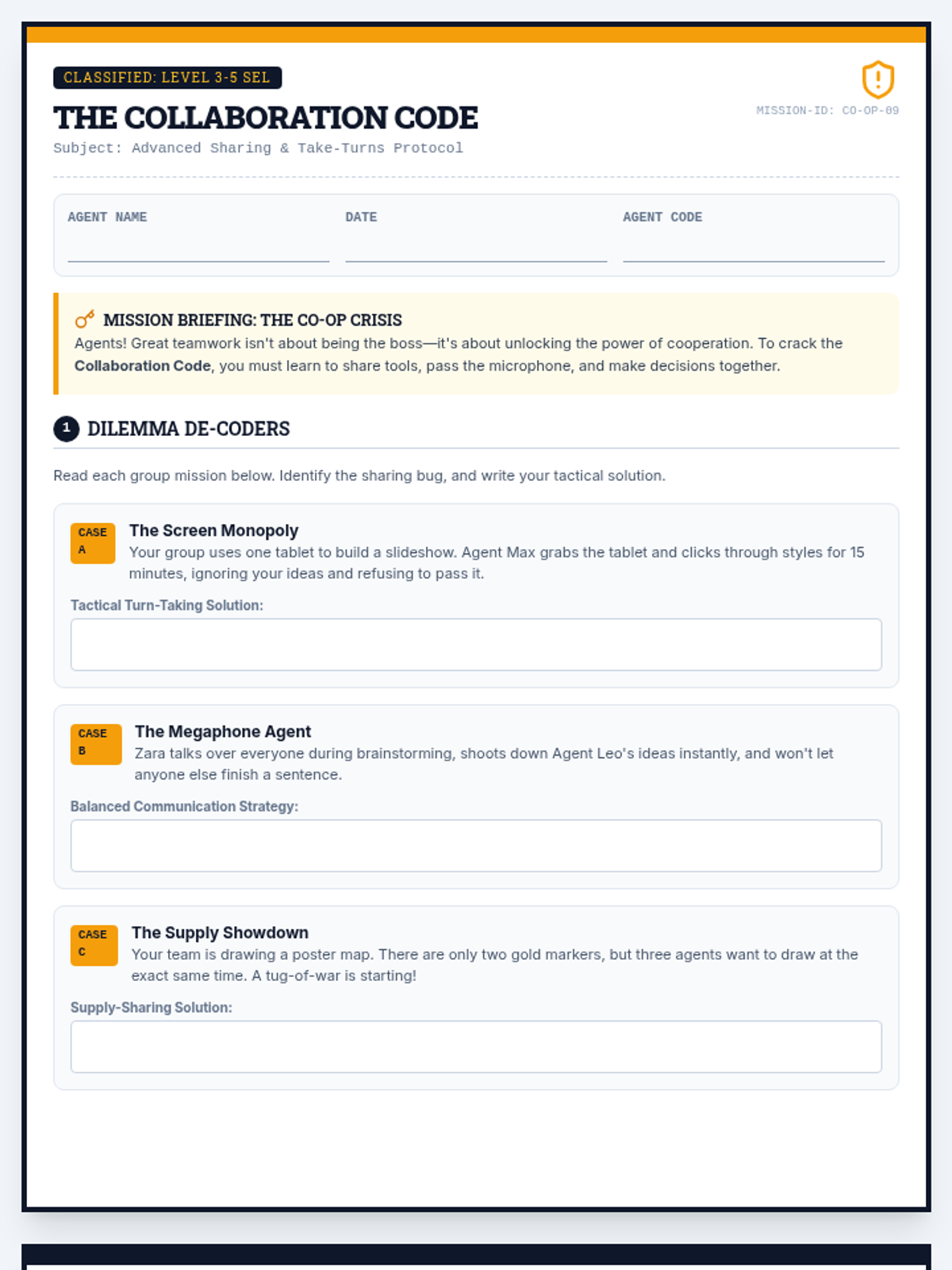
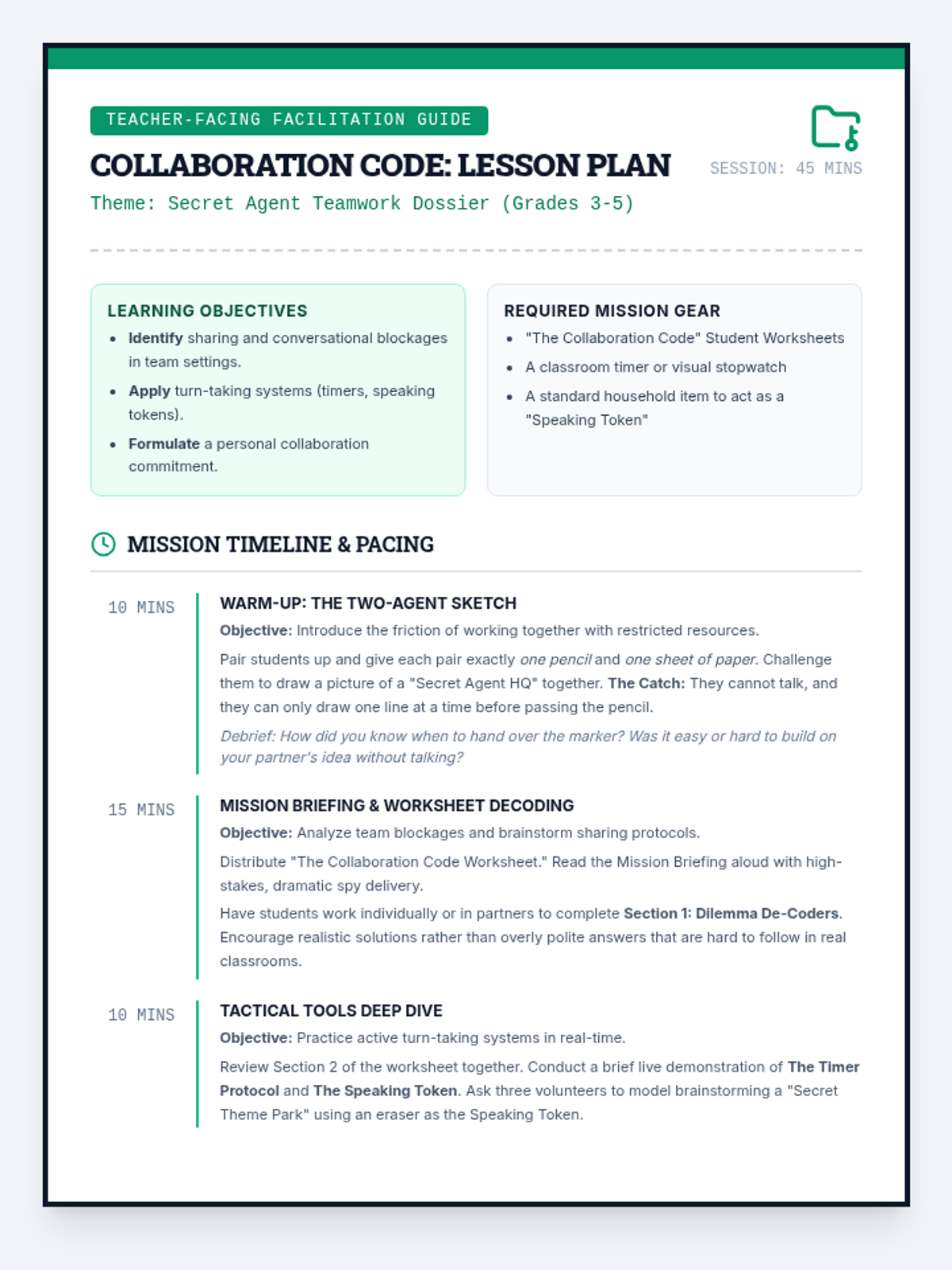
A spy-themed social-emotional learning lesson for grades 3-5 that teaches the mechanics of sharing resources, taking turns during group work, and active listening.
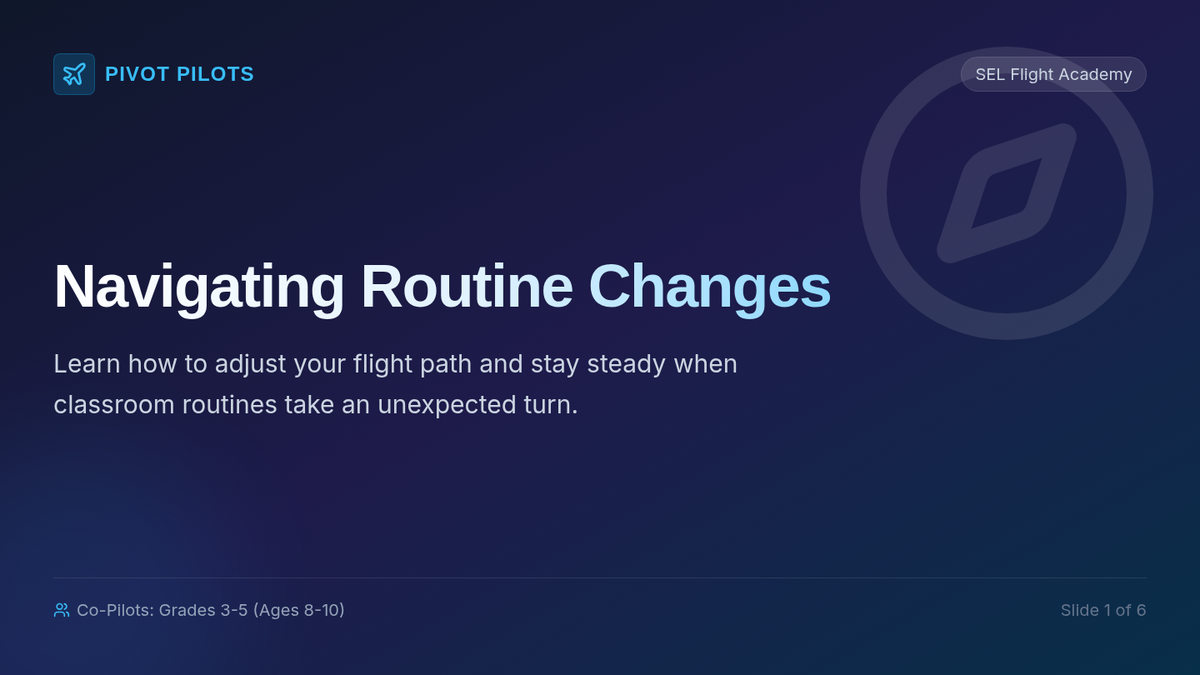
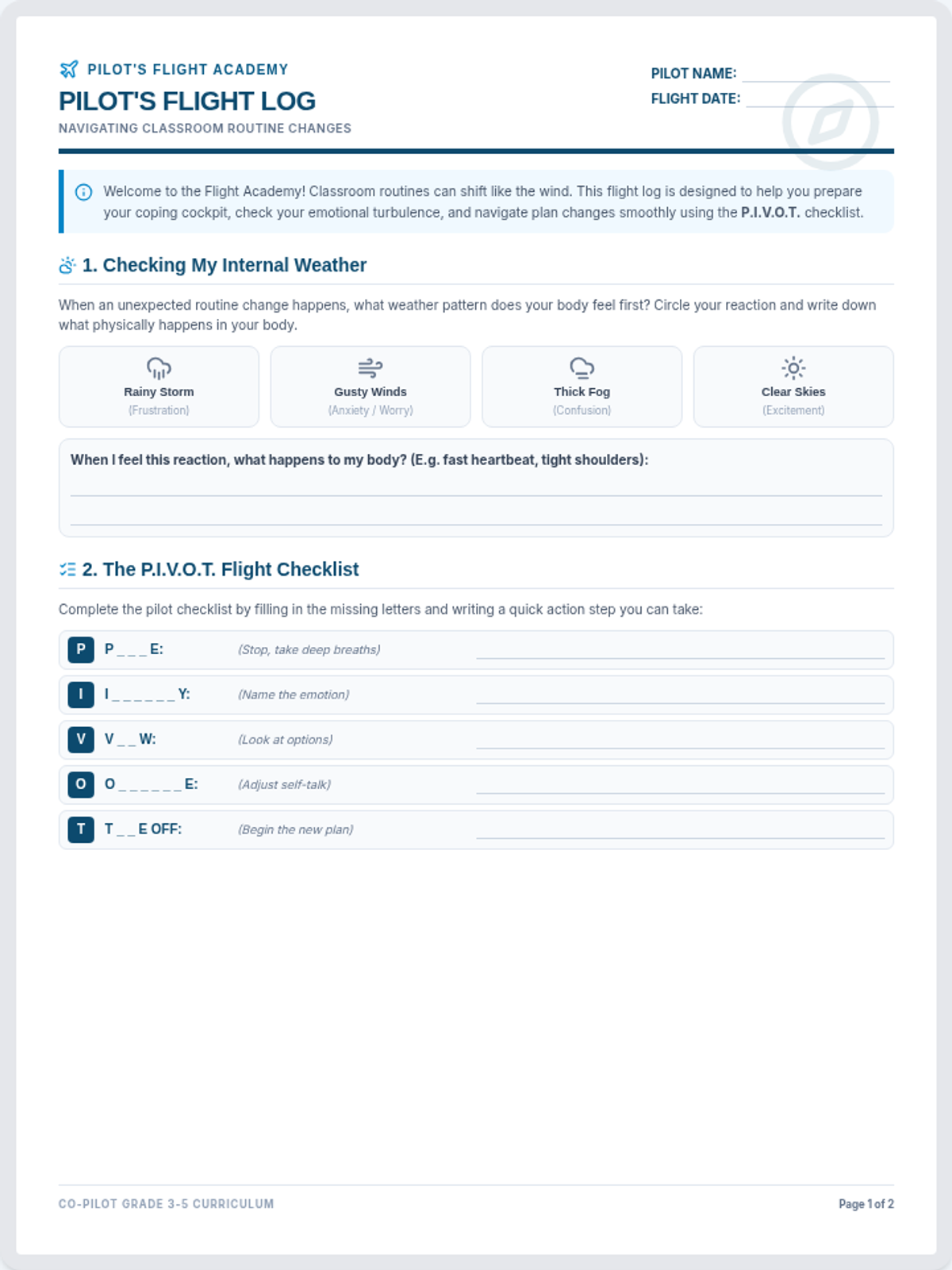
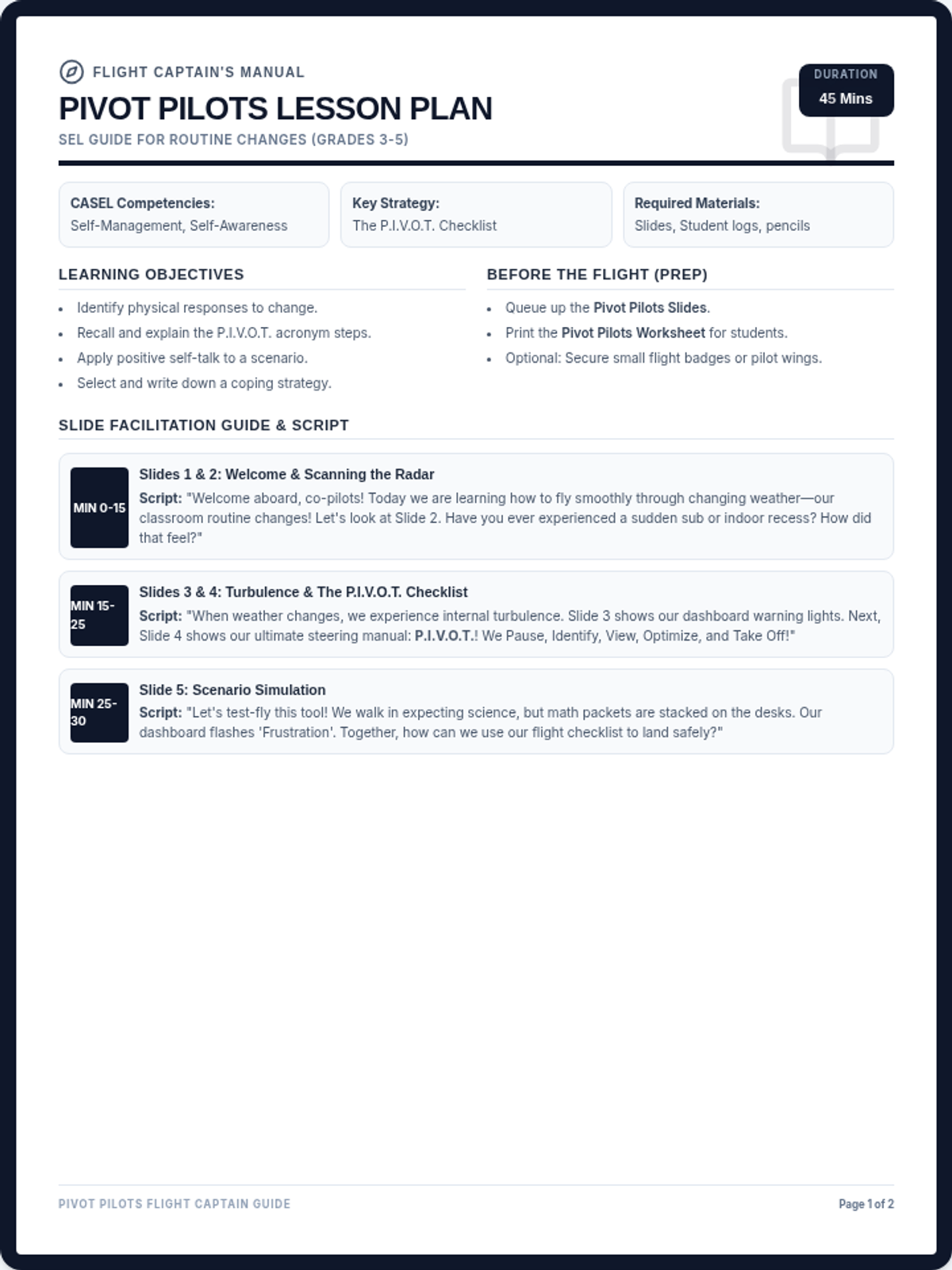
An SEL lesson for elementary students (ages 8-10) to help them navigate daily classroom routine changes. Students learn the "P.I.V.O.T." strategy to handle transitions with ease, flexibility, and emotional regulation.
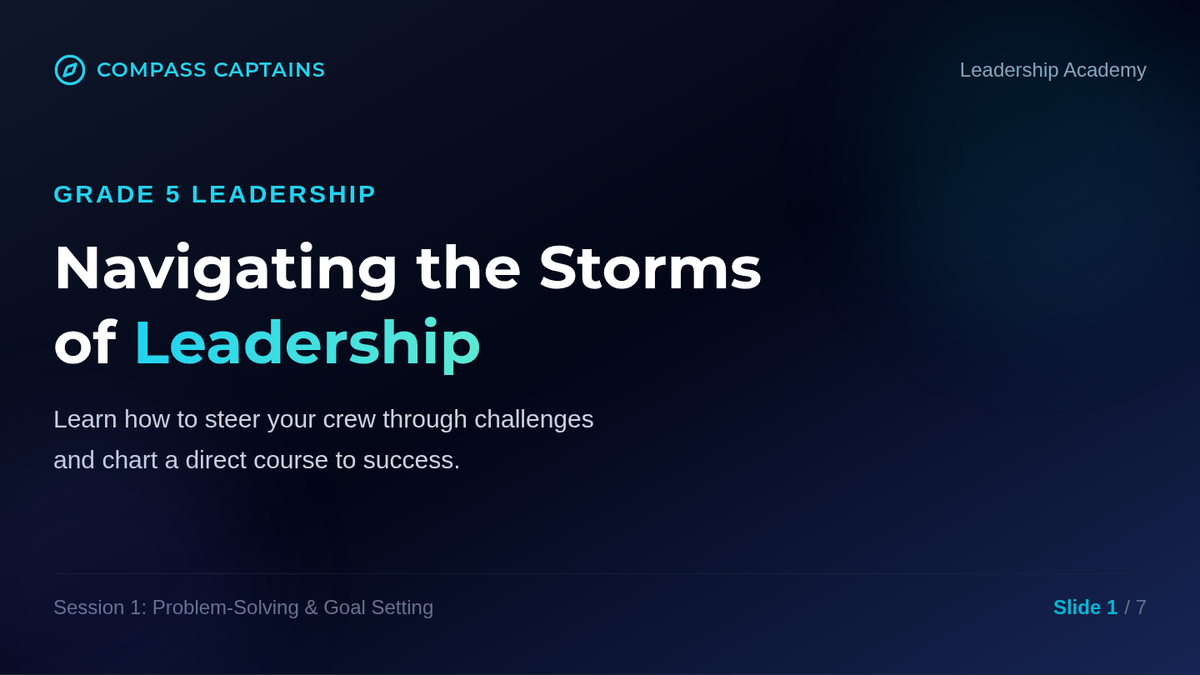
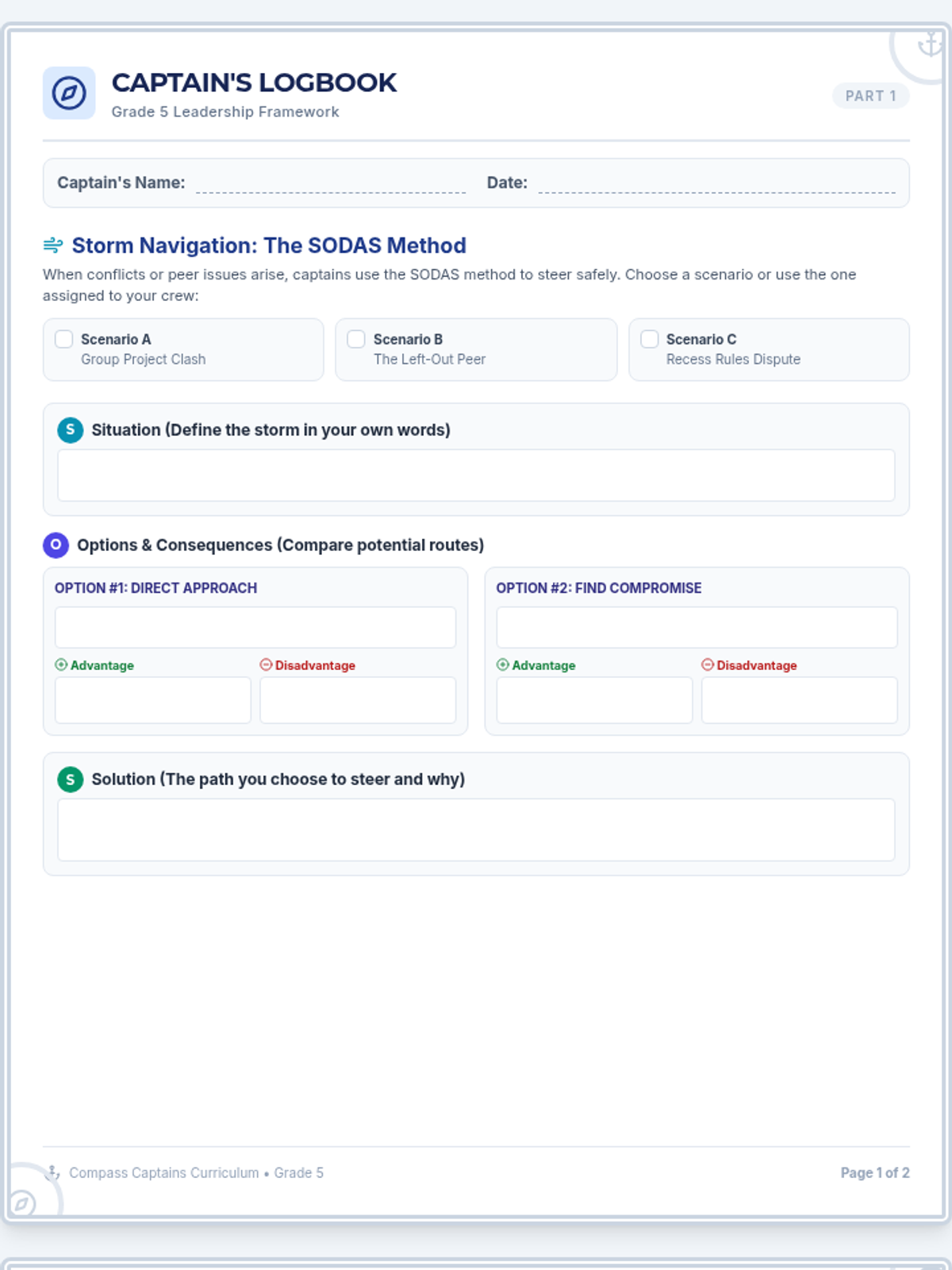
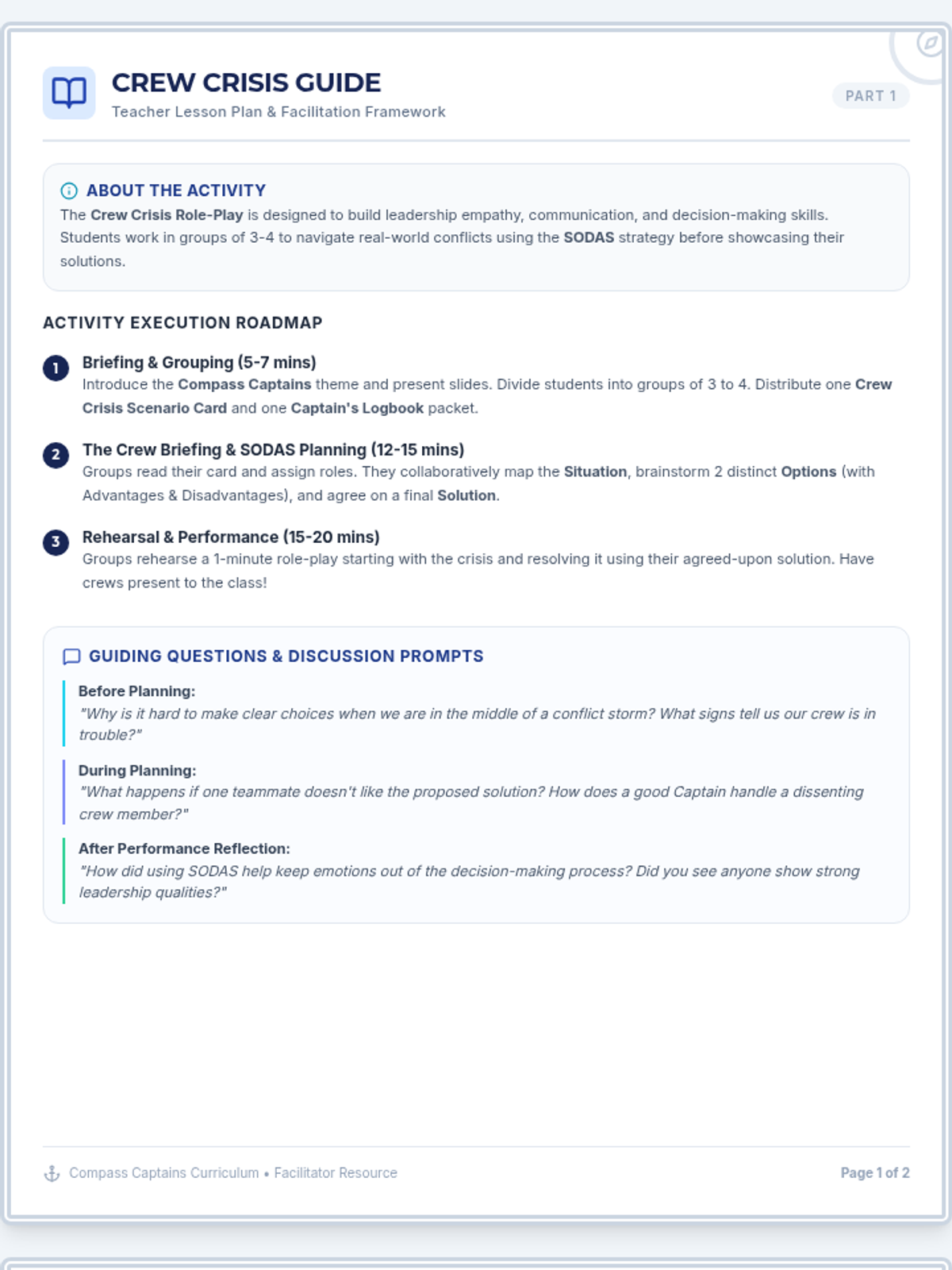
A dynamic and engaging leadership lesson for 5th graders that teaches critical problem-solving and goal-setting skills. Using a nautical 'Compass Captains' theme, students learn how to navigate peer conflicts, brainstorm solutions, and chart their own action plans.
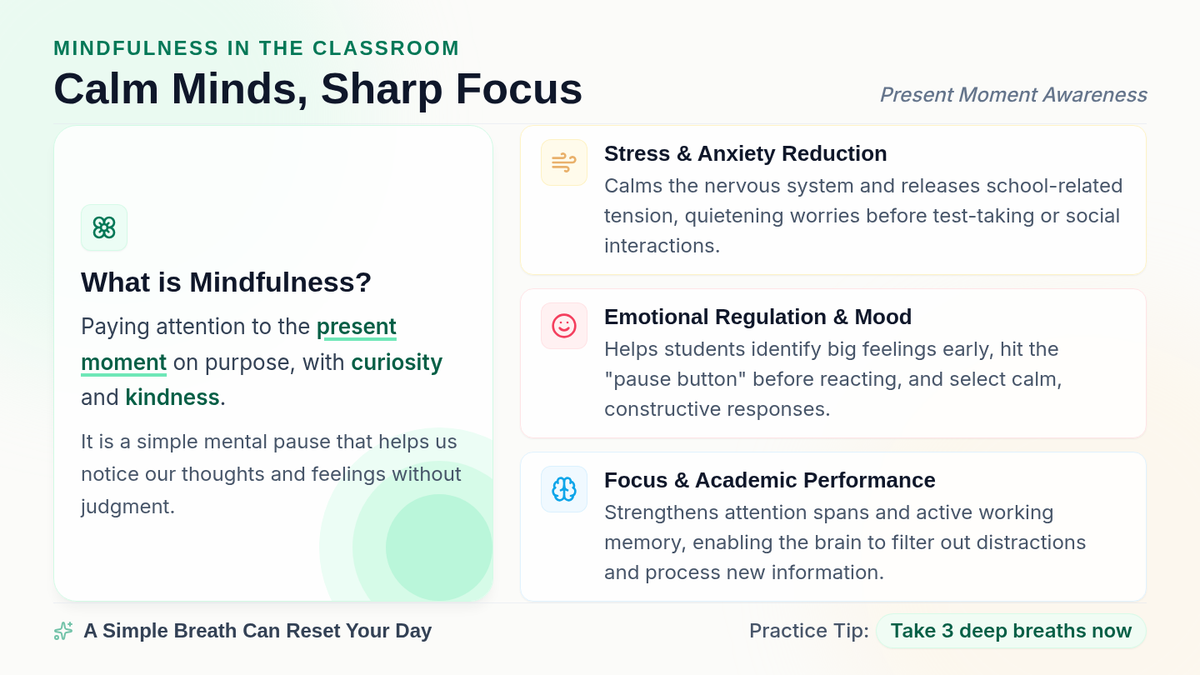
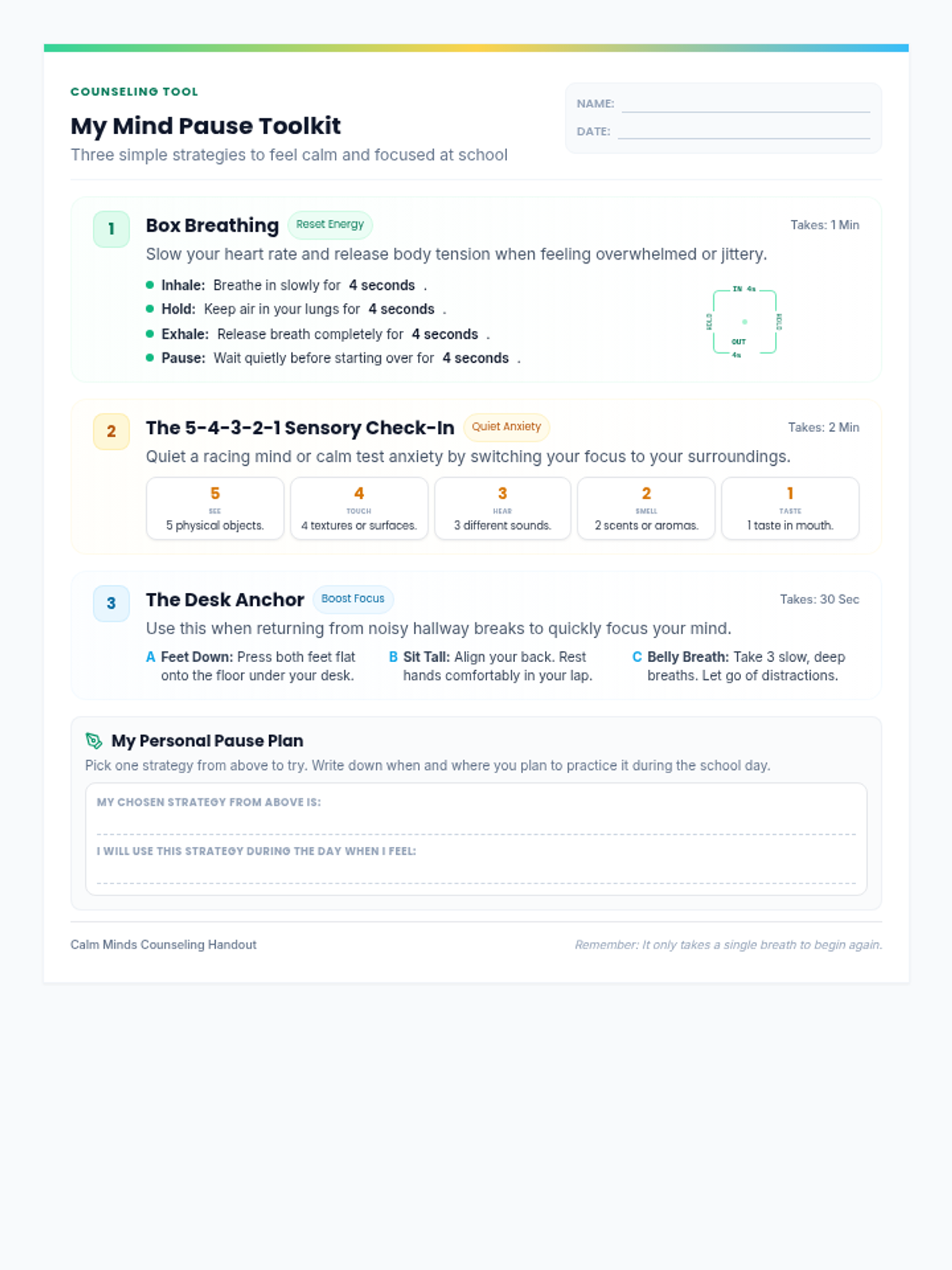
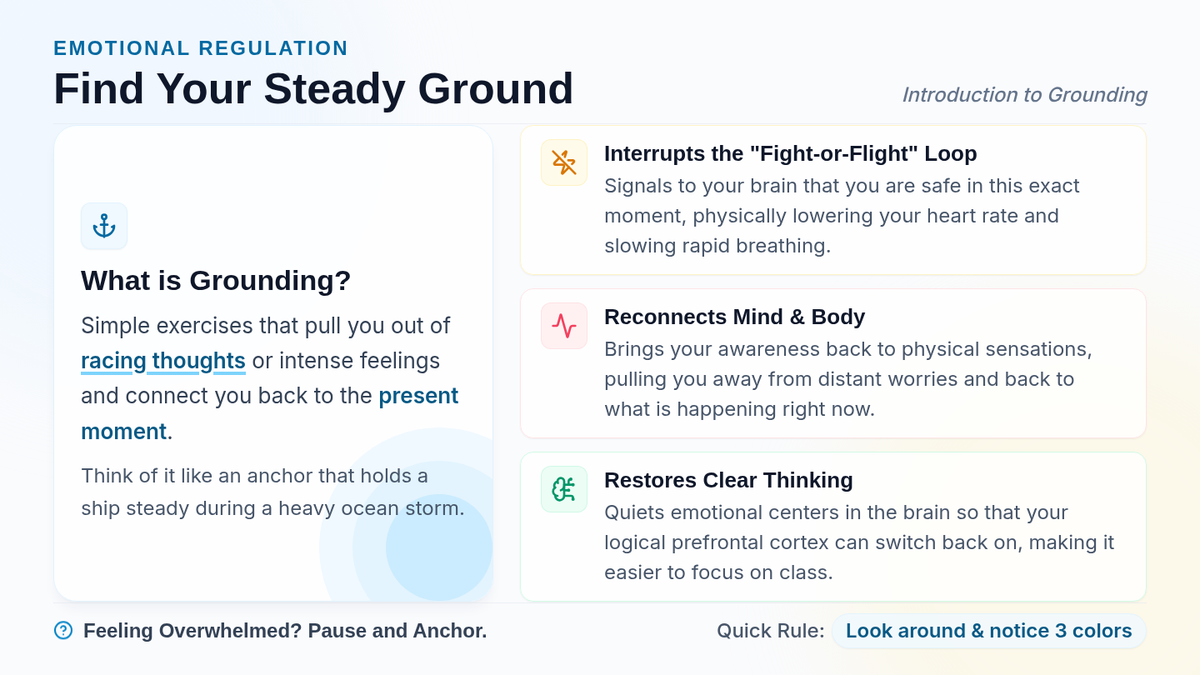
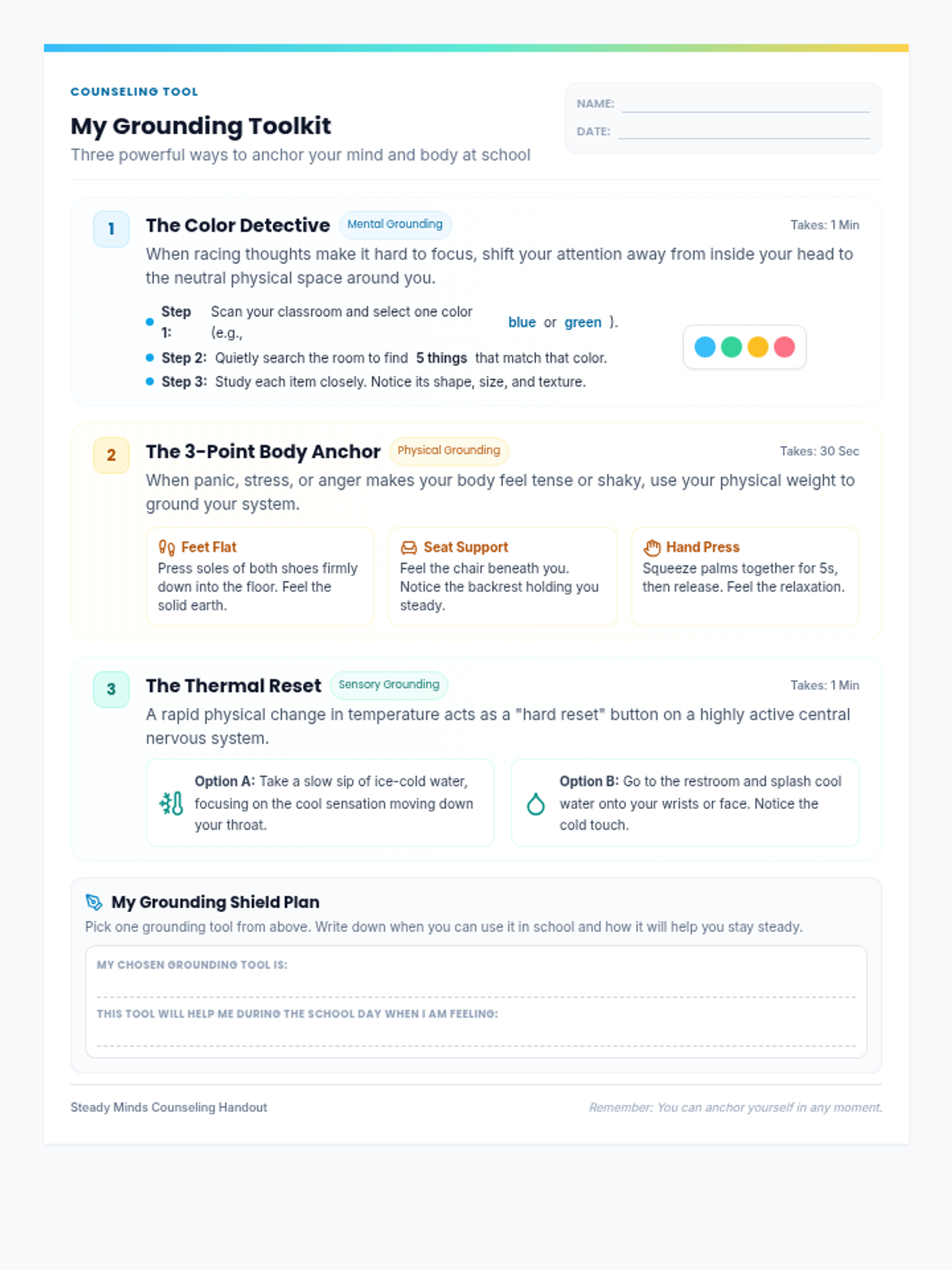
An introductory lesson on mindfulness for students, exploring what mindfulness is, its scientific benefits in a classroom setting, and practical applications for focus and emotional regulation.
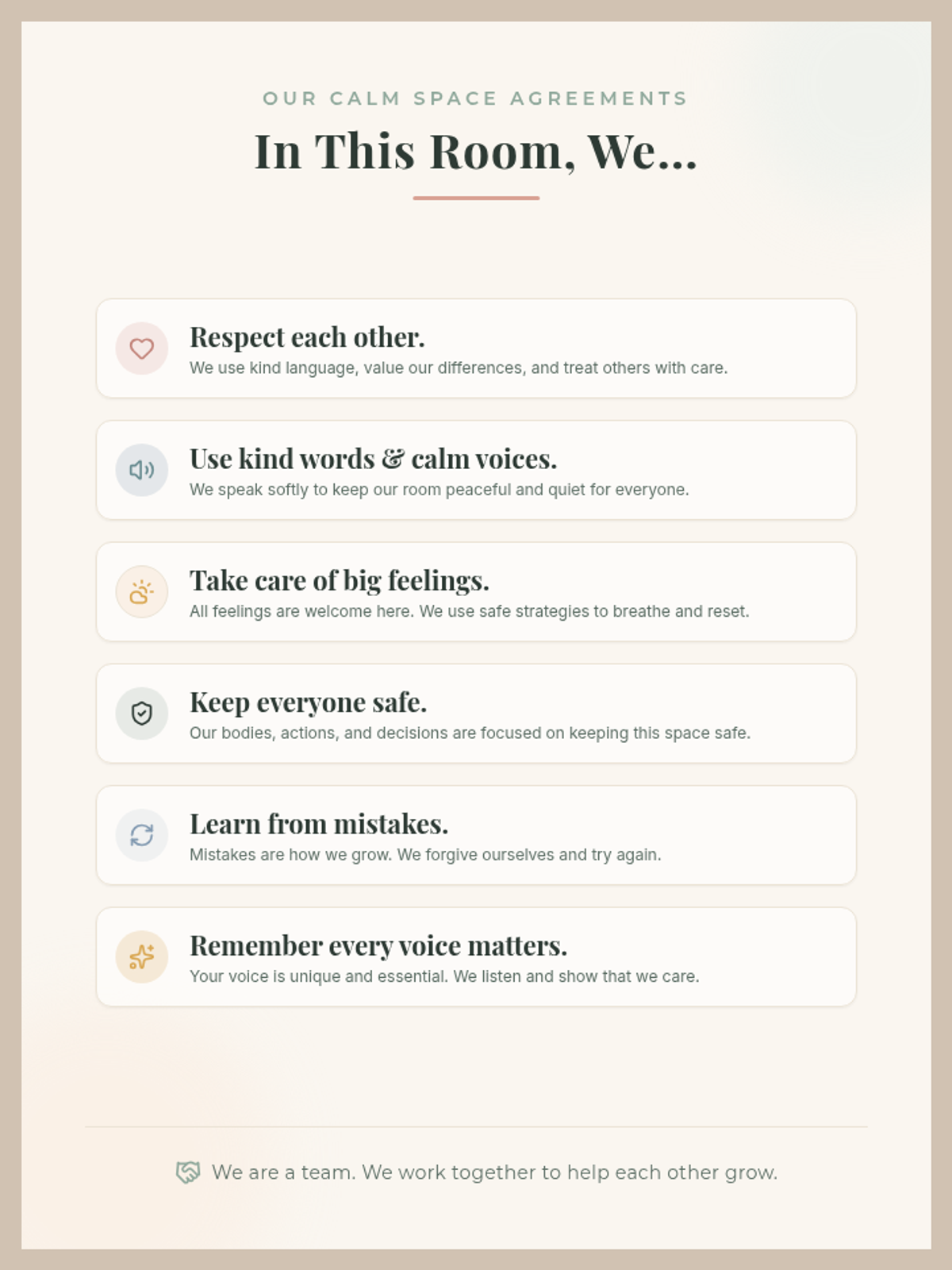
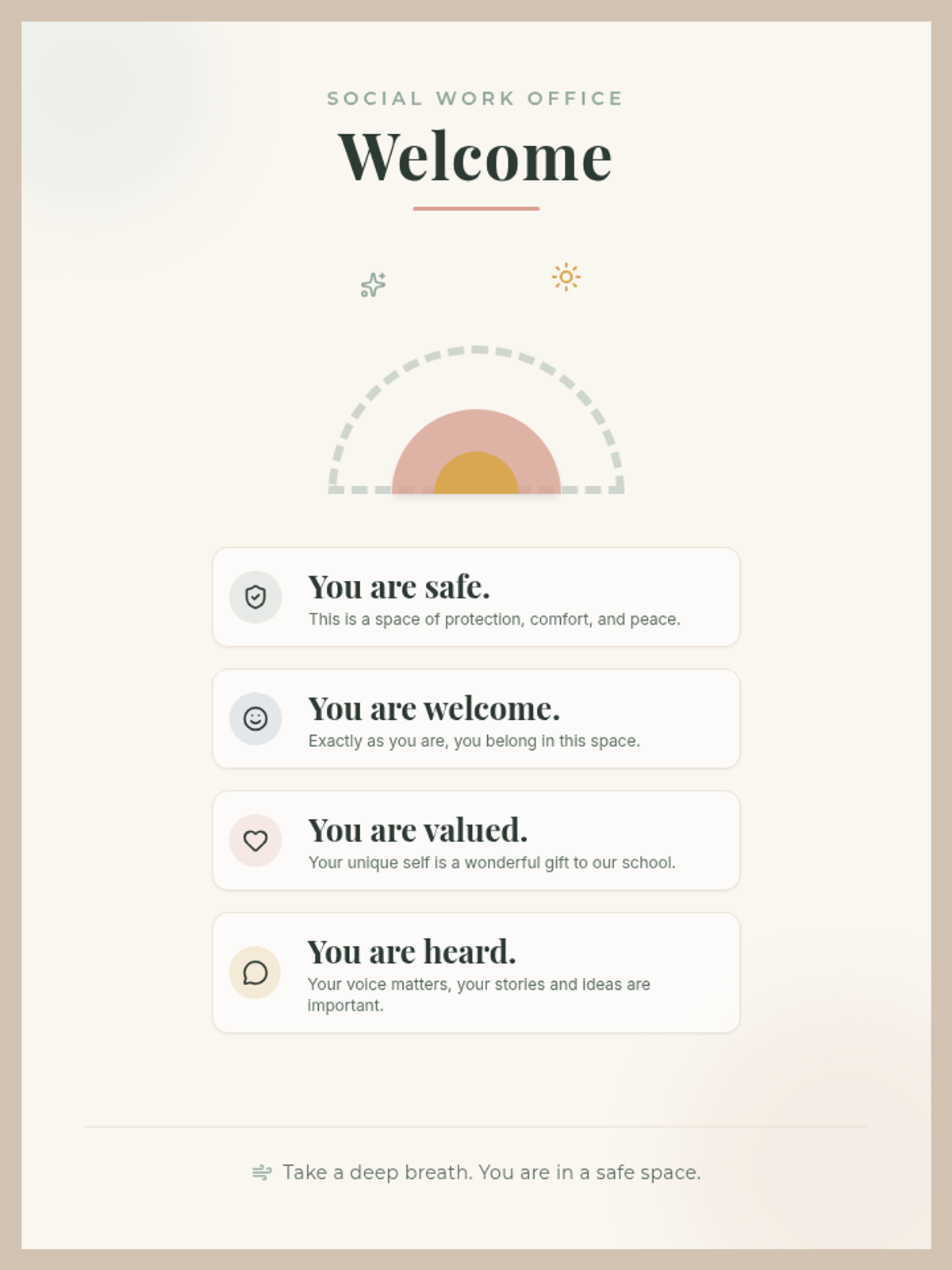
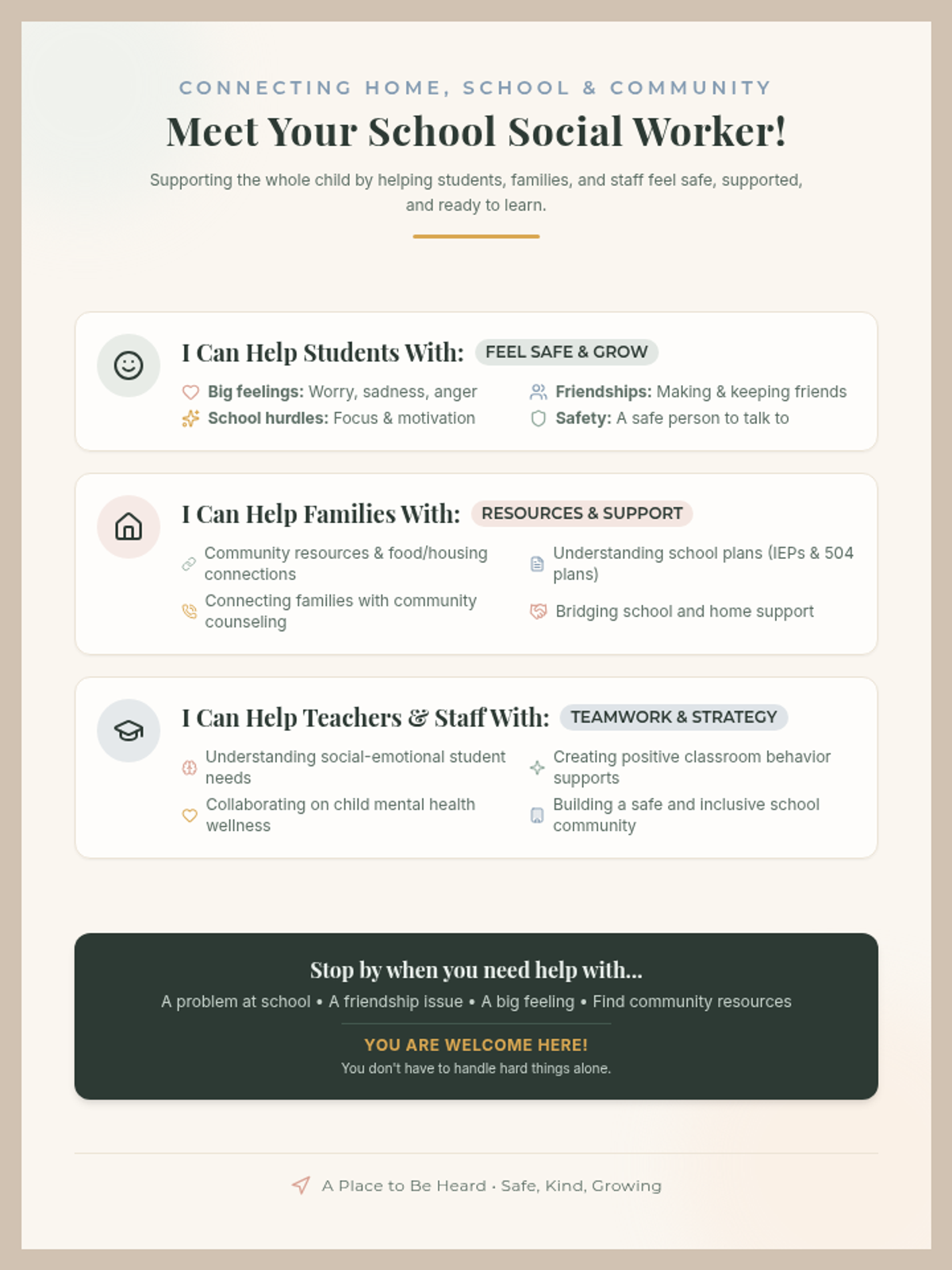
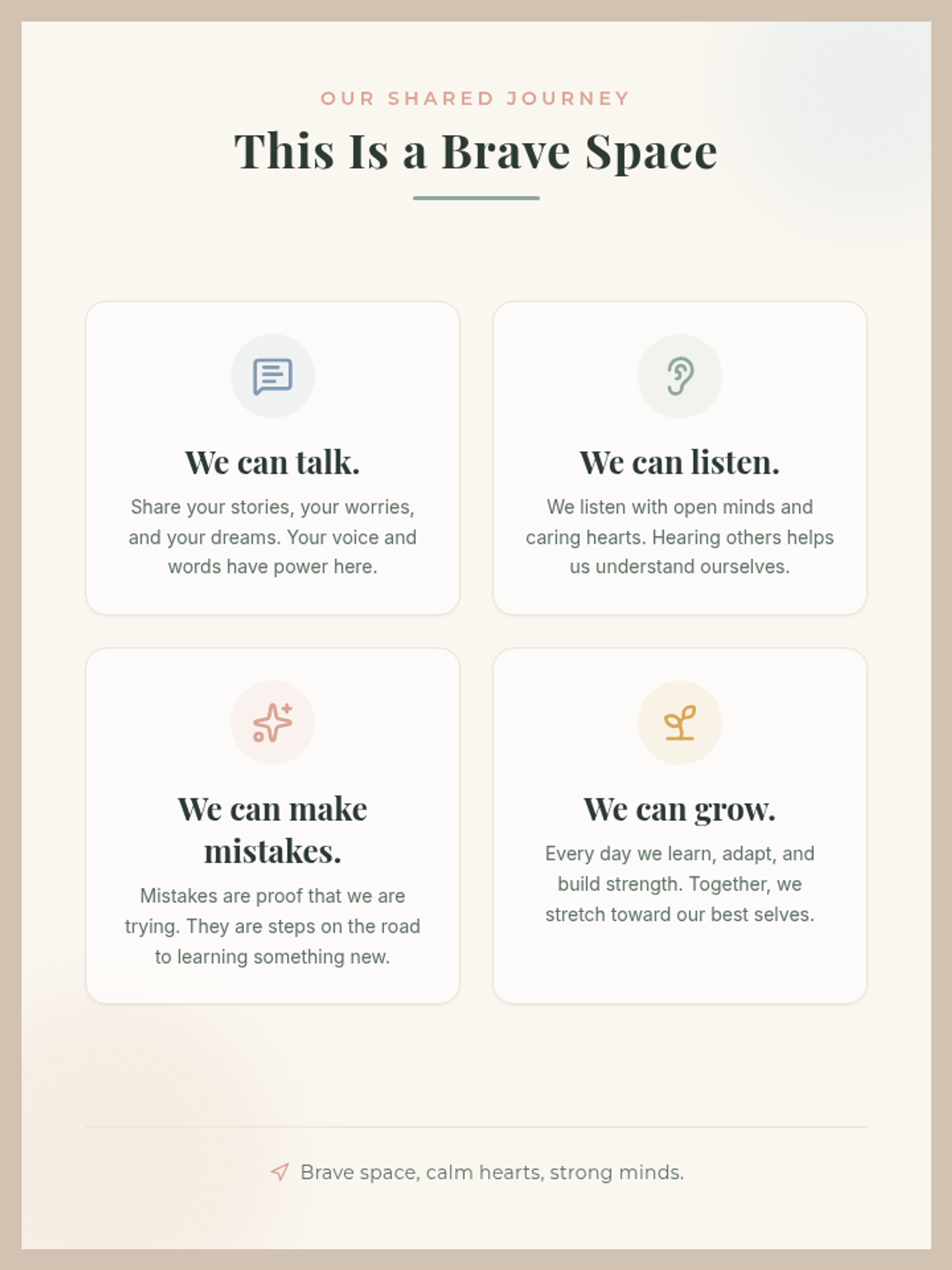
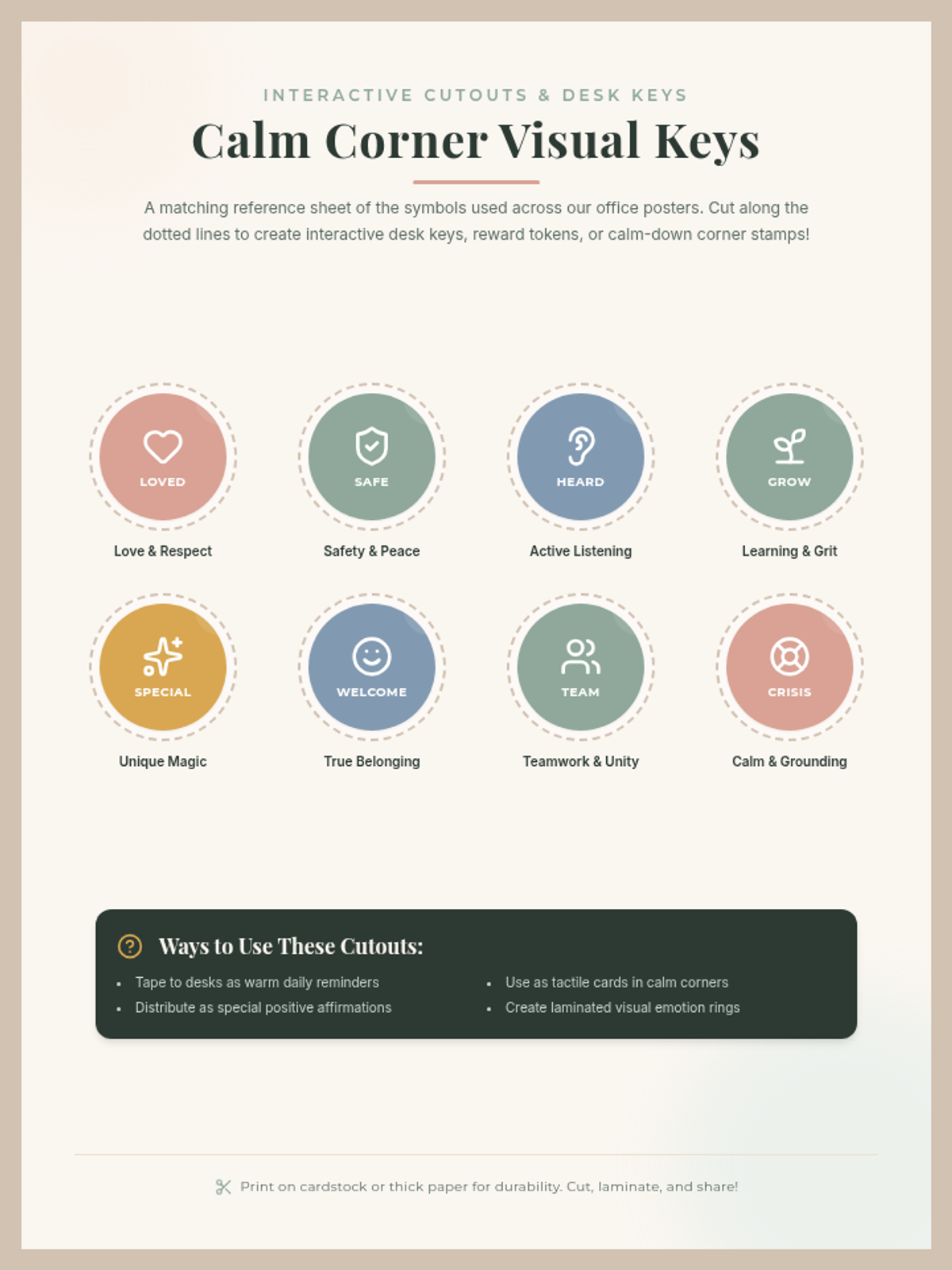
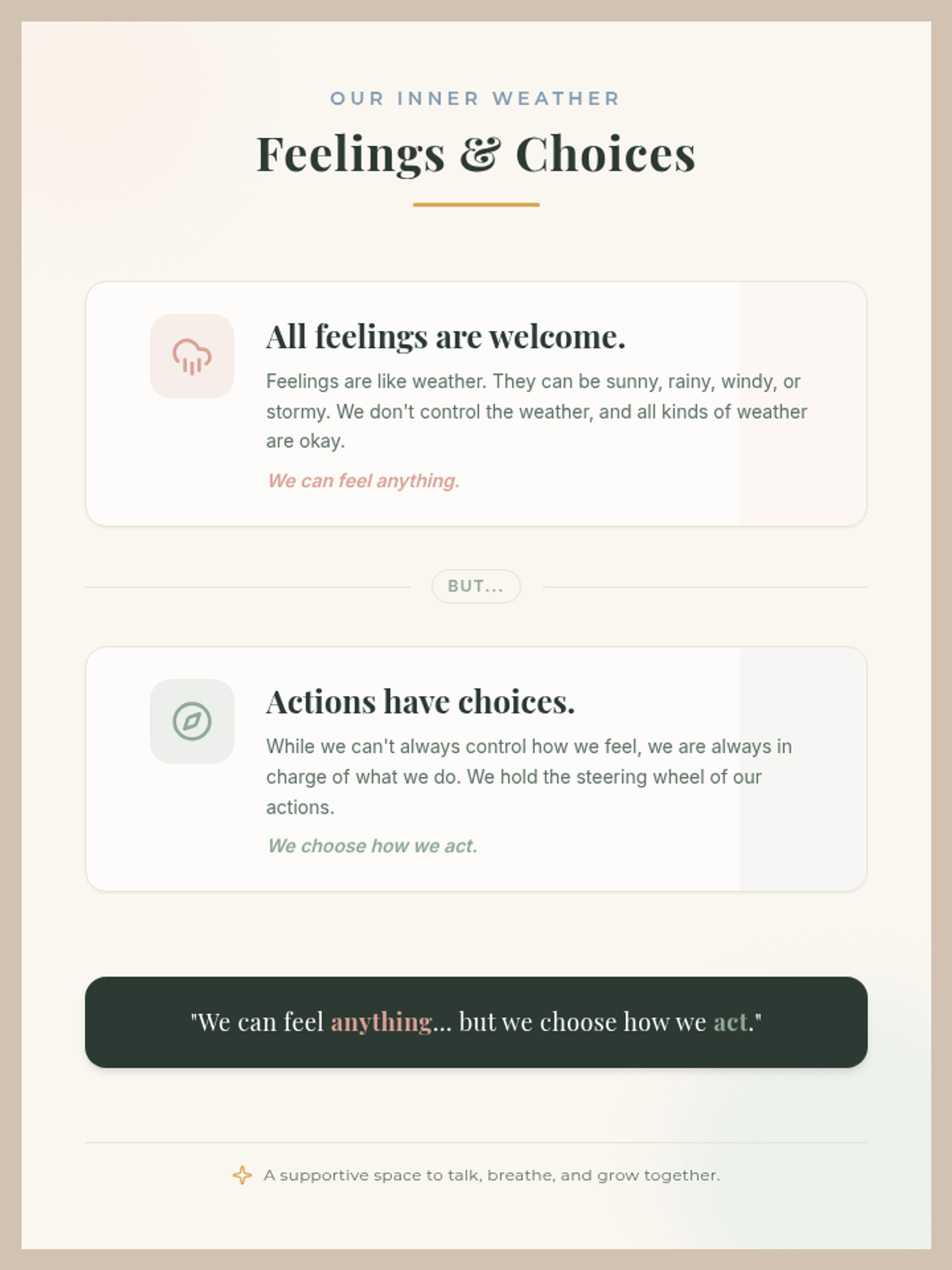
A cohesive suite of beautifully designed printable posters for an elementary school social work office or calm corner, utilizing soft earth tones, gentle affirmations, and clear supportive structures.
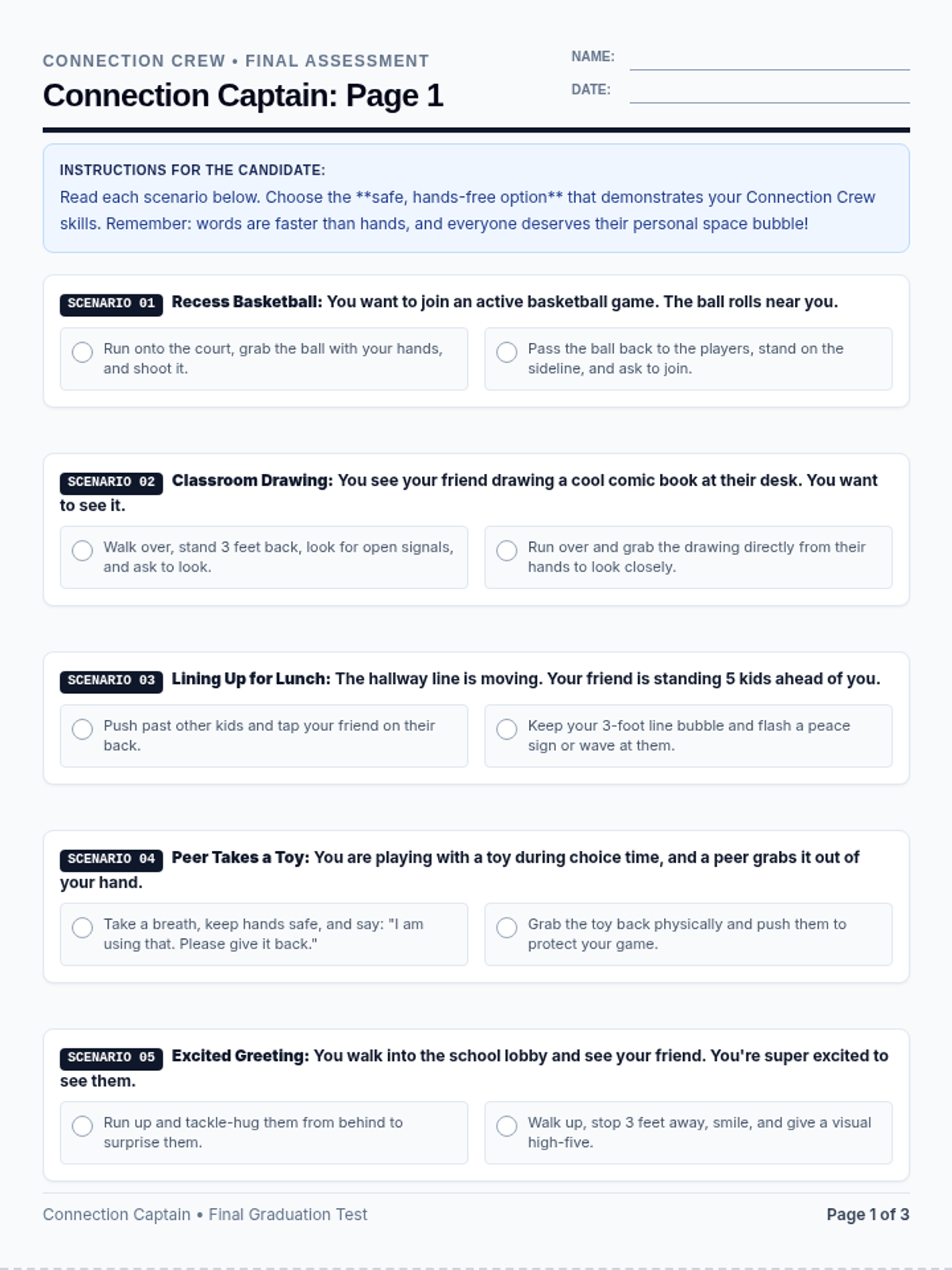
The final graduation assessment where students complete a comprehensive 15-scenario social situation test to prove mastery of safe play initiations, reading cues, keeping physical boundaries, and handling unexpected outcomes.
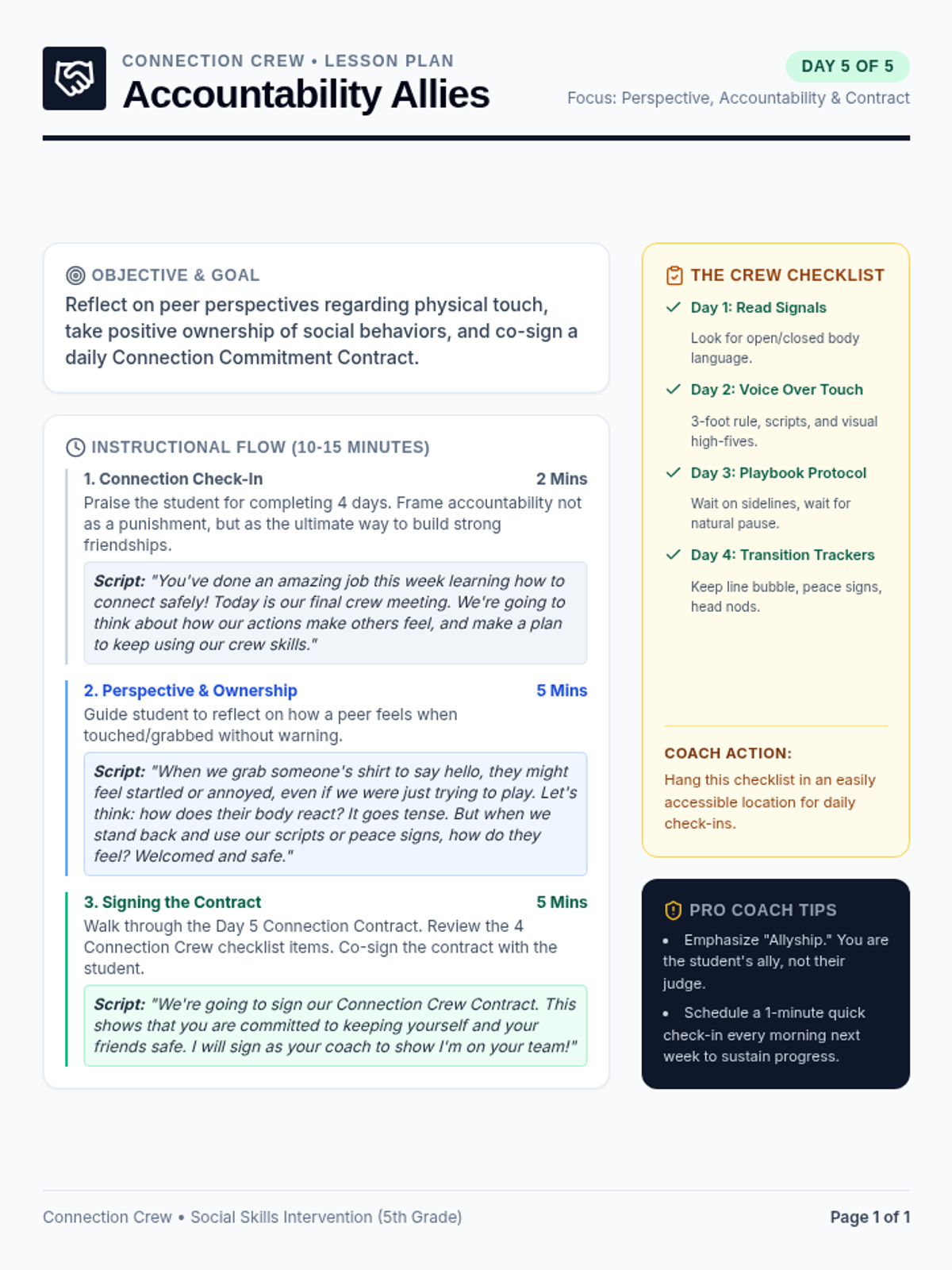
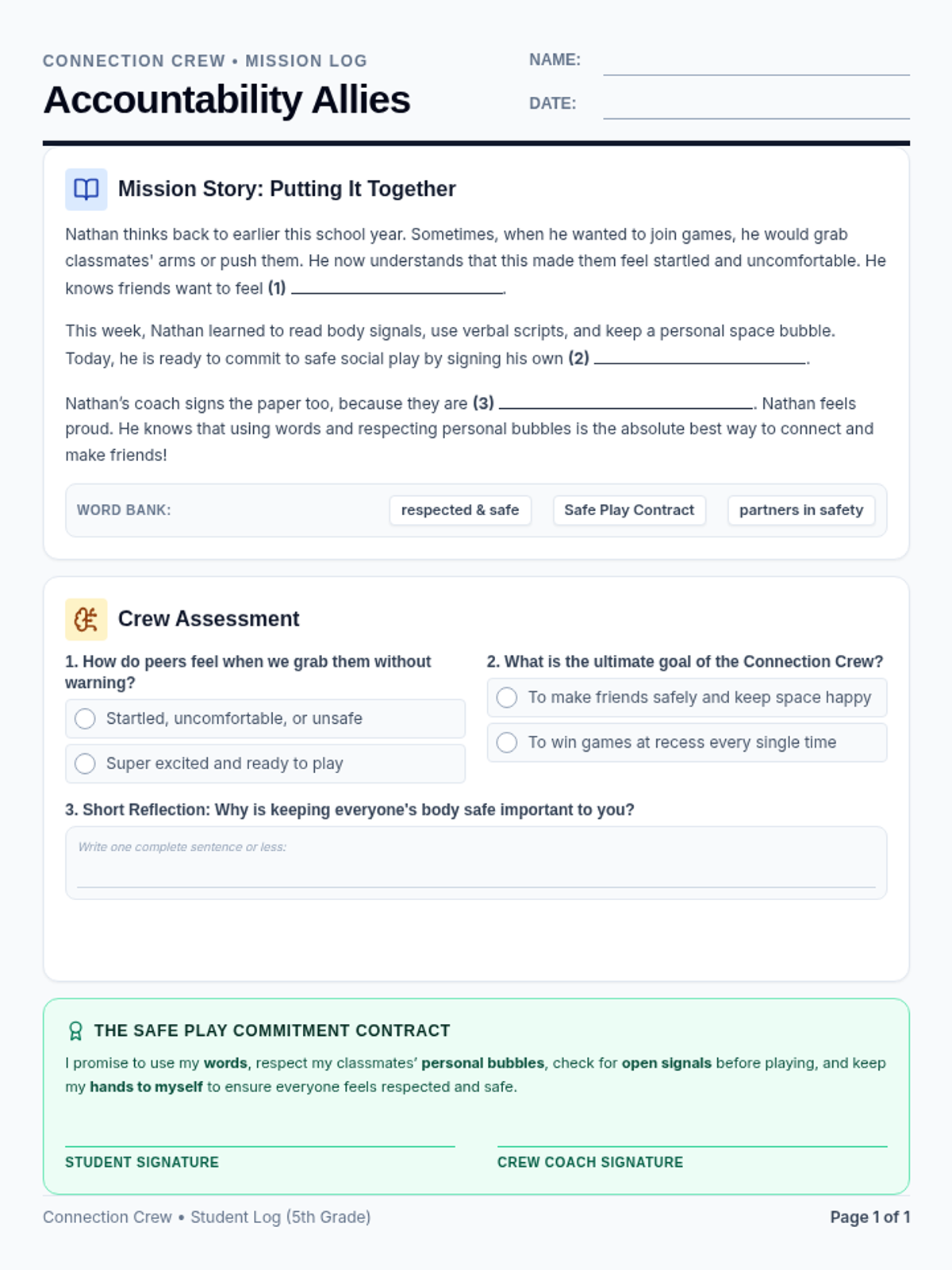
Students synthesize their skills, practice perspective-taking regarding past physical behaviors, and co-create an accountability checklist and safe play commitment contract.