A comprehensive lesson focused on three key test-taking strategies—following directions, managing time, and reducing anxiety—specifically tailored for the Indiana IREAD assessment.
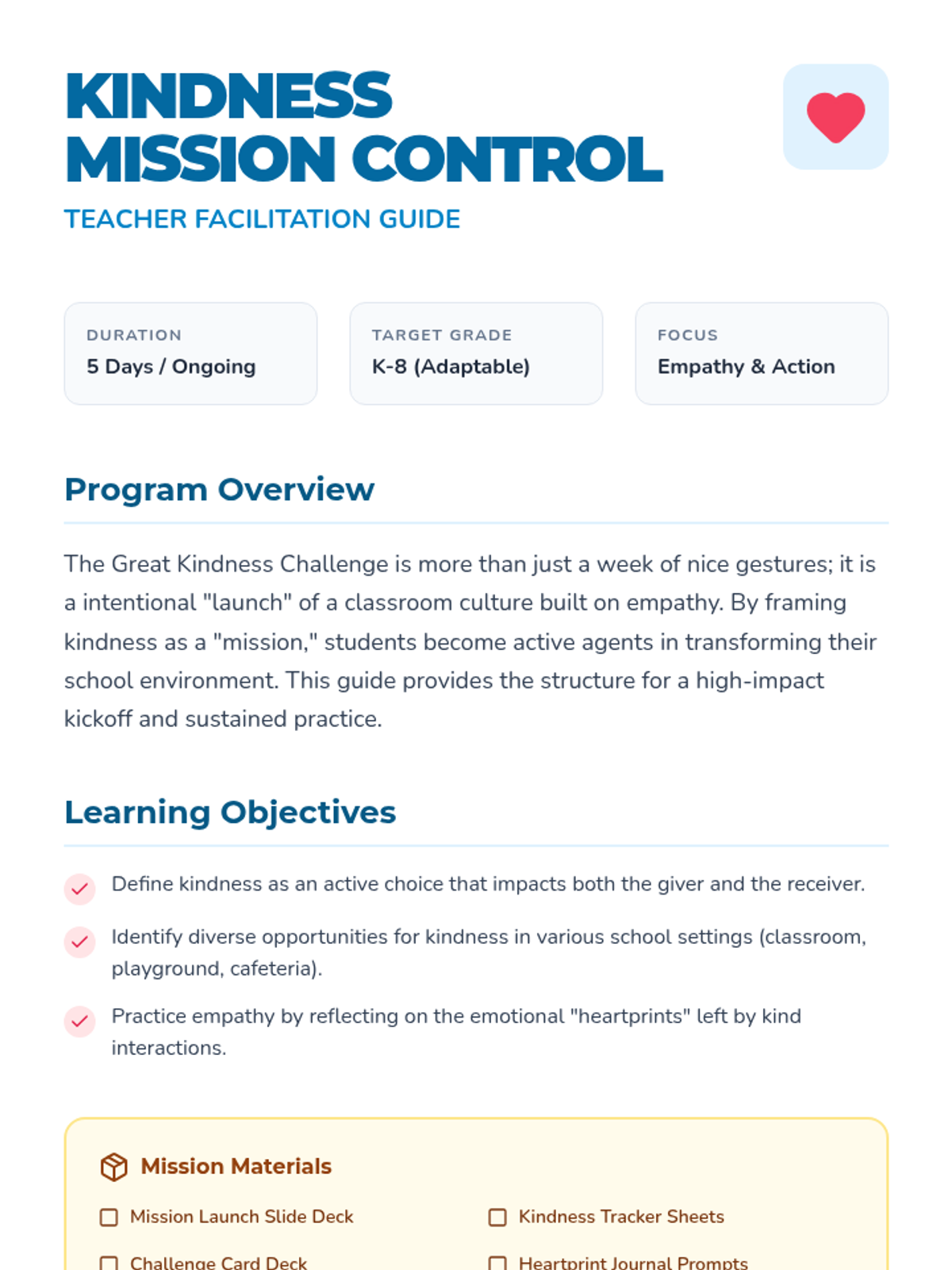
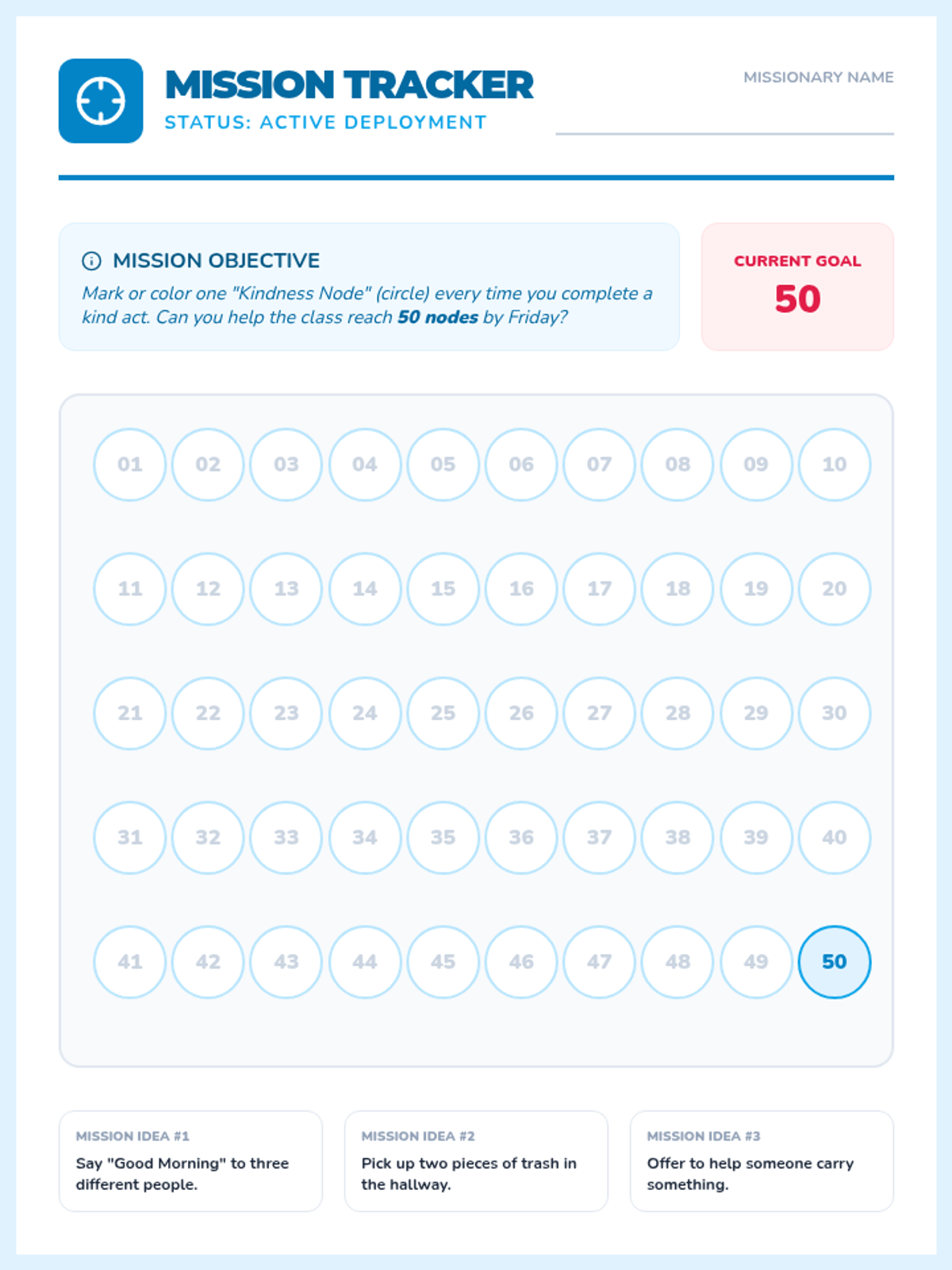
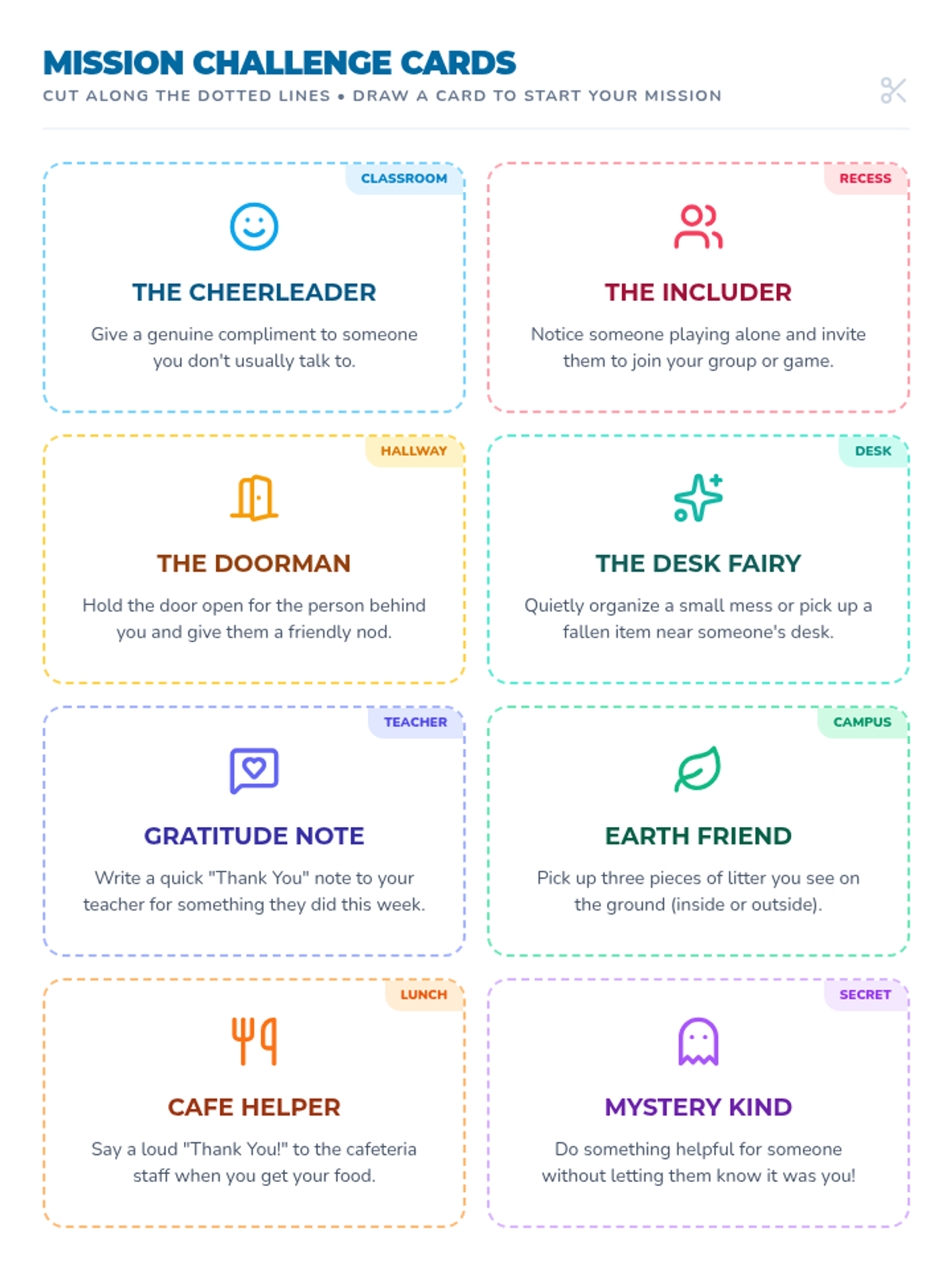
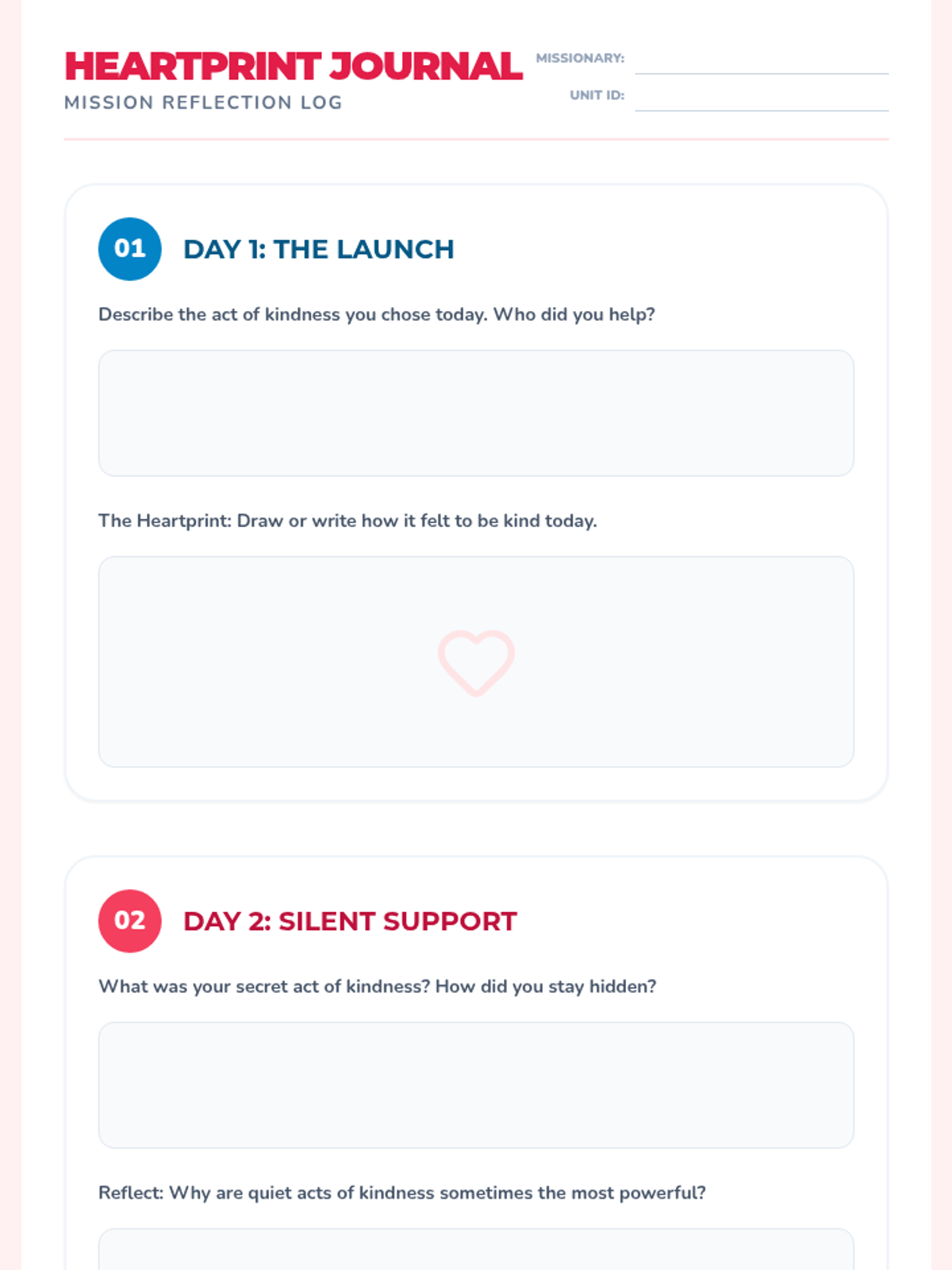
A comprehensive program to launch a kindness challenge in the classroom, featuring daily missions, tracking tools, and reflective journaling to build a culture of empathy and positive social interactions.
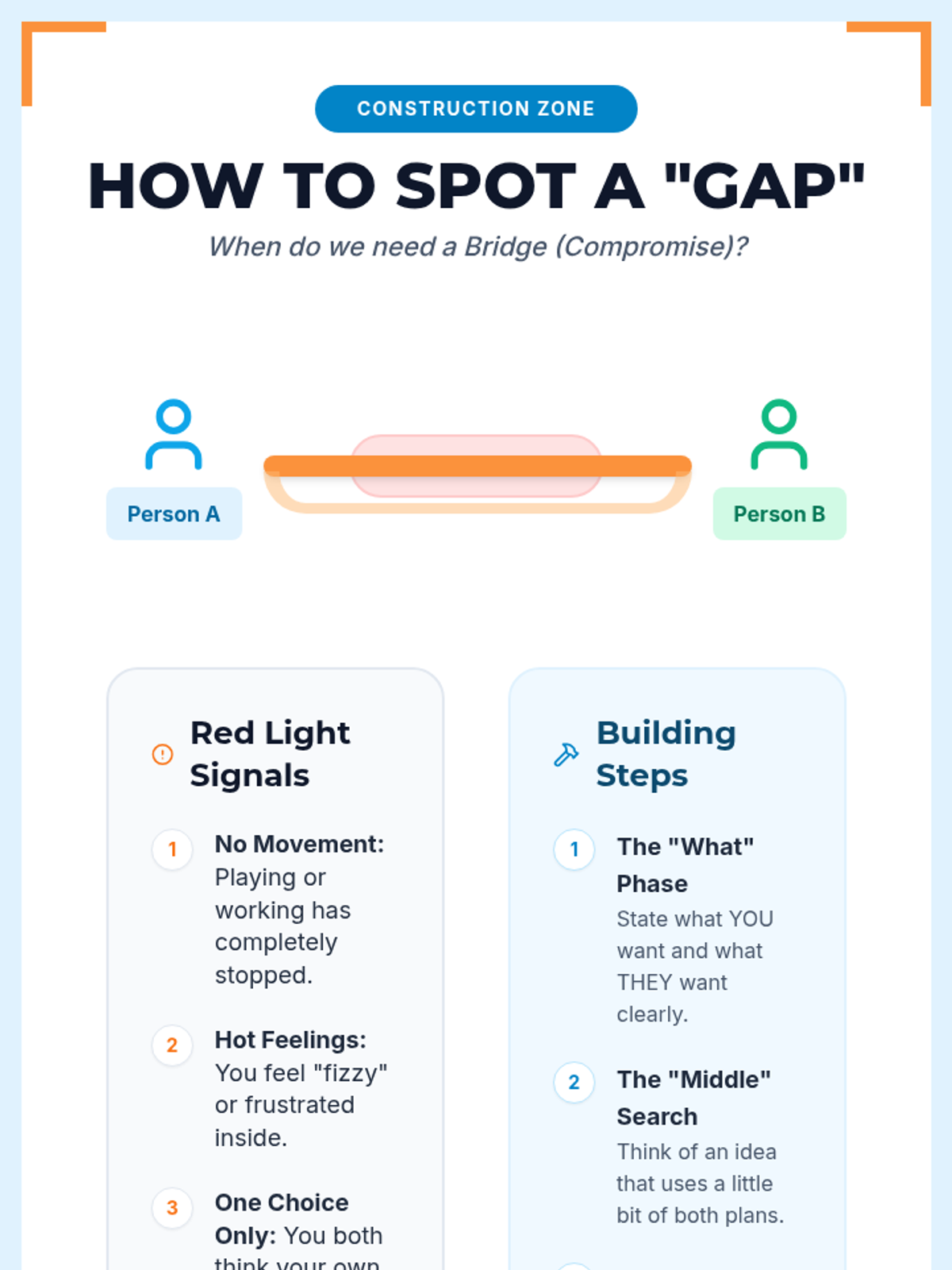
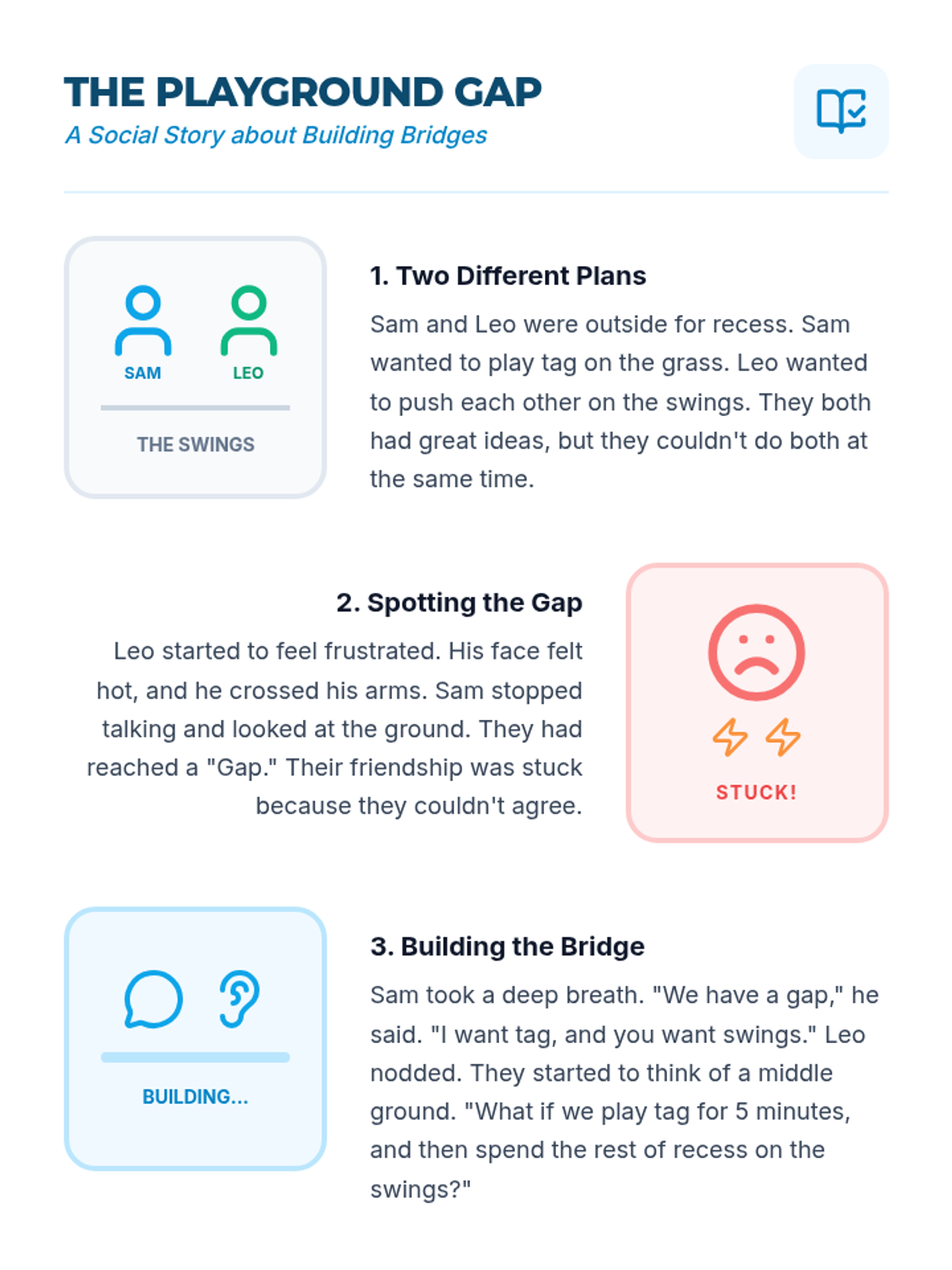
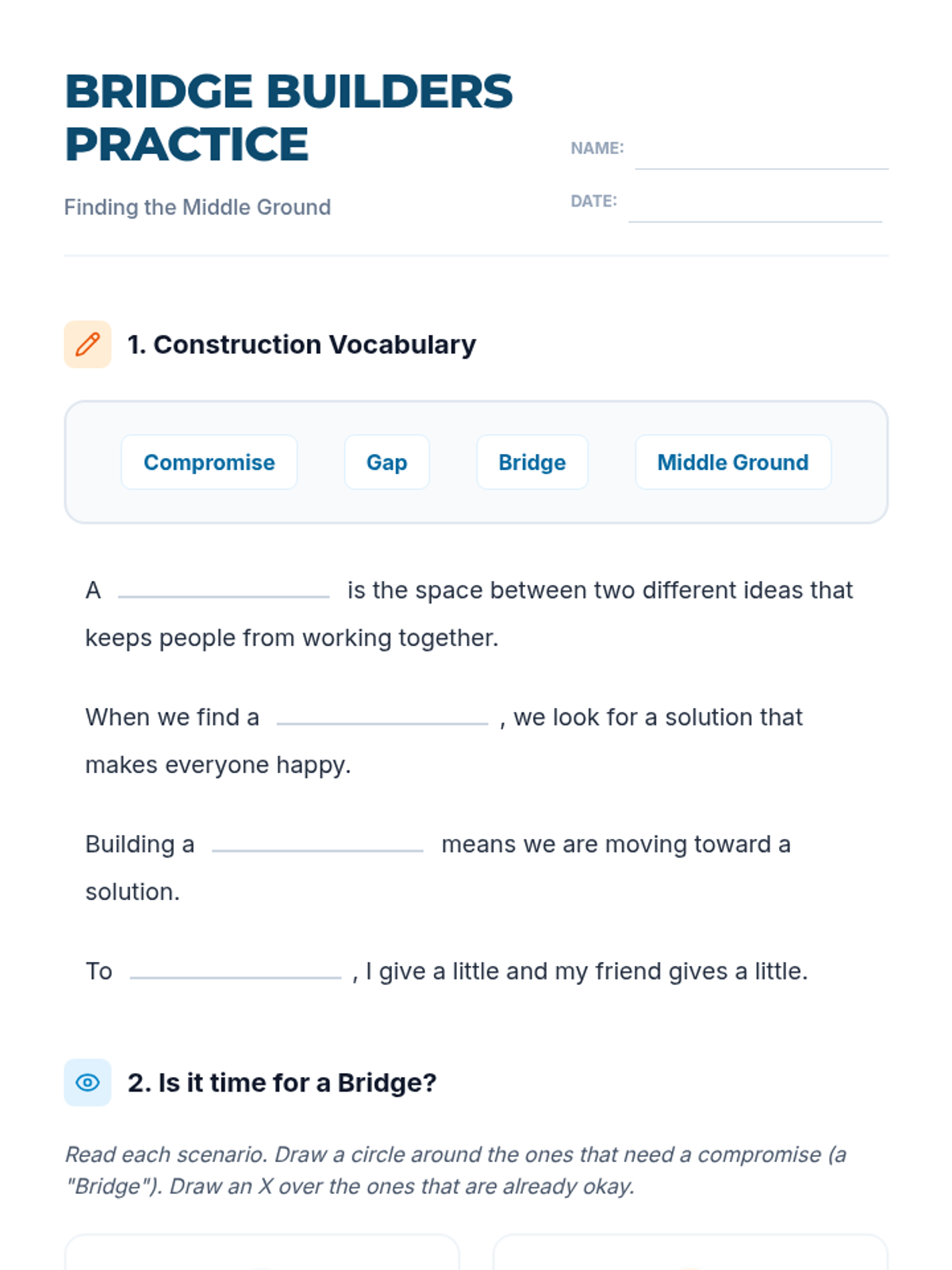
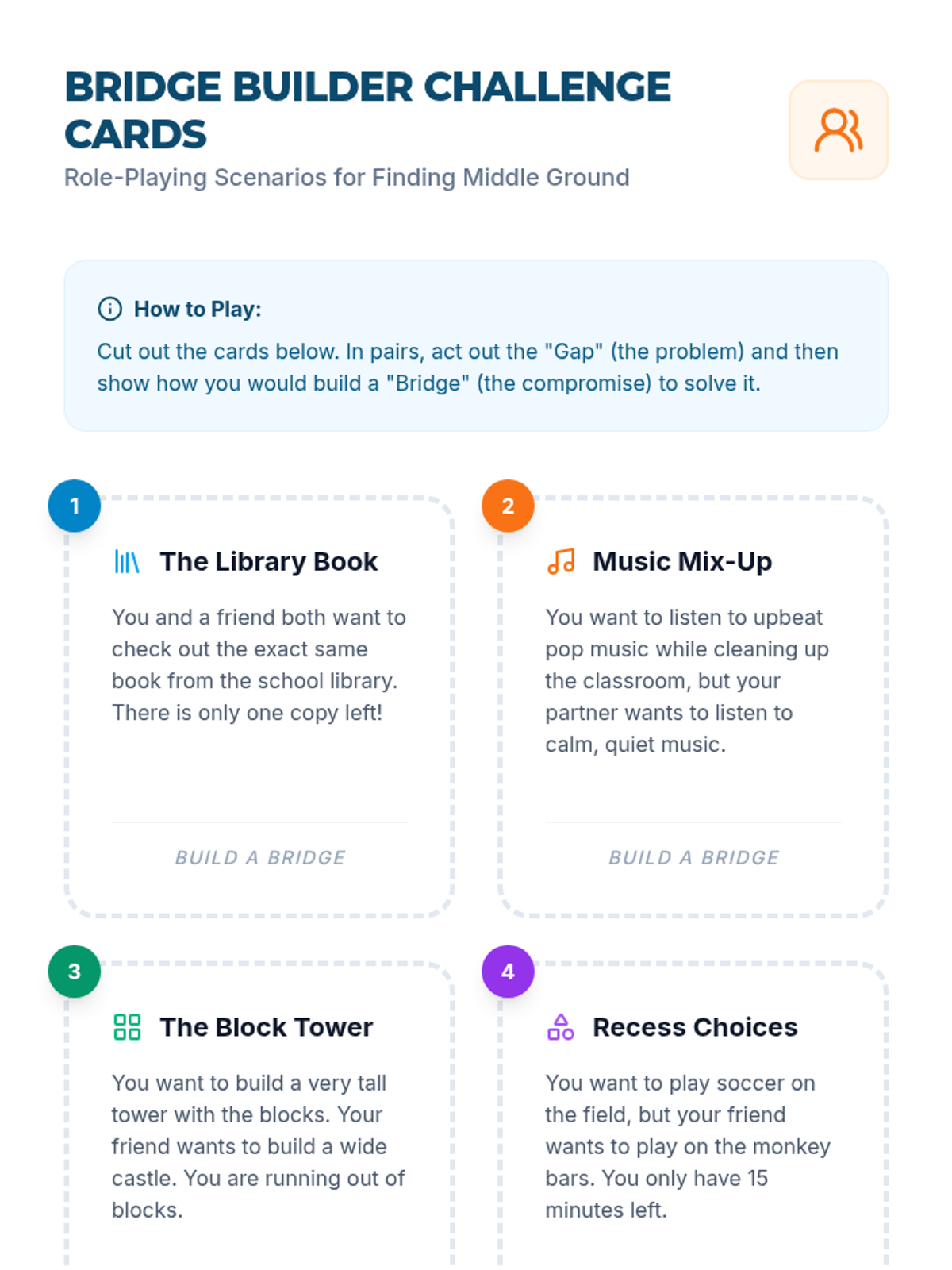
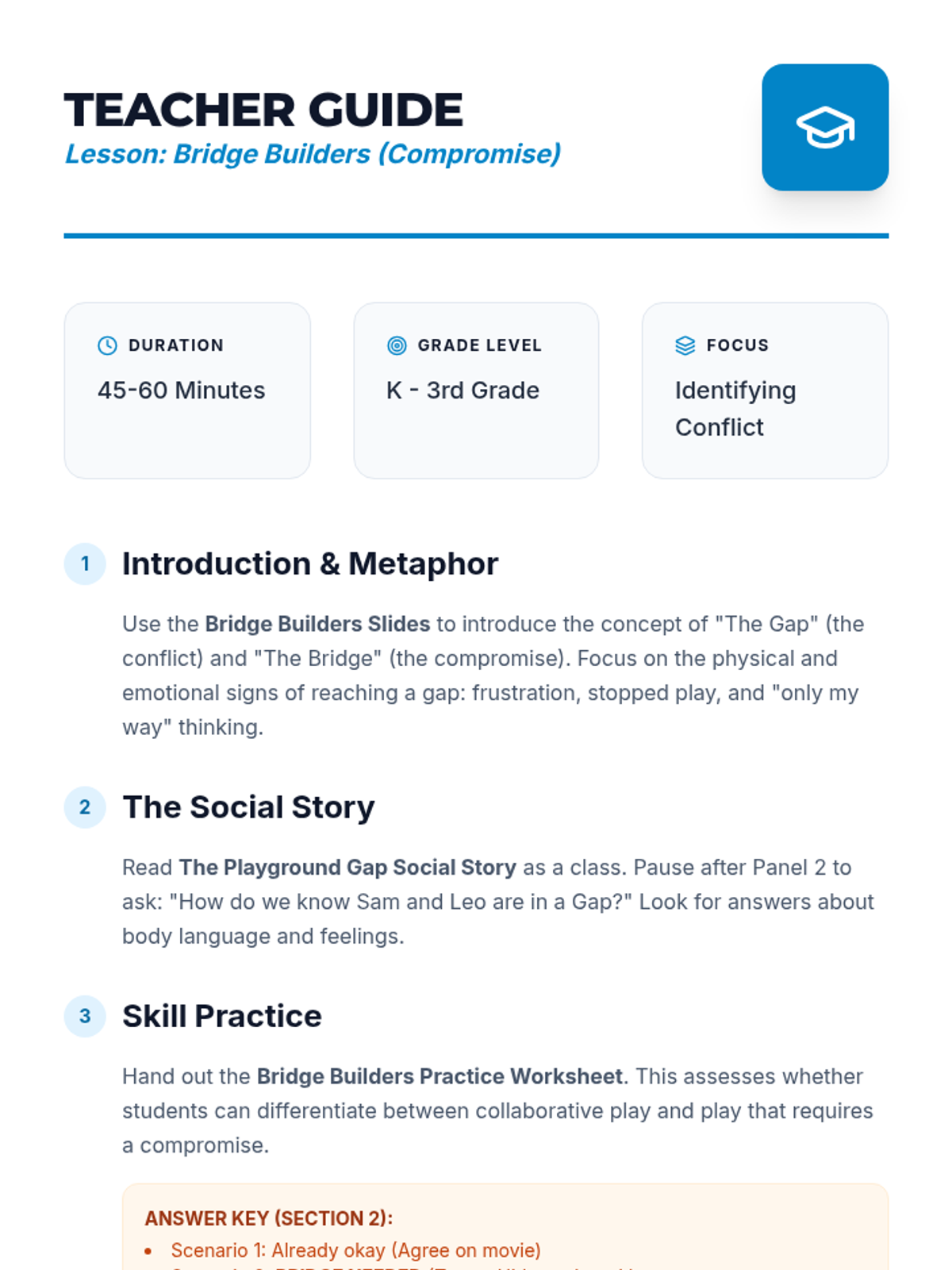
A comprehensive lesson on identifying when a compromise is needed using the 'Bridge Builders' metaphor to help students find middle ground in conflicts.
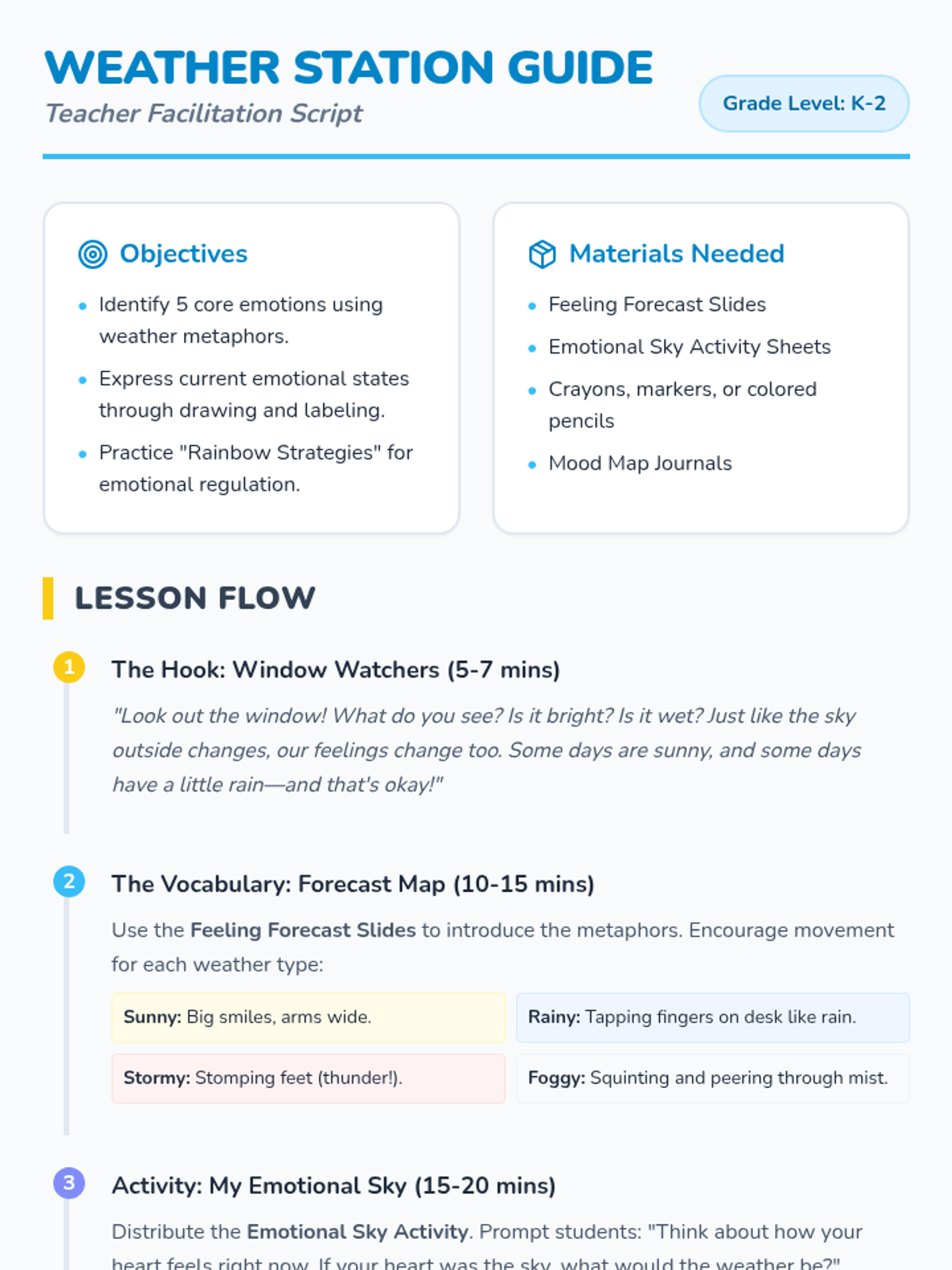
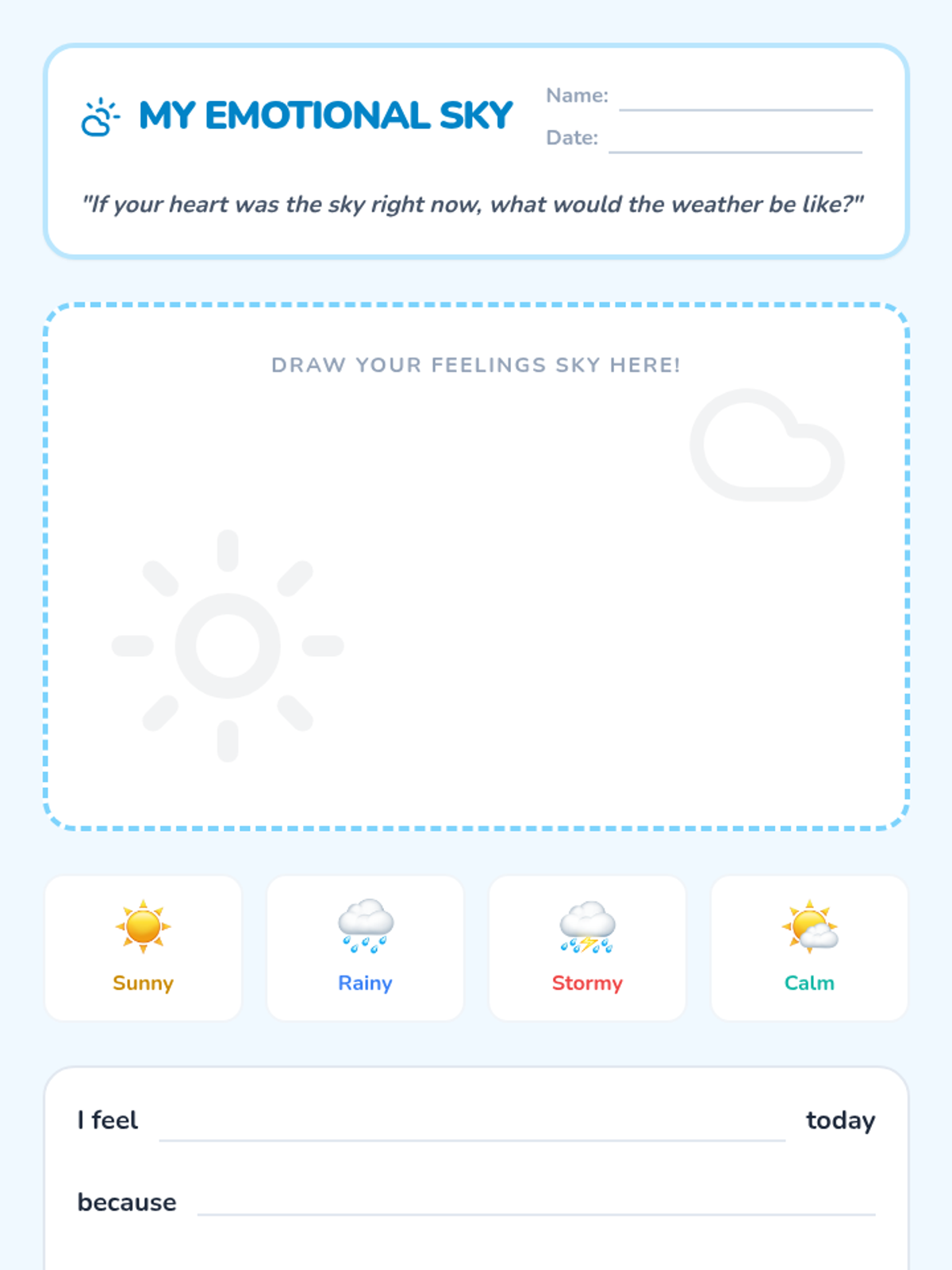
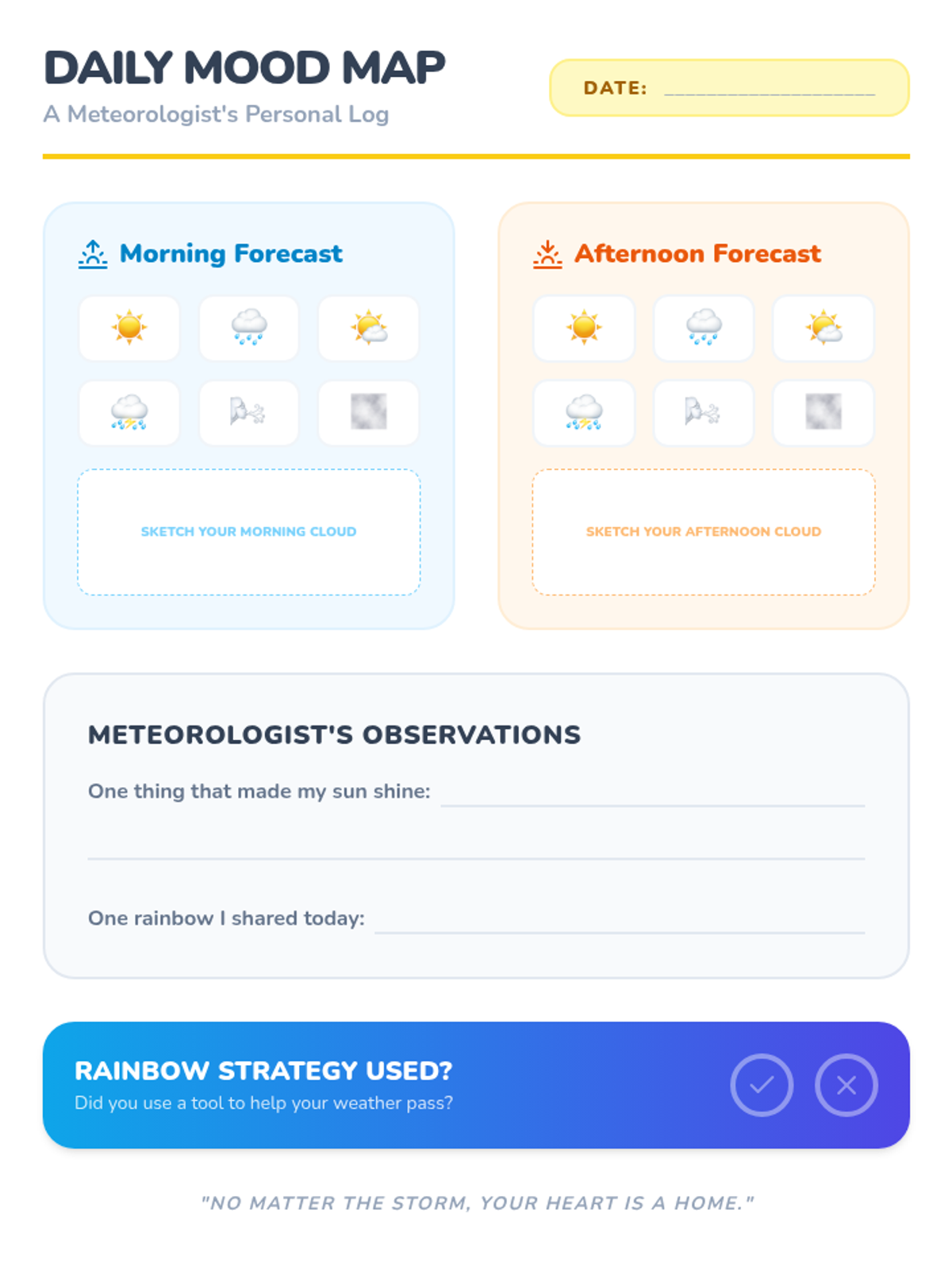
A K-2 lesson that uses weather metaphors to help students identify, express, and normalize their emotions while learning simple coping strategies.
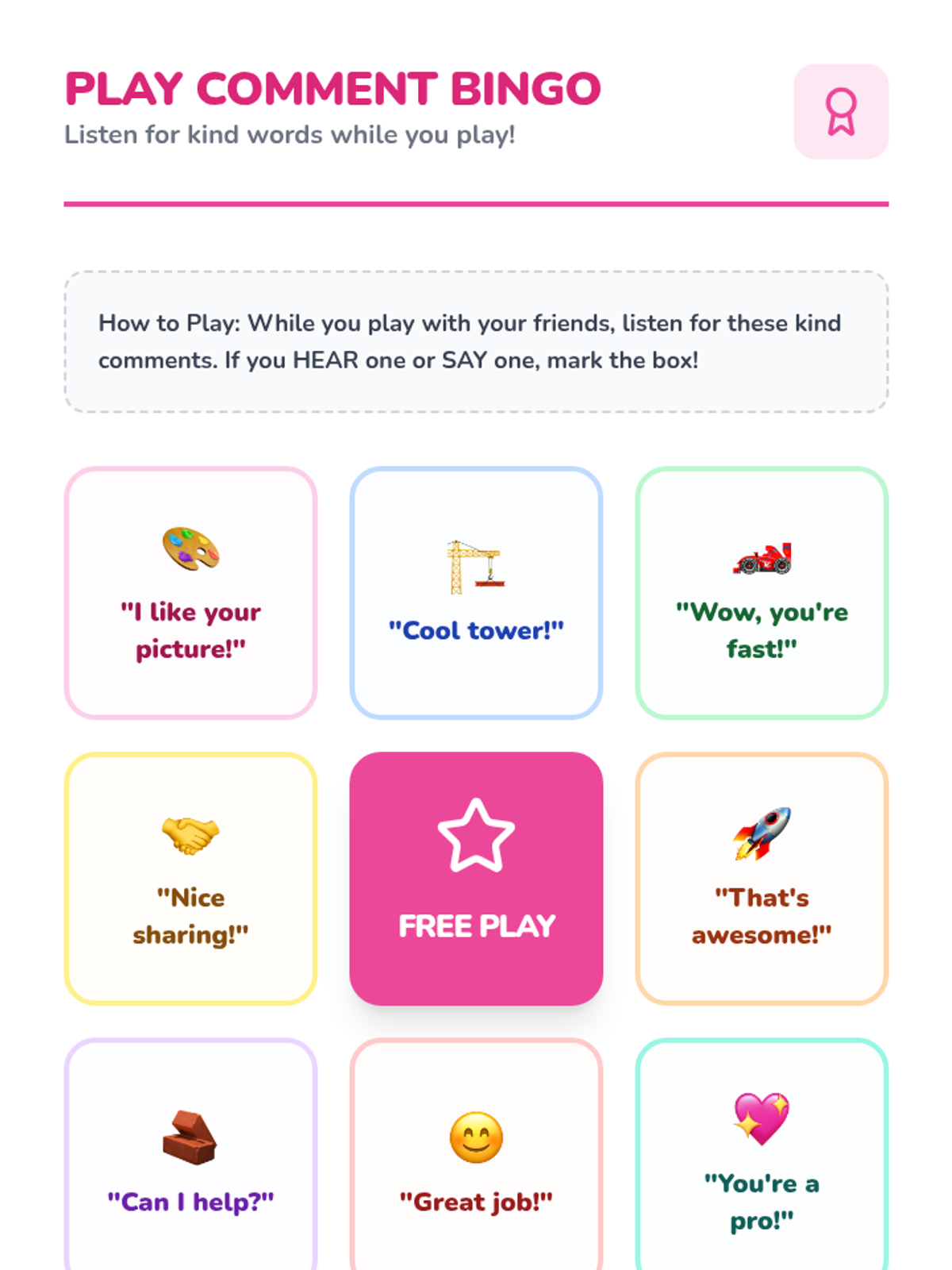
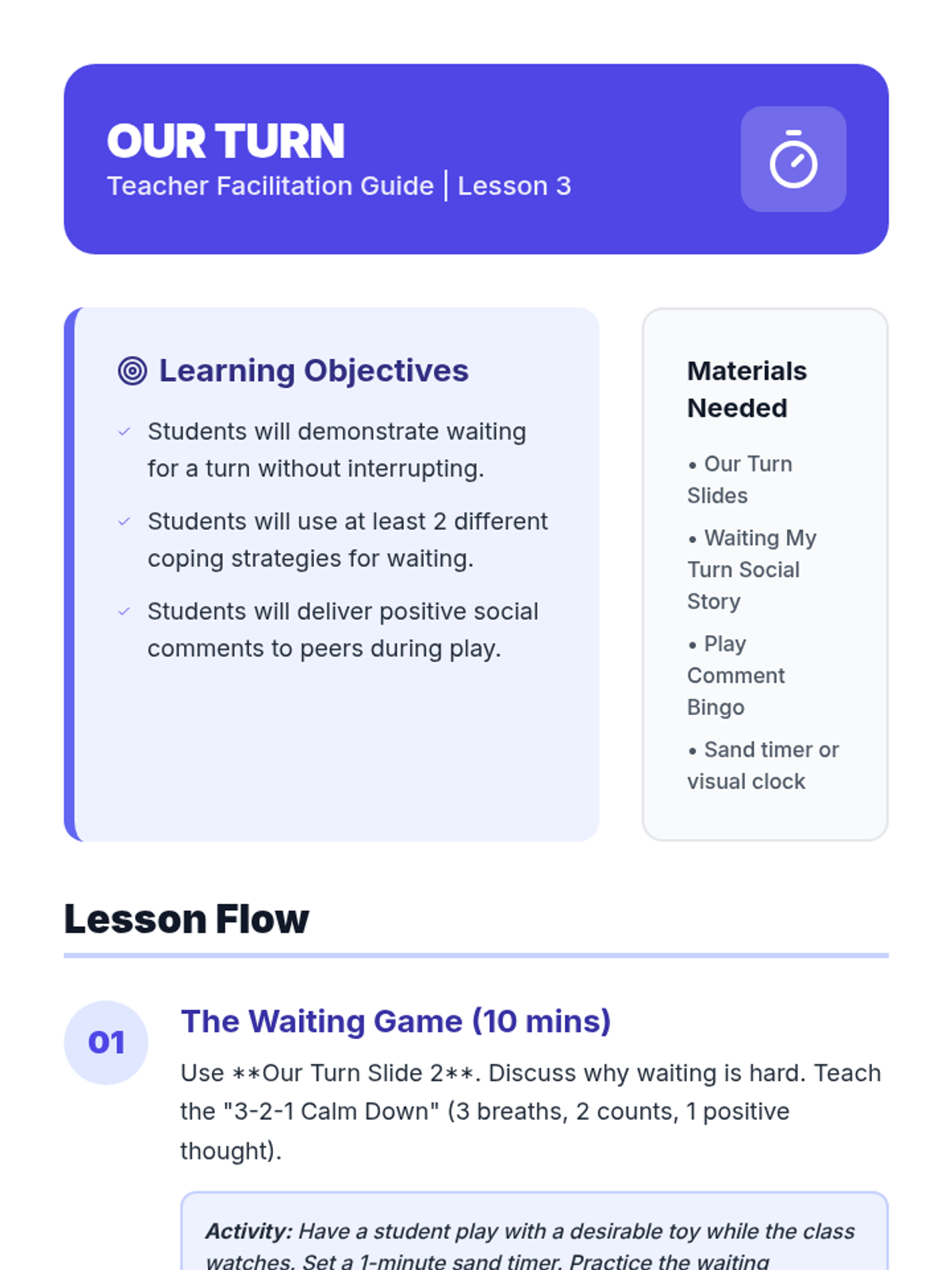
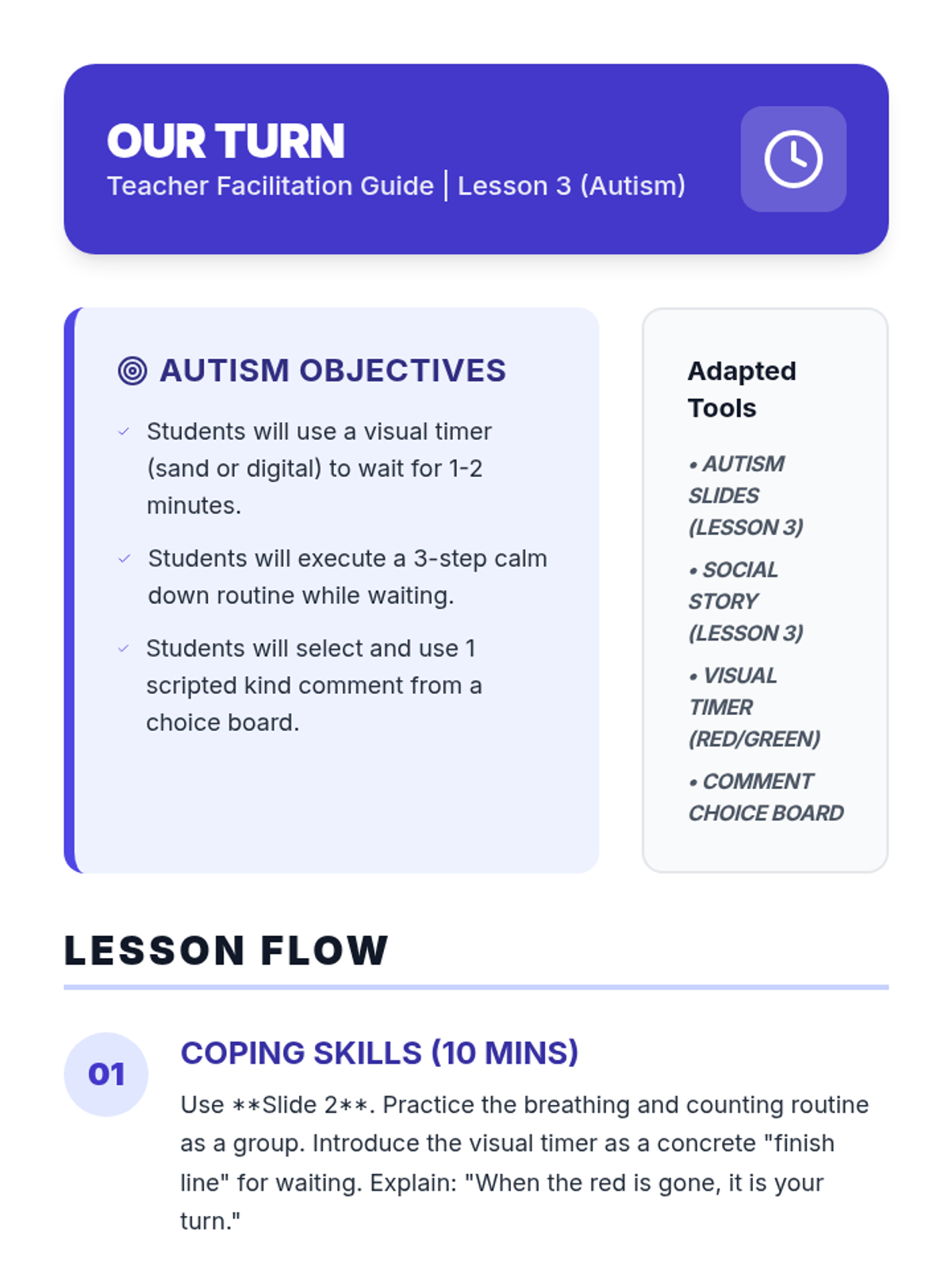
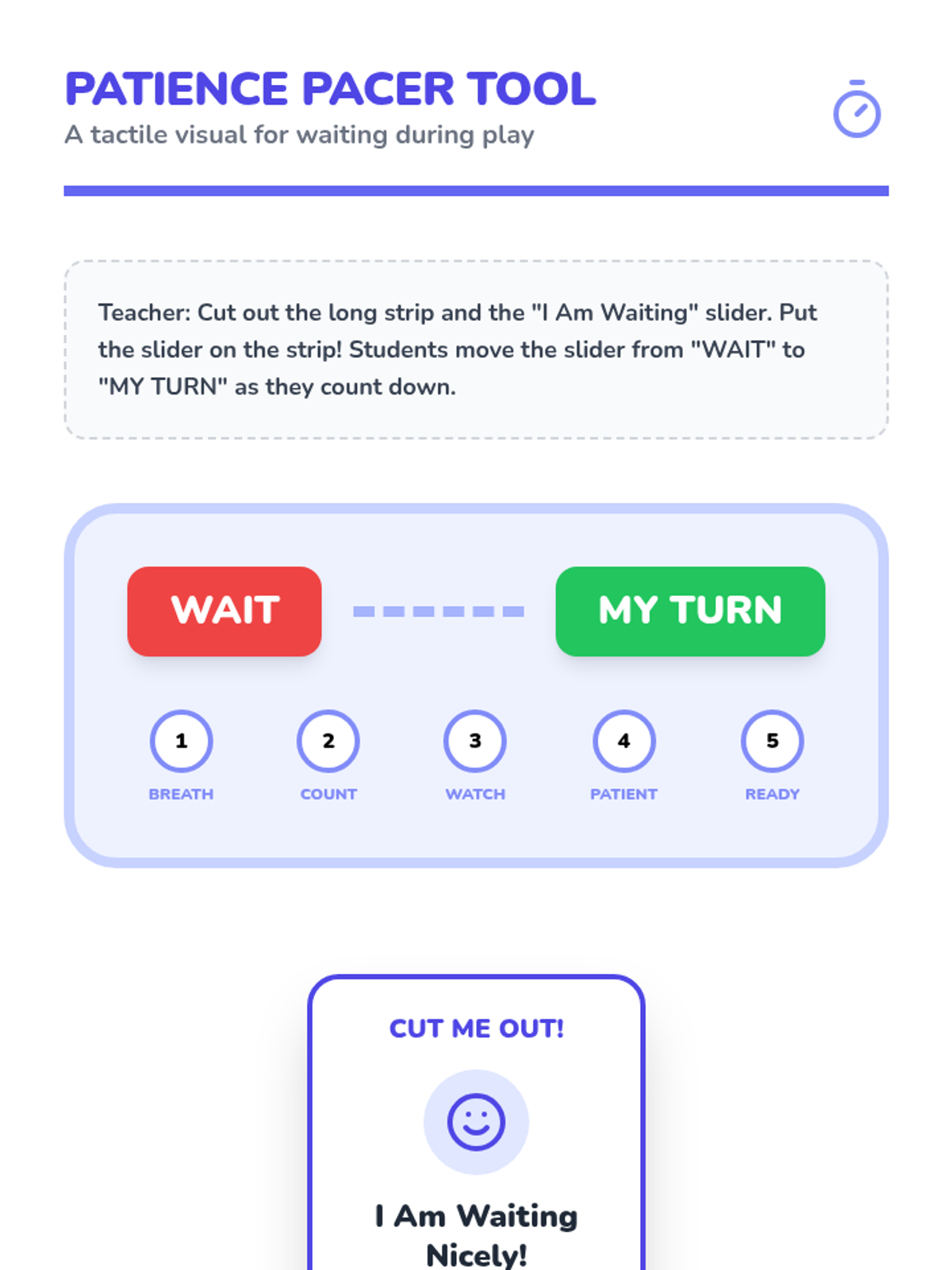
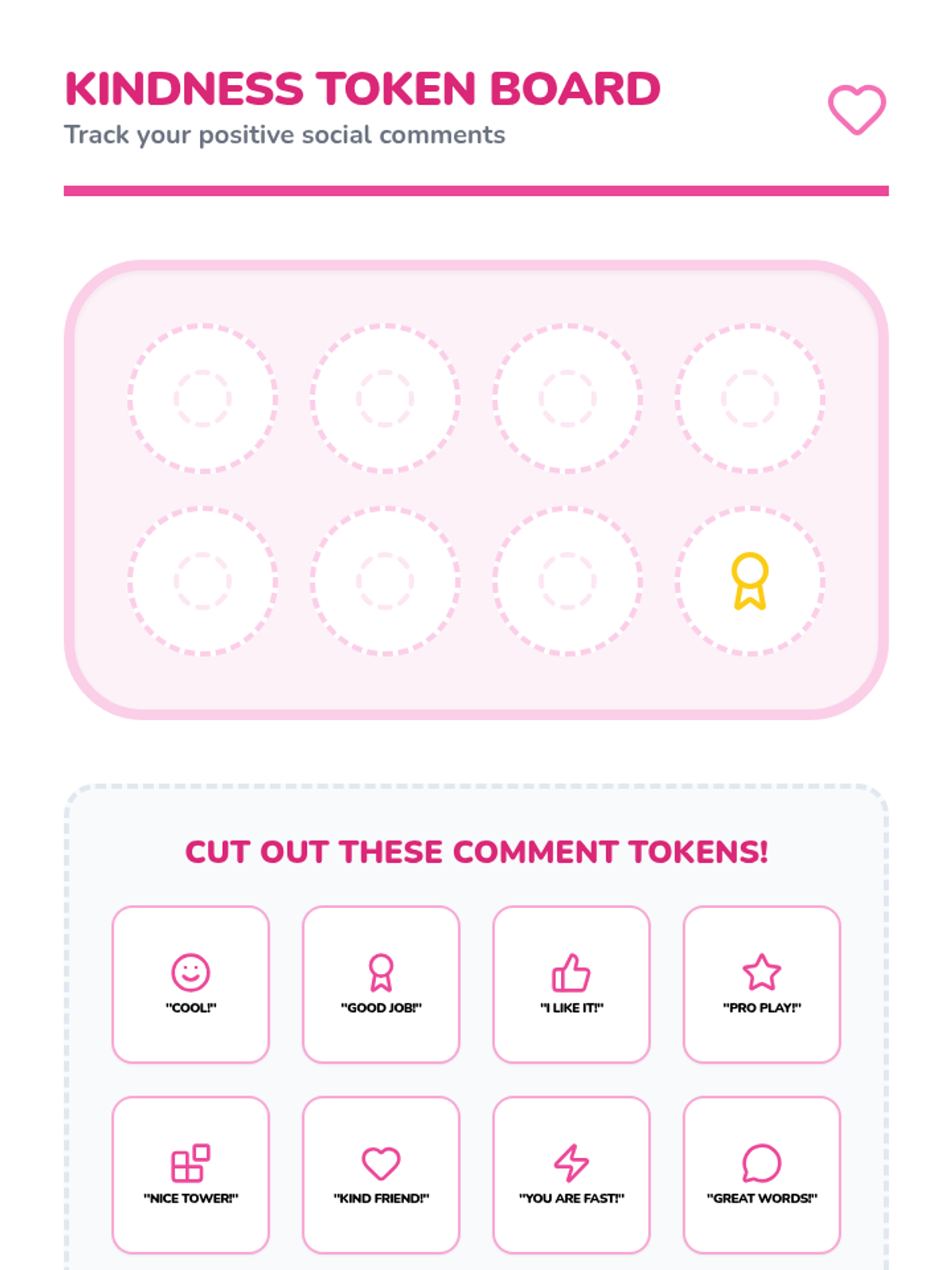
Focuses on the dynamics of group play, including waiting for a turn and making positive comments about others' play.
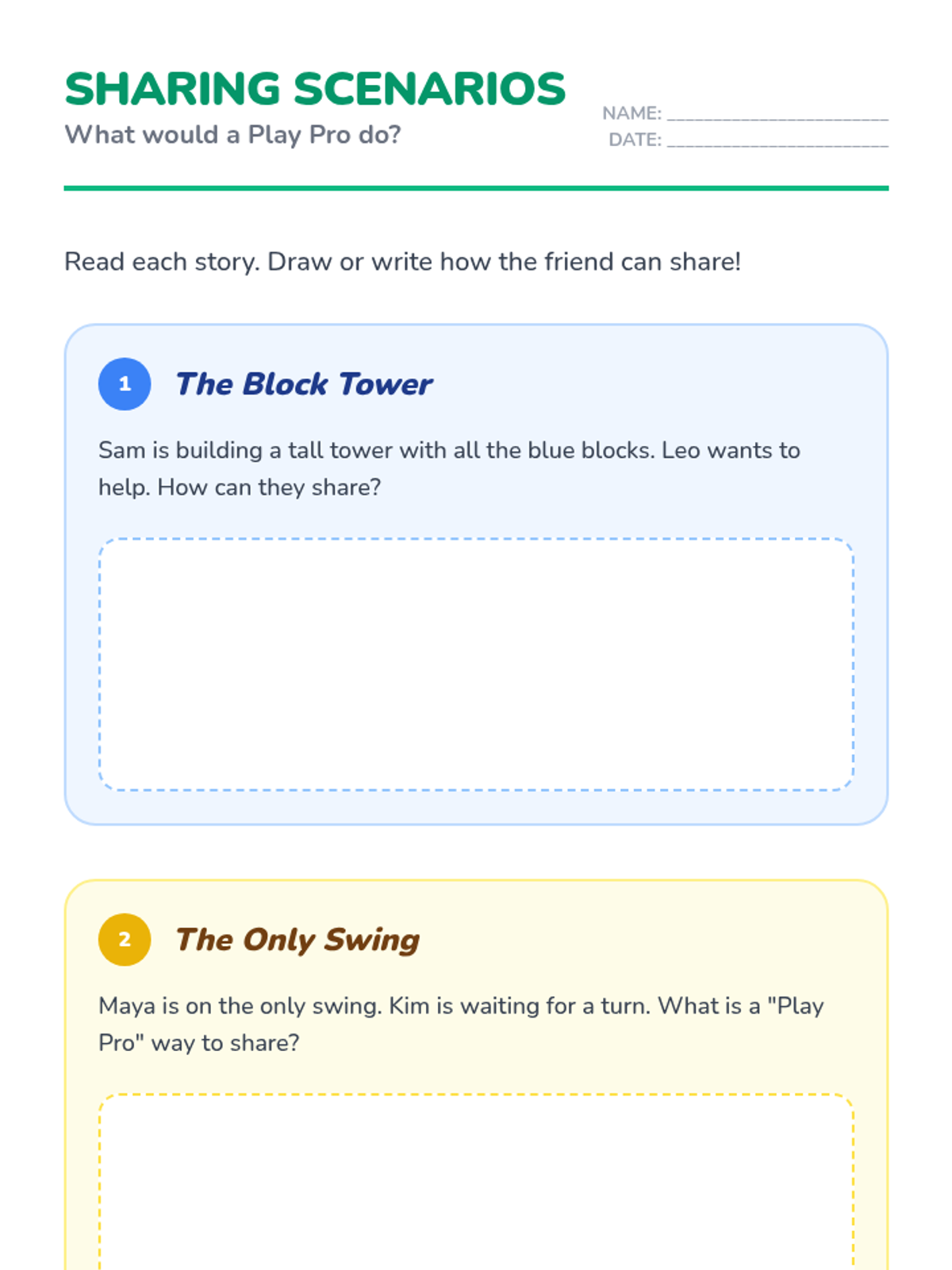
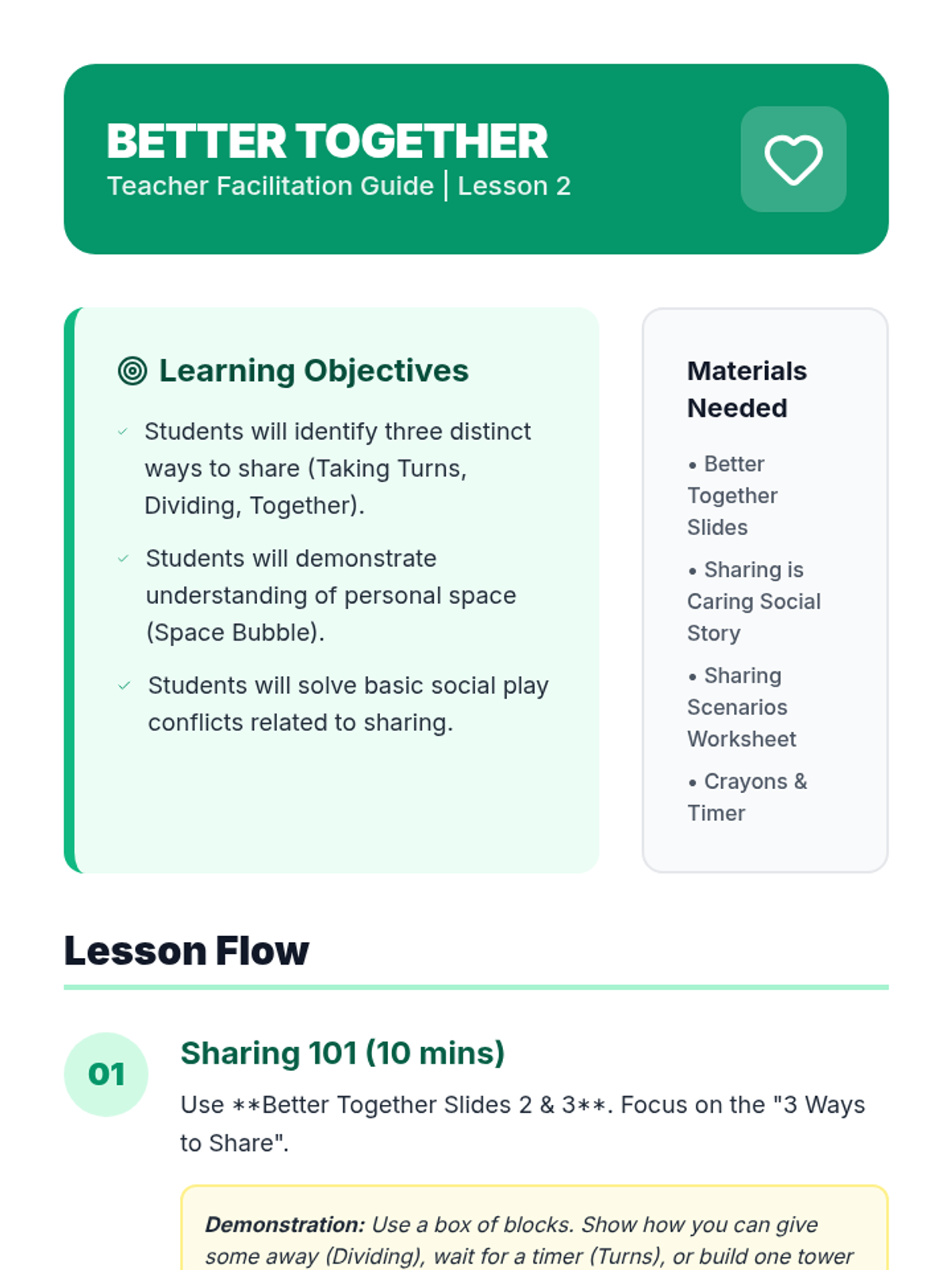
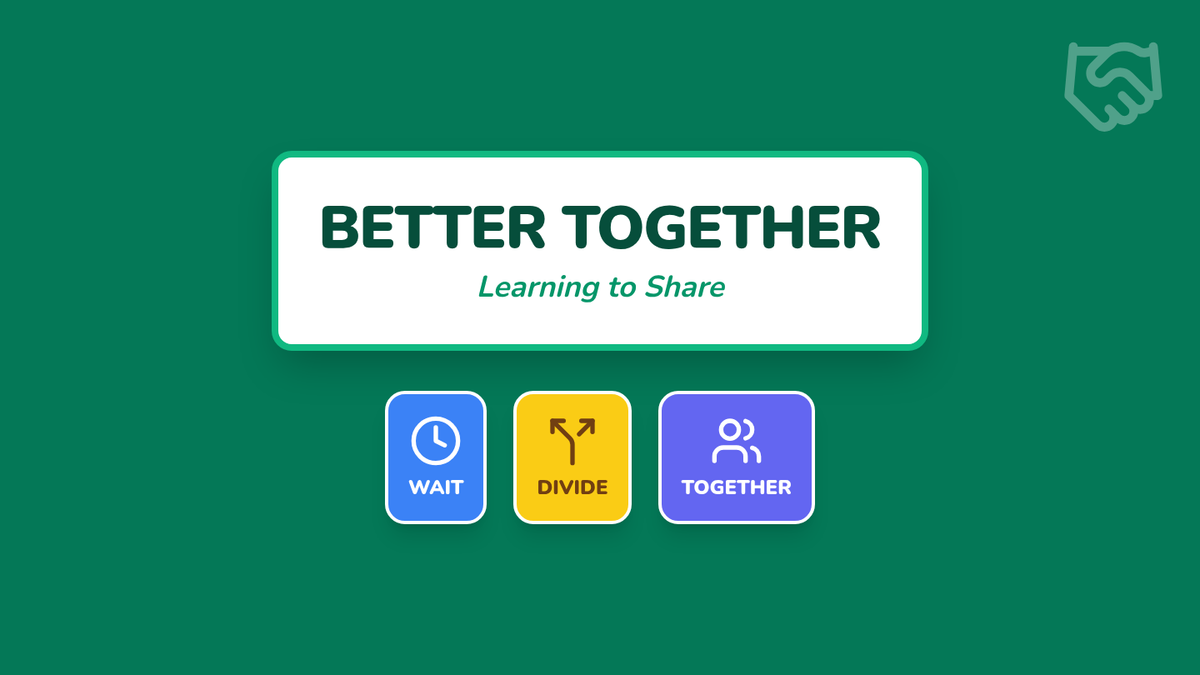
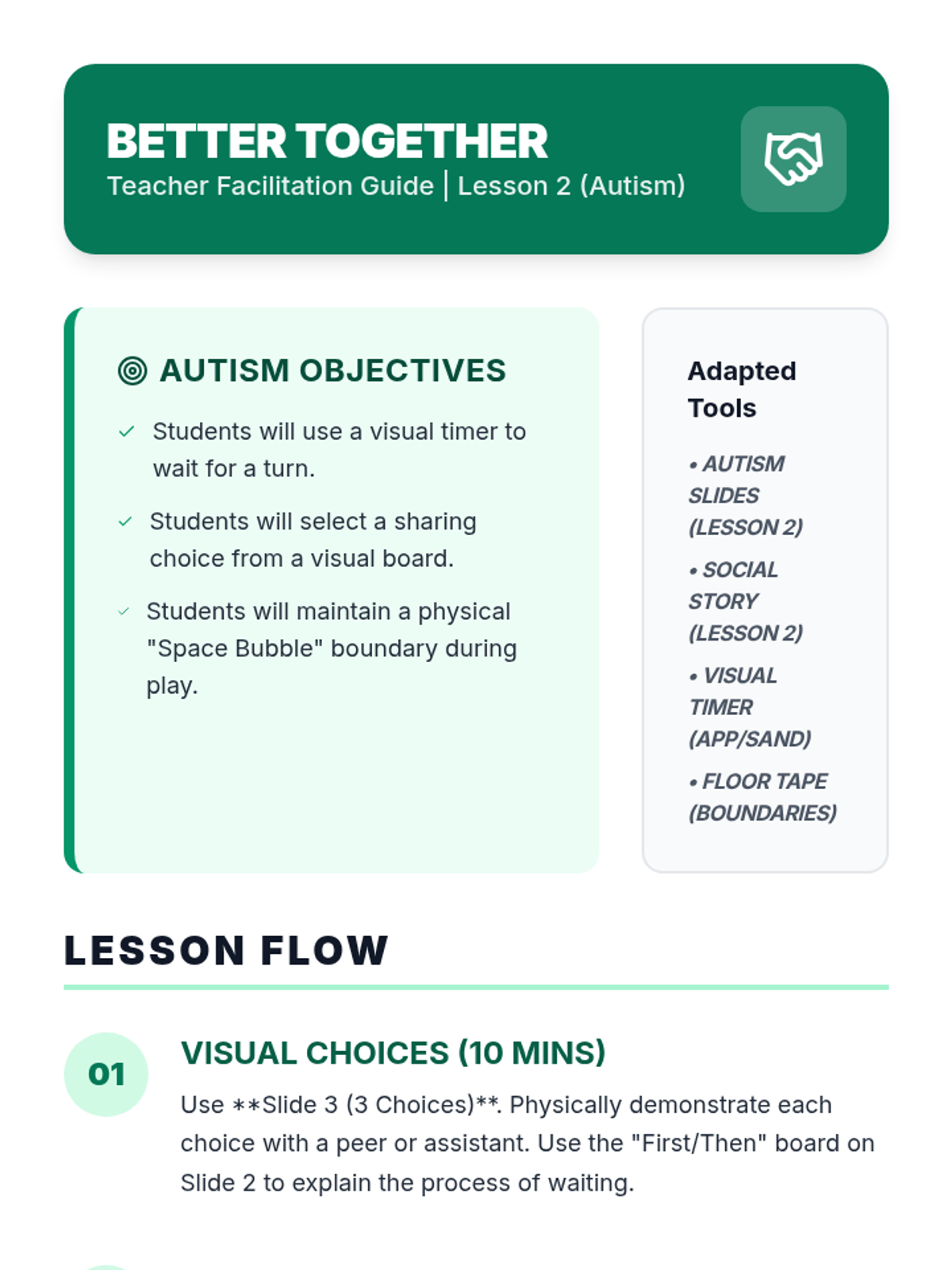
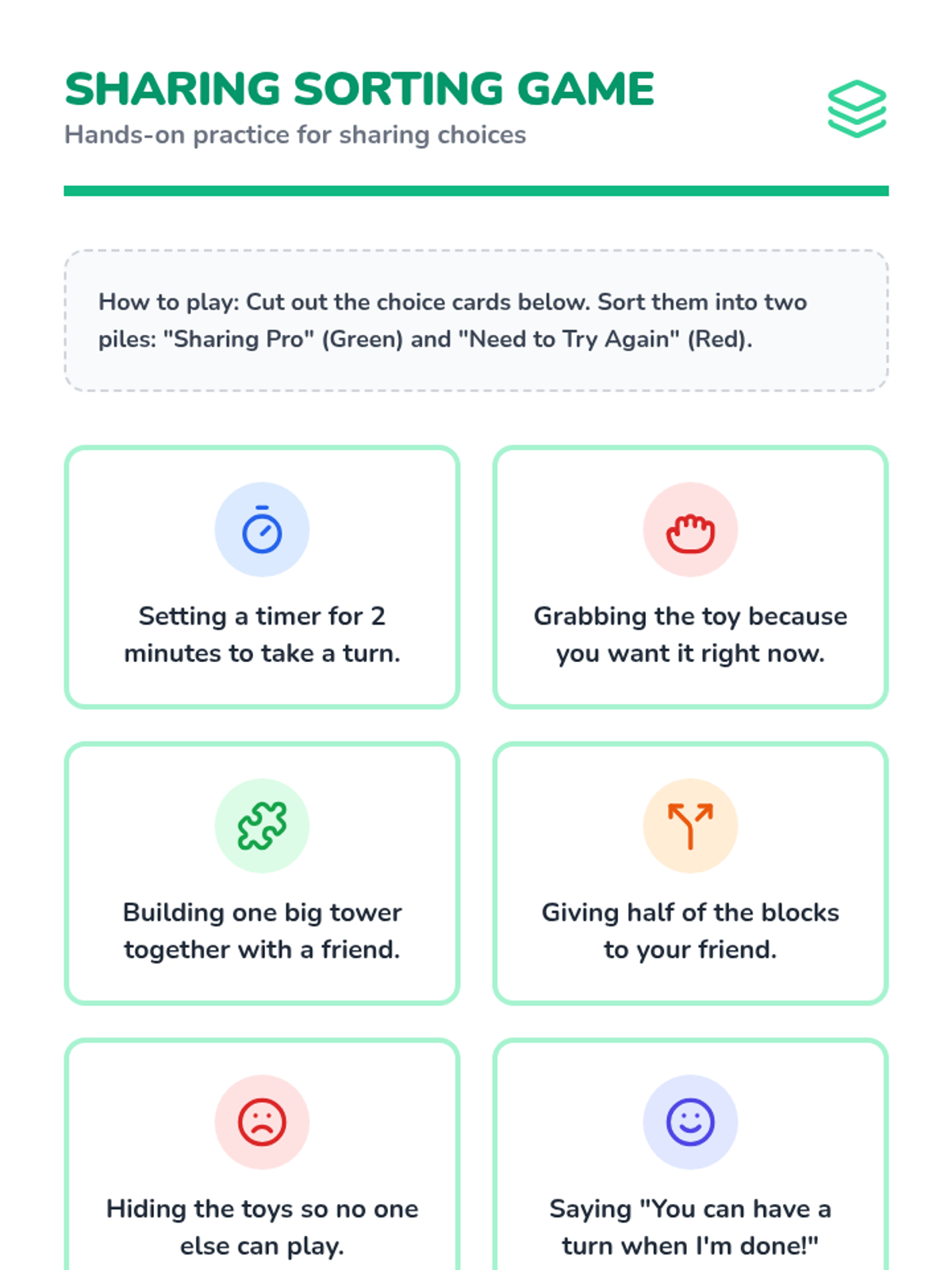
This lesson covers the essentials of interacting during play, specifically focusing on how to share toys and space with others.
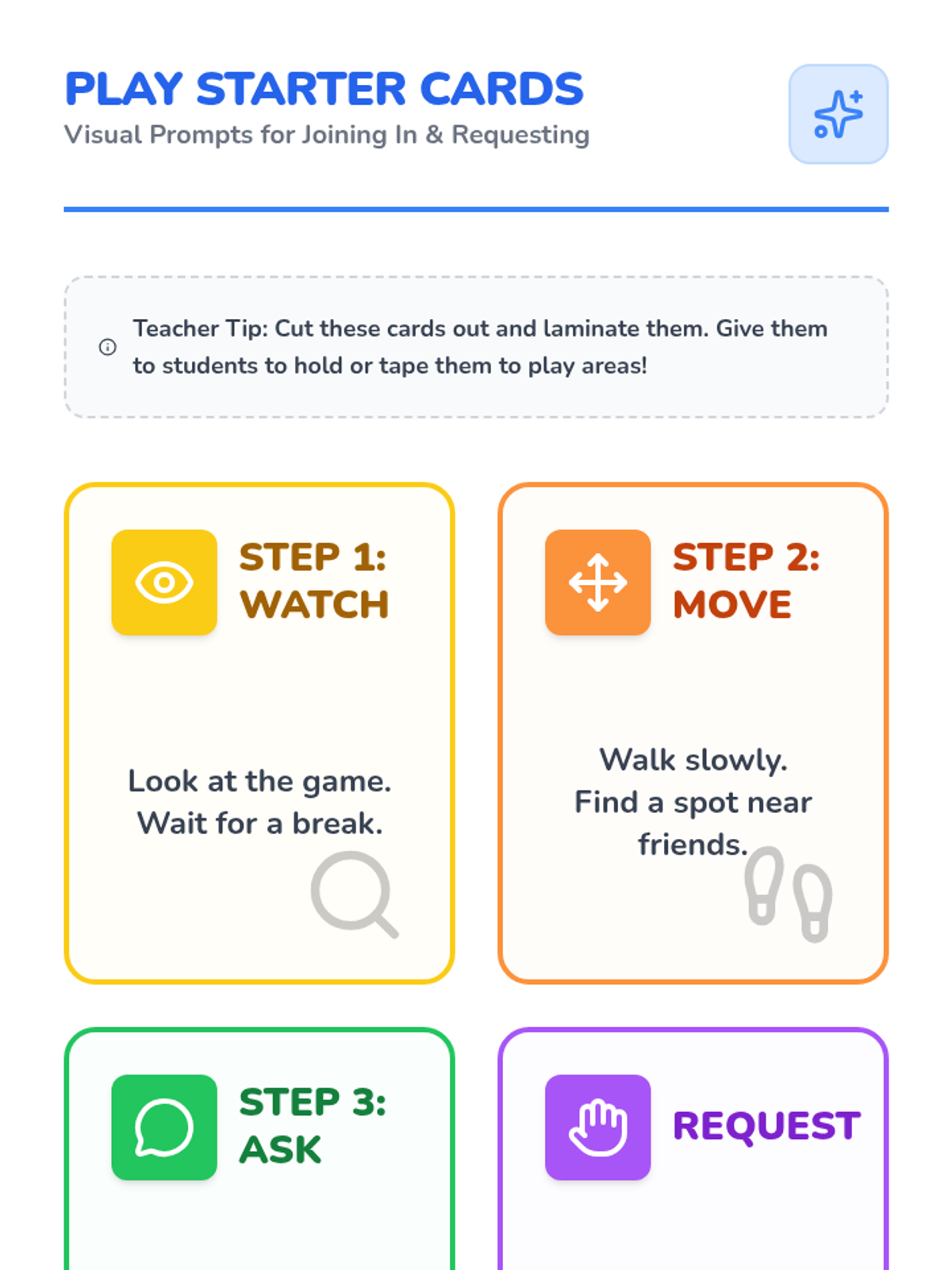
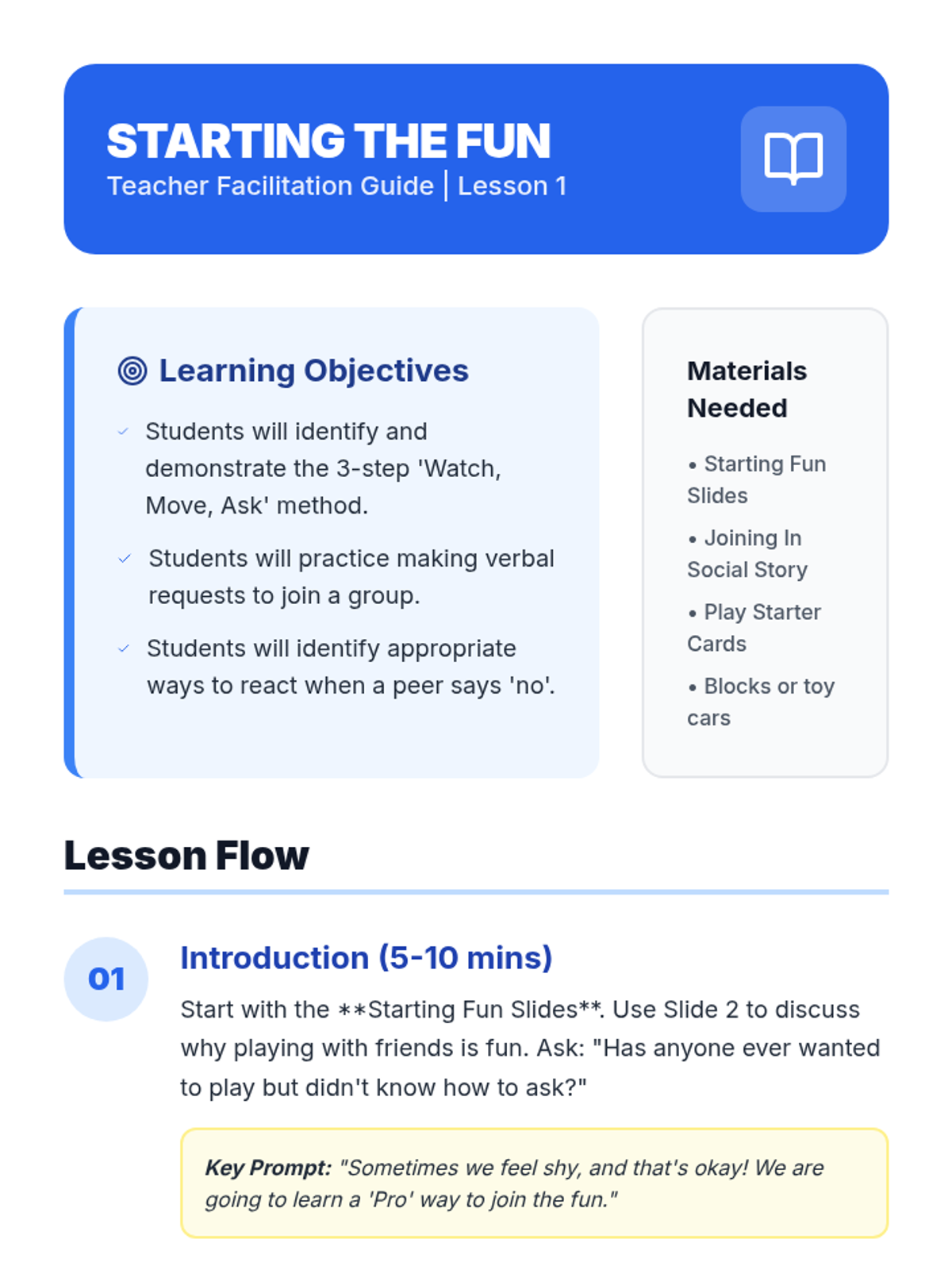
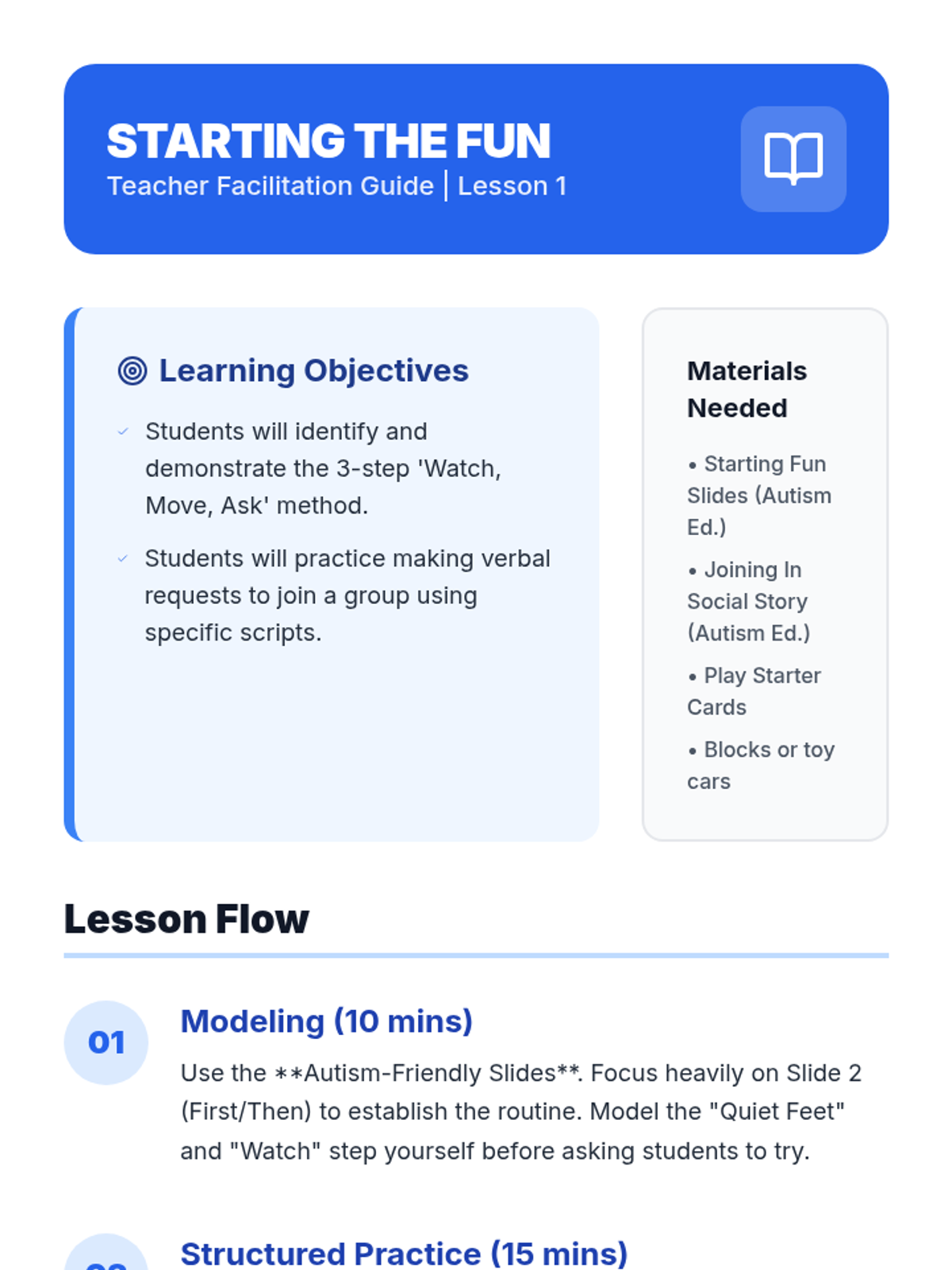
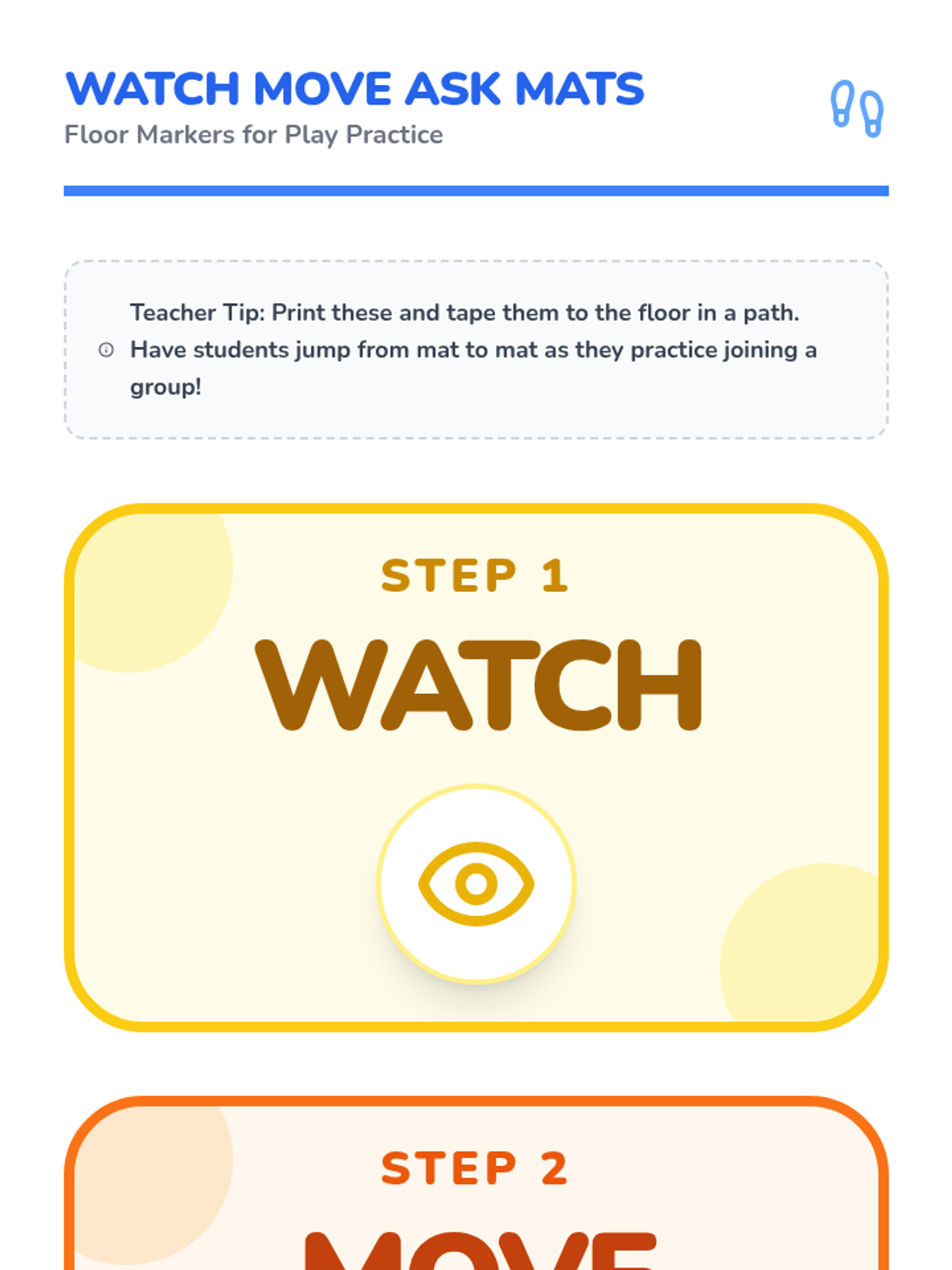
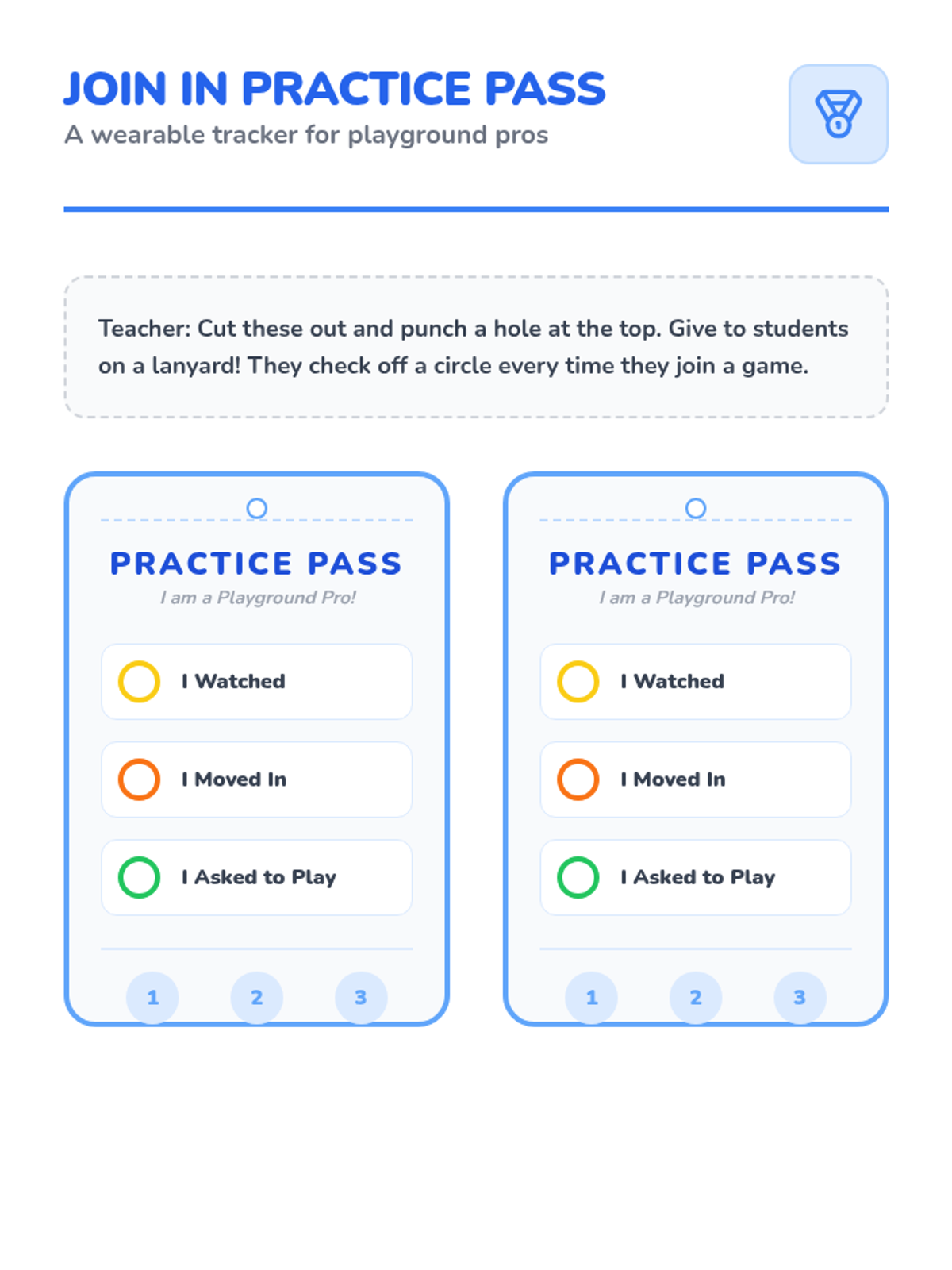
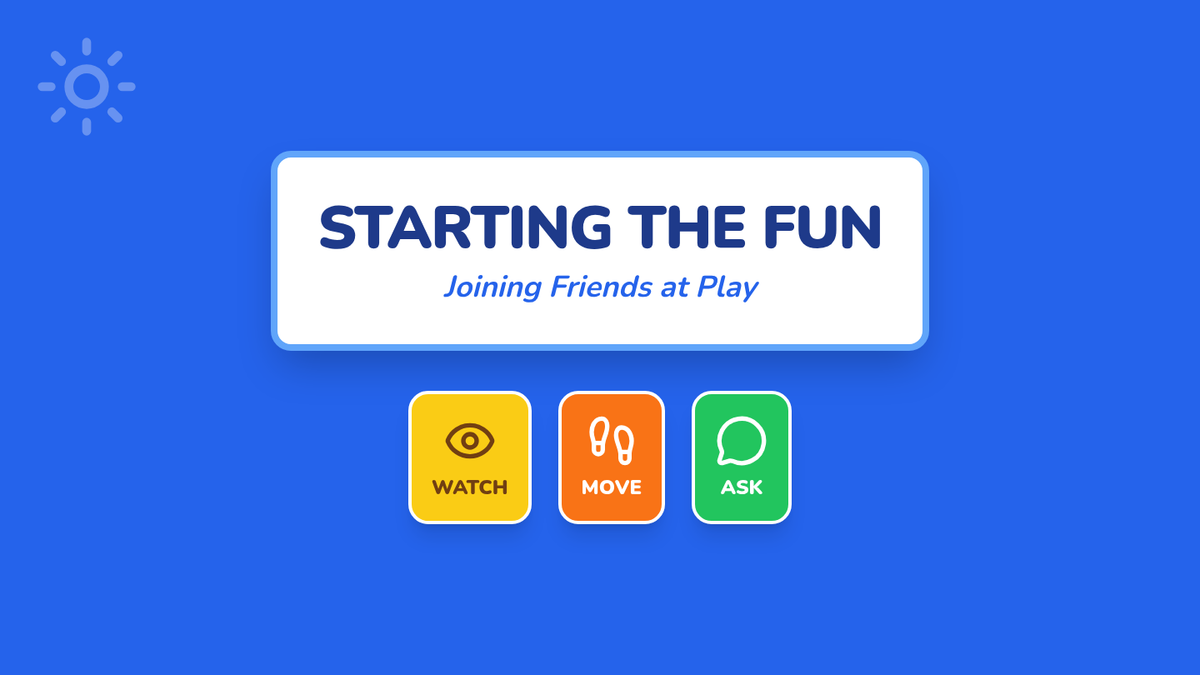
This lesson focuses on how to initiate play and make clear requests to join others. Students will learn the three-step 'Watch, Wait, and Ask' method.
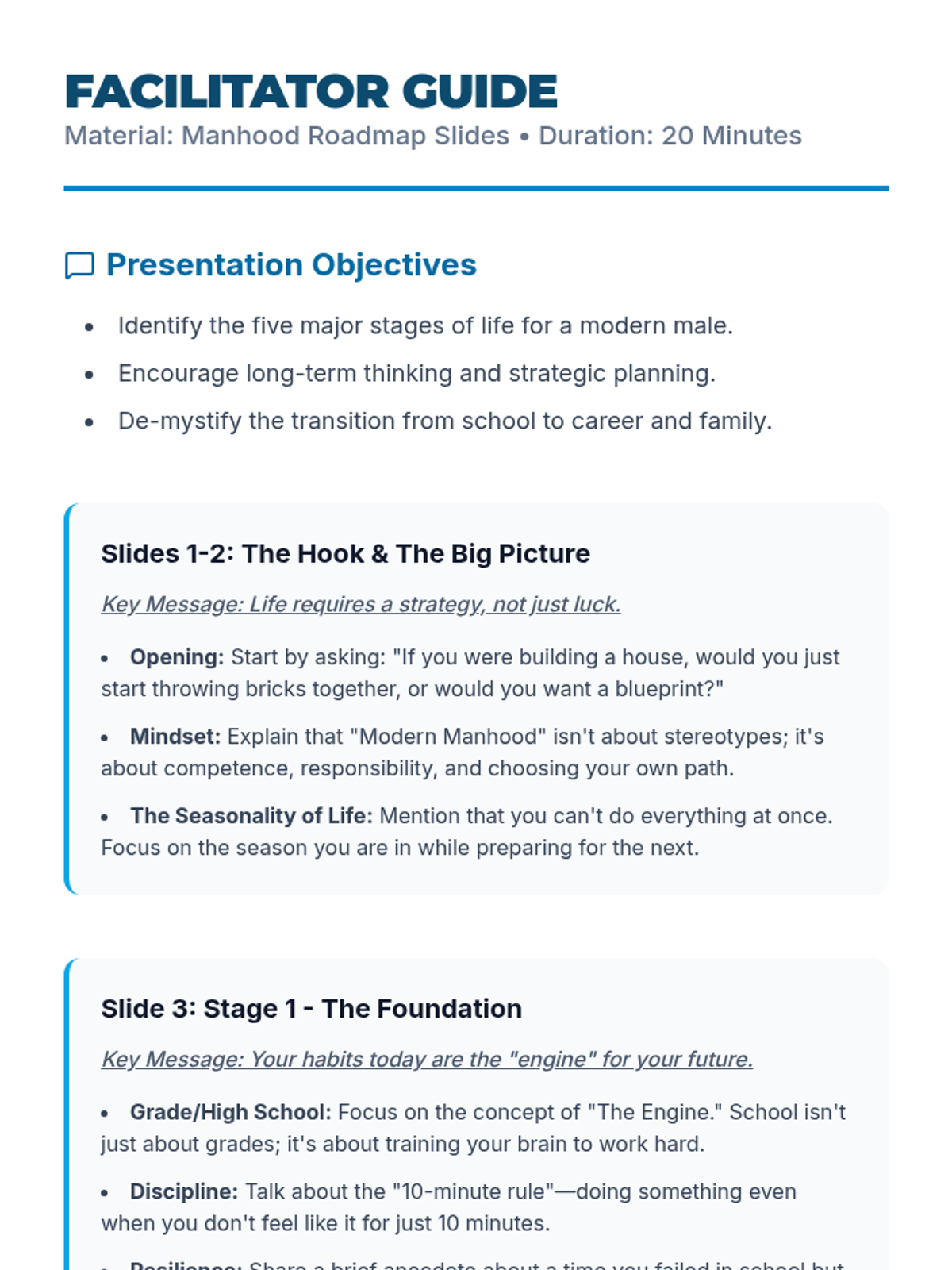
A comprehensive look at the stages of male development in modern society, from education and career to family life, designed specifically for teenage boys.
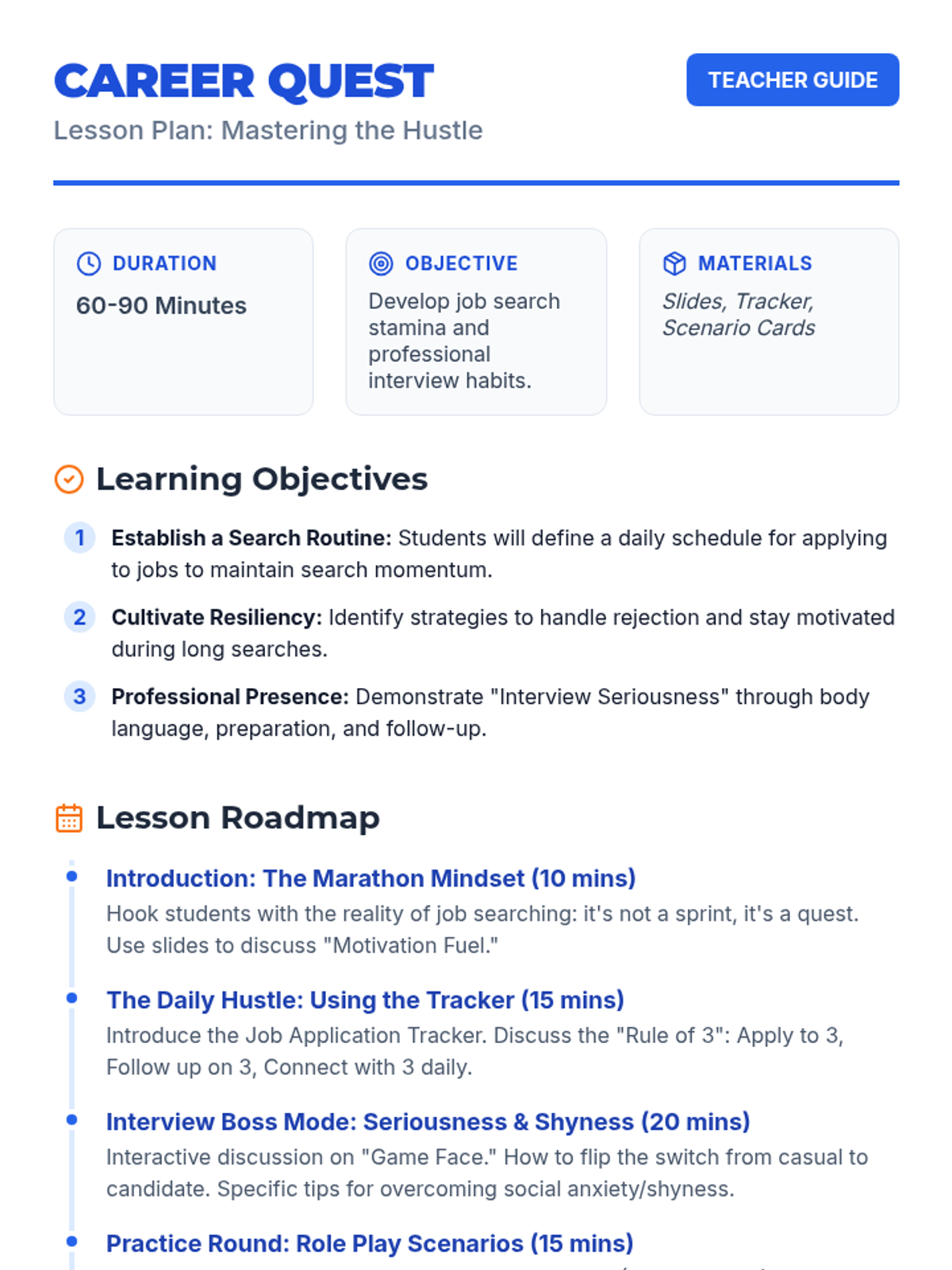
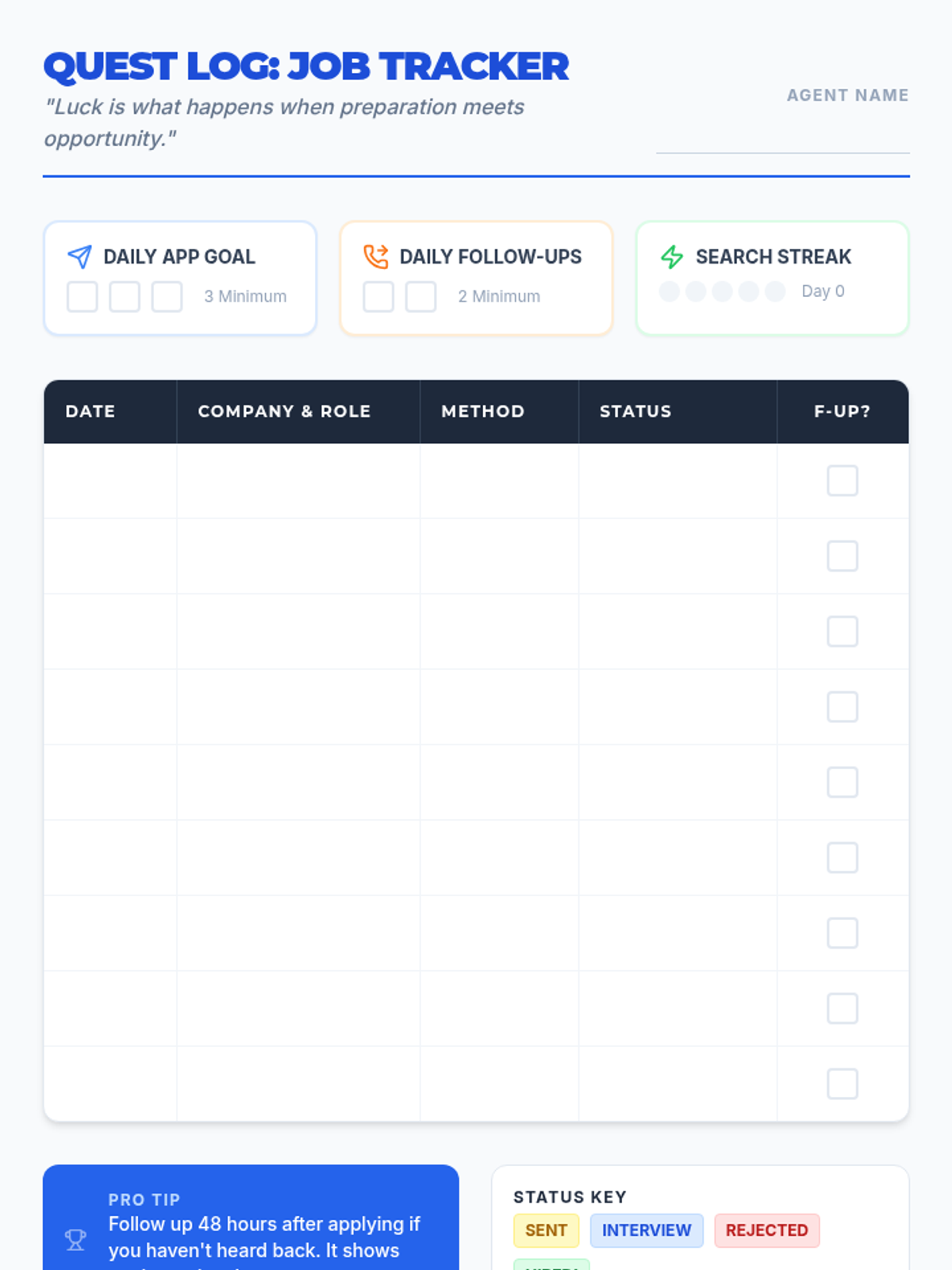
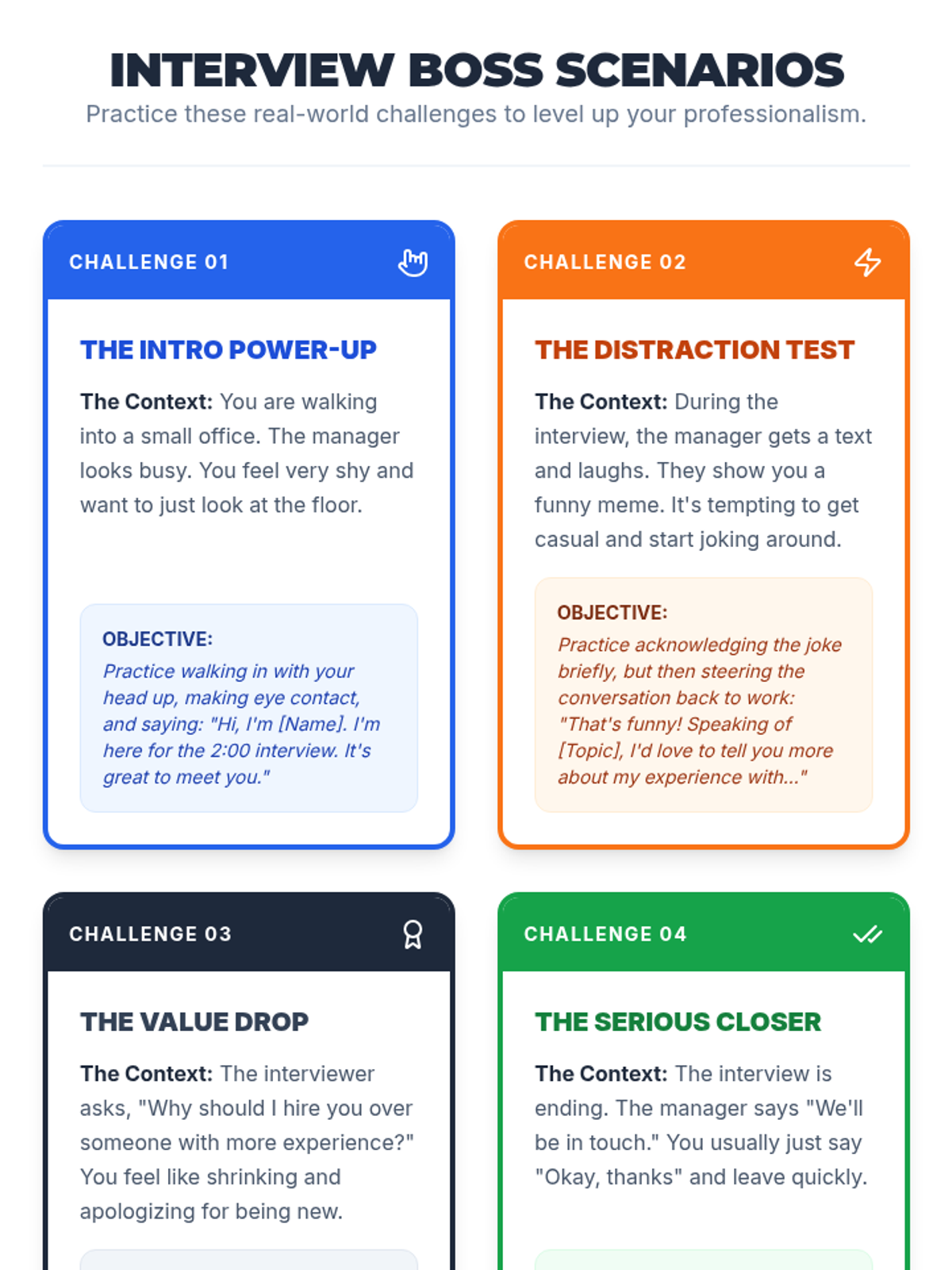
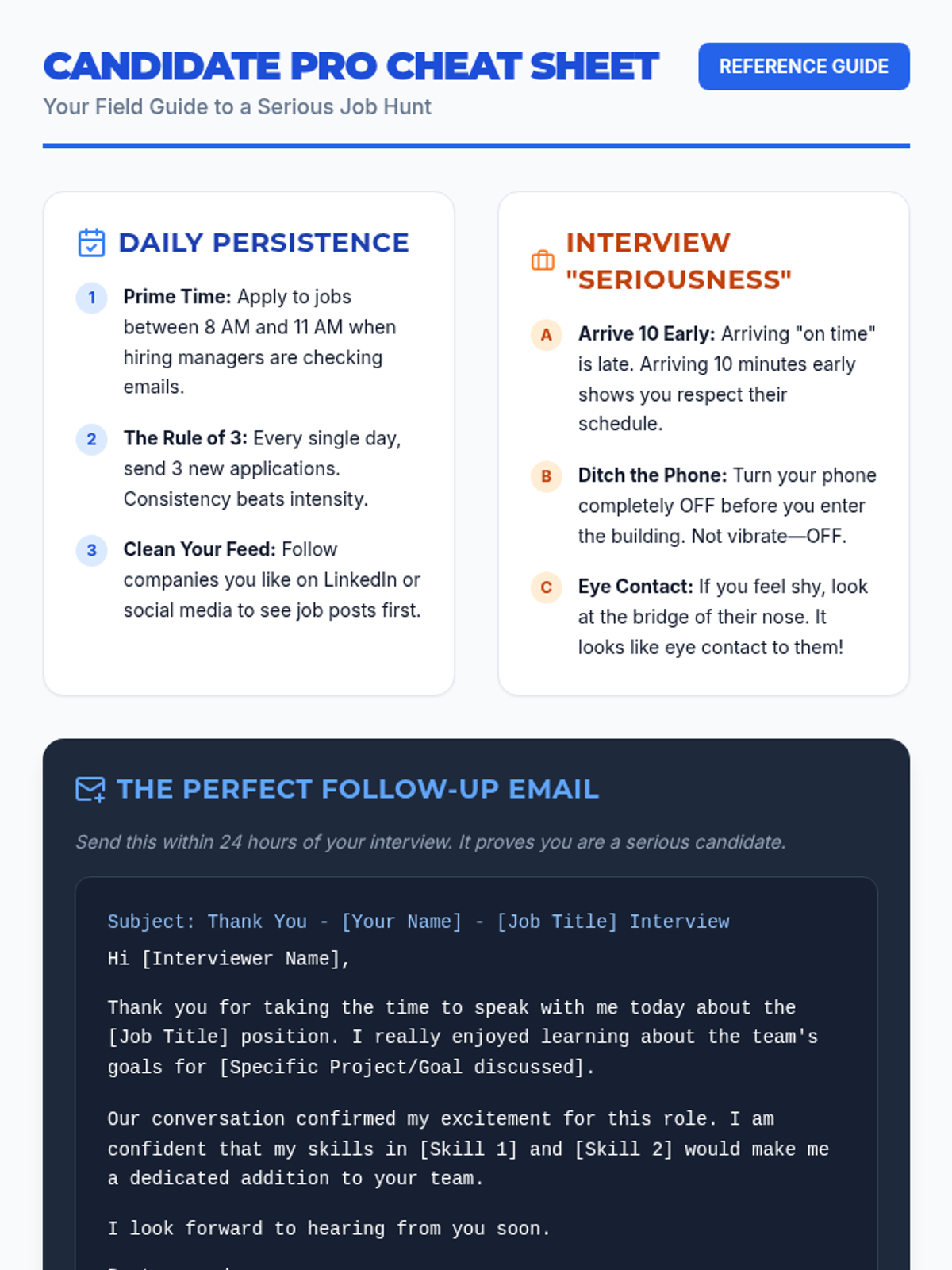
A comprehensive lesson designed to equip students with the mindset and tools for a persistent, professional job search, focusing on motivation, daily habits, and interview readiness.
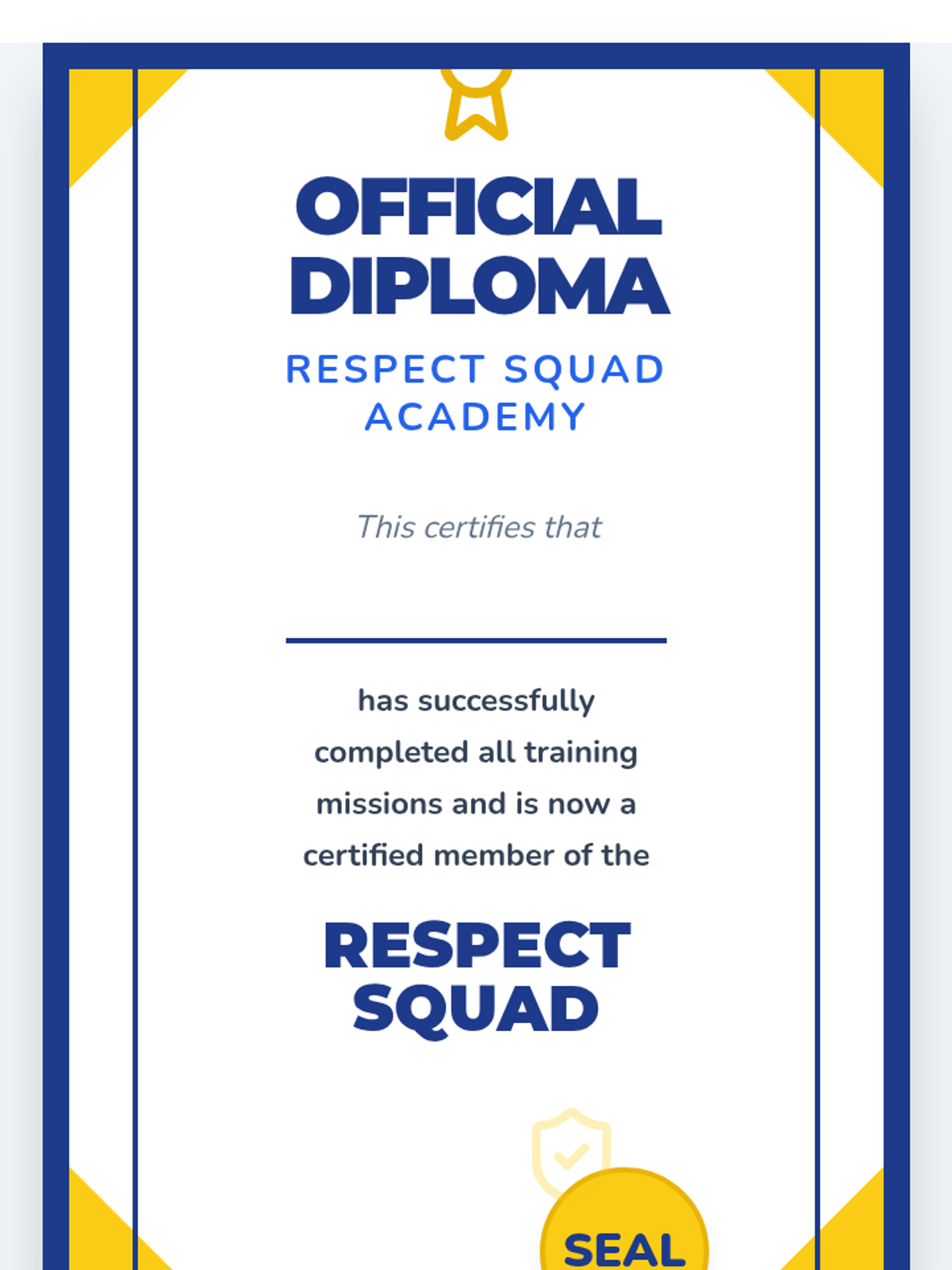
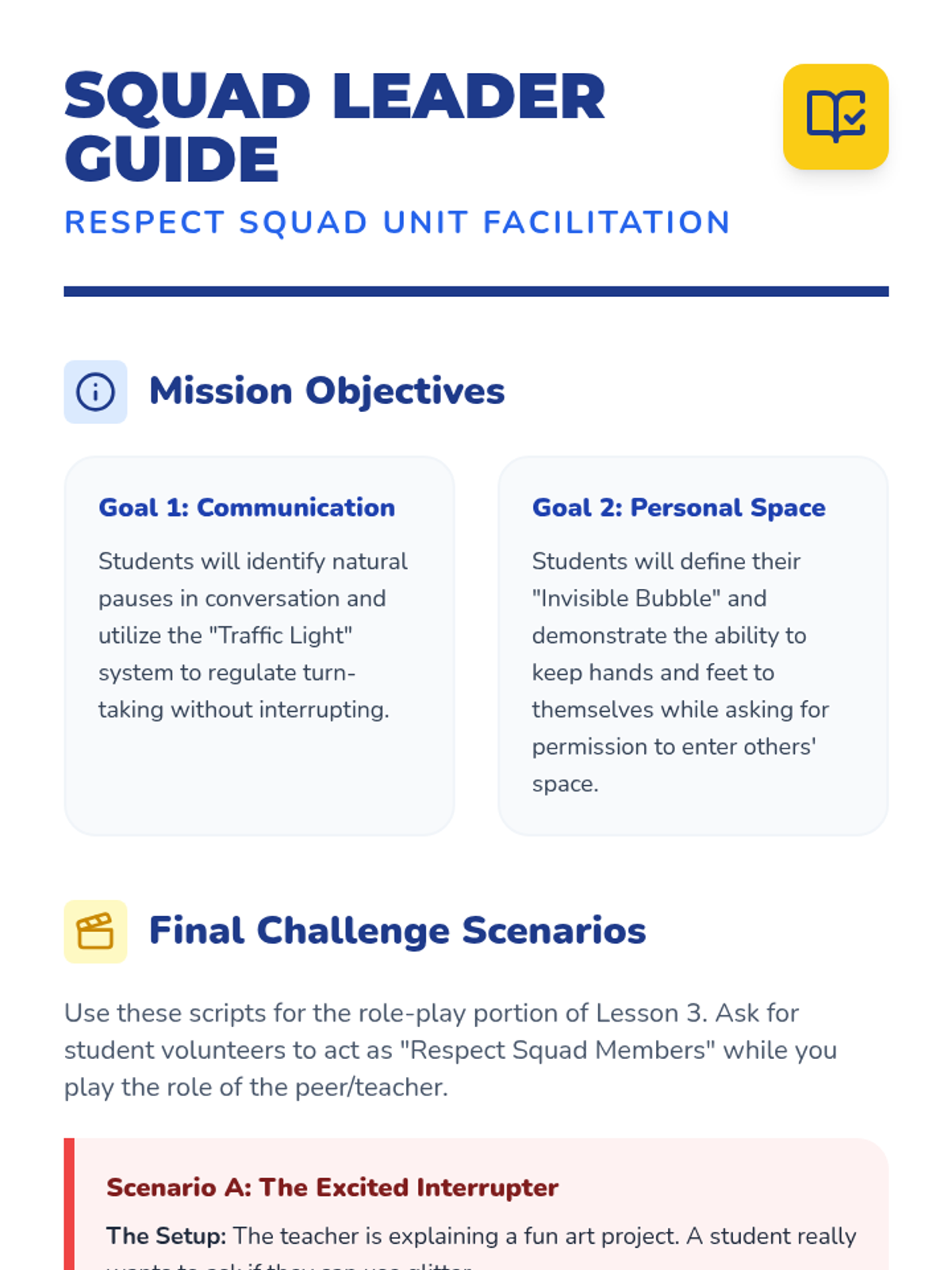
A practical application lesson where students practice their new skills through role-play scenarios and earn their 'Respect Squad' badges for demonstrating positive social behaviors.
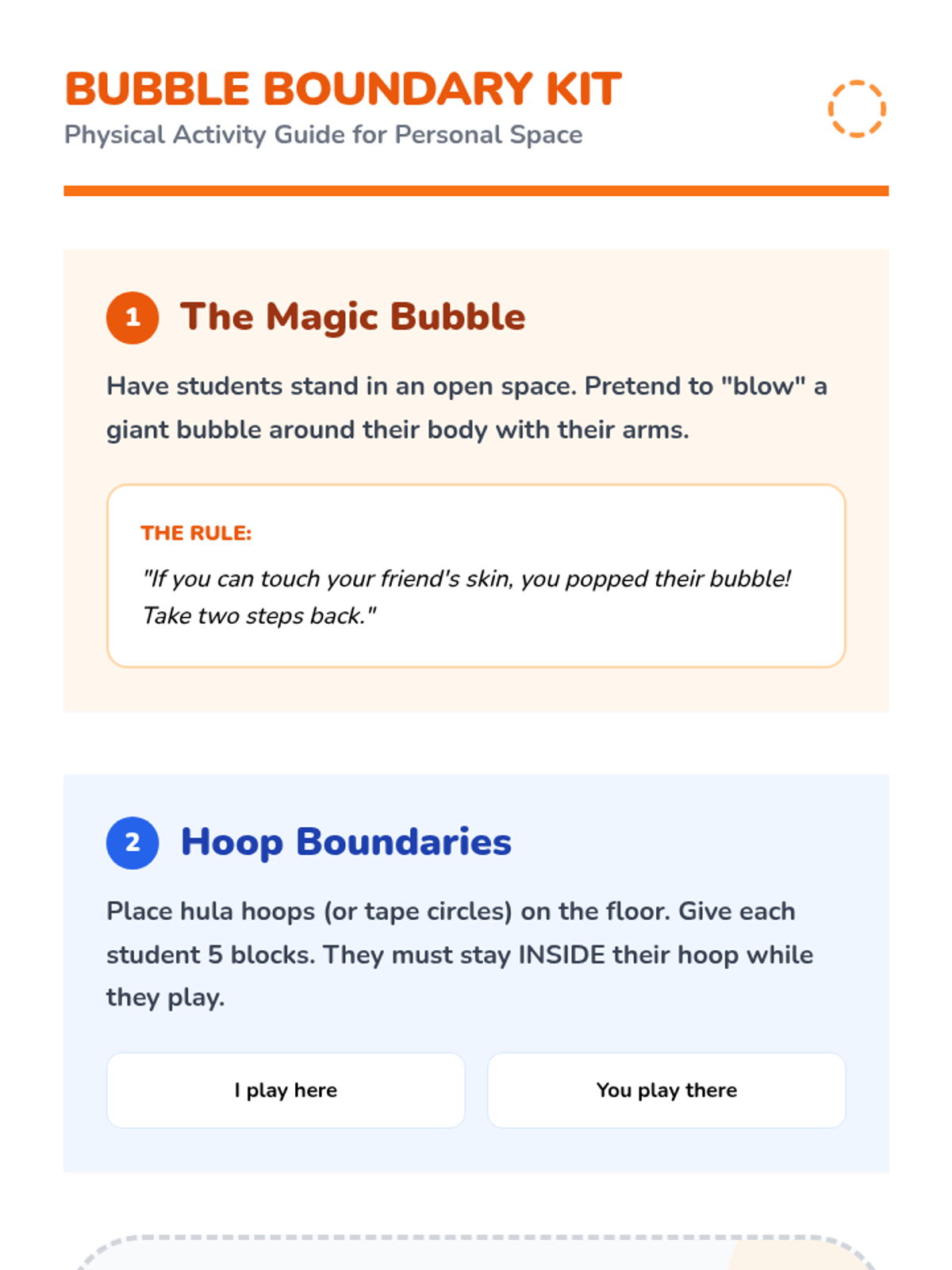
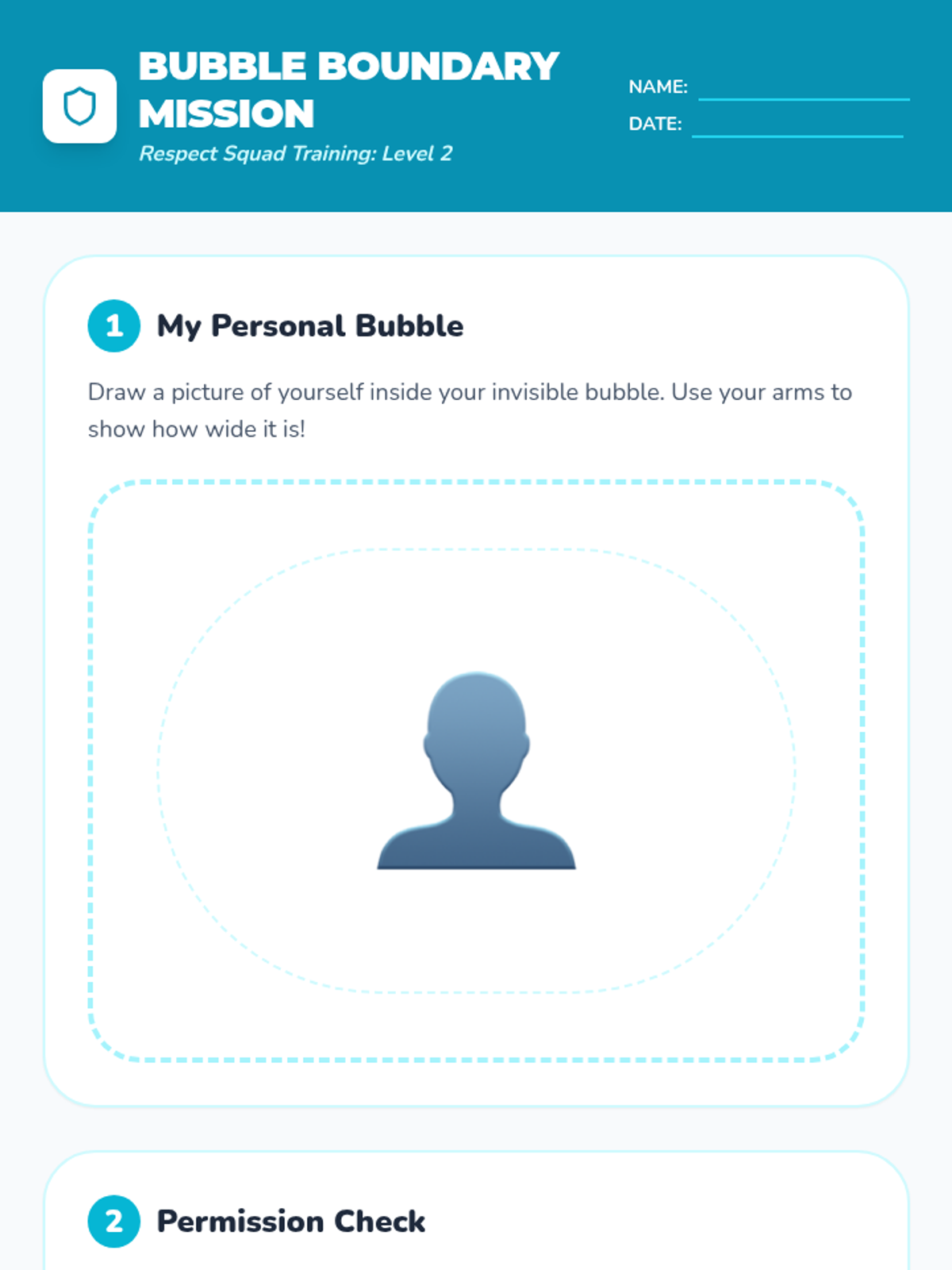
Teaches students the concept of personal space using the 'Invisible Bubble' metaphor, helping them understand how to keep their hands and feet to themselves while staying connected to others.
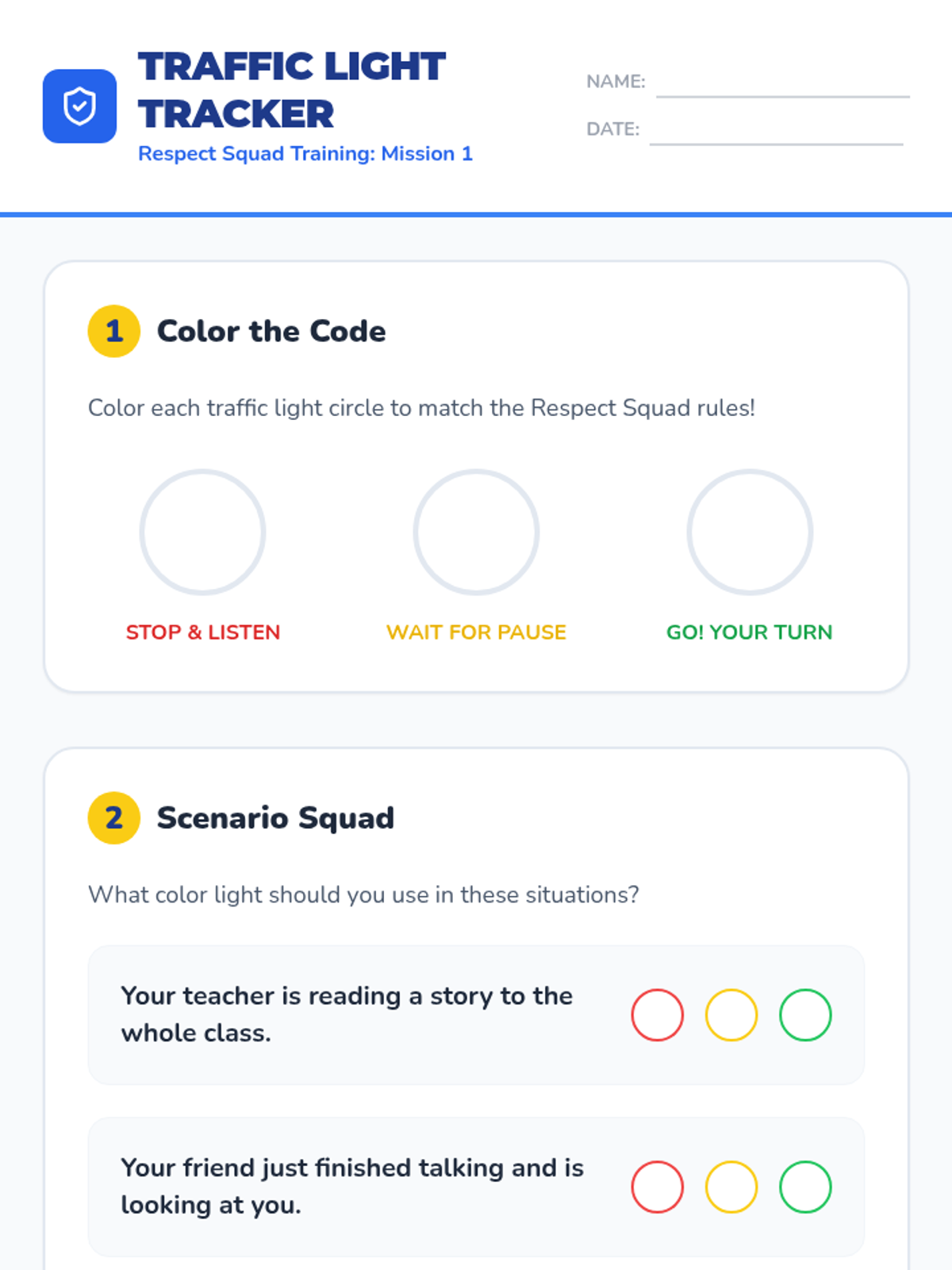
Focuses on the importance of waiting for a turn to speak, recognizing natural pauses in conversation, and avoiding interruptions through the 'Interrupting Volcano' and 'Traffic Light' analogies.
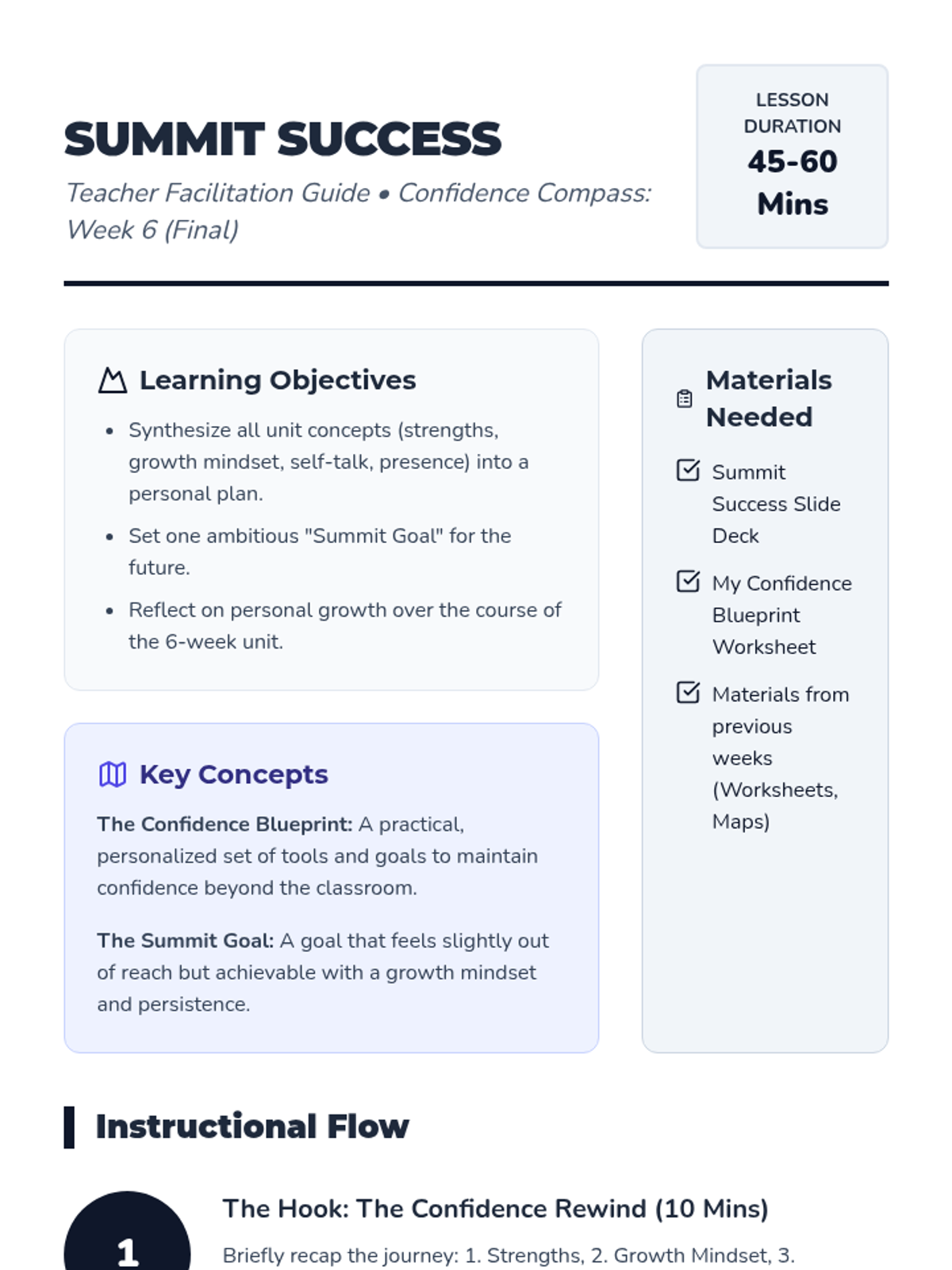
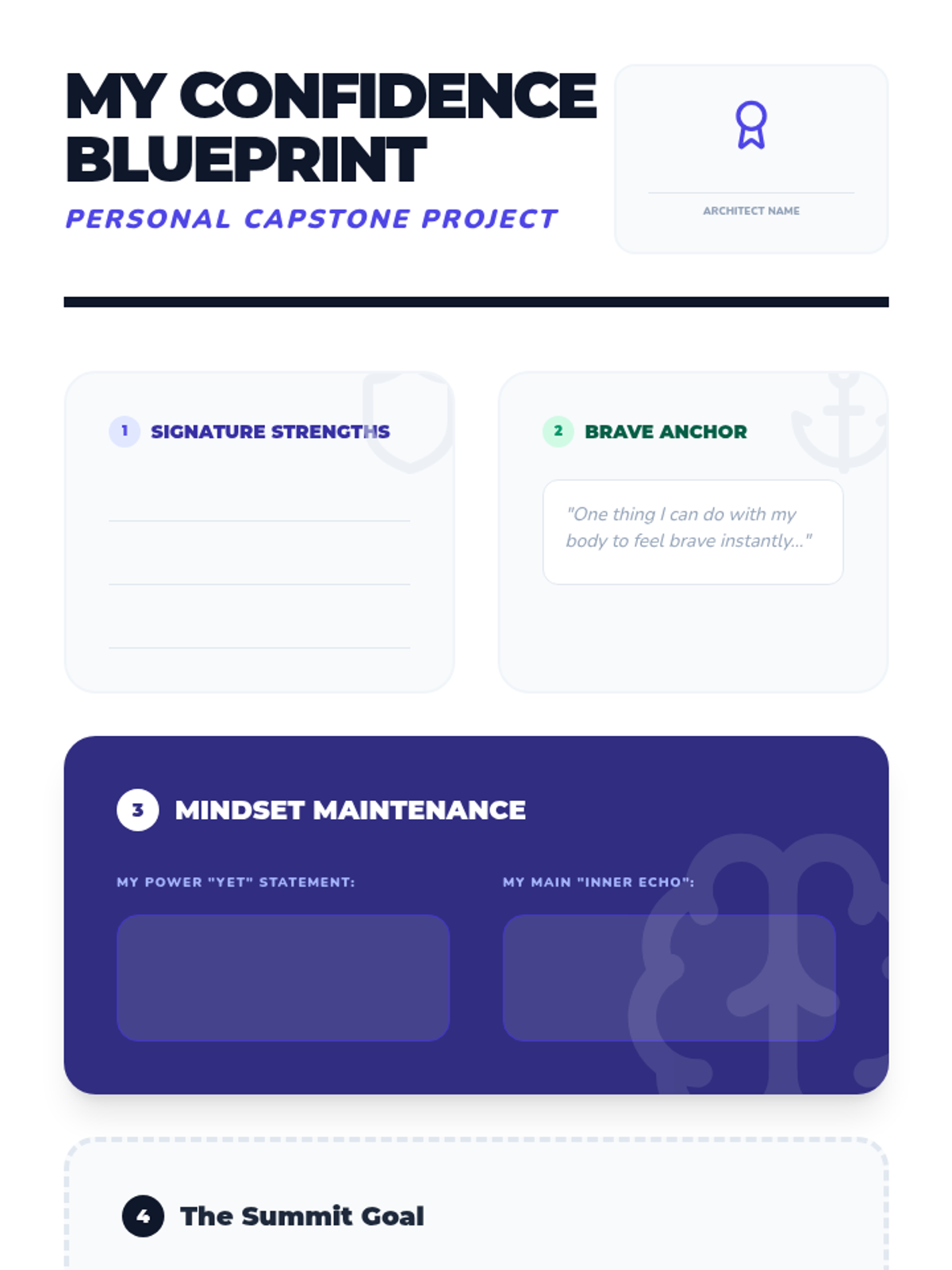
The final lesson synthesizes the unit into a personal 'Confidence Blueprint.' Students will set meaningful goals and celebrate their journey as confident individuals ready to tackle future challenges.
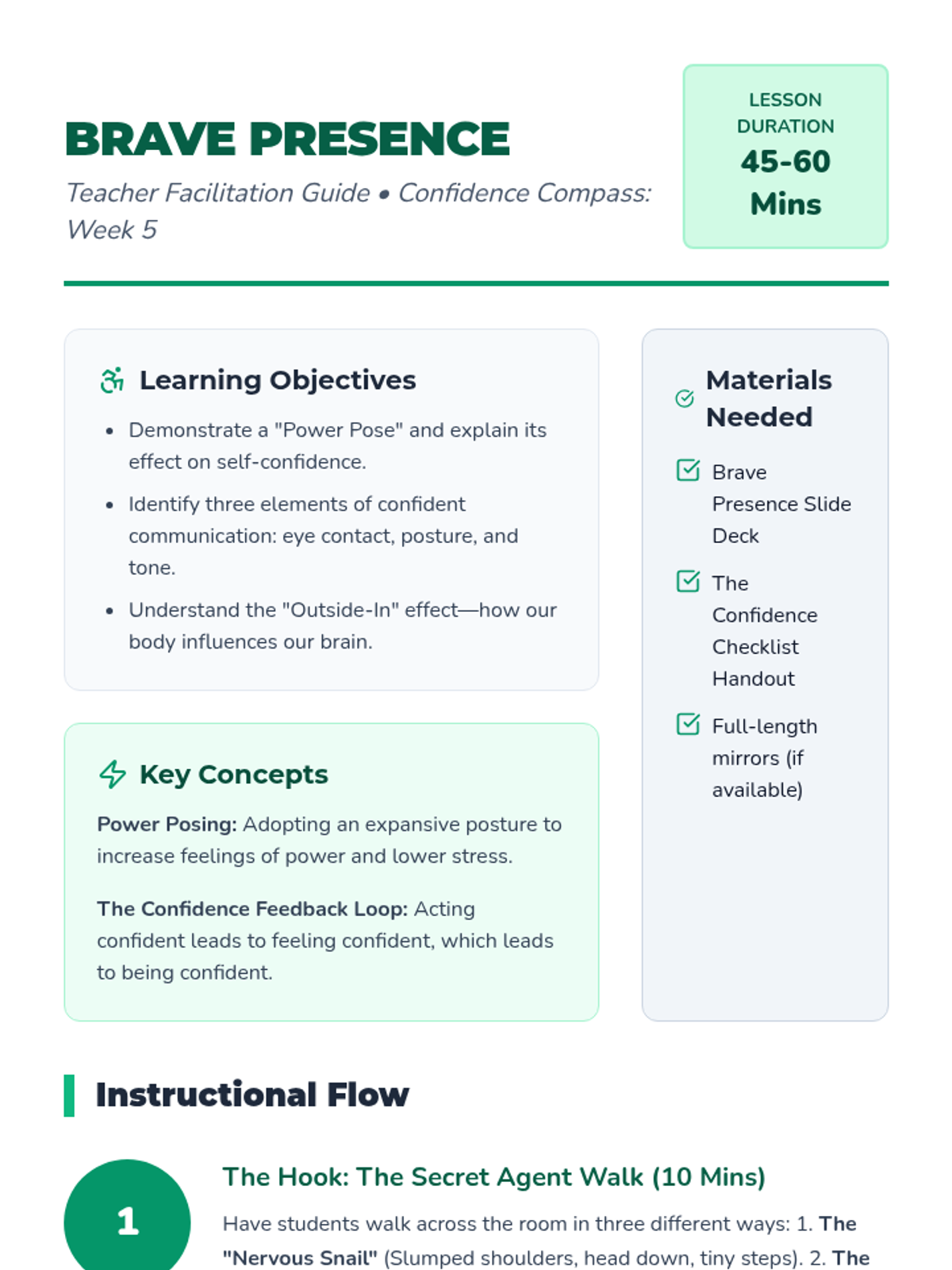
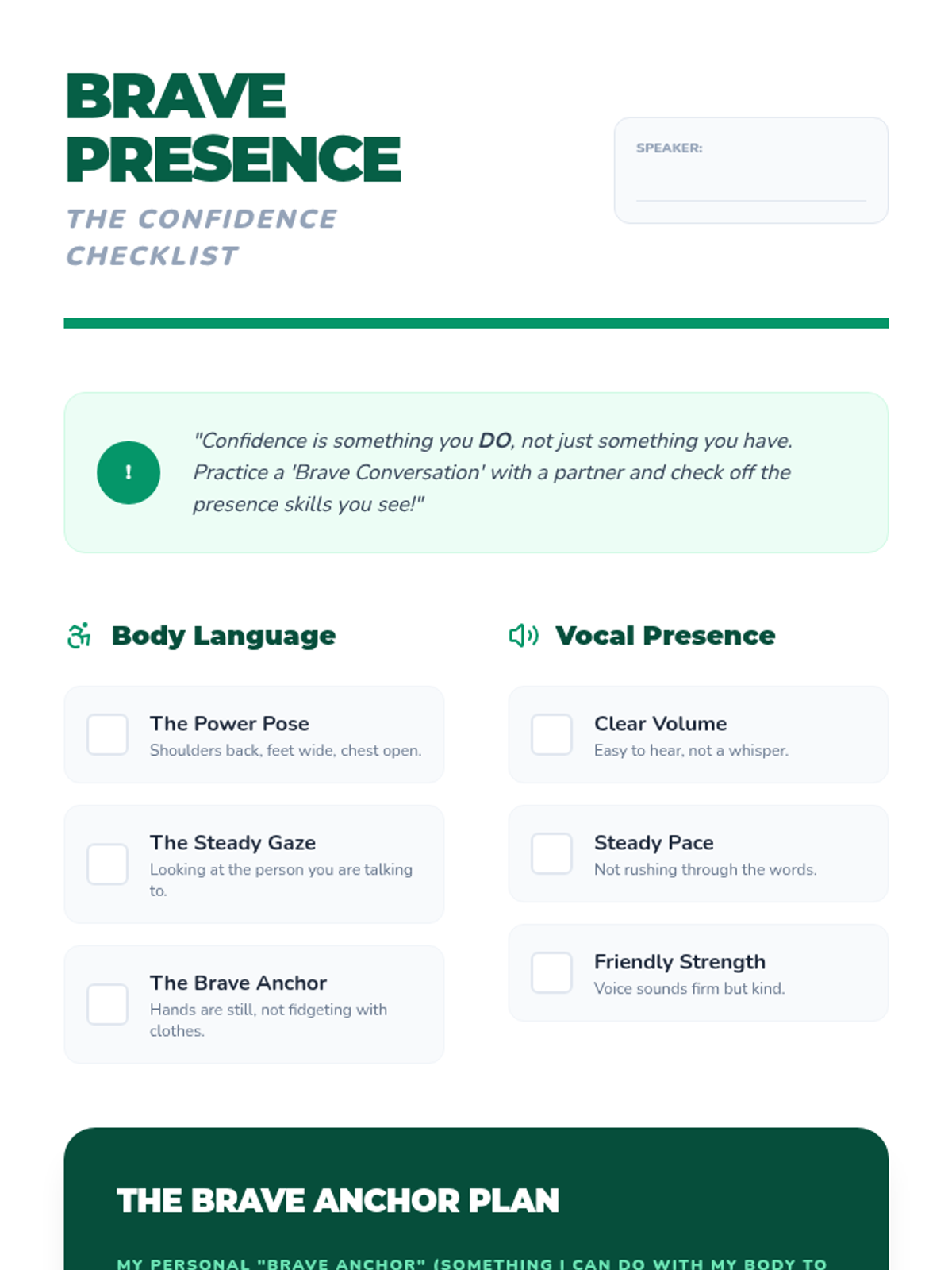
Confidence isn't just internal—it's how we present ourselves. Students will learn about the 'Power Pose' and how body language, eye contact, and vocal tone can influence both how others see them and how they feel about themselves.
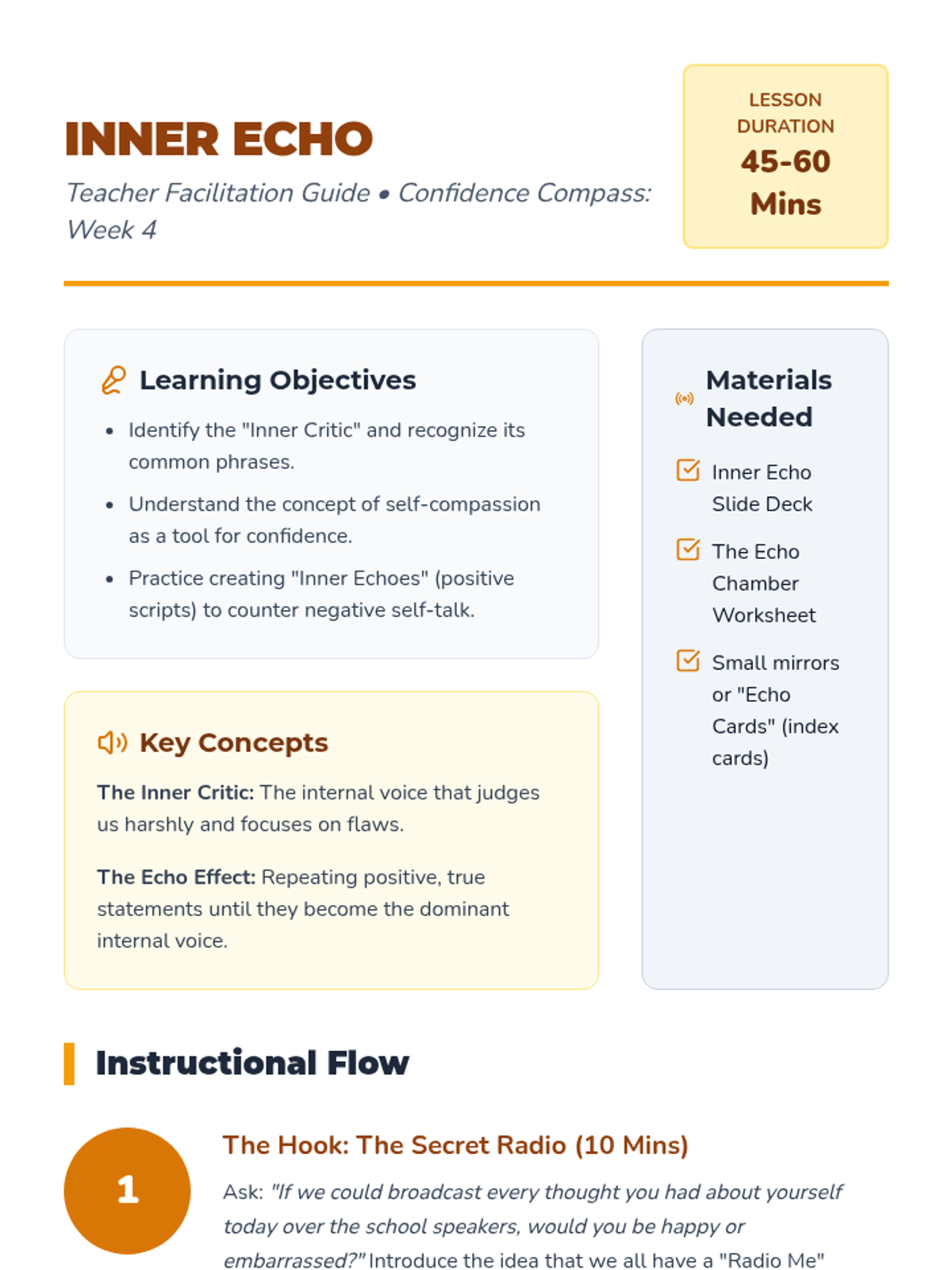
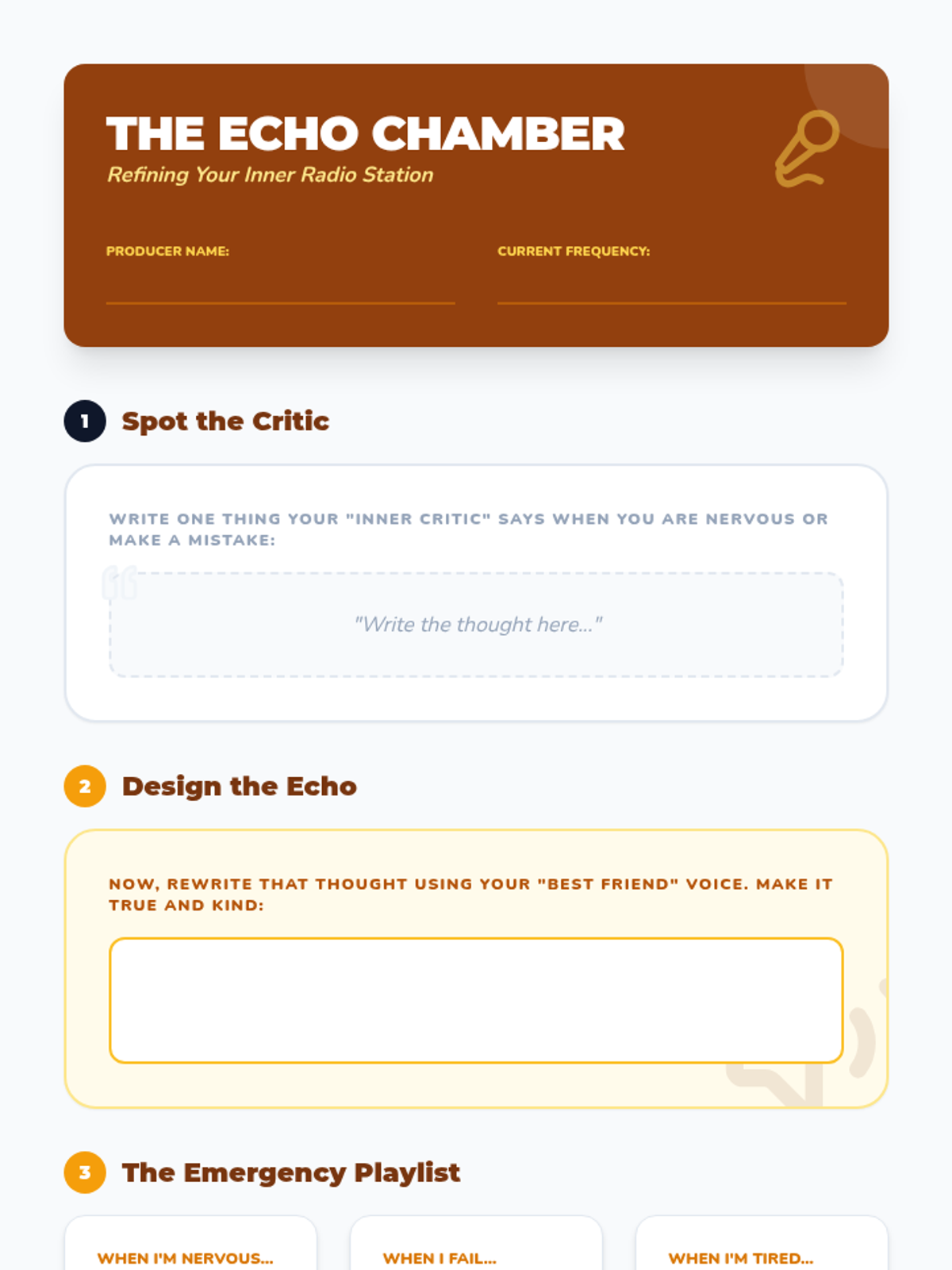
Students will investigate the 'inner critic' and learn how to replace negative self-talk with 'inner echoes' of encouragement. They will practice specific scripts for self-compassion and confidence-boosting internal dialogue.
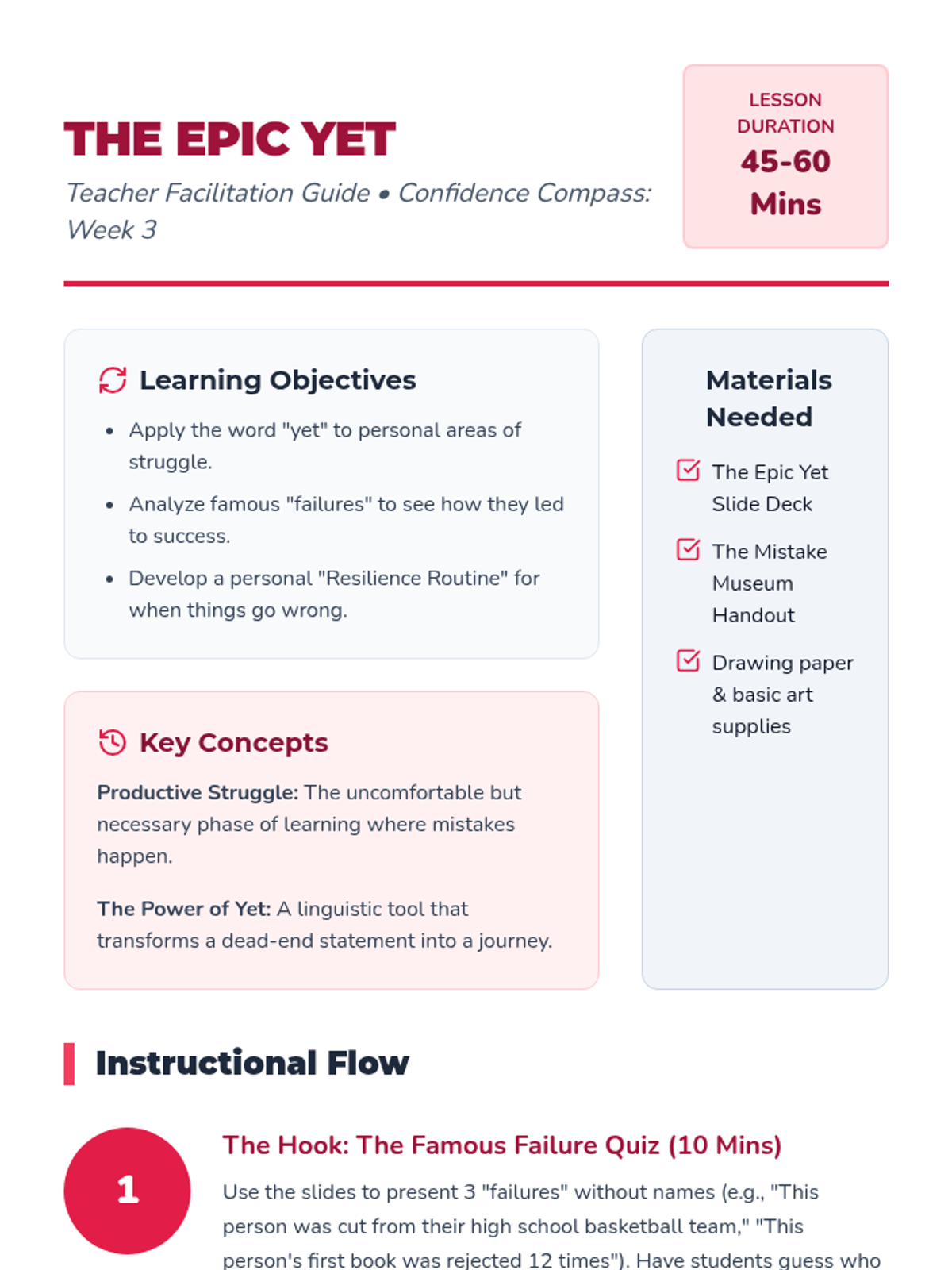
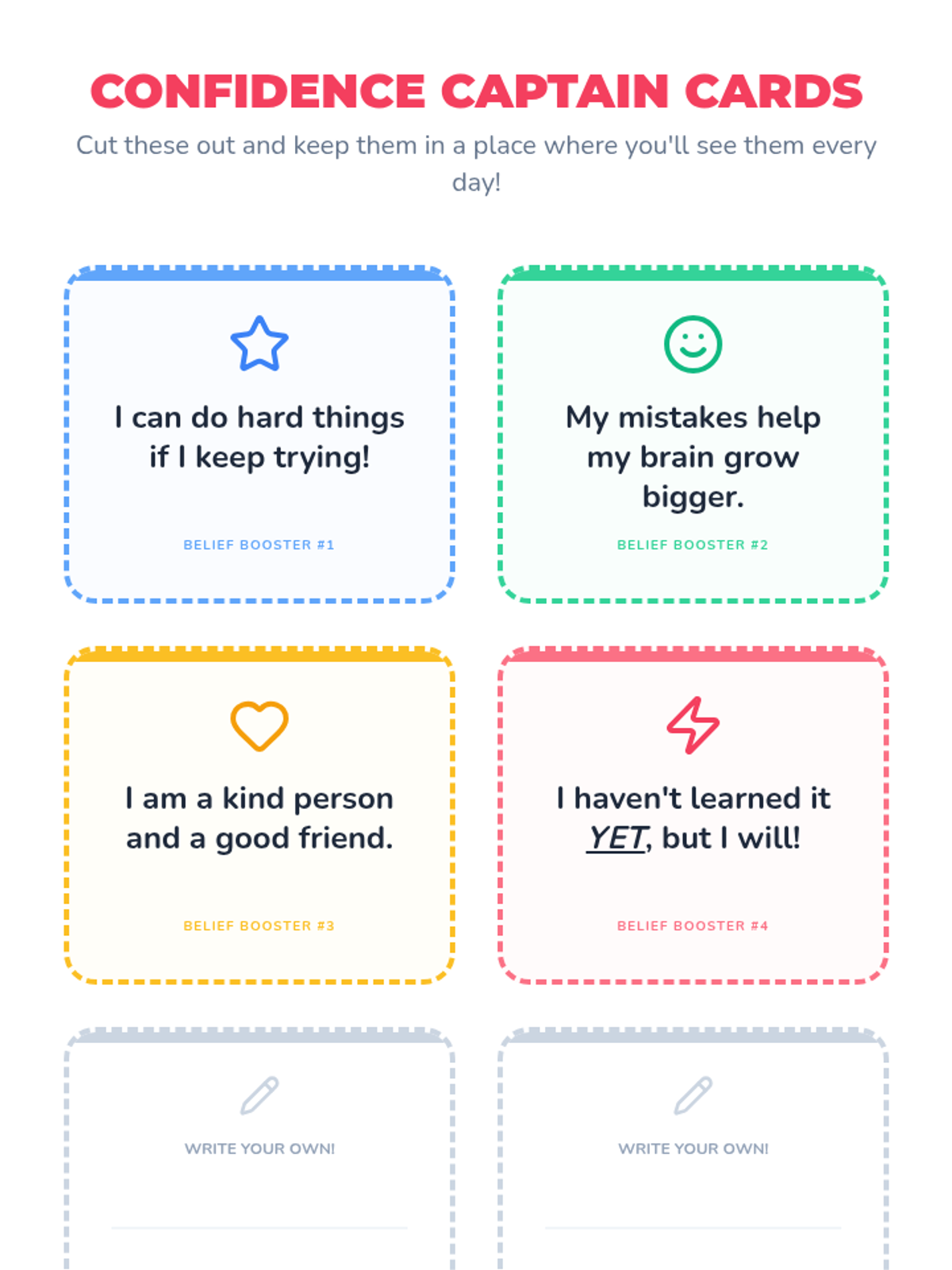
This lesson focuses on resilience and the power of the word 'yet.' Students will reframe mistakes as learning opportunities and develop strategies to keep trying when things get difficult, boosting their long-term confidence.
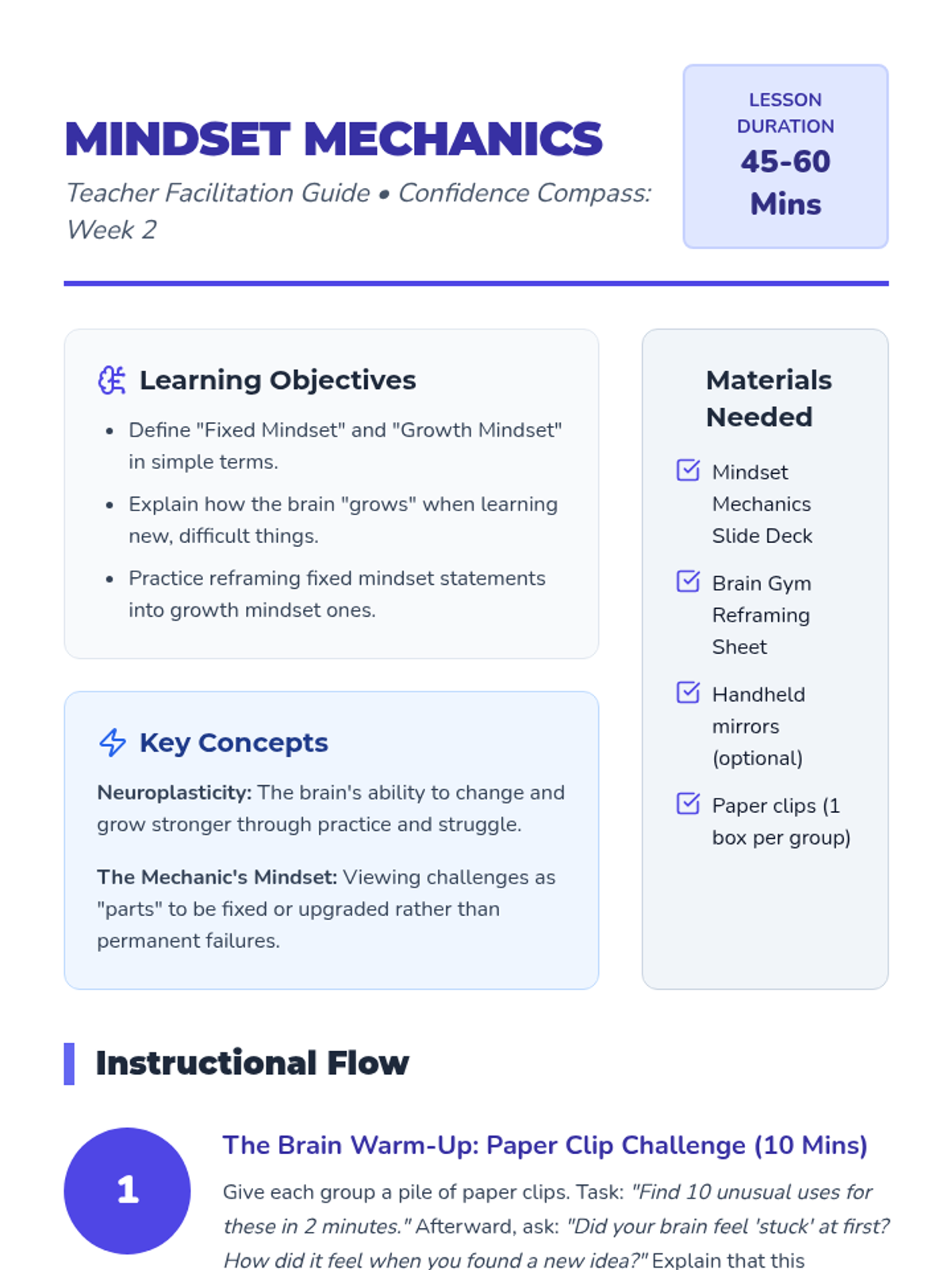
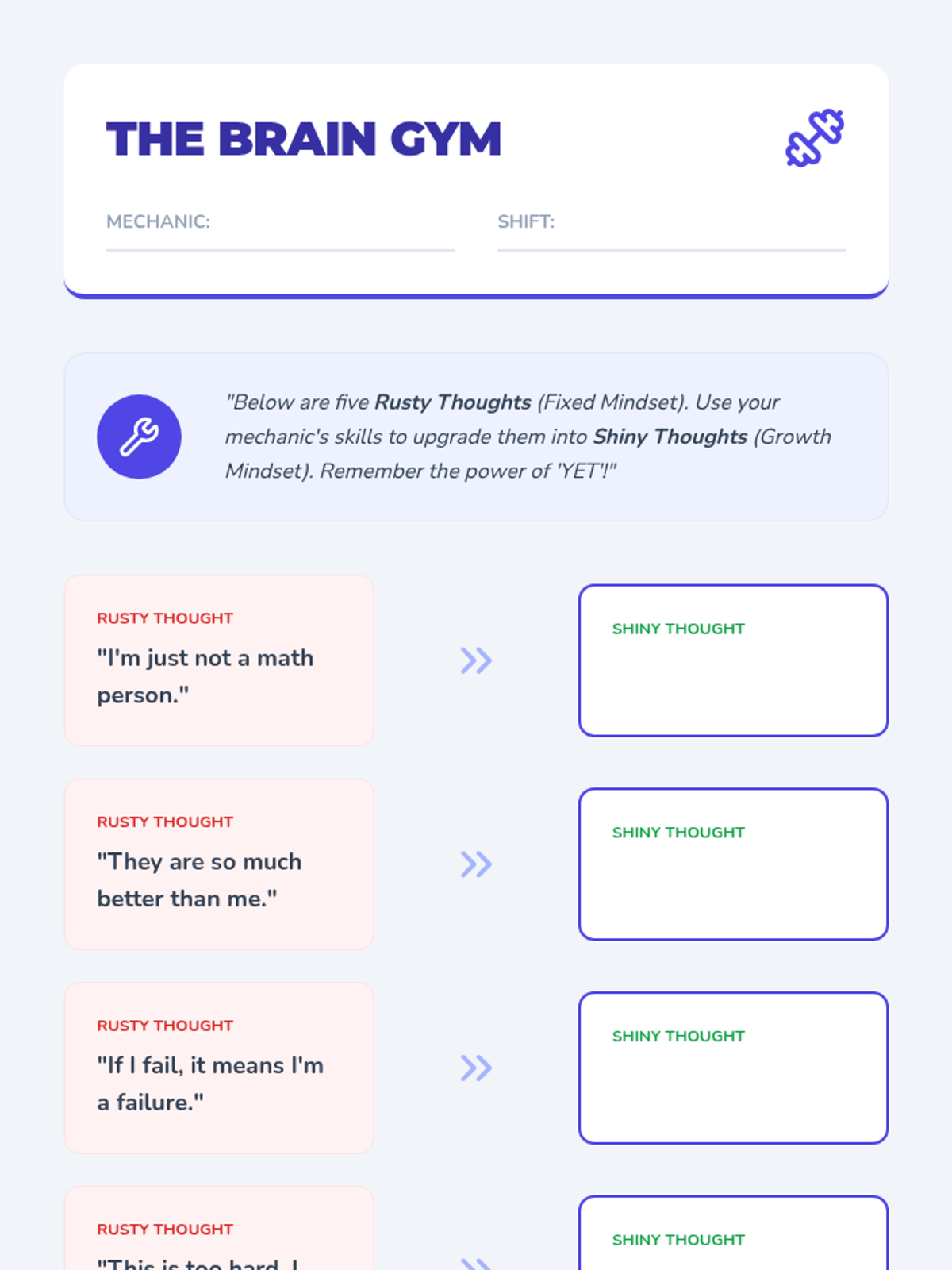
Students will explore the concept of a growth mindset, learning how the brain grows through challenges. They will practice identifying 'fixed' vs 'growth' thoughts and understand that intelligence and confidence are muscles that can be built.
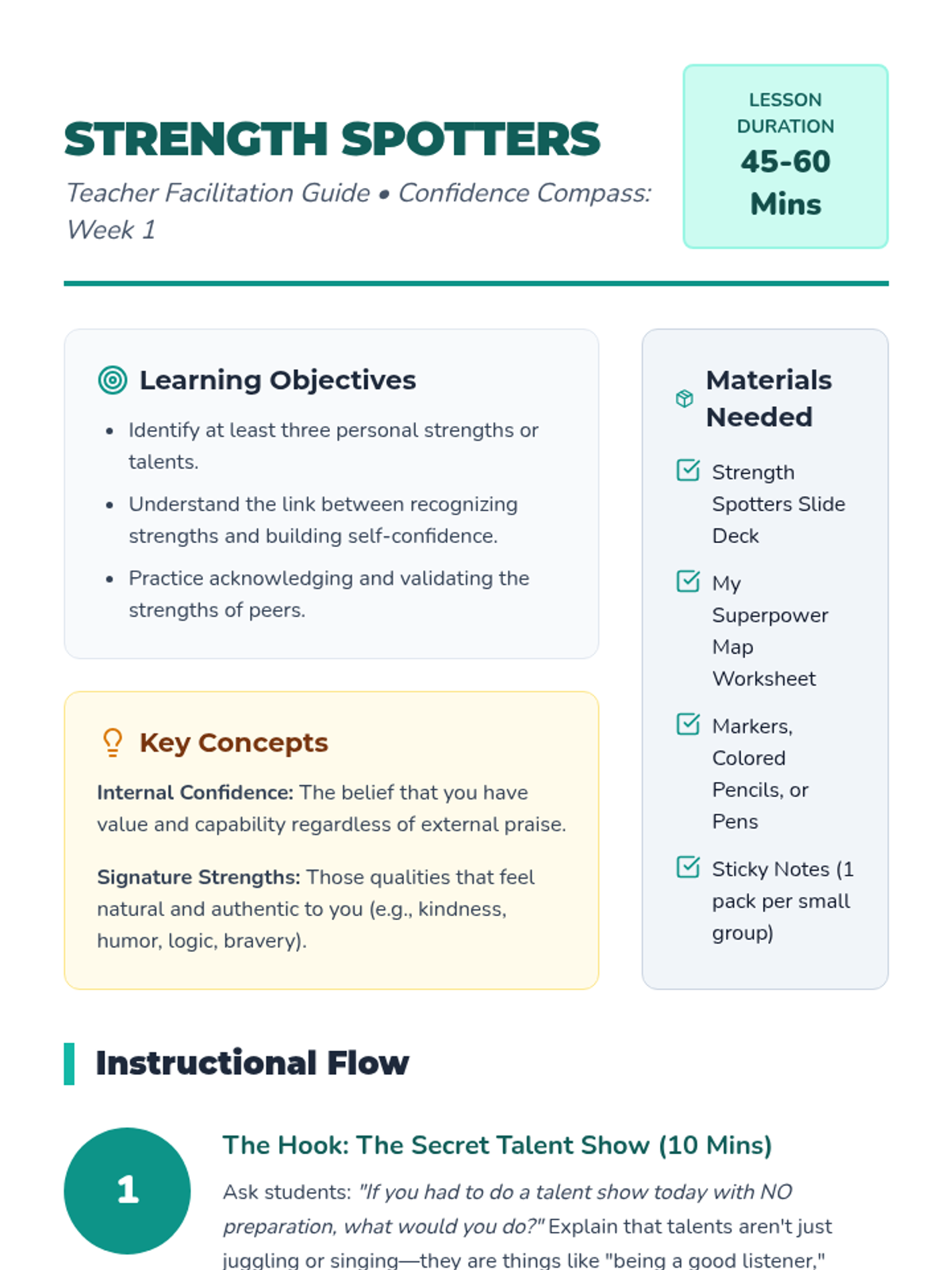
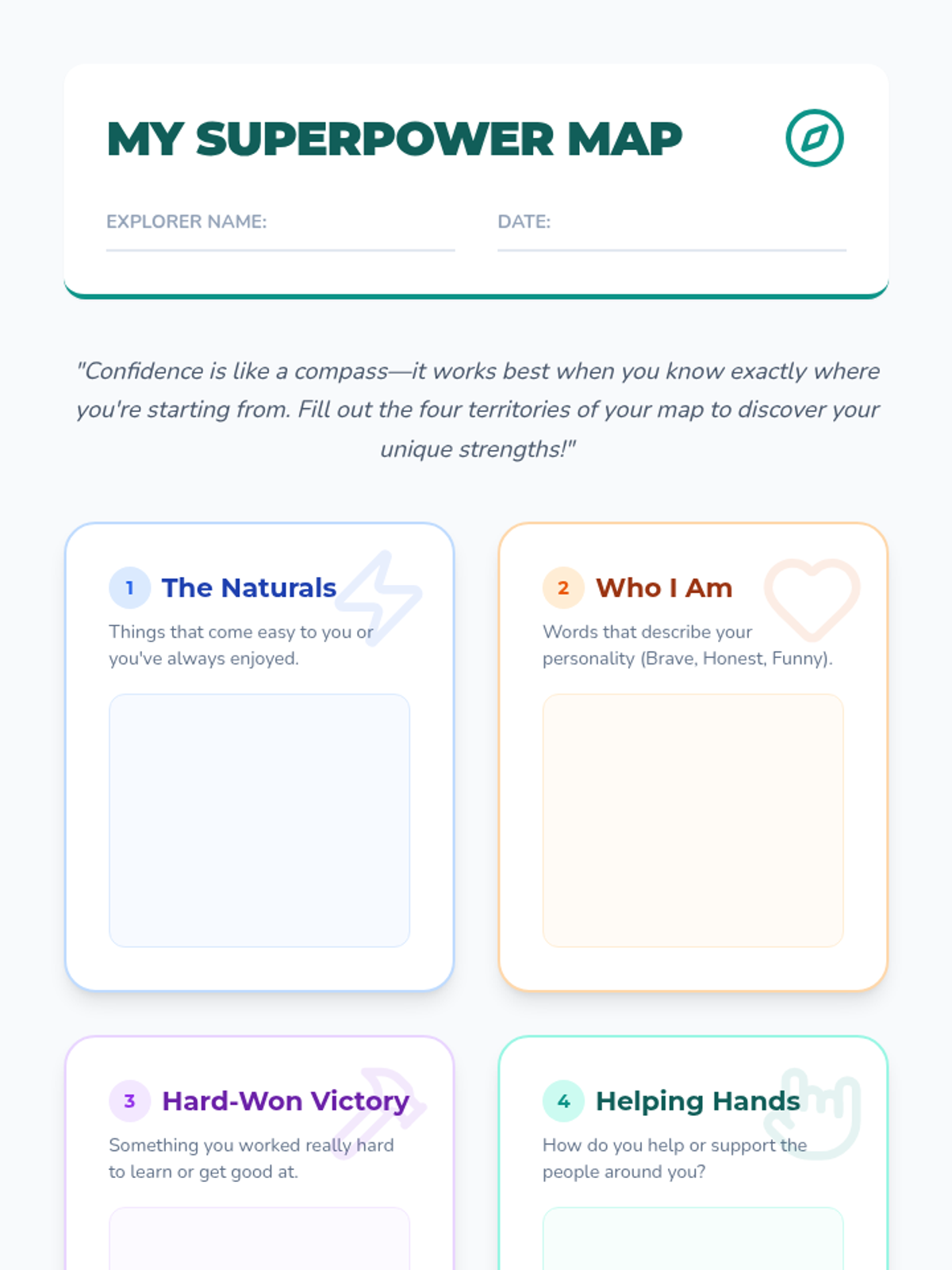
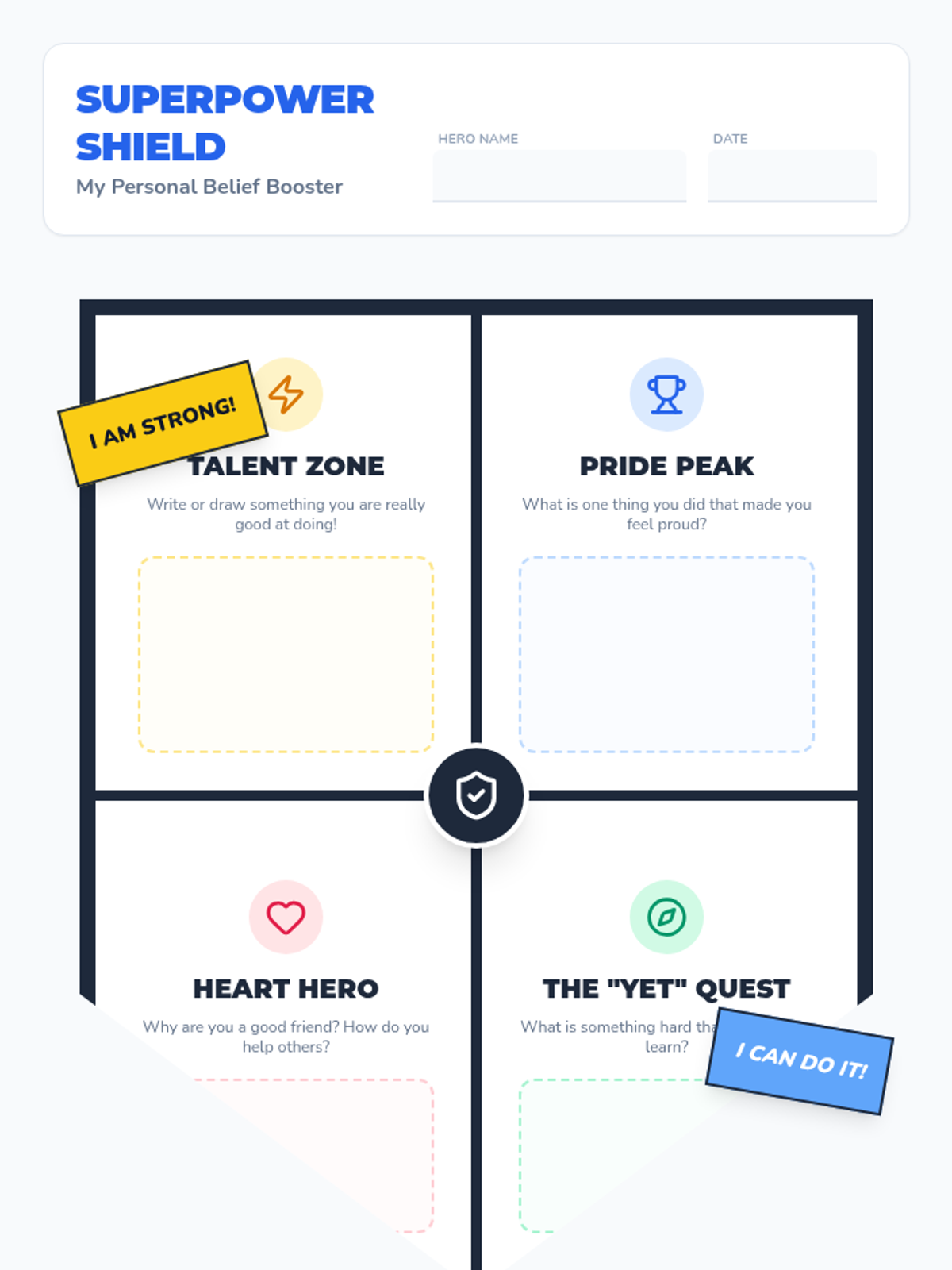
In this introductory lesson, students will identify their unique personal strengths and talents. They will learn that confidence begins with recognizing what they are already good at and how these traits can be used to help others and themselves.
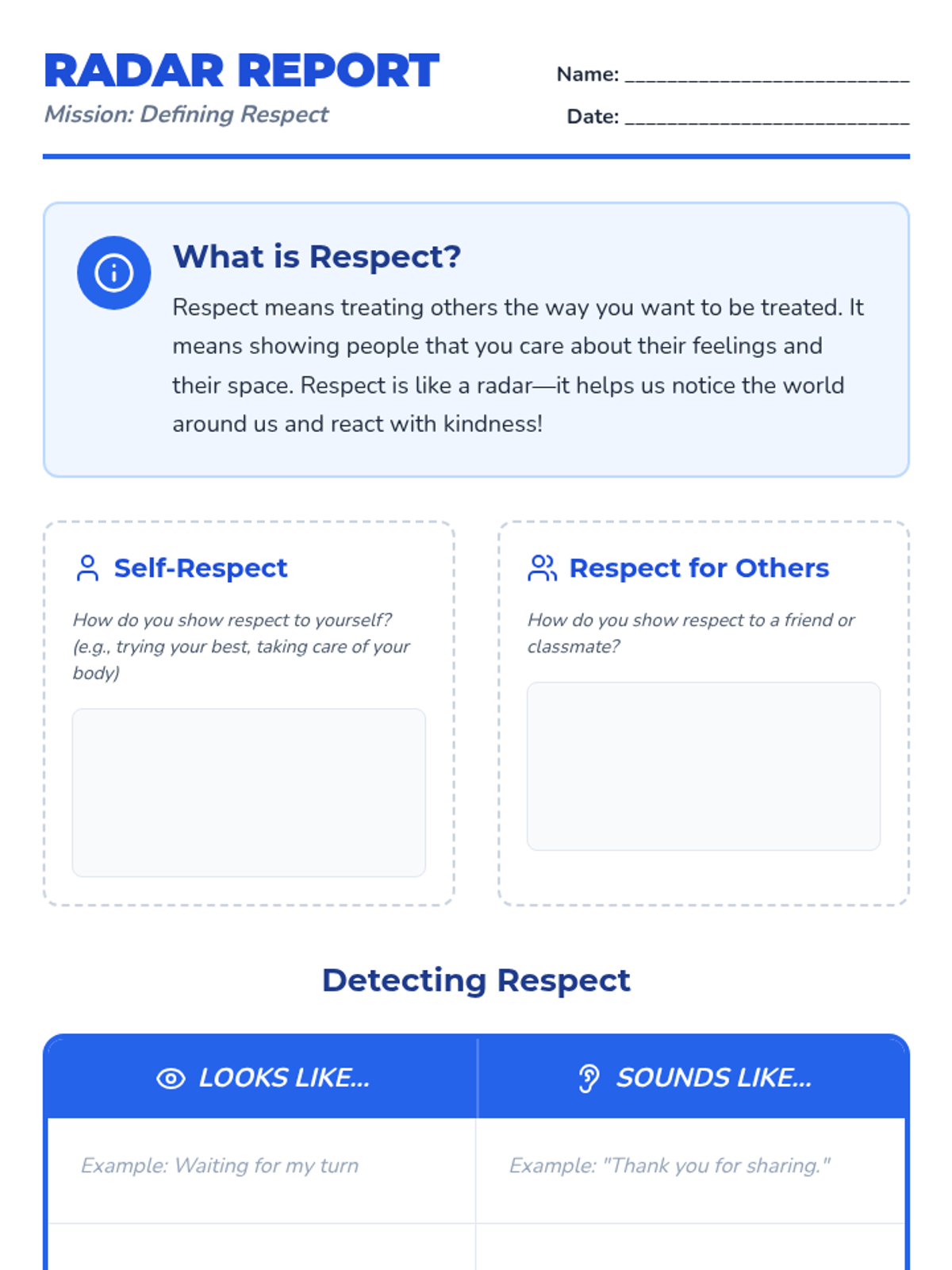
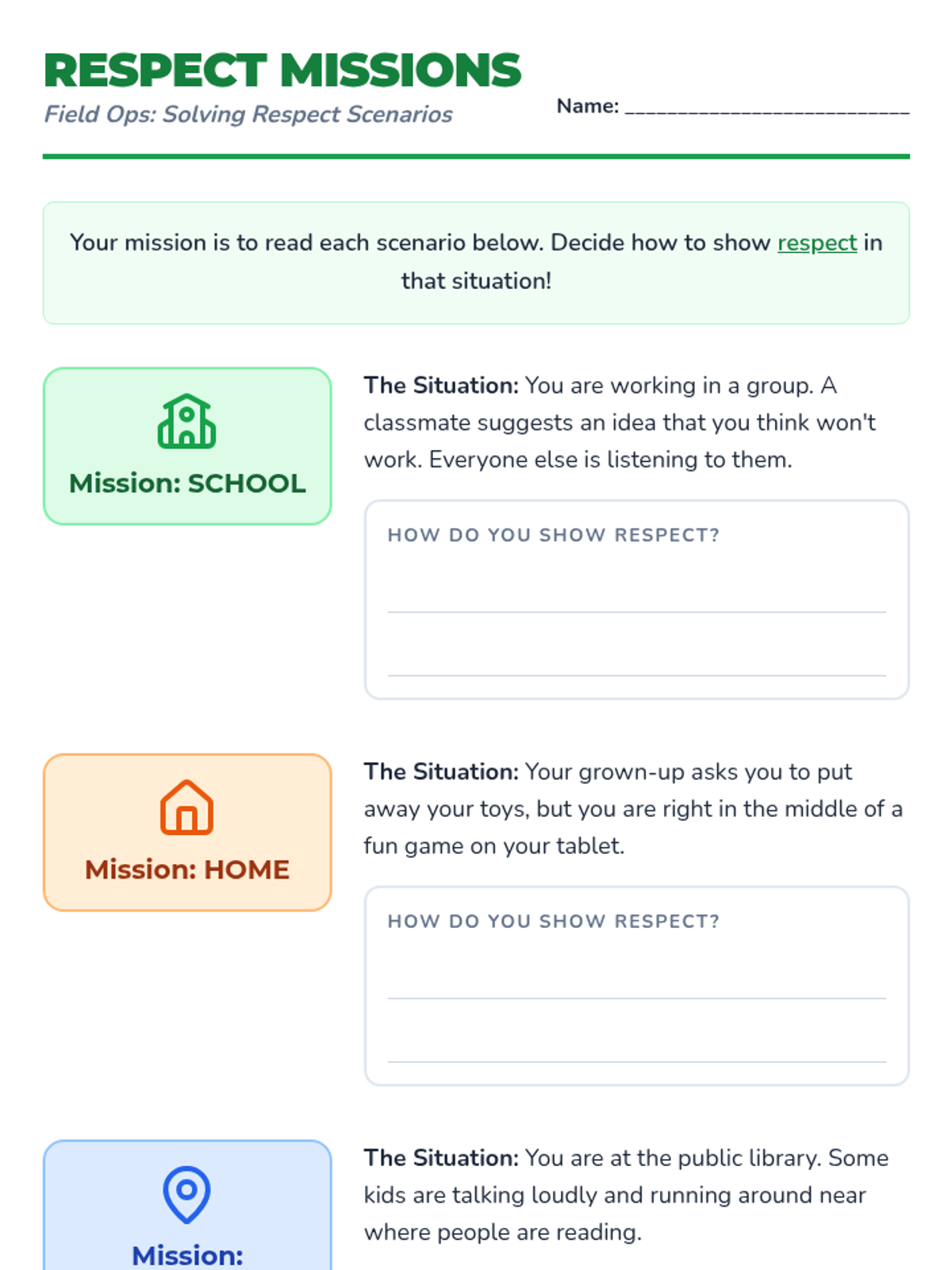
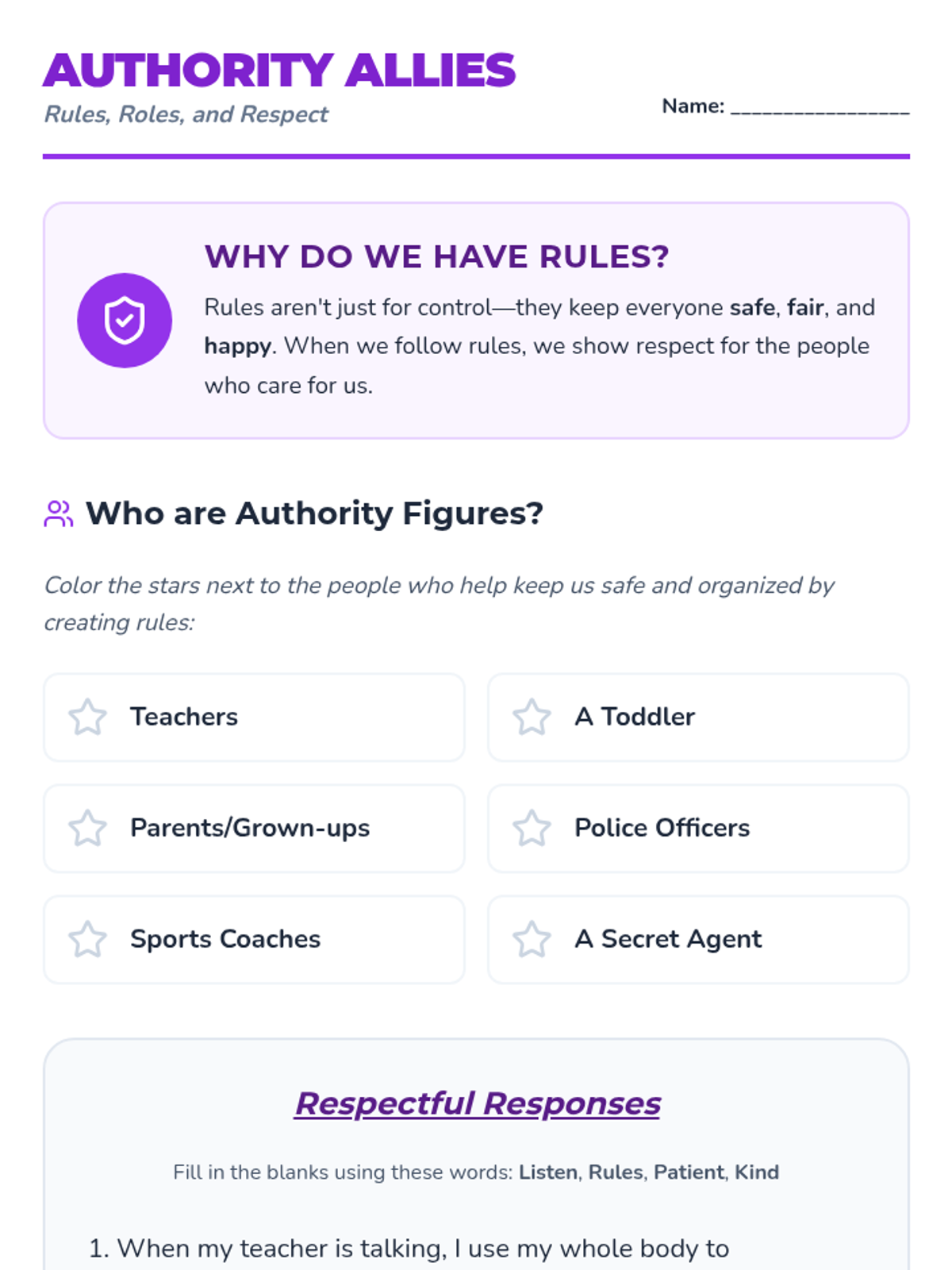
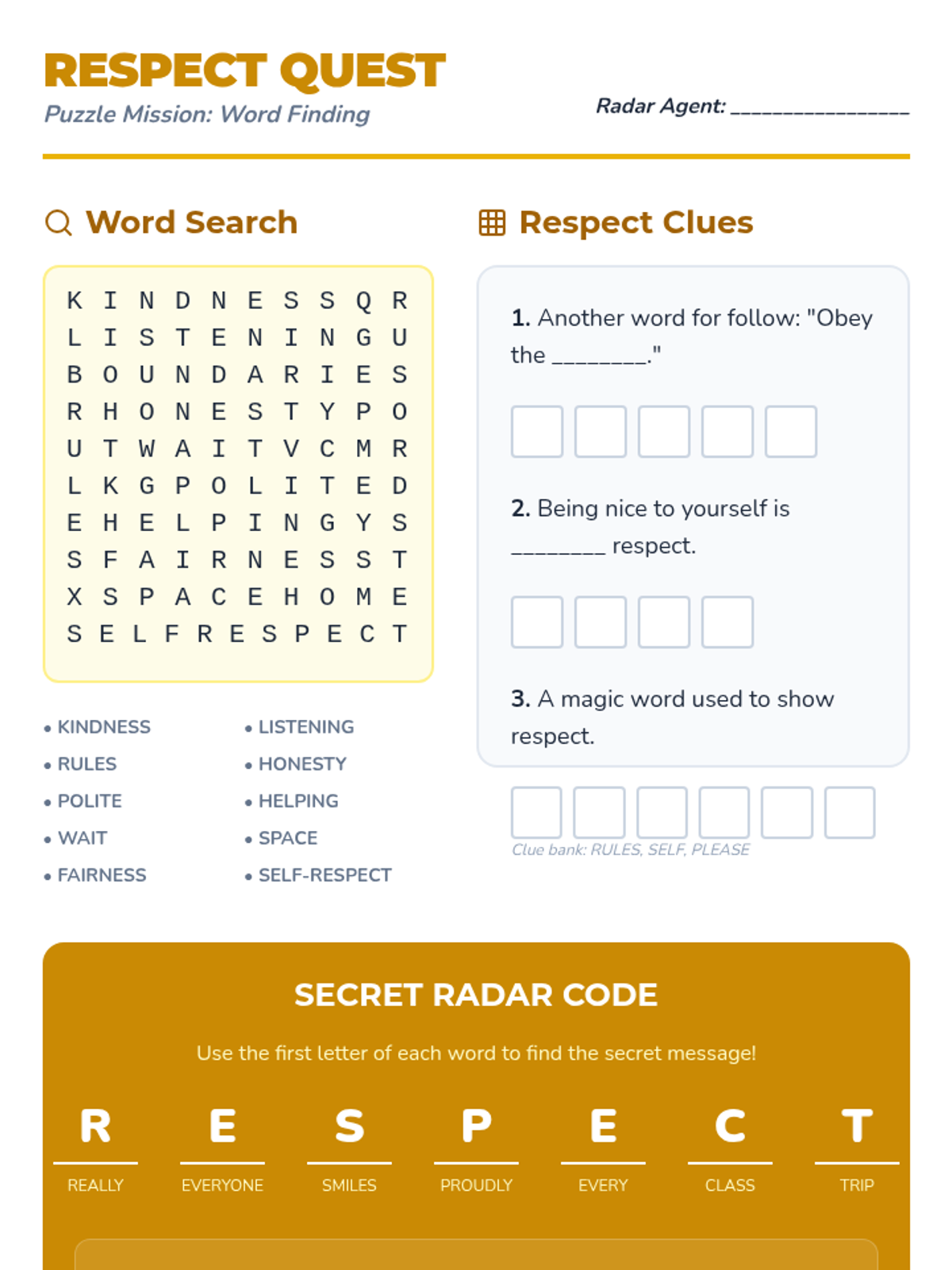
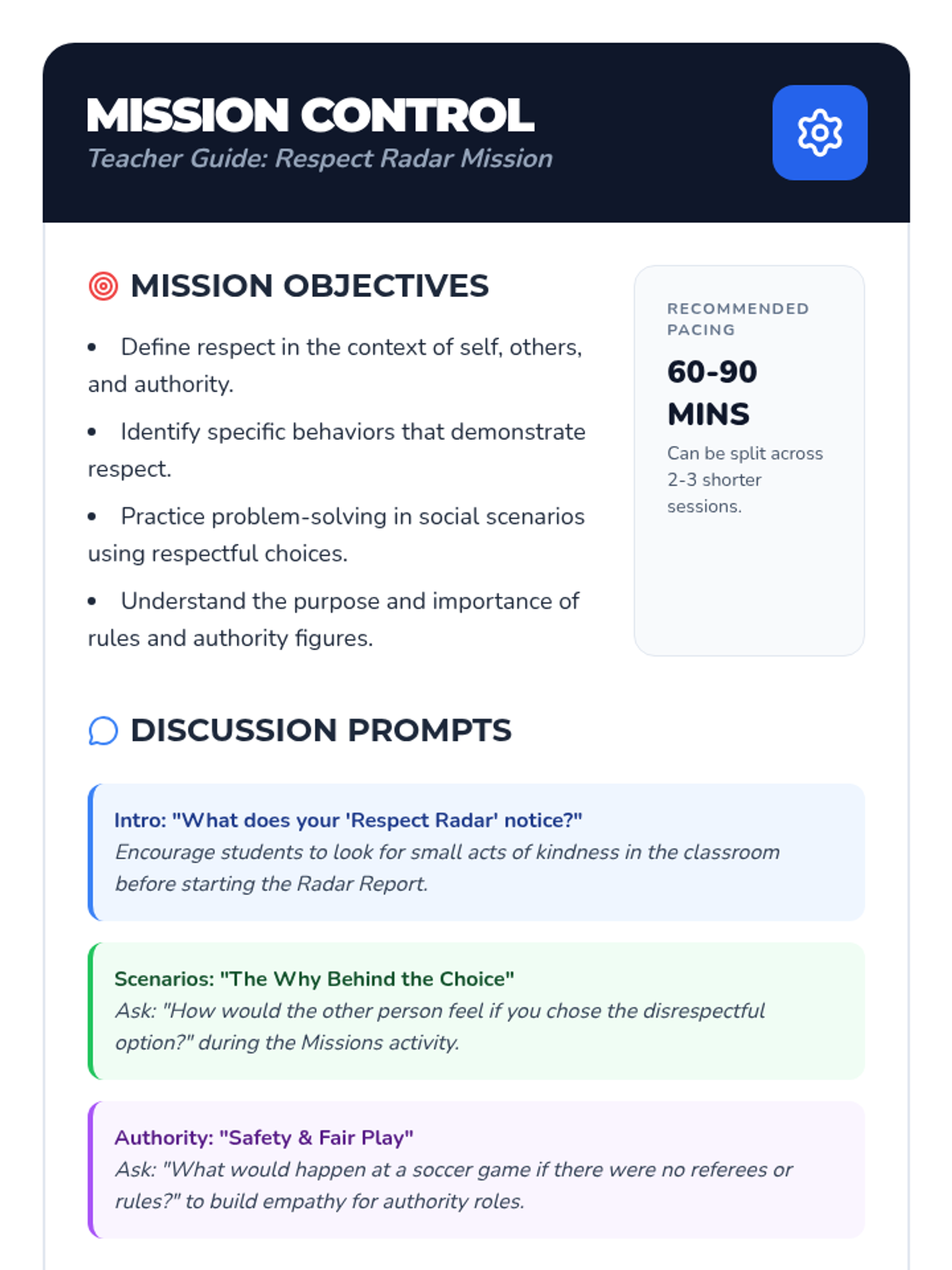
A comprehensive set of activities designed to help students identify, practice, and internalize respect for themselves, others, rules, and authority through scenarios, puzzles, and creative reflection.
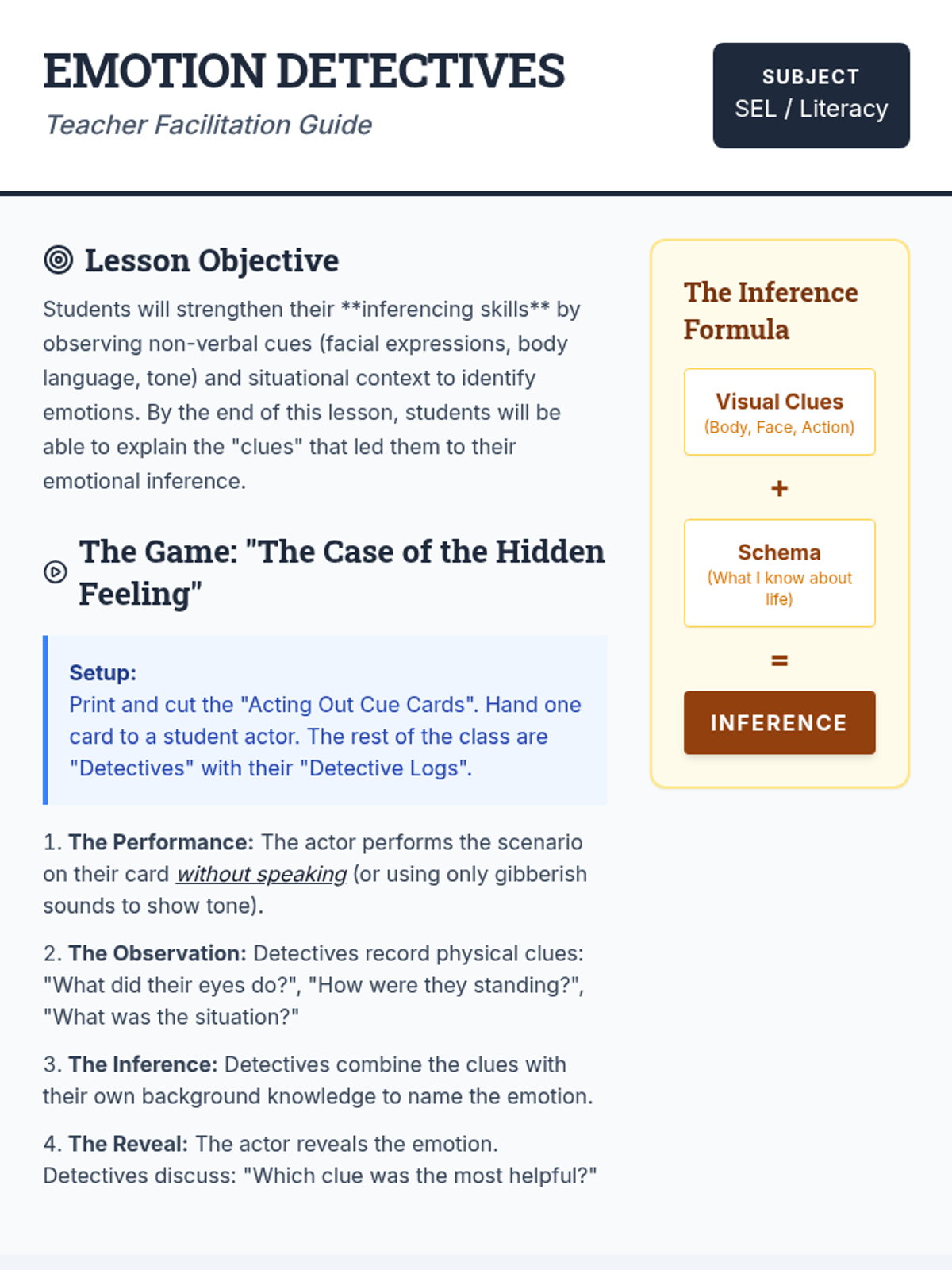
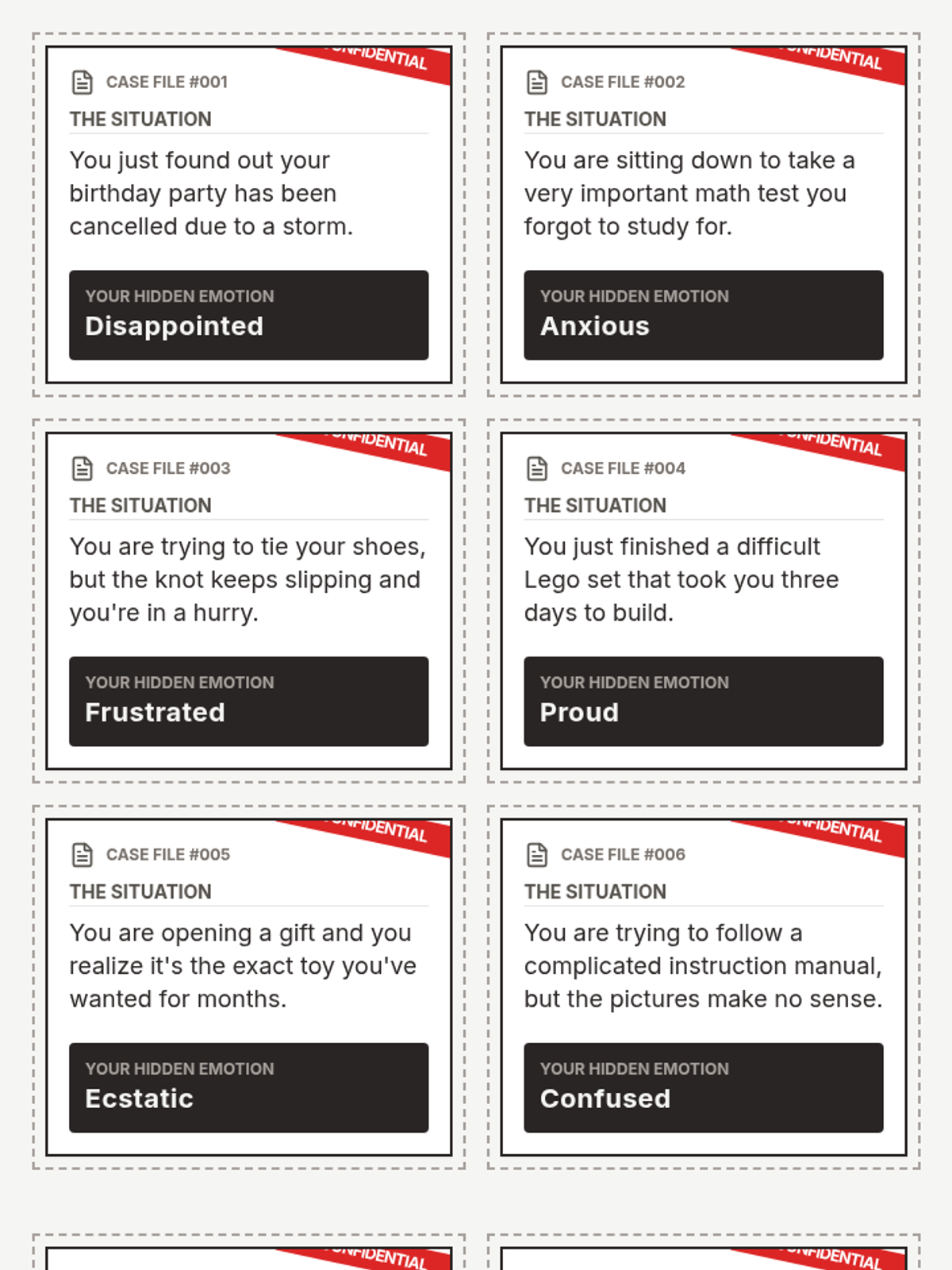
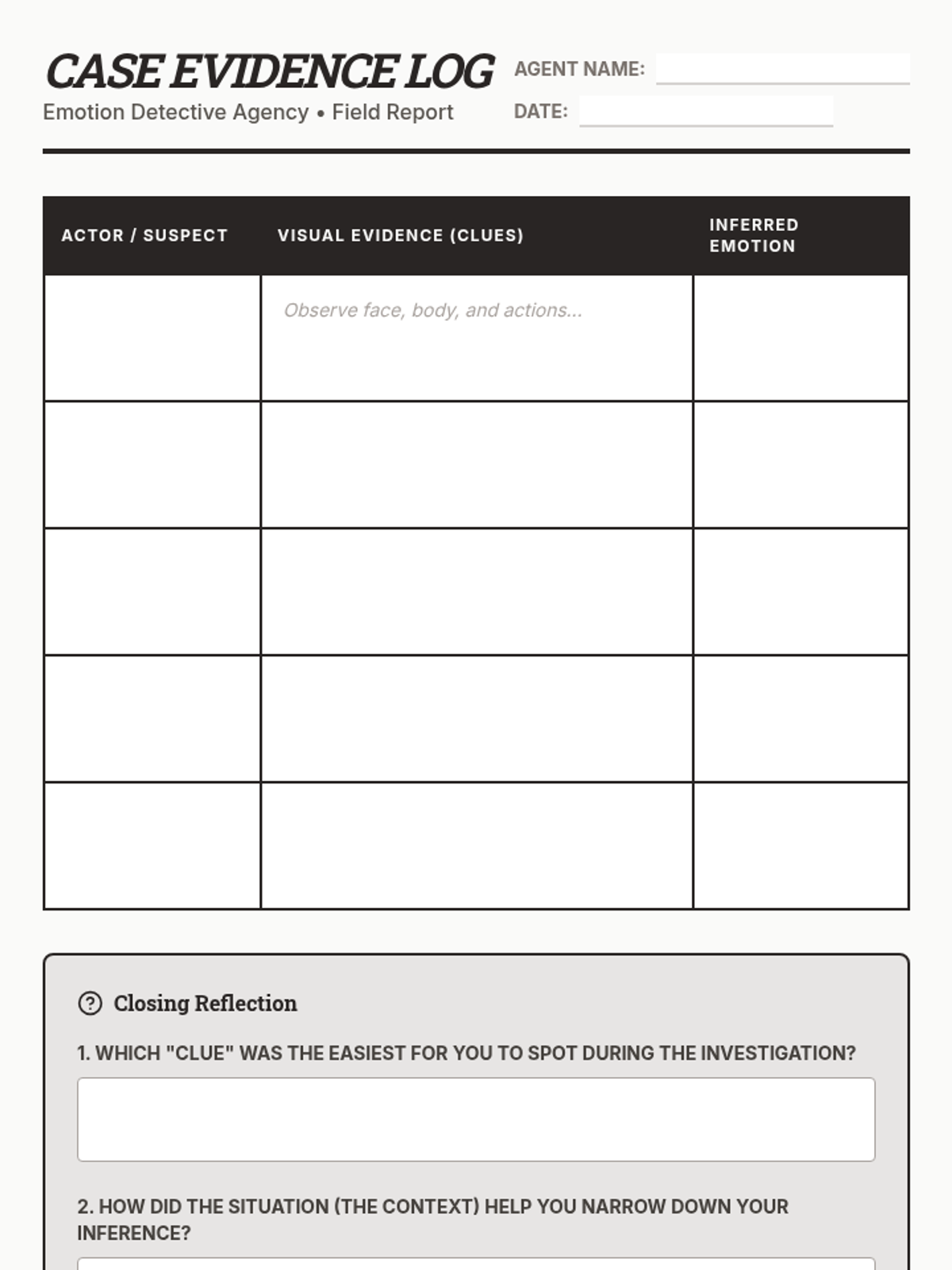
A social-emotional learning lesson where students use inferencing skills to identify emotions through body language and situational context. Students act out scenarios and their peers 'detect' the underlying emotion.
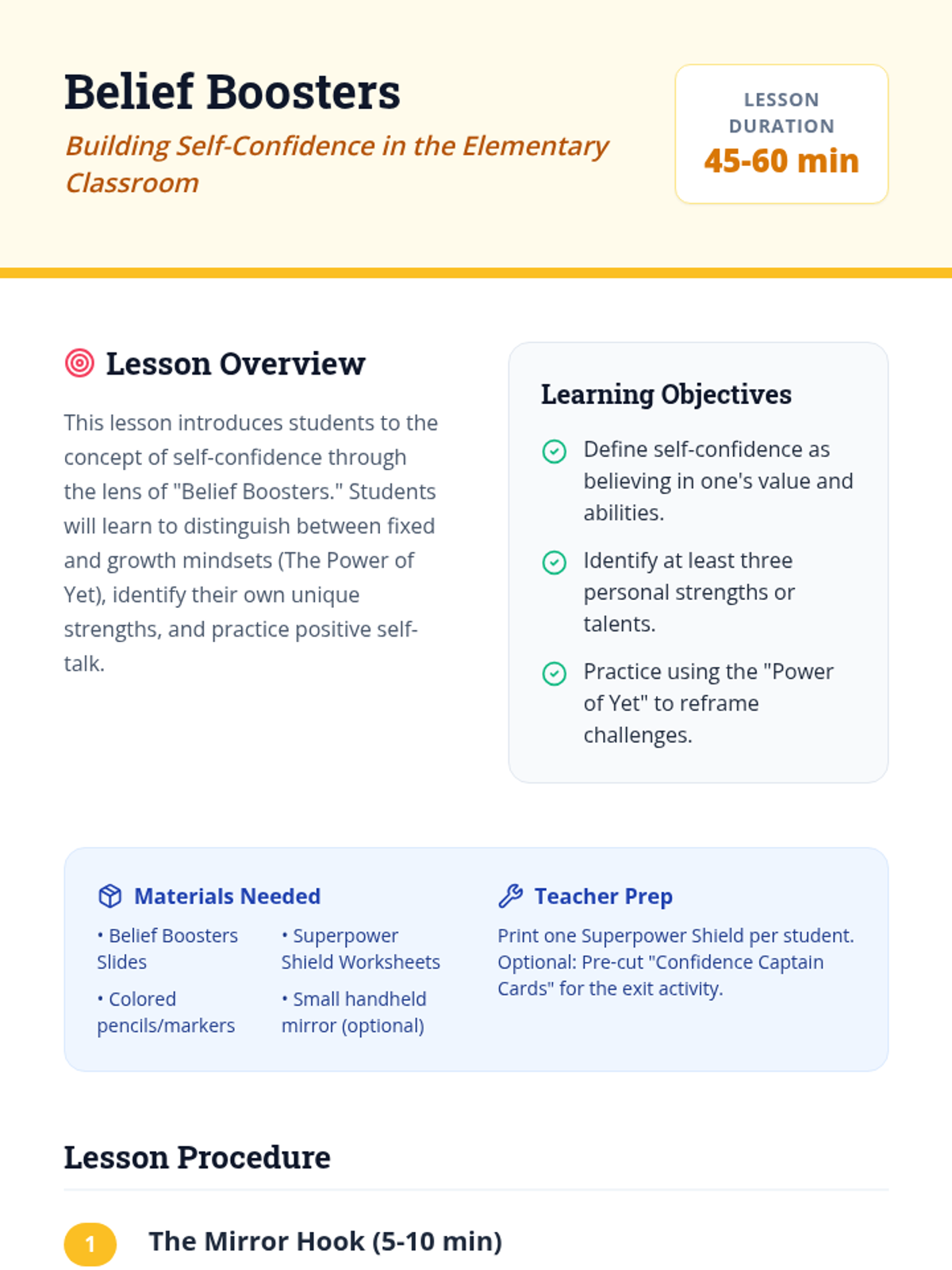
This lesson helps elementary students build self-confidence by identifying personal strengths, practicing positive self-talk, and understanding that mistakes are part of learning.
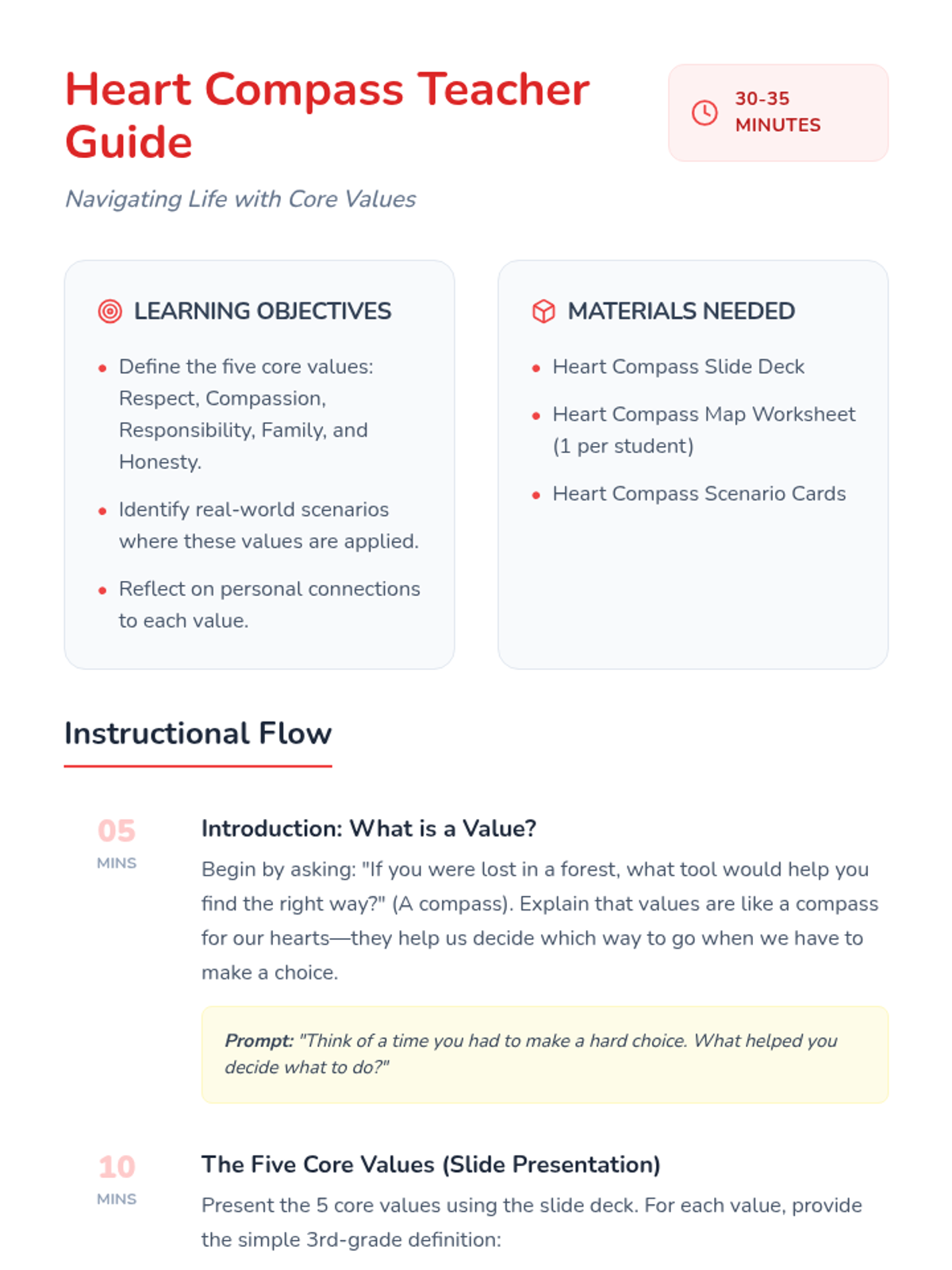
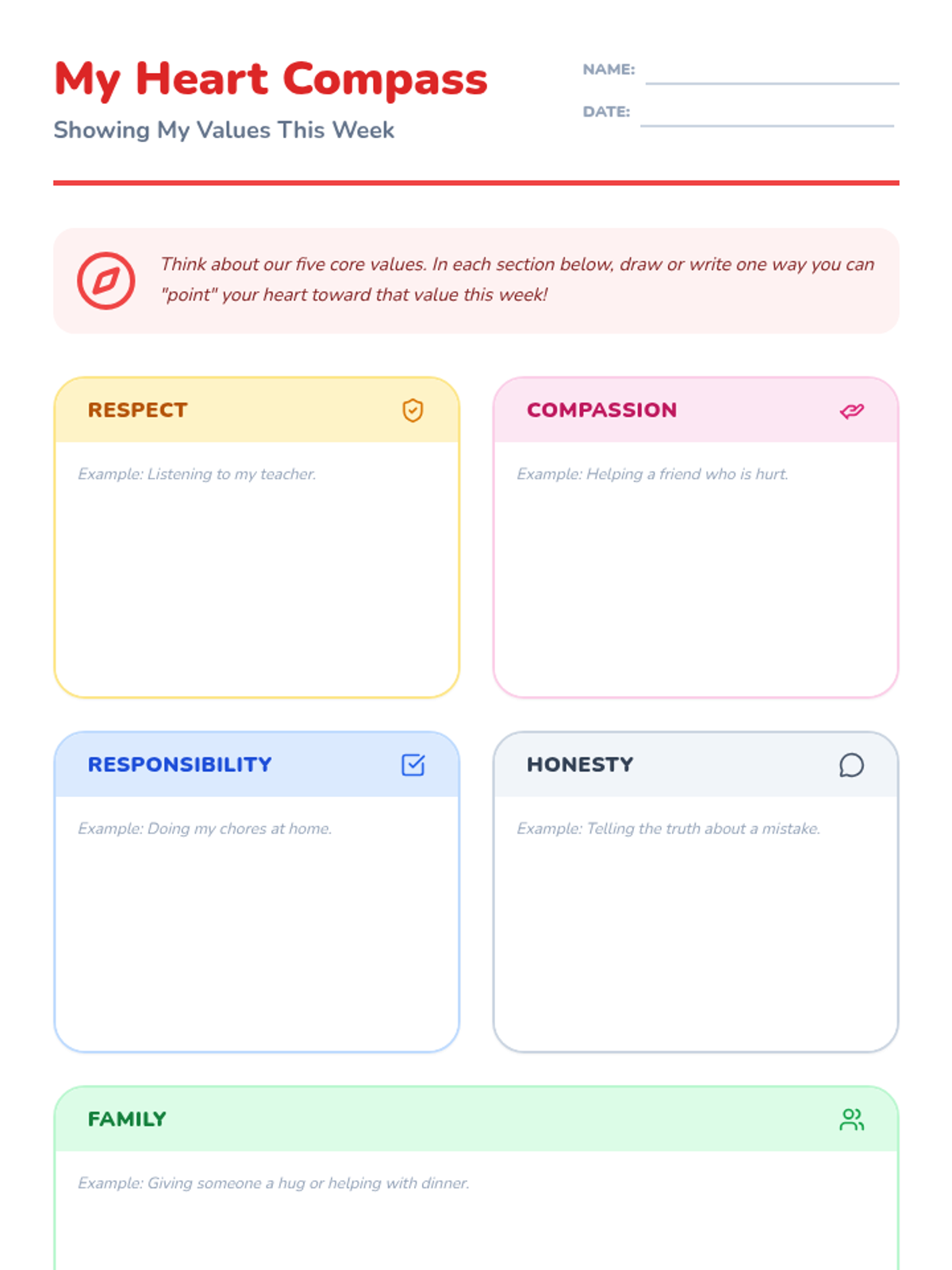
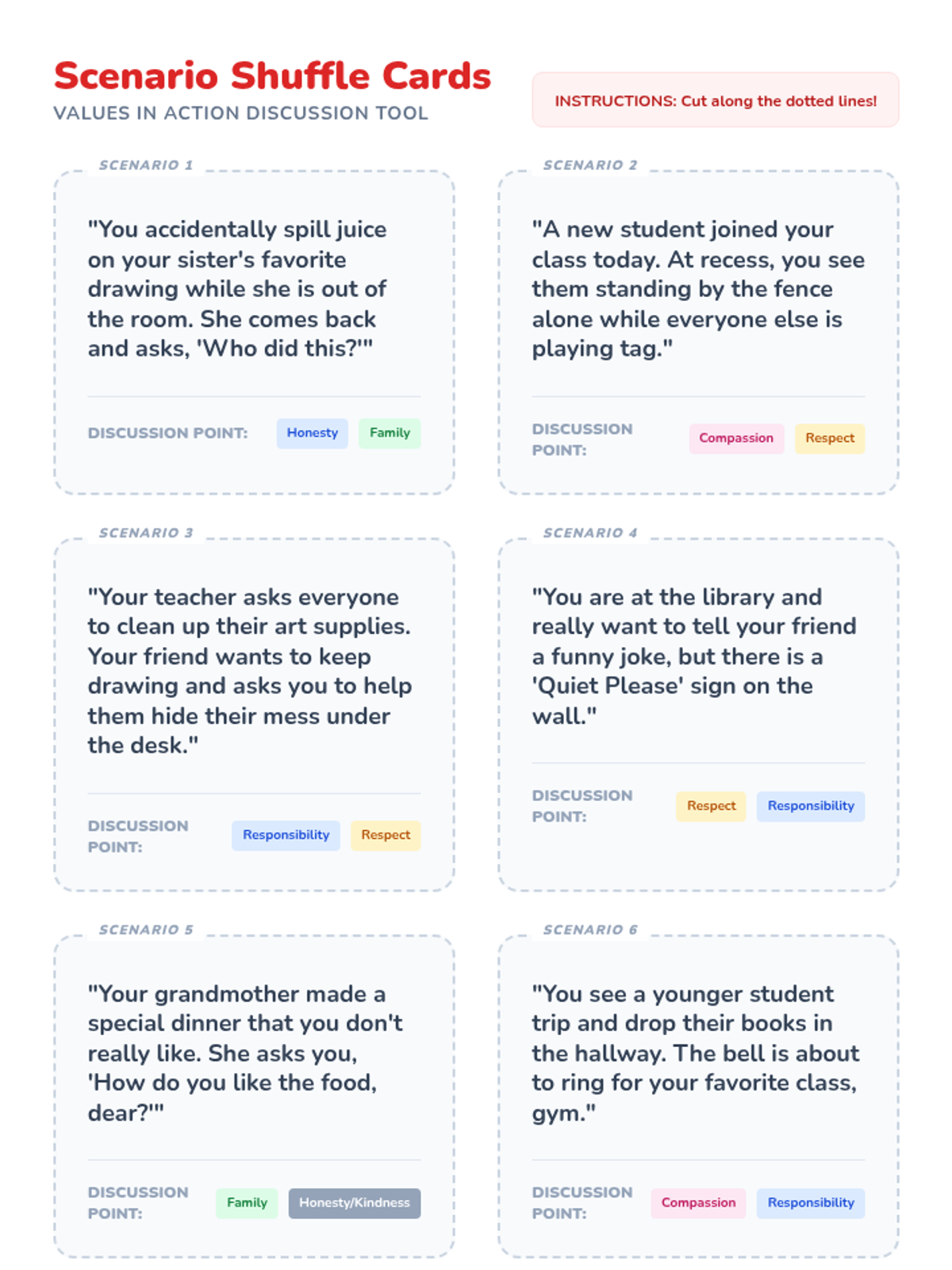
A 30-35 minute character education lesson for 3rd graders focusing on five core values: respect, compassion, responsibility, family, and honesty. Through discussion, slides, and reflective activities, students learn to define and apply these values in their daily lives.
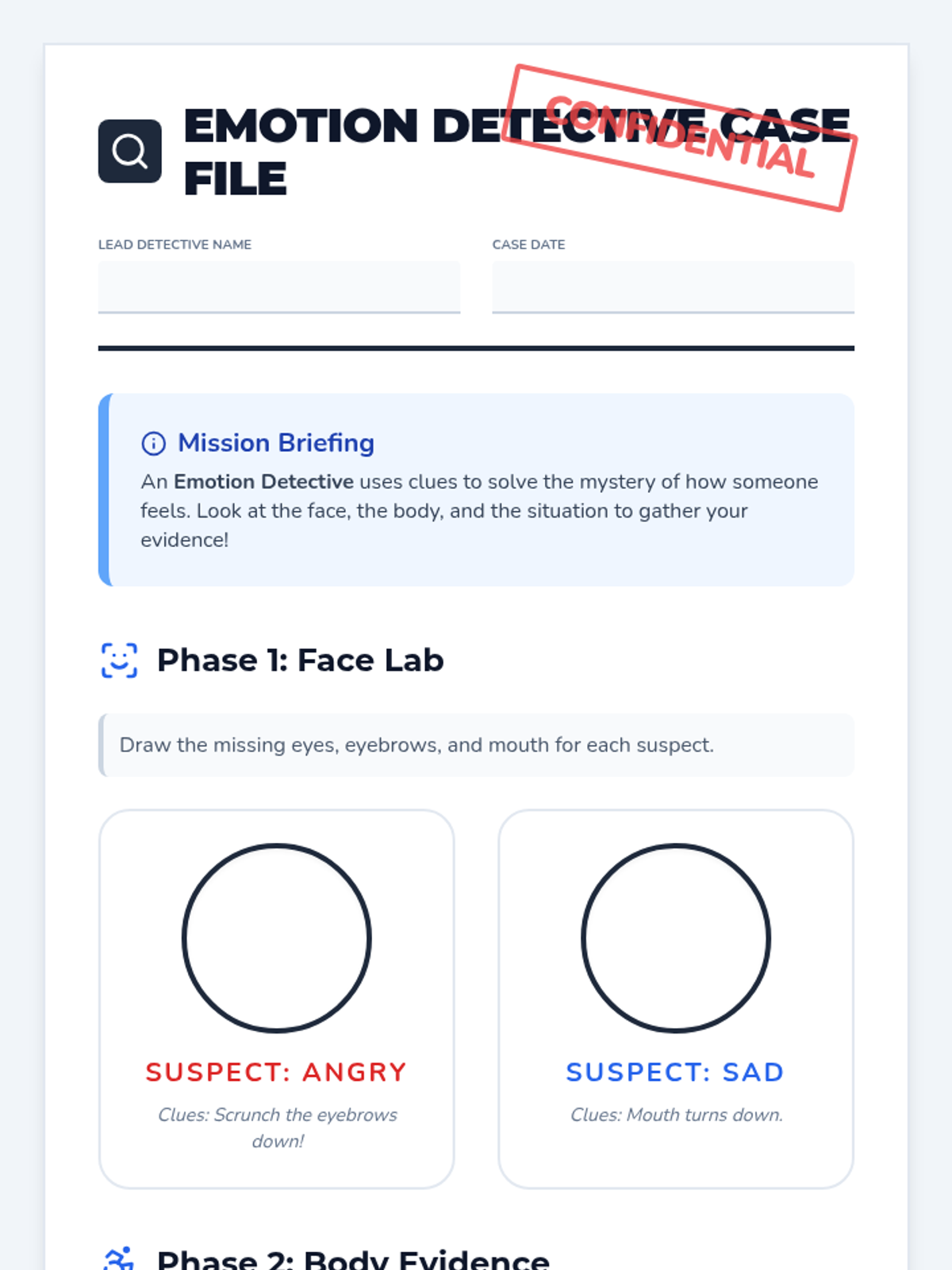
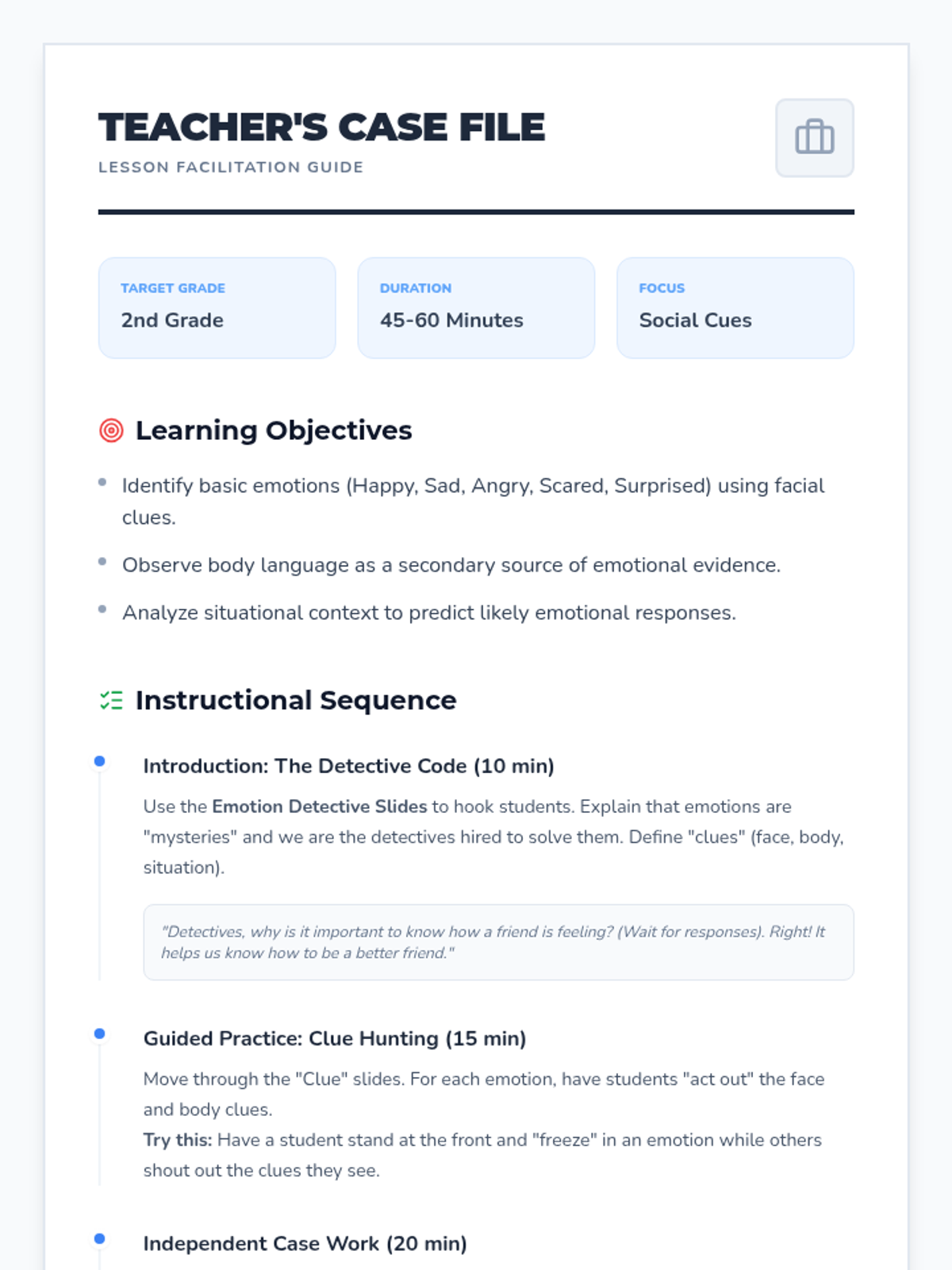
A social-emotional learning lesson for 2nd graders to identify basic emotions through facial expressions, body language, and situational cues using a 'detective' theme.
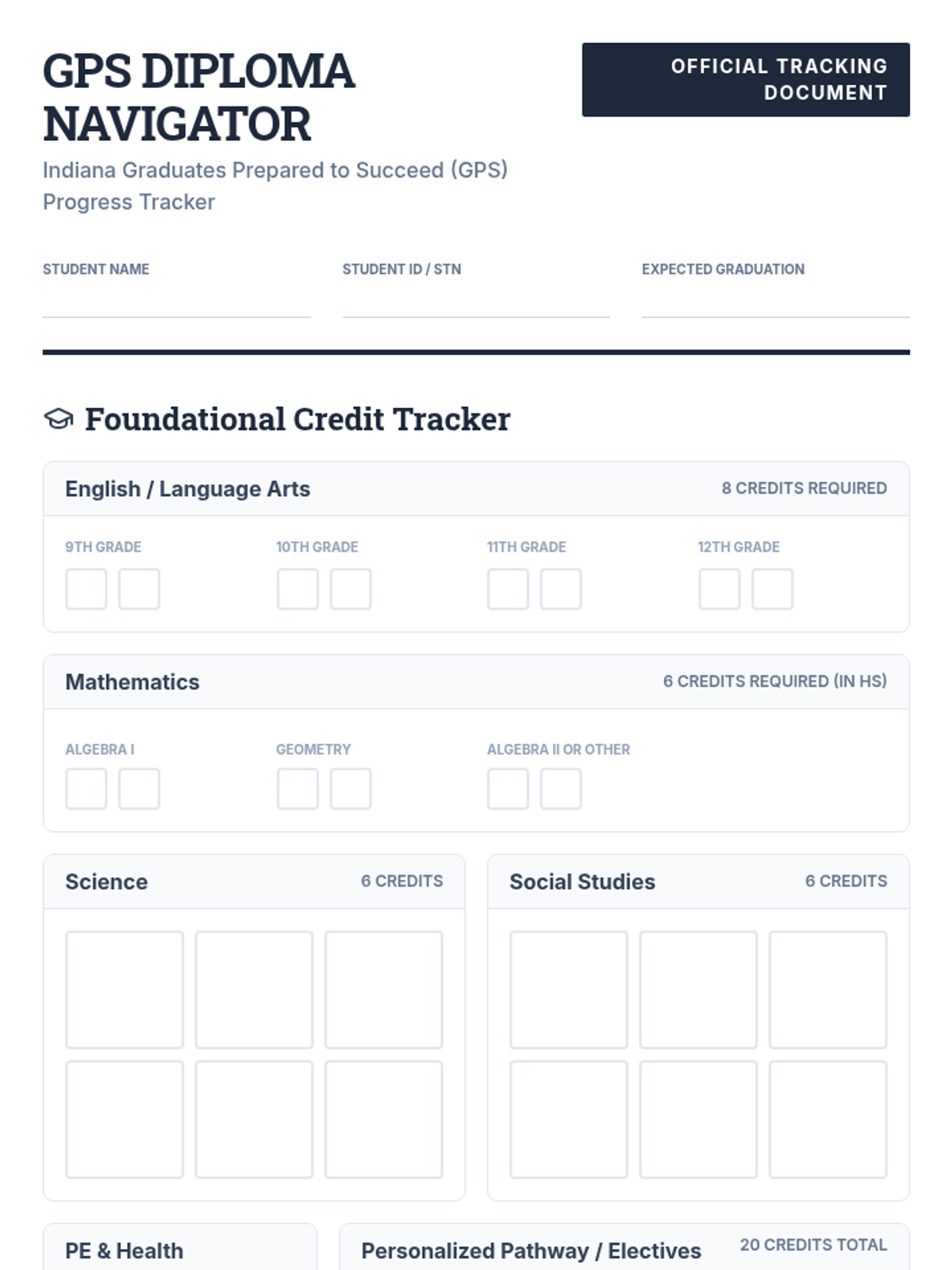
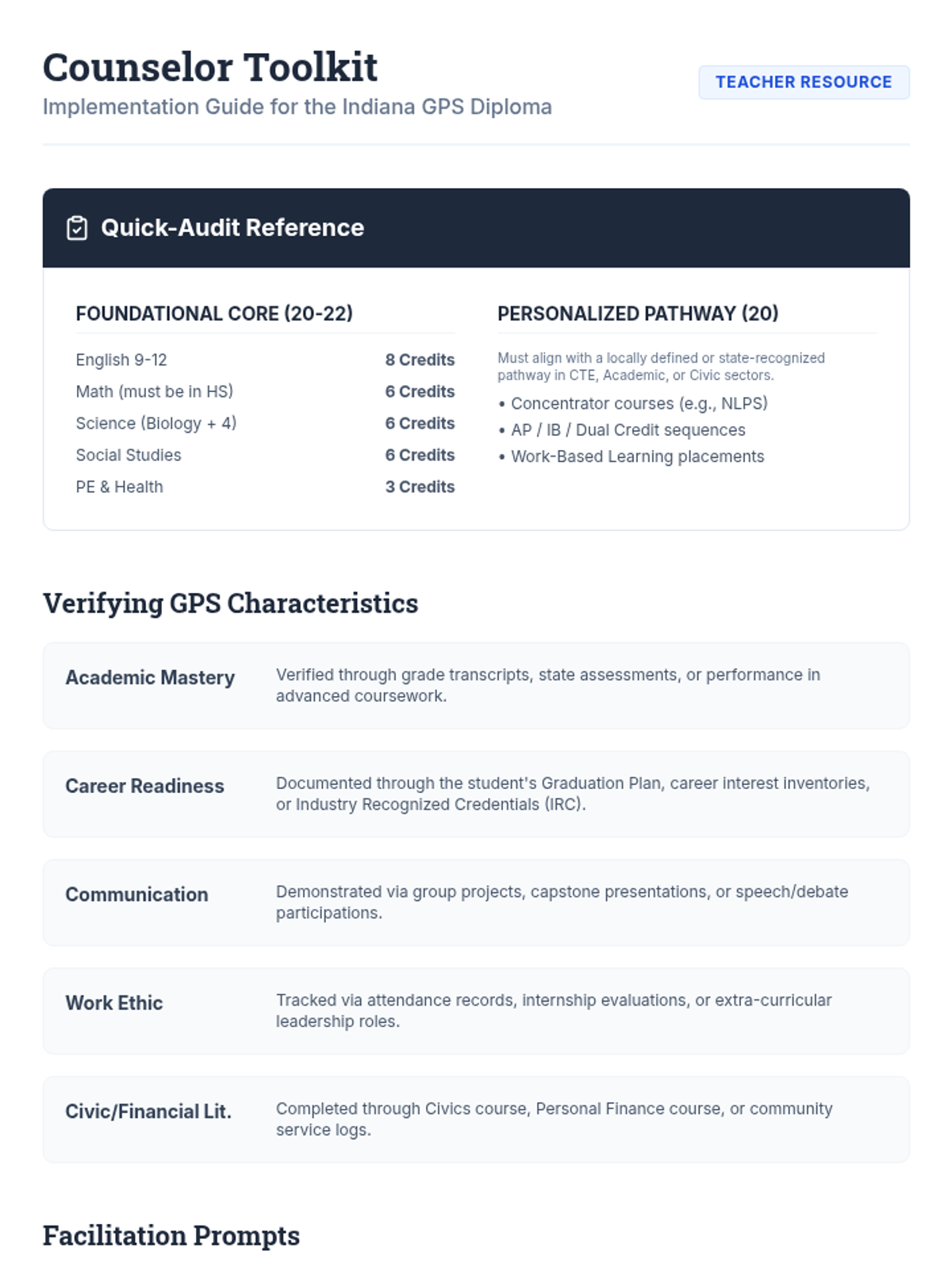
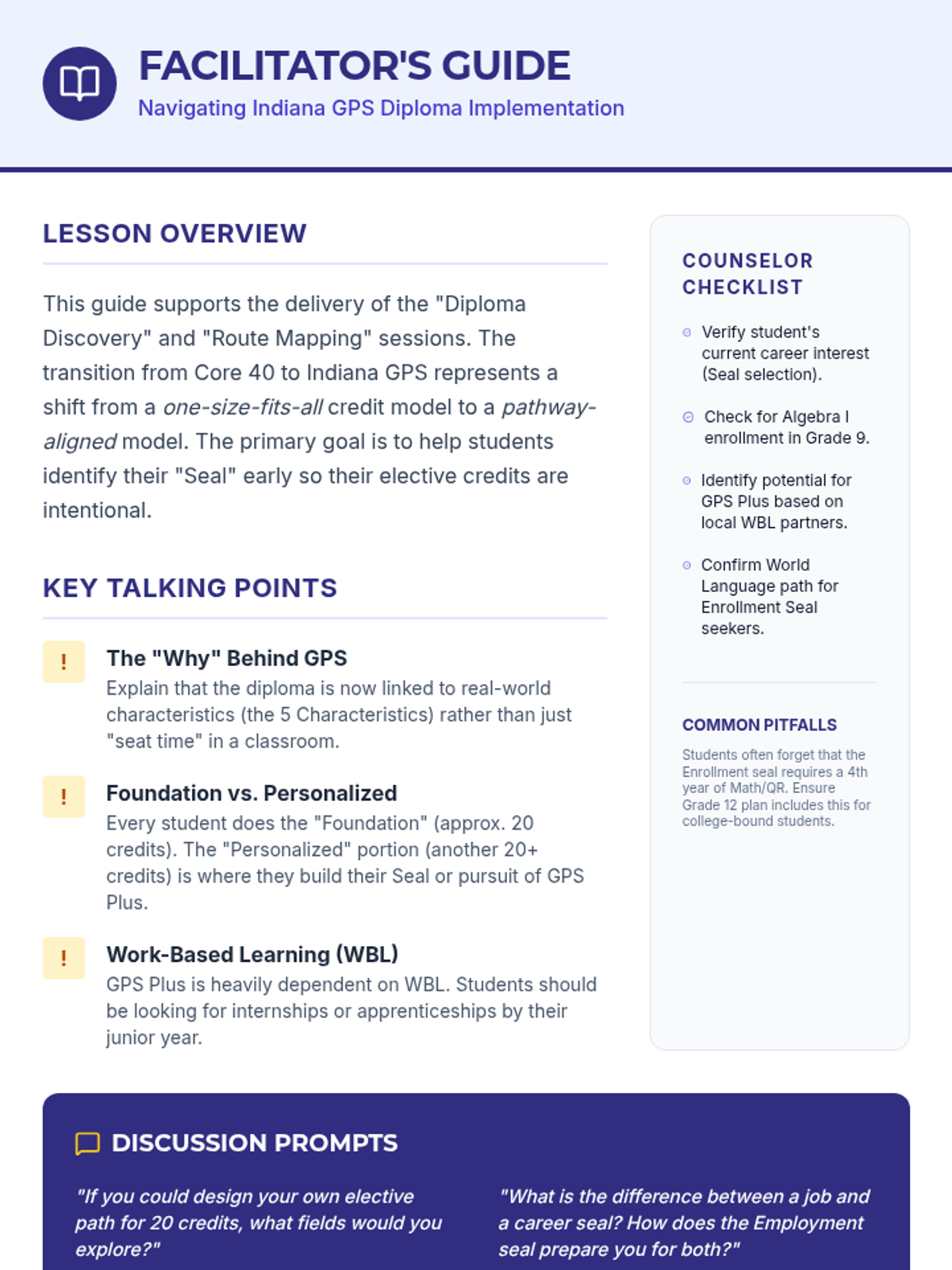
A comprehensive set of tools to help Indiana high school students track their progress toward the new Indiana GPS Diploma, ensuring they meet all credit, competency, and milestone requirements.
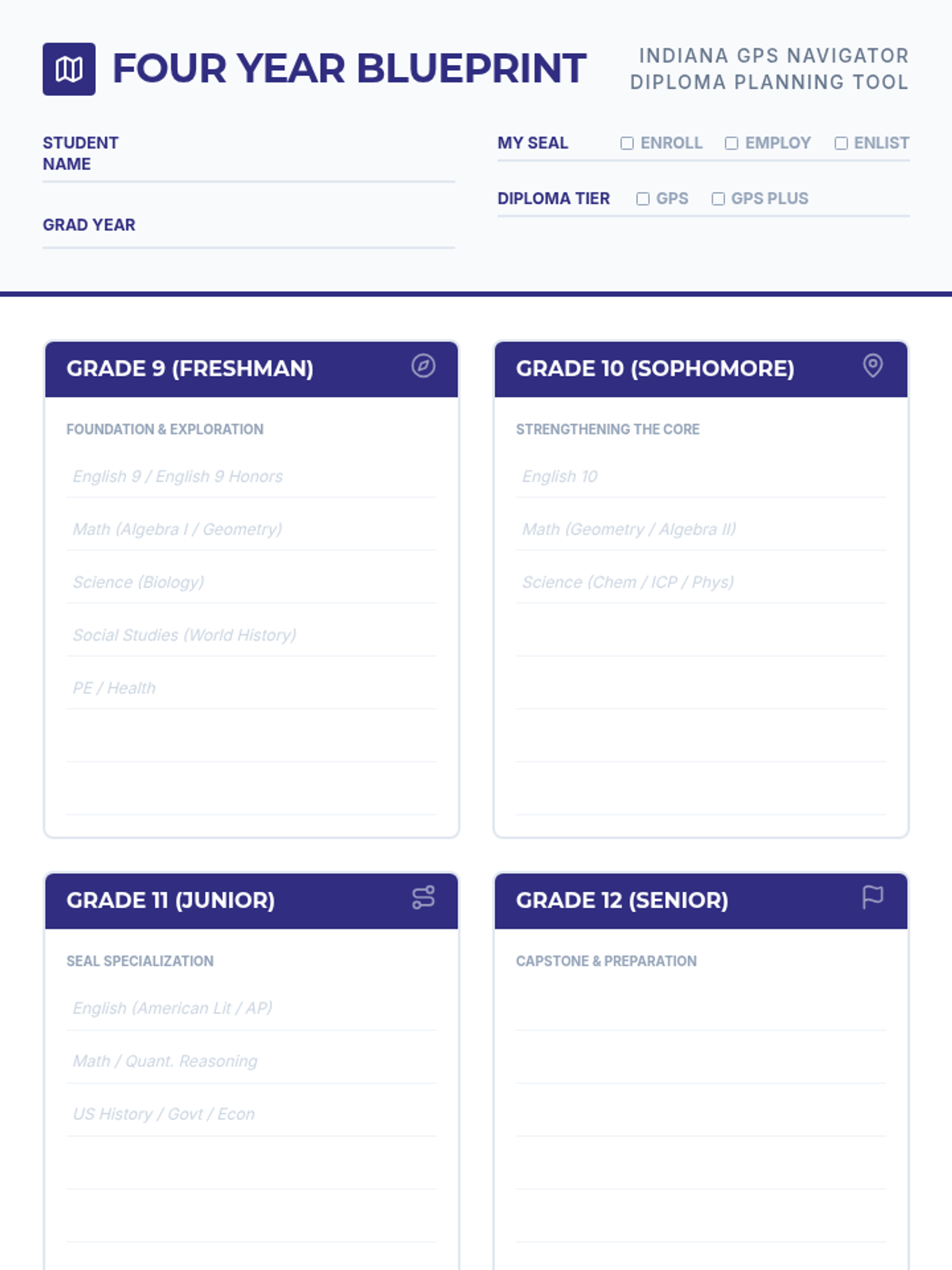
A hands-on planning session where students map out their specific courses from 9th through 12th grade to meet diploma requirements and personal goals.
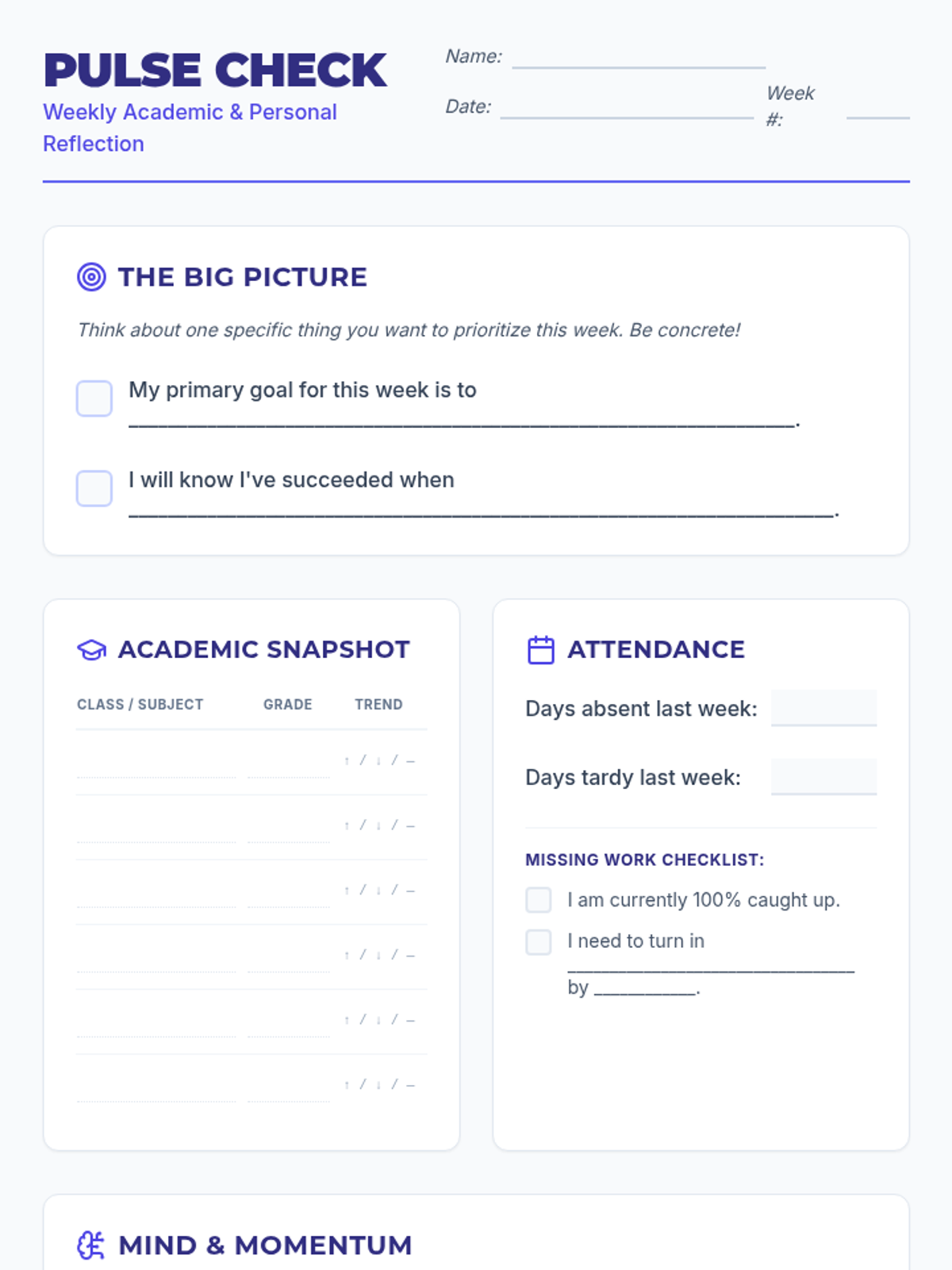
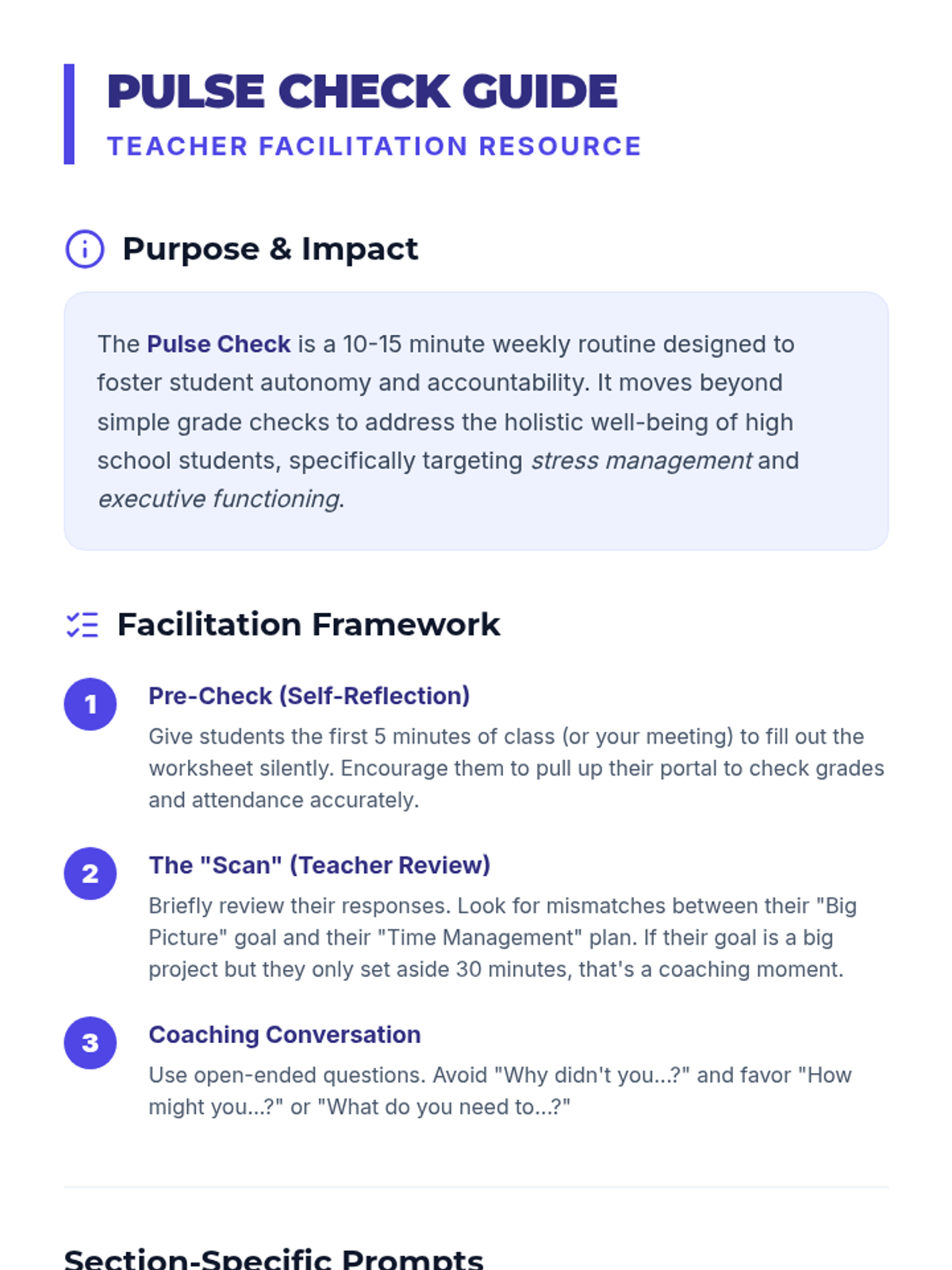
A weekly routine for high school students to monitor their academic progress, attendance, and mental well-being through structured reflection and goal setting.
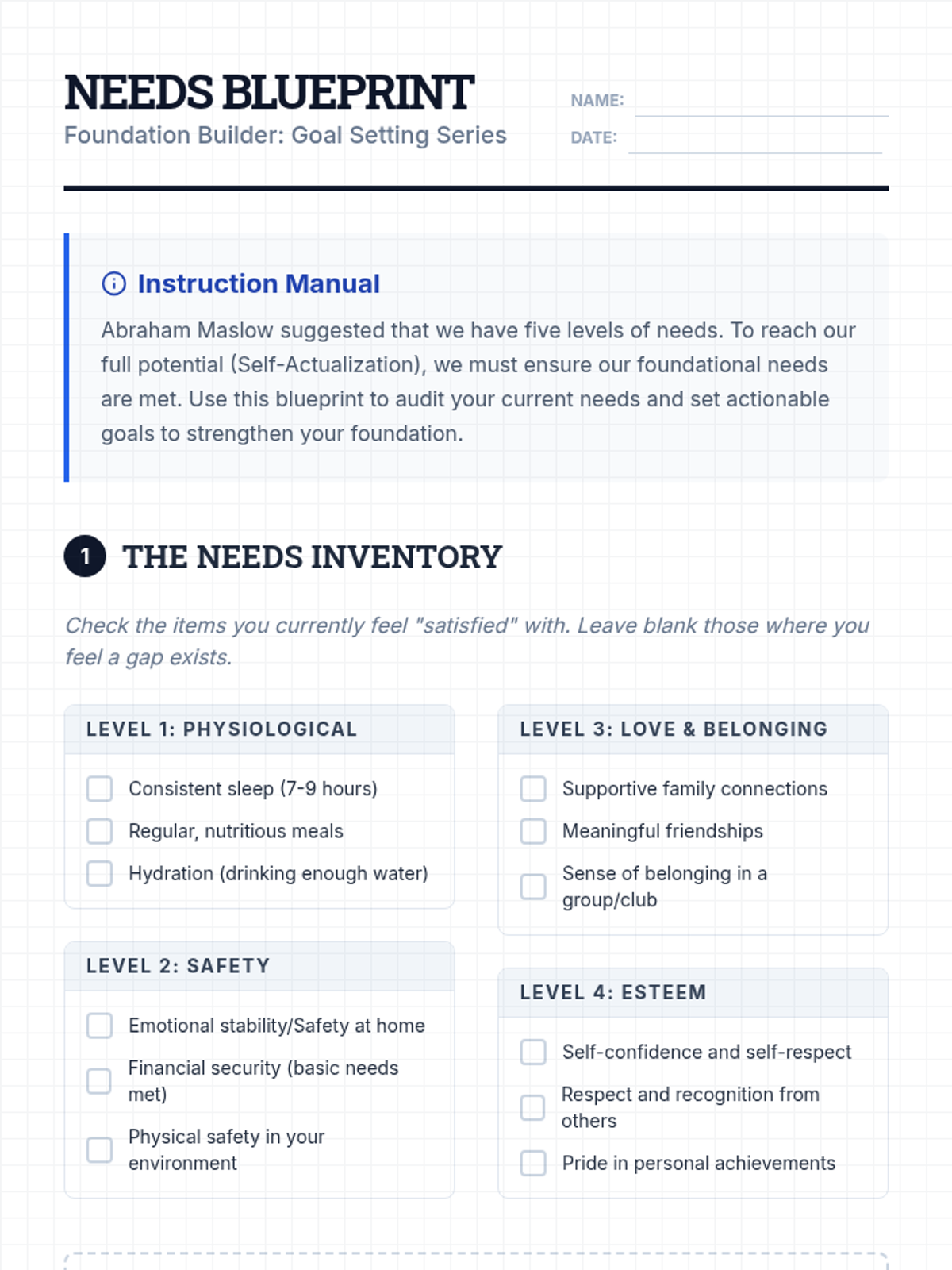
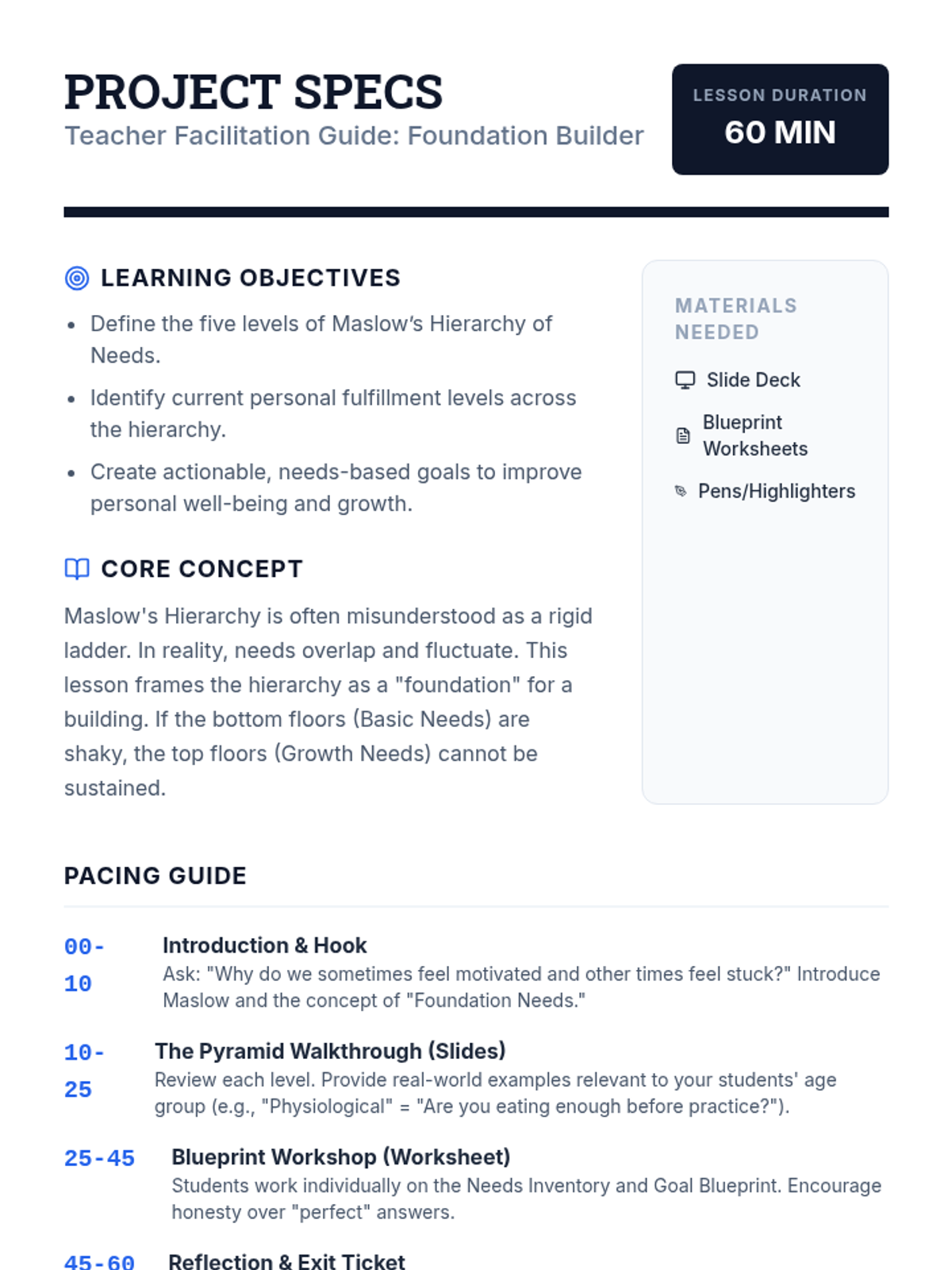
This lesson introduces Maslow's Hierarchy of Needs as a framework for understanding human motivation and setting holistic personal goals. Students will identify their current needs across the hierarchy and develop actionable goals to reach self-actualization.
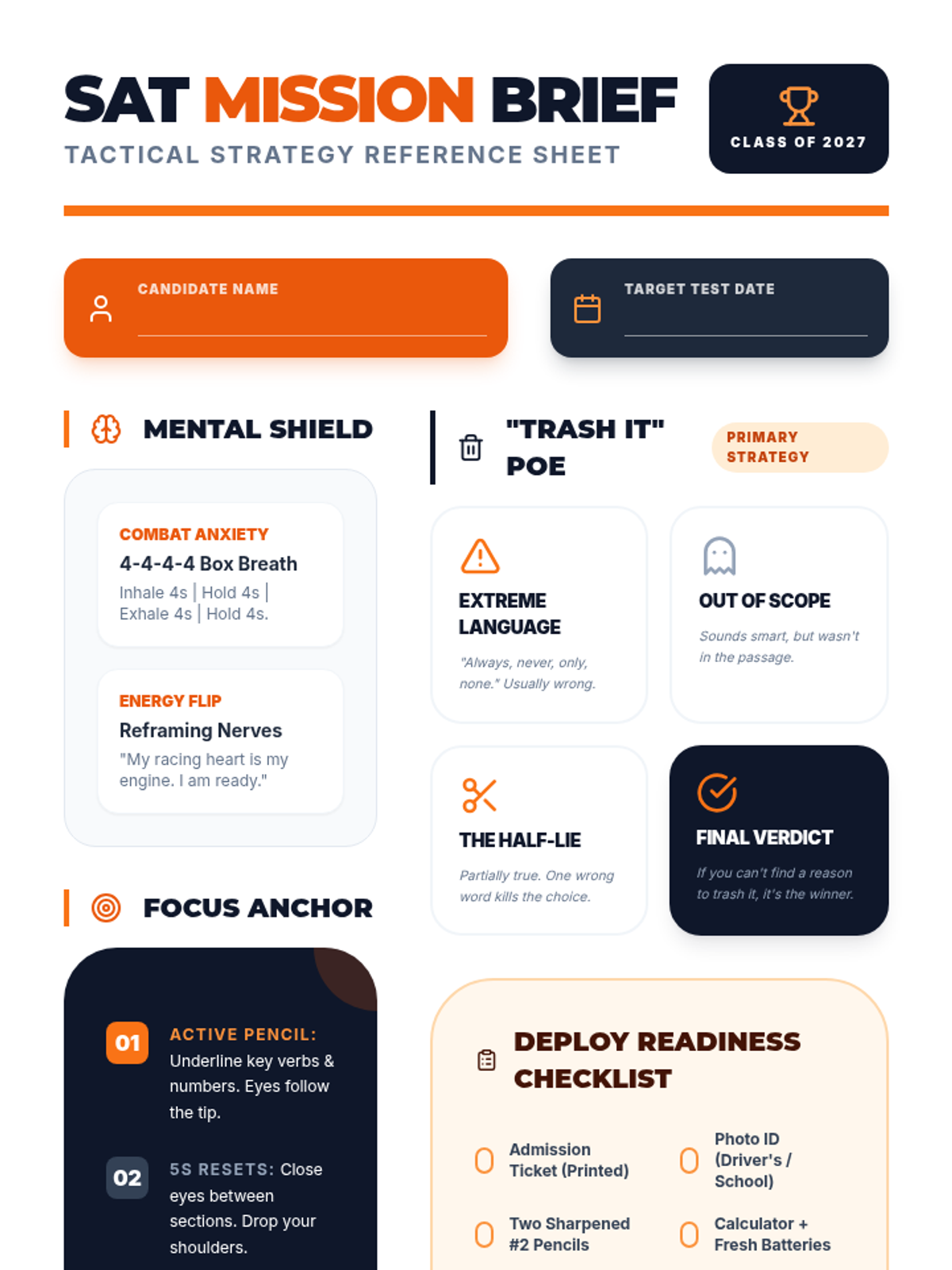
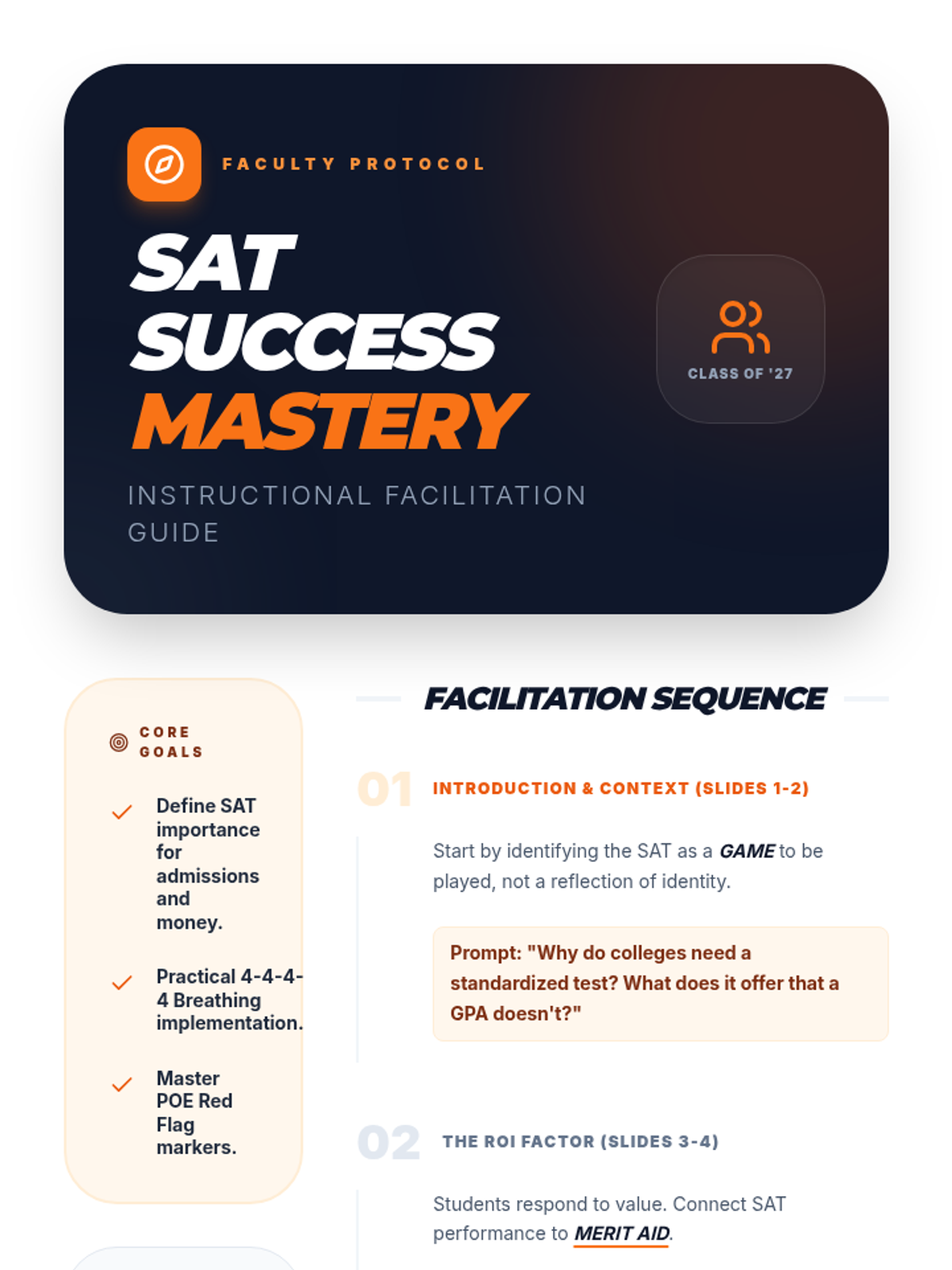
A comprehensive introduction to the SAT, covering its significance in the college application process and essential strategies for peak performance.