An engaging lesson designed to cultivate empathy in 2nd graders through storytelling, role-playing, and guided discussions. Students learn to recognize emotions and understand different perspectives to build social awareness and compassion.
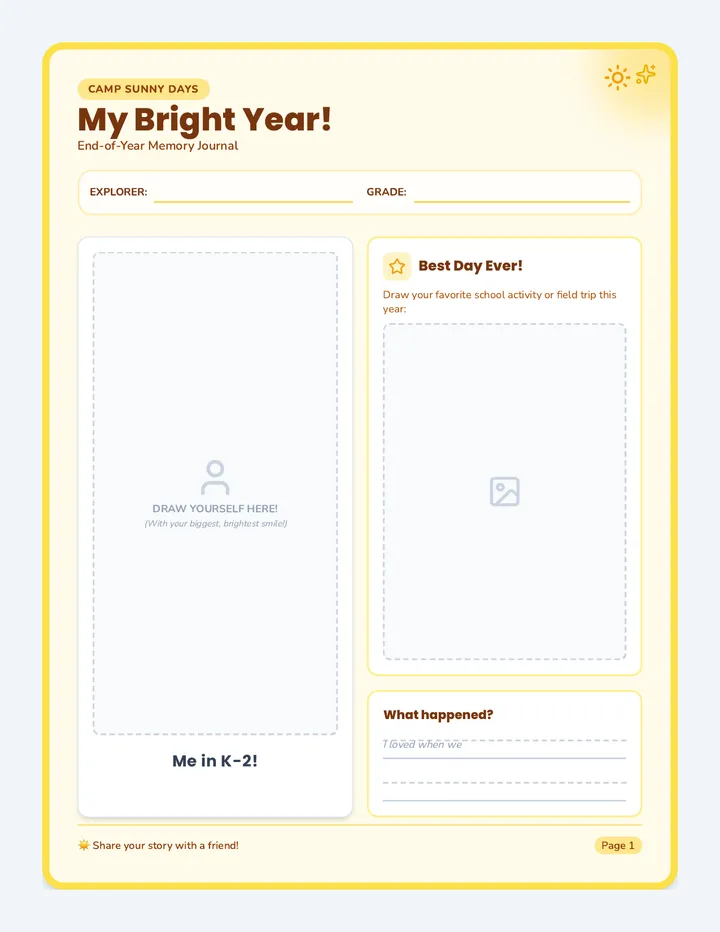
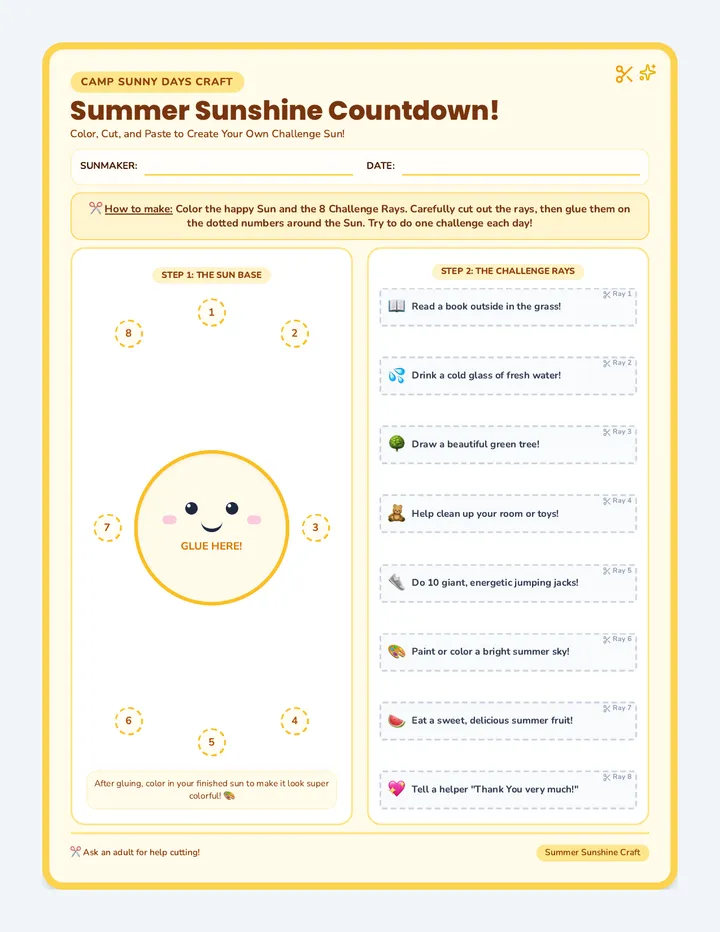
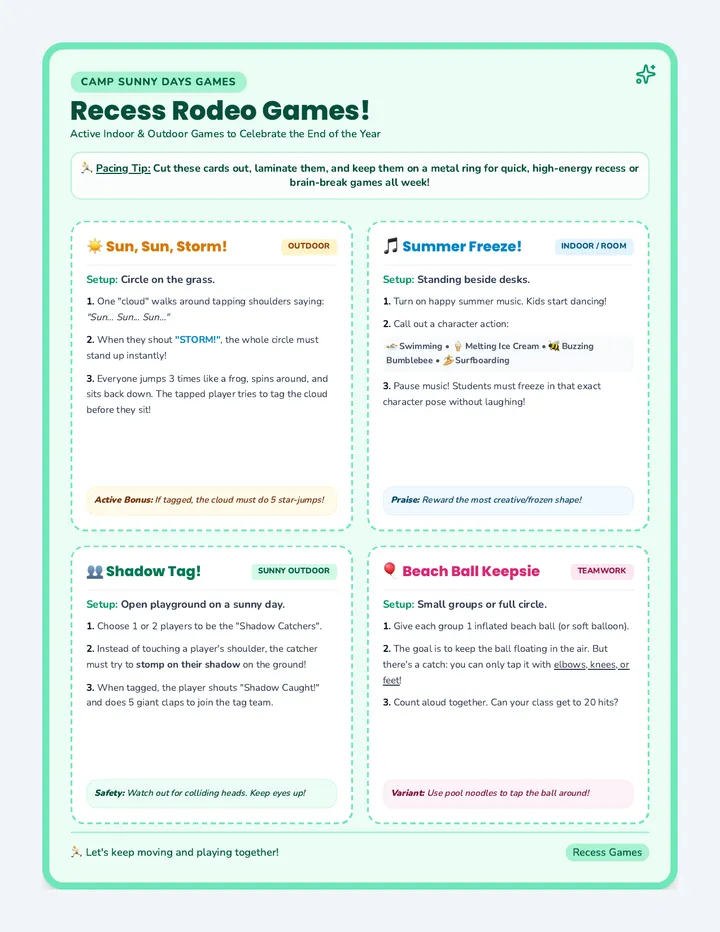
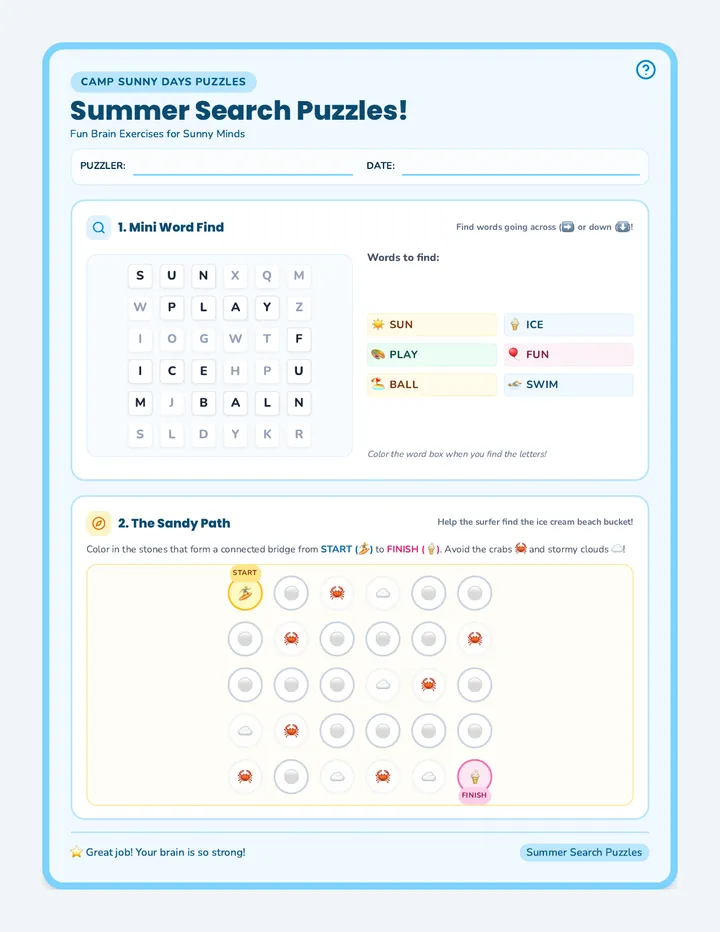
A lively and heartwarming collection of K-2 end-of-year resources featuring a drawing-heavy memory book, a cut-and-paste summer countdown craft, active outdoor and indoor games, and simple thematic puzzles.
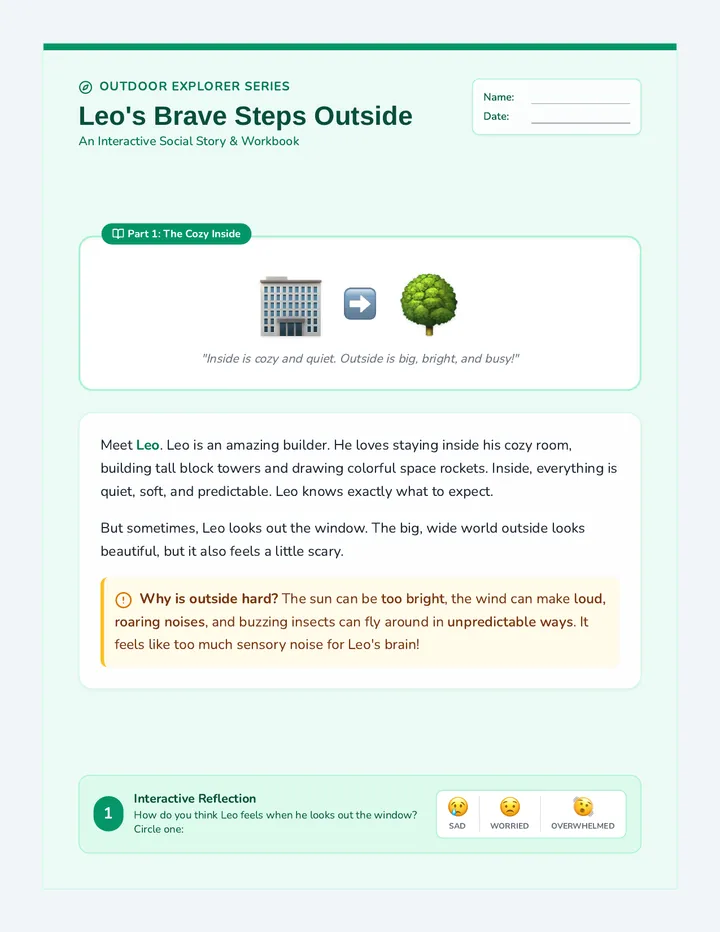
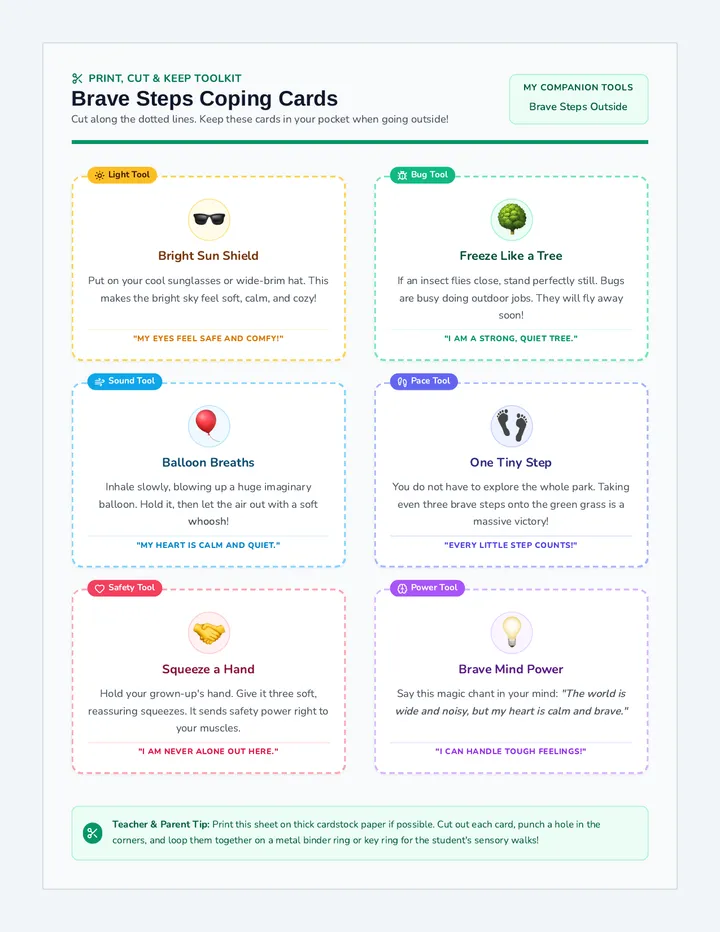
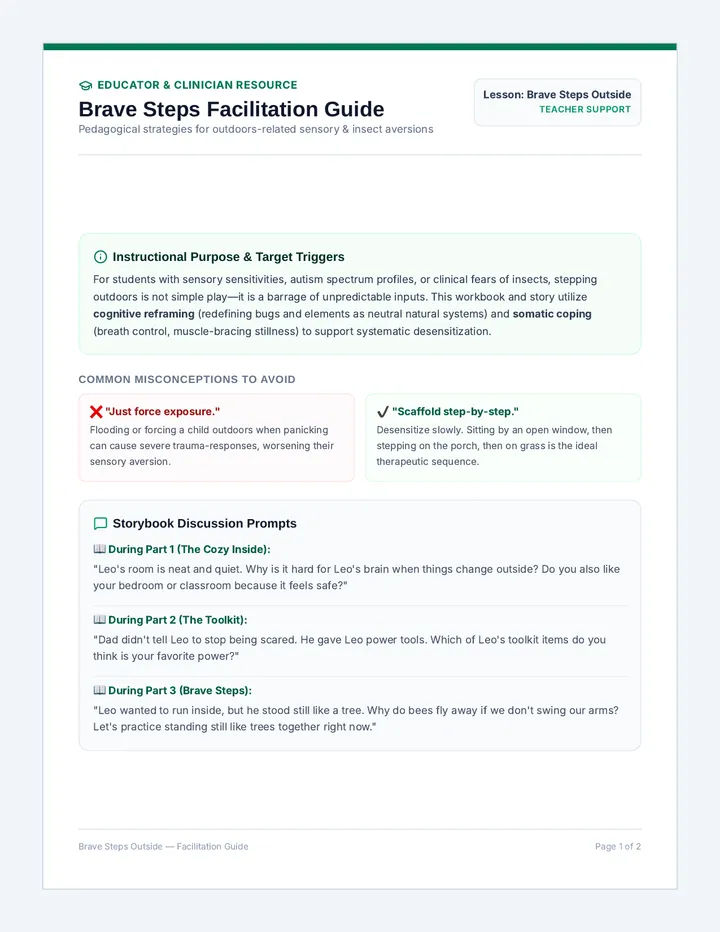
A comprehensive social emotional learning lesson designed to help children navigate fears of the outdoors, specifically focusing on sensory overload (loud noises, bright lights, weather) and unpredictable insects. Includes an interactive social story workbook, visual coping cards, and a teacher support guide.
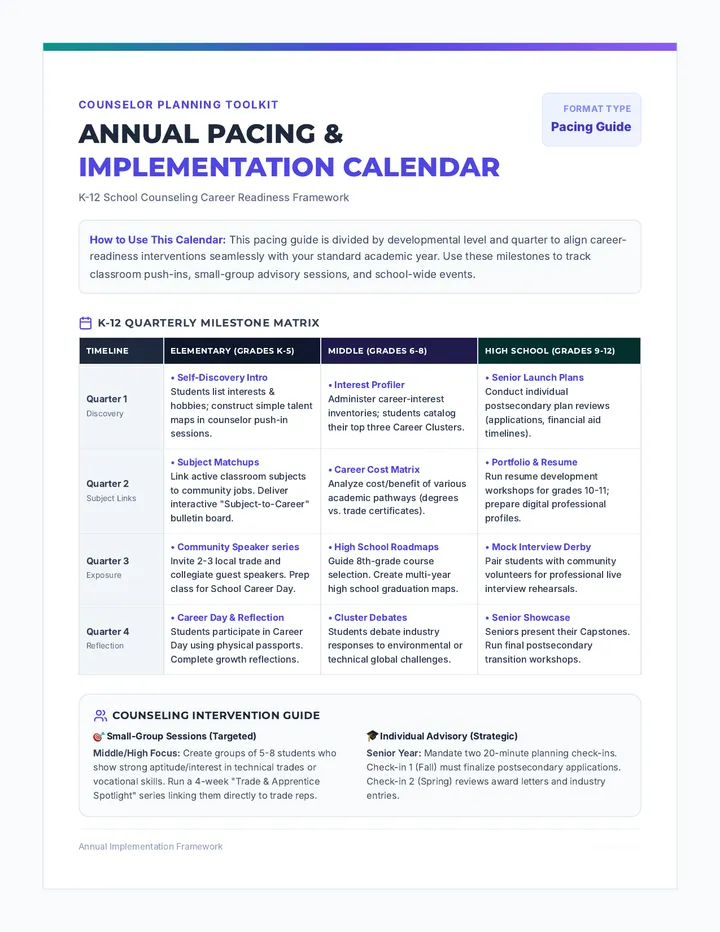
Actionable planning resources, school-wide career day guides, and implementation templates for school counselors to deploy career readiness curricula.
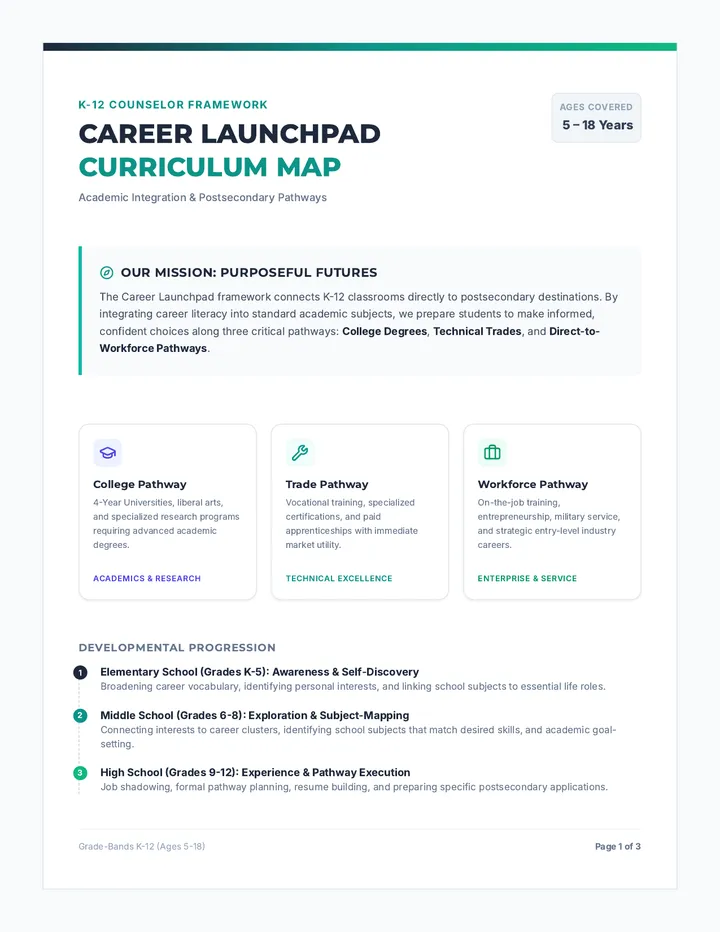
High-level scope, sequence, and developmental milestones for elementary, middle, and high school career exploration. This framework links classroom subjects to real-world college, trade, and workforce pathways.
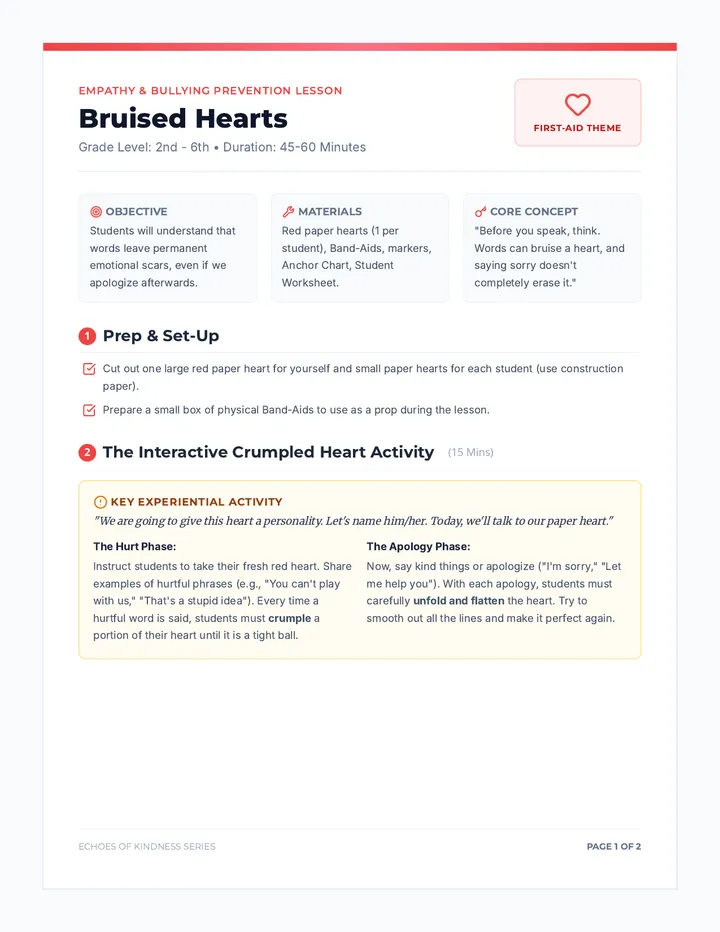
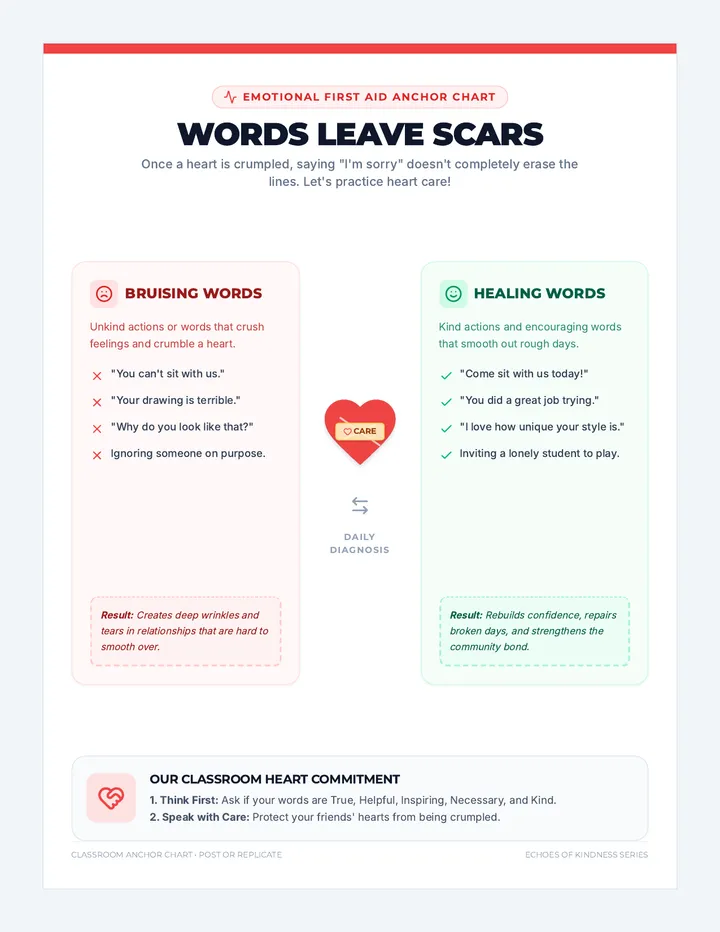
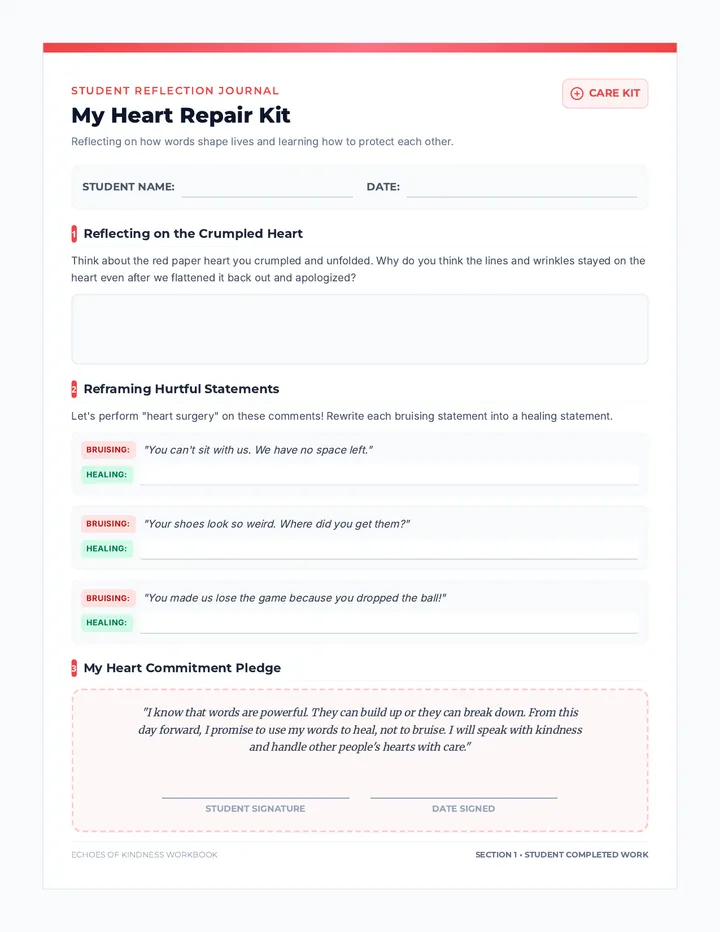
A powerful kindness and bullying prevention lesson exploring how hurtful words affect others and how we can repair hearts. Students engage in a paper-heart crumbling activity to visually understand the lasting impact of unkindness.
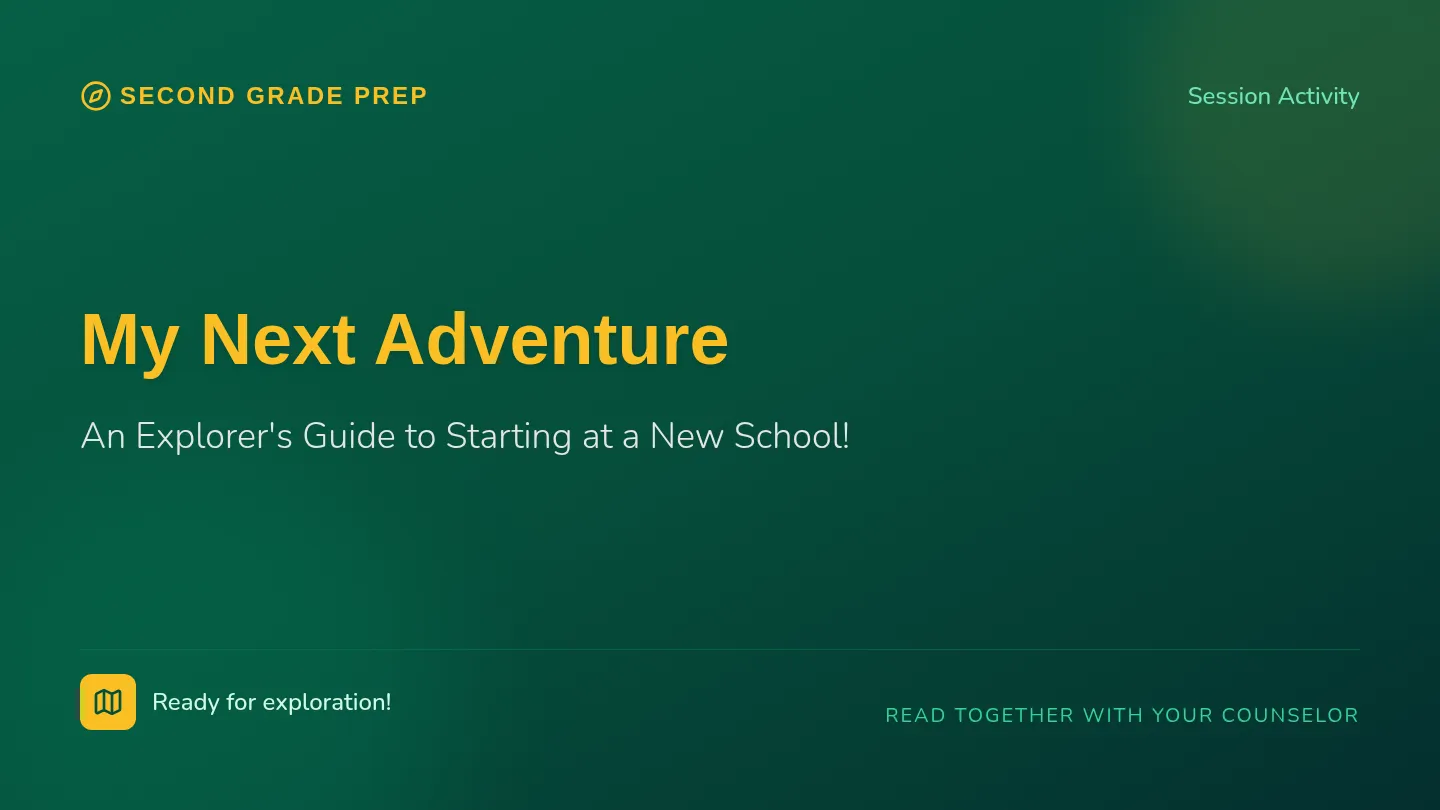
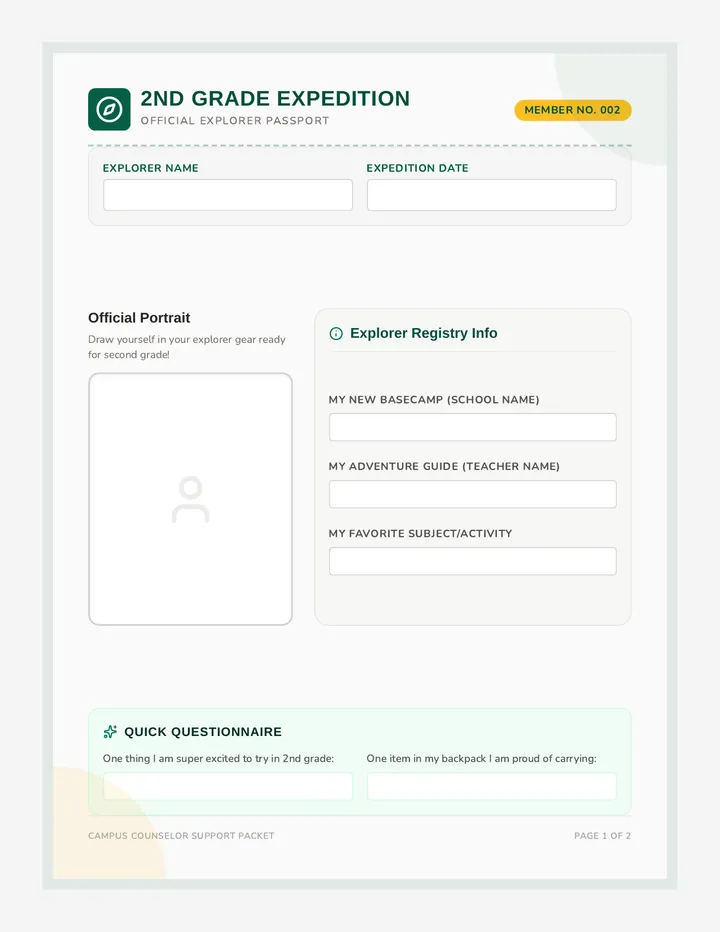
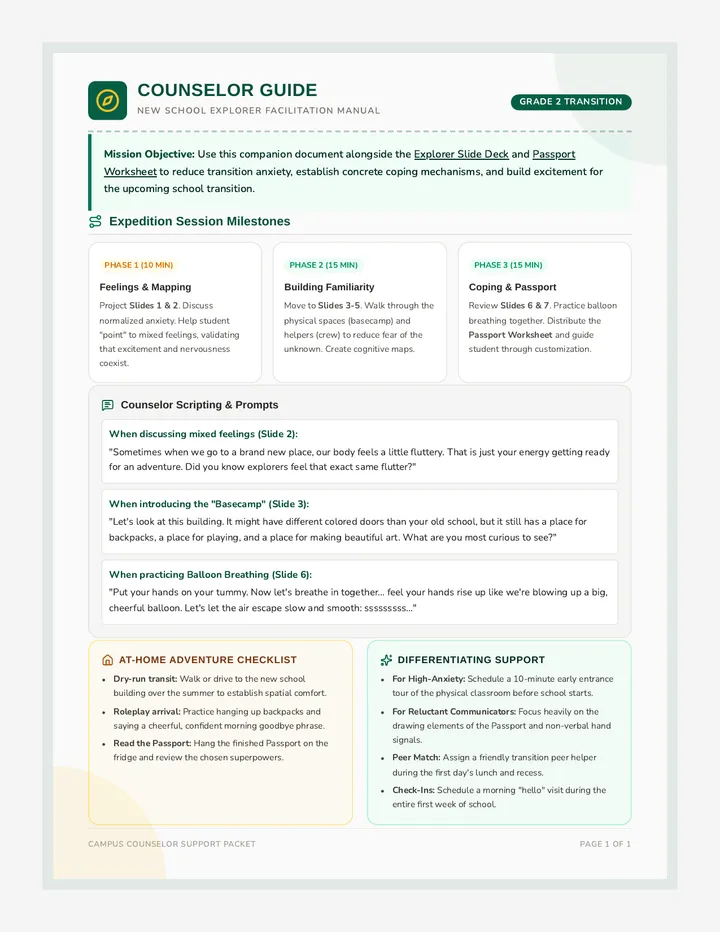
A transition support unit designed for rising 2nd graders entering a new school. Includes a social story presentation, a personal passport worksheet, and a counselor guidance document.
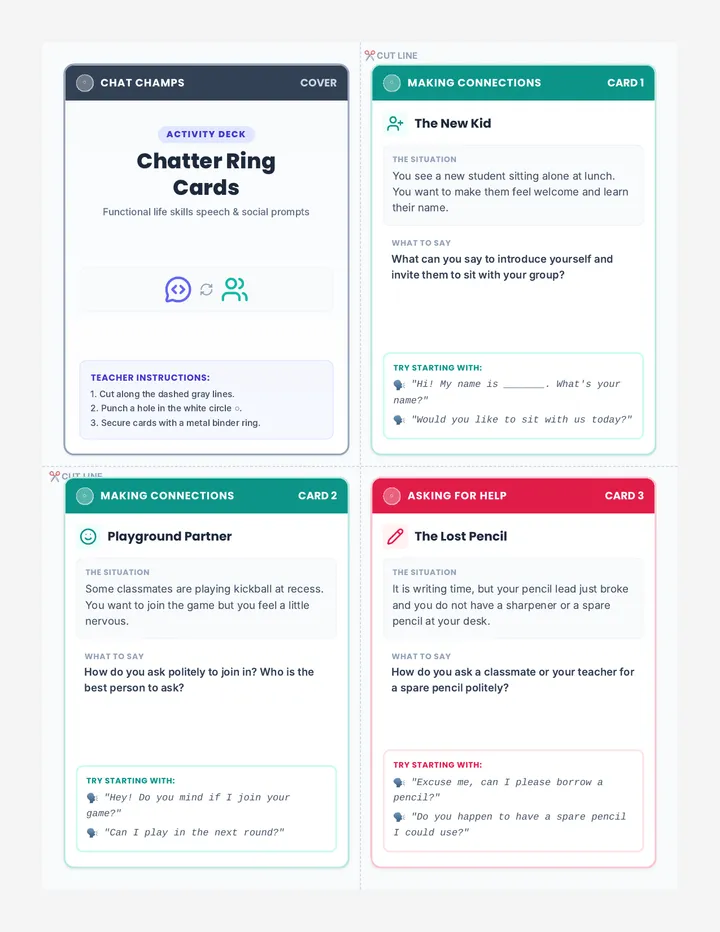
A lesson focused on equipping elementary students with functional verbal communication skills for everyday real-world interactions. Students practice through guided peer discussions, roleplays, and task cards.
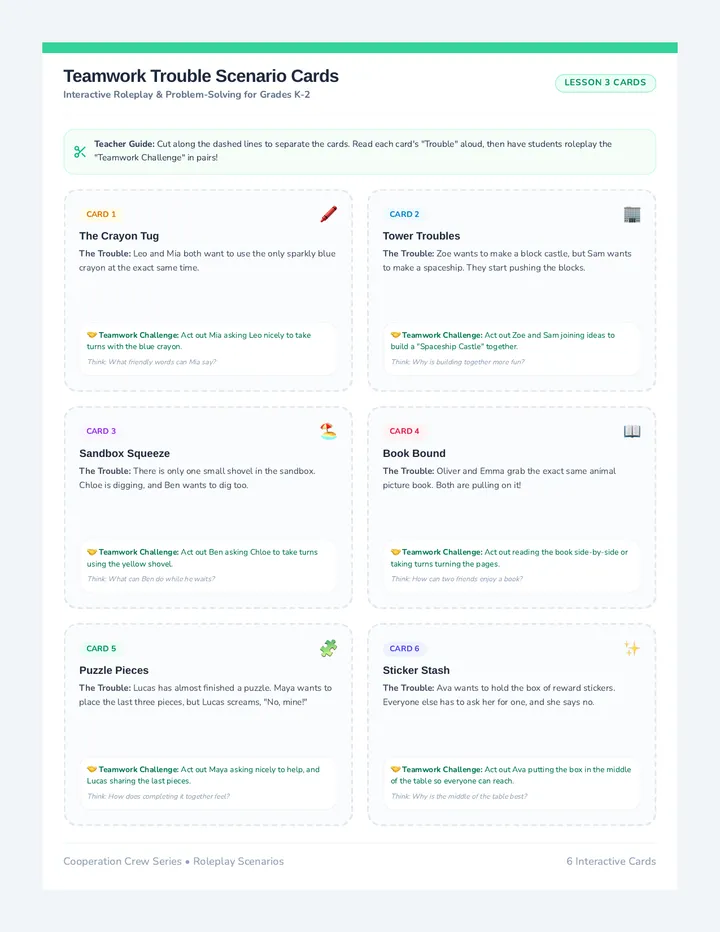
Day 3 focuses on cooperative group work to solve dilemmas, acting out teamwork scenarios, and completing the visual post-test to evaluate progress.
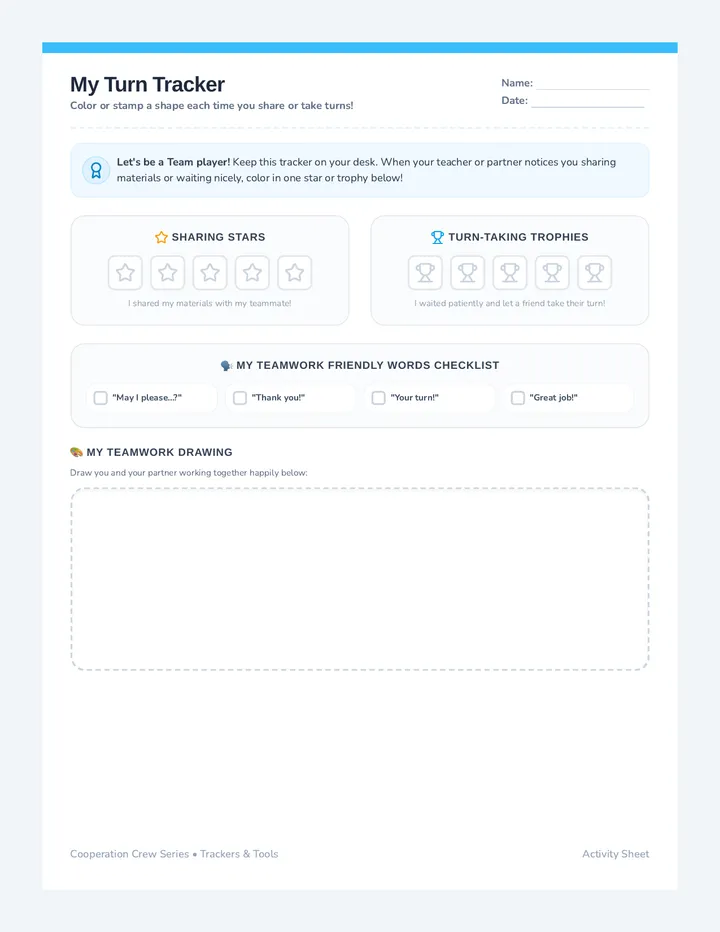
Day 2 emphasizes structured turn-taking, active waiting strategies, and practicing self-regulation with a physical tracker during small-group play.
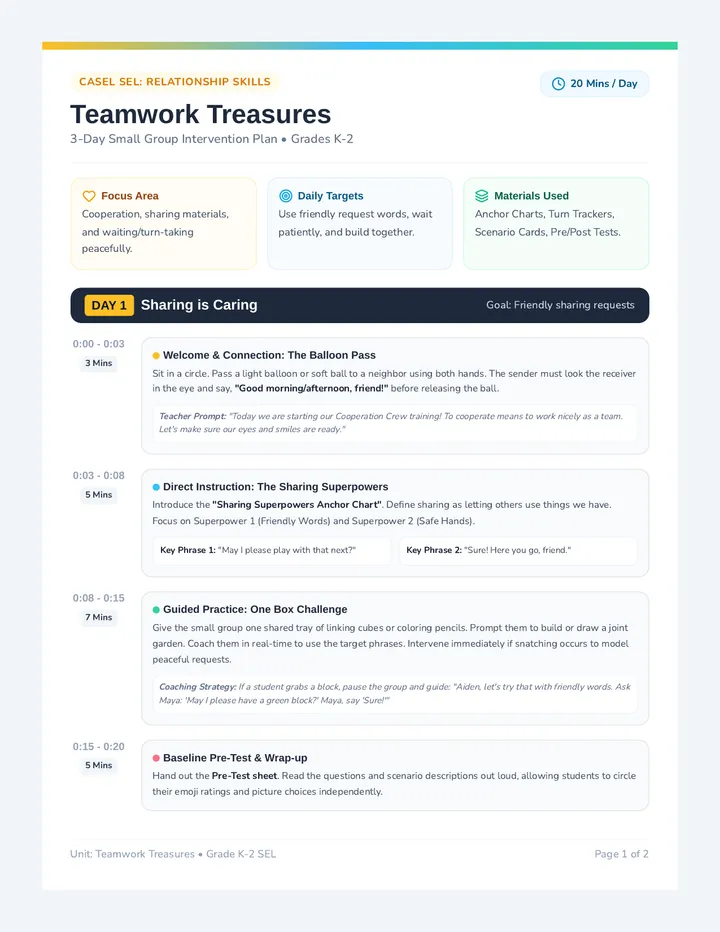
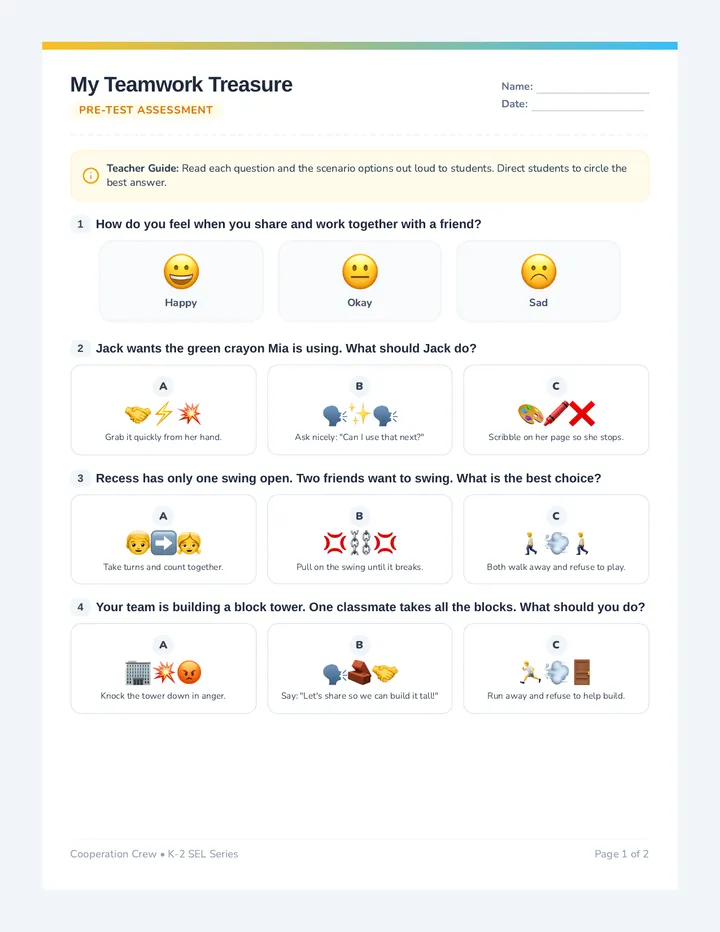
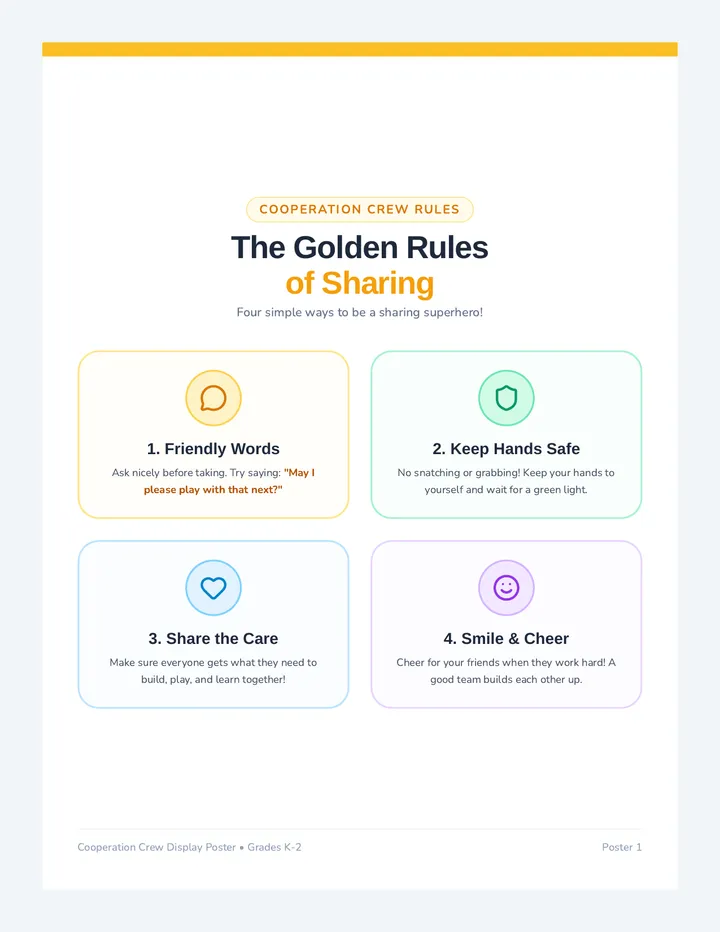
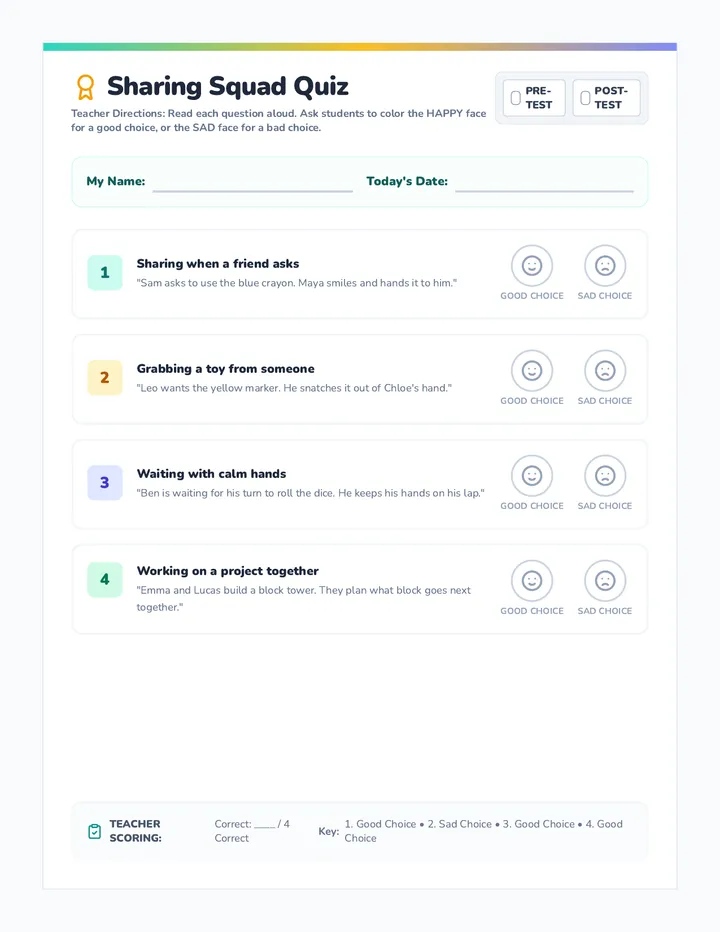
Day 1 focuses on the golden rules of sharing materials, using friendly request phrases, and administering the baseline visual pre-test.
Day 3 of the Sharing Squad small-group intervention. Students combine their sharing and turn-taking skills to complete a collaborative puzzle drawing peacefully, followed by a graduation ceremony.
Day 2 of the Sharing Squad small-group intervention. Students focus on the concept of wait time and turn-taking through interactive games and a physical "Turn Tracker" token activity.
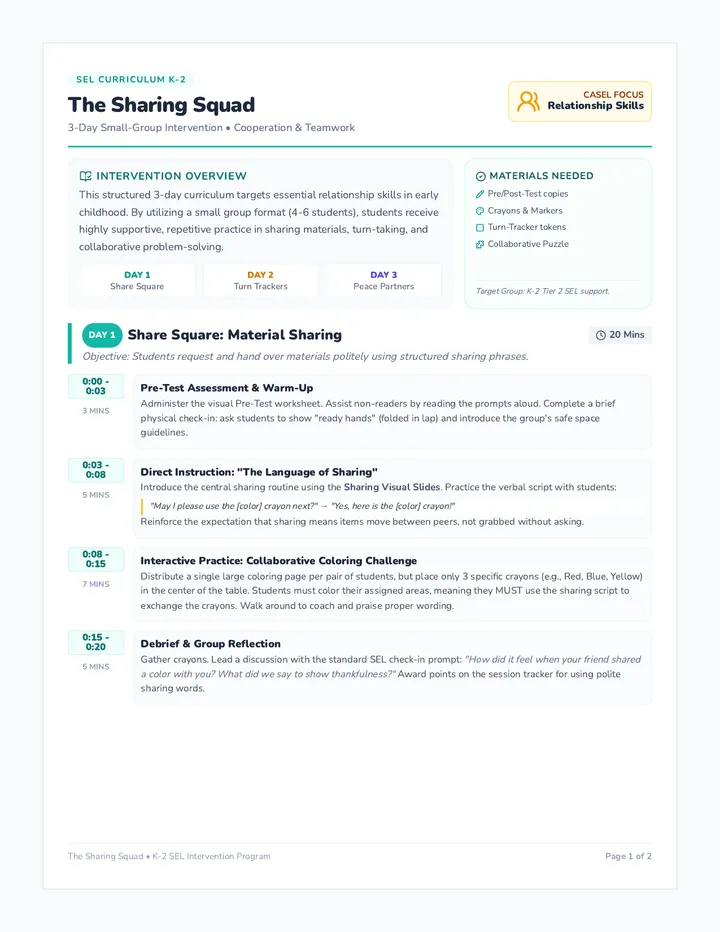
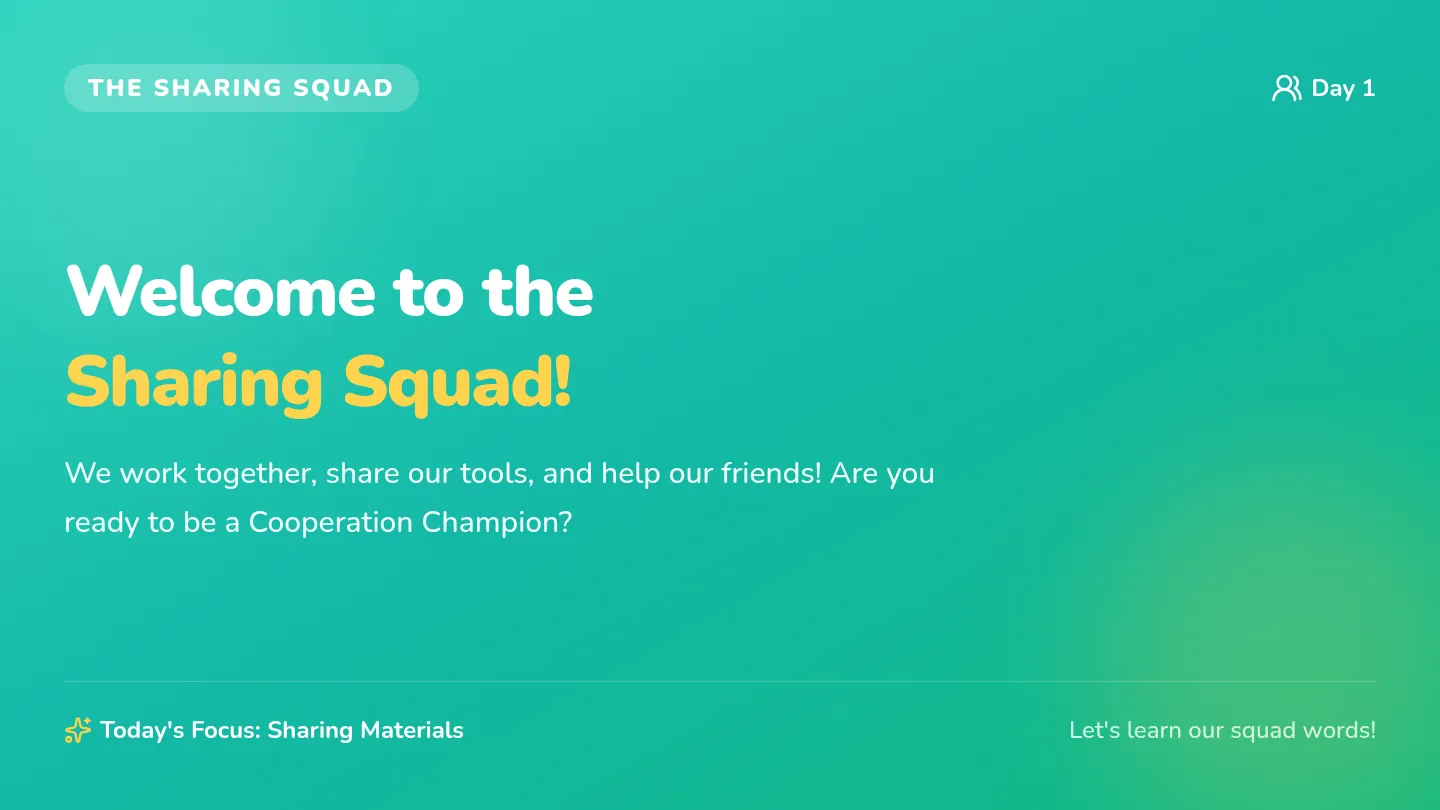
Day 1 of the Sharing Squad small-group intervention. Students learn the importance of sharing art materials, practice key sharing phrases, and complete a collaborative coloring challenge.
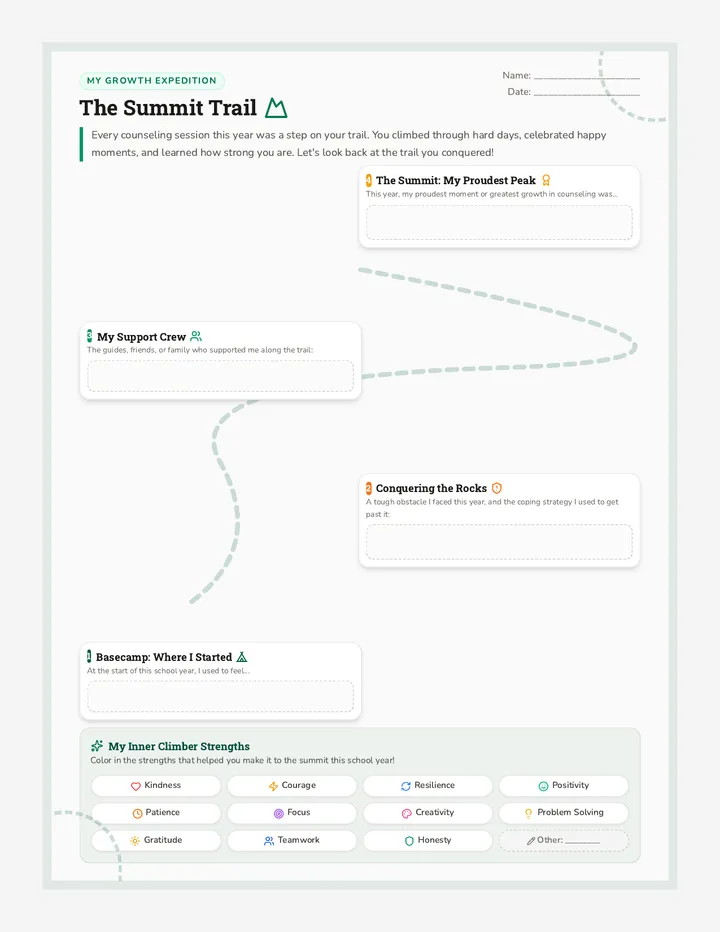
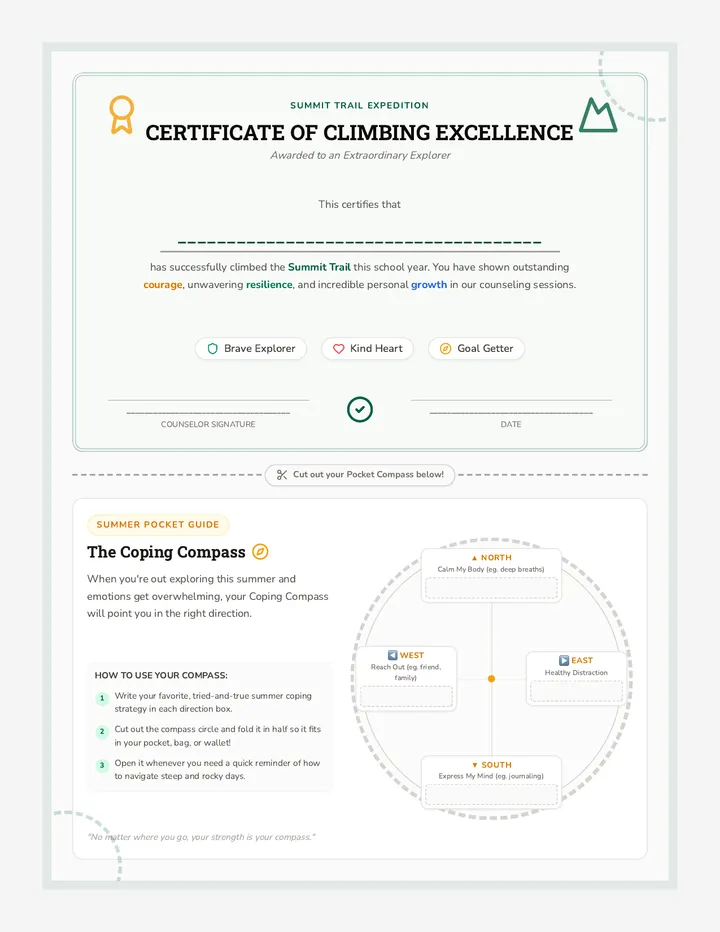
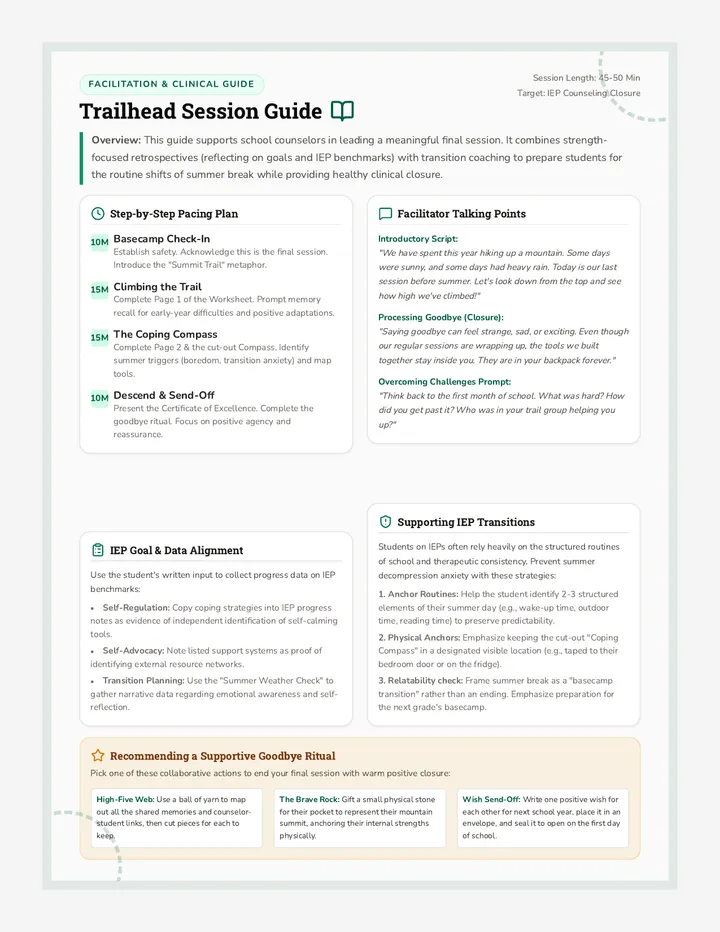
A supportive, mountain-trail-themed final counseling session designed for students on IEPs to celebrate their personal growth, develop summer coping strategies, set future goals, and process closure with their counselor.
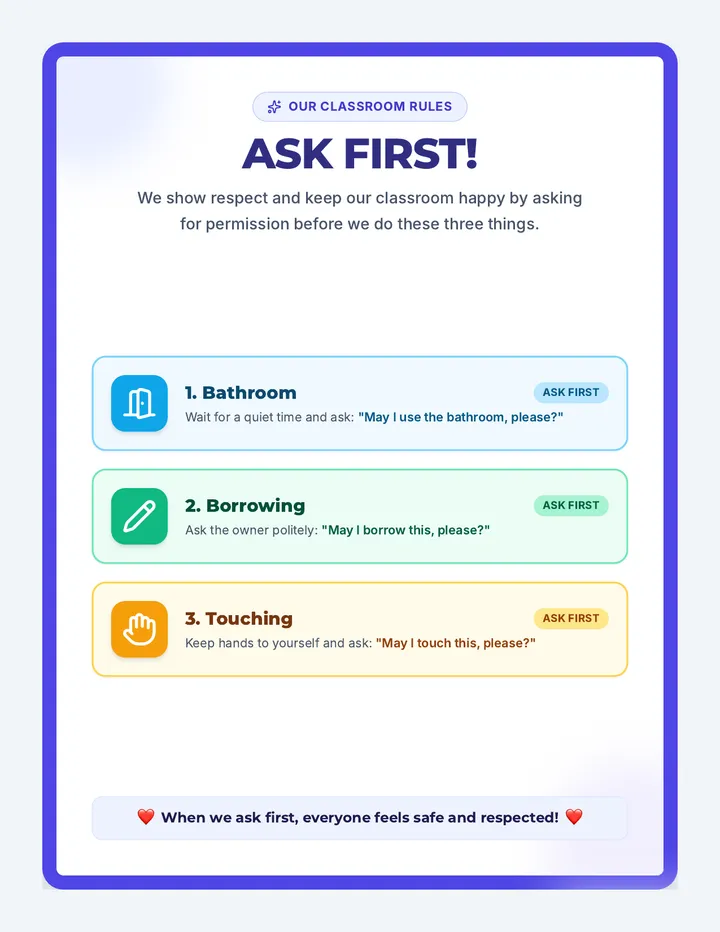
A collection of visual guides and posters to teach and remind elementary students how and when to ask for permission for daily routines.
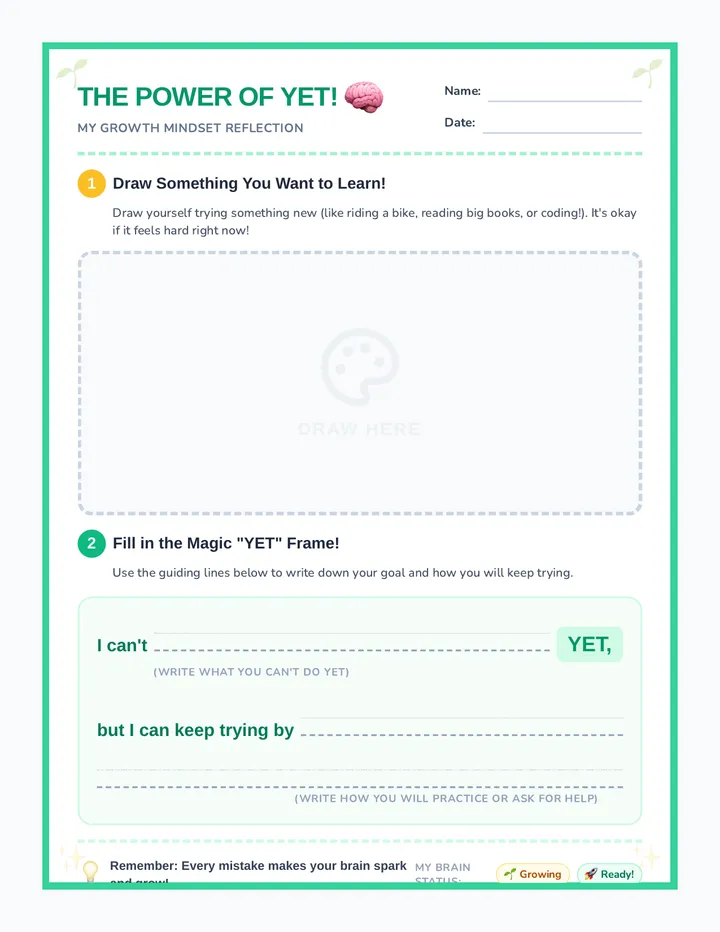
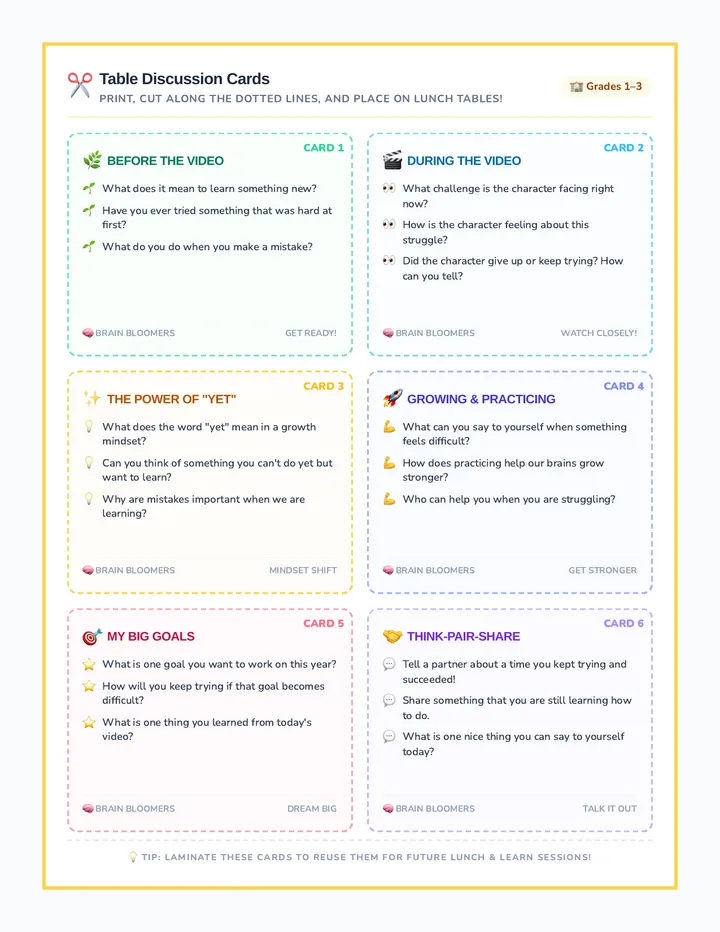
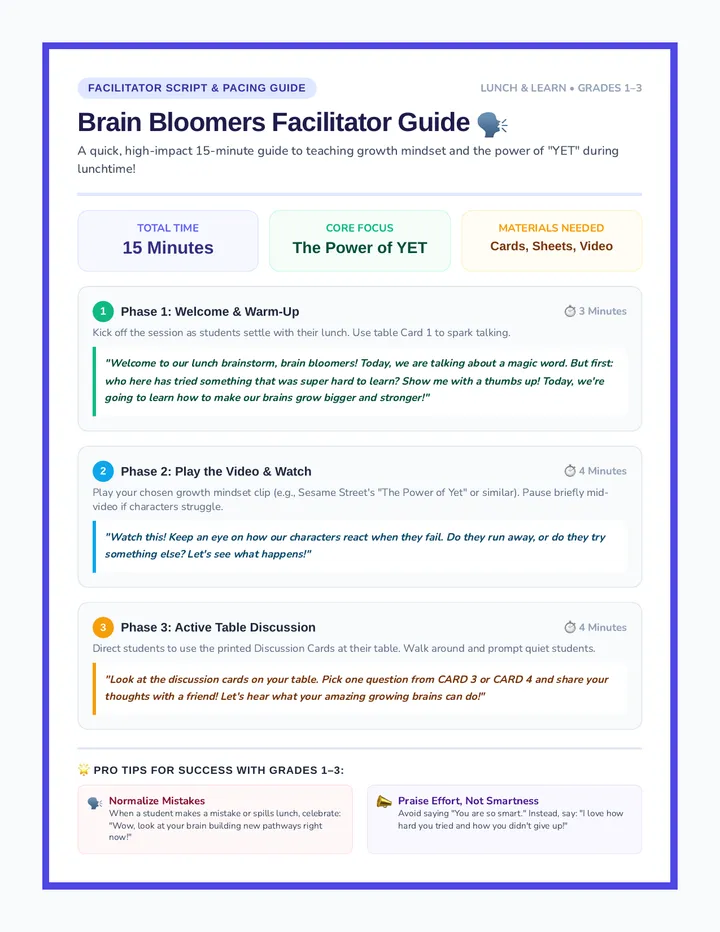
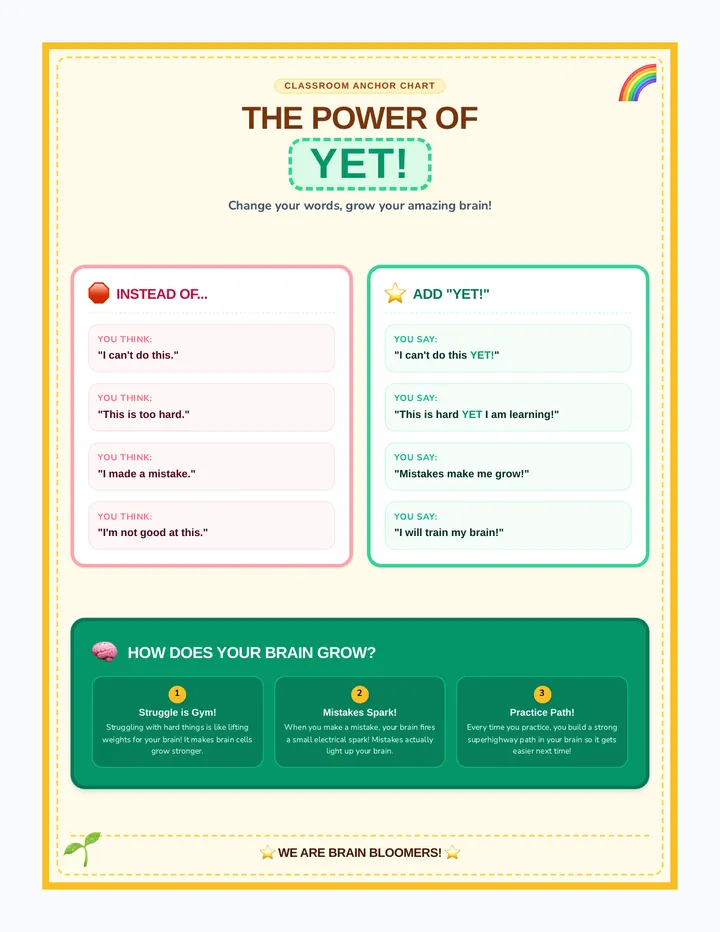
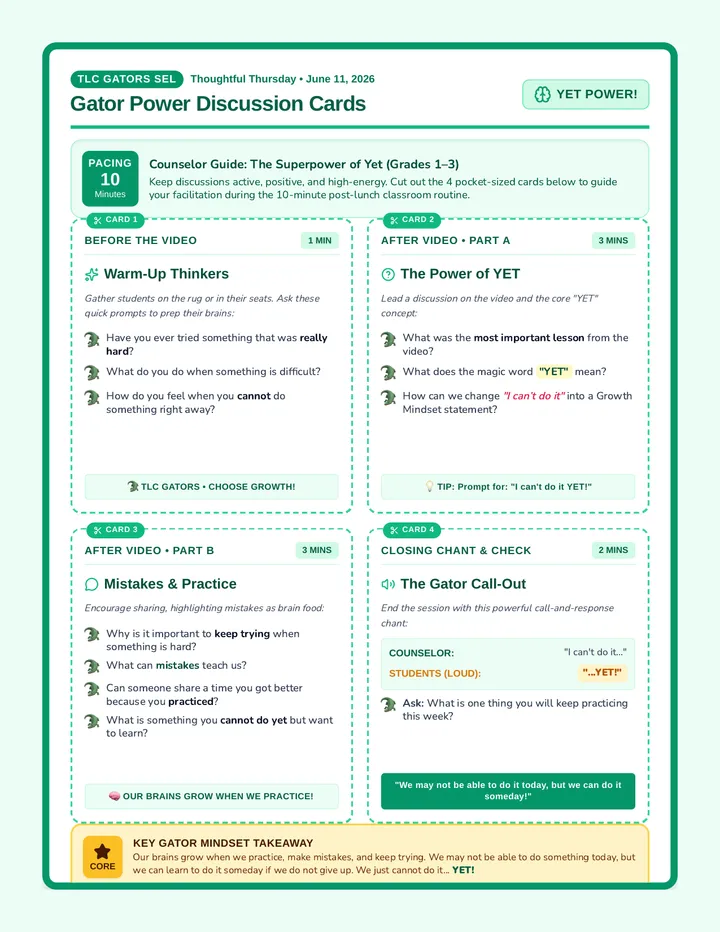
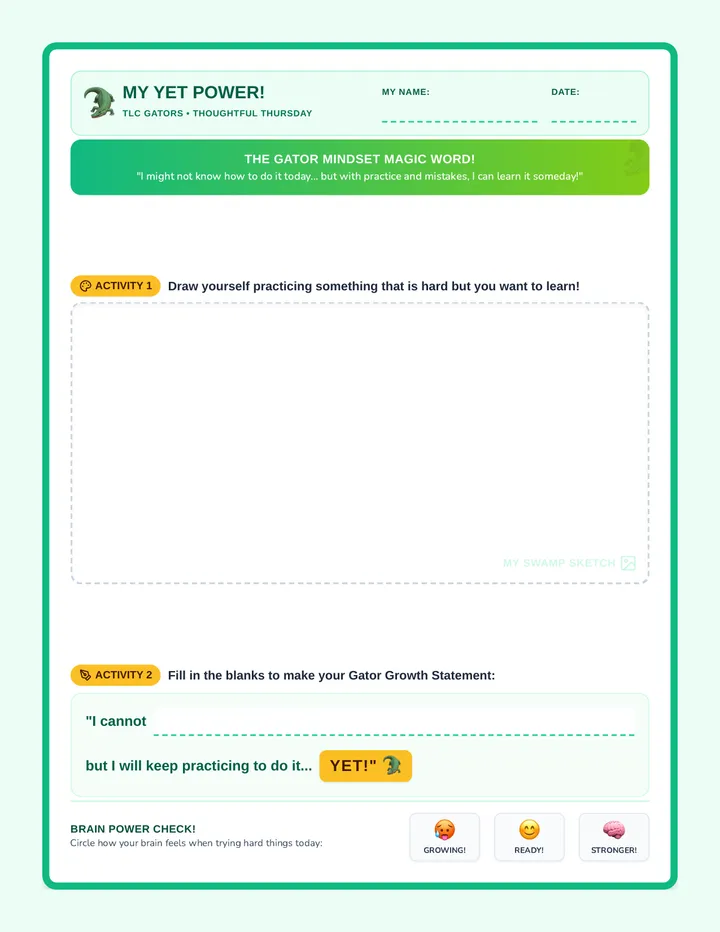
A highly interactive Lunch & Learn lesson for 1st-3rd graders focusing on growth mindset and 'The Power of Yet'. Includes a student worksheet, printable table discussion cards, a facilitator script, and a colorful classroom anchor chart.
A quick, high-impact SEL lesson designed for Grades 1–3 to introduce the concept of a growth mindset through the 'Superpower of Yet' using the TLC Gators school mascot.
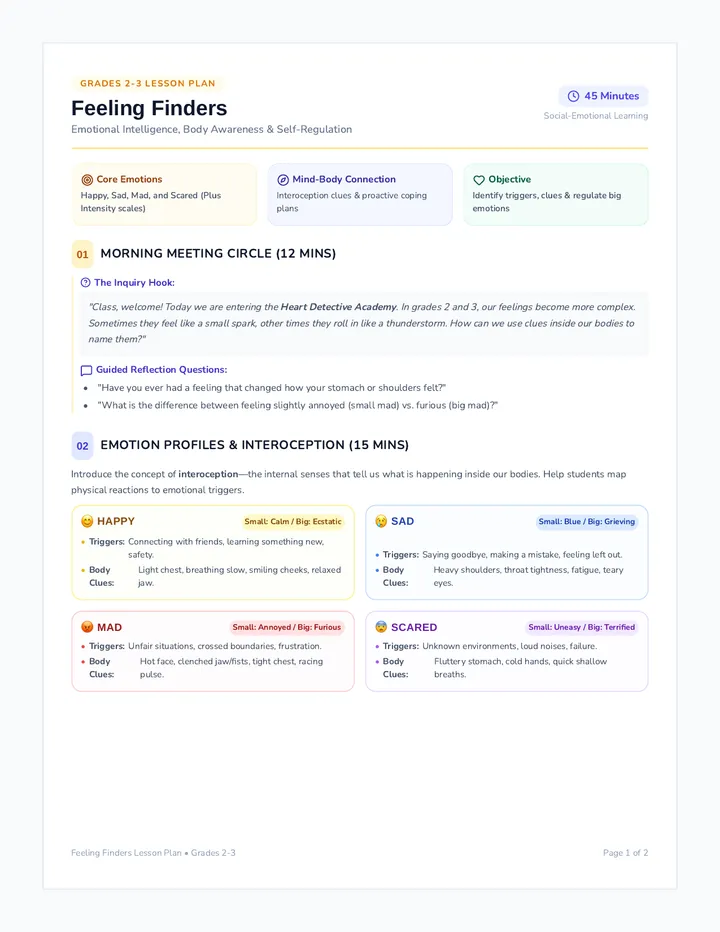
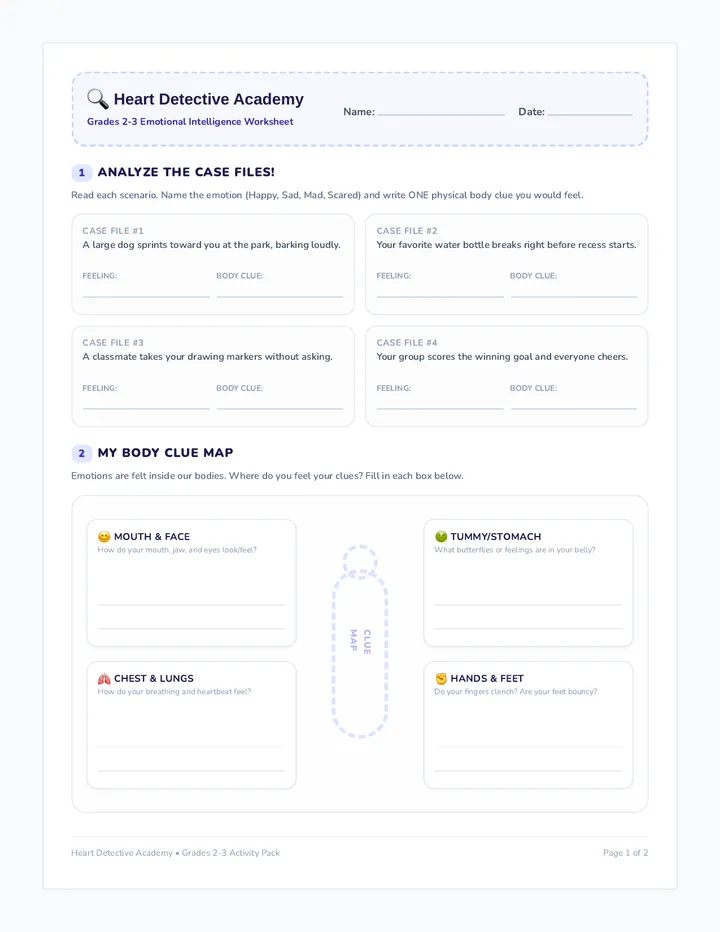
A nurturing and interactive social-emotional learning lesson for grades 2-3 designed to help students identify happy, sad, mad, and scared feelings. It focuses on physical body clues, facial expressions, and written reflection on coping strategies and self-regulation.
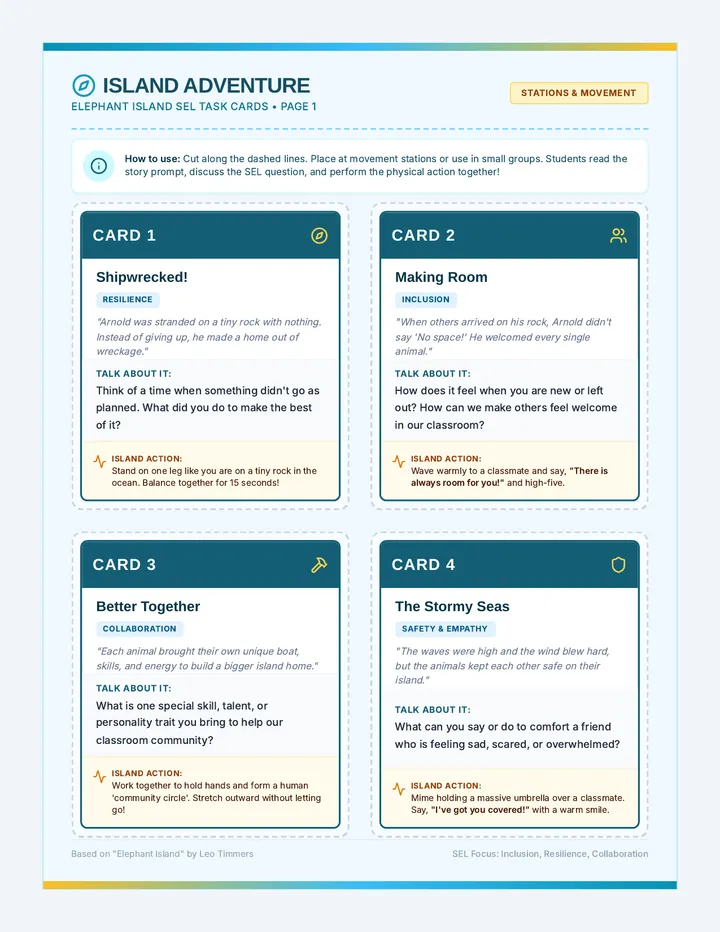
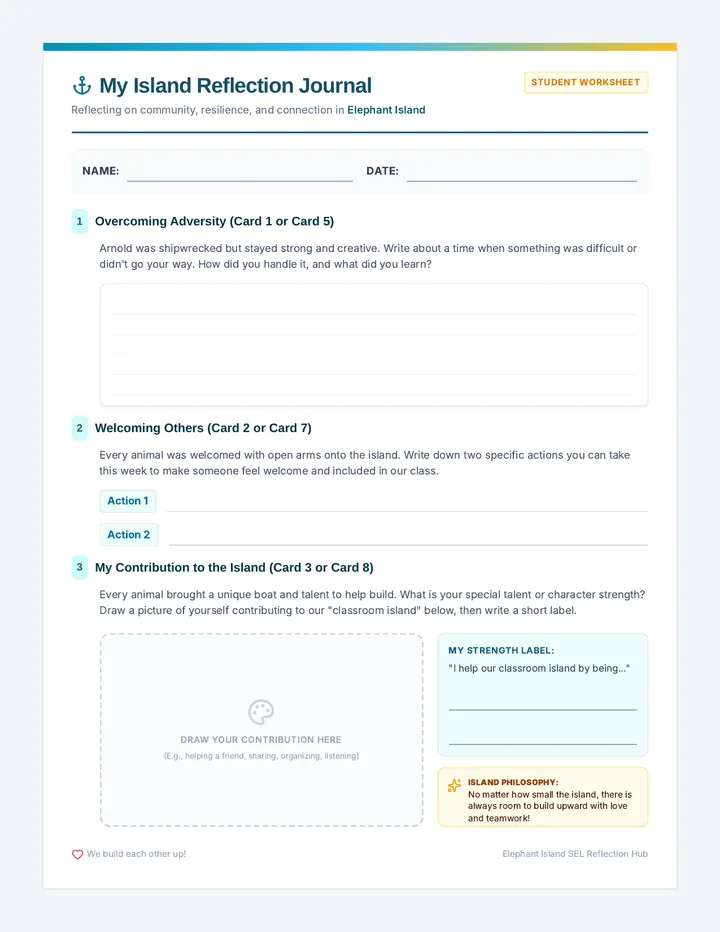
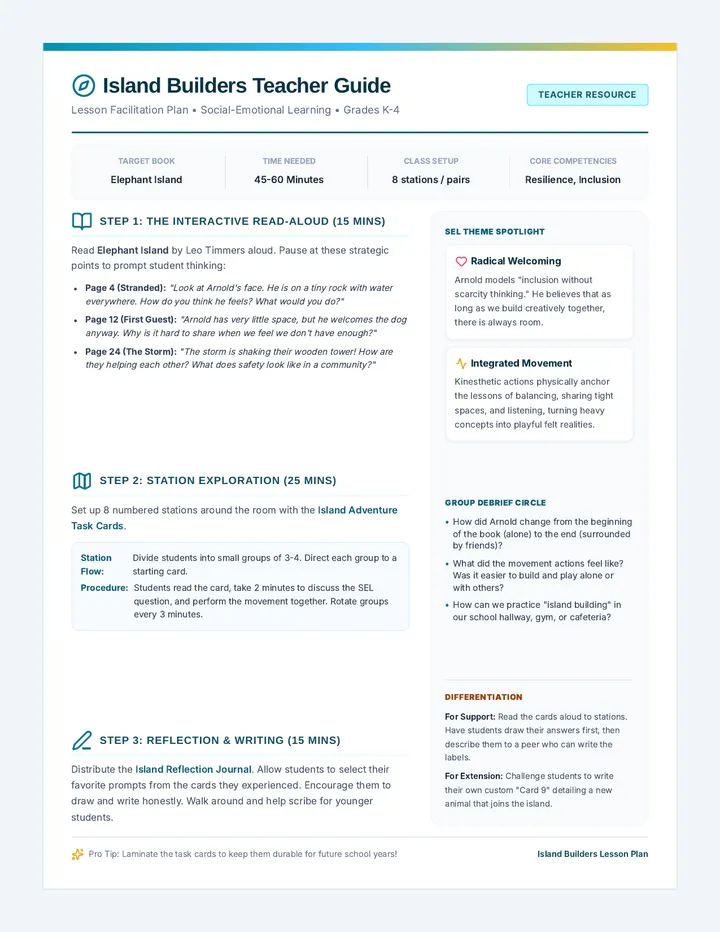
An SEL-focused lesson based on the book 'Elephant Island' by Leo Timmers, exploring community-building, resilience, and welcoming others through movement-based task cards and collaborative reflection.
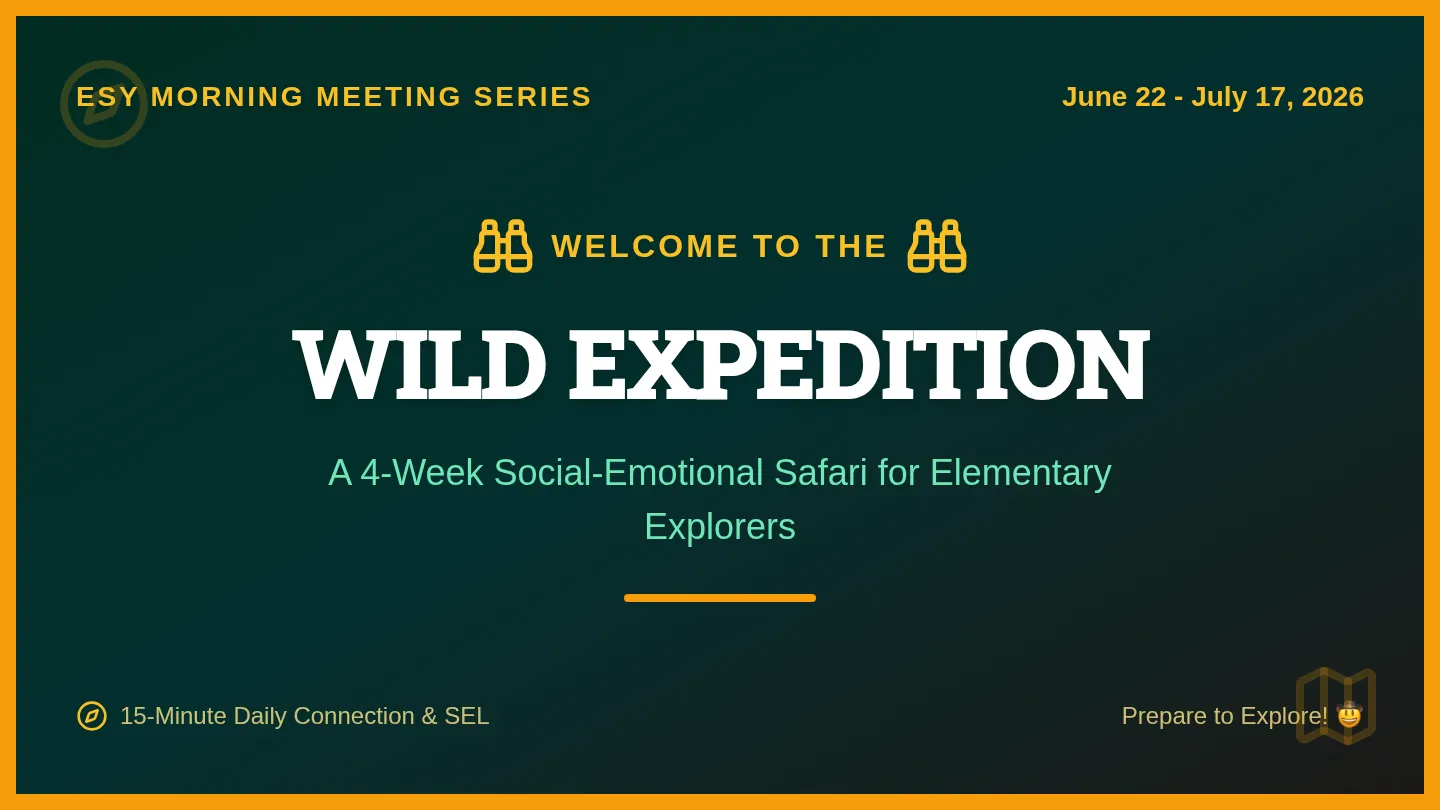
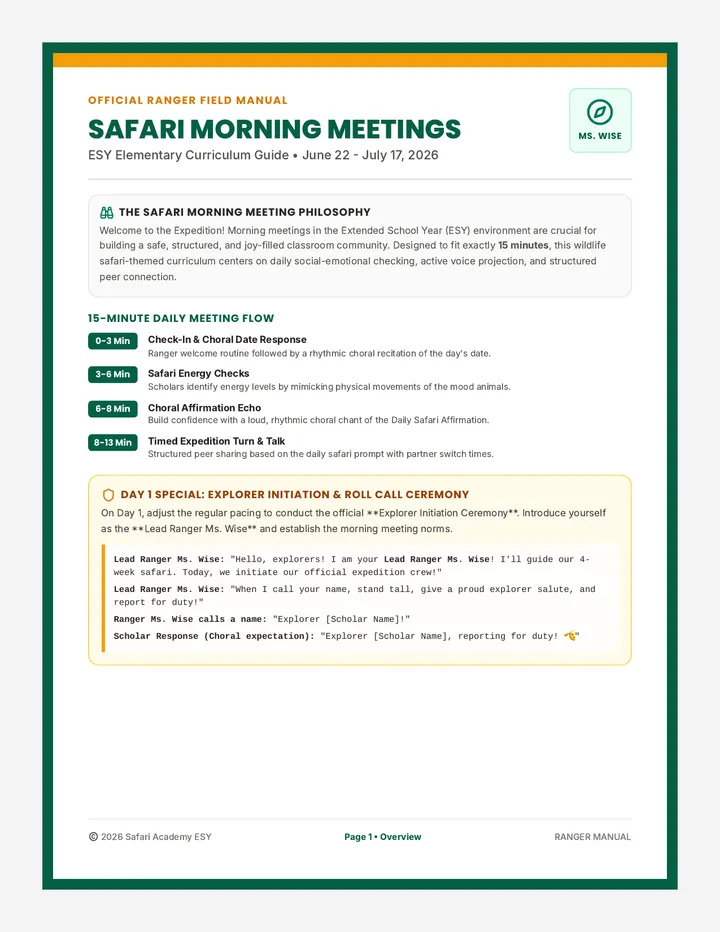
A 4-week wildlife safari themed morning meeting series for ESY elementary school scholars. Covers Savannah, Jungle, Desert, and Ocean habitats with daily welcomes, mood checks, date trackers, affirmations, and interactive social-emotional sharing prompts.
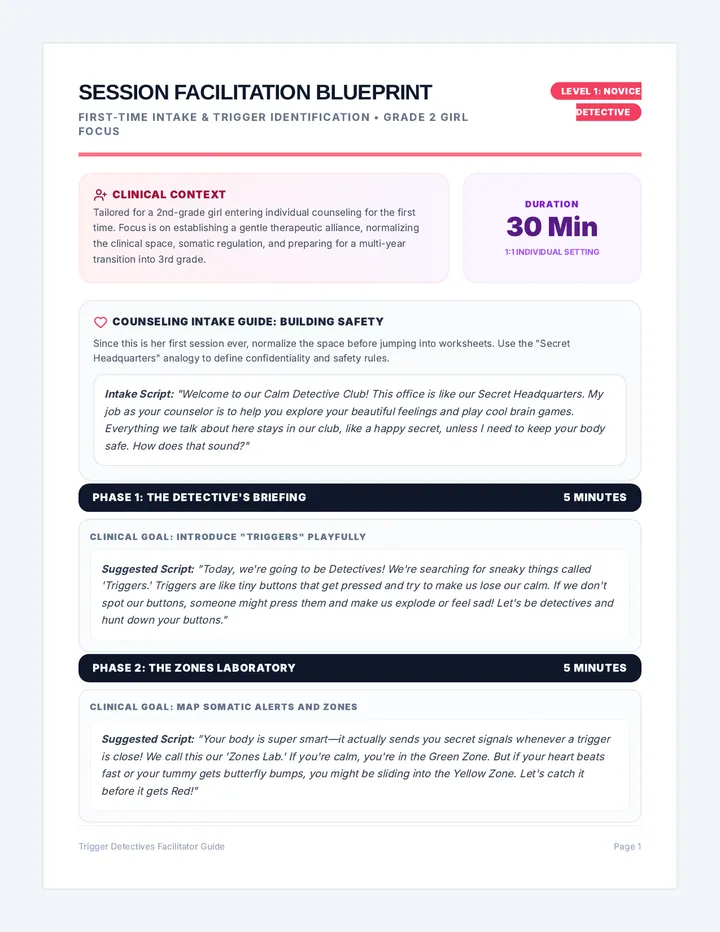
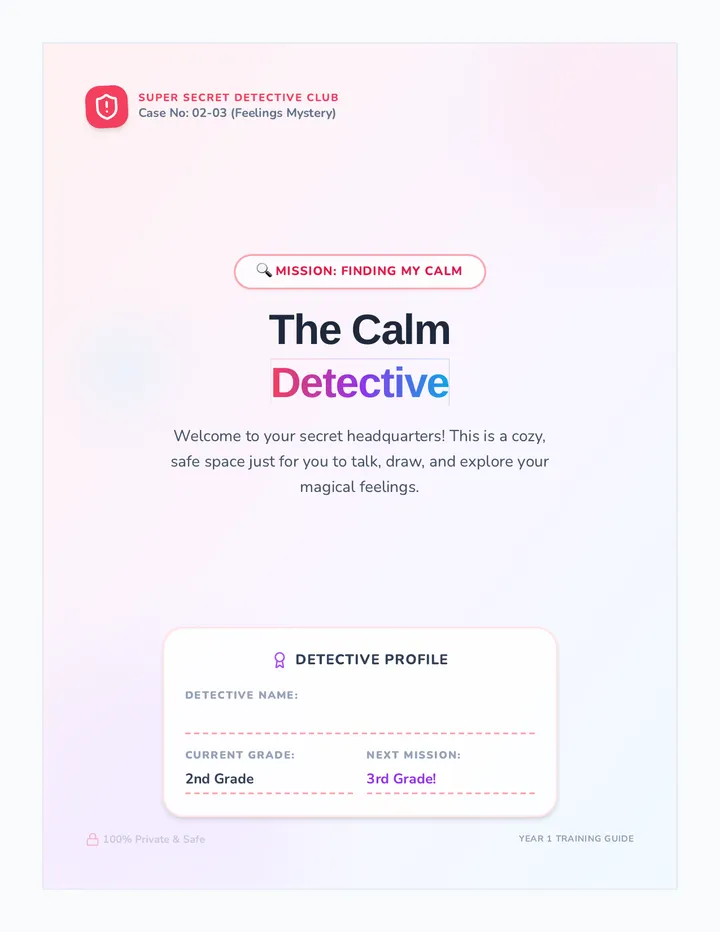
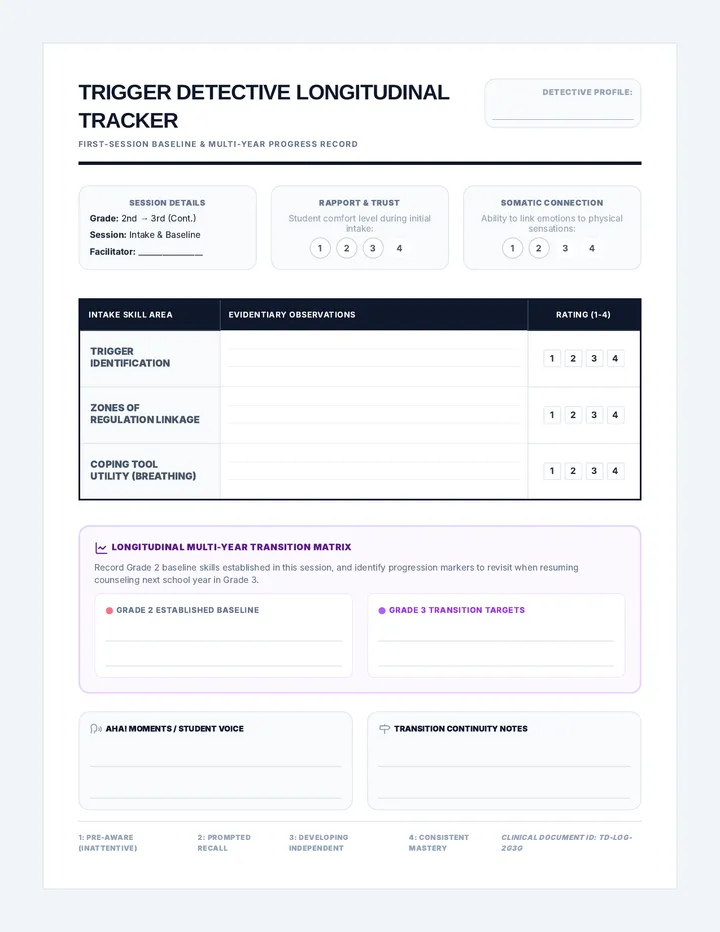
A comprehensive individual SEL lesson tailored for a 2nd-grade girl in her first counseling session, focused on identifying personal triggers with a warm detective theme and mapping her growth roadmap for transitioning into 3rd grade.
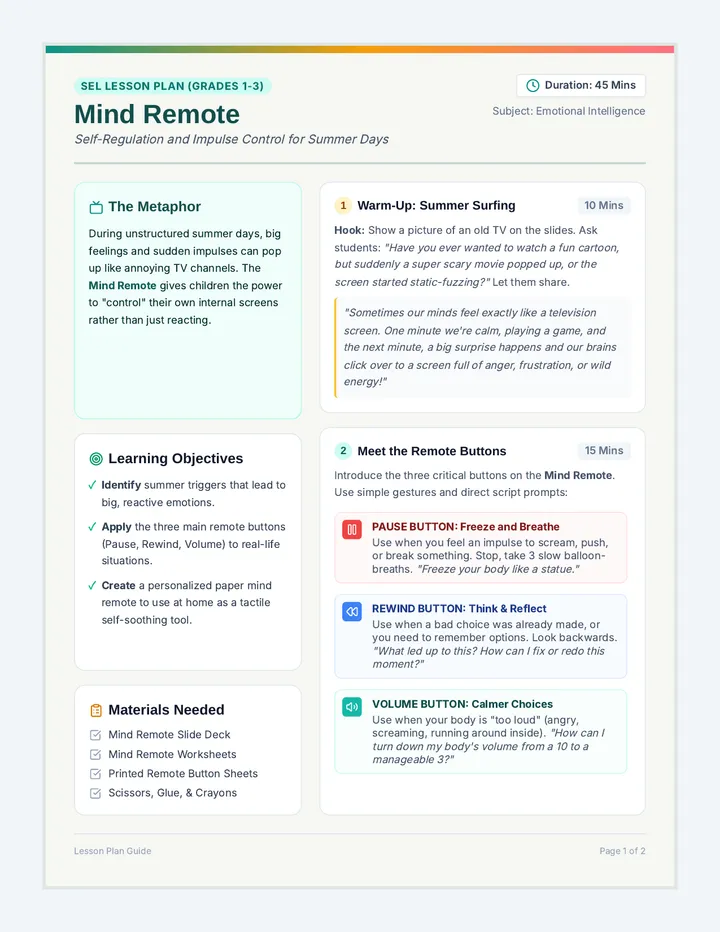
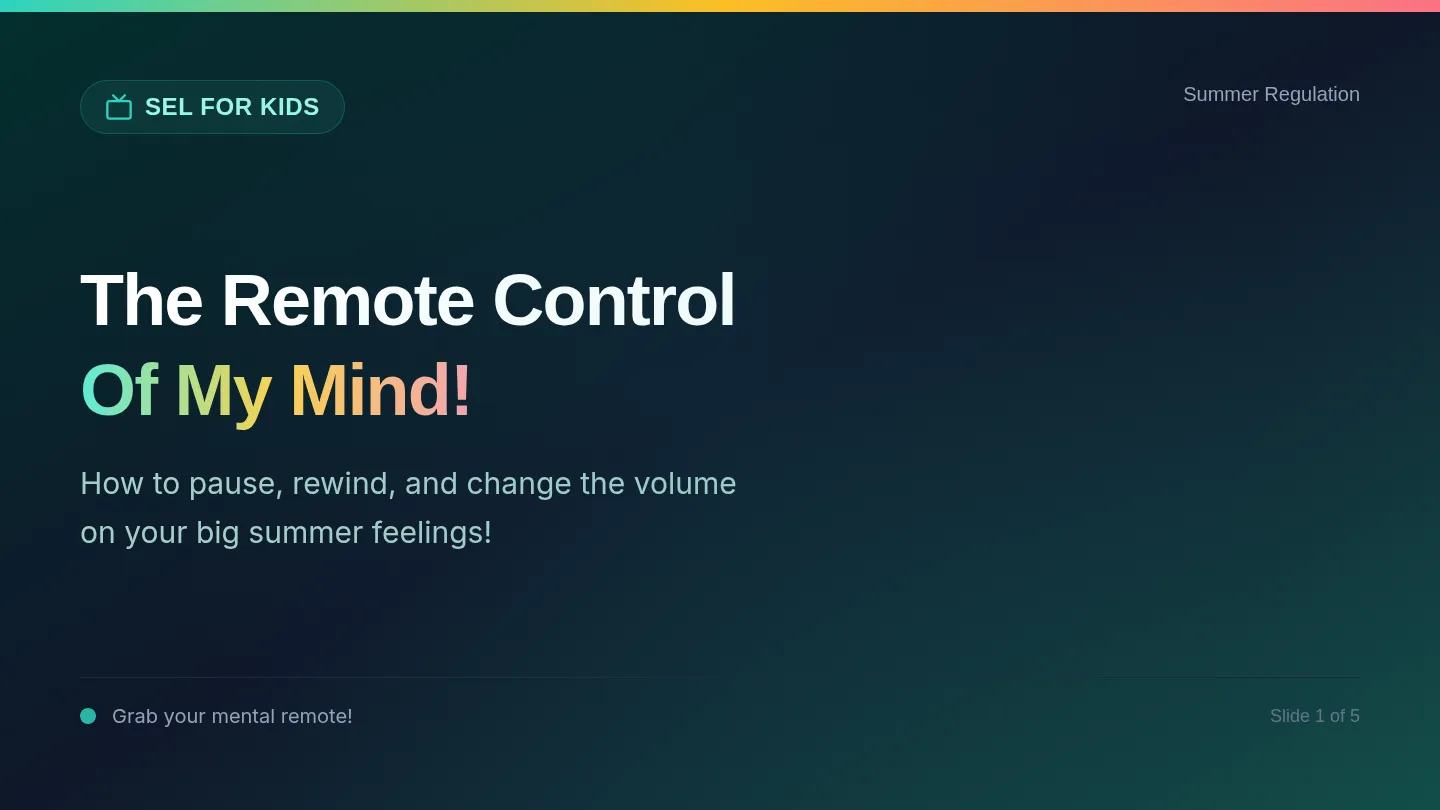
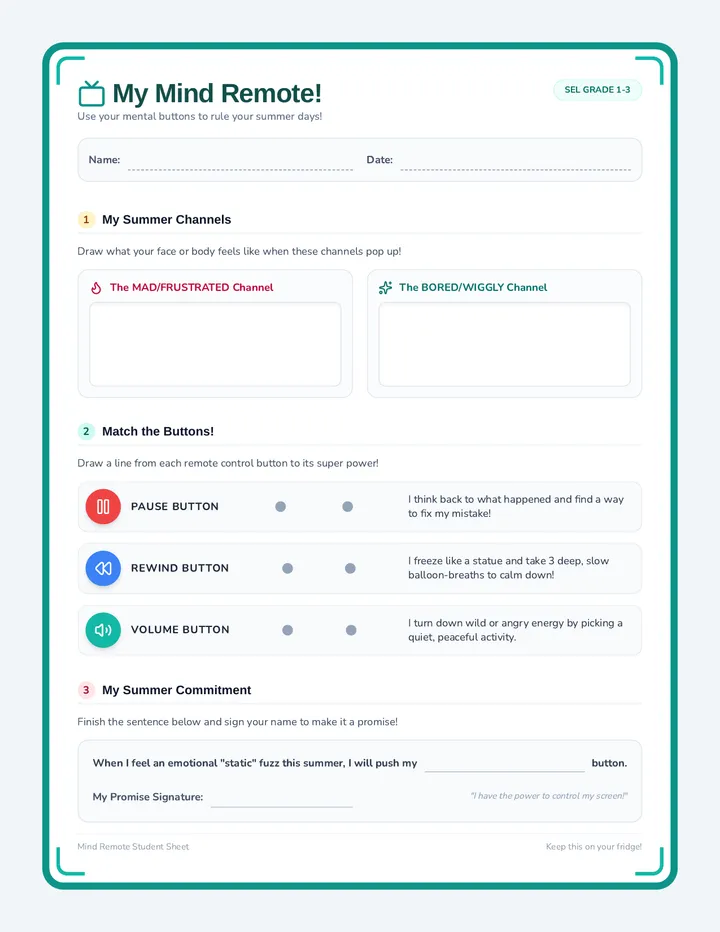
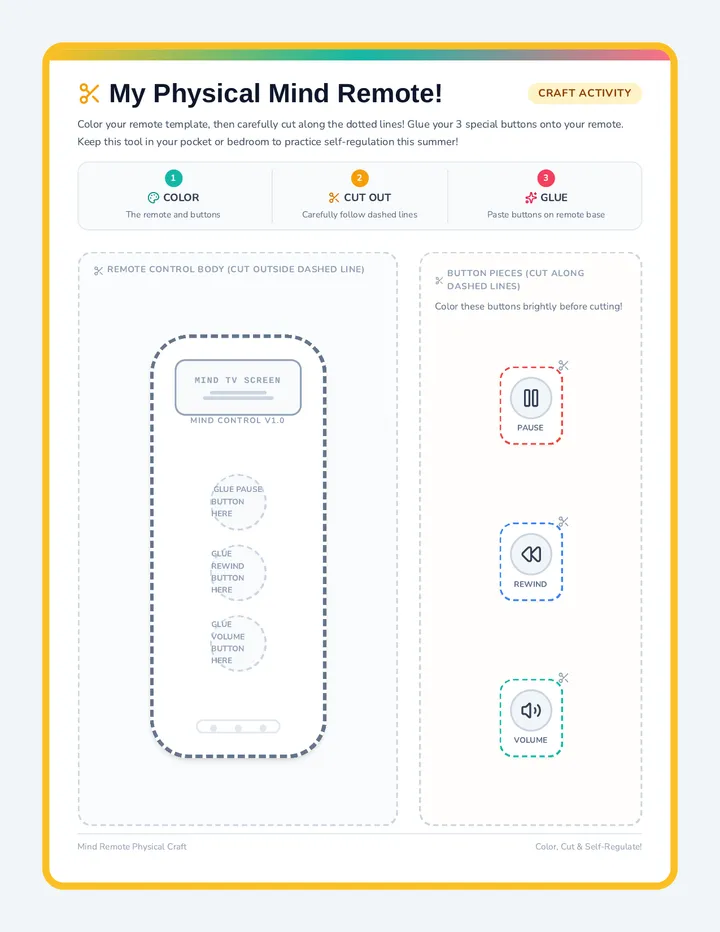
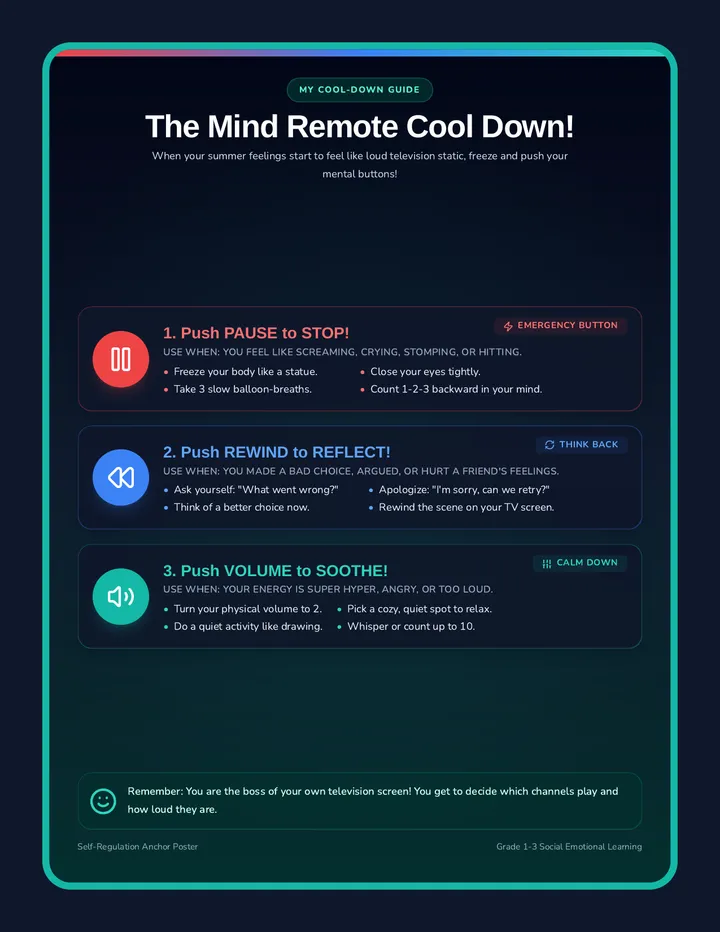
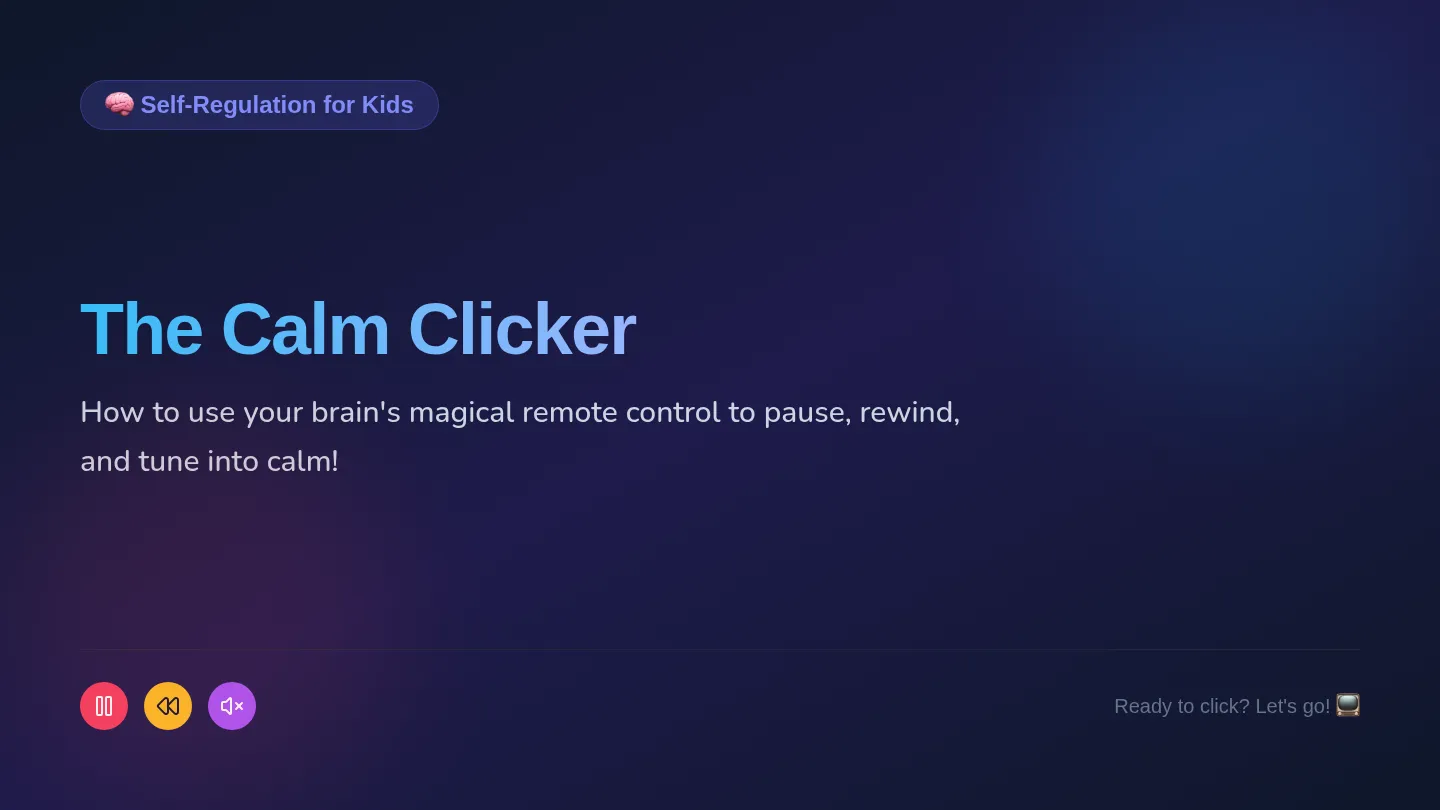
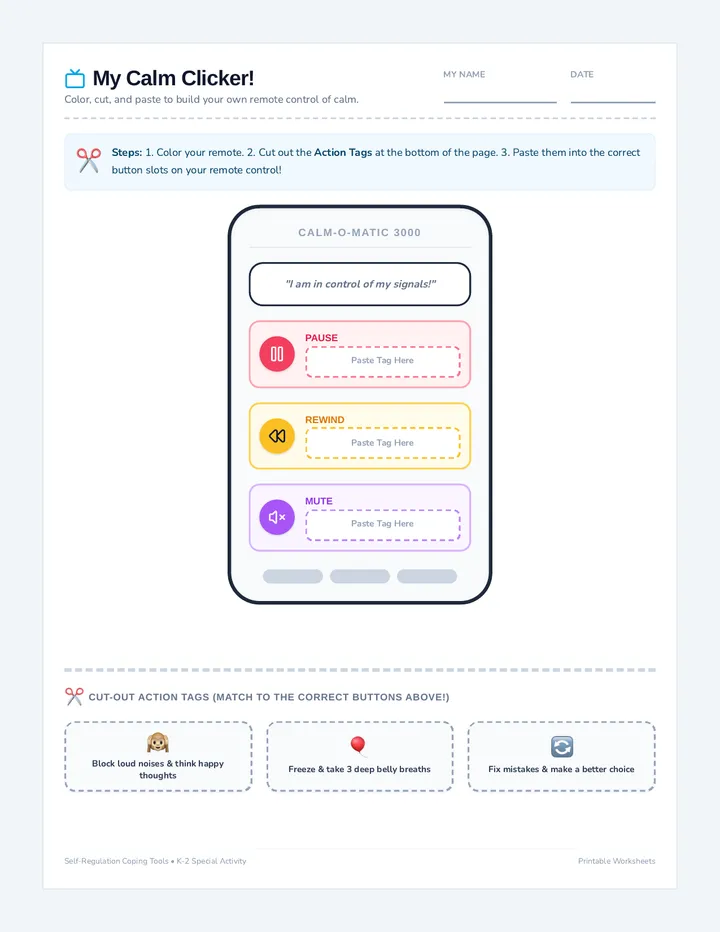
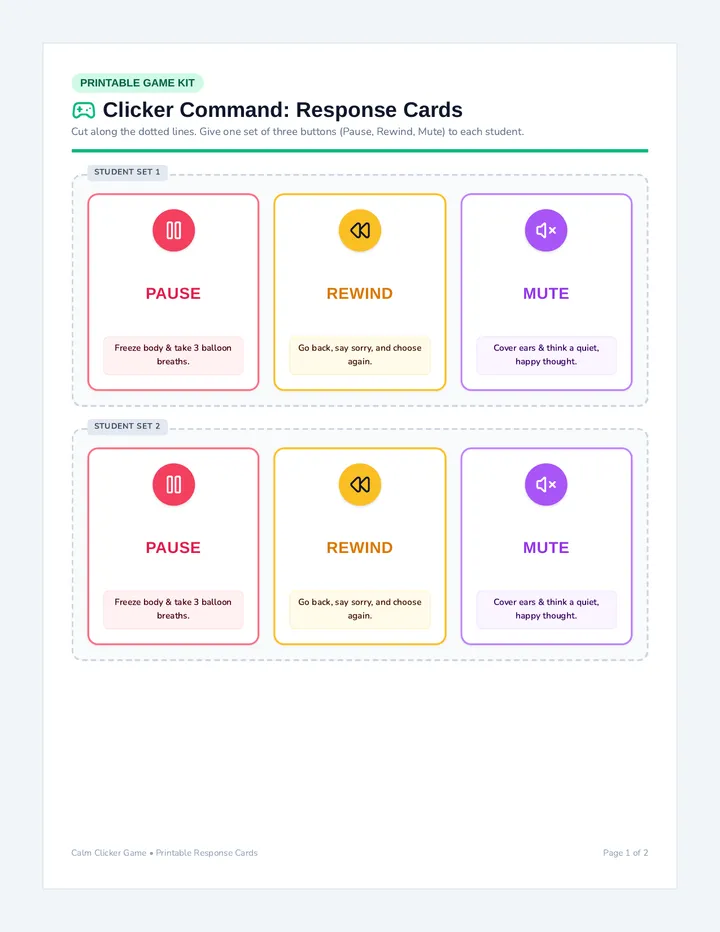
An engaging social-emotional learning lesson for 1st-3rd graders. Students learn self-regulation techniques by imagining their mind as a TV and using a 'Mind Remote' with Pause, Rewind, and Volume buttons to manage emotions and impulses during unstructured summer days.
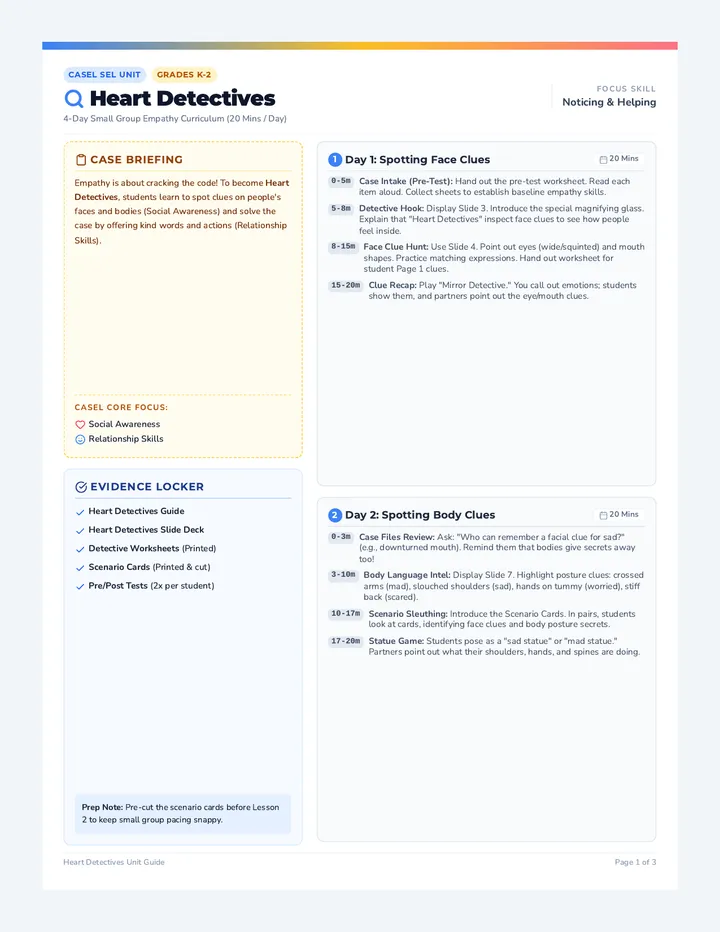
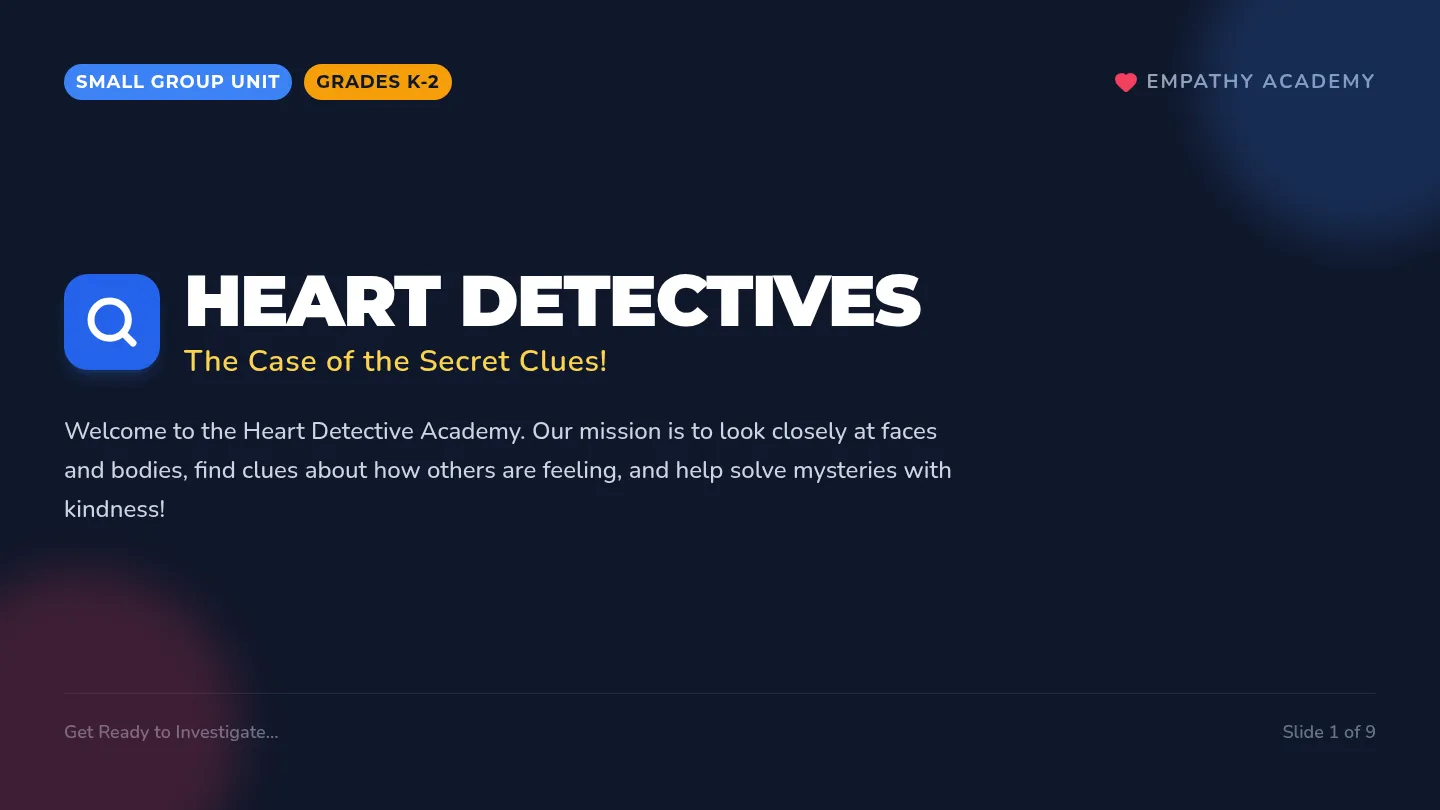
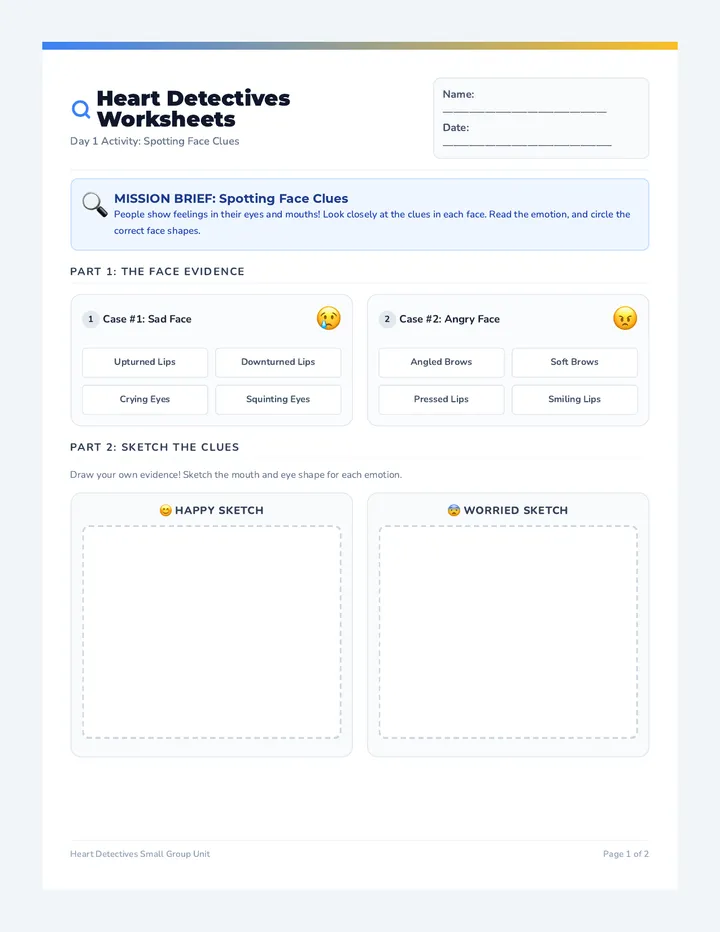
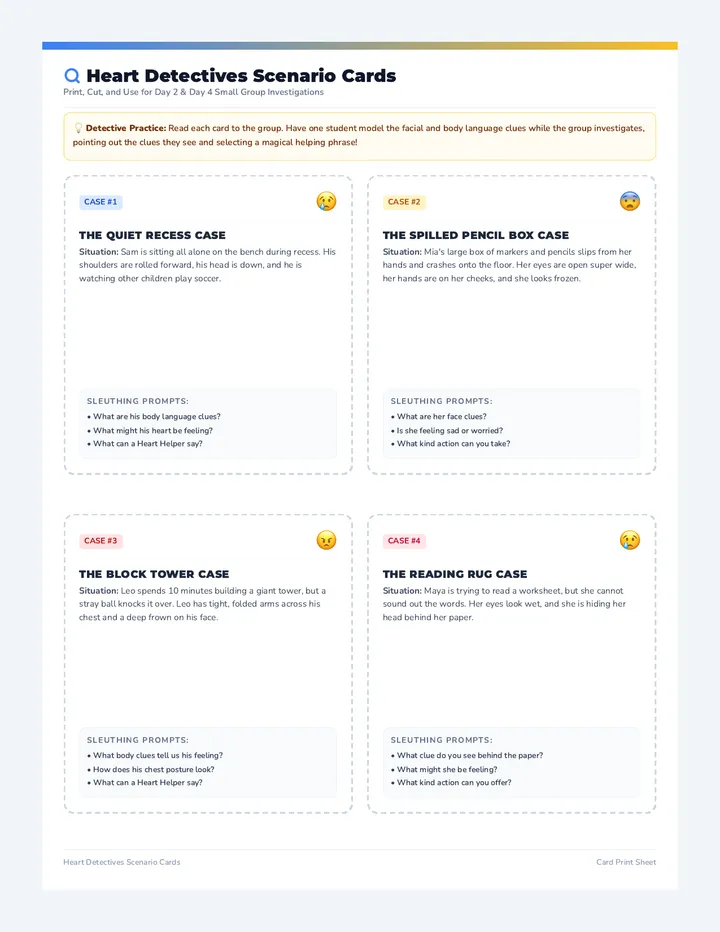
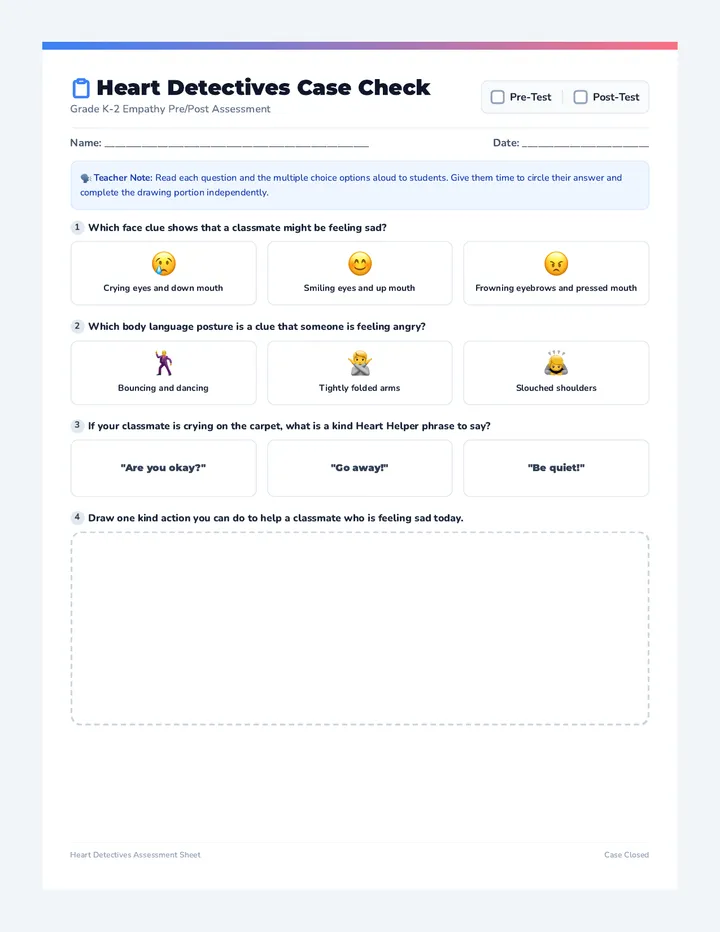
A comprehensive 4-day small-group empathy curriculum for grades K-2, aligning with the CASEL SEL framework. Students learn to spot facial and body language clues and offer meaningful, kind assistance.
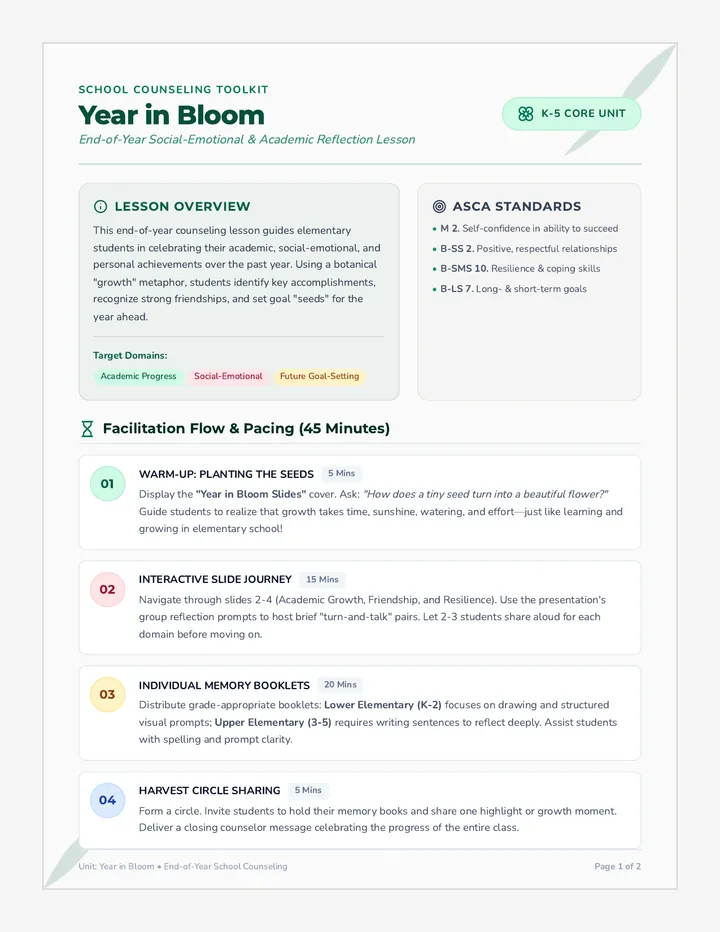
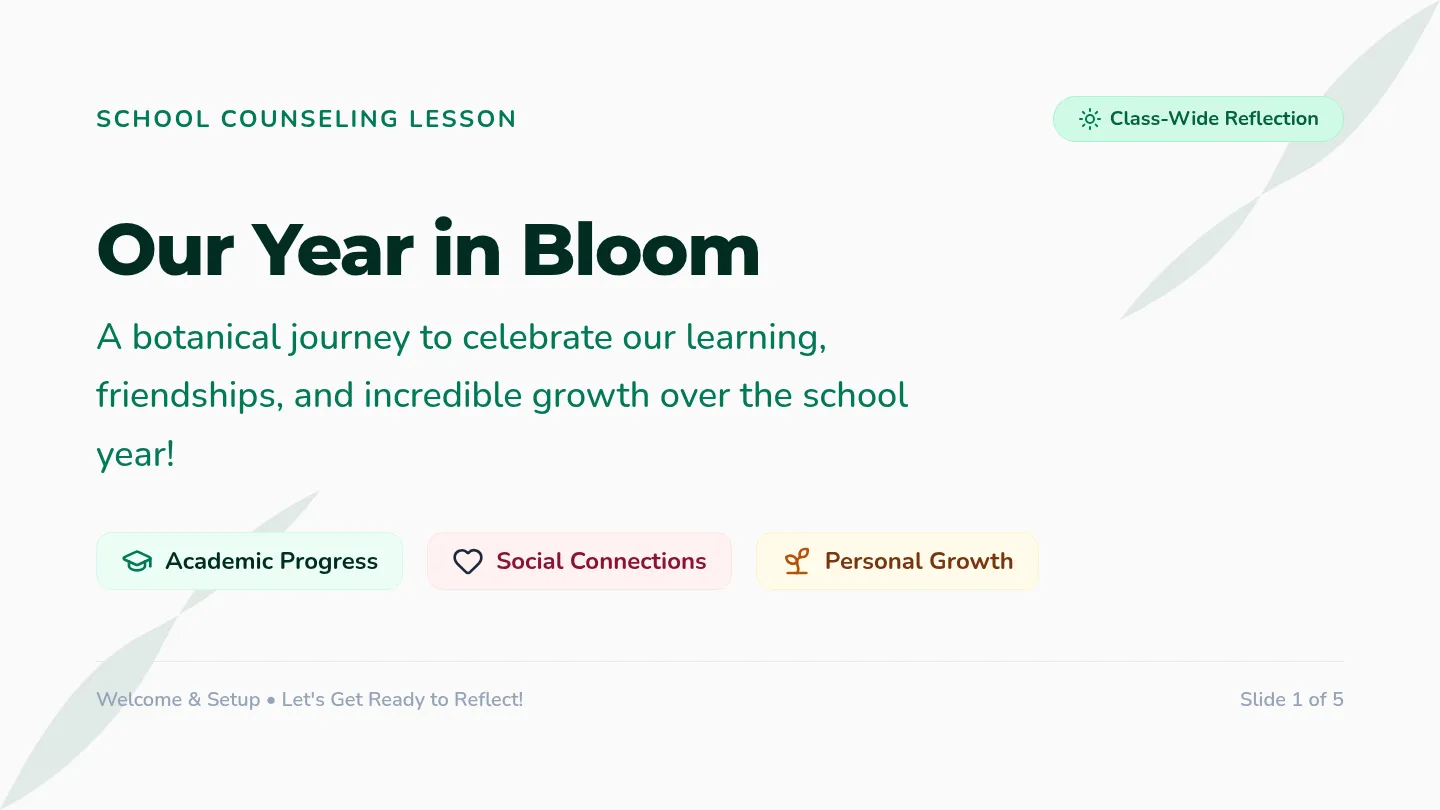
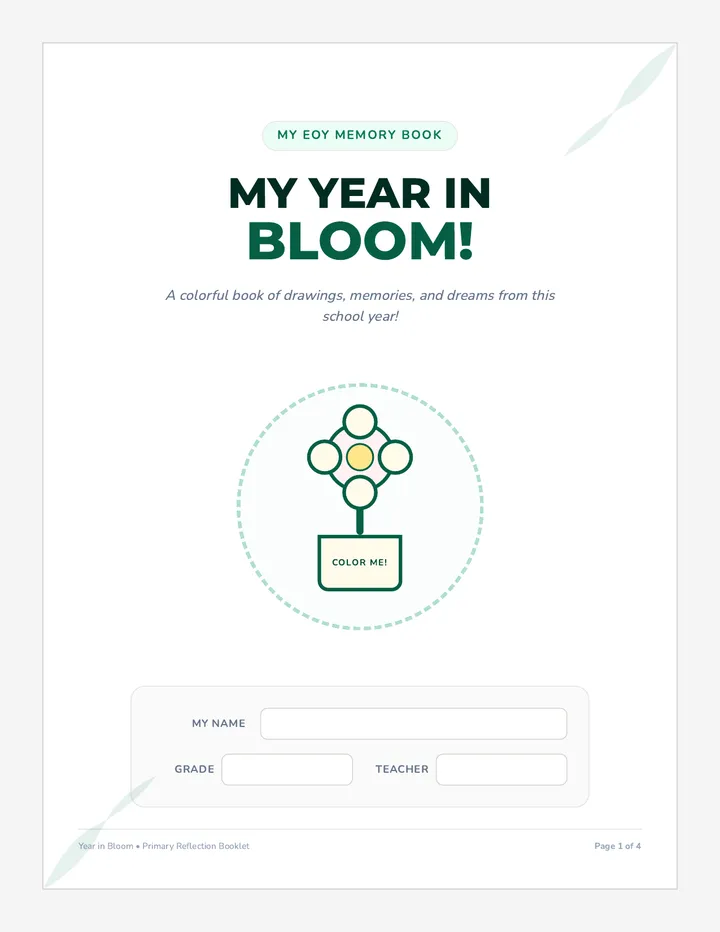
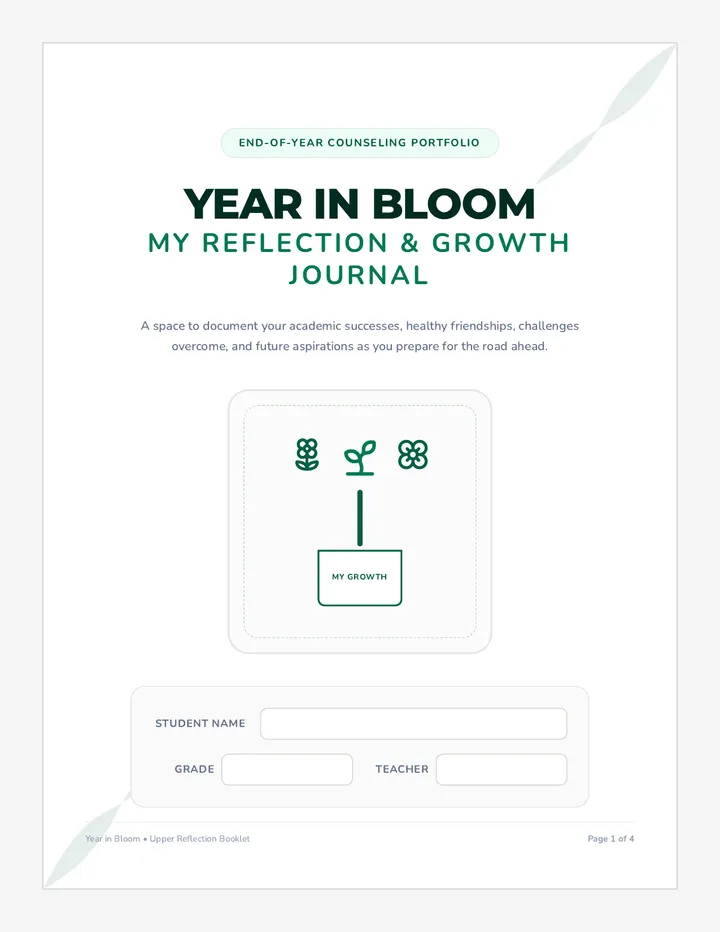
An end-of-year counseling unit and toolkit designed to guide elementary students through academic, social, and personal-emotional reflection. Contains a comprehensive Counselor Facilitation Guide, a class-wide interactive Slide Presentation, a drawing-focused memory booklet for lower elementary (K-2), and a writing-focused portfolio booklet for upper elementary (3-5).
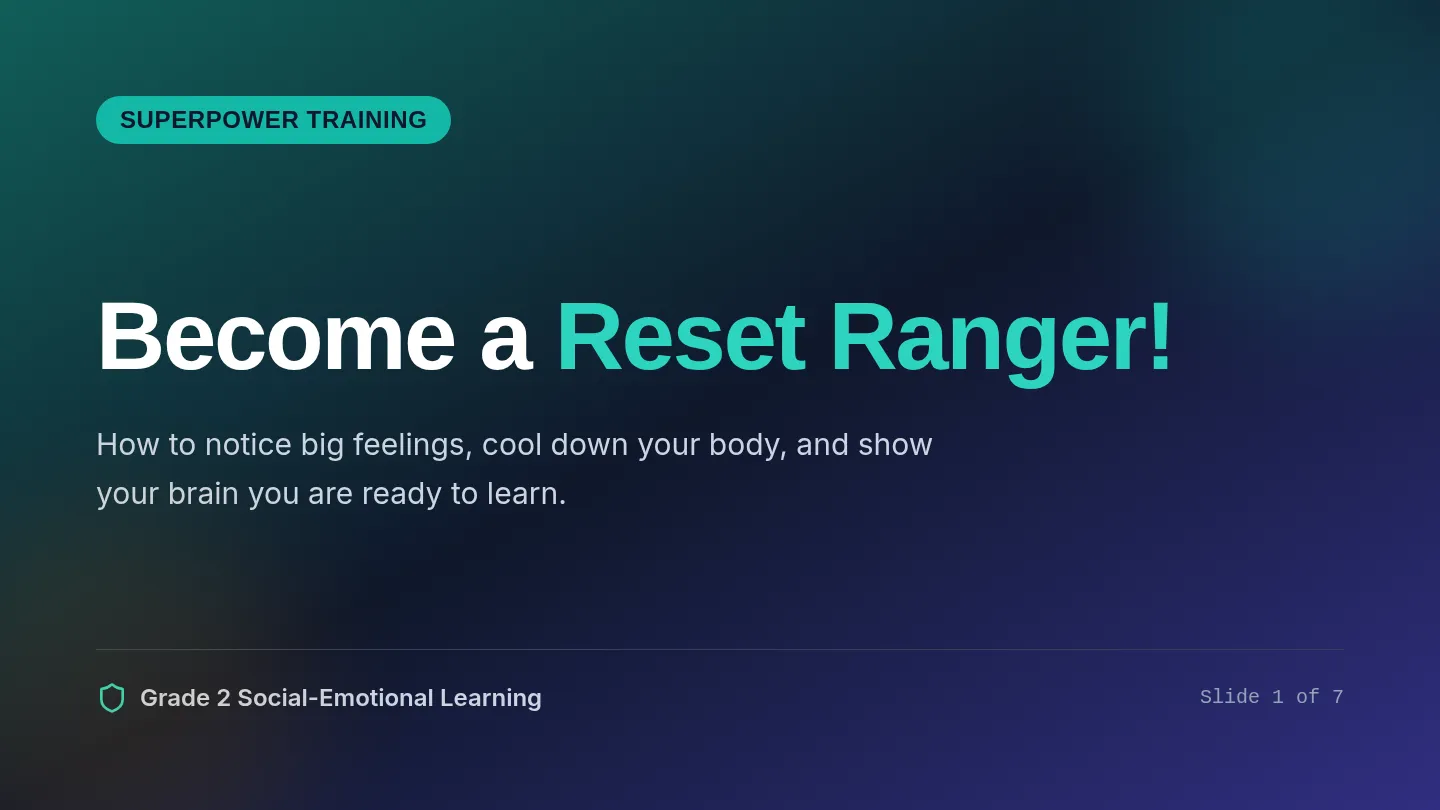
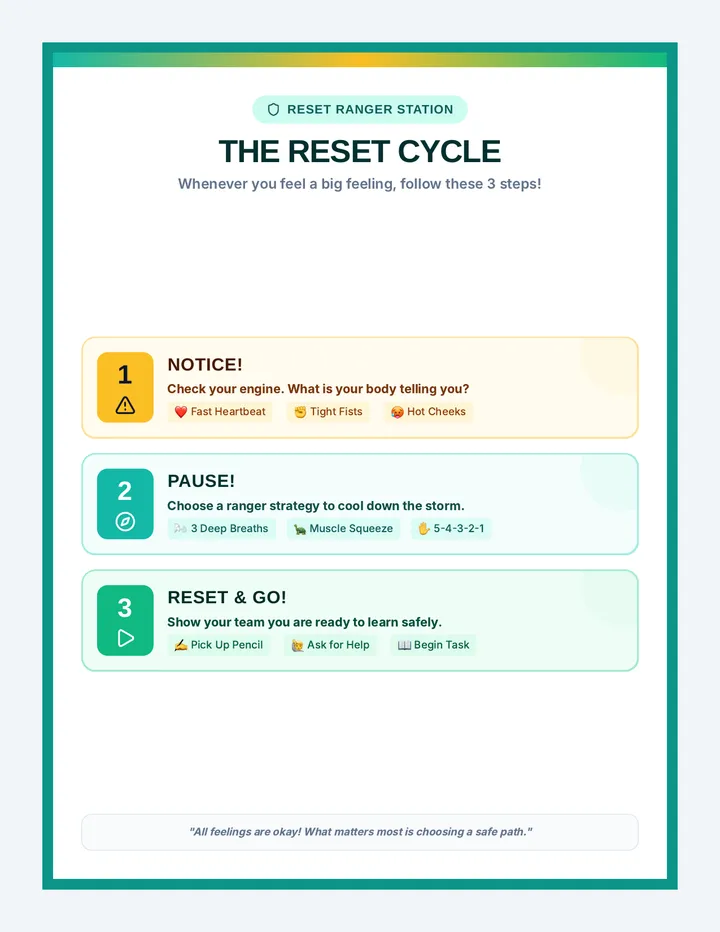
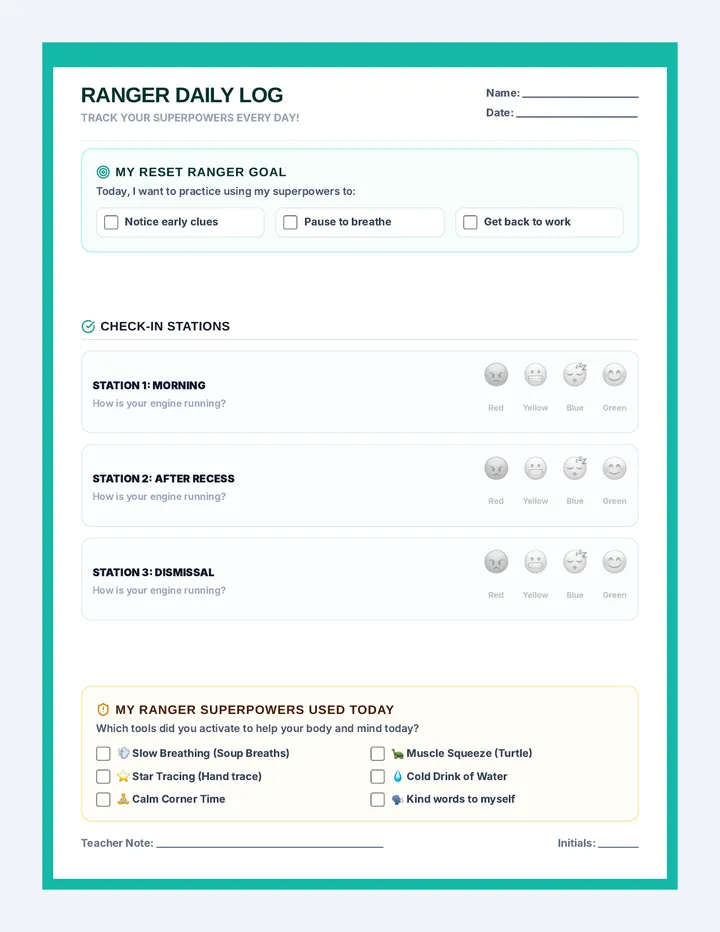
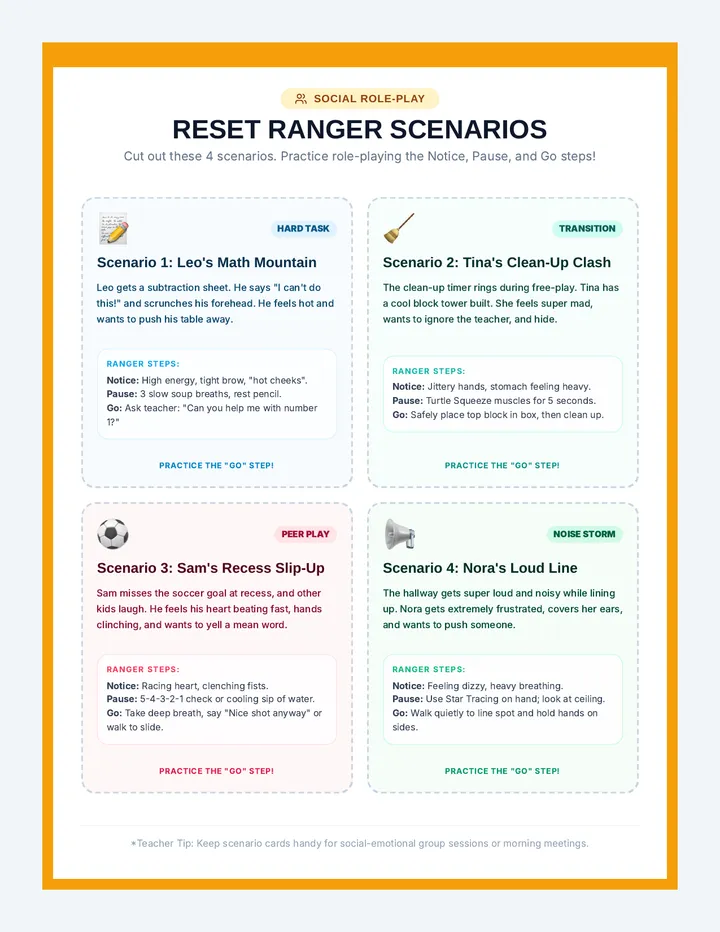
A comprehensive lesson designed for 2nd grade students to master the 'Reset Cycle'—noticing big body signals, choosing a calming strategy, and resetting to get back on task. Includes instructional slides, classroom calming visual tools, student tracking sheets, and interactive role-play scenario cards.
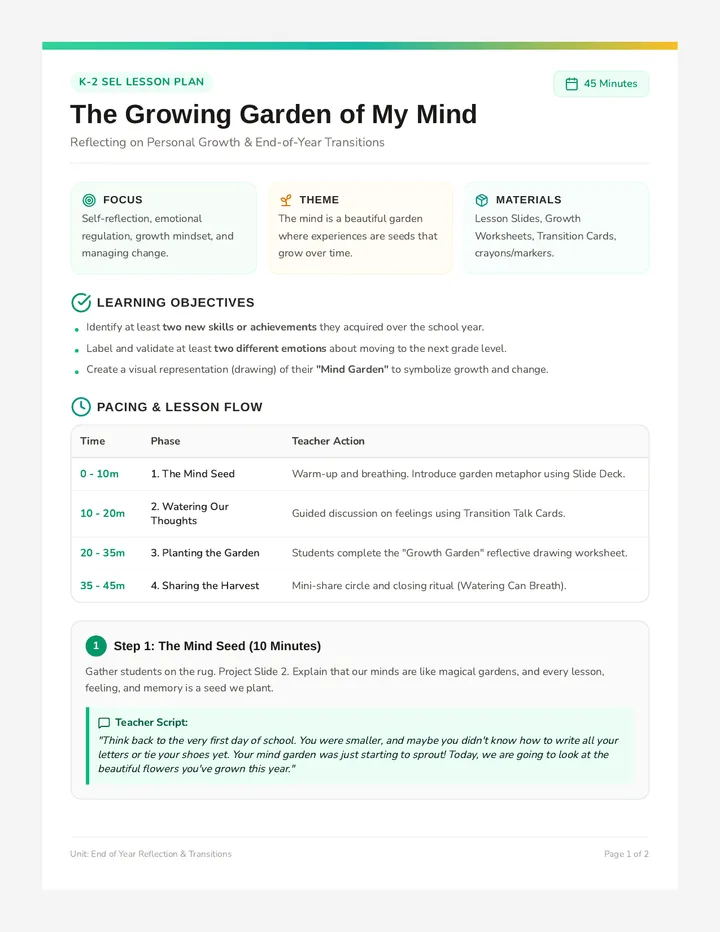
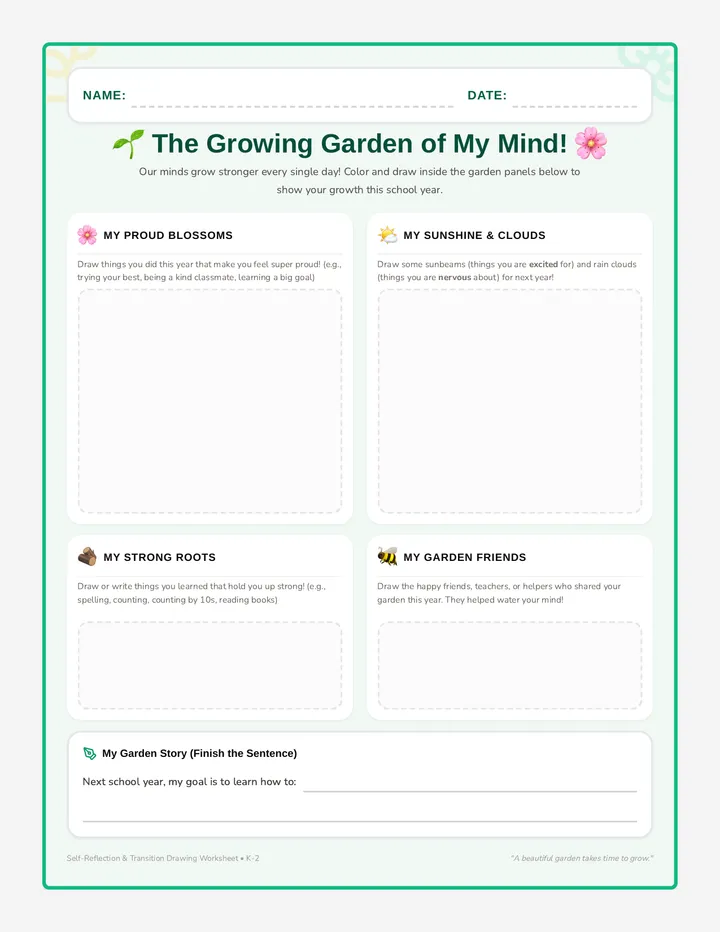
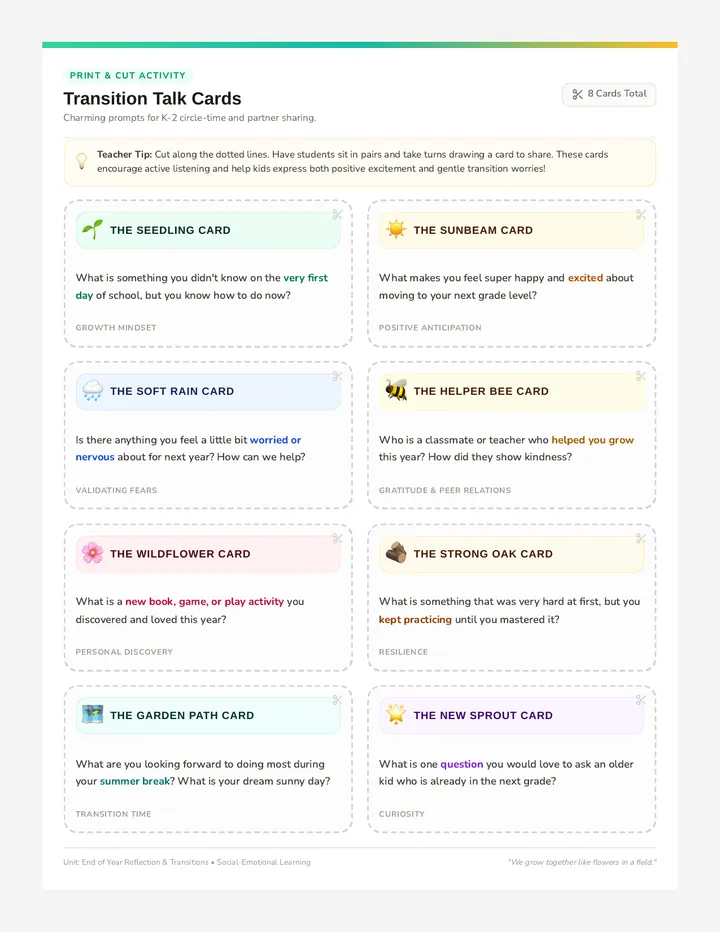
An interactive social-emotional learning lesson for K-2 students to reflect on their personal growth over the school year and navigate their feelings about transitioning to the next grade using garden-themed drawing and storytelling.
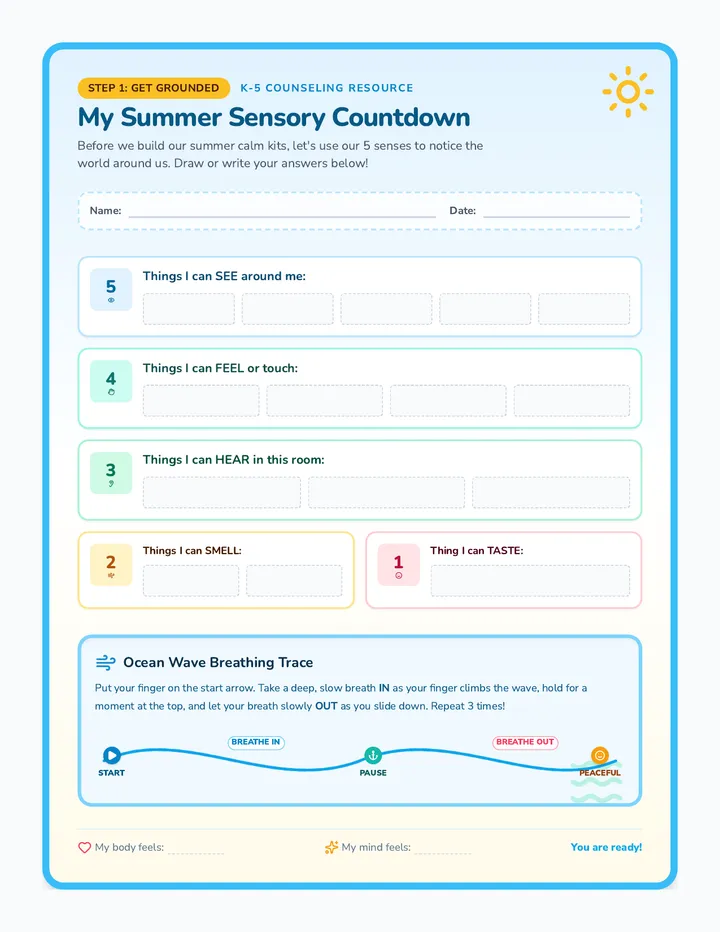
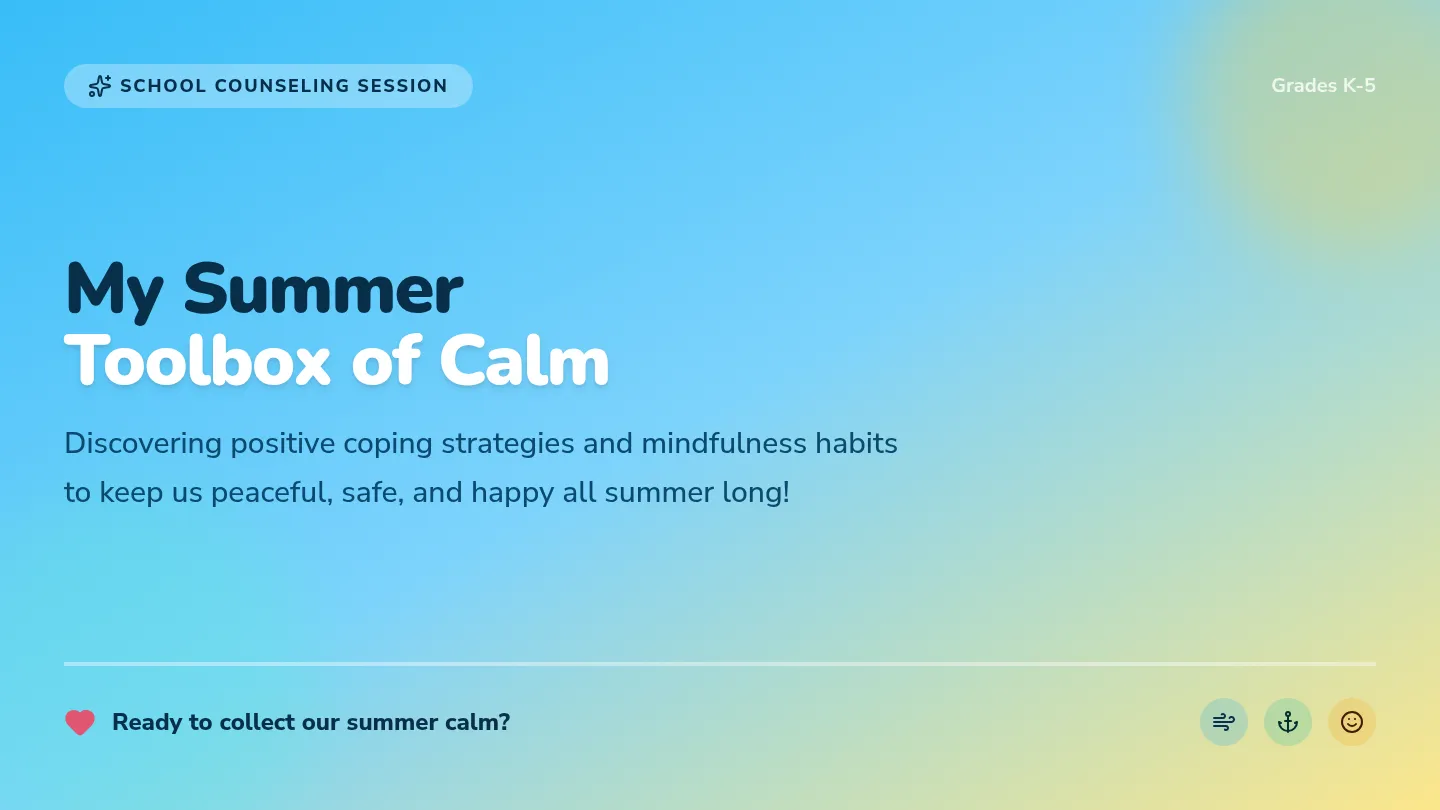
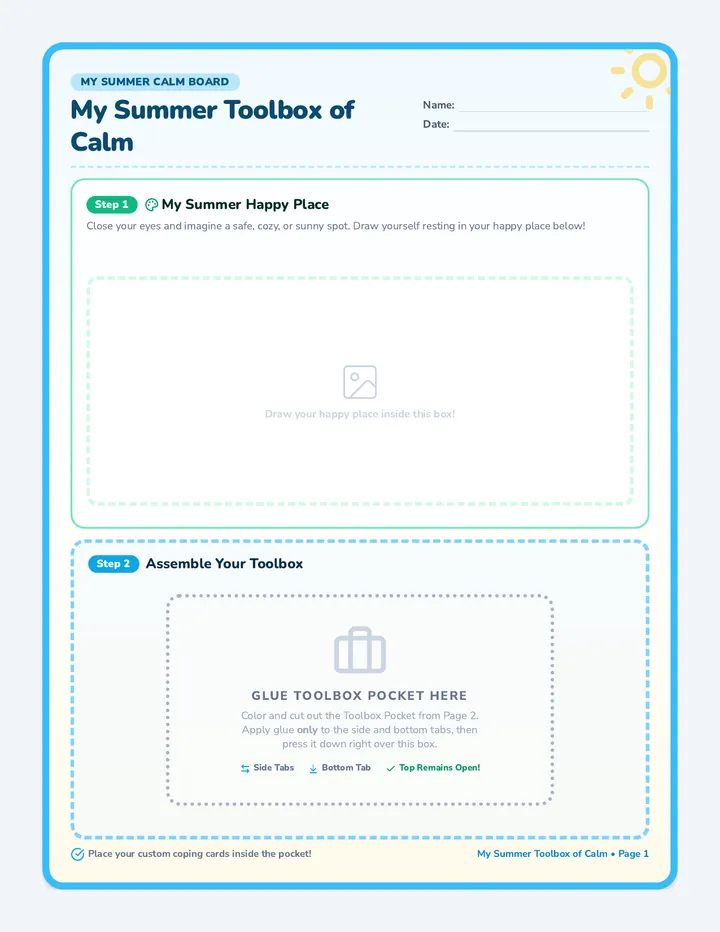
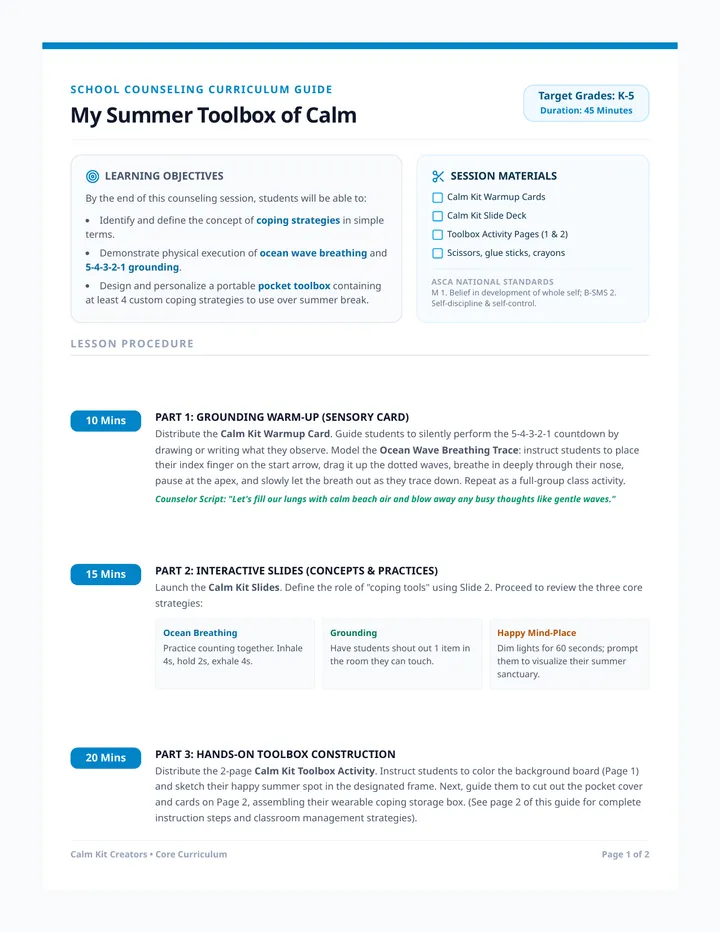
A school counseling lesson for K-5 students to identify positive coping strategies and mindfulness techniques to keep in their emotional toolbox for a peaceful, safe, and happy summer break. Includes a detailed lesson plan, instructional slides, a hands-on toolbox construction activity, and an interactive sensory warm-up.
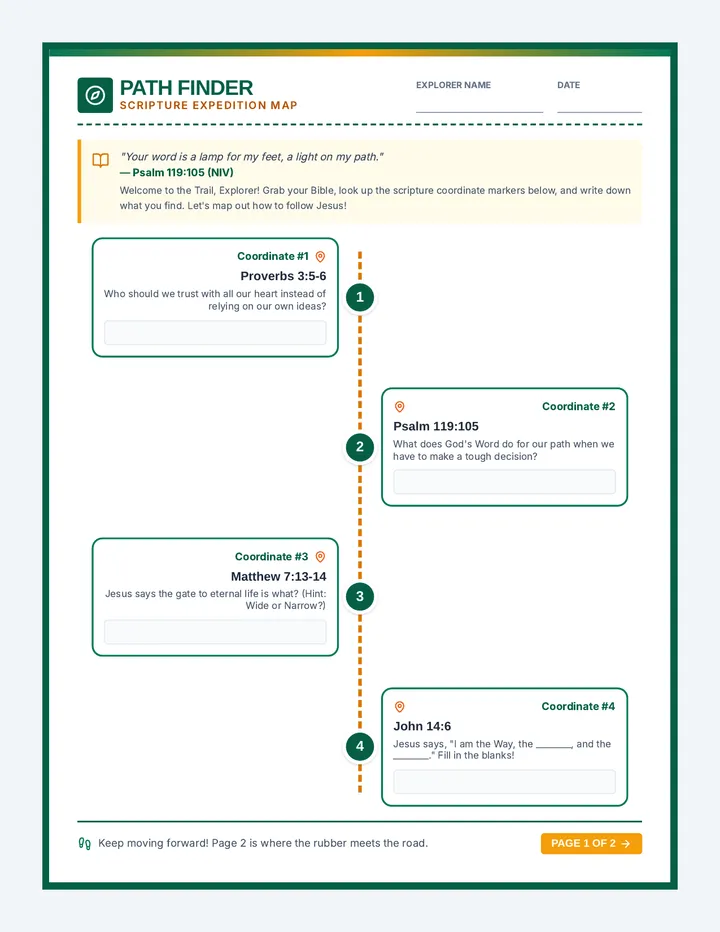
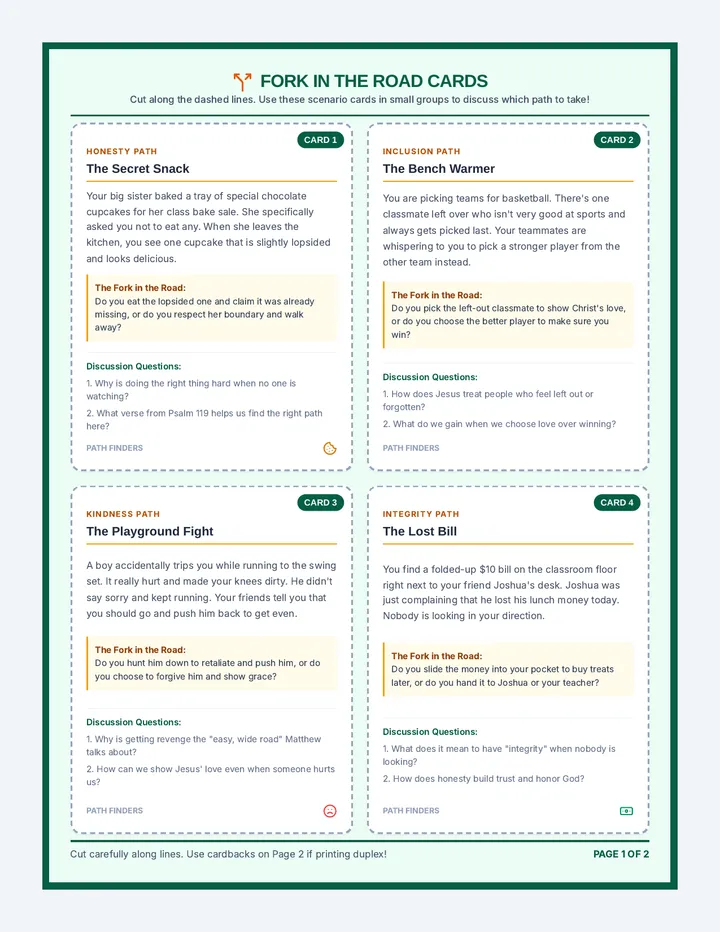
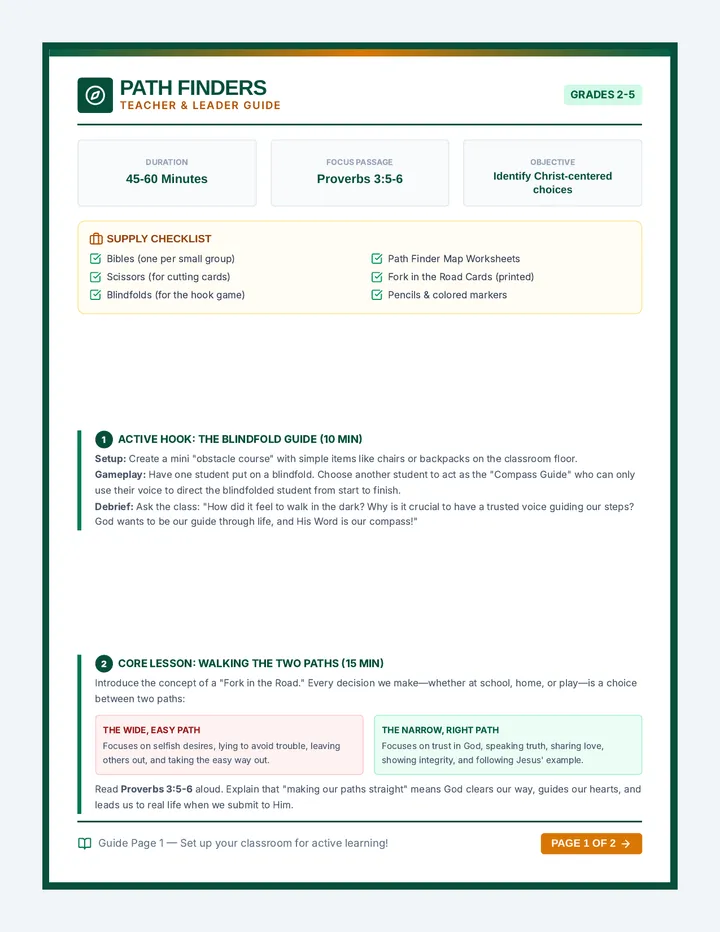
A hands-on, scripture-based exploration of making wise, Christ-centered choices in daily life. Students navigate real-world scenarios and map out what it looks like to follow Jesus' path.
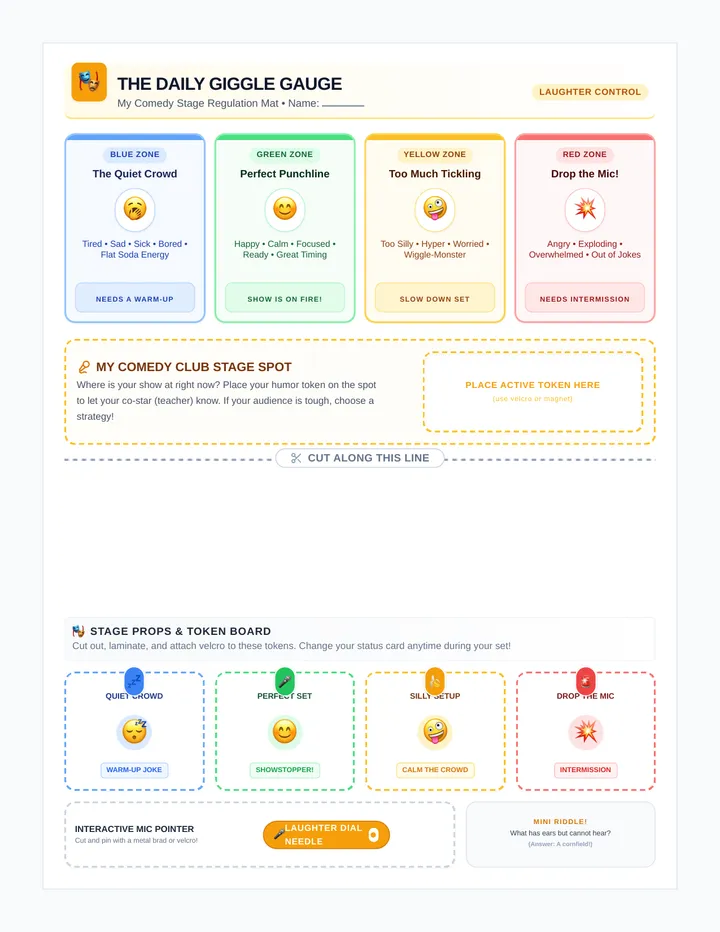
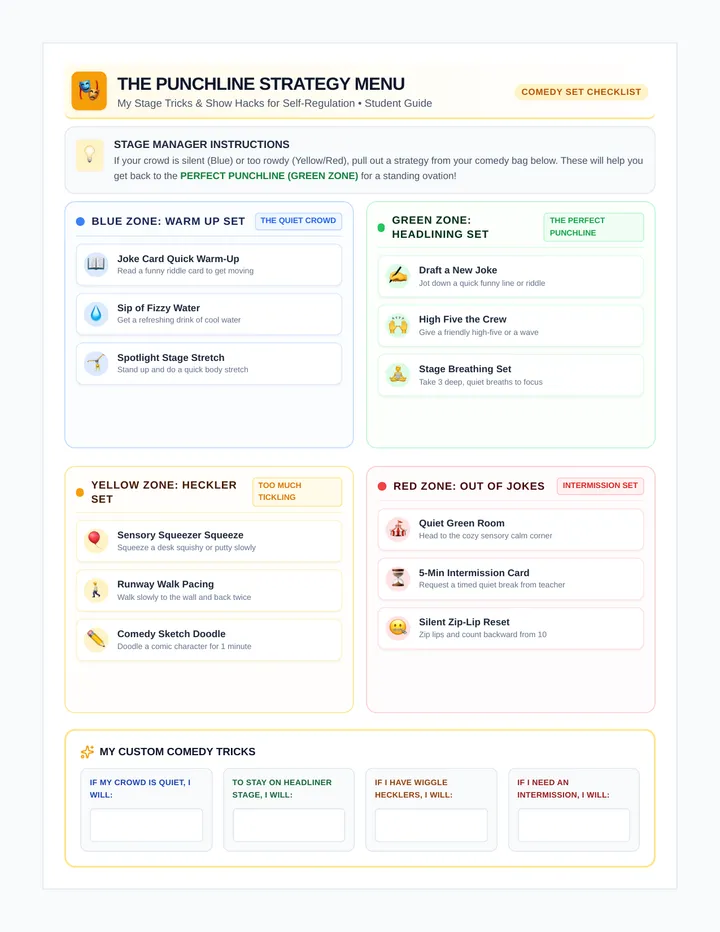
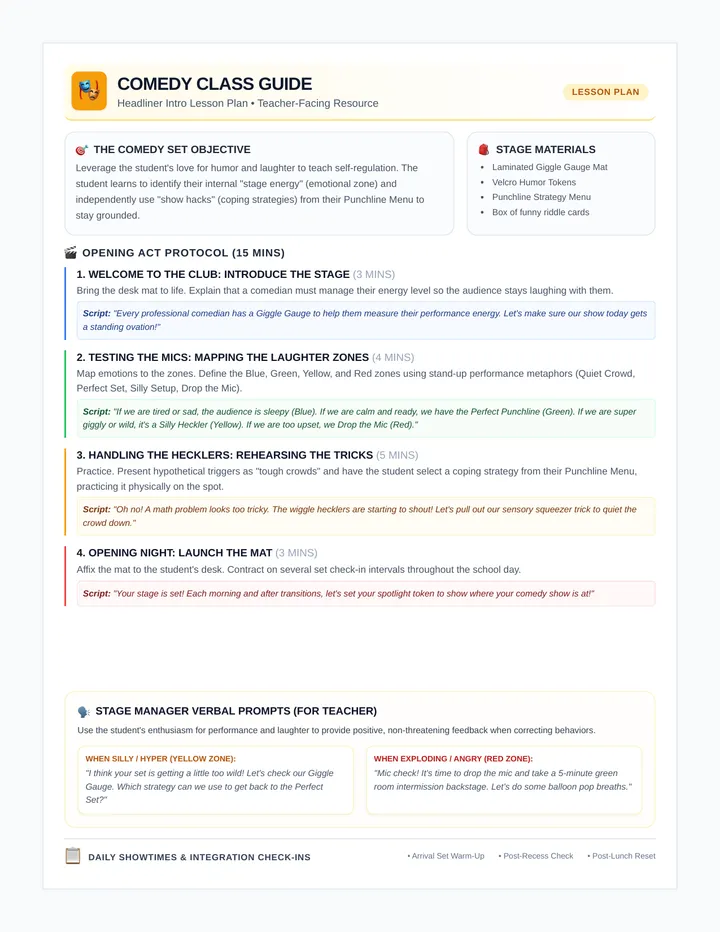
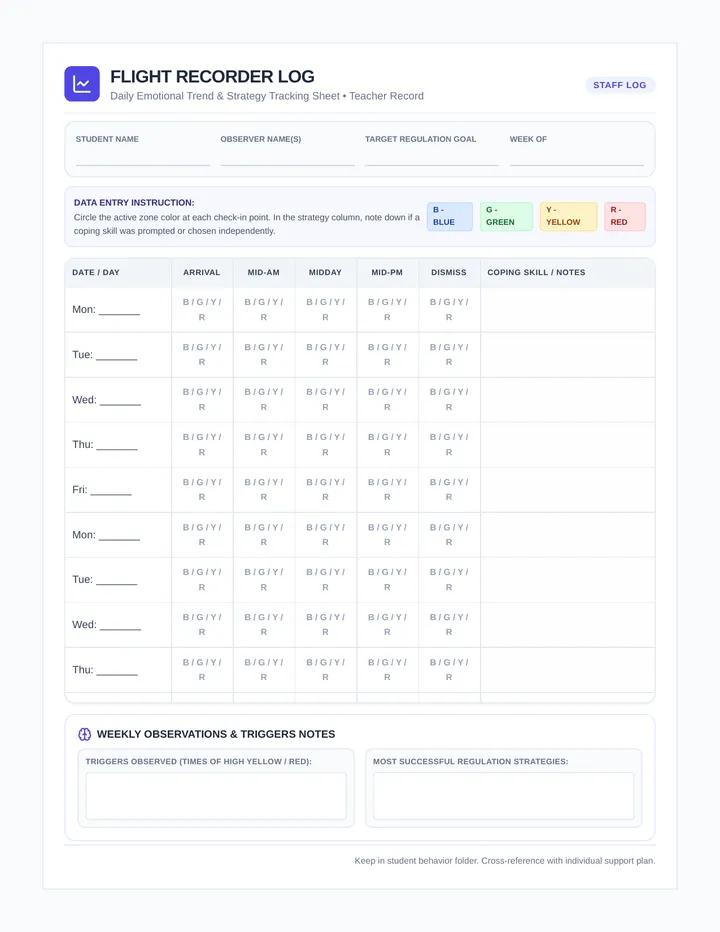
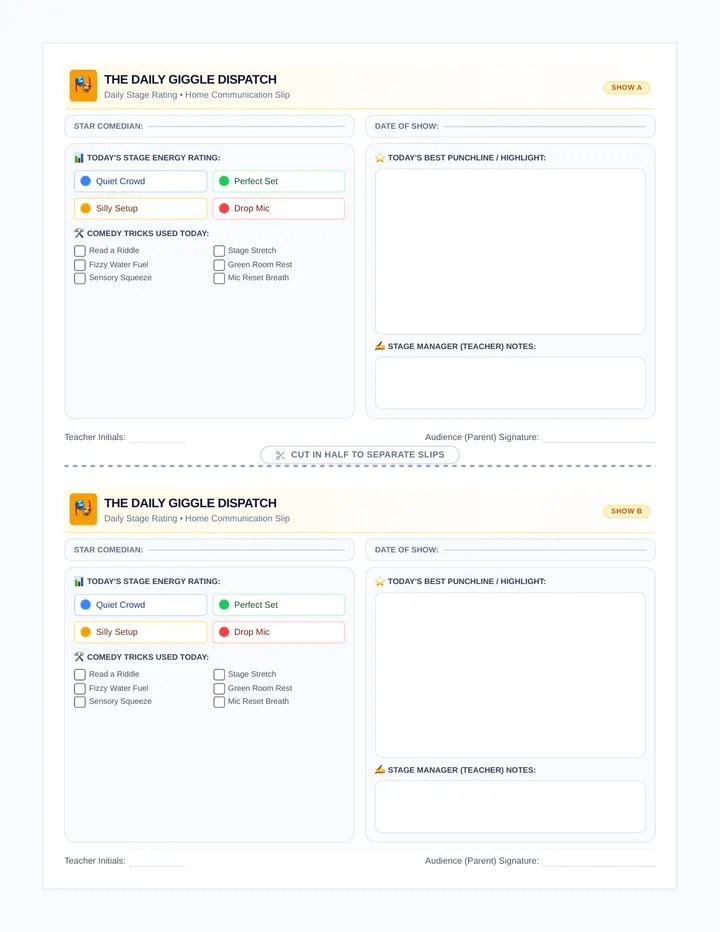
A simple, kid-friendly daily emotional regulation check-in system based on the Zones of Regulation model. Features a clean student desk mat, a coping strategy menu, a teacher instruction guide, and tracking logs.
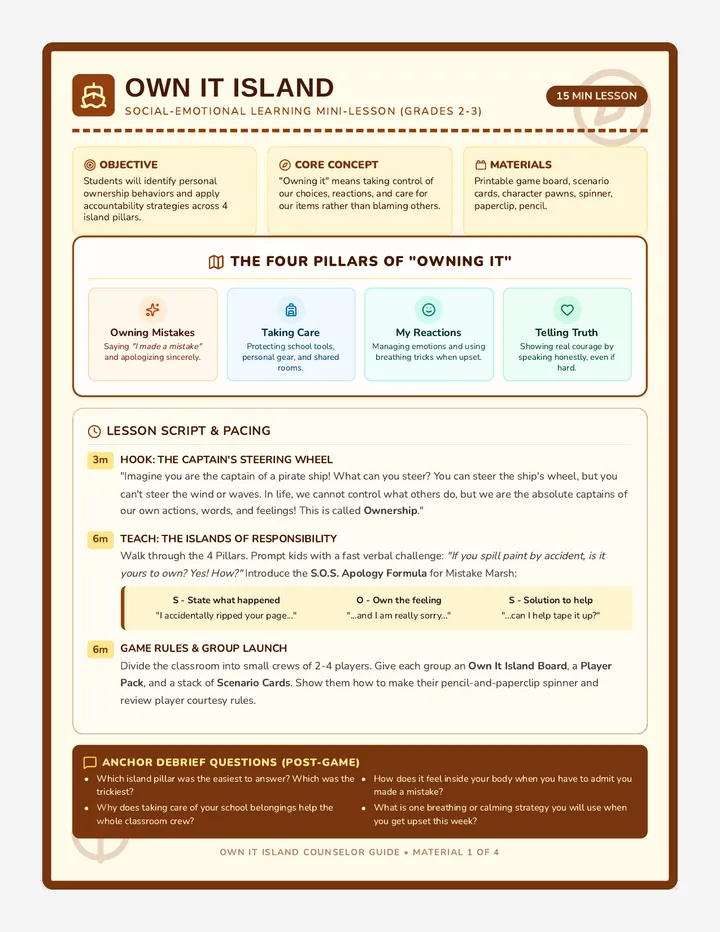
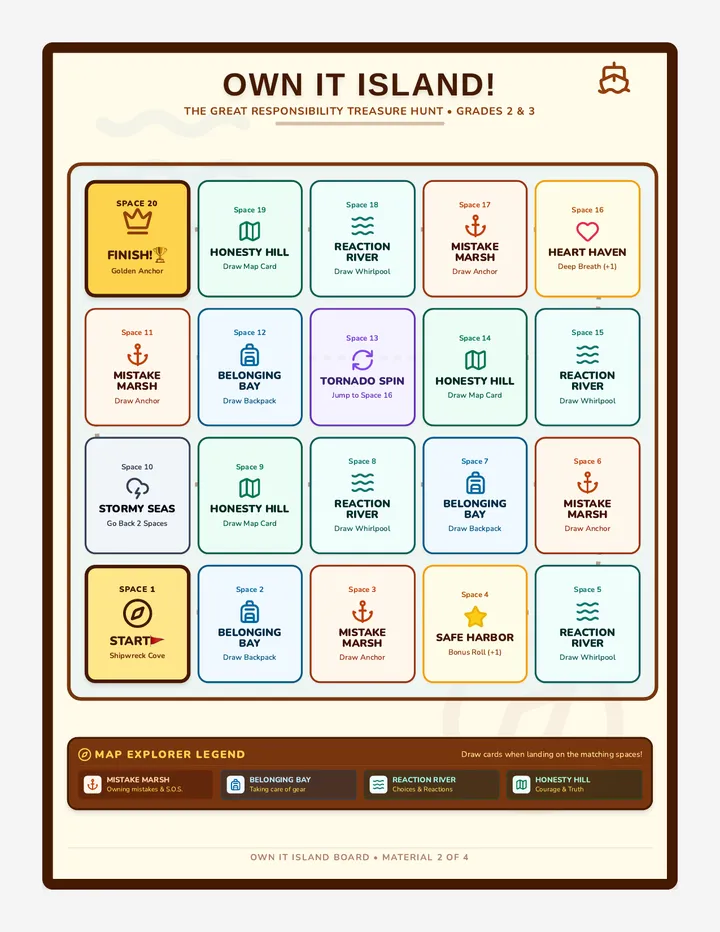
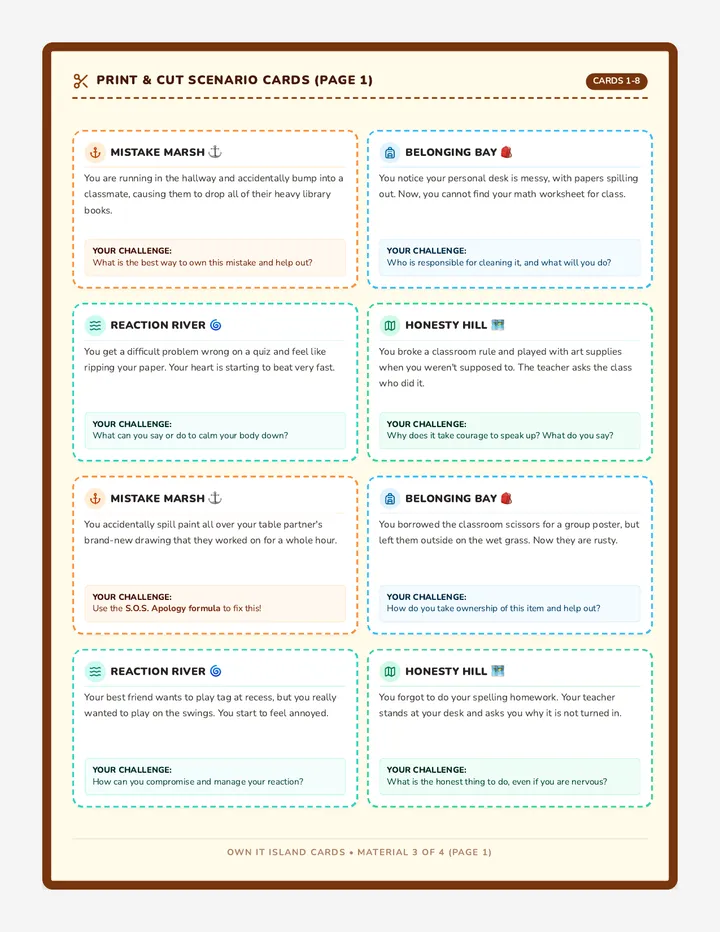
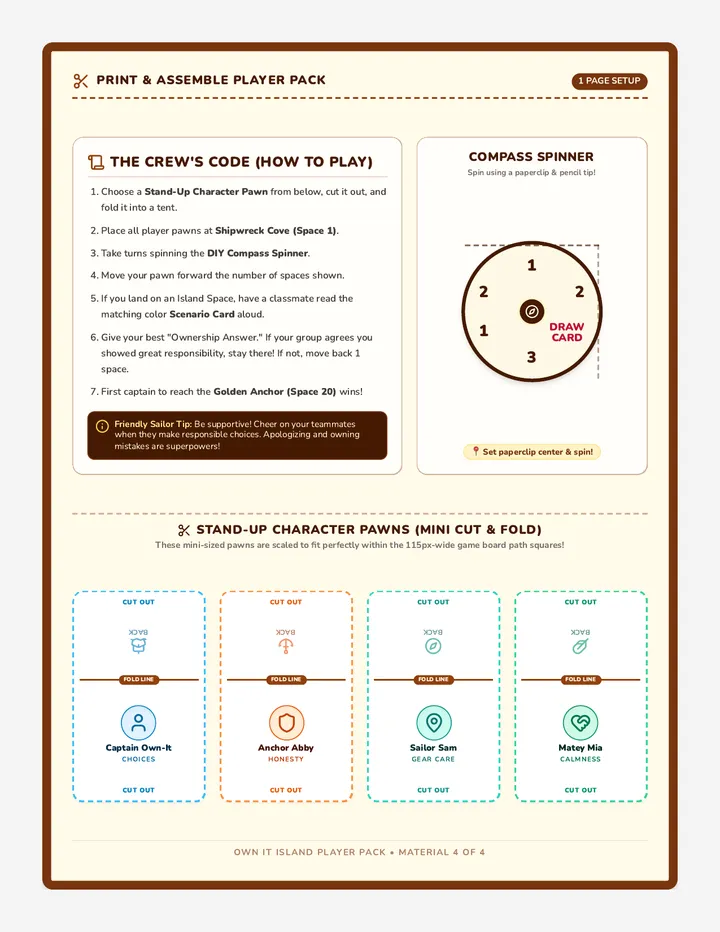
A mini-lesson and printable counseling board game designed for 2nd and 3rd graders. The lesson teaches four core pillars of personal ownership: owning mistakes, taking care of belongings, managing reactions, and telling the truth, followed by an active board game simulation.
A complete counseling game bundle for 2nd and 3rd graders focused on owning mistakes, apologizing sincerely, and restoring relationships. Includes a printable board, scenario cards, instruction guide, and individual reflection sheet.
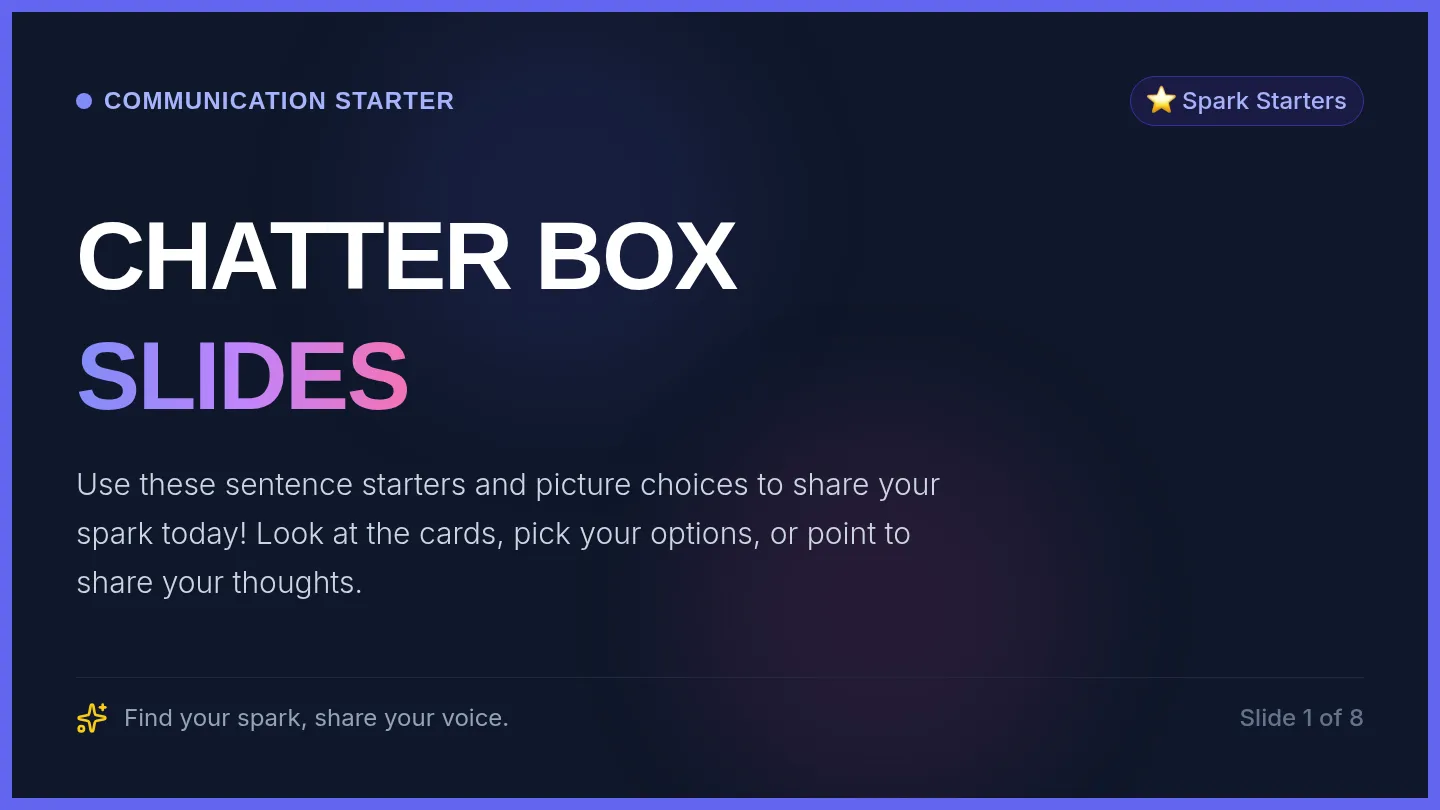
An introductory get-to-know-you lesson utilizing visual sentence starters and structured options to support students of all communication styles in sharing their preferences, feelings, and strengths.
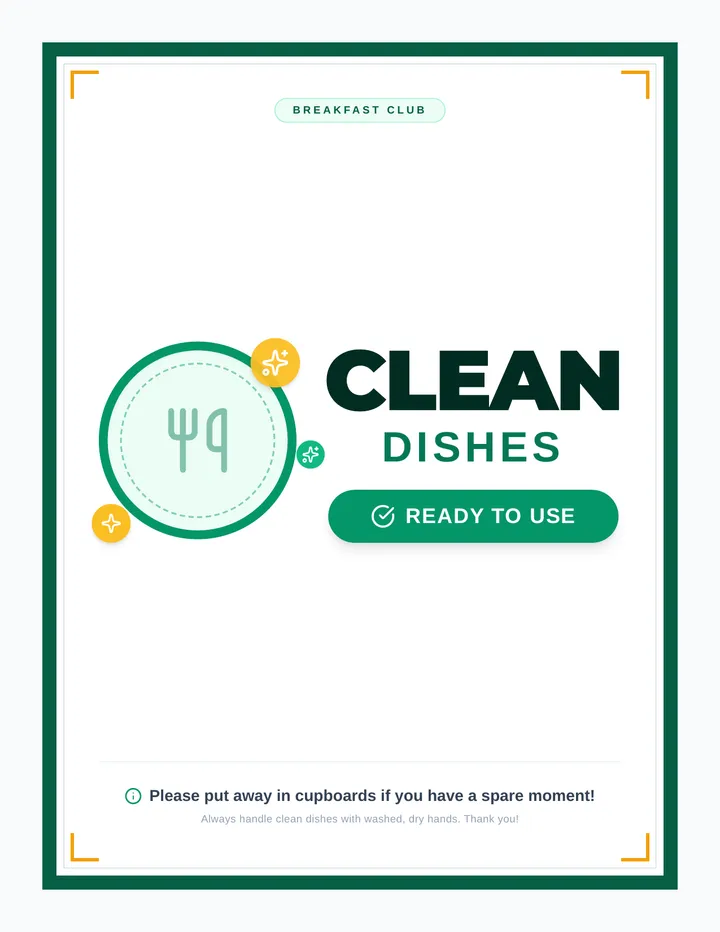
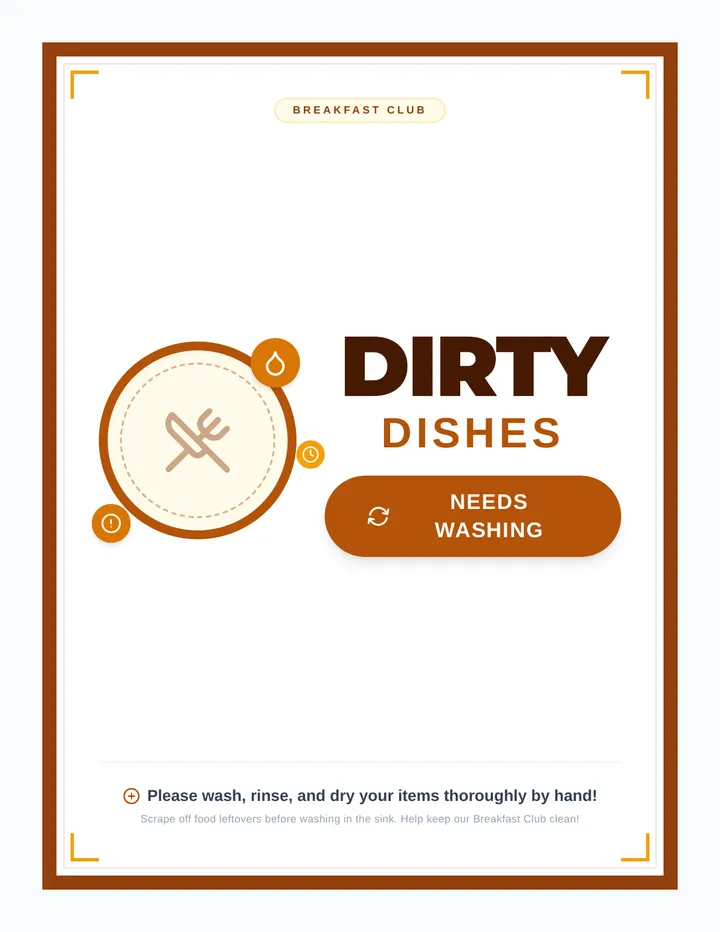
A pair of visually striking, high-contrast printable signs to organize any kitchen or classroom space. Features separate, elegant layouts for clean and dirty dishes to maintain perfect organization.
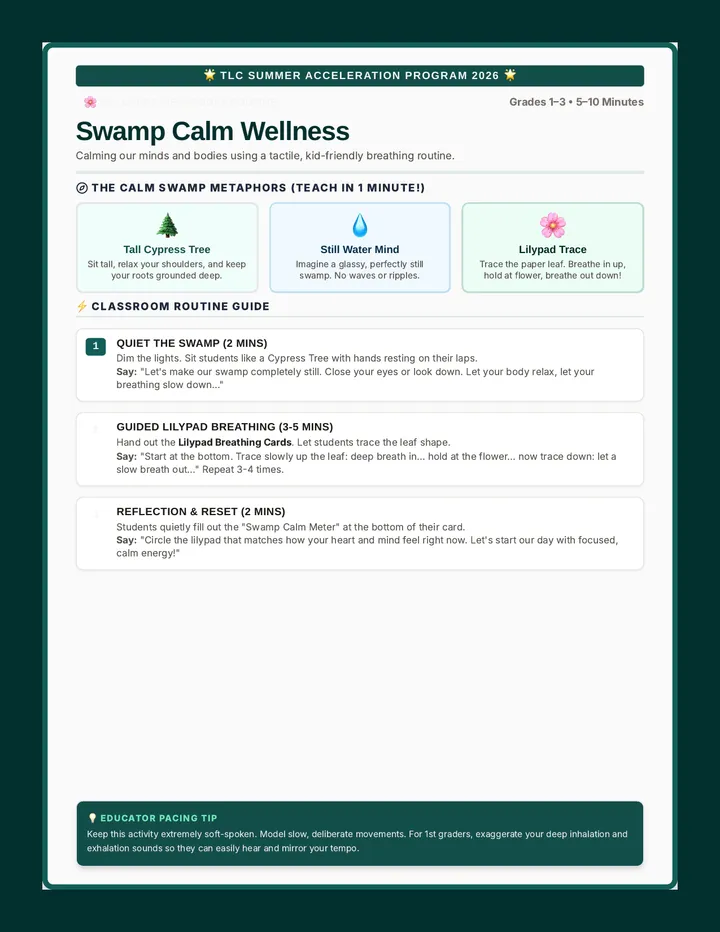
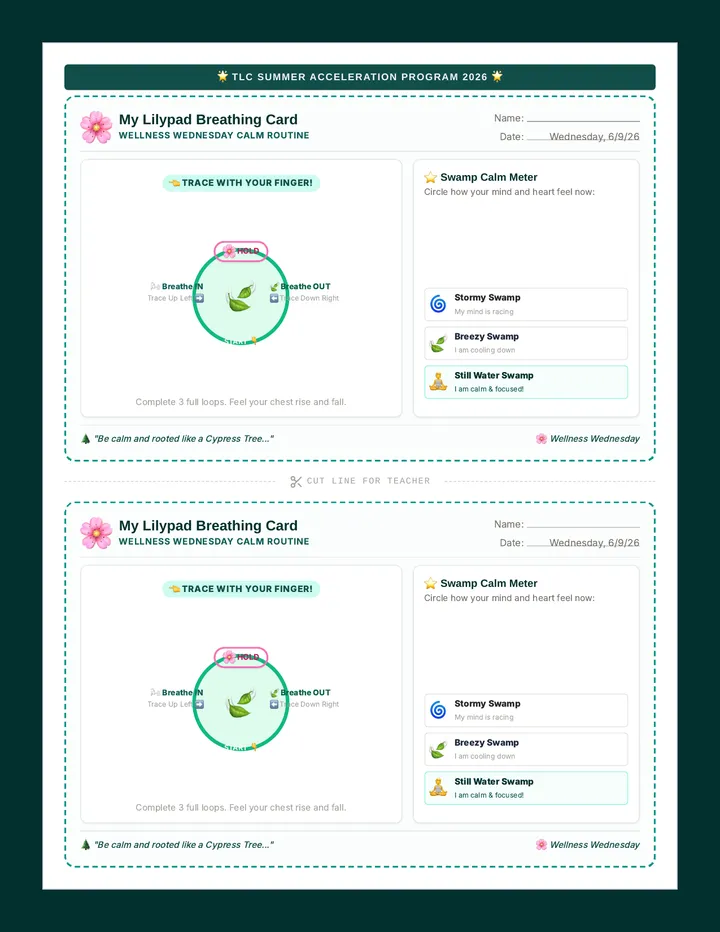
A Wellness Wednesday mindfulness routine for grades 1-3. Through sensory deep breathing and finger-tracing on a 'Lilypad Breathing' path, students learn self-regulation, calming techniques, and emotional focus.
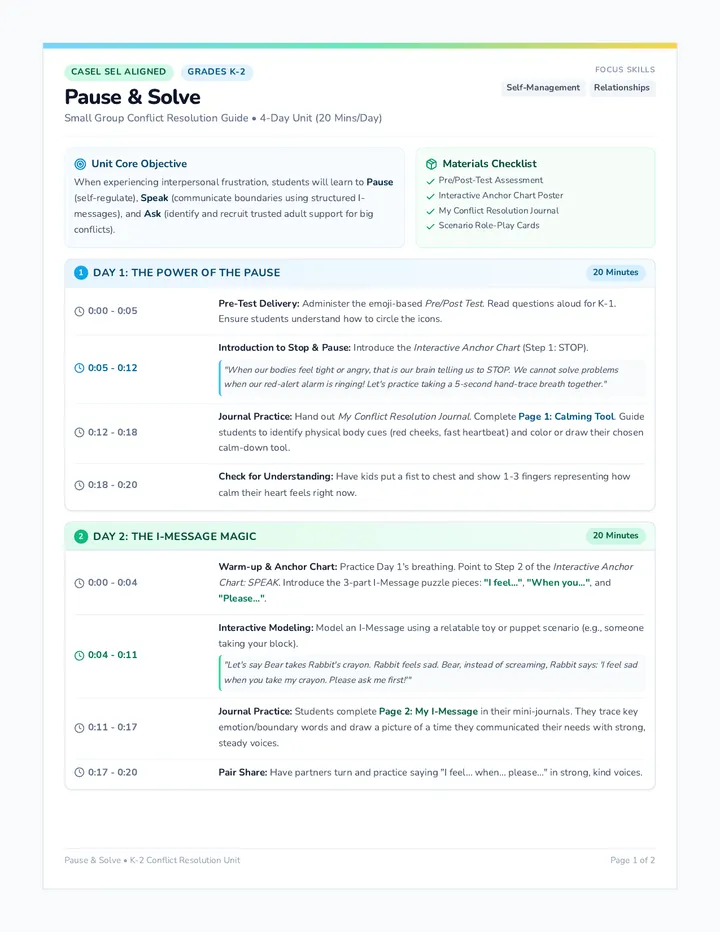
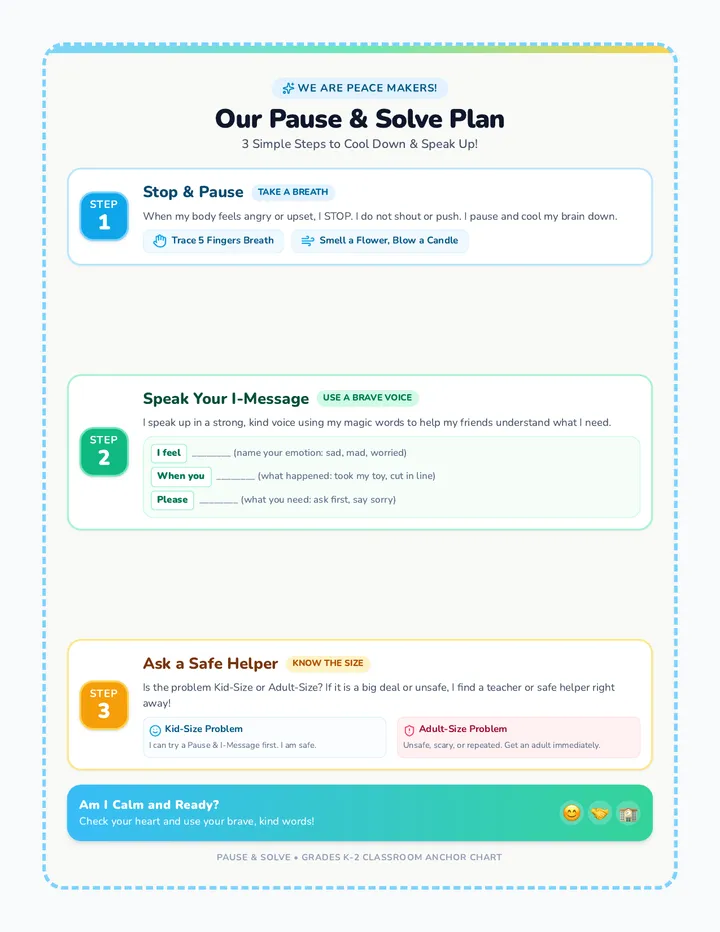
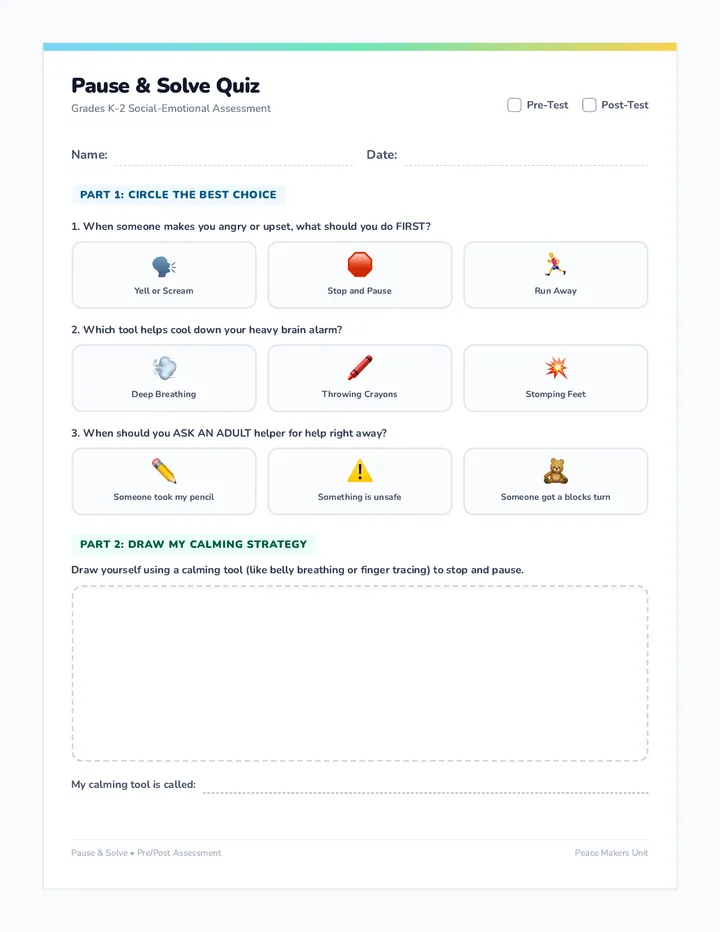
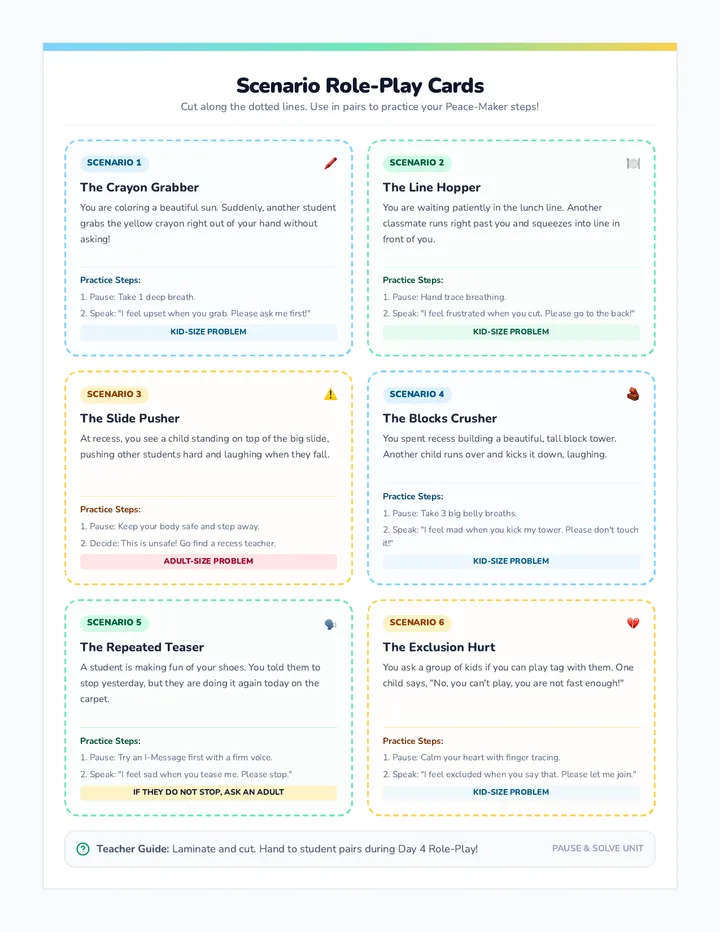
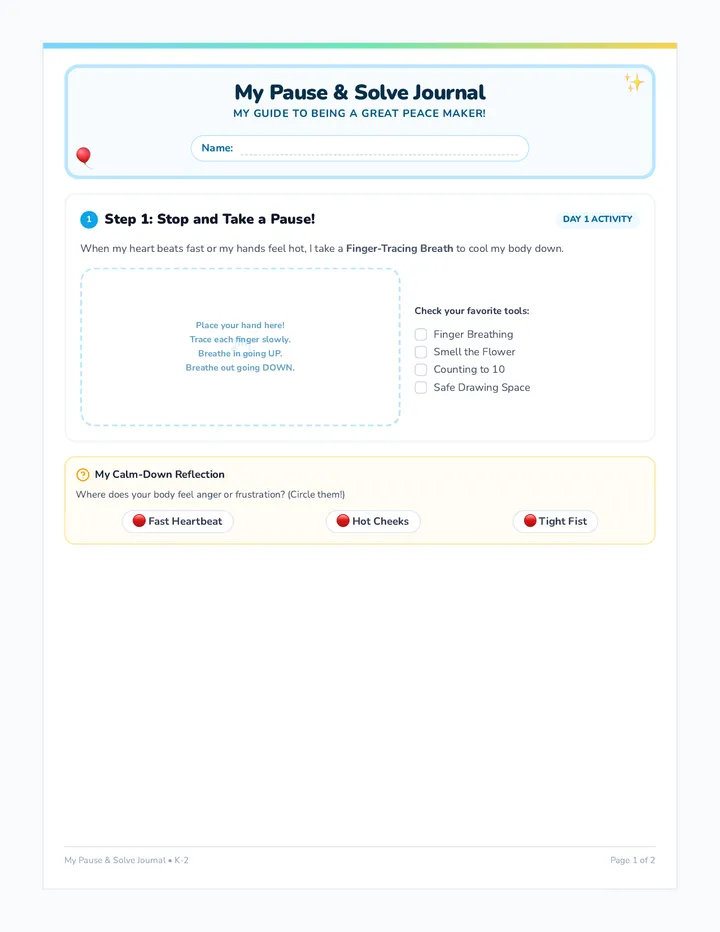
A comprehensive 4-day small group unit for grades K-2 focused on CASEL-aligned conflict resolution. Students learn to stop and pause, communicate boundaries using I-messages, and distinguish between small conflicts they can solve and big problems that require adult help.
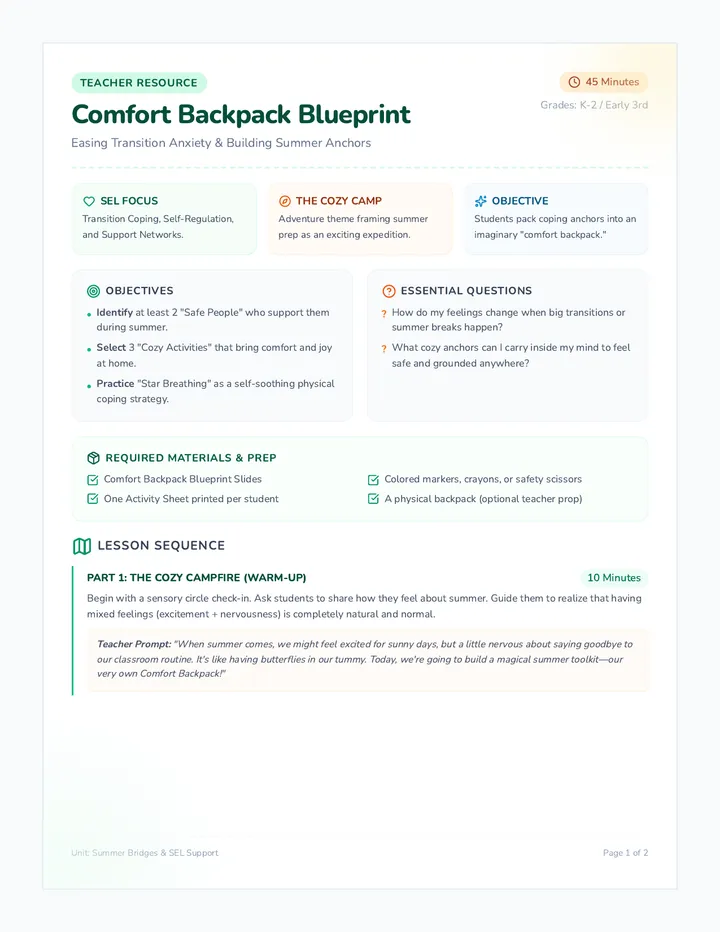
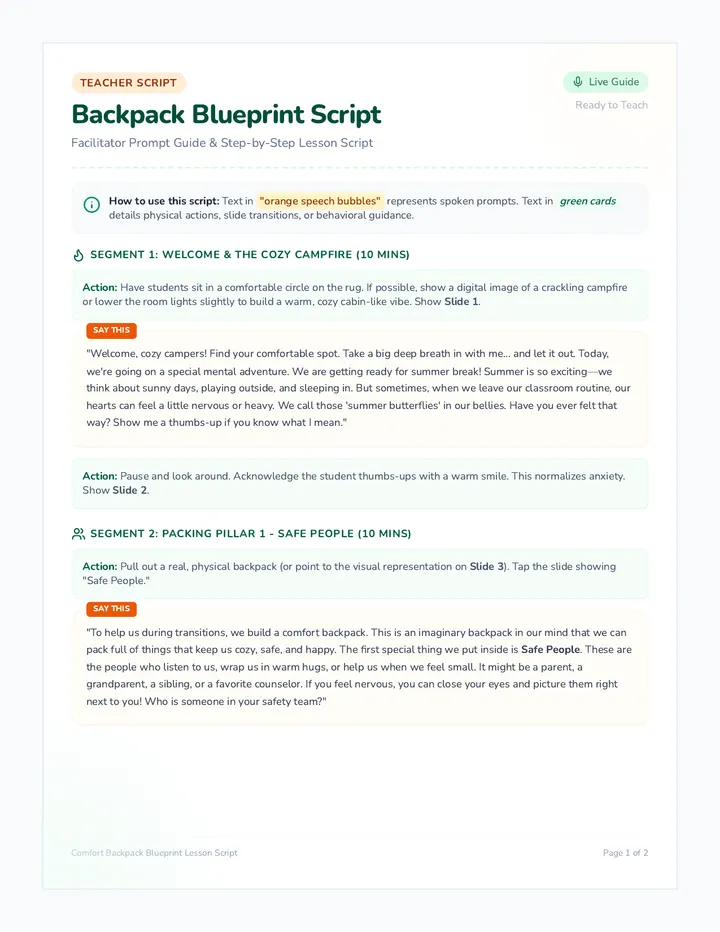
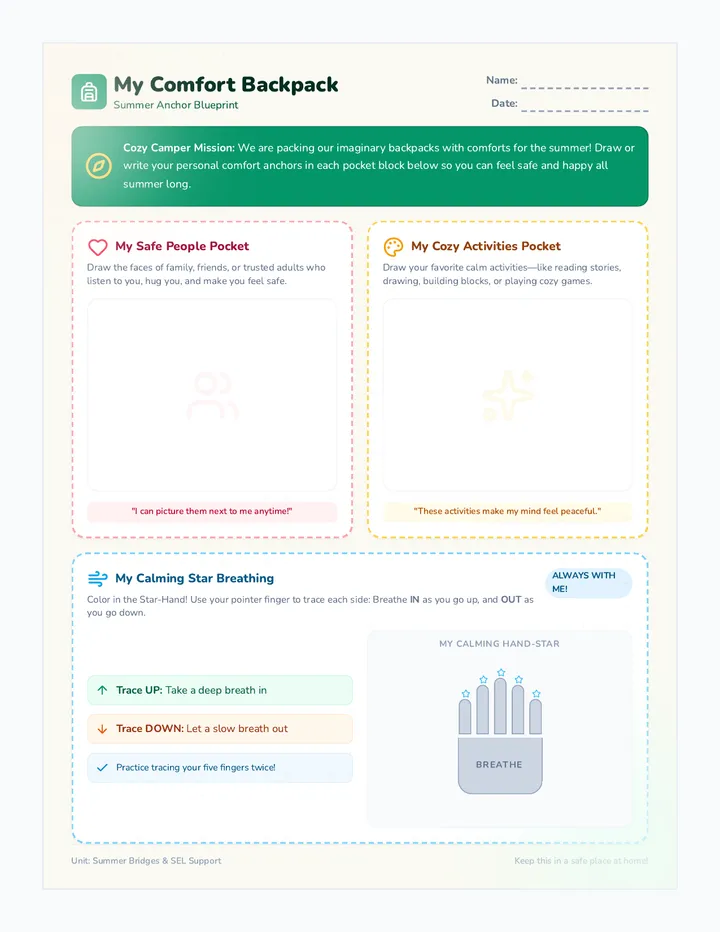
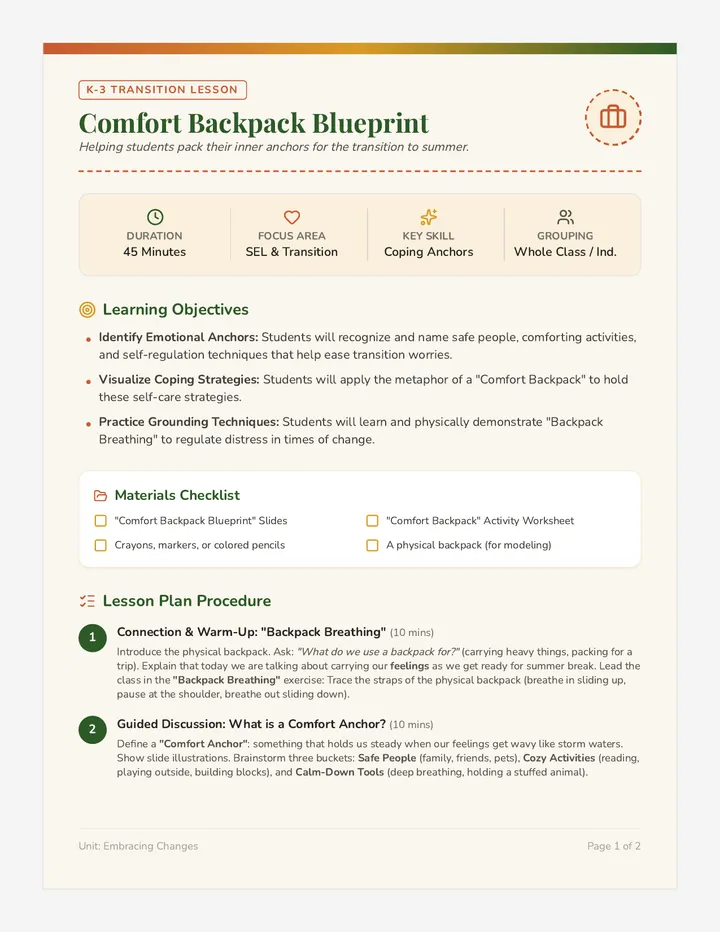
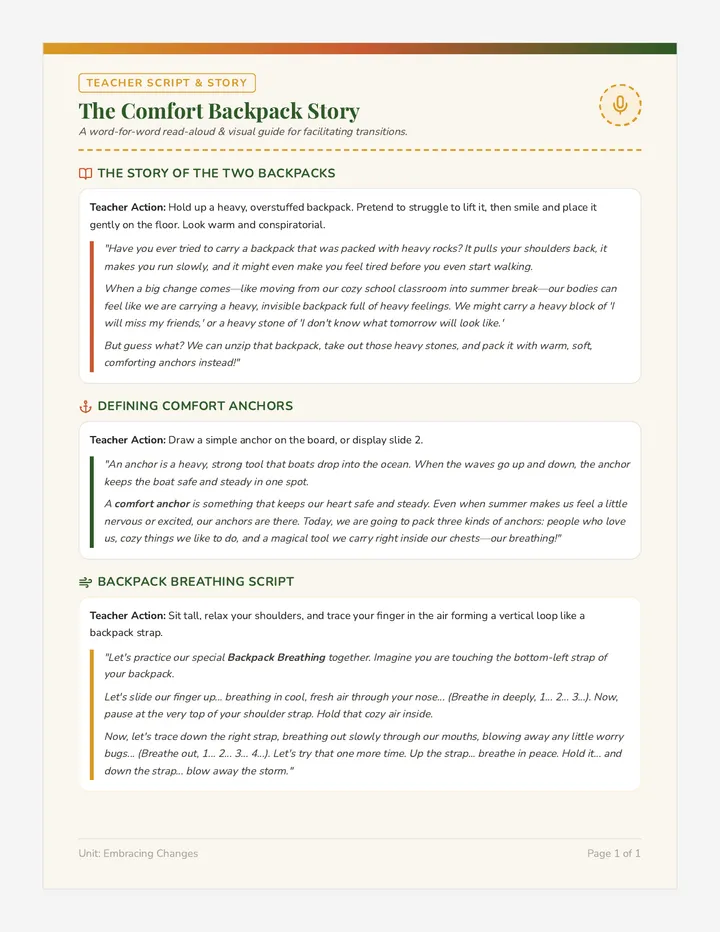
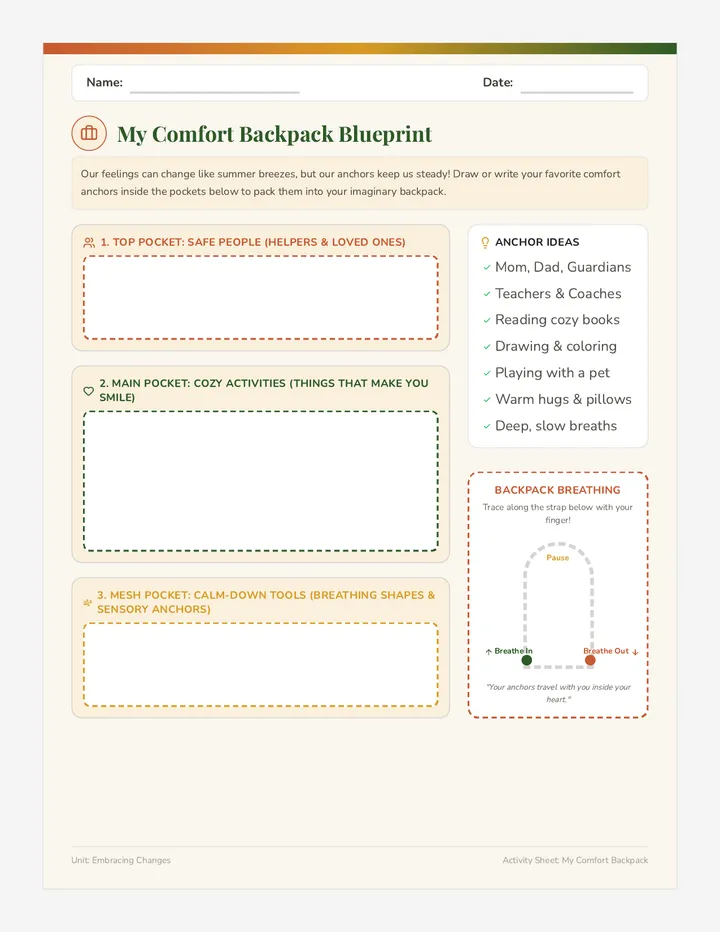
A comforting social-emotional learning lesson designed to ease transition anxiety for younger students. Students identify key support systems, favorite activities, and coping strategies, packing them into an imaginary backpack for the summer.
A comforting transition lesson designed for younger students (K-3) to identify their comfort anchors—such as favorite summer activities, safe people, and calming breathing strategies—and pack them into a personalized, imaginary backpack to ease transition anxiety as they head into summer break.
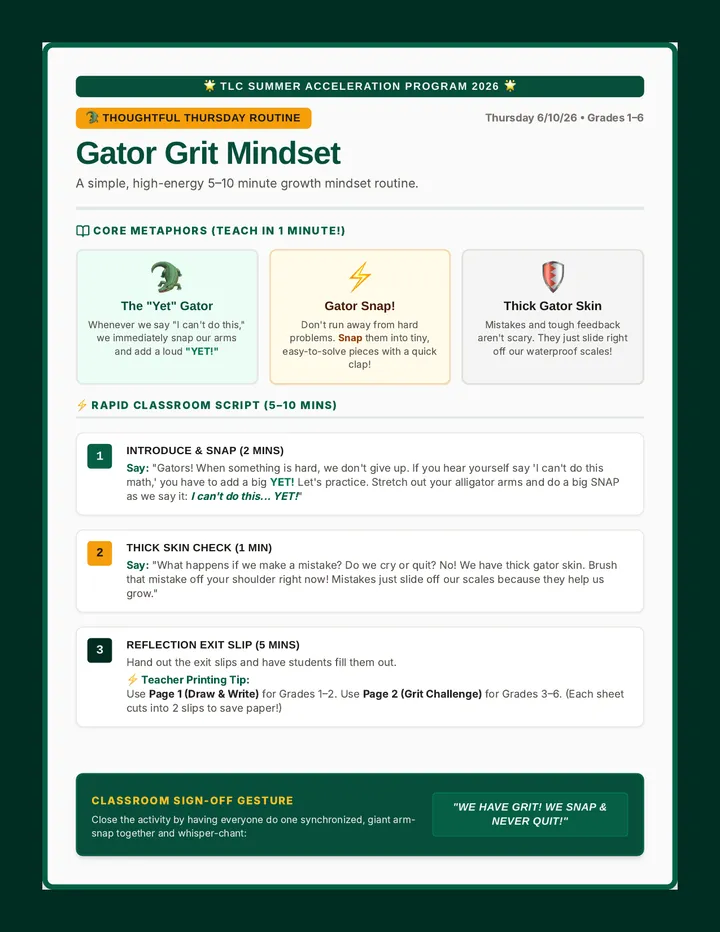
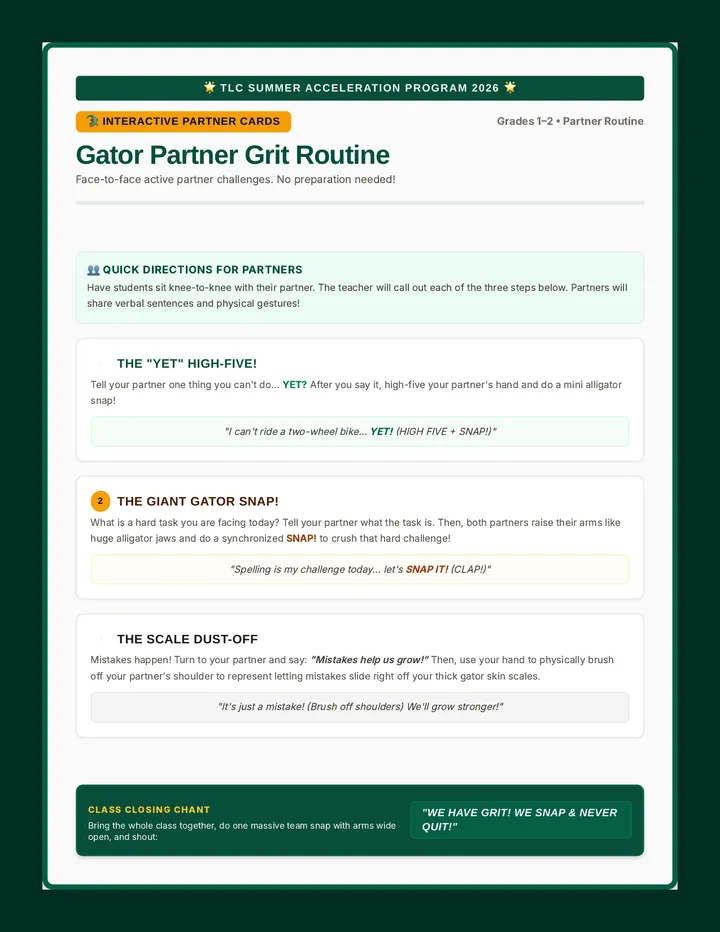
A 5-10 minute Thoughtful Thursday activity designed to shift students in grades 1-6 from a fixed to a growth mindset. Using engaging alligator metaphors like the 'Yet' Gator, 'Chomping' through challenges, and 'Thick Gator Skin' resilience, this quick routine builds emotional grit and reflection.
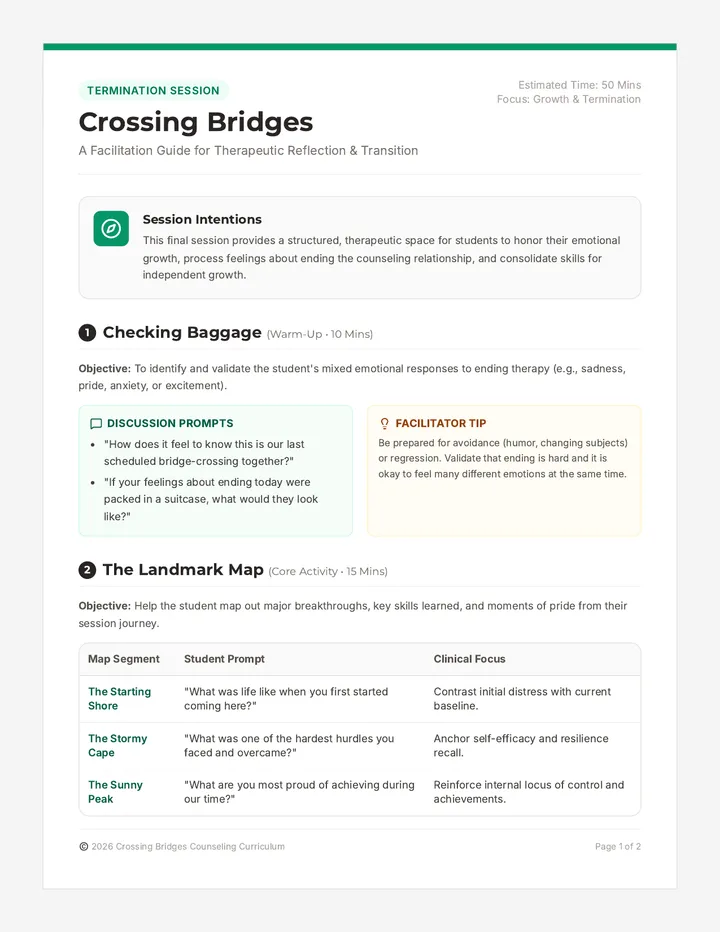
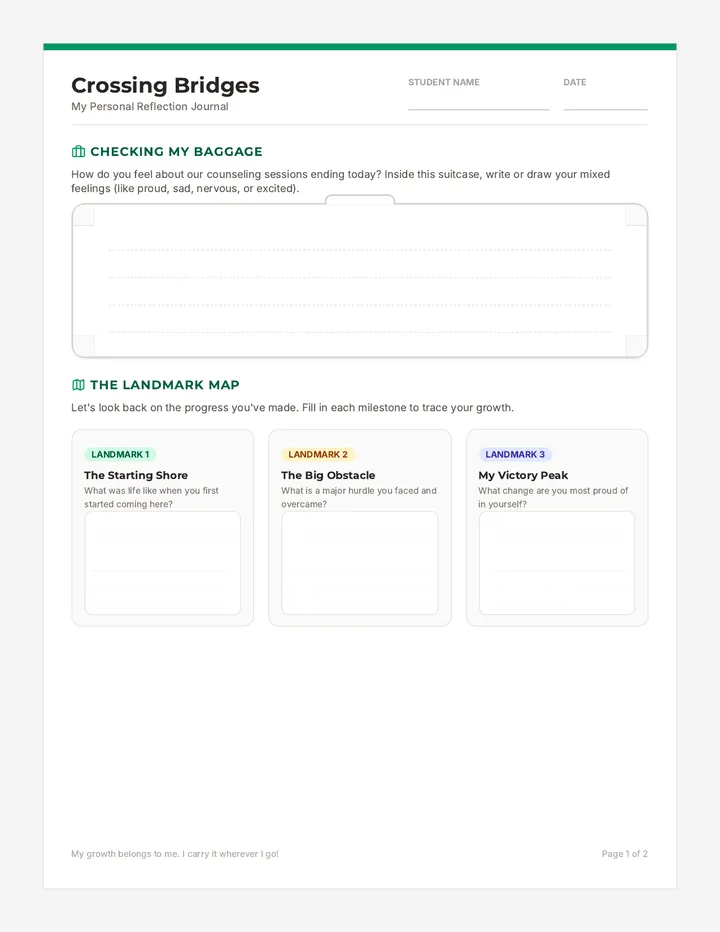
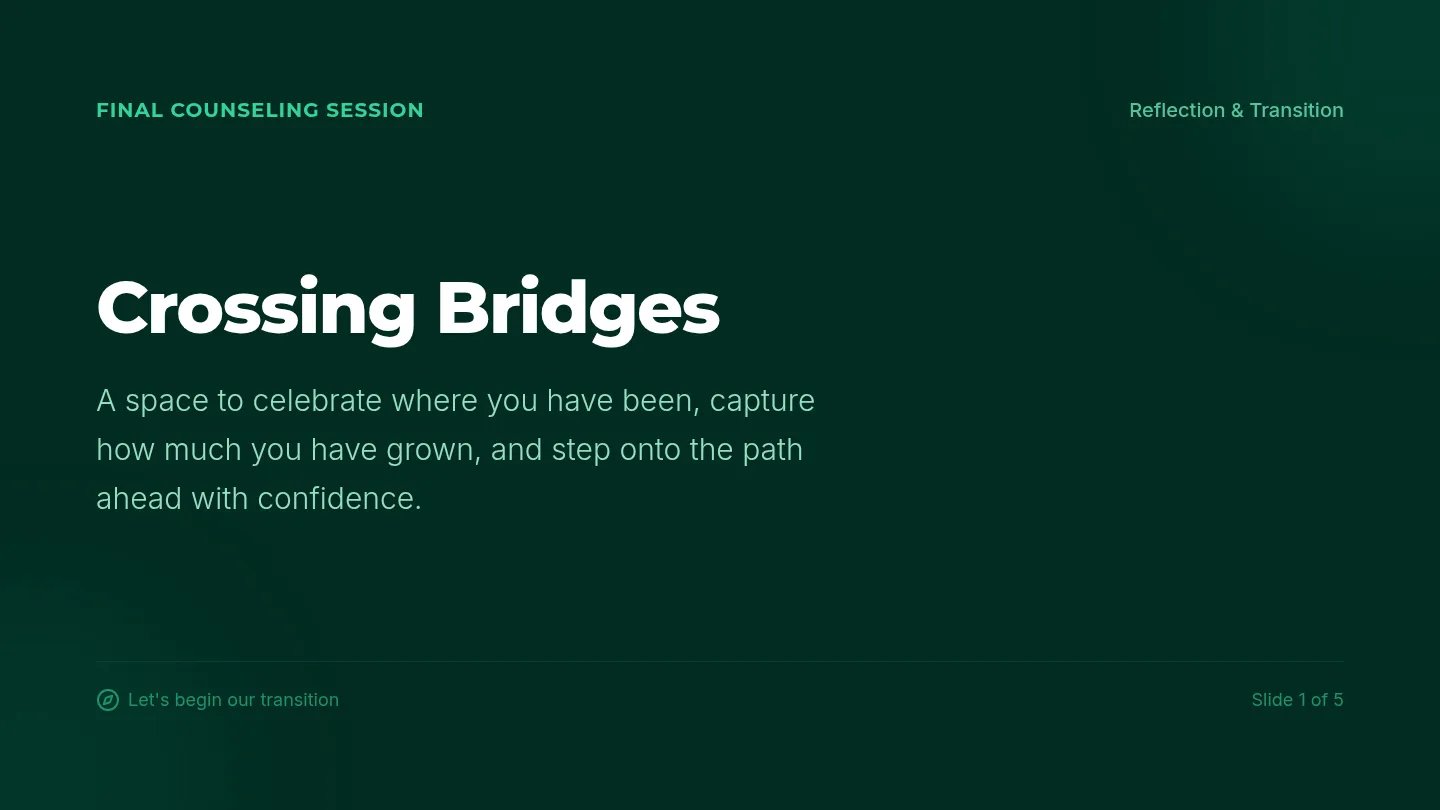
A comprehensive therapeutic counseling session designed to help students reflect on their growth, process feelings about termination, and prepare for the journey ahead.
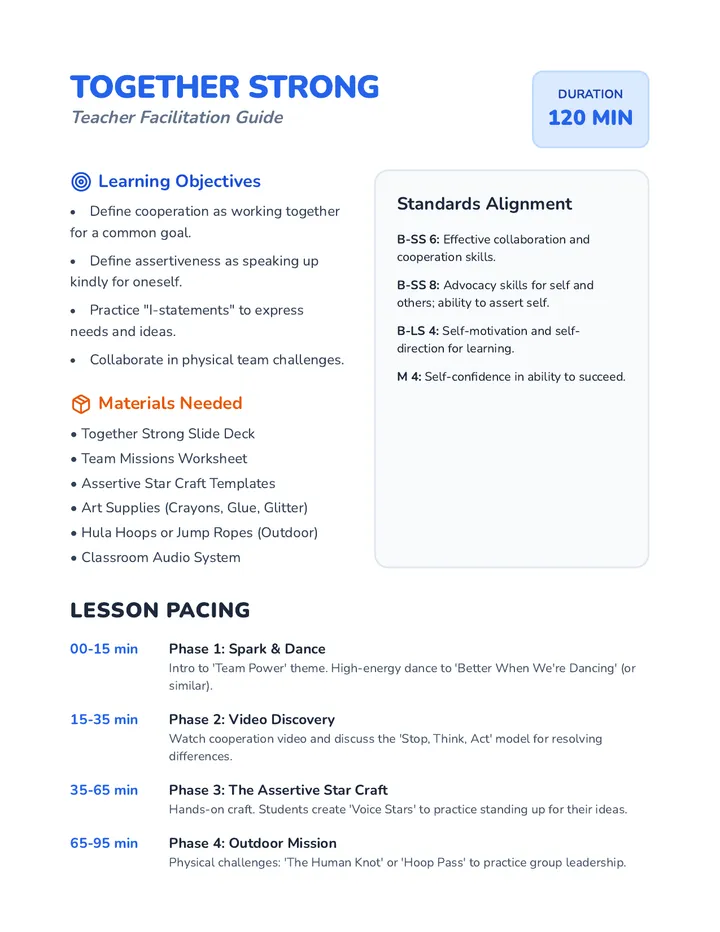
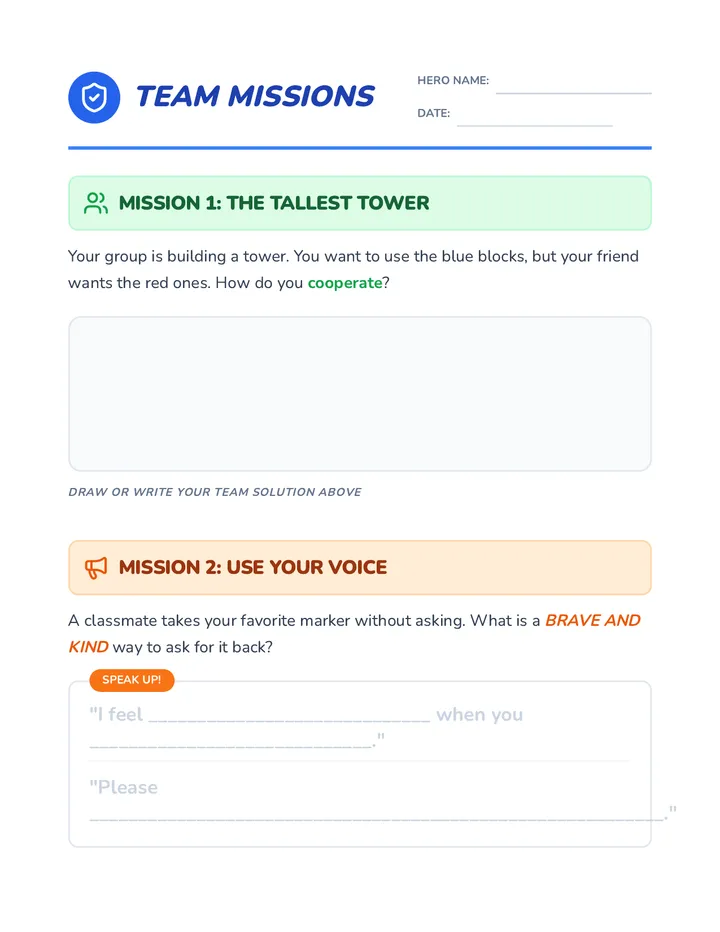
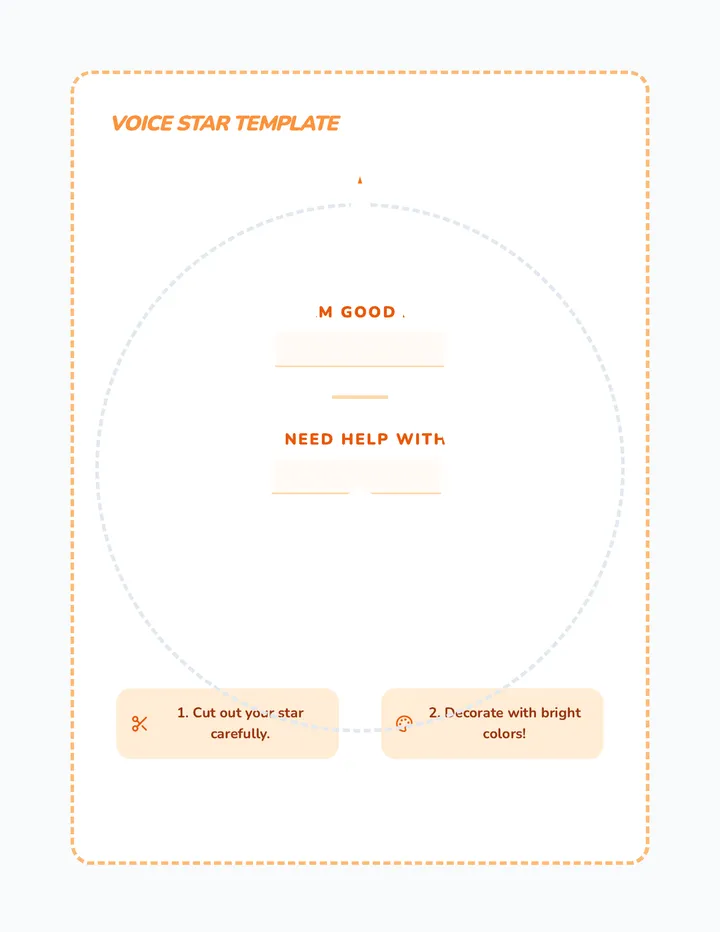
A comprehensive 120-minute lesson where students explore the dual superpowers of Cooperation and Assertiveness. Through a 'Superhero Training' theme, students practice working together and speaking up for themselves and others.
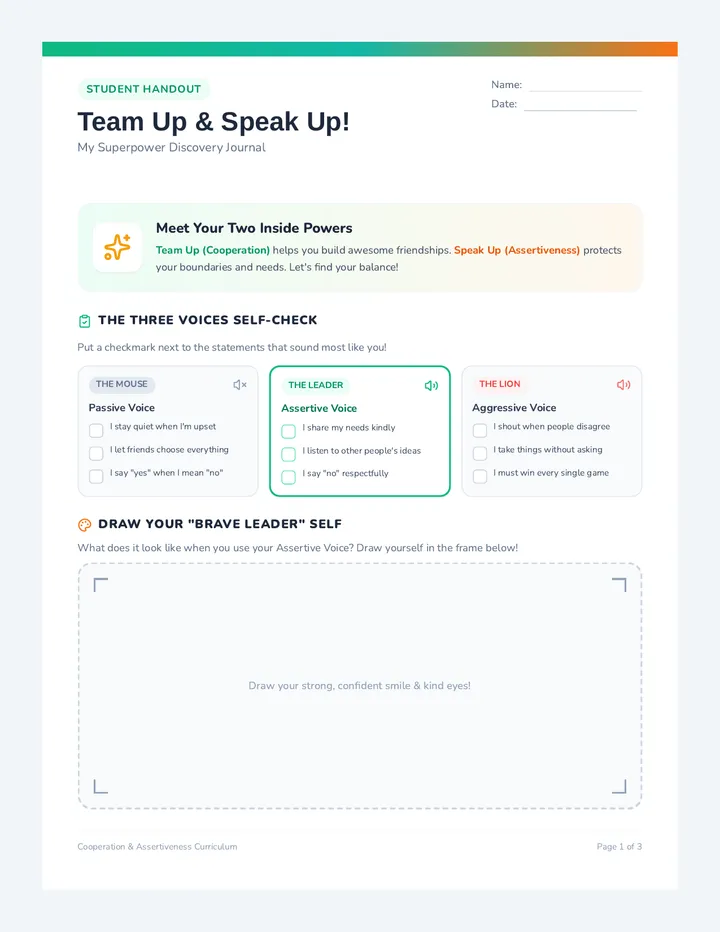
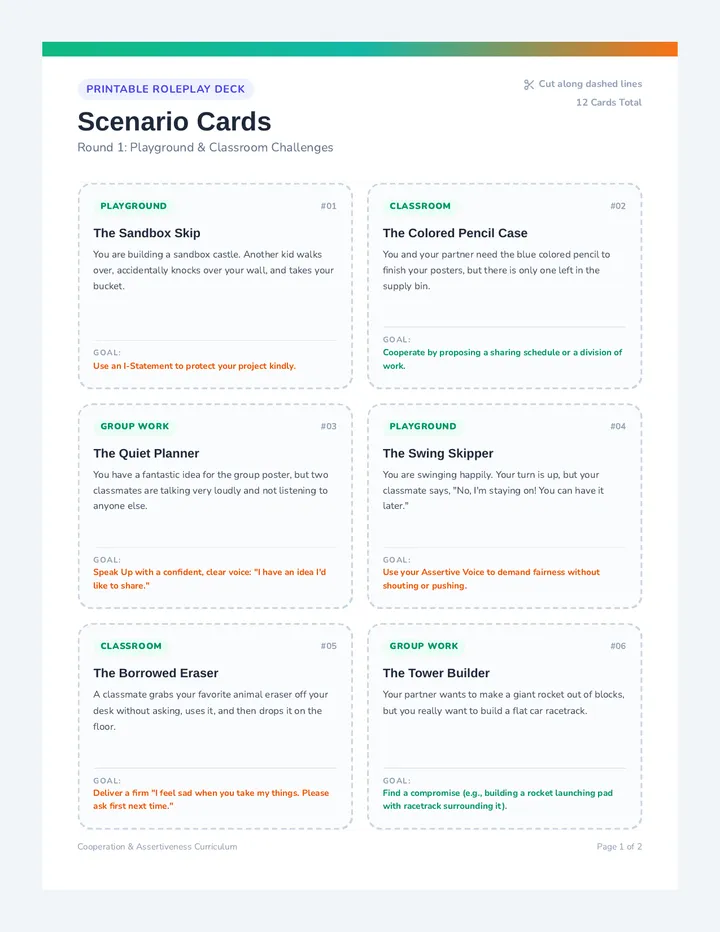
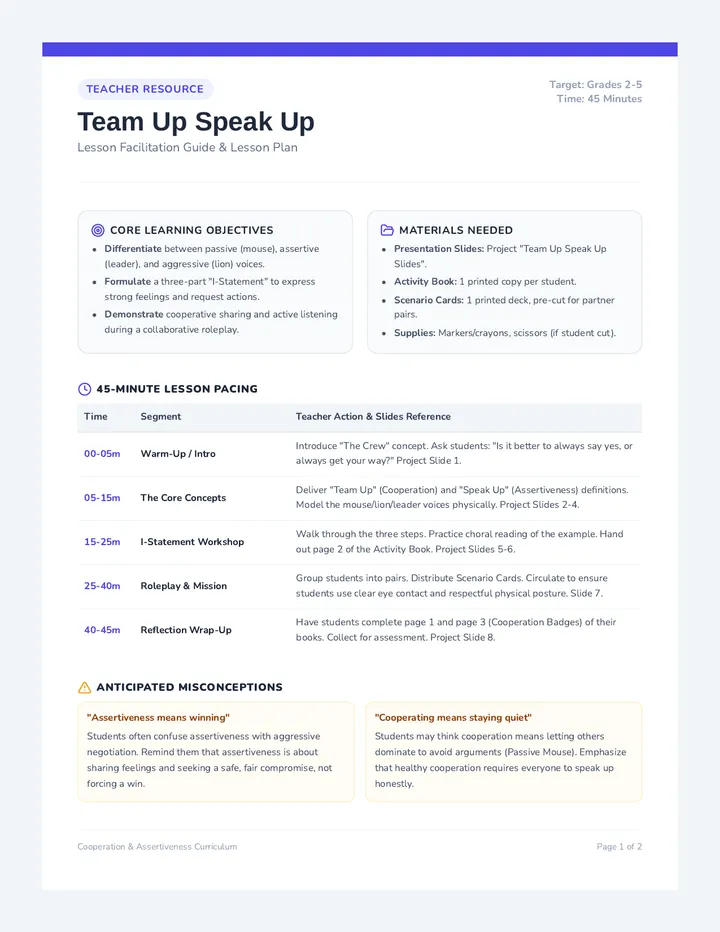
An interactive social-emotional learning lesson that teaches elementary students how to balance cooperation (working together, sharing) and assertiveness (speaking up for themselves, expressing feelings clearly) through roleplays, self-assessments, and guided reflection.
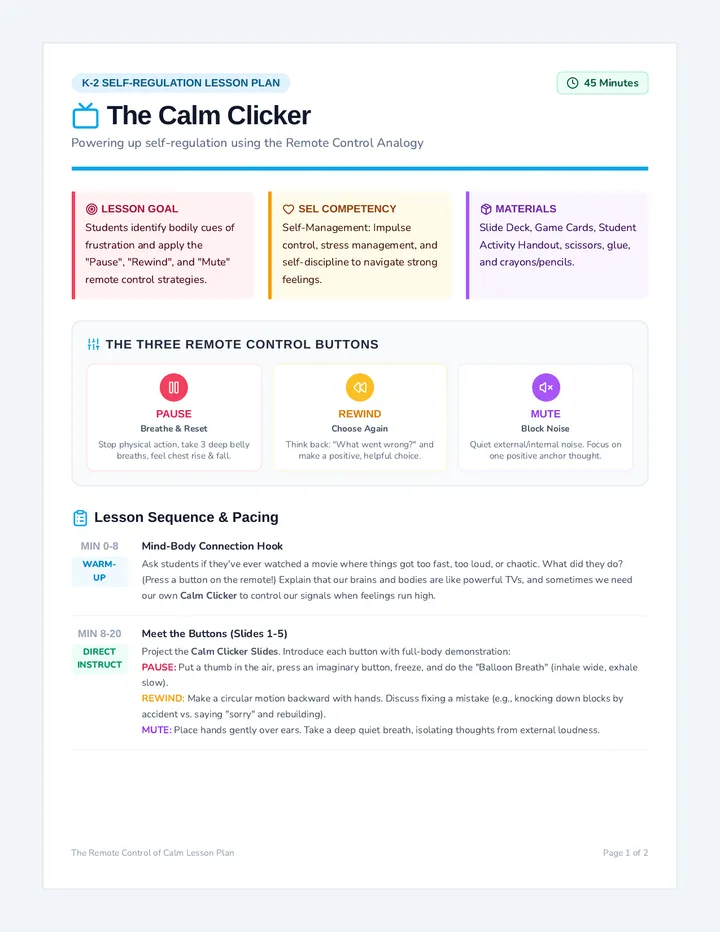
A self-regulation lesson for K-2 students using a remote control analogy. Students learn to 'pause' to breathe, 'rewind' to make better choices, and 'mute' distractions when overwhelmed.
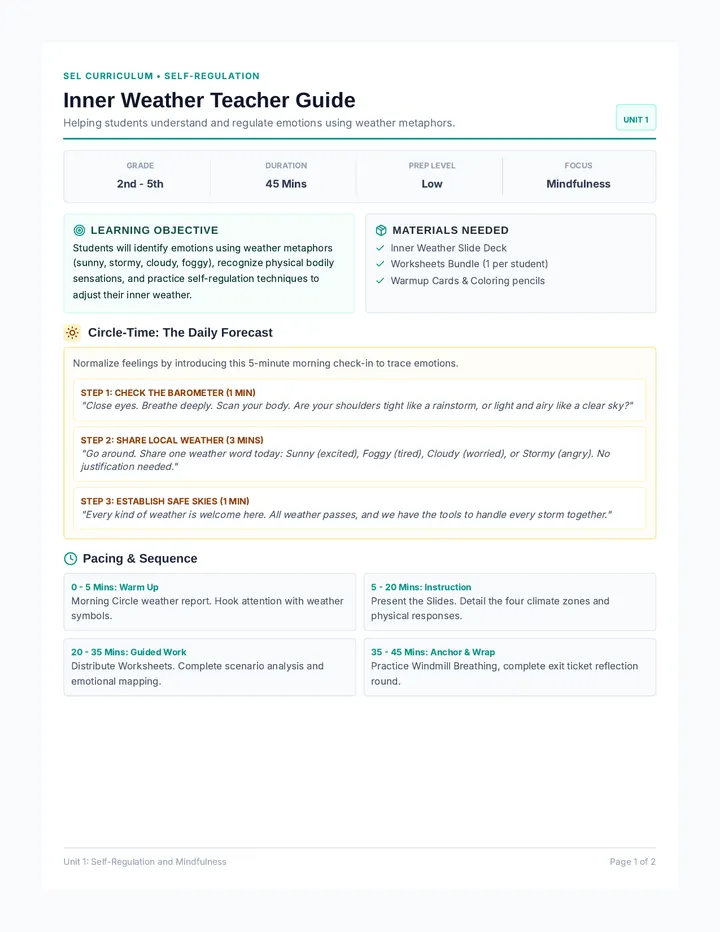
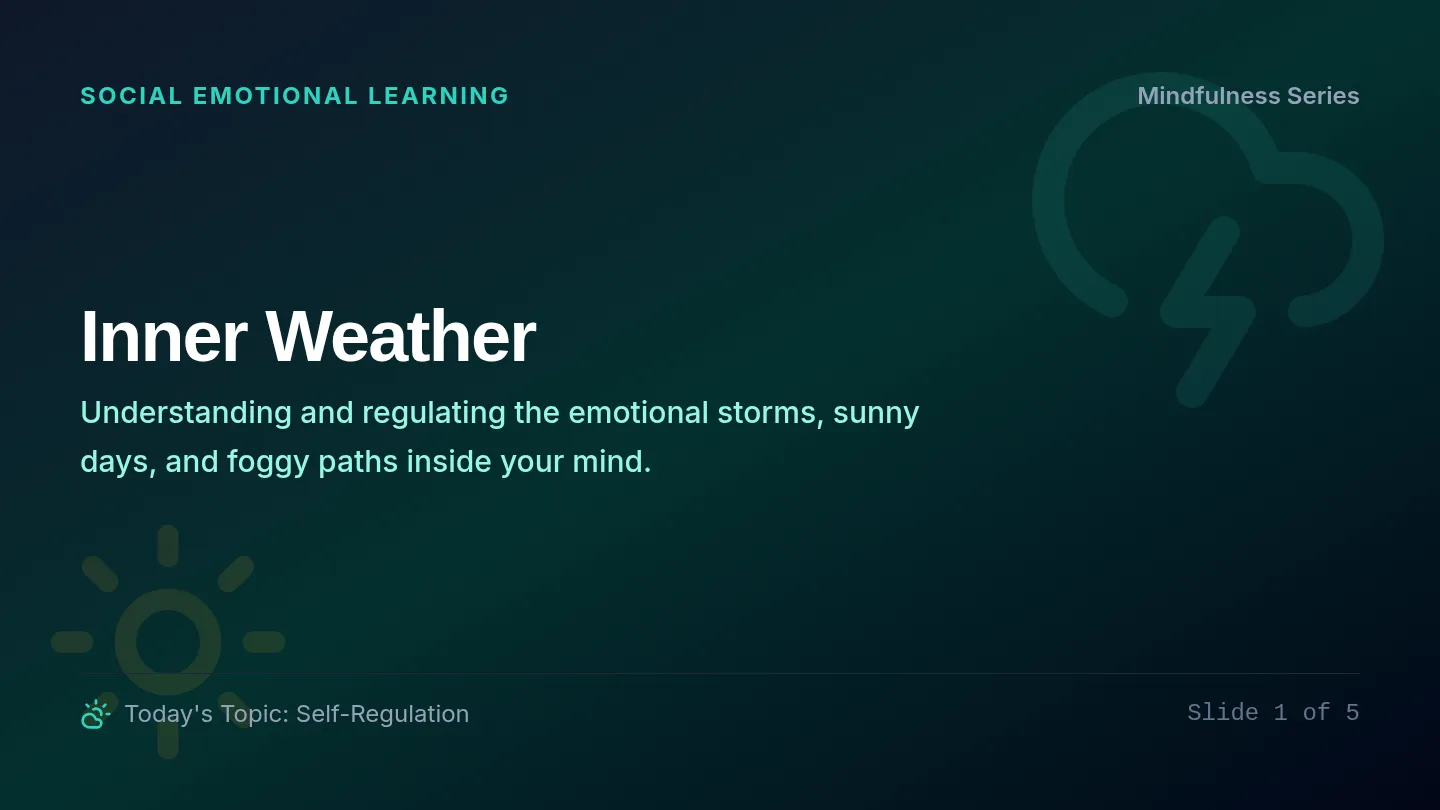
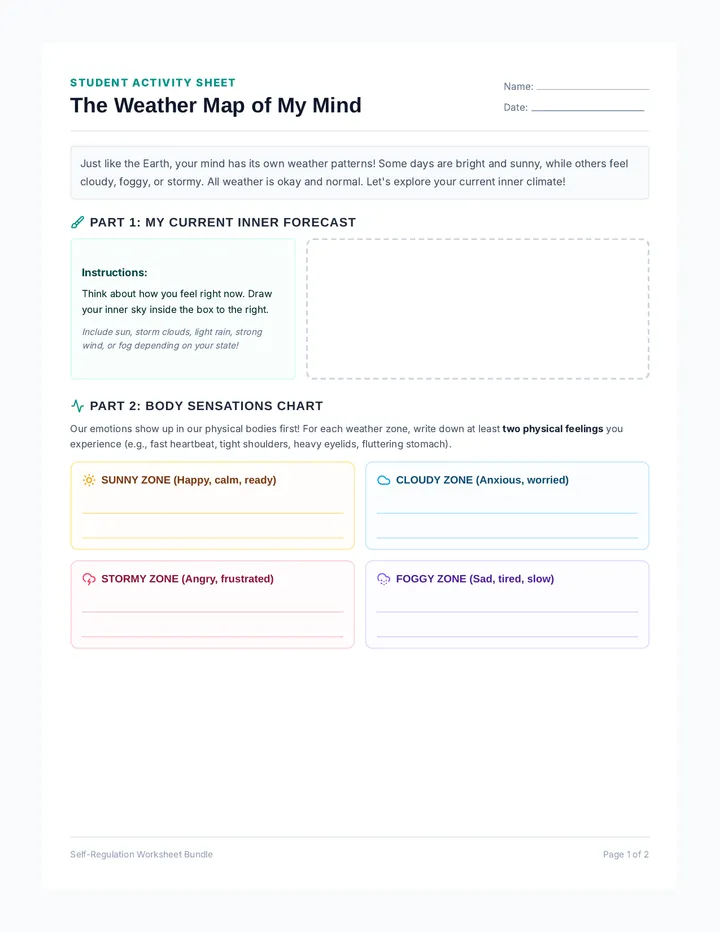
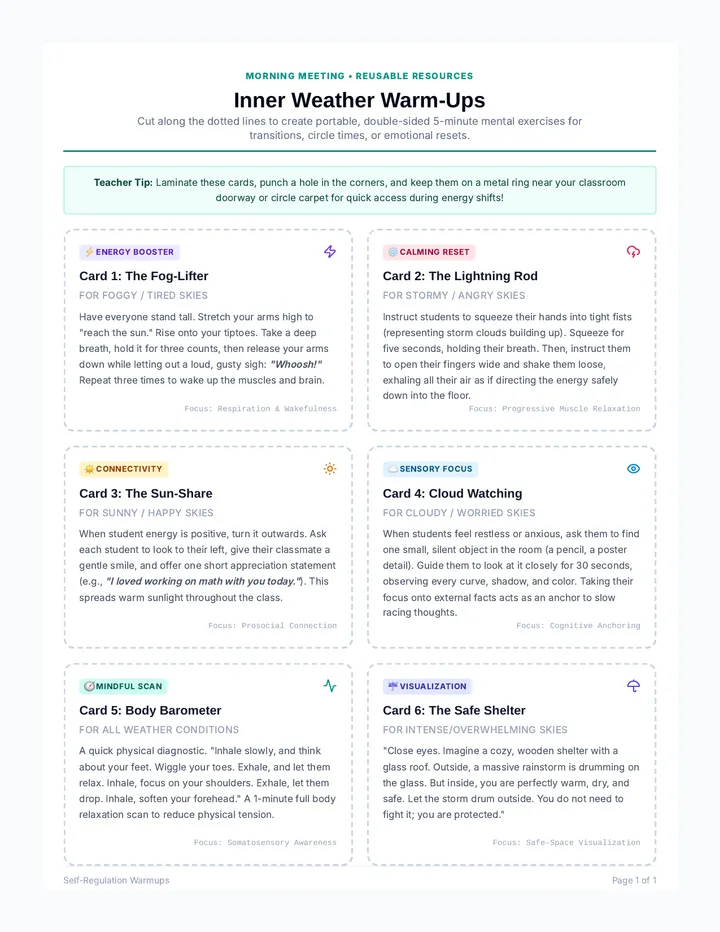
A comprehensive social-emotional learning lesson that teaches students to identify, monitor, and regulate their emotions using the metaphor of meteorology and weather patterns. Students learn practical breathing exercises, sensory anchoring, and calming strategies to navigate their inner storms and sunny days.
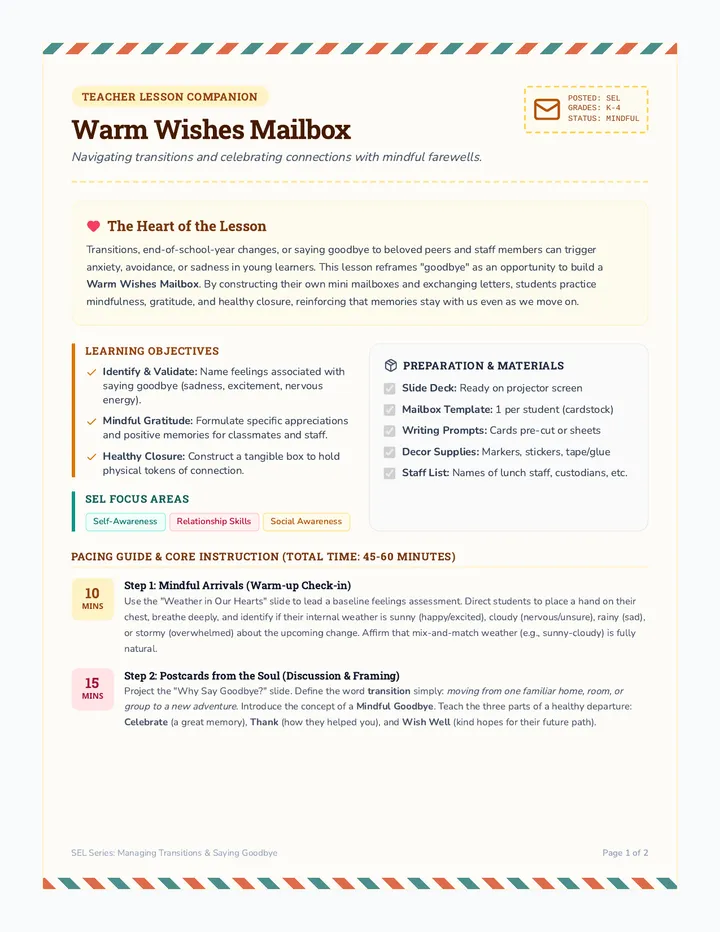
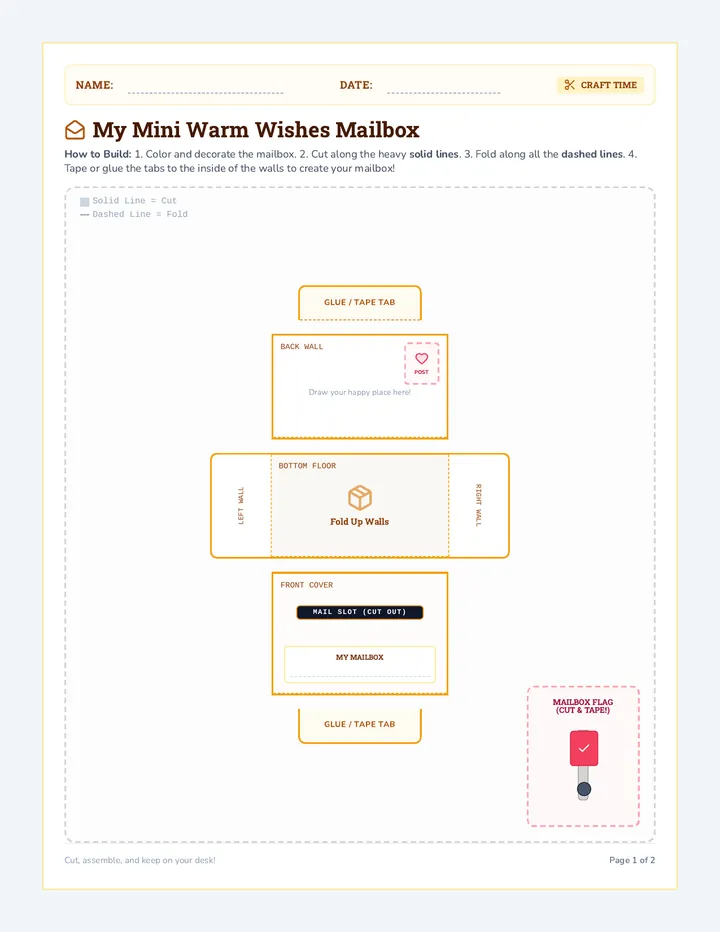
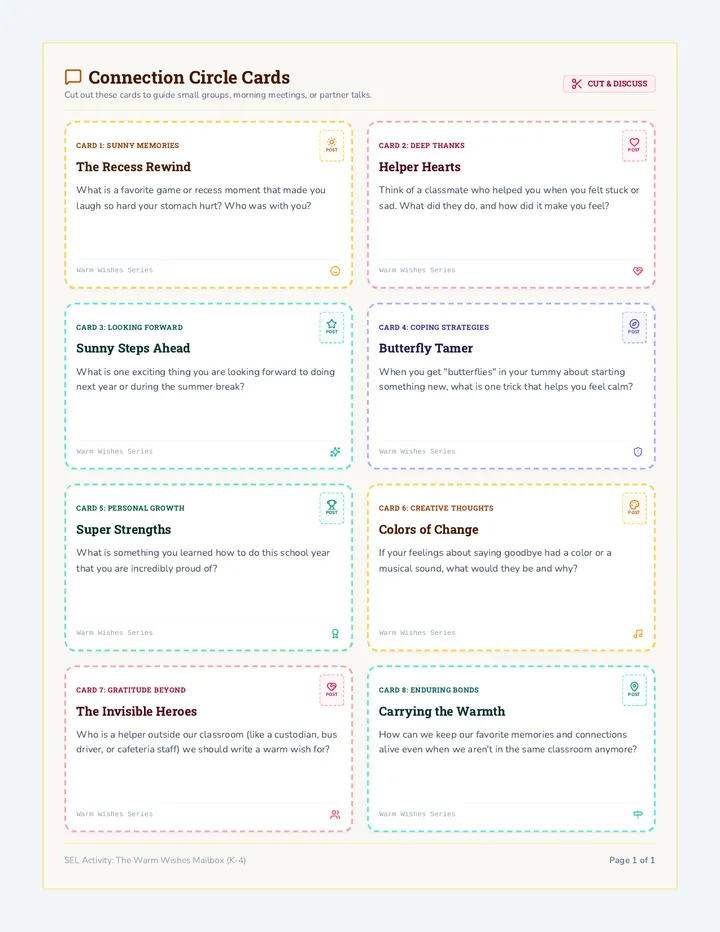
A heartwarming K-4 social-emotional learning lesson that guides students through transition anxiety by learning to say healthy, intentional fare-wells. Students construct their own mini mailbox and write and exchange positive memories, thanks, and well-wishes.
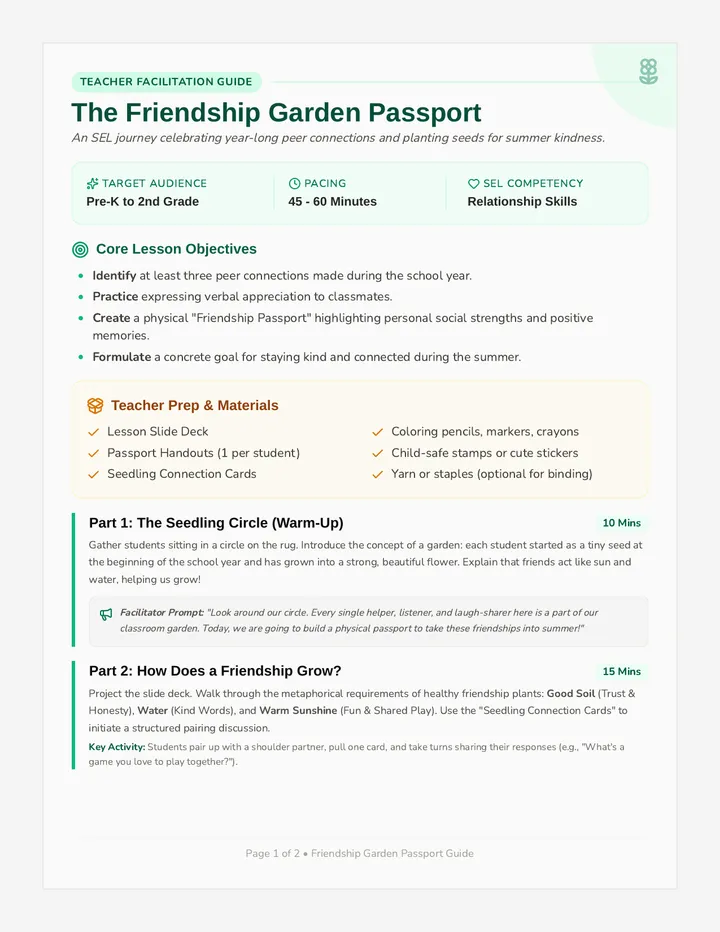
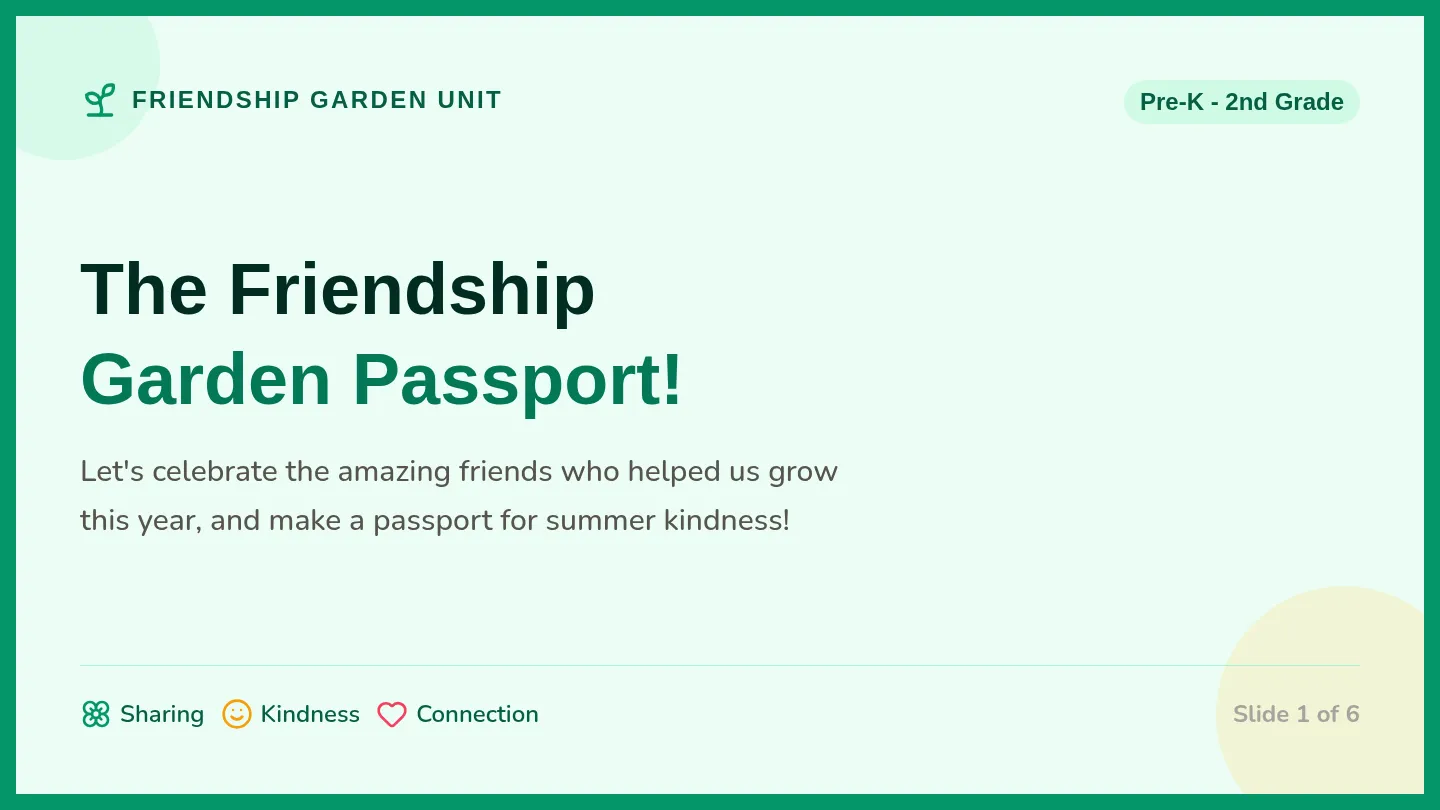
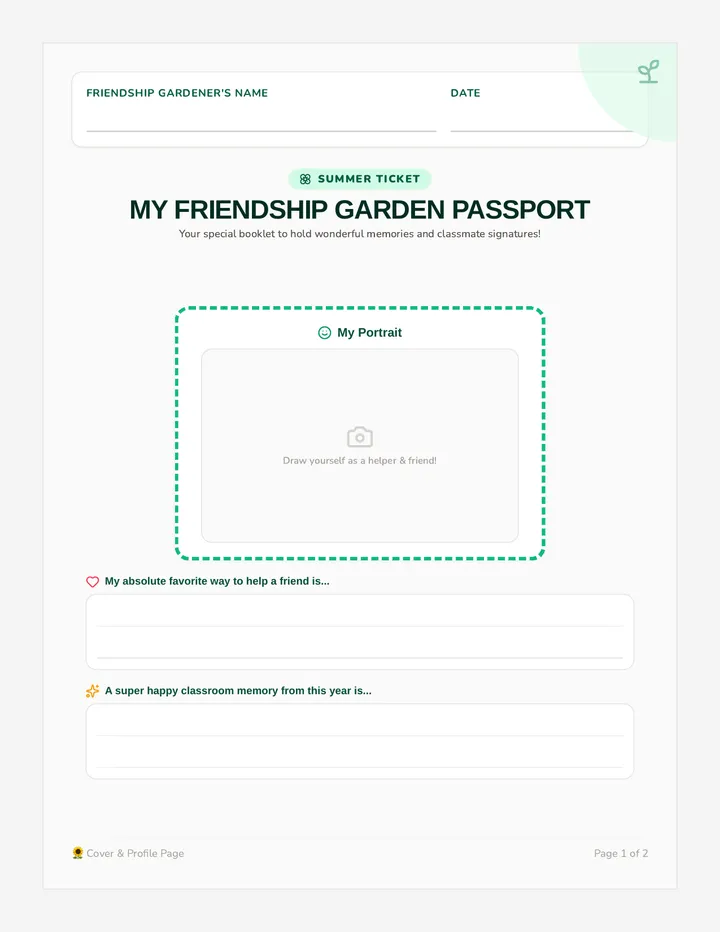
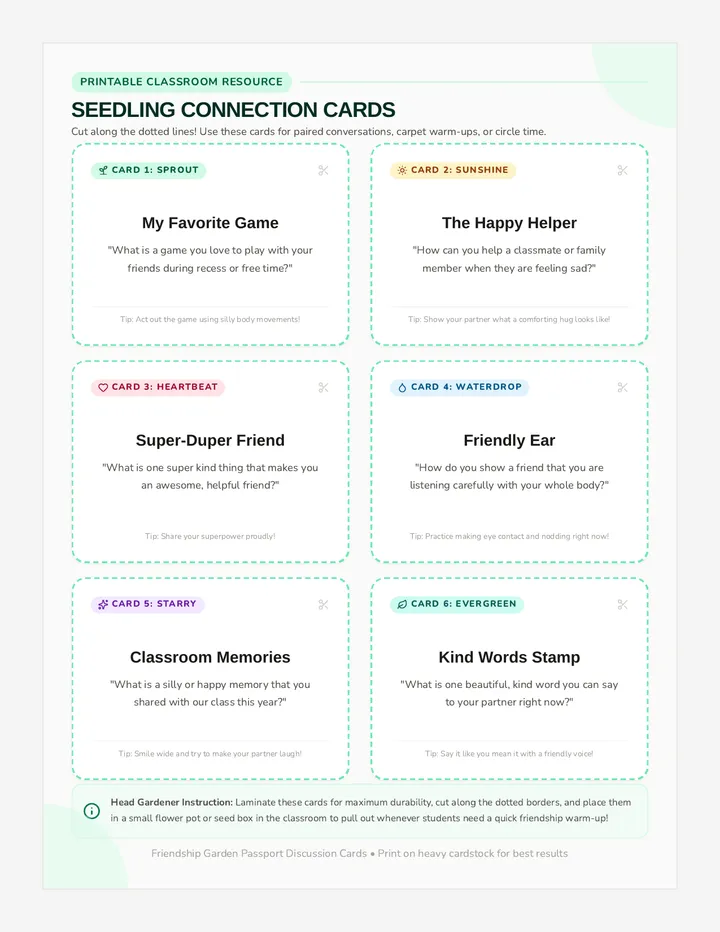
A heartwarming social-emotional learning lesson for Pre-K through 2nd grade. Students reflect on their school year connections, celebrate peer support networks, and design a personalized passport to carry positive friendship skills and memories into the summer months.
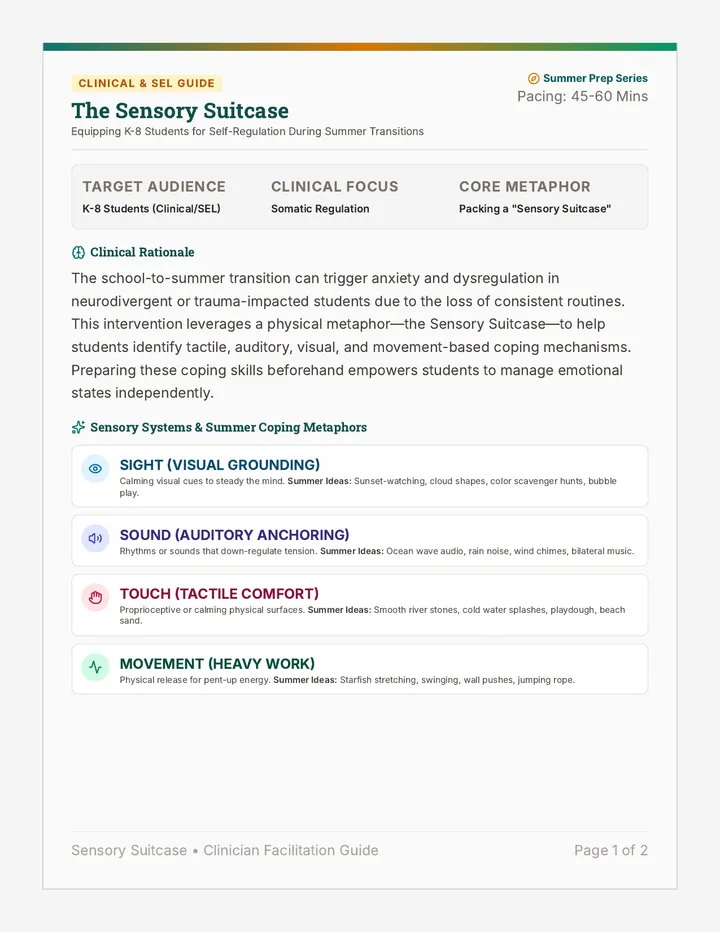
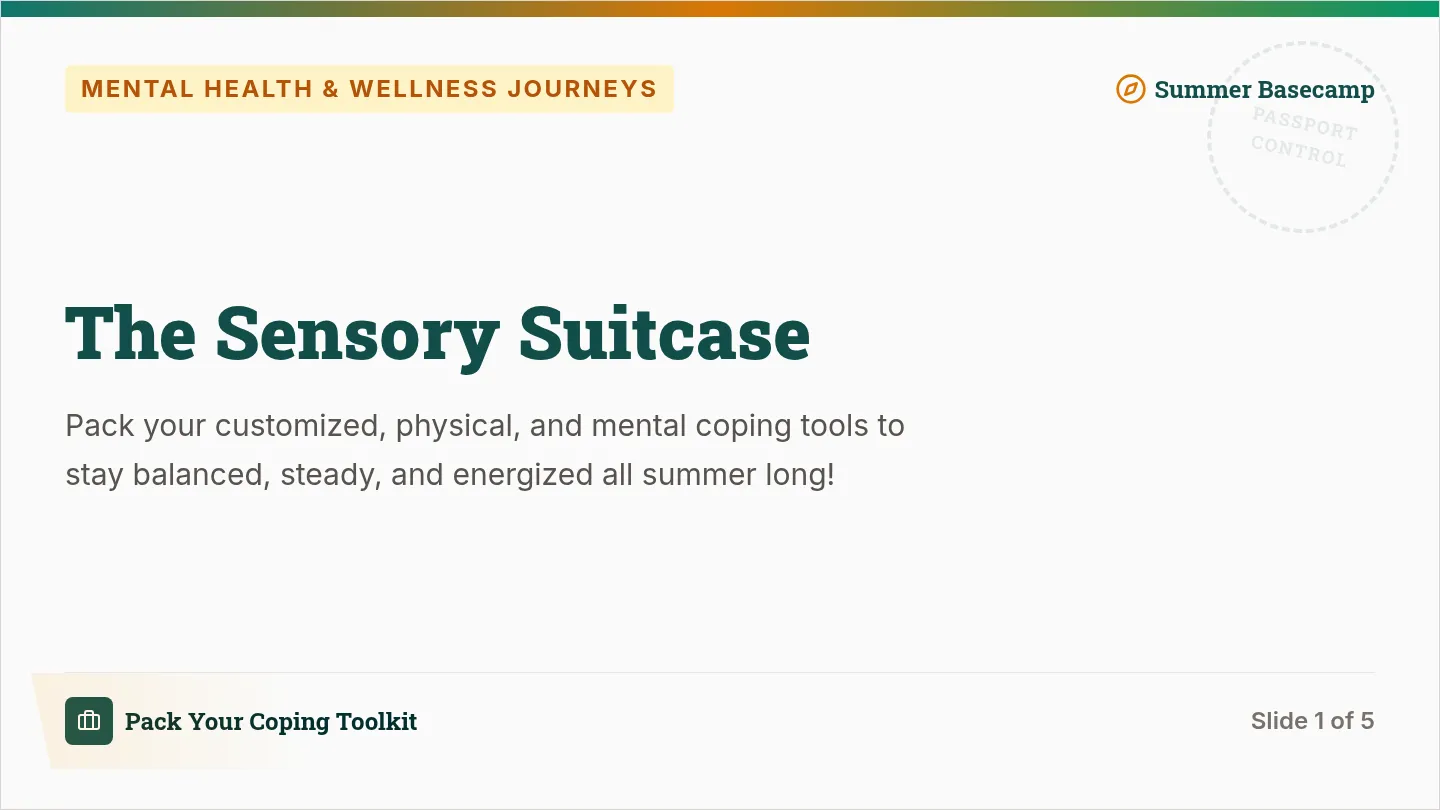
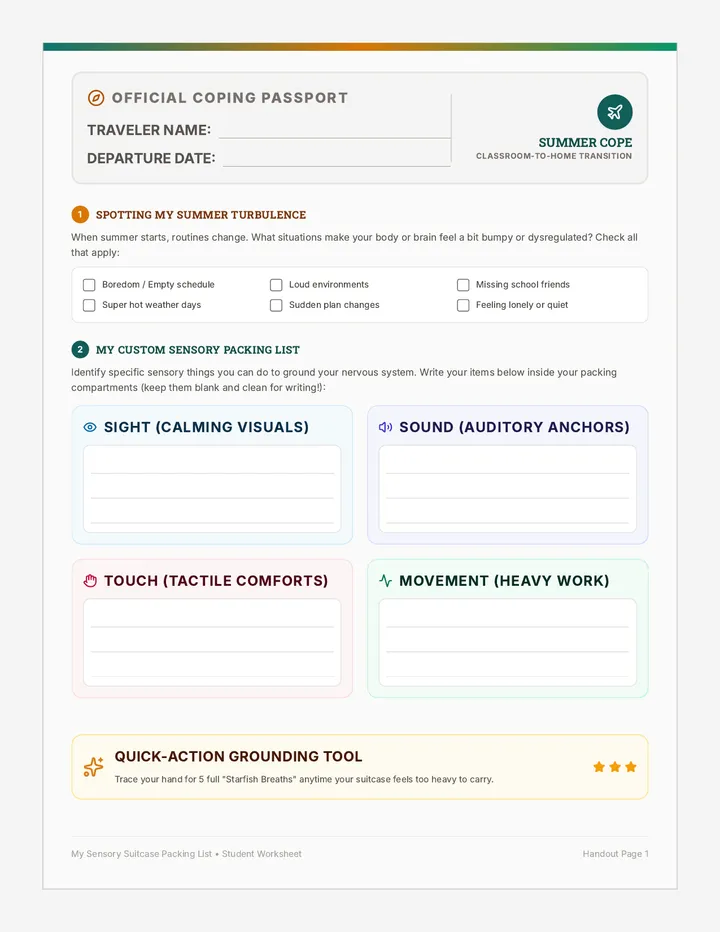
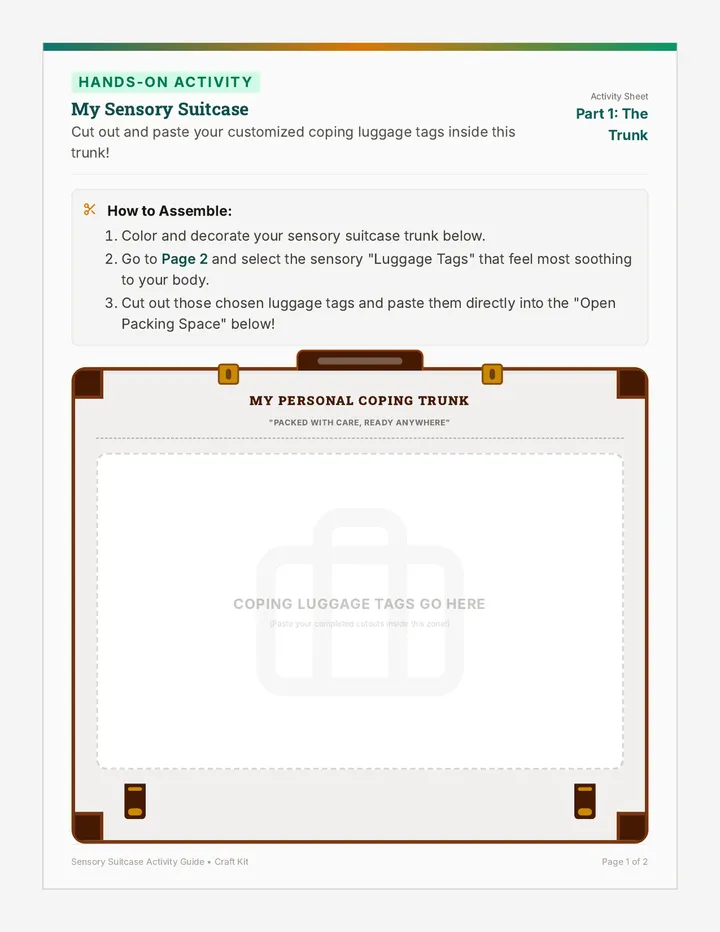
A clinical and social-emotional learning lesson that helps K-8 students build a personalized summer coping toolkit using the metaphor of a travel suitcase. Students explore sensory-based self-soothing strategies to manage emotional regulation when school routines are paused.
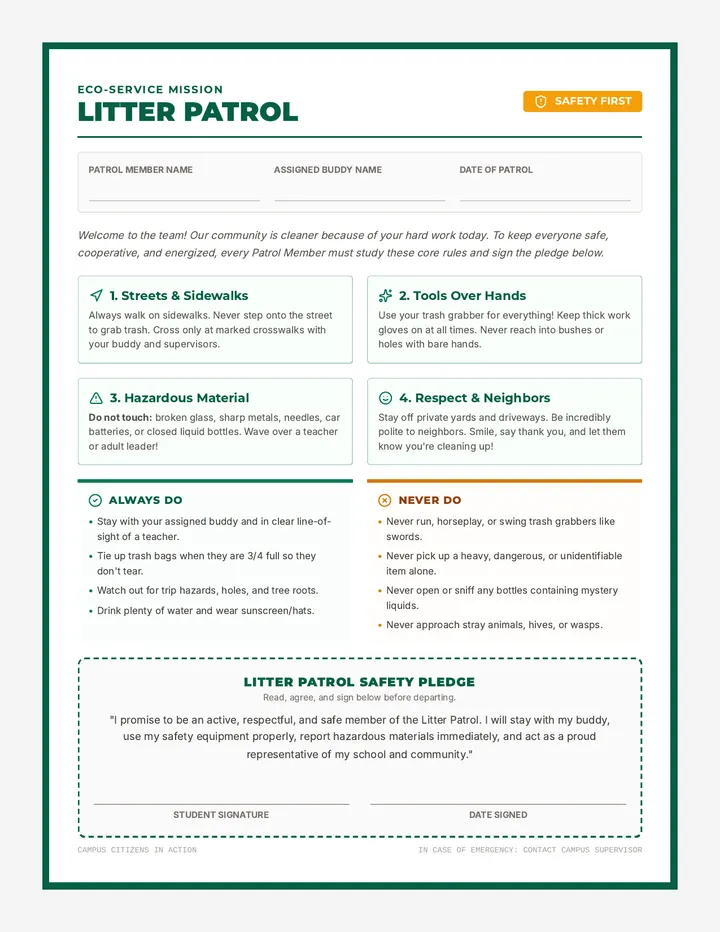
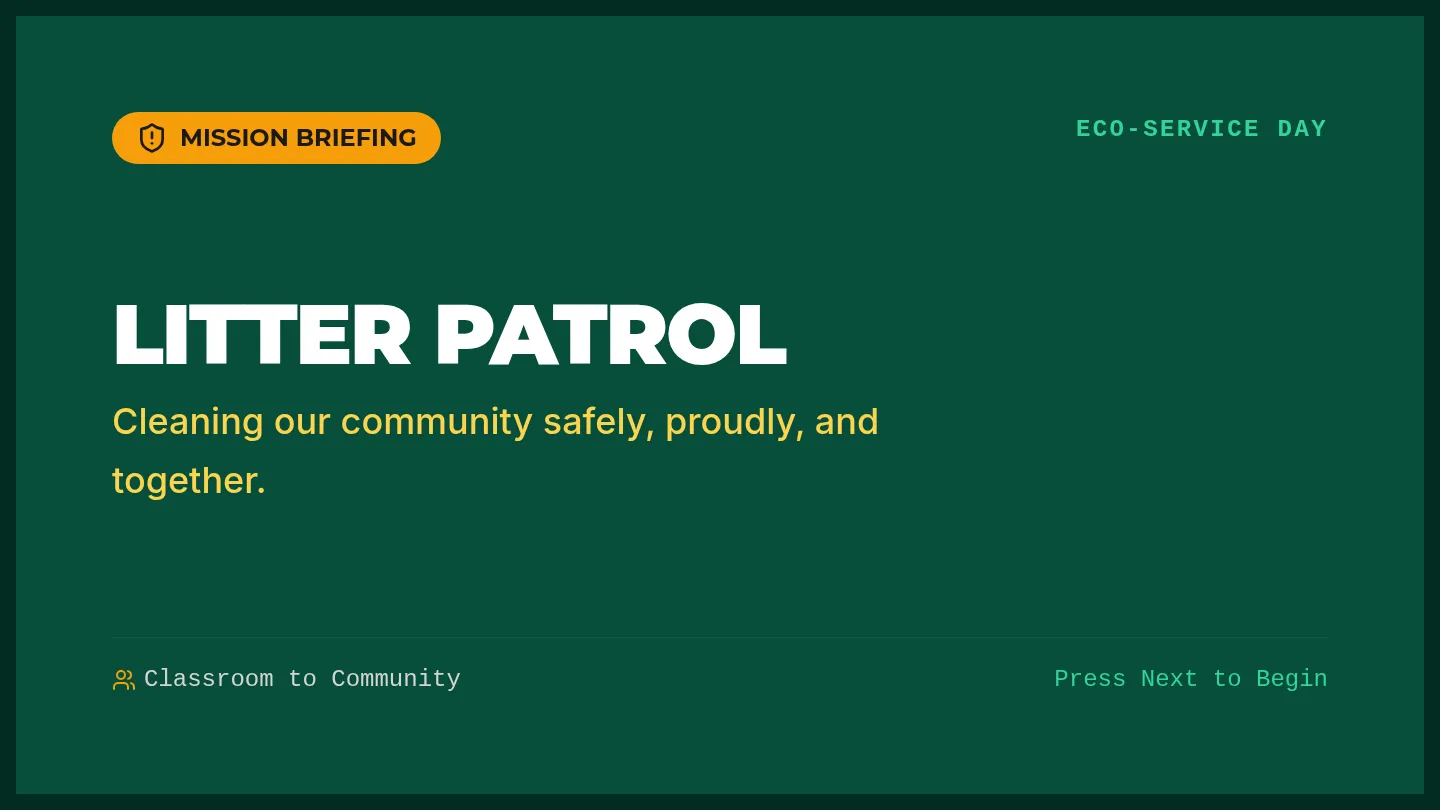
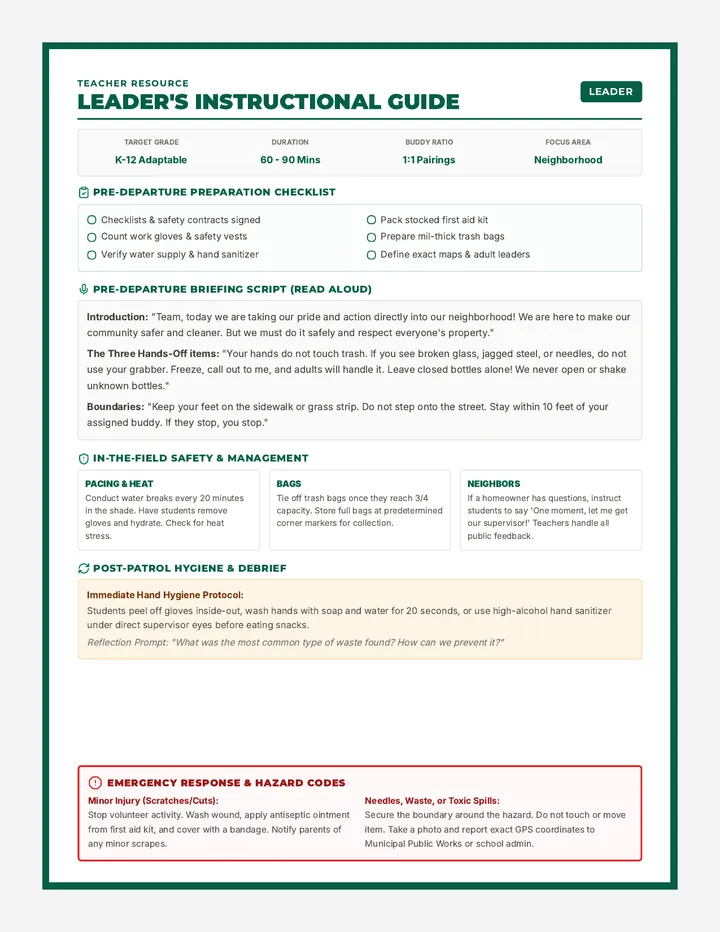
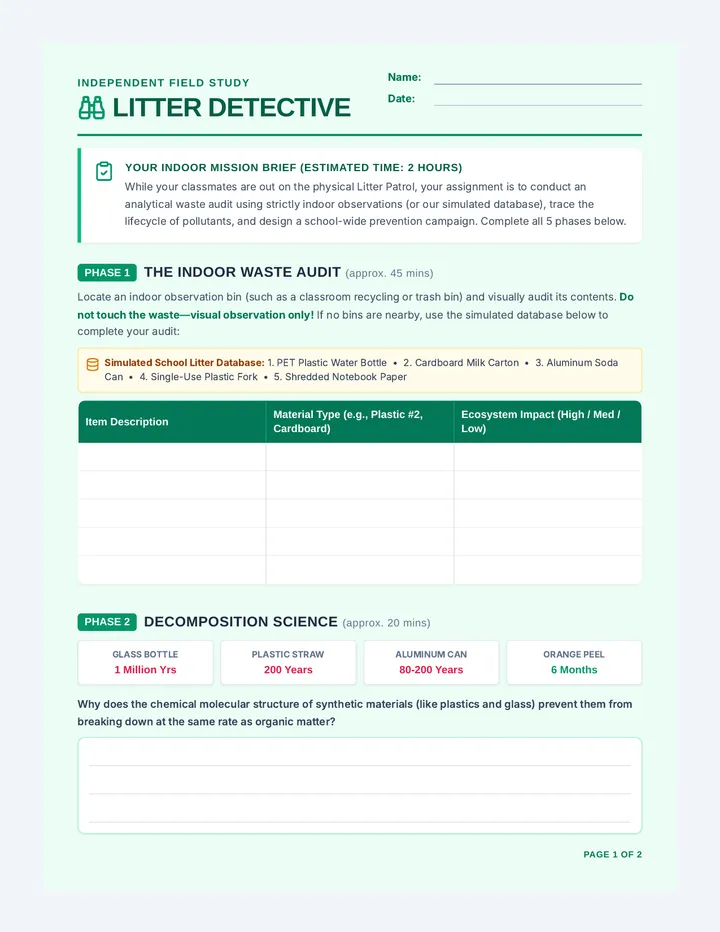
A comprehensive safety and preparation kit for students and teachers participating in a neighborhood trash pick-up community service project. It includes safety slides, a student contract and checklist, and a detailed teacher instruction guide.
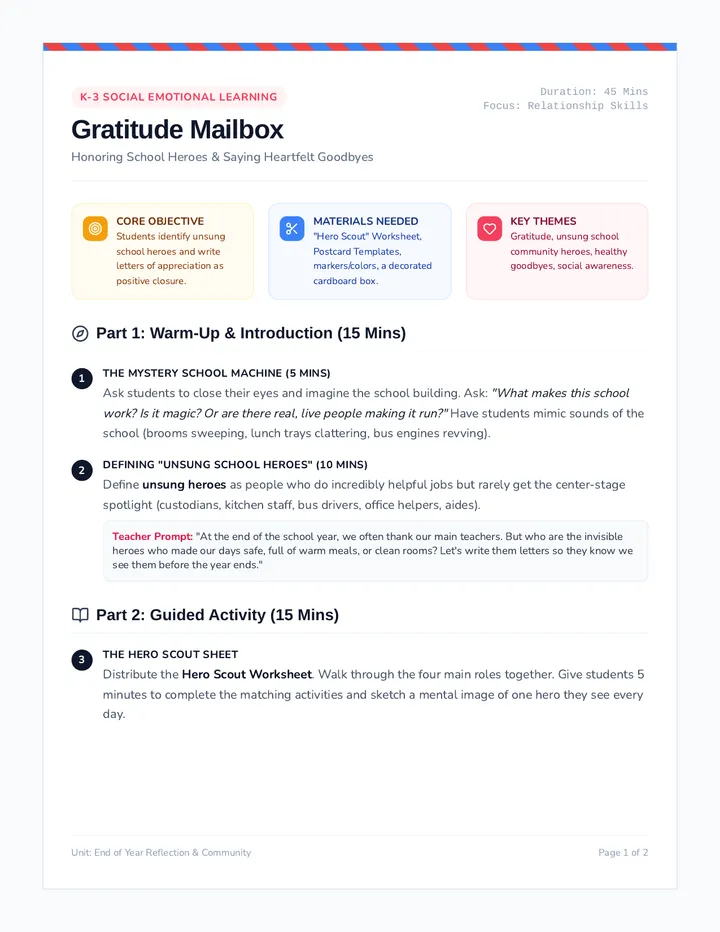
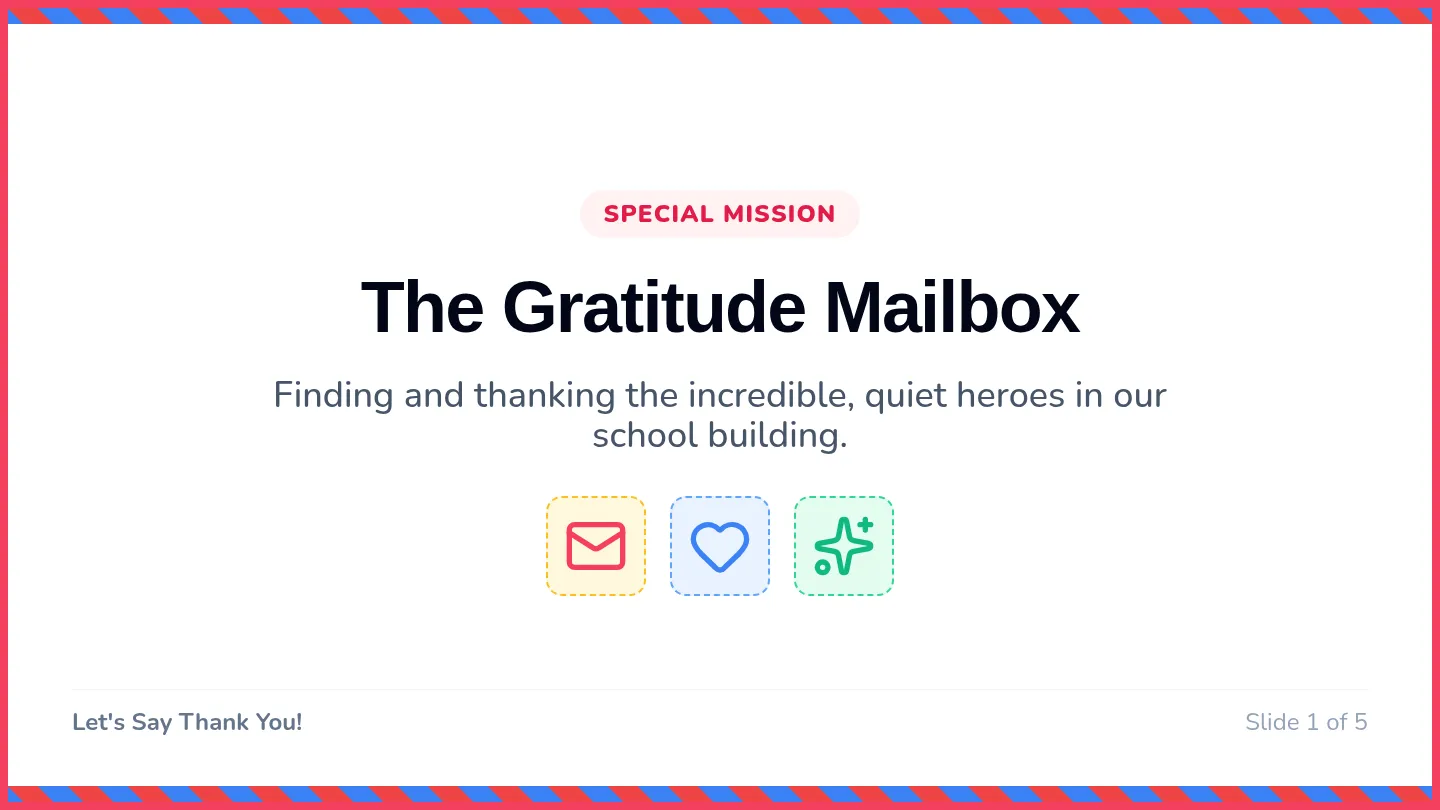
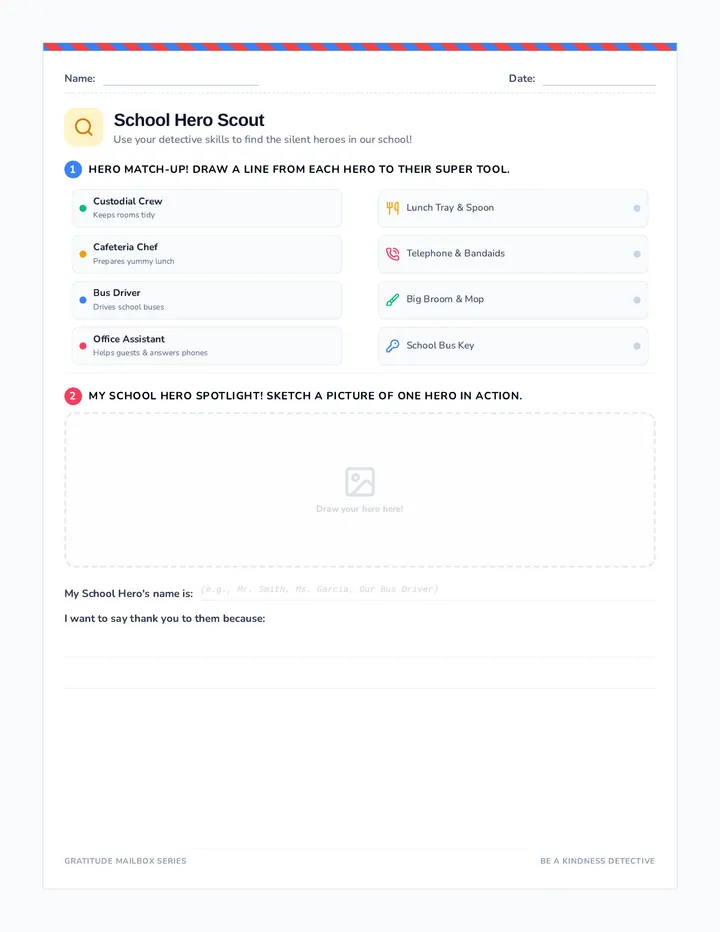
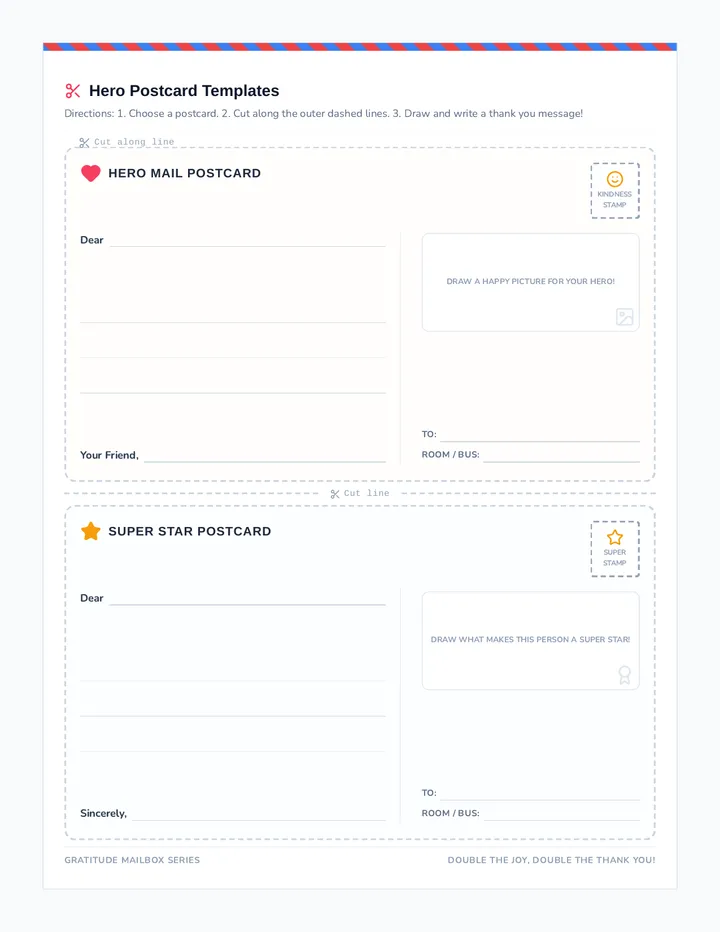
A social-emotional learning lesson for K-3 students where they identify and thank the unsung heroes of their school, fostering community connection and practicing positive closure.
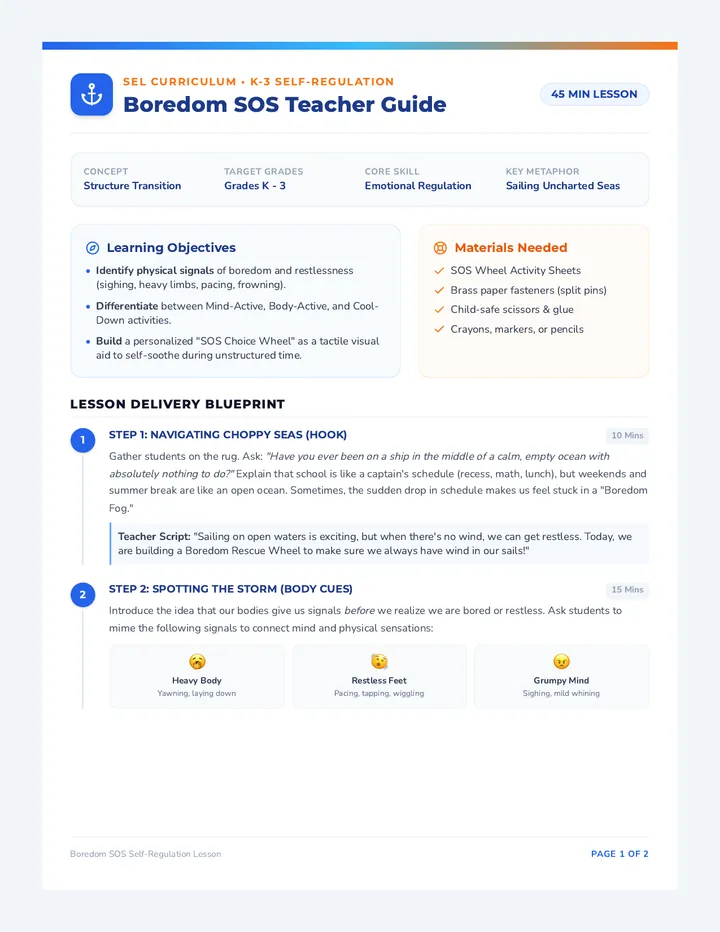
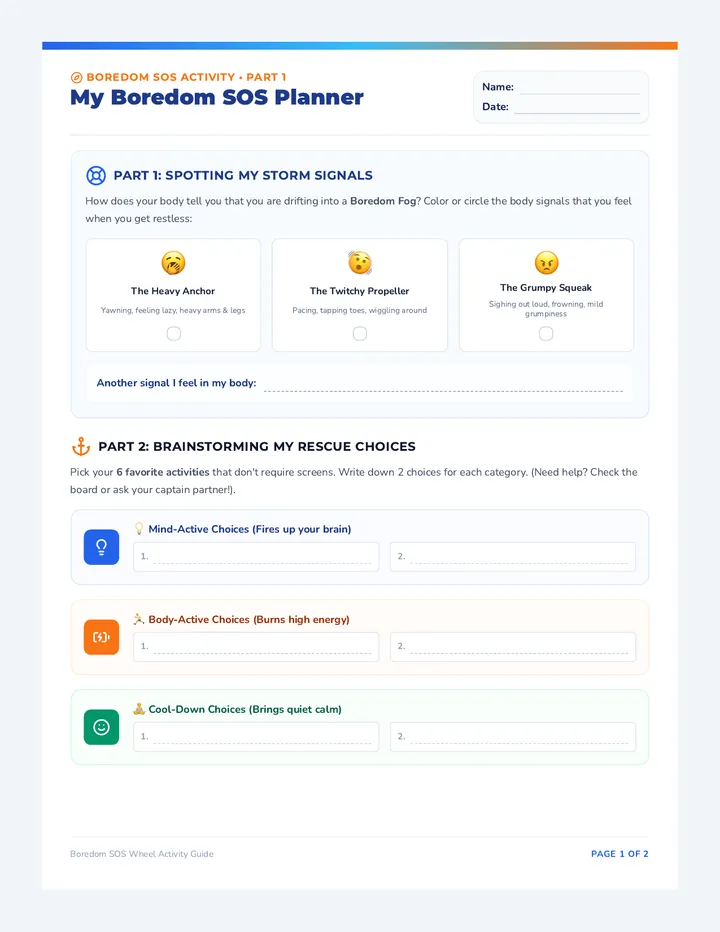
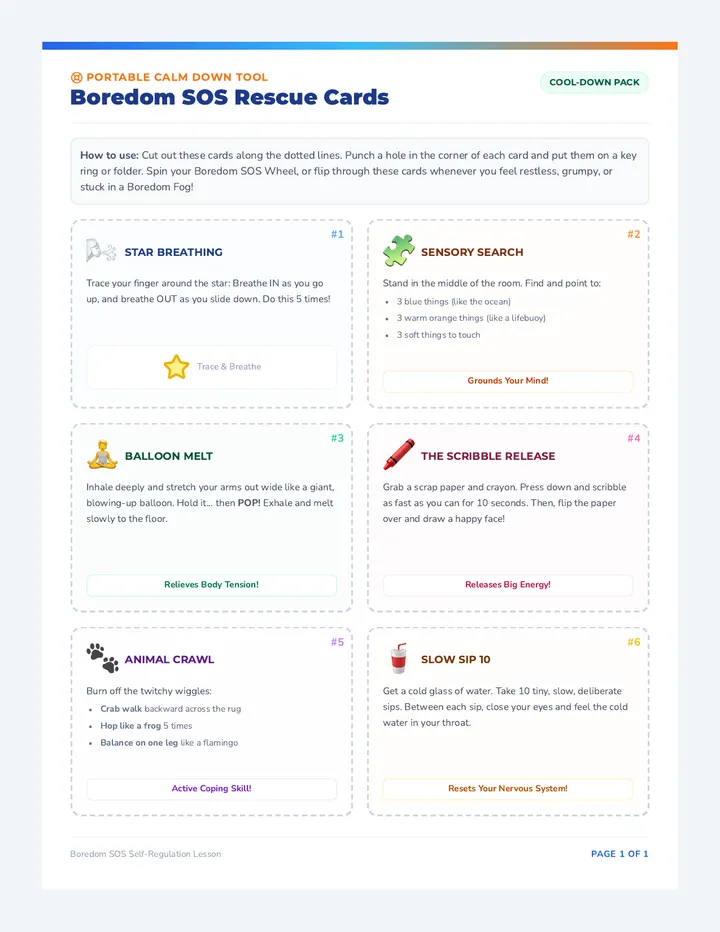
A self-regulation lesson for K-3 students designed to help them identify physical signs of boredom and restlessness, and build a personalized 'Boredom SOS' choice wheel filled with positive, self-soothing activities for unstructured times like summer break or weekends.
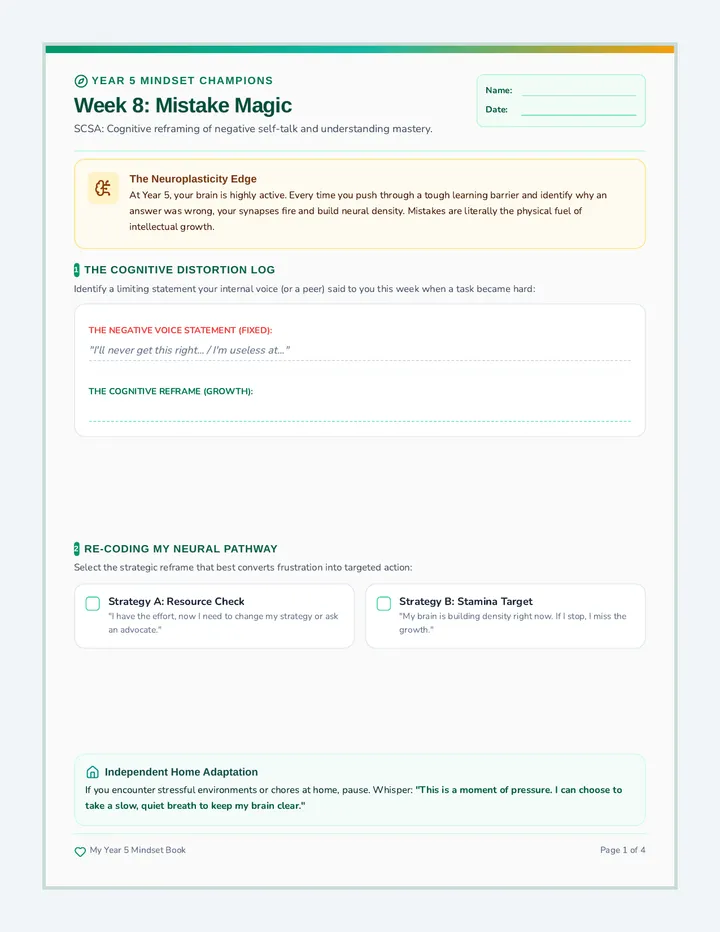
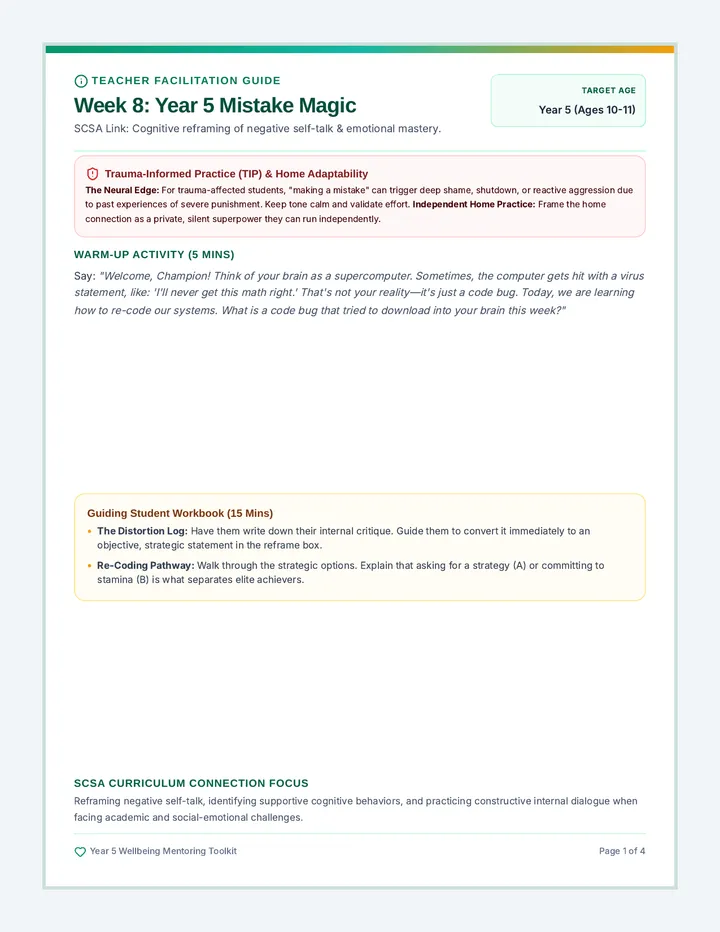
Year 5 specific 4-week check-in set. Formatted to SCSA Year 5 Health syllabus, focusing on cognitive reframing of negative self-talk, identifying supportive external coping resources, and goal-setting.