A whimsical, 30-minute interactive lesson where 2nd graders explore their future career dreams and learn the basics of setting achievable short-term goals.
Students learn how to organize their time and prioritize their ninja tasks.
Students learn about integrity and doing the right thing even when no one is looking.
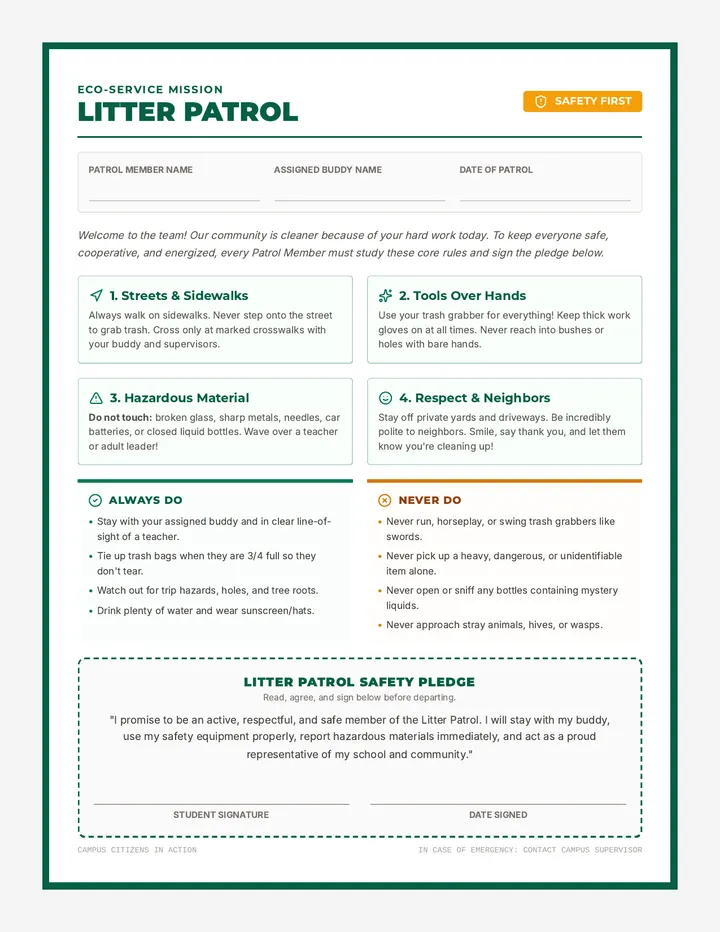
Students explore ways to contribute to their school and community.
Students learn how to work effectively as part of a ninja team.
Students practice finding creative solutions to common ninja problems.
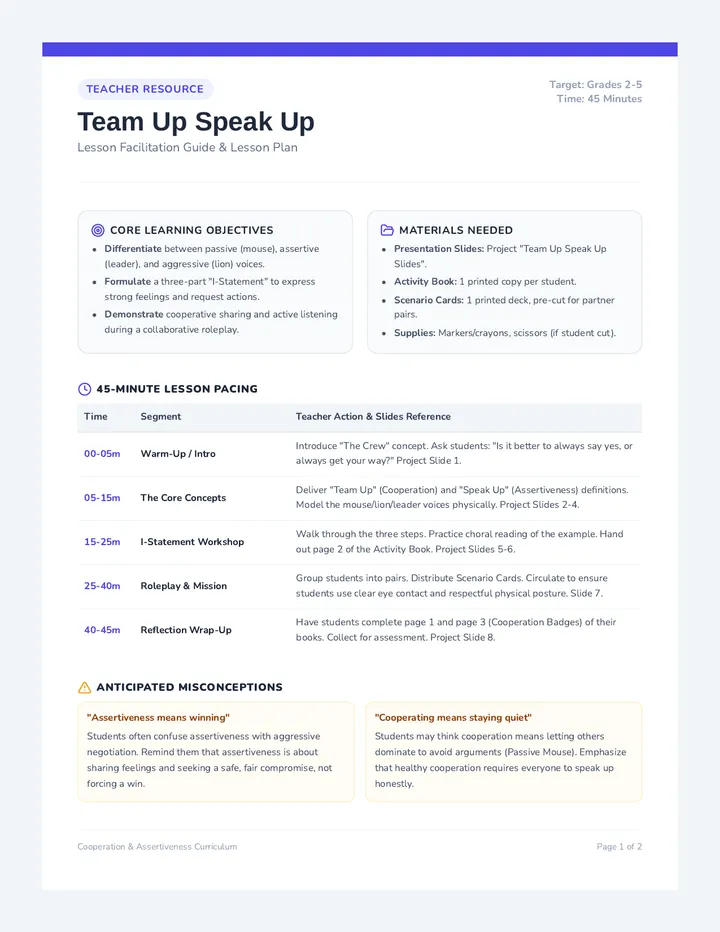
Students learn to recognize their own worth and speak with confidence.
Students learn to admit when they are wrong and take responsibility for their actions.
Students explore how to lead with empathy and guide others fairly.
Students learn about digital citizenship and making kind choices online.
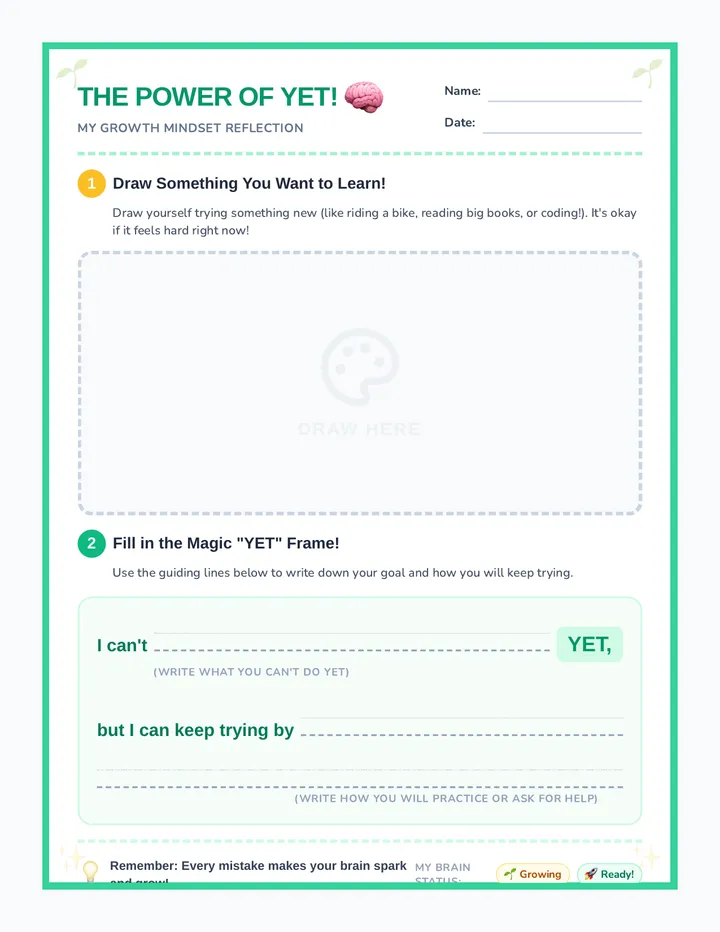
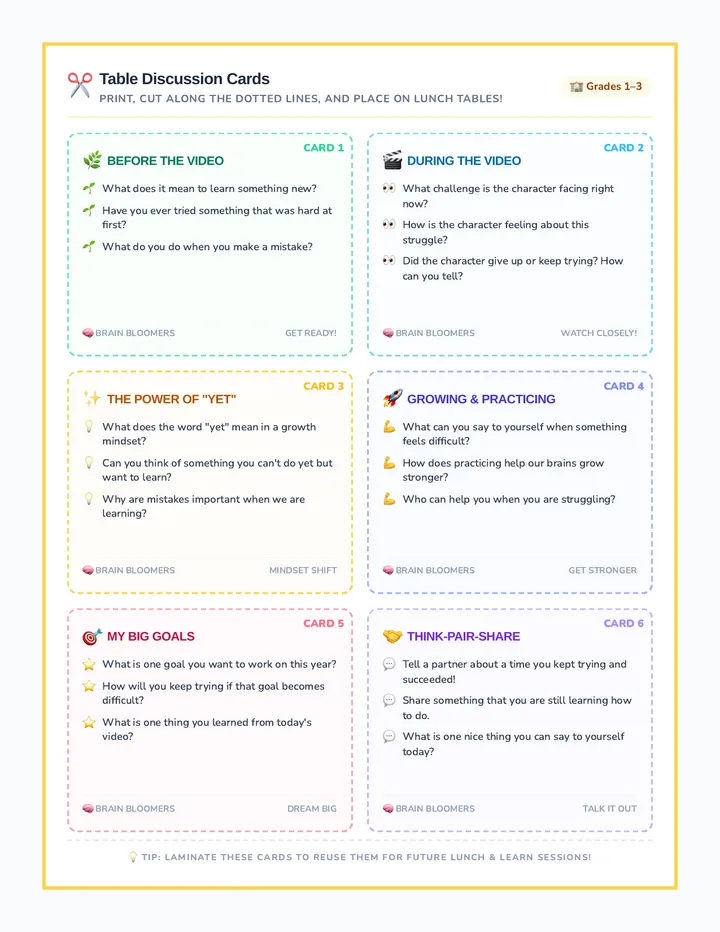
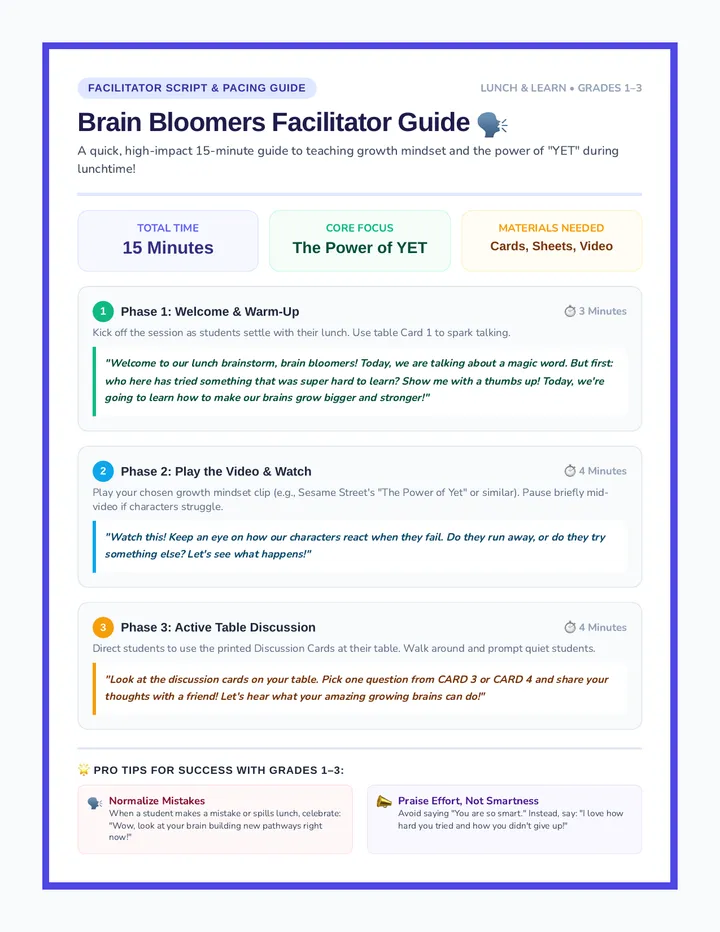
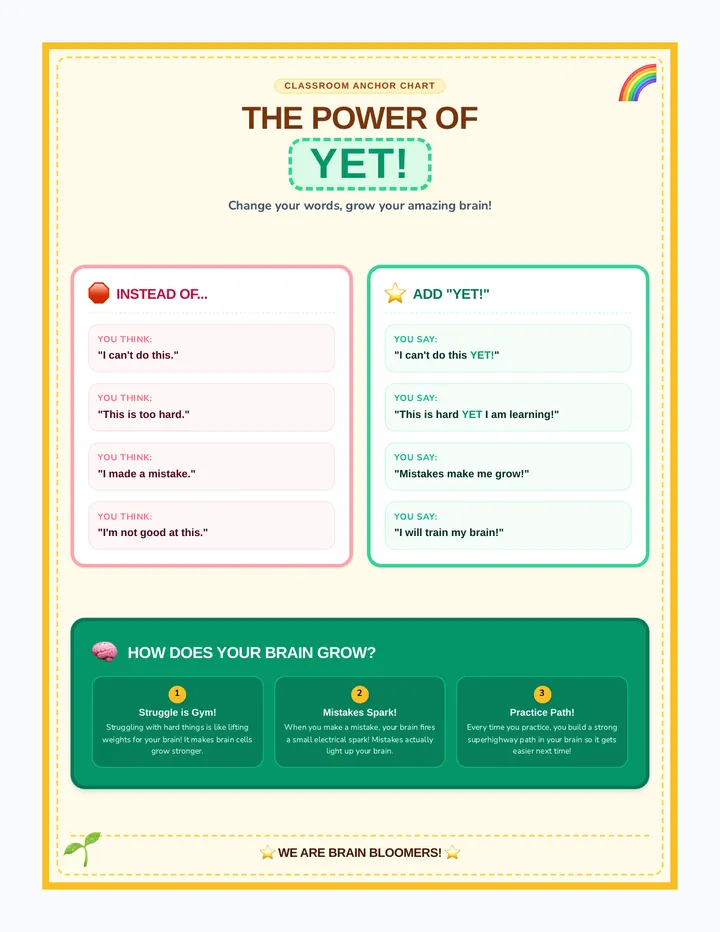
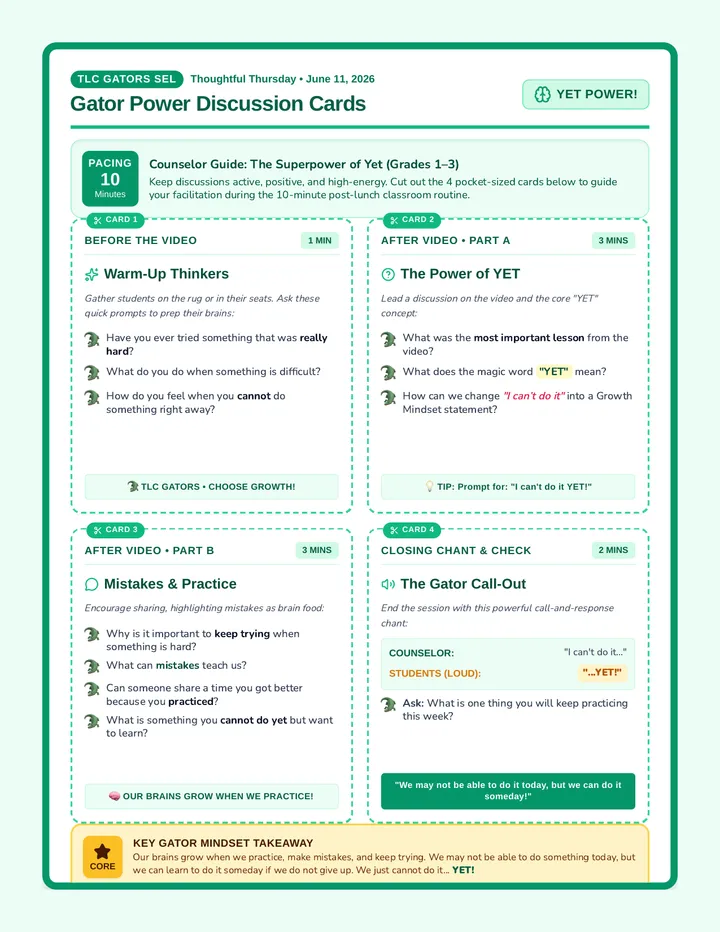
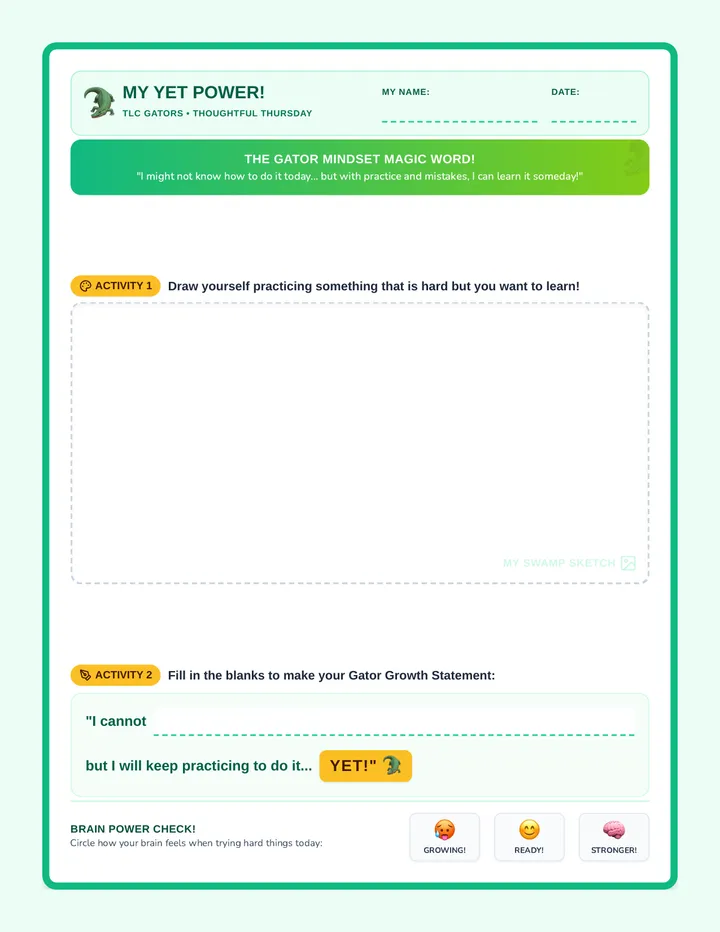
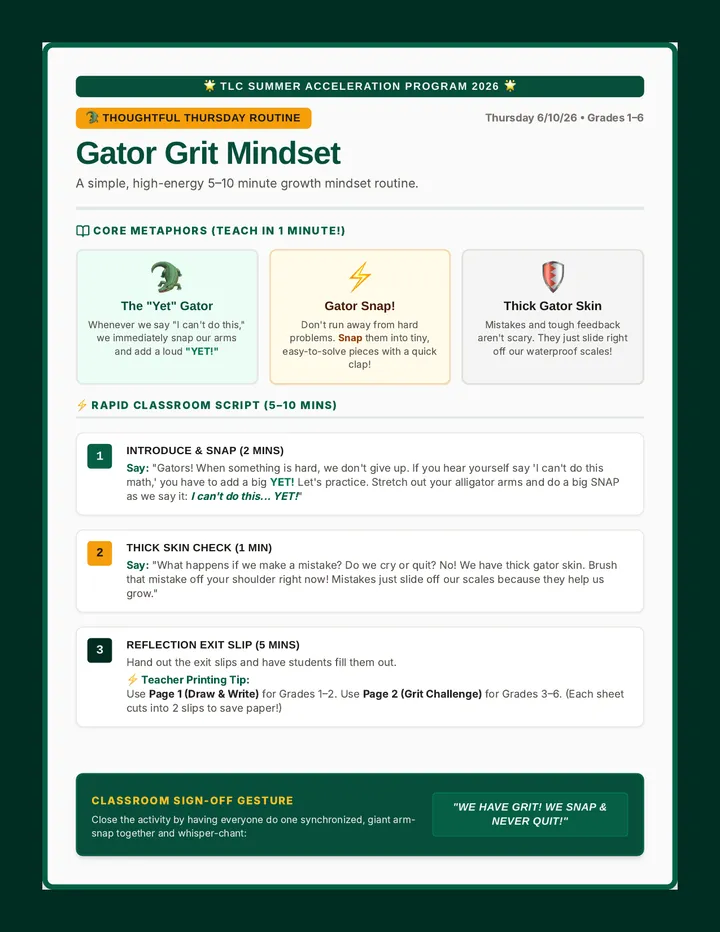
Students practice the power of "Yet" to turn failures into learning opportunities.
Students learn about social masks and the importance of being their true selves.
Students learn about perseverance and sticking with hard tasks until they succeed.
Students practice including others and celebrating differences in their "ninja squad."
Students learn the power of listening and observing before speaking.
Students learn how to eliminate distractions and focus on their "ninja missions."
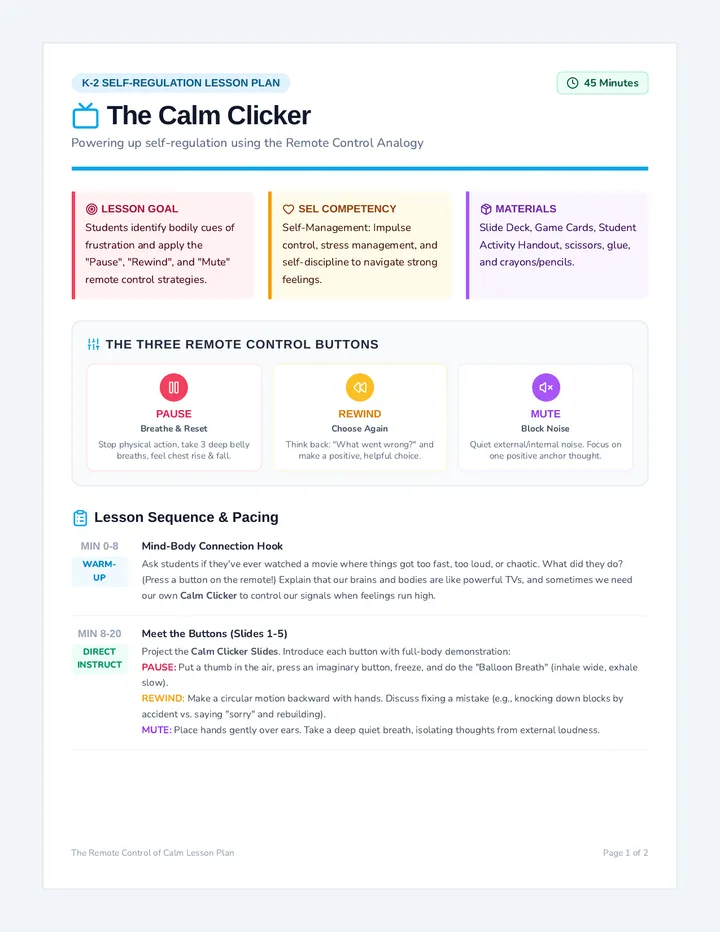
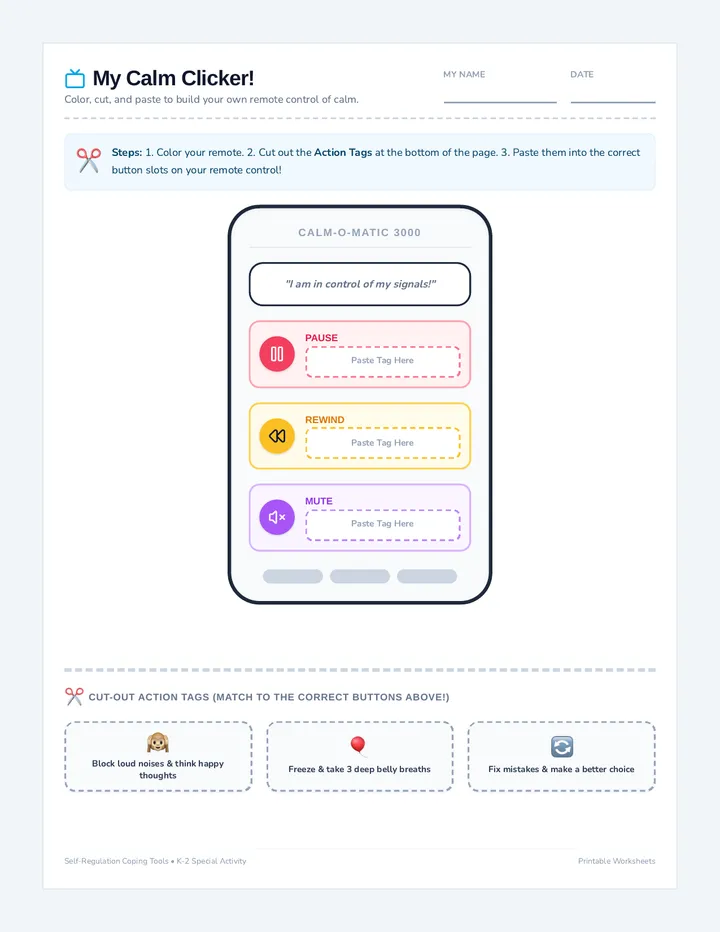
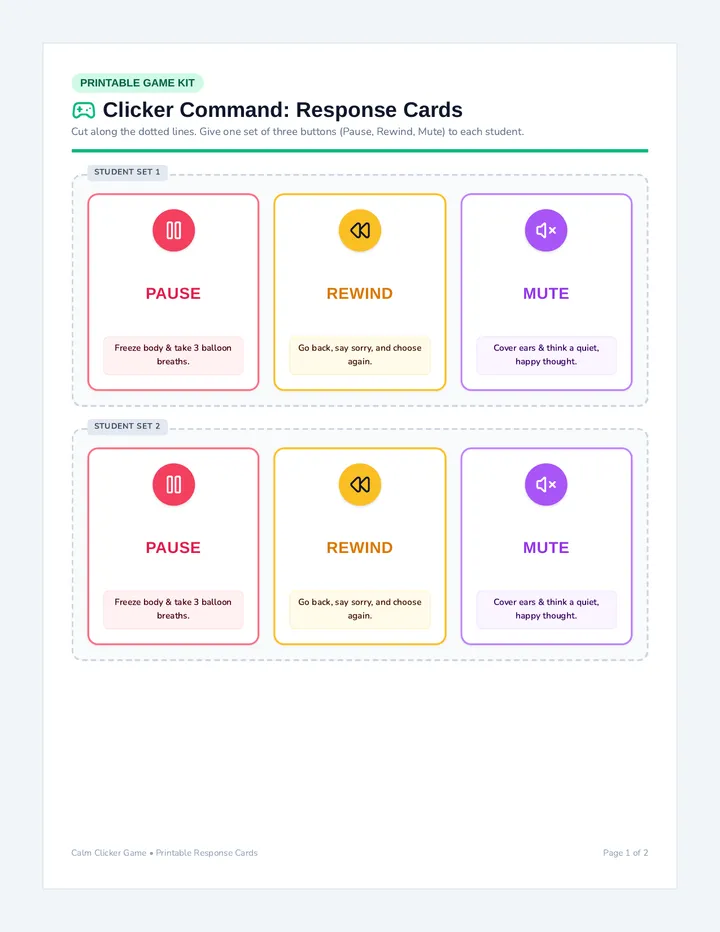
Students learn strategies to manage anxiety and "what-if" thoughts using the SOS method.
Students learn basic concepts of saving, spending, and the value of money.
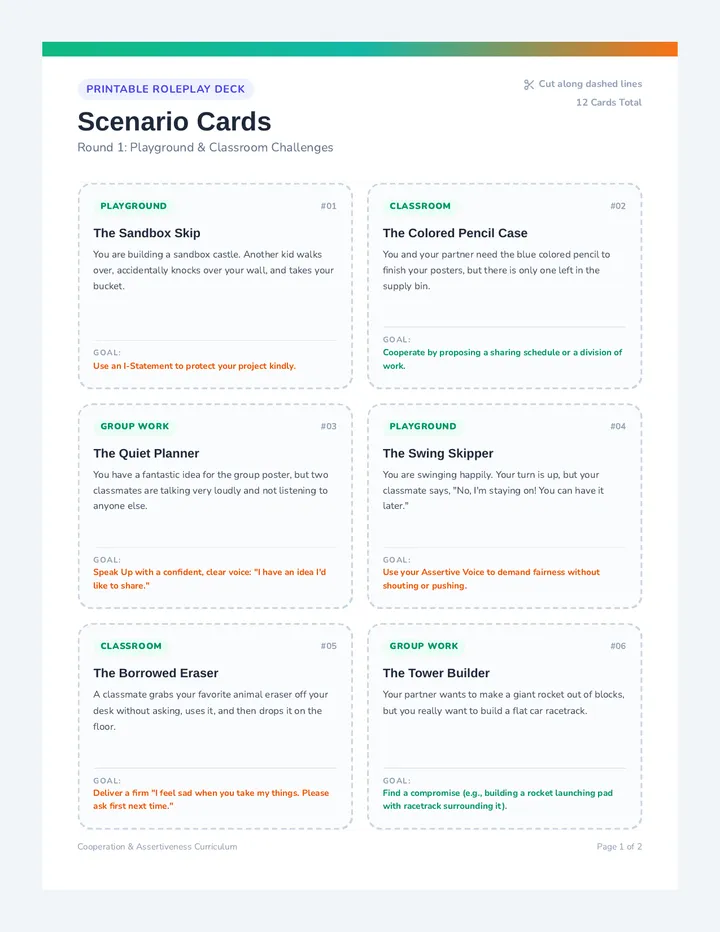
Students learn to break down big tasks into small, manageable ninja steps to overcome procrastination.
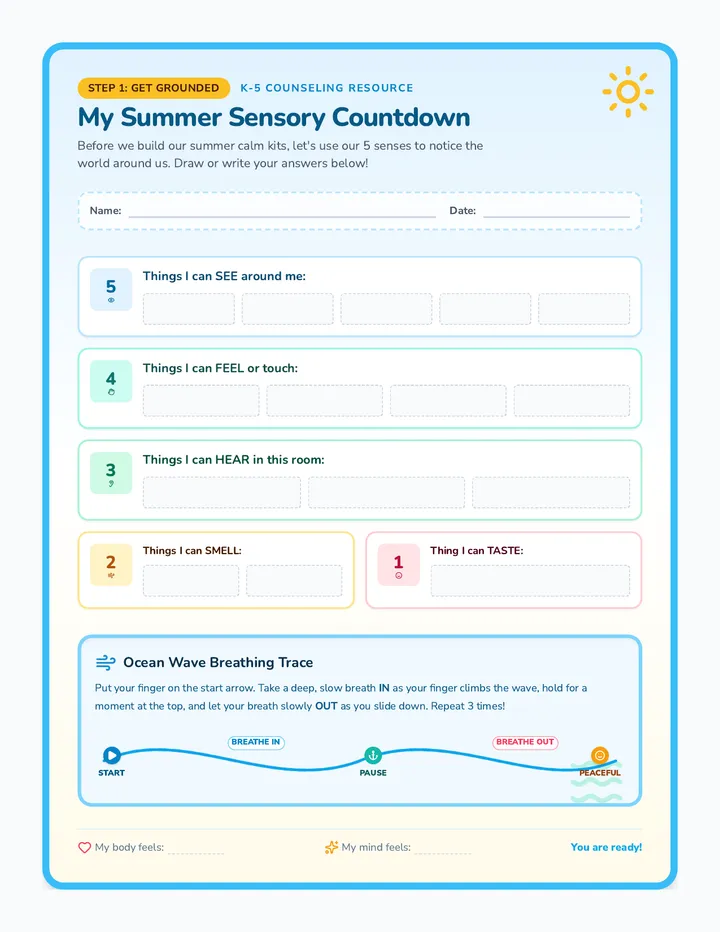
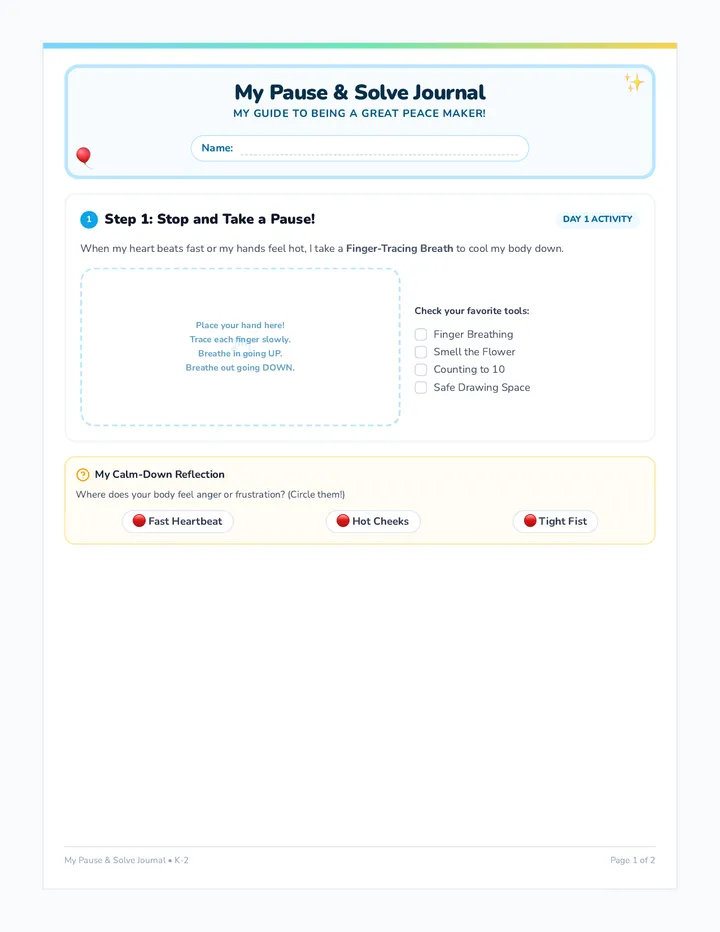
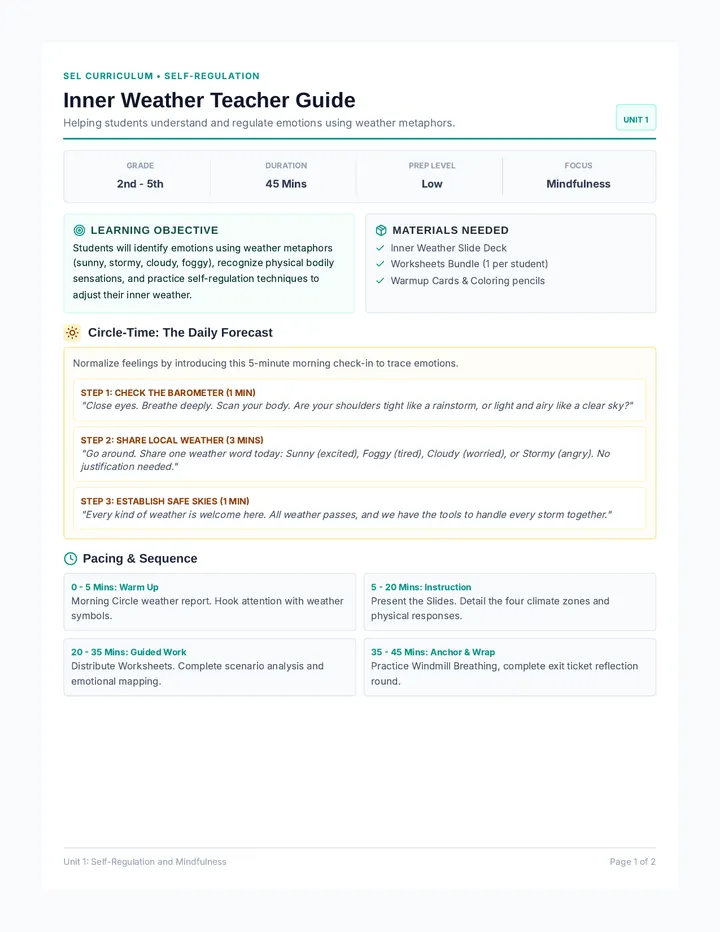
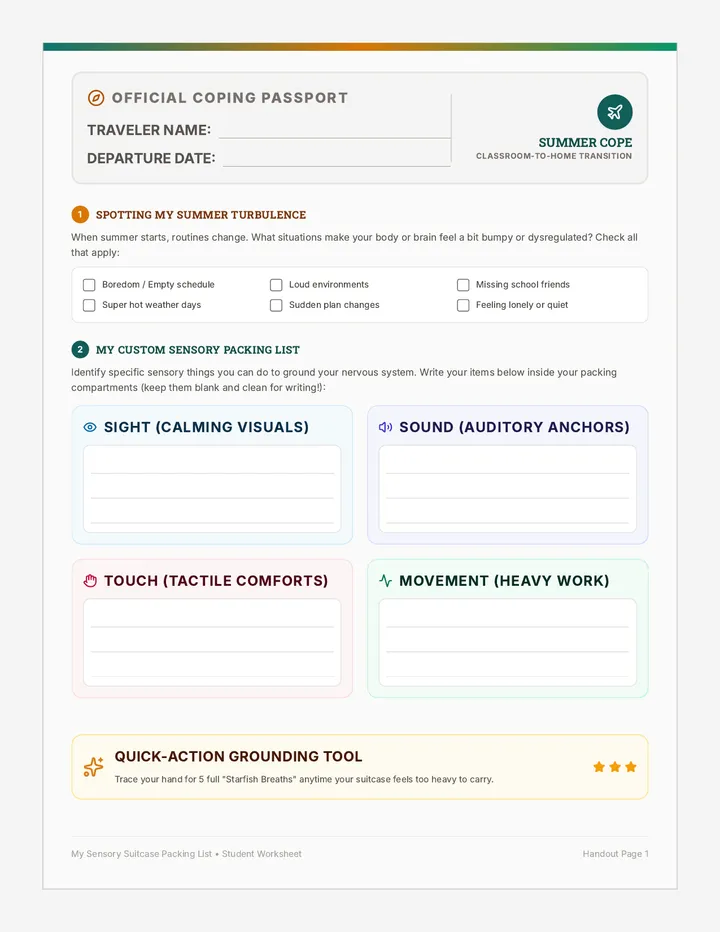
Students practice mindfulness and grounding techniques to stay present and calm.
Students identify ways they can be helpful at home, school, and in their community.
Students learn how gratitude can flip a grumpy mood into a happy one.
Students explore how small acts of kindness can make a big difference in their community.
Students practice using a "mental magnifying glass" to find the positive in every situation.
Students learn the 1+3+4 breathing technique to manage anger and frustration.
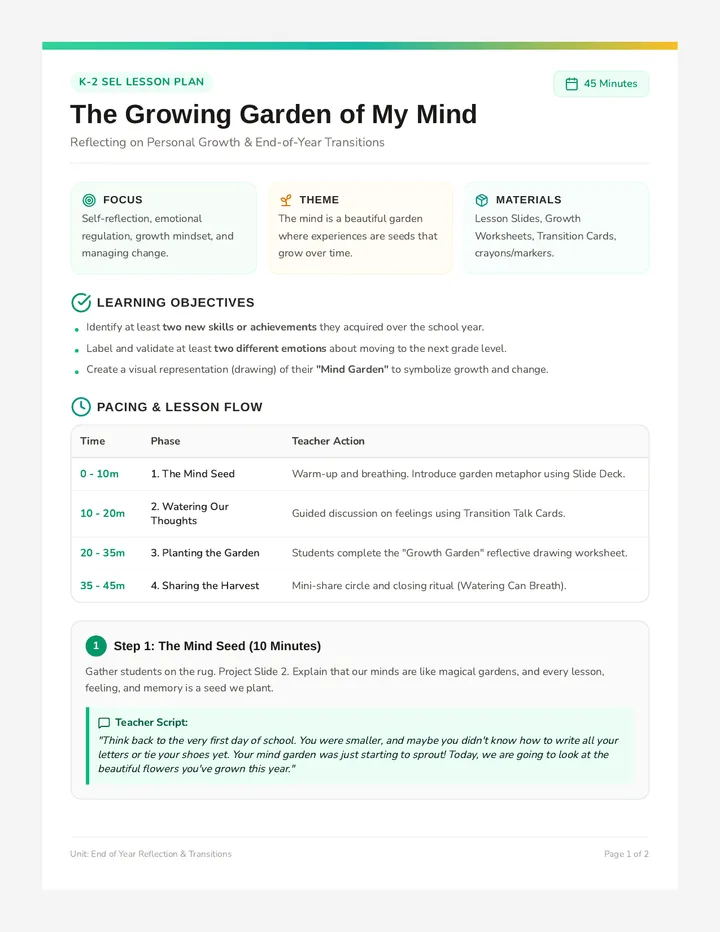
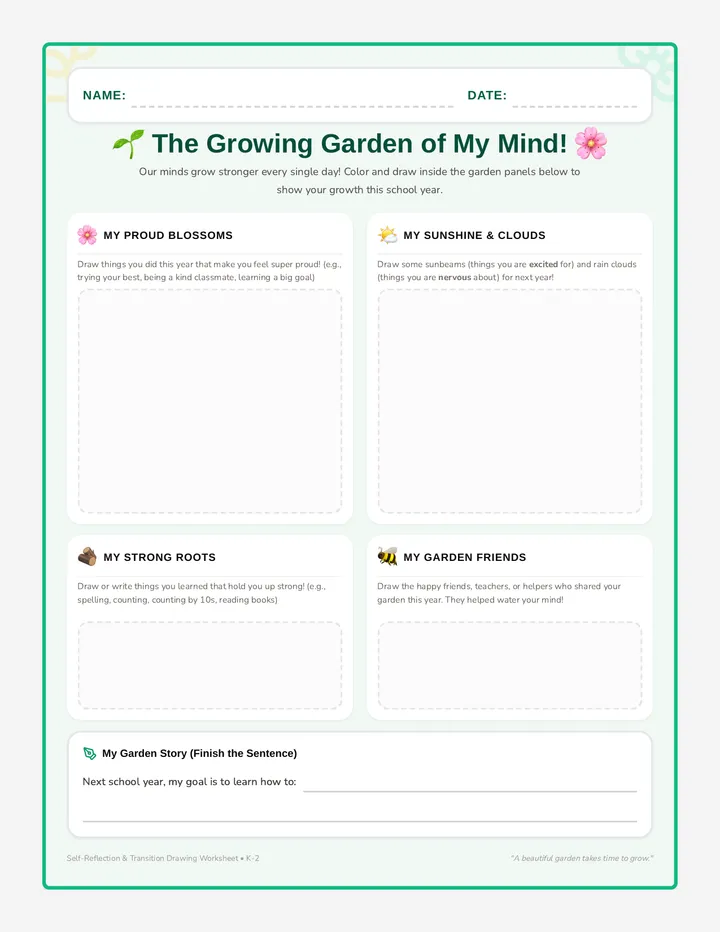
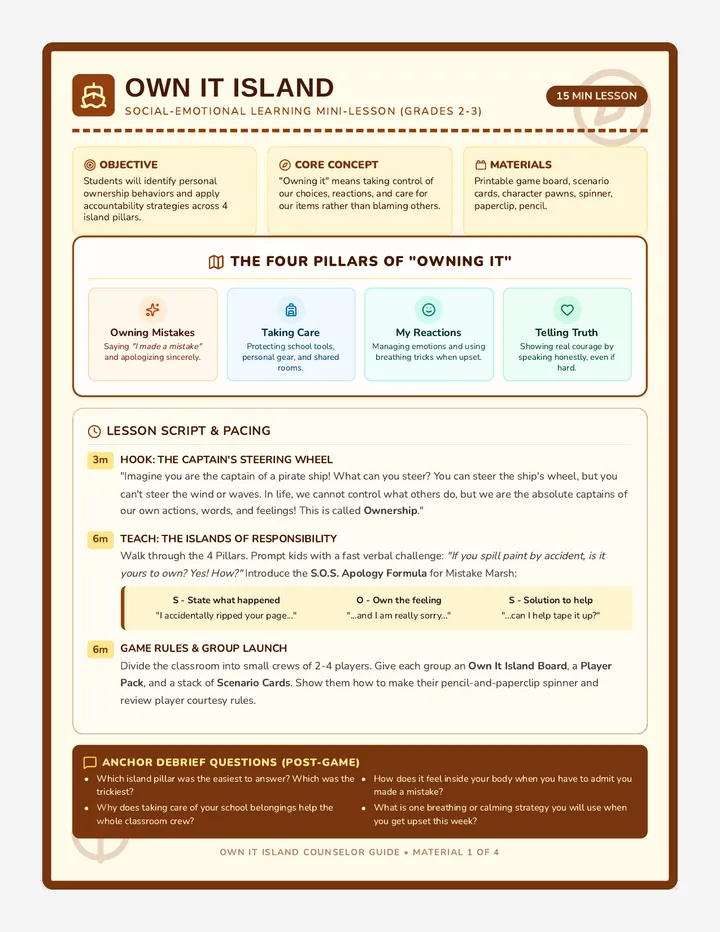
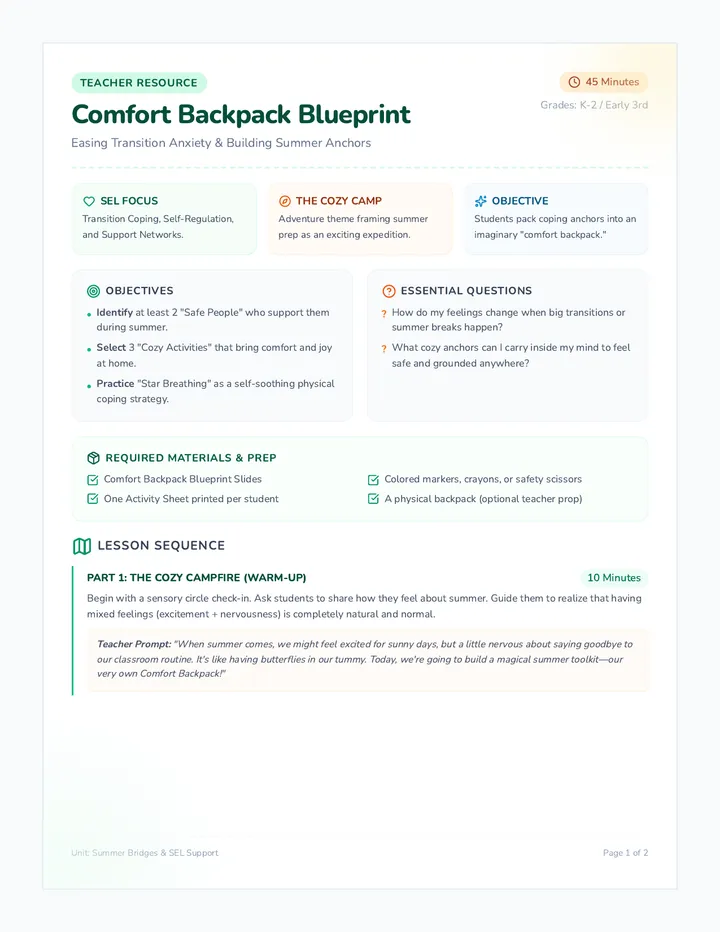
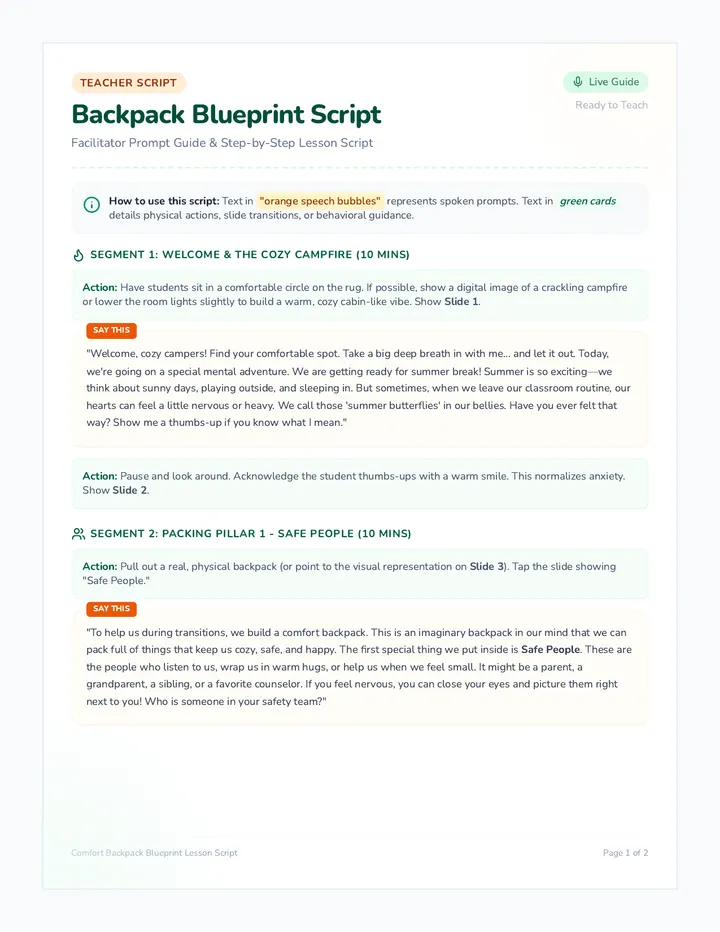
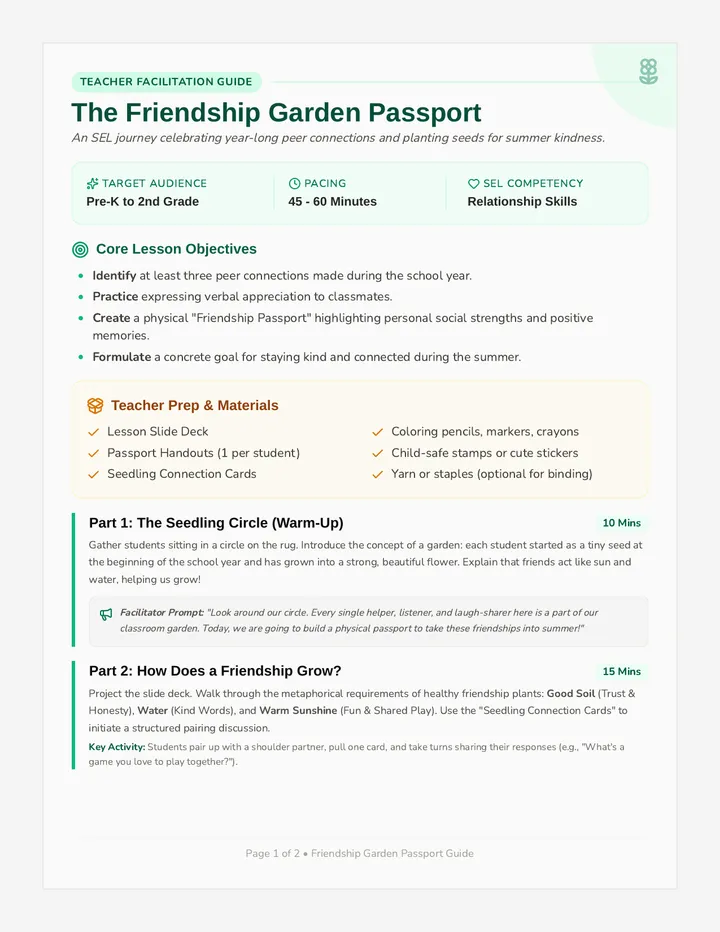
A foundational lesson for lower primary students to explore personal values like kindness, honesty, and respect through the metaphor of a growing garden. Students will identify core values and practice applying them to daily life scenarios.
High schoolers align their device habits with professional workplace standards, focusing on agency and self-regulation.
Eighth graders develop peer accountability allies and set community standards for focused digital collaborative work.
Seventh graders explore the difference between compliance and agency, evaluating how their digital navigation builds their personal brand.
Sixth graders analyze the attention economy and map out personal accountability safe-zones for any classroom environment.
Fifth graders model digital leadership by sharing navigation strategies and mentoring peers in responsible device use.
Fourth graders master the art of switching between digital tasks efficiently using the '3-2-1 Switch' protocol.
Third graders identify 'navigation hazards' and use a collaborative 'Focus Shield' to stay on their learning path.
Second graders practice communicating their focus through physical 'Readiness Signals' to show they are prepared for the digital landscape.
First graders distinguish between 'Learning Tools' and 'Toys' and practice navigating only to the path shown by the teacher.
Kindergarten students learn that their device is a special tool for learning and practice listening for 'Red Light/Green Light' signals to know when to navigate.
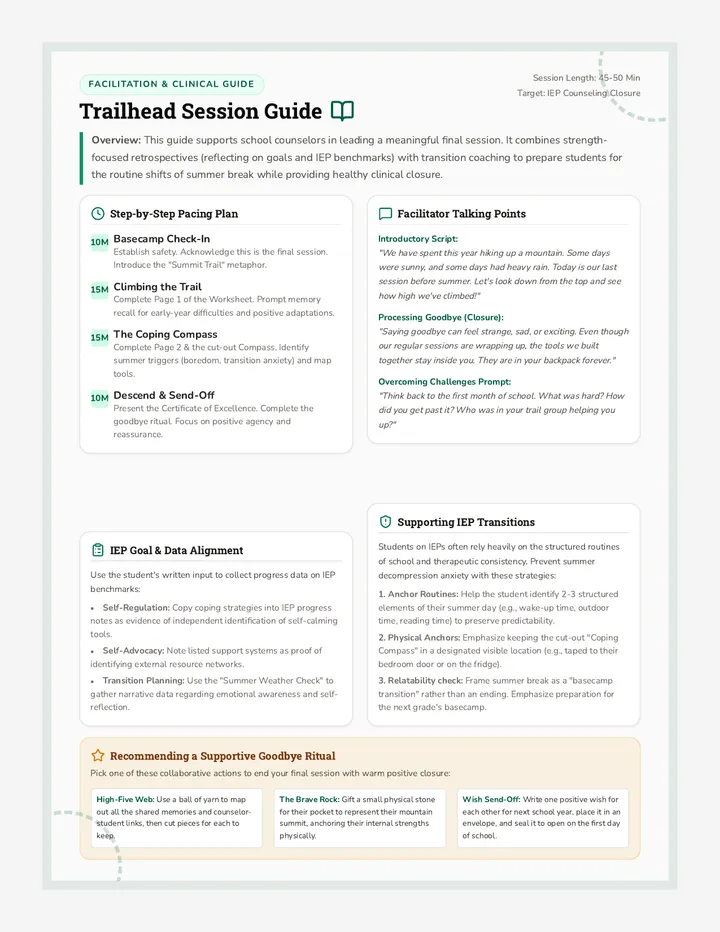
A 30-minute professional development session for preschool and K-8 staff focusing on restorative circles, affective statements, and re-entry reflection tools.
High school students develop agency and professional digital habits, demonstrating Accountability by aligning their device use with academic goals and professional communication.
Middle school students focus on the JHawk Way value of Accountability by managing their digital attention and communicating respect through focused device use.
Elementary students explore how to be Responsible JHawks by navigating to the right learning tools at the right time and communicating their readiness to learn.
A classroom management system focused on positive reinforcement through a token economy, featuring non-tangible rewards.