Students learn how to find high-quality, legal media assets and practice the essential skill of creating proper attributions and citations for digital content.
A creative and heartwarming lesson where students create personalized, pun-filled Valentine's cards to practice kindness and express appreciation for their peers.
A 30-minute Social Emotional Learning lesson for 5th graders focused on identifying and stopping aggressive humor and mean-spirited 'jokes'. Students will learn to distinguish between playful banter and harmful humor and practice setting clear boundaries.
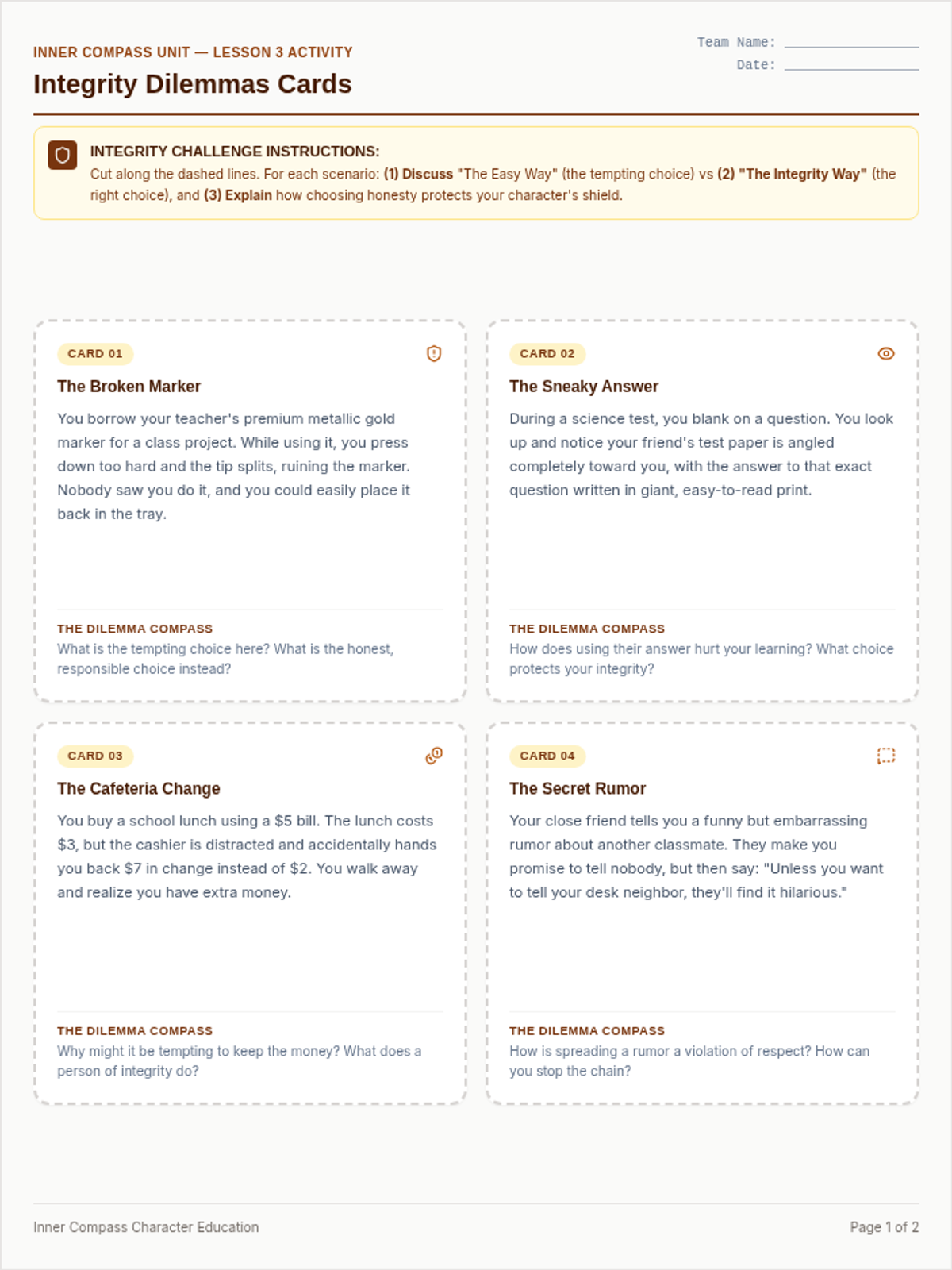
A lesson for 4th graders exploring the importance of honesty, the impact of lies on trust, and how to tell the truth even when it's hard.
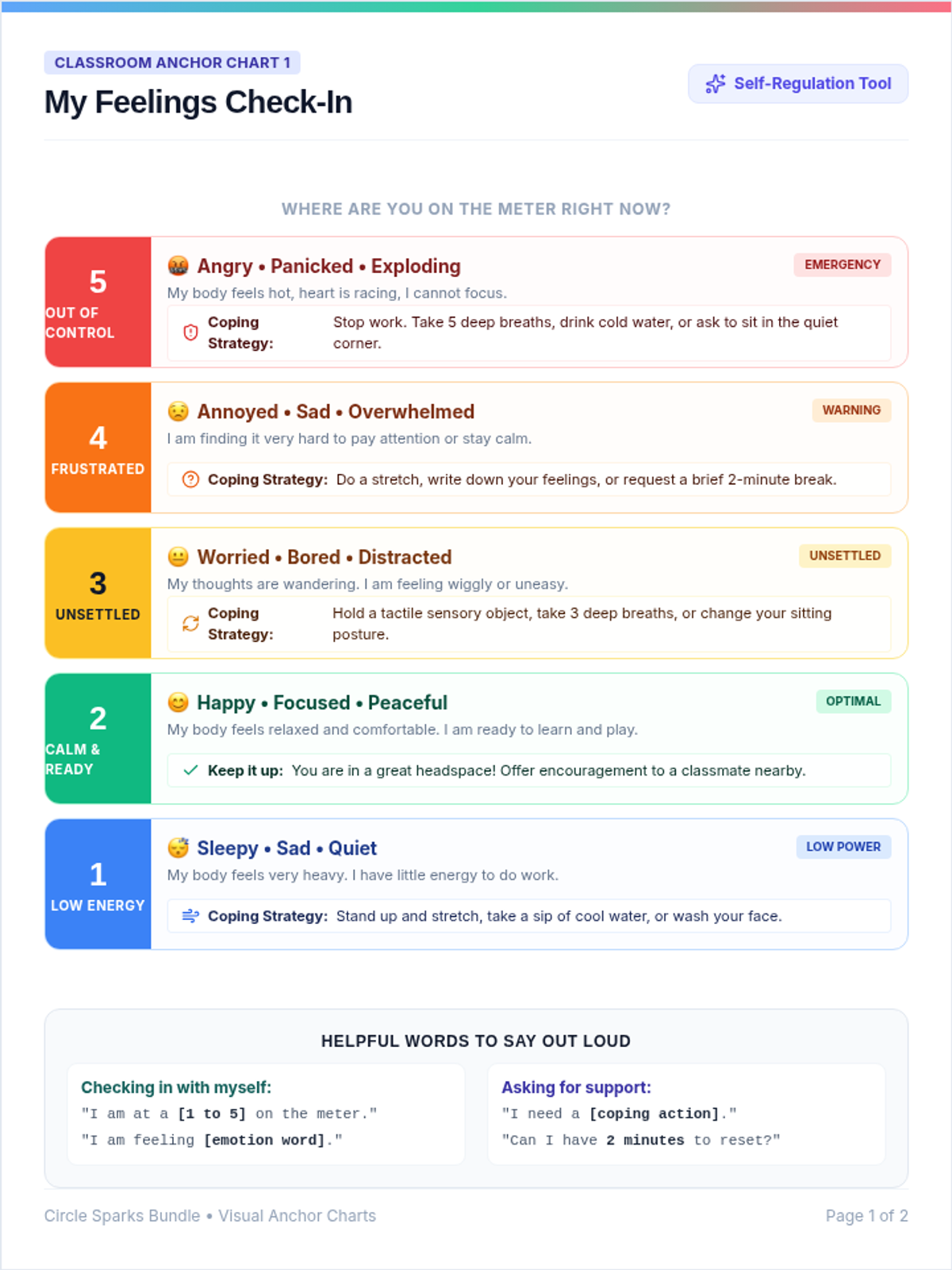
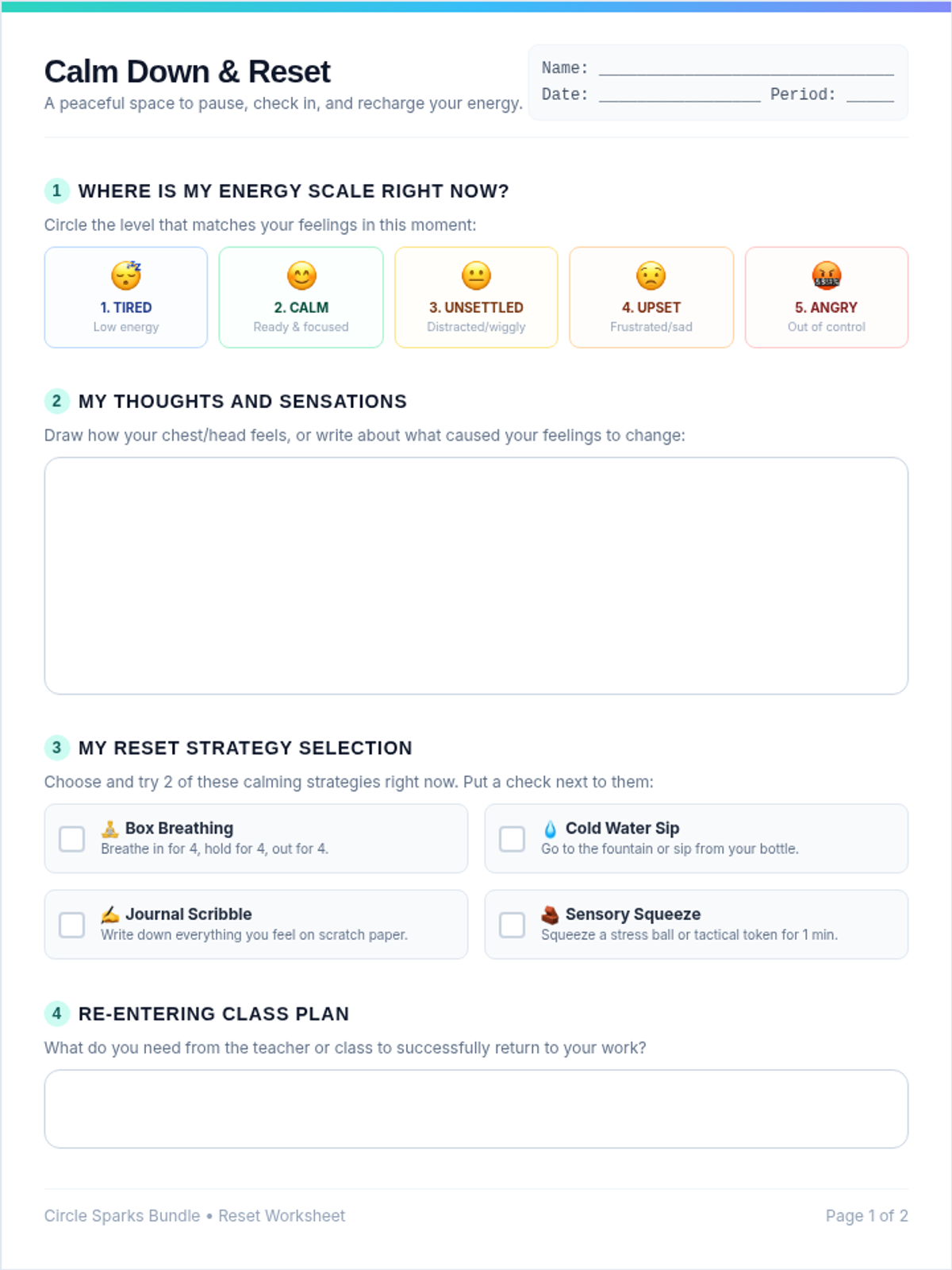
A lesson focused on developing emotional intelligence through identifying and practicing various coping strategies and regulation techniques.
A lesson for kindergarteners to establish foundational classroom expectations, focusing on active listening, following directions, and cooperating as a "Classroom Crew."
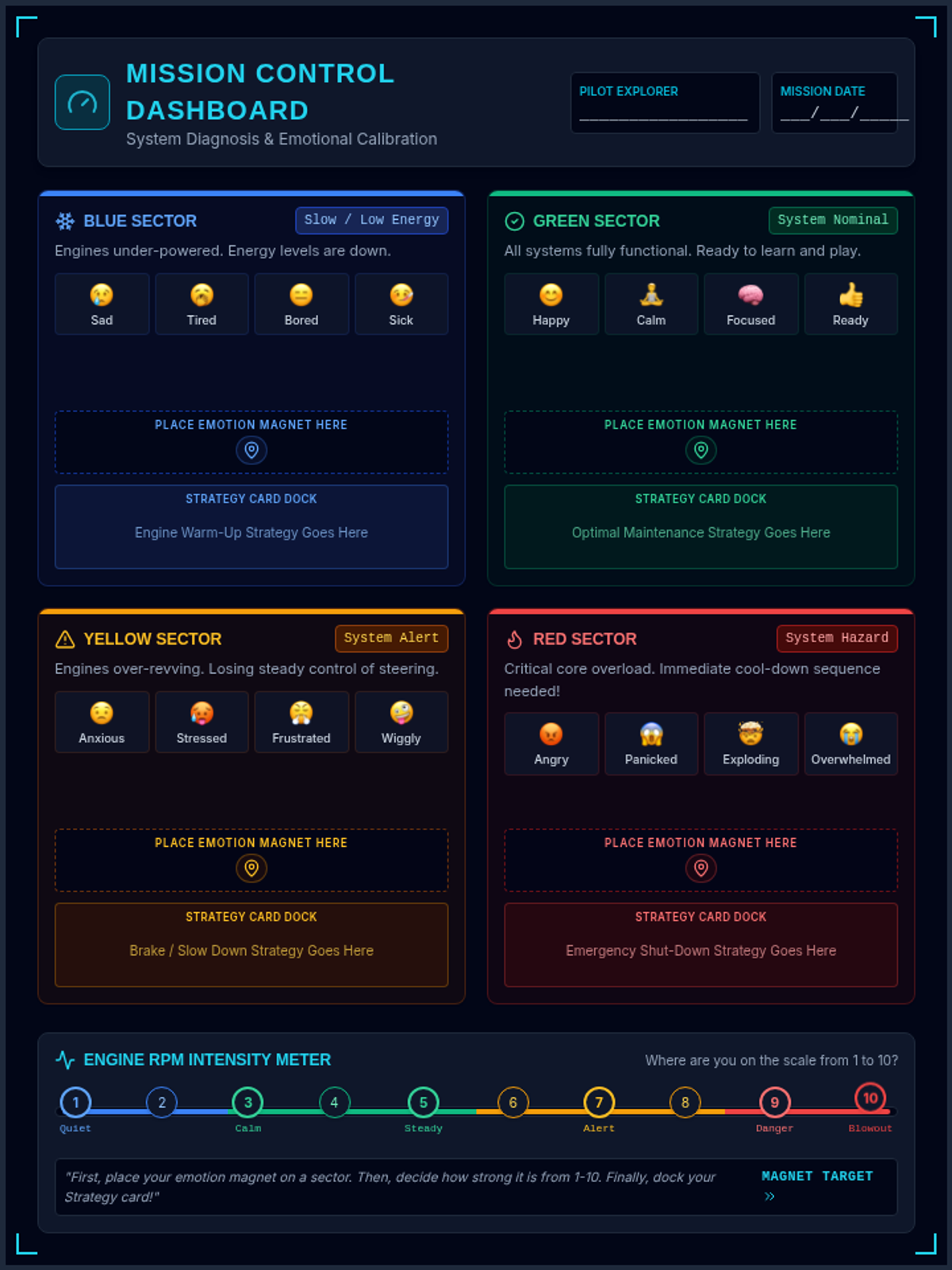
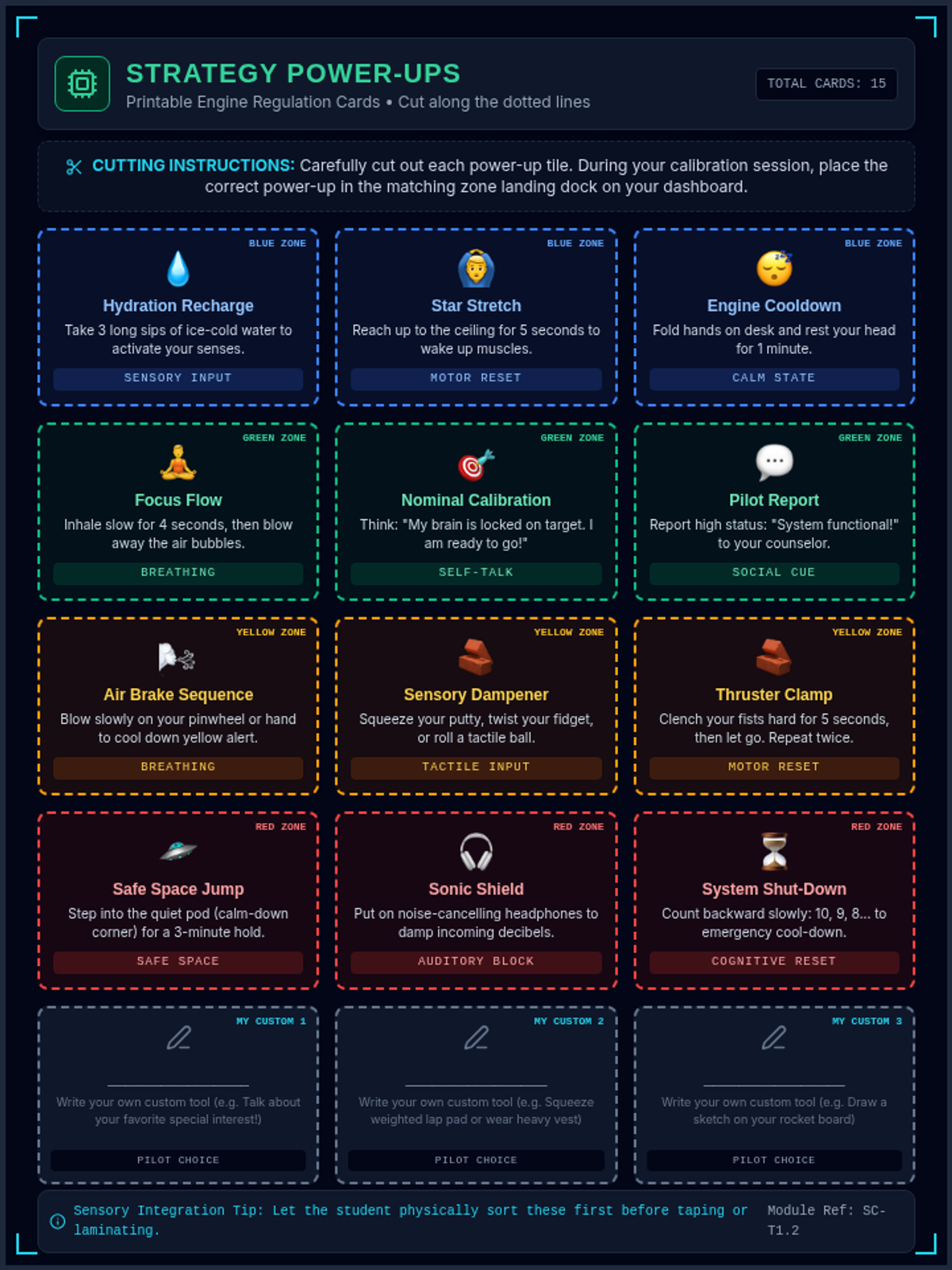
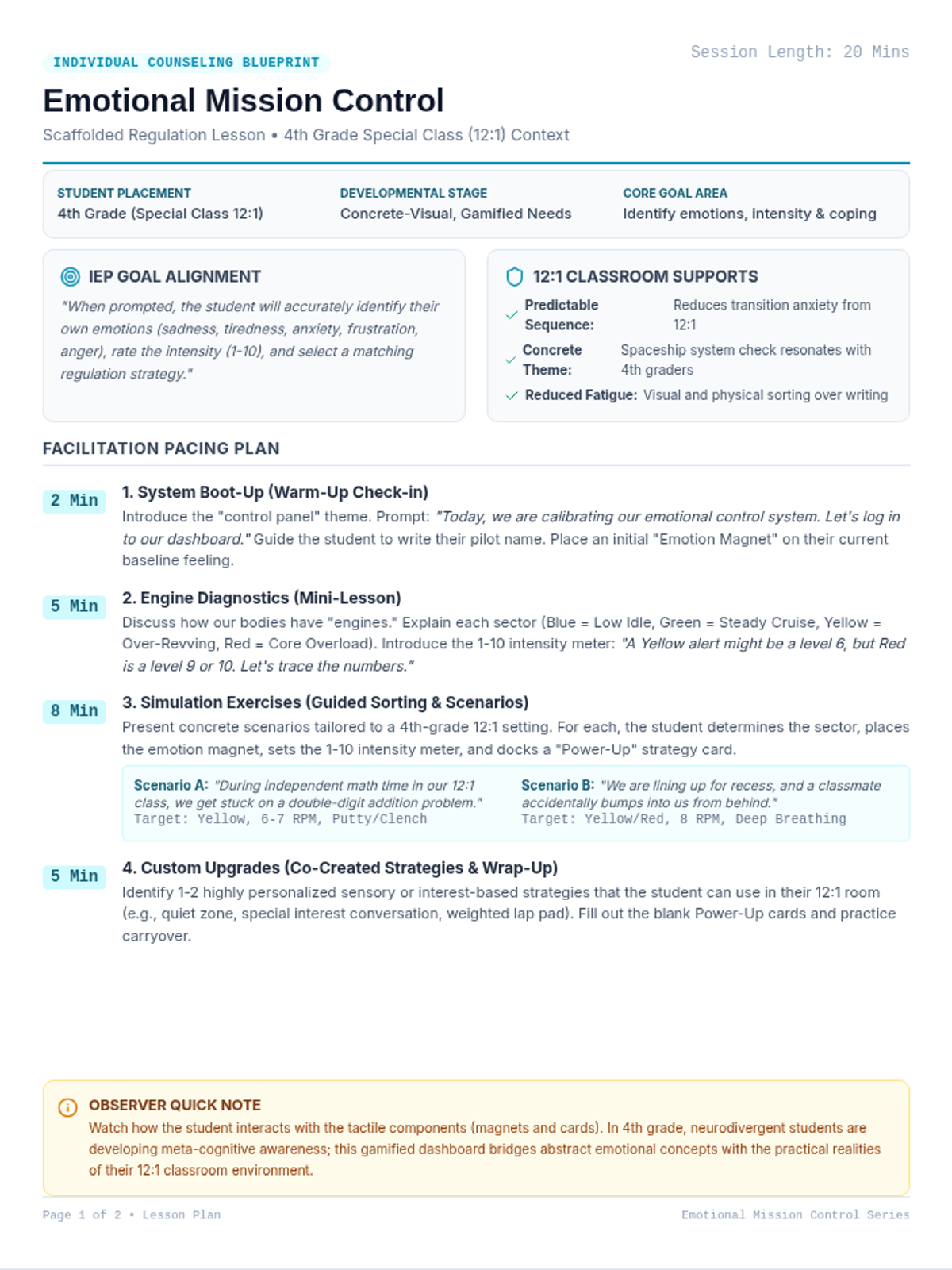
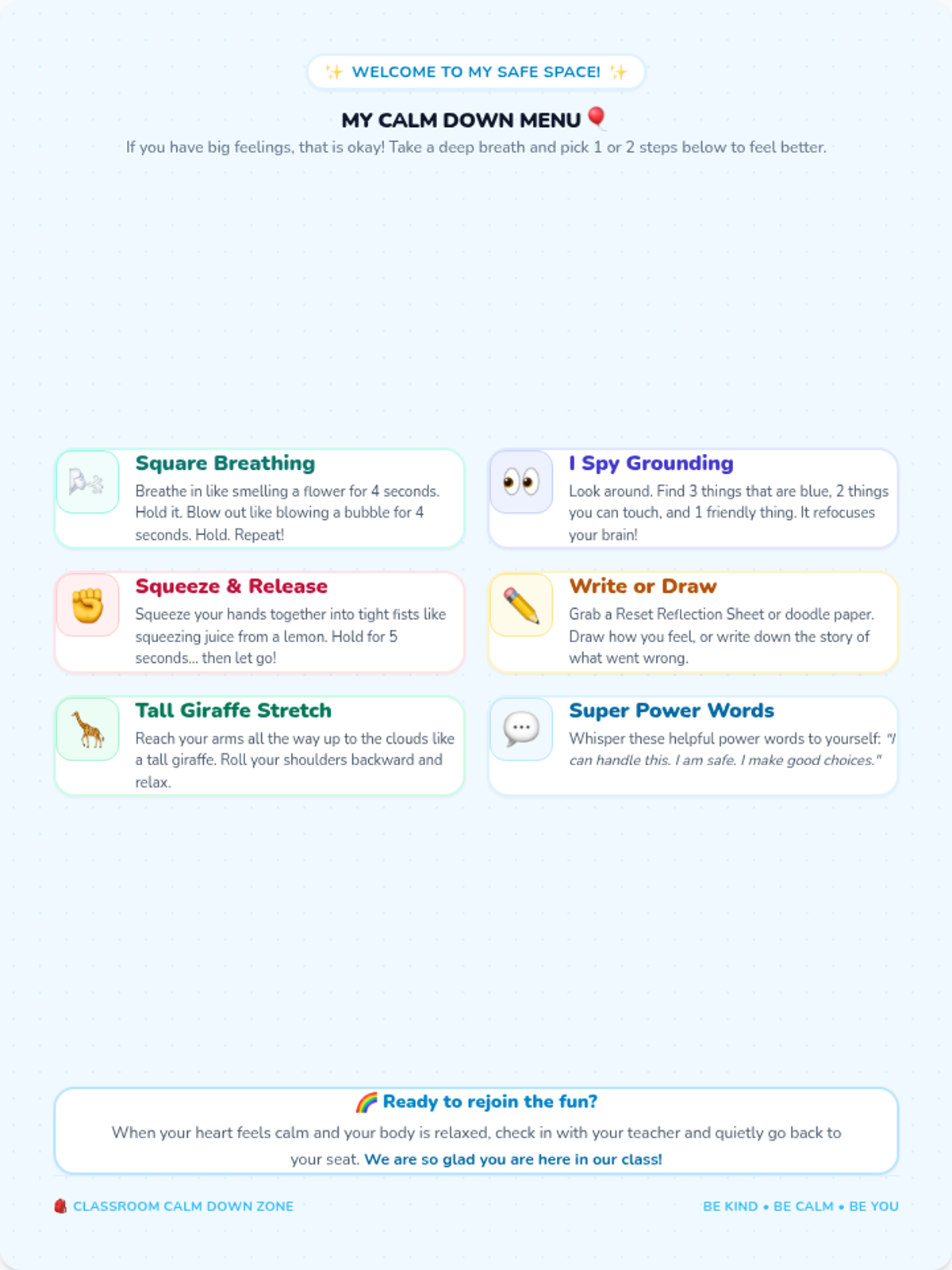
A lesson introducing 4th graders to emotional regulation and practical coping strategies for managing big feelings like anger, frustration, and anxiety.
A lesson focused on fostering a culture of kindness within the school community, targeting interactions between students and teachers through discussion and active practice.
A 30-minute Social-Emotional Learning lesson where 5th-grade students reflect on their growth and write a letter to their future selves about using SEL skills in middle school.
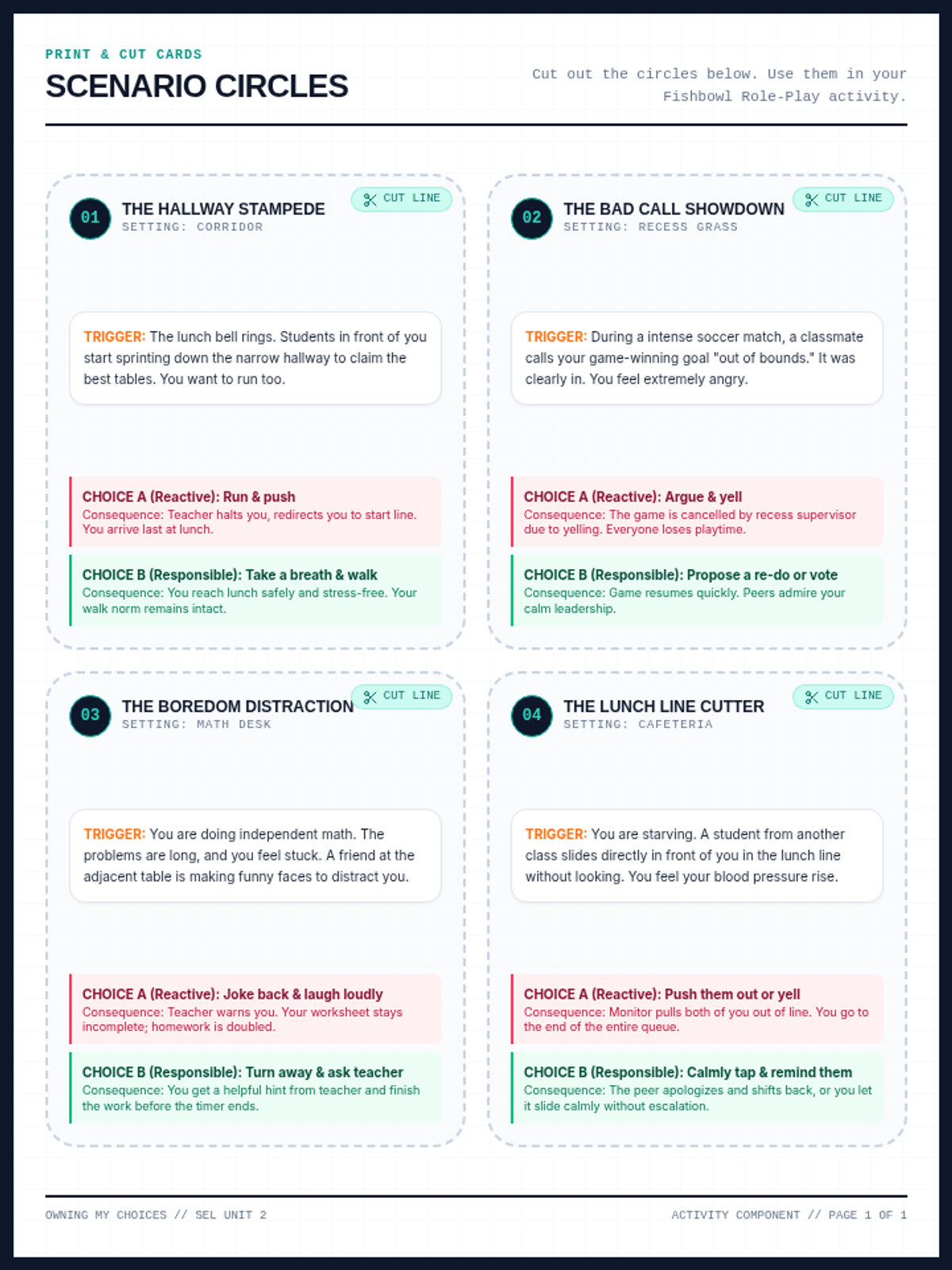
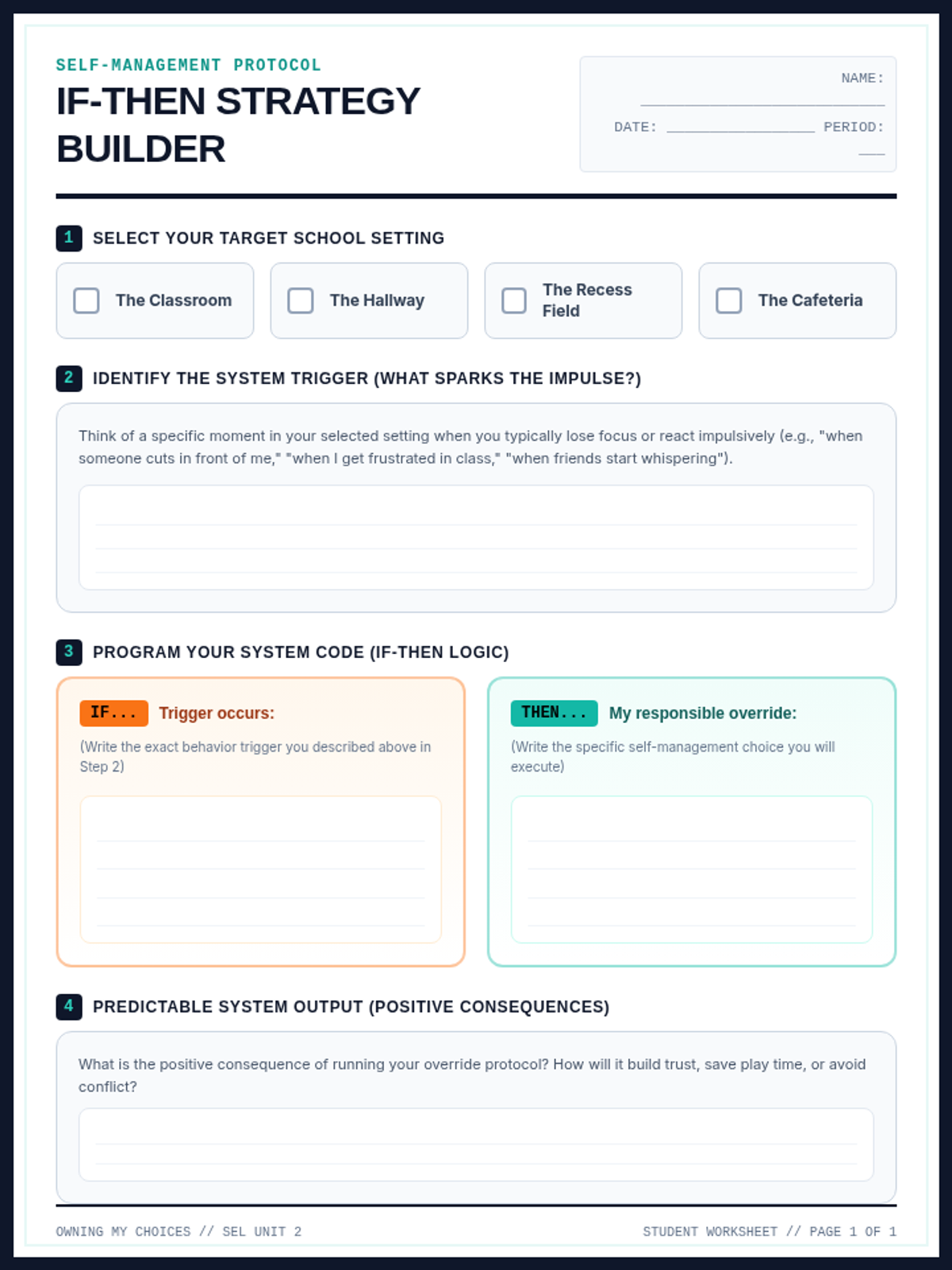
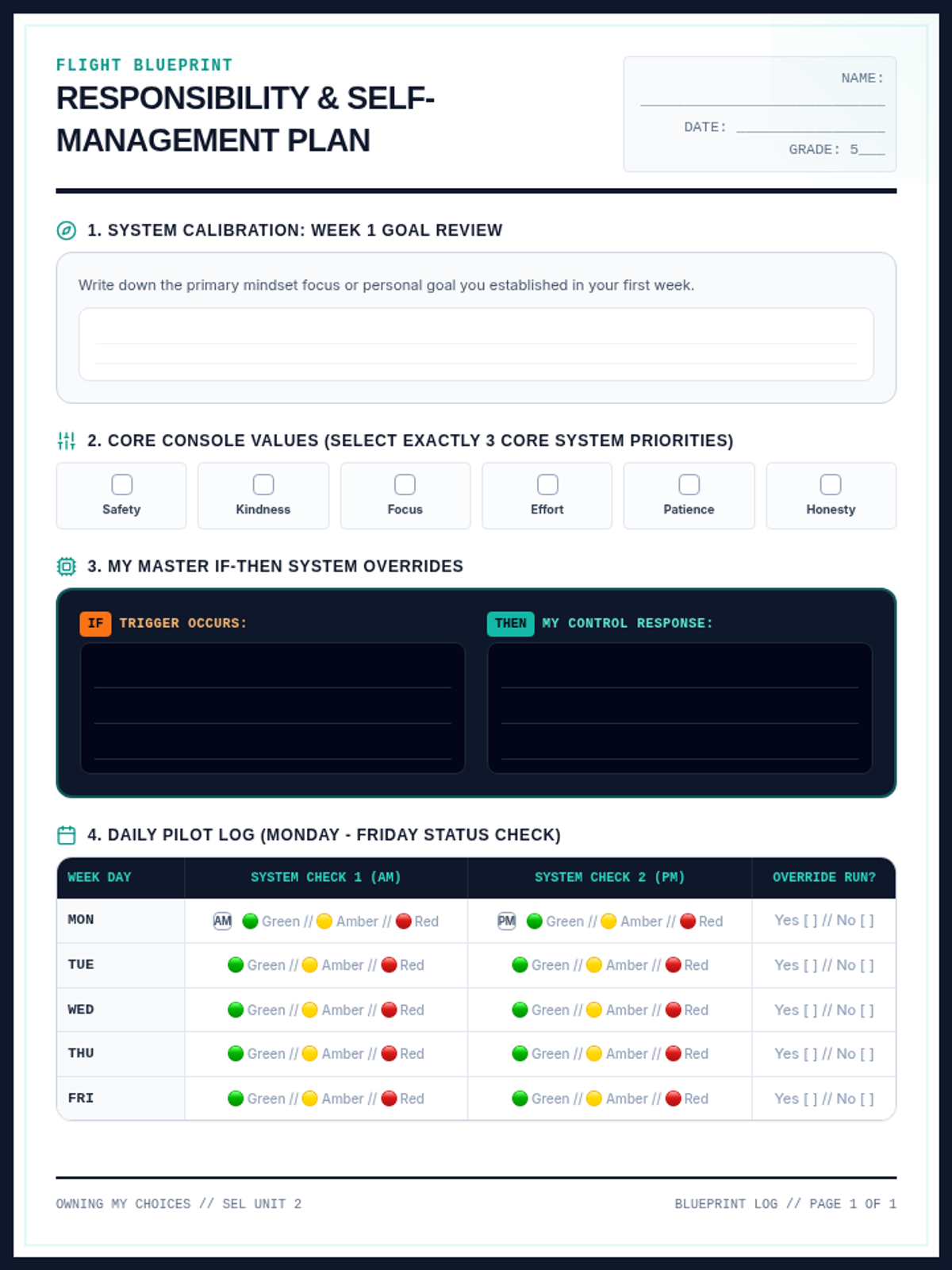
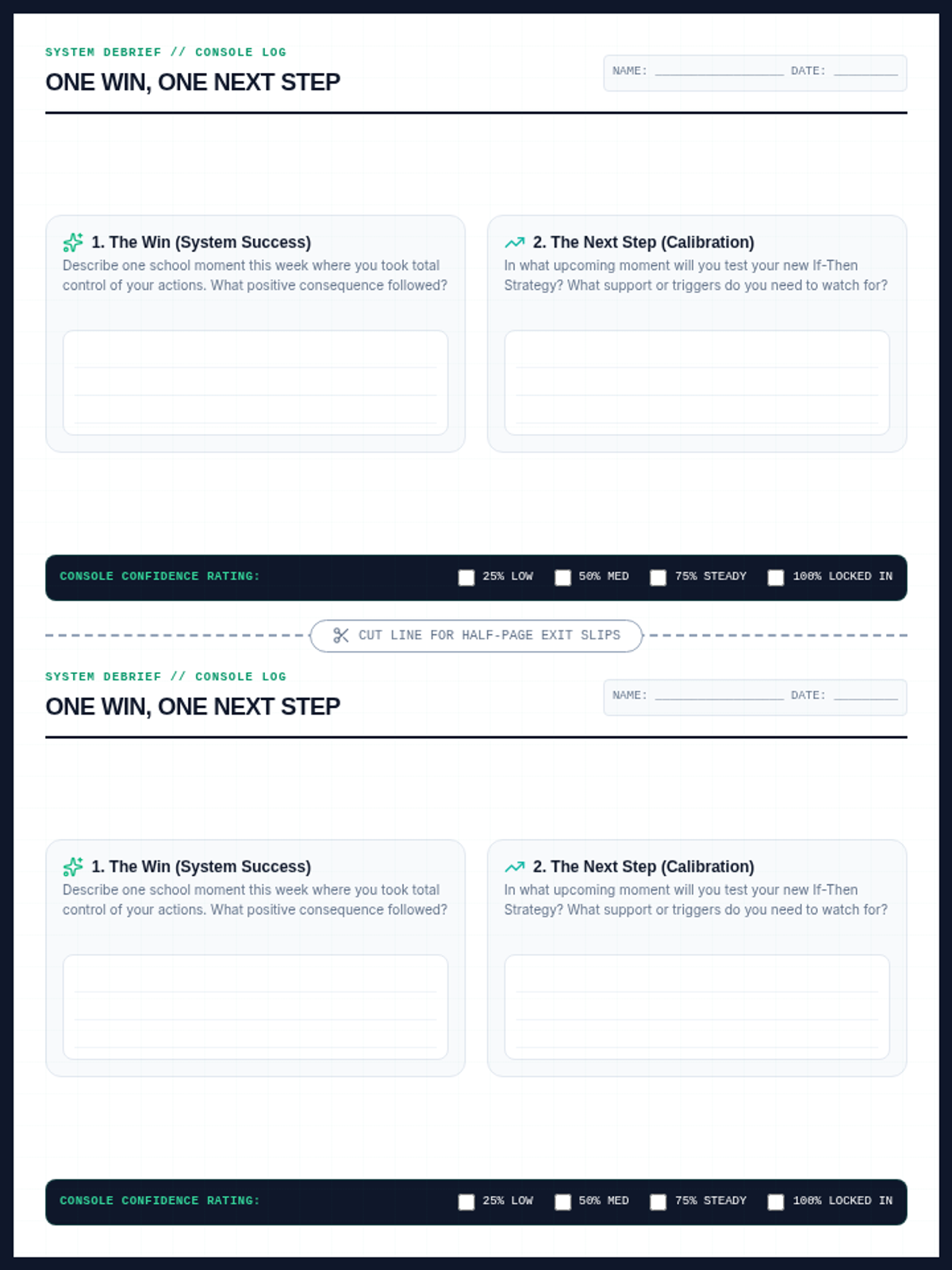
A nautical-themed lesson focusing on decision-making skills for middle-grade students, introducing the 'Pause, Plot, Pilot' framework to navigate tricky situations and peer pressure.
A lesson focused on teaching students self-regulation techniques through mindful breathing, featuring the infinity loop strategy.
A game-inspired goal-setting activity designed for parent-teacher conferences, focusing on identifying student strengths and growth areas through a 'future quest' lens.
A lesson focused on creating sensory tools to help students manage big emotions and practice mindfulness through hands-on crafting.
A lesson focused on creating sensory tools for self-regulation, specifically a calm-down water bottle.
A lesson focused on sensory tools for emotional regulation, specifically the creation and use of calming bottles as a mindfulness technique.
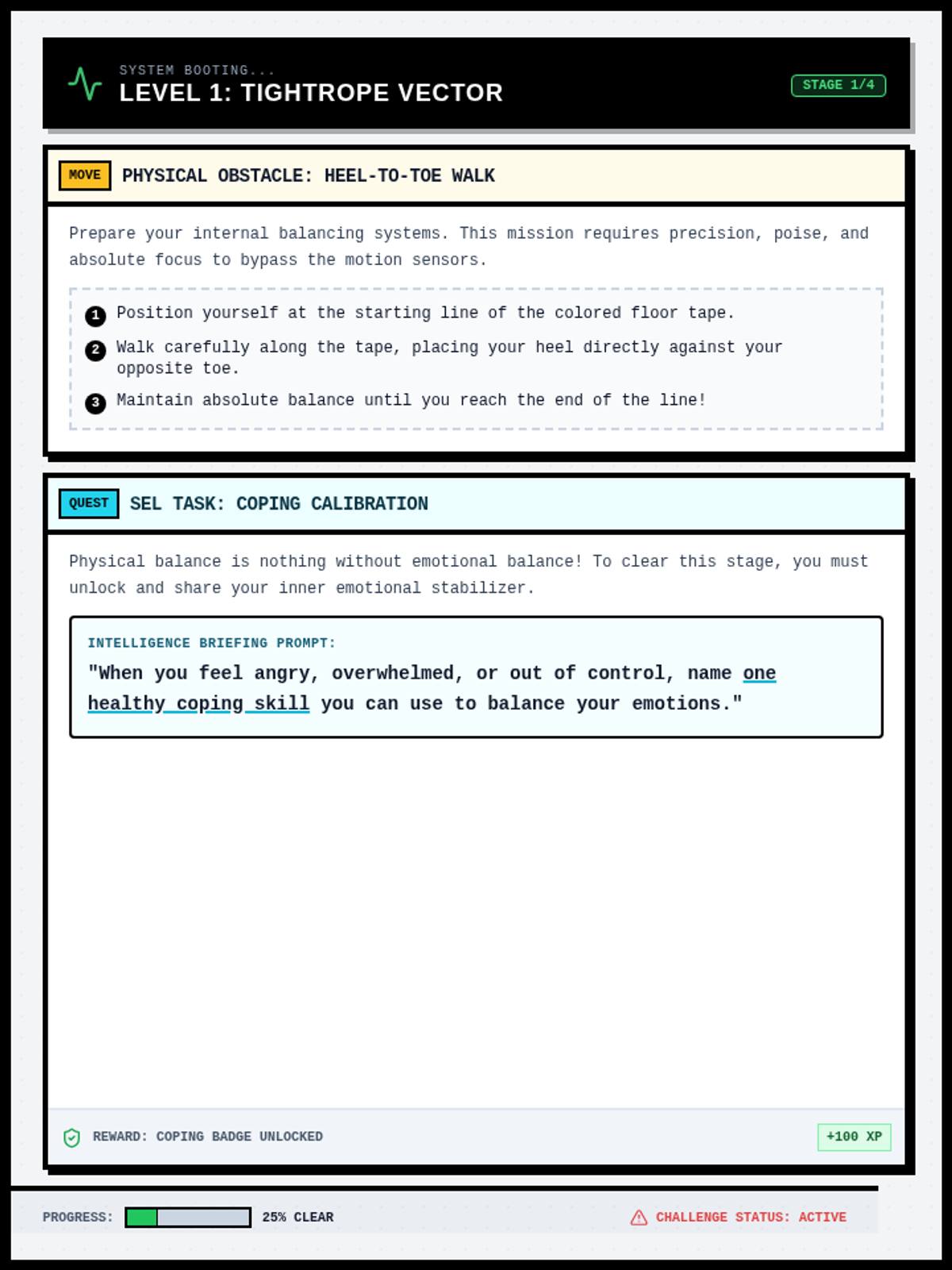
The foundational lesson for individual anger management, focusing on identifying internal physical signals of anger and building a customized toolkit for regulation. This lesson provides the essential 'blueprints' and 'tools' needed for the student to begin self-monitoring and proactive problem-solving.
A Parent-Teacher Conference initiative focused on building a 'Kindness Tree' to celebrate student growth and positive character through small, impactful acts.
A school-wide initiative to foster empathy and positive behavior through a collaborative Kindness Tree activity. Students perform kind acts, record them on leaves, and watch their community kindness grow visually.
A 30-minute interactive lesson focused on decoding and mastering classroom, hallway, and group work expectations using a high-tech 'Success Code' theme.
A set of high-impact materials for parent-teacher conferences, including informational displays, a family pledge, and an interactive student campaign activity.
A sports-themed social-emotional learning lesson designed for 5th-grade boys to develop perspective-taking skills and conflict resolution strategies using a 'Playbook' metaphor.
A social-emotional learning lesson focused on identifying and explaining common emotions within a school context, designed for small group facilitation.
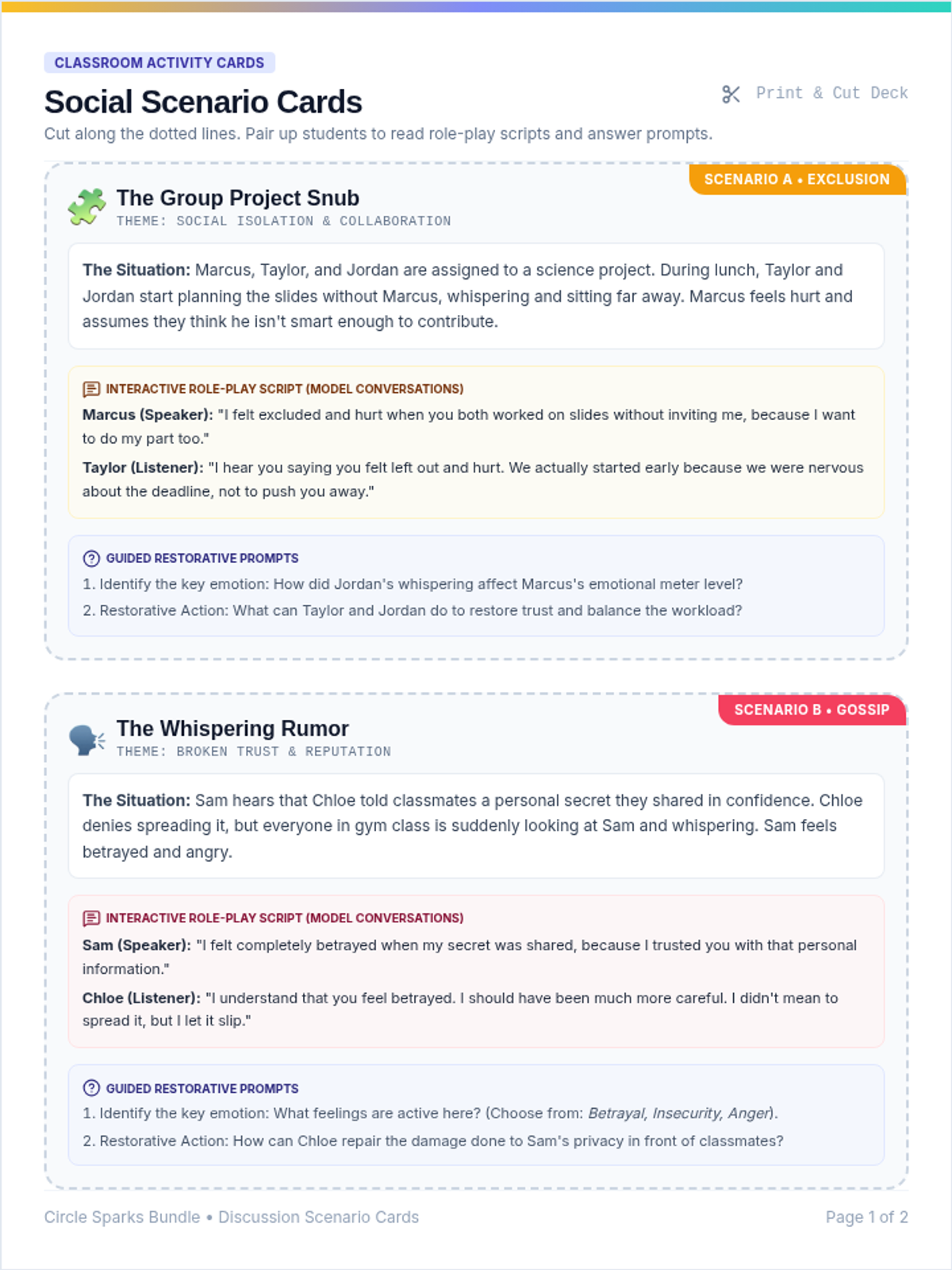
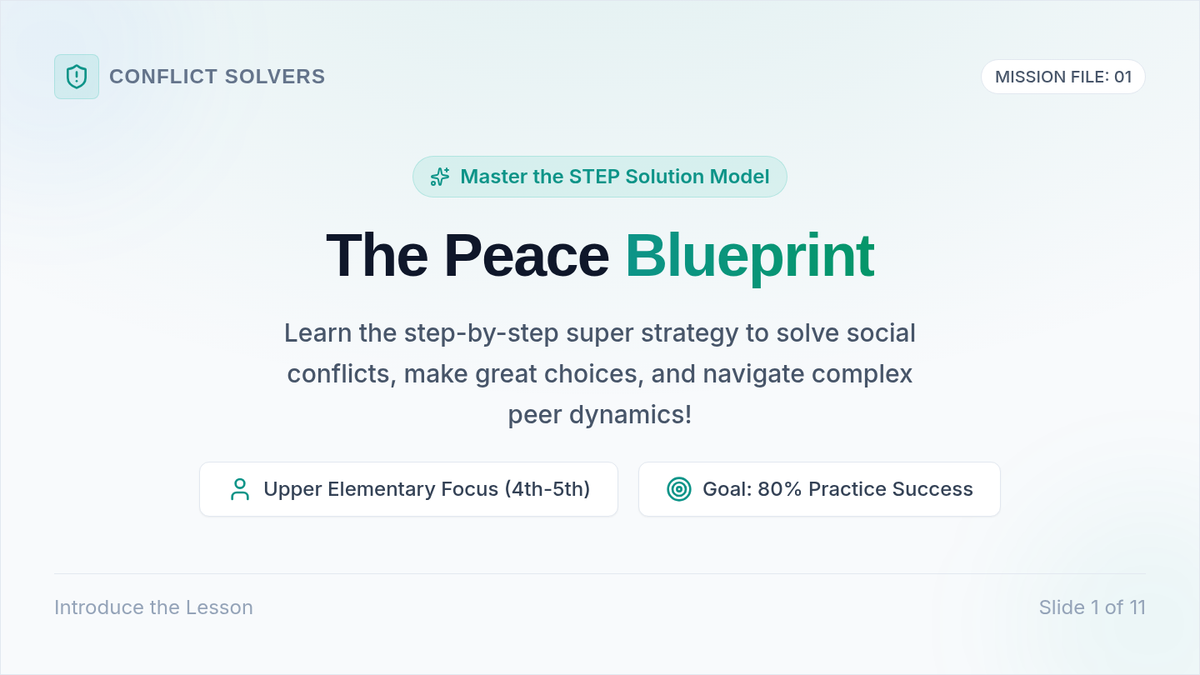
A small group lesson designed to teach students how to identify peer conflict, resolve it using 'I' statements and empathy, and act as upstanders in challenging situations.
An interactive workshop where students rotate through stations to practice group decision-making, public speaking, and non-verbal communication. Students will learn the balance between using their voice and active listening through hands-on challenges.
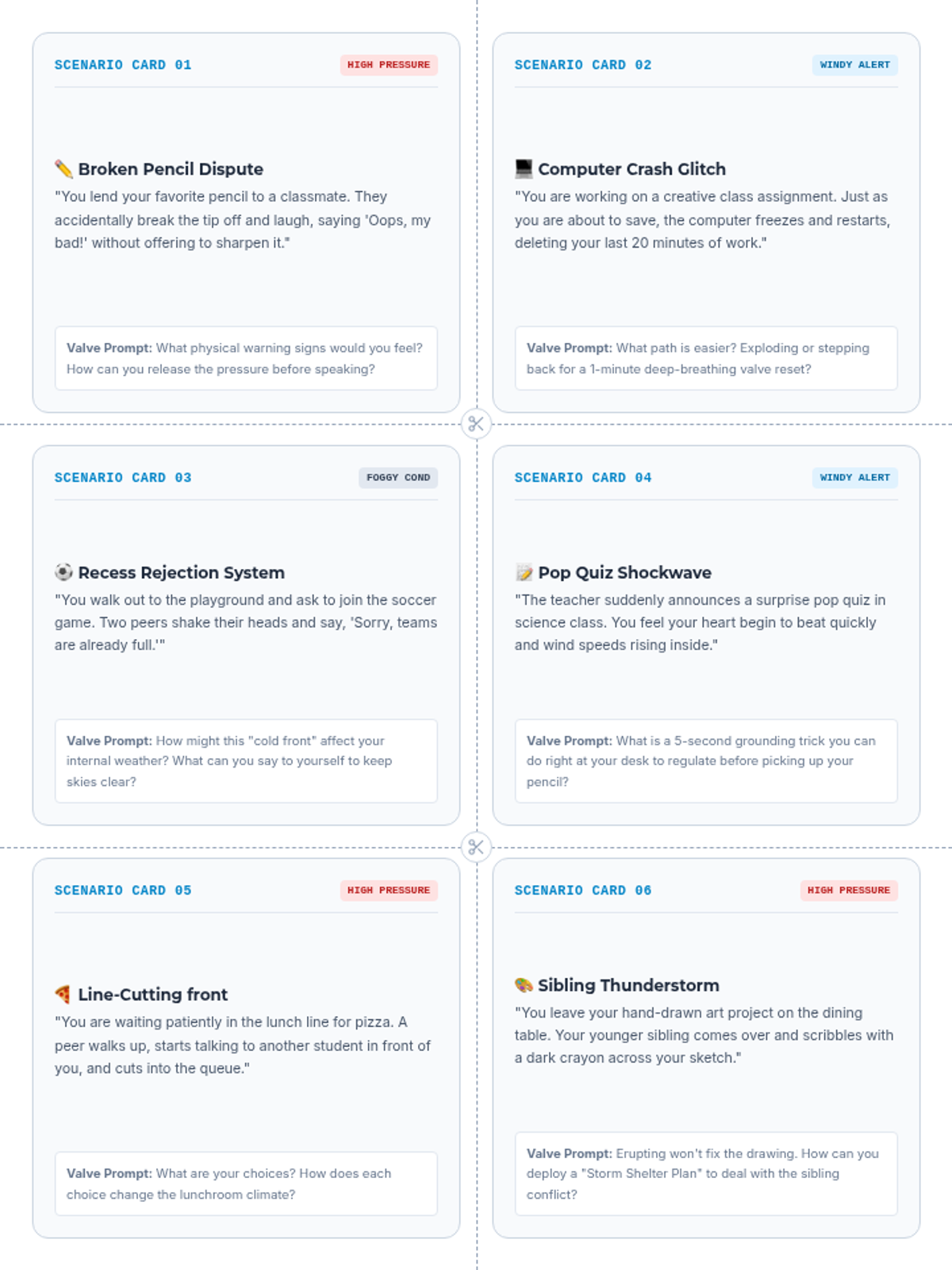
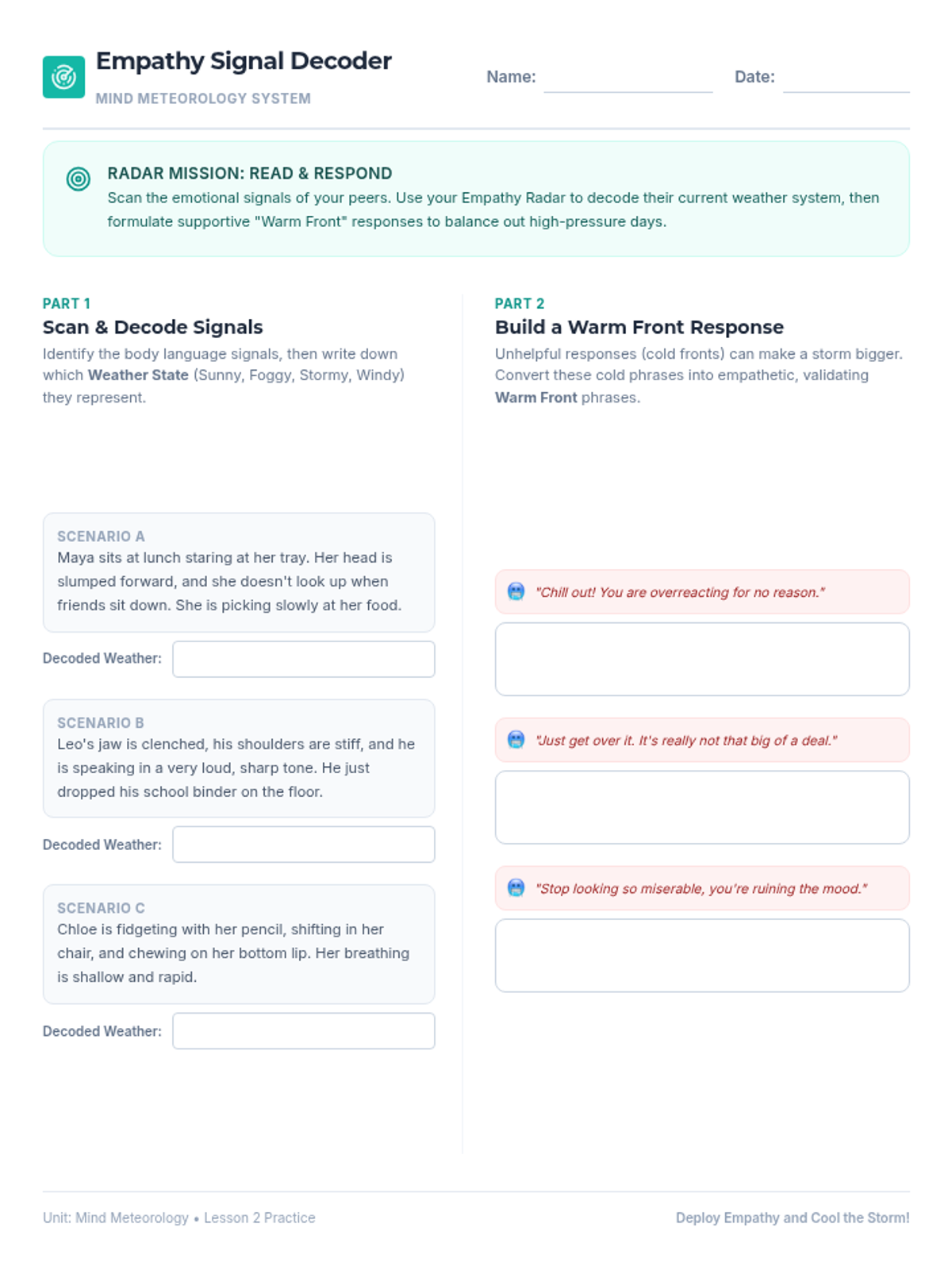
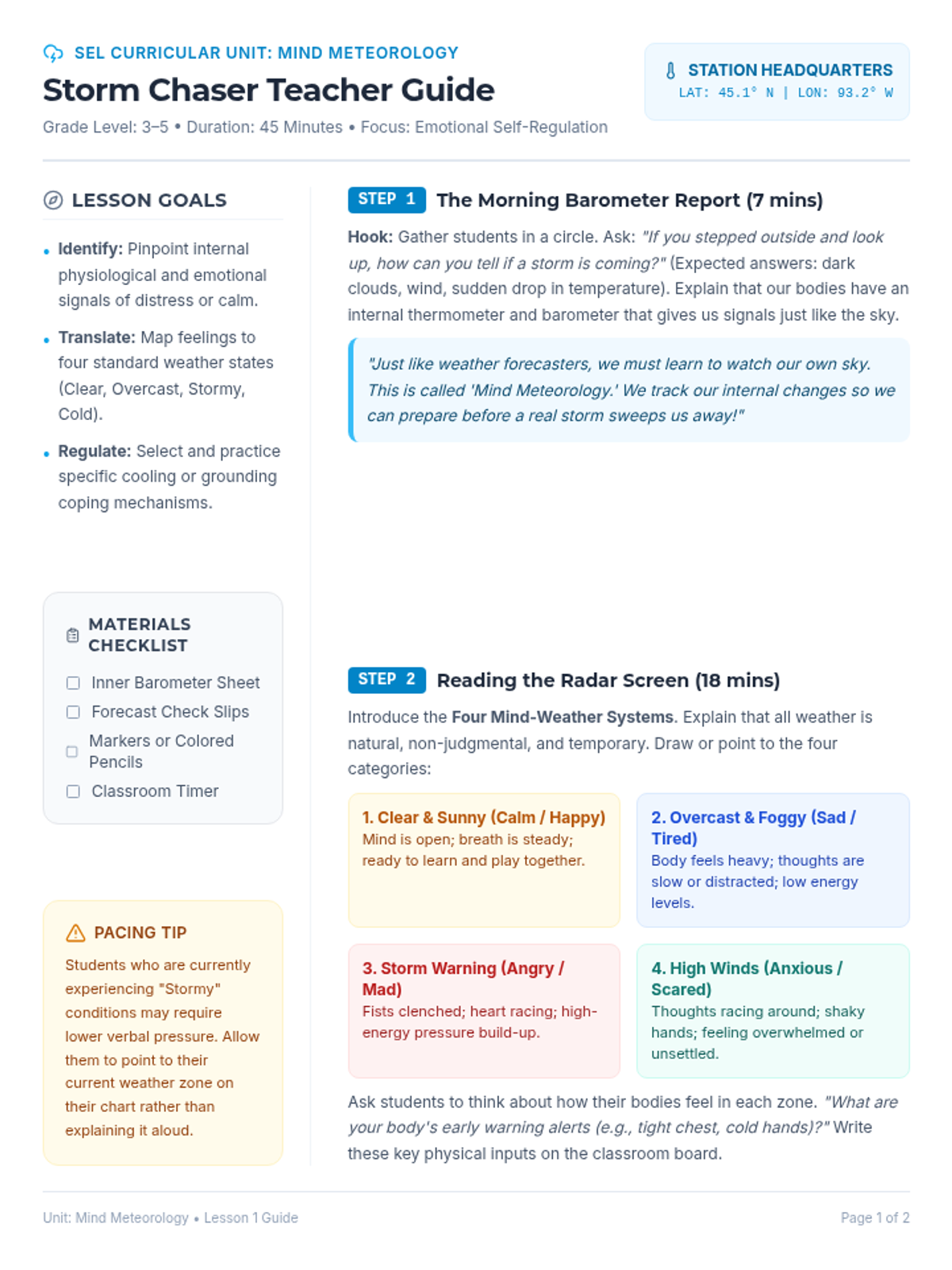
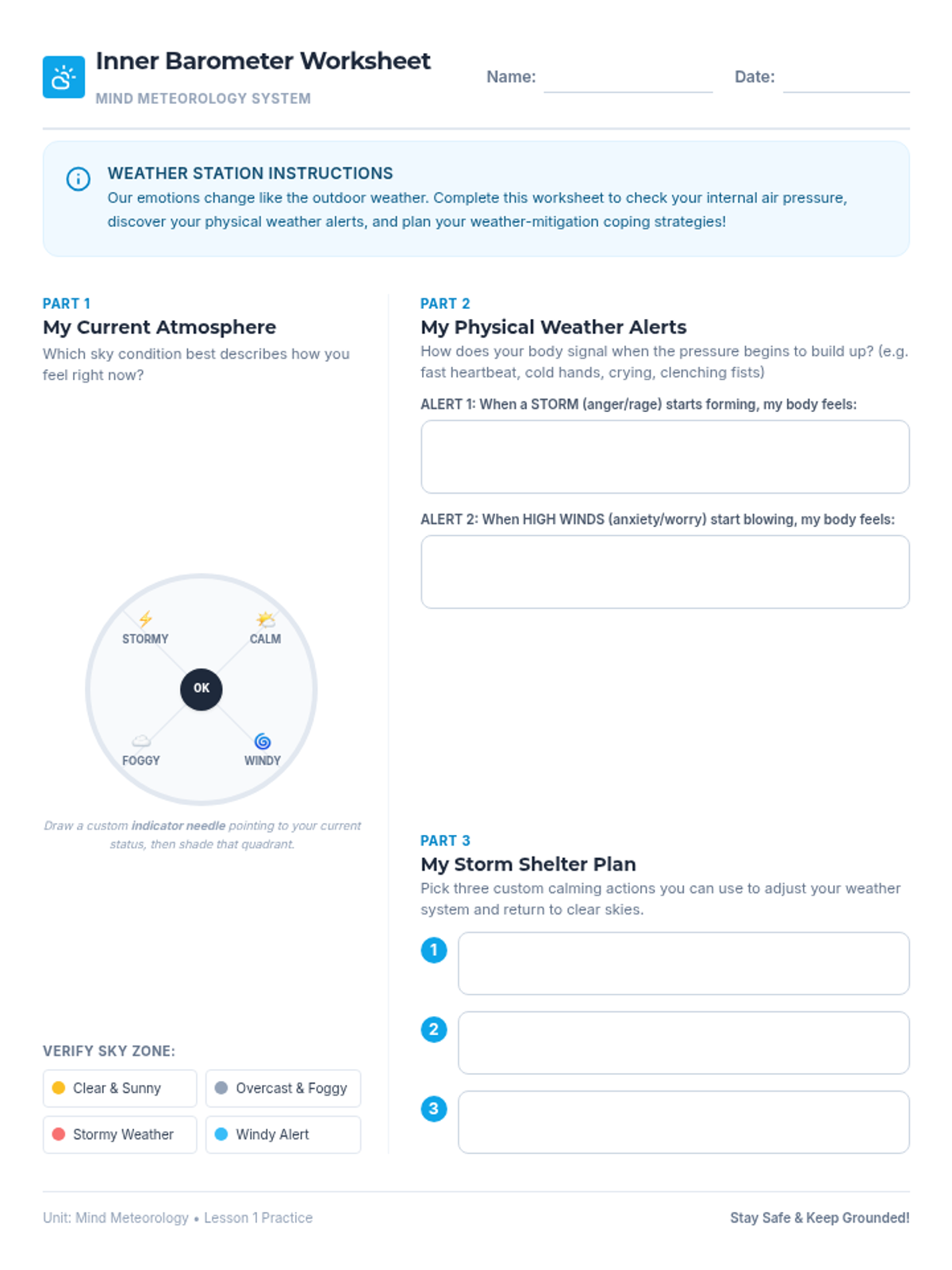
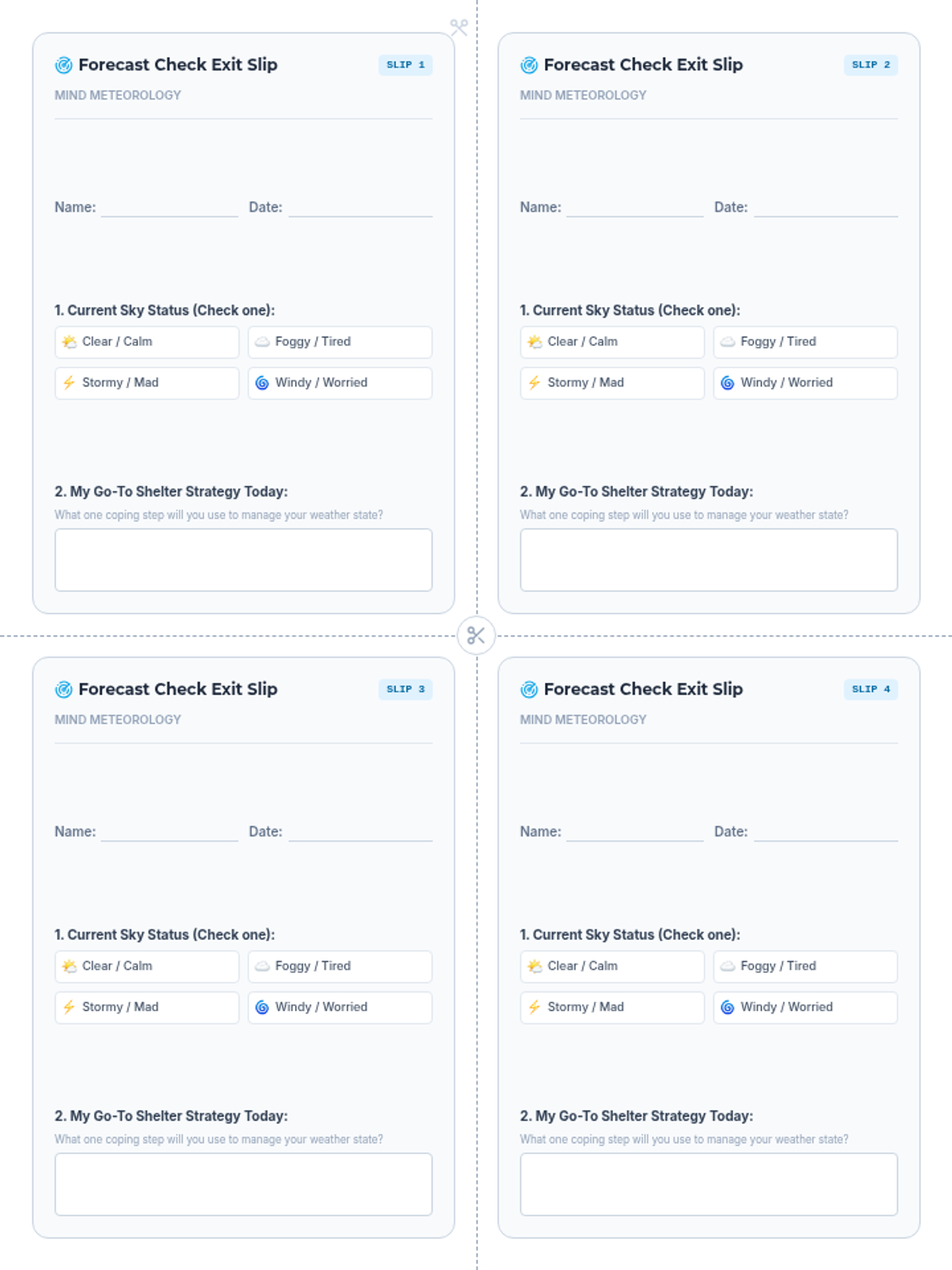
A 30-minute introductory lesson on emotional regulation, teaching students how to identify 'internal weather' and use specific tools to stay in control during high-emotion moments.
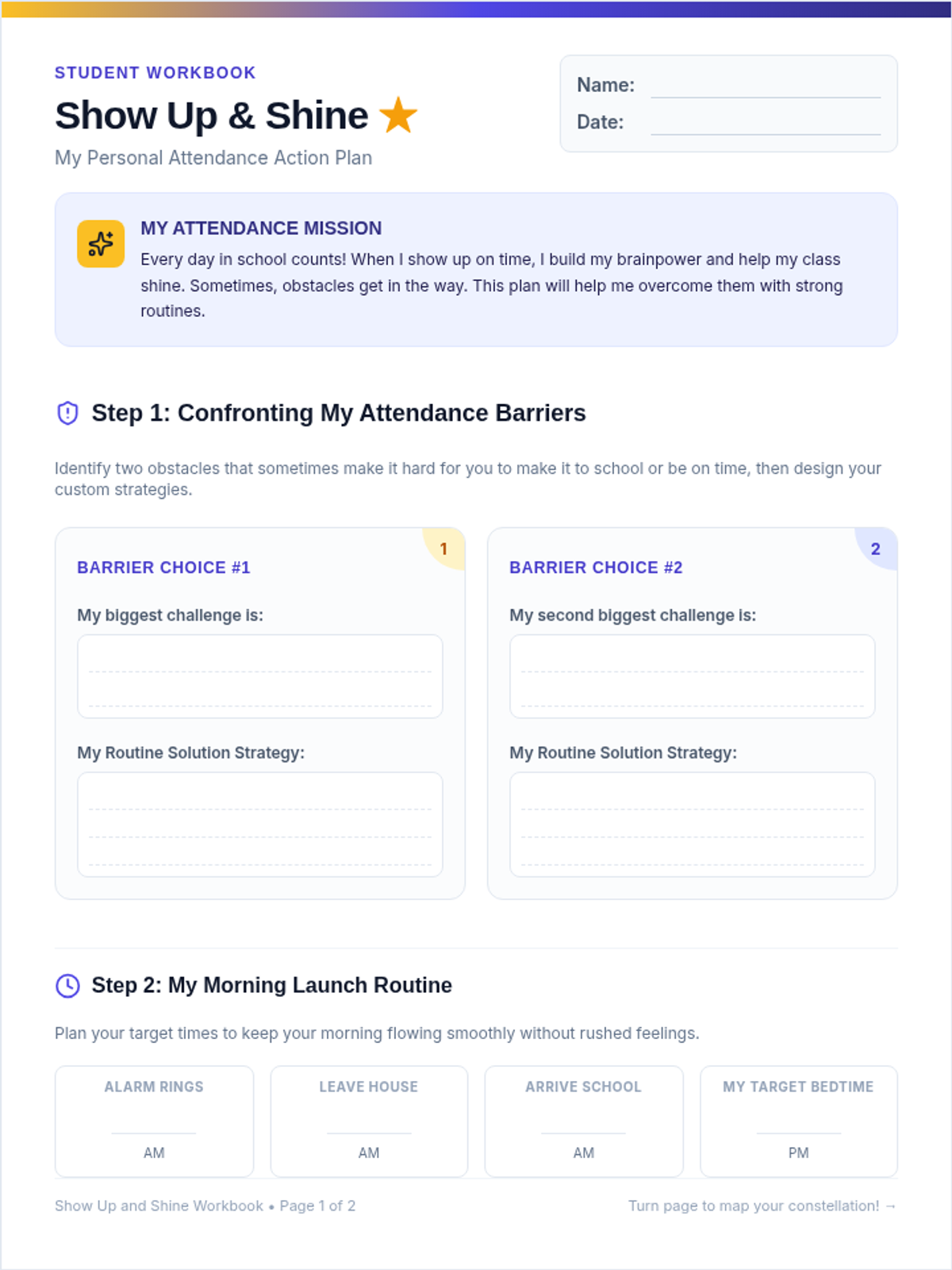
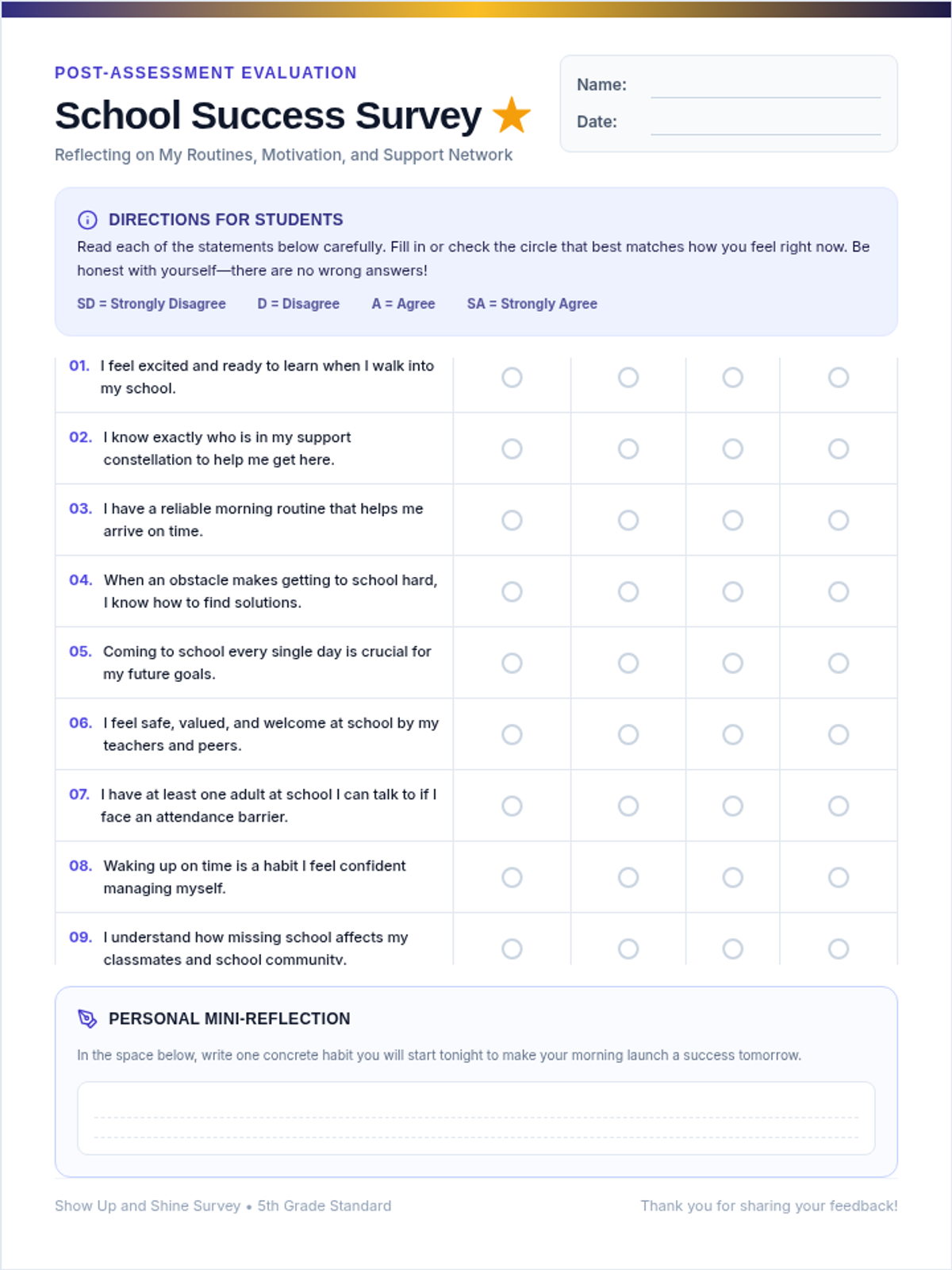
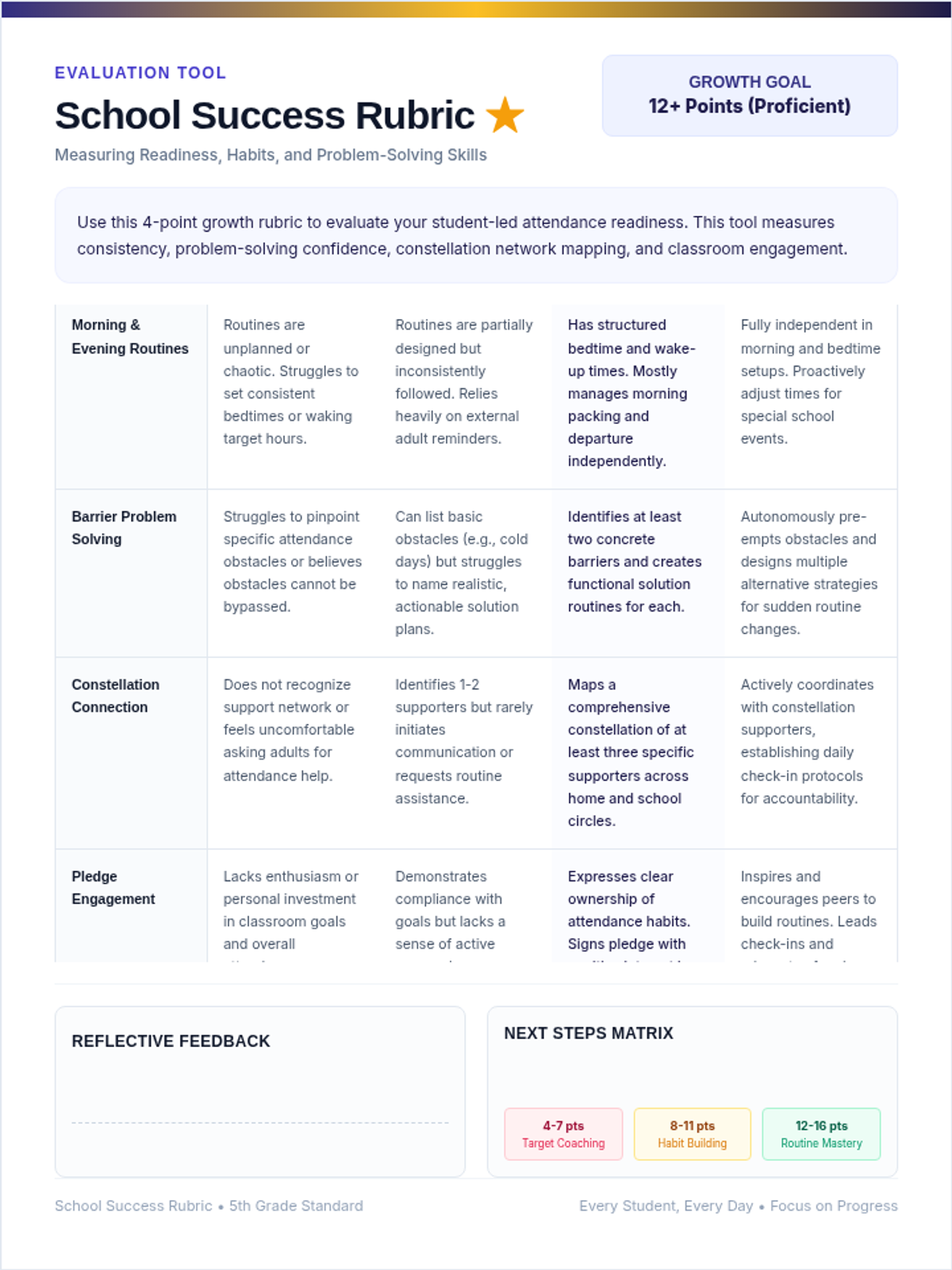
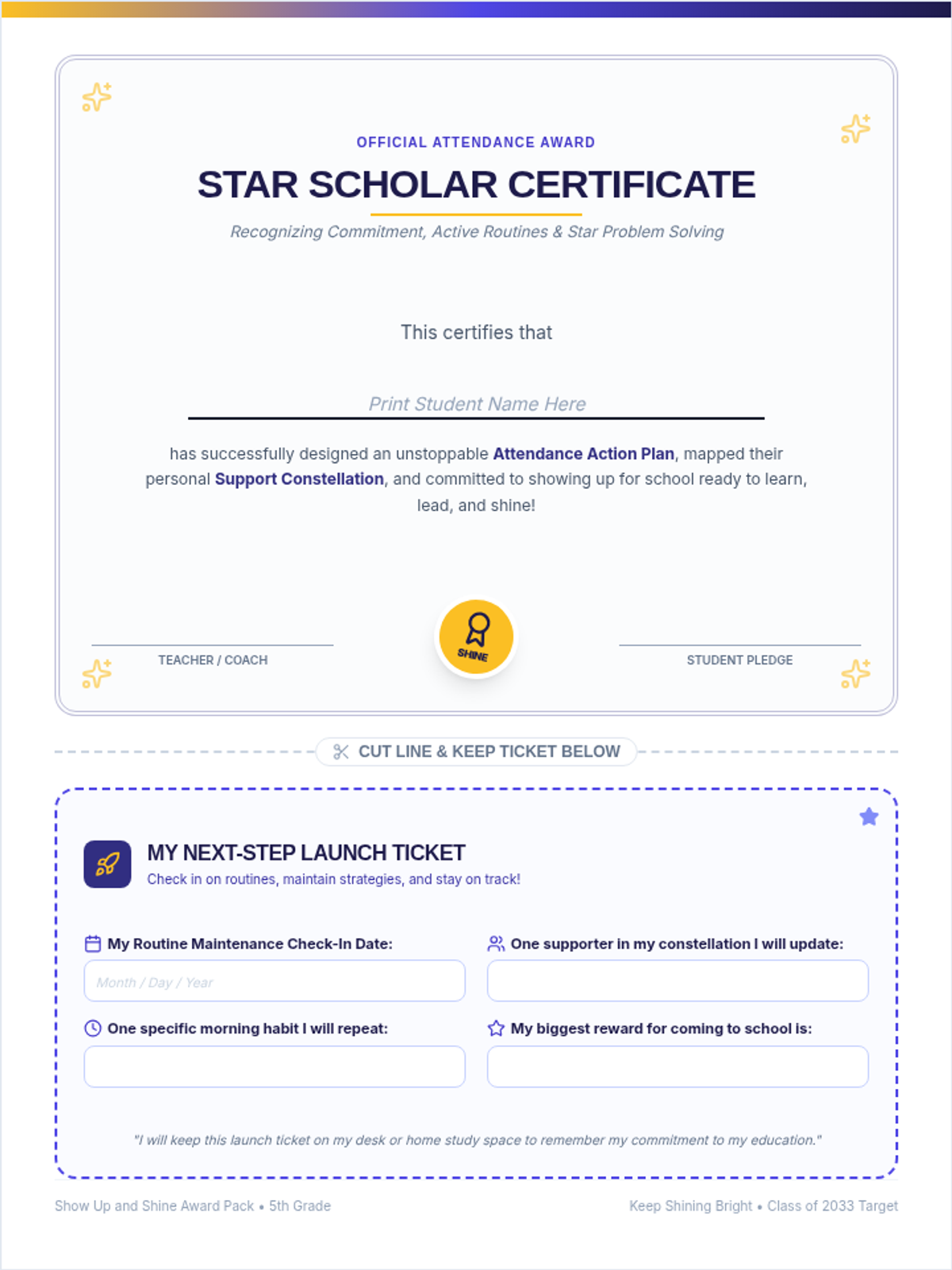
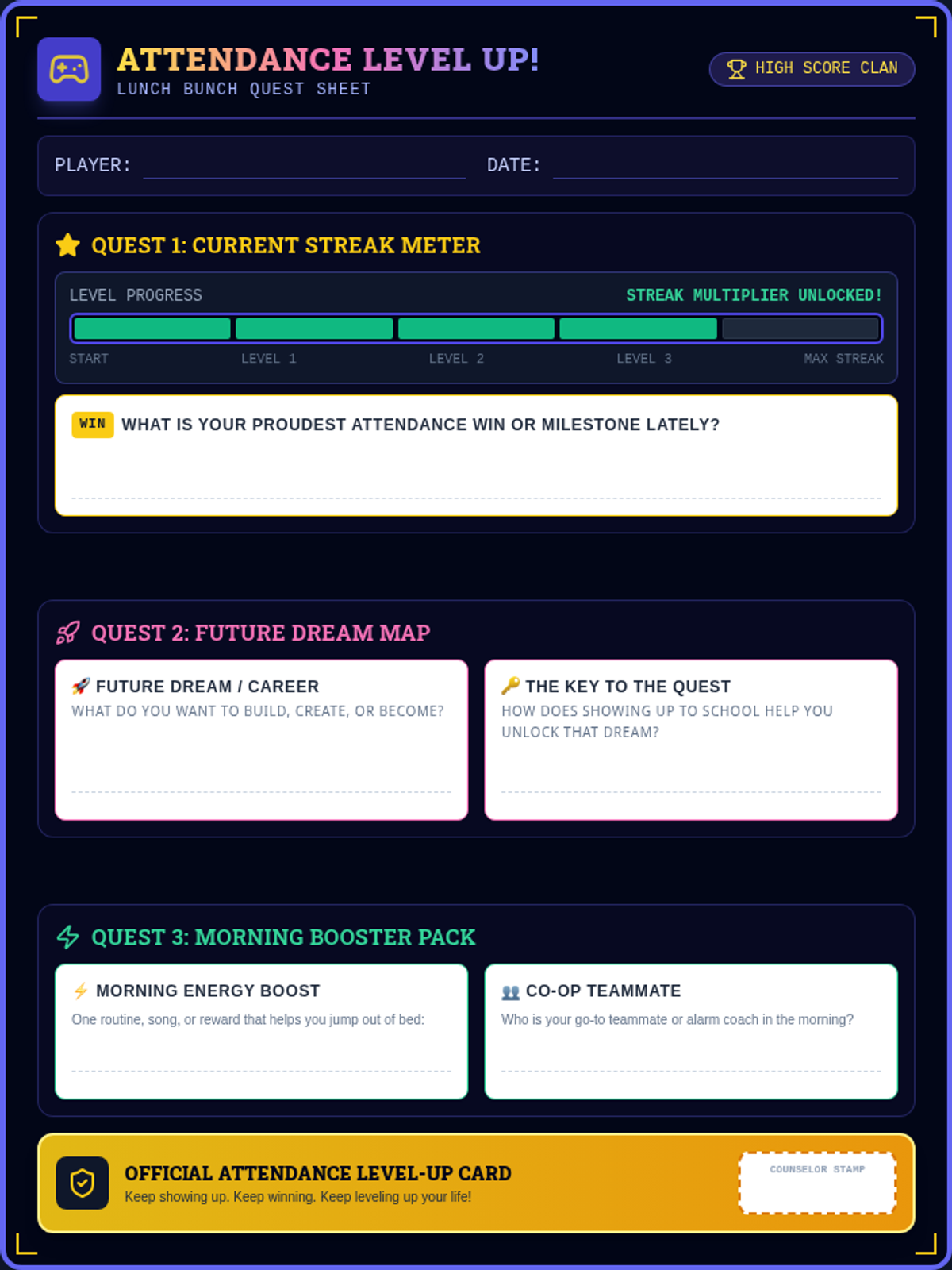
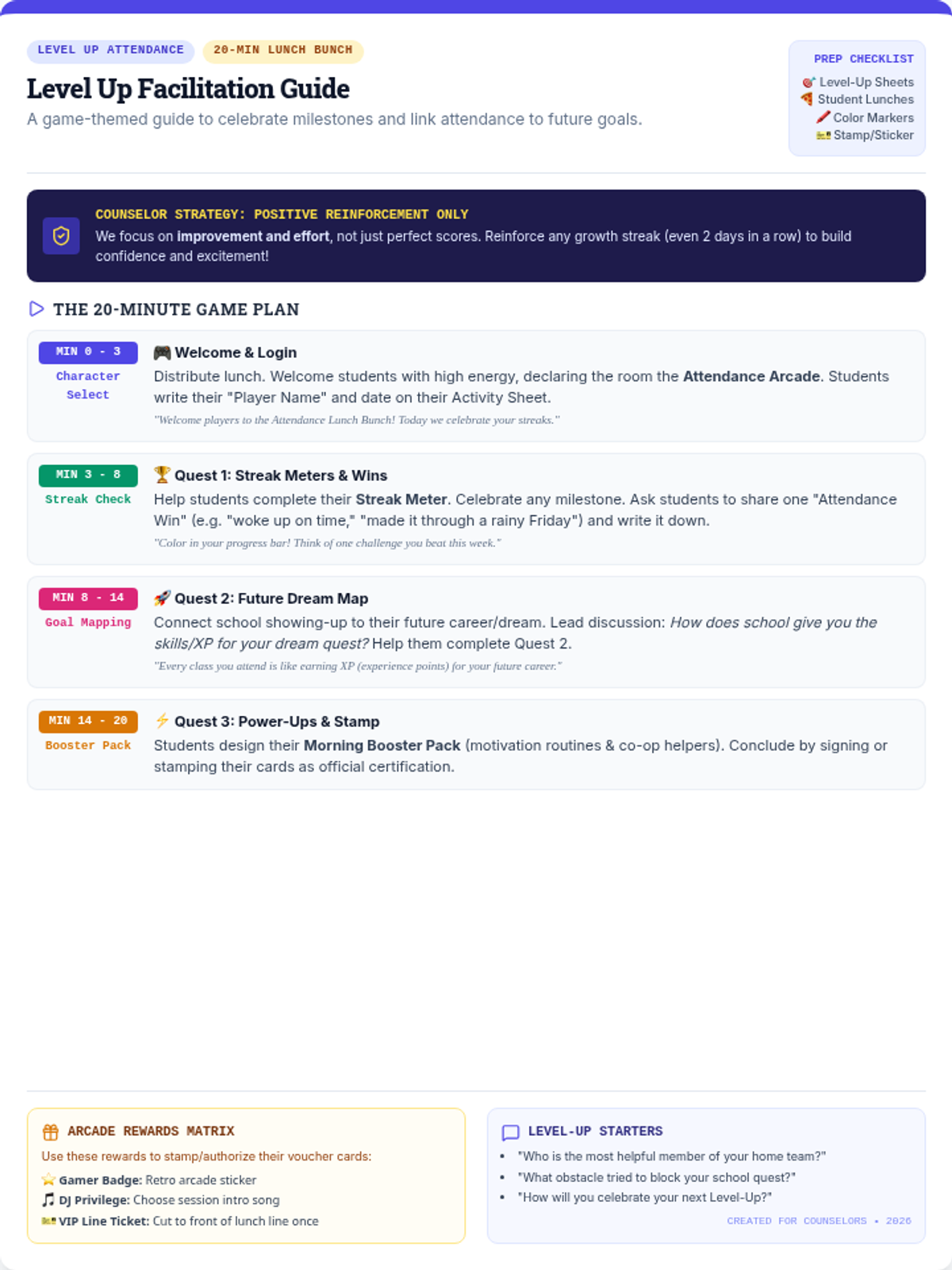
A comprehensive toolkit designed to help educators, students, and families collaborate on resolving chronic absenteeism and building consistent attendance habits. This lesson provides the structure for effective attendance conferences and documented intervention strategies.
A 30-minute interactive lesson designed to teach 5th-grade students the practical value of following directions and showing respect. Through a focused drawing activity and guided reflection, students learn how their individual choices affect the entire classroom's learning environment.
A targeted instructional set designed for middle school students to develop impulse control, recognize the physical and emotional triggers of blurting, and understand the social consequences of interrupting others.
A 30-minute interactive lesson for a small group of boys focused on decoding nonverbal signals like eye contact, arm positions, and personal space. Includes a movement-based icebreaker and detective-themed activities.
A lesson focusing on identifying the 'size' of different problems in academic and social settings, understanding the perspectives of those involved, and selecting appropriate resolution strategies.
A social-emotional learning lesson for 5th graders reading at a 3rd-grade level, focused on identifying the qualities of a good friend through a shared story and group discussion.
A lesson focused on active listening skills within the context of following recipes, emphasizing paraphrasing and checking for understanding to ensure culinary success.
A 20-30 minute DBT-focused session for 5th-6th graders focusing on emotional regulation and body awareness through movement and a Jenga-style game.
A baseball-themed social skills lesson focusing on the 'Think It, Say It' social filter. Students practice distinguishing between internal thoughts and external speech while evaluating the social impact of their words.
A lesson exploring proxemics, the study of personal space, and how to navigate social boundaries through observation and scenario analysis.
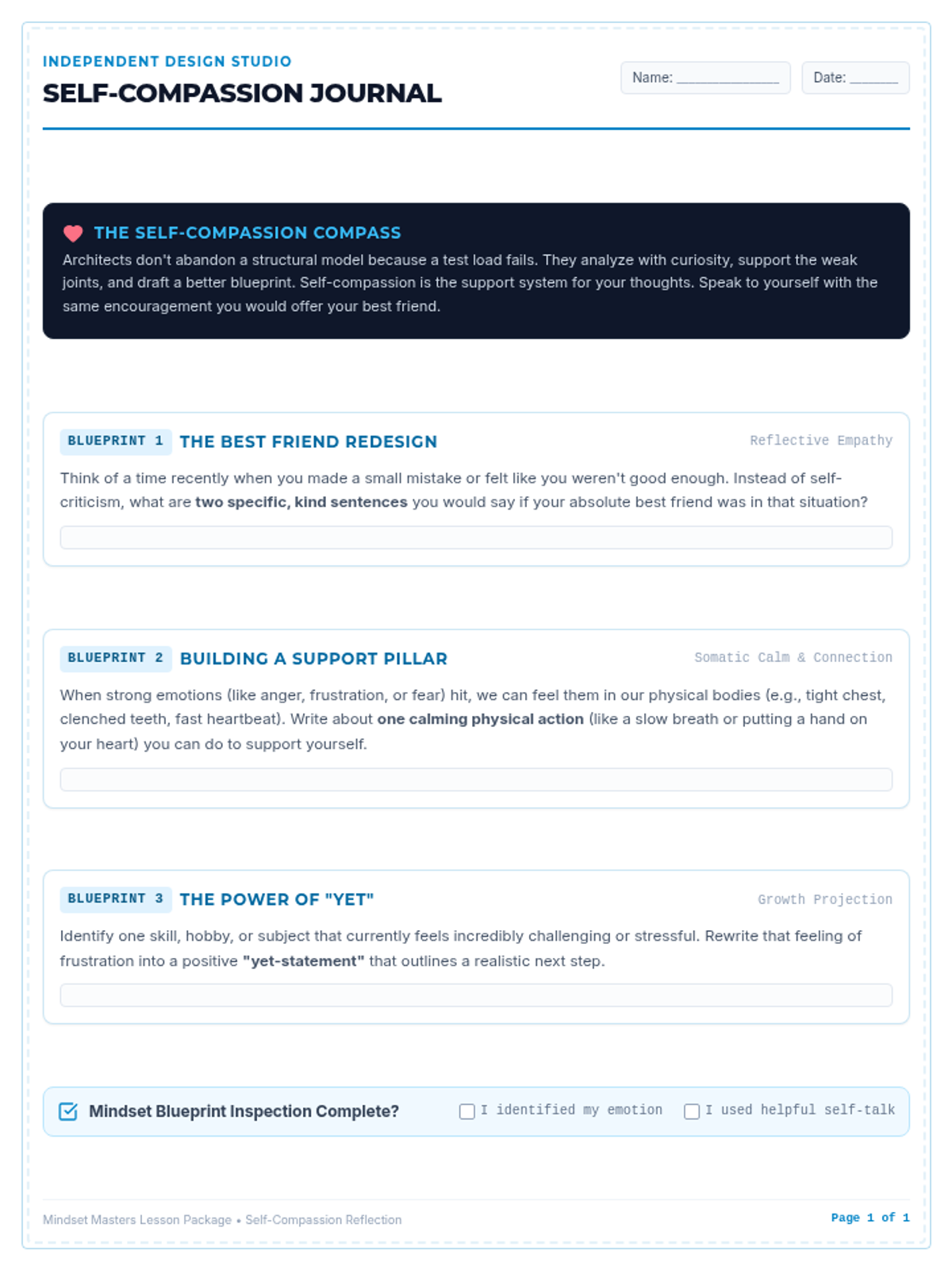
A comprehensive toolkit designed for students struggling with extreme perfectionism, anxiety, ADHD, and auditory processing challenges. This lesson provides visual-first strategies to manage school-based stress, break down overwhelming tasks, and build self-compassion through creative activities.
A 10-minute assembly for upper elementary students focusing on the impact of their choices on the school community and building a culture of respect.
A high-energy, visual 10-minute assembly focused on basic rules, safe hands, and kind words for younger students.
A social-emotional learning lesson for grades 5-8 focused on neurodiversity and empathy, using the 'Race Car Brain with Bicycle Brakes' metaphor to understand ADHD behaviors.
A counseling lesson focused on mental health awareness and building support systems. Students explore the factors influencing mental health and create a personalized 'Wellness Wheel' to identify areas of strength and resources for support.
A mindfulness lesson for grades 4-5 exploring the idea that thoughts are like passing traffic or juggling balls—temporary things we can observe without being controlled by them. Includes a warm-up activity, a video analysis of Andy Puddicombe's TED Talk, and a hands-on 'Traffic Chain' craft.
Students will understand the 'brain as a muscle' analogy and identify activities that strengthen neural pathways by creating a personal weekly brain workout plan.
A middle school science-based growth mindset lesson where students explore neuroplasticity to understand how 'yet' is biologically possible. Students watch a video on brain development and create a 'Science of Growth' poster connecting neural changes to school behaviors.
A guidance lesson for 5th-6th graders focused on distinguishing between healthy sadness and unhealthy guilt during relationship conflicts using the 'Umbrella Metaphor' for emotional boundaries.
Students will explore the link between screen time and brain health, identifying how digital habits affect their mood and creating a plan for 'unplugged' recreation.
This lesson focuses on identifying non-verbal emotional cues and understanding the impact of cyberbullying. Students analyze a silent animated video to decode feelings across different environments (School, Home, Online) and practice upstander behaviors through creative expression.
Students will distinguish between bystander and upstander behaviors, analyze the impact of cyberbullying through video, and practice safe reporting strategies using role-play.