This lesson introduces 9th-grade students to the SMART goal-setting framework, providing them with the tools to transform vague academic intentions into actionable, time-bound plans for success.
A comprehensive training module on the professional standards for calling out of work, covering etiquette, timing, and communication methods.
A comprehensive lesson on the importance of quality control and checking one's work across various entry-level employment sectors including janitorial, retail, office, and food service.
This lesson focuses on self-advocacy in the service industry, specifically regarding tipping policies and procedures. Students will learn how to identify different tipping systems and practice asking for clarification when they have questions about their earnings.
A comprehensive lesson on restaurant etiquette covering menu reading, ordering, manners, volume control, tipping, and conflict resolution.
The core 90-minute training session covering four industry-specific challenges. Students rotate through scenarios to master the 4-step professional process for following instructions.
A functional skills lesson focused on navigating a restaurant experience on a budget, covering menu reading, budget planning, social etiquette, and group check splitting.
A comprehensive training session focusing on the professional relationship between employees and supervisors. Students will learn about supervisor roles, boundaries, communication strategies, and conflict resolution through interactive case studies.
A lesson focused on mastering time management through hands-on 'trials' that teach punctuality, task estimation, scheduling, and focus techniques.
A visual career exploration lesson designed for students with moderate to severe disabilities, using real photos to identify interests across various career clusters.
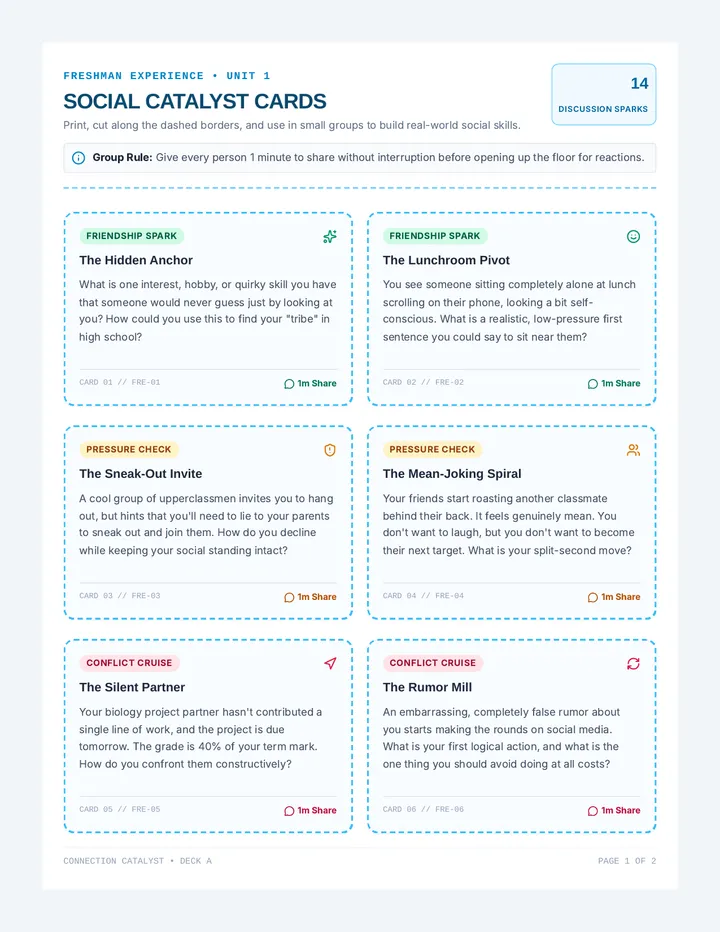
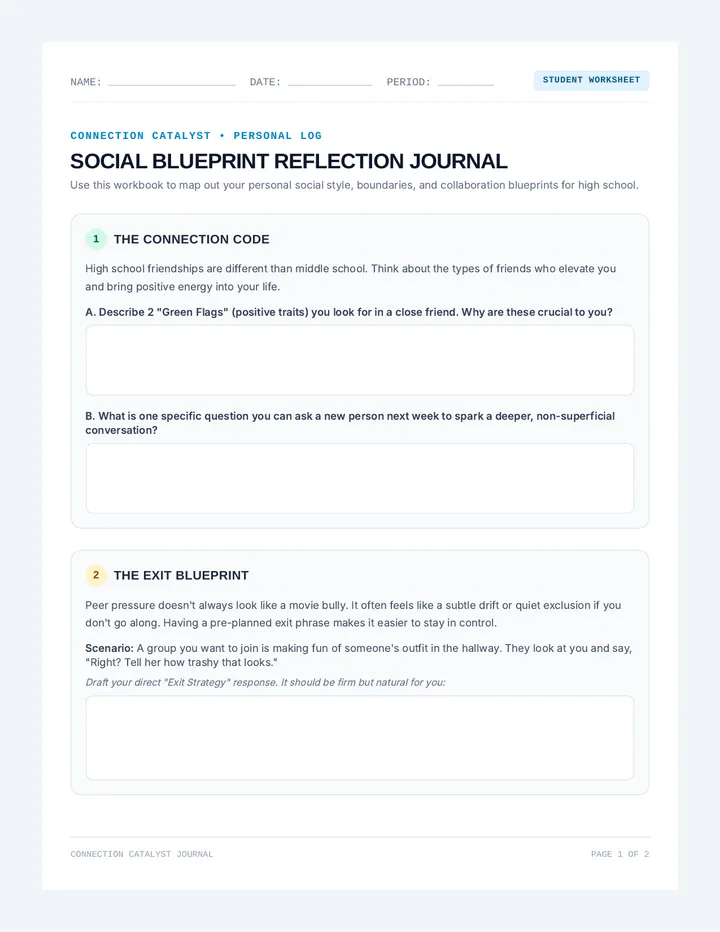
A 45-minute therapeutic leisure session for teens focused on building social connections and team dynamics through collaborative activities and reflection.
Preparing for independence. Students review progress reports and finalize a plan for seeking teacher support autonomously.
Establishing consistent habits and routines. Students refine their planning process to require less counselor prompting.
Developing teacher communication skills. Students practice scripts for asking for help, clarifying assignments, and negotiating deadlines.
Time estimation and scheduling. Students practice predicting how long tasks take and slotting them into their Jawsome flex time.
Focus on categorization and prioritization. Students learn to distinguish between urgent tasks and long-term projects using a priority matrix.
Introduction to the "Grade Audit" process. Students learn to navigate their online portals efficiently and identify missing assignments.
Final reflection on growth, system optimization, and a maintenance plan for sustained executive functioning success.
Building resilience and flexibility for when plans change, teaching students how to adjust their "maps" without losing momentum.
Strategies for managing physical and digital environments to minimize distractions and identify "Peak Focus" hours.
Translates goals into a concrete weekly schedule using the "Master Map" to visualize deadlines and study blocks.
Uses a visual "Priority Radar" to help students distinguish between what is urgent and what is truly important in their academic and personal lives.
Addresses "time blindness" by comparing estimated vs. actual time for daily tasks, helping students build more realistic schedules.
Focuses on overcoming procrastination and "stuckness" by breaking down complex tasks into manageable, non-intimidating units using the "Breakdown Blueprint."
Introduction to executive functioning as the brain's "Air Traffic Control" and a self-assessment of current strengths and challenges.
A comprehensive guide to understanding paychecks, including gross vs. net pay, tax deductions, and the anatomy of a pay stub. Students will learn how to read their earnings statements and manage their direct deposit information.
This lesson empowers students to identify unfair treatment and provides a step-by-step framework for self-advocacy, including 'I' statements and formal complaint procedures.
A 50-minute interactive workshop for high school girls focused on the power of sisterhood, navigating the nuances of Black girlhood, and understanding personal friendship styles inspired by Dr. Joy Harden Bradford's 'Sisterhood Heals'.
A 15-minute lesson exploring the pitfalls of 'downward social comparison' and how to build authentic self-esteem without diminishing others. Students will learn that true confidence comes from personal growth rather than putting others down.
The final session focuses on long-term maintenance and 'relapse prevention.' Students will create a take-home survival kit and celebrate their growth within the collective.
Students will explore a variety of sensory and cognitive coping strategies. They will evaluate which techniques work best for them and begin building their personal 'Coping Menu'.
This session introduces mindfulness as a tool for presence. Students will practice breathwork and a body scan, discussing how to integrate these small moments into a busy high school schedule.
The first session focuses on establishing the group's foundation, including ethical guidelines, confidentiality, and the basic 'Anchor' grounding technique. Students will identify how anxiety physically manifests in their bodies.
A concise 15-minute introduction to classroom norms centered on the core values of Respect, Integrity, and Safety. Students will define these values and commit to a shared culture of success.
A social skills lesson focused on navigating common holiday situations like family gatherings, egg hunts, and conversations using an Easter theme. Includes interactive slides for group discussion and printable task cards for practice.
This lesson explores the multi-faceted consequences of skipping class, including academic setbacks, social-emotional impacts, and long-term career implications. Students will reflect on their choices and the weight of their decisions through interactive slides and personal reflection.
This lesson introduces students to the core concepts of Agile and Scrum through the lens of team dynamics. Students will explore roles, ceremonies, and the critical importance of communication in high-performing teams.
A 24-minute counseling session focused on social perspective-taking, specifically helping students identify the underlying motivations and professional pressures that influence staff member actions and directives.
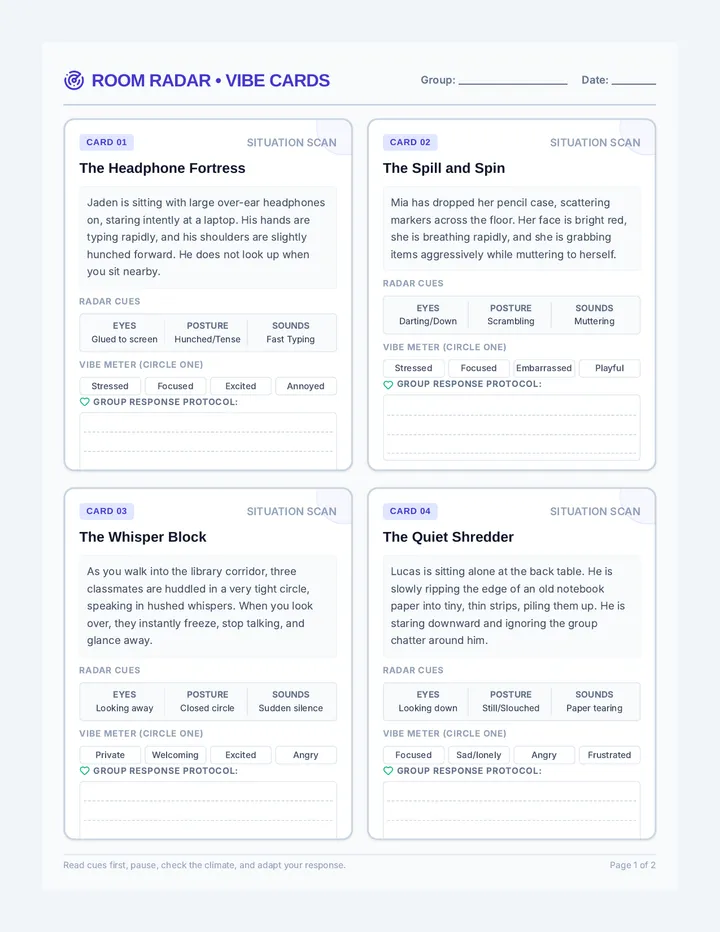
A social-emotional learning lesson designed for students with trauma backgrounds and impulse control challenges. It focuses on 'Scene Scanning'—assuming positive intent and dissecting social interactions through a detective-style lens to improve perspective-taking and reduce reactivity.
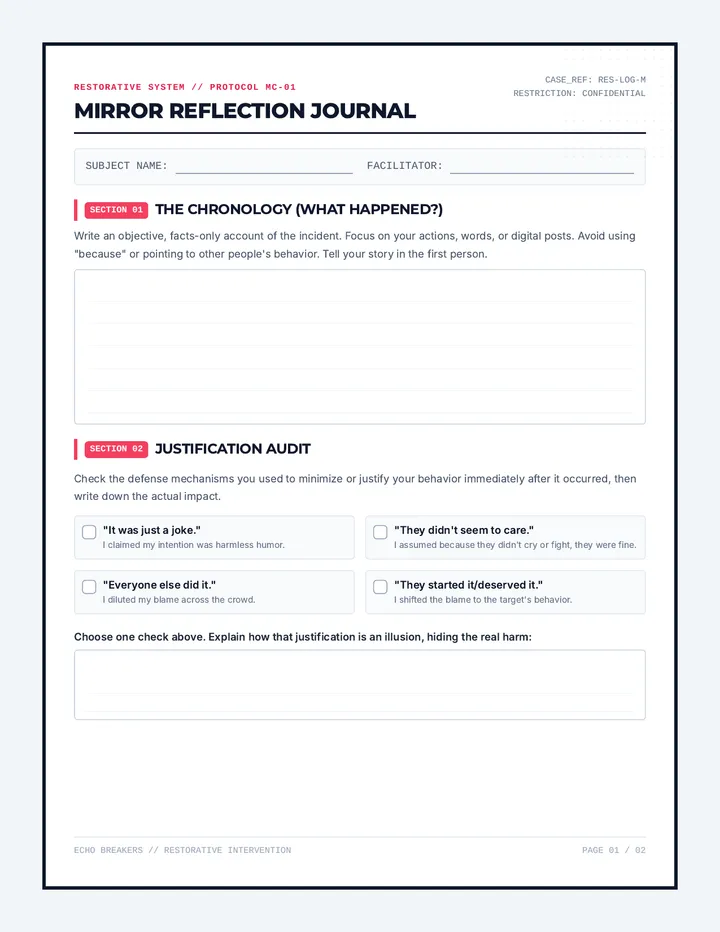
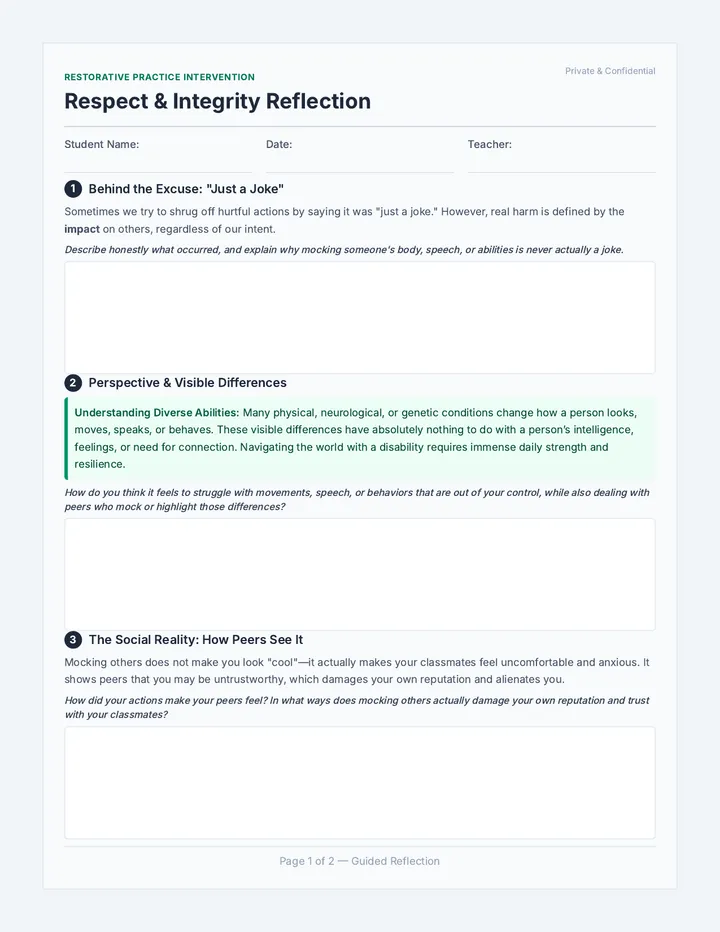
This lesson explores the "intent vs. impact" framework in professional settings, helping students understand how their words affect workplace culture and how to use restorative reflection to repair professional relationships.
Focuses on social intelligence and 'code-switching' as tools for success. Students practice navigating conflict with peers and authority figures to protect their progress and 'own the room' professionally.
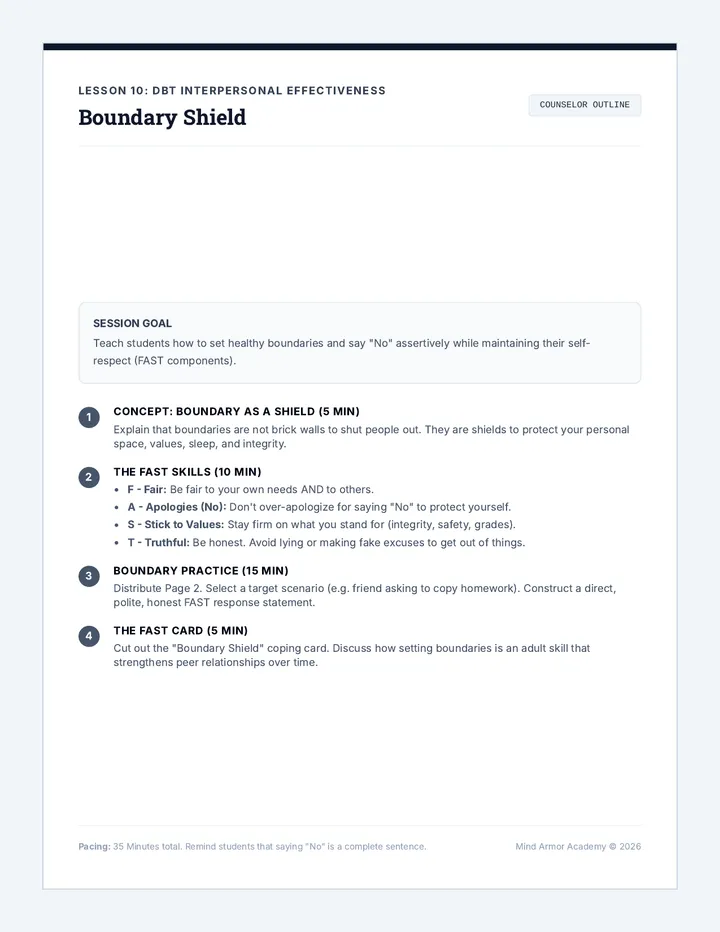
Visualizes the 'Ripple Effect' of choices on graduation timelines and future earnings. Students analyze case studies of peers navigating high-stakes decisions to understand the compounding nature of consistency.
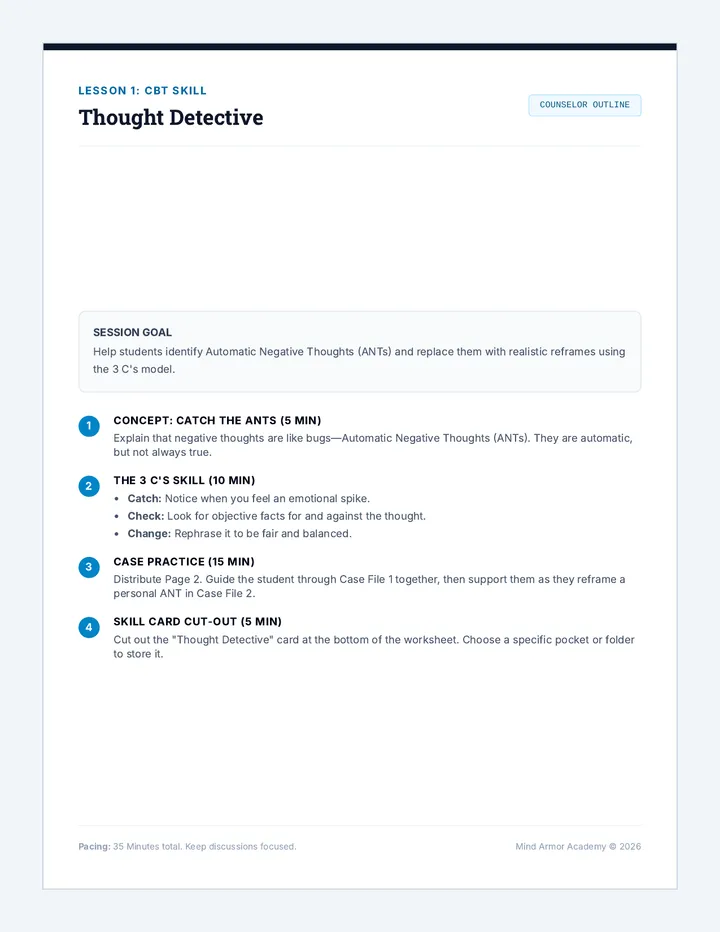
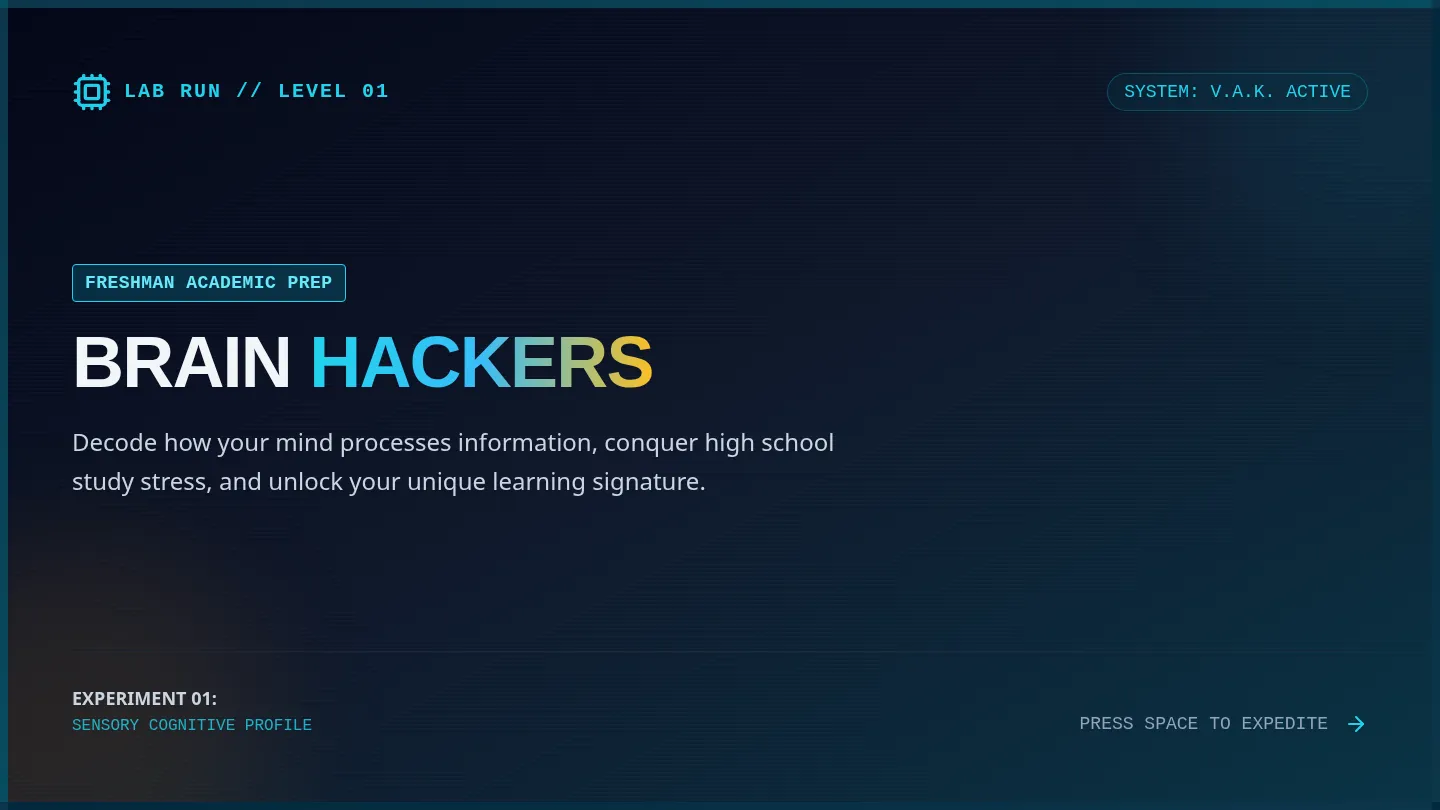
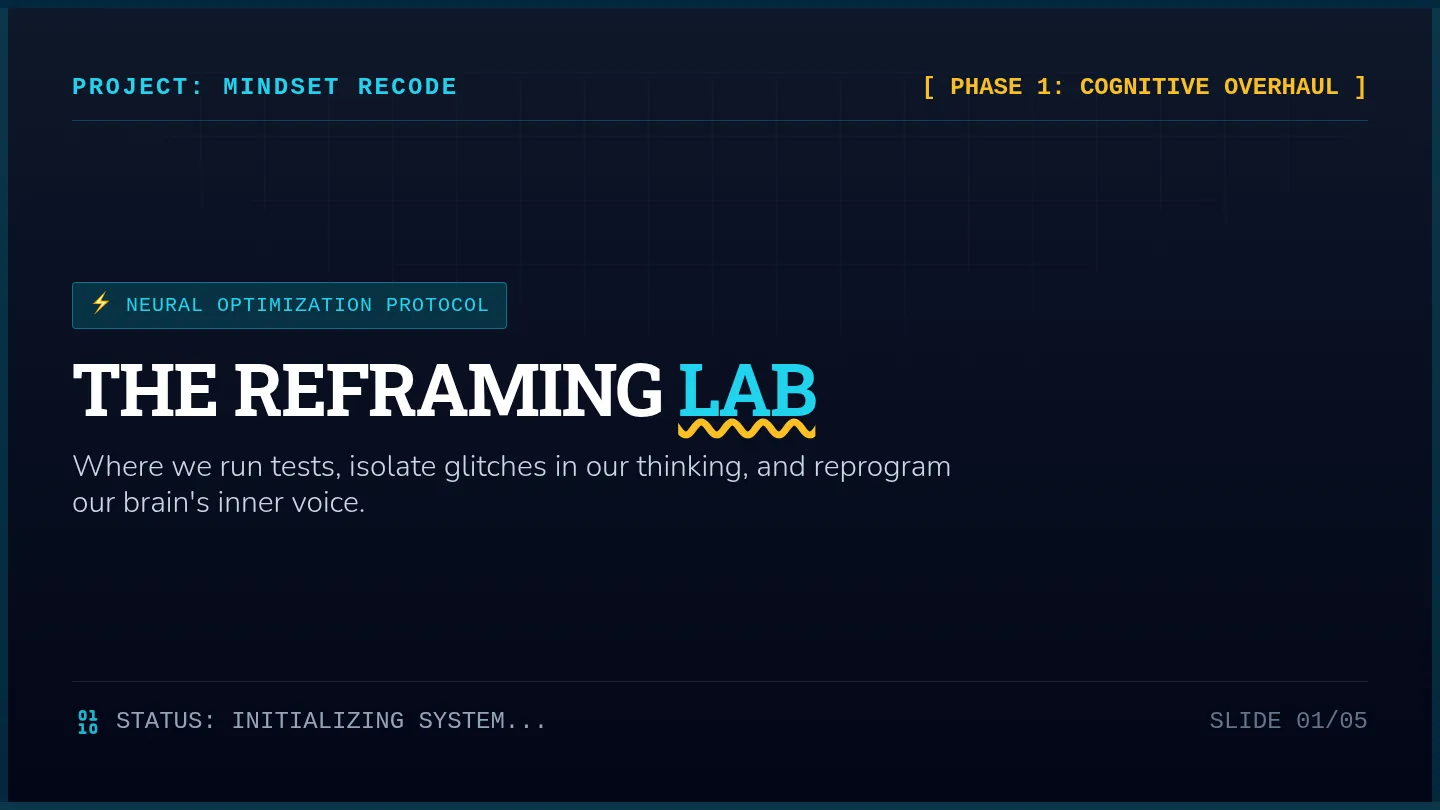
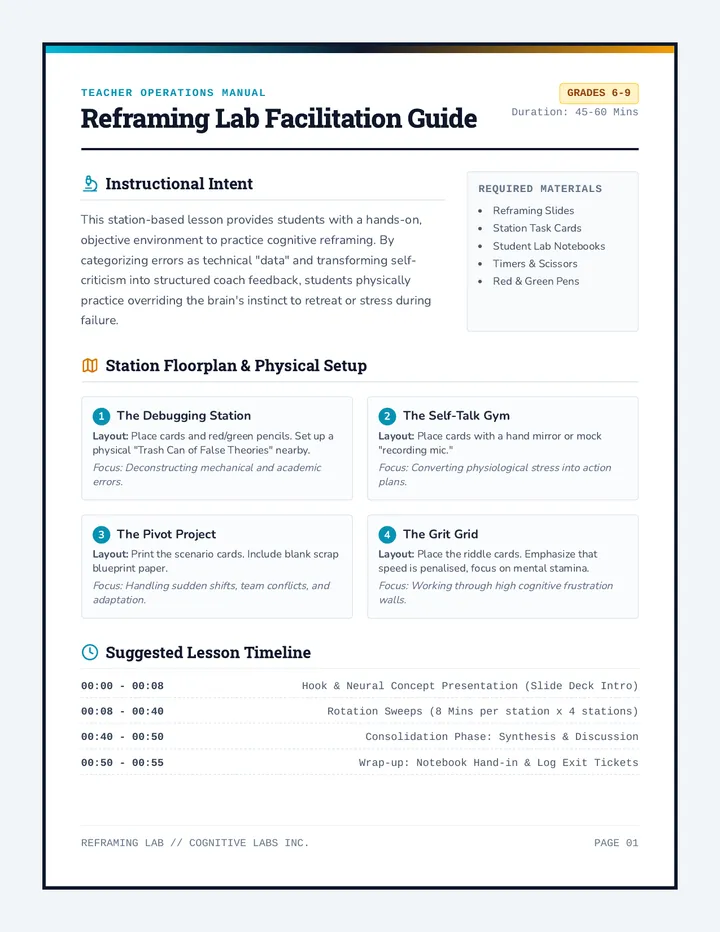
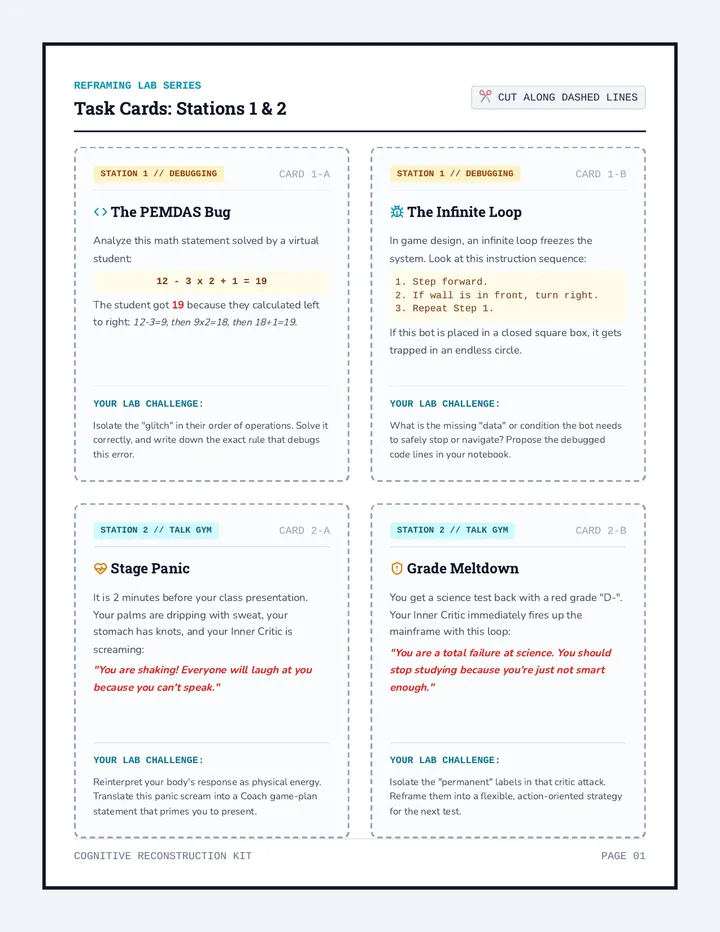
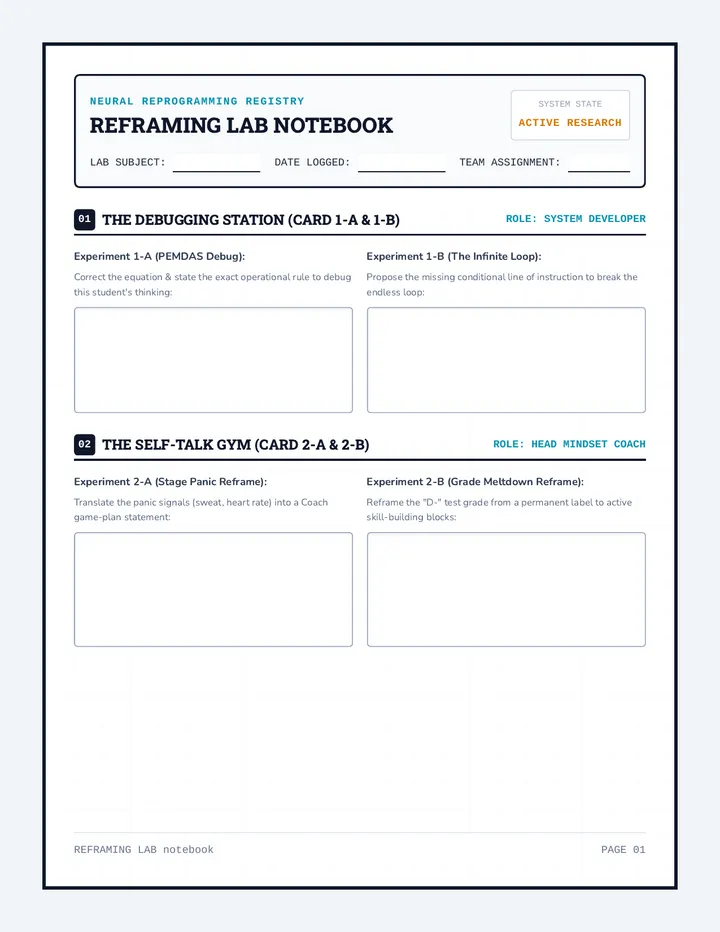
Equips students with high-level cognitive strategies to override impulsive reactions. Focuses on 'reframing' stressful situations and using 'if-then' planning to maintain composure under pressure.
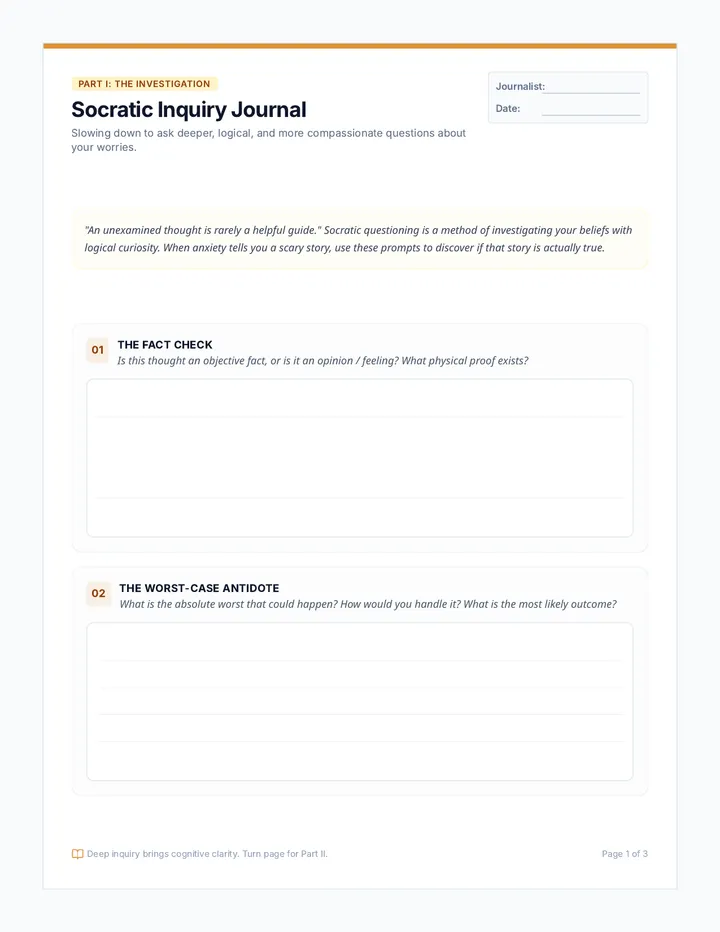
Students identify internal and environmental 'setups'—triggers that lead to self-sabotage. They create tactical maps of their daily routines to anticipate and bypass distractions in an urban school environment.
Reframes delayed gratification as a strategic investment. Students analyze the 'ROI' of their time and credits, participating in a simulation that mirrors real-world economic and academic trade-offs.
This lesson focuses on identifying internal emotional states and using visual check-ins to monitor stress levels before they lead to disruptions.
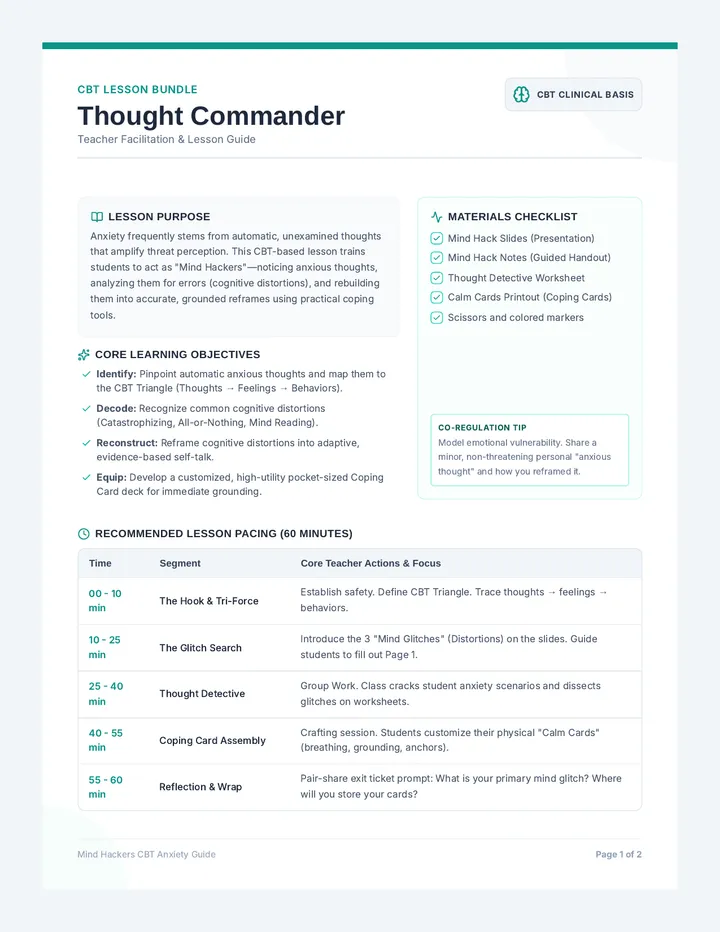
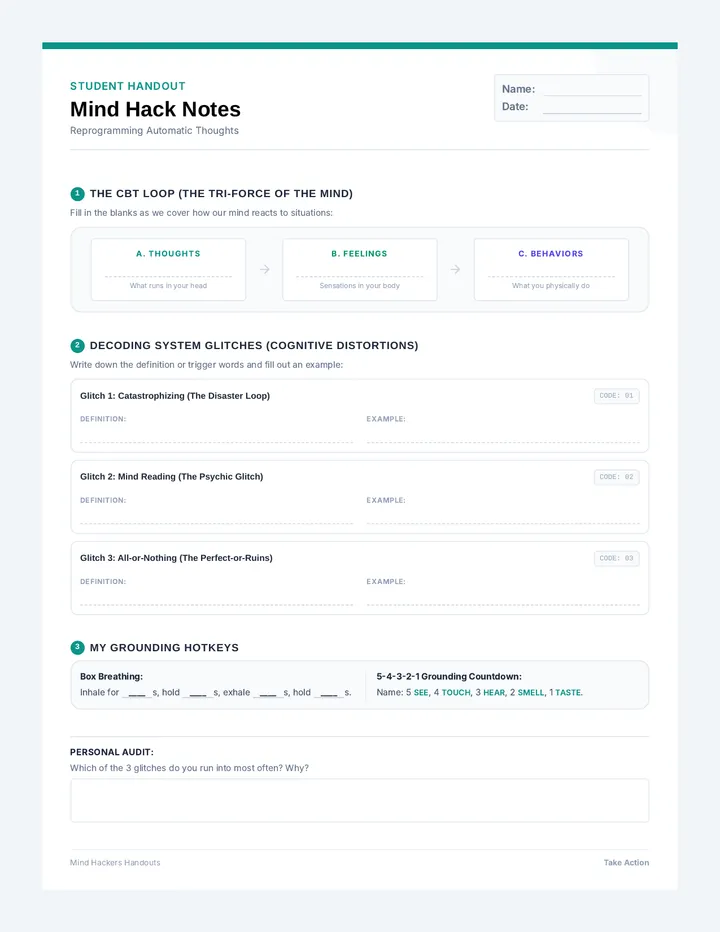
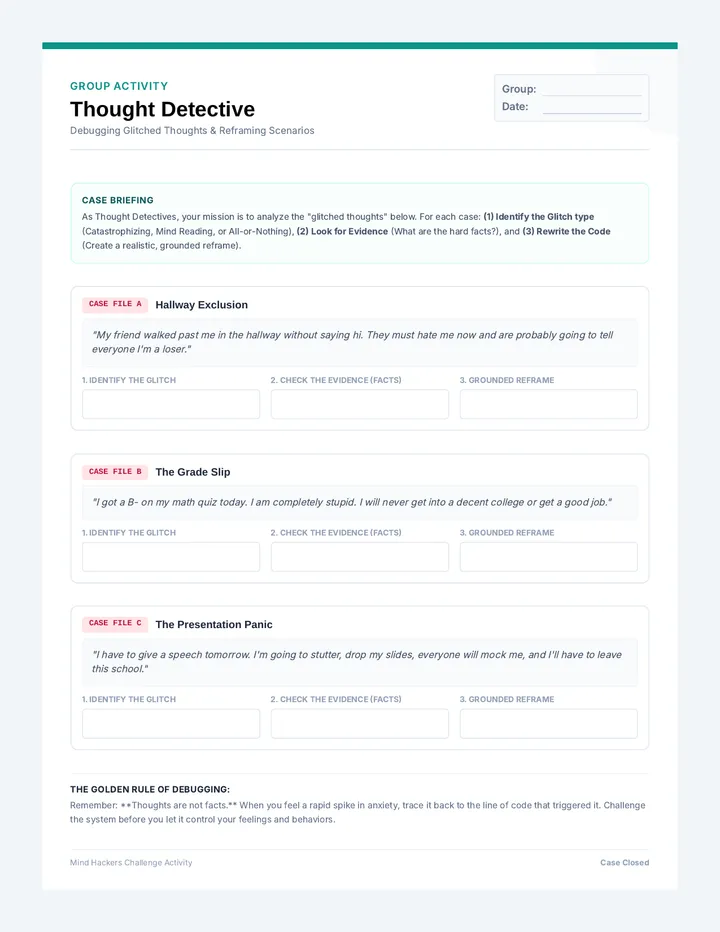
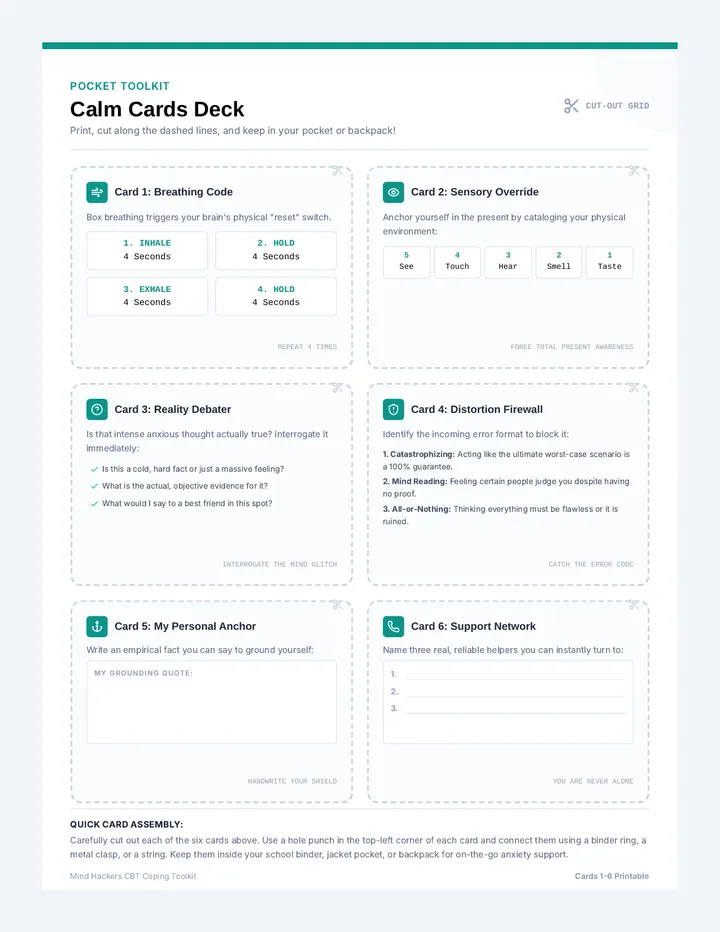
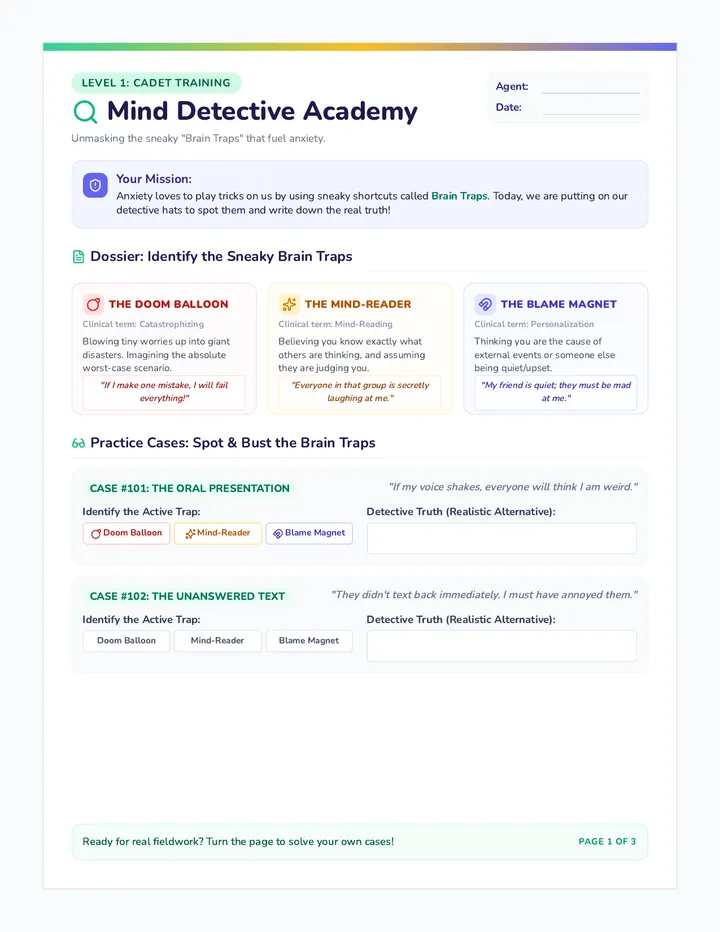
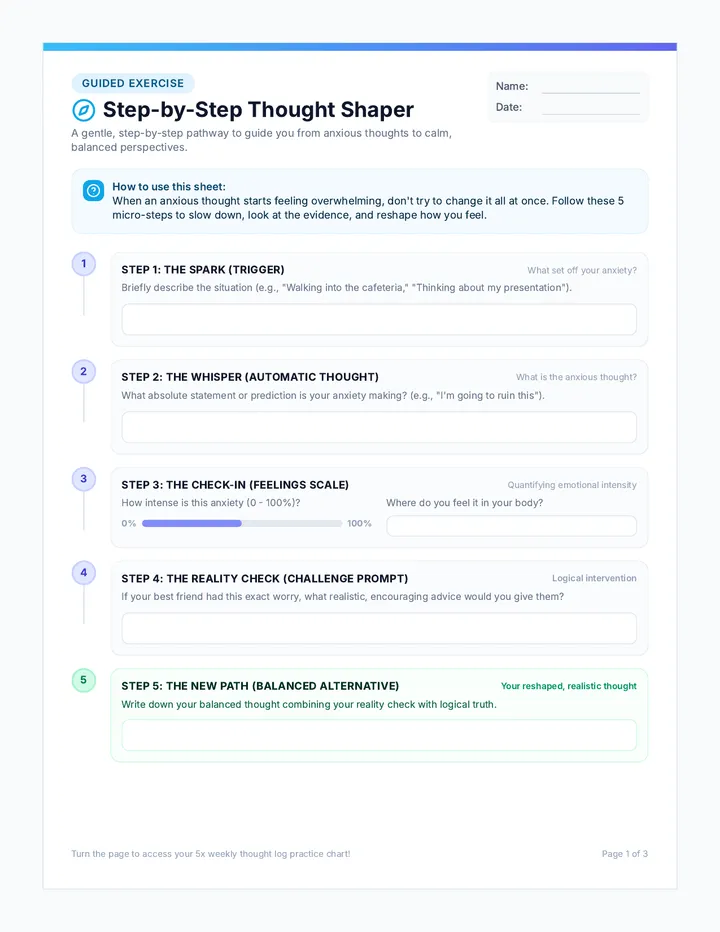
A collection of resources designed to help high-achieving students manage academic anxiety and re-entry stress through mindfulness and grounding.
A collection of appreciation-themed resources for school staff and students to express gratitude through creative, pun-based shoutout cards.
Un juego interactivo de preguntas tipo "hacker" donde los estudiantes deben responder correctamente para "descifrar el código" y completar la misión. Incluye preguntas de cultura general, ciencia, historia y lenguaje.
A comprehensive lesson designed to equip students with social-emotional strategies and practical techniques for tackling the STAAR test with confidence and focus.
Students will analyze how digital interactions fuel drama and develop a 'Pause and Protect' strategy for managing online conflict and social media stress.