Students execute commands based on a single visual attribute like color or shape. This requires listening for adjectives and applying them to a physical sorting task to build cognitive flexibility.
A 10-minute lesson focused on the connection between empathy and charity, teaching students how to identify needs and act with generosity. Includes a slide deck, worksheet, and anchor chart.
Una lección que explora la importancia de compartir y ser un amigo amable, centrada en ver El Pez Arcoíris y seguida de actividades creativas y de clasificación.
A sophisticated workshop for graduate students and clinical staff focused on navigating complex ethical dilemmas during the high-stress end-of-year school transition using a maritime-themed framework.
A social-emotional learning lesson for K-2 students that uses the metaphor of a rubber band to teach cognitive flexibility, adaptability, and emotional regulation when facing changes.
In this lesson, students become 'Kindness Knights' to learn how words can help others and how caring for school property keeps the kingdom beautiful.
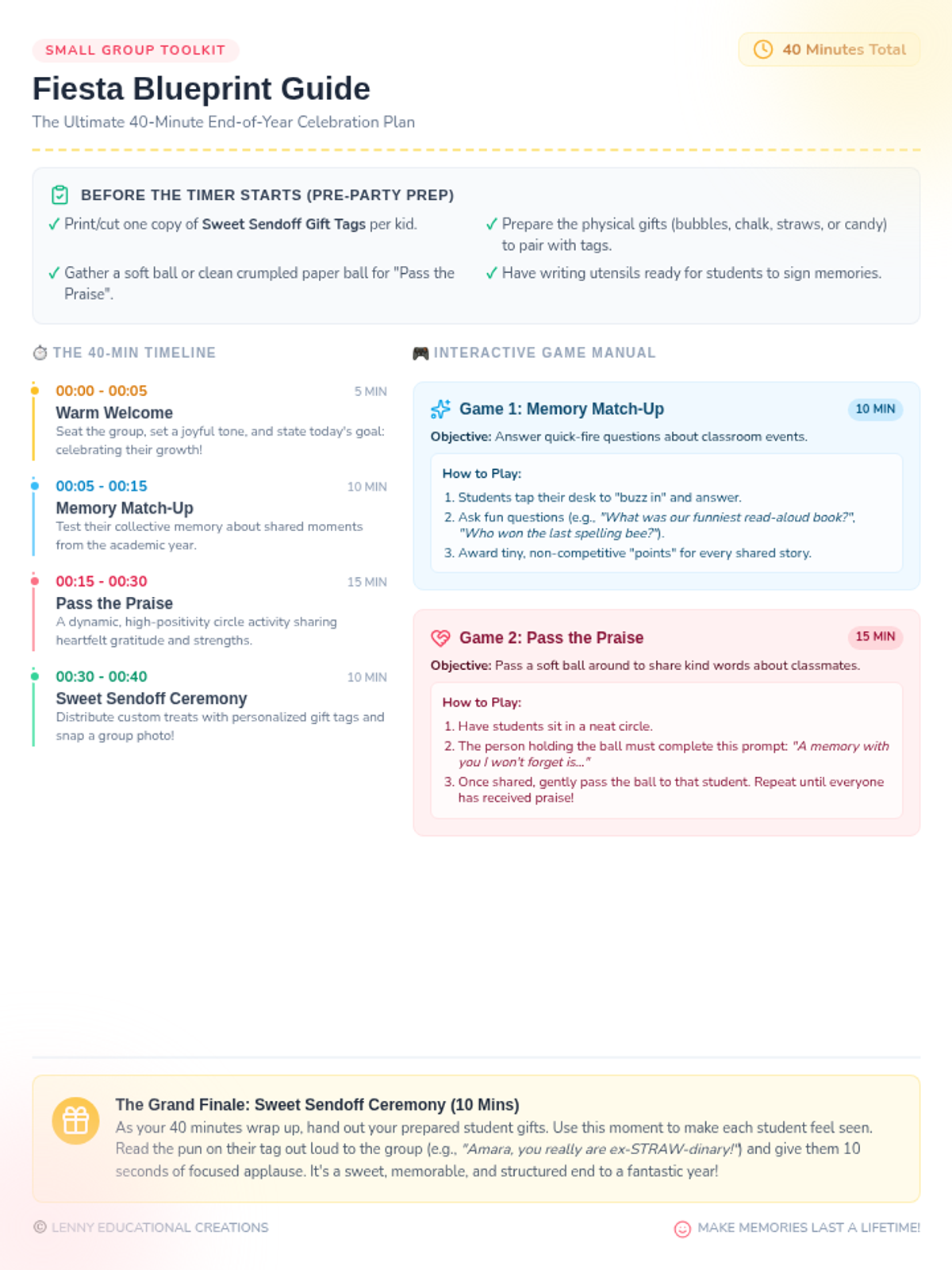
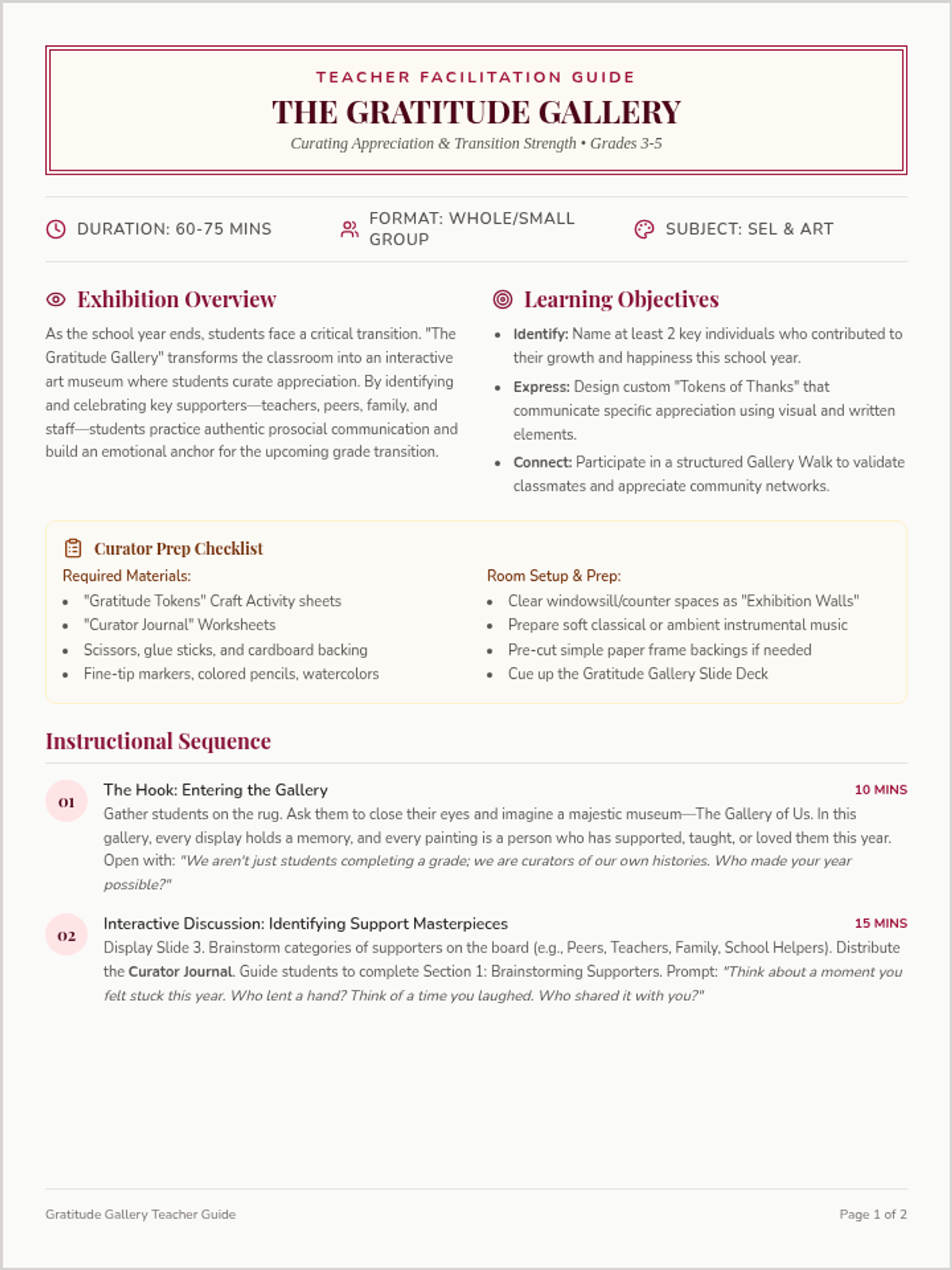
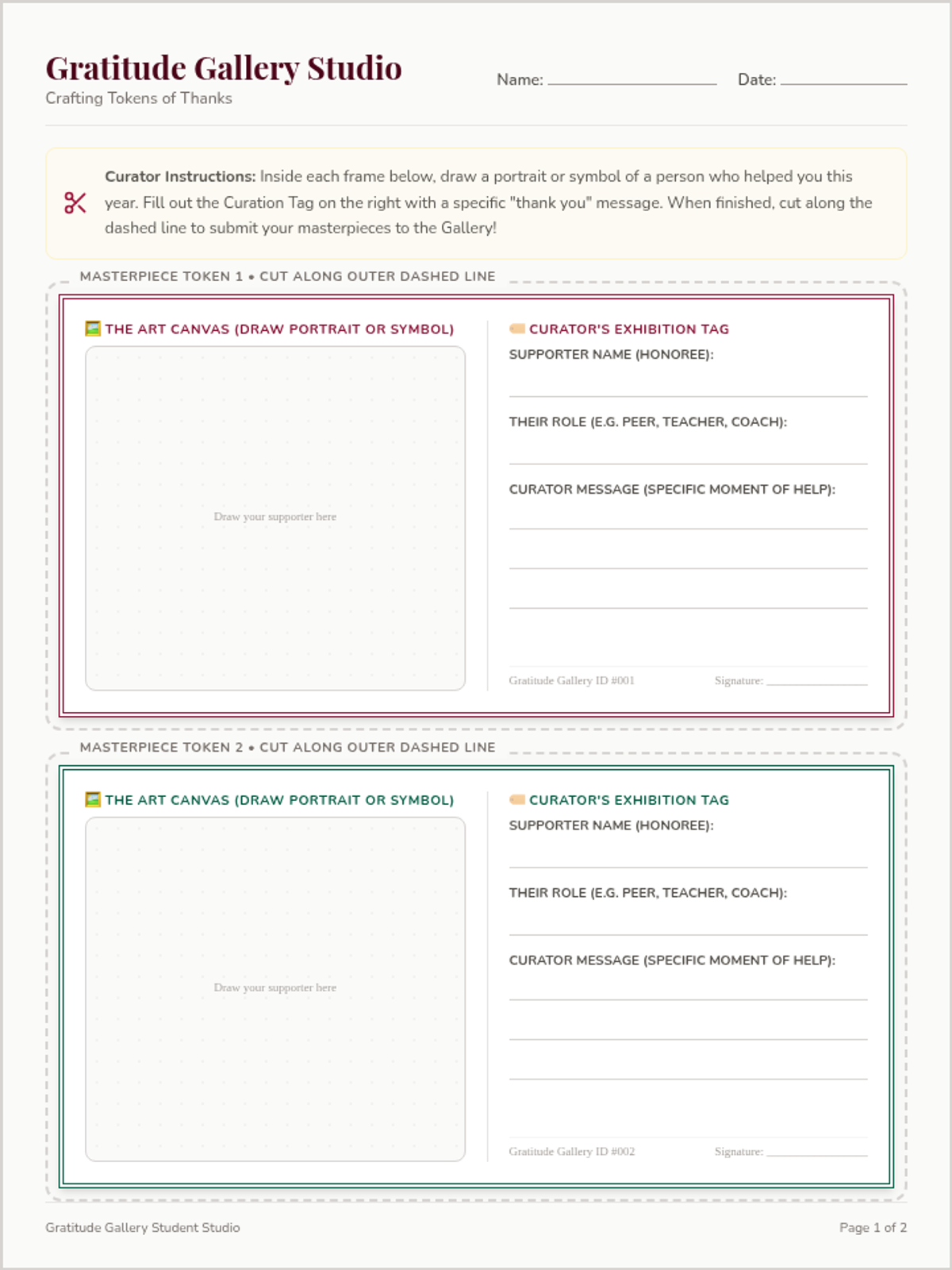
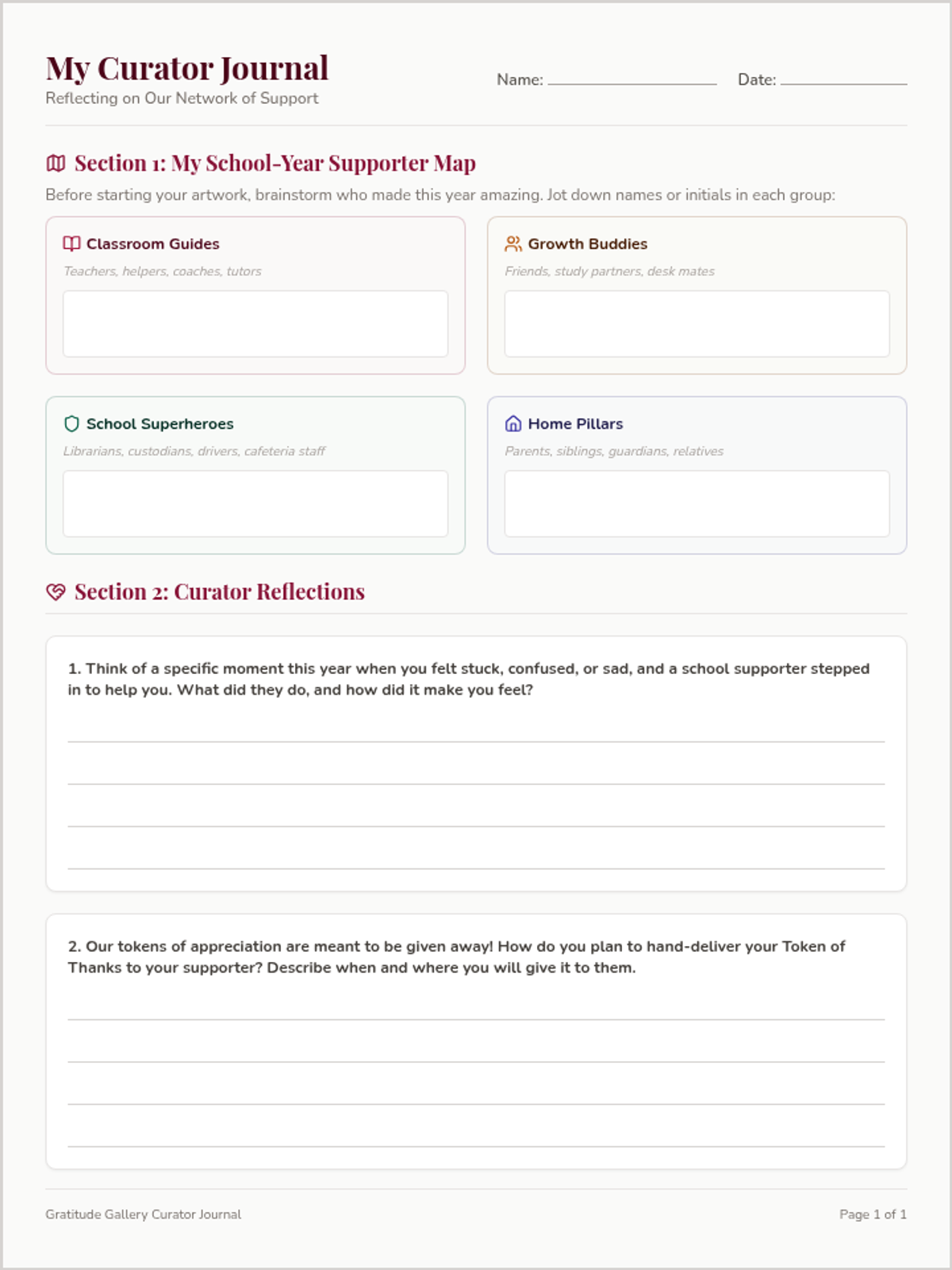
Reflects on personal growth and celebrates the classroom community.
Builds self-confidence and the courage to try new things.
Introduces simple steps for solving conflicts and making fair choices.
Deepens understanding of others' feelings and how to be a helpful friend.
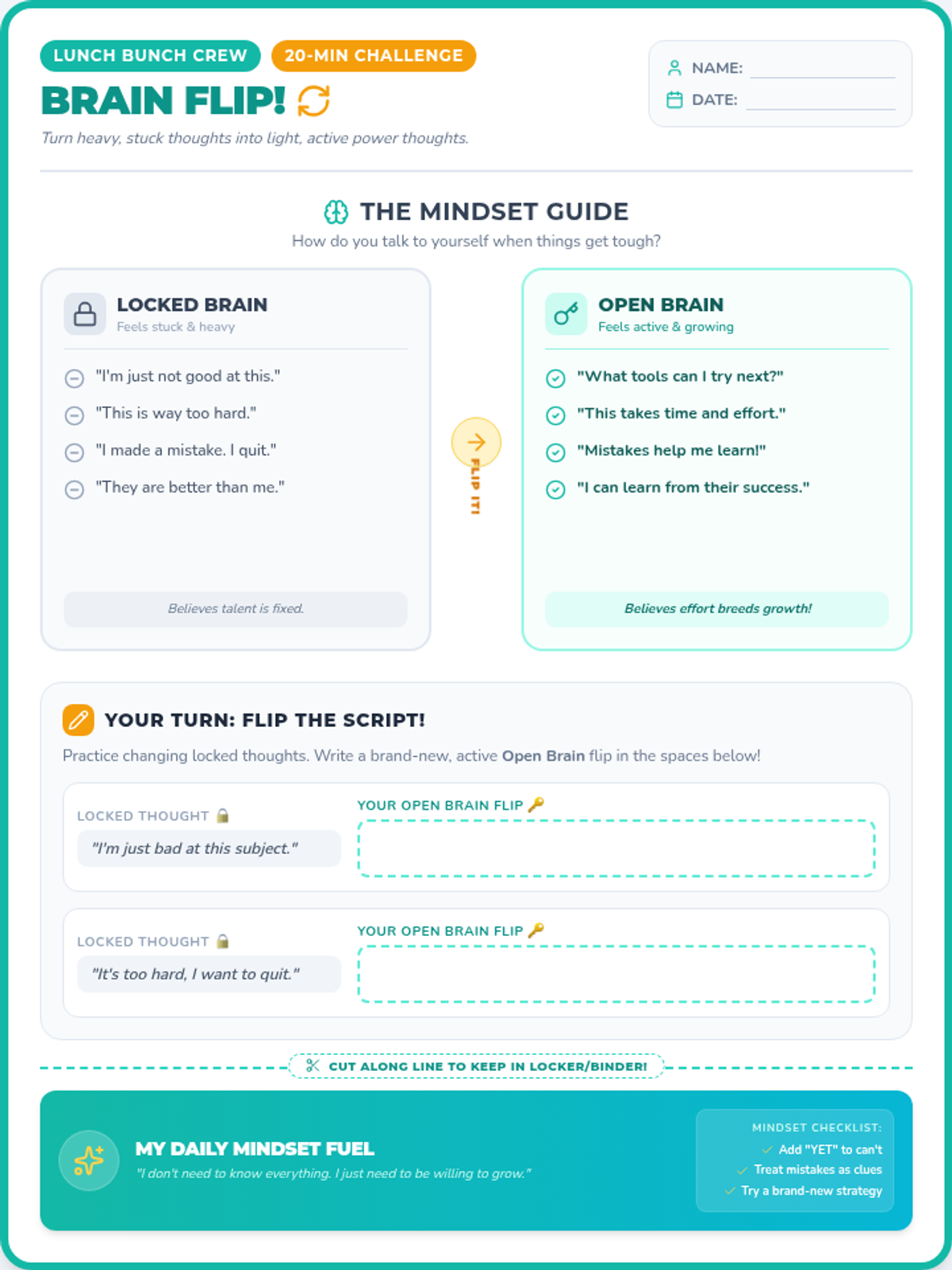
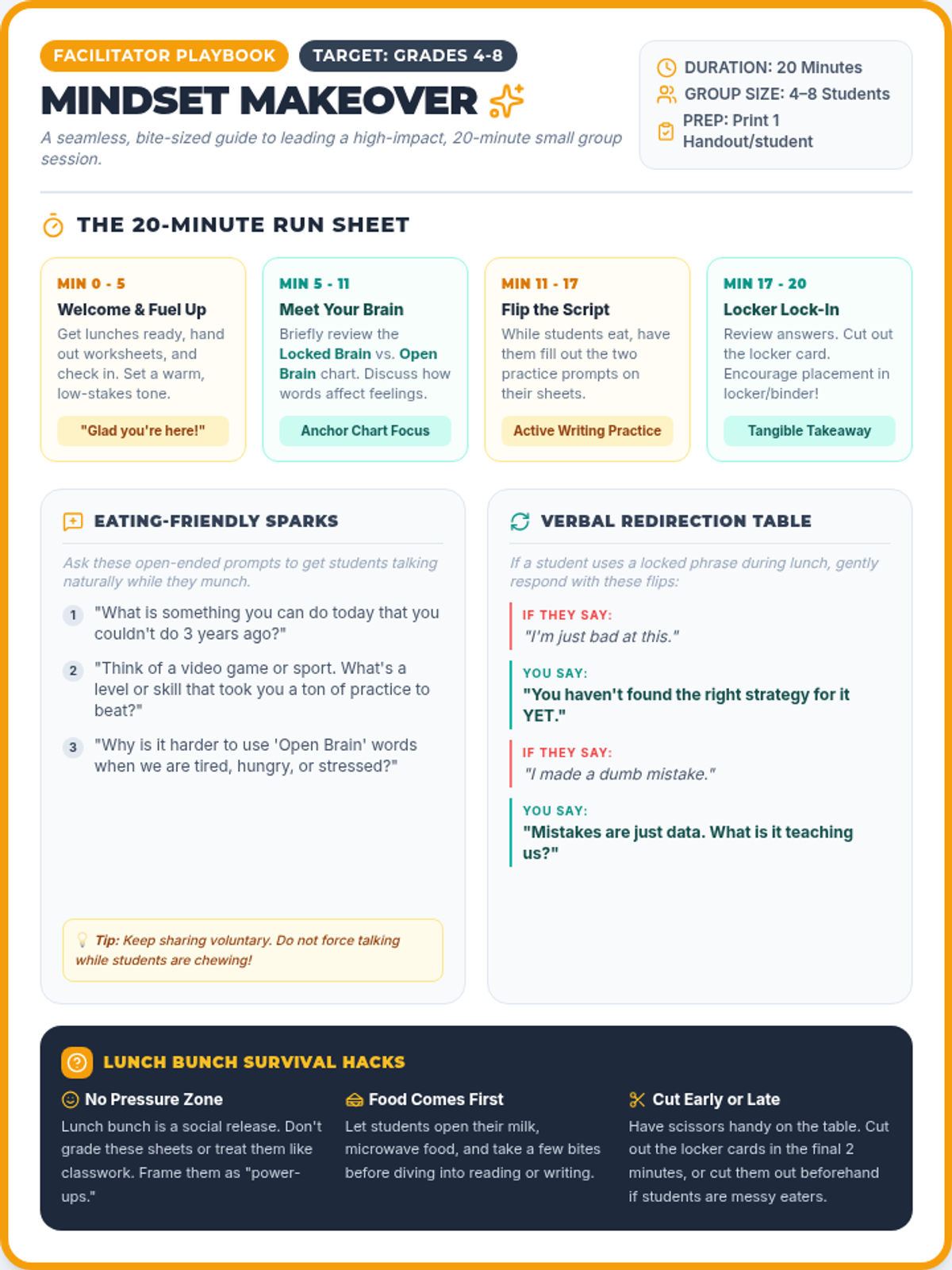
Encourages a growth mindset by learning that mistakes help our brains grow.
Focuses on social skills like sharing, taking turns, and cooperative play.
Teaches the power of small acts of kindness and expressing gratitude.
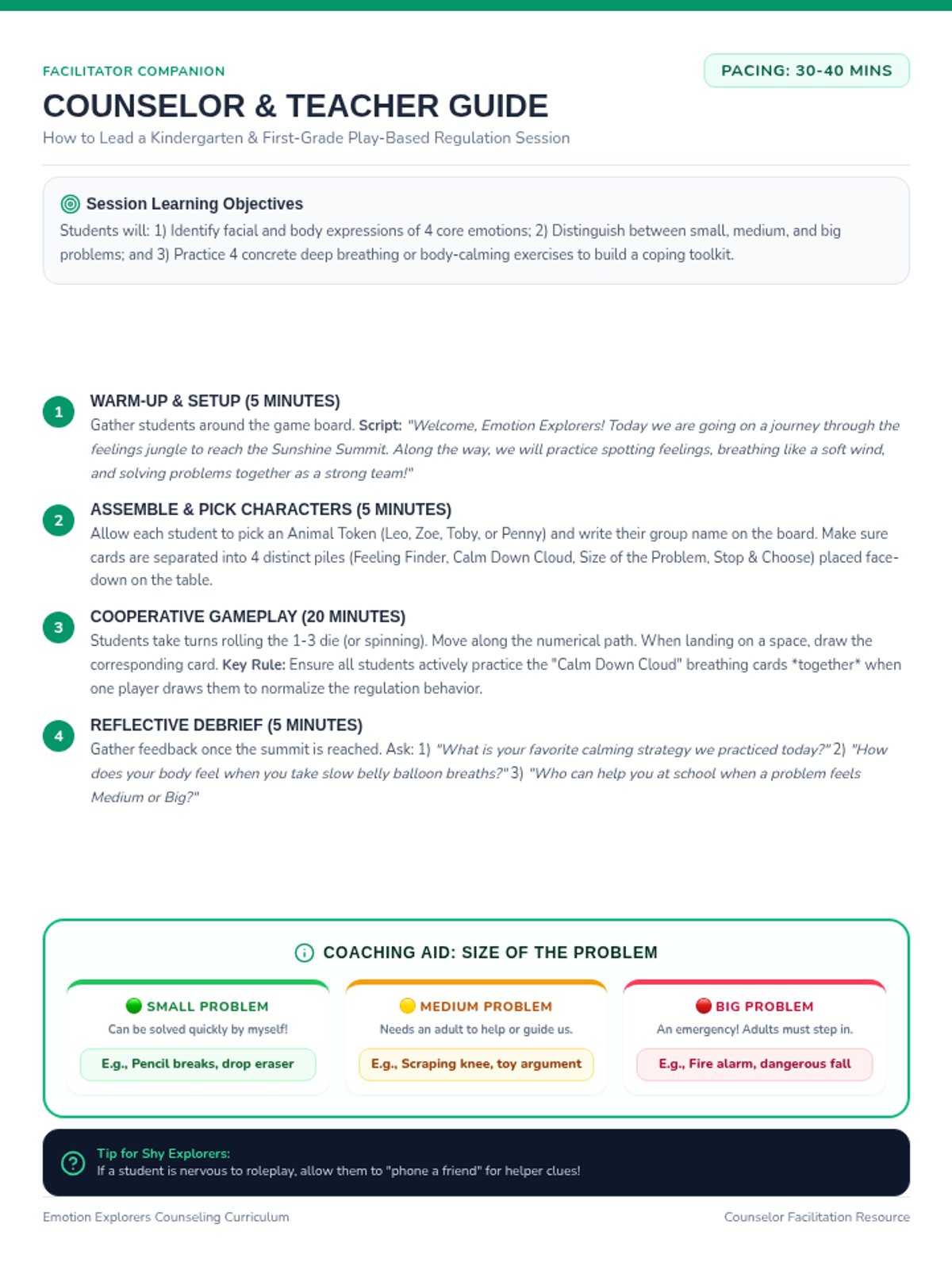
Introduces basic self-regulation strategies and 'calm down' tools for when feelings get big.
Focuses on identifying and naming basic emotions to build the foundation of self-awareness.
Explores the science of stress, long-term perseverance (grit), and developing a personal resilience plan for navigating middle school transitions.
Teaches students to identify challenges, reframe negative thoughts, and build a 'toolbox' of coping strategies for social and academic hurdles.
Focuses on naming emotions, understanding that mistakes help us grow, and using the 'Power of Yet' to build early resilience.
A 20-minute lesson focused on emotional regulation through the metaphor of 'internal weather,' helping students identify feelings and practice self-care strategies.
Focuses on physical and digital organization. Students learn to curate their 'inventory' (backpacks/binders) and design a distraction-free 'boss arena' for studying.
An exploration of 'time blindness' and estimation. Students learn to use the Pomodoro technique (Power Intervals) and create realistic schedules for their school day.
Students learn how to categorize tasks using the 'Urgent vs. Important' matrix, renamed as the Priority Power-Up grid. They will practice breaking down large tasks into smaller, manageable 'quests'.
A suite of professional school counseling forms for managing student referrals, tracking progress, and providing feedback to teachers and families.
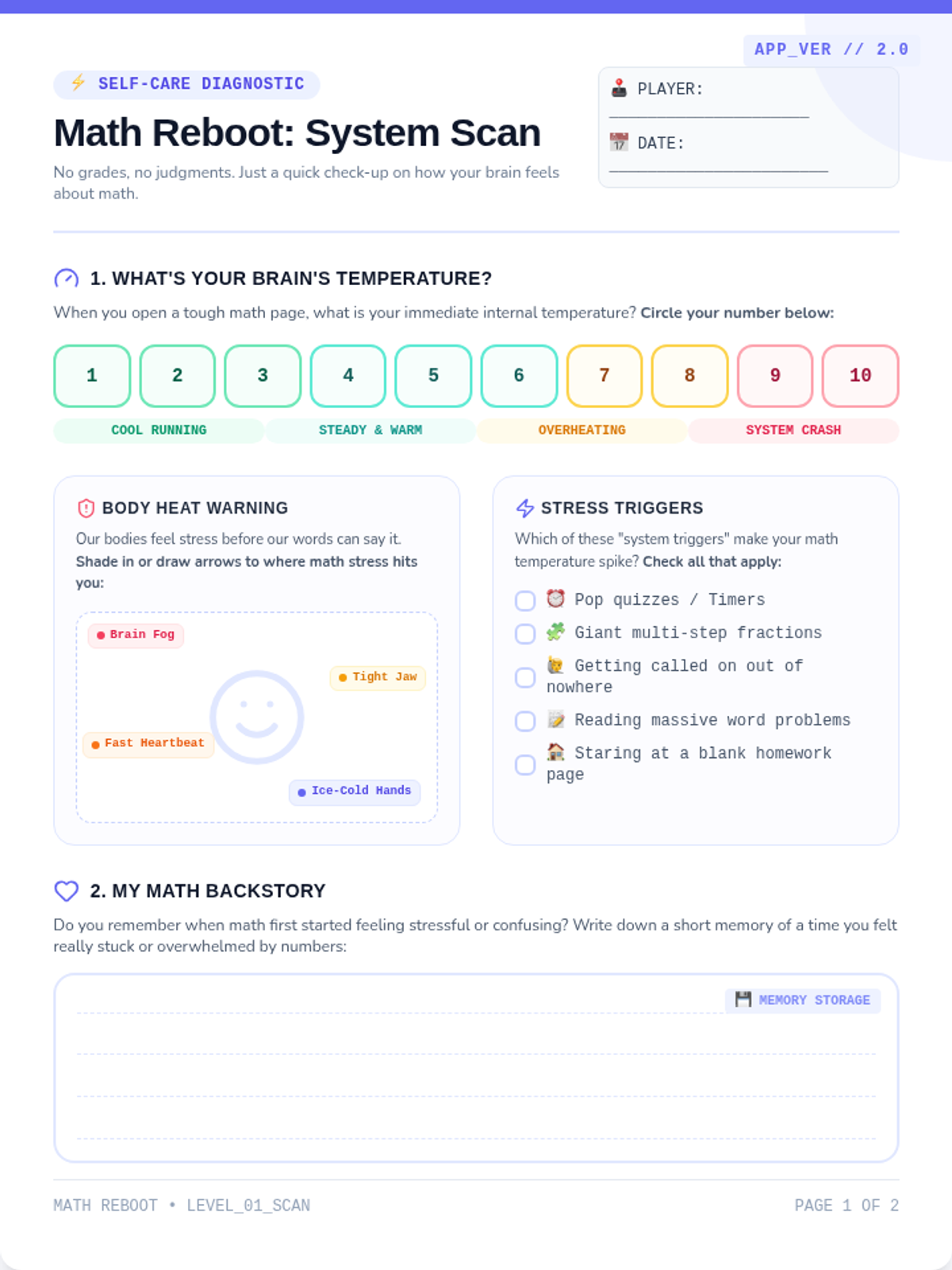
A psychoeducation lesson designed for teens focusing on the CBT model of anxiety, the stress cycle, and practical grounding techniques with a Y2K aesthetic.
A collection of visual tools to help students identify and communicate their emotions using simple, tactile badges.
A lesson focused on collaborative behaviors and classroom community through a hands-on sentence building activity.
This lesson helps young students learn how to maintain their own emotional regulation and make positive choices even when their peers are experiencing emotional outbursts or disruptive behavior. It focuses on the 'lighthouse' metaphor—being a steady light during someone else's storm.
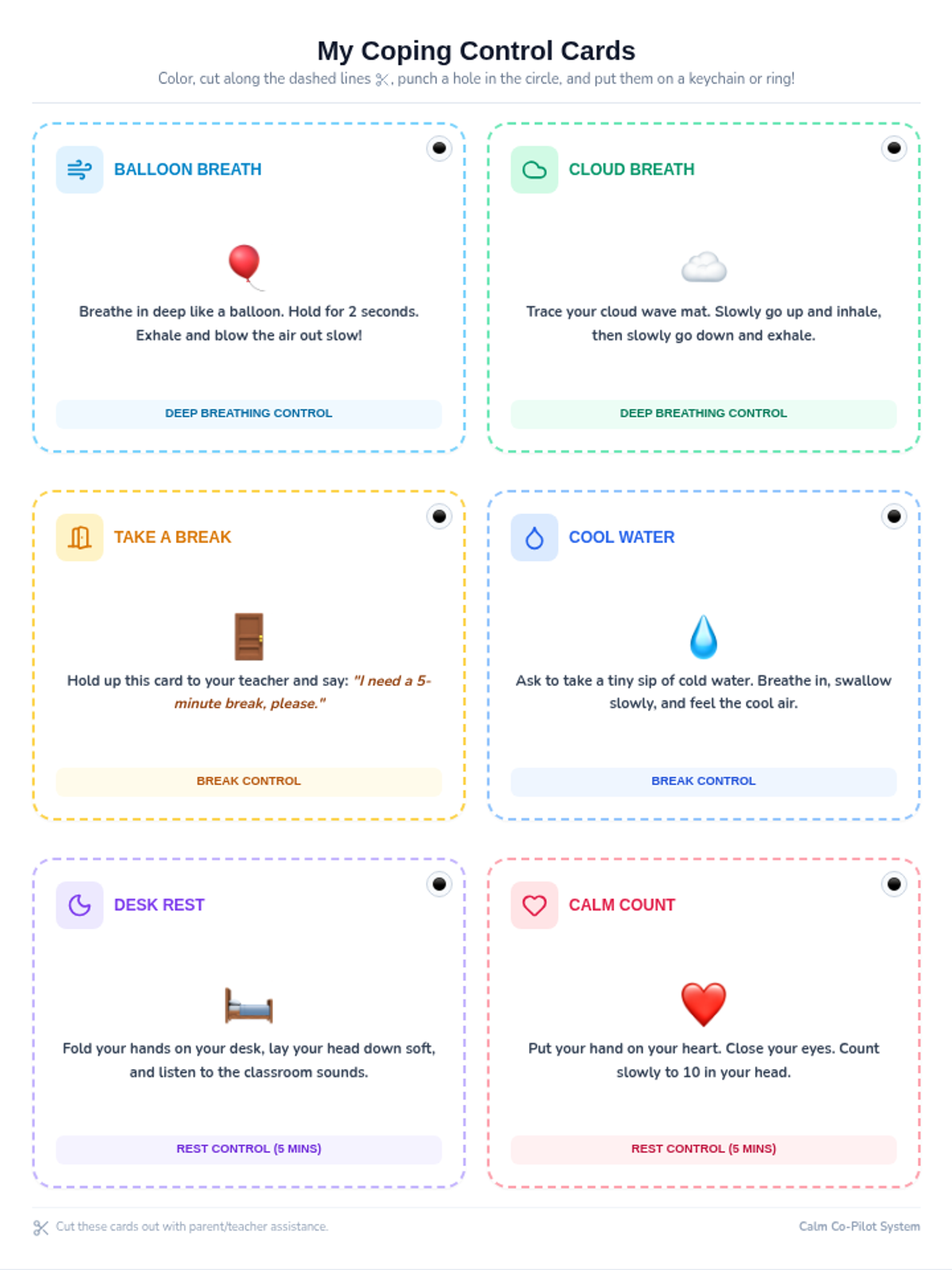
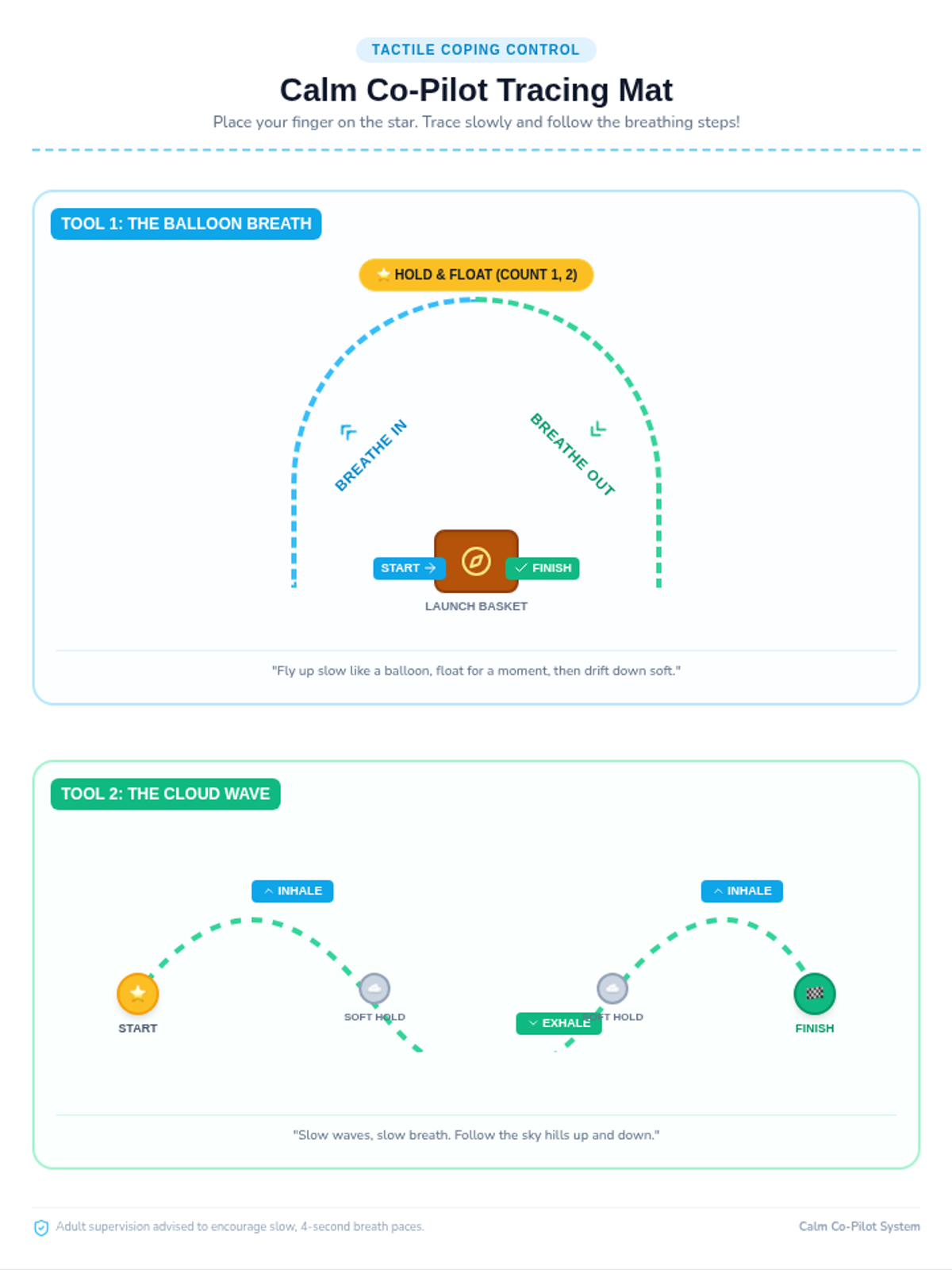
A comprehensive lesson on identifying and choosing healthy coping skills for students in grades K-4, featuring differentiated activities for younger and older learners.