A high-energy, discussion-based lesson for middle school boys focused on building academic and personal success through positive school habits and peer collaboration.
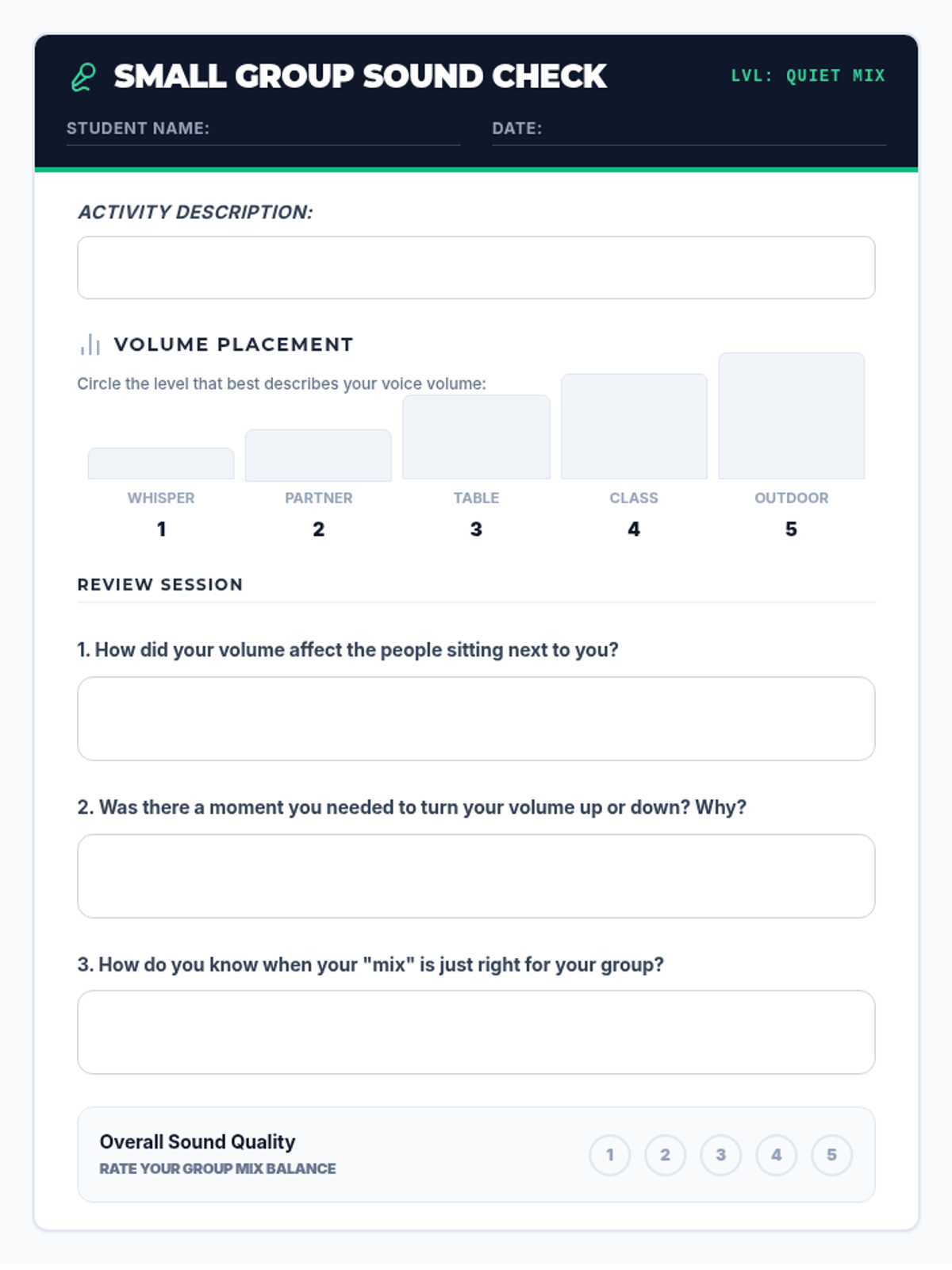
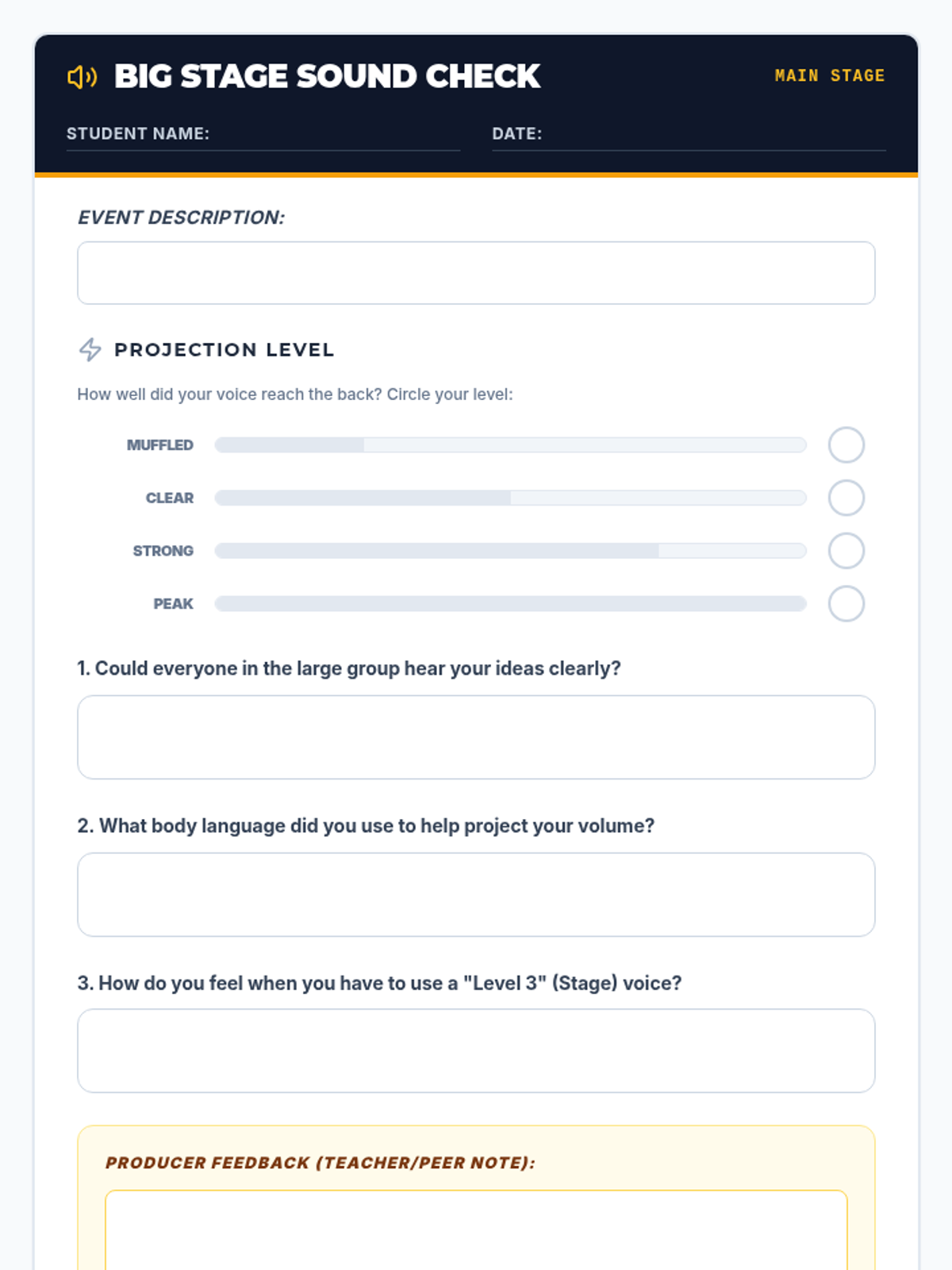
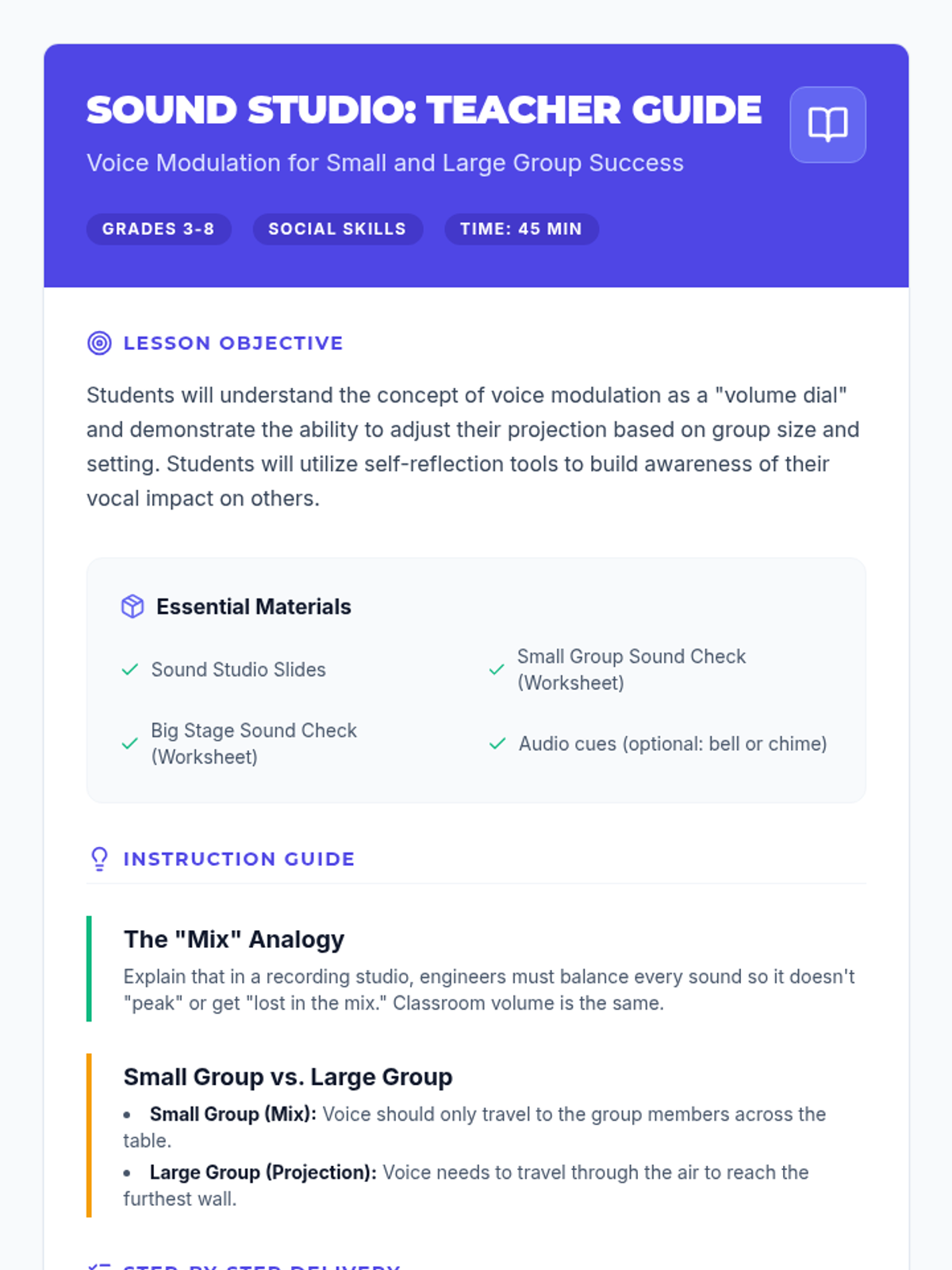
Students learn to adjust their voice volume like a sound engineer, mastering the 'volume dial' for small group collaboration and large group participation. Includes interactive slides and targeted self-reflection tools to build social-emotional awareness.
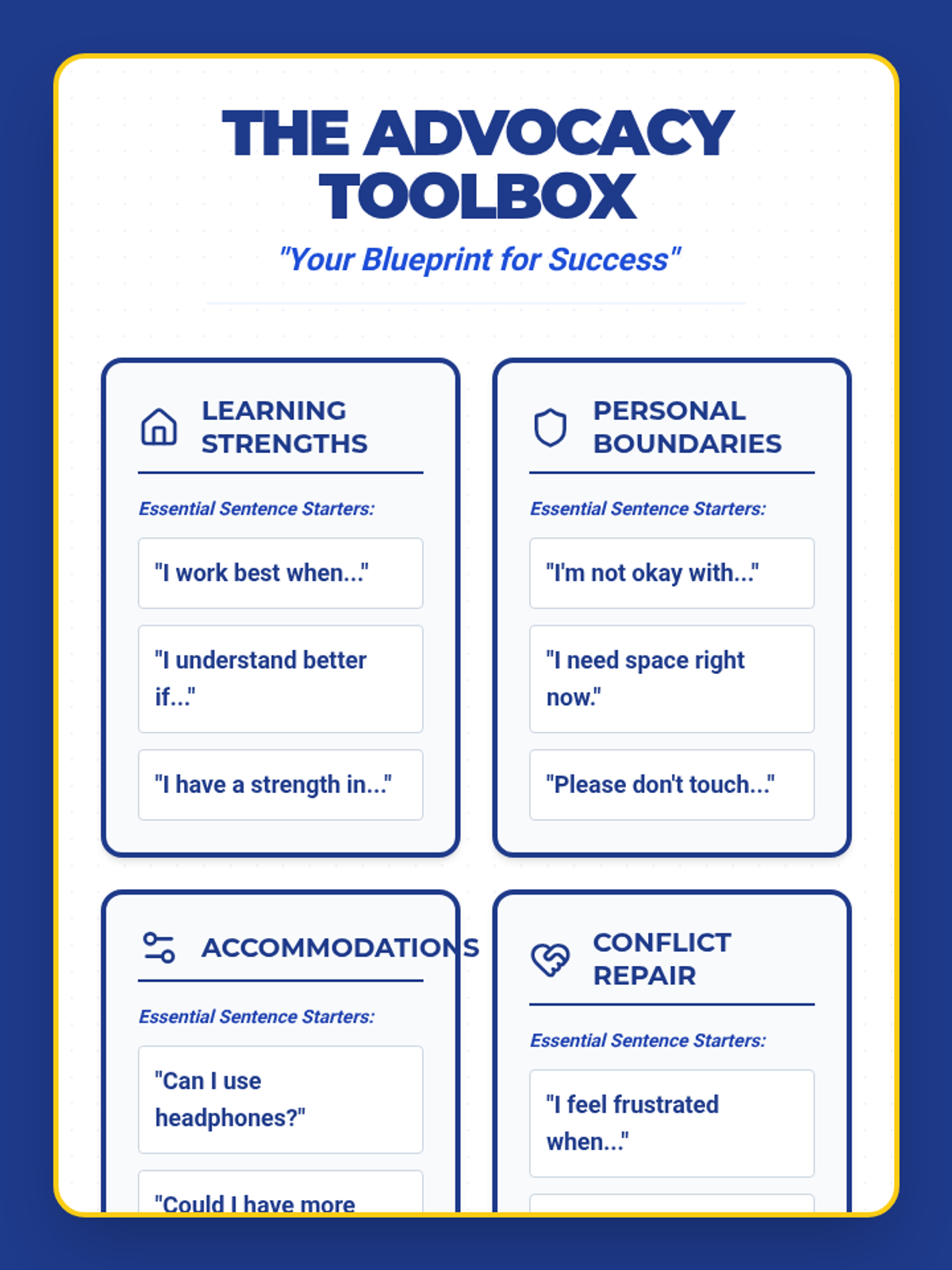
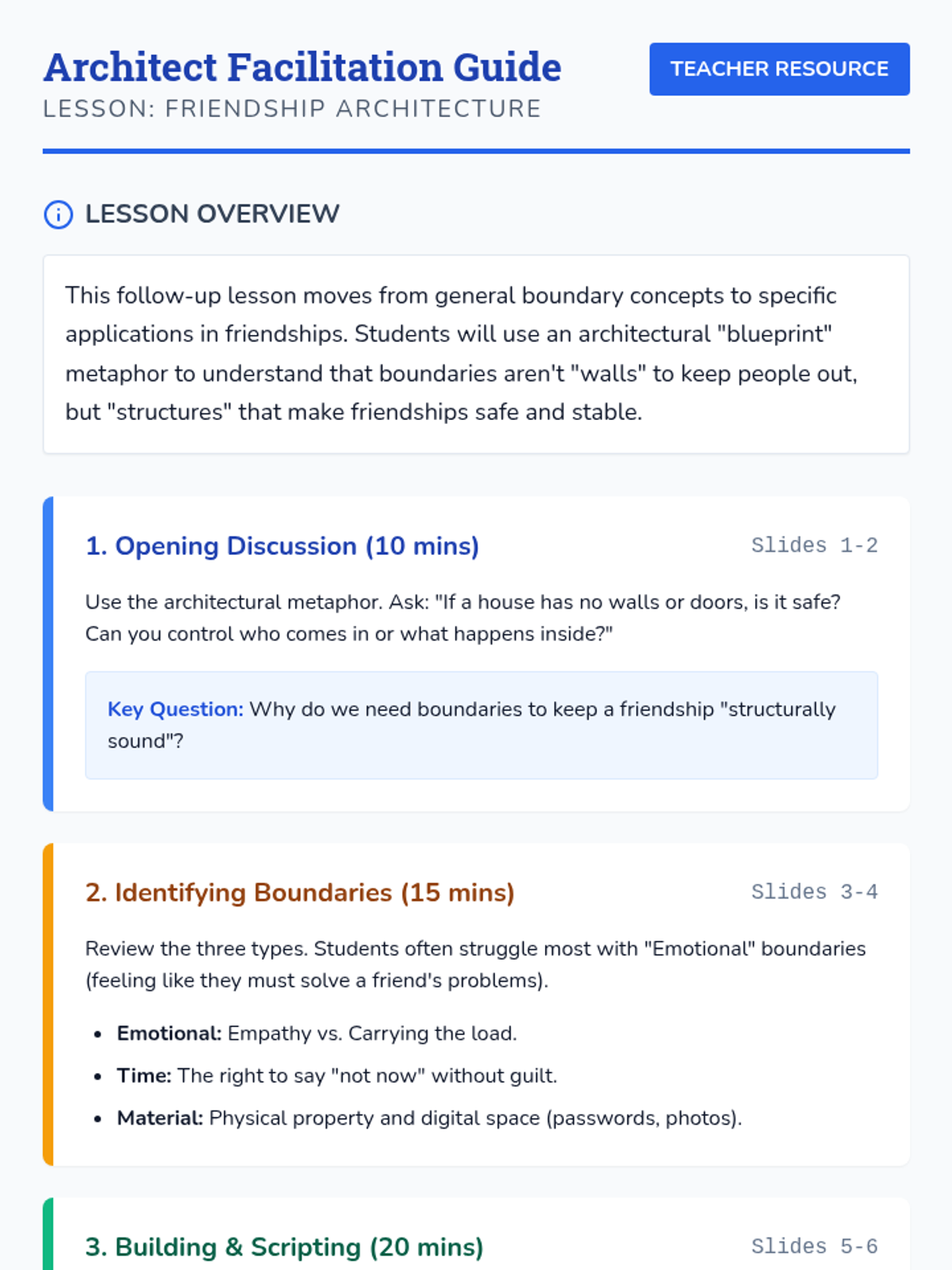
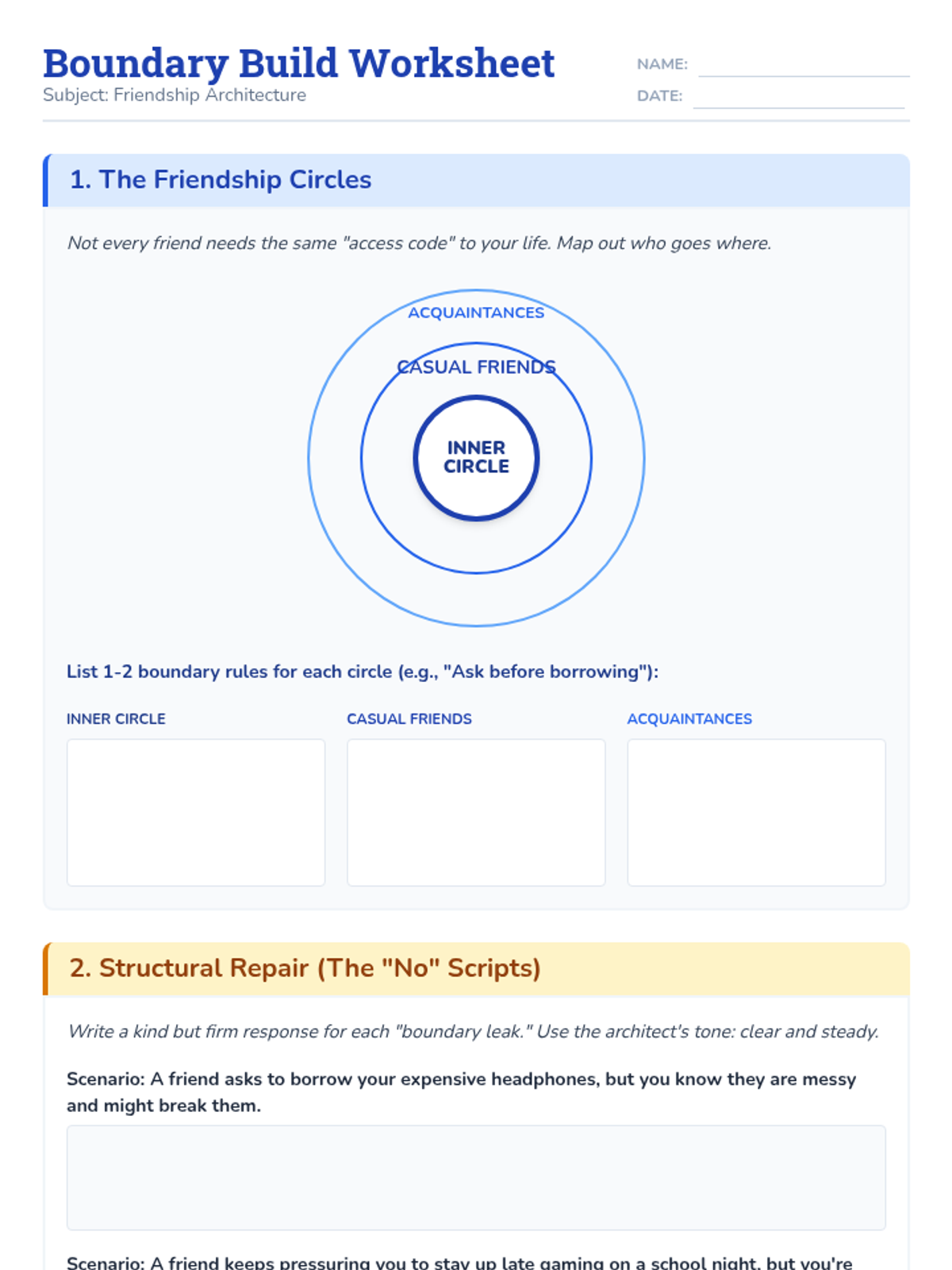
A follow-up lesson focused on identifying and maintaining healthy boundaries within friendships using an architectural metaphor for building strong social structures.
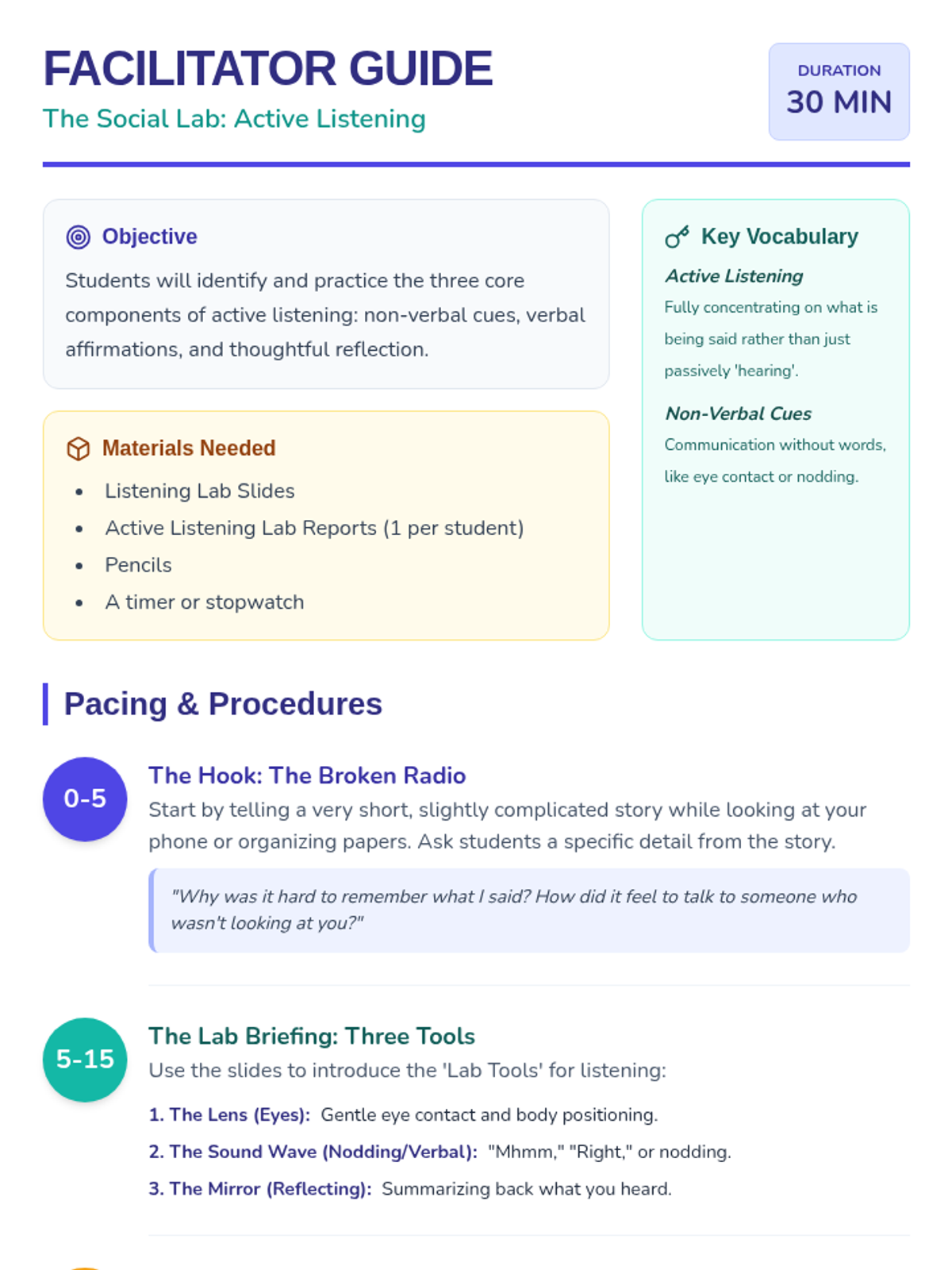
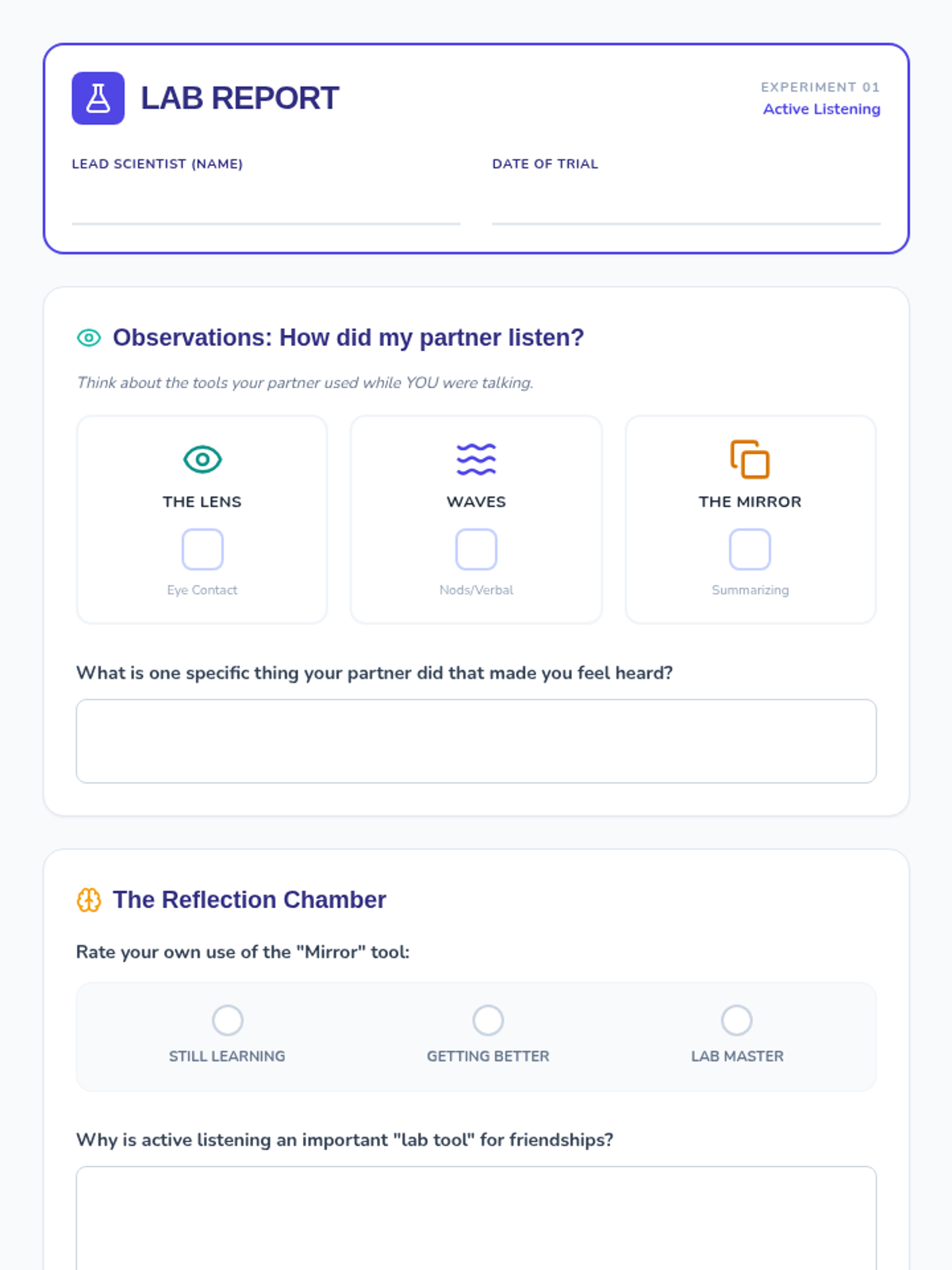
A focused 30-minute introductory lesson on active listening skills, featuring a lab-themed facilitator guide, instructional slides, and a student practice report.
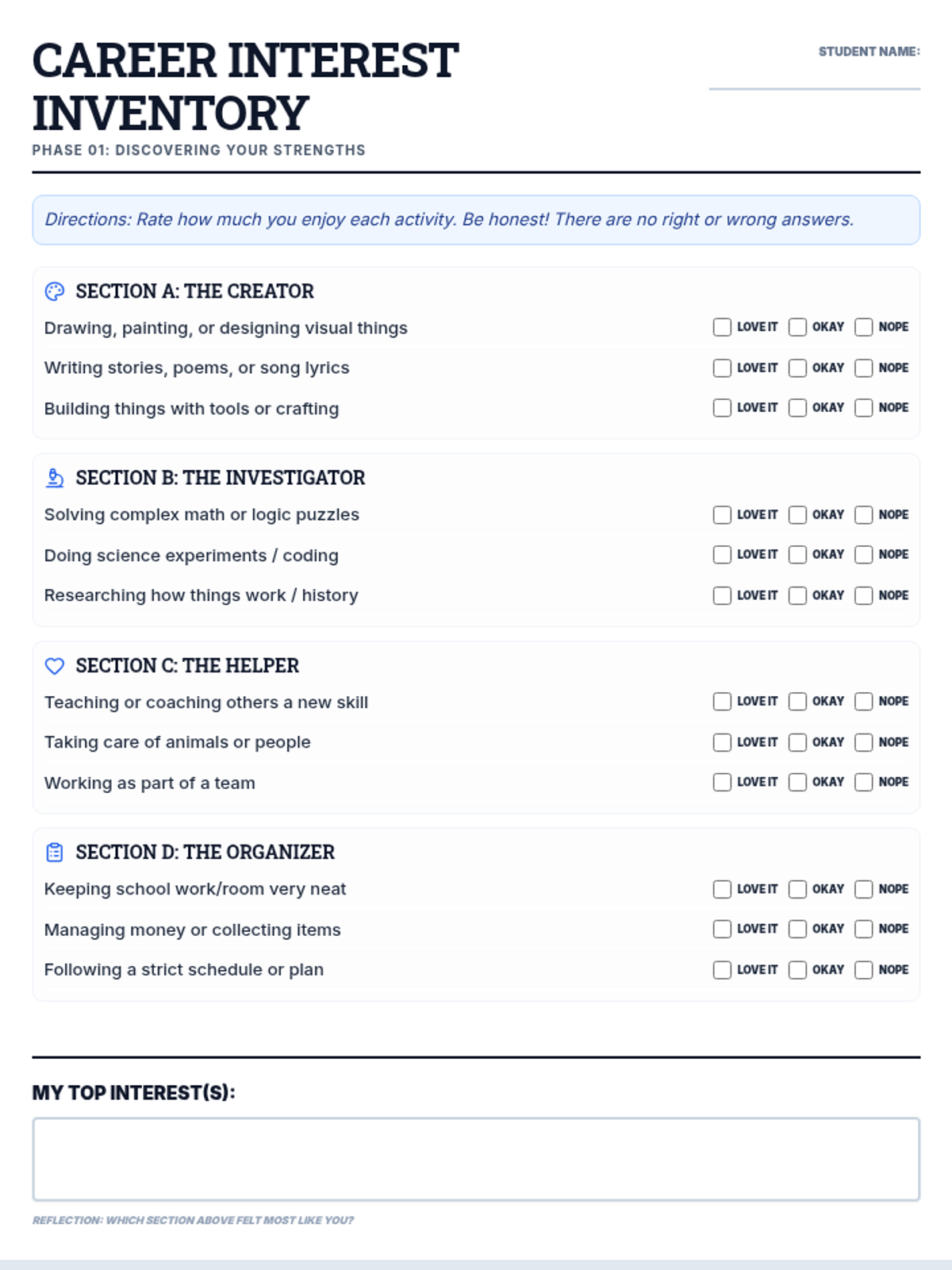
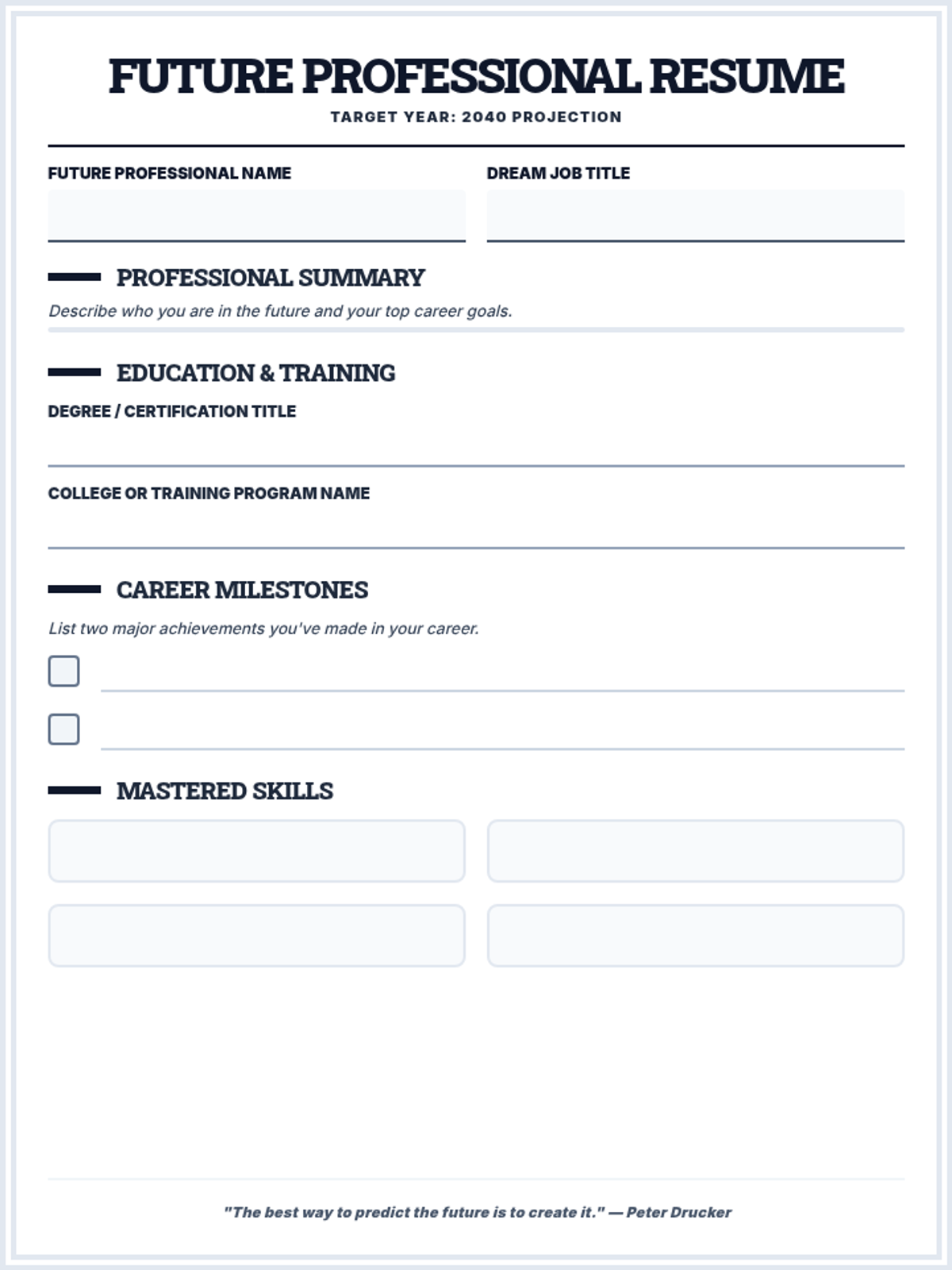
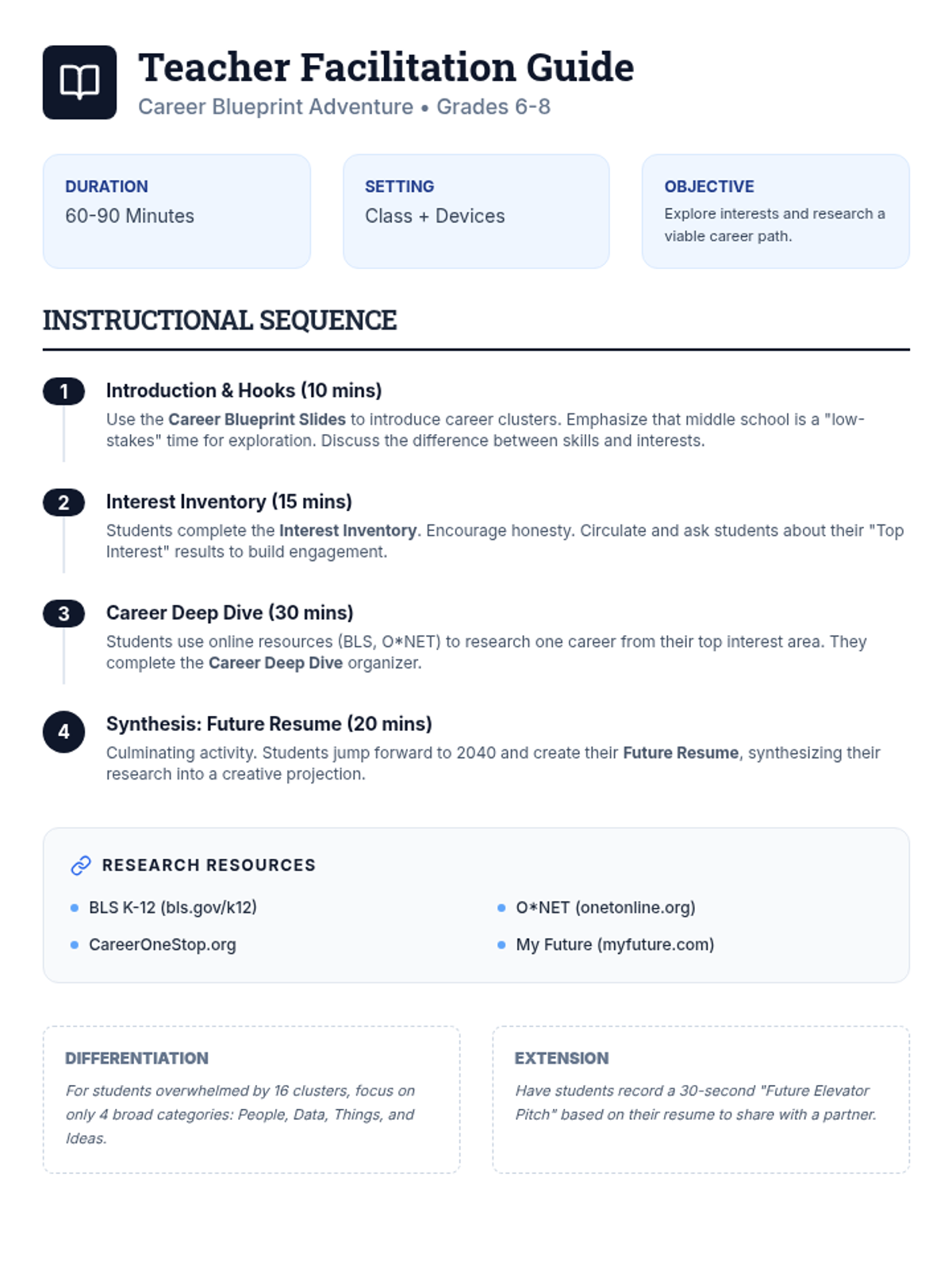
A comprehensive career exploration unit where middle schoolers investigate their interests, research potential career paths, and design a 'blueprint' for their future professional selves.
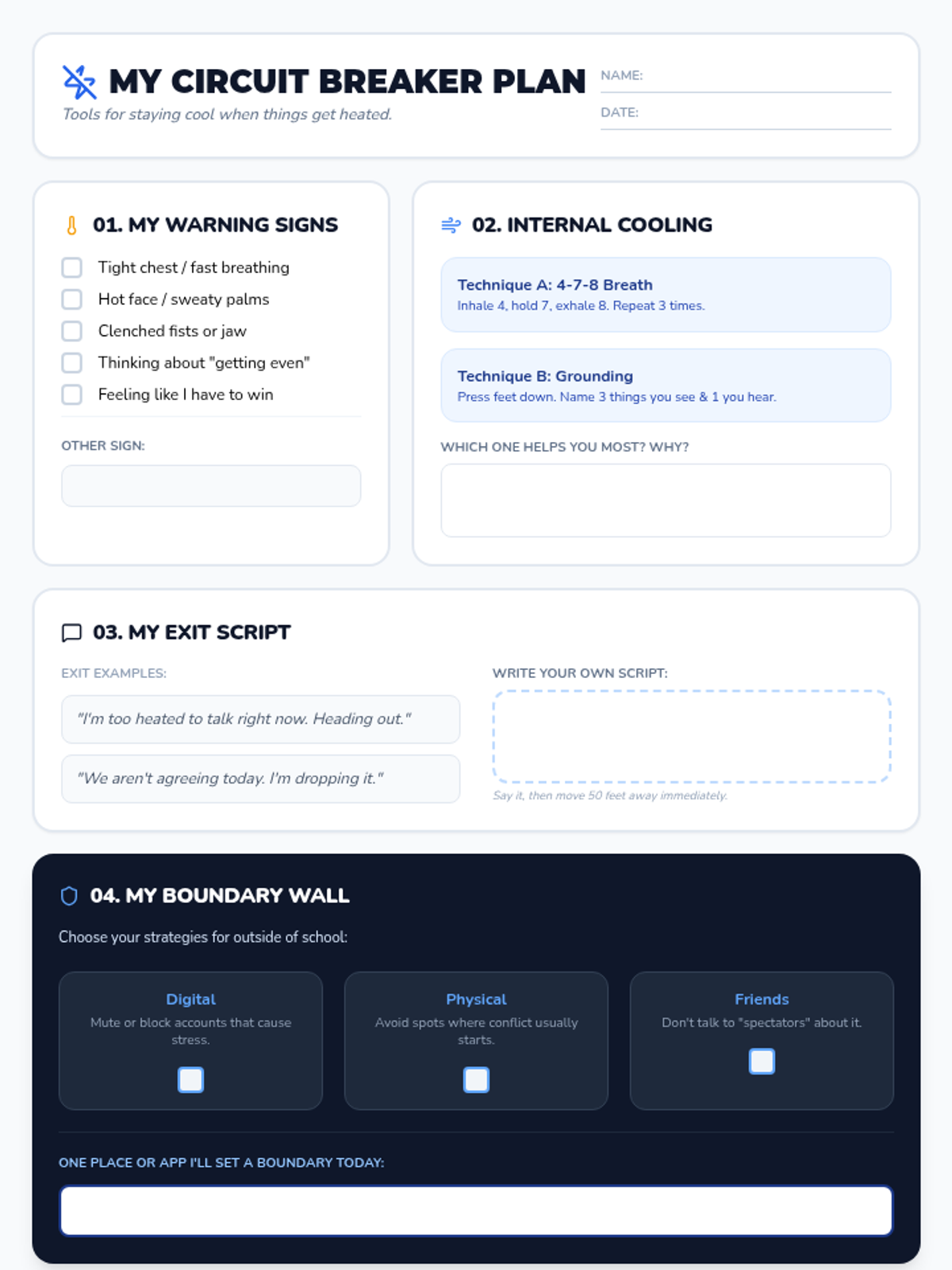
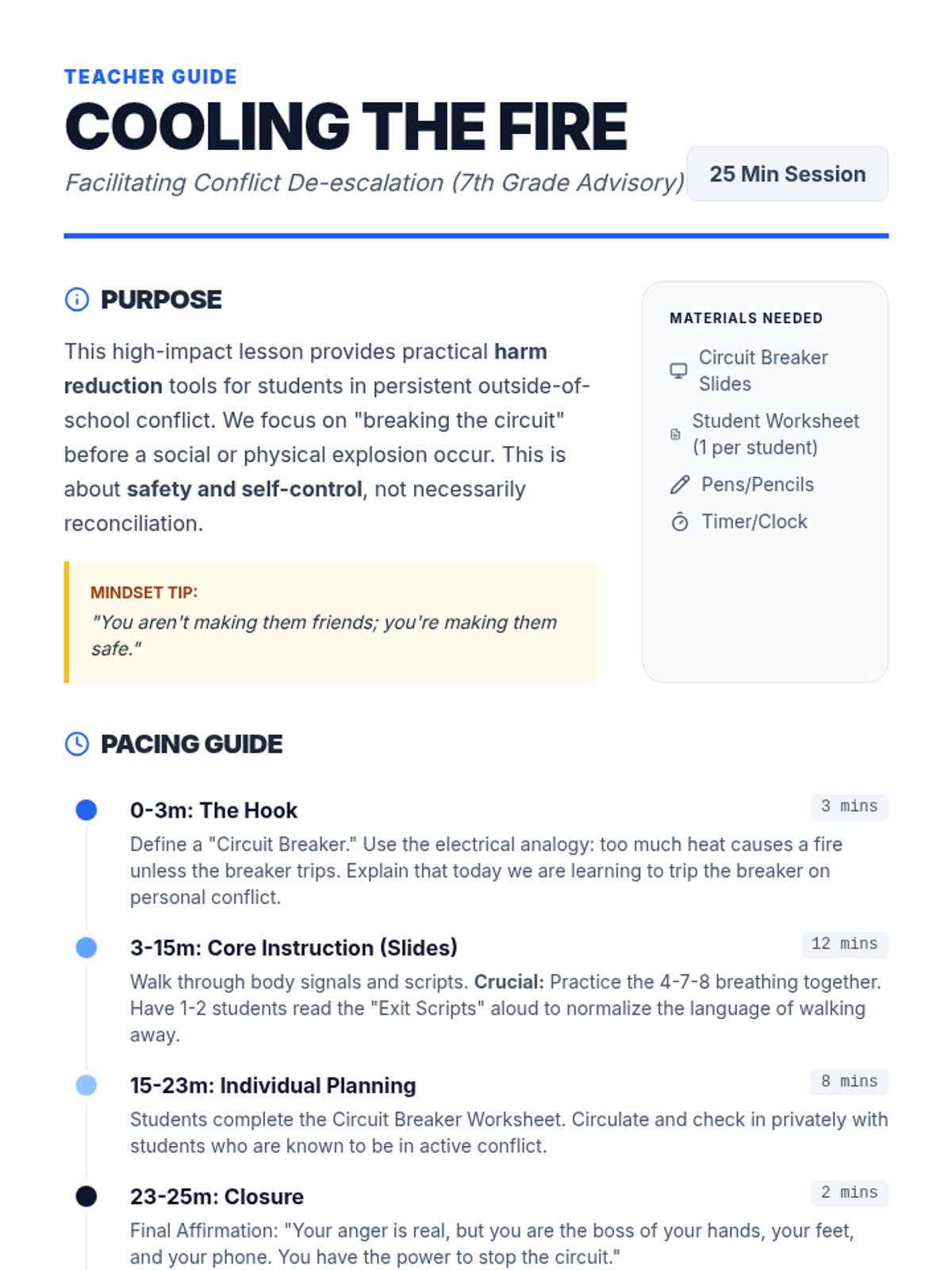
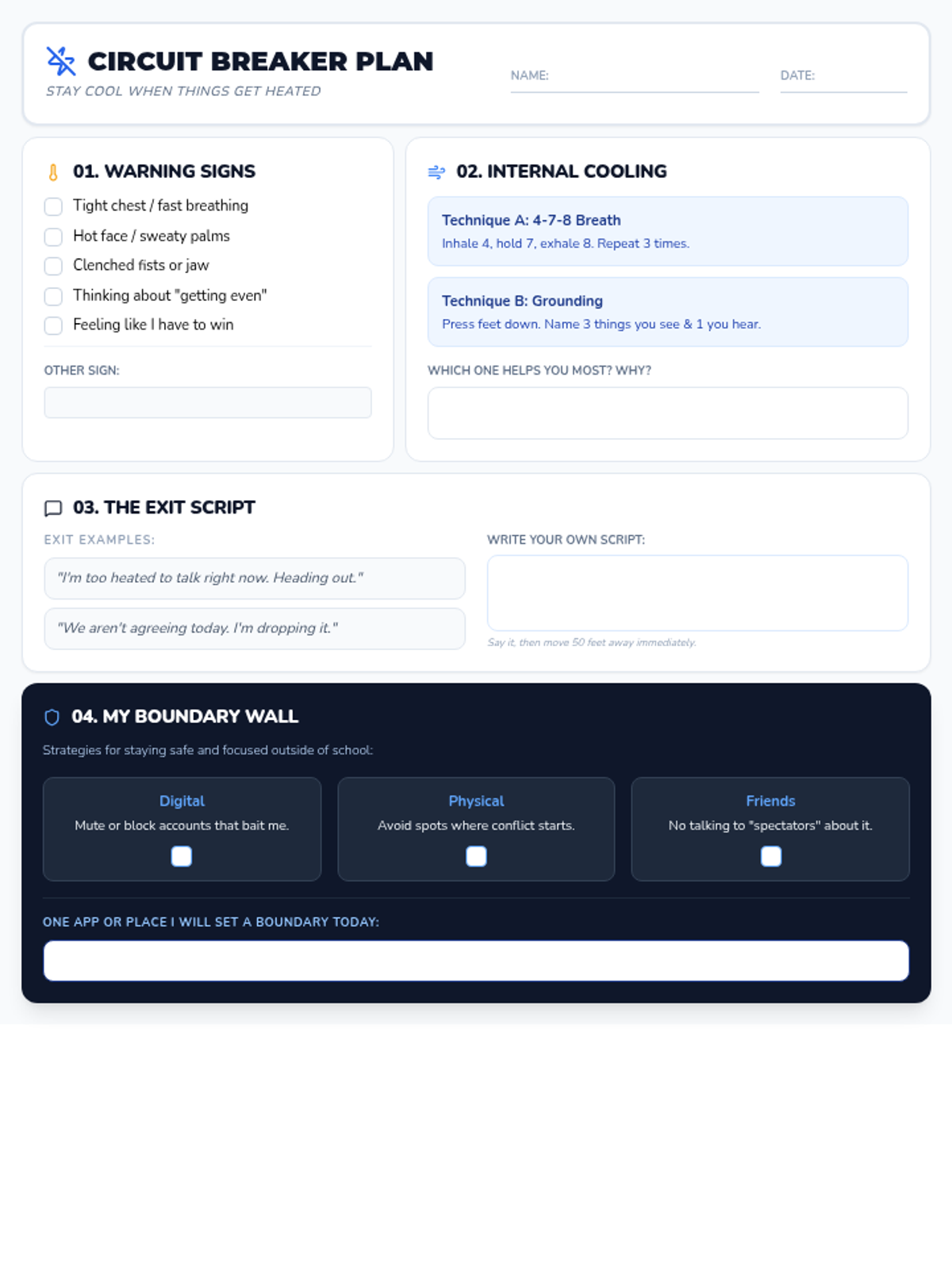
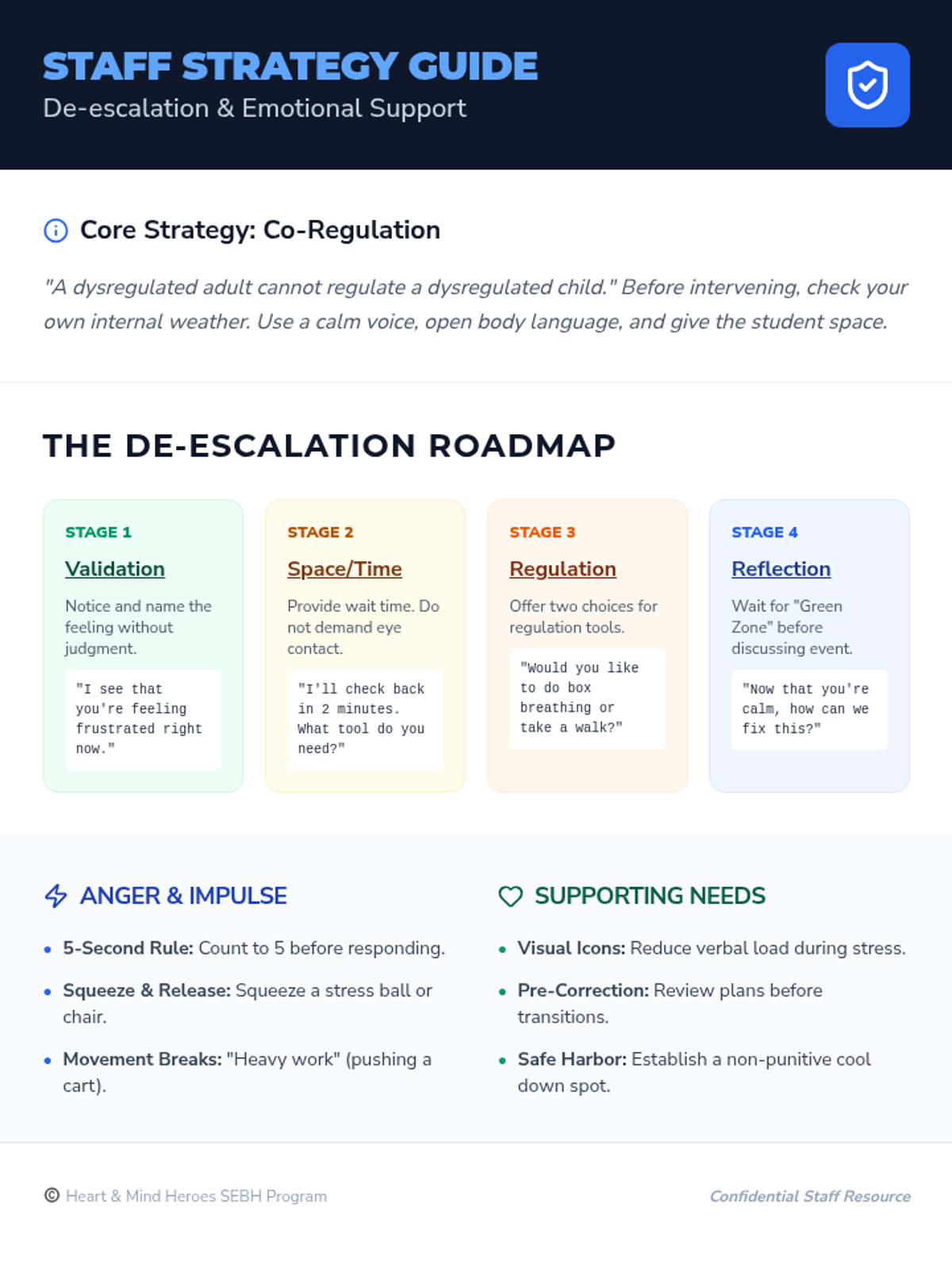
A high-impact 25-minute advisory lesson designed to provide 7th graders with immediate, practical tools for emotional regulation and de-escalation when dealing with persistent outside-of-school conflicts.
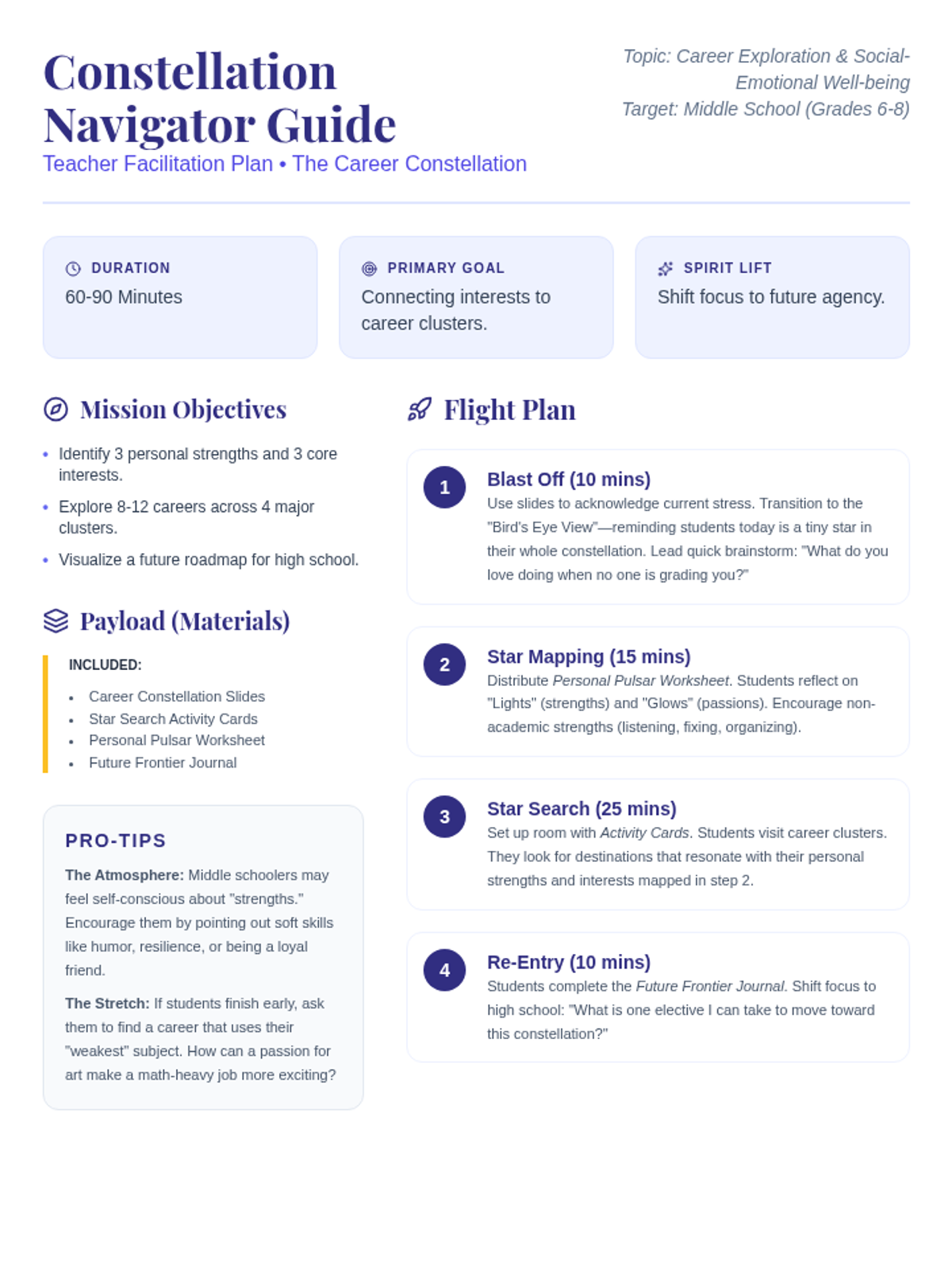
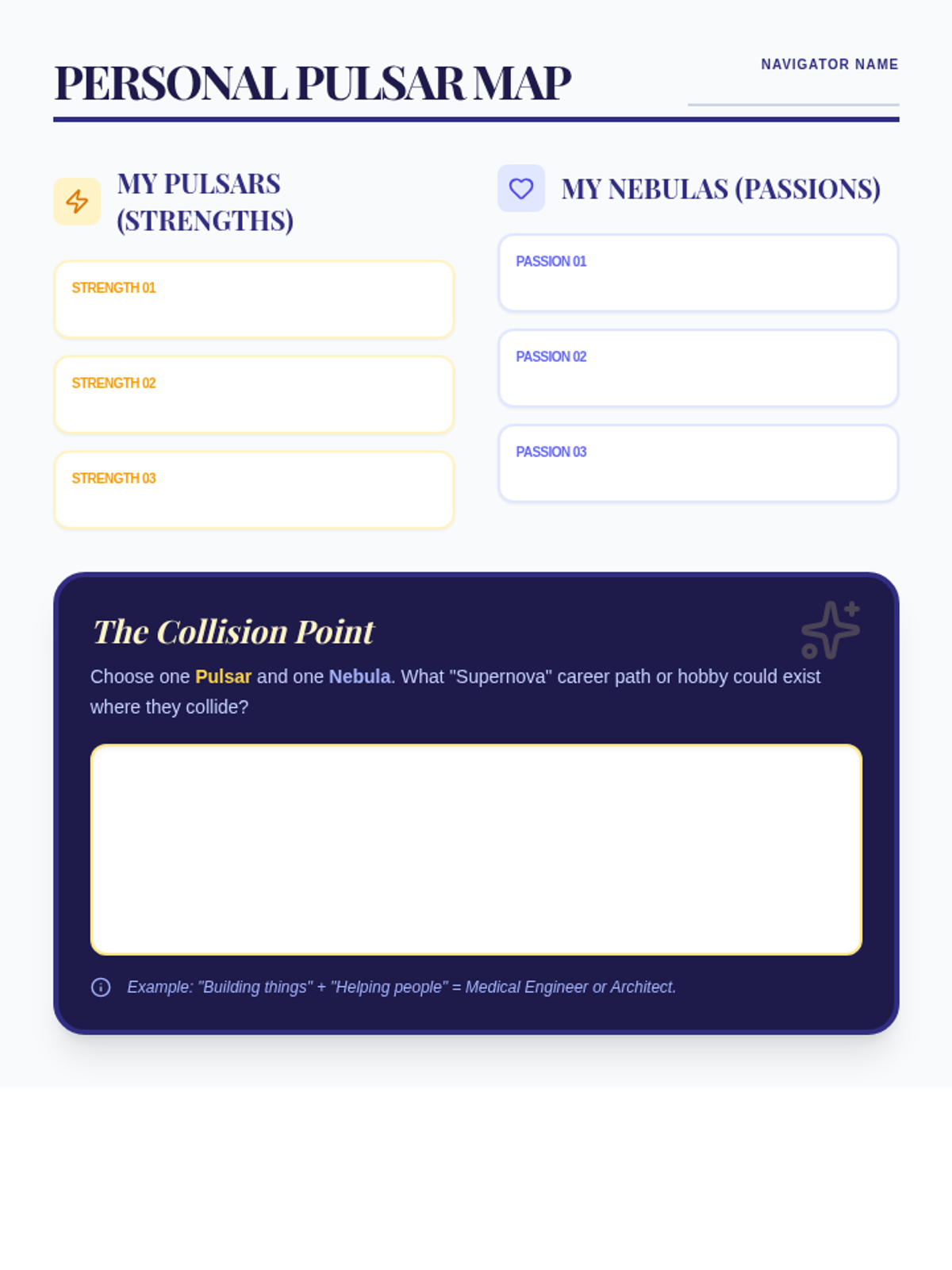
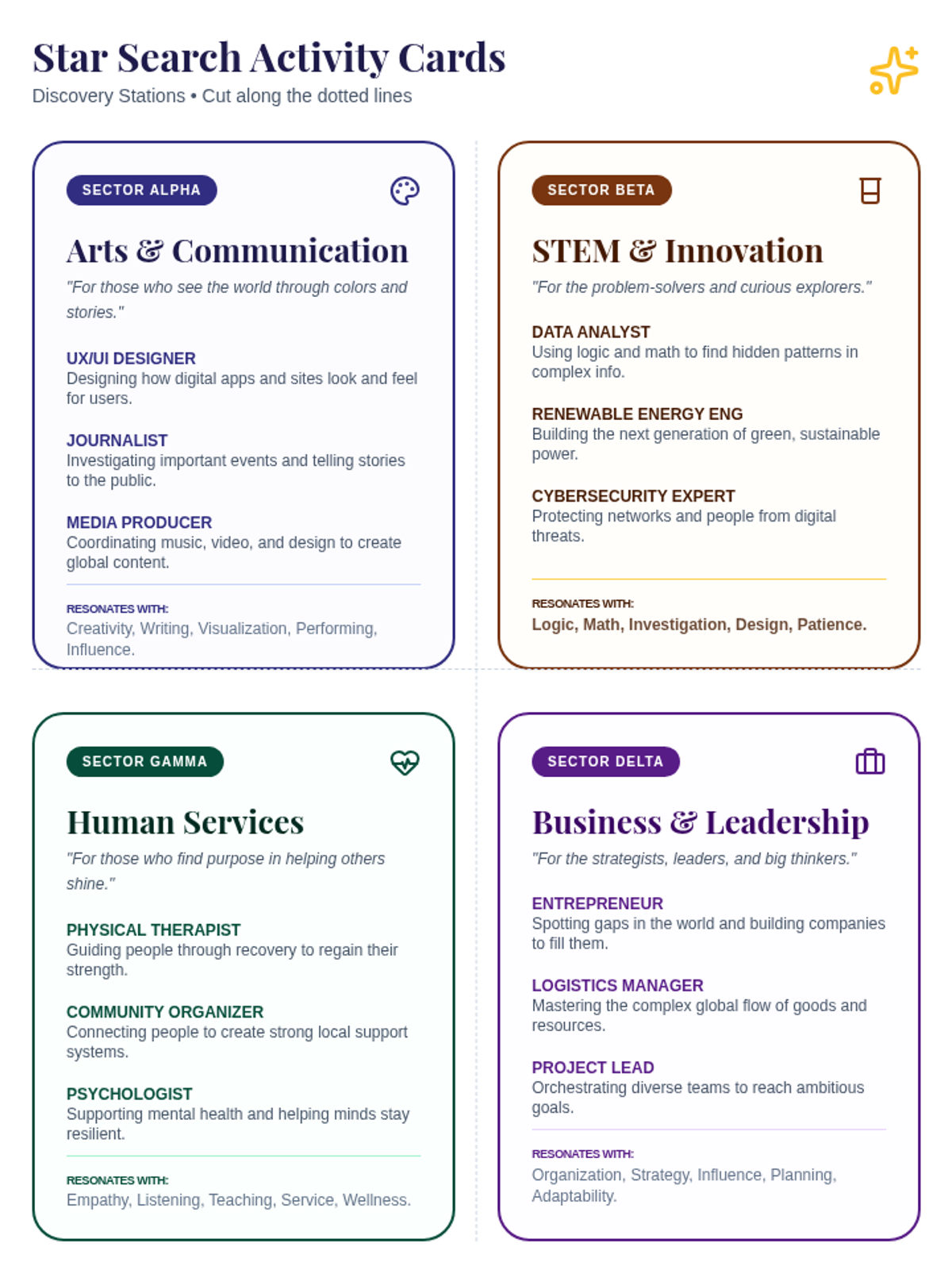
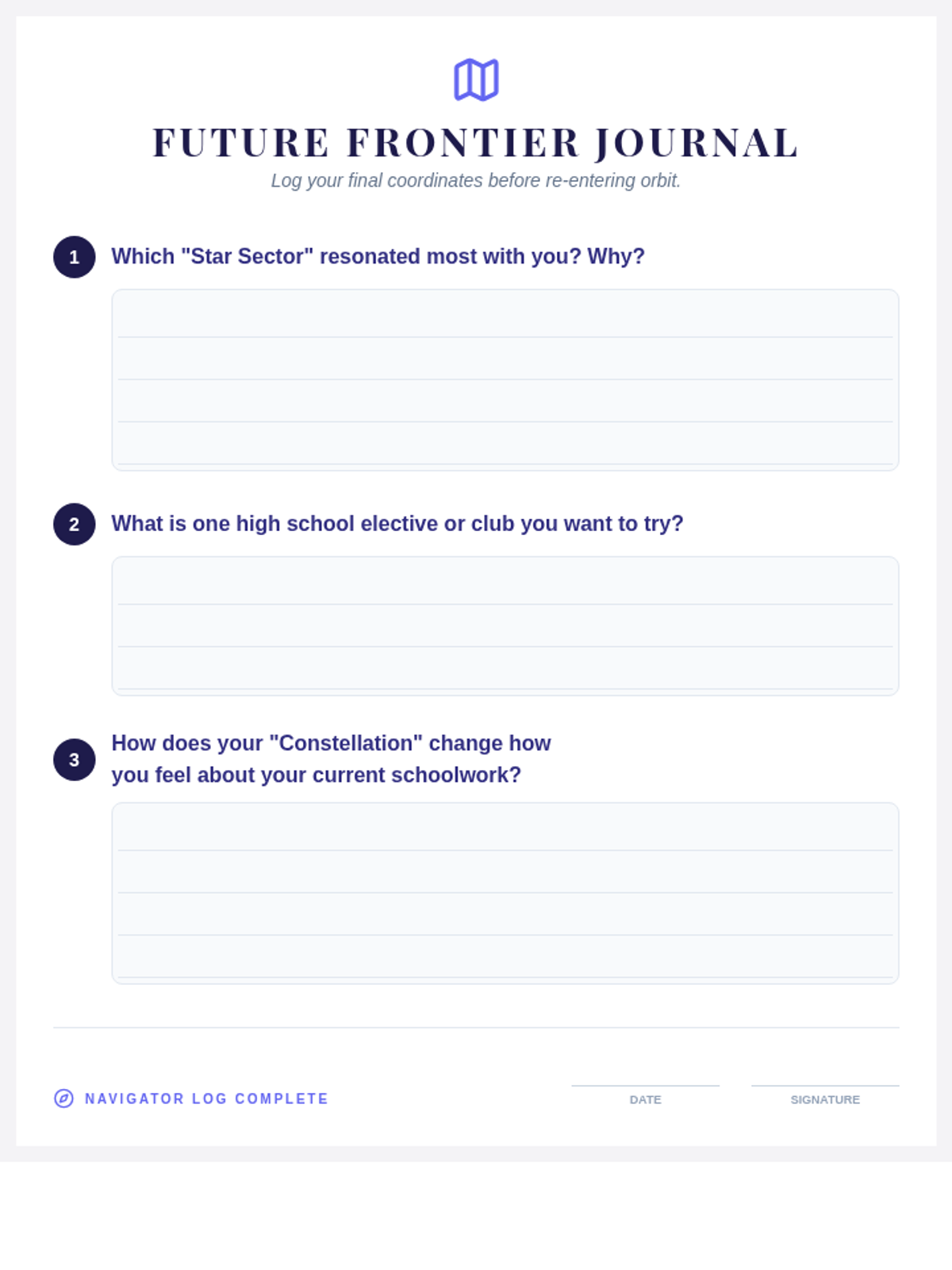
A cosmic-themed career exploration lesson designed to help middle schoolers connect their current passions and strengths to future career clusters, fostering hope and direction during a demanding academic season.
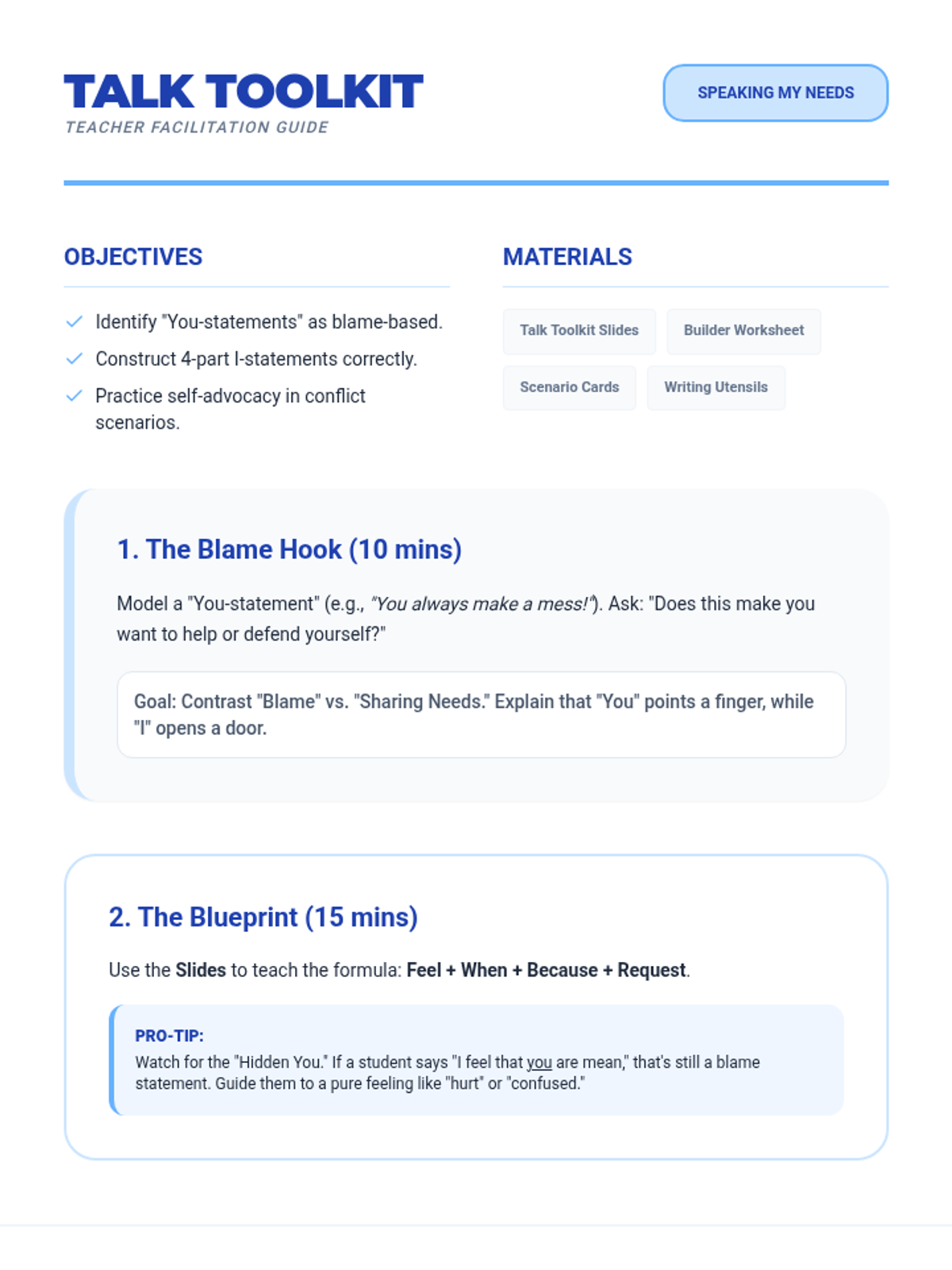
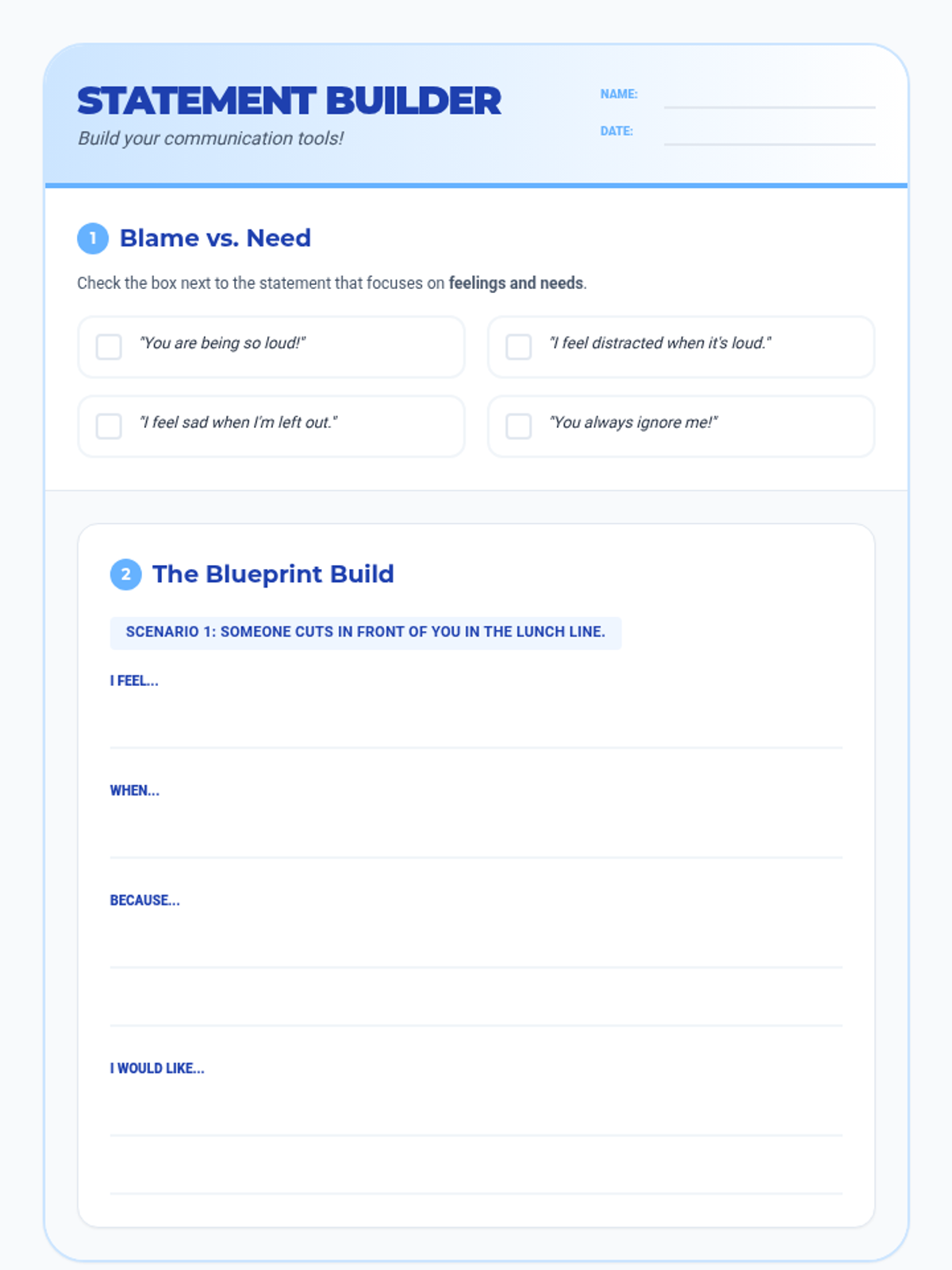
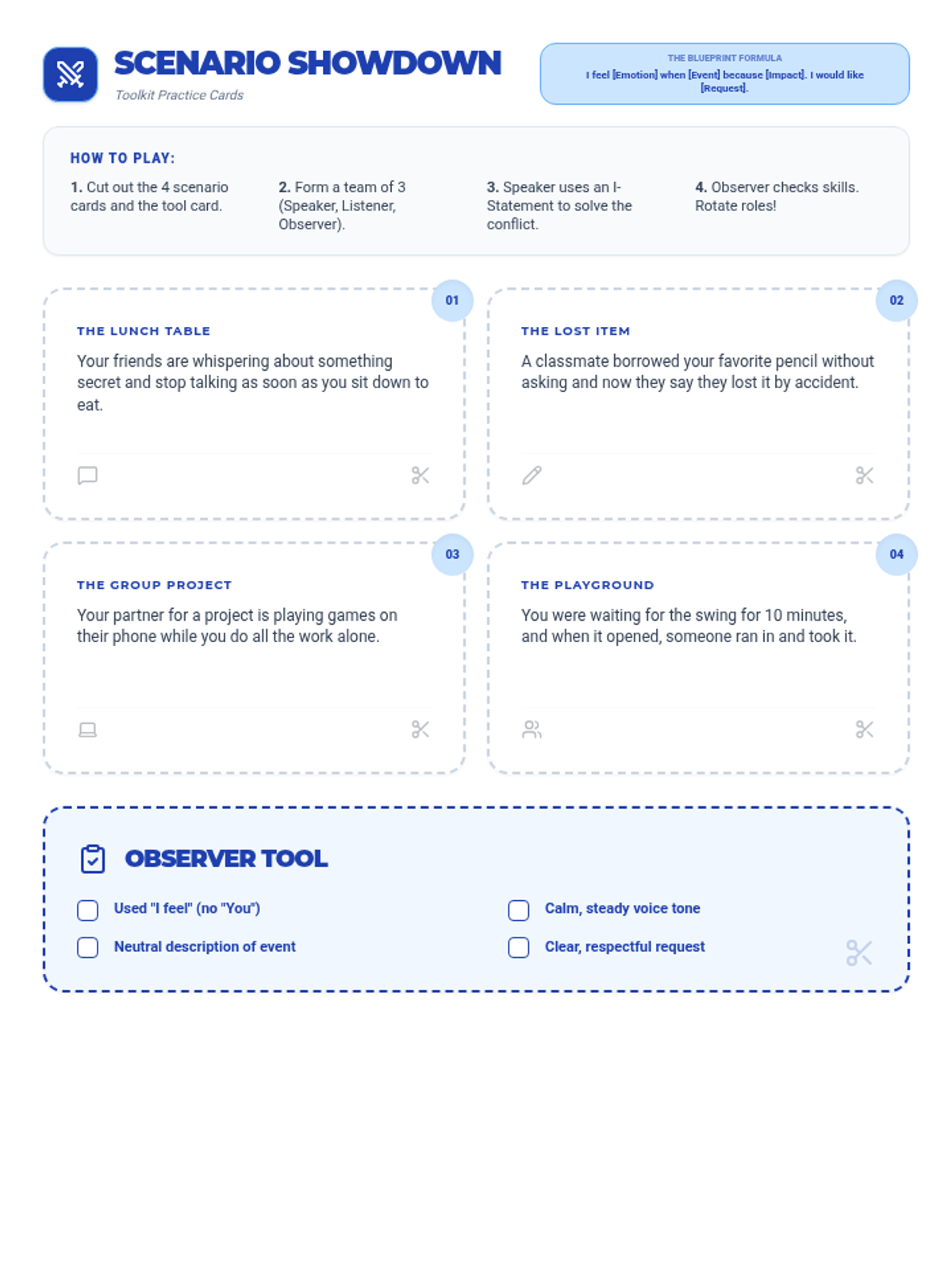
This lesson equips students with the power of 'I-Statements' to express their feelings and needs clearly and respectfully, fostering effective communication without blame. Through guided practice and scenario role-playing, students learn to articulate their experiences, enhancing self-advocacy and reducing misunderstandings.
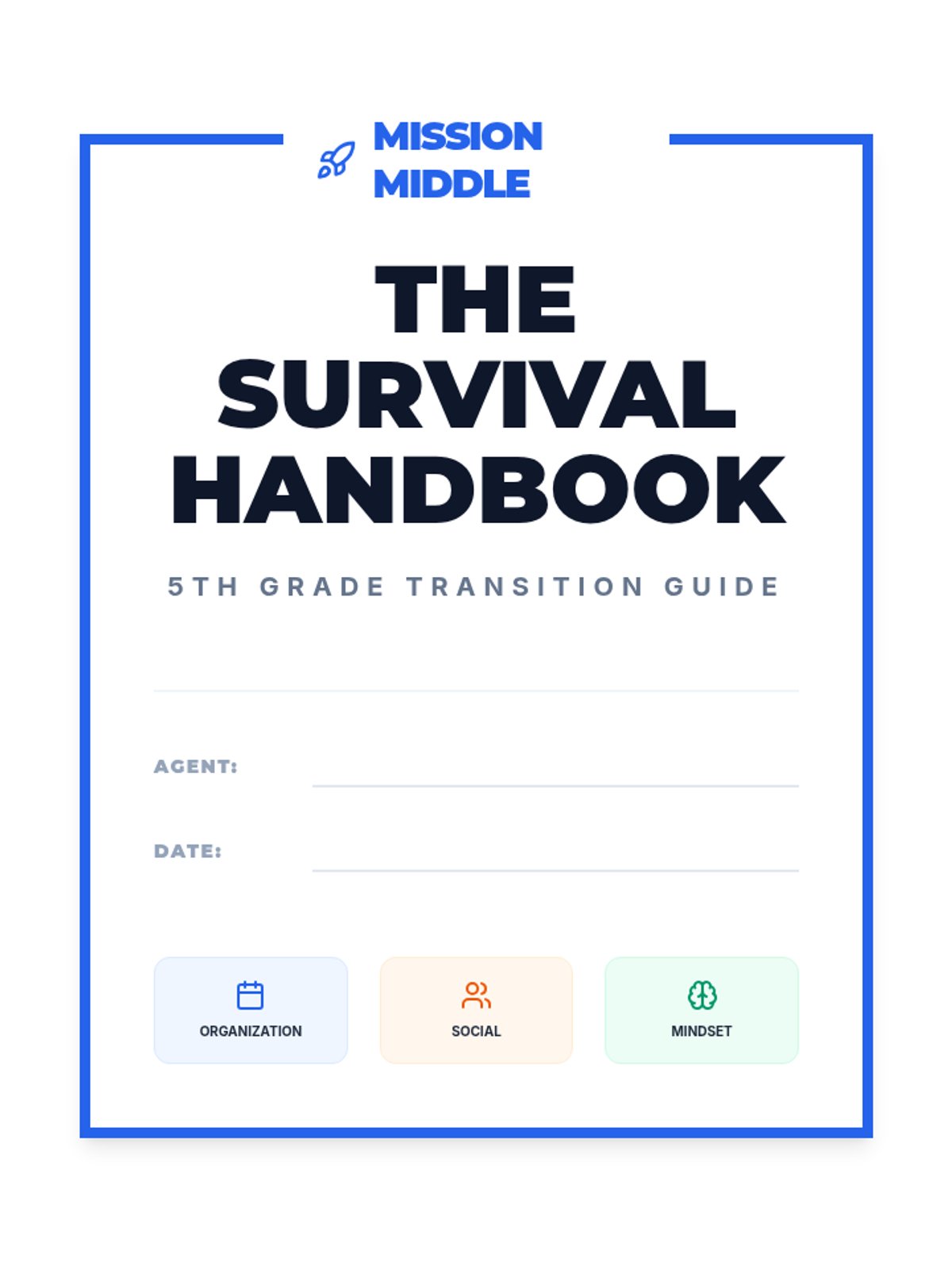
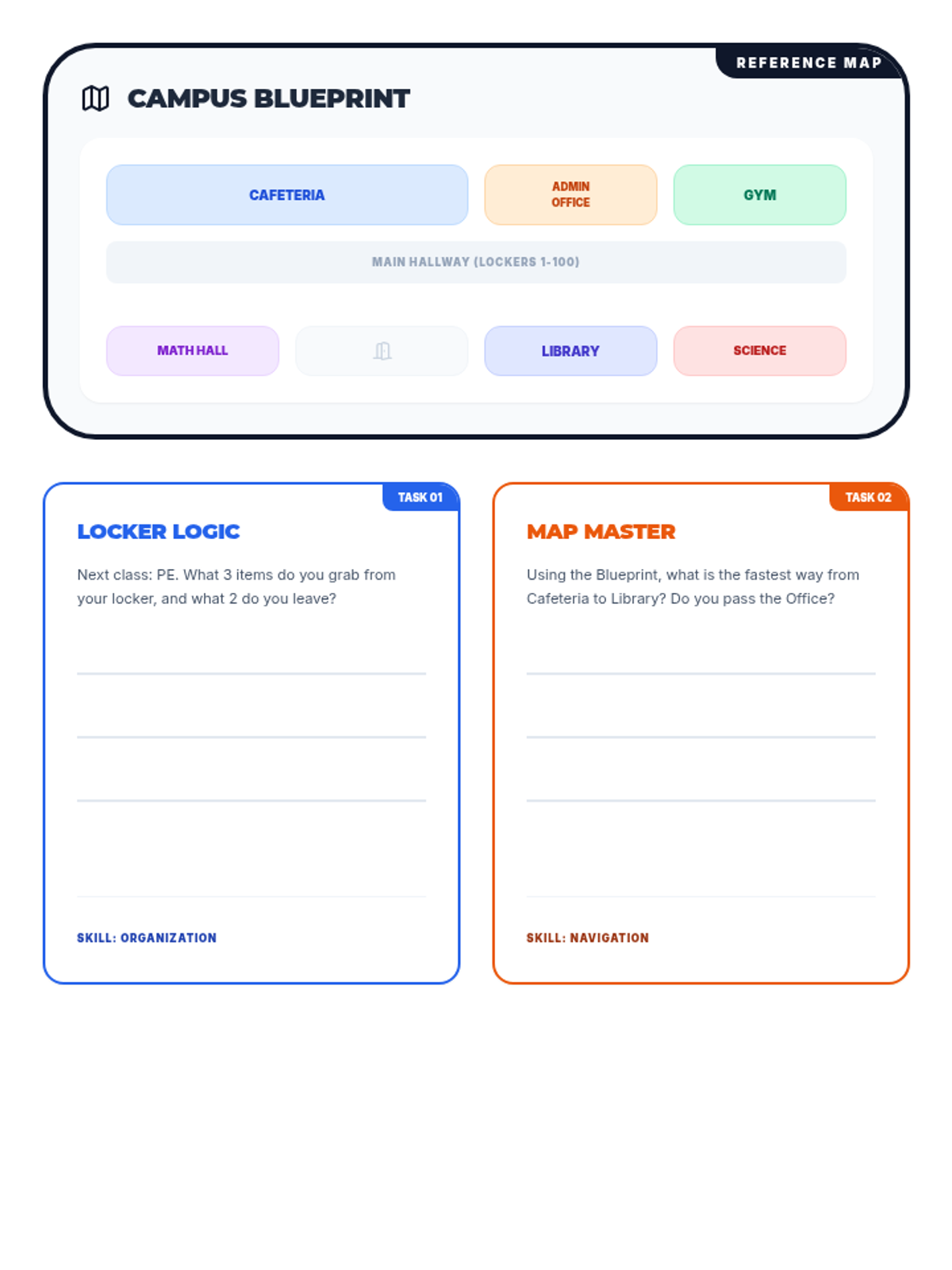
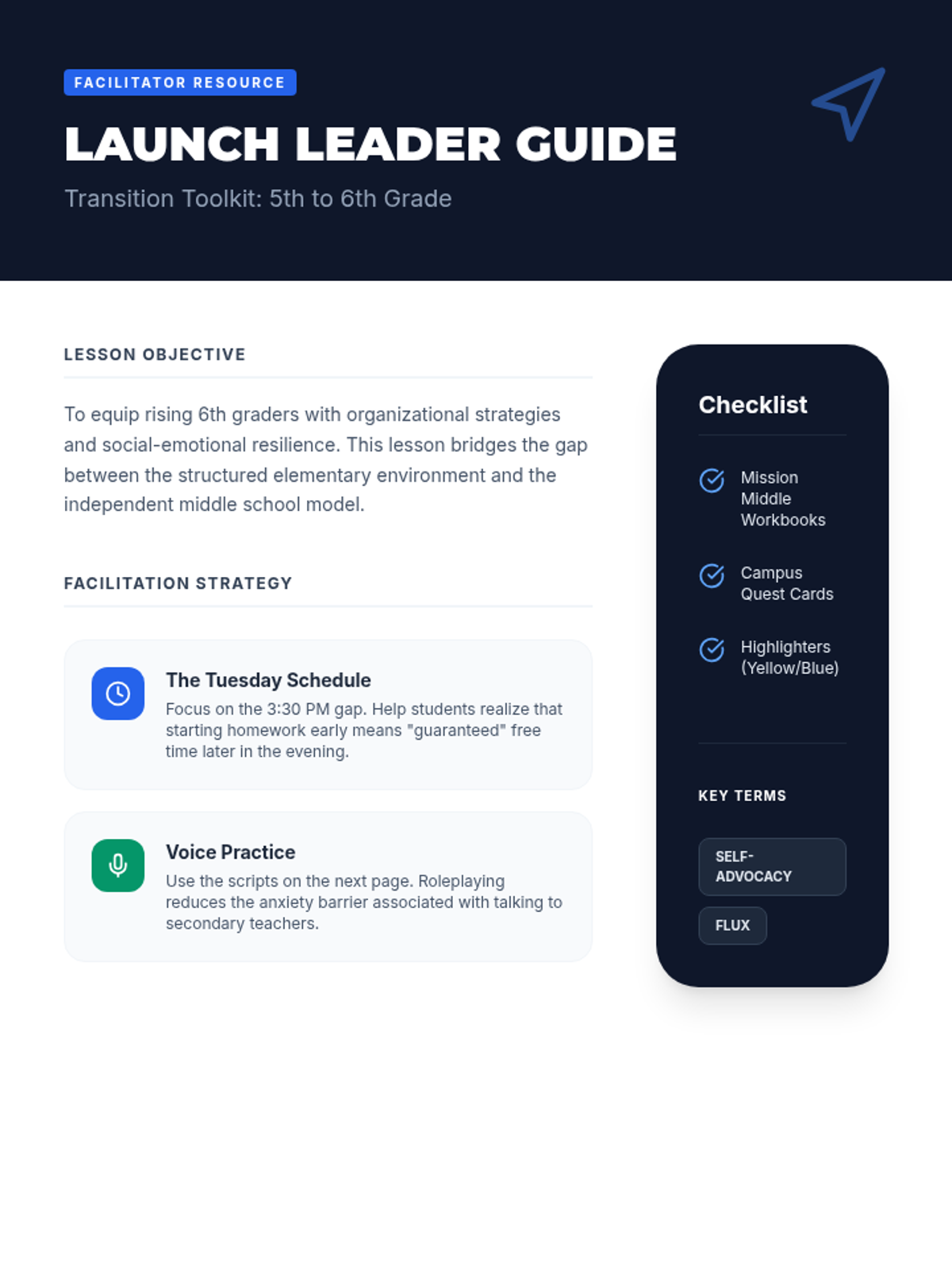
A comprehensive transition toolkit designed to equip 5th graders with organizational strategies and social-emotional resilience for middle school.
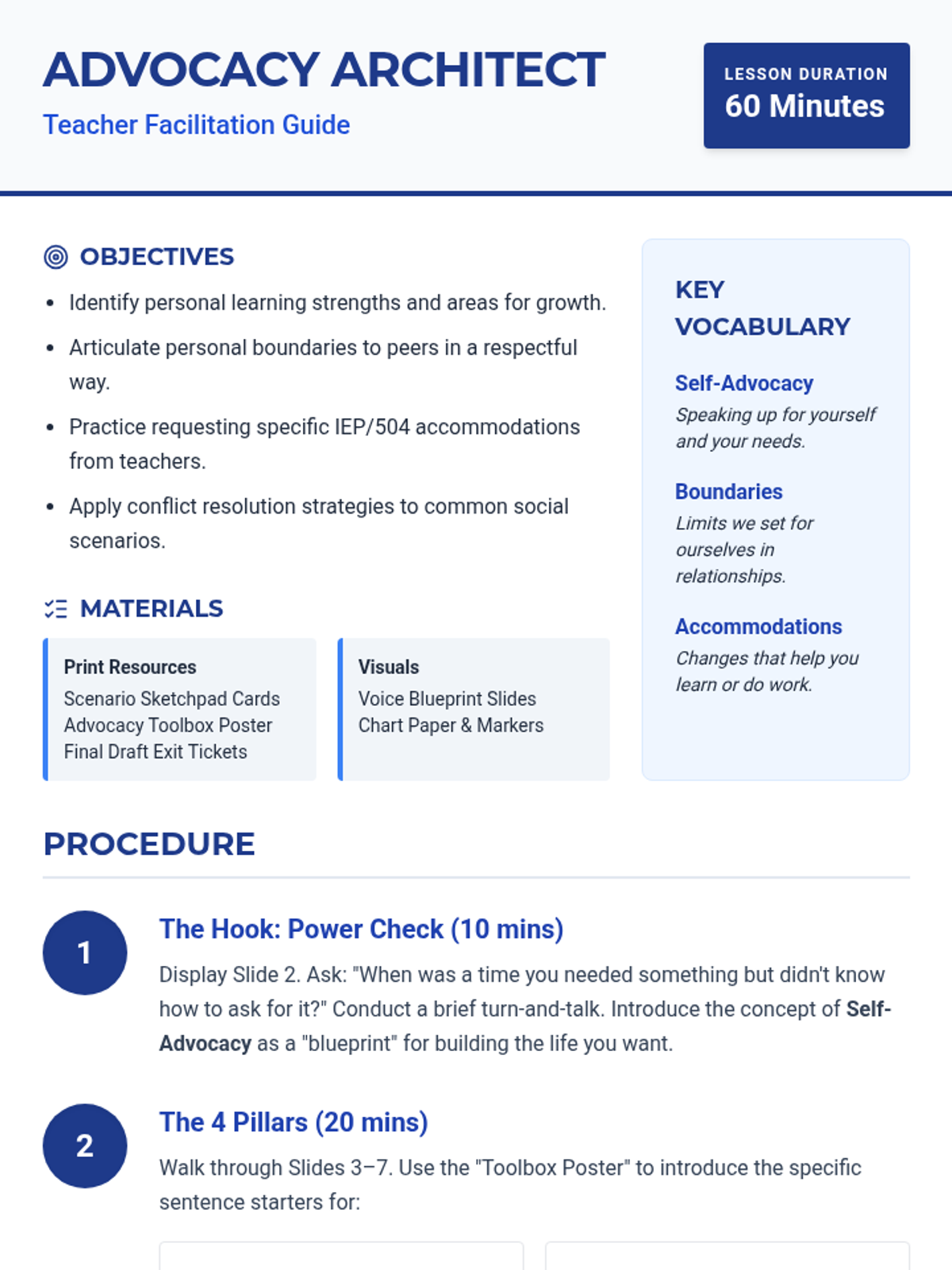
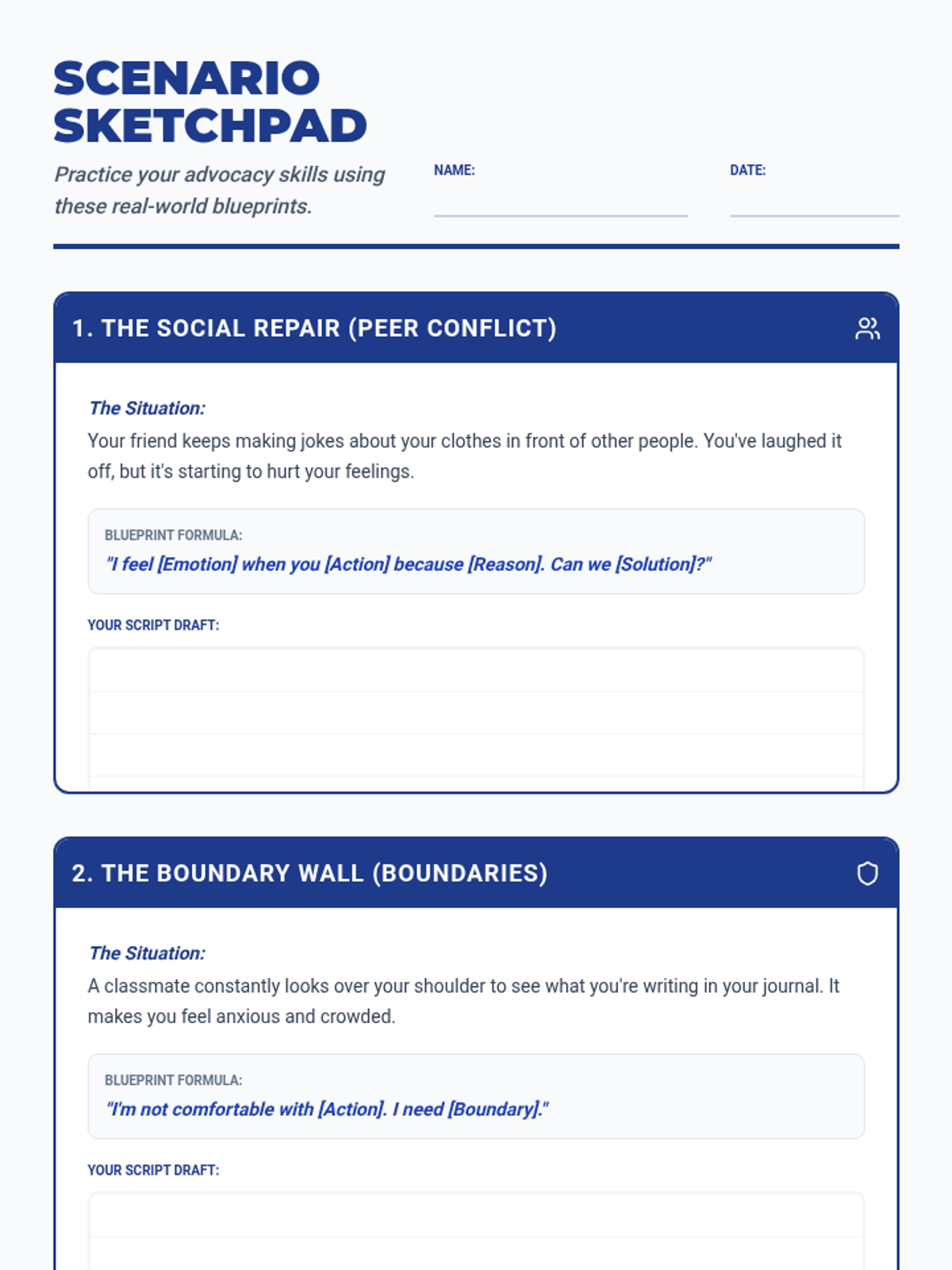
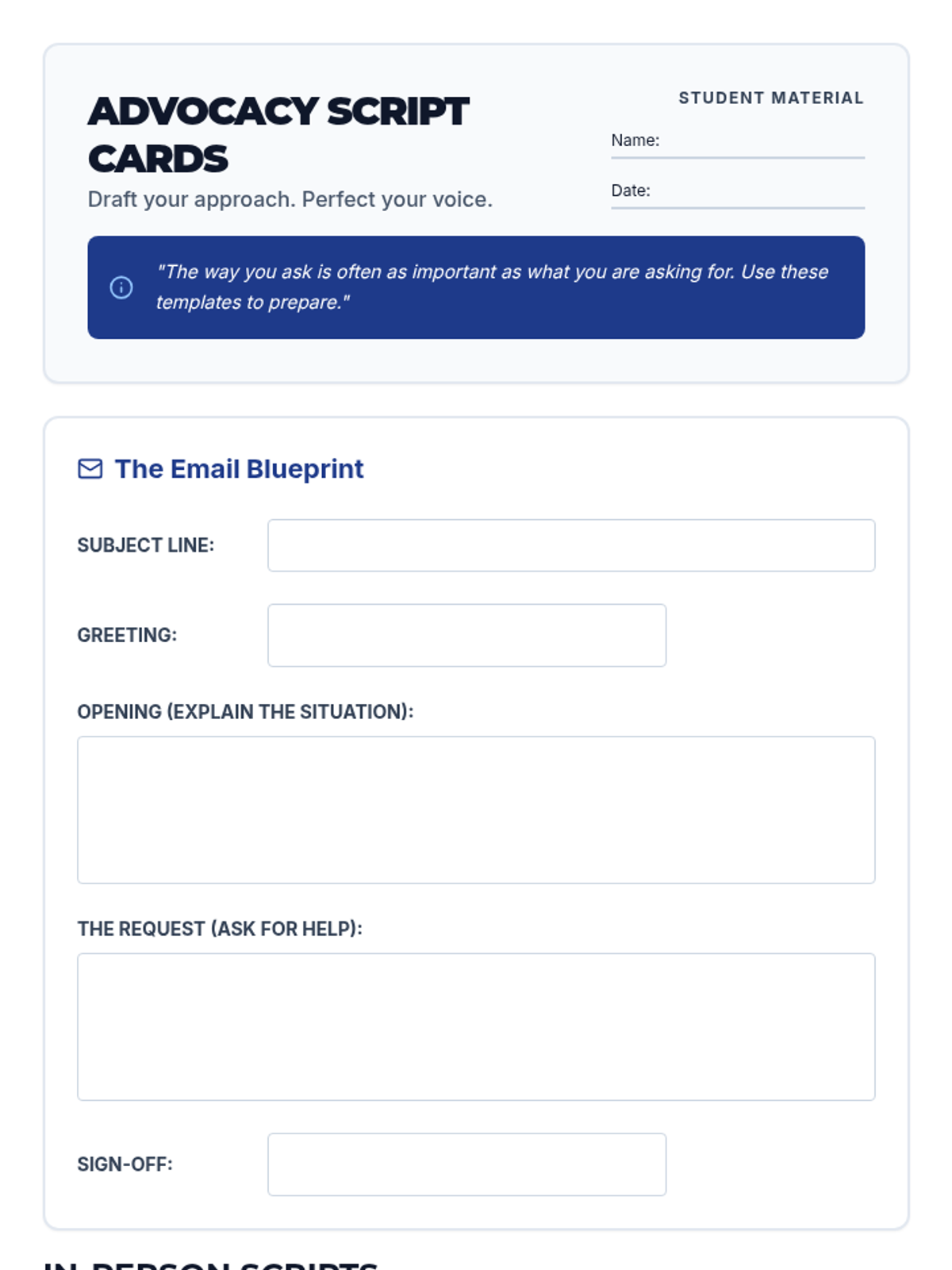
A comprehensive lesson on self-advocacy for middle schoolers, covering learning strengths, personal boundaries, peer conflict, and IEP accommodations. Students will learn to use 'The Blueprint' framework to communicate their needs effectively.
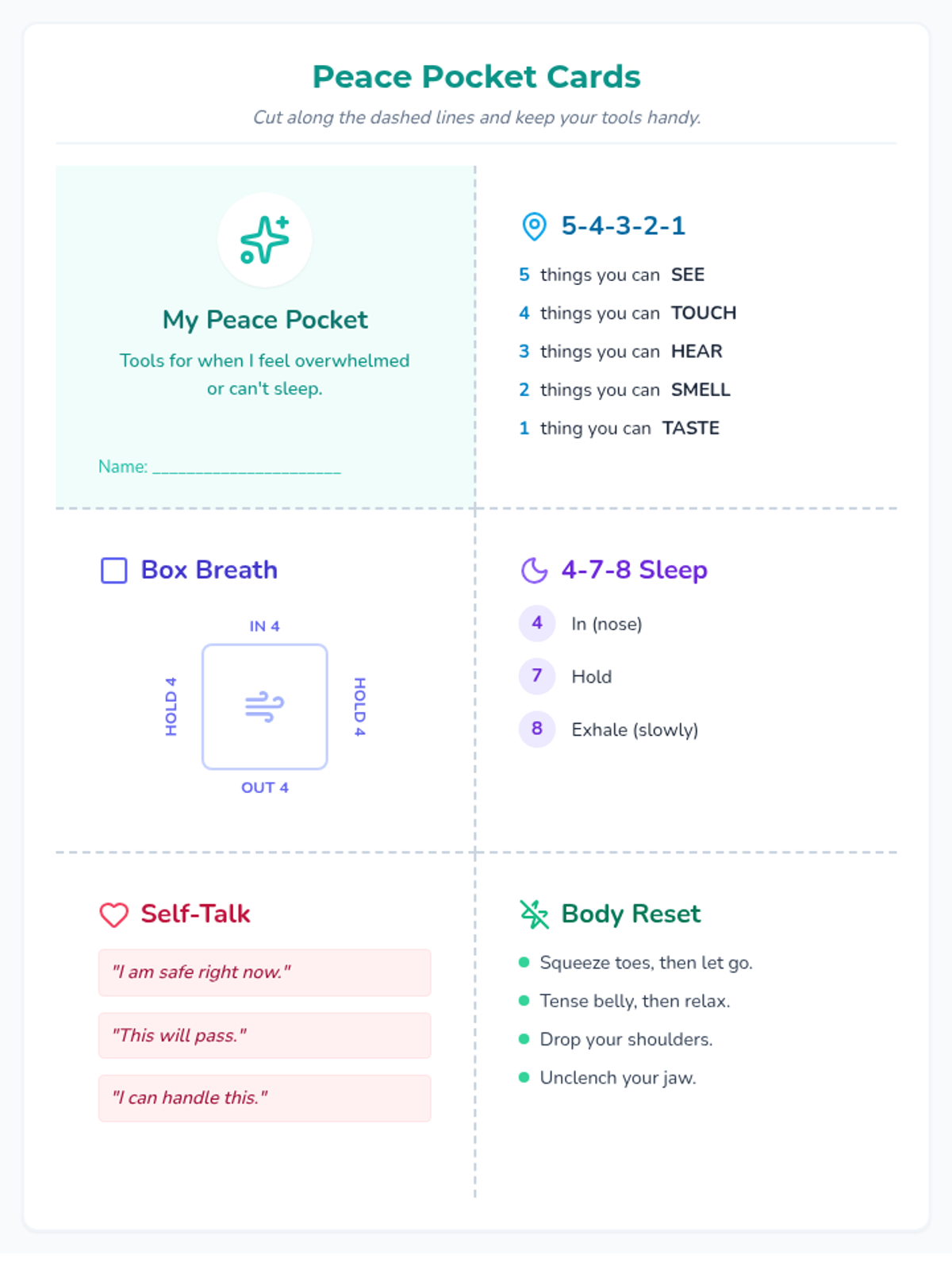
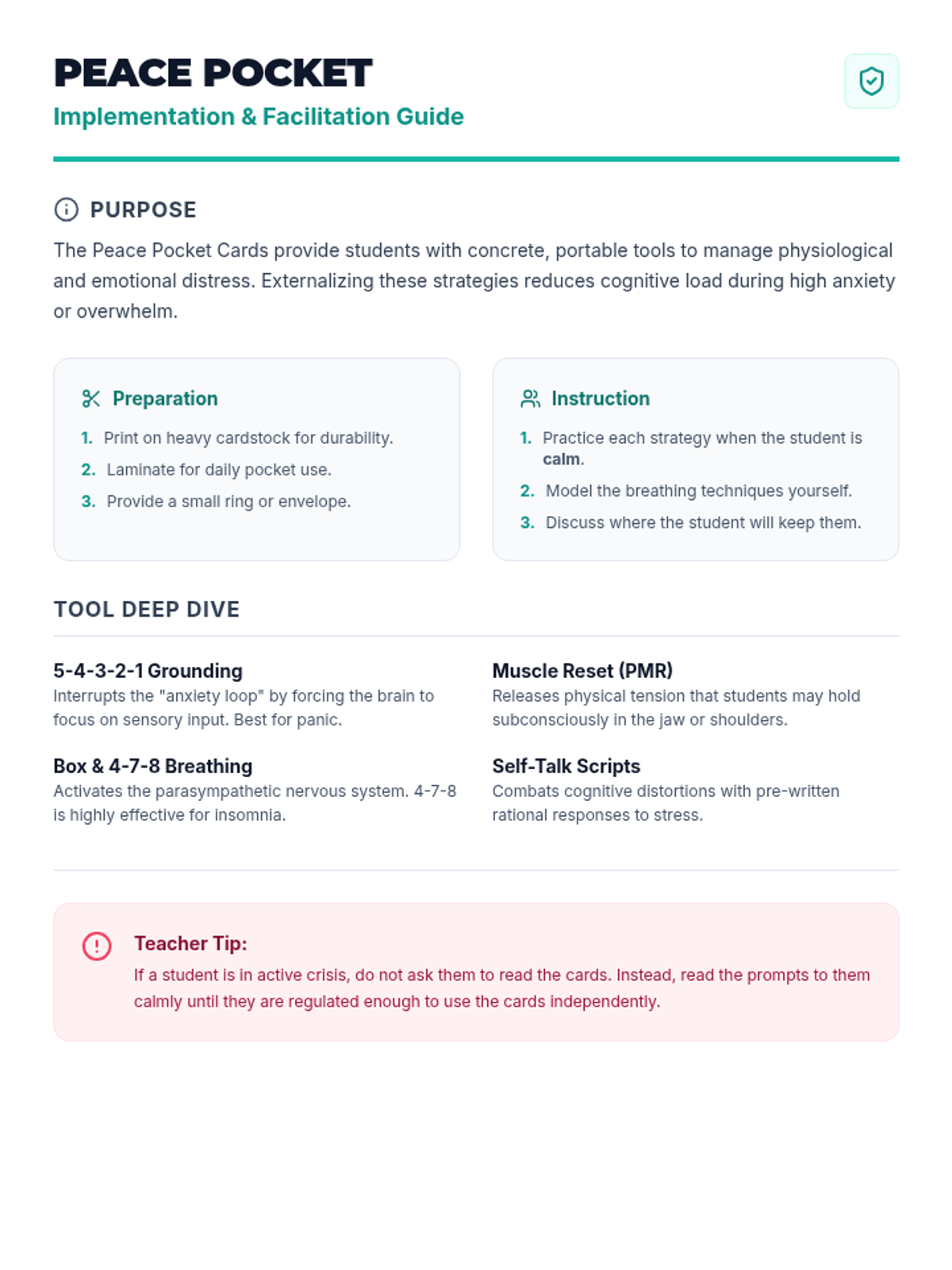
A collection of portable coping strategies designed to help students manage anxiety, sleep difficulties, and sensory overwhelm in the moment.
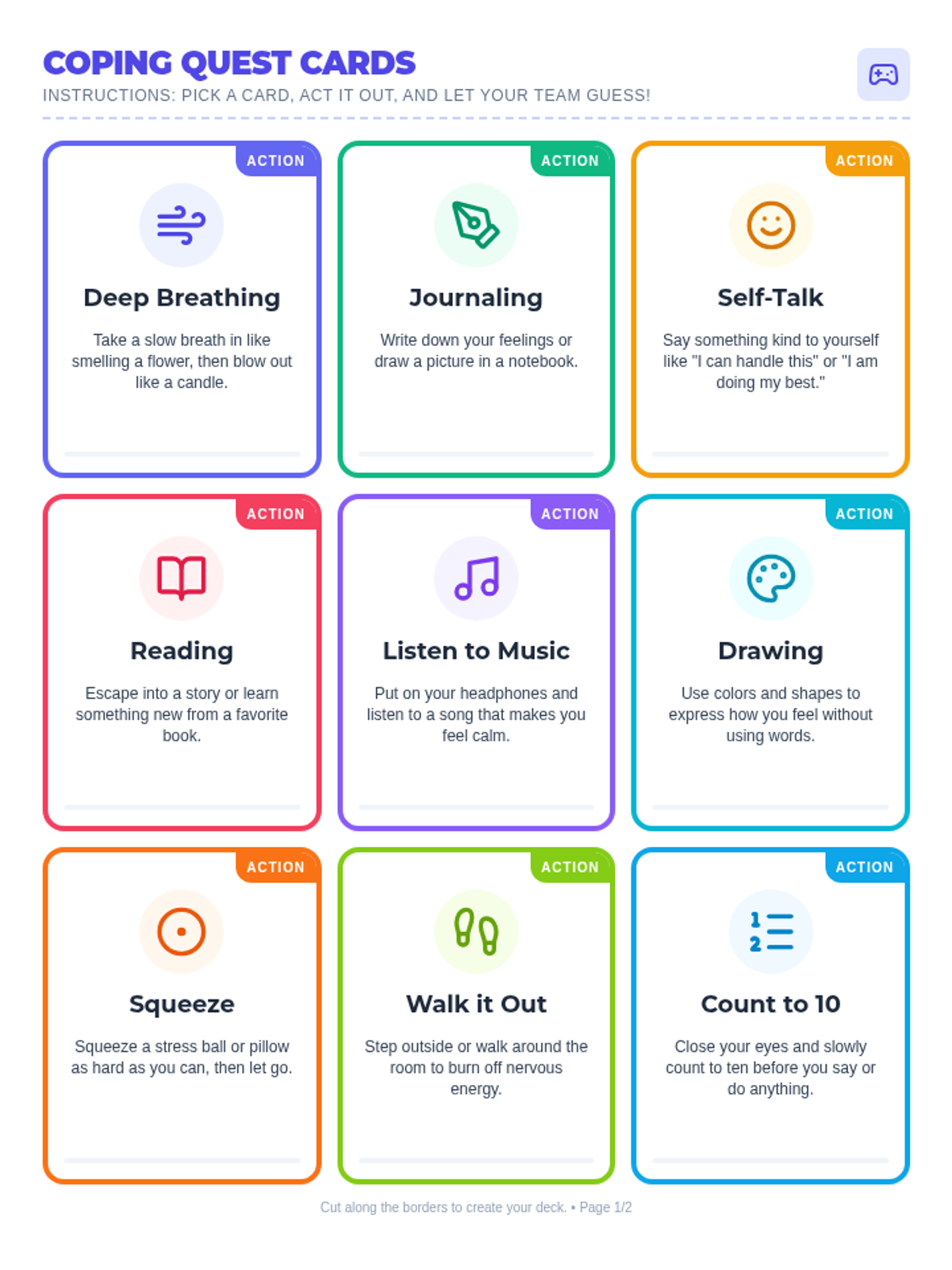
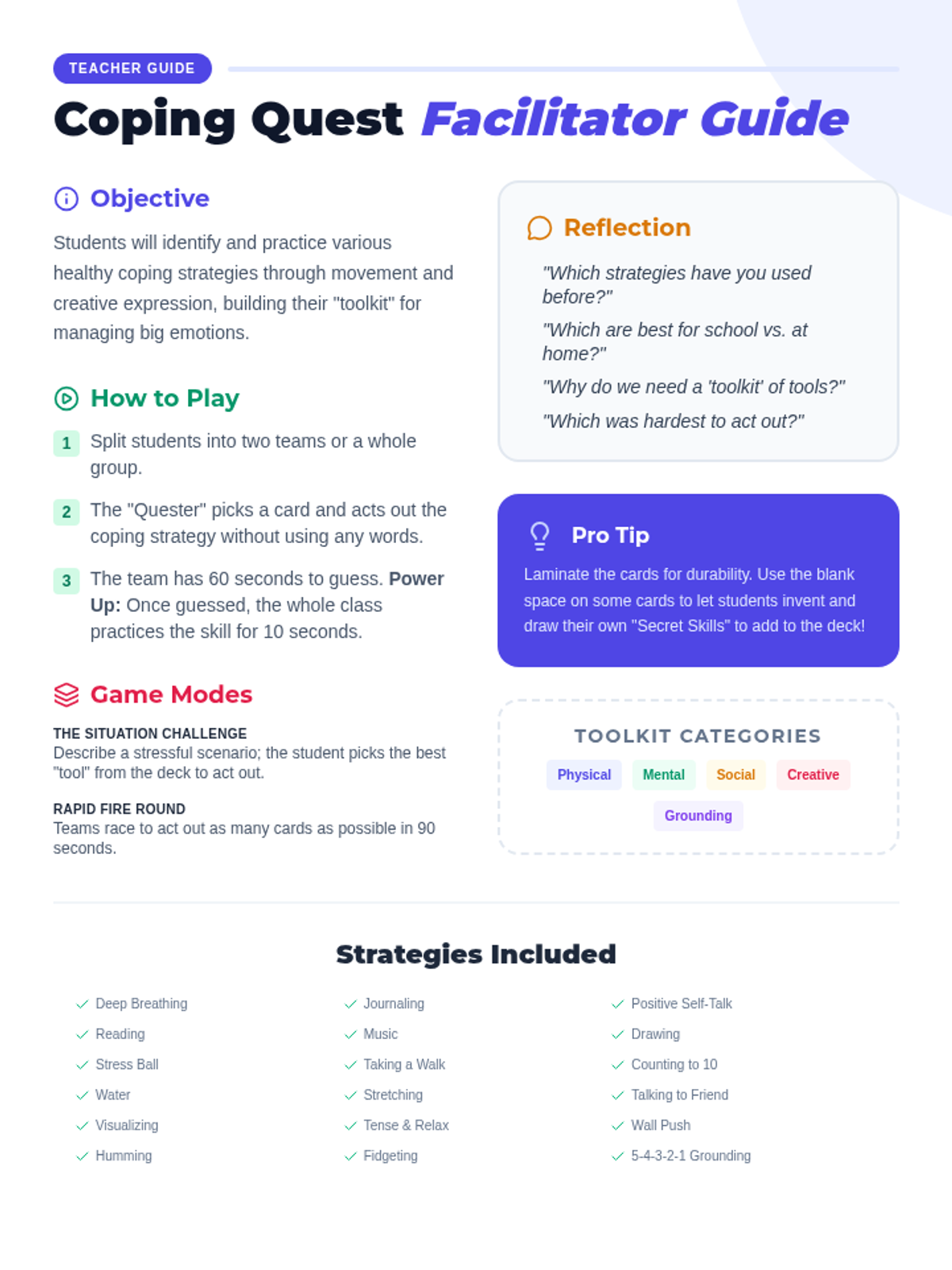
A fun, interactive game designed to help students recognize and practice healthy coping strategies through movement and acting.
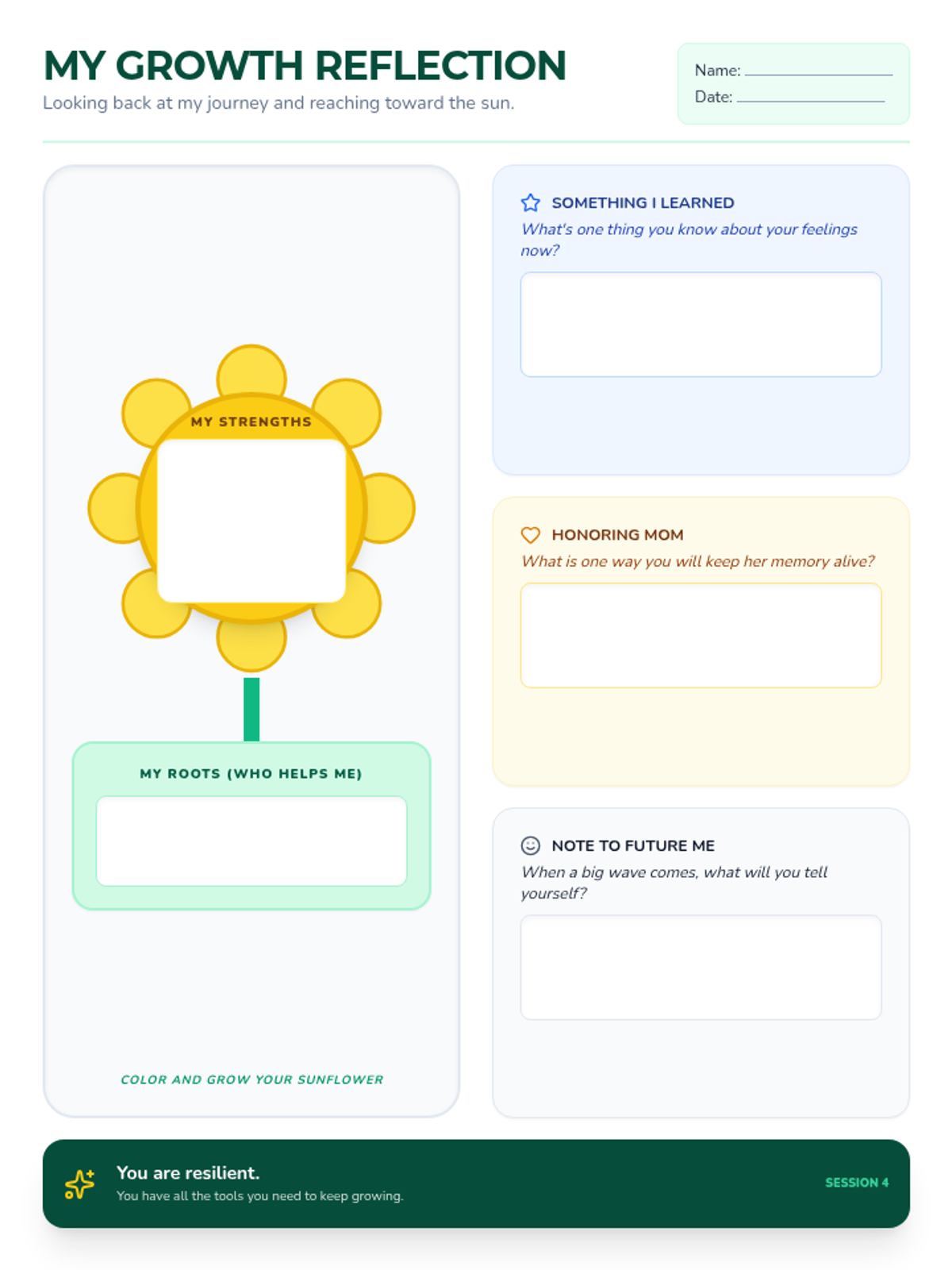
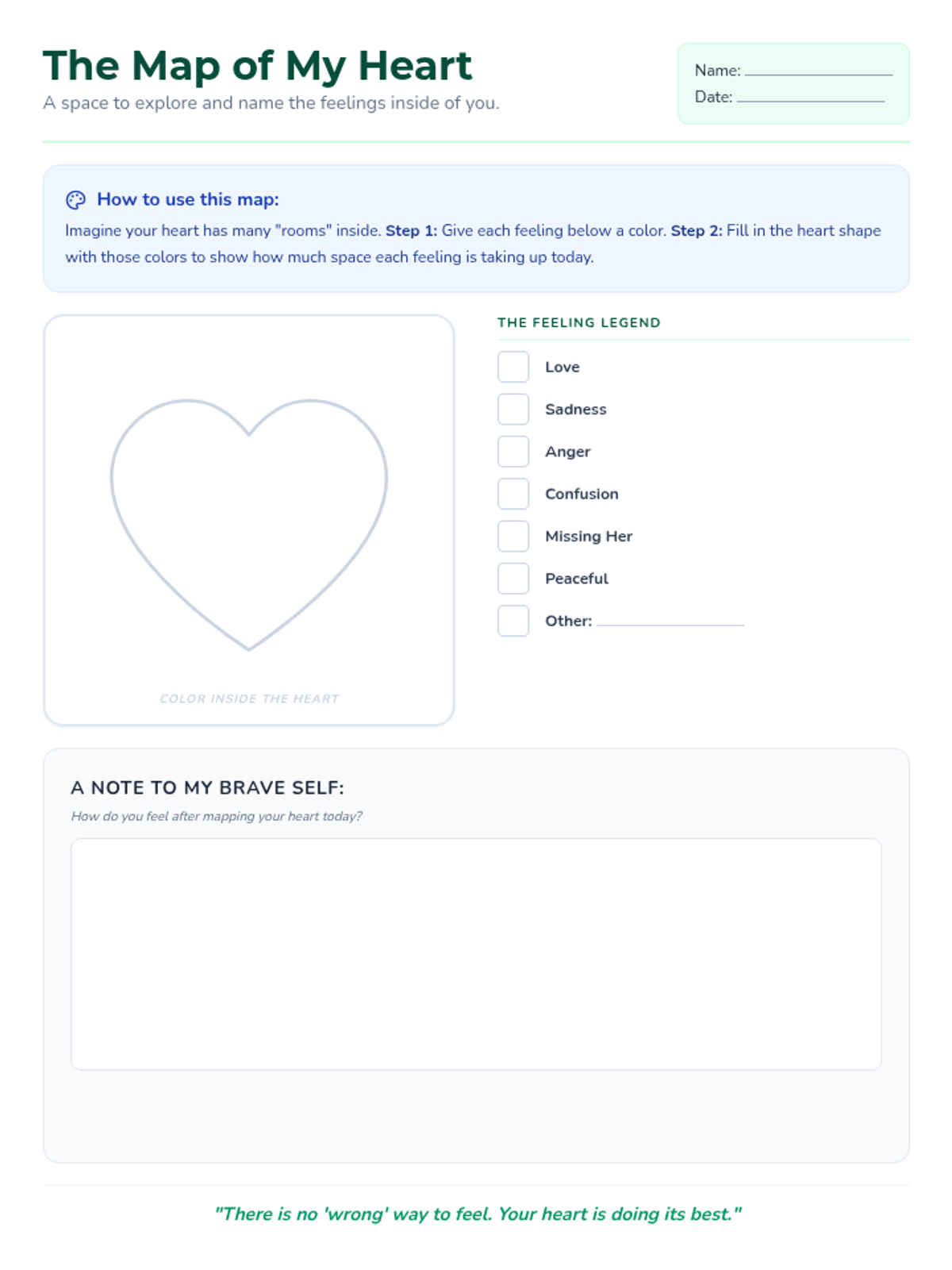
The final session reviews progress made, identifies ongoing support systems, and focuses on how the student can continue to grow while carrying her mother's memory forward.
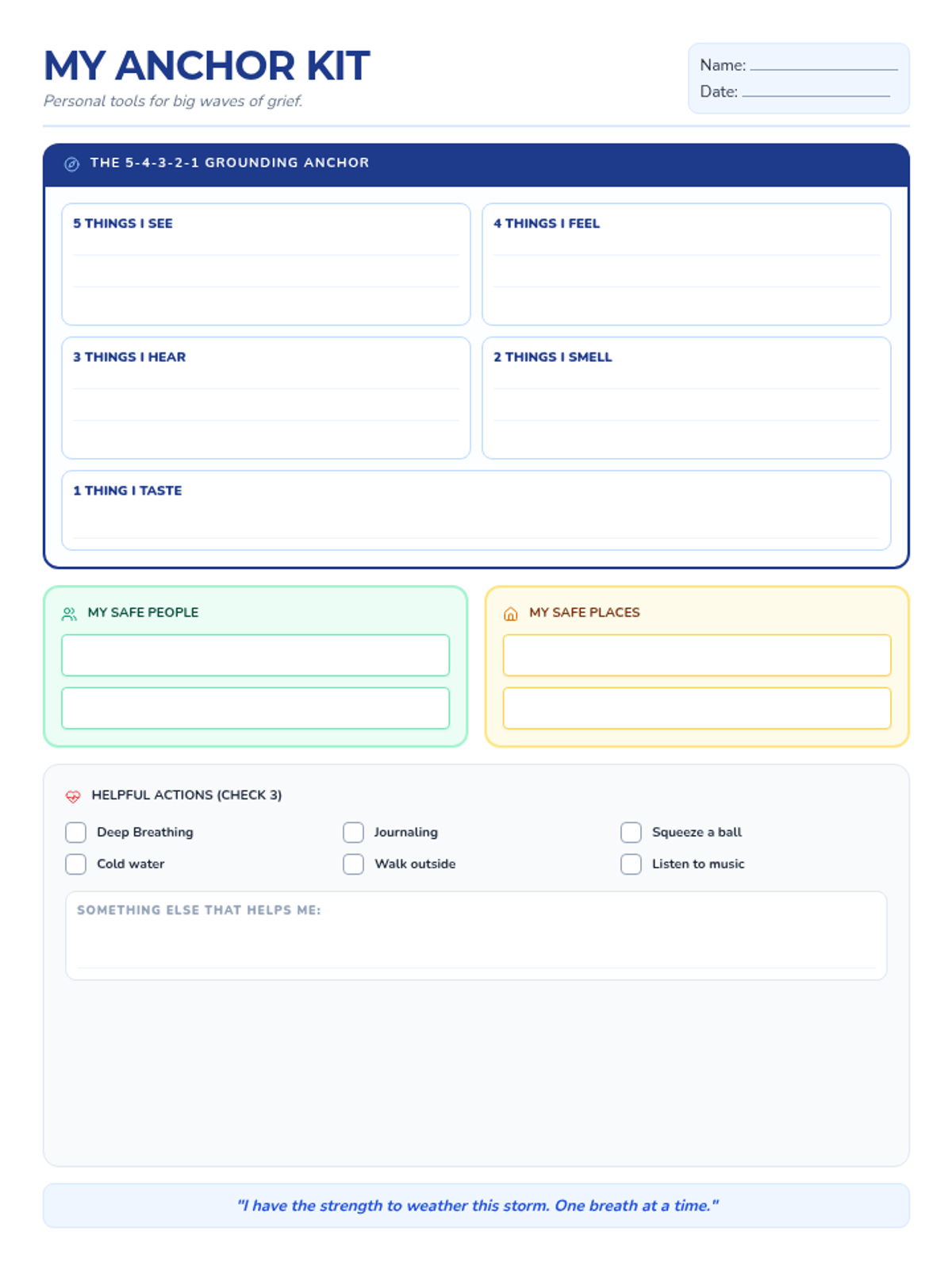
Focuses on the physical and emotional 'waves' of grief, teaching the student tangible grounding techniques and self-regulation skills for when the loss feels overwhelming.
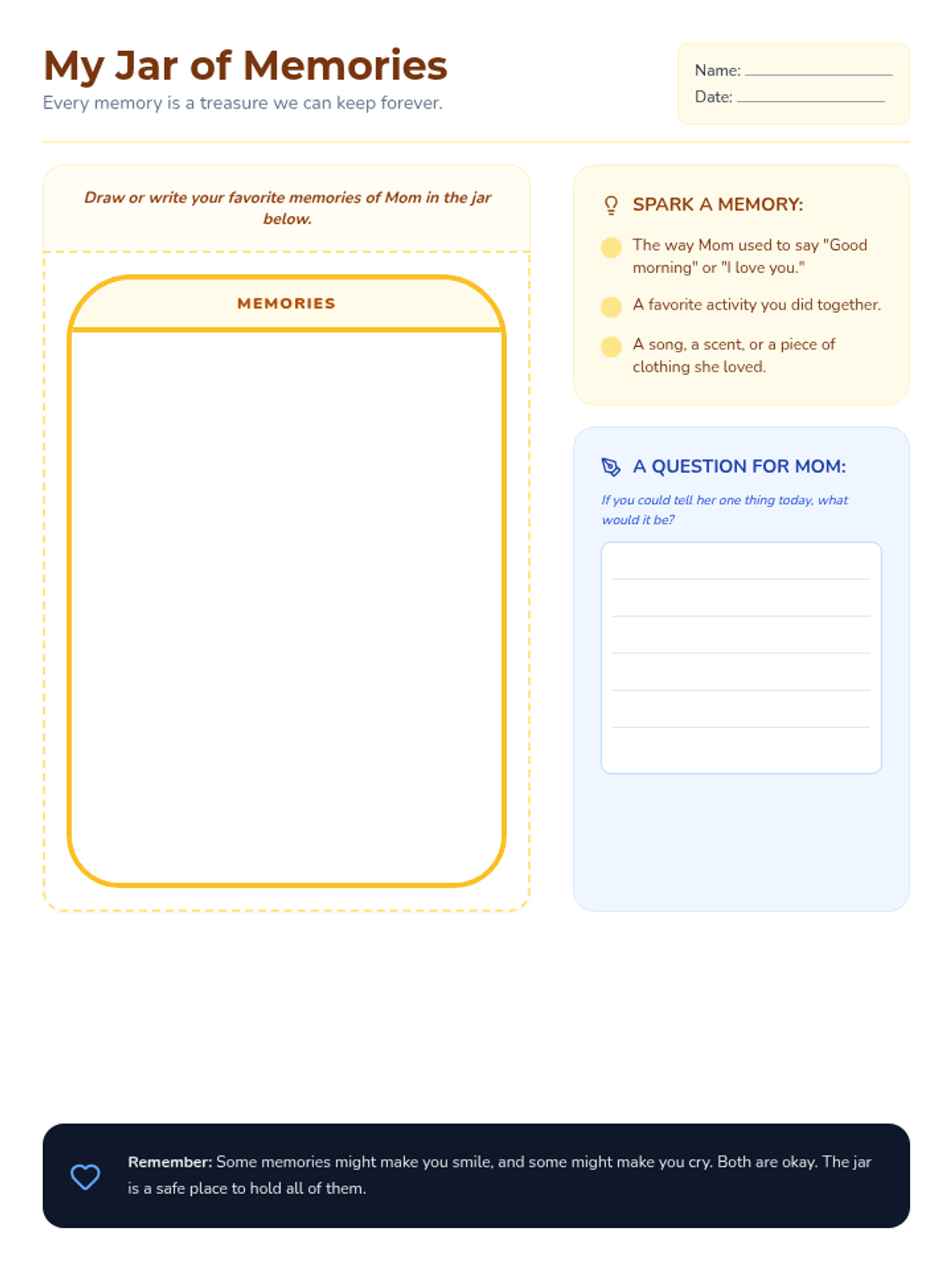
This session provides a safe space for the student to share stories about her mother, focusing on preserving memories and identifying the 'missing' pieces of her daily life.
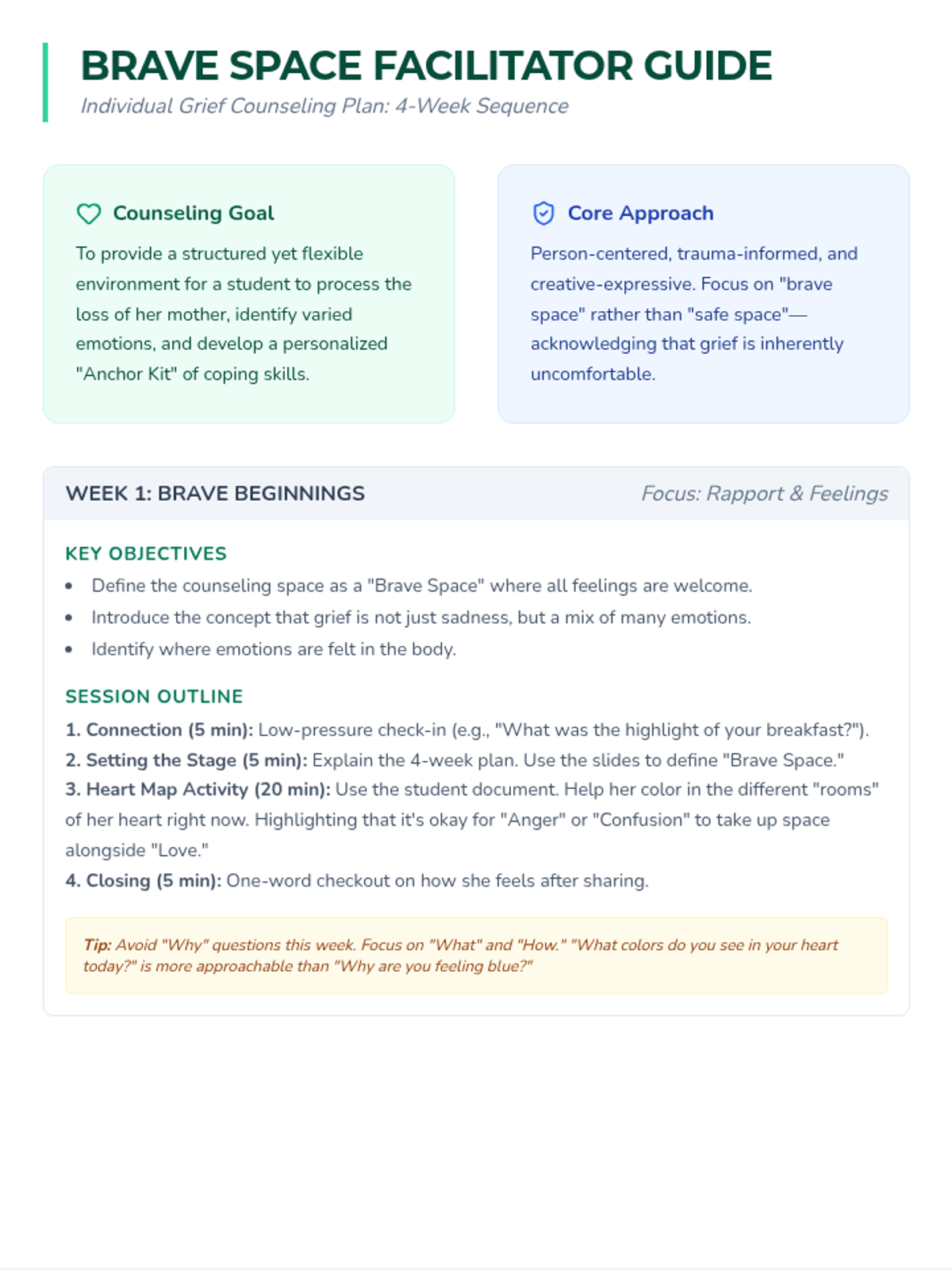
The introductory session focuses on establishing a safe environment, building rapport, and introducing the concept of grief as a landscape of many different feelings.
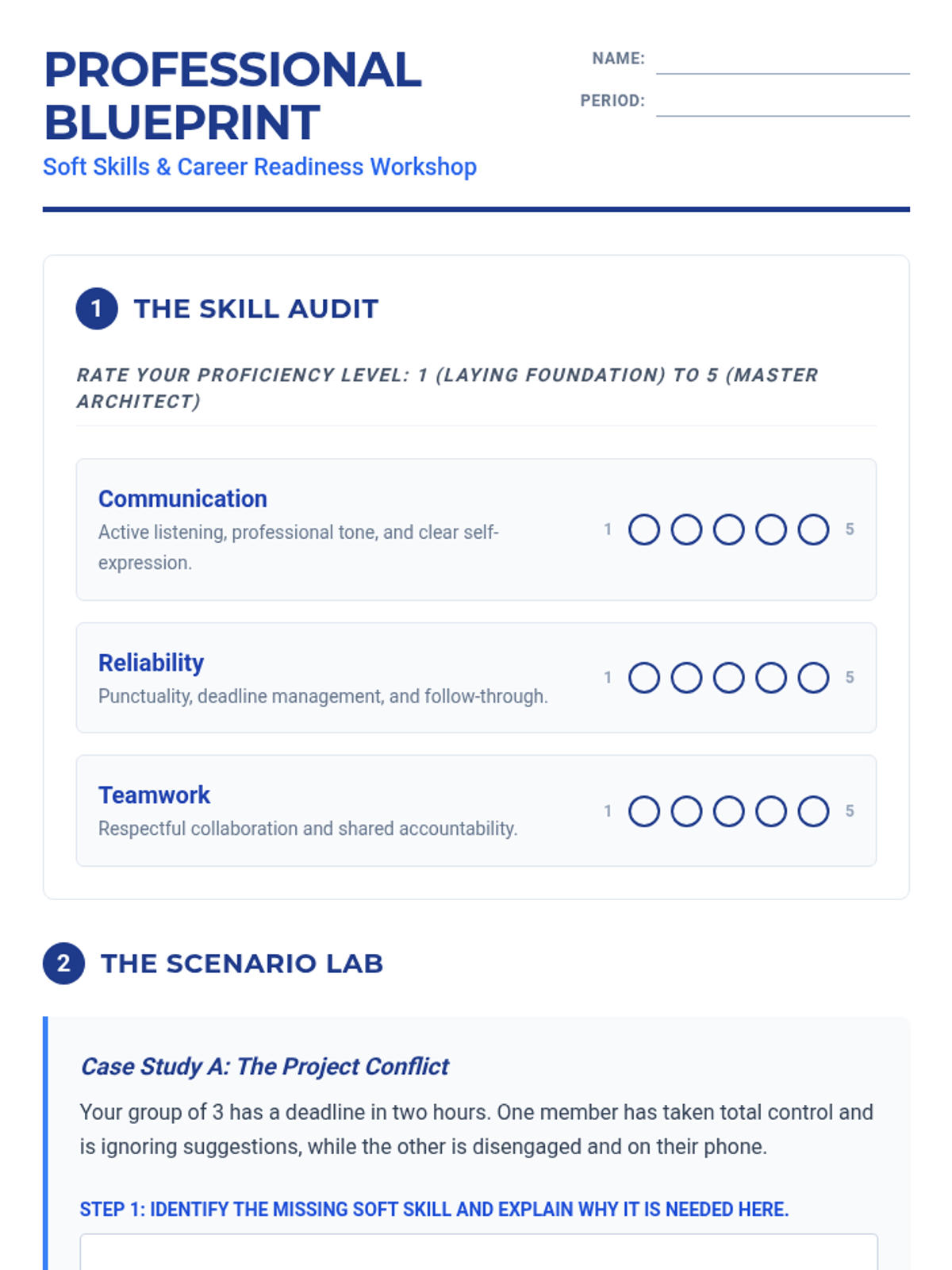
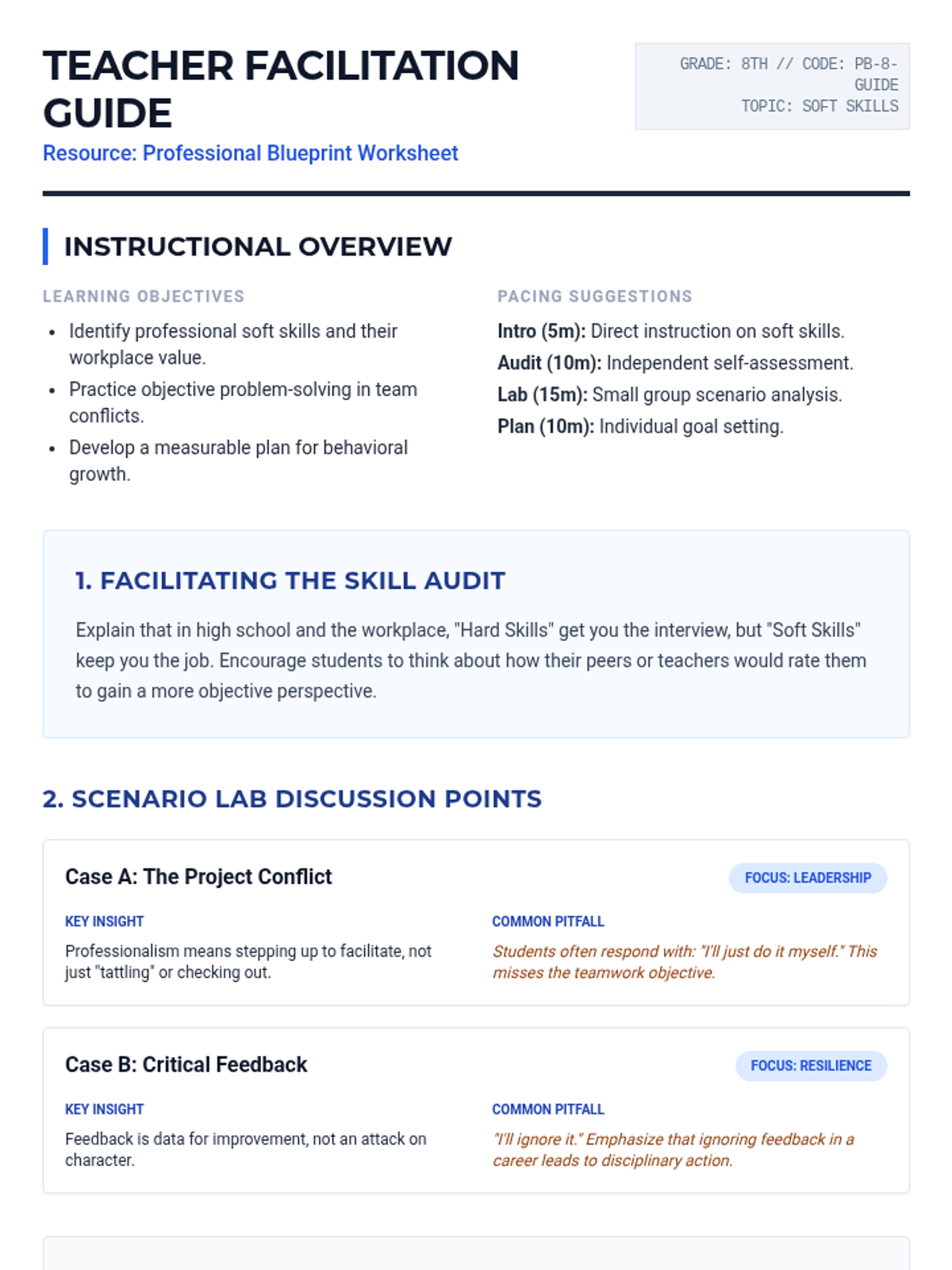
A guided reflection and problem-solving lesson focused on developing essential soft skills and professional classroom behaviors for 8th-grade students preparing for college and career paths.
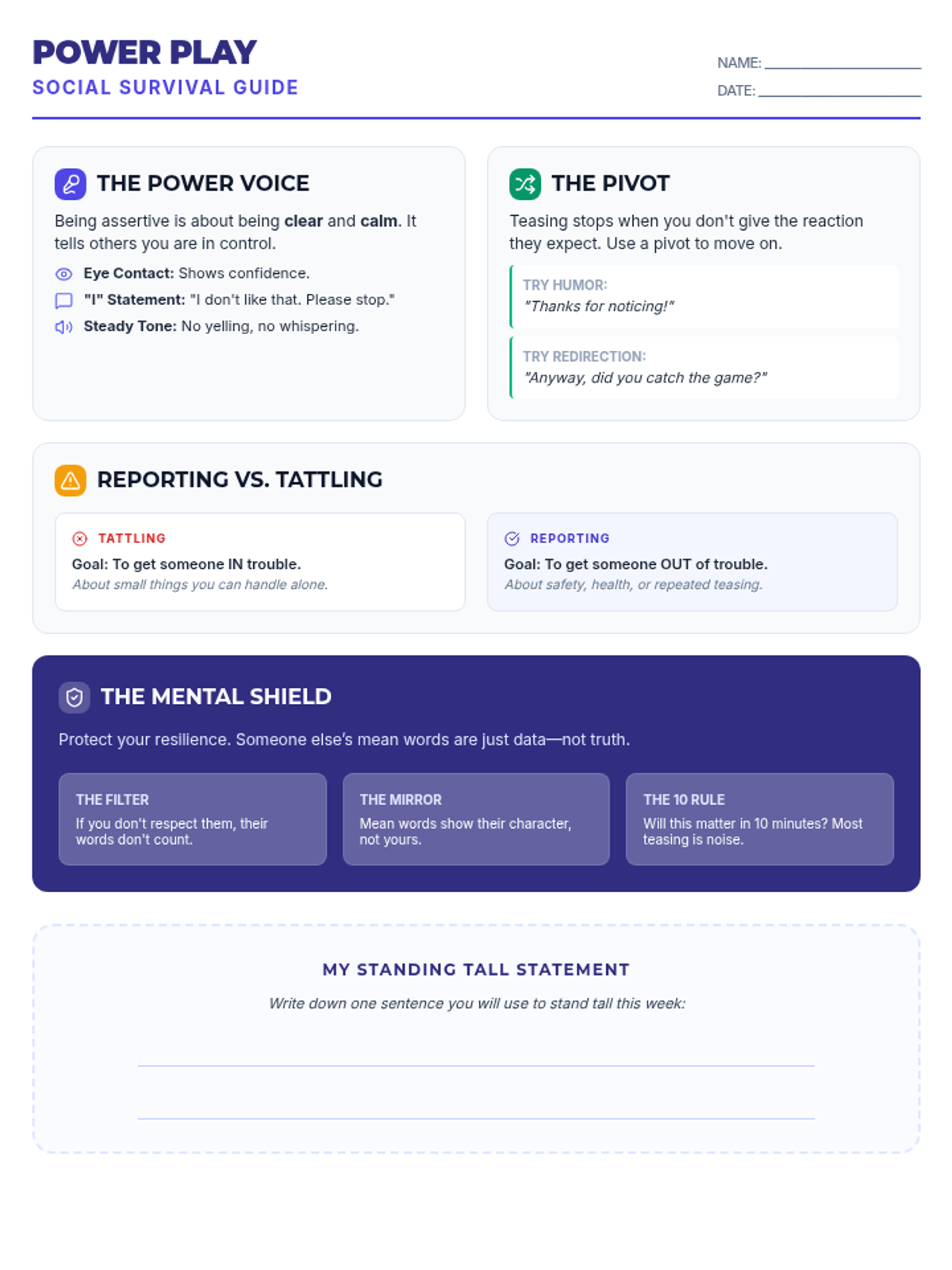
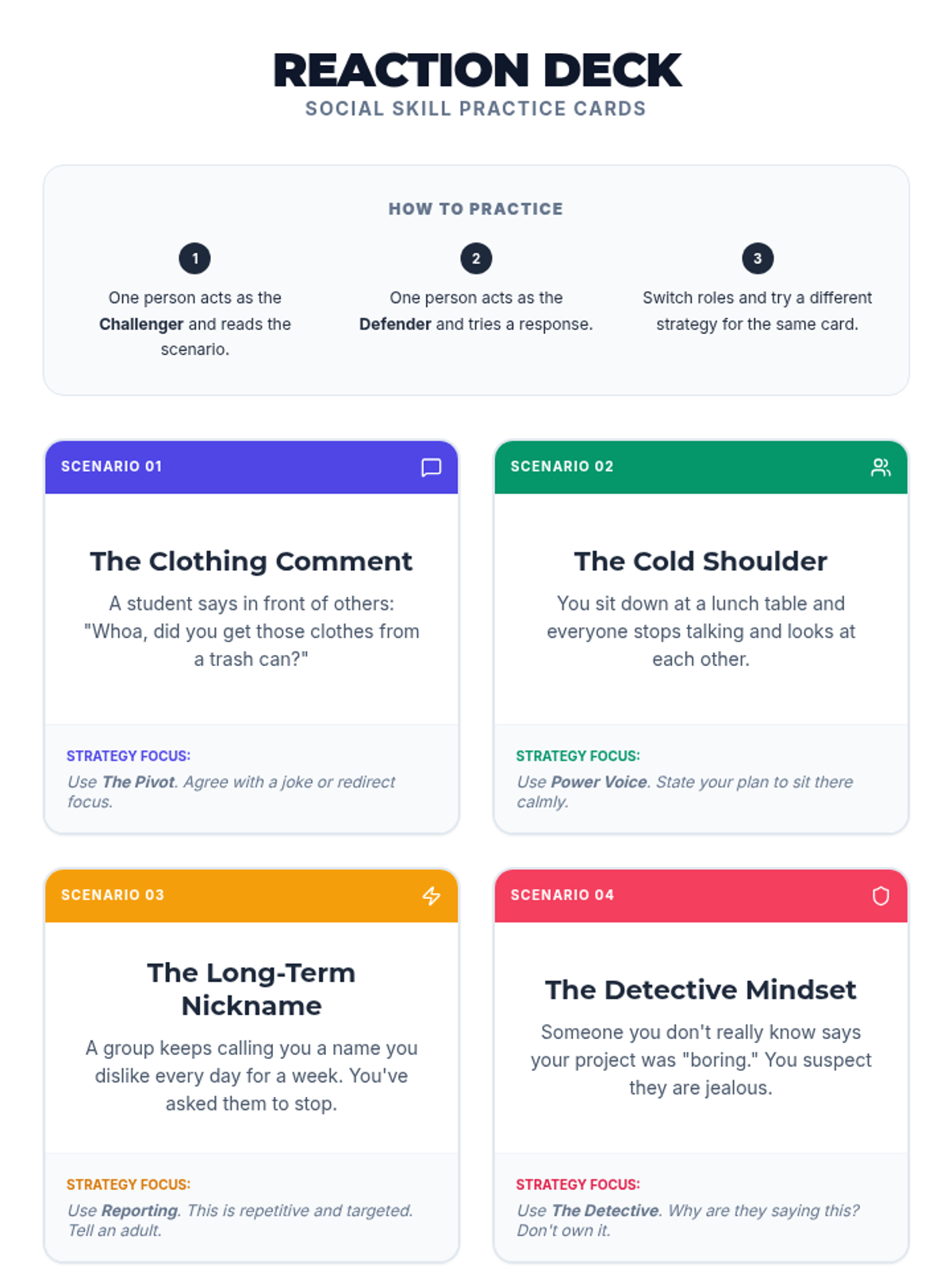
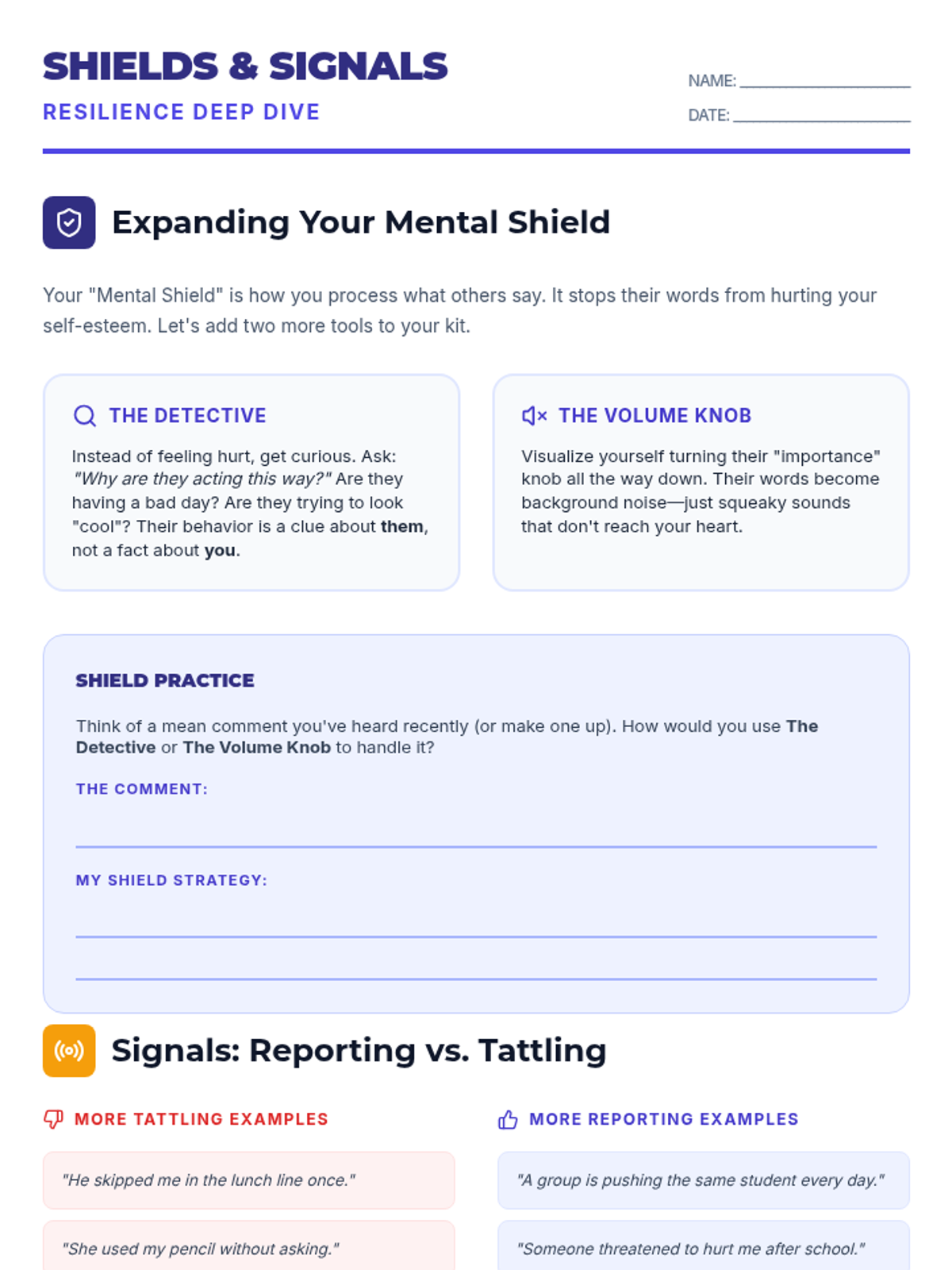
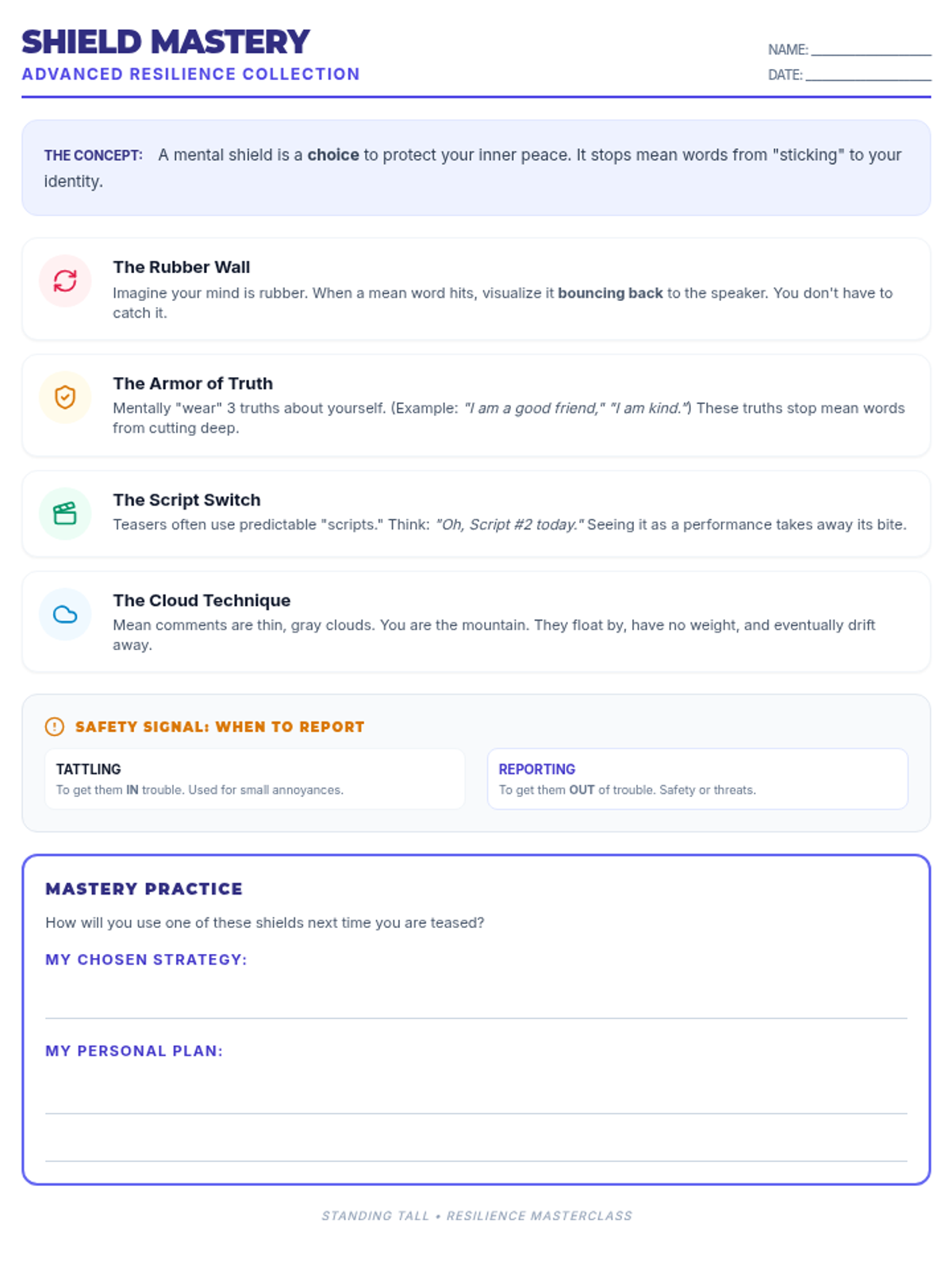
A practical guide for 6th-grade students to build resilience and assertive communication skills when facing teasing or bullying. Includes strategies for immediate response, discerning when to report, and maintaining self-esteem.
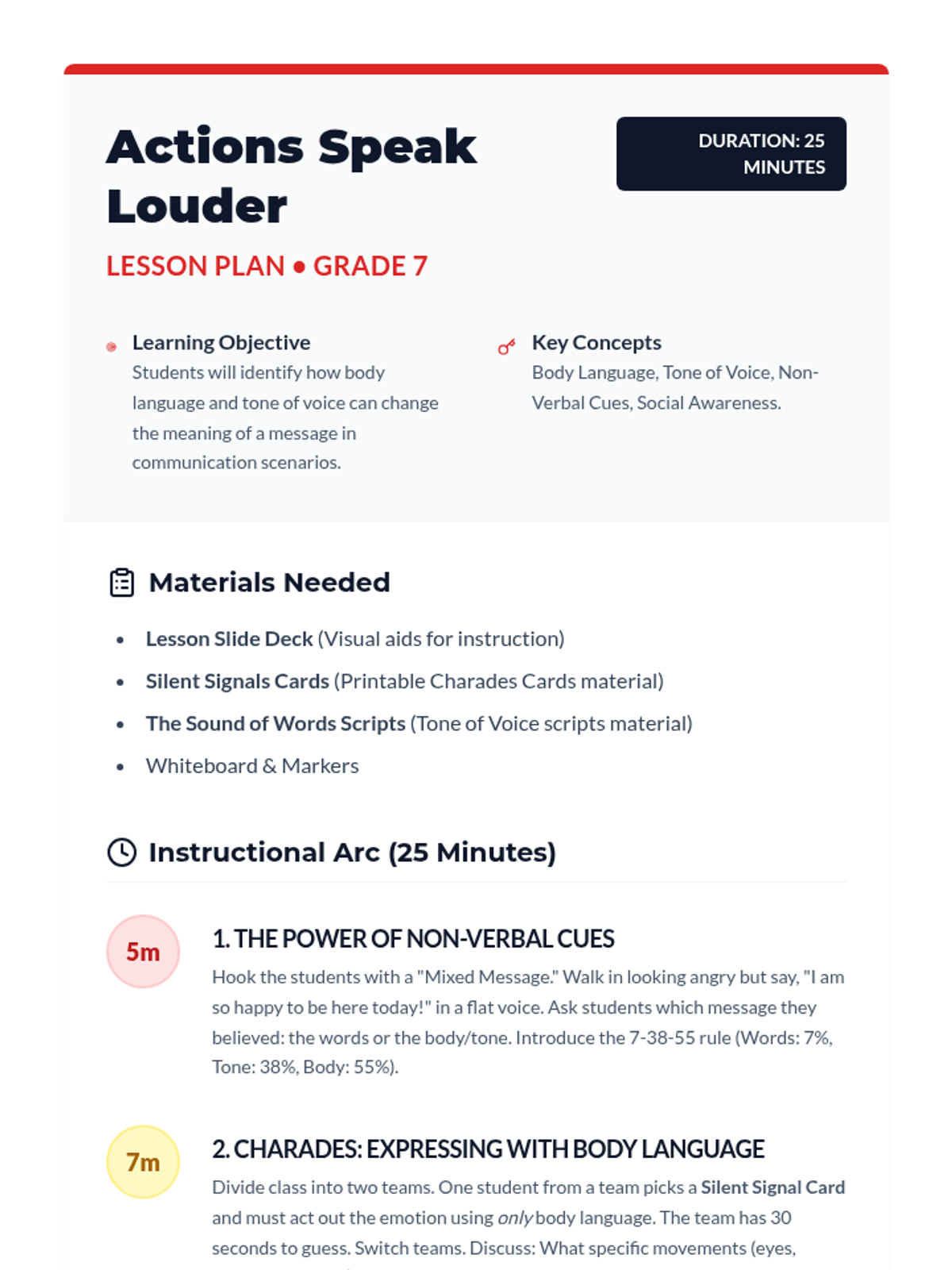
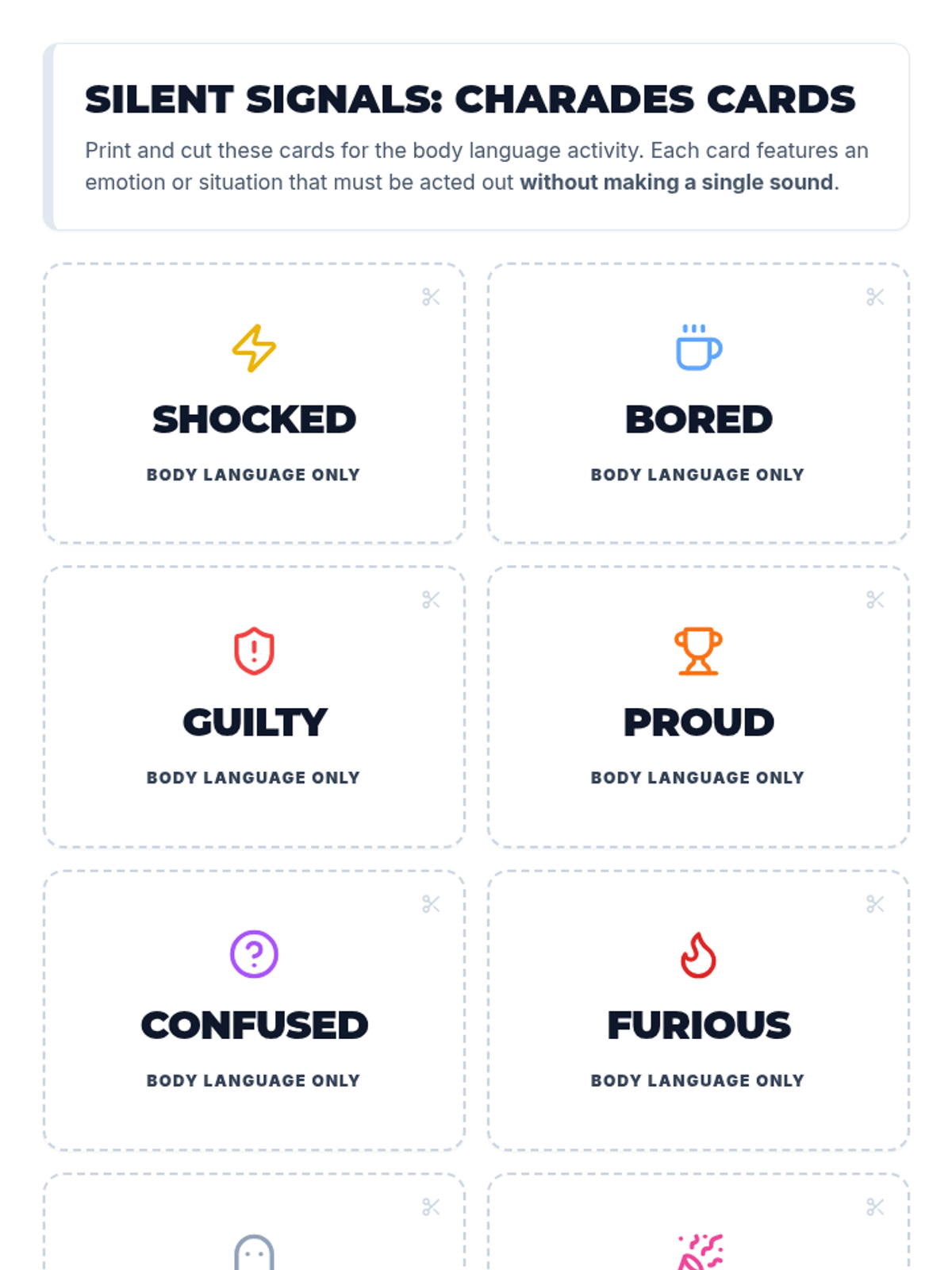
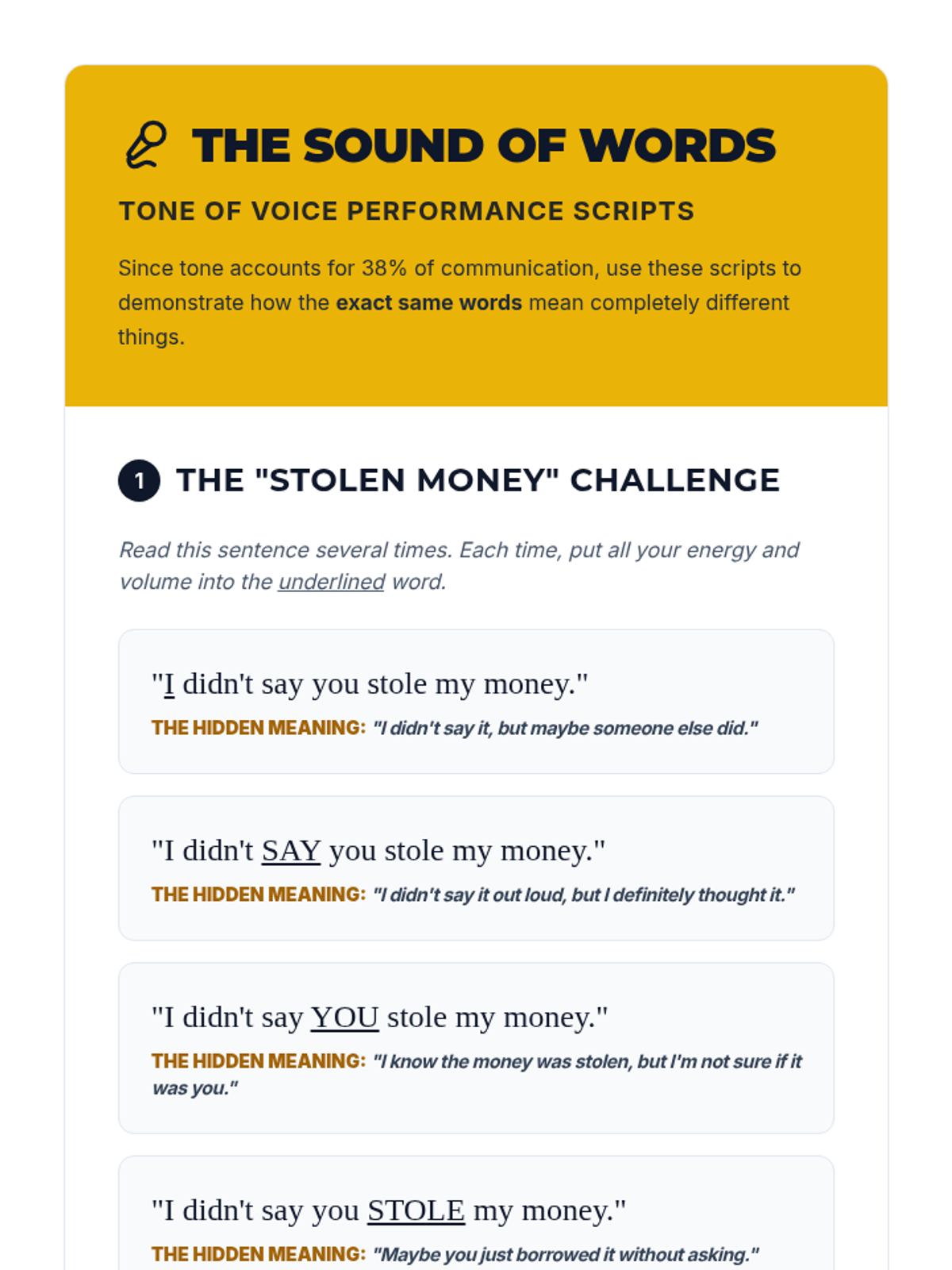
A fast-paced, interactive 25-minute lesson for Grade 7 that explores the impact of non-verbal communication, specifically focusing on how body language and tone of voice can completely alter the meaning of a spoken message.
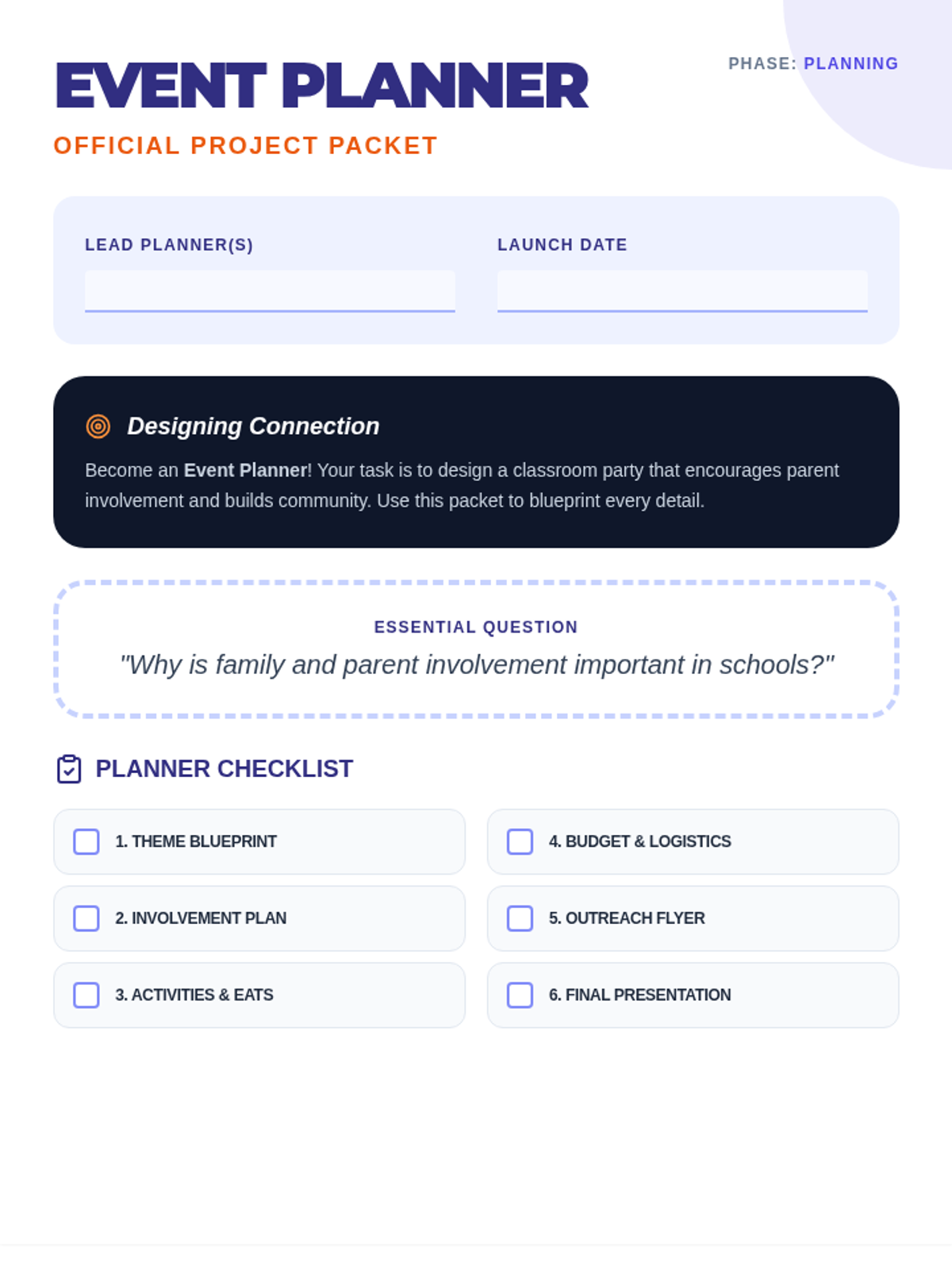
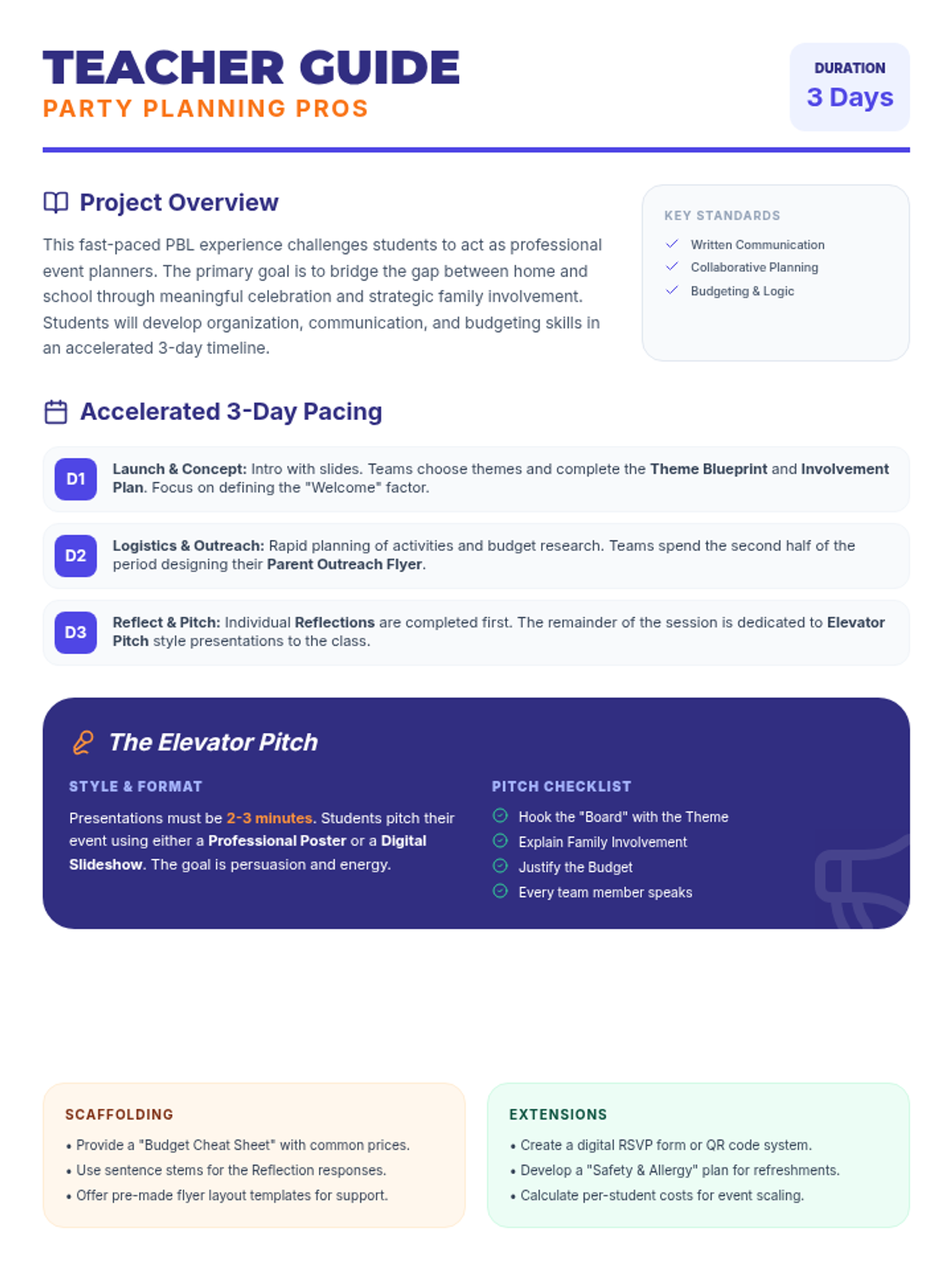
Students step into the role of professional event planners to design a classroom celebration that bridges the gap between home and school. They will create a comprehensive plan including activities, budgets, and volunteer recruitment strategies to maximize family engagement.
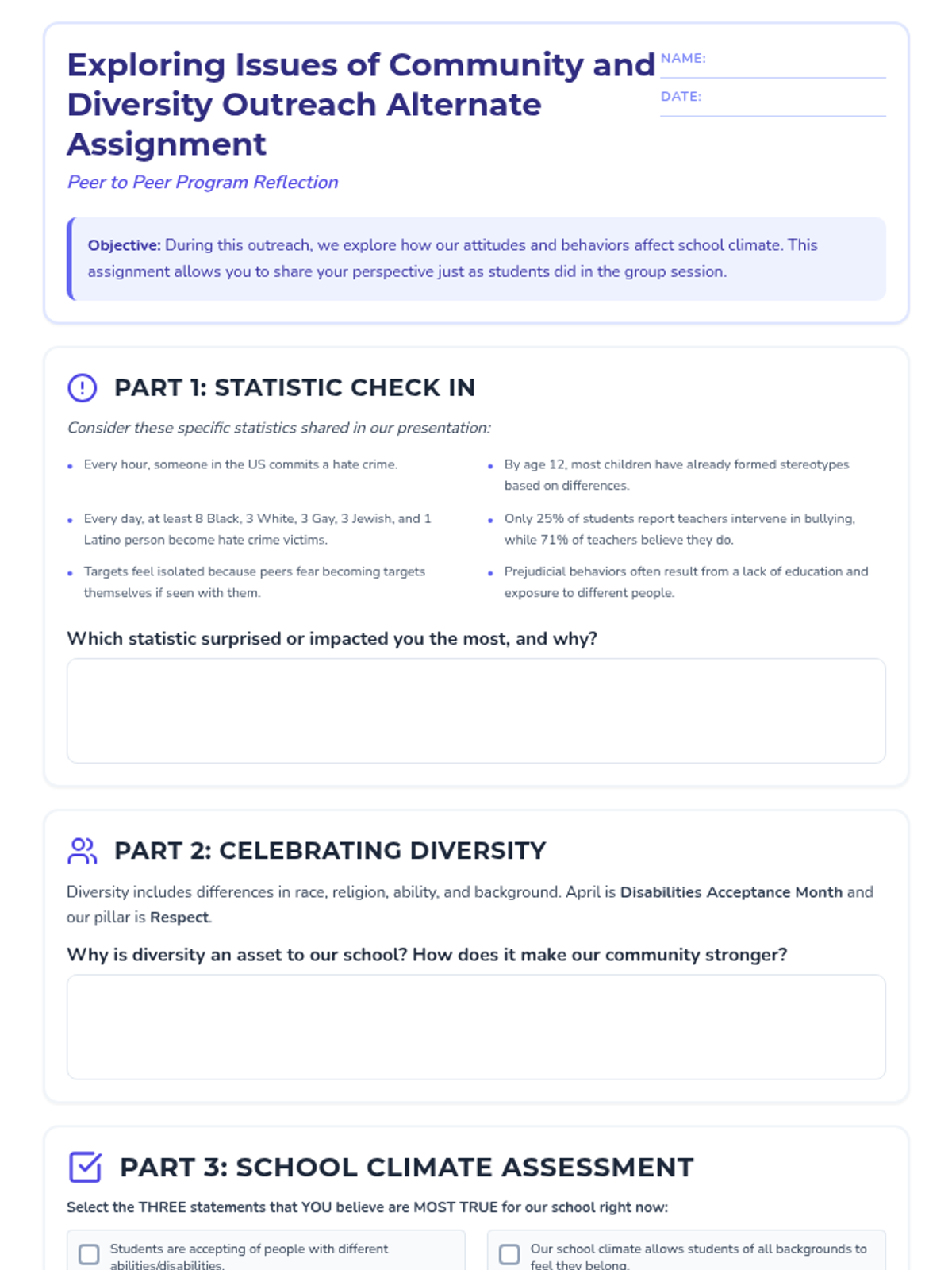
An alternate assignment for students who missed the Peer to Peer outreach session on community, diversity, and respect. This material guides students through the same core reflections and brainstorming activities as the in-person session.
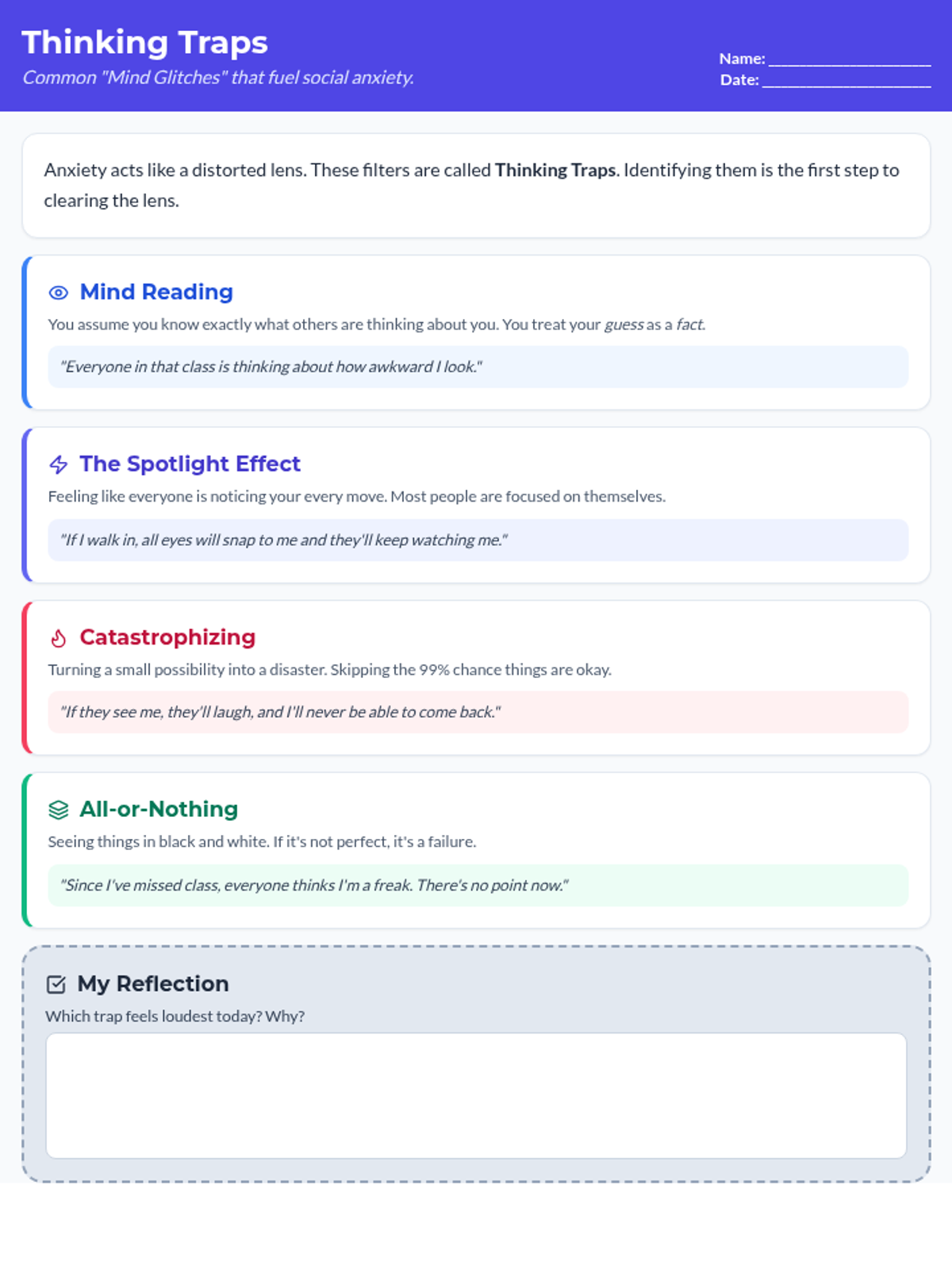
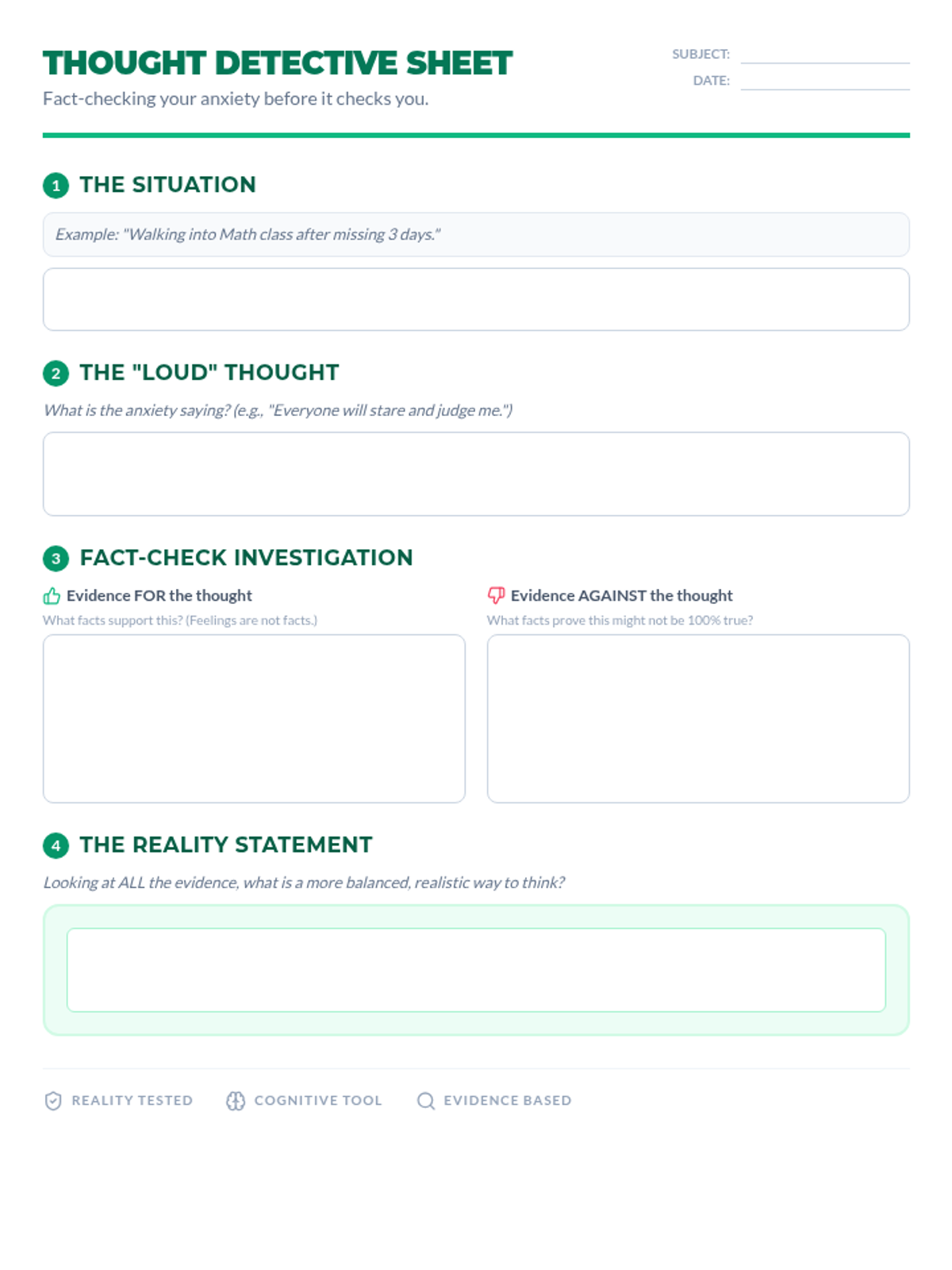
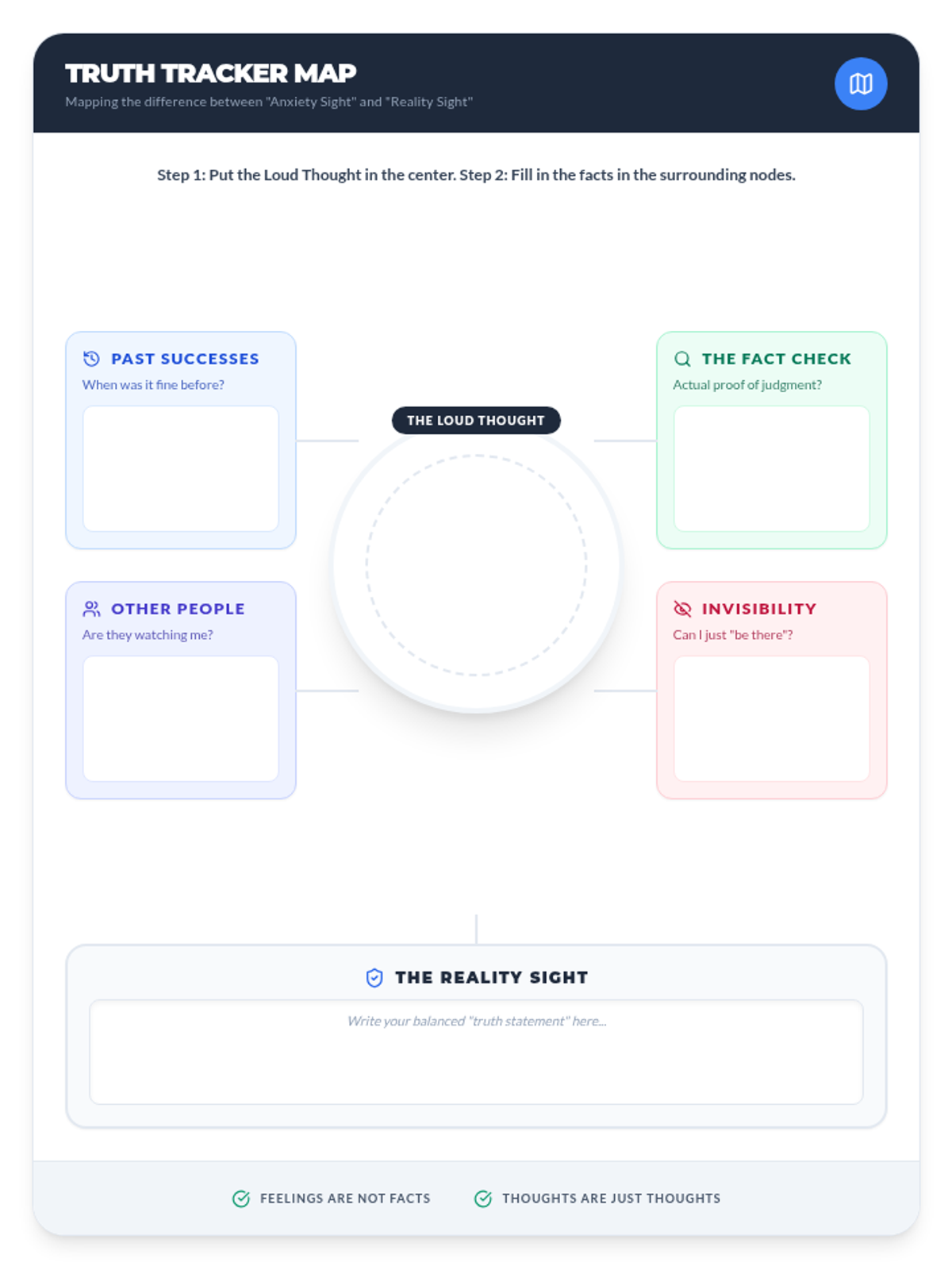
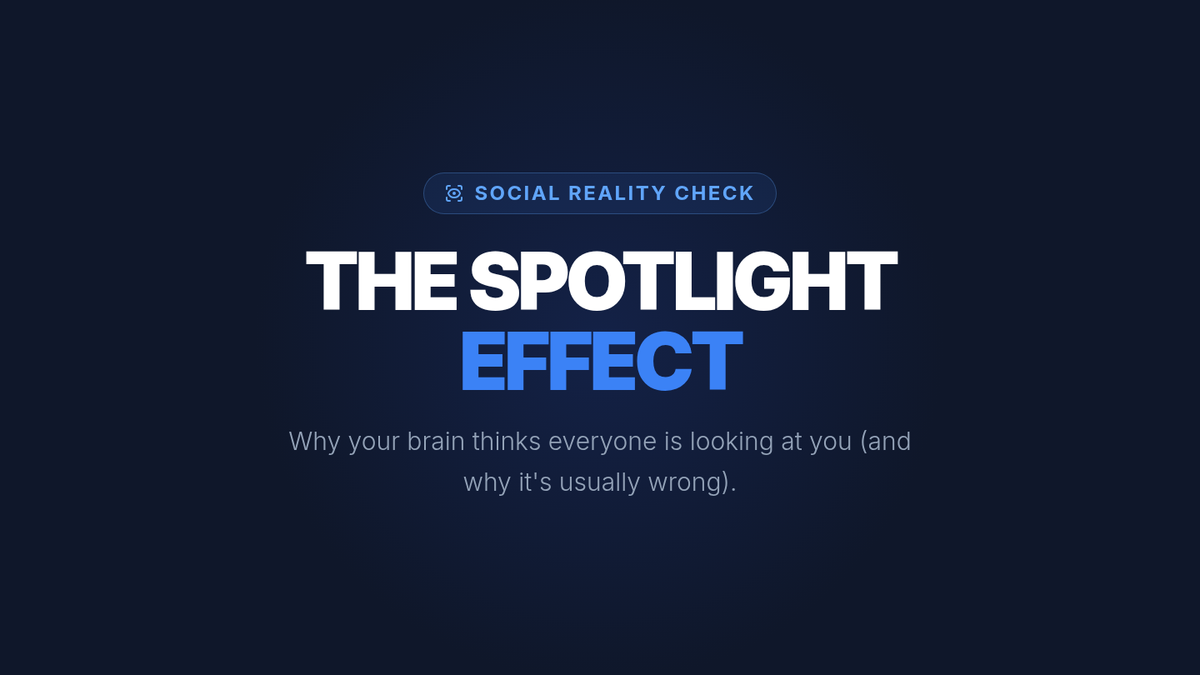
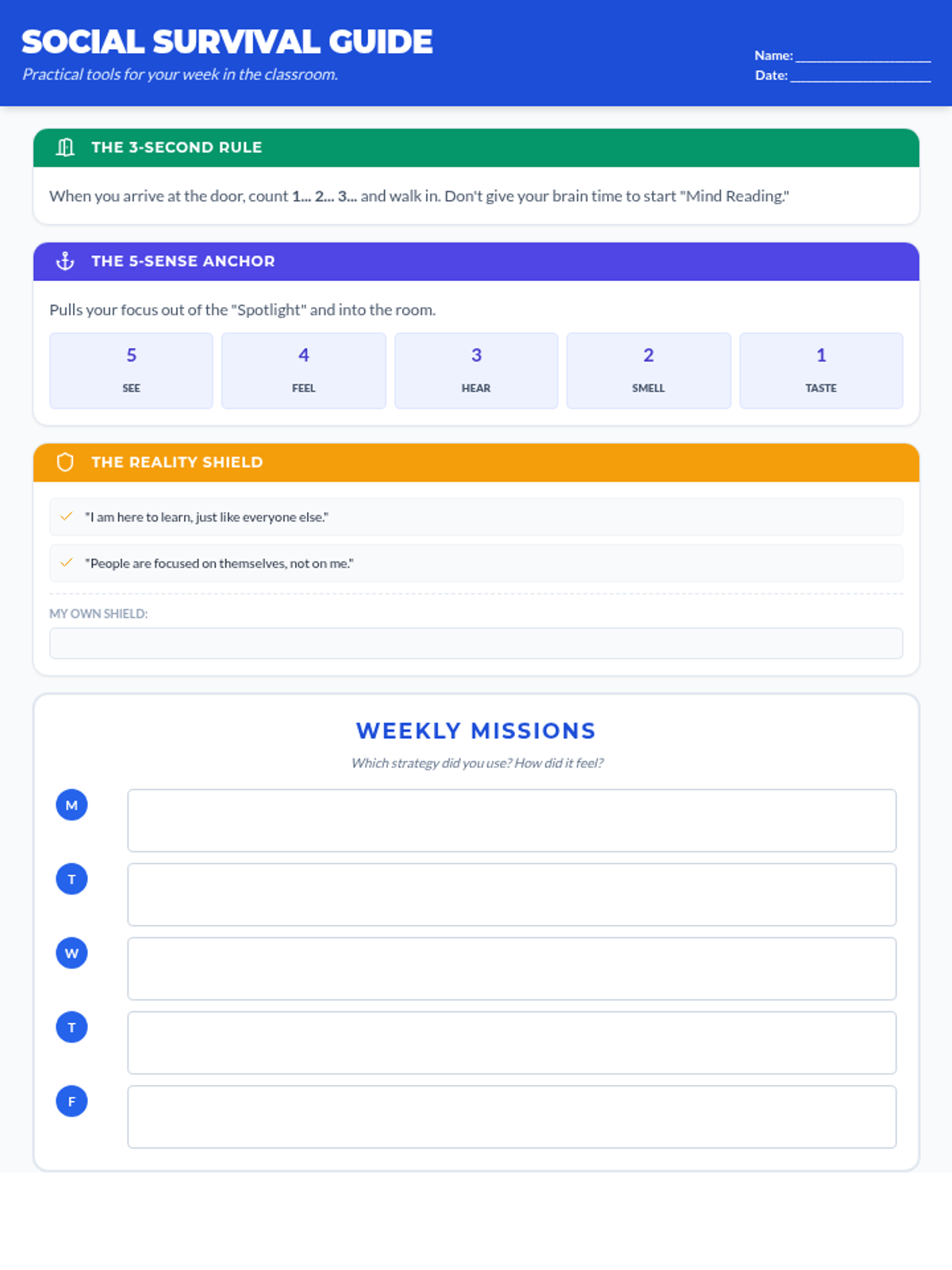
This lesson focuses on identifying cognitive distortions related to social anxiety, specifically the feeling of being watched and judged by peers, and provides practical tools for 'fact-checking' these thoughts to help a student return to the classroom environment.
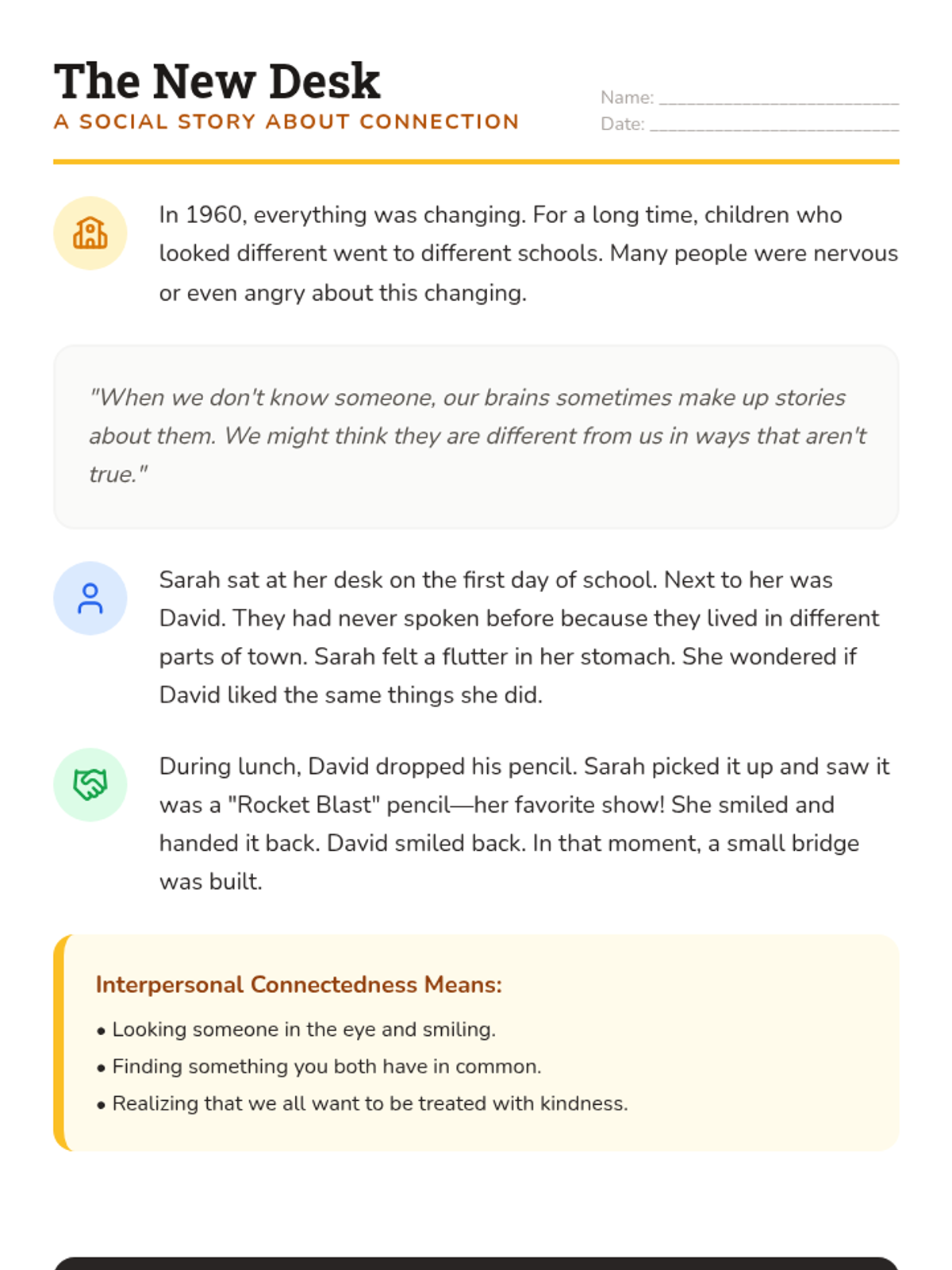
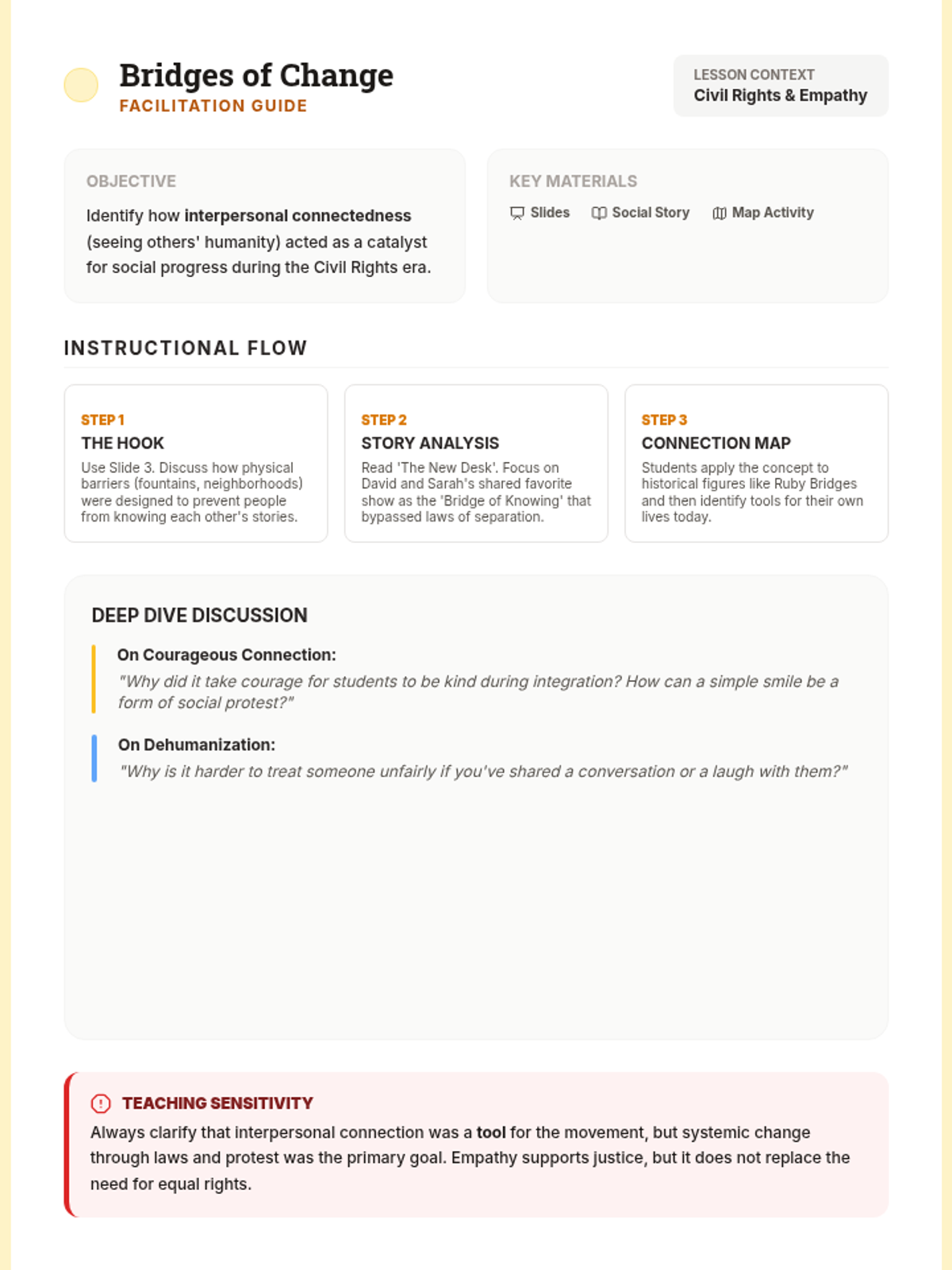
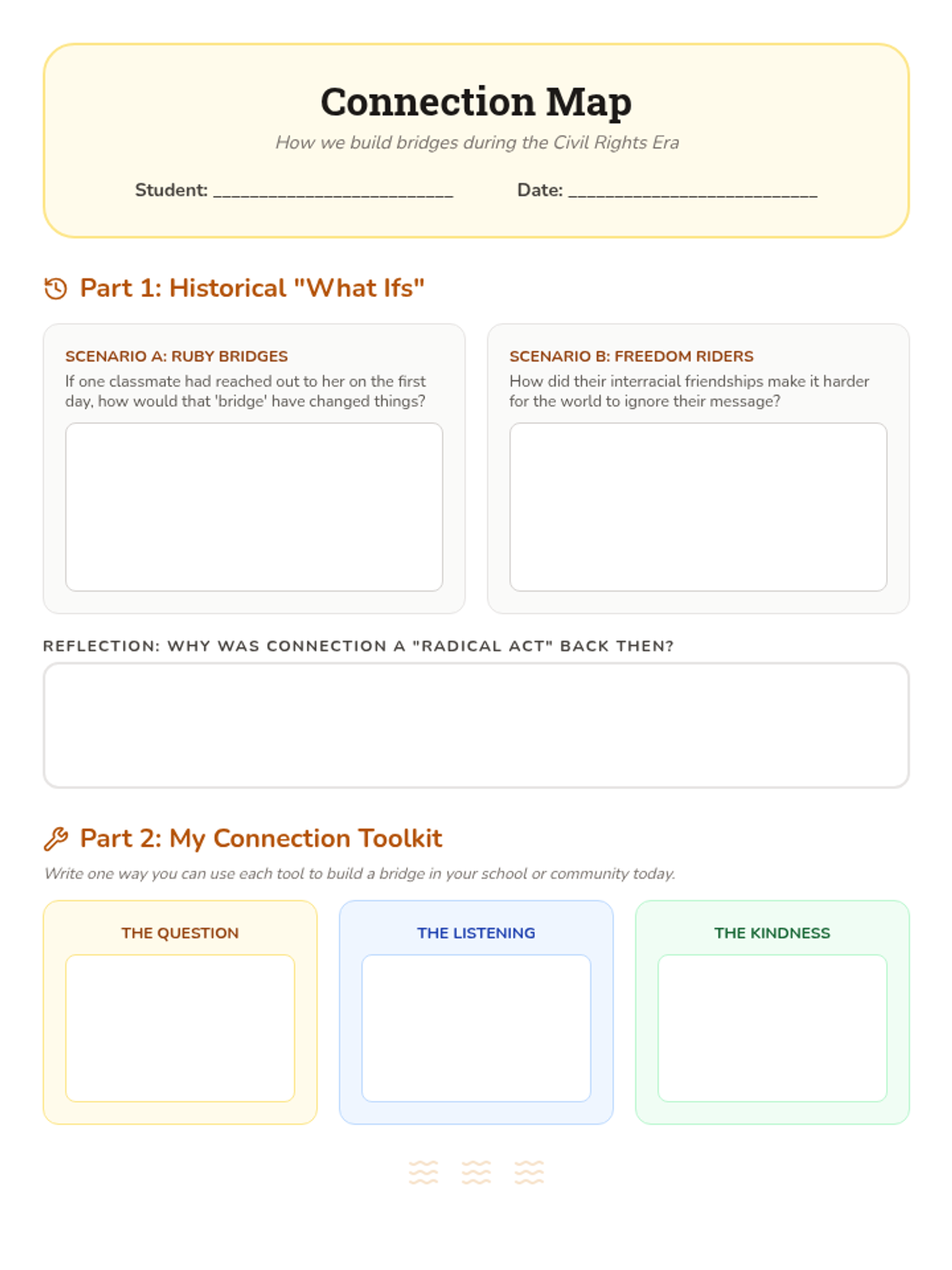
A lesson exploring the 1950s and 1960s Civil Rights Movement through the lens of interpersonal connectedness, empathy, and how building bridges between individuals can fuel social change.
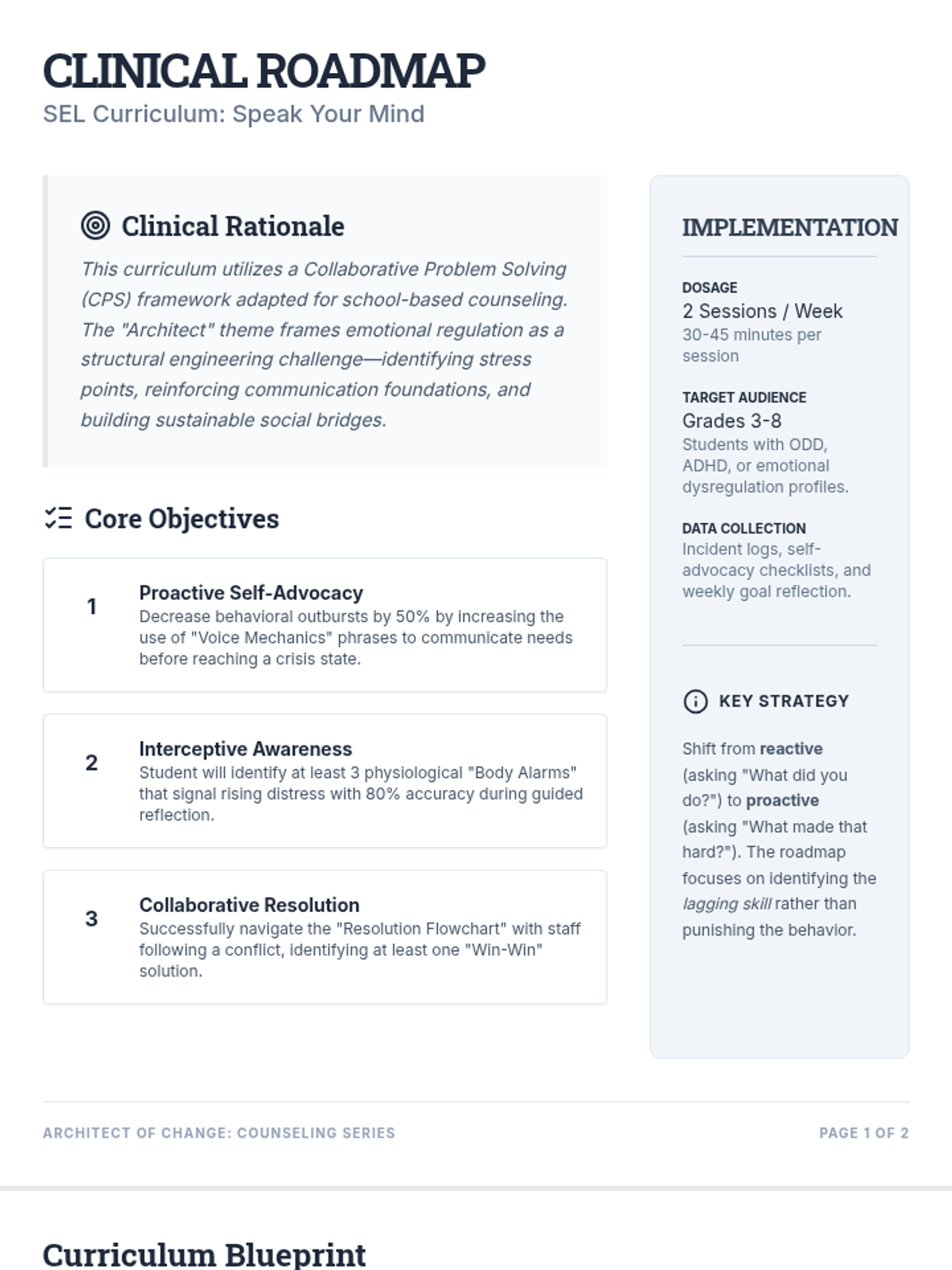
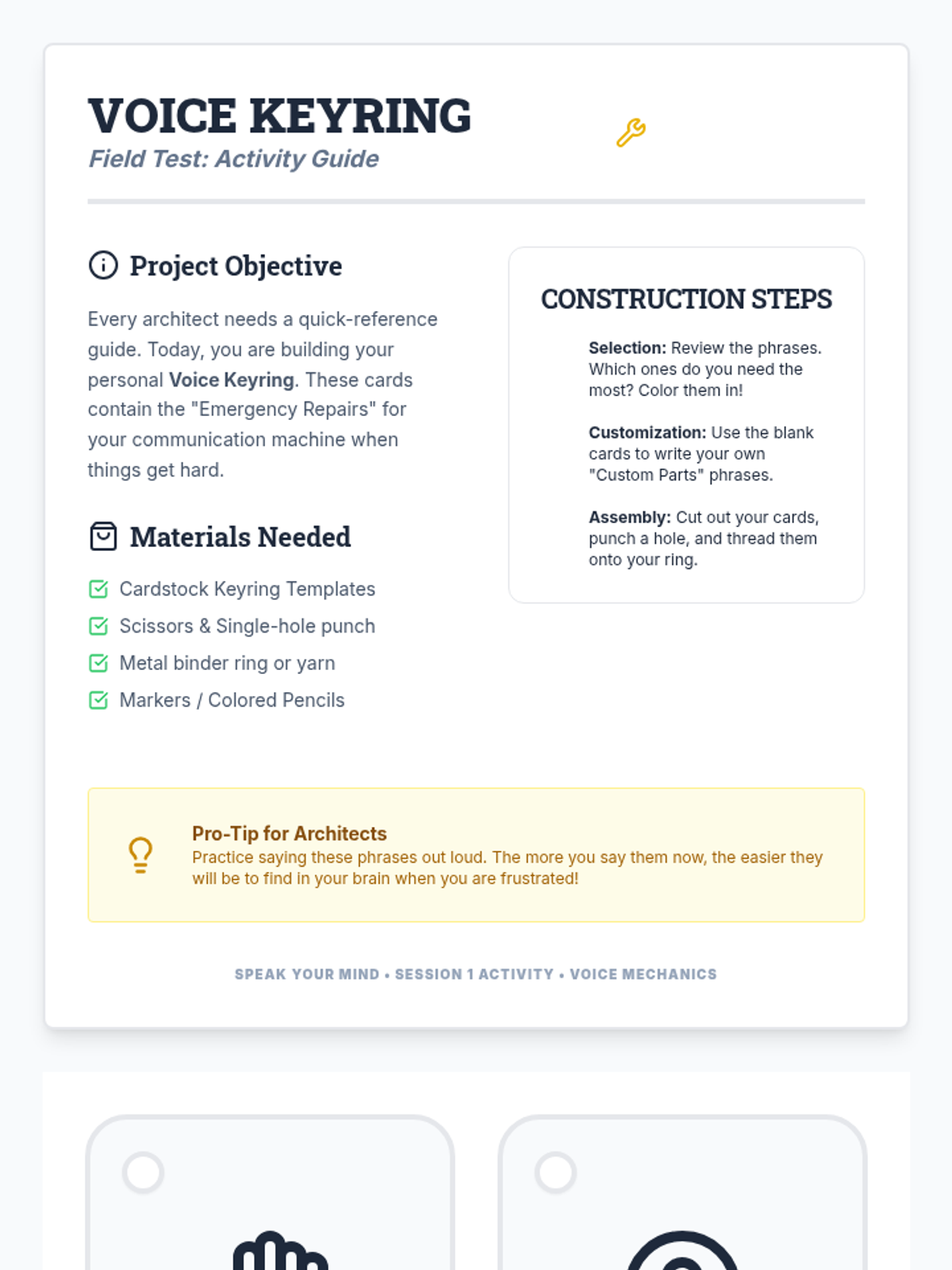
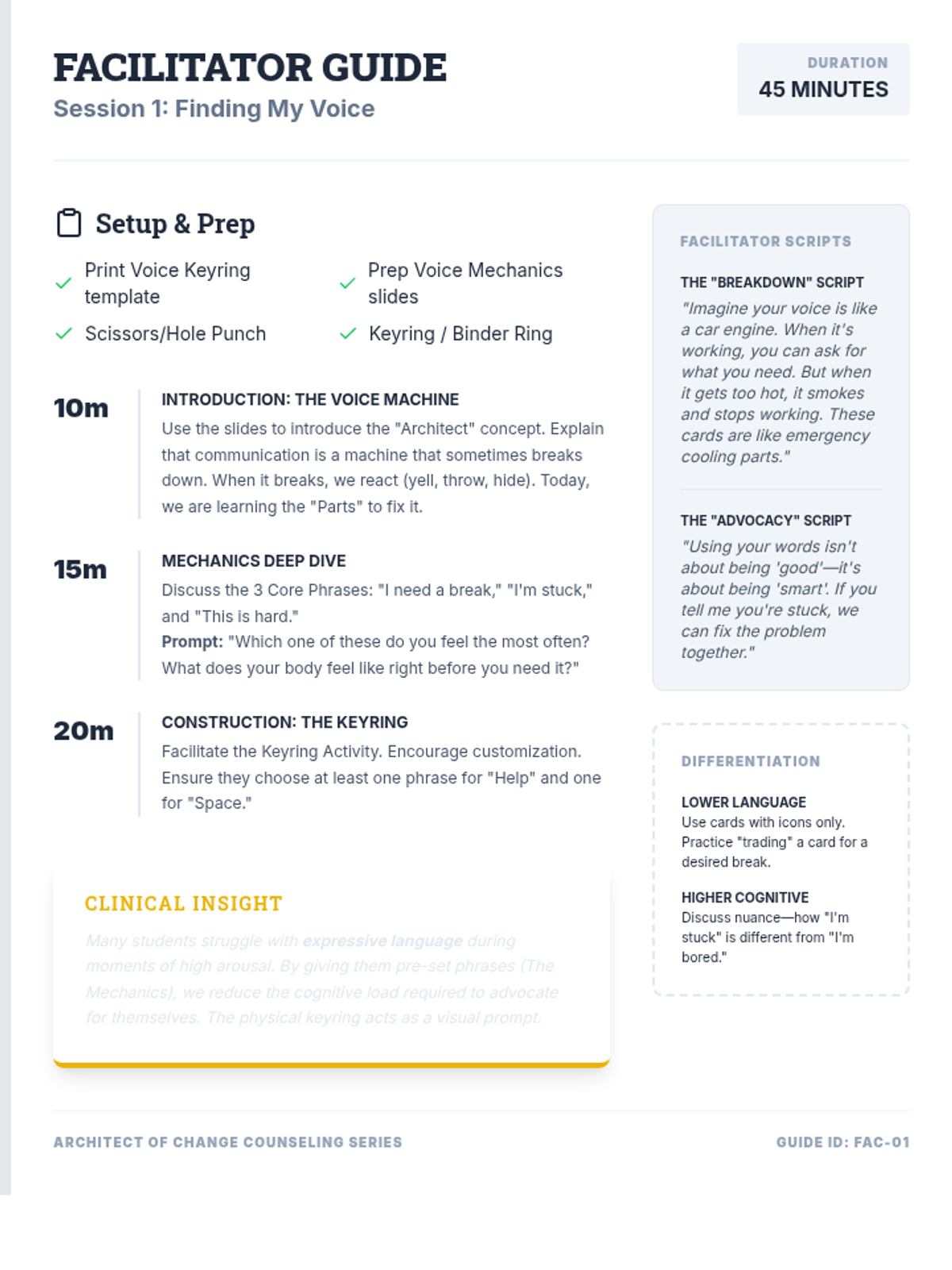
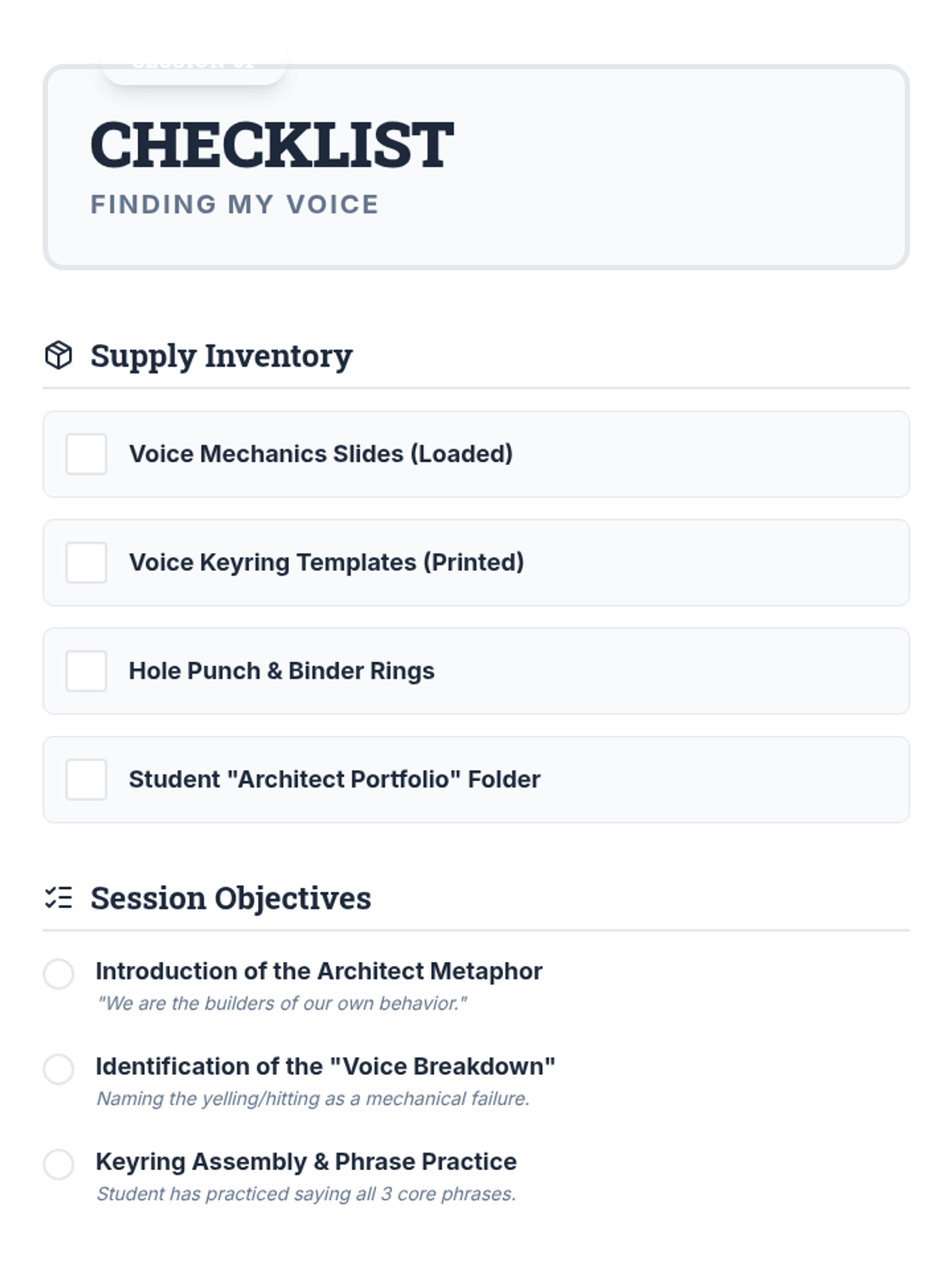
The foundational session focusing on identifying the 'Voice Mechanics'—the specific words and phrases needed to advocate for oneself before reaching a breaking point.
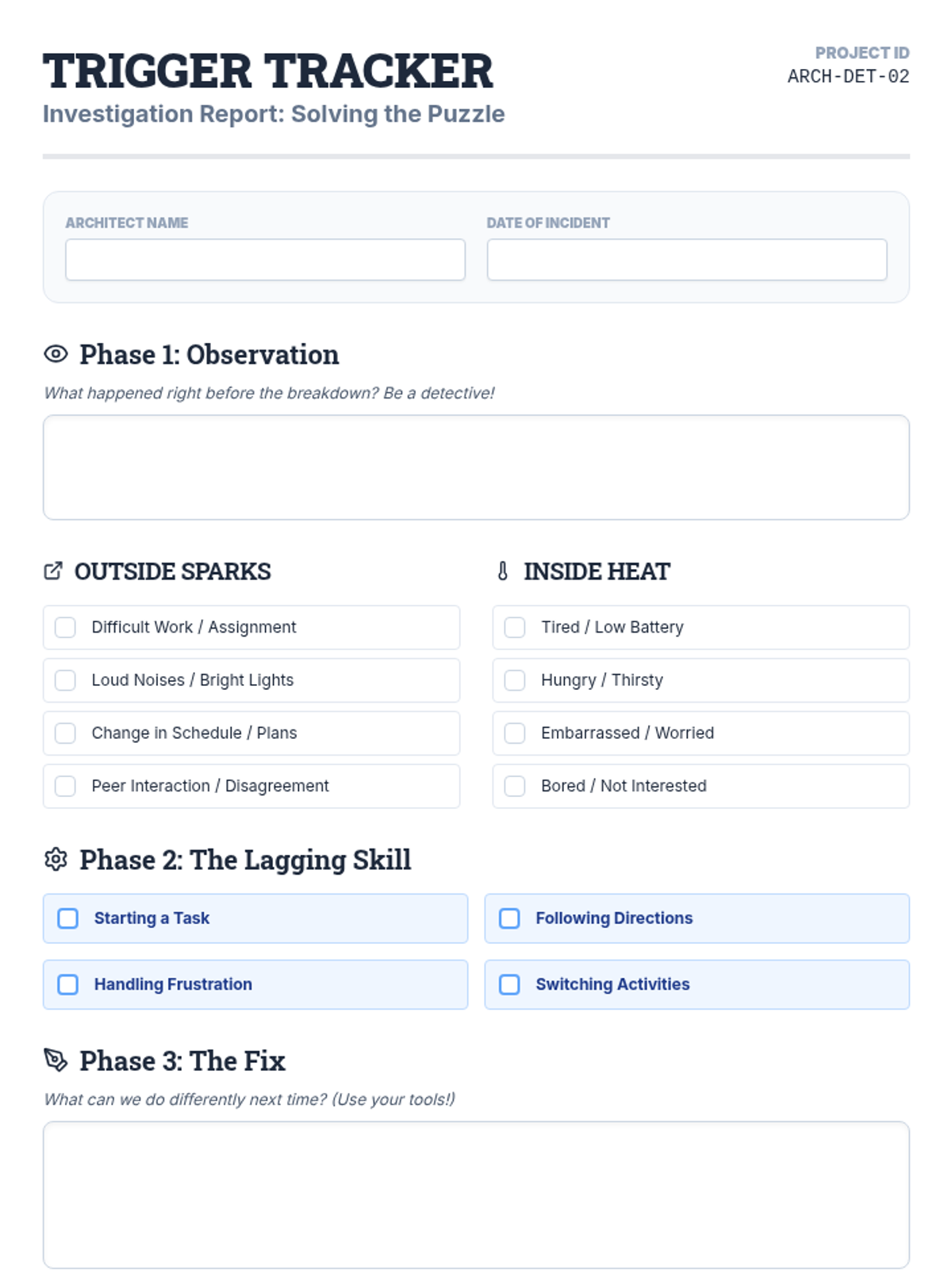
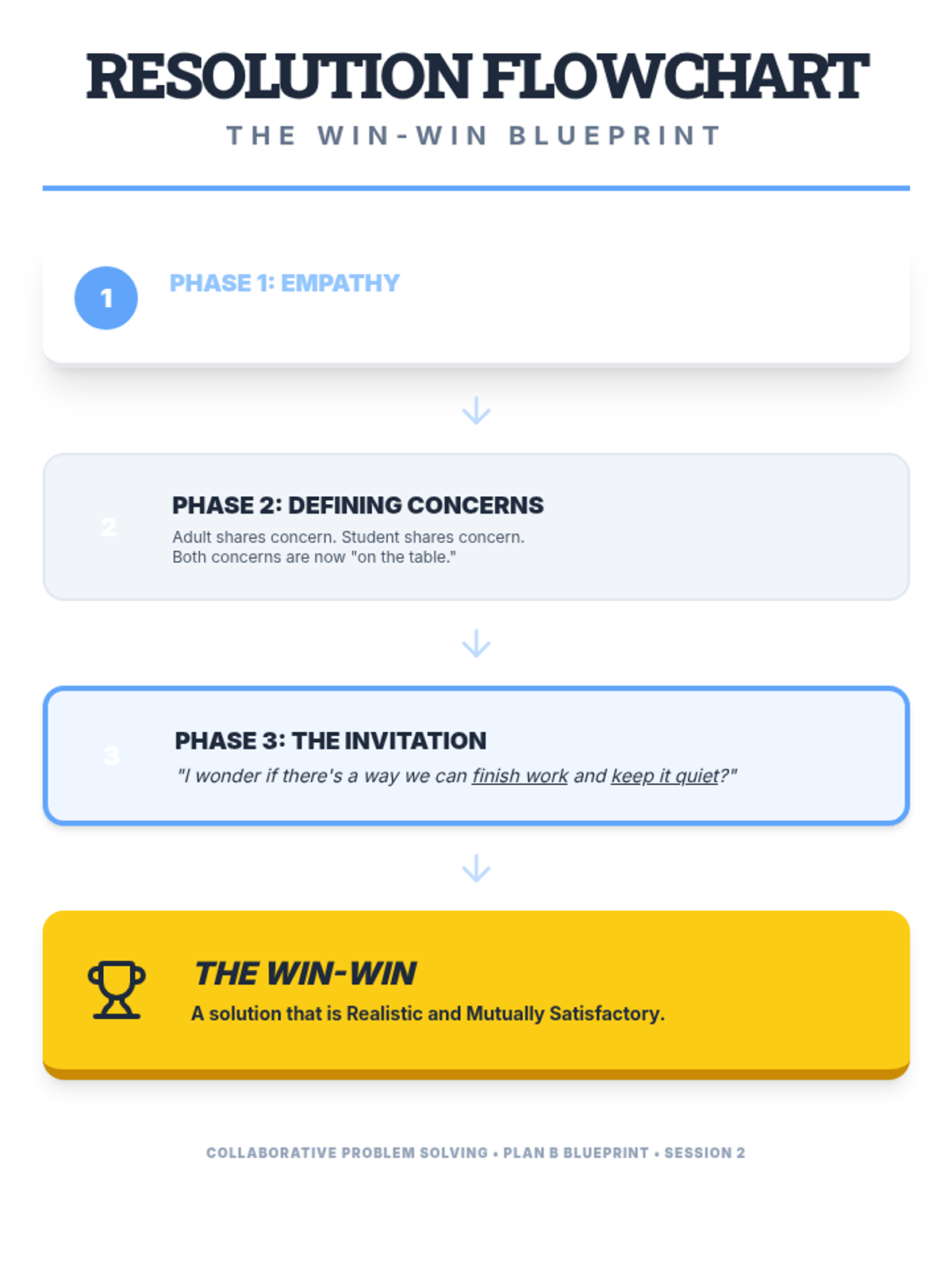
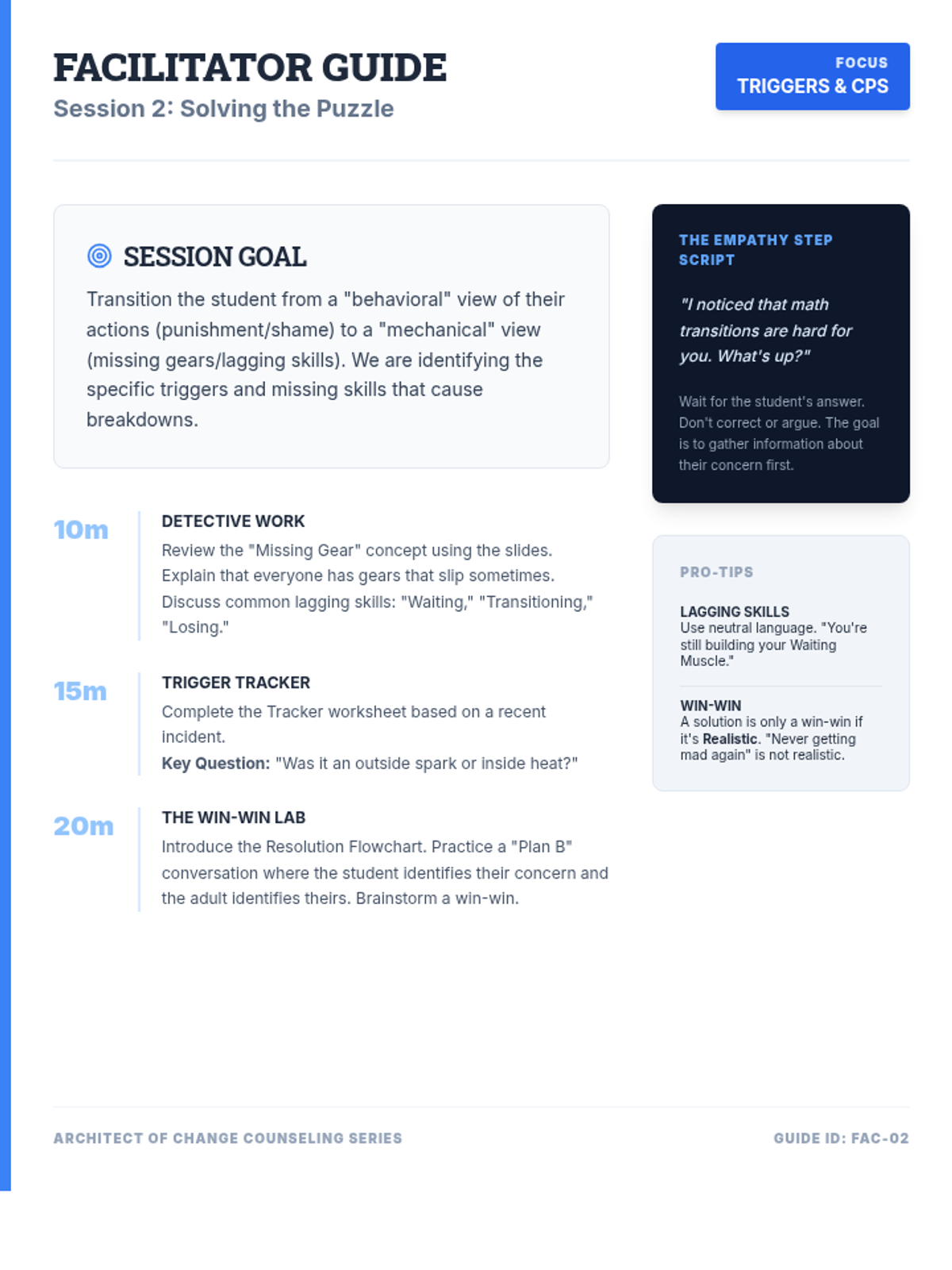
Focuses on identifying triggers and the 'anatomy of an incident' using a collaborative problem-solving framework.
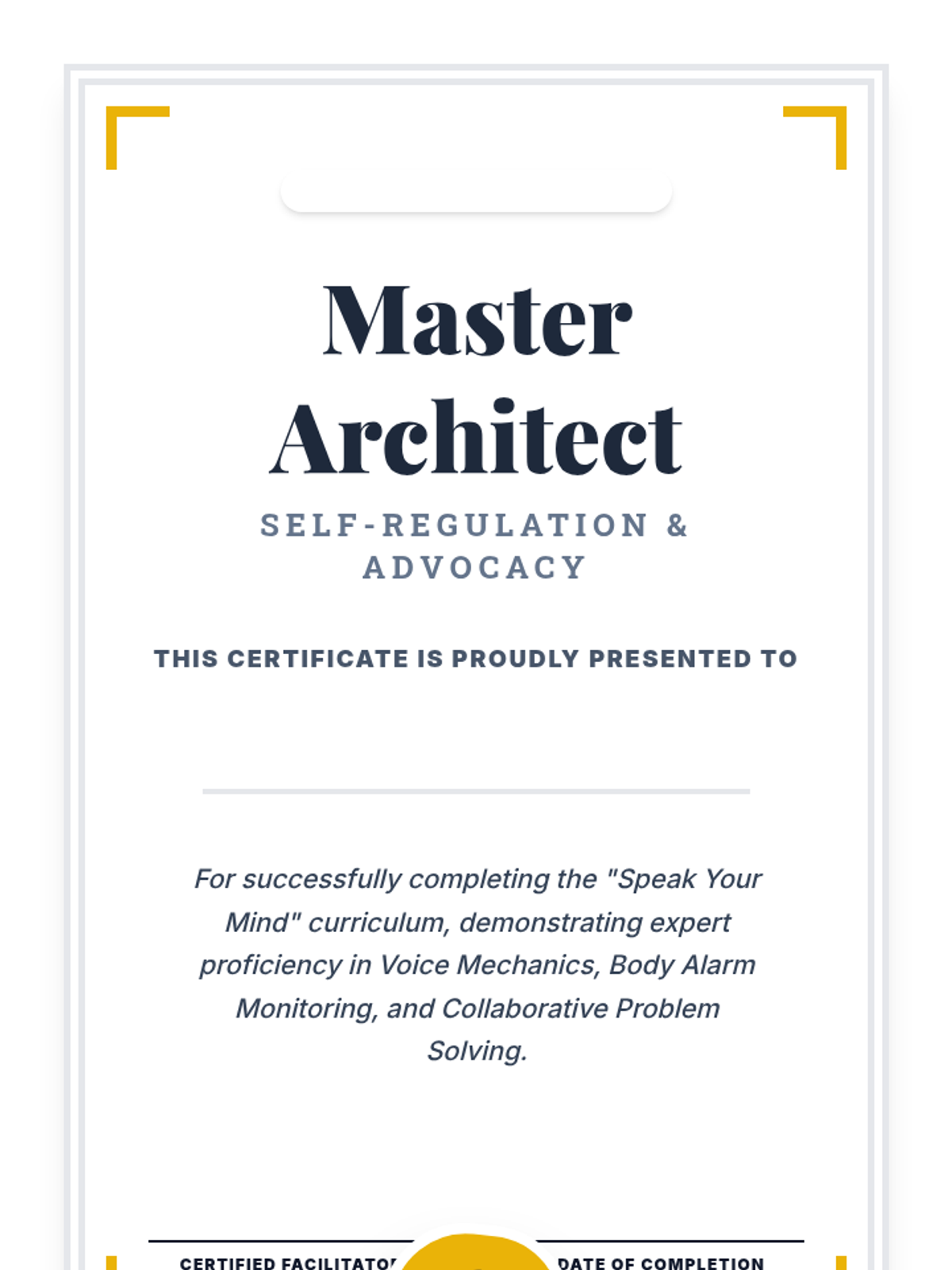
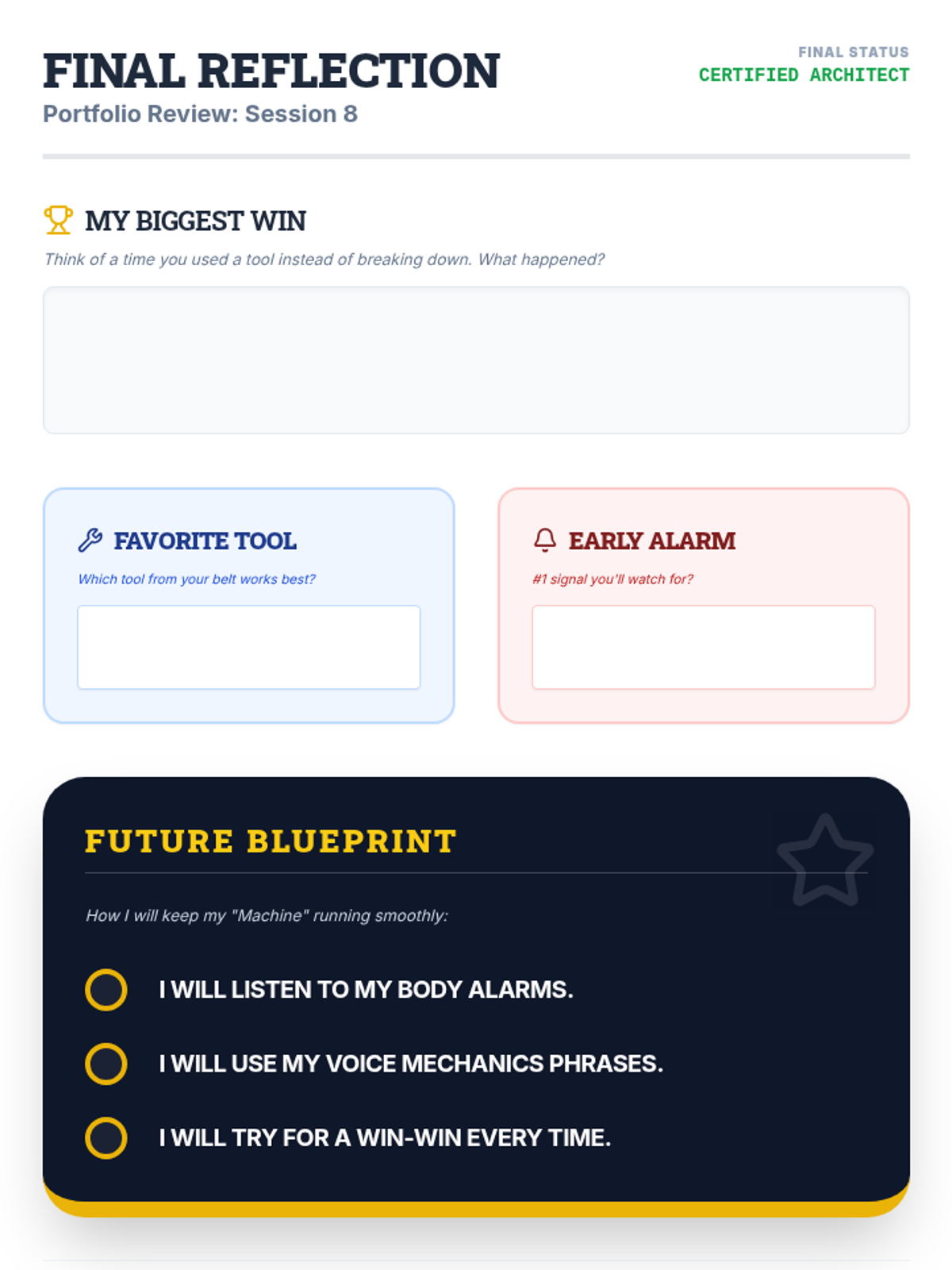
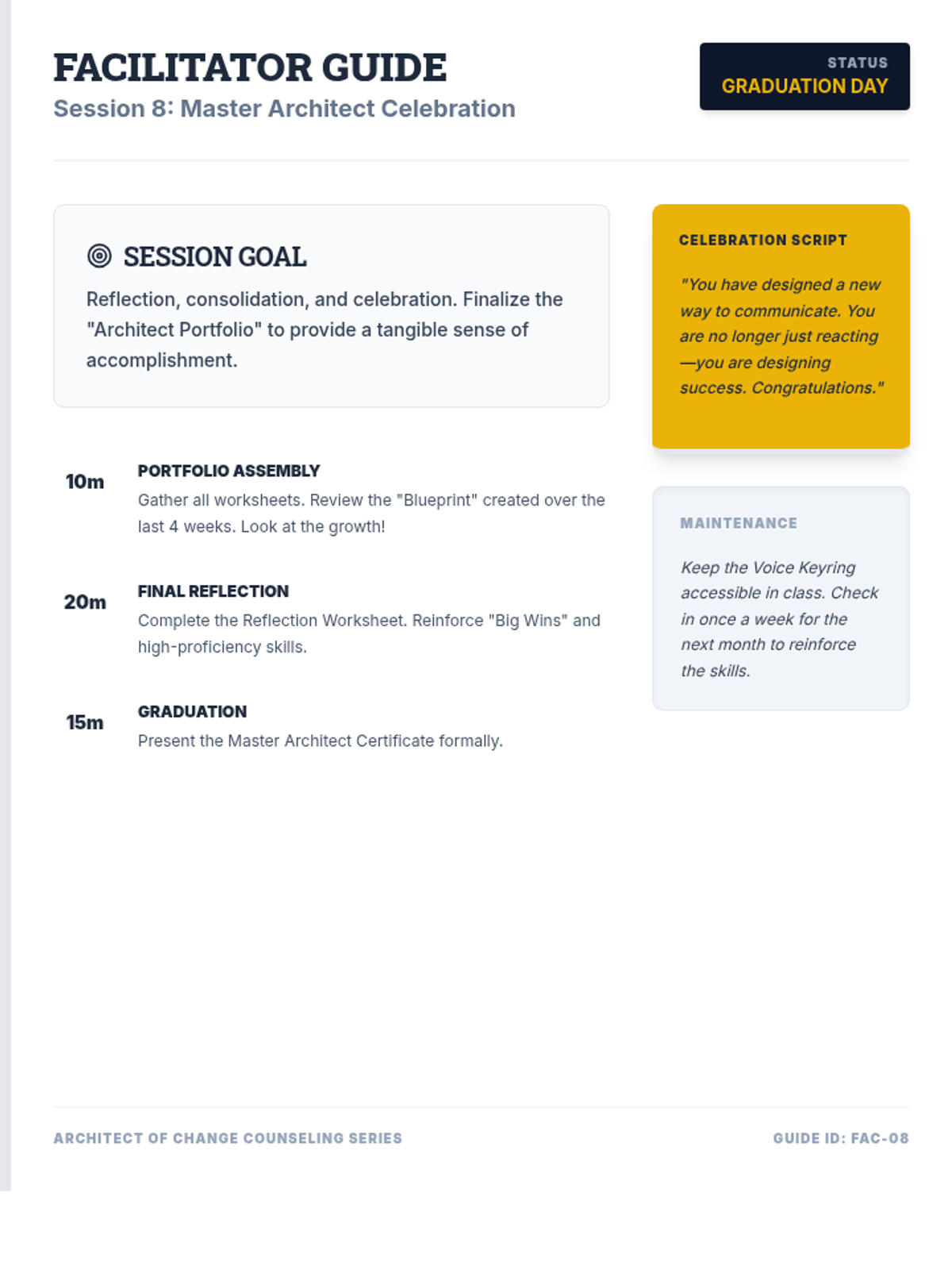
The final session for progress review, portfolio completion, and graduation as a 'Master Architect' of self-regulation.
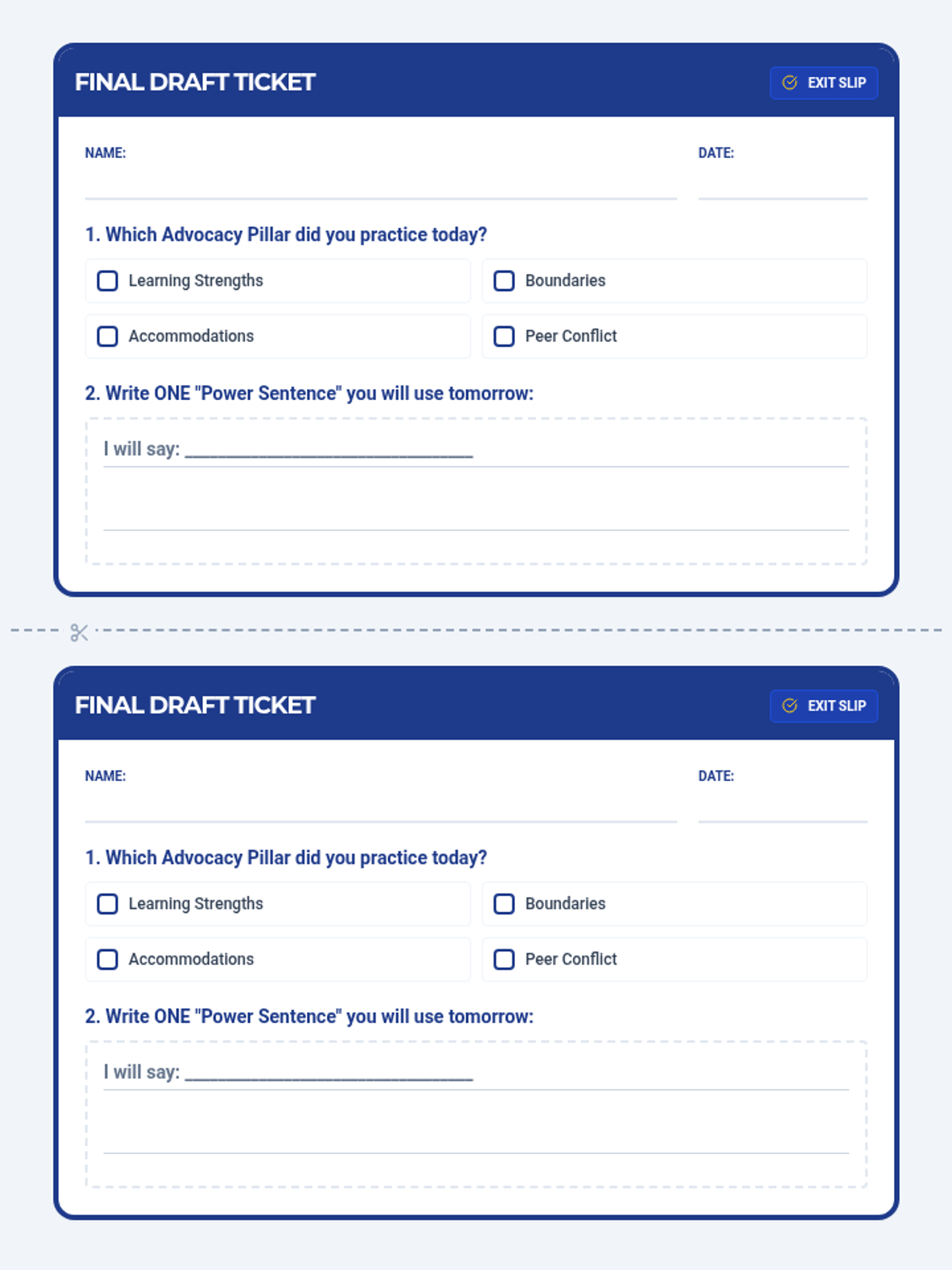
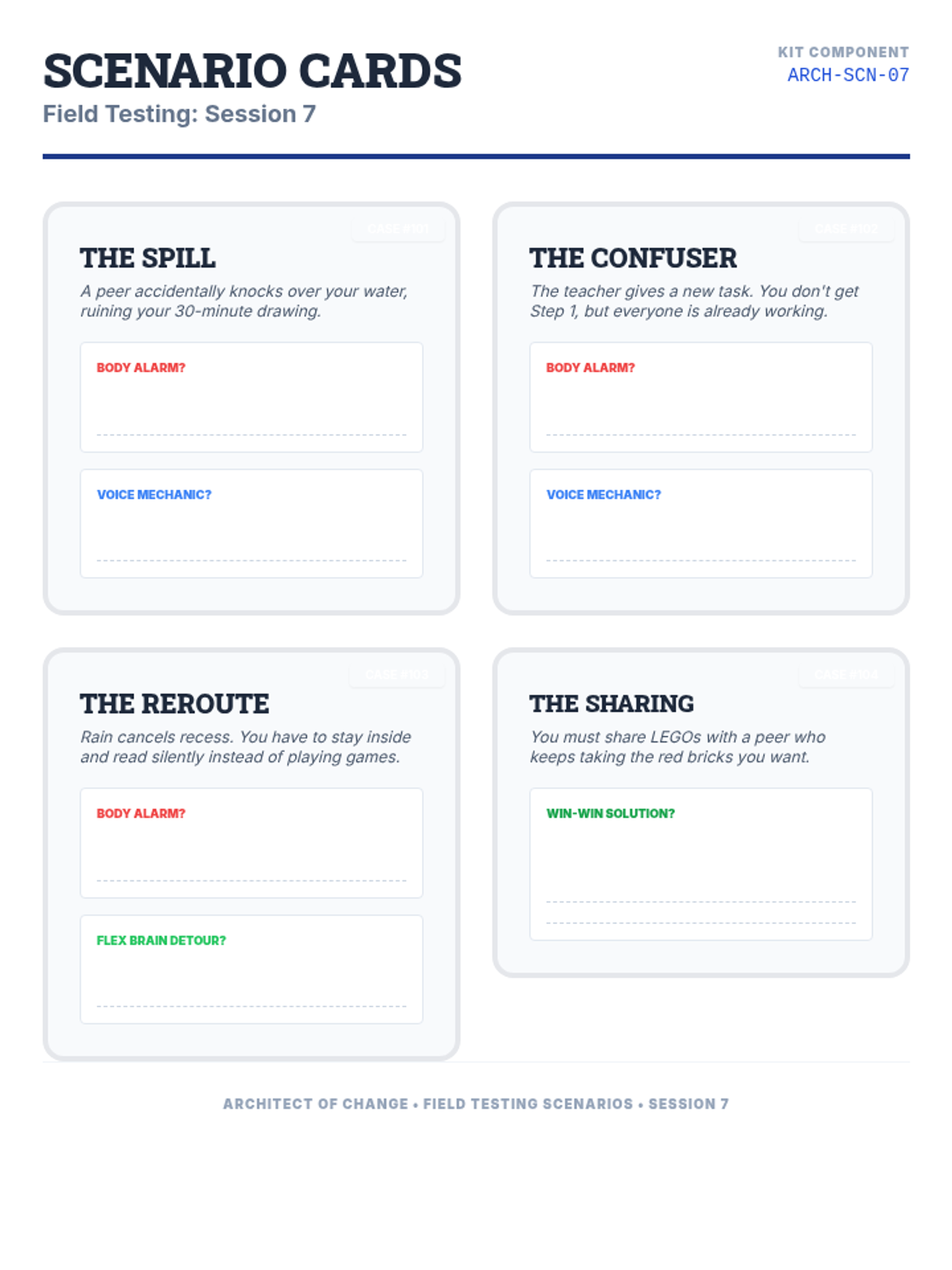
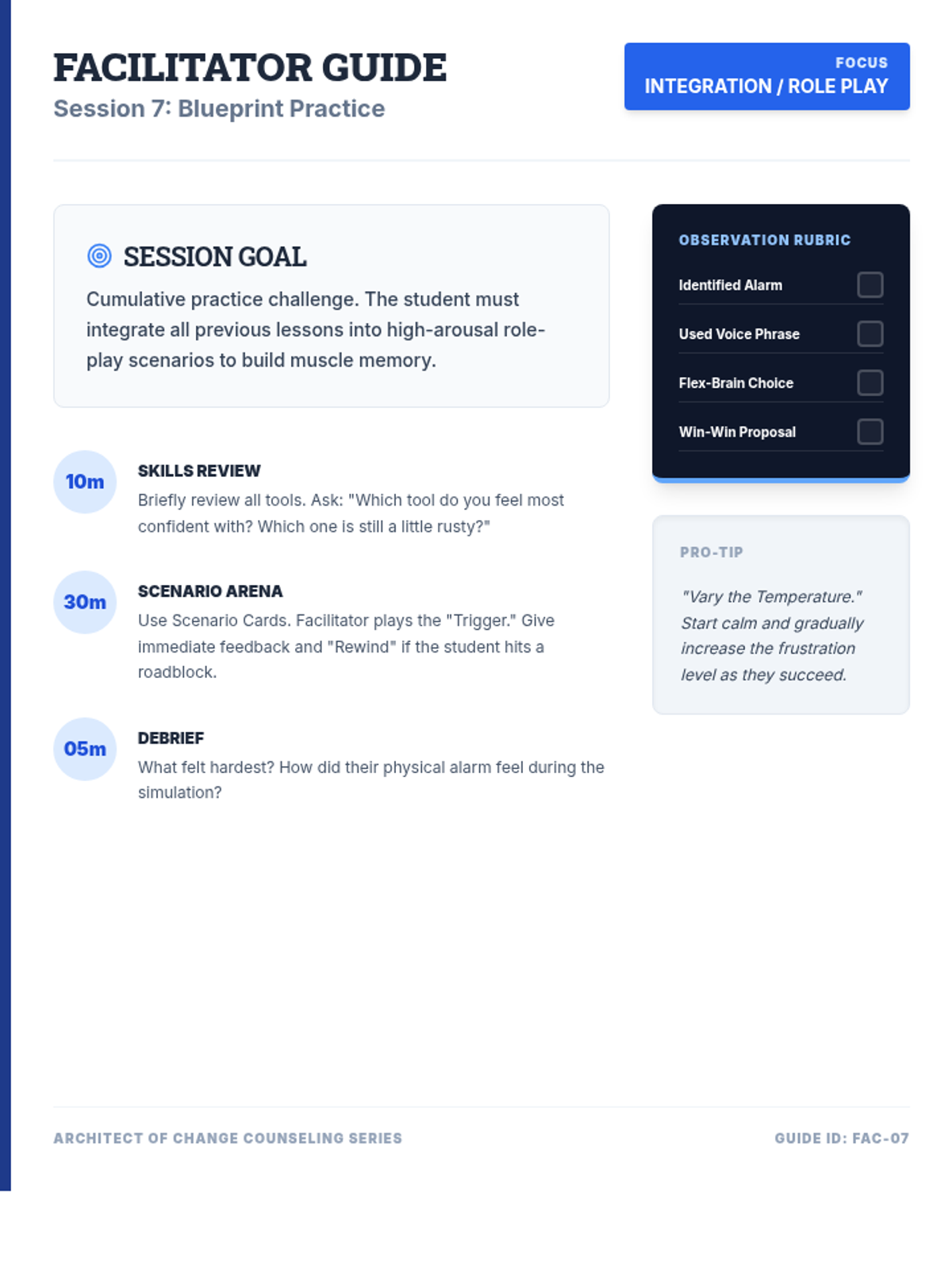
A cumulative role-play session where students apply all previous skills to complex, multi-step real-world scenarios.
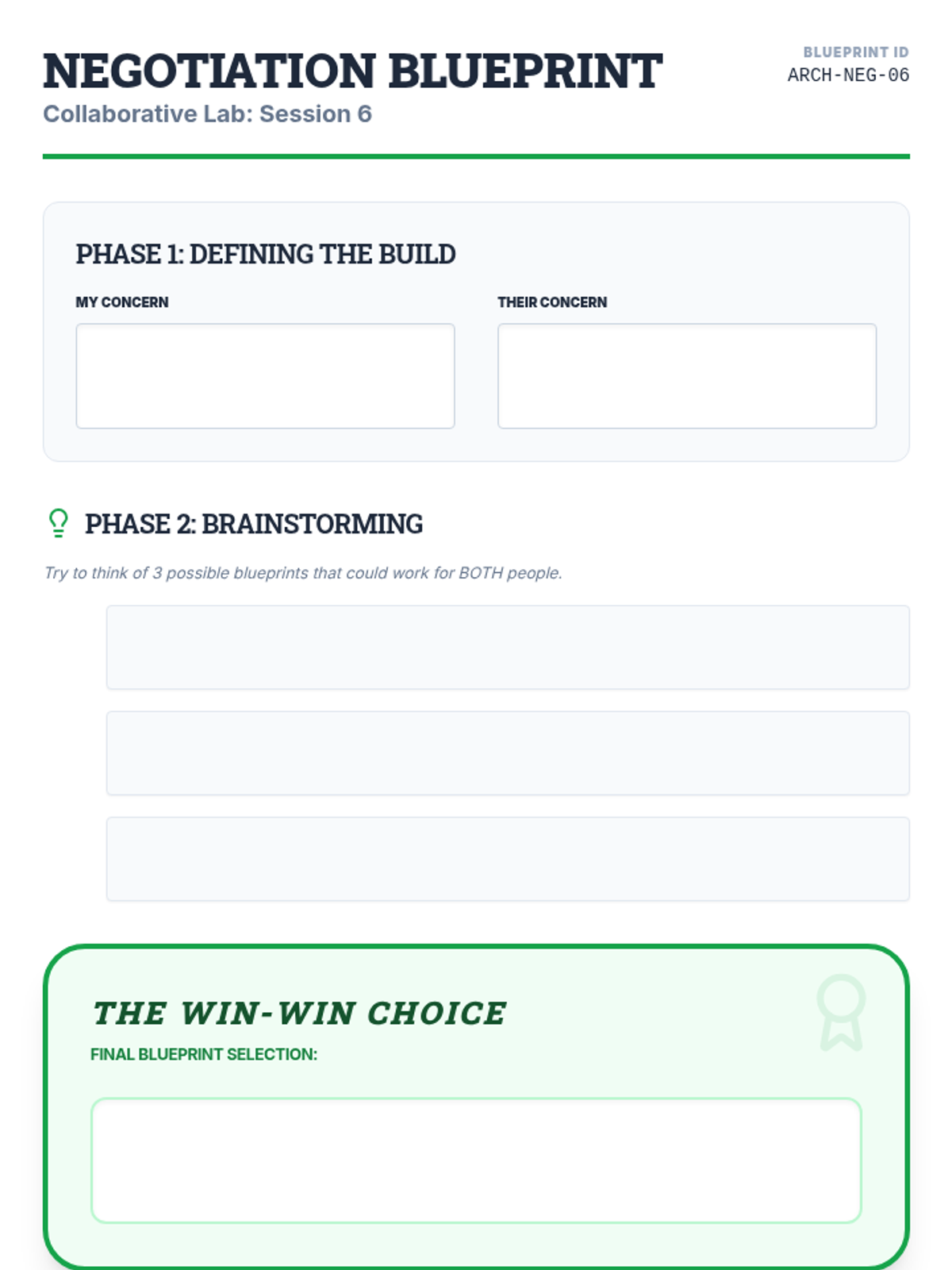
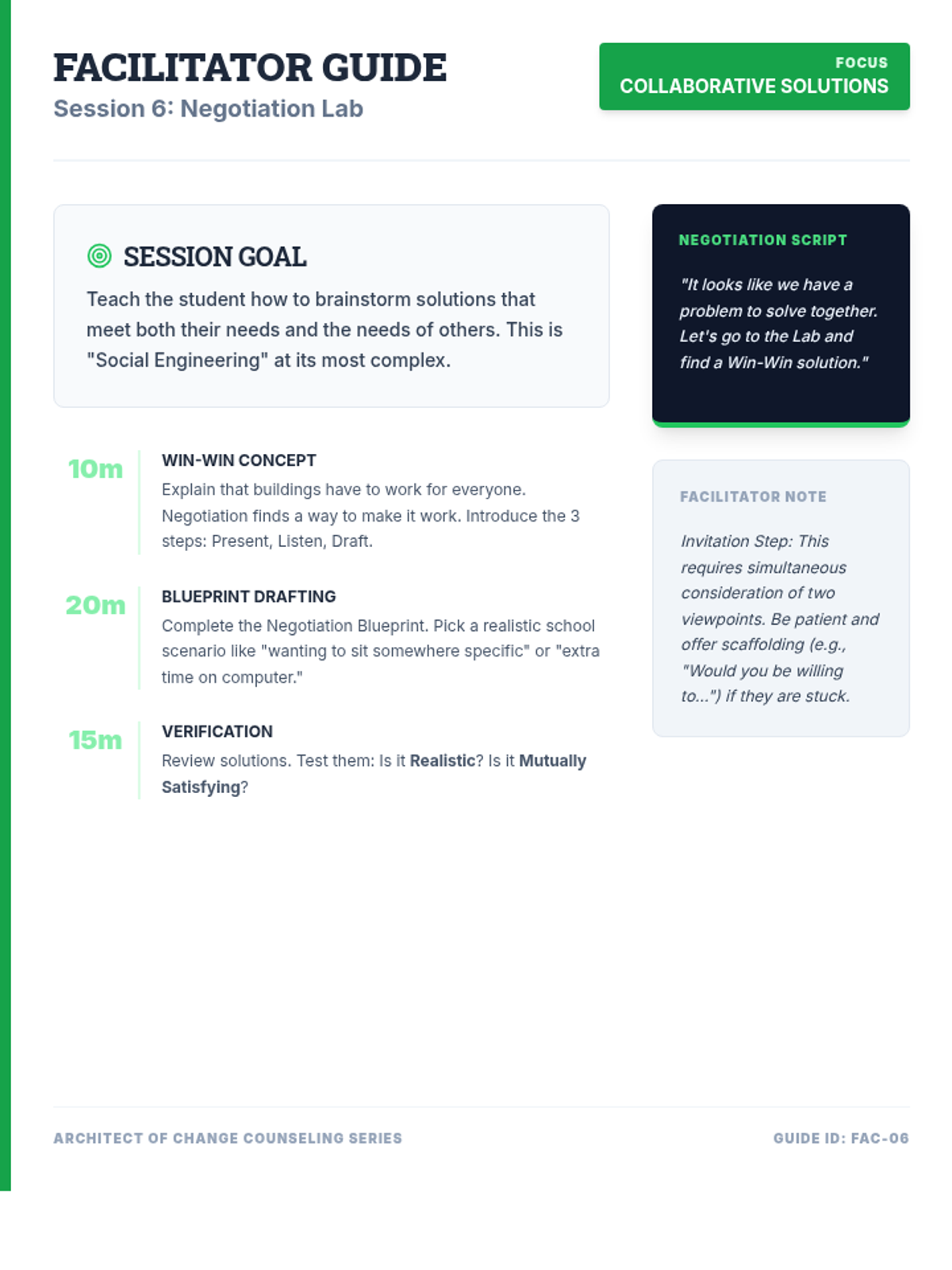
An advanced session on negotiating needs with peers and teachers using a collaborative win-win framework.
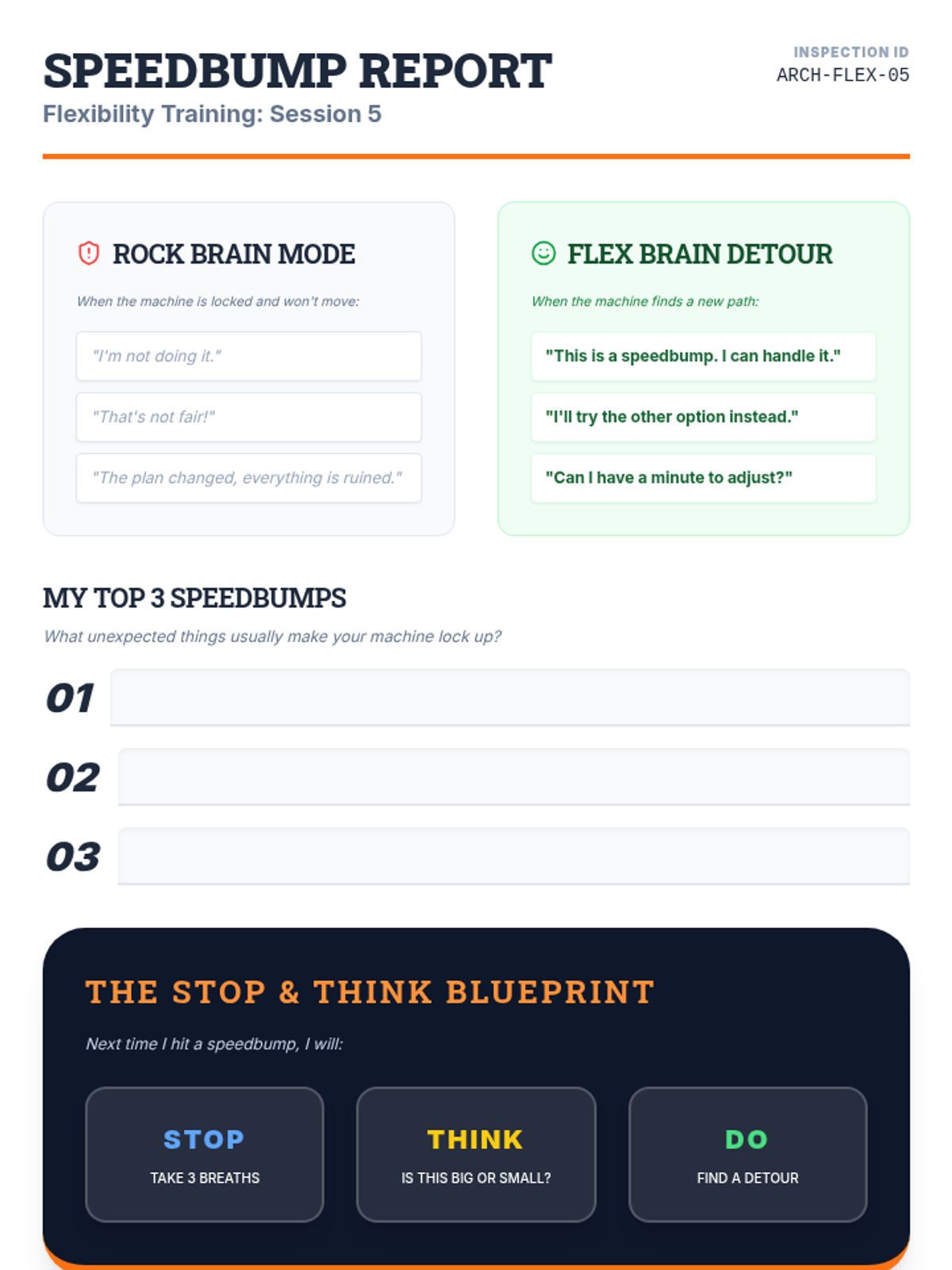
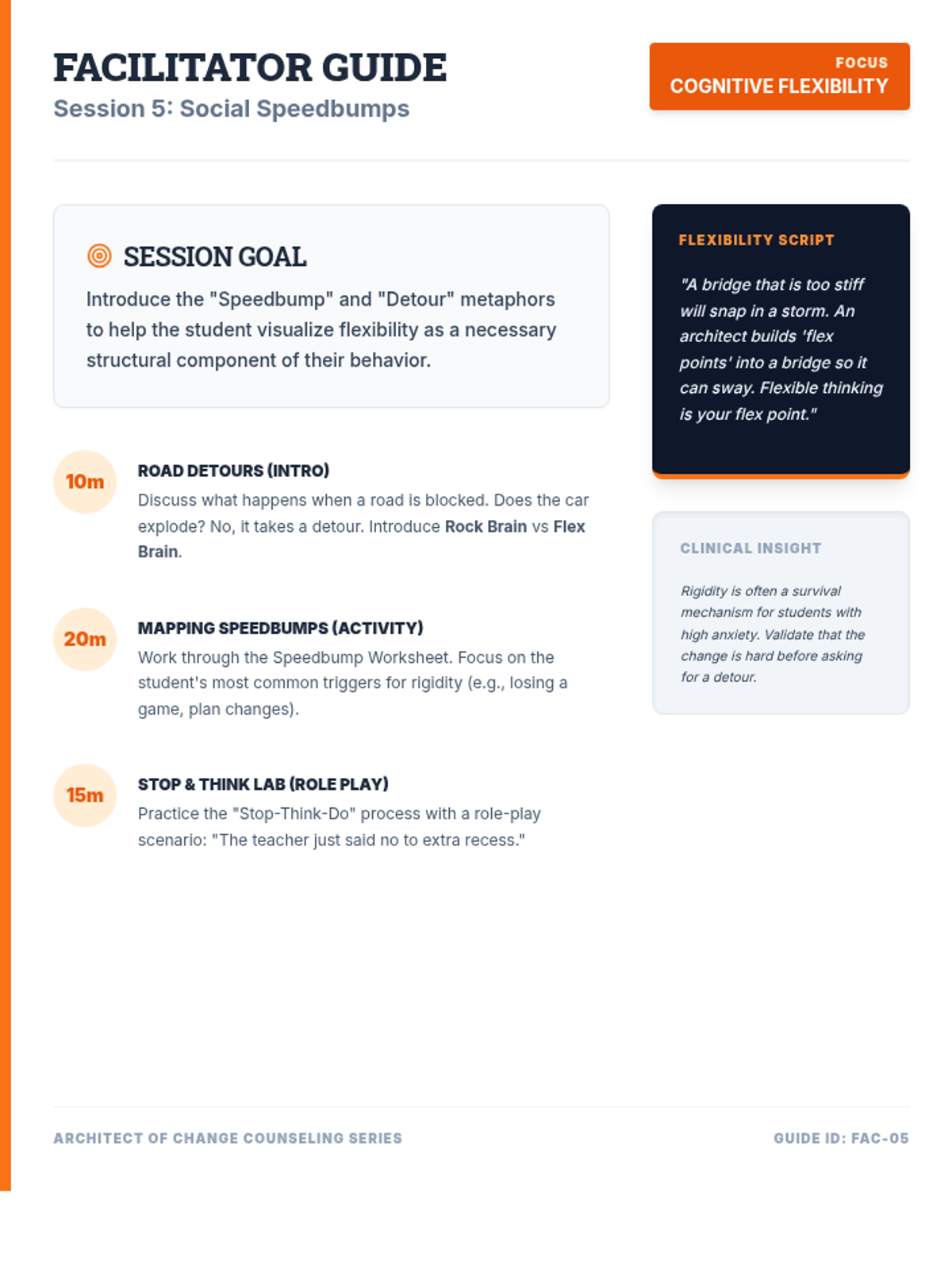
Navigating unexpected changes and social frustrations using flexible thinking and 'Stop and Think' blueprints.
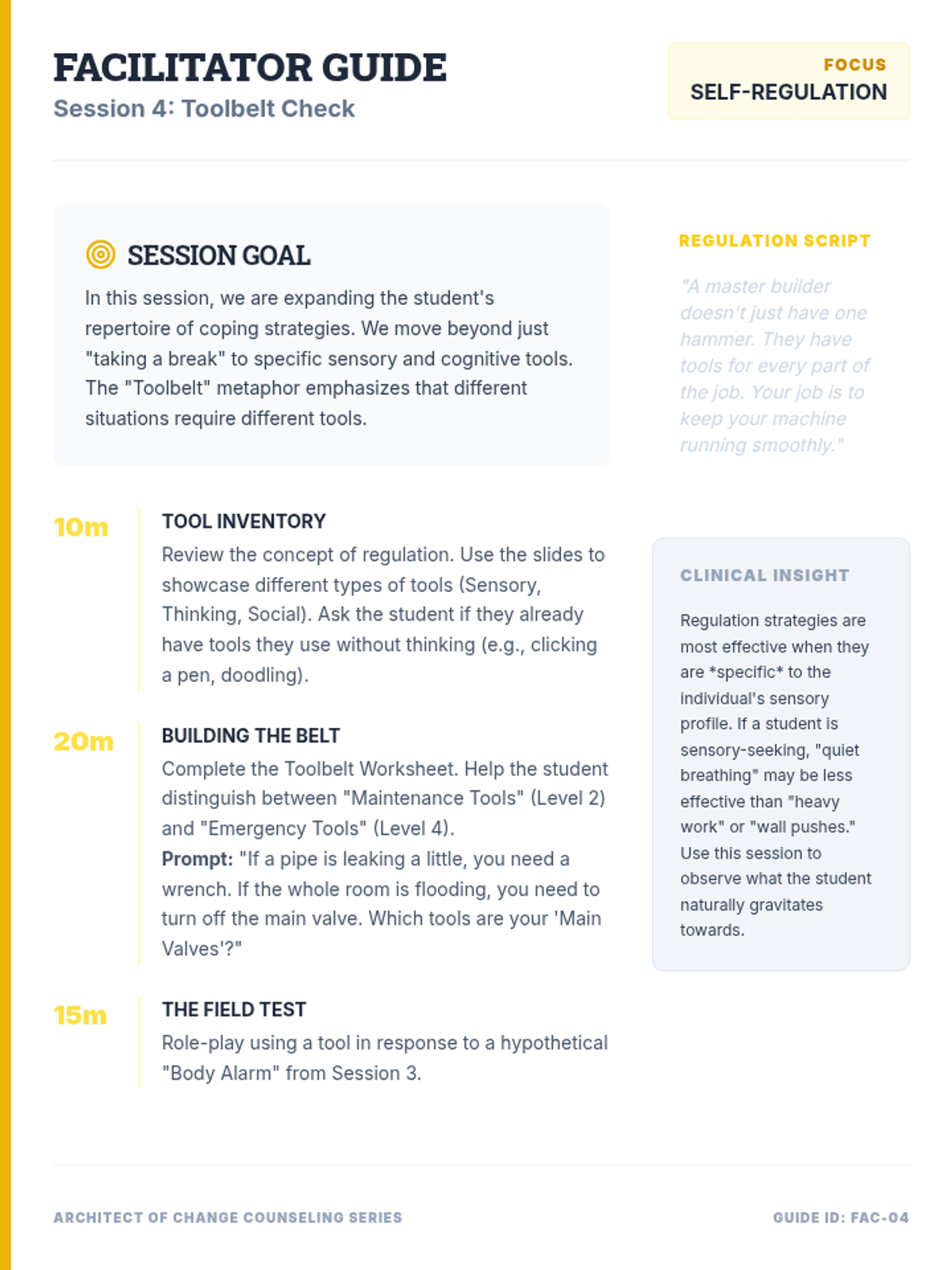
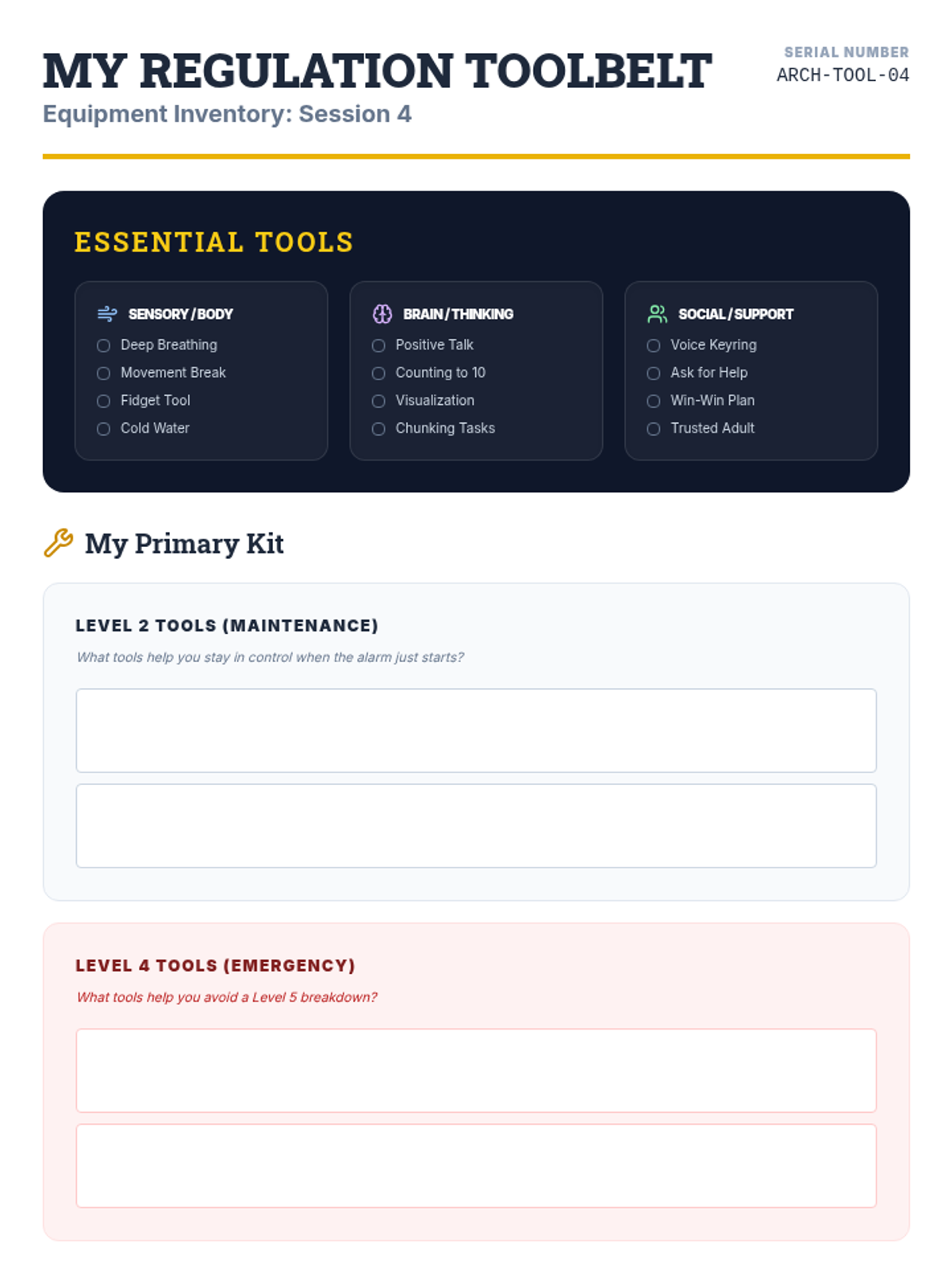
Students build a 'Regulation Toolbelt' with specific sensory and cognitive strategies to de-escalate when body alarms are triggered.
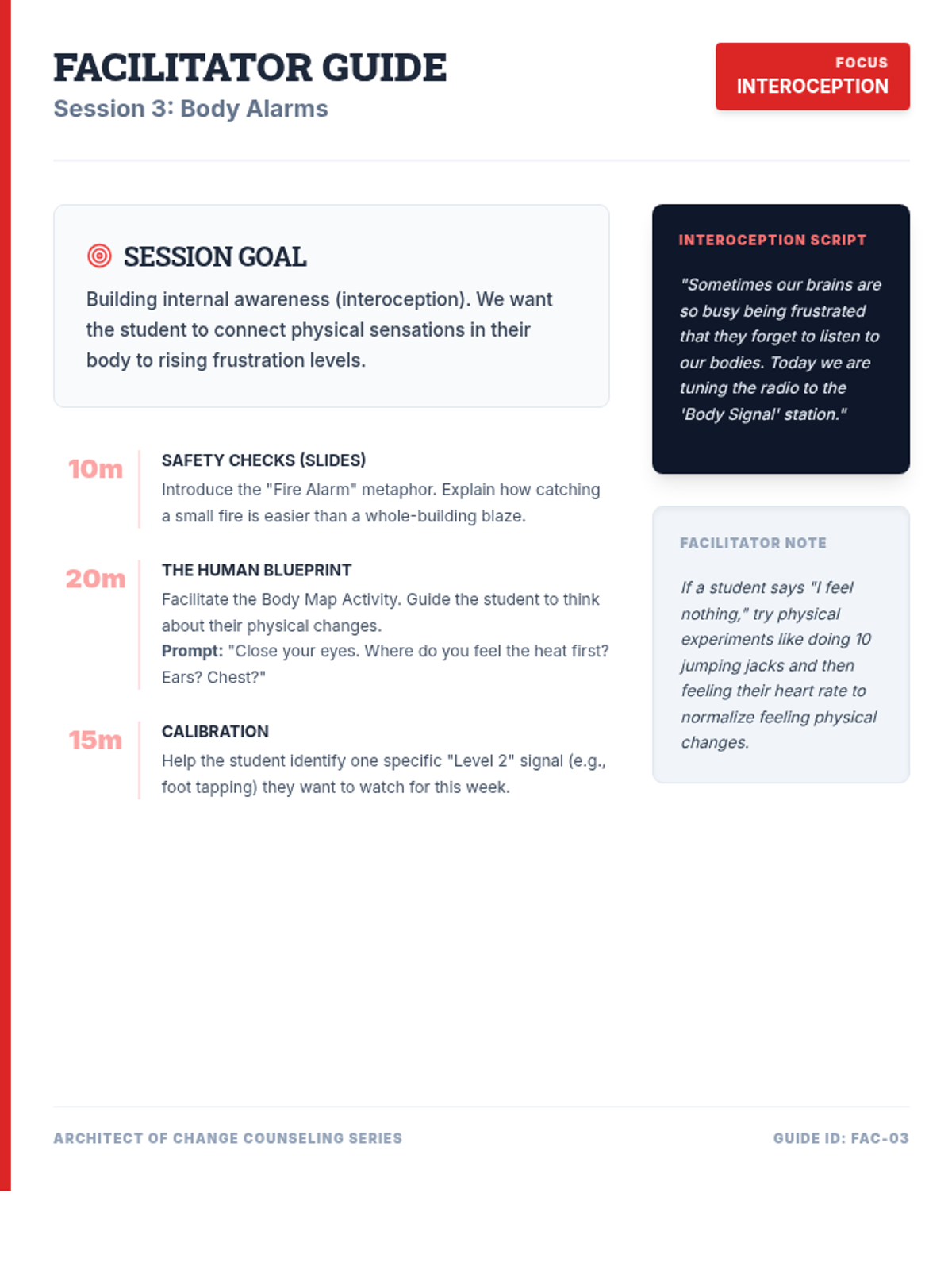
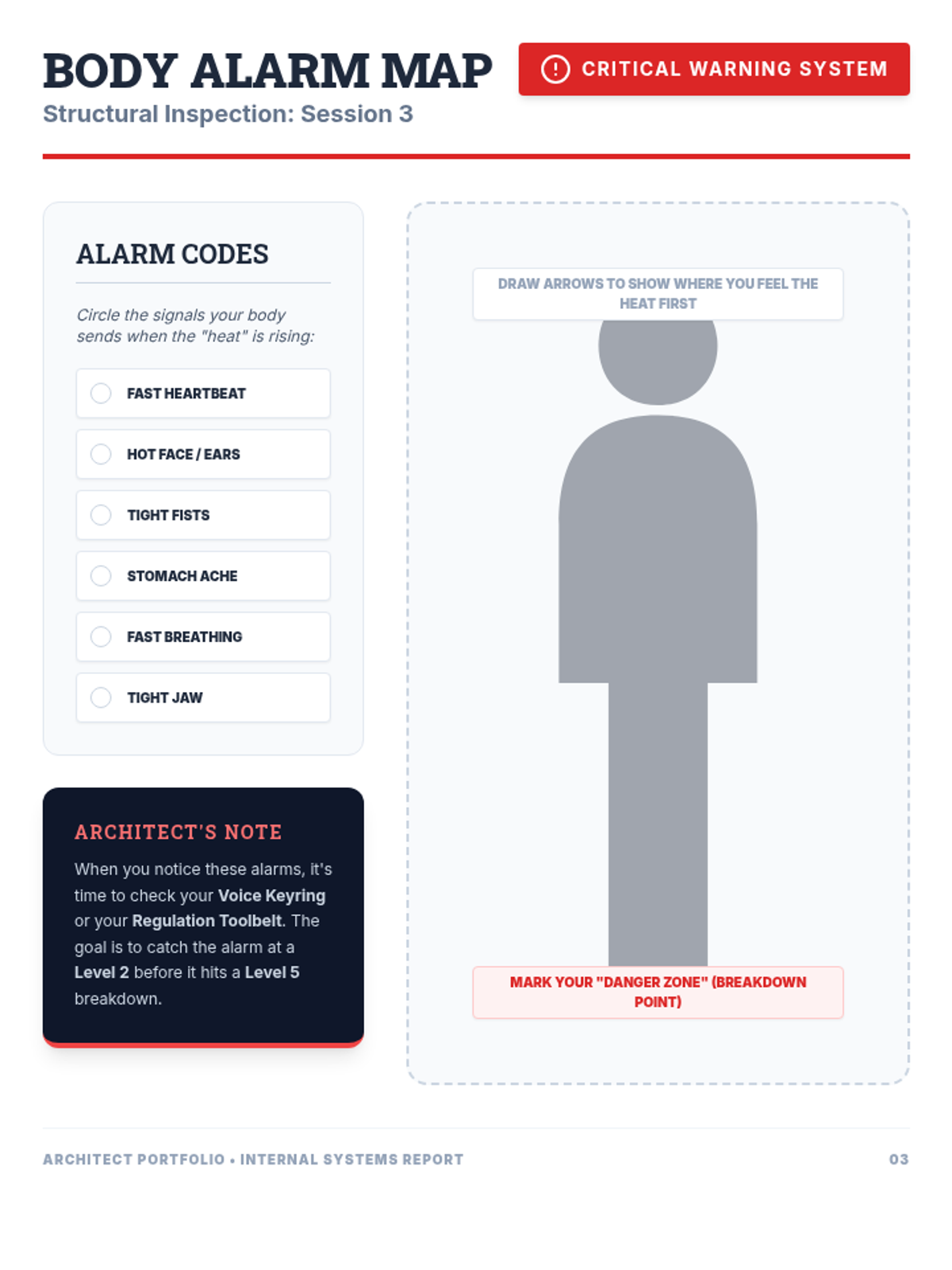
Focuses on identifying physiological 'Body Alarms' that signal distress before an emotional escalation occurs.
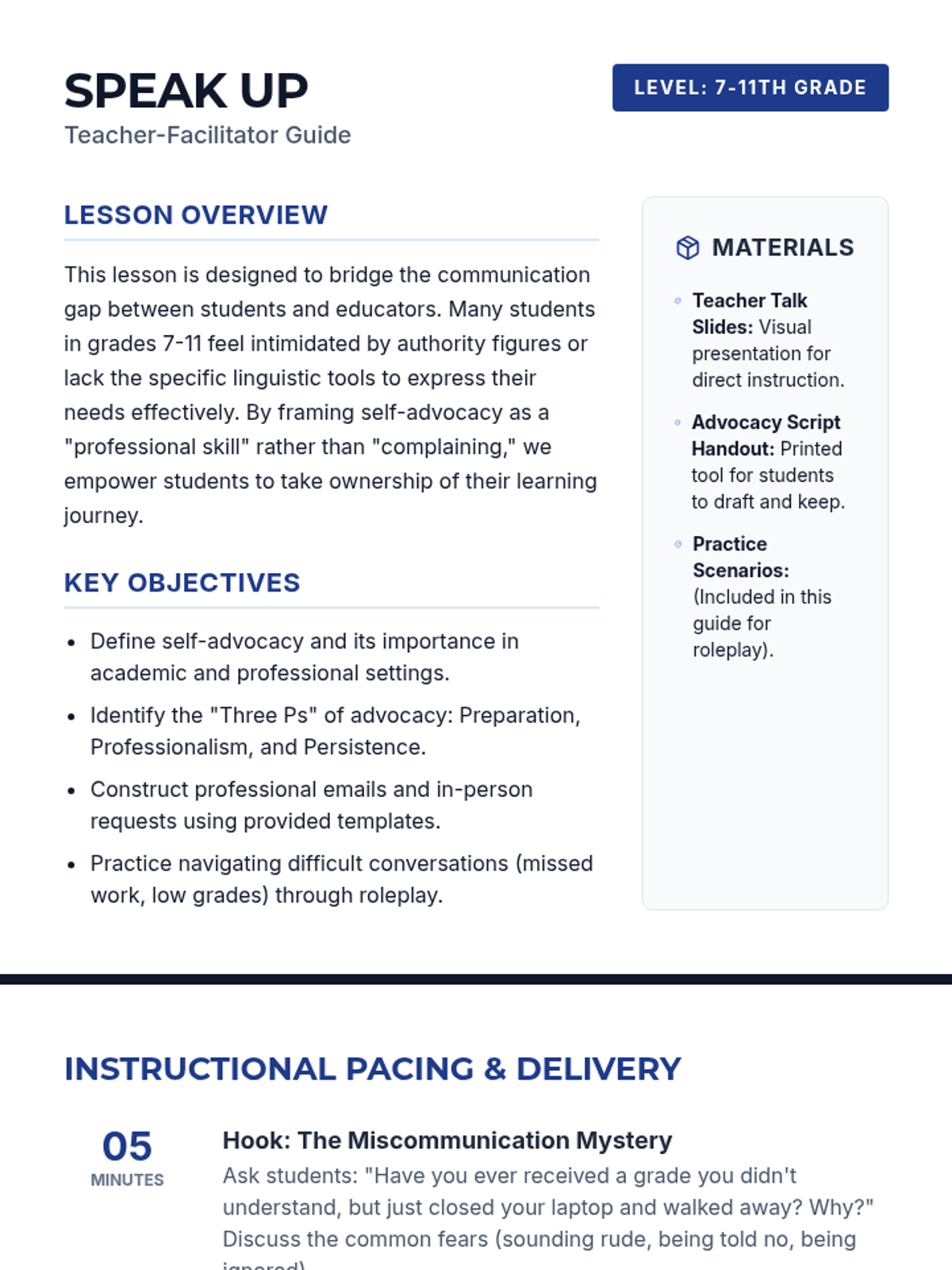
A comprehensive lesson on self-advocacy skills for middle and high school students, focusing on professional communication strategies for interacting with teachers. Students will learn the '3 Ps' of advocacy and practice specific scripts for common academic scenarios.
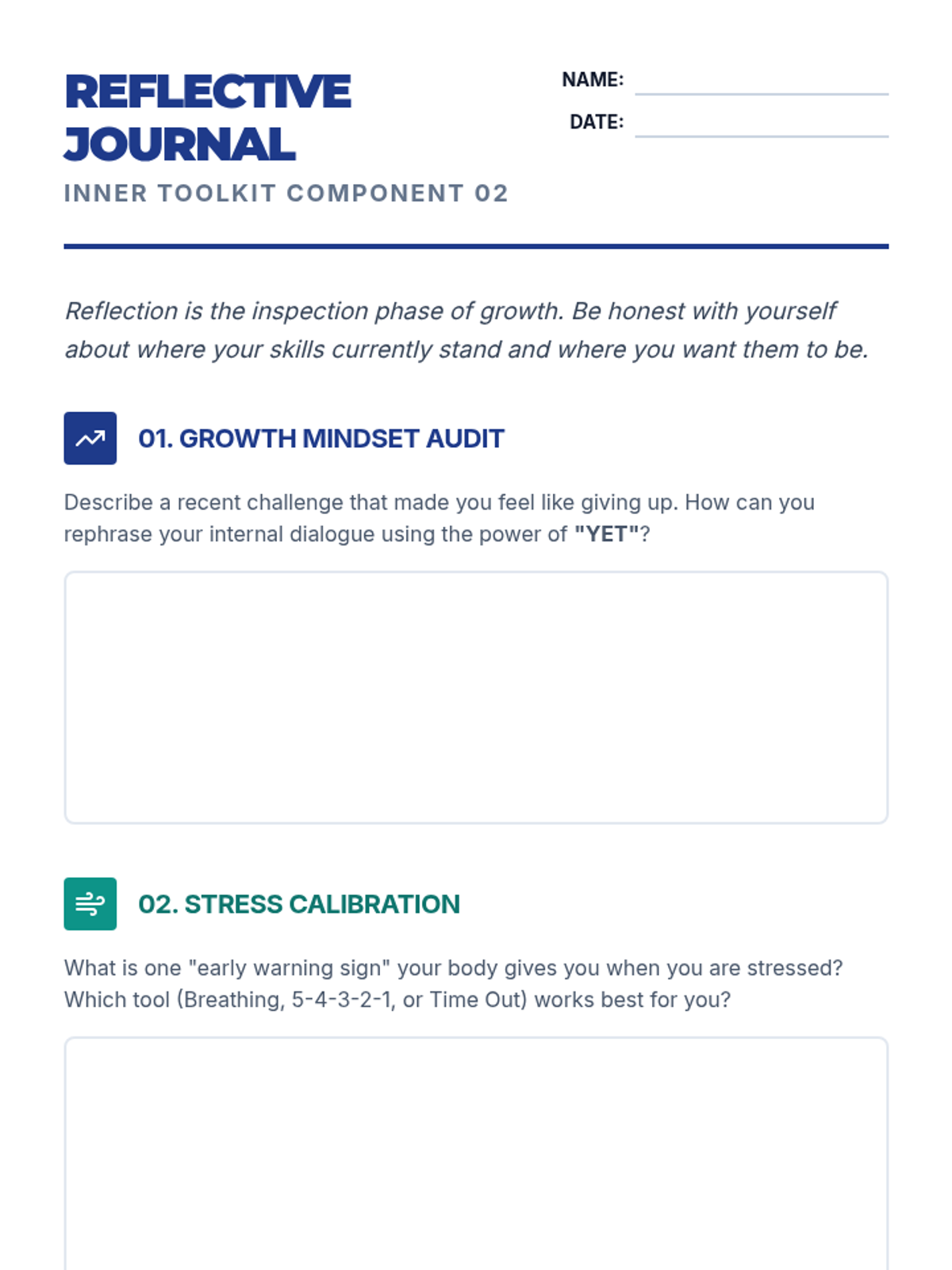
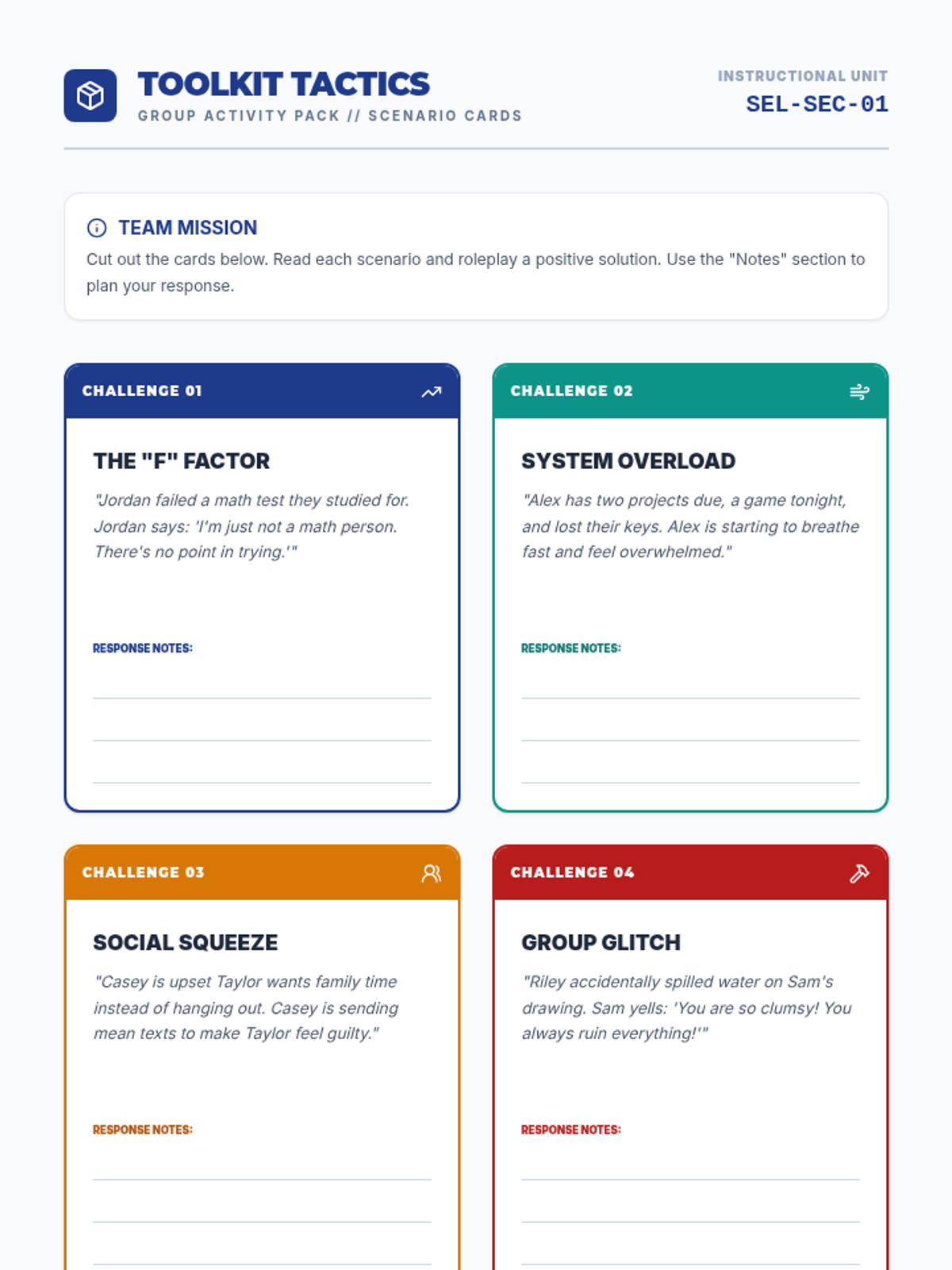
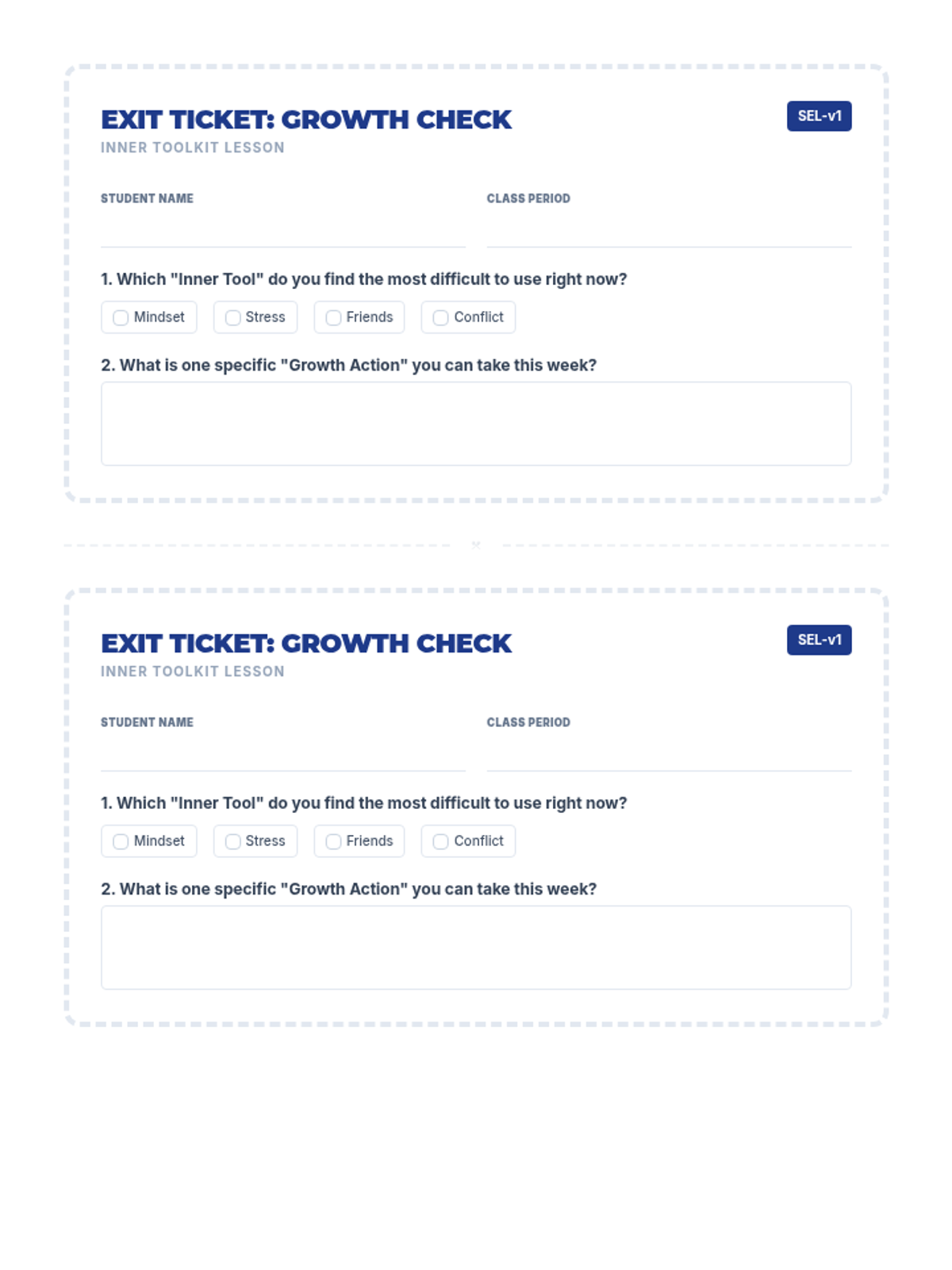
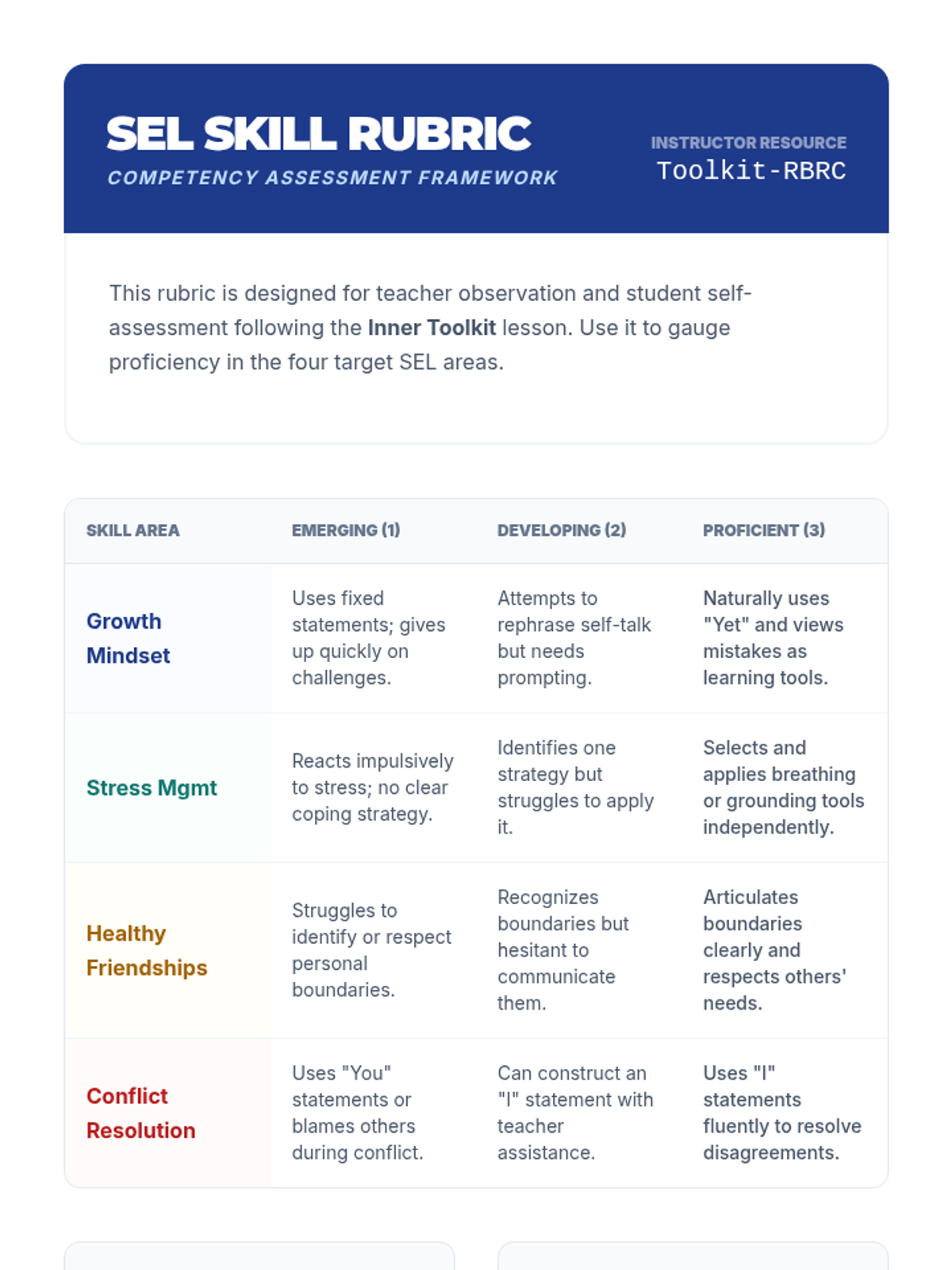
A comprehensive SEL lesson focusing on building essential skills in growth mindset, stress management, healthy friendships, and conflict resolution through interactive discussion and reflection.
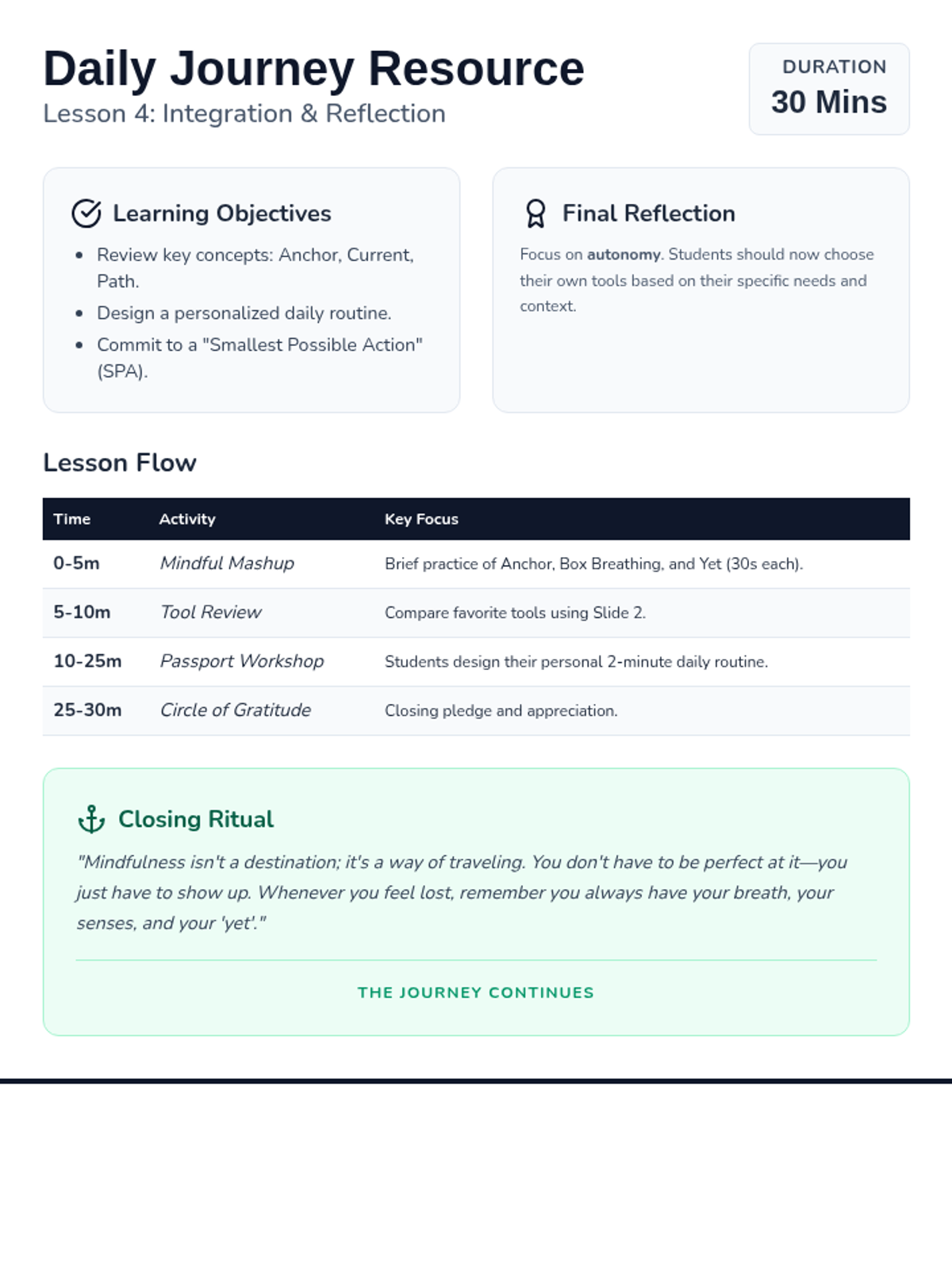
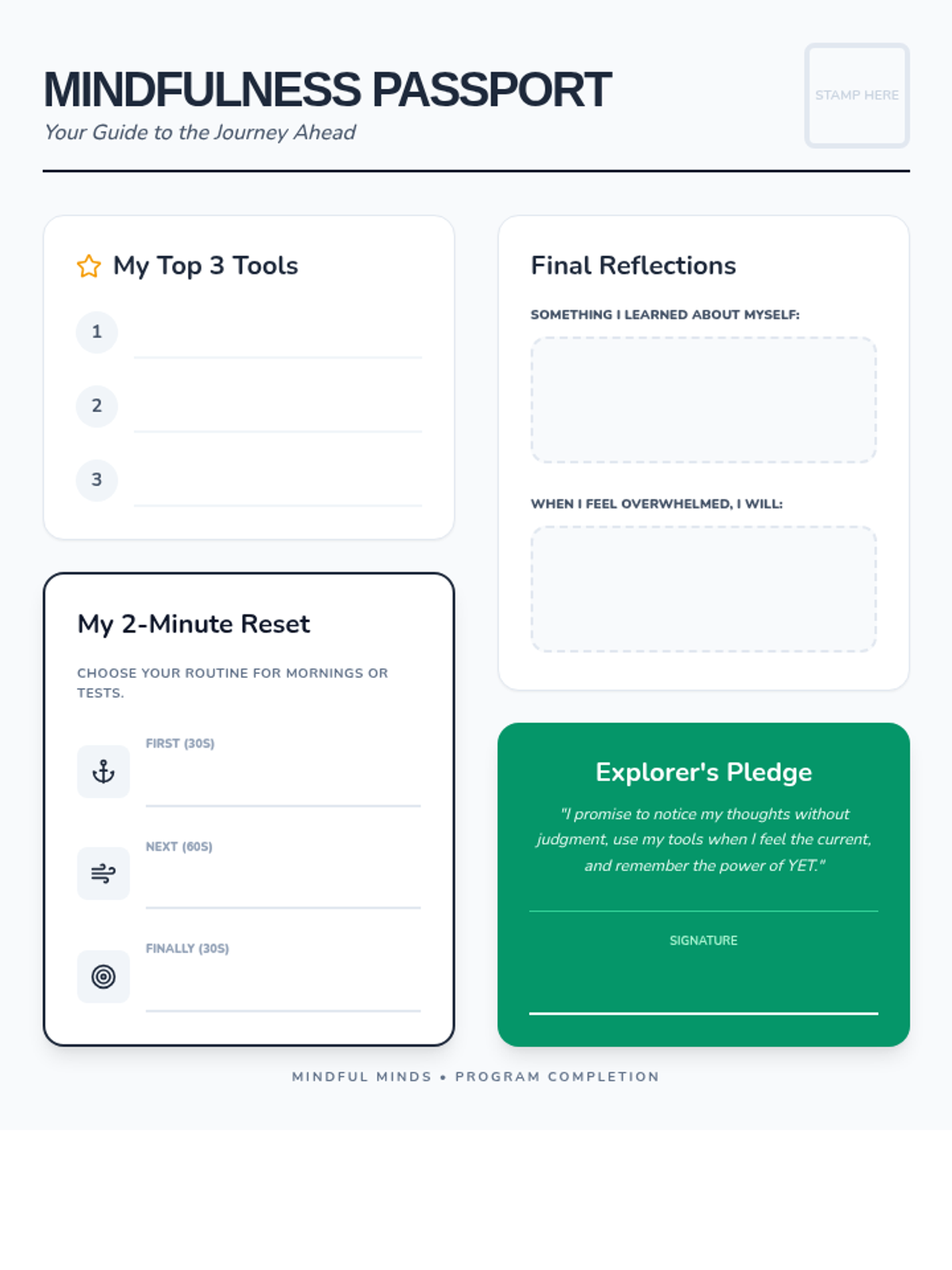
A cumulative session where students design their own 2-minute 'Mindfulness Passport' routine to use in their daily lives.
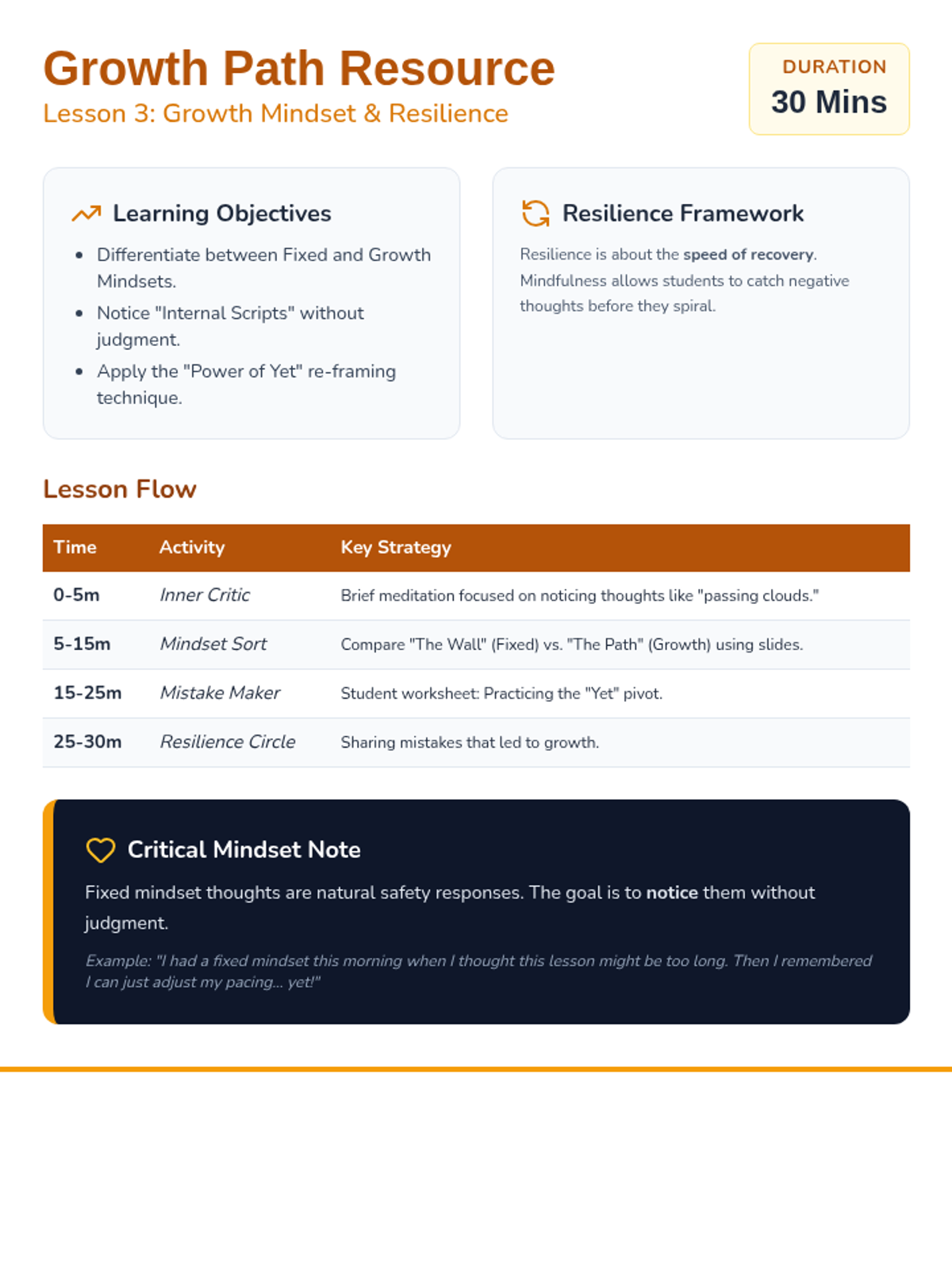
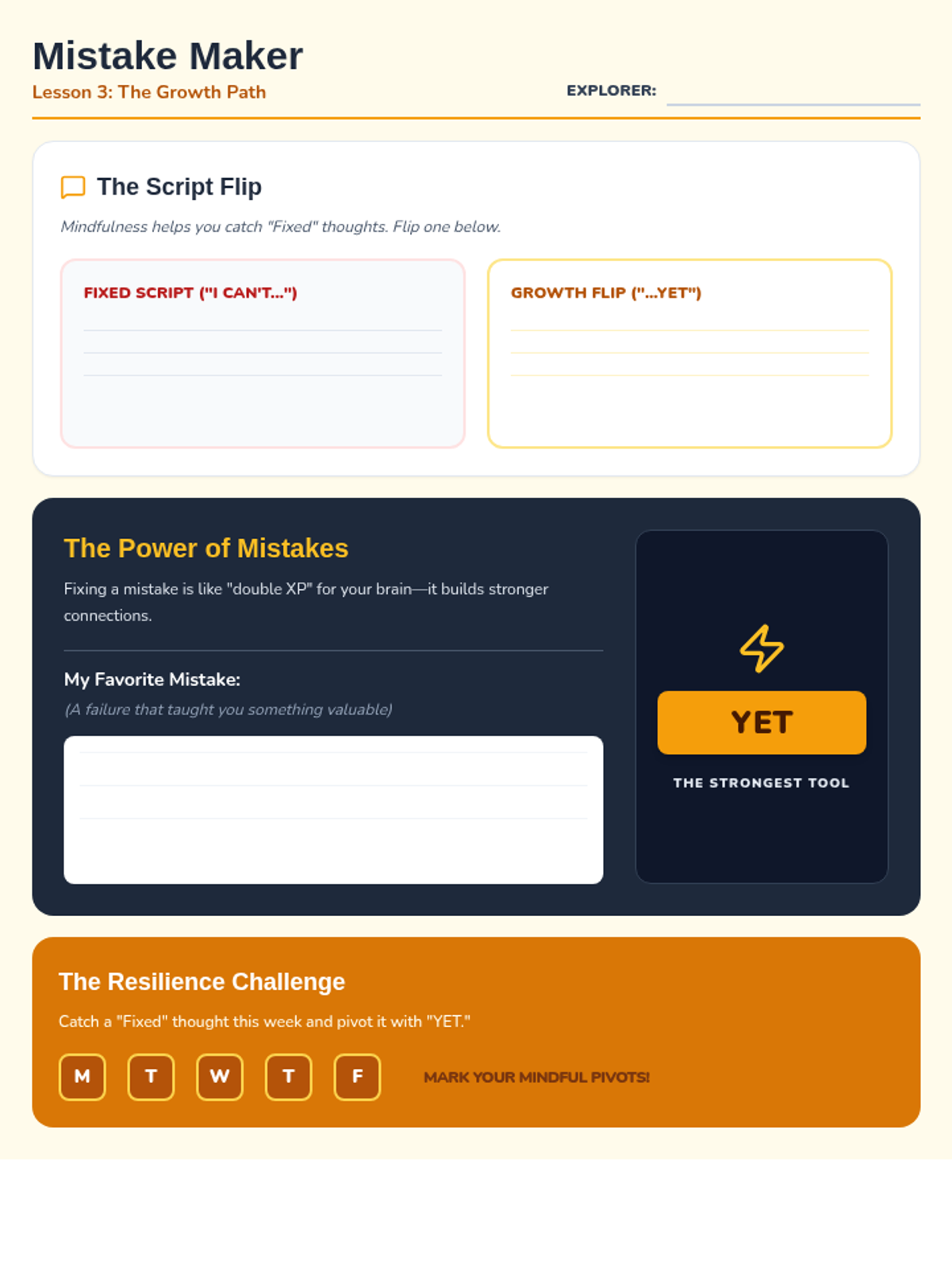
Connects mindfulness to resilience, teaching students to observe their self-talk and pivot from fixed to growth mindset 'scripts'.
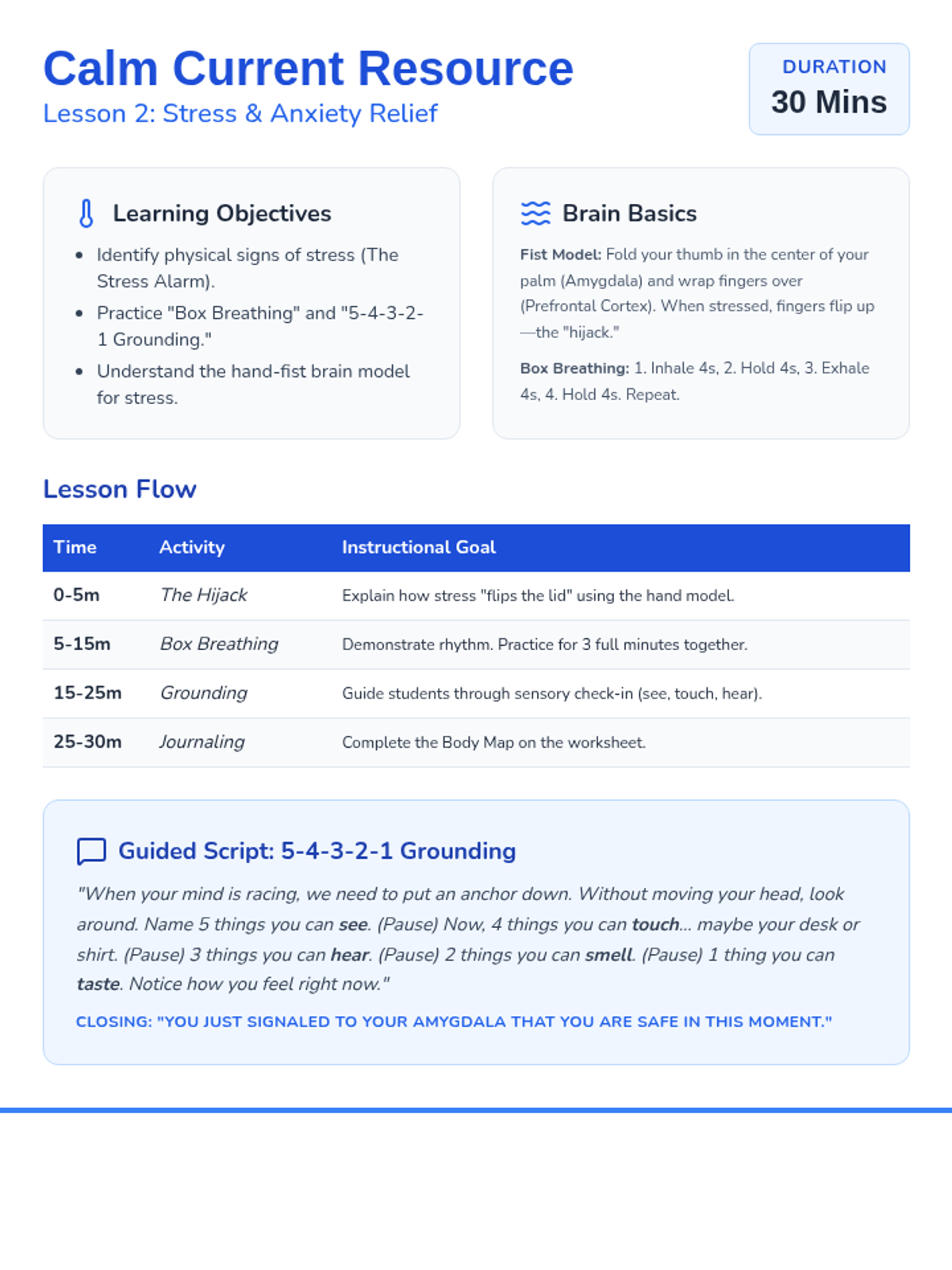
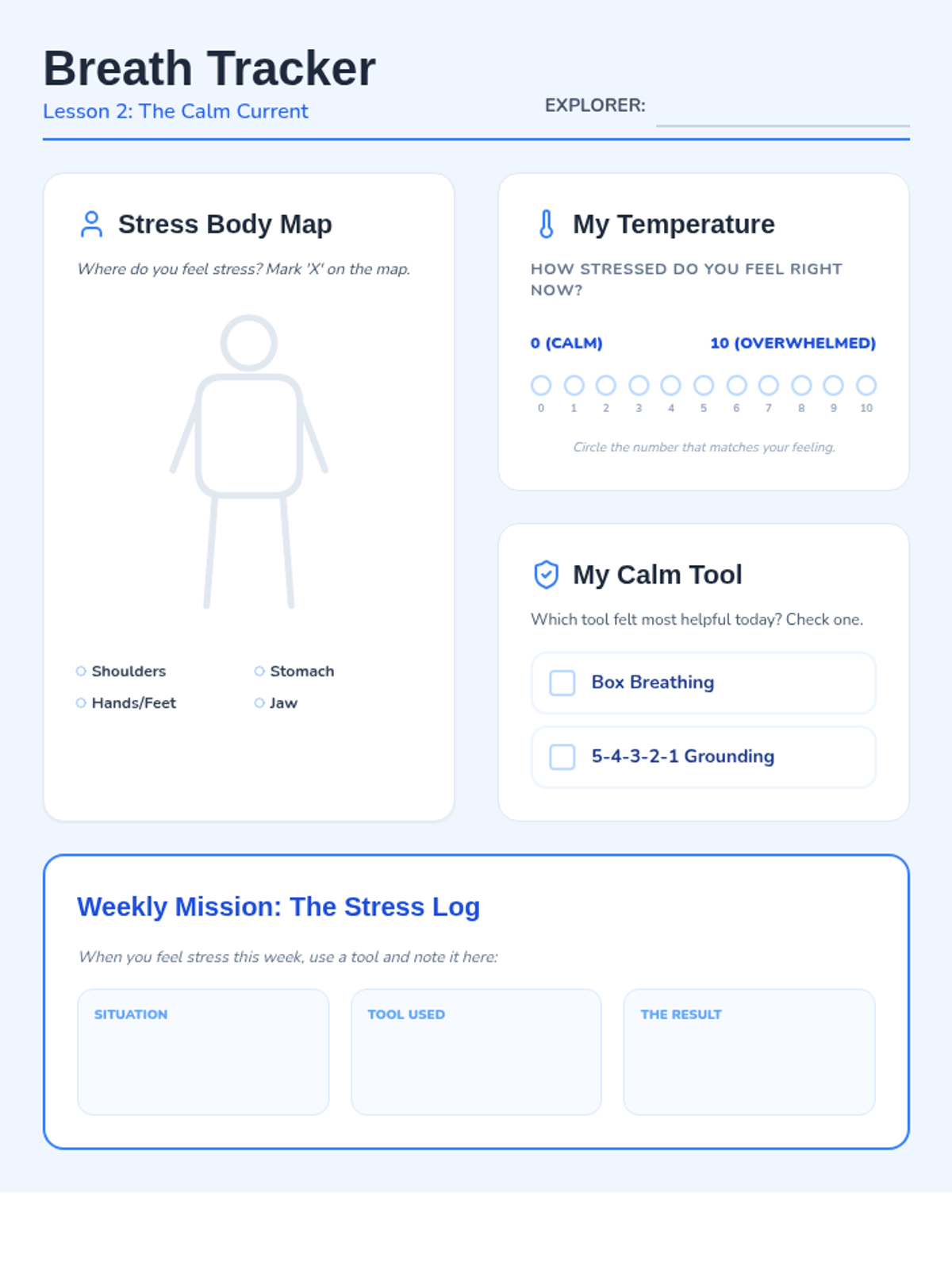
Explores physiological responses to stress and teaches 'The Reset Button'—breathing and grounding techniques to navigate anxiety.
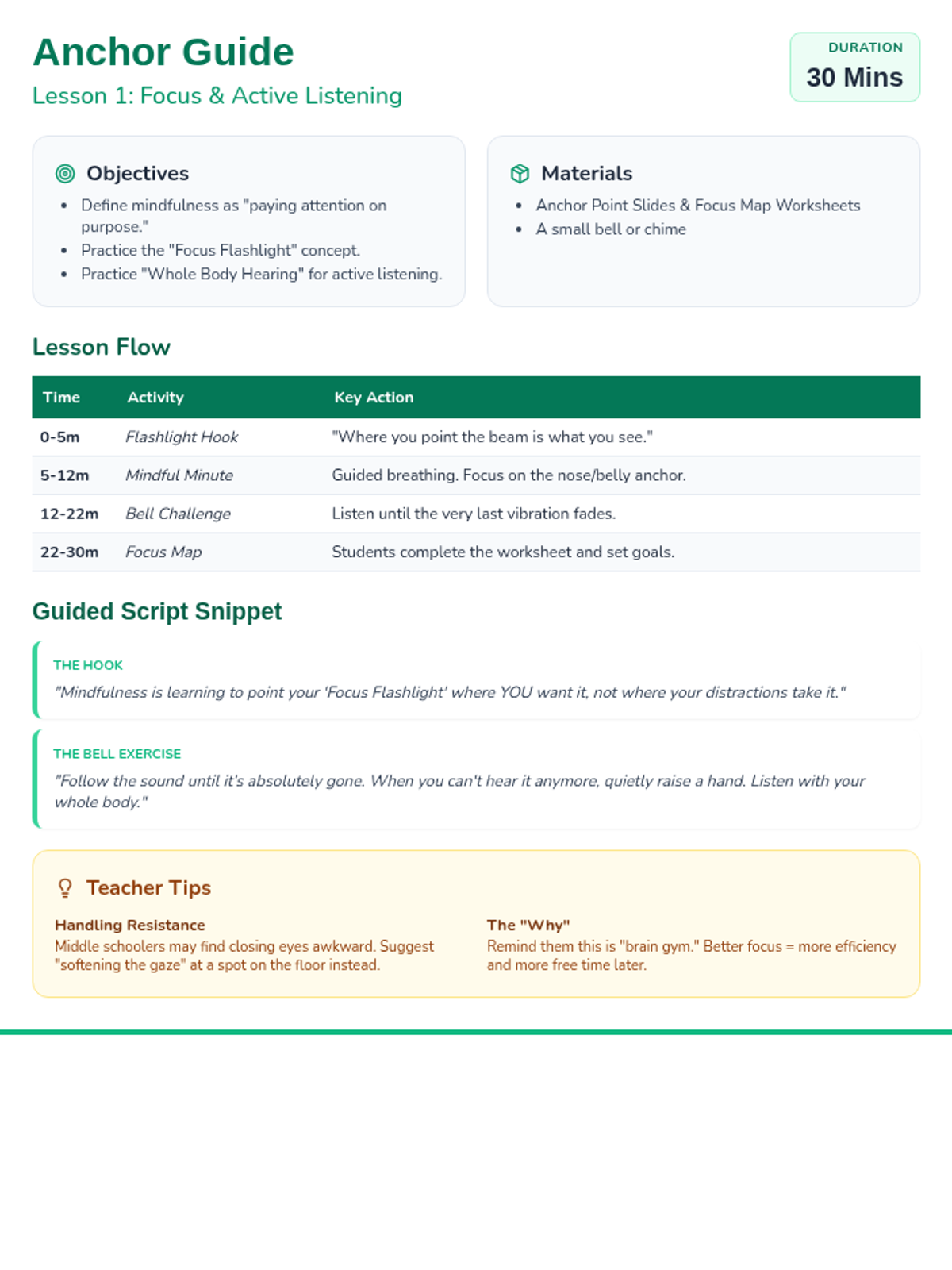
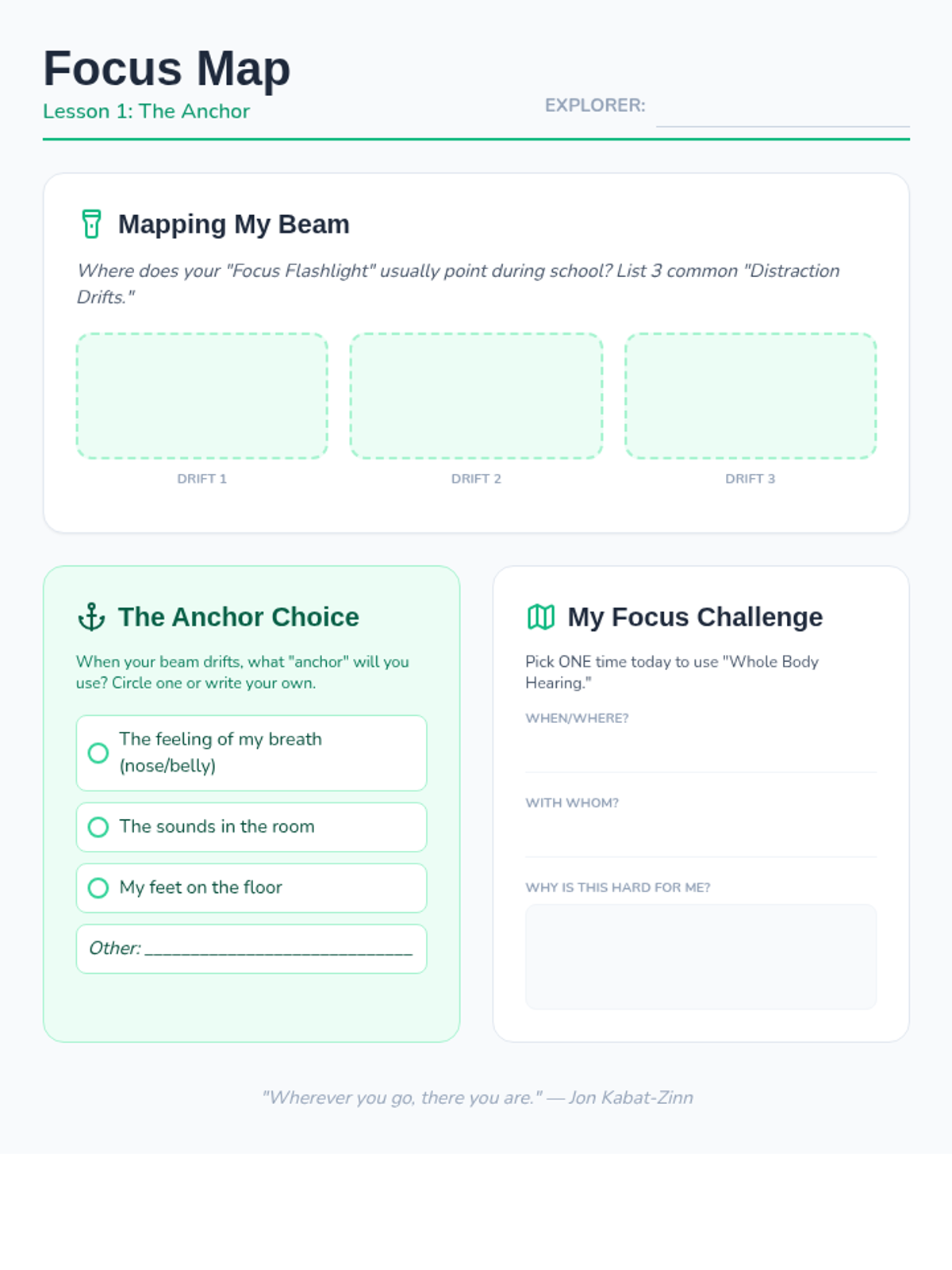
Introduces the concept of the 'Focus Flashlight' and active listening through 'Whole Body Hearing' techniques to improve attention and interpersonal connection.
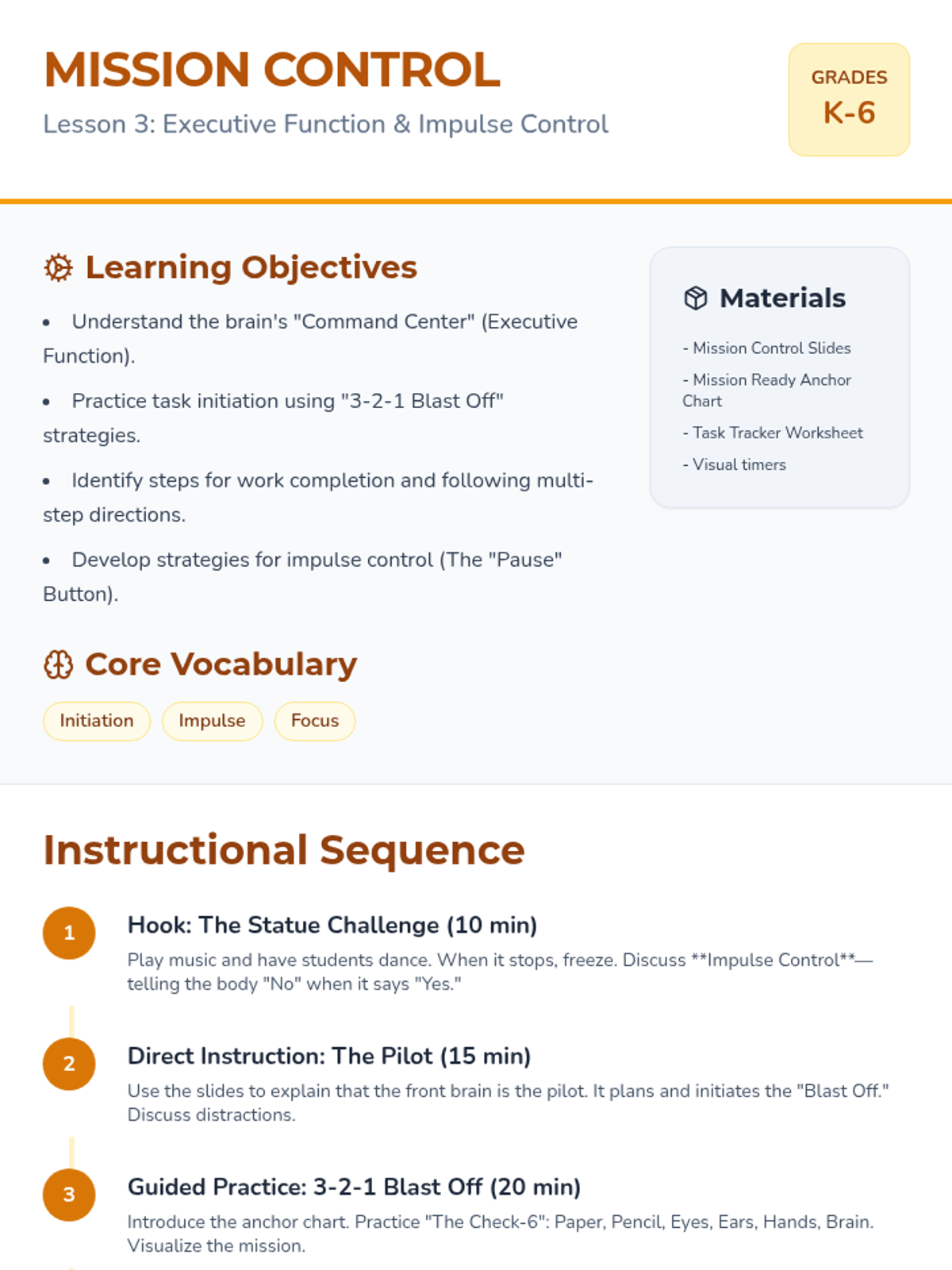
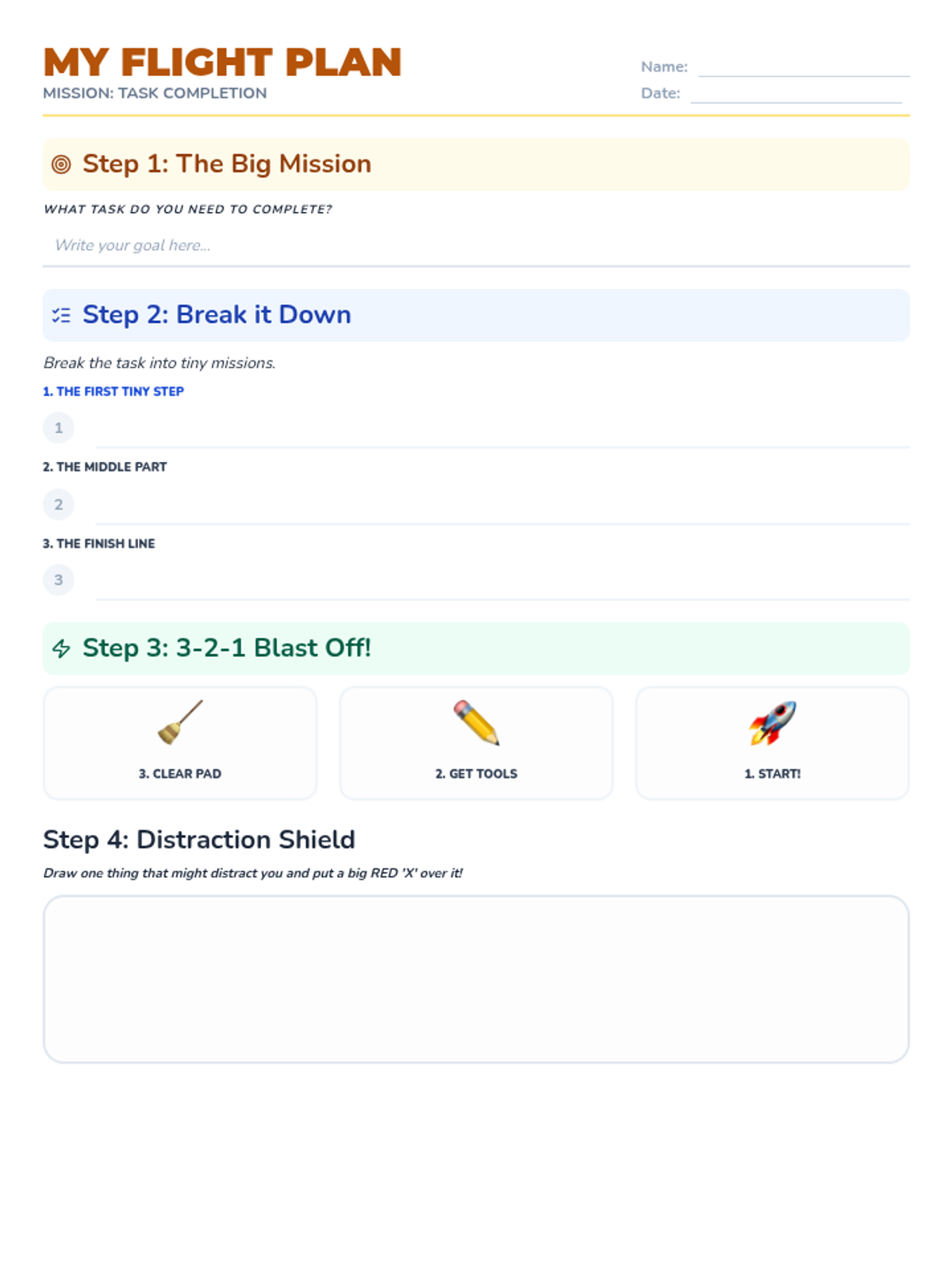
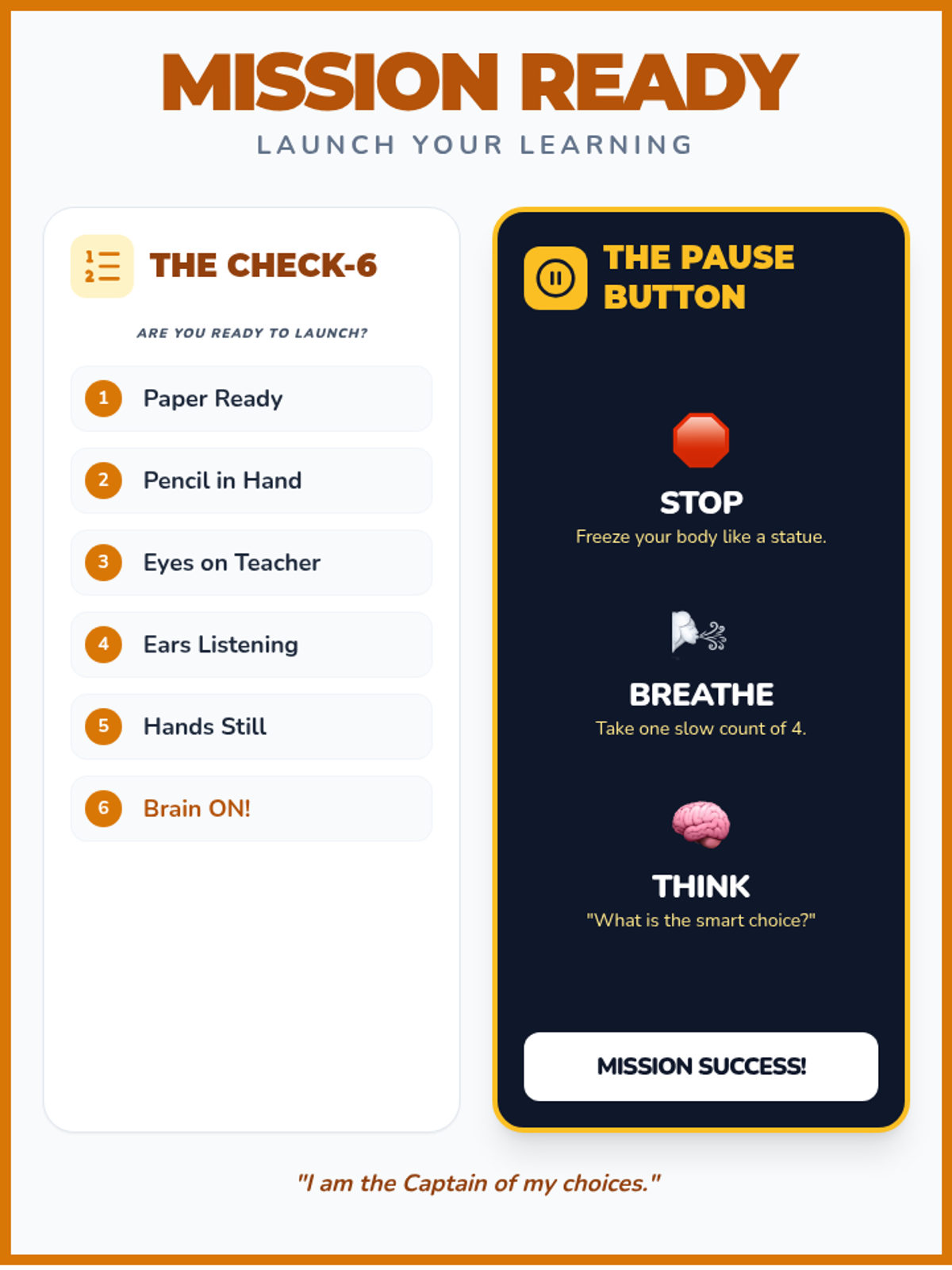
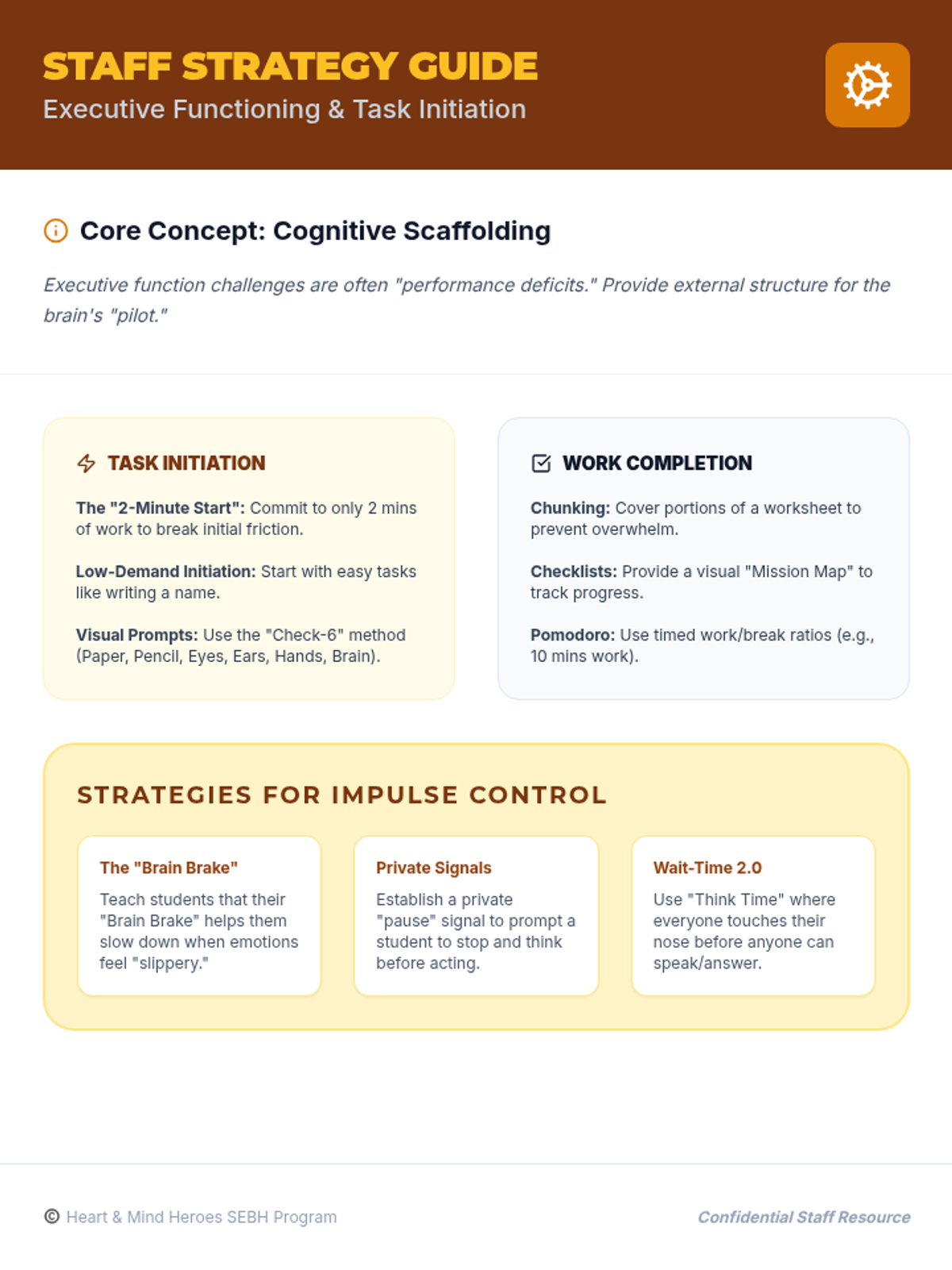
Targets executive functioning skills including task initiation, following directions, and impulse control through 'mission control' strategies.
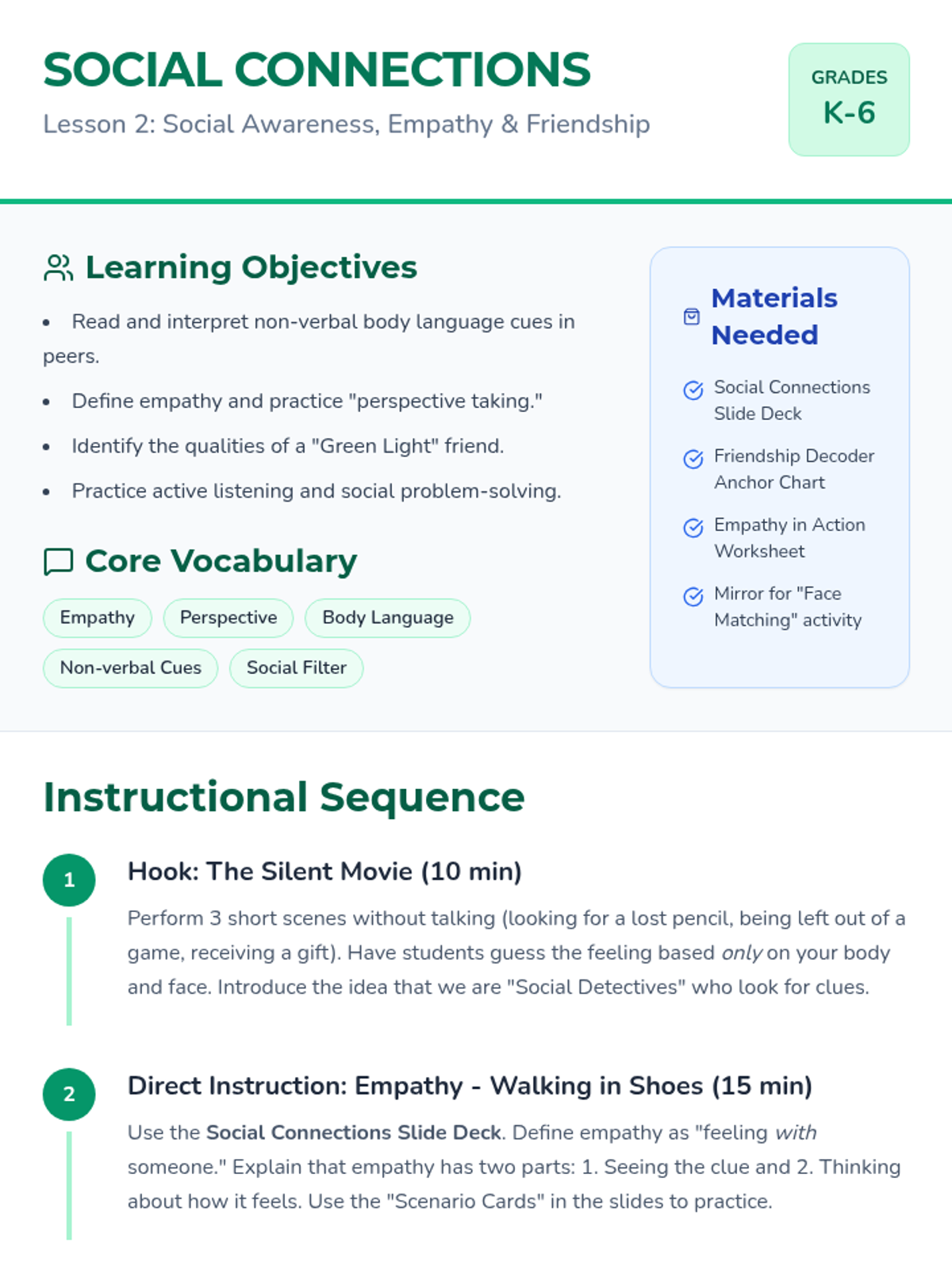
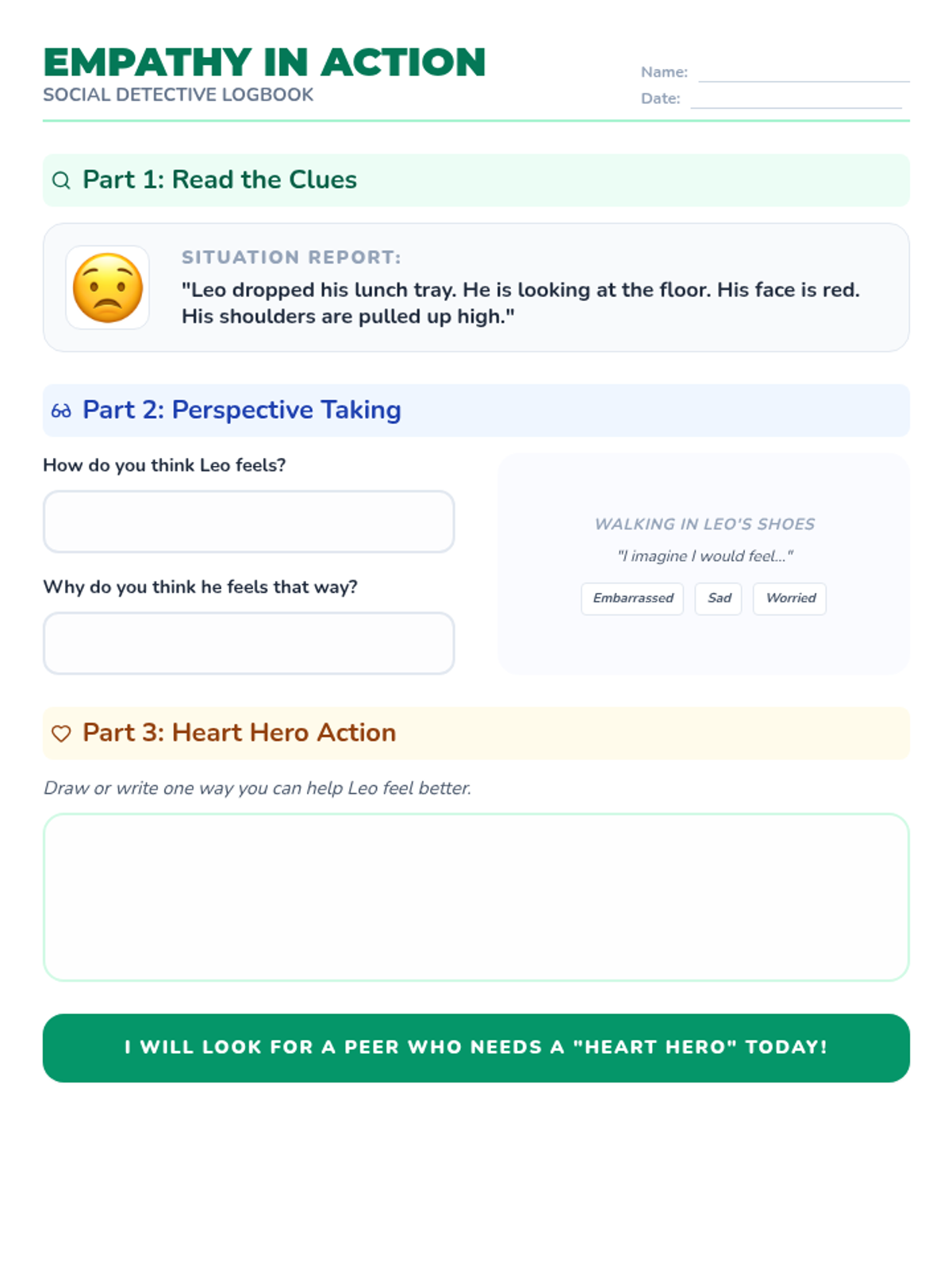
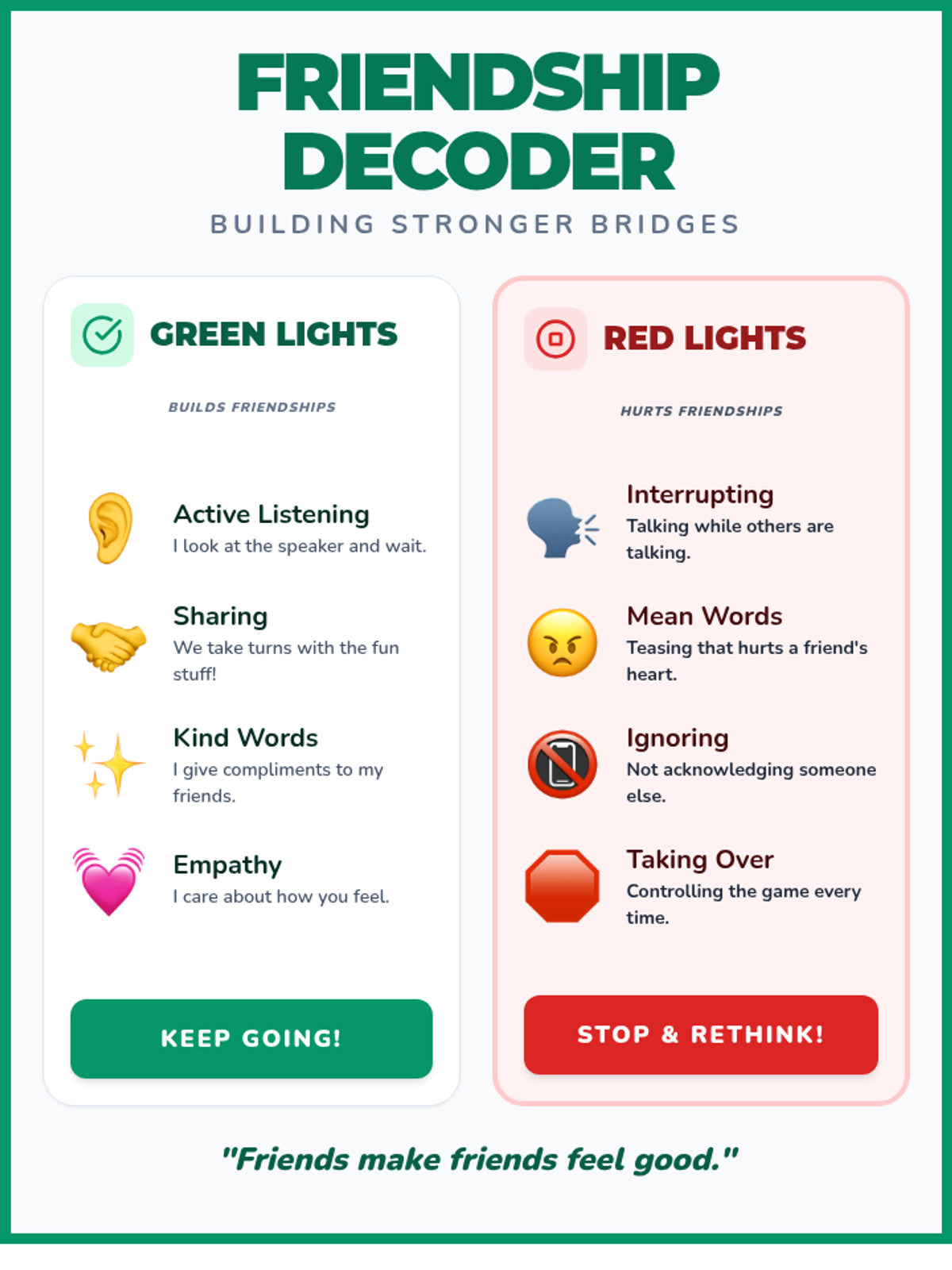
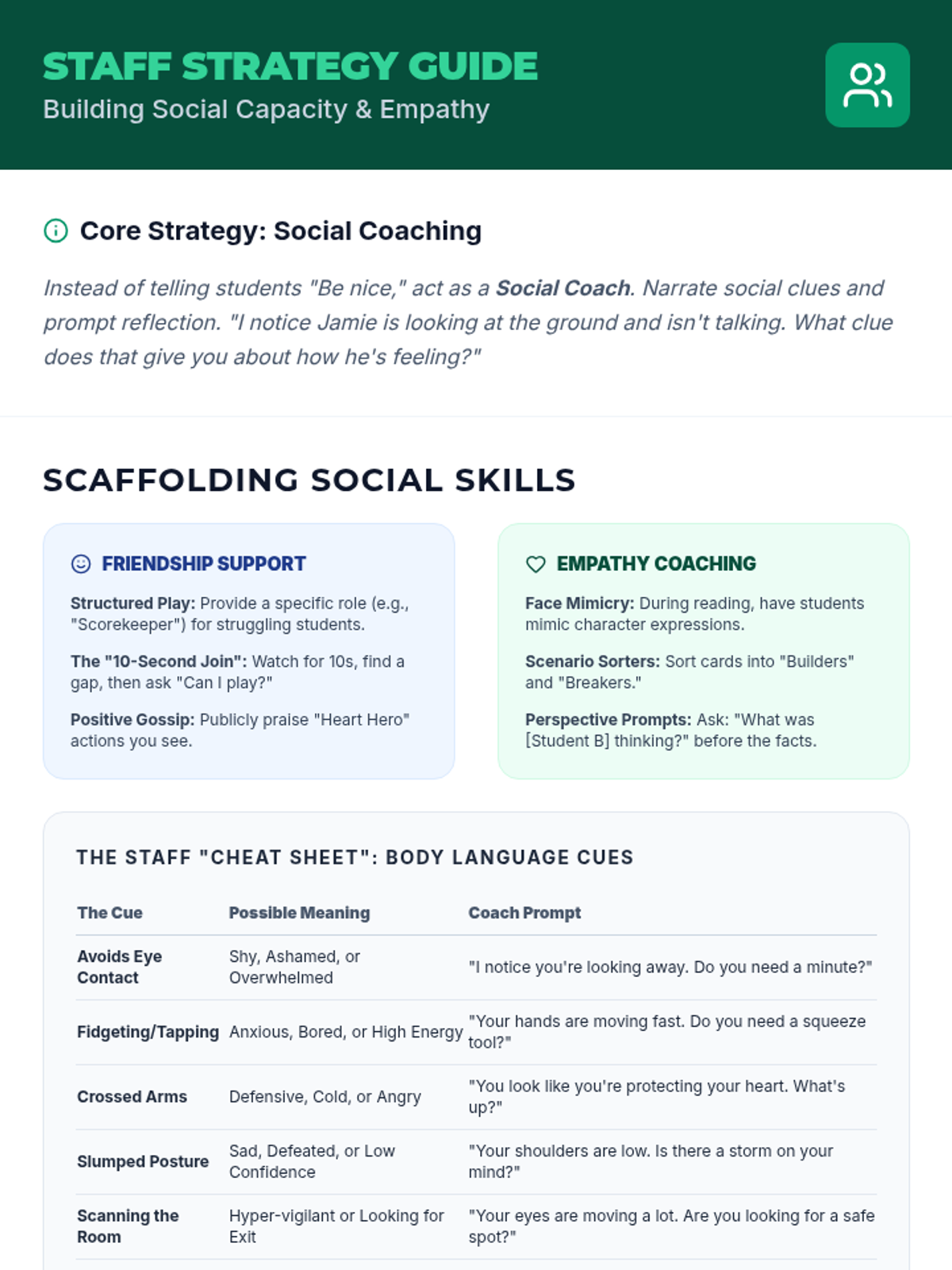
Develops social awareness, empathy, and friendship skills by teaching students to read body language and respond with kindness.
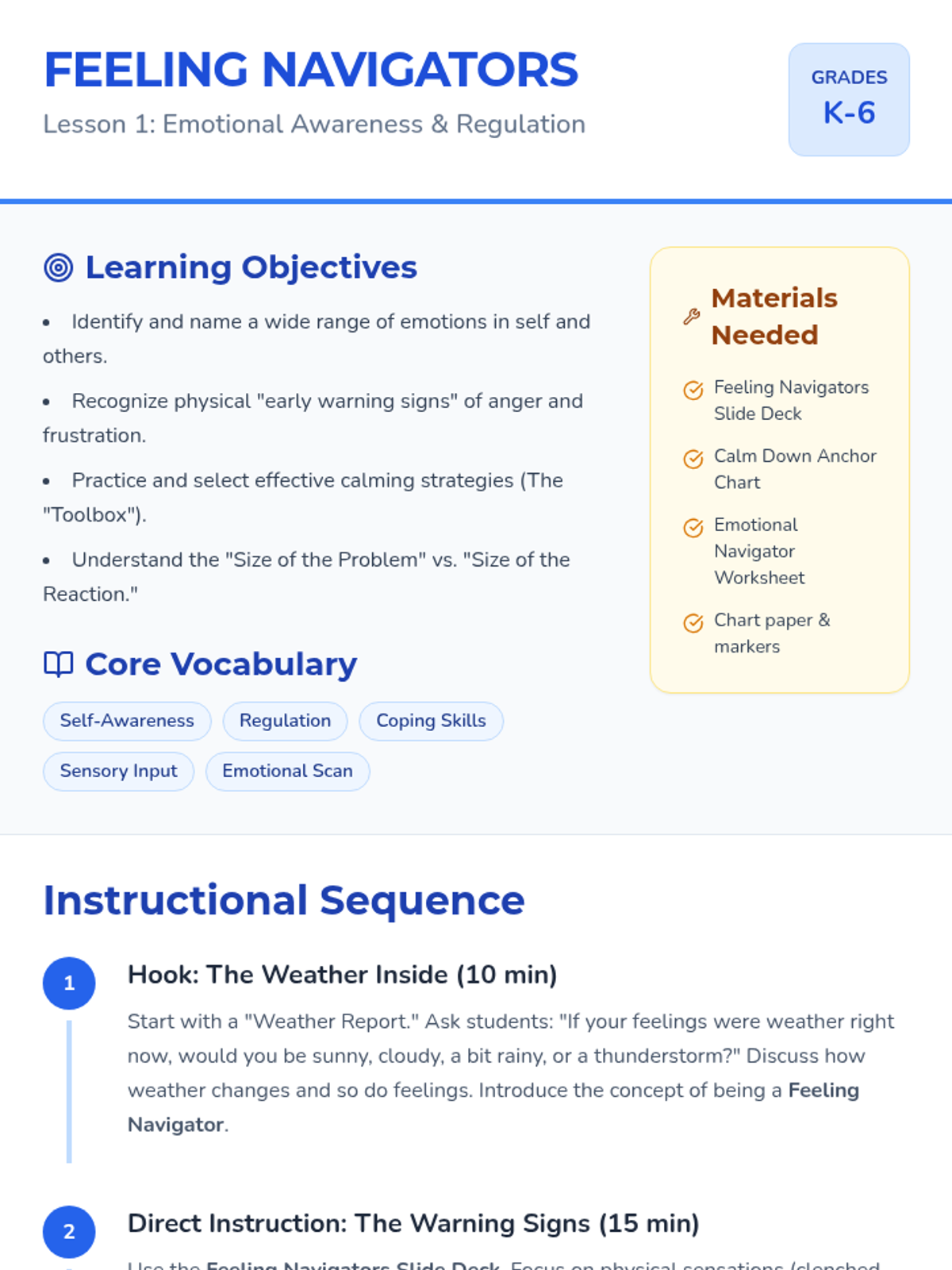
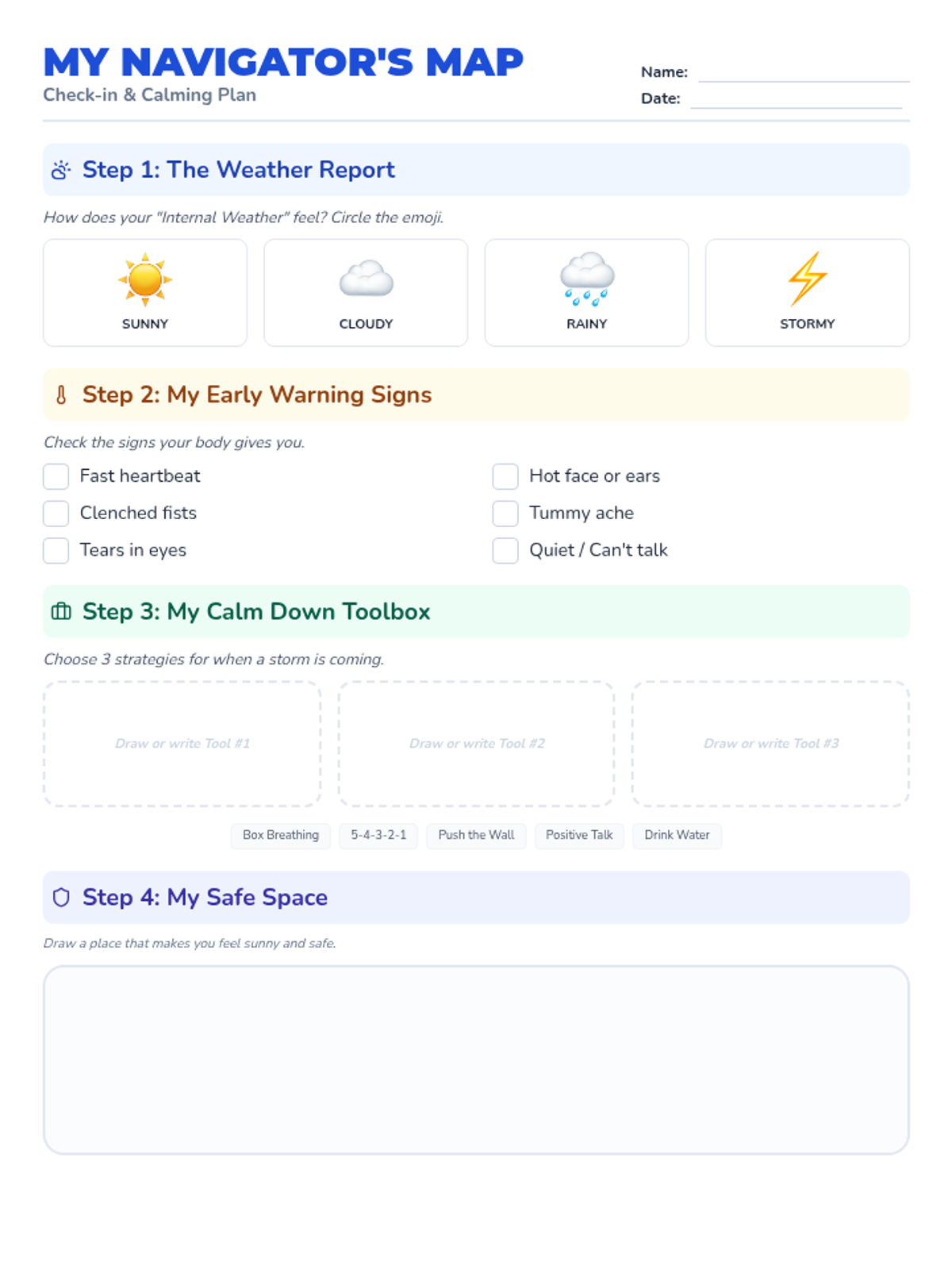
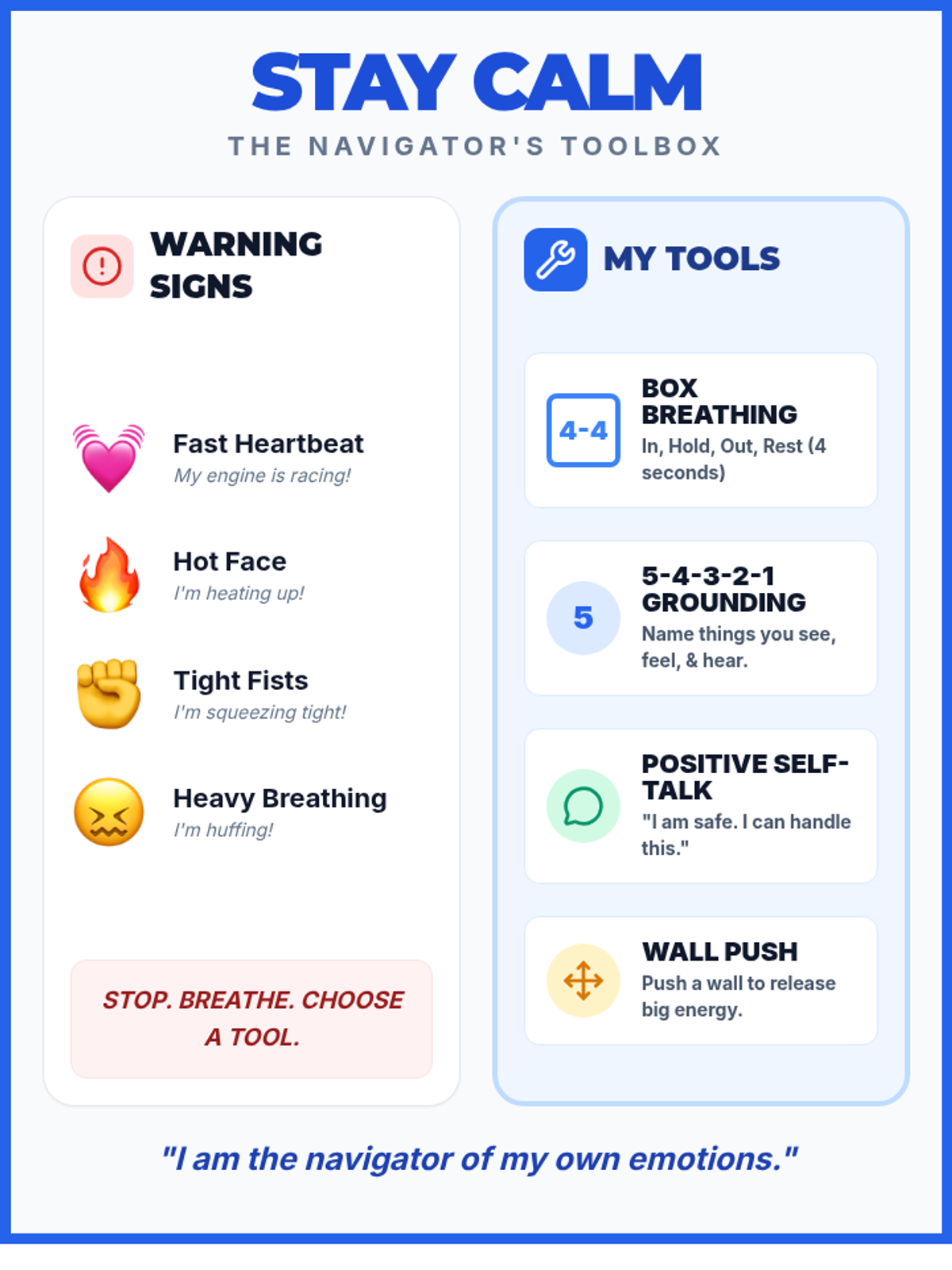
Focuses on identifying emotions, understanding the physical signs of anger, and building a toolbox of calming strategies for self-regulation.
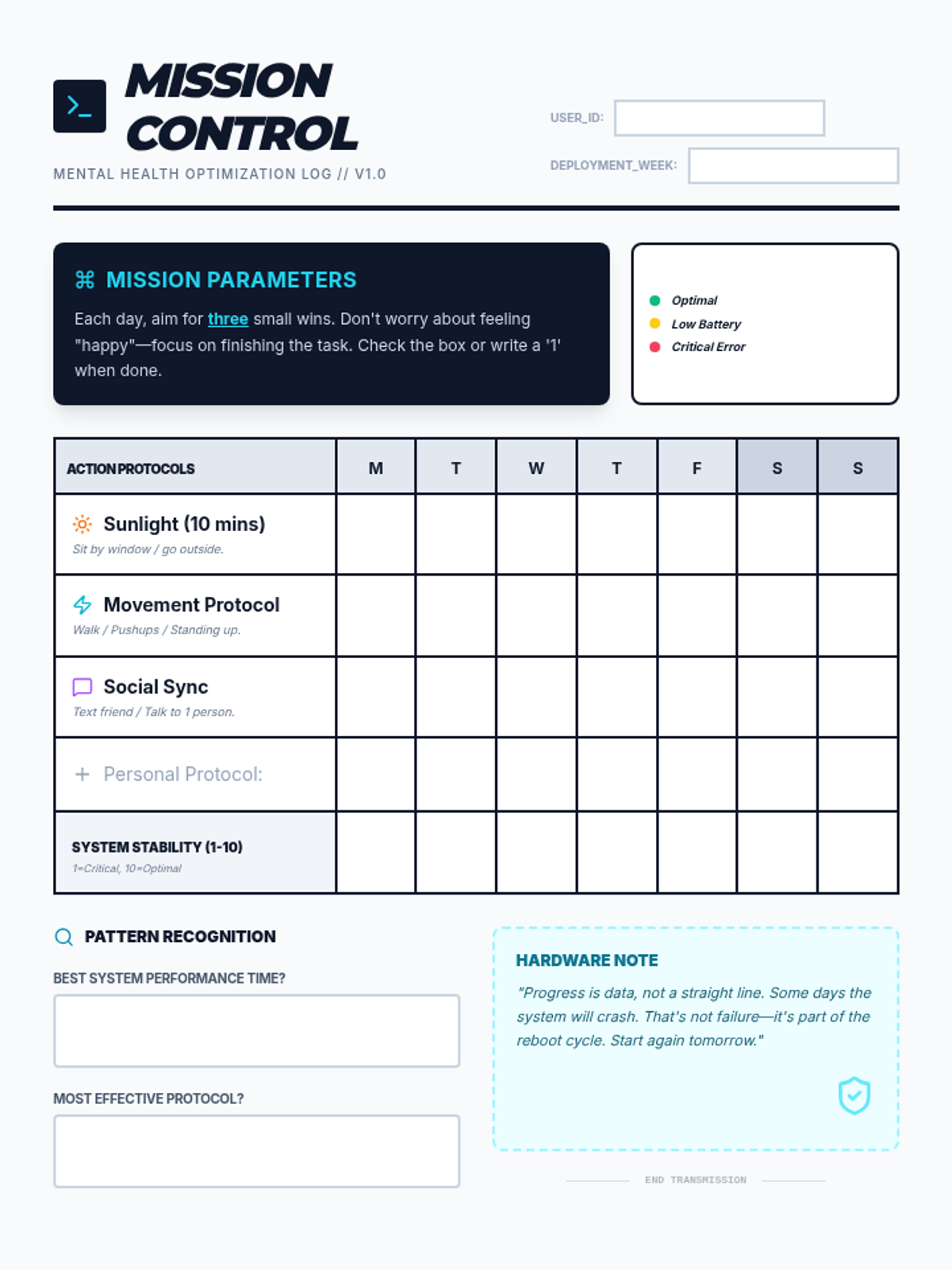
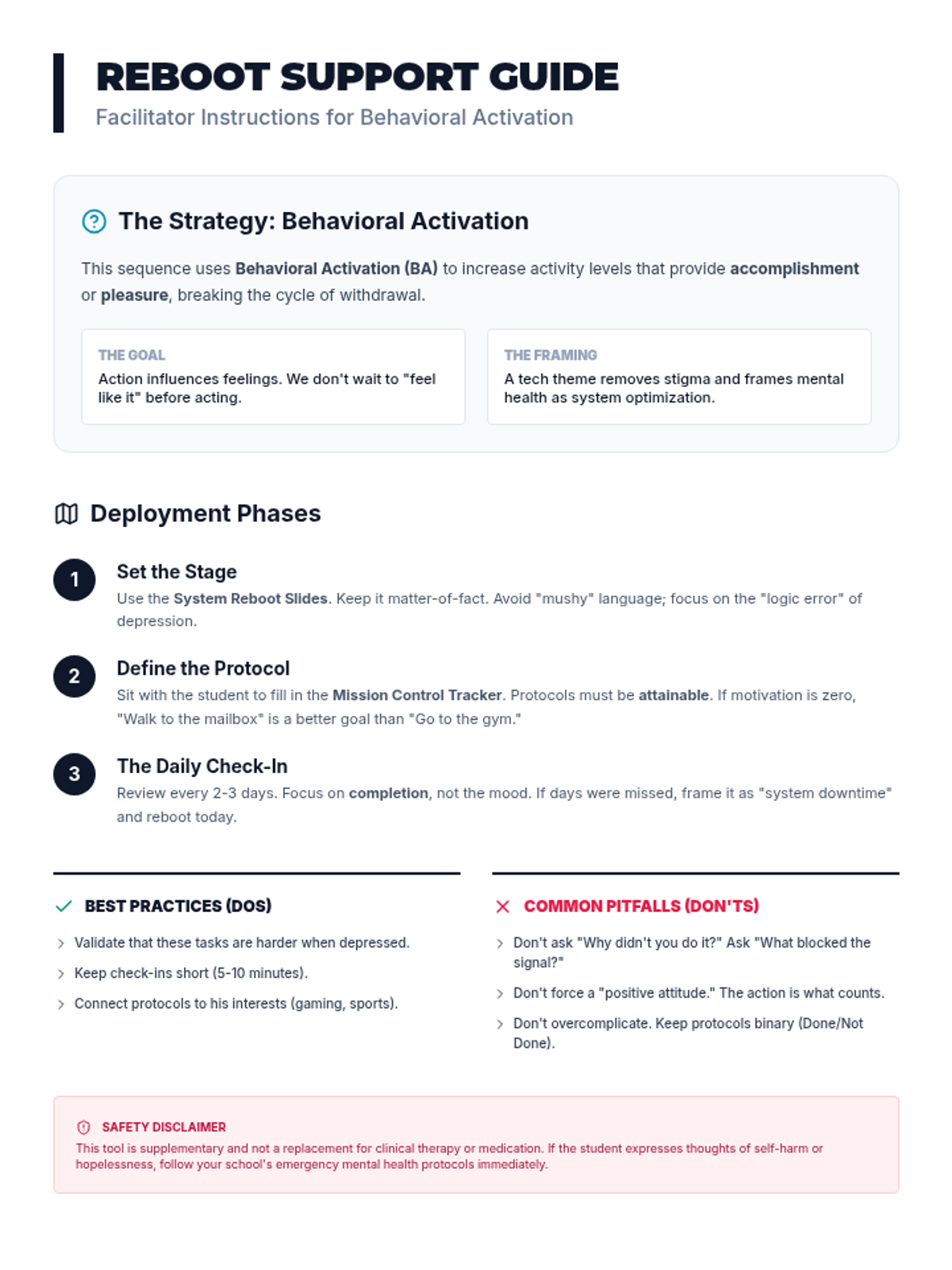
A focused lesson on identifying small daily goals that improve mood and tracking them using a technical 'Mission Control' framework. The lesson emphasizes behavioral activation and self-monitoring.
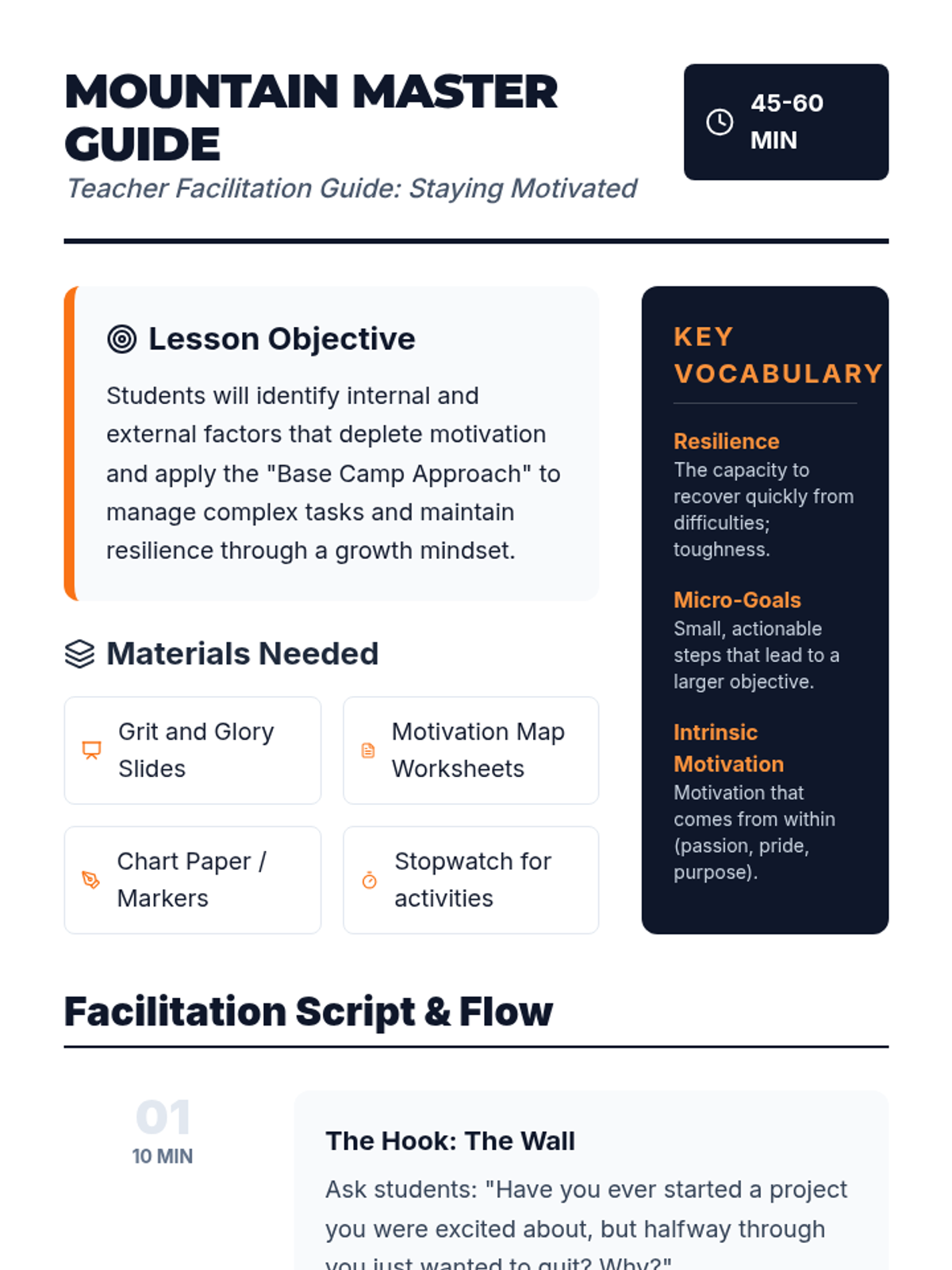
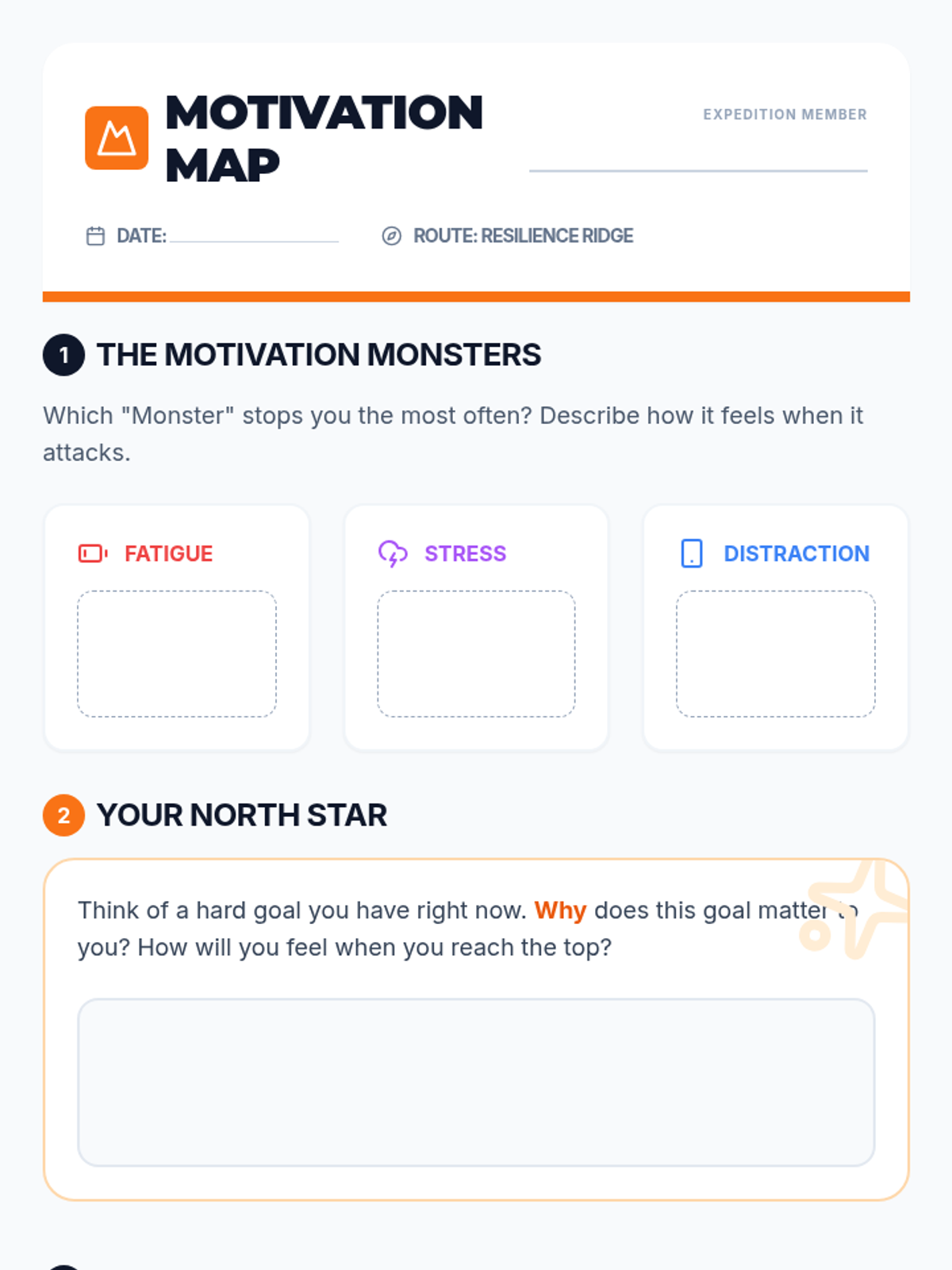
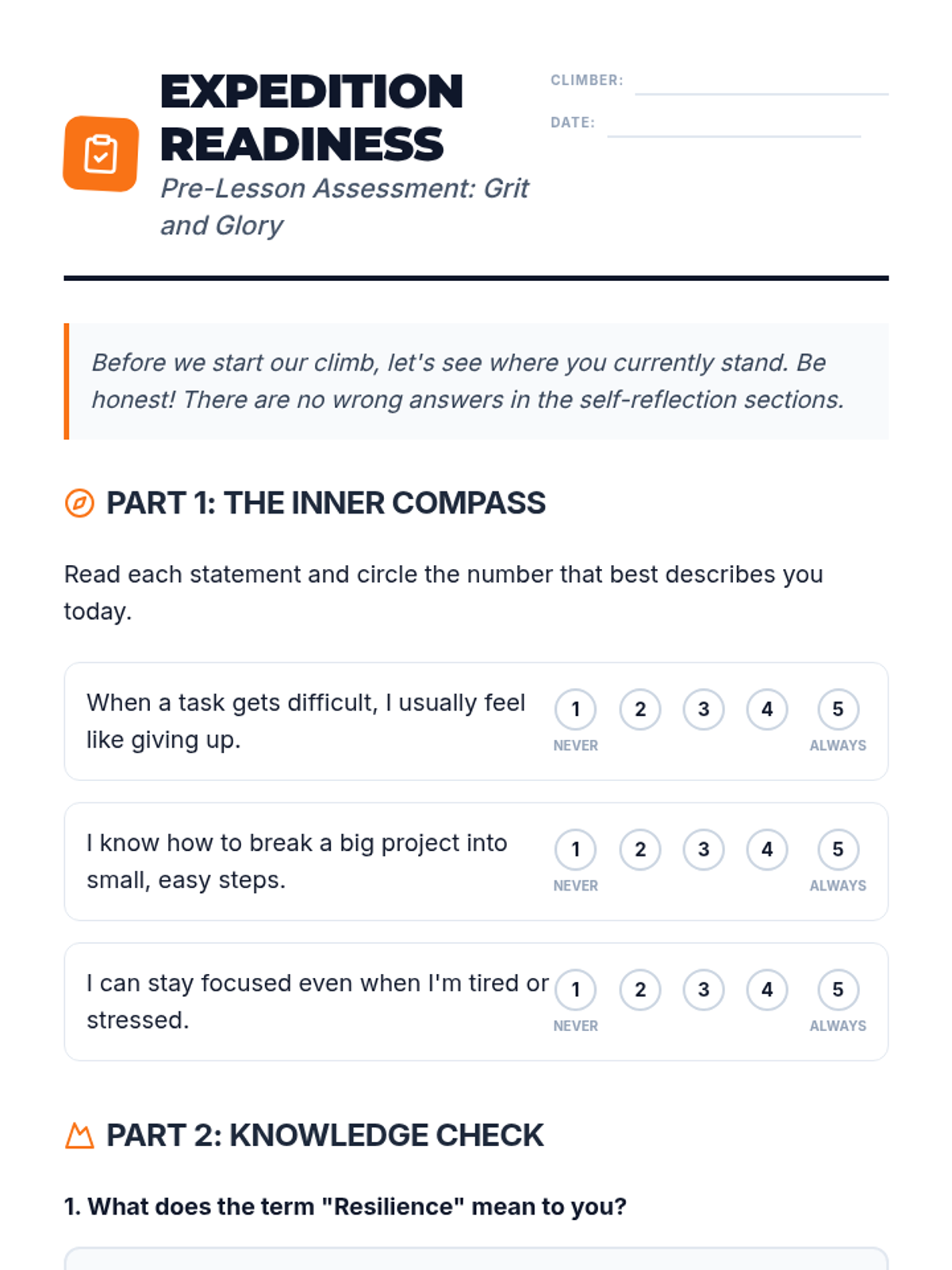
A comprehensive lesson on identifying motivation killers and implementing practical strategies to build resilience and maintain focus during difficult tasks.
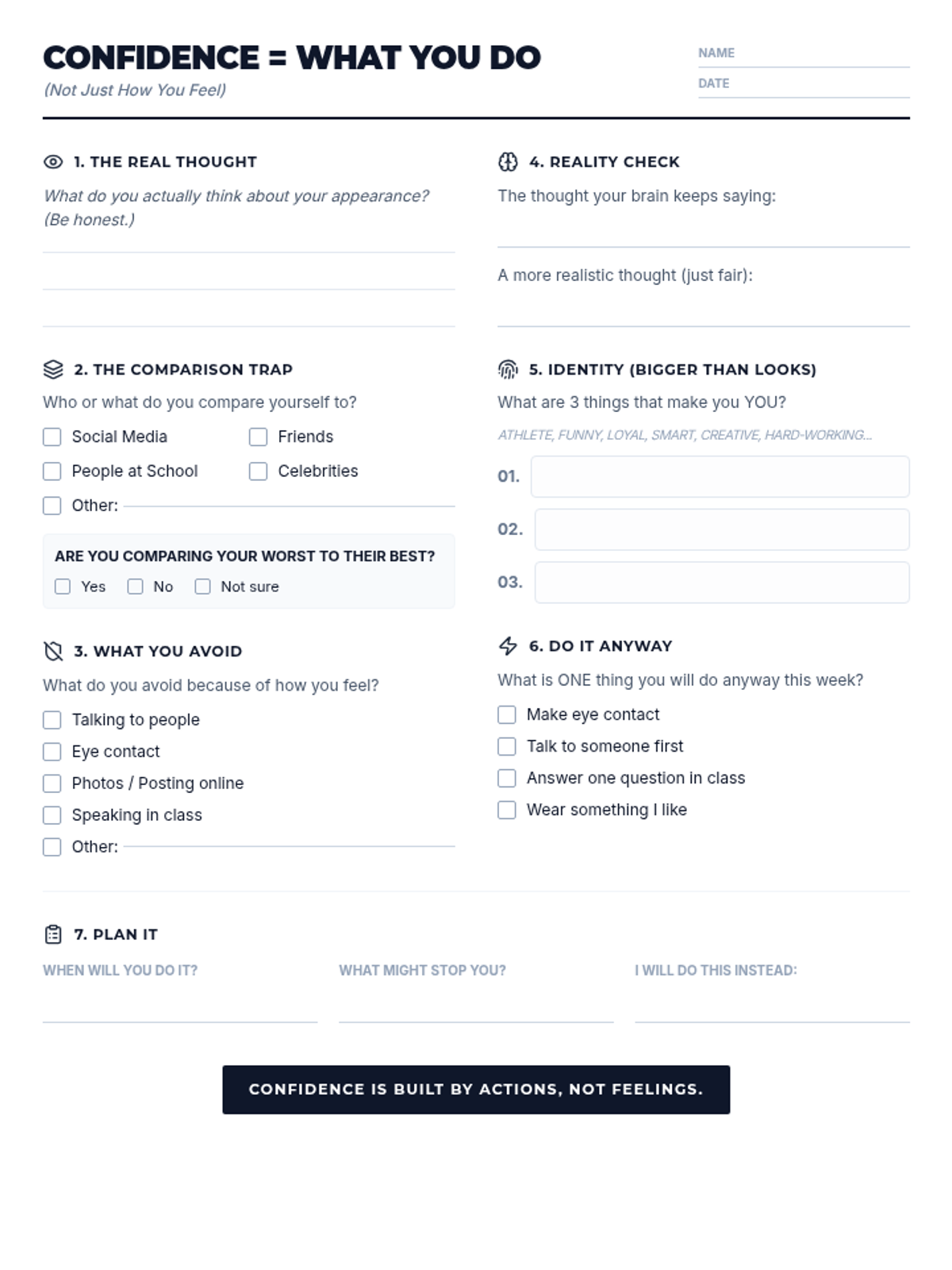
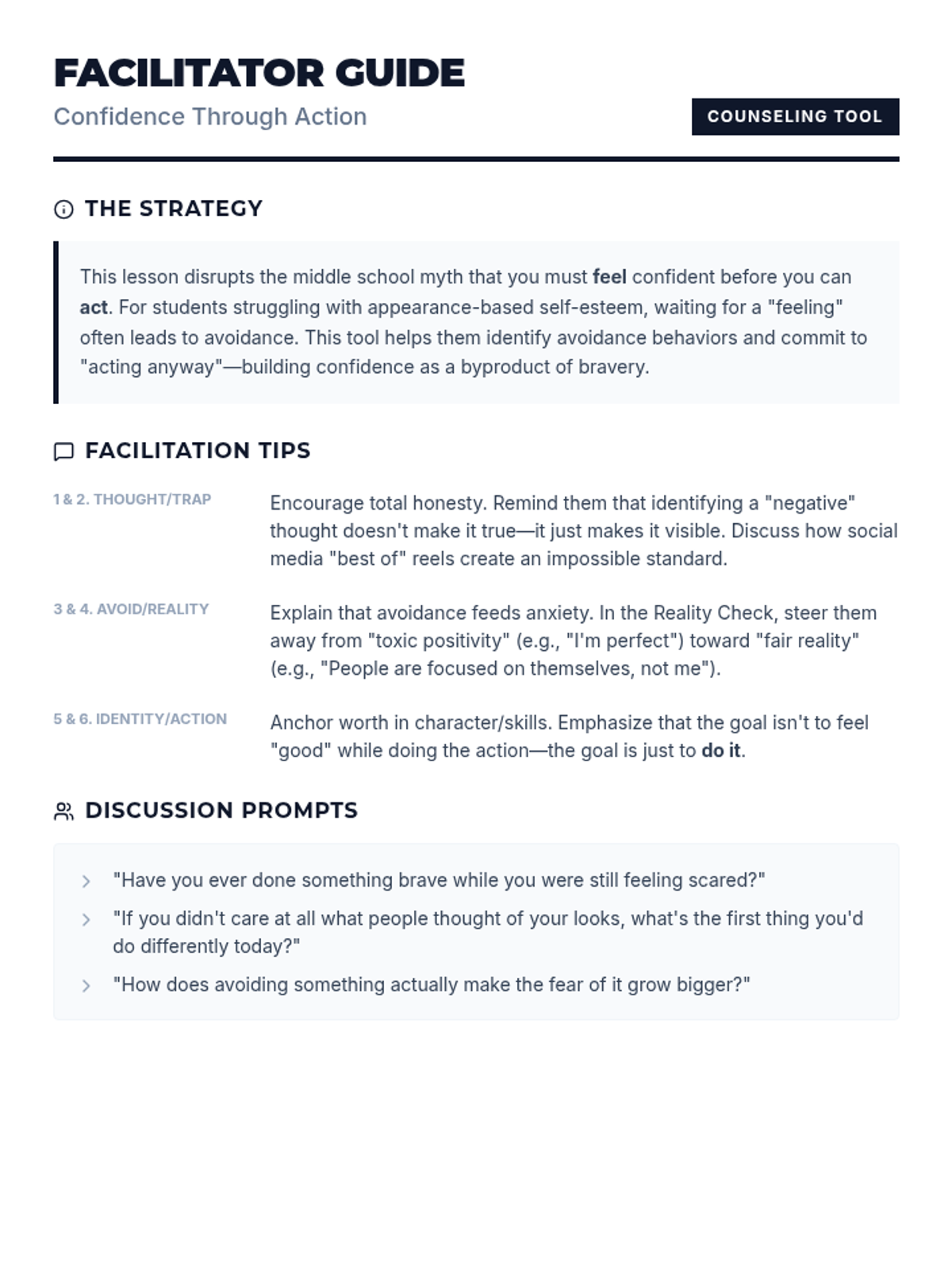
A counseling-focused lesson designed to help middle school students shift their focus from internal self-criticism to external action. It emphasizes that confidence is a skill built through consistent behavior rather than a feeling that must be achieved before starting.
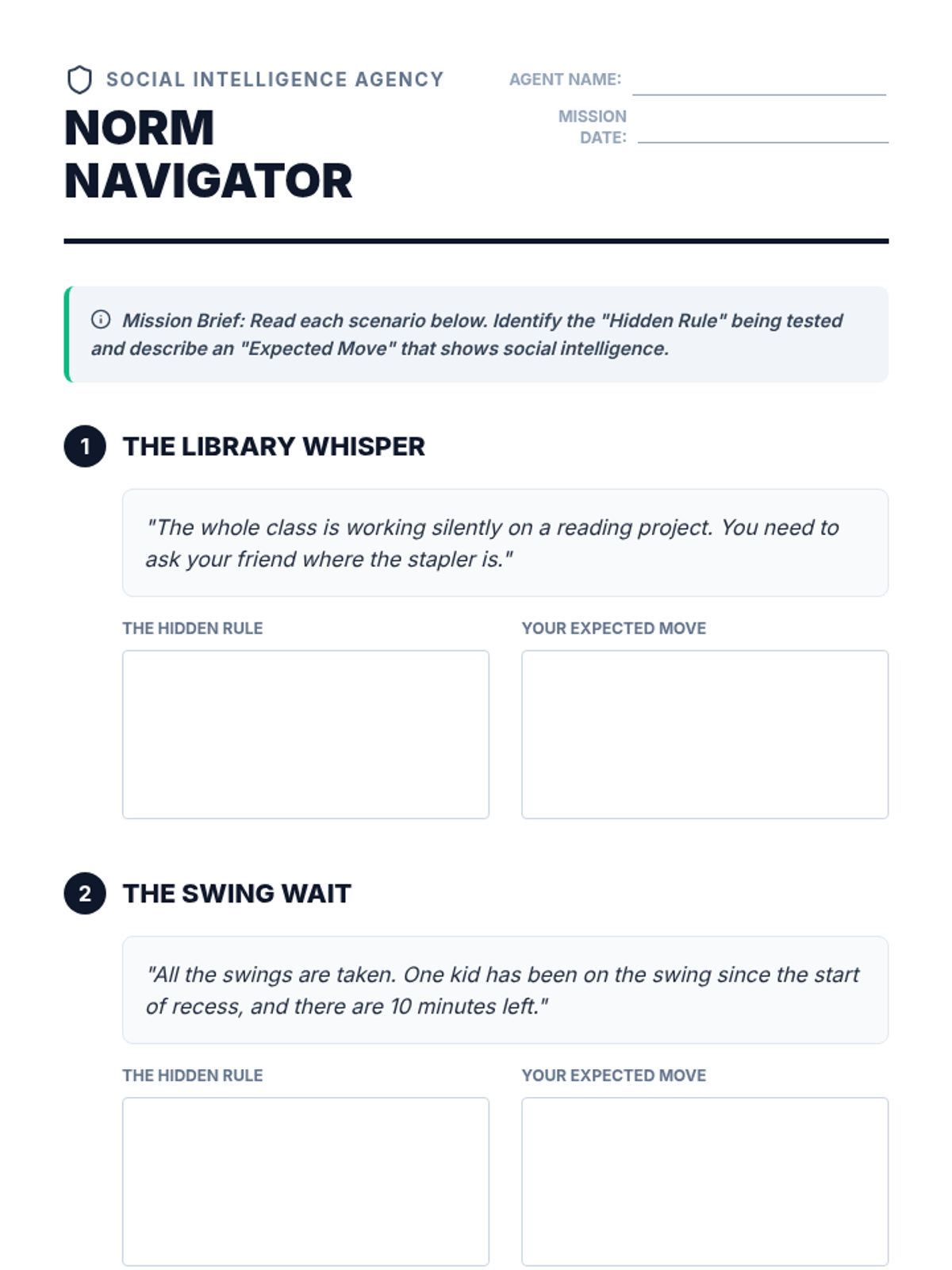
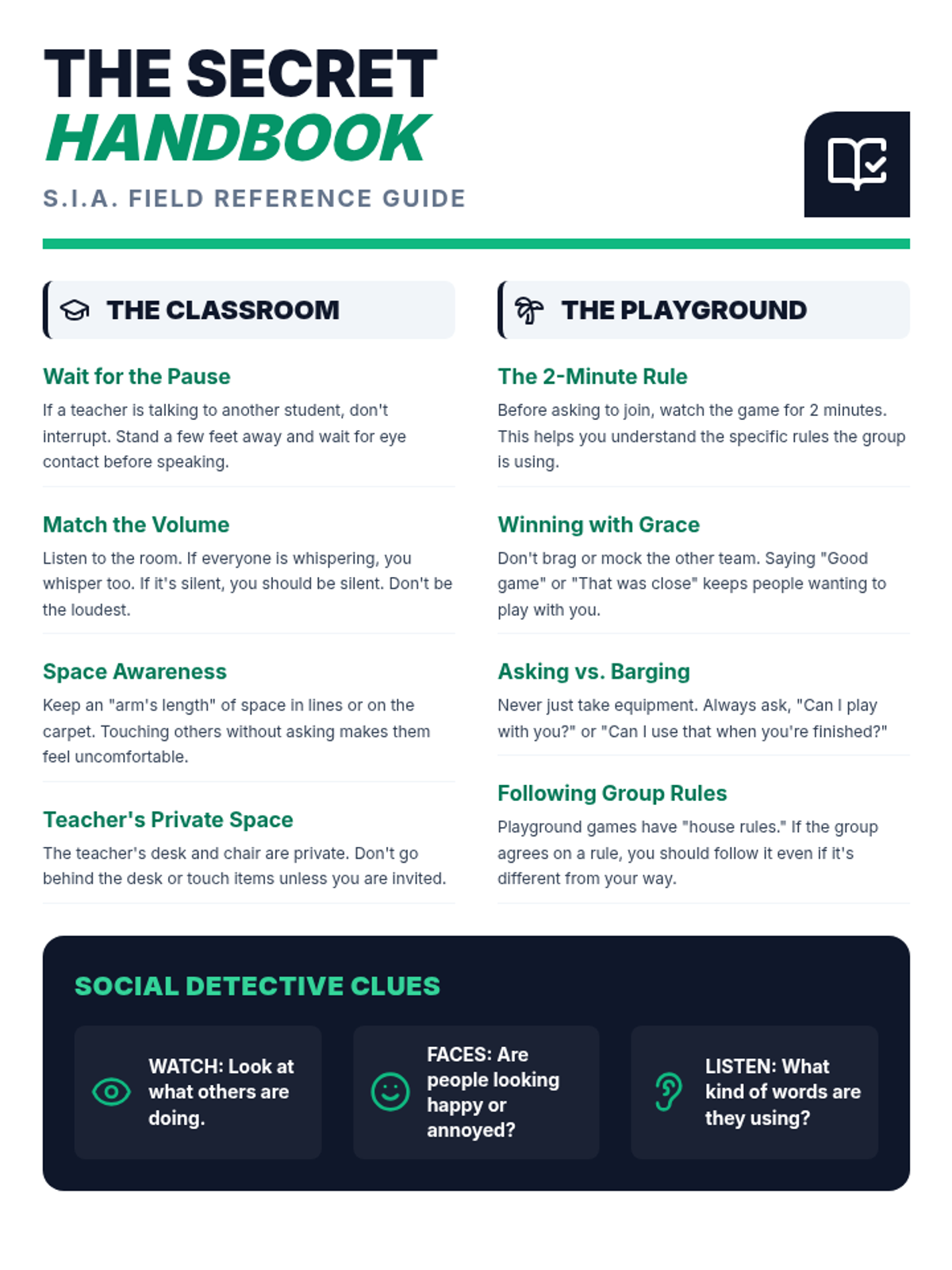
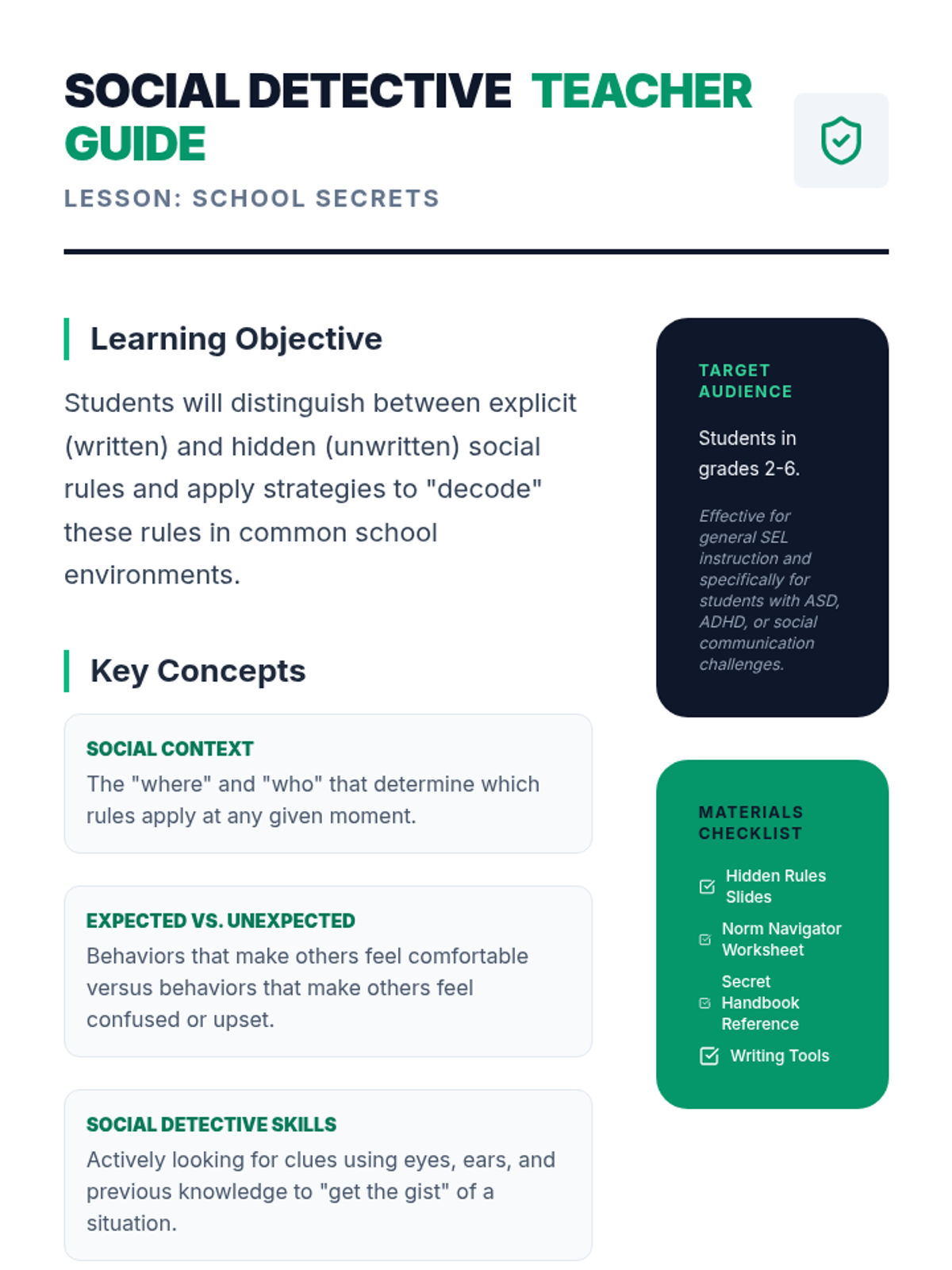
Focuses on identifying and understanding the unwritten expectations in the classroom and on the playground to help students navigate these spaces successfully.
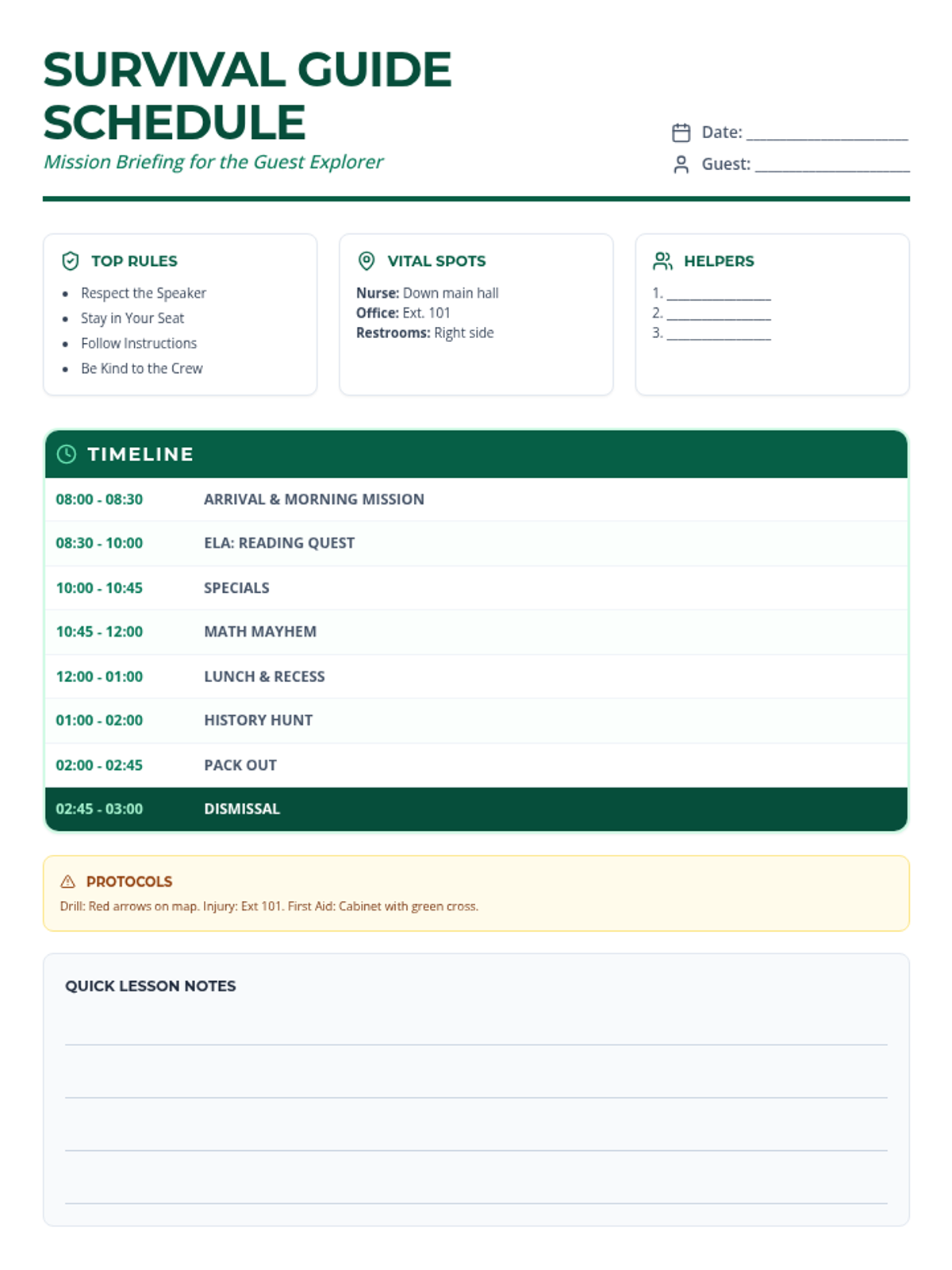
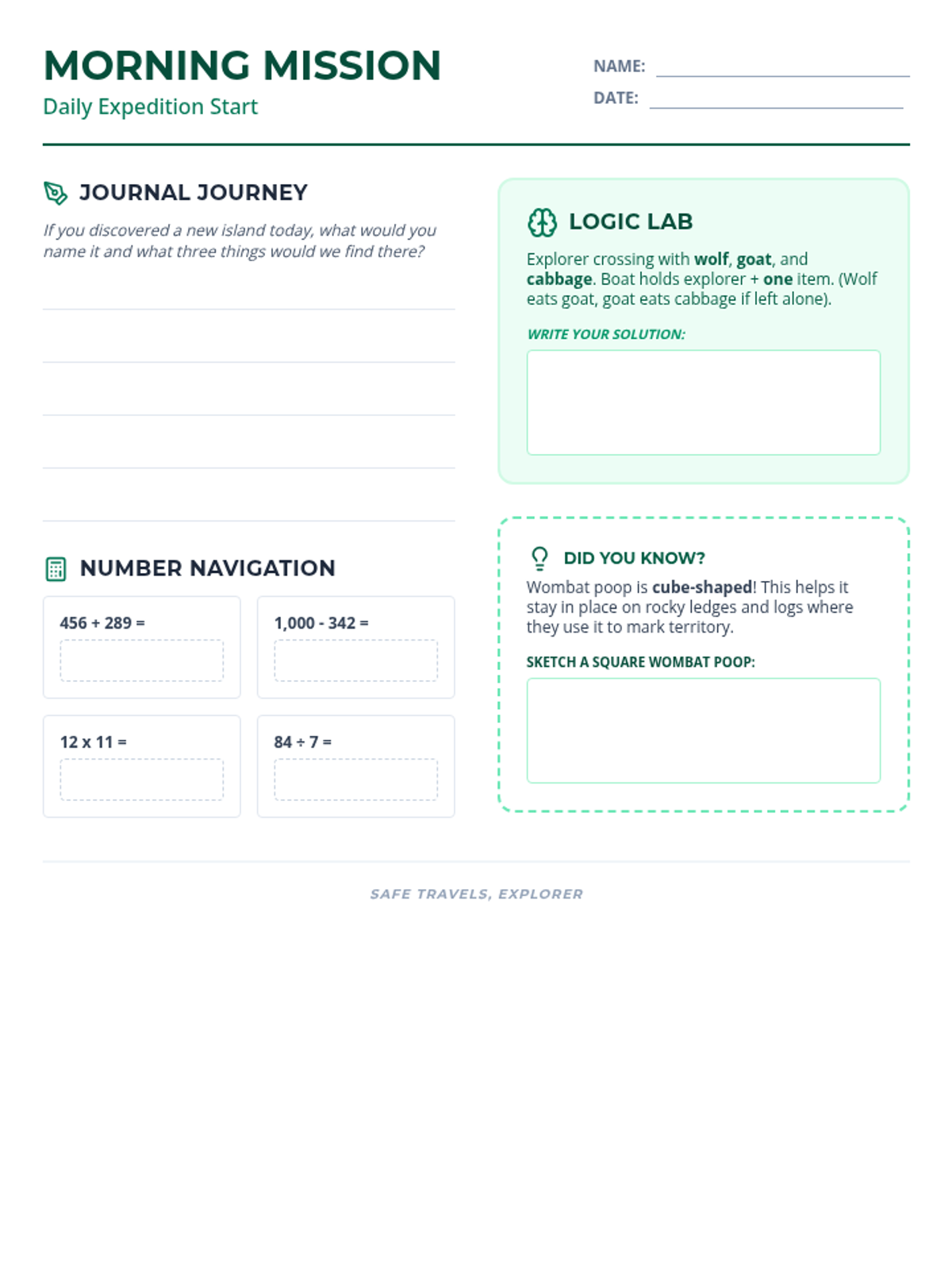
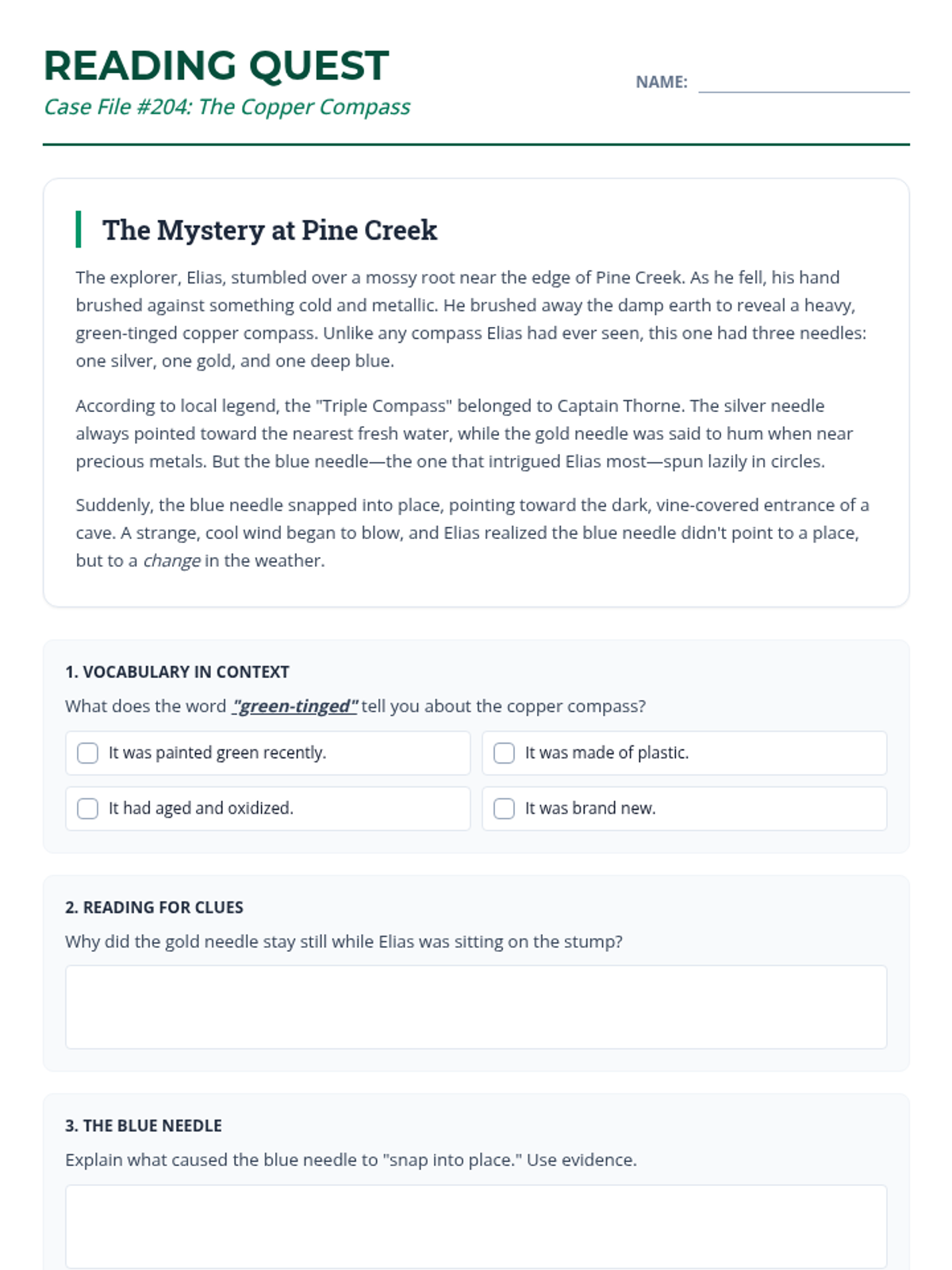
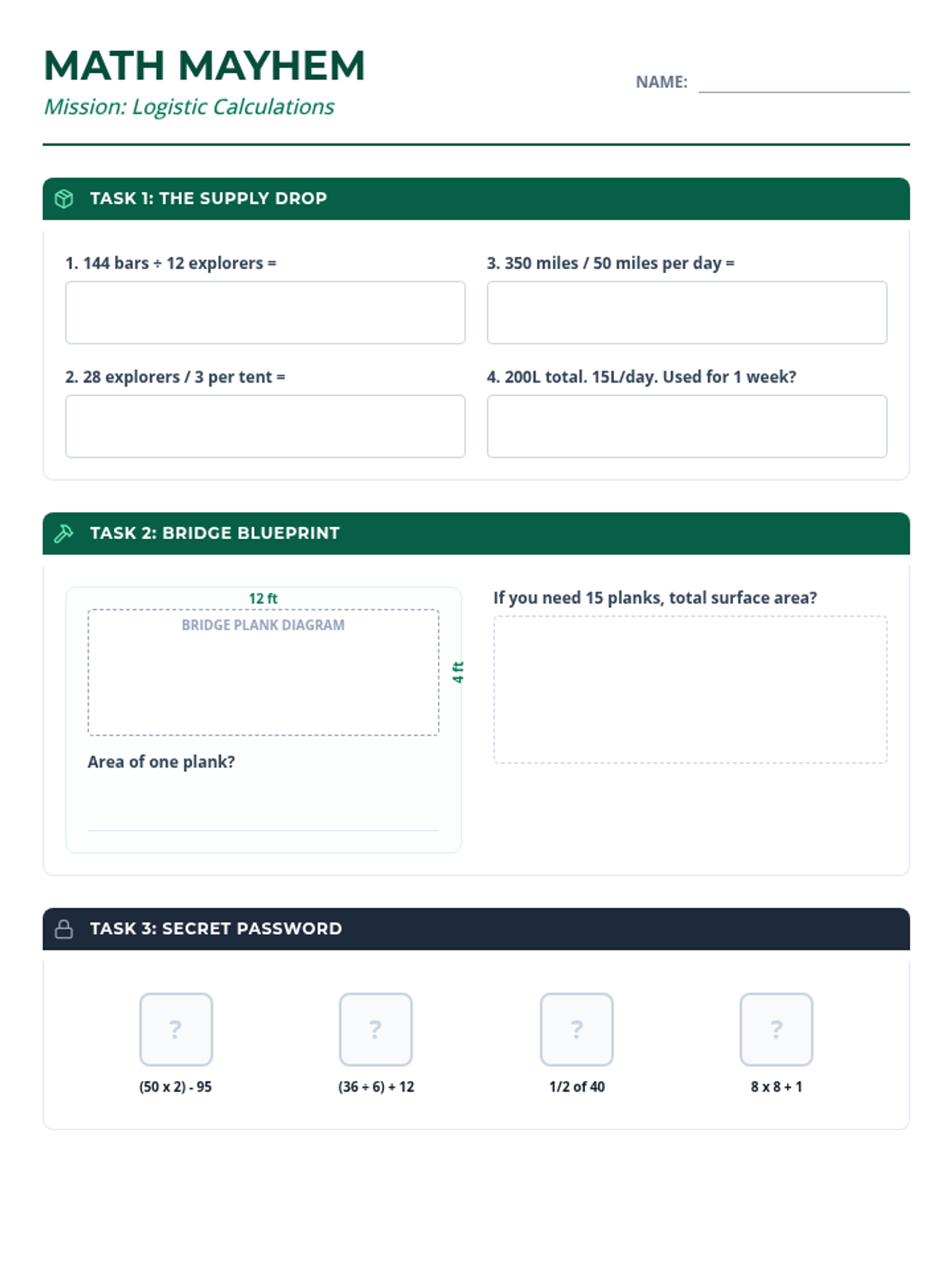
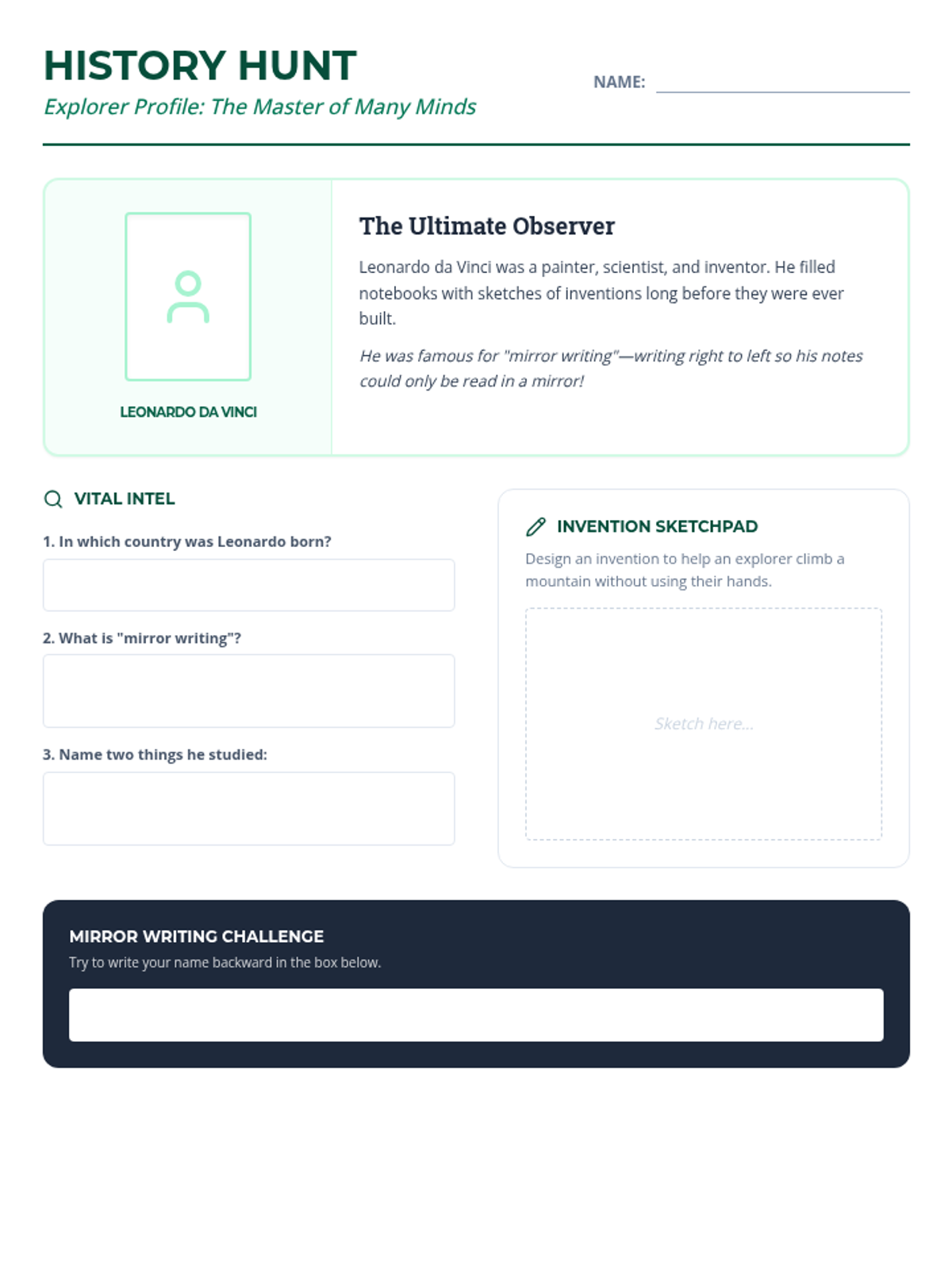
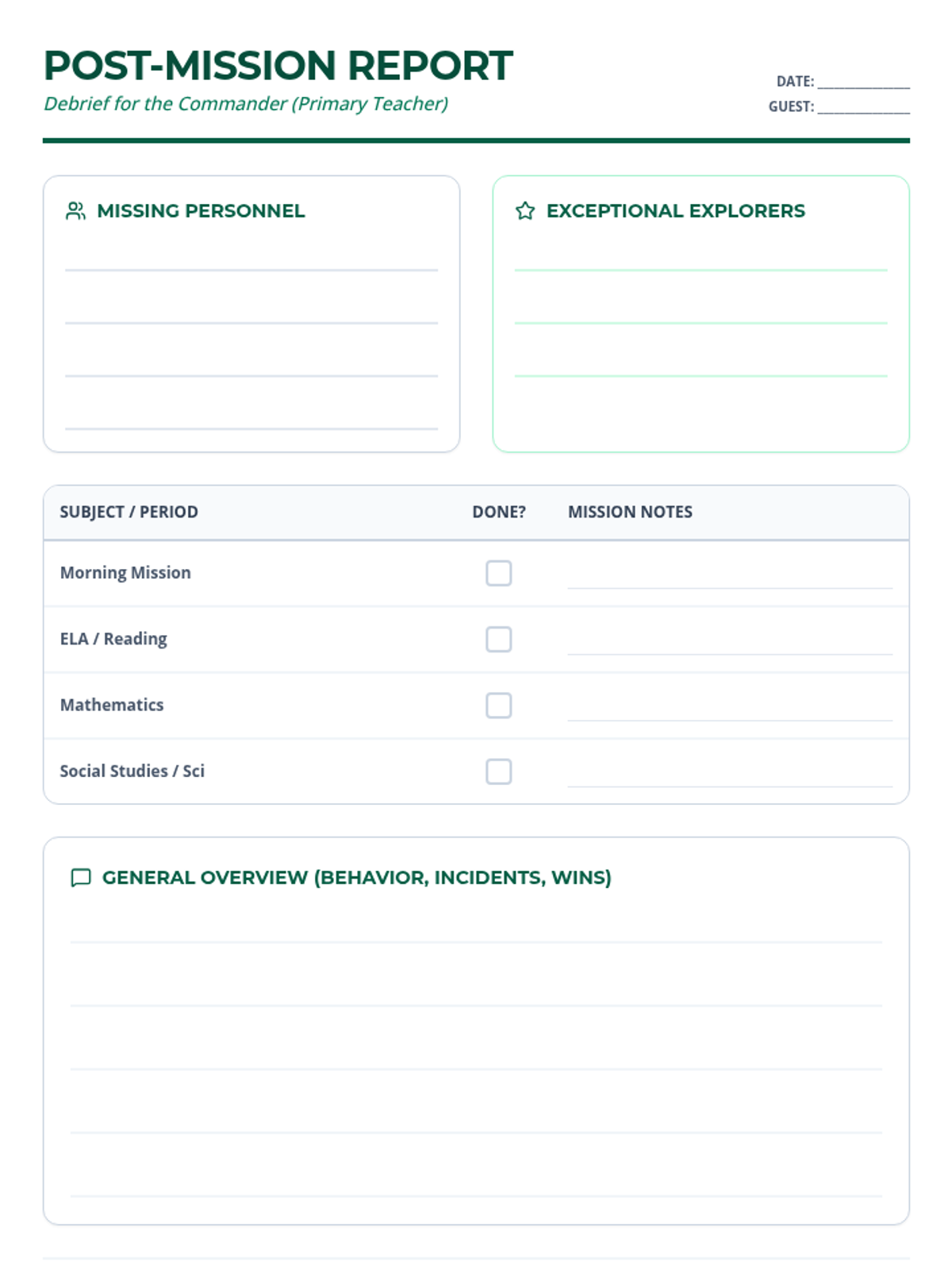
A comprehensive set of materials for a substitute teacher to manage a full school day, including a detailed schedule, morning work, core subject activities, and a reporting system.
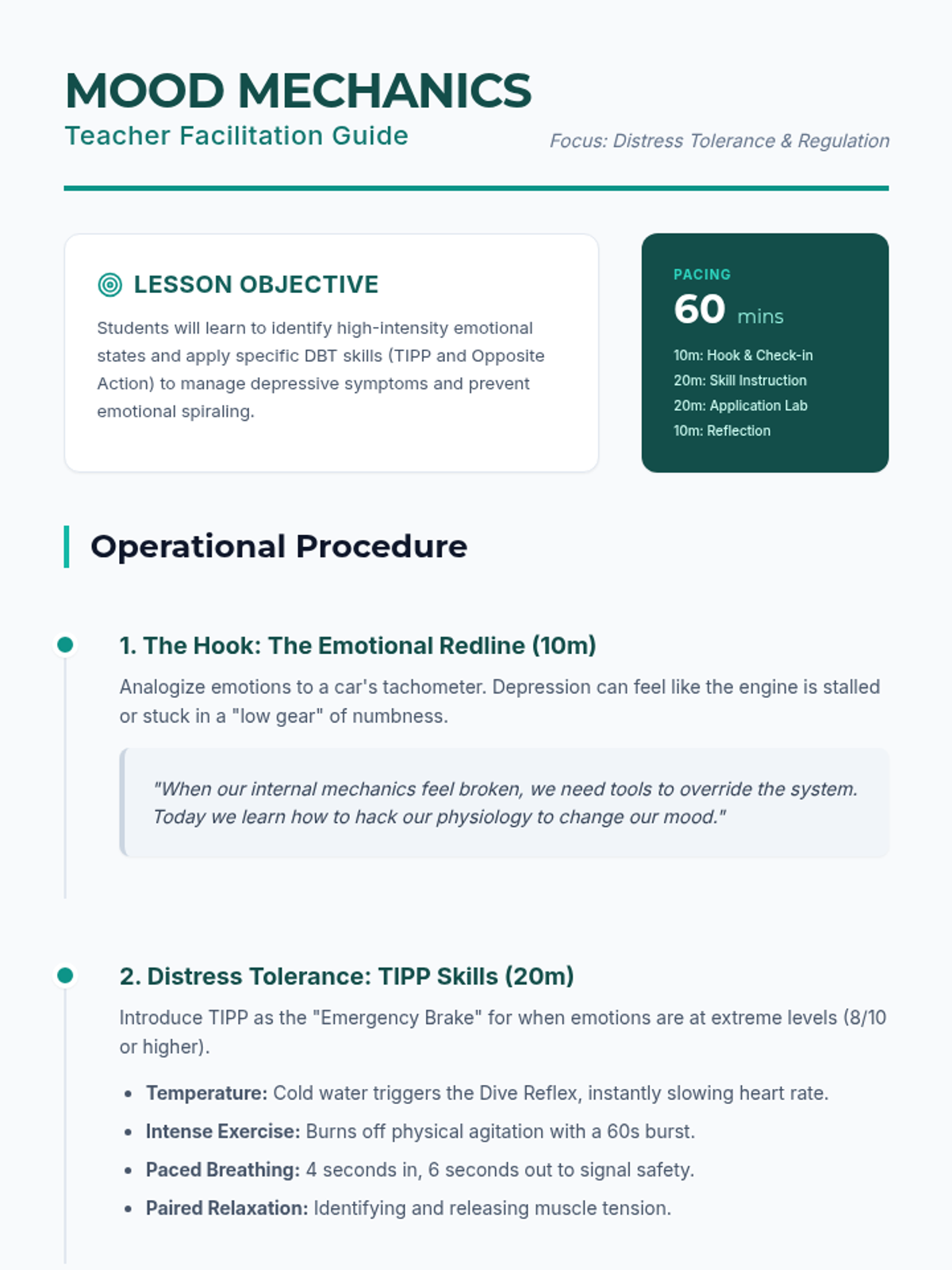
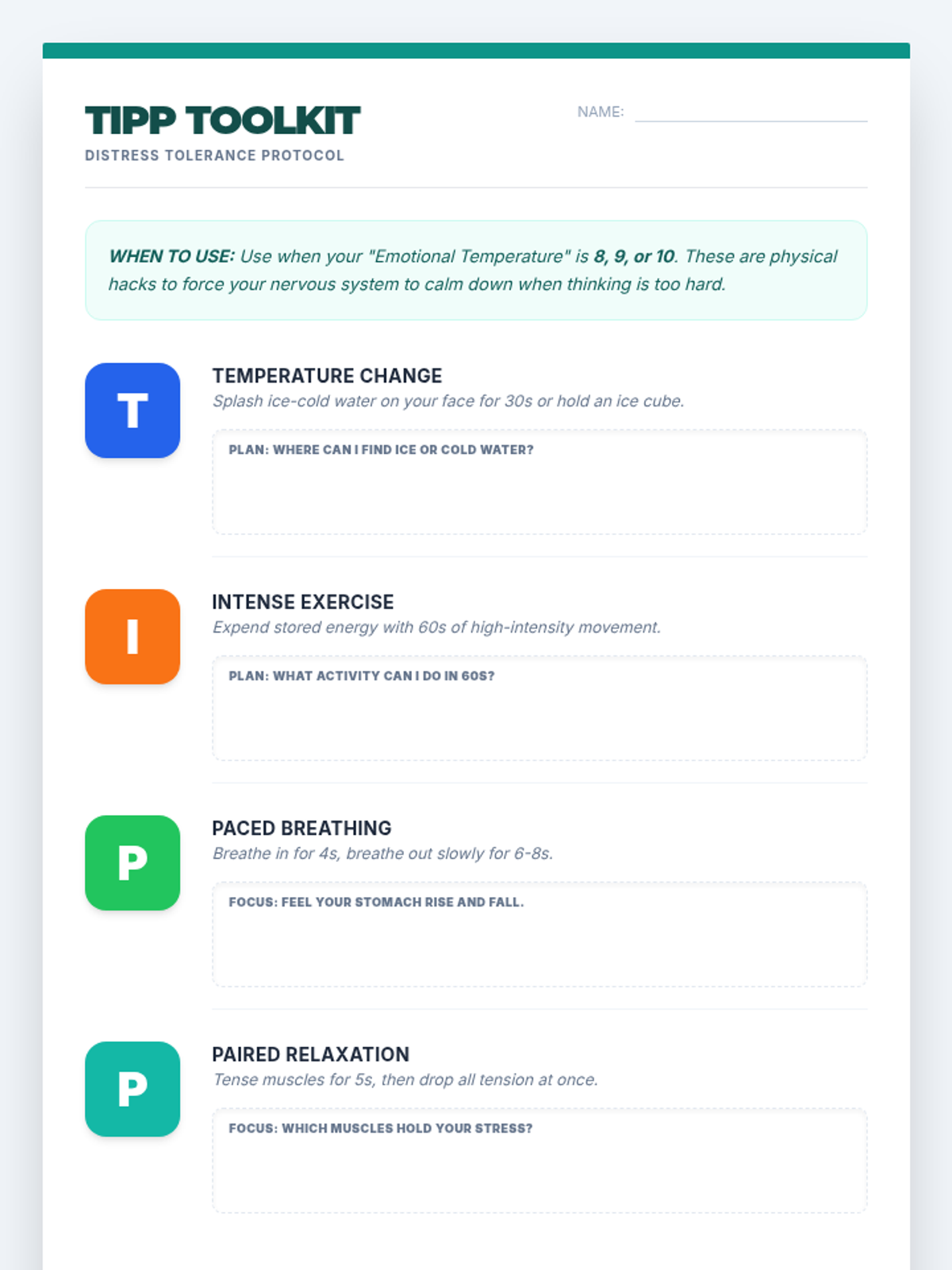
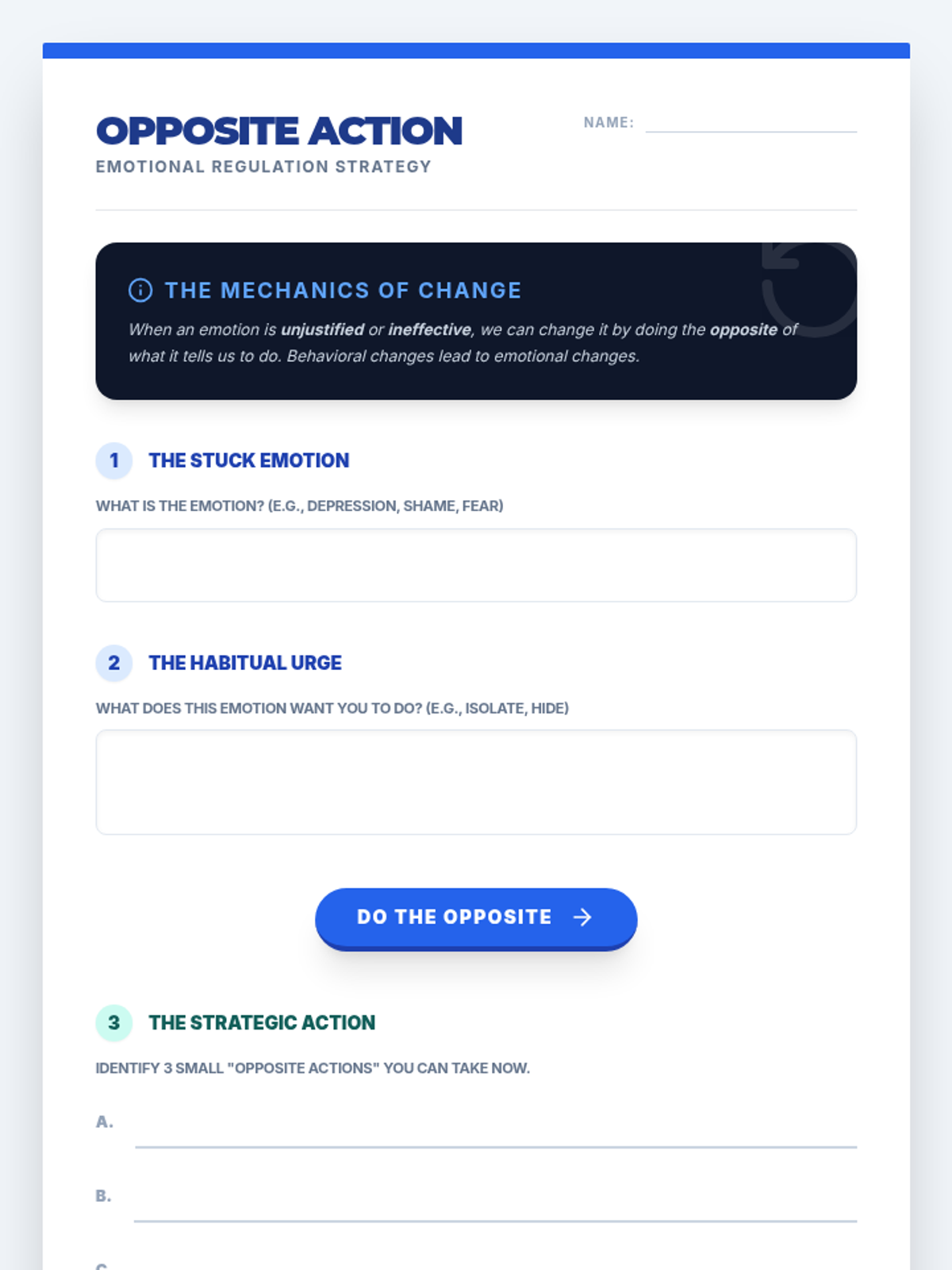
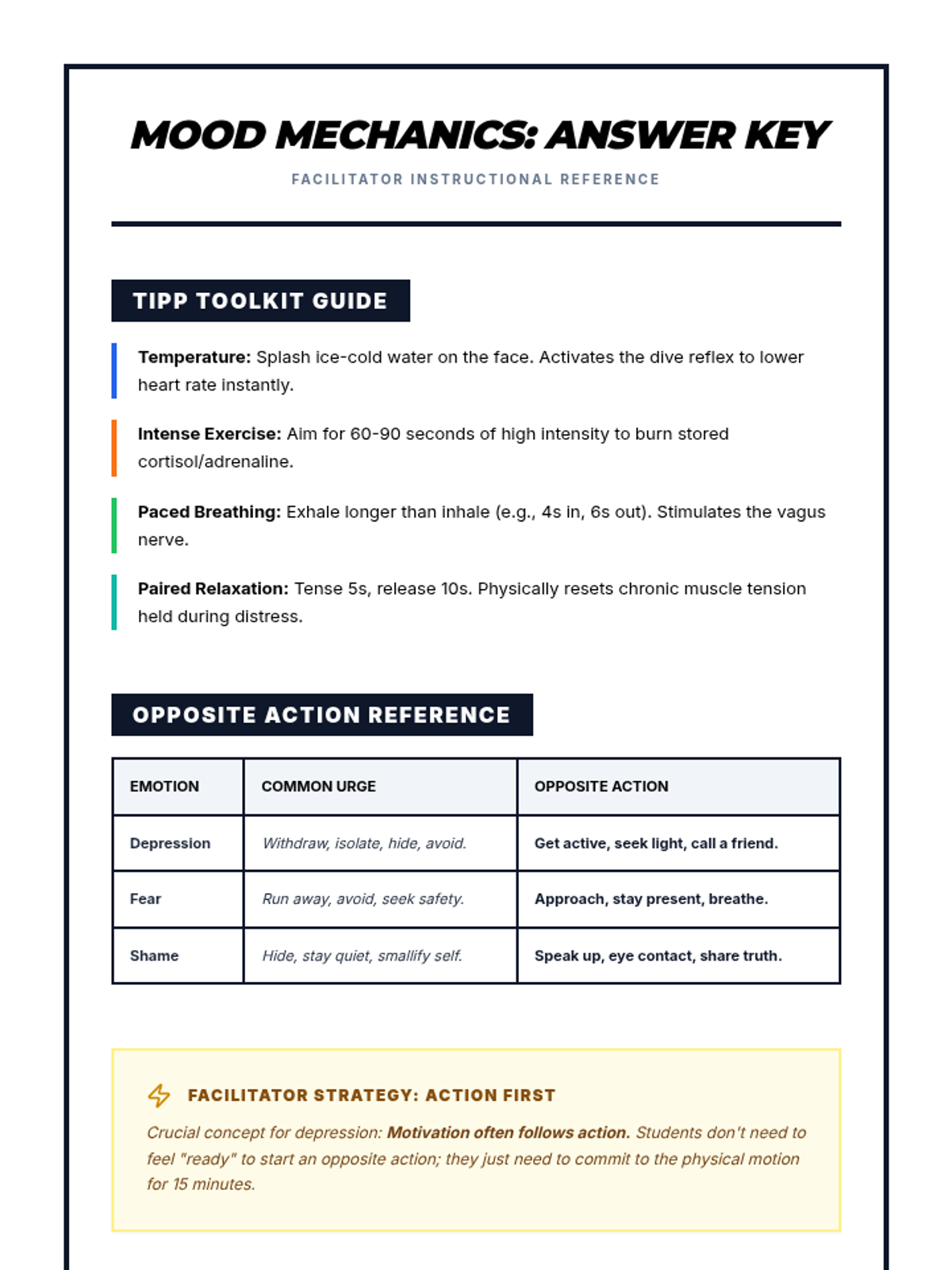
A comprehensive introduction to Dialectical Behavior Therapy (DBT) skills specifically tailored for managing depression, focusing on Distress Tolerance (TIPP) and Emotional Regulation (Opposite Action).
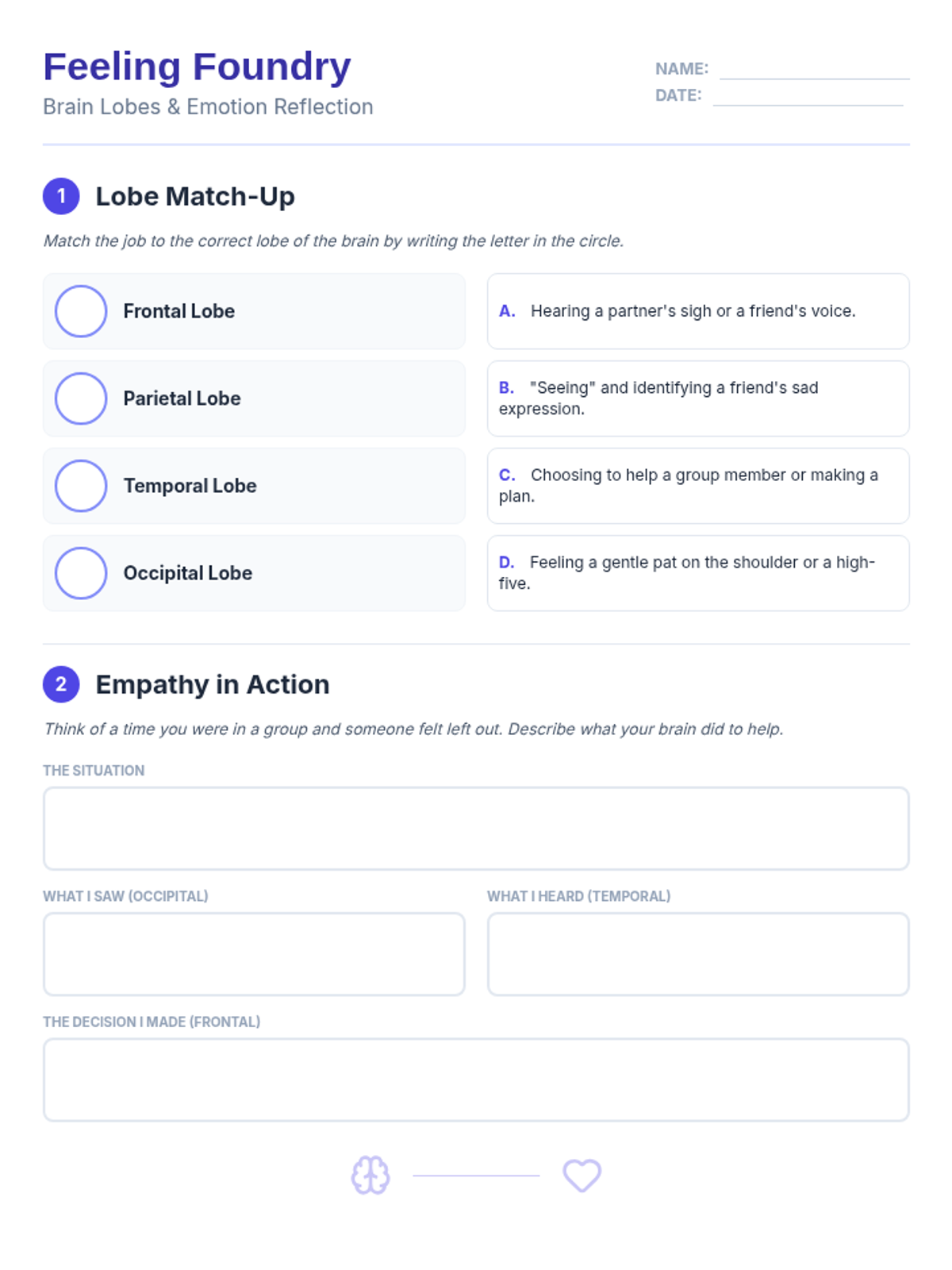
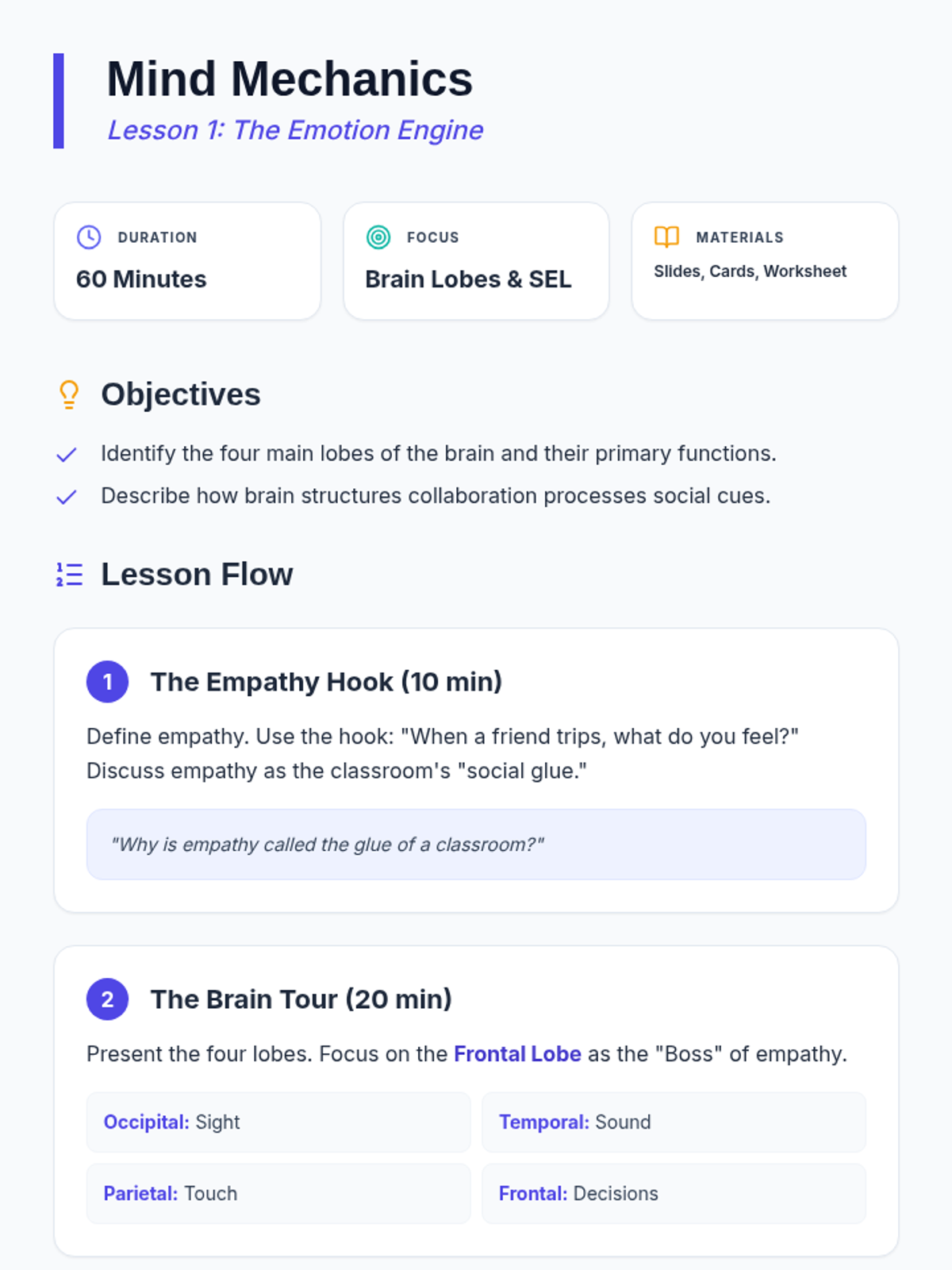
Students explore the four lobes of the brain and how they work together to process emotions and navigate social interactions in the classroom.
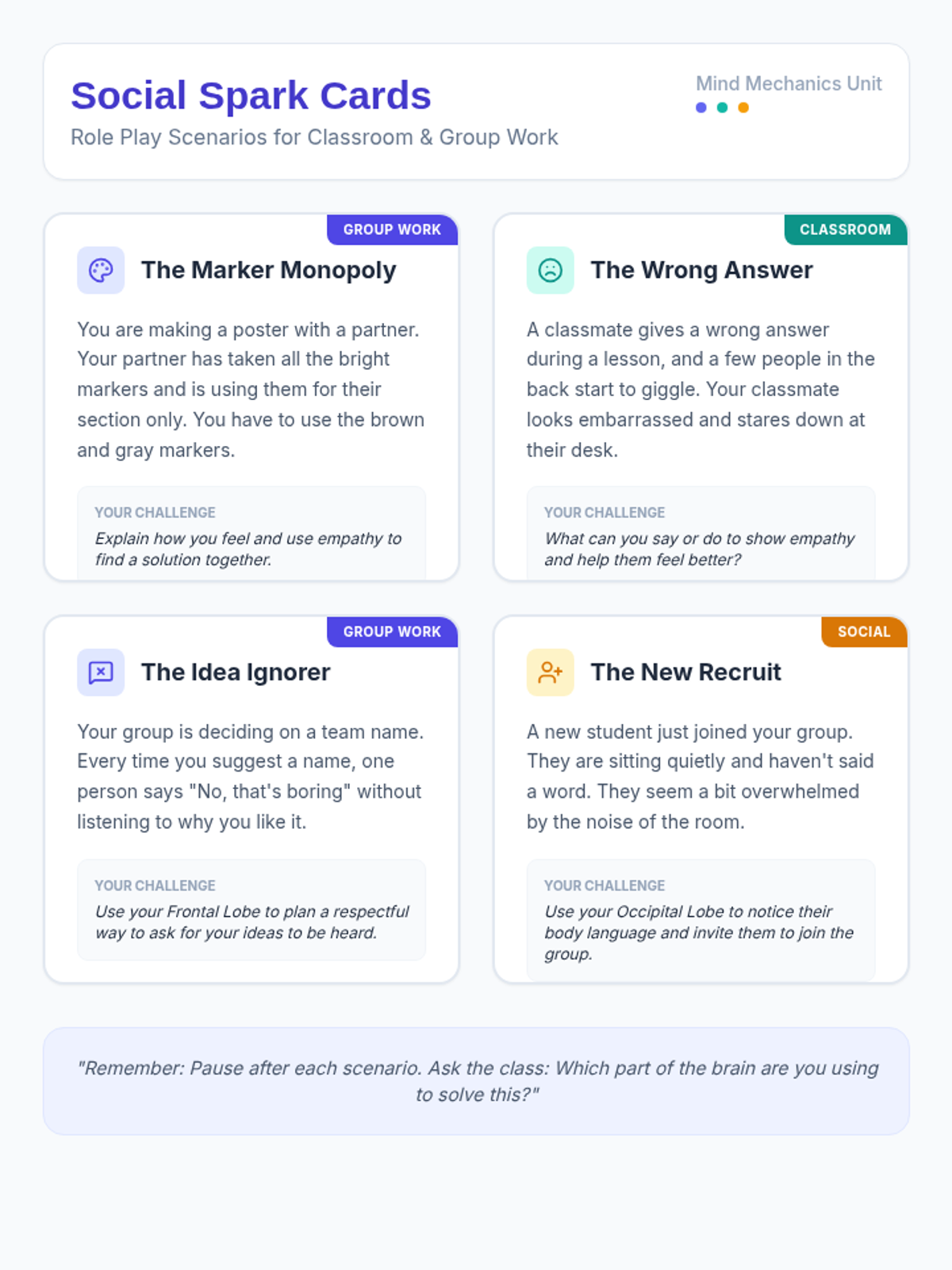
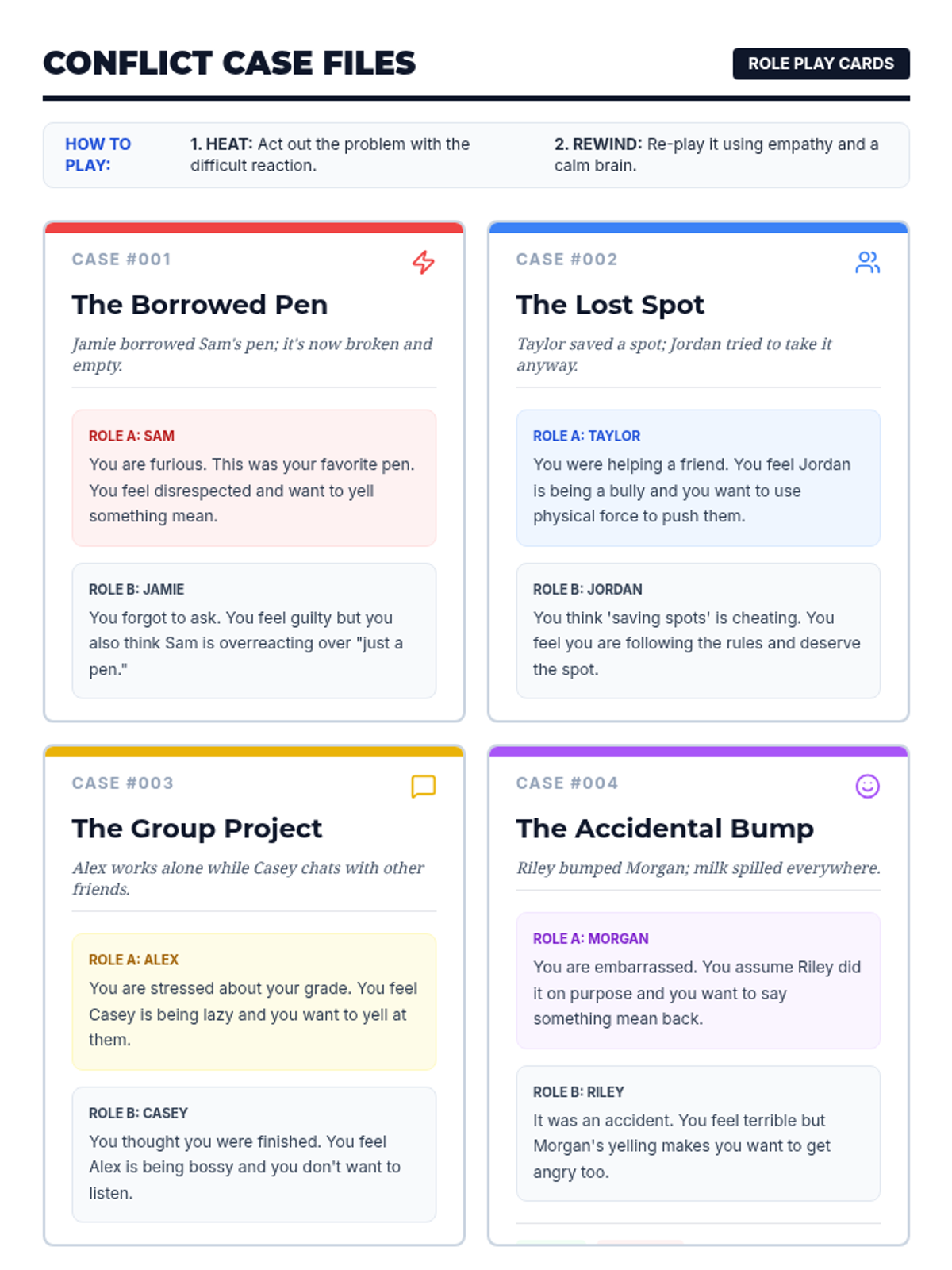
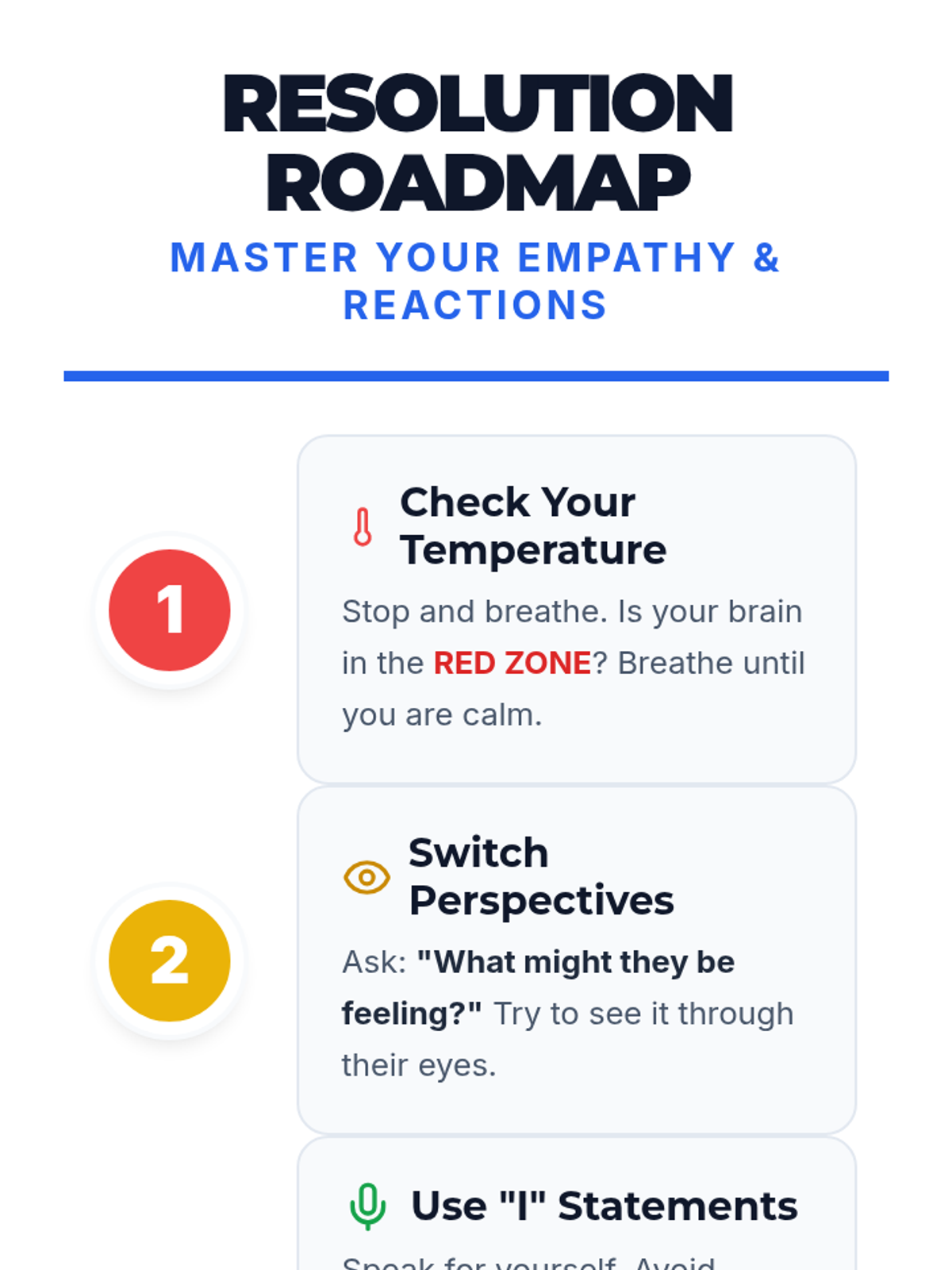
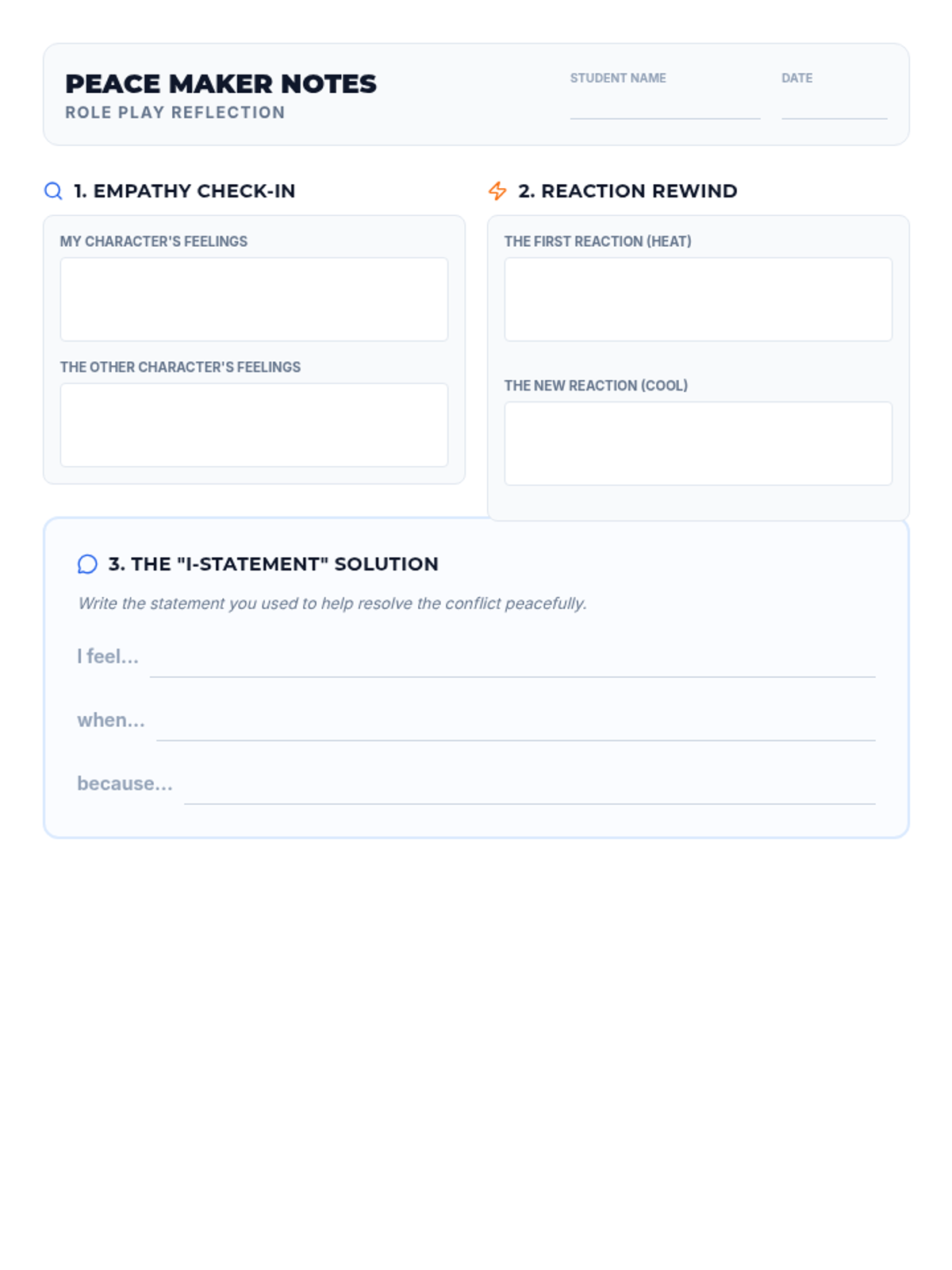
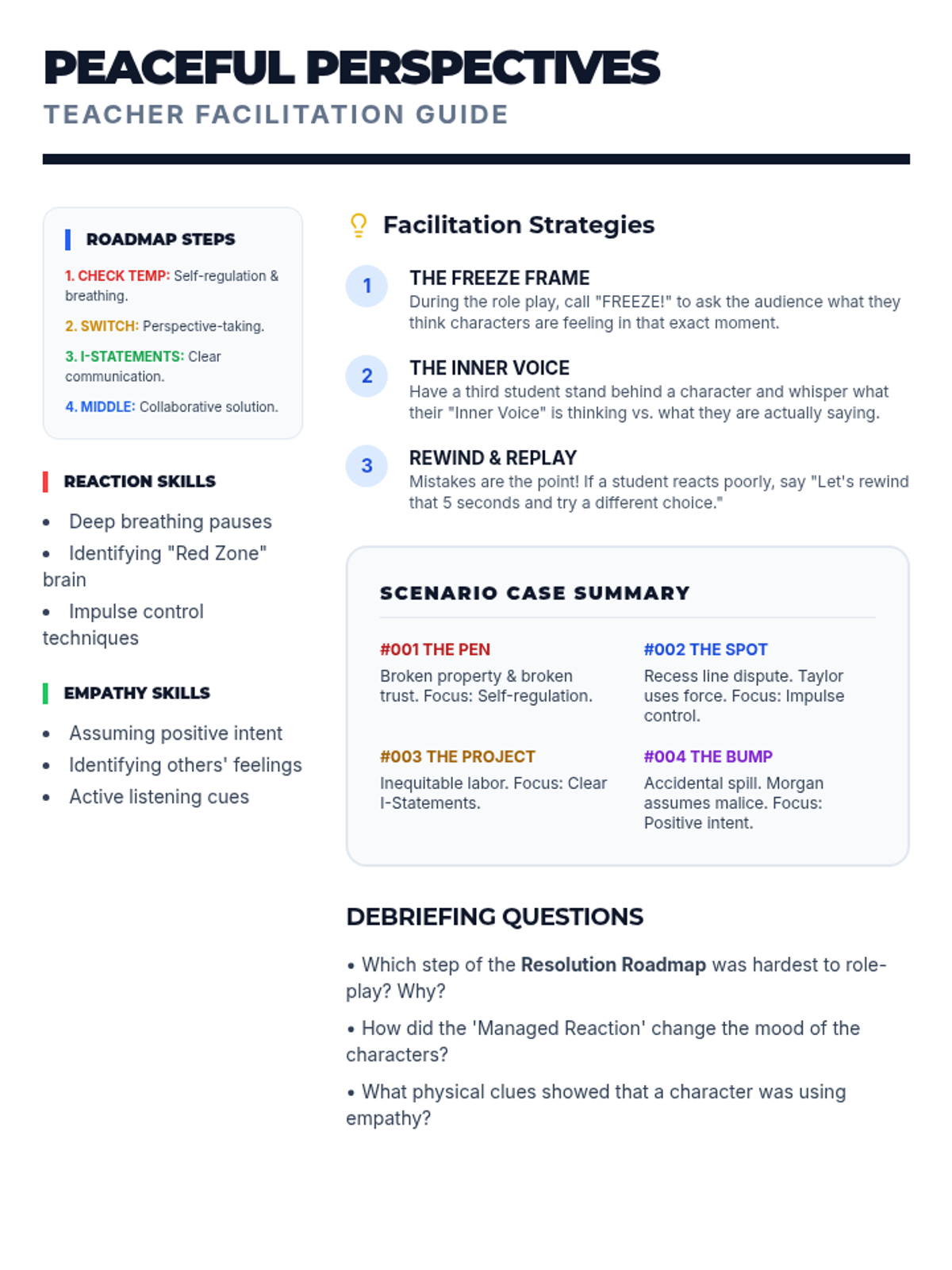
A lesson focused on developing empathy and managing emotional reactions during conflicts through hands-on role play and structured reflection. Students learn to identify perspectives and use the 'Resolution Roadmap' to navigate difficult social interactions.
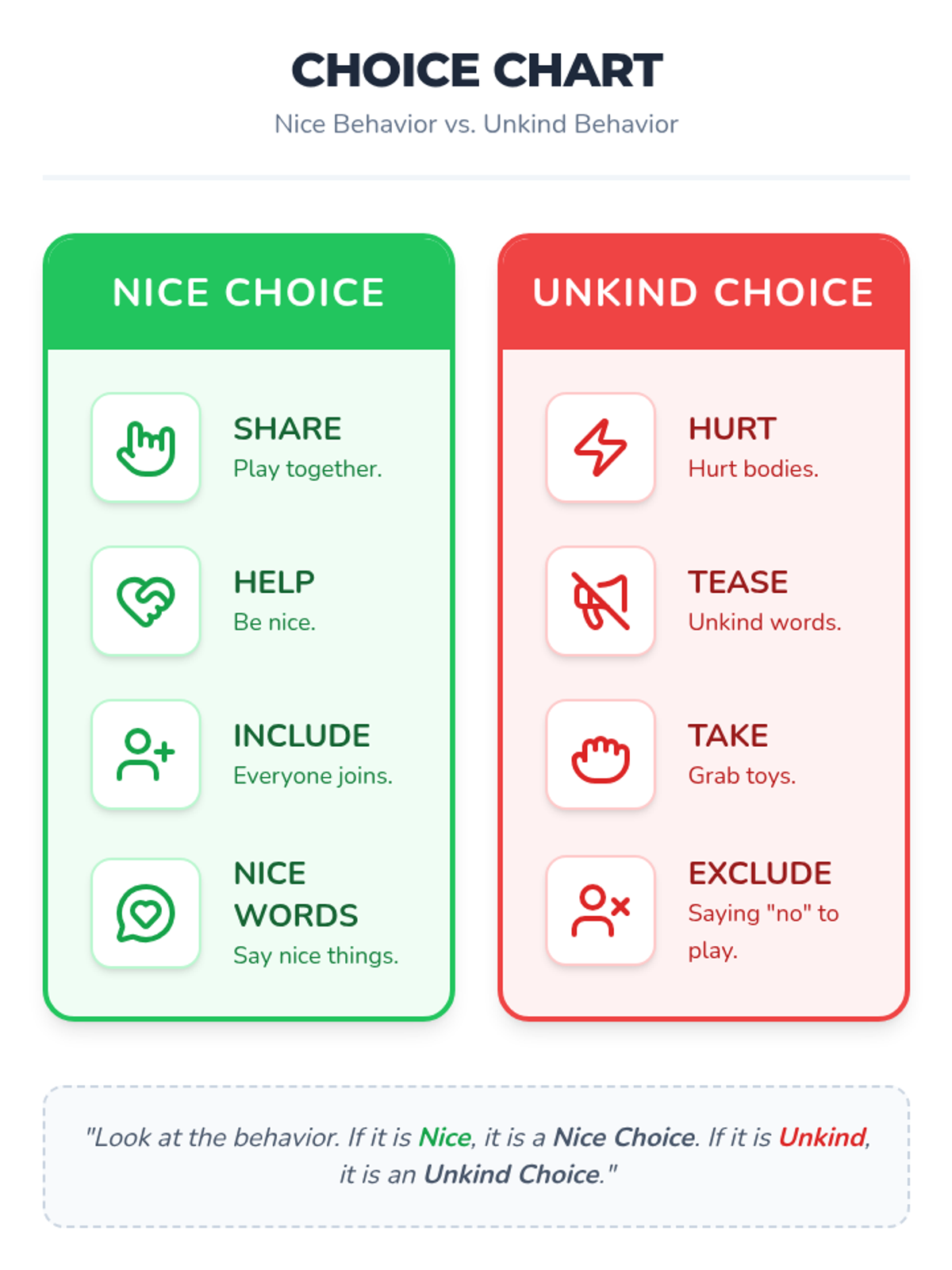
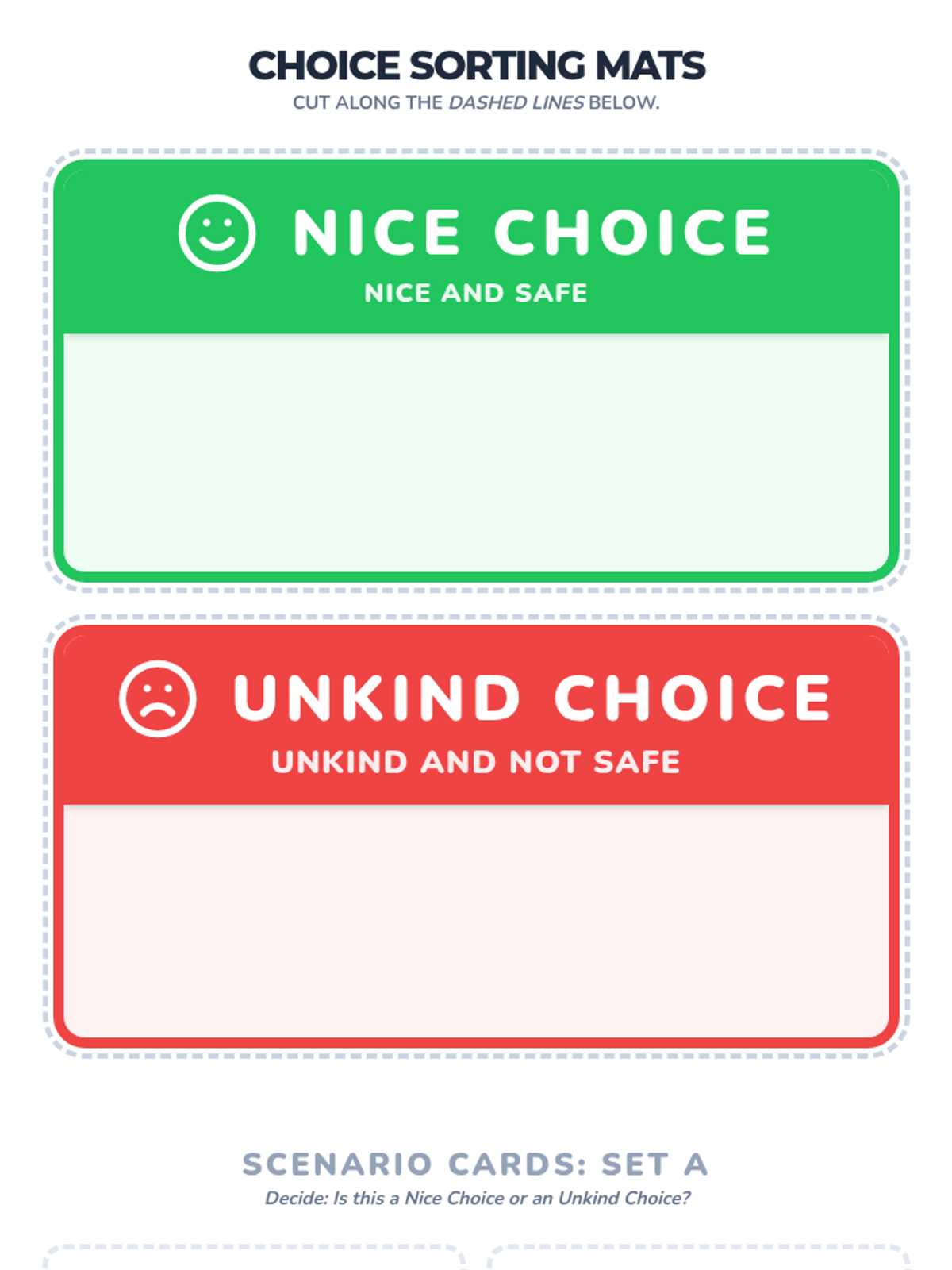
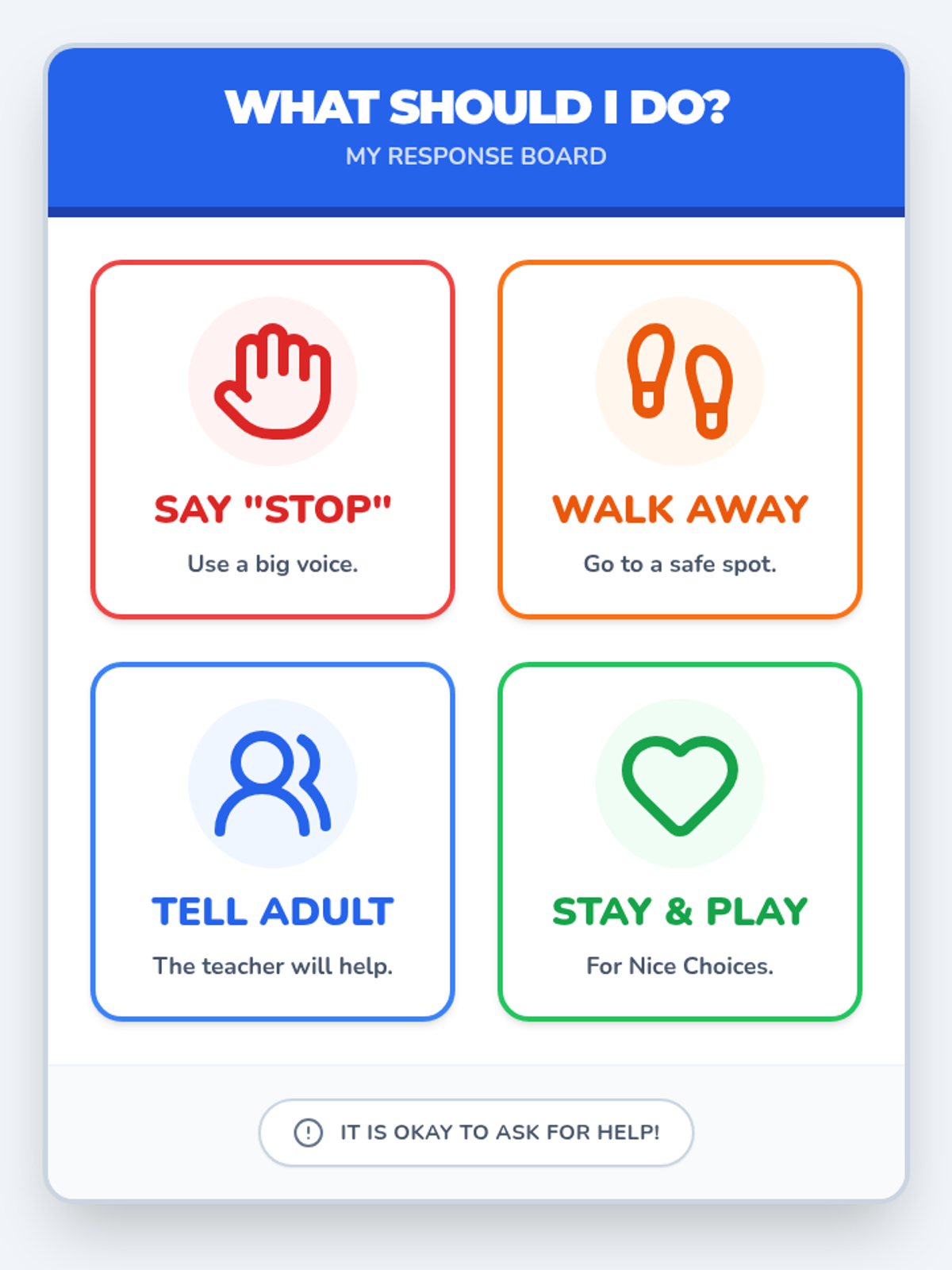
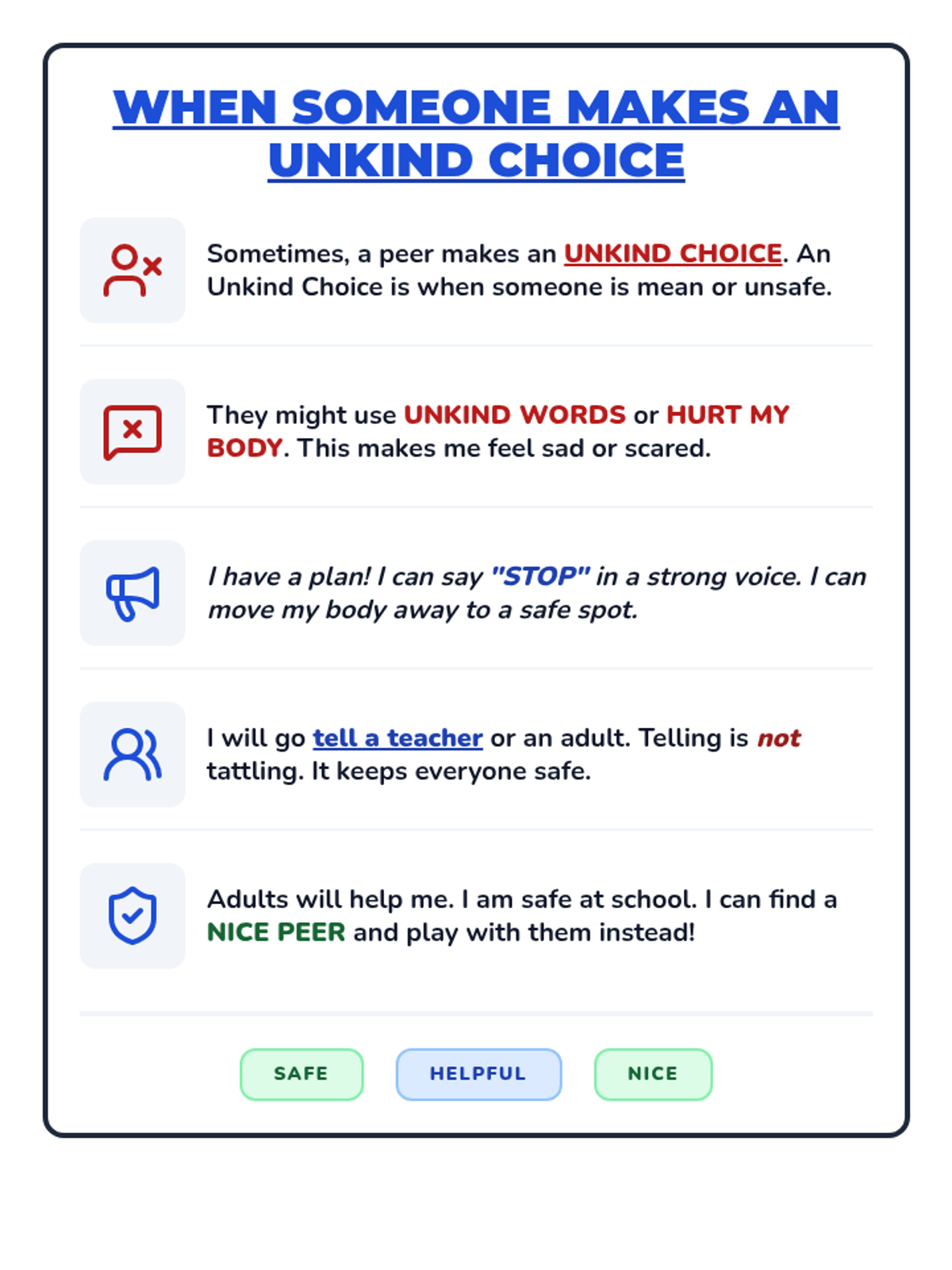
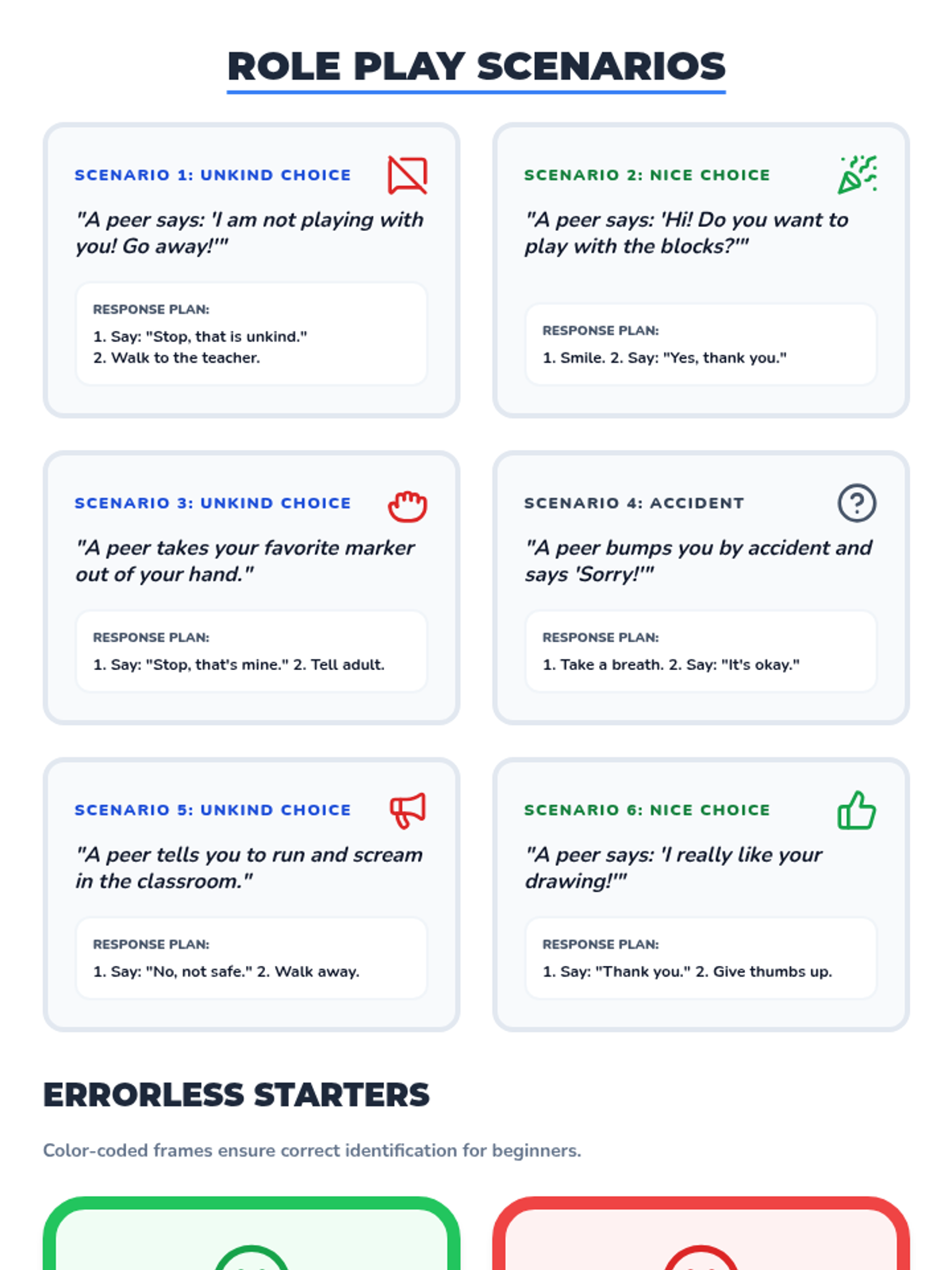
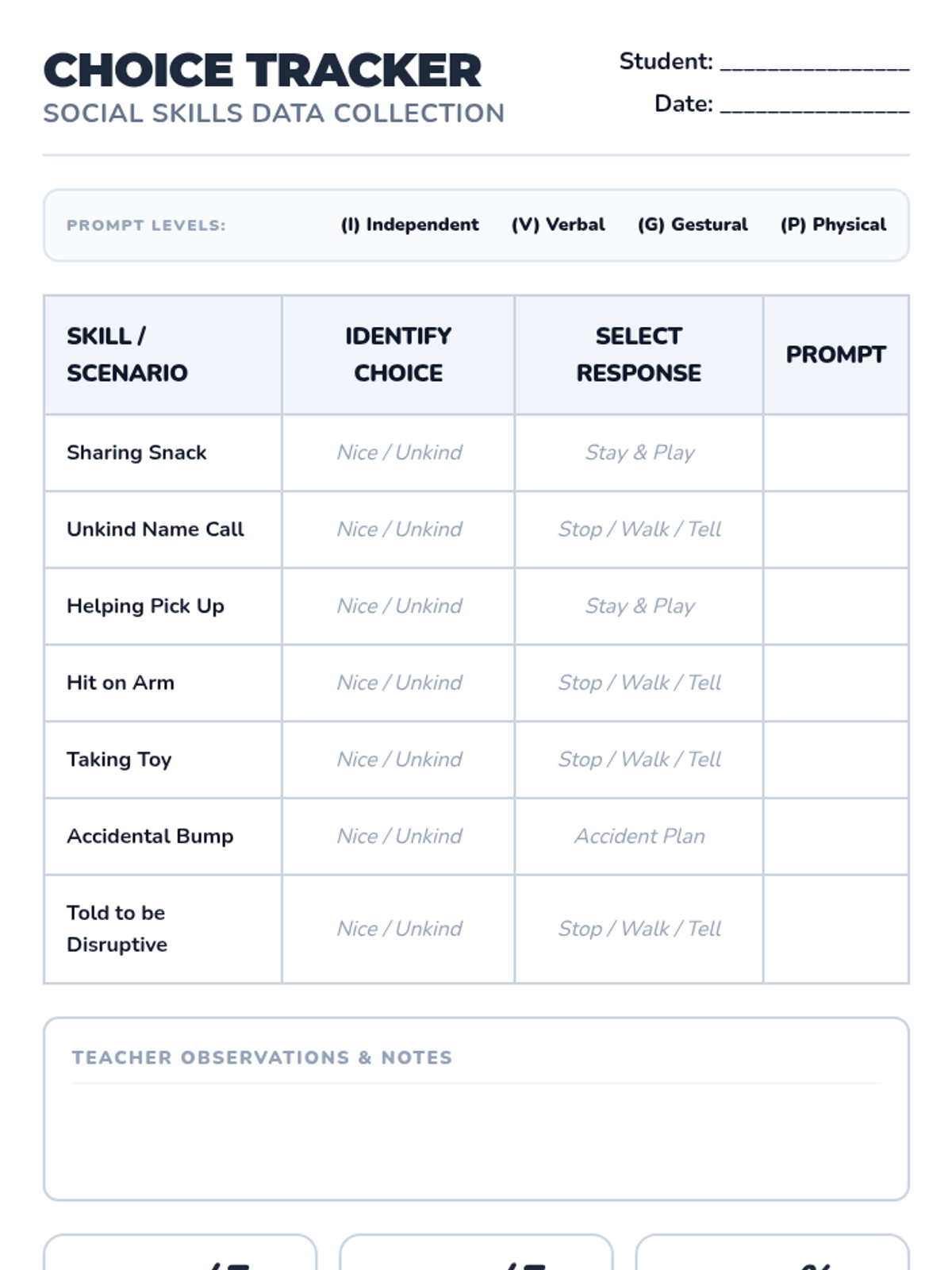
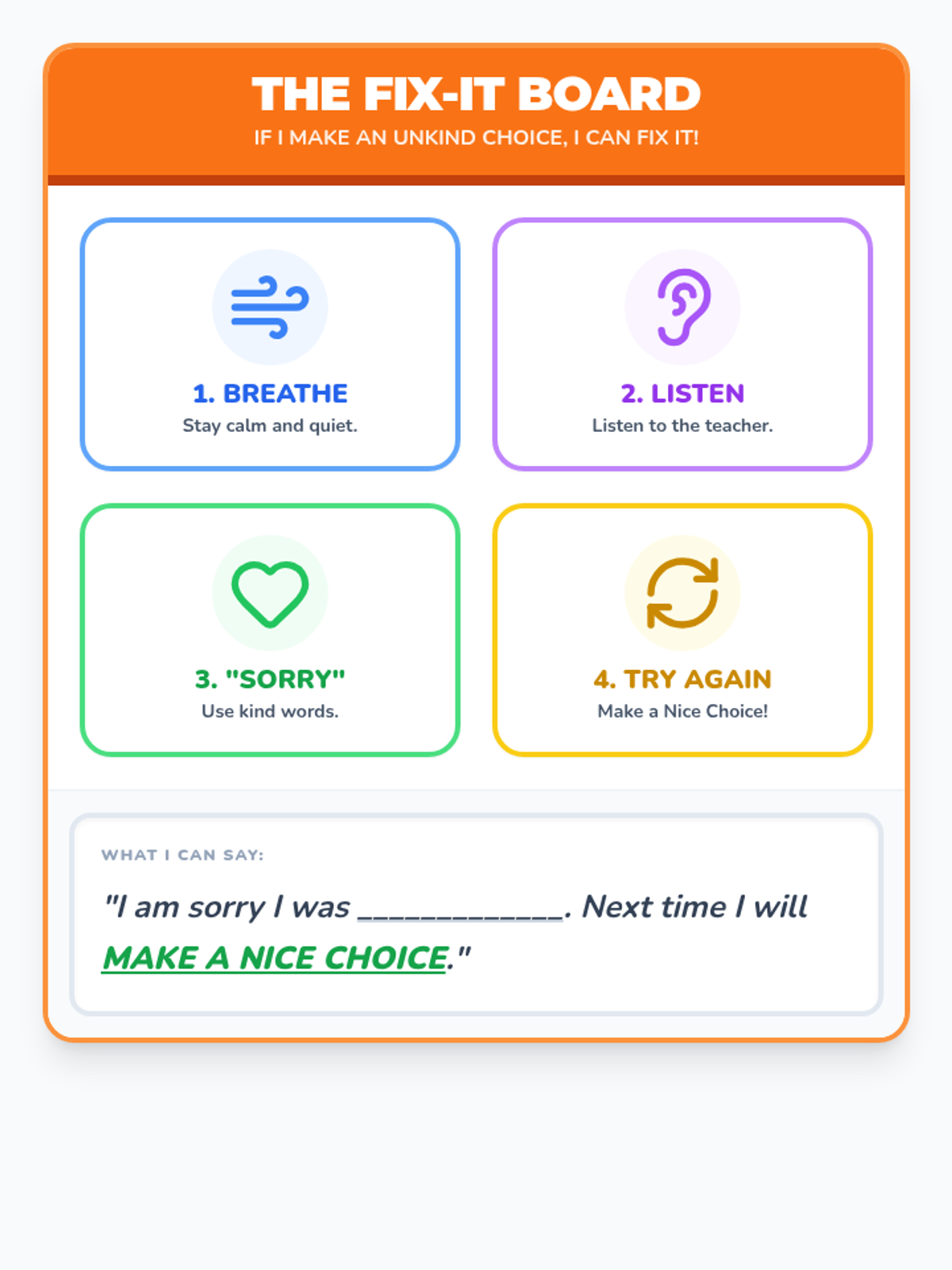
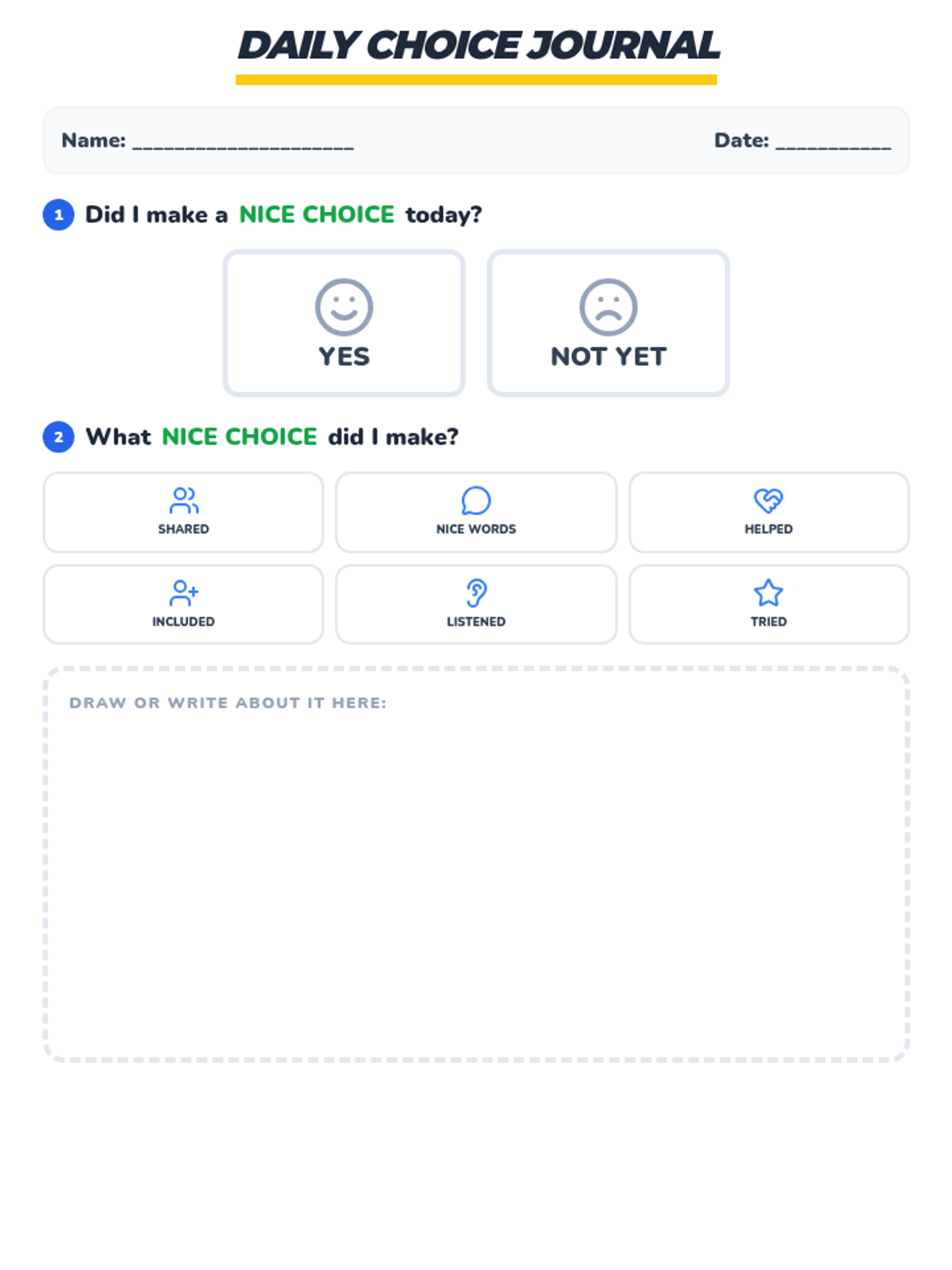
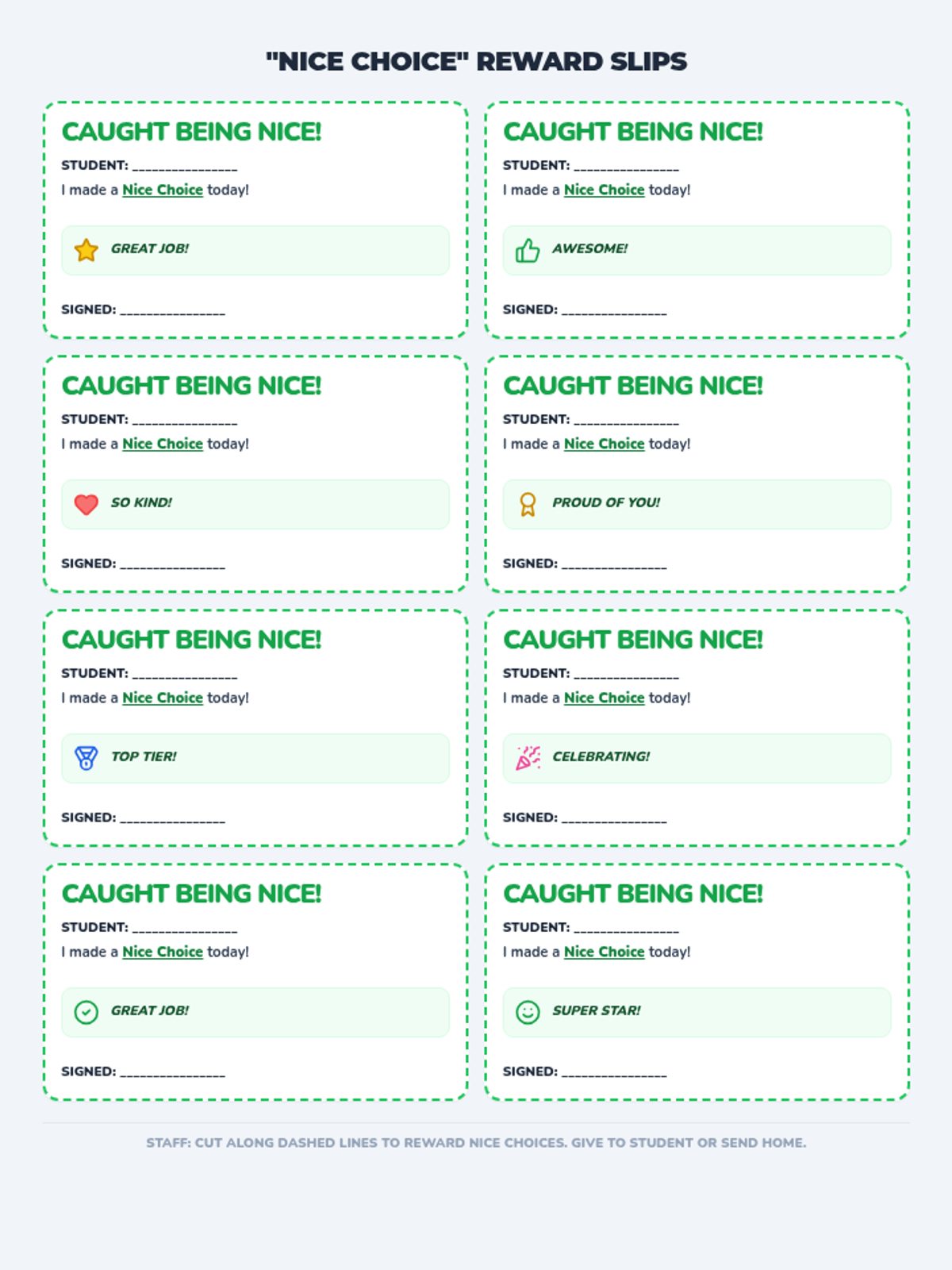
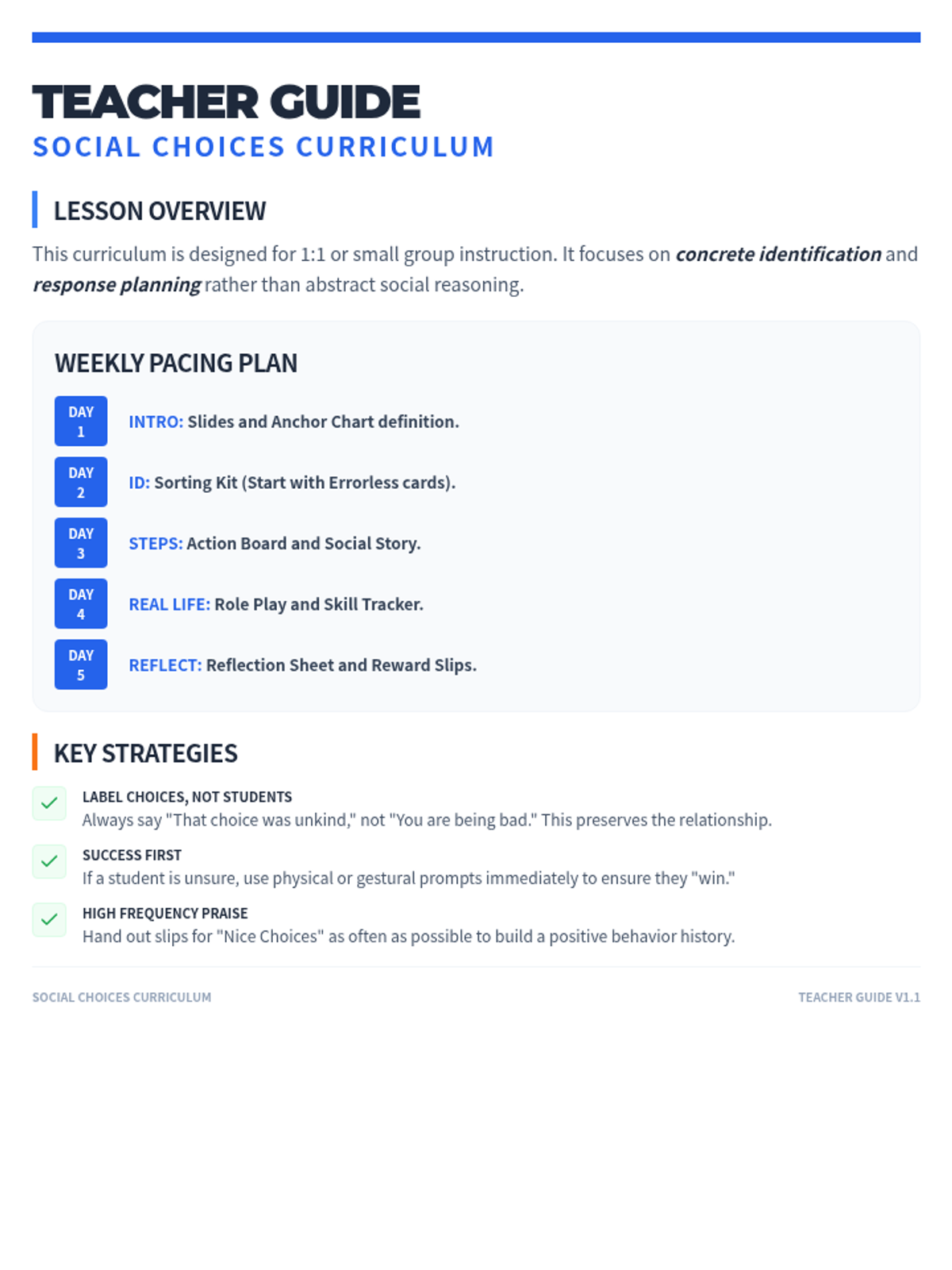
A comprehensive social skills lesson for middle school life skills students to distinguish between kind peer behaviors (Nice Choices) and unkind behaviors (Unkind Choices), including response strategies for bullying.