Students use the 'Yes, And' rule of improvisation to practice accepting reality. They explore how 'blocking' a scene mirrors the way we resist reality in life, and how acceptance allows for progress.
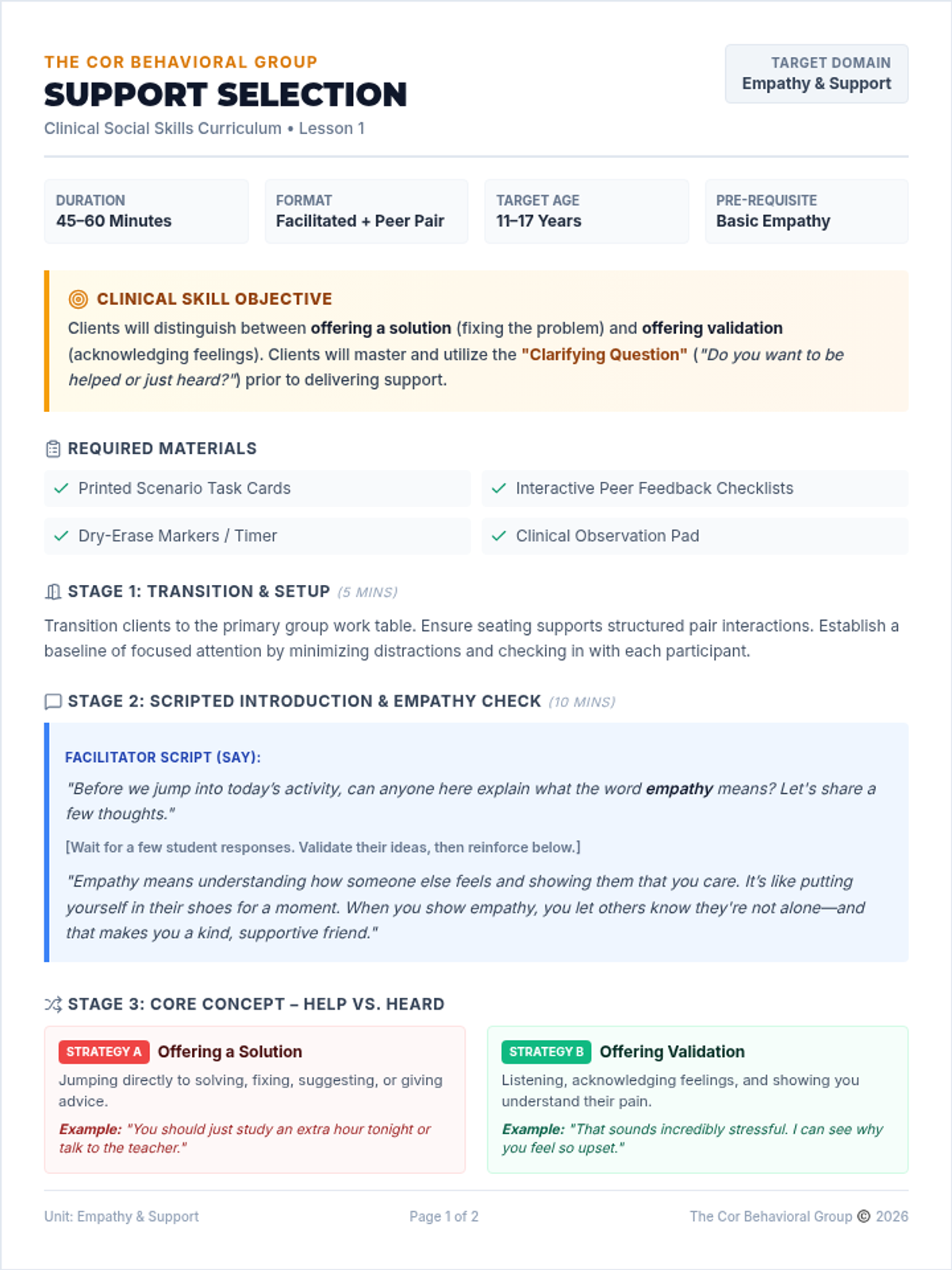
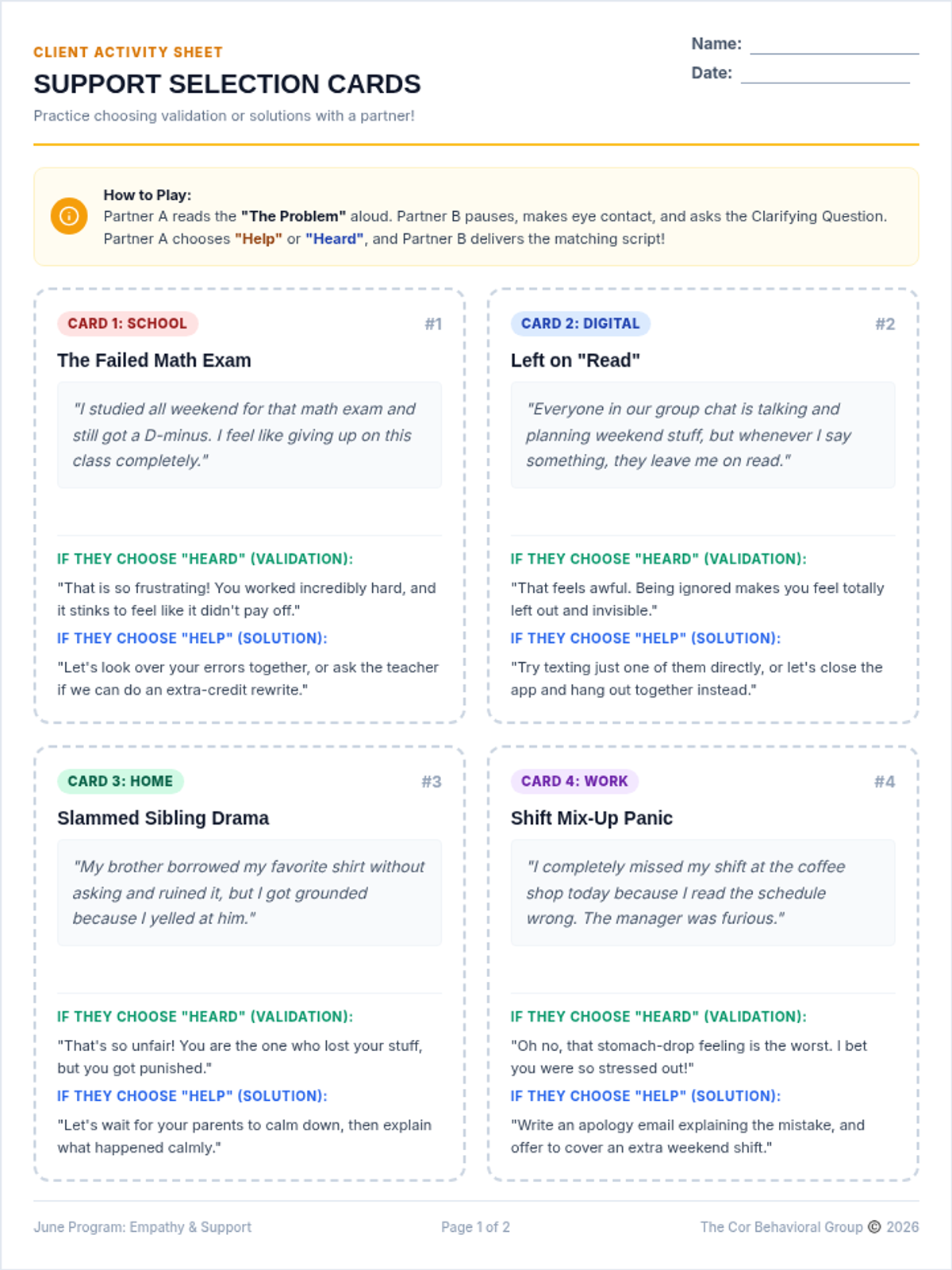
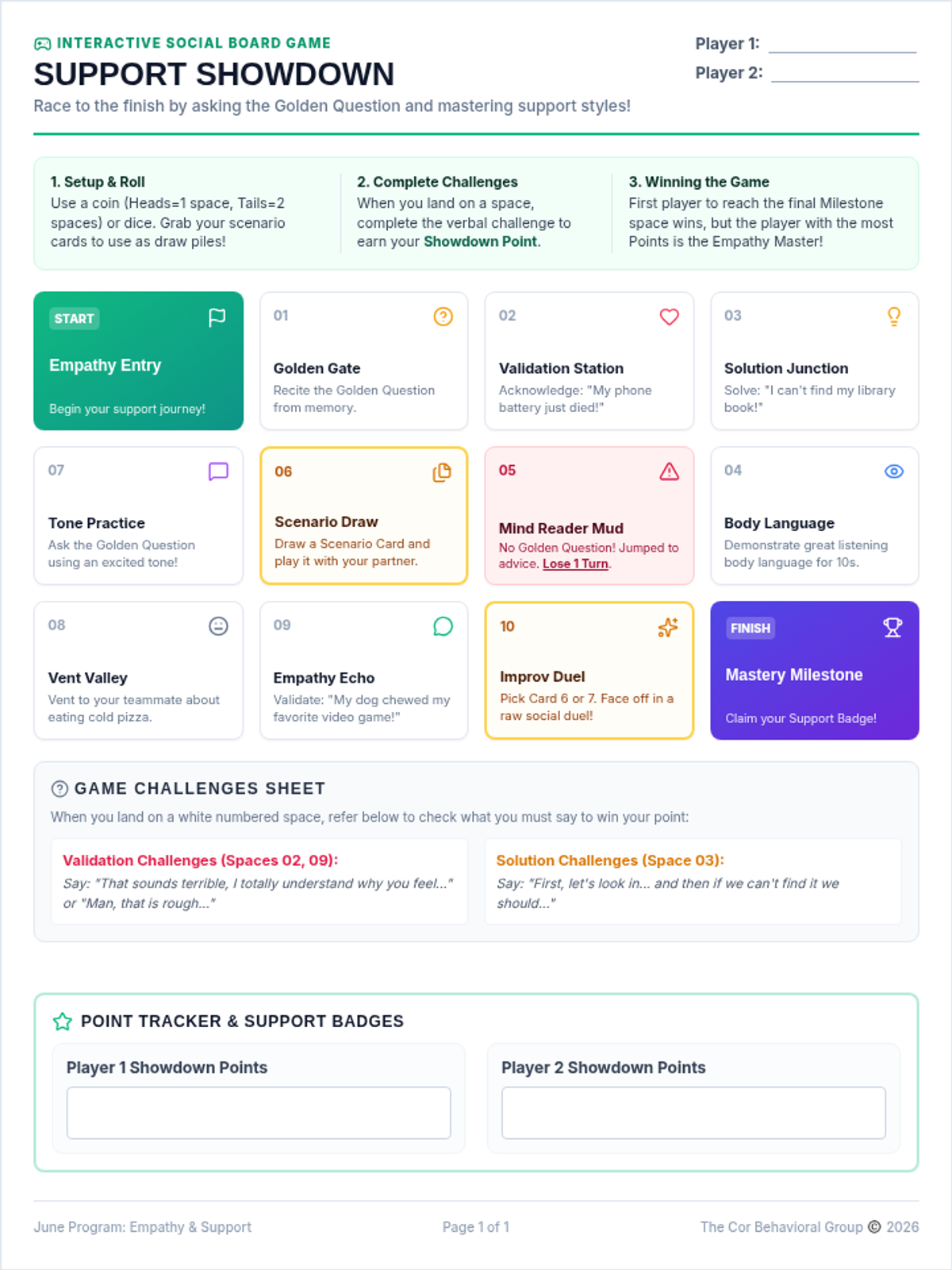
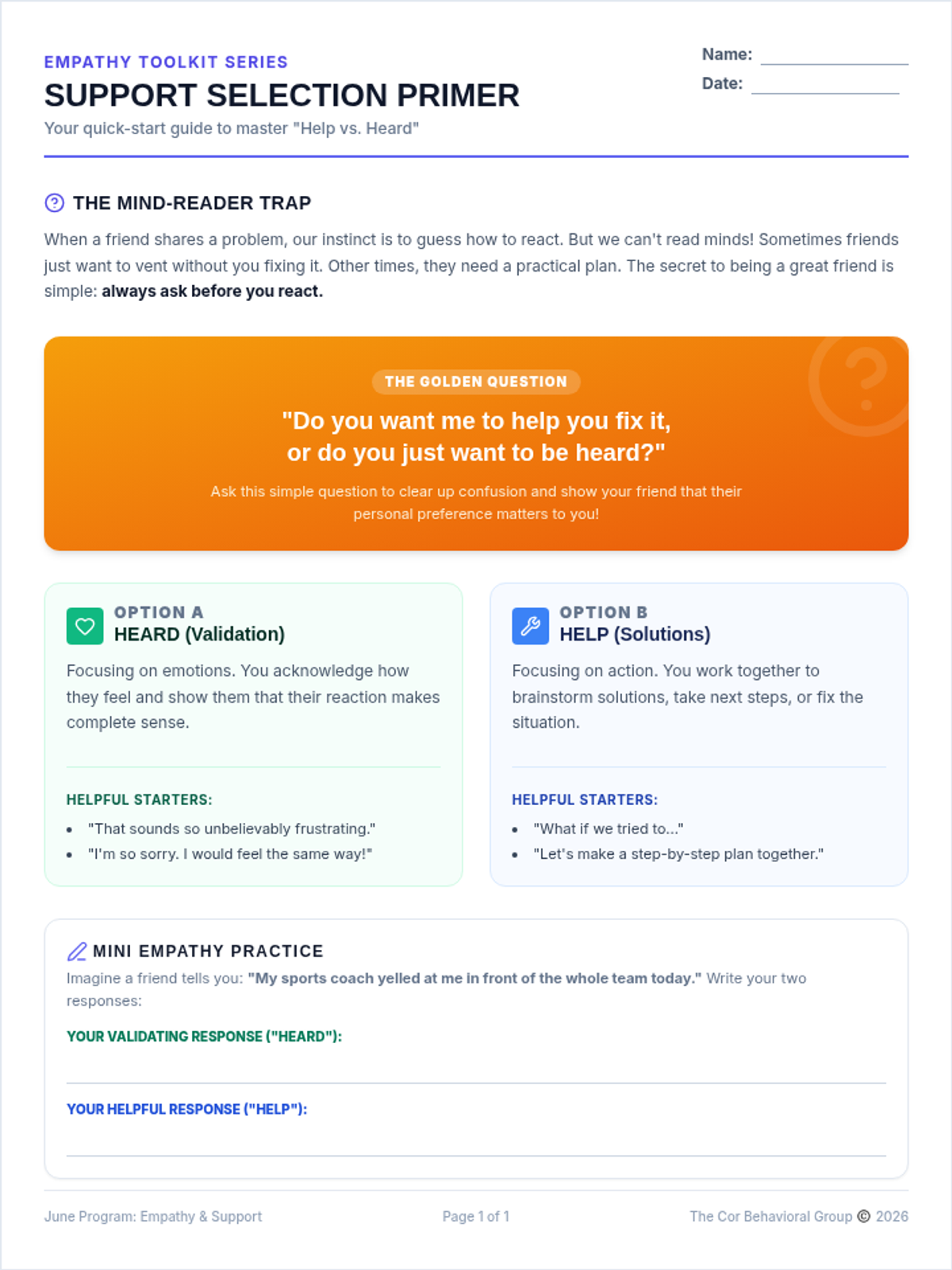
A comprehensive social skills lesson focusing on the critical distinction between validating a peer's feelings and solving their problems. Includes a step-by-step clinical facilitator guide and printable, interactive role-play scenario cards.
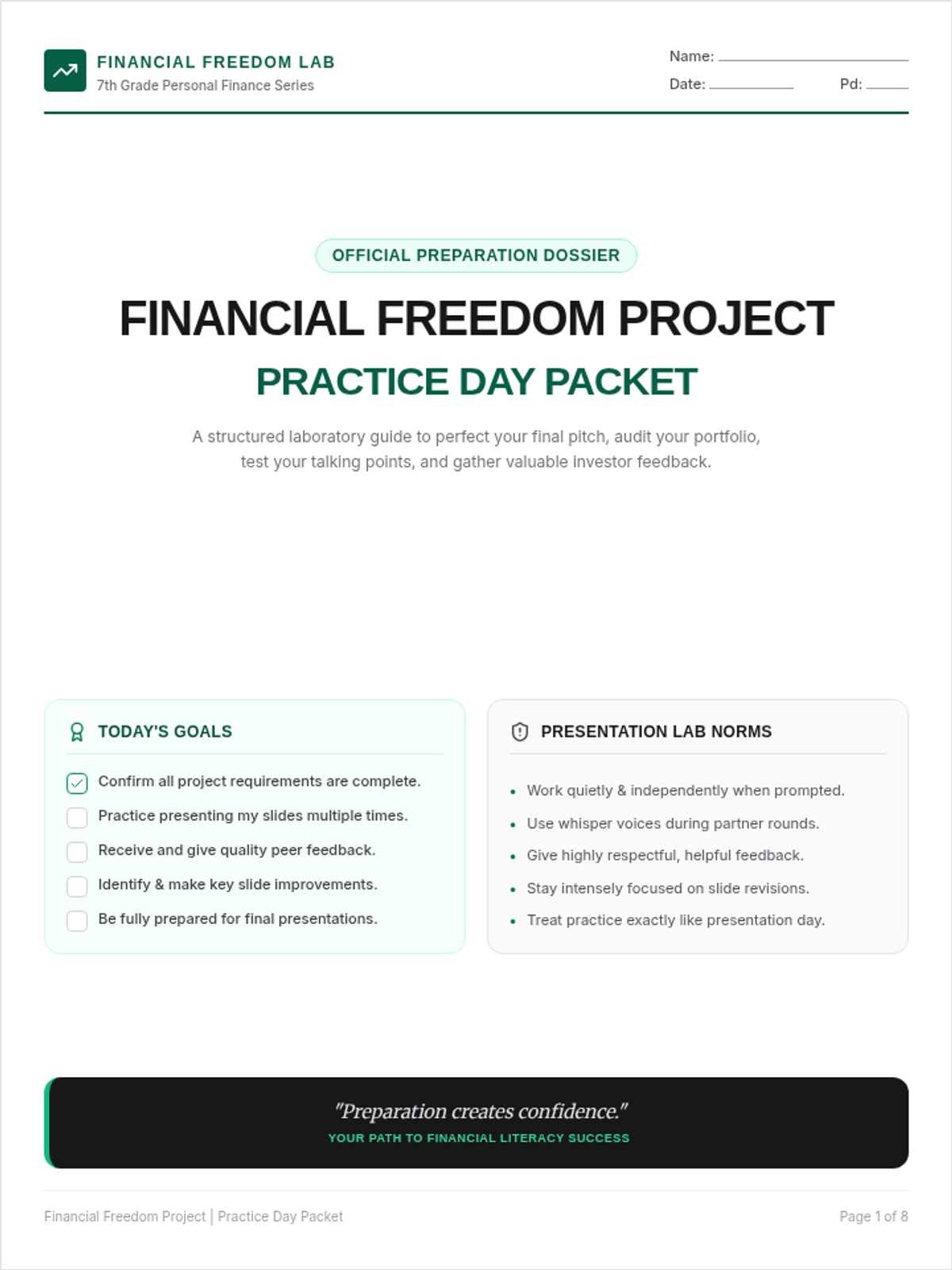
A dedicated presentation practice day lesson designed to help students audit their work, practice their speaking and transition skills, gather feedback, and finalize their Financial Freedom Projects.
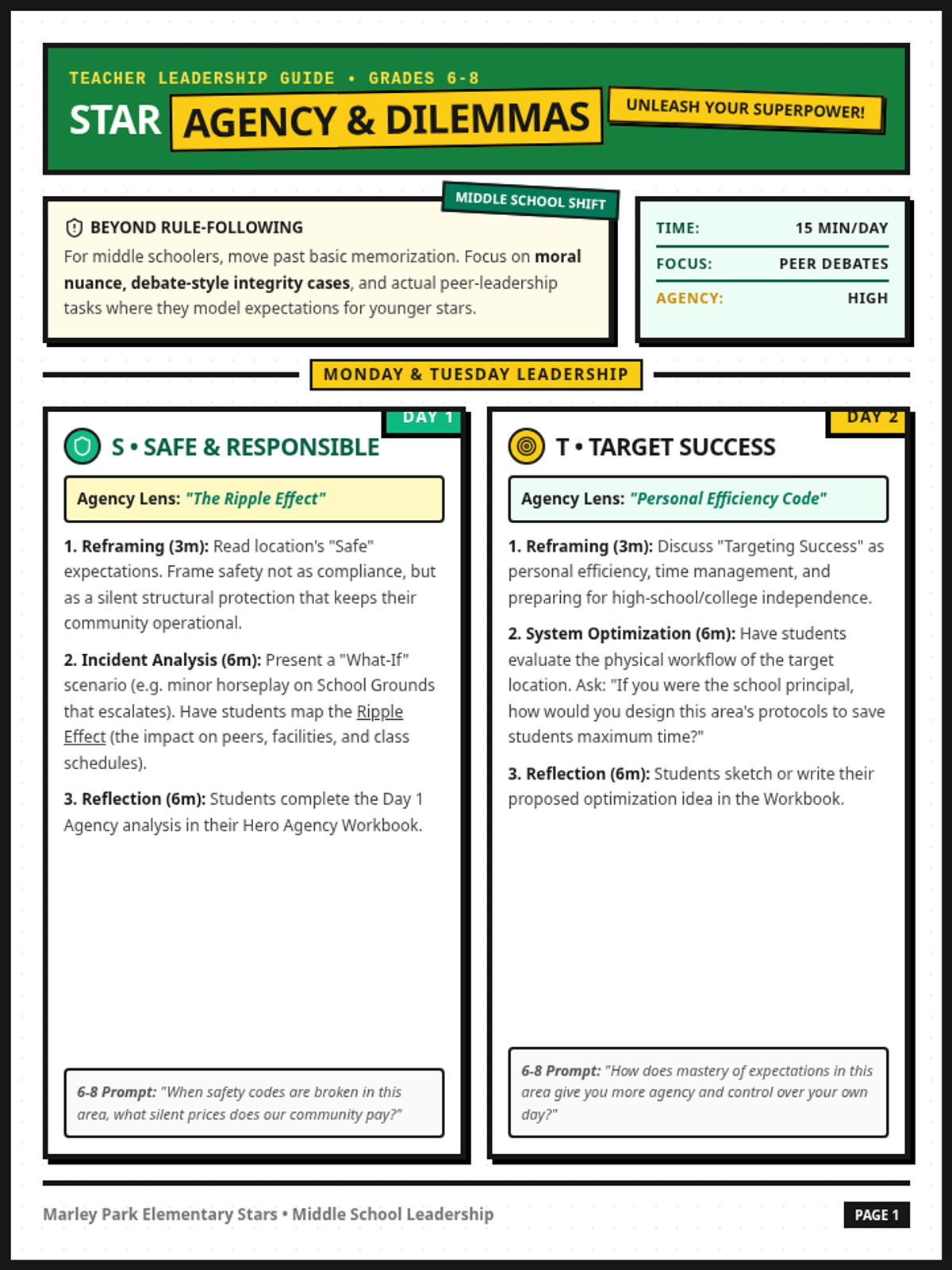
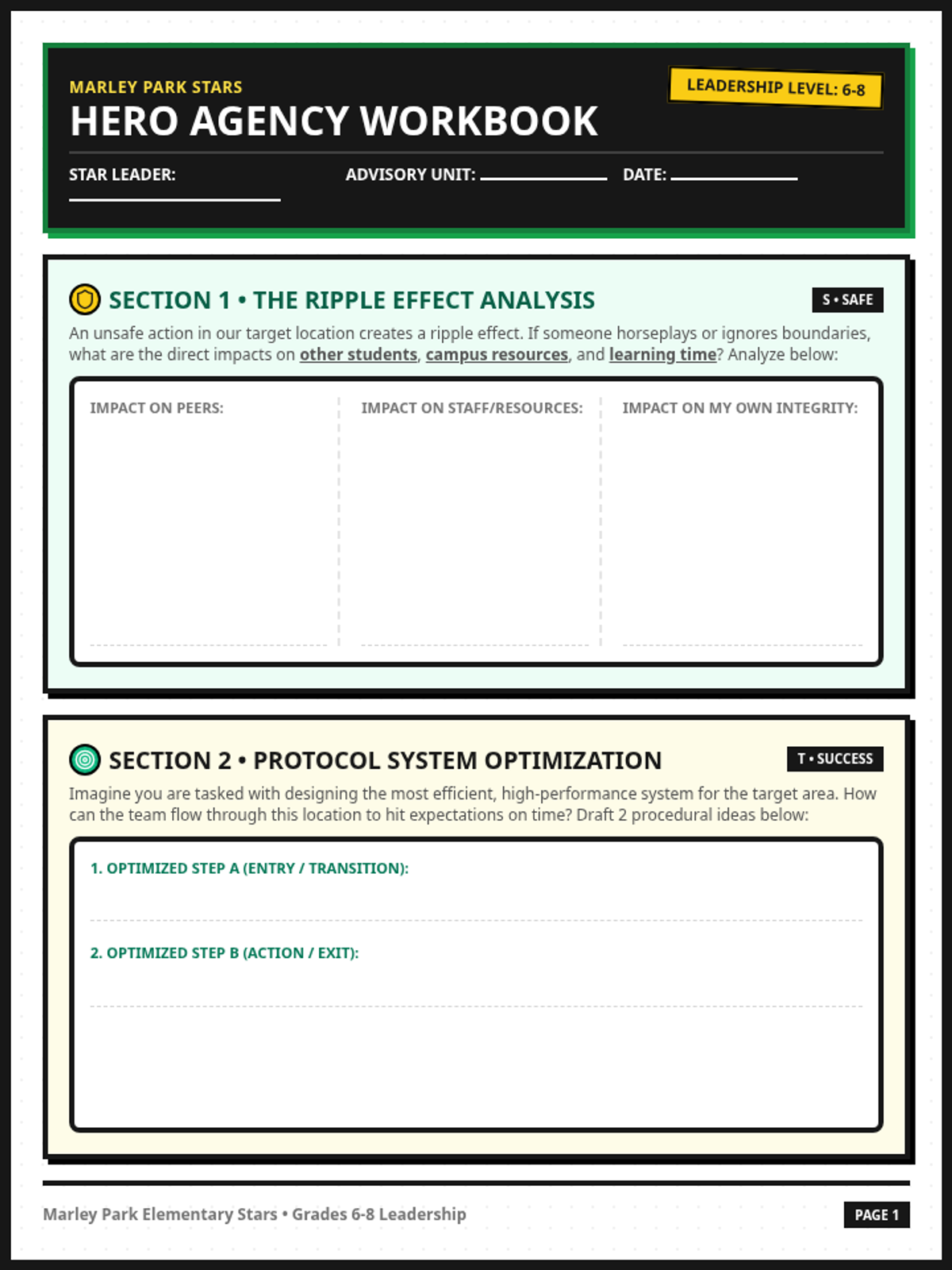
A universal 5-day lesson set for middle school (grades 6-8) that leverages peer leadership, debate-style moral dilemmas (exploring the nuance of integrity), and self-guided agency projects to cultivate respect and responsibility across campus.
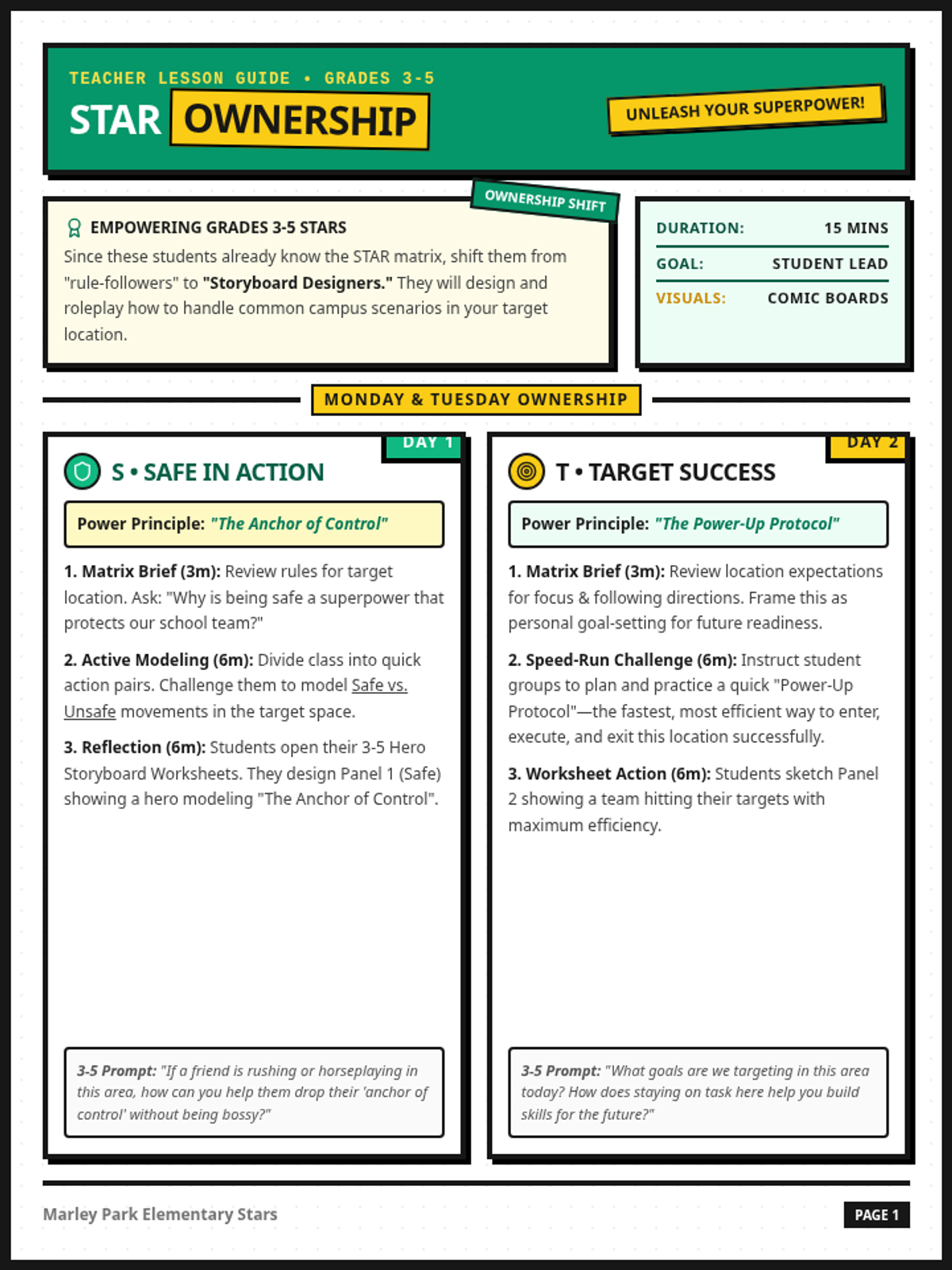
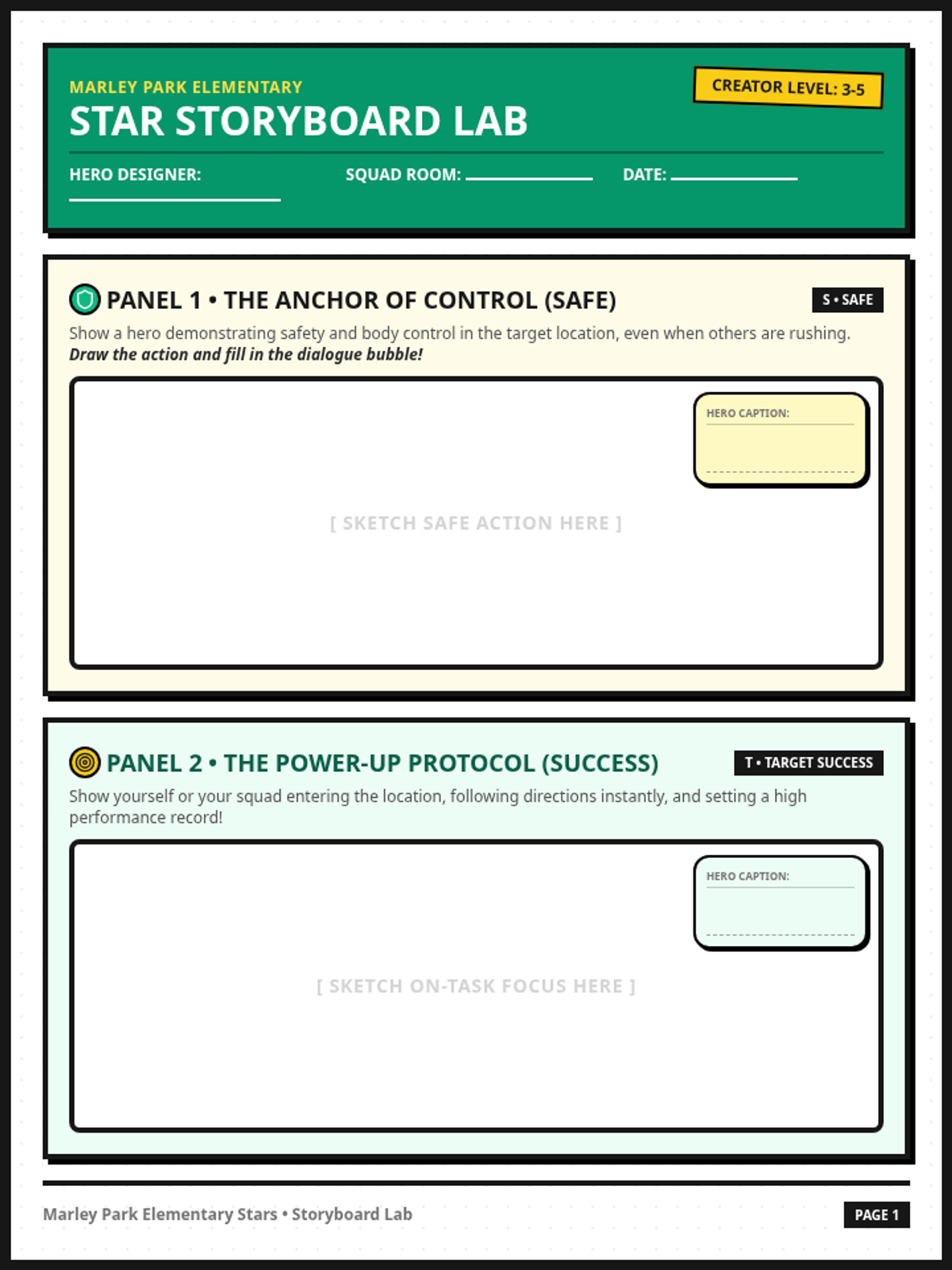
A universal 5-day lesson set for grades 3-5 that shifts focus toward student ownership, comic storyboard creation, and scenario-based problem solving to understand STAR expectations in any school setting.
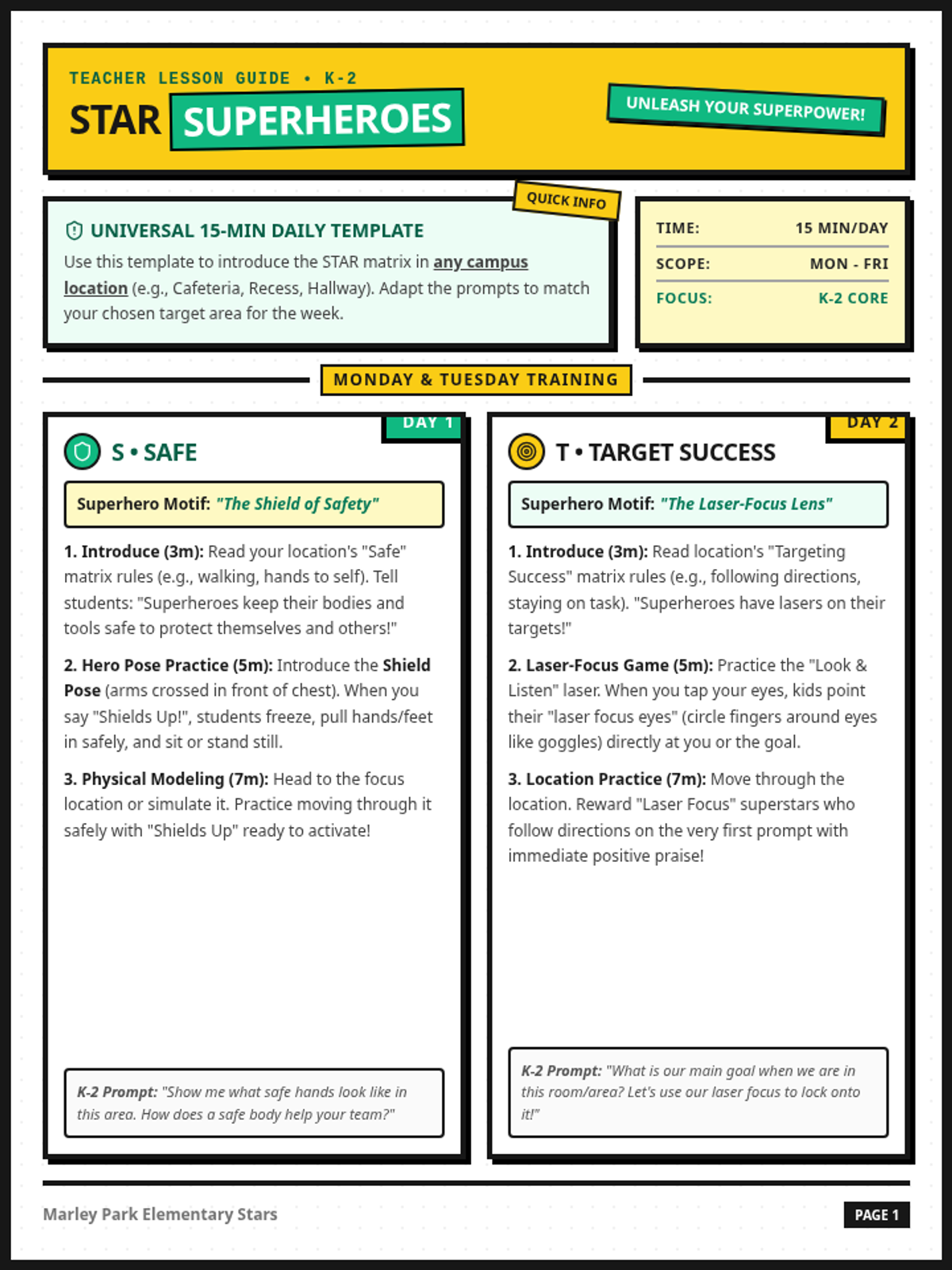
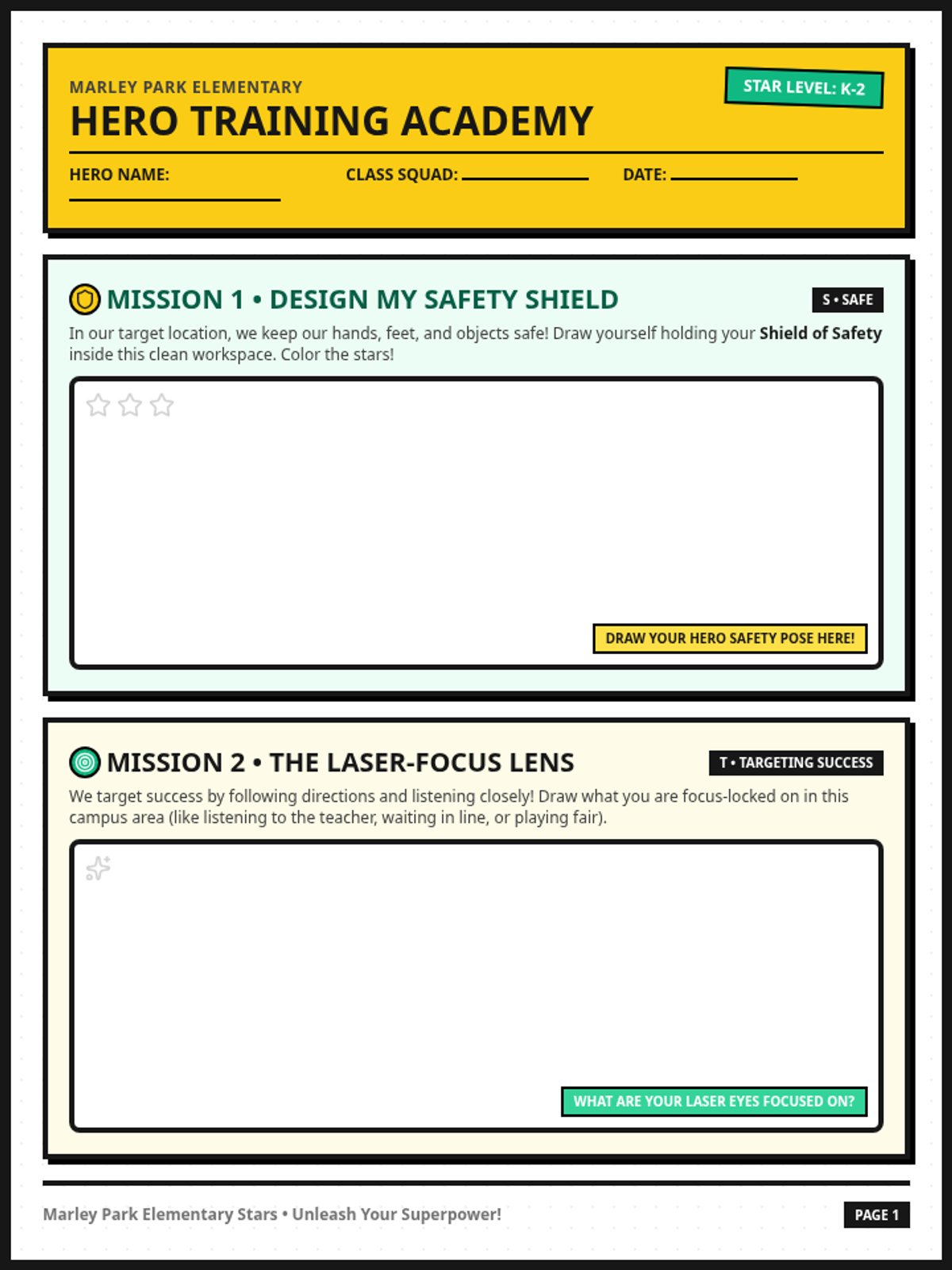
A universal 5-day lesson set for K-2 students focused on introducing STAR expectations (Safe, Targeting Success, Acting with Integrity, Respectful & Responsible) in any campus location through physical modeling, simple superhero analogies, and an interactive superhero-themed student activity guide.
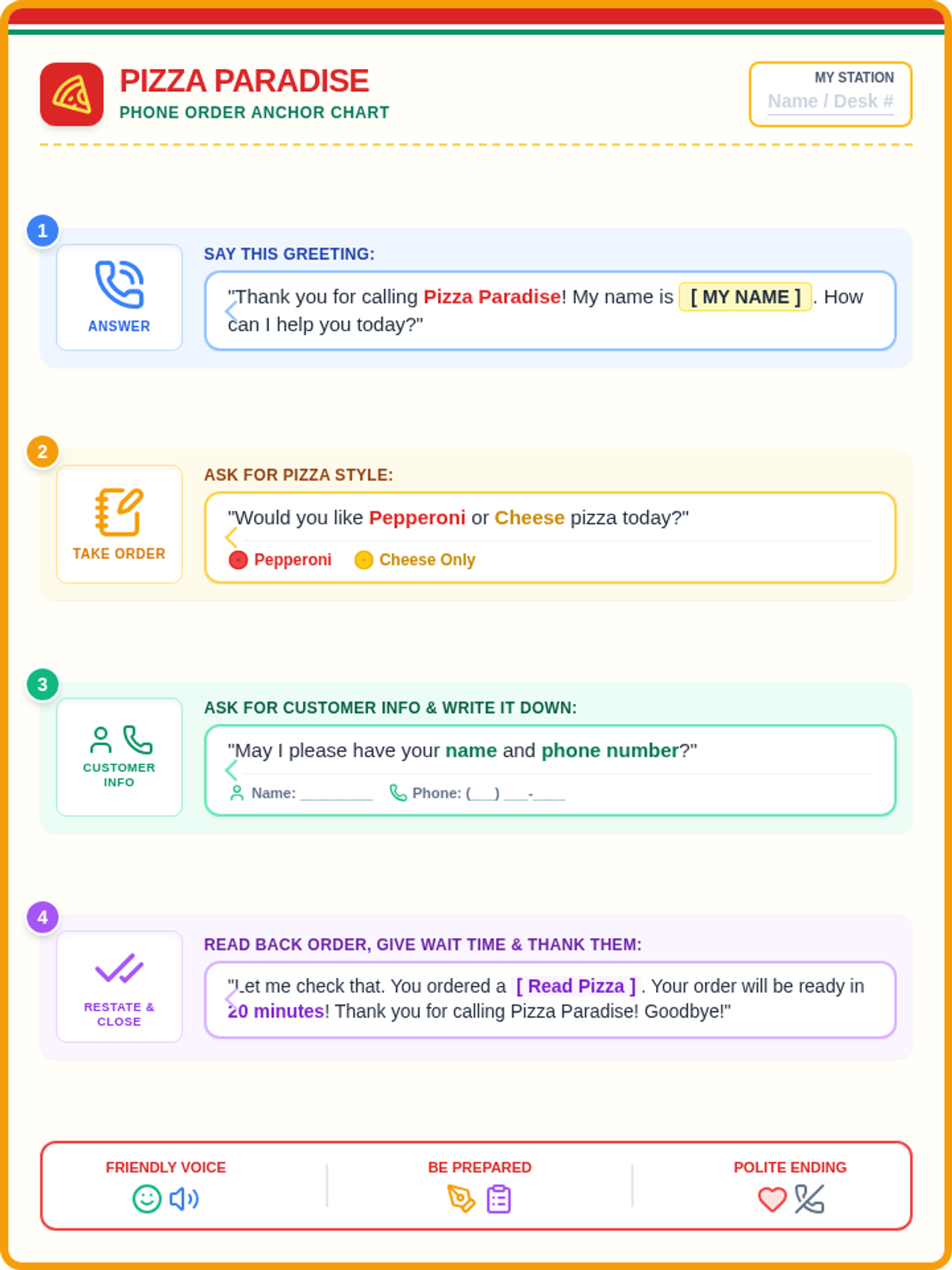
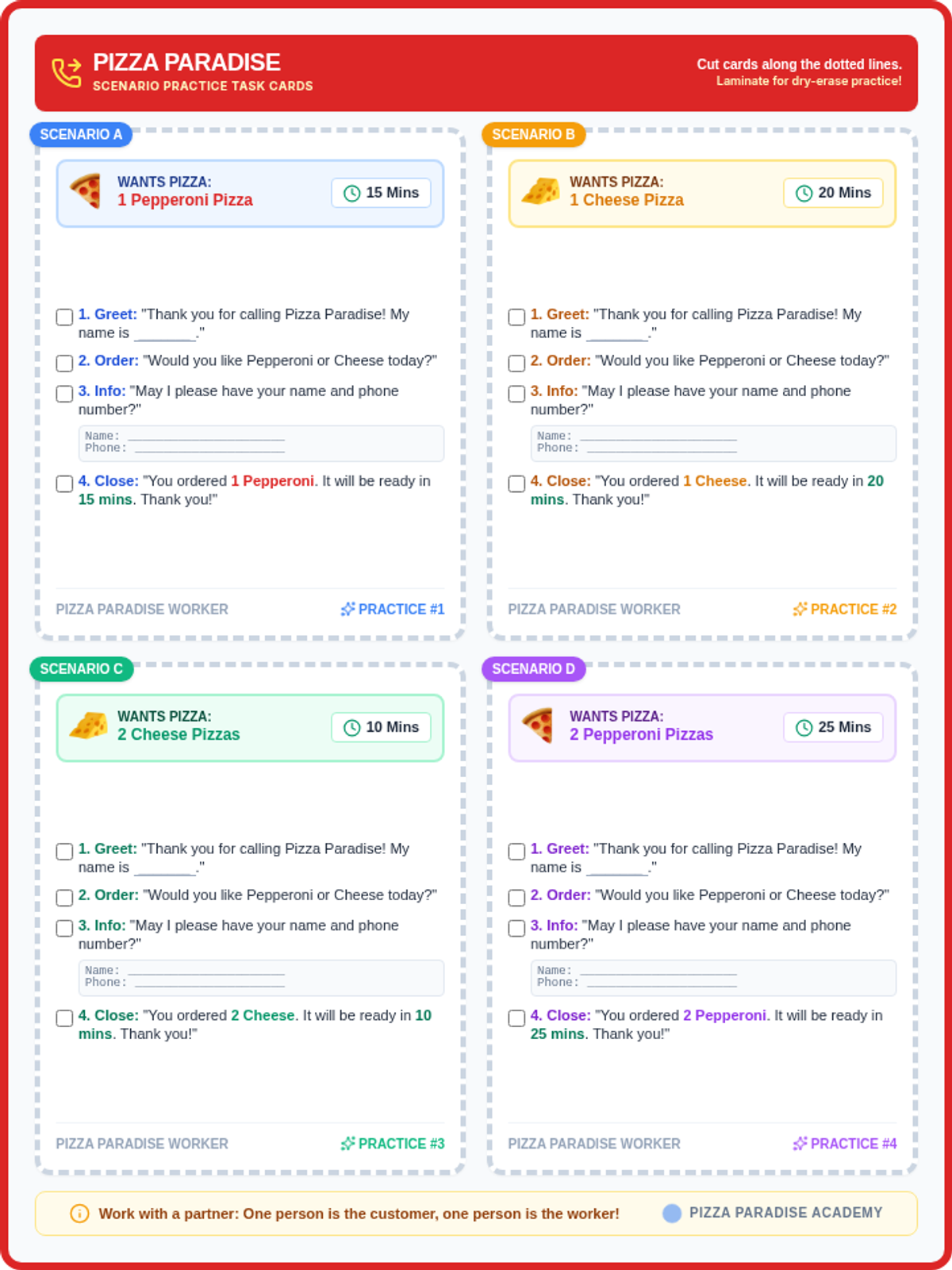
A highly visual, step-by-step training lesson for answering the phone and taking orders at Pizza Paradise, utilizing a desktop anchor chart and scenario-based task cards.
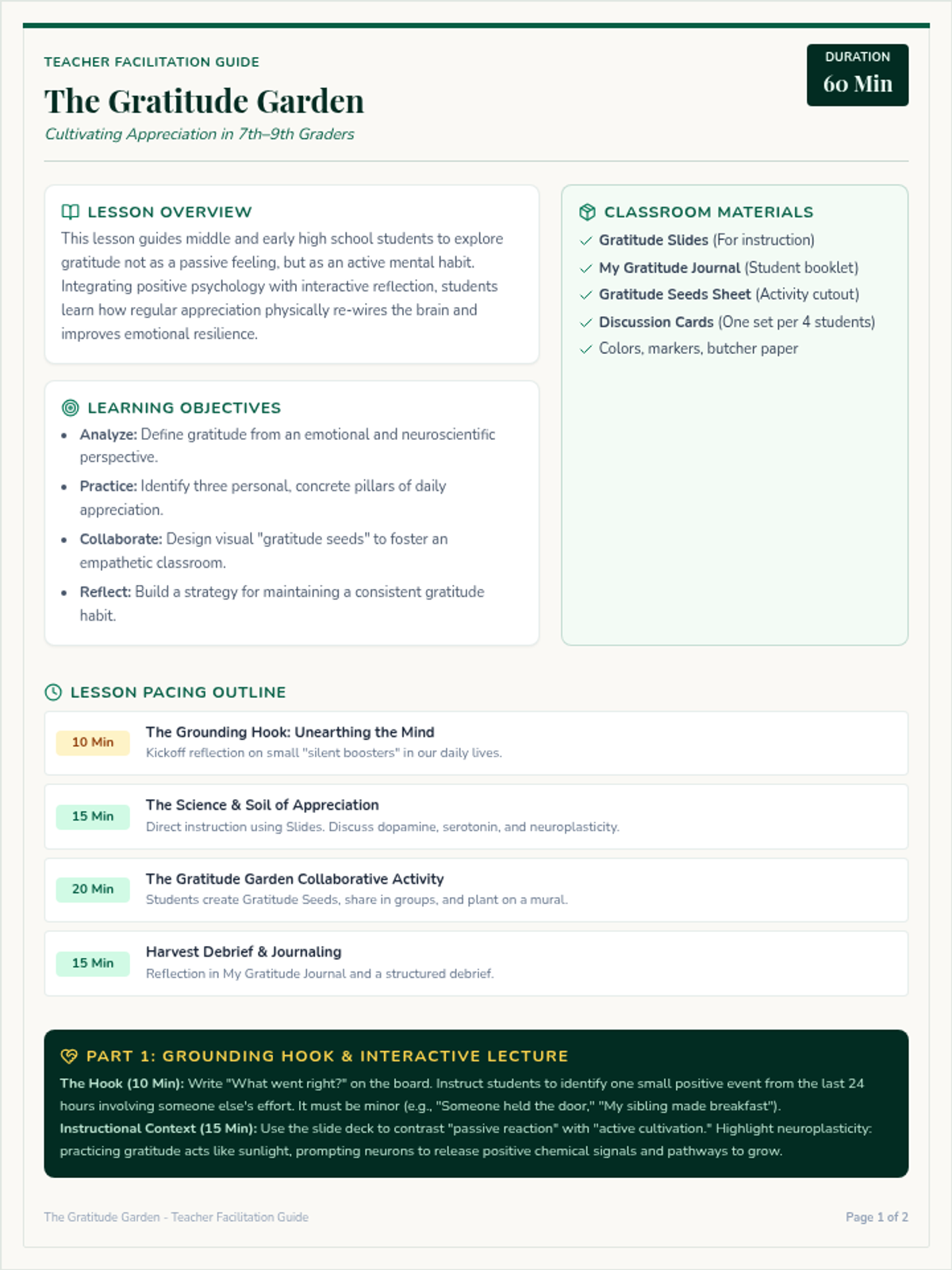
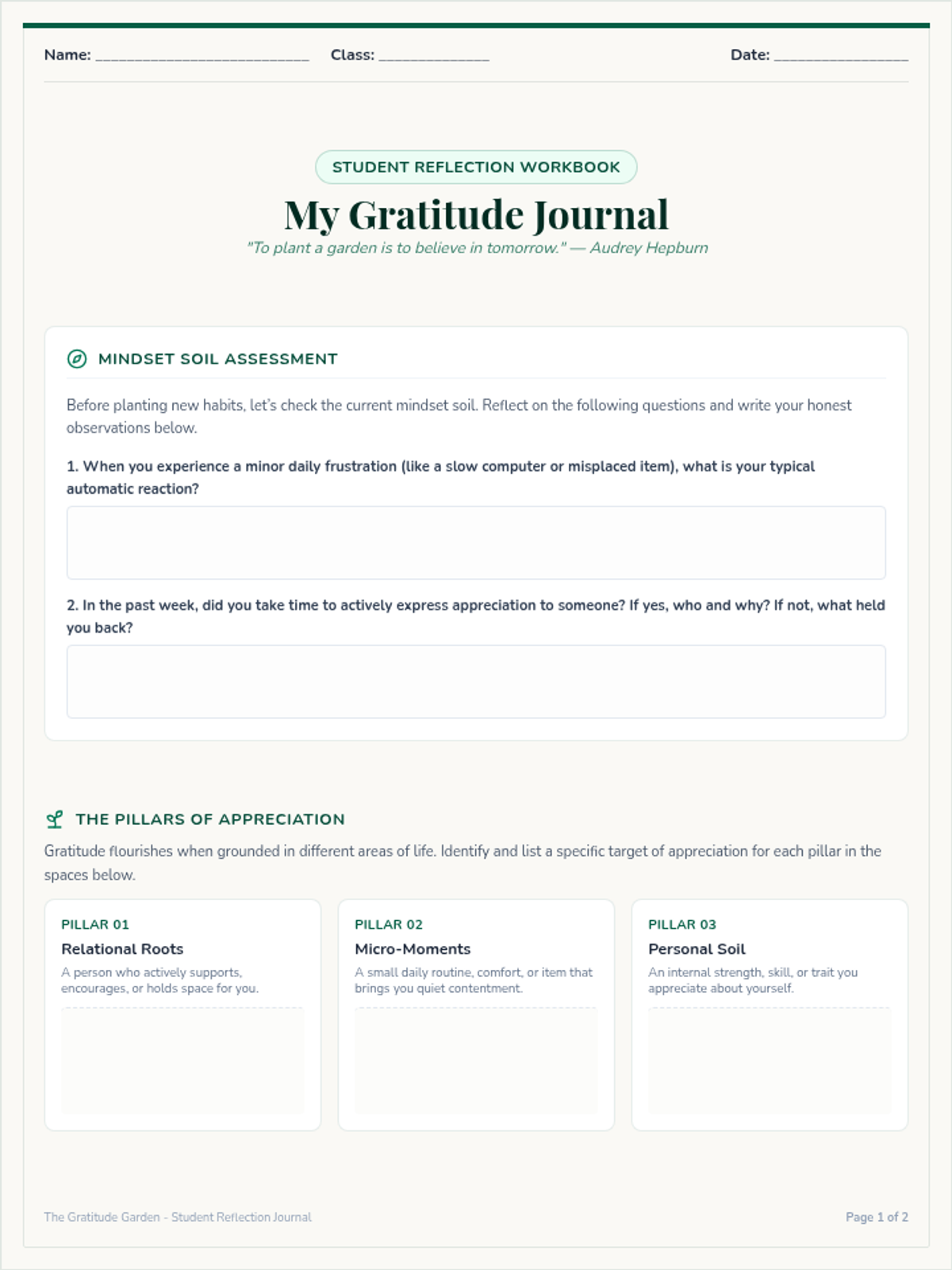
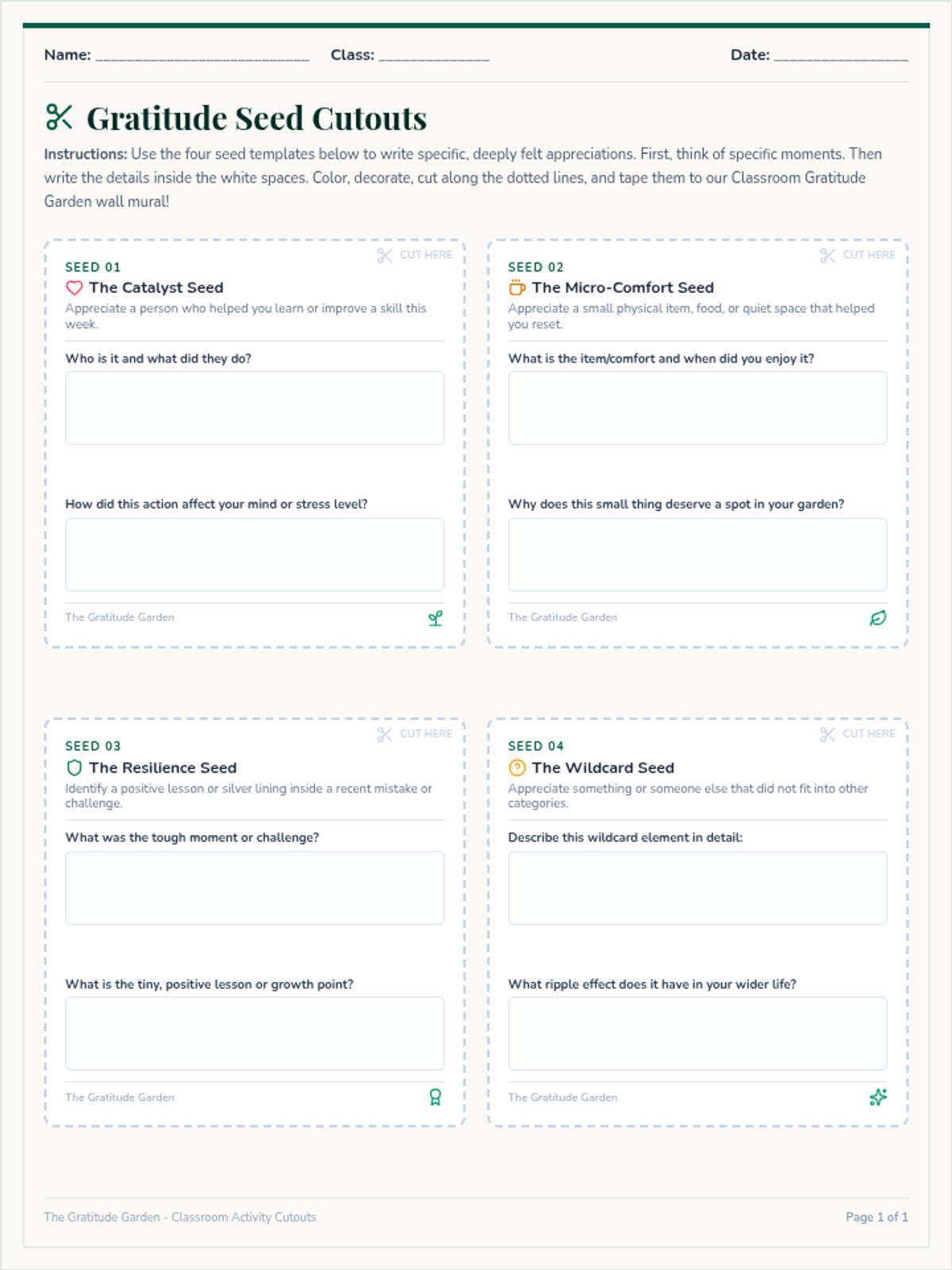
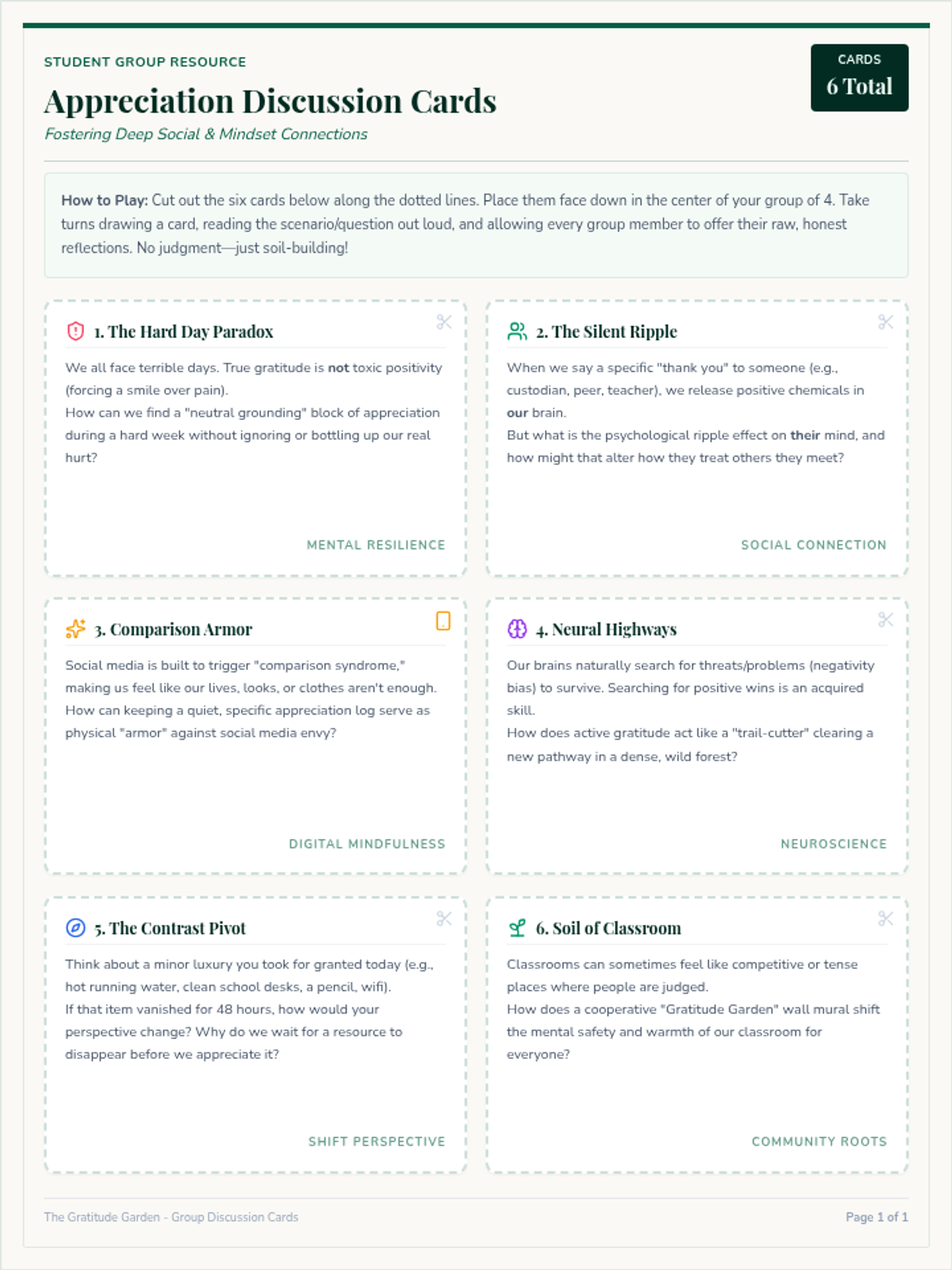
A reflective and collaborative lesson for 7th-9th graders exploring the science and practice of gratitude. Students will discover how cultivating appreciation improves emotional well-being and strengthens relationships through journaling and interactive activities.
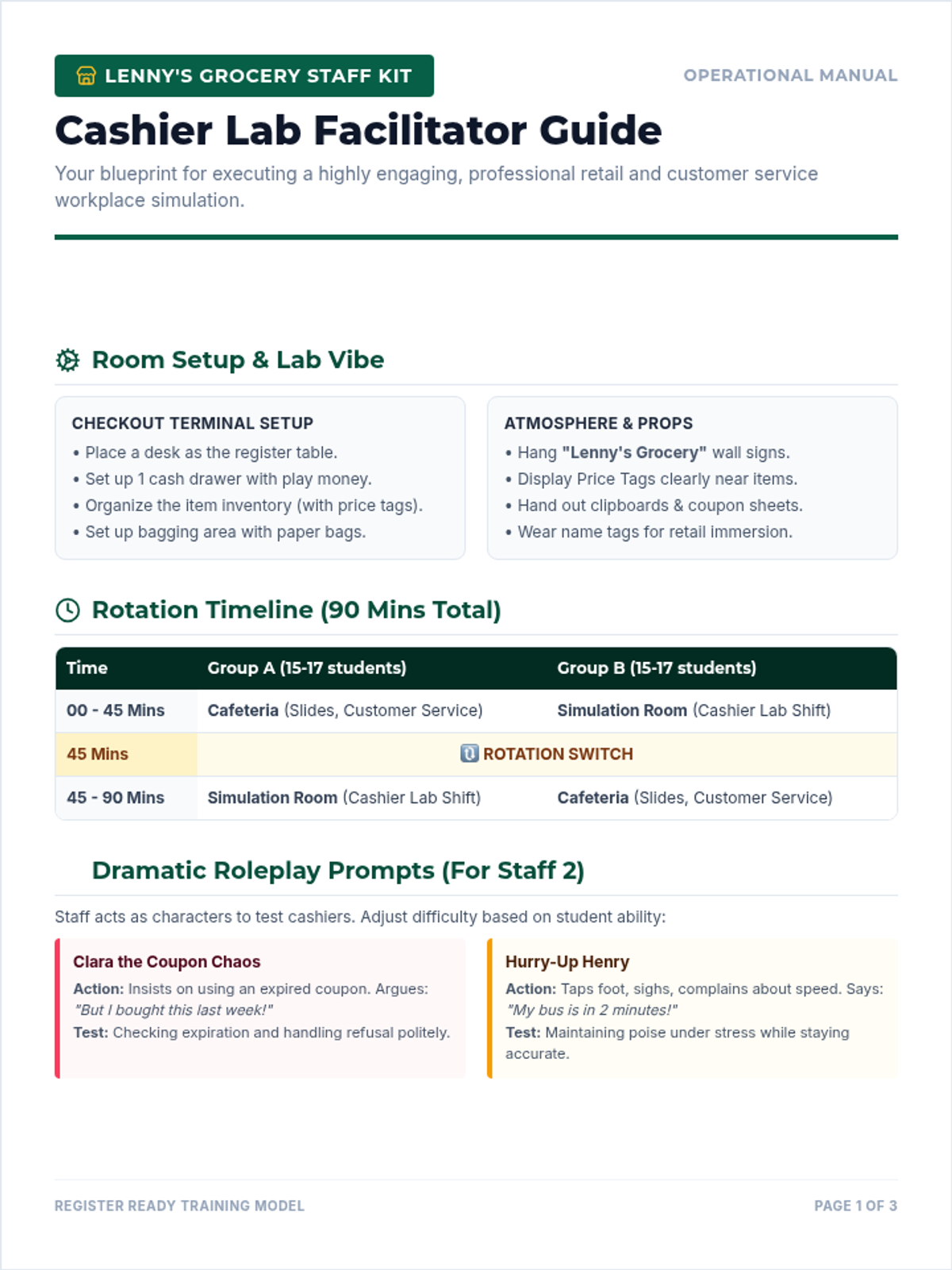
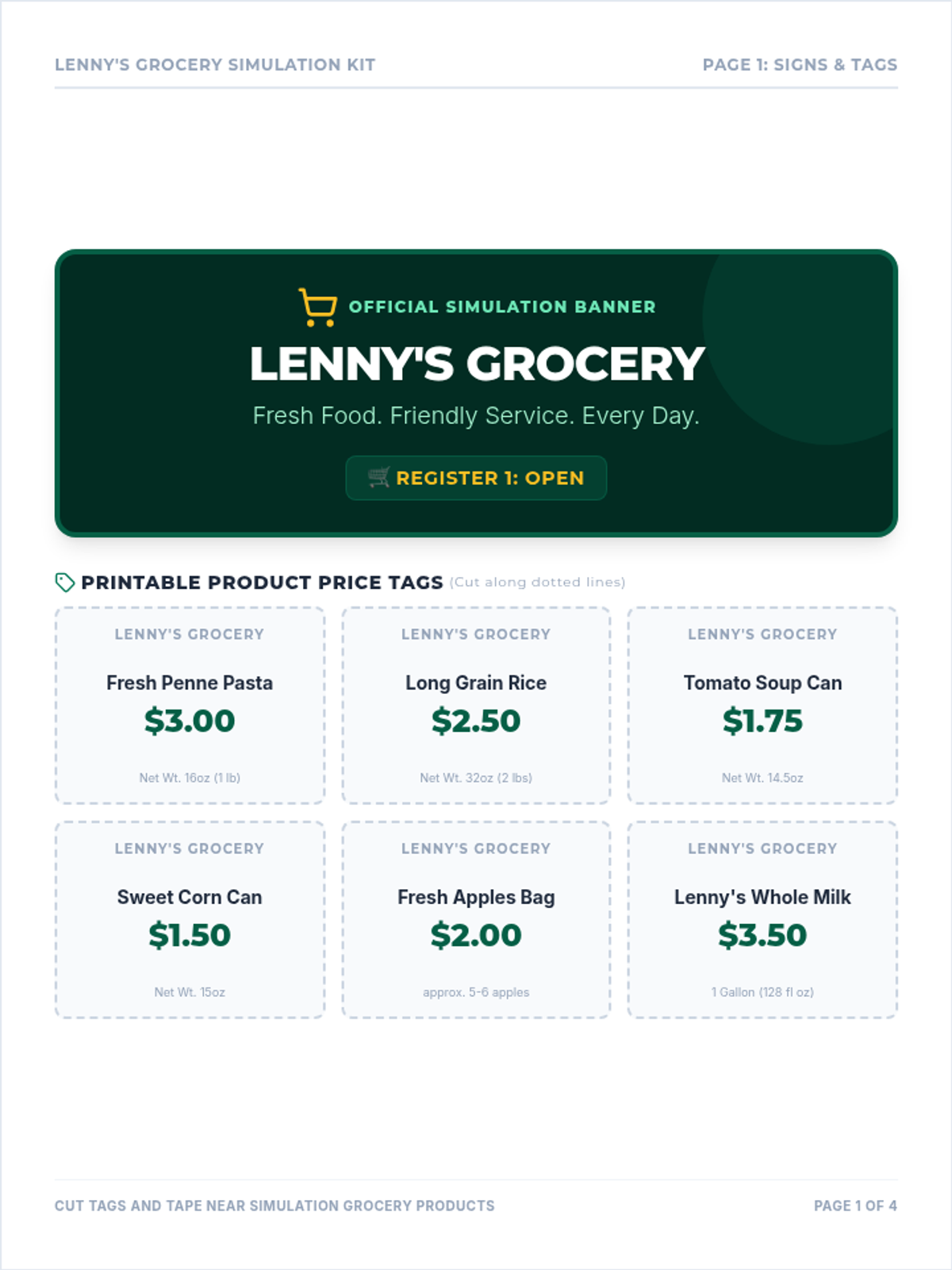
A dynamic rotation lesson where students split between a multimedia classroom training and a realistic, hands-on grocery checkout simulation.
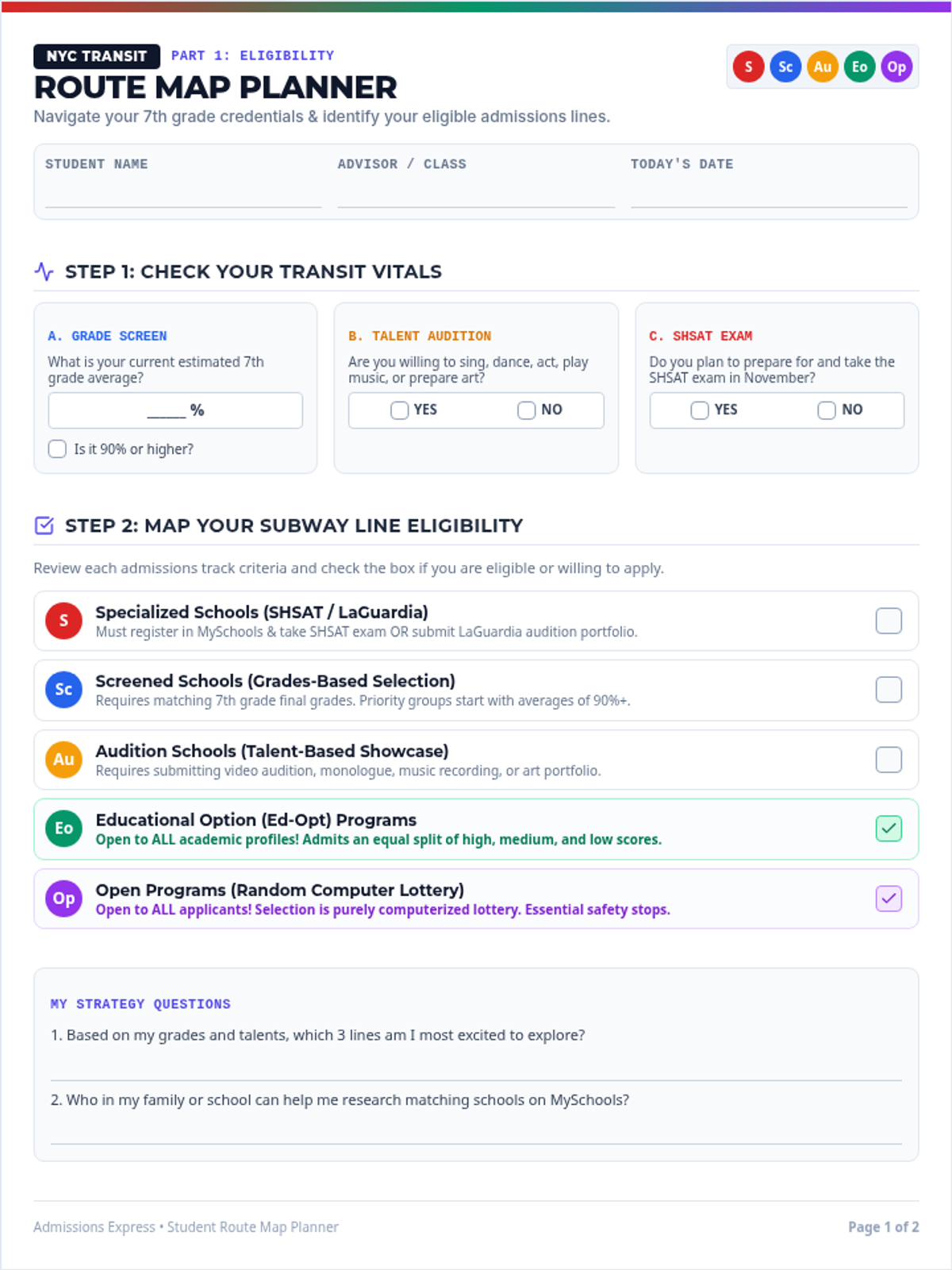
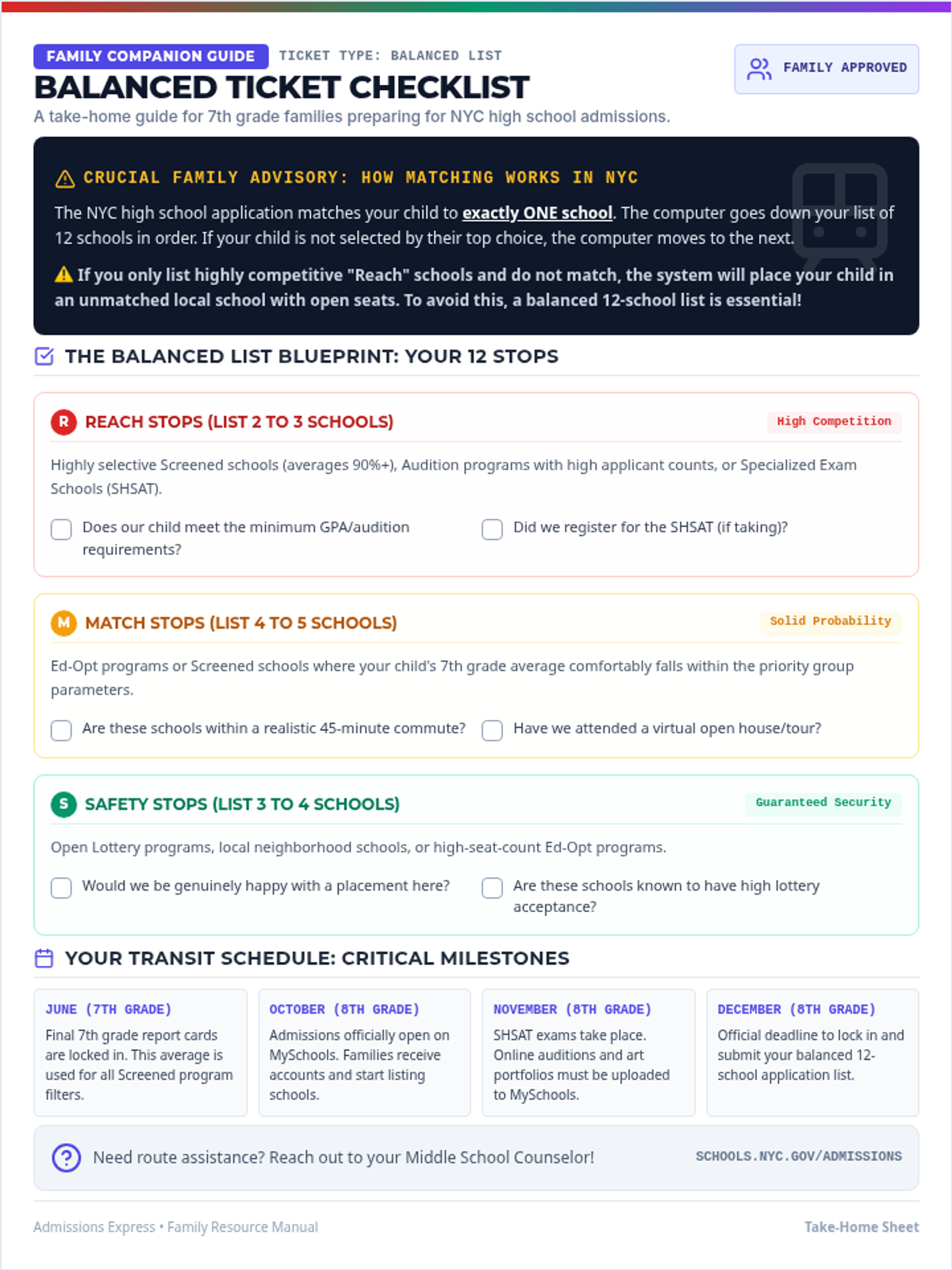
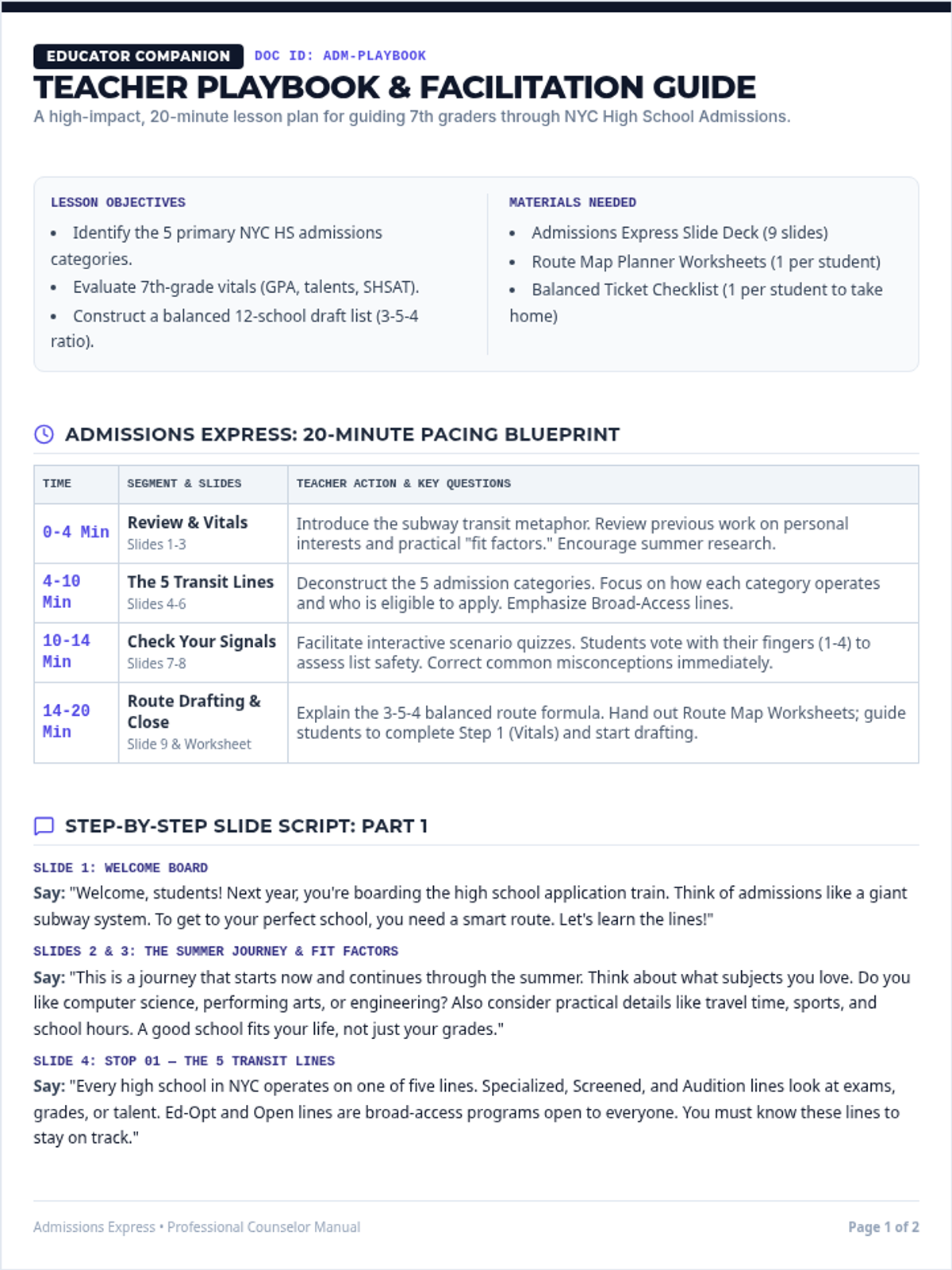
A high-impact, 20-minute lesson designed to guide 7th-grade students through the NYC high school admissions process. Students explore the five primary admission categories and learn how to construct a balanced list of schools using an interactive mountain-themed adventure planner.
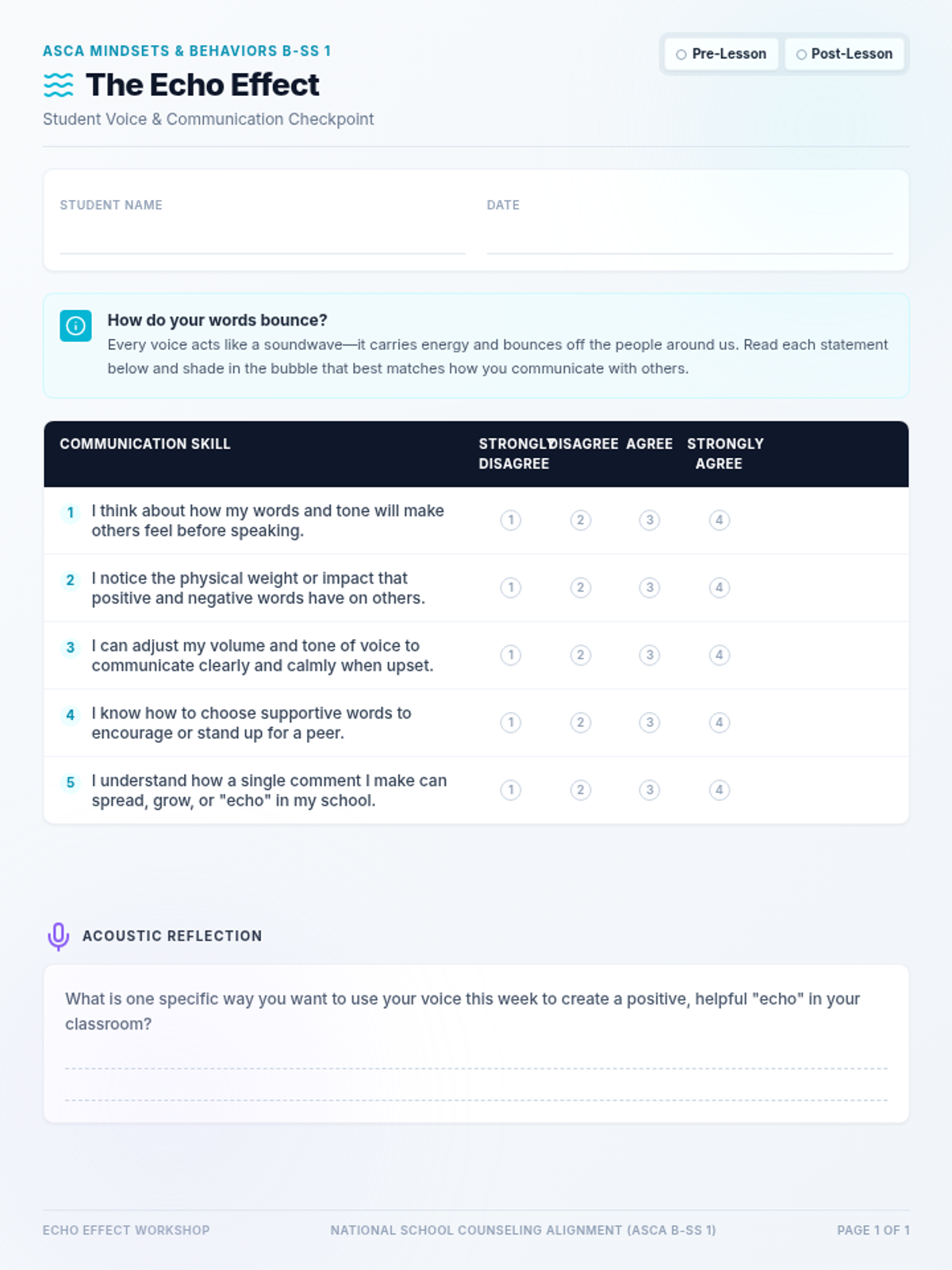
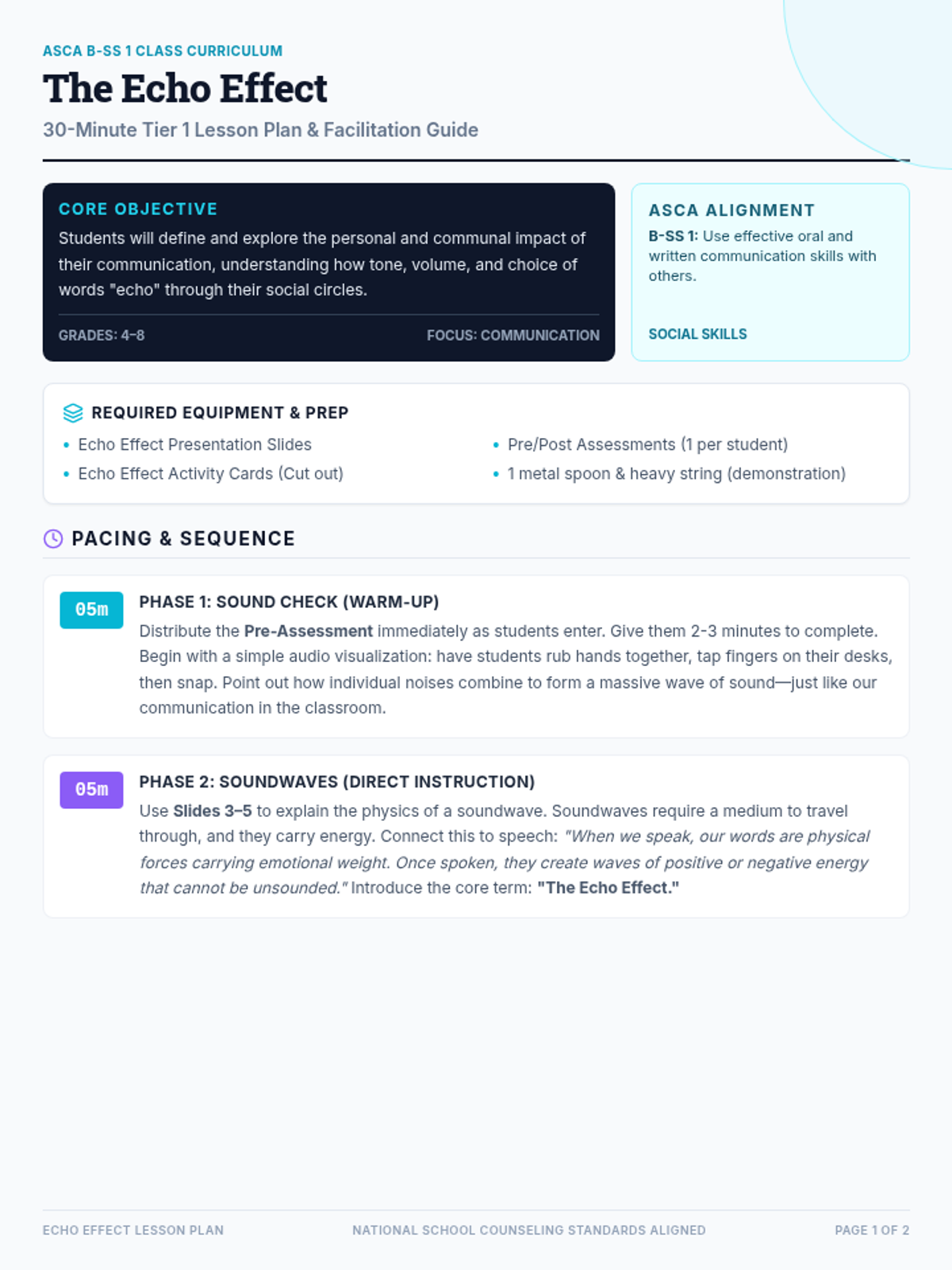
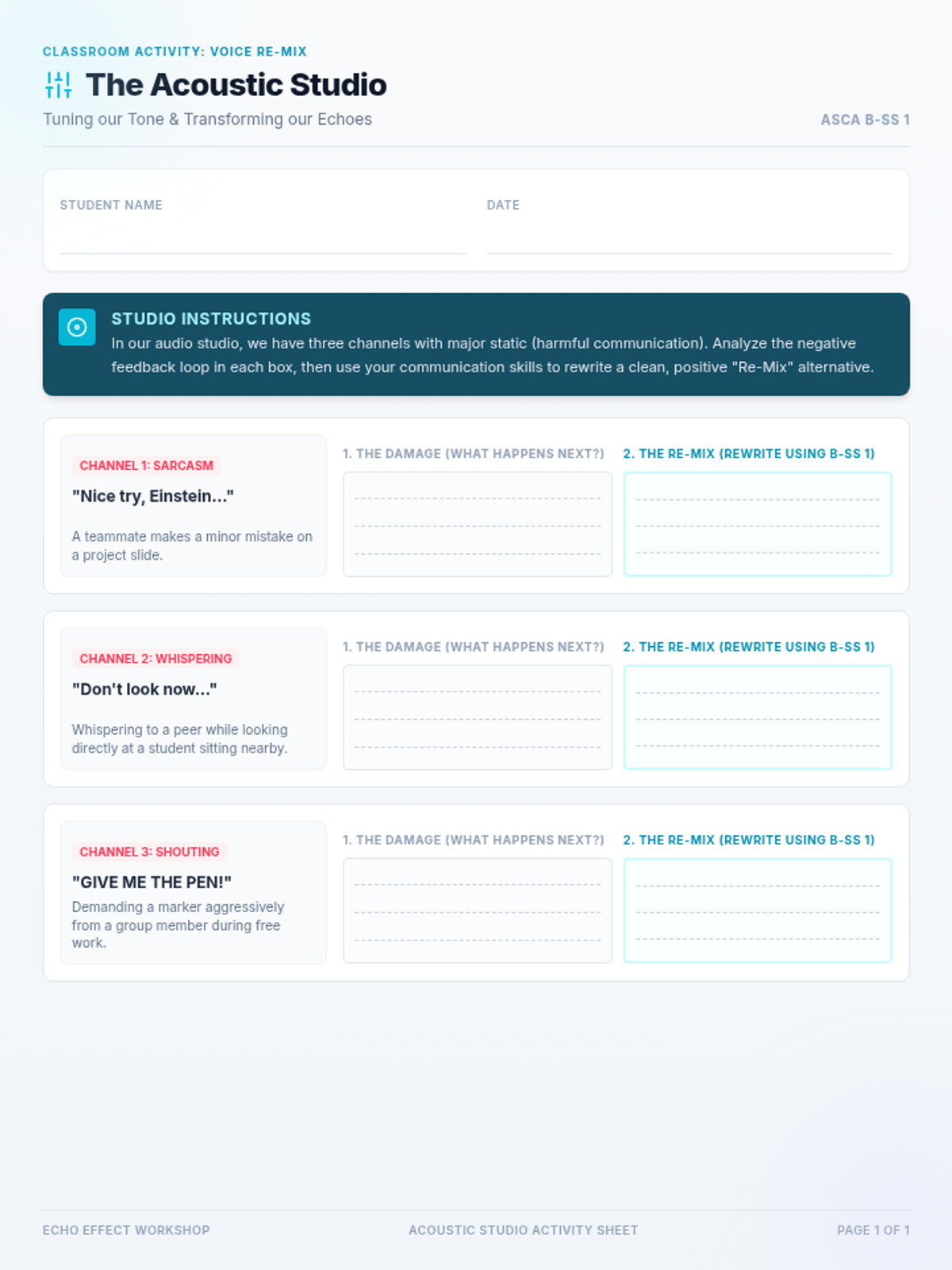
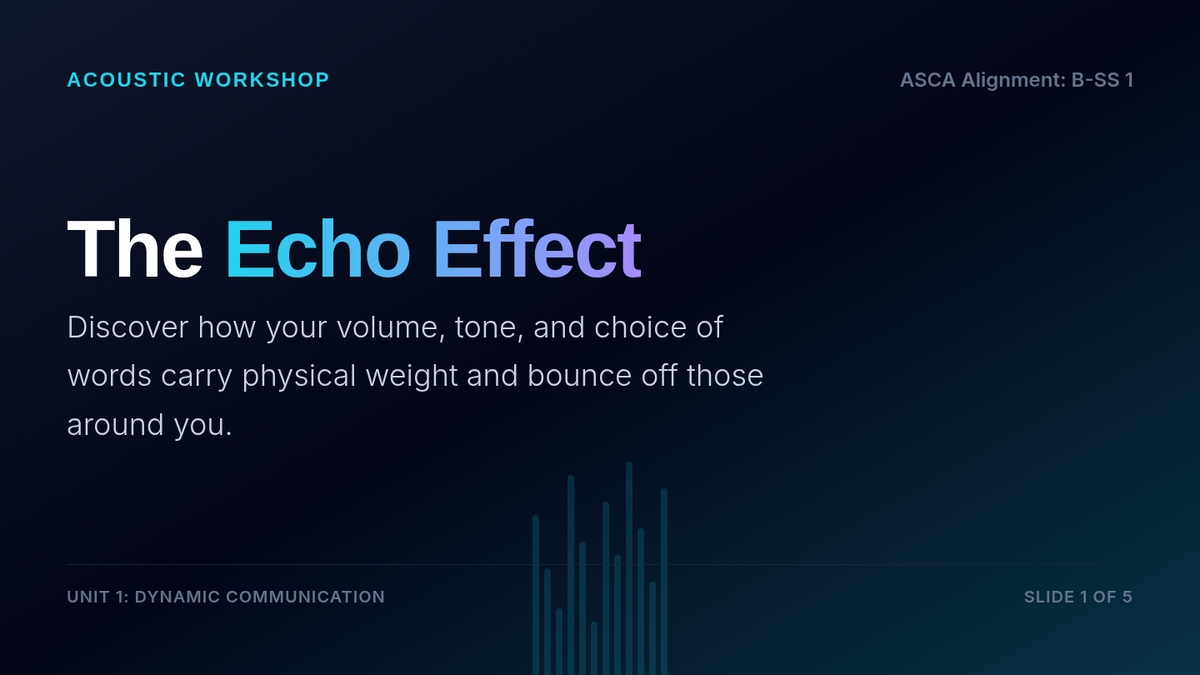
A Tier 1 classroom lesson designed to teach students how their words and voice carry weight, impact others, and echo through their social environments. Aligned with ASCA Mindsets & Behaviors B-SS 1 (effective oral and written communication).
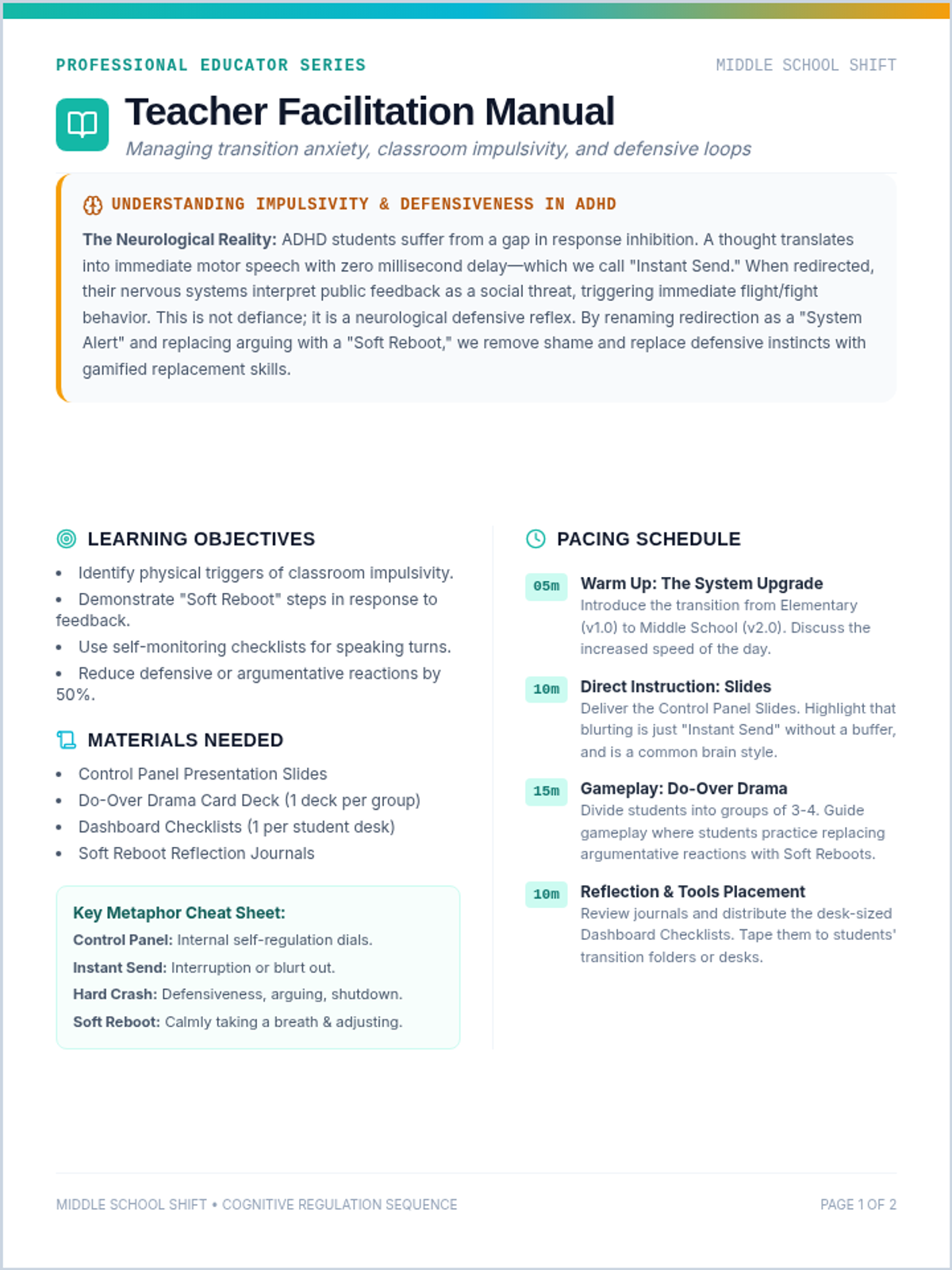
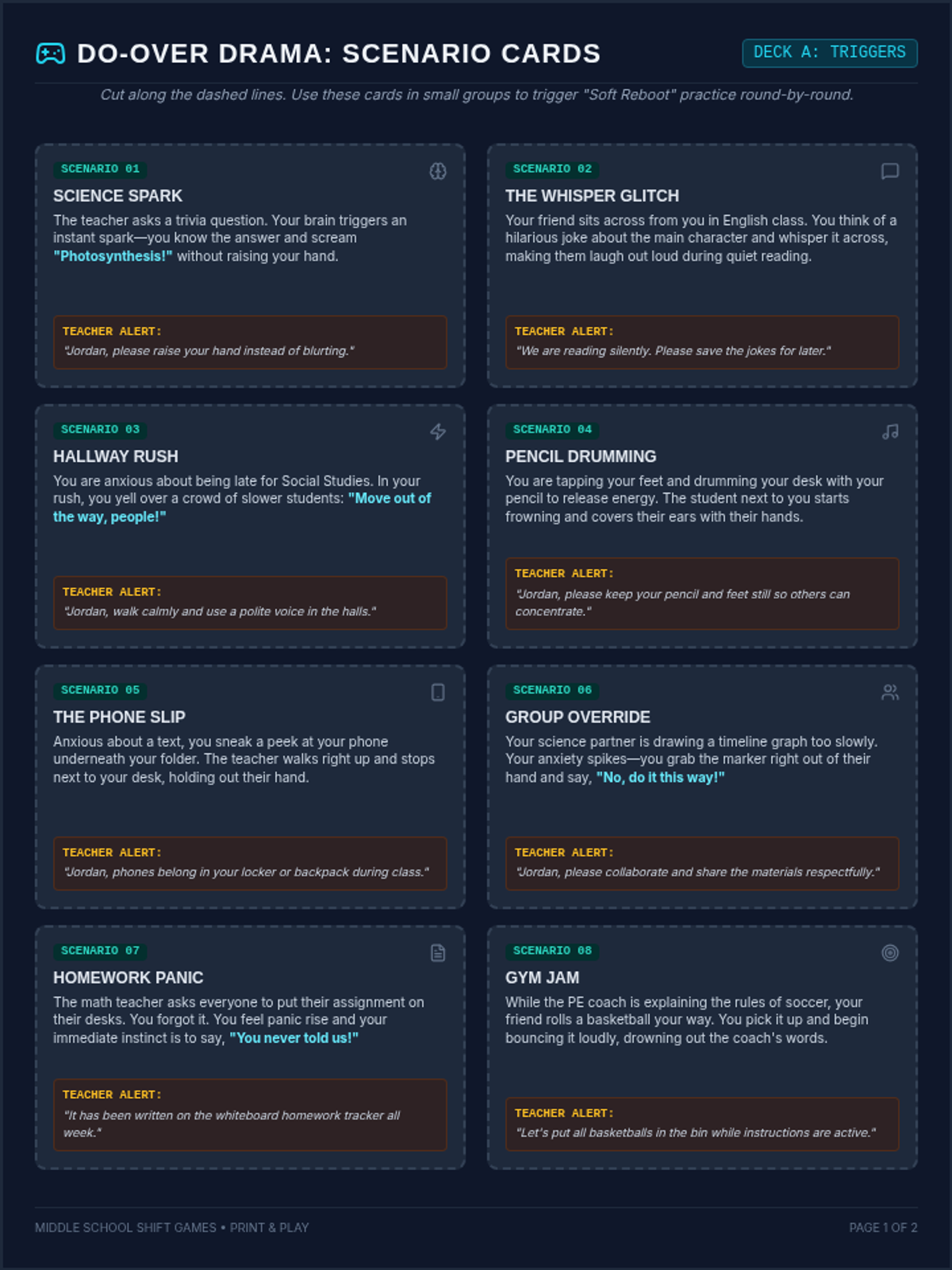
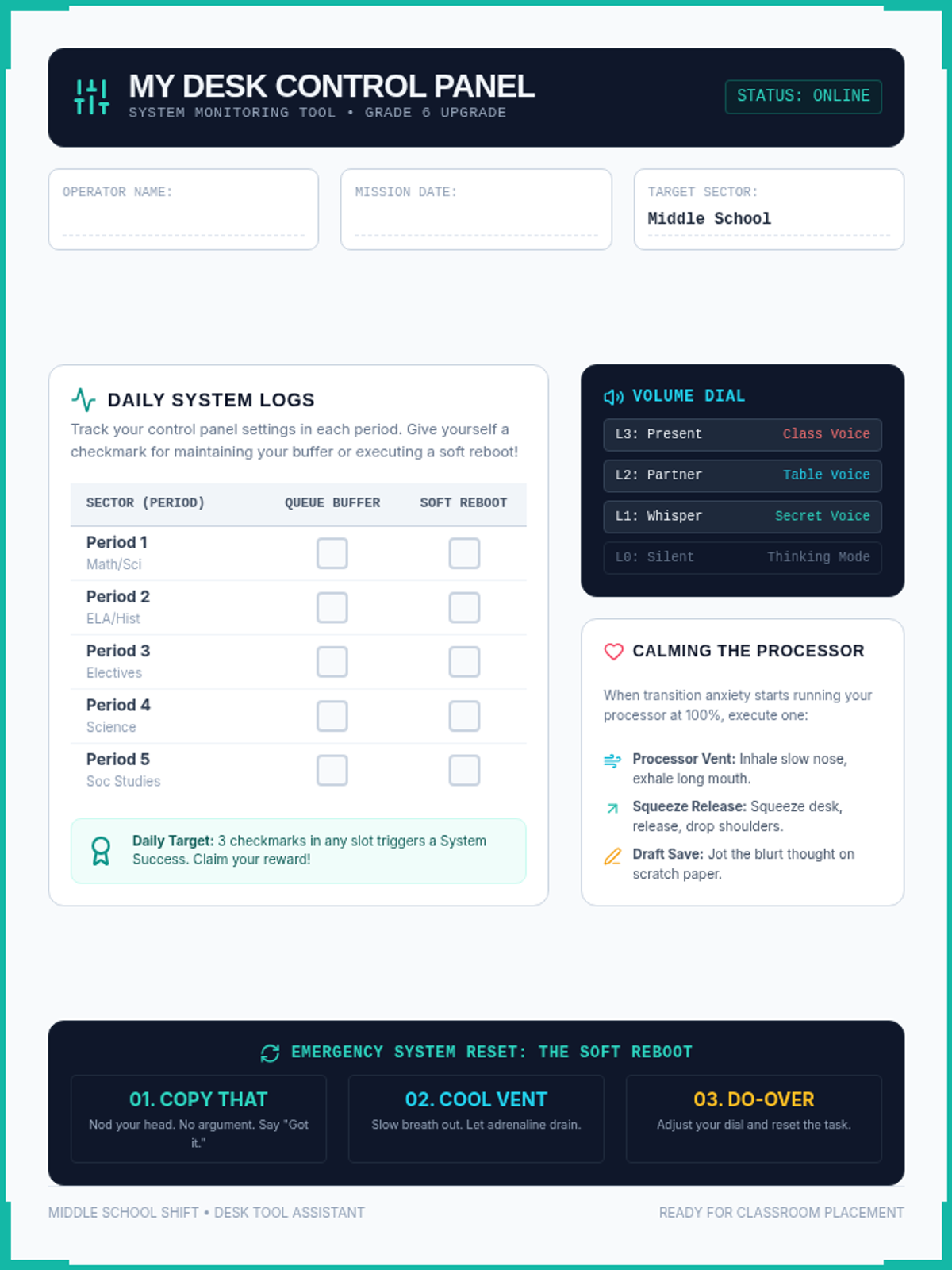
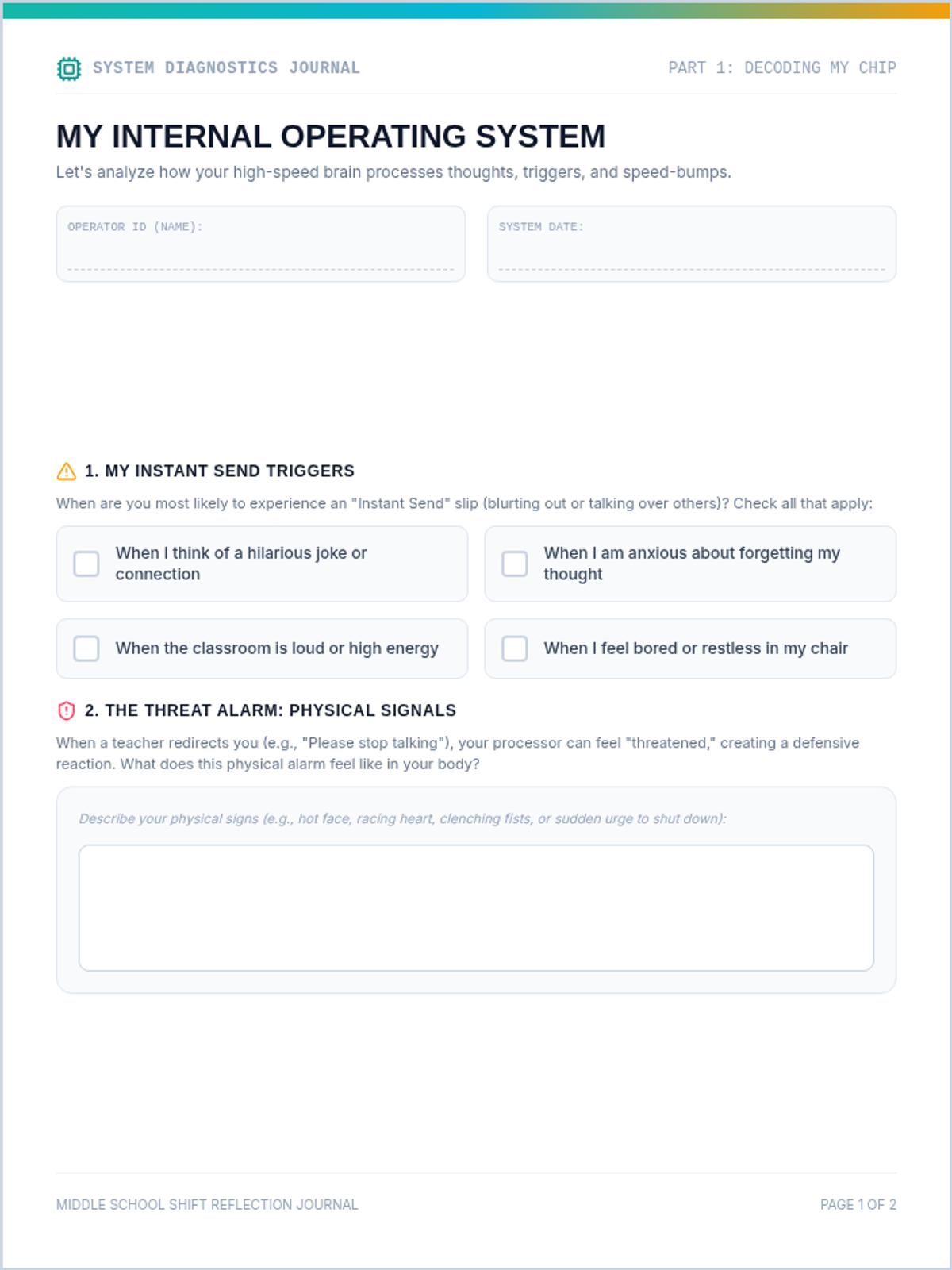
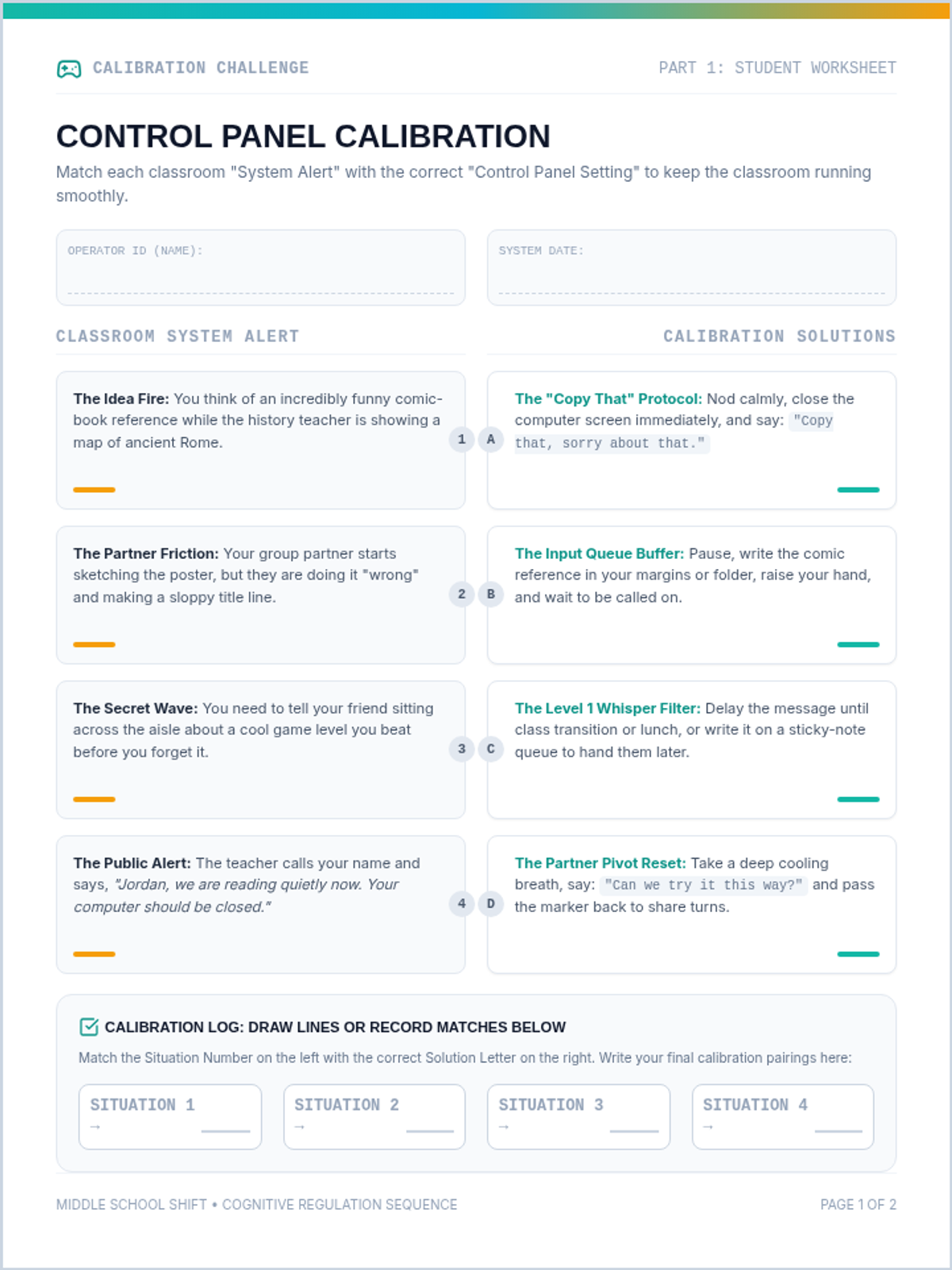
A high-impact social-emotional learning lesson designed for anxious and ADHD students transitioning to middle school. It introduces the 'Control Panel' metaphor to manage the impulse to blurt, talk over others, and react defensively, replacing shame with actionable self-regulation strategies, visual aids, and low-stakes role-play games.
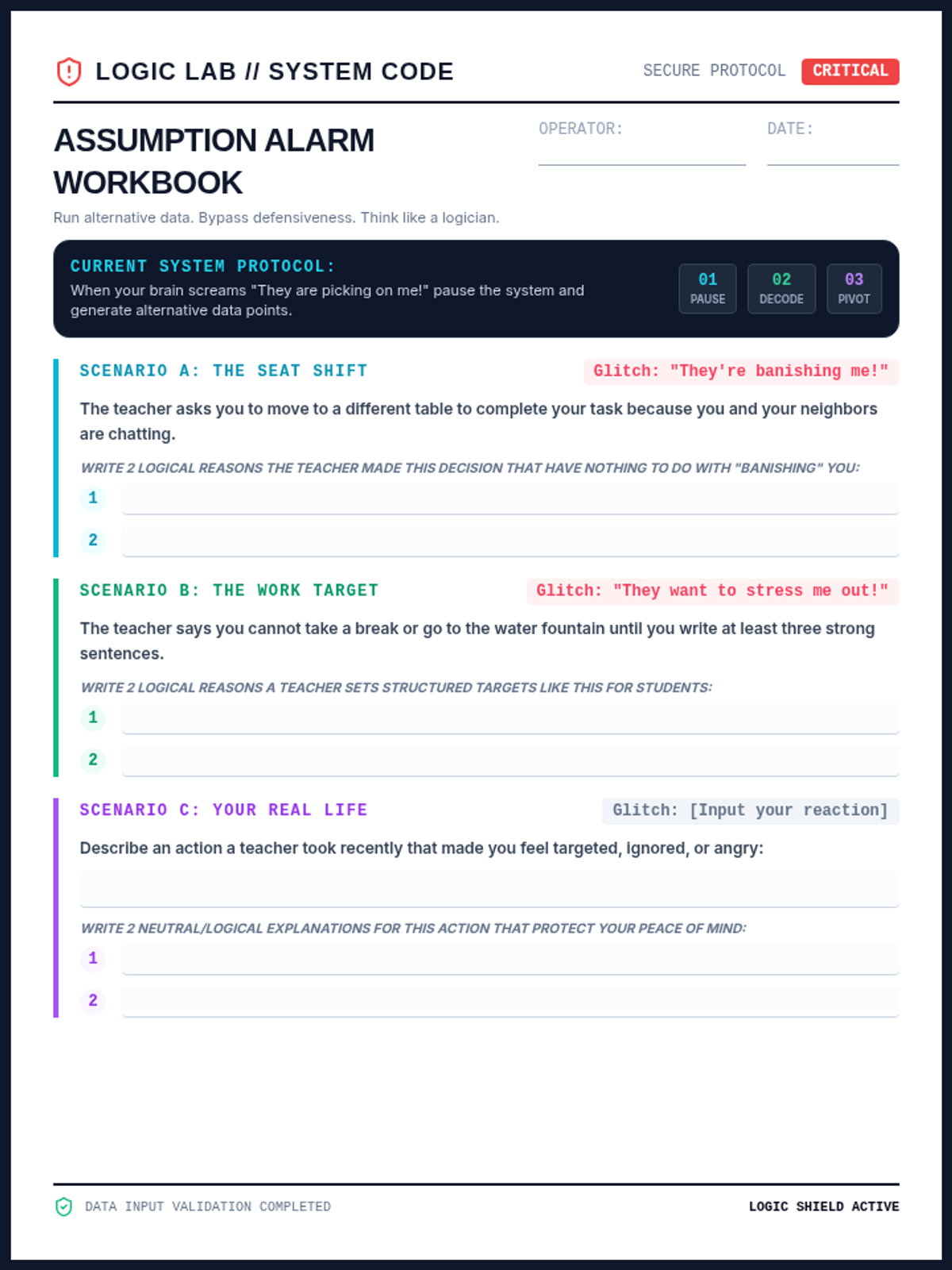
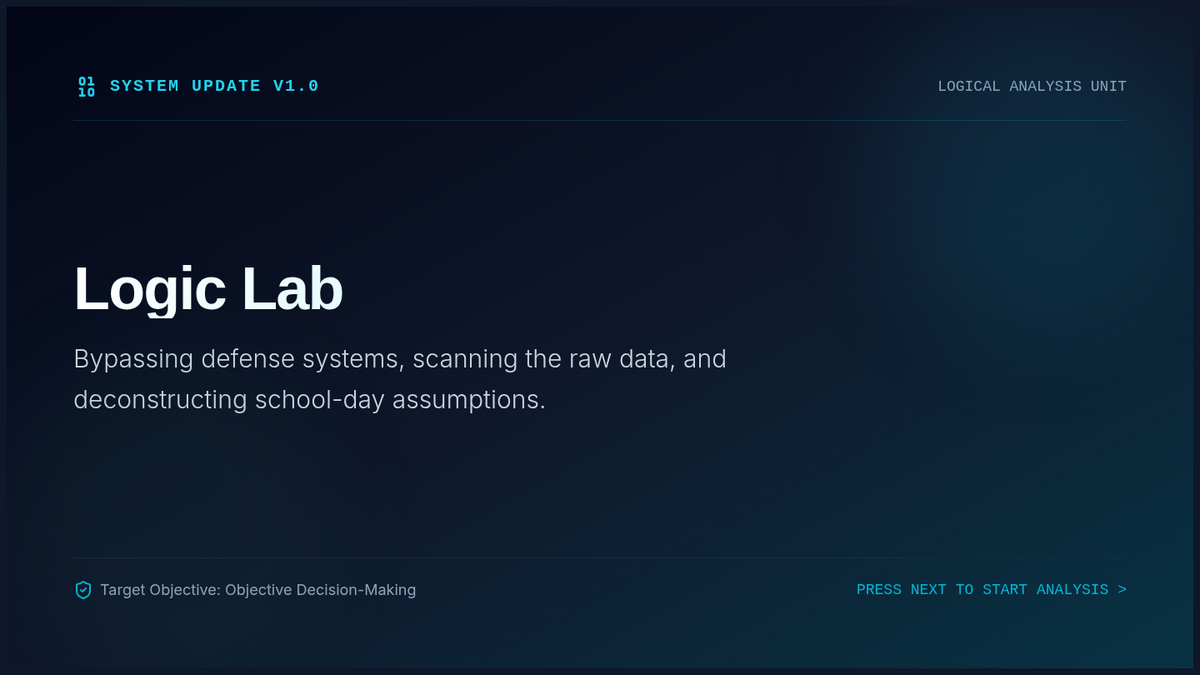
A sharp, logic-forward 1-to-1 session designed to help a student break down negative assumptions, understand the logical purpose of school rules, and develop alternative explanations for teacher actions.
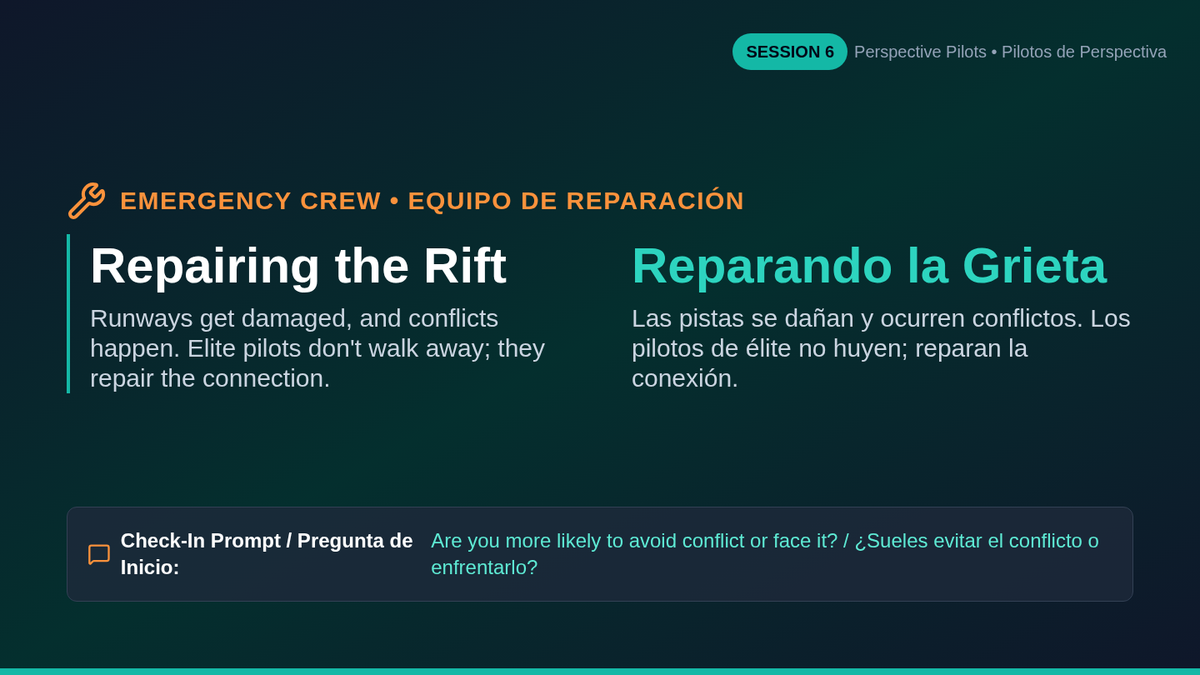
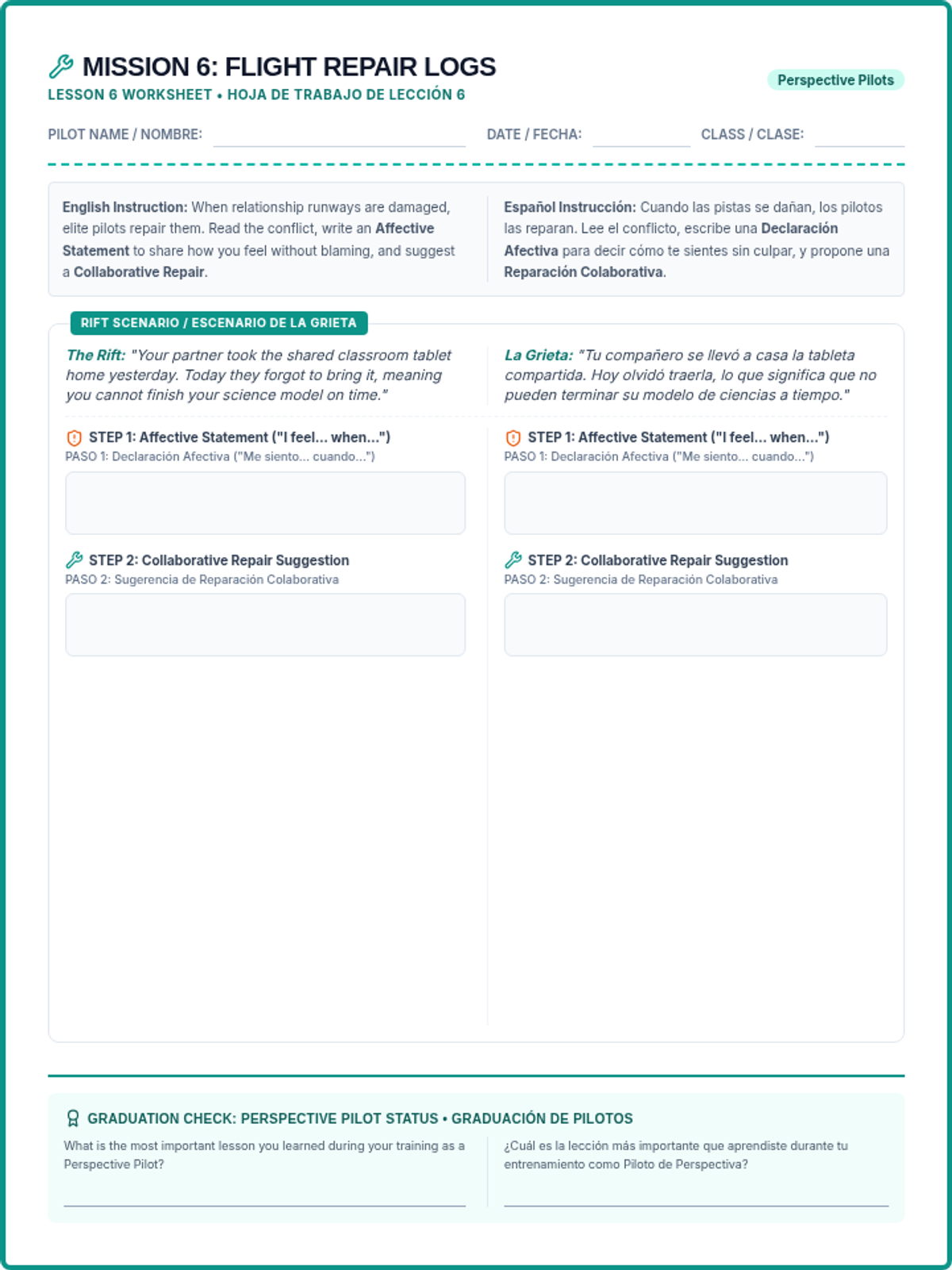
Introduces students to restorative conflict resolution, learning how to repair trust and rebuild connections using affective statements. Includes slides and an active workbook.
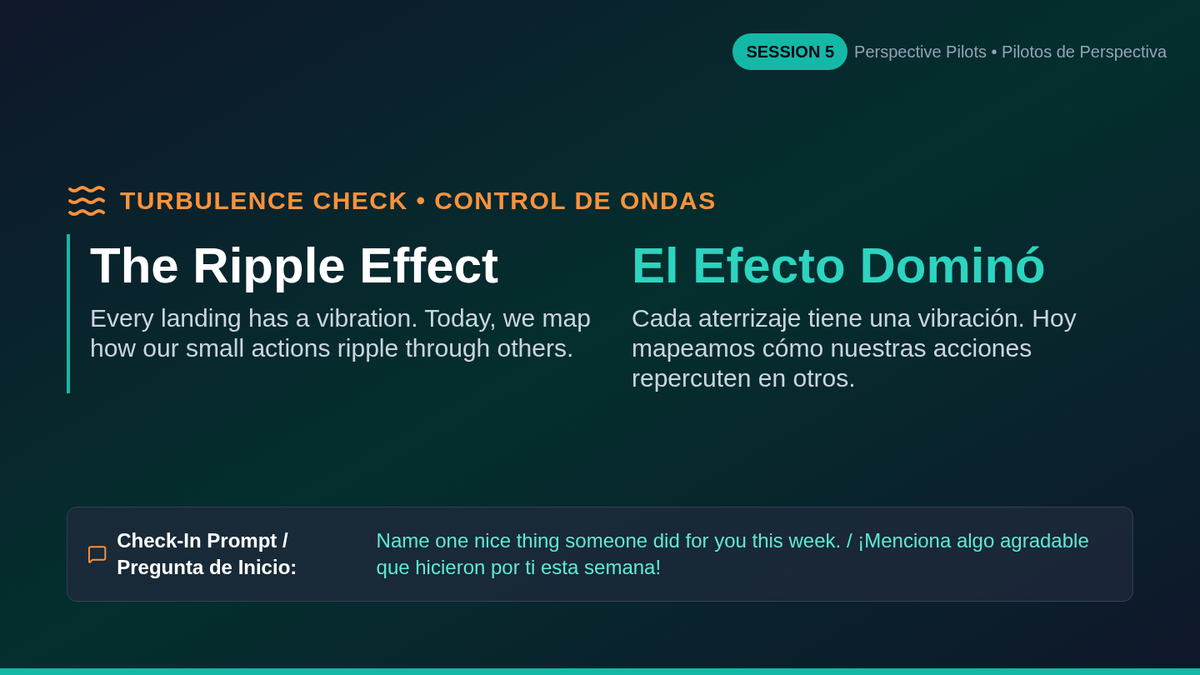
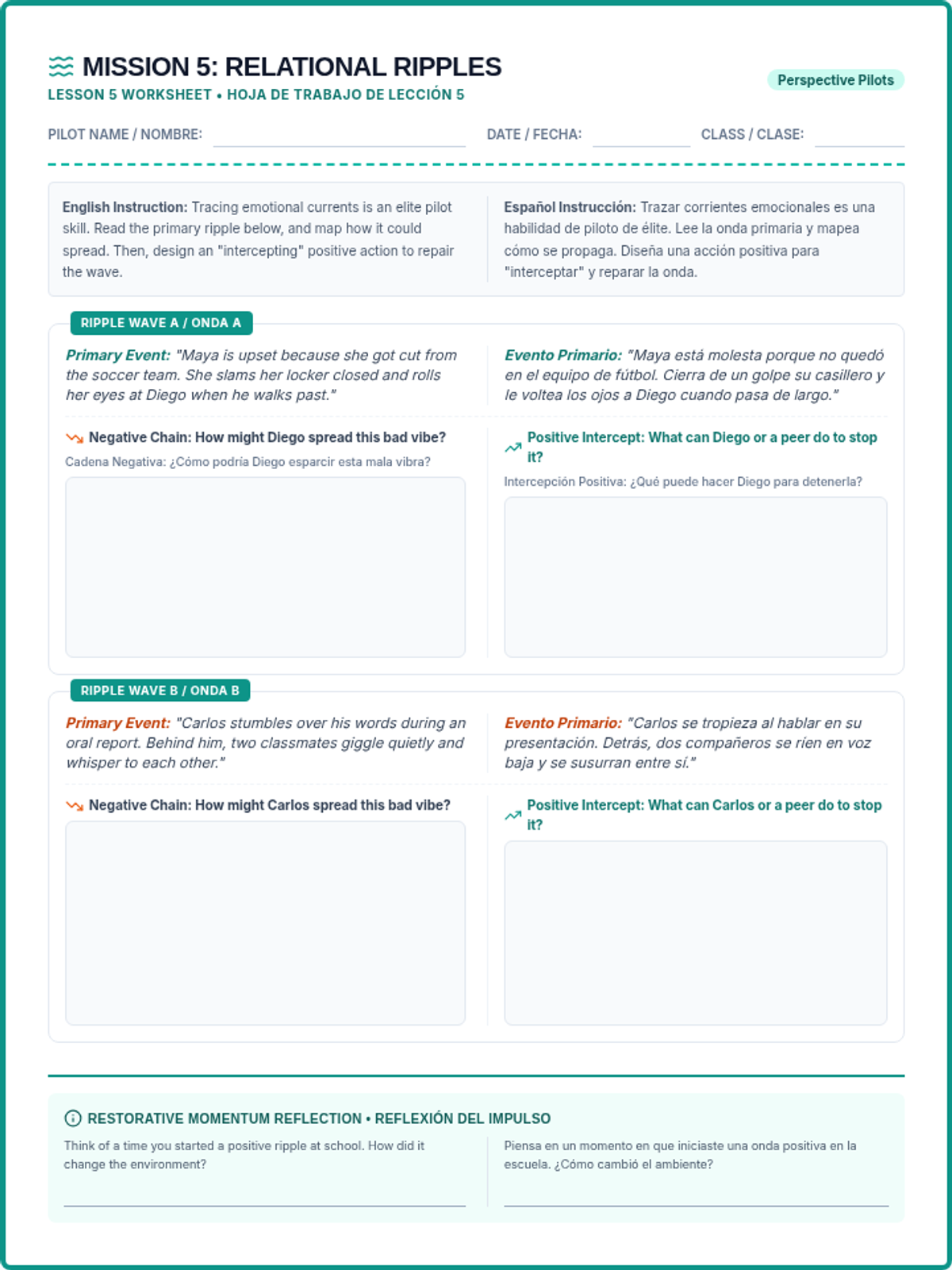
Explores how our actions and words create a ripple effect of emotions on peers. Features interactive presentation slides and a relational mapping worksheet.
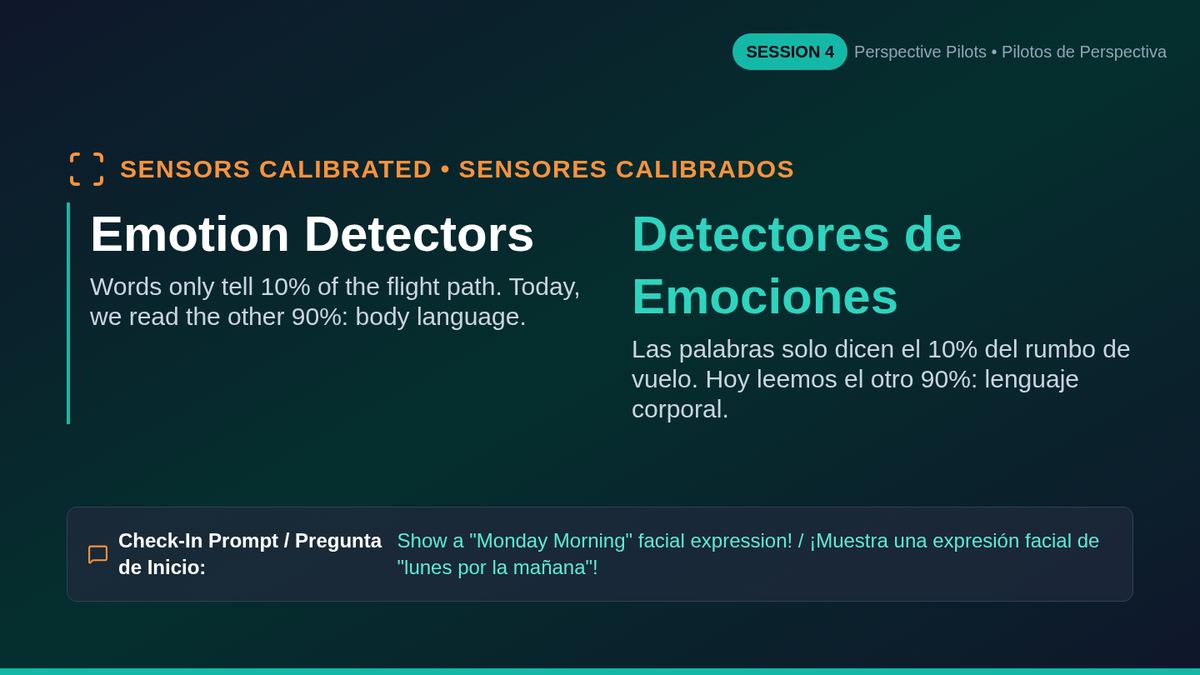
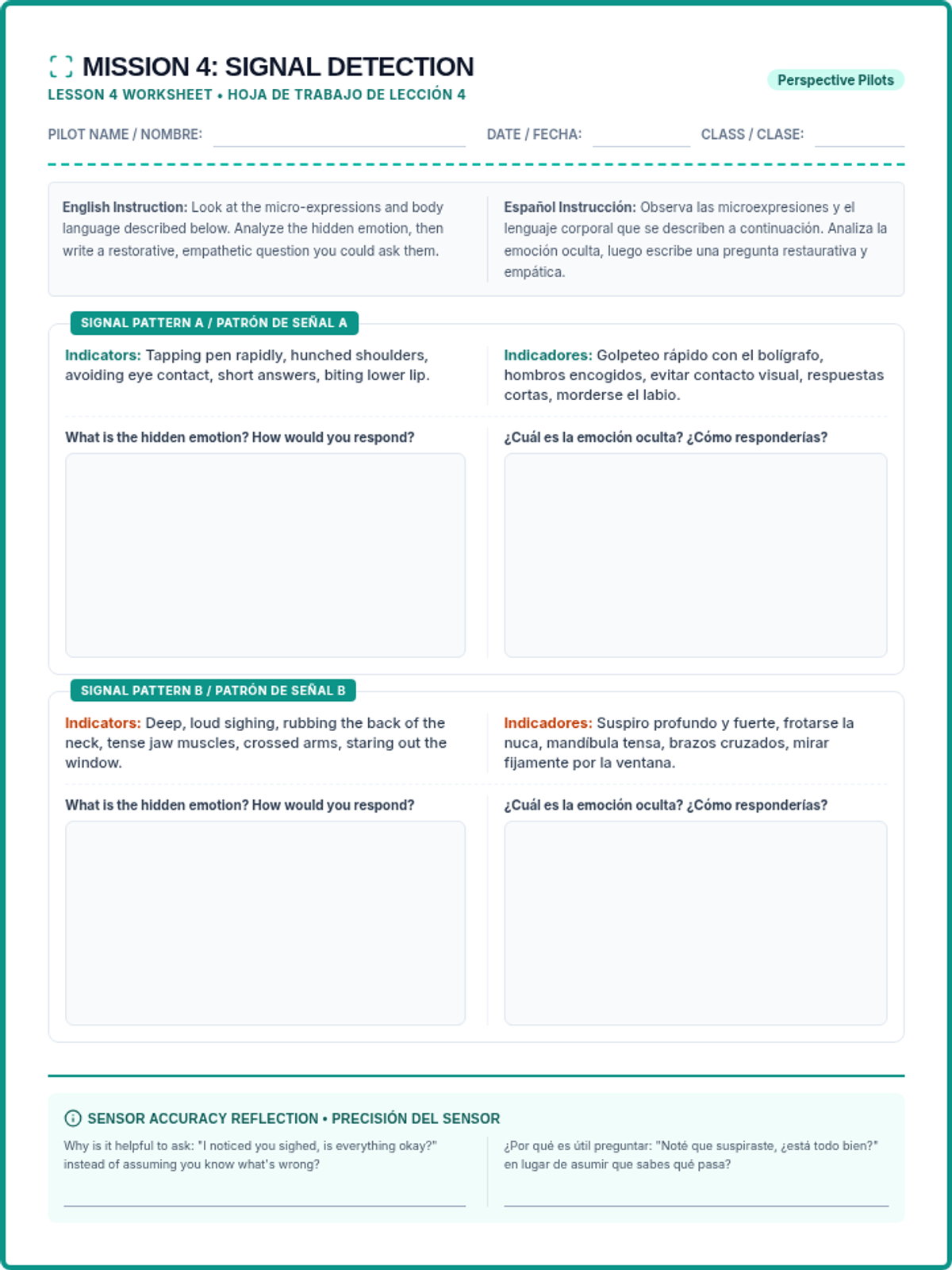
Focuses on social awareness by teaching students how to read micro-expressions and body language. Includes presentation slides and an observational worksheet.
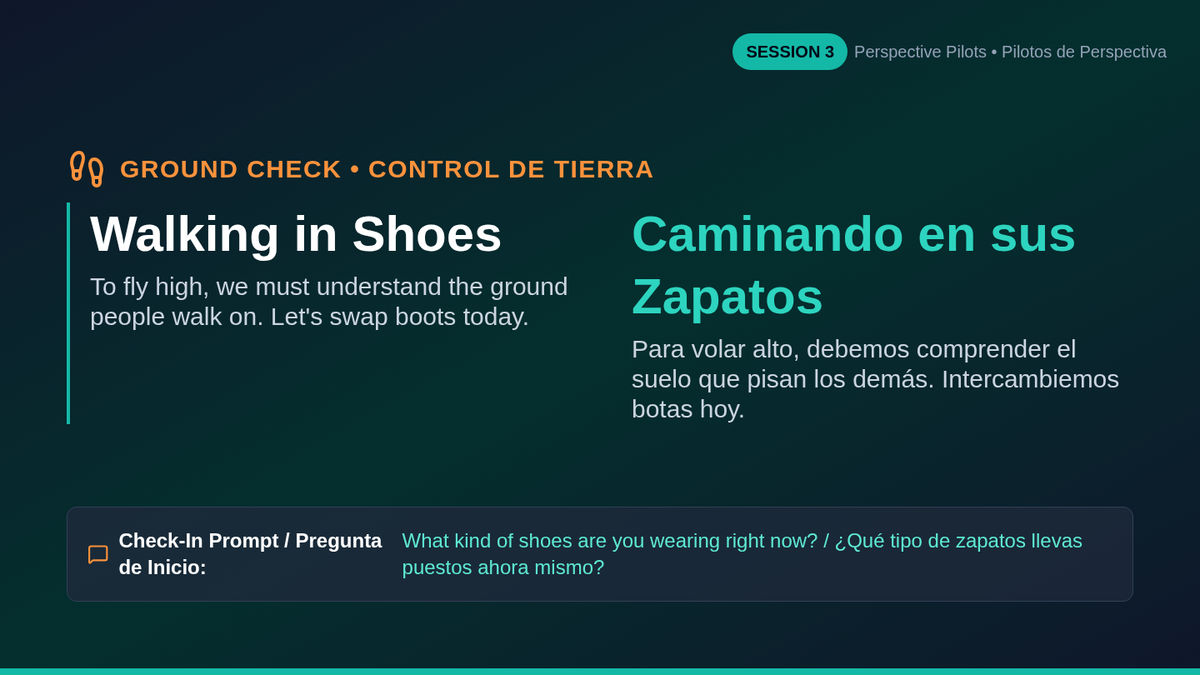
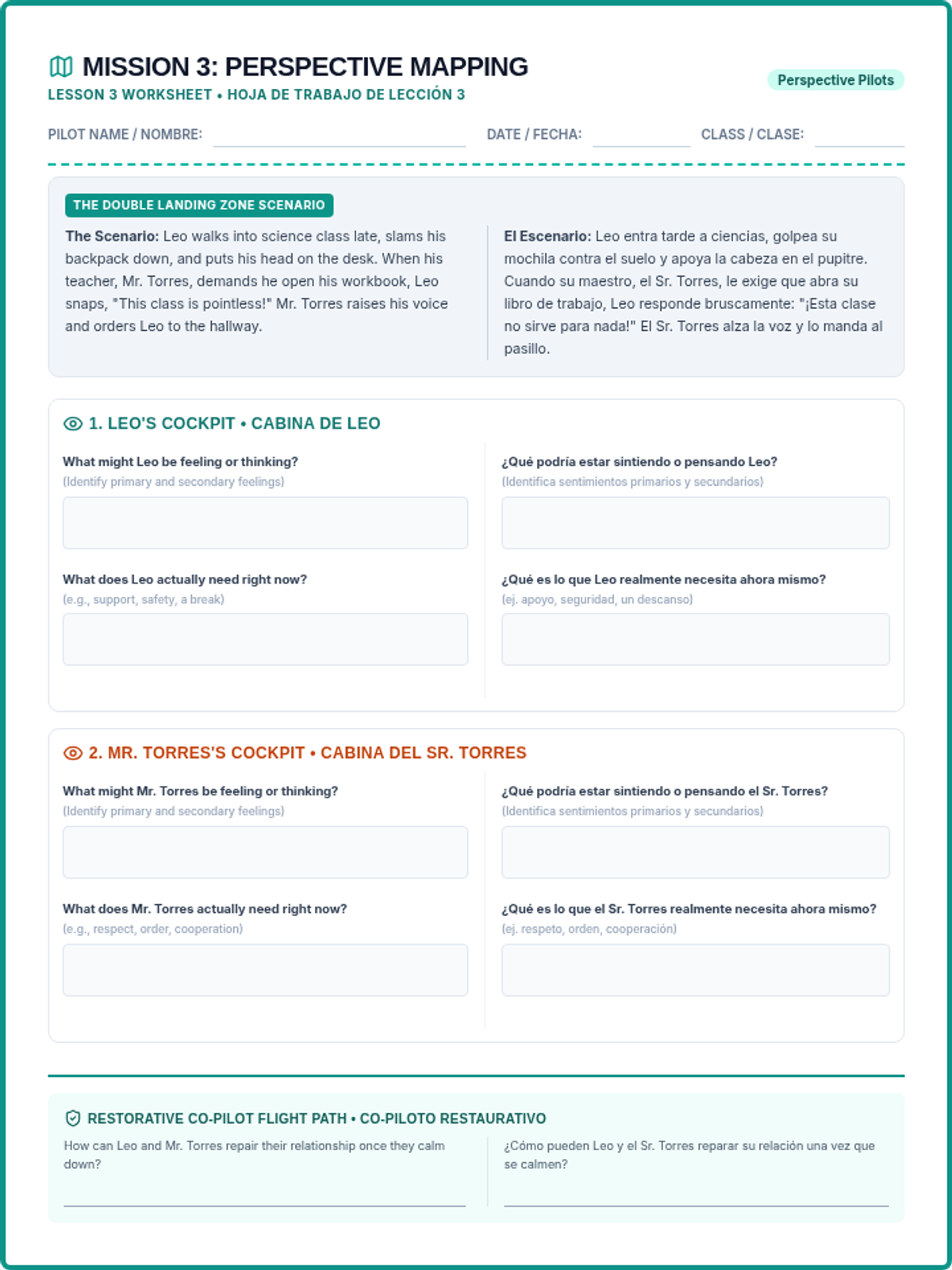
Teaches perspective-taking and social awareness through diverse real-world school scenarios. Includes interactive presentation slides and a perspective mapping worksheet.
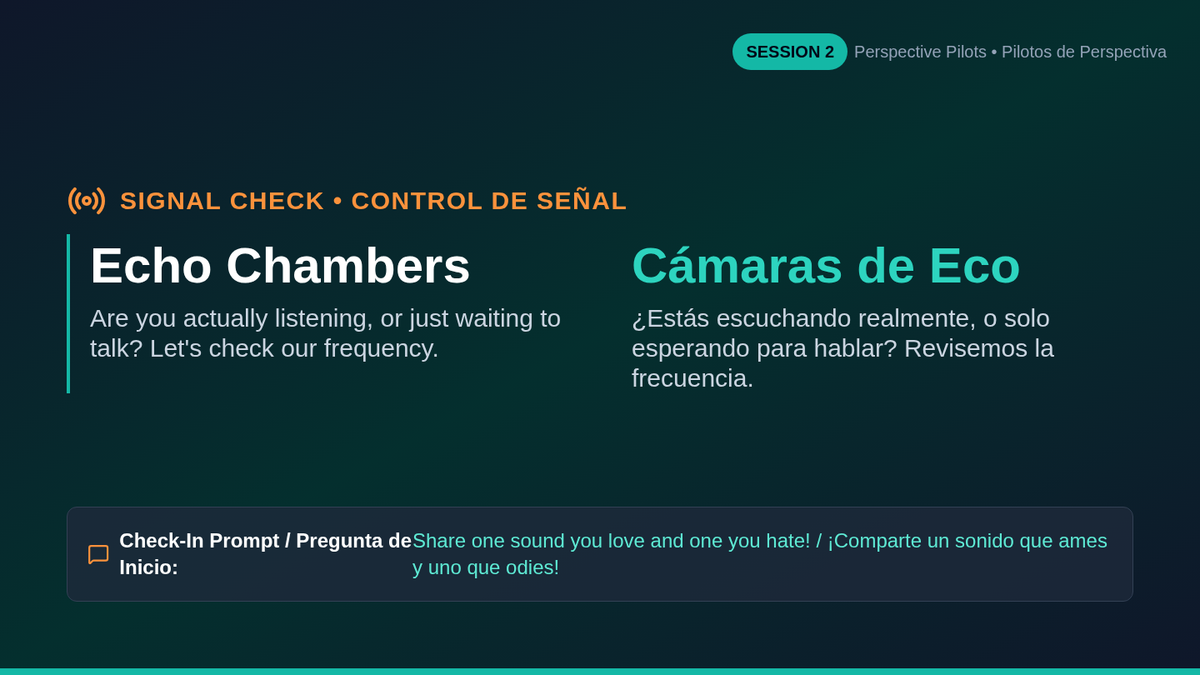
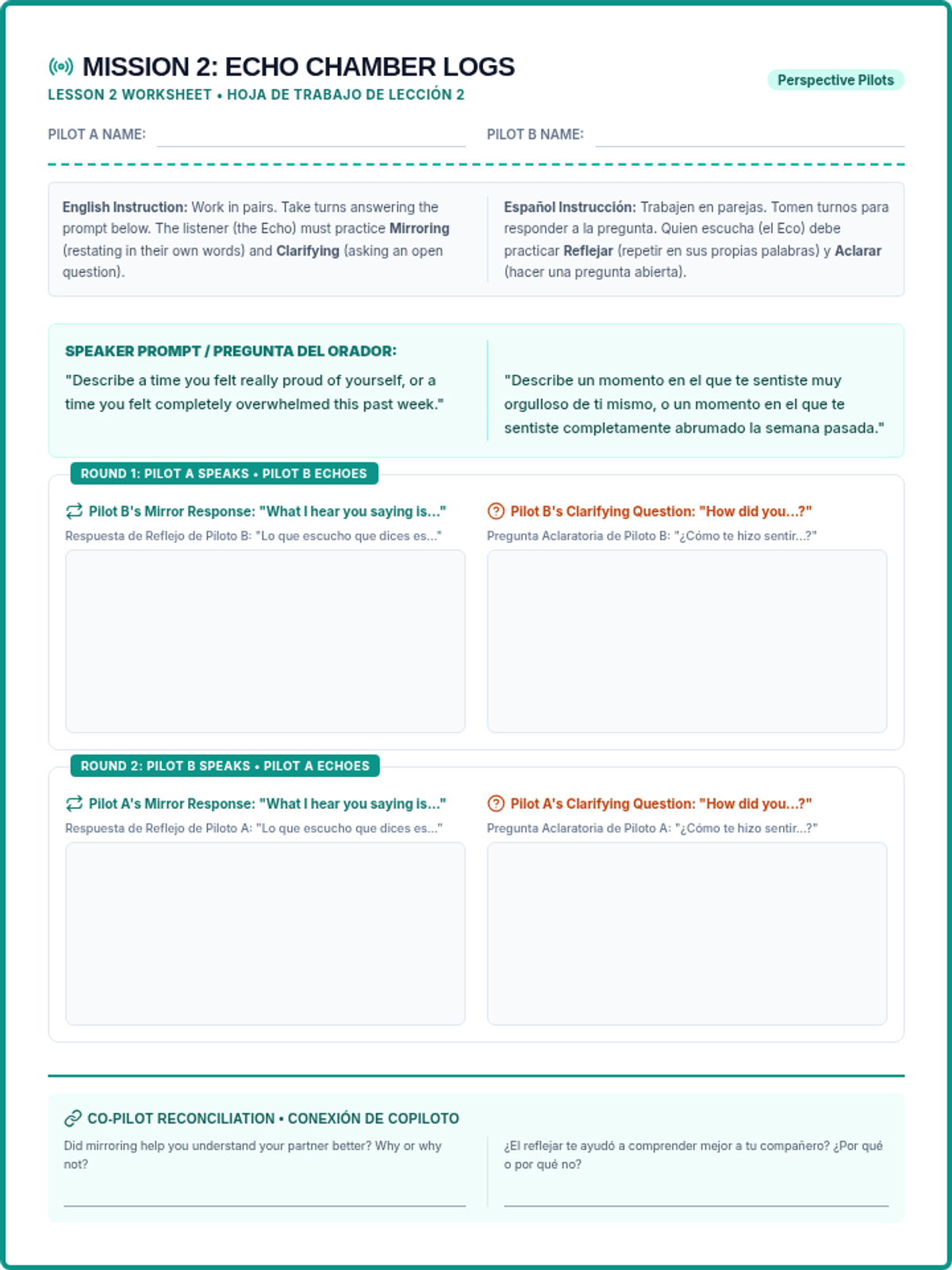
Teaches active listening and restorative communication, recognizing personal biases. Includes interactive presentation slides and a partner active listening worksheet.
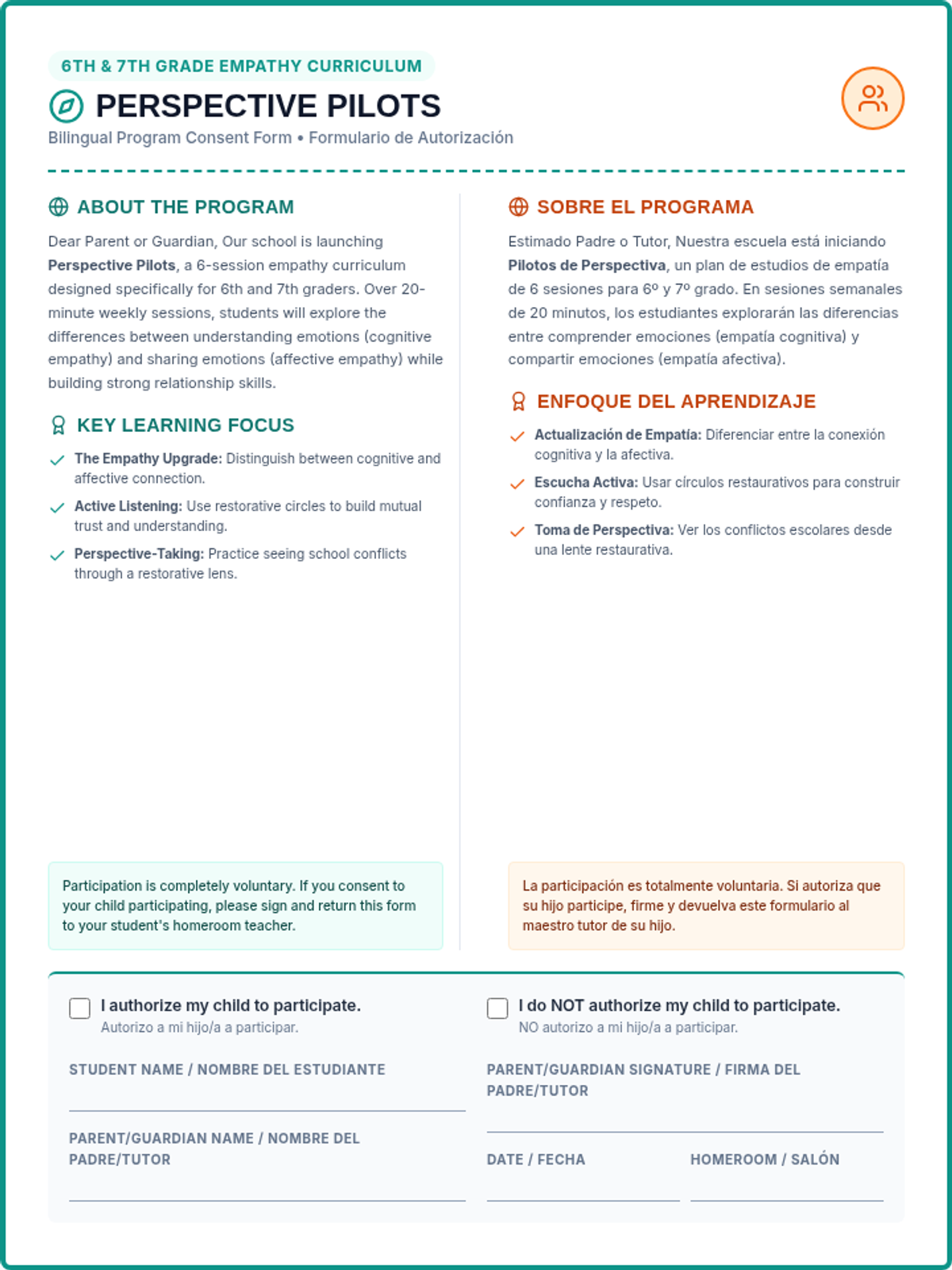
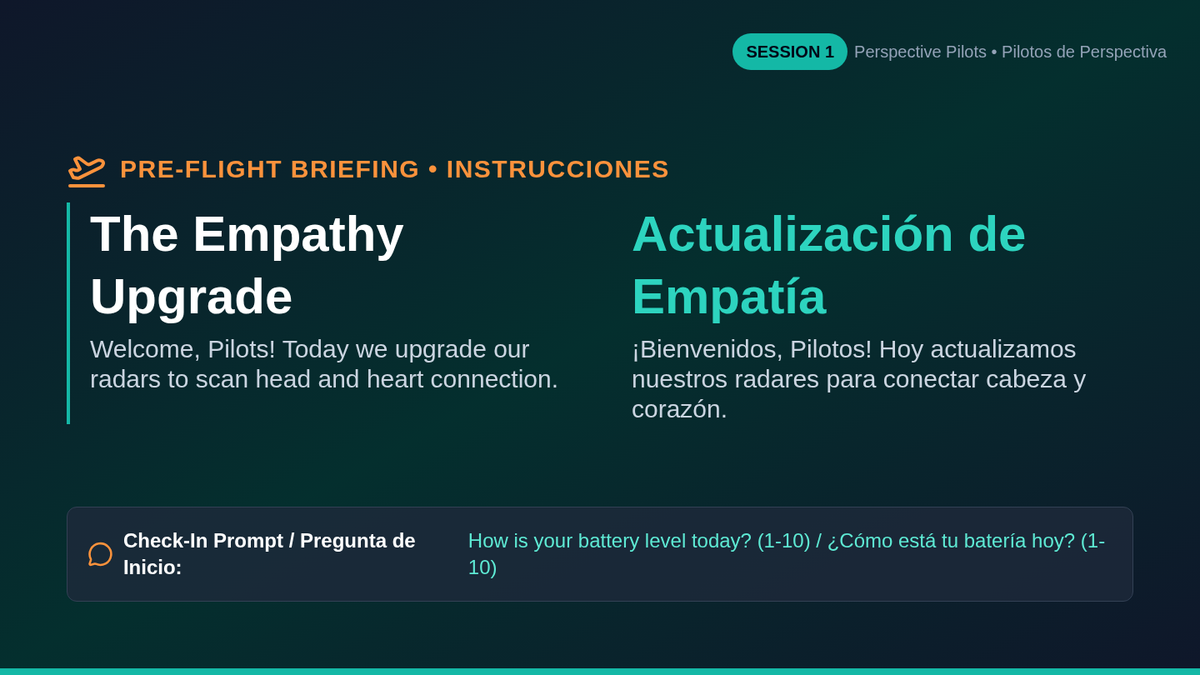
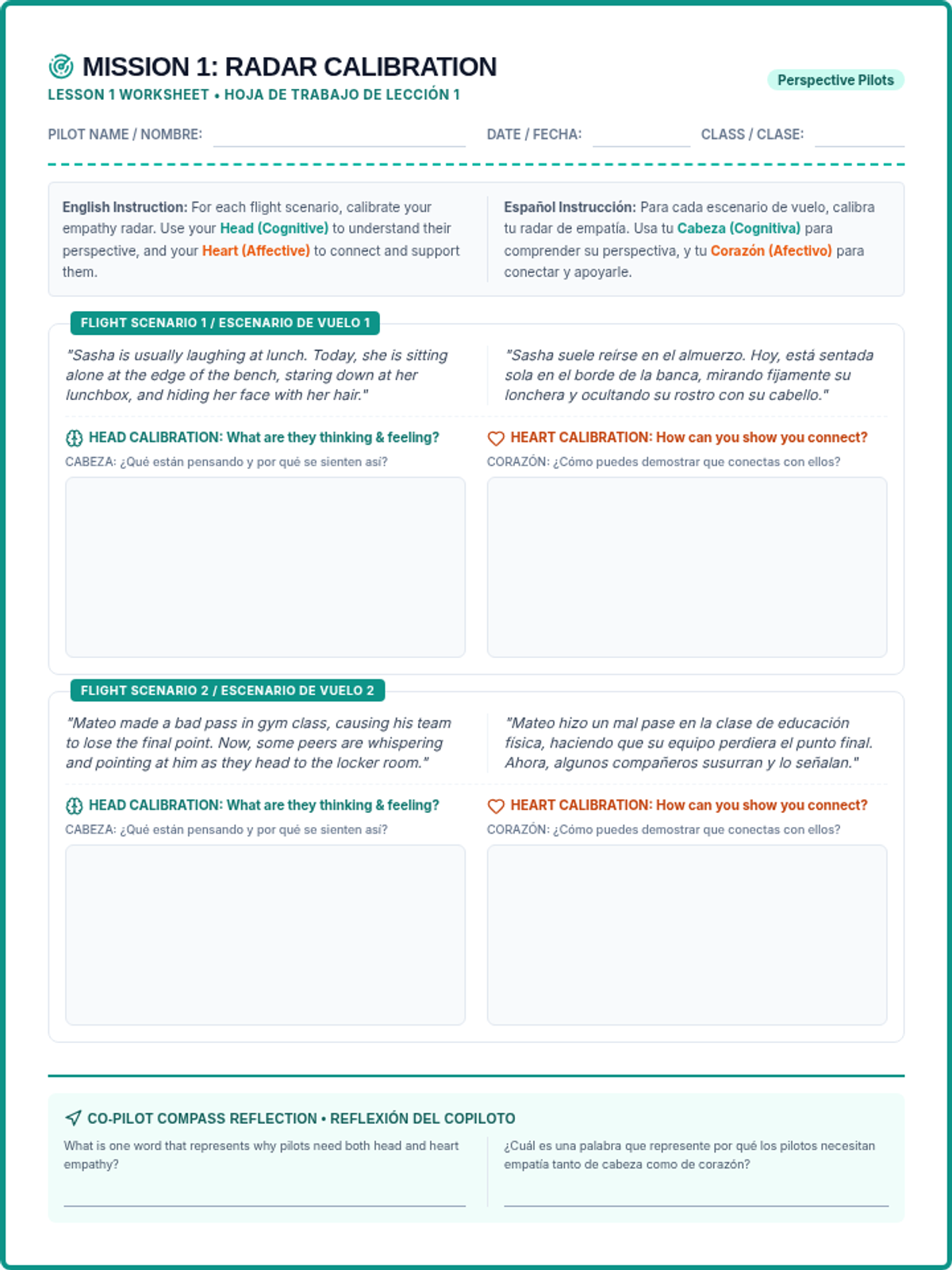
Introduces 6th and 7th graders to cognitive vs. affective empathy. Includes a bilingual parent permission slip, interactive presentation slides, and an active skill-building worksheet.
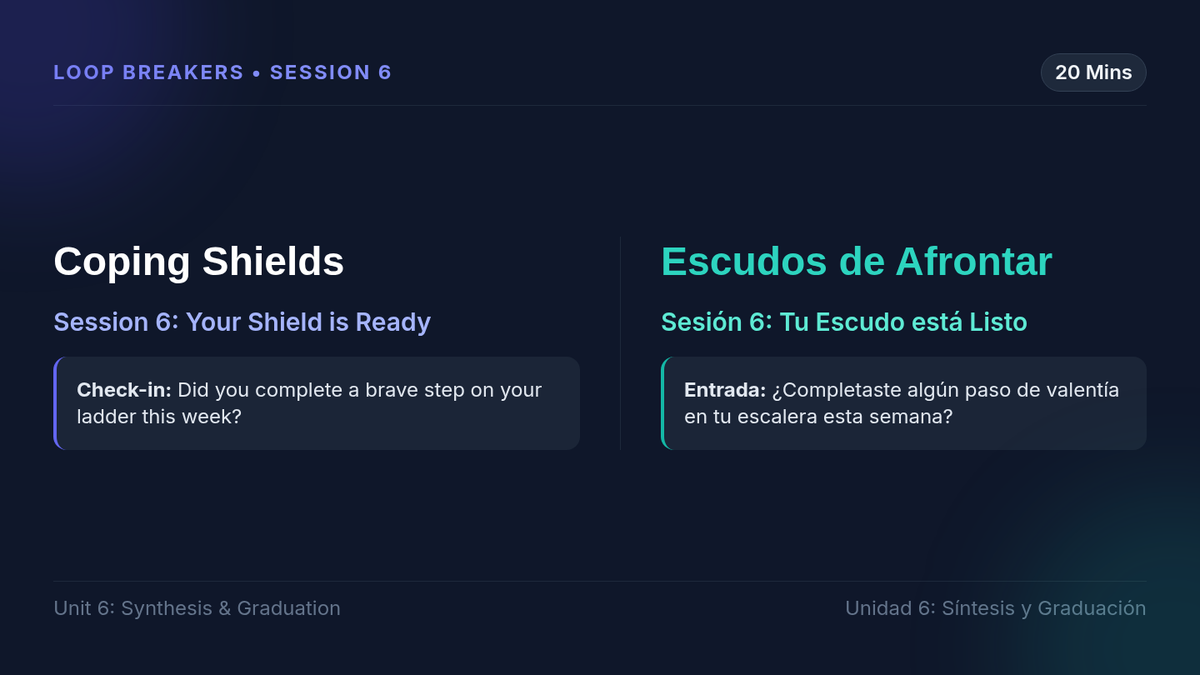
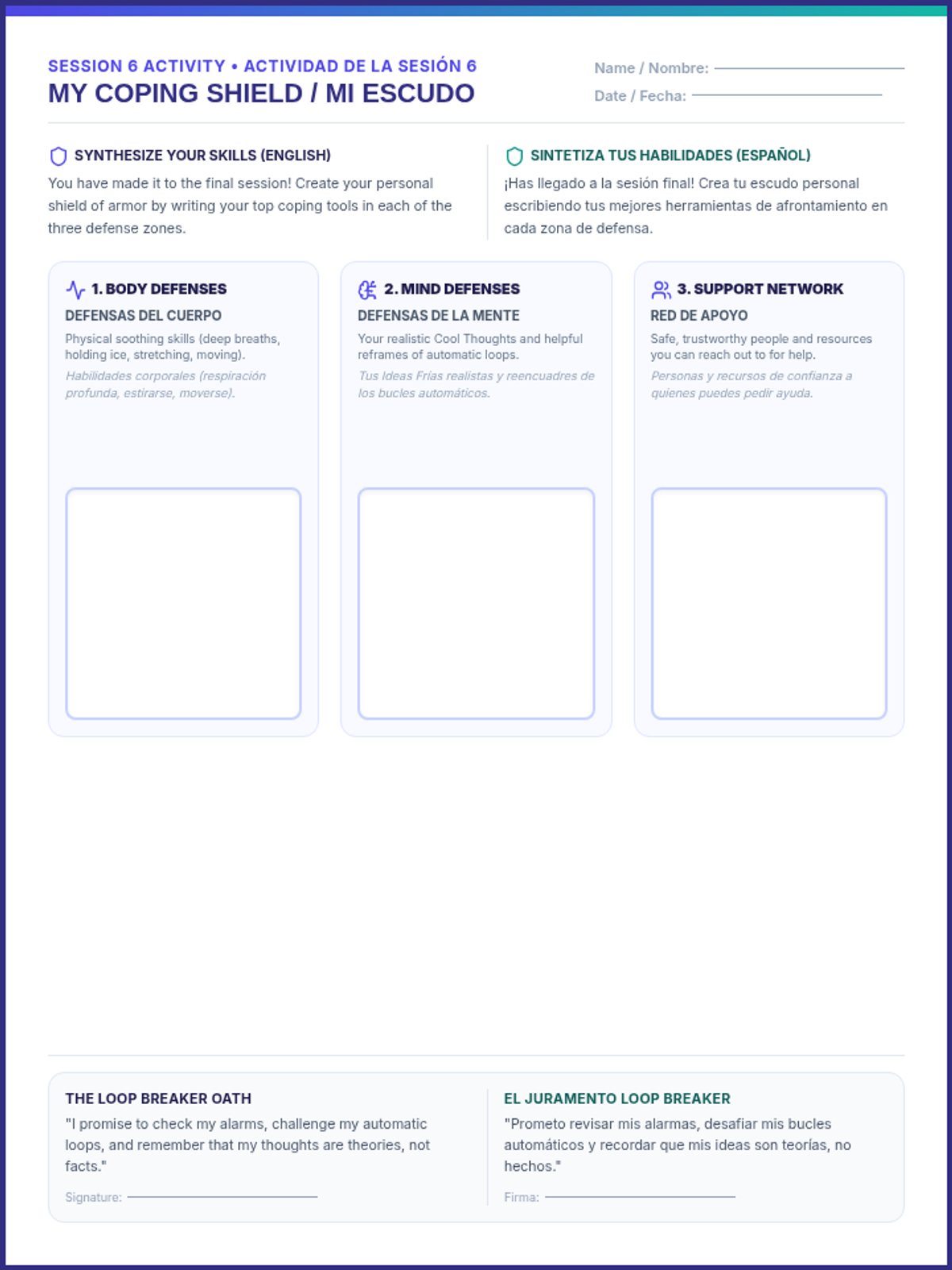
Students synthesize their learning into a personalized, visual coping plan that integrates cognitive reframing, physical soothing, and supportive resources.
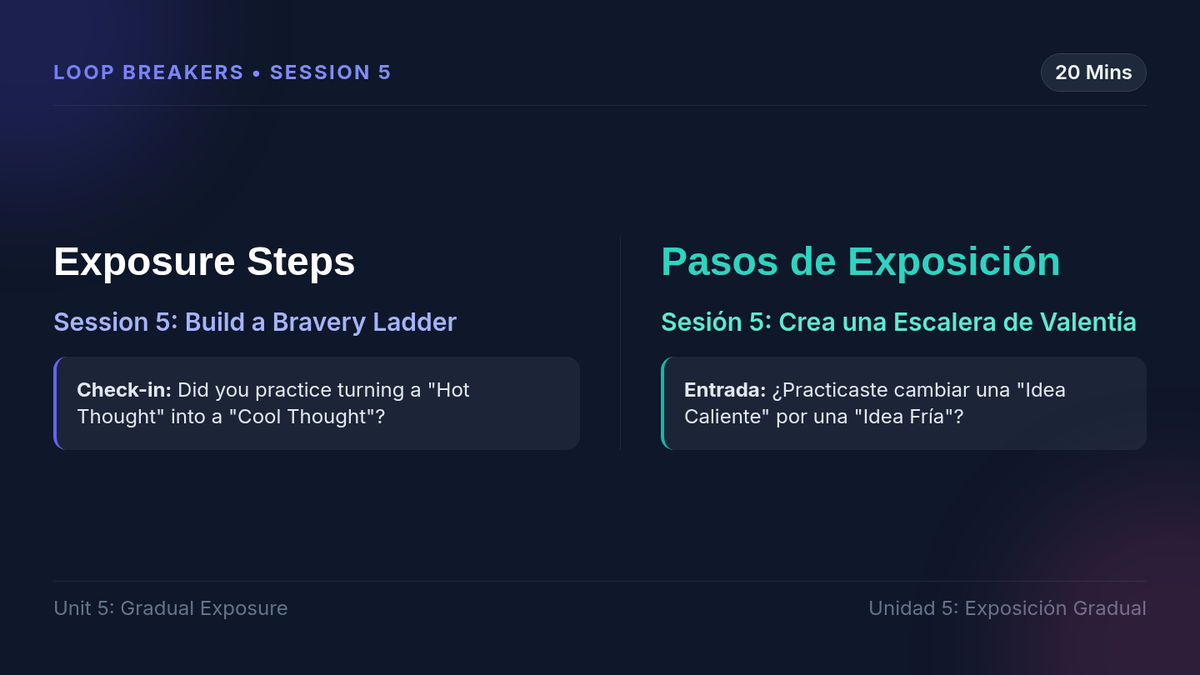
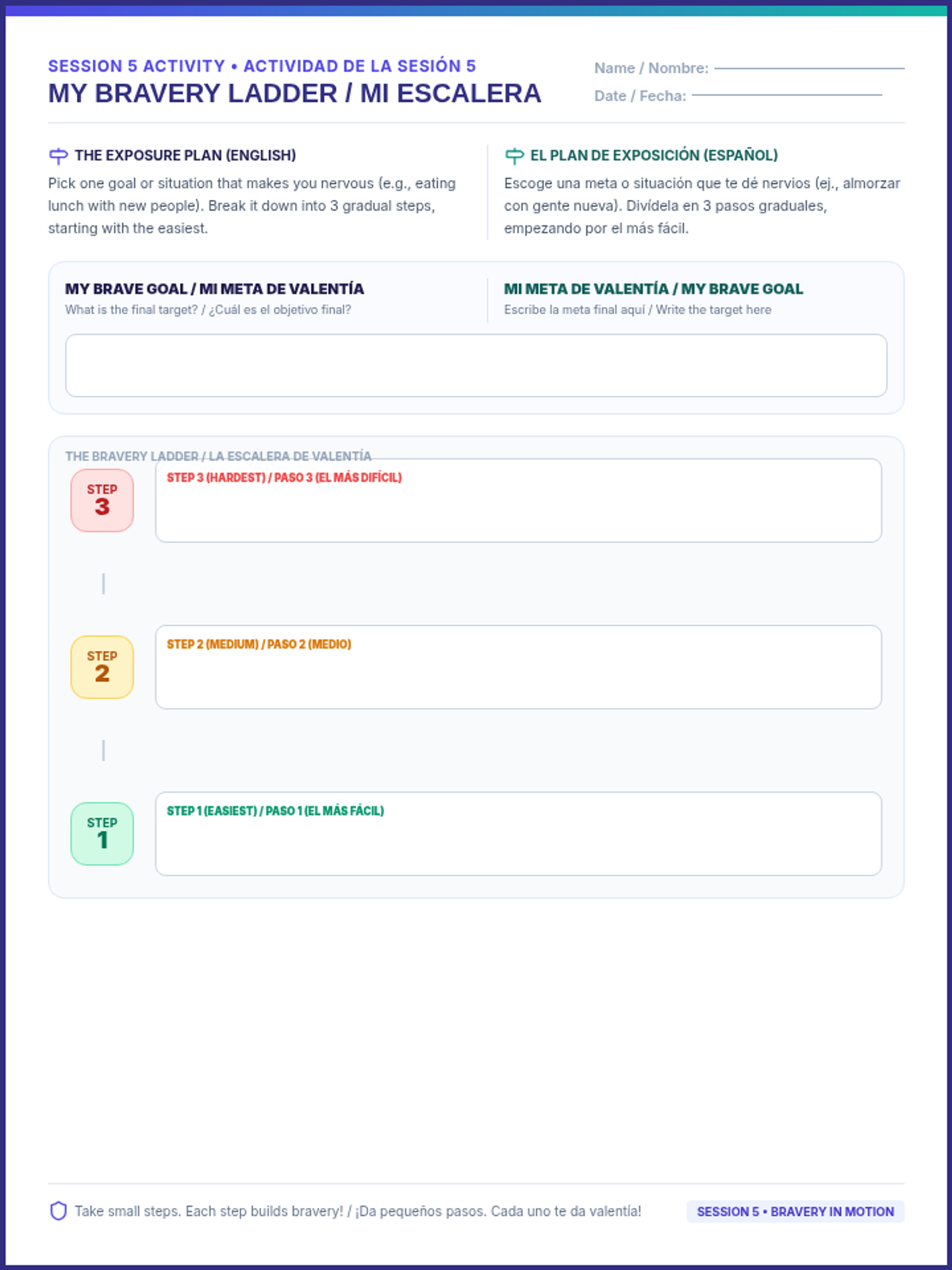
Students design a personalized 'bravery ladder' to face anxious situations gradually and build confidence through safe exposure.
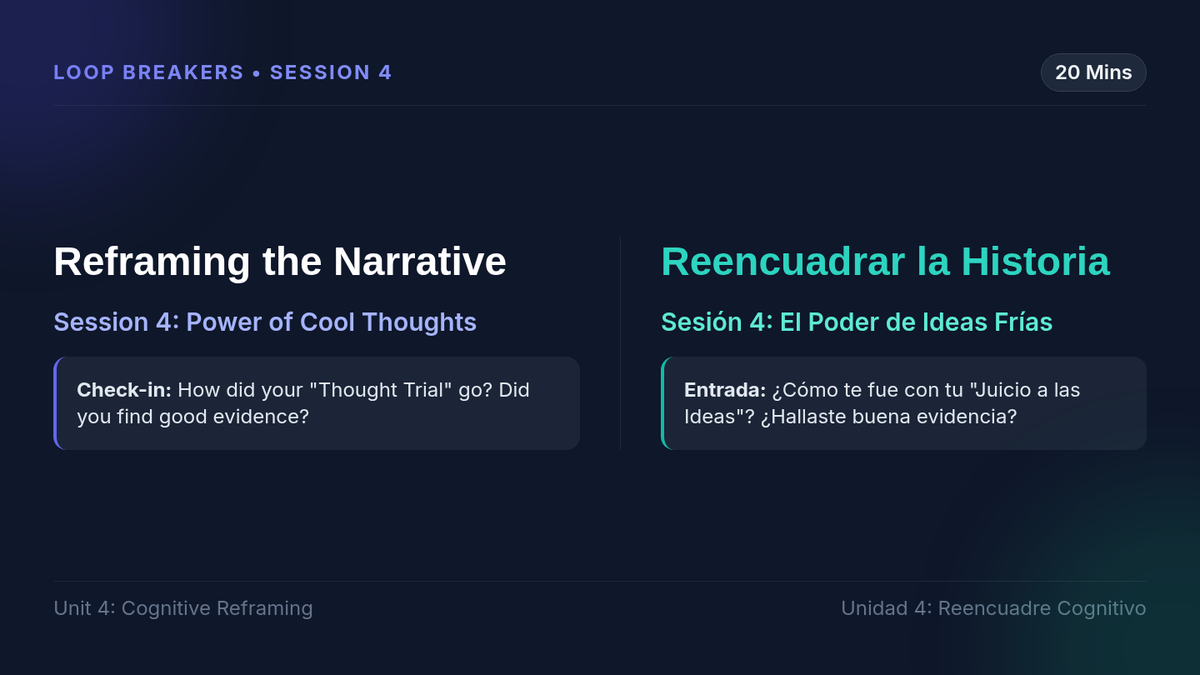
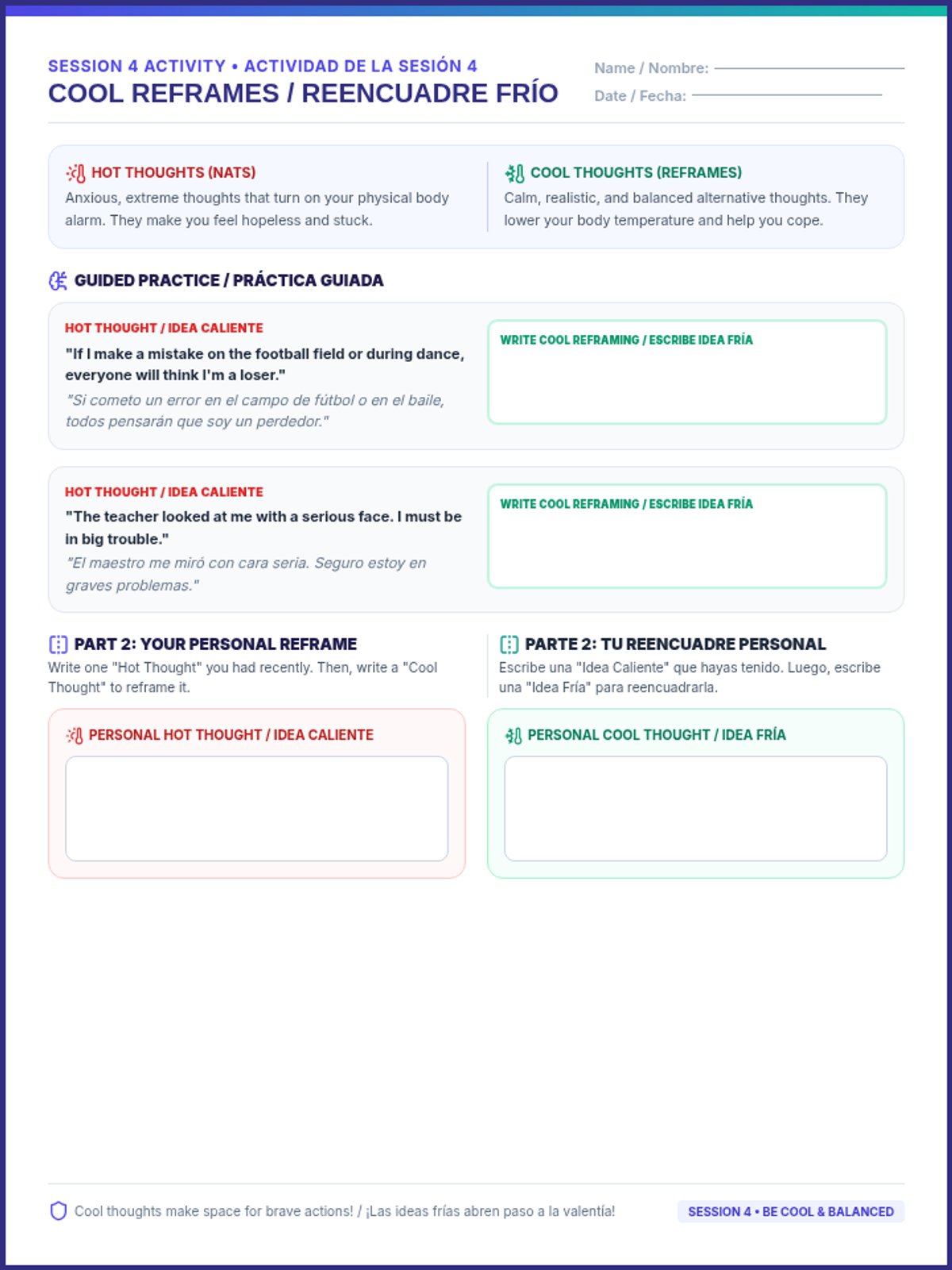
Students practice transforming automatic anxious thoughts into realistic, balanced, and constructive coping thoughts.