In this quick, interactive activity, students explore personal values through a card-sorting exercise to understand how identifying what matters to them builds self-esteem and confidence.
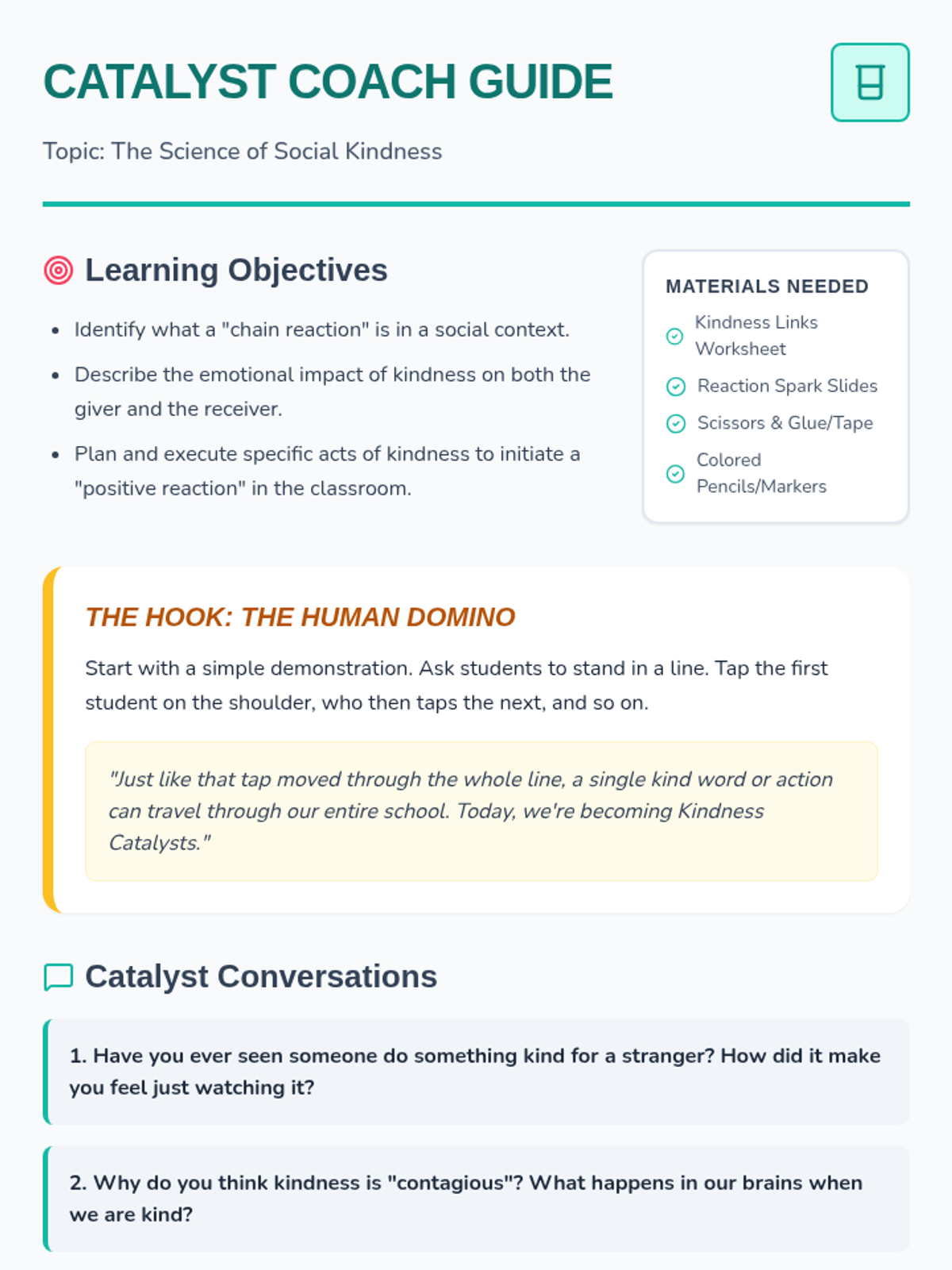
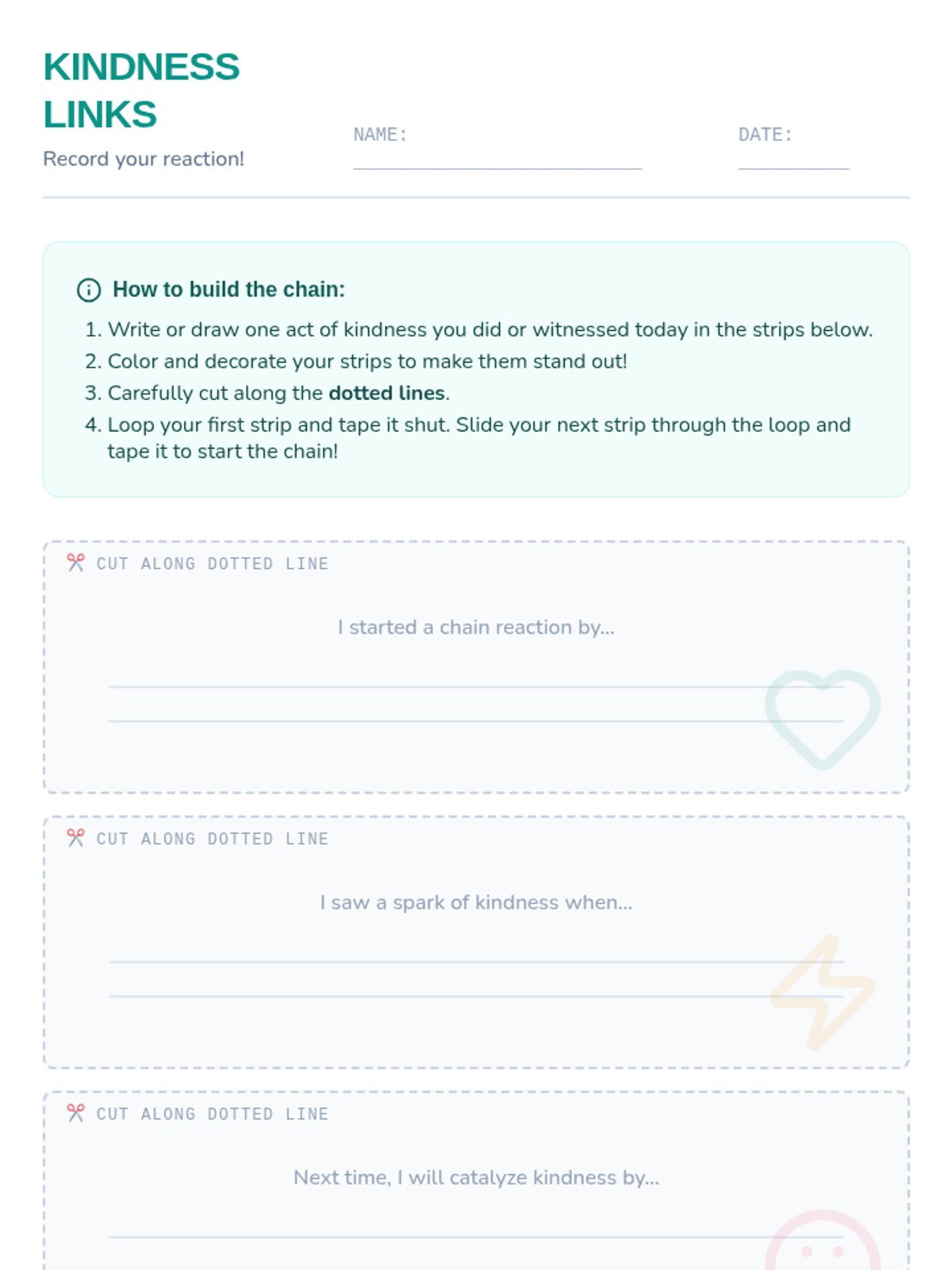
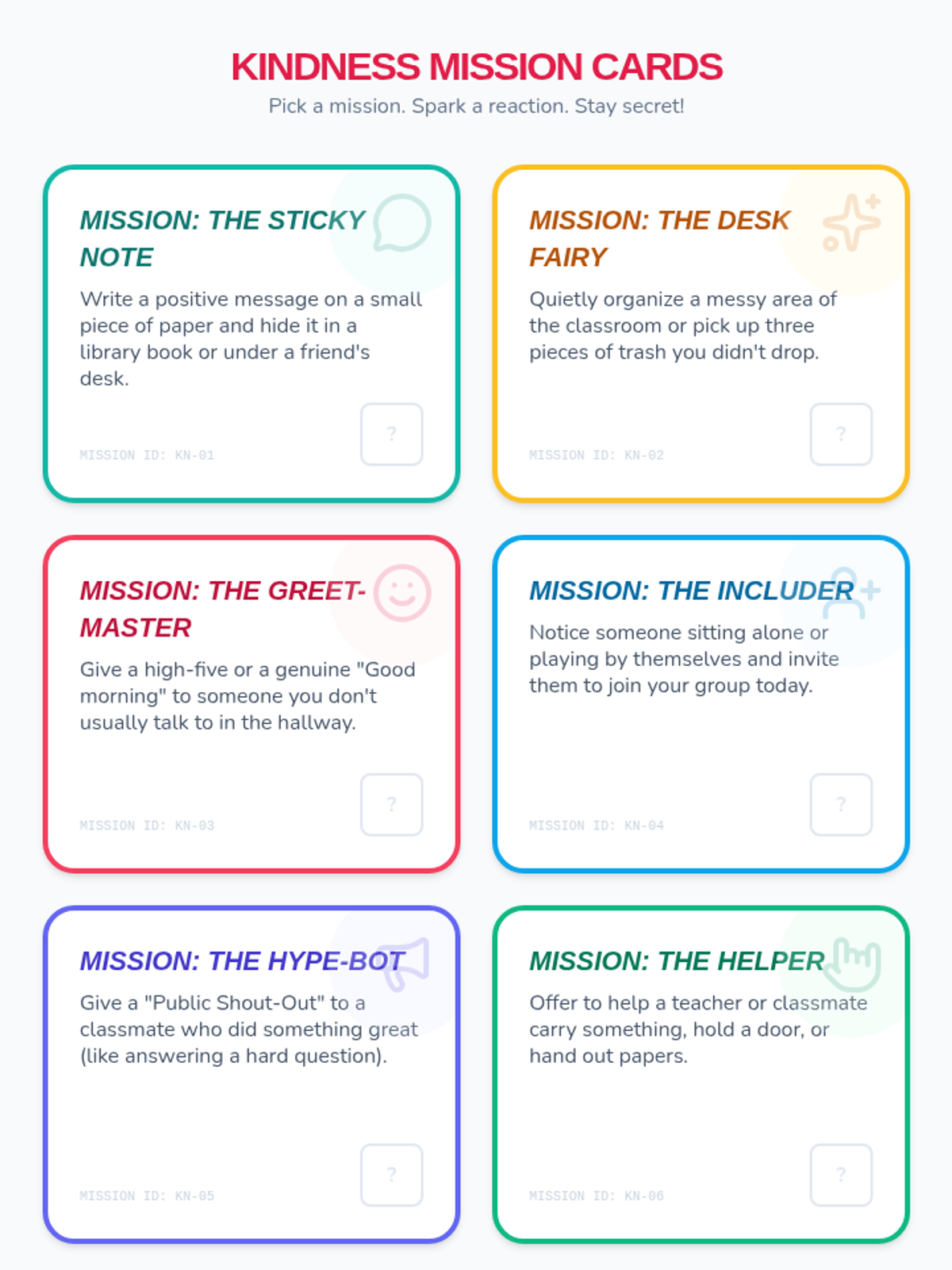
This lesson explores the concept of kindness as a chain reaction, showing students how one small act can inspire a wave of positivity through their community.
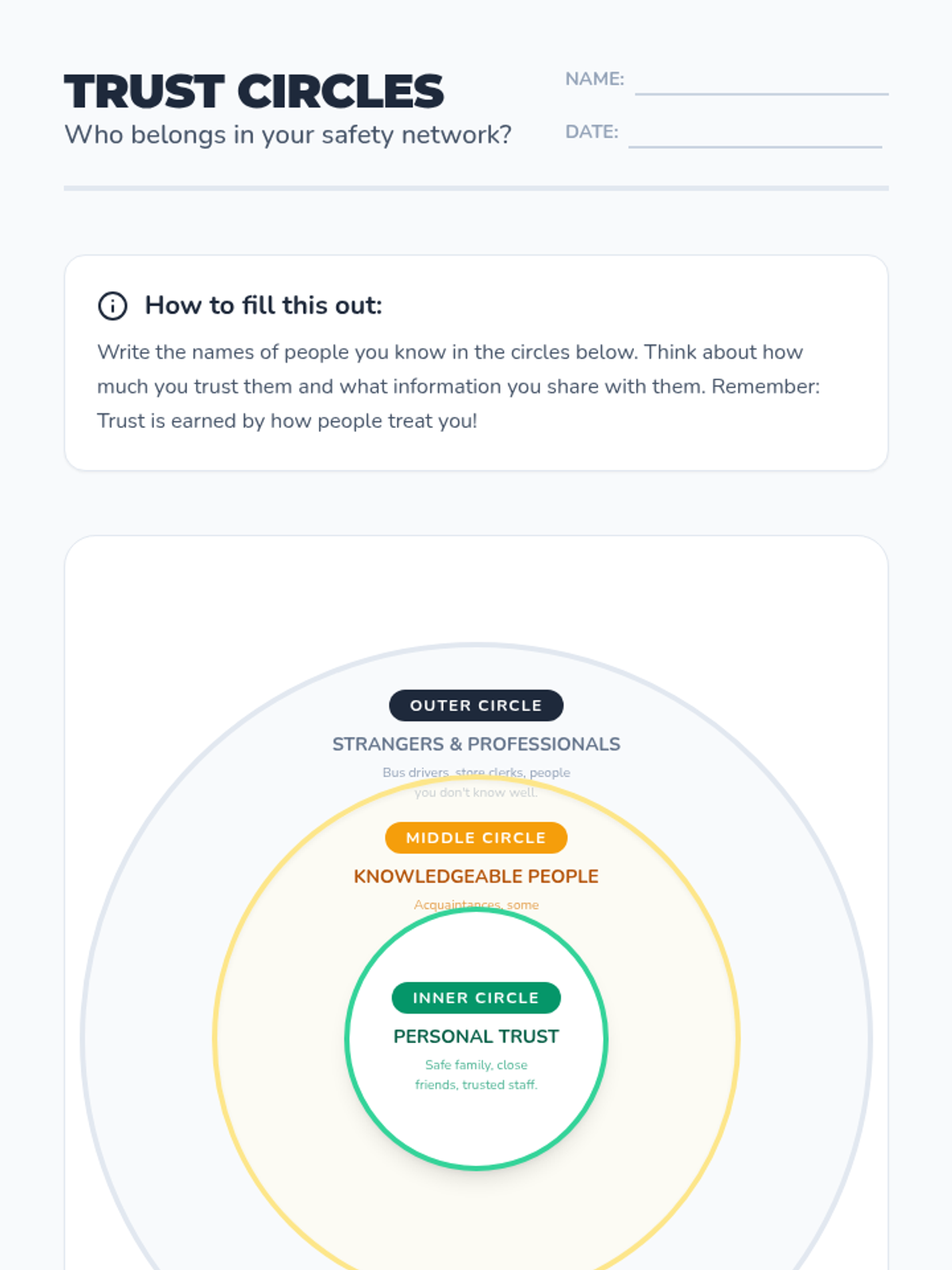
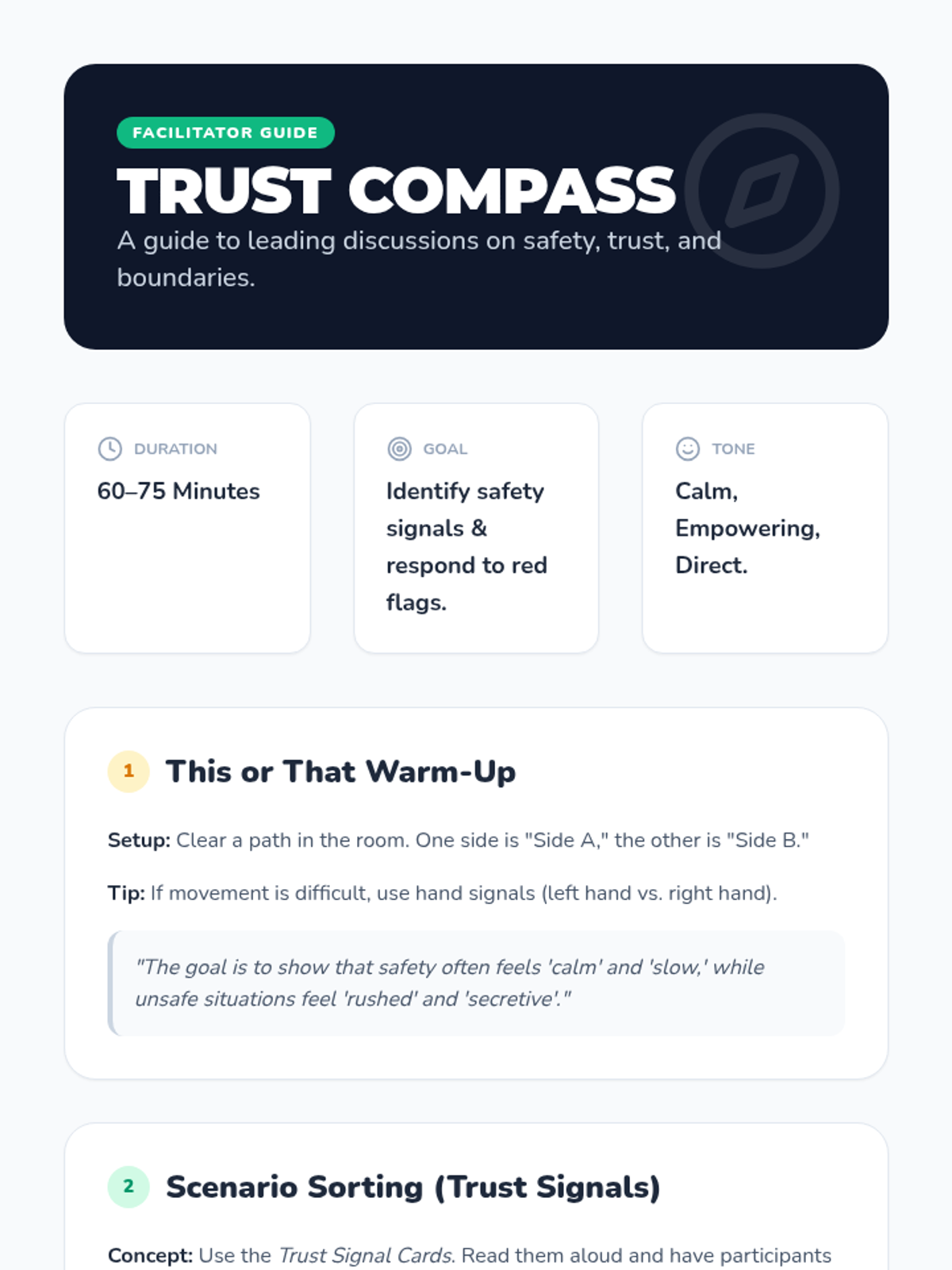
A comprehensive lesson designed to help participants identify safe versus unsafe behaviors, recognize red flags in relationships and online interactions, and develop a plan for seeking help when unsure.
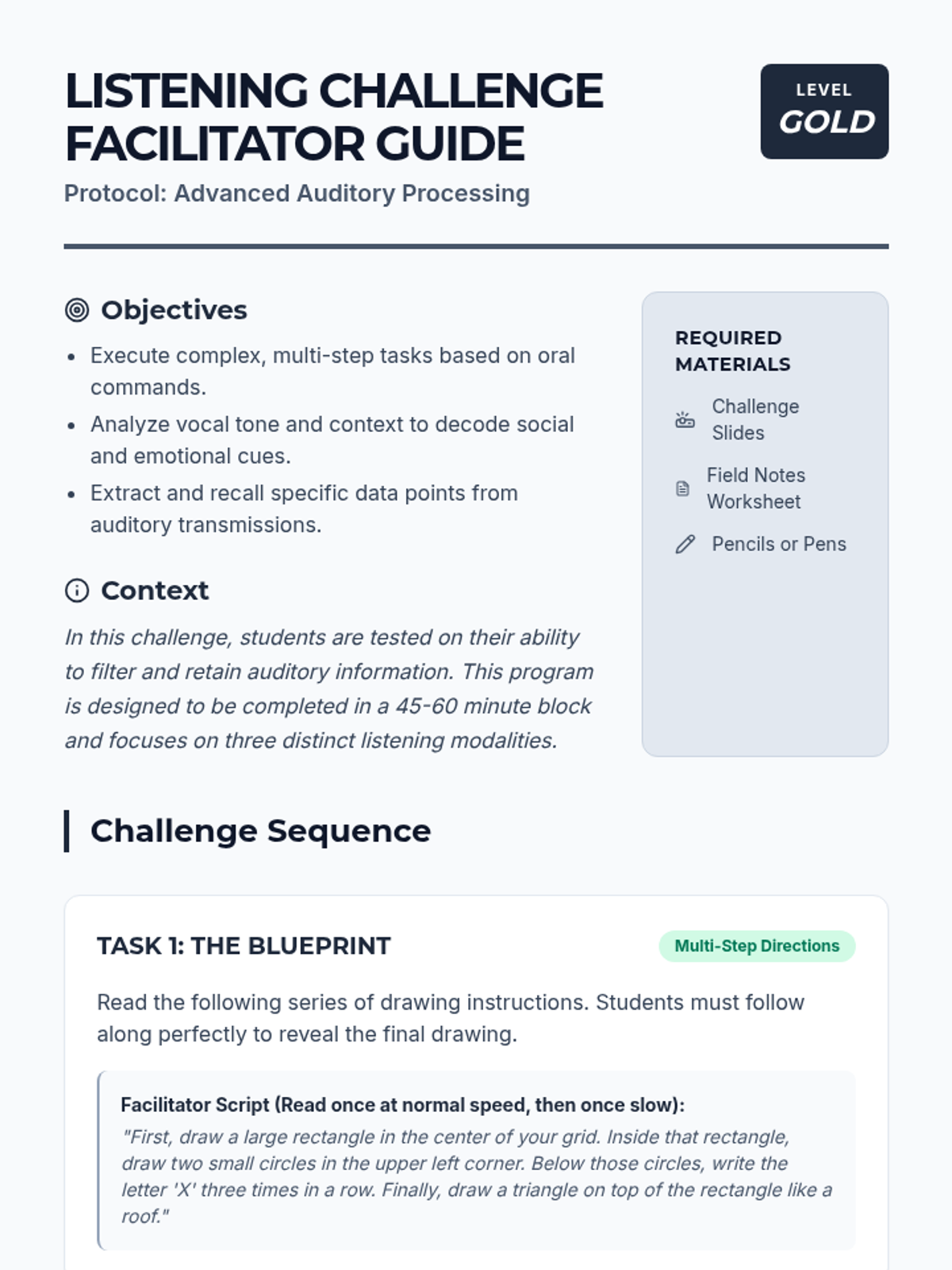
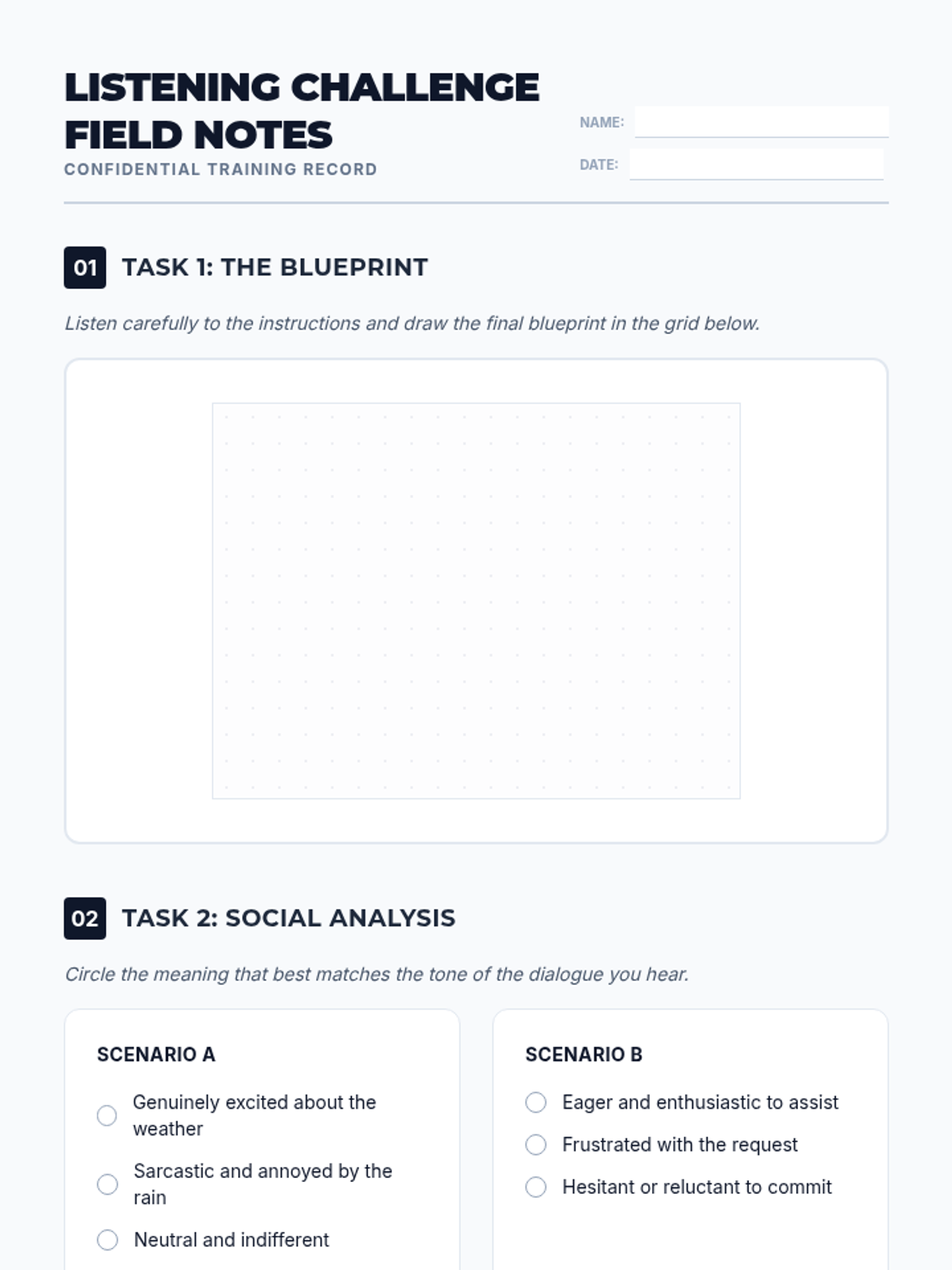
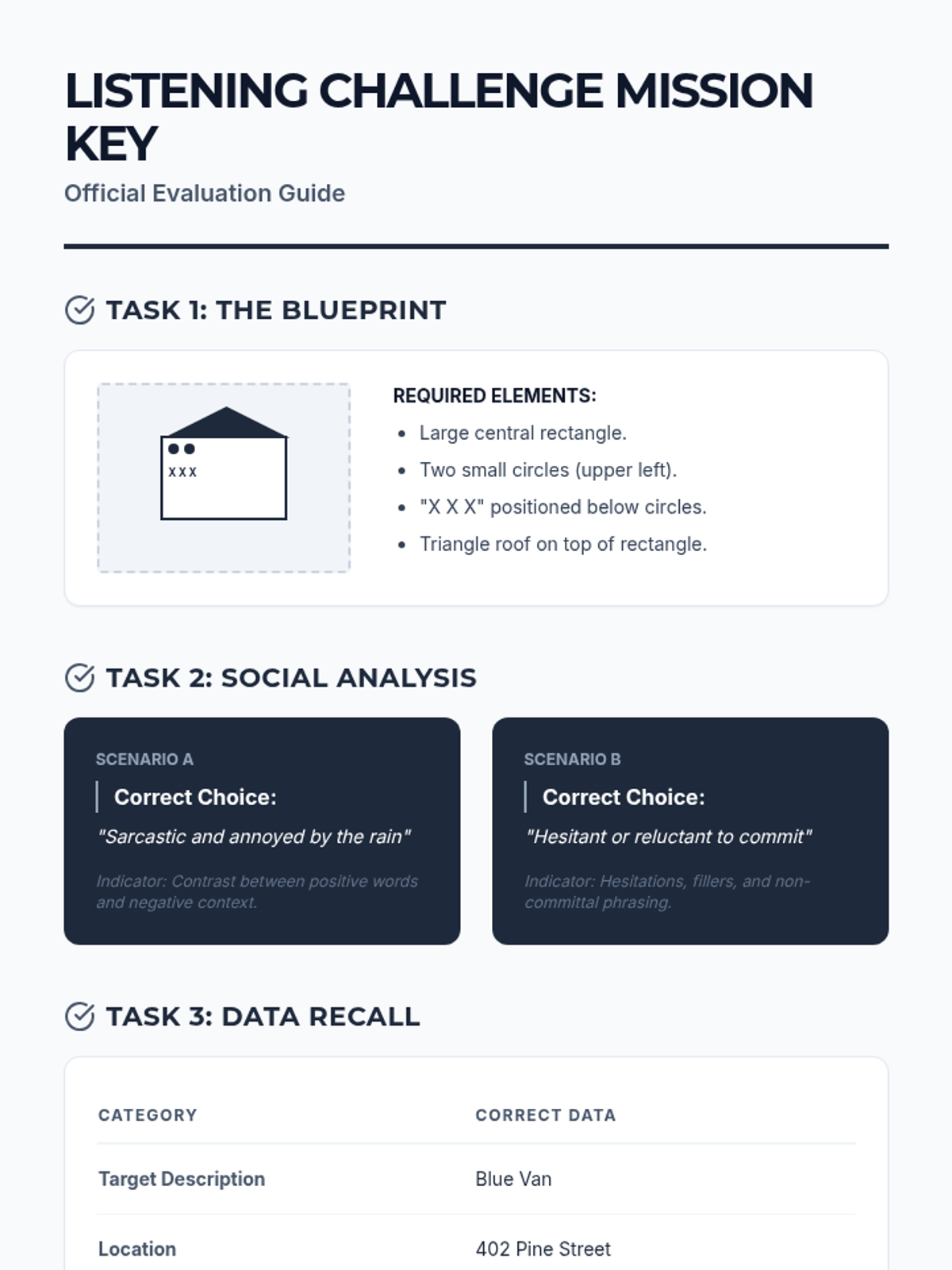
A comprehensive mission-based challenge where students sharpen their ability to follow directions, interpret social cues, and recall auditory information.
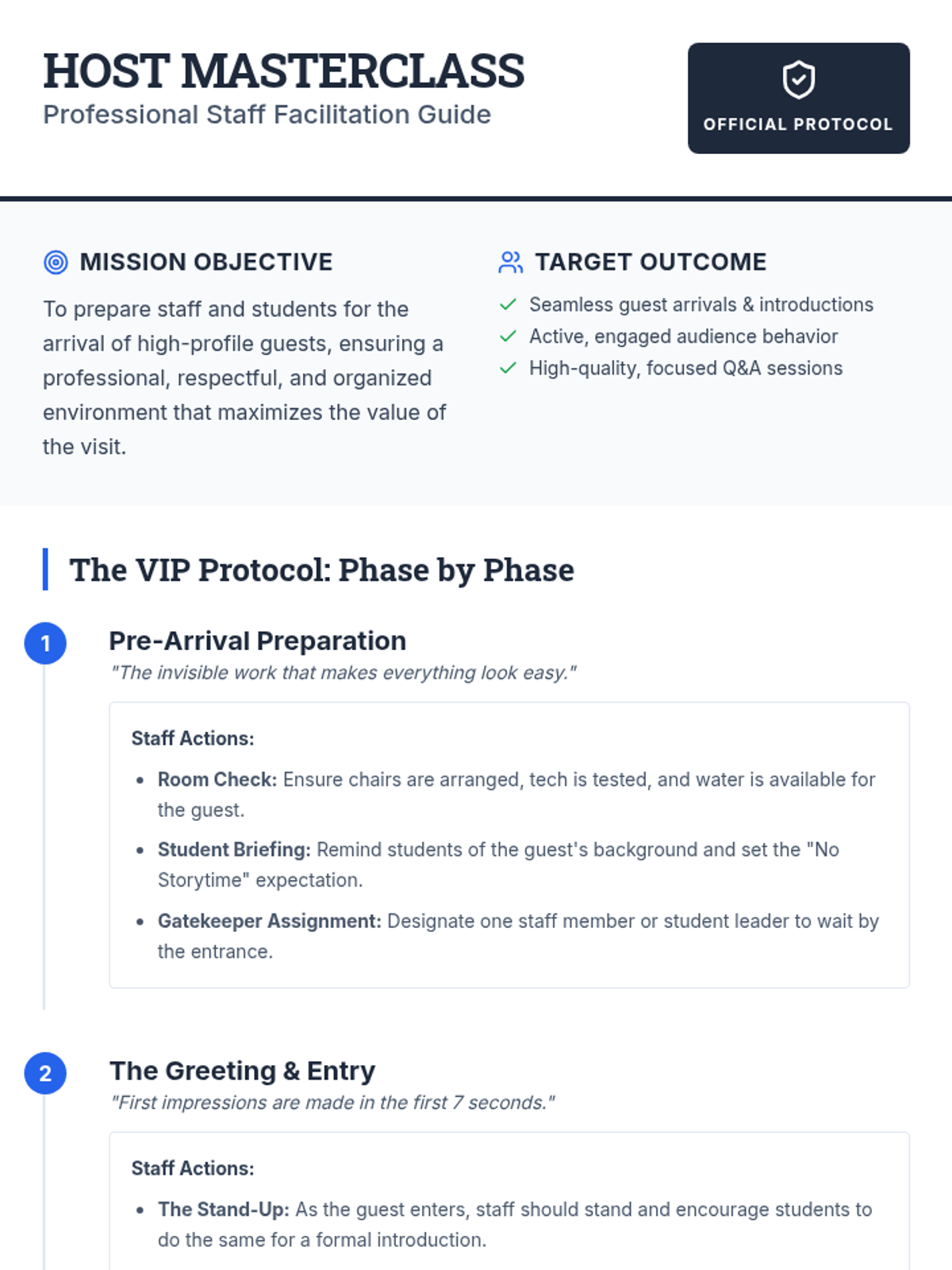
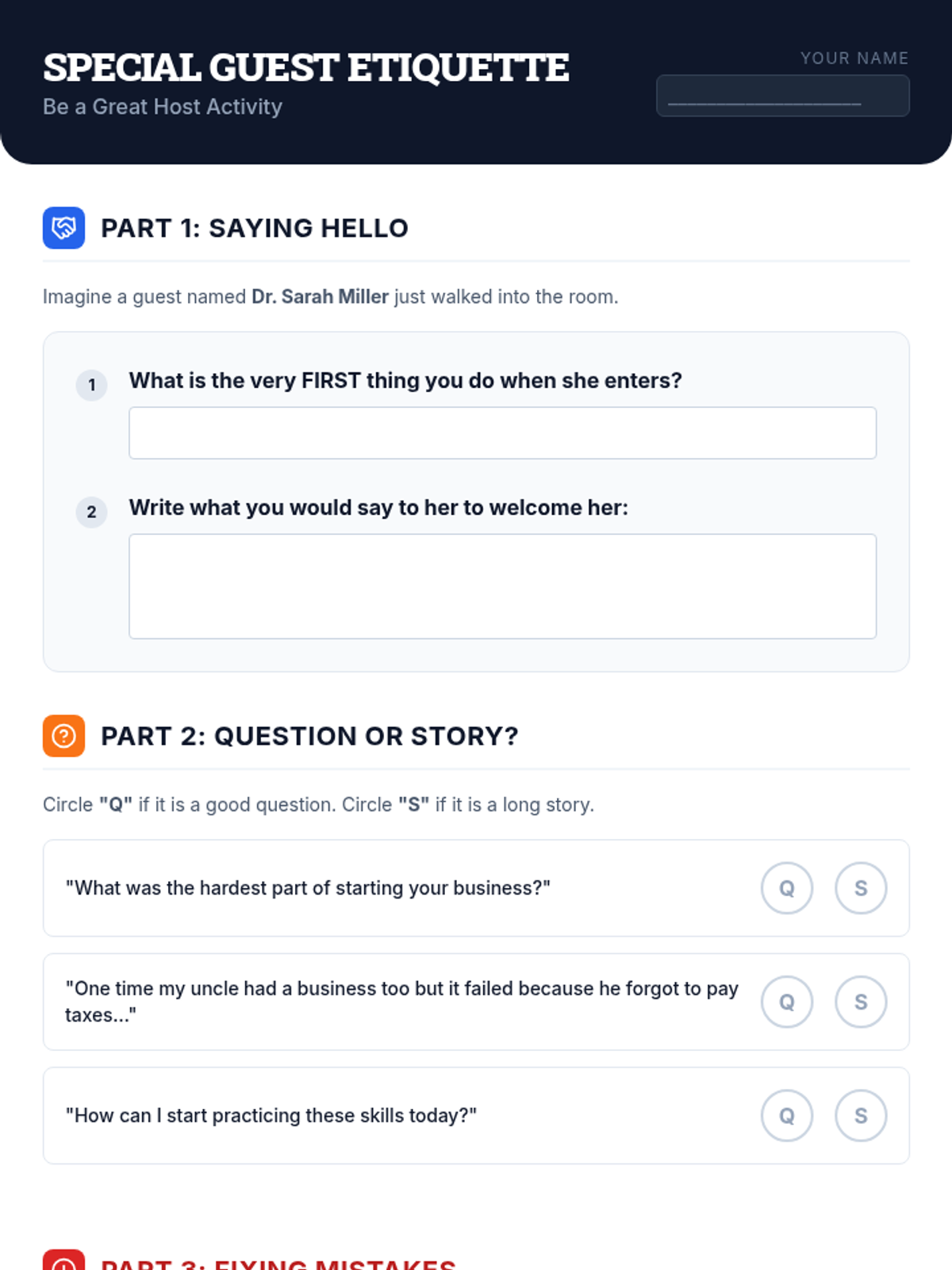
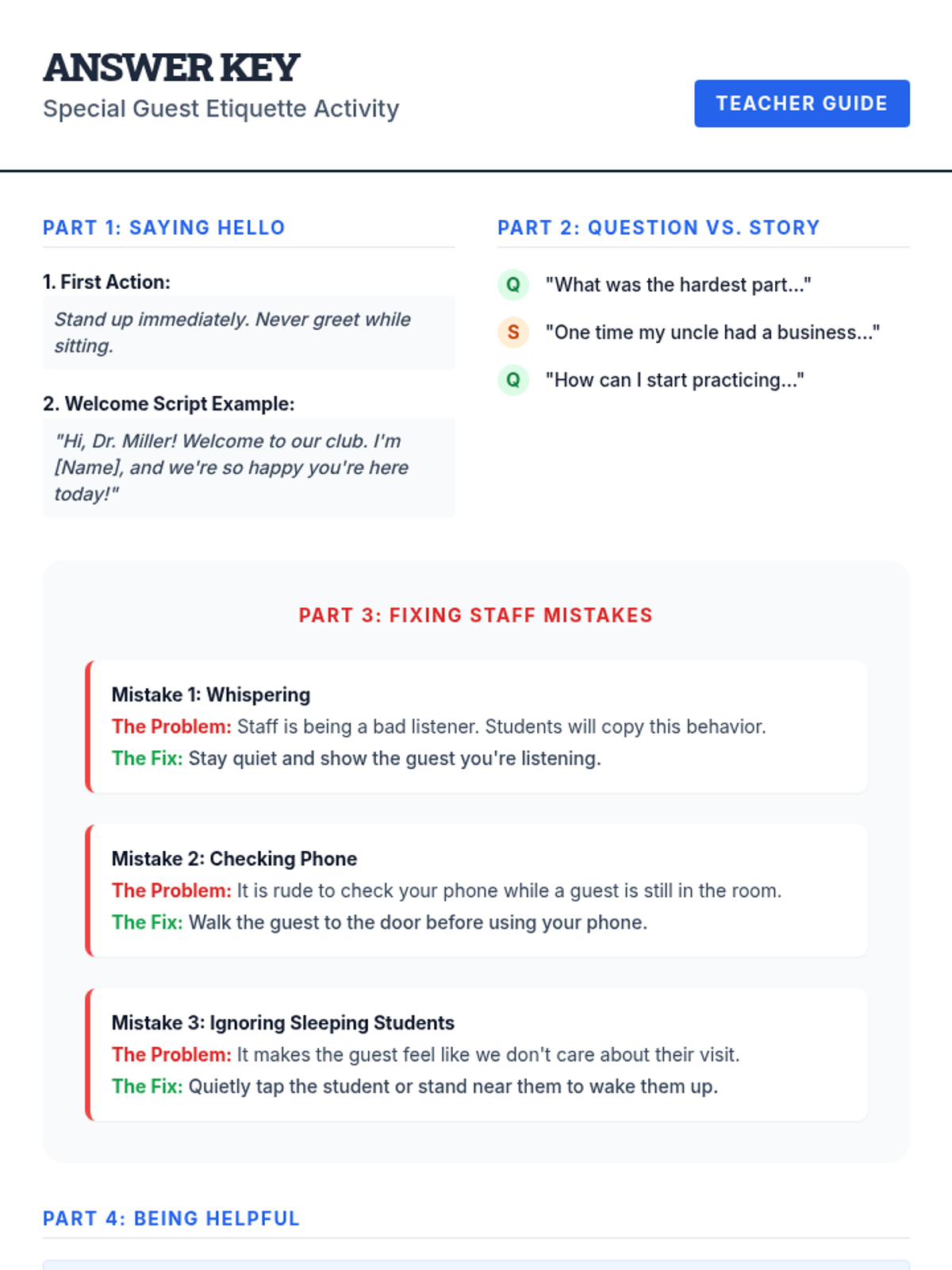
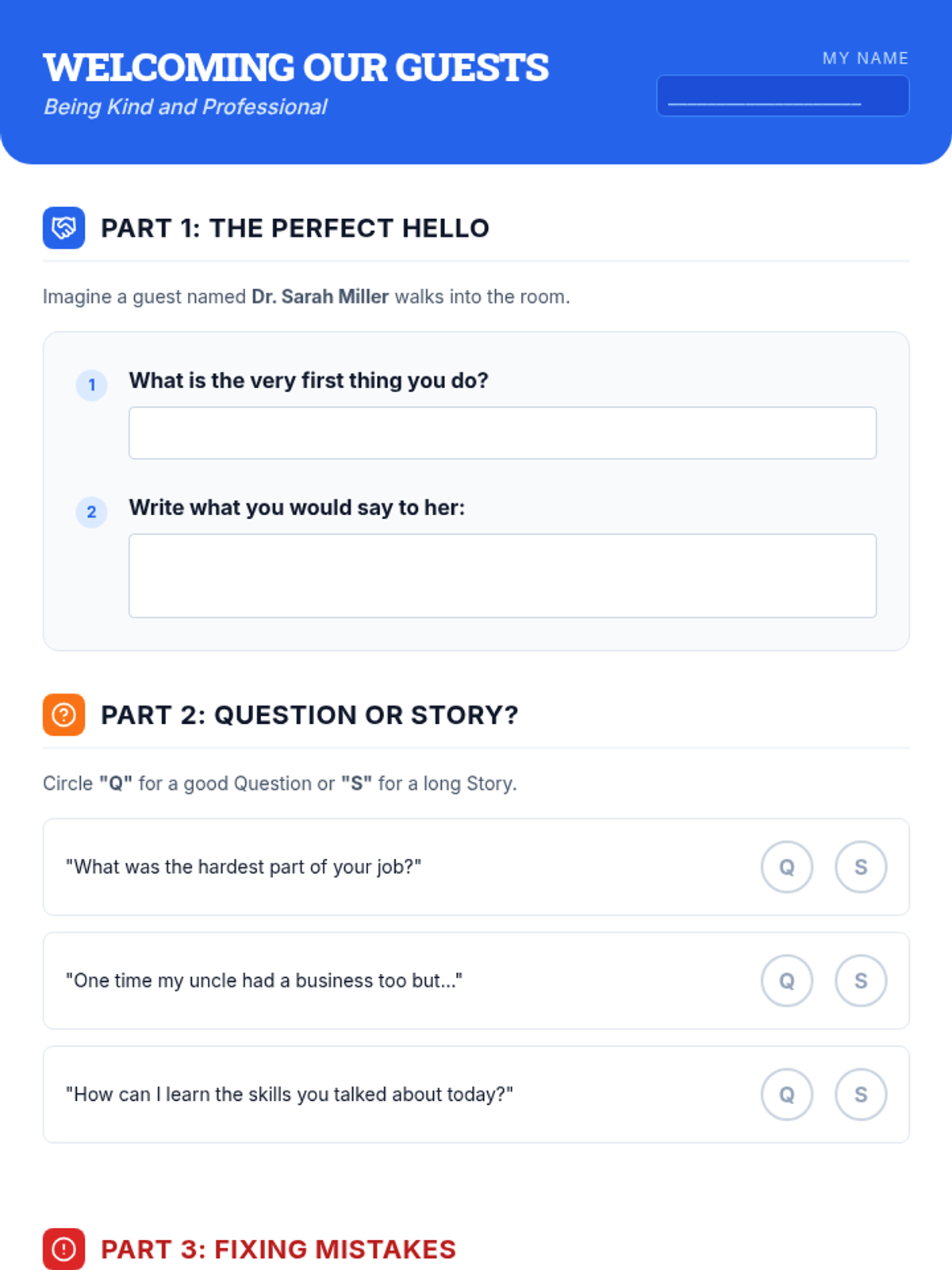
A comprehensive lesson on professional etiquette for hosting special guests, covering everything from initial greetings to active listening and appropriate conversation.
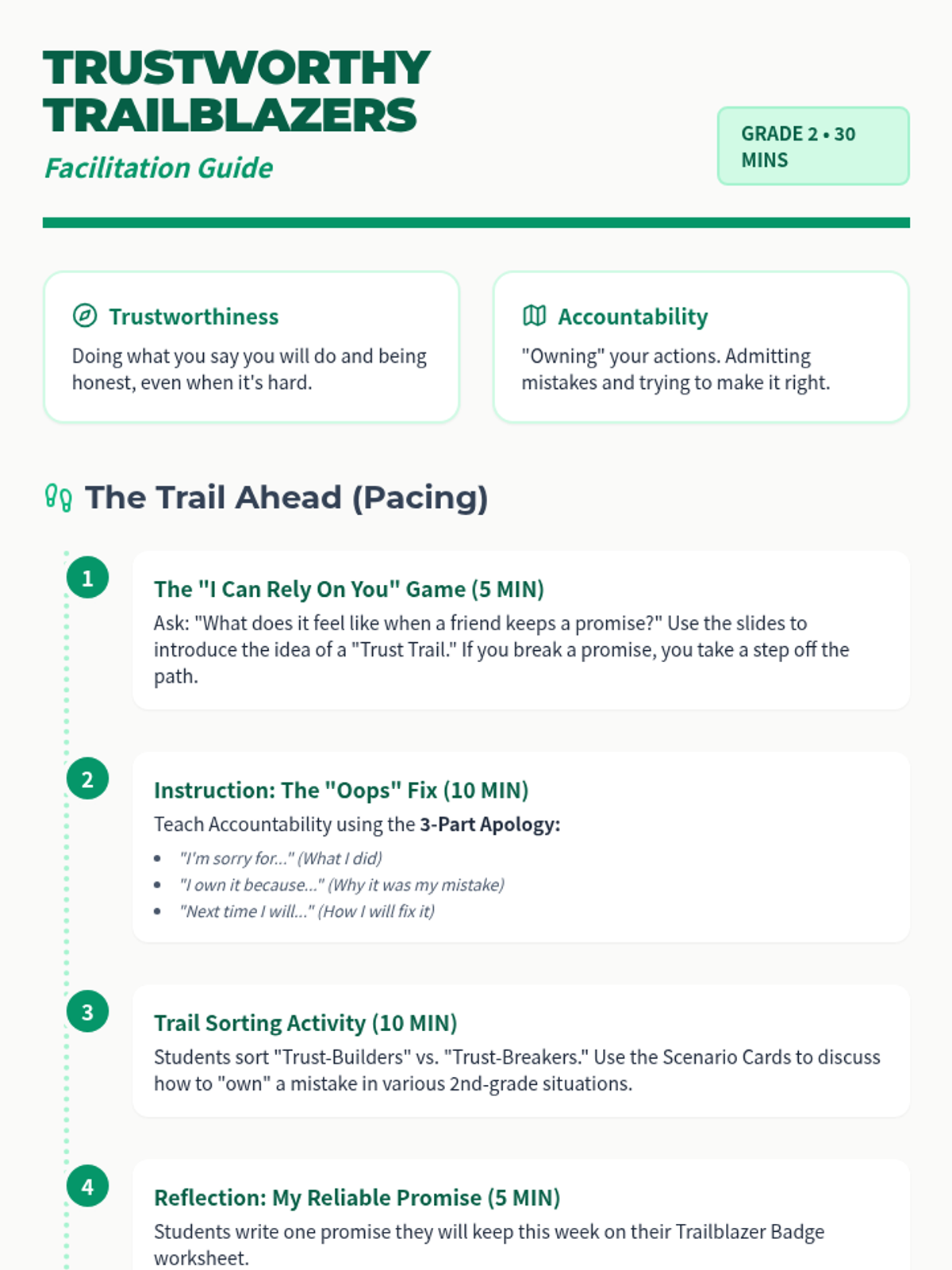
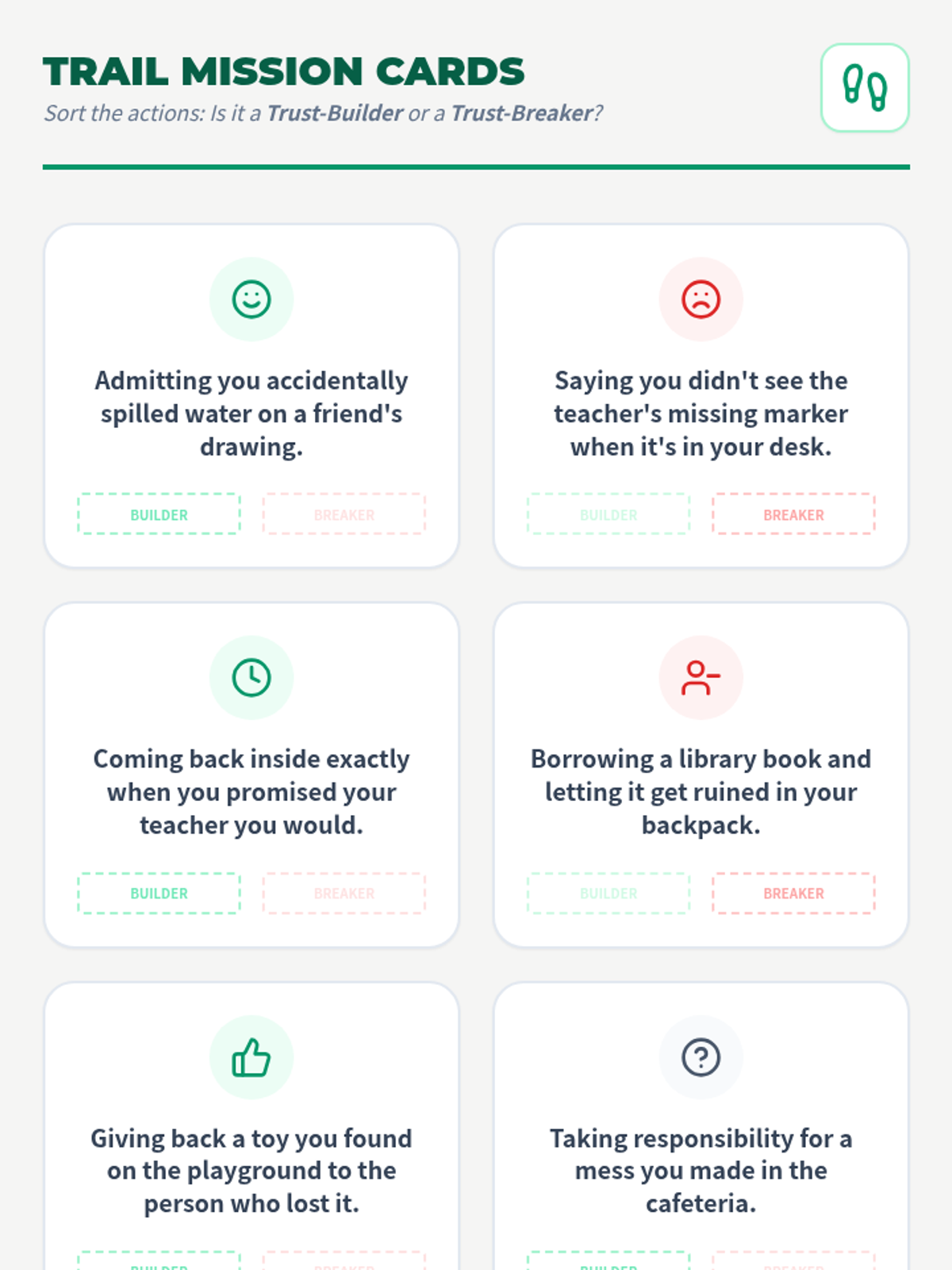
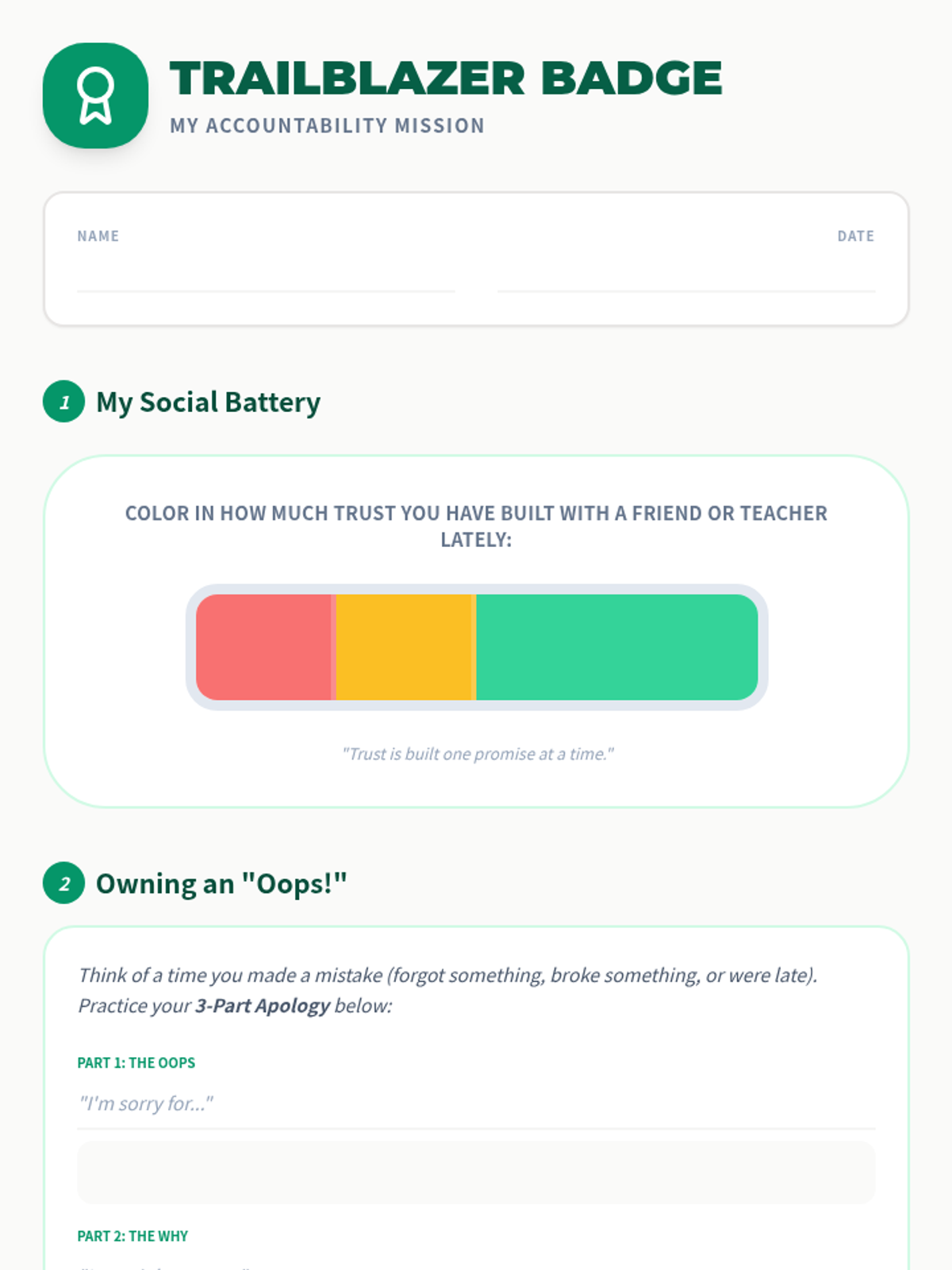
A social-emotional learning lesson for 2nd graders focused on understanding trustworthiness, taking accountability for actions, and building reliable friendships.
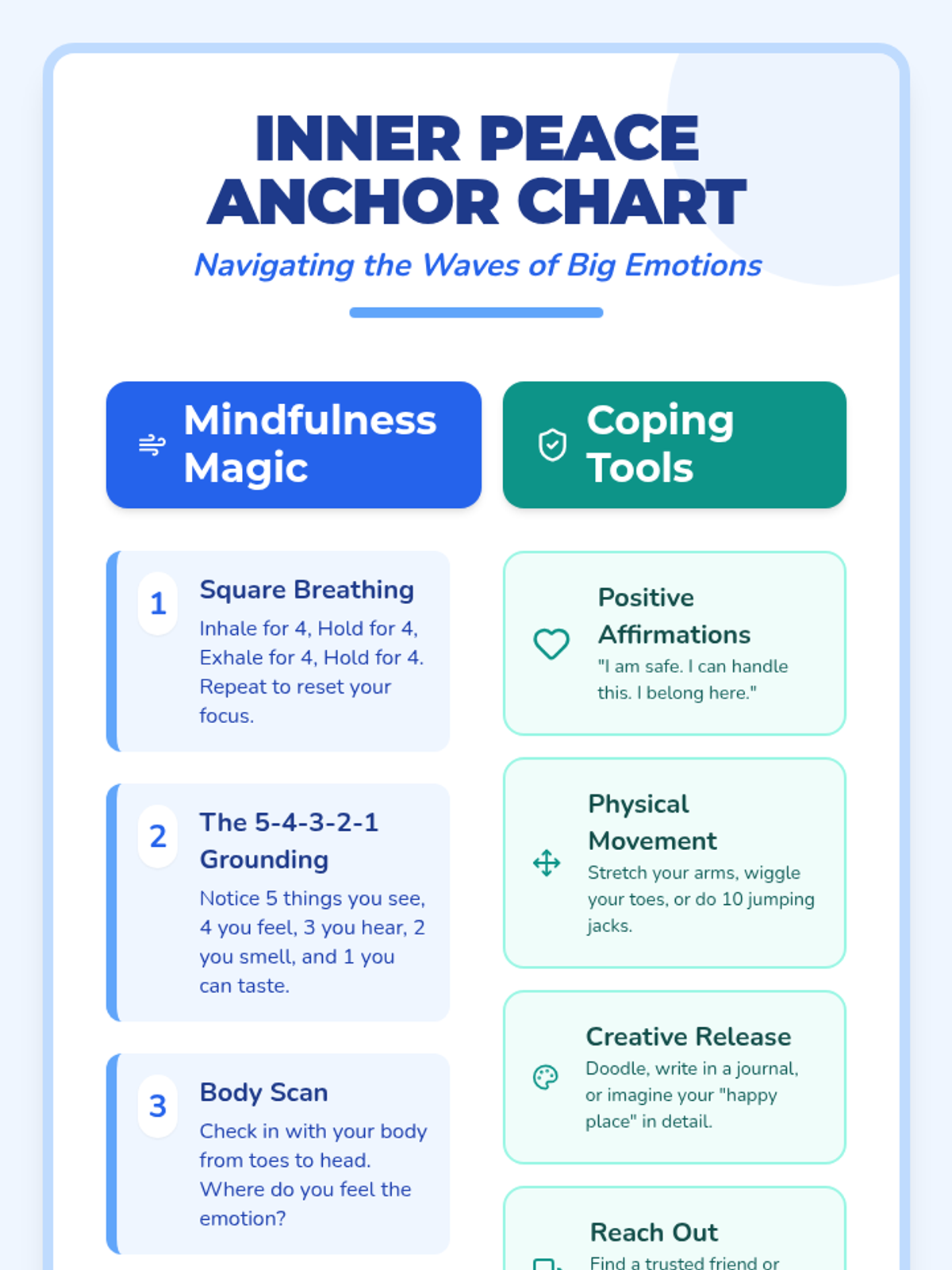
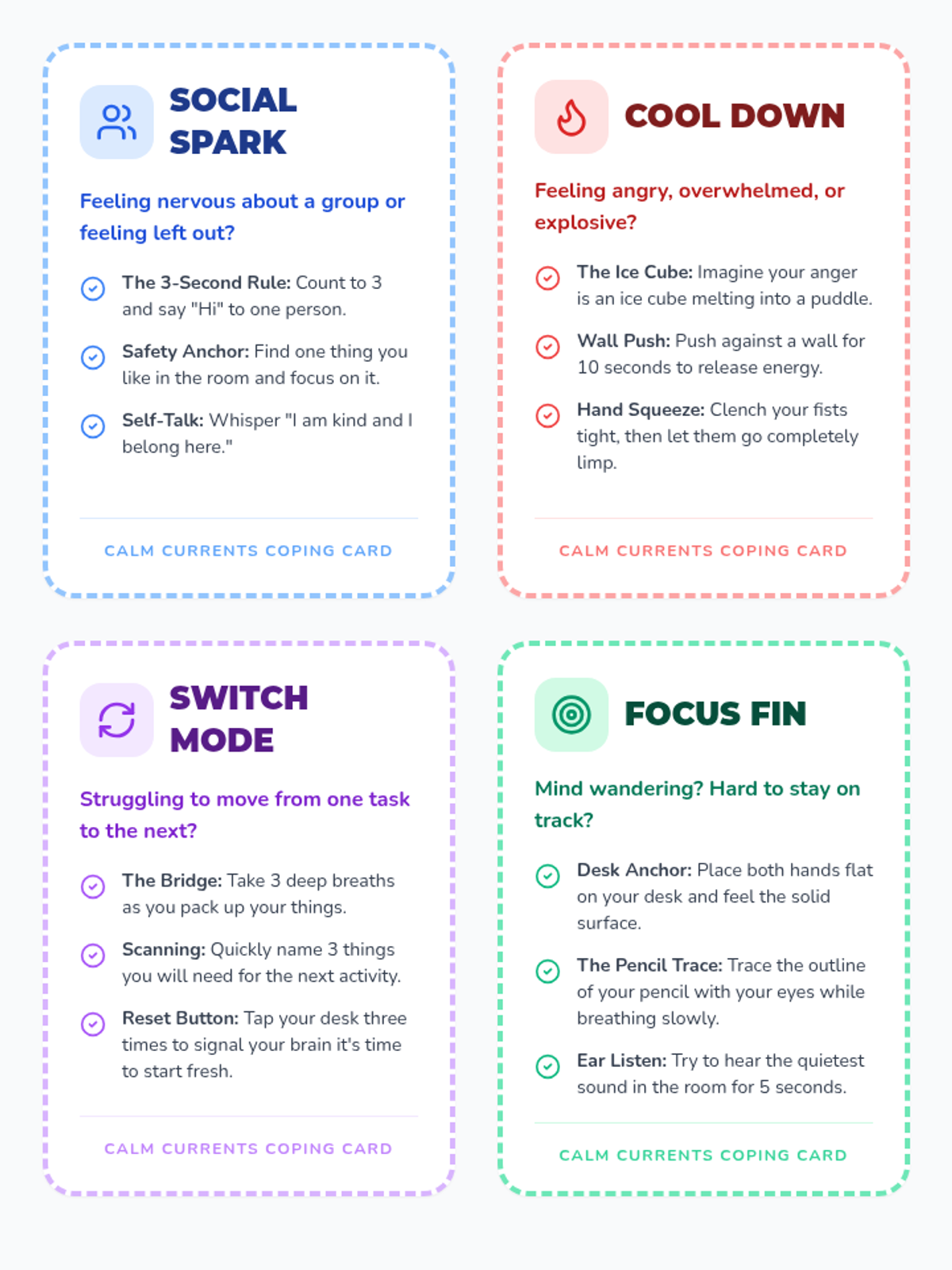
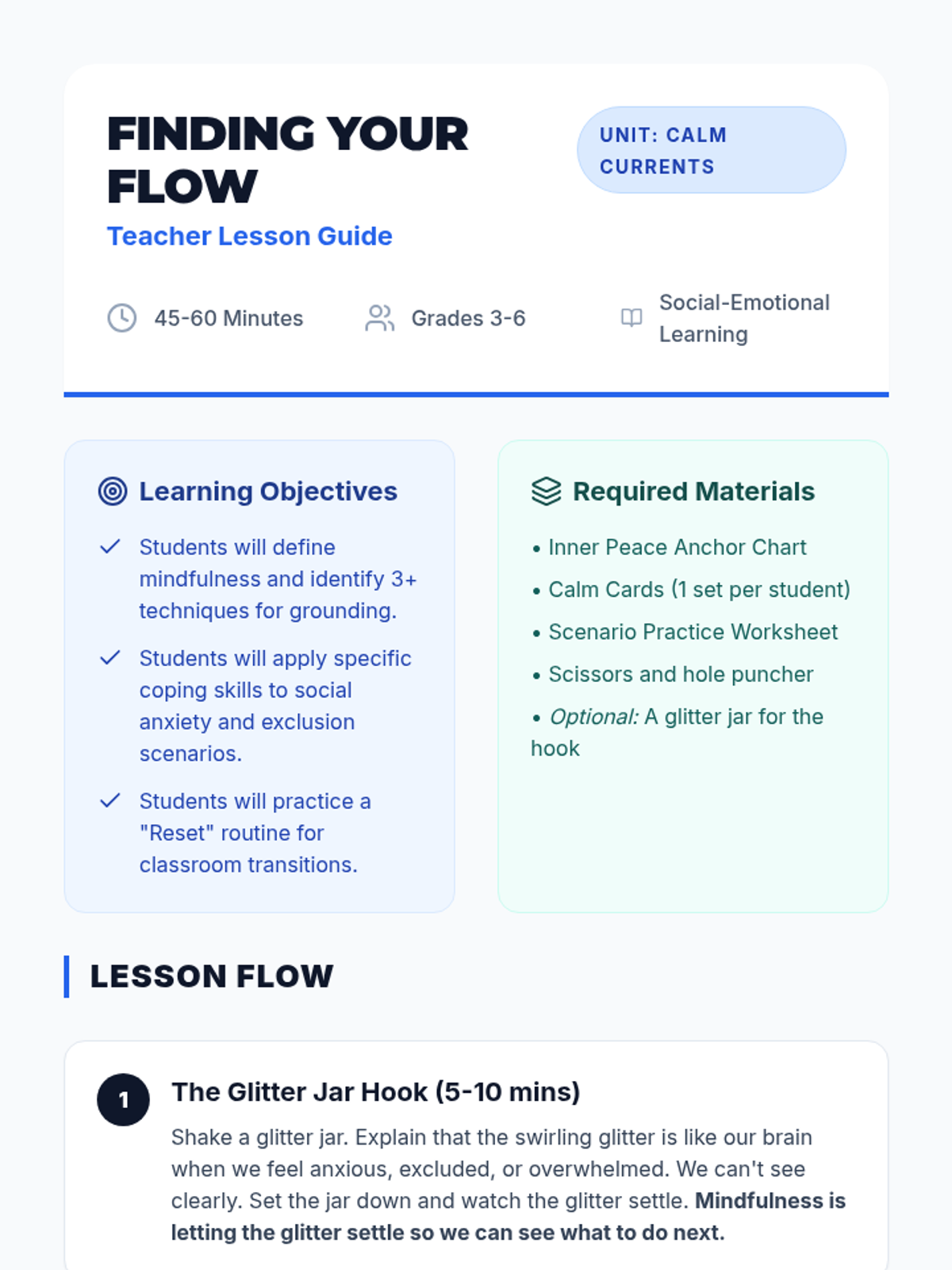
A foundational lesson introducing mindfulness and practical coping skills for navigating social anxiety and maintaining focus.
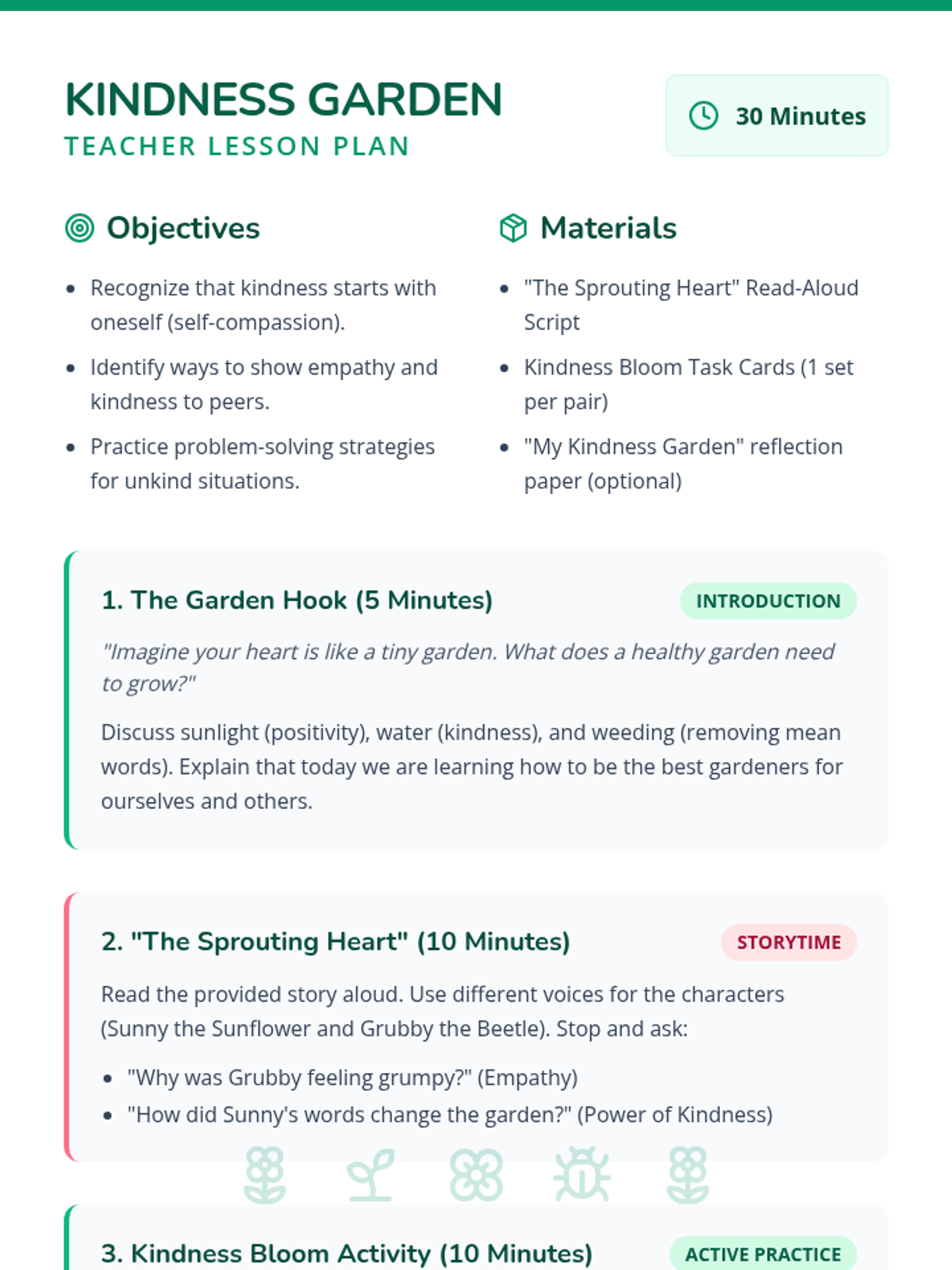
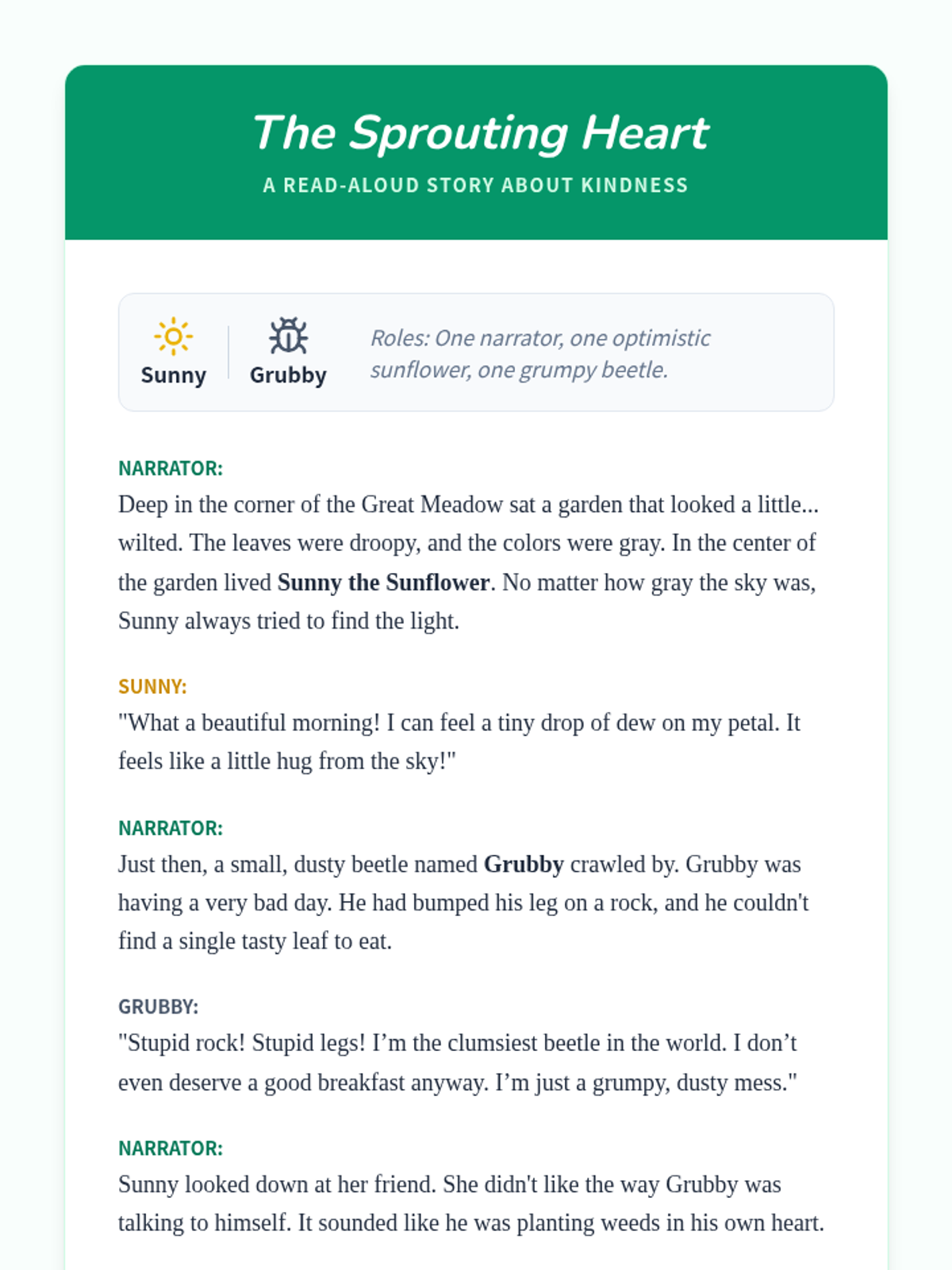
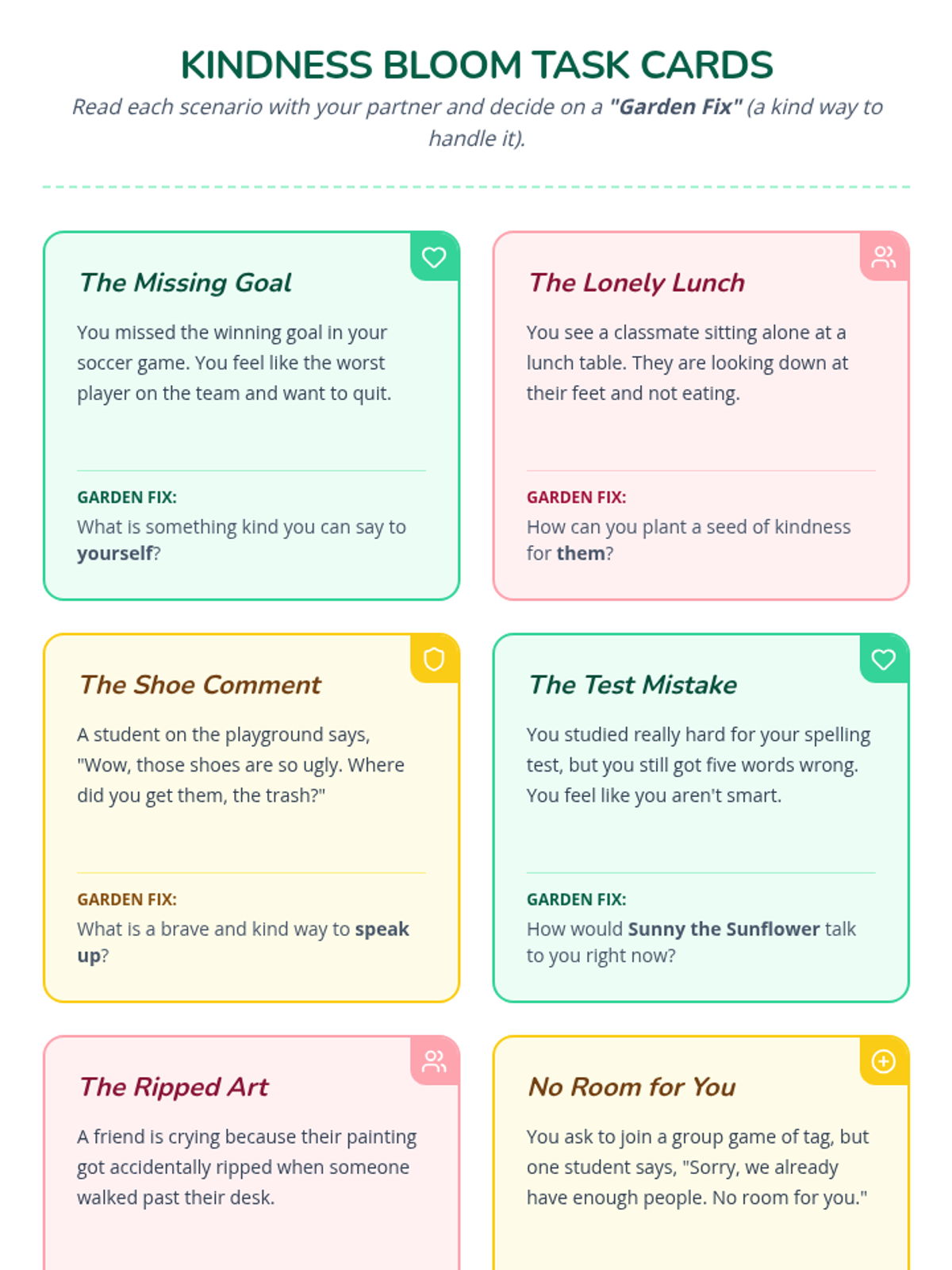
A 30-minute heart-centered lesson focused on self-kindness, empathy for others, and practical problem-solving for unkind moments using a garden-themed narrative.
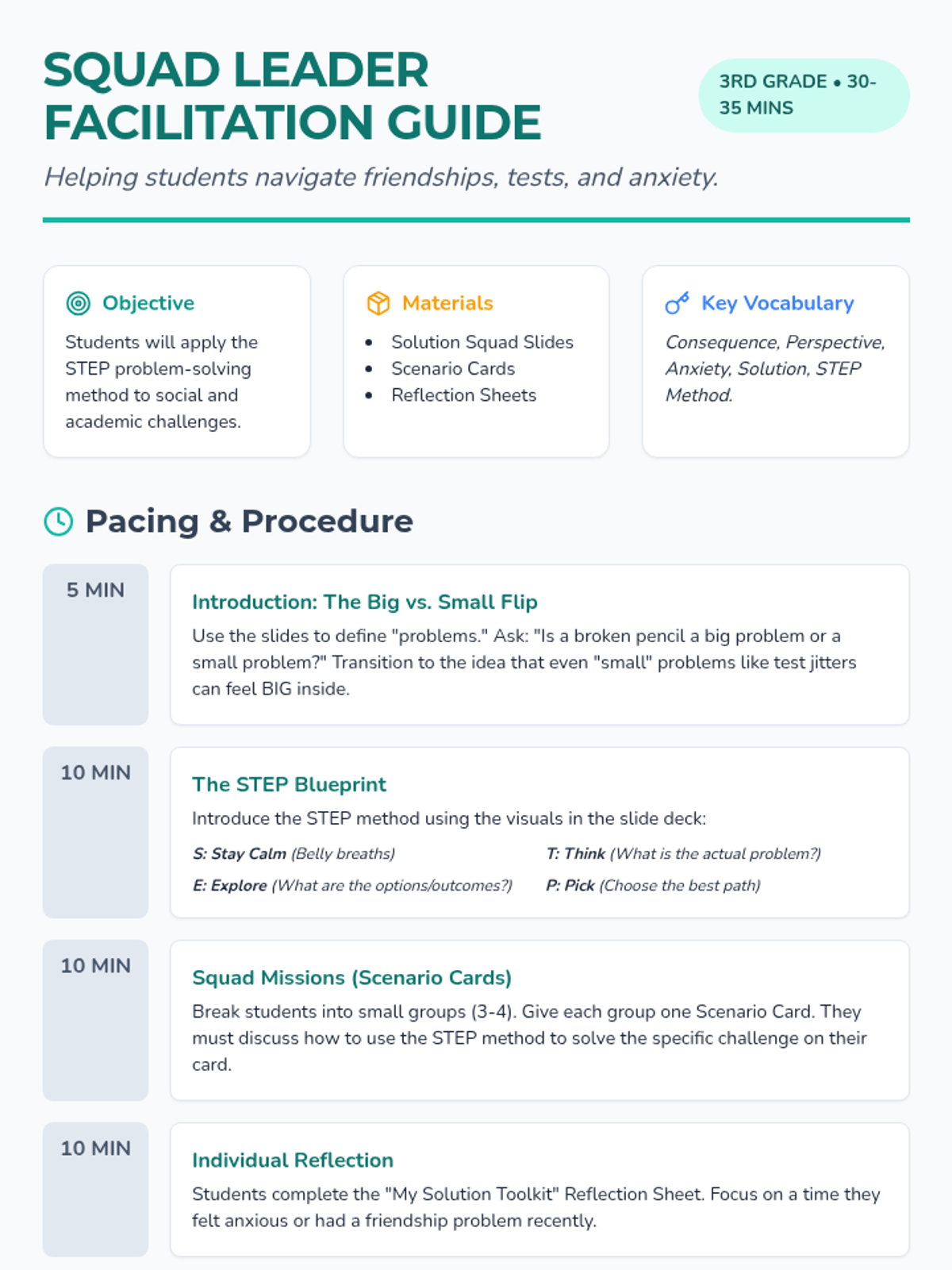
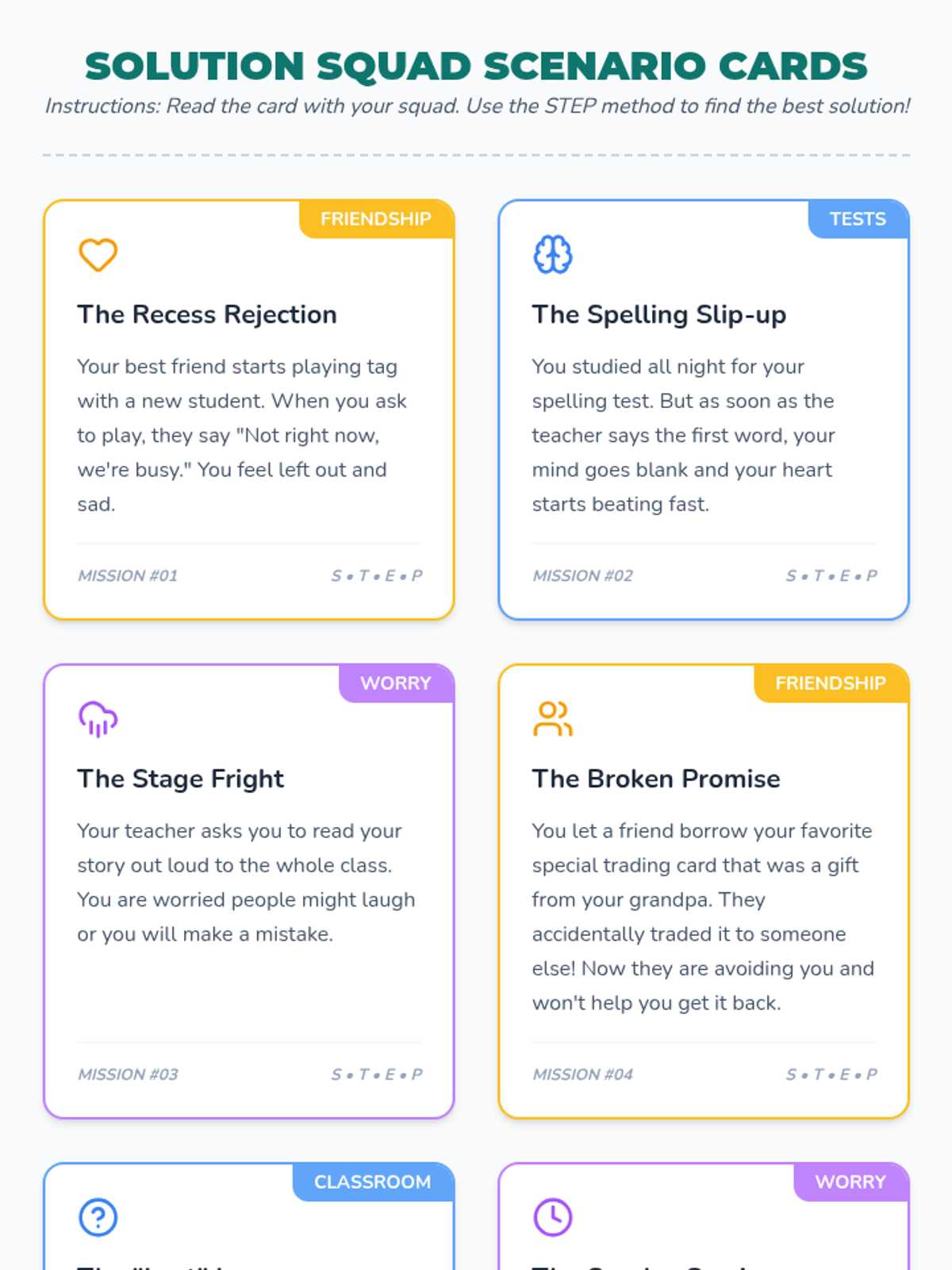
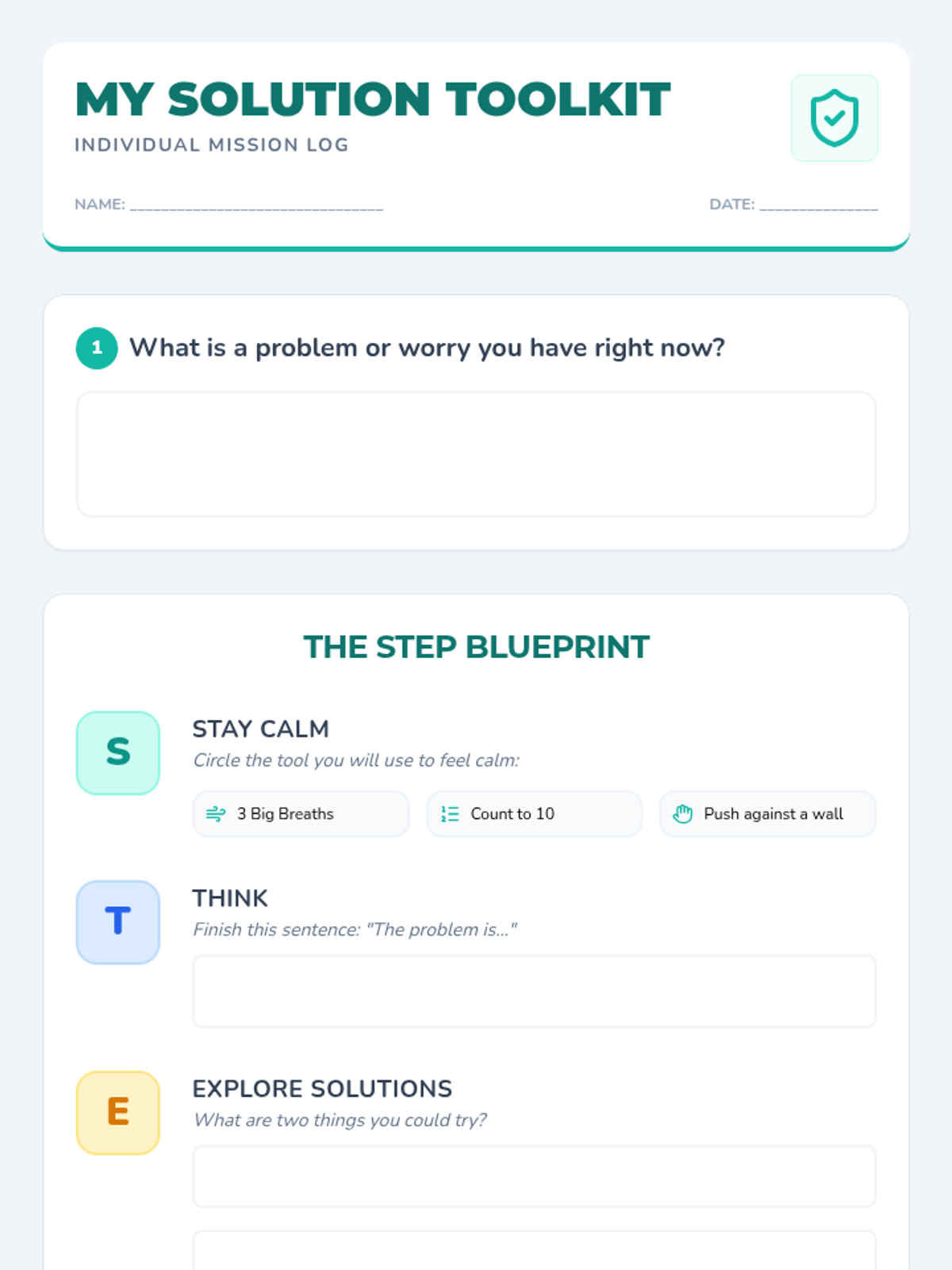
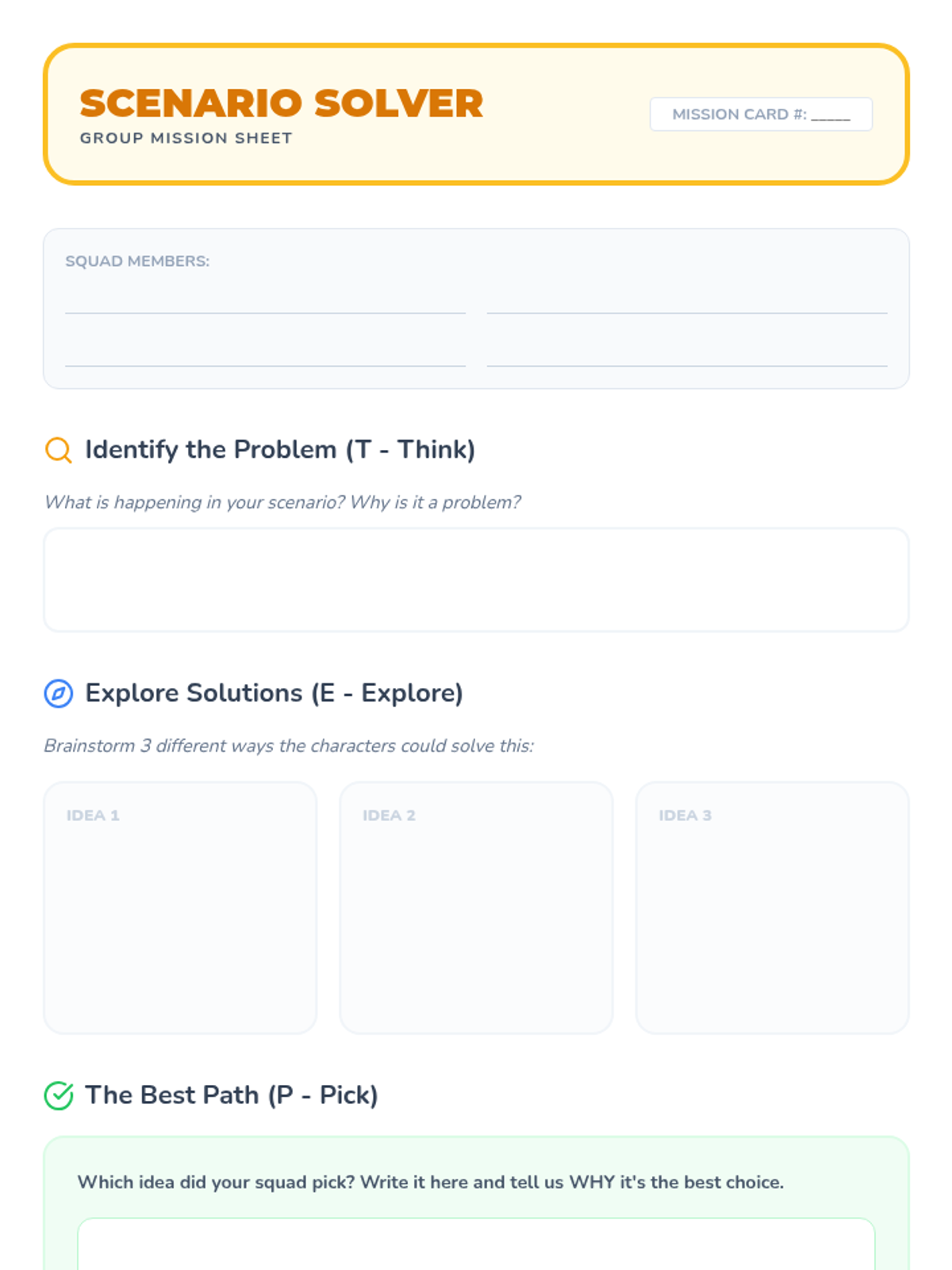
A social-emotional learning lesson for 3rd graders focused on identifying and solving common problems related to friendships, test anxiety, and general worries using the STEP method.
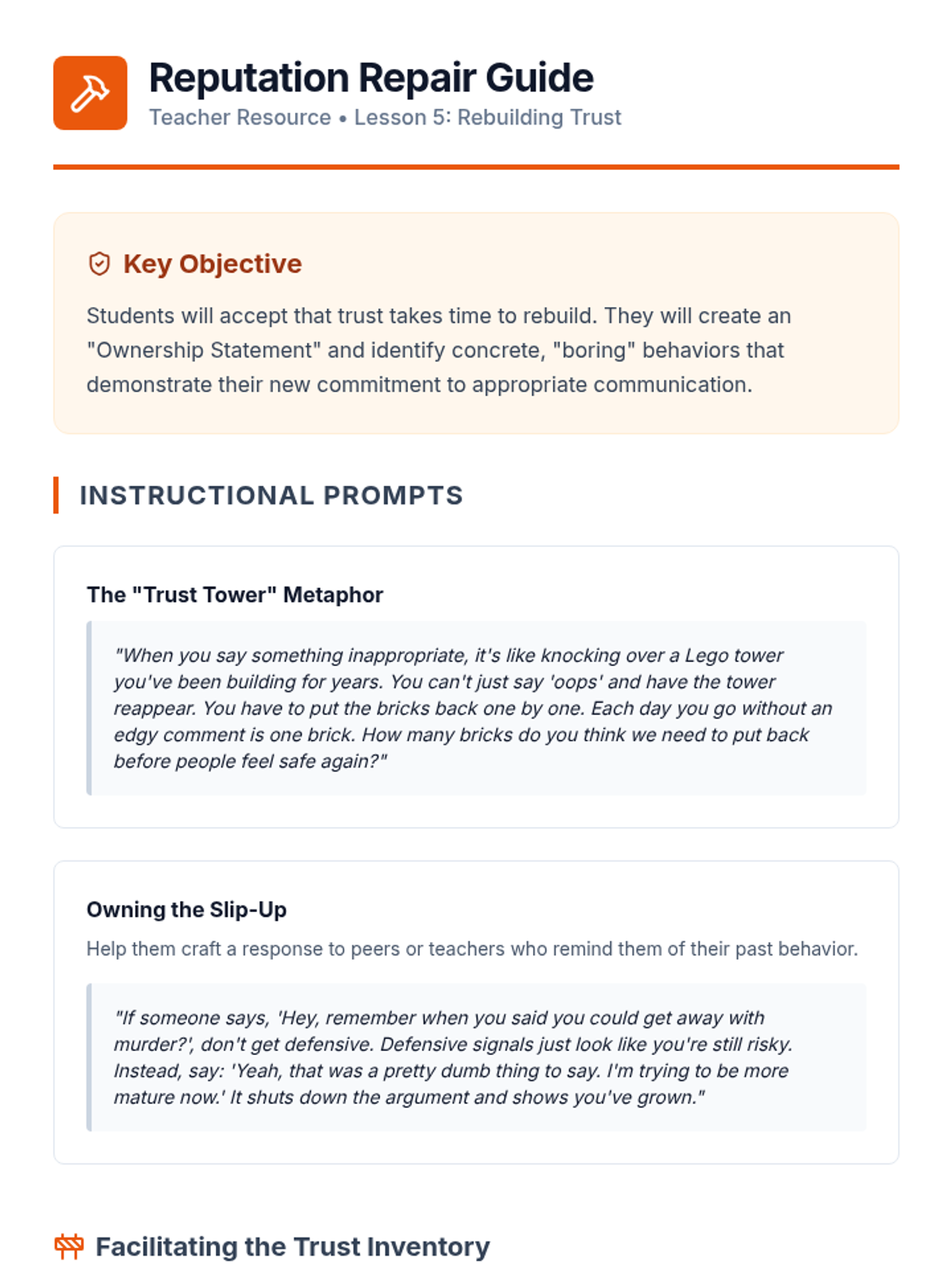
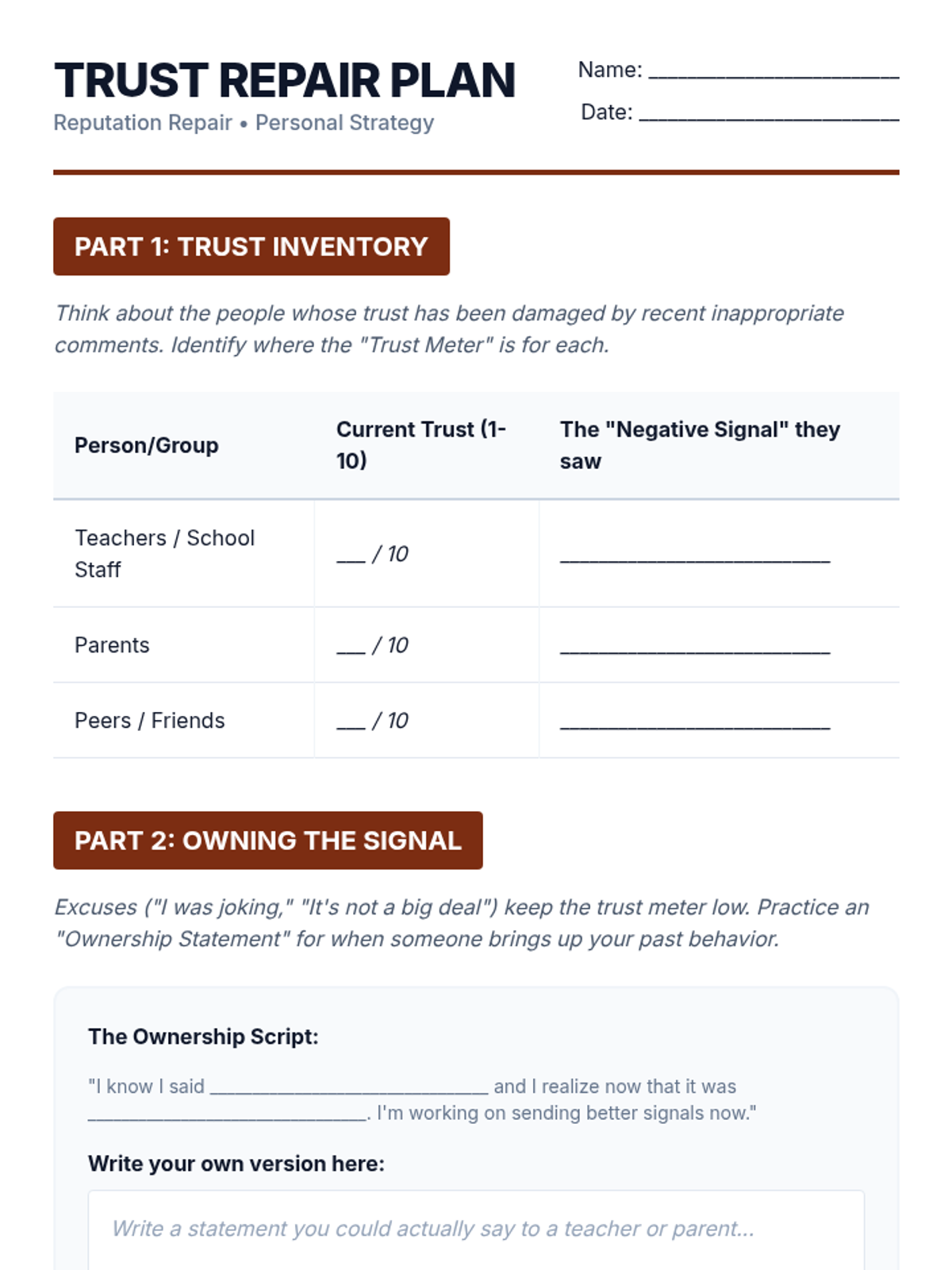
Focuses on rebuilding trust and repairing a reputation after inappropriate behavior has occurred.
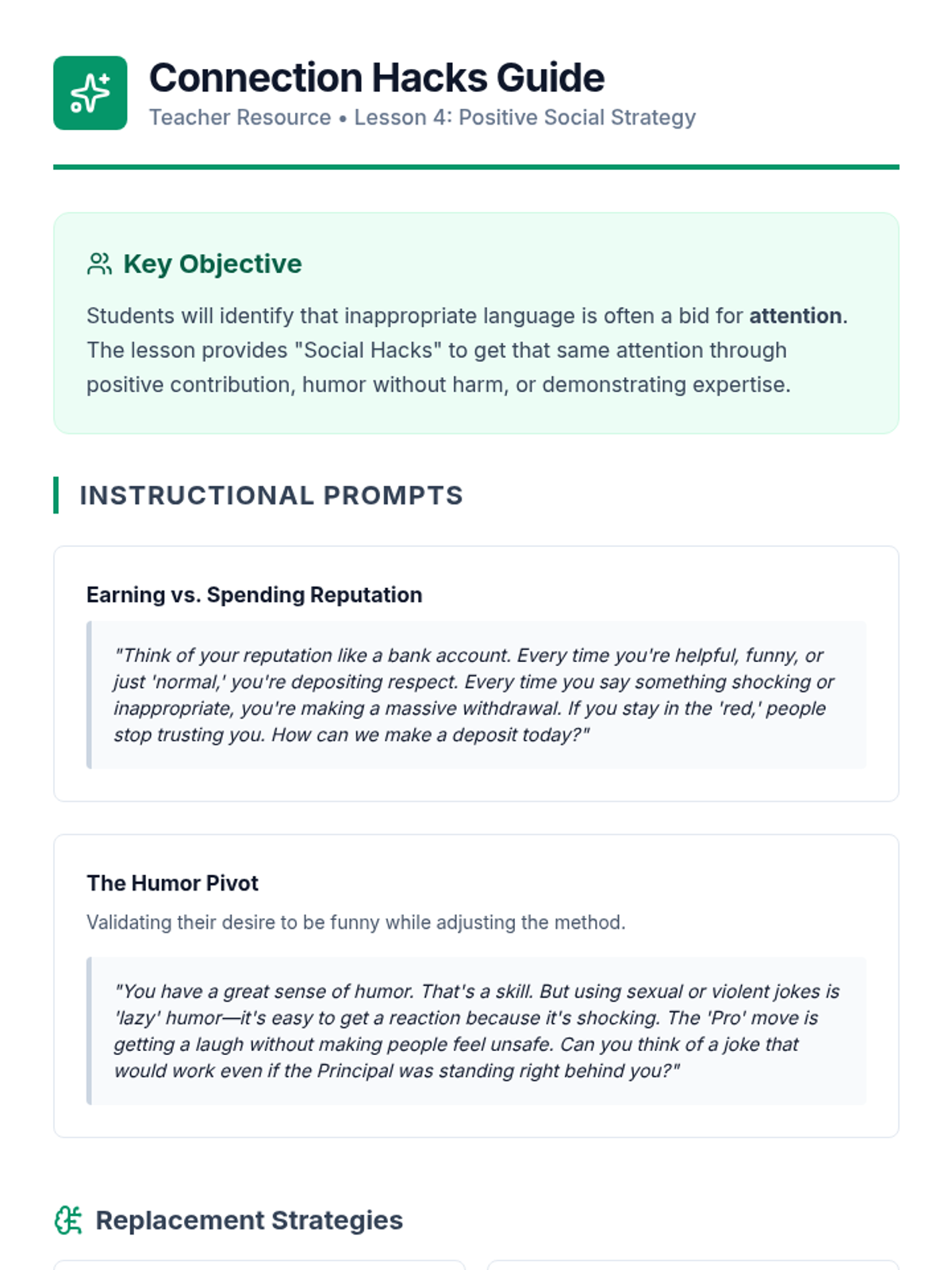
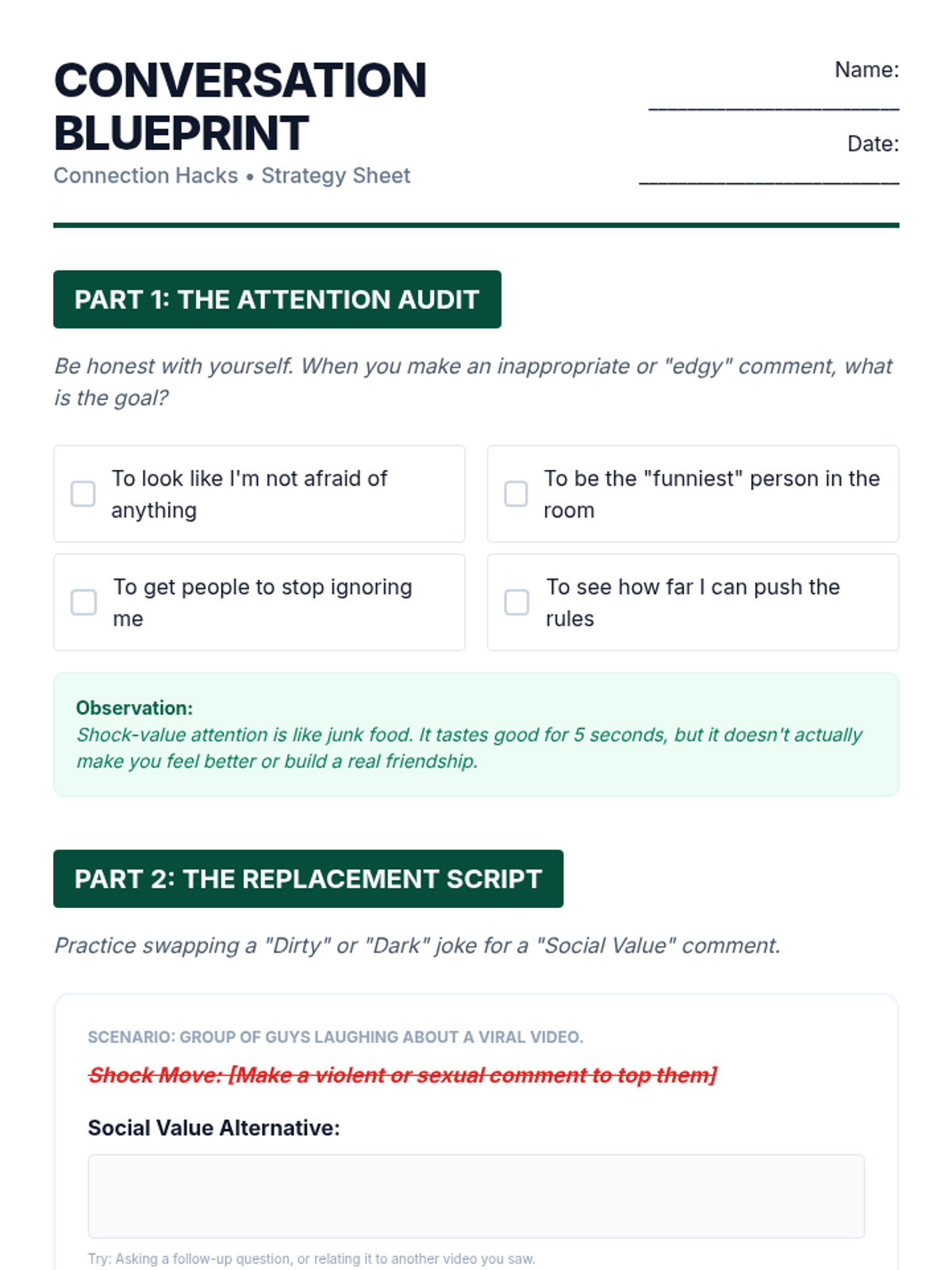
Provides alternative social strategies for gaining attention and building connections without using shock-value or inappropriate comments.
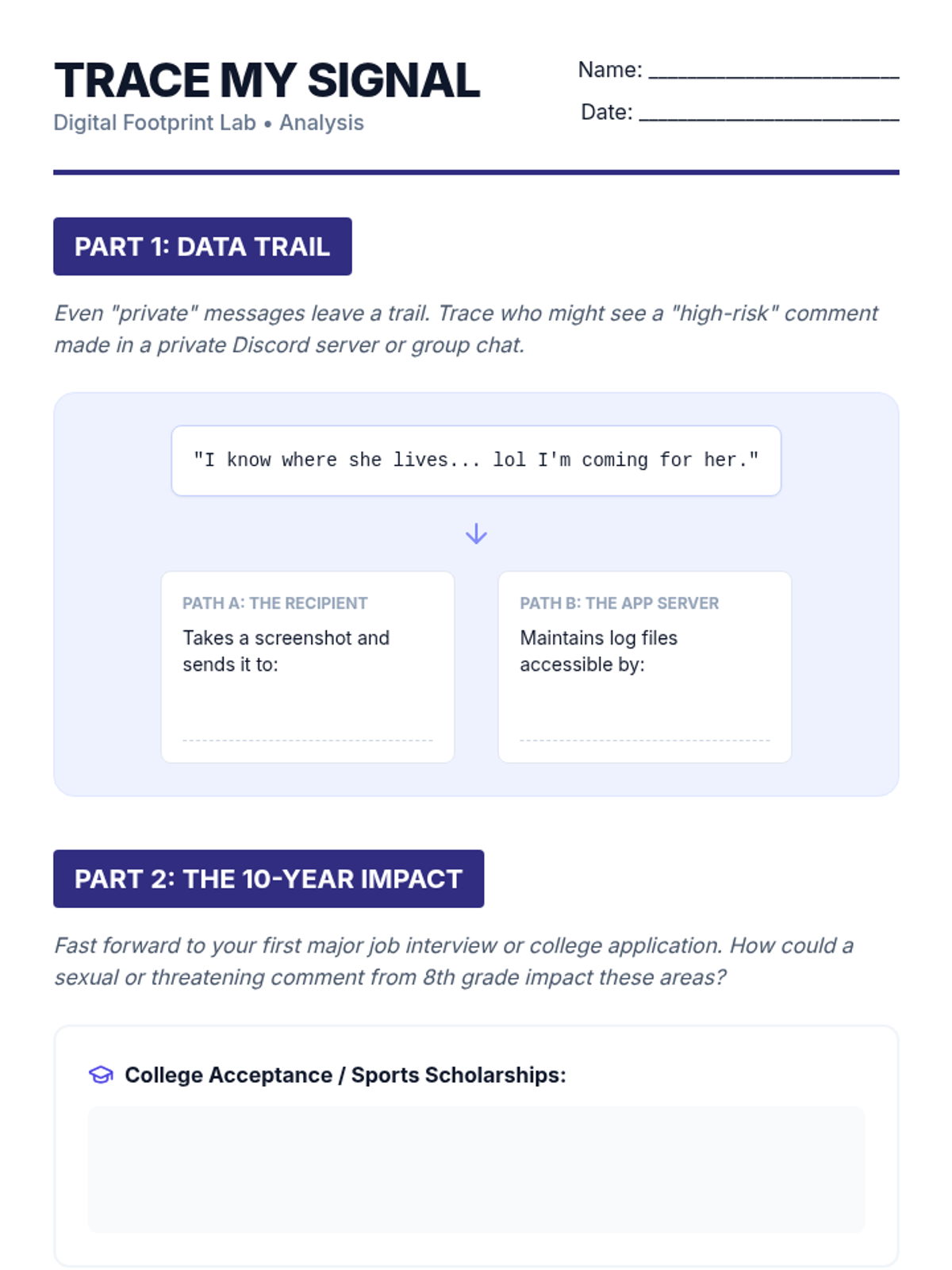
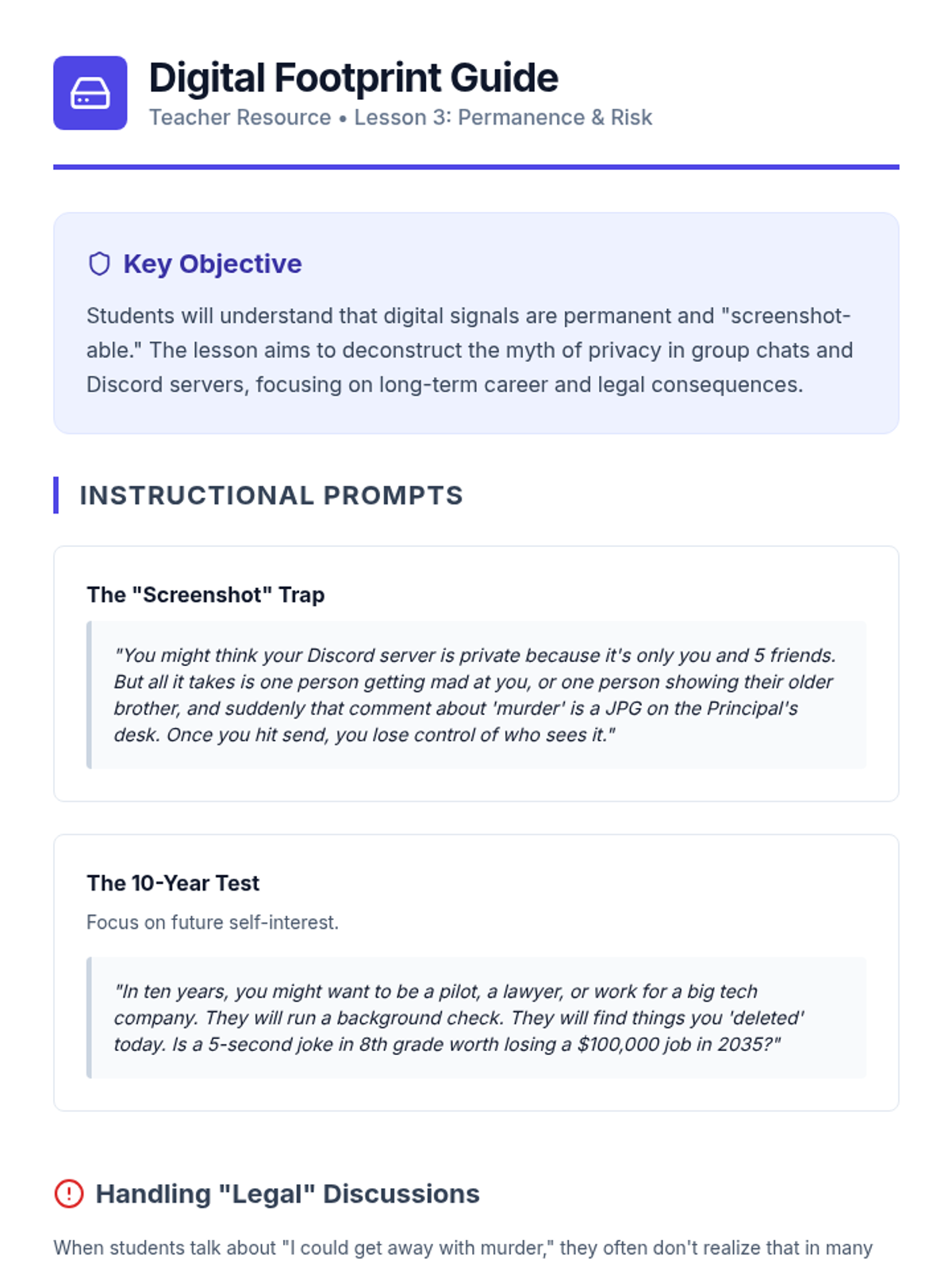
Focuses on the unique risks of inappropriate language in digital spaces, including permanent footprints and legal consequences.
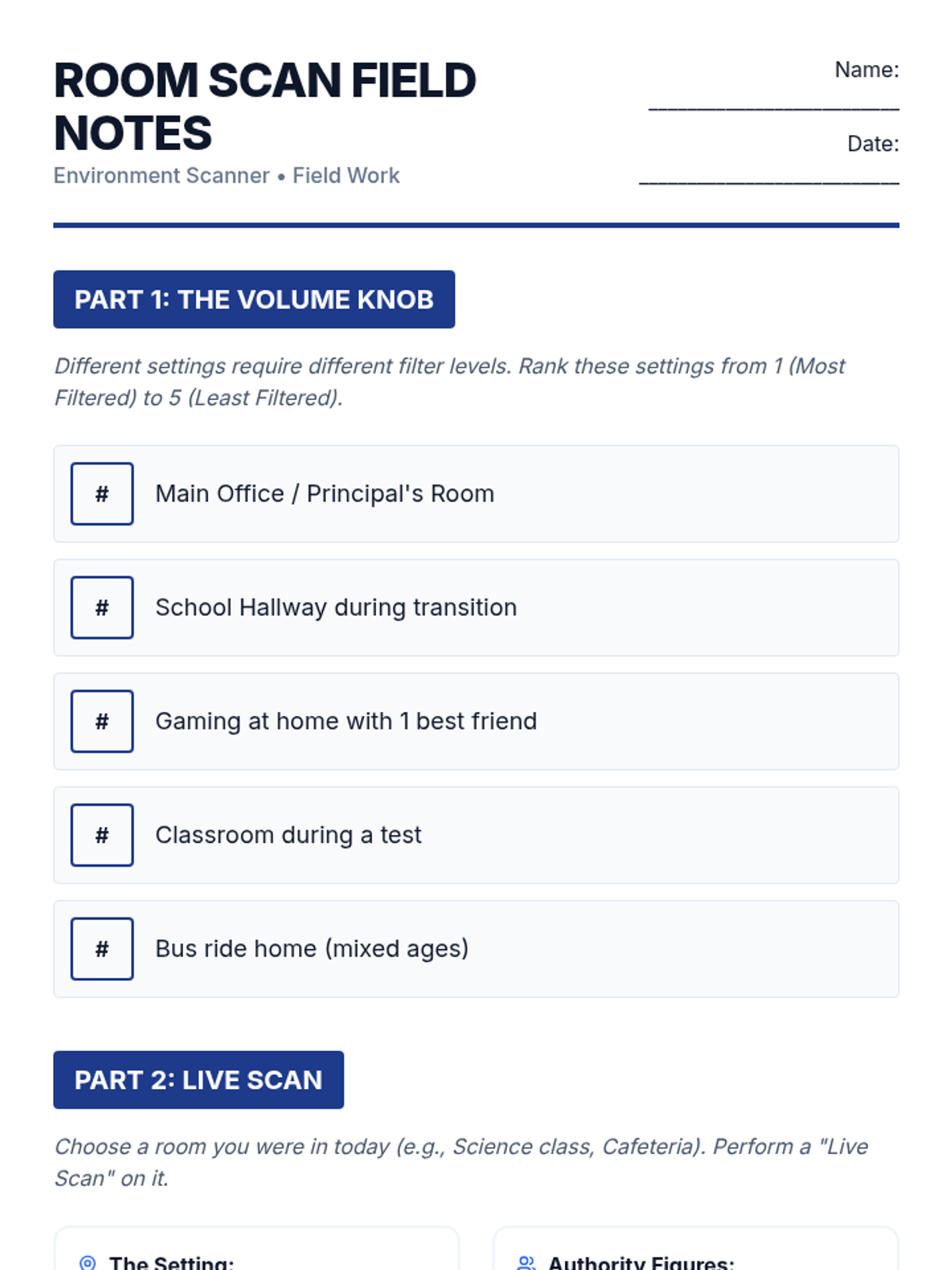
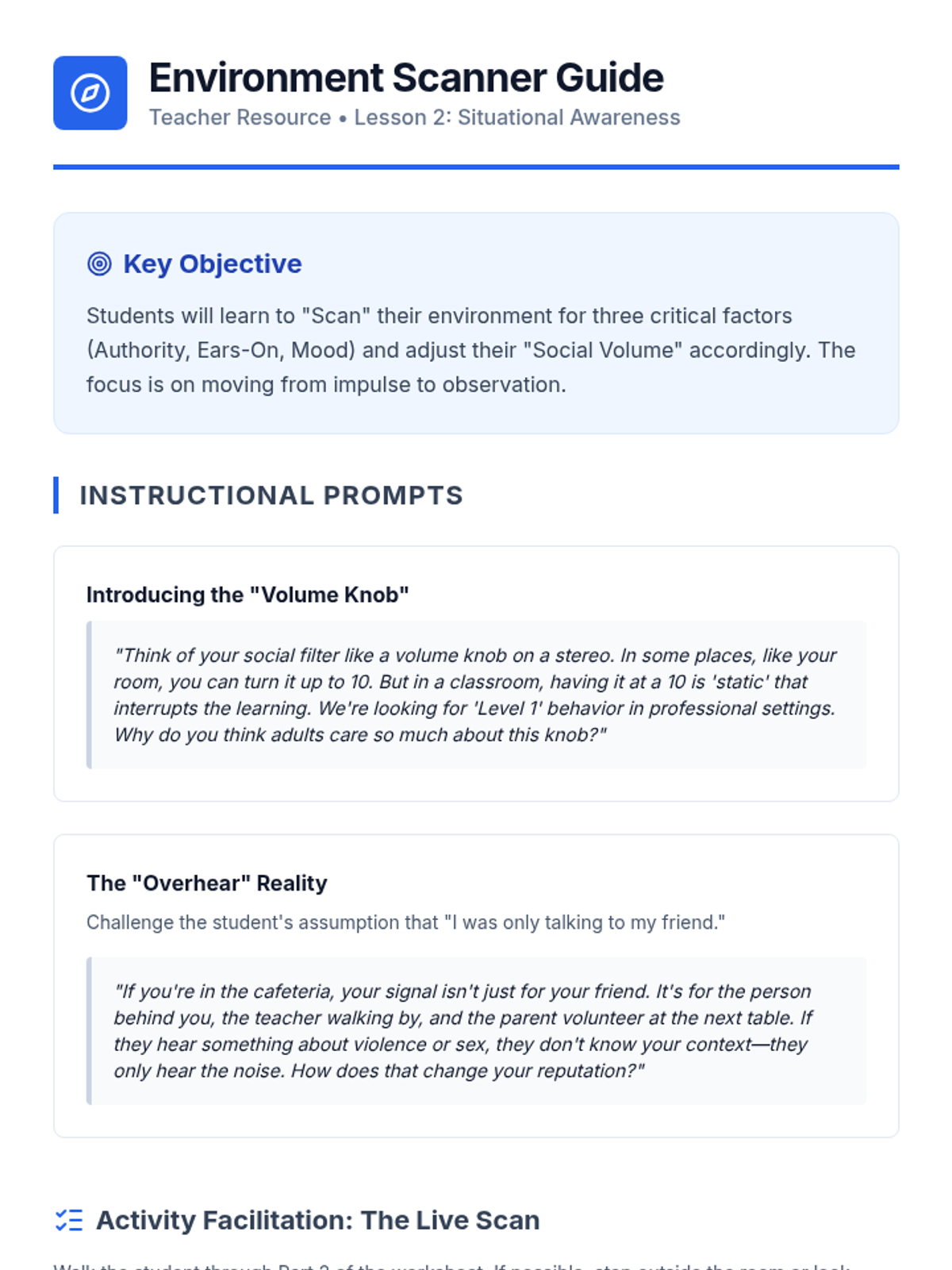
Teaches students how to read situational cues and adjust their language 'signal' based on the environment and audience.
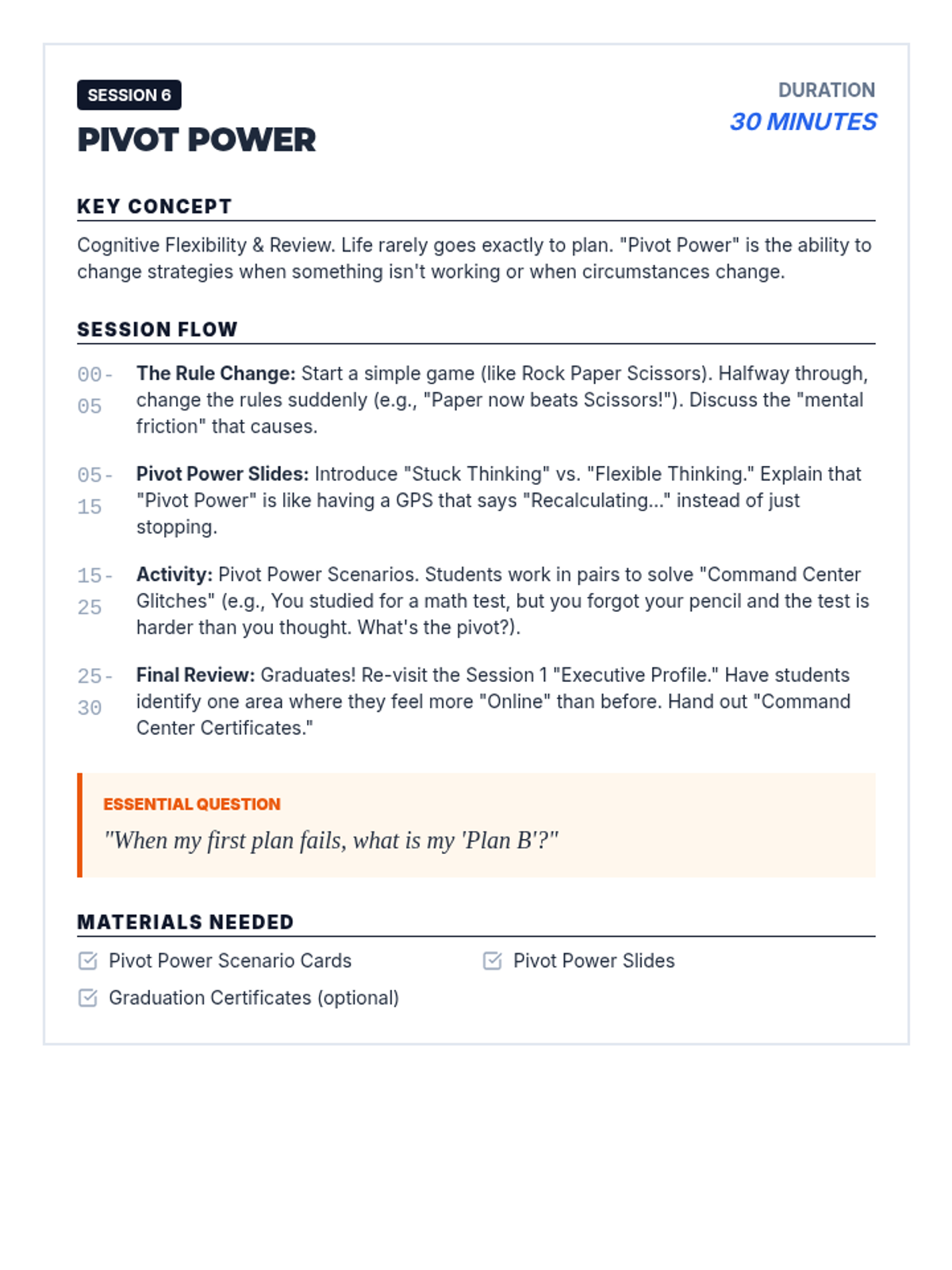
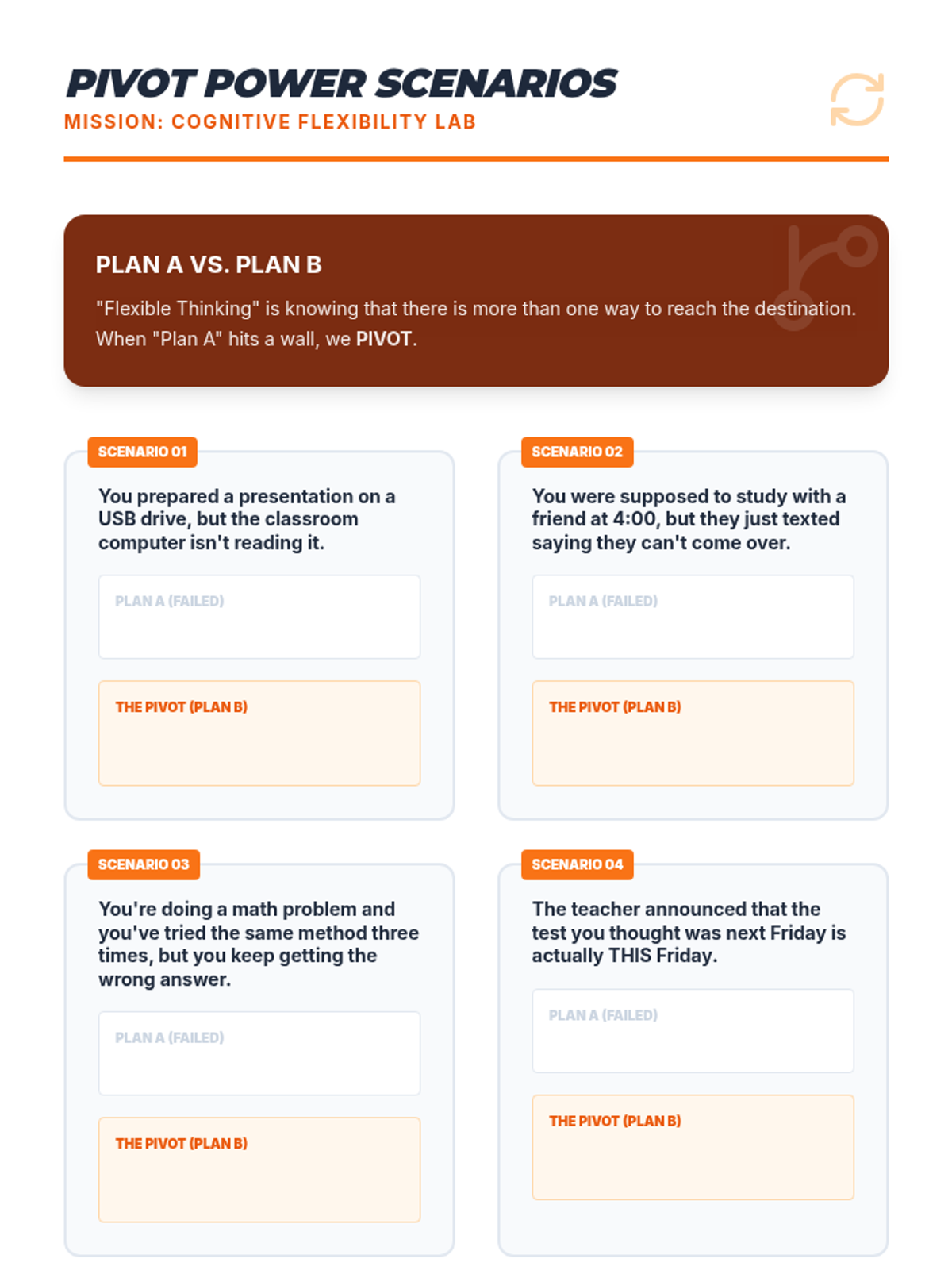
Building cognitive flexibility to handle changes in plans and developing problem-solving strategies when obstacles arise.
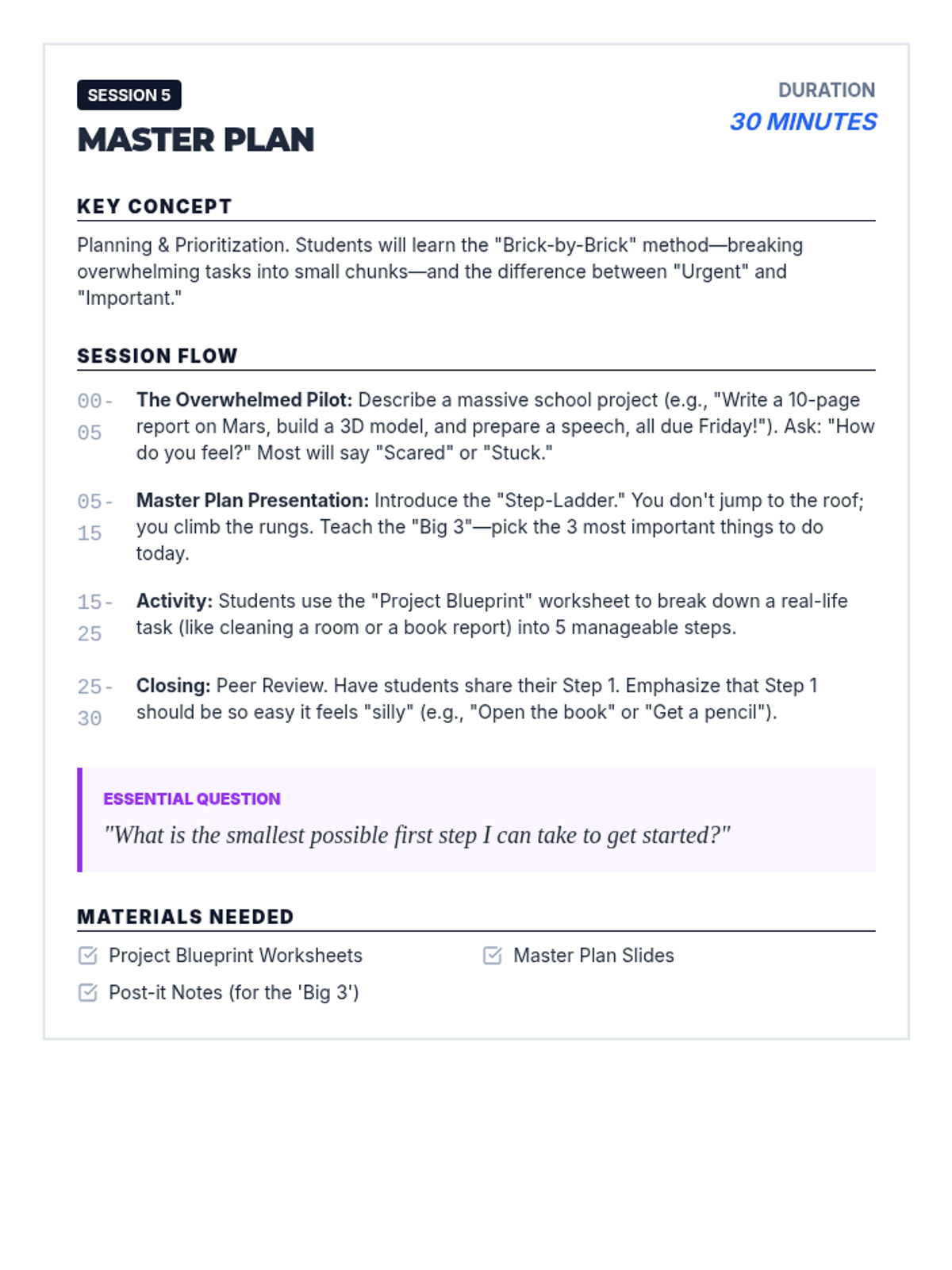
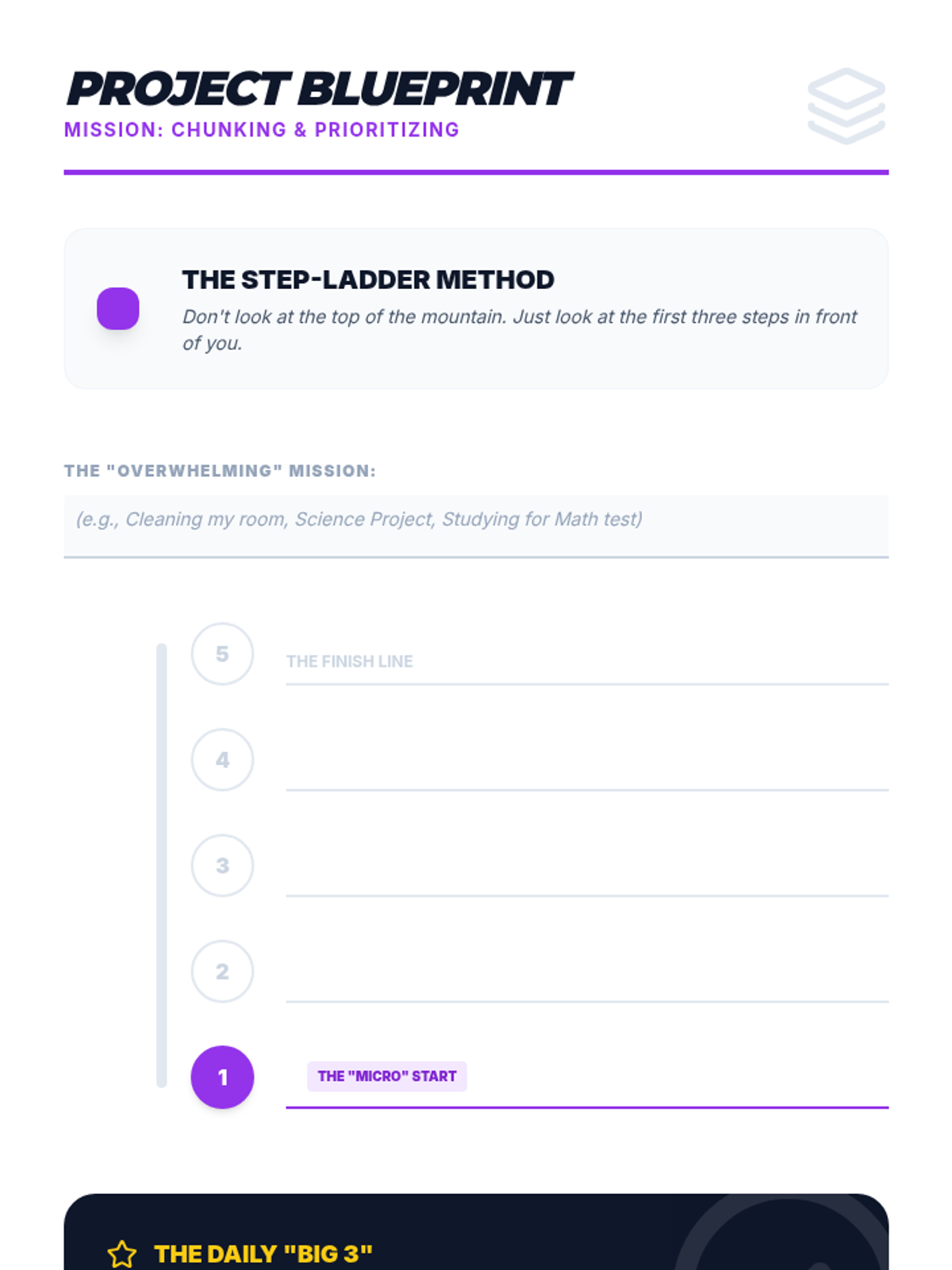
Learning to break large projects into manageable steps and prioritizing tasks based on urgency and importance.
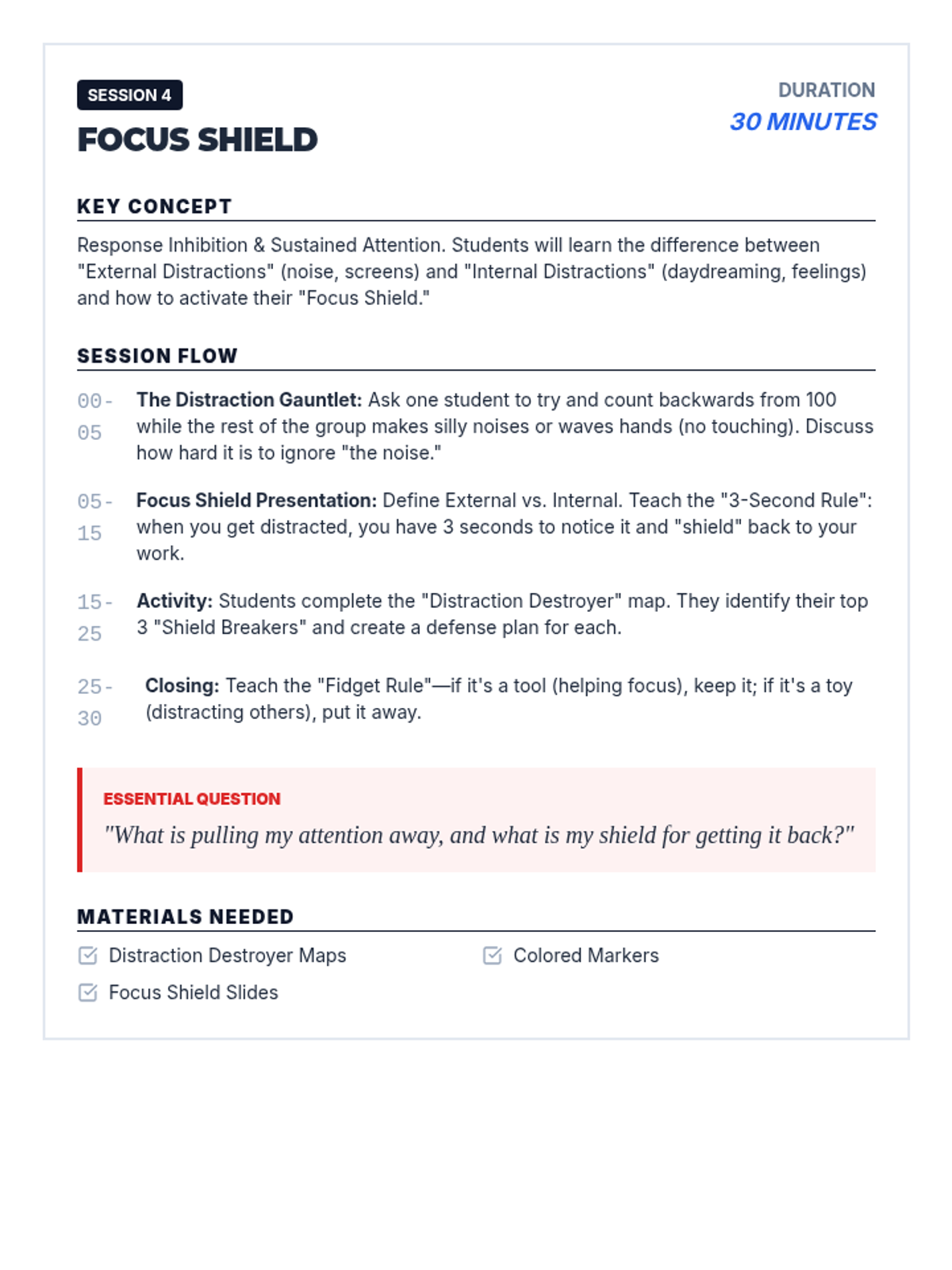
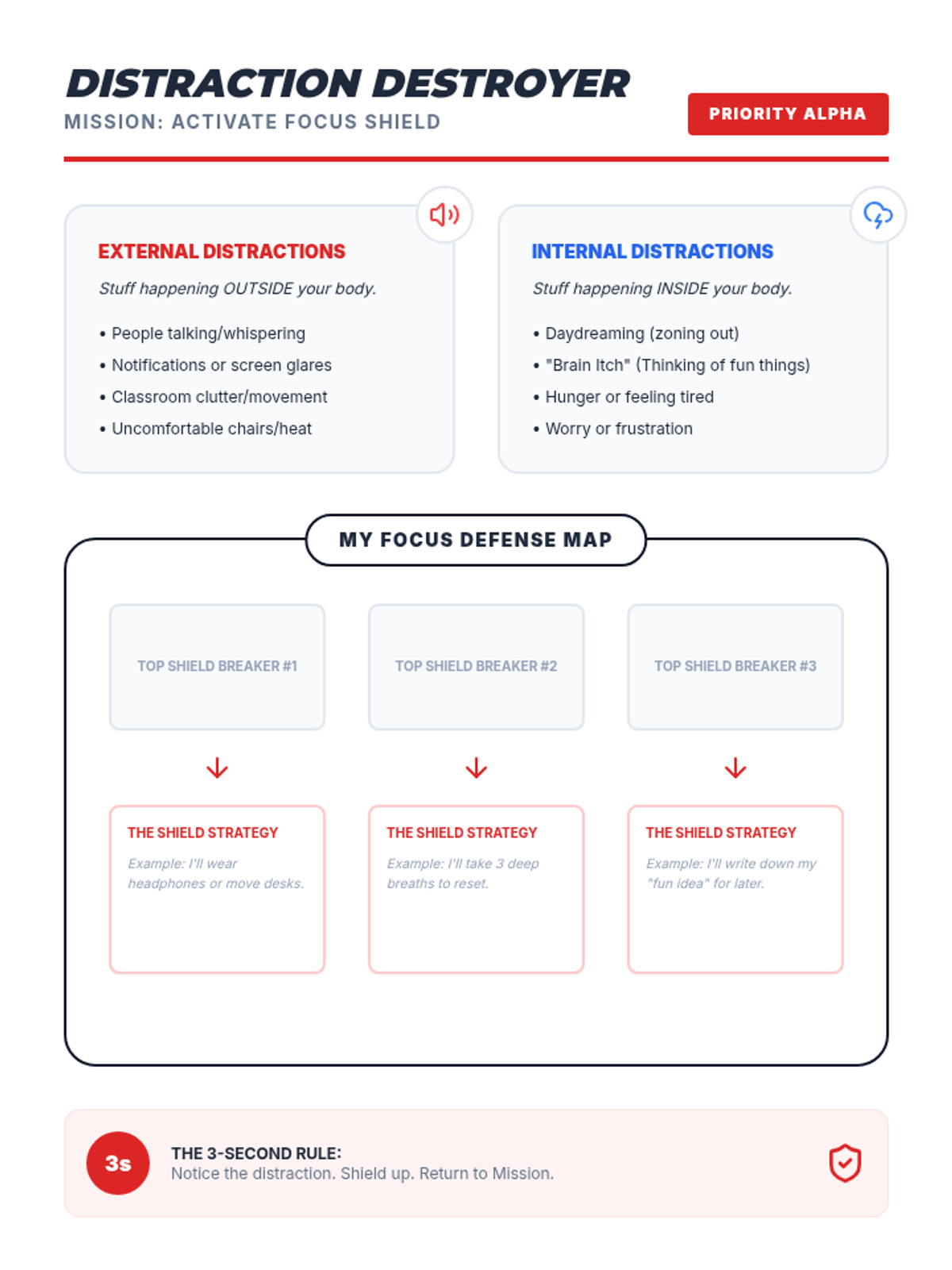
Identifying internal and external distractions and practicing strategies to maintain focus on high-priority tasks.
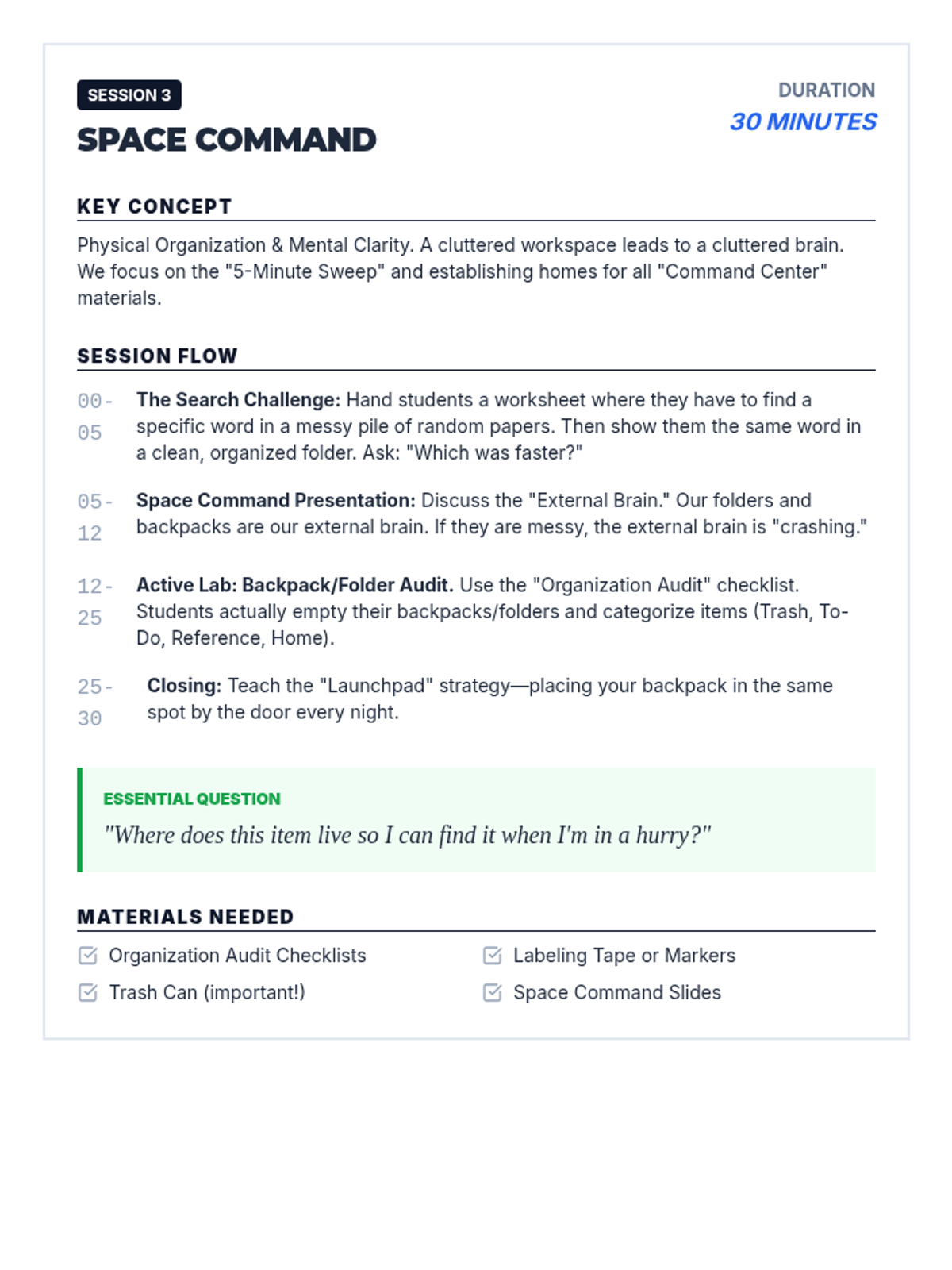
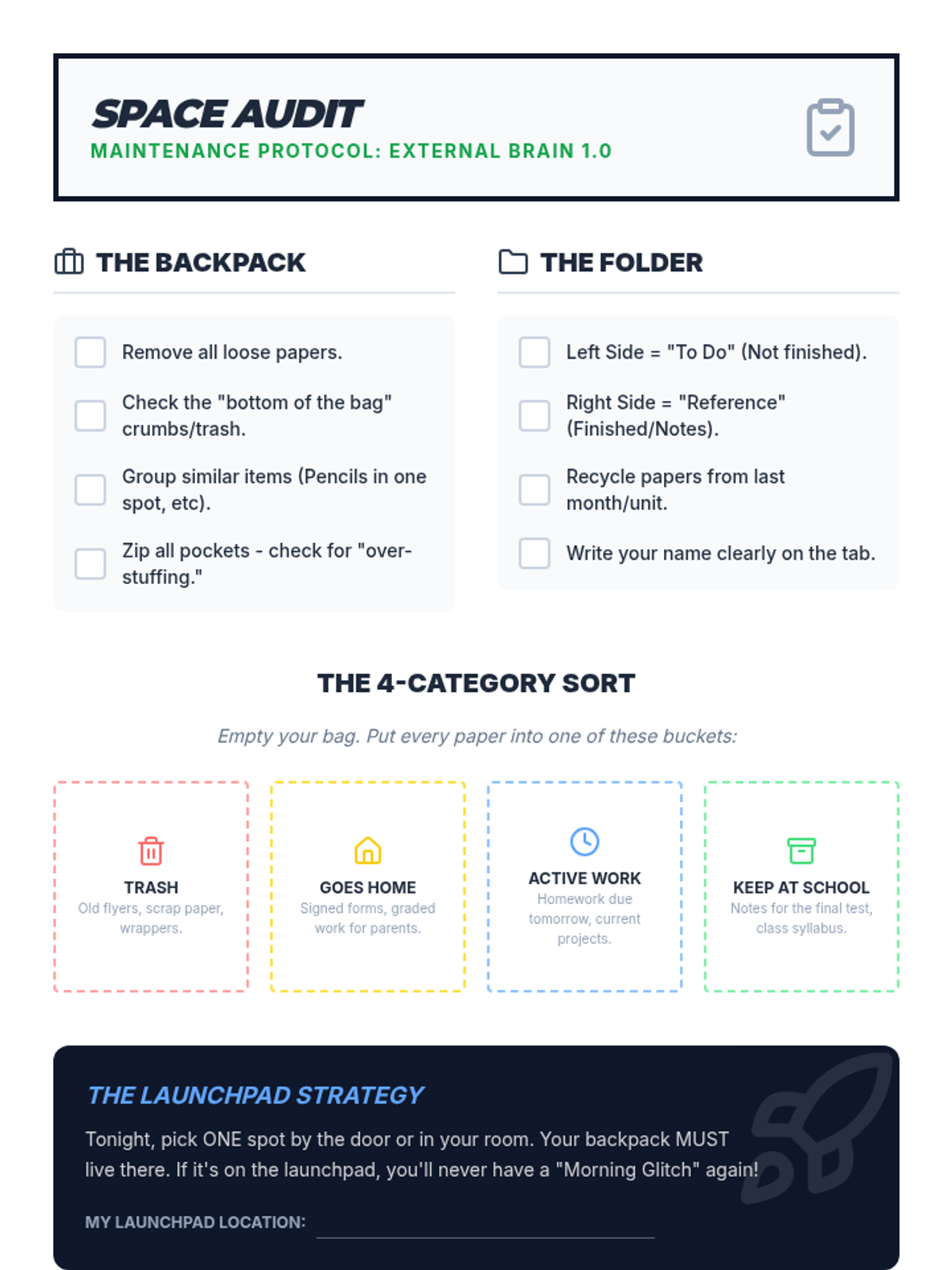
Learning systems for organizing physical and digital spaces to reduce mental clutter and improve efficiency.