A creative lesson where students use the metaphor of graphic T-shirts to explore and internalize positive affirmations. Students will design their own 'message' to wear proudly, boosting self-esteem and positive self-talk.
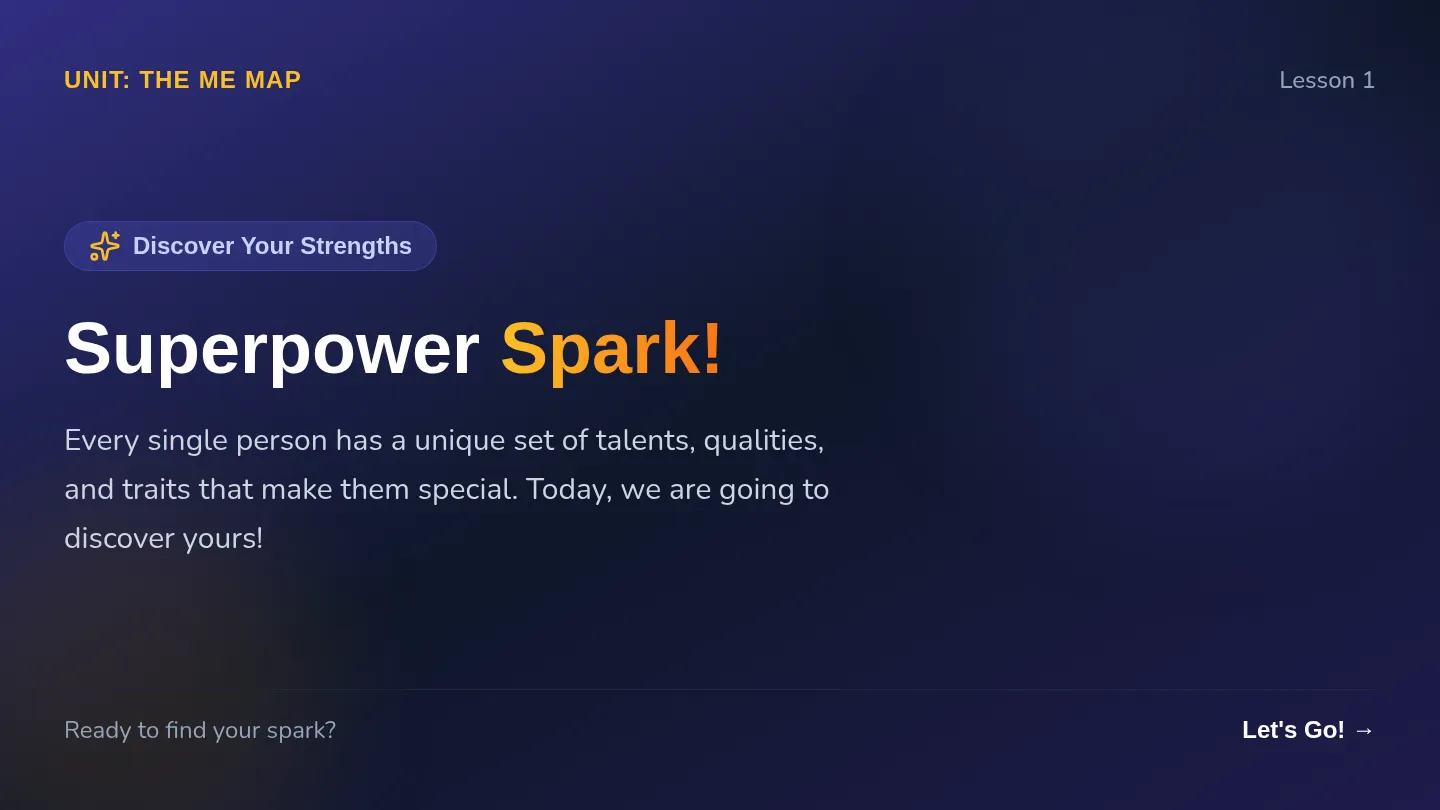
A comprehensive self-identity curriculum for third-grade students exploring personal strengths, emotional regulation, family heritage, and community connections. Through reflective worksheets, visual anchor charts, and interactive slide presentations, students build self-awareness and empathy.
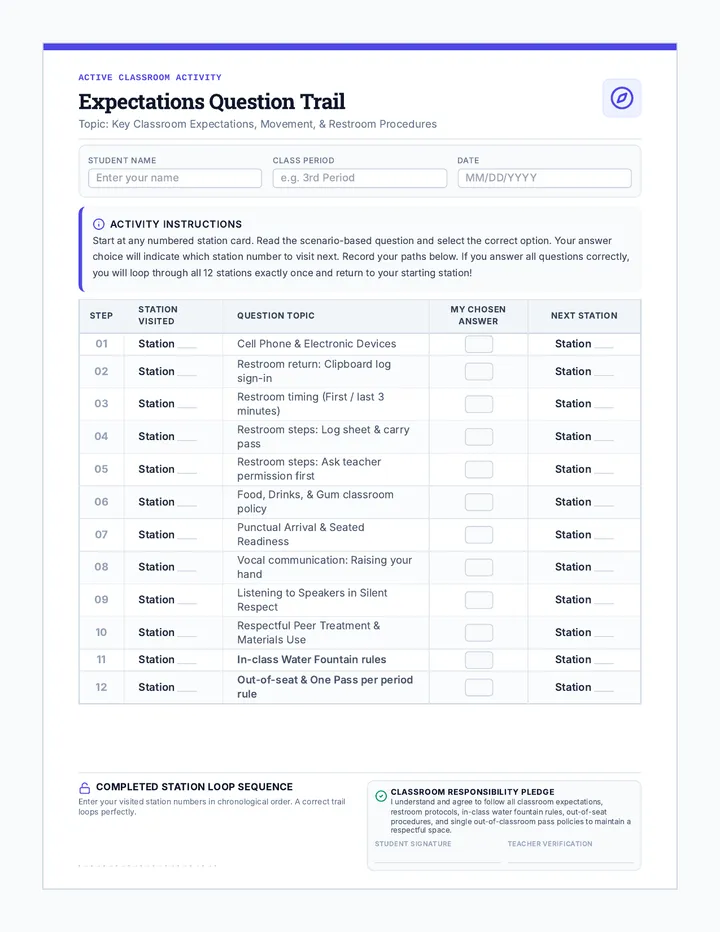
A standard classroom movement activity designed to teach students classroom expectations and restroom procedures through an interactive question trail. Students navigate numbered stations around the room, solving scenario-based multiple-choice questions to complete the trail.
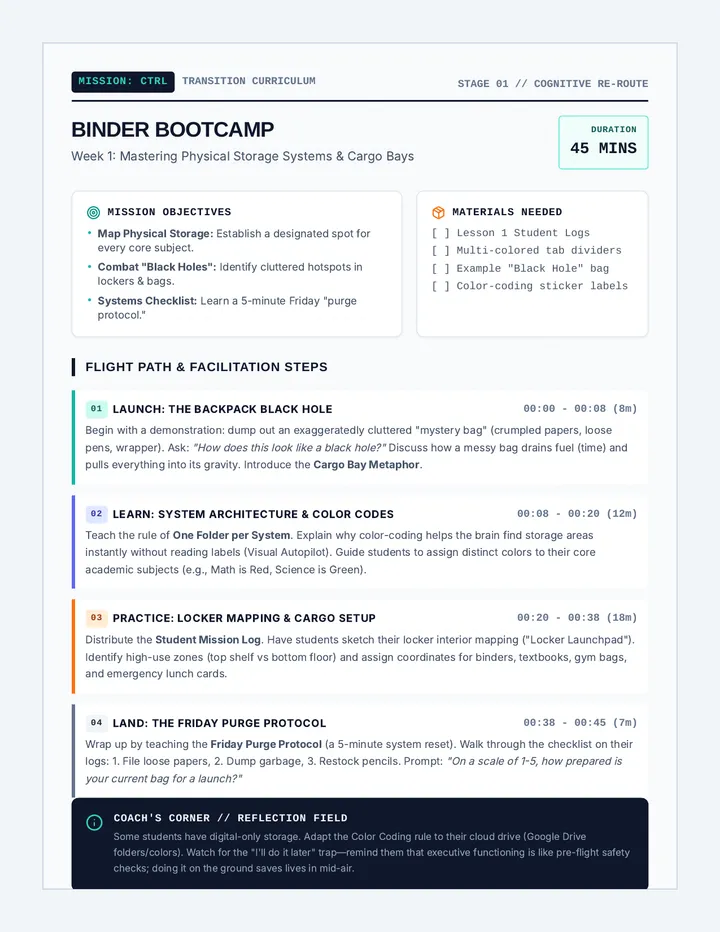
A 6-week small group curriculum designed to build executive functioning skills in transitioning 6th graders. Covers organization, time management, planning, distraction management, goal setting, and stress coping using a highly engaging space-mission theme.
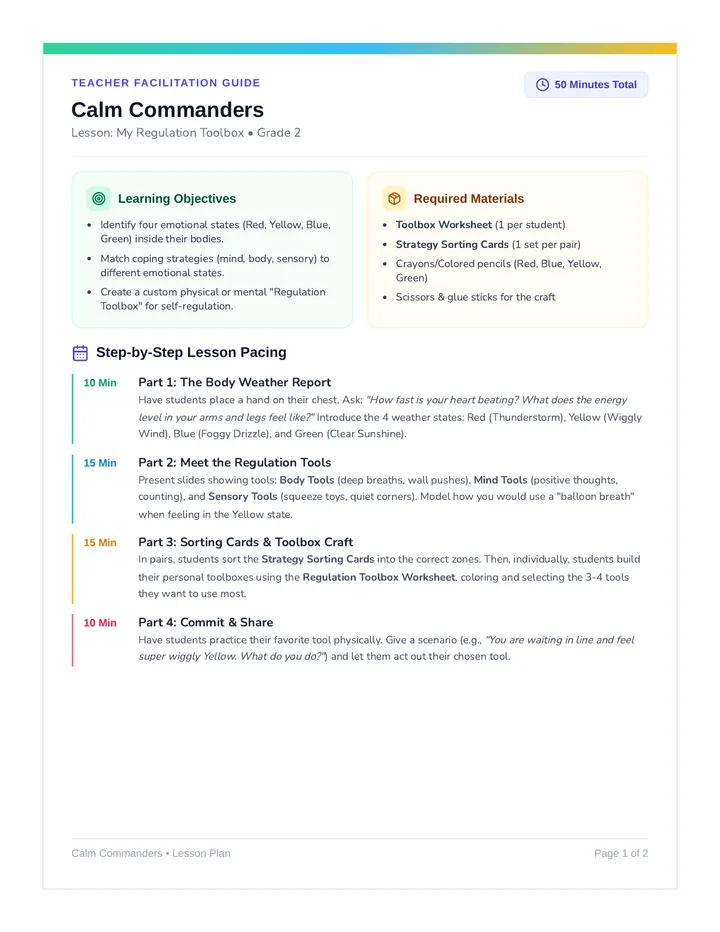
A hands-on, interactive lesson that helps second graders identify self-regulation strategies, explore sensory tools, and design their own coping toolboxes to promote emotional independence and focus.
A 5-day curriculum teaching 4th graders the STAR expectations (Safe, Targeting Success, Acting with Integrity, Respect & Responsibility) across classrooms, hallways, bathrooms, playgrounds, and cafeterias using a high-energy comic-book superhero theme.
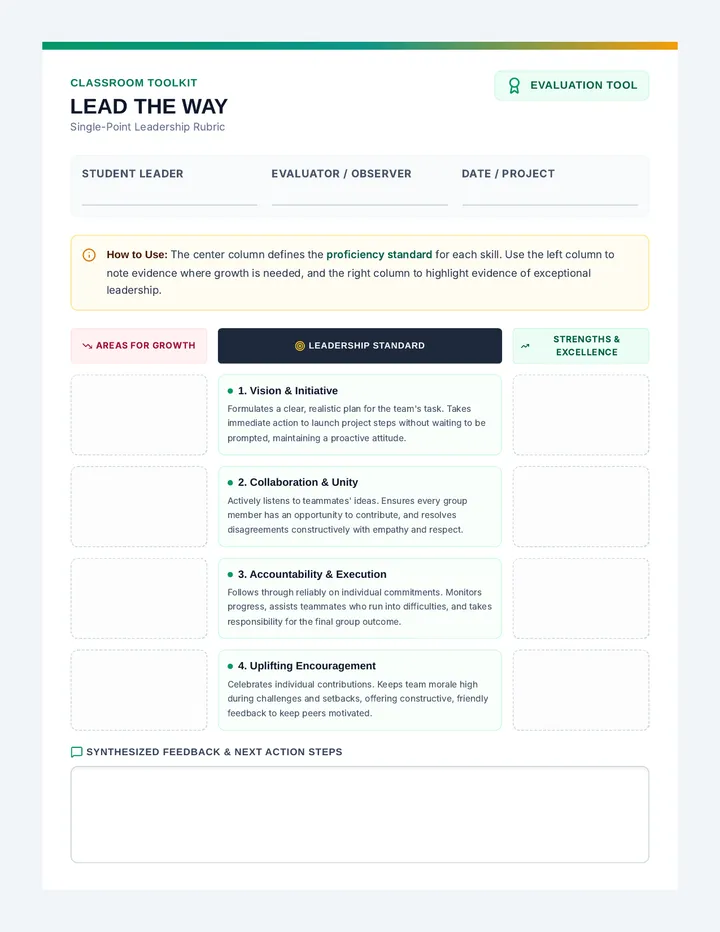
A classroom toolkit designed to cultivate, evaluate, and reflect on student leadership during group projects, extracurricular activities, and daily classroom routines. Features a professional single-point evaluation rubric and a student-centered self-assessment.
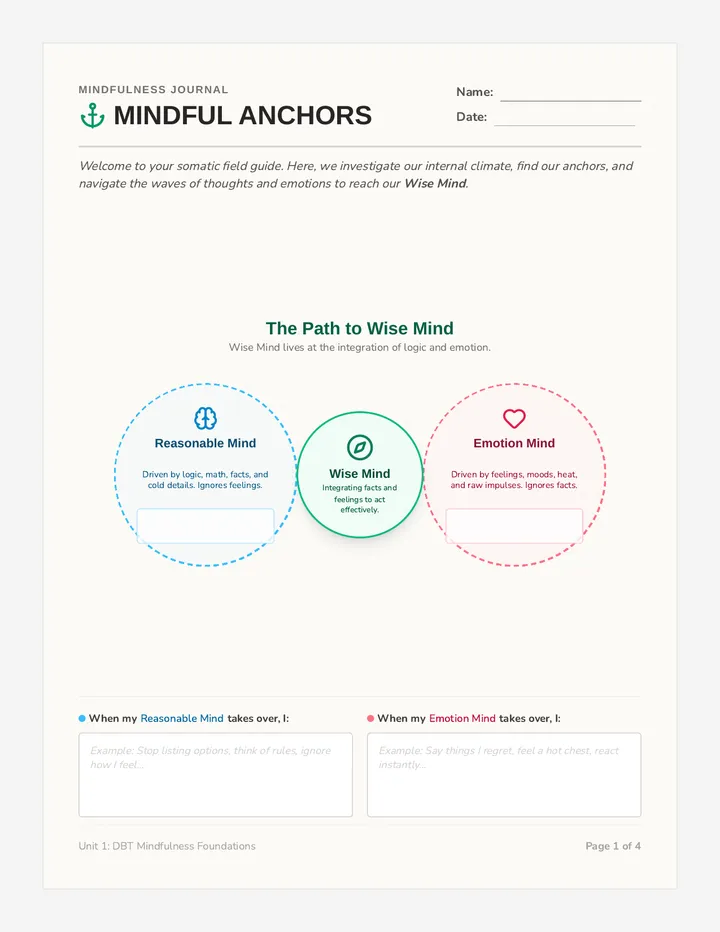
A comprehensive unit on Dialectical Behavior Therapy (DBT) mindfulness skills, taking students from somatic anchoring and cognitive understanding to collaborative, station-based performances that demonstrate 'What' and 'How' skills.
A zero-prep, highly visual set of projectable slides and a facilitation playbook that makes getting-to-know-you activities easy and energetic. Structured for Preschool to 5th grade with movement-based challenges and engaging prompts.
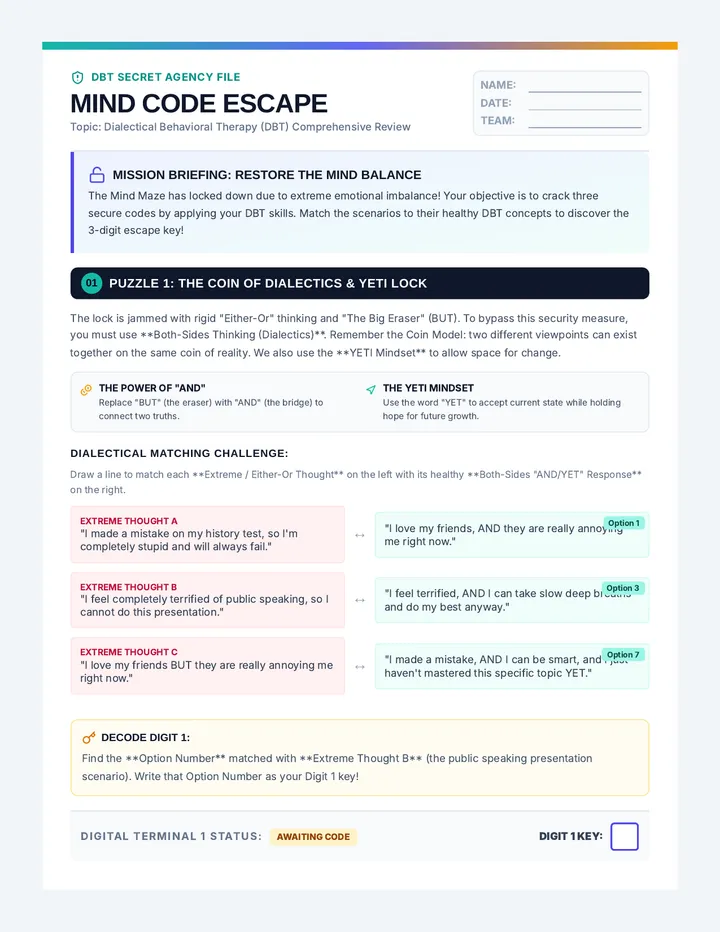
A hands-on sequence designed to empower teens with Dialectical Behavioral Therapy (DBT) concepts. Through engaging escape rooms, creative drama challenges, and real-life scenarios, students master dialectics and emotional regulation.
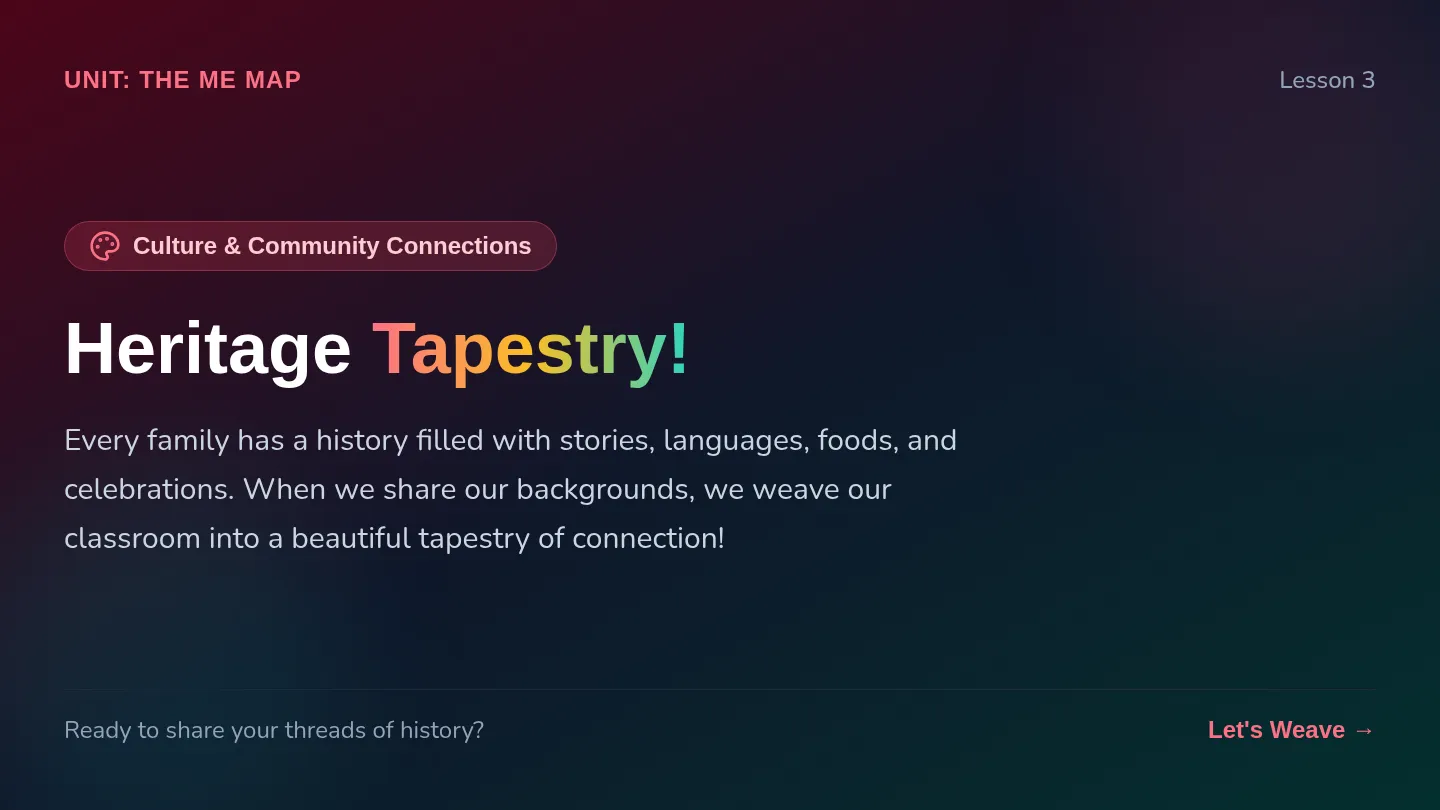
Students explore their cultural heritage, family traditions, and community connections. They construct a collaborative class tapestry of personal history and map their connections to the wider world.
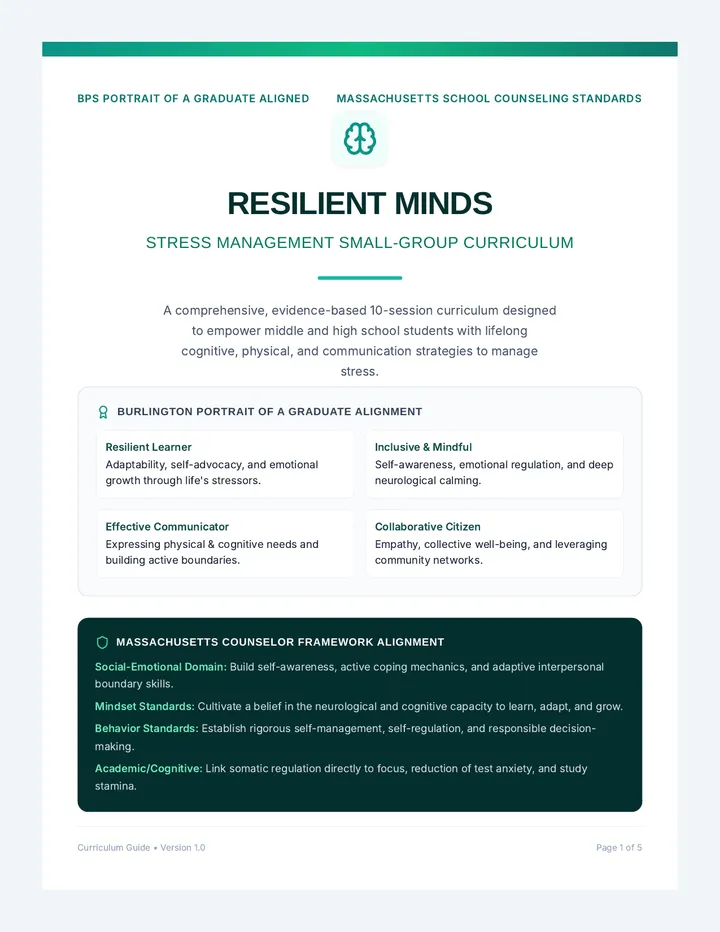
A comprehensive 10-session small-group counseling curriculum focused on stress management. Aligned with the Burlington Public Schools Portrait of a Graduate and Massachusetts School Counseling Framework standards.