A fun, interactive lesson designed to help 3rd graders develop clear articulation, confident volume, and appropriate pacing for effective communication. Students will practice through vocal warm-ups, tongue twisters, and a pronunciation game.
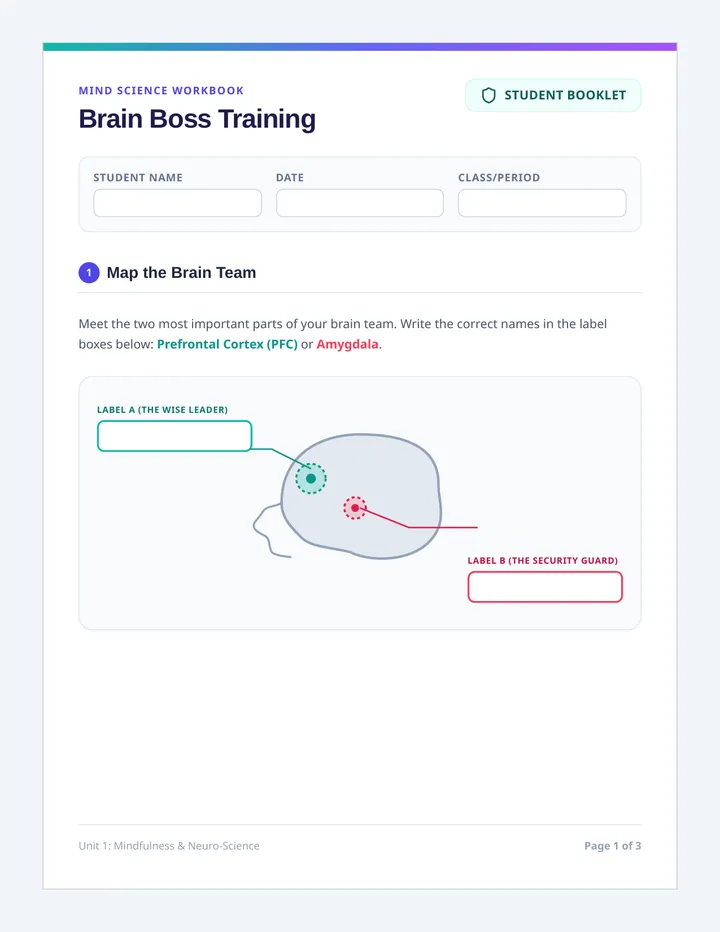
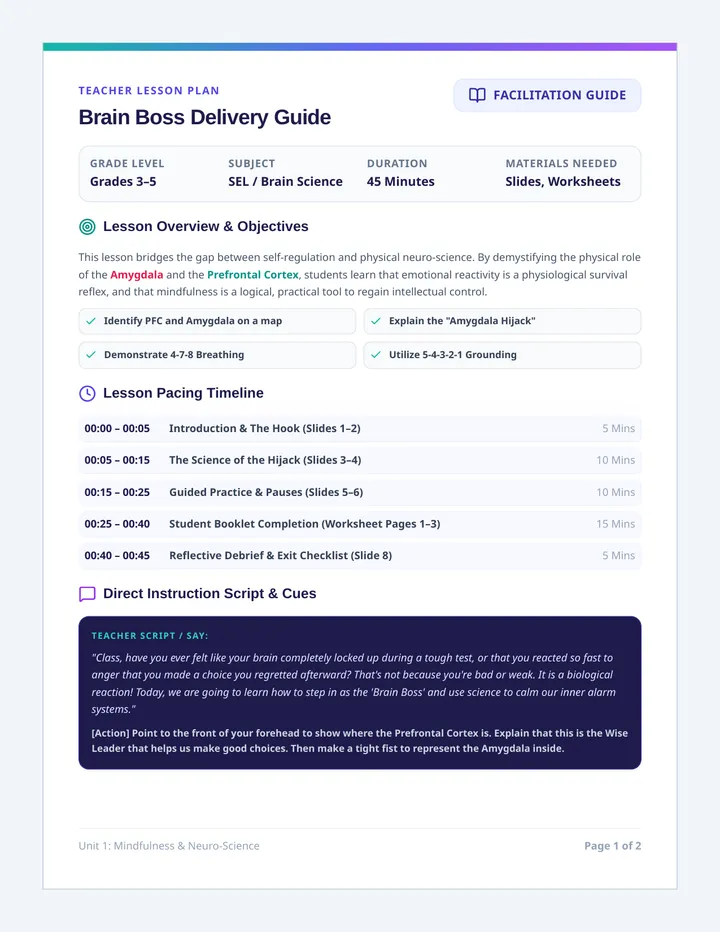
An explicit teaching lesson for Upper Elementary (grades 3-5) that introduces mindfulness through brain science, explaining the roles of the amygdala and prefrontal cortex, and provides concrete self-regulation strategies.
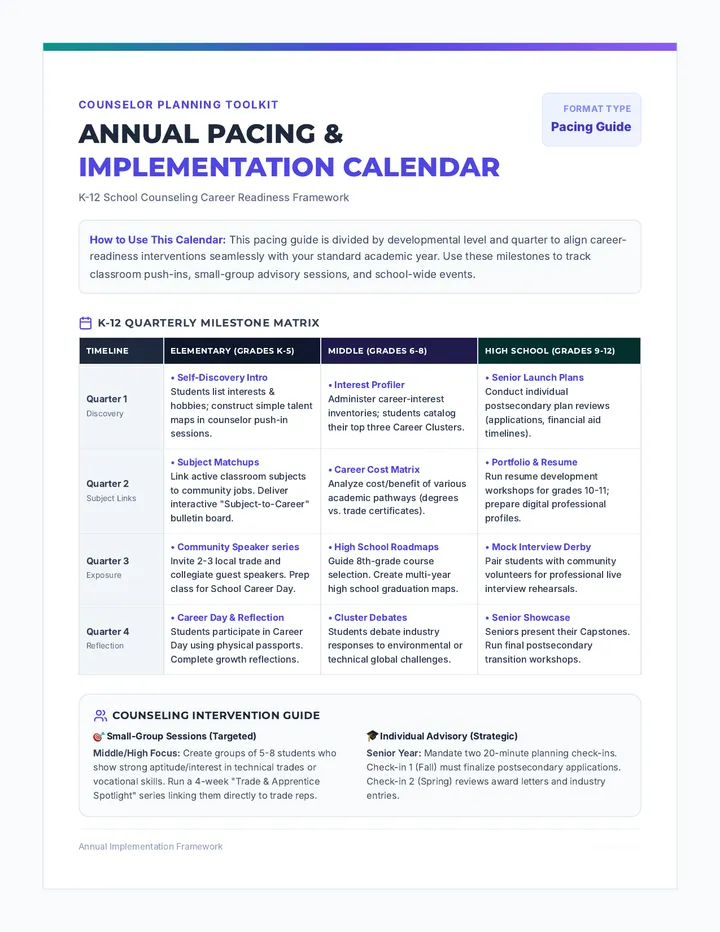
Actionable planning resources, school-wide career day guides, and implementation templates for school counselors to deploy career readiness curricula.
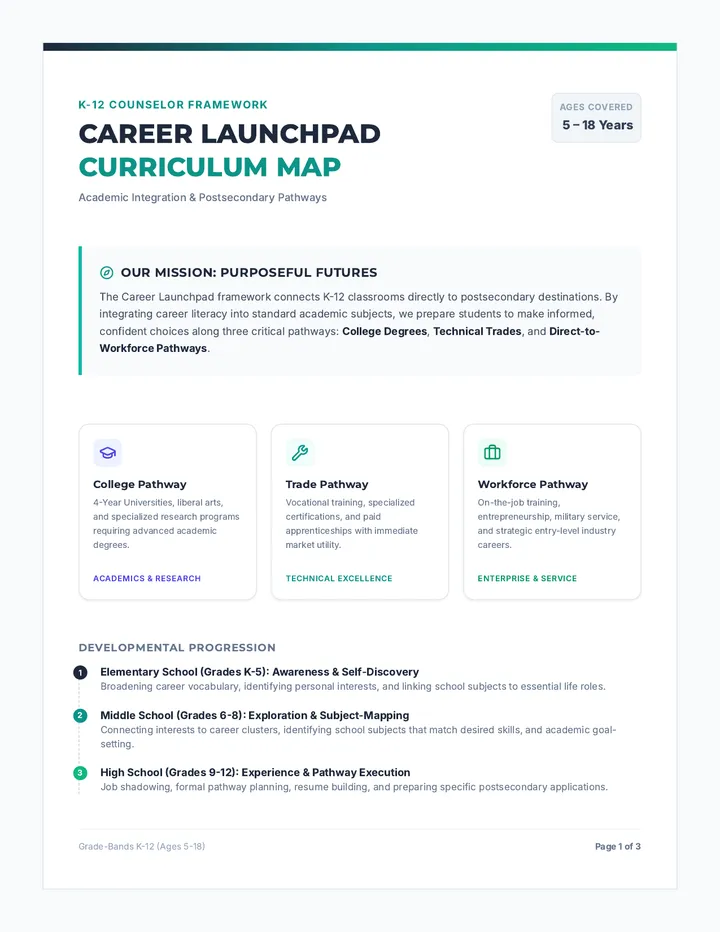
High-level scope, sequence, and developmental milestones for elementary, middle, and high school career exploration. This framework links classroom subjects to real-world college, trade, and workforce pathways.
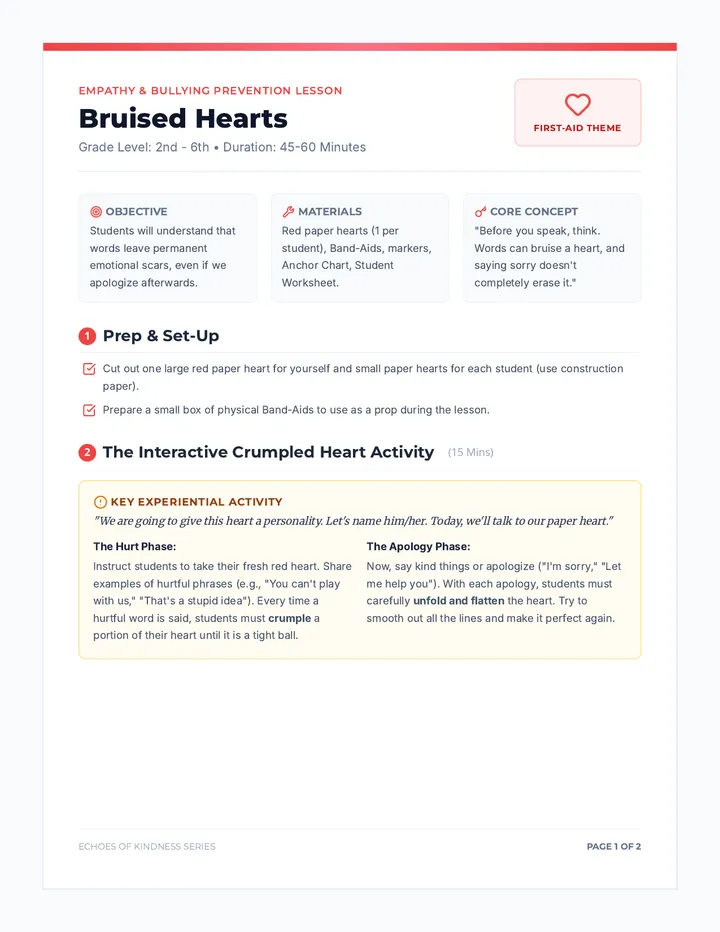
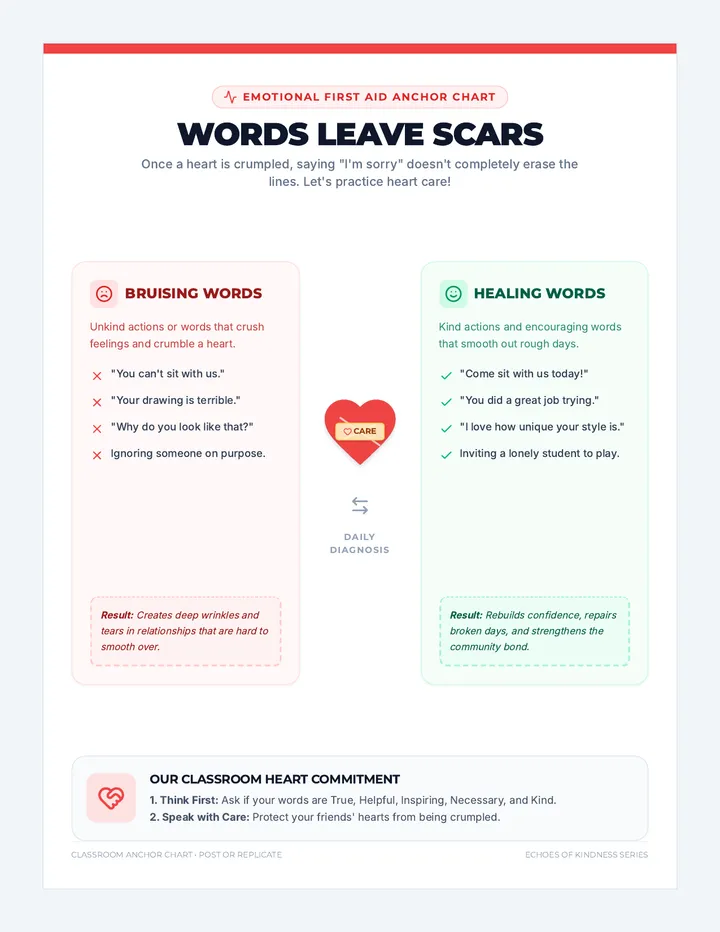
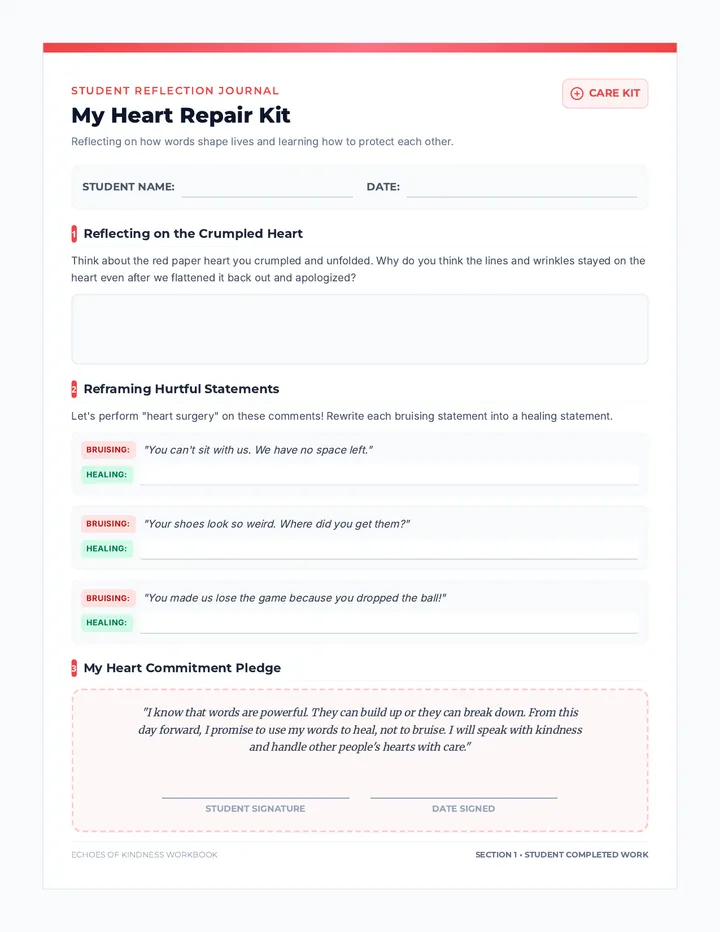
A powerful kindness and bullying prevention lesson exploring how hurtful words affect others and how we can repair hearts. Students engage in a paper-heart crumbling activity to visually understand the lasting impact of unkindness.
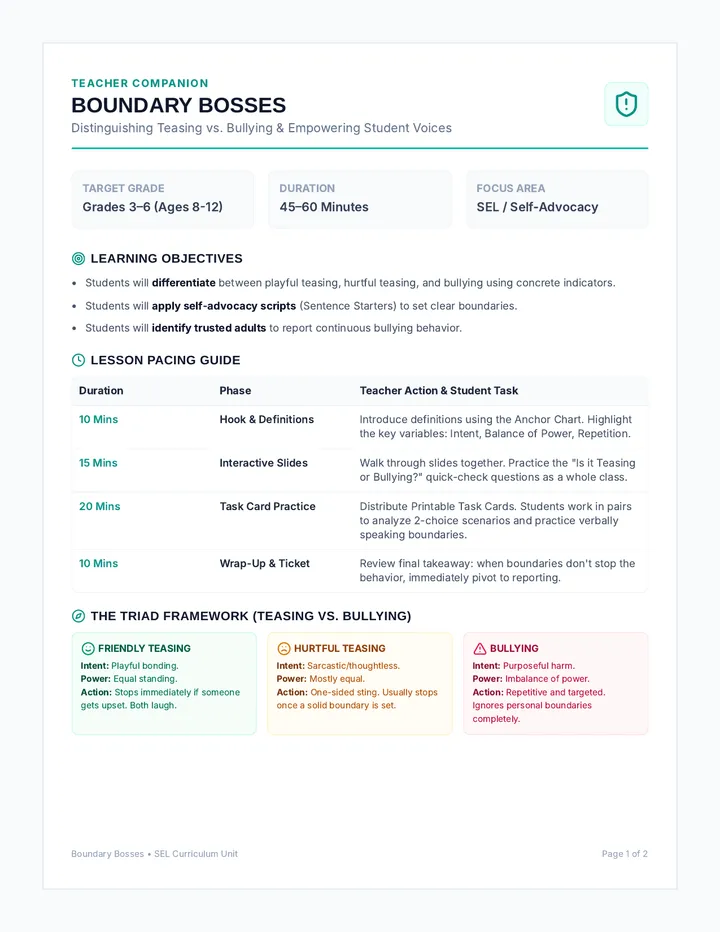
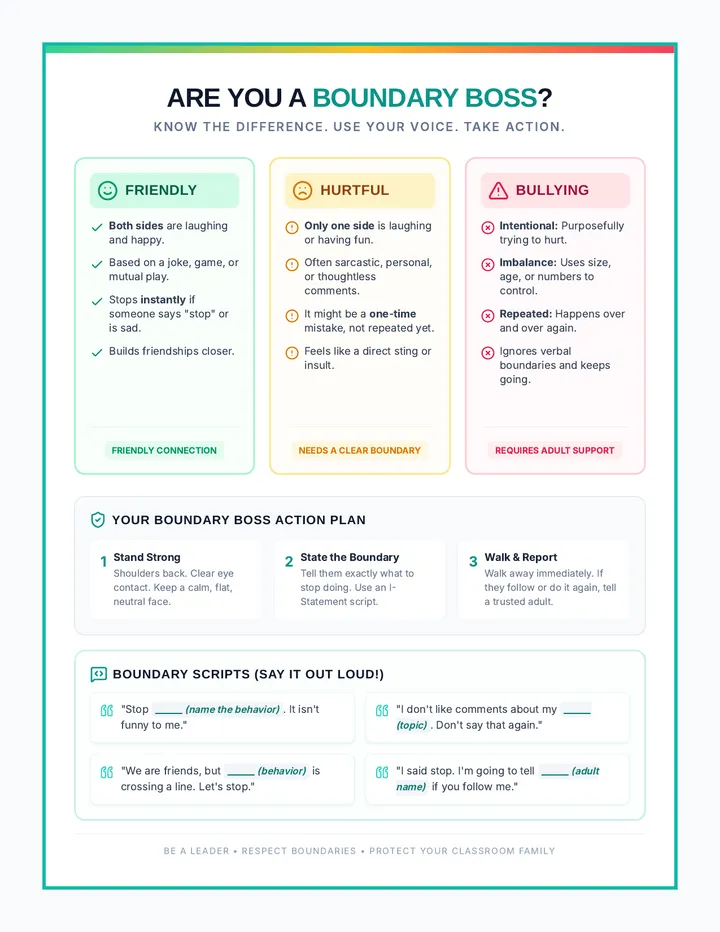
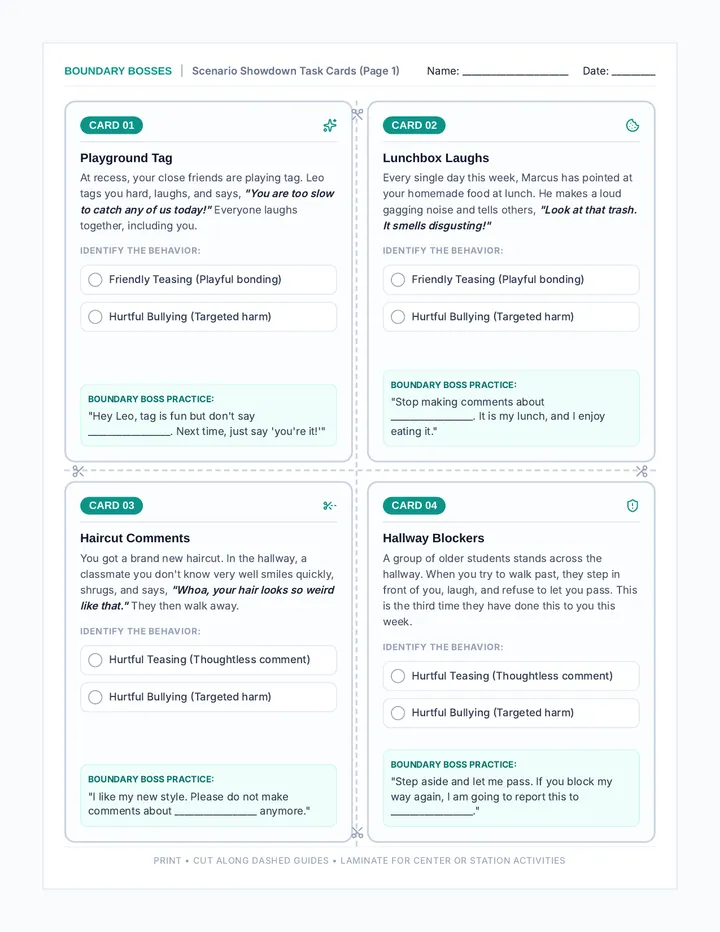
A comprehensive lesson helping students distinguish between friendly teasing, hurtful teasing, and bullying, while teaching concrete self-advocacy strategies and verbal boundary setting.
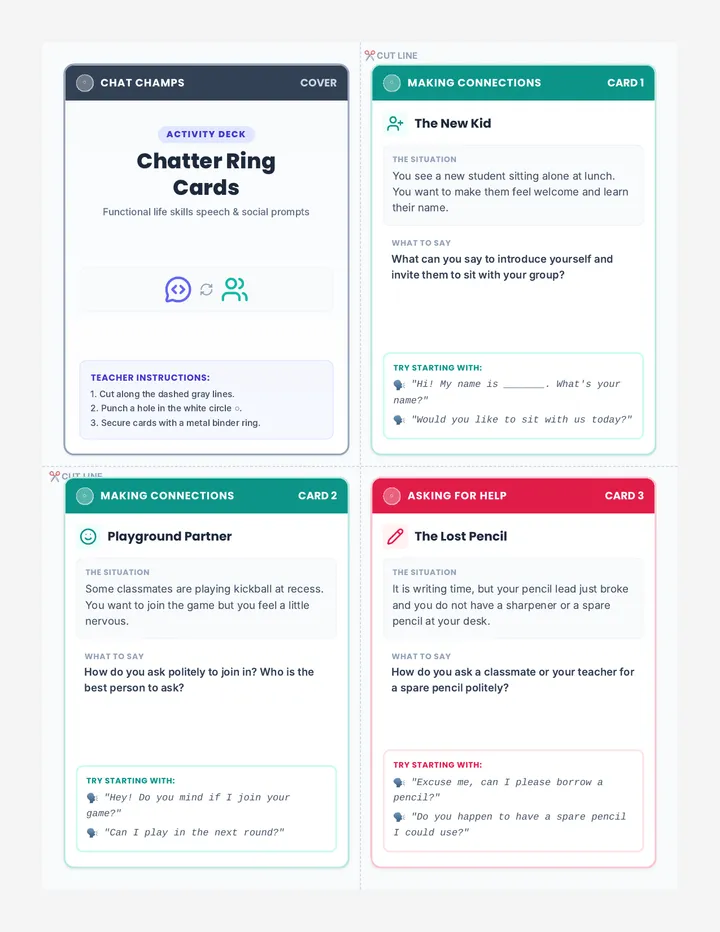
A lesson focused on equipping elementary students with functional verbal communication skills for everyday real-world interactions. Students practice through guided peer discussions, roleplays, and task cards.
Consolidates learning with a collaborative micro-build challenge, group self-reflection, and administration of the identical post-test.
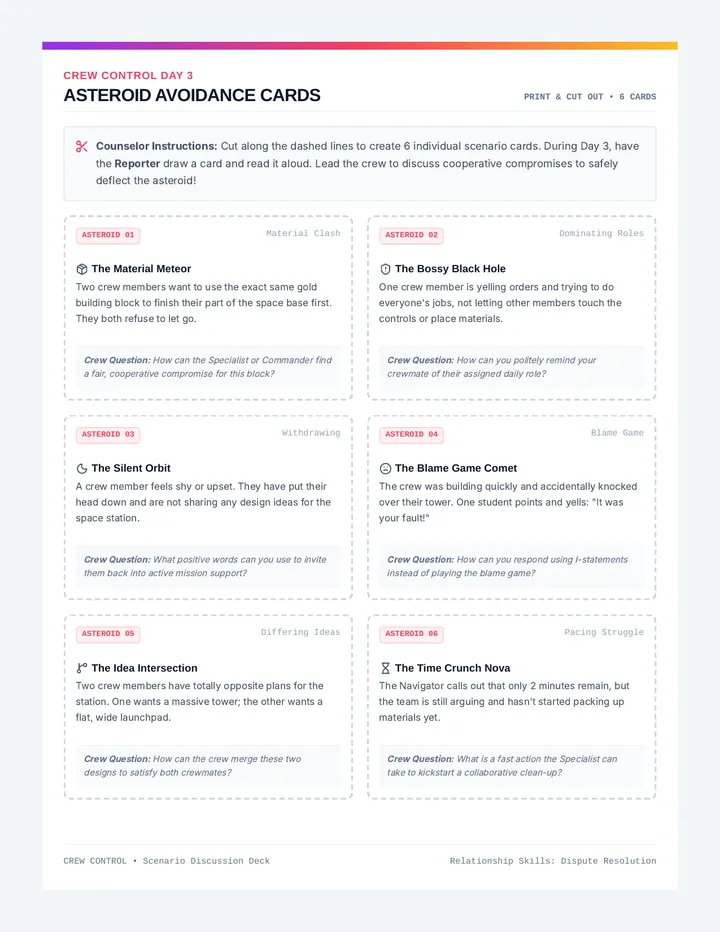
Focuses on identifying and navigating group conflicts (such as disagreements or resource sharing) using interactive discussion cards.
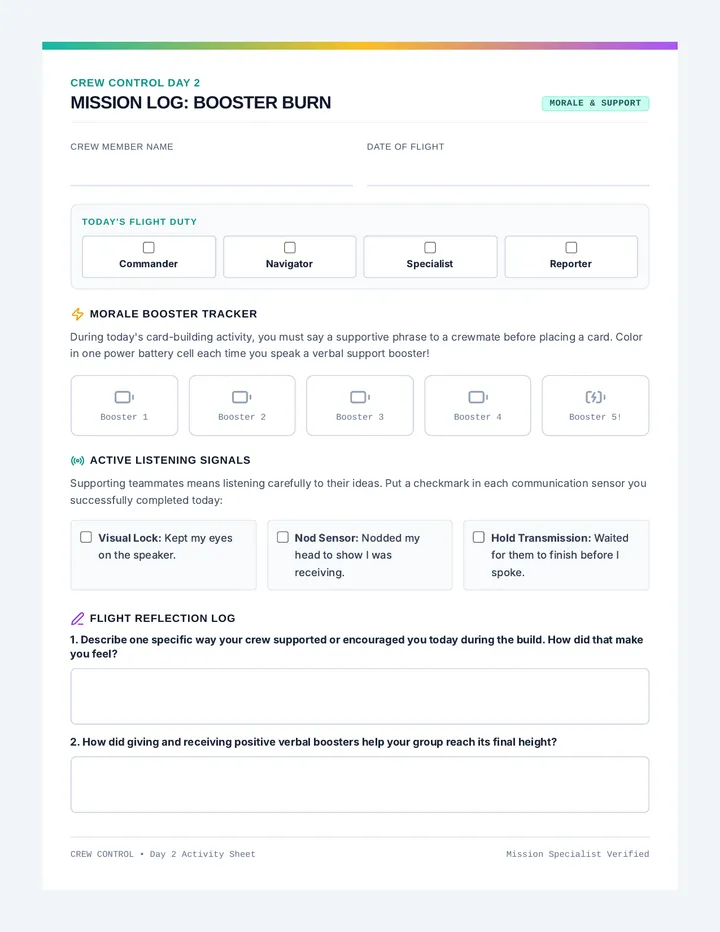
Focuses on positive peer reinforcement, active listening, and supporting teammates through verbal encouragement and collaborative challenge completion.
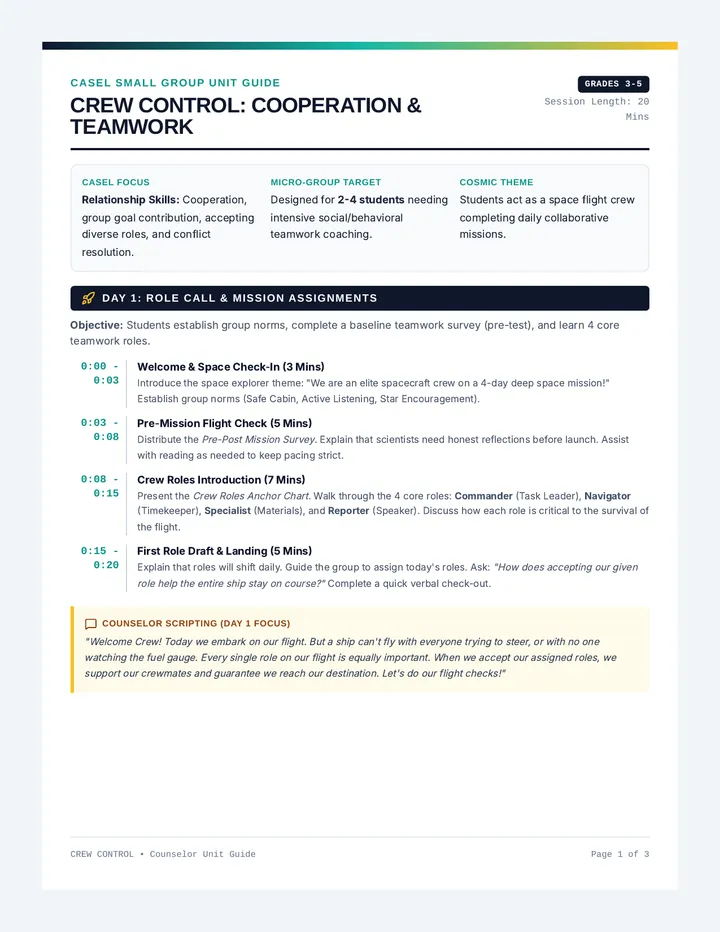
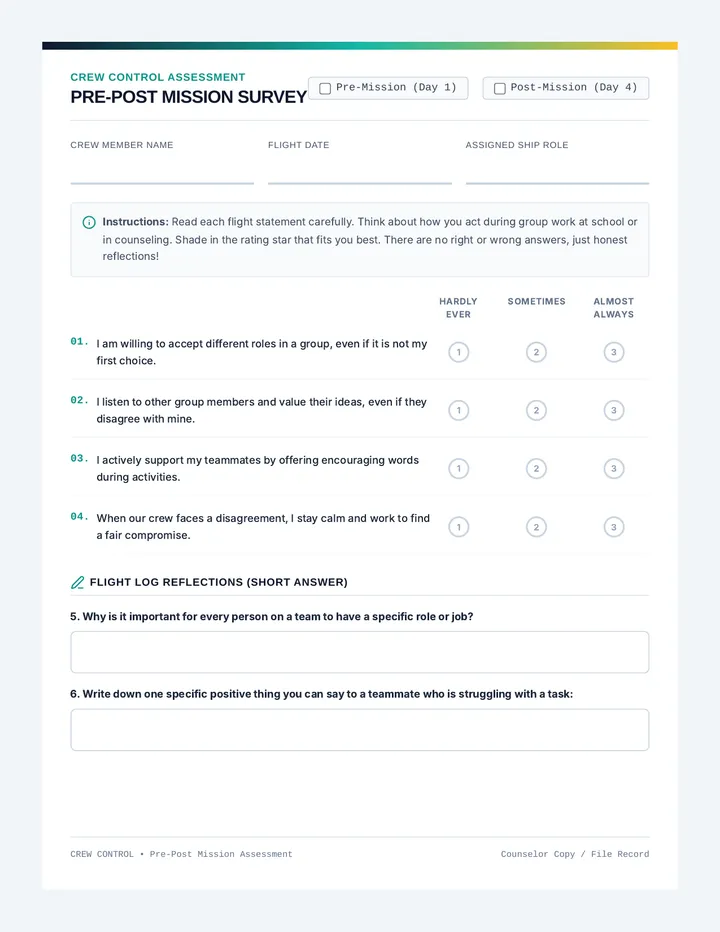
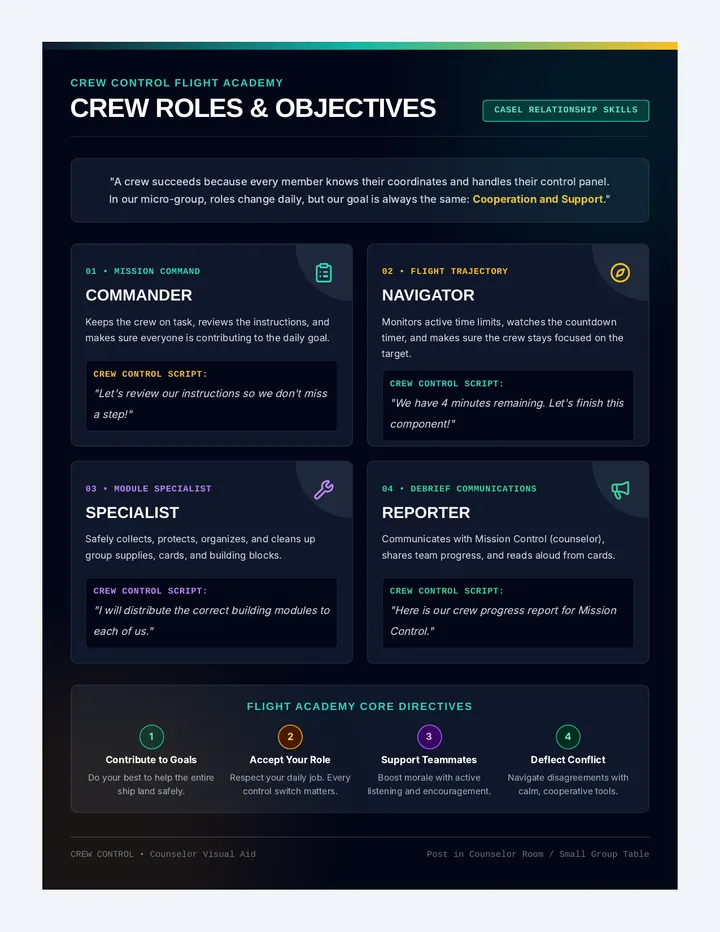
Focuses on setting group norms, administering the pre-test, and introducing the core teamwork roles (Commander, Navigator, Specialist, Reporter) using a retro space-explorer theme.
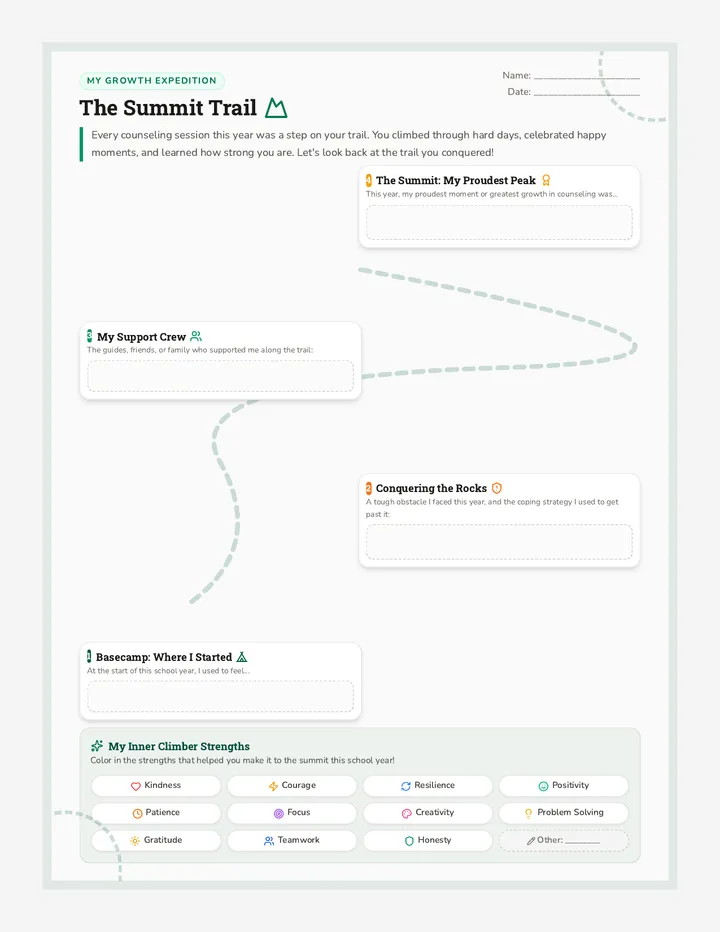
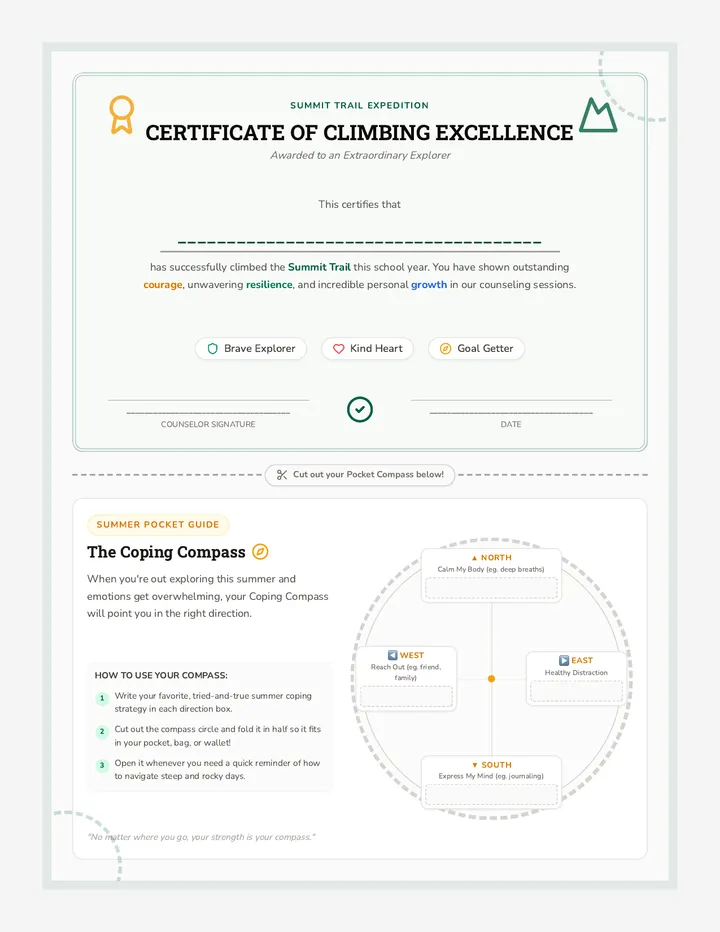
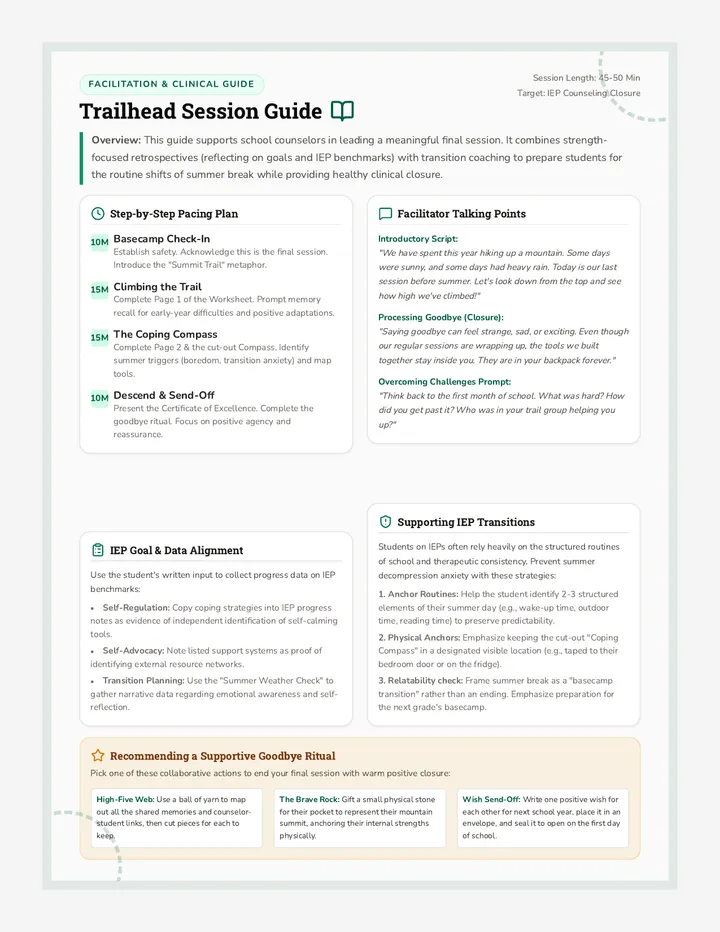
A supportive, mountain-trail-themed final counseling session designed for students on IEPs to celebrate their personal growth, develop summer coping strategies, set future goals, and process closure with their counselor.
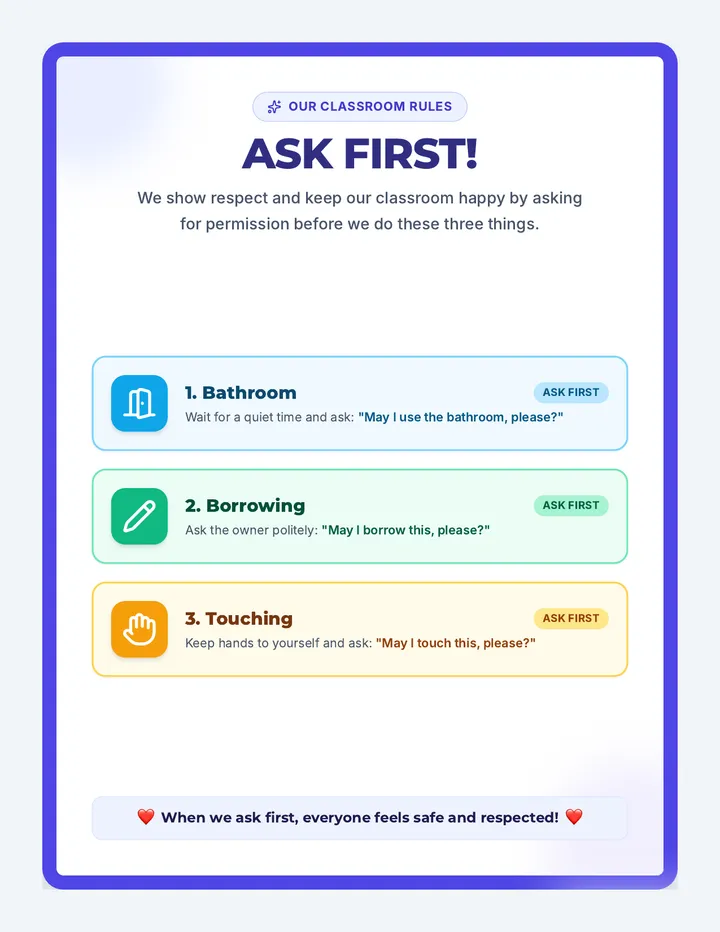
A collection of visual guides and posters to teach and remind elementary students how and when to ask for permission for daily routines.
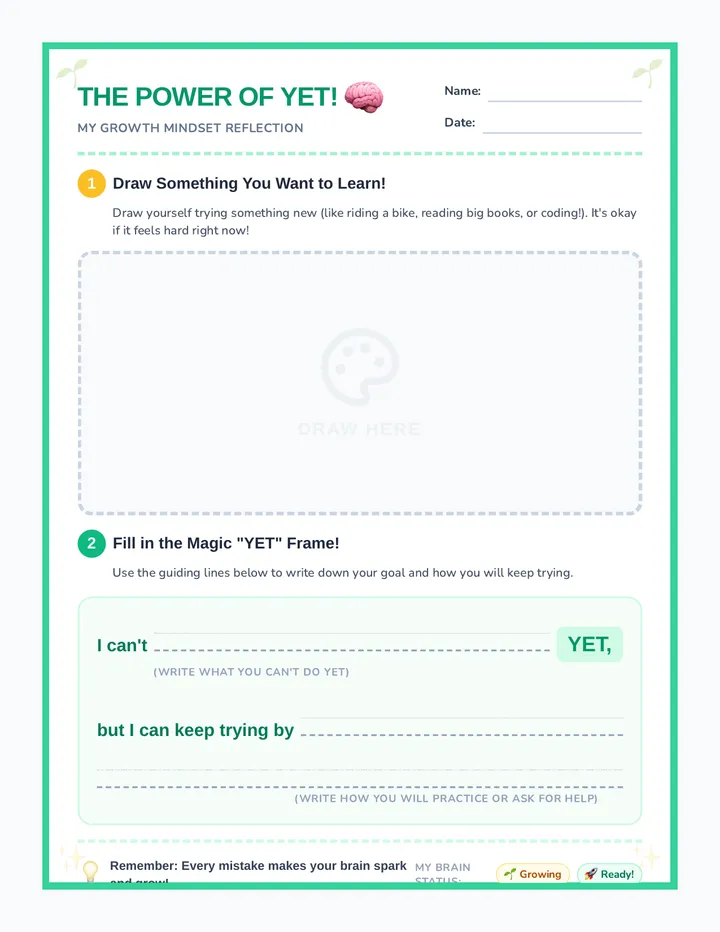
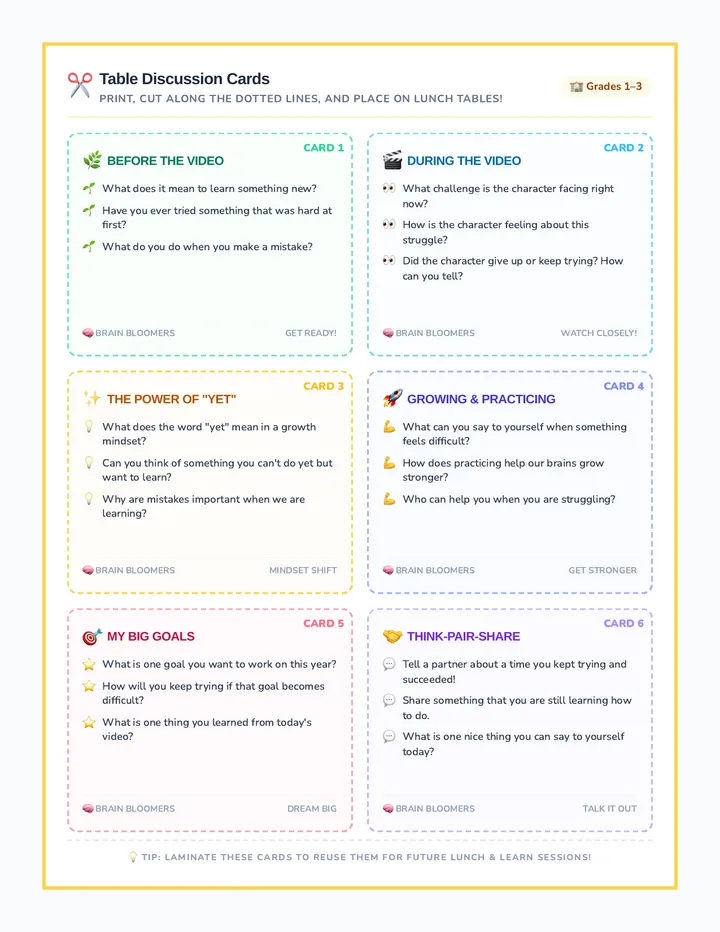
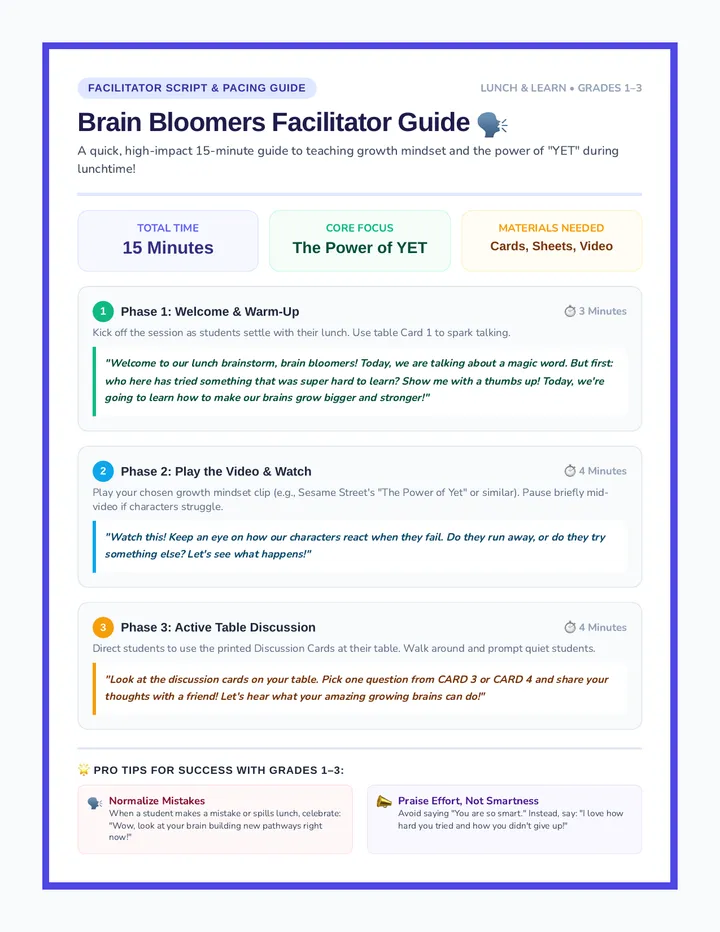
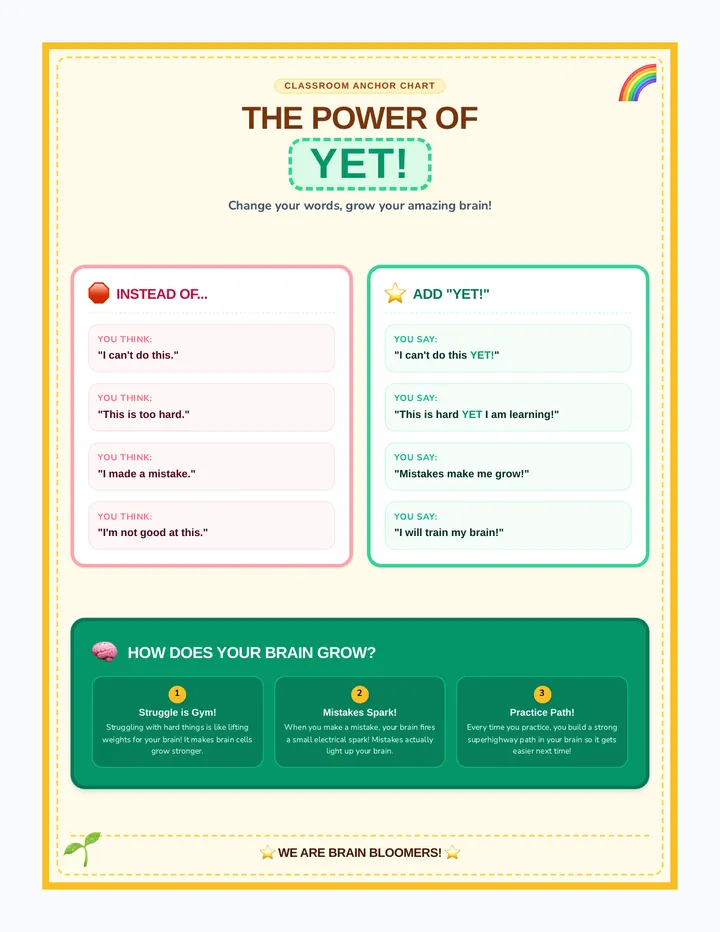
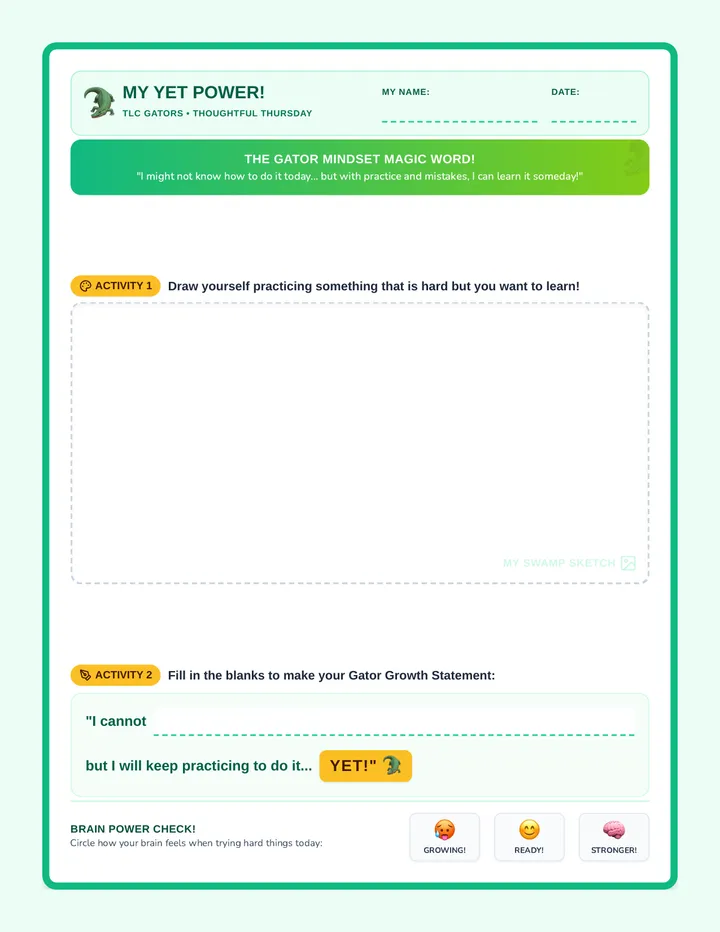
A highly interactive Lunch & Learn lesson for 1st-3rd graders focusing on growth mindset and 'The Power of Yet'. Includes a student worksheet, printable table discussion cards, a facilitator script, and a colorful classroom anchor chart.
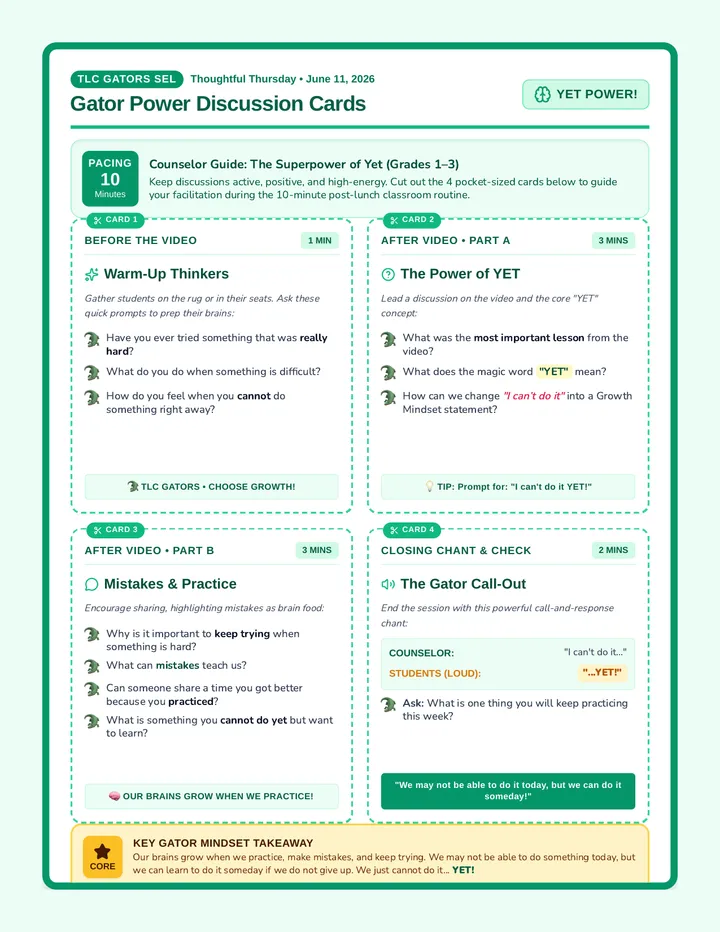
A quick, high-impact SEL lesson designed for Grades 1–3 to introduce the concept of a growth mindset through the 'Superpower of Yet' using the TLC Gators school mascot.
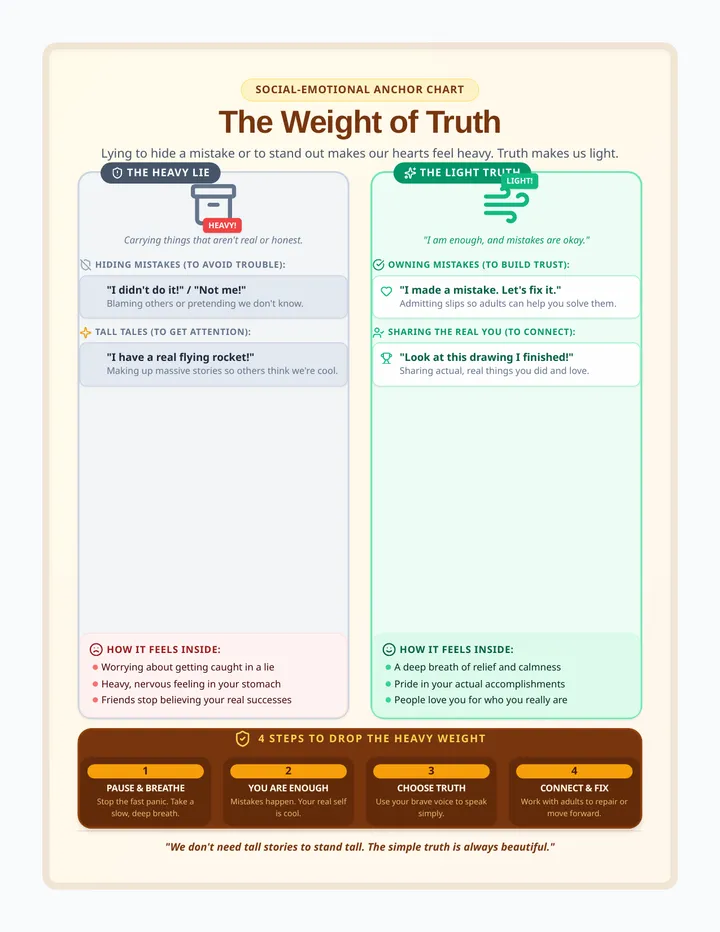
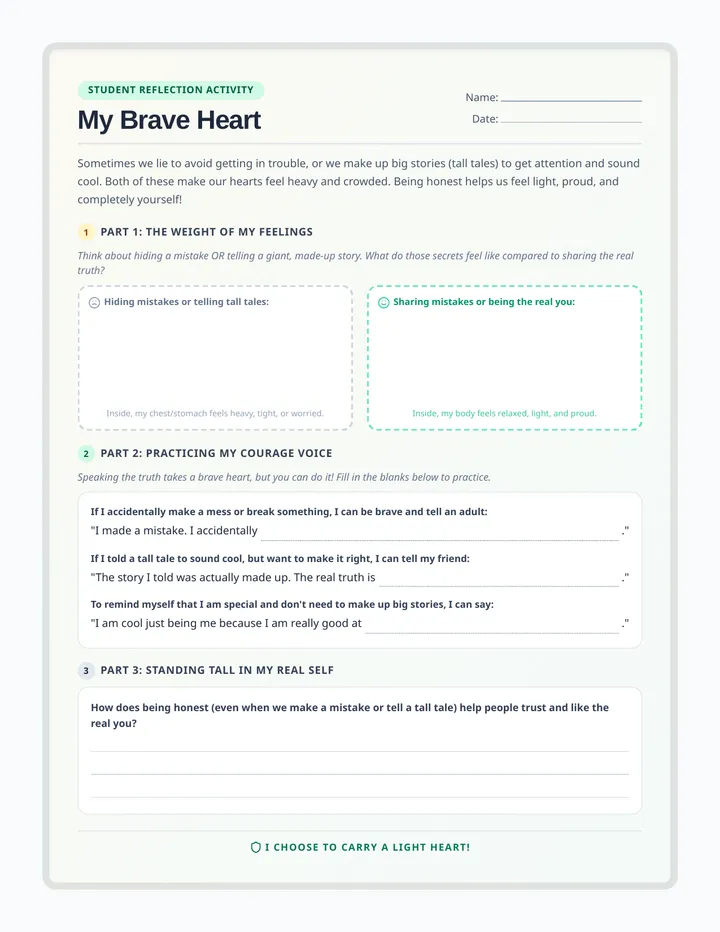
A 15-minute restorative social-emotional learning lesson for third graders struggling with lying to avoid consequences. It helps students understand that hiding mistakes with lies creates a heavy emotional burden, while speaking the truth—even when it requires great courage—brings relief, lightness, and restores trust.
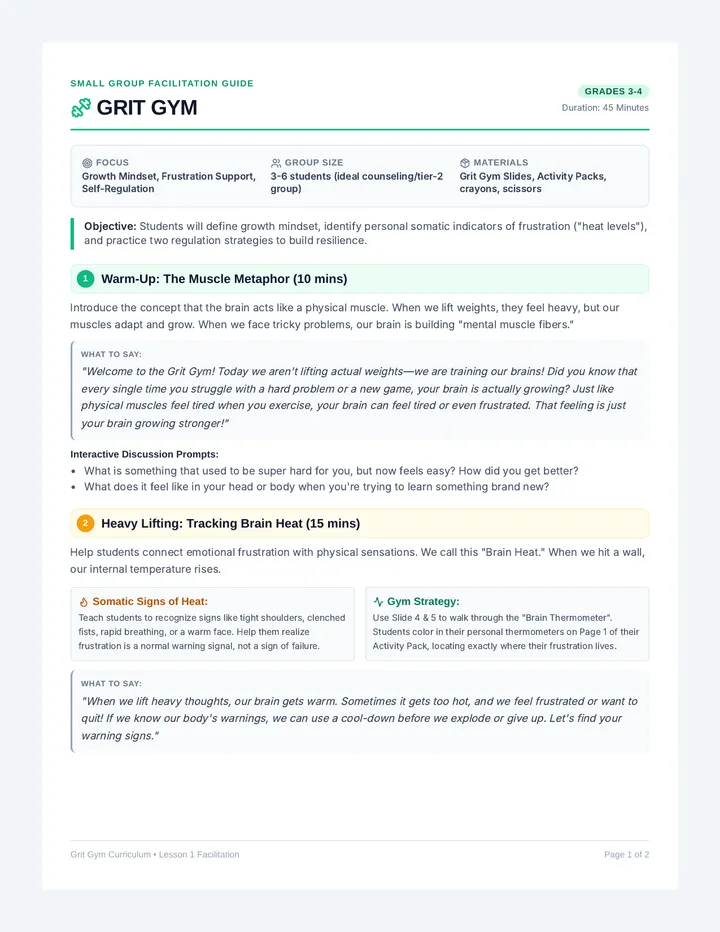
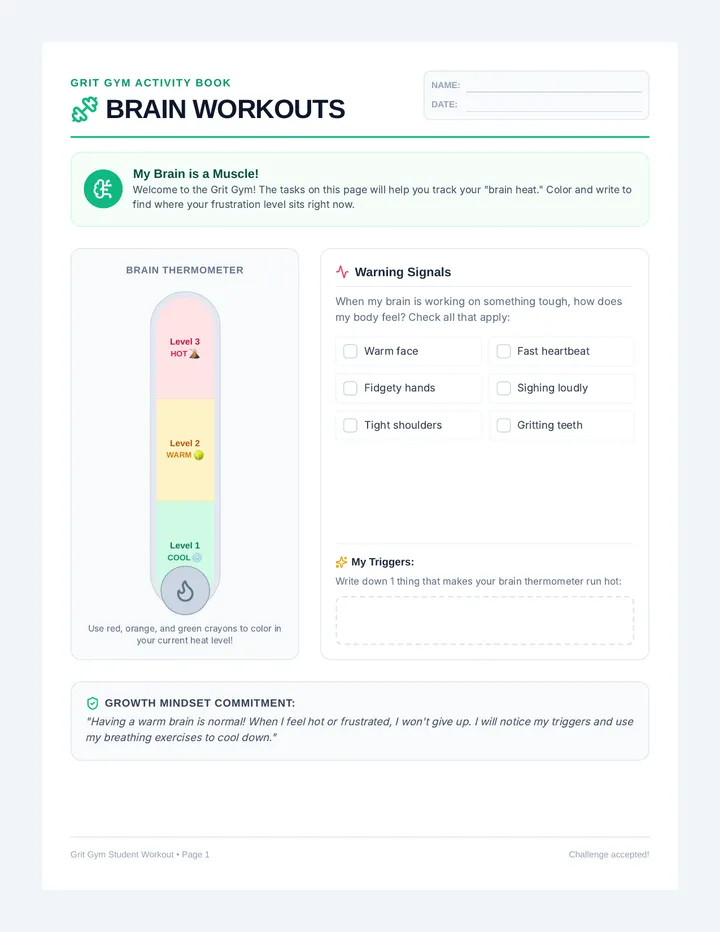
A growth mindset and emotional regulation lesson designed for 3rd and 4th-grade small groups. Students discover how the brain strengthens through challenge, identify their frustration 'heat level', and practice concrete self-regulation exercises like tactical breathing and constructive self-talk.
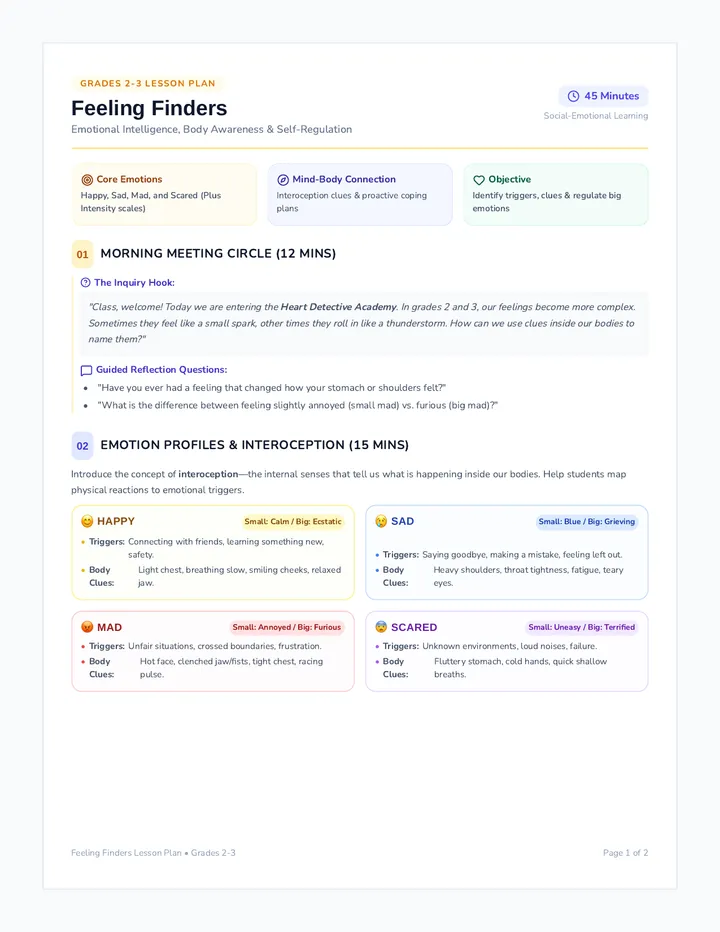
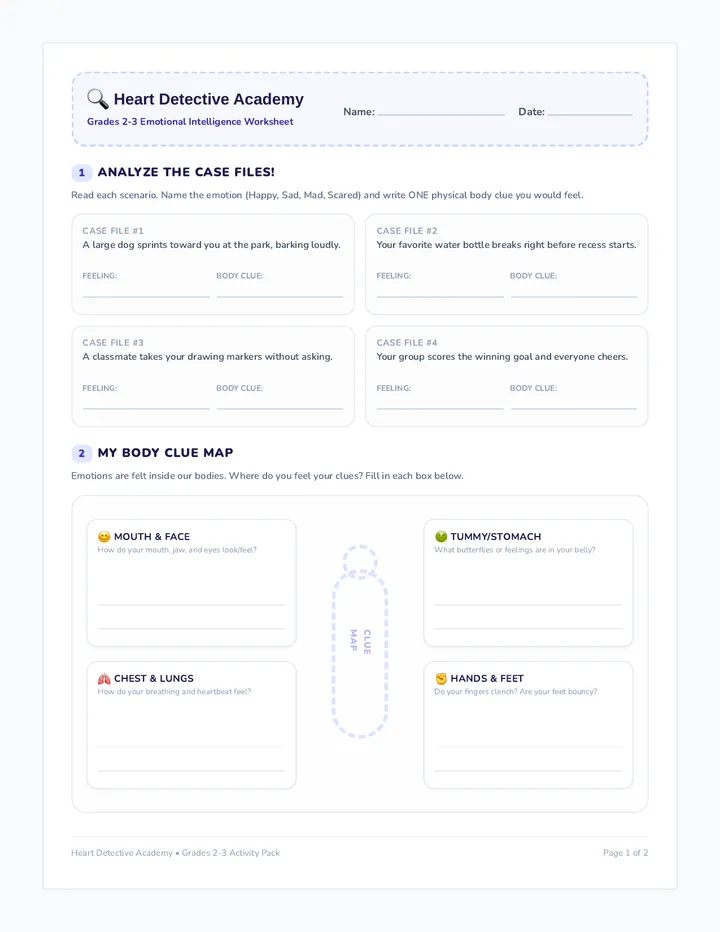
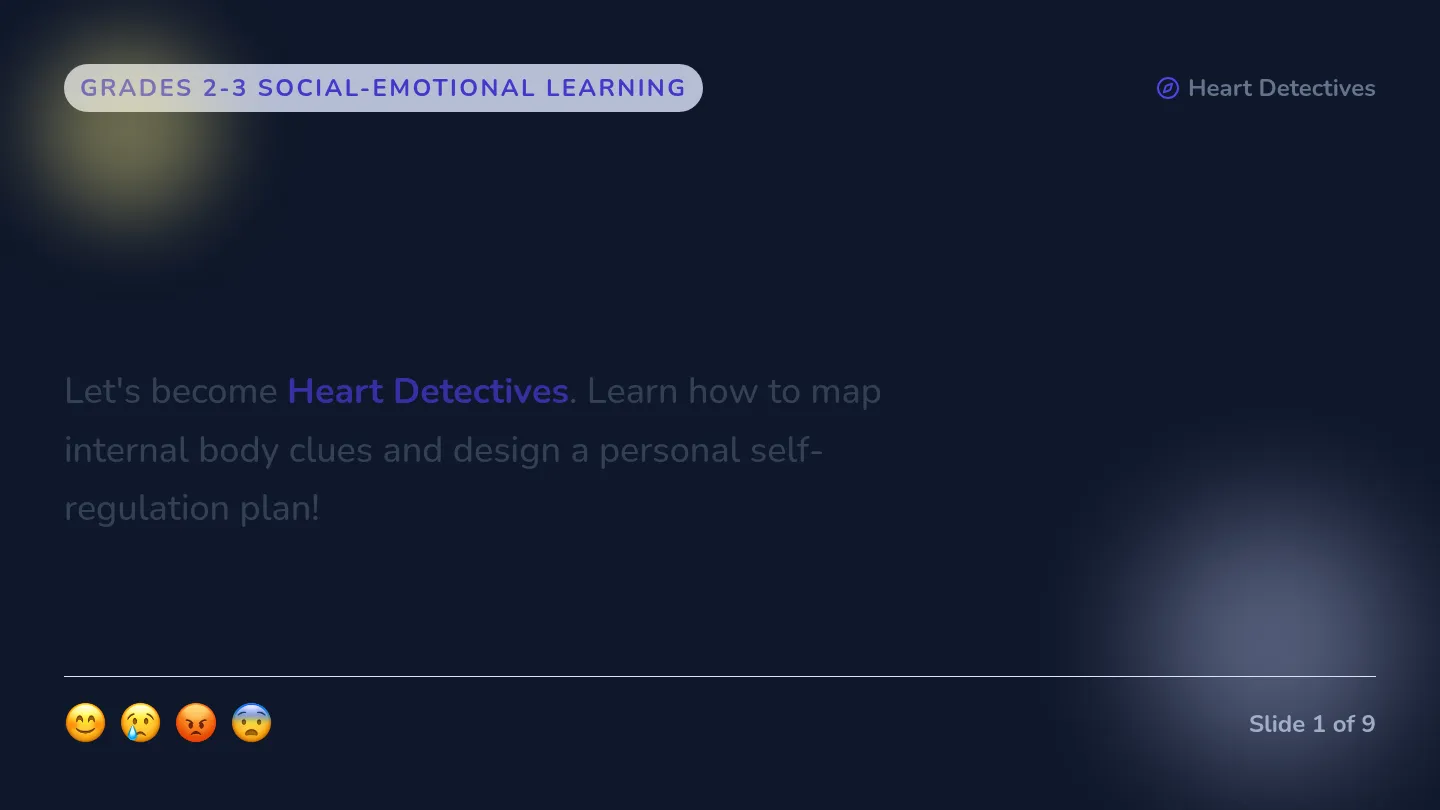
A nurturing and interactive social-emotional learning lesson for grades 2-3 designed to help students identify happy, sad, mad, and scared feelings. It focuses on physical body clues, facial expressions, and written reflection on coping strategies and self-regulation.
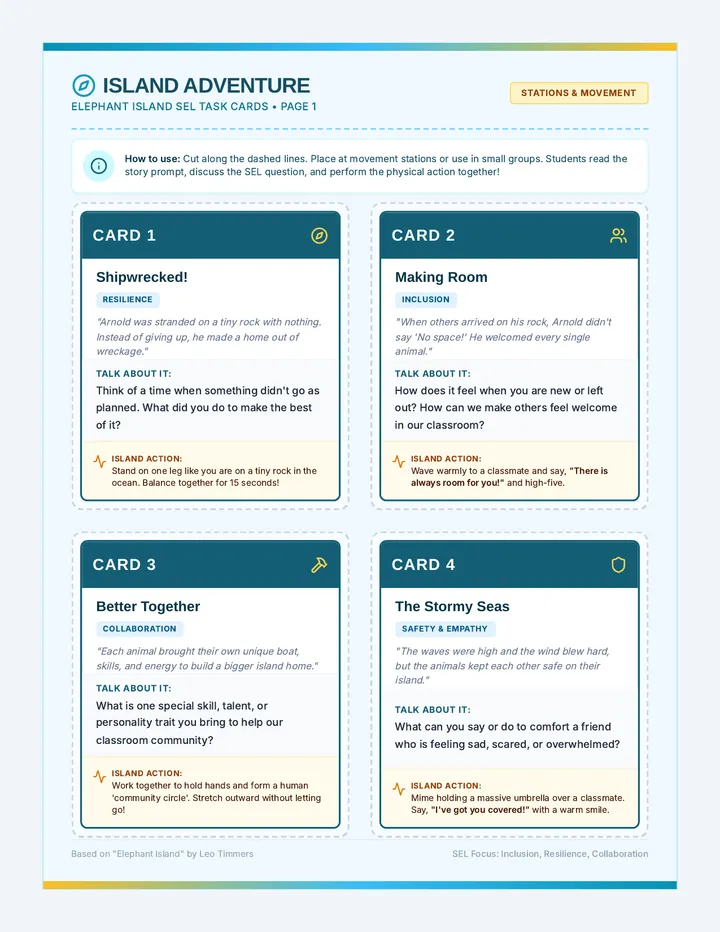
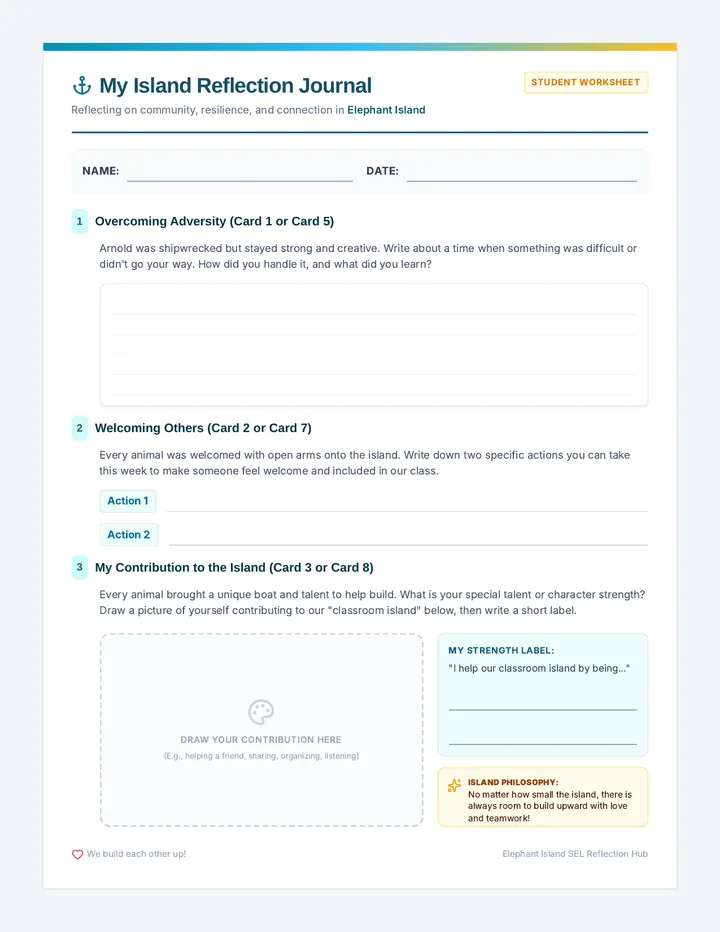
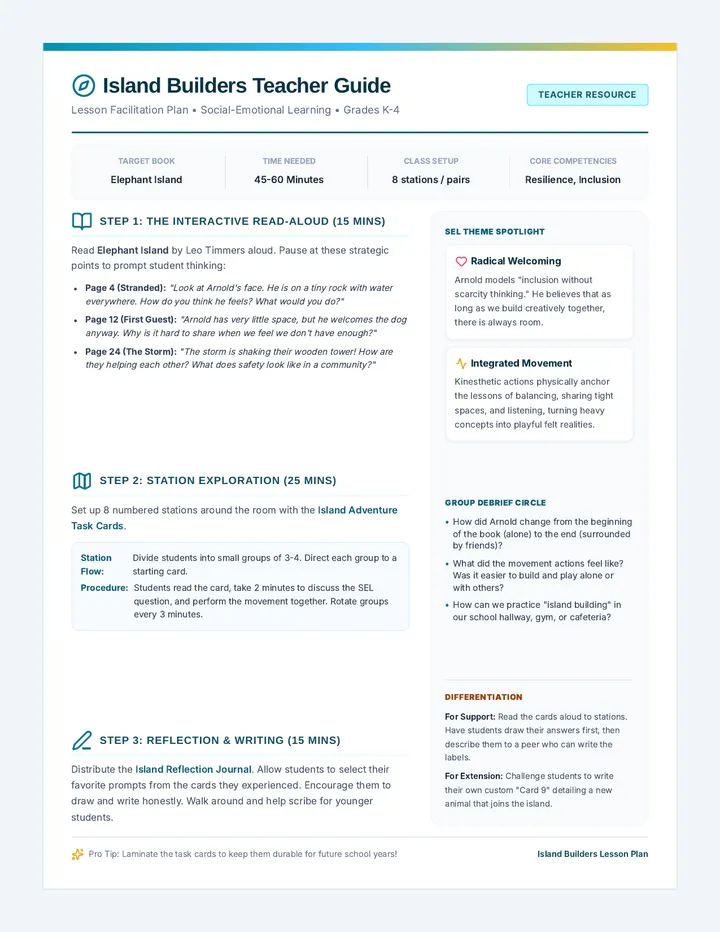
An SEL-focused lesson based on the book 'Elephant Island' by Leo Timmers, exploring community-building, resilience, and welcoming others through movement-based task cards and collaborative reflection.
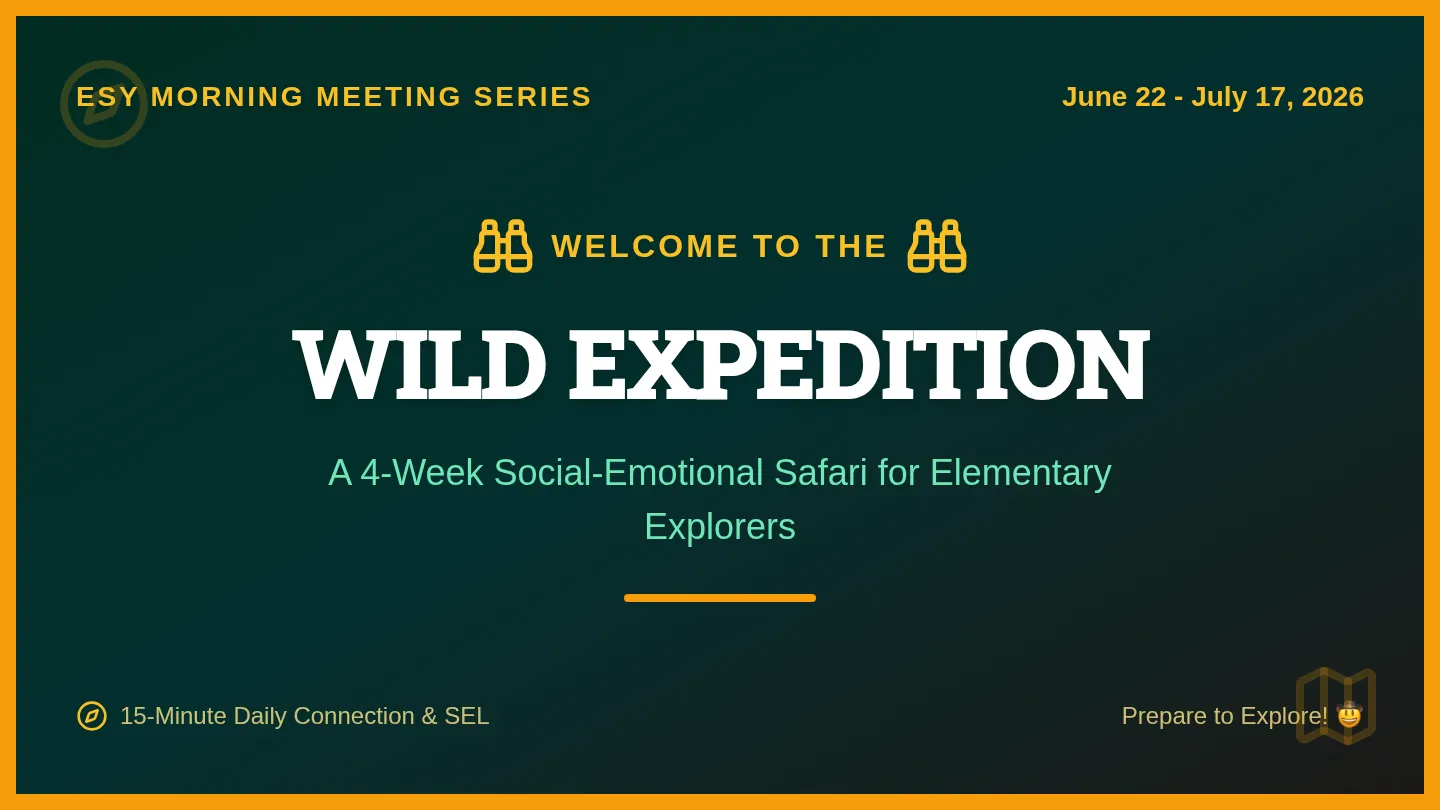
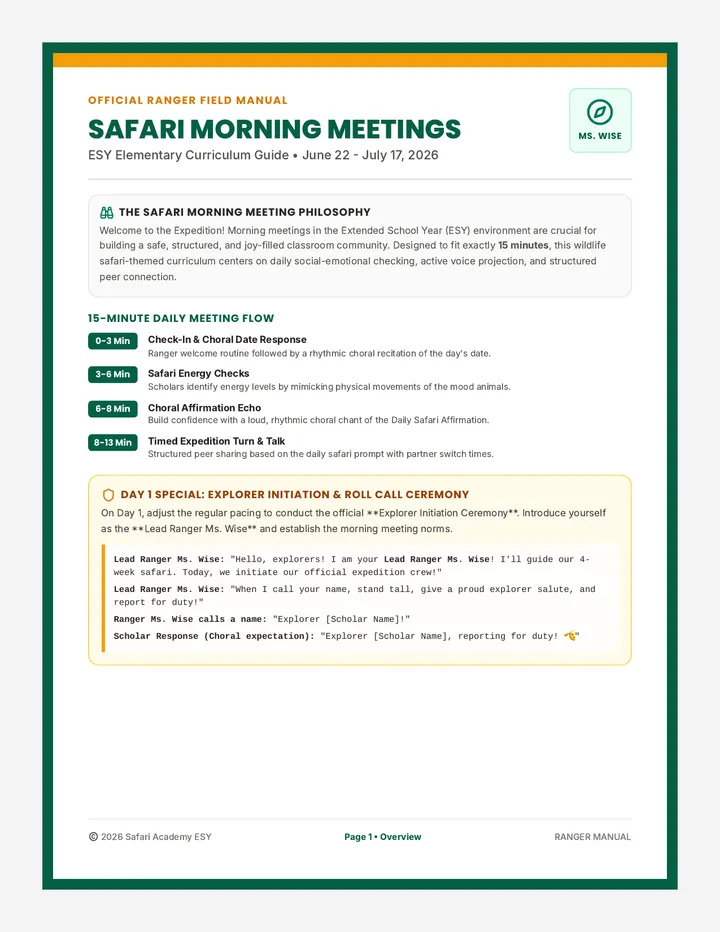
A 4-week wildlife safari themed morning meeting series for ESY elementary school scholars. Covers Savannah, Jungle, Desert, and Ocean habitats with daily welcomes, mood checks, date trackers, affirmations, and interactive social-emotional sharing prompts.
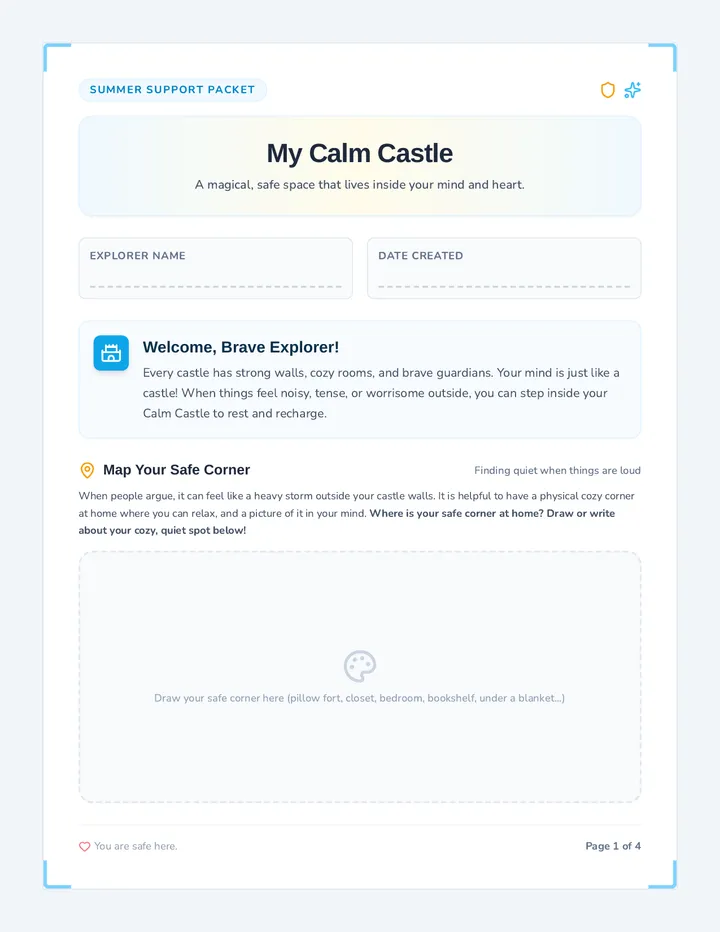
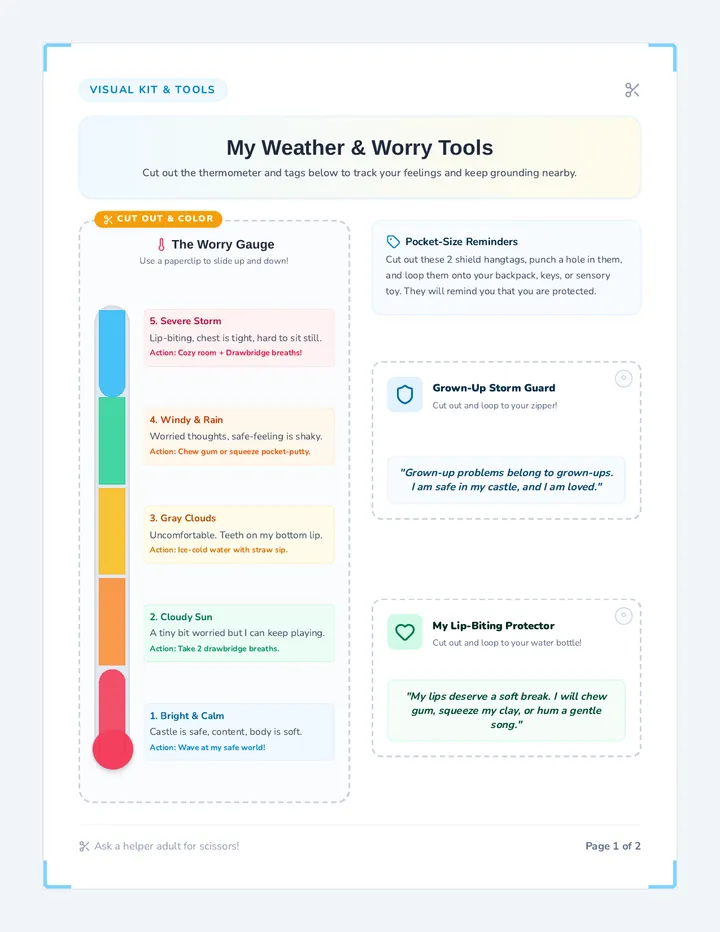
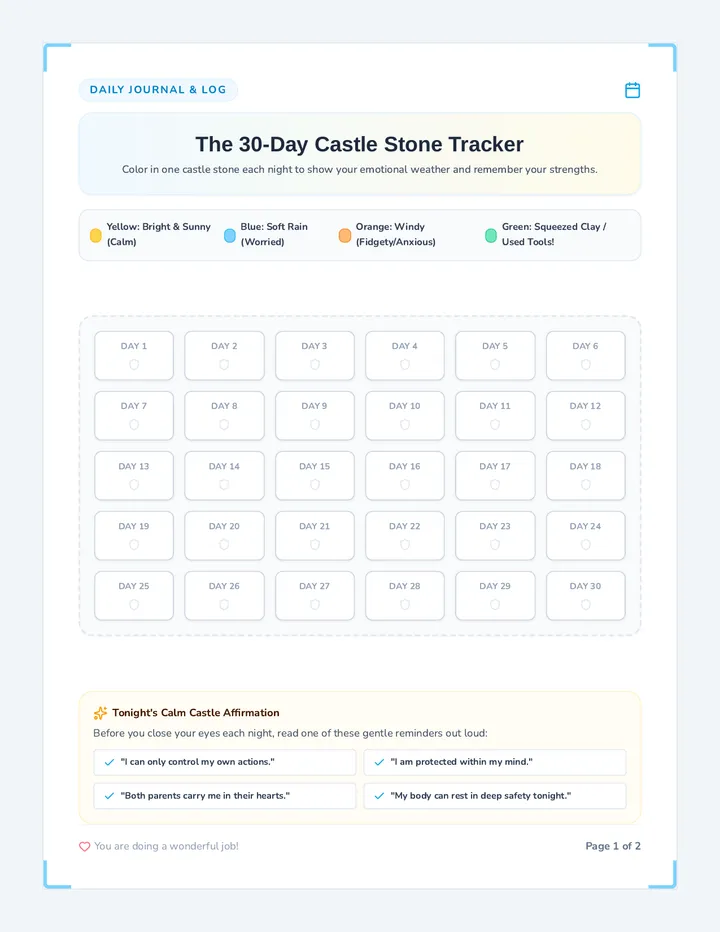
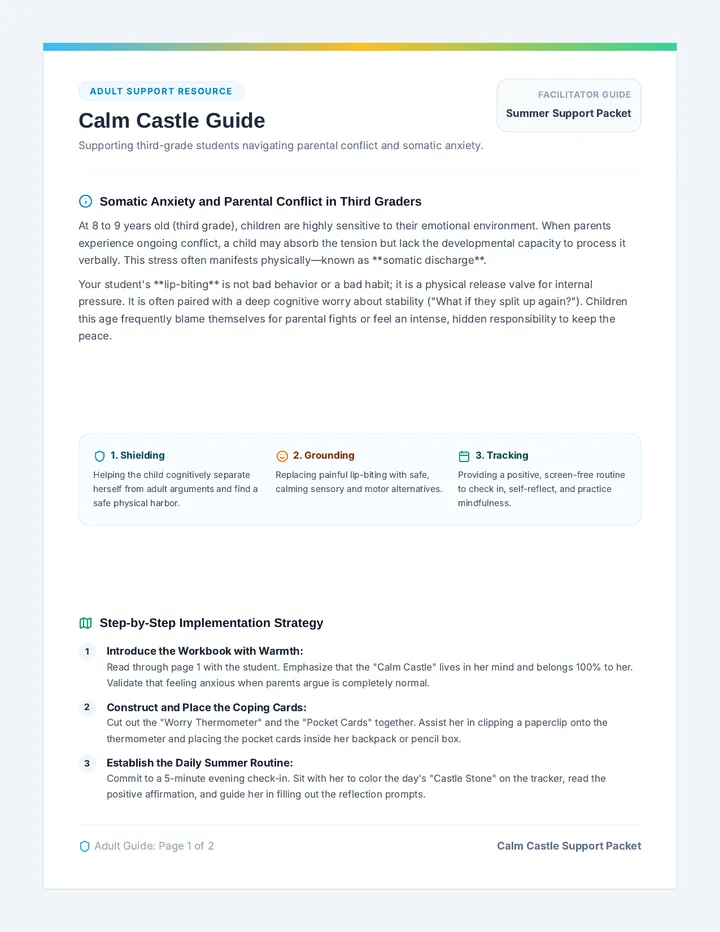
A comprehensive summer support packet for a third-grade student experiencing anxiety and worry due to parental conflict. Includes a child-friendly workbook, coping cards, a daily tracker, and a guide for supporting adults.
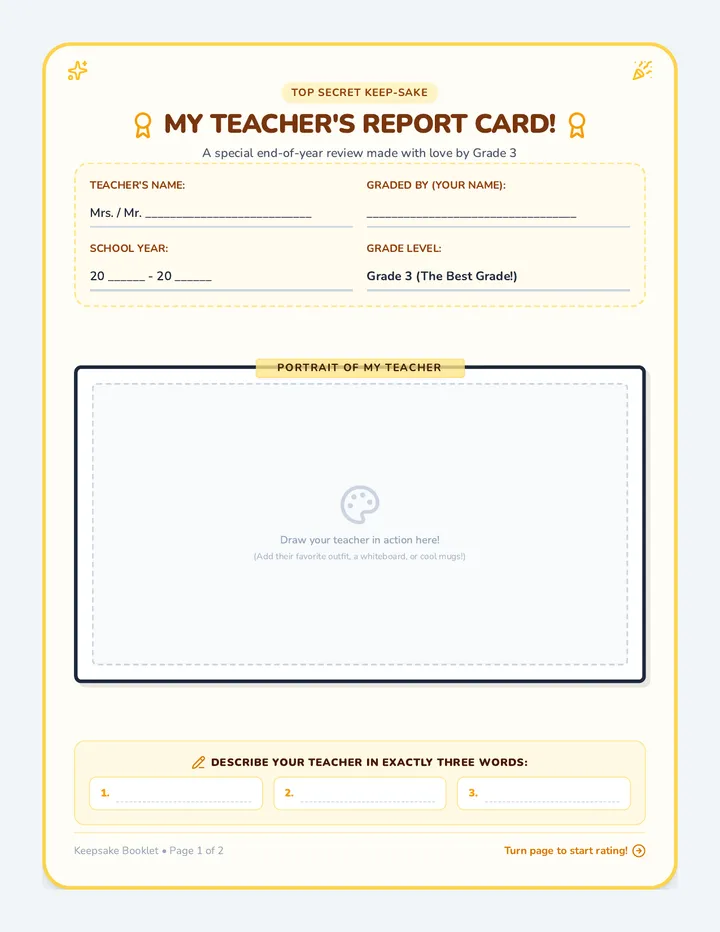
A heartwarming end-of-year activity where grade 3 students reflect on their school year, practice constructive feedback, and express gratitude by creating a personalized keepsake report card for their teacher.
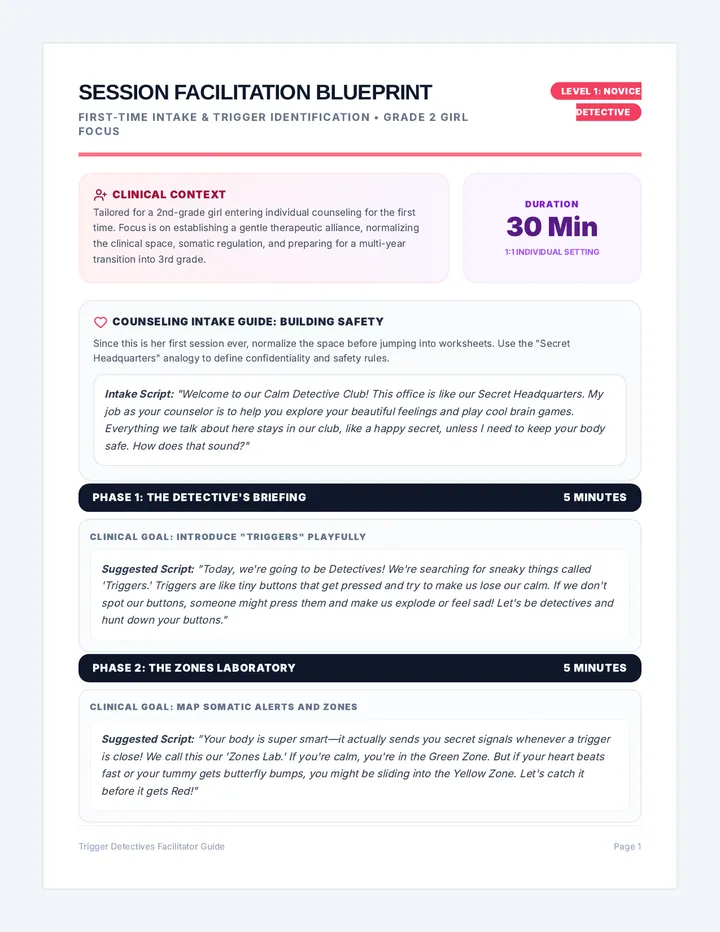
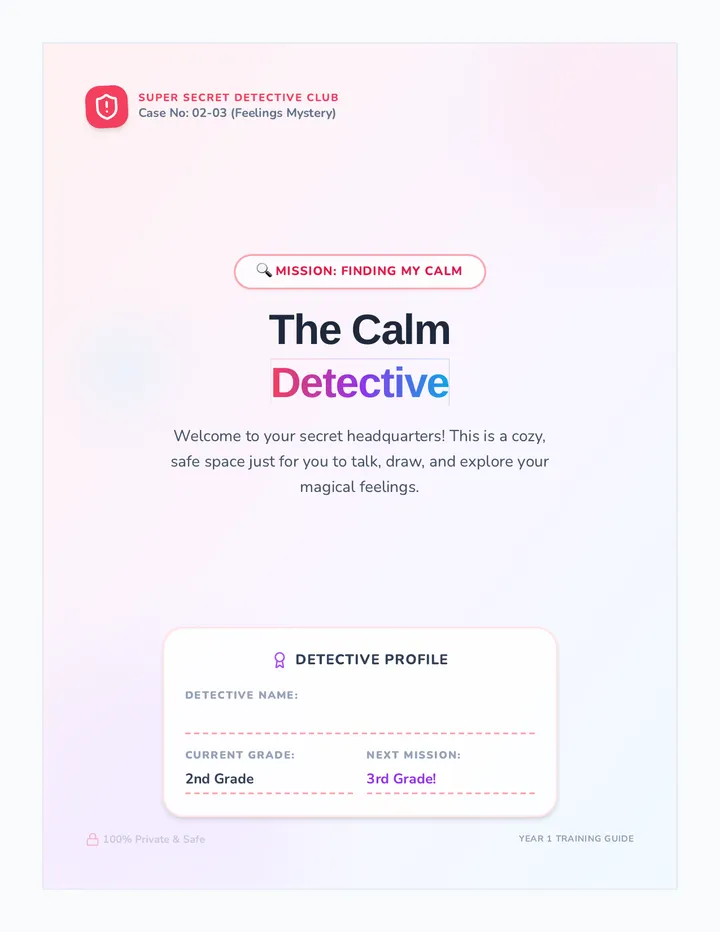
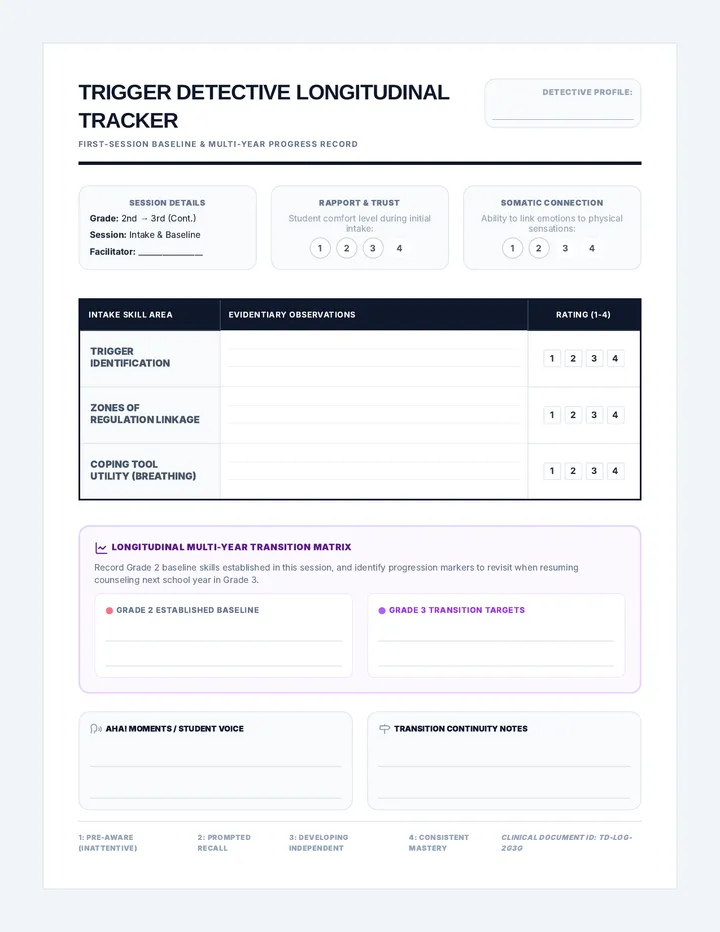
A comprehensive individual SEL lesson tailored for a 2nd-grade girl in her first counseling session, focused on identifying personal triggers with a warm detective theme and mapping her growth roadmap for transitioning into 3rd grade.
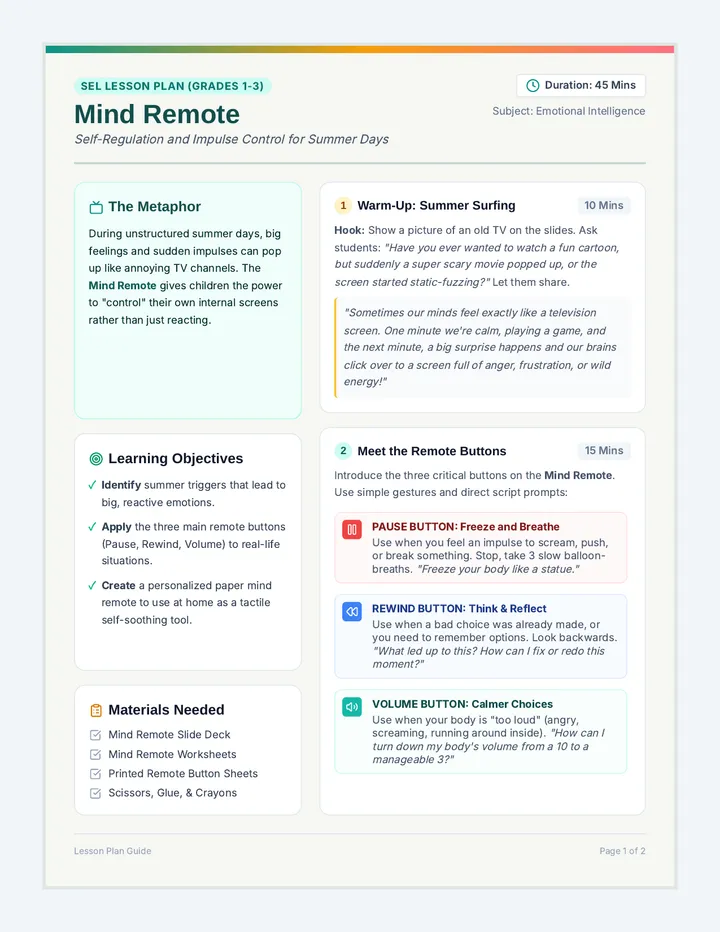
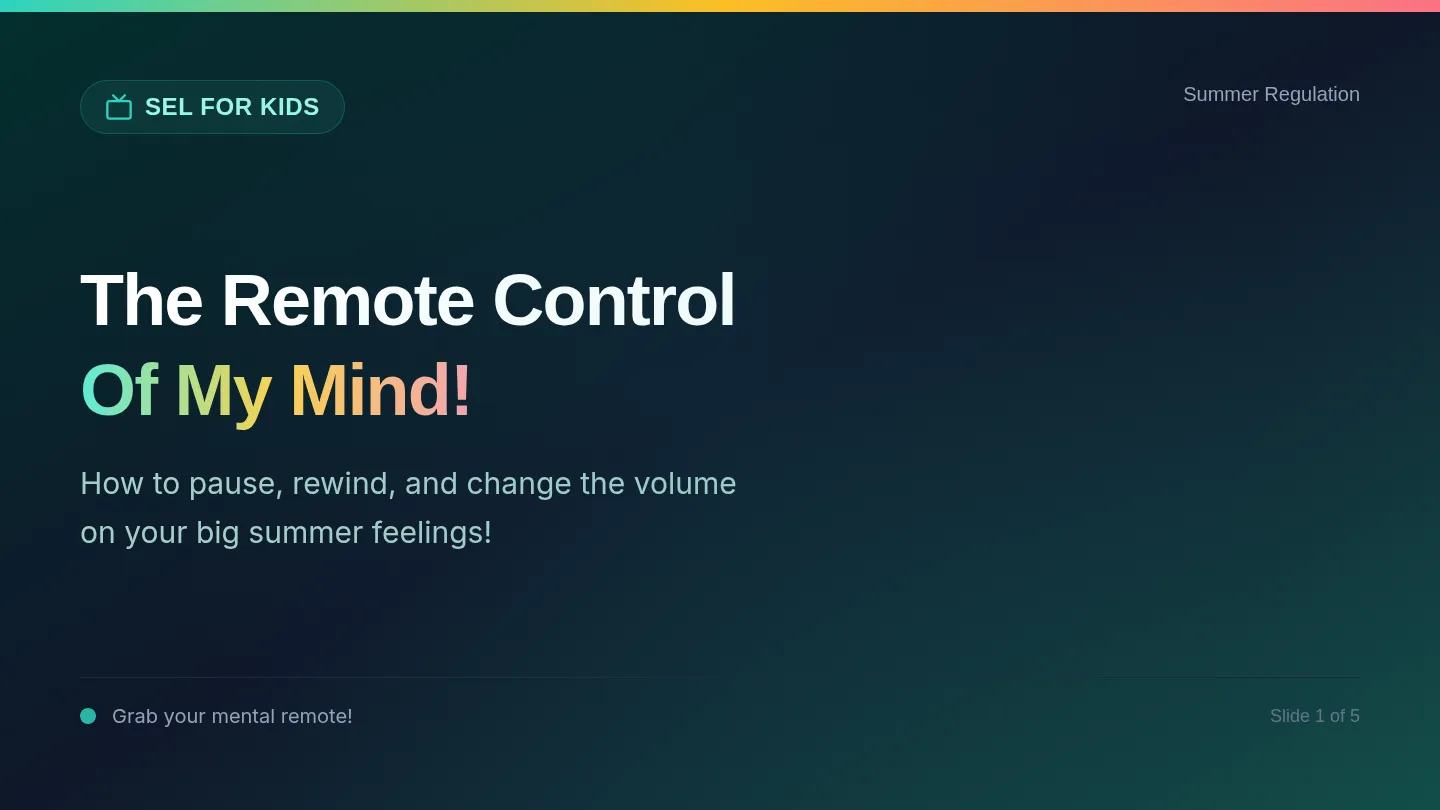
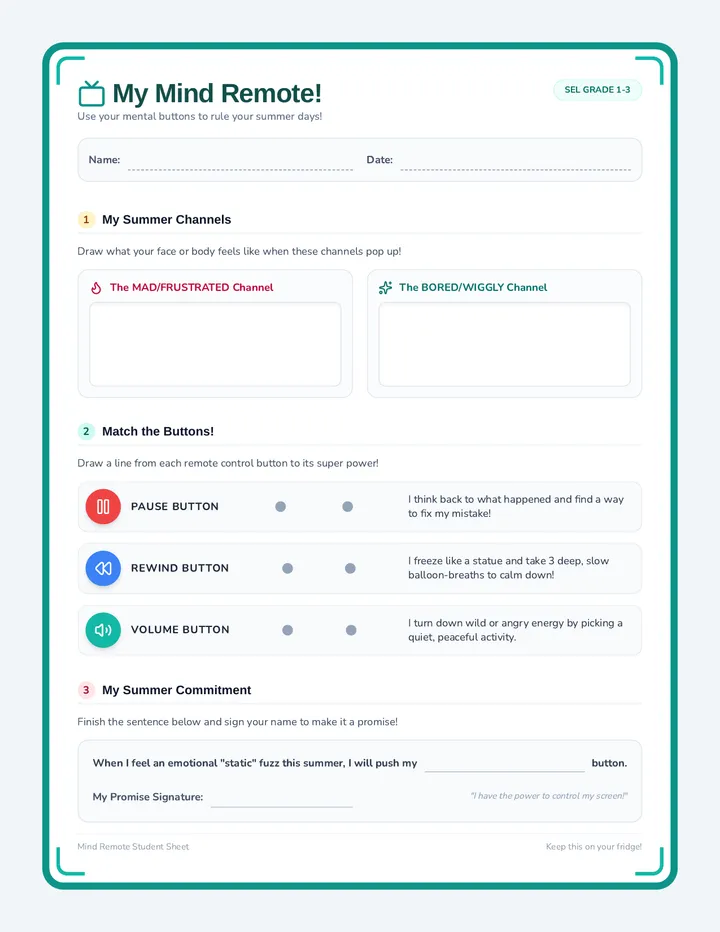
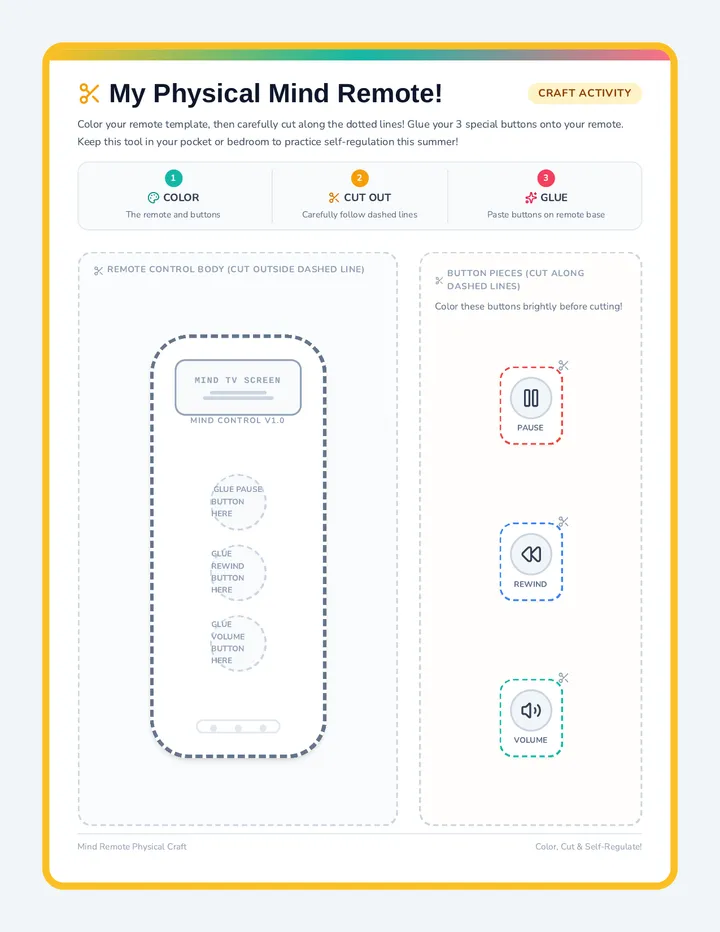
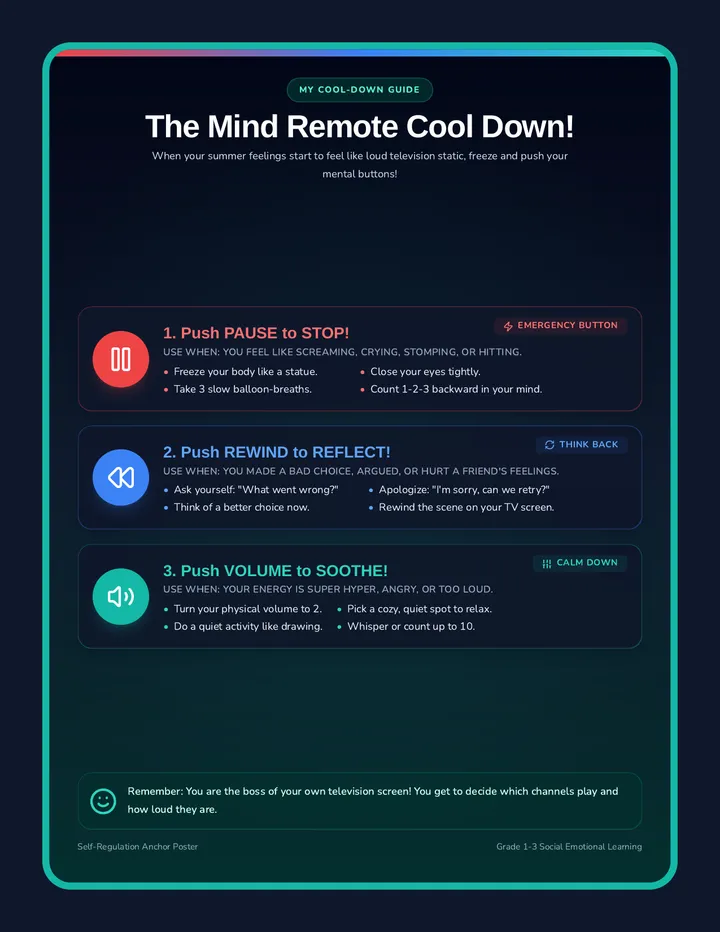
An engaging social-emotional learning lesson for 1st-3rd graders. Students learn self-regulation techniques by imagining their mind as a TV and using a 'Mind Remote' with Pause, Rewind, and Volume buttons to manage emotions and impulses during unstructured summer days.
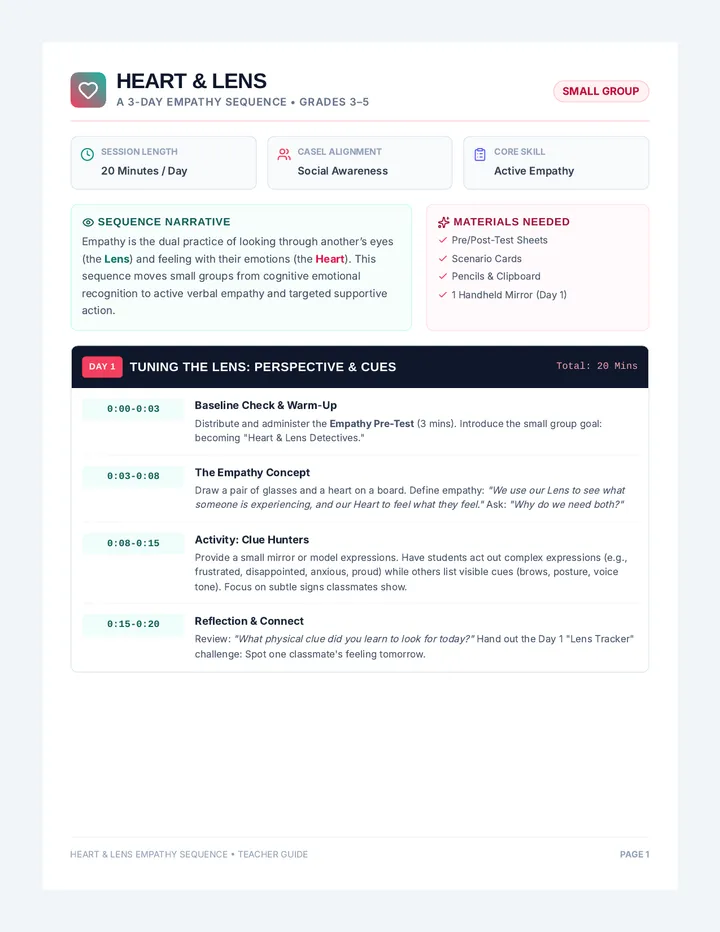
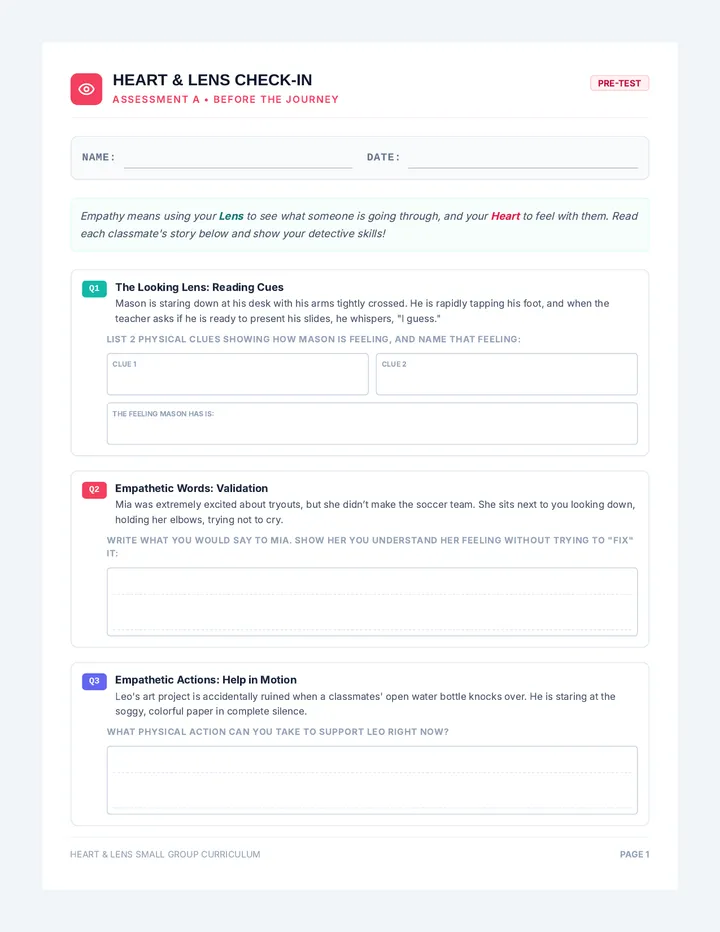
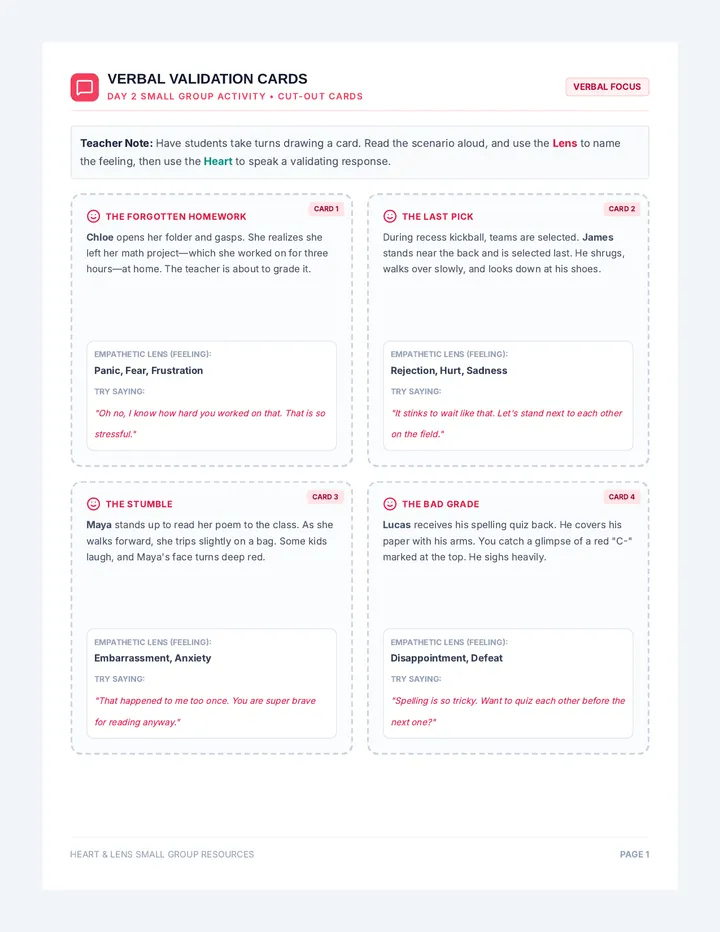
A 3-day SEL curriculum for small groups (grades 3-5) focused on active listening, perspective-taking, and compassionate communication. Each 20-minute daily session includes warm-ups, direct instruction, partner practice, and self-reflection.
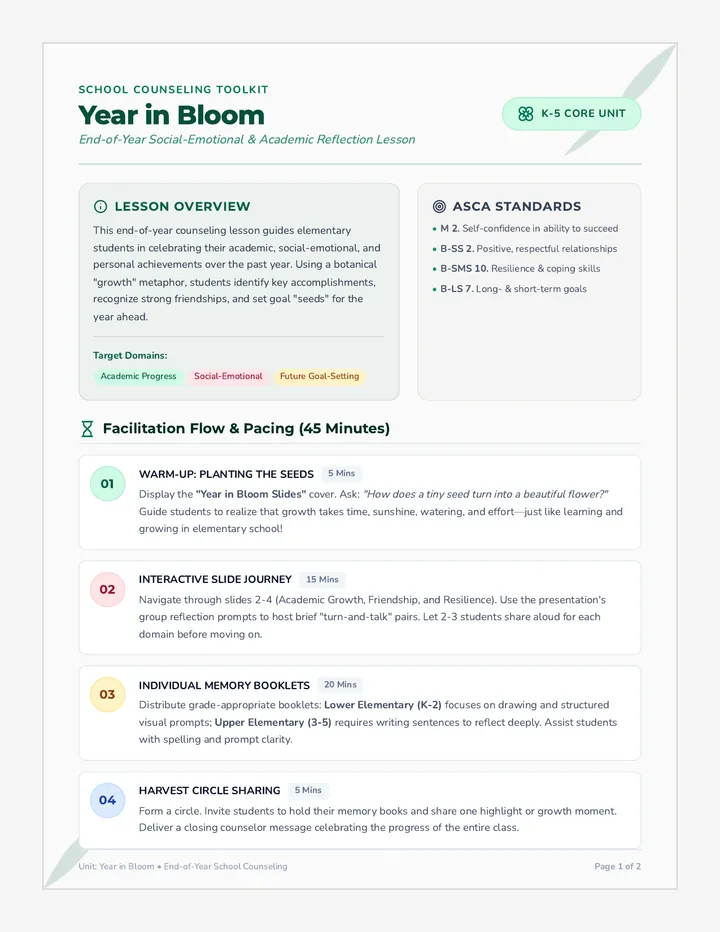
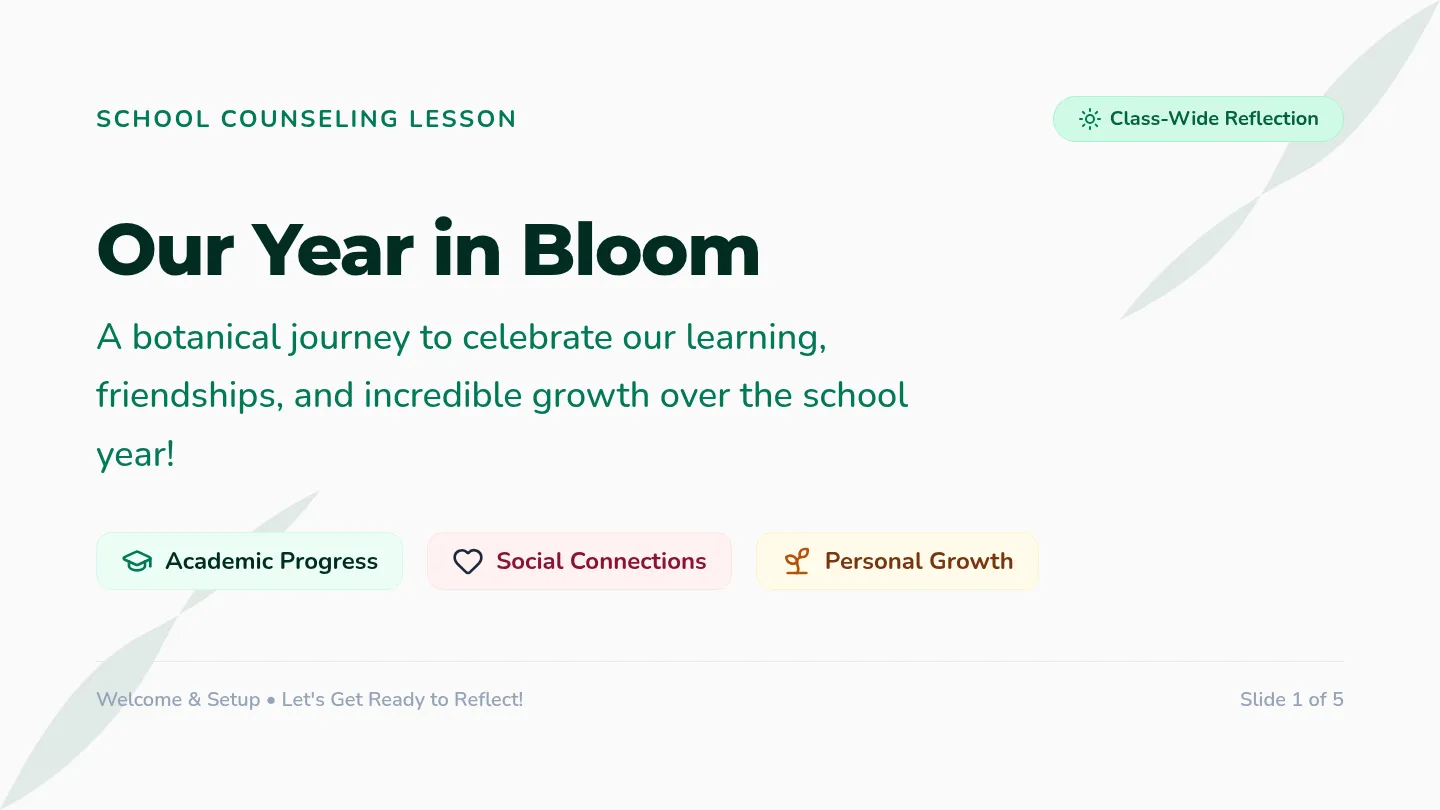
An end-of-year counseling unit and toolkit designed to guide elementary students through academic, social, and personal-emotional reflection. Contains a comprehensive Counselor Facilitation Guide, a class-wide interactive Slide Presentation, a drawing-focused memory booklet for lower elementary (K-2), and a writing-focused portfolio booklet for upper elementary (3-5).
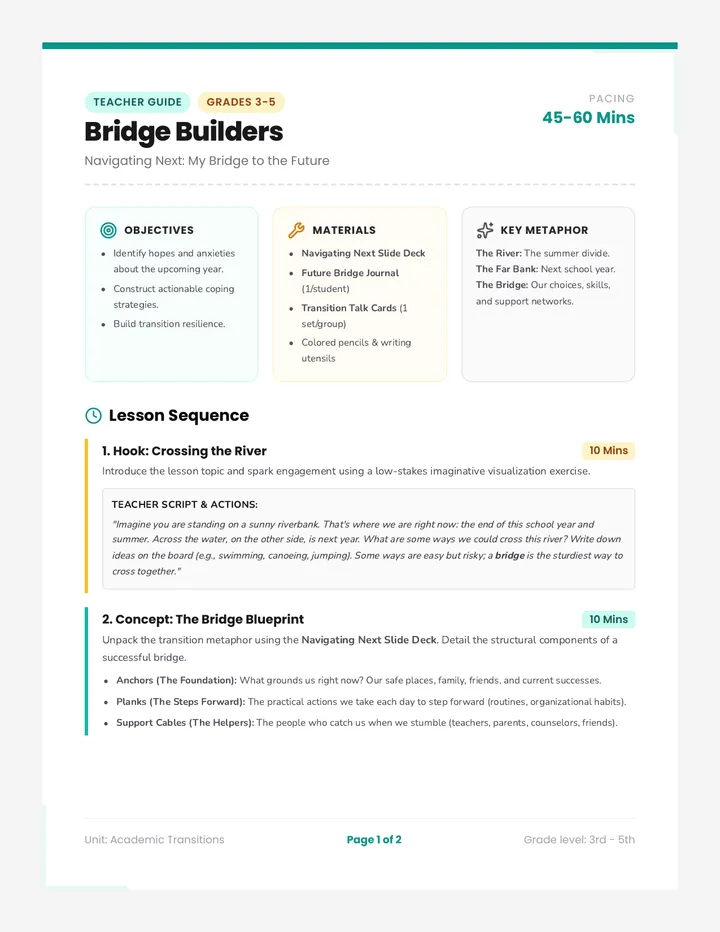
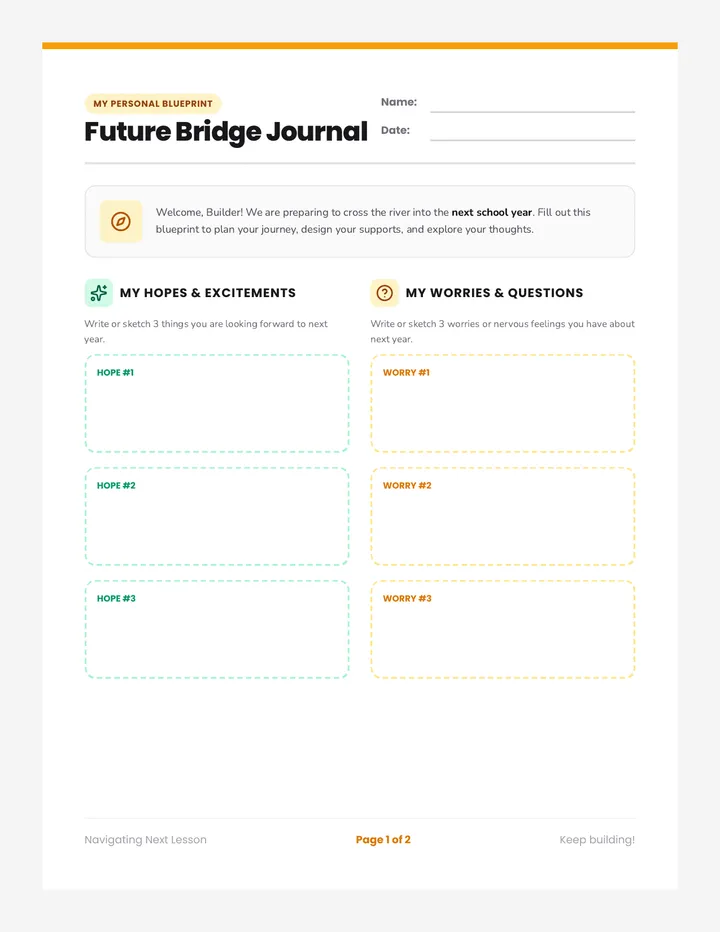
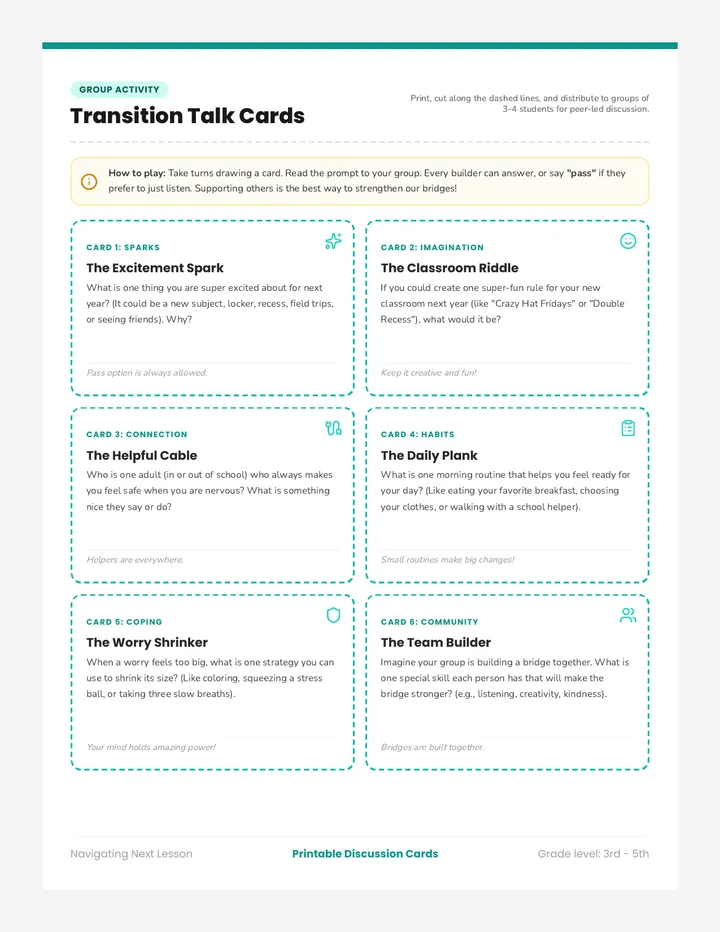
This transition lesson helps 3rd to 5th graders navigate the leap into the upcoming school year. Through the metaphor of designing and building a 'bridge to the future,' students explore their hopes, address their anxieties, and construct practical, resilience-boosting coping strategies for a successful academic transition.
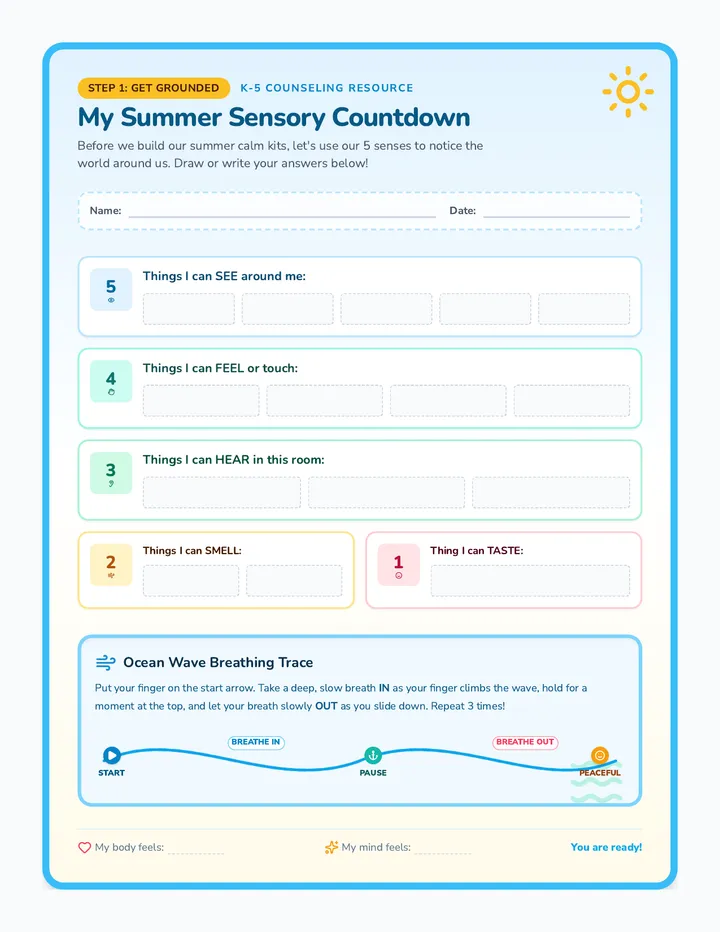
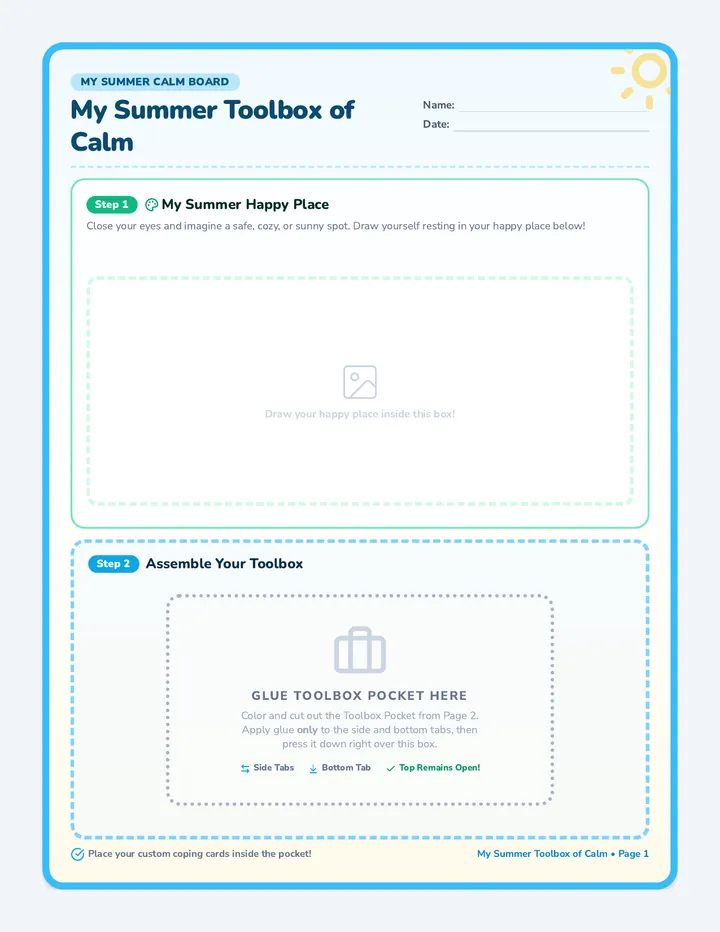
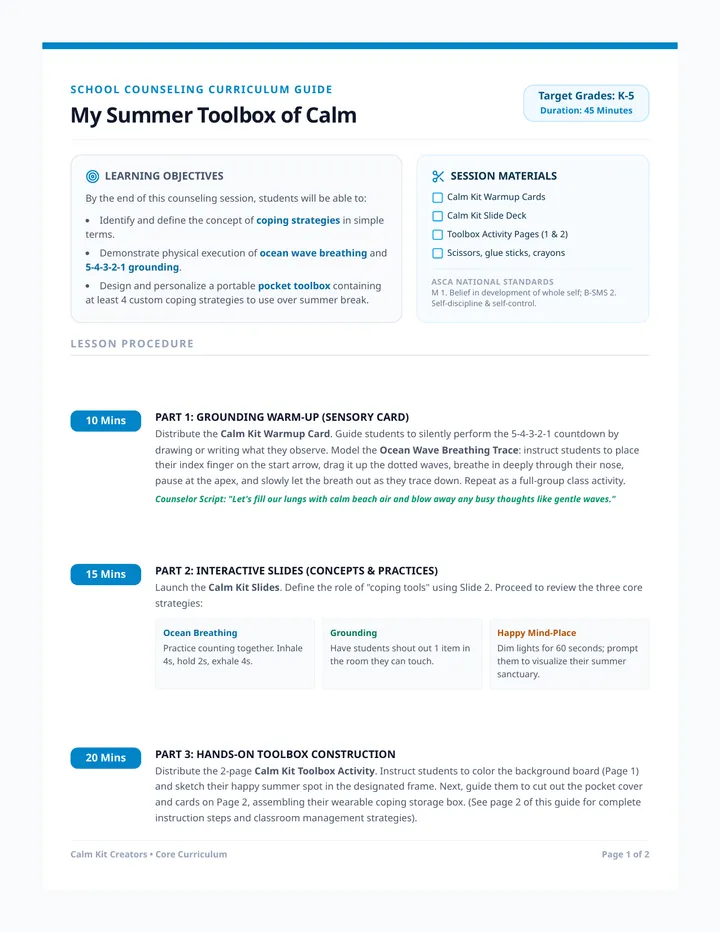
A school counseling lesson for K-5 students to identify positive coping strategies and mindfulness techniques to keep in their emotional toolbox for a peaceful, safe, and happy summer break. Includes a detailed lesson plan, instructional slides, a hands-on toolbox construction activity, and an interactive sensory warm-up.
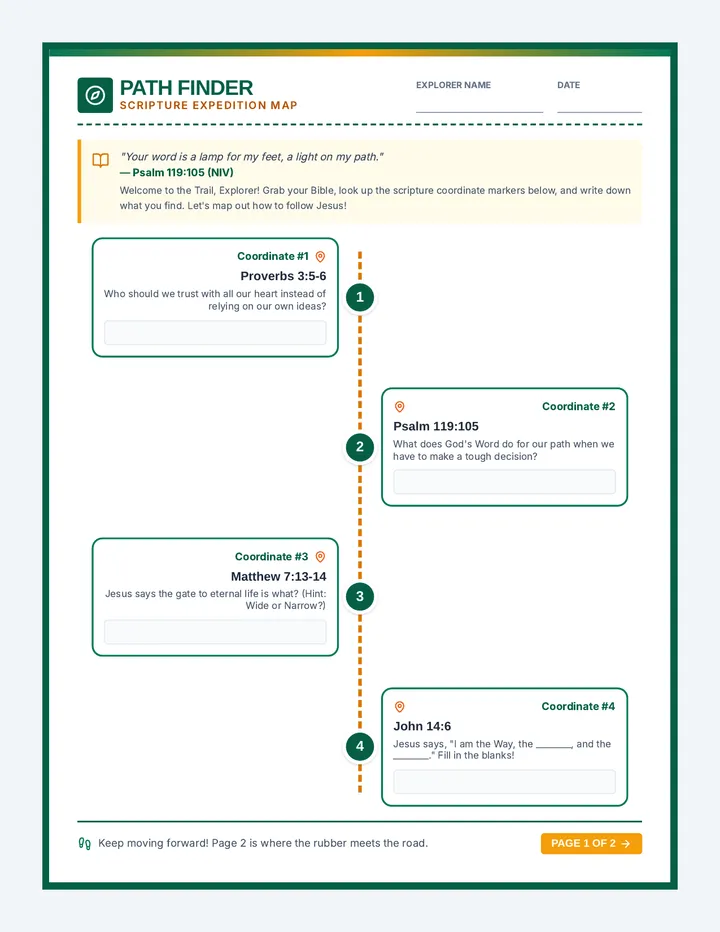
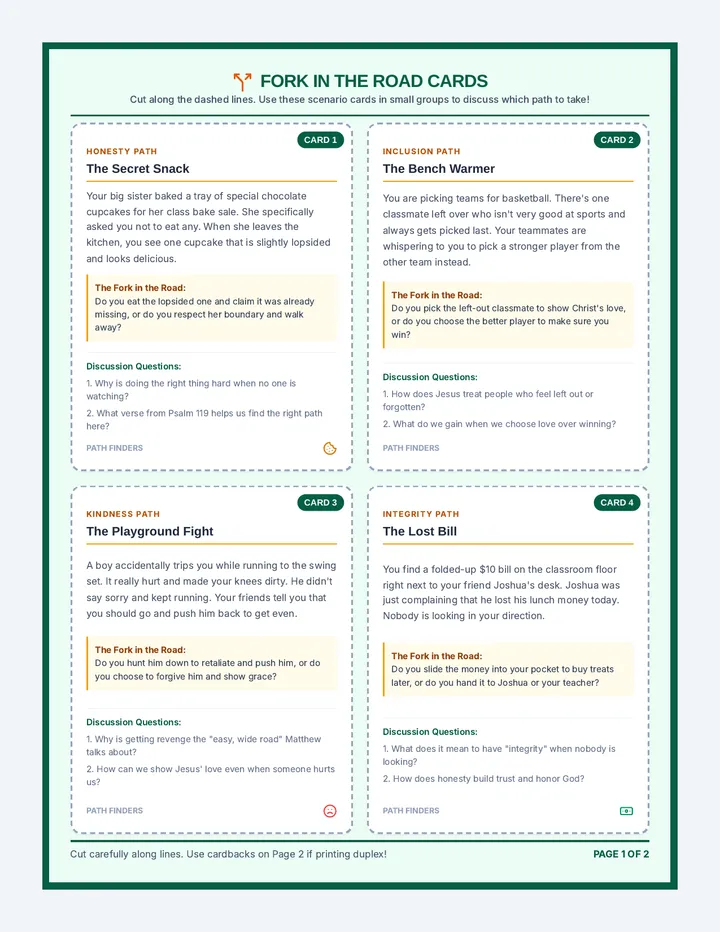
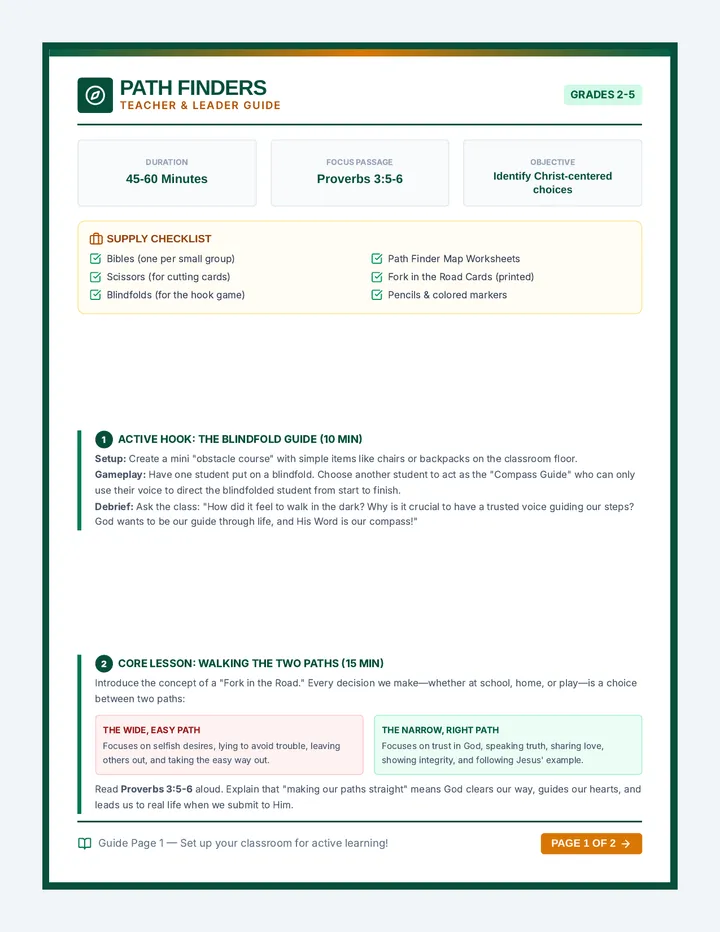
A hands-on, scripture-based exploration of making wise, Christ-centered choices in daily life. Students navigate real-world scenarios and map out what it looks like to follow Jesus' path.
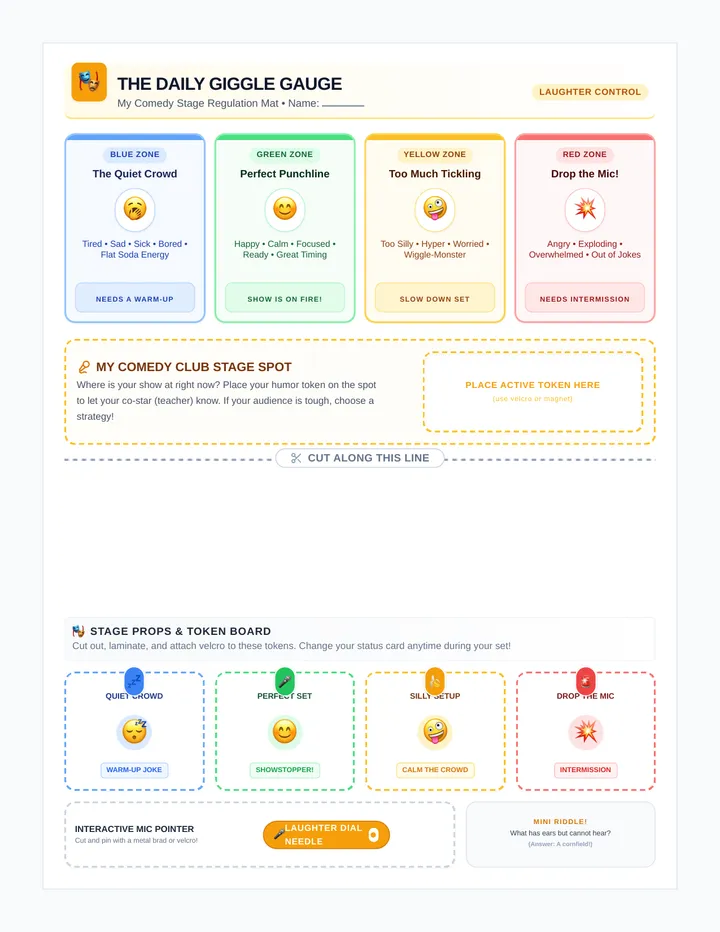
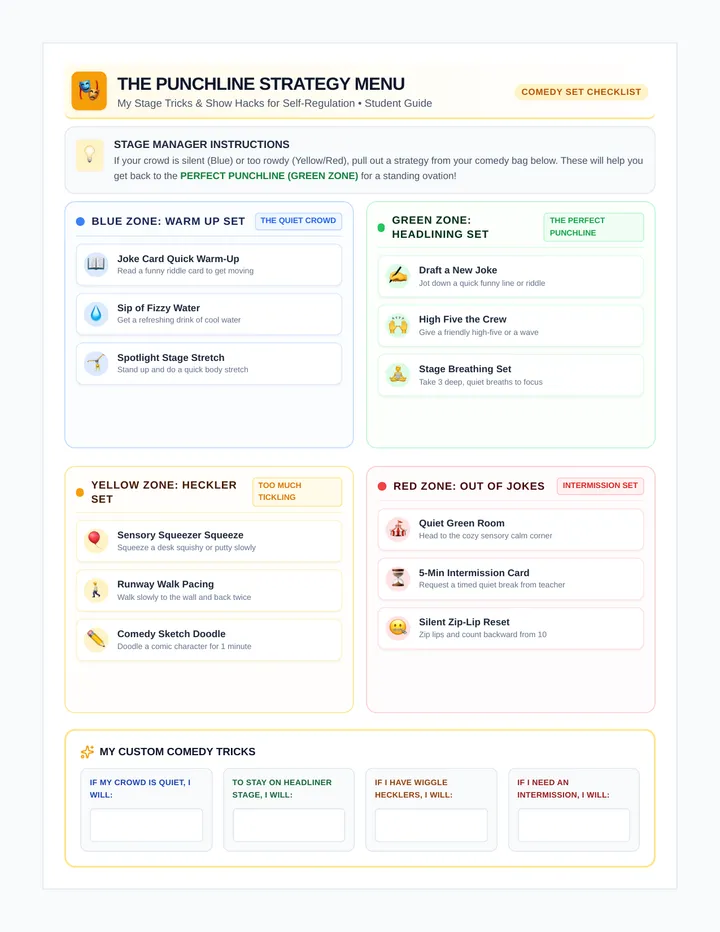
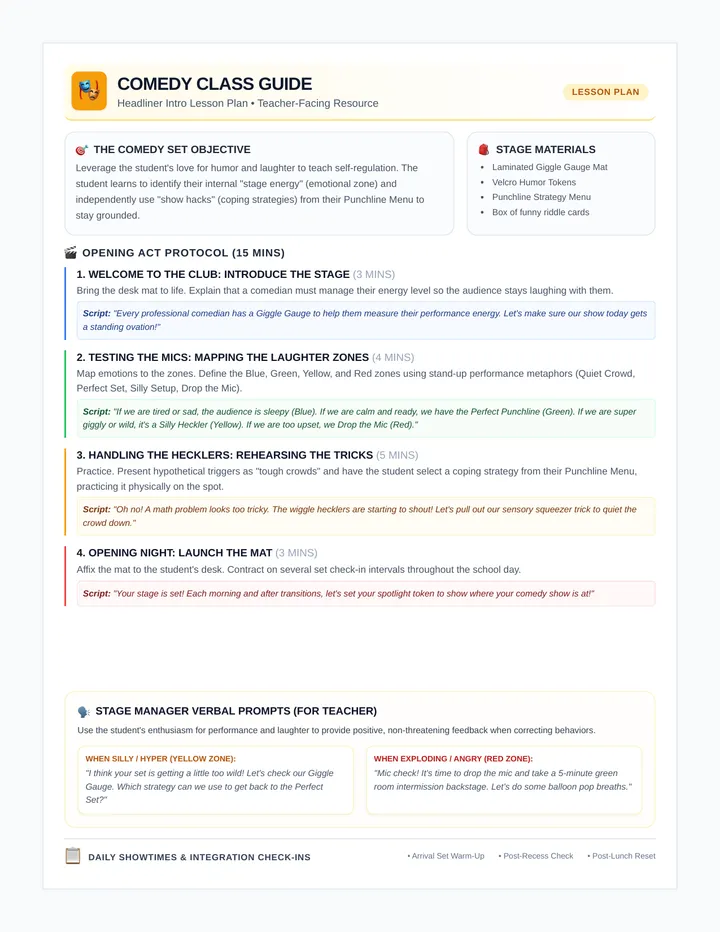
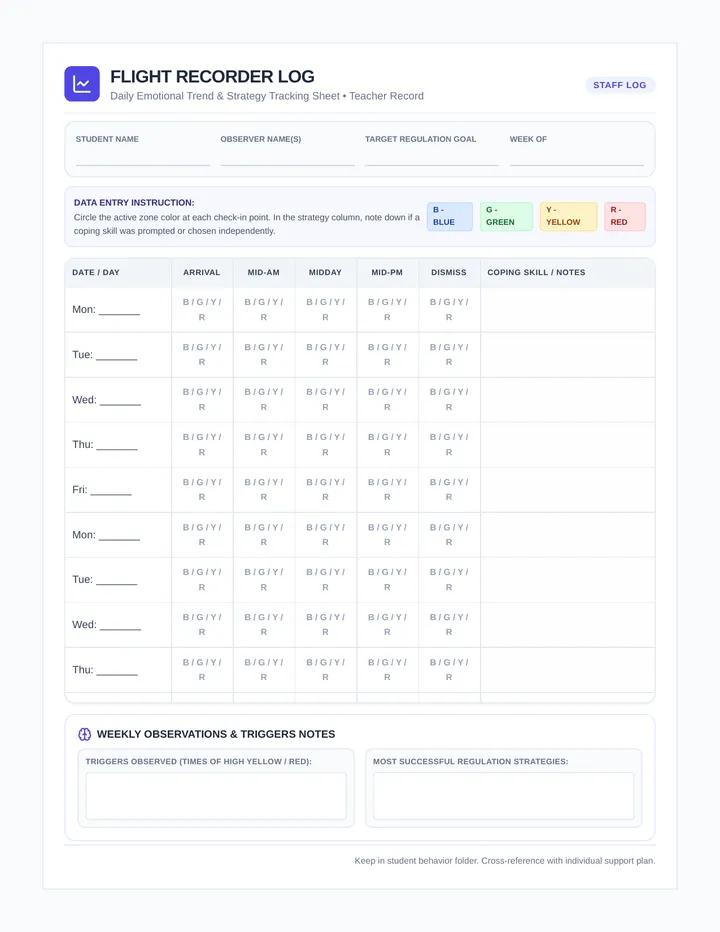
A simple, kid-friendly daily emotional regulation check-in system based on the Zones of Regulation model. Features a clean student desk mat, a coping strategy menu, a teacher instruction guide, and tracking logs.
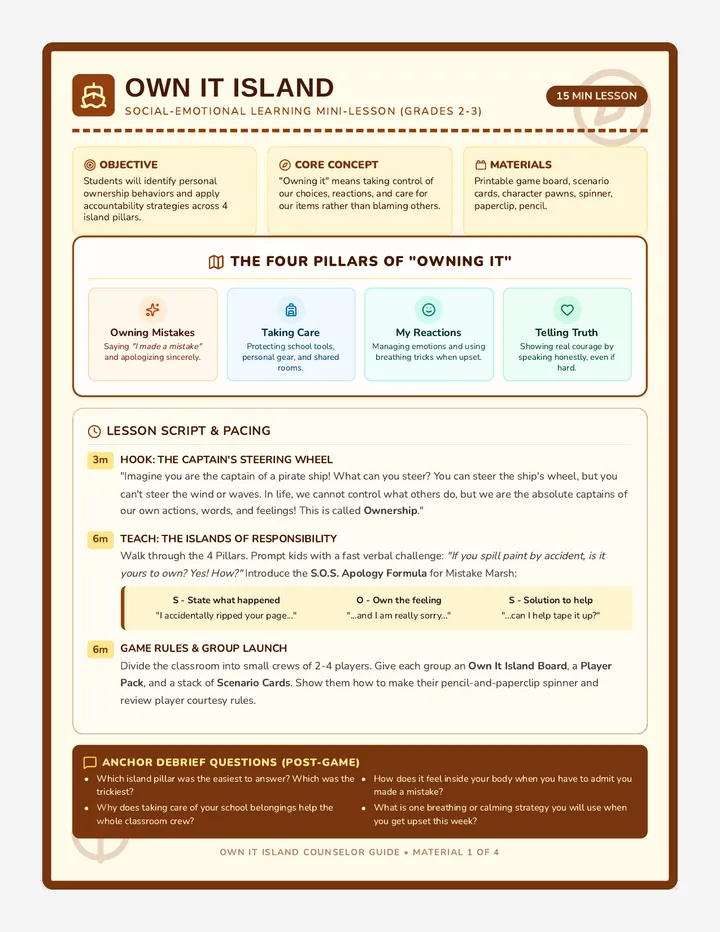
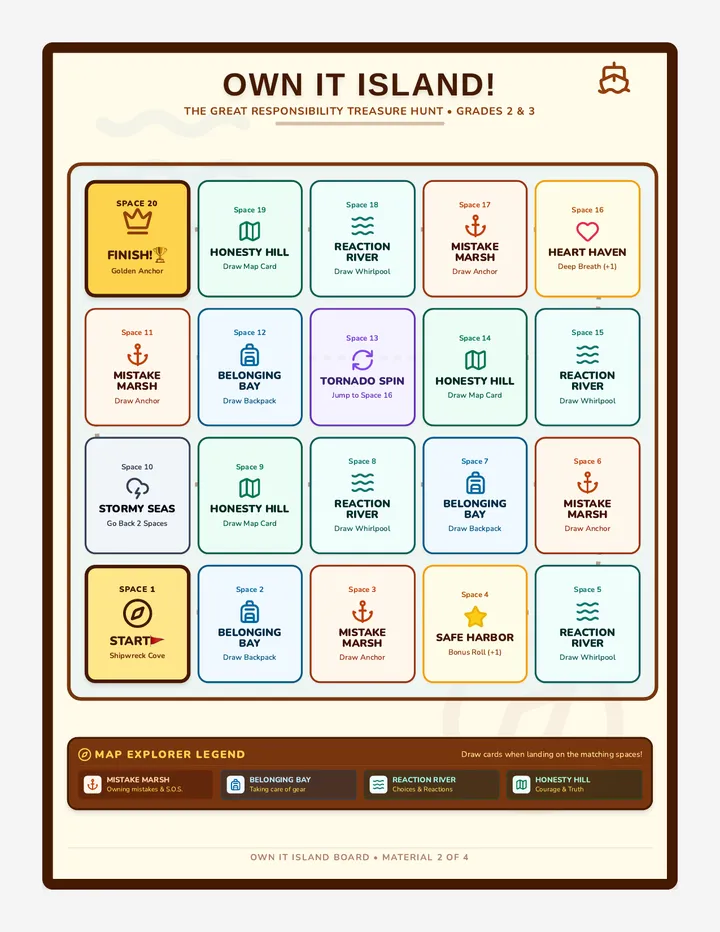
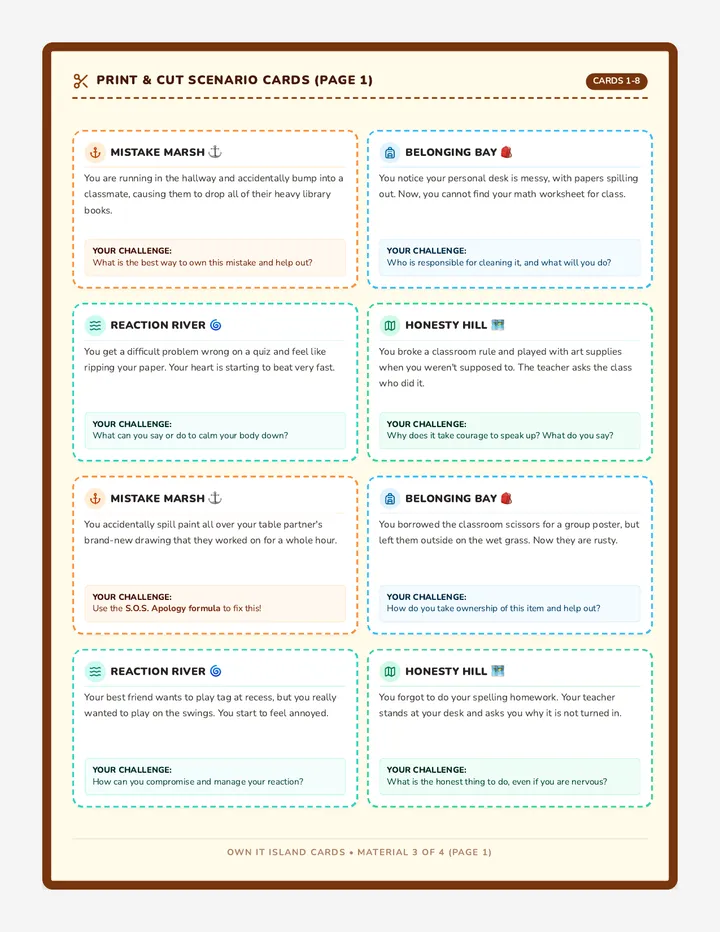
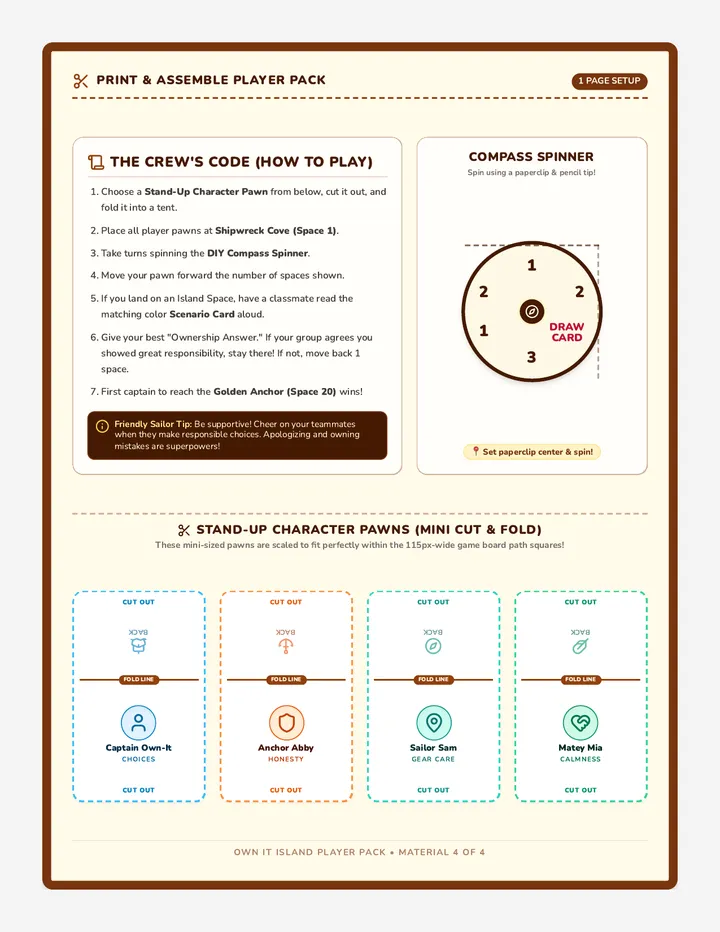
A mini-lesson and printable counseling board game designed for 2nd and 3rd graders. The lesson teaches four core pillars of personal ownership: owning mistakes, taking care of belongings, managing reactions, and telling the truth, followed by an active board game simulation.
A complete counseling game bundle for 2nd and 3rd graders focused on owning mistakes, apologizing sincerely, and restoring relationships. Includes a printable board, scenario cards, instruction guide, and individual reflection sheet.
An introductory get-to-know-you lesson utilizing visual sentence starters and structured options to support students of all communication styles in sharing their preferences, feelings, and strengths.
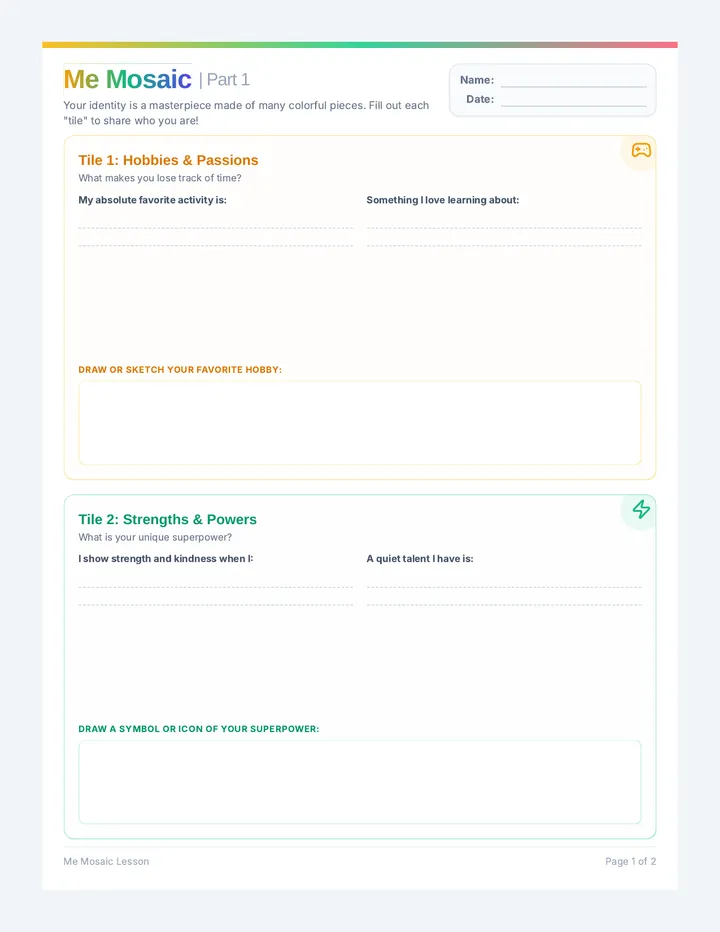
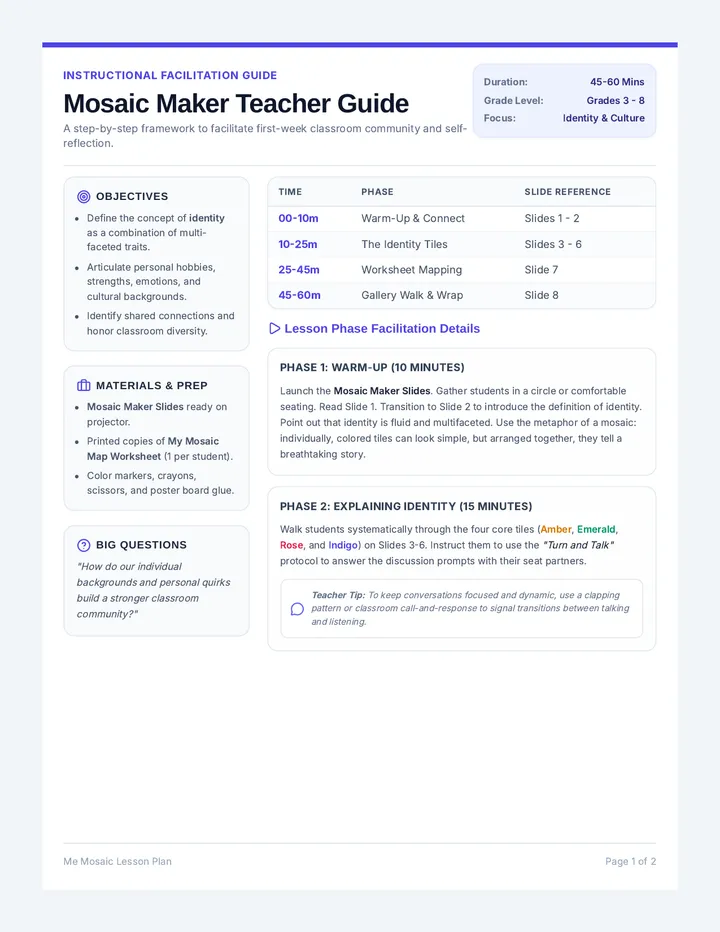
A welcoming first-week lesson designed to help students define identity and explore their unique traits. Through collaborative slides, a personal worksheet, and guided reflections, students share their hobbies, strengths, feelings, and backgrounds to build a connected classroom community.
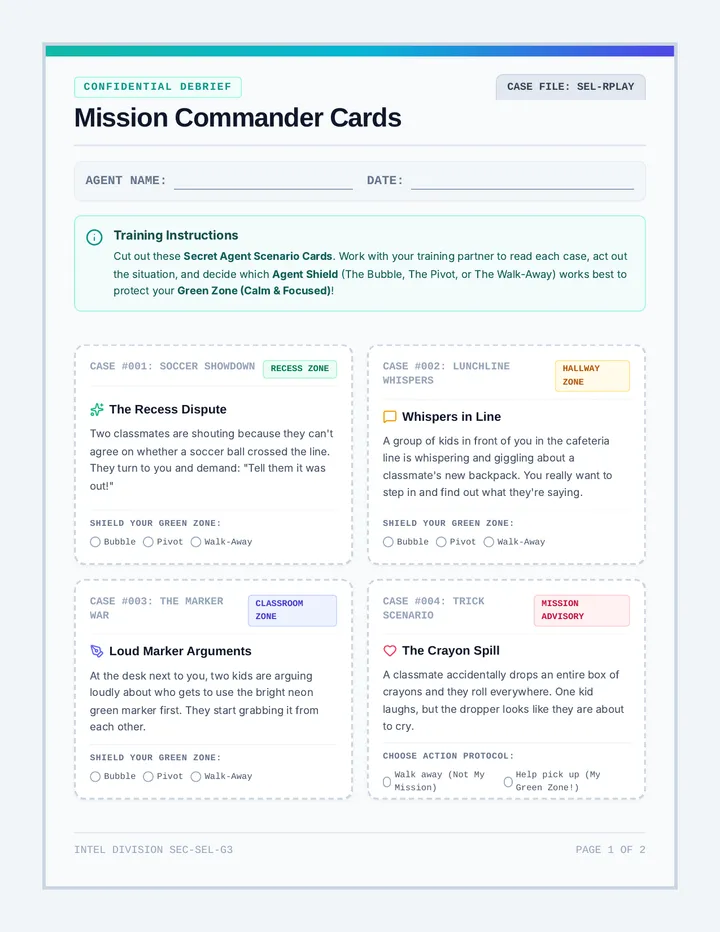
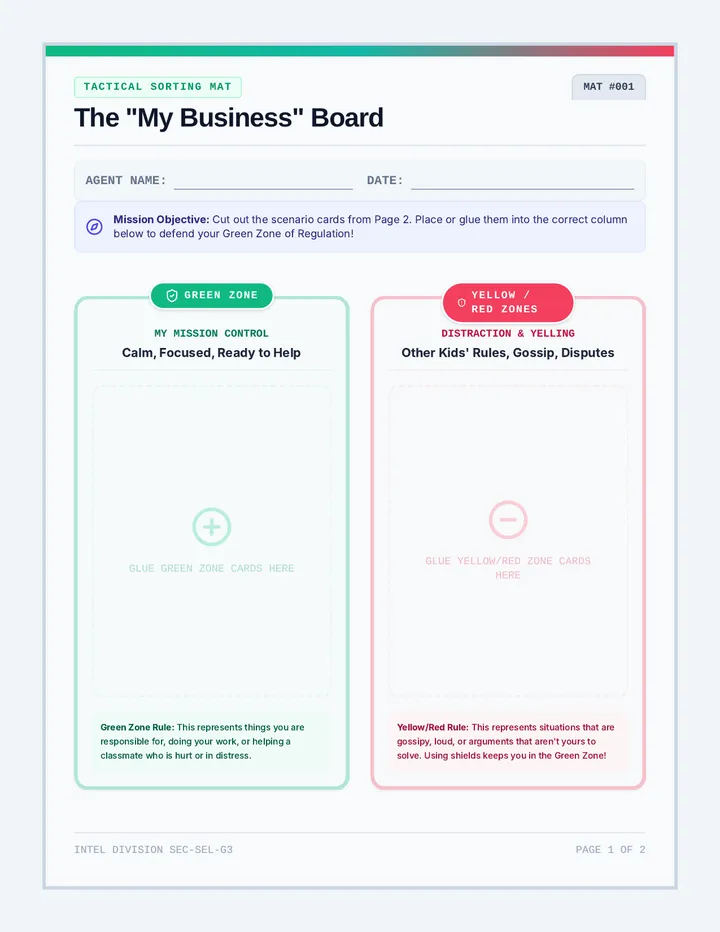
A fast-paced 20-minute SEL lesson for third graders on self-regulation and avoiding unnecessary social conflicts. Students learn to distinguish between their own 'mission' (responsibilities and fun) and distractions (other kids' arguments, chatter, or recess disputes), culminating in interactive role-play and a sorting game.
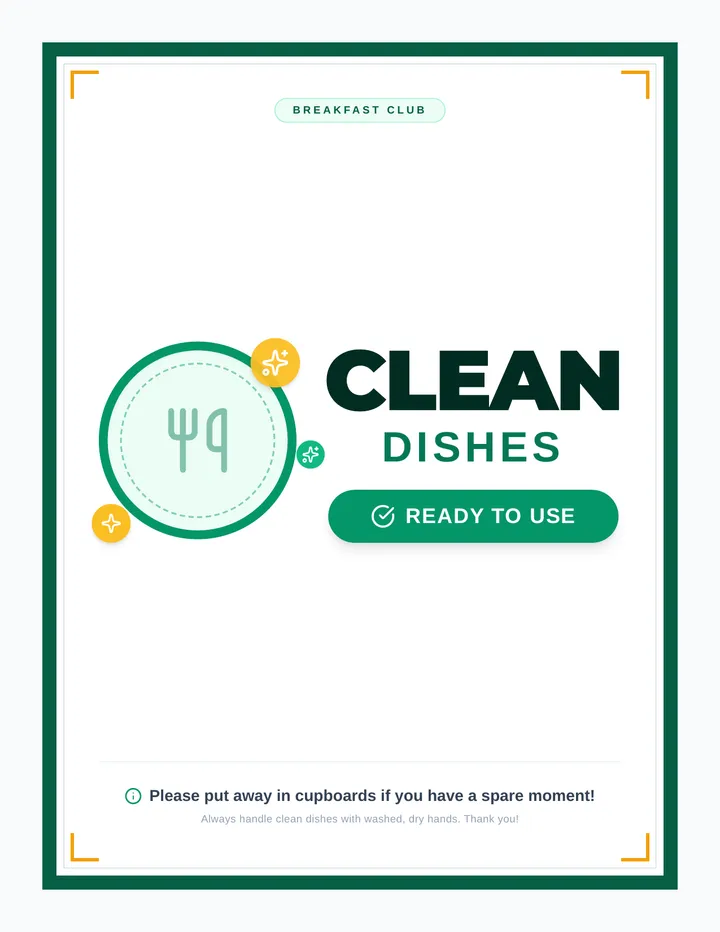
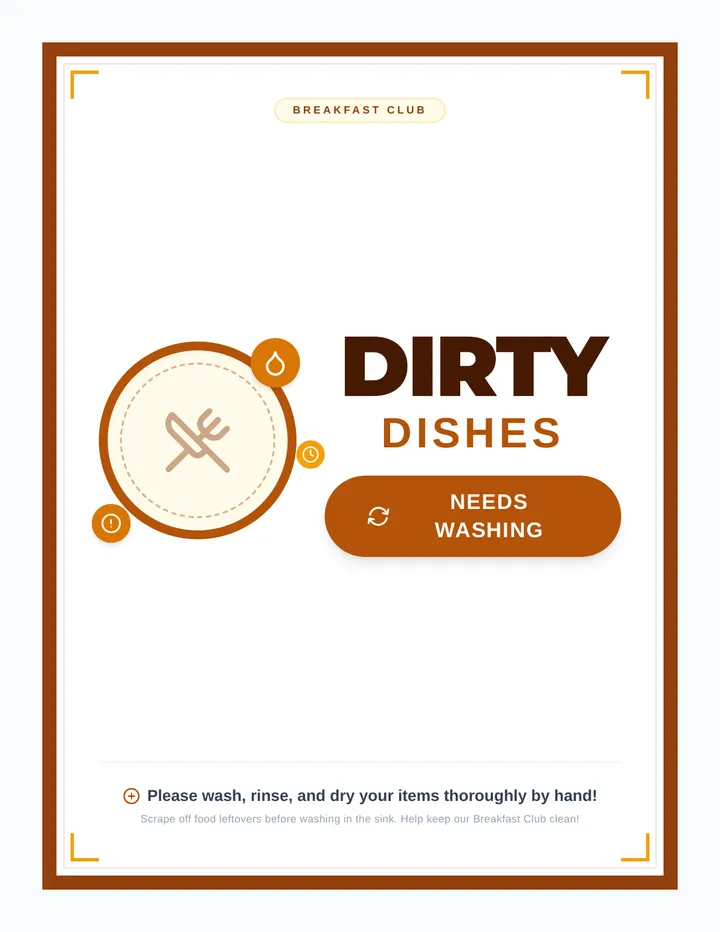
A pair of visually striking, high-contrast printable signs to organize any kitchen or classroom space. Features separate, elegant layouts for clean and dirty dishes to maintain perfect organization.
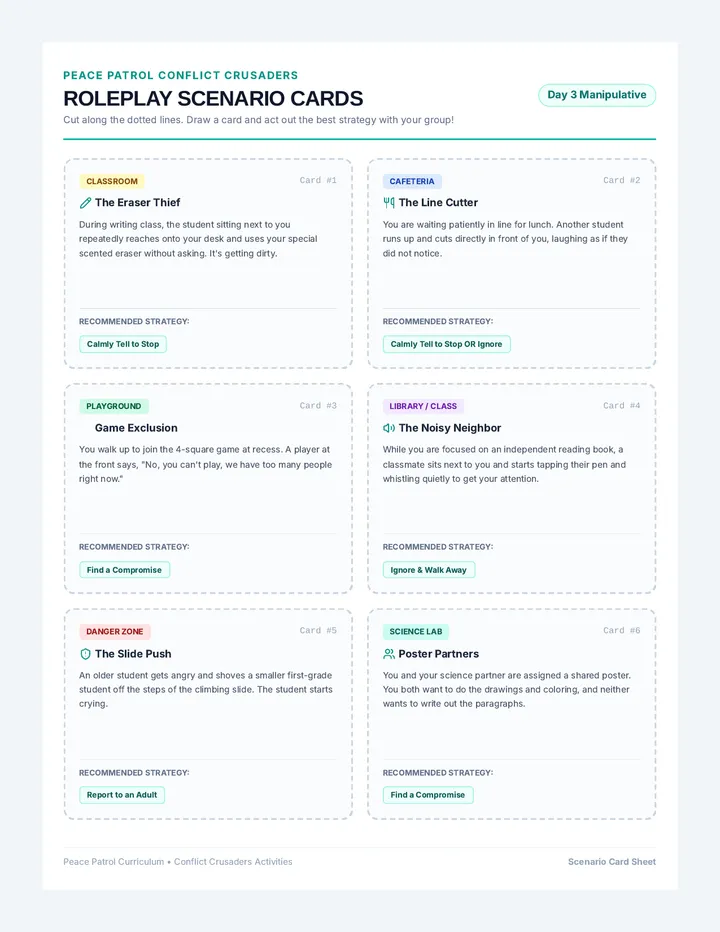
Day 3 of the Peace Patrol curriculum. Students use roleplay cards to practice selecting and demonstrating the four healthy problem-solving strategies in real-world scenarios.
Day 2 of the Peace Patrol curriculum. Students explore 'Find a Compromise' and 'Report to an Adult' with hands-on practice and workbook activities.
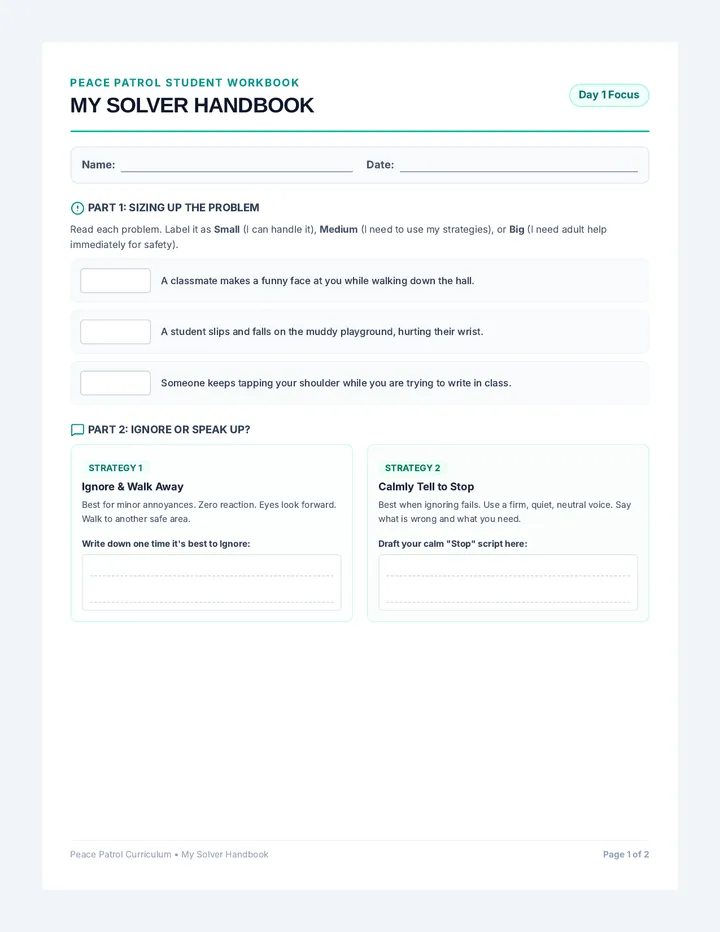
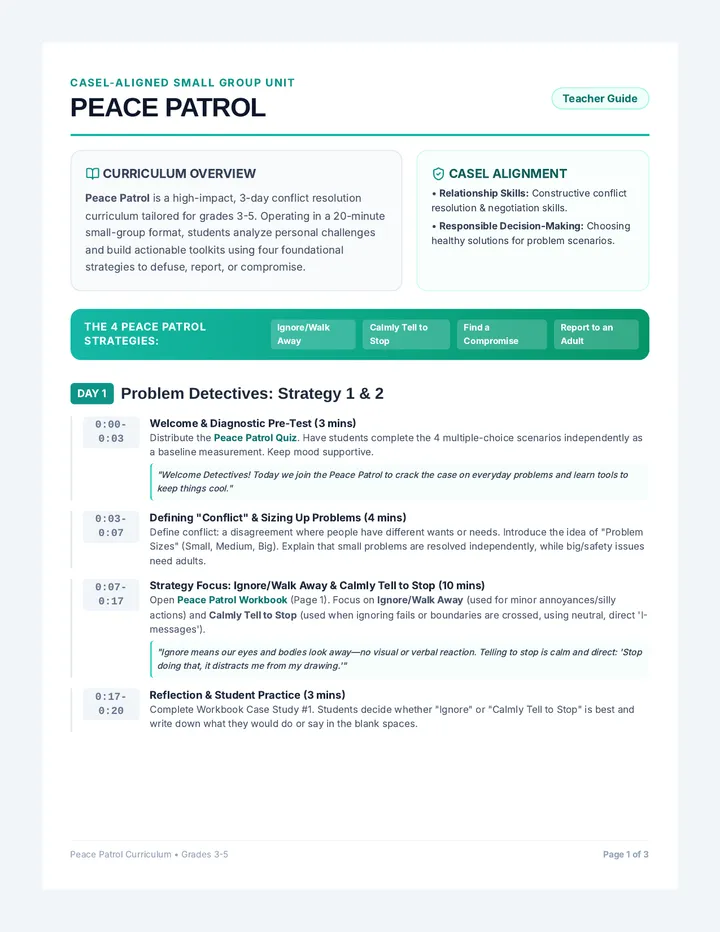
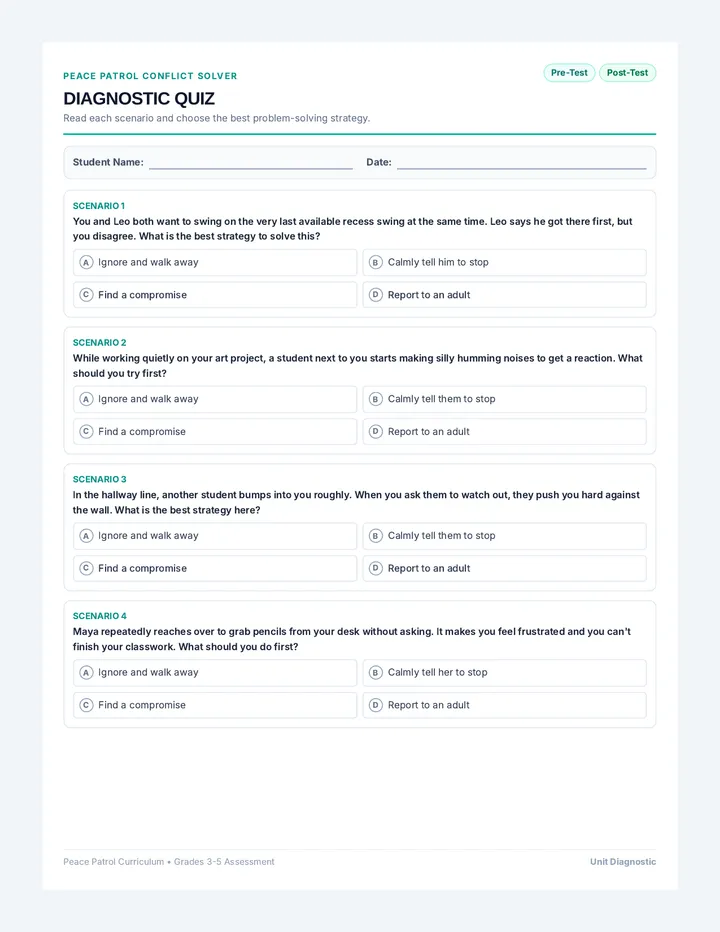
Day 1 of the Peace Patrol curriculum. Students take the pre-test, learn to identify conflict sizes, and explore the 'Ignore/Walk Away' and 'Calmly Tell to Stop' strategies.
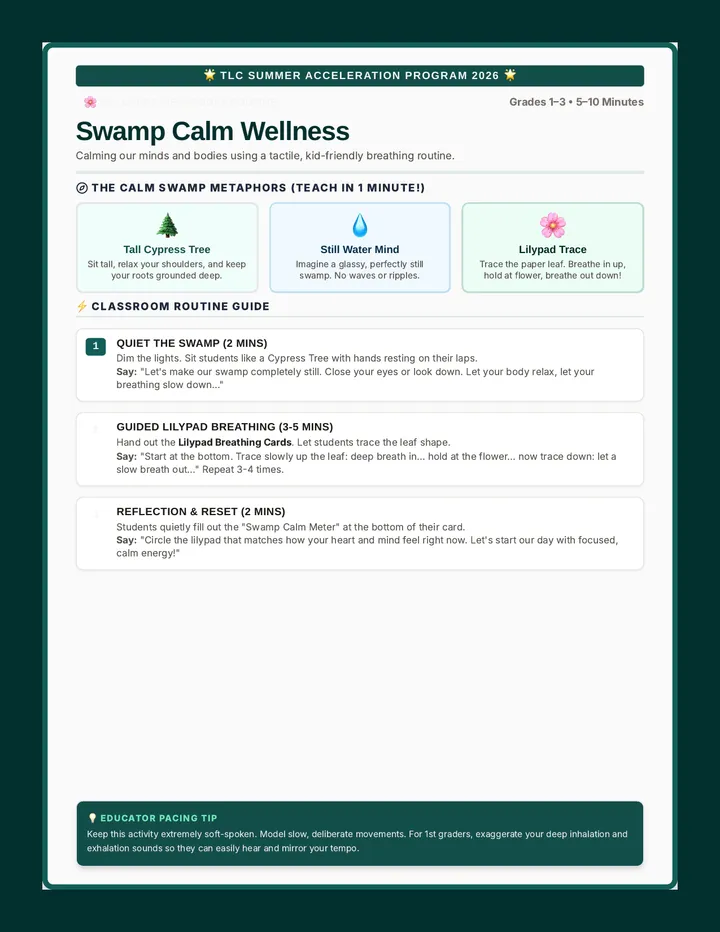
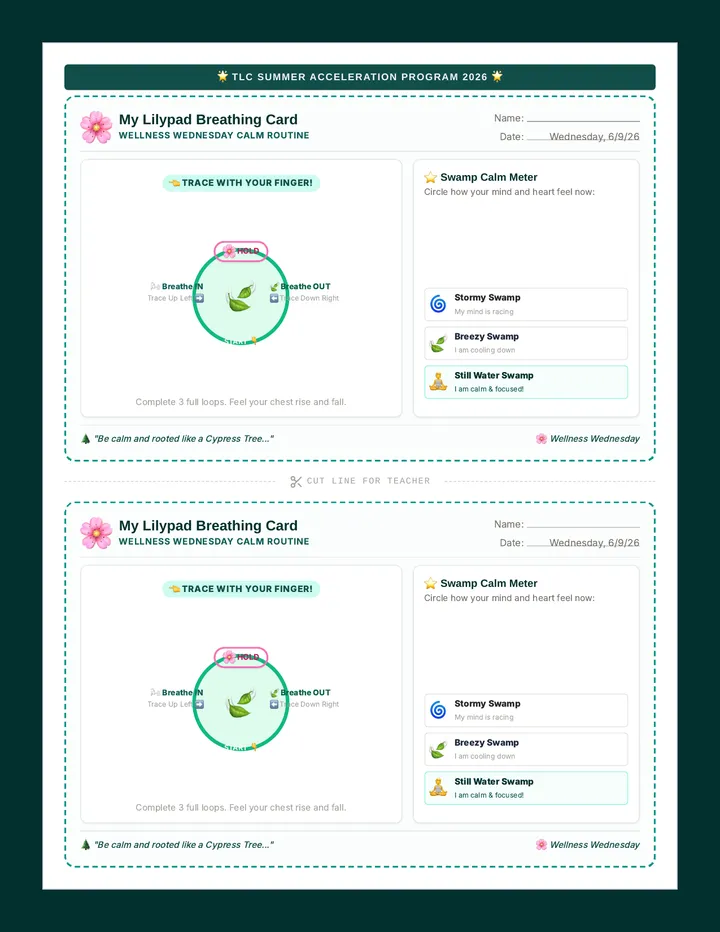
A Wellness Wednesday mindfulness routine for grades 1-3. Through sensory deep breathing and finger-tracing on a 'Lilypad Breathing' path, students learn self-regulation, calming techniques, and emotional focus.
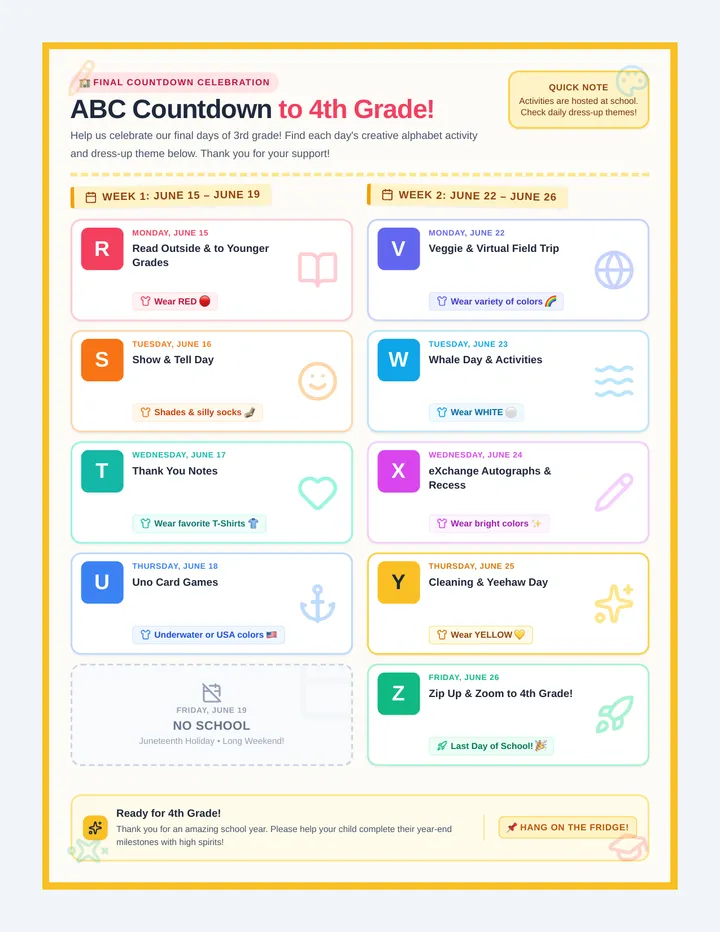
An end-of-year celebration sequence tracking daily educational activities and theme days for students transitioning to the next grade.
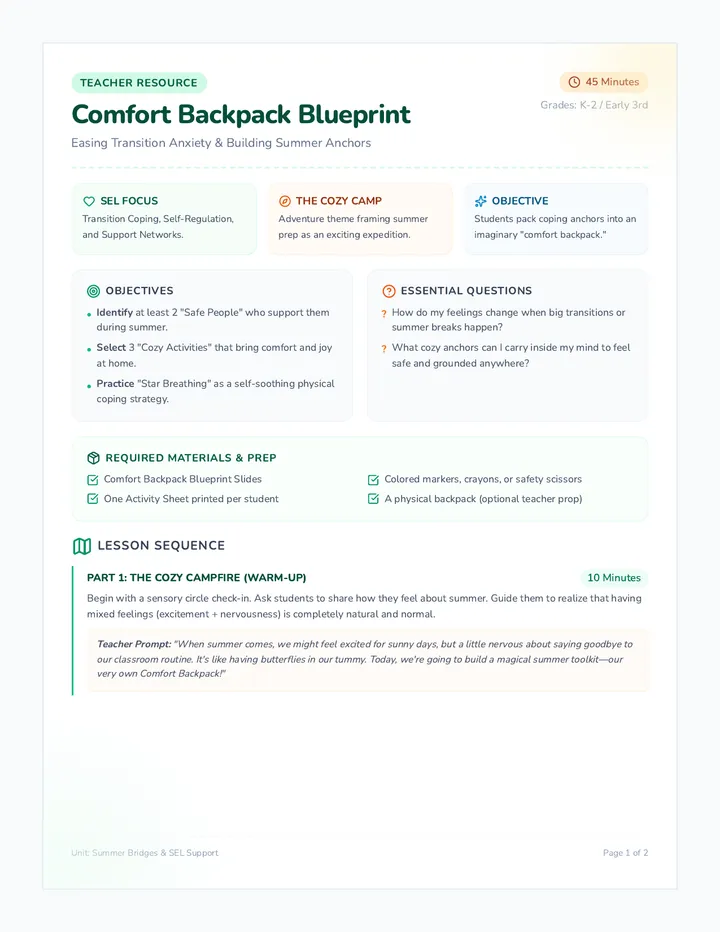
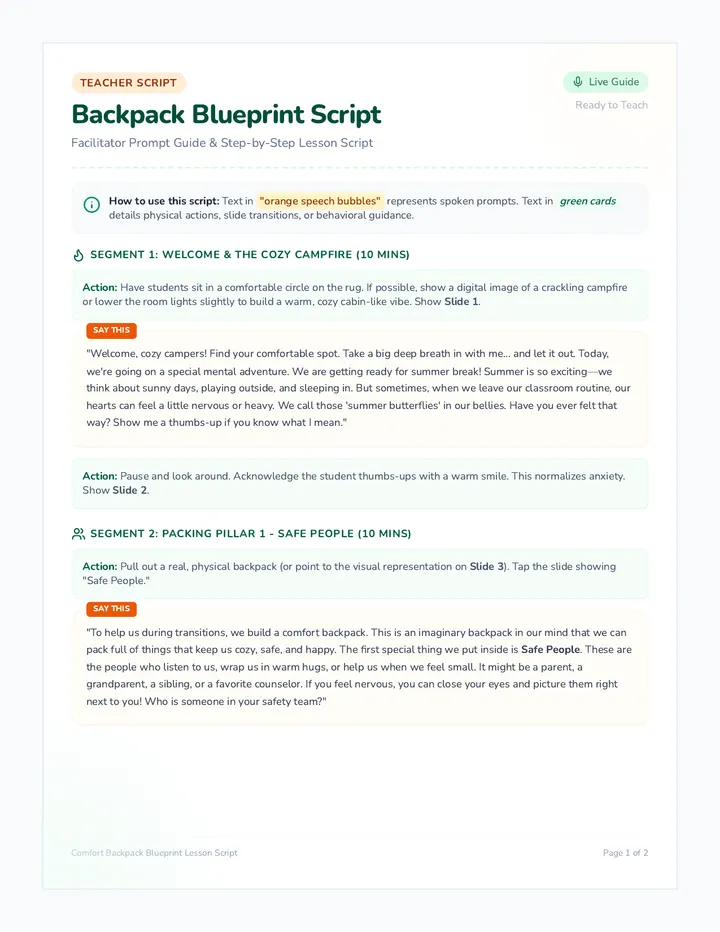
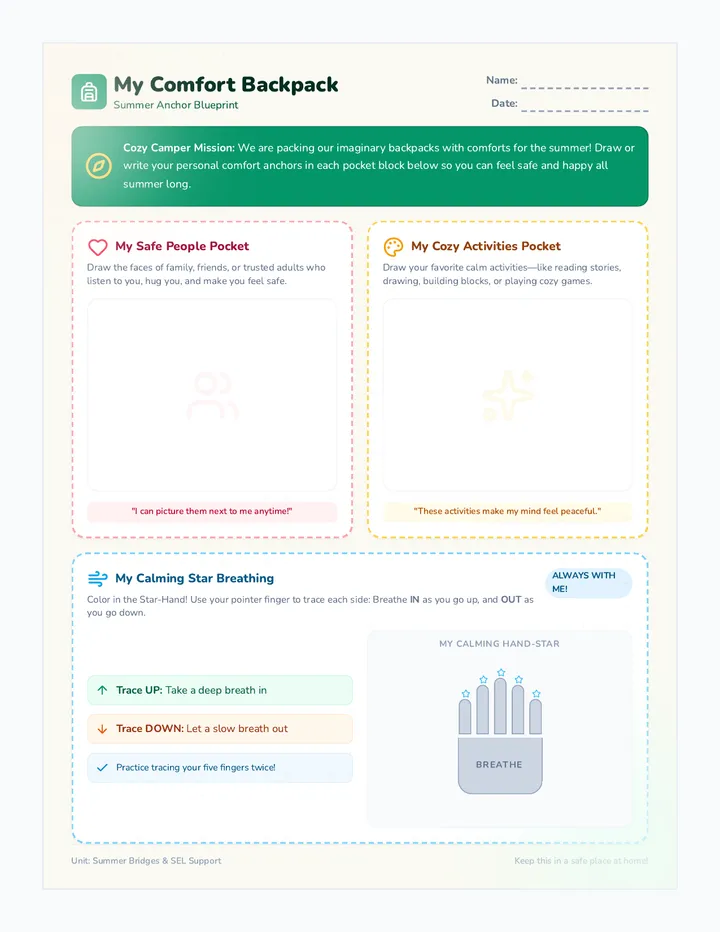
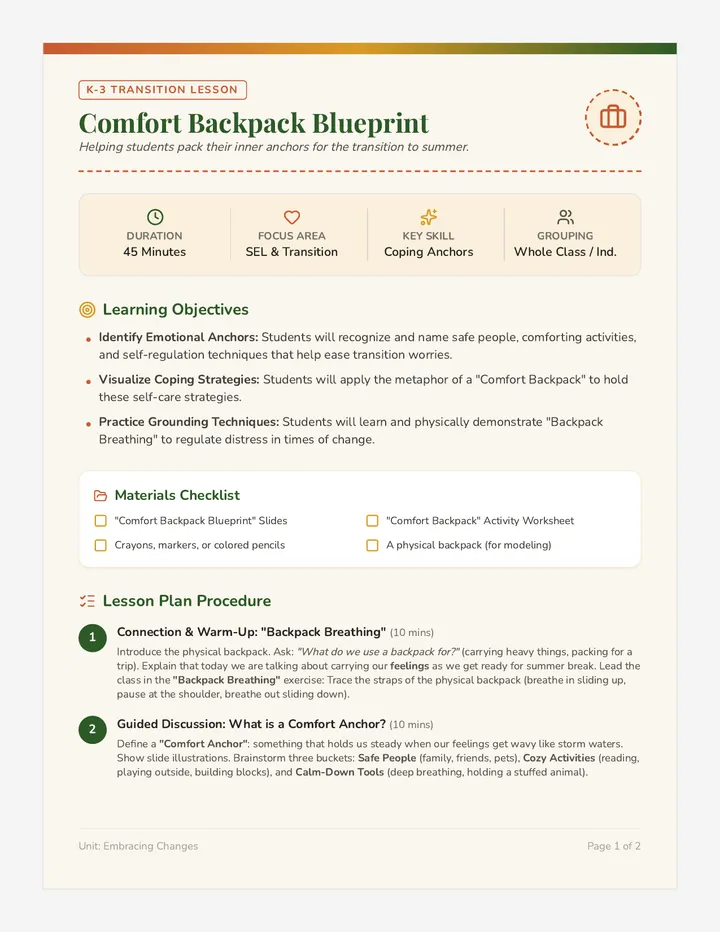
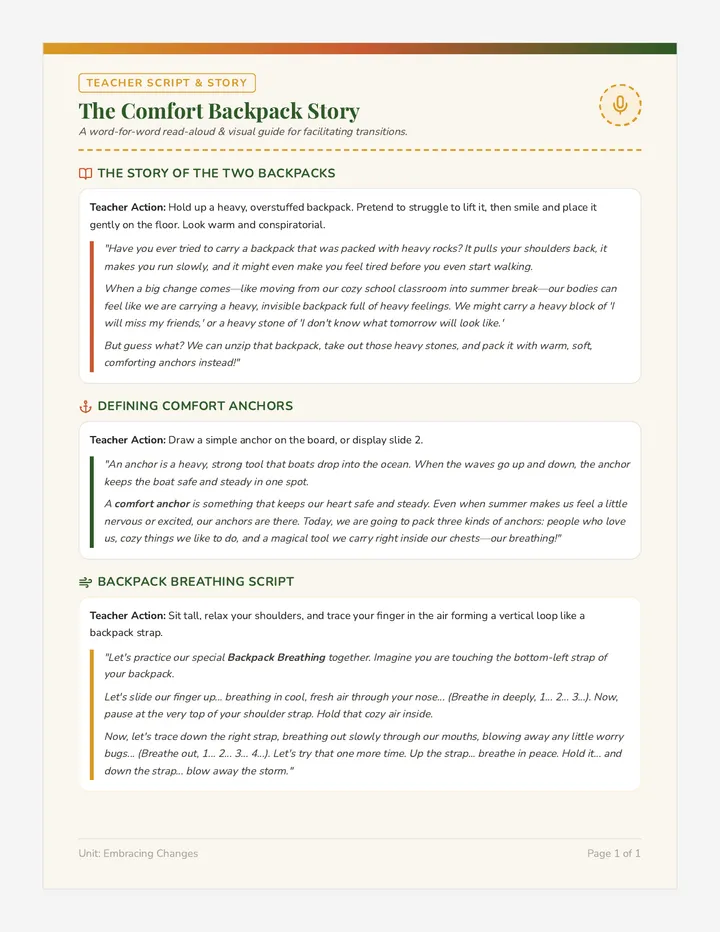
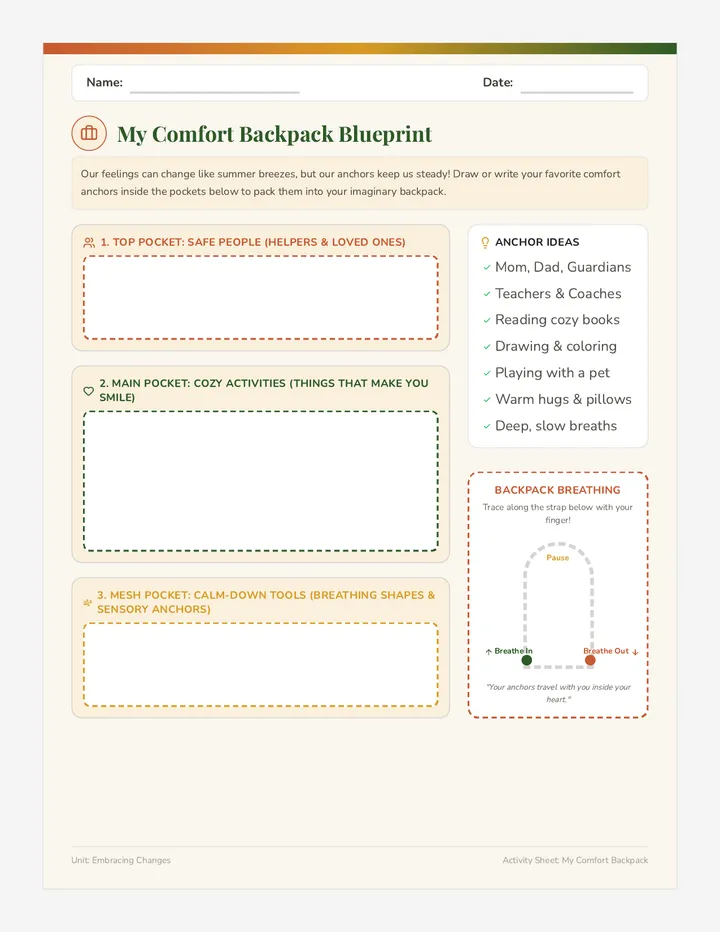
A comforting social-emotional learning lesson designed to ease transition anxiety for younger students. Students identify key support systems, favorite activities, and coping strategies, packing them into an imaginary backpack for the summer.
A comforting transition lesson designed for younger students (K-3) to identify their comfort anchors—such as favorite summer activities, safe people, and calming breathing strategies—and pack them into a personalized, imaginary backpack to ease transition anxiety as they head into summer break.
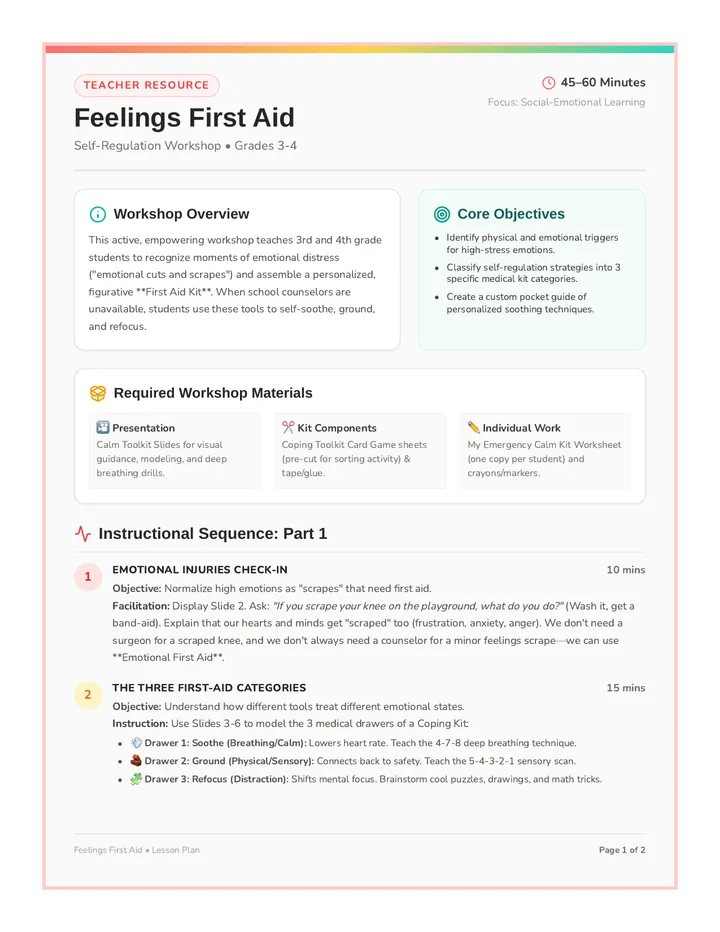
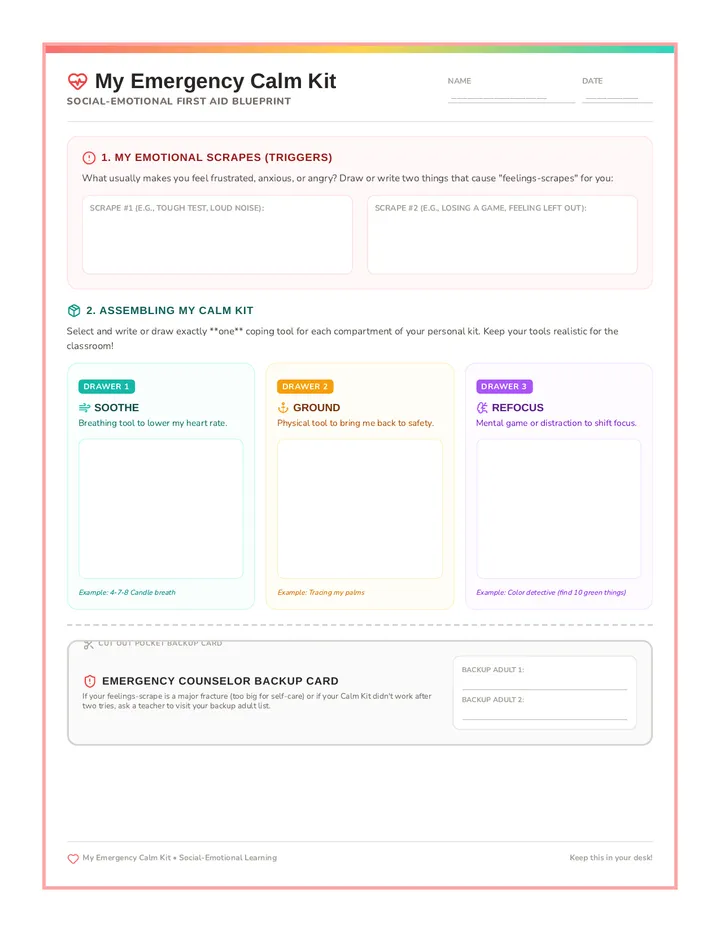
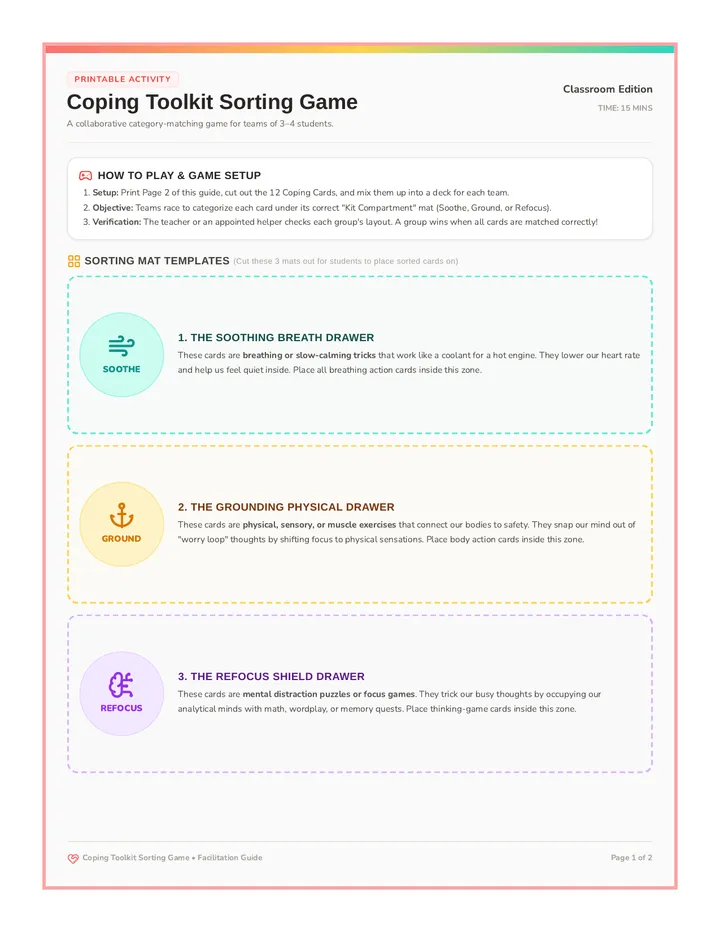
An empowering self-regulation workshop tailored for 3rd and 4th graders. Students learn to assemble a figurative first-aid kit containing self-soothing tools, deep breathing techniques, and personal distraction activities to utilize during moments of distress when school counselors are unavailable.
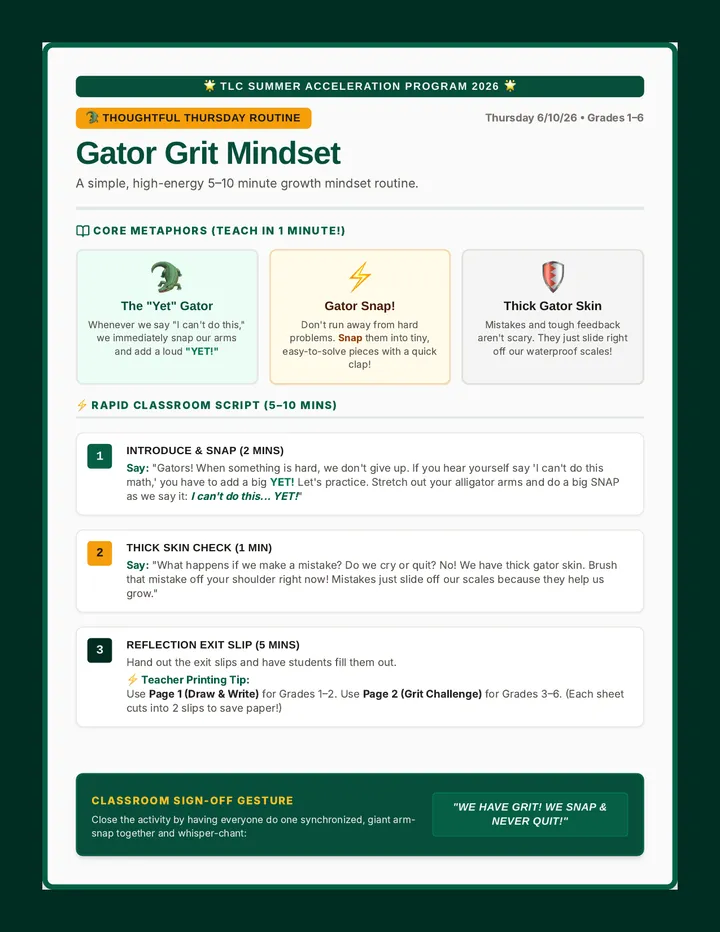
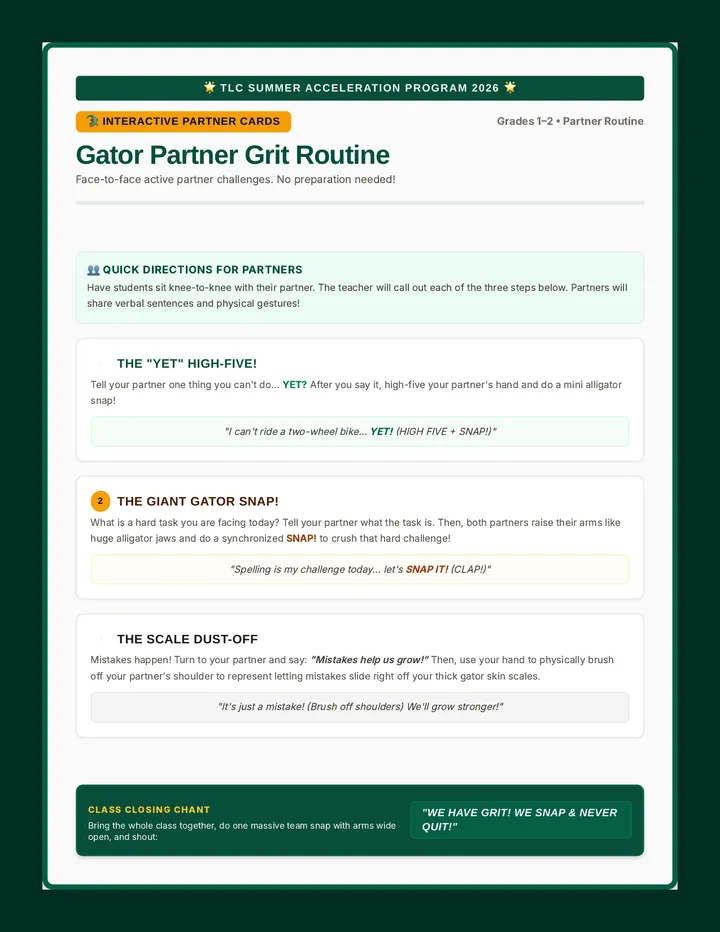
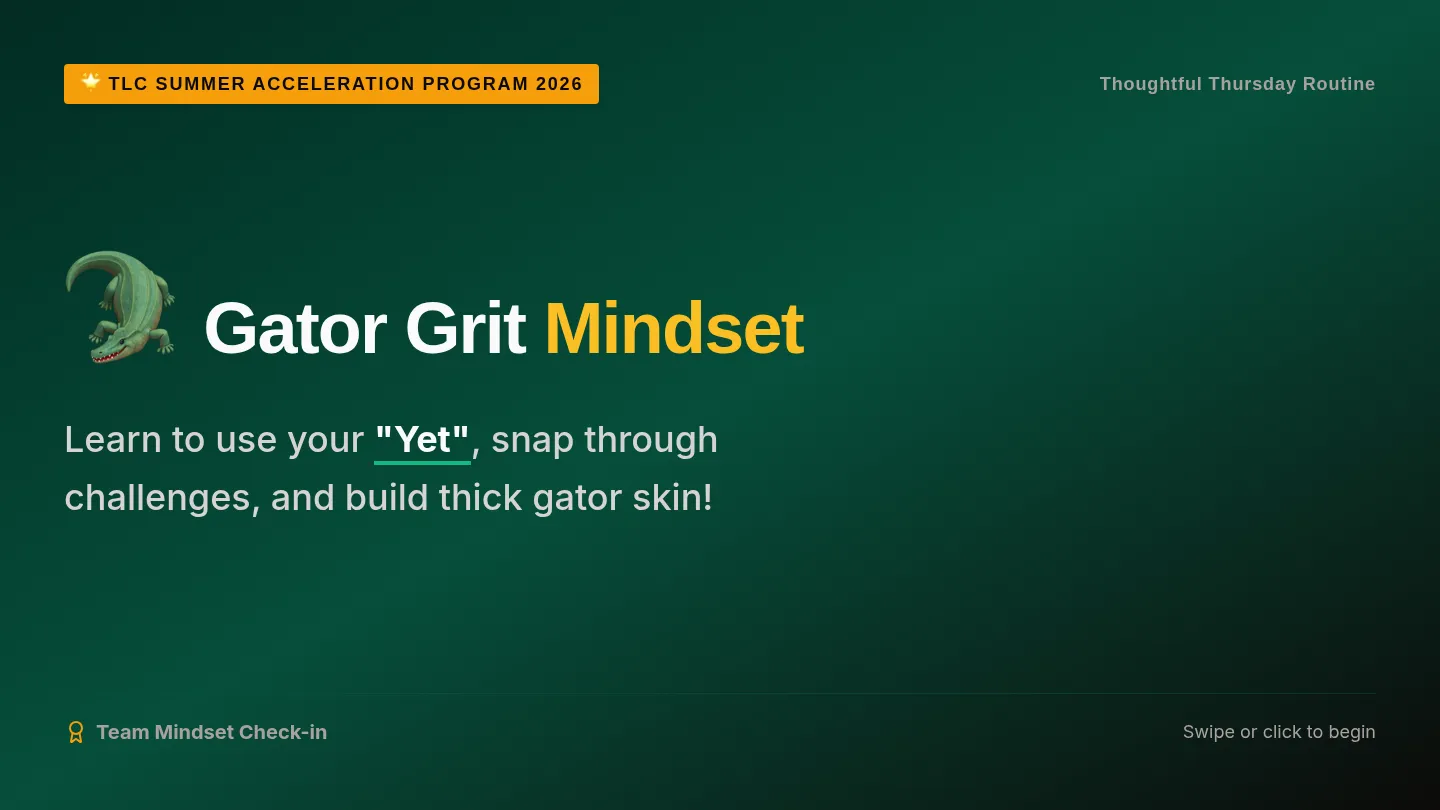
A 5-10 minute Thoughtful Thursday activity designed to shift students in grades 1-6 from a fixed to a growth mindset. Using engaging alligator metaphors like the 'Yet' Gator, 'Chomping' through challenges, and 'Thick Gator Skin' resilience, this quick routine builds emotional grit and reflection.
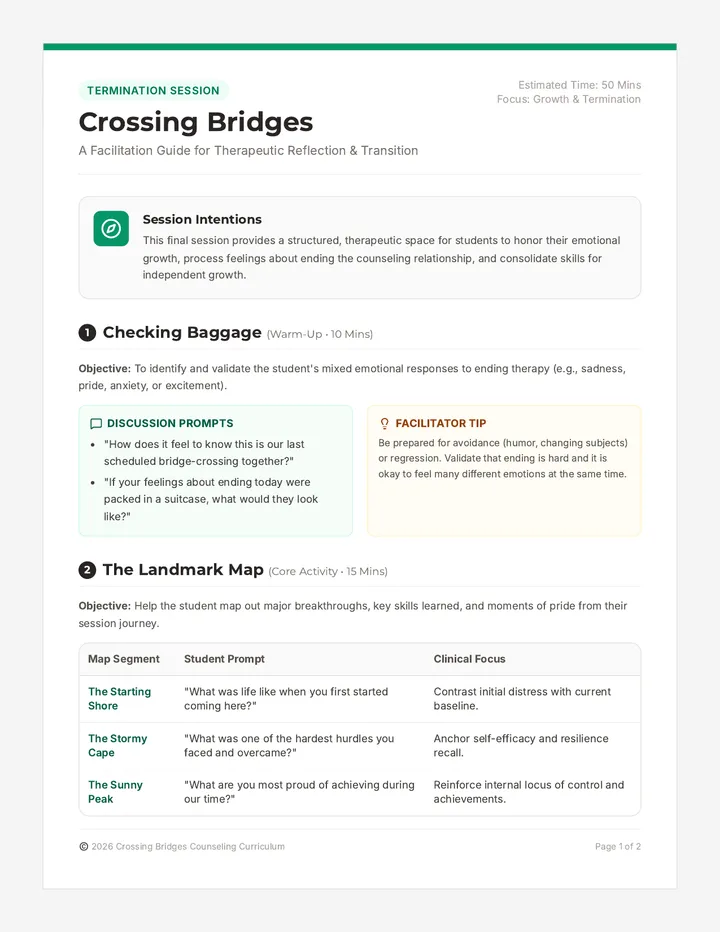
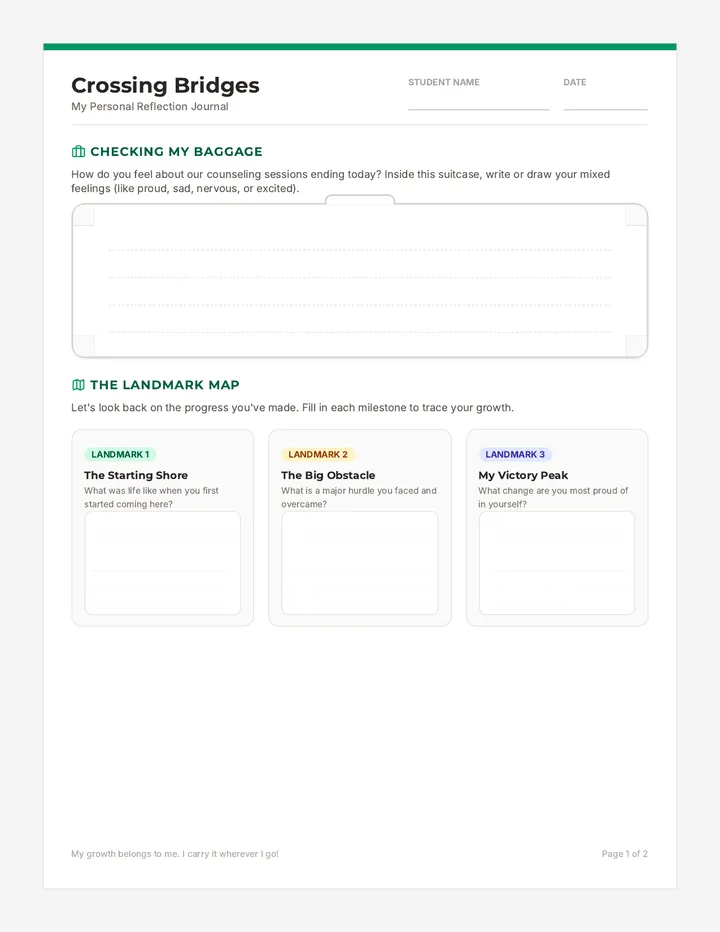
A comprehensive therapeutic counseling session designed to help students reflect on their growth, process feelings about termination, and prepare for the journey ahead.
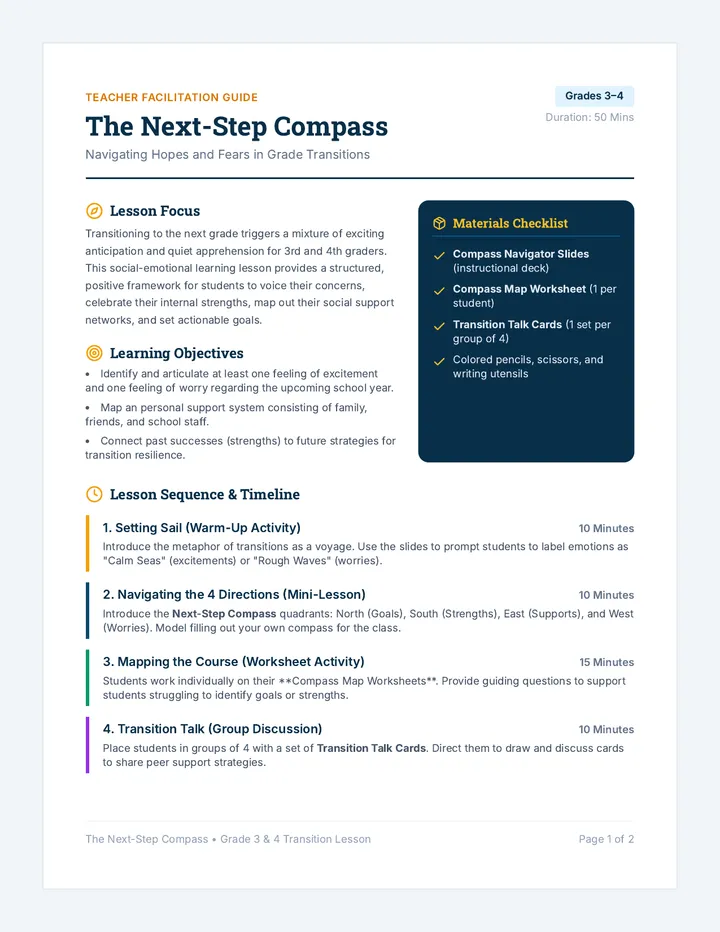
A goal-oriented lesson helping third and fourth graders navigate their excitement and fears about transitioning to the next grade. Students explore emotional management, identify strengths and support networks, and sketch a personal compass to guide their path forward.
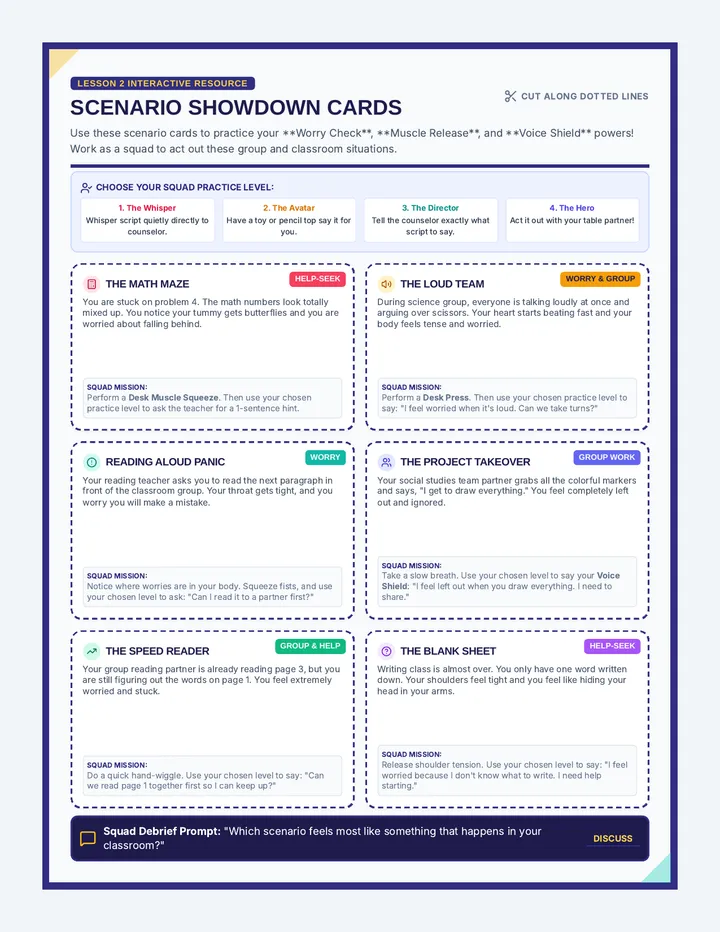
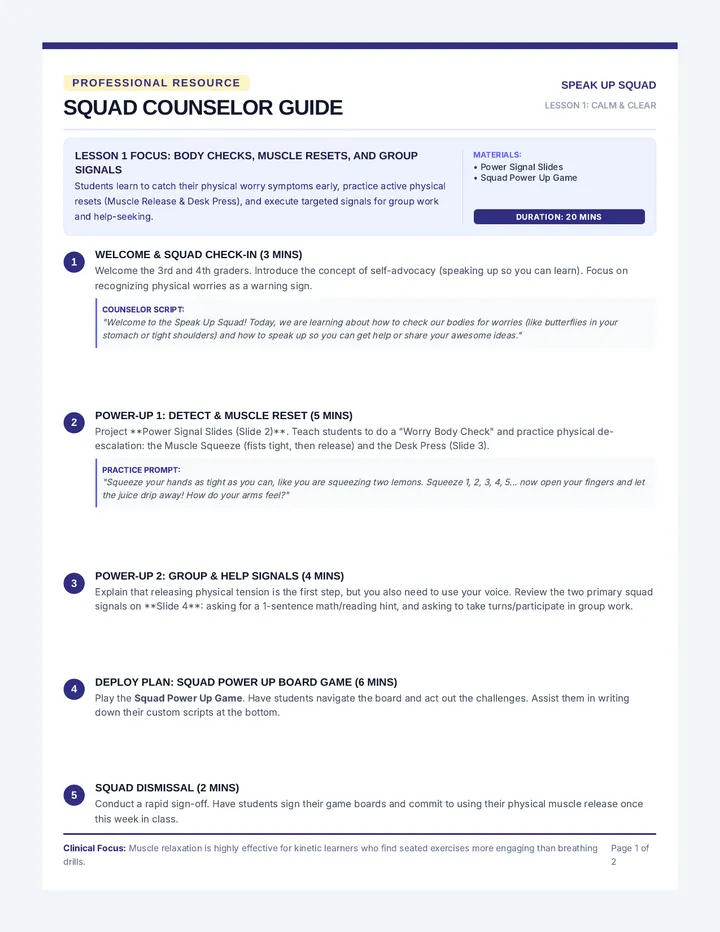
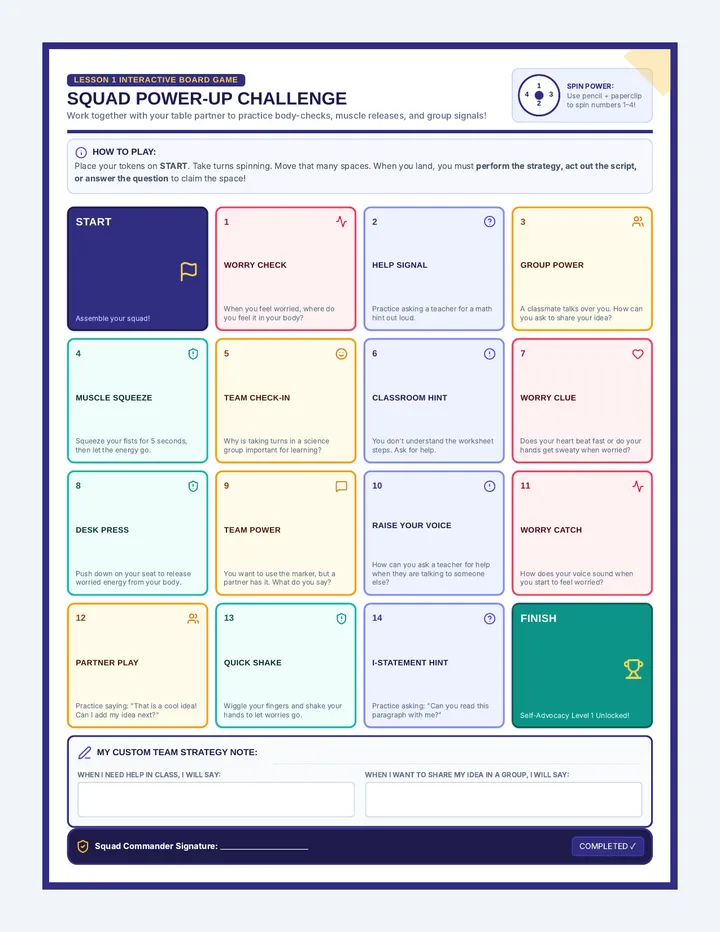
Lesson 2 focuses on active self-advocacy using 'I-Statements' (I feel..., because..., I need...) and executing specific scripts for help-seeking and requesting a break during structured role-play scenarios.
Lesson 1 focuses on pre-advocacy de-escalation (Deep Breathing and 5-4-3-2-1 Grounding) and identifying when to use self-advocacy signals (asking for help or requesting a break) in a small group setting.
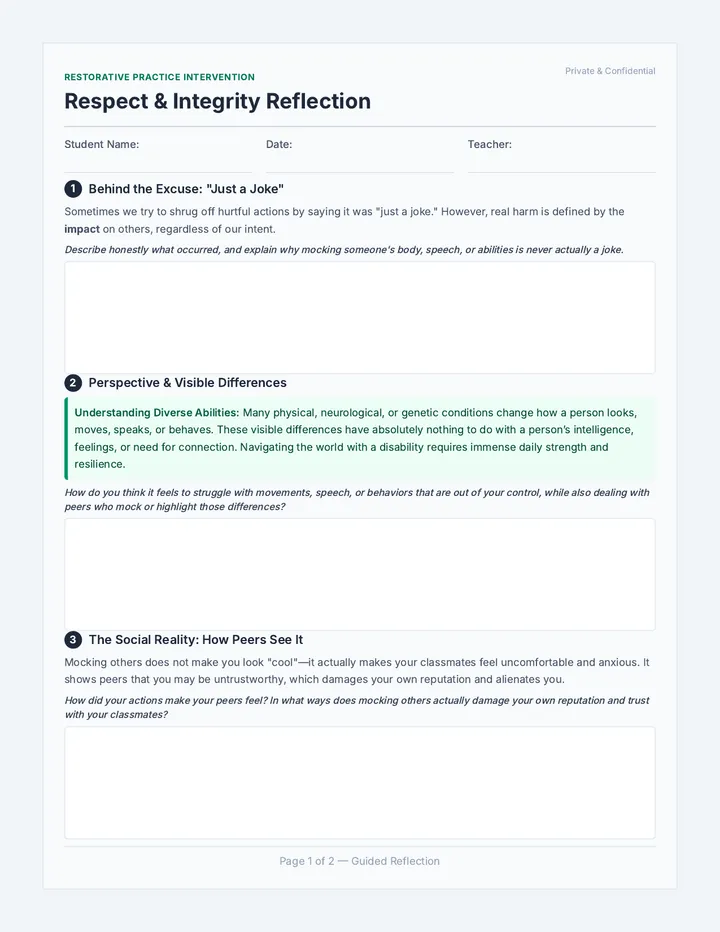
A restorative intervention lesson designed for students who have engaged in mocking or exclusionary behavior toward peers with disabilities. It focuses on perspective taking, social repositioning, impact vs. intent, and establishing concrete behavioral agreements.