Students explore working memory limits and practice 'chunking' information to bypass cognitive bottlenecks. They learn to categorize data into meaningful groups to improve short-term recall.
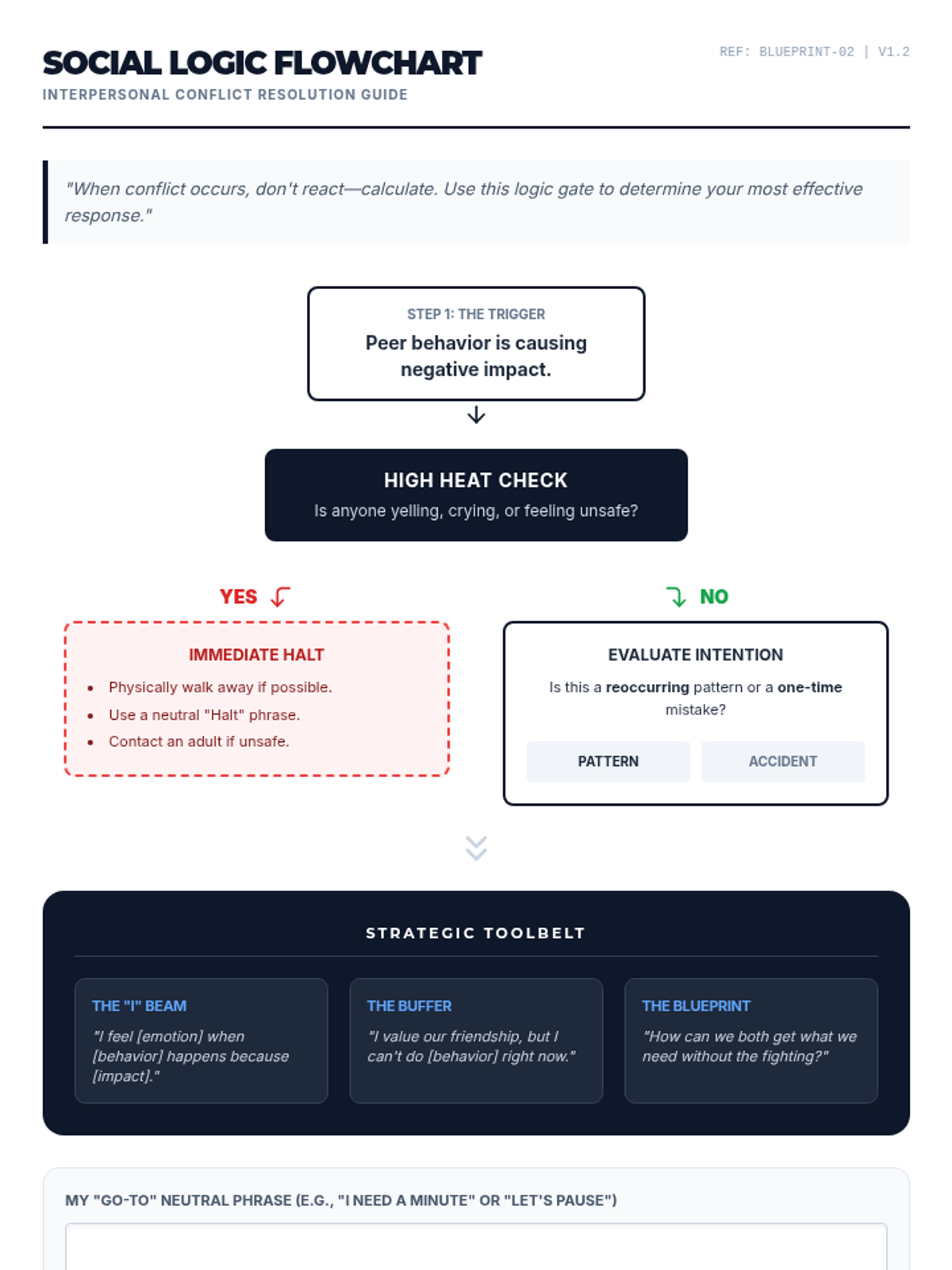
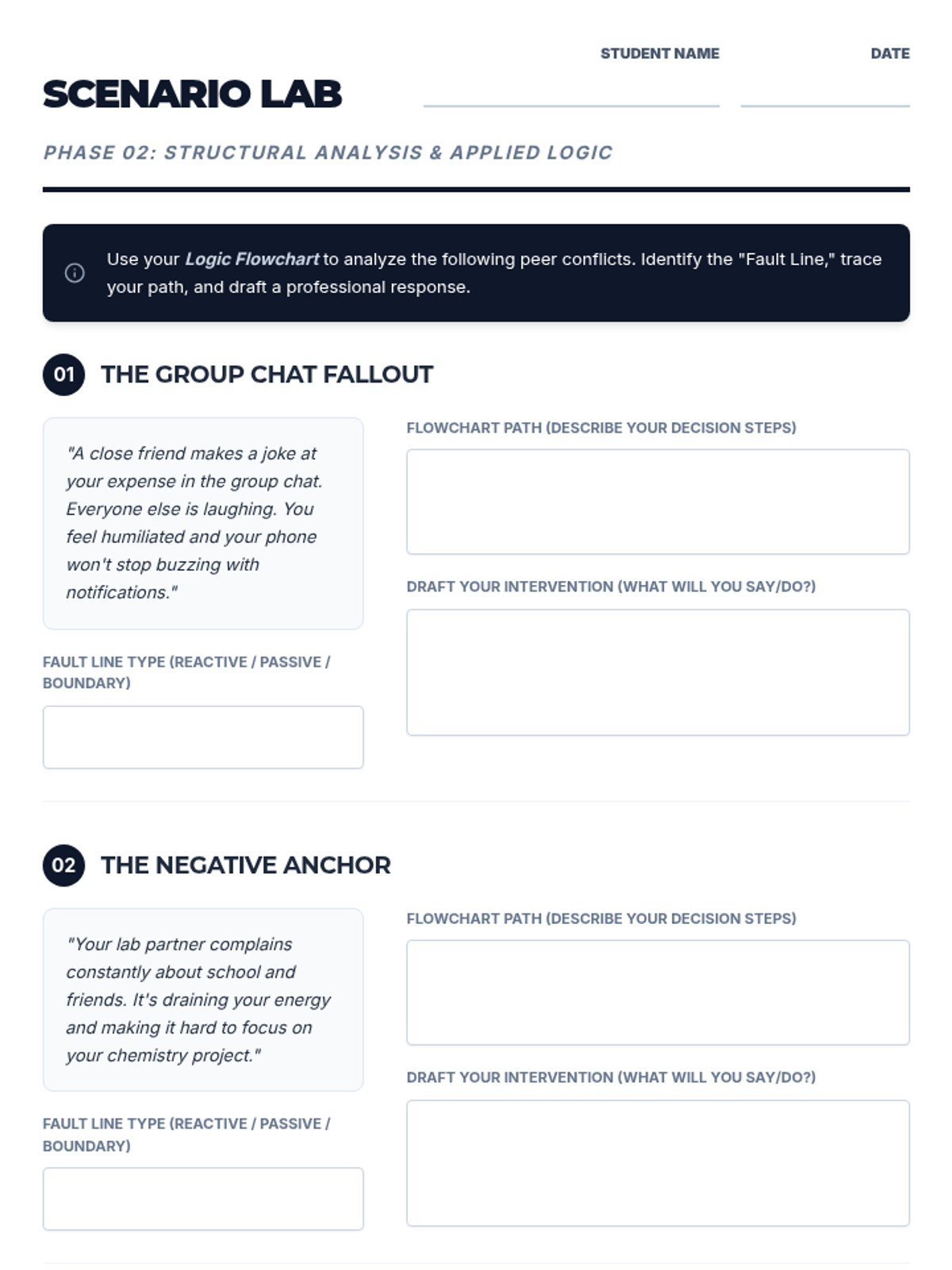
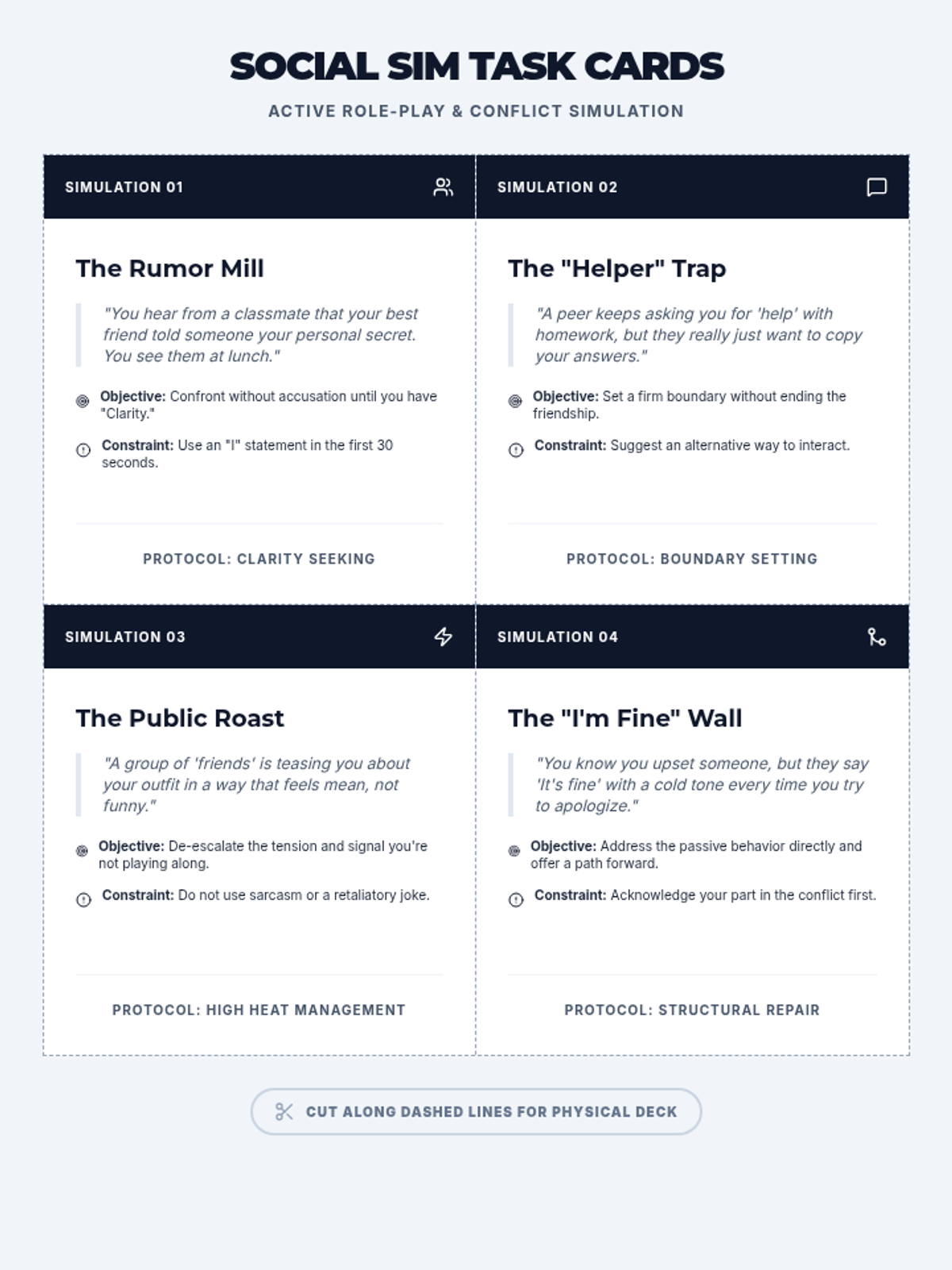
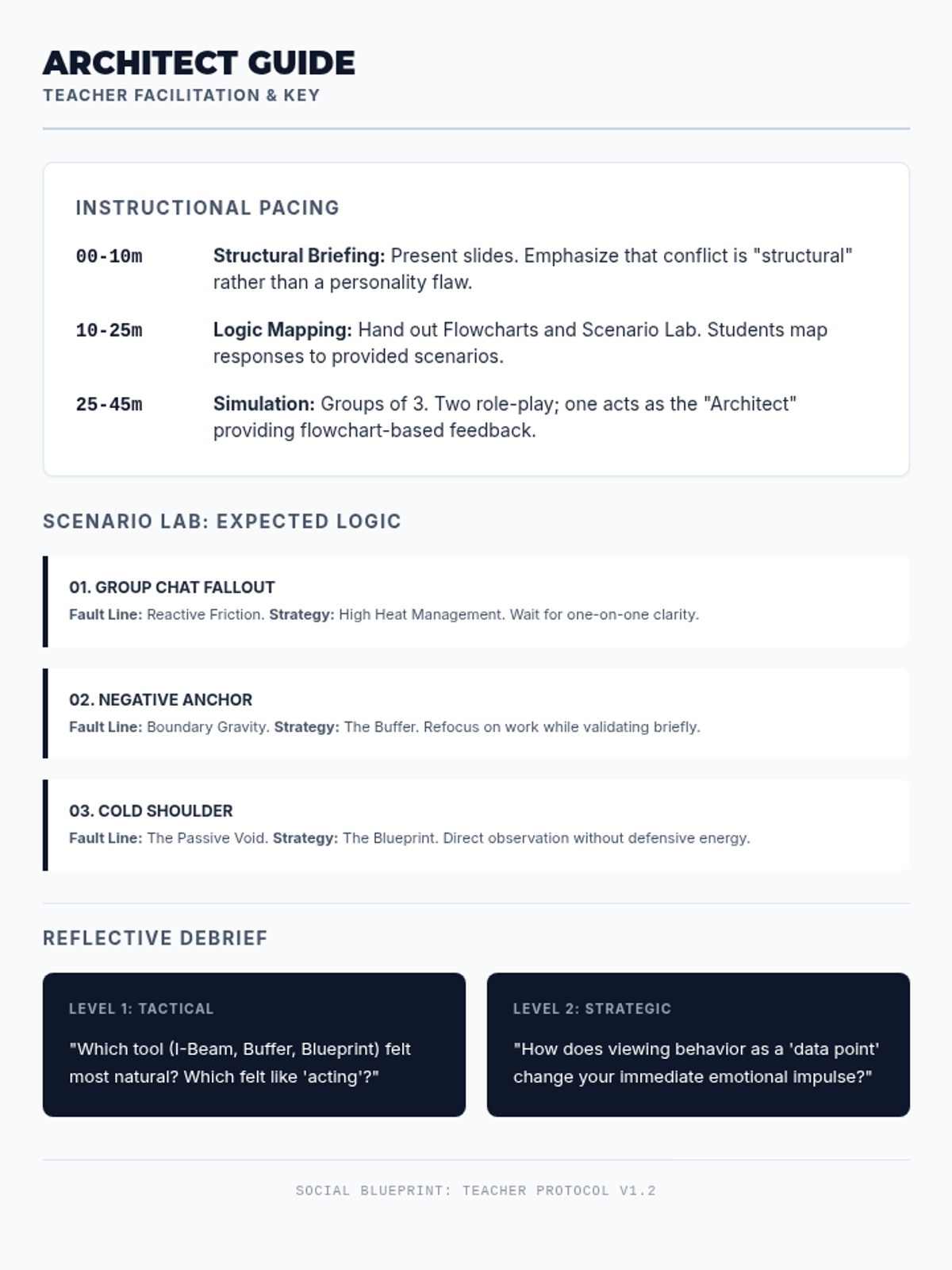
A high school lesson focused on developing professional and interpersonal strategies for navigating peer conflict and difficult social behaviors using a 'Social Architecture' framework.
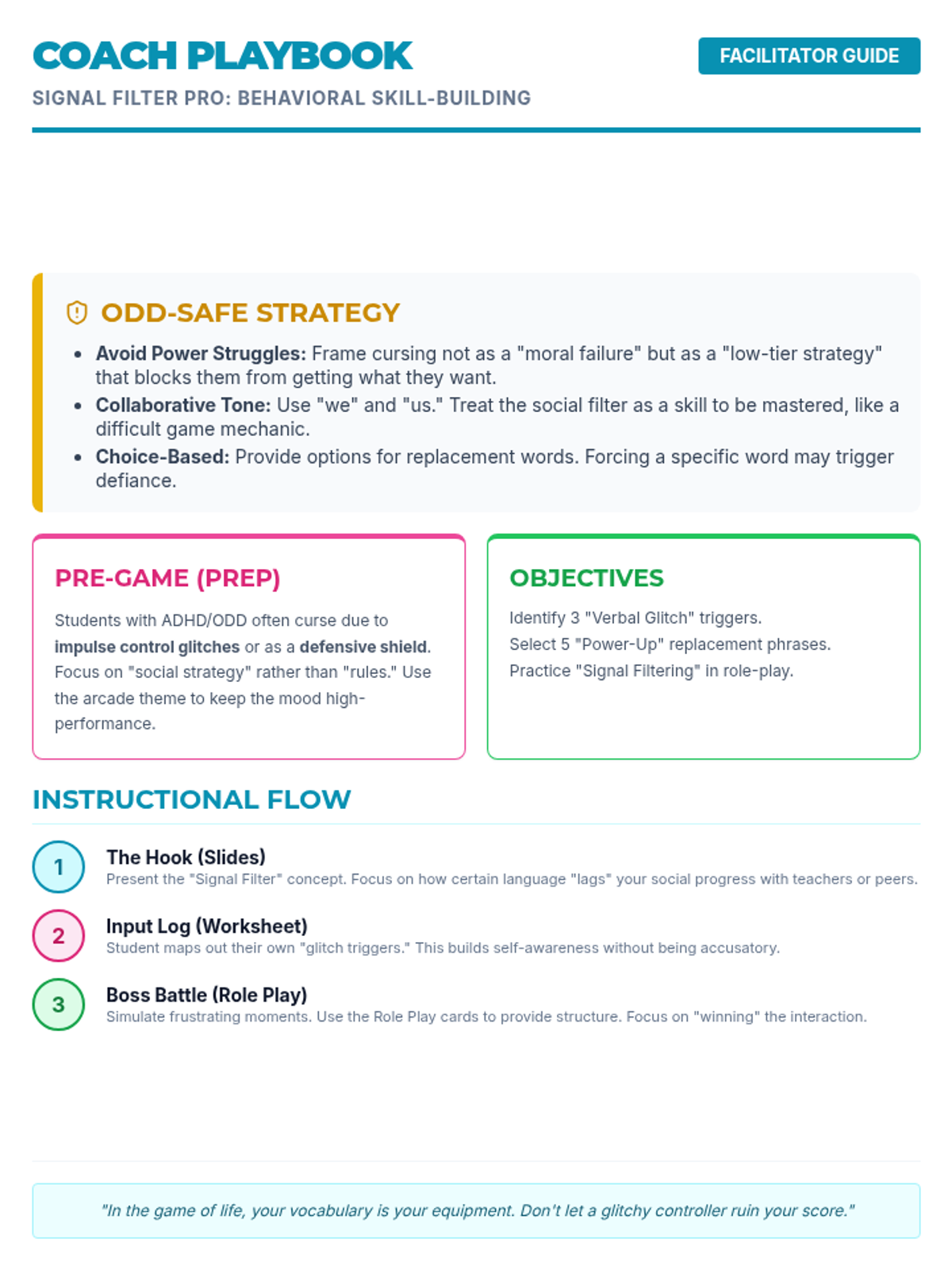
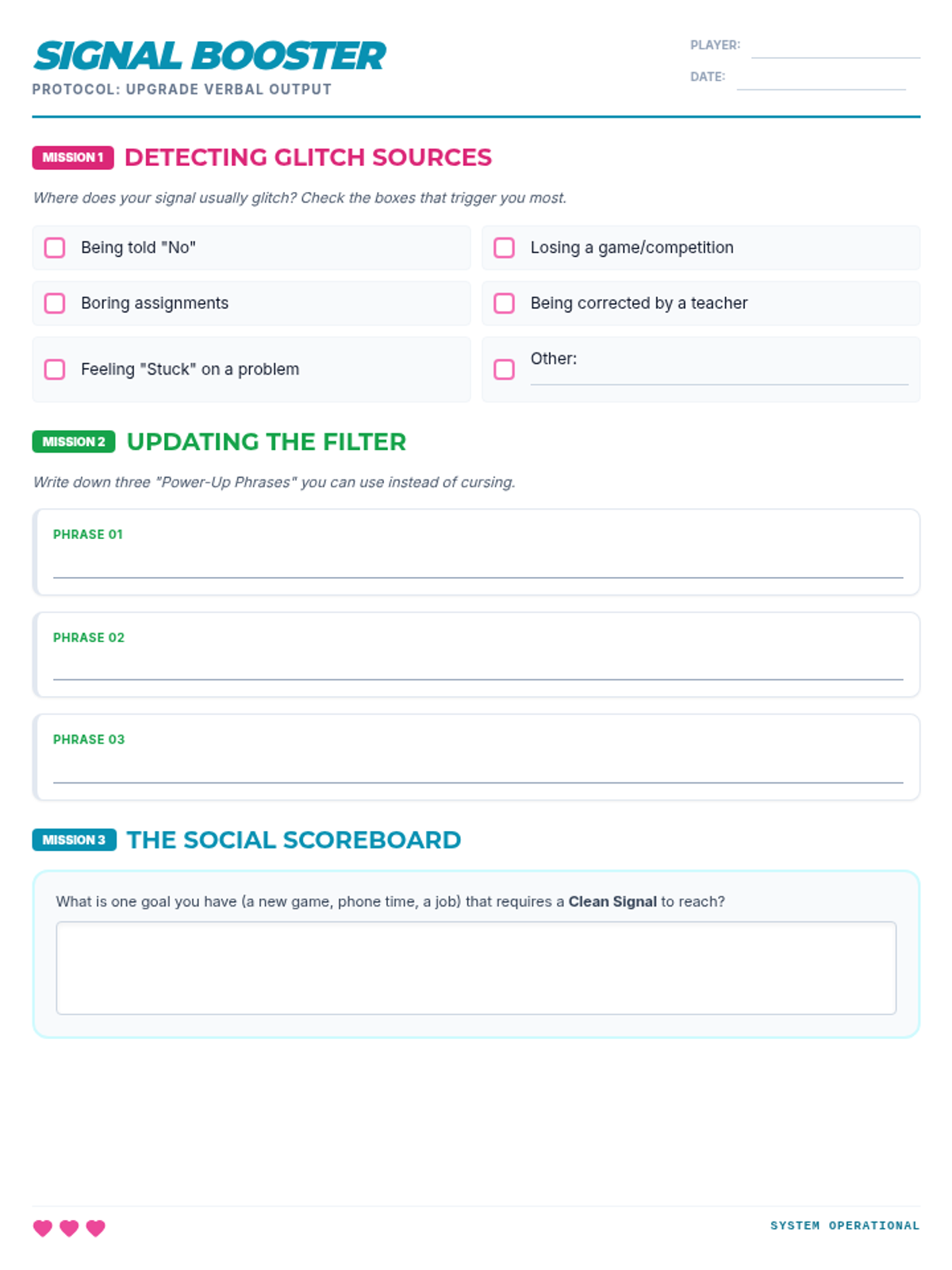
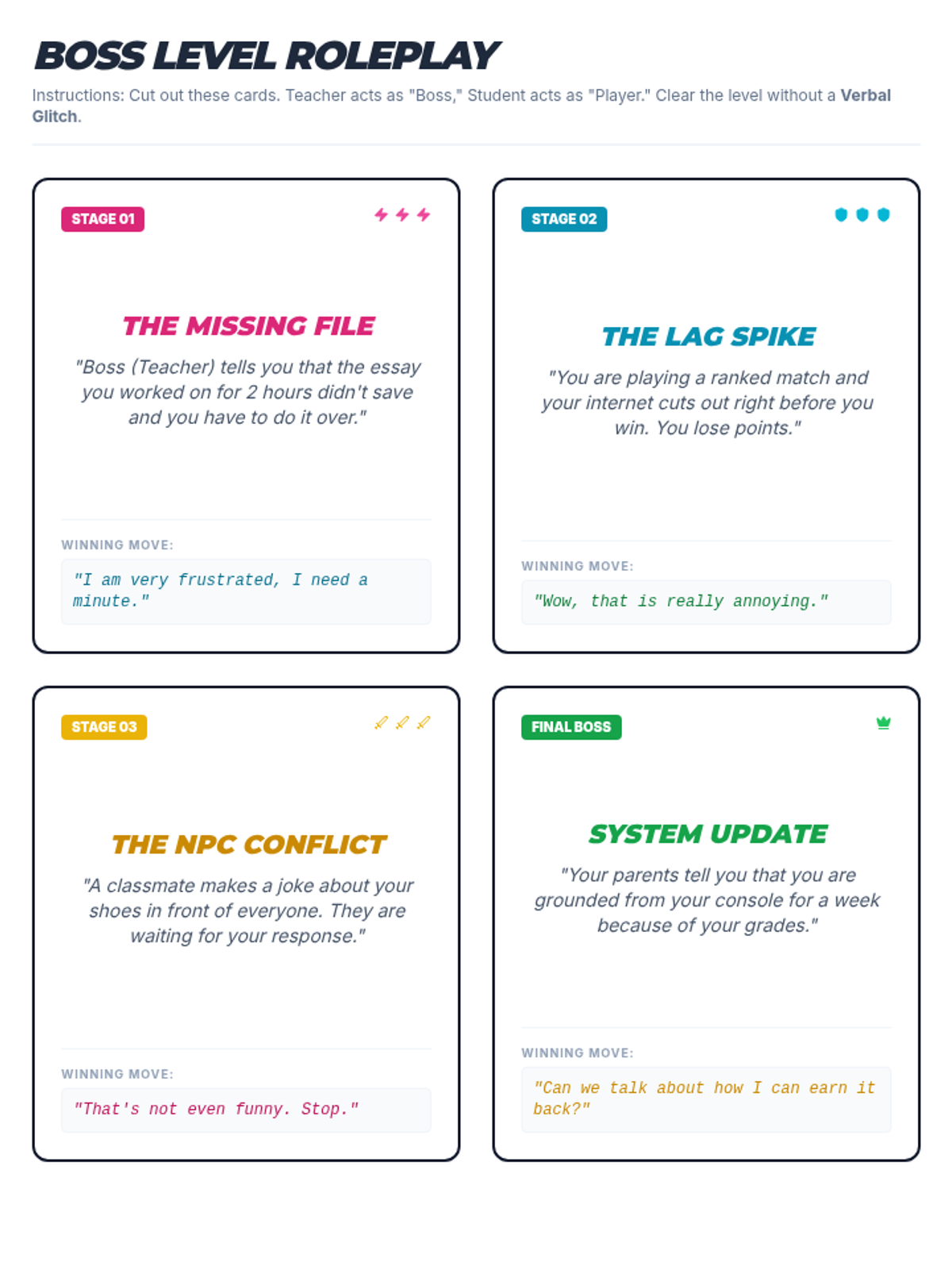
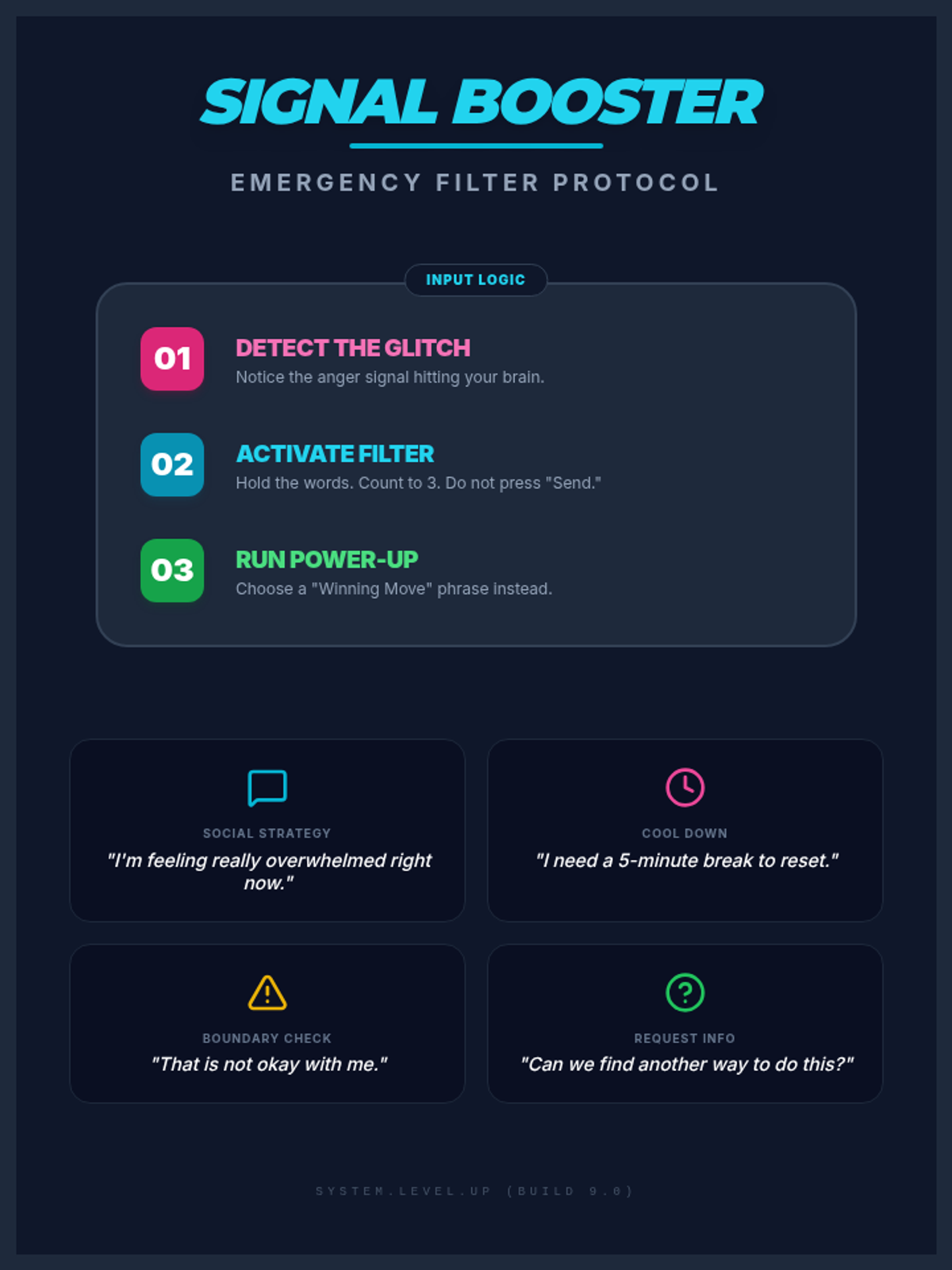
A high-engagement lesson using a retro video game theme to help students with ADHD and ODD understand the impact of cursing and develop 'Power-Up' replacement phrases for when they feel frustrated.
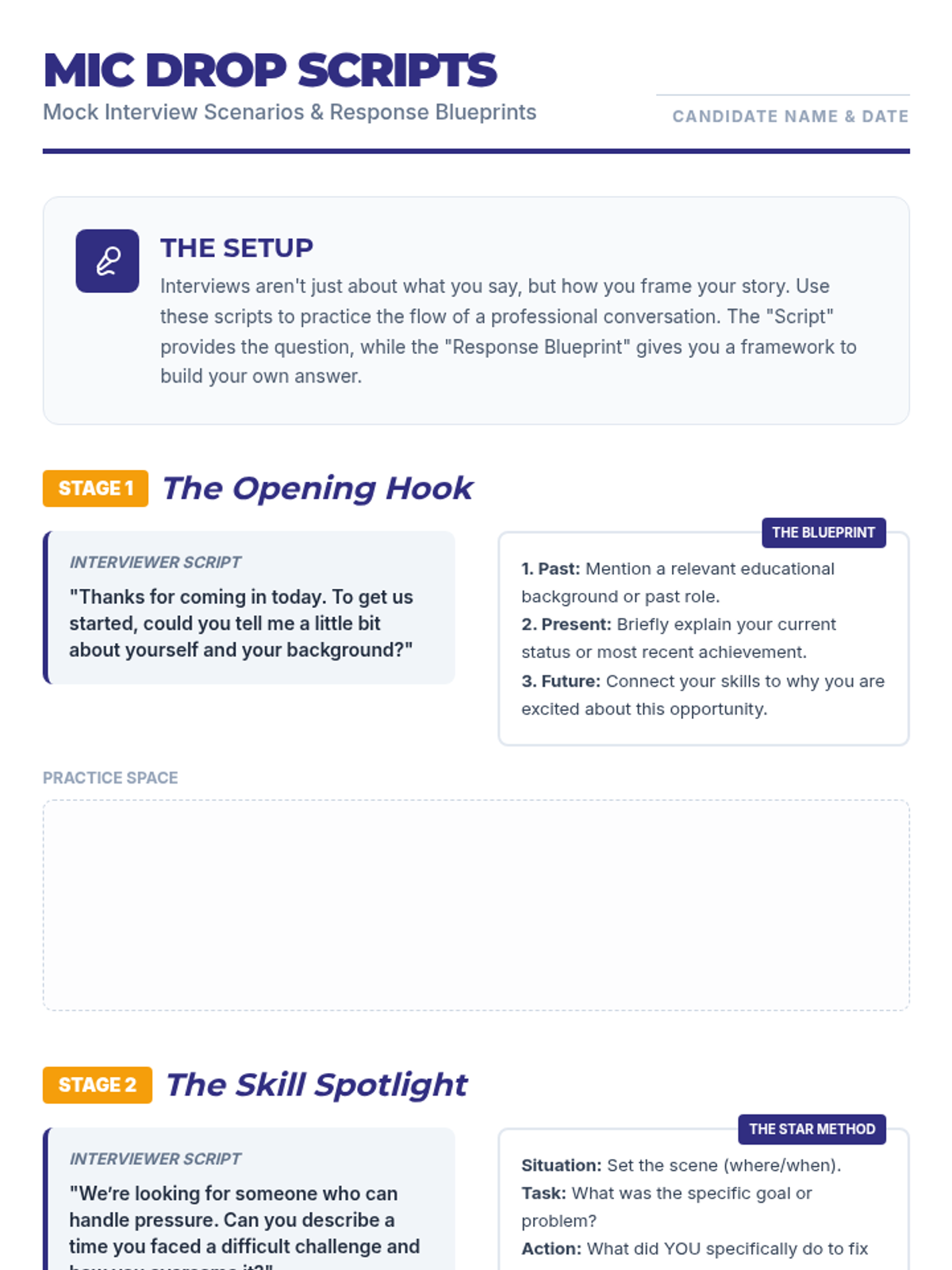
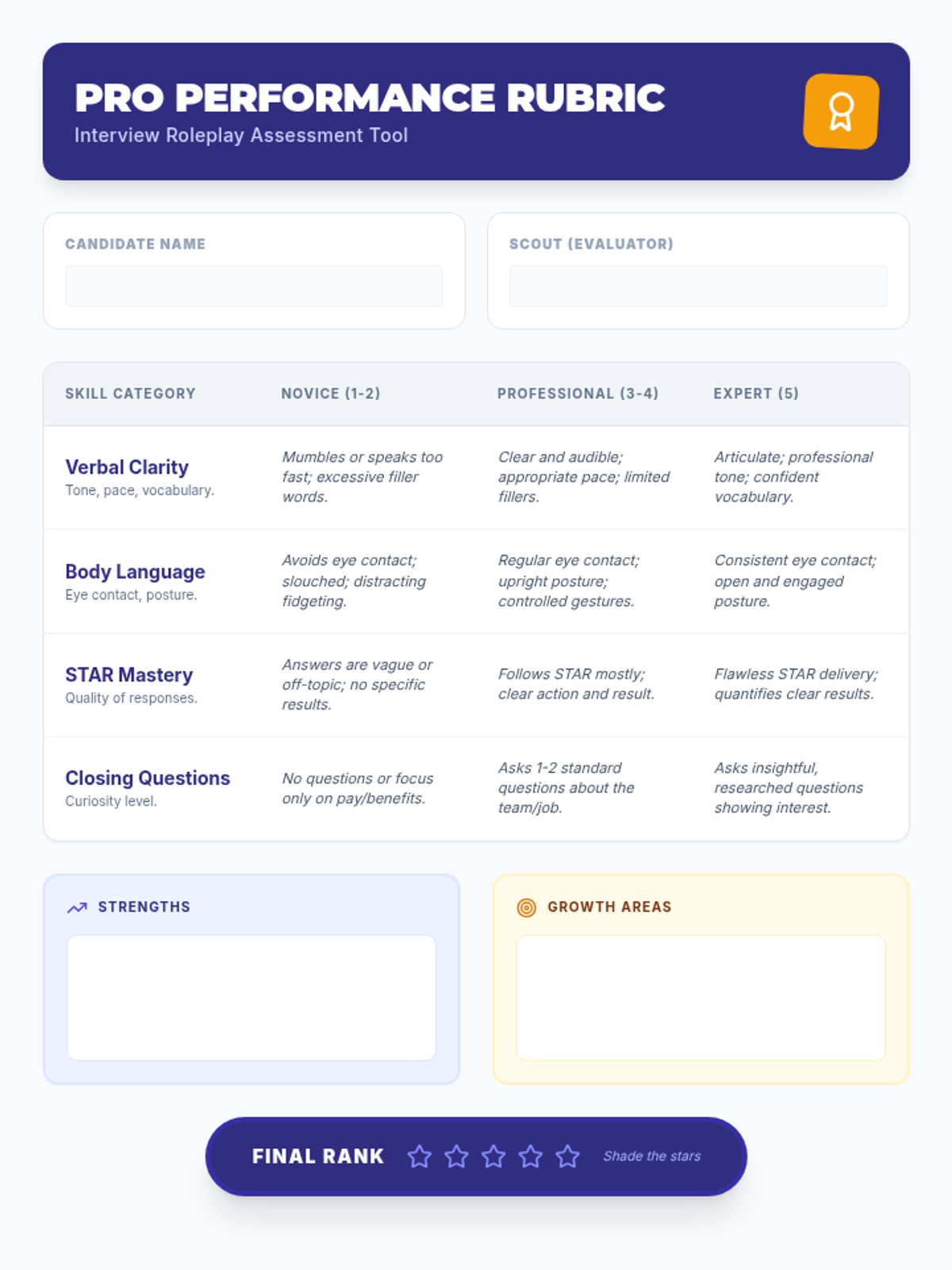
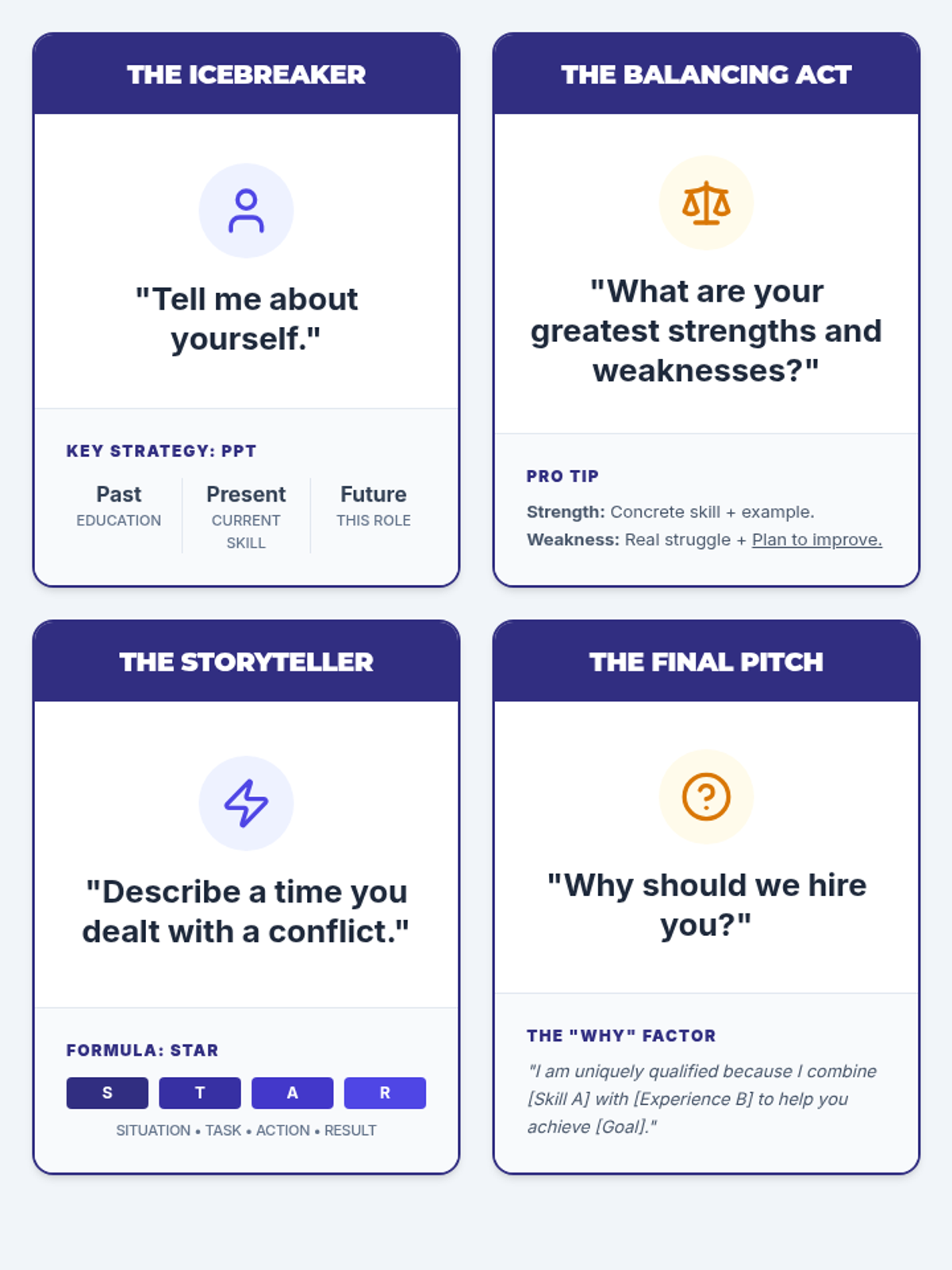
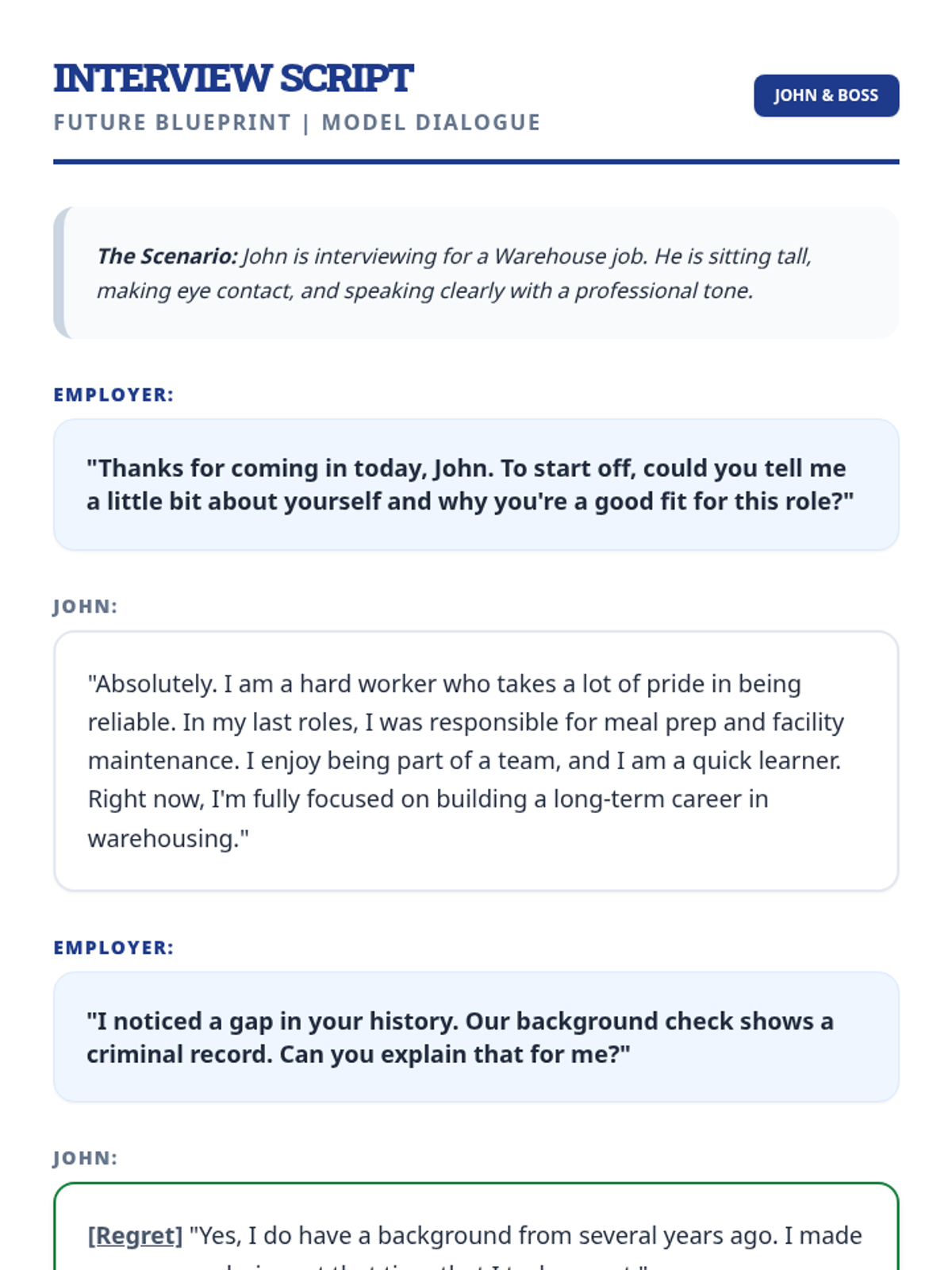
A comprehensive guide to mastering the art of the interview, featuring annotated scripts, performance-based rubrics, and visual prompt cards to build student confidence and professional communication skills.
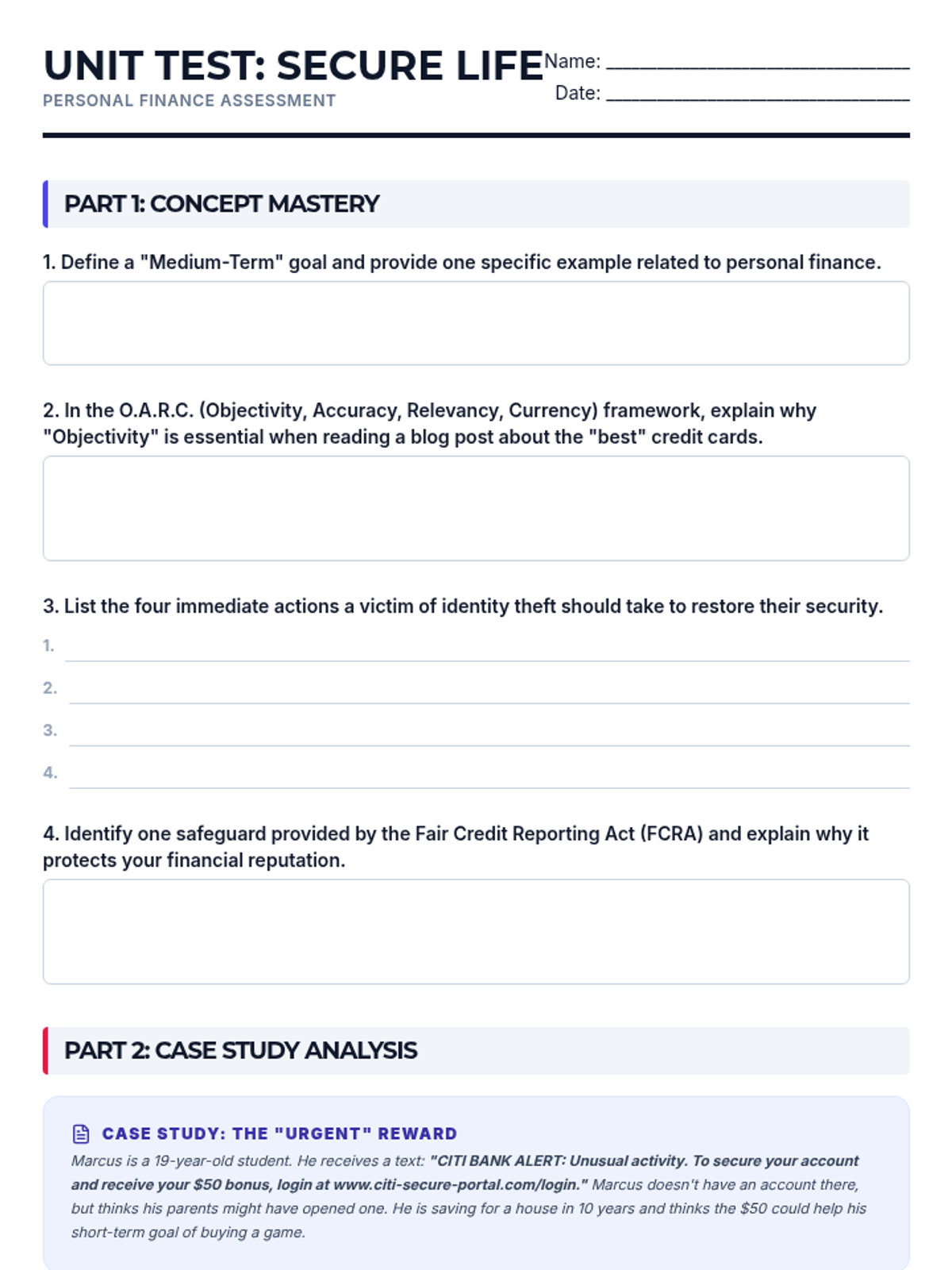
A final review session followed by a mixed-format unit test featuring short answer questions and case study analysis.
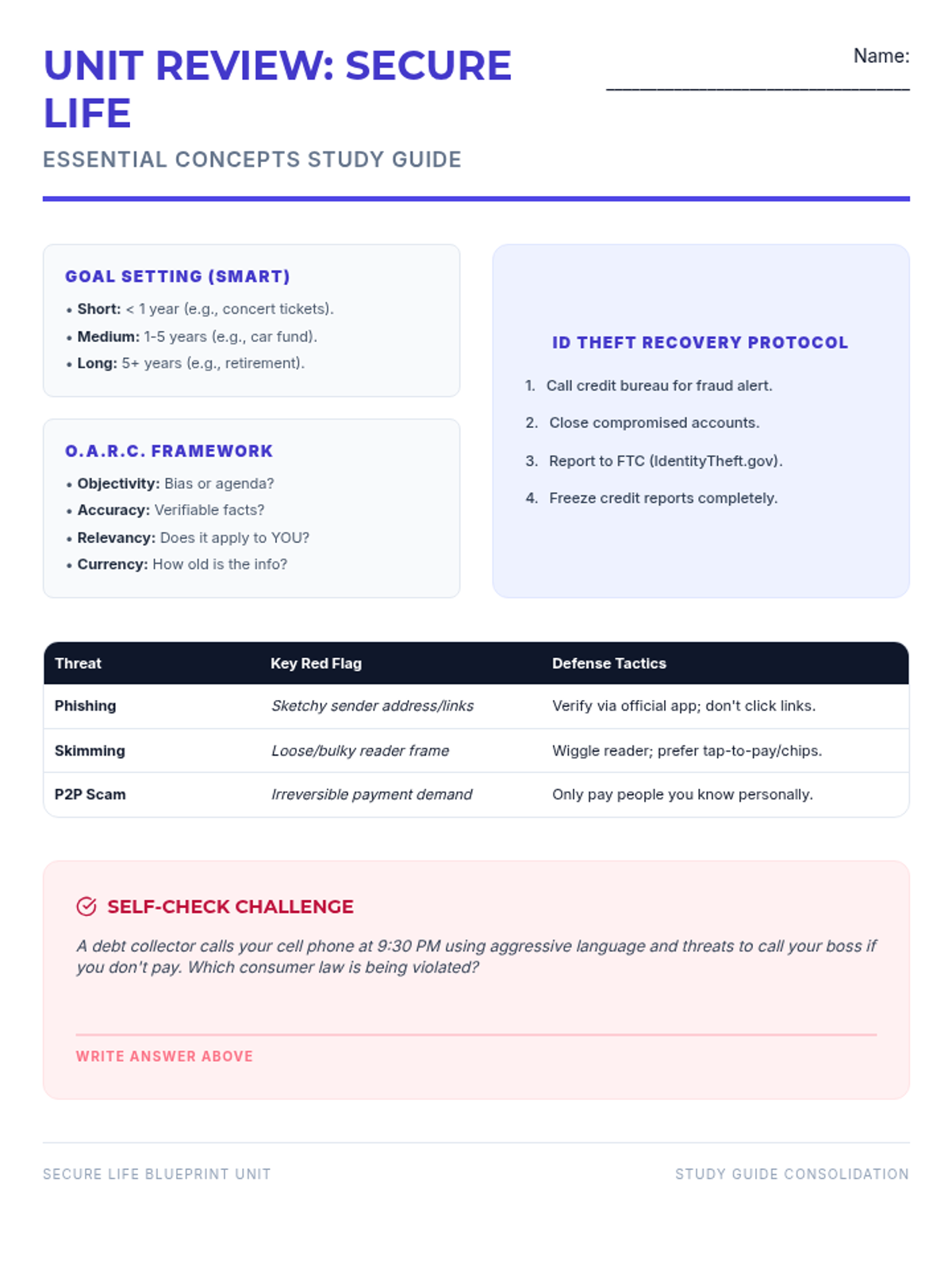
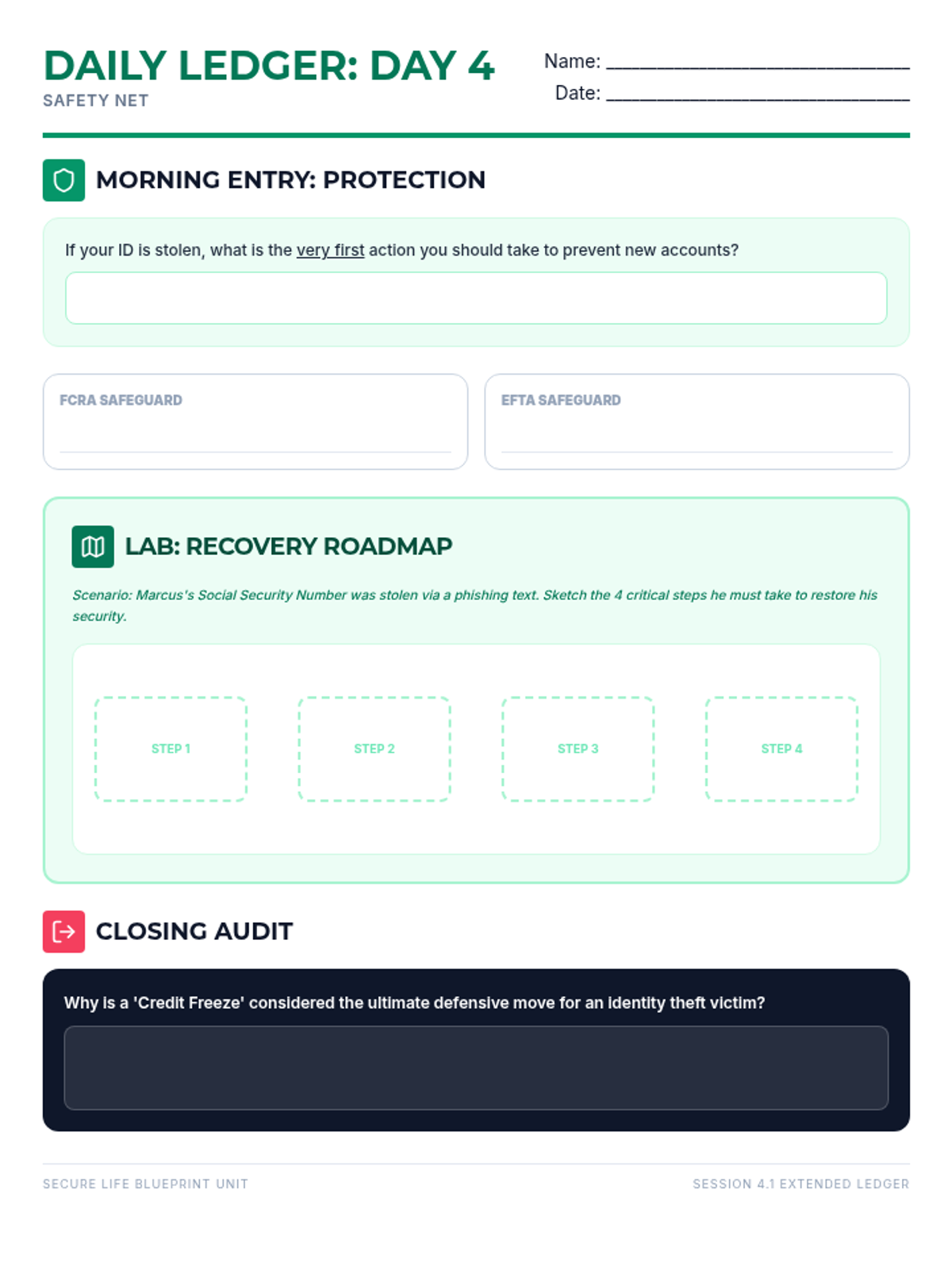
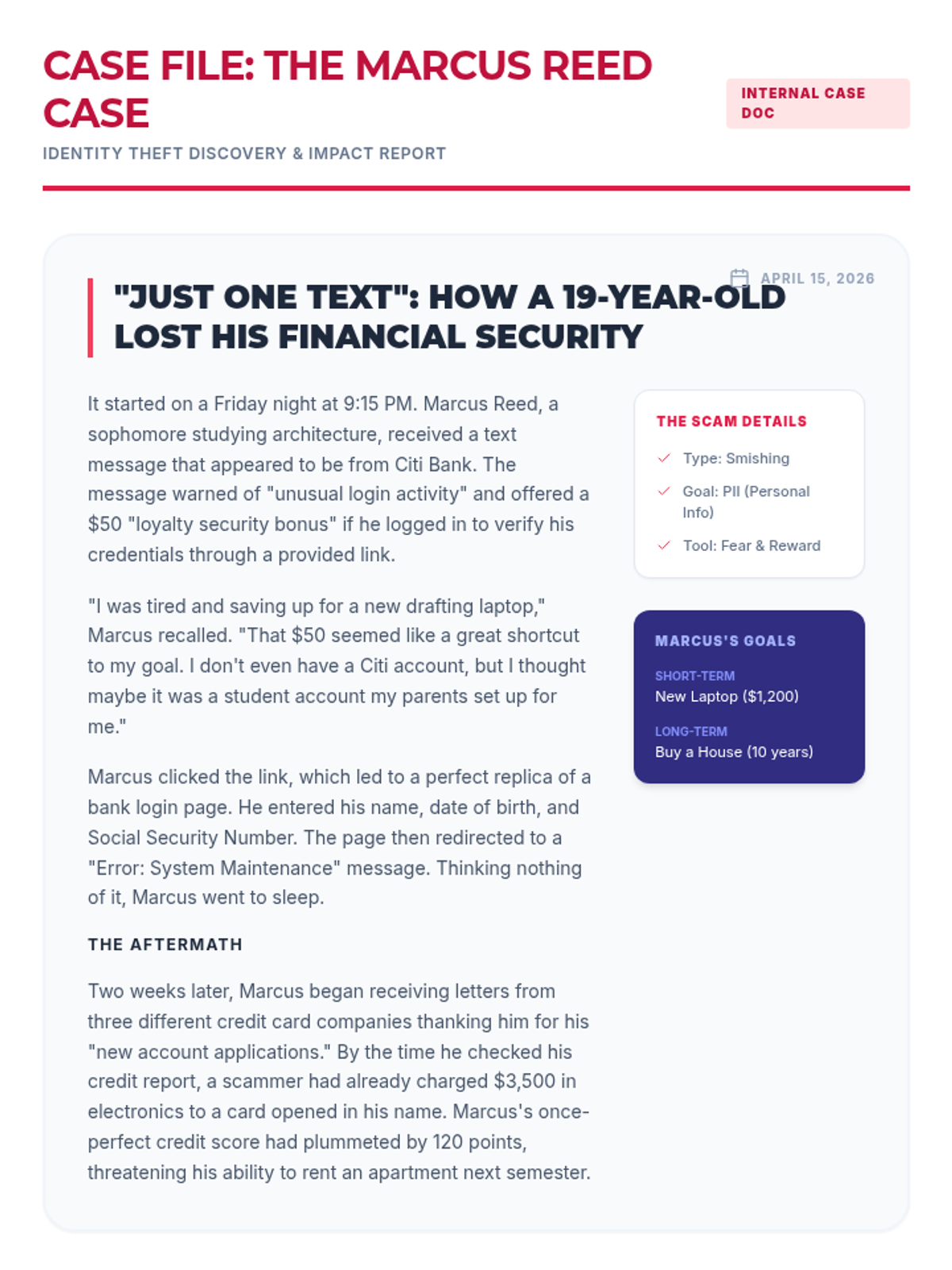
Covers consumer protection laws and the specific steps victims of identity theft should take to recover their security.
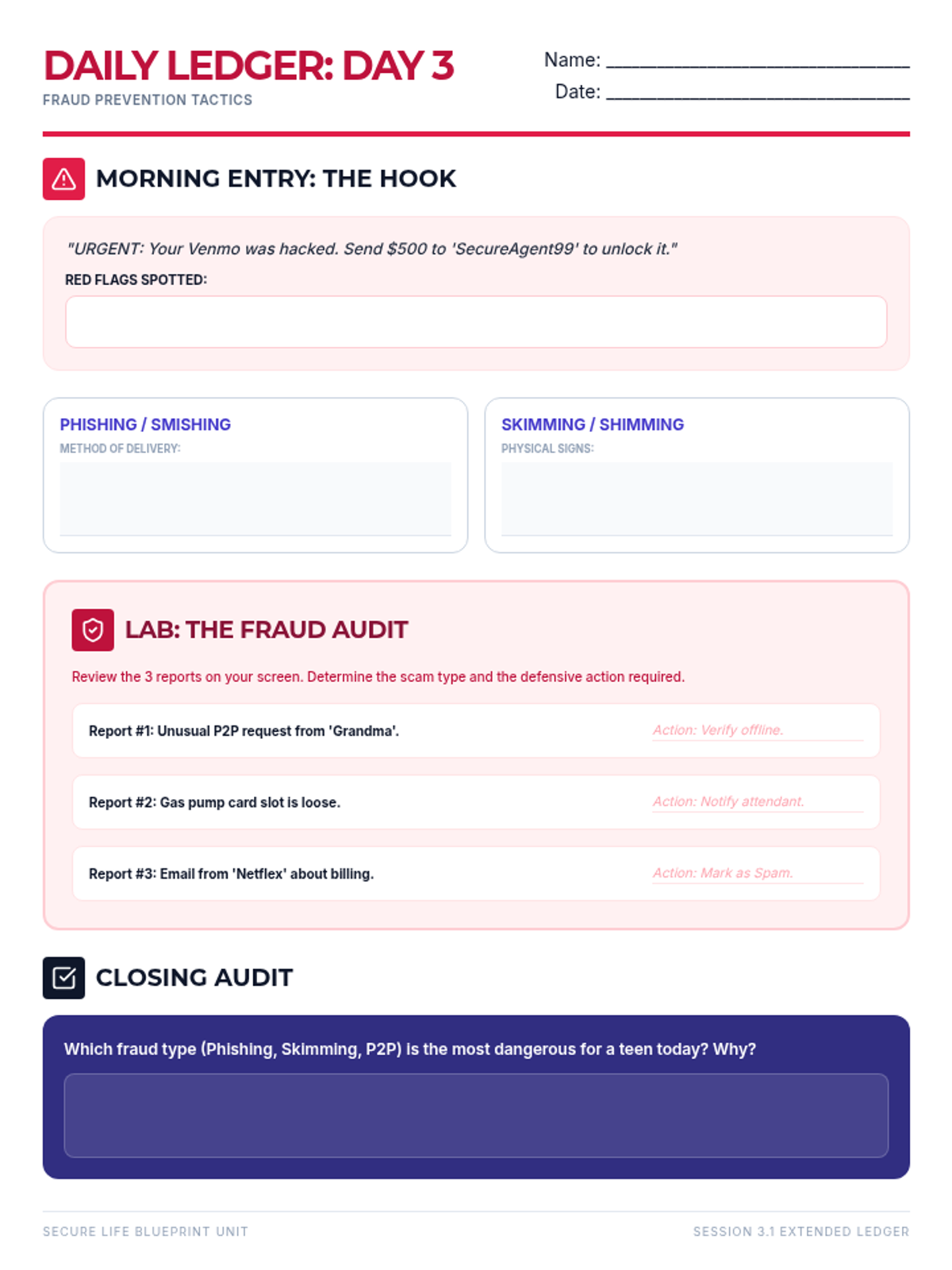
Explores modern consumer fraud including phishing, smishing, credit card skimming, and social media scams.
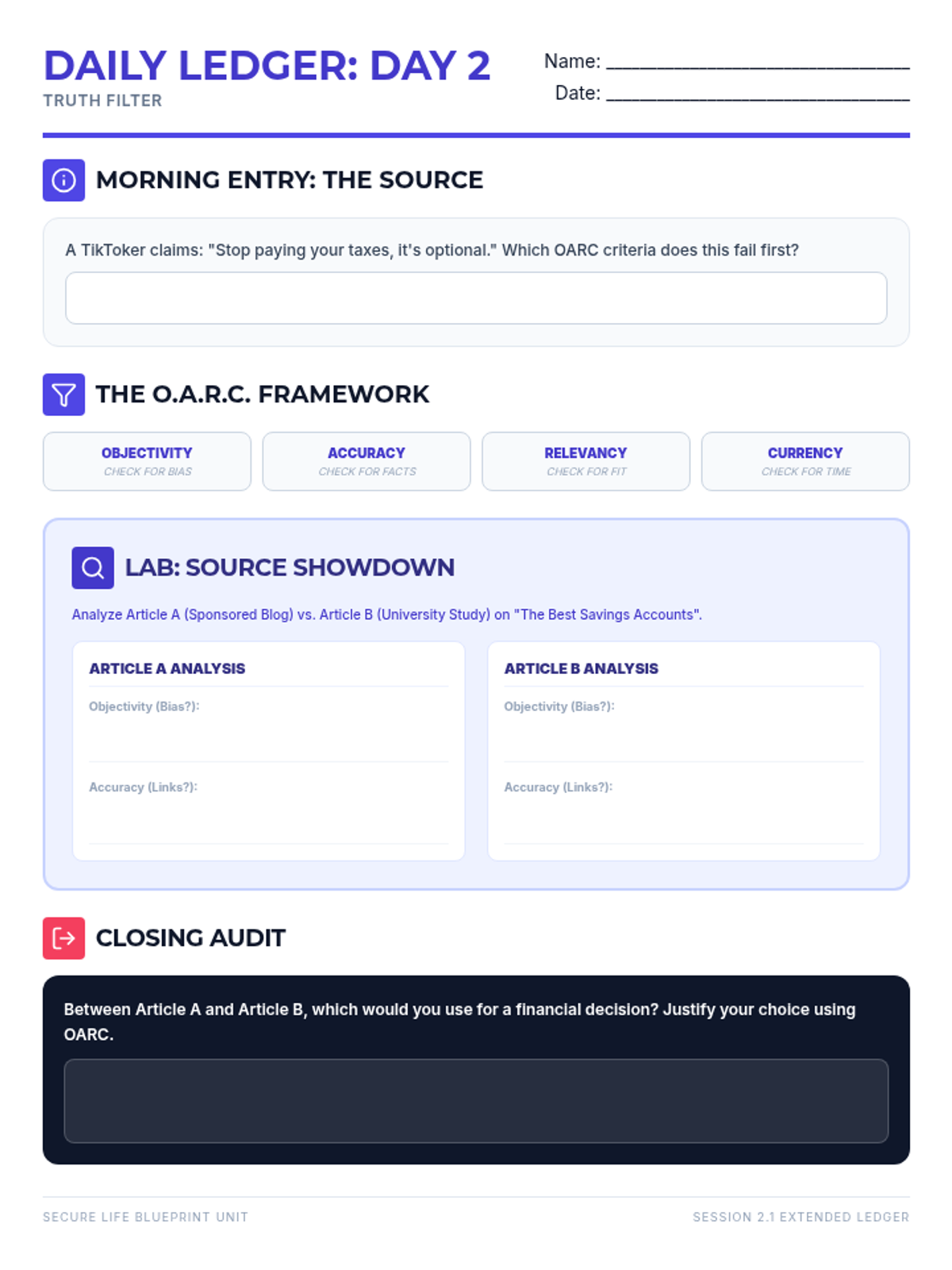
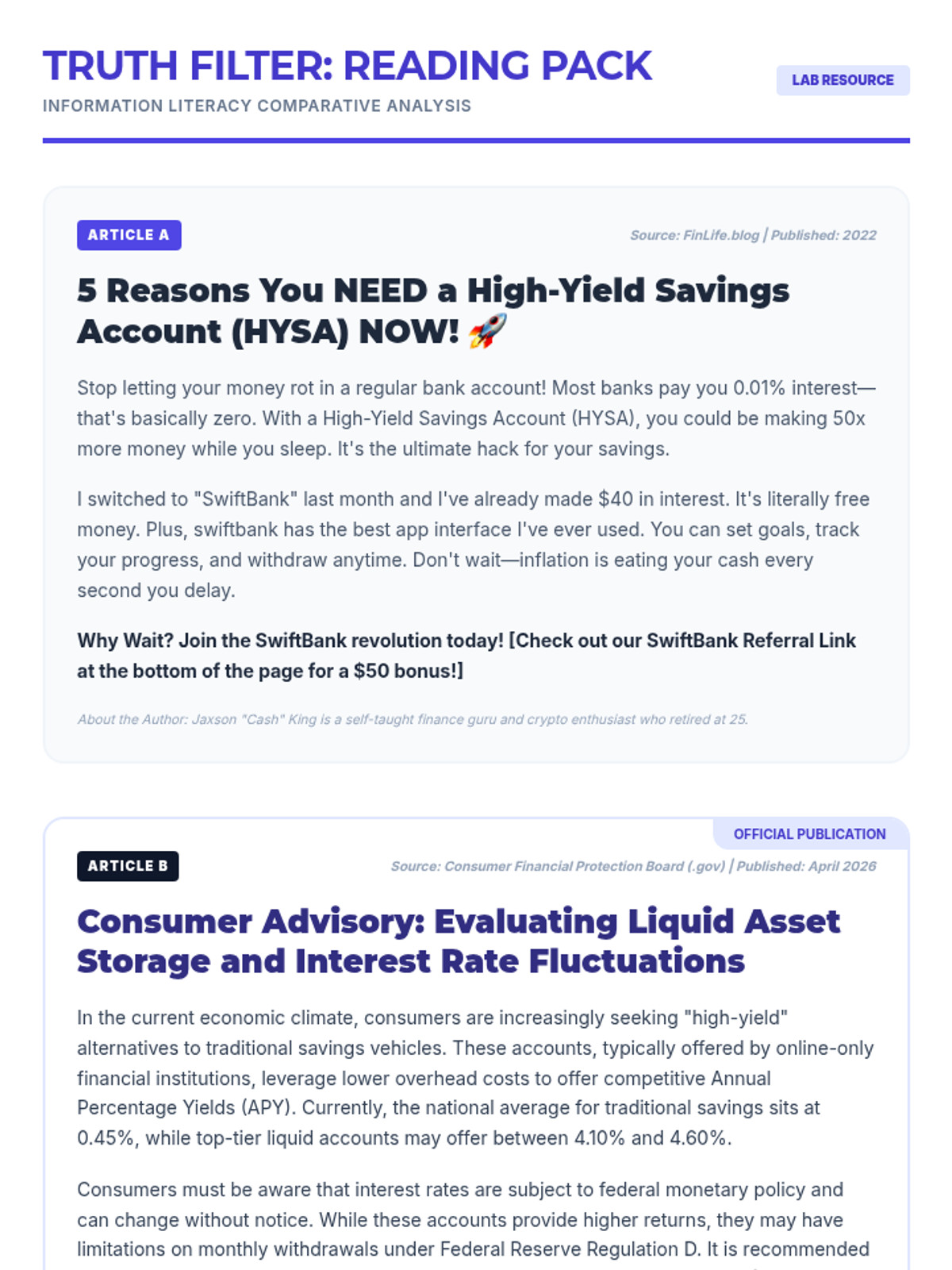
Teaches students how to evaluate financial information for objectivity, accuracy, relevancy, and currency to make informed choices.
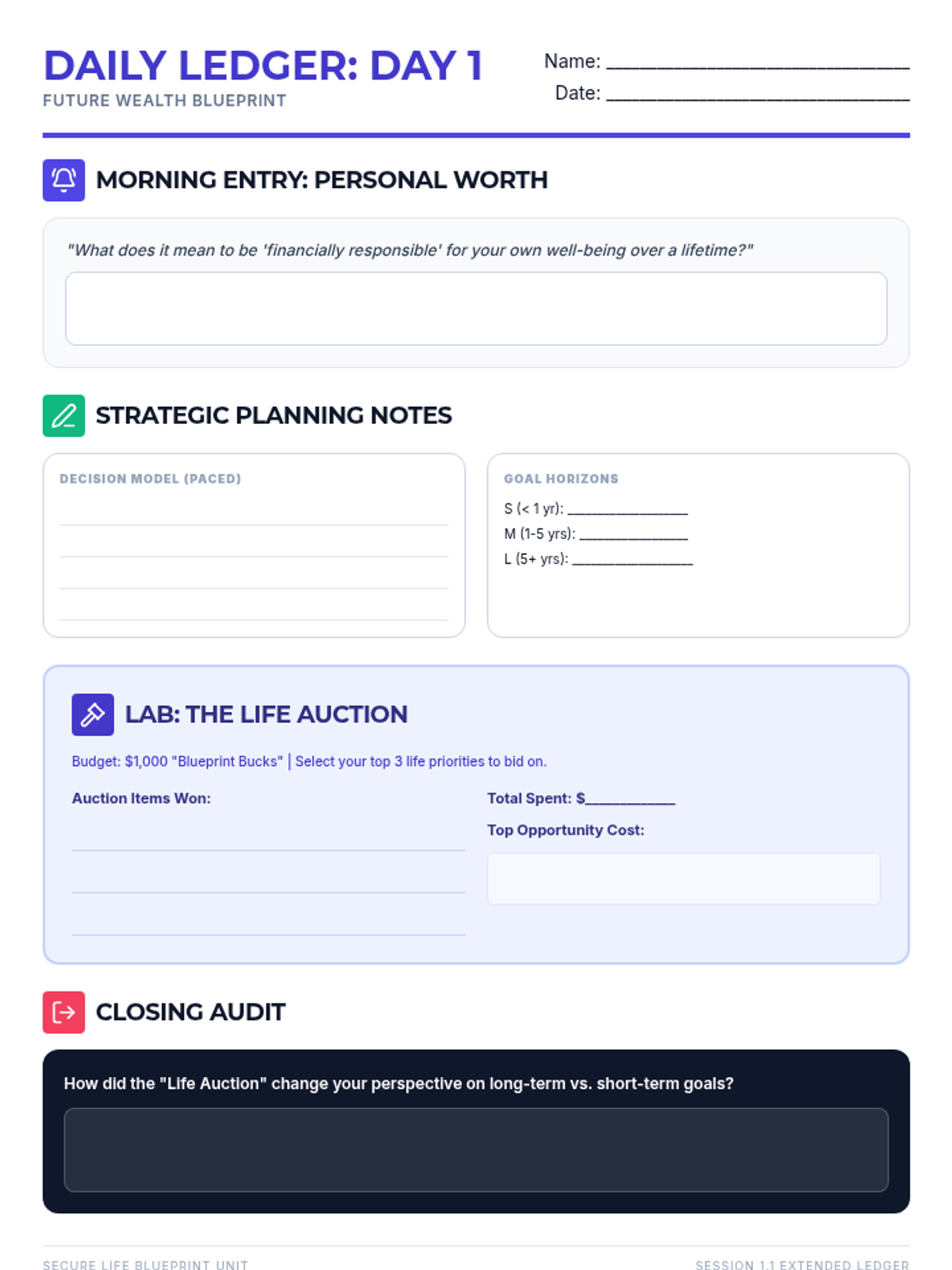
Focuses on lifetime financial well-being, systematic decision-making, and setting SMART short-, medium-, and long-term financial goals.
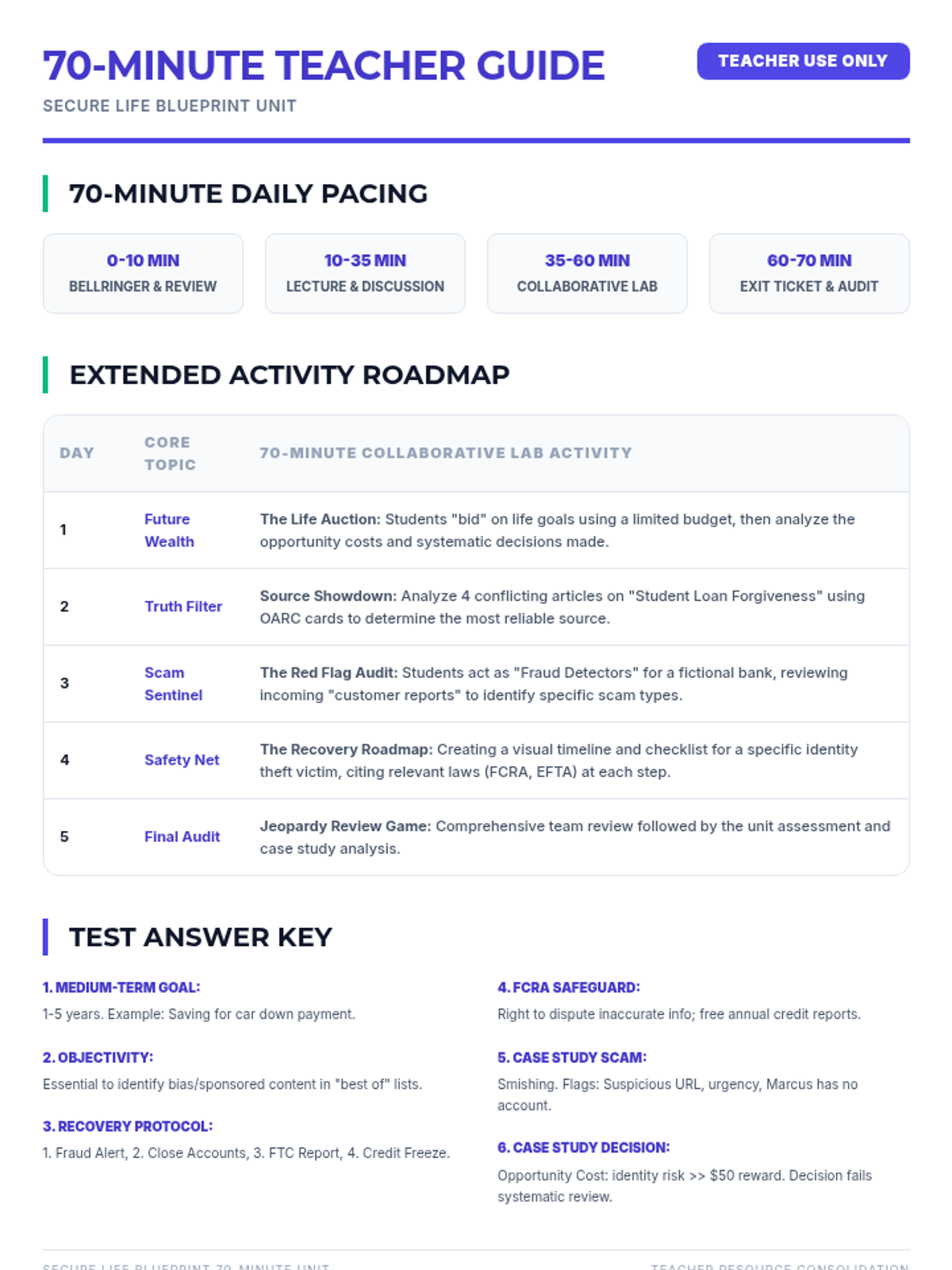
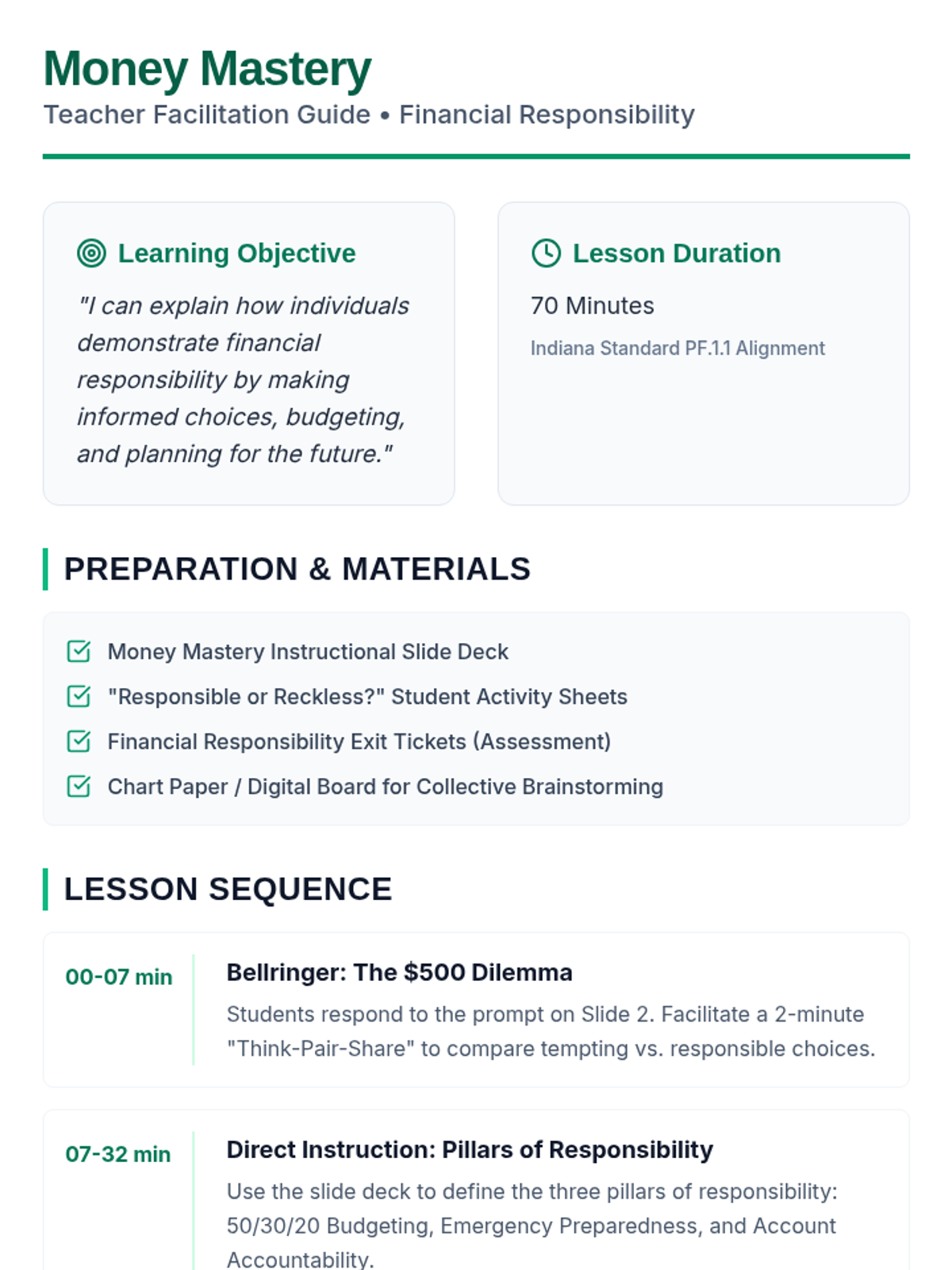
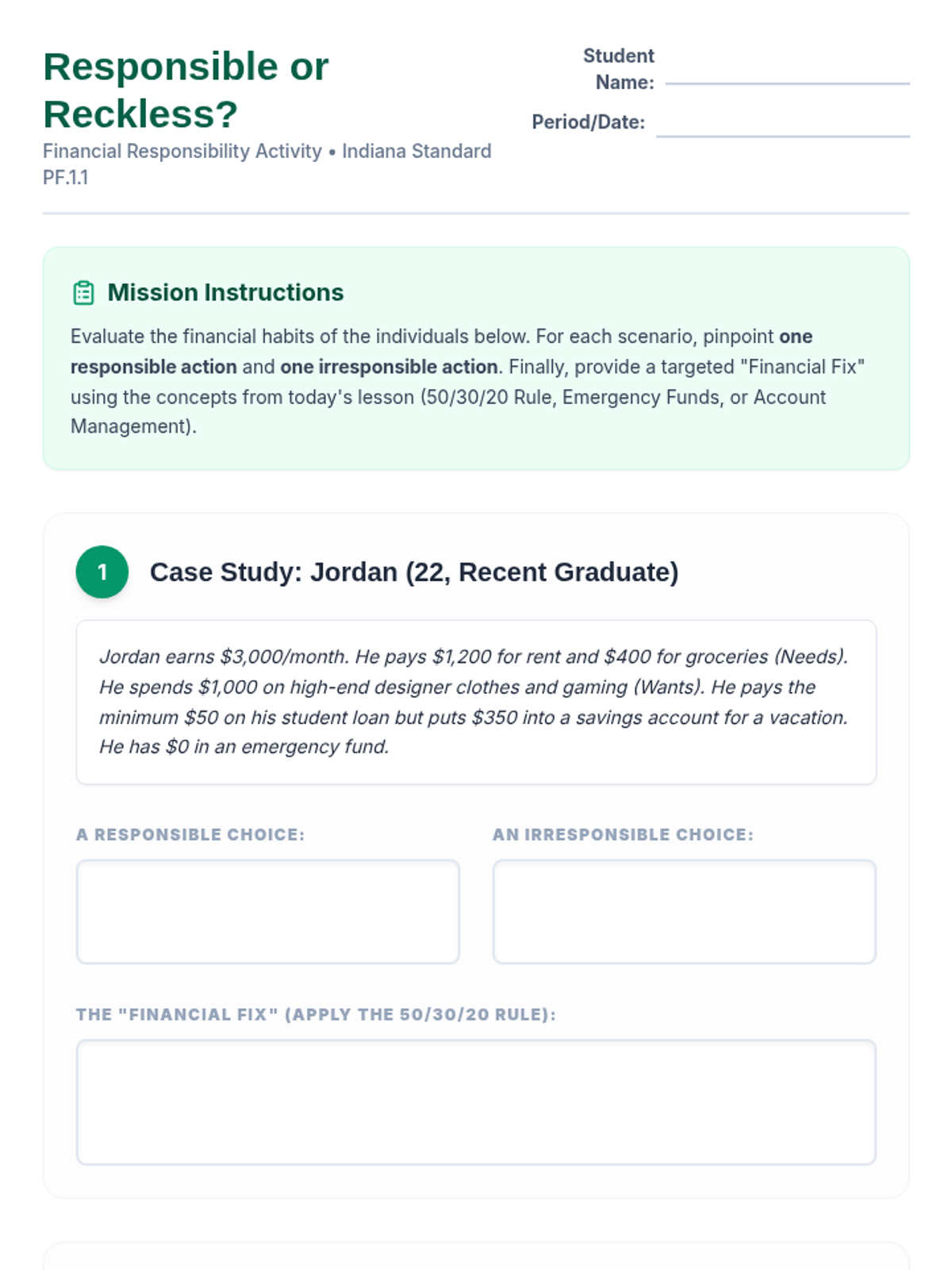
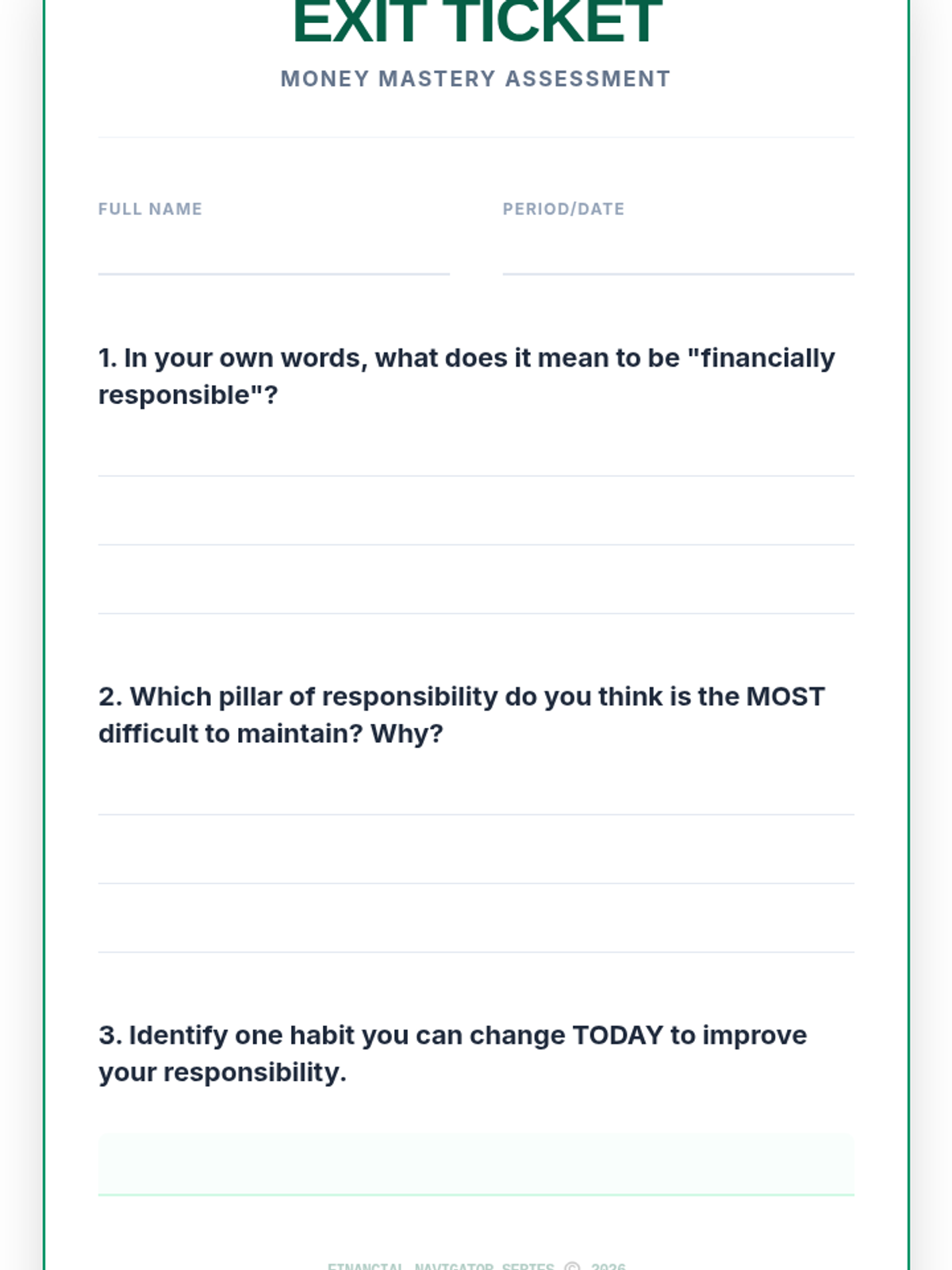
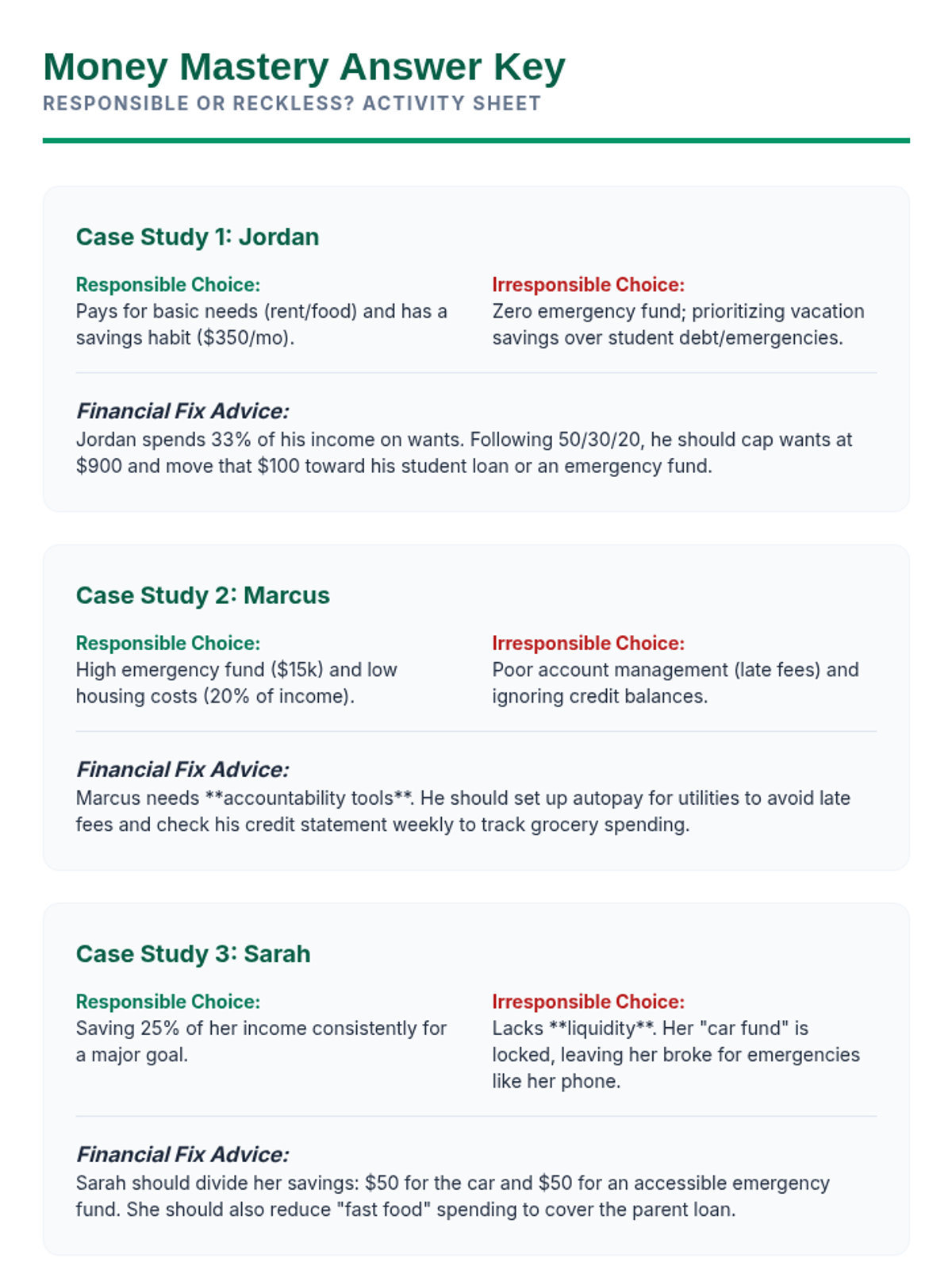
A comprehensive 70-minute lesson focused on the pillars of financial responsibility, including budgeting, saving, and informed decision-making aligned with Indiana personal finance standards.
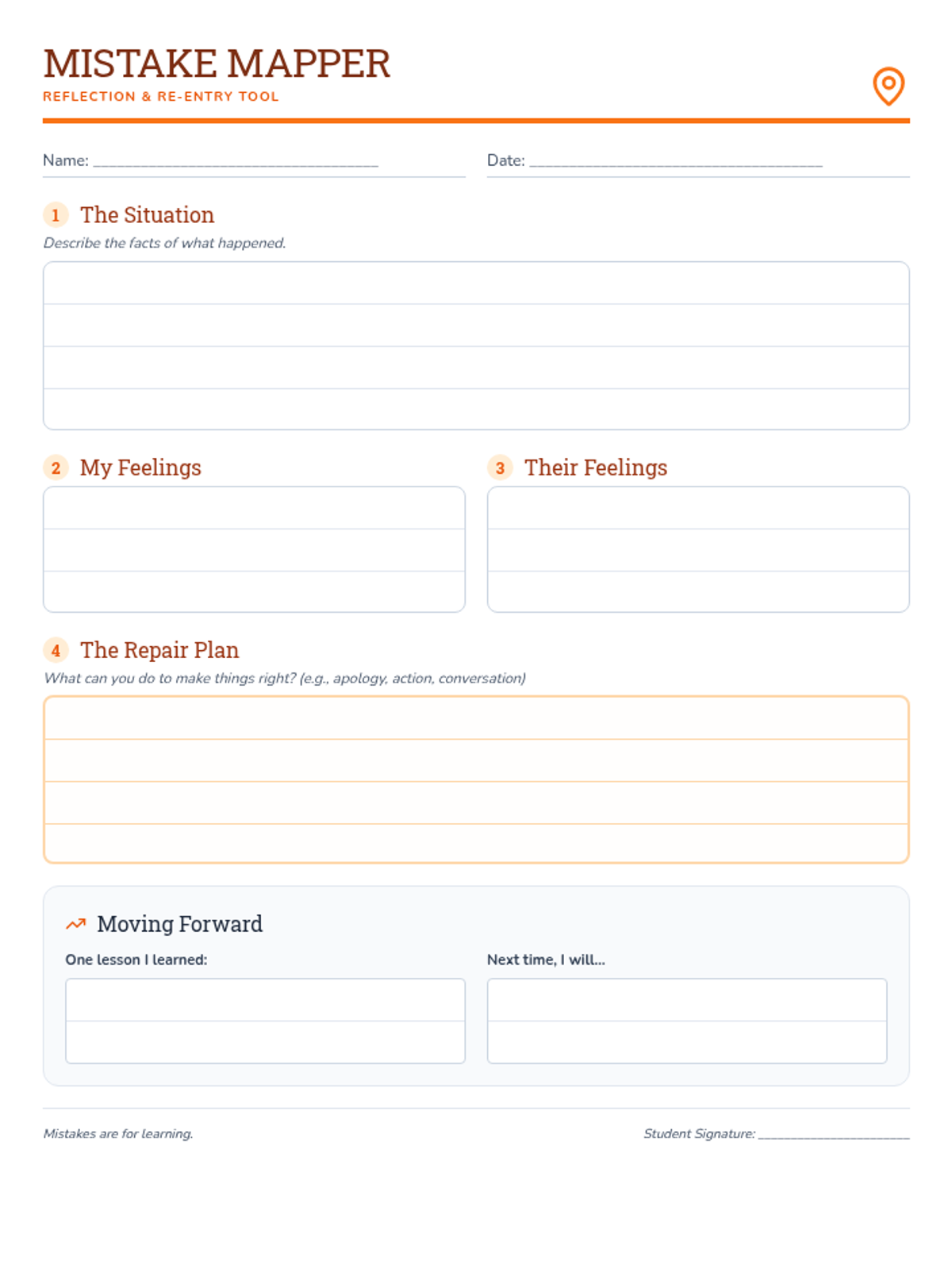
Focusing on accountability, repair, and maintaining a growth mindset after making mistakes during the re-entry process.
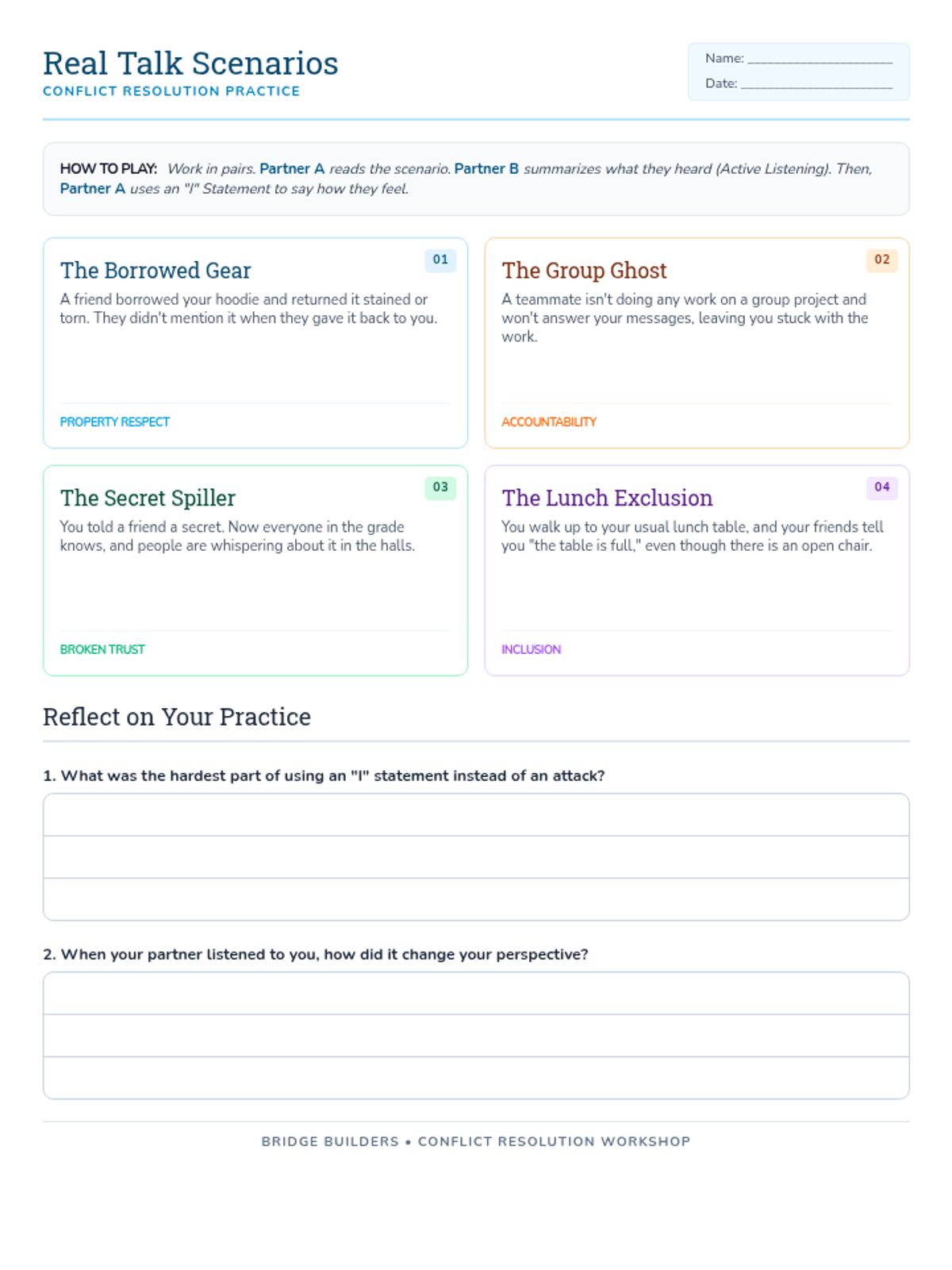
A practical workshop on active listening and 'I' statements to equip students with conflict resolution skills.
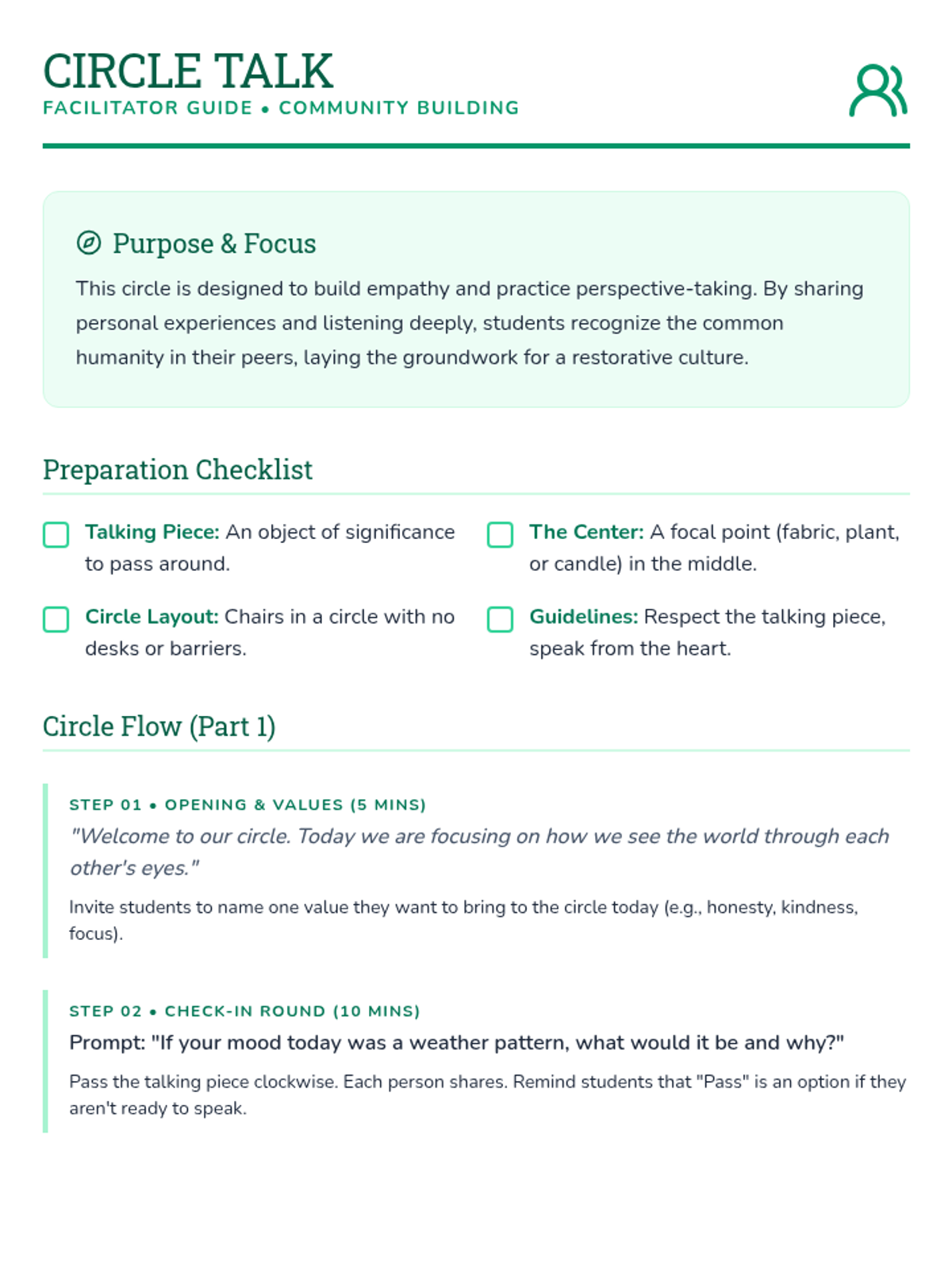
Establishing a safe space through community-building circles that focus on empathy and perspective-taking.
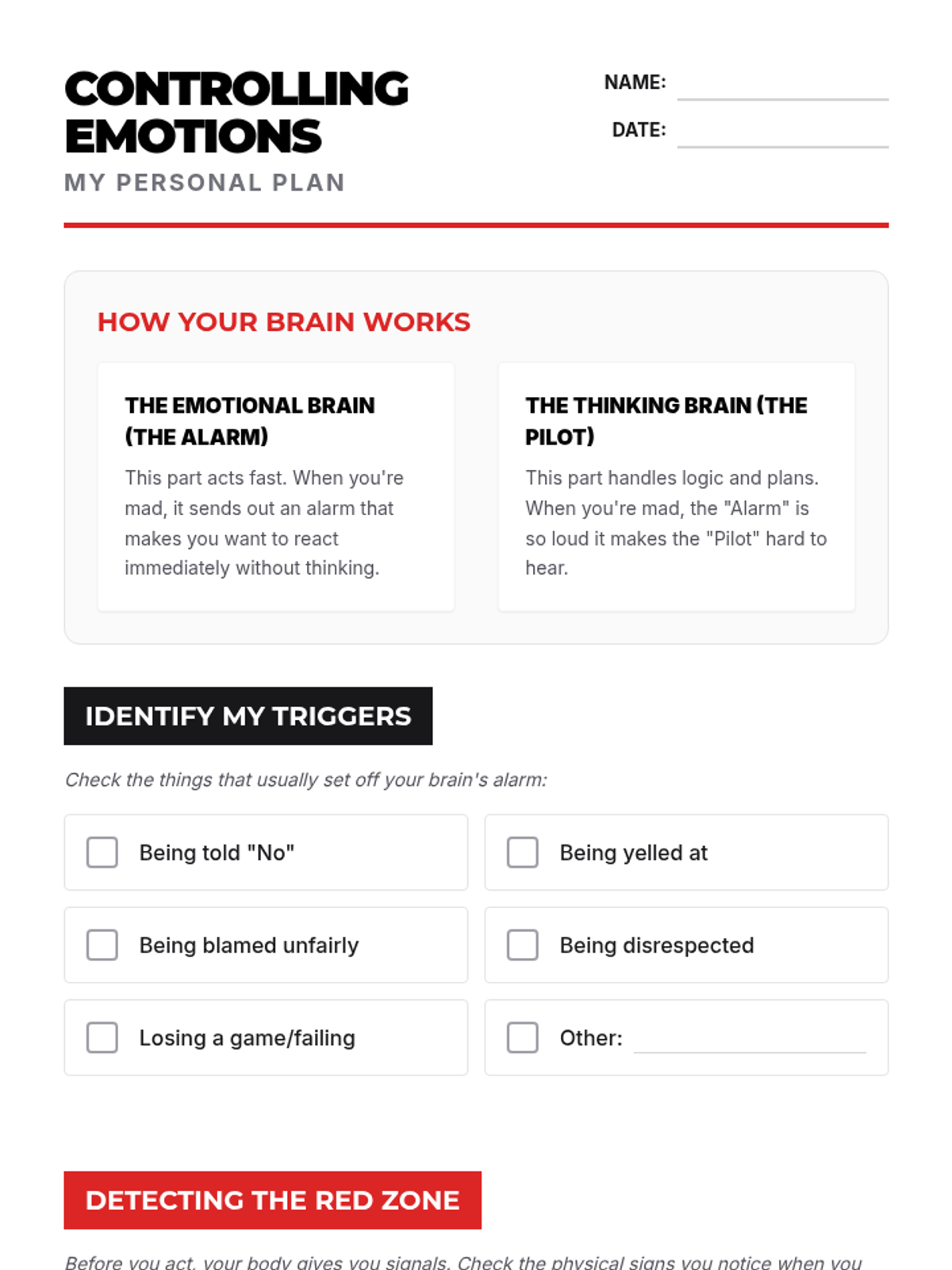
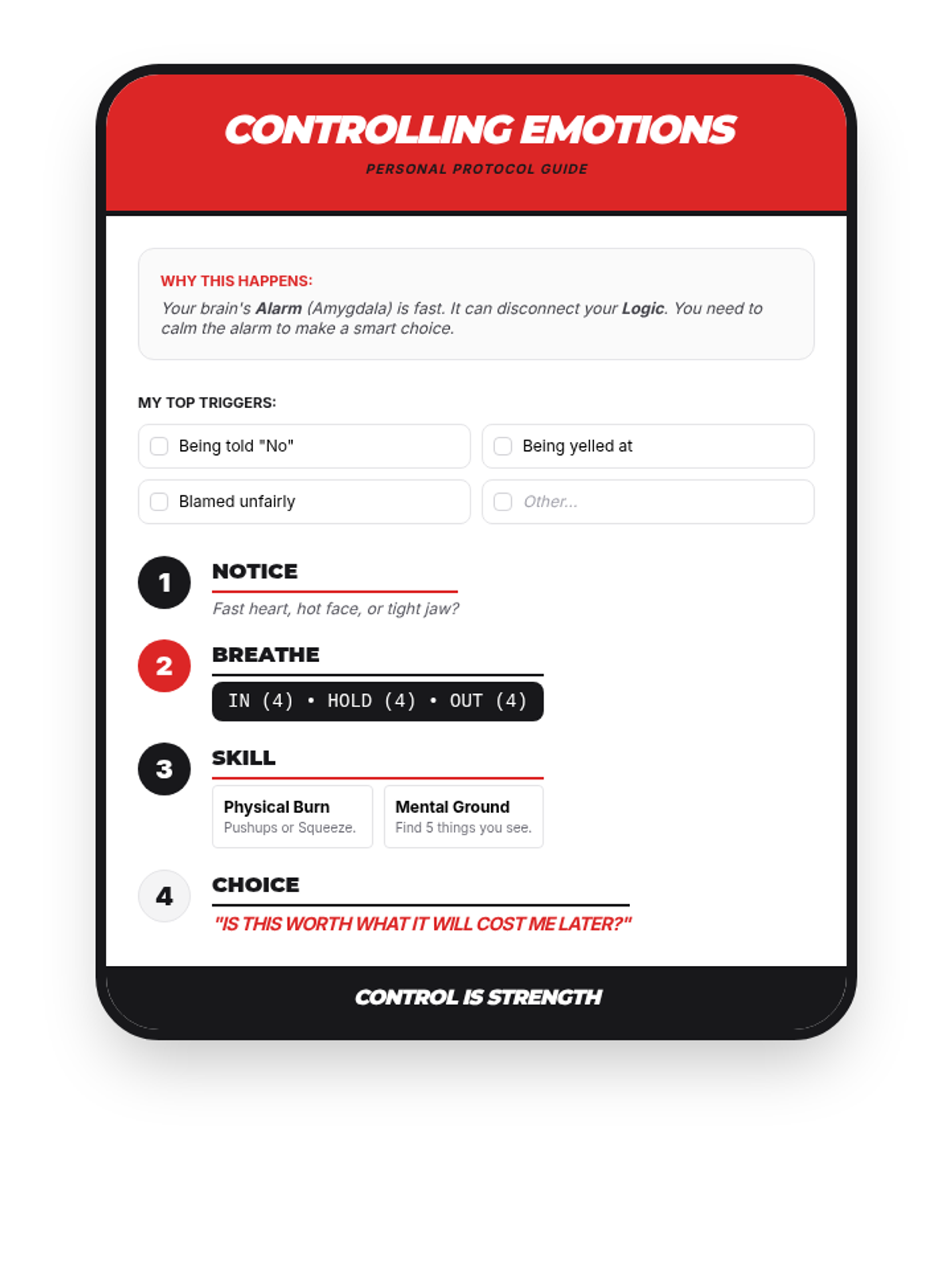
A comprehensive 90-minute lesson designed to help students understand self-control, the consequences of impulsive reactions, and practical tools for emotional regulation.
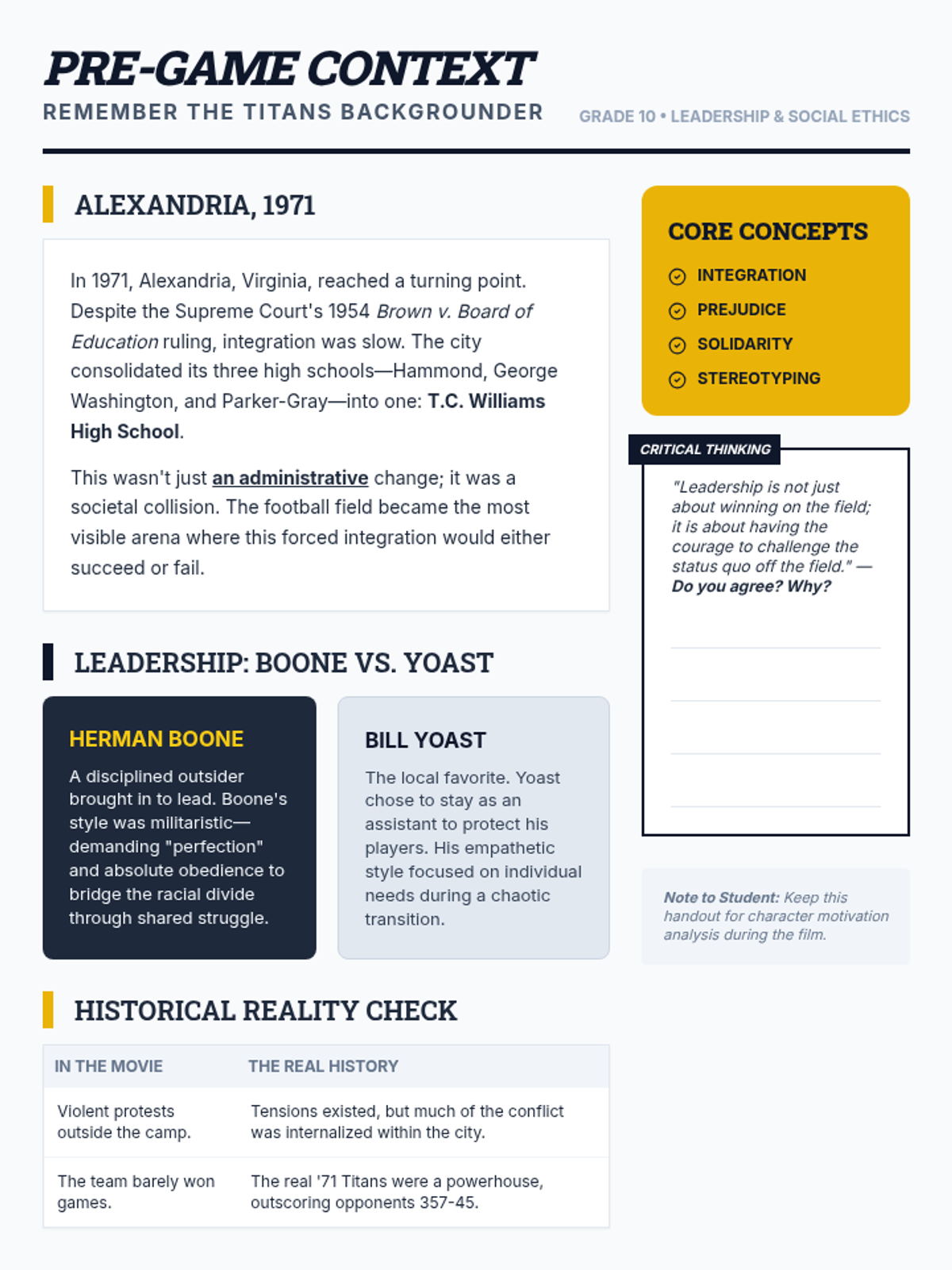
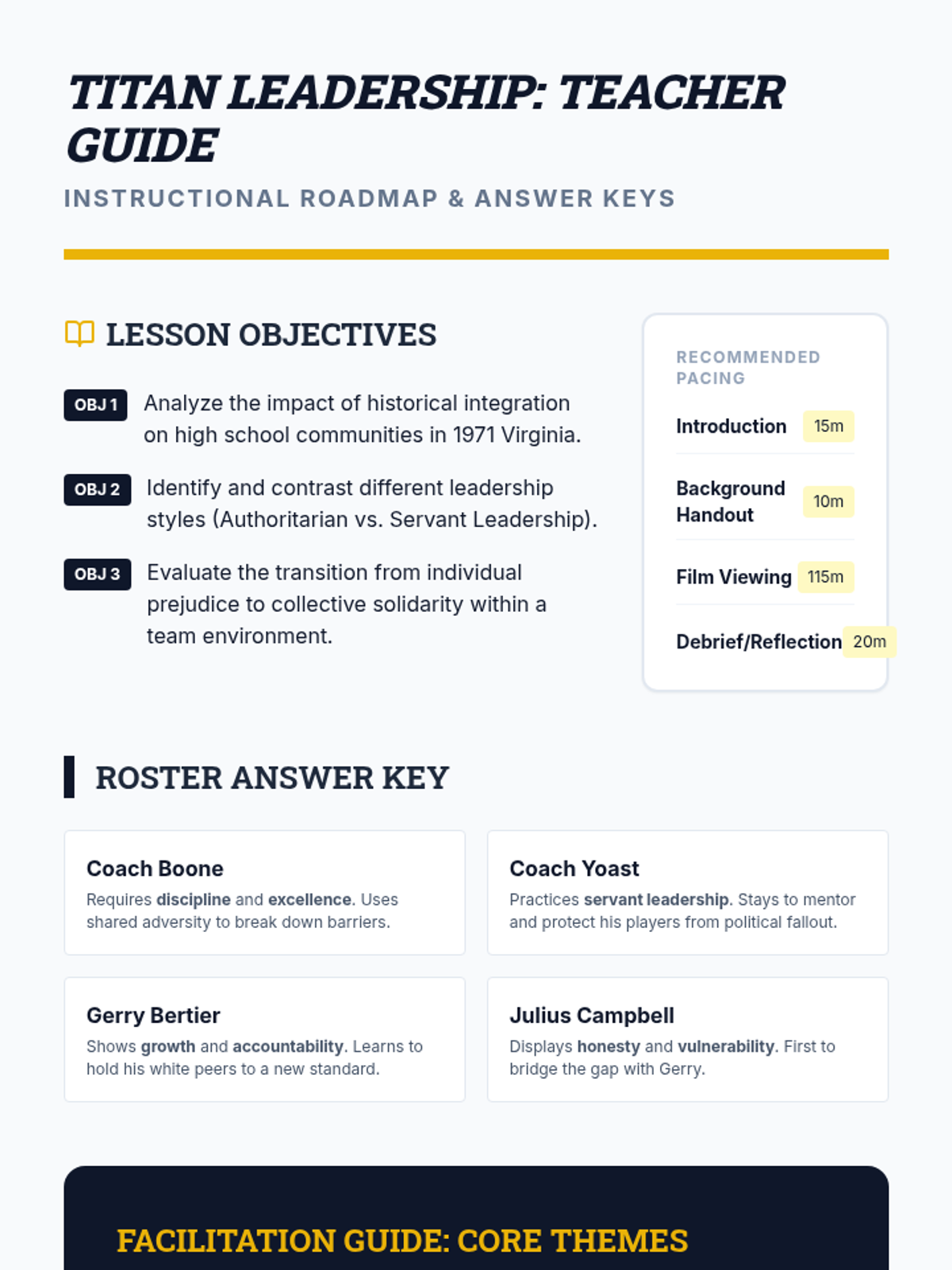
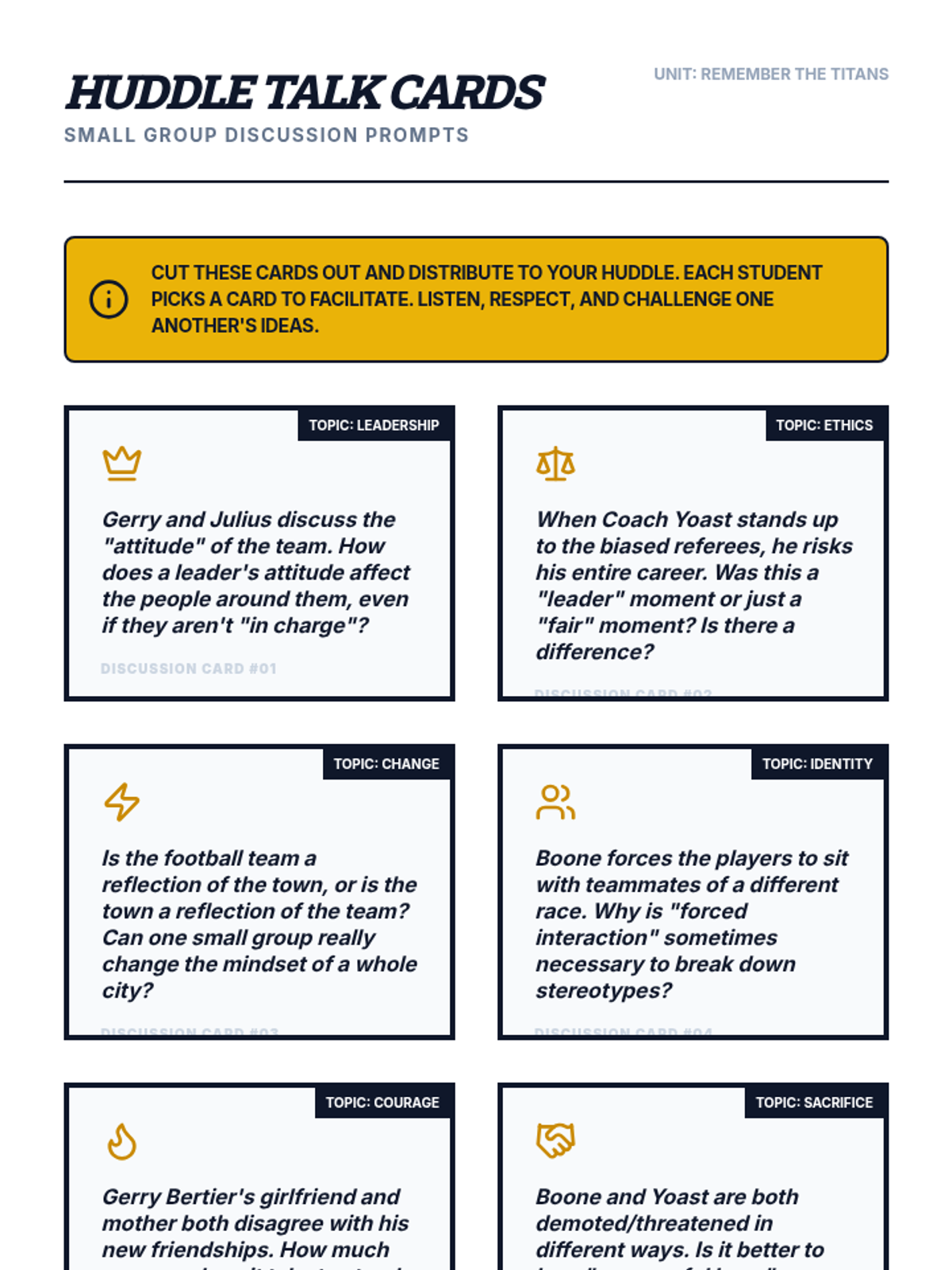
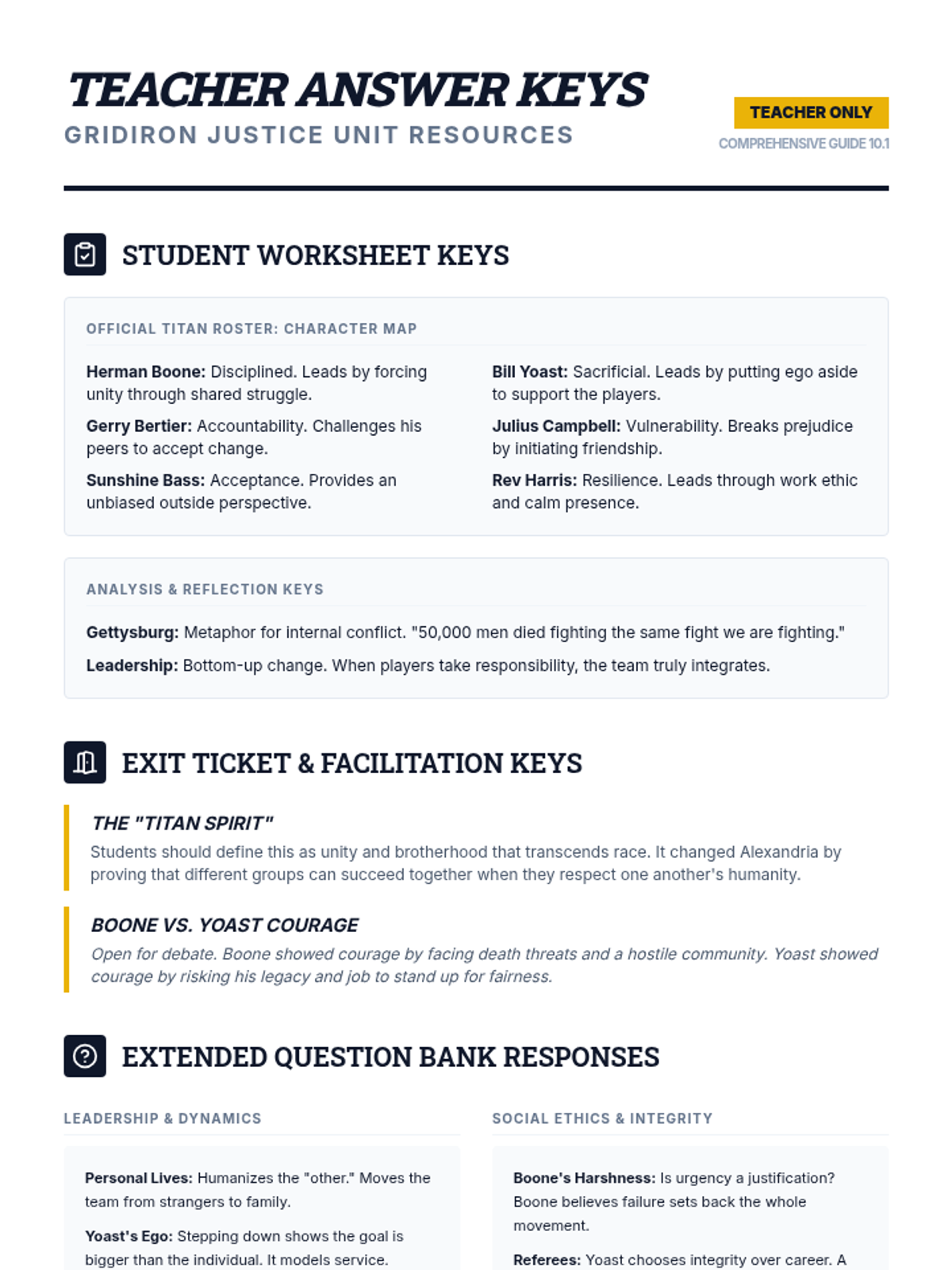
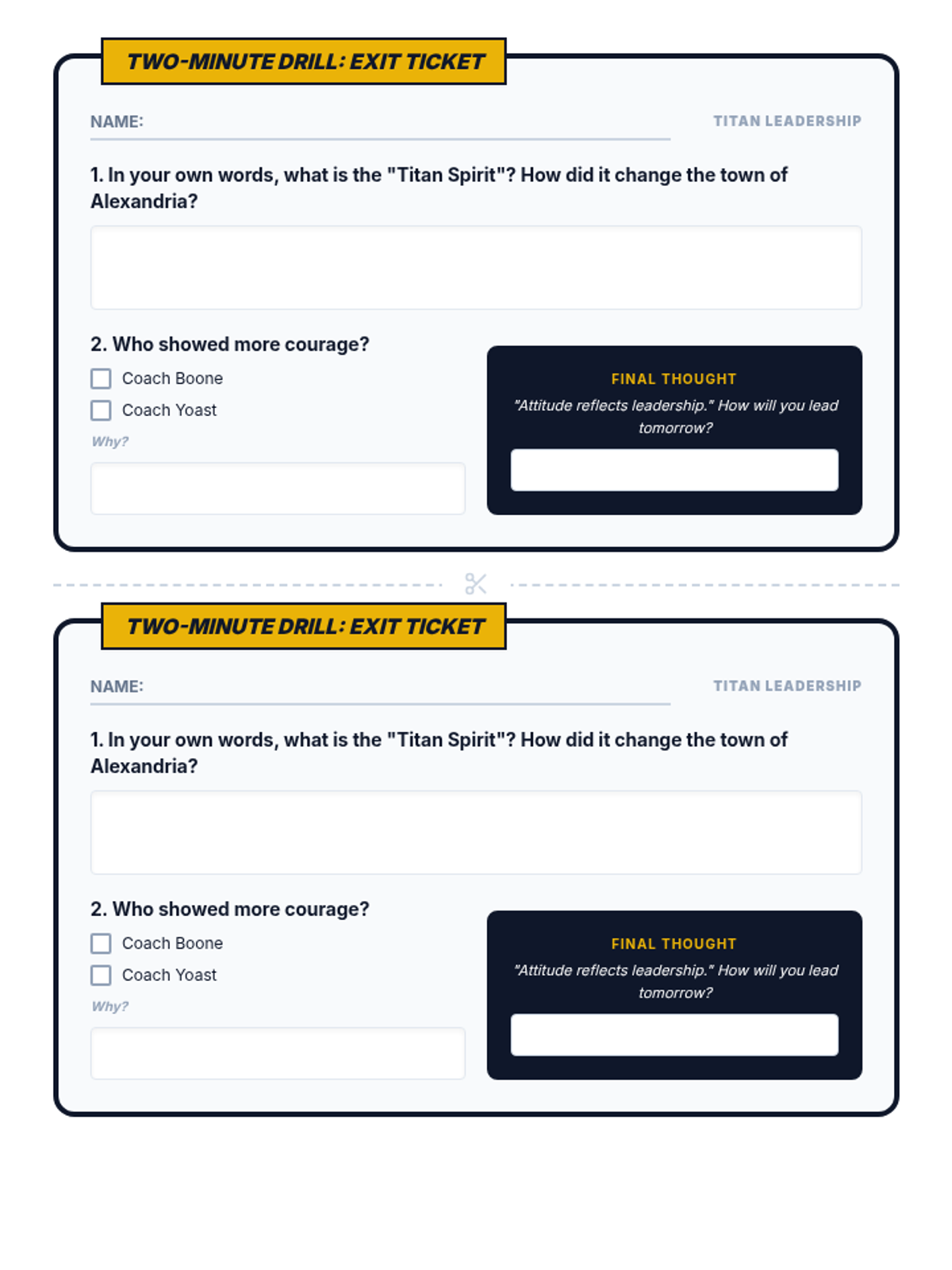
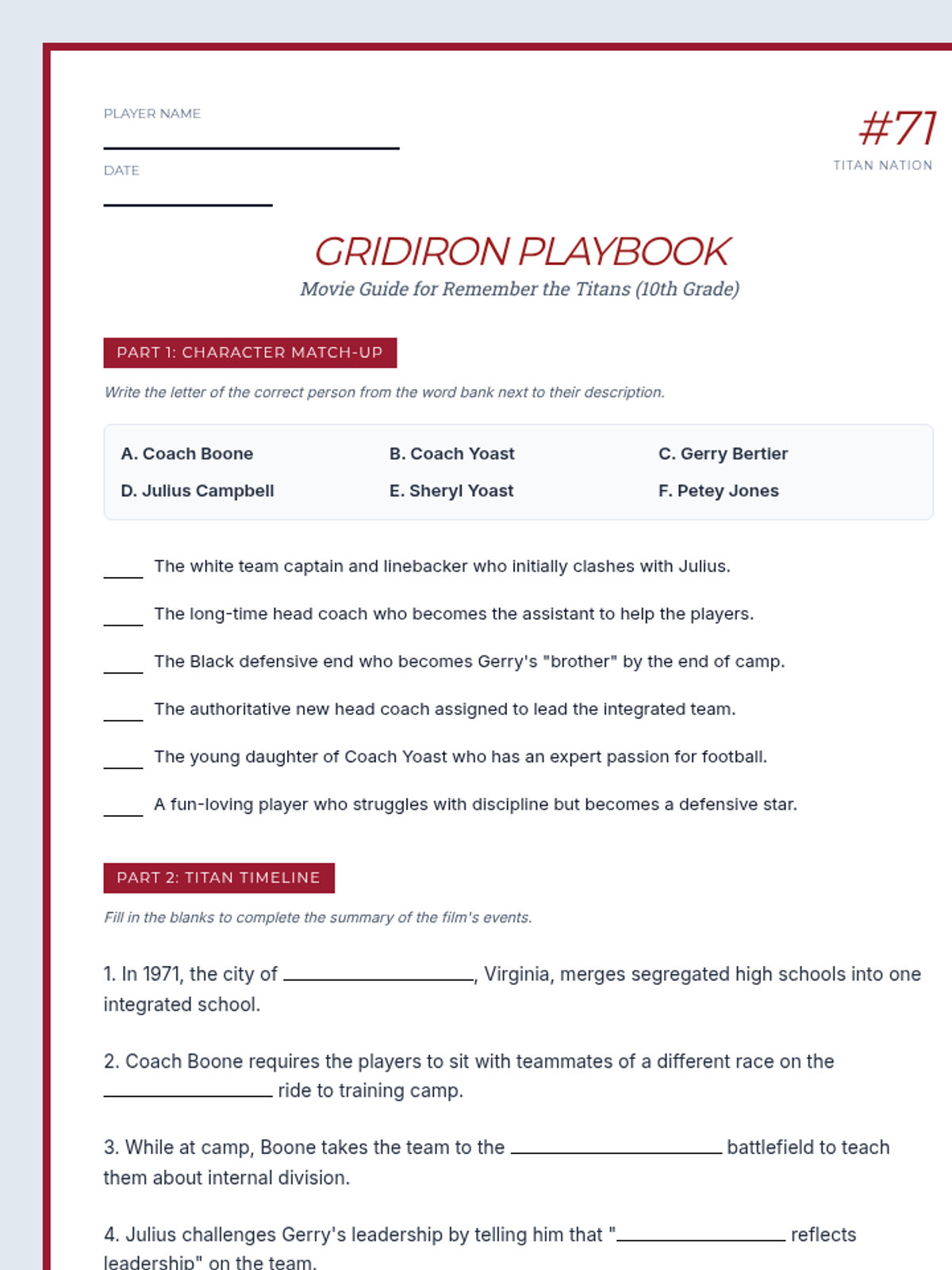
An introductory exploration of the historical and social themes in the film Remember the Titans, focusing on the 1971 integration of T.C. Williams High School and the leadership required to build a unified team.
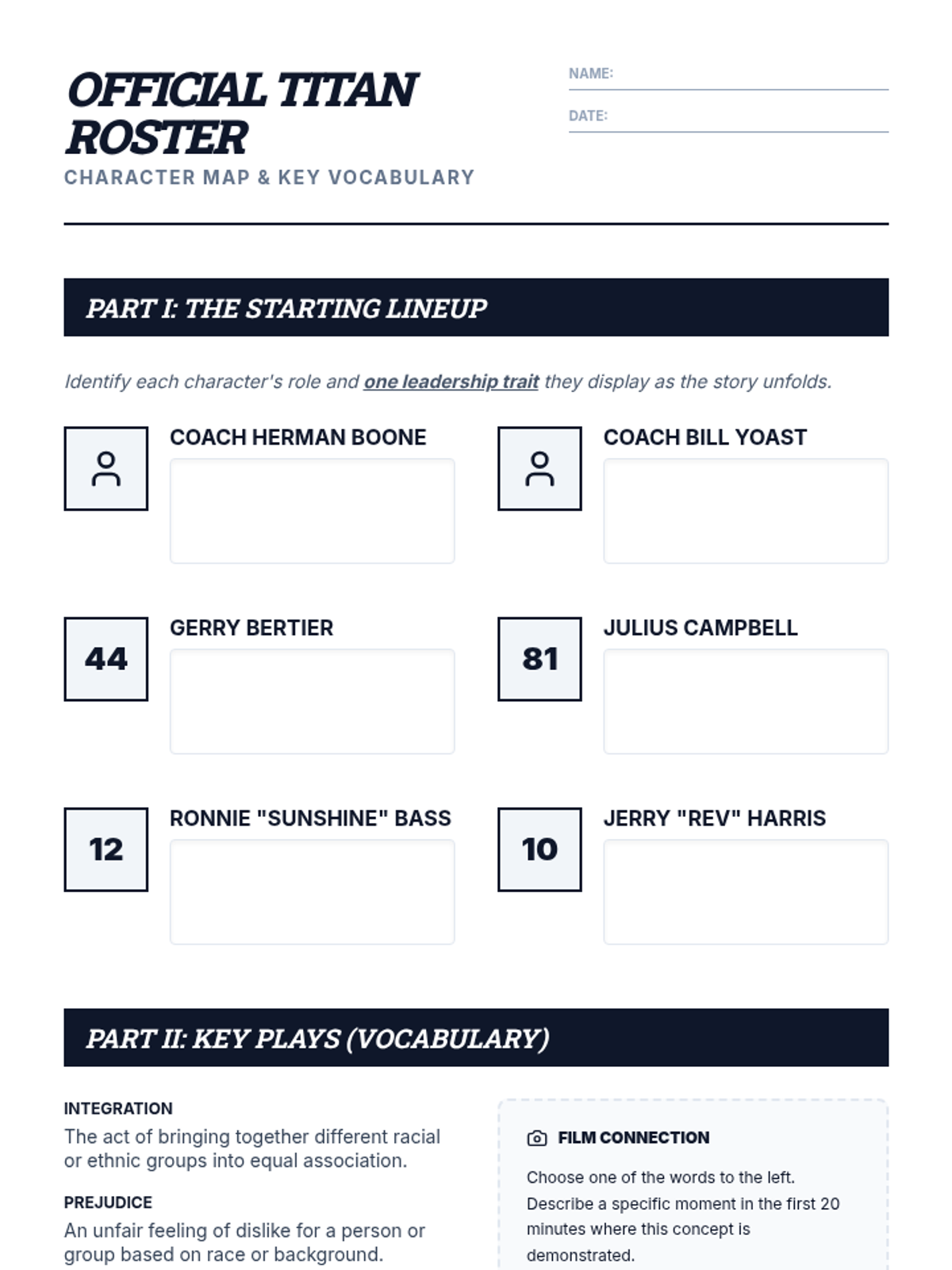
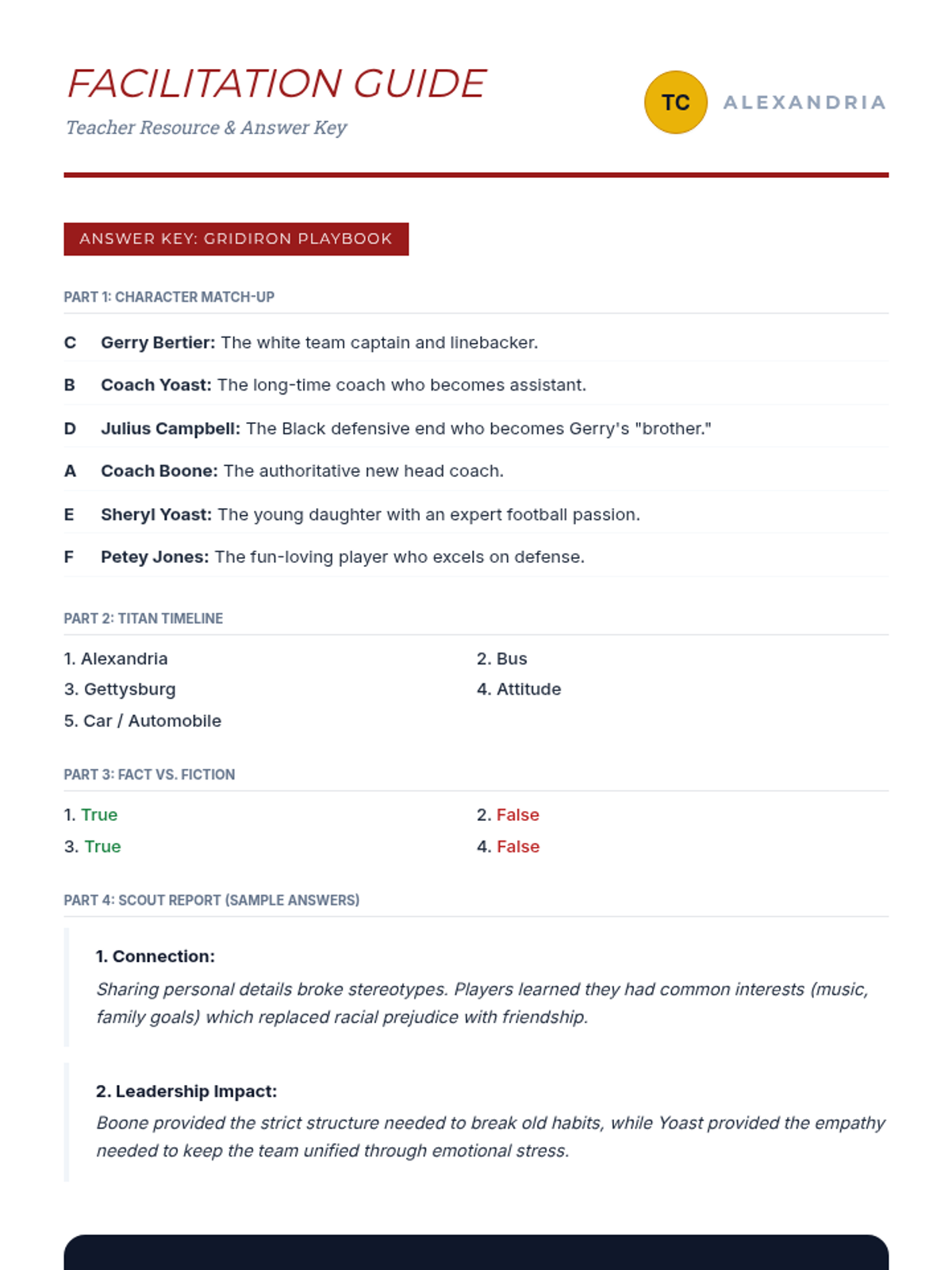
A lesson exploring the themes of leadership, racial integration, and conflict resolution through the film Remember the Titans. Students analyze character development and the historical context of 1971 Alexandria, Virginia.
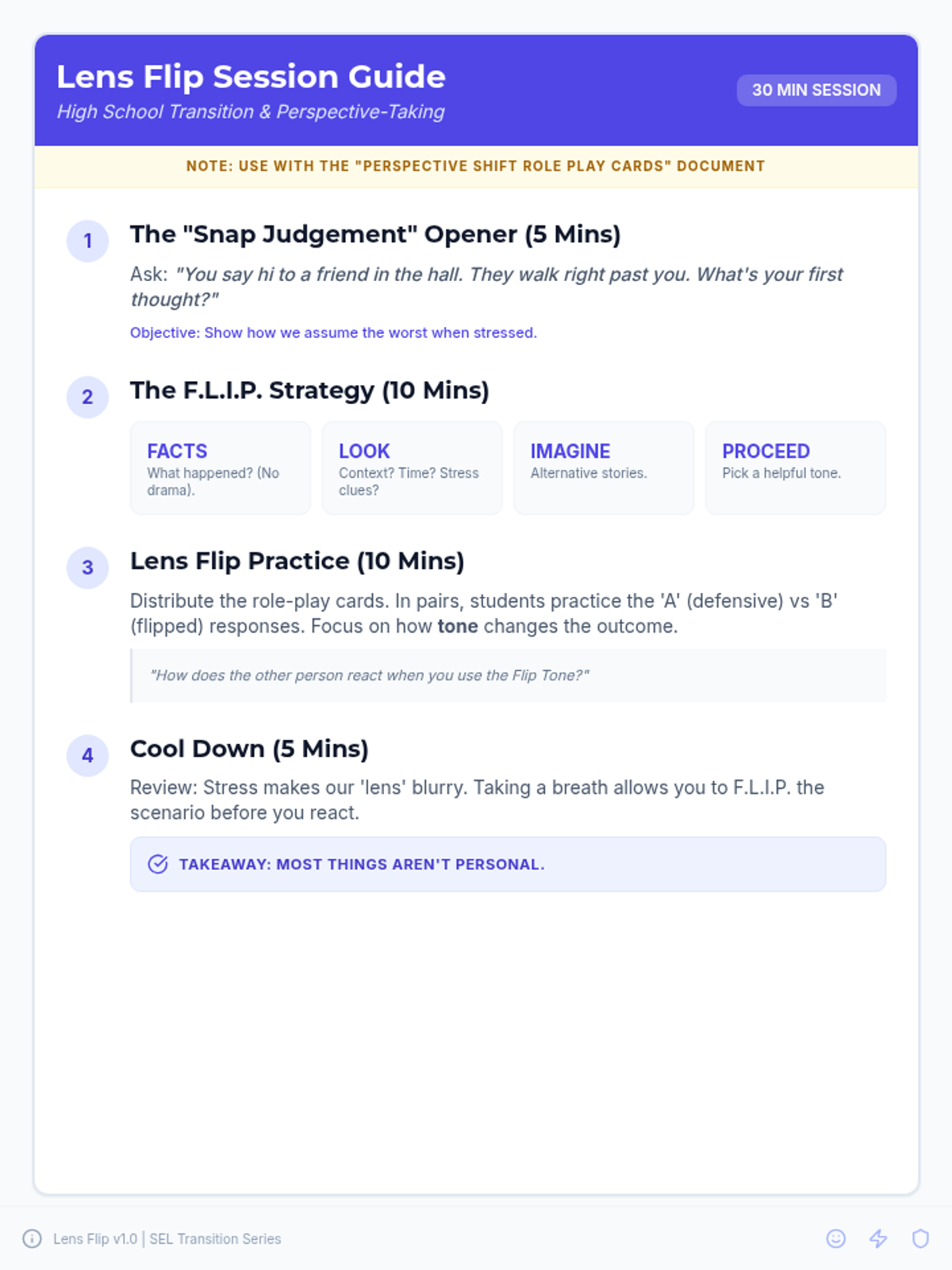
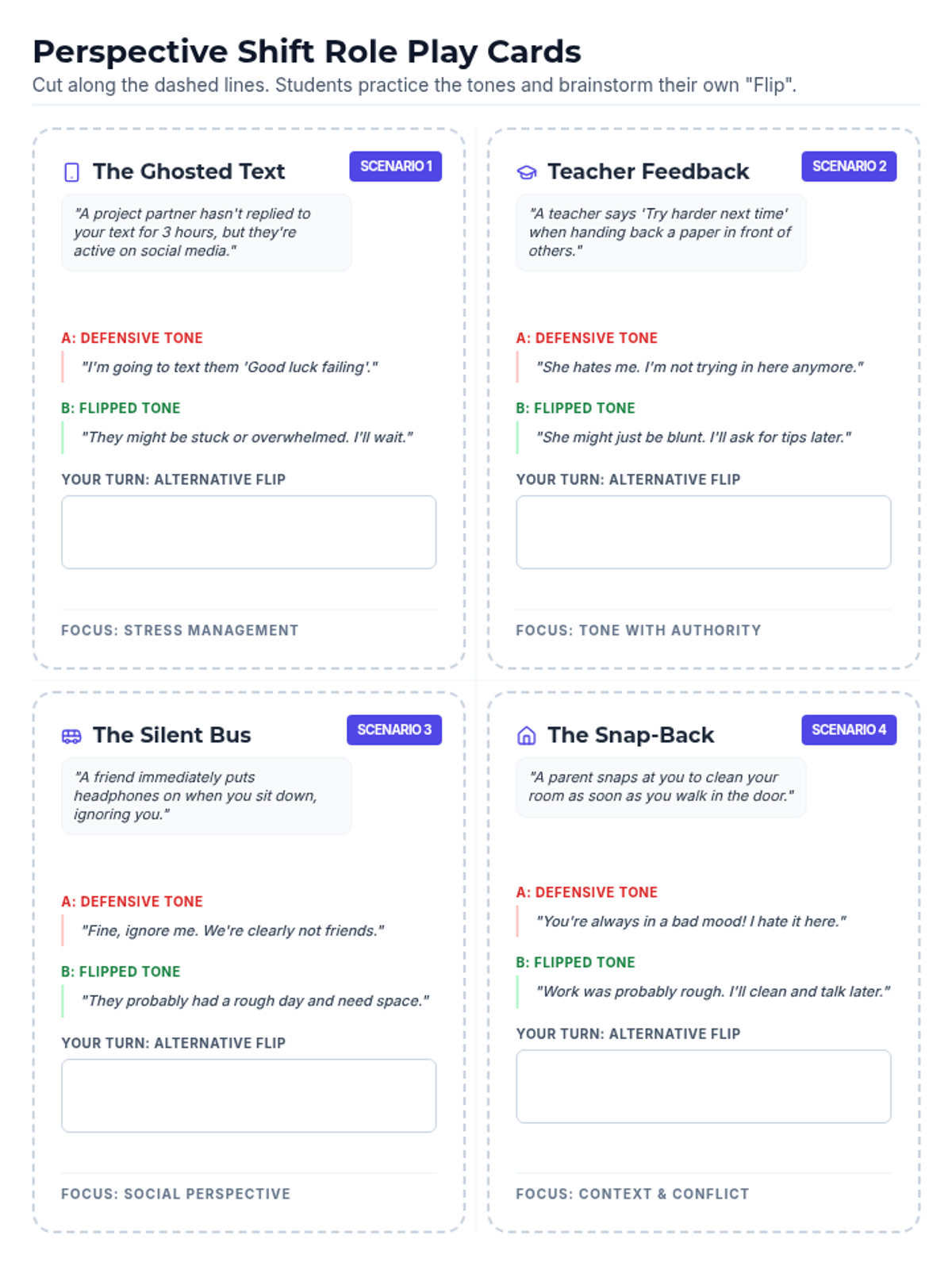
A 30-minute group session focused on perspective-taking skills to help students navigate the social and emotional challenges of transitioning to high school.
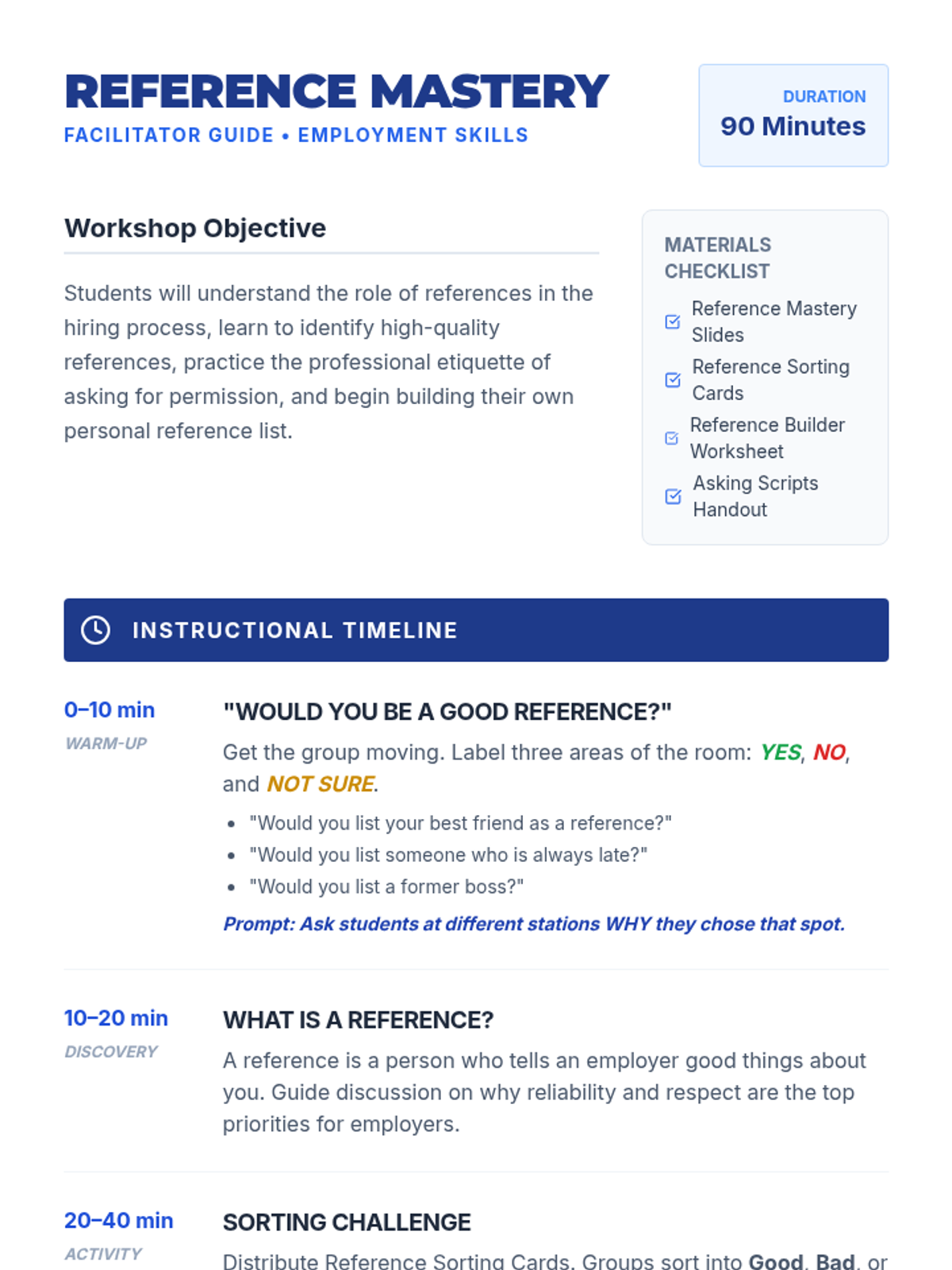
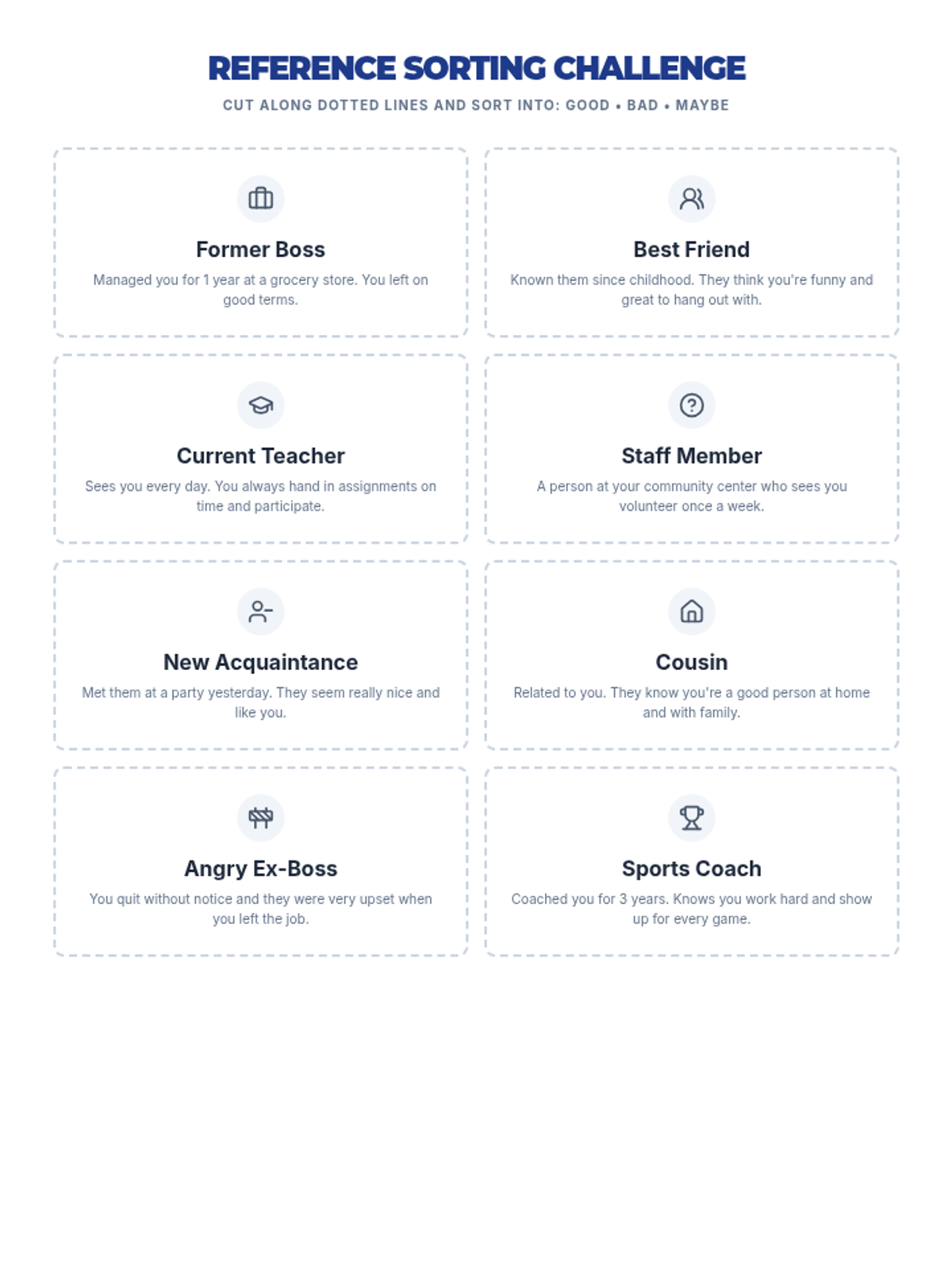
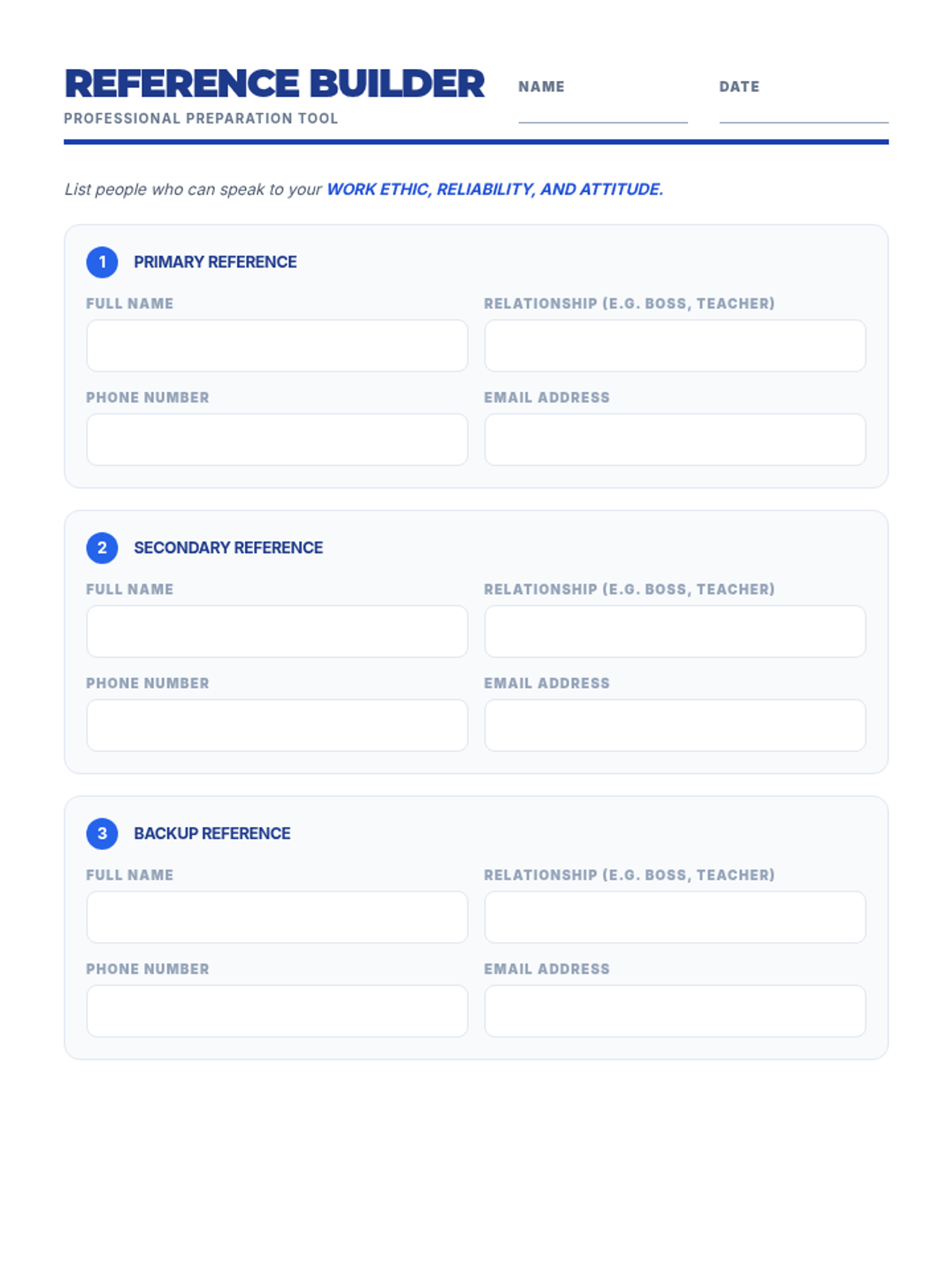
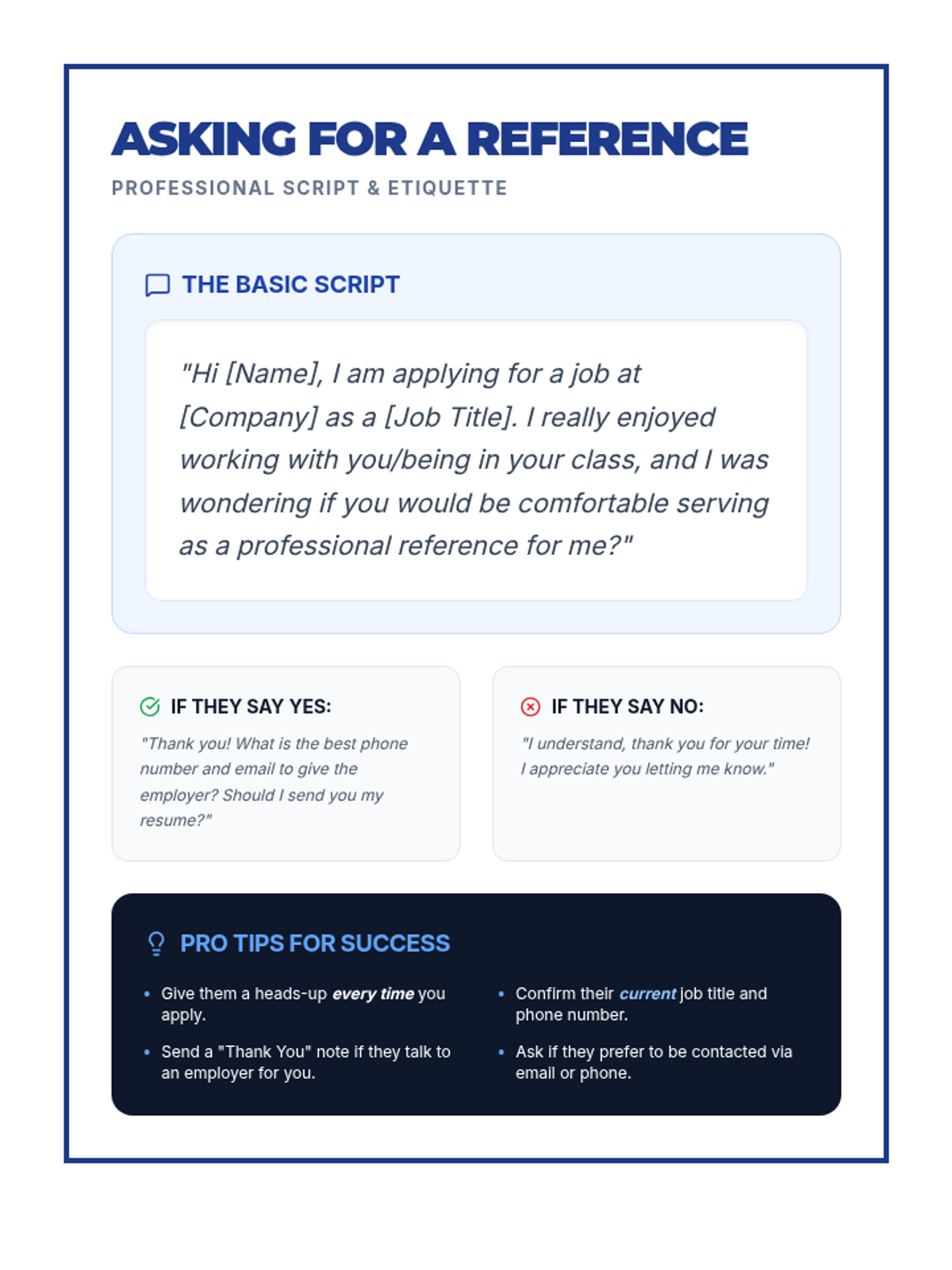
A comprehensive 90-minute workshop on understanding, selecting, and asking for professional references to secure employment.
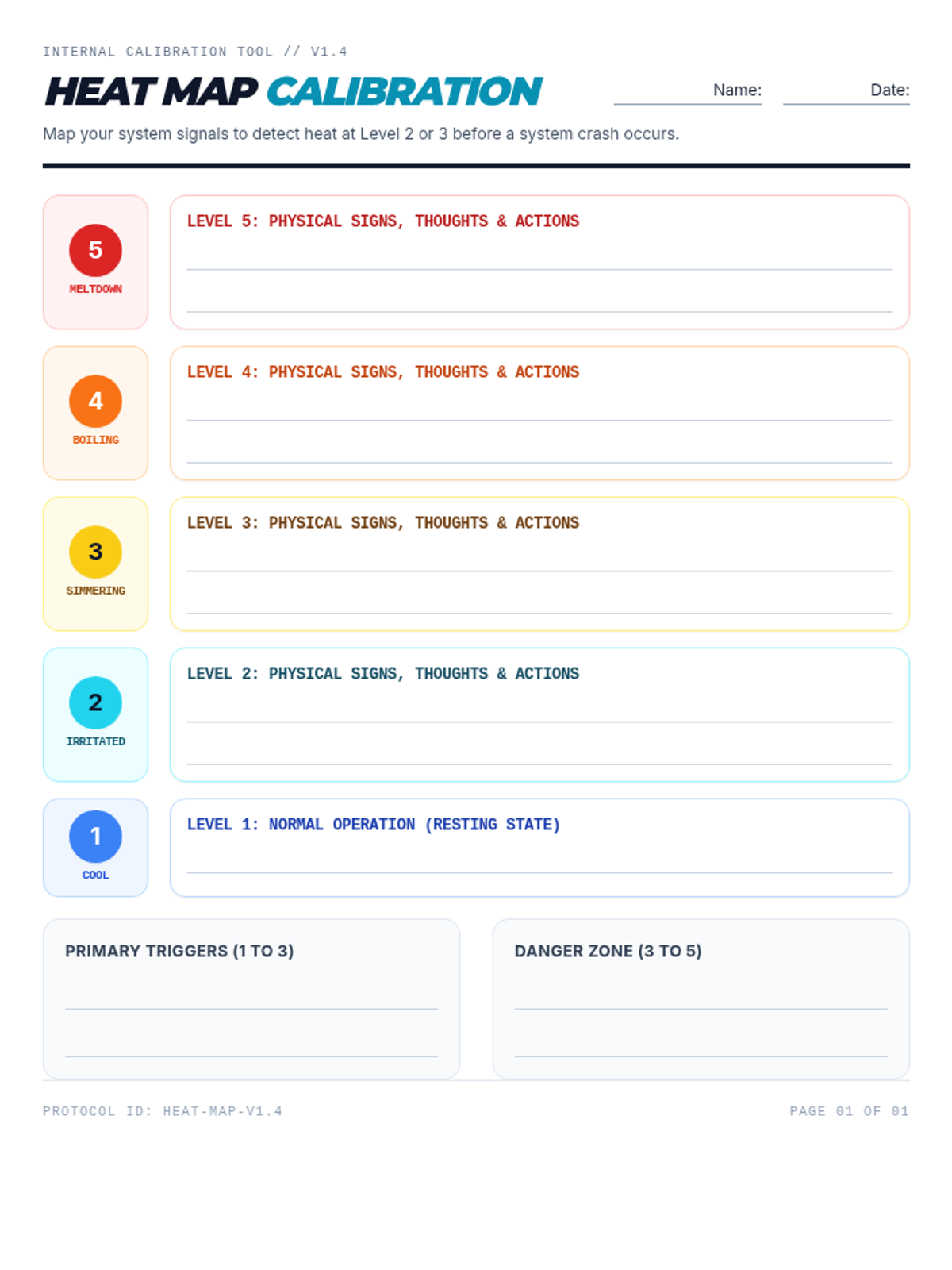
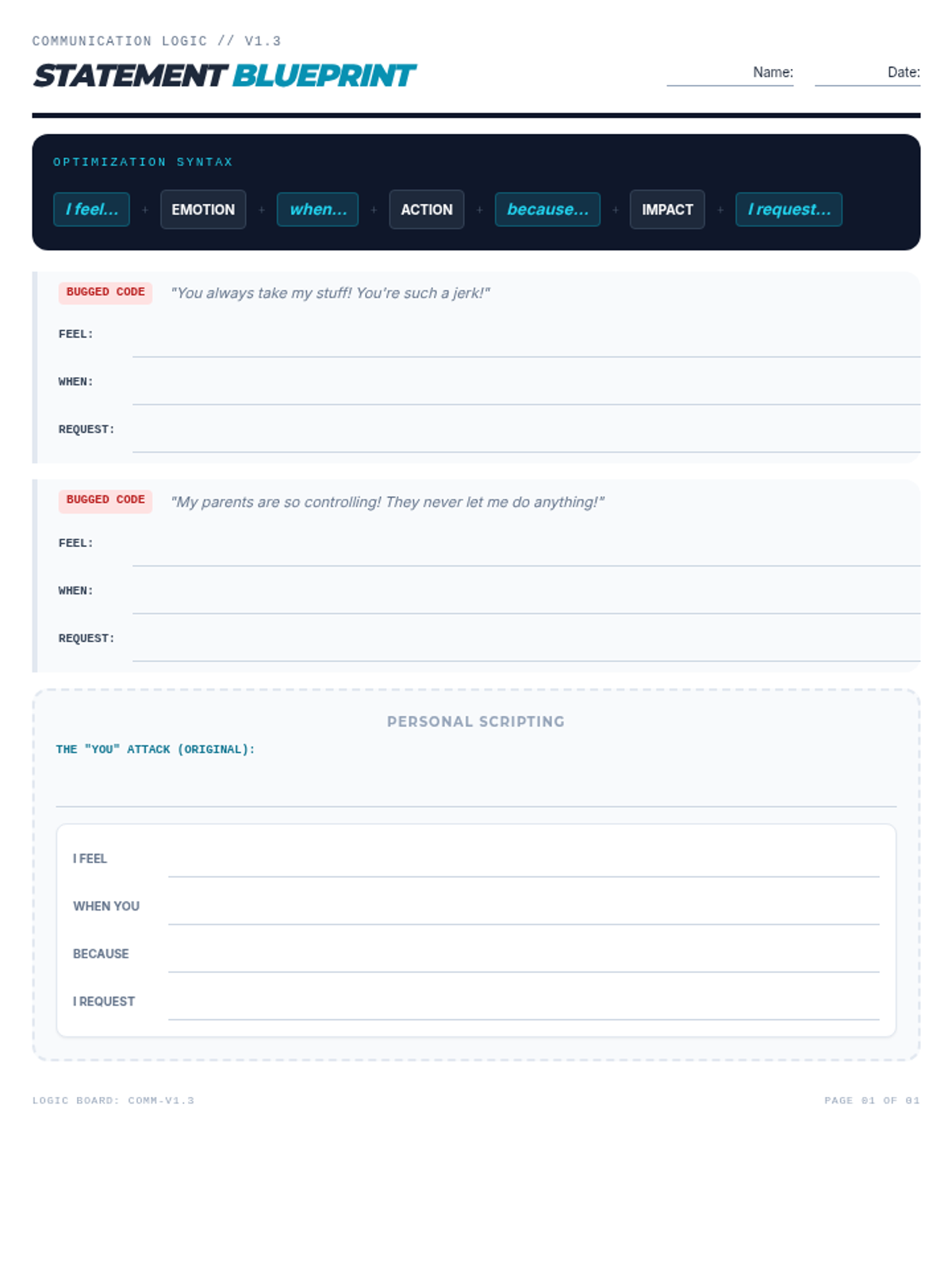
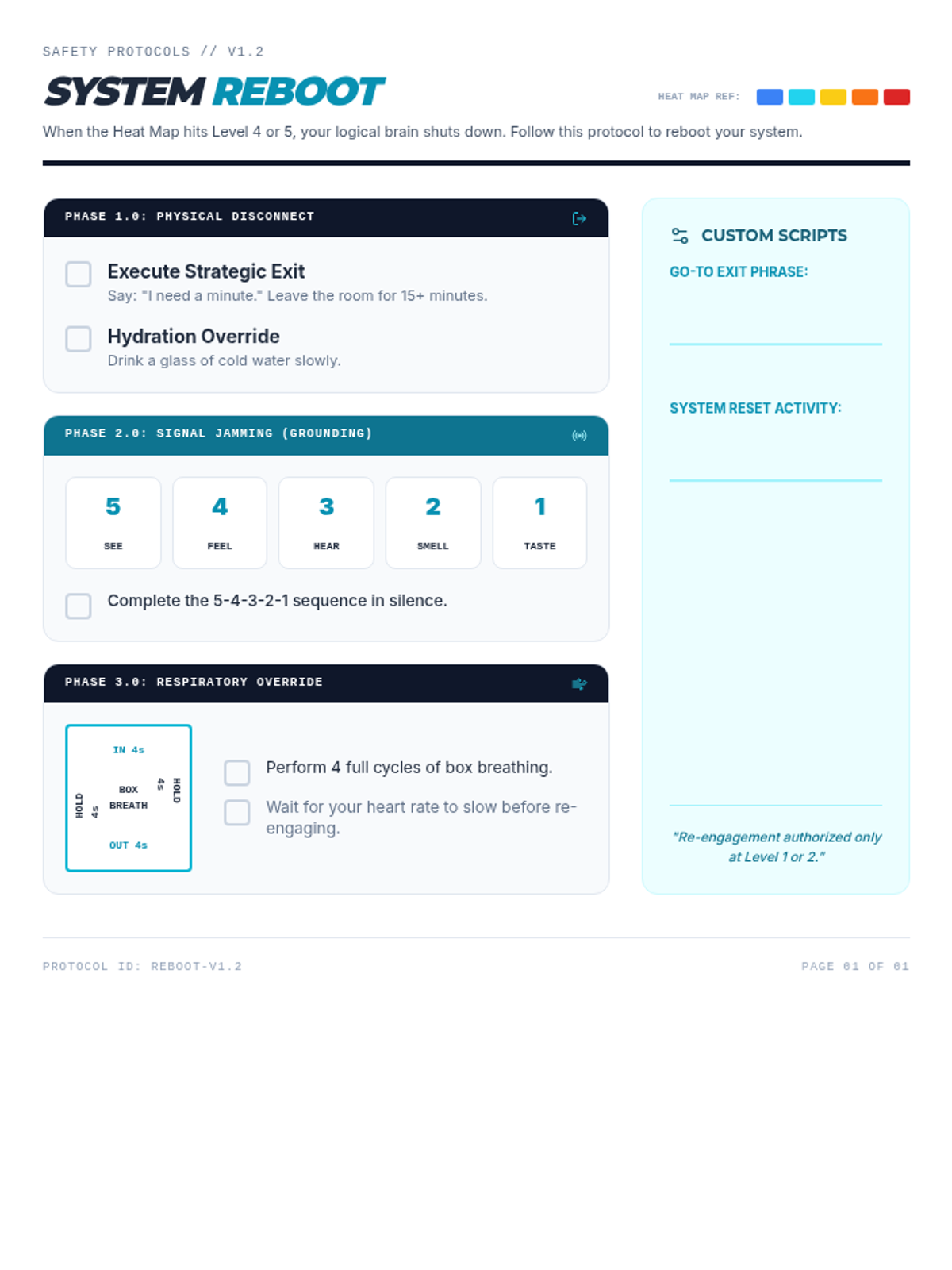
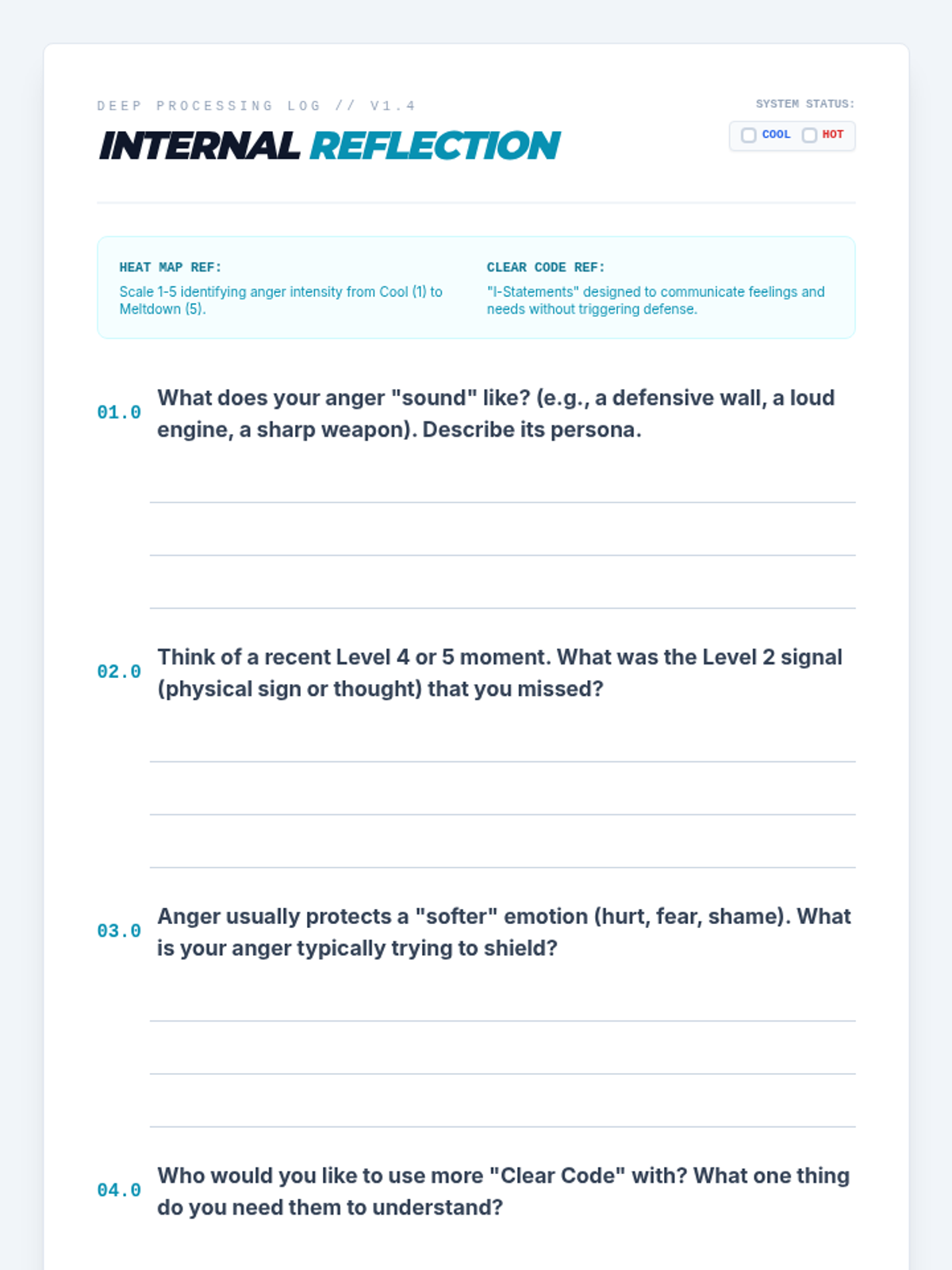
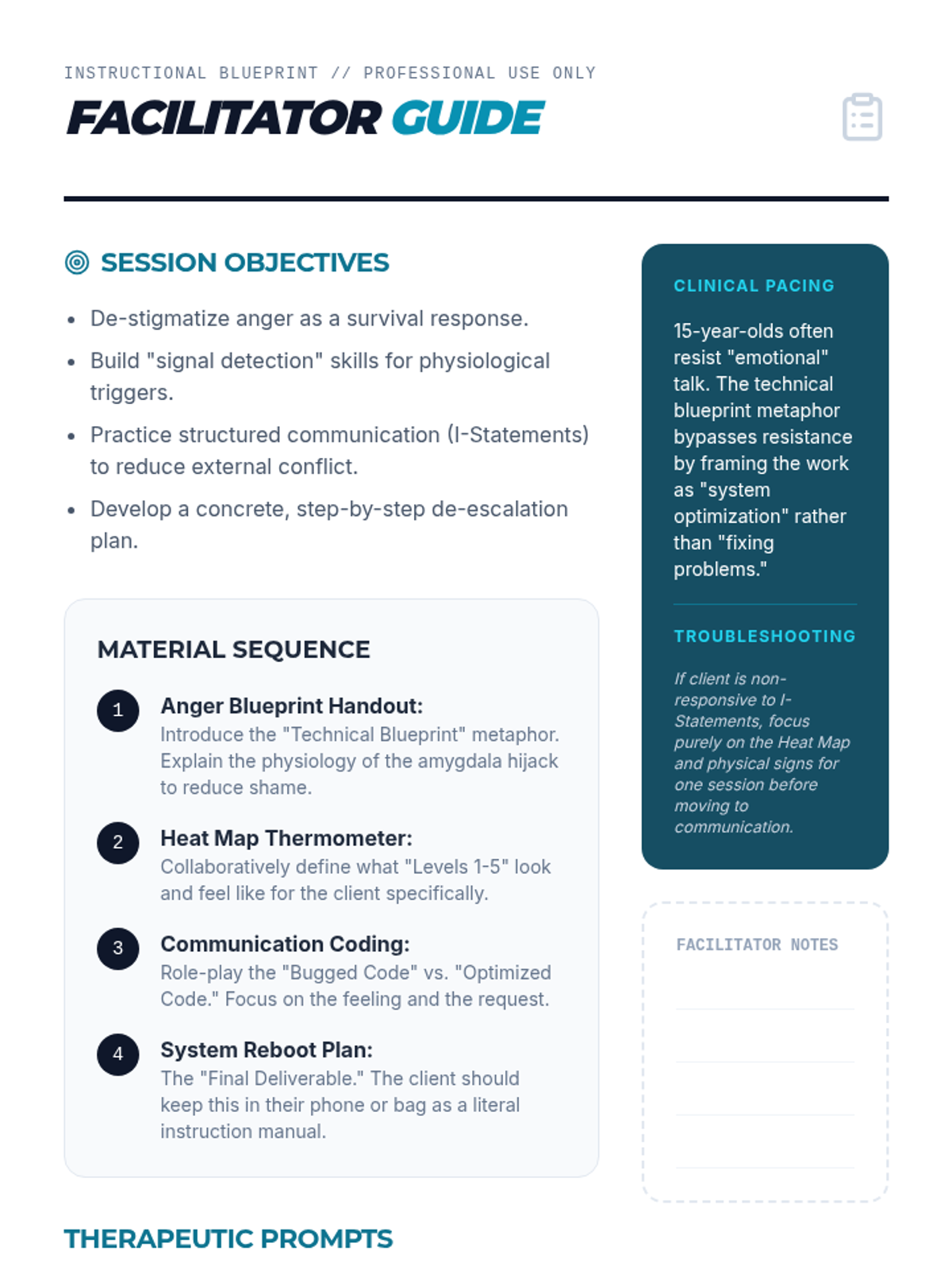
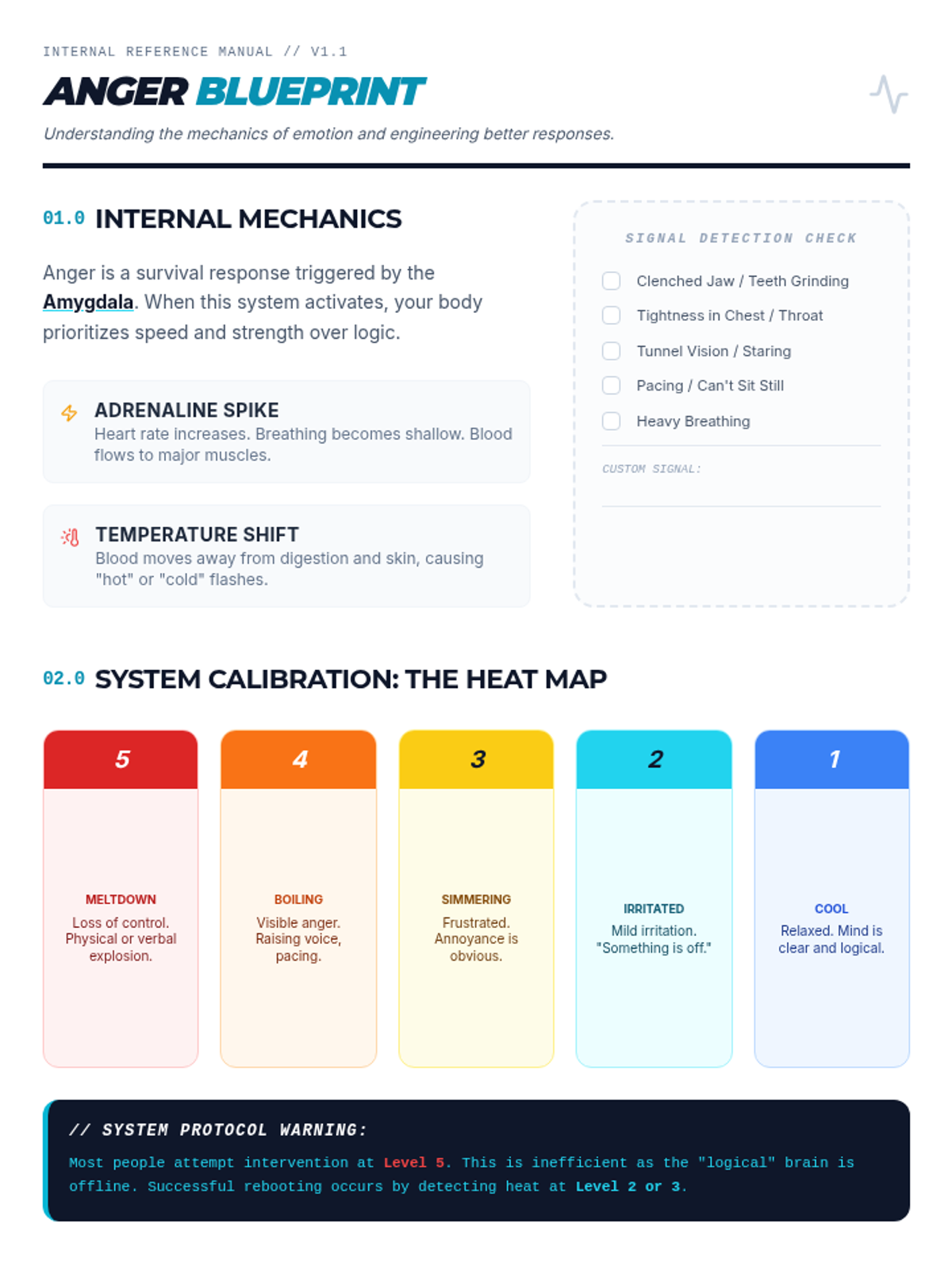
A comprehensive anger management module for teenagers, focusing on identifying emotional triggers, mastering 'I' statements, and implementing de-escalation strategies through a modern technical blueprint aesthetic.
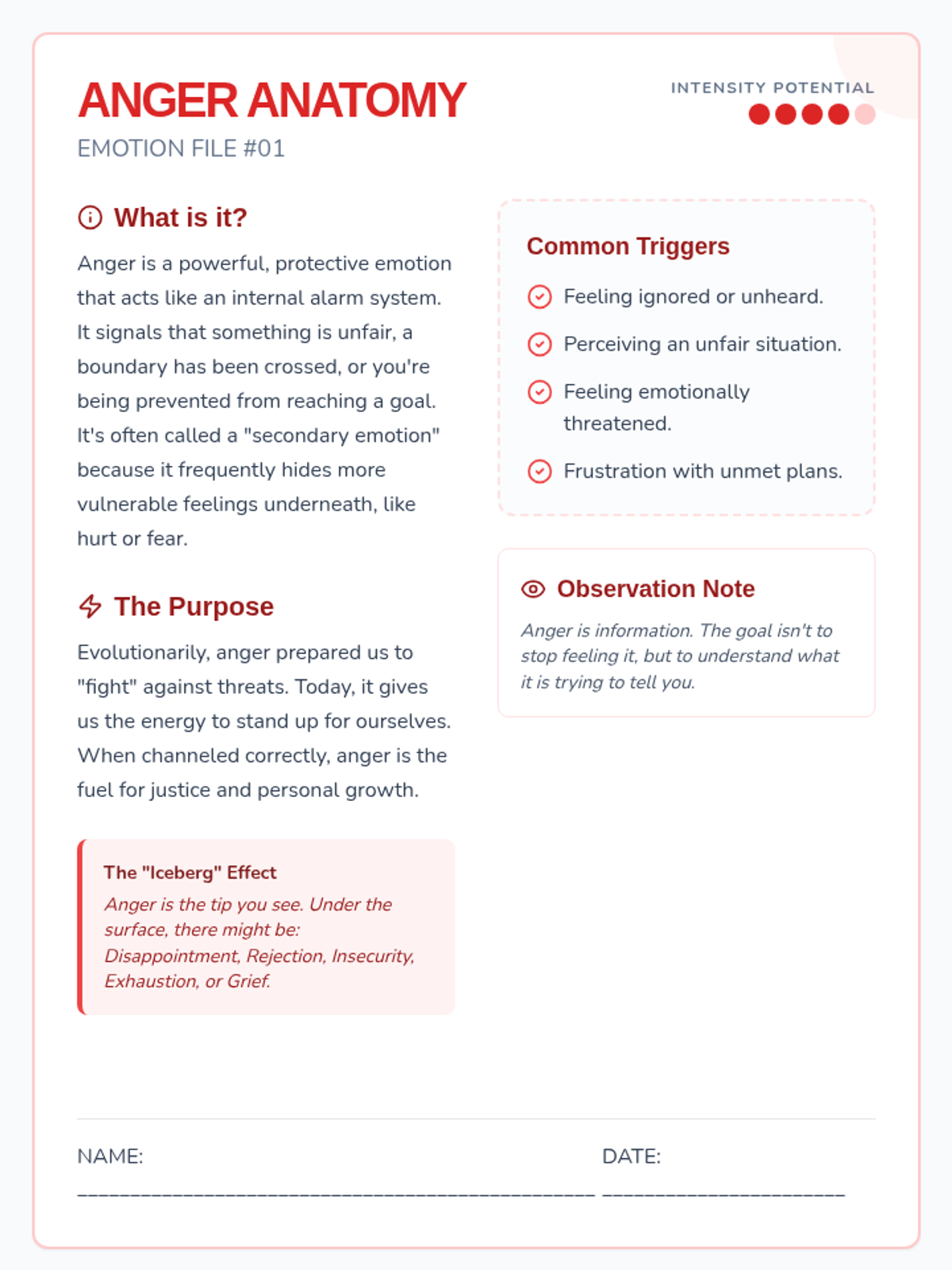
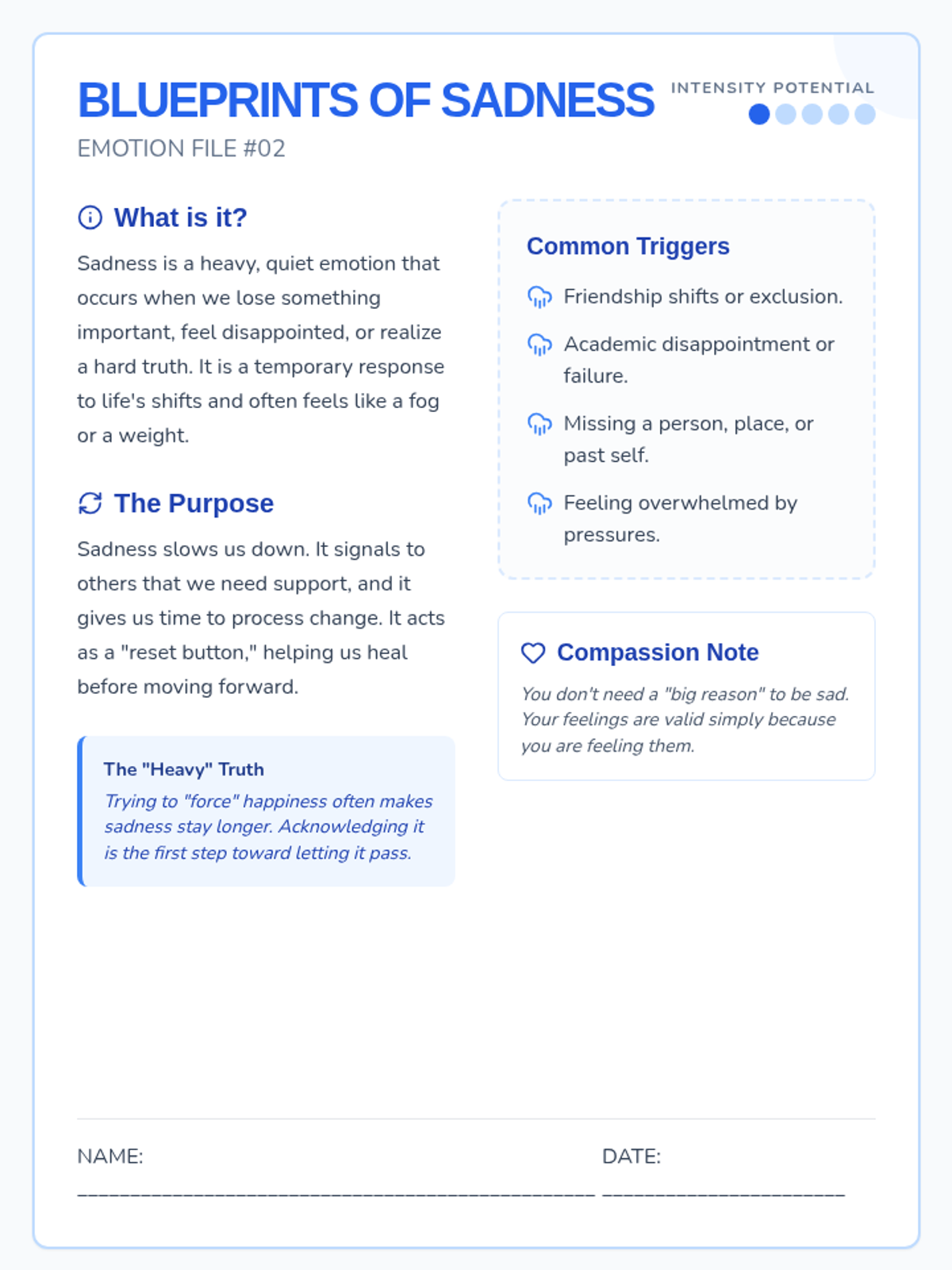
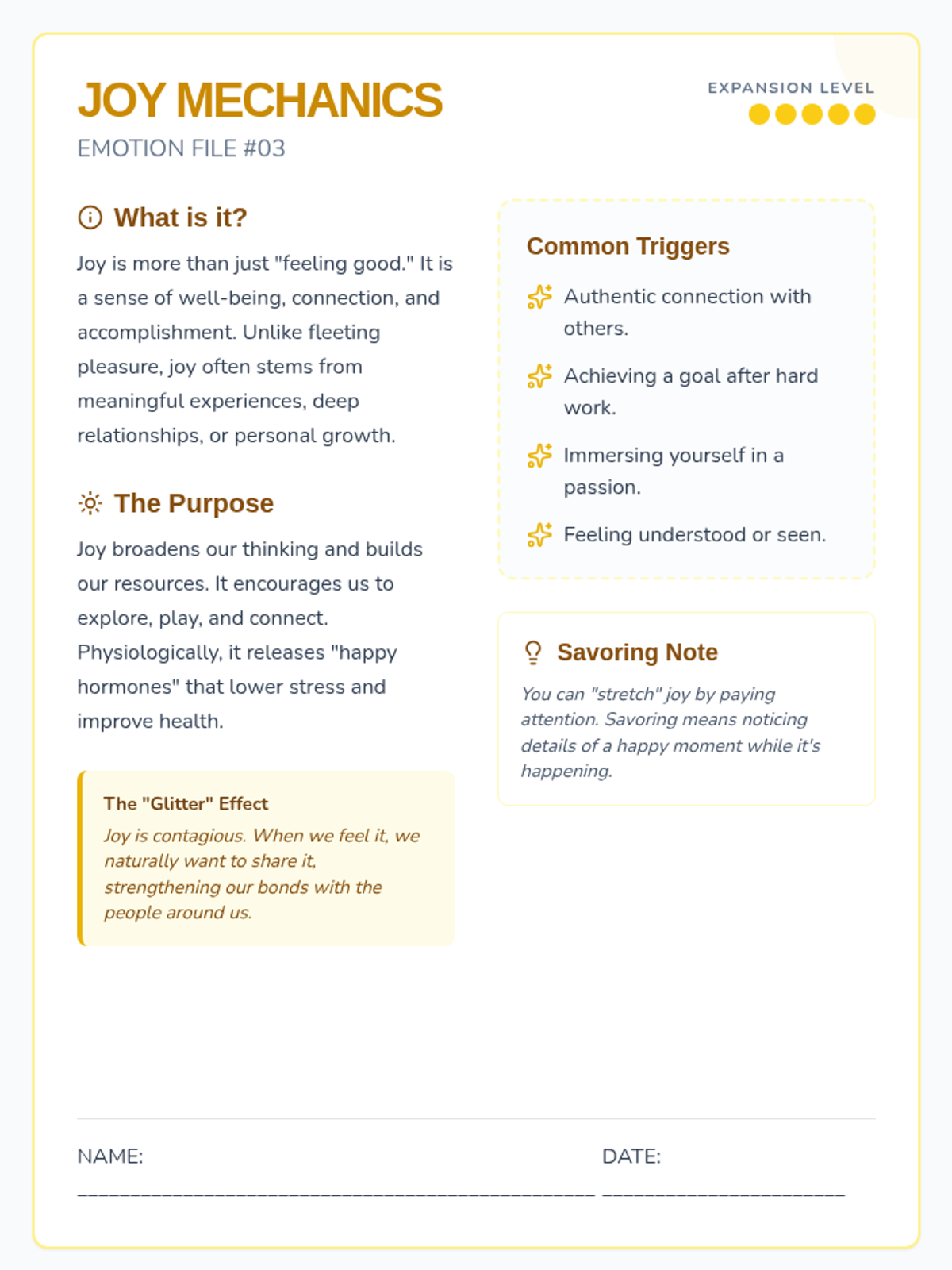
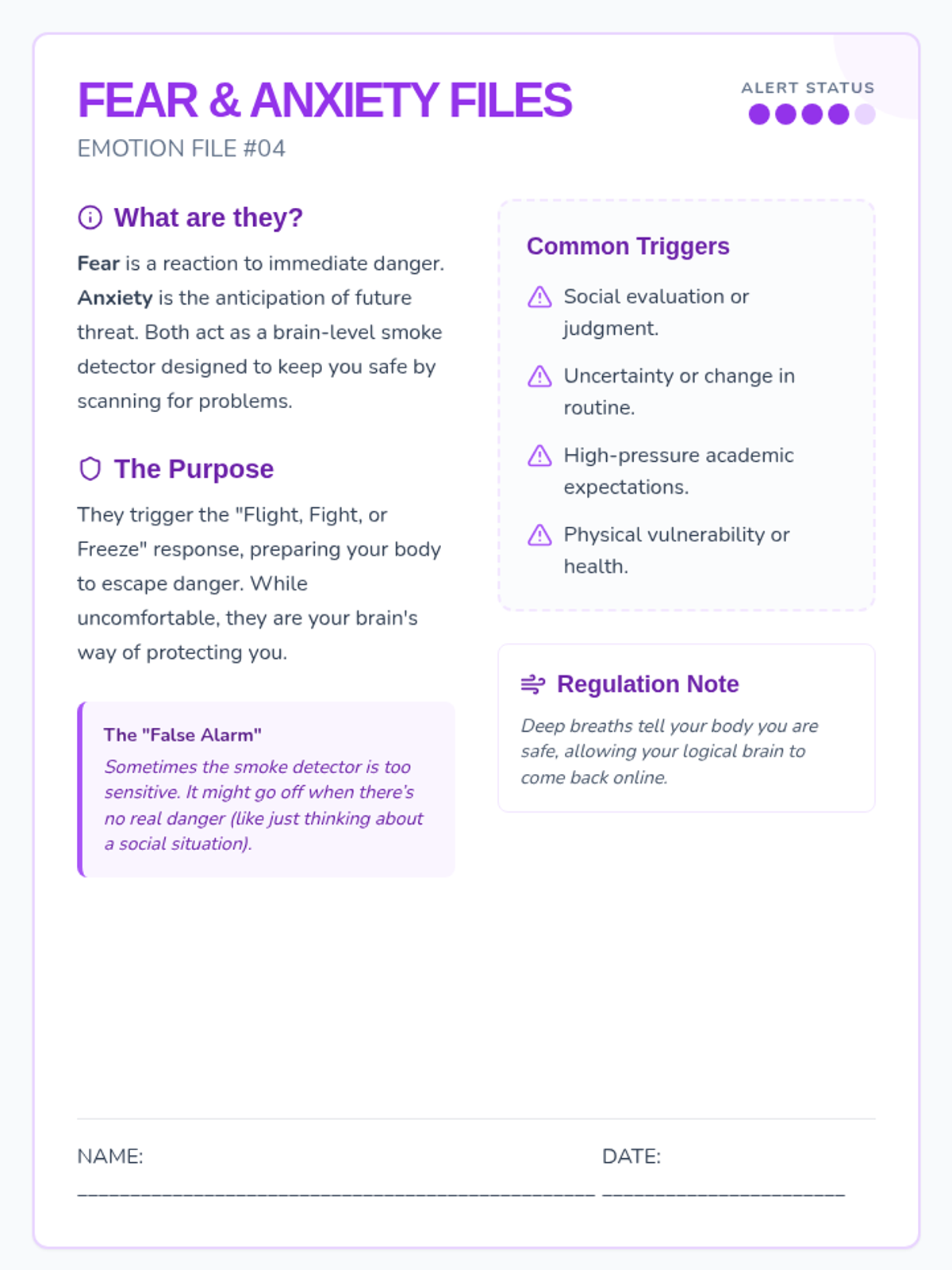
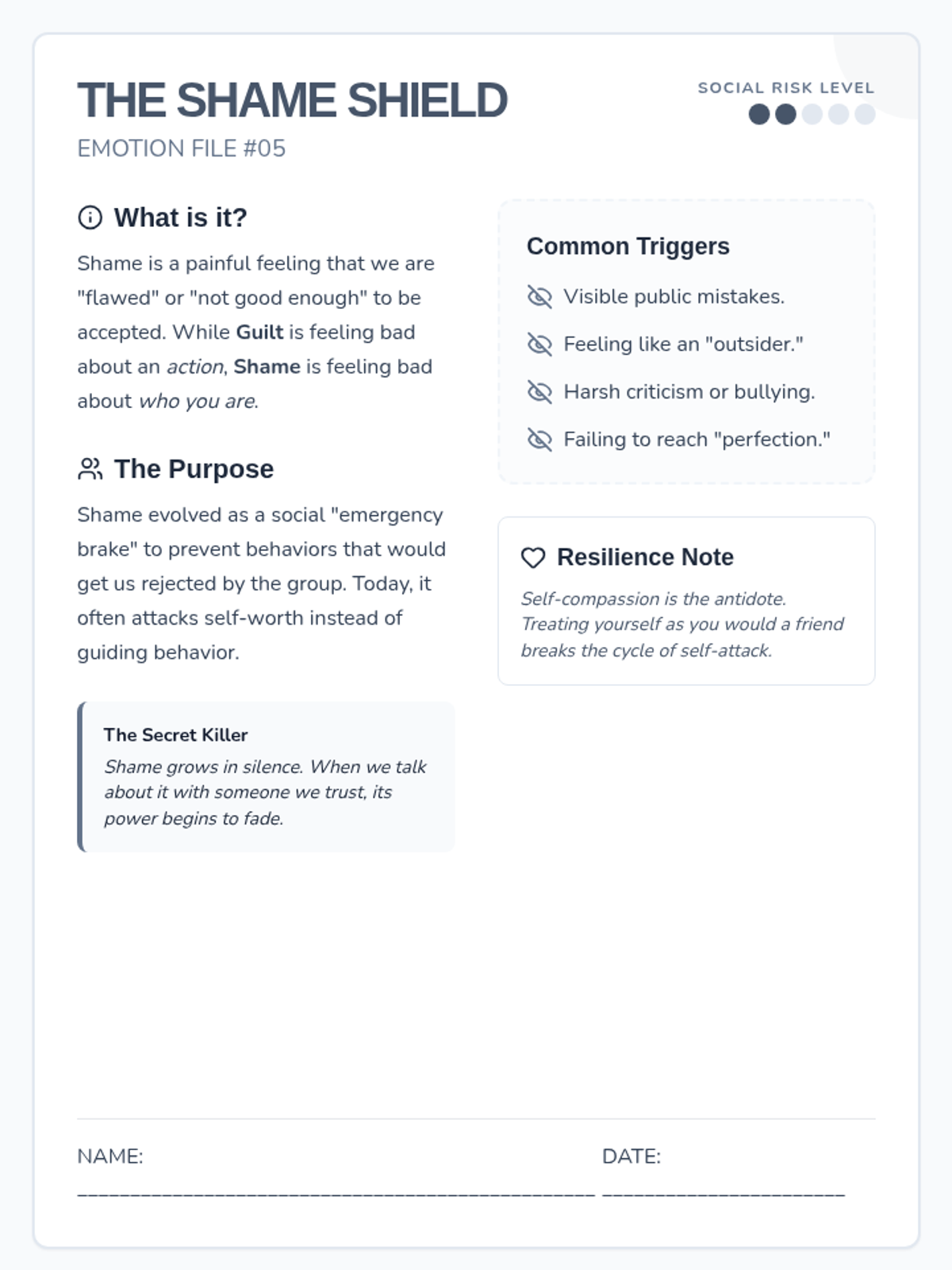
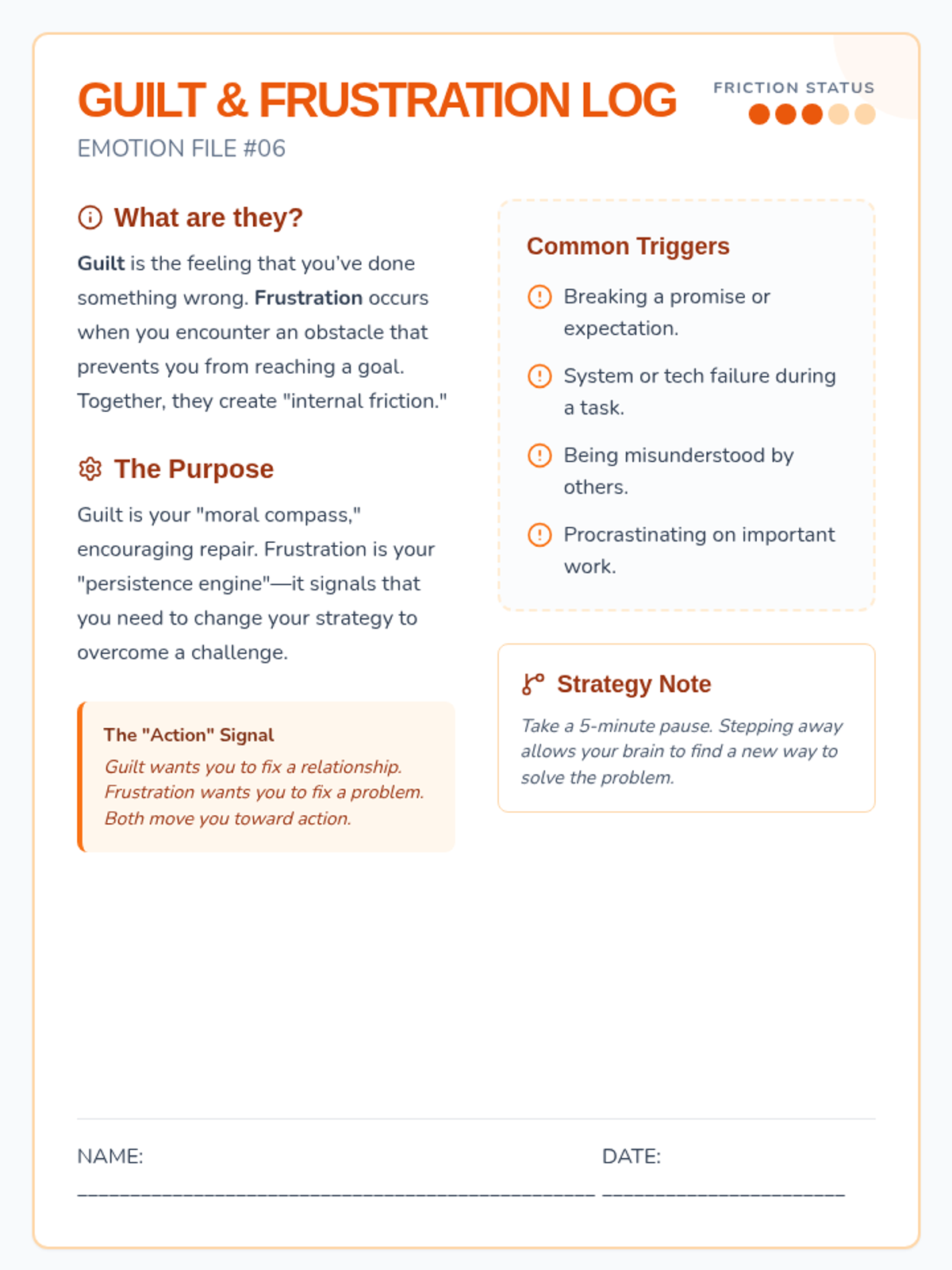
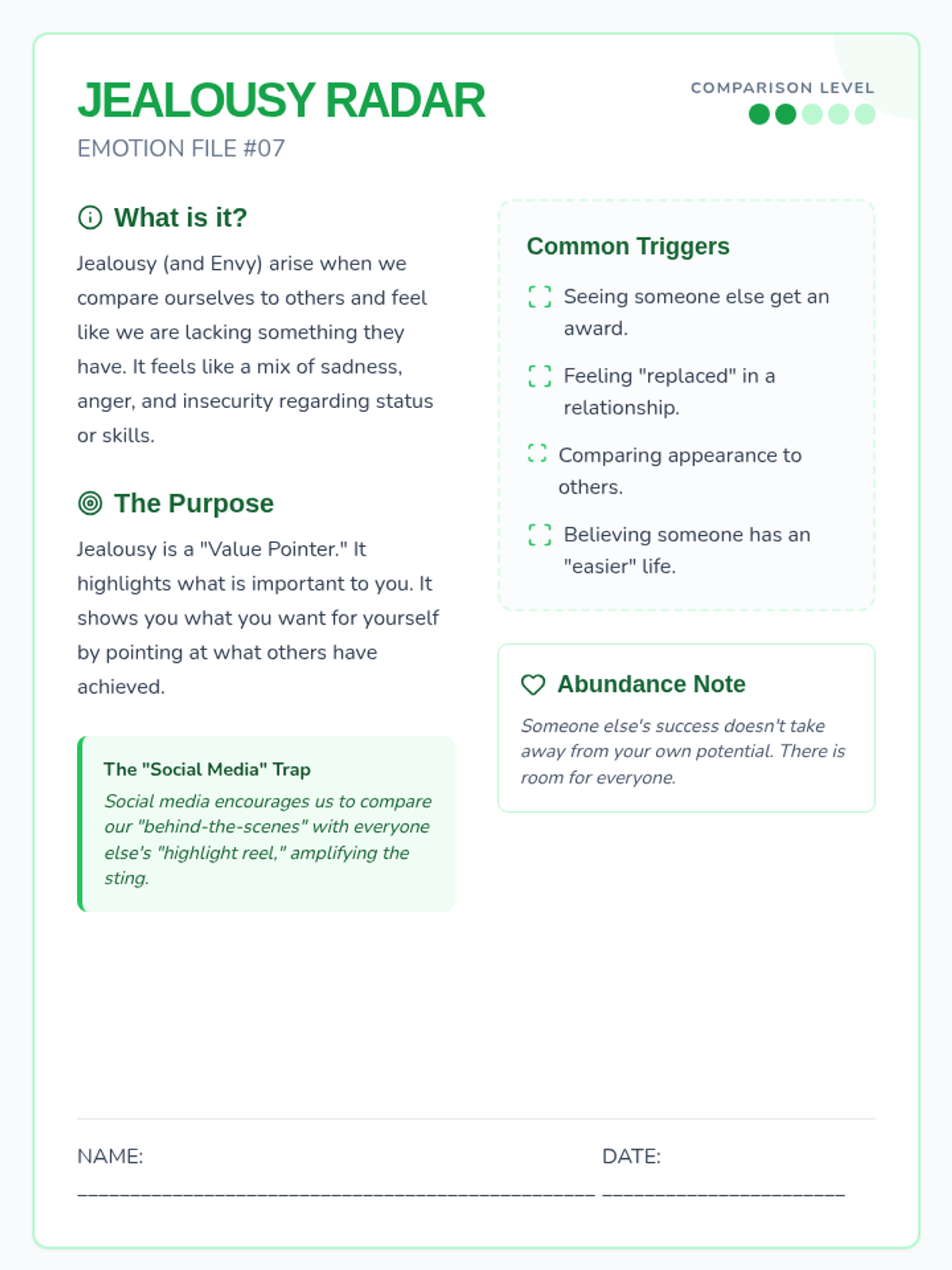
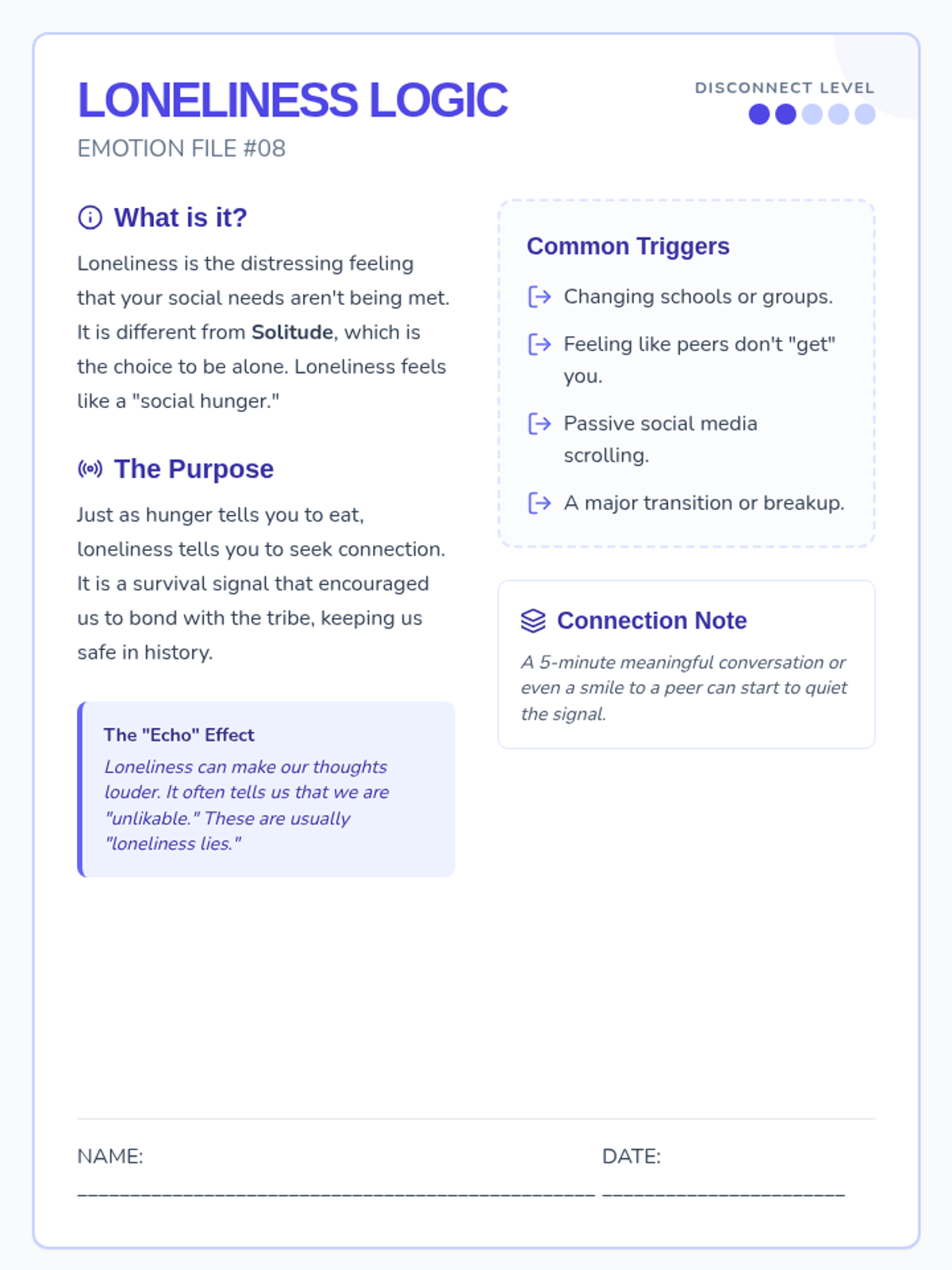
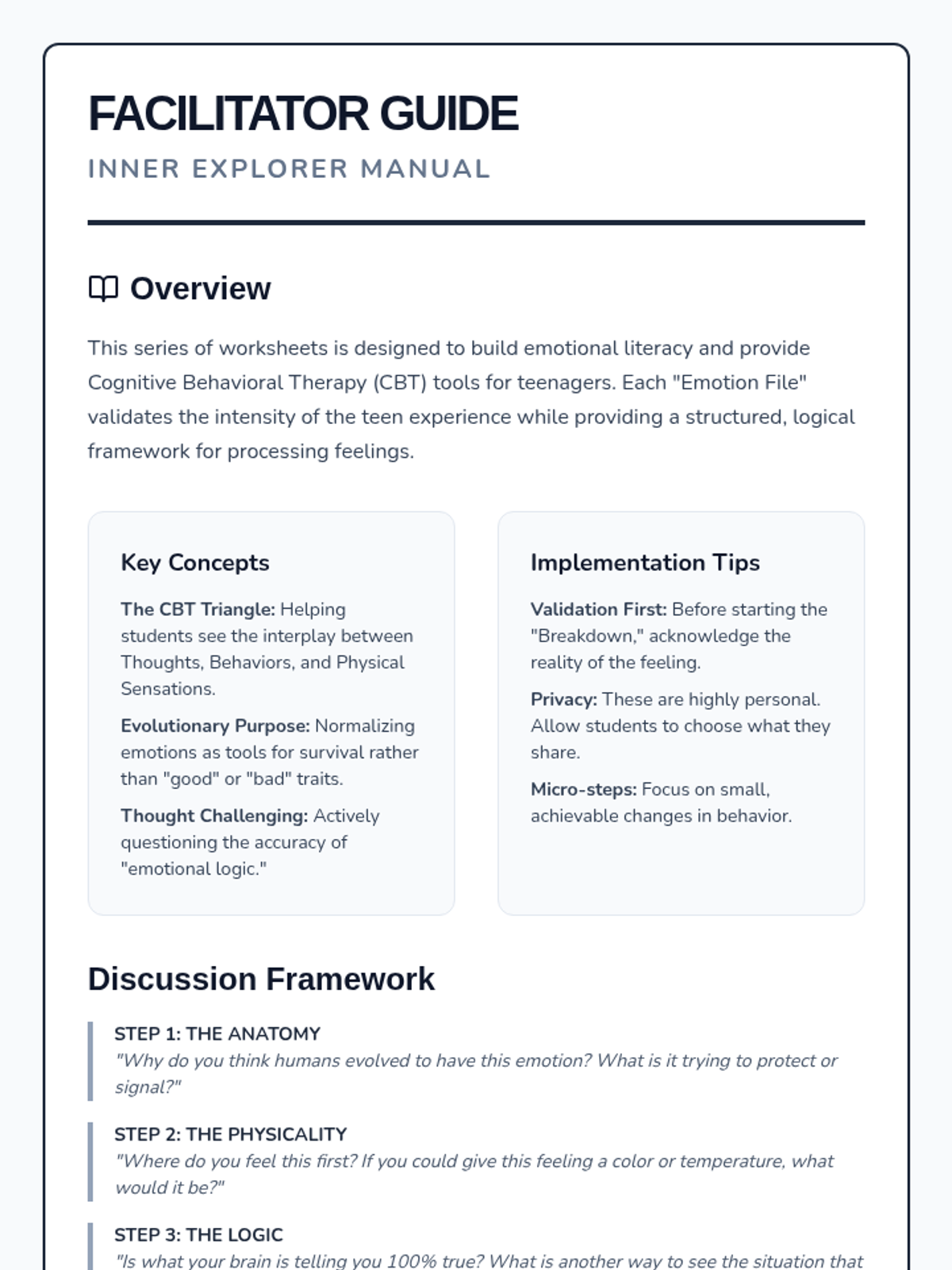
A comprehensive set of emotional literacy and CBT-based worksheets designed for teenagers to explore, understand, and manage complex emotions. Each module includes descriptive content and structured reflection areas for thoughts, behaviors, and physical sensations.
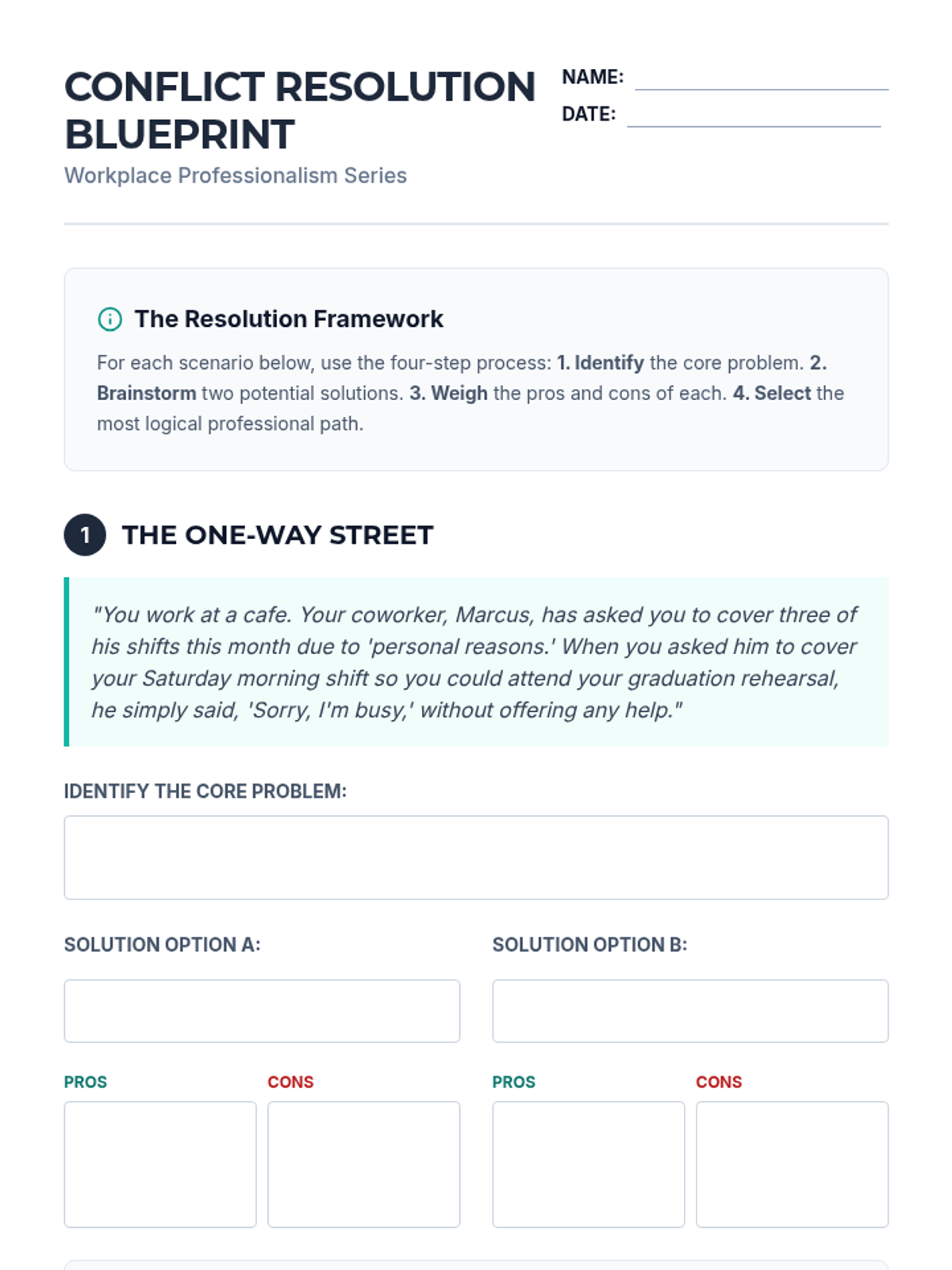
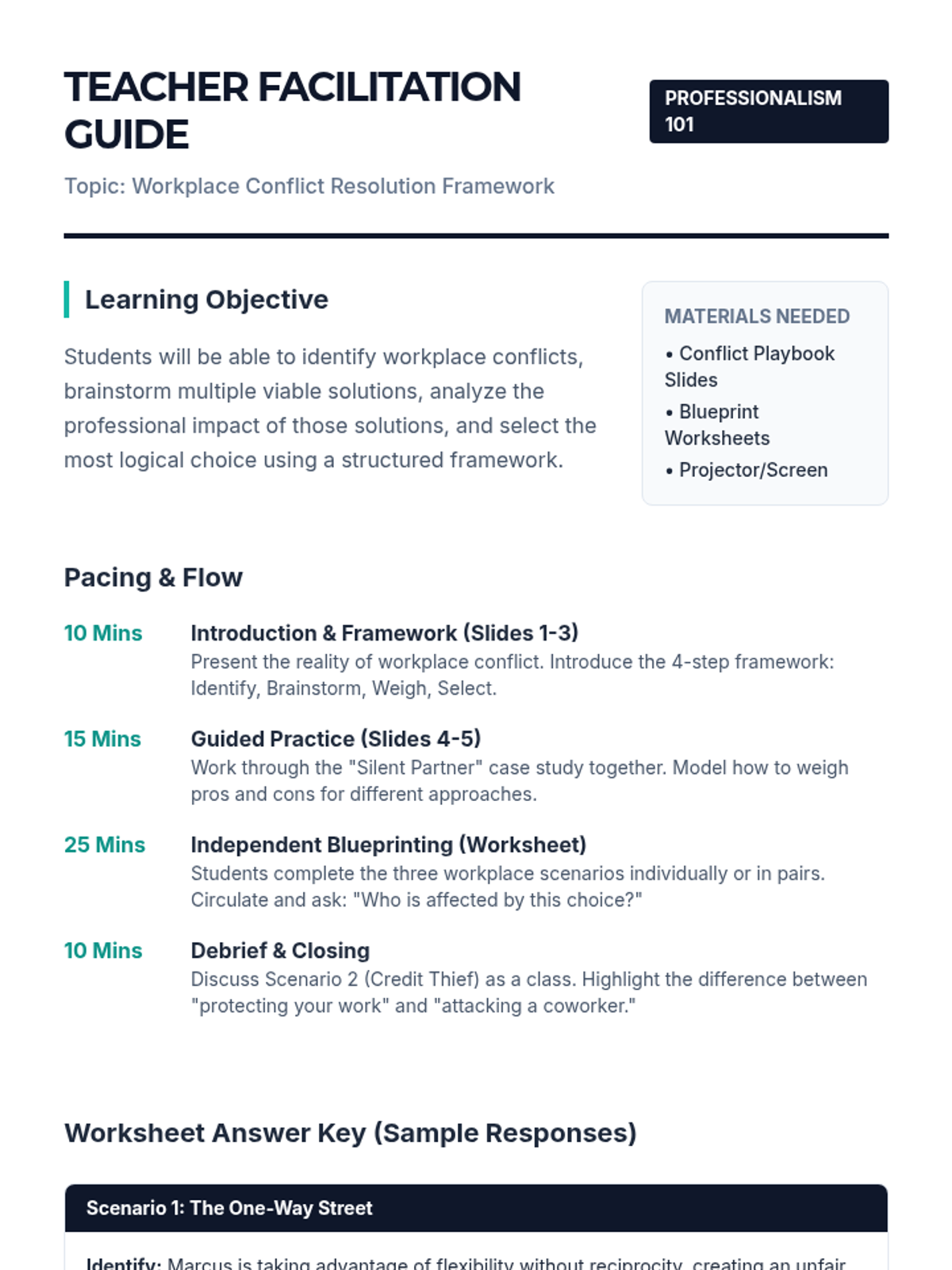
A lesson for high school students on identifying and resolving professional workplace conflicts using a structured decision-making framework. Students analyze realistic scenarios, evaluate multiple solutions, and select the most effective path forward.
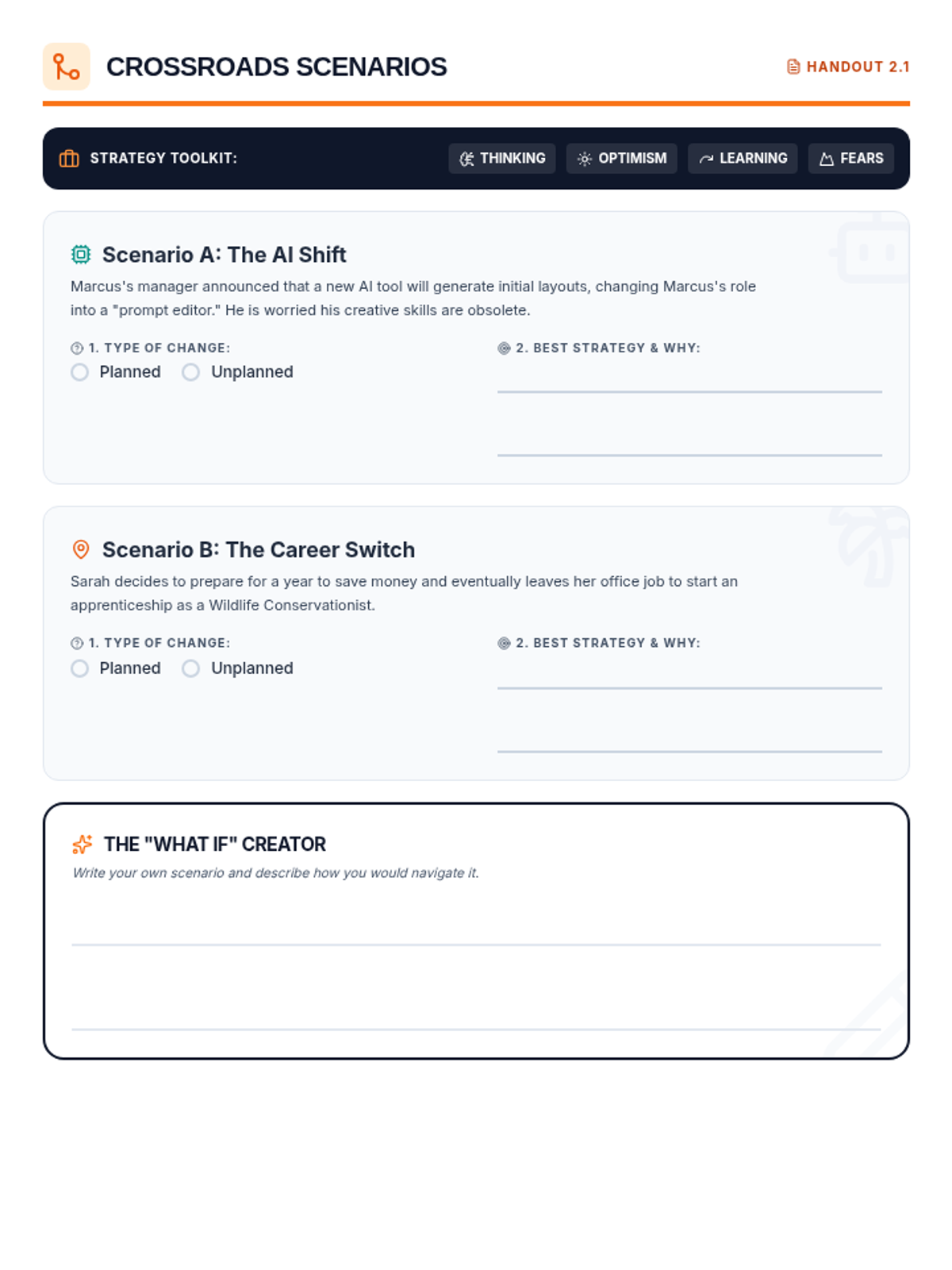
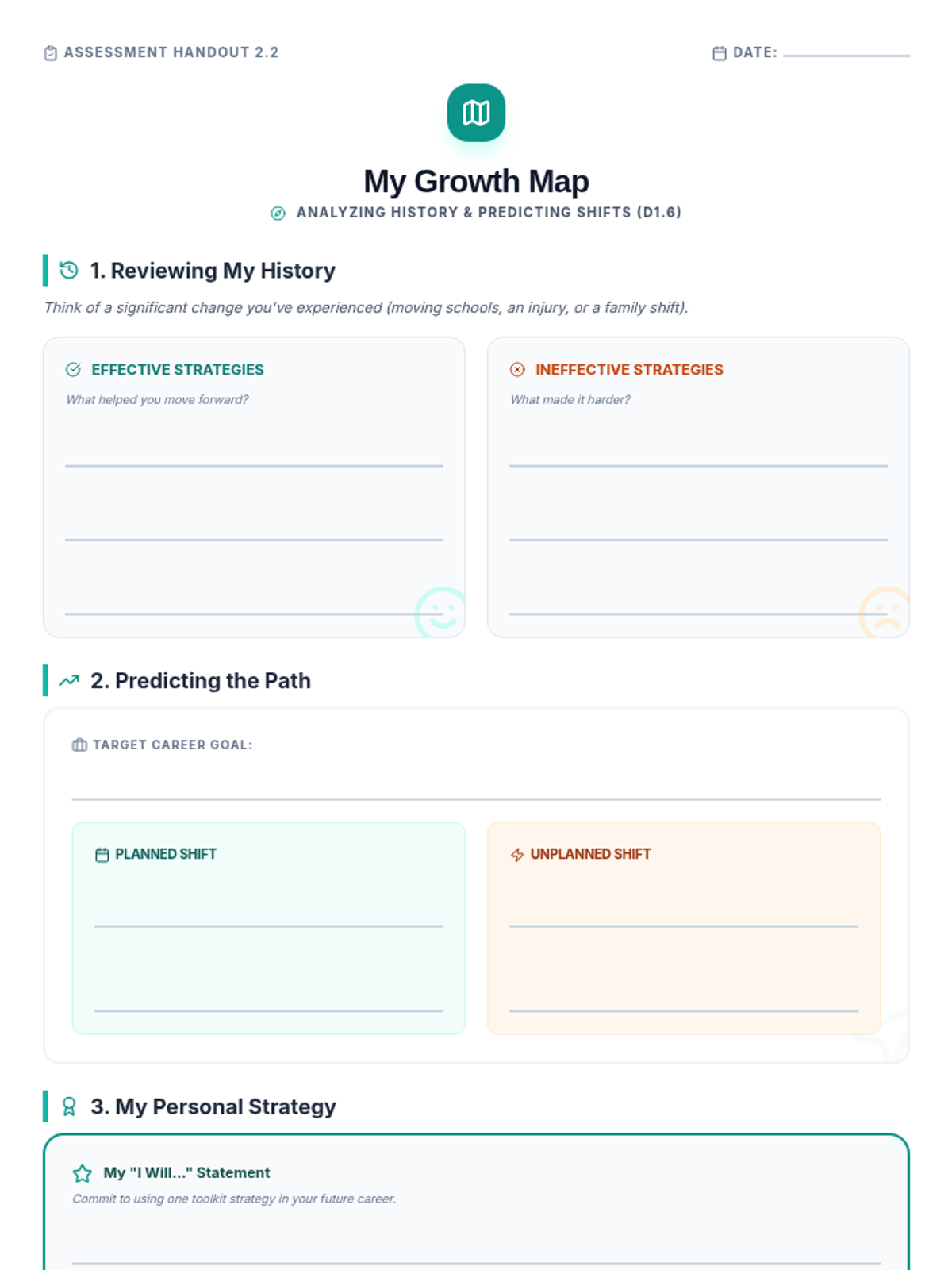
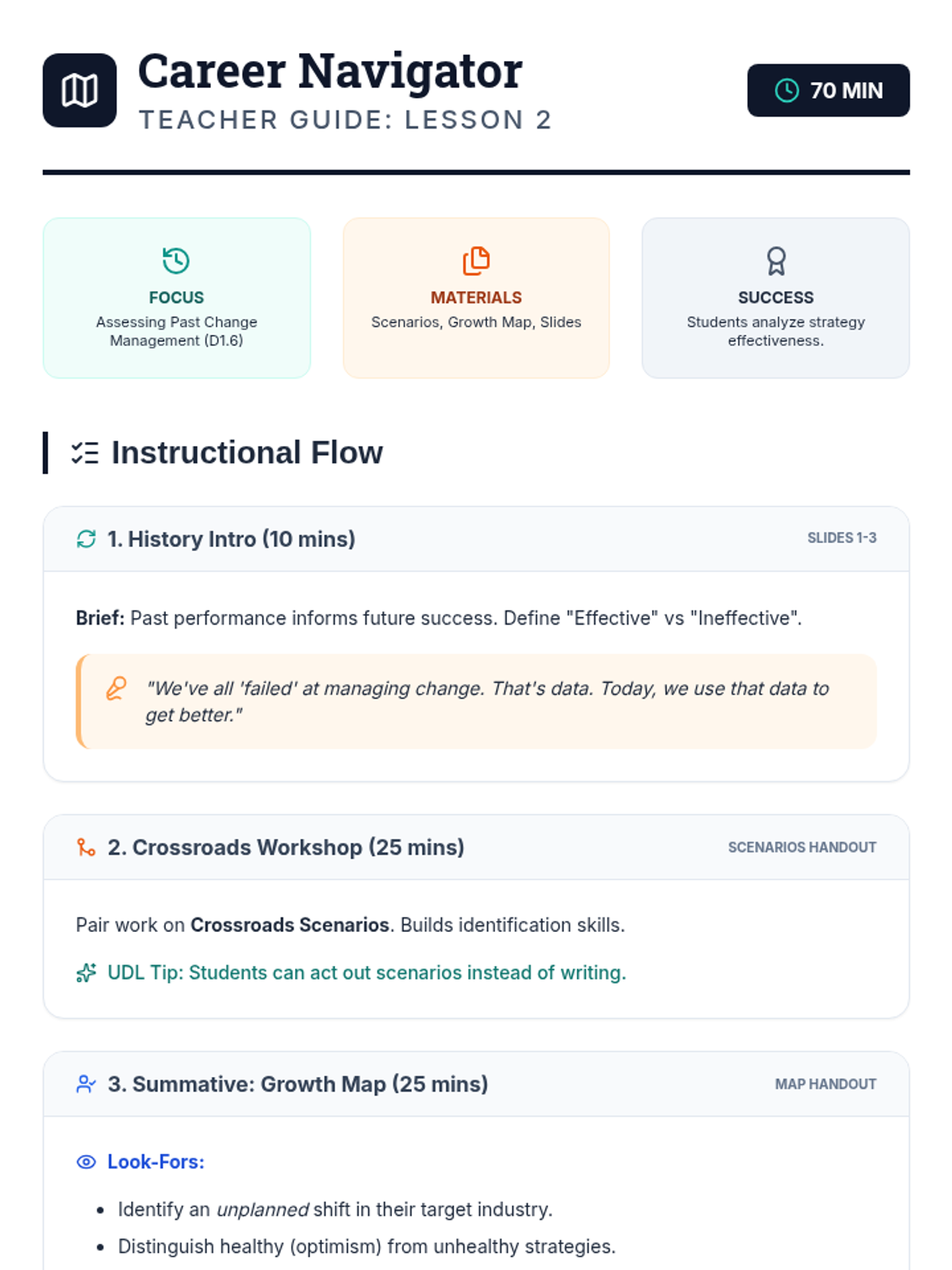
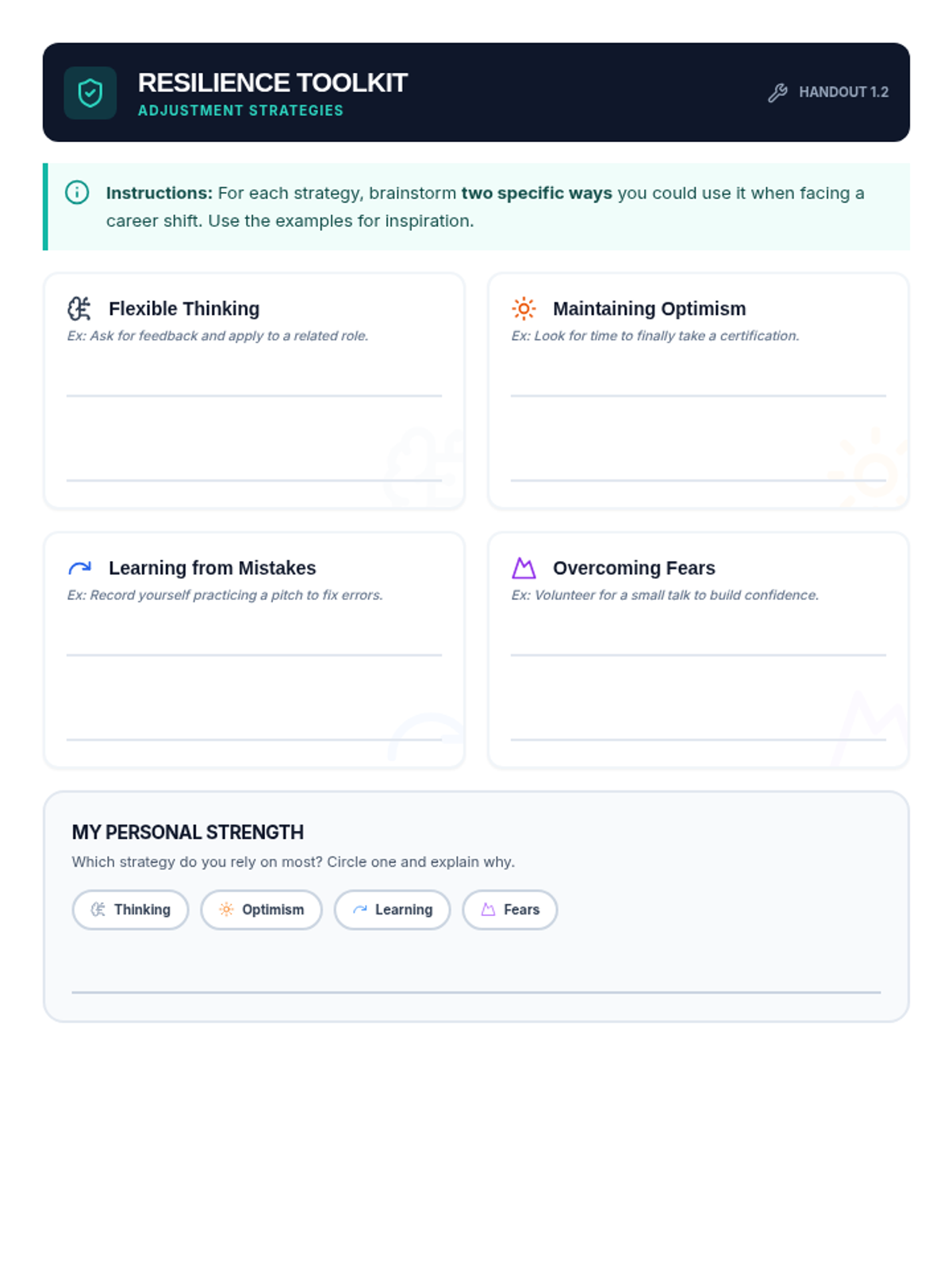
Students analyze past experiences with change to assess their own management strategies and apply resilience tools to real-world career scenarios.
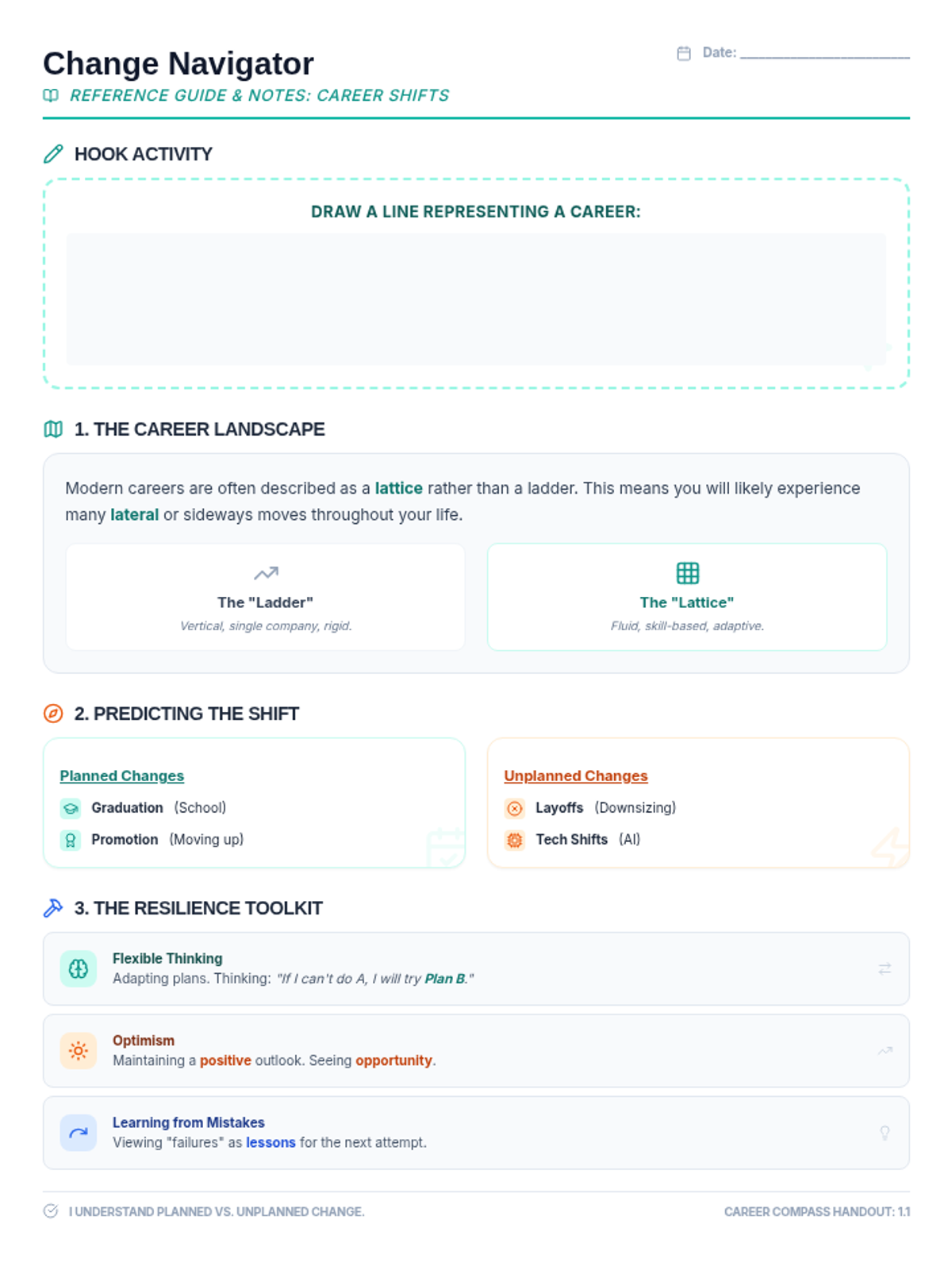
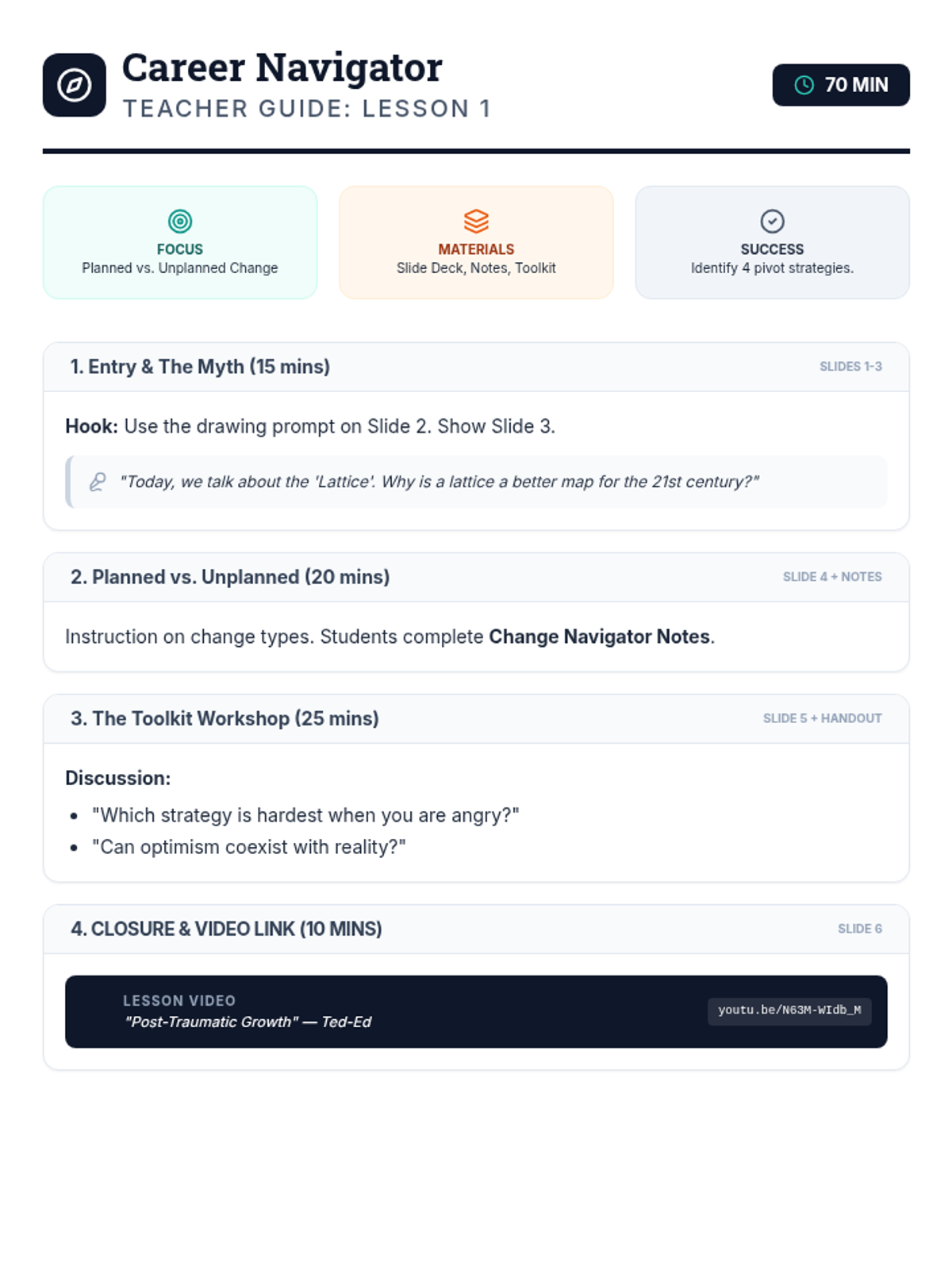
Students explore the nature of planned and unplanned career changes and identify key resilience strategies (flexible thinking, optimism, learning from mistakes) using visual-heavy guided notes.
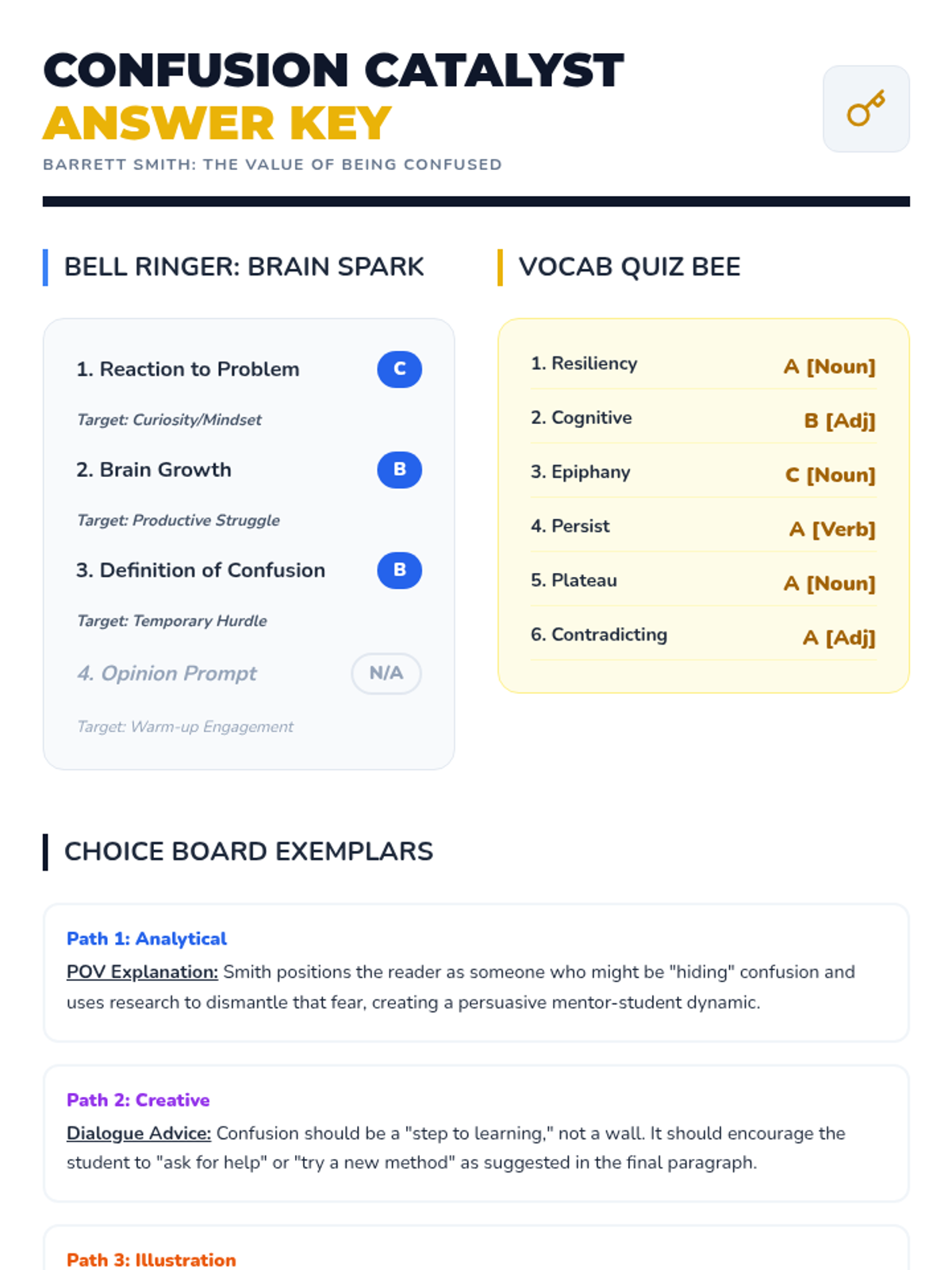
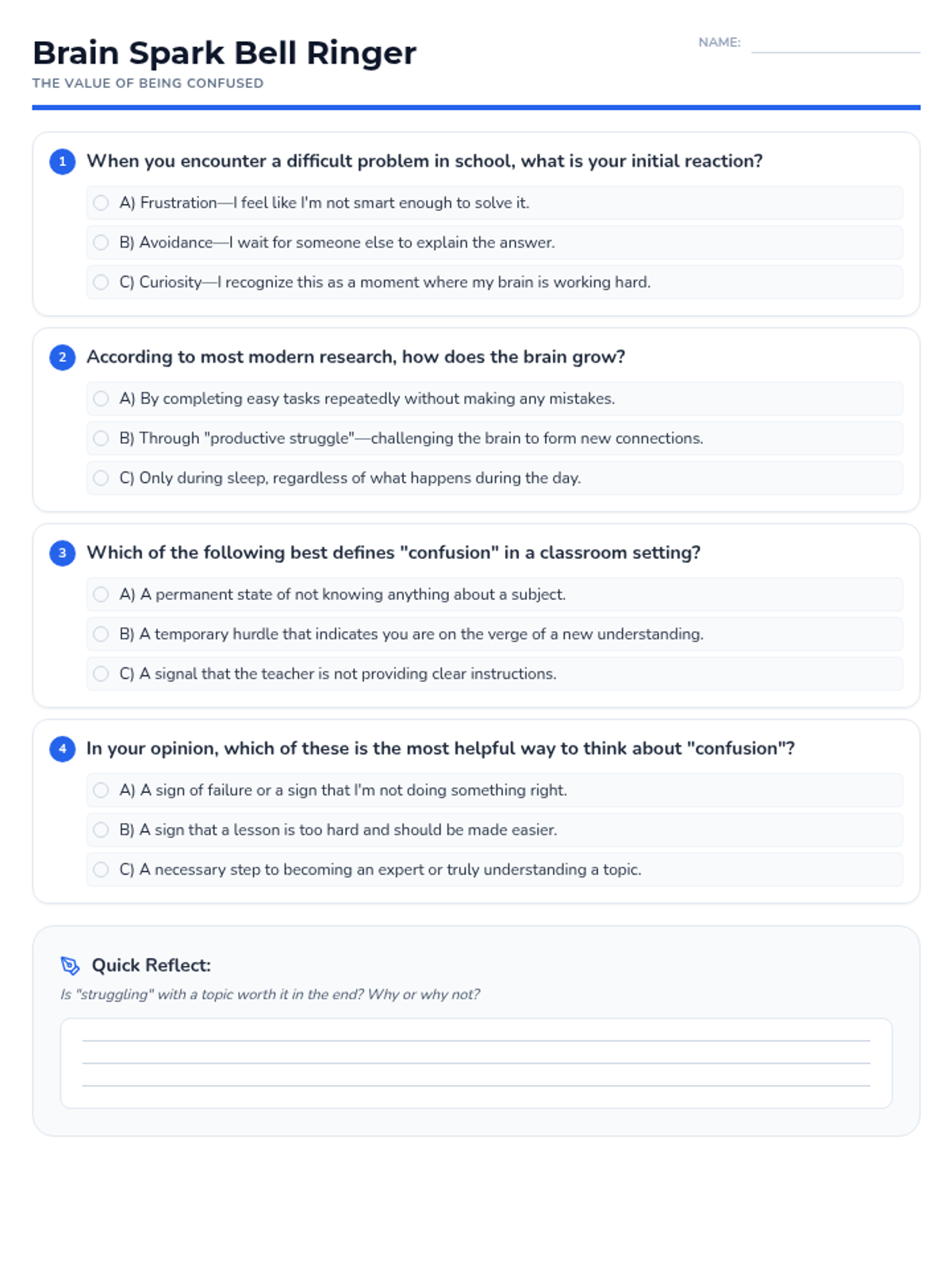
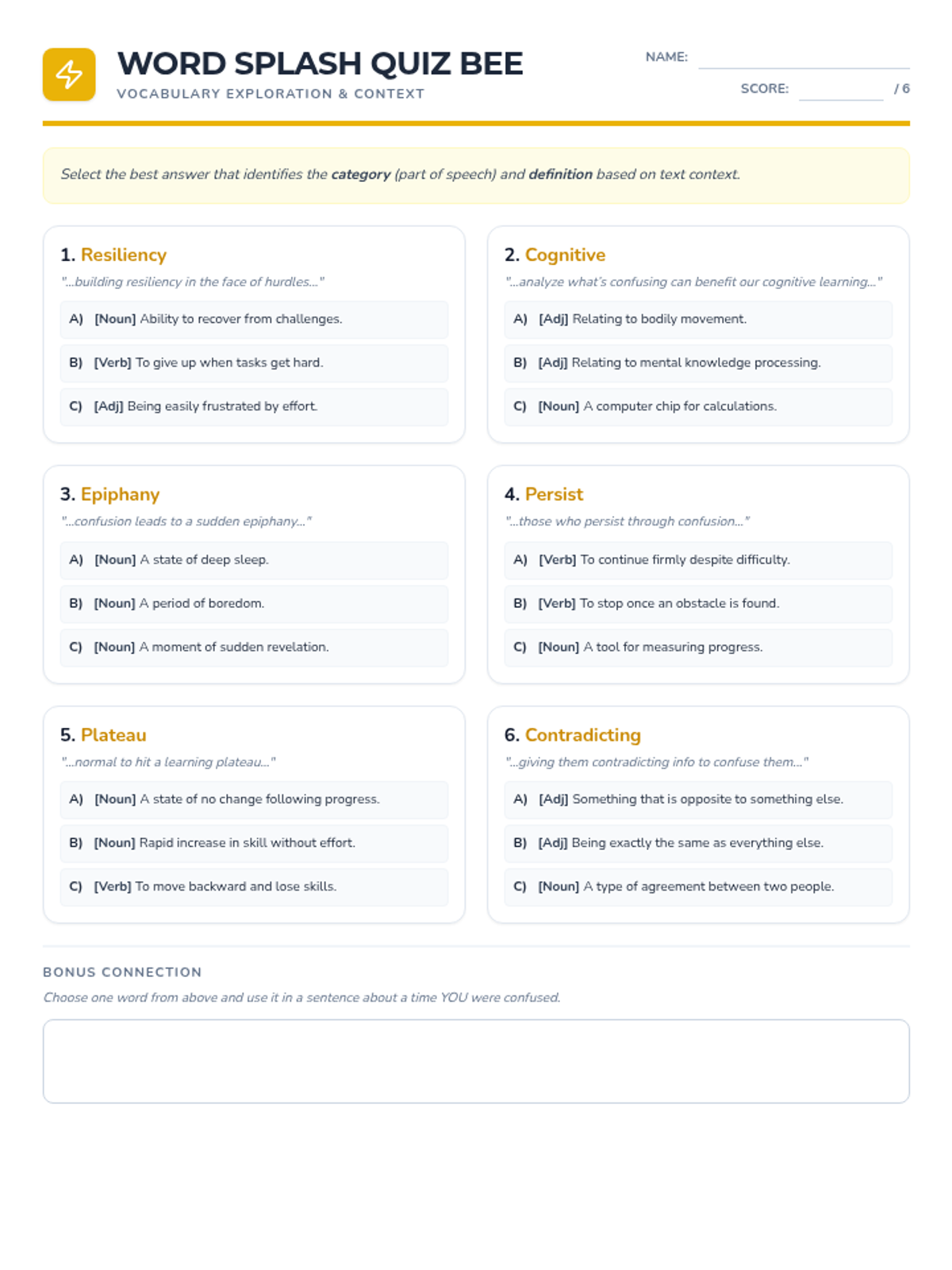
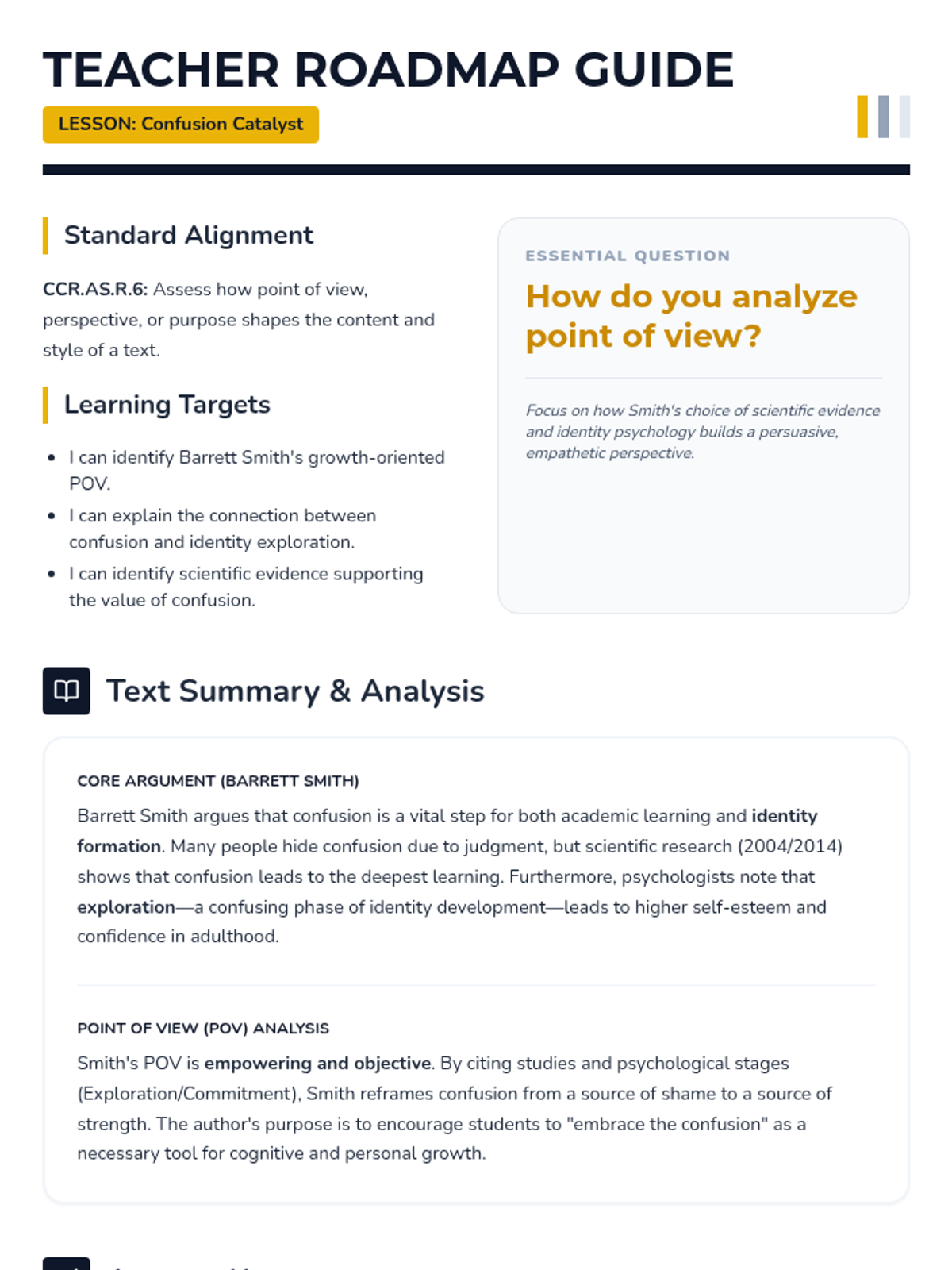
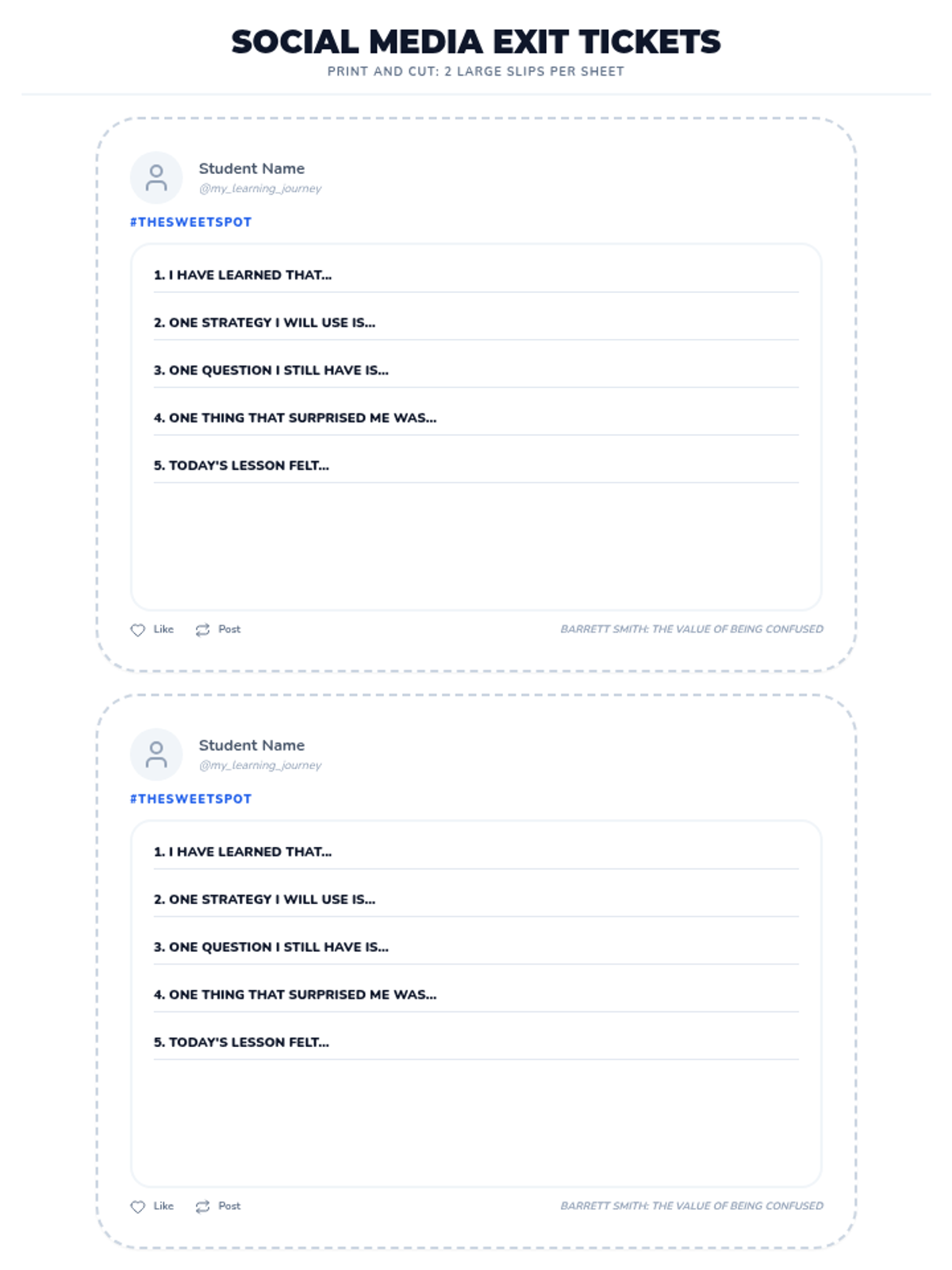
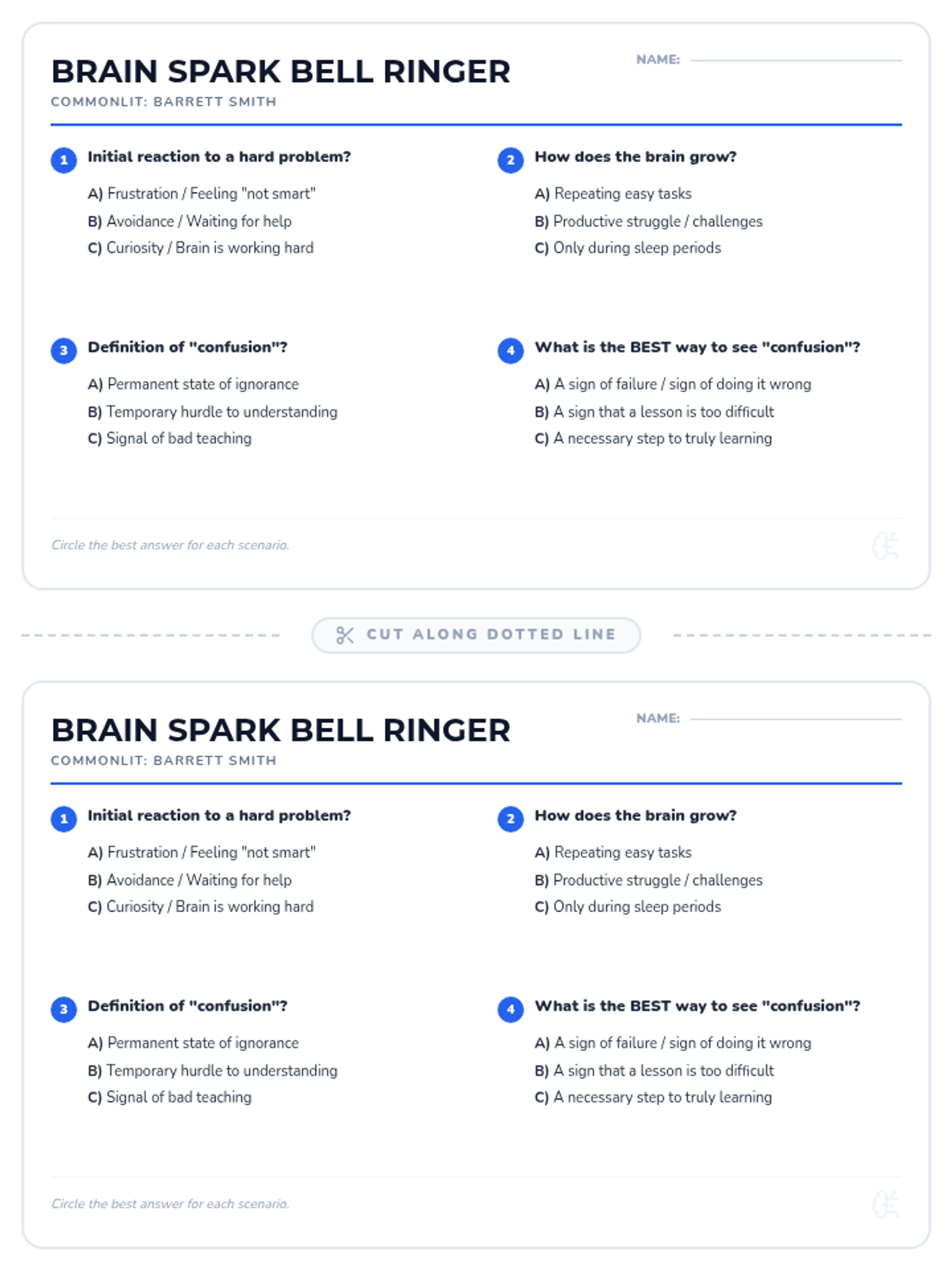
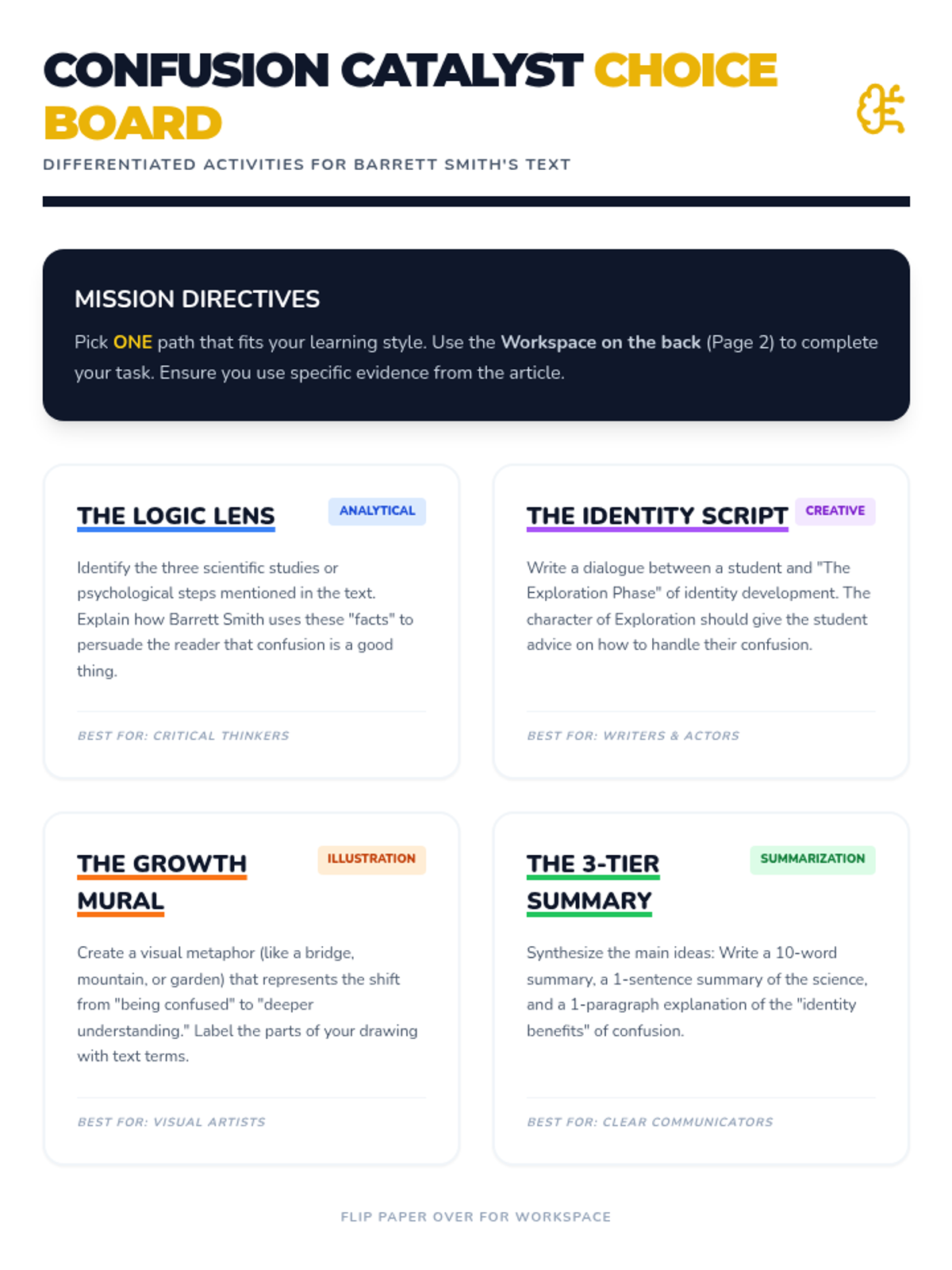
An analysis of Kimberly Tyson's 'The Value of Being Confused' focusing on how the author uses perspective to reframe confusion as a learning tool. Includes vocabulary development, collaborative discussion, and creative choice-based assessment.
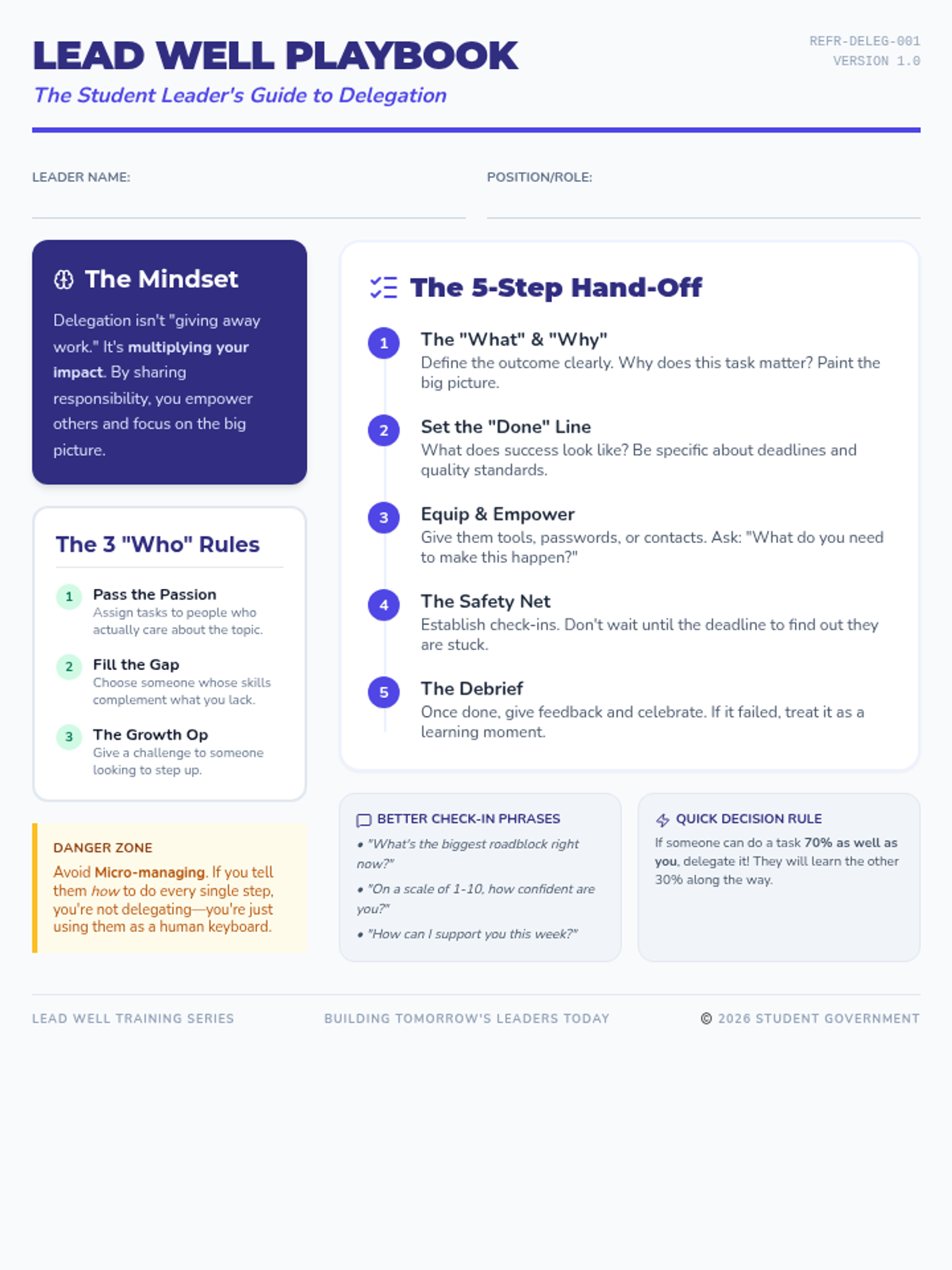
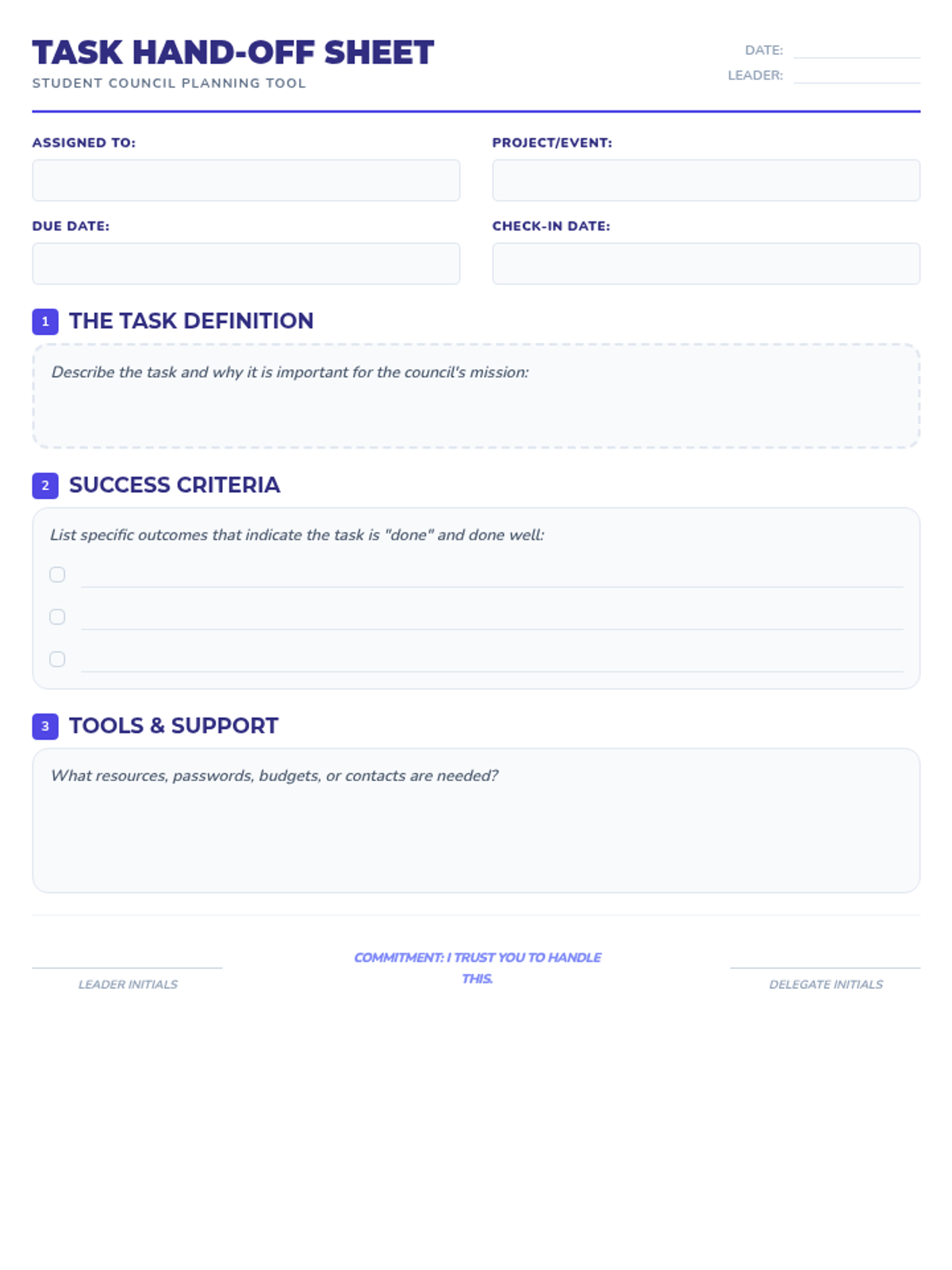
A comprehensive lesson for high school student leaders on the art of delegation, focusing on building trust, matching strengths, and clear communication.
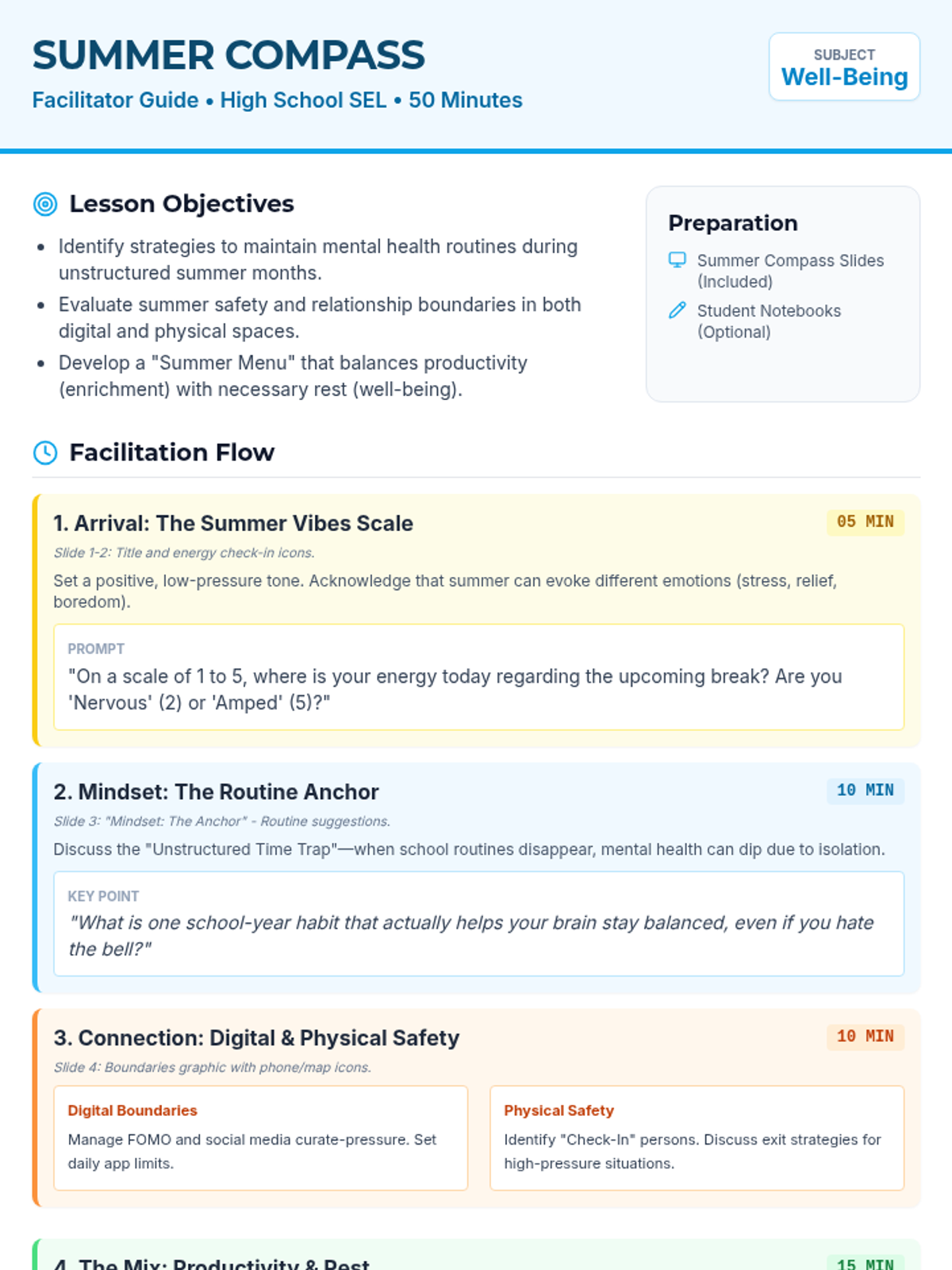
A 50-minute small group SEL lesson for high schoolers focused on navigating summer break with a focus on mental health, safety, and a healthy balance of productivity and rest.
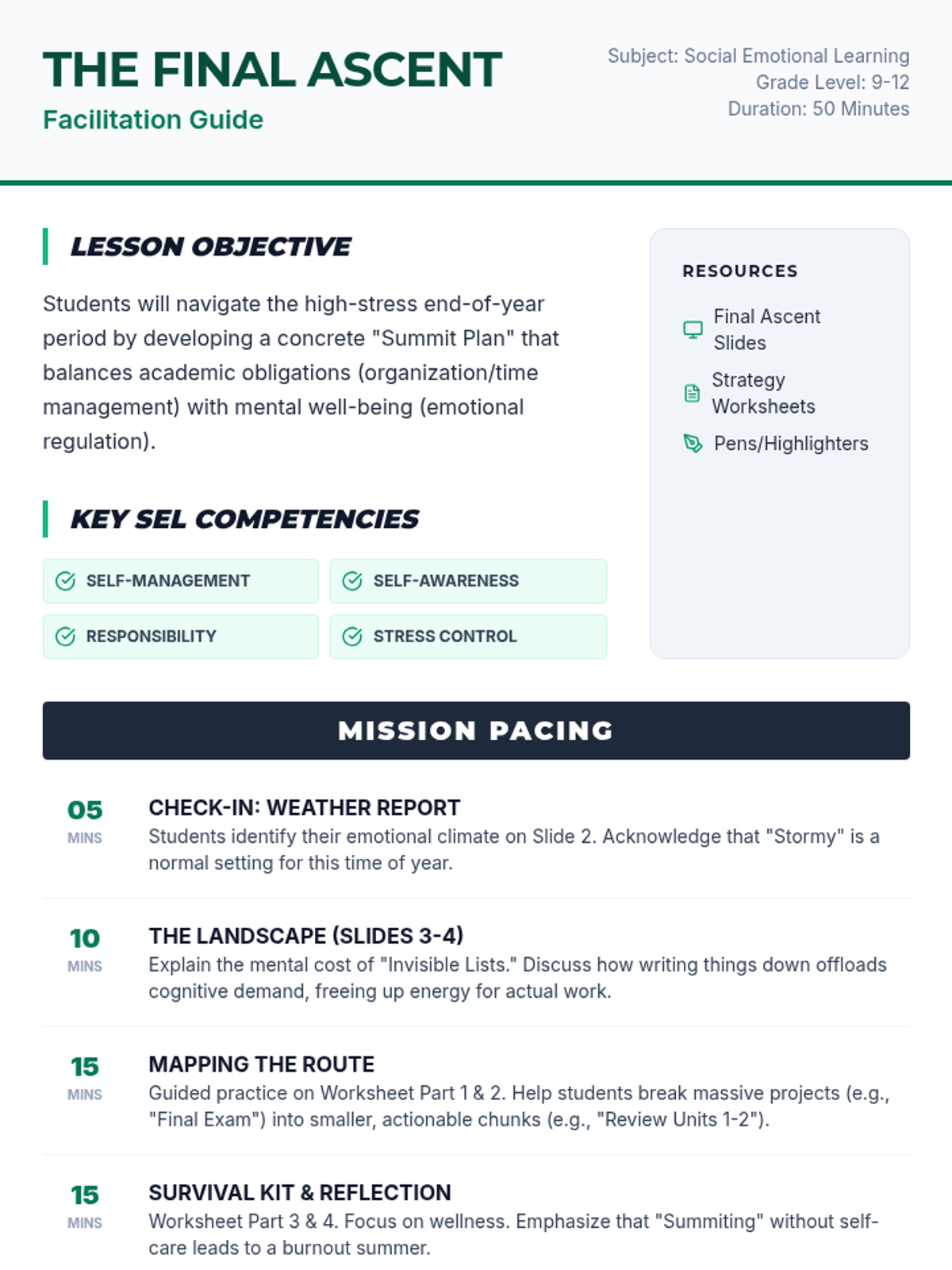
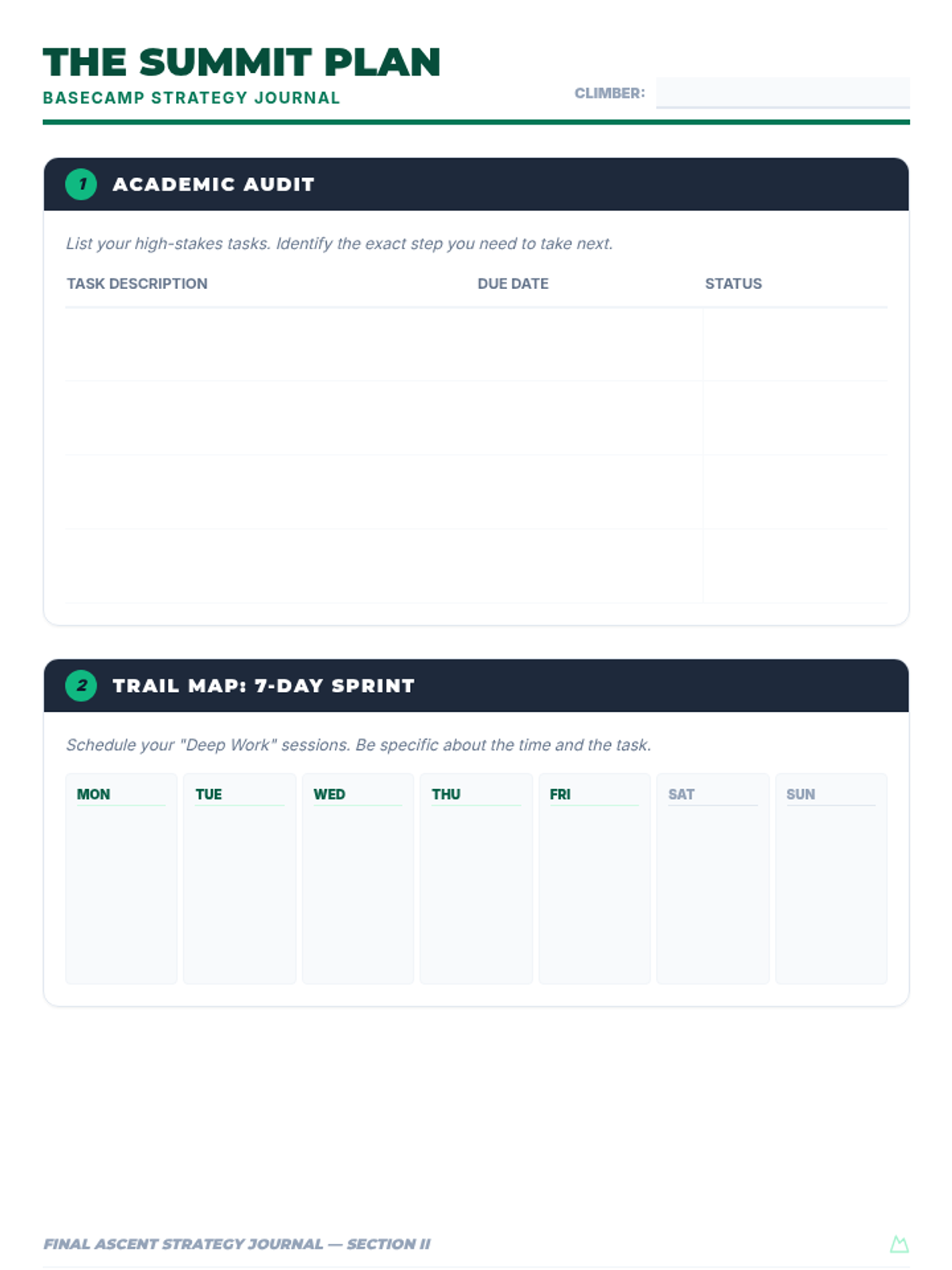
A 50-minute SEL lesson for high schoolers focused on finishing the school year with resilience, organization, and wellness. Students will create a tactical plan for their remaining academics while prioritizing mental health and reflection.
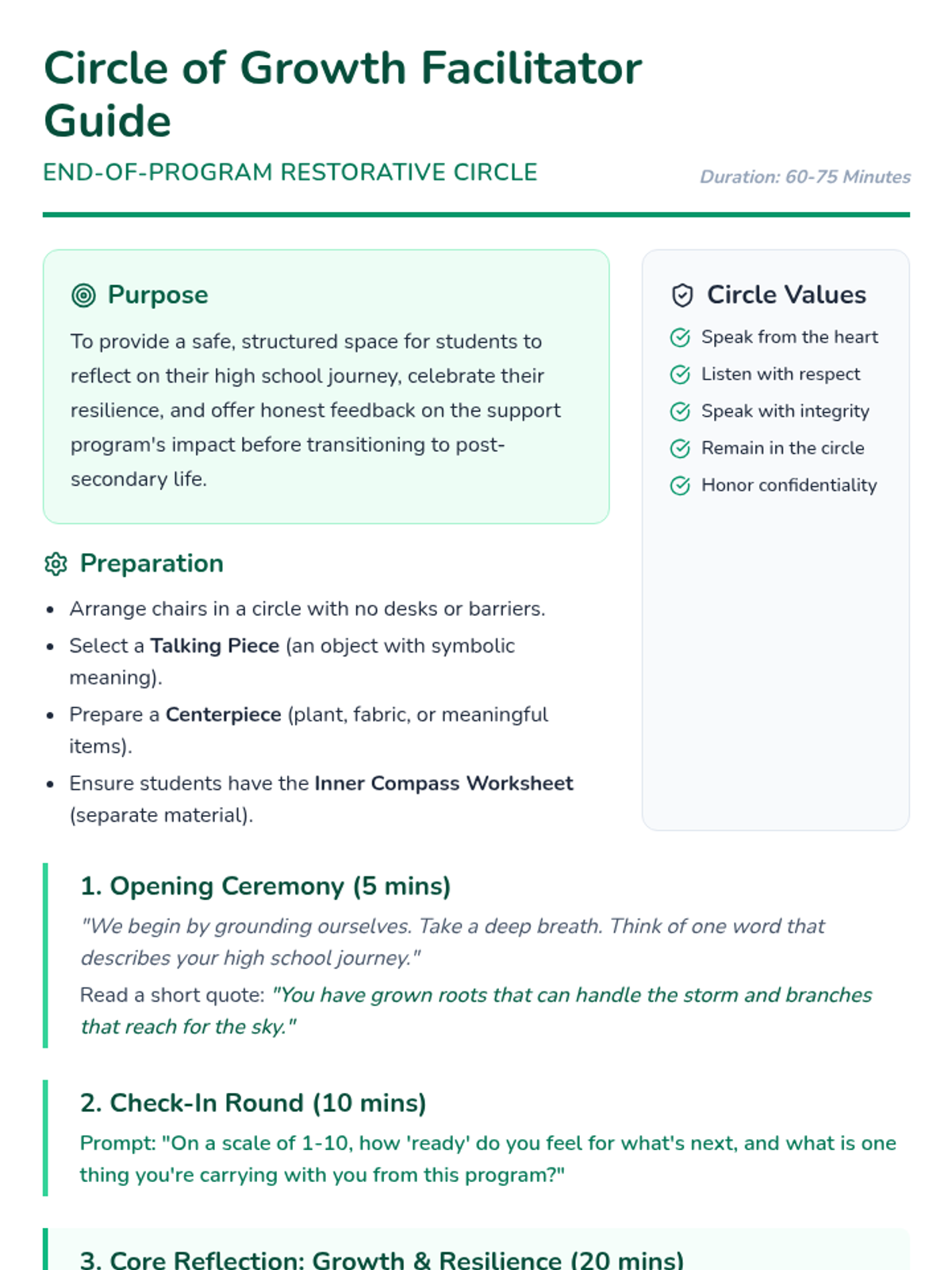
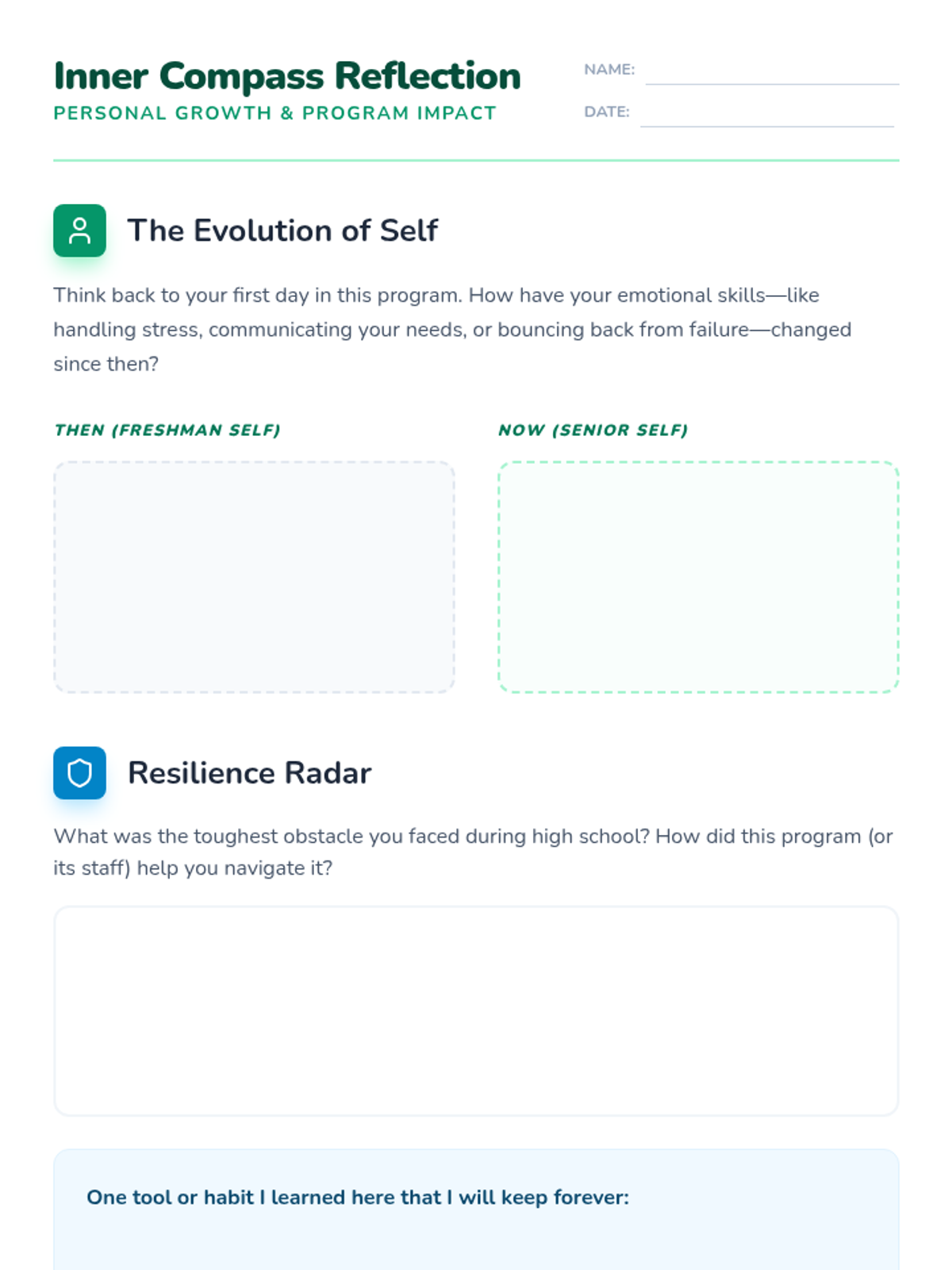
A structured restorative circle and individual reflection session focused on identifying social-emotional growth, resilience, and program effectiveness.
A collaborative "Pairs Compare" activity where students work in teams of four to share keywords, locate evidence, and synthesize final answers on index cards.
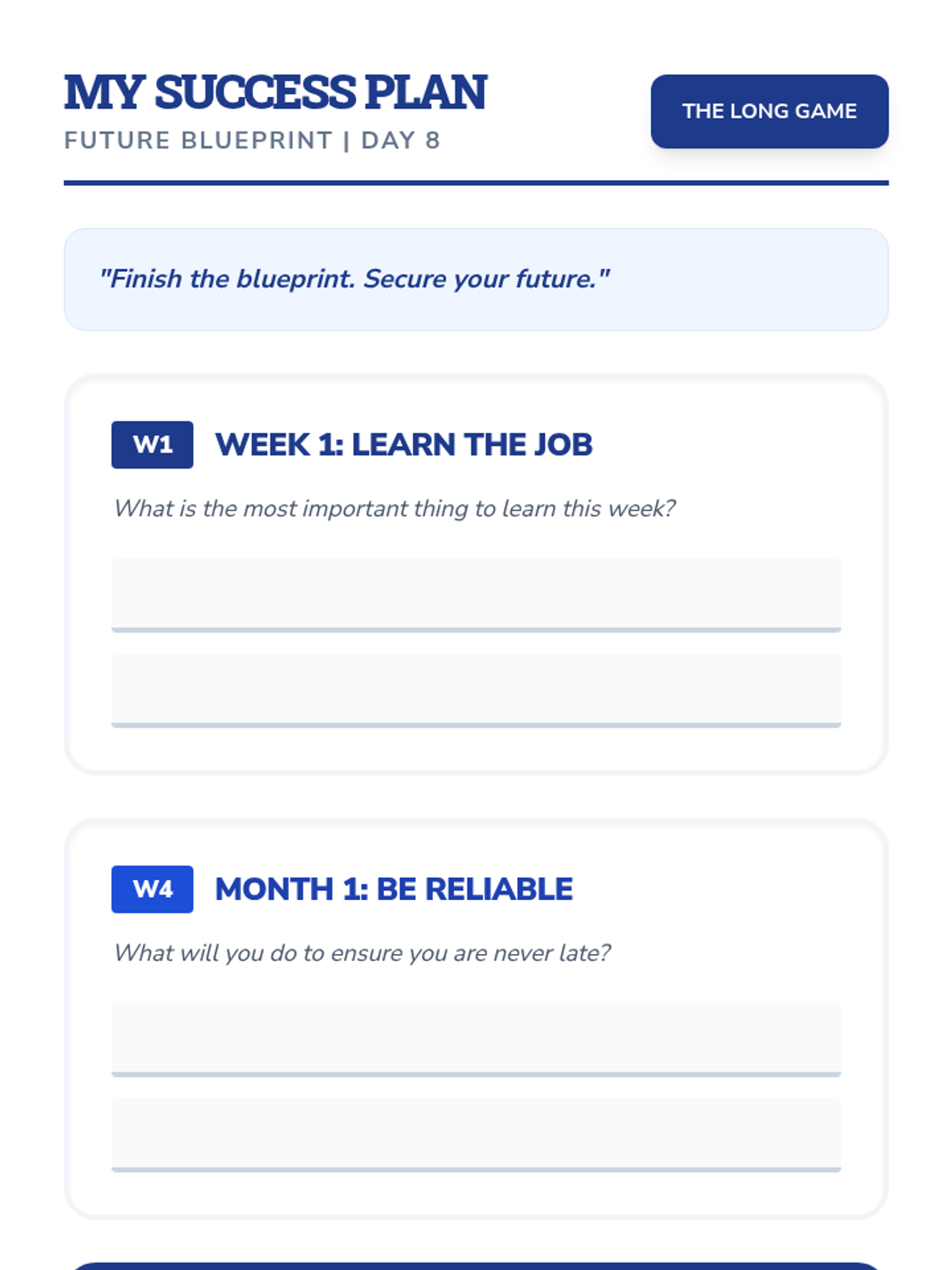
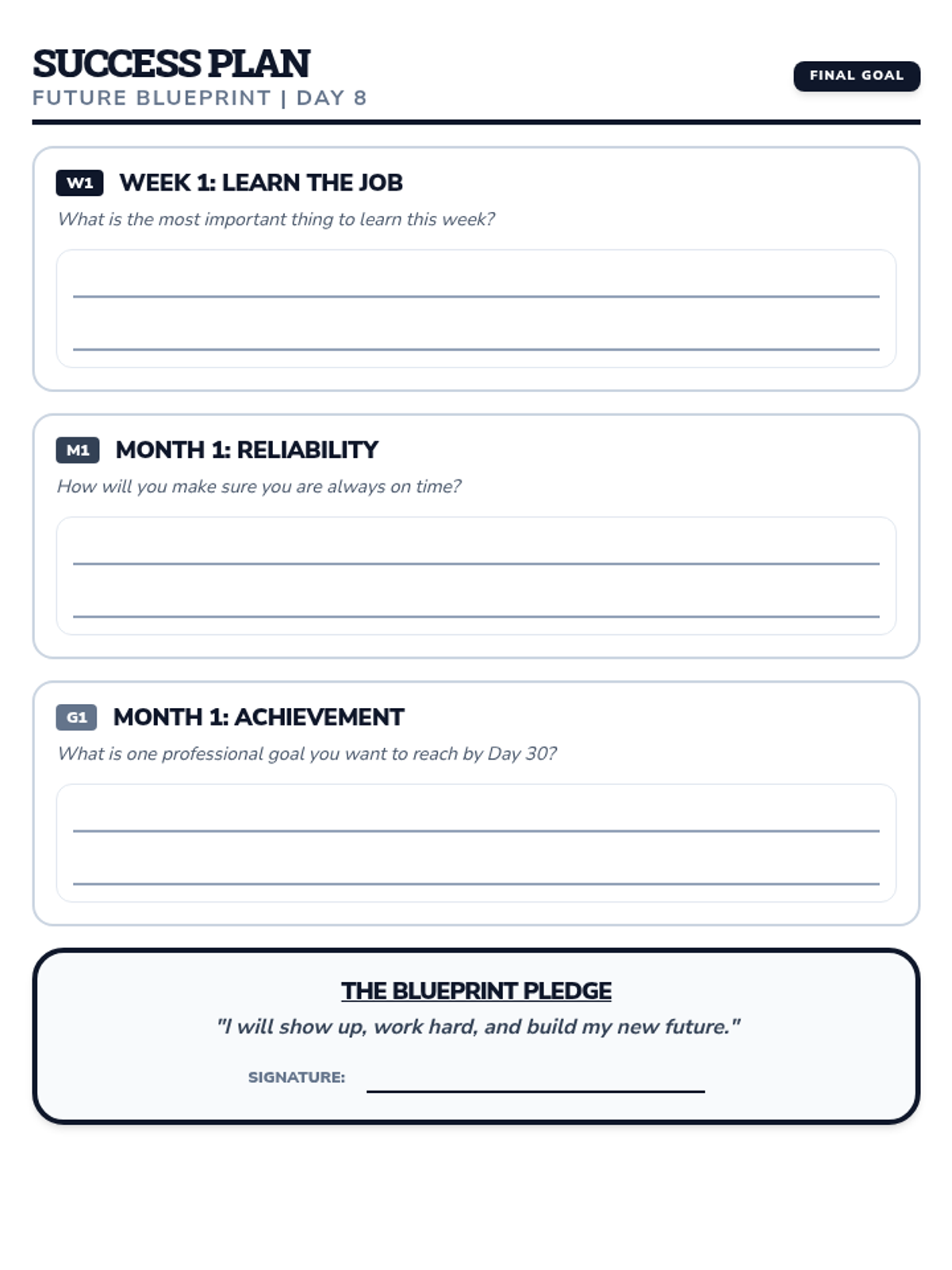
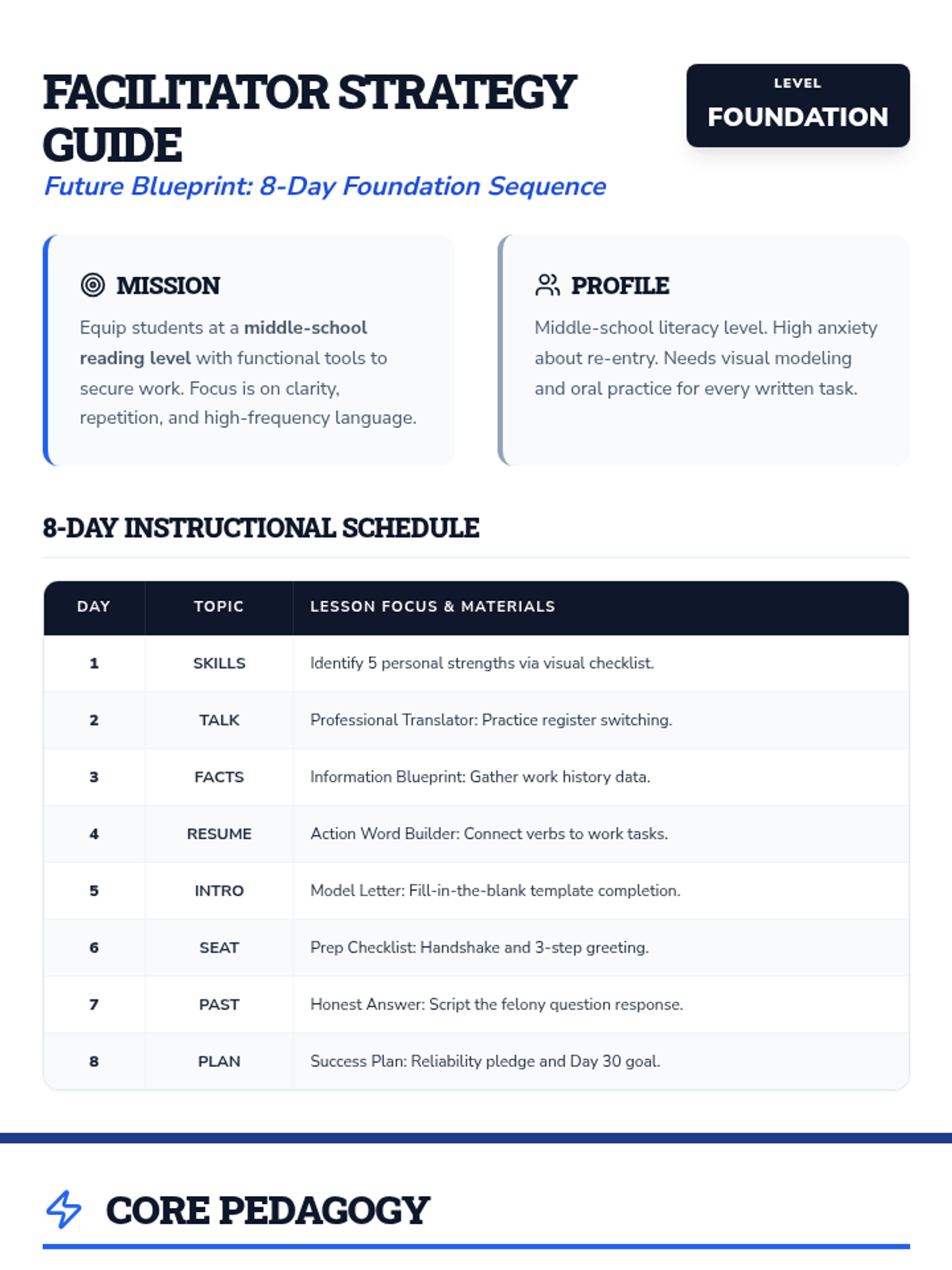
Job search strategies, staying employed, and long-term career planning. Final review and preparation for the 'working world'.
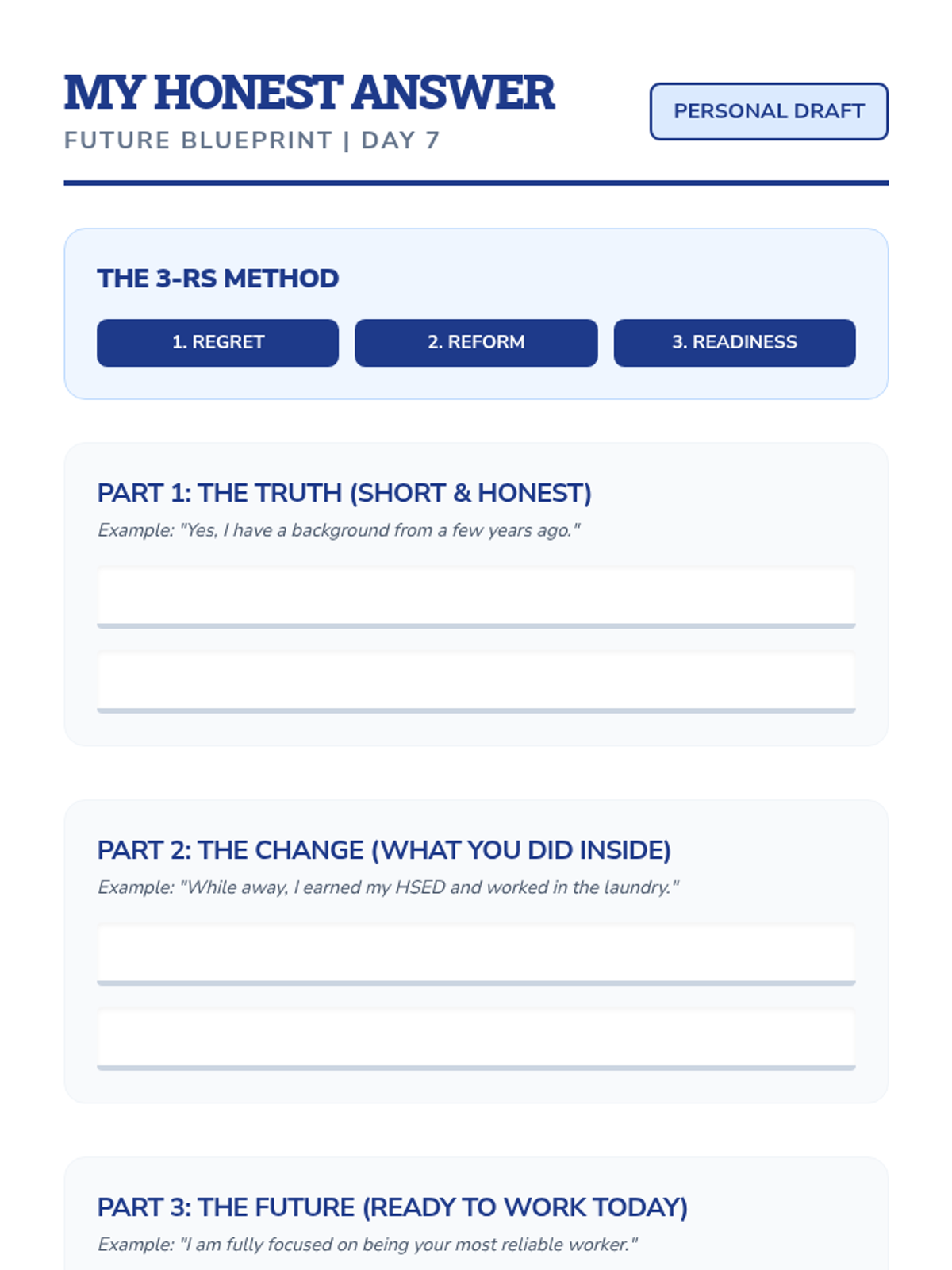
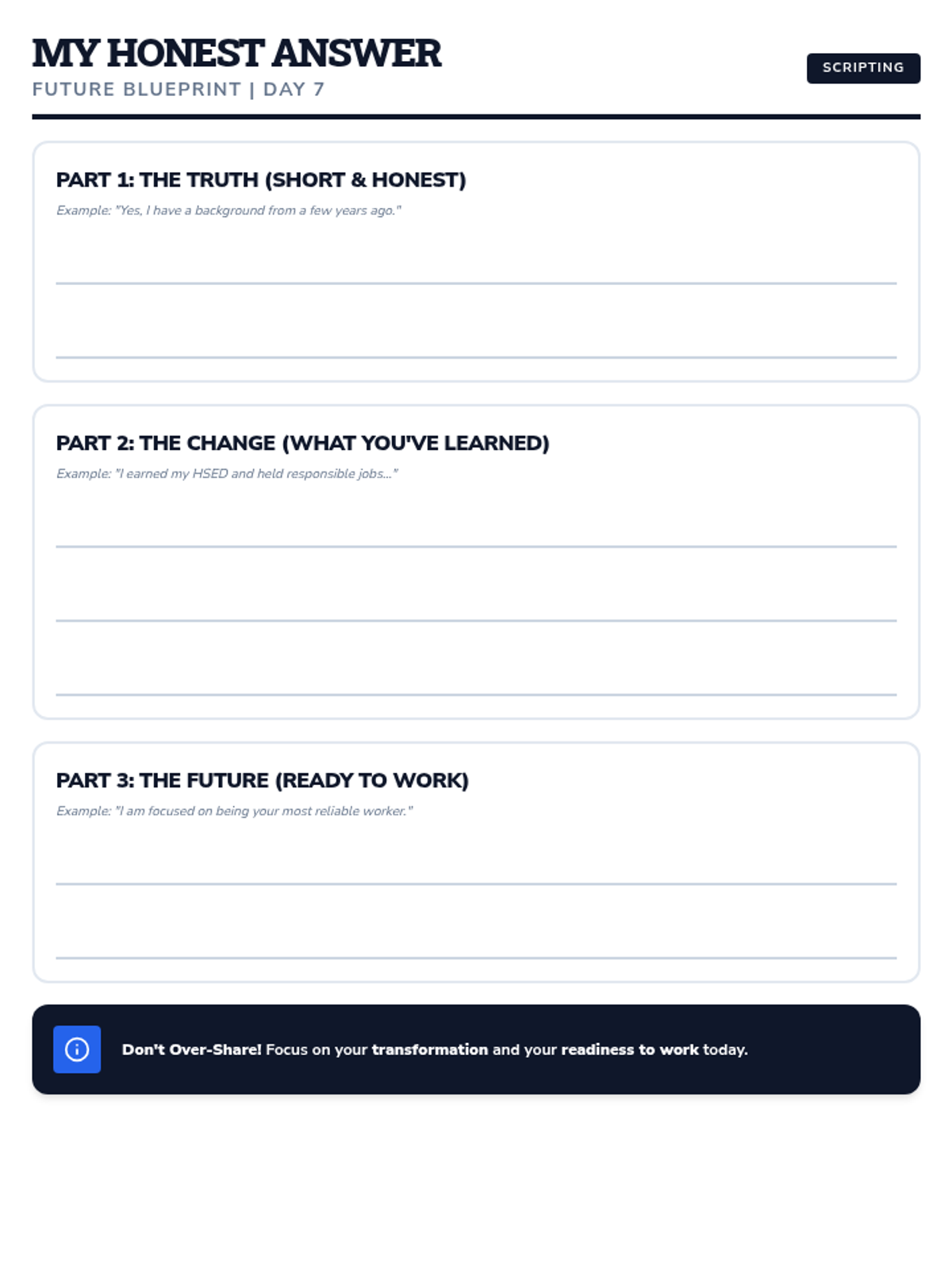
Specific strategies for addressing incarceration and background checks. Uses the 'Regret, Reform, Readiness' framework.
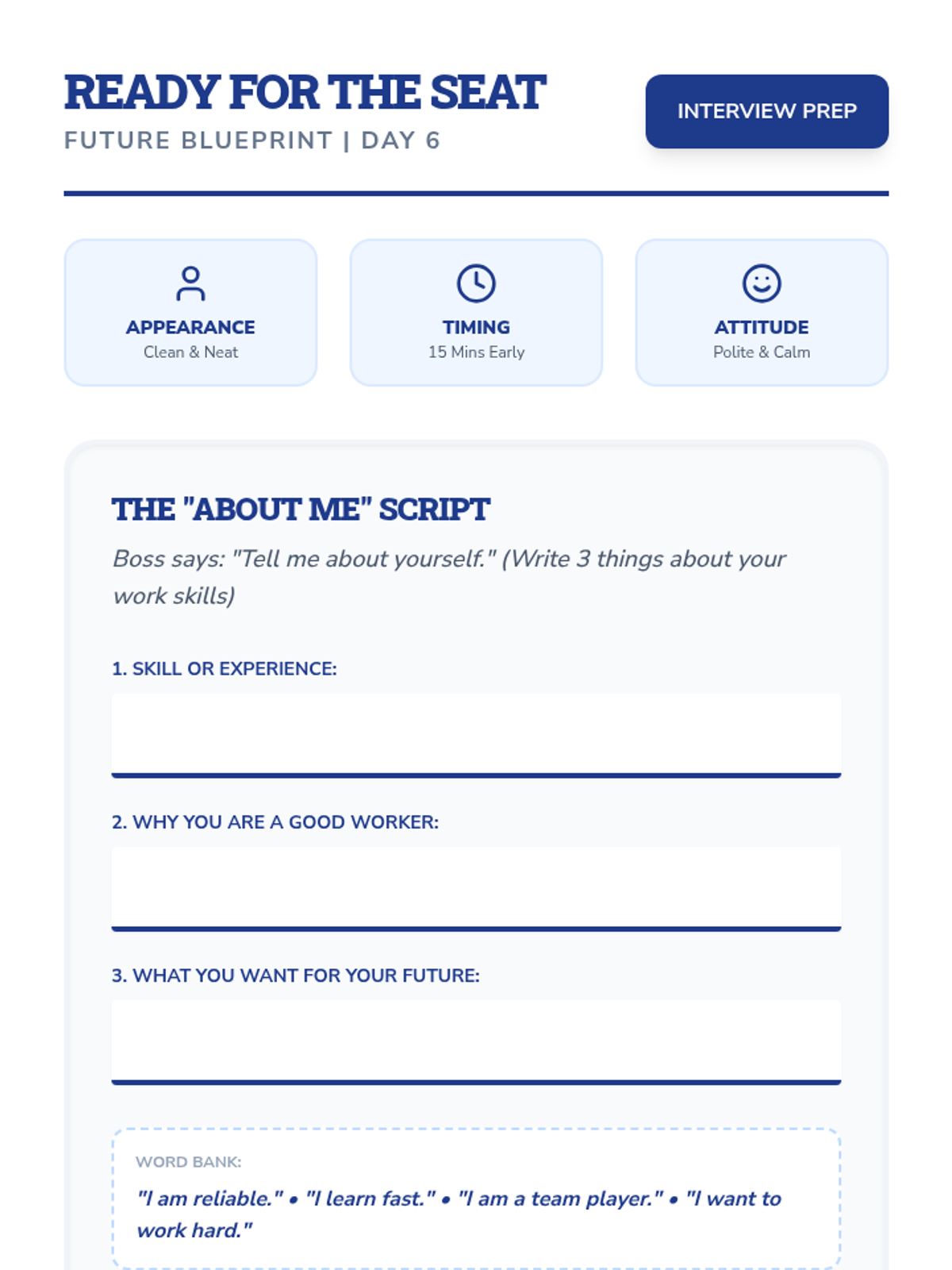
Preparation for the interview process. Focuses on preparation, appearance, and the first five minutes of the encounter.
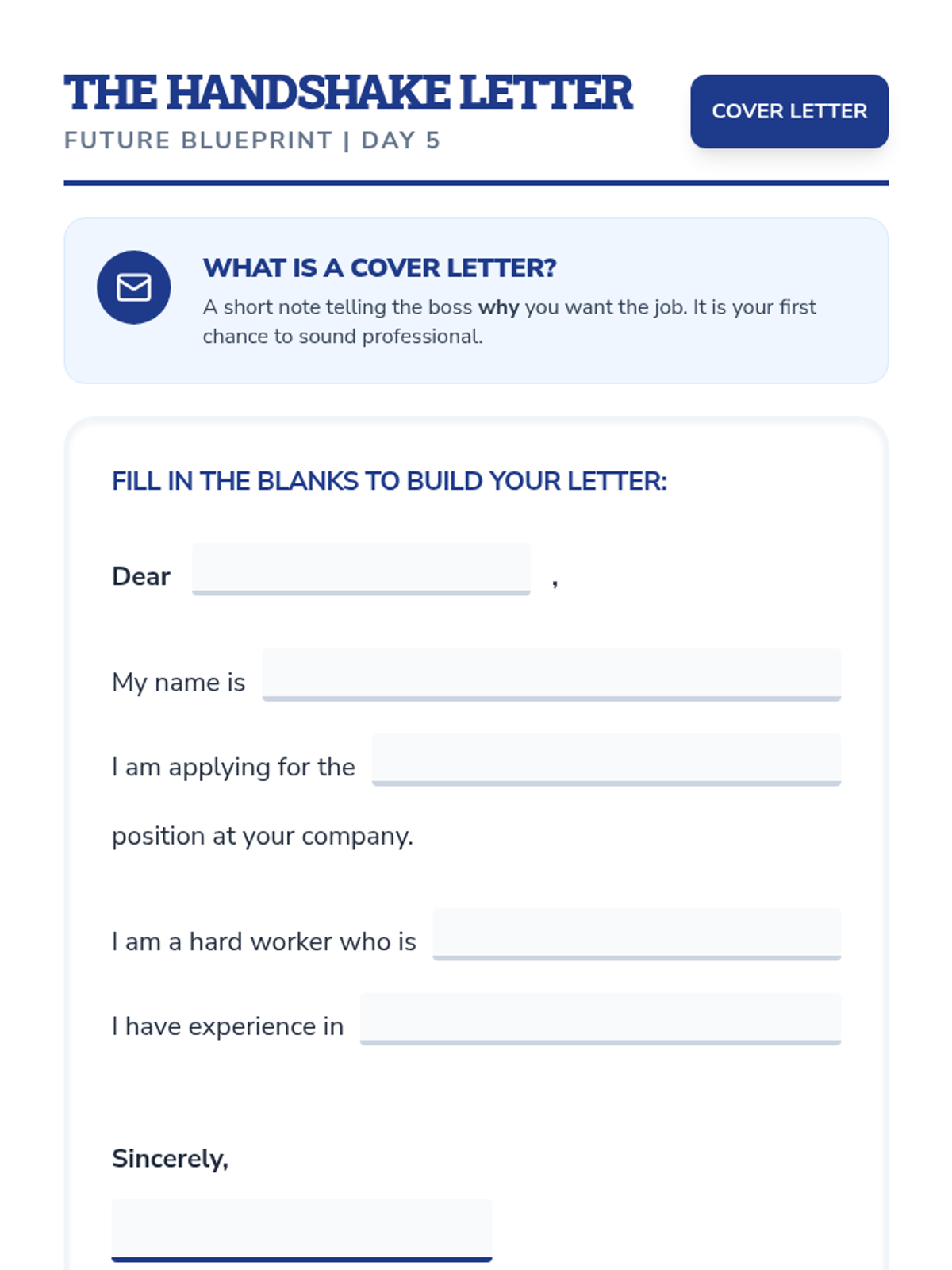
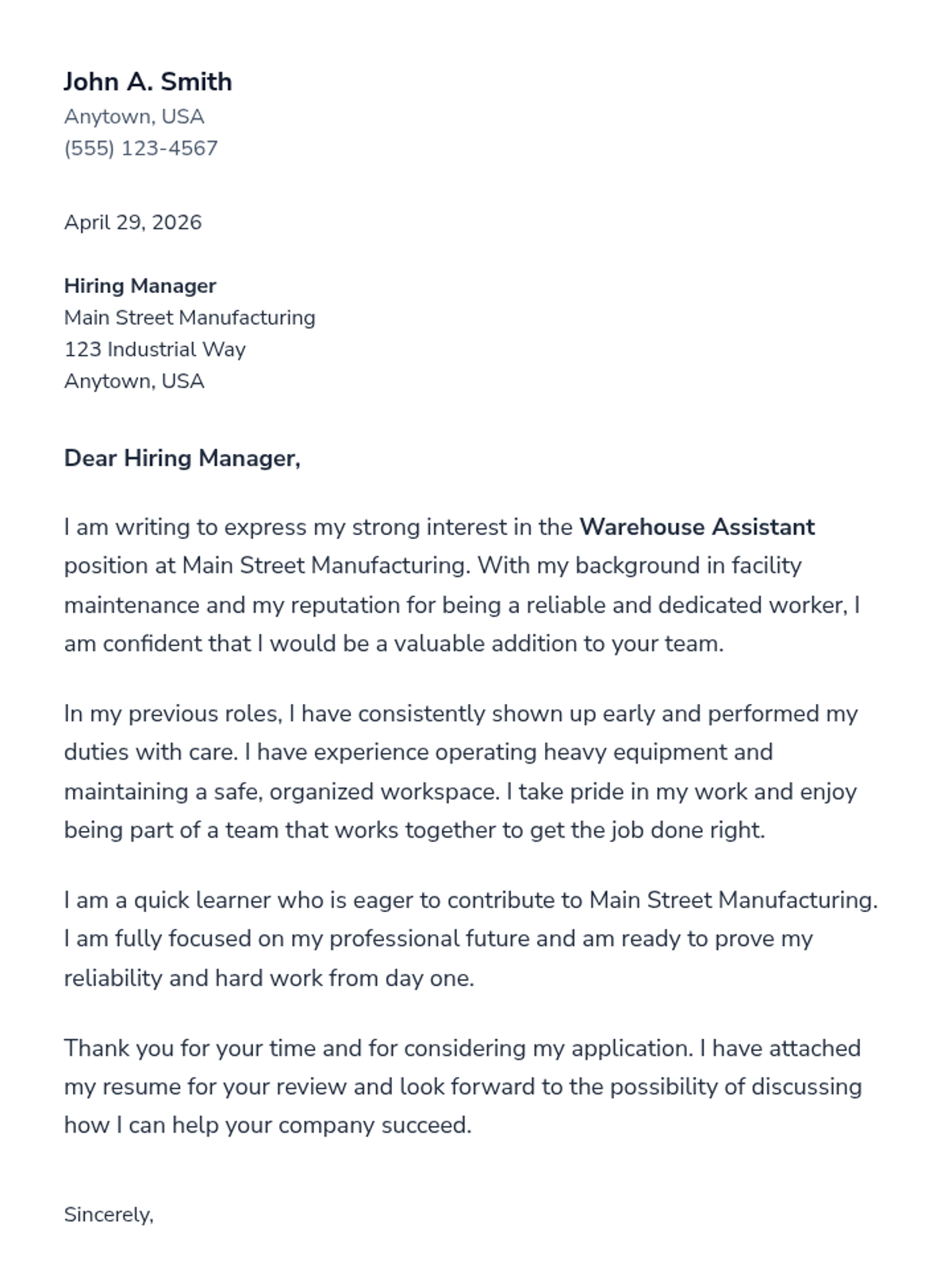
Demystifying the cover letter. Students learn how to introduce themselves to an employer and explain their interest in a role.
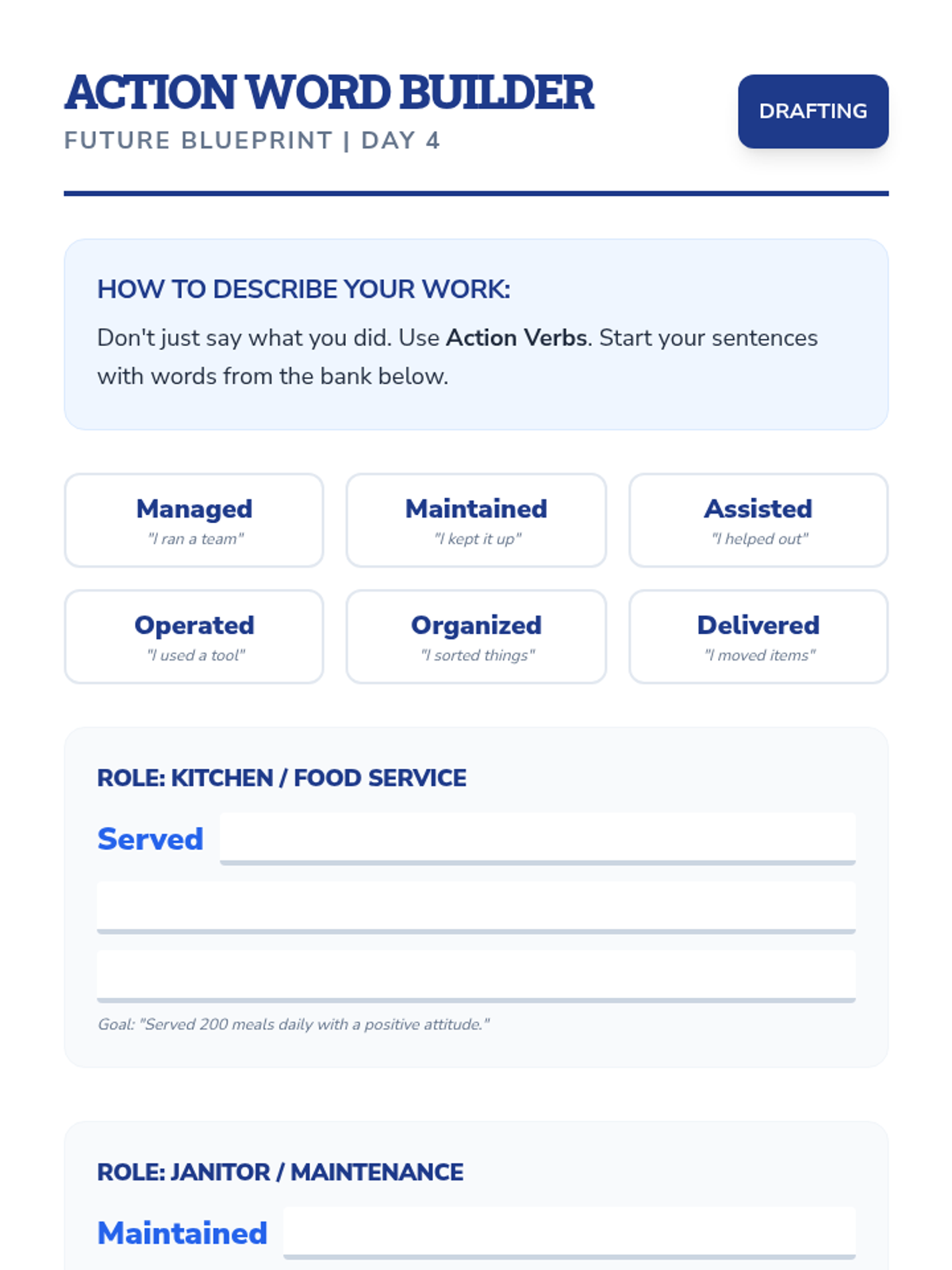
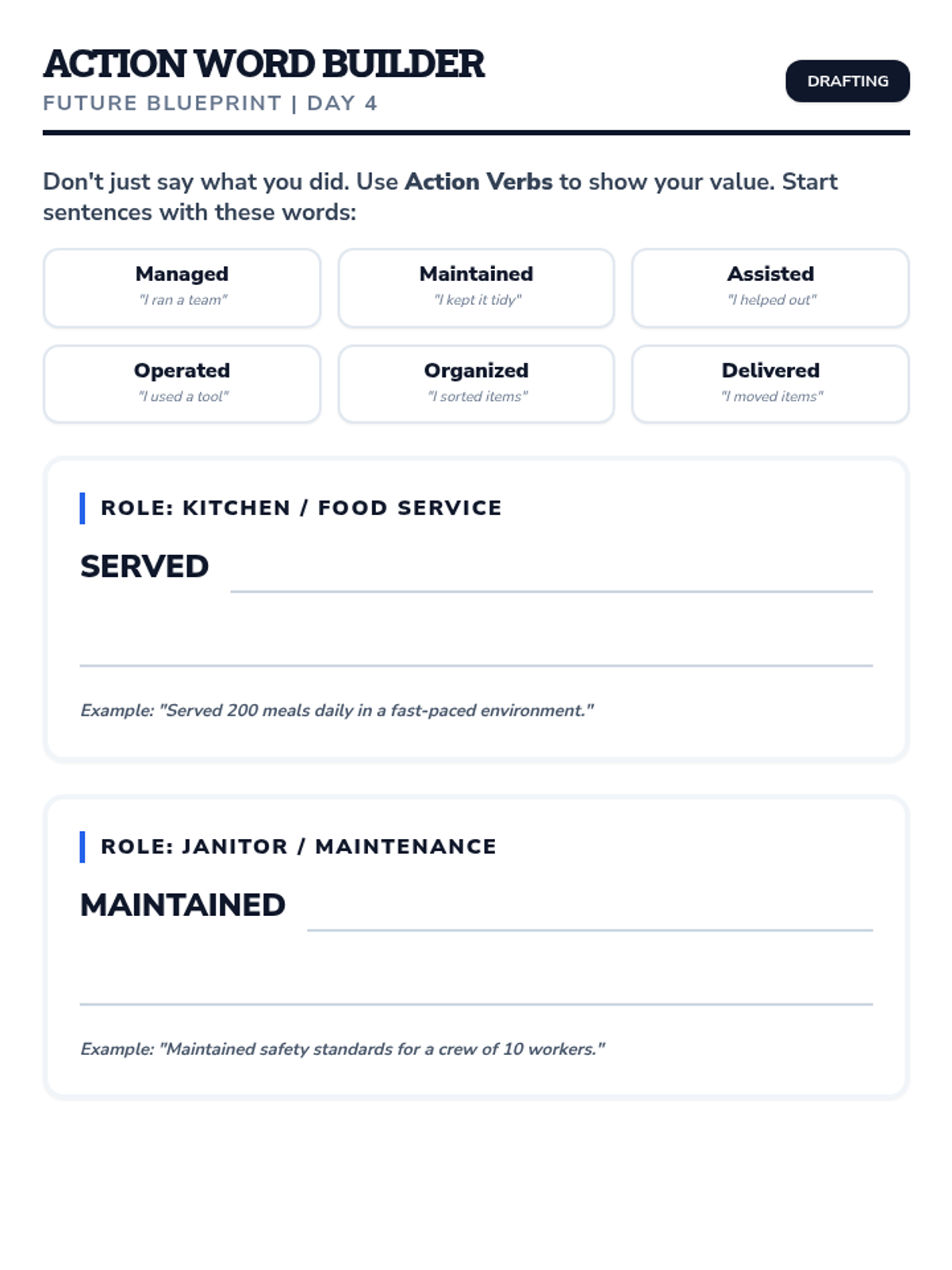
Guided drafting of the resume. Focuses on using action verbs and structuring work history to highlight strengths.
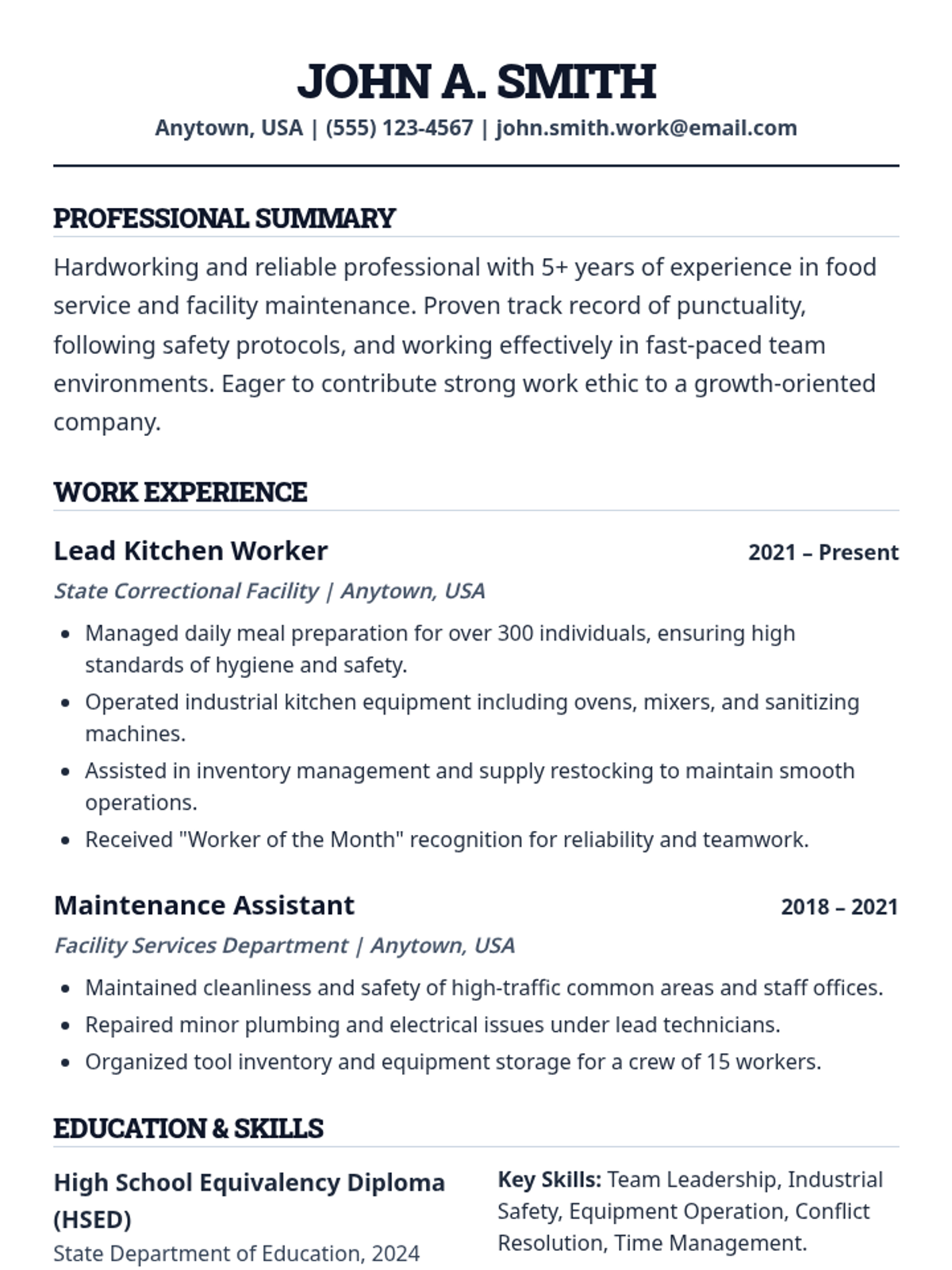
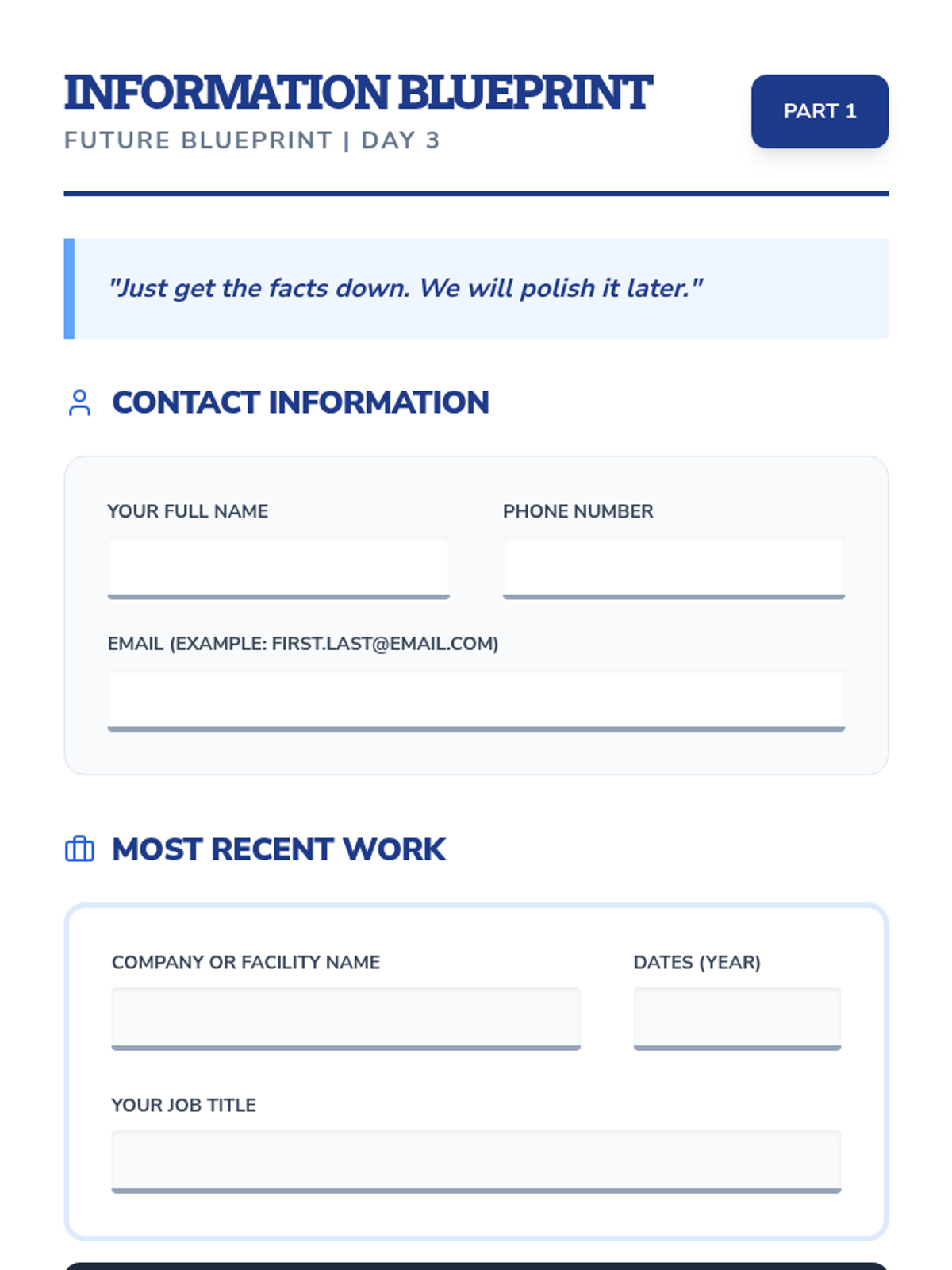
Introduction to resume components. Students begin gathering the necessary information for their professional documents in a simplified format.
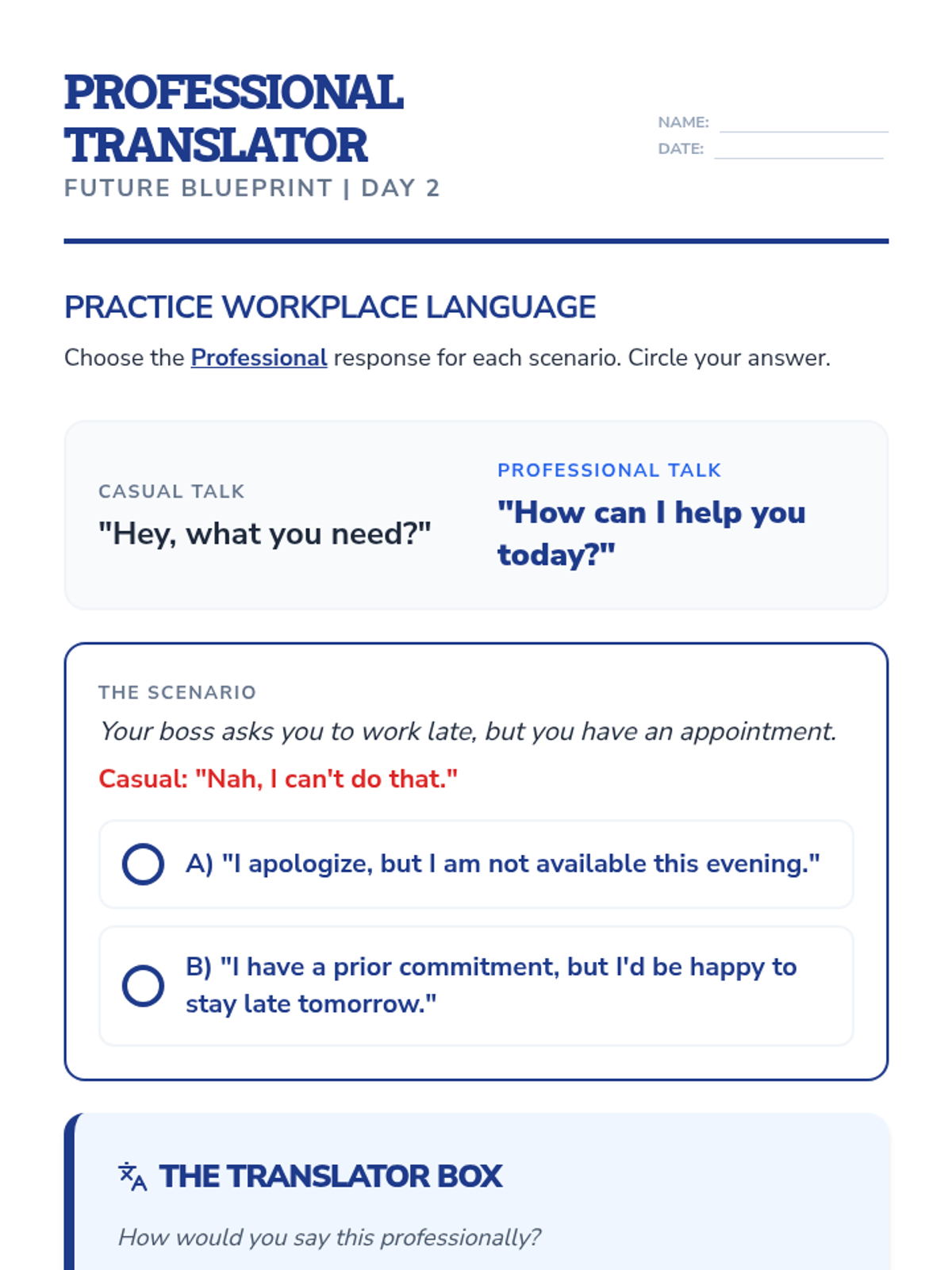
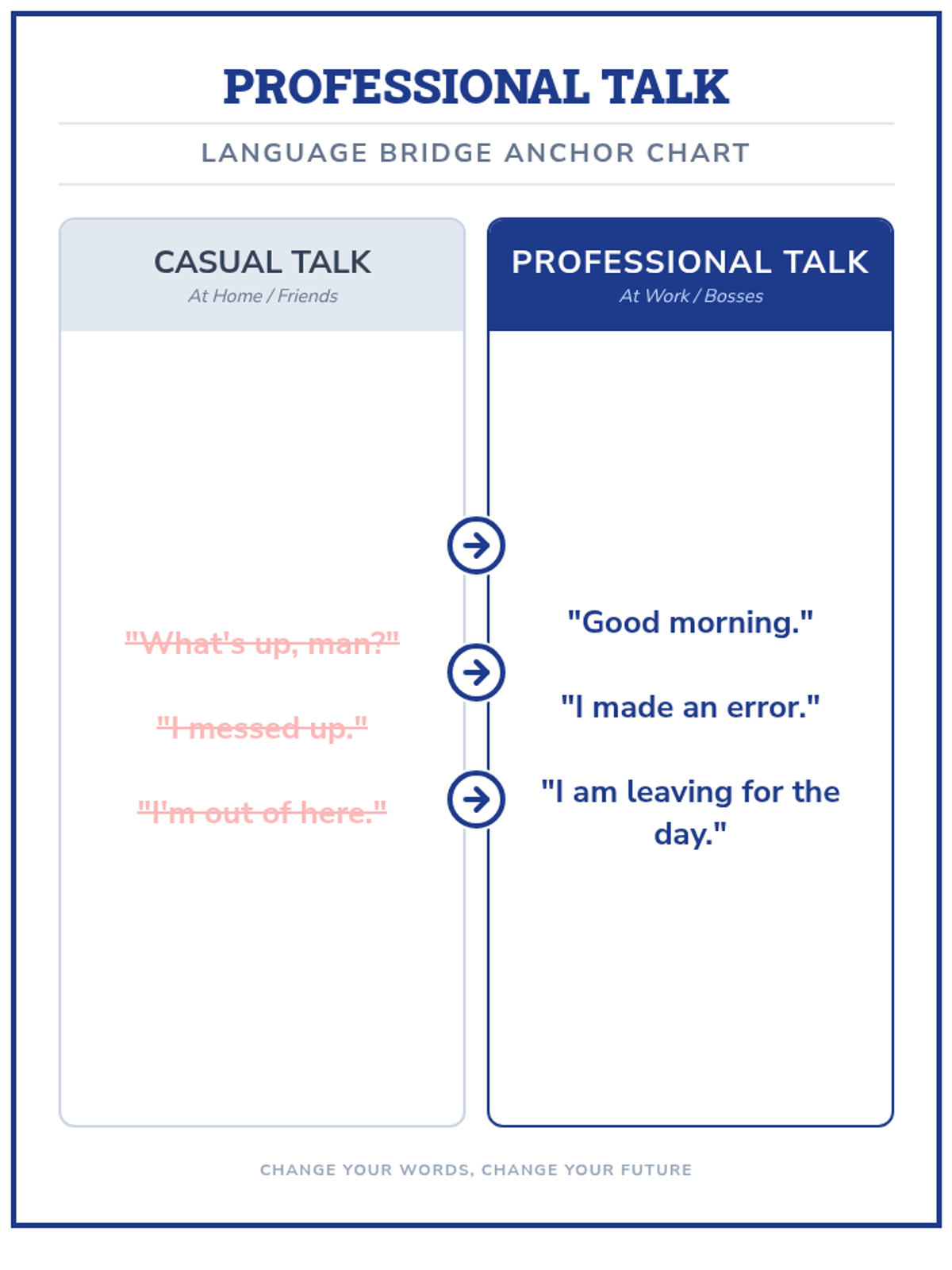
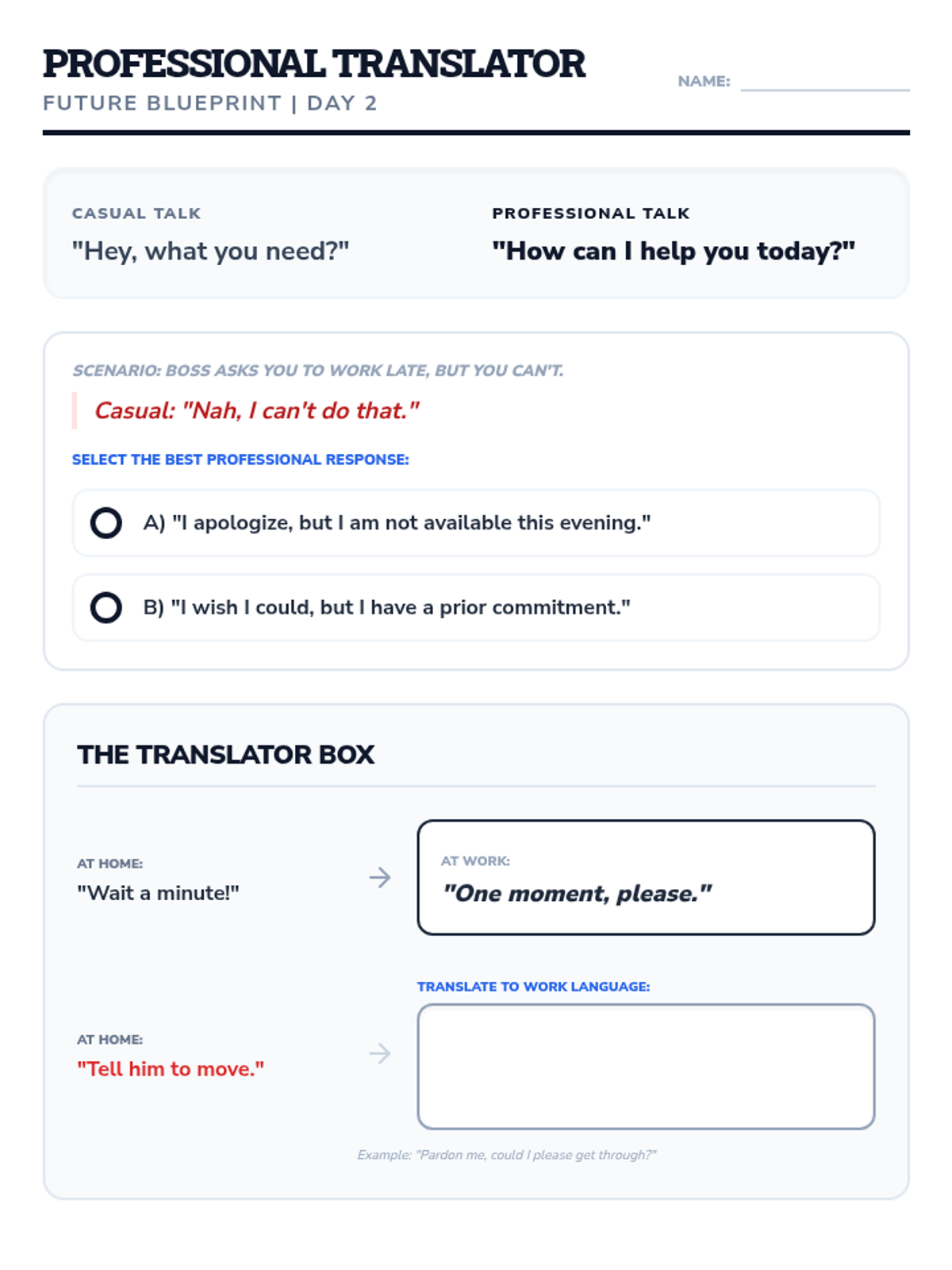
Covers soft skills, professional vocabulary, and non-verbal communication. Practice shifting from casual to professional language.
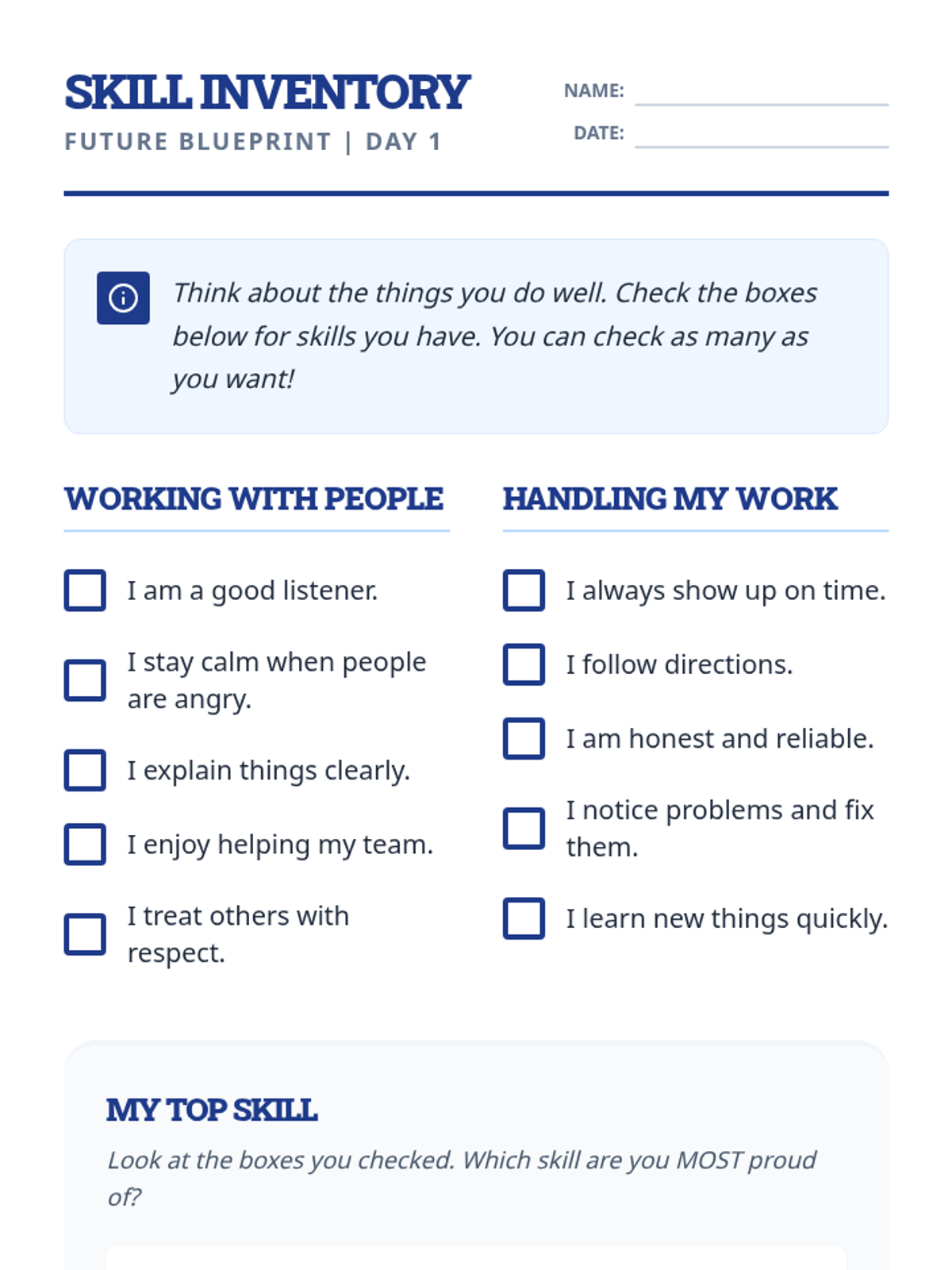
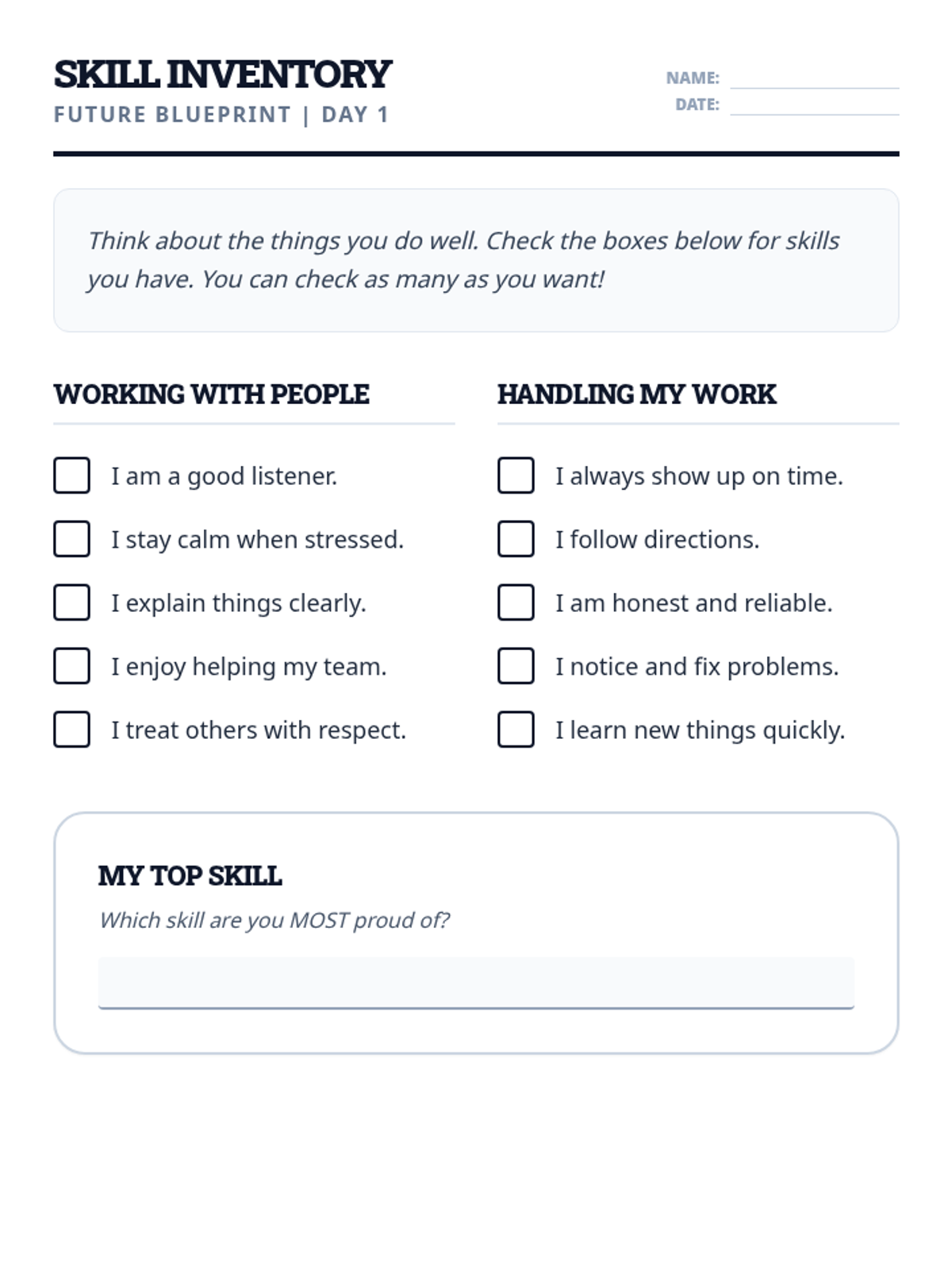
Focuses on identifying transferable skills and setting professional goals. Helps students recognize the value of their experiences in a professional context.
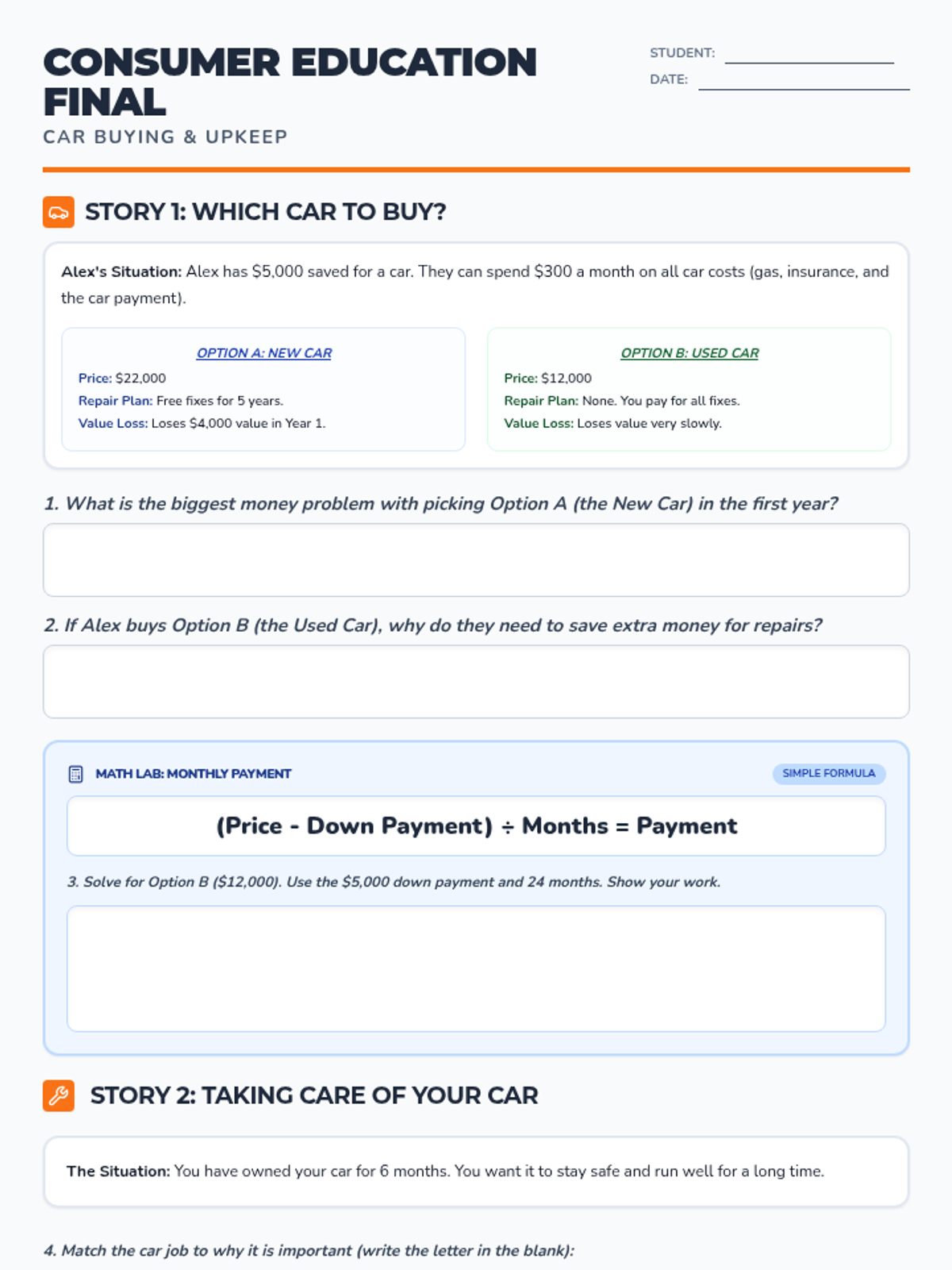
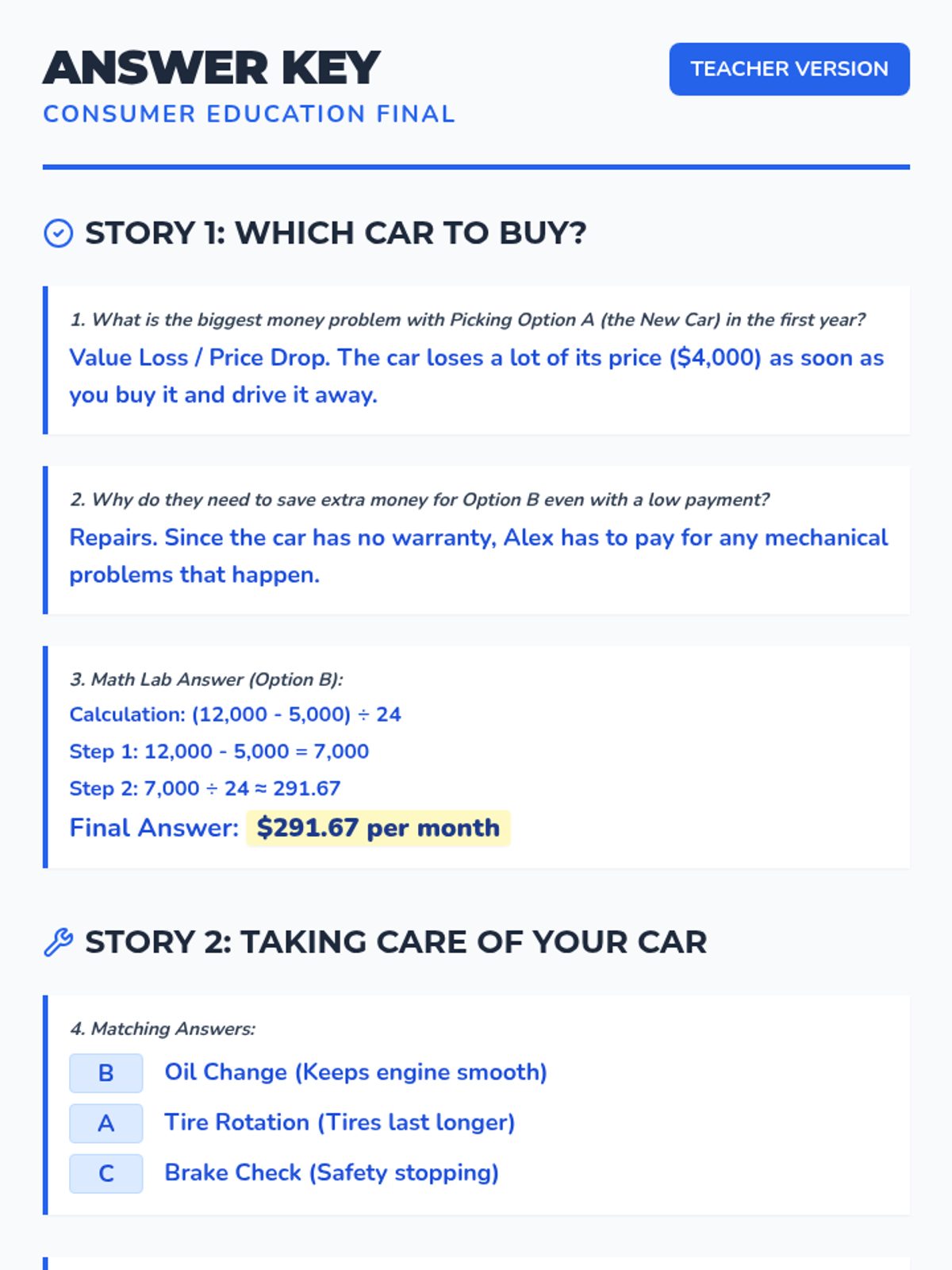
A scenario-based final assessment focusing on the practical decisions involved in purchasing and maintaining a vehicle, designed for a life skills consumer education course.
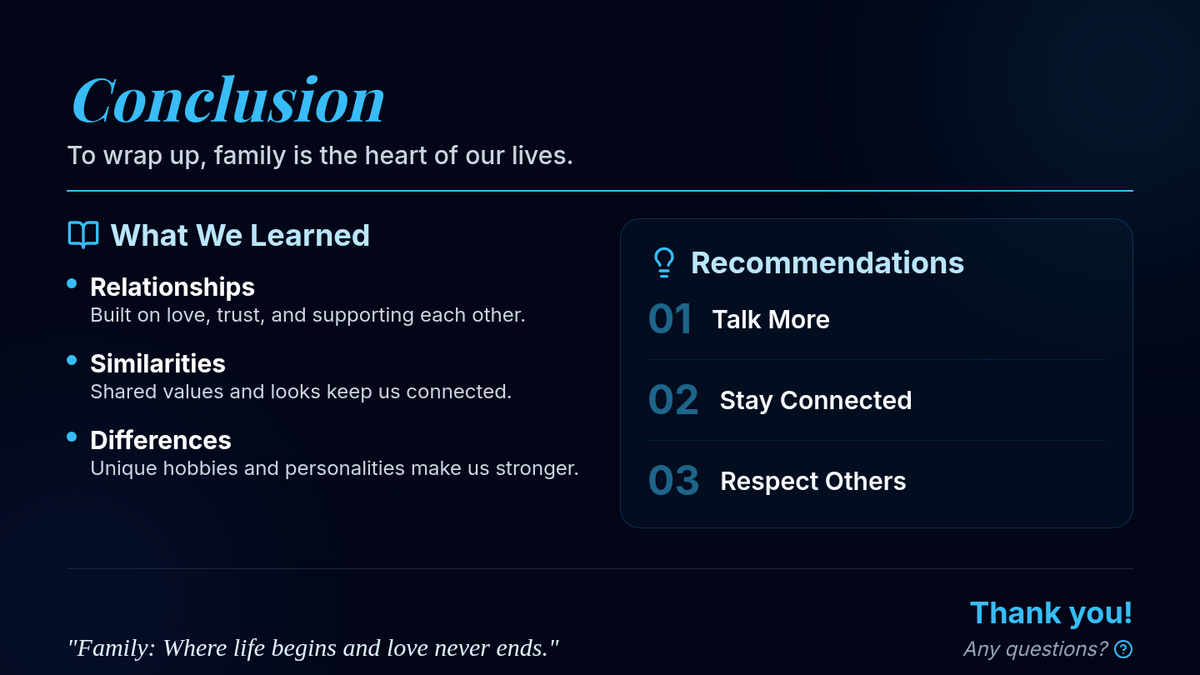
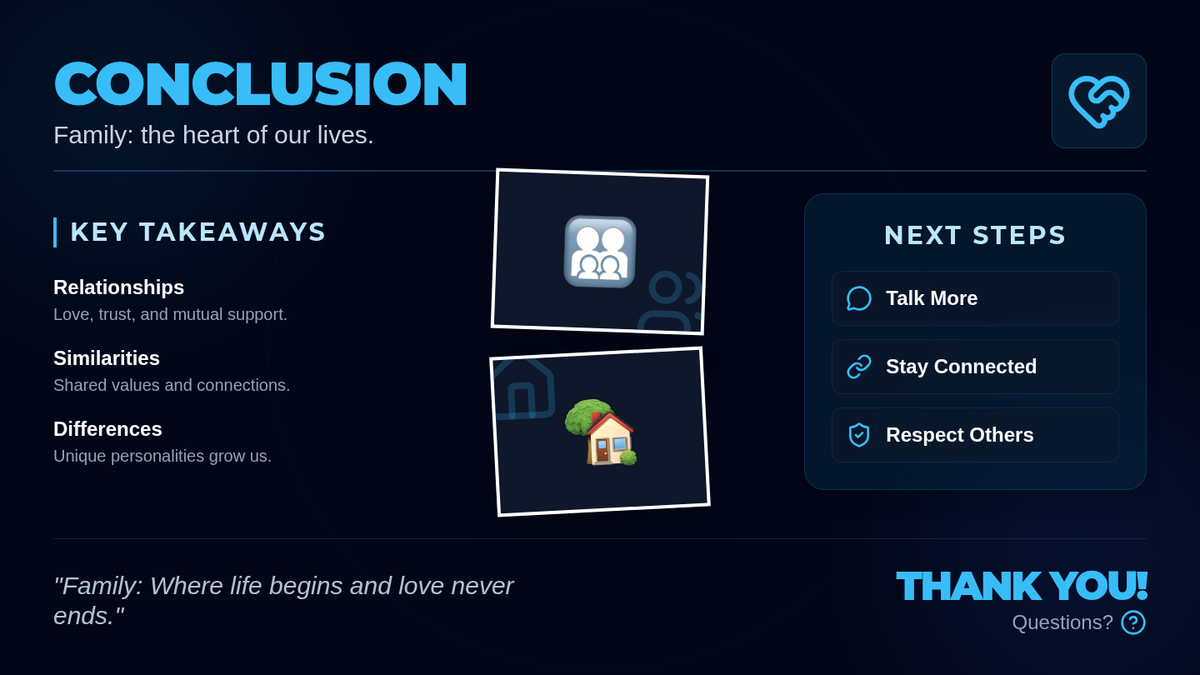
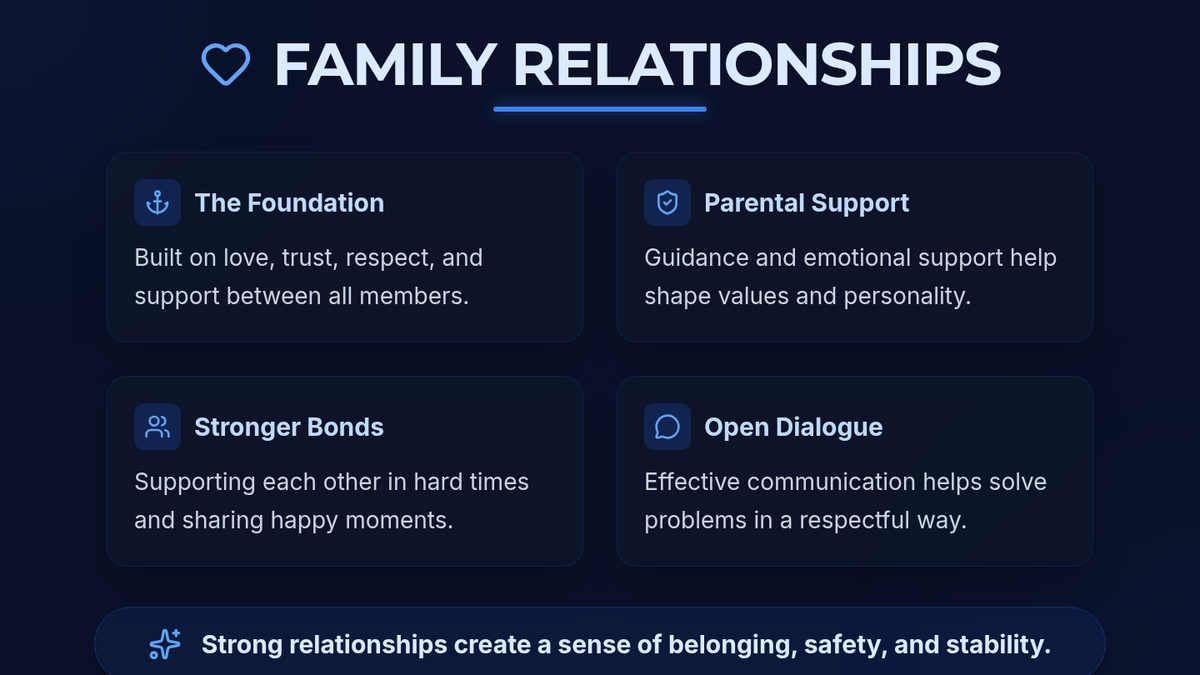
A concluding lesson on the importance of family, focusing on relationships, similarities, and differences.
A lesson exploring the importance of family relationships, the roles of parents, and how communication strengthens bonds.
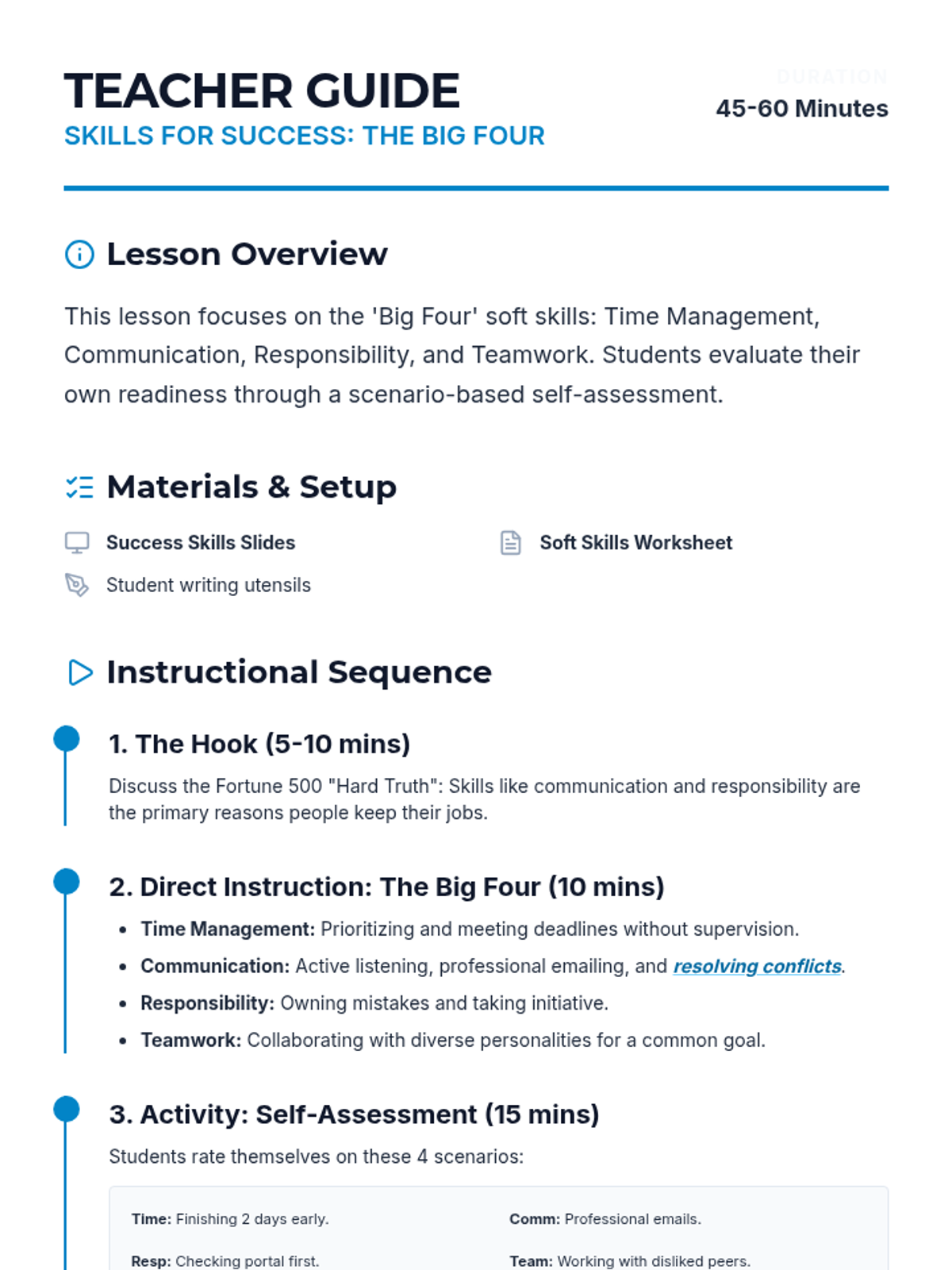
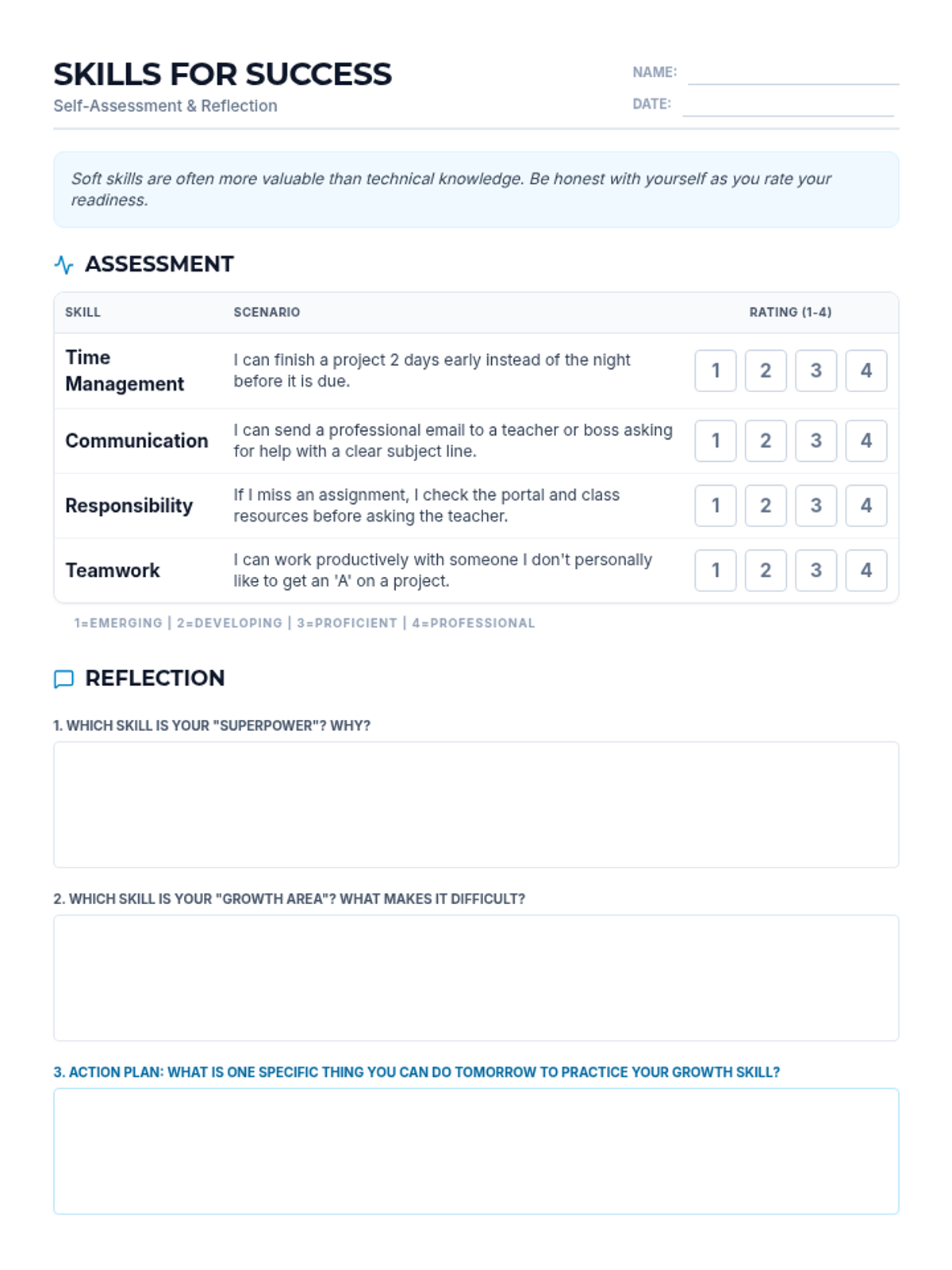
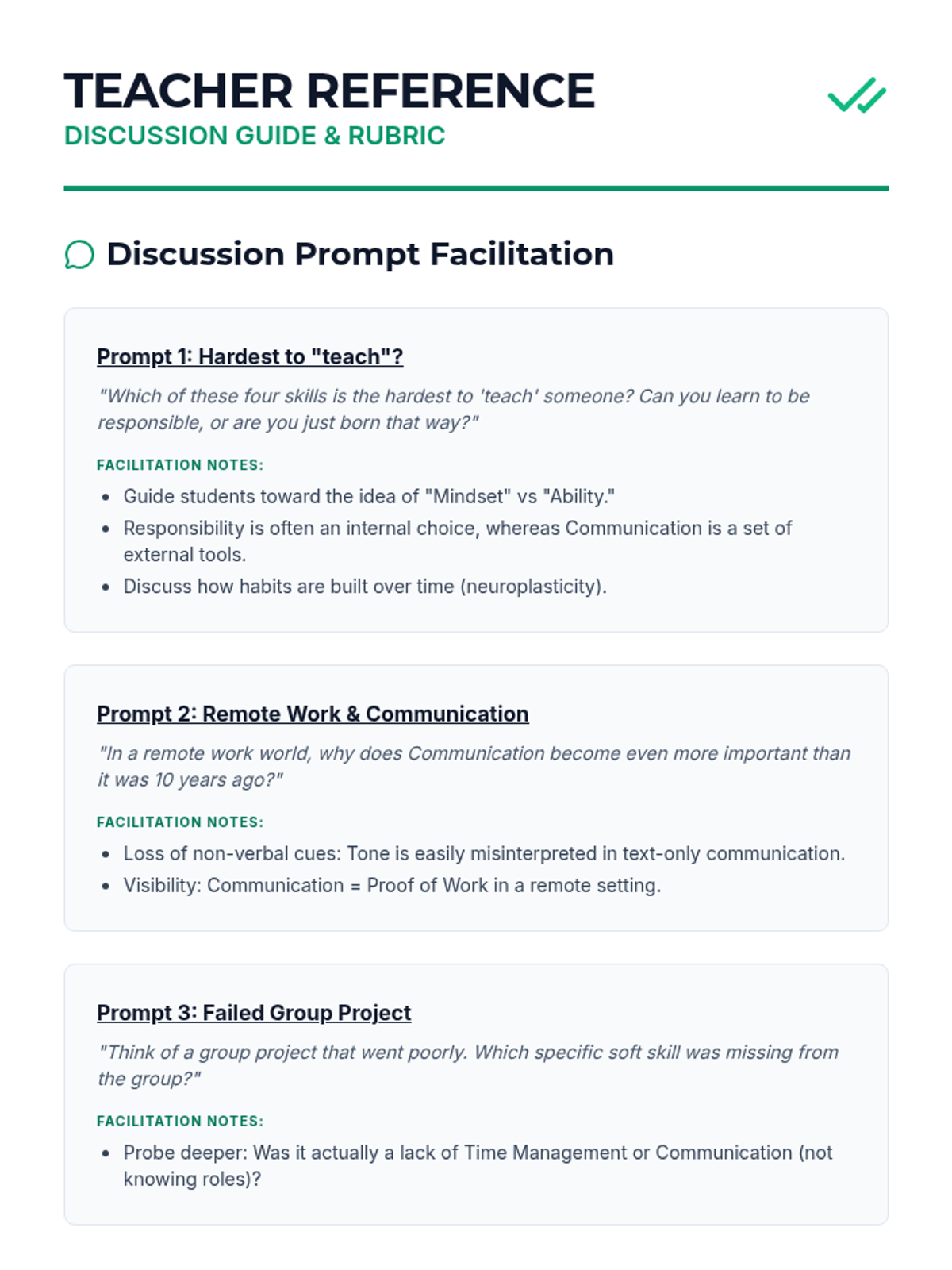
A lesson focused on the 'Big Four' soft skills: Time Management, Communication, Responsibility, and Teamwork. Students evaluate their own readiness through a scenario-based self-assessment and reflective discussion.
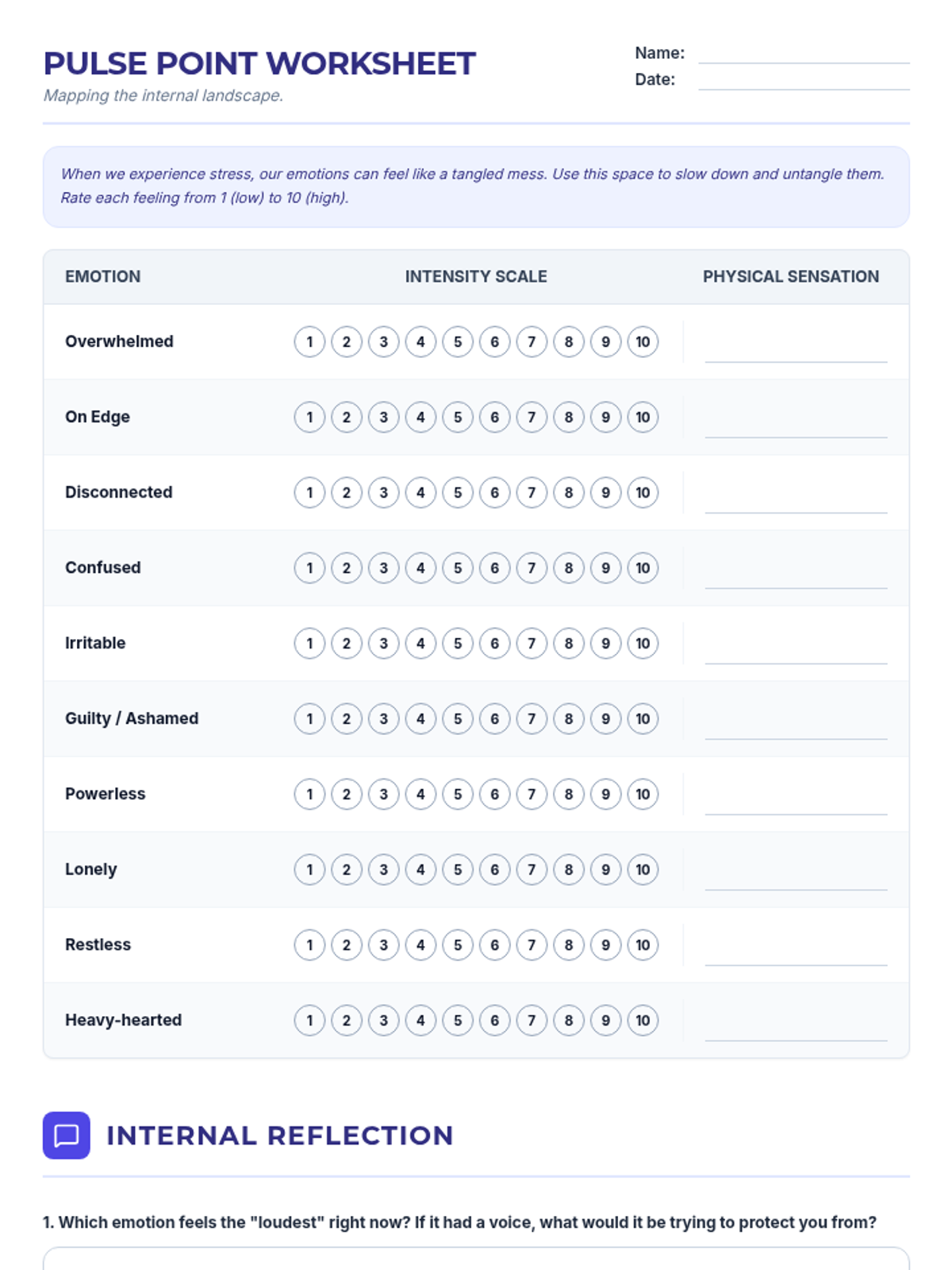
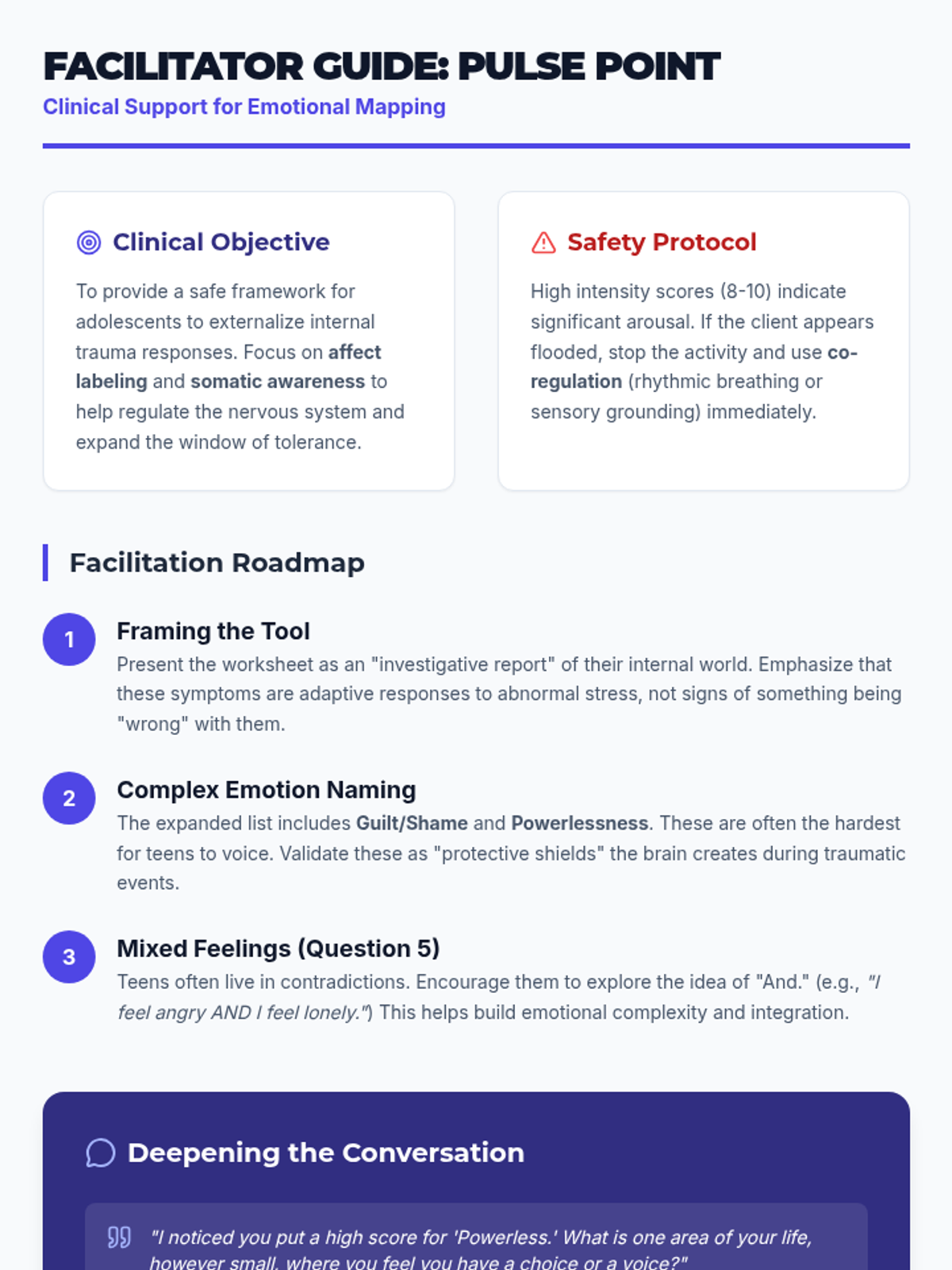
A supportive toolkit designed for teenagers to identify and scale complex emotions following stressful or traumatic events, focusing on the mind-body connection and emotional literacy.
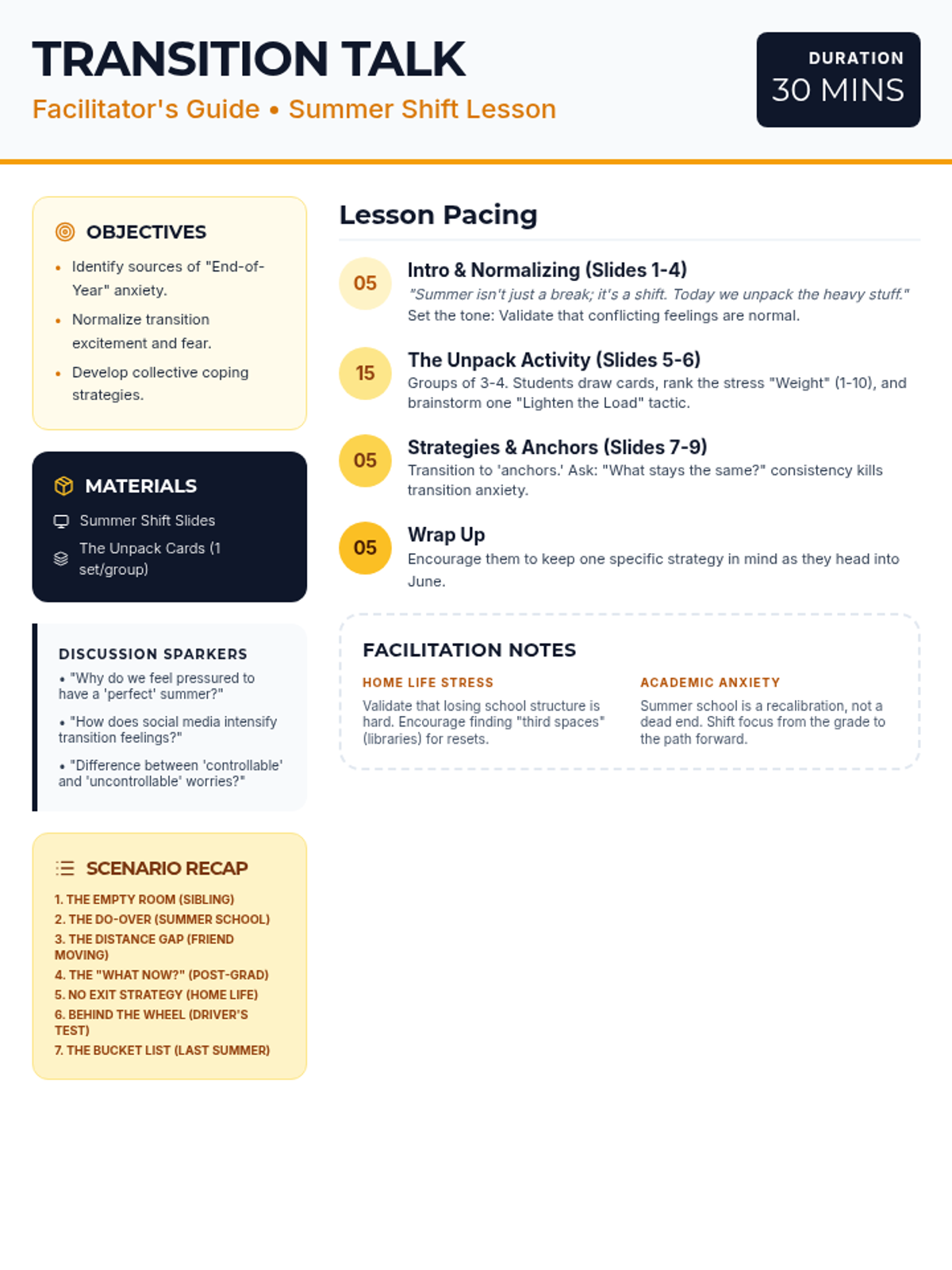
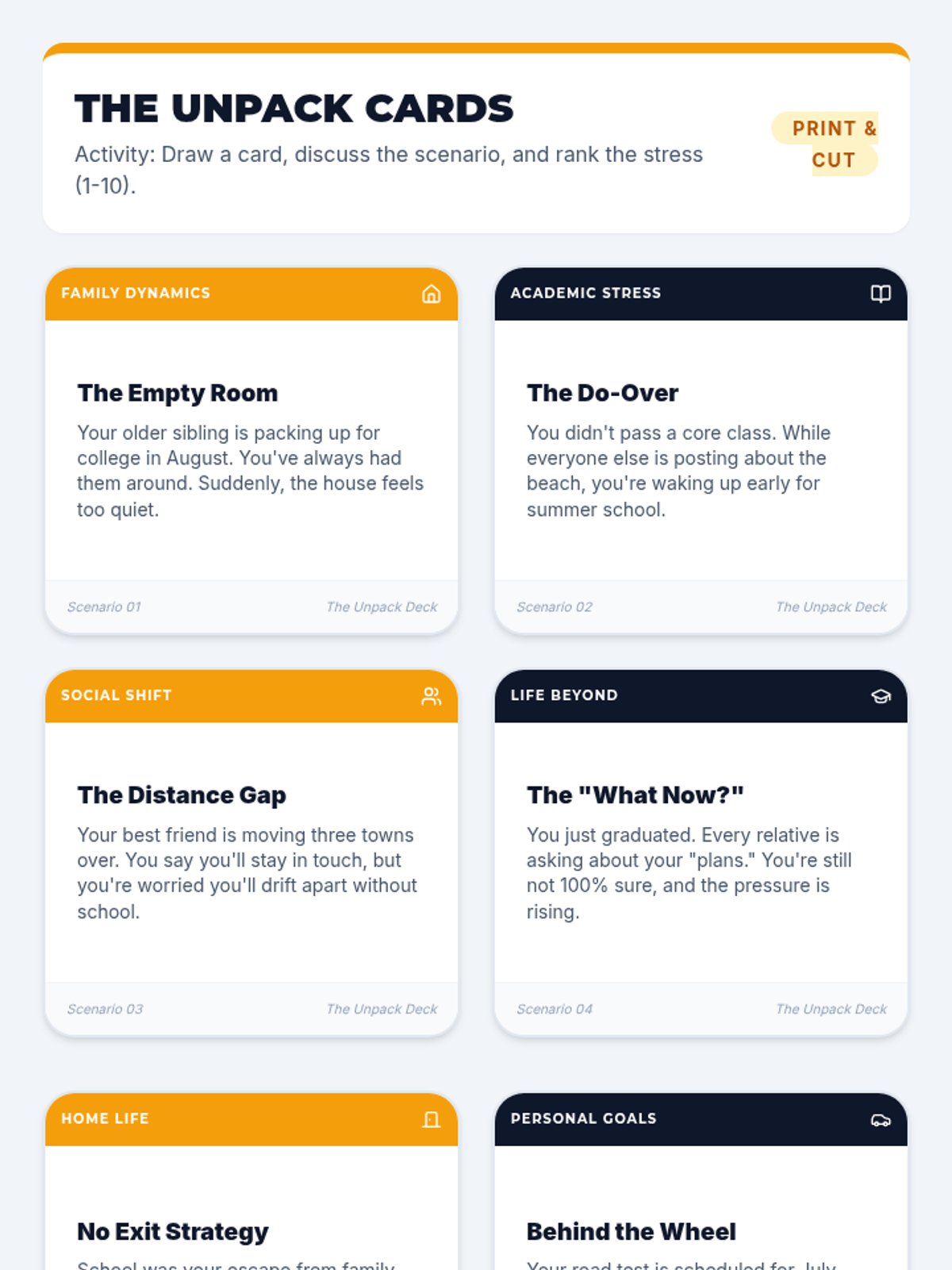
A 30-minute social-emotional learning session designed to help high schoolers navigate the complex transitions of summer, from academic stress to shifting friendships and family dynamics.
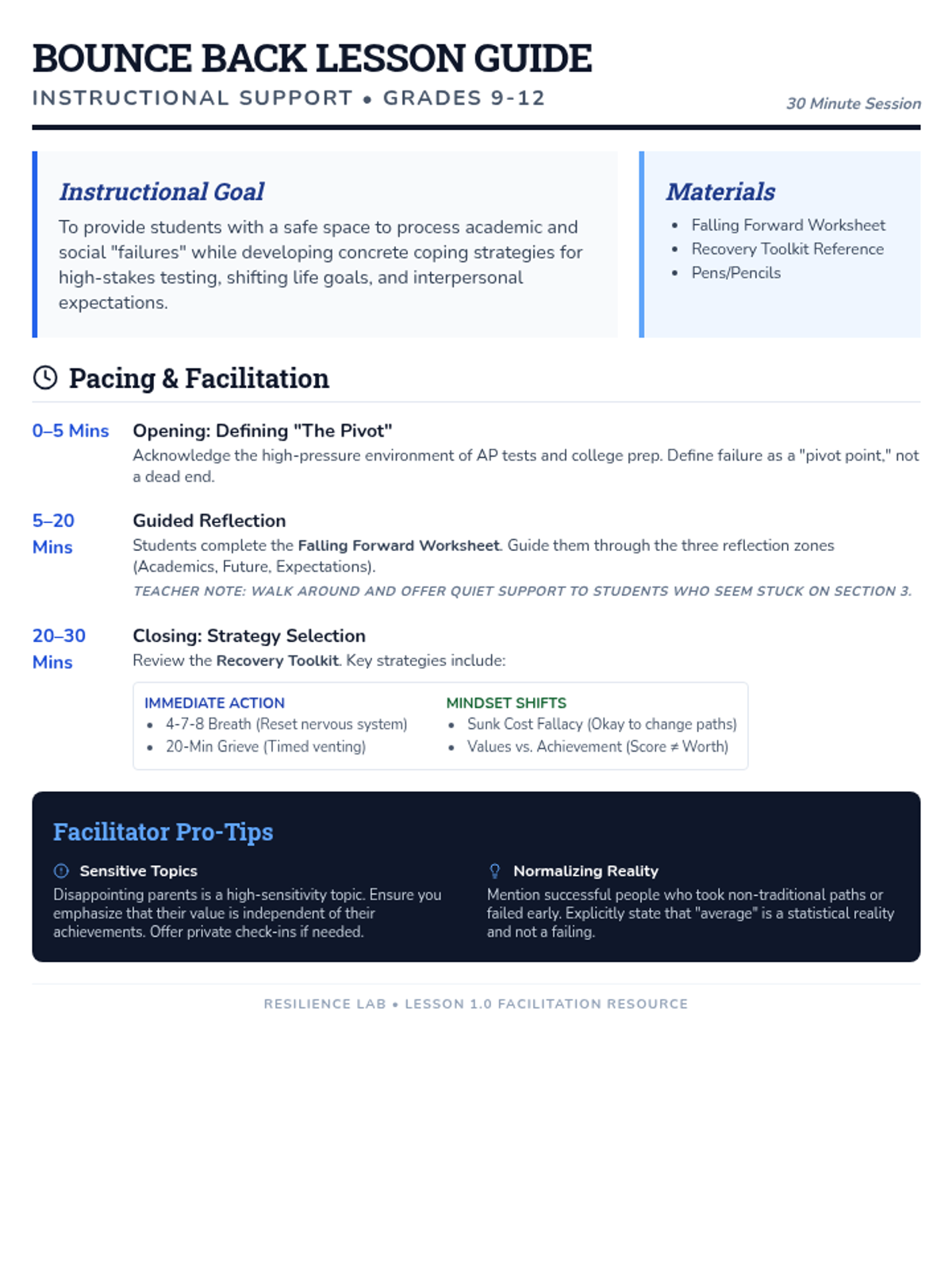
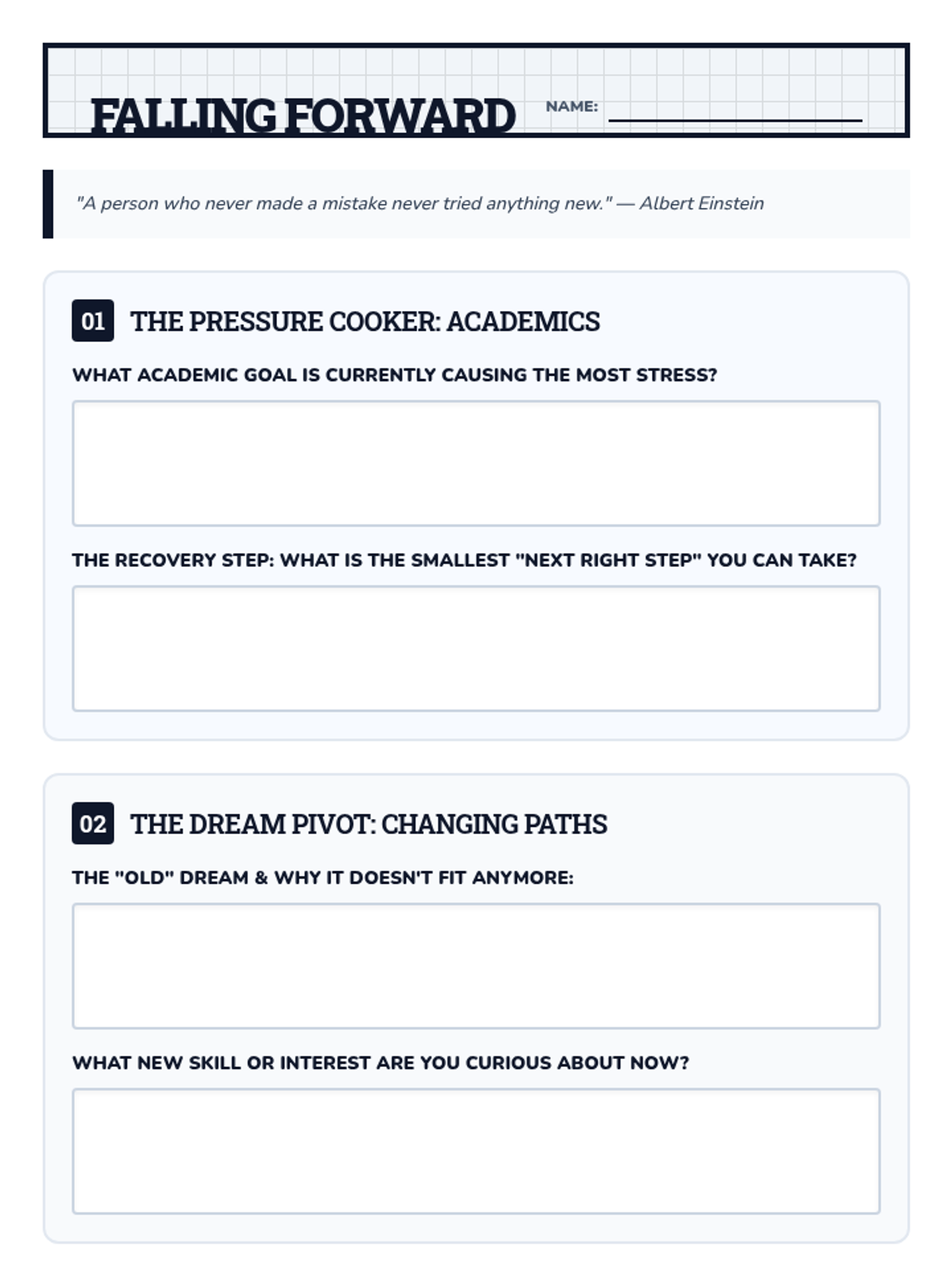
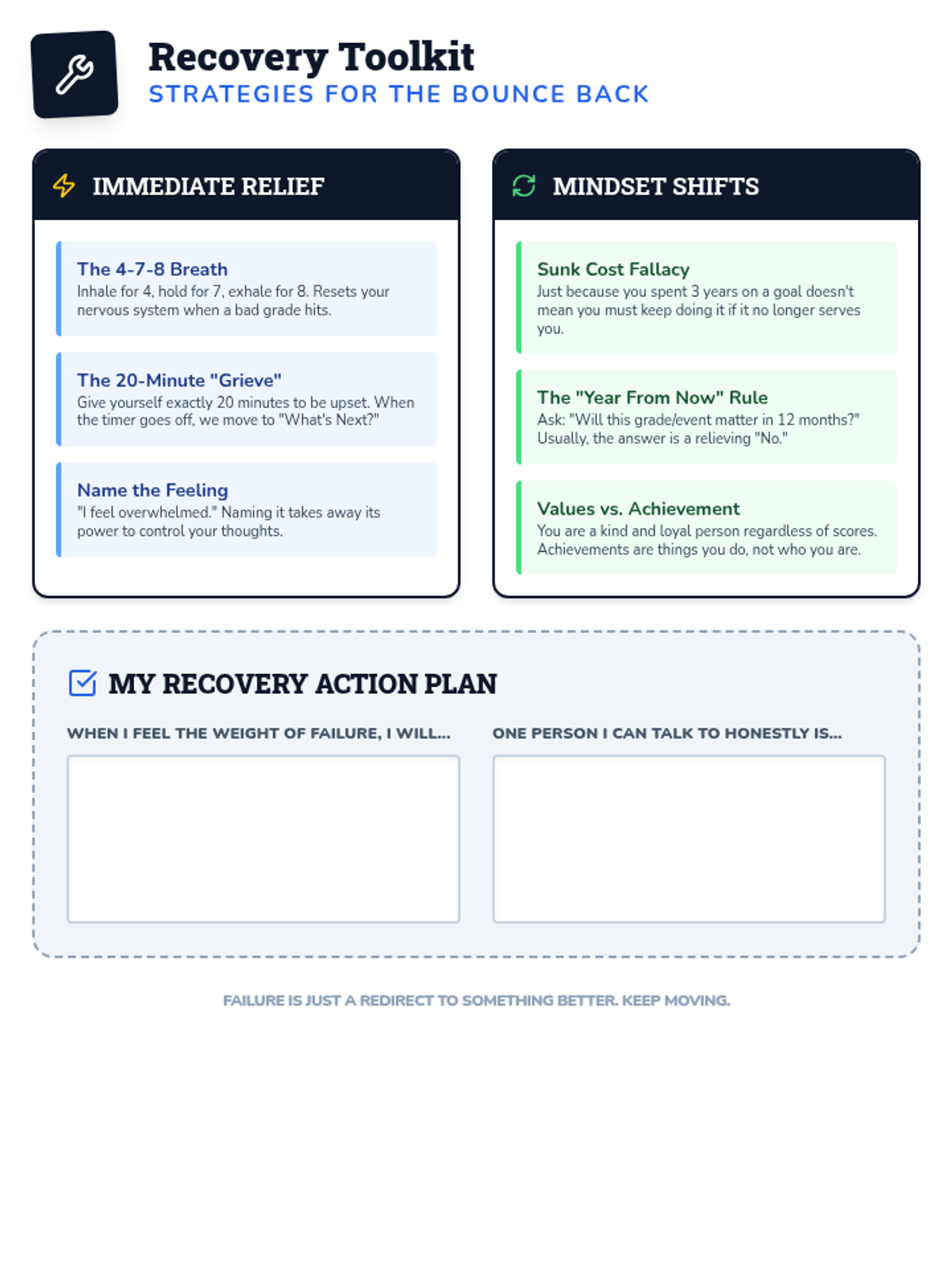
A 30-minute social-emotional learning lesson focused on building resilience and healthy coping strategies when facing academic pressure, changing life goals, and the fear of disappointing others.
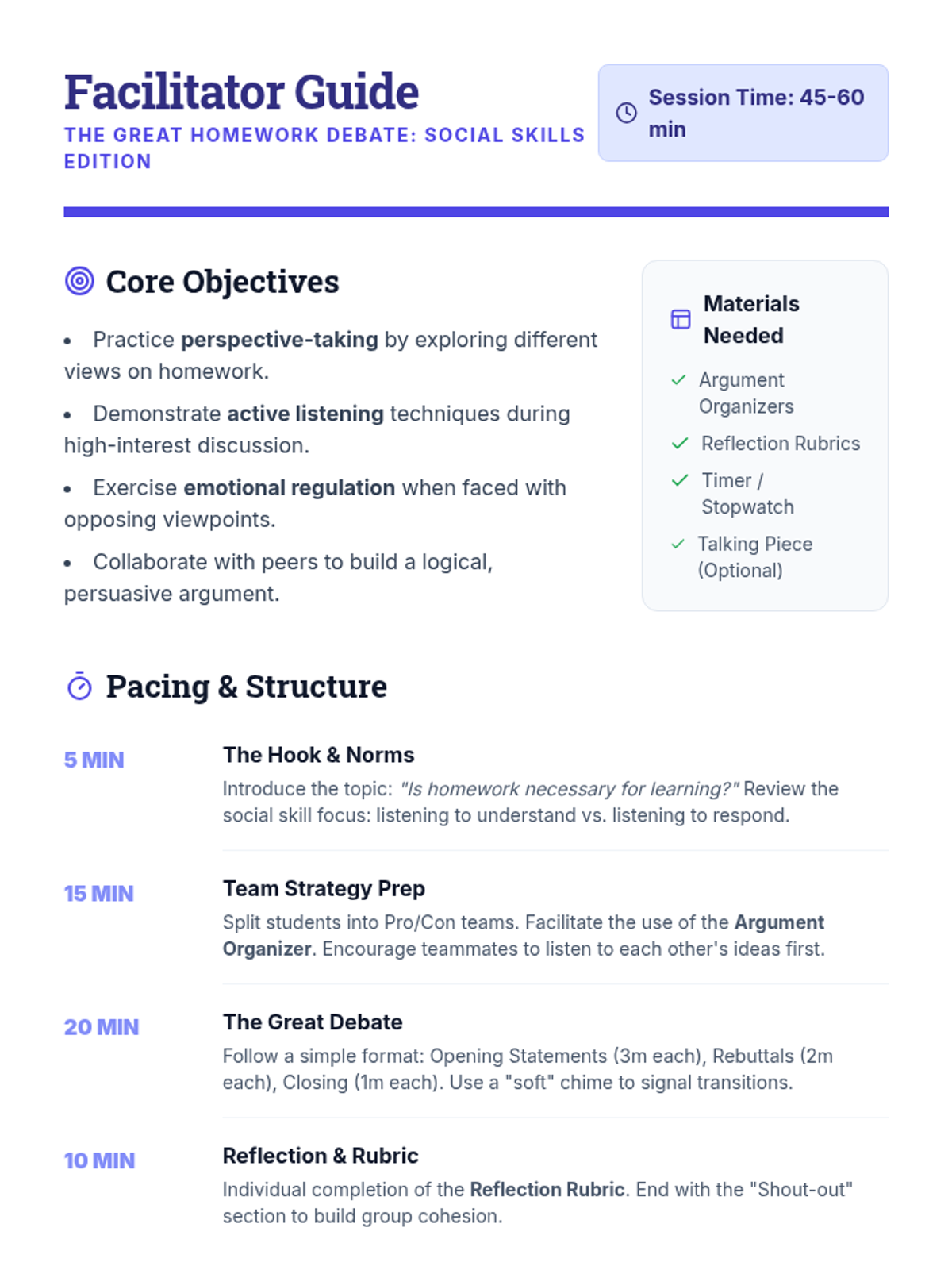
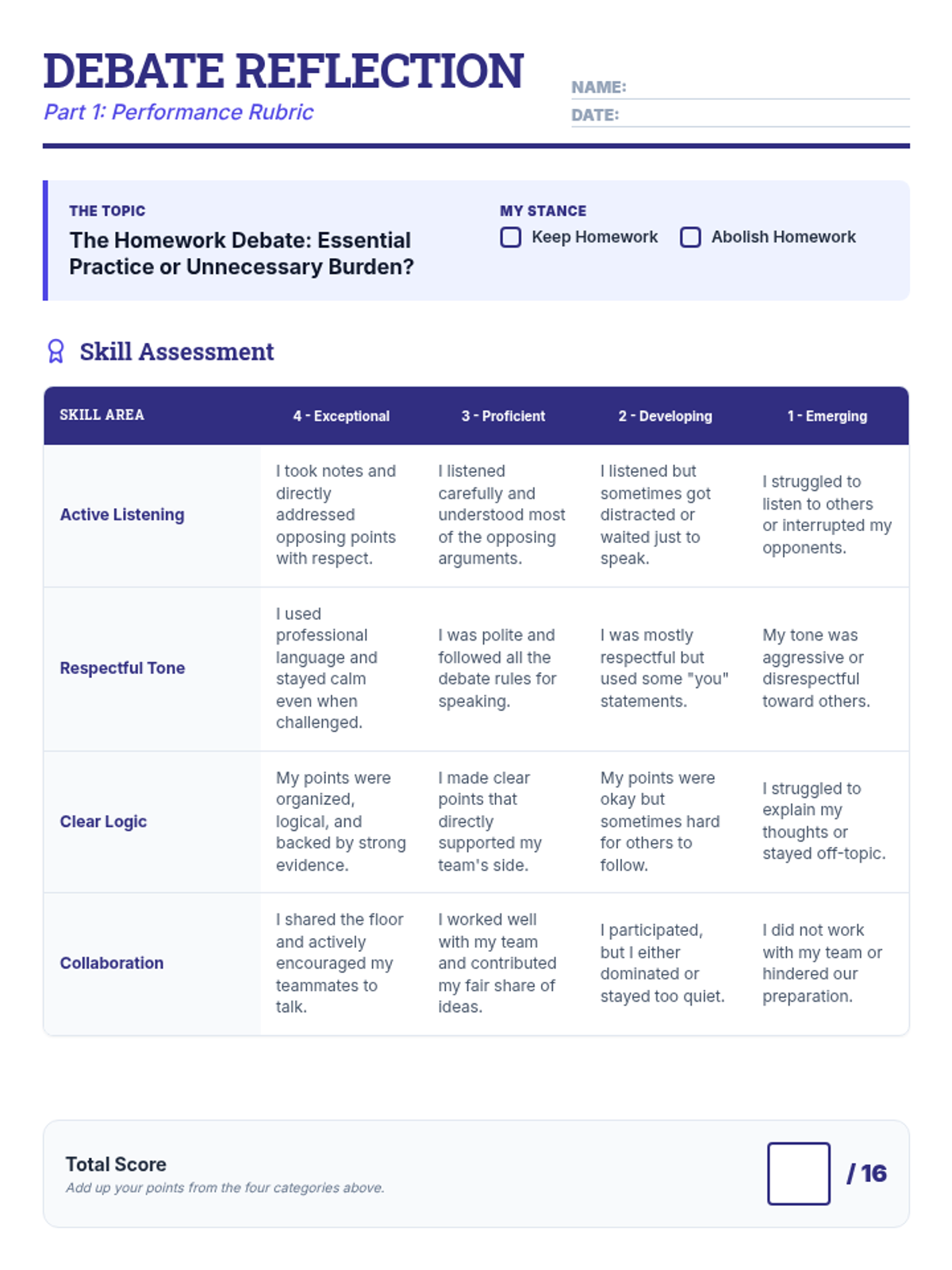
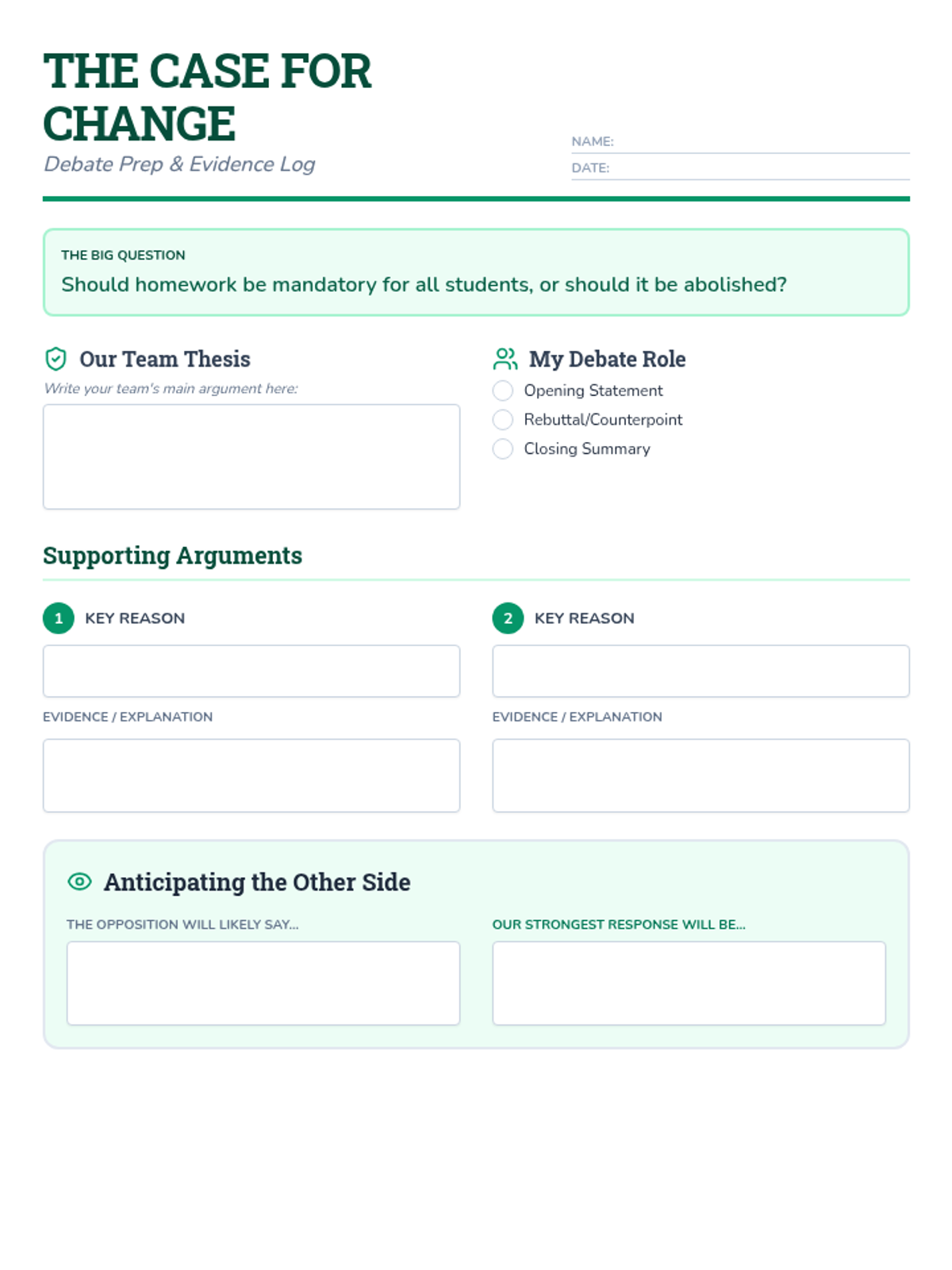
Students participate in a structured debate about the necessity of homework to develop social-emotional skills like active listening, perspective-taking, and respectful disagreement. The lesson provides a comprehensive framework including prep organizers, self-reflection tools, and teacher facilitation strategies.
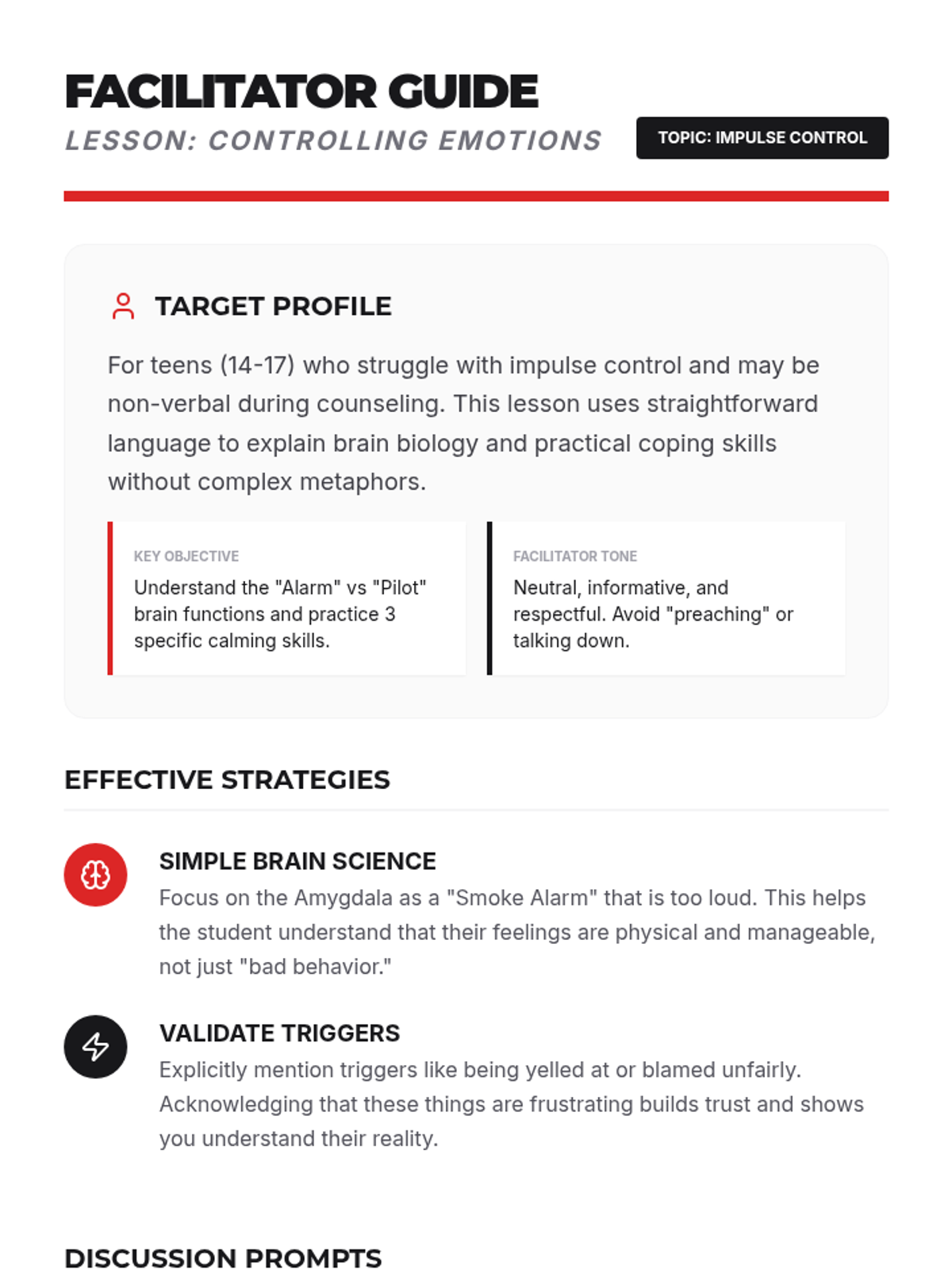
A science-based approach to anger management and impulse control for teens, focusing on the biological 'amygdala hijack' and practical 'manual override' strategies.
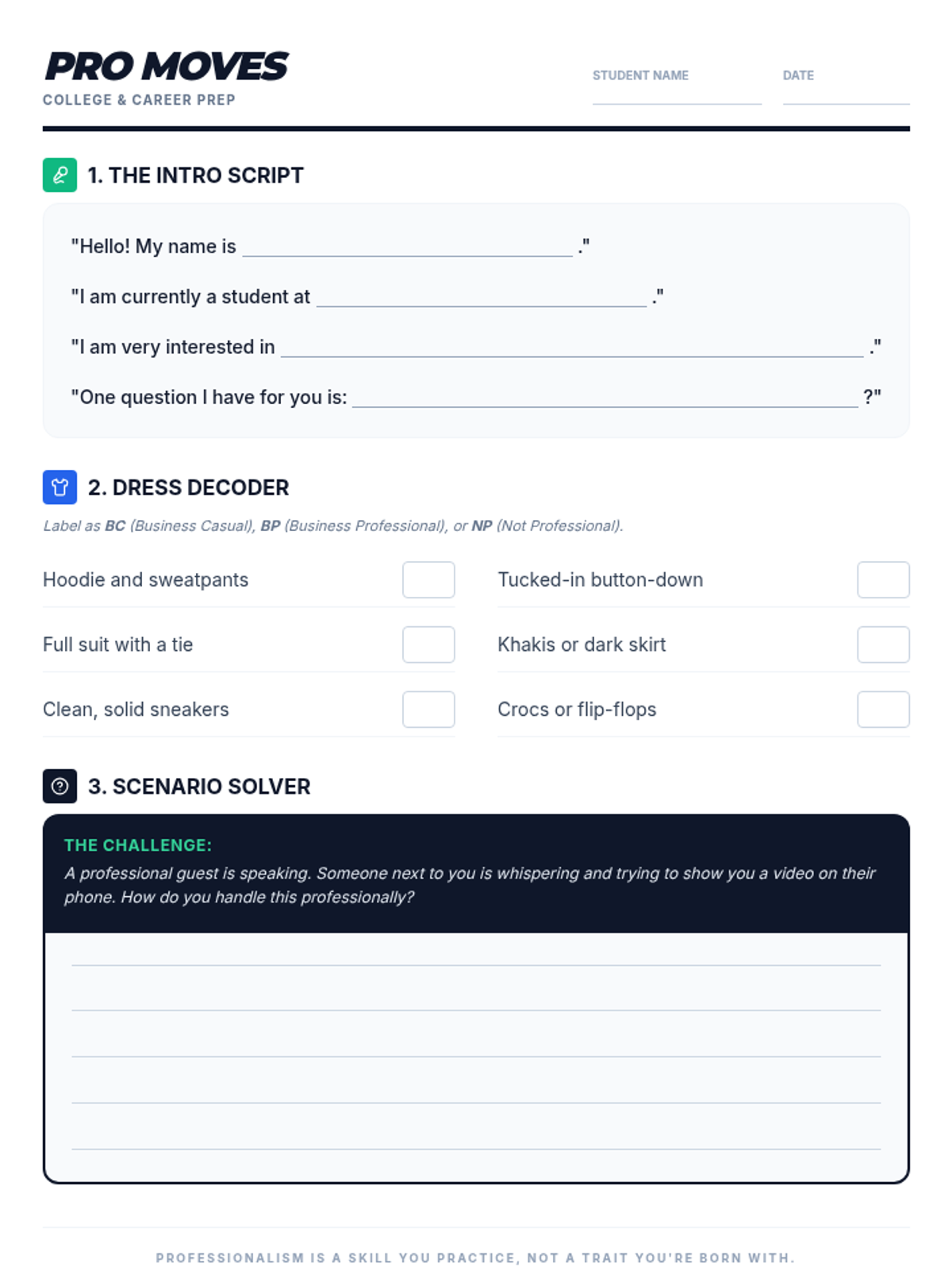
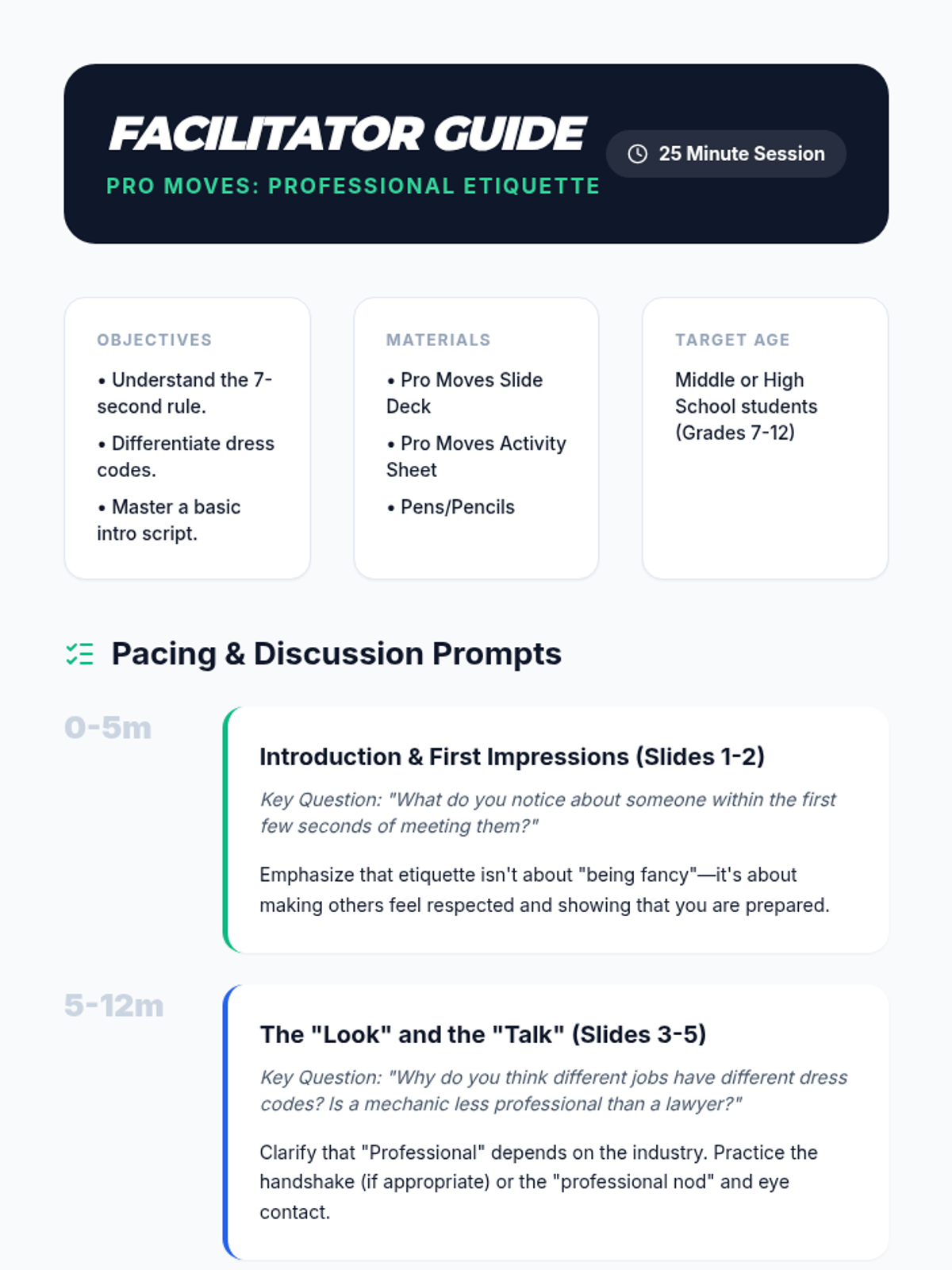
A fast-paced guide to professional etiquette, covering dress, manners, and communication to prepare students for interacting with industry professionals during College and Career Week.
A lesson designed to help students transition into summer break with mindfulness and coping strategies to manage end-of-year nerves and summer stressors.
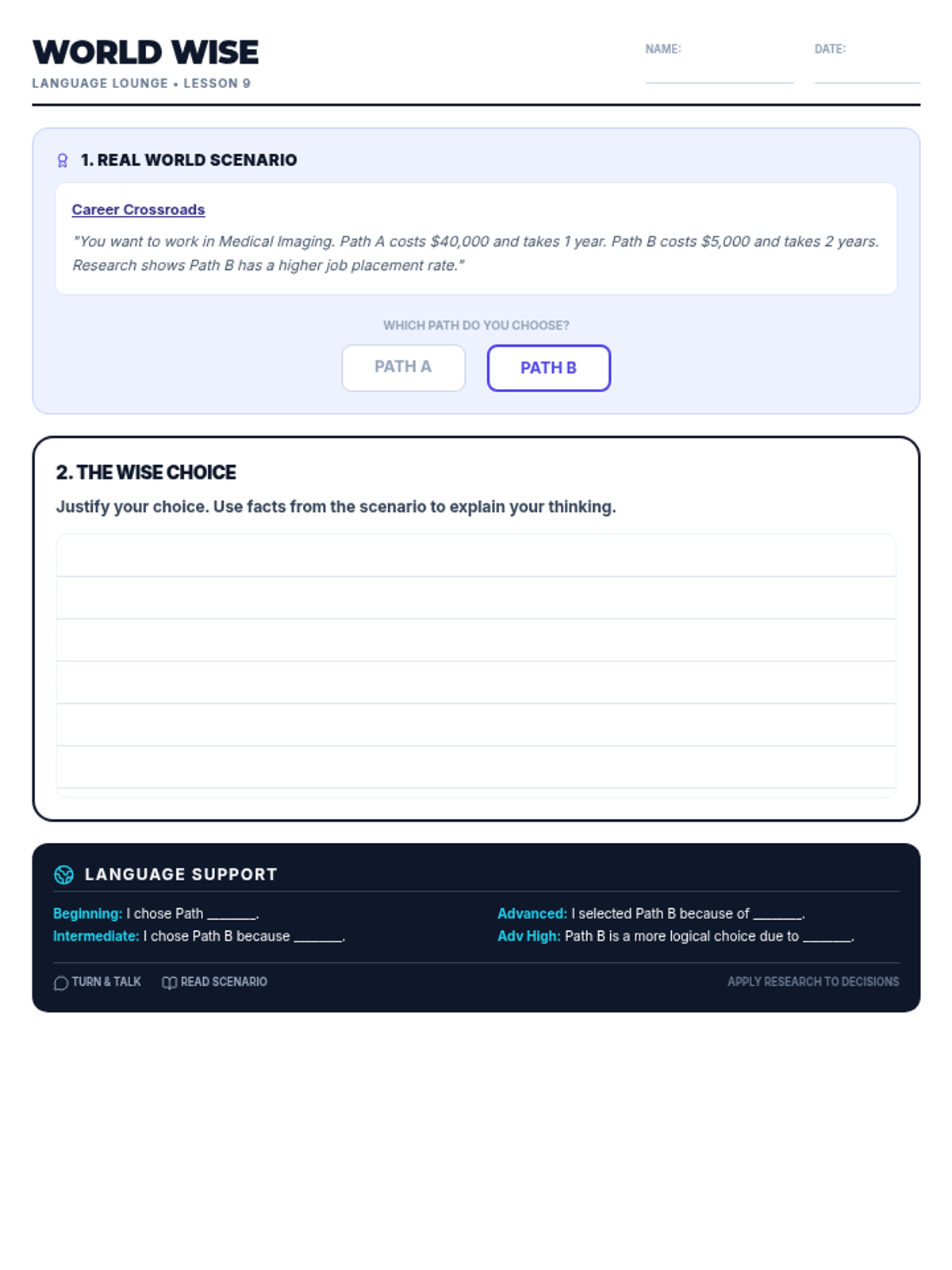
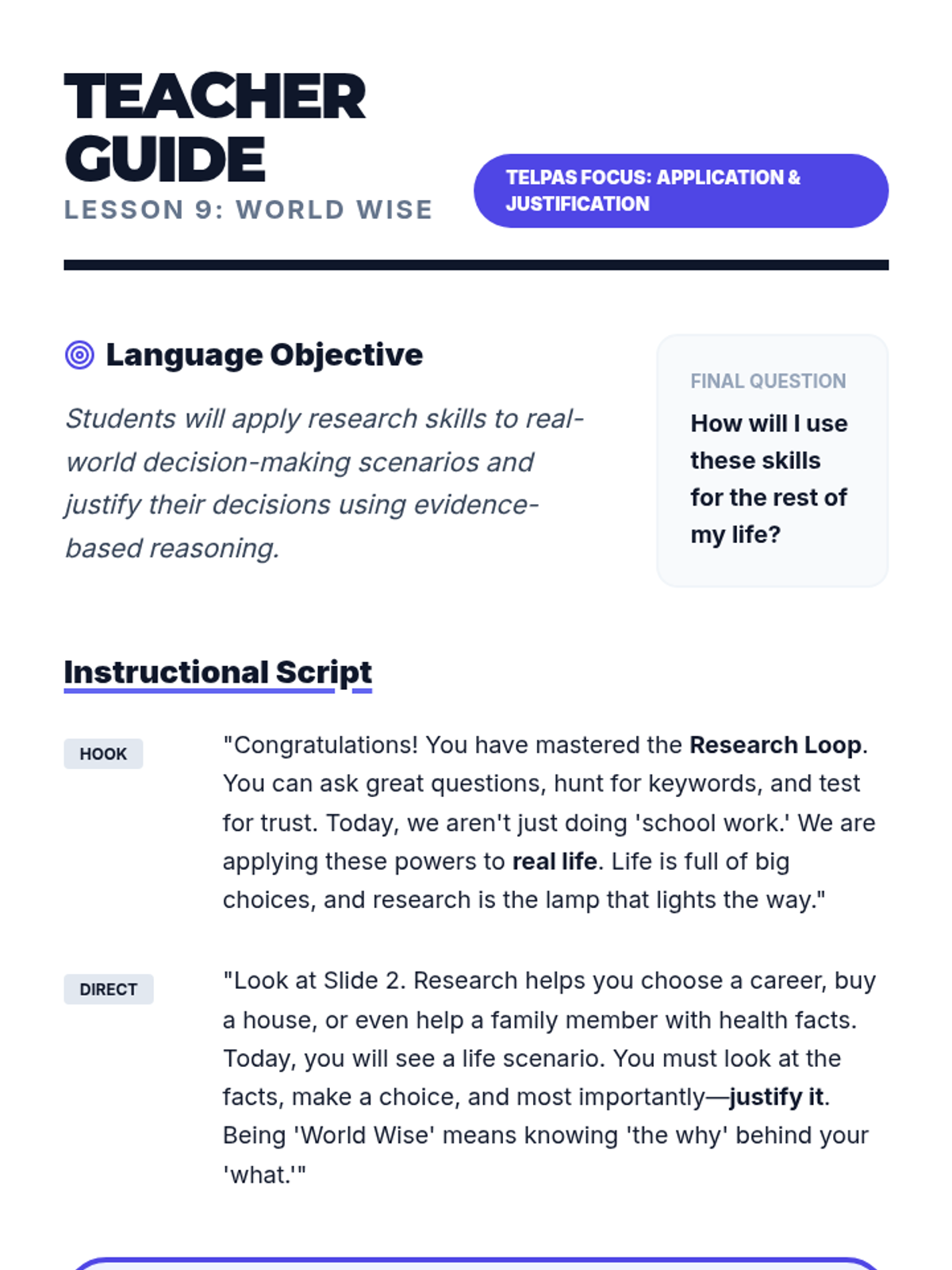
Students apply their research skills to a real-world scenario, justifying decisions with evidence.
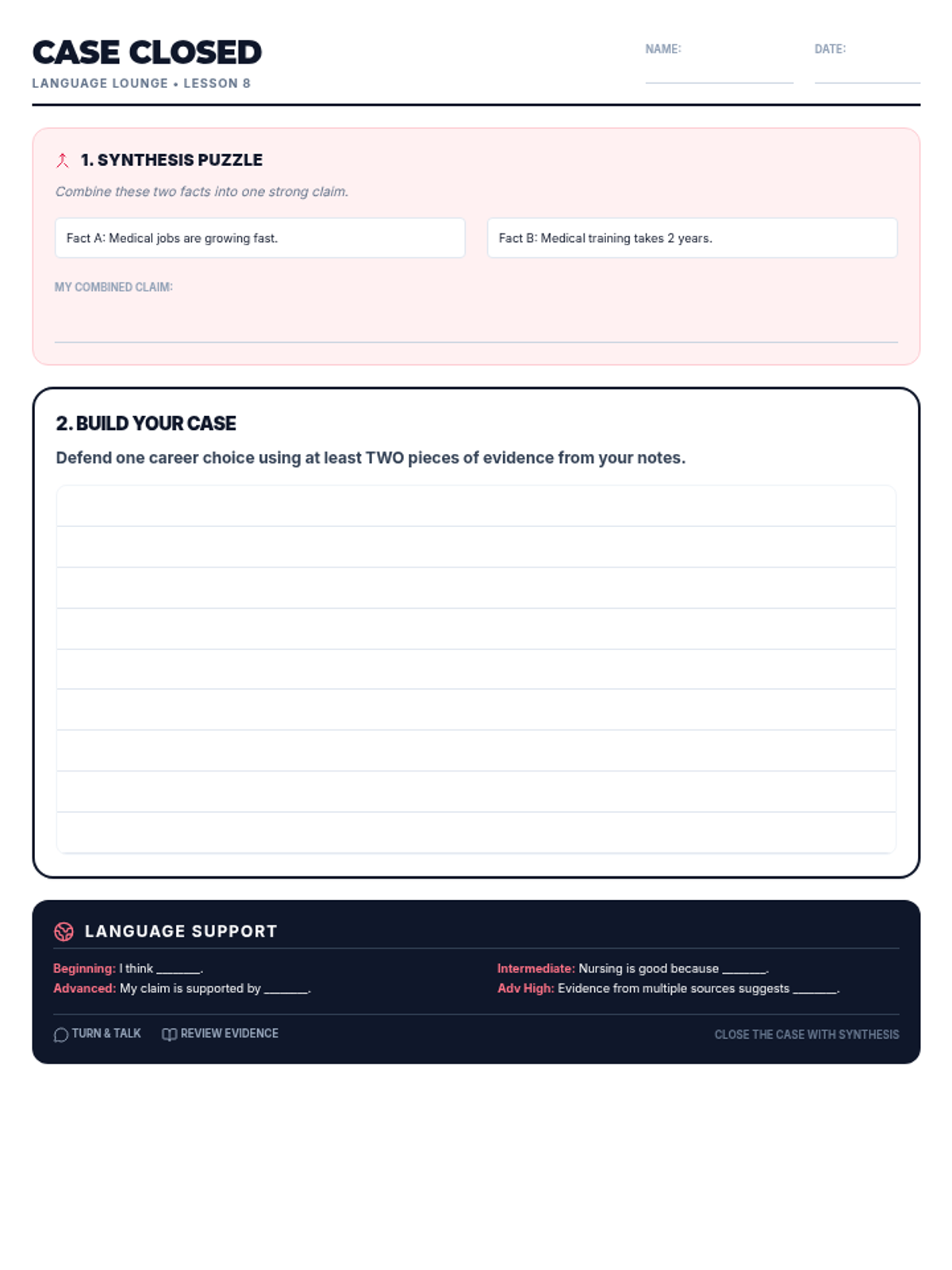
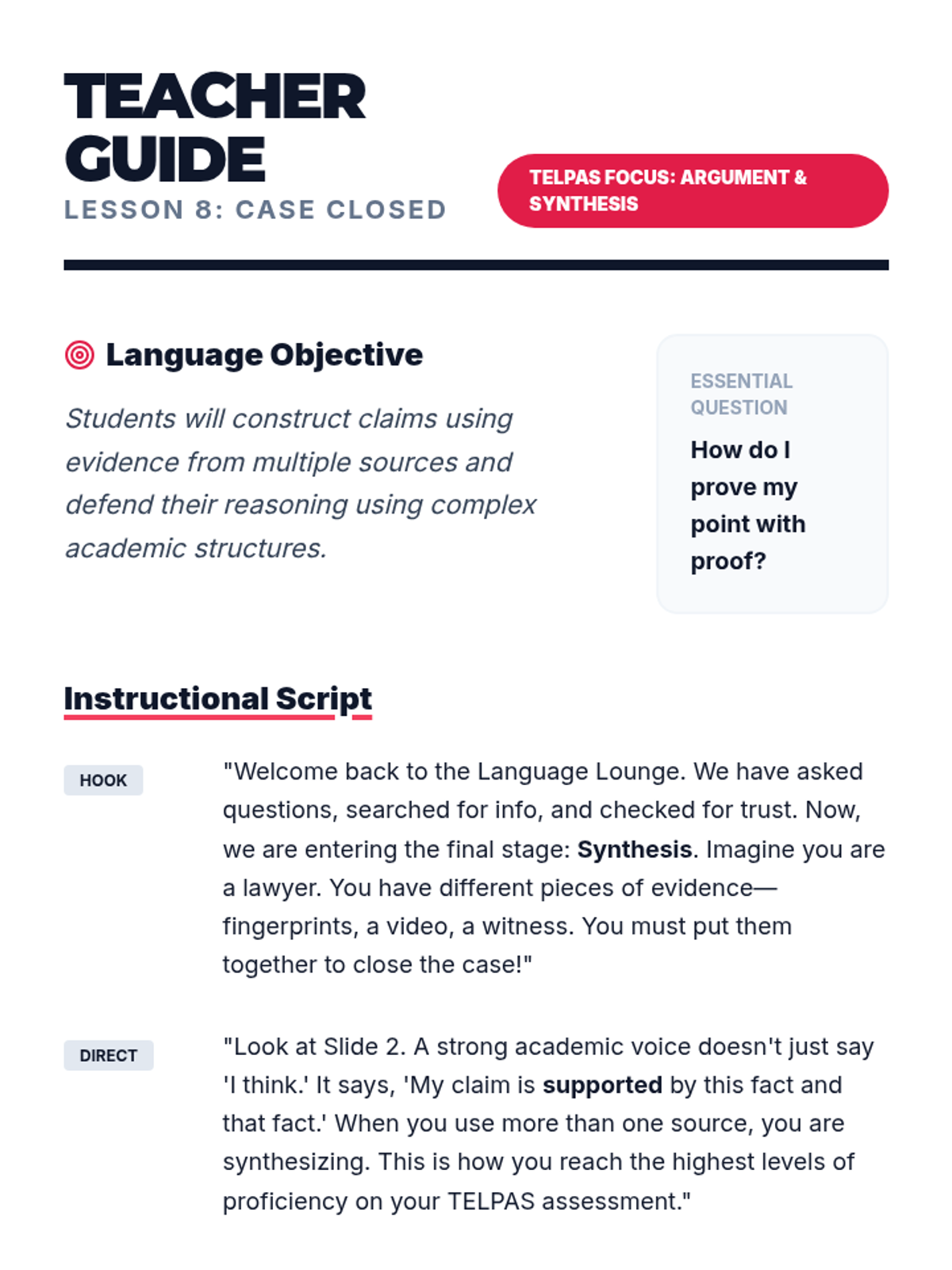
Students synthesize information from multiple sources to construct and defend academic claims.
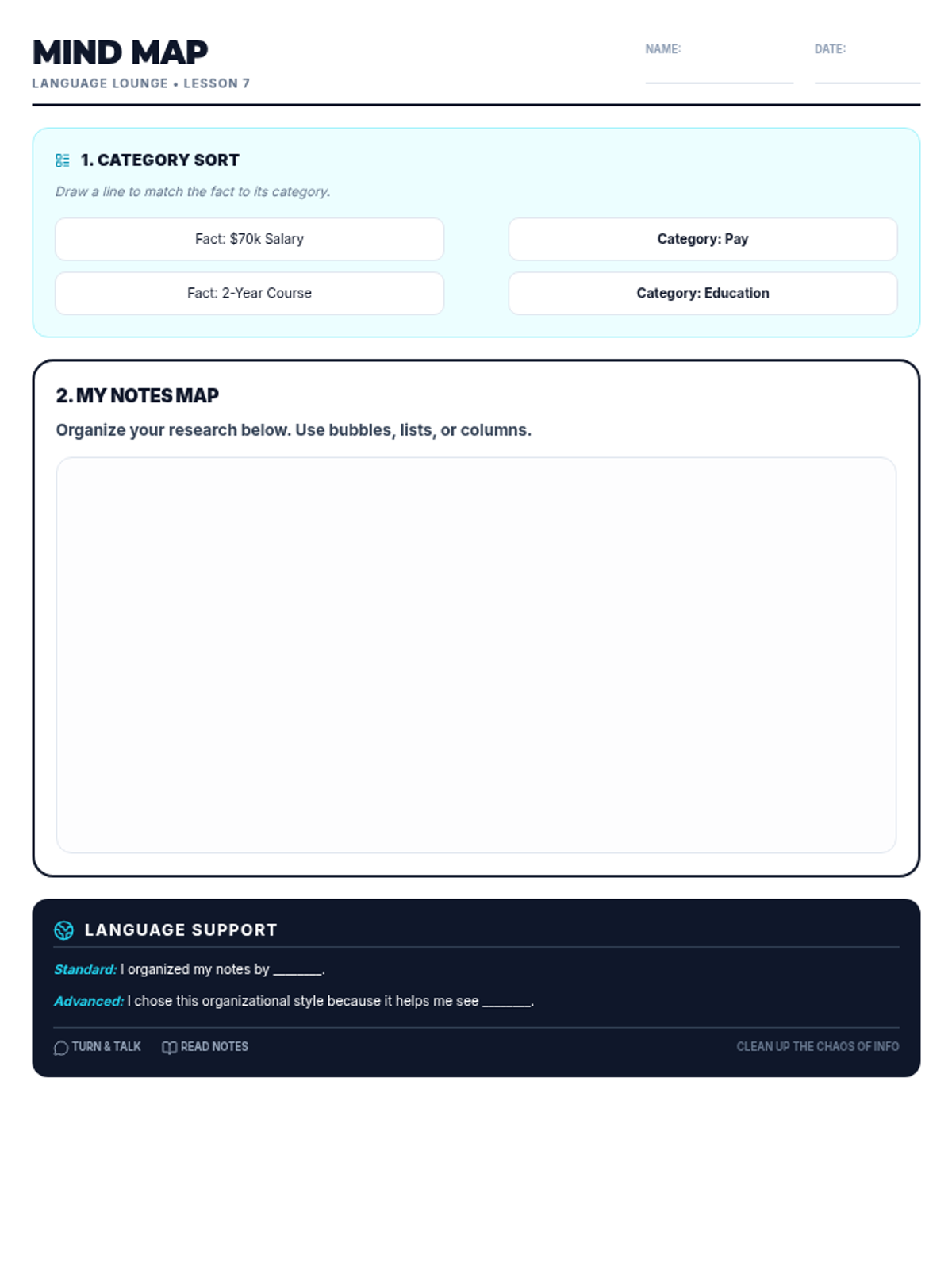
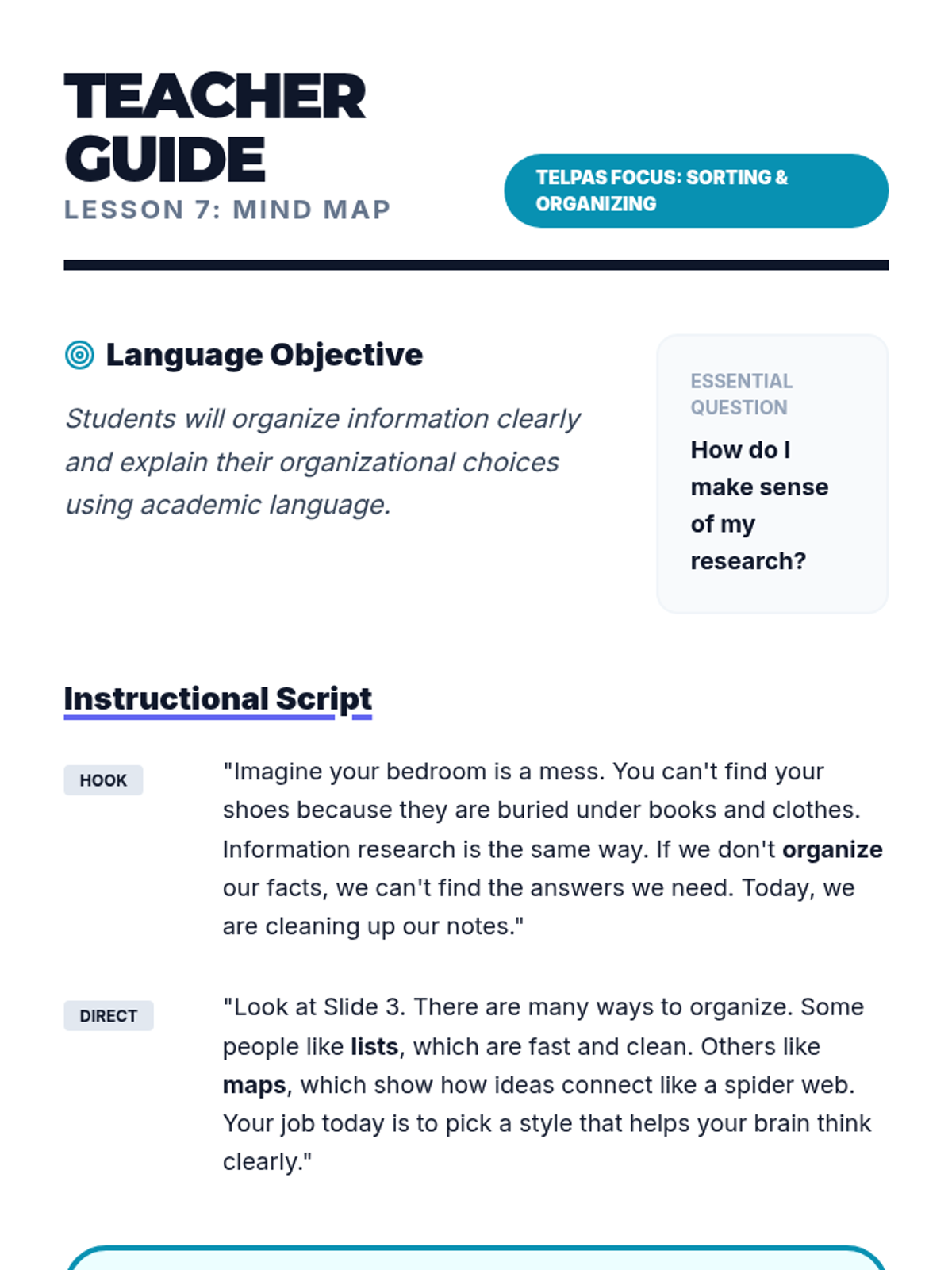
Students utilize various note-taking and organization strategies to manage career and college research.