A therapeutic and engaging session designed for couples in recovery to rebuild trust, deepen intimacy, and rediscover their connection through a lighthearted 'who knows who best' game.
A supportive session for parents at Burlington Public Schools focused on enhancing parenting skills, self-care, and family relationships through the Parenting Journey program.
An art therapy lesson designed for teens in rehabilitation to explore and visualize their core values through markers and colored pencils. Students will create a symbolic landscape that represents their personal beliefs and guiding principles.
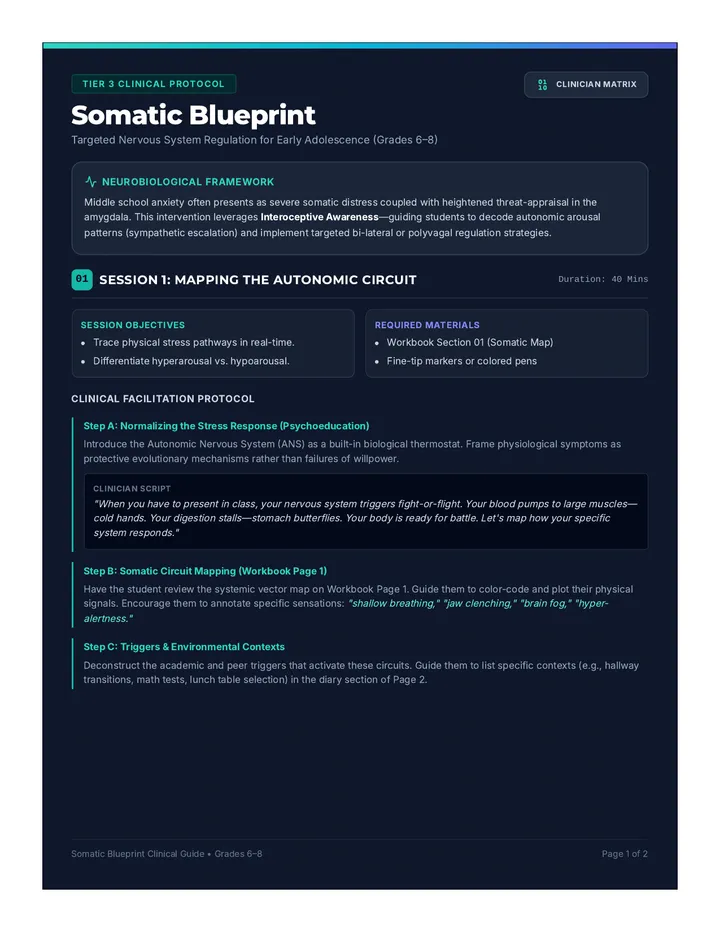
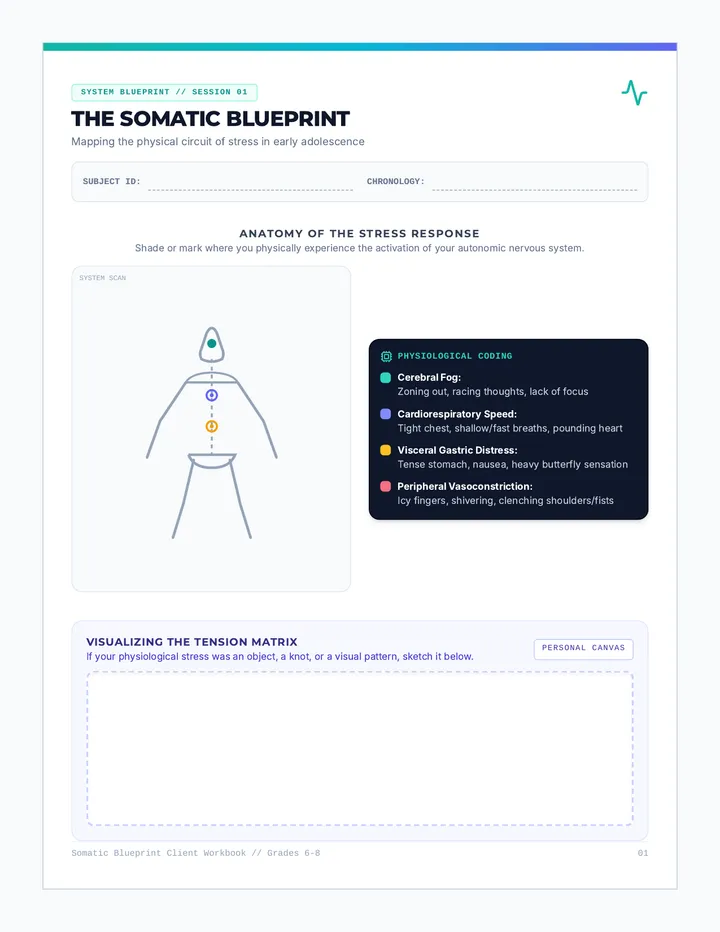
This lesson introduces the fundamentals of somatic tracking, a technique used to re-train the brain's response to physical sensations by observing them through a lens of safety and curiosity. Students will learn the four-step process of anchoring, noticing, describing, and reassuring to build foundational body awareness.
A high-energy, 30-minute coaching session focused on five critical self-advocacy scenarios. Includes role-play, visual aids, and practical toolkits for immediate application in real-world settings.
A comprehensive unit preparing students for the financial and logistical realities of post-secondary life, covering education pathways, housing, vehicle maintenance, and budgeting.
An analysis of the financial decisions made in the film Goodfellas, focusing on high-risk income, the "bust-out" business model, and the long-term costs of illicit wealth.
Analyze workplace culture, professional communication, and business ethics through the lens of the high-stakes fashion industry in 'The Devil Wears Prada'. Students will explore how technology facilitates modern business and the ethical dilemmas of rapid-fire corporate environments.
Students learn the importance of professional document formatting and hierarchy, setting up a formal business proposal template with structured headings and standardized typography.
Students conduct a market research sprint, interviewing classmates to validate their product ideas and learning to 'pivot' based on real user feedback and data synthesis.
Students learn the difference between leading and open-ended questions, developing a research table and interview script to gather unbiased feedback from potential customers.
Students explore the concepts of target markets and customer empathy, moving from personal preferences to identifying specific user needs and mapping out a "Day in the Life" for their ideal customer.
Students explore the fundamental economic concepts of scarcity and opportunity cost, applying them to product development by making difficult trade-offs between competing features within a limited resource budget.
Students learn to identify consumer "pain points" as opportunities for innovation, moving from recognizing everyday frustrations to conceptualizing business solutions.
A final assessment covering application preparation, interview techniques, and professional workplace etiquette.
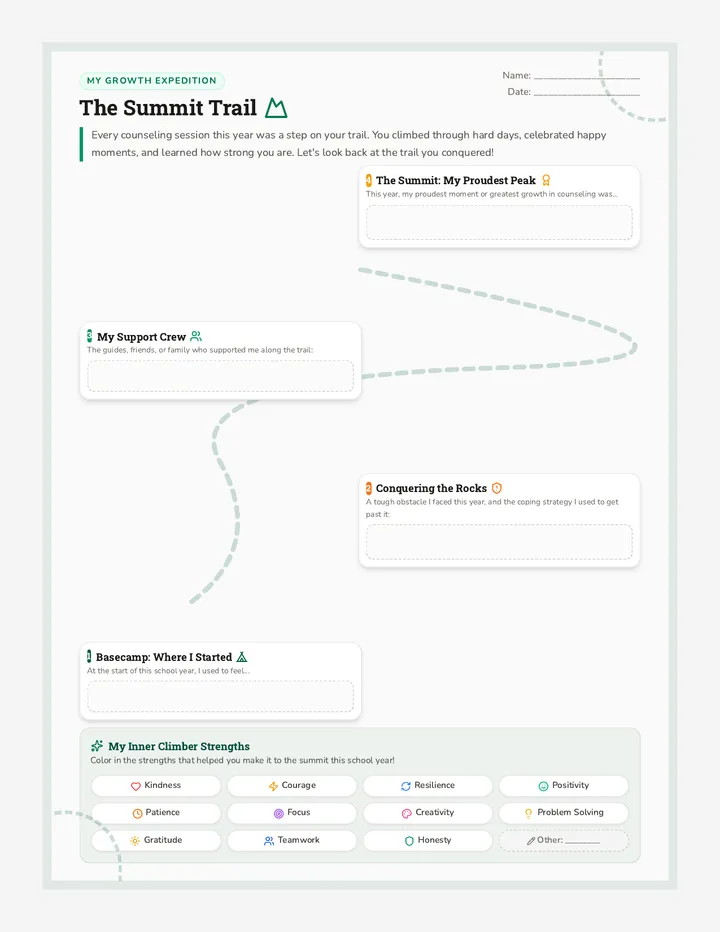
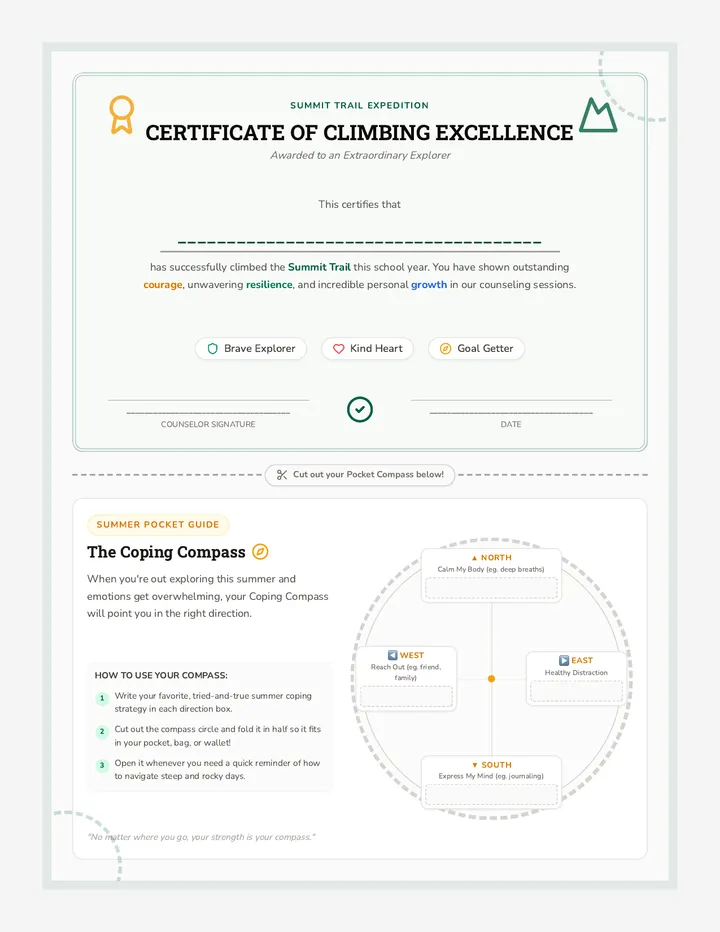
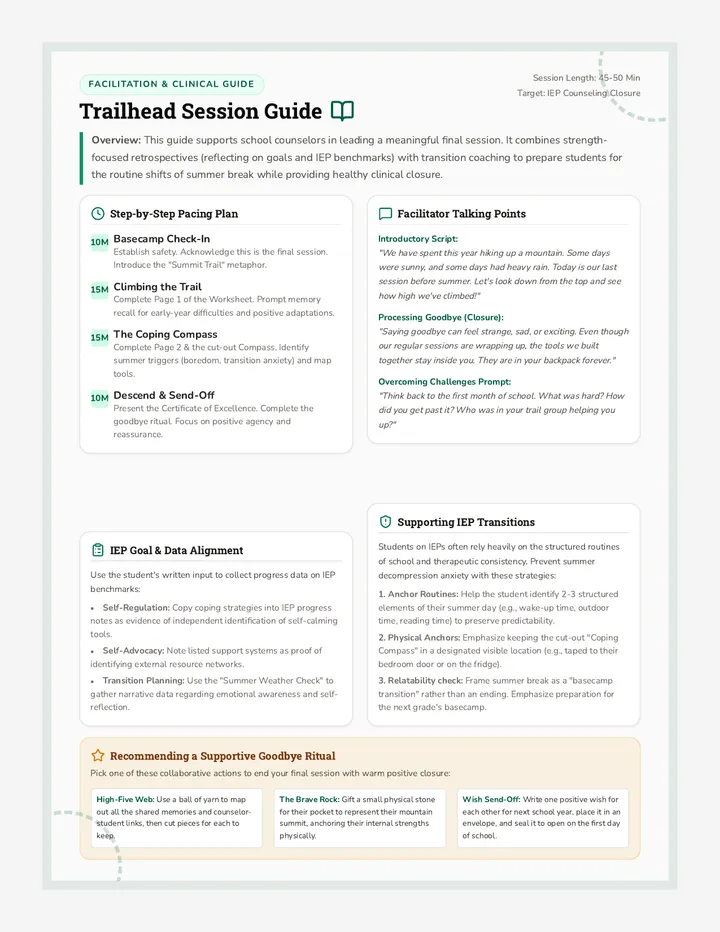
A comprehensive lesson on navigating the termination phase of the student-counselor relationship, focusing on celebrating growth, managing emotions, and planning for the future.
A dynamic lesson designed to empower job seekers by reframing 'asking for help' as a professional strength. Participants learn who to ask, how to phrase requests for various scenarios (including accommodations and status updates), and practice through interactive roleplay.
A high-energy teamwork activity where participants must coordinate movements using strings to control a single marker and trace complex paths.
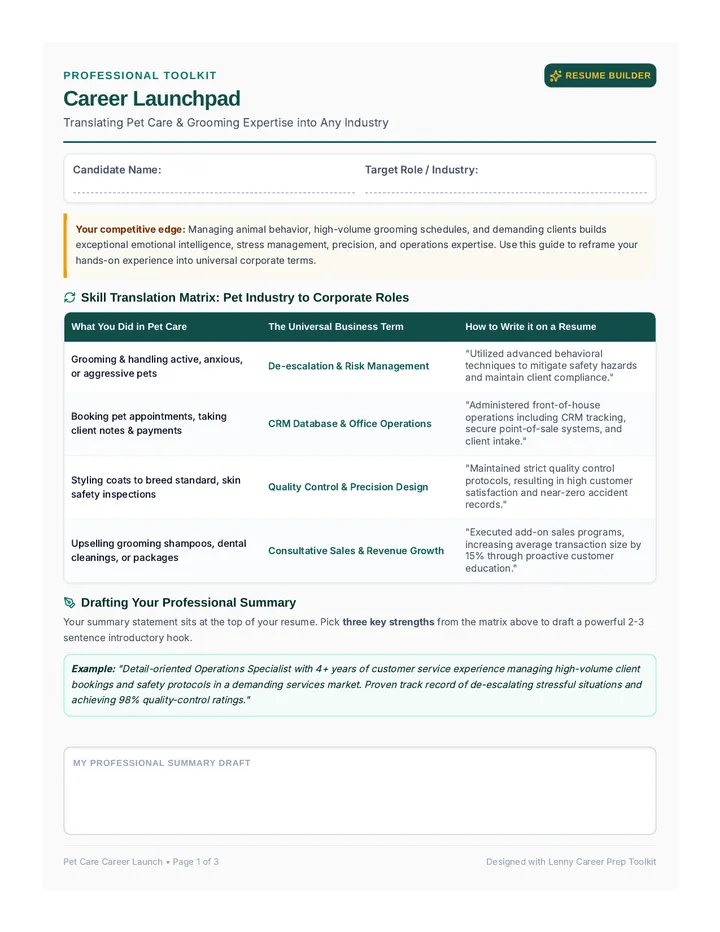
A comprehensive guide for students to master the art of entry-level resumes and cover letters, focusing on translating limited experience into professional potential.
A comprehensive tool for the scholarship committee to evaluate and rank applicants based on Booster Club involvement, athletics, academics, and personal essays.
A lesson exploring the ethical and legal implications of using social media as a screening tool during the hiring process, based on professional HR perspectives.
An intensive lesson focusing on the immediate impact of theft and lying, using a peer case study to bypass defensive shut-down mechanisms.