A 45-minute Tier 1 classroom lesson for 3rd graders that explores seasonal changes and classroom routines through interactive fall-themed activities. Students will engage in matching, a classroom tour, a scavenger hunt, goal-setting, and reflection.
Focuses on reframing disappointments as learning opportunities and setting new goals to move forward with confidence.
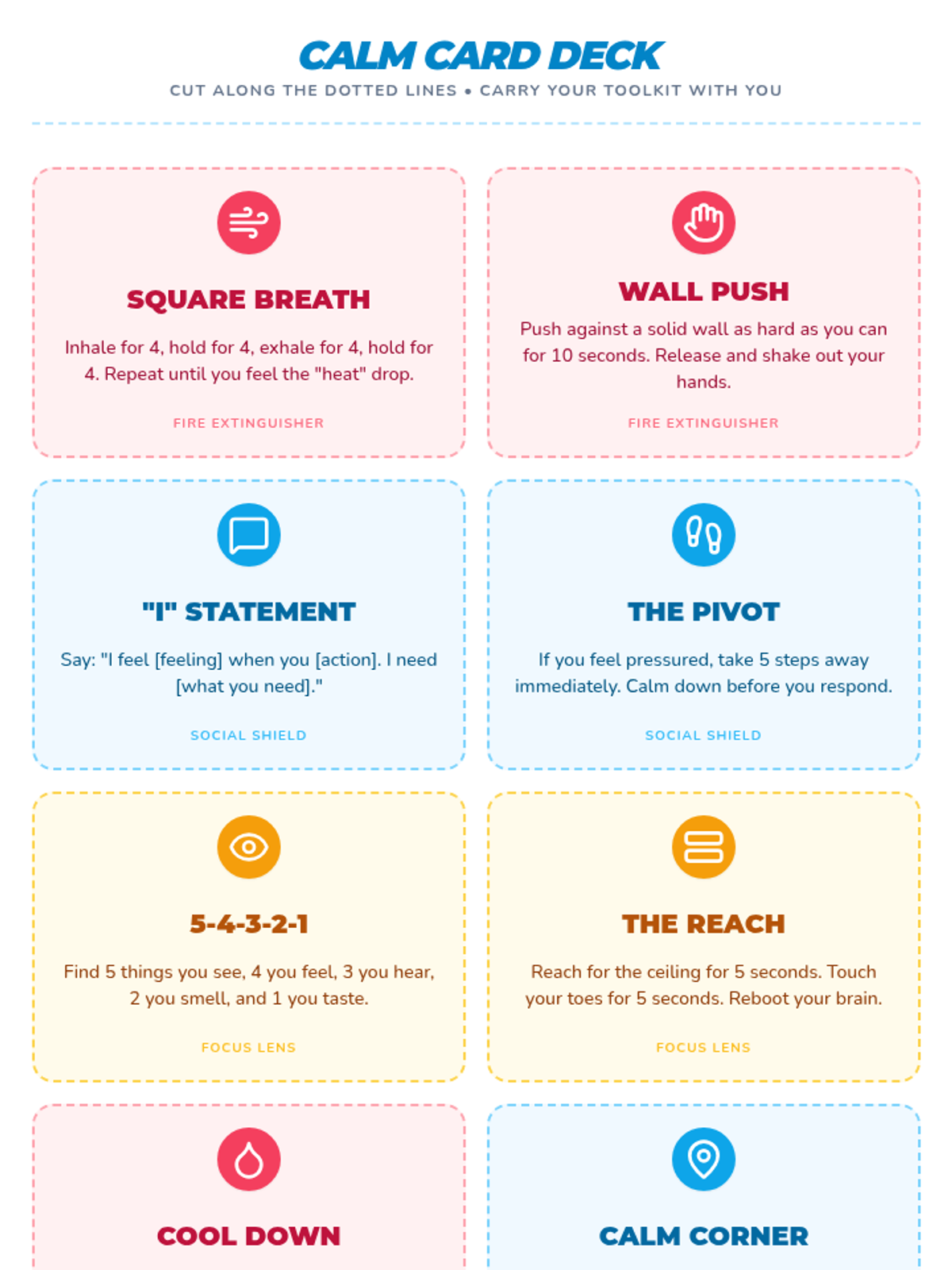
Provides students with a range of practical coping strategies (the 'Bounce Tools') to help them manage difficult emotions in the moment.
Explores the physical sensations of disappointment and introduces a 'Disappointment Scale' to help students gauge the intensity of their feelings.
An introduction to identifying disappointment, distinguishing it from other emotions, and recognizing common triggers in daily life.
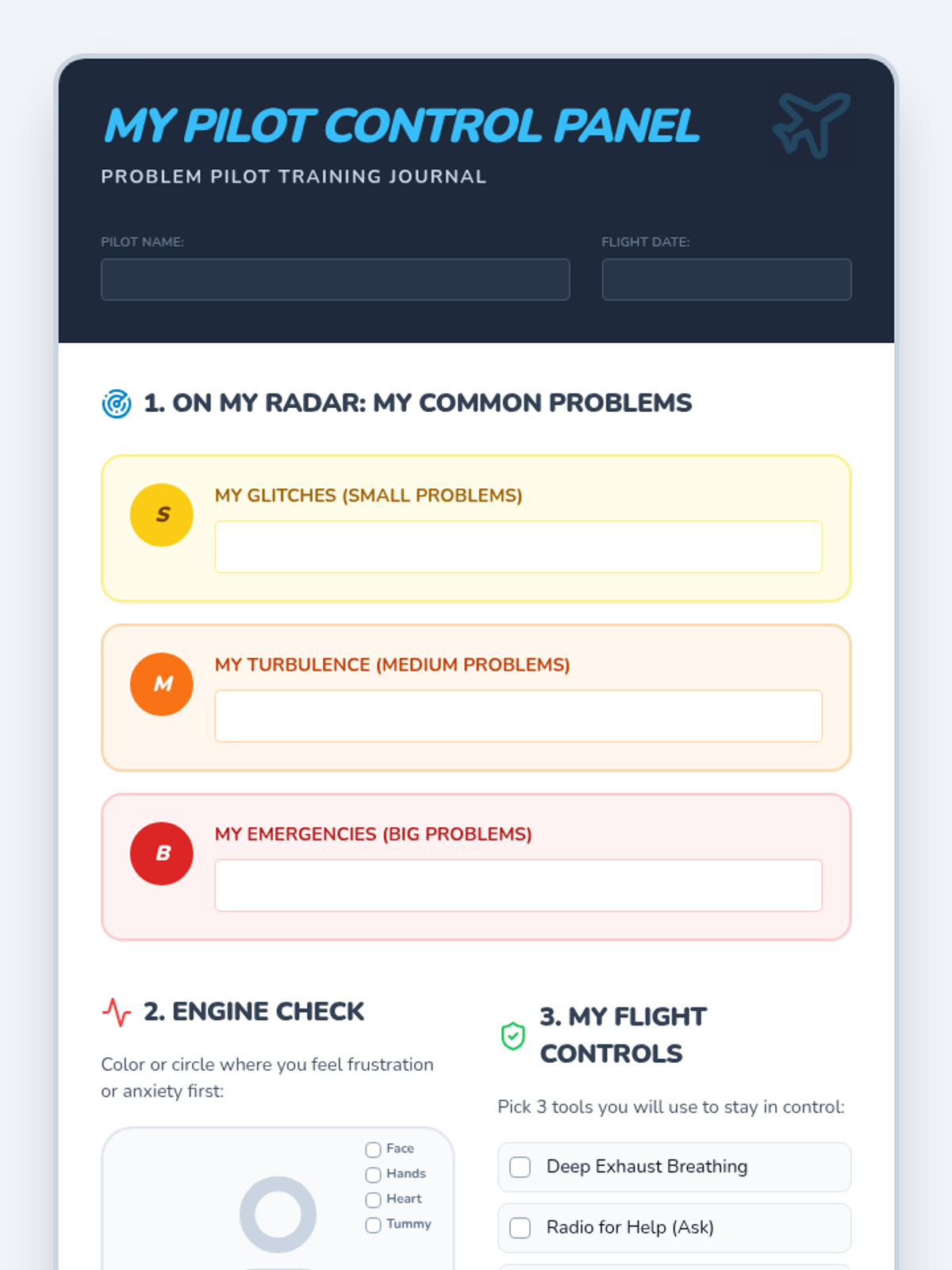
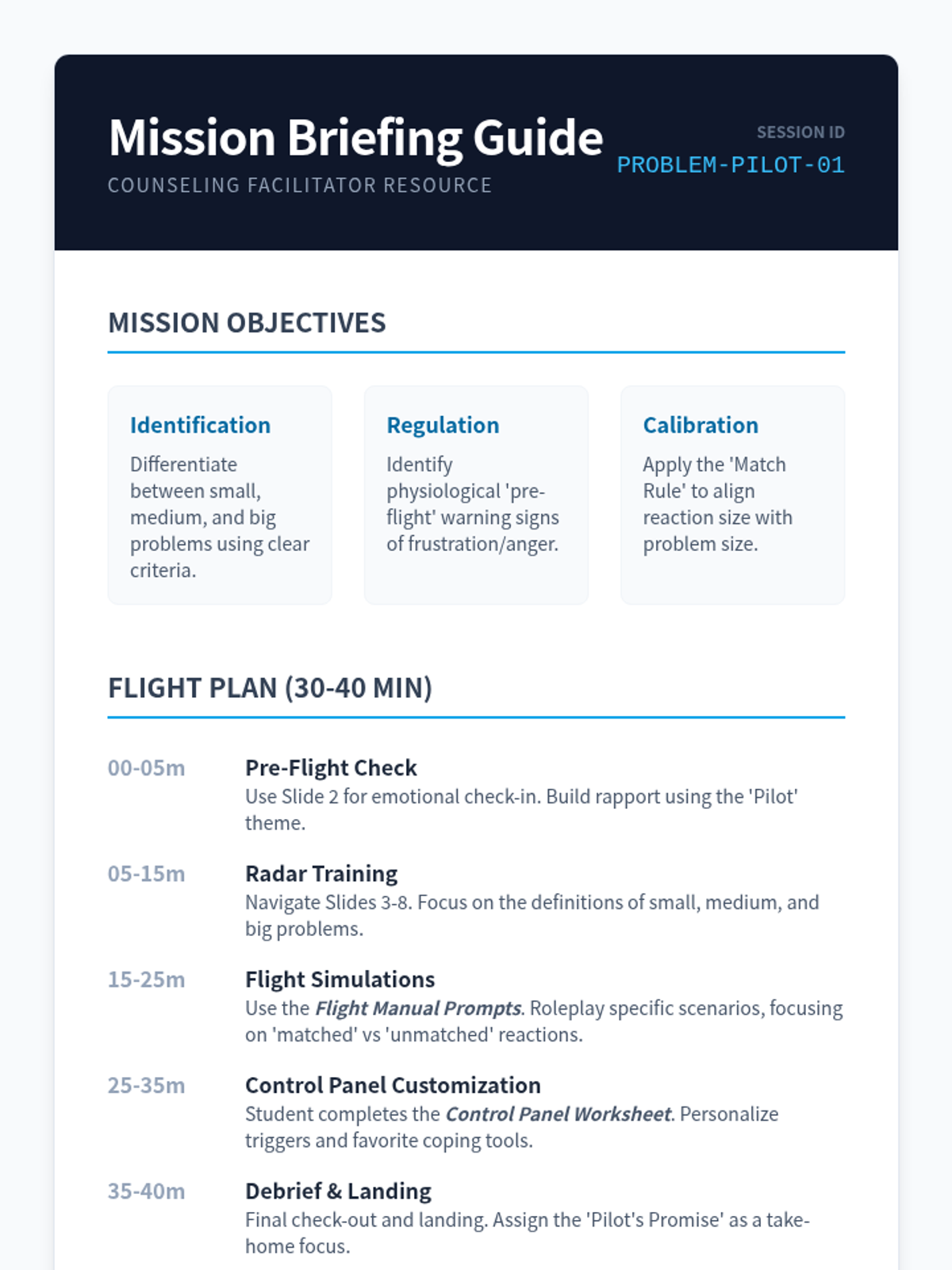
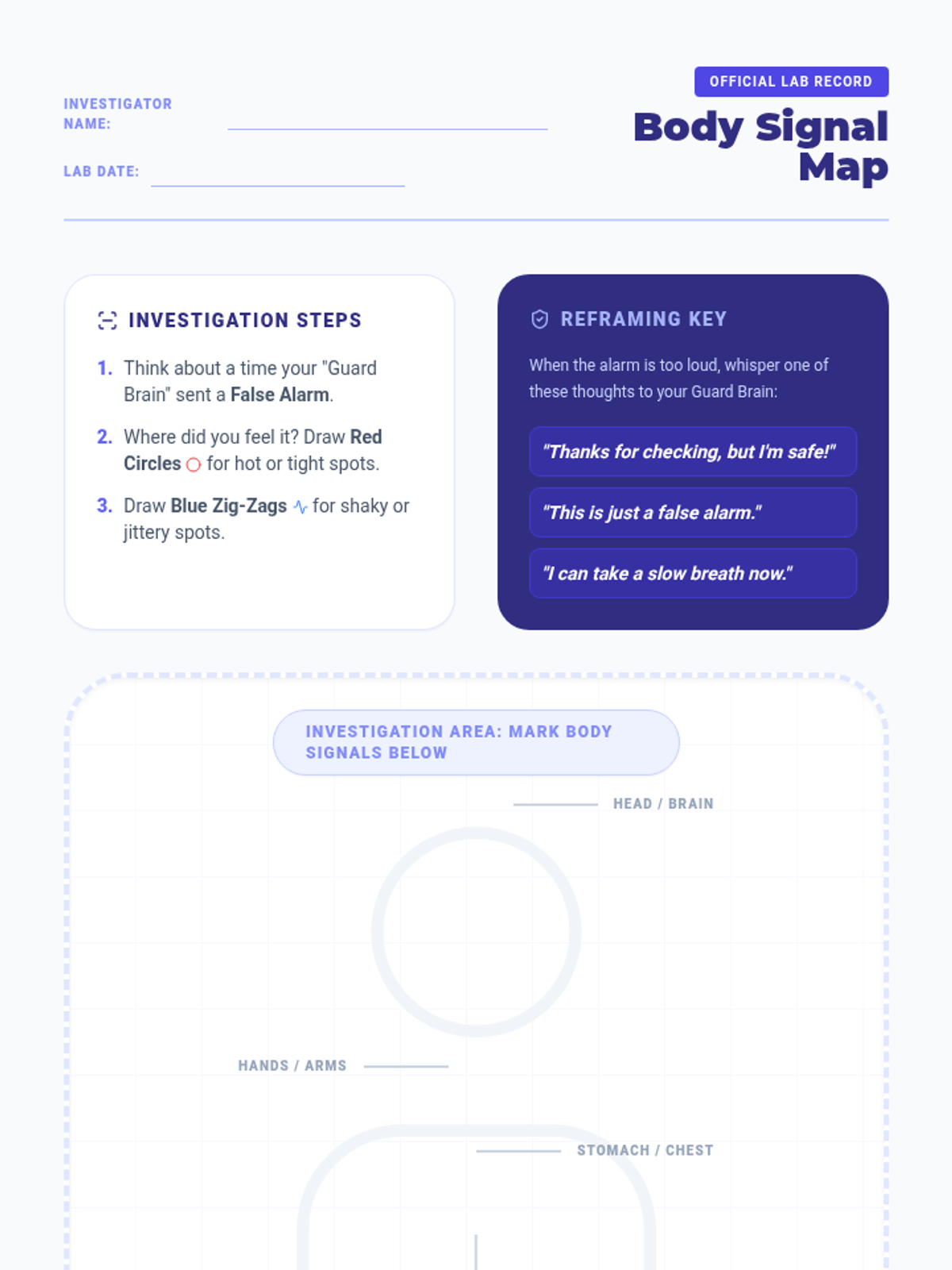
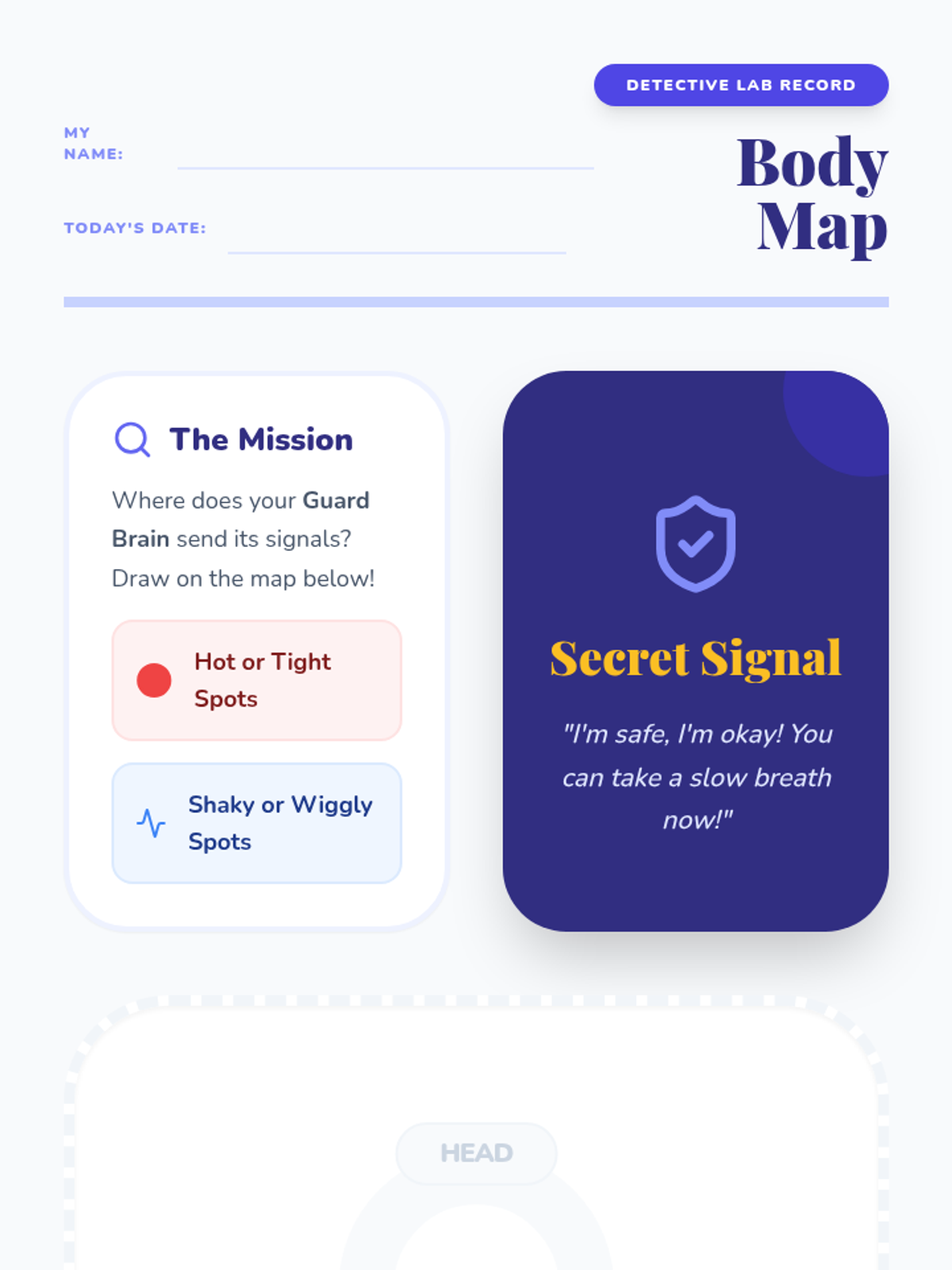
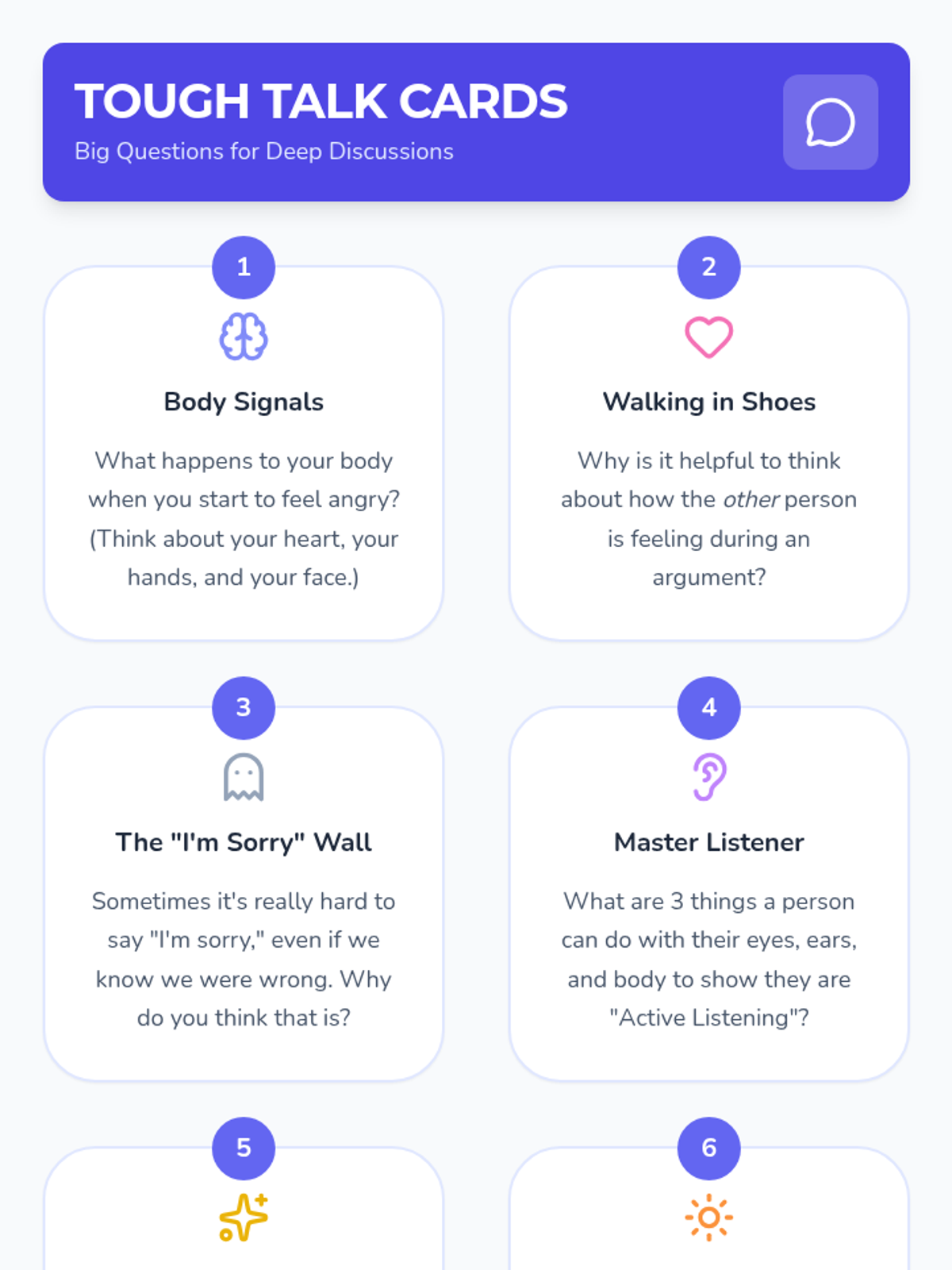
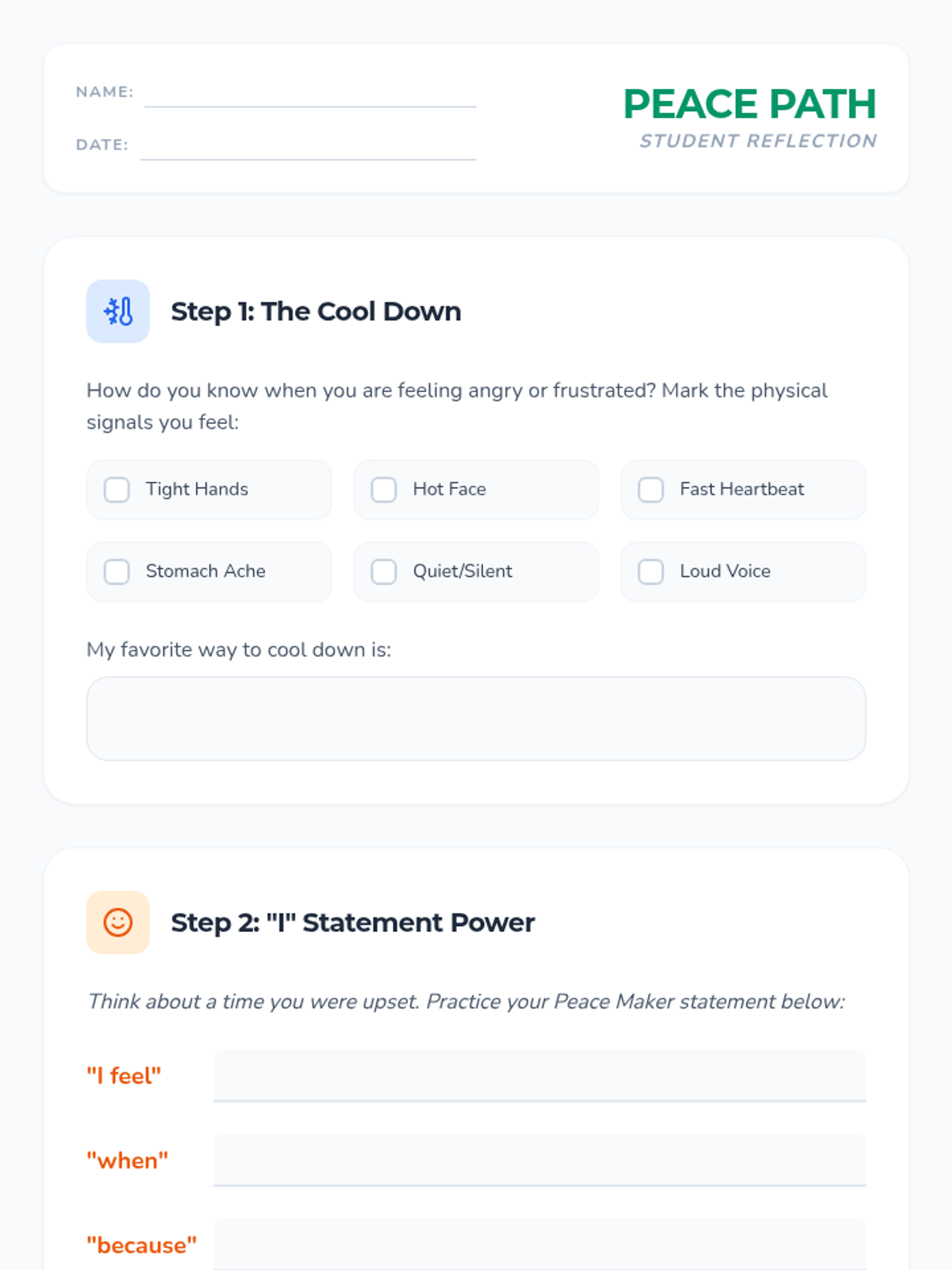
A small group lesson for elementary students focused on recognizing the physical signals of anger in the body and learning initial coping strategies. Students act as 'Body Detectives' to identify where they feel anger before it boils over.
A lesson focused on developing a growth mindset toward change, equipping students with practical strategies for adapting to new routines and communicating their feelings effectively.
A game-inspired goal-setting activity designed for parent-teacher conferences, focusing on identifying student strengths and growth areas through a 'future quest' lens.
A supportive set of resources designed to help a student understand and adjust to getting a colostomy bag, focusing on reducing anxiety and building confidence through a social story and reflective activities.
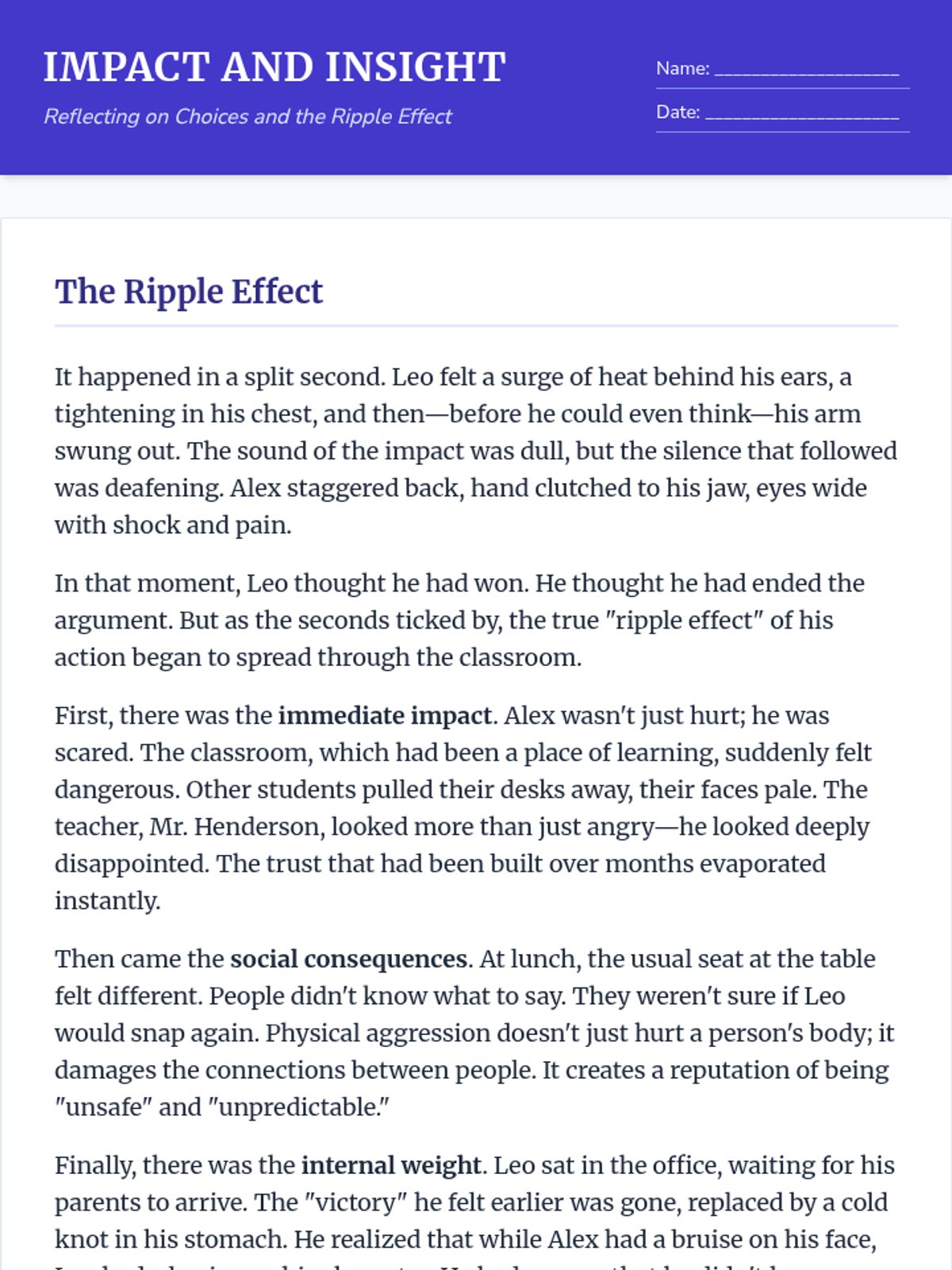
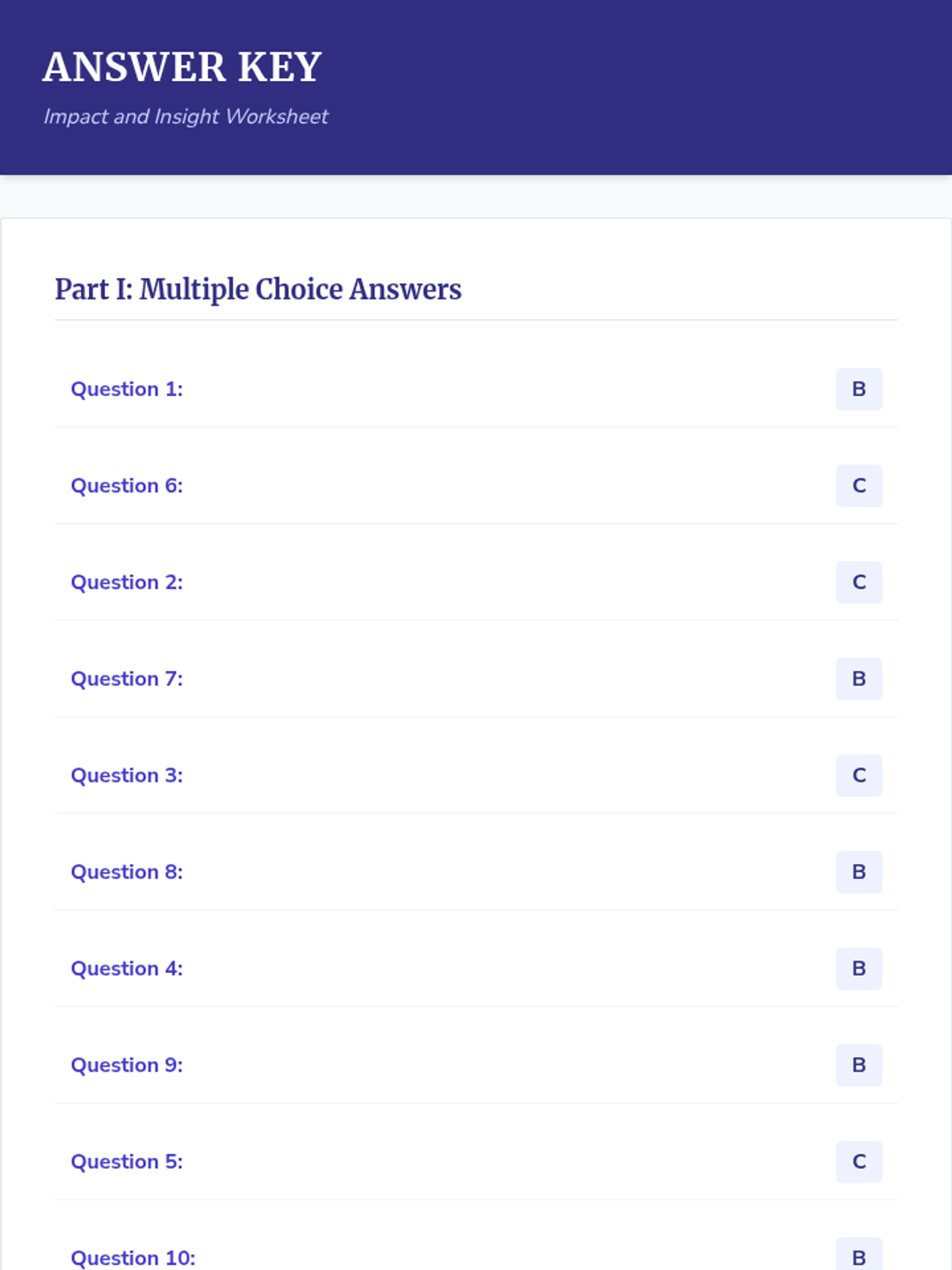
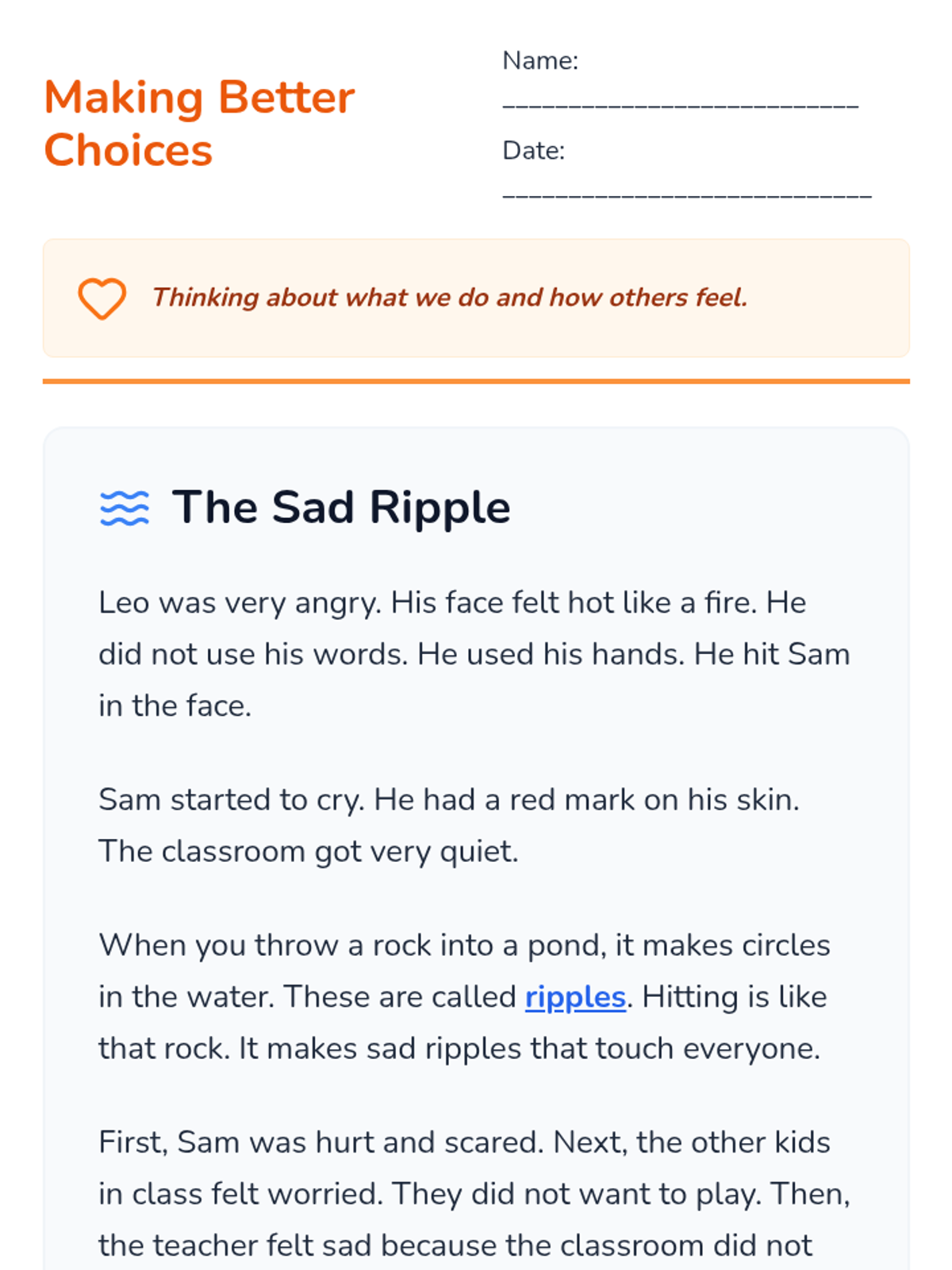
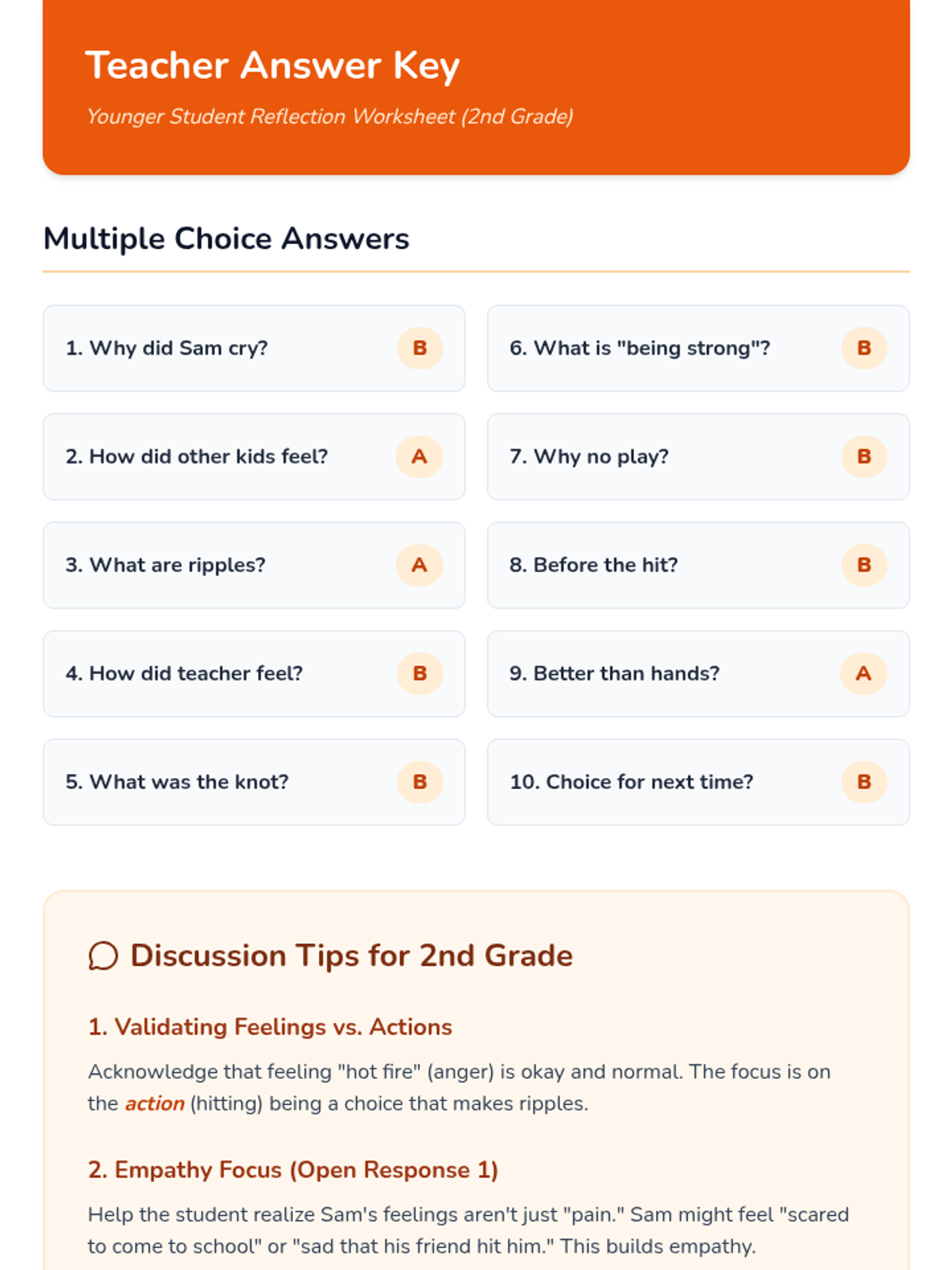
A comprehensive set of reflection and skill-building materials for 3rd-grade students to address physical aggression and hurtful language. The lesson focuses on empathy, impulse control, and the 'Four-Part Apology' method.
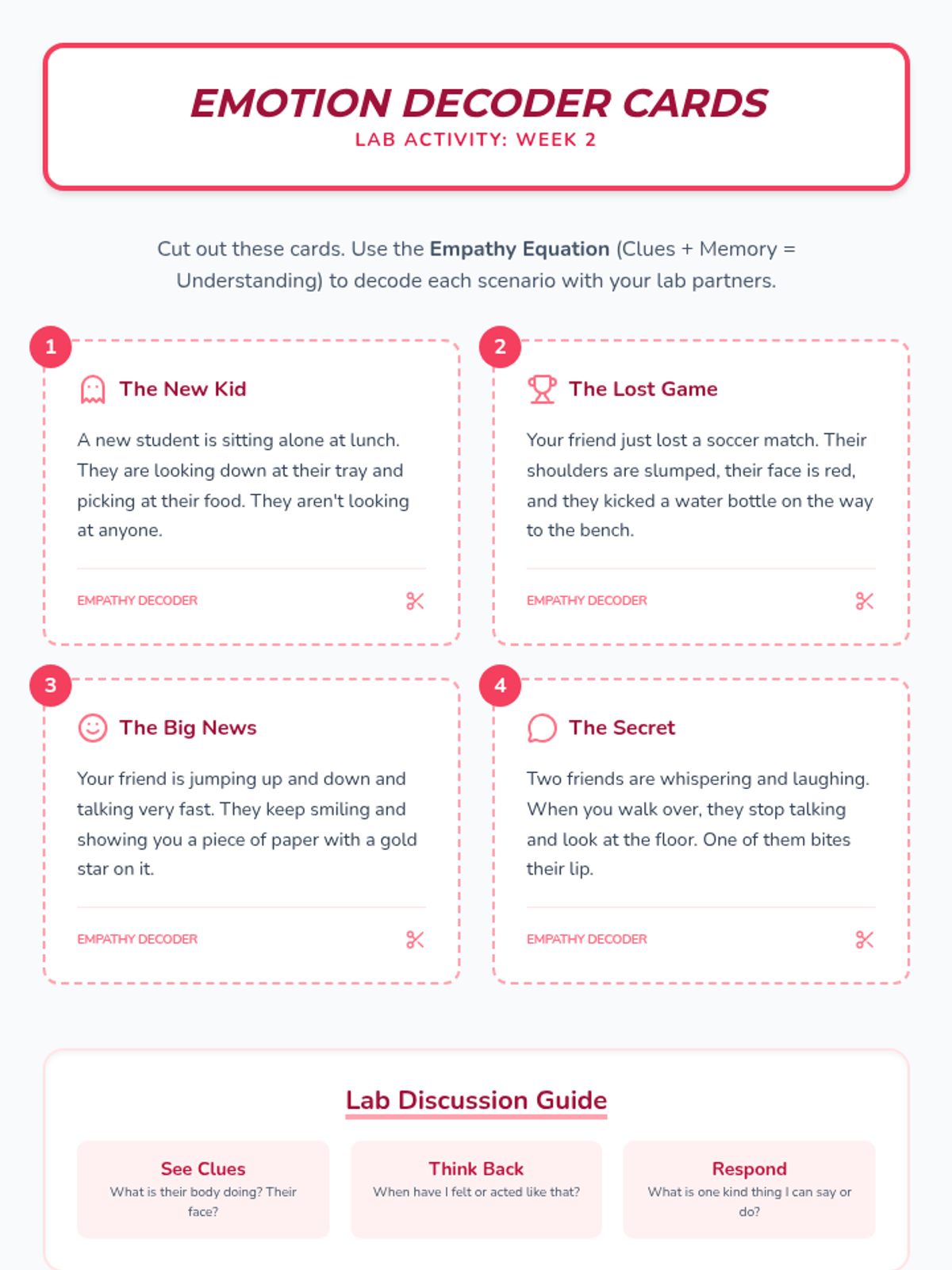
Students identify and match basic emotions to common social scenarios, developing empathy and emotional literacy through a detective-themed exploration.
A comprehensive lesson teaching students the 'Pause Button' technique to improve impulse control. Using a detective theme, students learn to identify triggers and practice self-regulation through interactive scenarios and visual tools.
A high-energy, 'Mind Gym' themed lesson for 3rd graders focused on strengthening working memory and impulse control through physical and mental 'drills'.
A comprehensive lesson teaching students the mechanics of sending mail, the etiquette of timing for letters and bills, and a hands-on Valentine's Day mailing project.
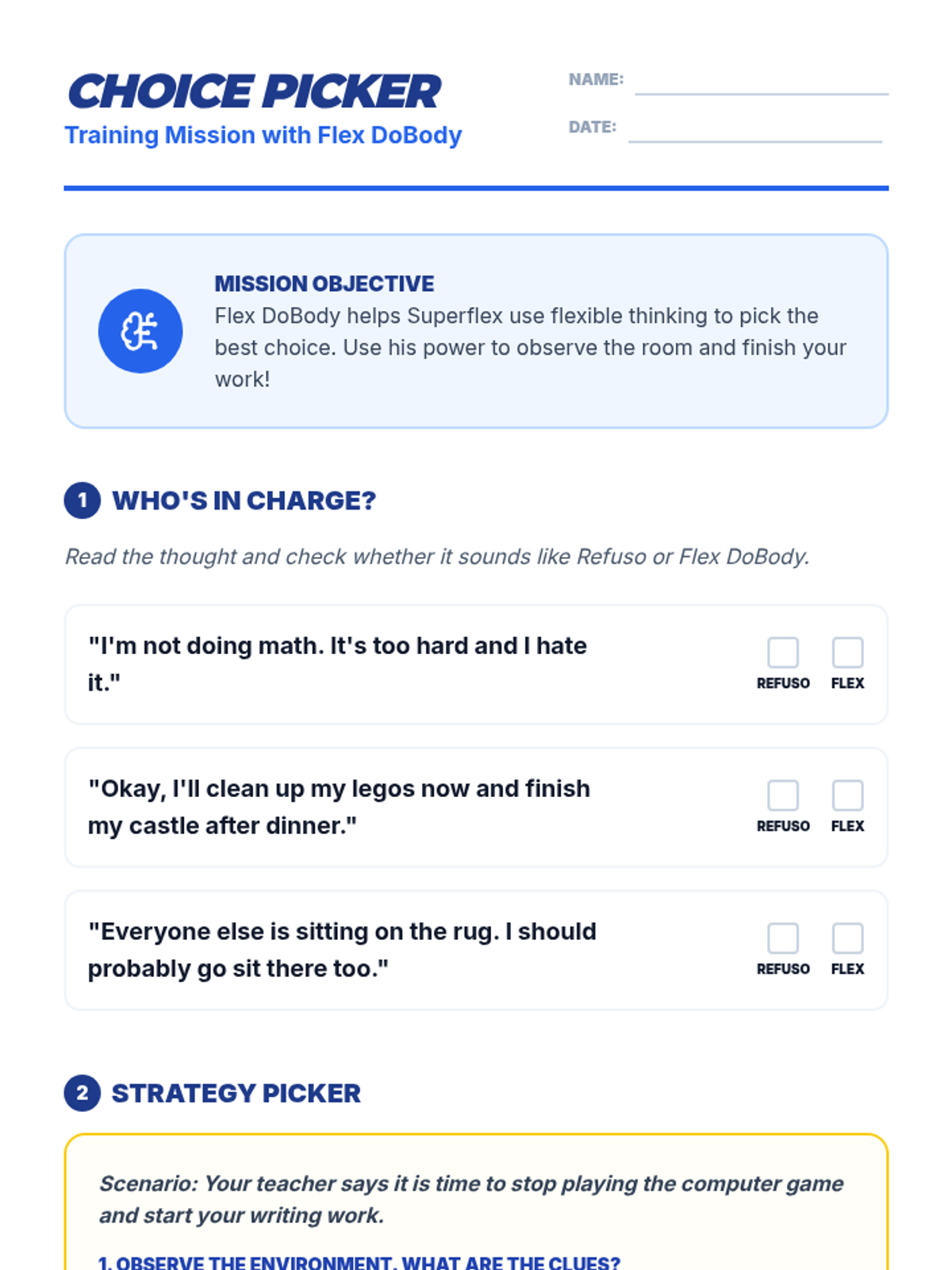
A small group lesson teaching the 'Stop and Think' technique using a 'Brain Remote Control' analogy to help students manage impulses and make better choices.
A lesson focused on creating sensory tools to help students manage big emotions and practice mindfulness through hands-on crafting.
A short, impactful community-building lesson based on the "I Wish My Teacher Knew" project. Students share personal insights, needs, or stories with their teacher to build trust, empathy, and a stronger classroom community.
A comprehensive toolkit for parents of 2nd-4th graders to manage hyperactivity and impulsivity through positive reinforcement and school collaboration.
A set of translated resources for school social workers to obtain parental consent for school-based counseling services.
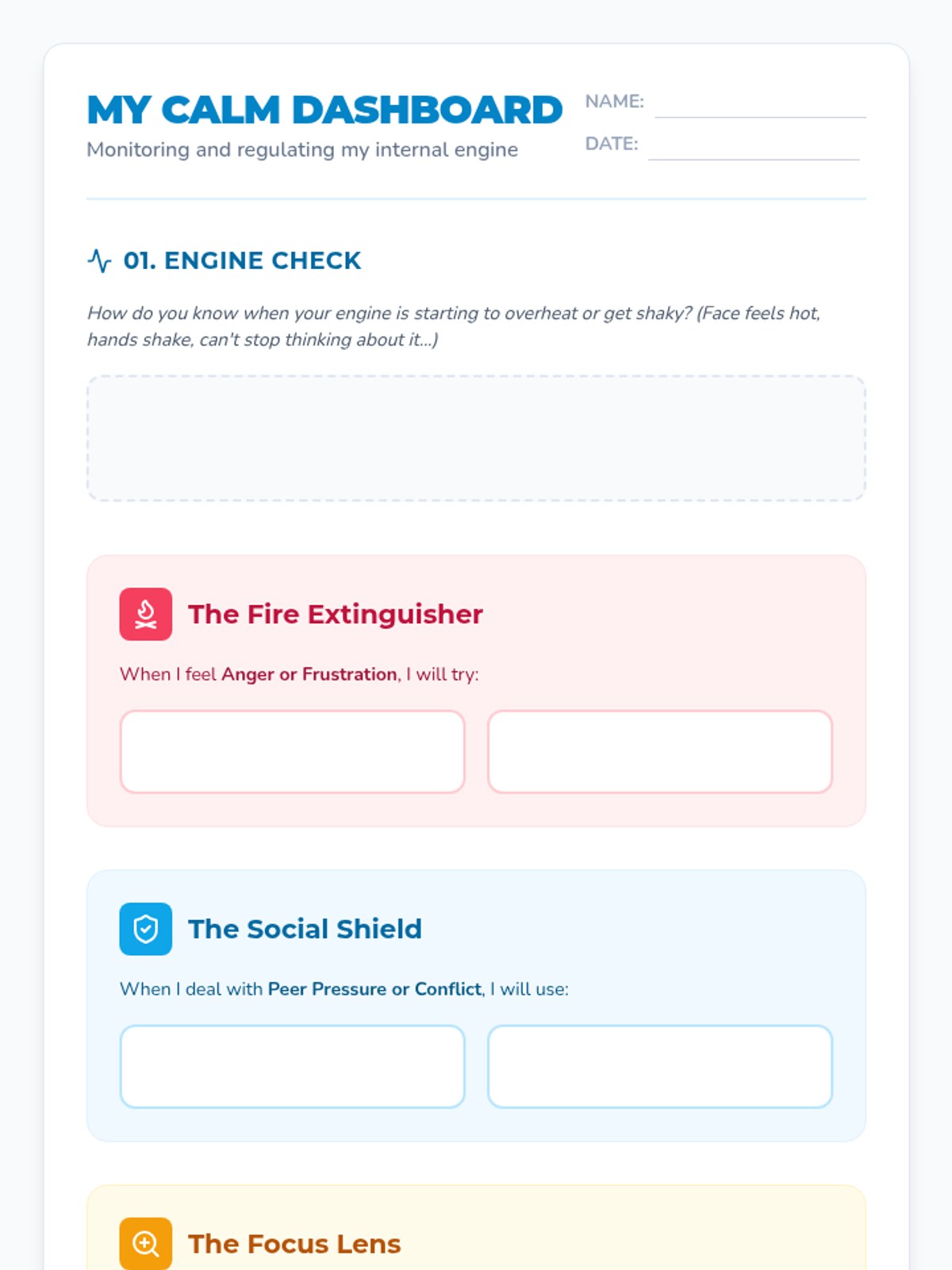
A lesson focused on self-regulation and managing emotions using the metaphor of a 'Remote Control' to help students navigate their feelings. Students will learn to identify their current 'channel' and use strategies to switch to a more comfortable state.
Focuses on food preparation and nutrition. Students follow visual recipes to prepare taco ingredients and identify healthy food groups.
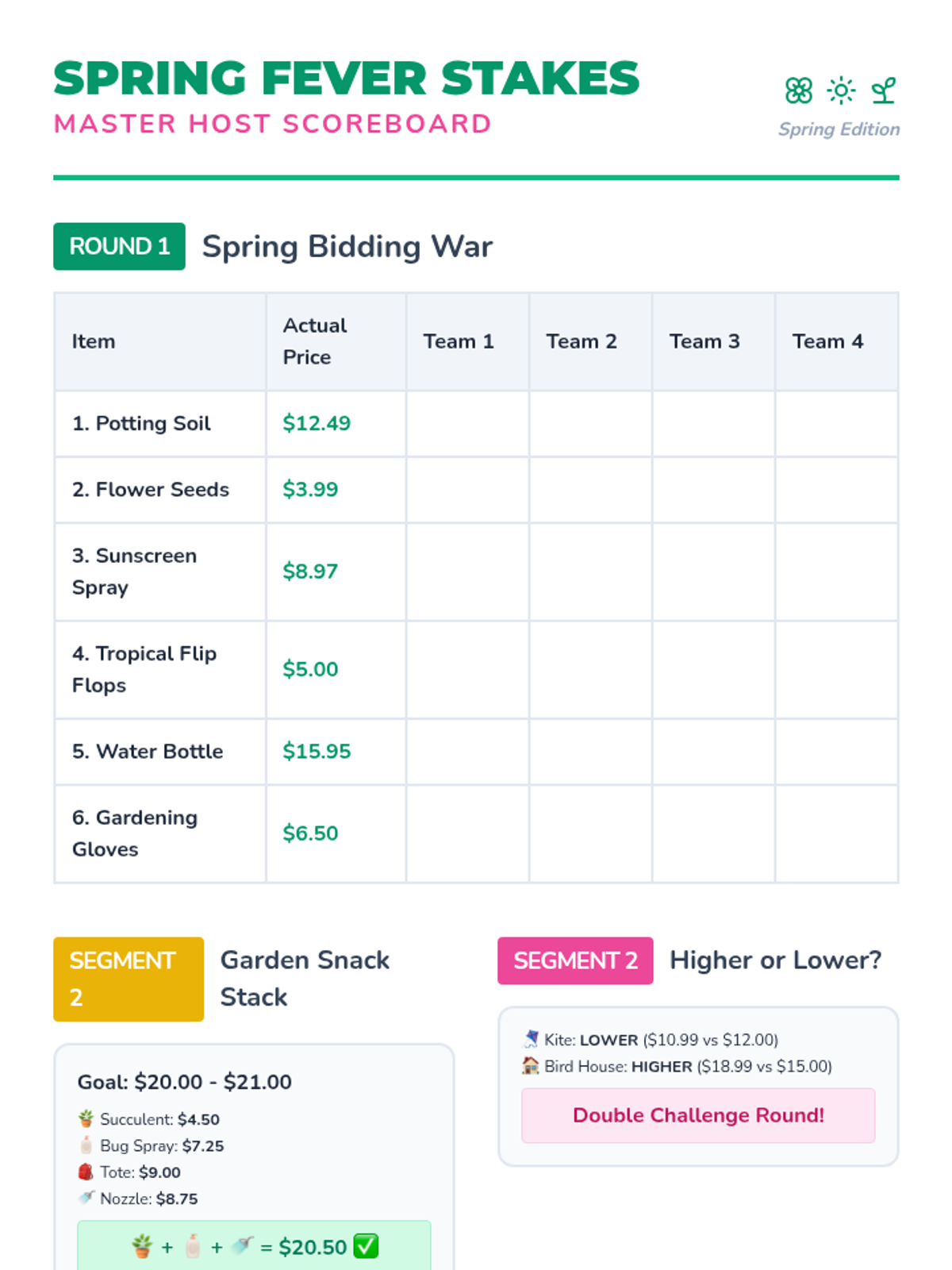
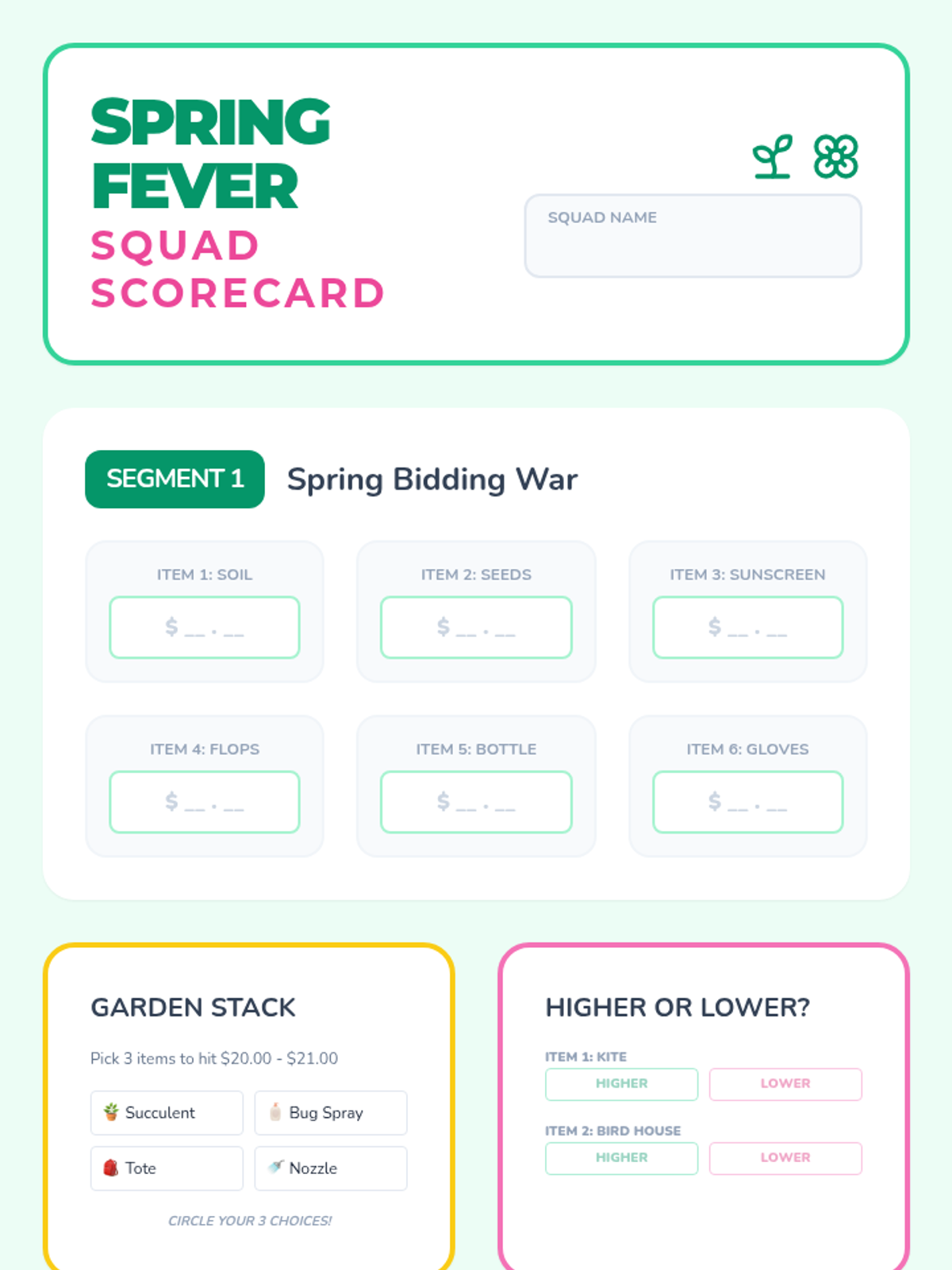
Focuses on the financial and social aspects of grocery shopping. Students calculate costs, manage a budget, and learn the social expectations of visiting a store.
Helps 4th-grade students build social connections by identifying shared interests, values, and experiences with their peers to foster a sense of belonging.
A quick and impactful 7-minute morning meeting designed for Kindness Week, featuring a greeting, sharing, and a collaborative activity.
Empowers 5th-grade students to make responsible choices by evaluating the potential consequences of their actions.
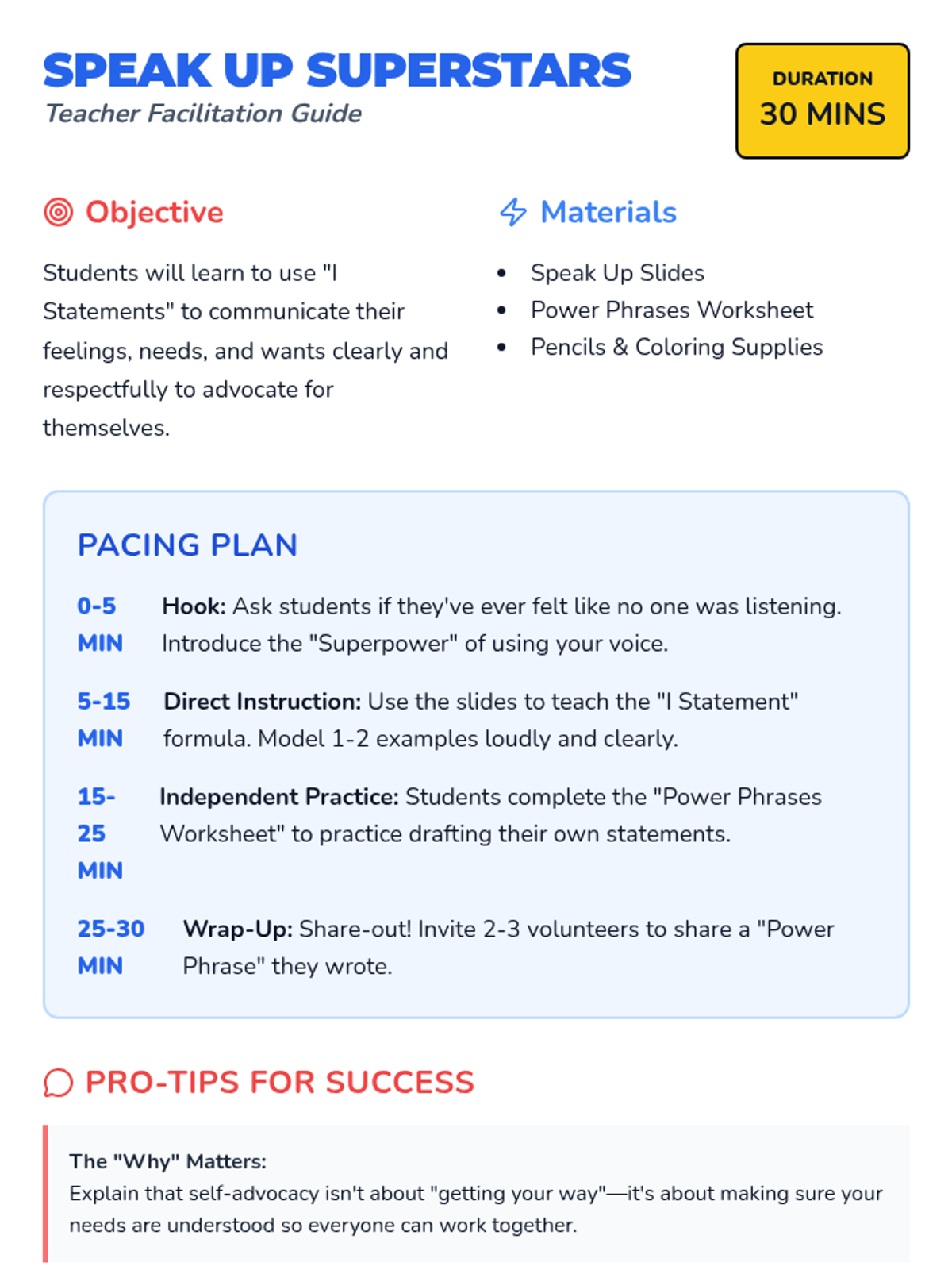
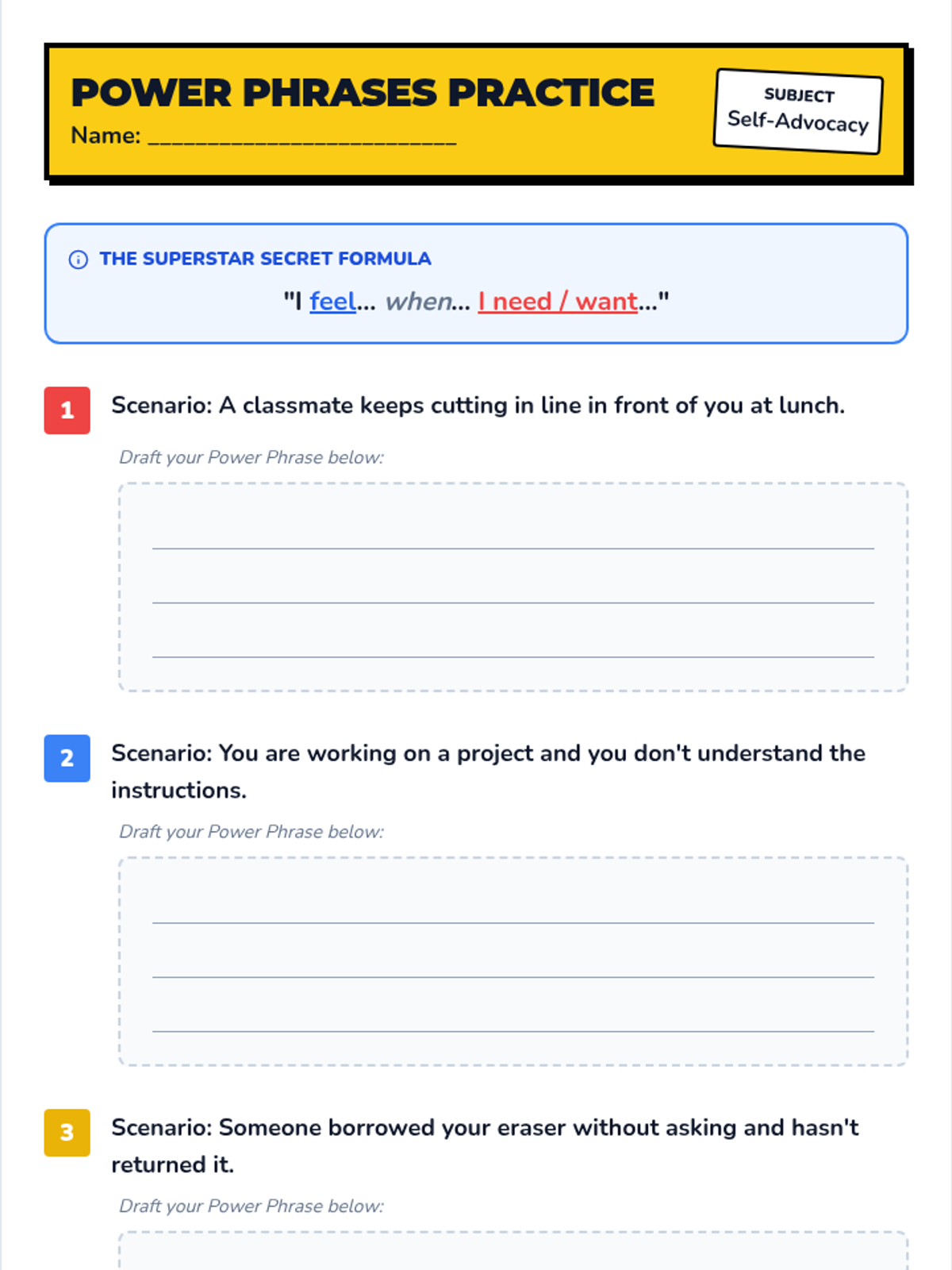
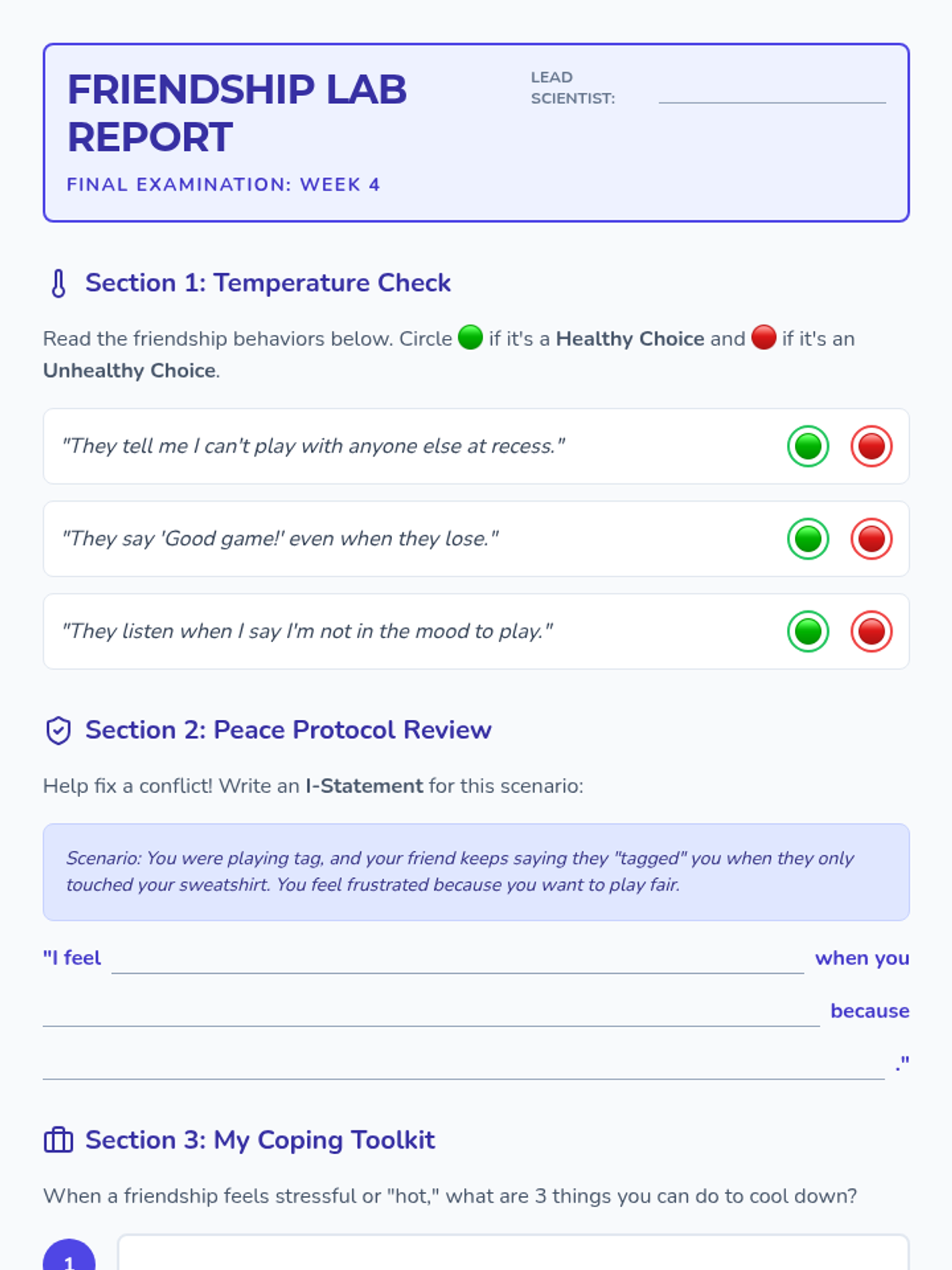
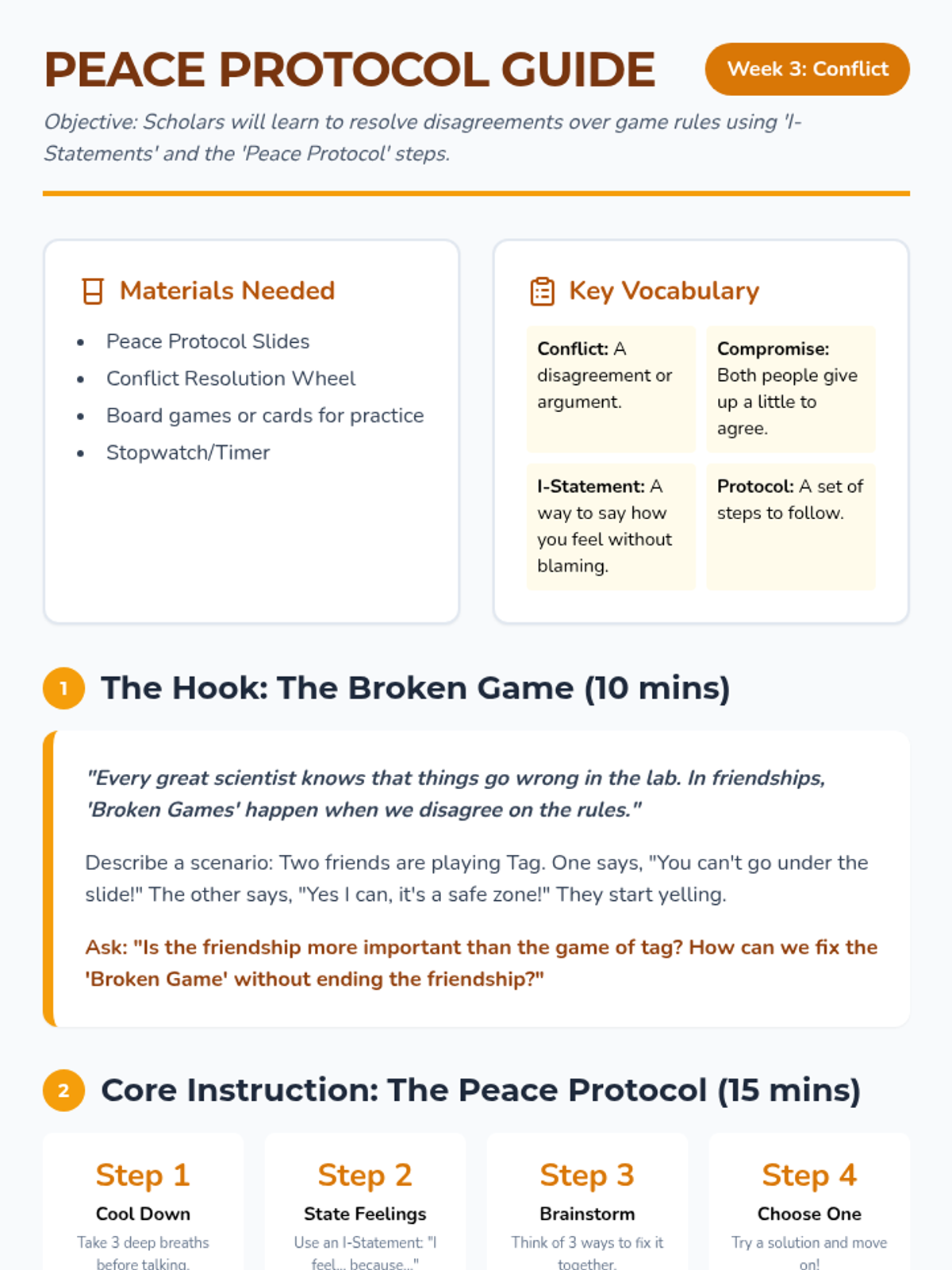
Provides 4th-grade students with tools for effective communication and resolving peer conflicts using 'I' statements.
Encourages 3rd-grade students to embrace challenges and understand the power of 'yet' in their learning journey.
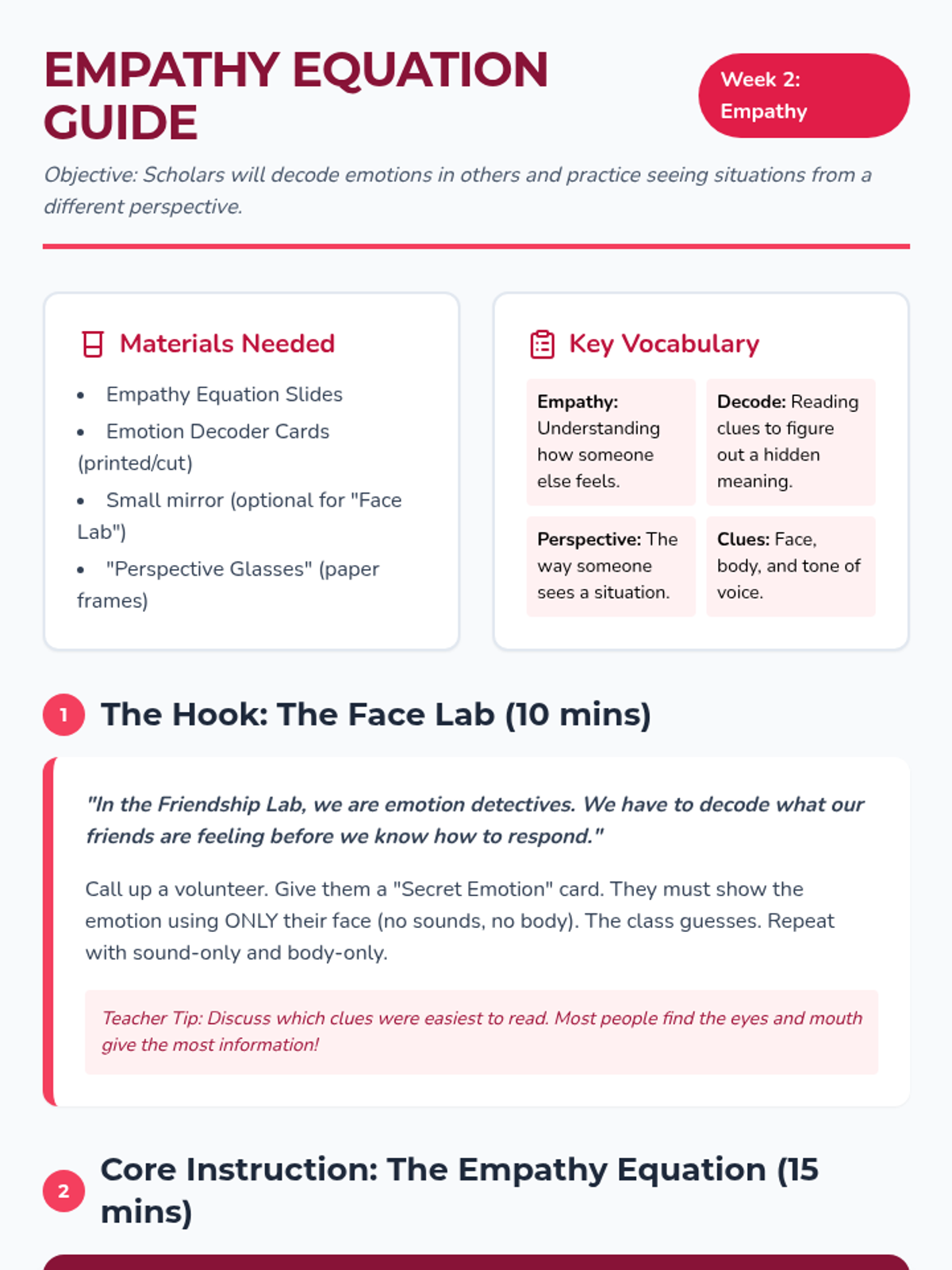
Introduces 2nd-grade students to empathy by exploring how to recognize others' feelings and offer support.
Teaches 1st-grade students simple self-regulation strategies like deep breathing and grounding to manage big feelings.
Focuses on helping Kindergarten students recognize and name basic emotions (happy, sad, angry, scared) using visual cues and facial expressions.
A lesson focused on helping students manage frustration when things don't go their way by using a 'Great Reset' toolkit of coping strategies.