A hands-on simulation where students file a return for a fictional character and discover if they get a refund.
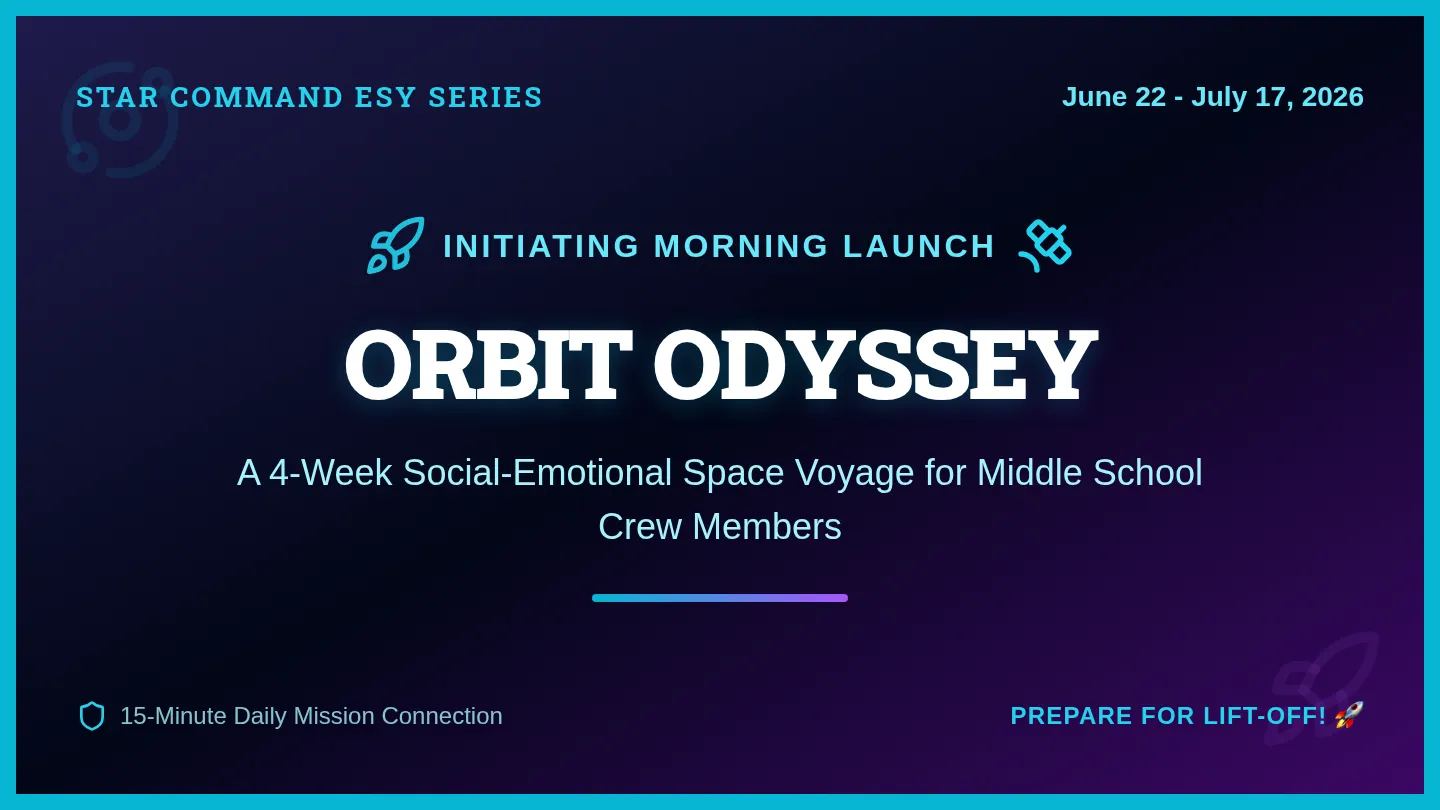
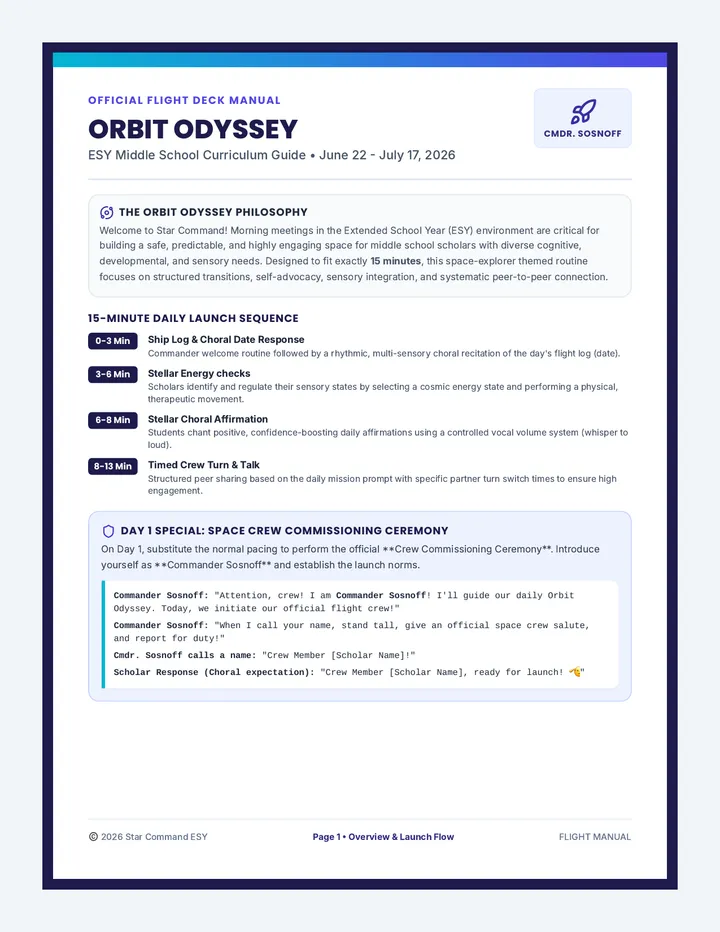
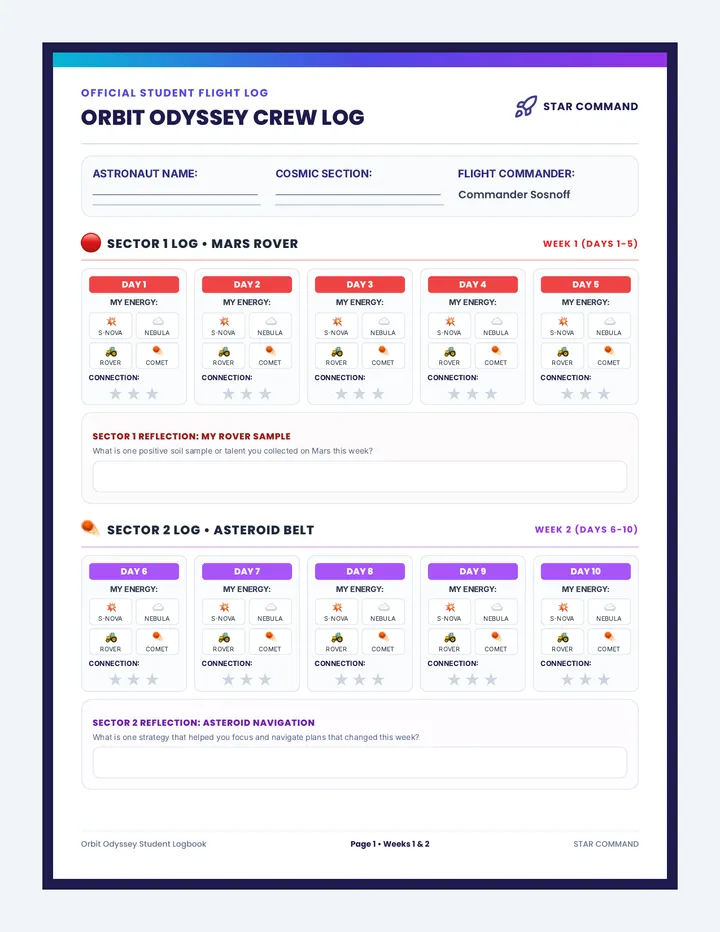
A 4-week space explorer themed morning meeting series for middle school ESY scholars with disabilities. Led by Commander Sosnoff, it covers Mars Rover, Asteroid Navigation, Saturn Rings, and Nebula sectors with calendar ship logs, cosmic energy checks, stellar affirmations, and turn-and-talk communication prompts.
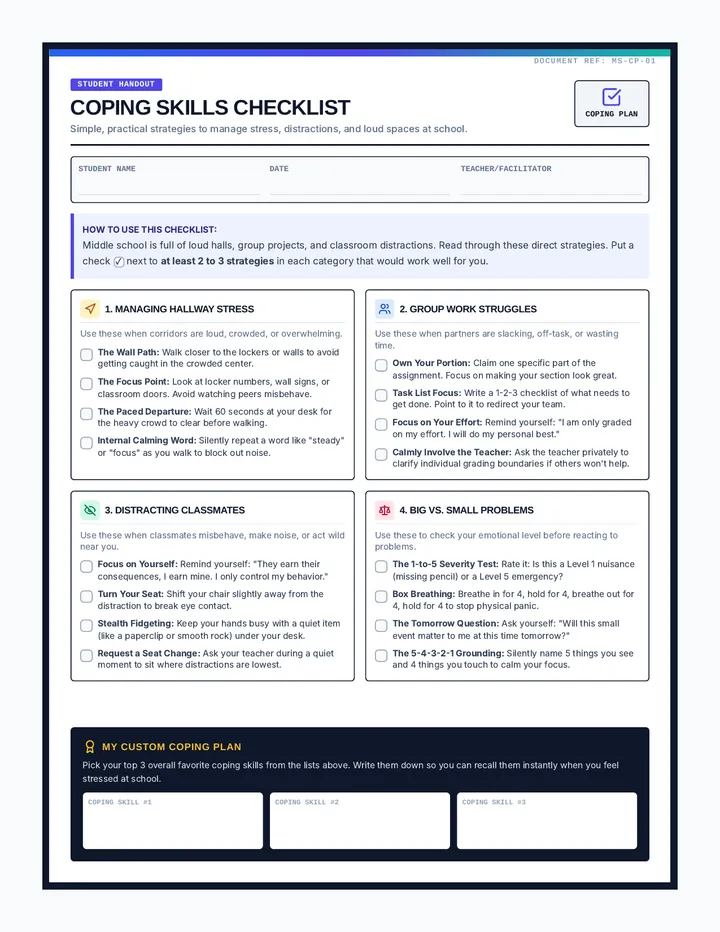
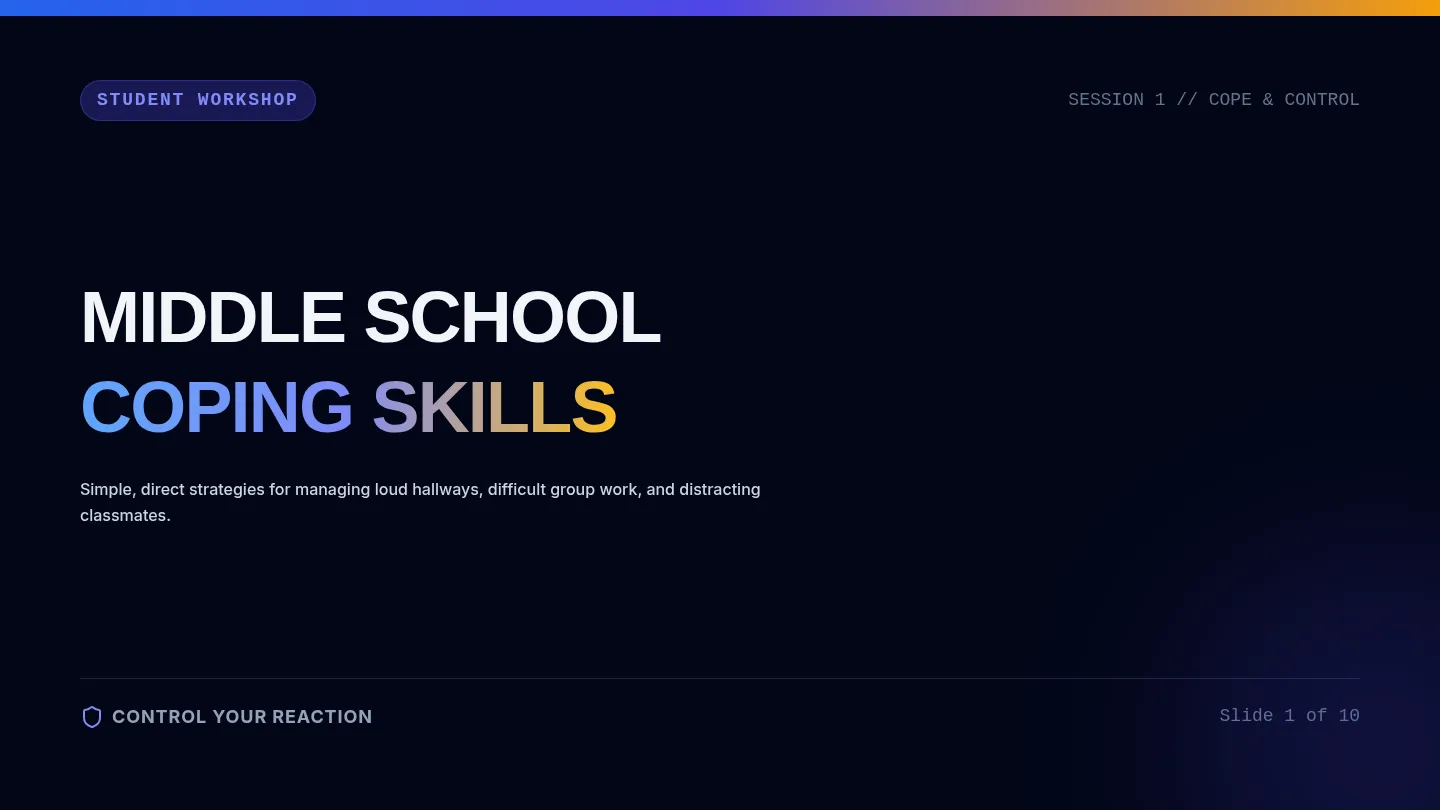
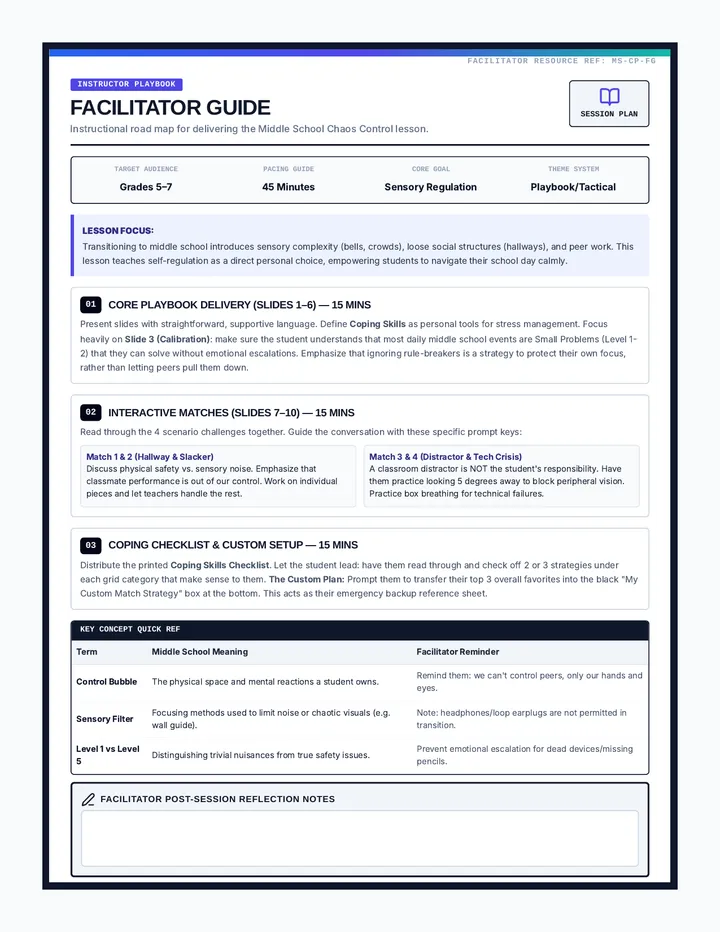
A interactive and engaging lesson designed to equip transitioning middle school students with coping strategies for handling sensory overload, rule-breaking peers, and group work frustrations. Includes an 10-slide presentation, a highly visual coping checklist, and a detailed facilitator guide.
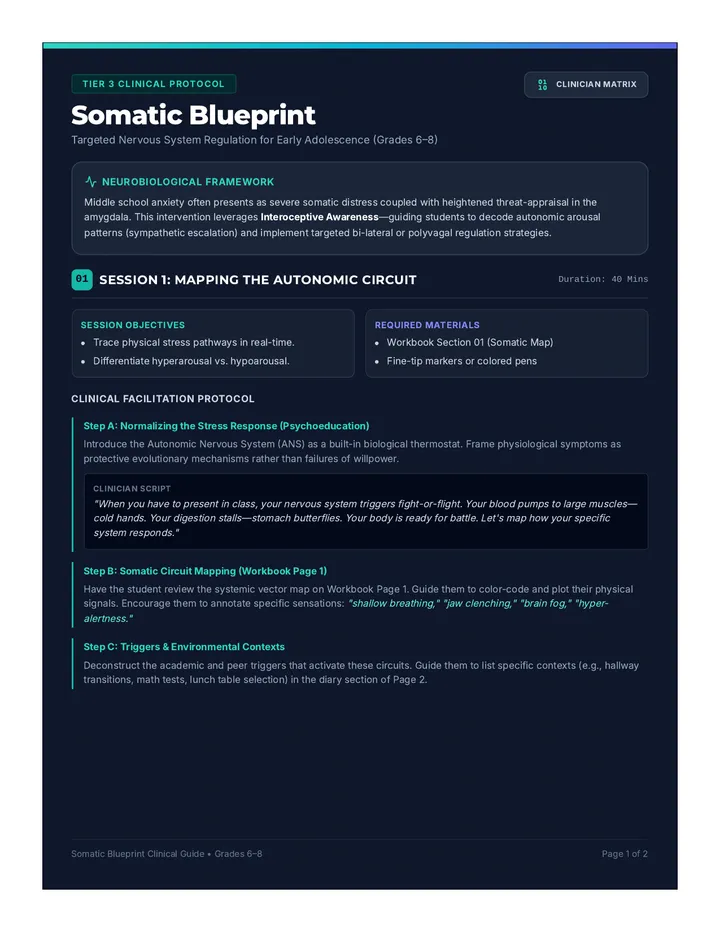
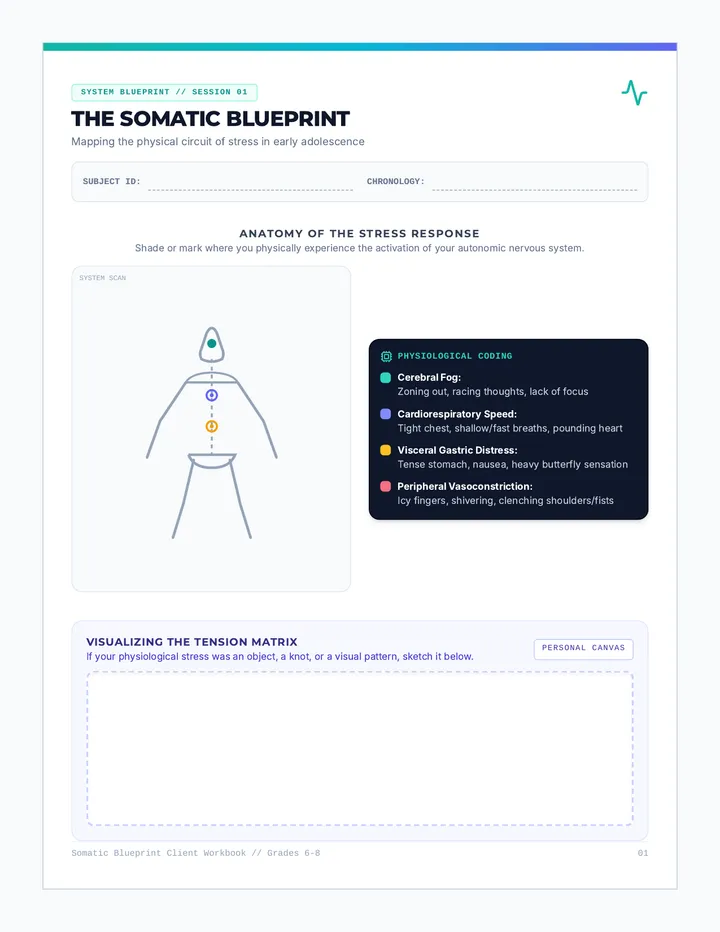
A Tier 3 individual counseling intervention designed for 7th graders (ages 12-13) to map physical stress patterns, analyze neurological escalation, and construct customized coping matrices.
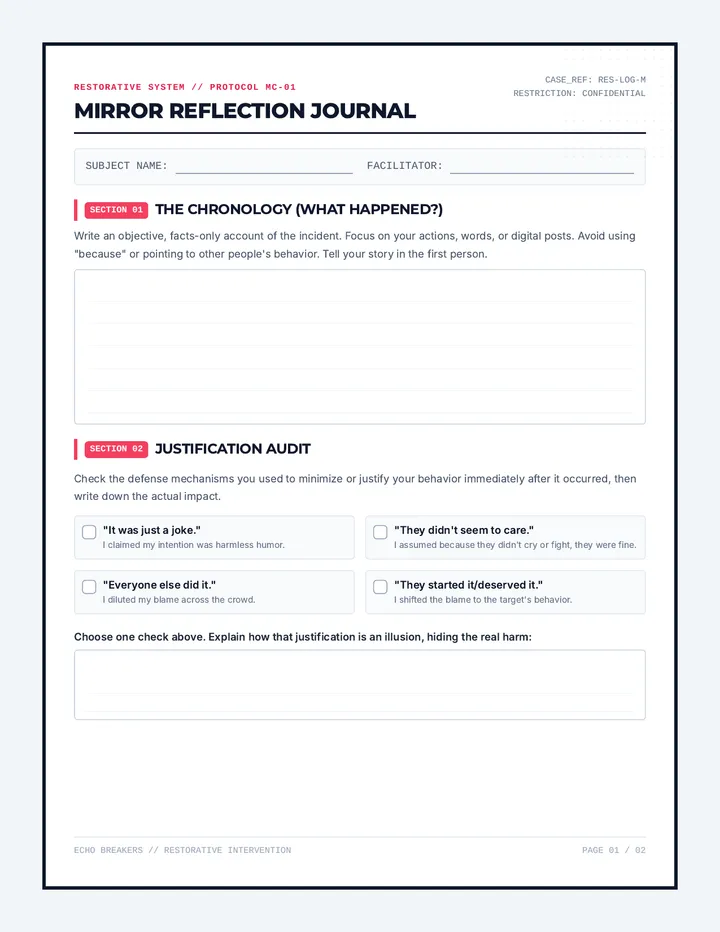
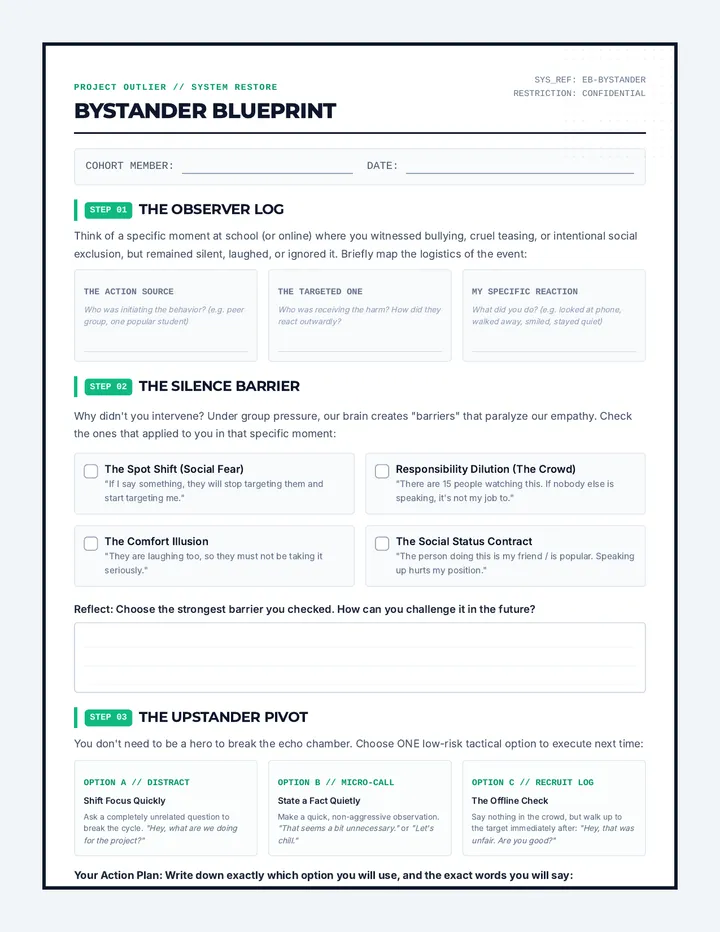
A restorative, intervention-focused lesson designed to address active bullying, social exclusion, or bystander behaviors. Provides a structured, objective, and deeply empathetic framework for restorative justice, self-reflection, and behavior correction.
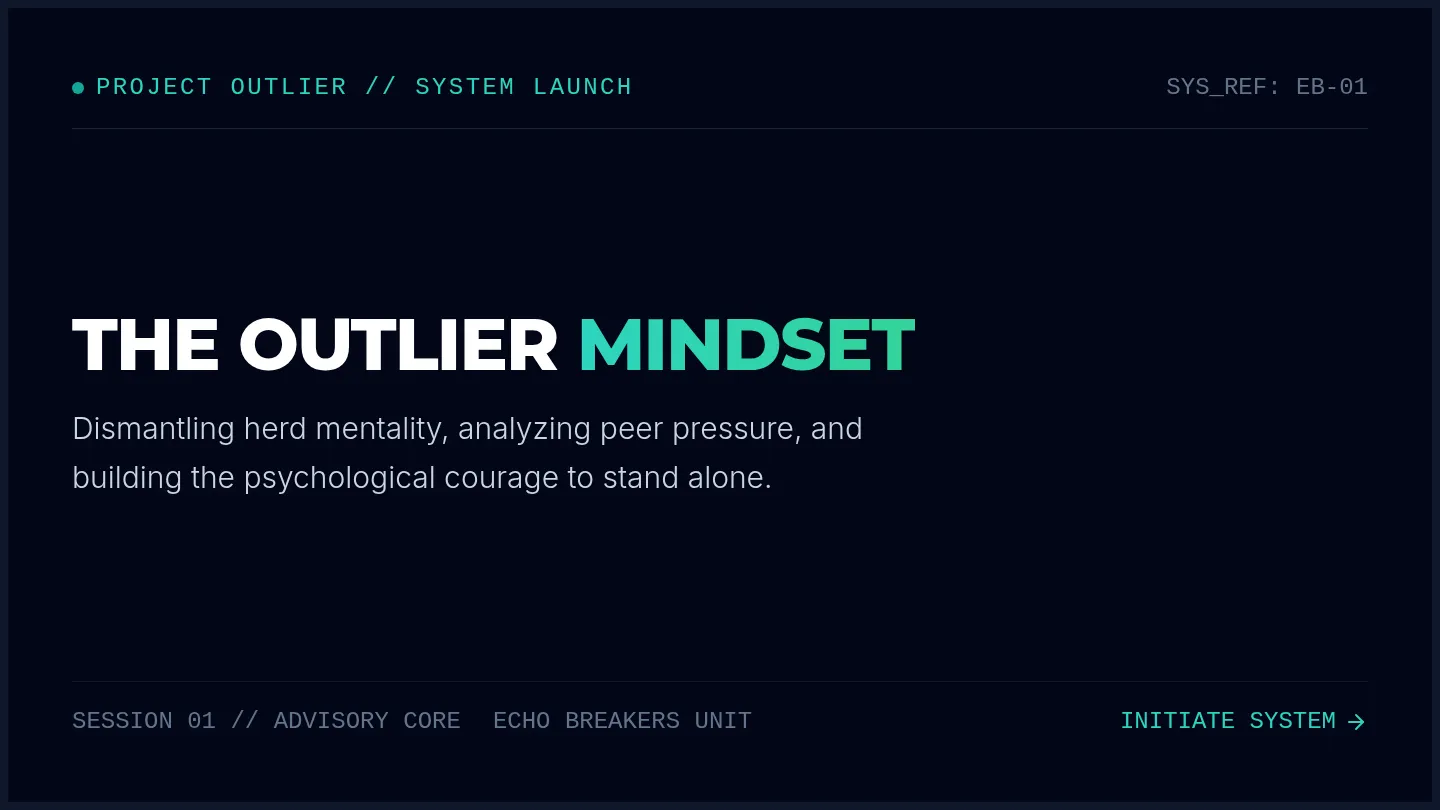
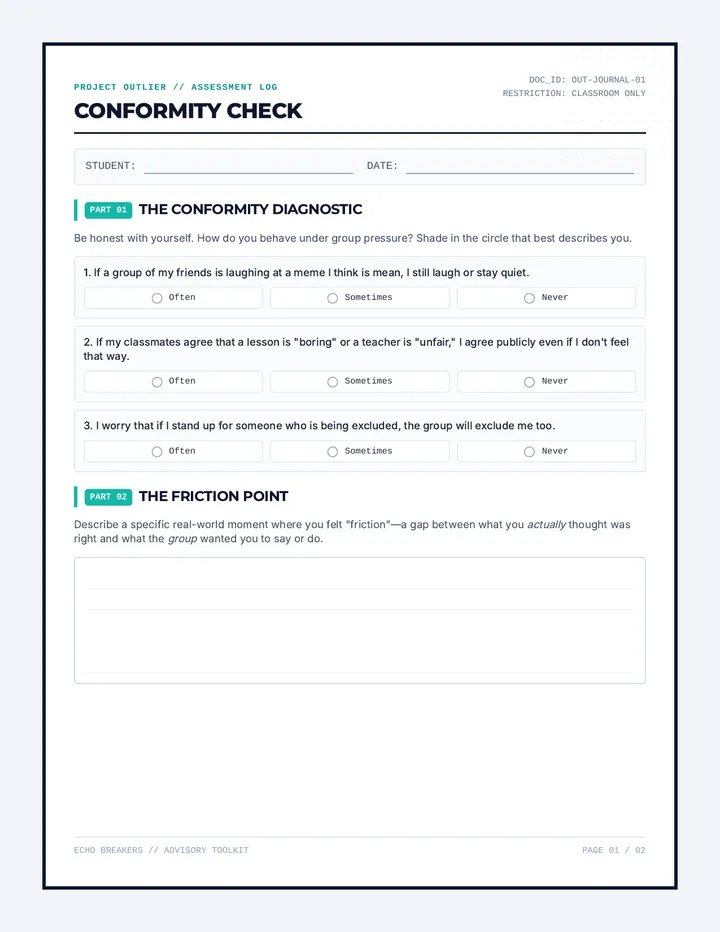
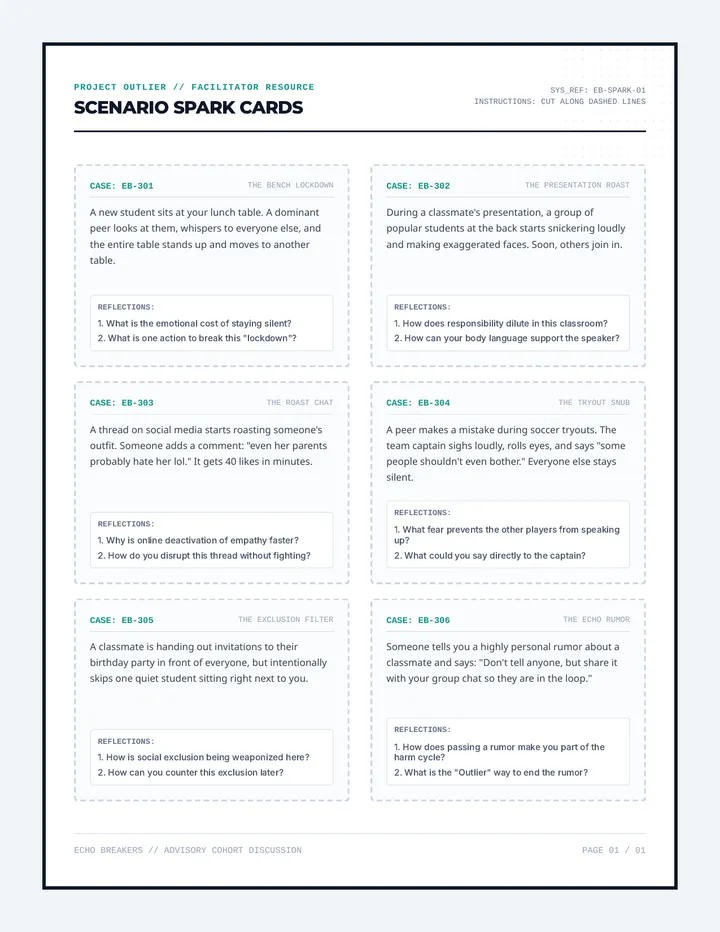
A preventative Advisory-focused lesson that analyzes peer pressure, the psychological mechanics of herd mentality, and the courage required to stand alone. Students engage in self-reflection, case analysis, and scenario-based writing prompts to develop an 'outlier' mindset.
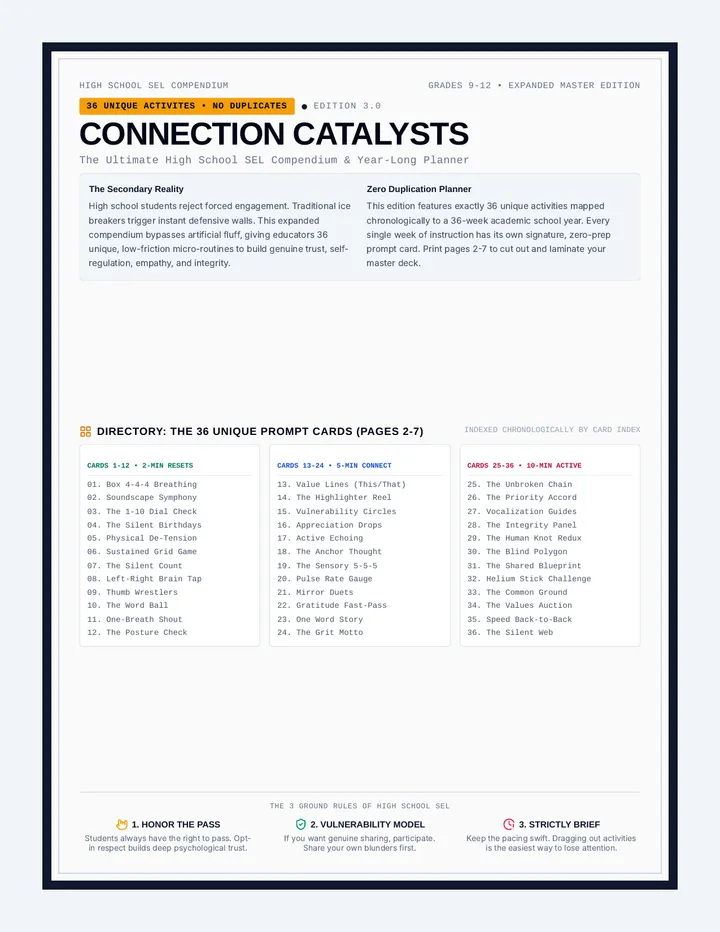
A powerful social-emotional learning lesson series designed for high school teachers to foster relationship-building, self-regulation, active communication, self-awareness, and integrity through quick daily classroom routines.
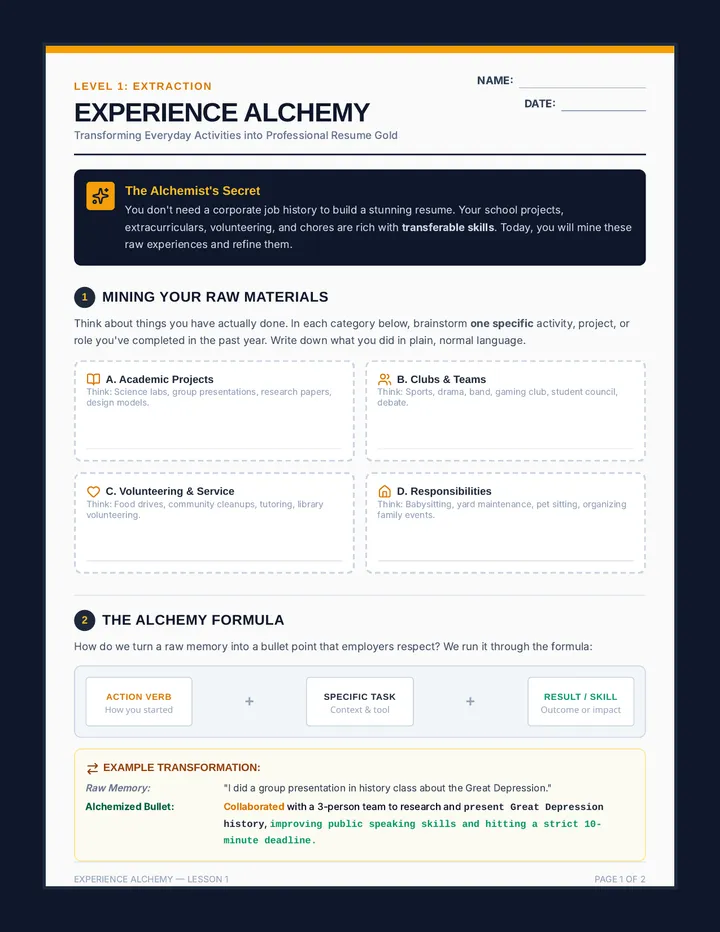
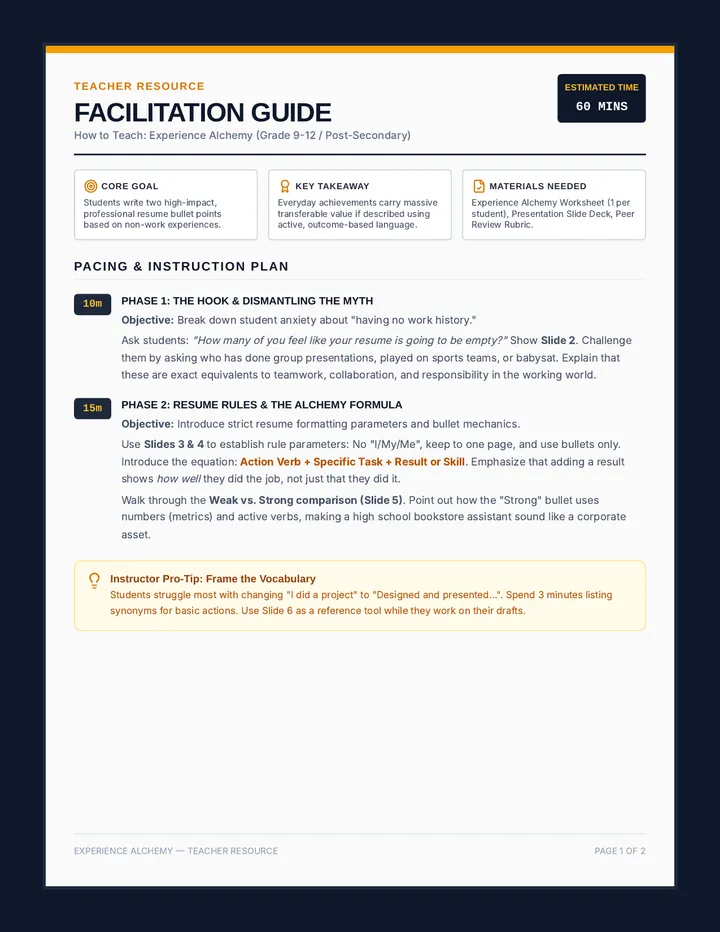
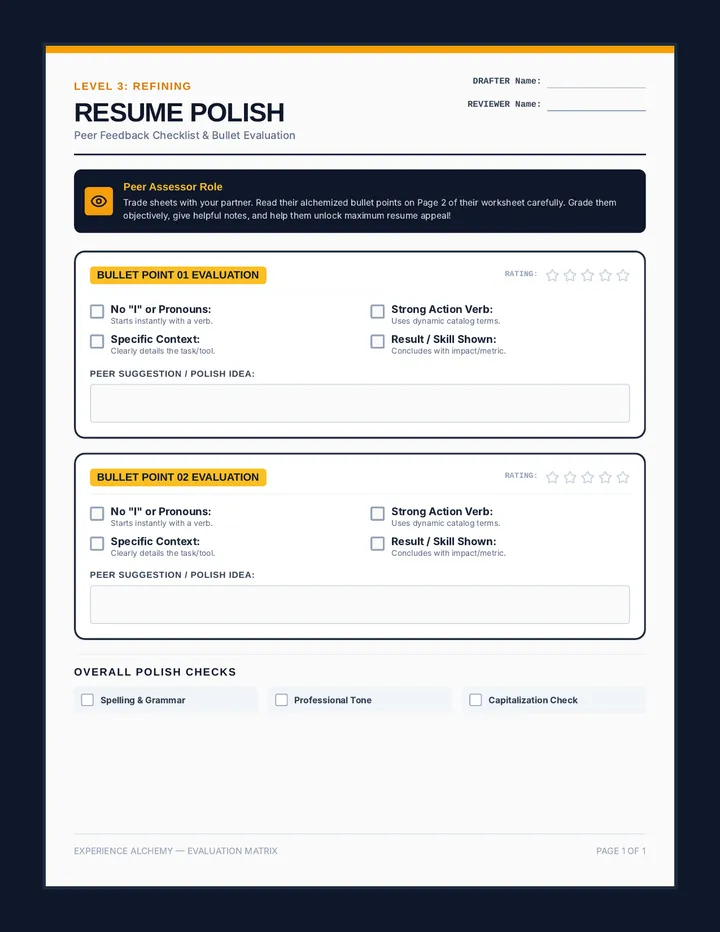
A complete lesson designed for first-time job seekers (students) to transform their school projects, volunteering, and extracurricular activities into professional resume bullet points. Includes a structured teacher guide, instructional presentation slides, a student drafting worksheet, and a peer feedback checklist.
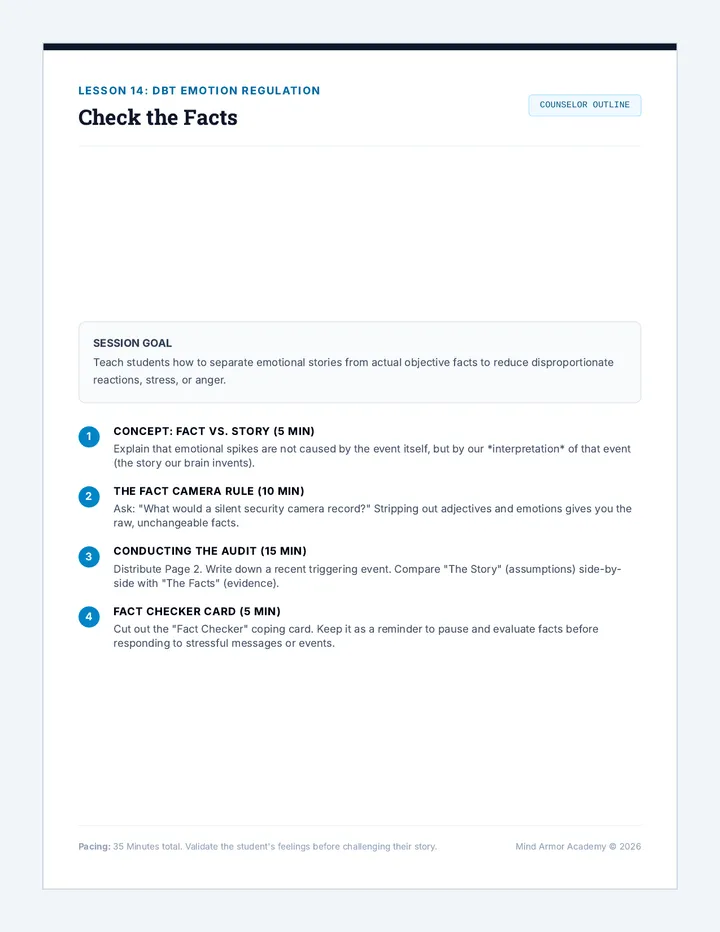
DBT emotion regulation session teaching 'Check the Facts' to verify if emotional reactions match the actual objective facts of a school or social situation.
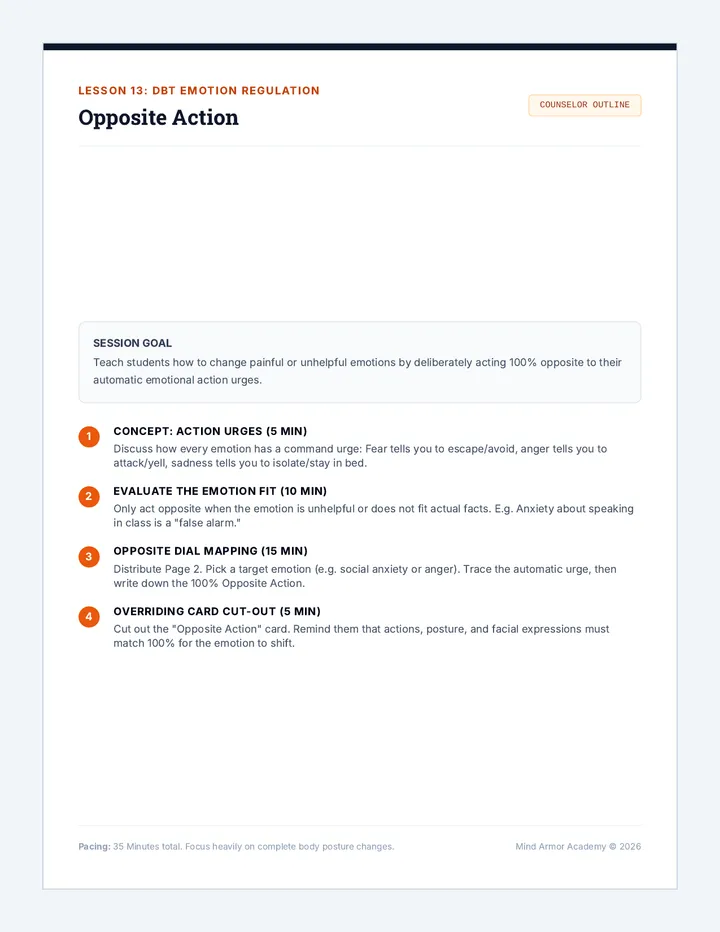
DBT emotion regulation session teaching 'Opposite Action' to change painful or unhelpful emotions by deliberately acting contrary to emotional urges.
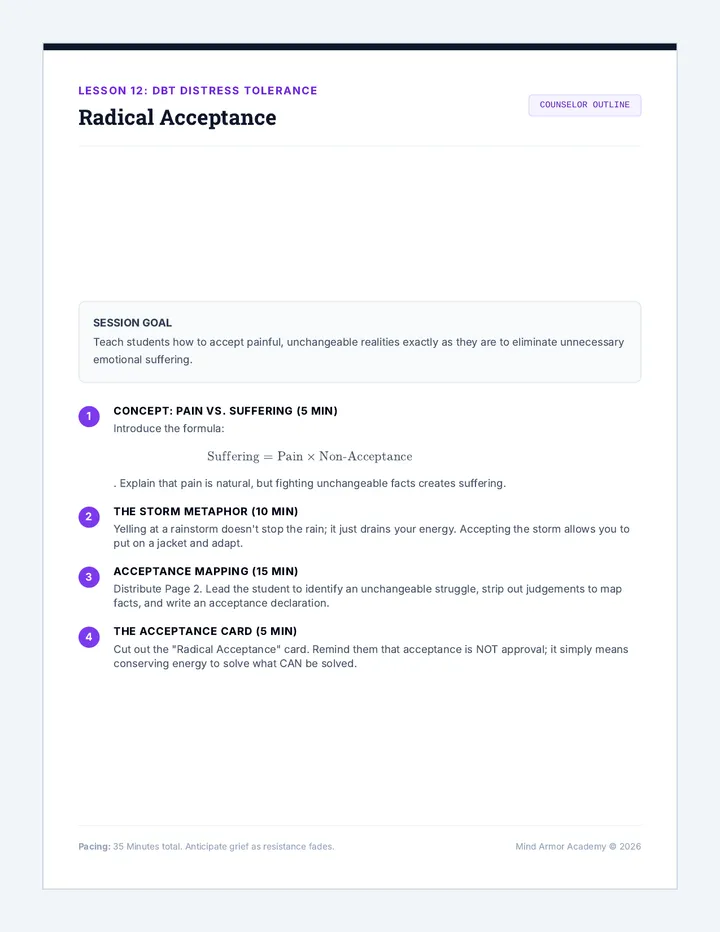
DBT distress tolerance session teaching 'Radical Acceptance' to tolerate painful realities that cannot be changed immediately without making them worse.
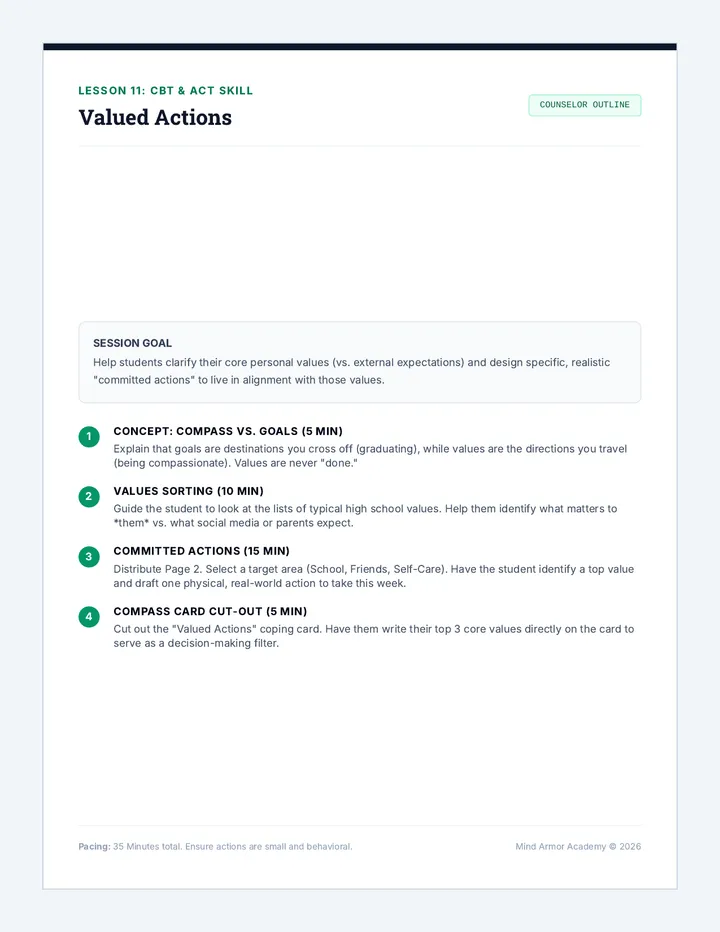
CBT and ACT session focusing on identifying core personal values and taking committed action steps toward them in school and life.
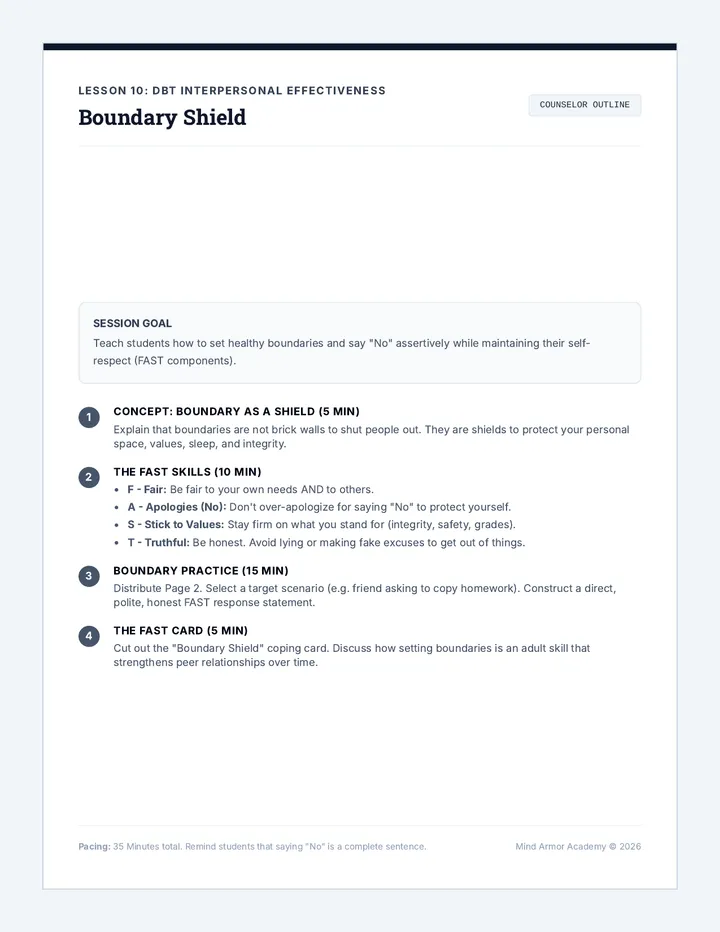
Interpersonal effectiveness session covering DBT FAST skills (Fair, Apologies, Stick to values, Truthful) to build self-respect and set healthy personal boundaries with peers.
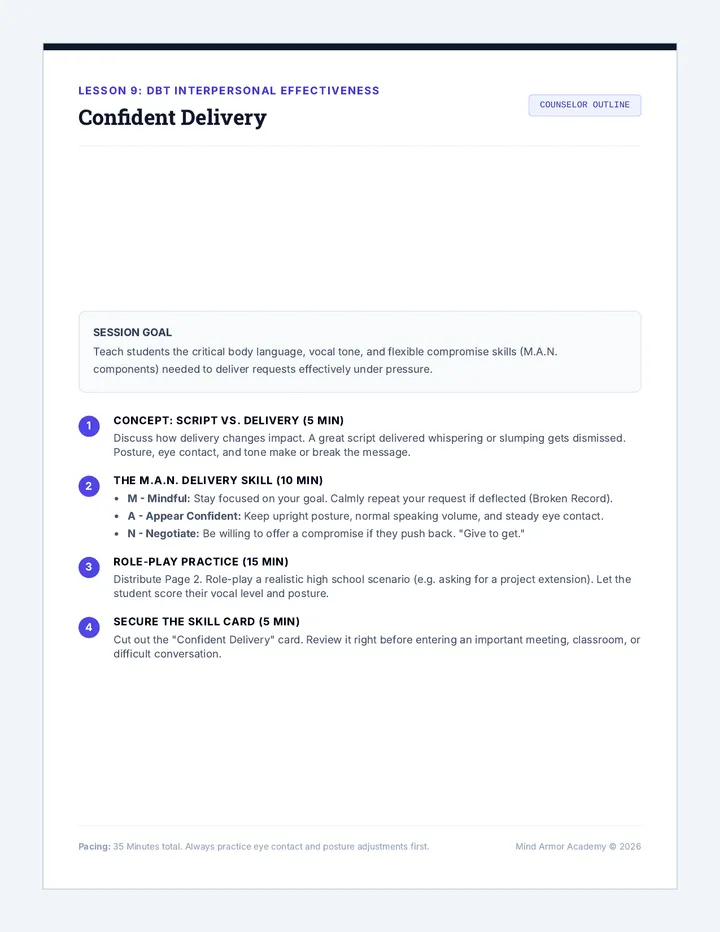
Interpersonal effectiveness session covering the second half of DBT DEAR MAN (Mindful, Appear confident, Negotiate) to guide active communication delivery and conflict negotiation.
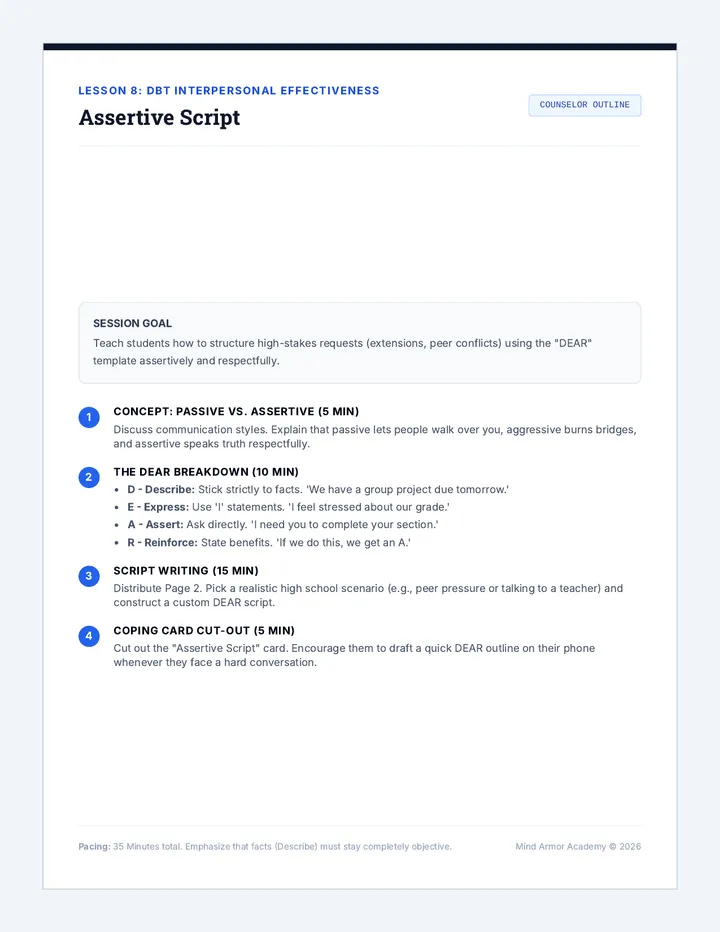
Interpersonal effectiveness session covering the first half of DBT DEAR MAN (Describe, Express, Assert, Reinforce) to teach structured assertive communication.
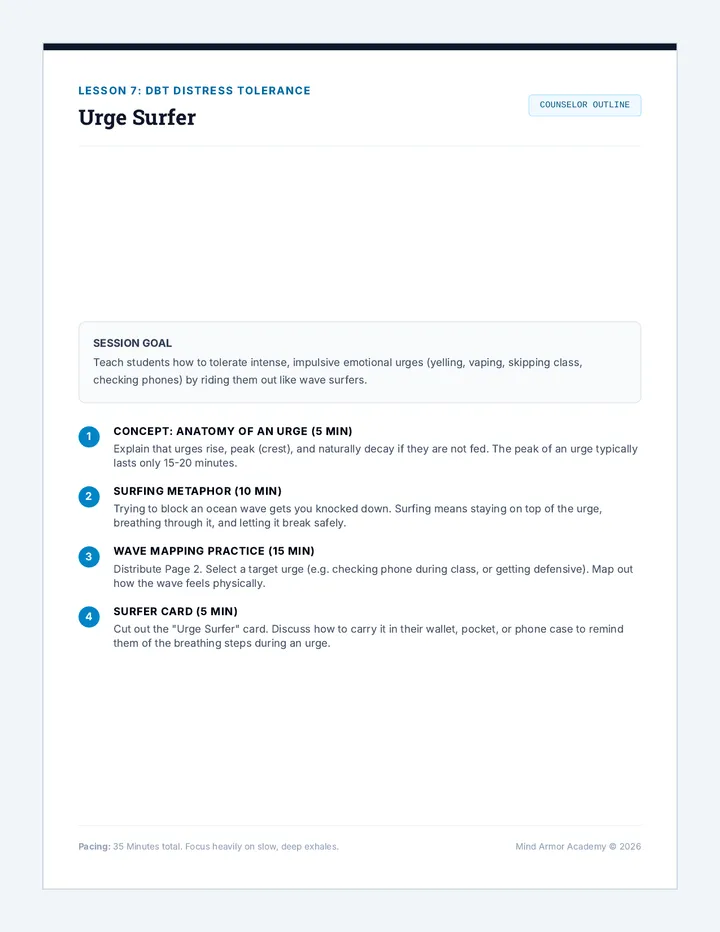
DBT session focusing on the 'Urge Surfing' technique to ride out intense emotional impulses and urges without acting on them destructively.
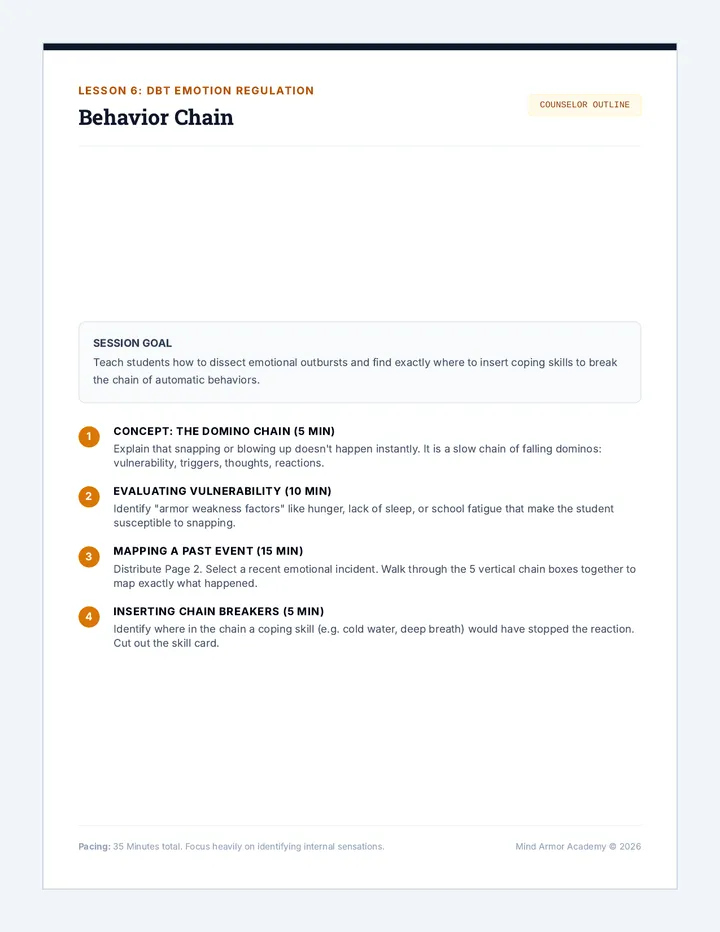
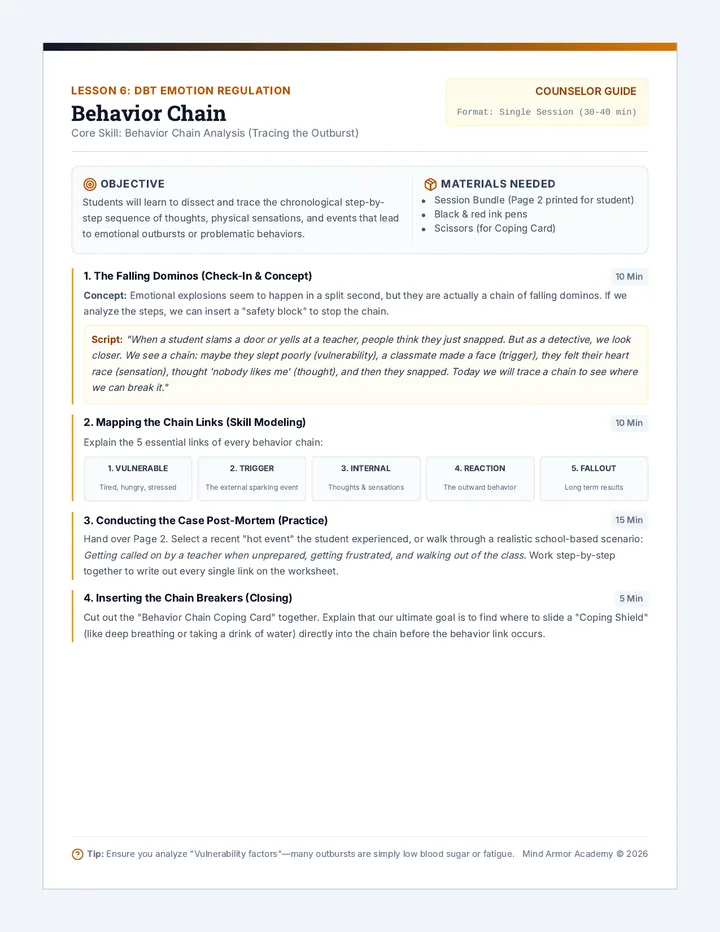
DBT session focusing on Behavior Chain Analysis to trace the sequence of events, thoughts, physical sensations, and actions that lead to emotional outbursts.
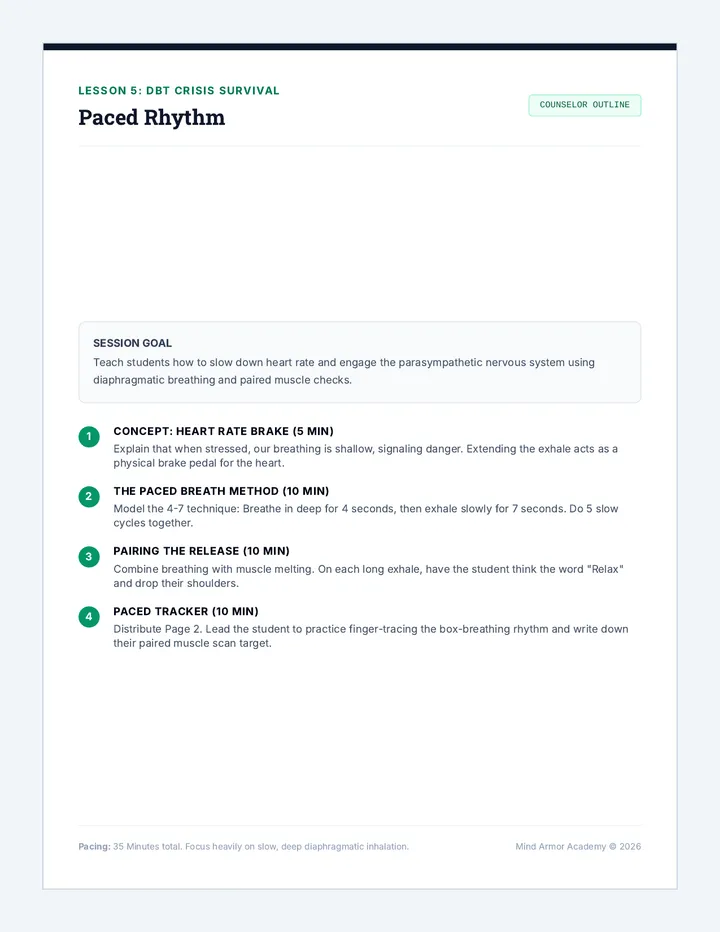
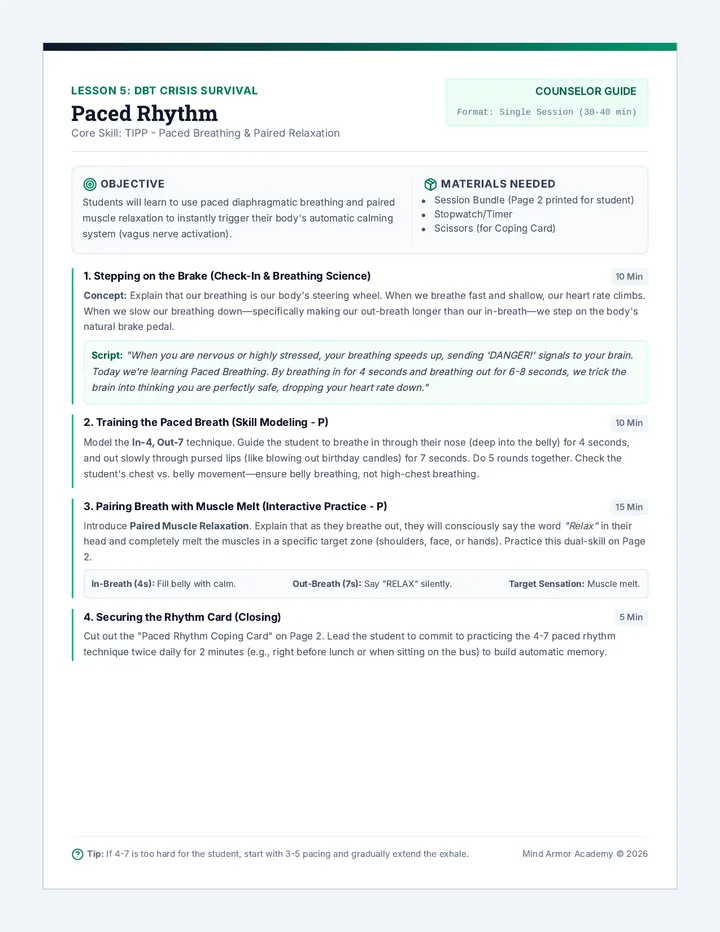
DBT crisis survival session focusing on the TIPP skills, specifically Paced breathing and Paired muscle relaxation to activate the parasympathetic nervous system.
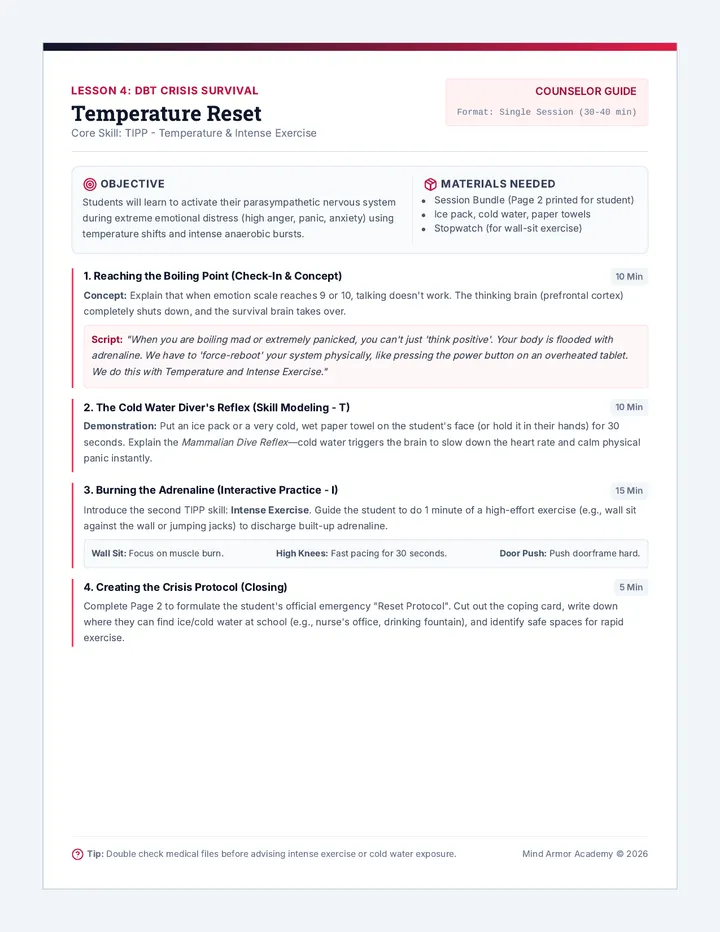
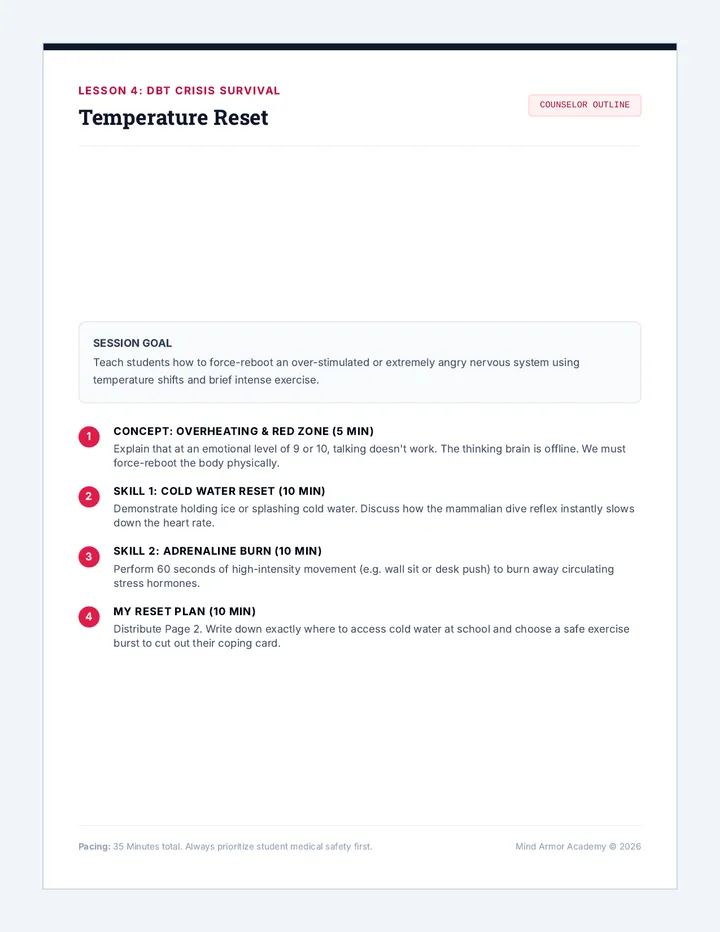
DBT crisis survival session focusing on the TIPP skills, specifically Temperature shift and Intense exercise to down-regulate the nervous system.
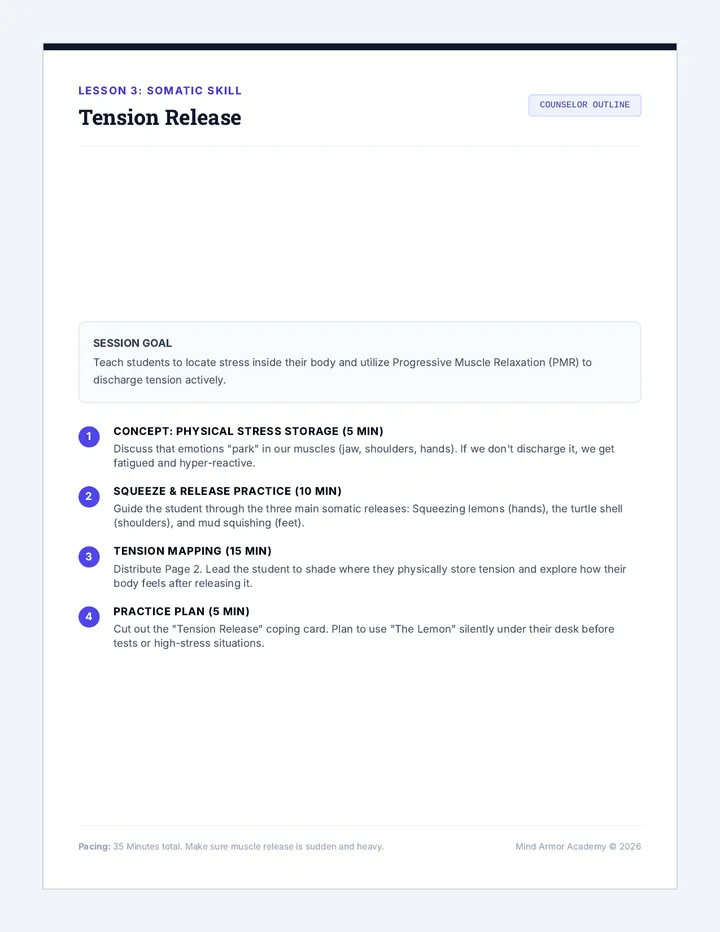
Somatic and relaxation session focusing on Progressive Muscle Relaxation (PMR) and diaphragmatic breathing to release physical stress.
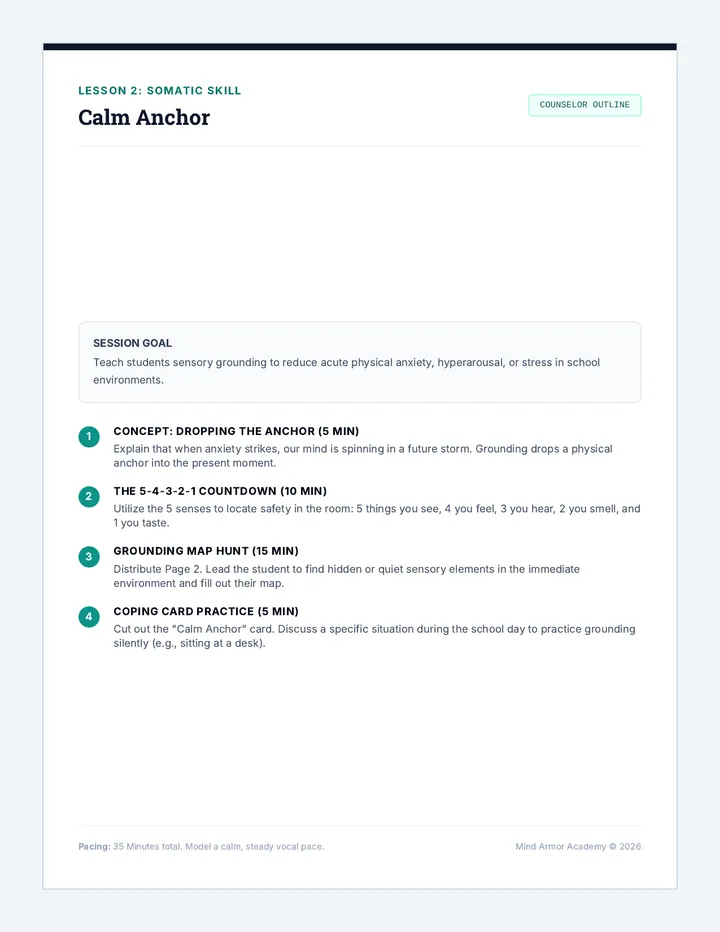
Somatic grounding session utilizing sensory-based techniques to de-escalate anxiety and hyperarousal in school situations.
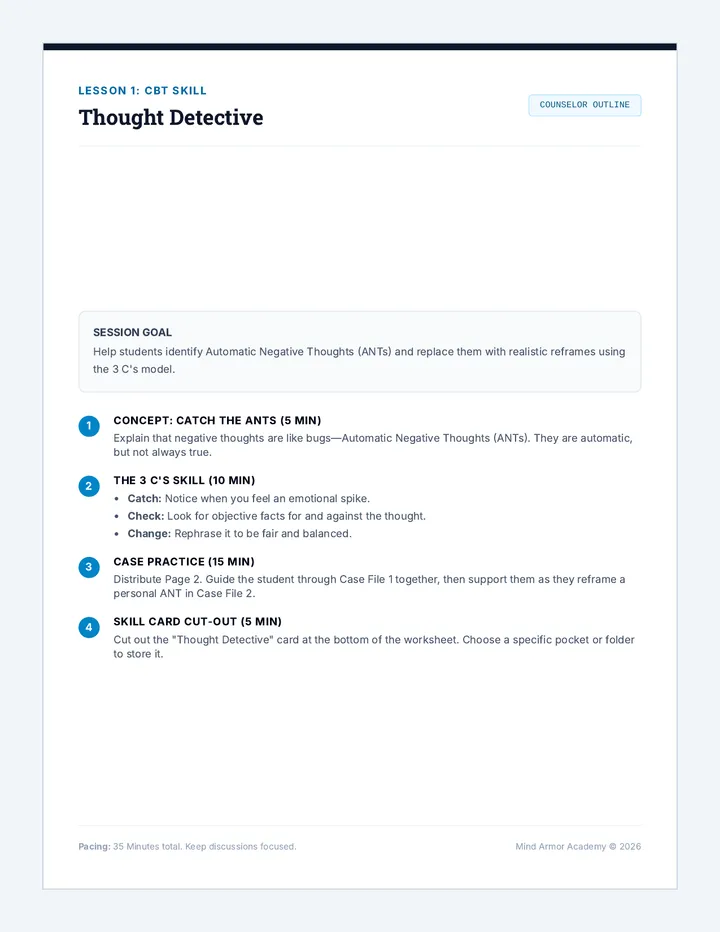
CBT session focusing on identifying automatic negative thoughts (ANTs) and cognitive reframing techniques using a 'Thought Detective' metaphor.
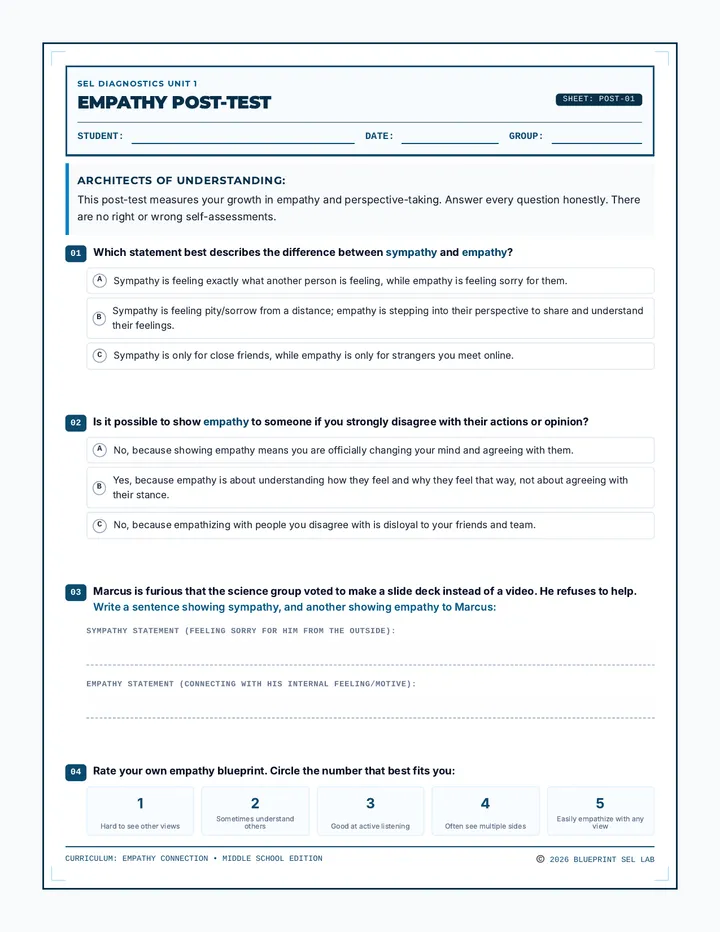
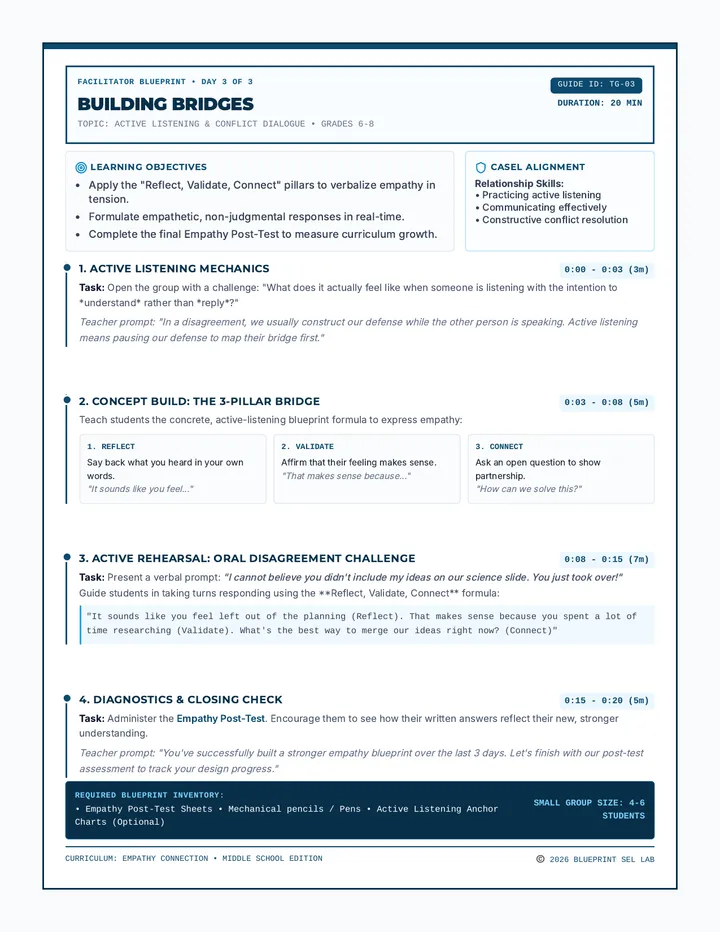
Day 3 of the Empathy Connection curriculum. Students apply active listening skills to complex disagreement scenarios, practice expressing empathy, and take the post-test assessment.
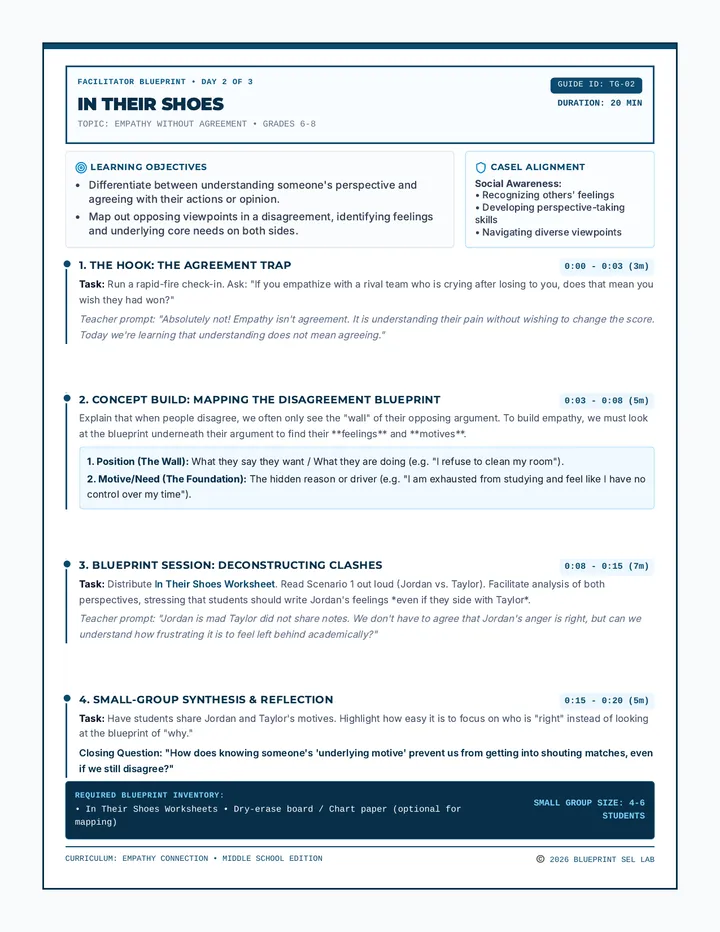
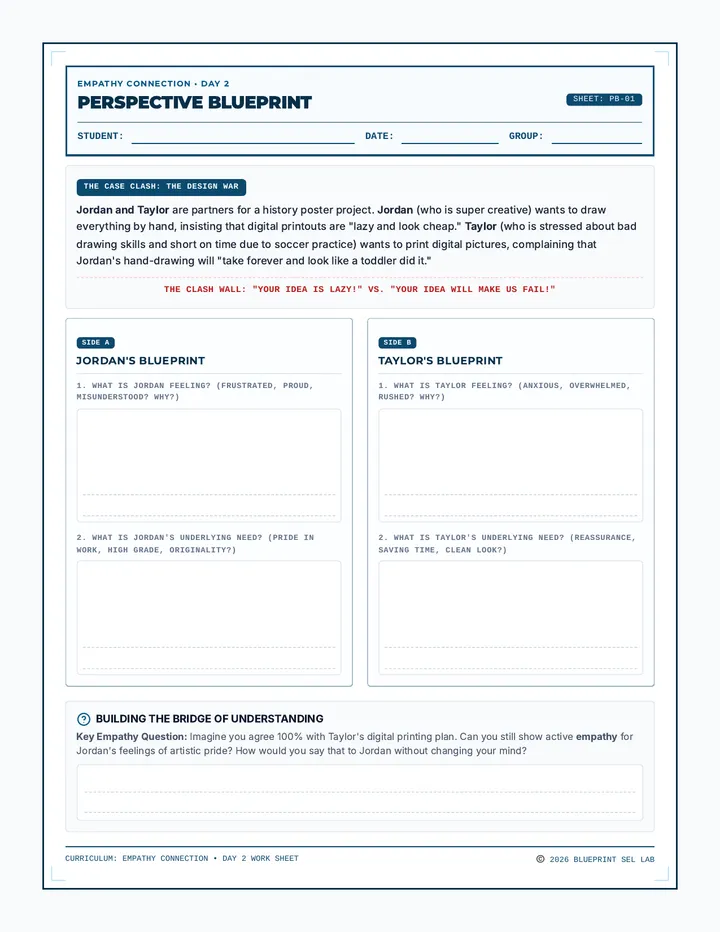
Day 2 of the Empathy Connection curriculum. Students engage in perspective-taking, learning that understanding another person's feelings and motives does not require agreeing with their point of view.
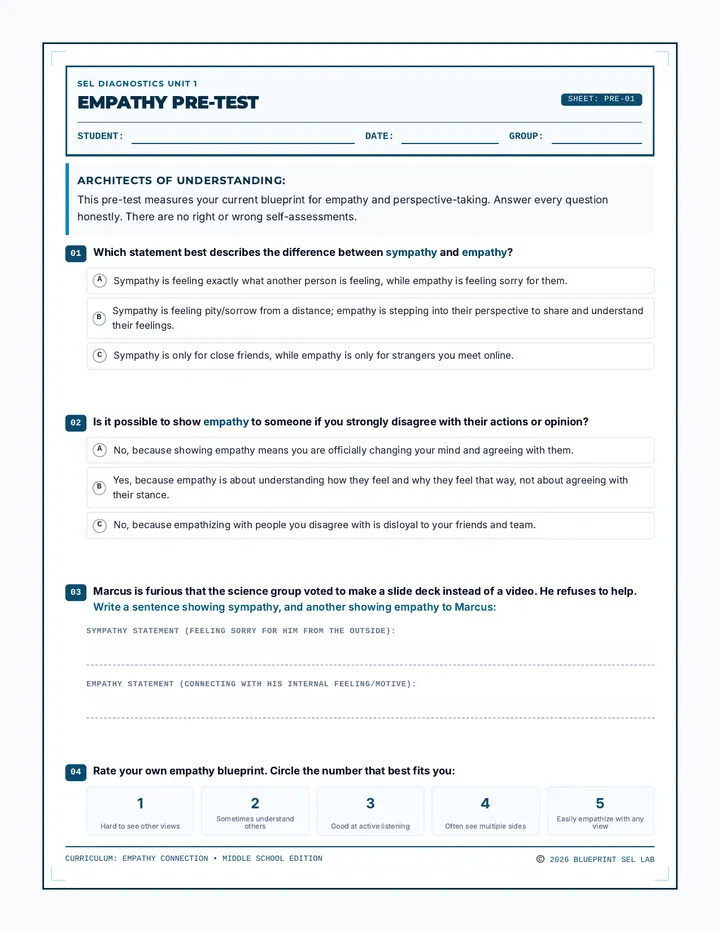
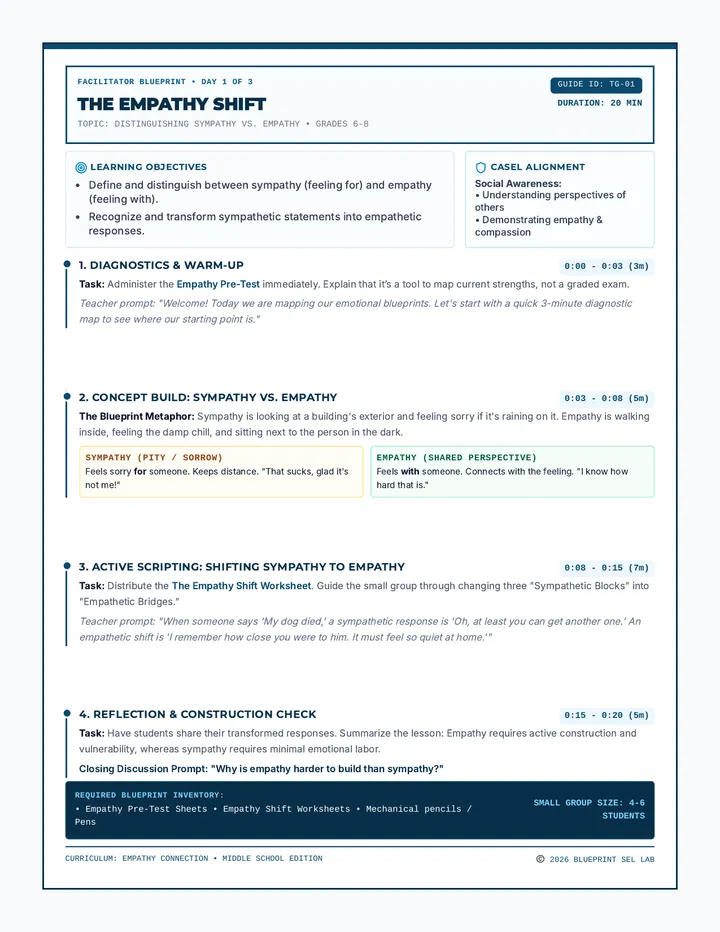
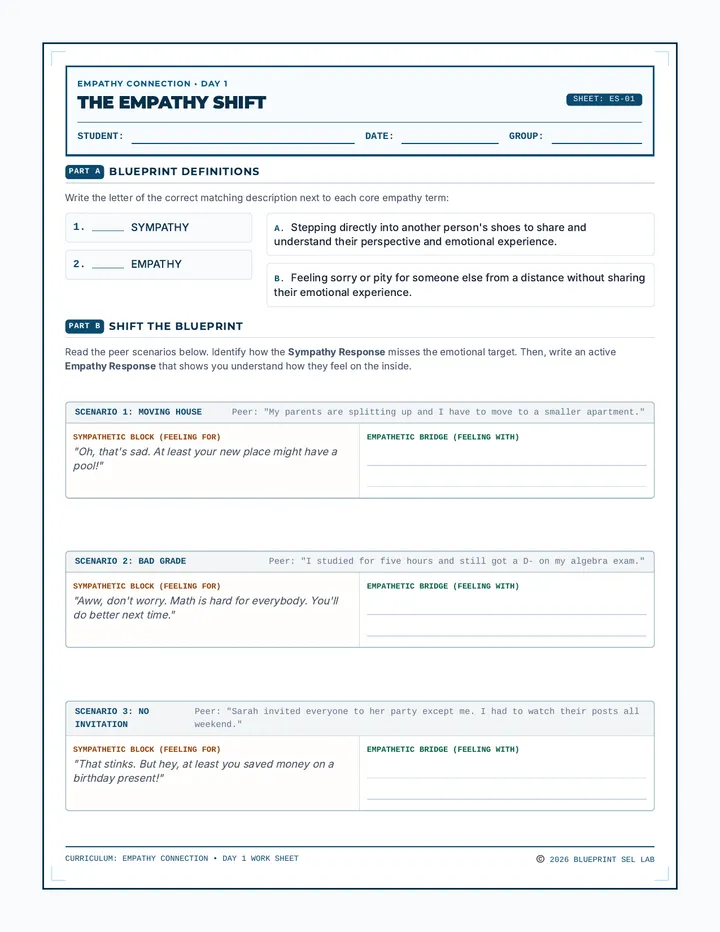
Day 1 of the Empathy Connection curriculum. Students administer the pre-test, explore the mechanical and emotional differences between sympathy and empathy, and practice shifting sympathy into empathy.
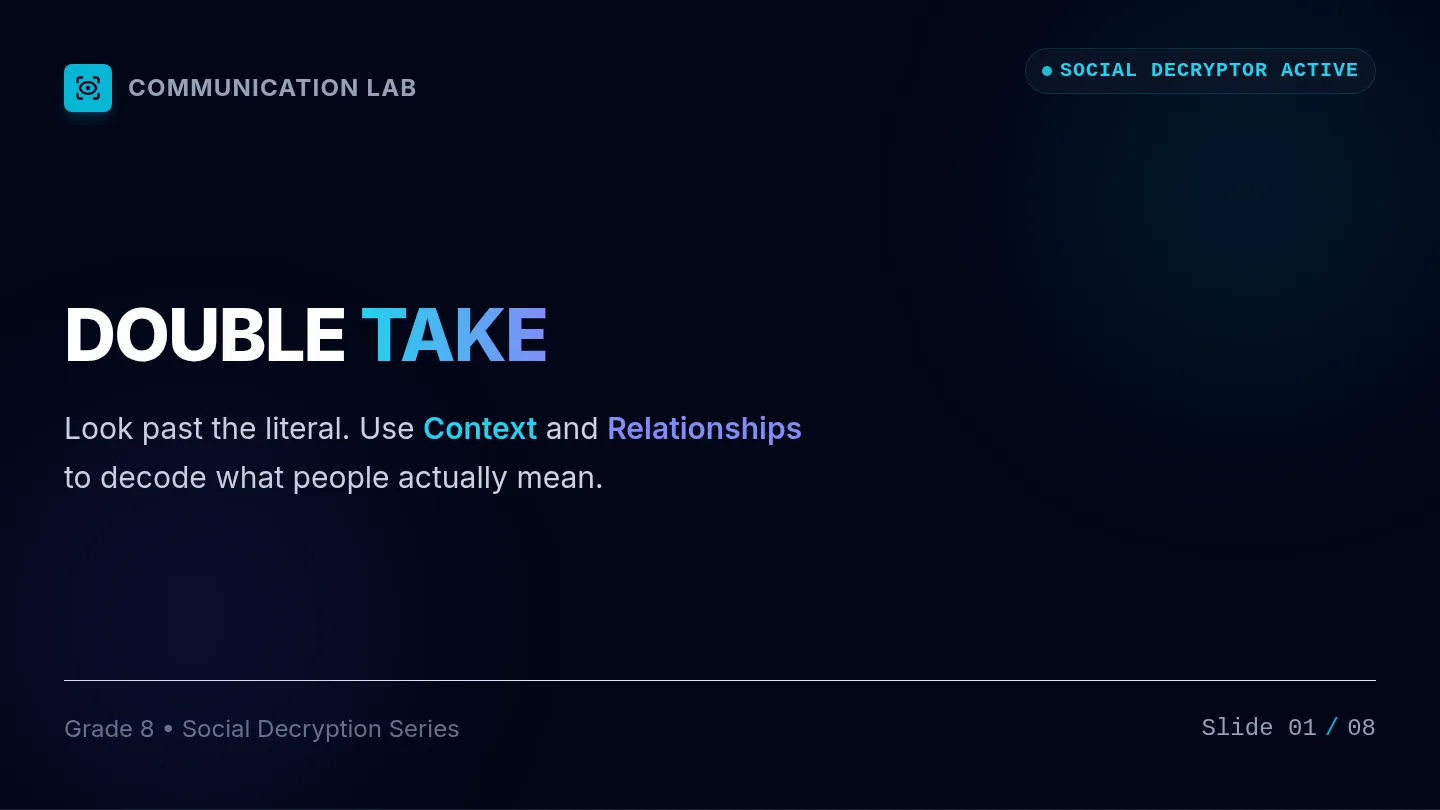
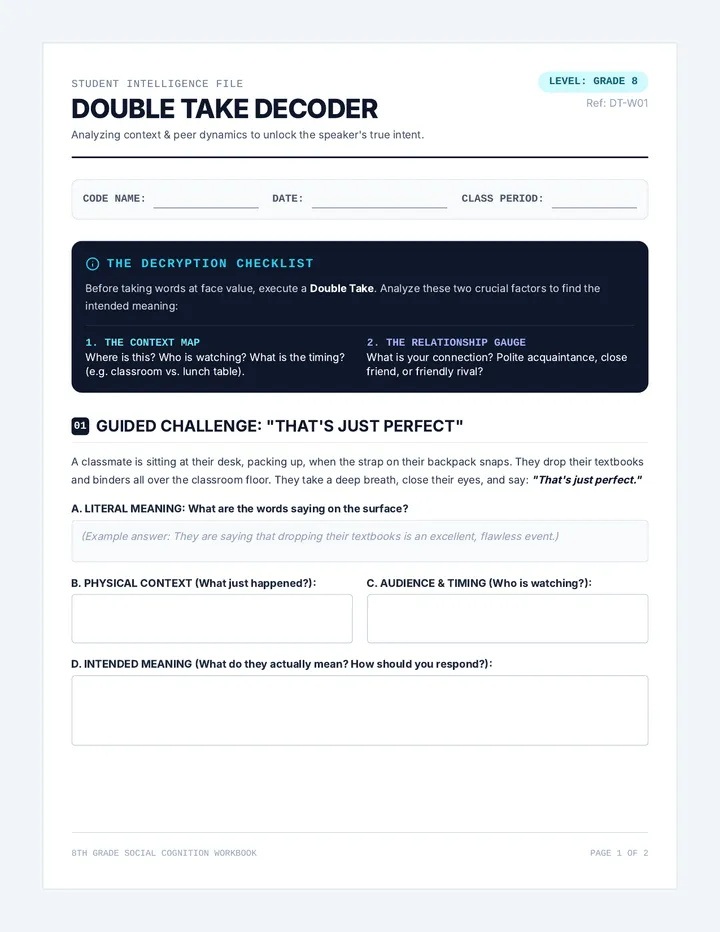
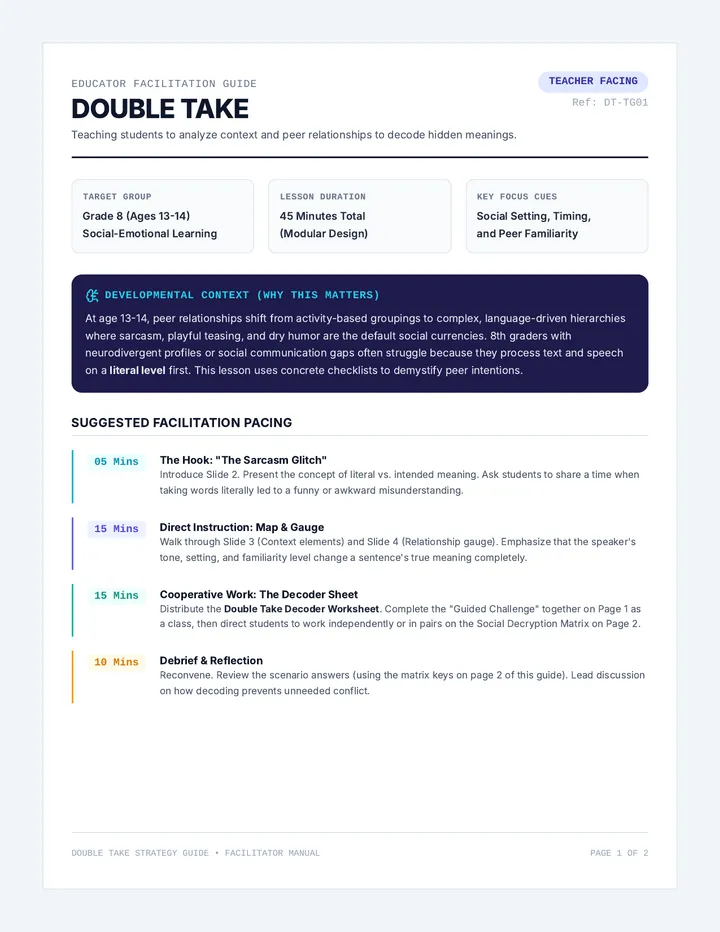
An 8th-grade social skills lesson designed to help students decode the intended meaning of a speaker by analyzing context (setting, timing) and relationship dynamics (familiarity, peer history). Includes an interactive slide deck, a student-facing practice decoder, and a facilitator guide.
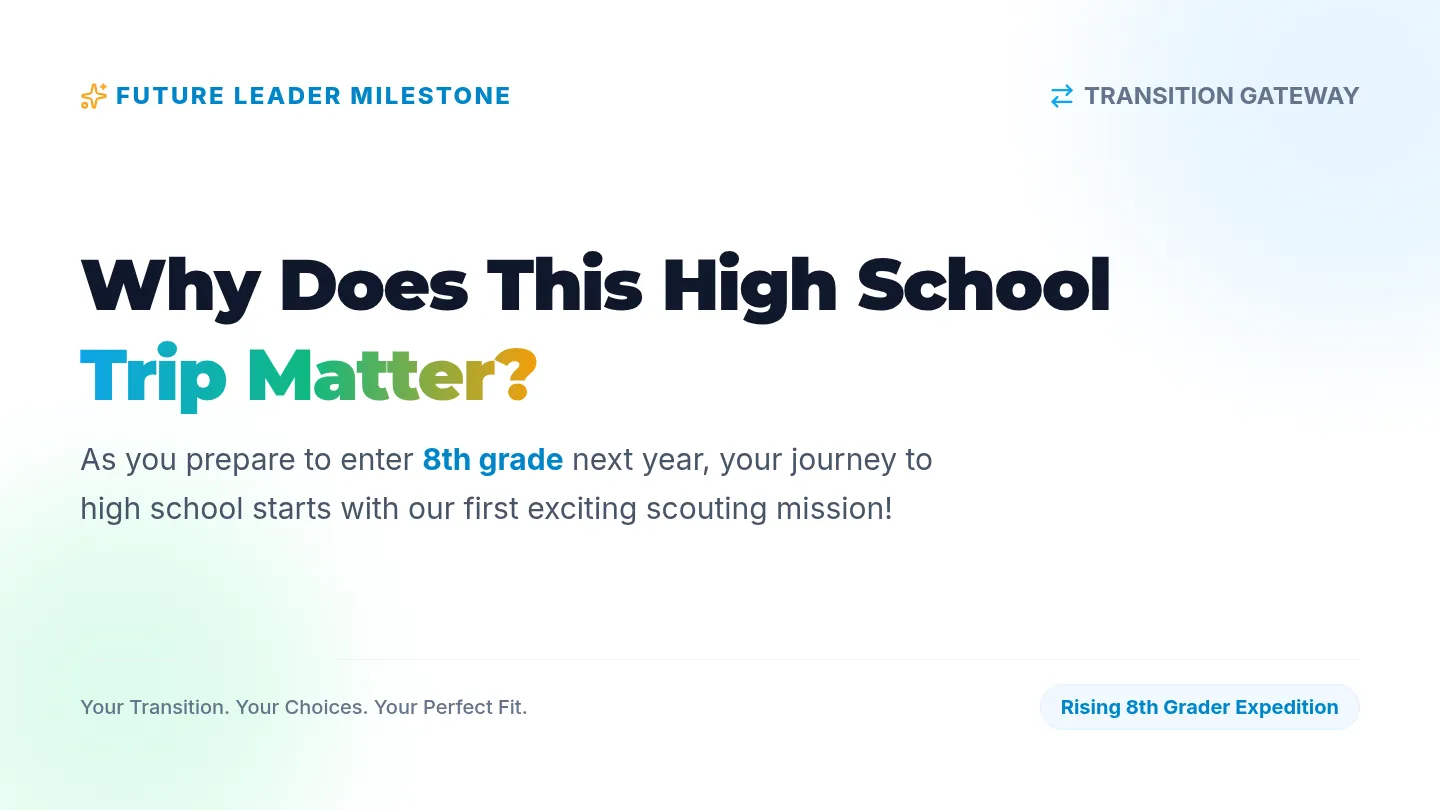
An interactive advisory lesson designed to prepare students for the mandatory high school visitation trip, framing it as an active research expedition to help them discover their ideal high school fit. Students explore key questions about their future, map out what matters to them in a school, and prepare to collect direct evidence during the tour.
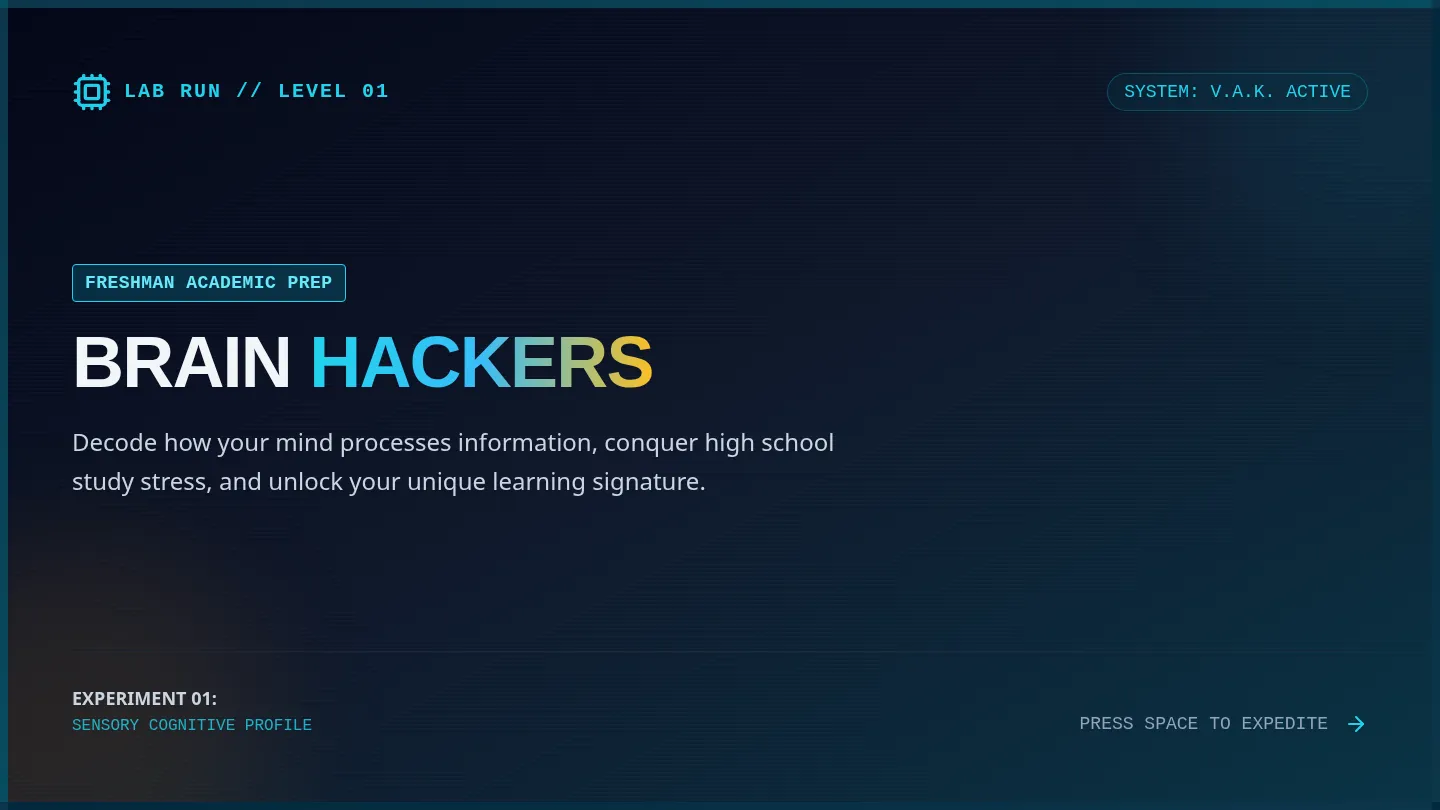
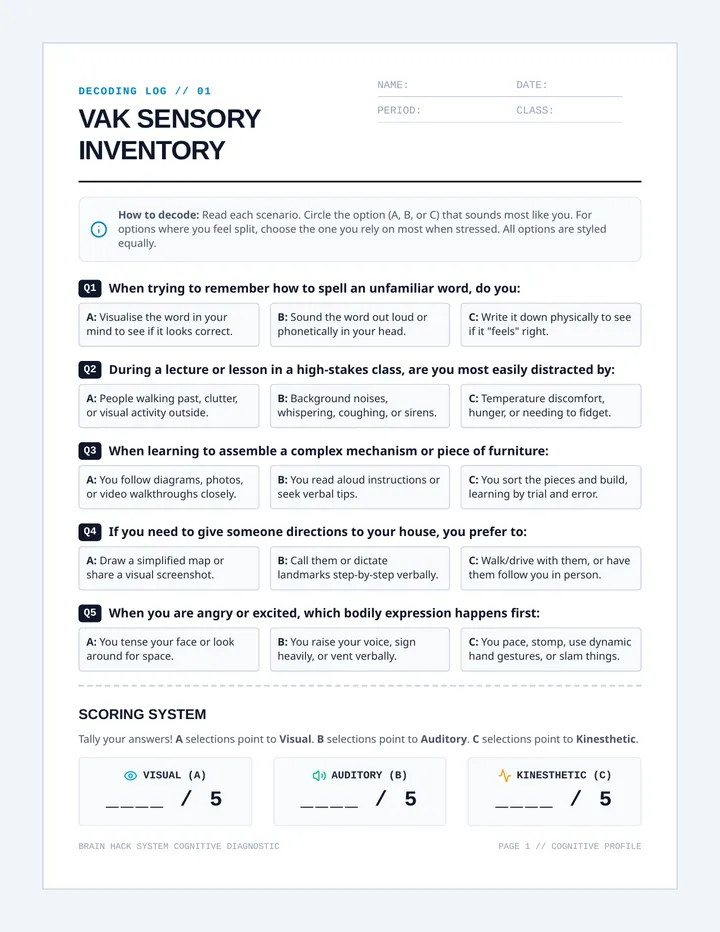
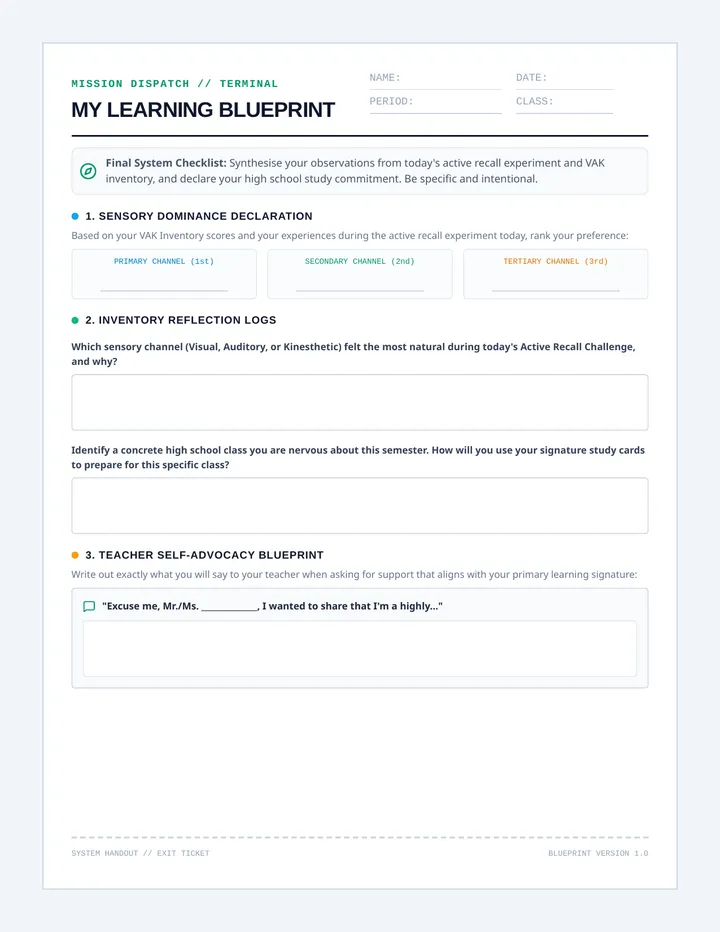
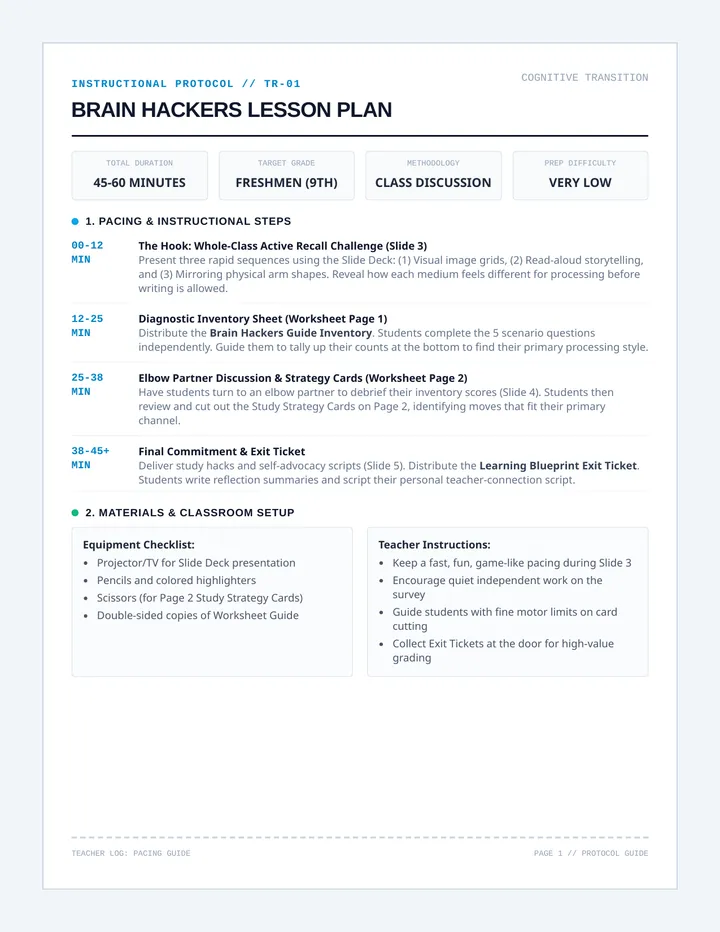
An interactive, sensory-focused lesson introducing incoming high school freshmen to Visual, Auditory, and Kinesthetic (VAK) learning styles. Designed to build academic self-awareness, ease transition anxiety, foster peer connections, and teach actionable study strategies.
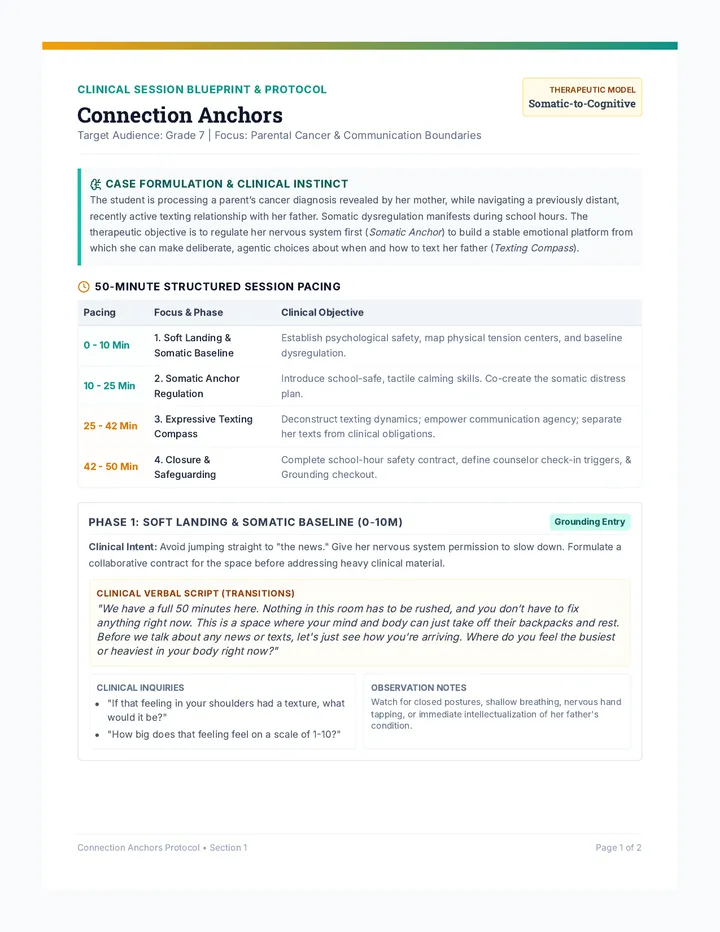
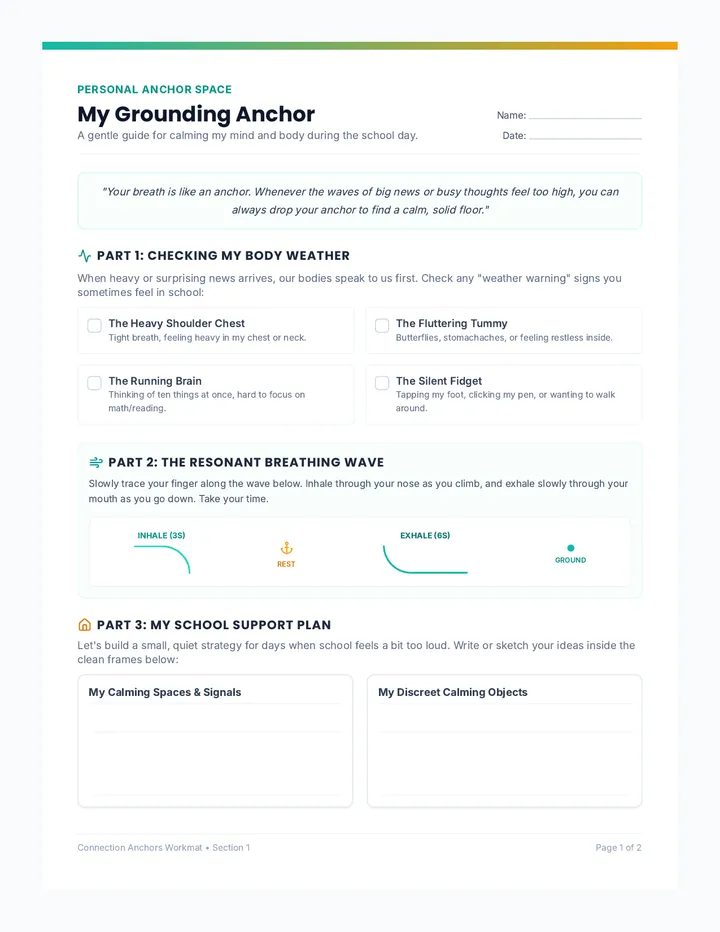
A clinical counseling lesson focused on supporting a 7th-grade student navigating a parent's cancer diagnosis, integrating somatic regulation with expressive communication strategies for digital reconnection.
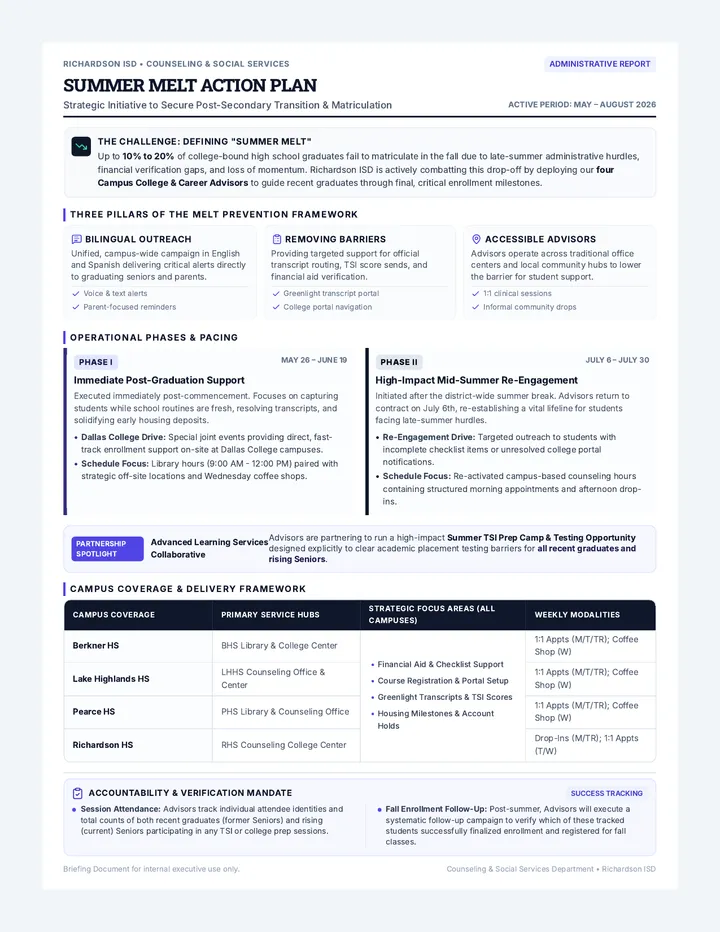
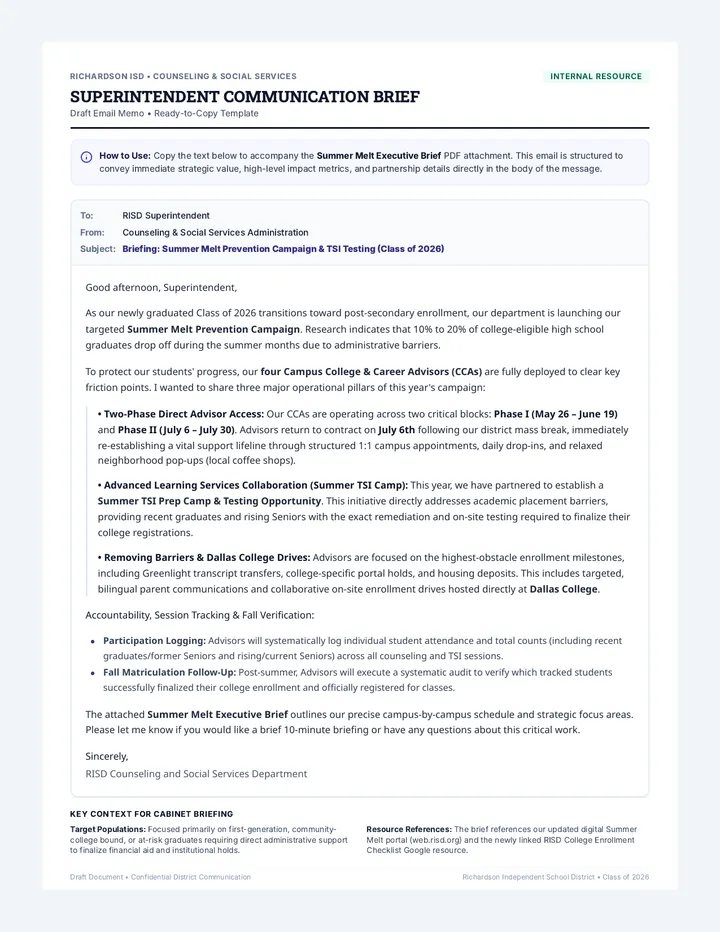
Administrative materials and briefing resources to coordinate Richardson ISD's Summer Melt prevention campaign.
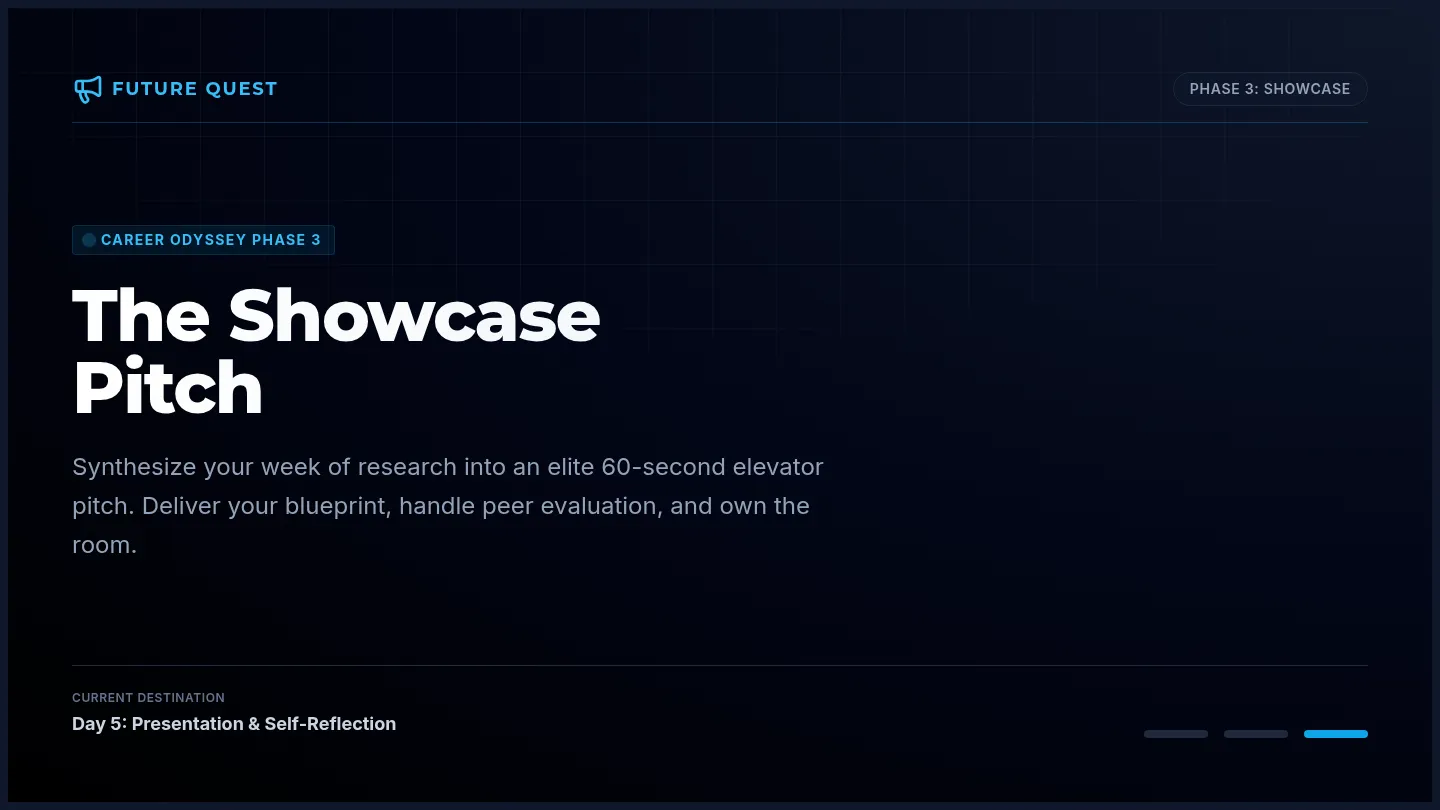
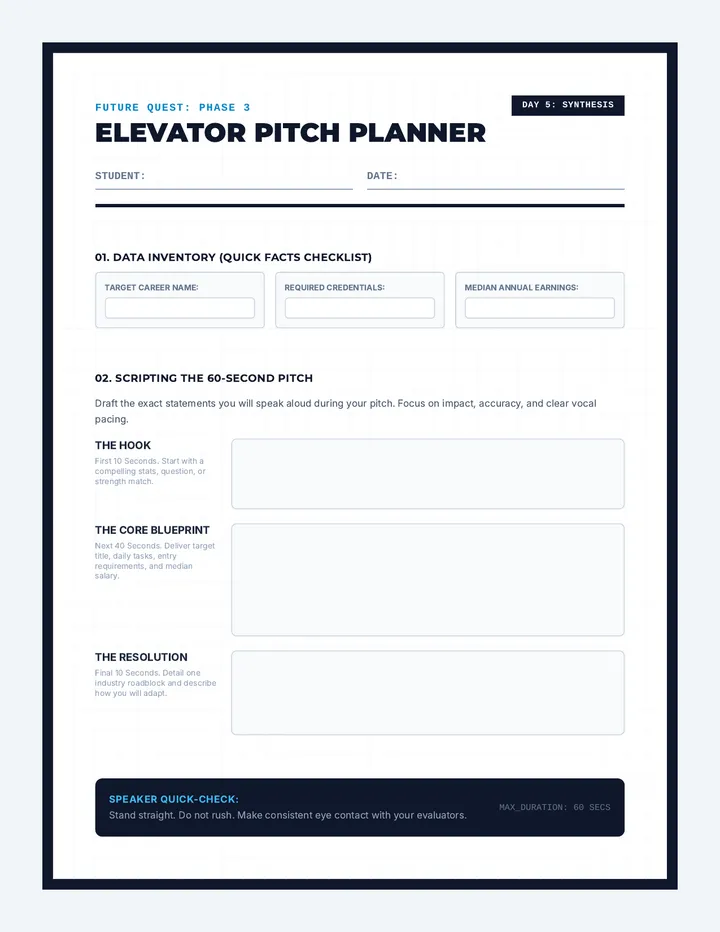
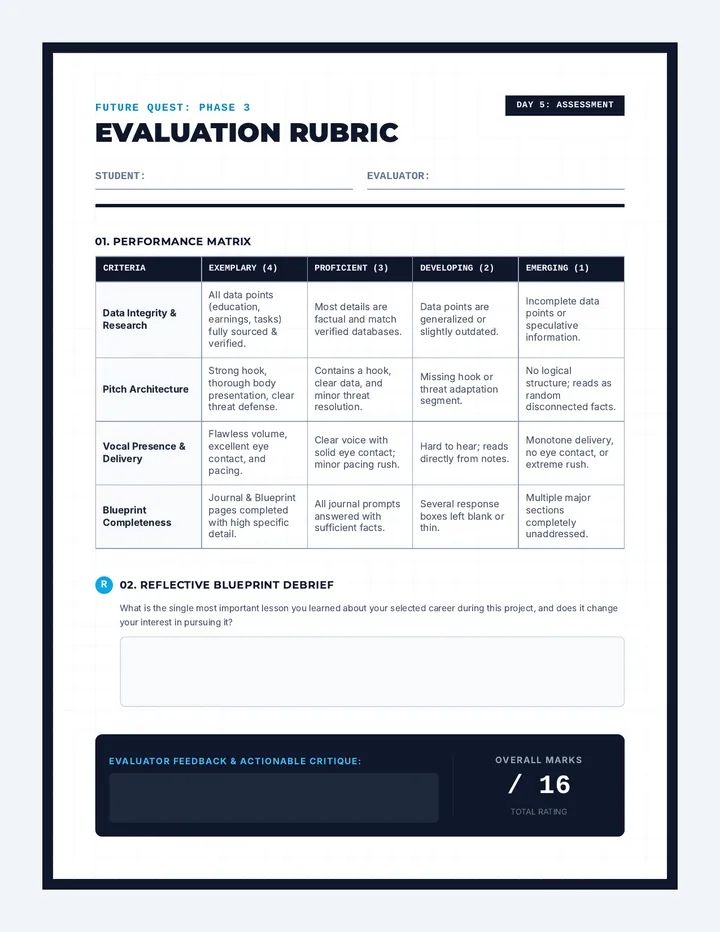
Day 5 of the Career Odyssey. Students synthesize their week-long research into a professional elevator pitch and deliver it to peers. Includes self-reflection and comprehensive rubric evaluation.
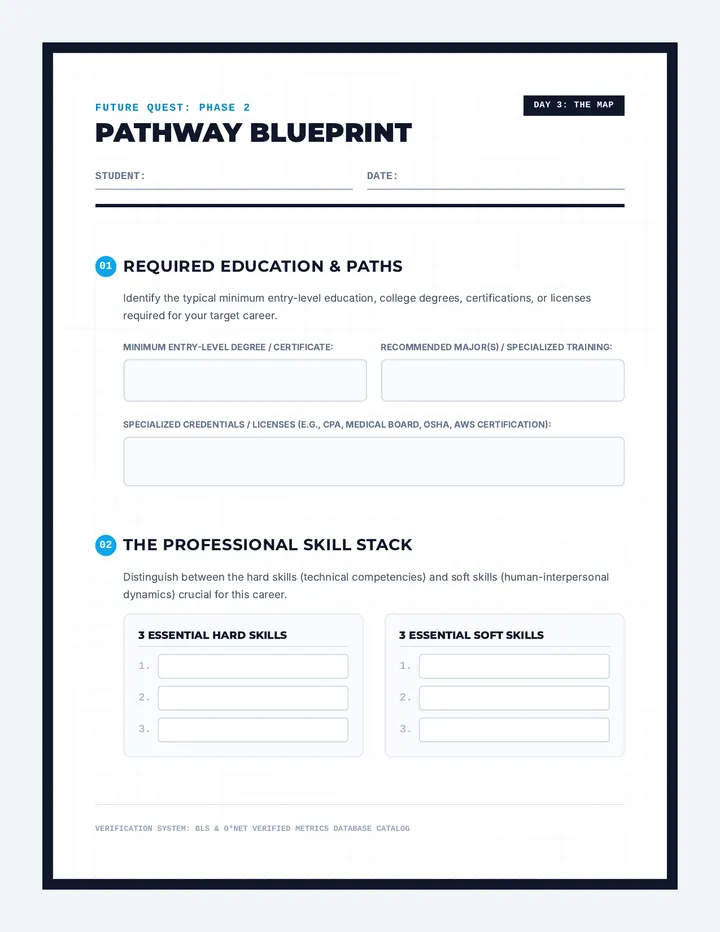
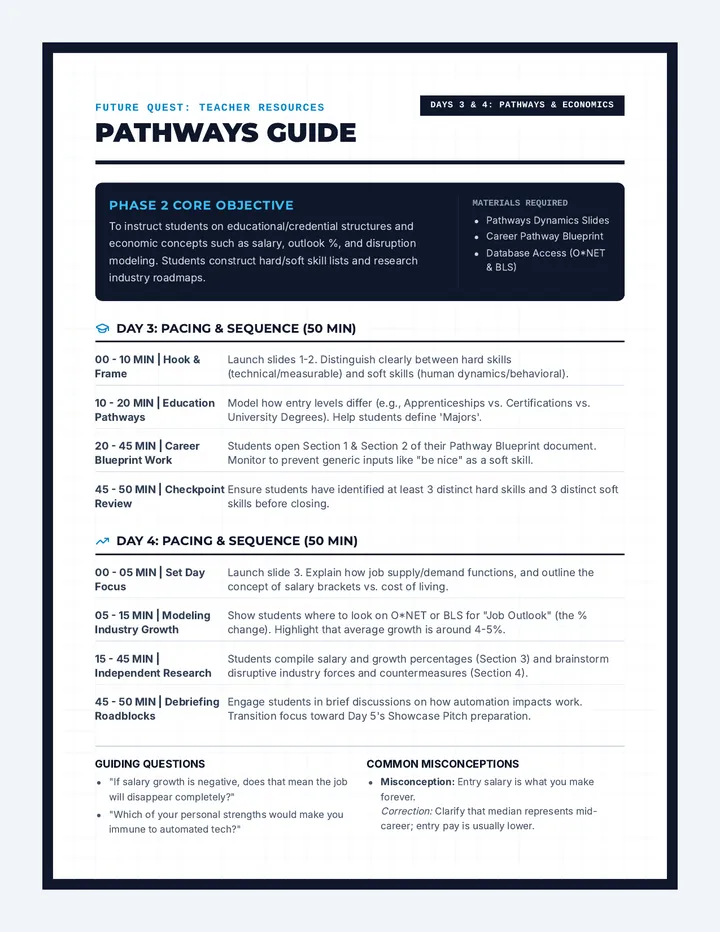
Days 3 and 4 of the Career Odyssey. Students map out educational and skill requirements, research economic factors like salary and job growth, and analyze major industry challenges.
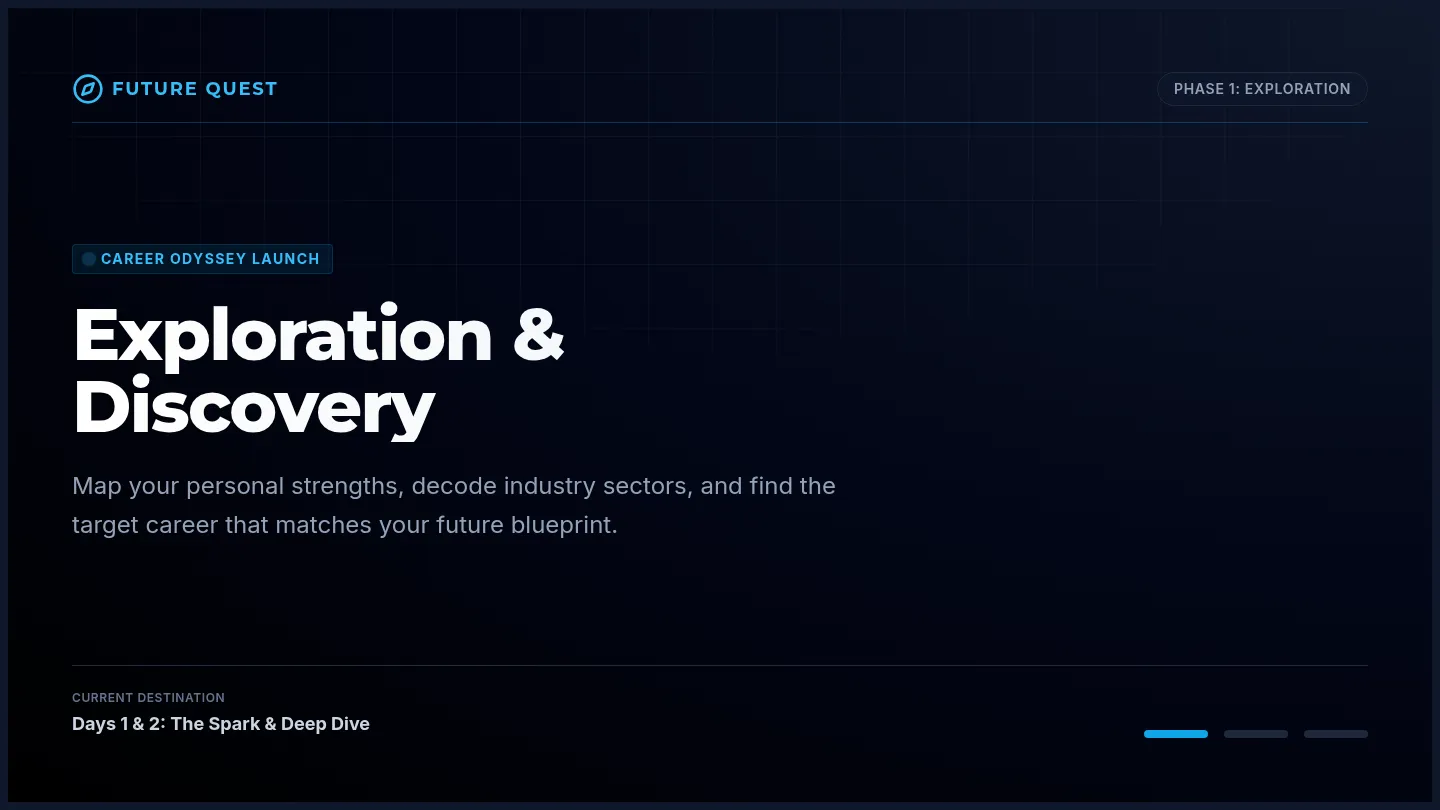
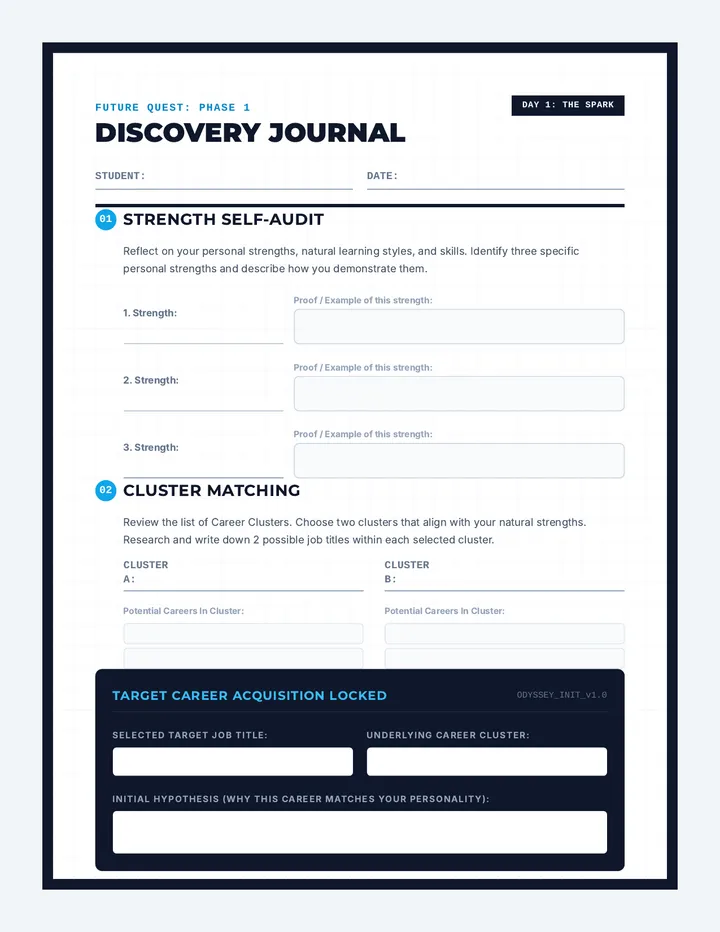
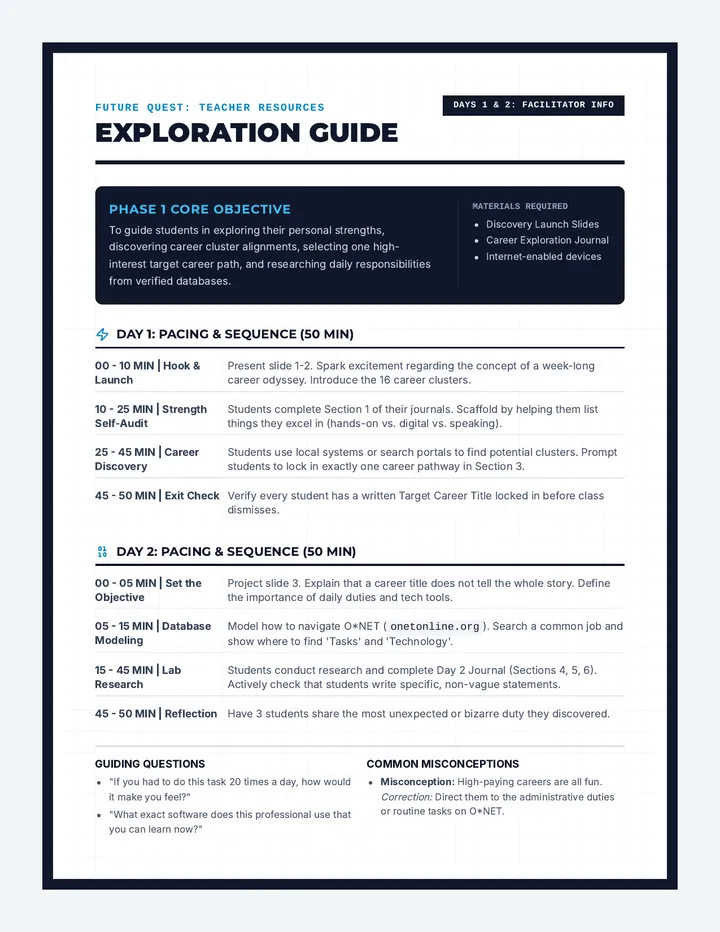
Days 1 and 2 of the Career Odyssey. Students identify personal strengths, explore career clusters, select a target career, and investigate the daily responsibilities and workplace environments associated with it.
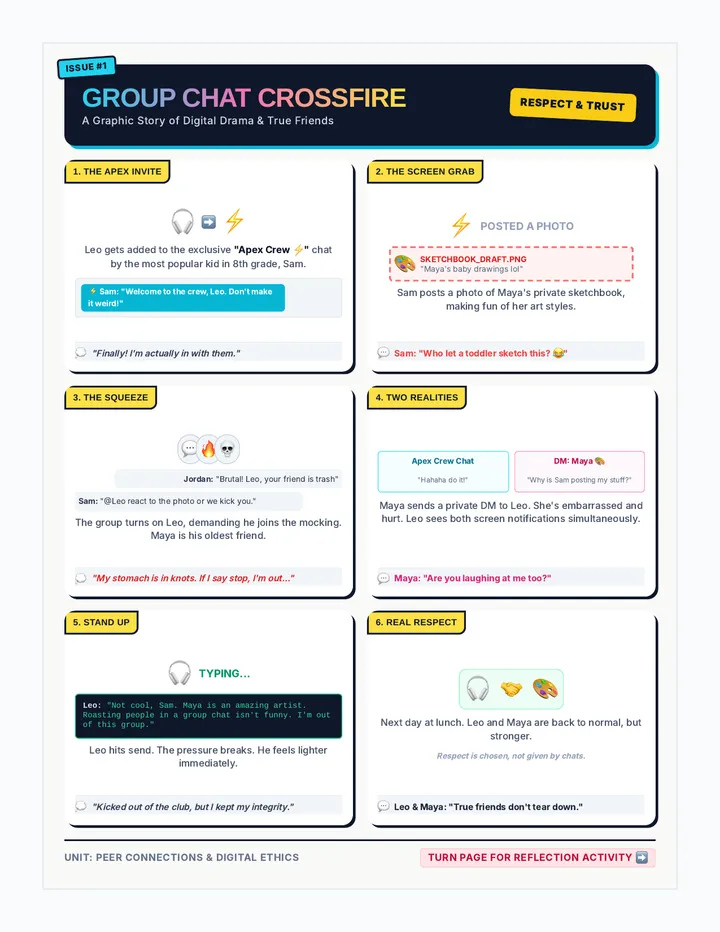
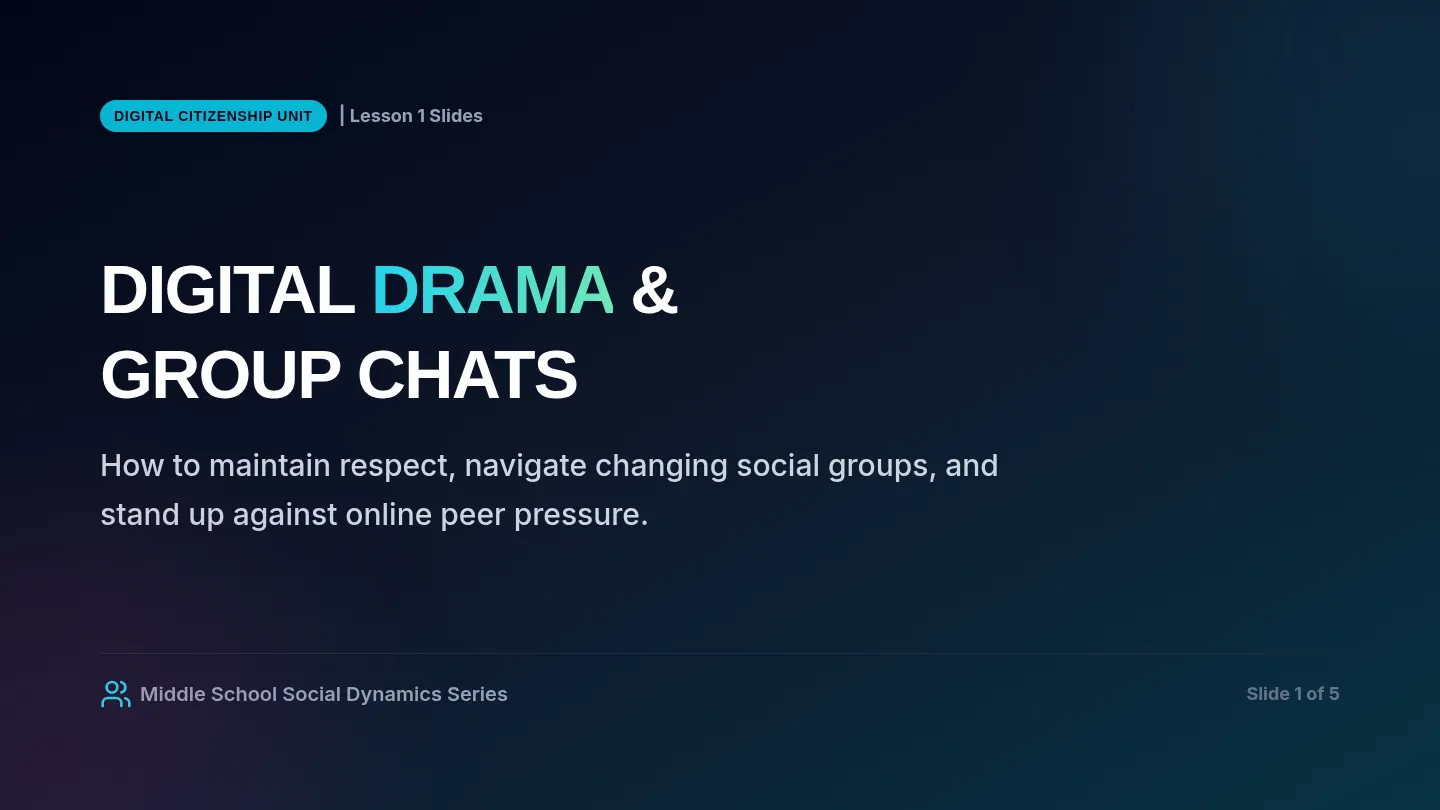
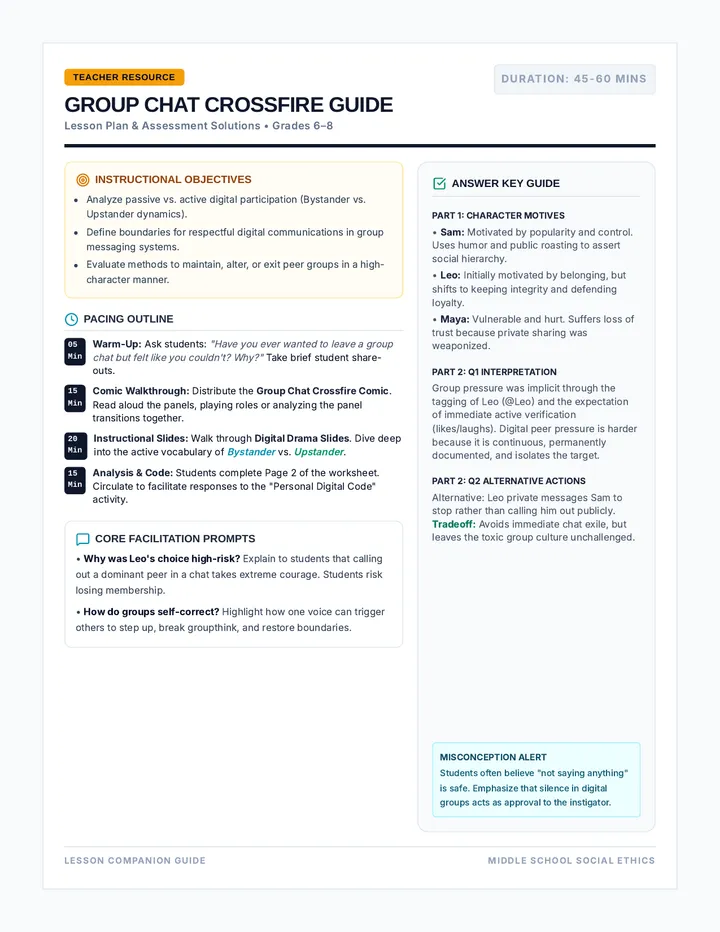
A lesson focusing on digital drama, peer pressure, and changing friendships in middle school, centered around a graphic novel comic strip and reflection worksheet.
Emphasizes self-advocacy and building a support network. Students identify their 'crew' (trusted adults, peers, mentors) and practice asking for support, setting boundaries, and communicating proactively.
Explores personal responsibility, ownership of actions, and goal setting. Students examine the difference between things they can control versus things they cannot, and learn the 'Pause, Plot, Proceed' decision-making framework.
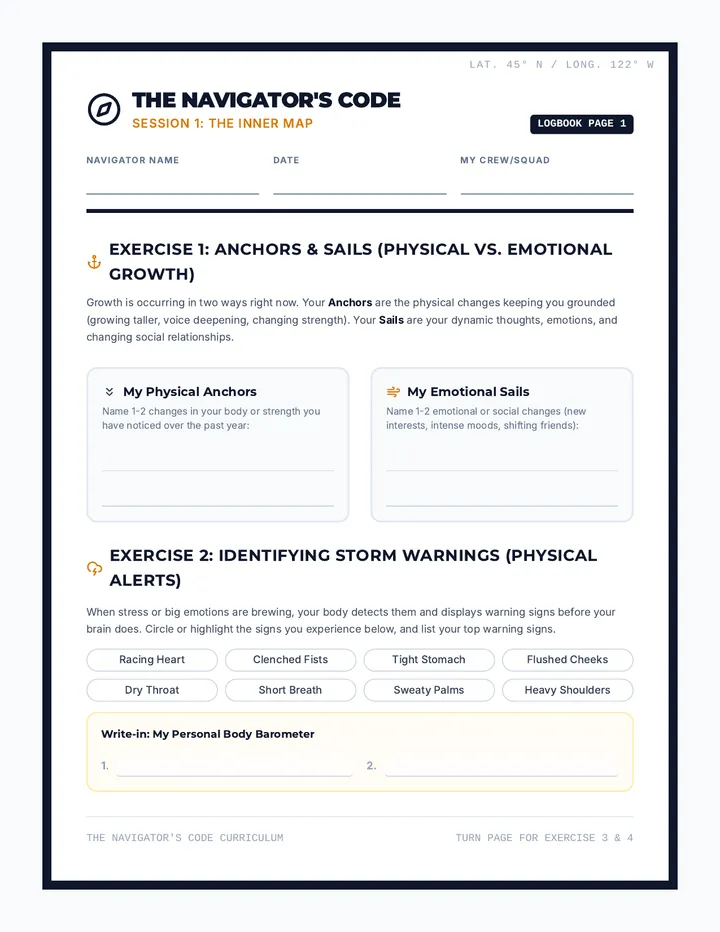
Focuses on emotional growth, self-awareness, and identity. Students learn to map their emotions, understand physiological responses to stress, and build a vocabulary for their internal experiences.
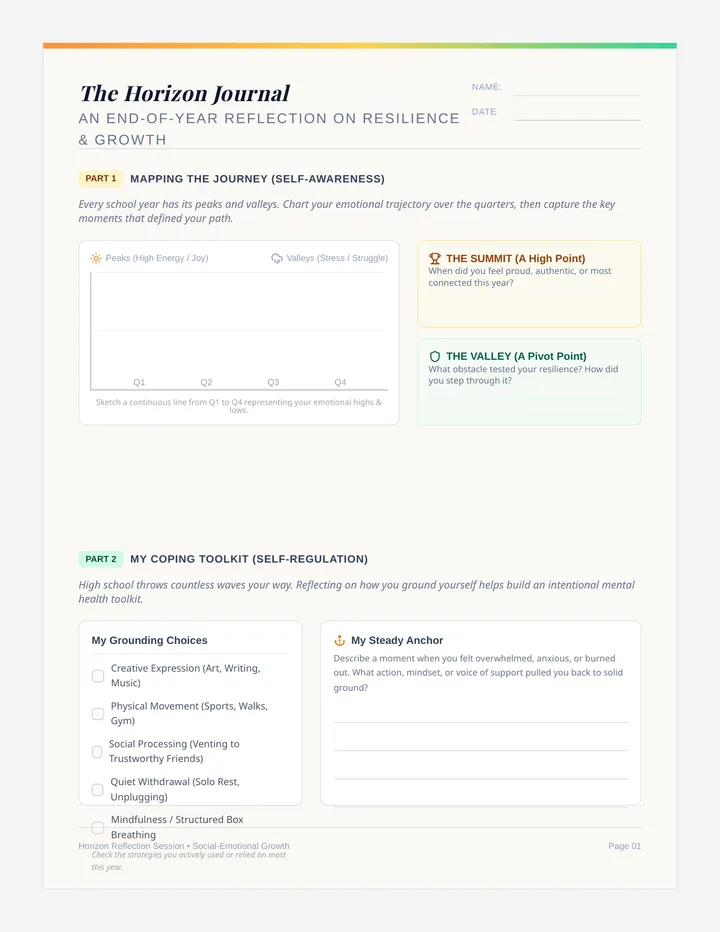
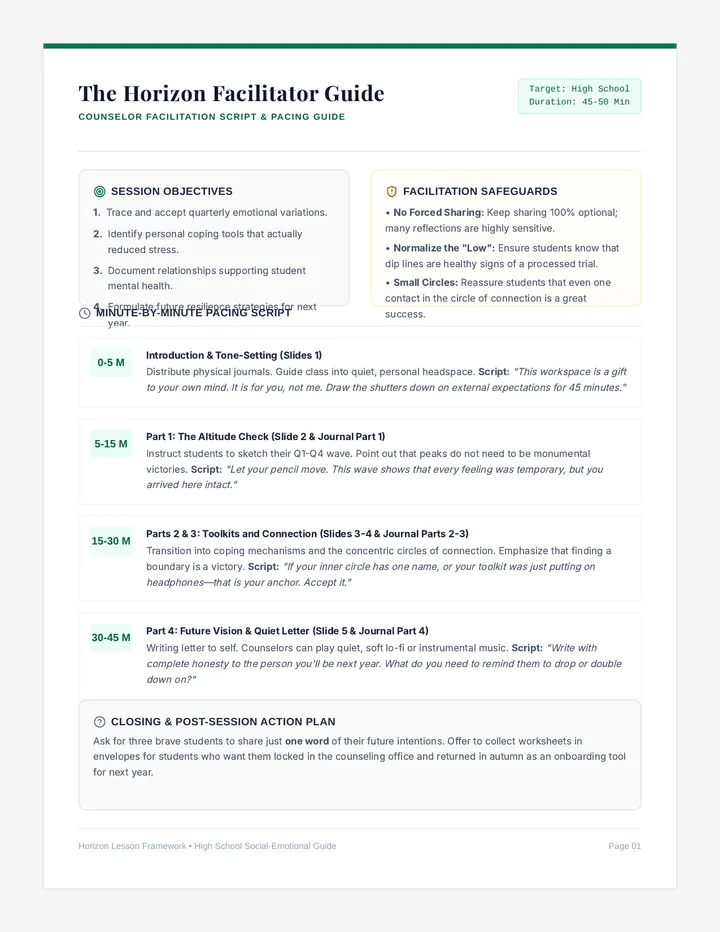
A high school counseling and reflection lesson focused on social-emotional growth, self-awareness, coping mechanisms, and planning for future resilience.
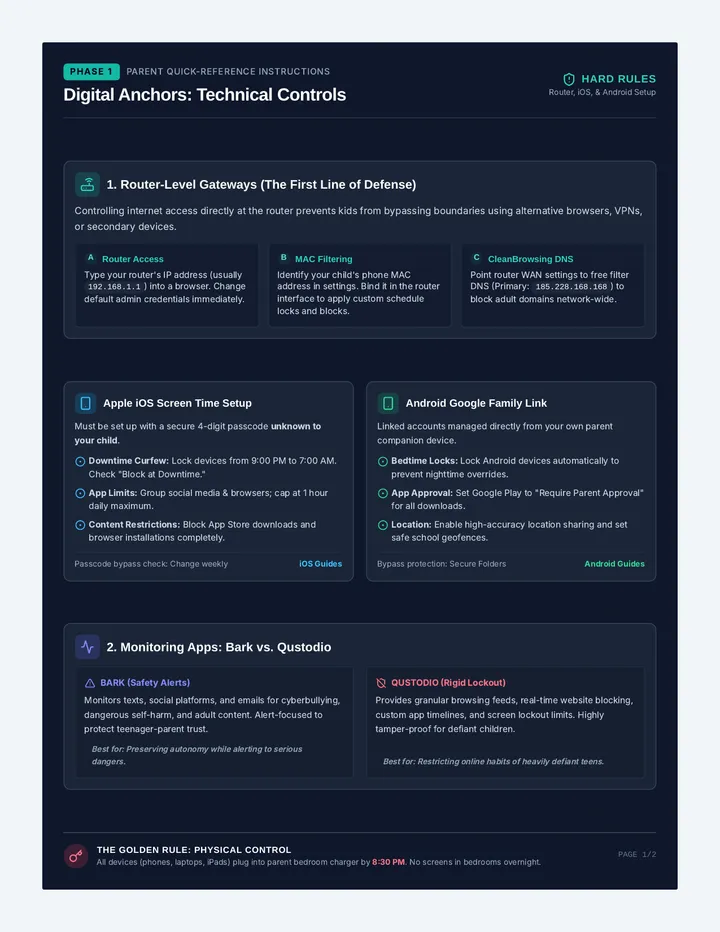
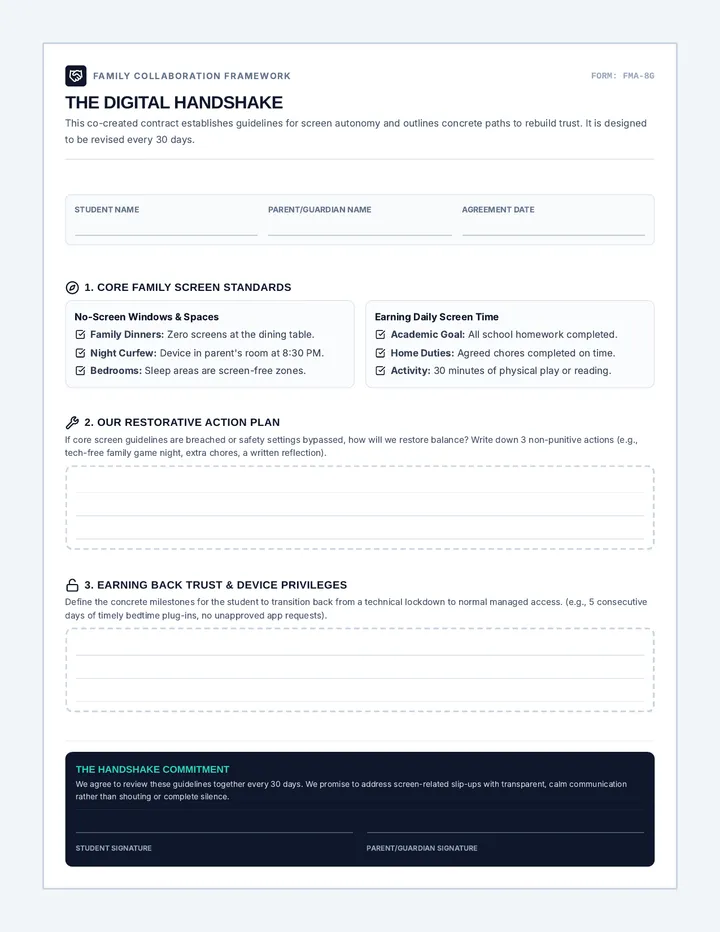
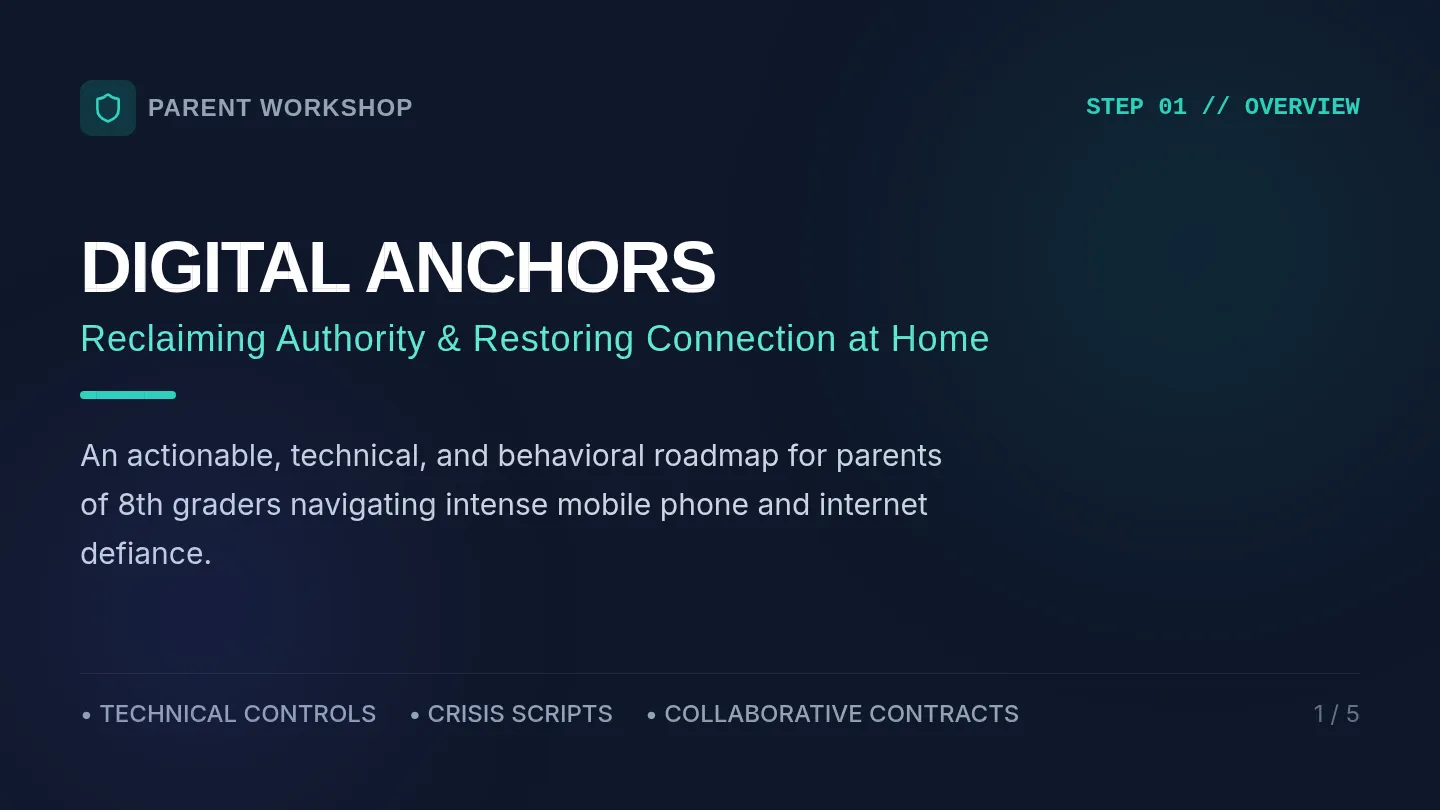
A parent-facing lesson providing actionable technical blueprints, communication scripts, and collaborative agreements to manage 8th-grade phone and internet use effectively.
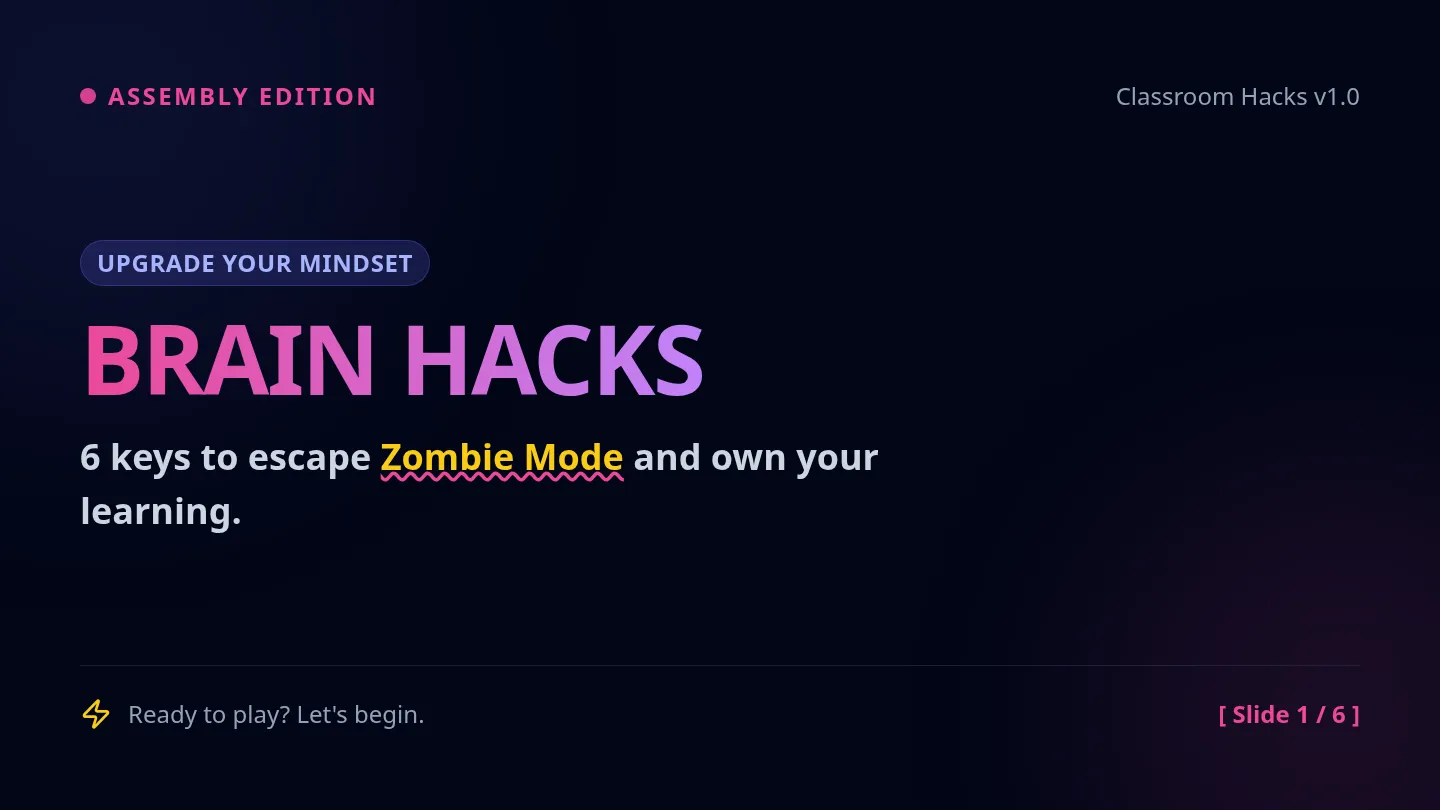
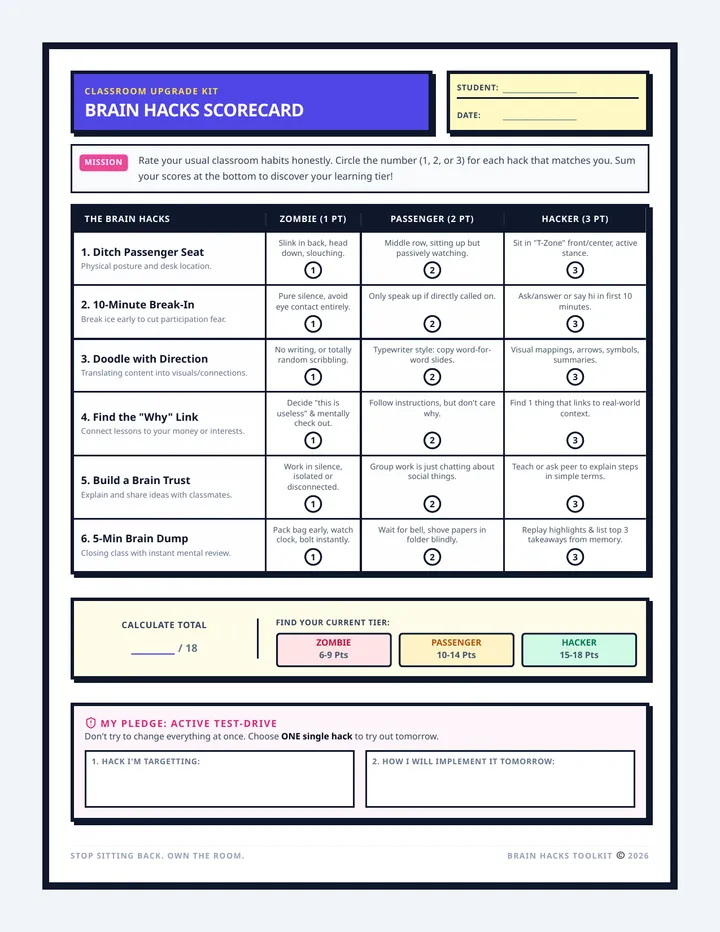
A high-energy, assembly-style lesson designed to shake up passive learning habits in high school students. It features a visually striking presentation packed with actionable 'brain hacks' and a self-assessment scorecard to help students audit and level up their engagement.
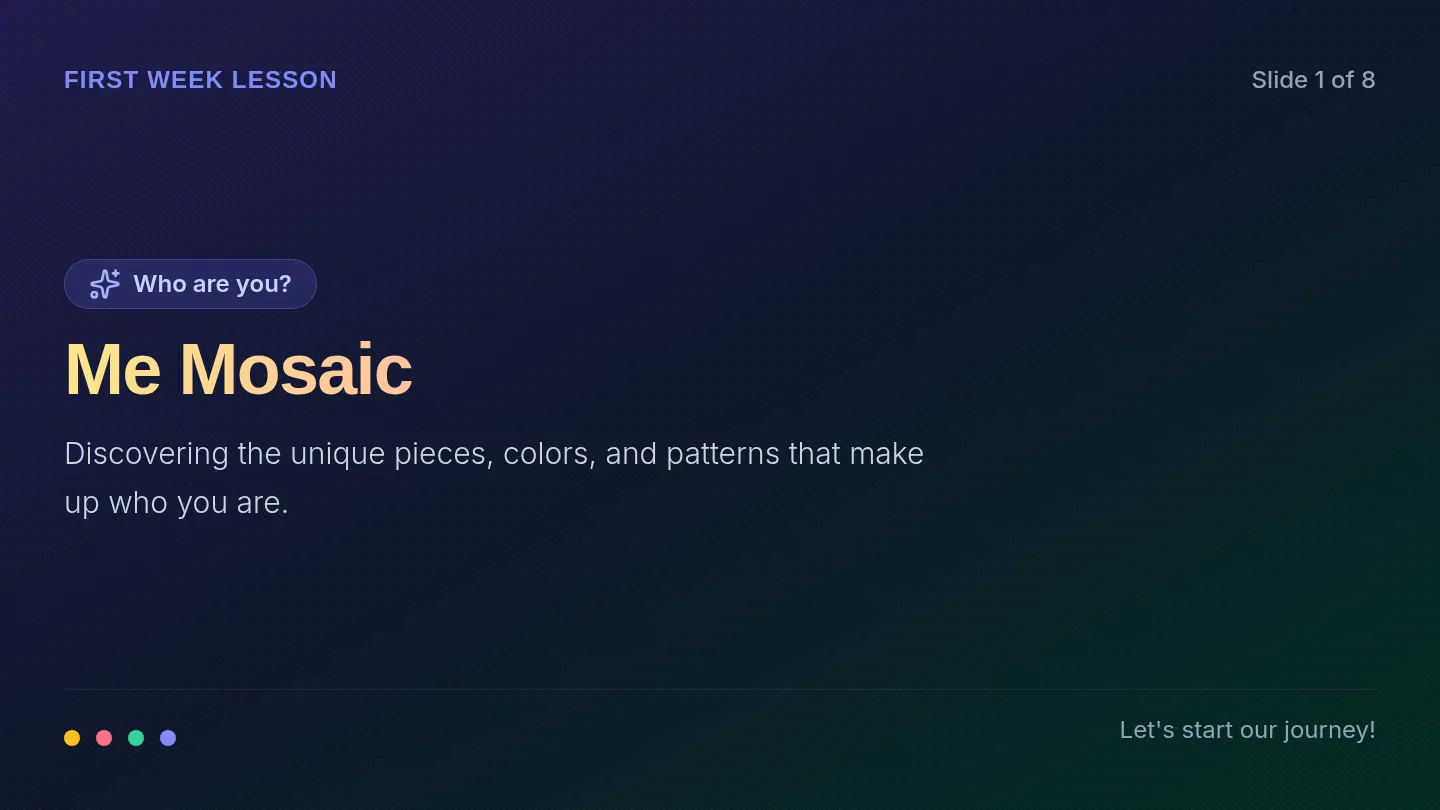
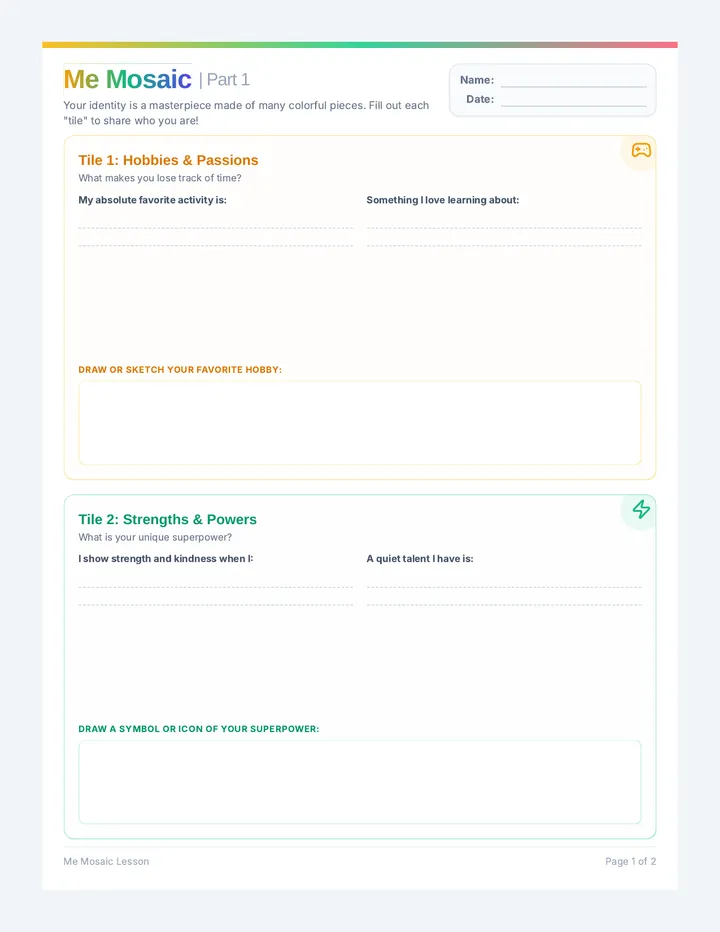
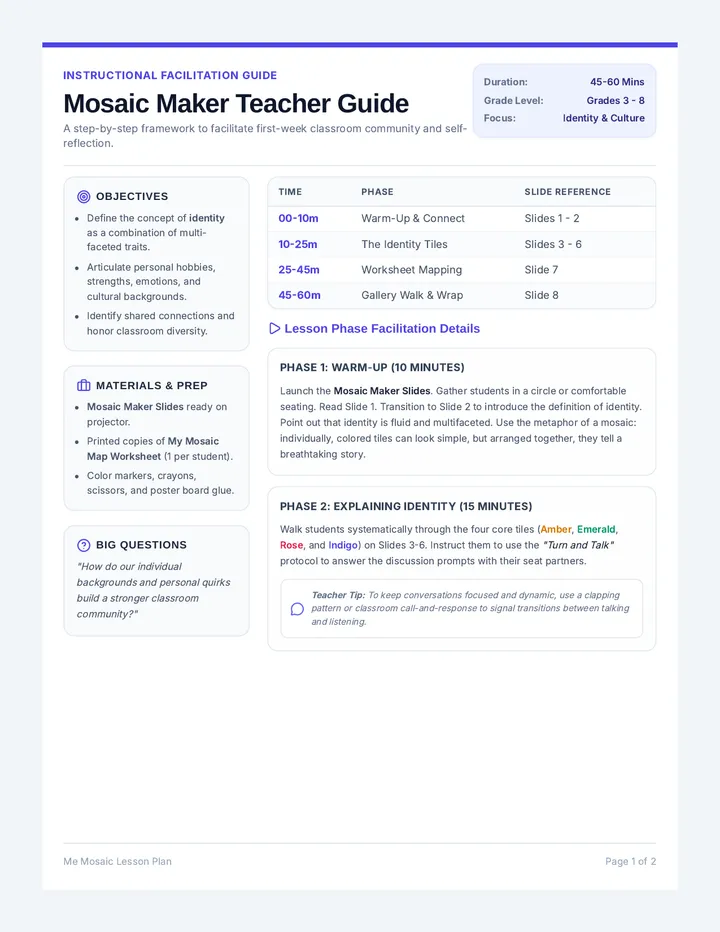
A welcoming first-week lesson designed to help students define identity and explore their unique traits. Through collaborative slides, a personal worksheet, and guided reflections, students share their hobbies, strengths, feelings, and backgrounds to build a connected classroom community.
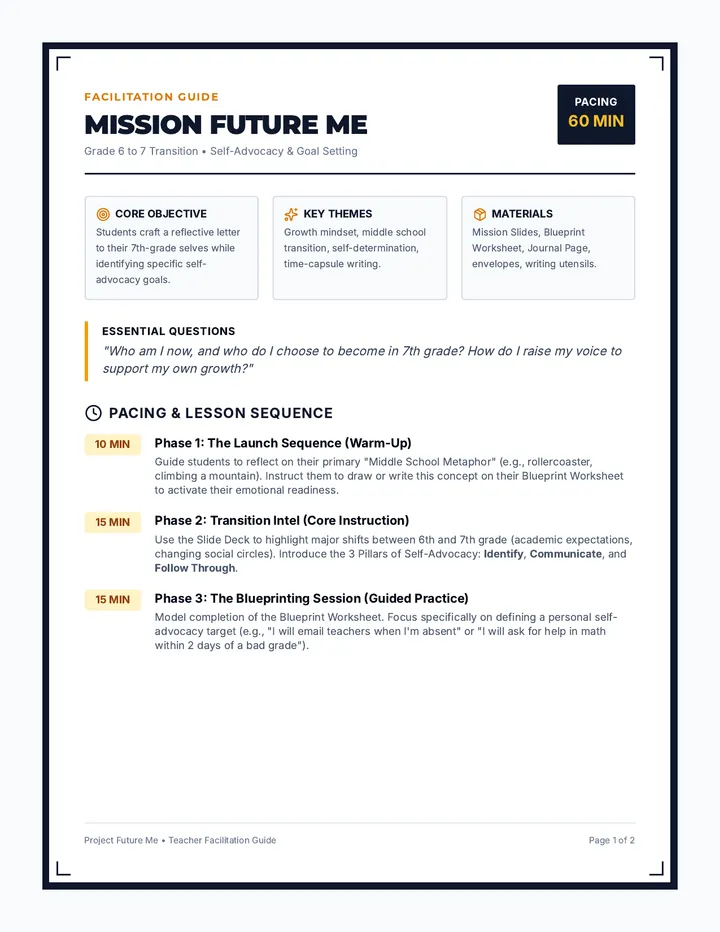
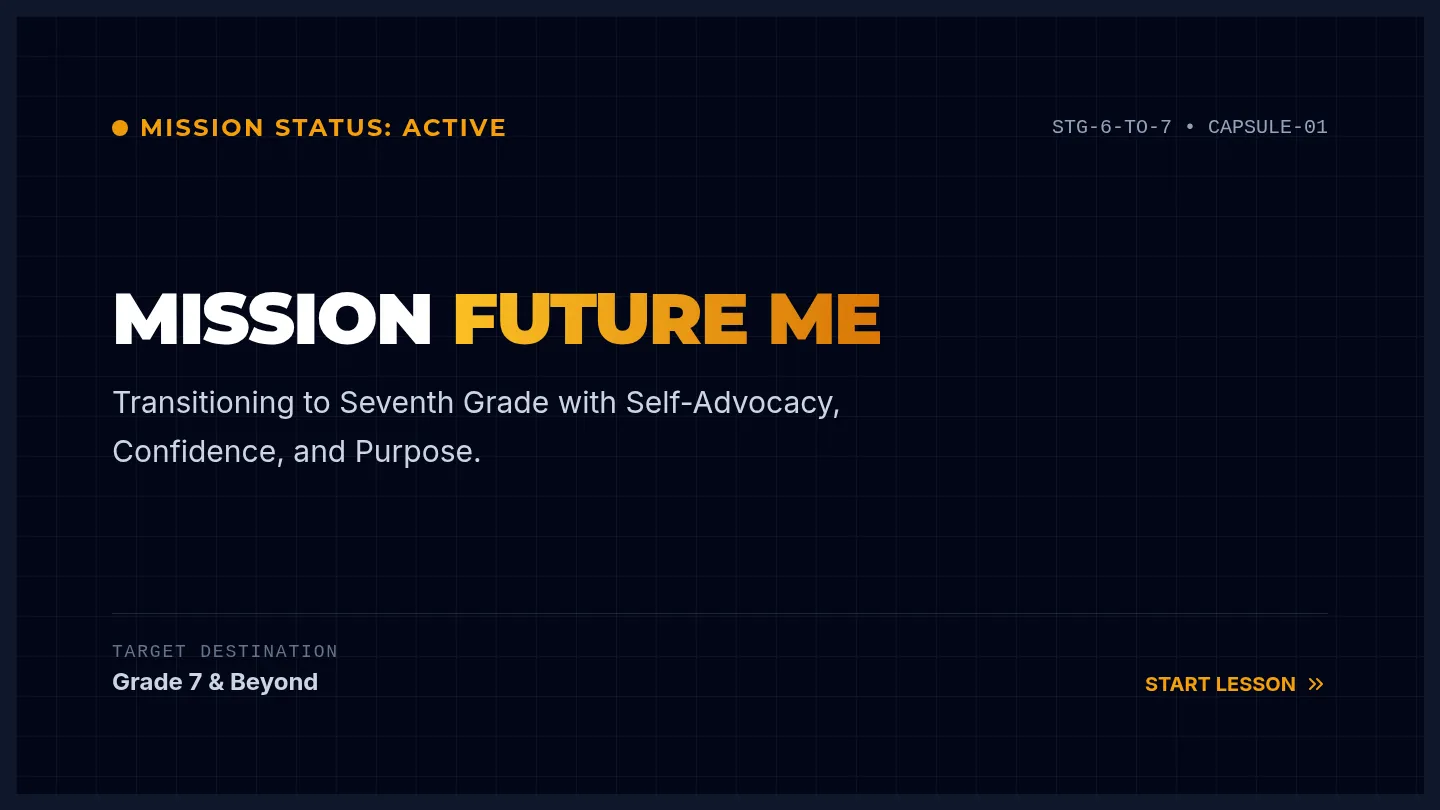
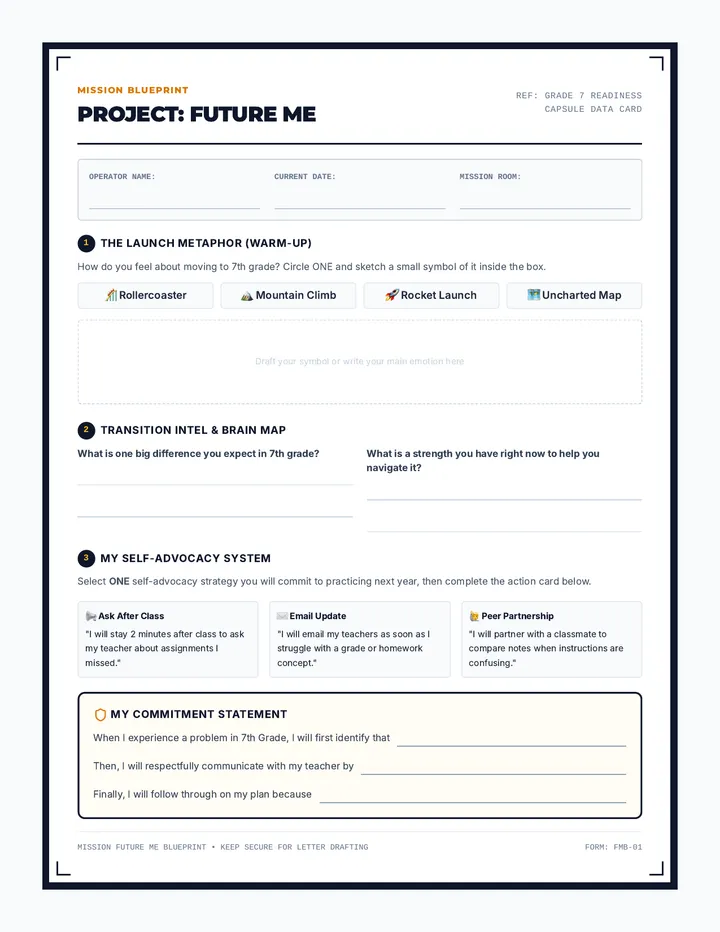
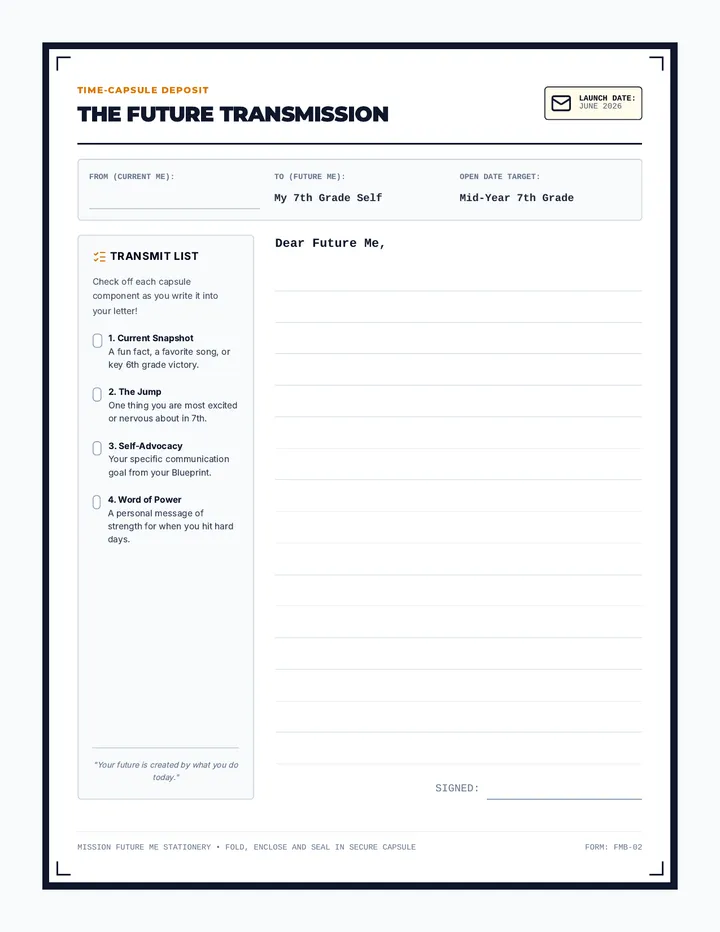
A guidance-rich lesson package designed to help sixth-grade students build self-advocacy and goal-oriented confidence as they transition to seventh grade, culminating in writing a letter to their future selves.
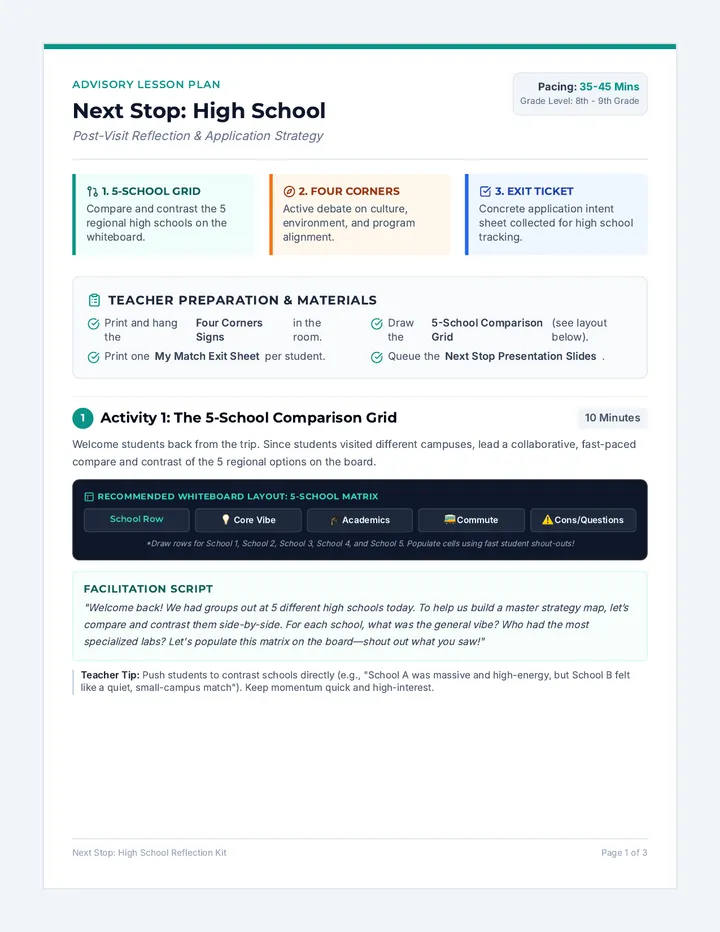
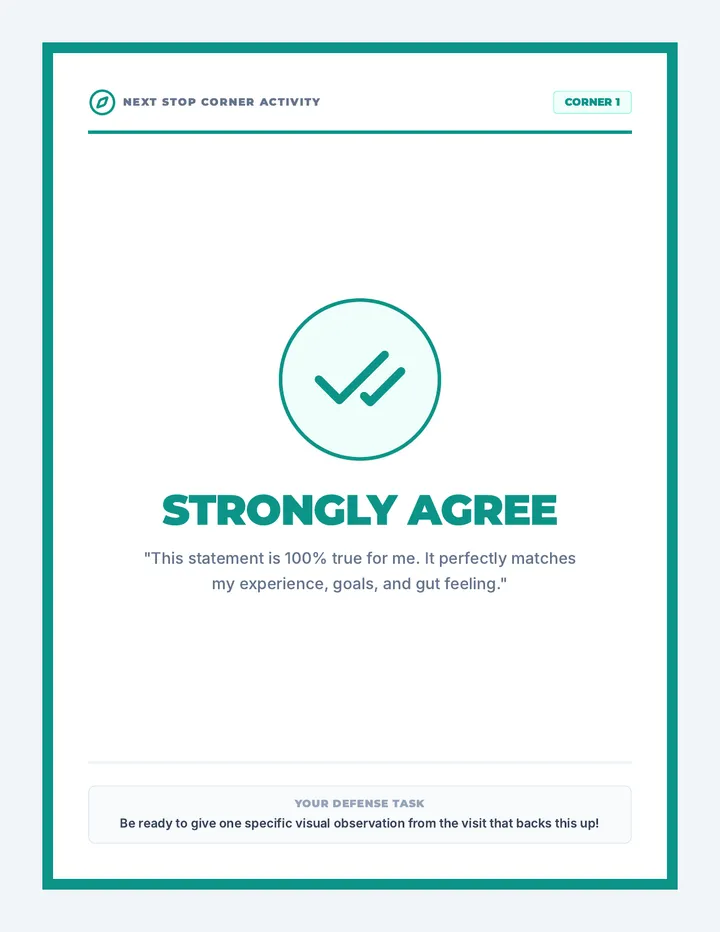
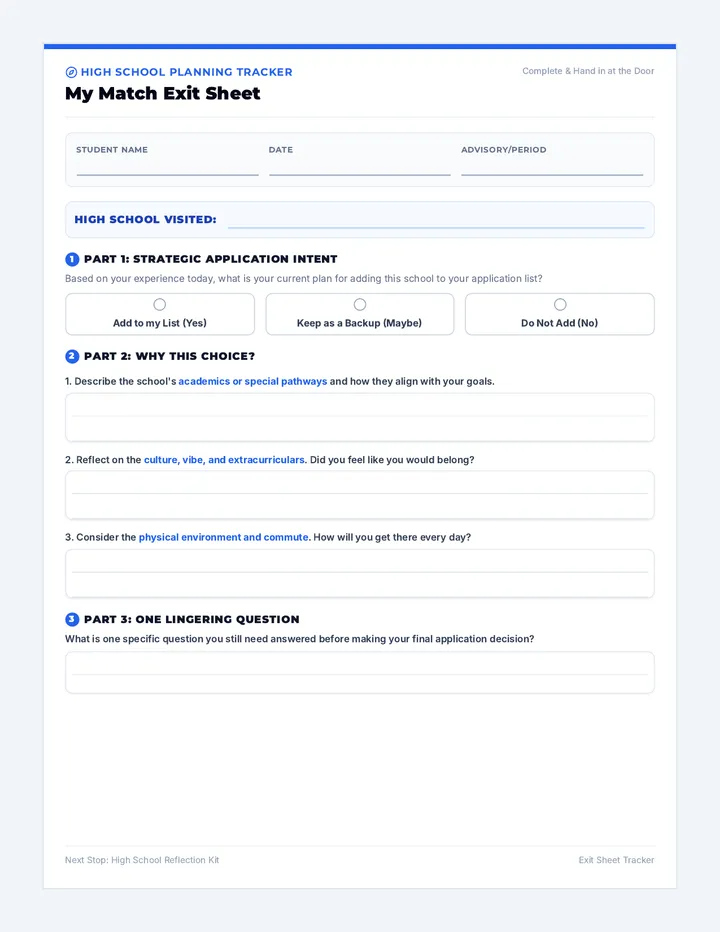
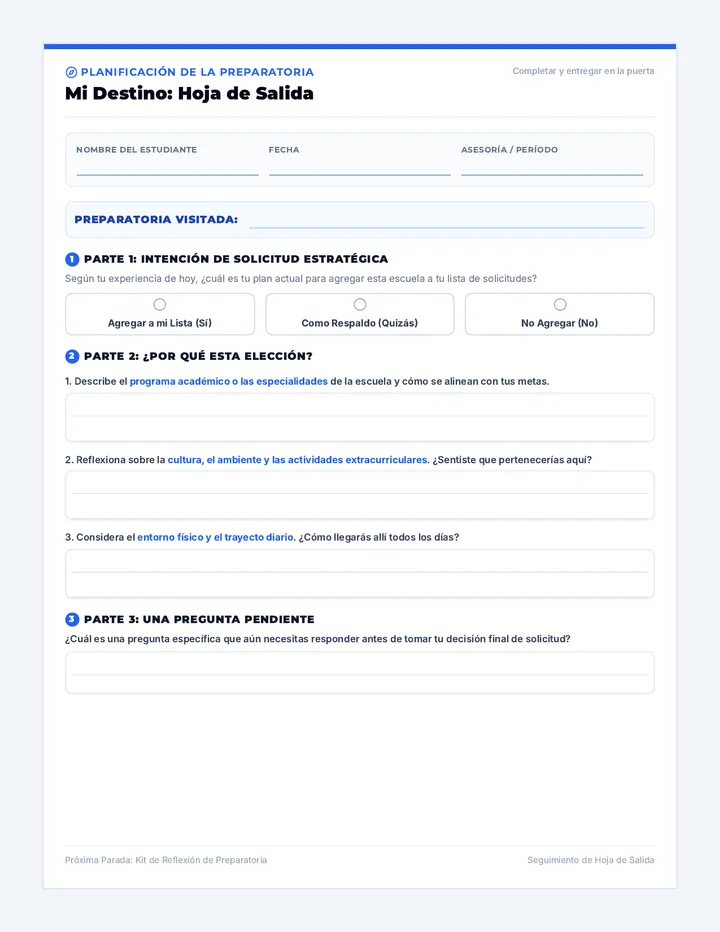
An advisory lesson to guide students through reflecting on their recent high school visit. Includes a whiteboard discussion, a 4-corners movement activity, and a printable exit ticket for application tracking.
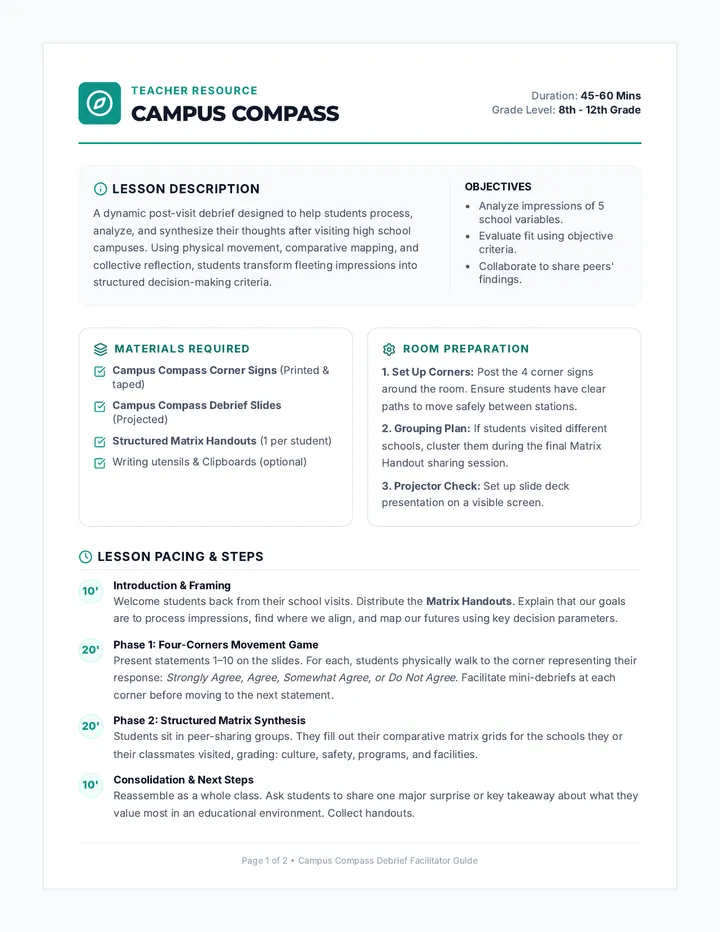
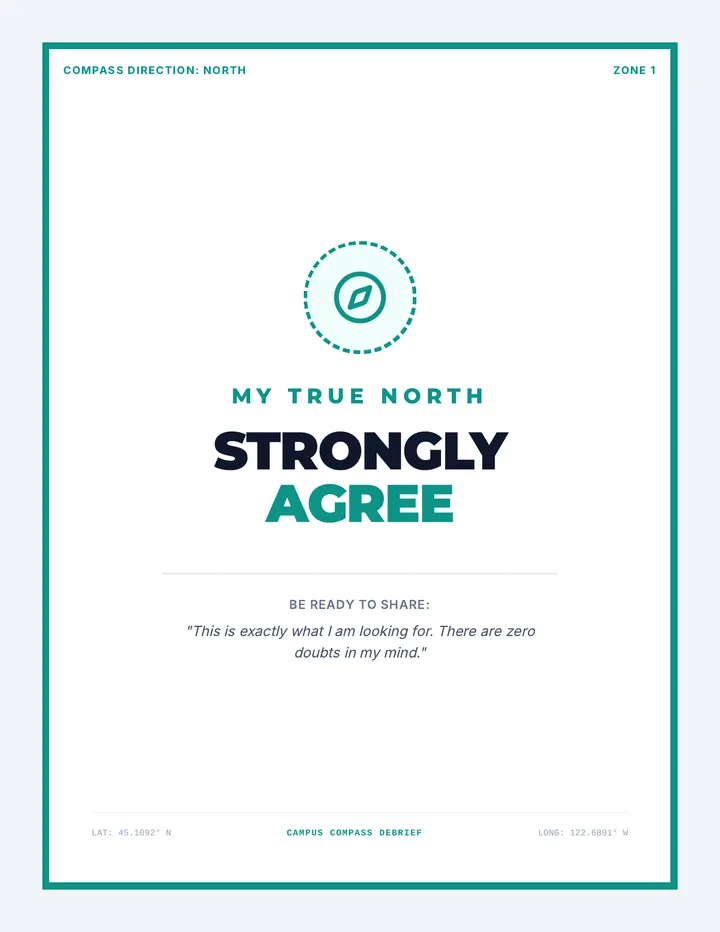
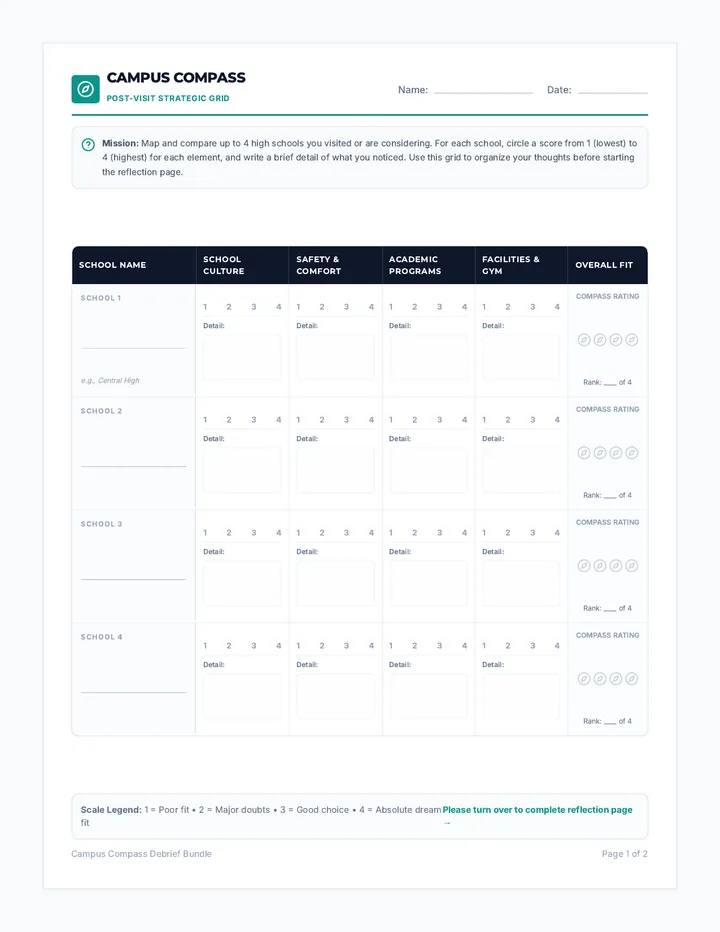
A dynamic debrief lesson designed for high school students returning from campus visits. It features a four-corners movement activity with 10 evaluation statements, a multi-school matrix analysis chart, and guiding presentation slides to synthesize their impressions of culture, safety, facilities, and academic programs.
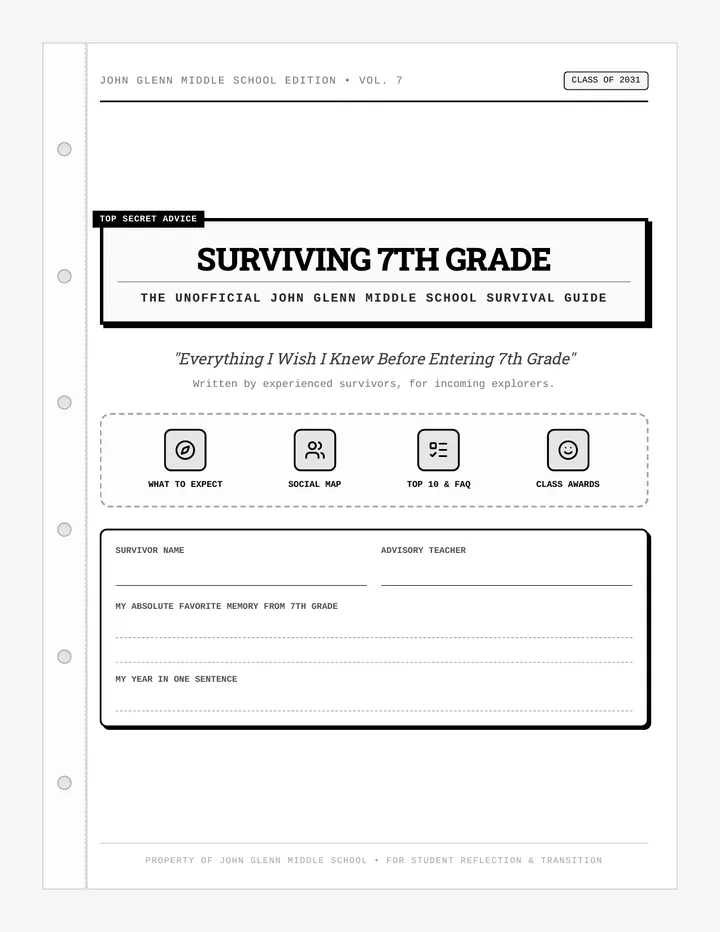
An engaging, reflective end-of-year activity packet where current 7th graders create a helpful and humorous survival guide for future incoming students.
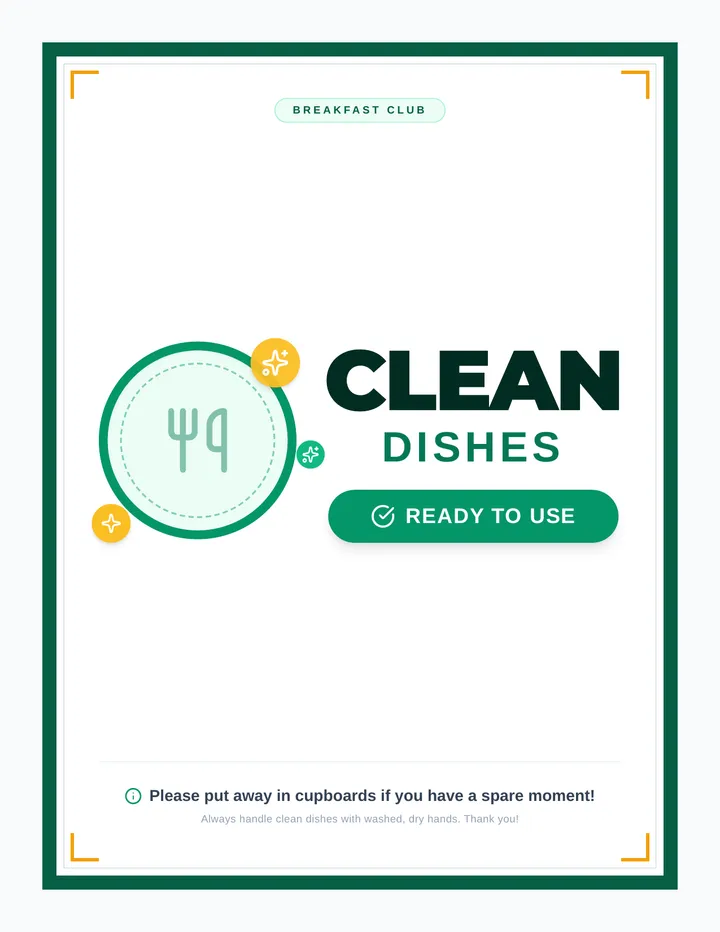
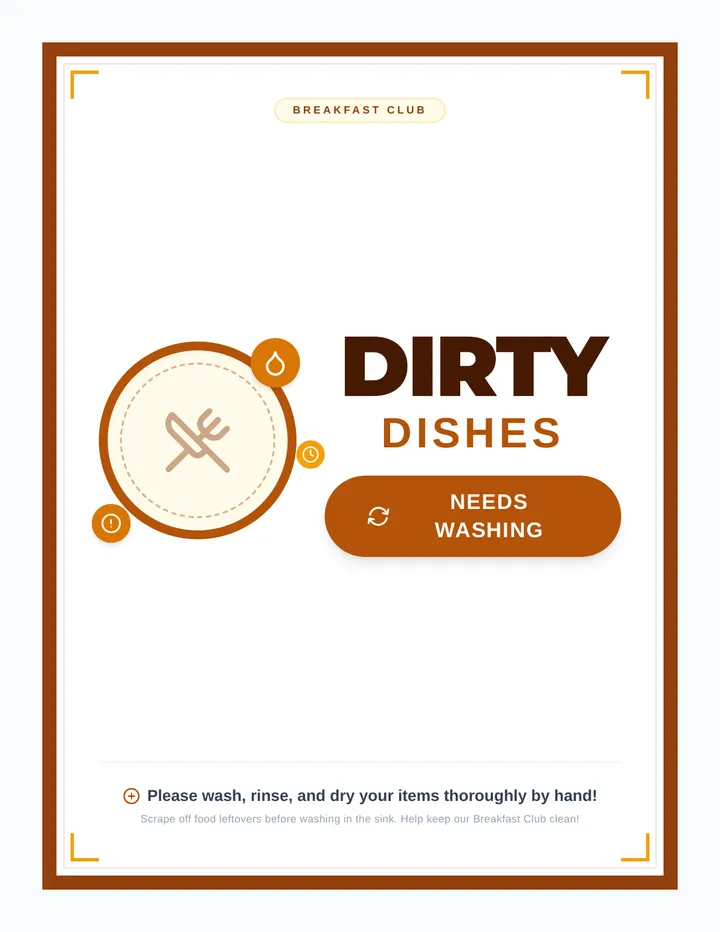
A pair of visually striking, high-contrast printable signs to organize any kitchen or classroom space. Features separate, elegant layouts for clean and dirty dishes to maintain perfect organization.
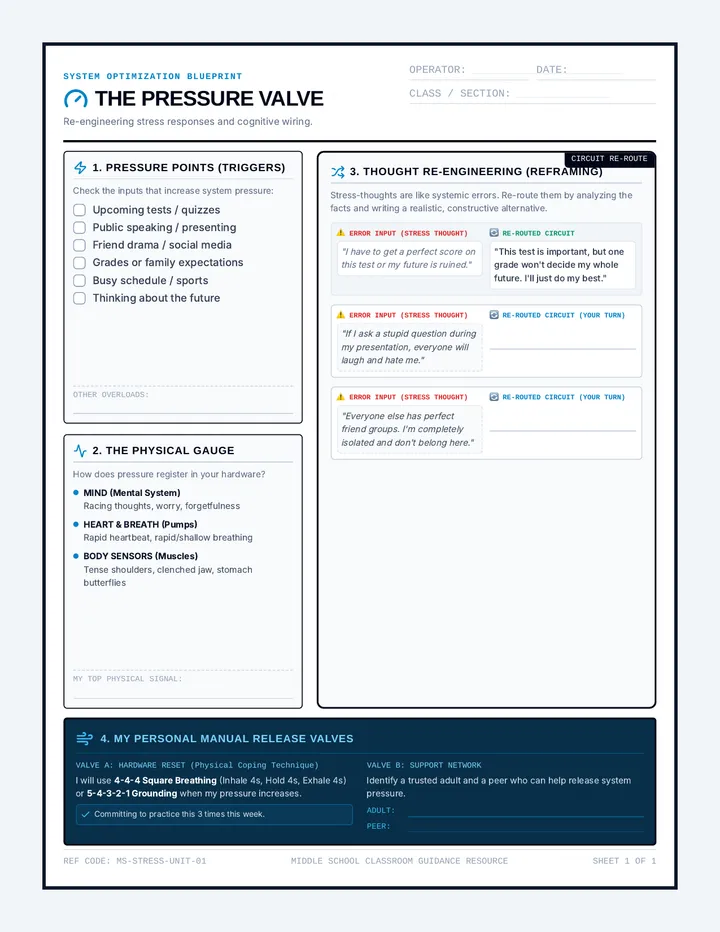
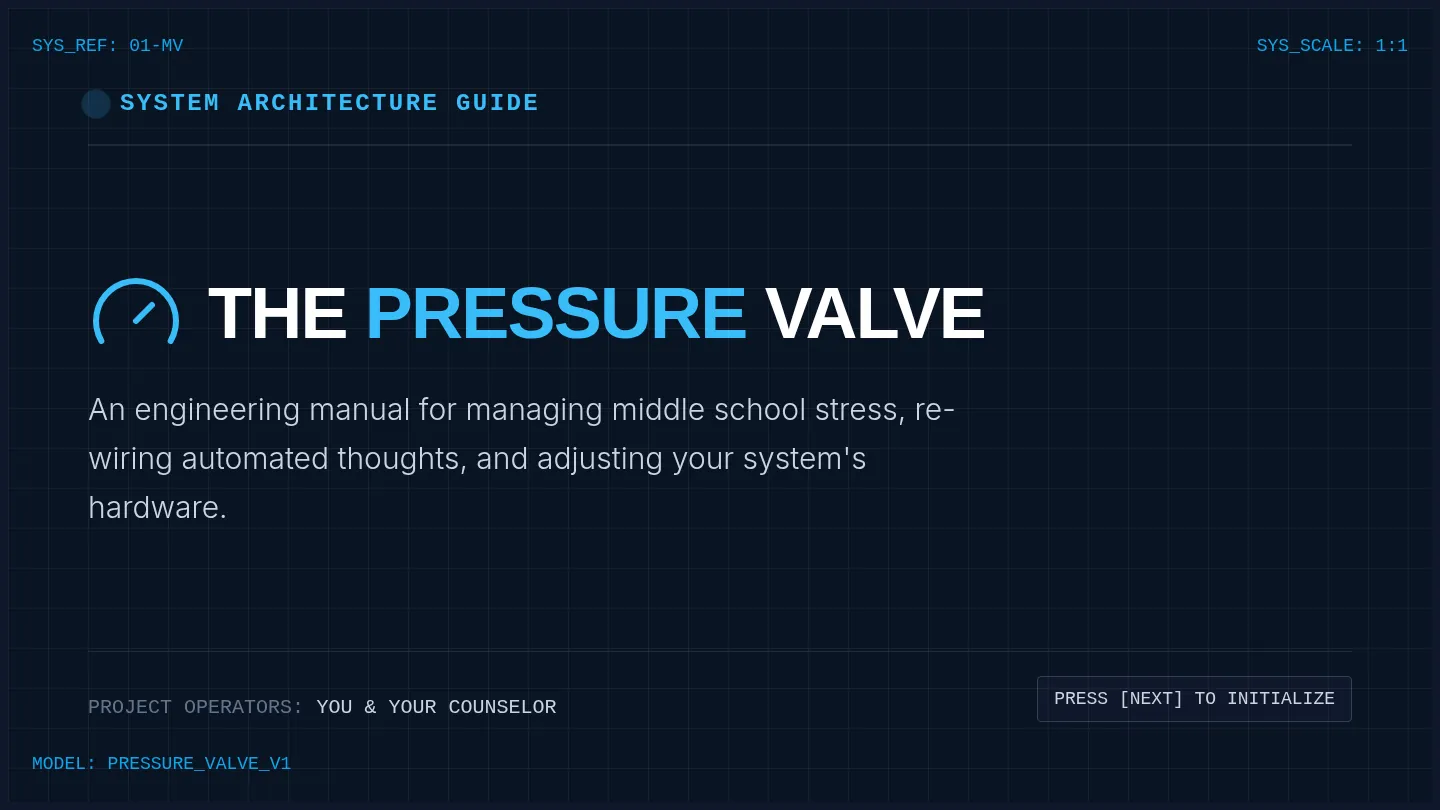
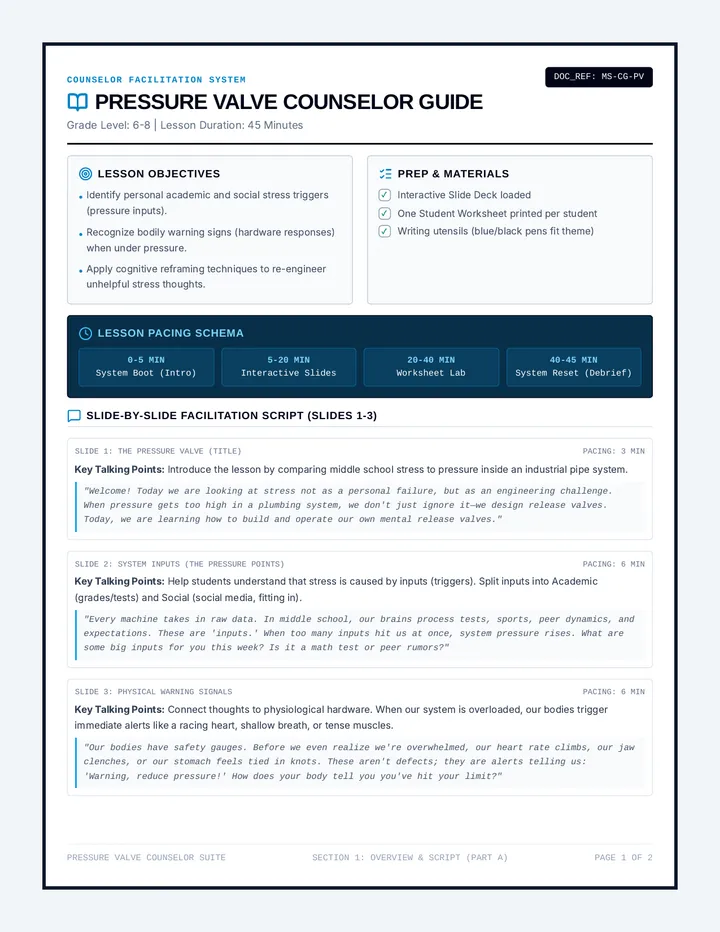
A comprehensive middle school classroom guidance lesson focused on identifying academic and social stress triggers, recognizing physical stress responses, and applying cognitive reframing strategies. Includes an interactive presentation, a detailed counselor facilitation script, and a hands-on student activity worksheet.
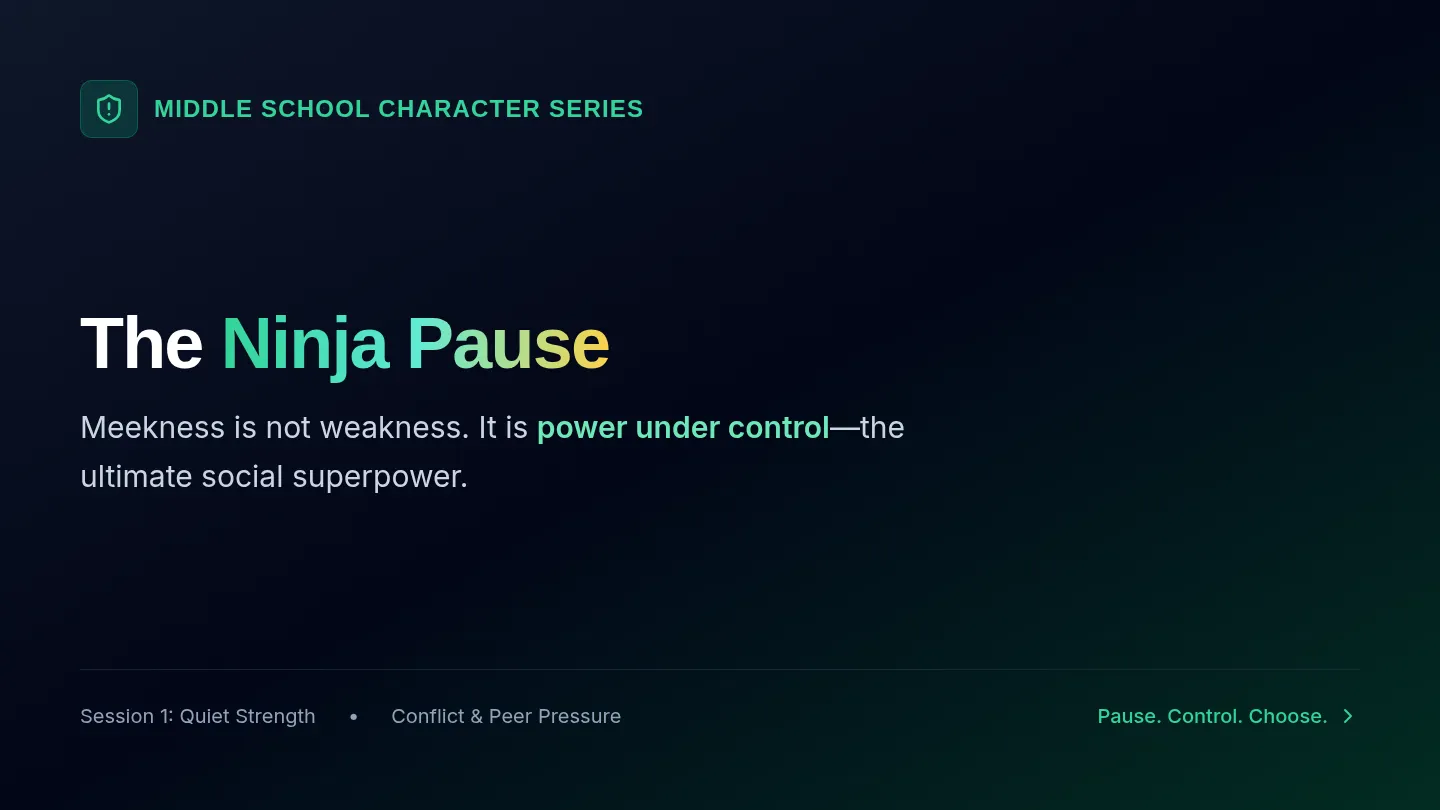
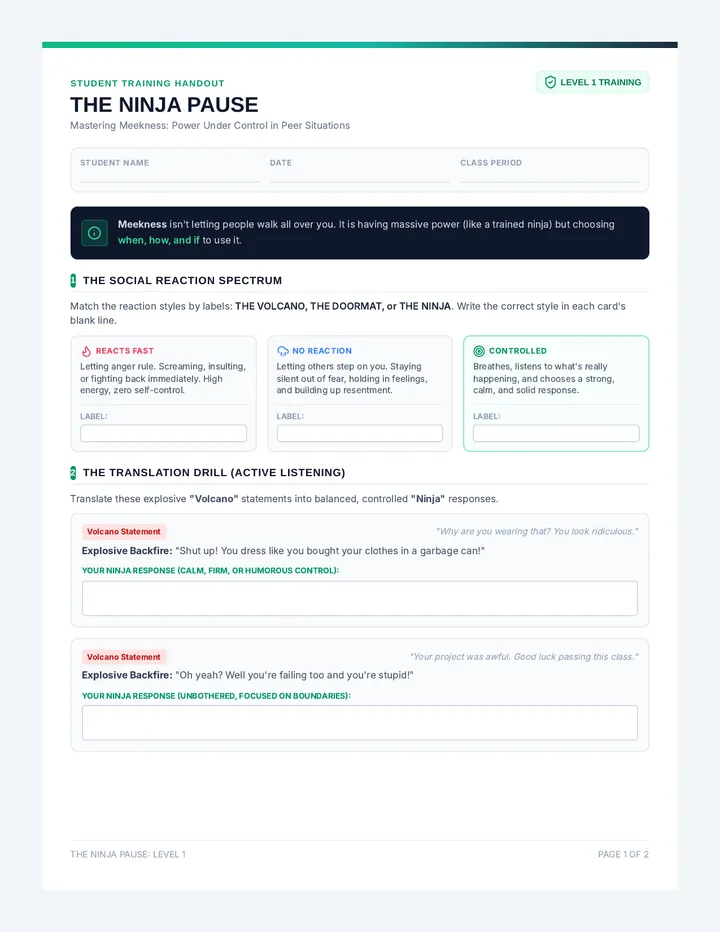
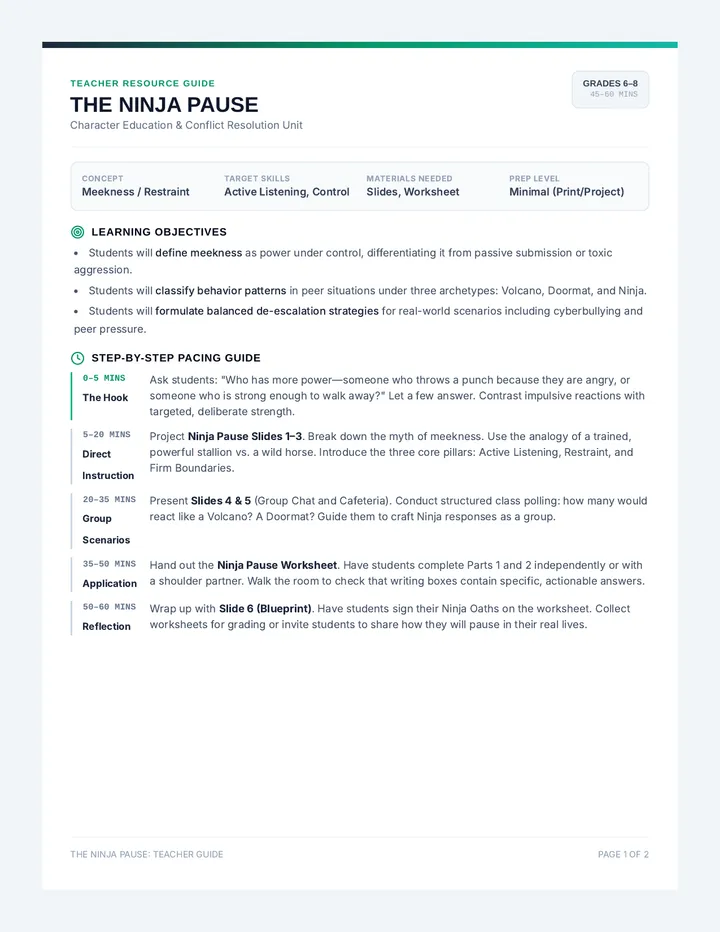
A middle school lesson framing meekness as 'power under control'—the strength to choose your response in social situations. Through scenario analysis and active listening, students learn to handle peer pressure, resolve conflicts, and master the art of the intentional pause.
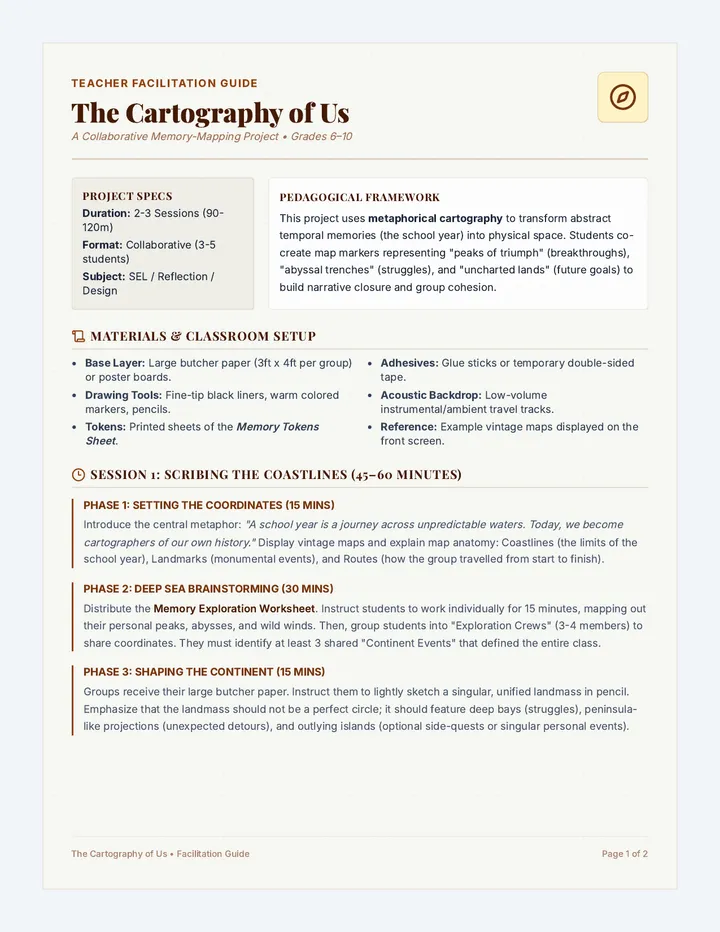
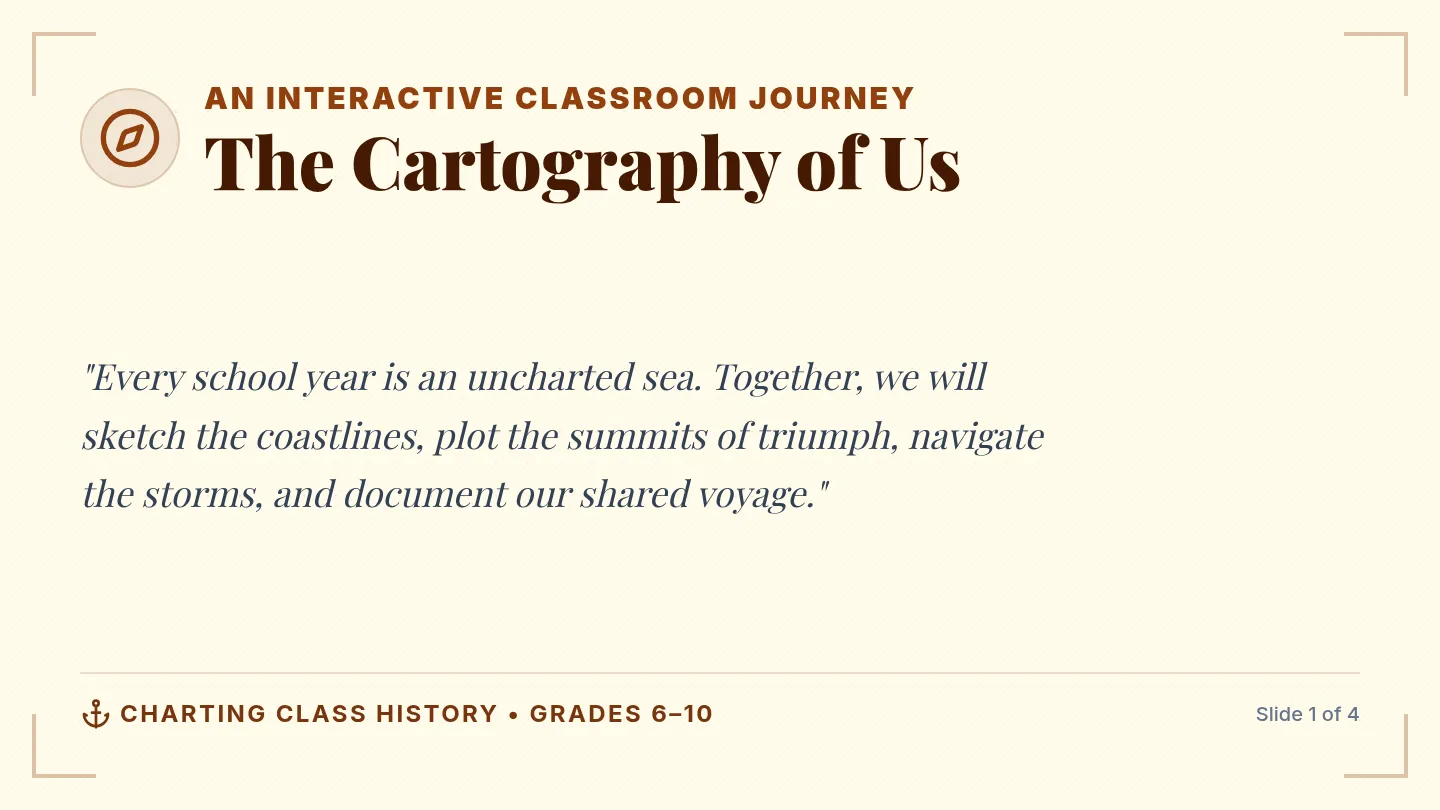
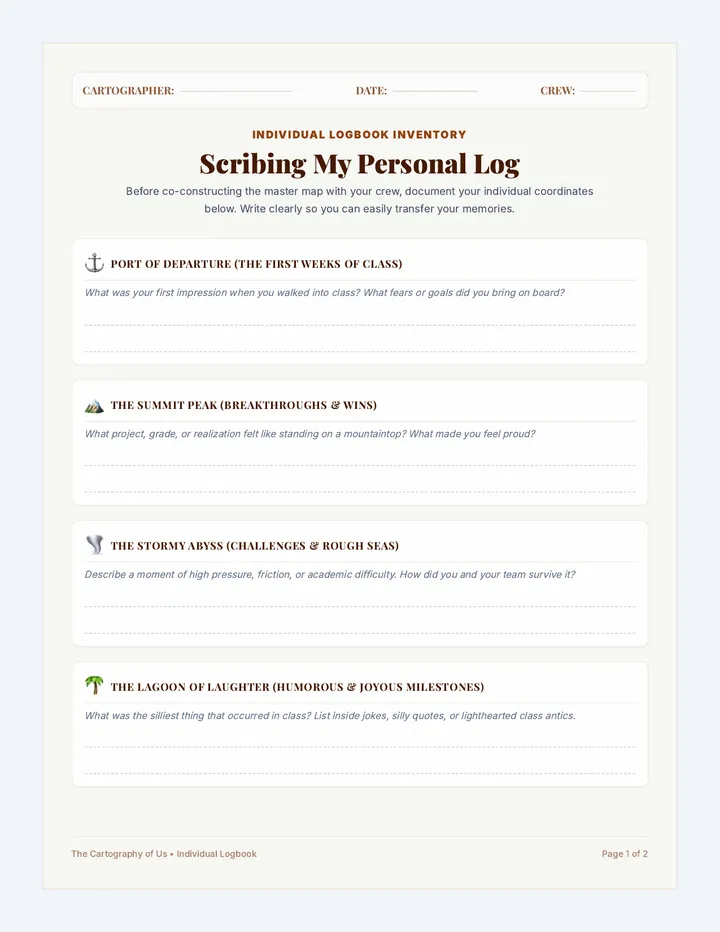
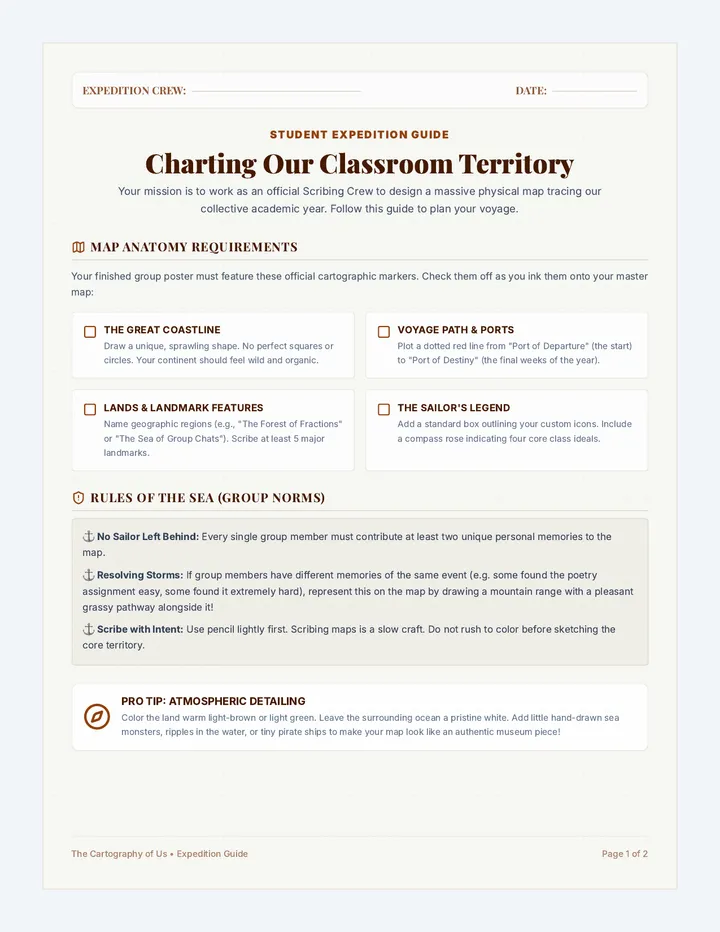
A highly creative memory-mapping project where students in grades 6-10 visually chart their collective academic year. Through drawing map components, identifying milestones, and reflecting on challenges, students collaborate to construct a literal 'map' of their classroom journey and personal growth.
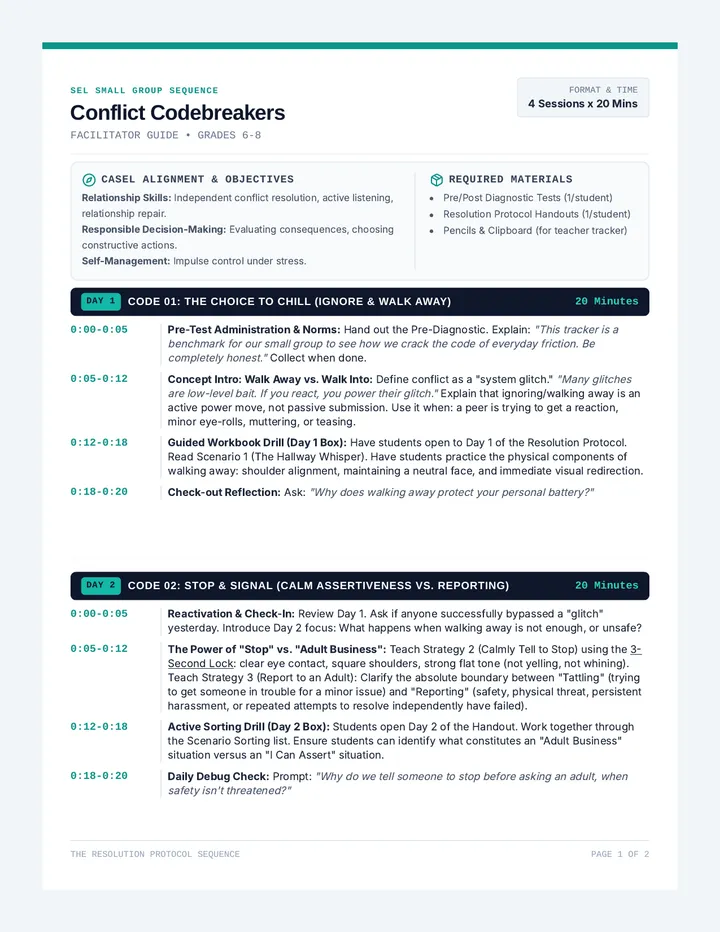
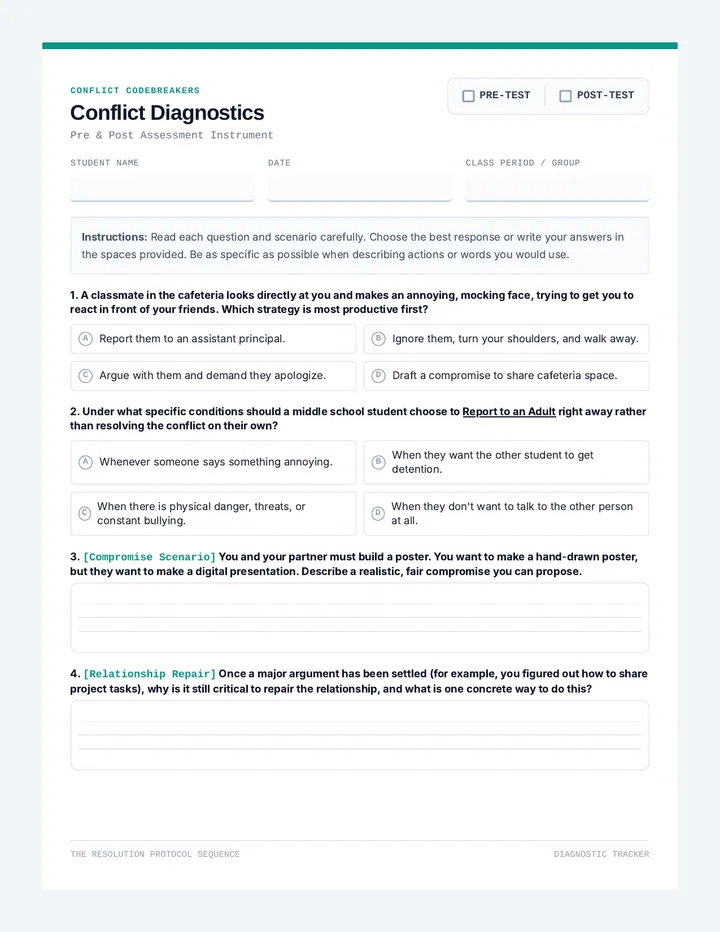
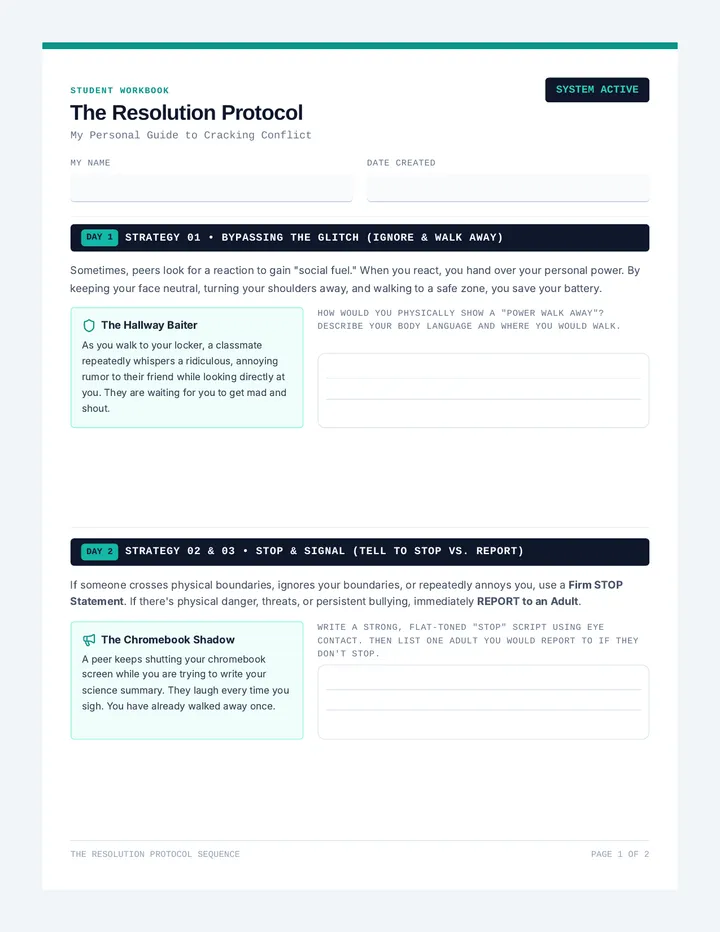
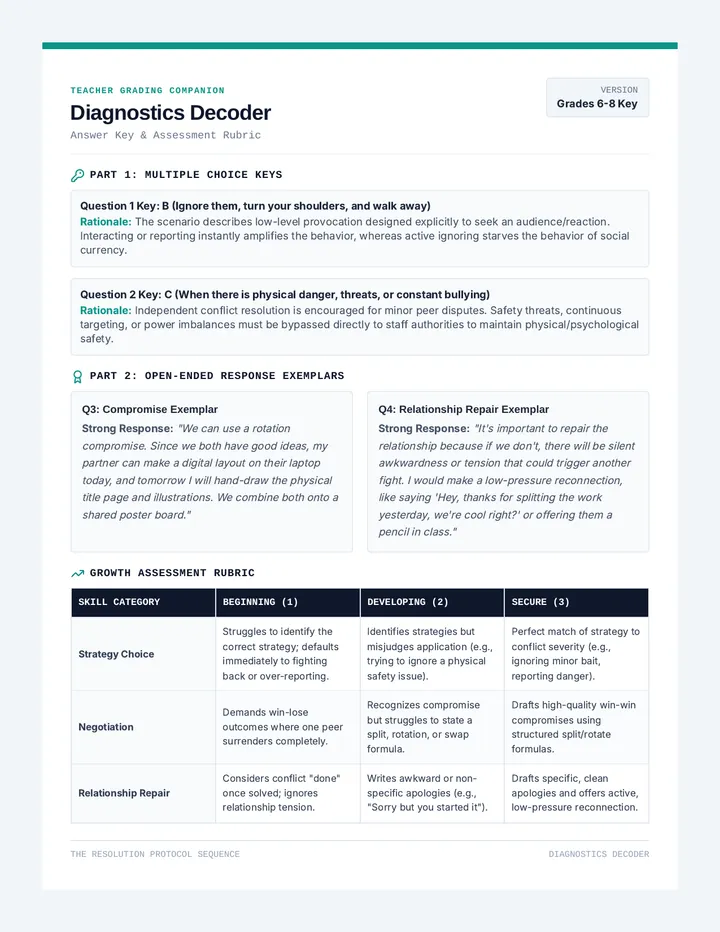
A 4-day small group curriculum for grades 6-8 focusing on independent conflict resolution and relationship repair, structured in 20-minute daily sessions.
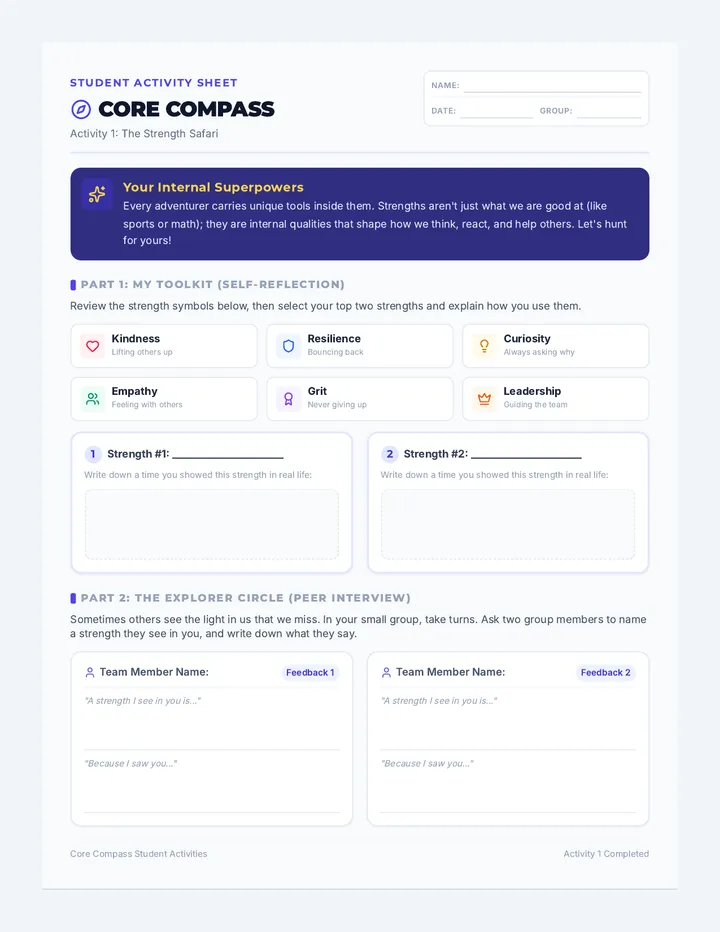
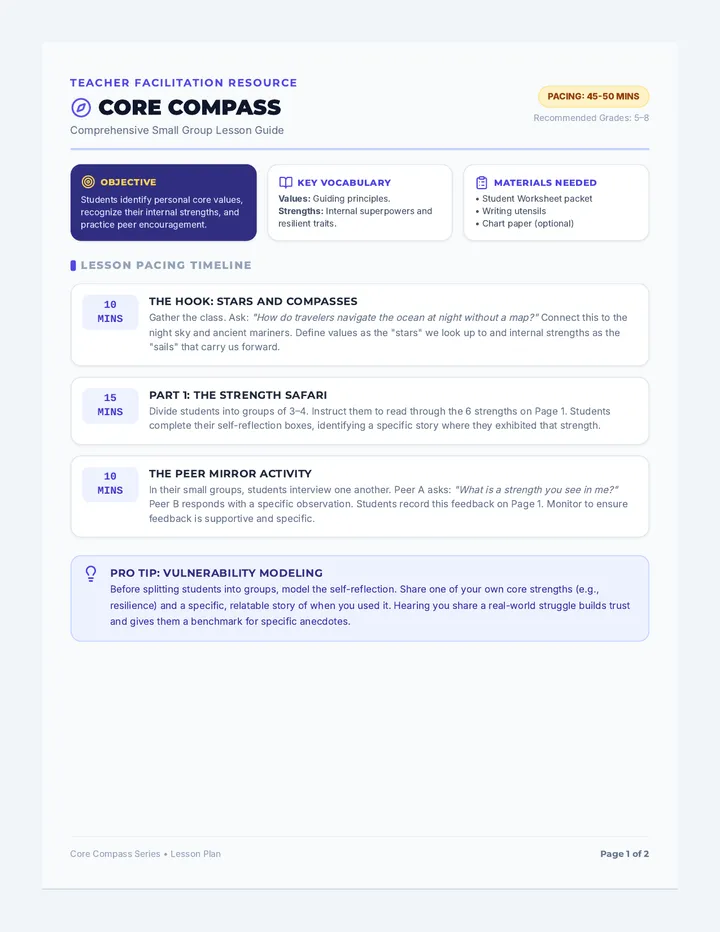
A reflective, small-group lesson designed to help students discover and articulate their core personal values and internal strengths. Through collaborative discussions, interactive sorting, and private journaling, students build self-awareness and mutual appreciation.