An introductory lesson for 8th graders on responsible online behavior, covering safety, privacy, and respectful communication in the digital age.
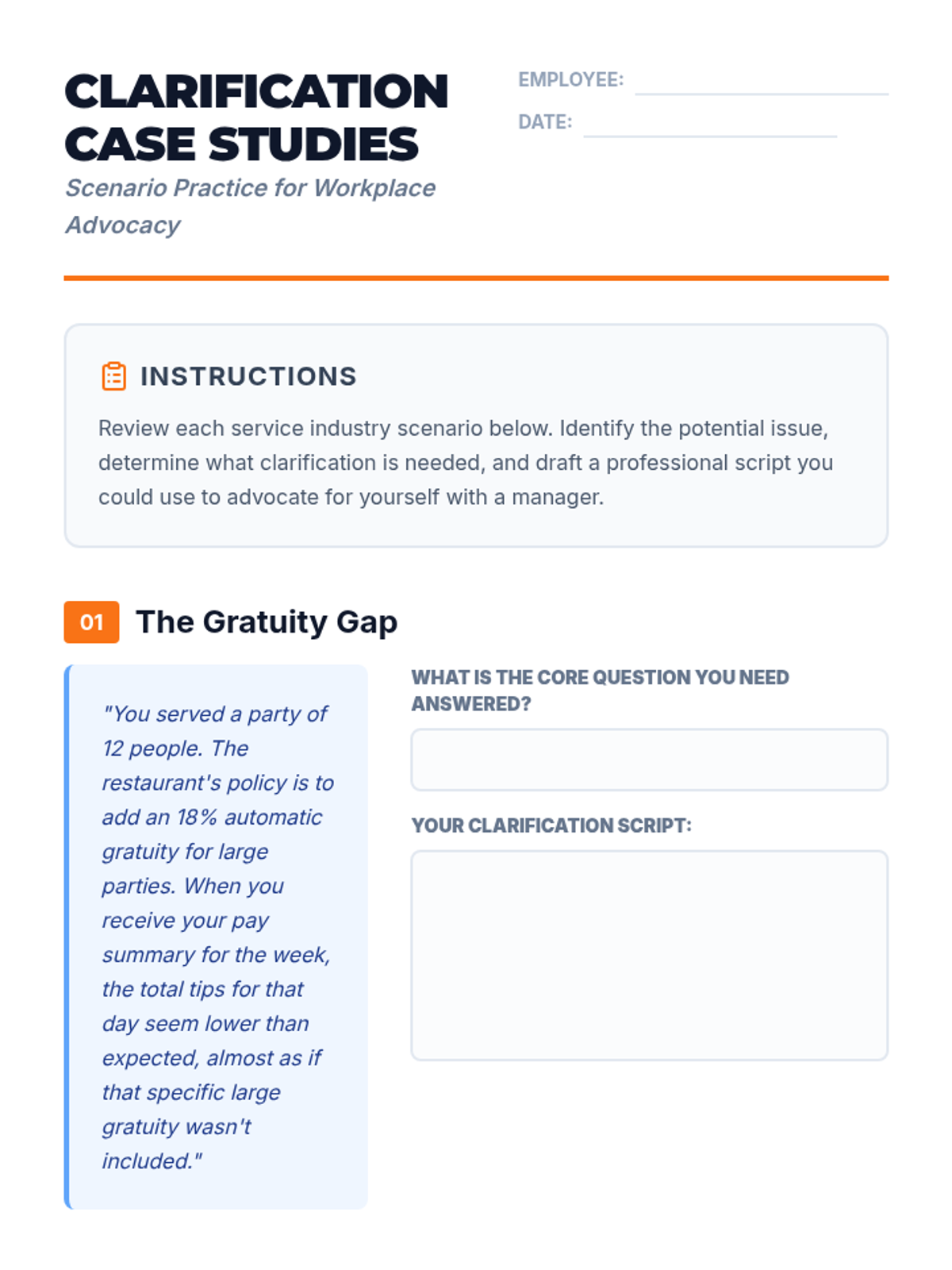
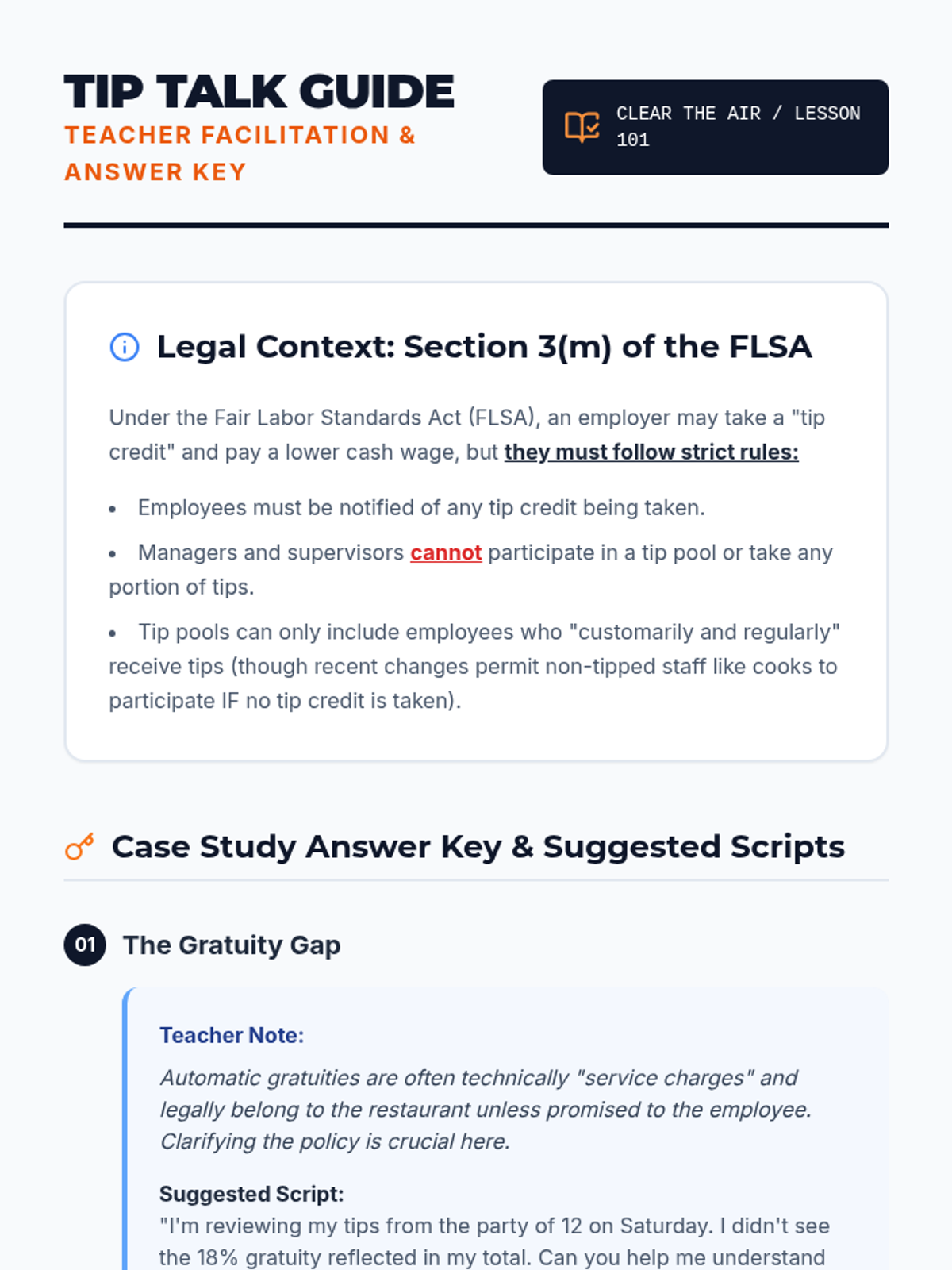
This lesson focuses on self-advocacy in the service industry, specifically regarding tipping policies and procedures. Students will learn how to identify different tipping systems and practice asking for clarification when they have questions about their earnings.
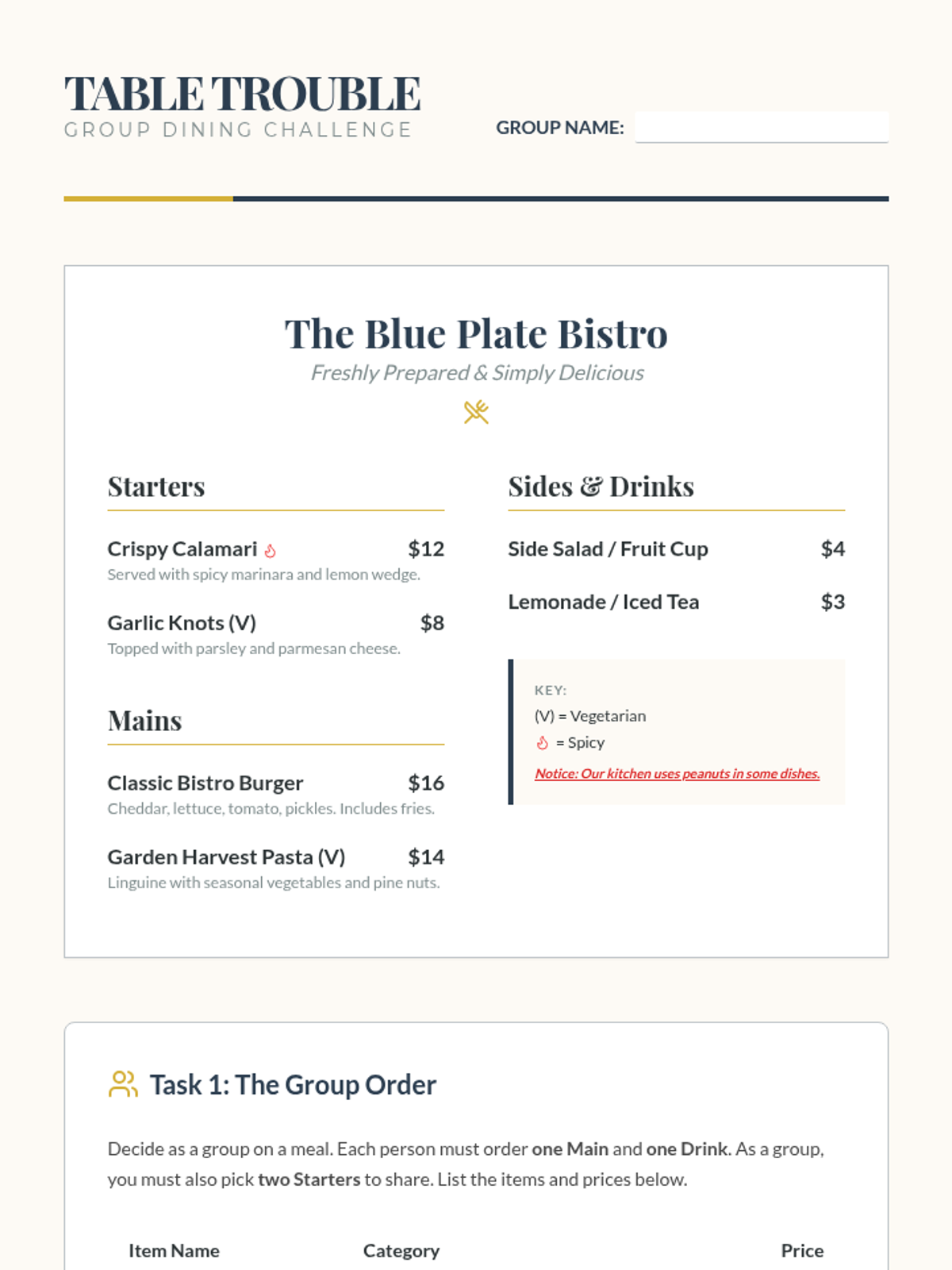
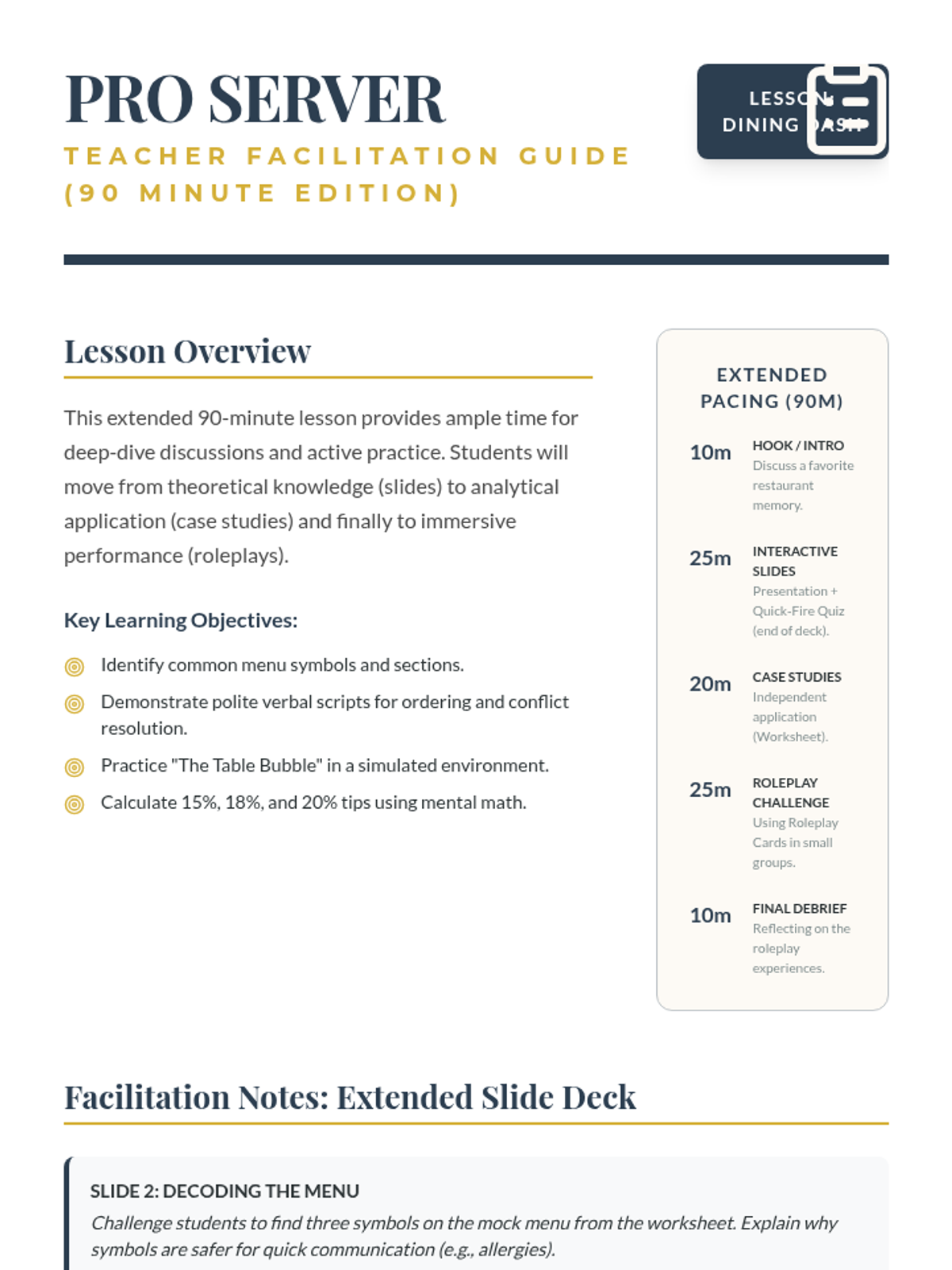
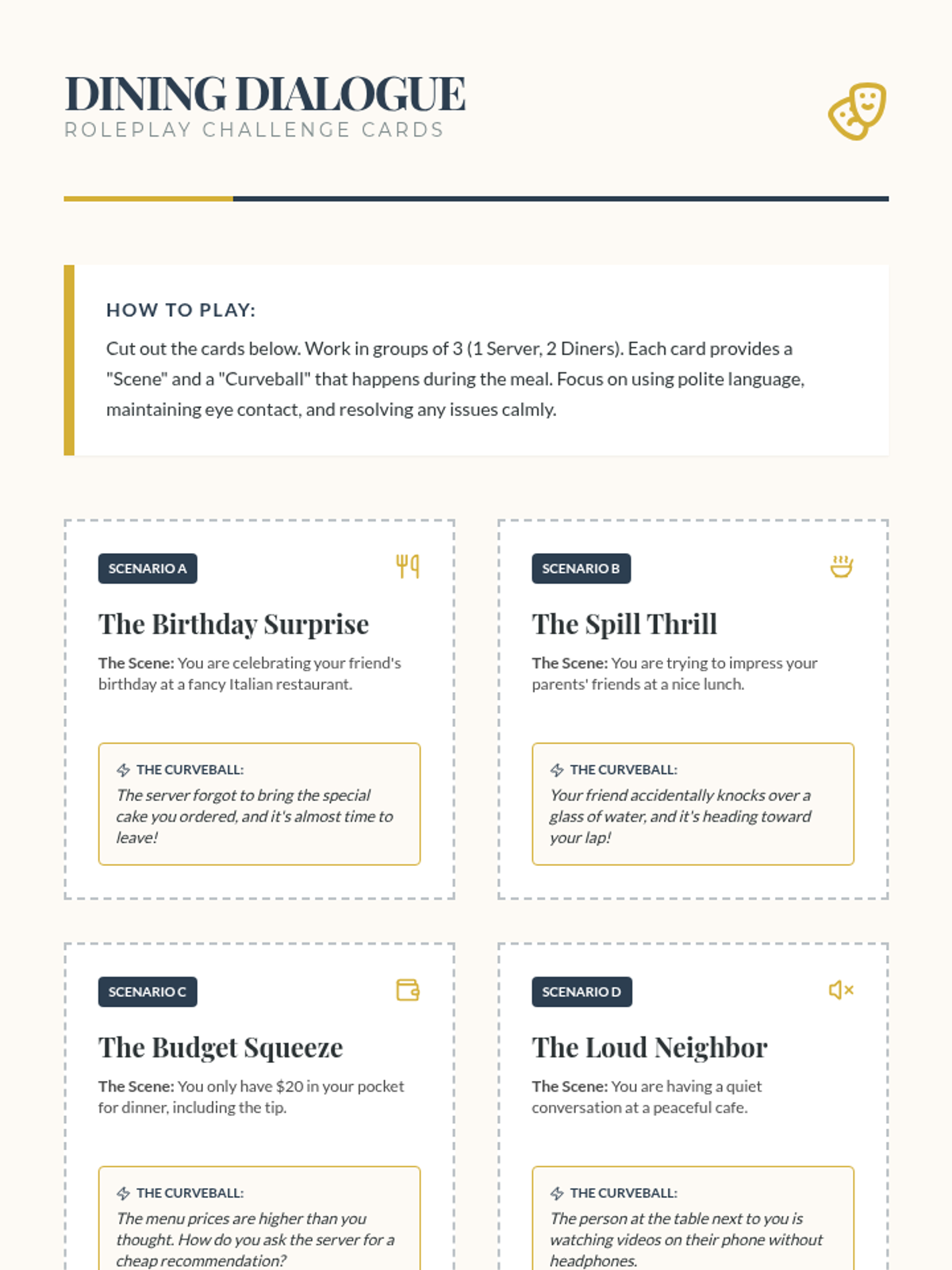
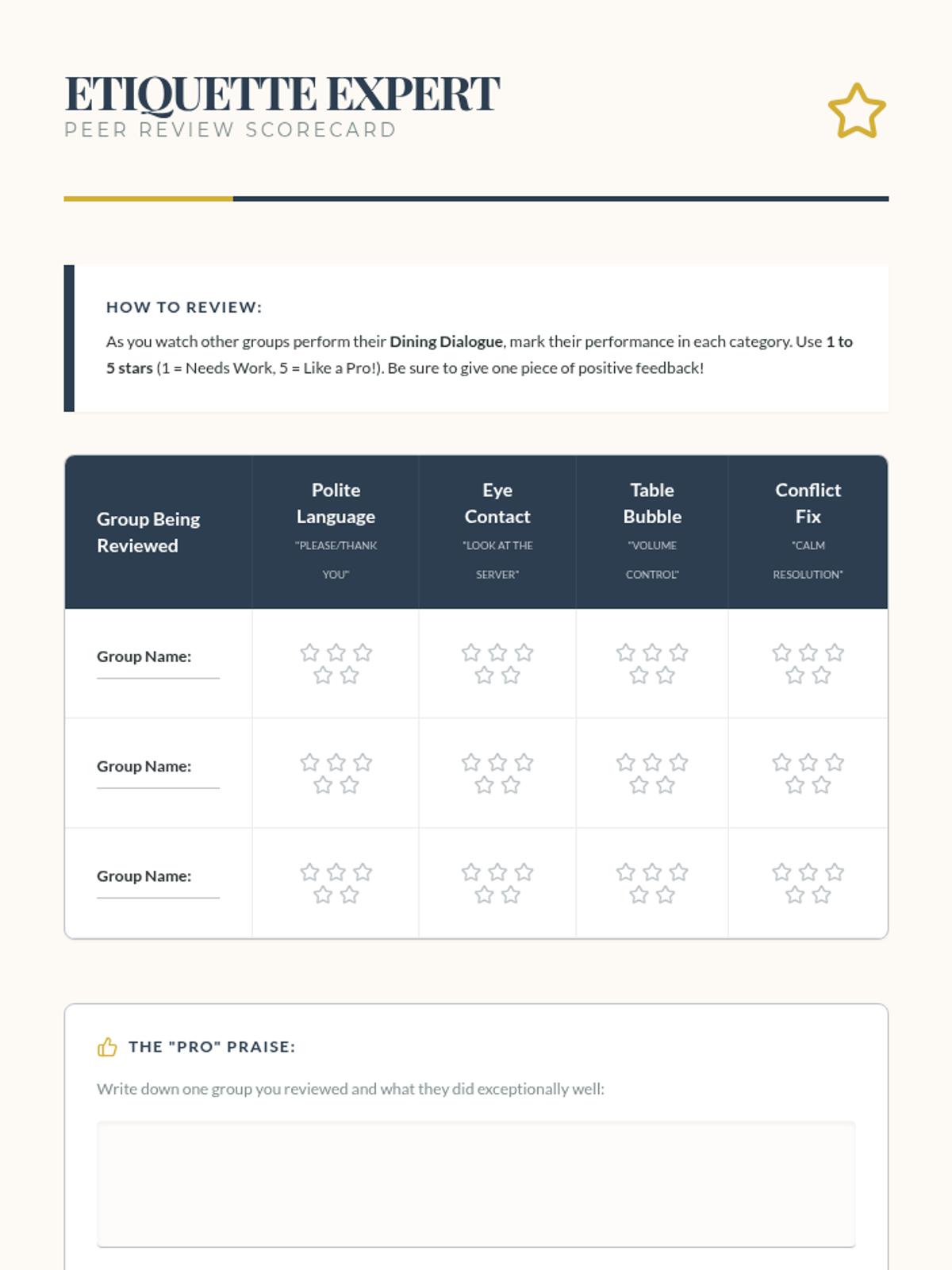
A comprehensive lesson on restaurant etiquette covering menu reading, ordering, manners, volume control, tipping, and conflict resolution.
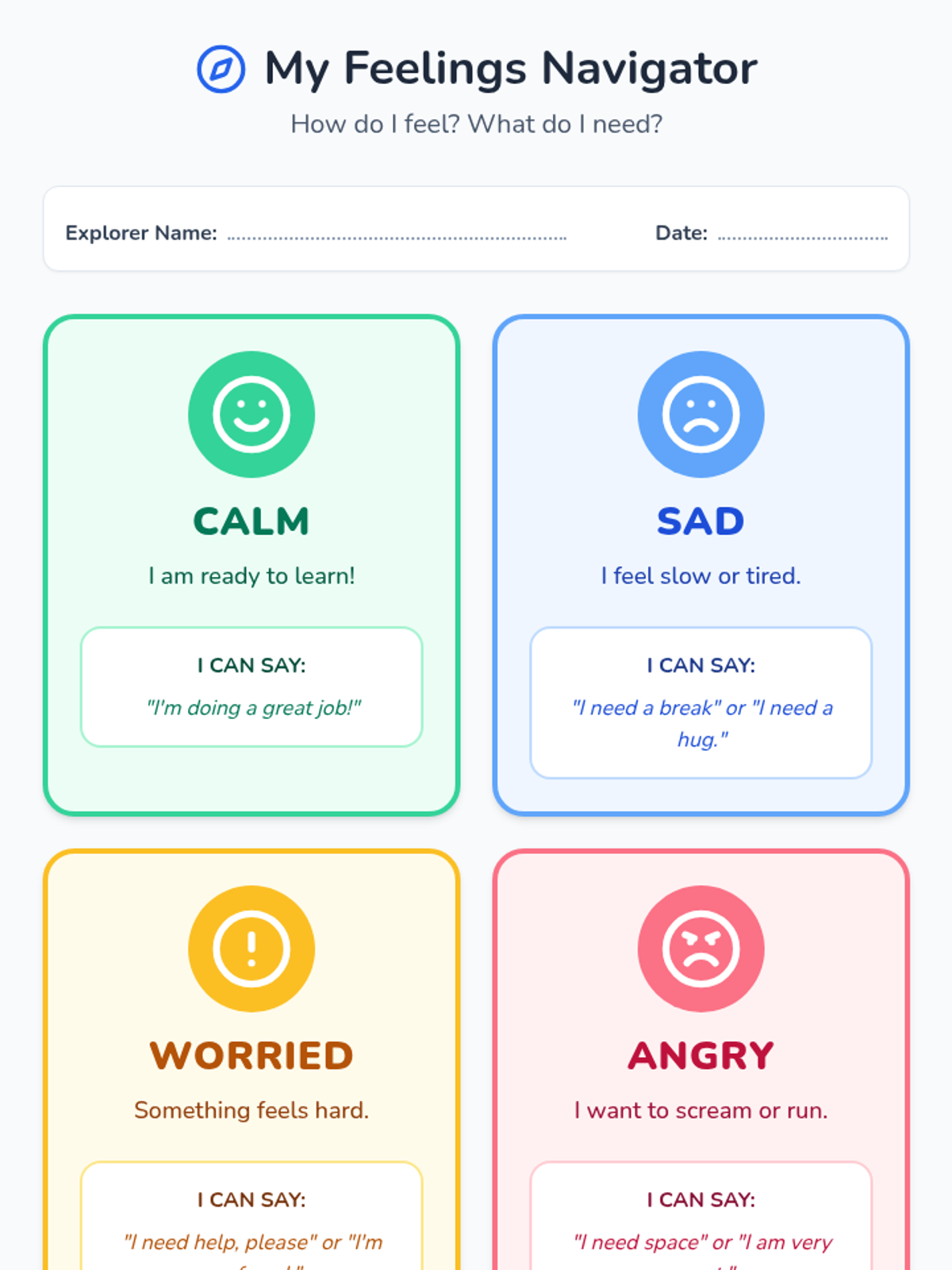
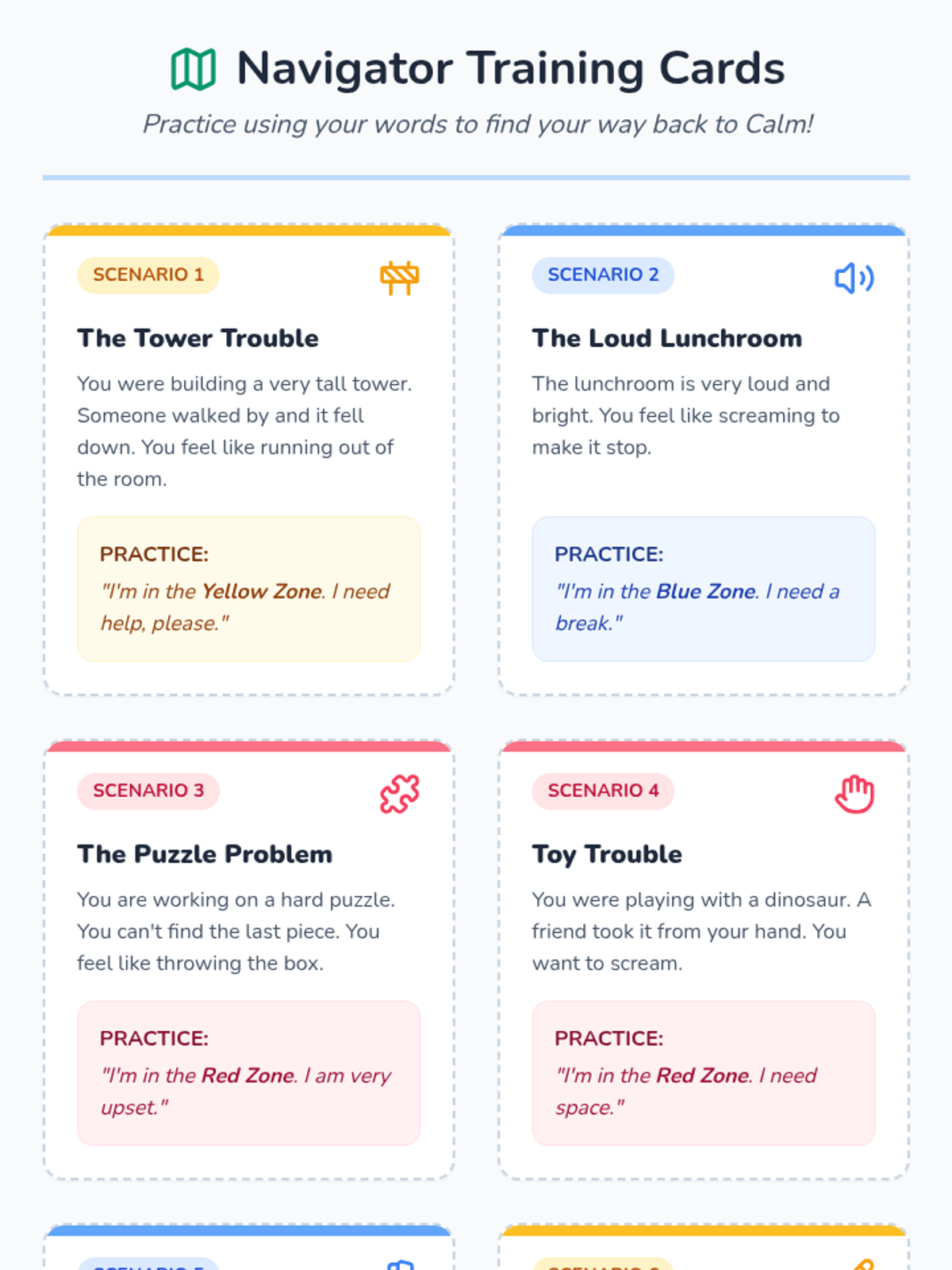
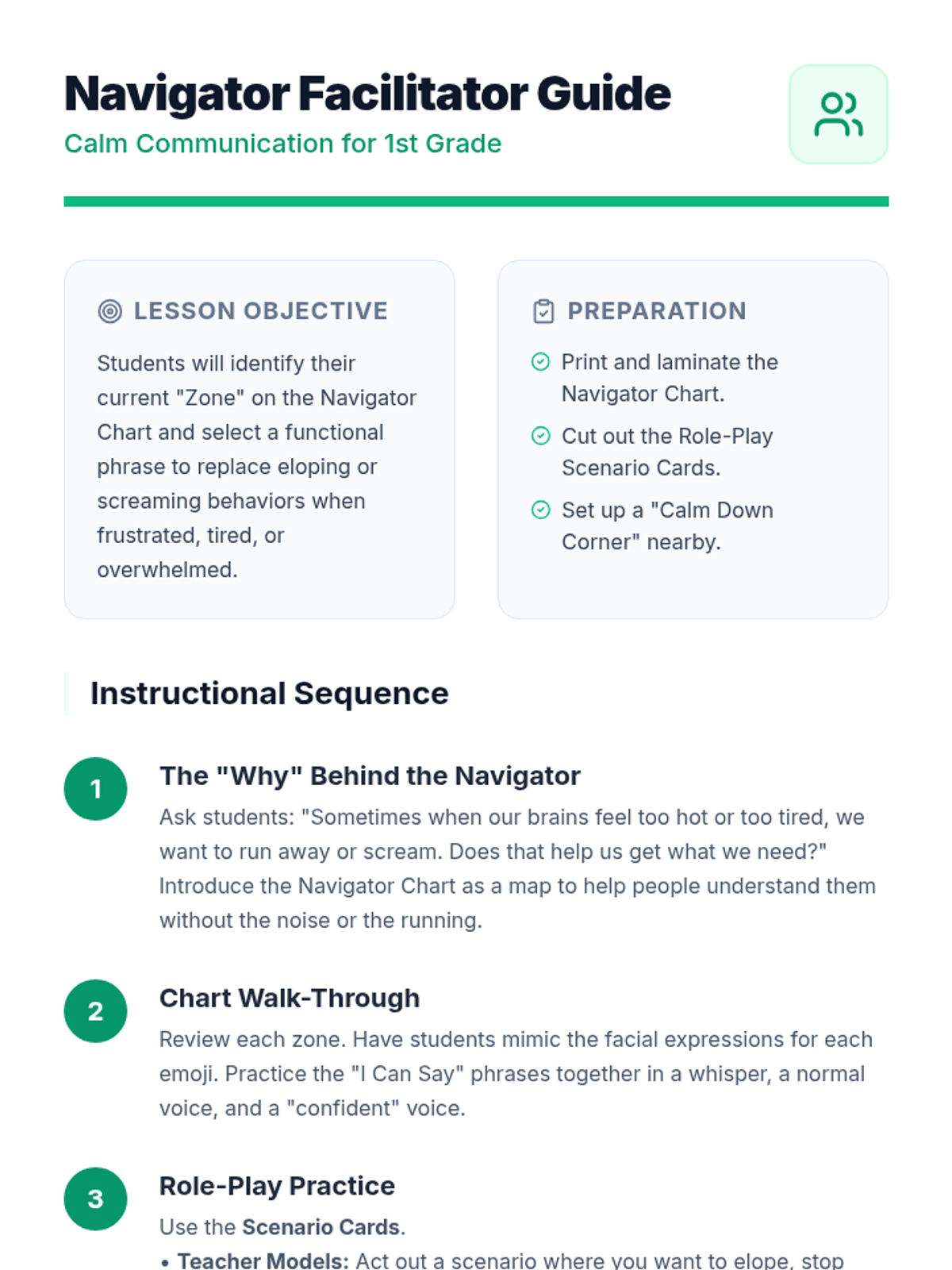
A lesson designed for two first-graders to learn how to replace screaming and eloping with verbal communication using a feelings chart. Through role-play and visual aids, students practice identifying their emotions and stating their needs.
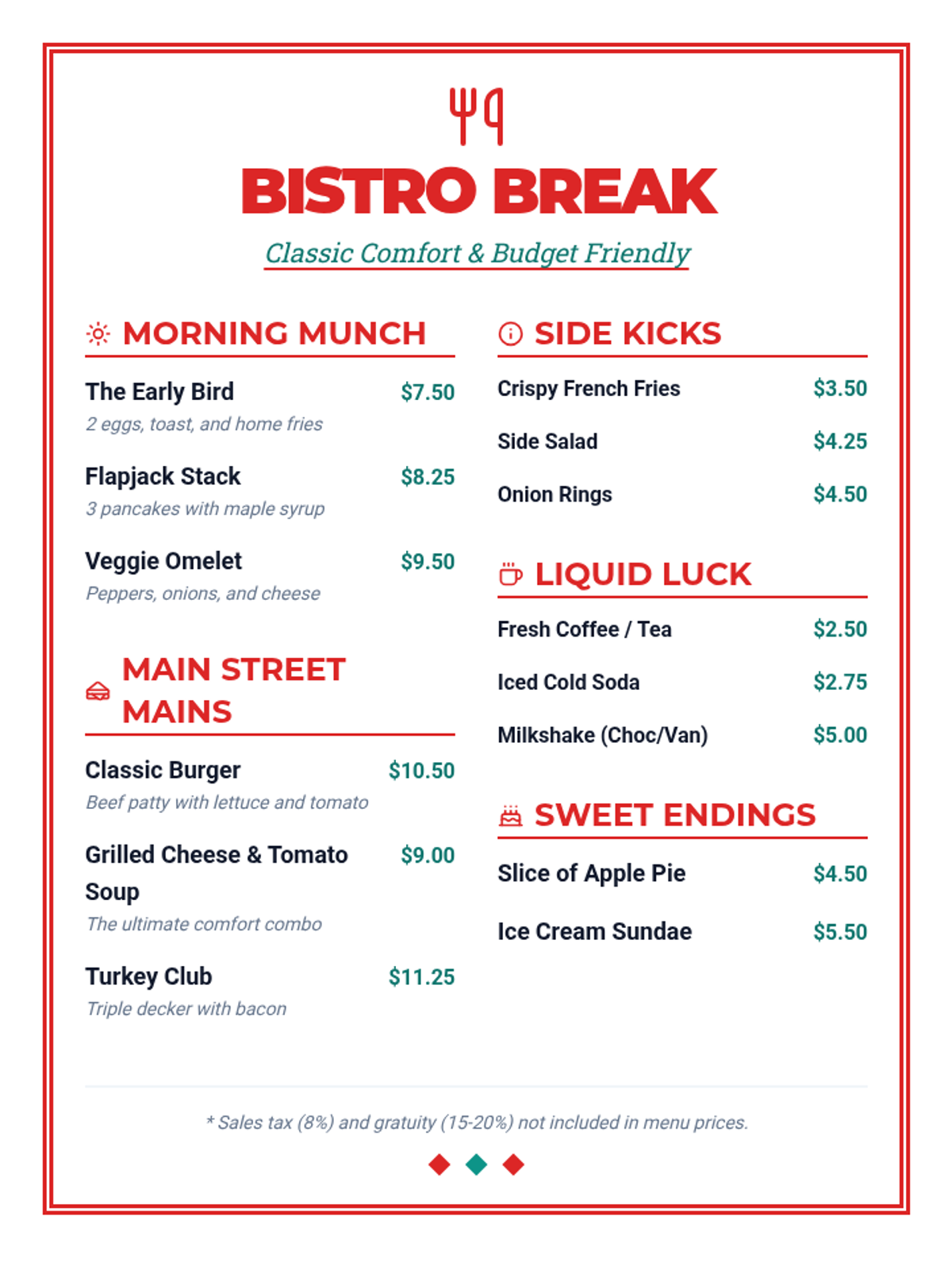
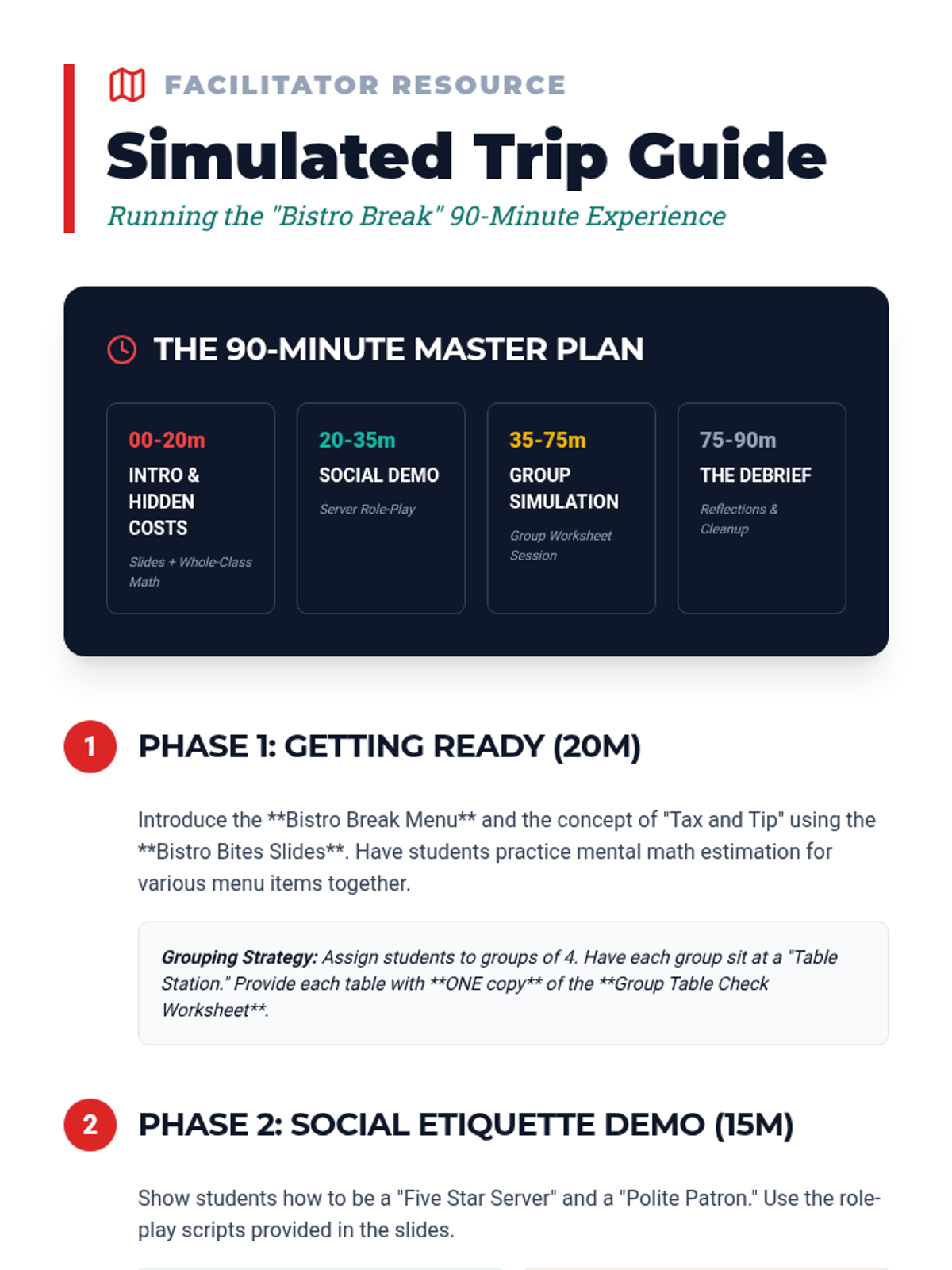
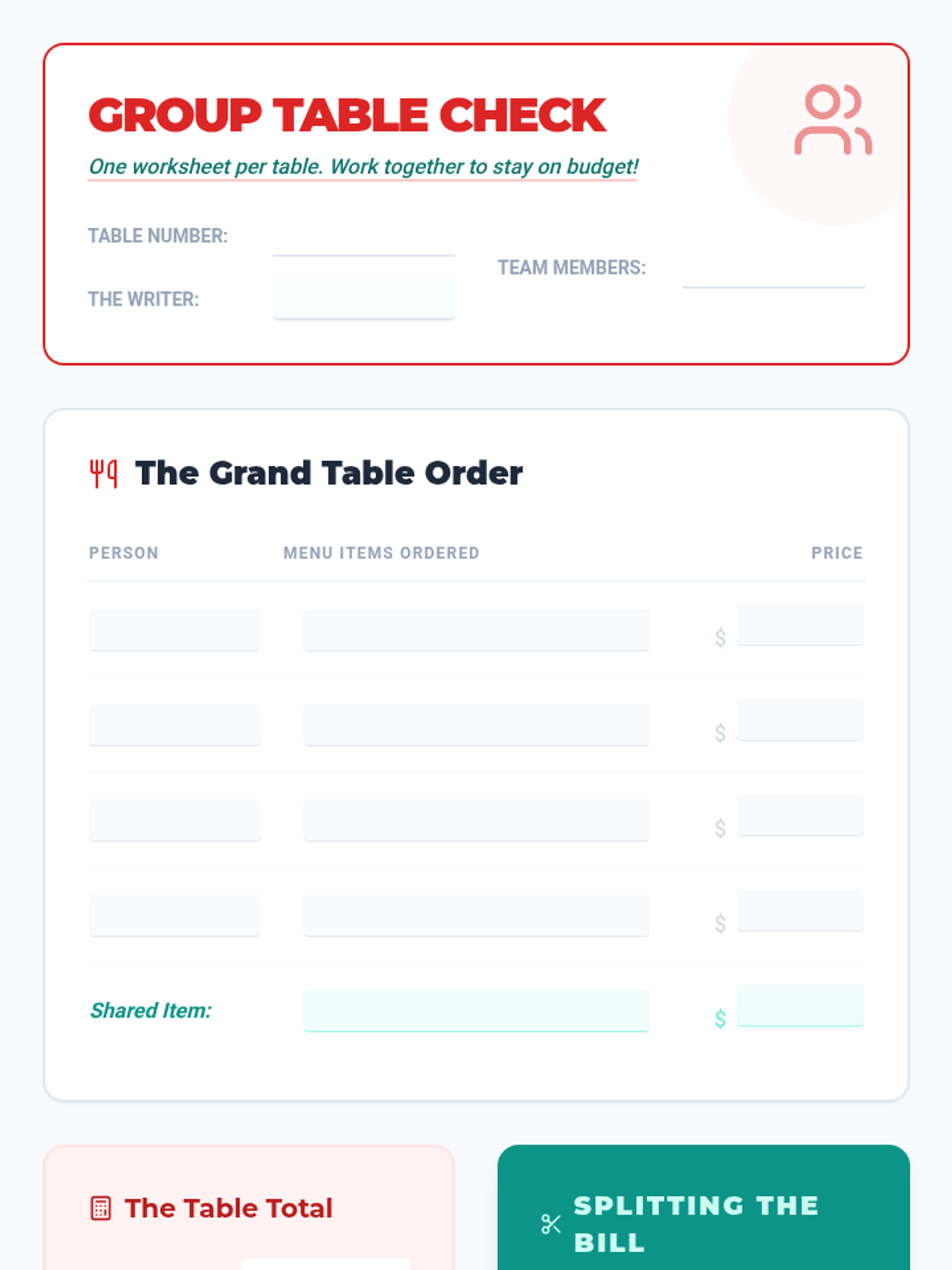
A functional skills lesson focused on navigating a restaurant experience on a budget, covering menu reading, budget planning, social etiquette, and group check splitting.
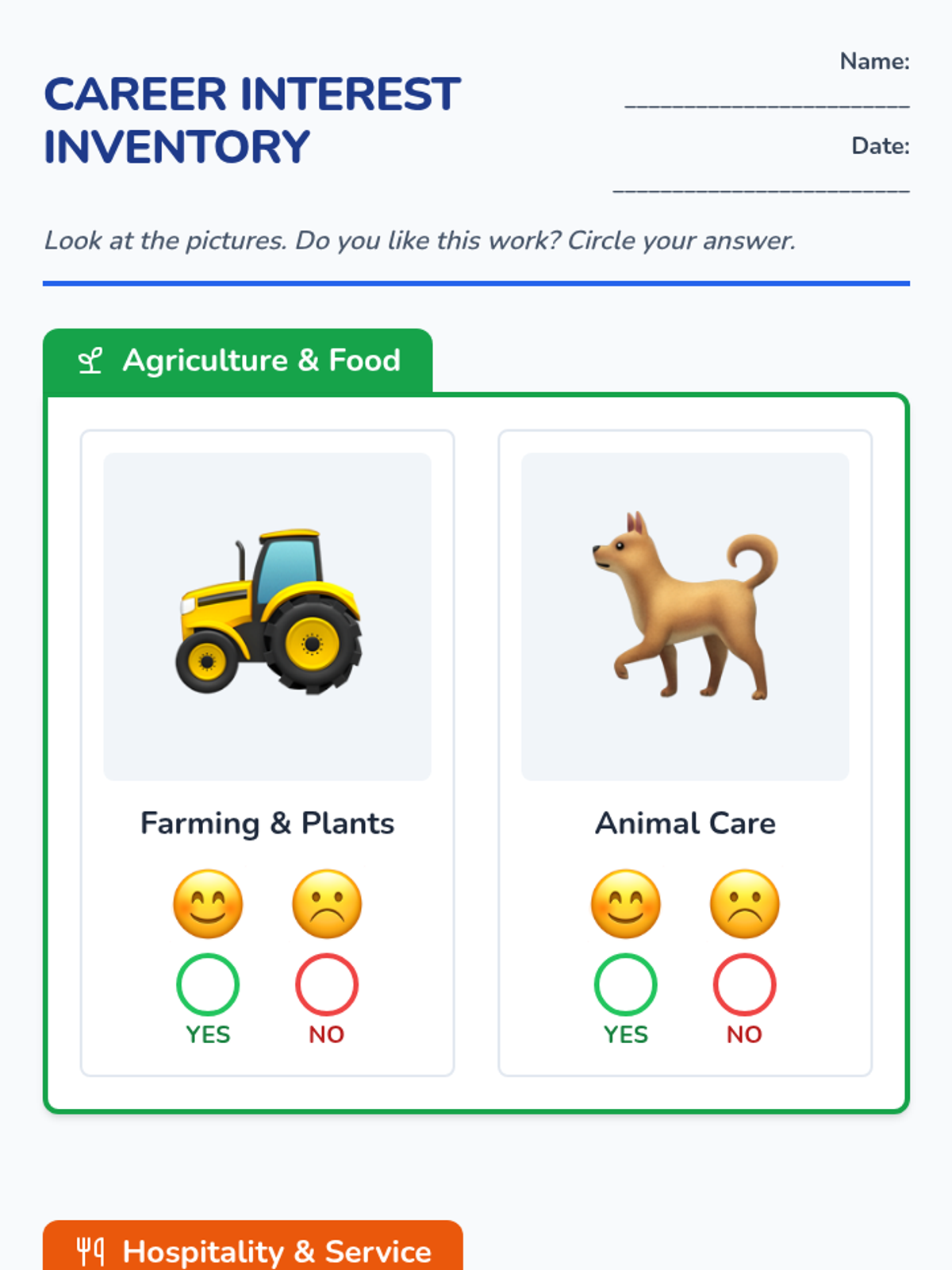
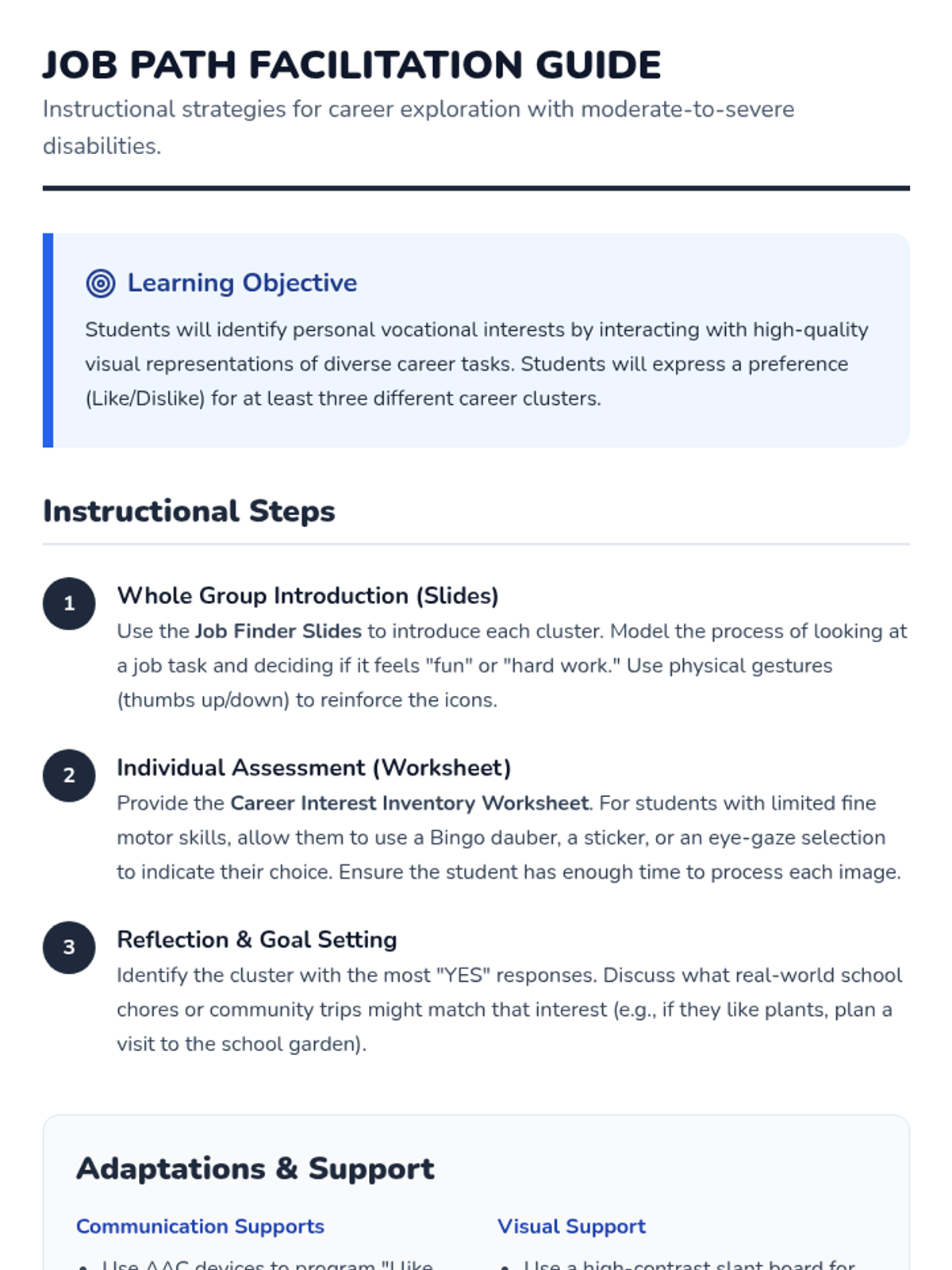
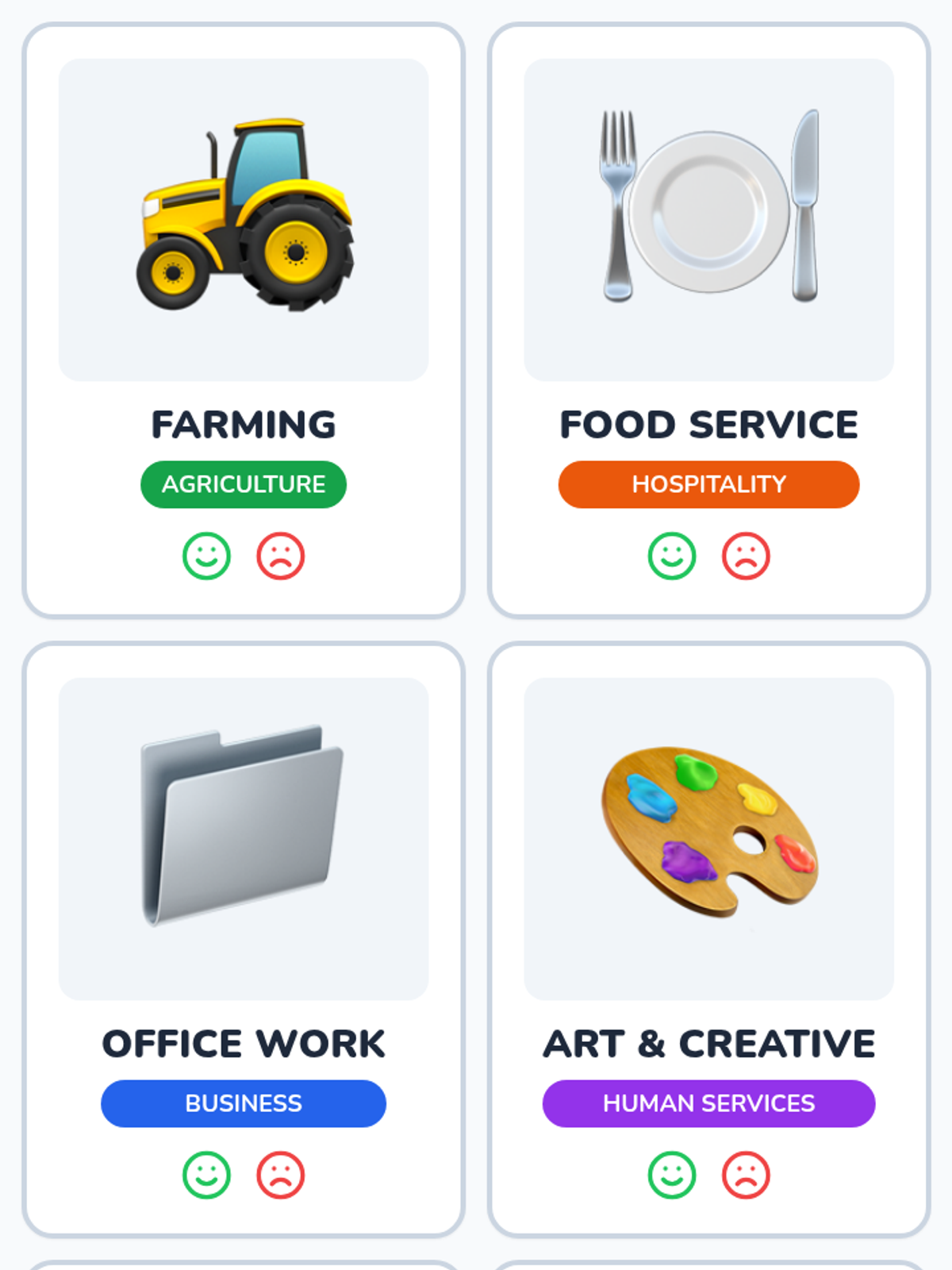
A visual career exploration lesson designed for students with moderate to severe disabilities, using real photos to identify interests across various career clusters.
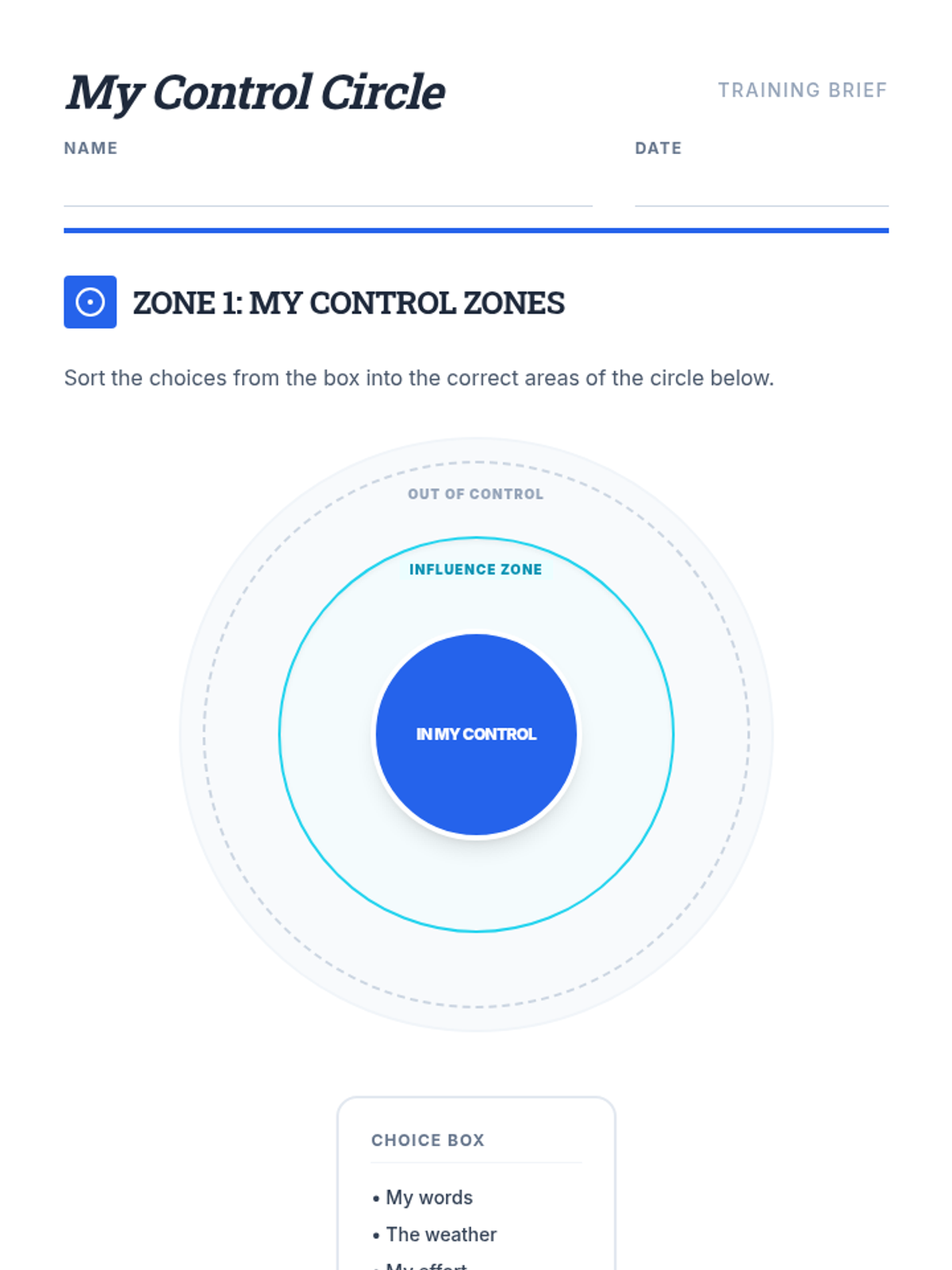
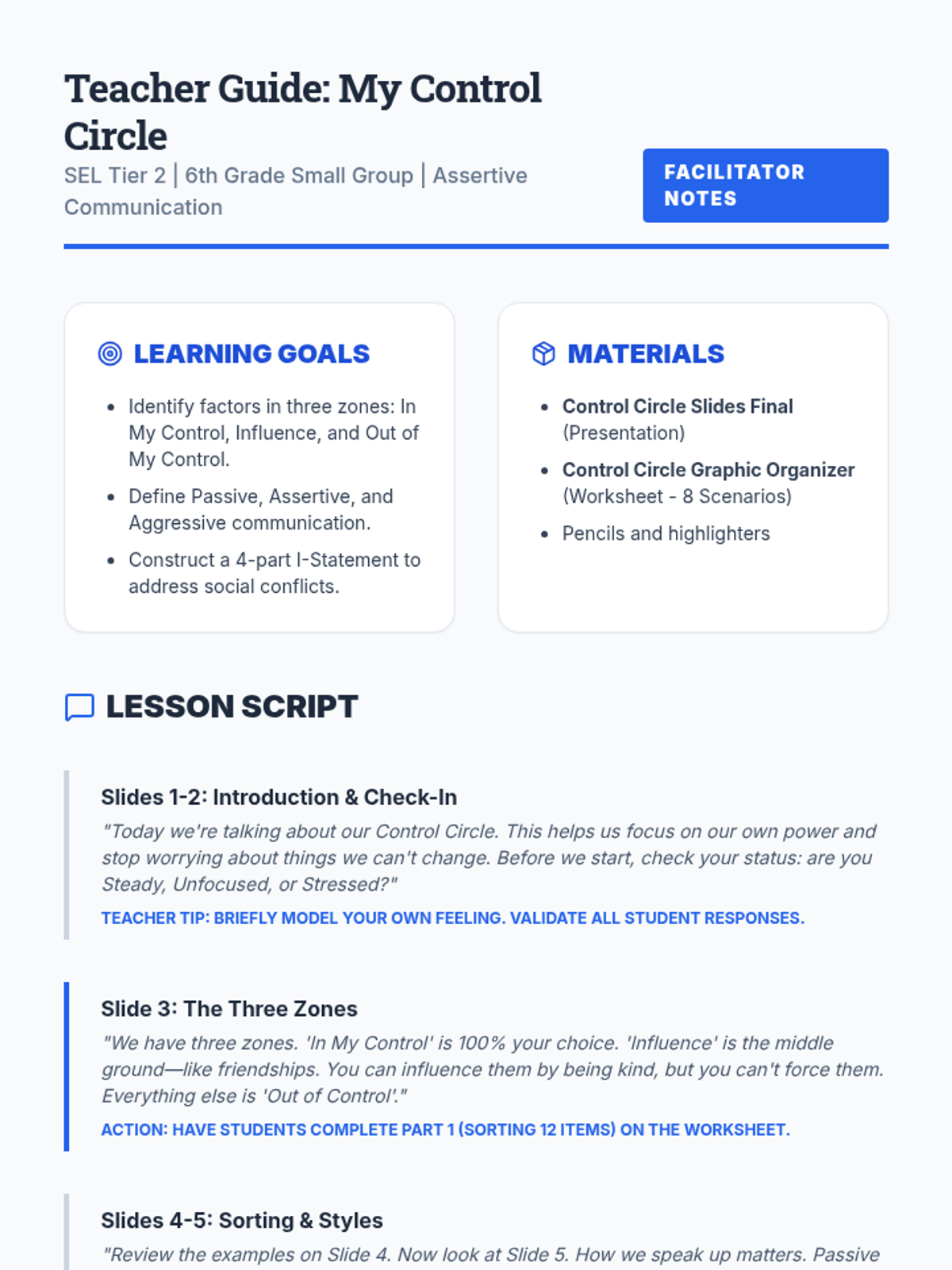
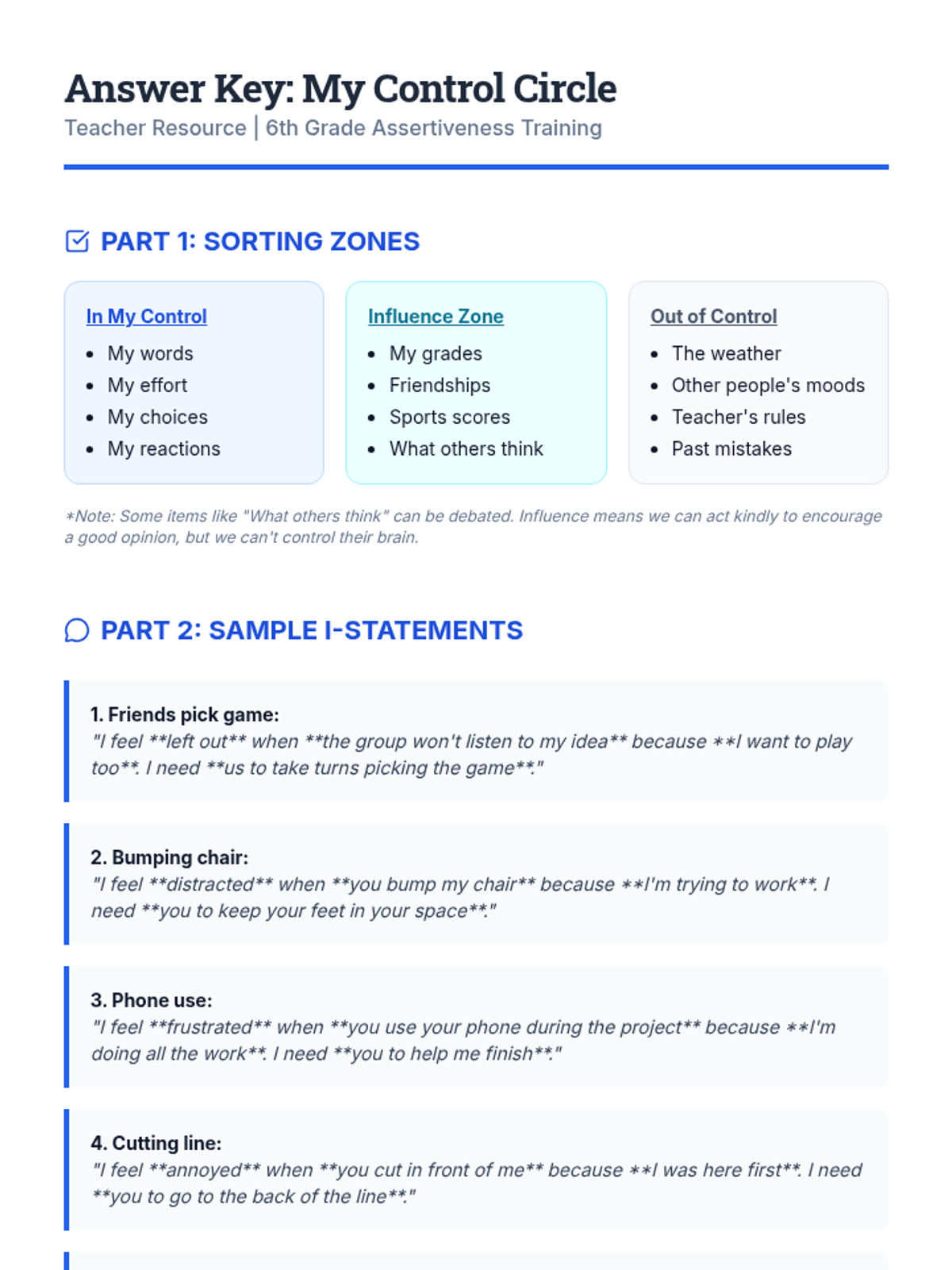
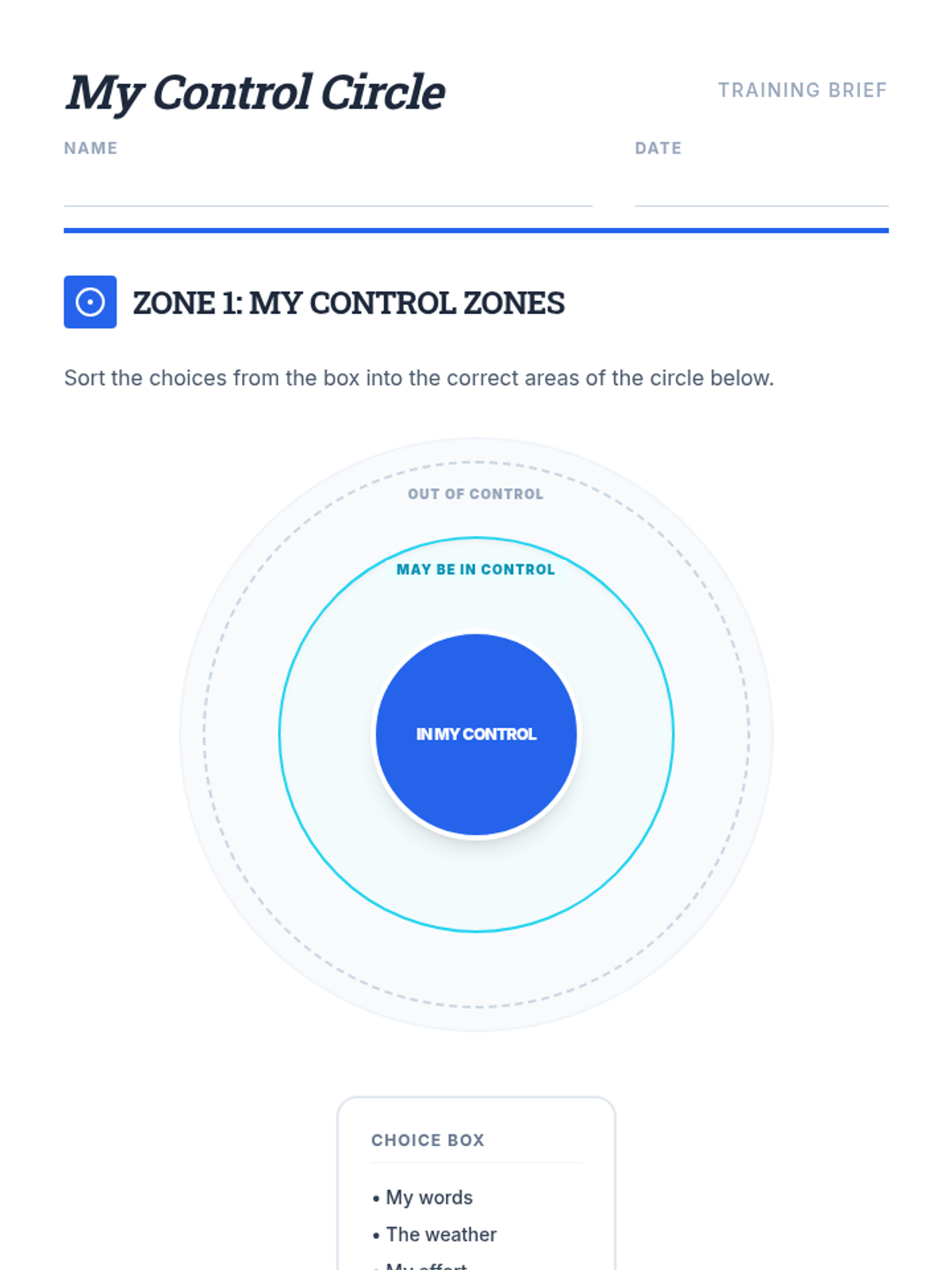
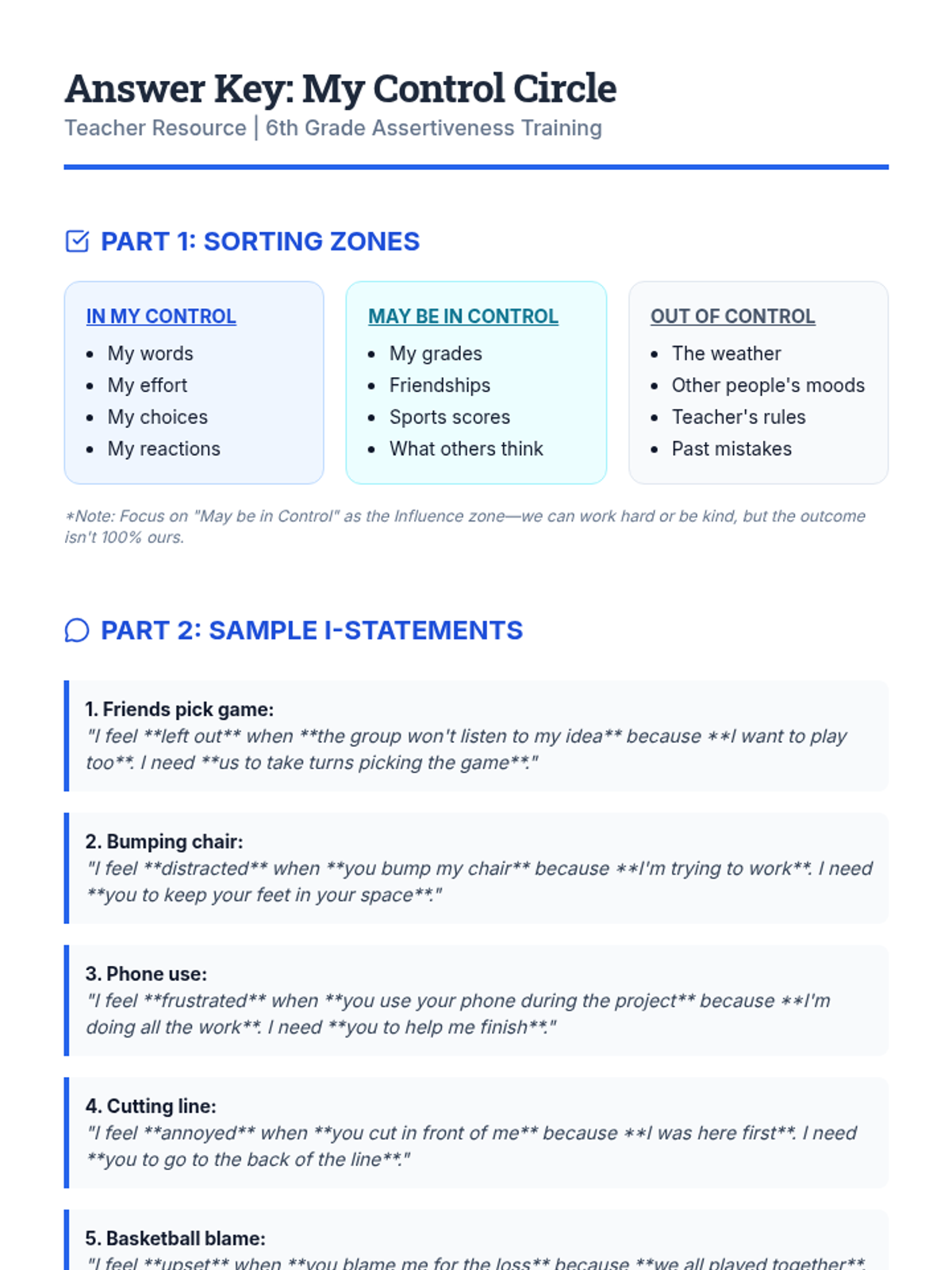
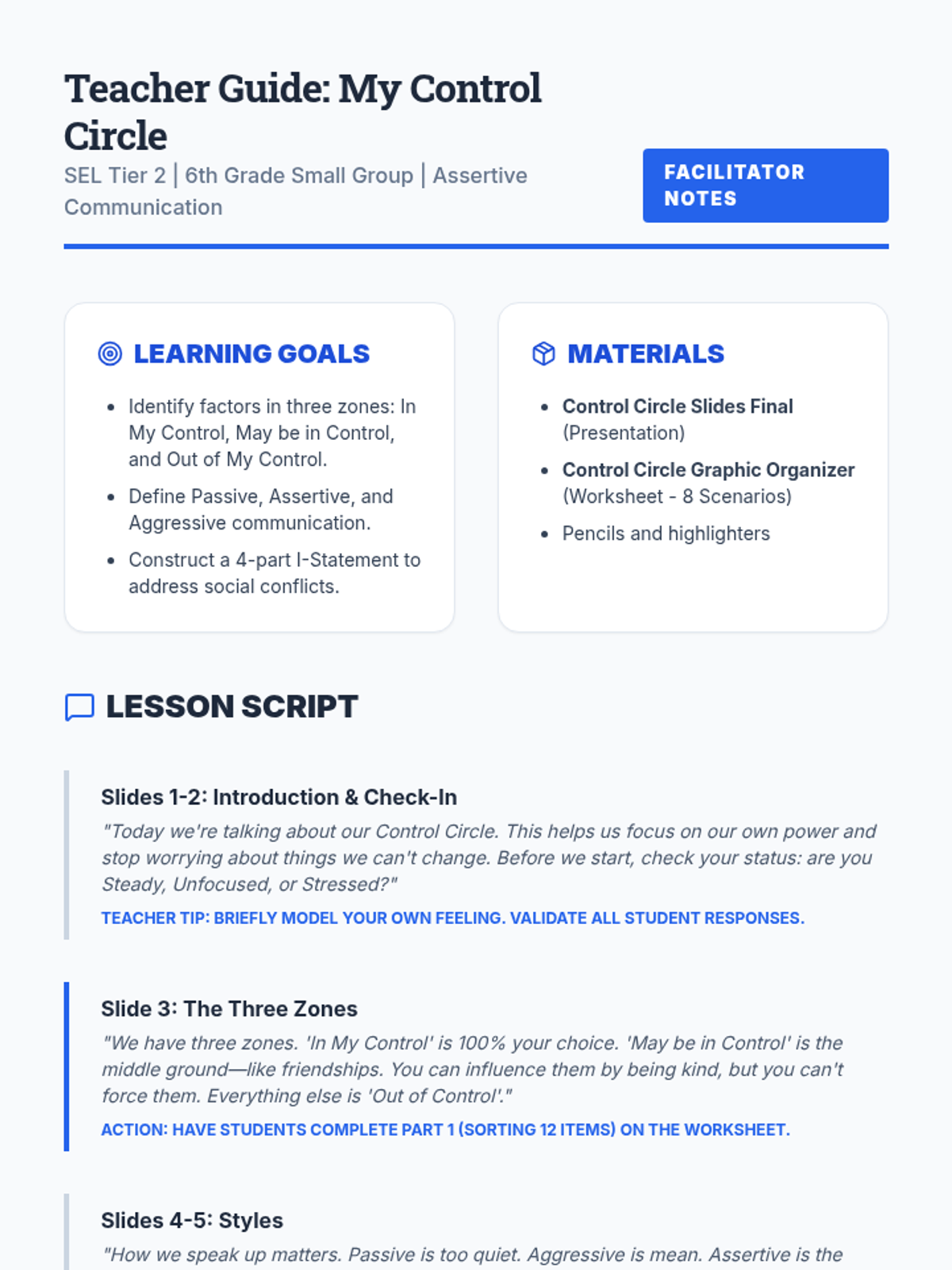
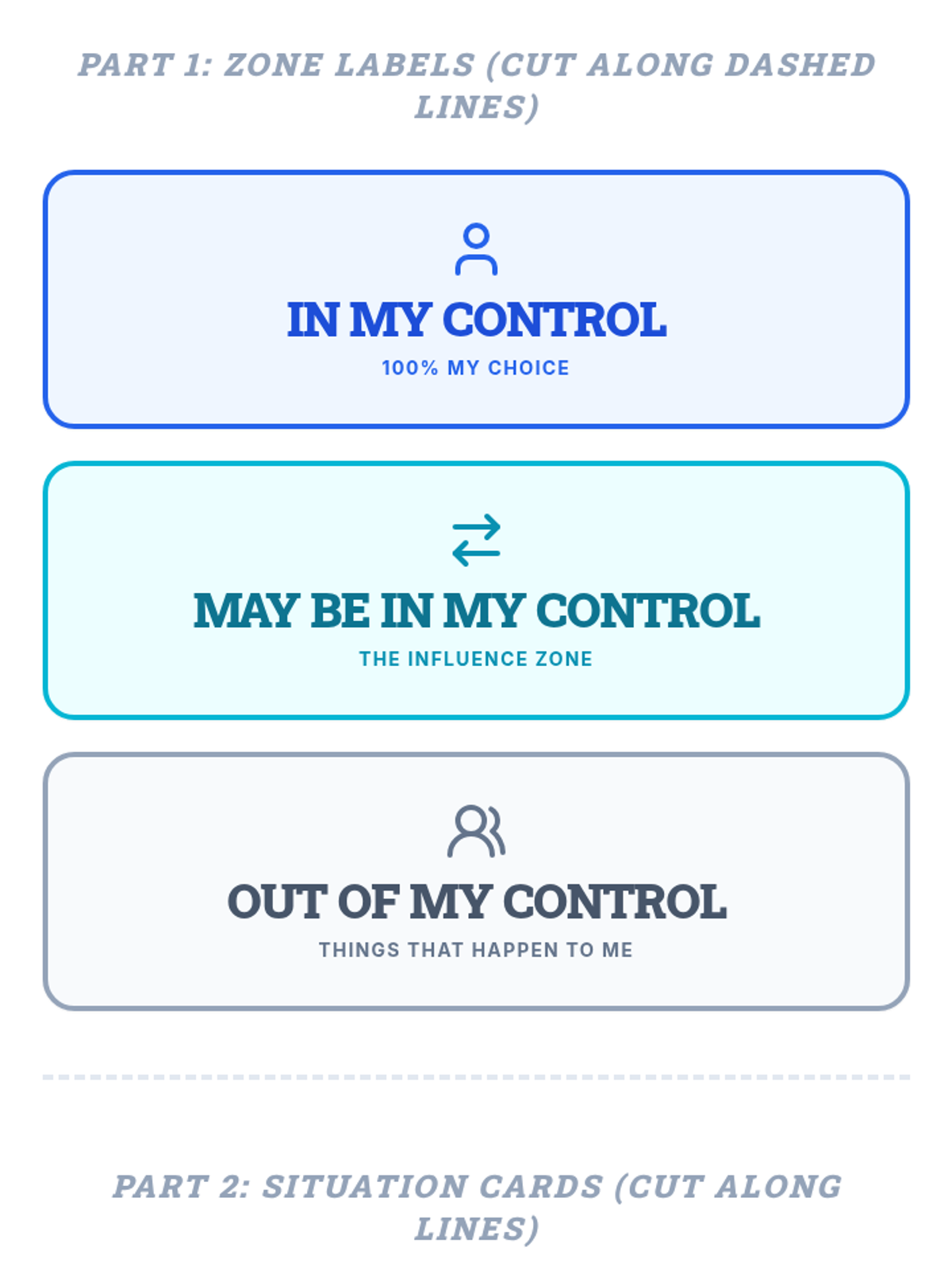
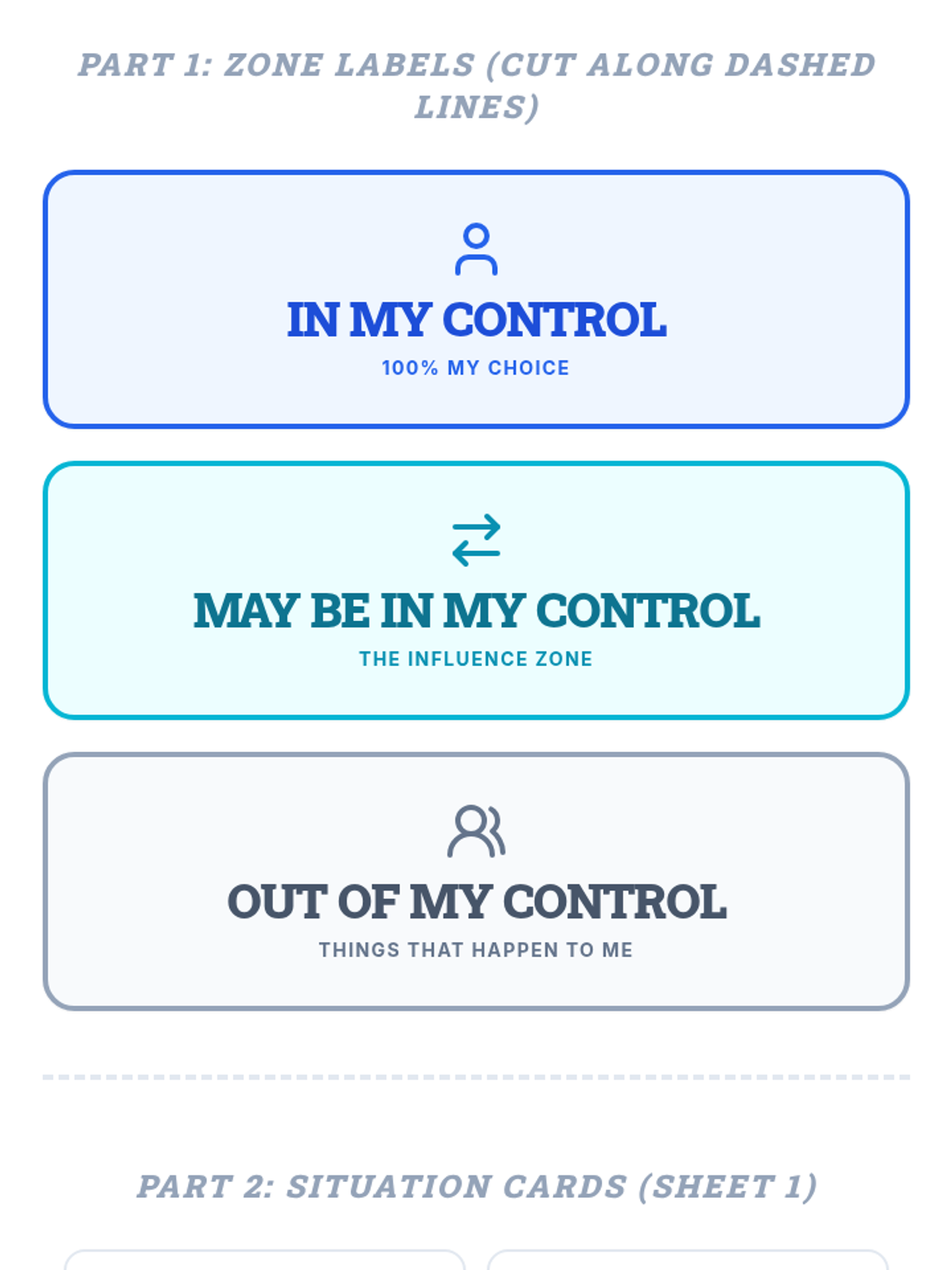
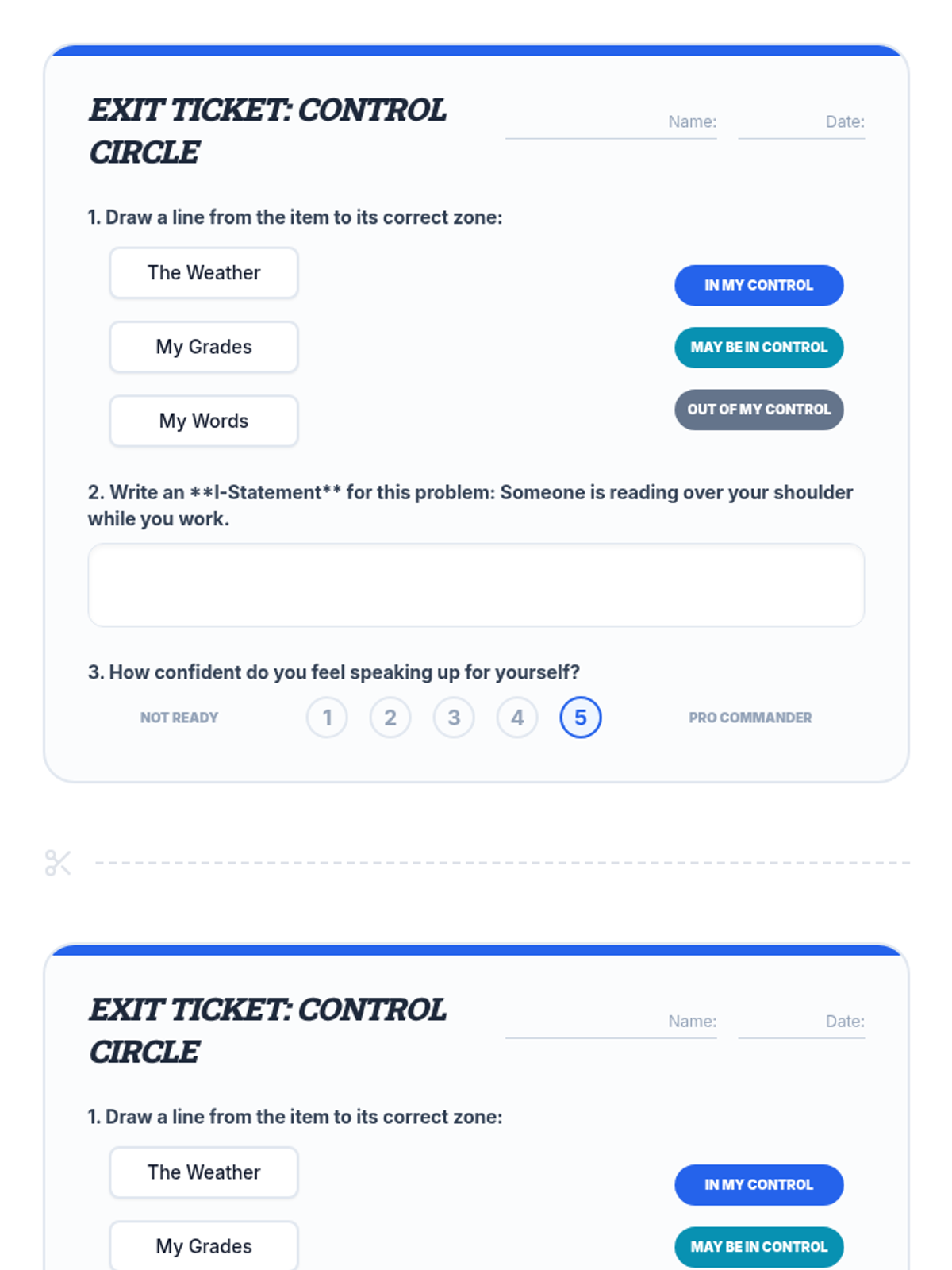
A social-emotional learning lesson for Tier 2 small groups focusing on identifying spheres of control and practicing assertive I-Statements in social scenarios.
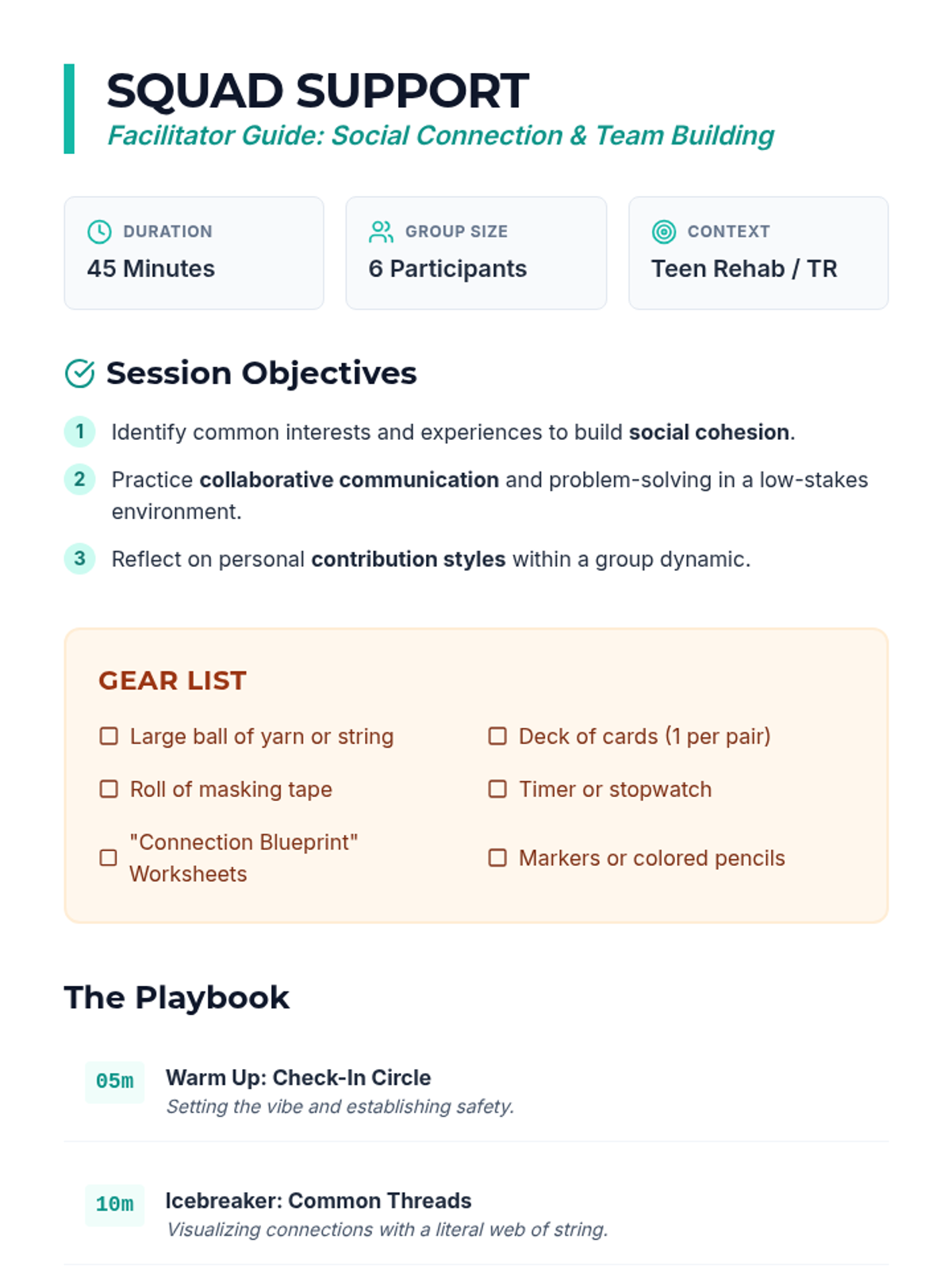
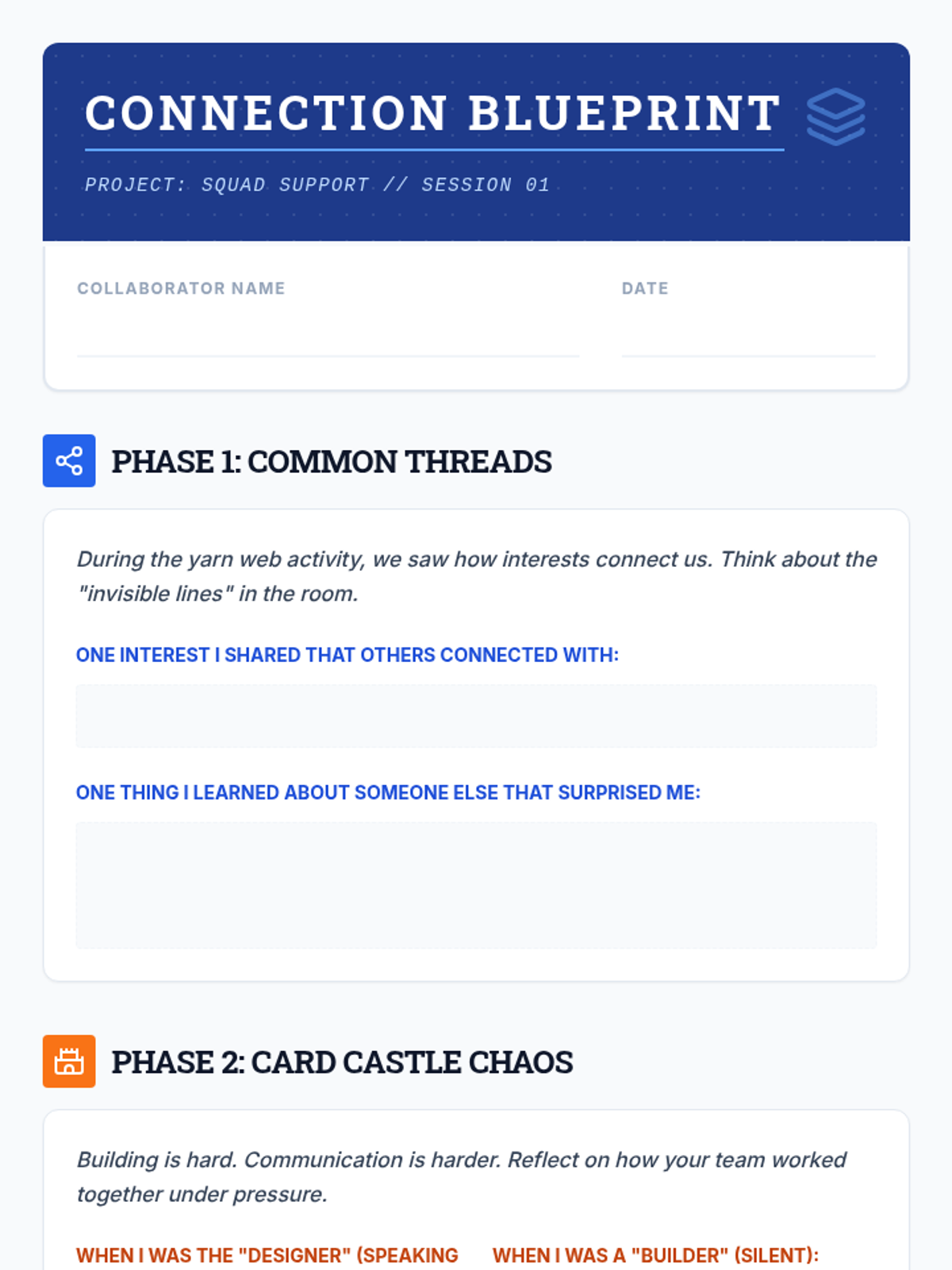
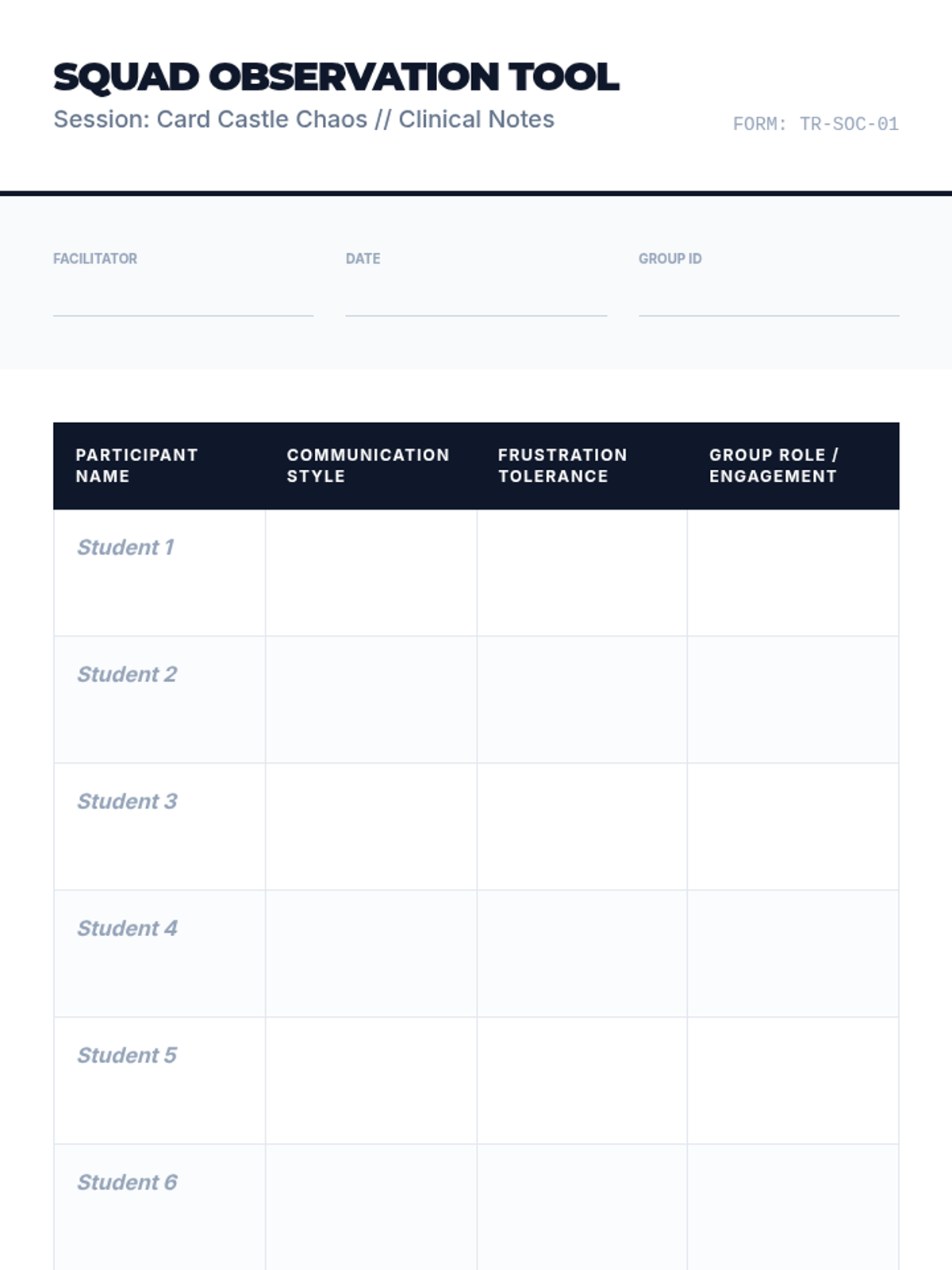
A 45-minute therapeutic leisure session for teens focused on building social connections and team dynamics through collaborative activities and reflection.
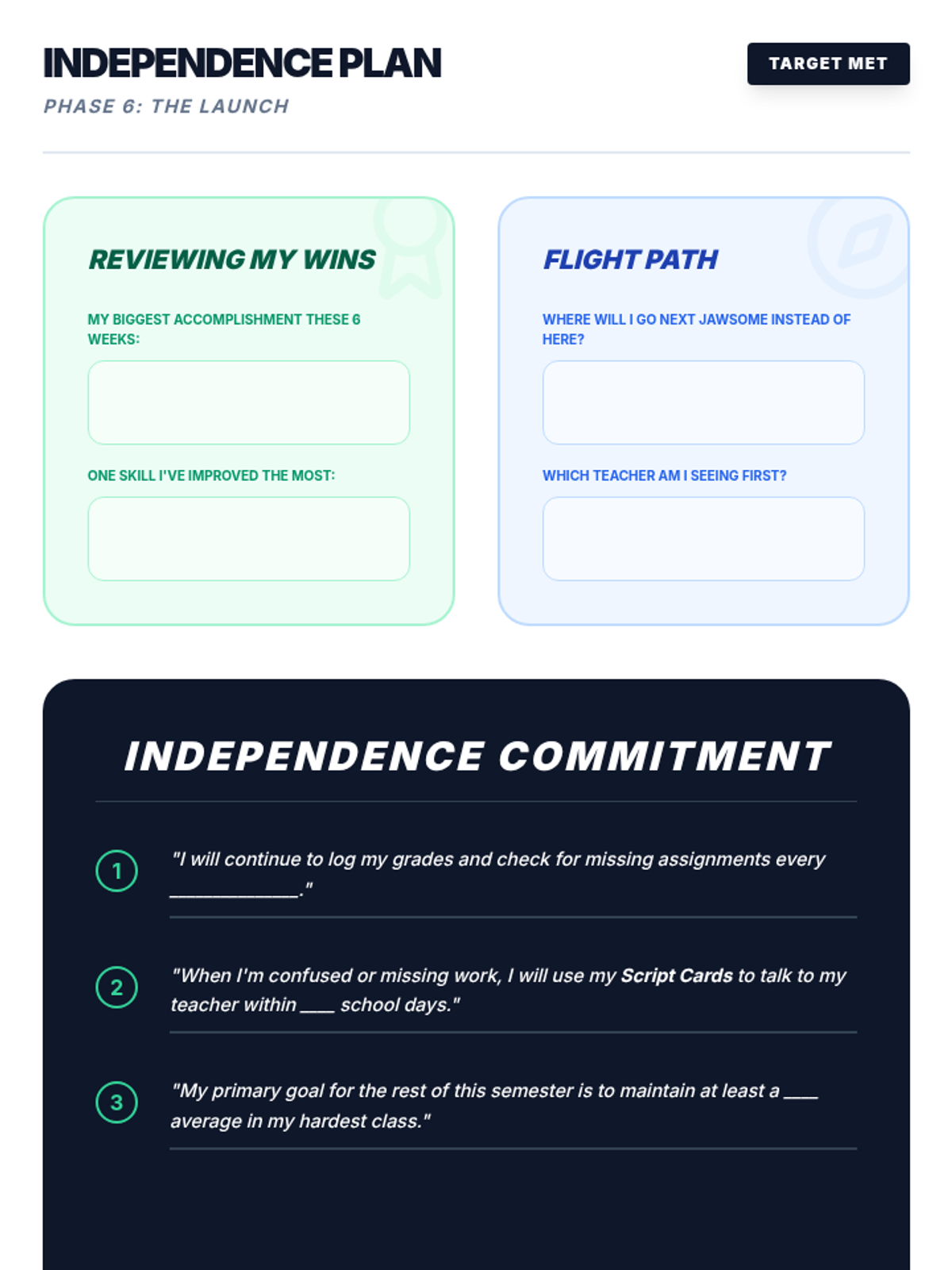
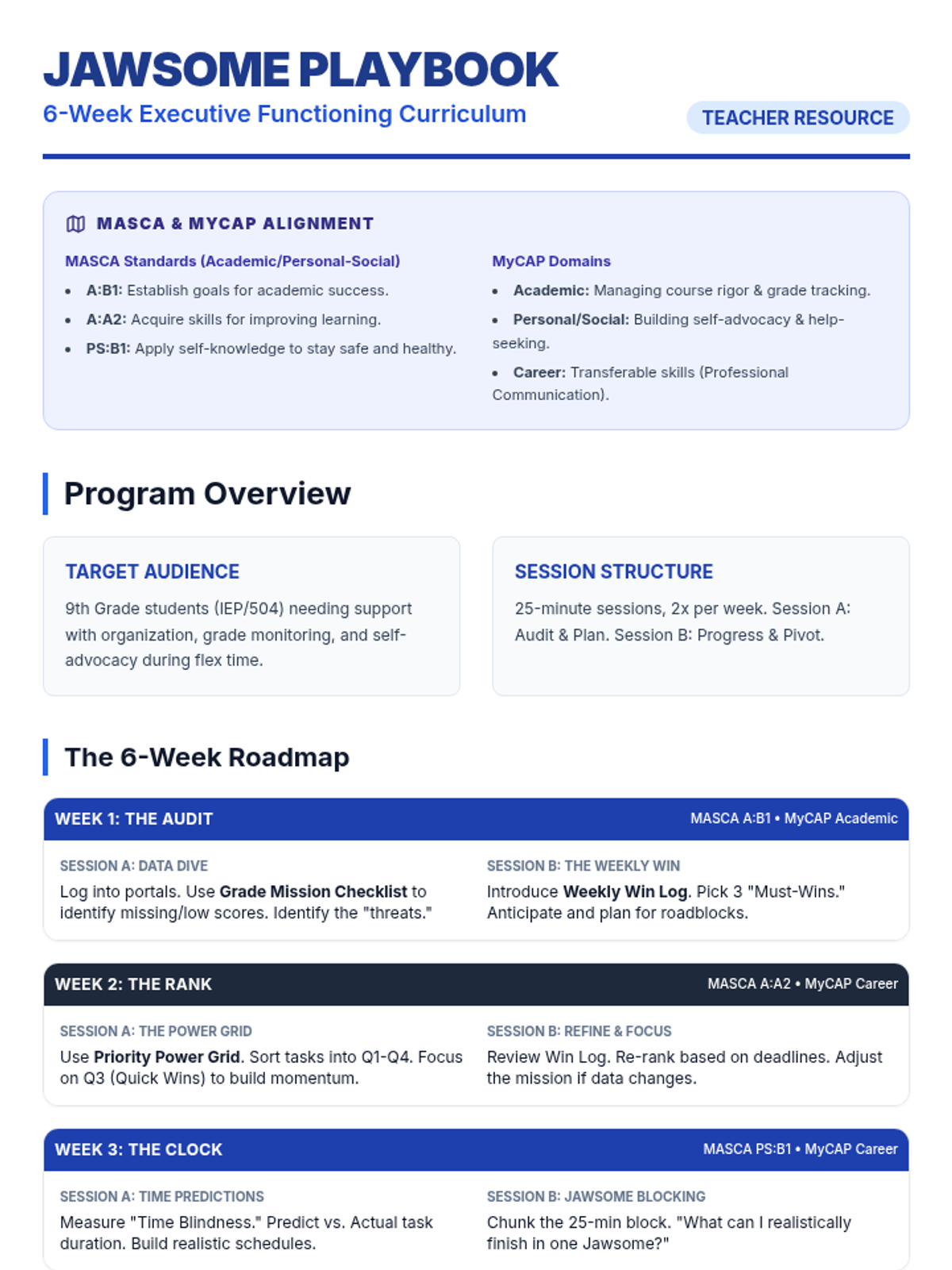
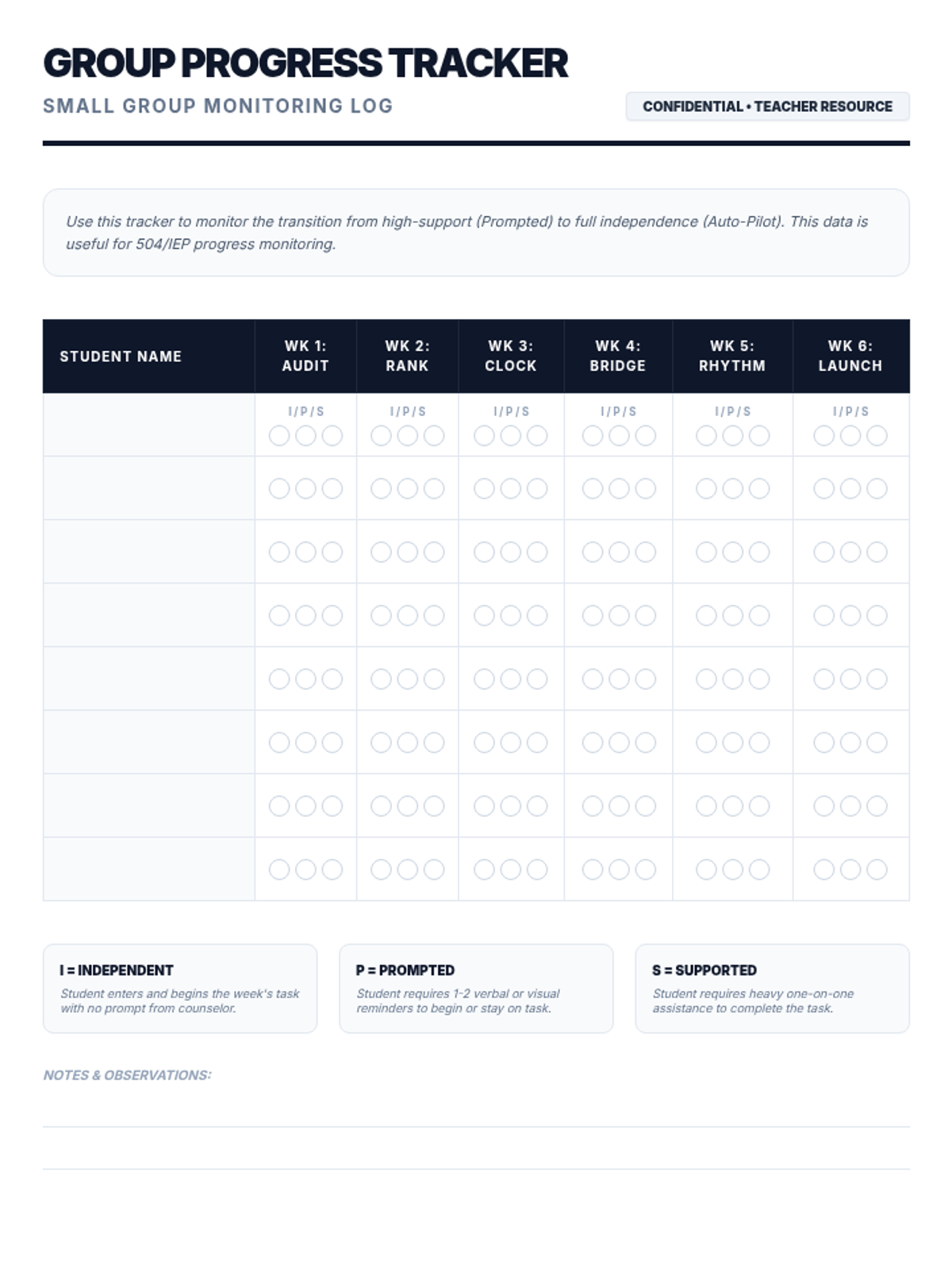
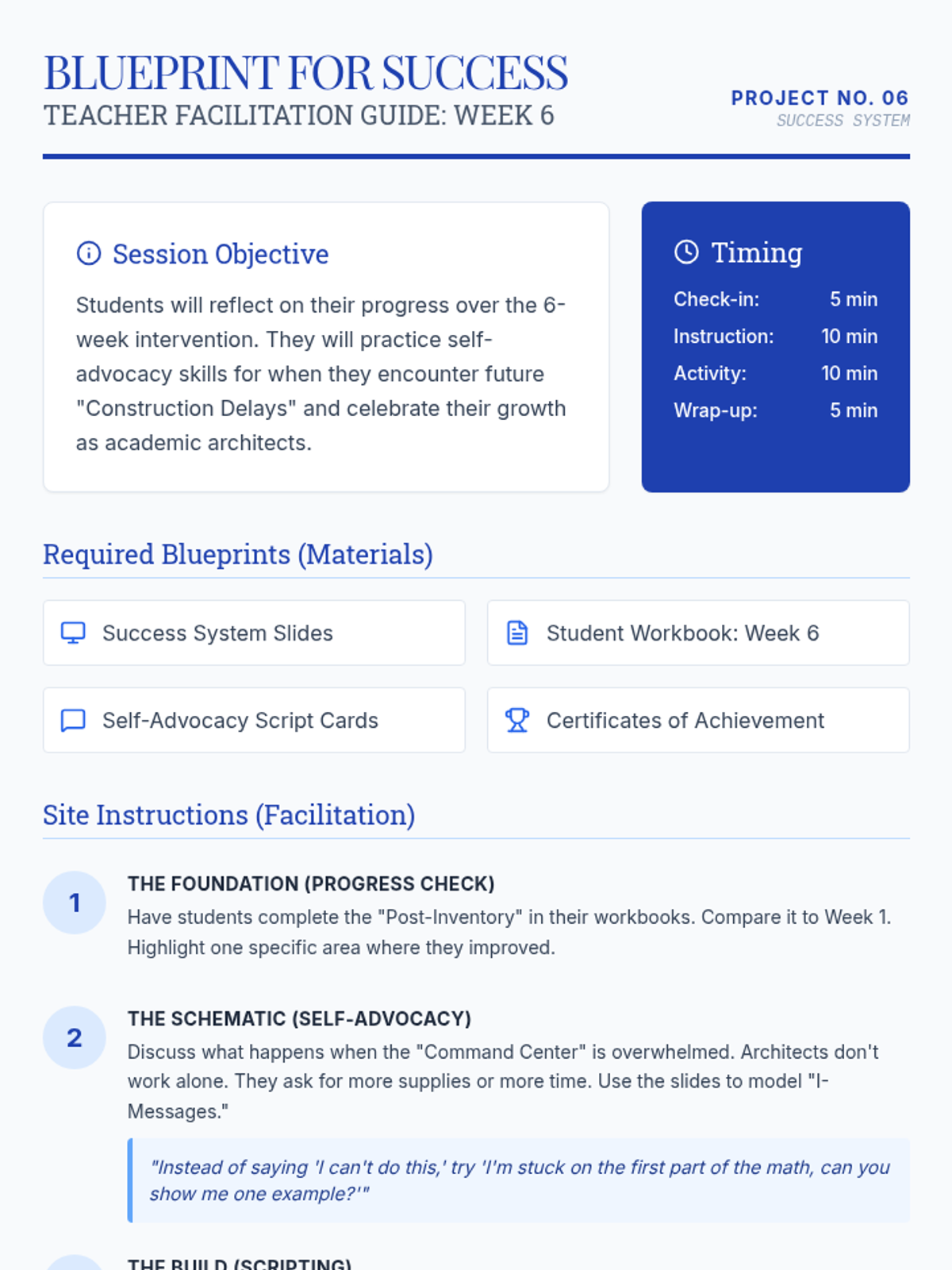
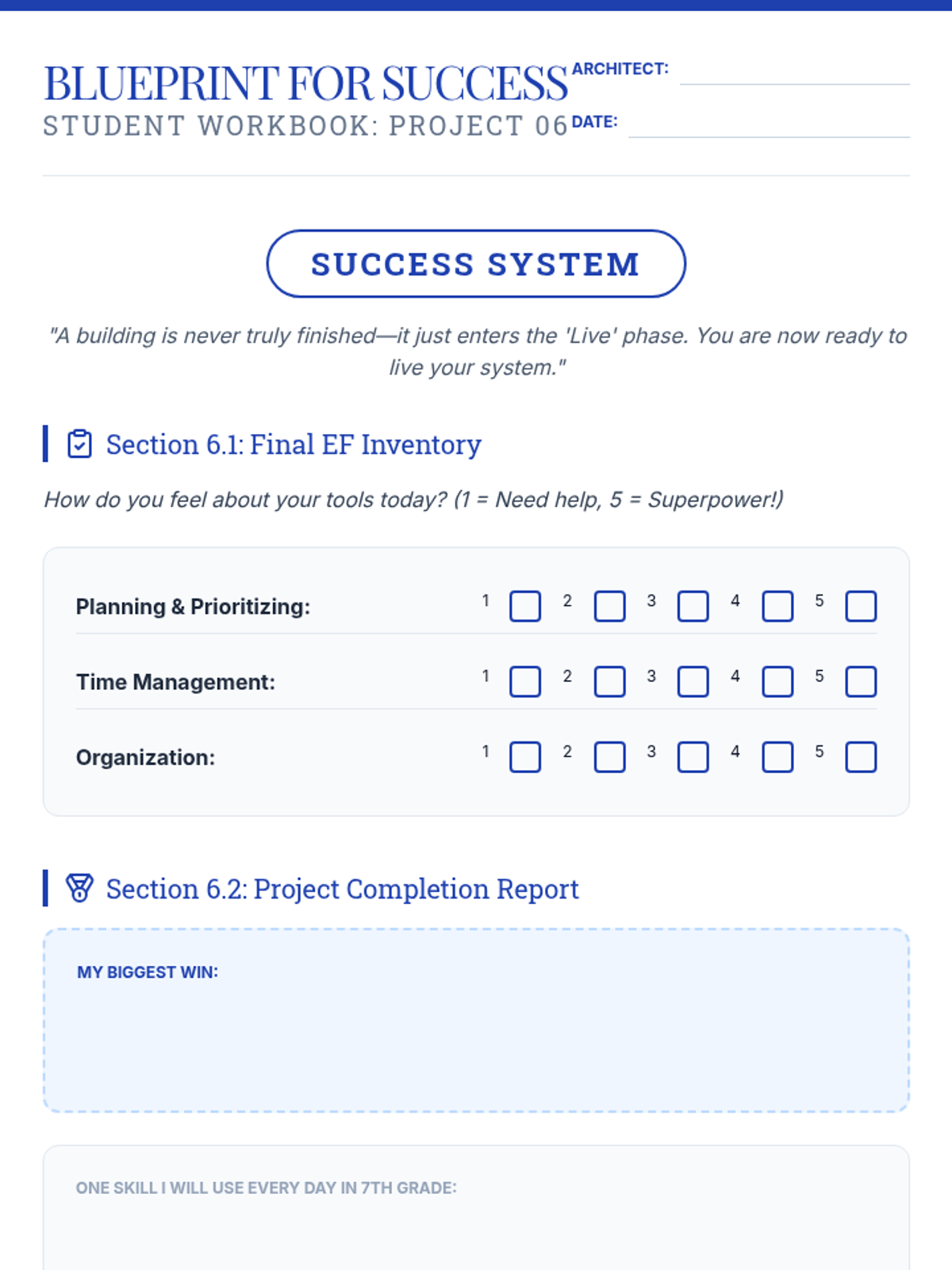
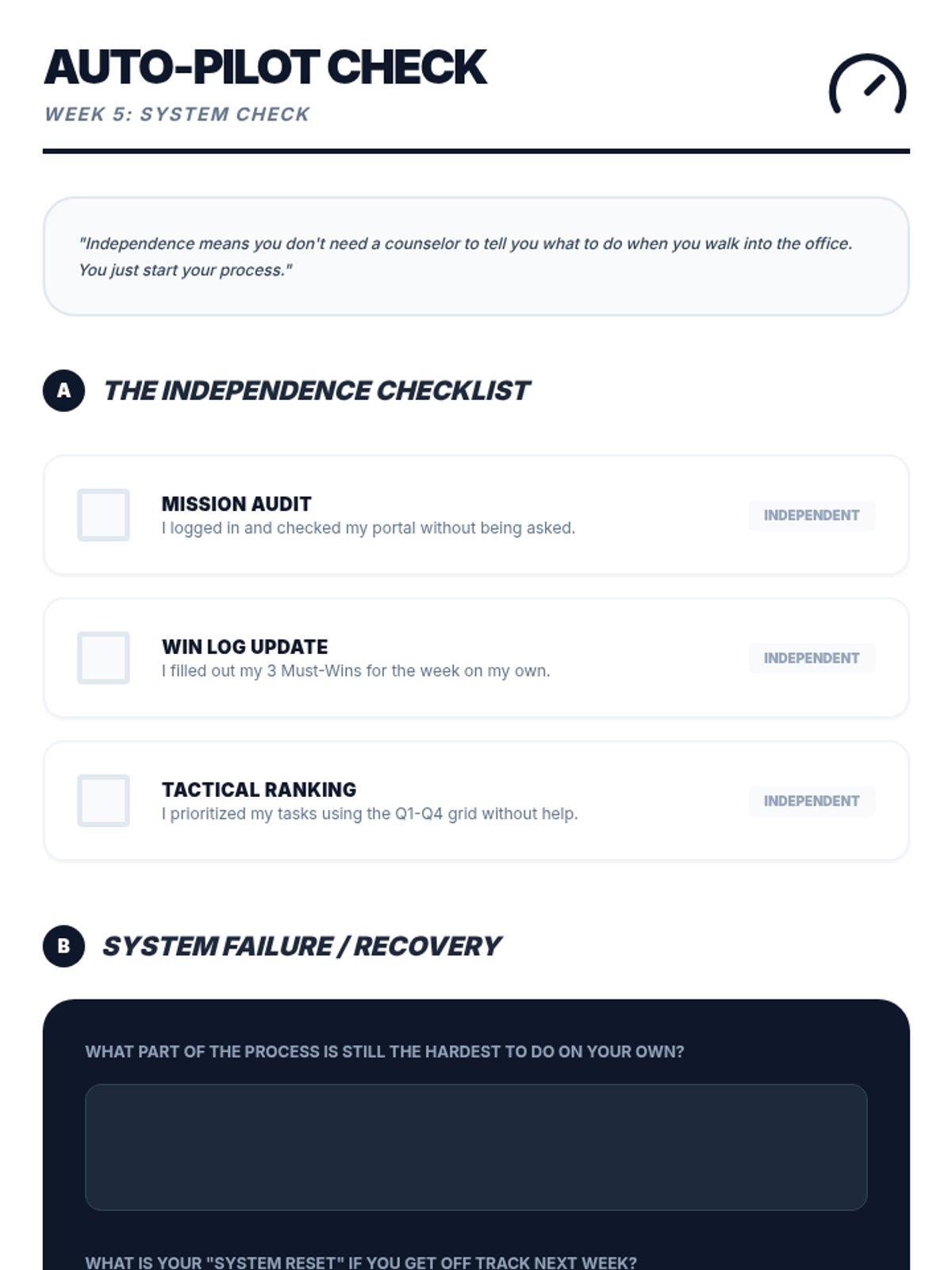
Preparing for independence. Students review progress reports and finalize a plan for seeking teacher support autonomously.
Establishing consistent habits and routines. Students refine their planning process to require less counselor prompting.
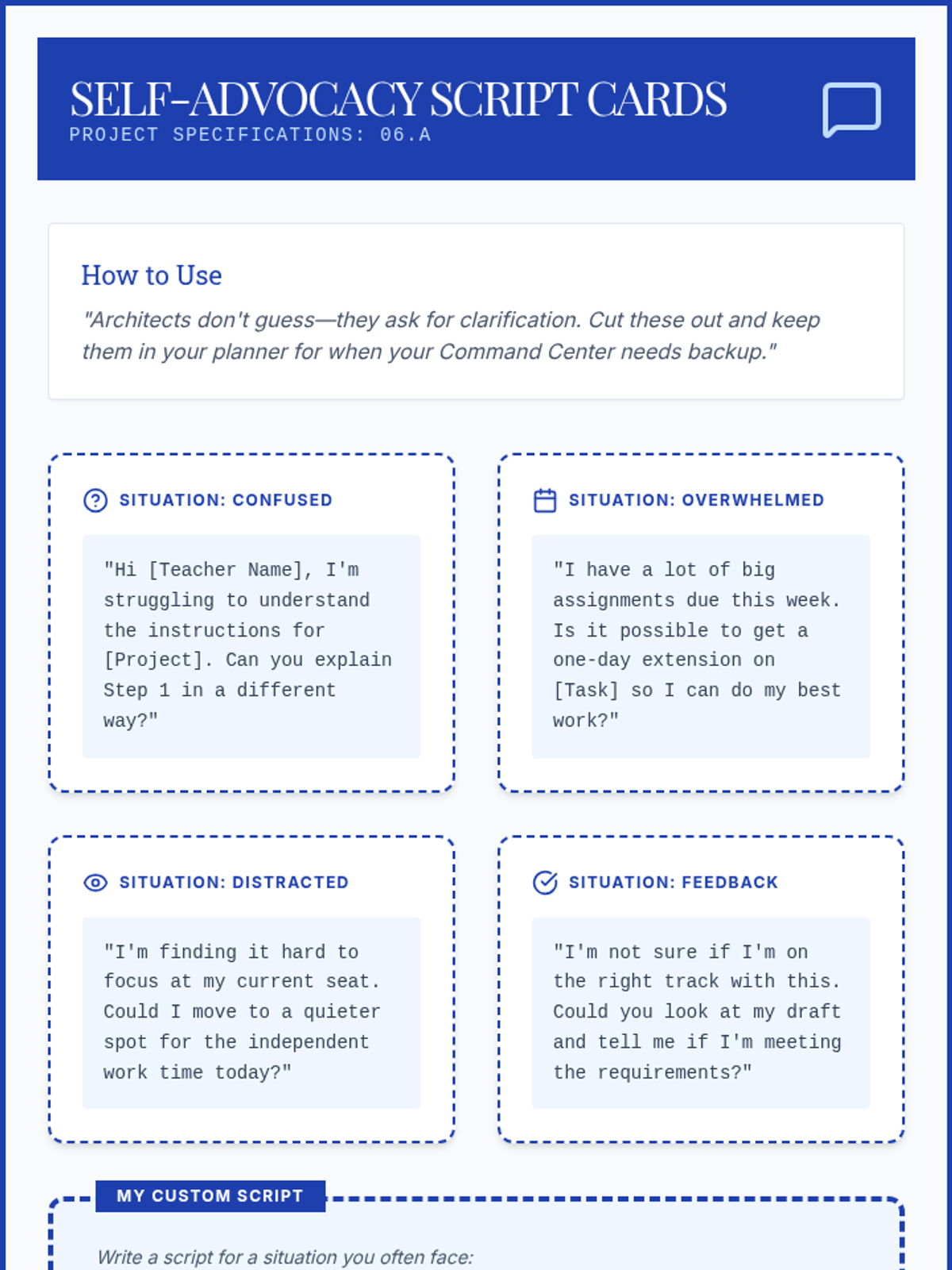
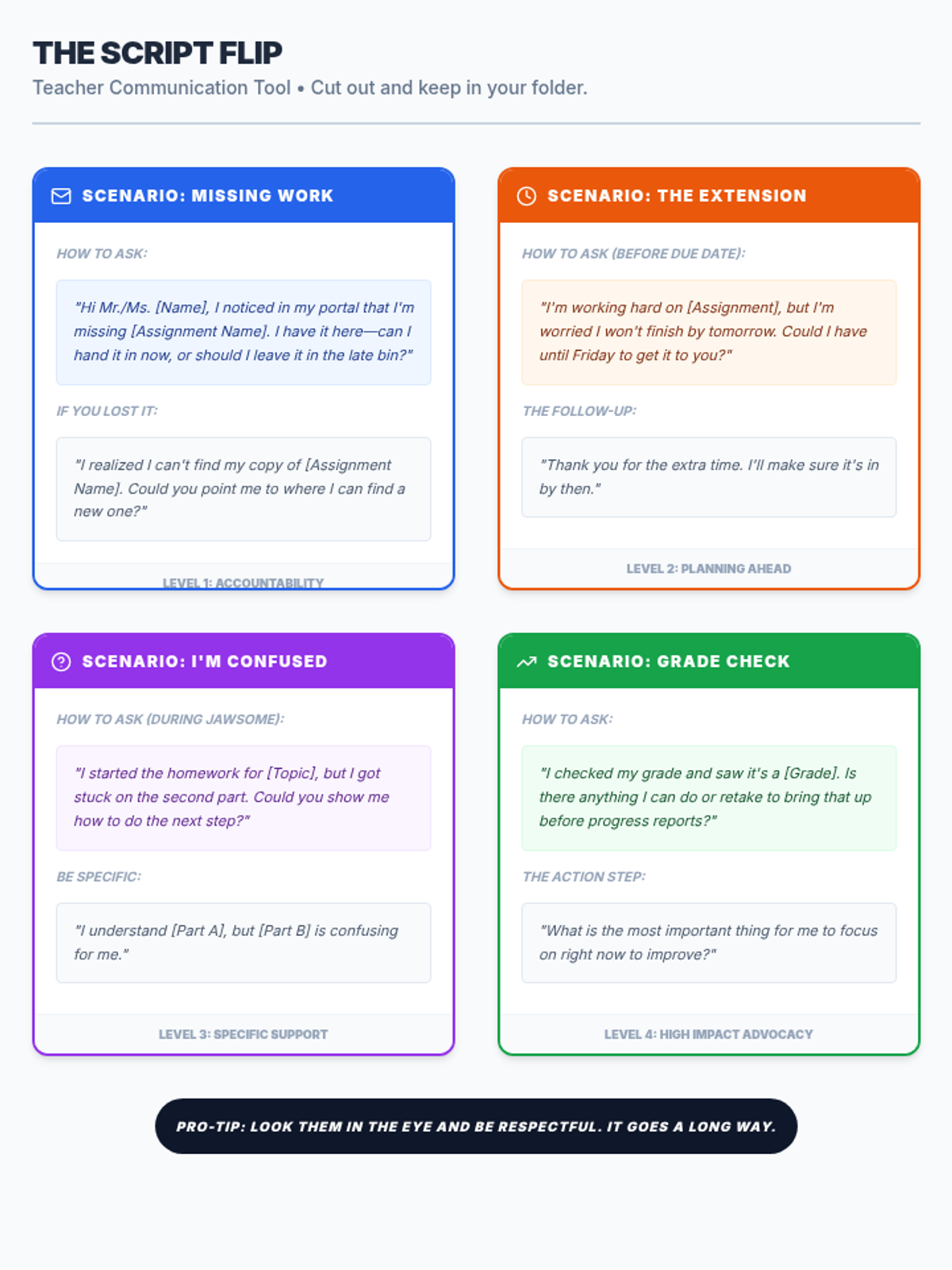
Developing teacher communication skills. Students practice scripts for asking for help, clarifying assignments, and negotiating deadlines.
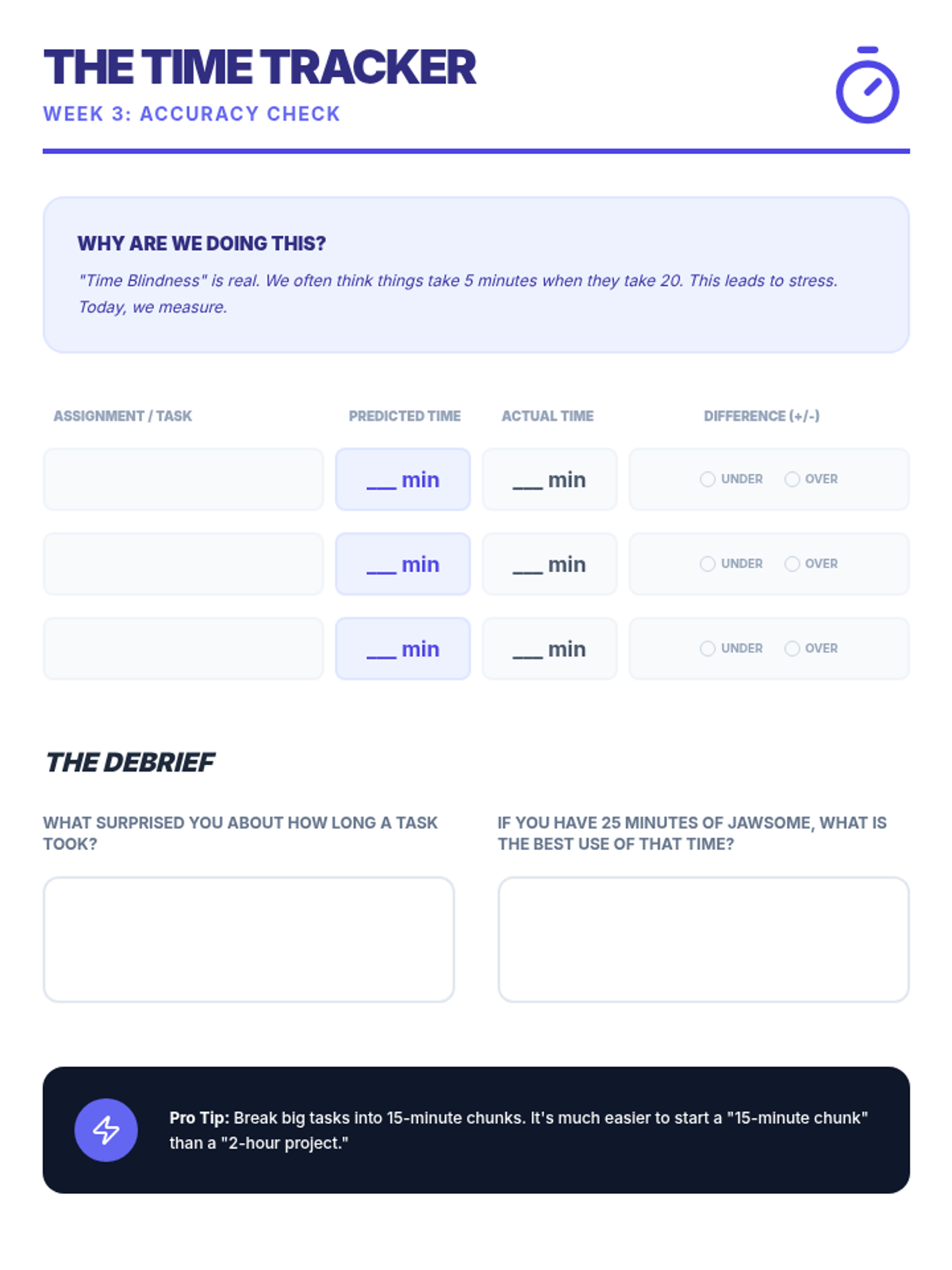
Time estimation and scheduling. Students practice predicting how long tasks take and slotting them into their Jawsome flex time.
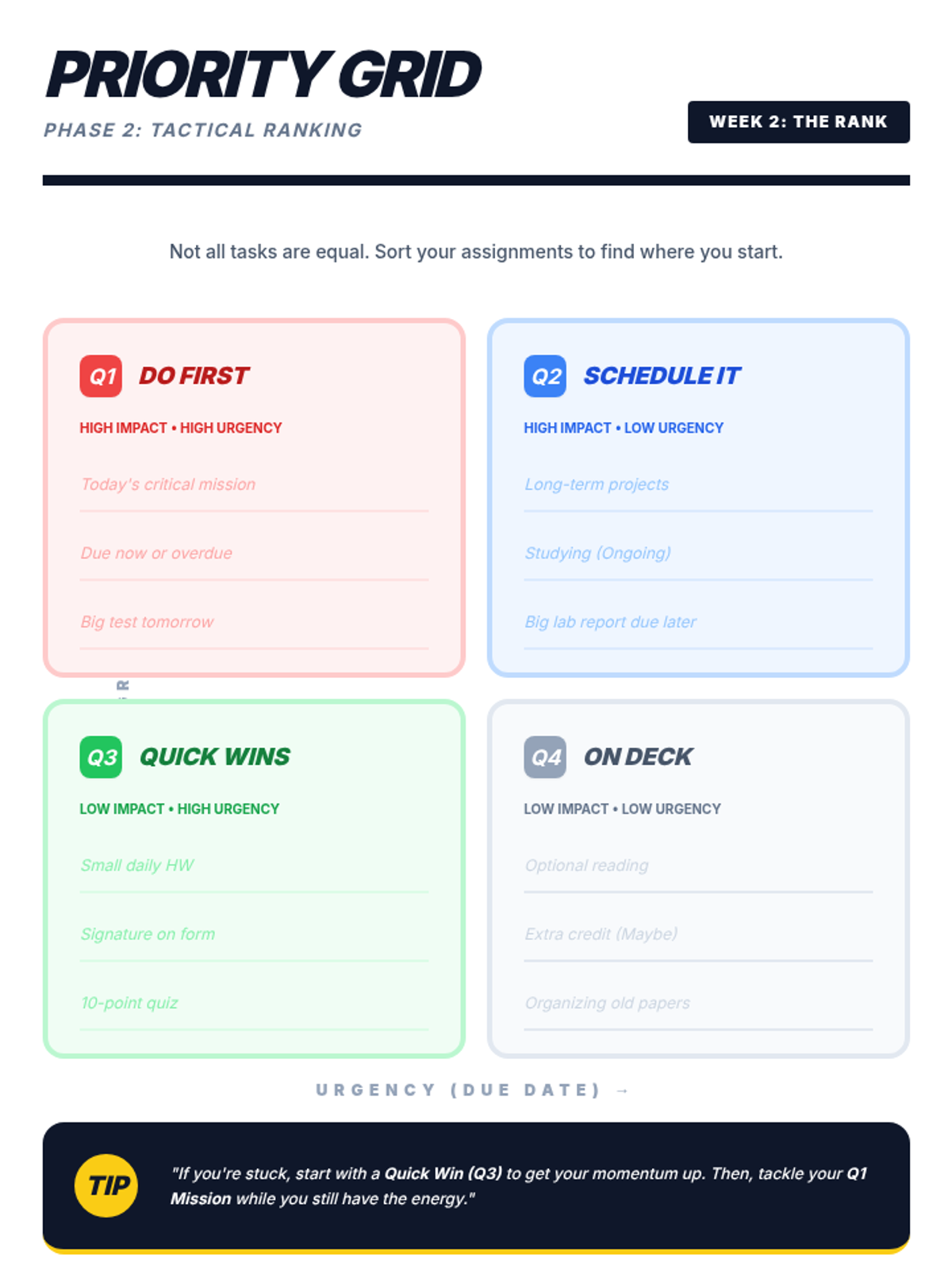
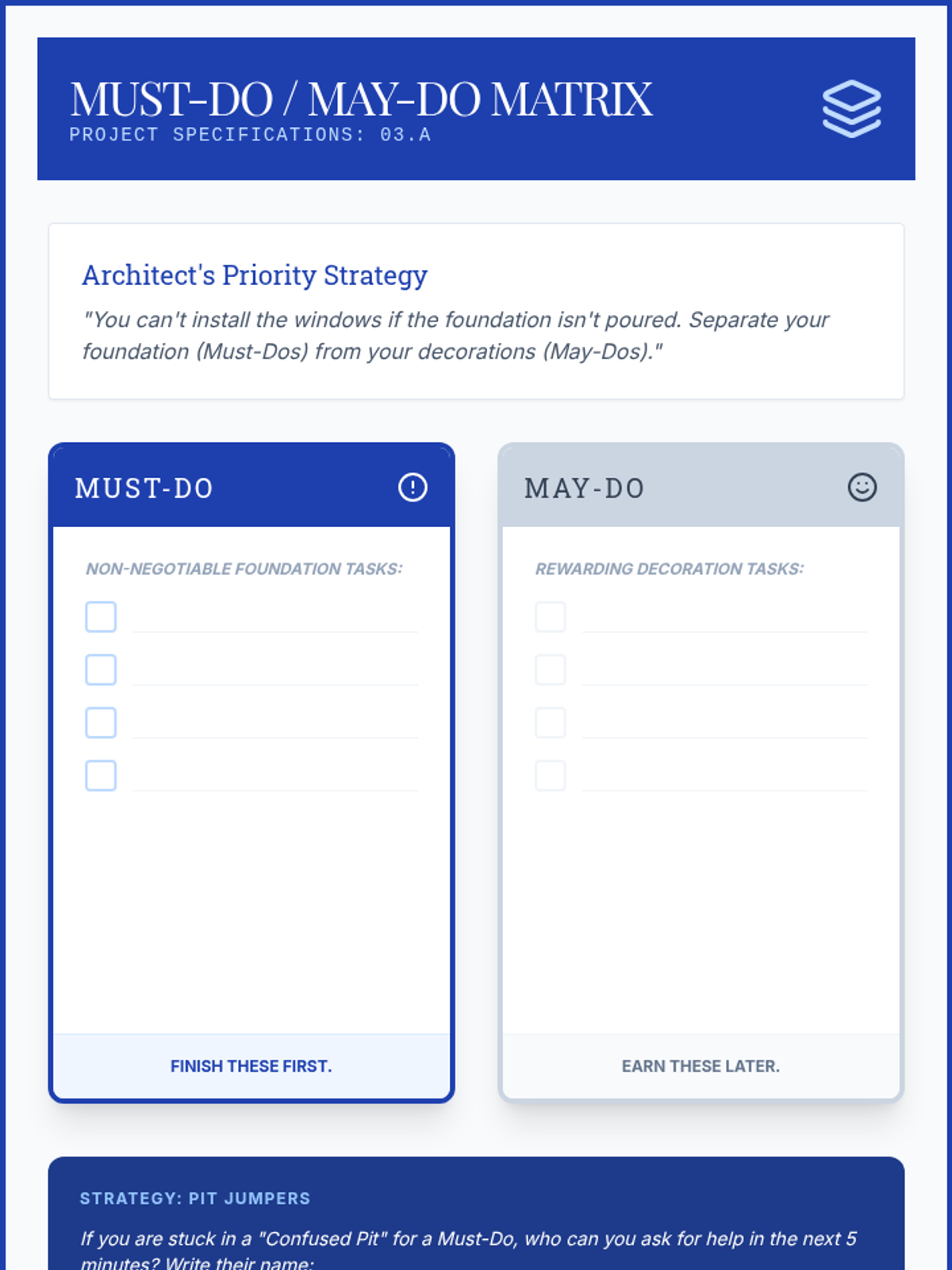
Focus on categorization and prioritization. Students learn to distinguish between urgent tasks and long-term projects using a priority matrix.
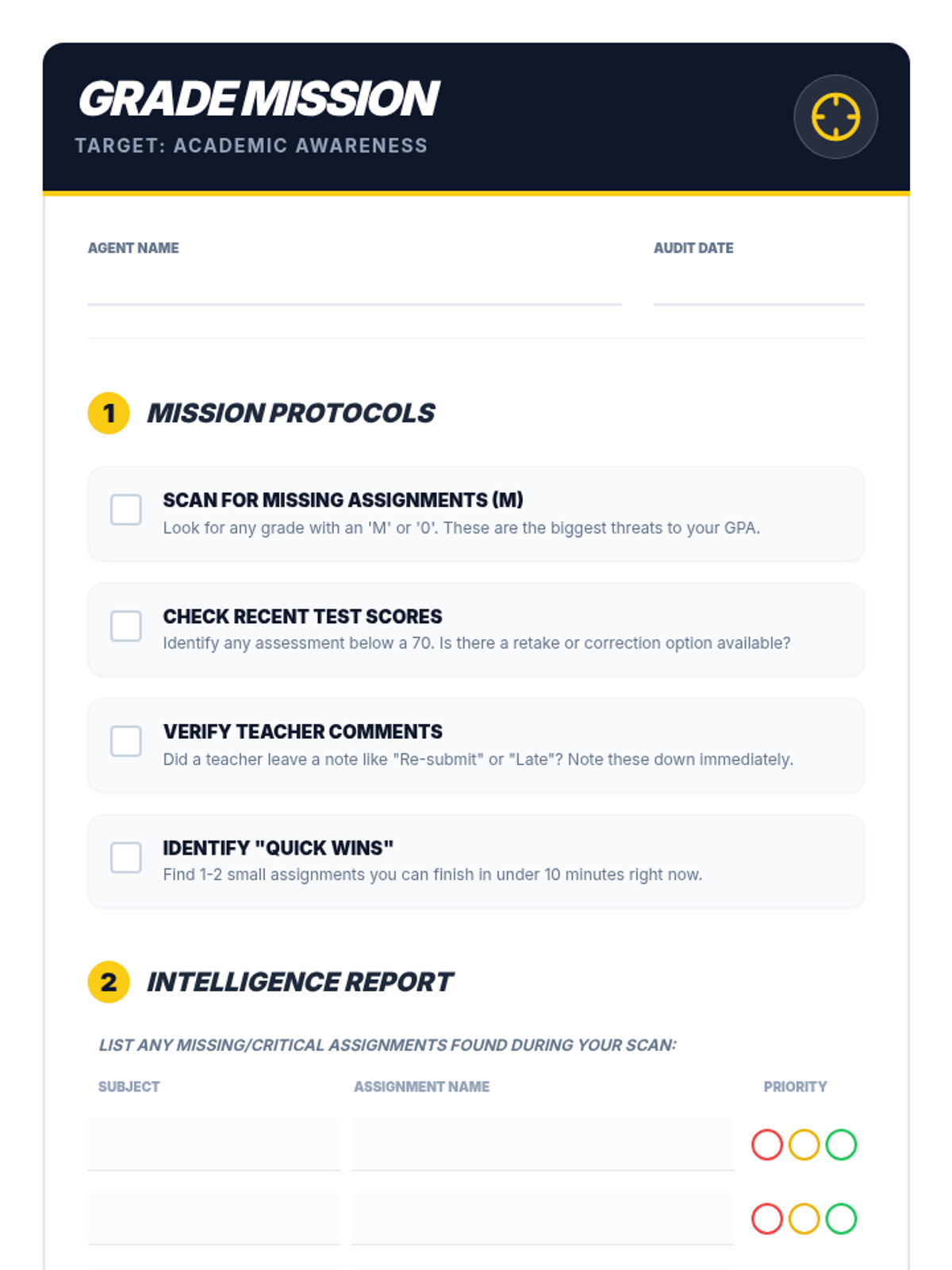
Introduction to the "Grade Audit" process. Students learn to navigate their online portals efficiently and identify missing assignments.
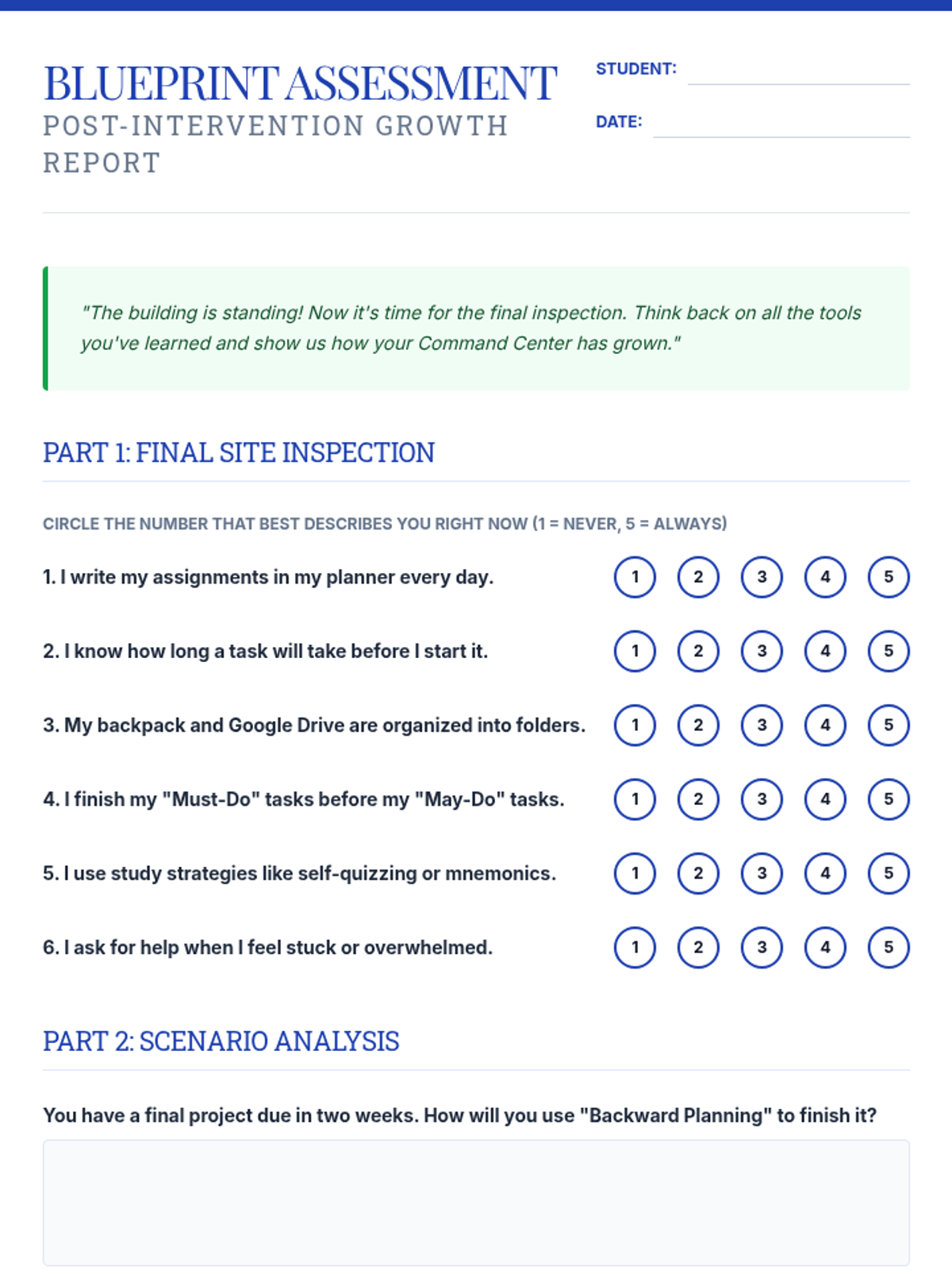
Reviewing skills learned, troubleshooting obstacles, and practicing self-advocacy for future success.
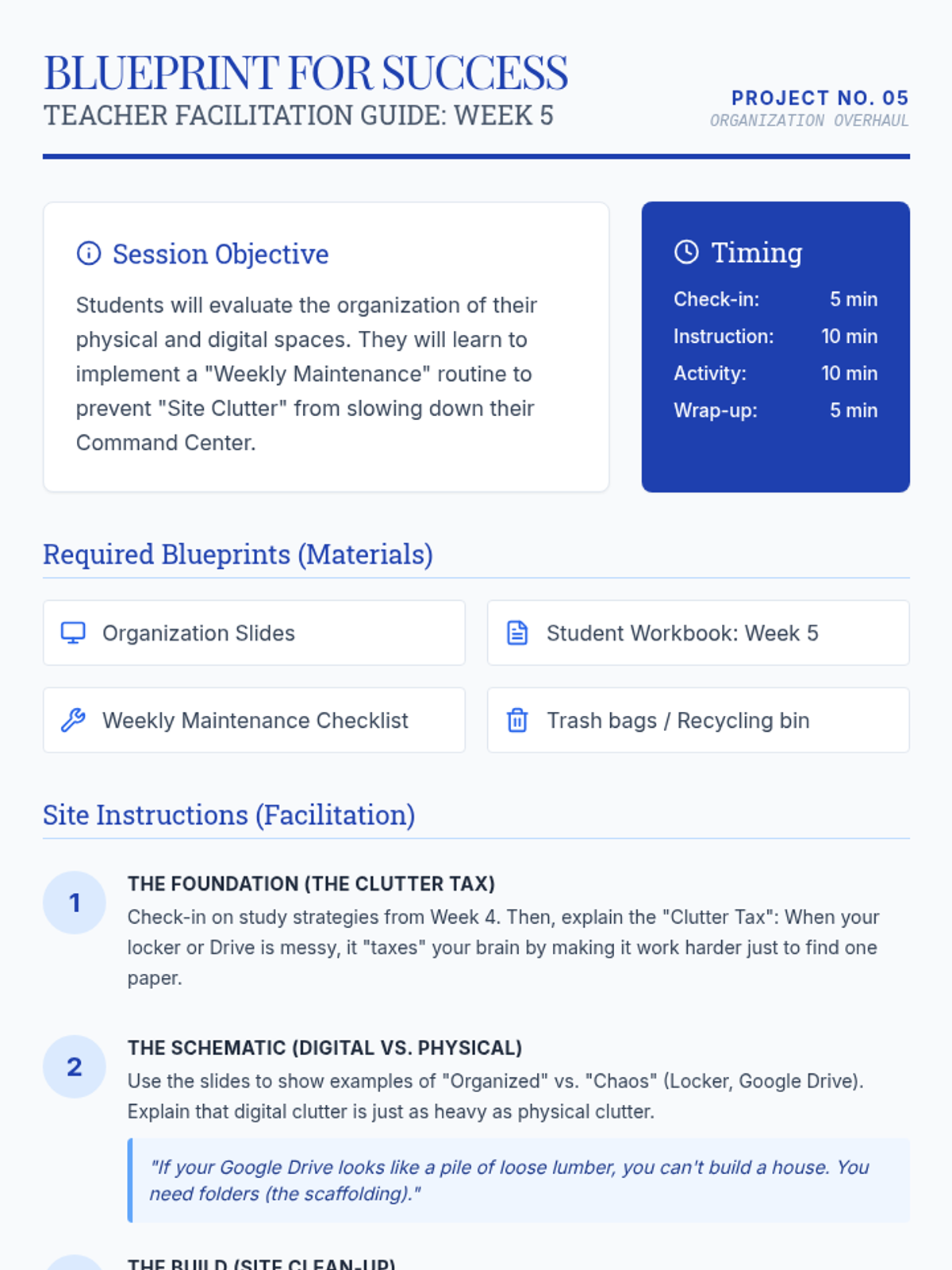
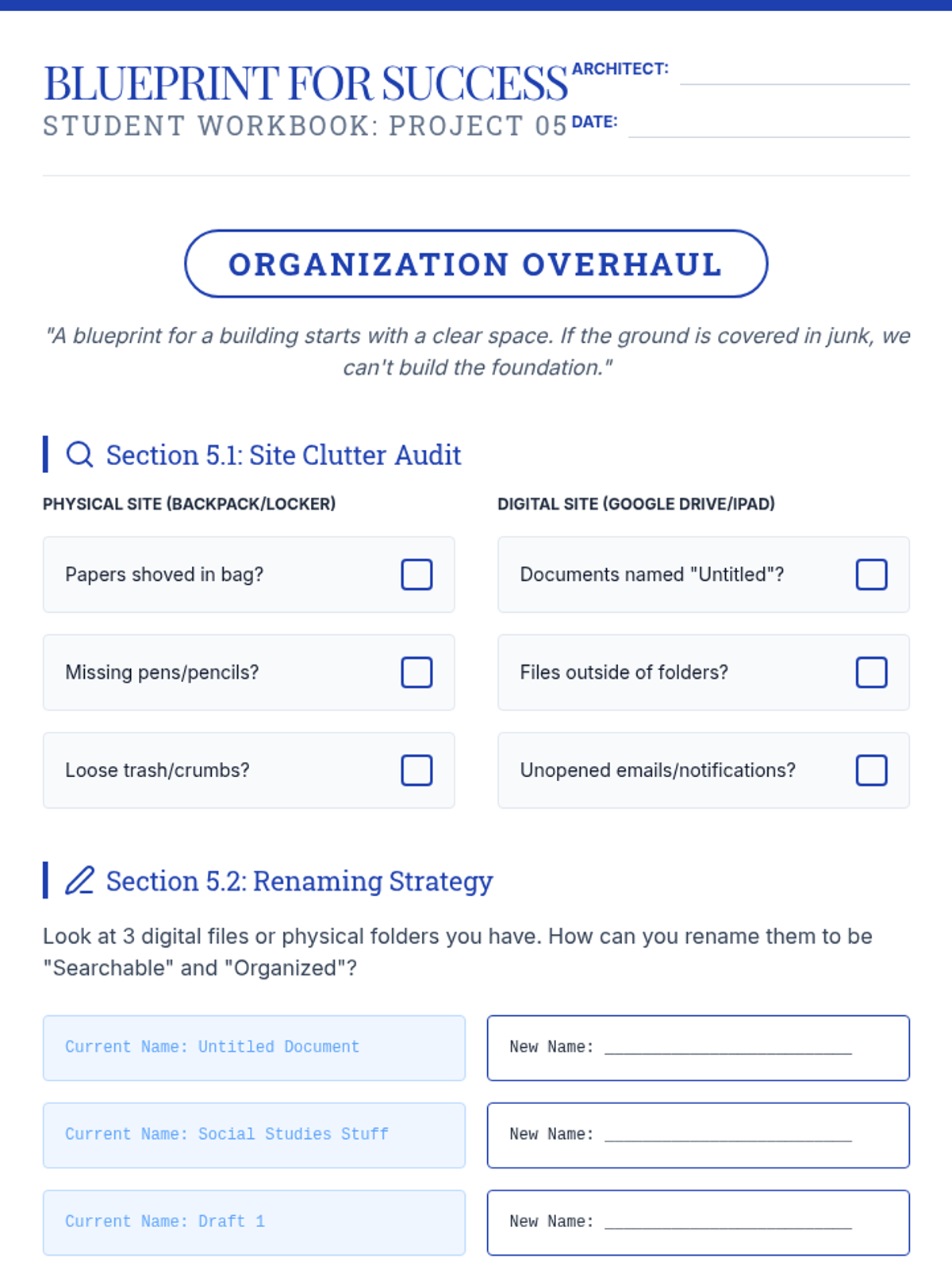
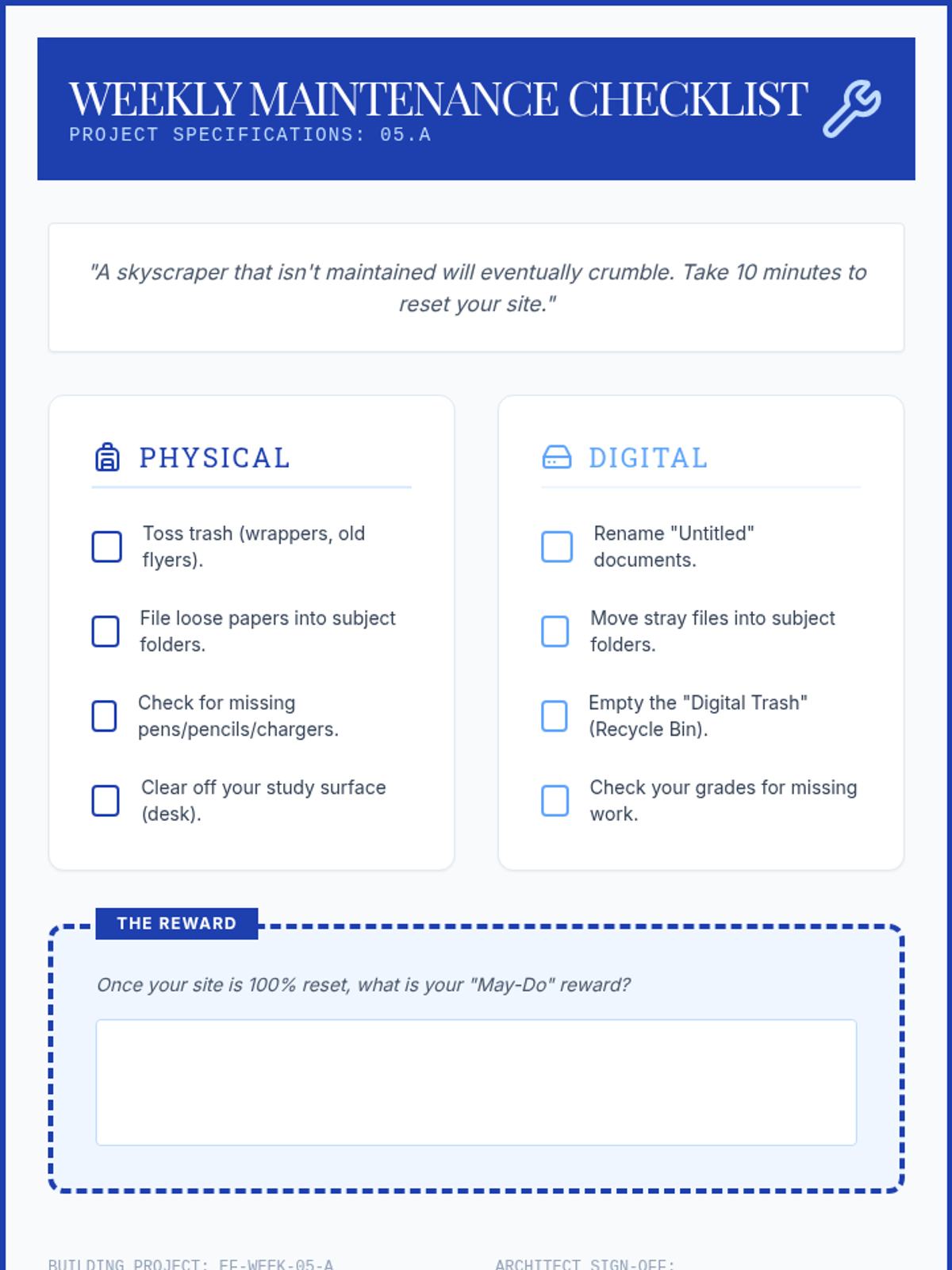
Organizing physical and digital spaces, establishing routines for material management.
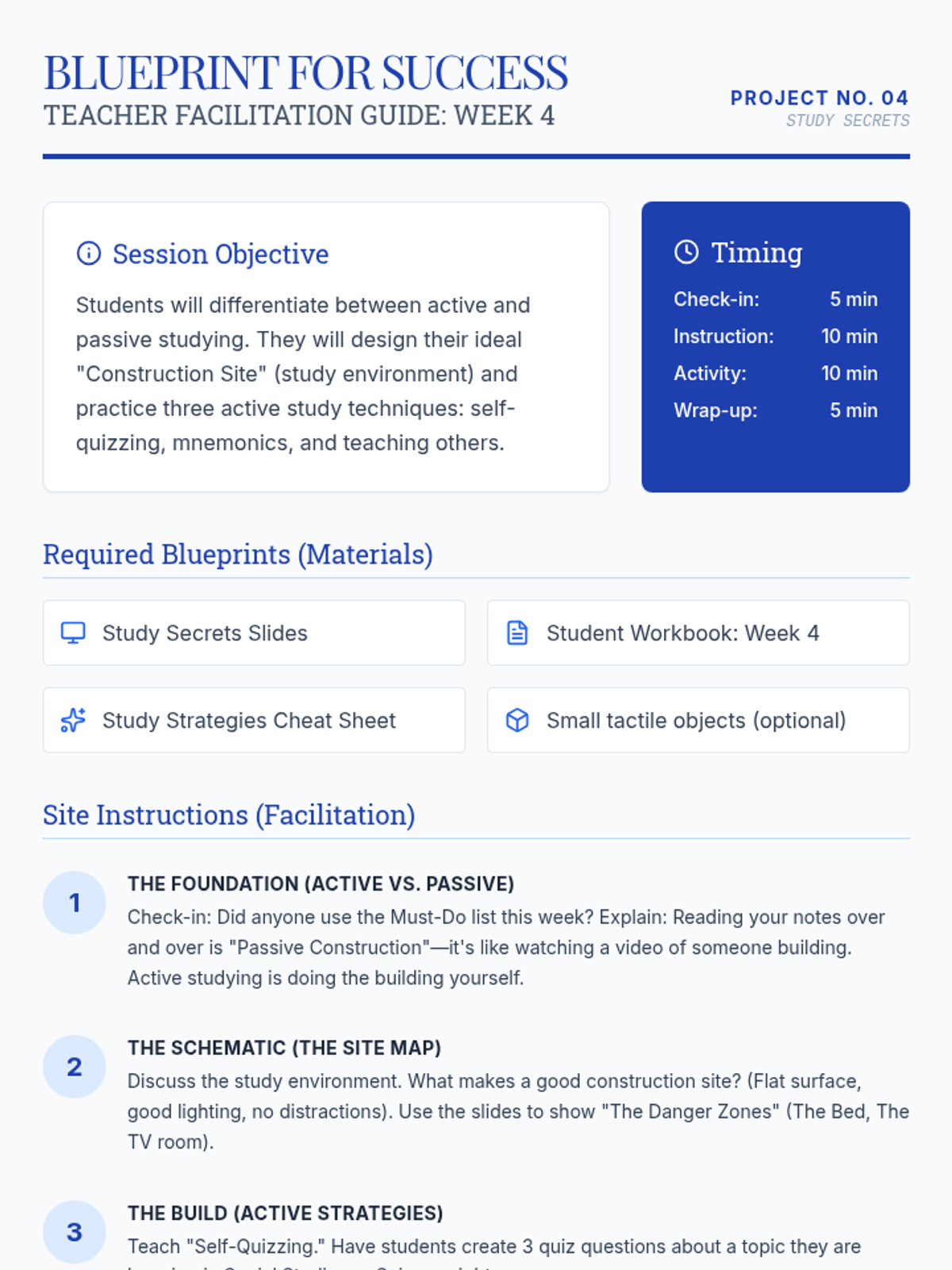
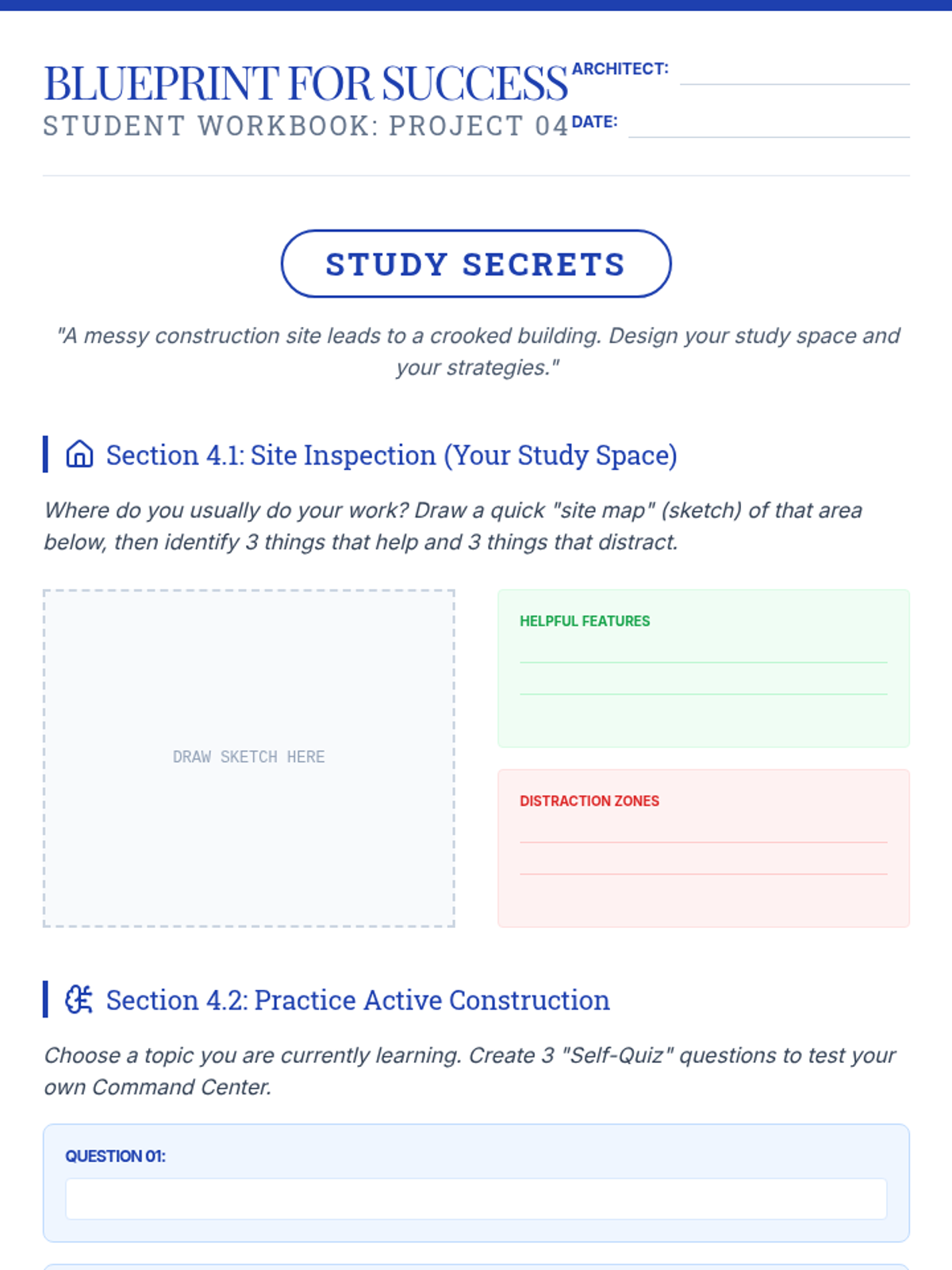
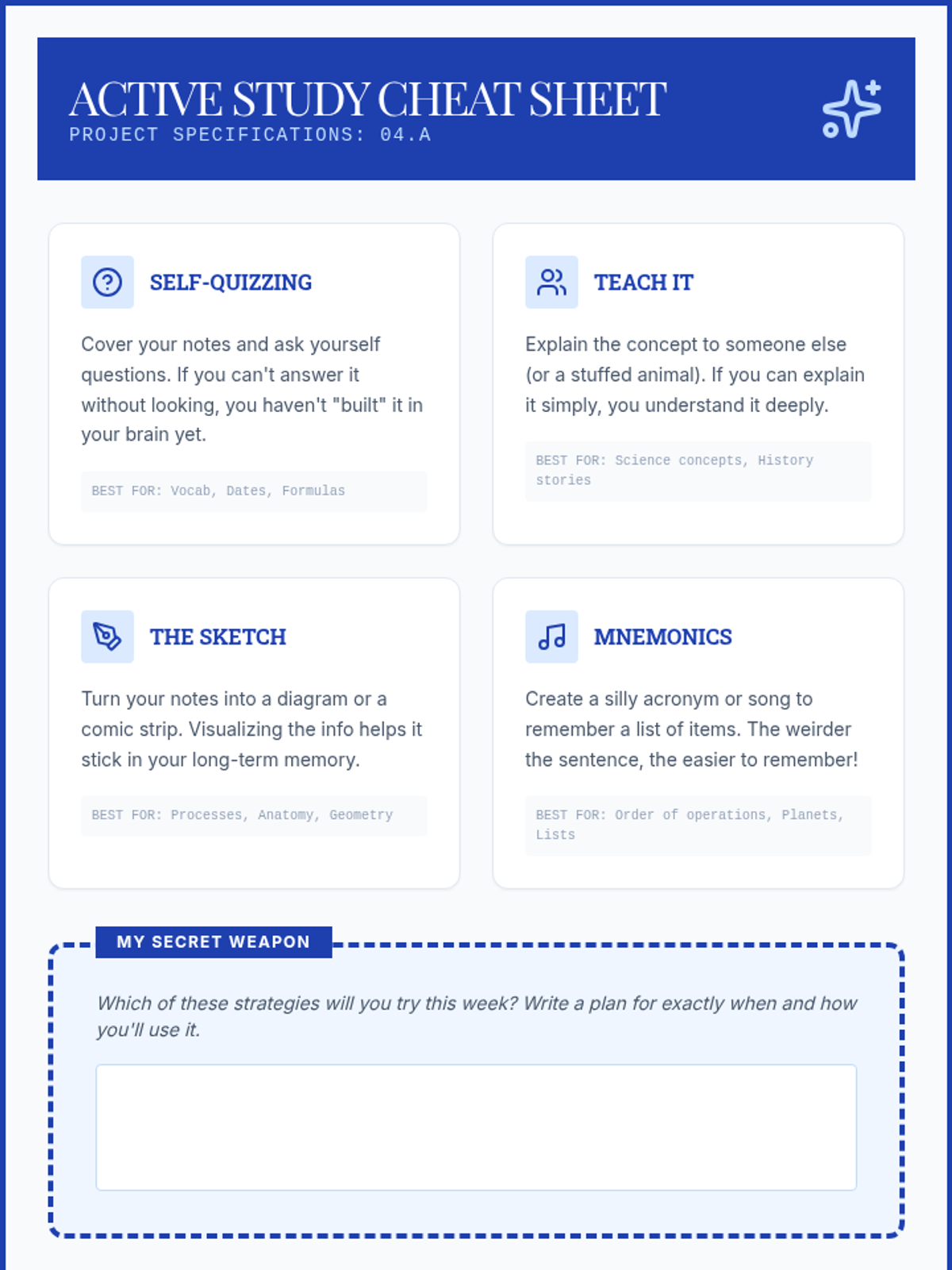
Developing active study habits, creating optimal study environments, and memory enhancement techniques.
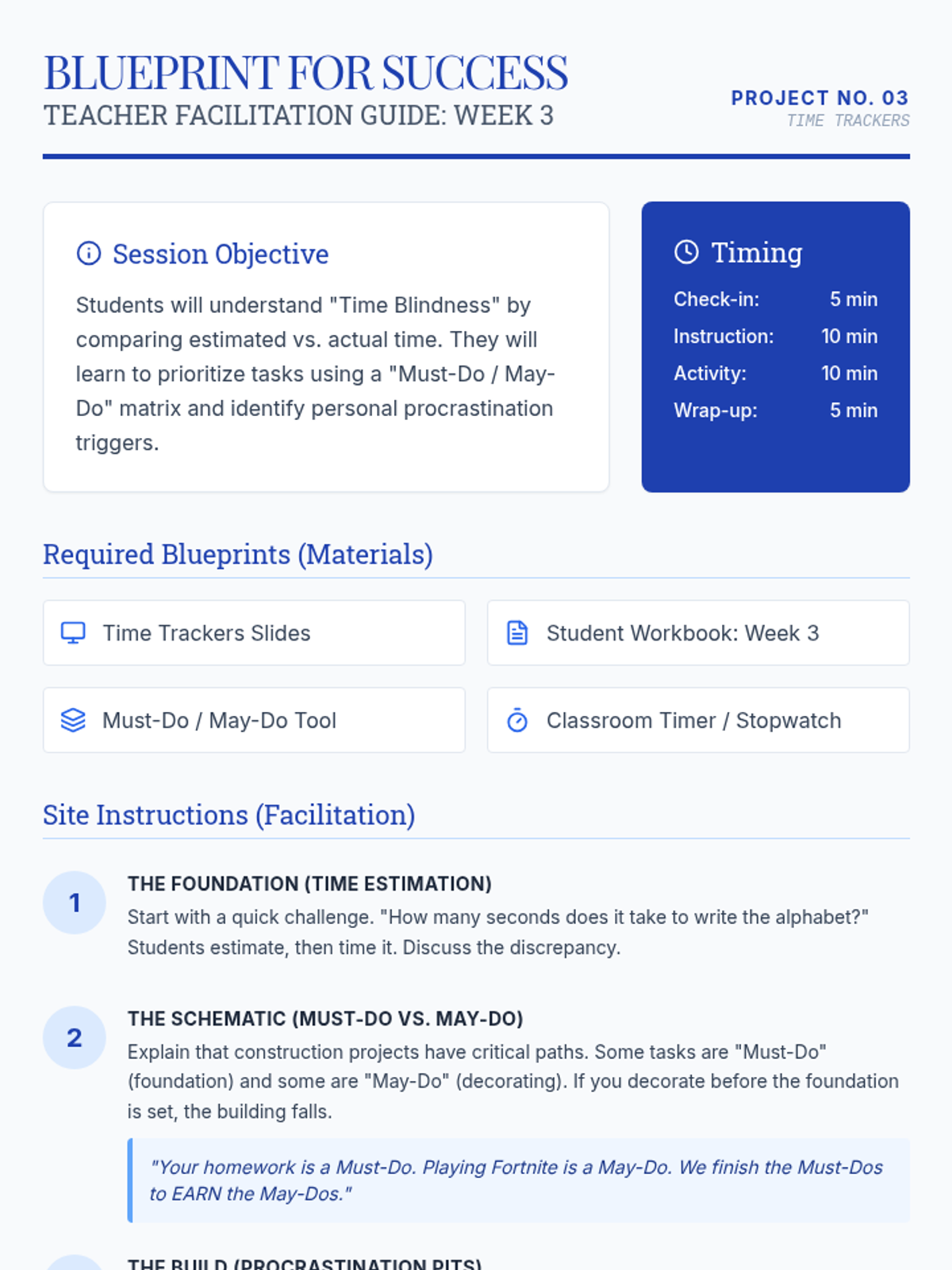
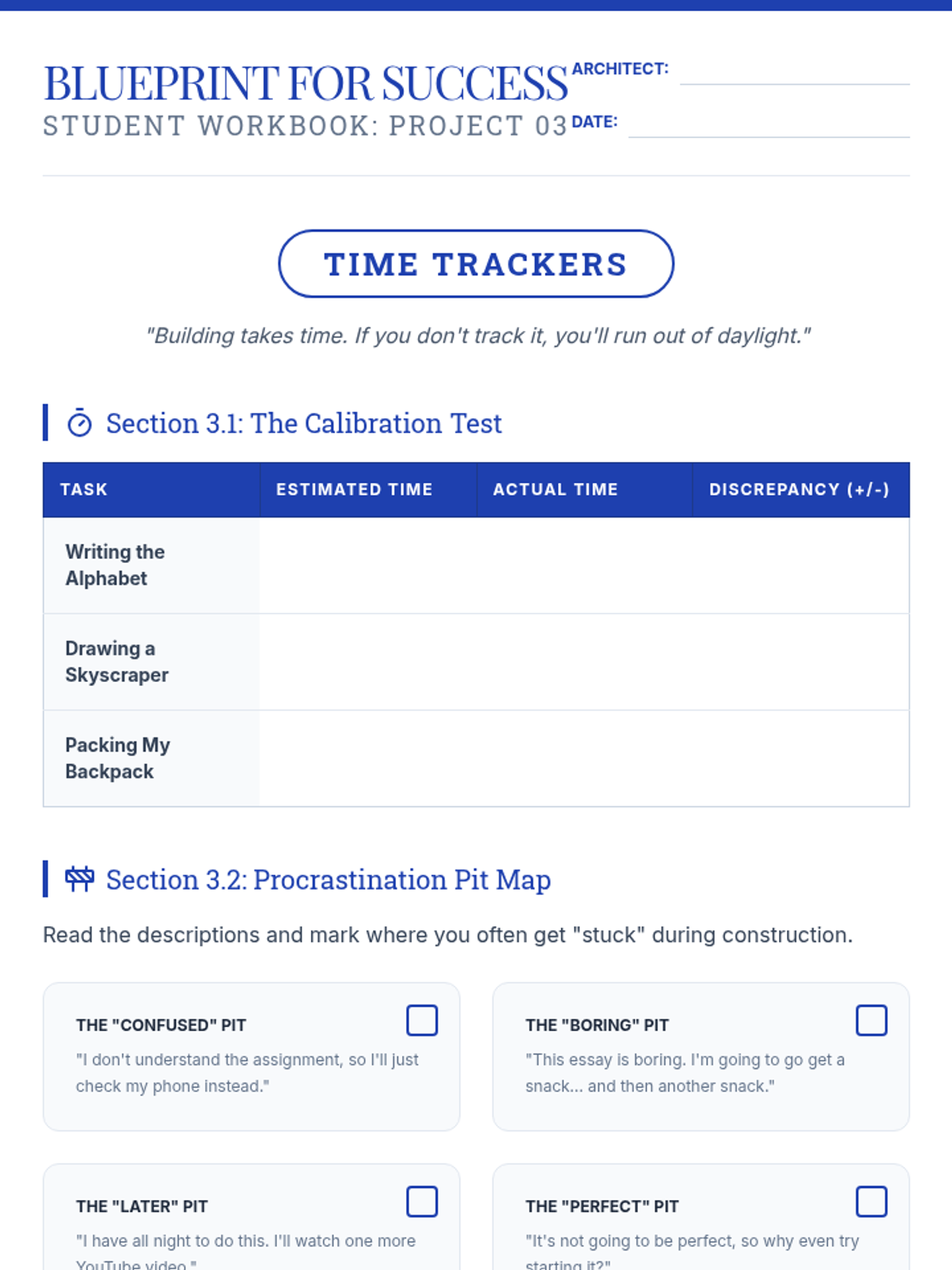
Strategies for time estimation, prioritization of tasks, and overcoming procrastination.
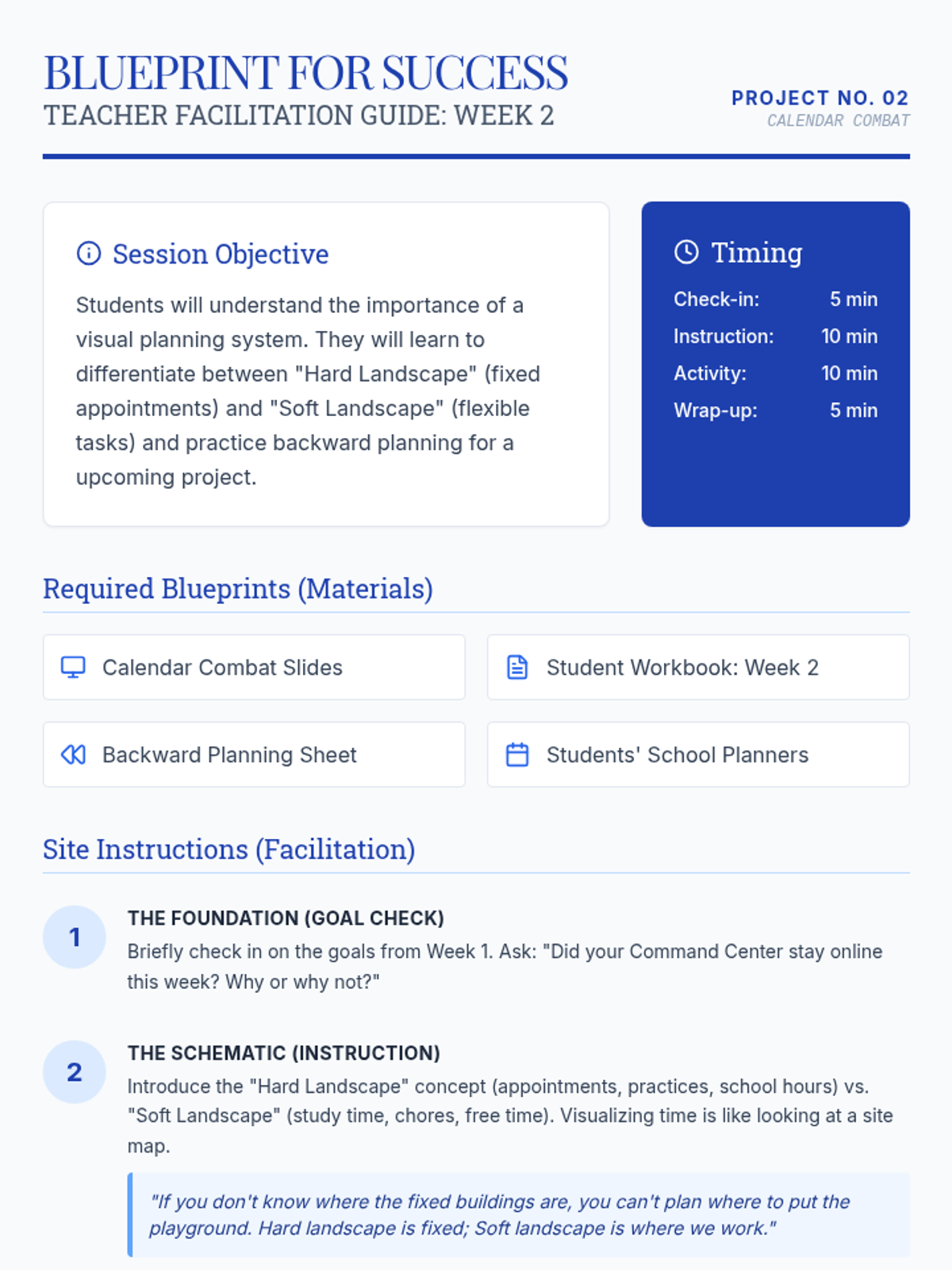
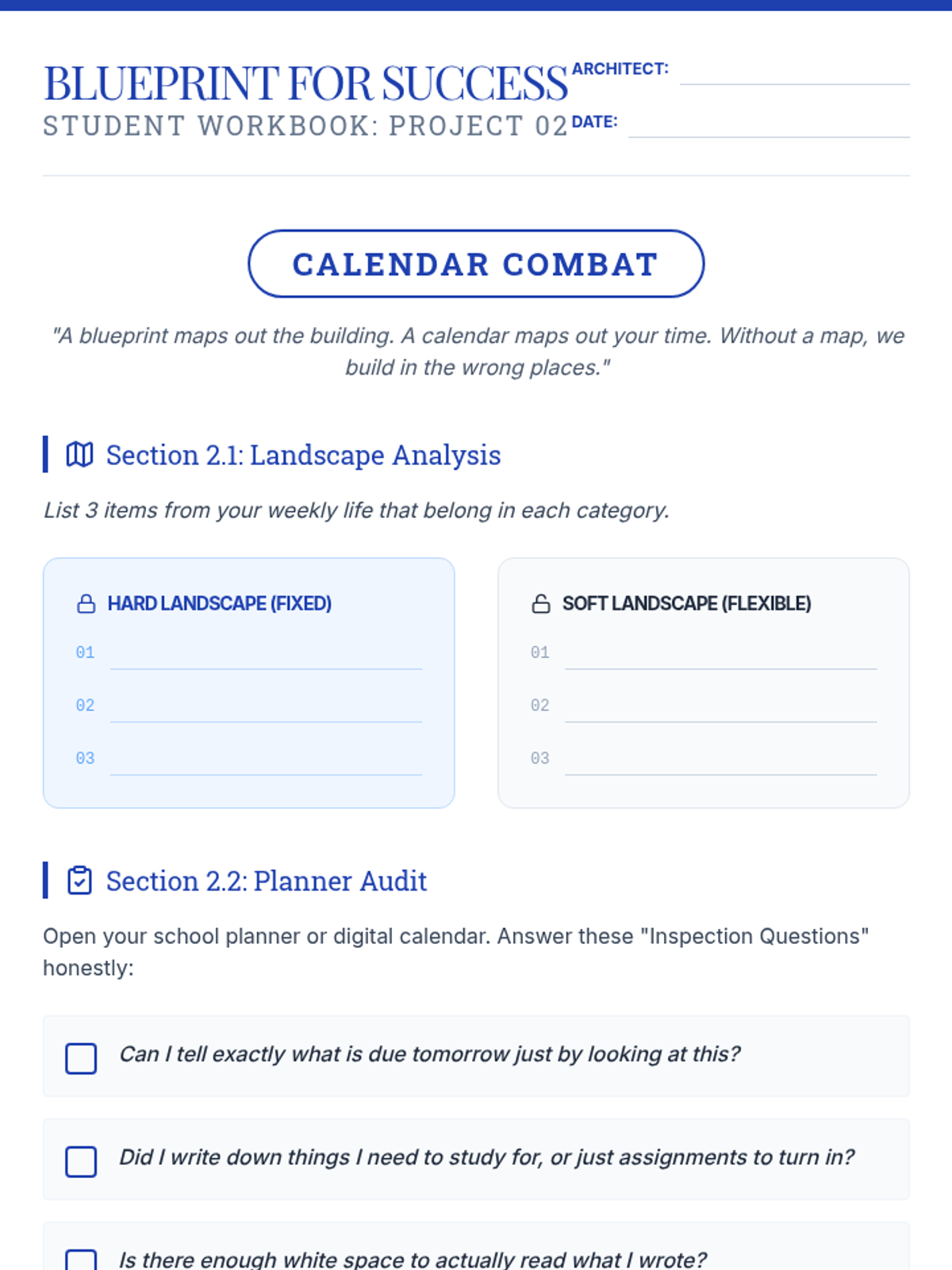
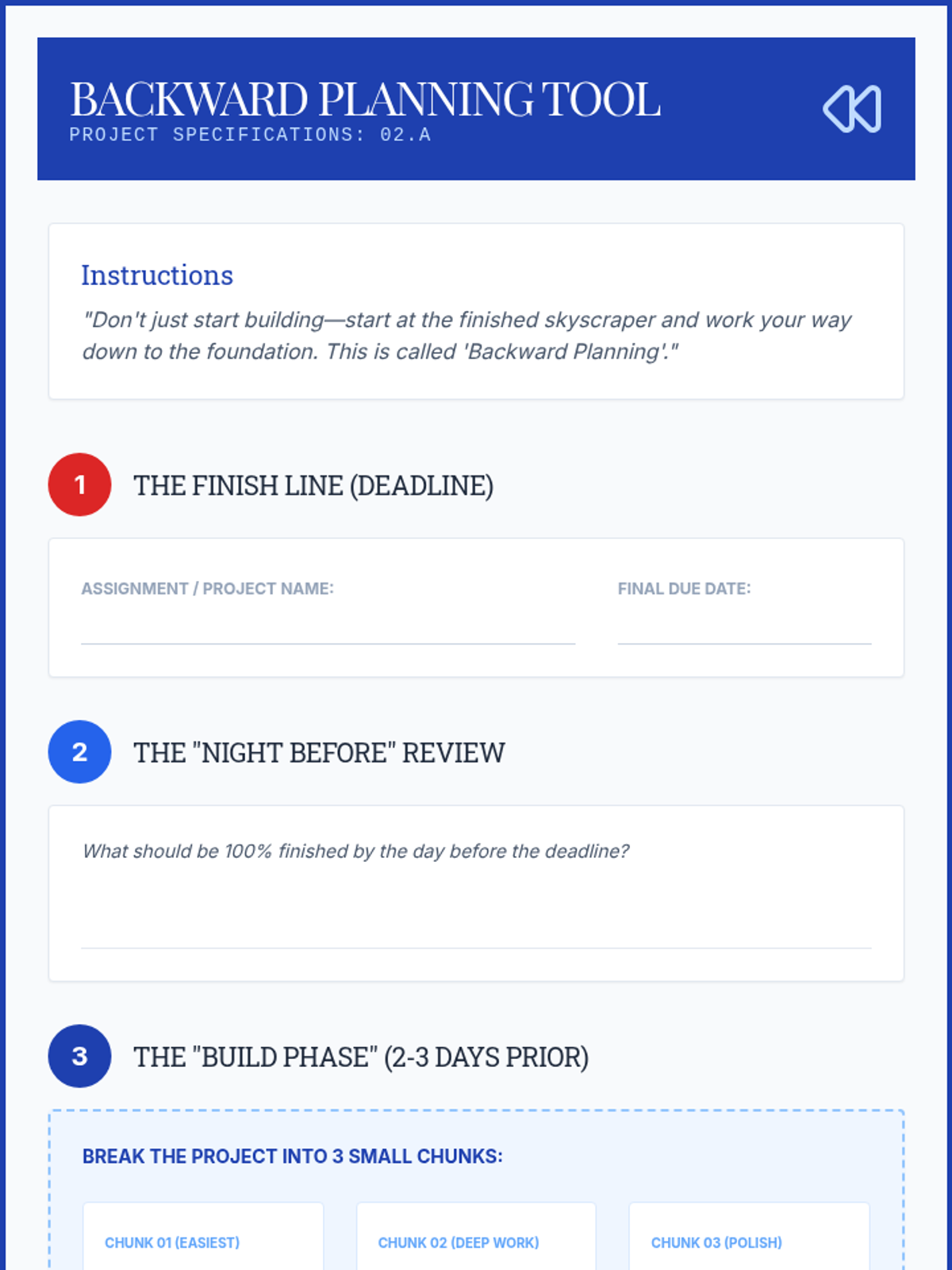
Focusing on academic planning, using planners effectively, and the art of backward planning for long-term projects.
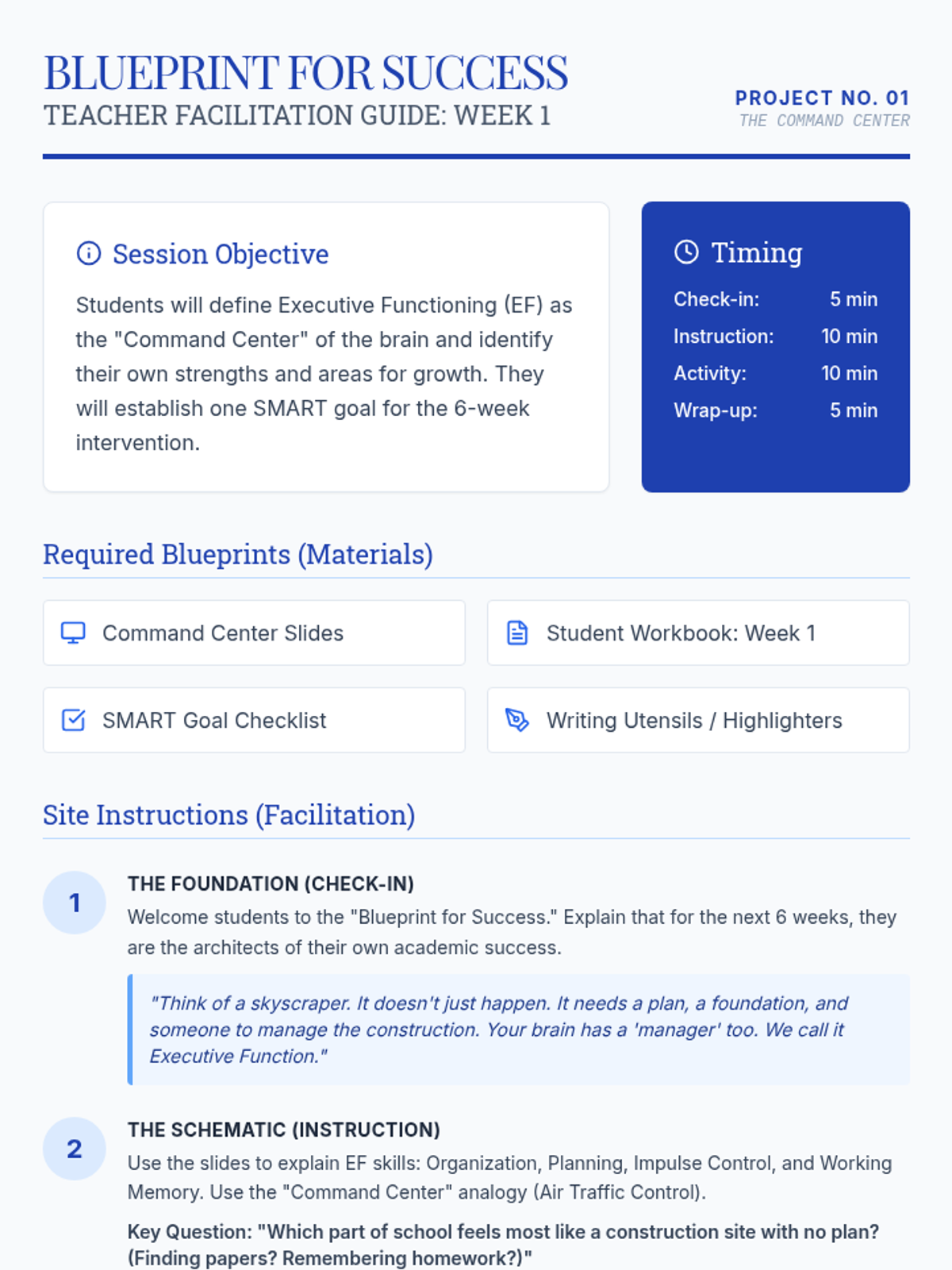
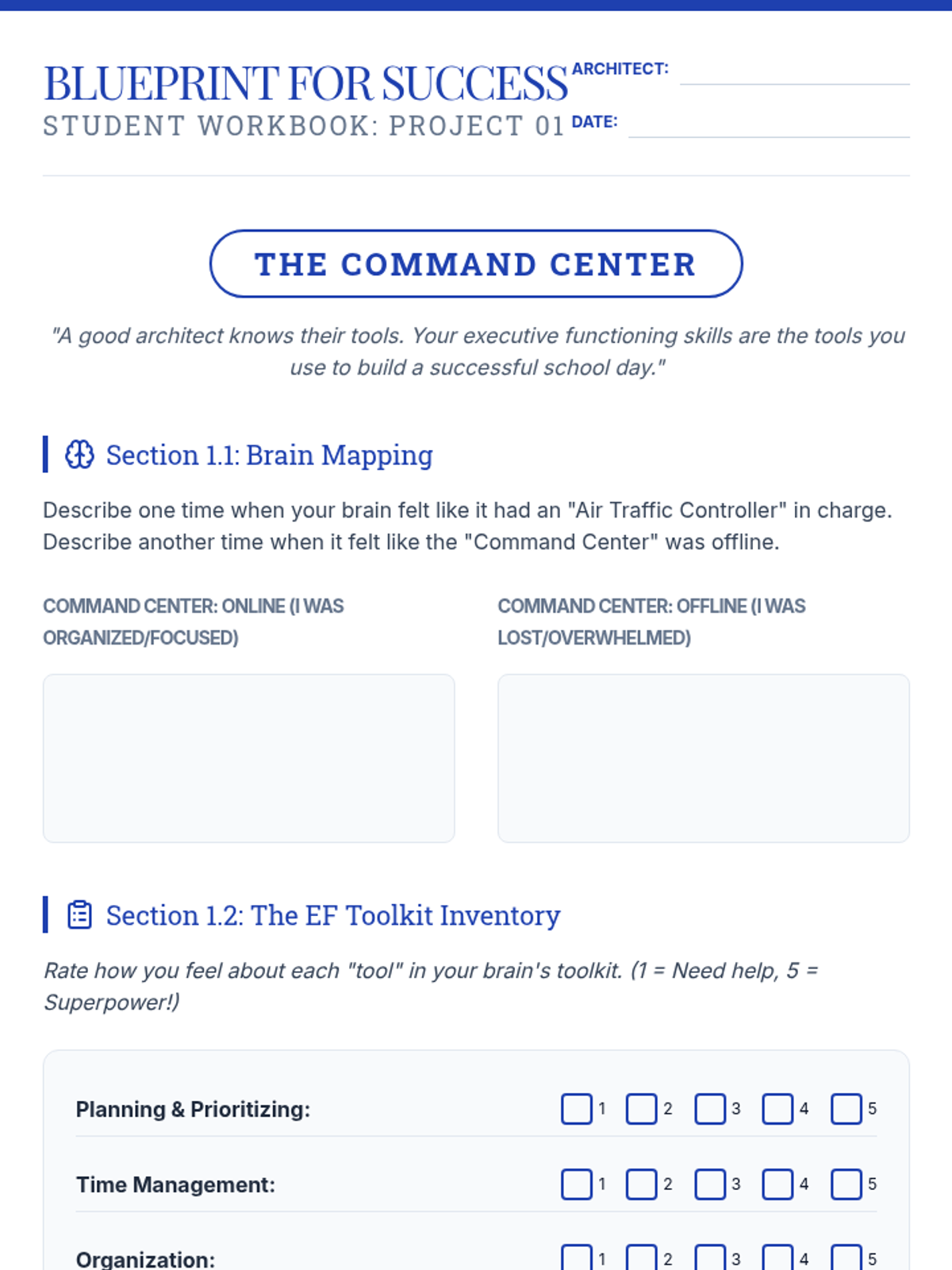
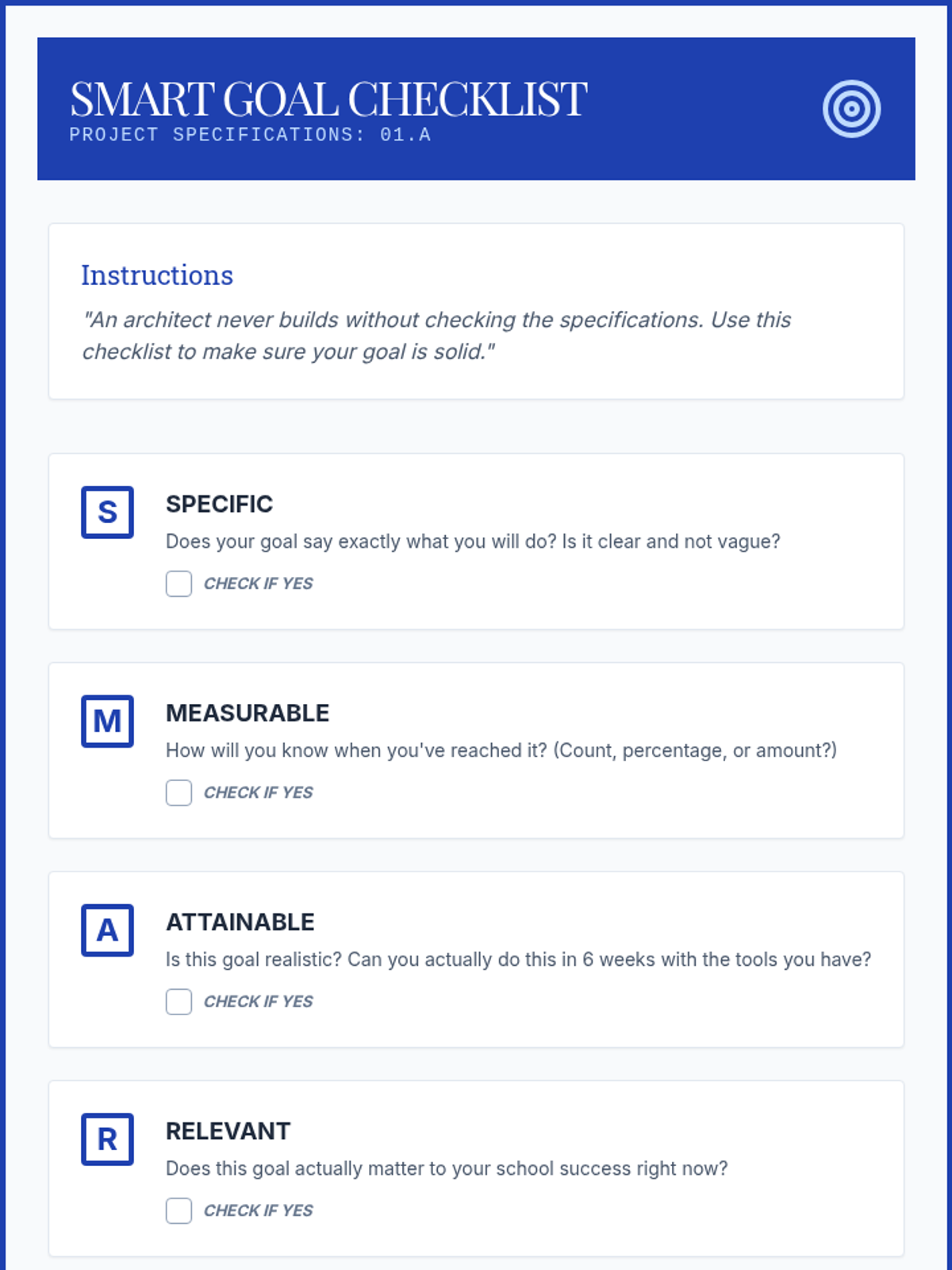
Introduction to executive functioning as the brain's 'Command Center' and setting initial SMART goals for the 6-week program.
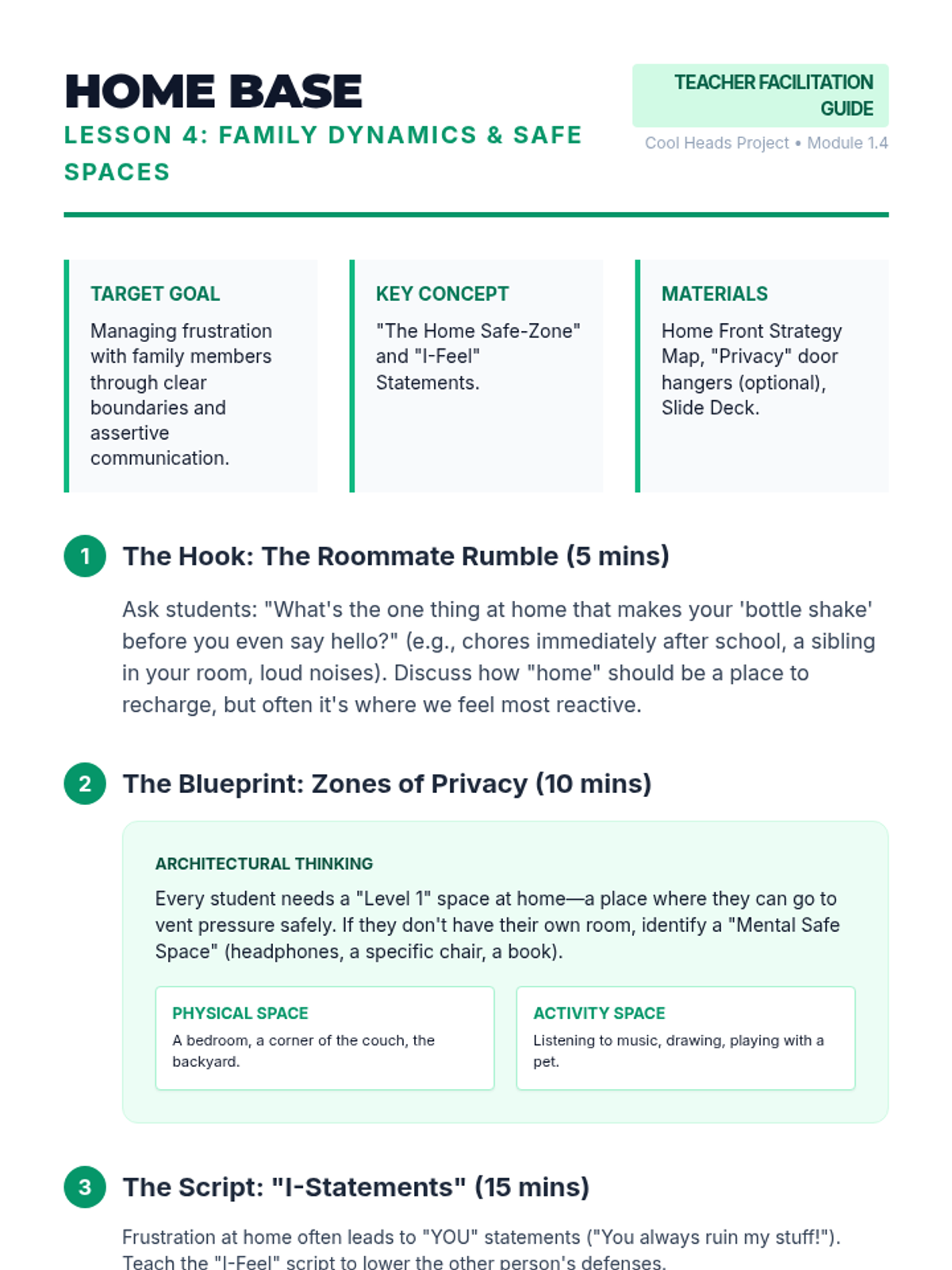
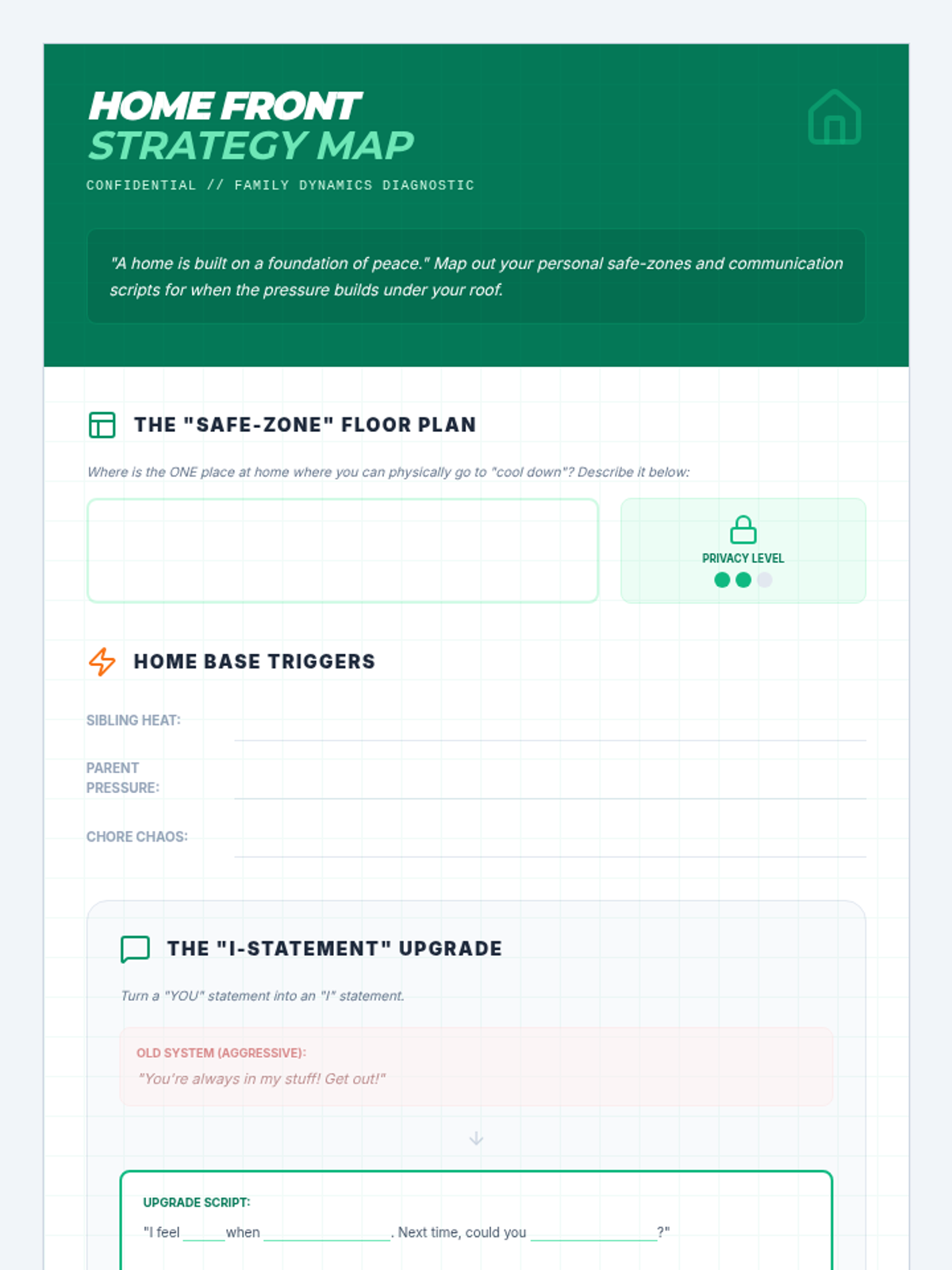
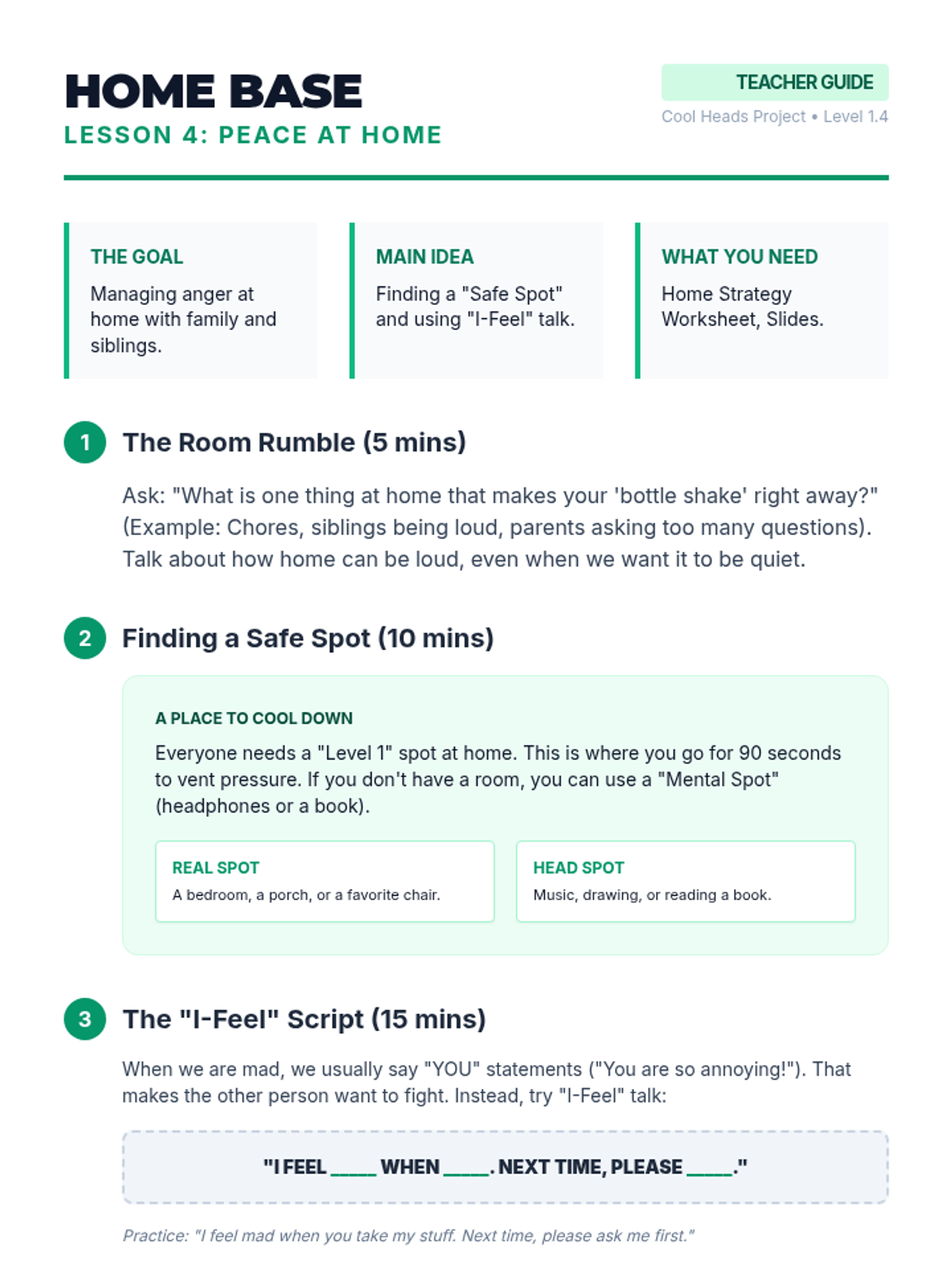
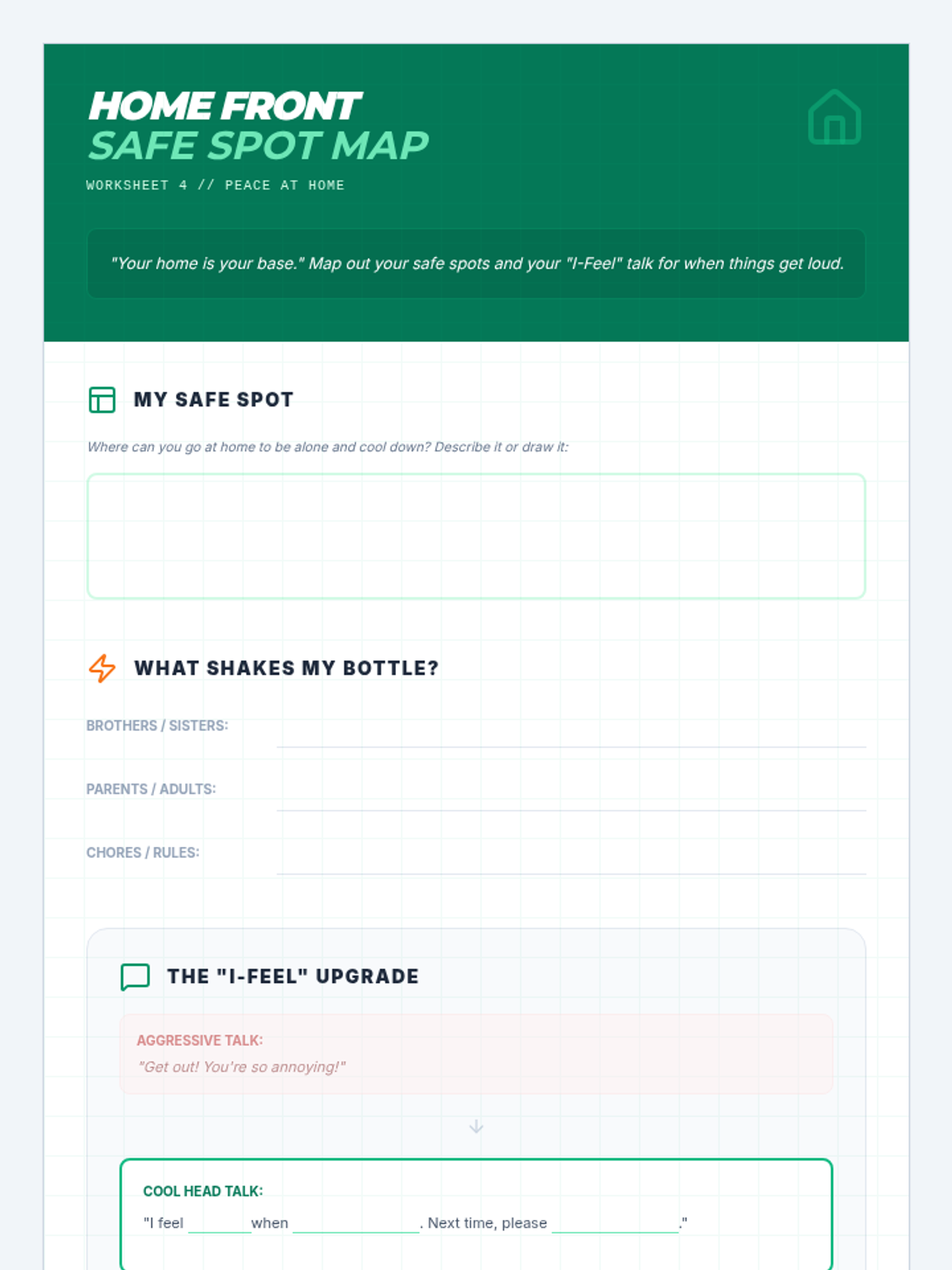
Strategies for navigating family dynamics, sibling conflicts, and home-based stressors through clear communication and personal space.
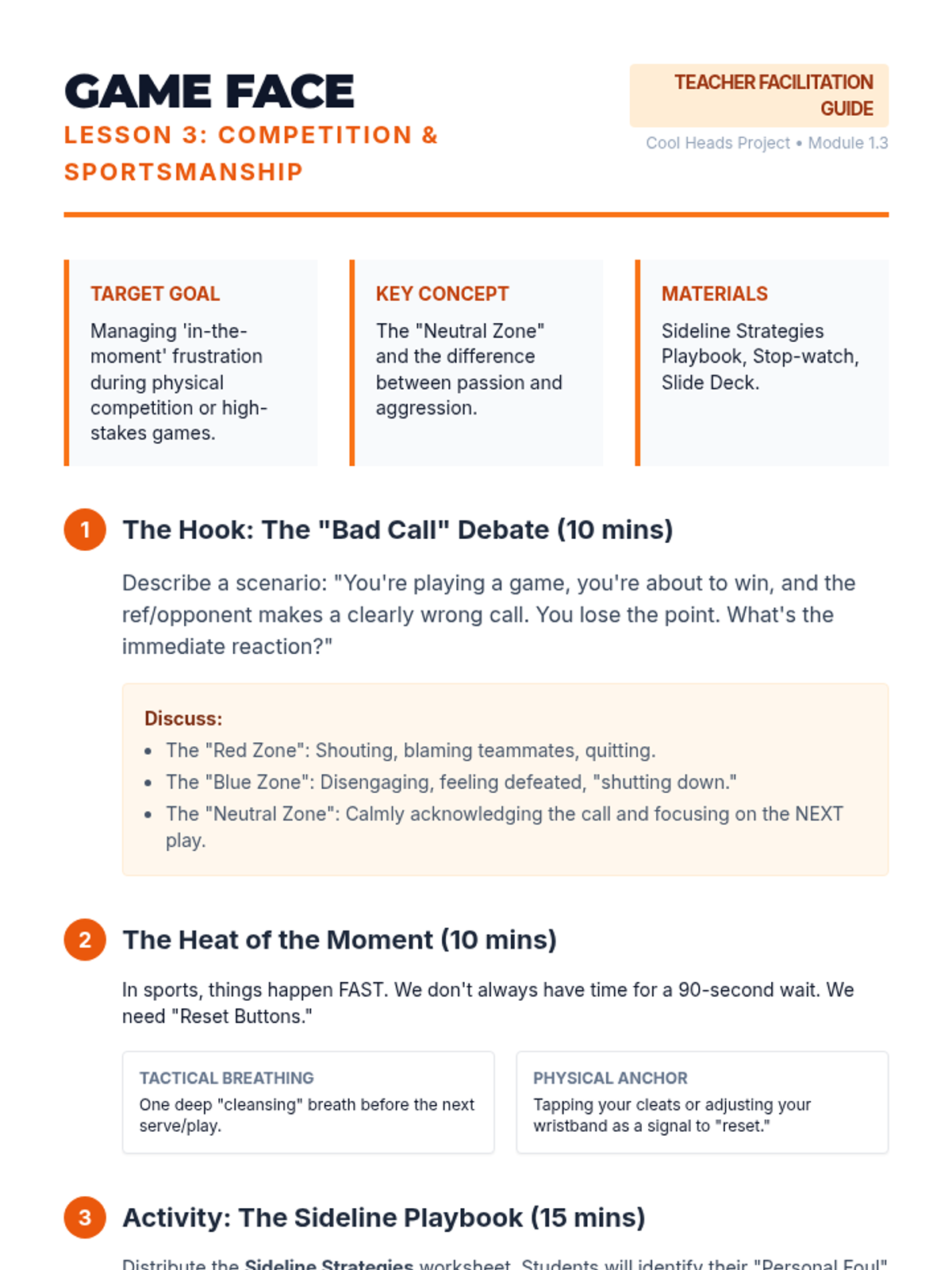
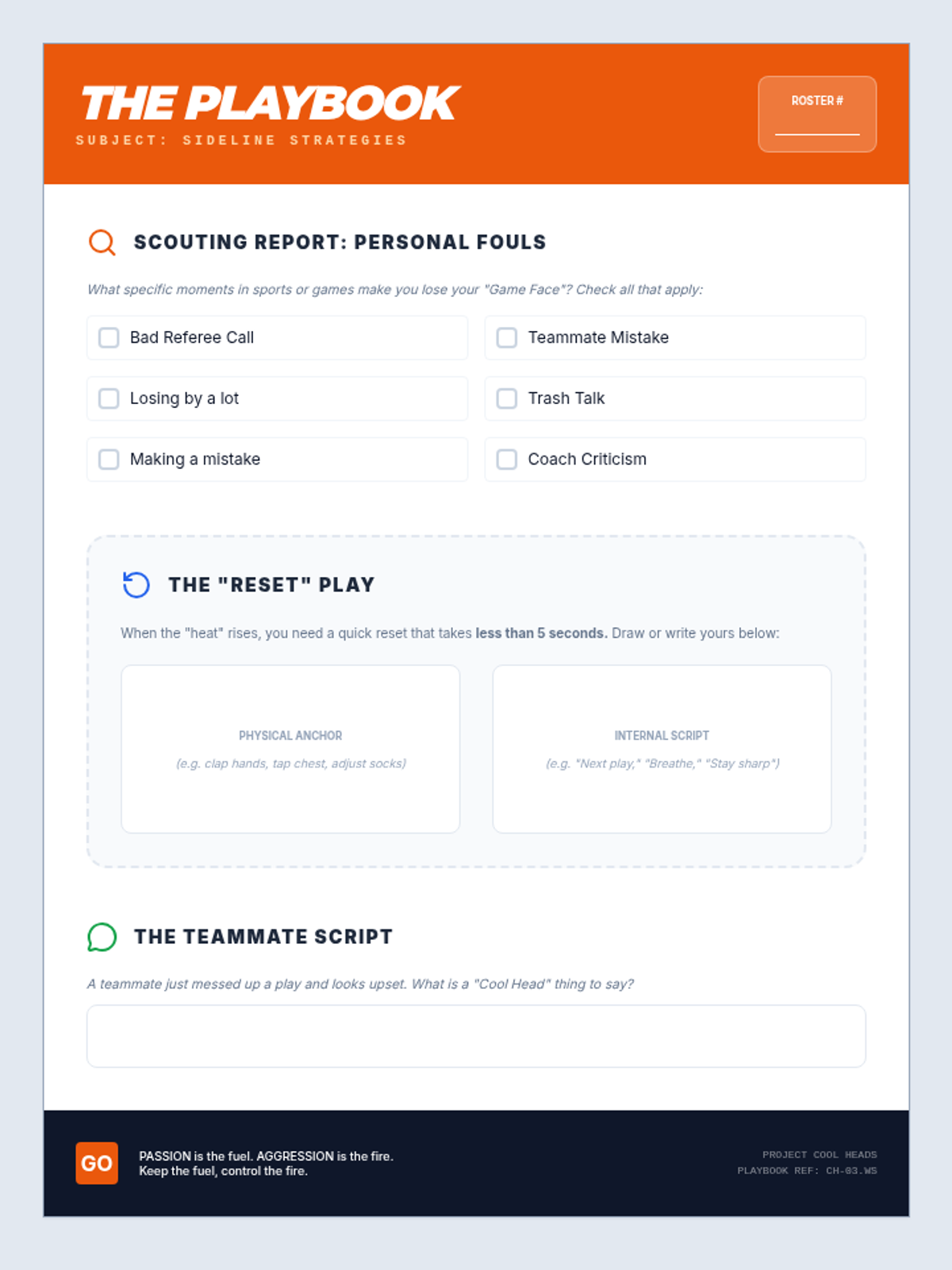
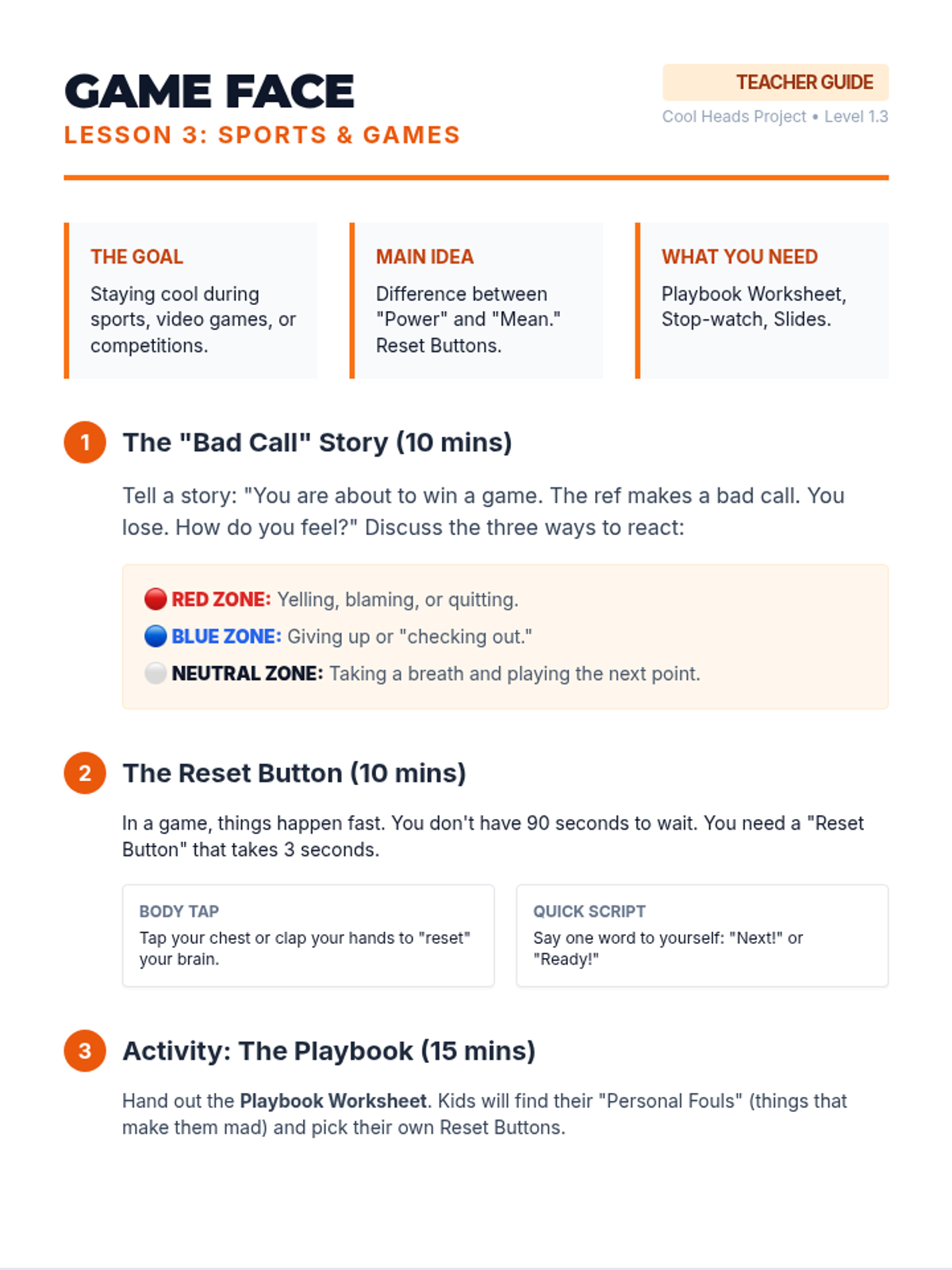
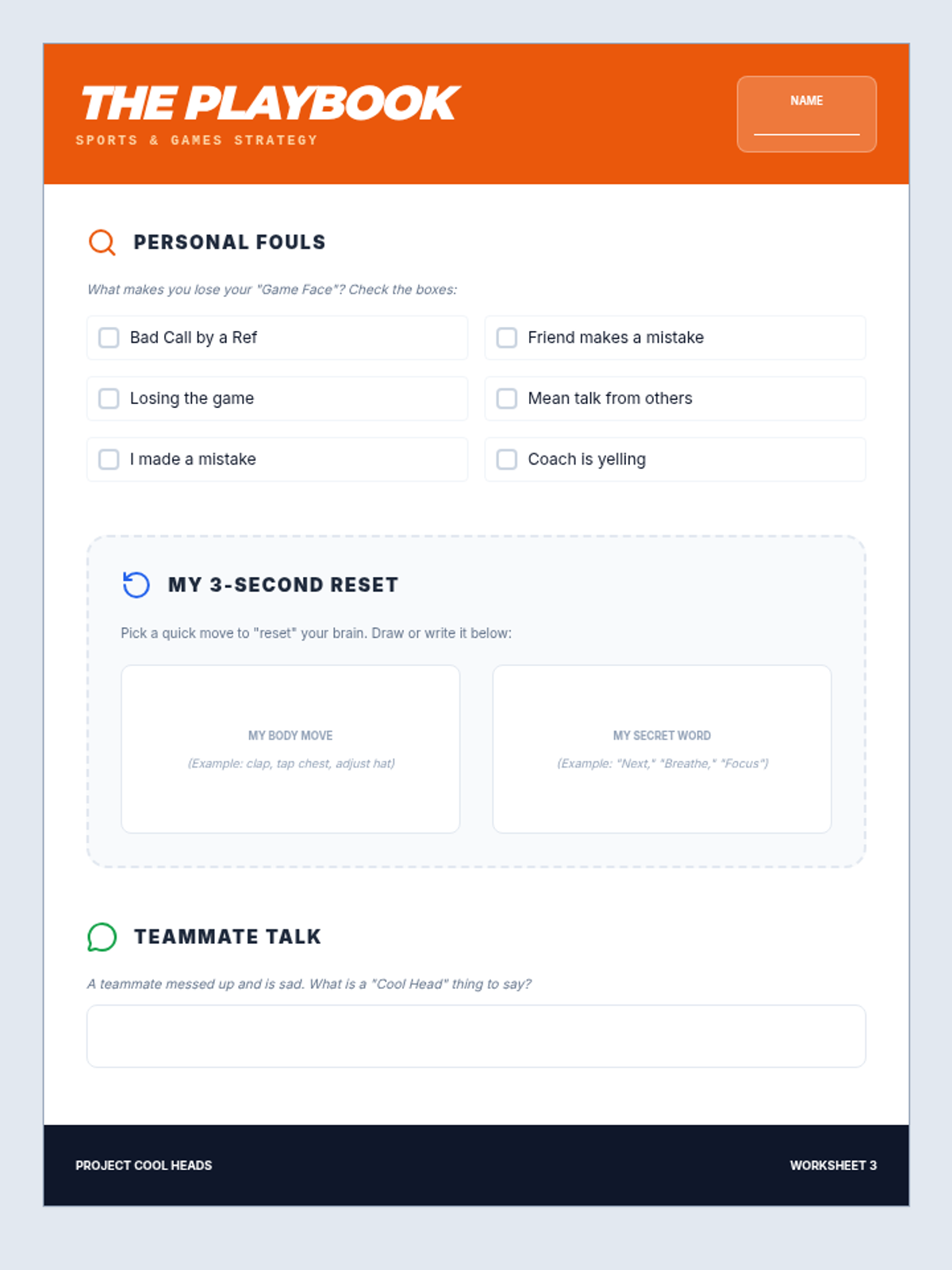
Explores the emotional ups and downs of sports and competition, teaching students how to keep their cool during wins and losses.
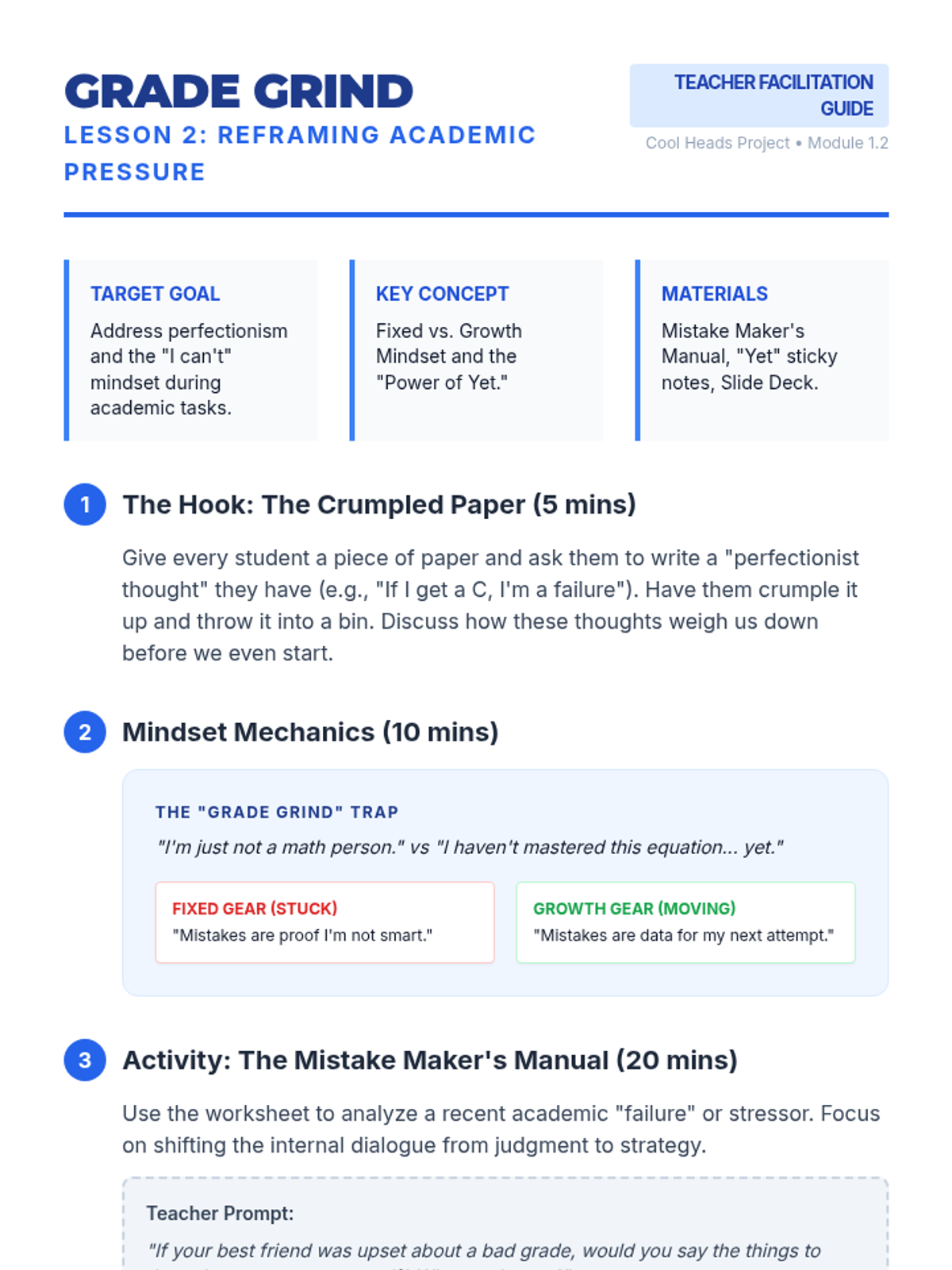
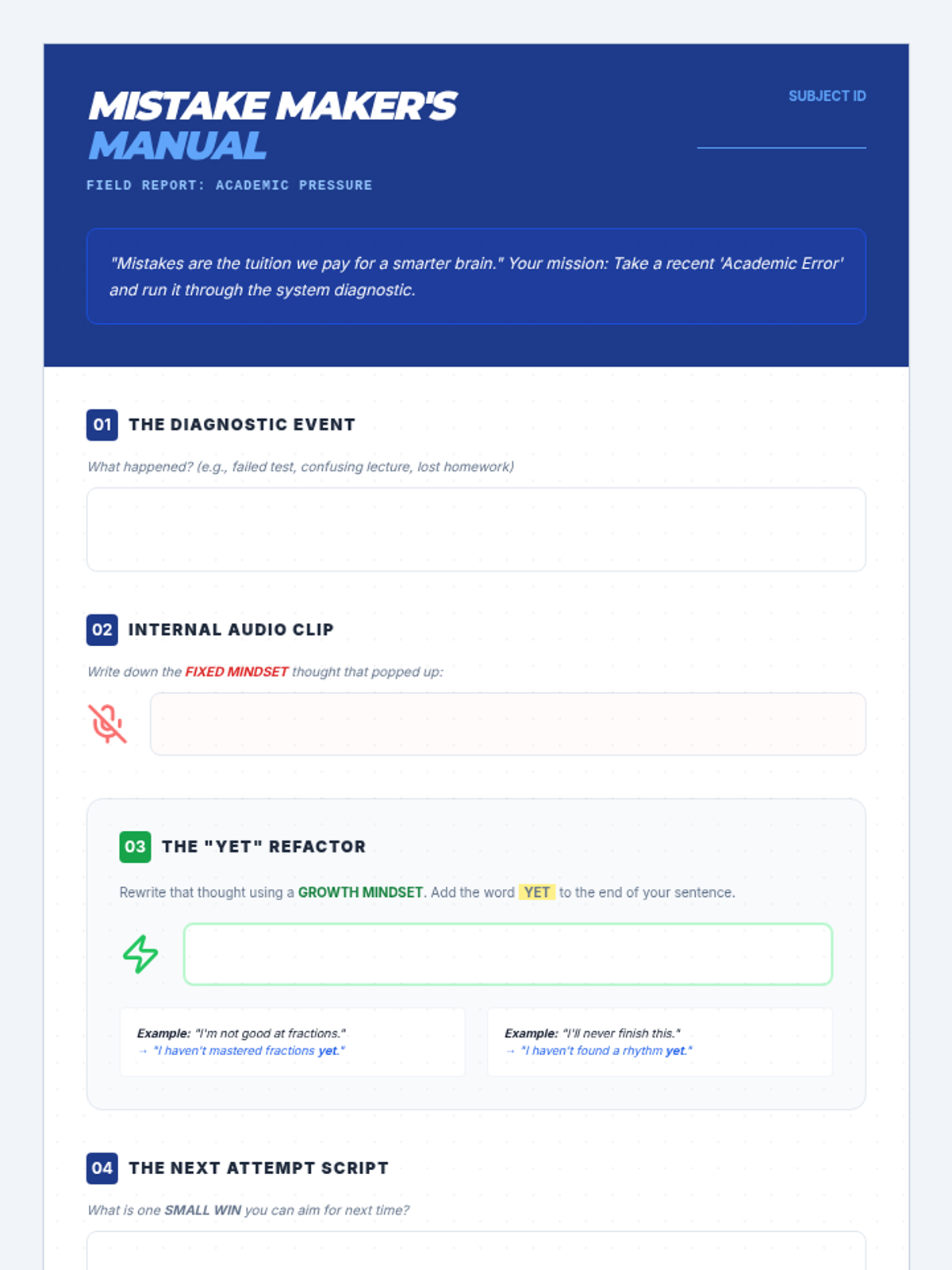
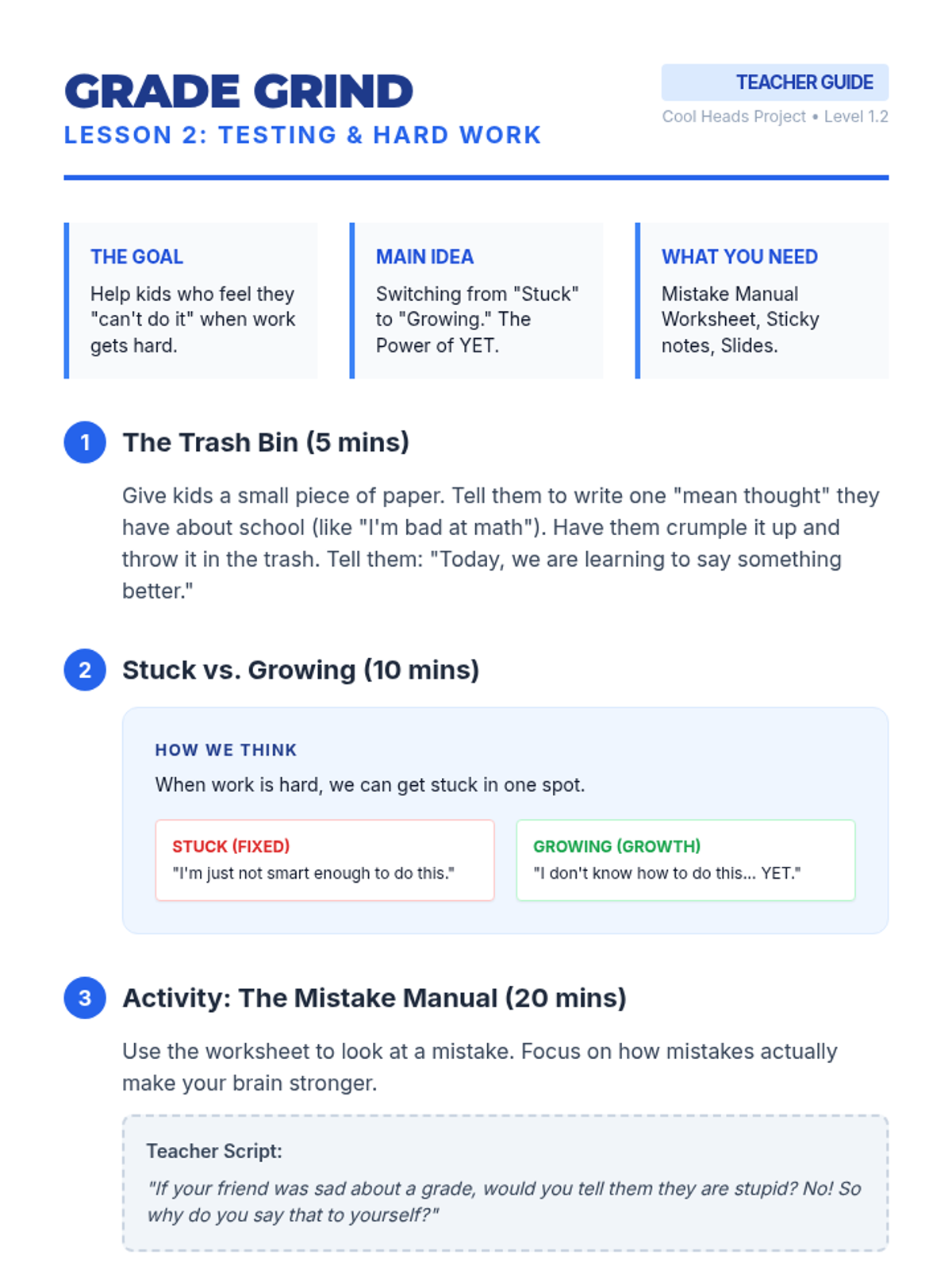
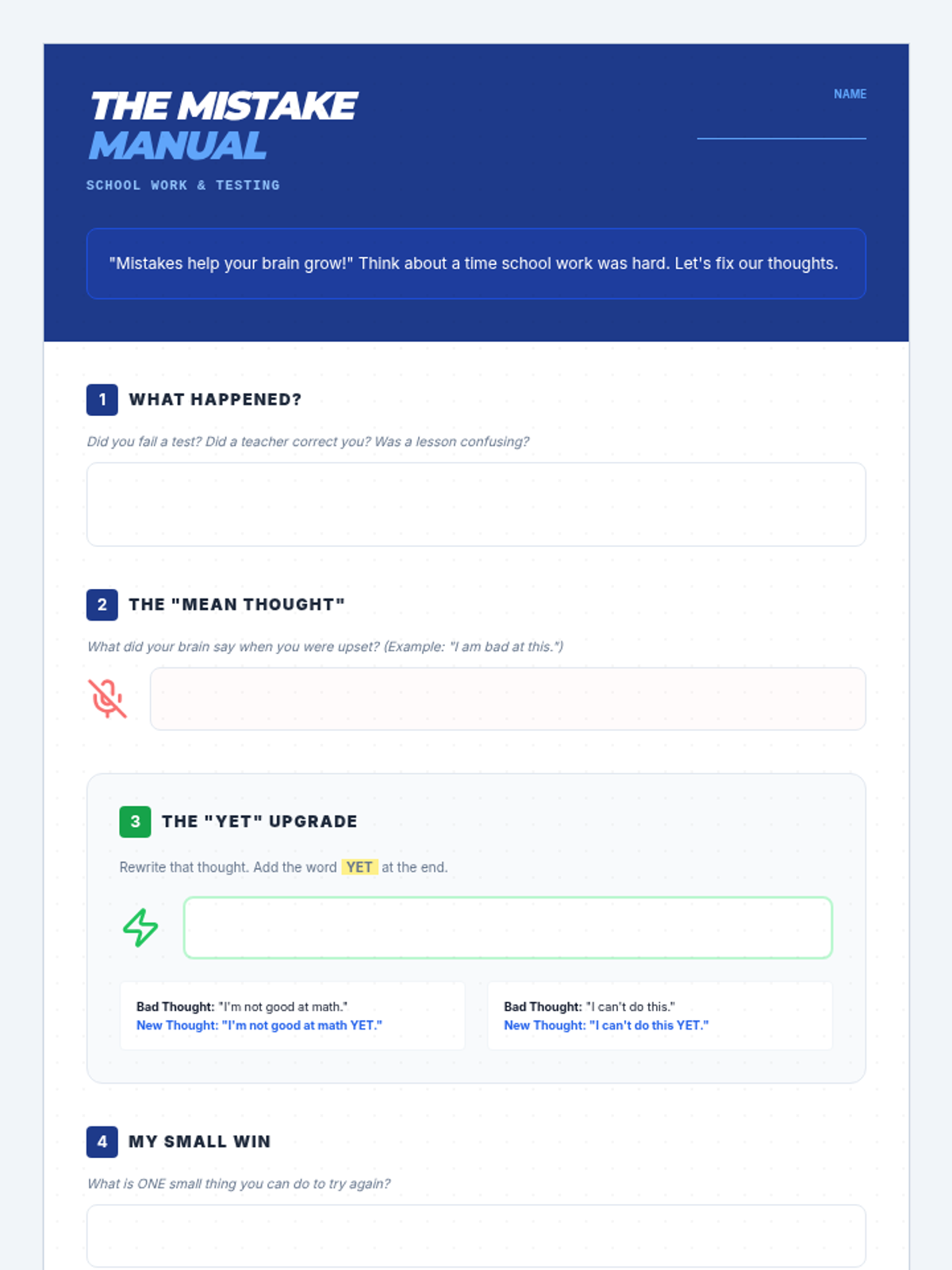
Focuses on managing the pressure of grades, tests, and academic expectations through reframing and realistic goal-setting.
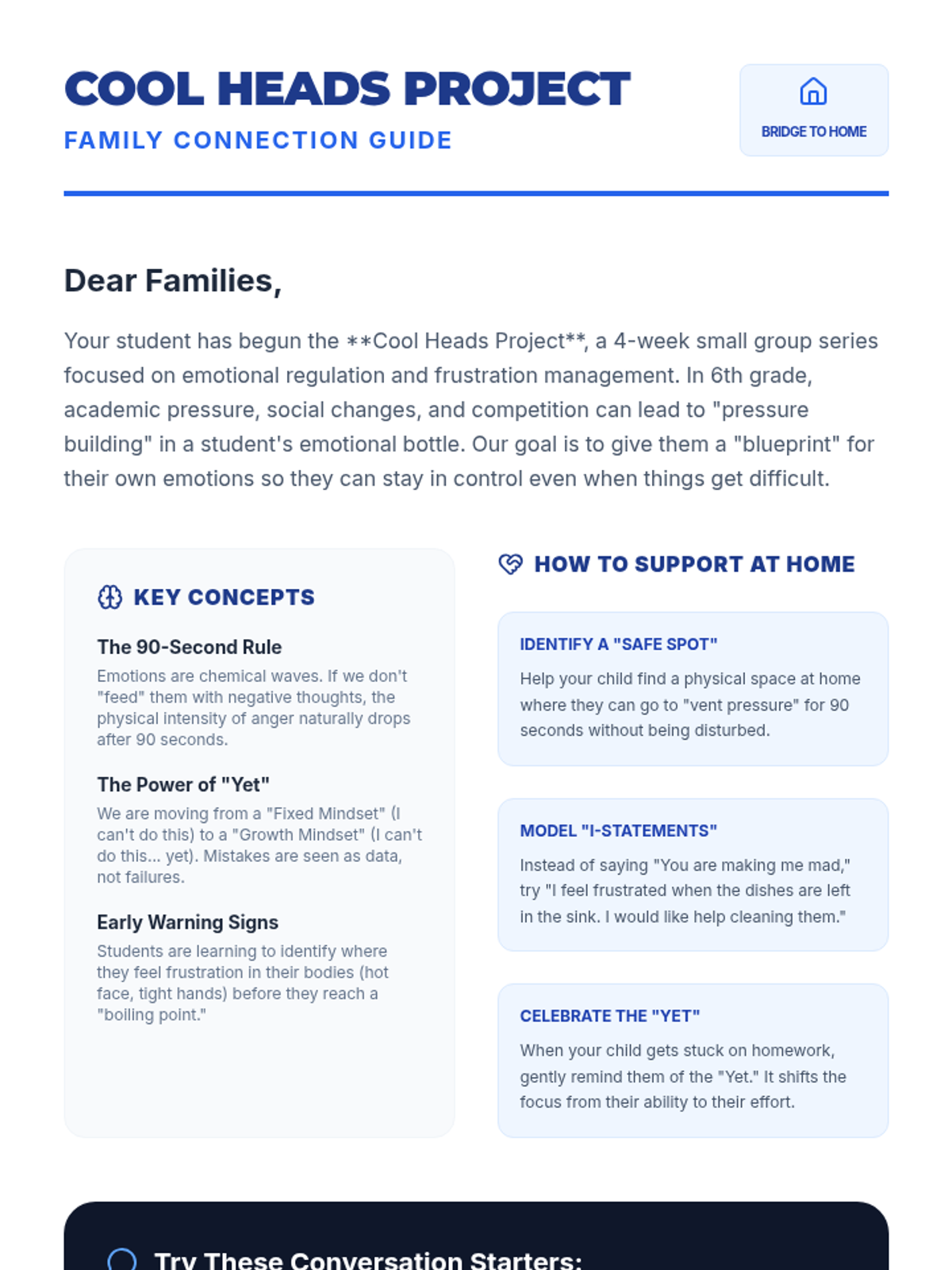
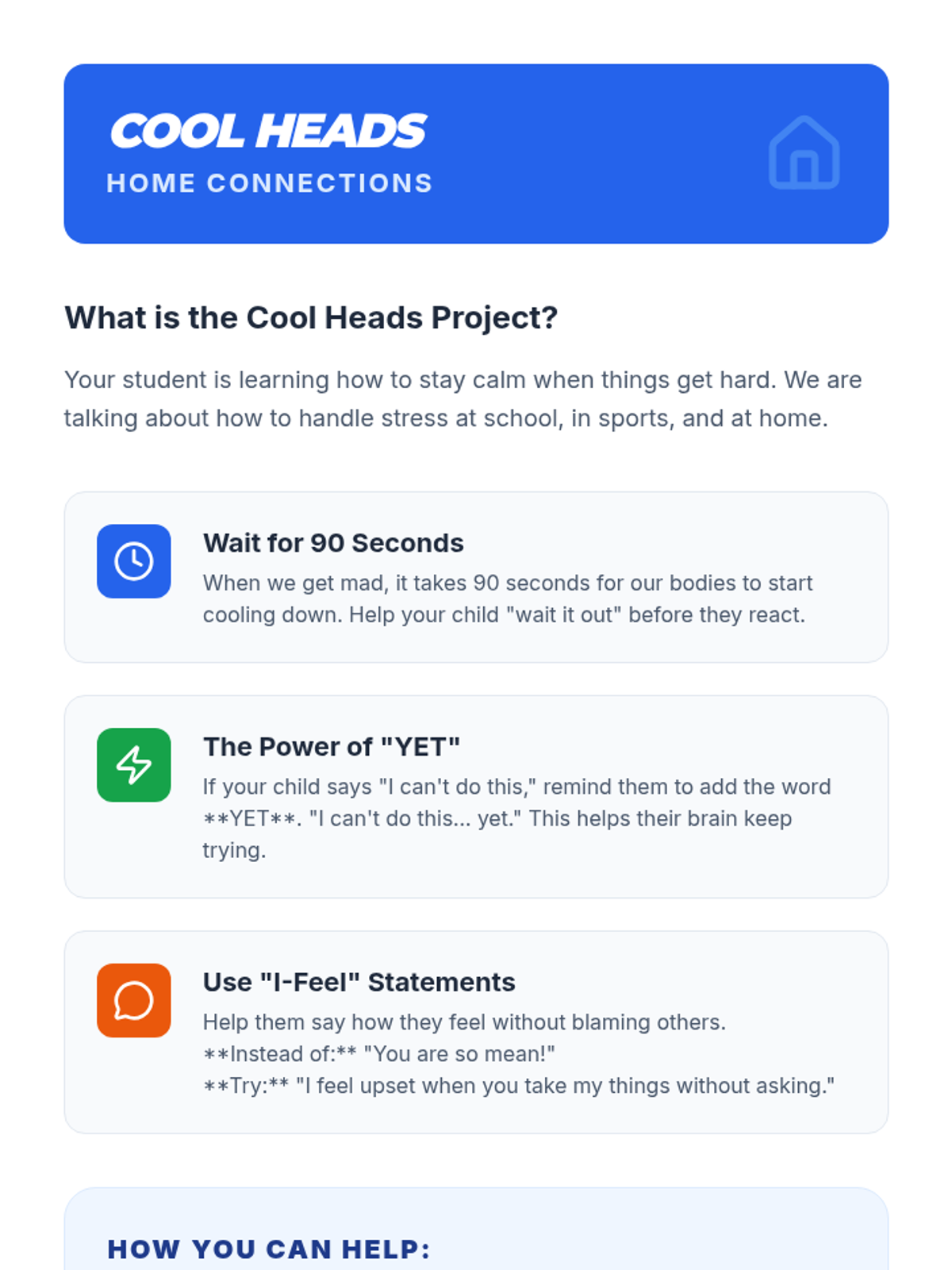
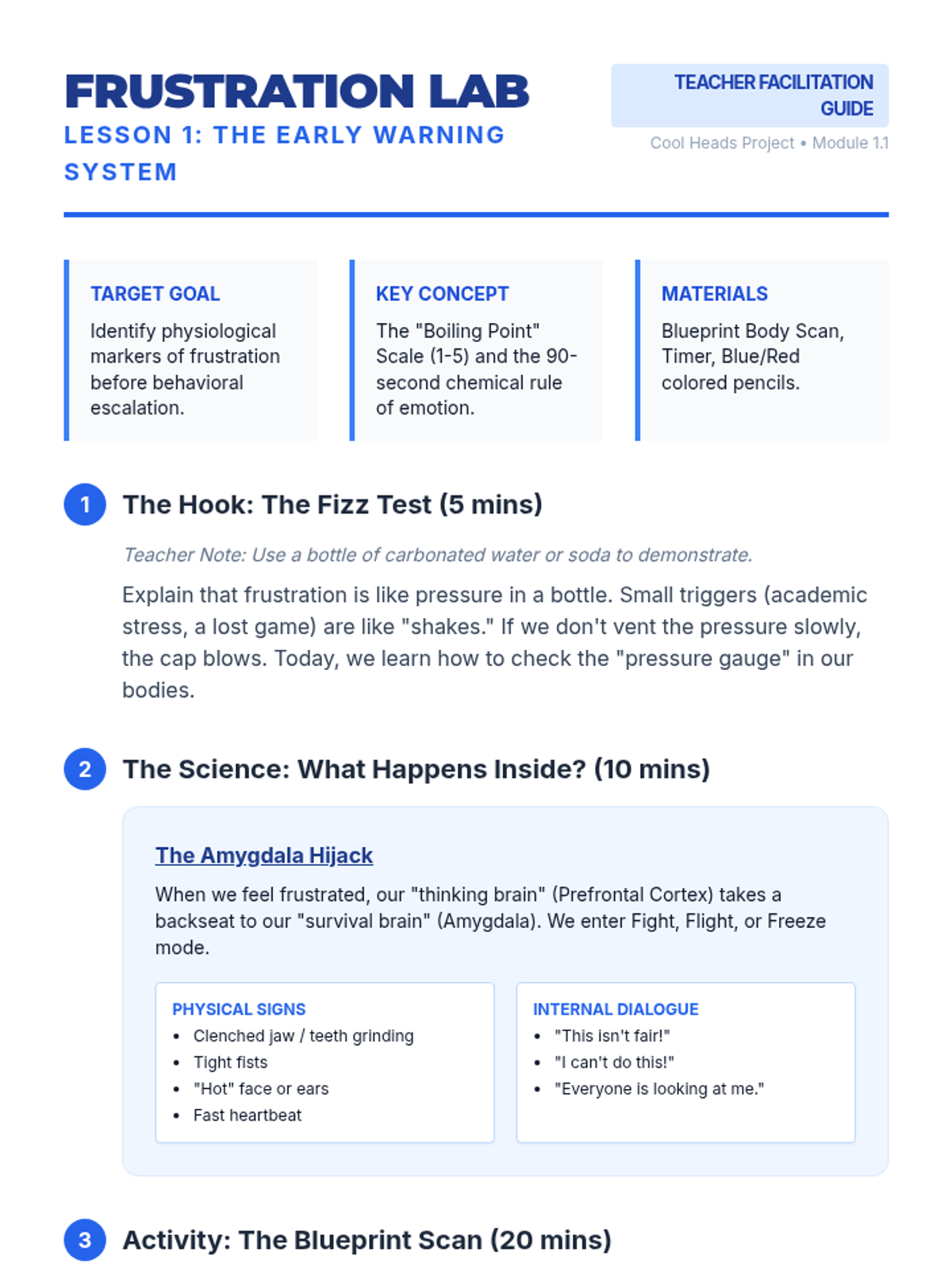
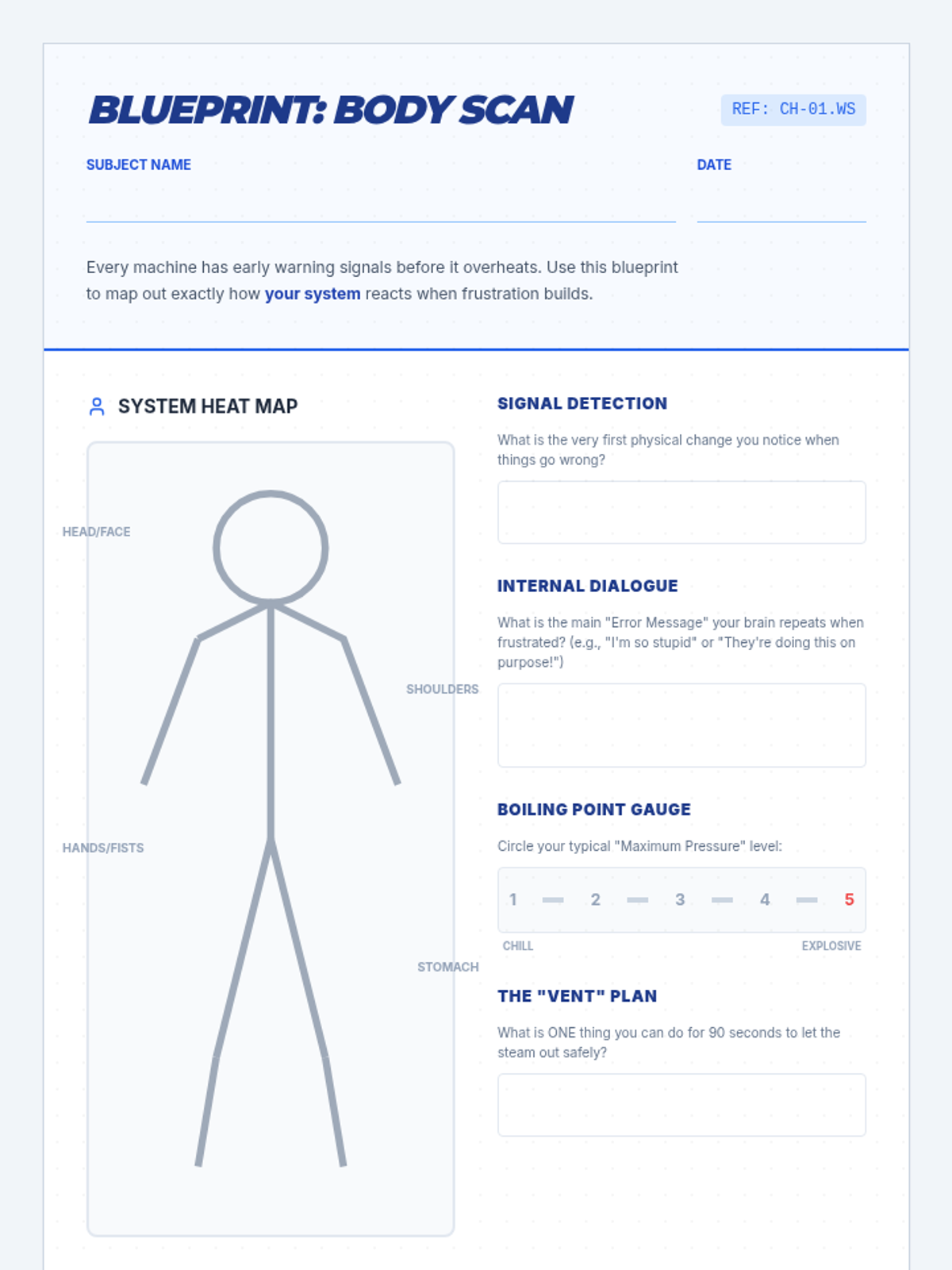
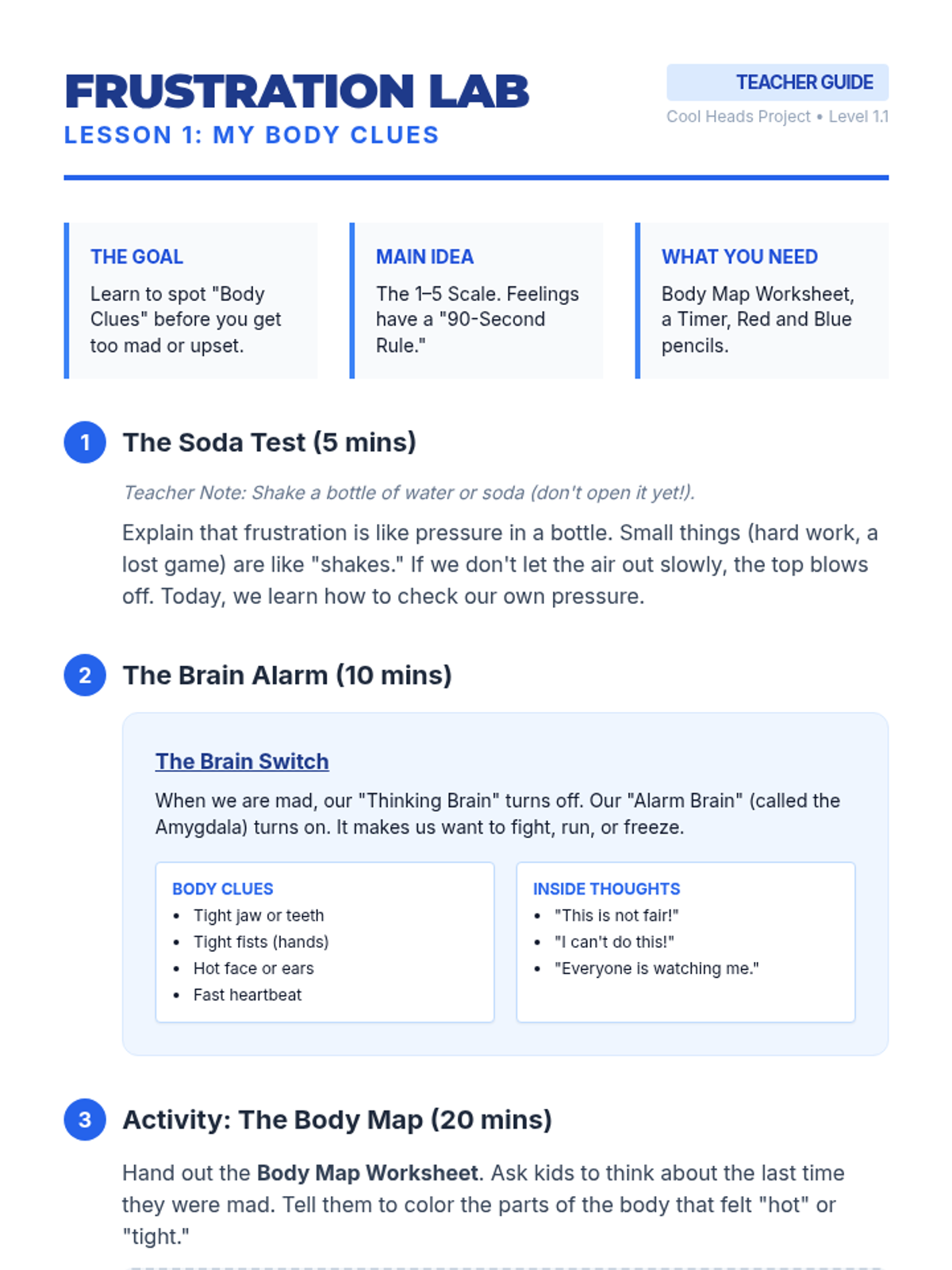
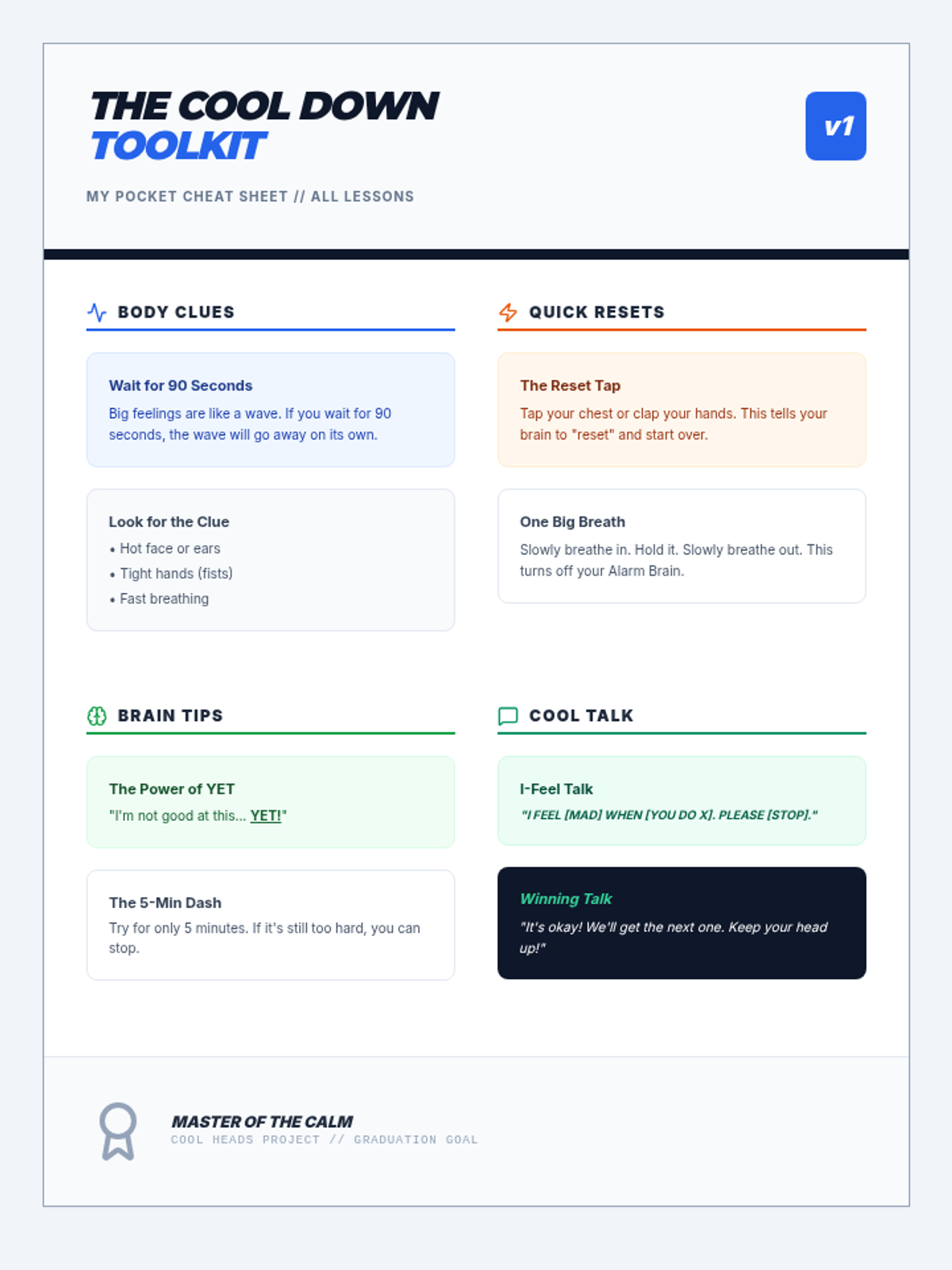
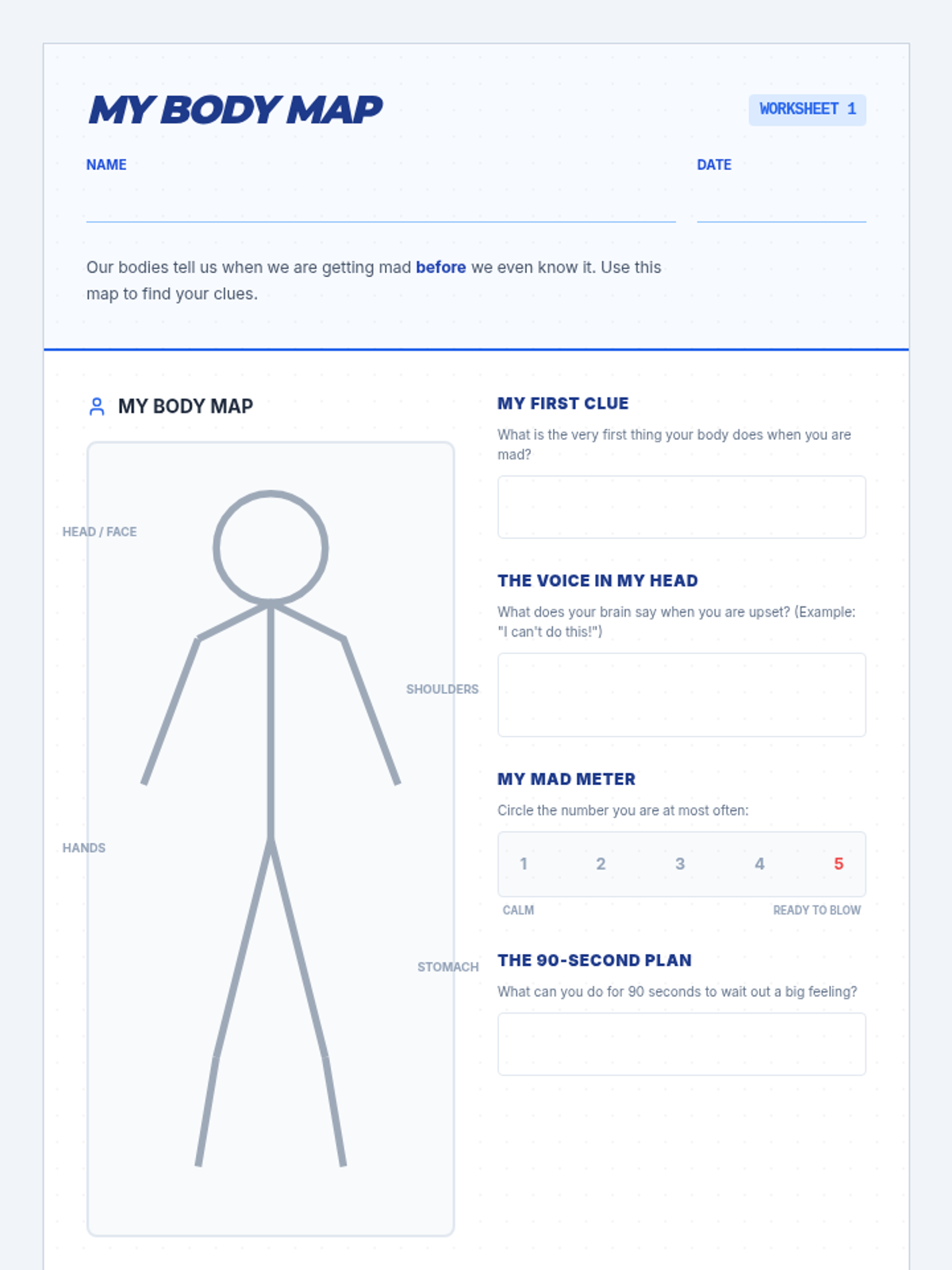
Students identify the physical sensations of frustration and learn to recognize their personal 'early warning signs' before they reach a boiling point.
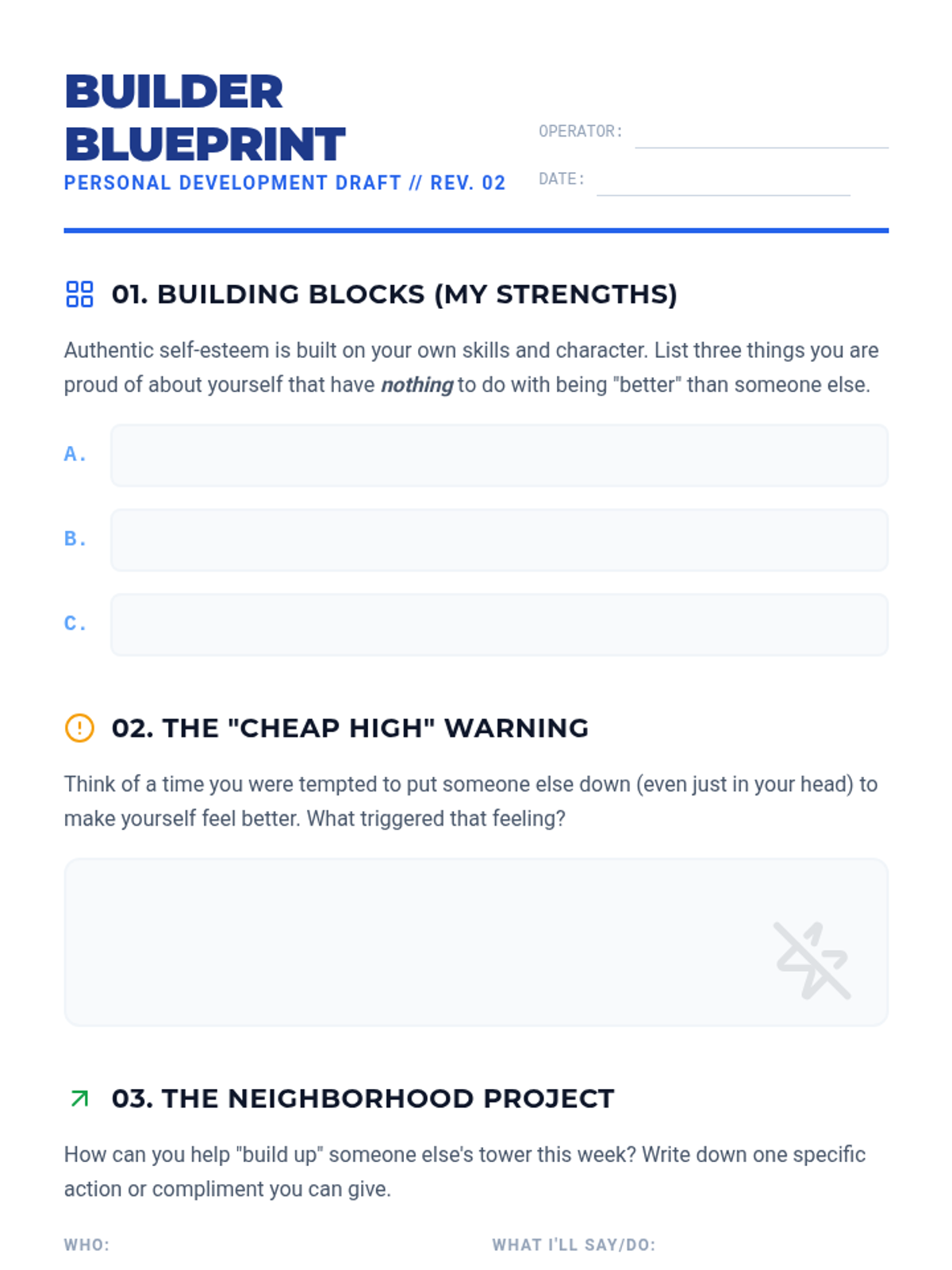
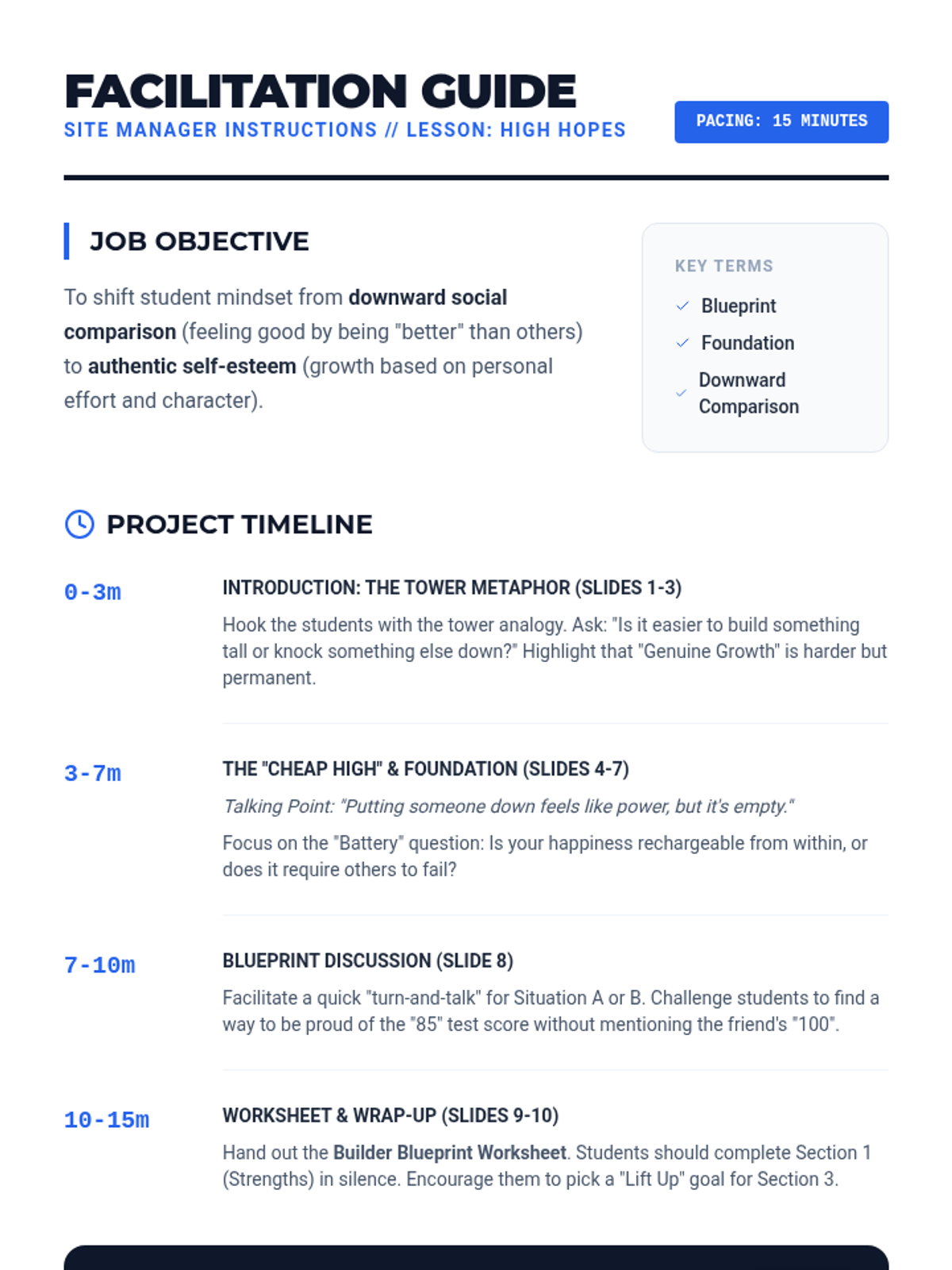
A 15-minute lesson exploring the pitfalls of 'downward social comparison' and how to build authentic self-esteem without diminishing others. Students will learn that true confidence comes from personal growth rather than putting others down.
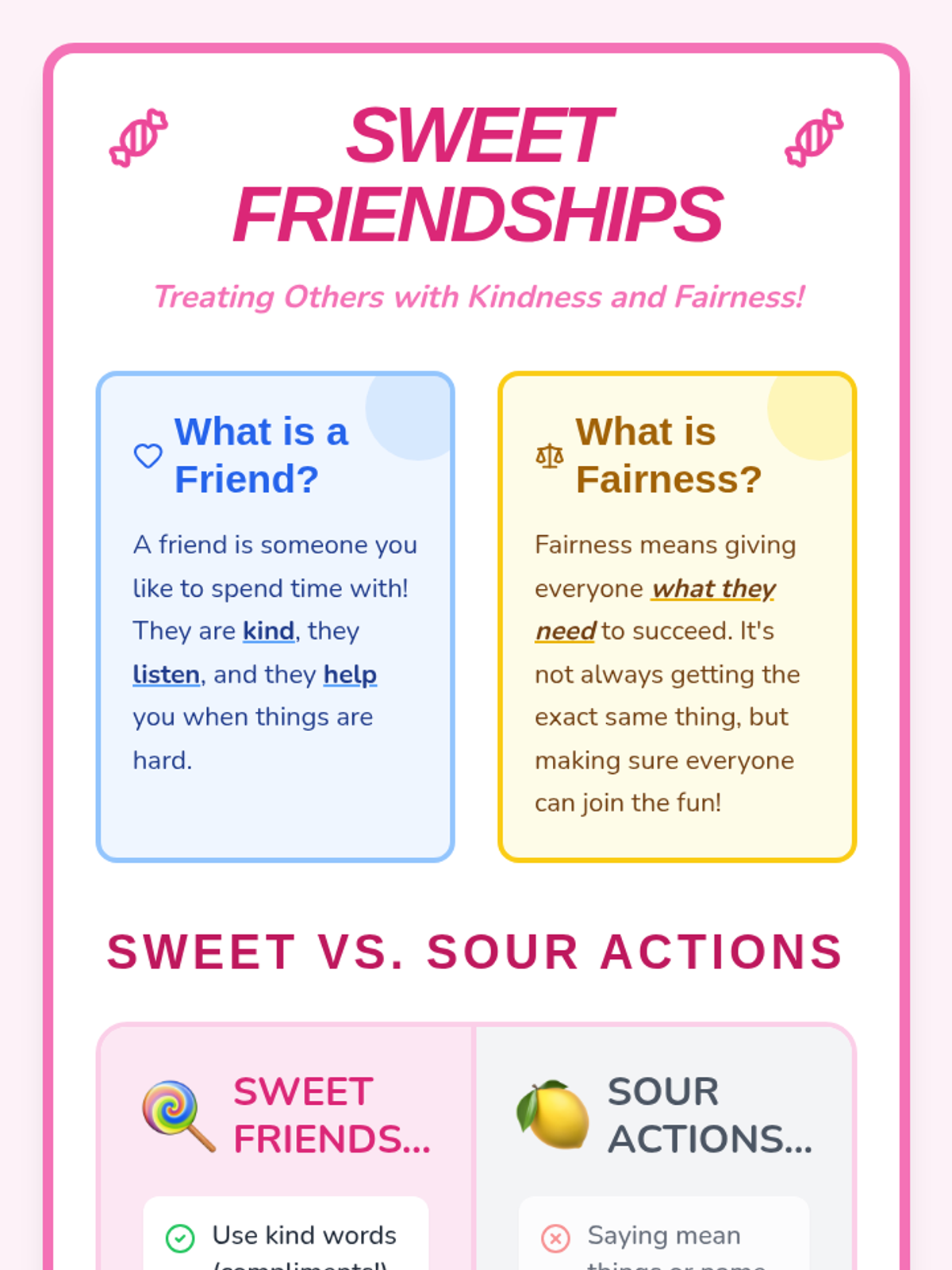
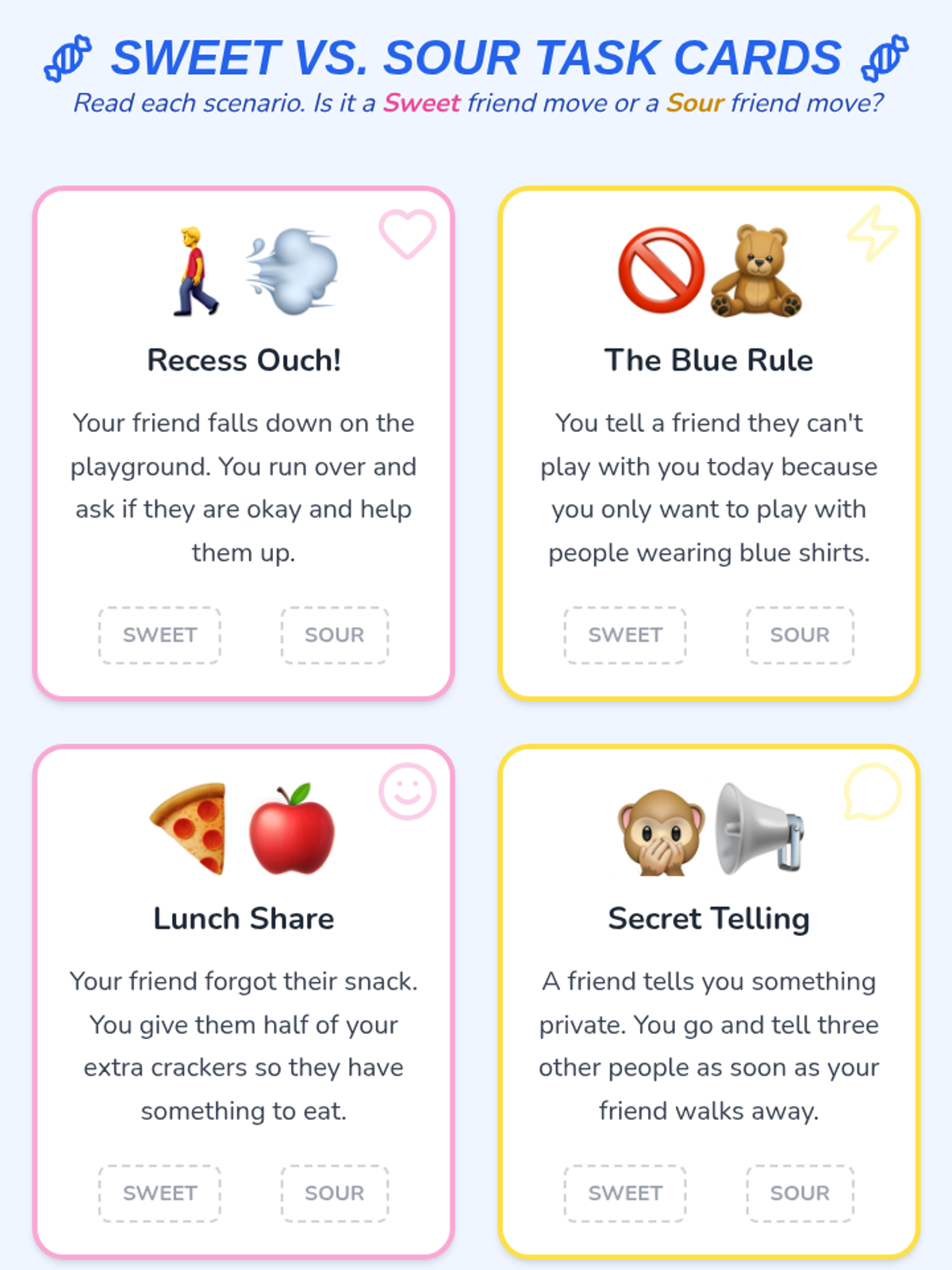
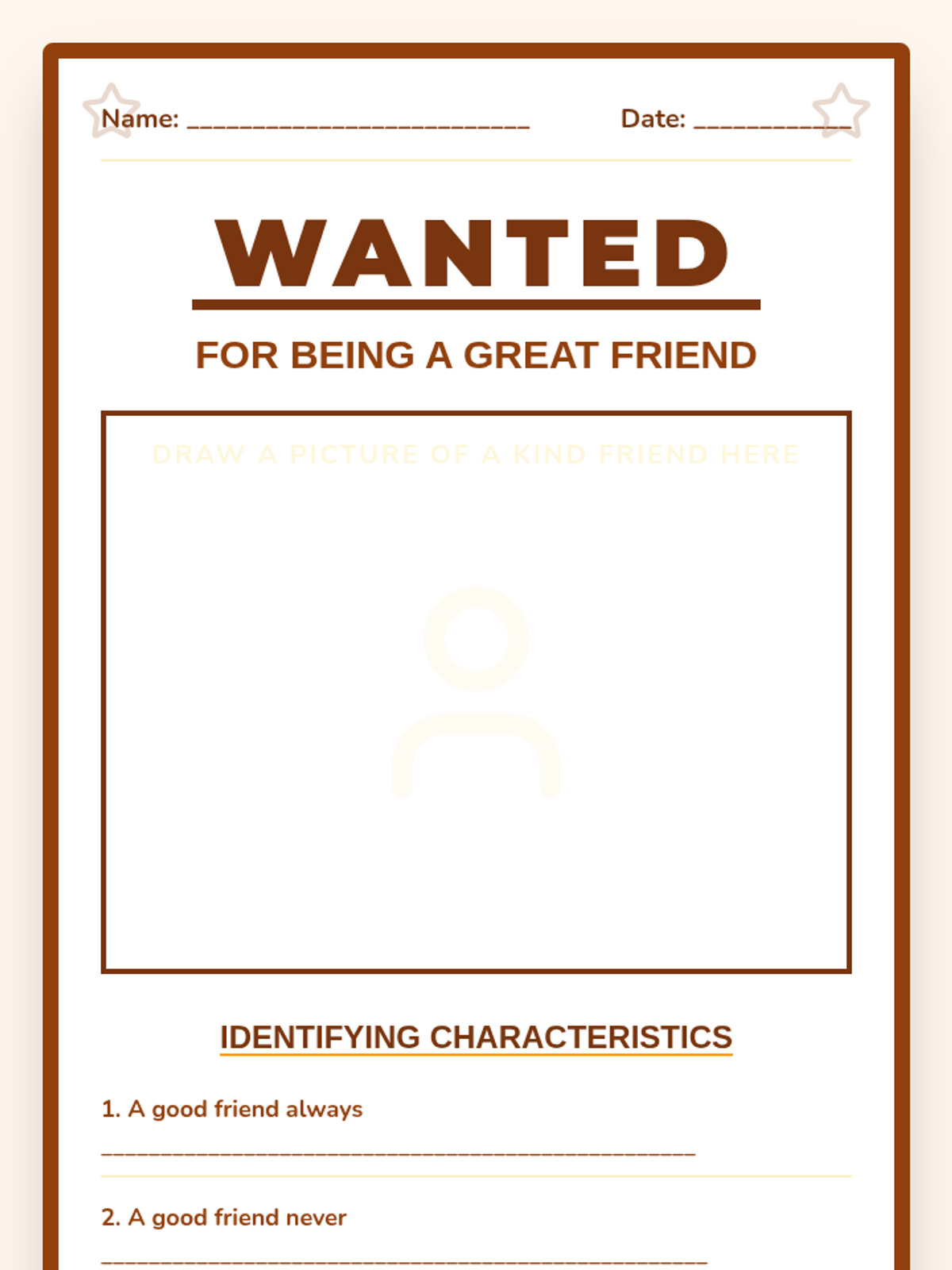
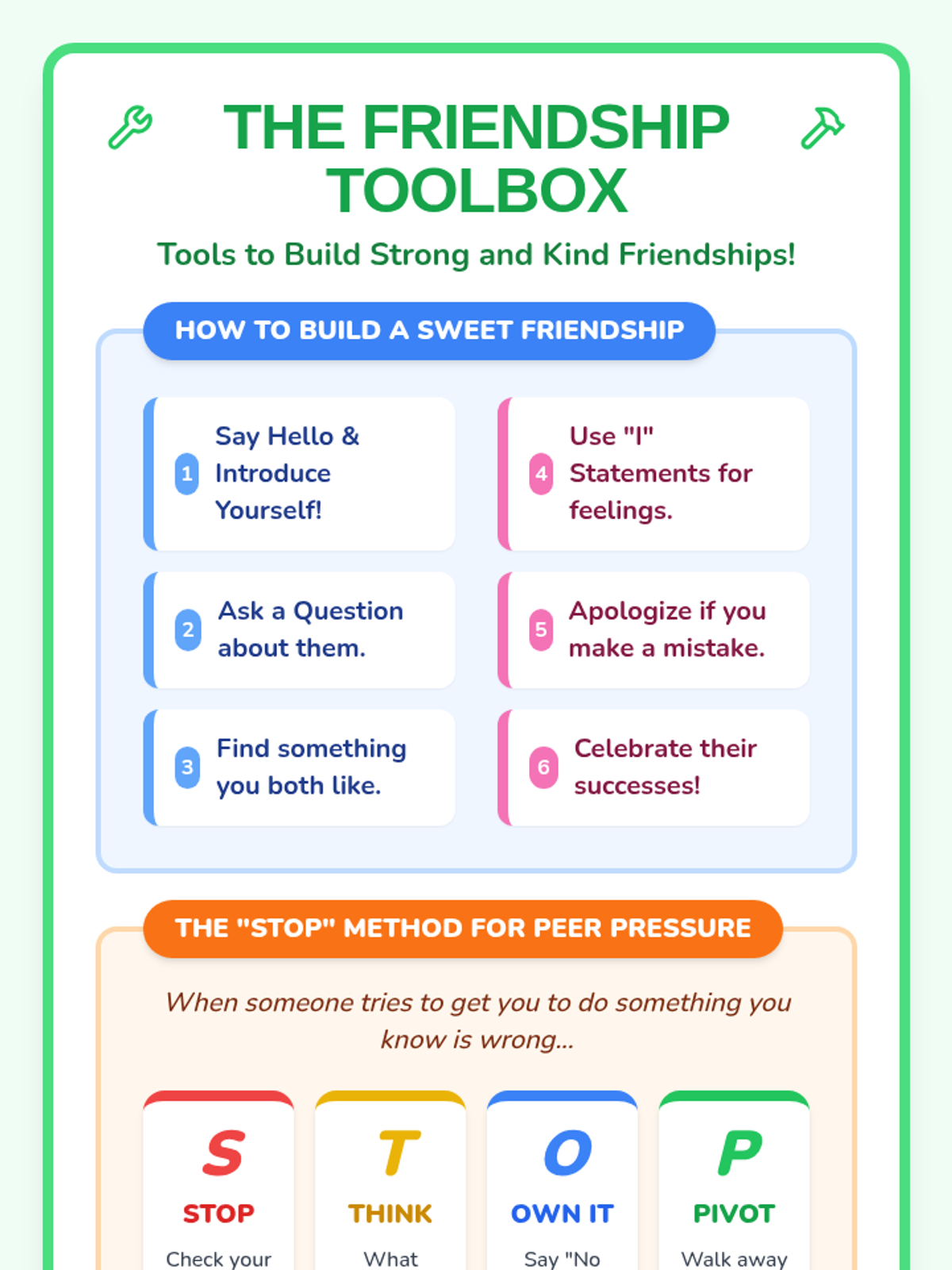
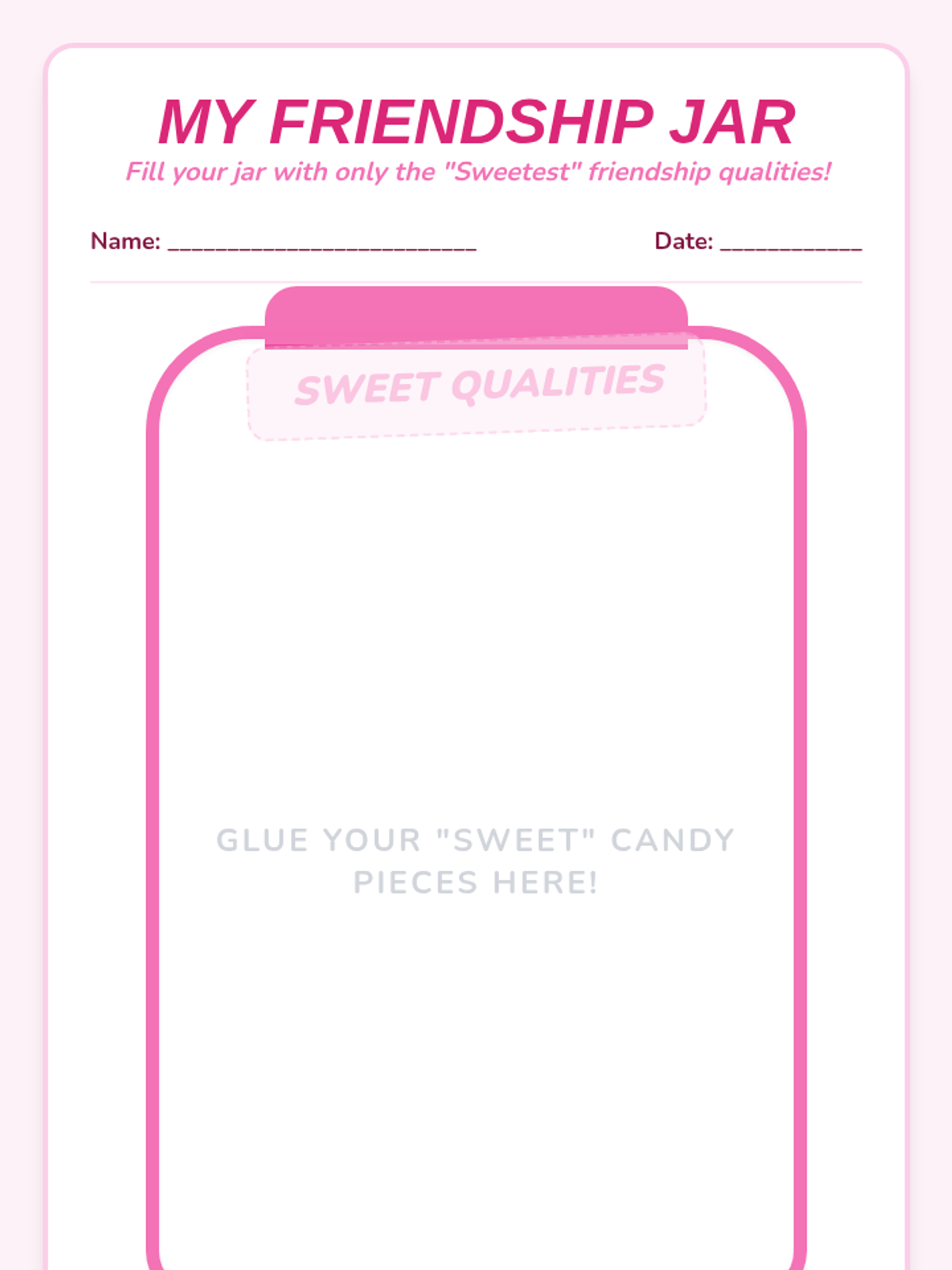
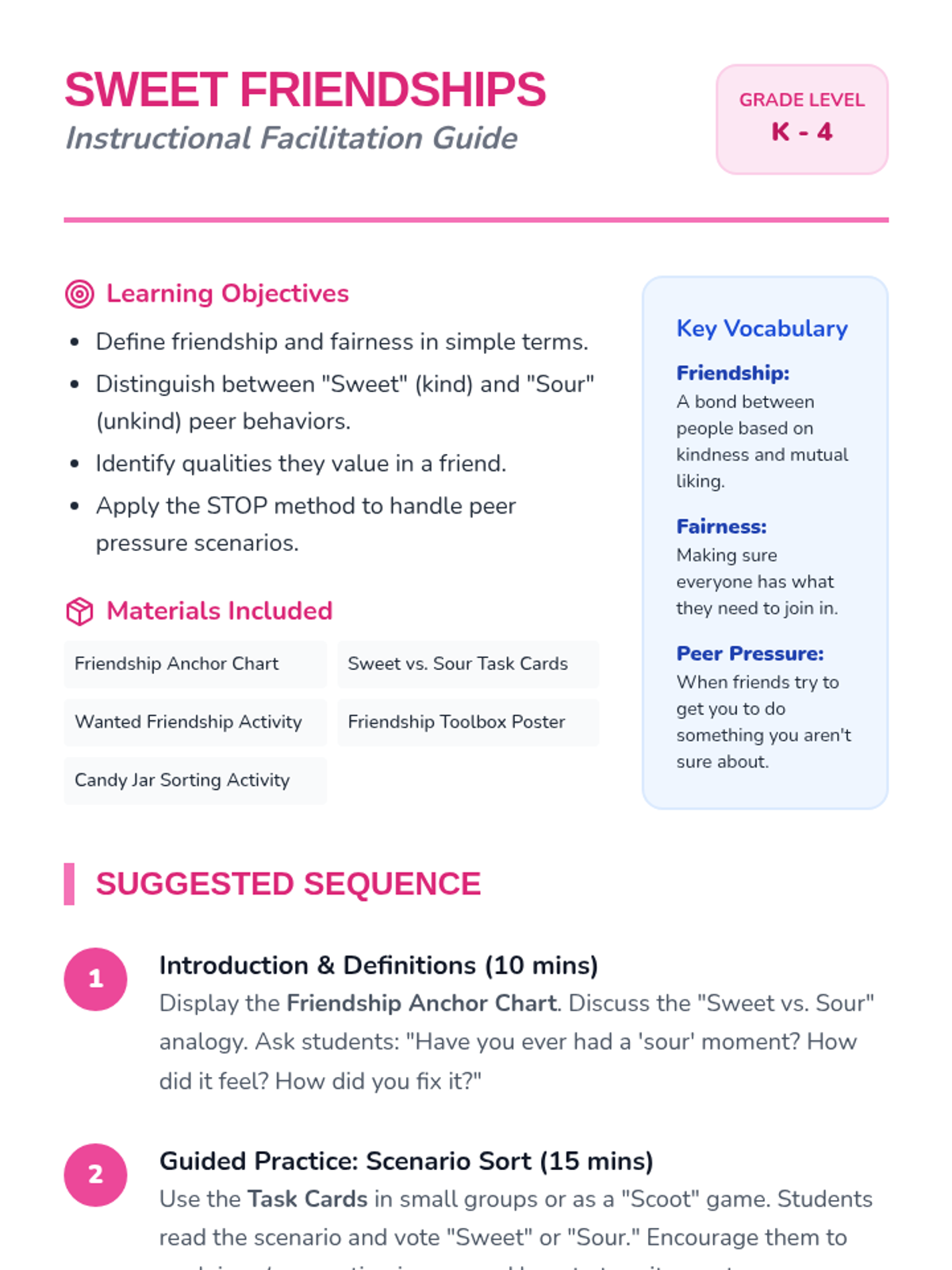
A comprehensive primary lesson focused on building positive relationships, understanding fairness, and developing social skills through interactive candy-themed activities.
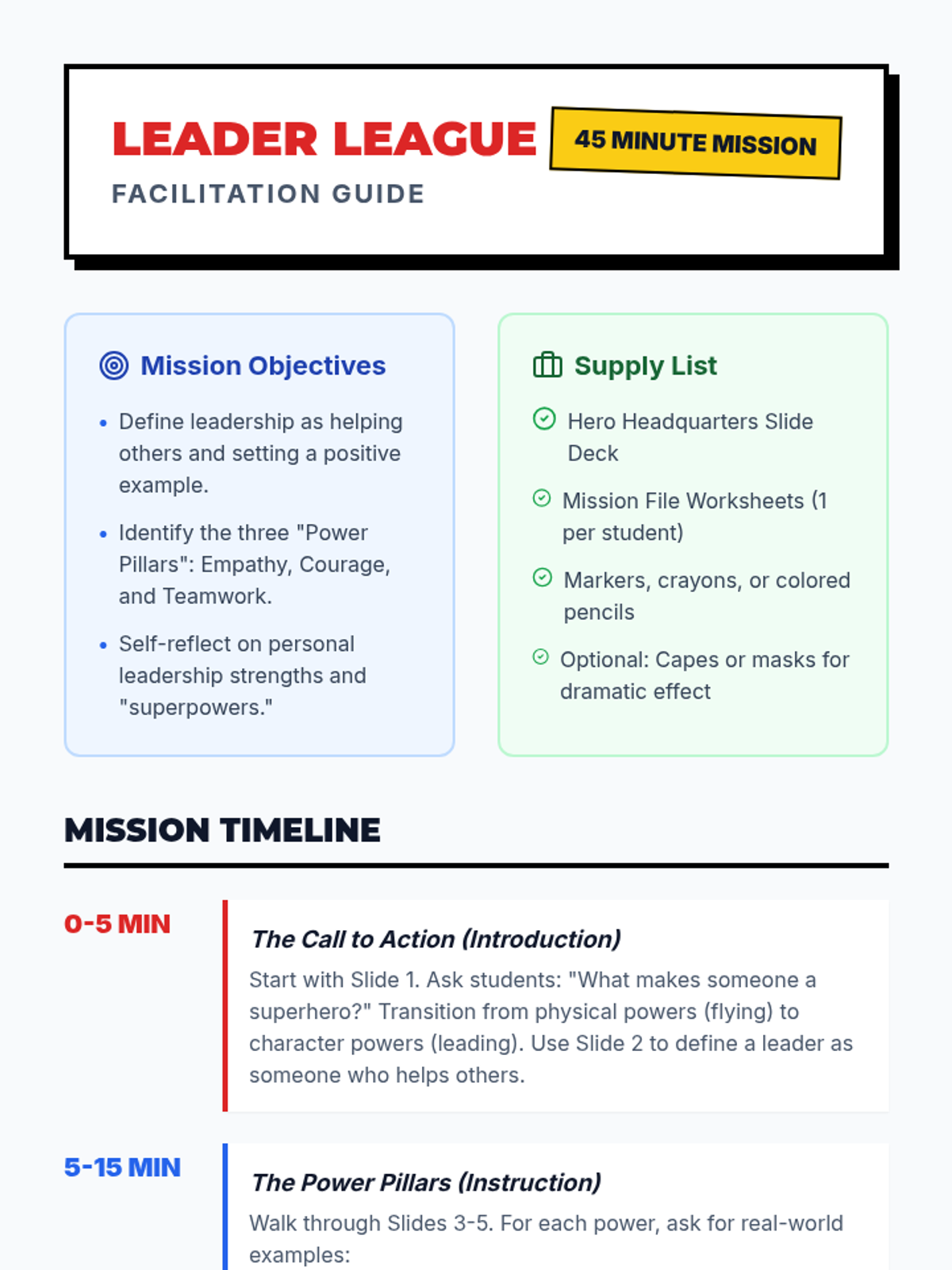
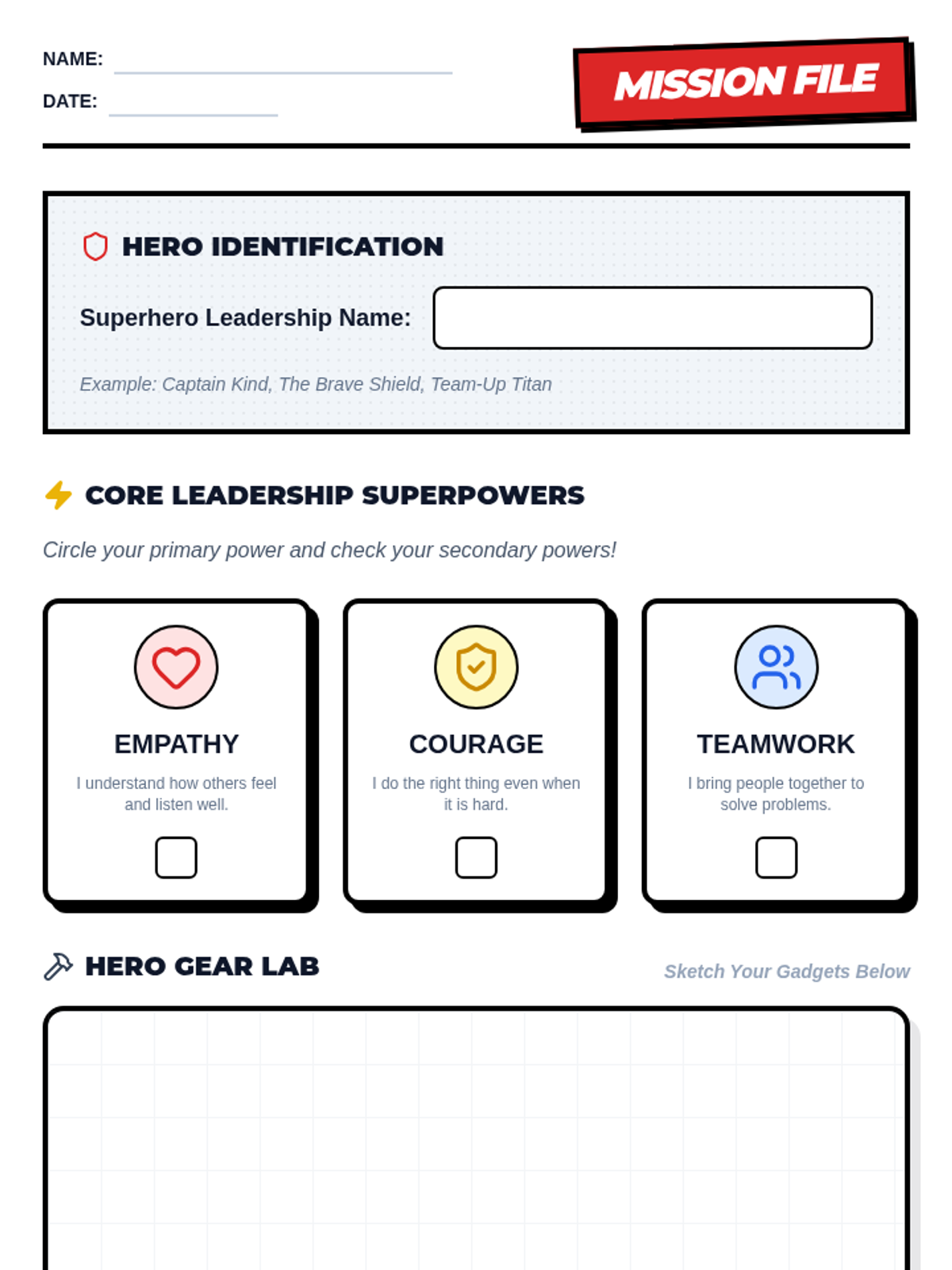
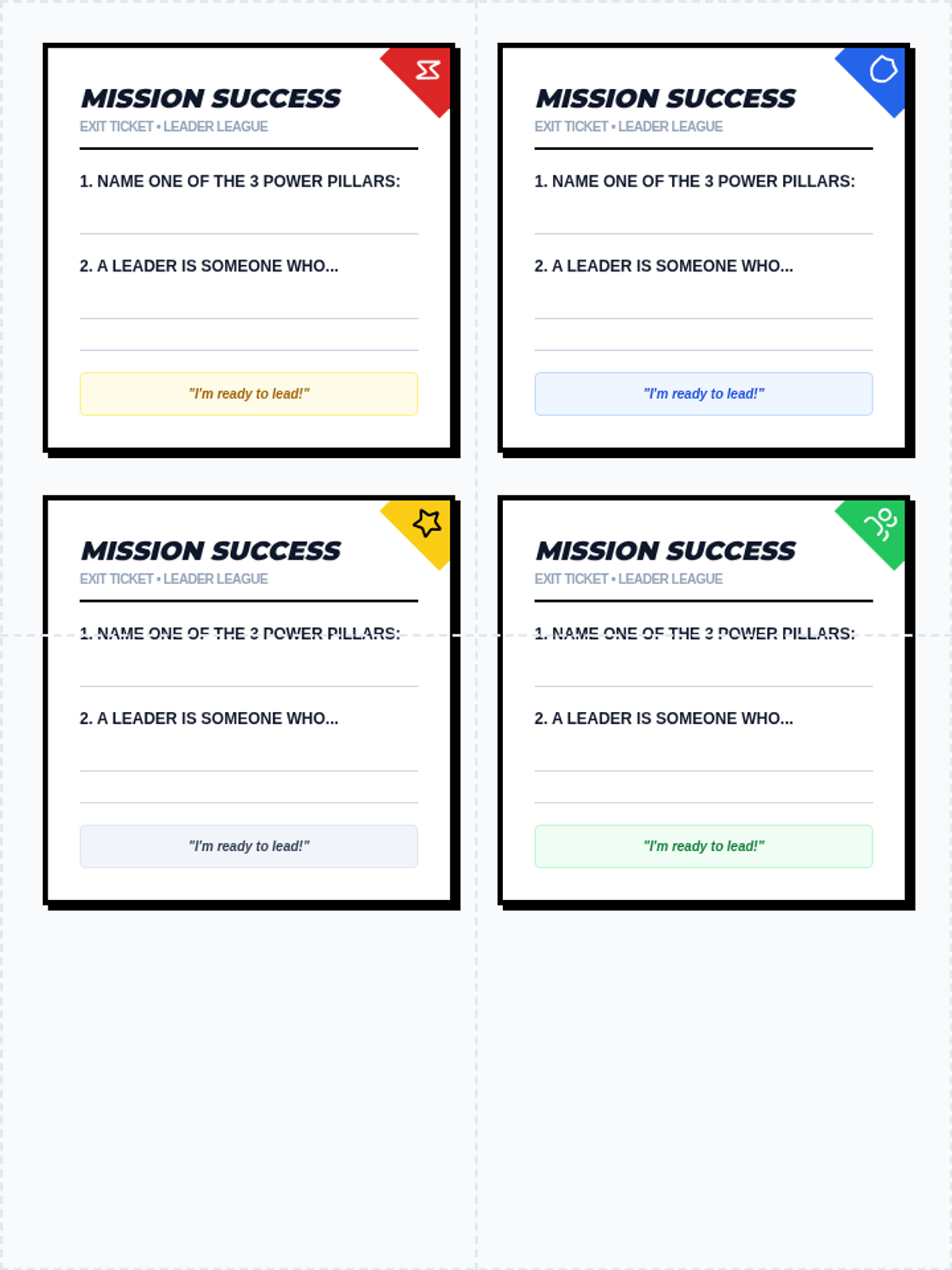
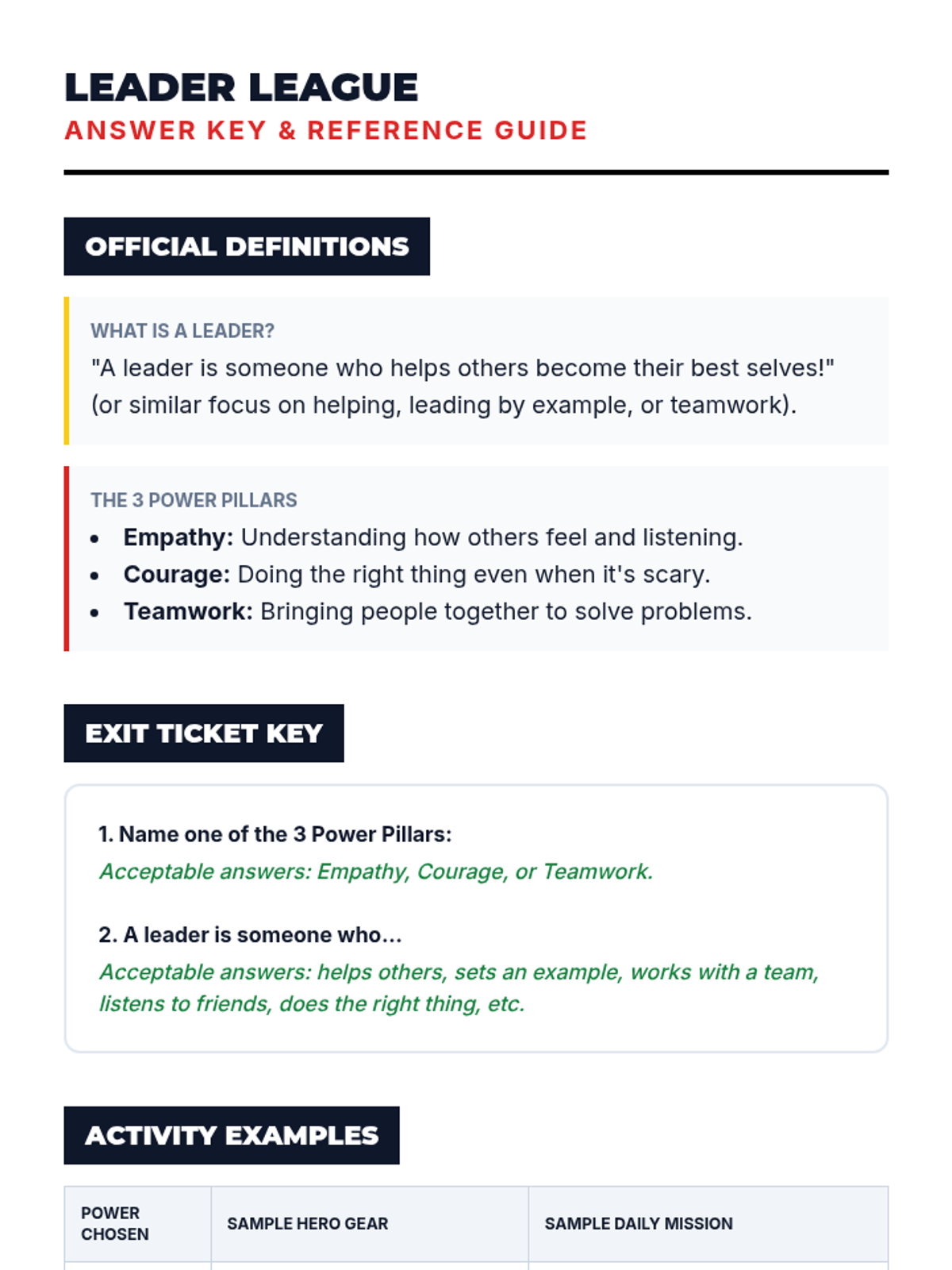
Students explore core leadership qualities through the lens of superheroes, identifying their own unique leadership 'superpowers' and learning how to lead with empathy, courage, and teamwork.
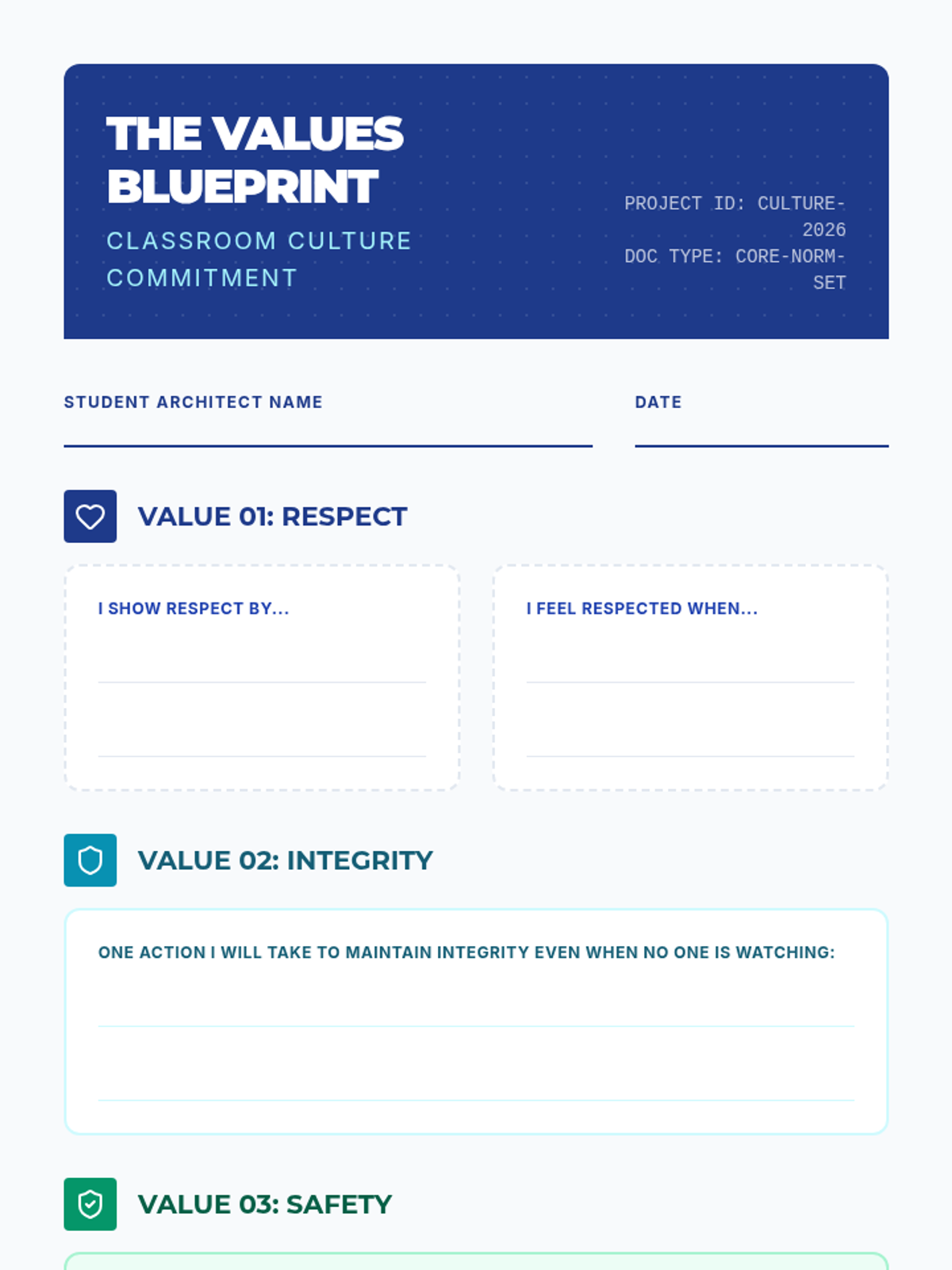
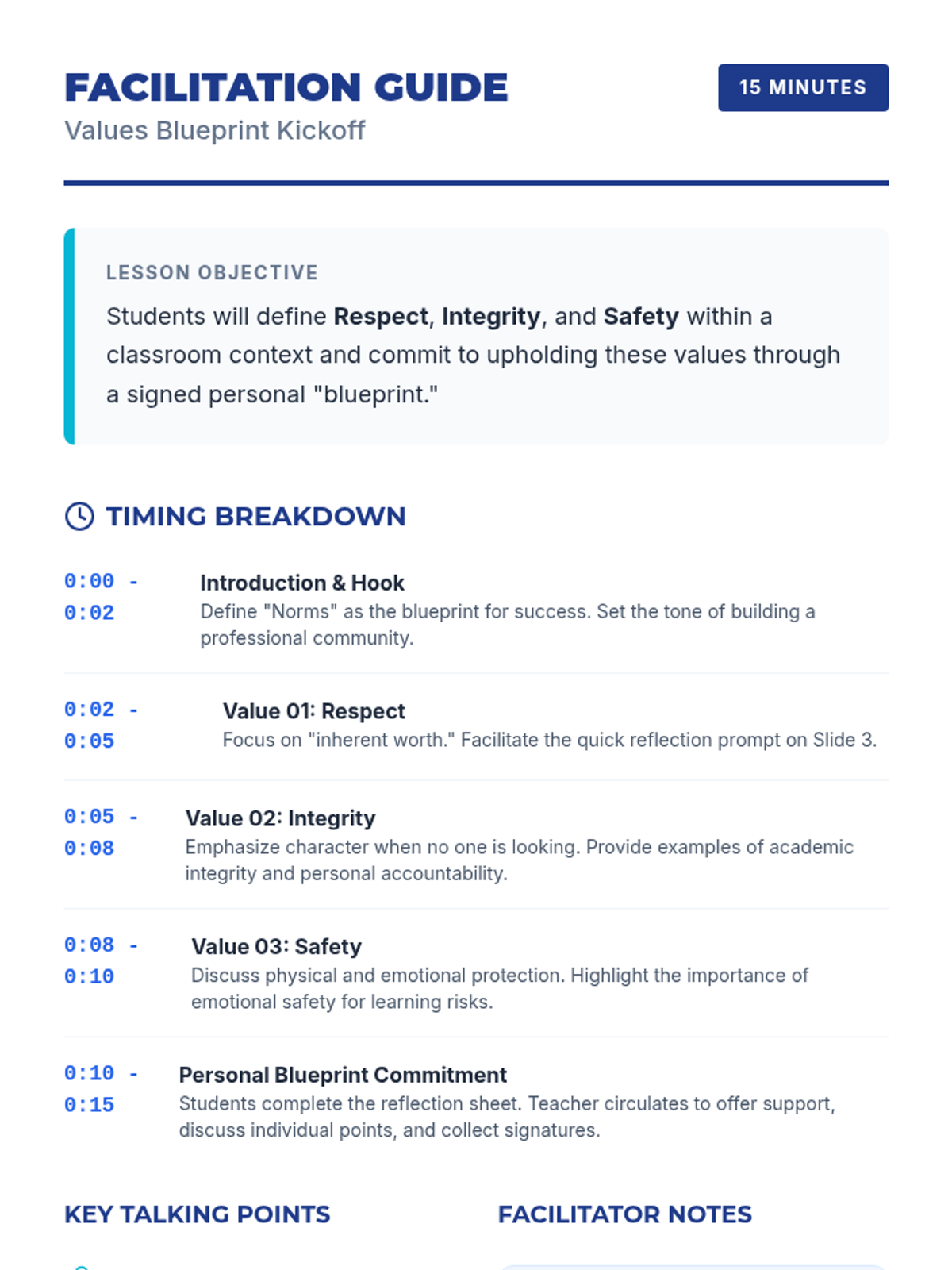
A concise 15-minute introduction to classroom norms centered on the core values of Respect, Integrity, and Safety. Students will define these values and commit to a shared culture of success.
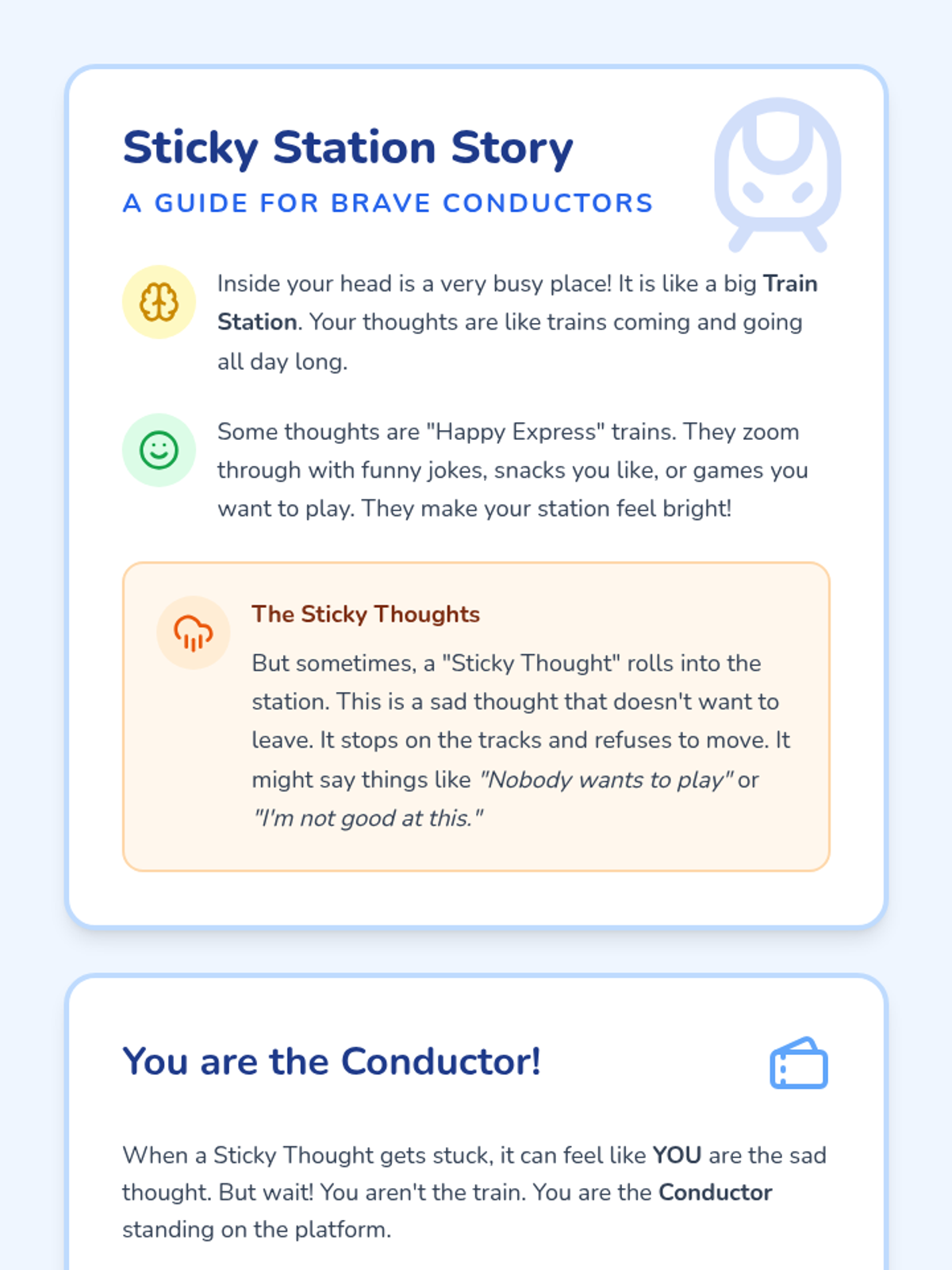
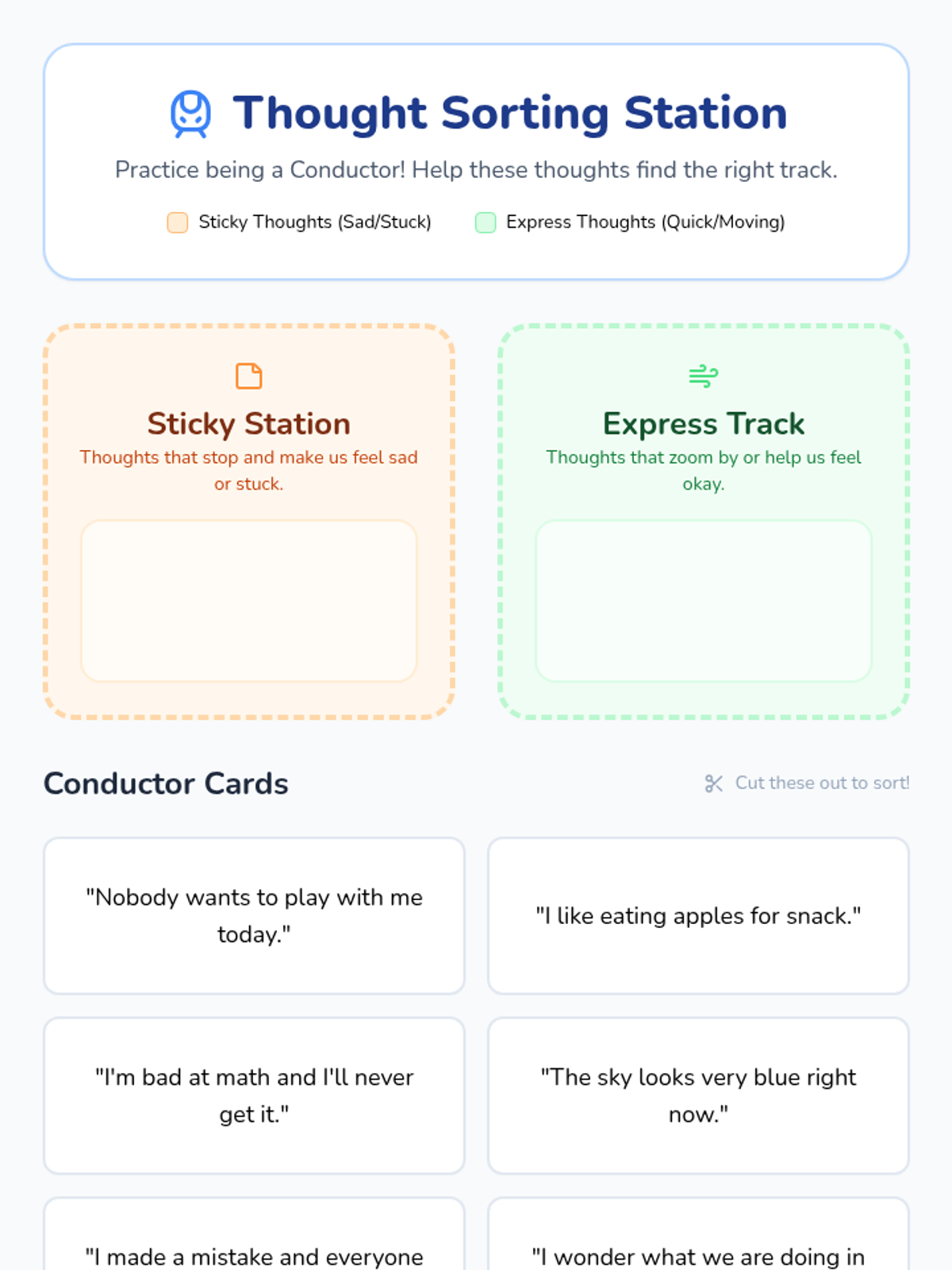
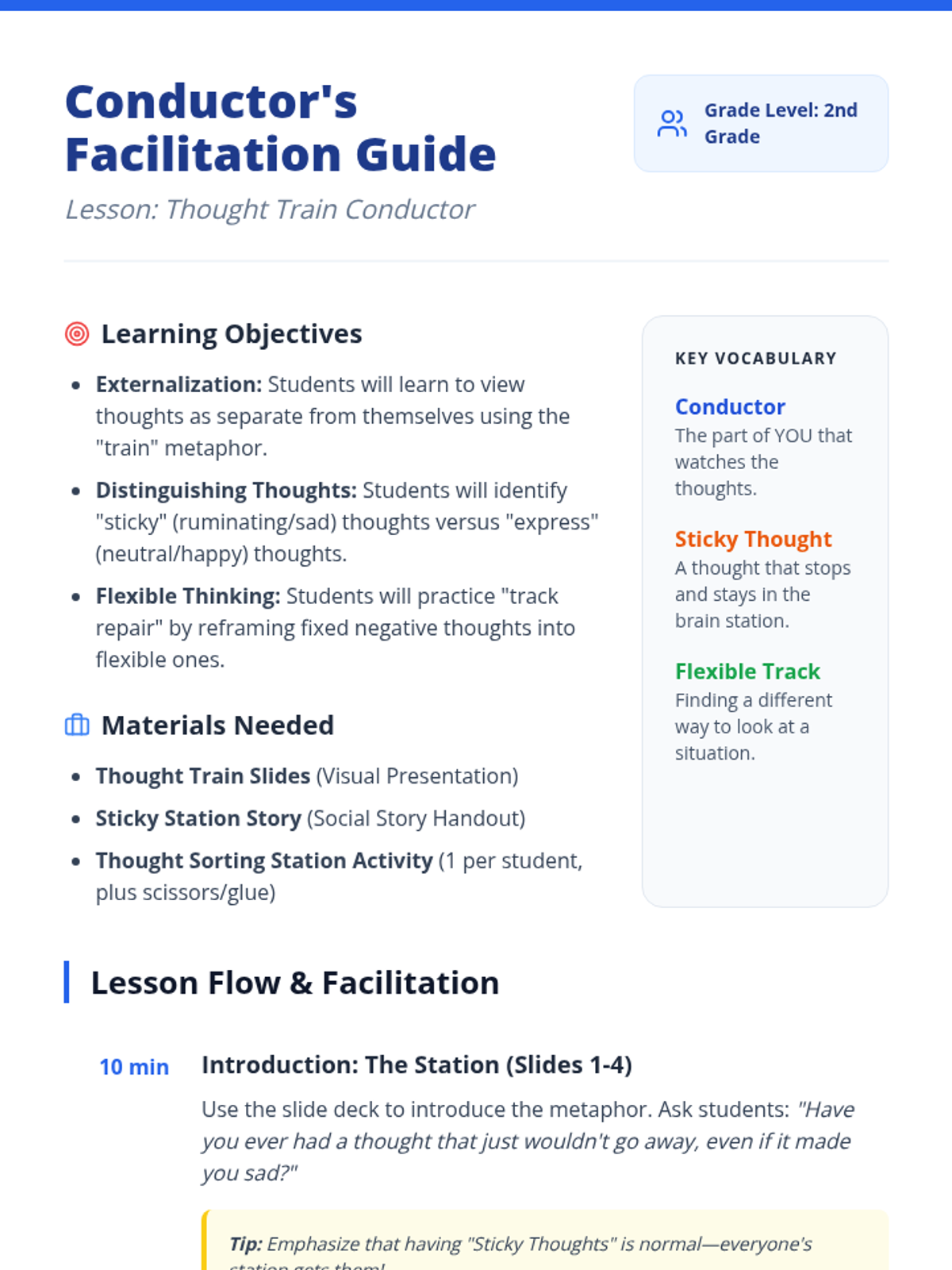
A lesson designed for 2nd graders to manage ruminating sad thoughts using externalization (thought distancing) and flexible thinking through the metaphor of a 'Thought Train'.
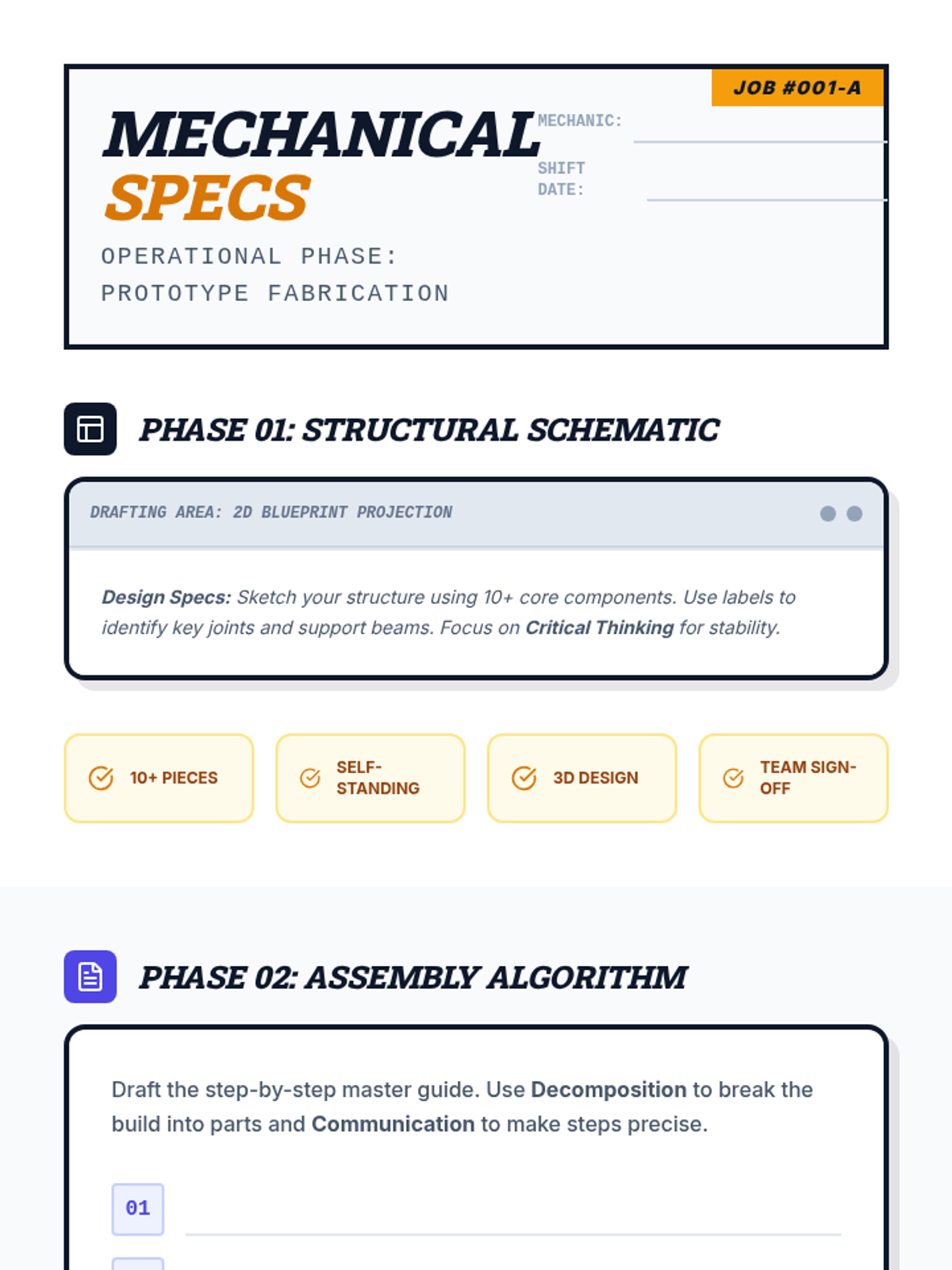
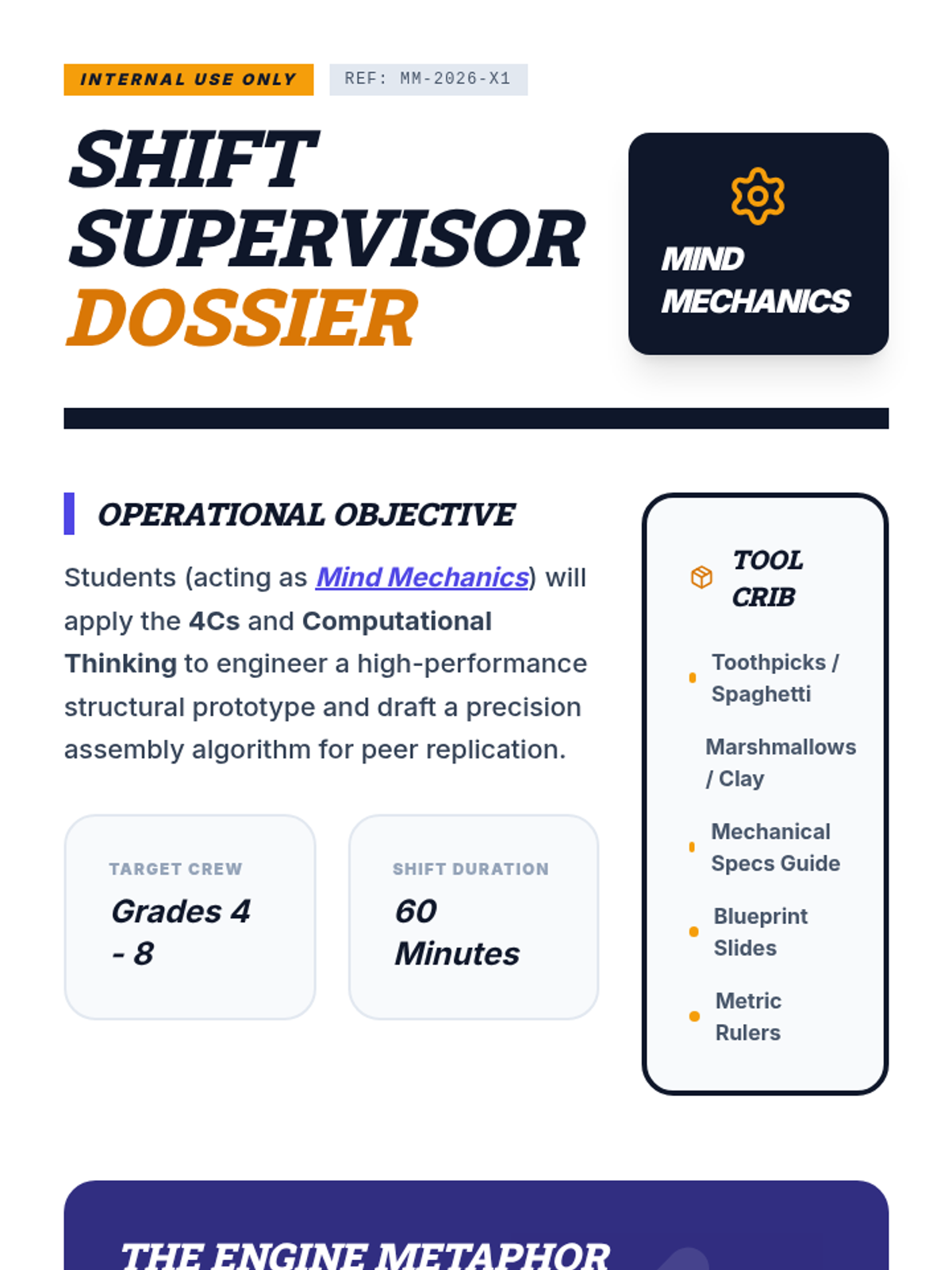
An industrial-themed teamwork lesson where students act as "Mind Mechanics" to apply the 4Cs and Computational Thinking to a complex engineering challenge.
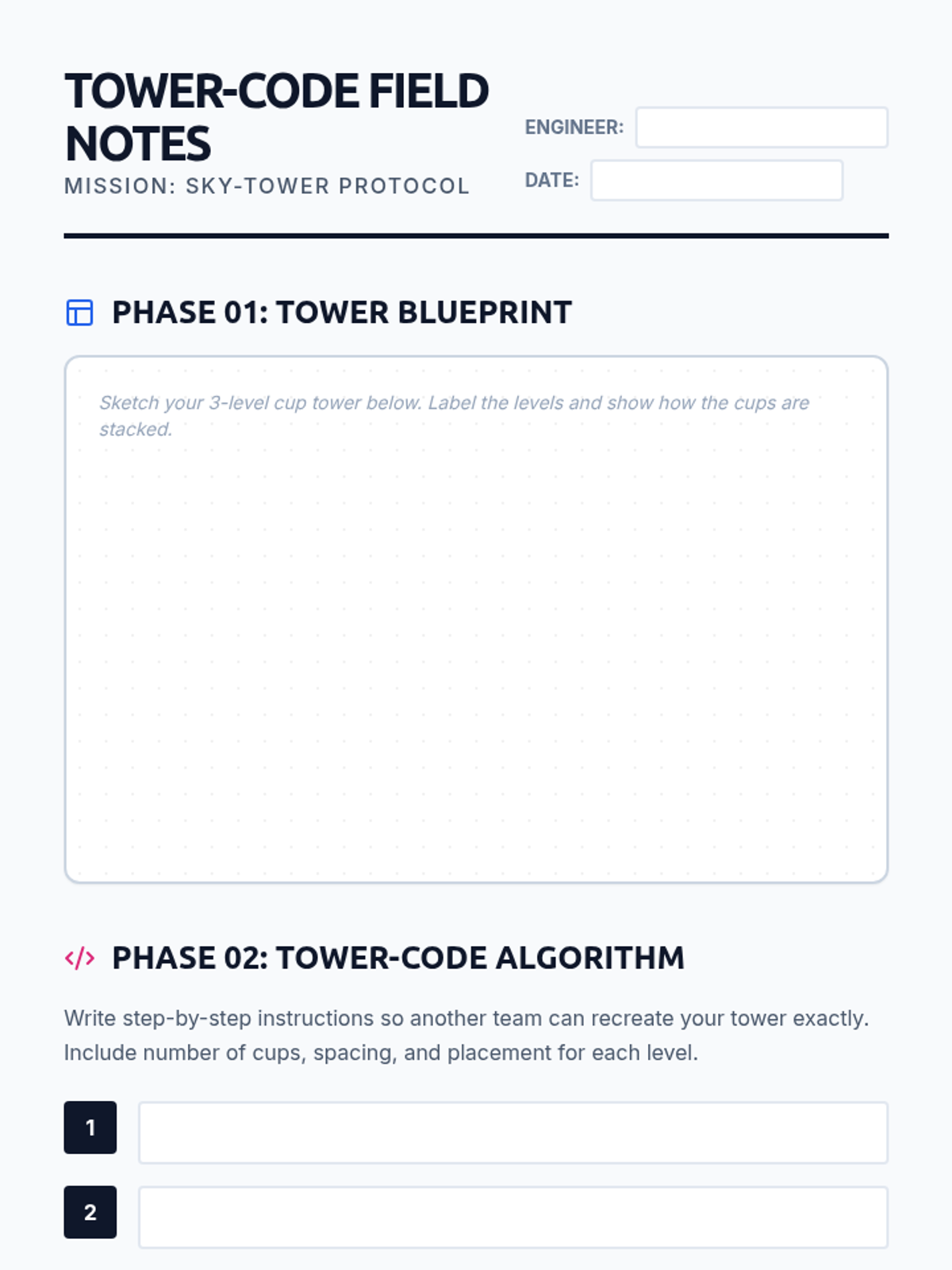
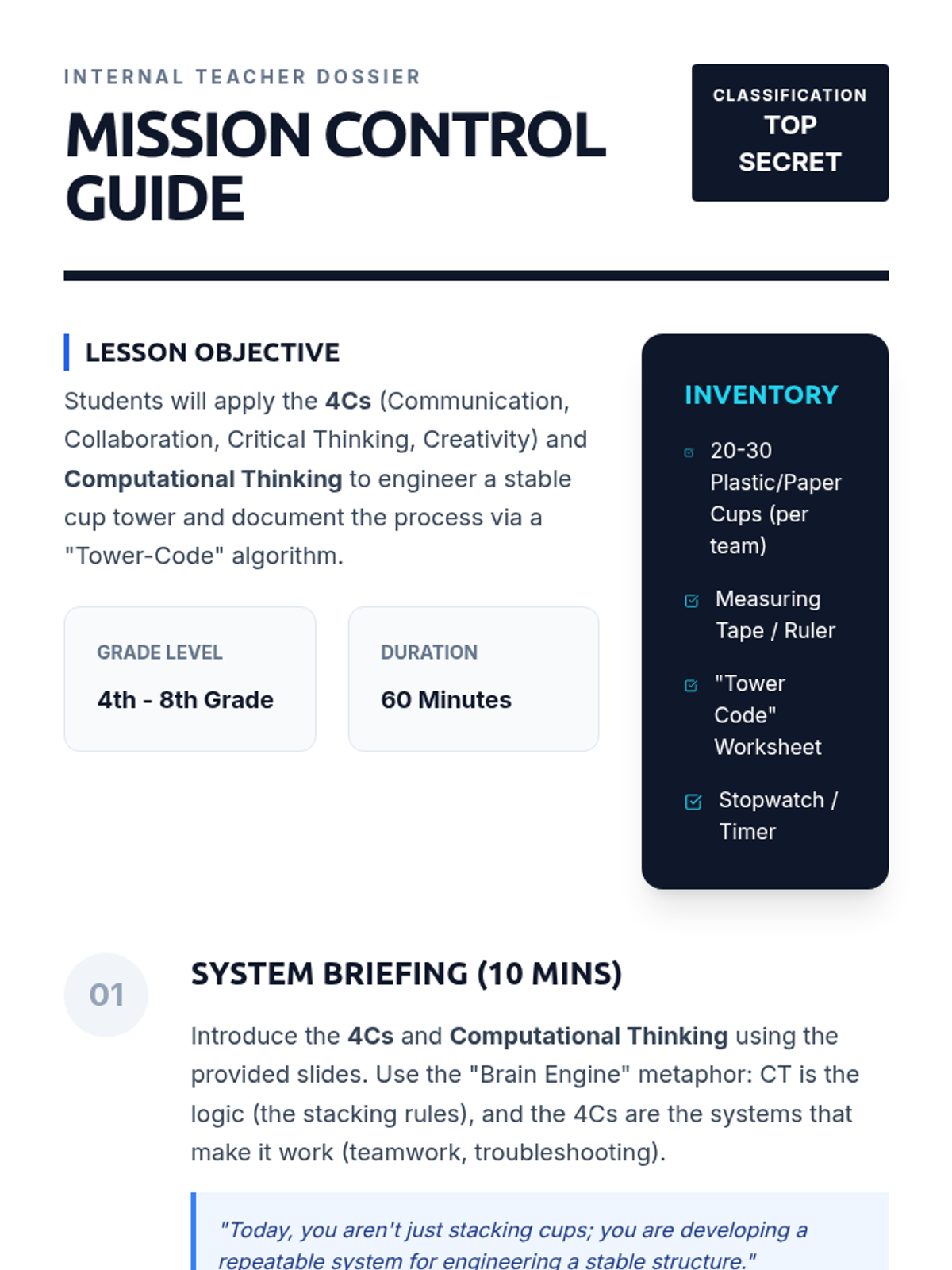
A high-stakes engineering challenge where students use the 4Cs and Computational Thinking to design, build, and document the ultimate cup tower structure.
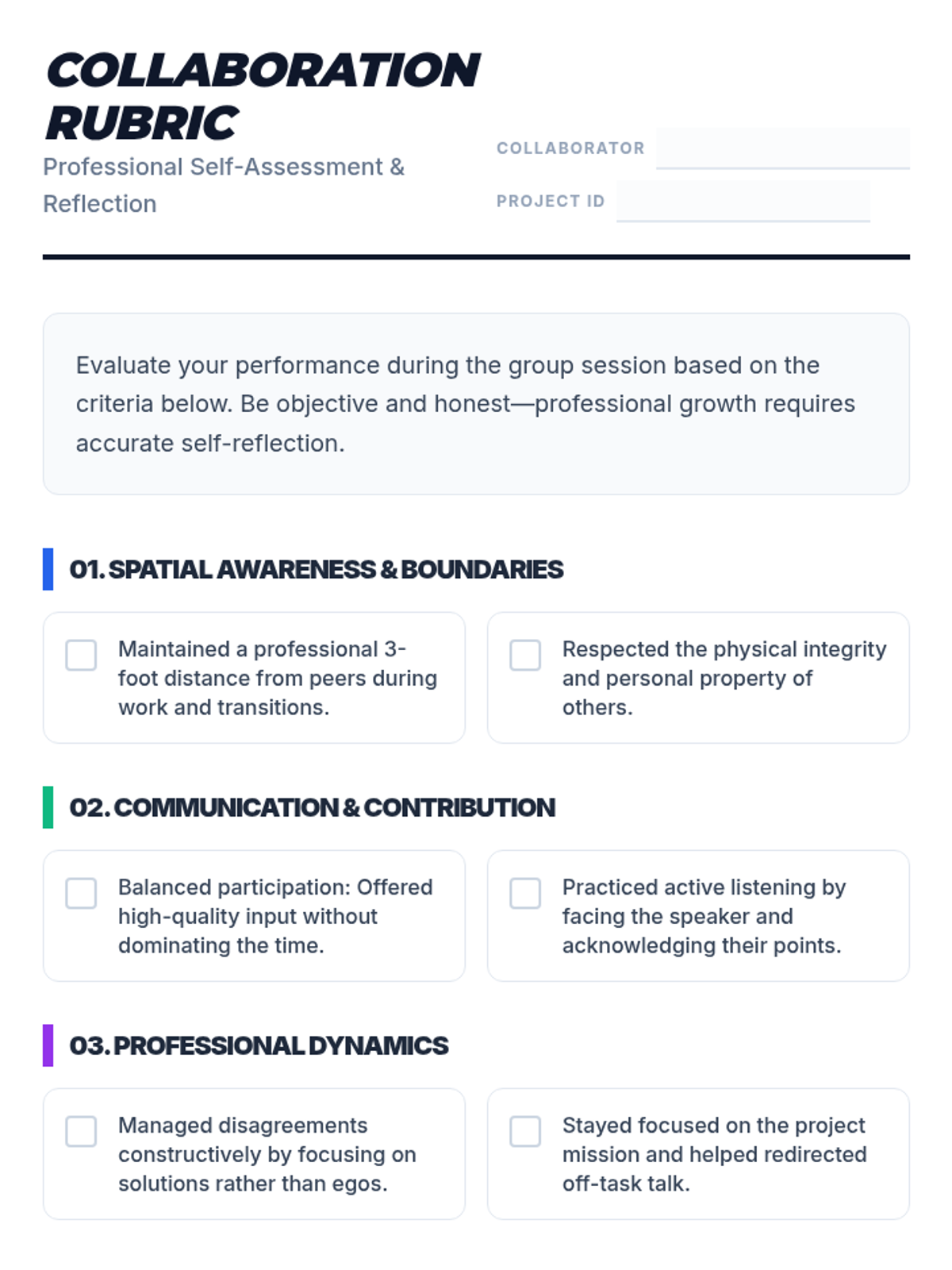
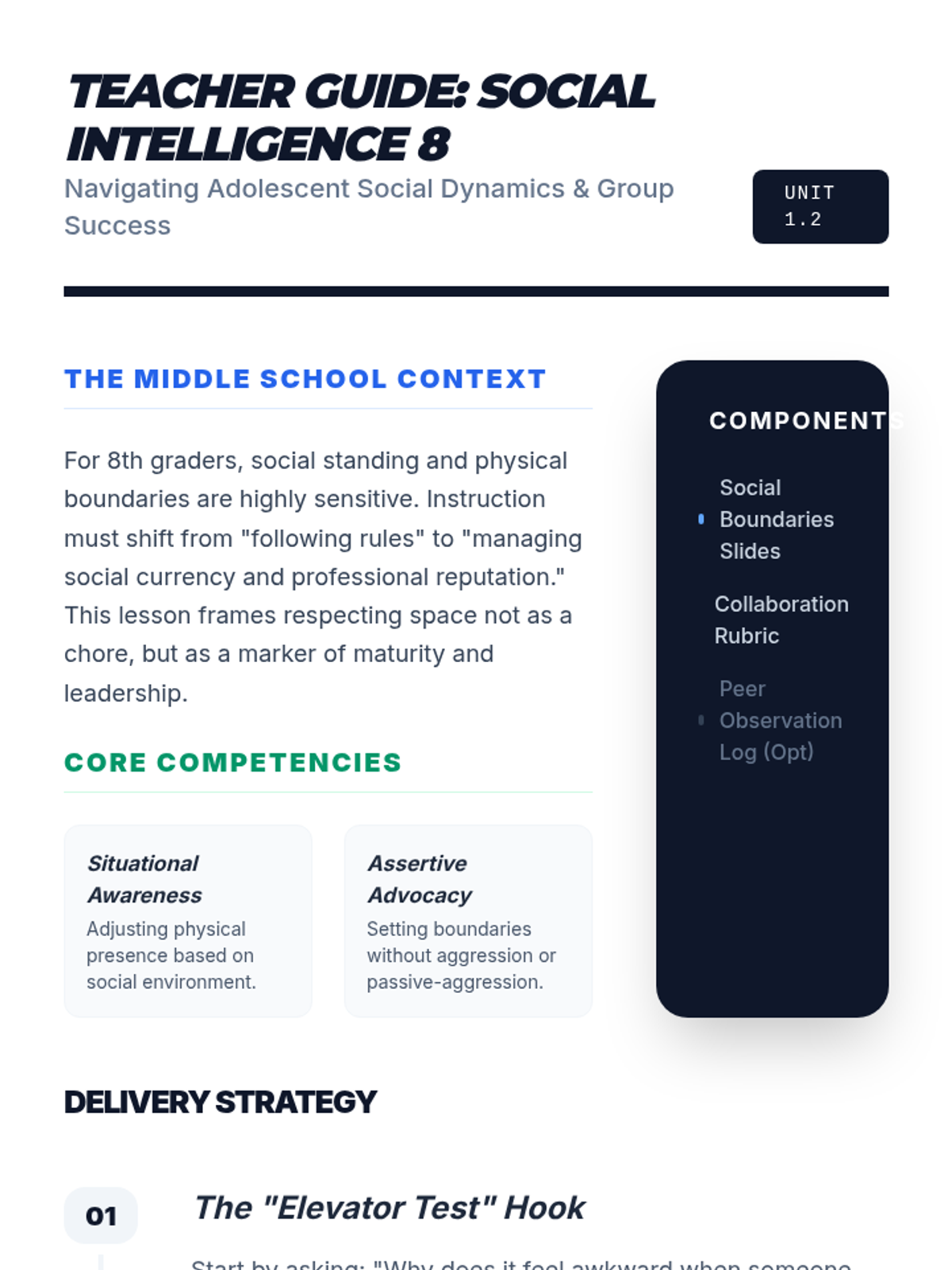
This lesson teaches students the importance of respecting personal space and how to contribute positively to group work. It uses social story modeling to show clear examples of 'expected' behaviors in various classroom scenarios.
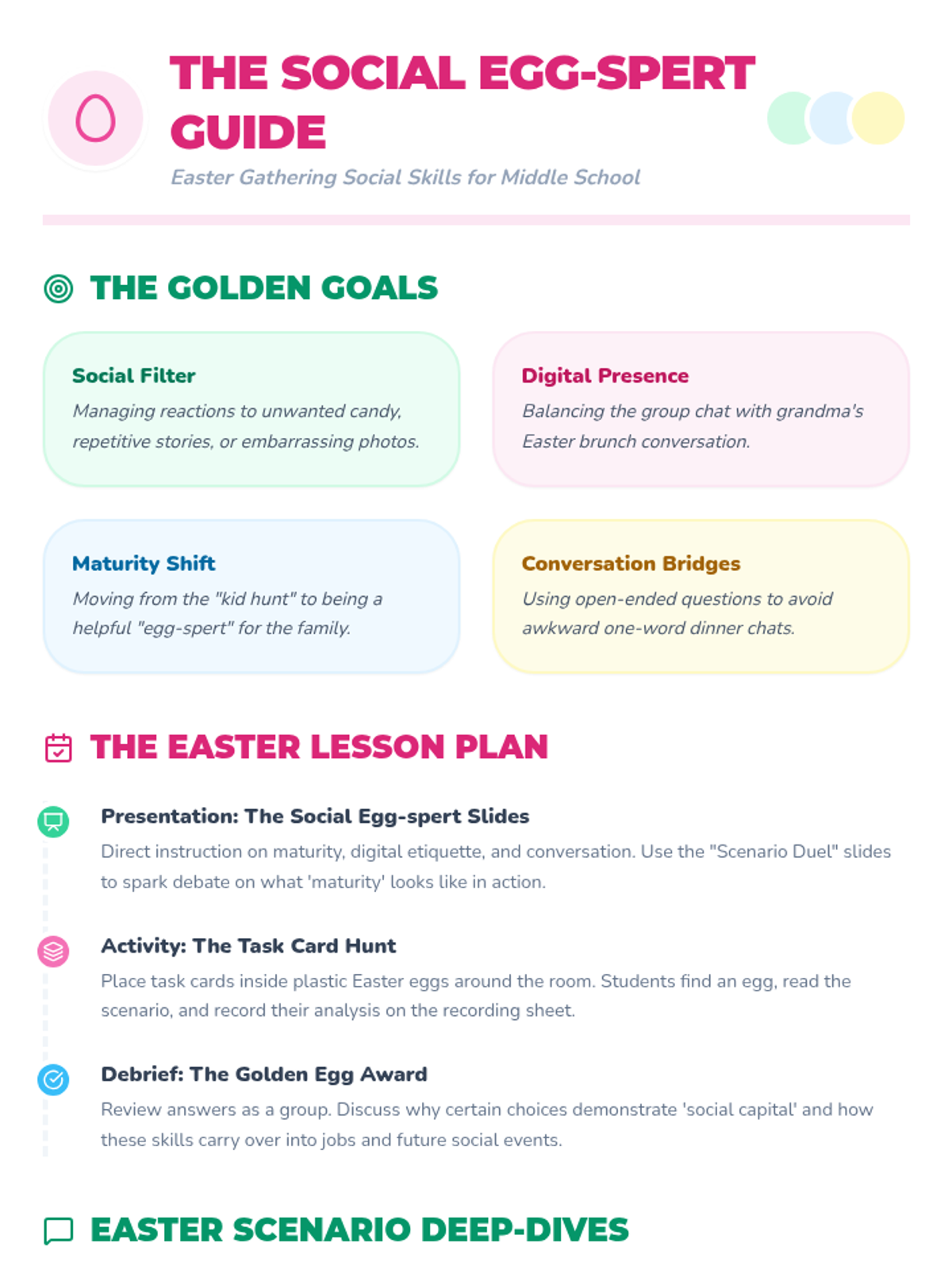
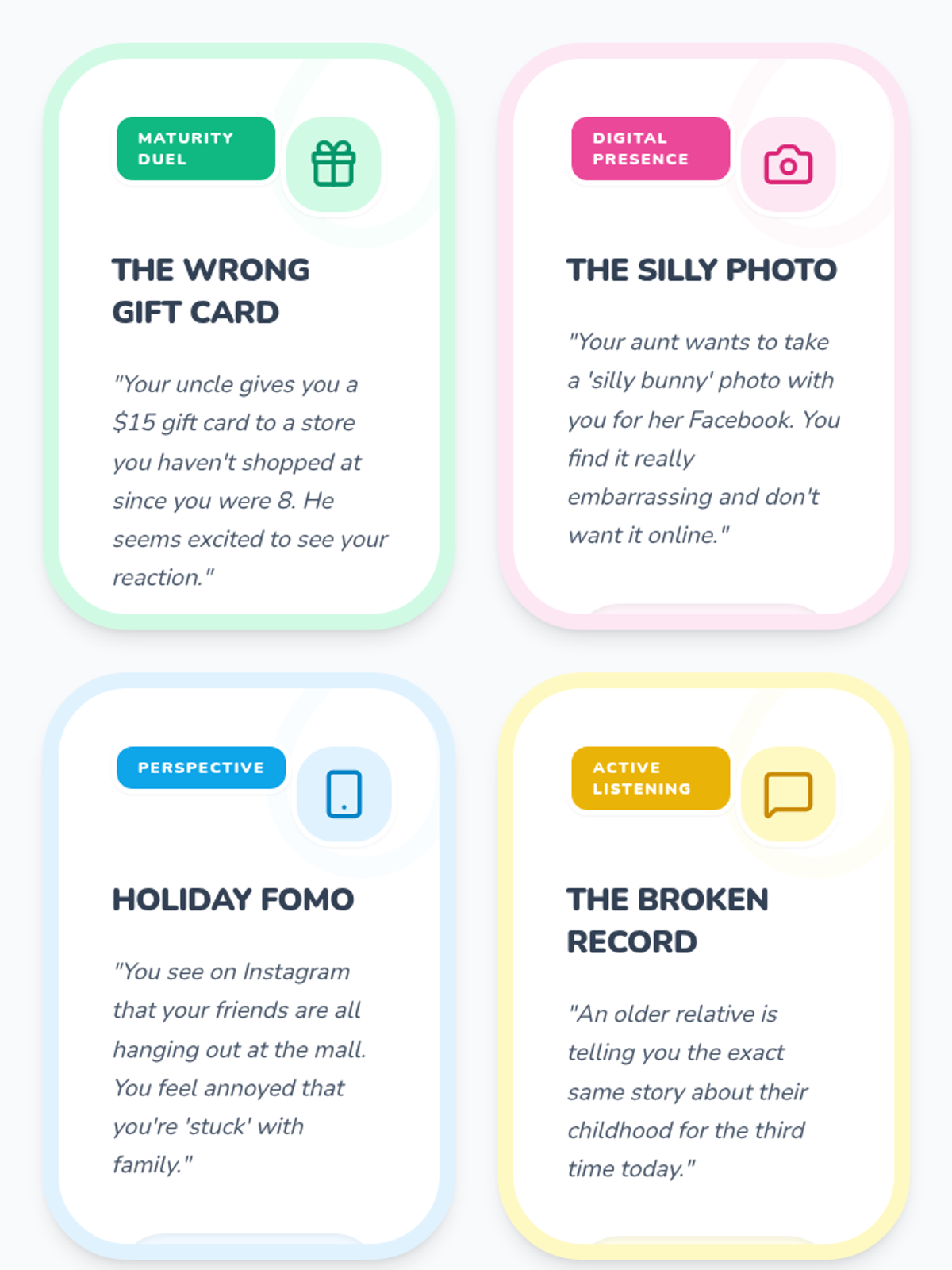
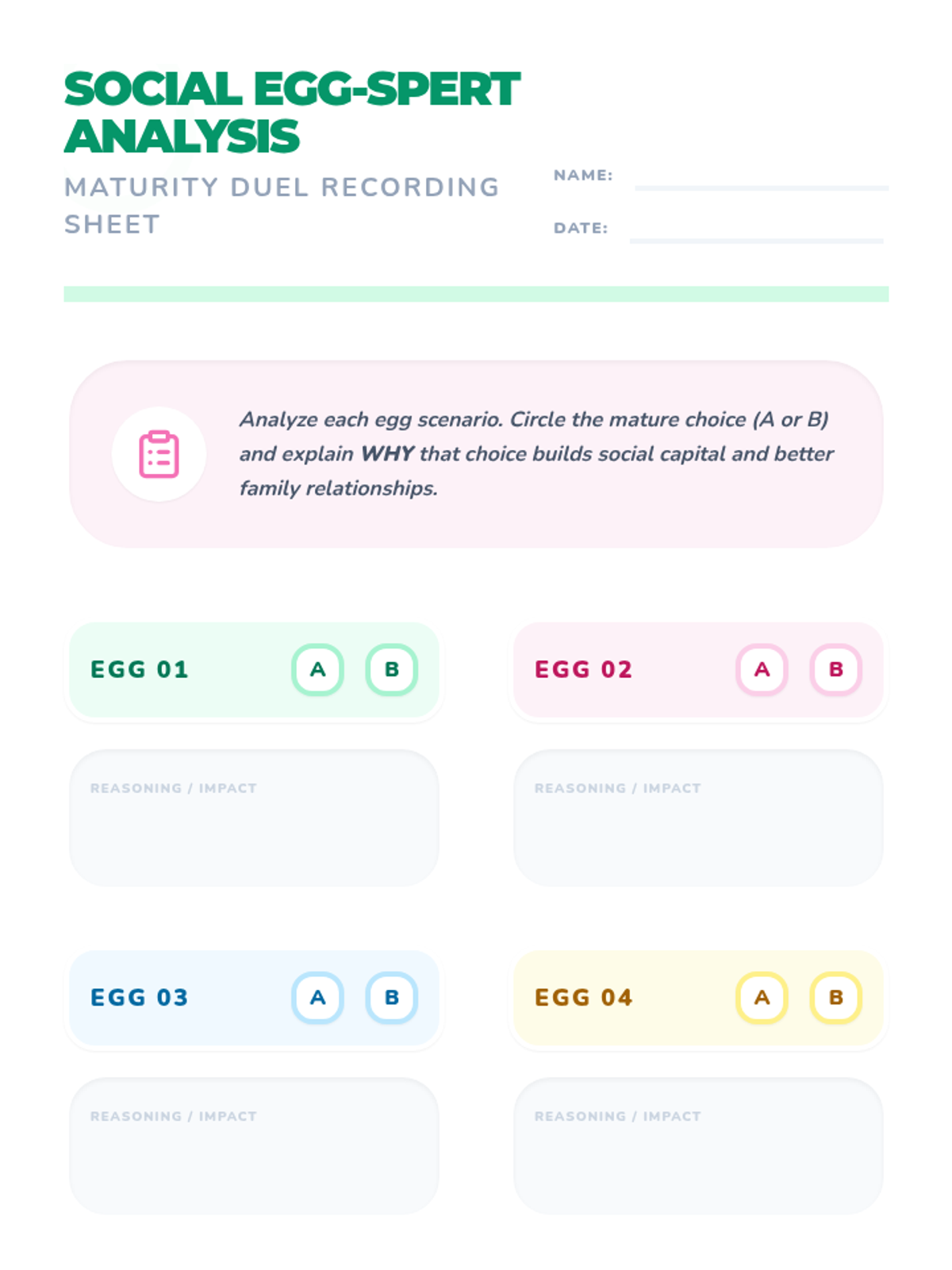
A social skills lesson focused on navigating common holiday situations like family gatherings, egg hunts, and conversations using an Easter theme. Includes interactive slides for group discussion and printable task cards for practice.
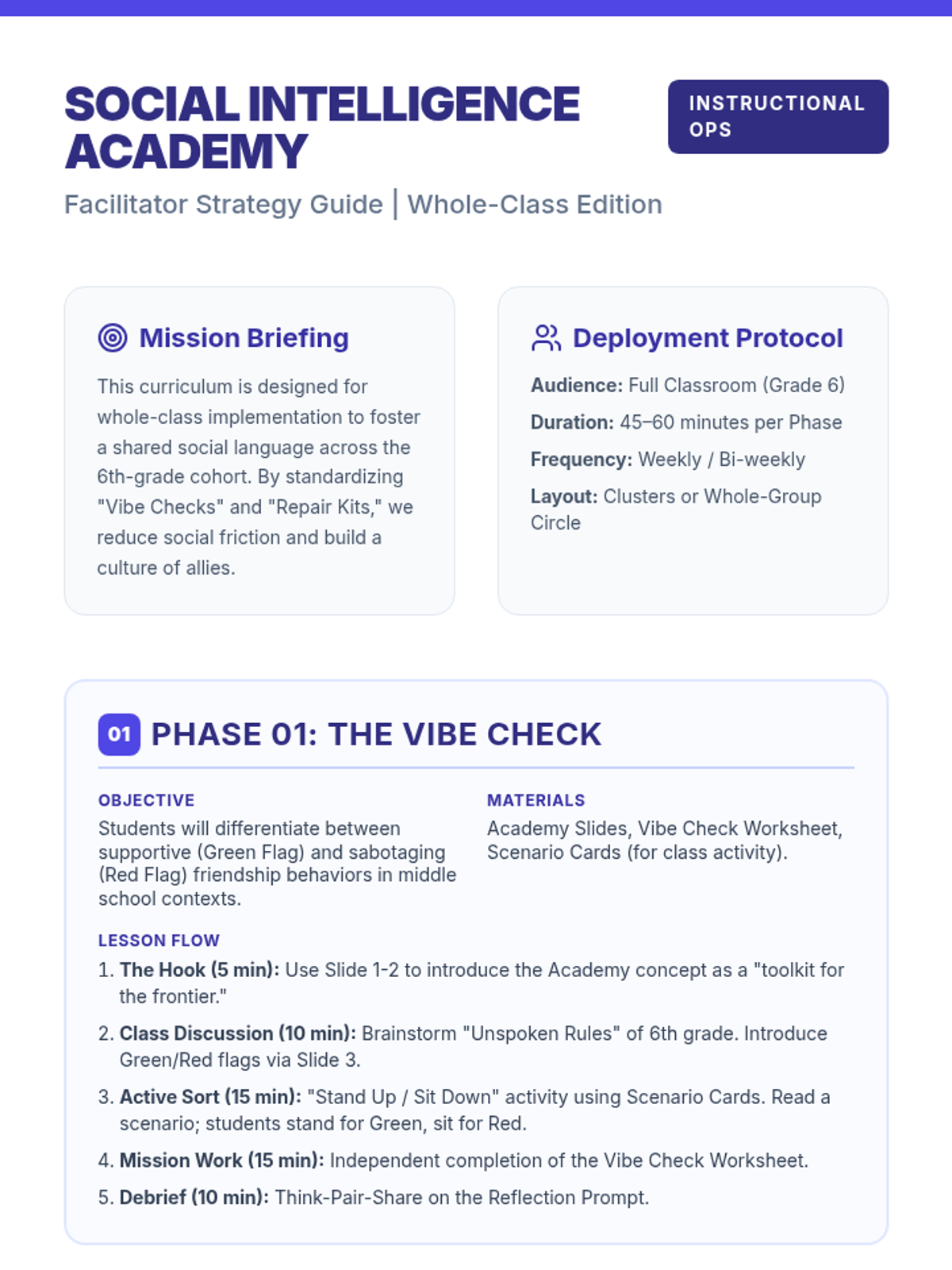
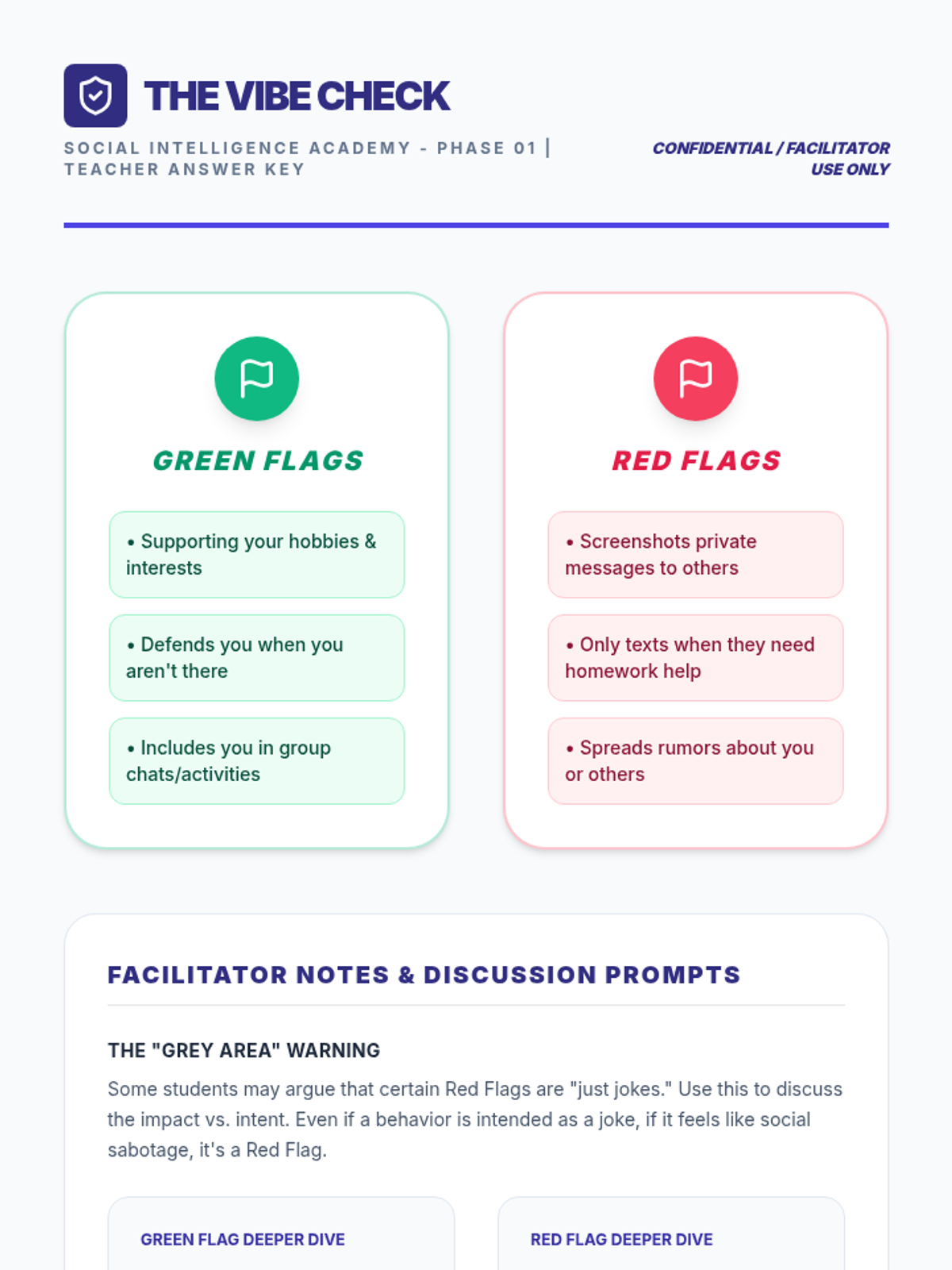
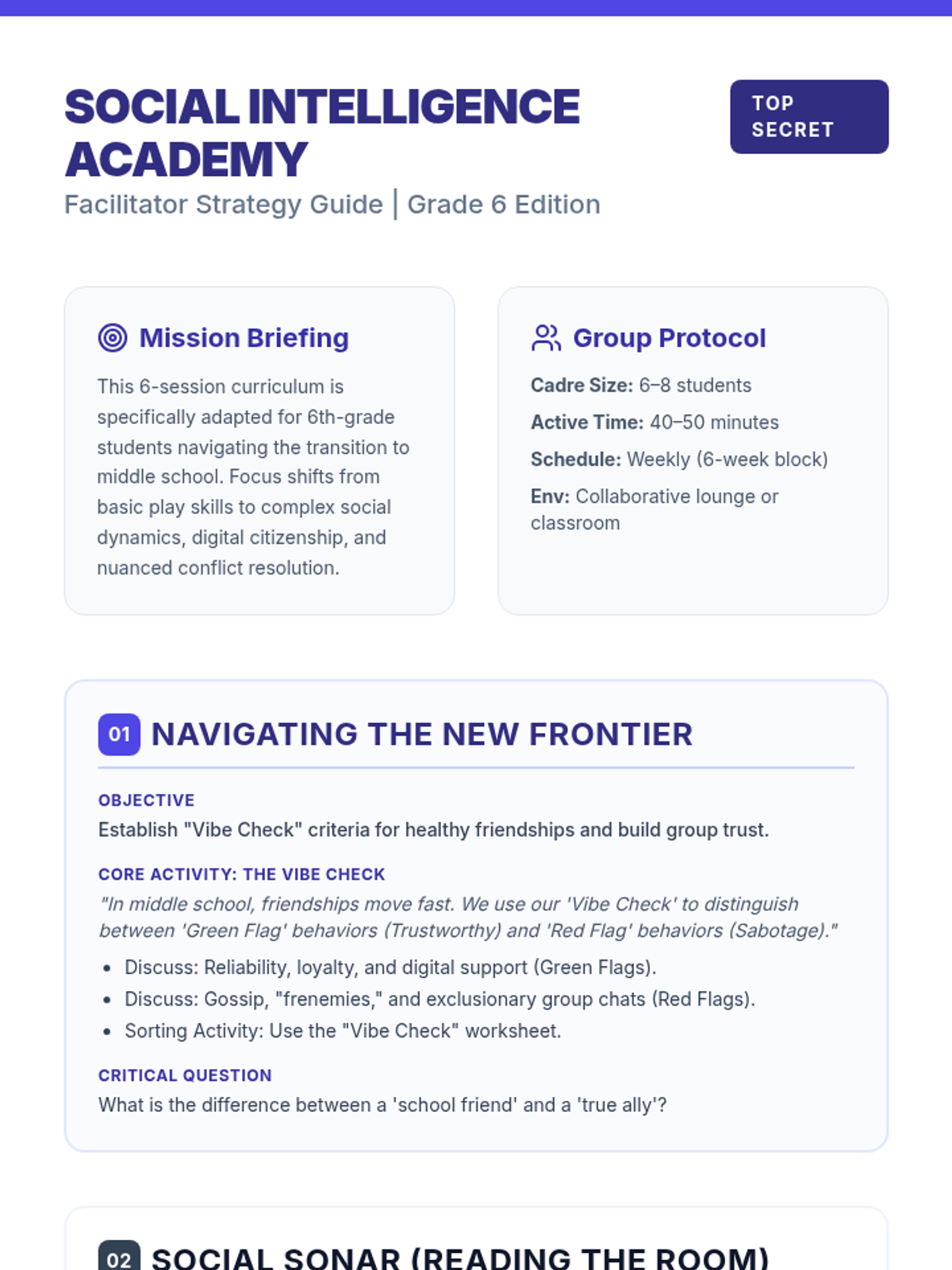
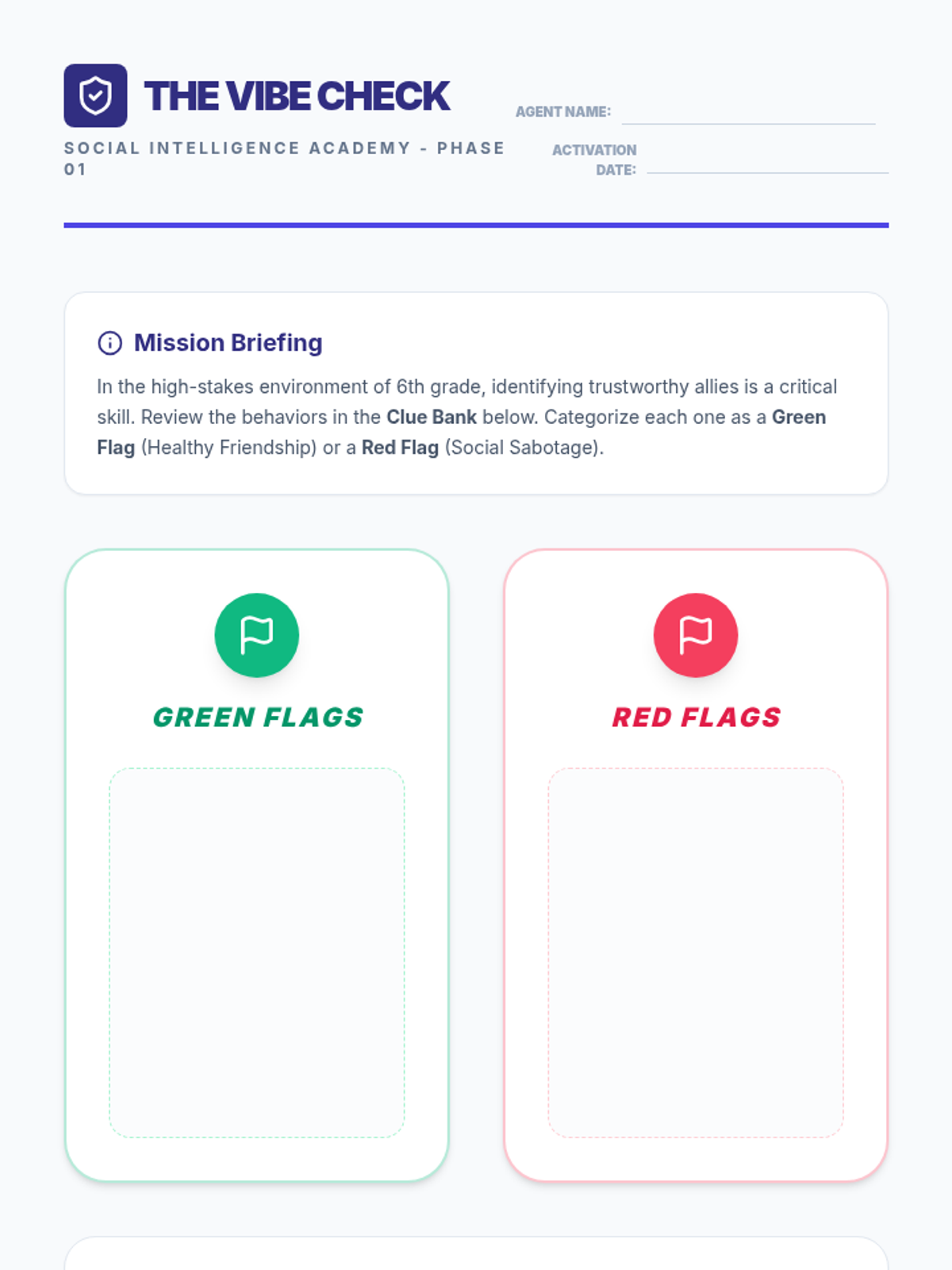
Introduces the Social Intelligence Academy and explores "Vibe Checks"—the criteria for healthy, high-functioning middle school friendships.
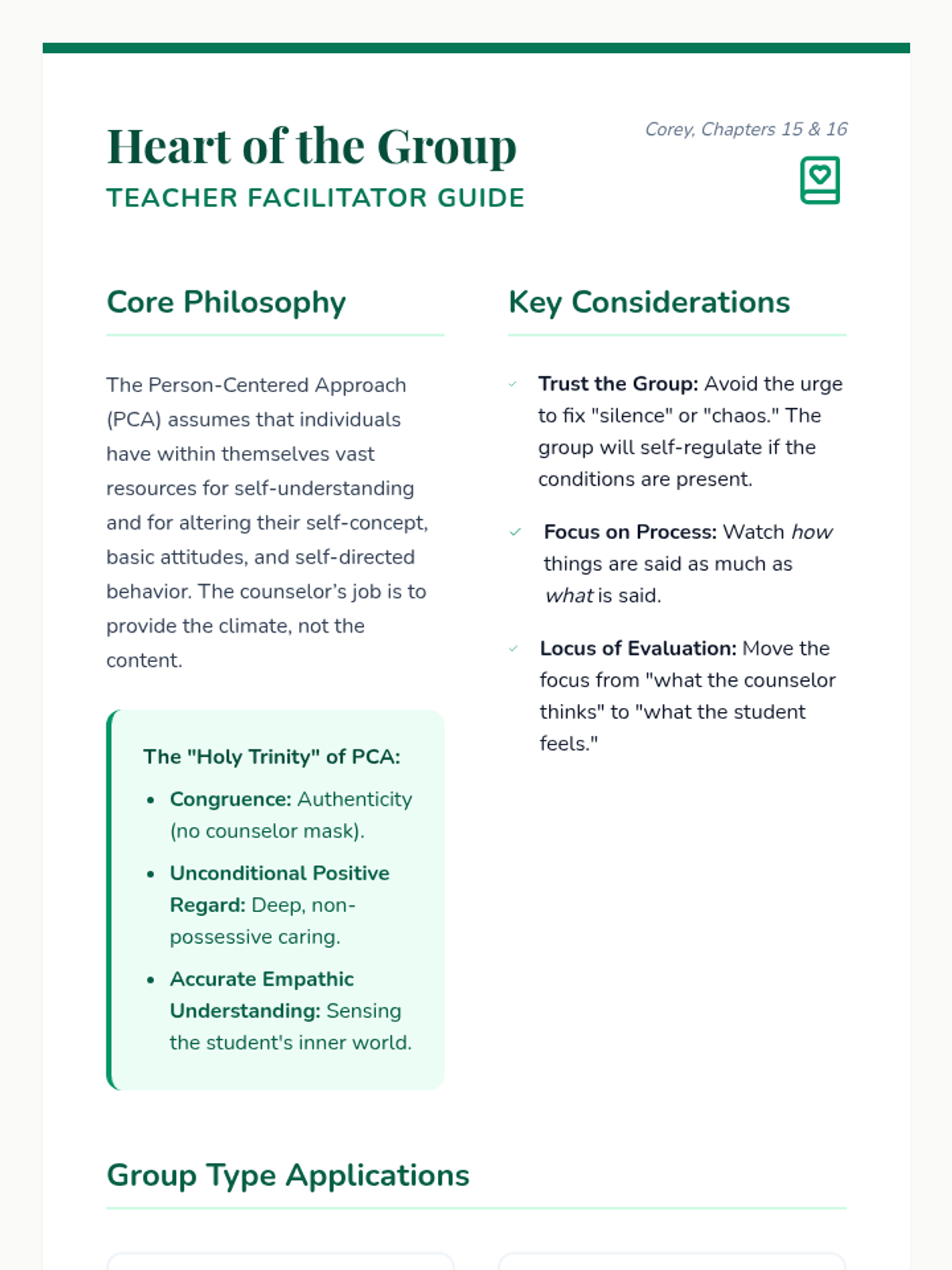
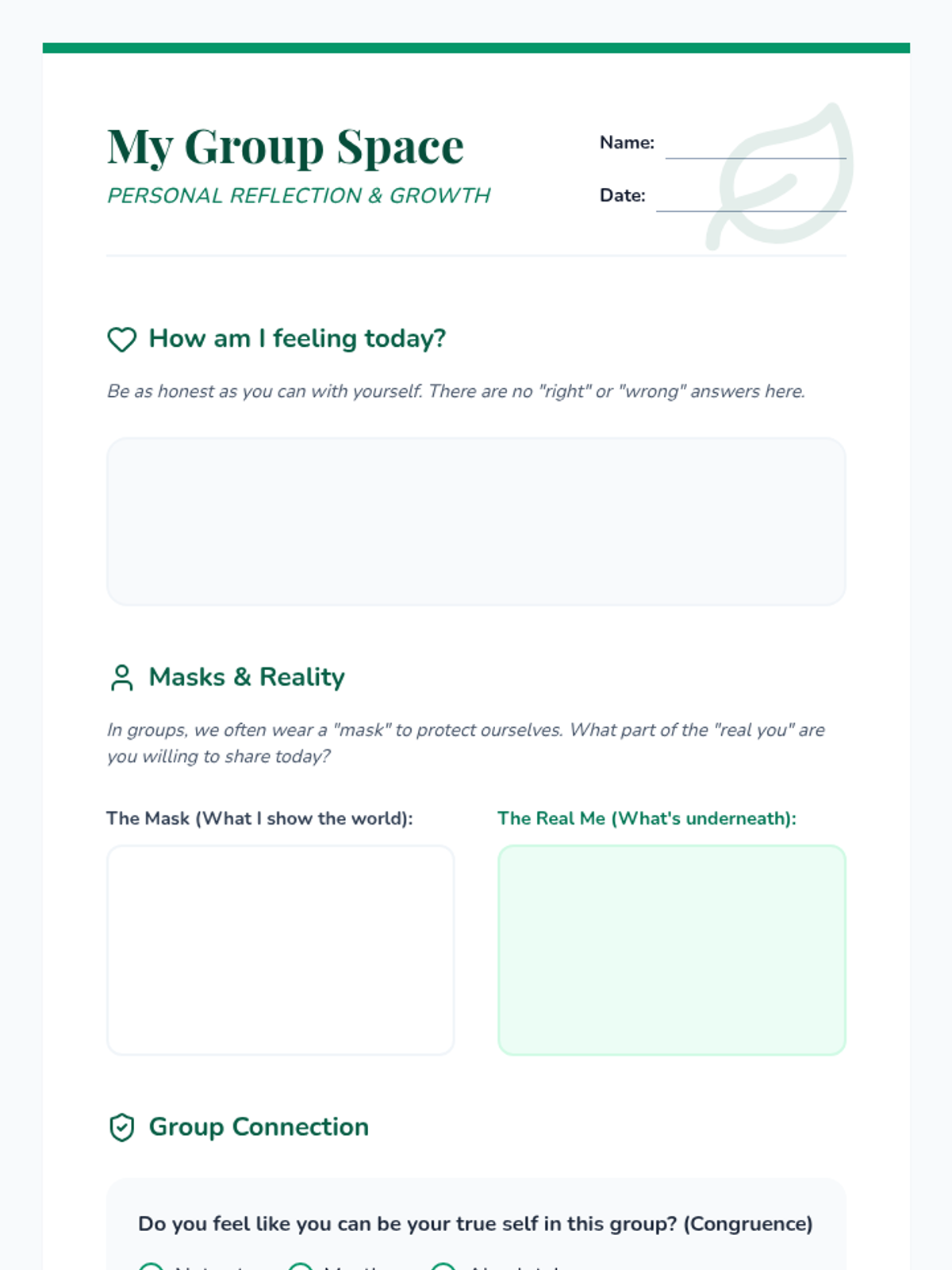
An exploration of Person-Centered Approach (PCA) applied to various school counseling group formats, focusing on core conditions and growth.
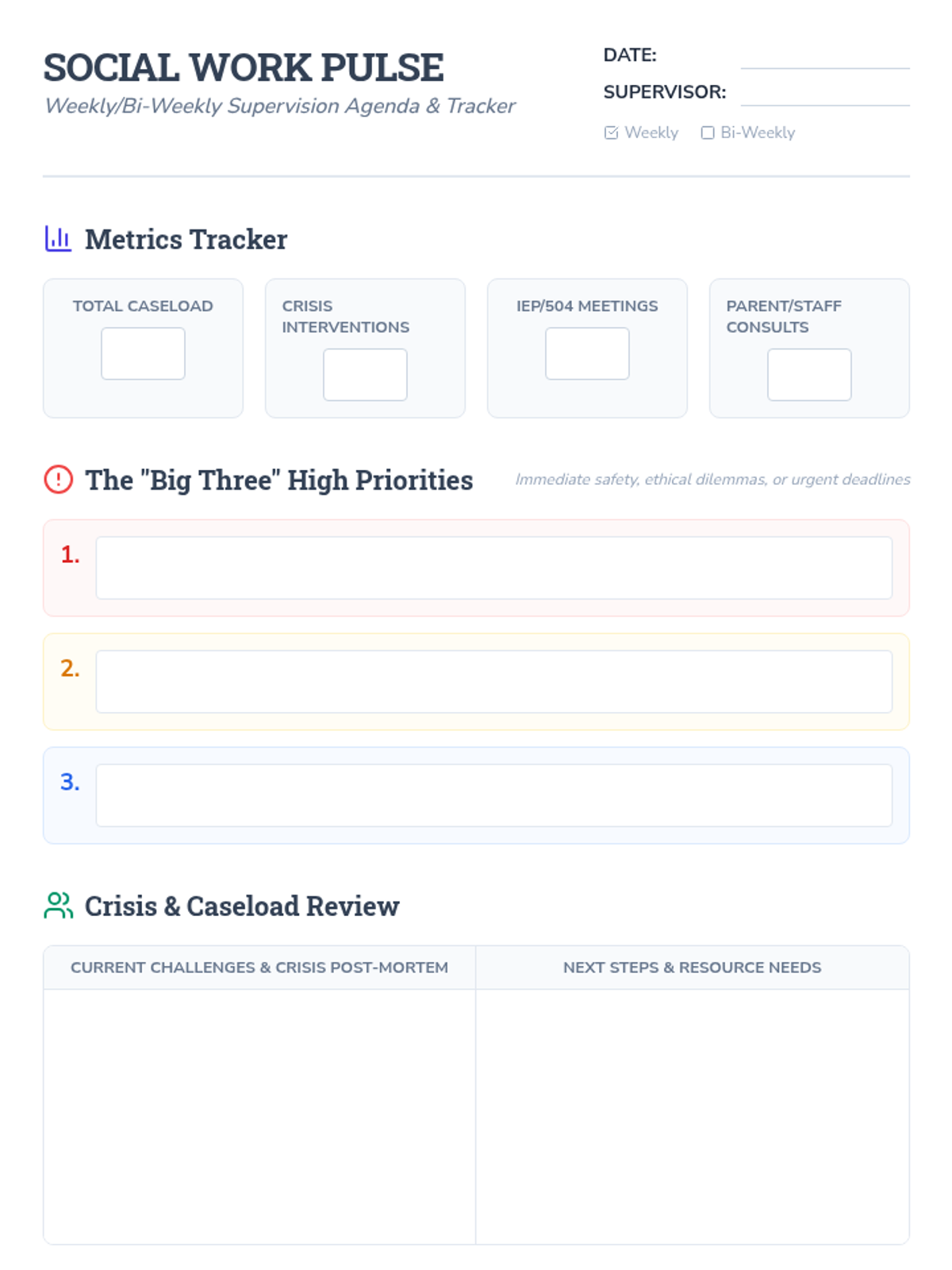
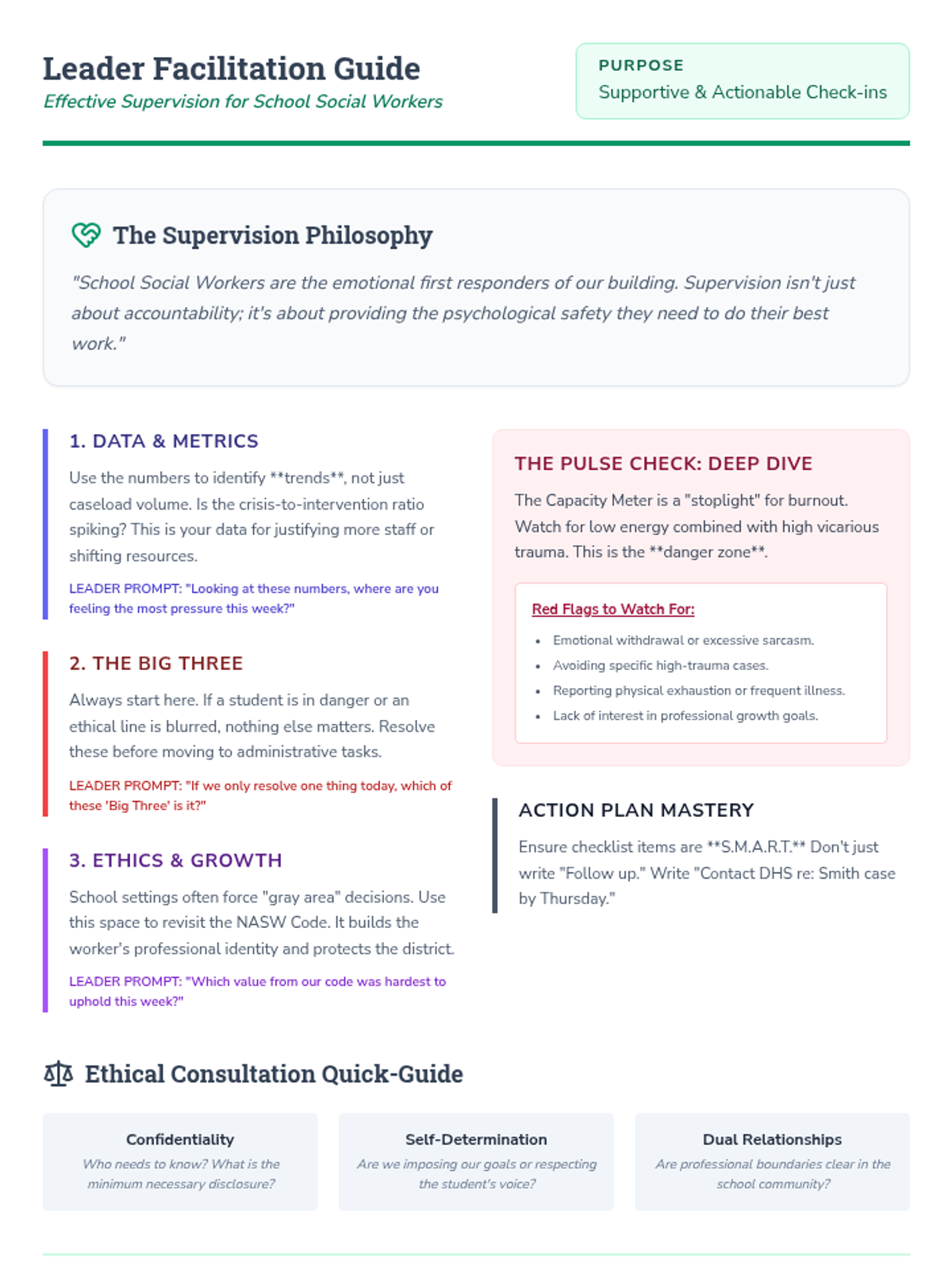
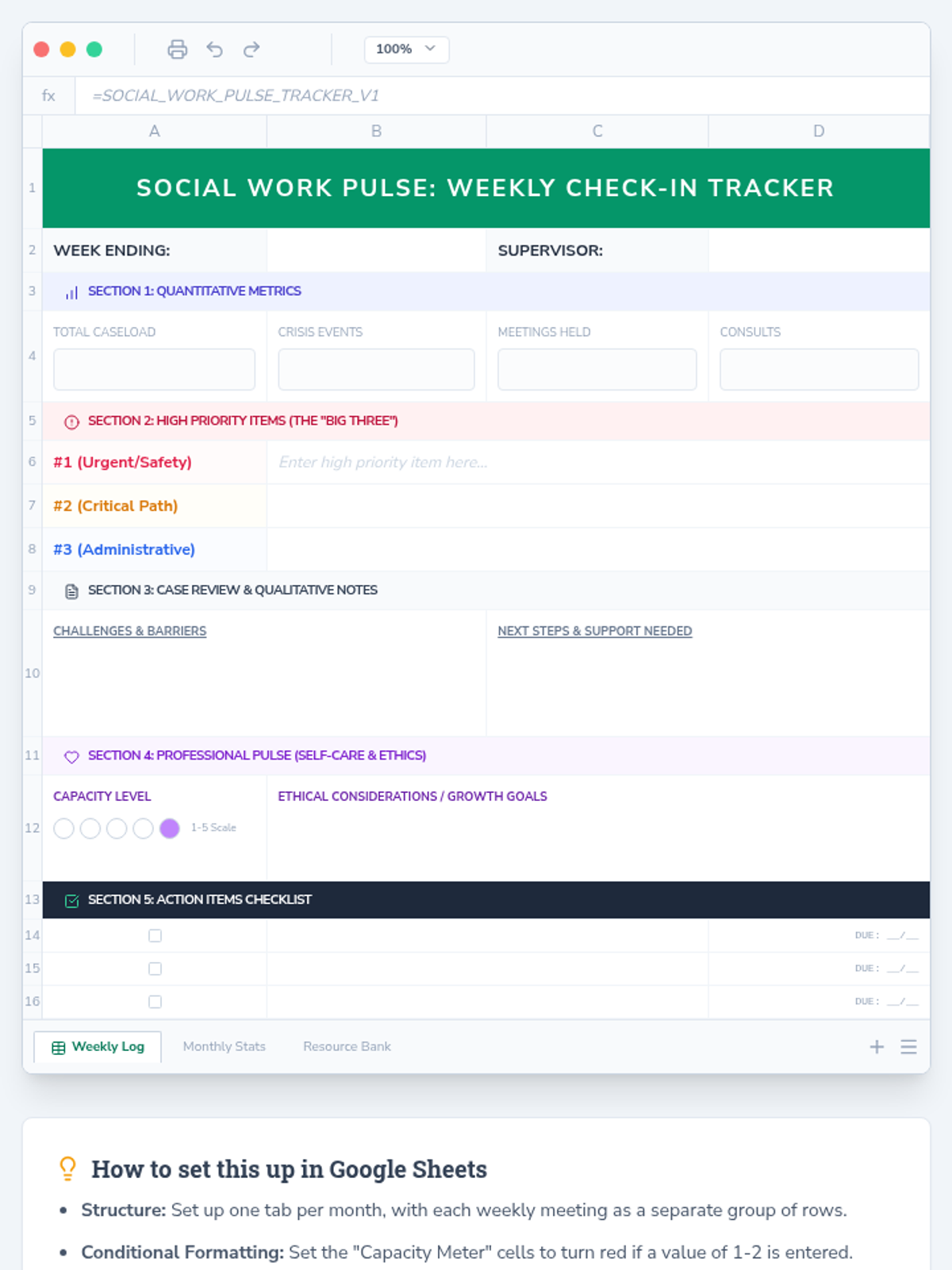
A comprehensive supervision framework for school social workers and their leaders, focusing on caseload management, ethical growth, and emotional well-being.
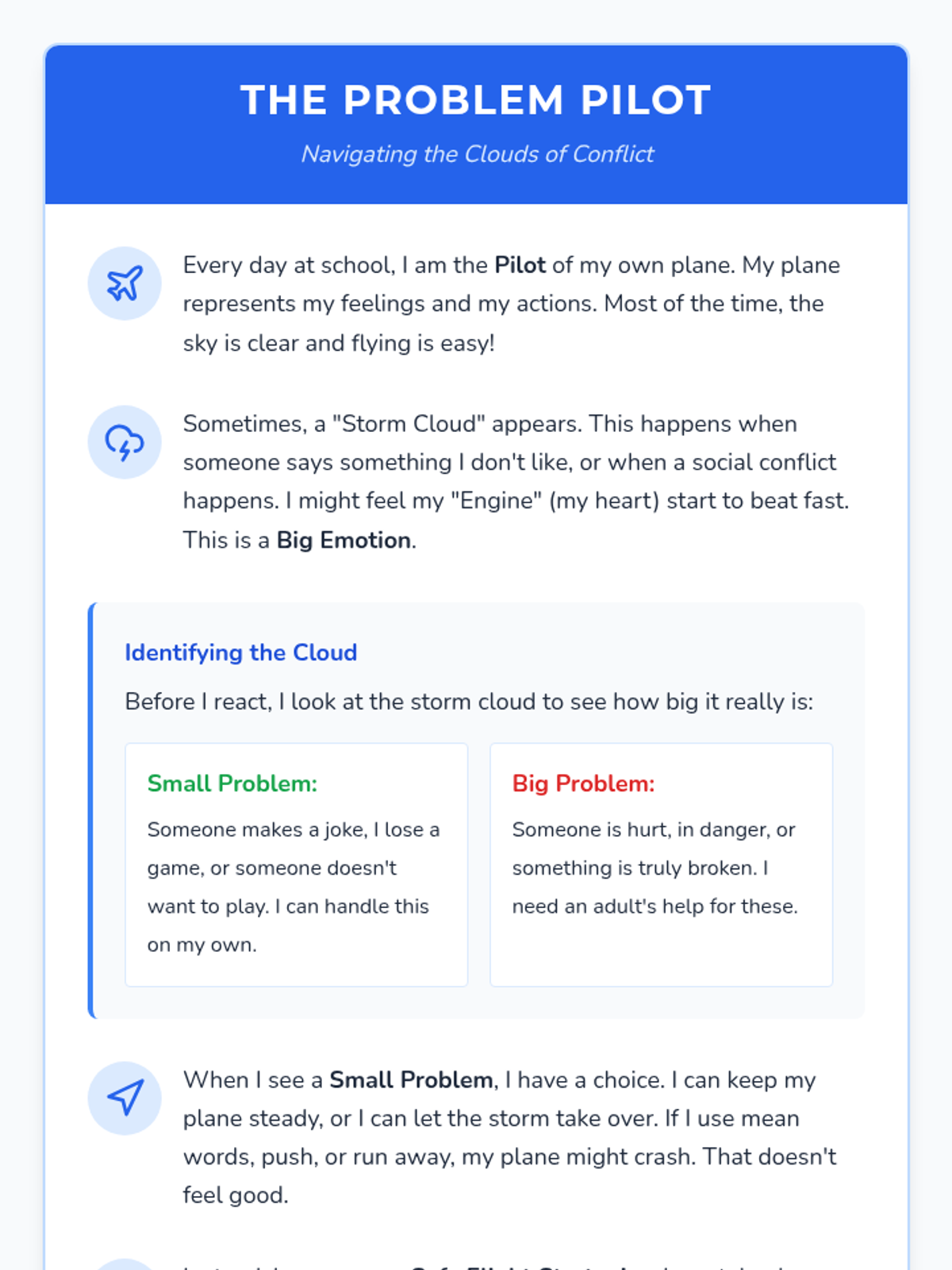
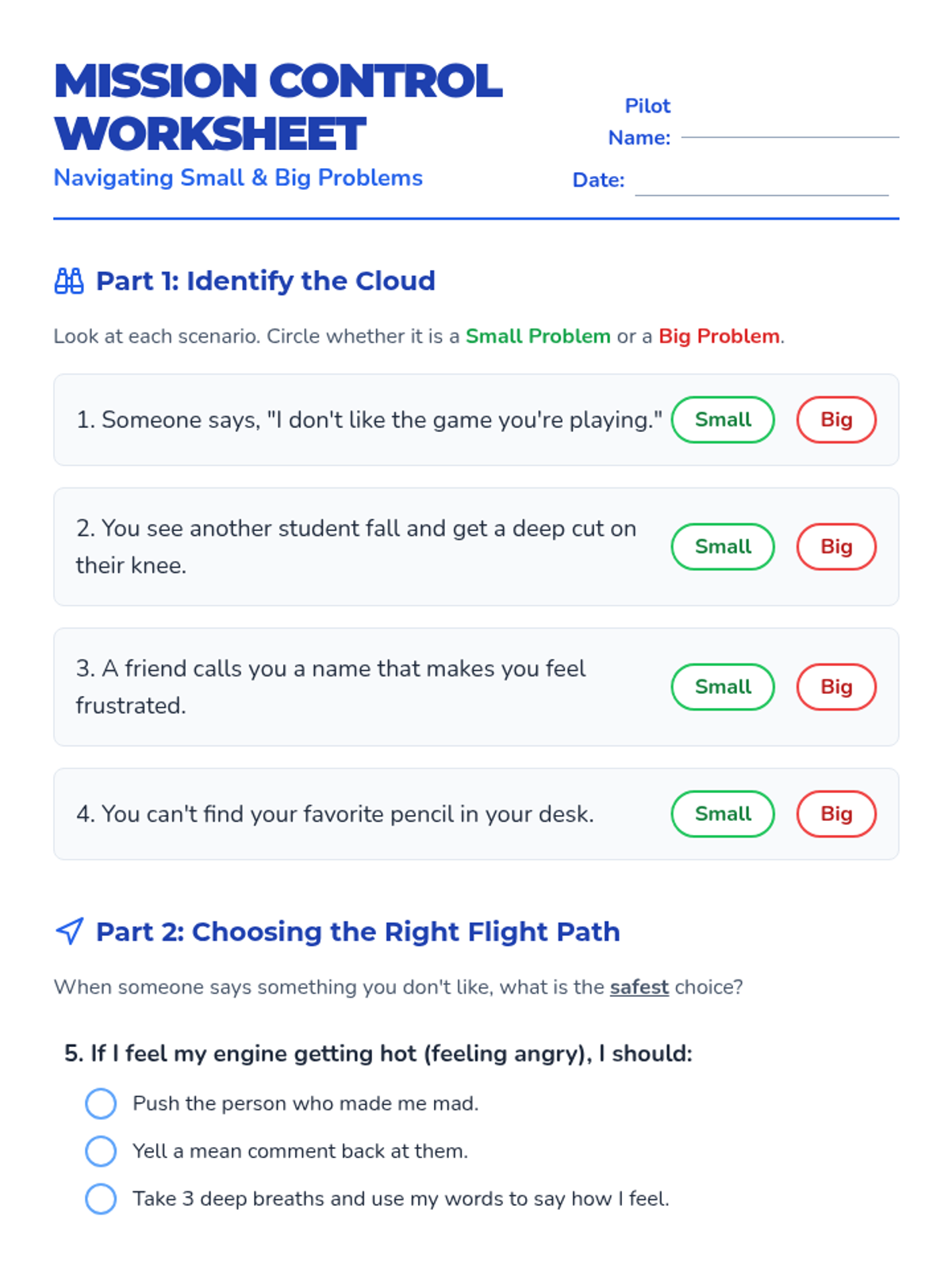
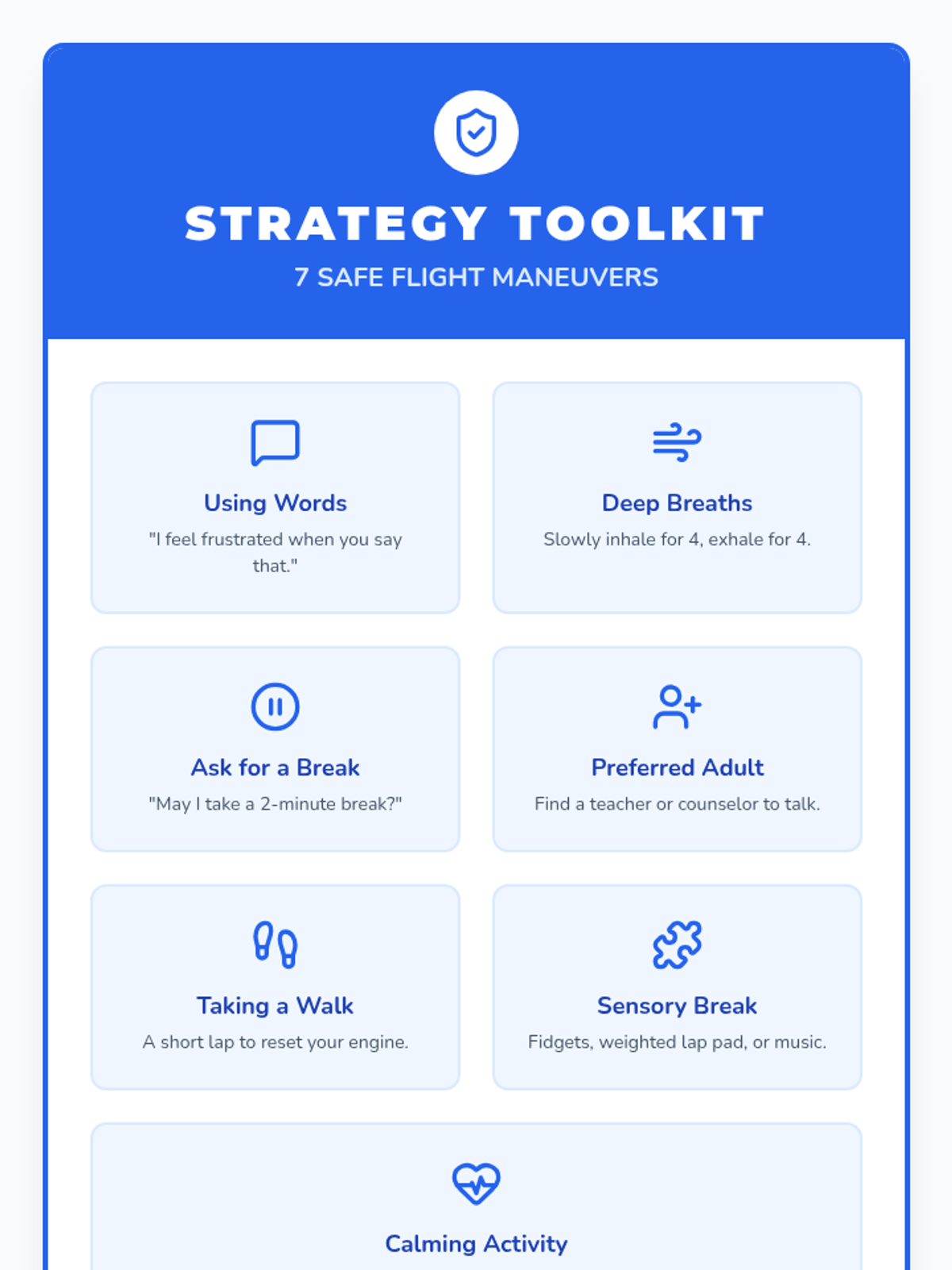
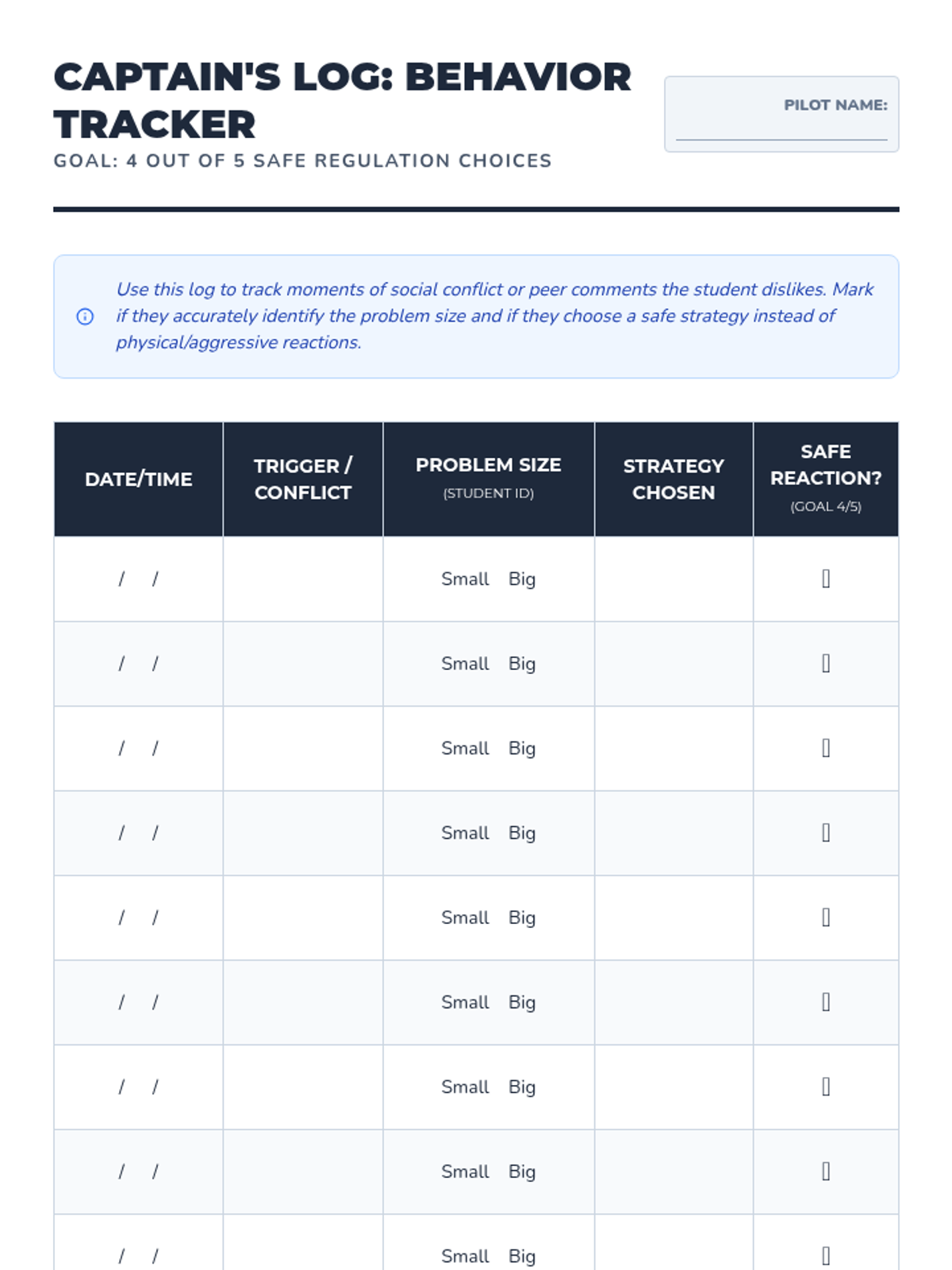
A lesson designed to help students distinguish between Small and Big Problems and choose safe regulation strategies instead of physical reactions. It includes a social story, practice worksheet, and strategy reference guide.
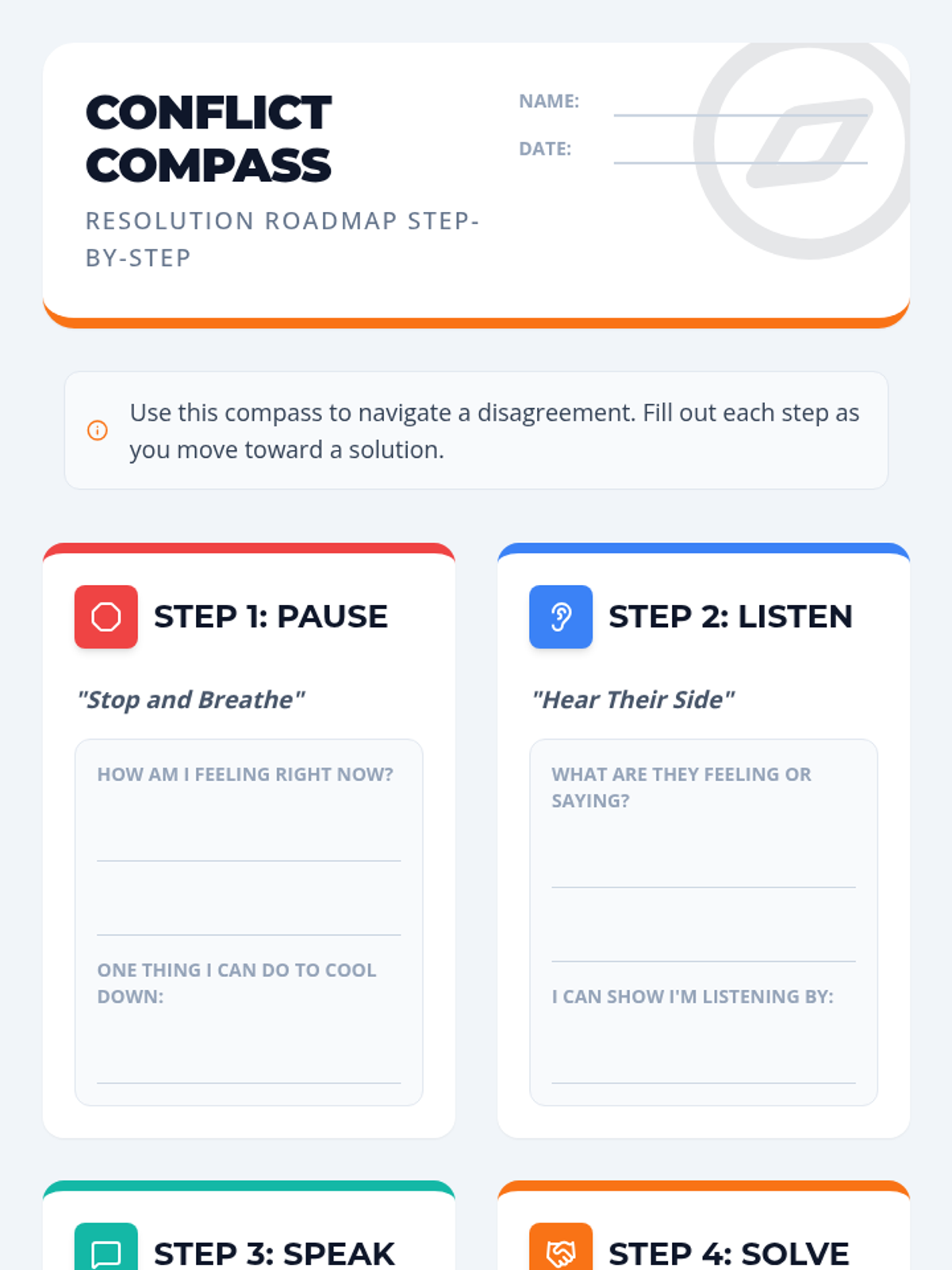
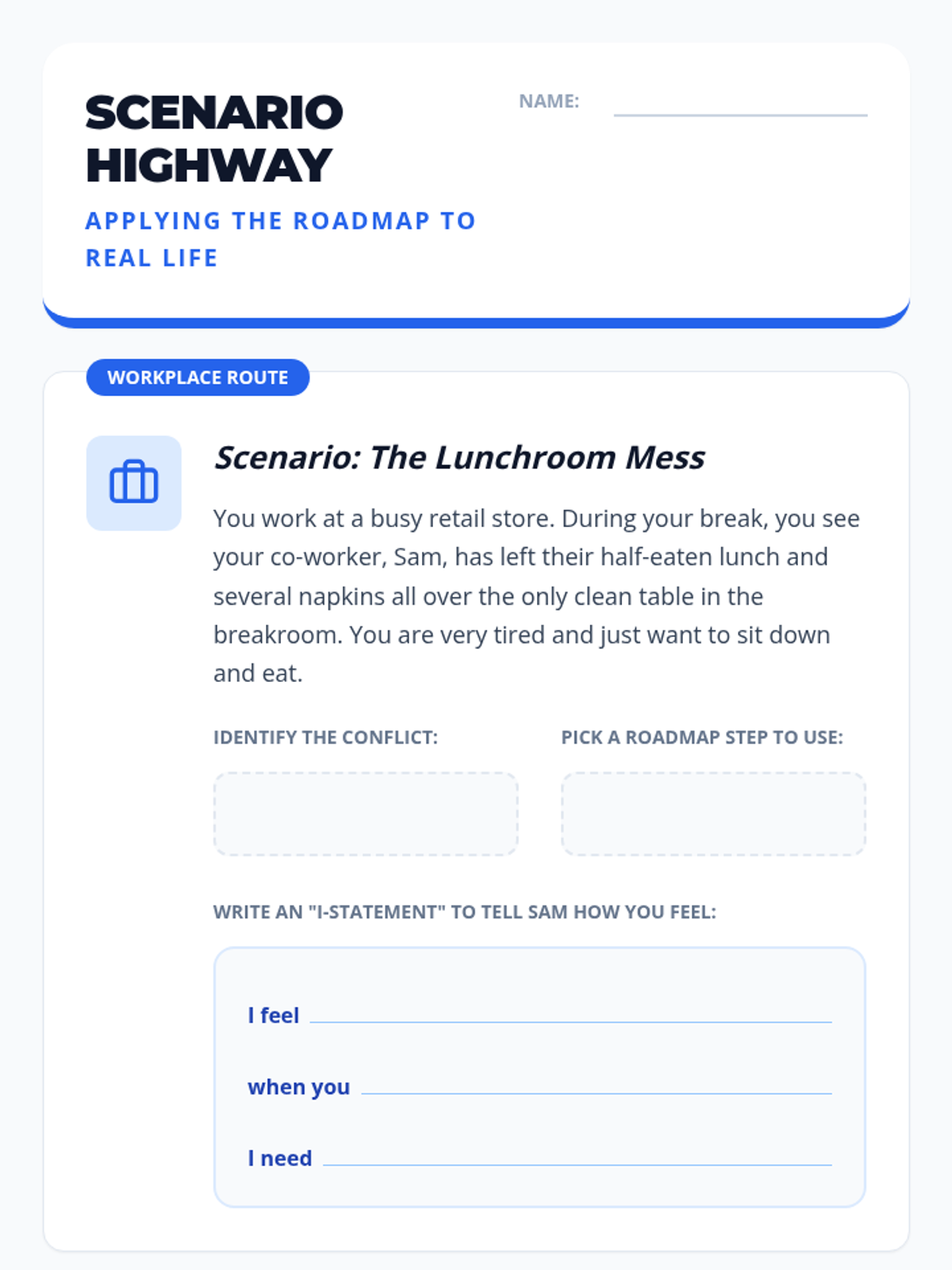
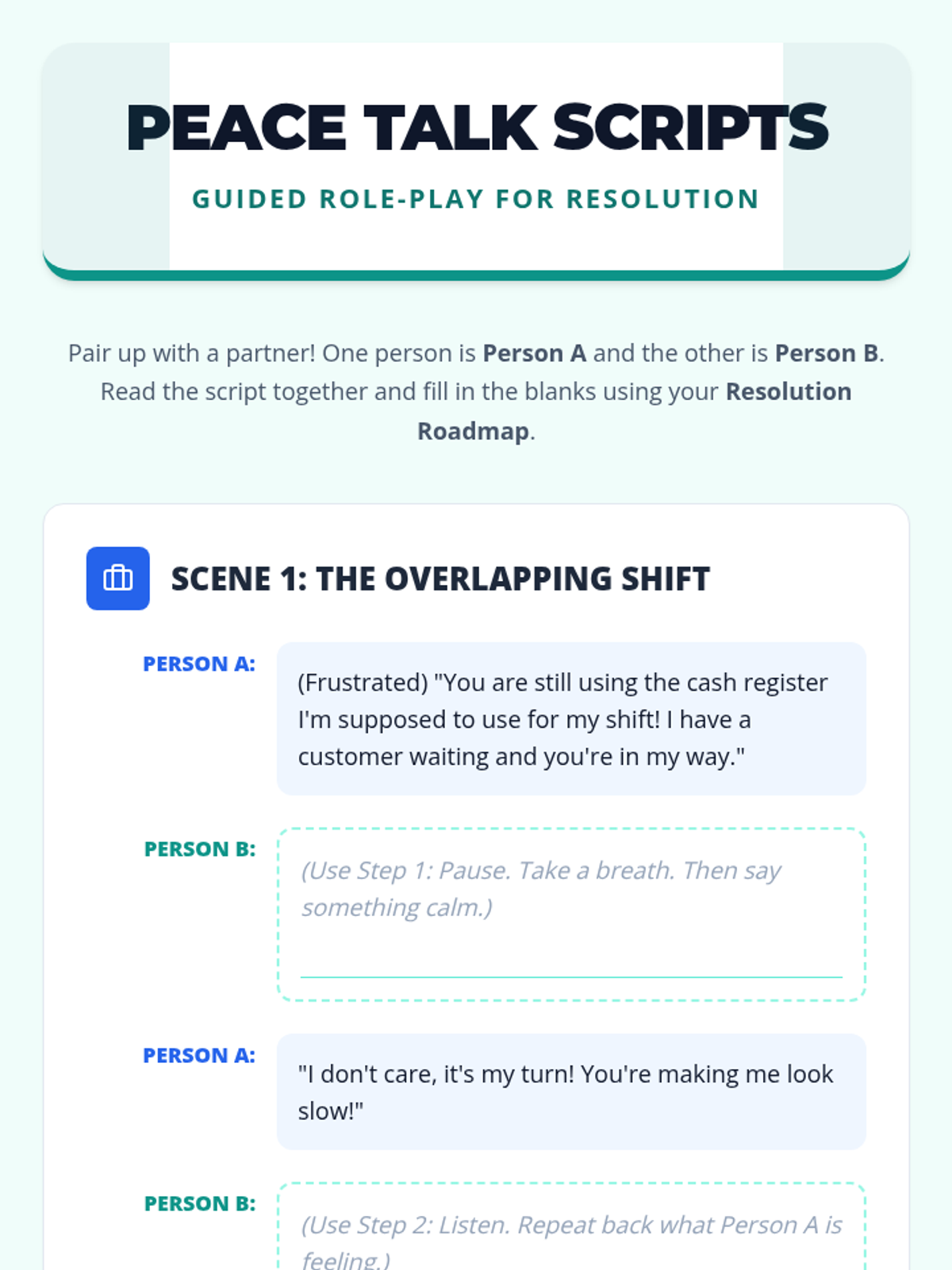
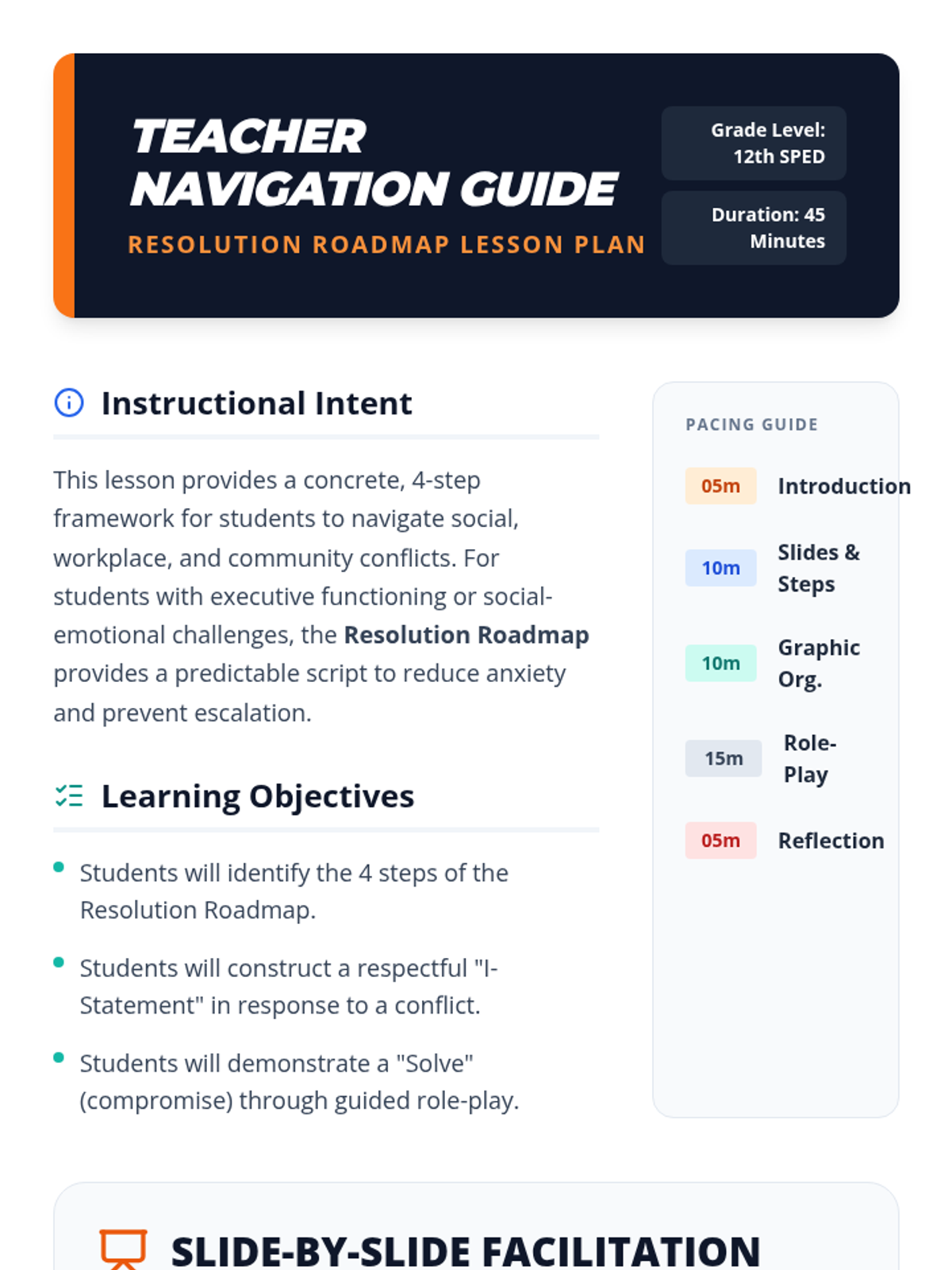
A comprehensive lesson designed for 12th-grade special education students to master conflict resolution across workplace, school, and community settings using a structured 'Resolution Roadmap' framework.
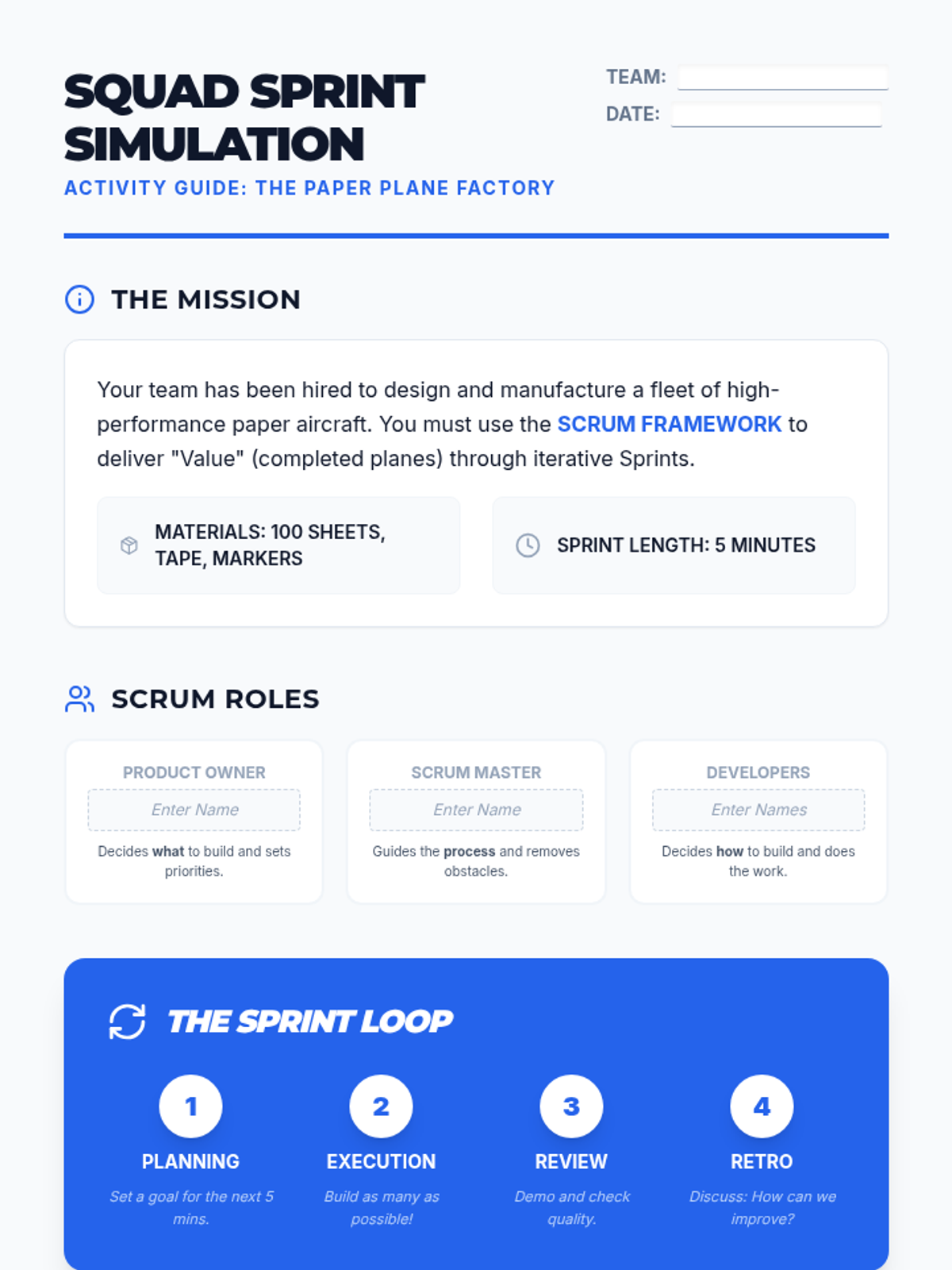
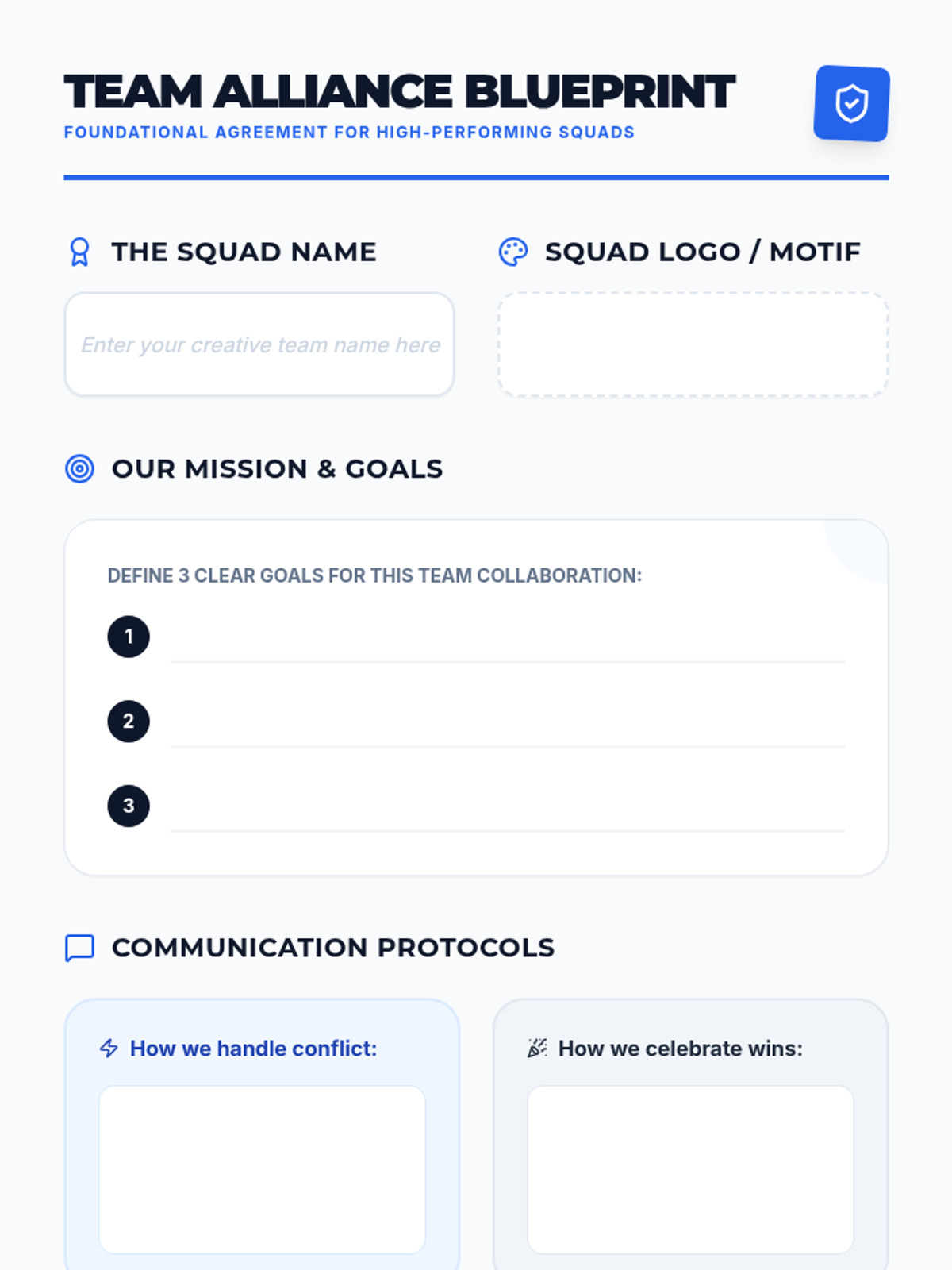
This lesson introduces students to the core concepts of Agile and Scrum through the lens of team dynamics. Students will explore roles, ceremonies, and the critical importance of communication in high-performing teams.
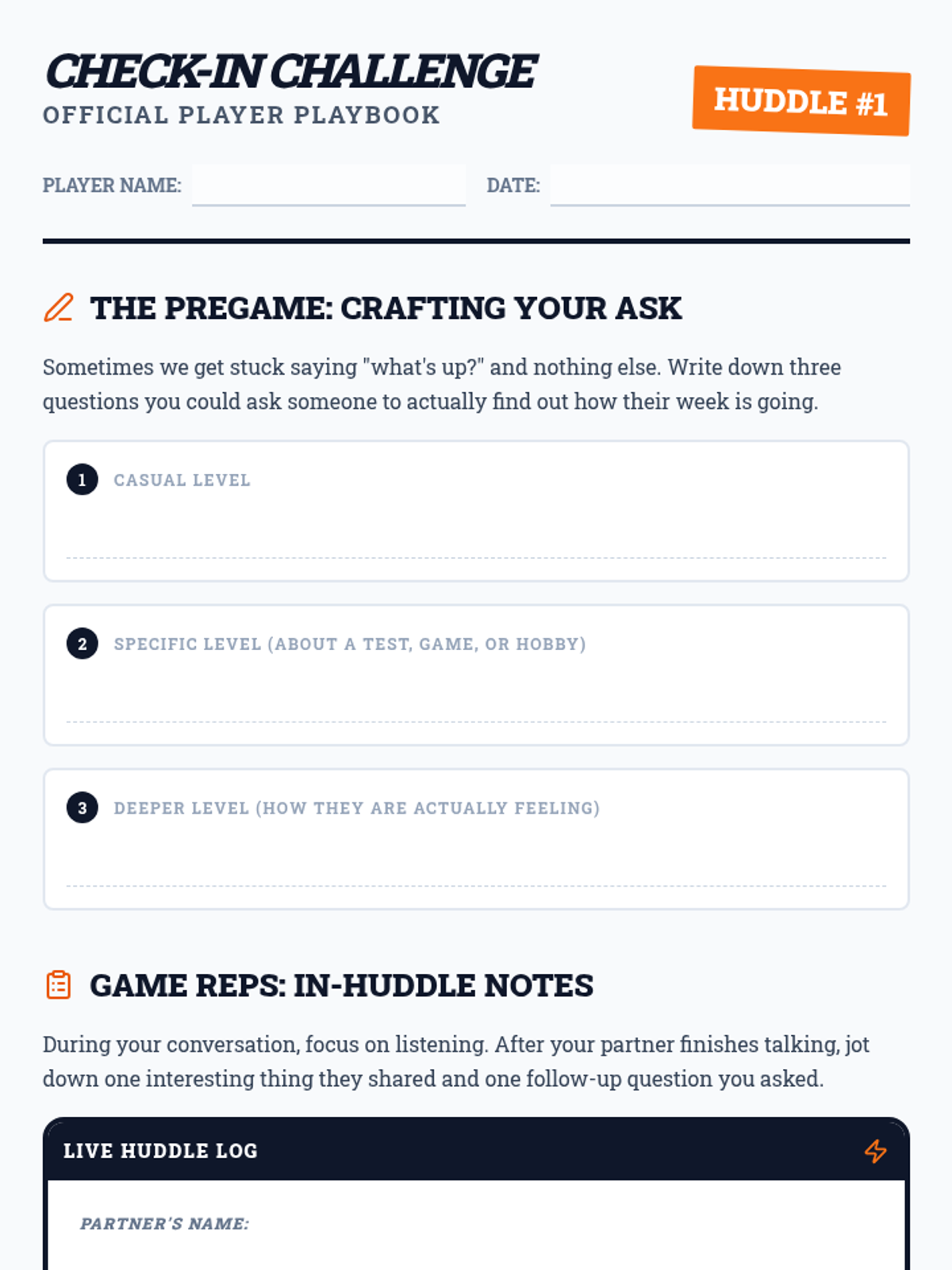
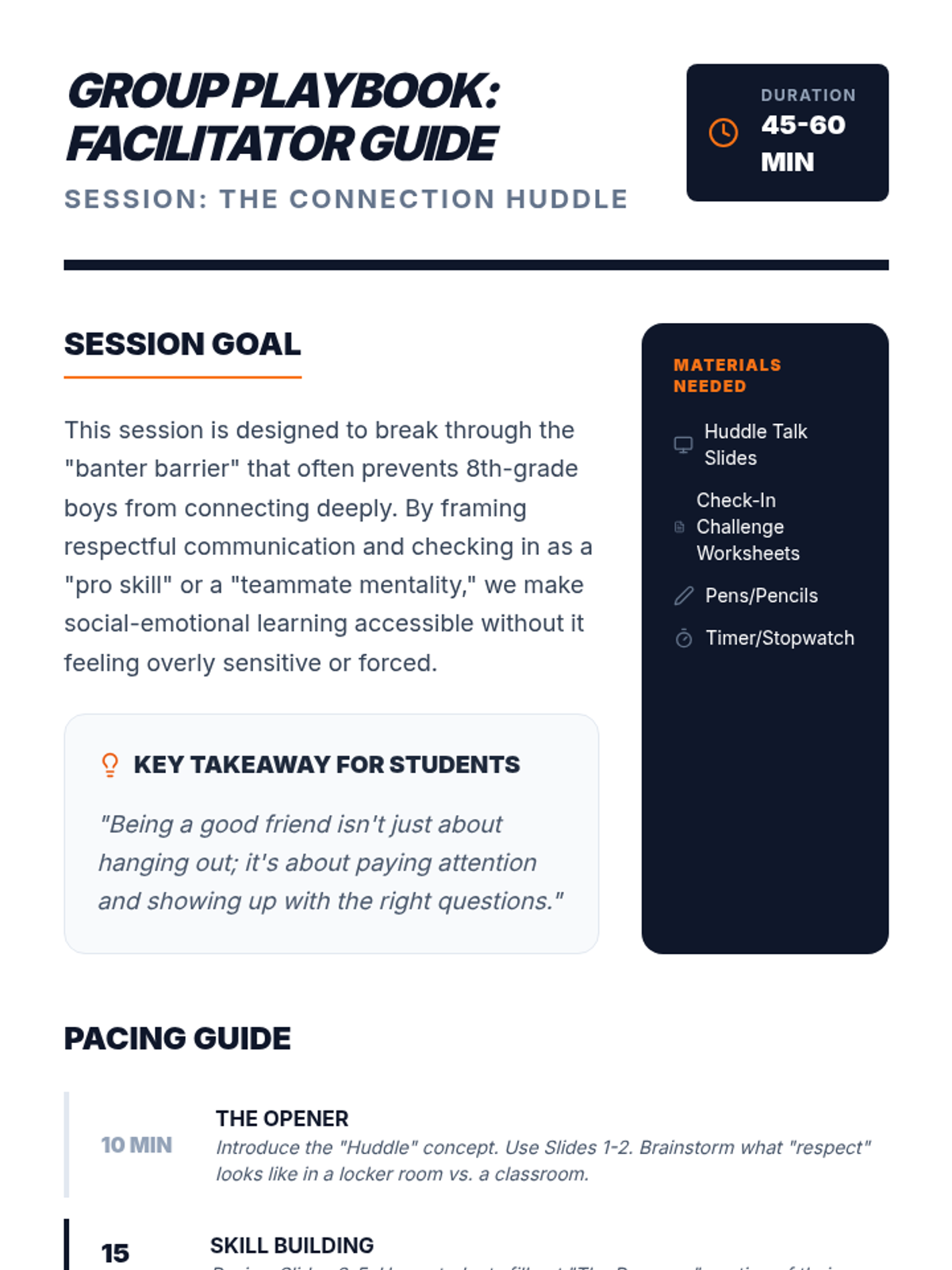
A single-session group activity for eighth-grade boys focused on building respectful communication skills and the art of the weekly check-in. This lesson uses a sports-inspired theme to make social-emotional learning accessible and engaging.
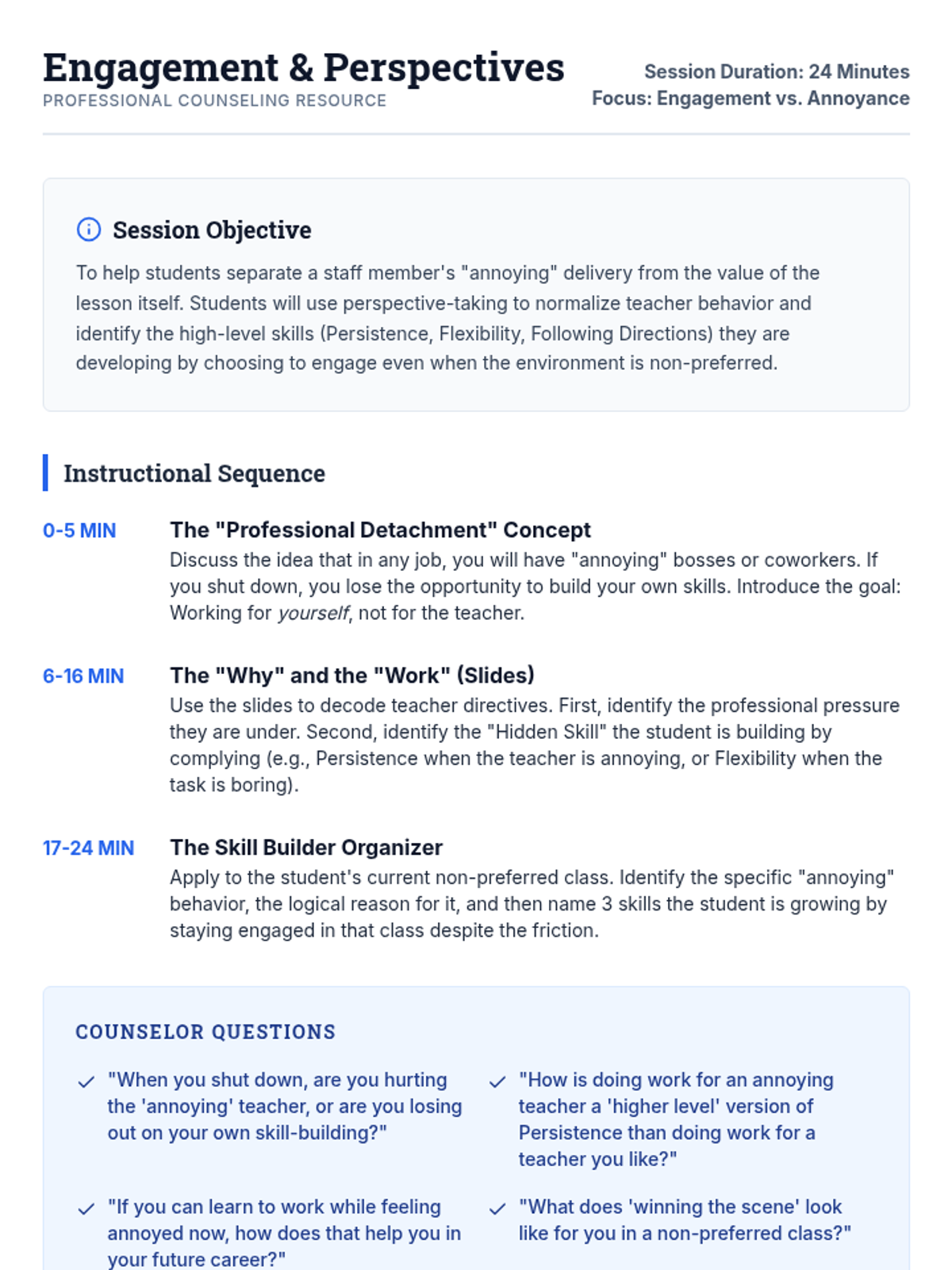
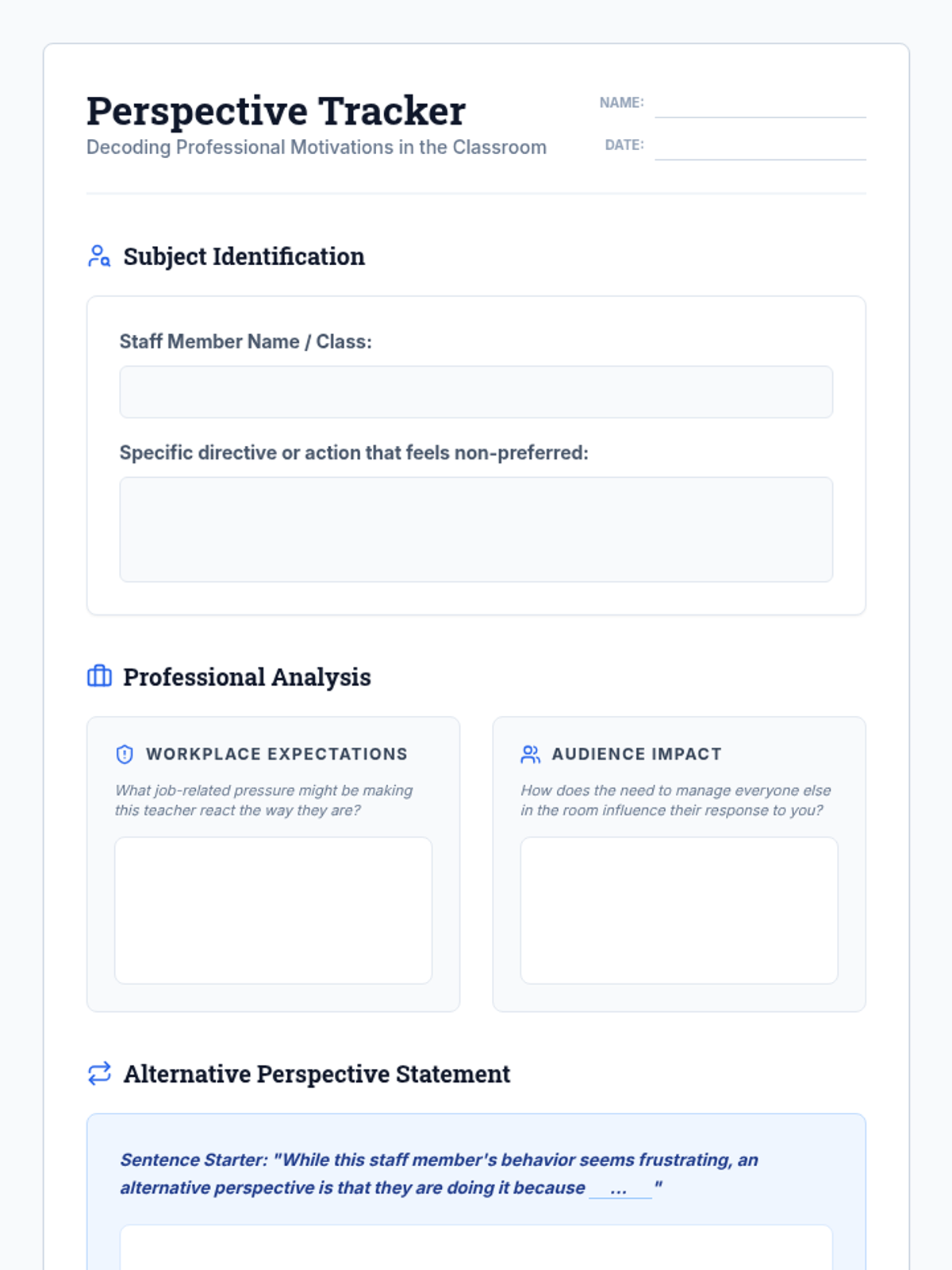
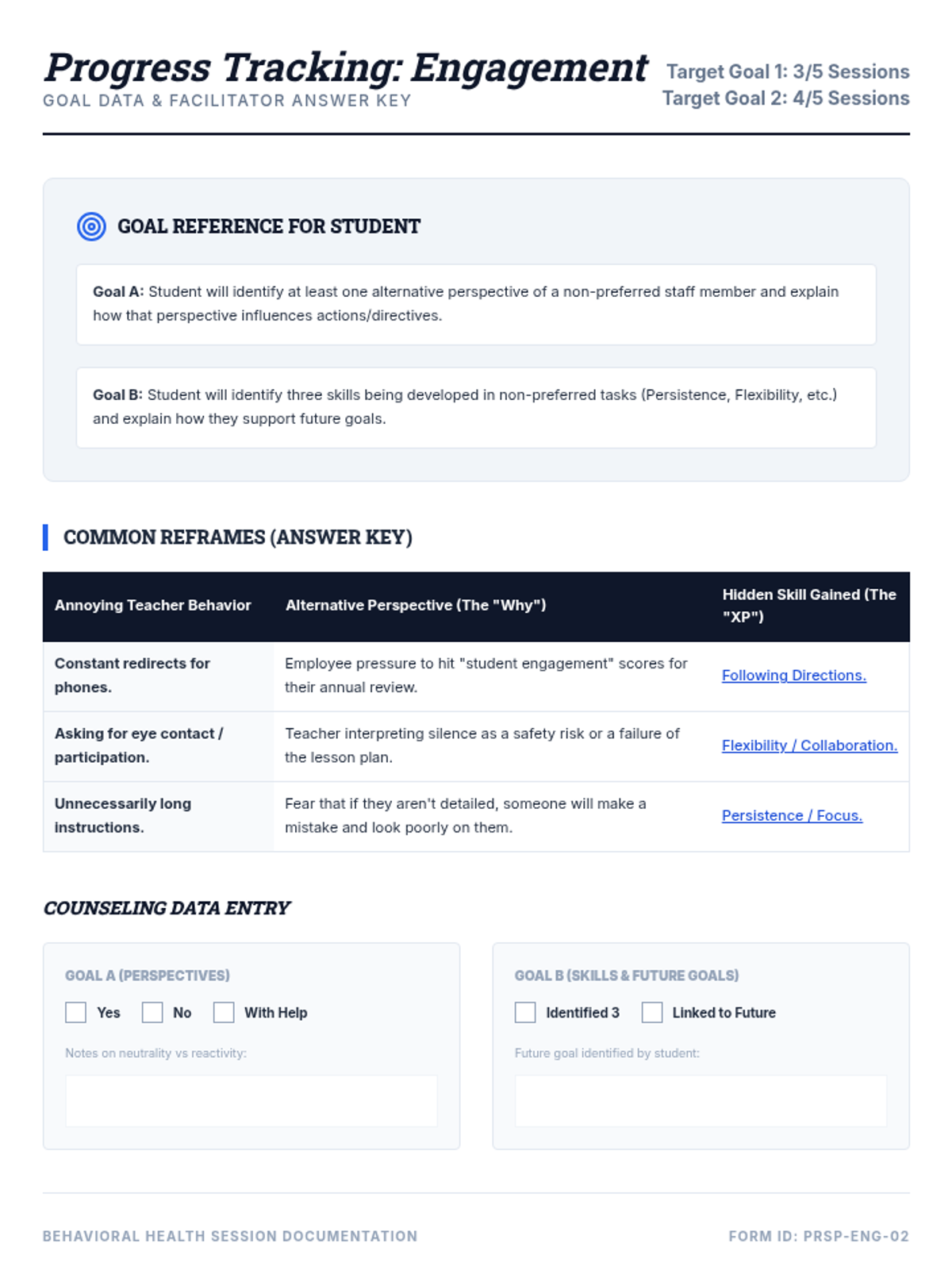
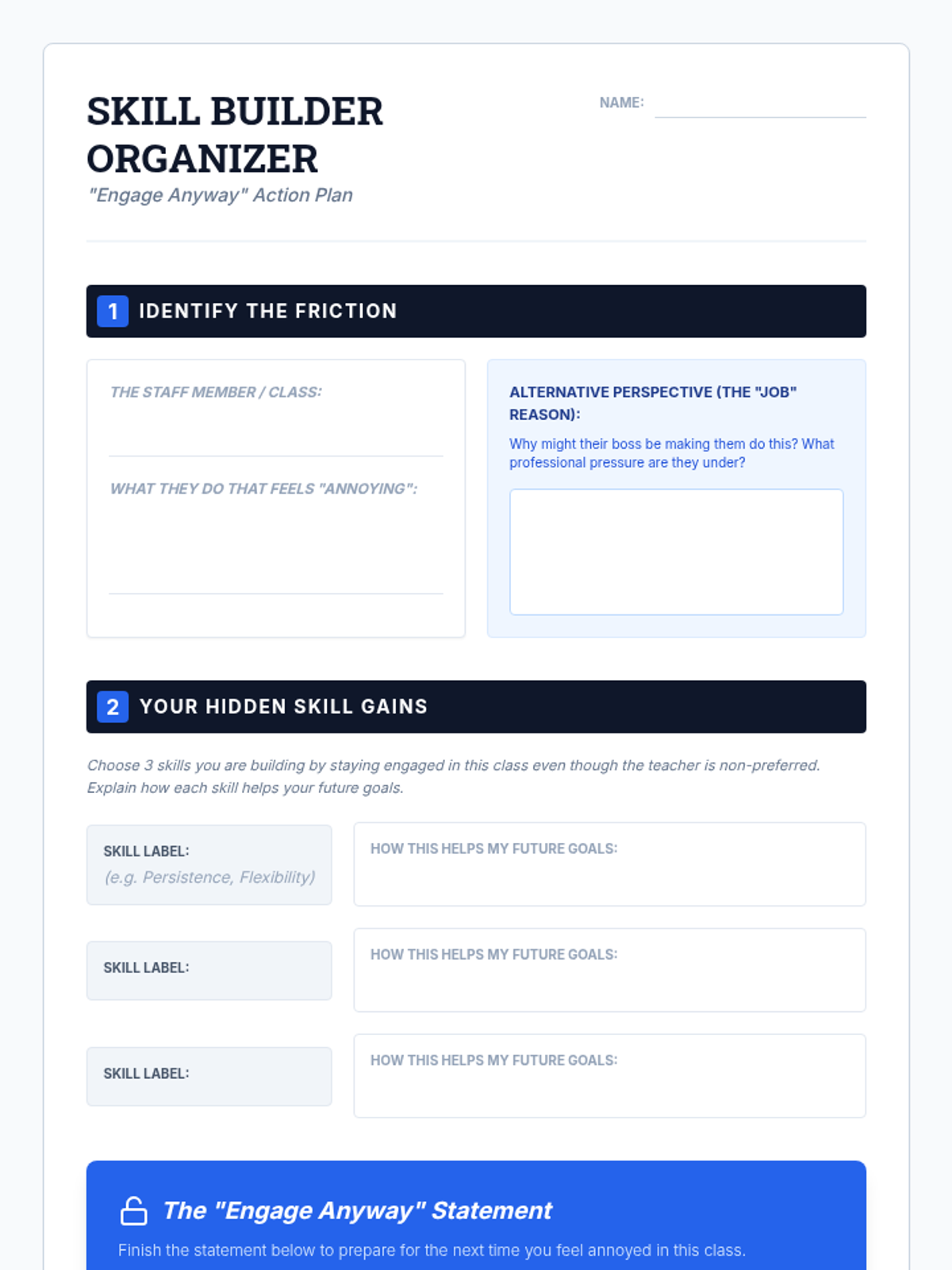
A 24-minute counseling session focused on social perspective-taking, specifically helping students identify the underlying motivations and professional pressures that influence staff member actions and directives.
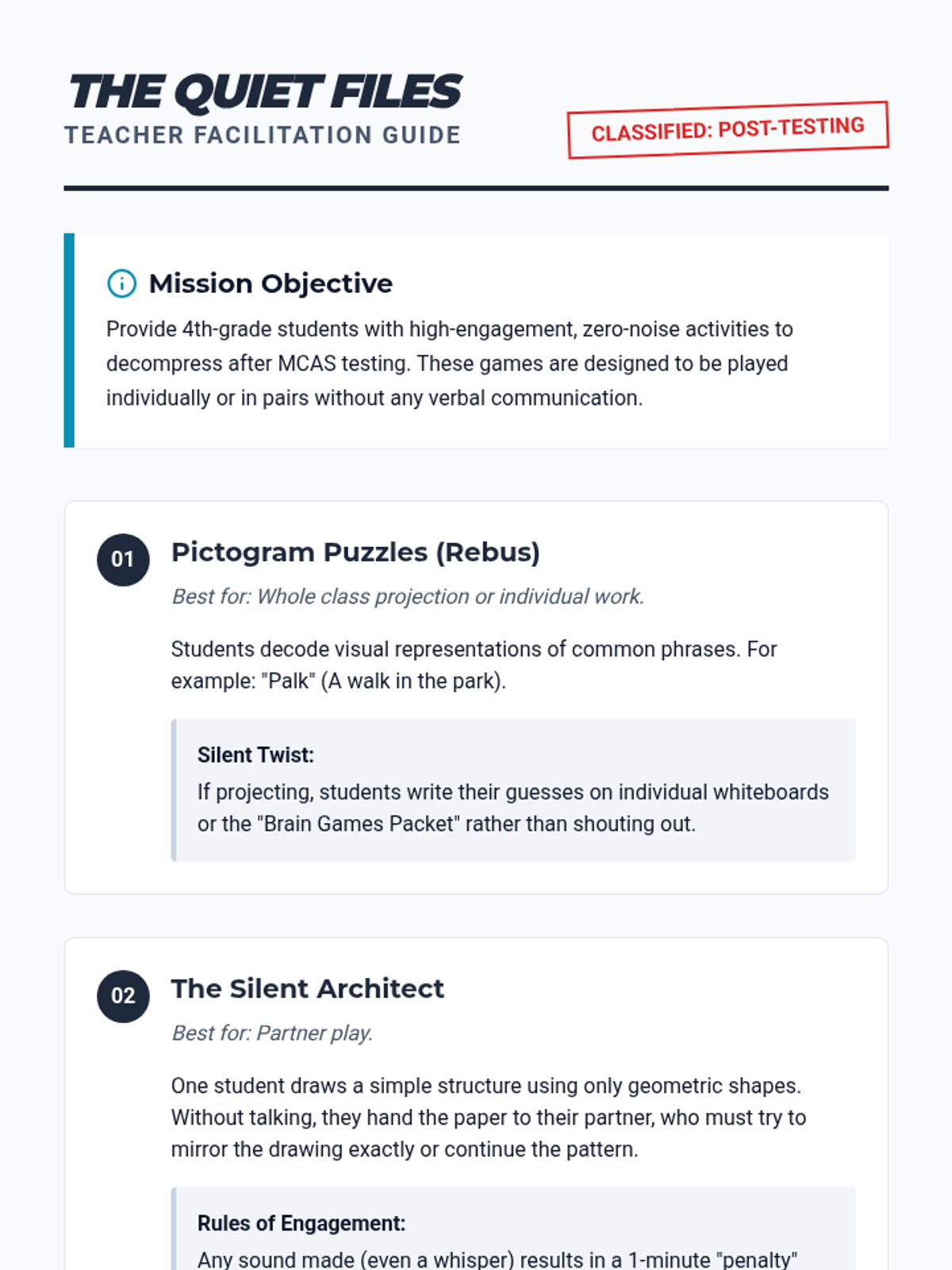
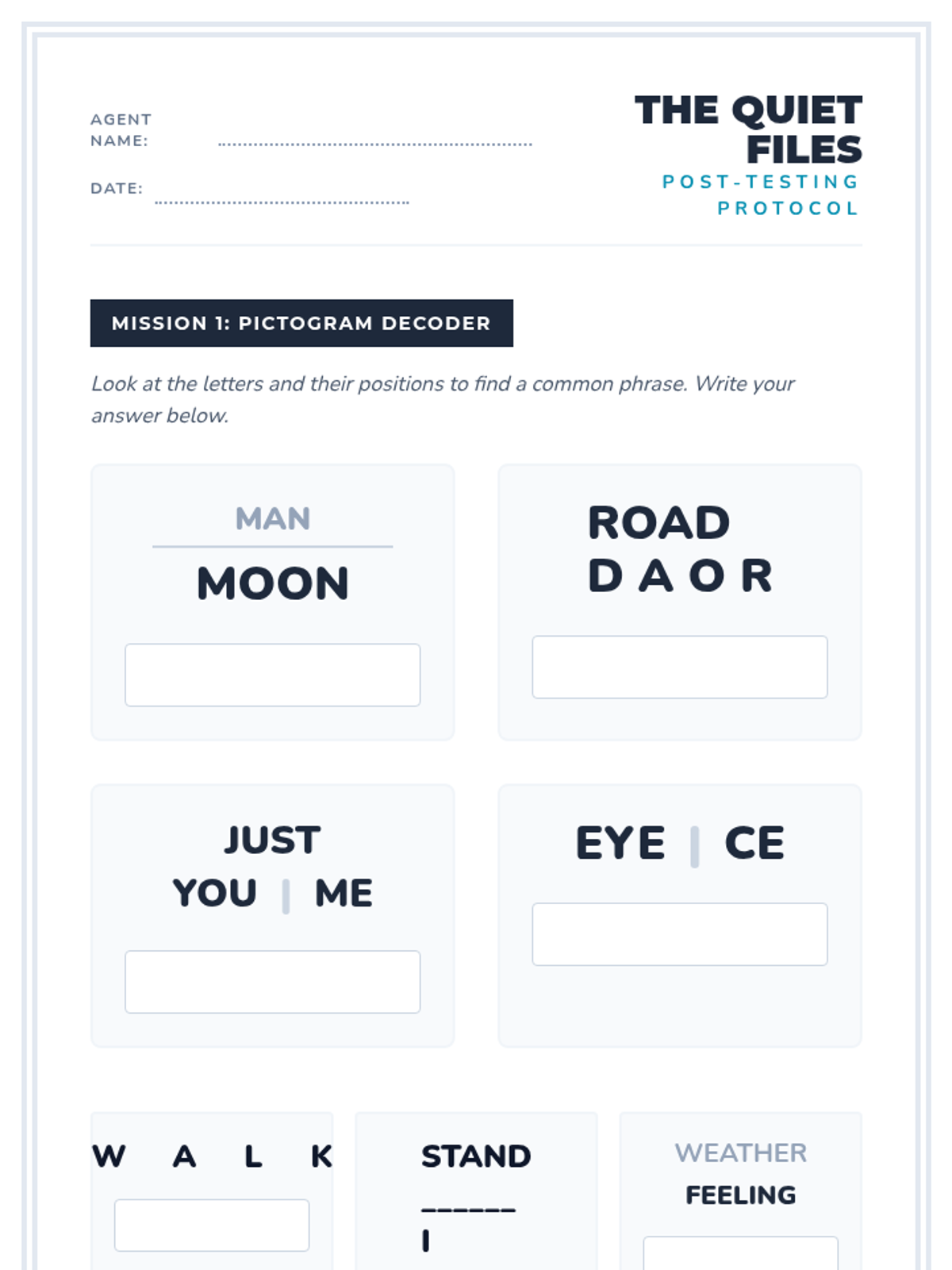
A collection of low-energy, silent activities and games designed for students to engage in after high-stakes testing, focusing on visual puzzles, logic challenges, and creative drawing.
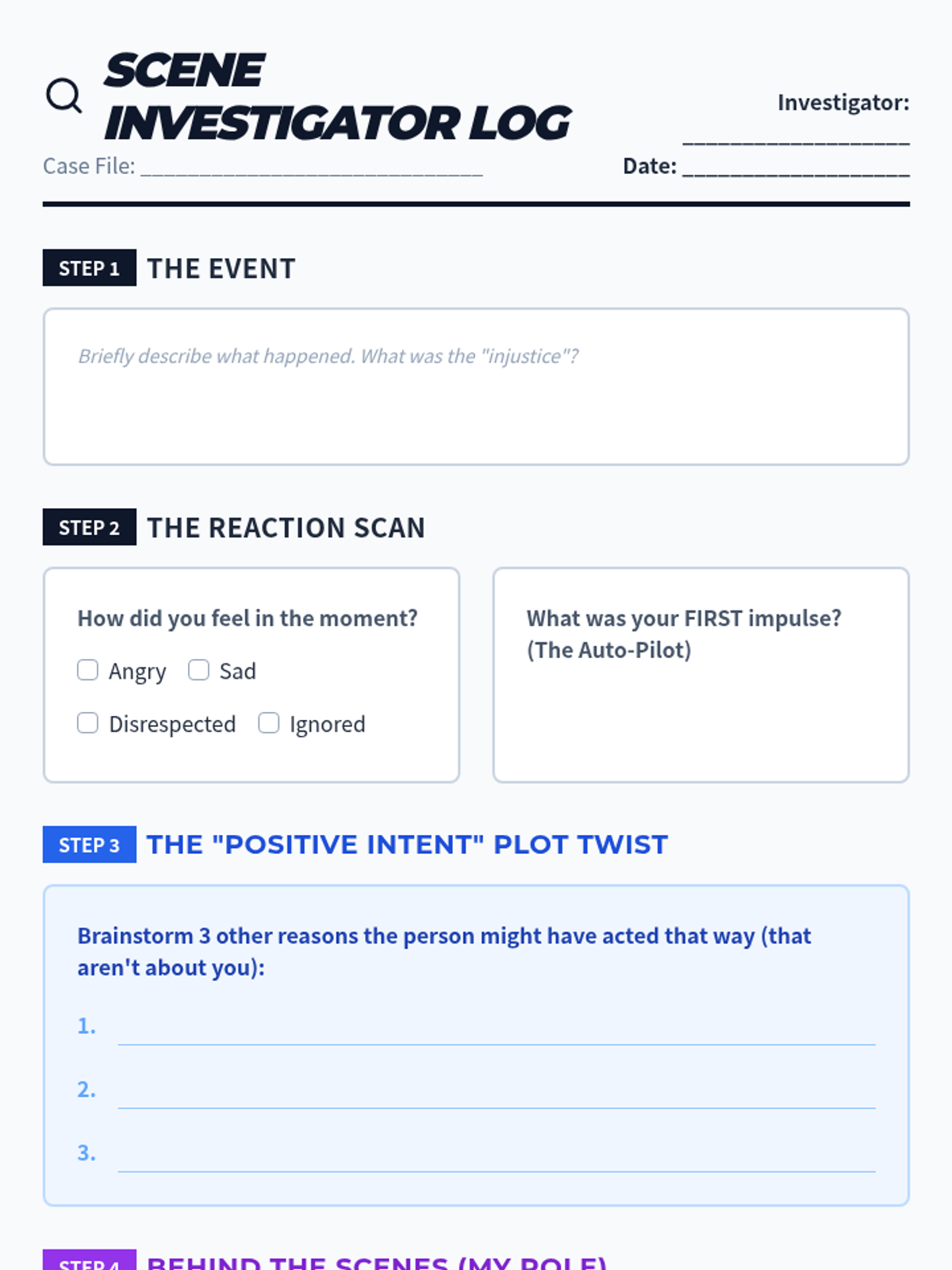
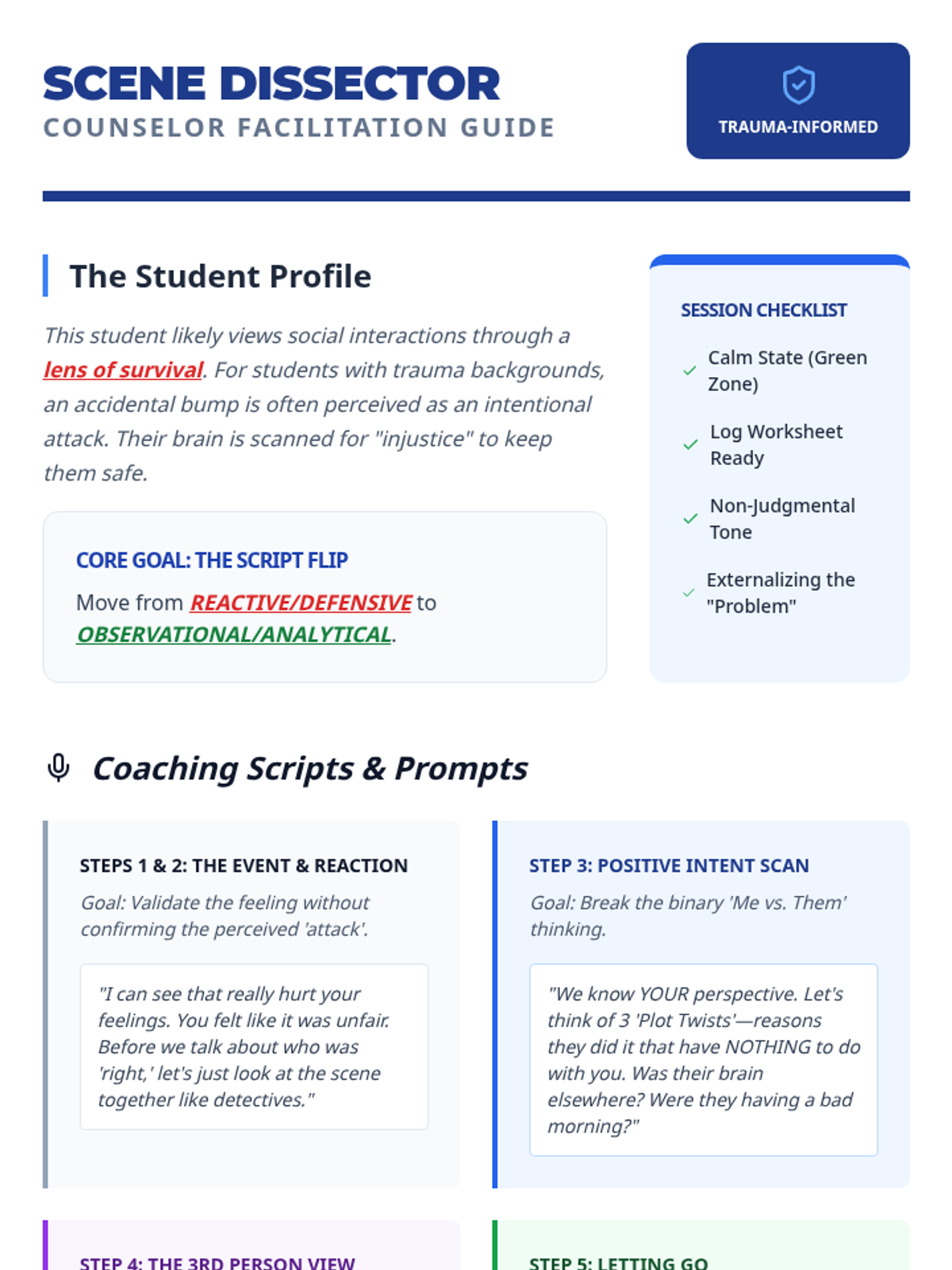
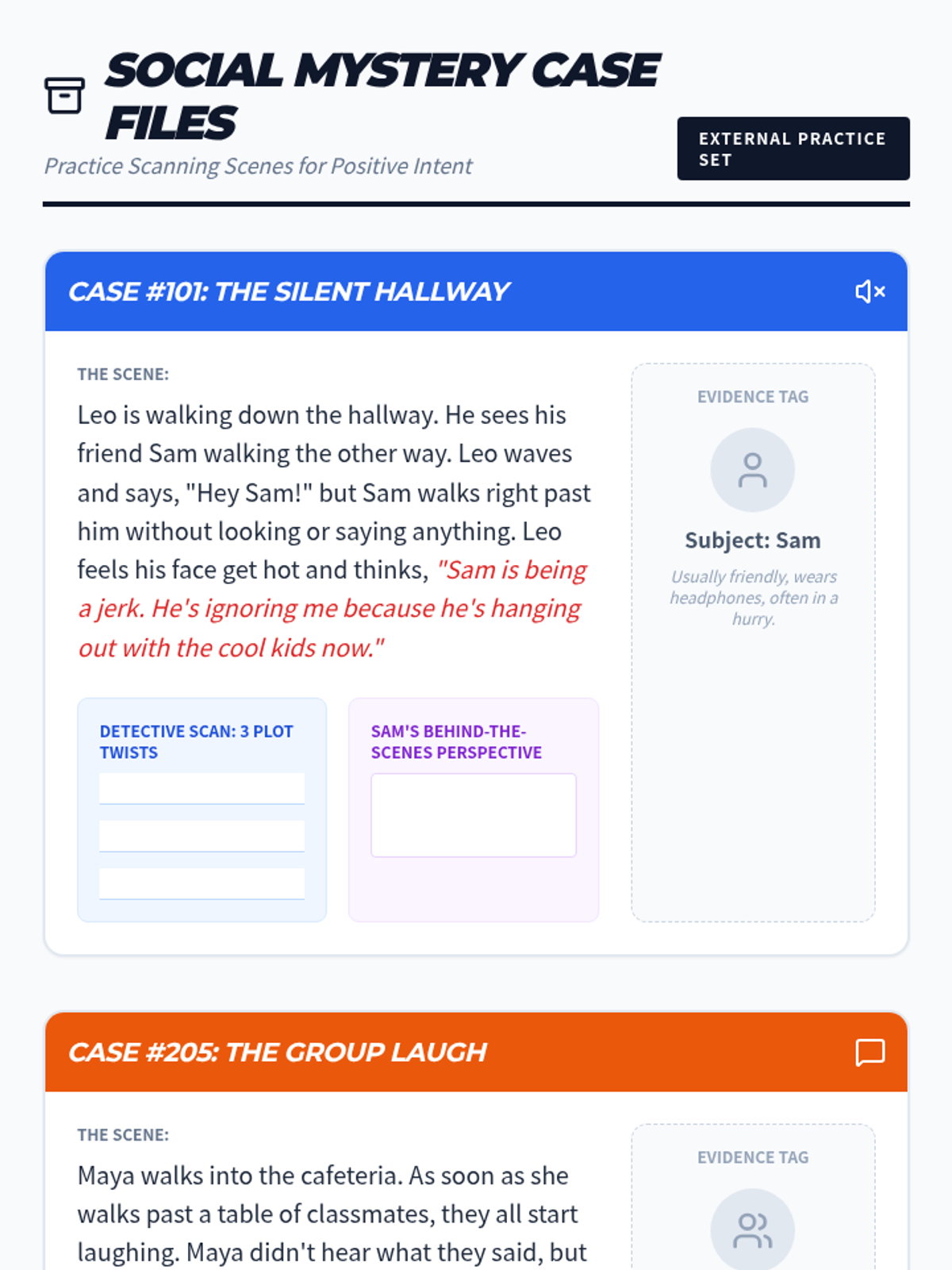
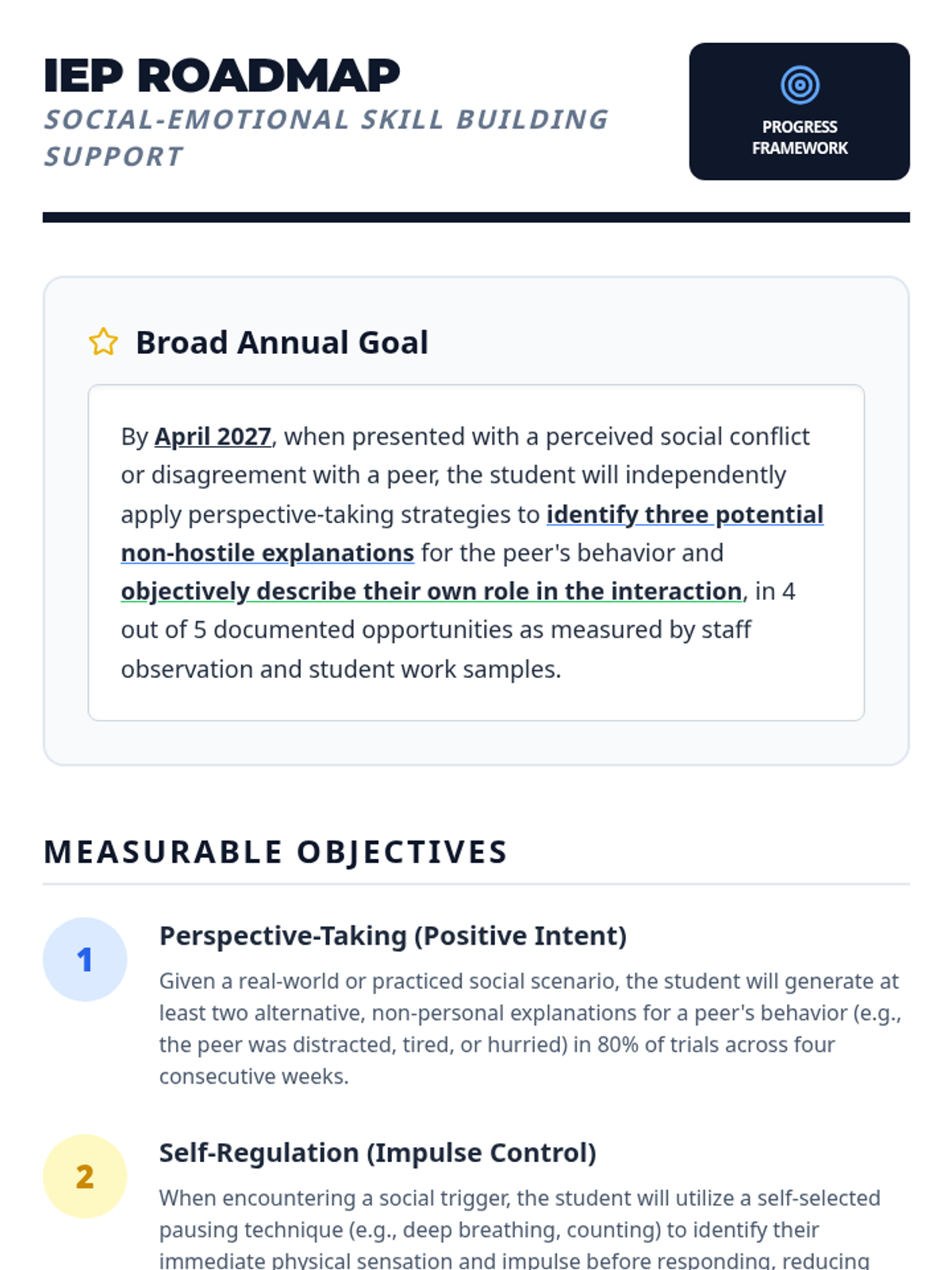
A social-emotional learning lesson designed for students with trauma backgrounds and impulse control challenges. It focuses on 'Scene Scanning'—assuming positive intent and dissecting social interactions through a detective-style lens to improve perspective-taking and reduce reactivity.
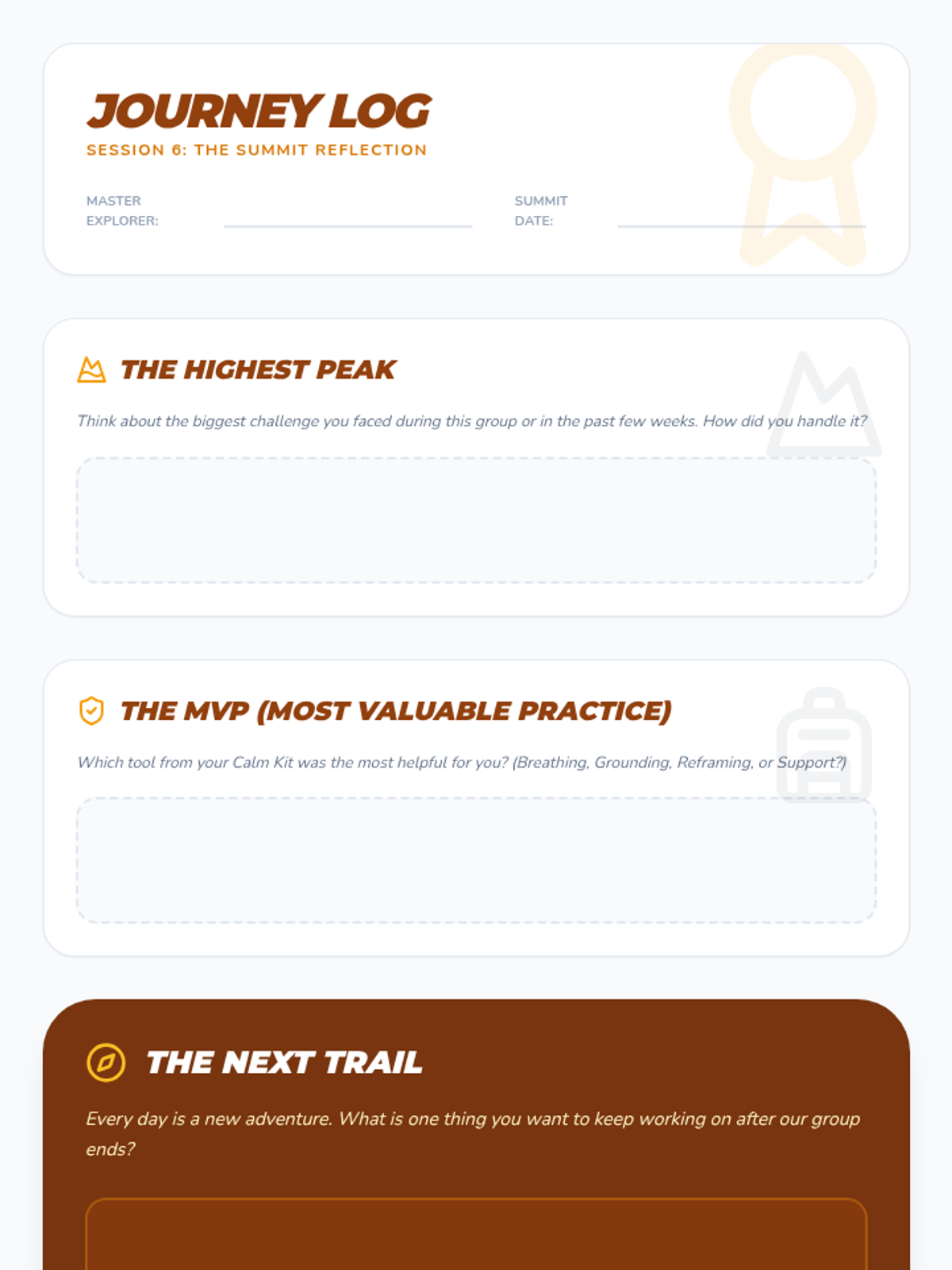
Final reflection, celebration of growth, and planning for the journey ahead.
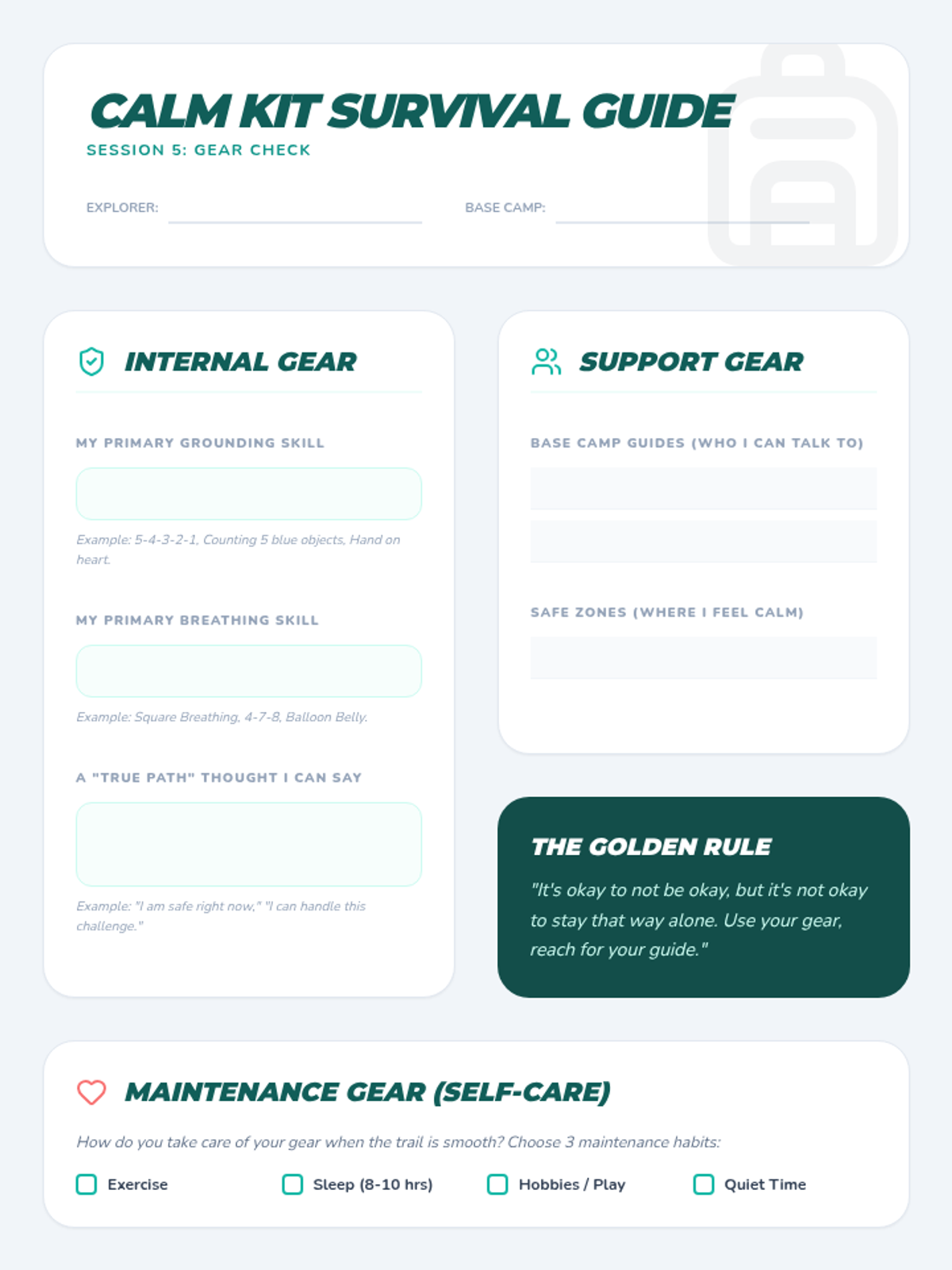
Reviewing various coping skills and creating a personalized 'Survival Kit' for future use.