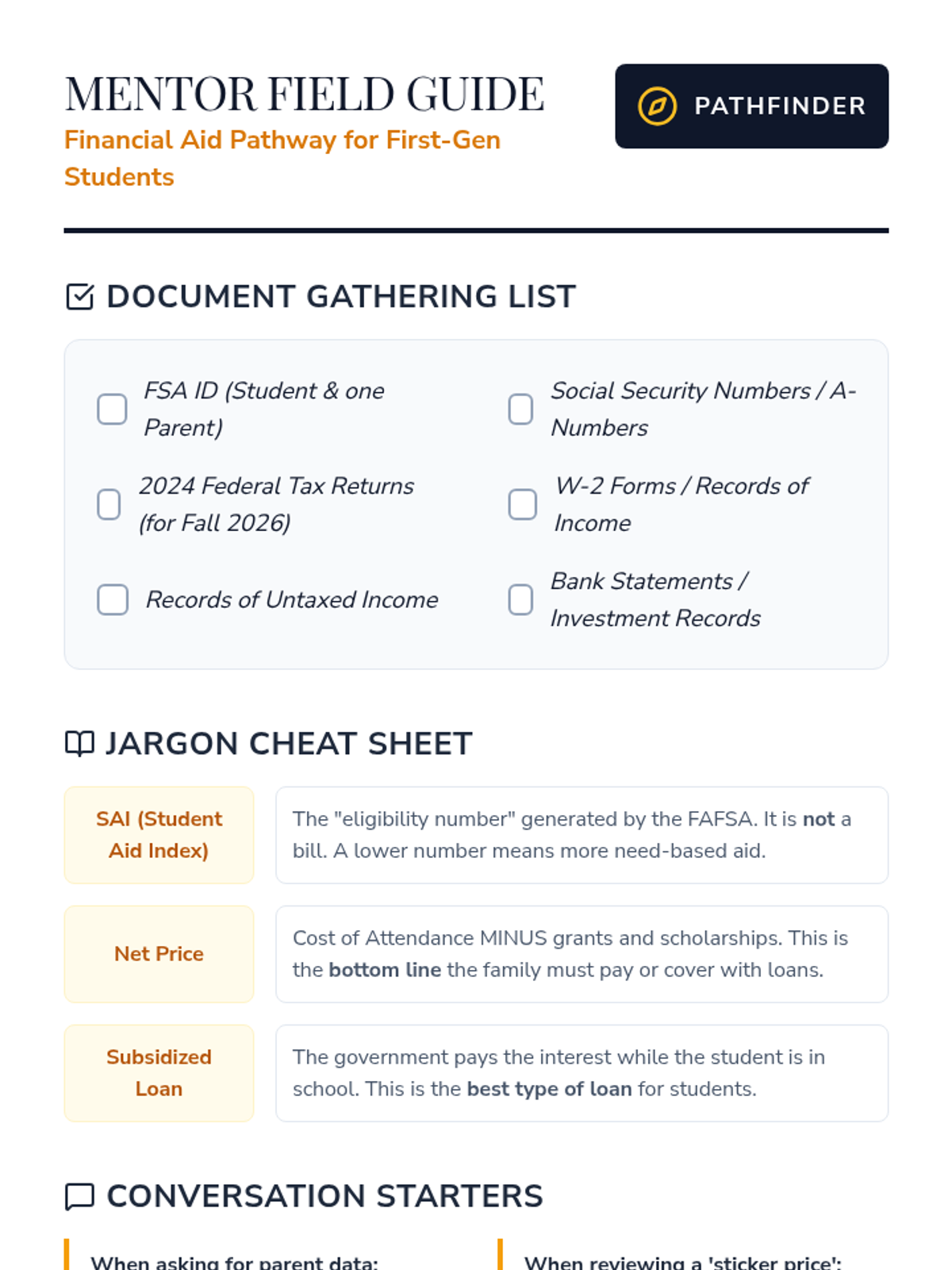
A comprehensive guide and checklist designed to help families navigate the financial aid process, from FAFSA completion to evaluating award letters and budgeting for college costs.
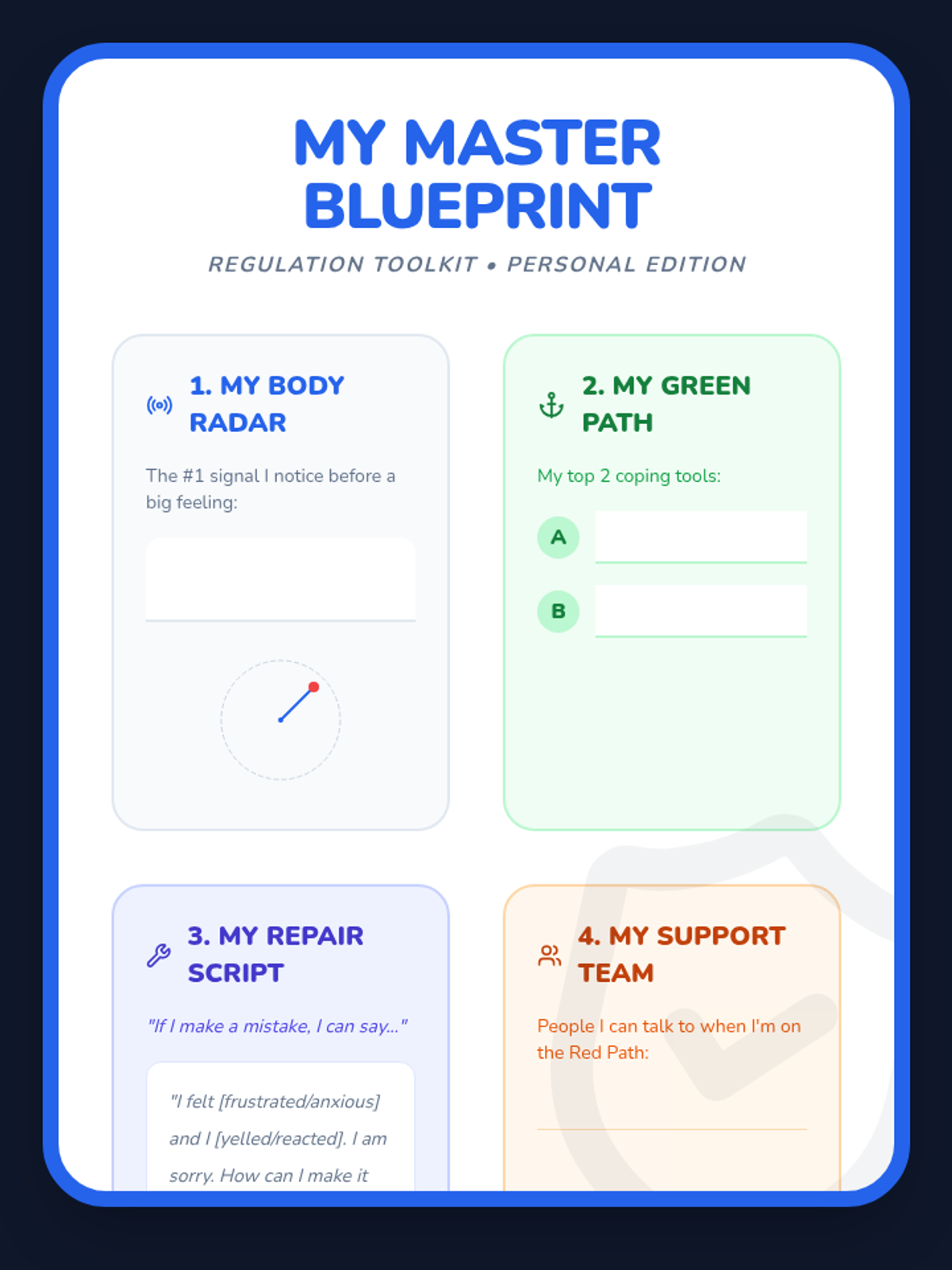
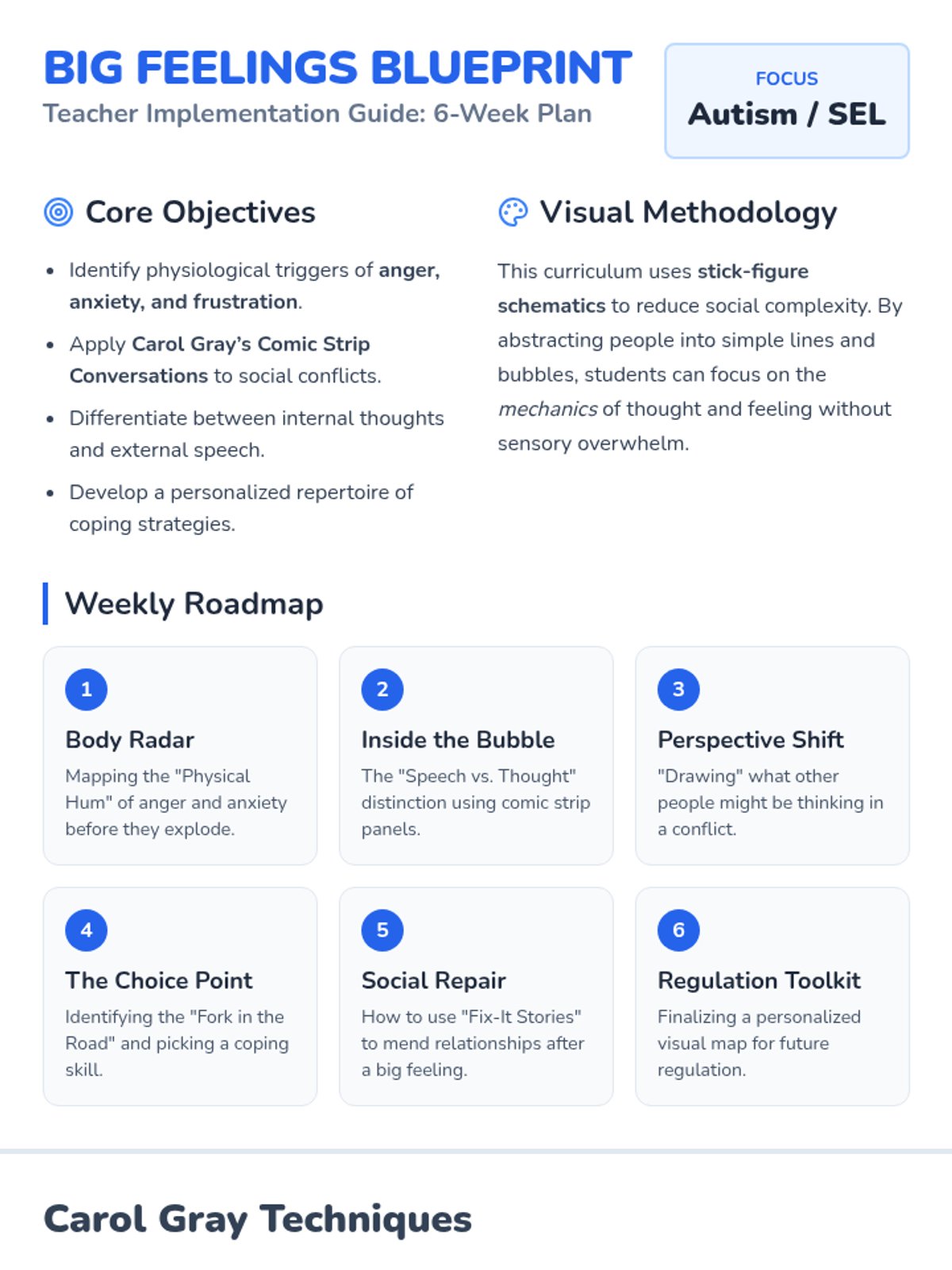
Students compile their learned strategies into a personalized, visual regulation plan for long-term success.
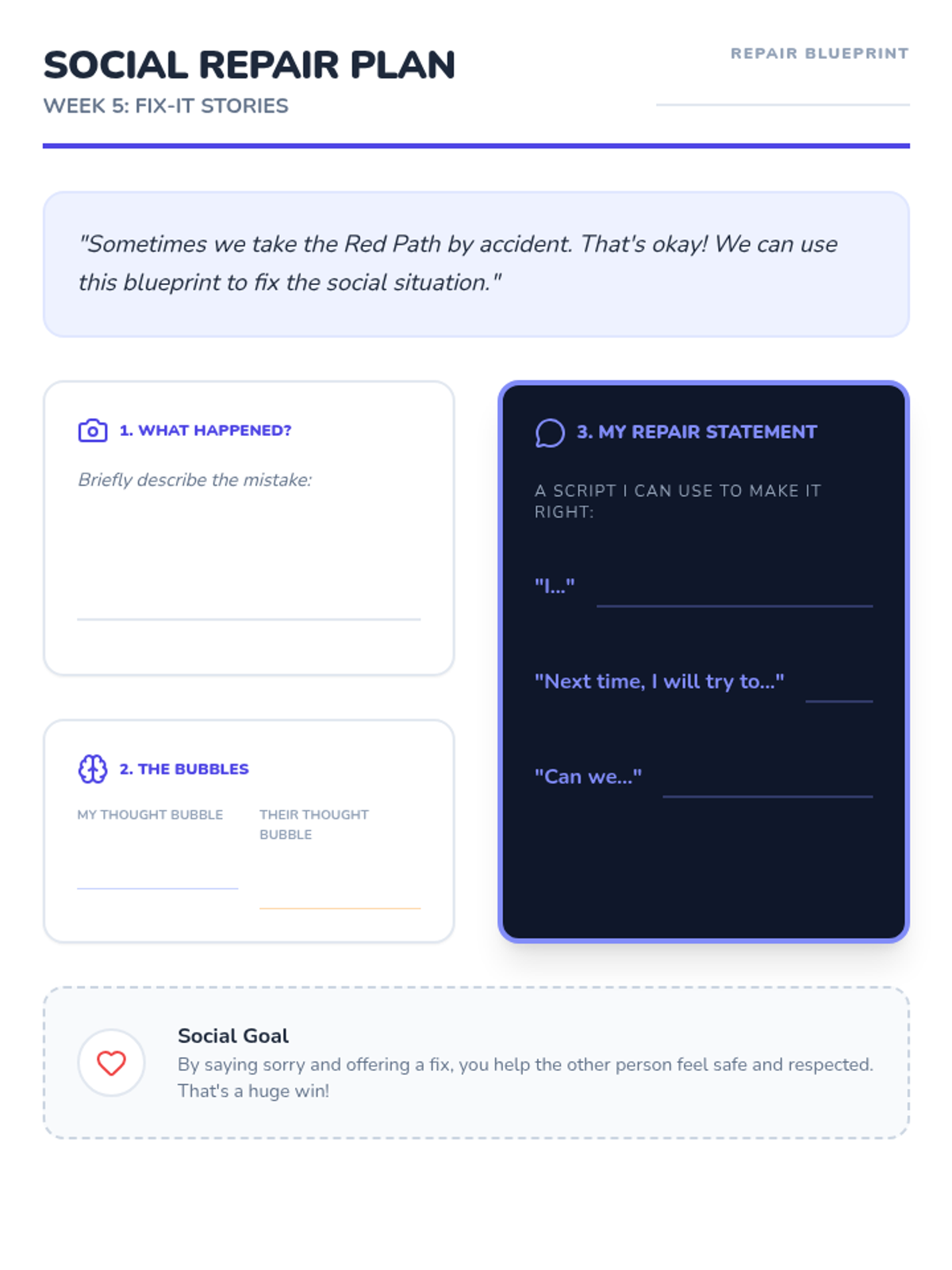
Learning how to use Social Stories to navigate the aftermath of big feeling moments and effectively repair social connections.
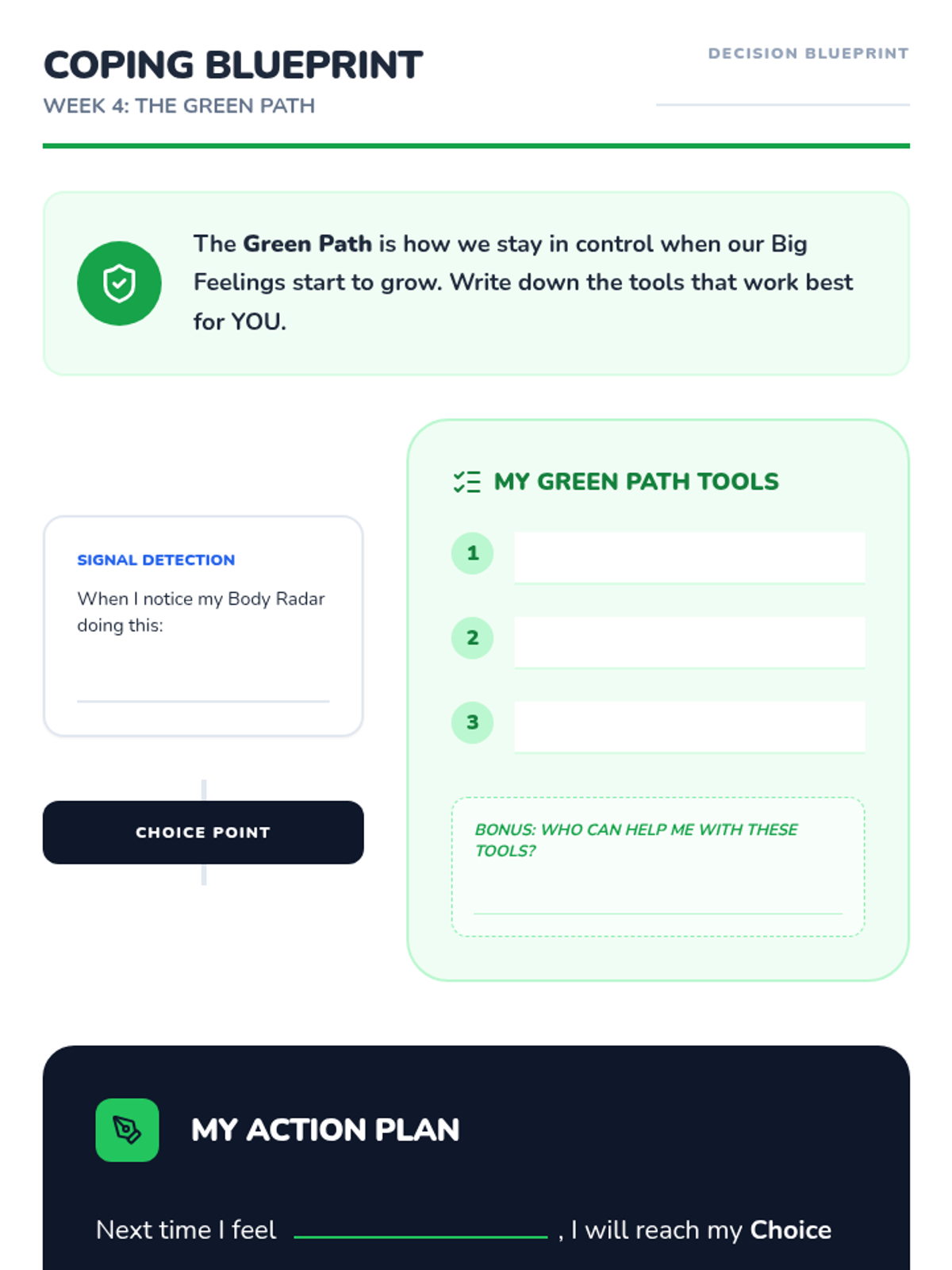
Identifying the 'fork in the road' when feelings get big and selecting specific coping strategies to manage frustration and anger.
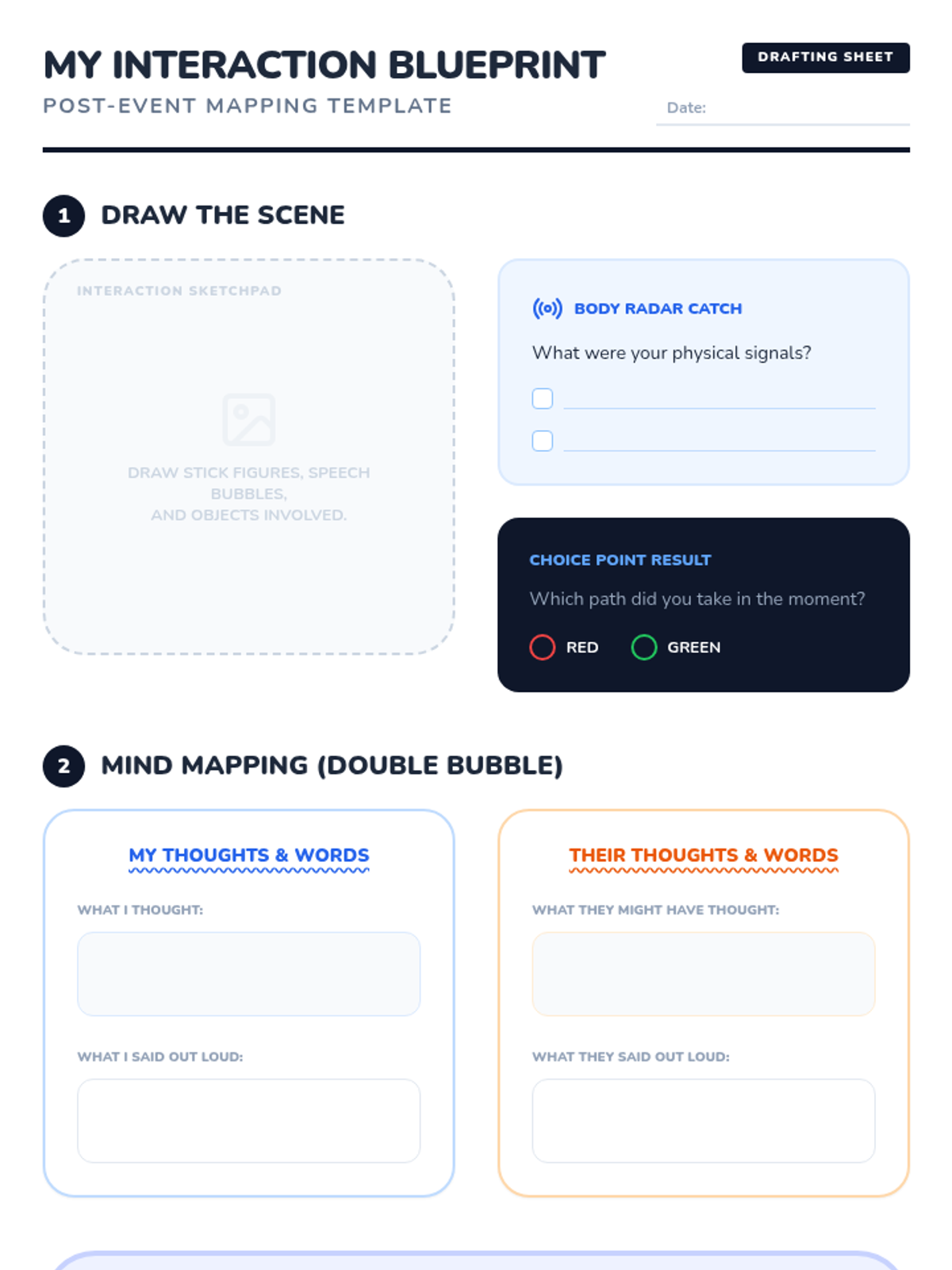
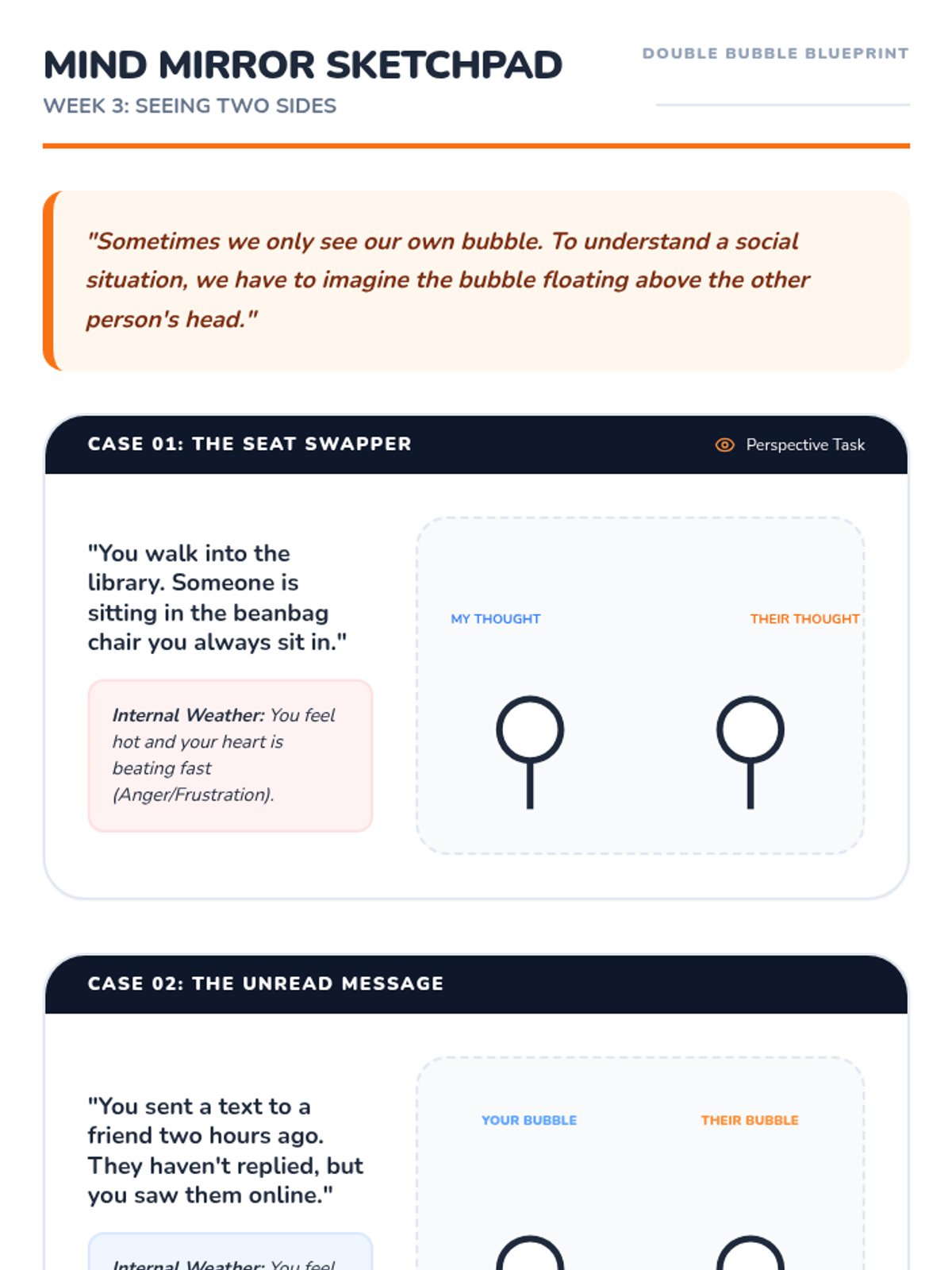
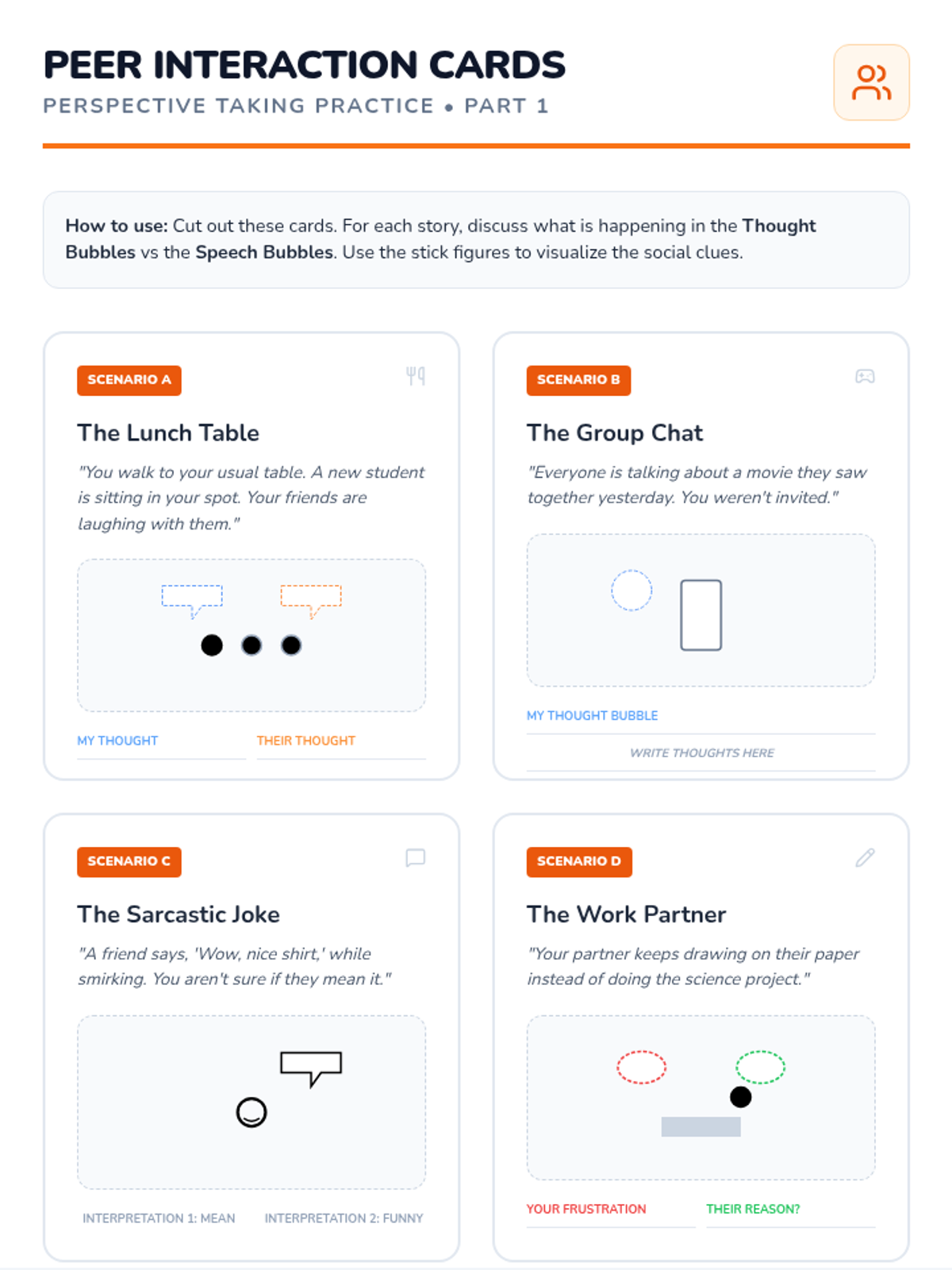
Using stick-figure mapping to visualize the thoughts and feelings of others during social interactions to build perspective-taking skills.
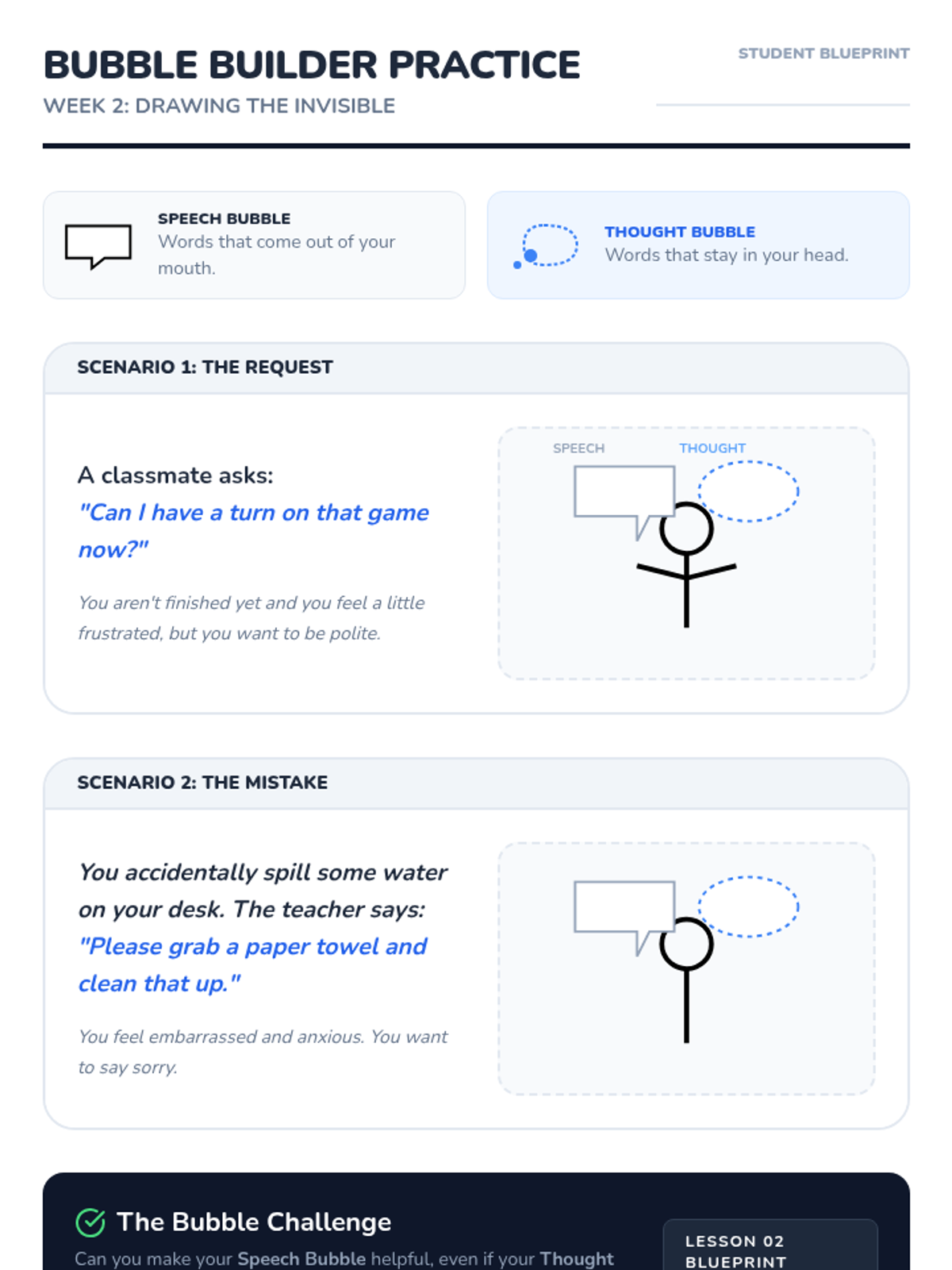
Introduction to Carol Gray's Comic Strip Conversations, focusing on the difference between what we say (speech bubbles) and what we think (thought bubbles).
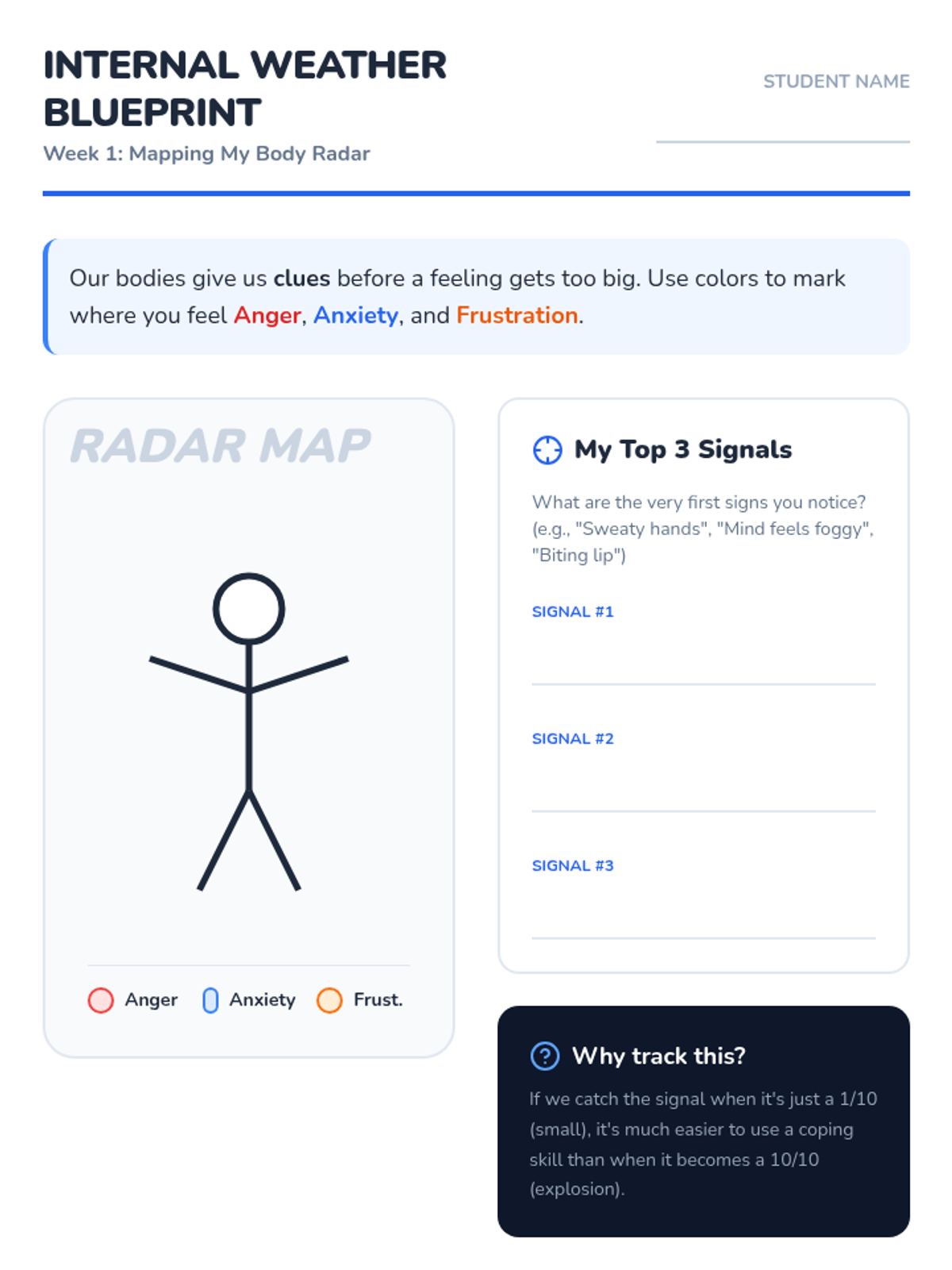
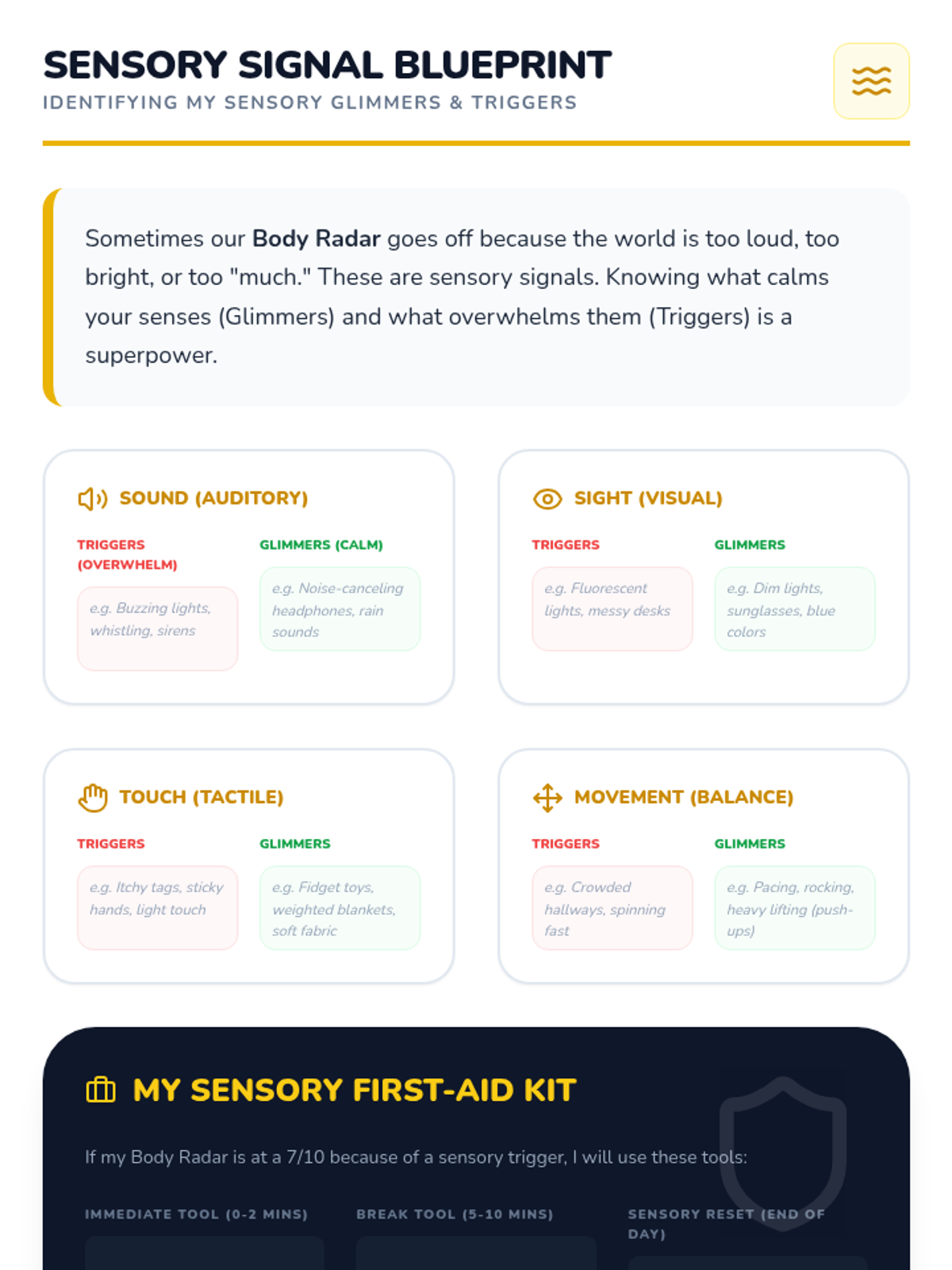
Students learn to identify the physical sensations associated with anger, anxiety, and frustration, creating a 'Body Radar' to catch big feelings early.
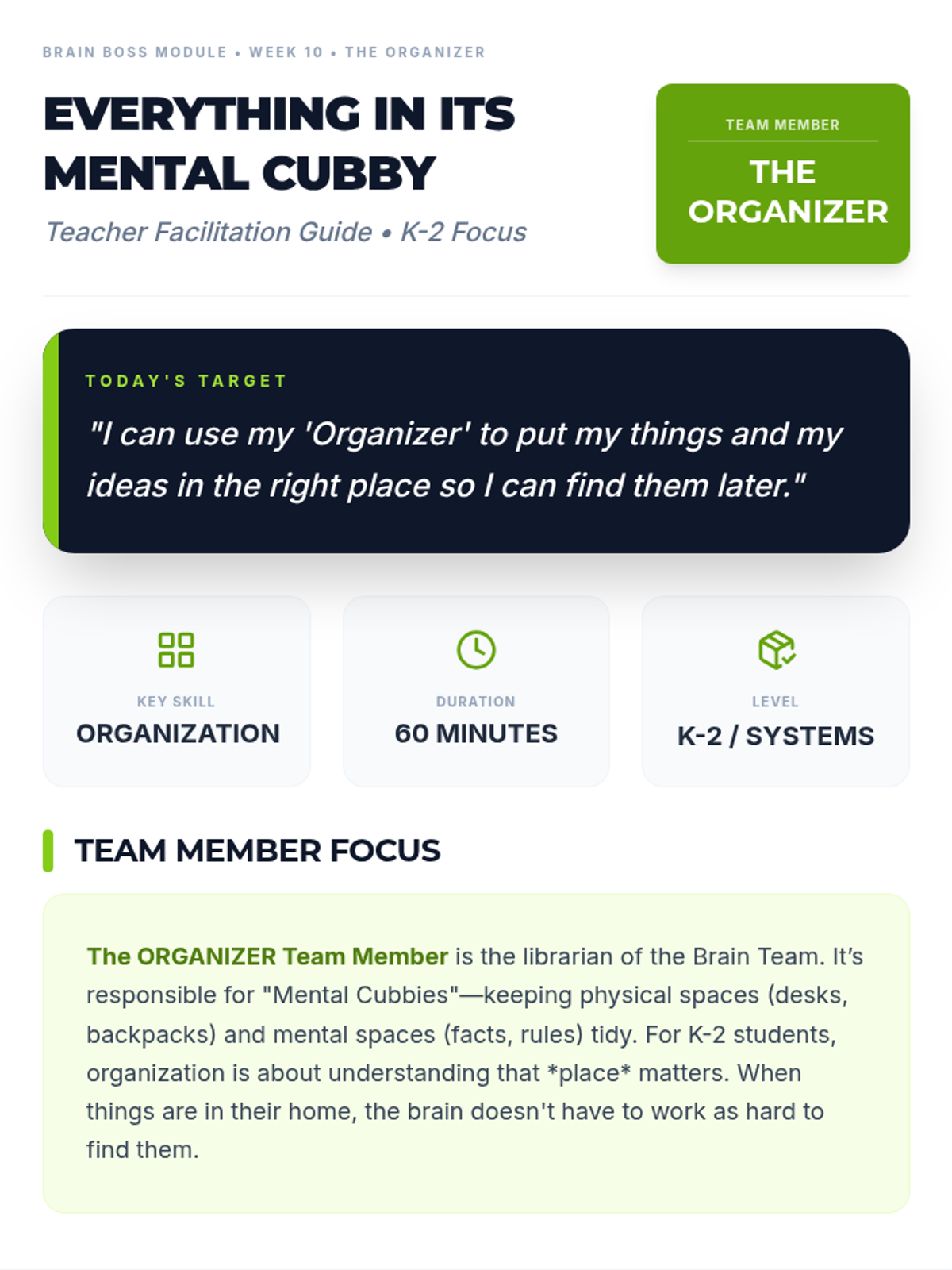
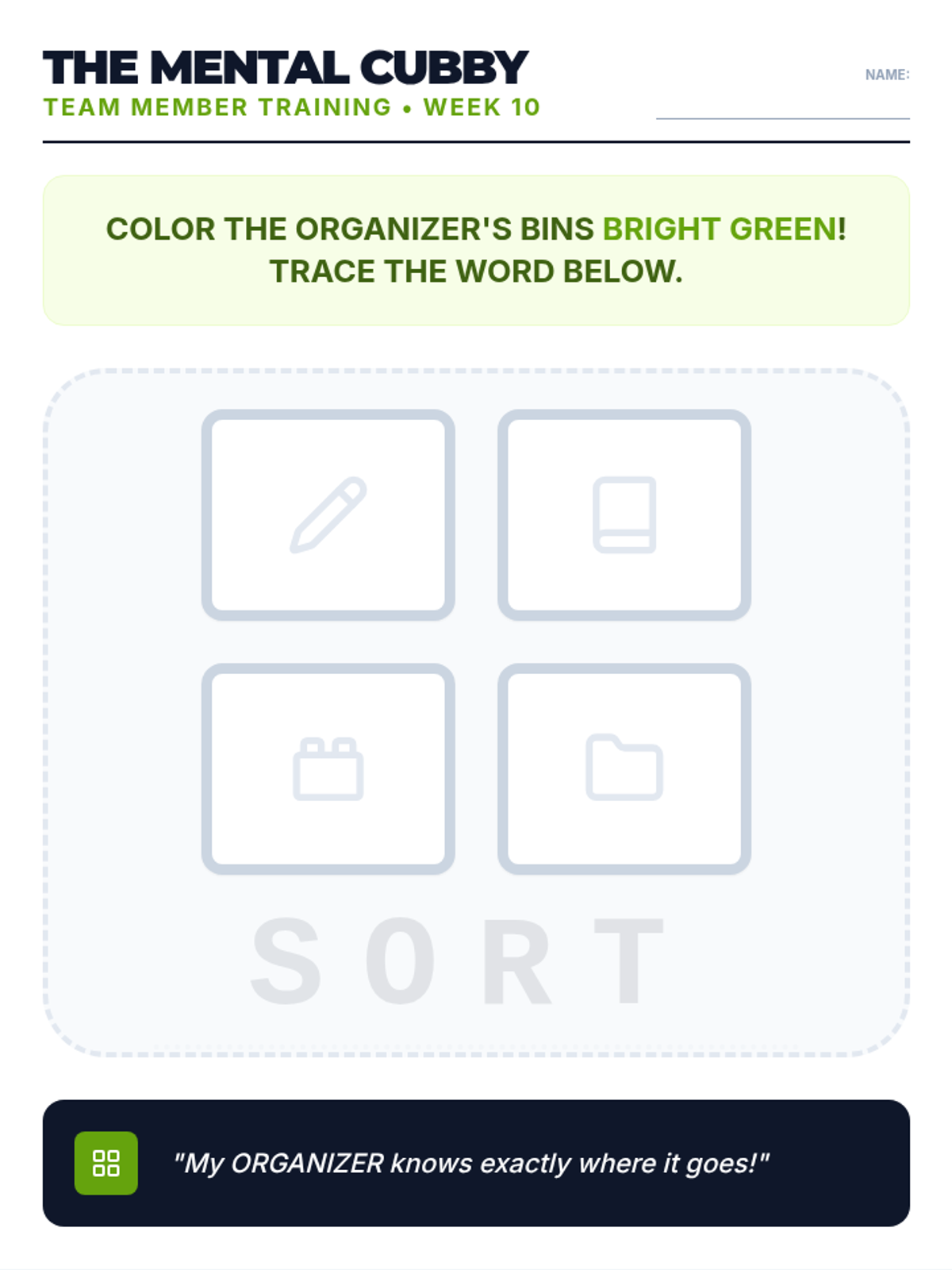
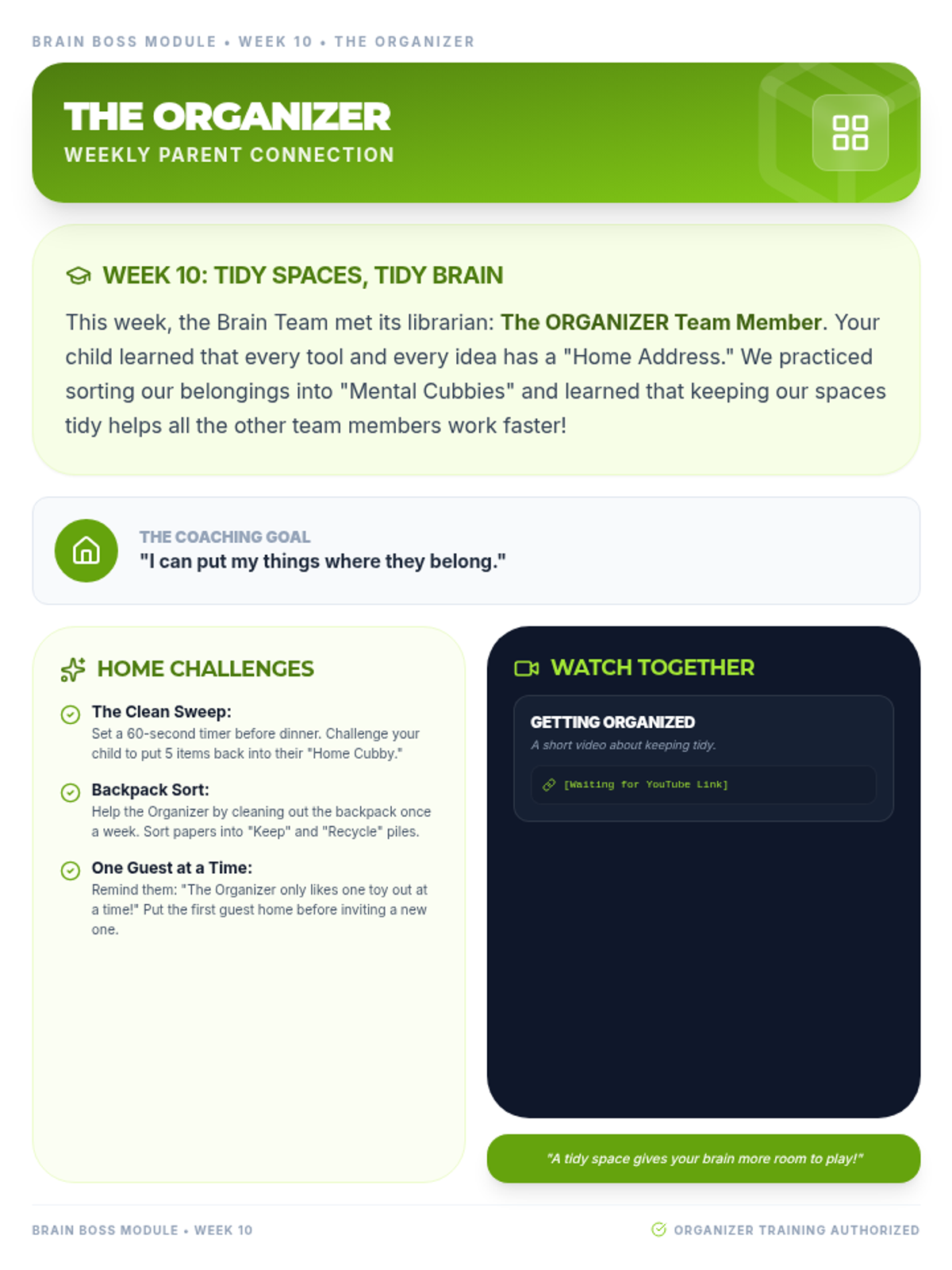
A 60-minute lesson teaching K-2 students how to activate their 'ORGANIZATION' team member, known as 'The Organizer'. Students learn to use 'Mental Cubbies' to keep their desk, belongings, and ideas in the right place.
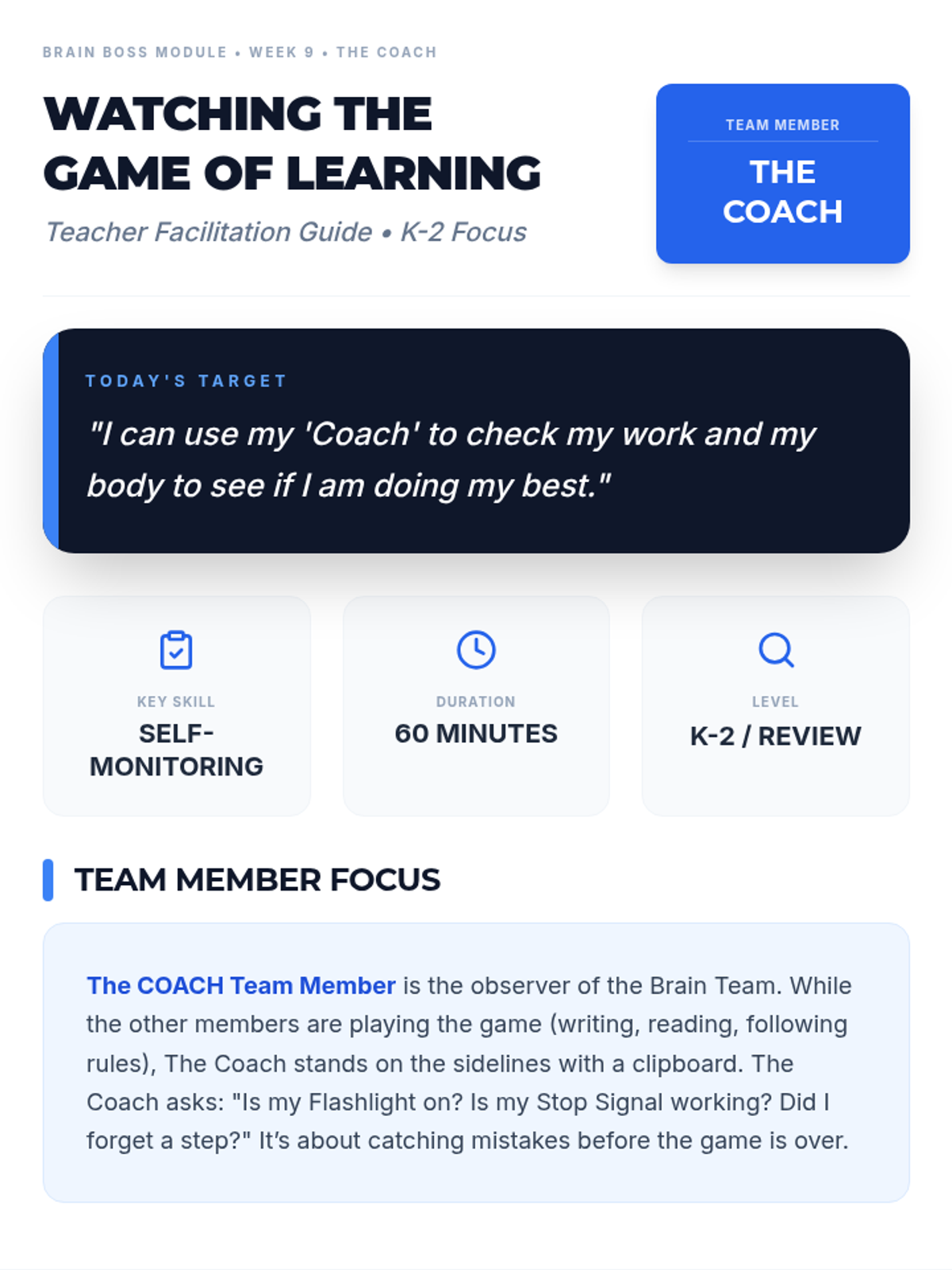
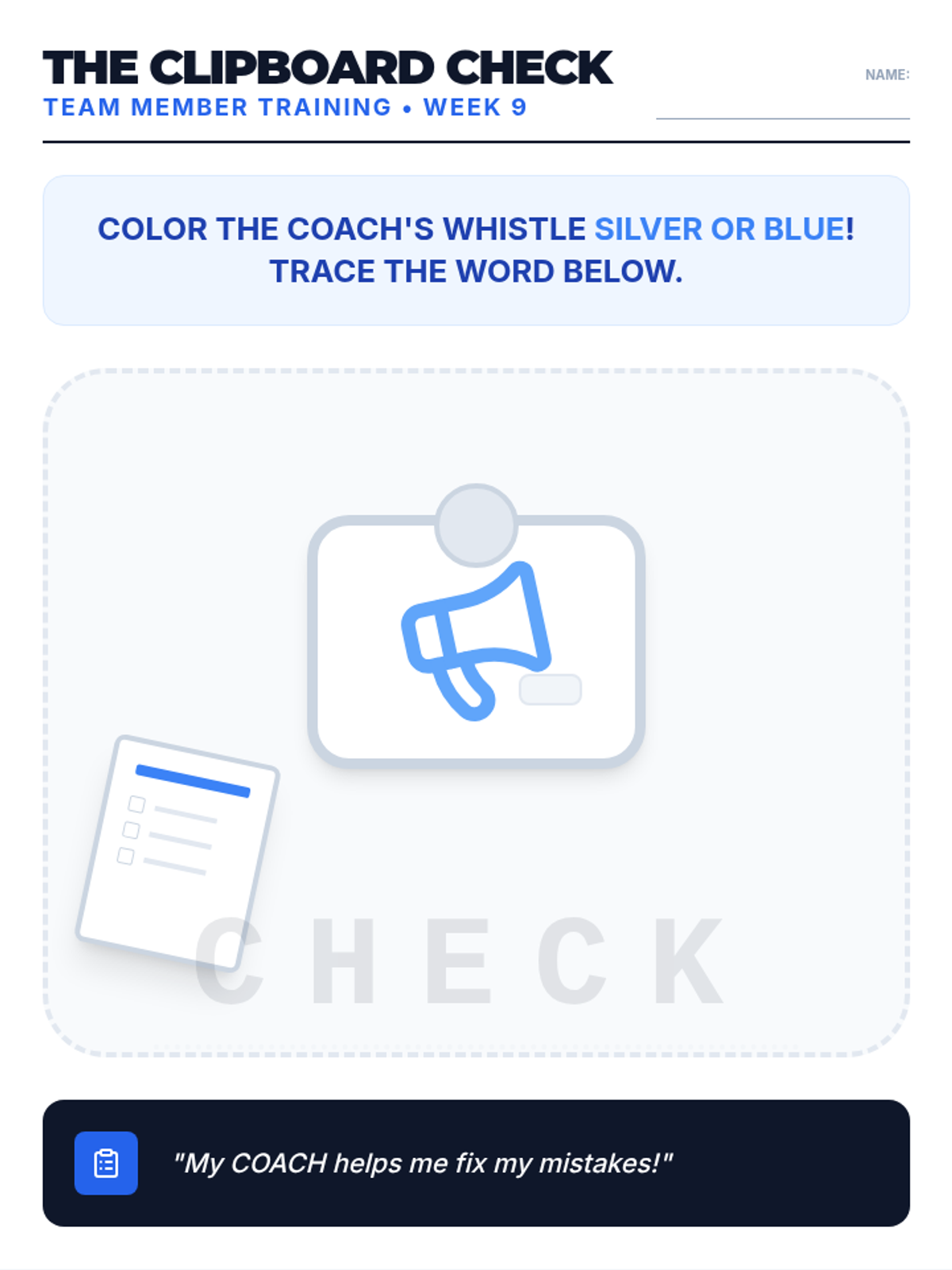
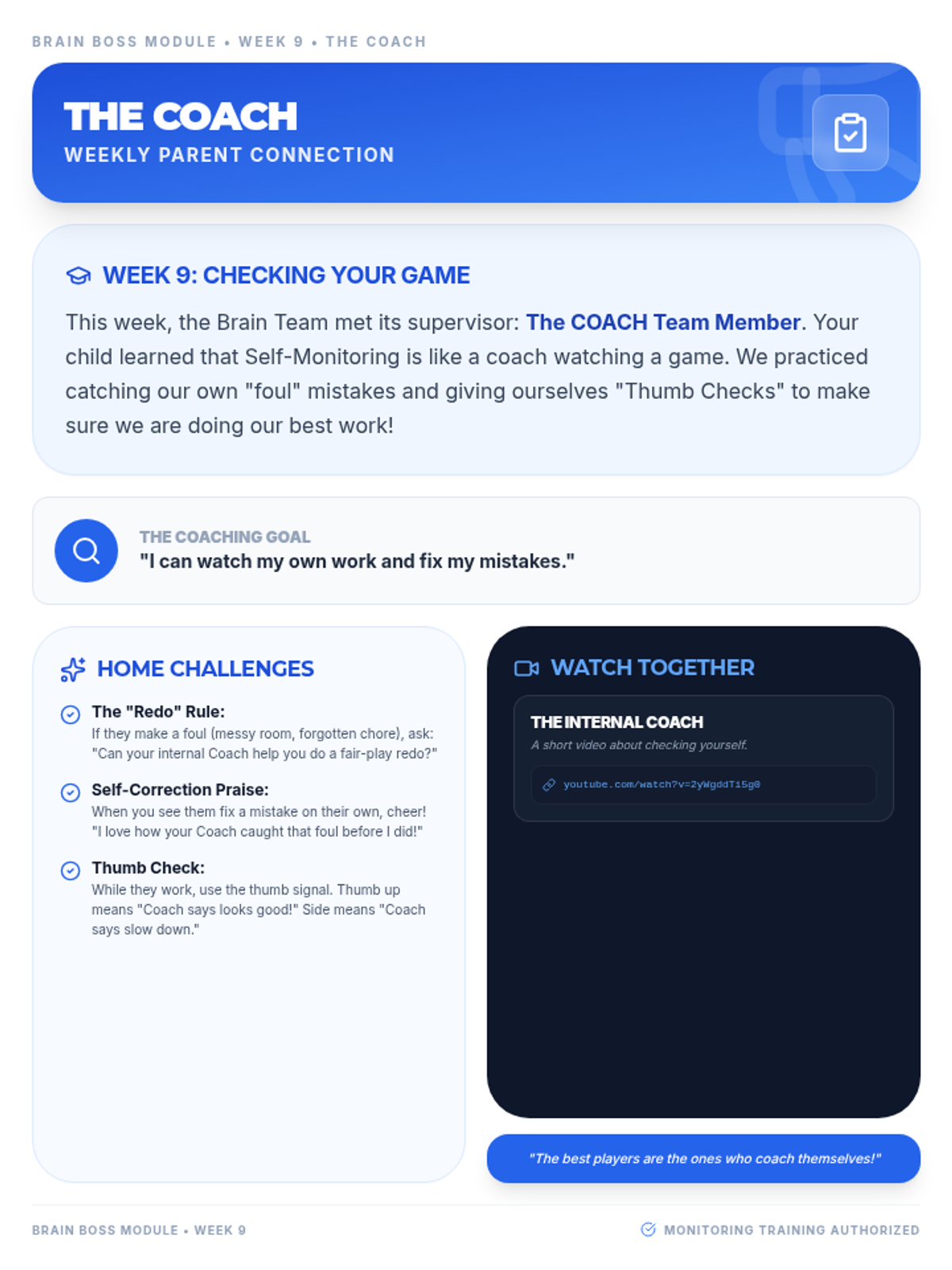
A 60-minute lesson teaching K-2 students how to activate their 'SELF-MONITORING' team member, known as 'The Coach'. Students learn to check their work and behavior as they go.
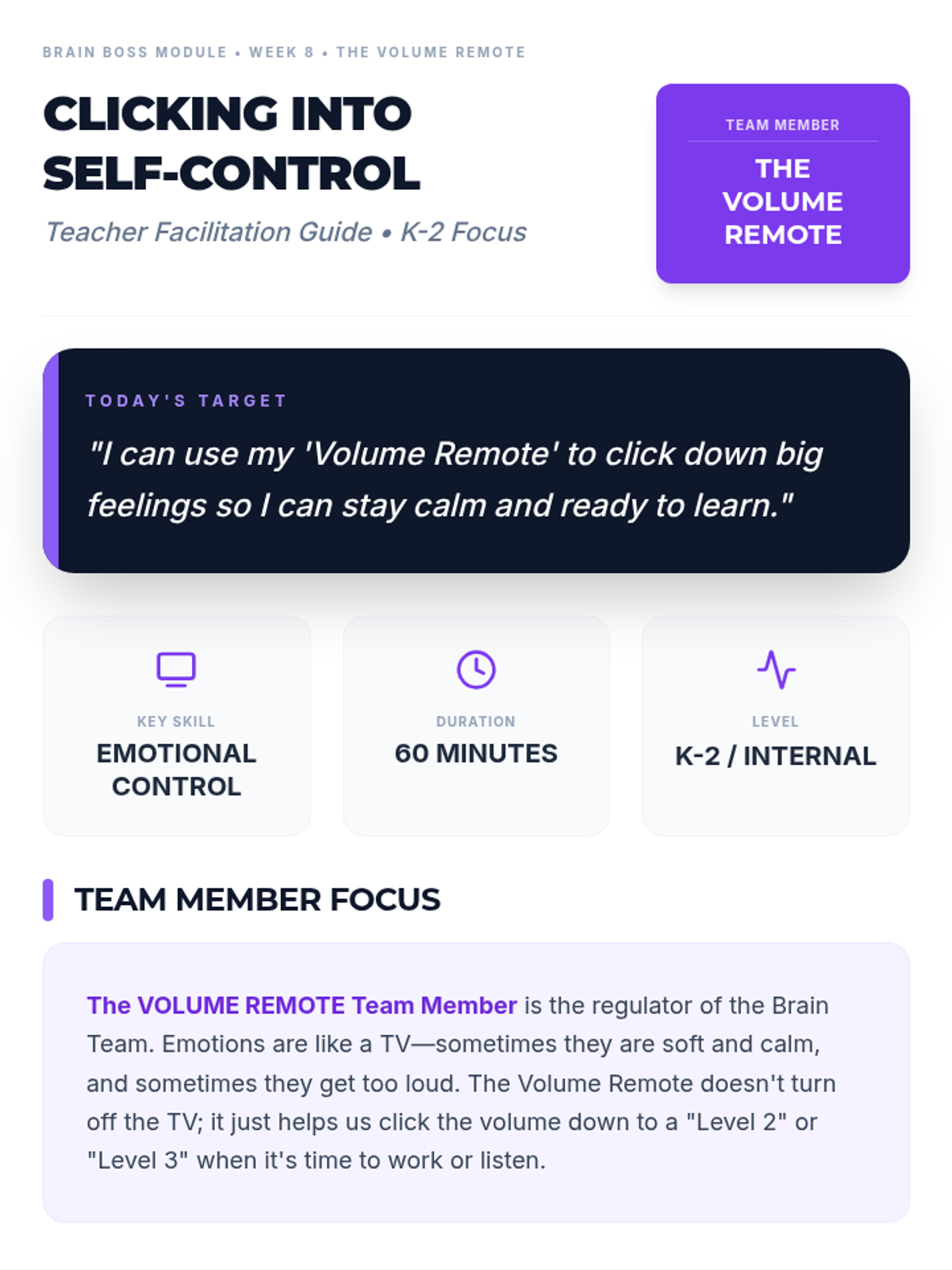
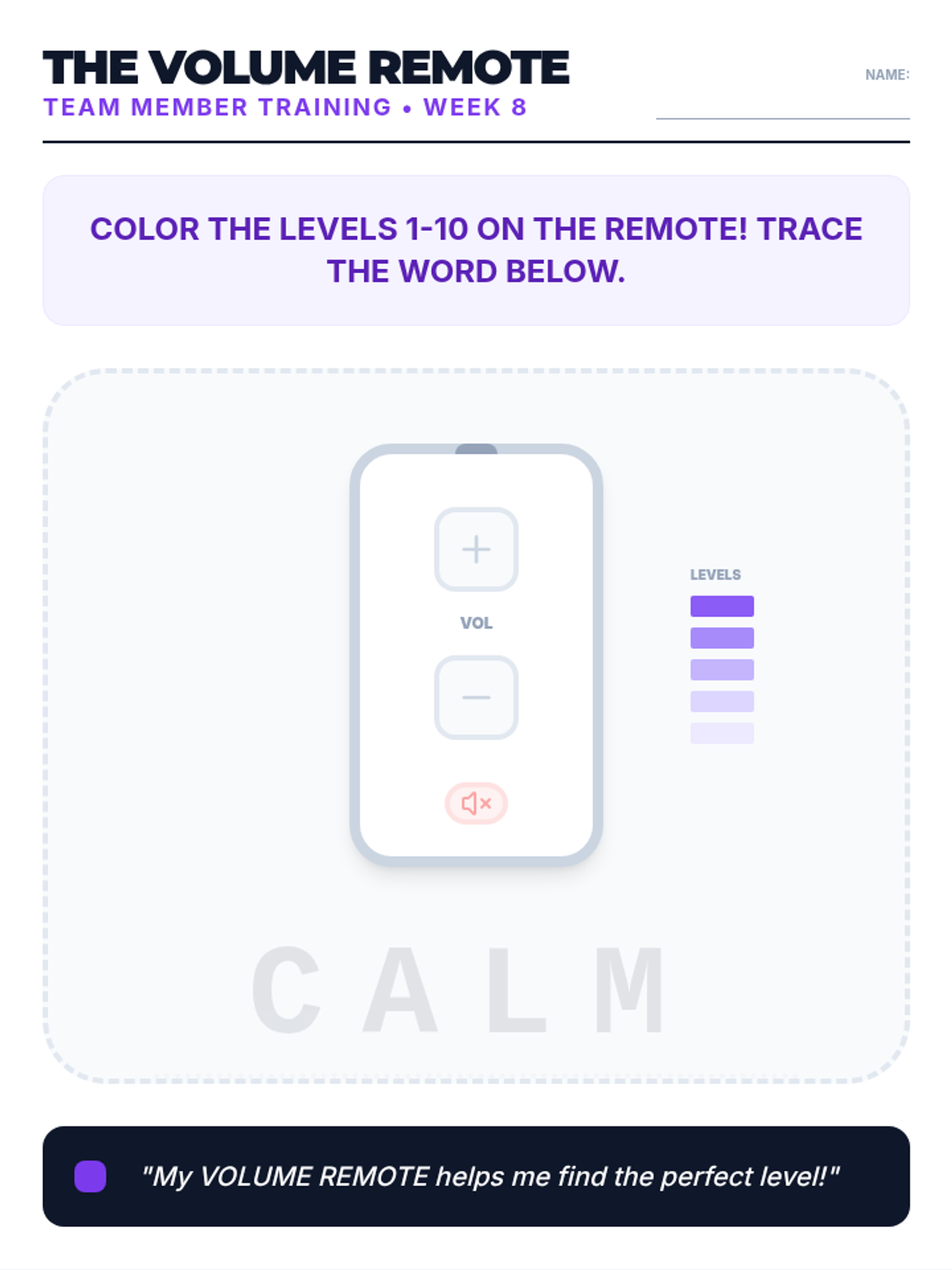
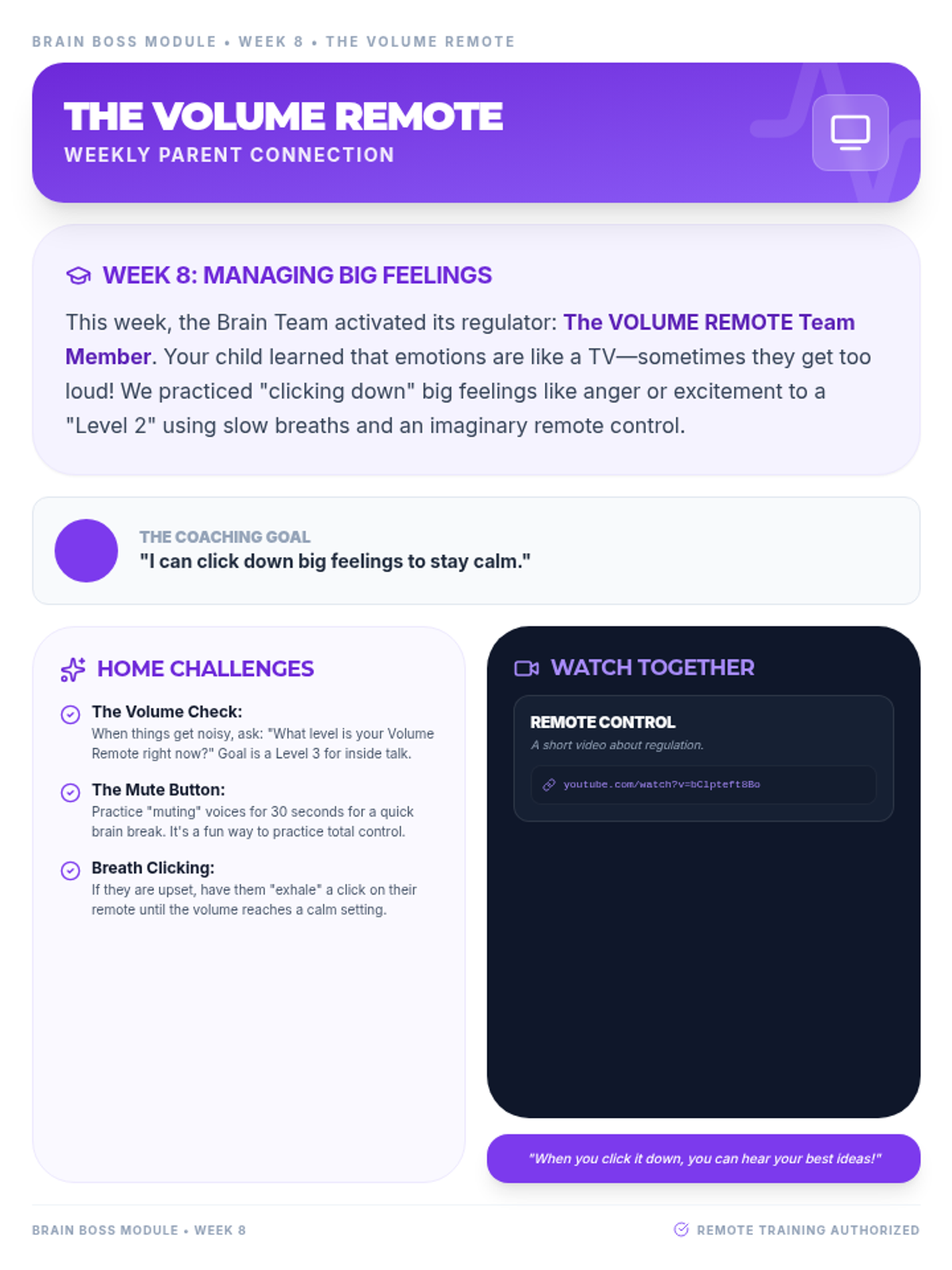
A 60-minute lesson teaching K-2 students how to activate their 'EMOTIONAL CONTROL' team member, known as 'The Volume Remote'. Students learn to "dial down" big feelings to stay calm and focused.
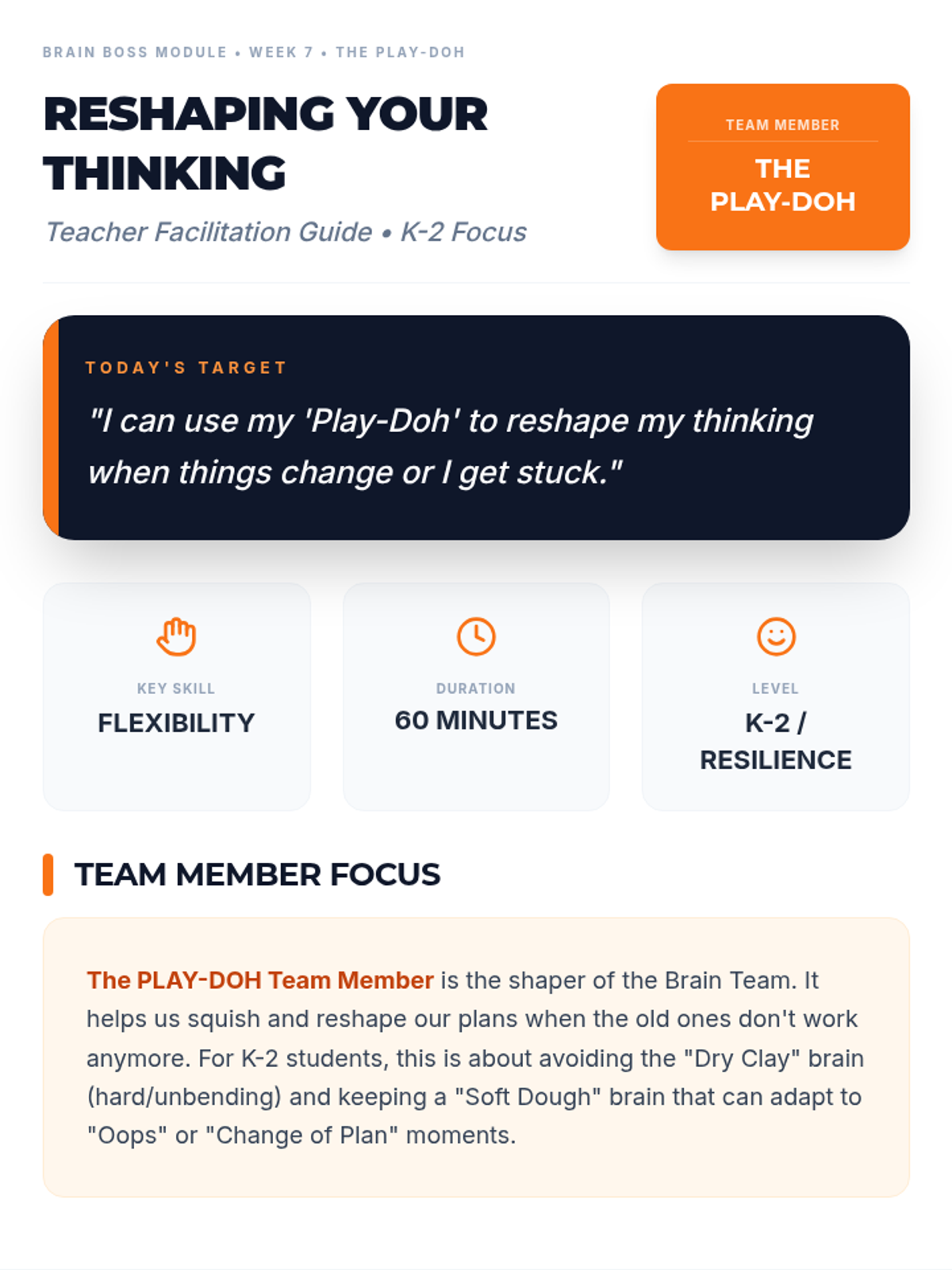
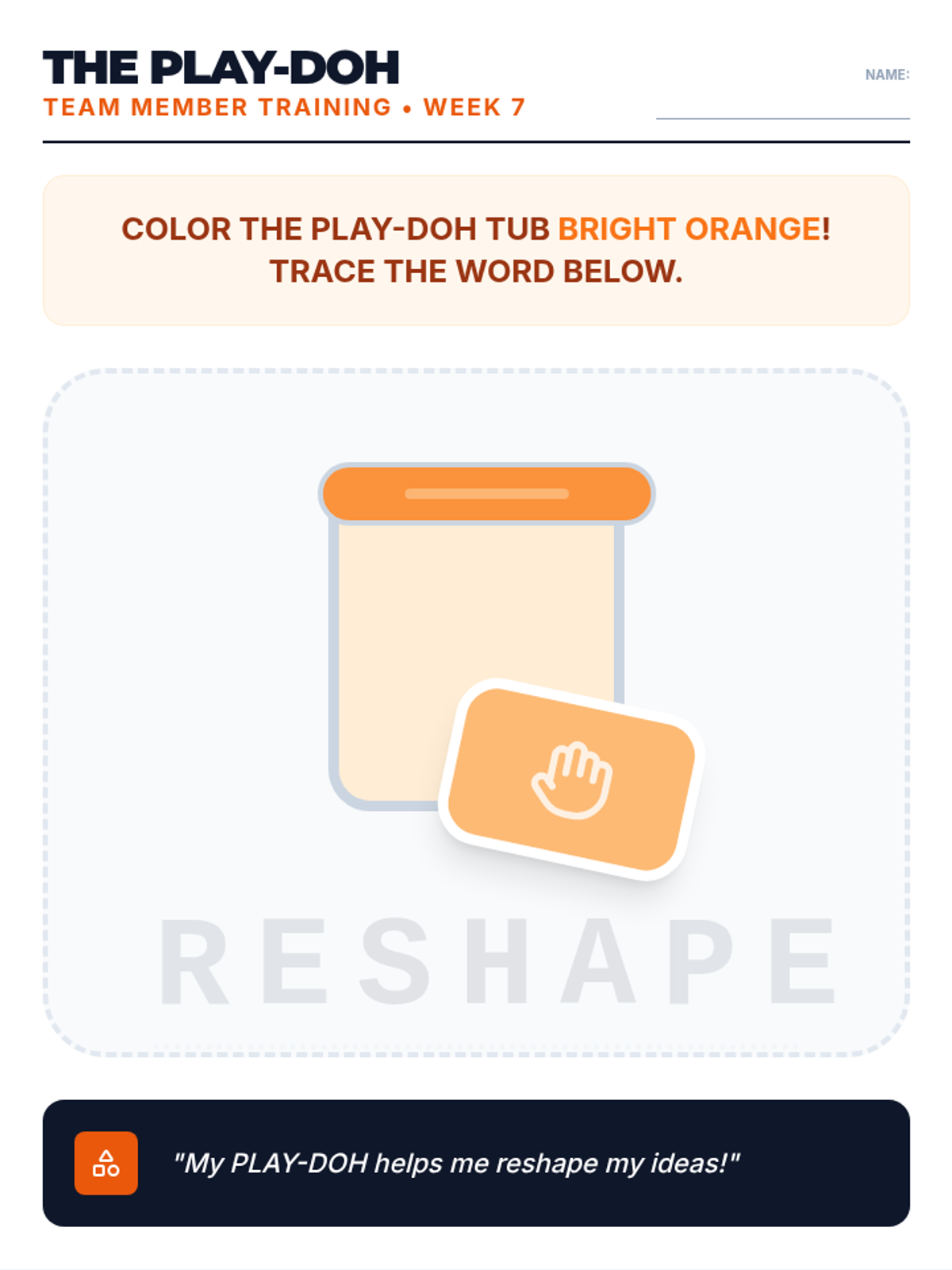
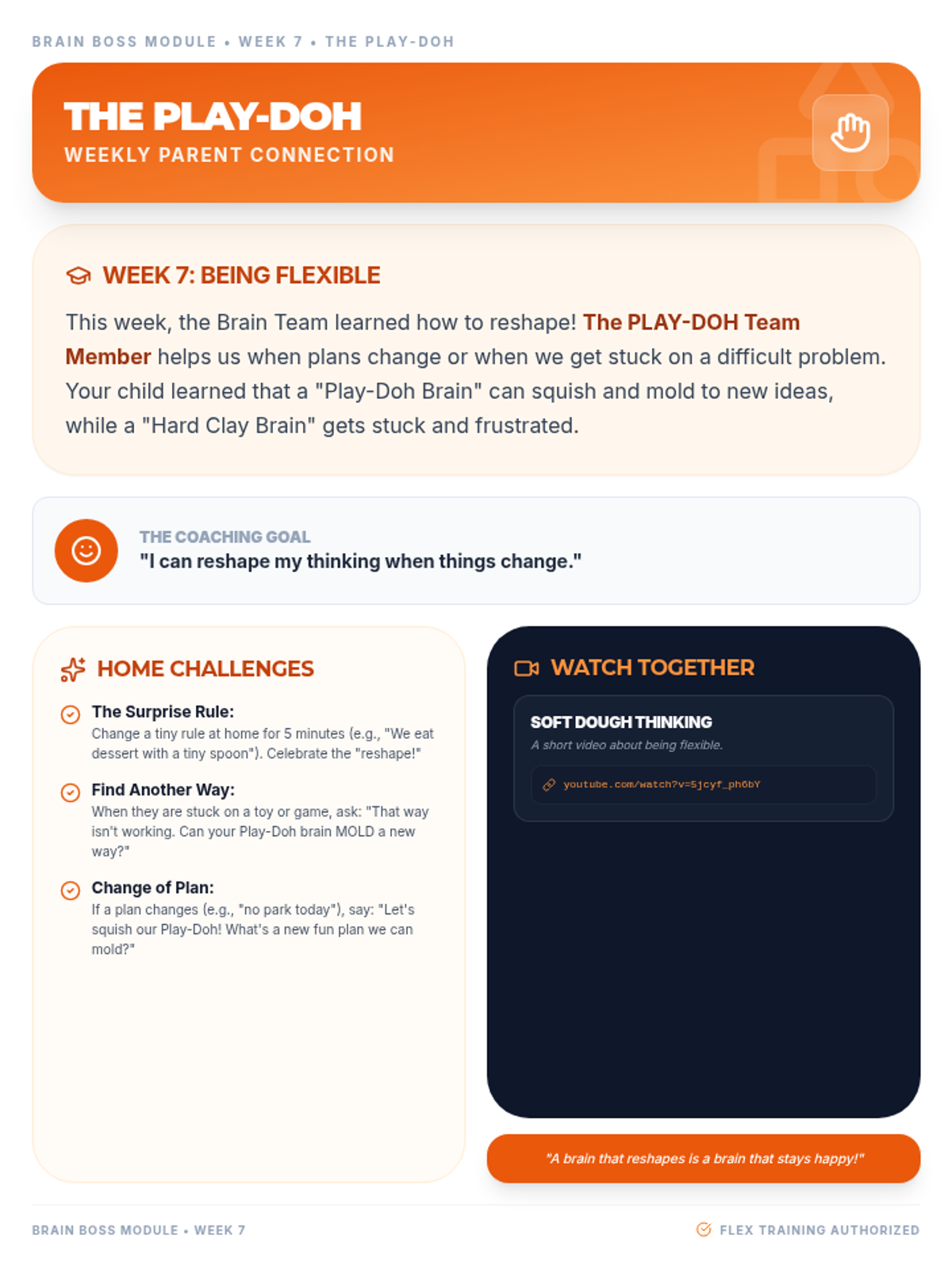
A 60-minute lesson teaching K-2 students how to activate their 'FLEXIBILITY' team member, known as 'The Play-Doh'. Students learn how to reshape their thinking when plans change or they get stuck.
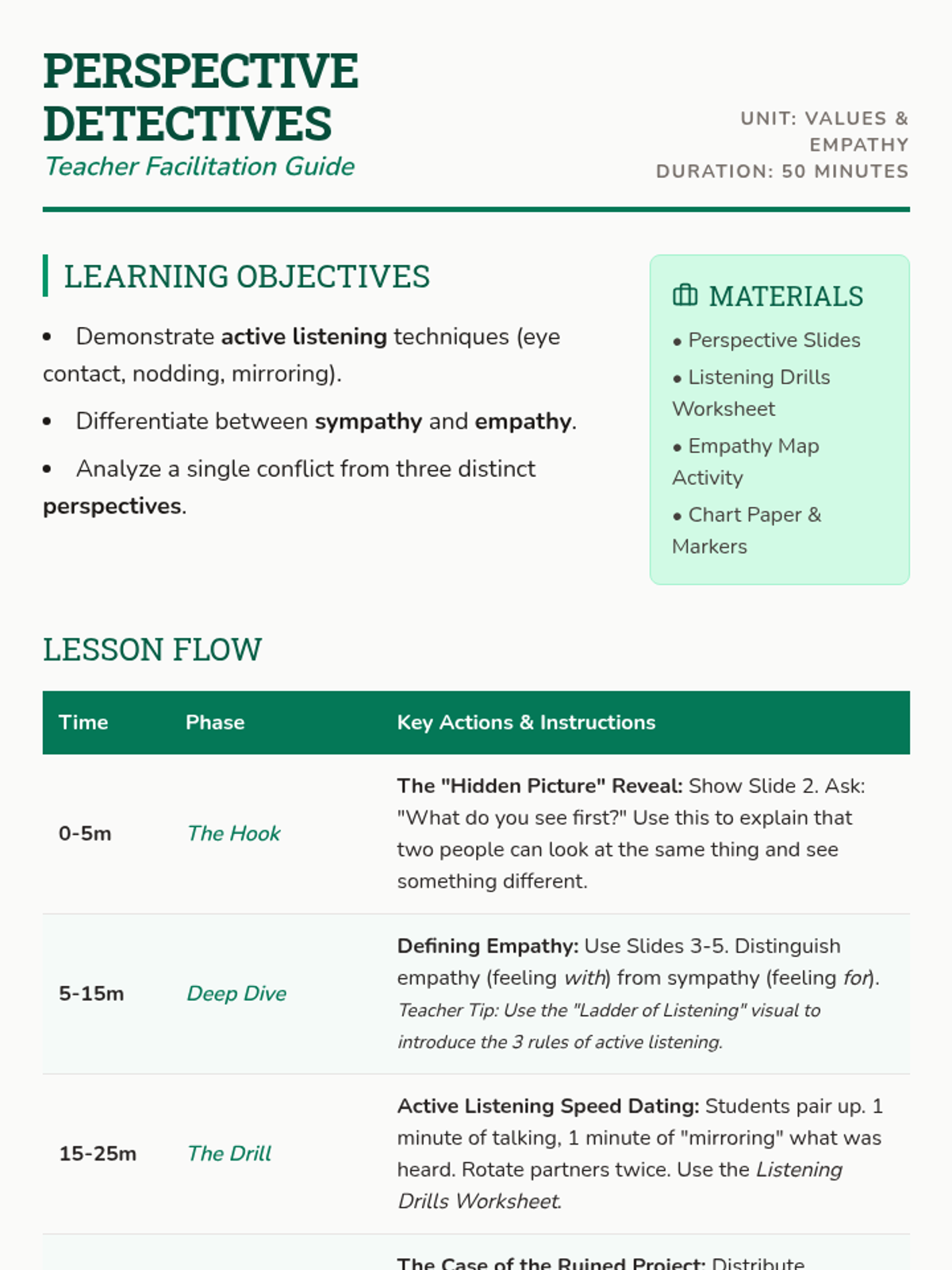
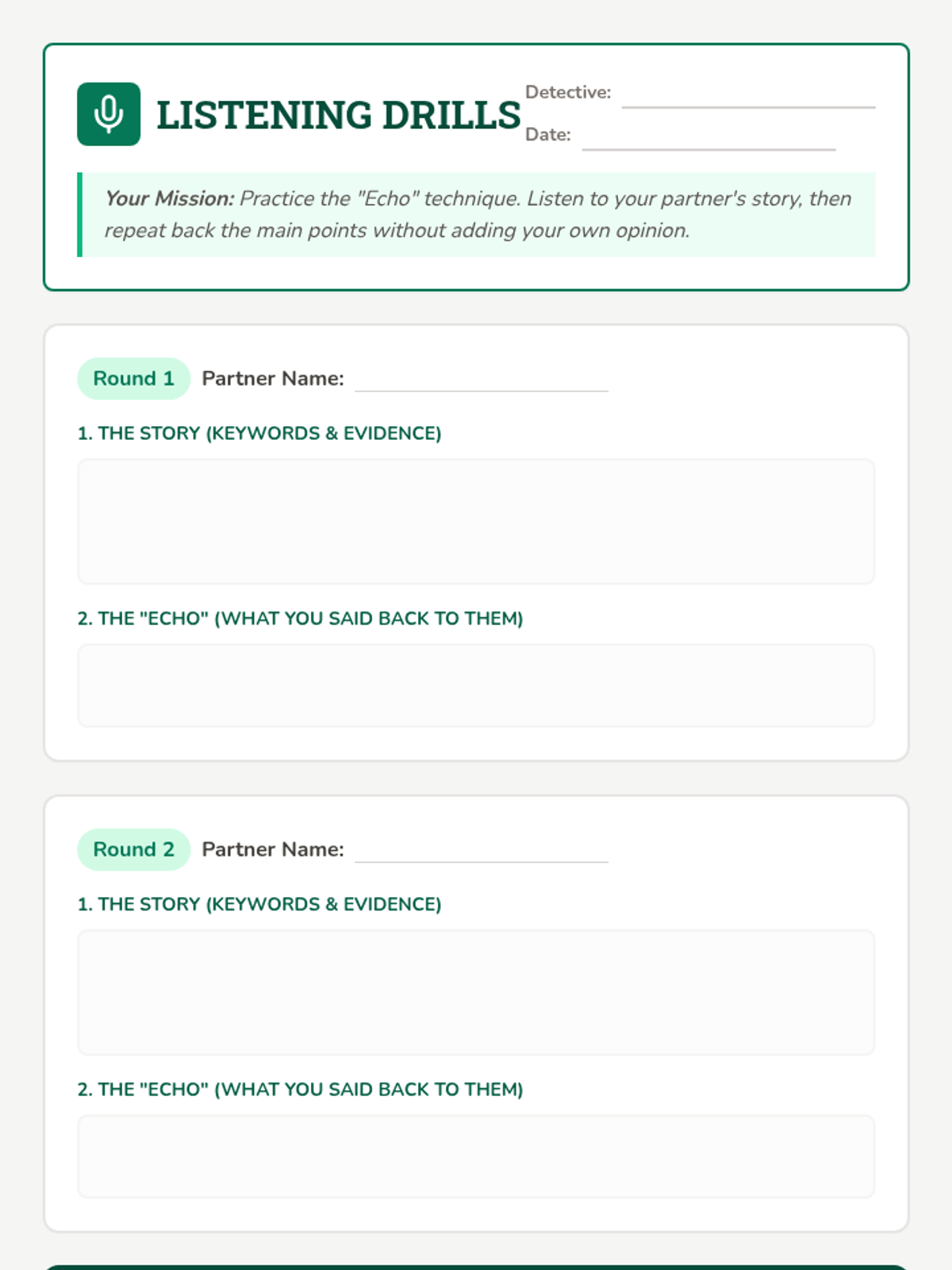
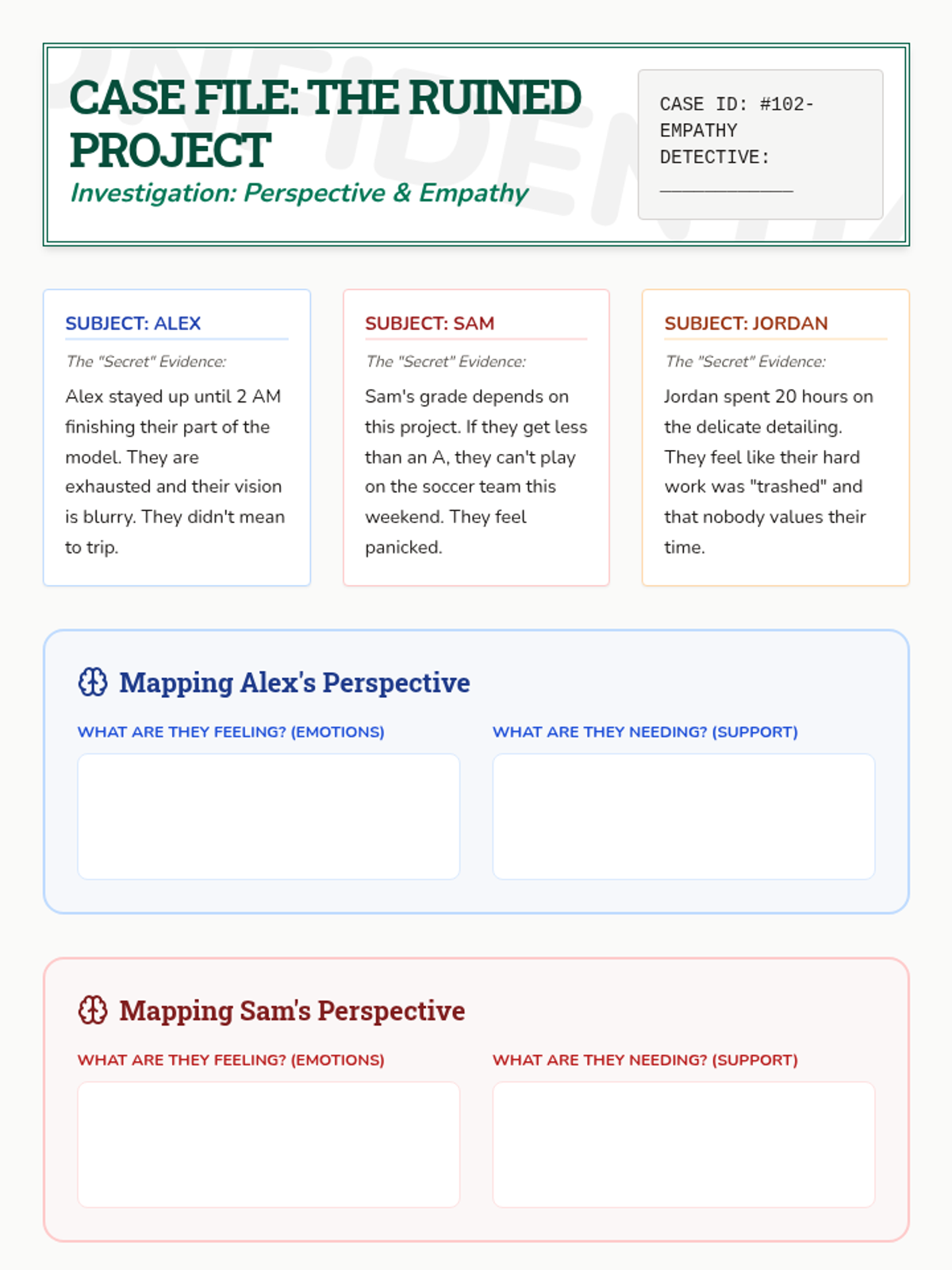
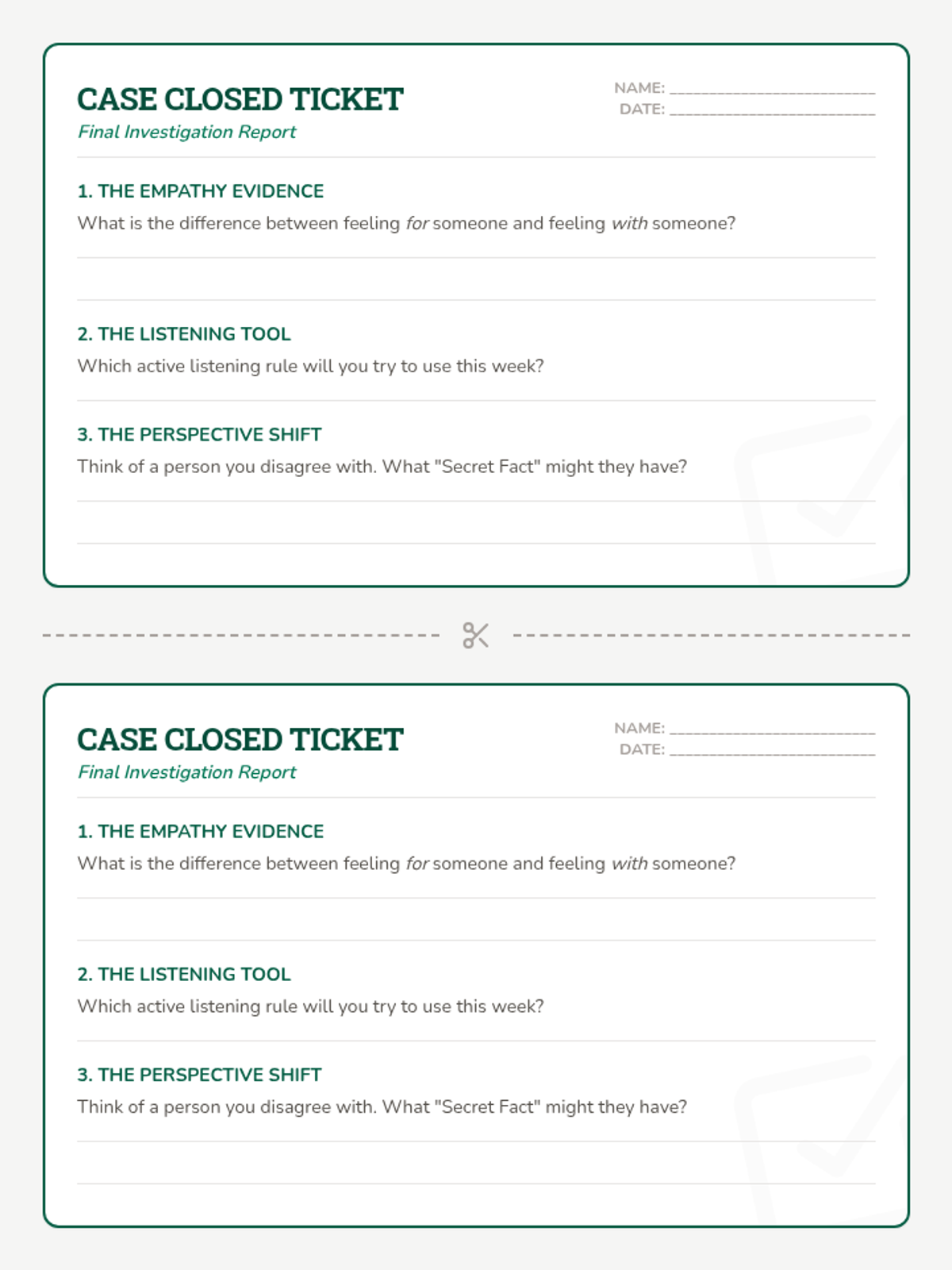
A 50-minute immersion into the mechanics of empathy. Students practice active listening techniques and use 'detective' skills to analyze social scenarios from multiple perspectives.
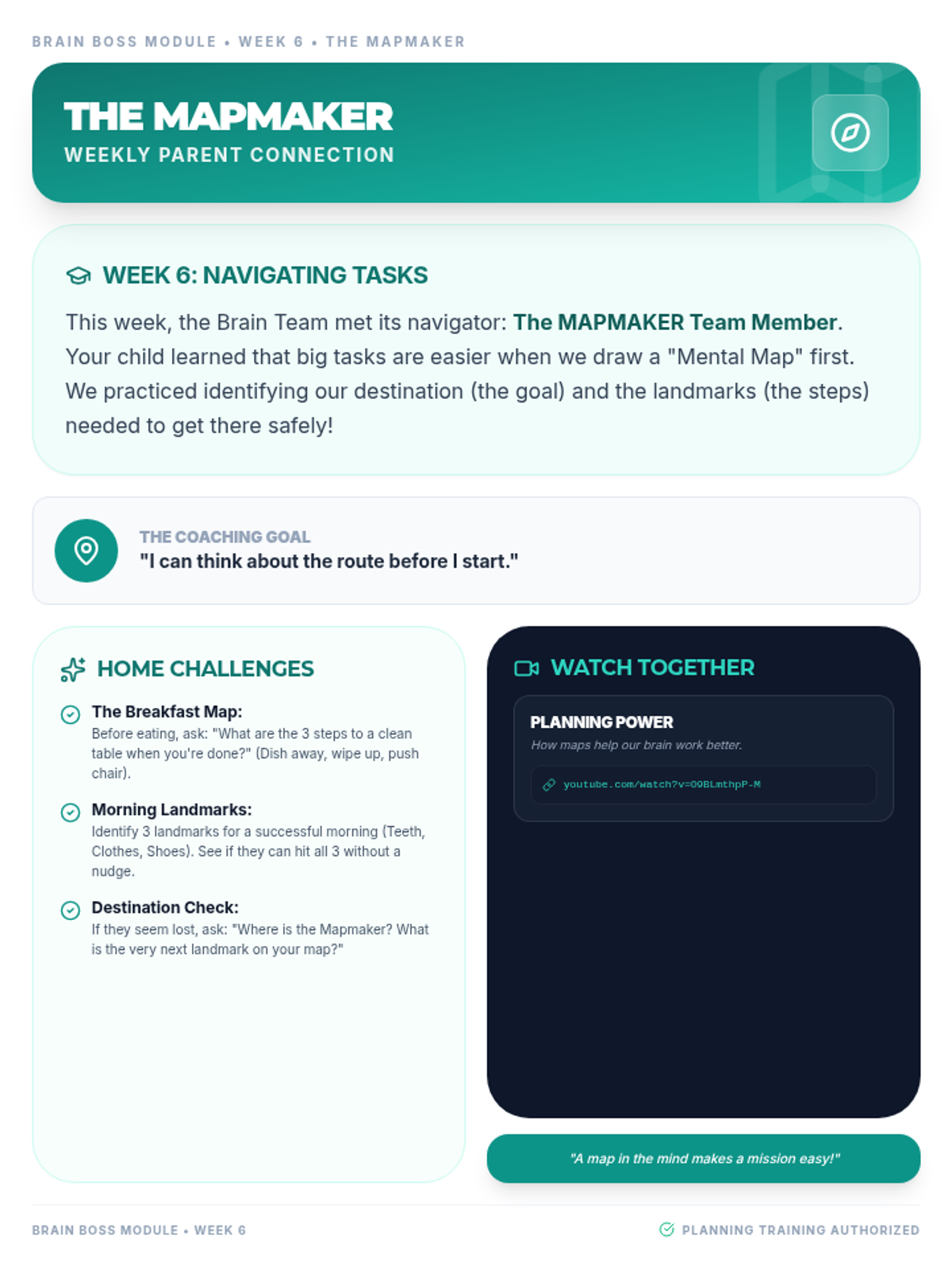
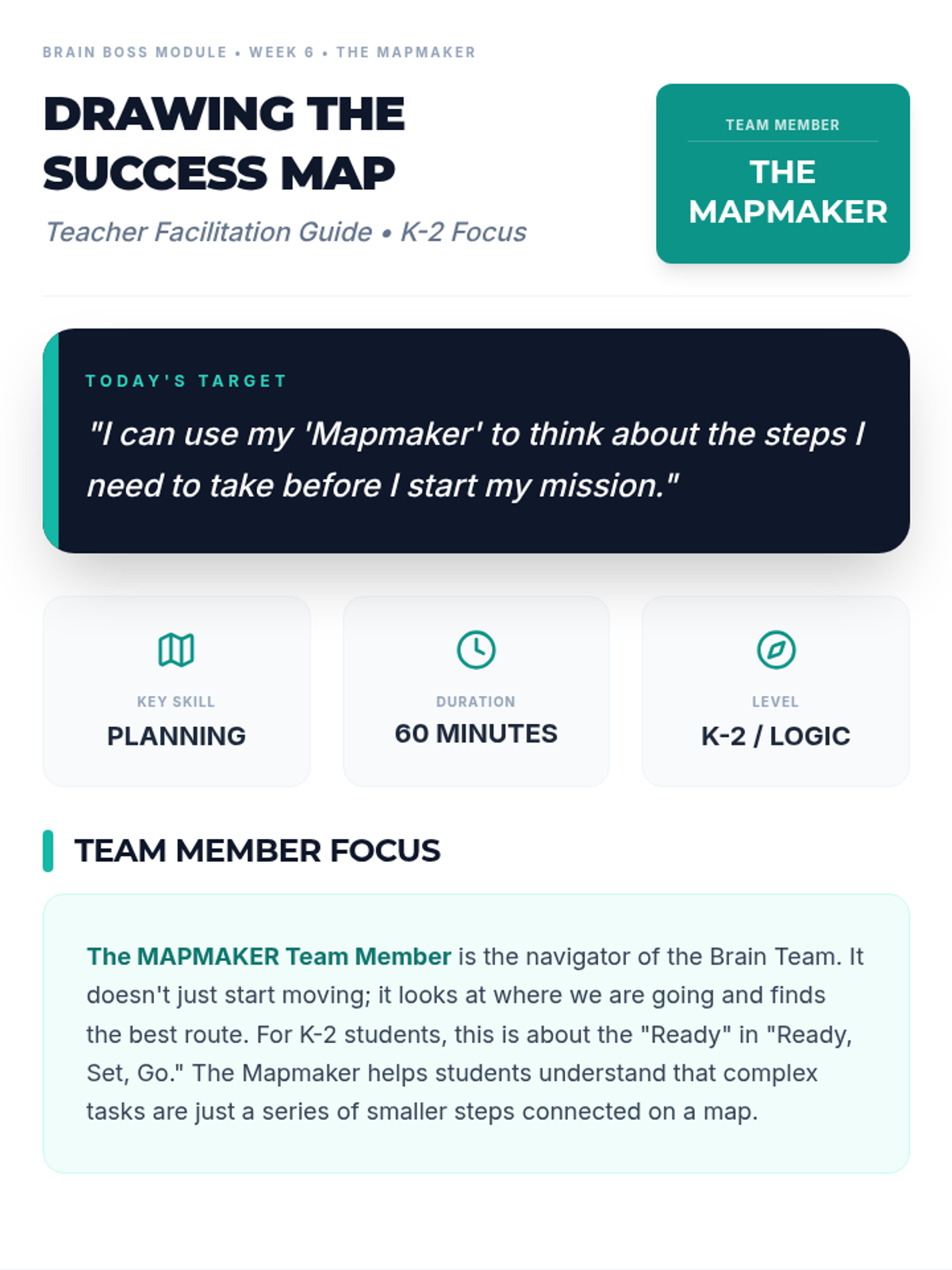
A 60-minute lesson teaching K-2 students how to activate their 'PLANNING' team member, known as 'The Mapmaker'. Students learn how to look at a goal and decide on the steps needed to get there before starting.
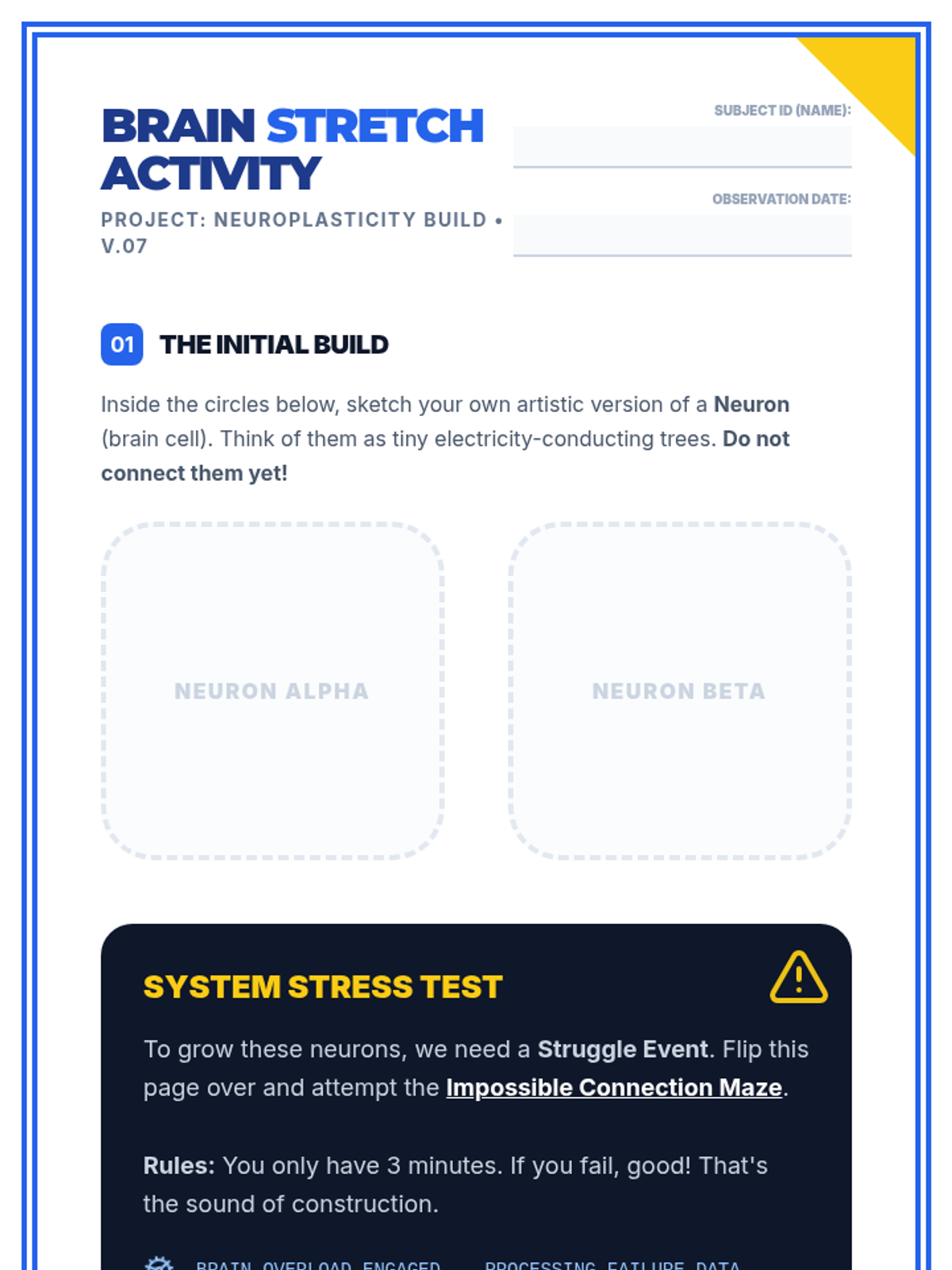
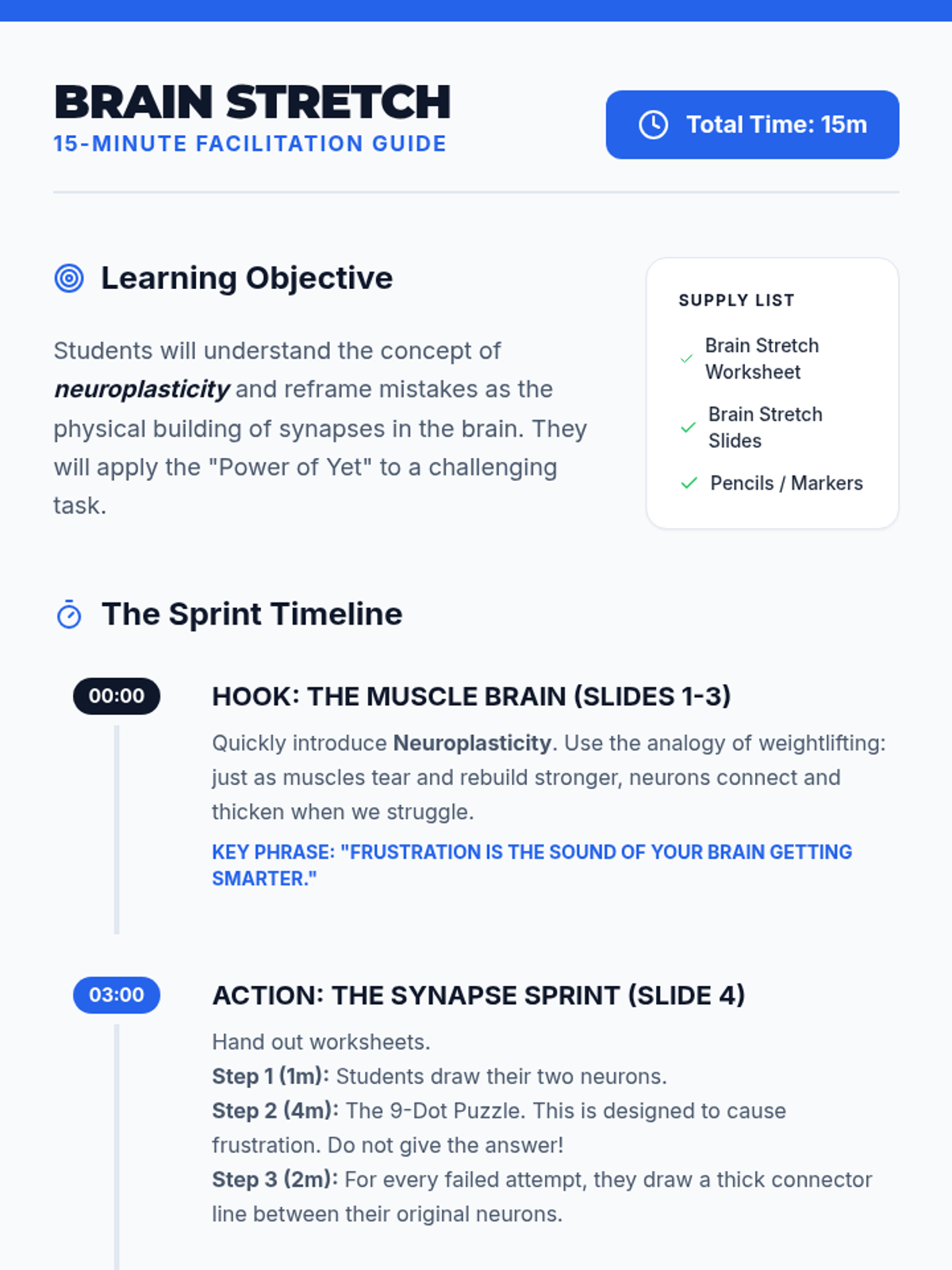
A high-energy, 15-minute introduction to growth mindset focusing on neuroplasticity. Students engage in a hands-on 'synapse building' activity to visualize how effort changes their physical brain structure.
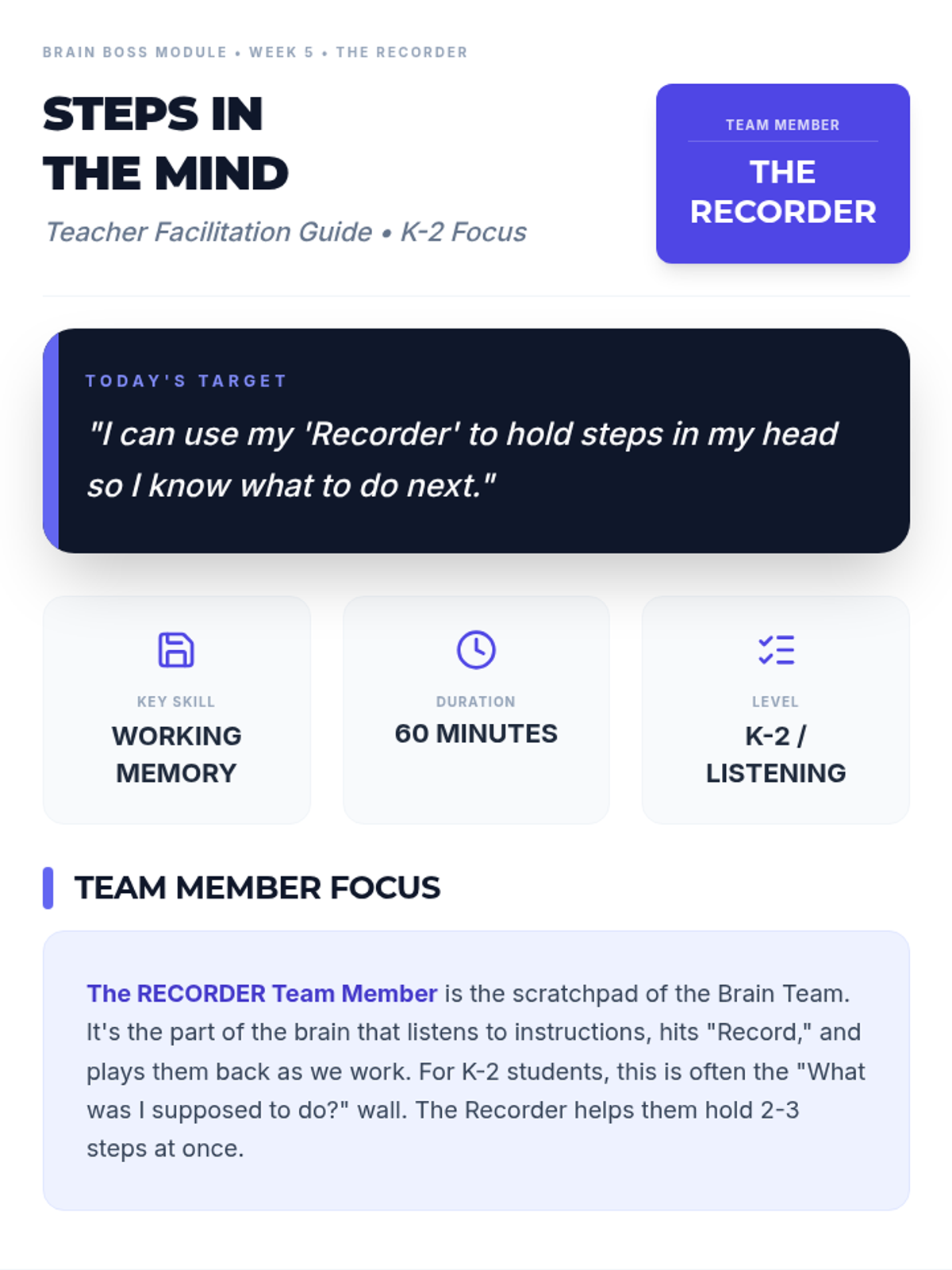
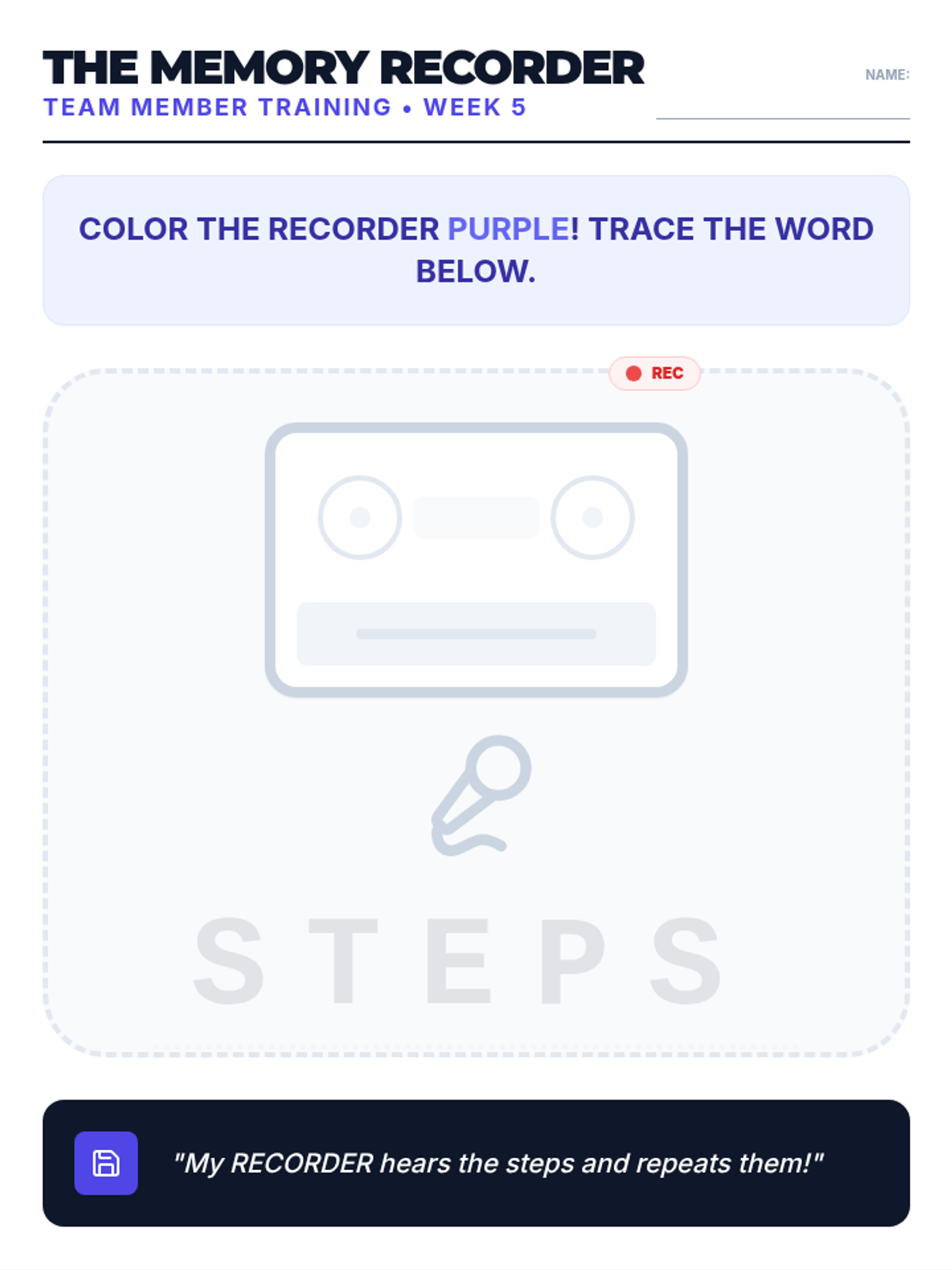
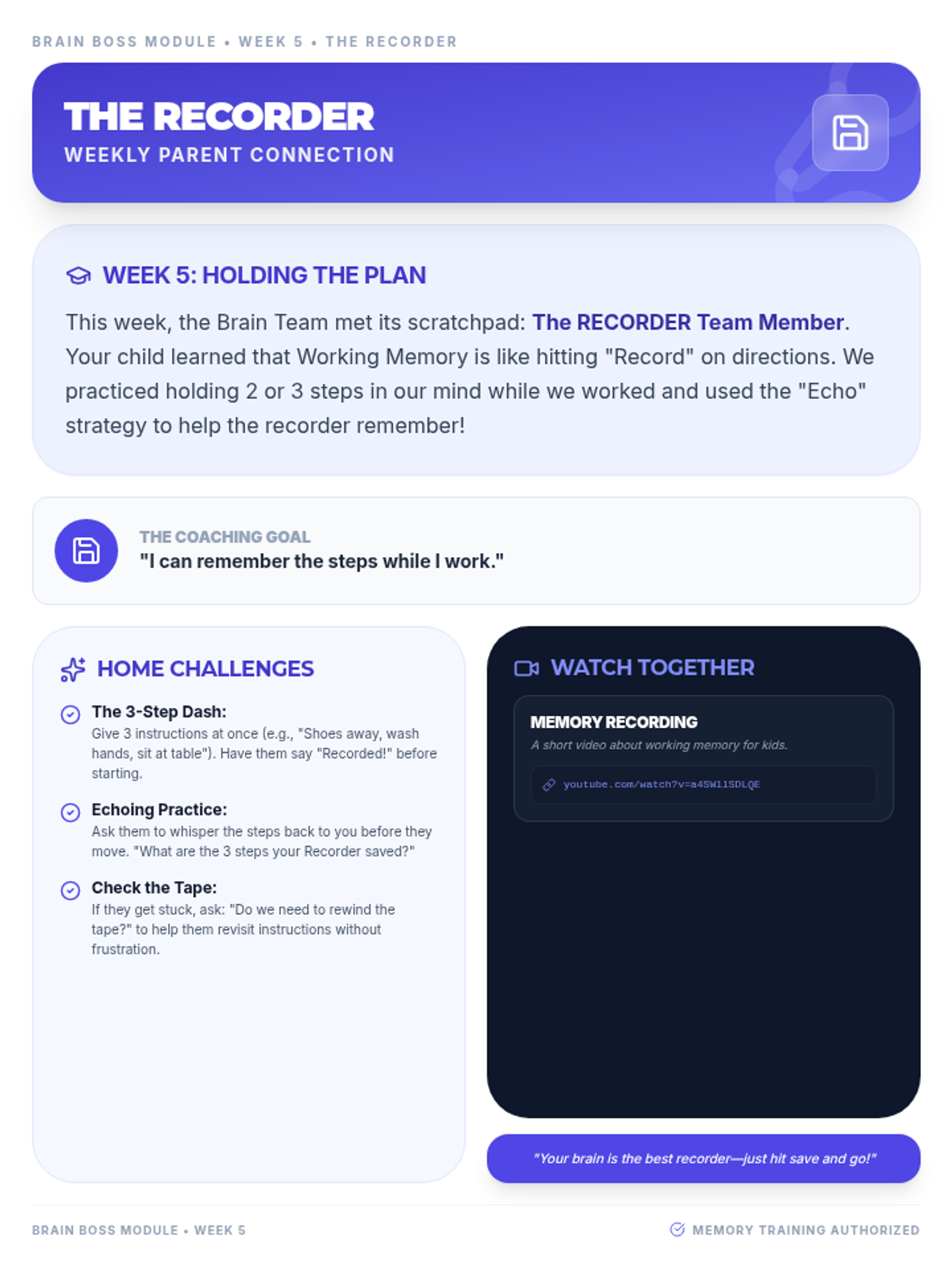
A 60-minute lesson teaching K-2 students how to activate their 'WORKING MEMORY' team member, known as 'The Recorder'. Students learn how to hold steps and instructions in their mind while completing a task.
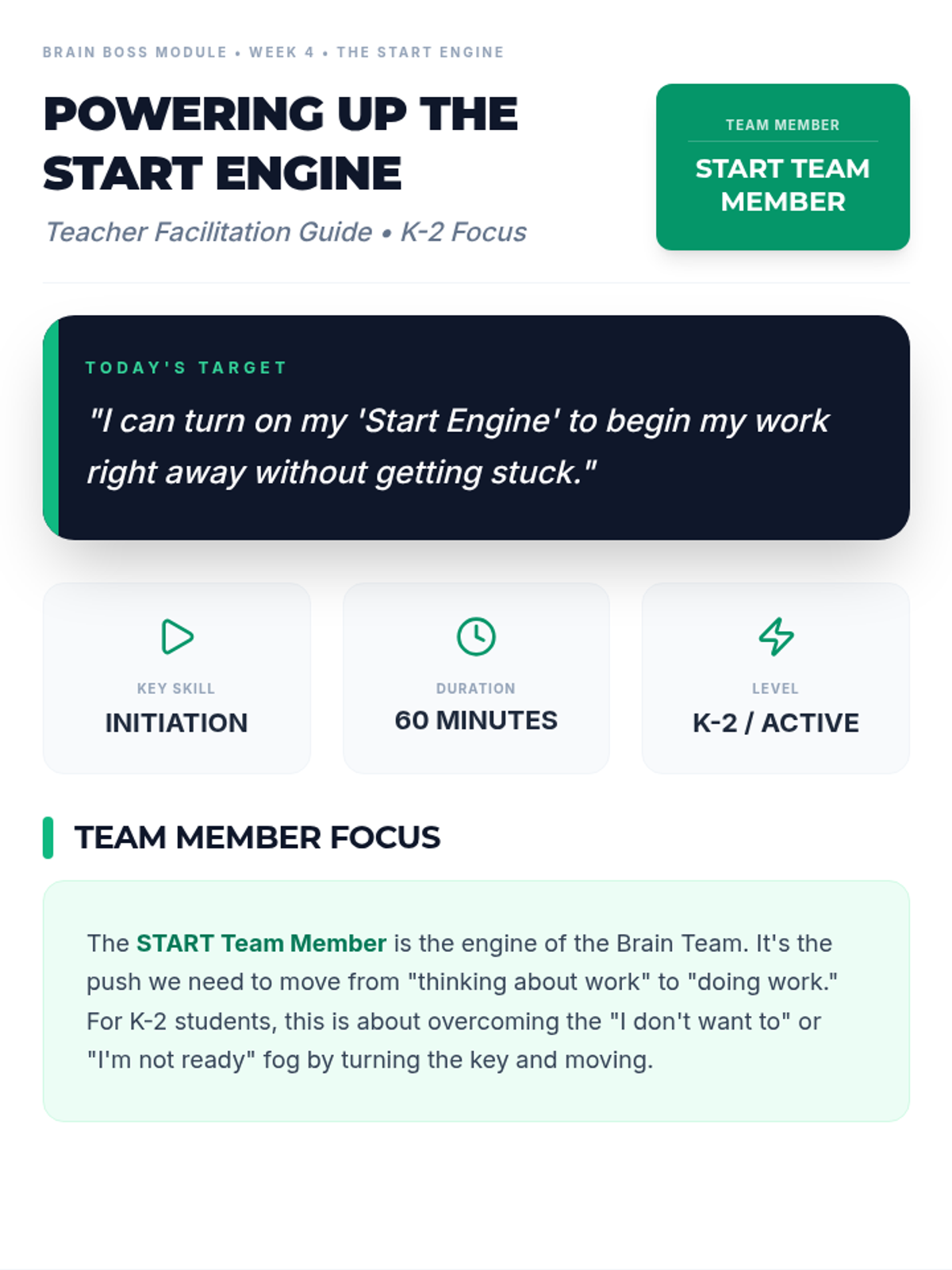
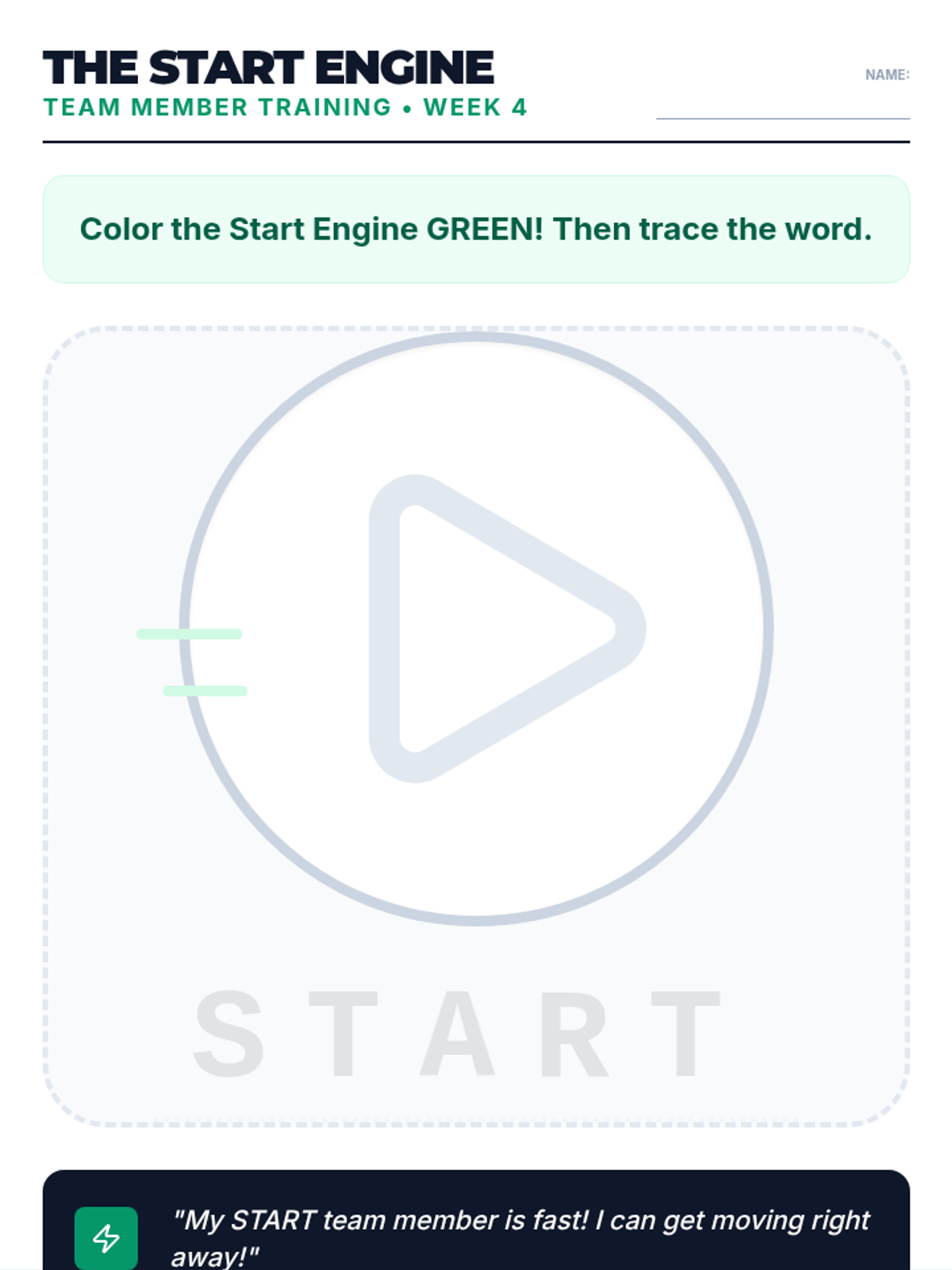
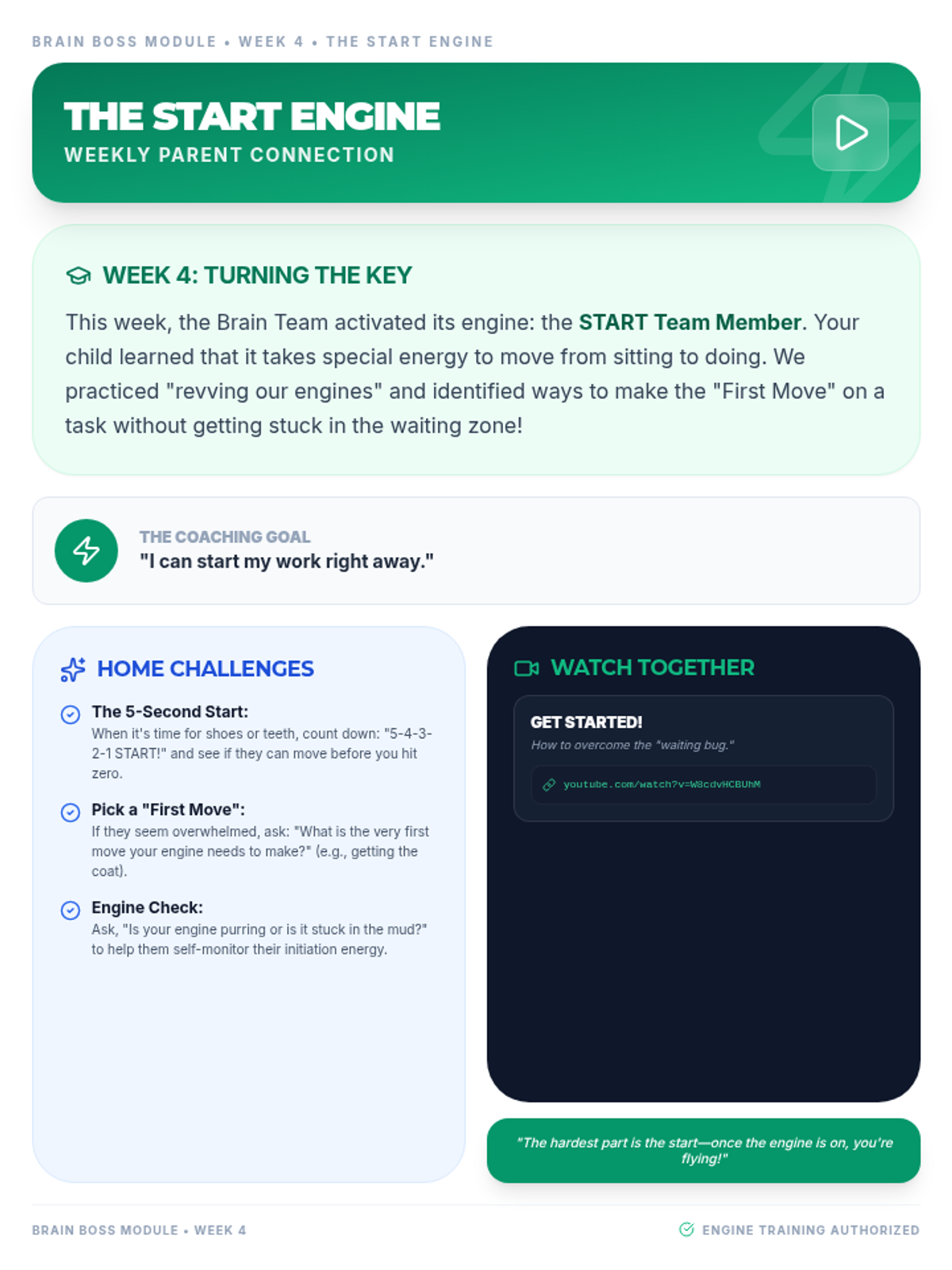
A 60-minute lesson teaching K-2 students how to activate their 'START' team member. Students learn how to "rev their engines" to begin tasks immediately without getting stuck in the "waiting zone".
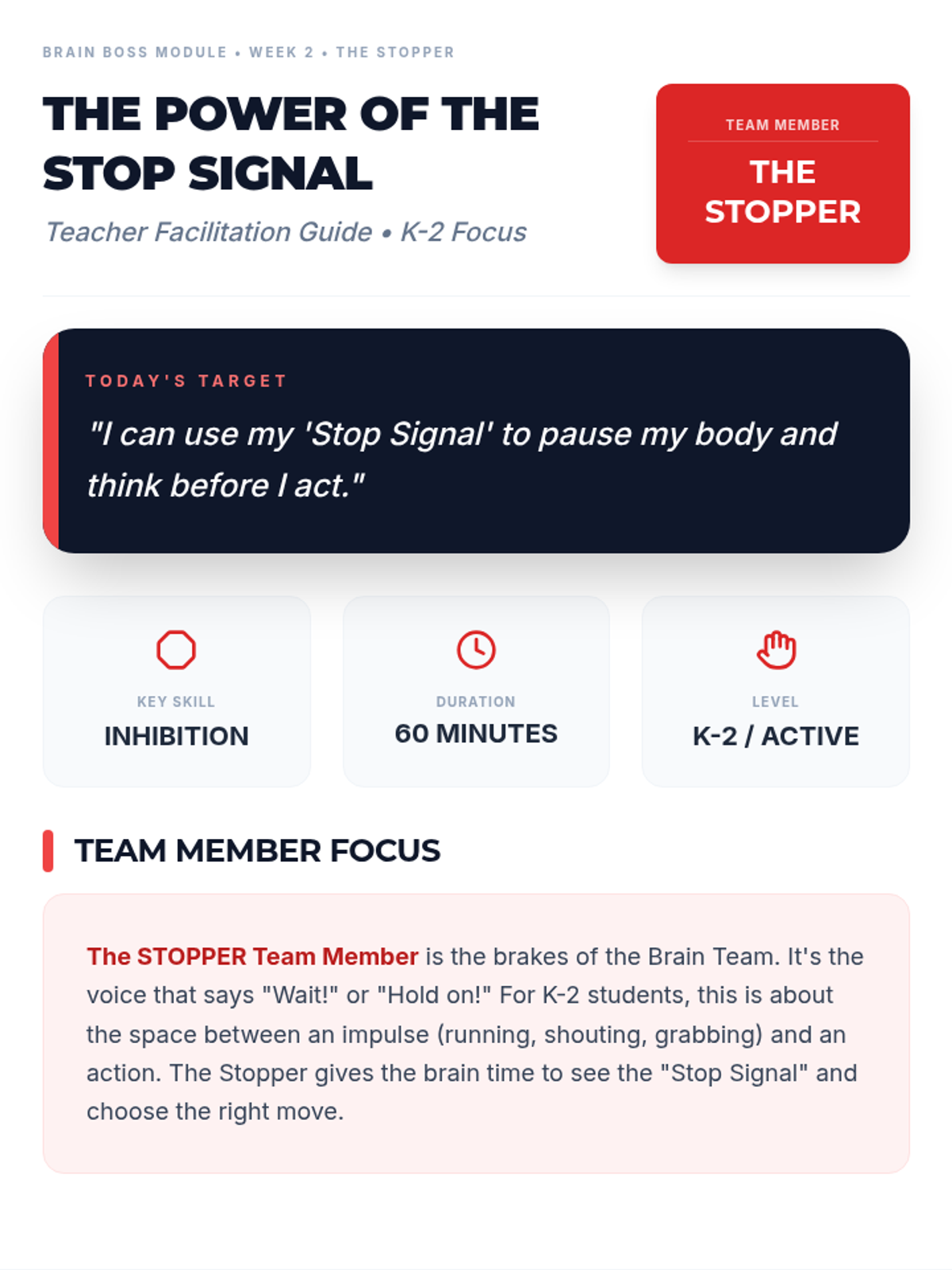
A 60-minute lesson teaching K-2 students how to activate their 'INHIBITION' team member, known as 'The Stopper'. Students learn to use their 'Stop Signal' to pause before acting and resist impulses.
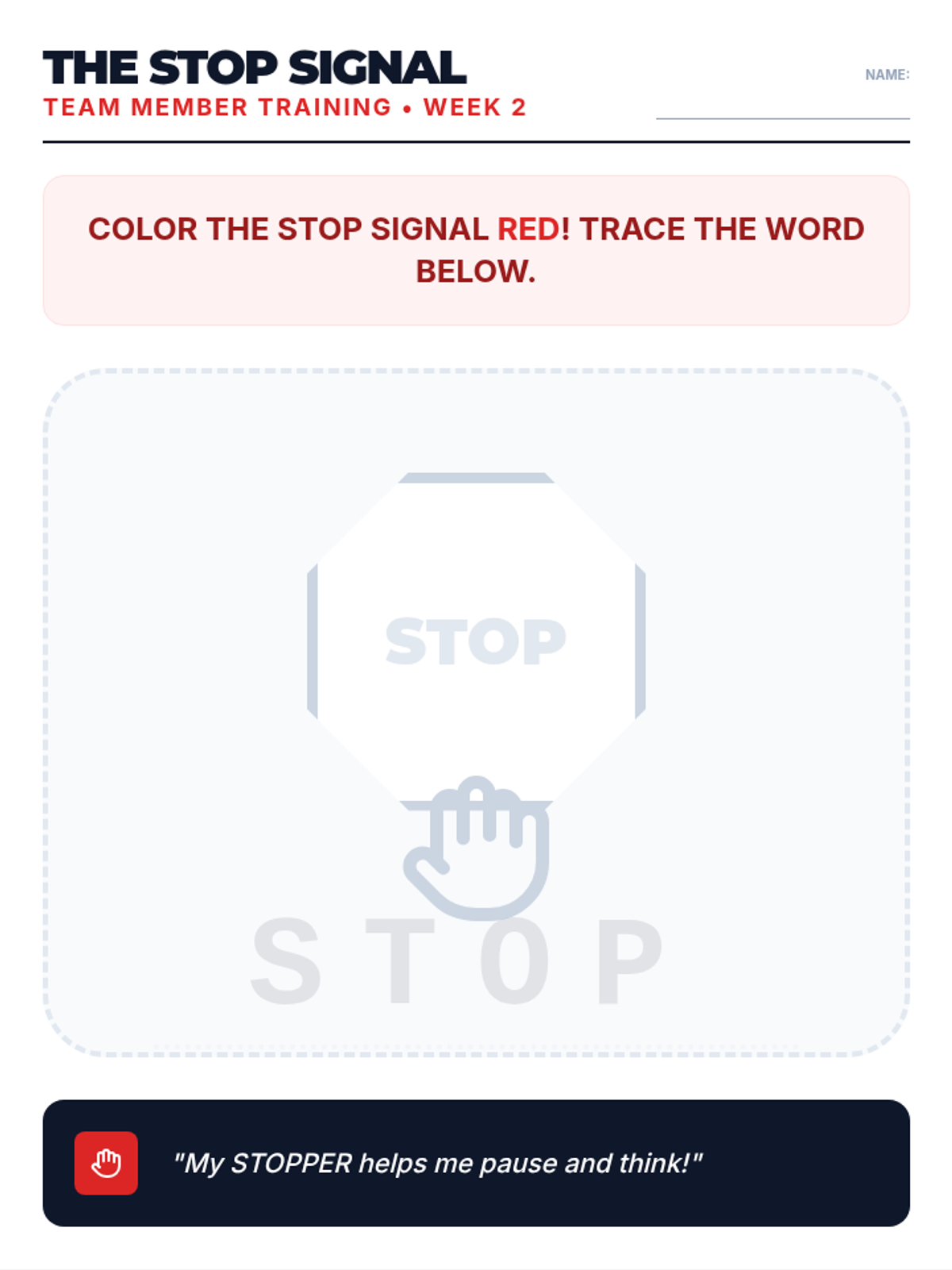
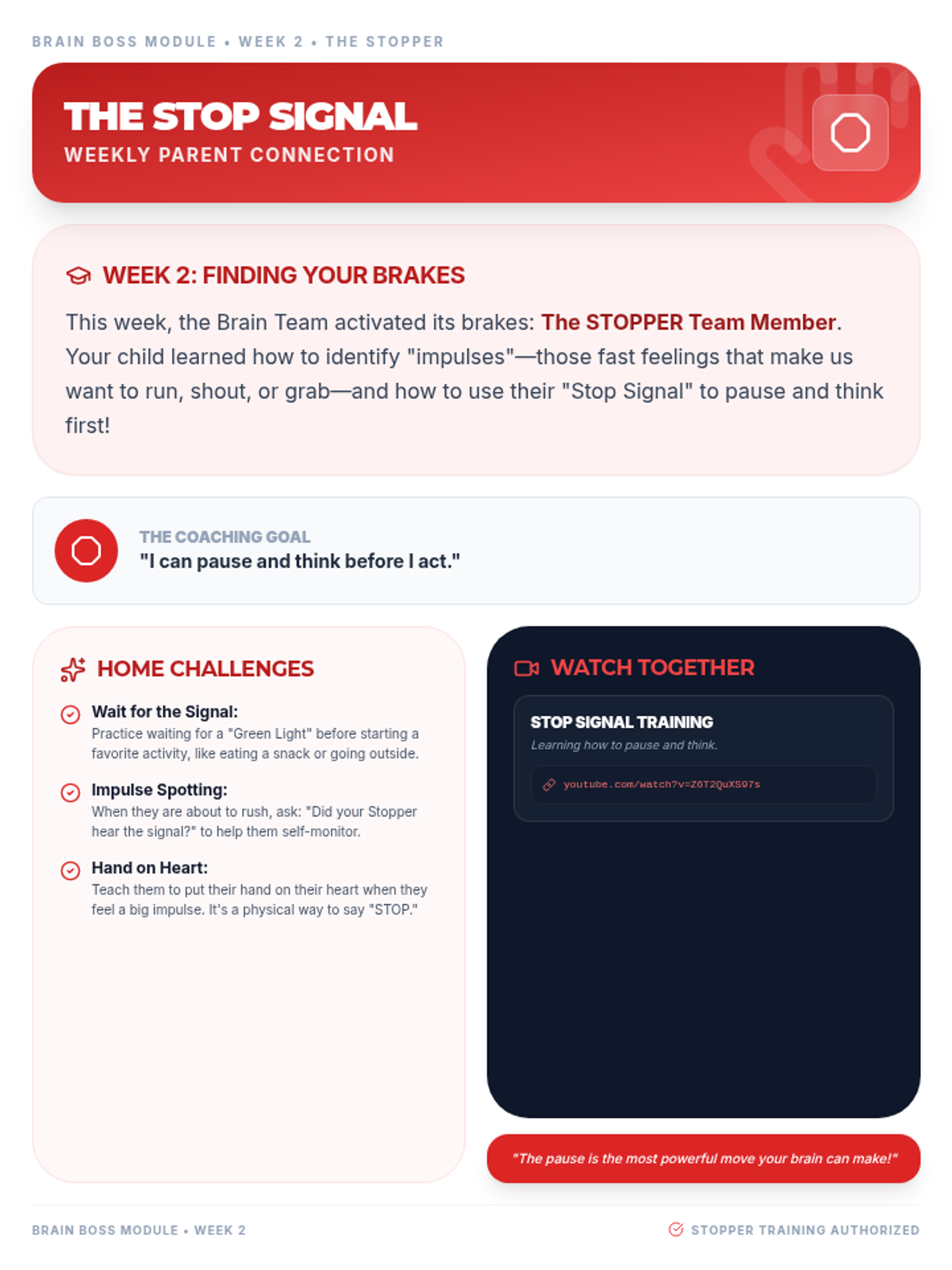
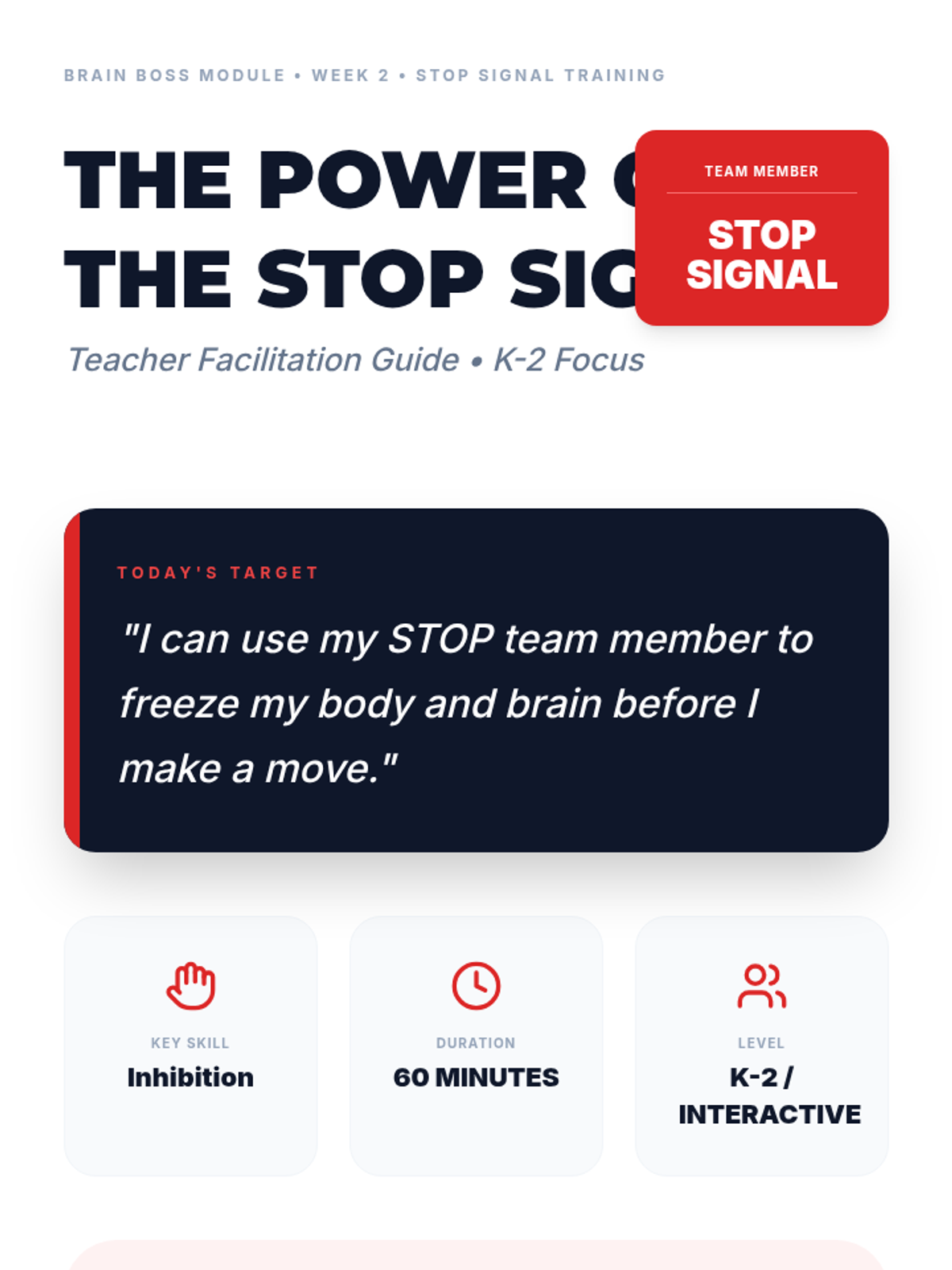
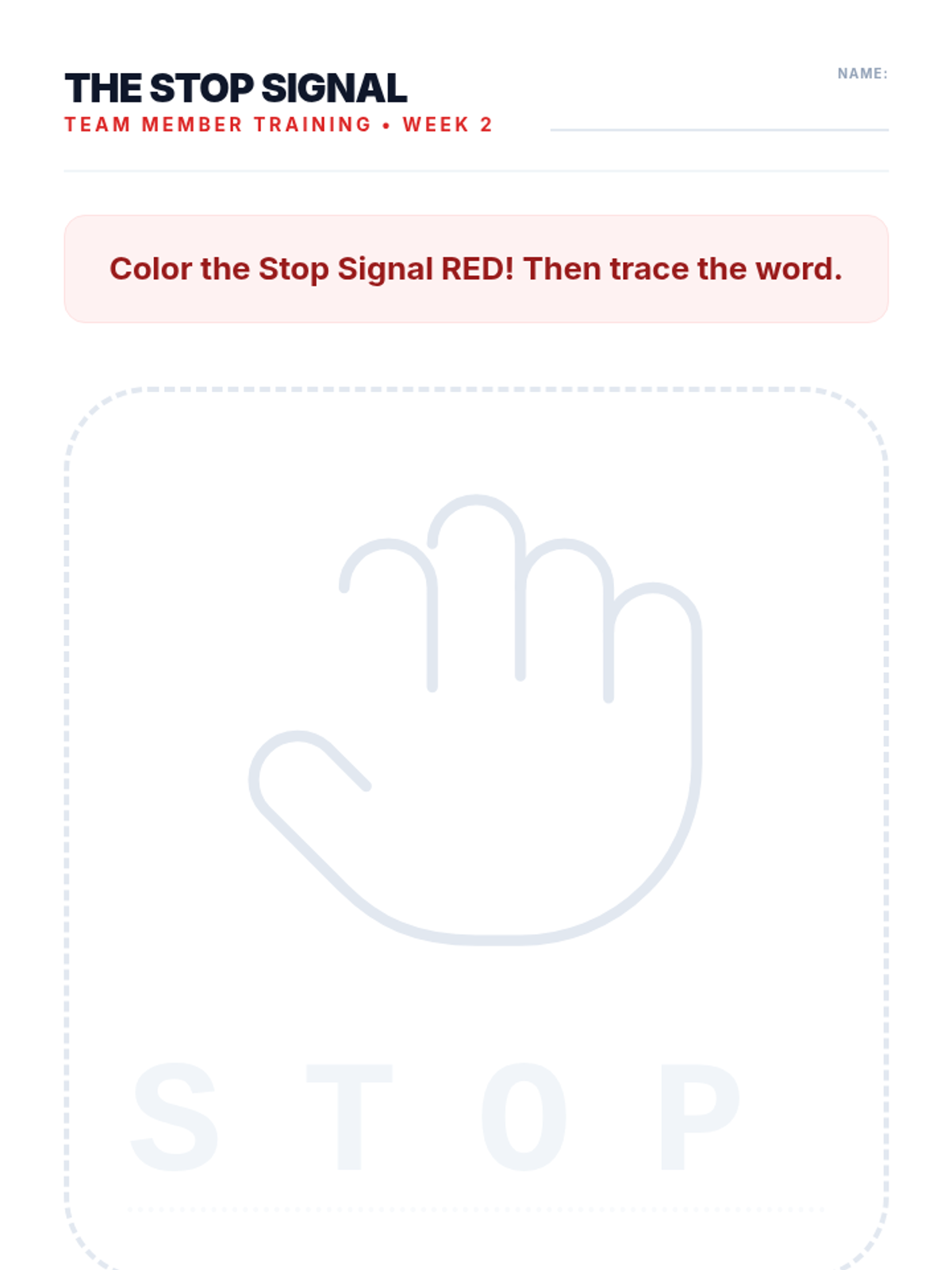
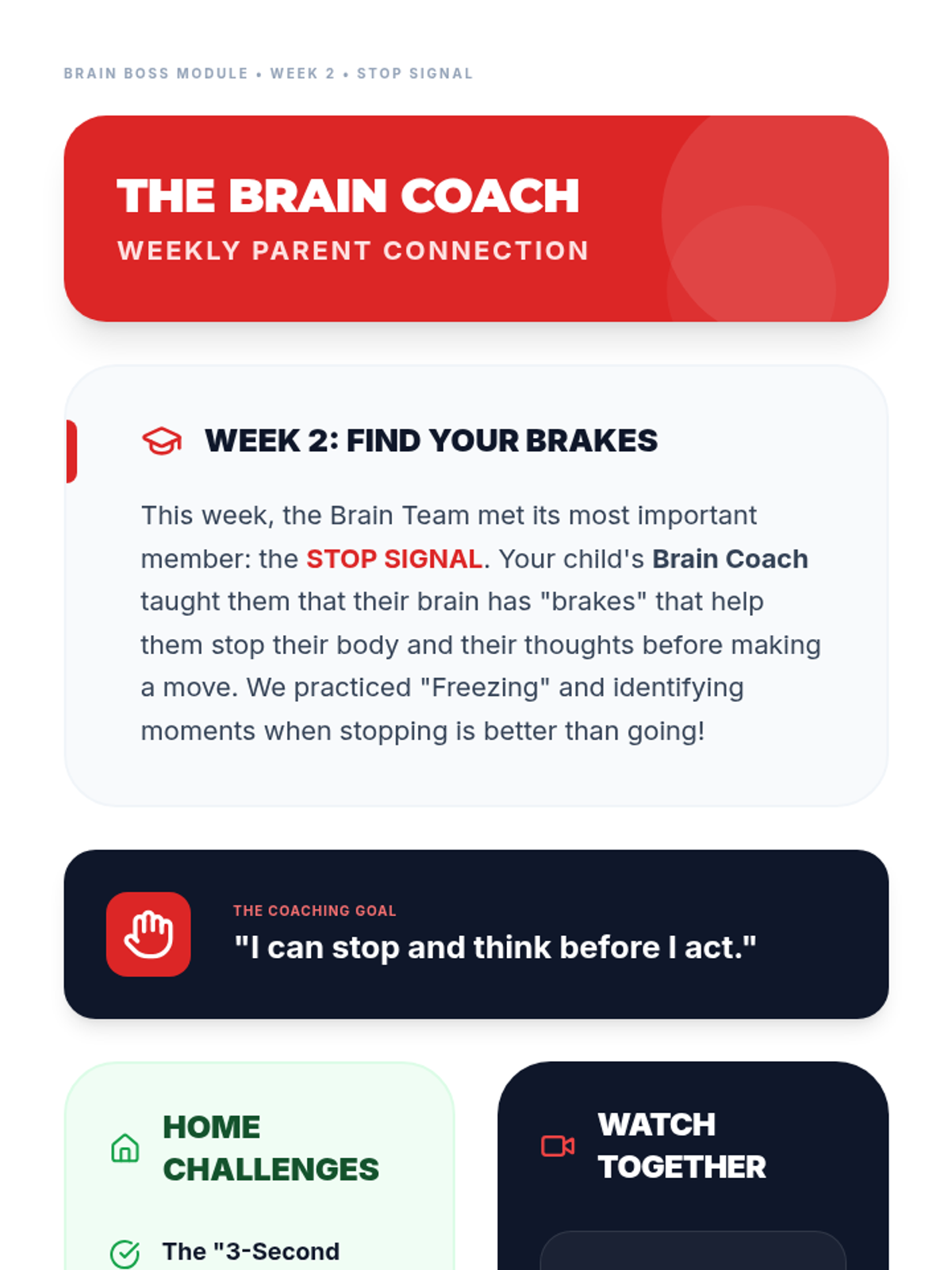
A comprehensive training module focused on teaching K-2 students the power of impulse control through the 'STOP Signal' brain team member. Students learn to use their 'brakes' to freeze their body and brain before making a move.
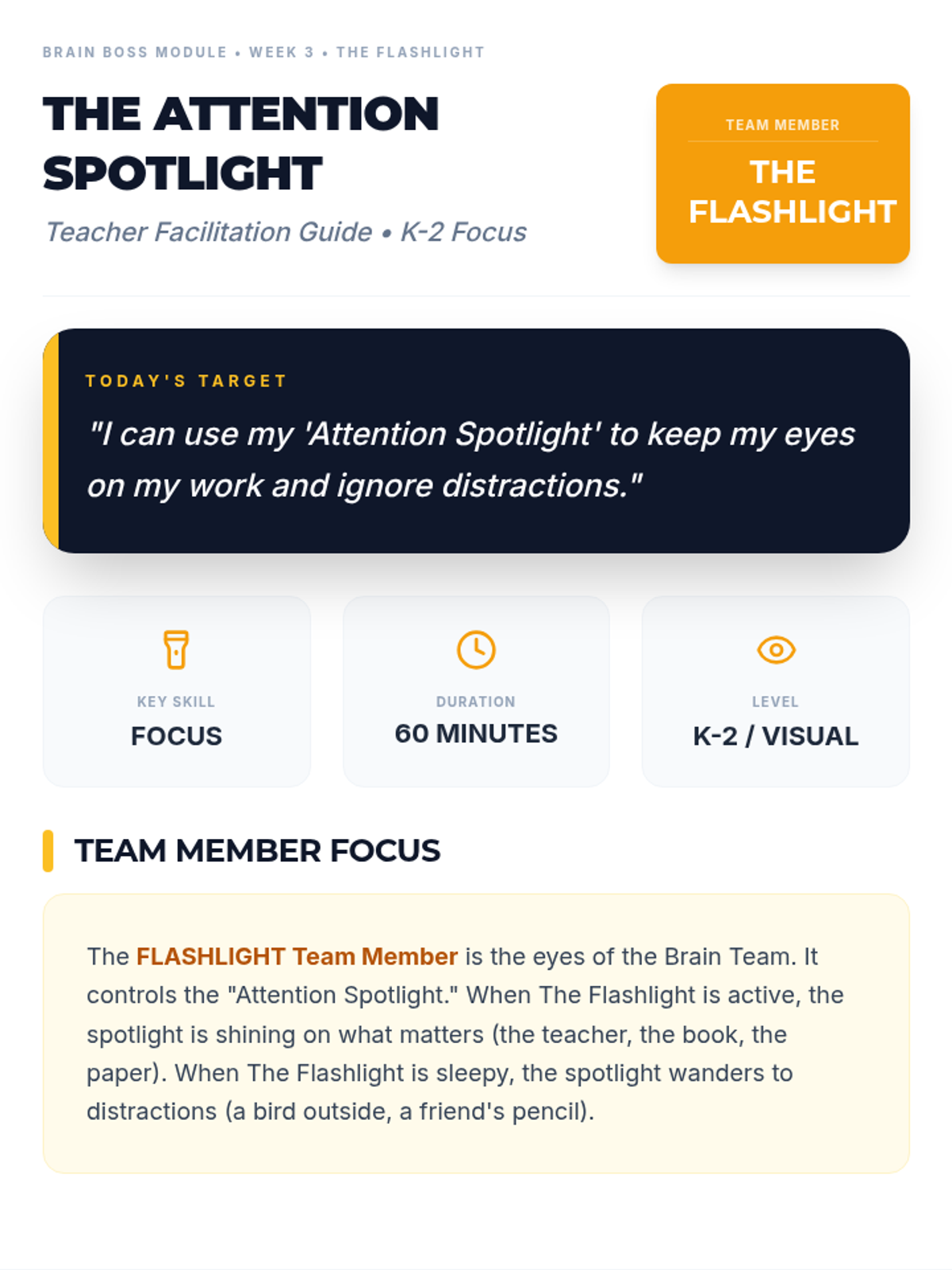
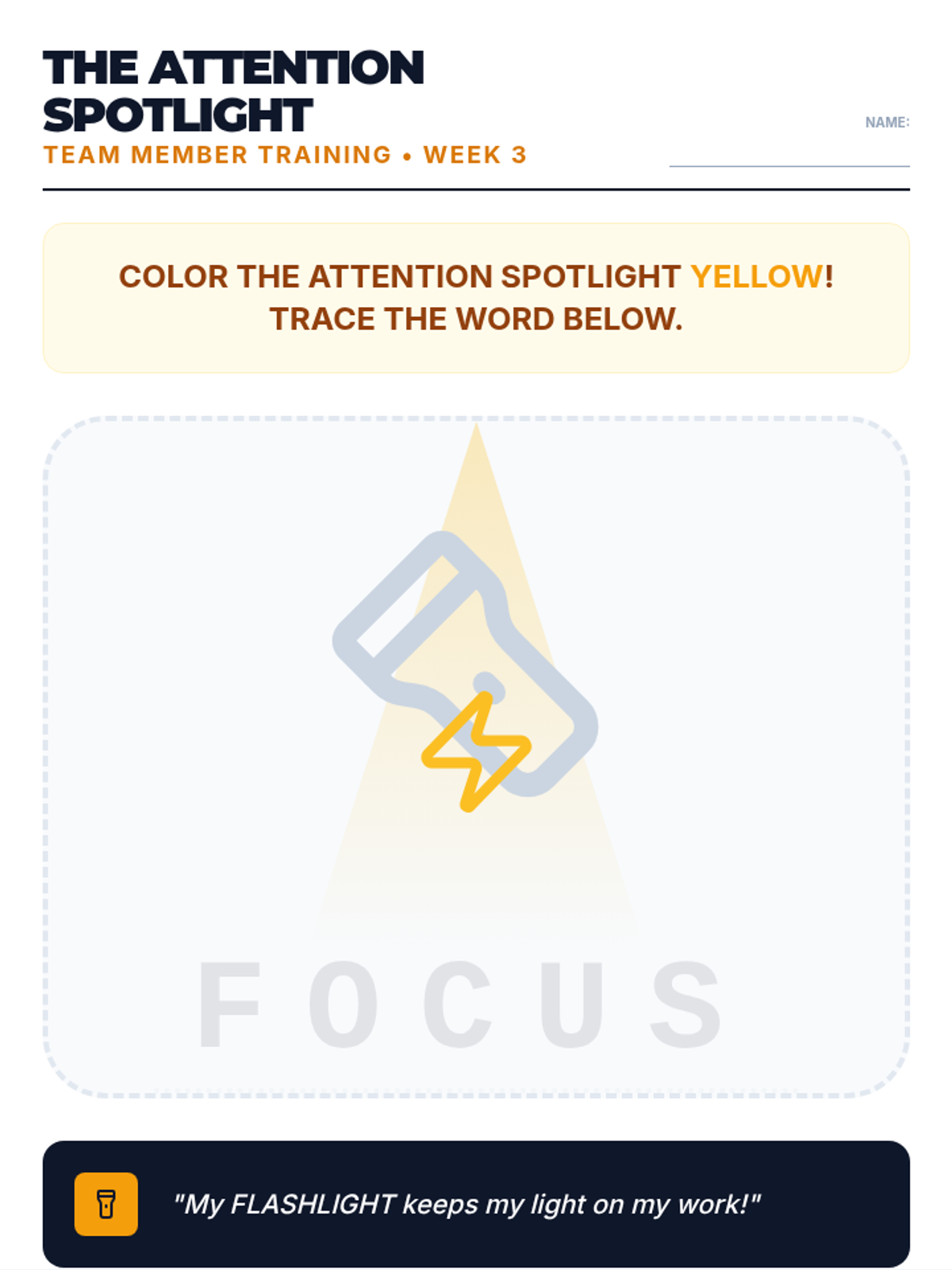
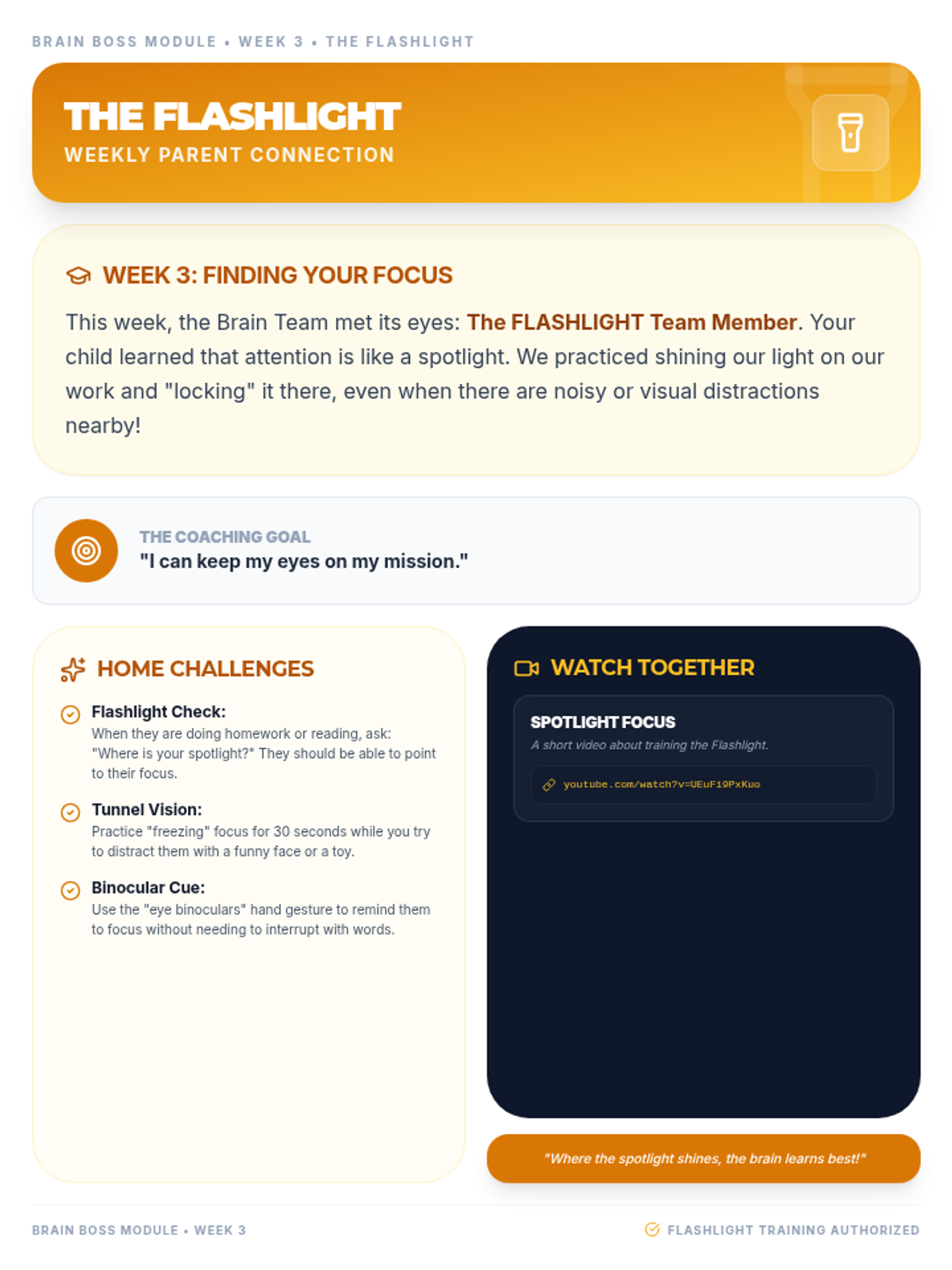
A 60-minute lesson teaching K-2 students how to activate their 'FOCUS' team member, known as 'The Flashlight'. Students learn to use their 'Attention Spotlight' to ignore distractions and stay on task.
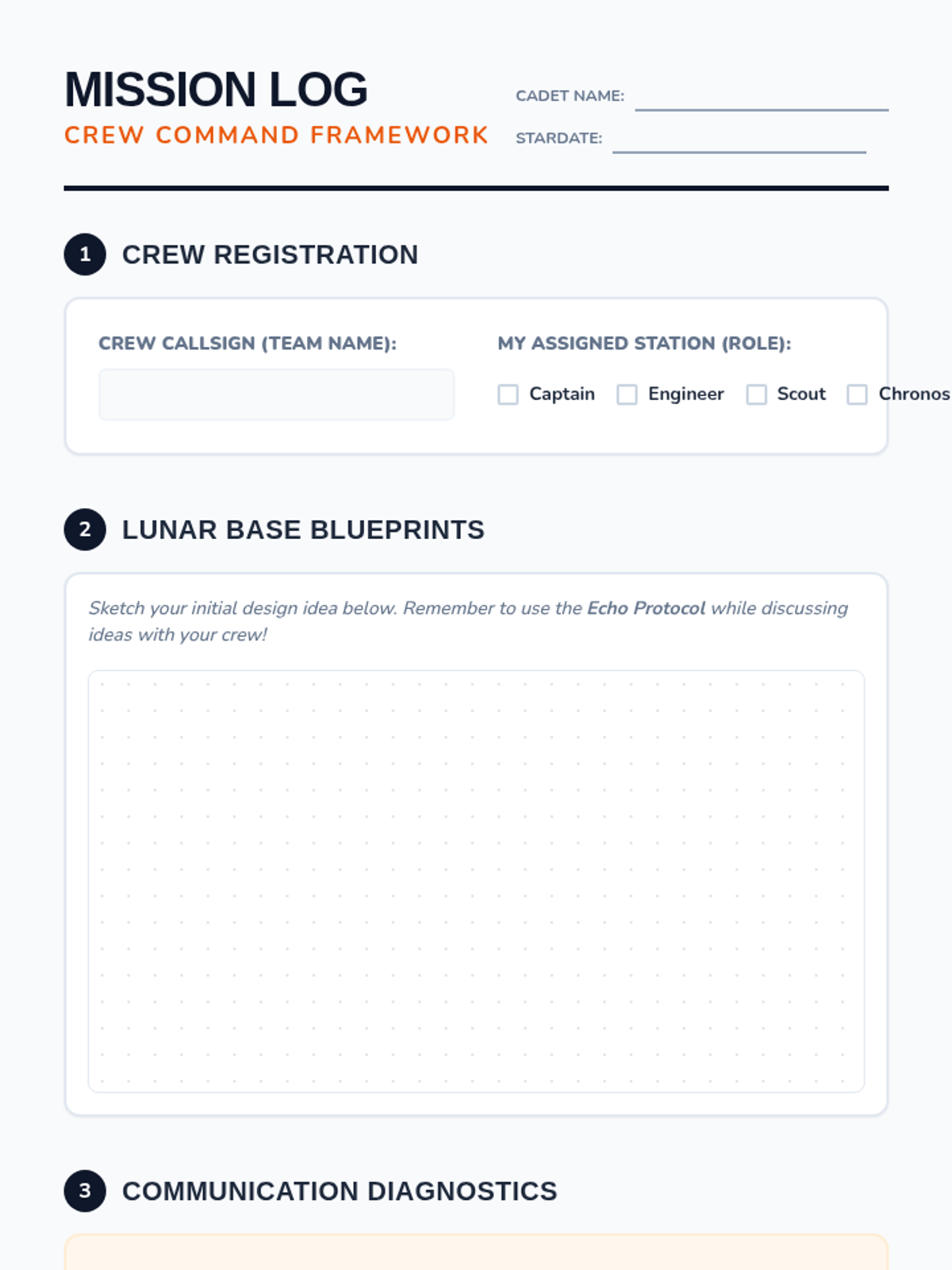
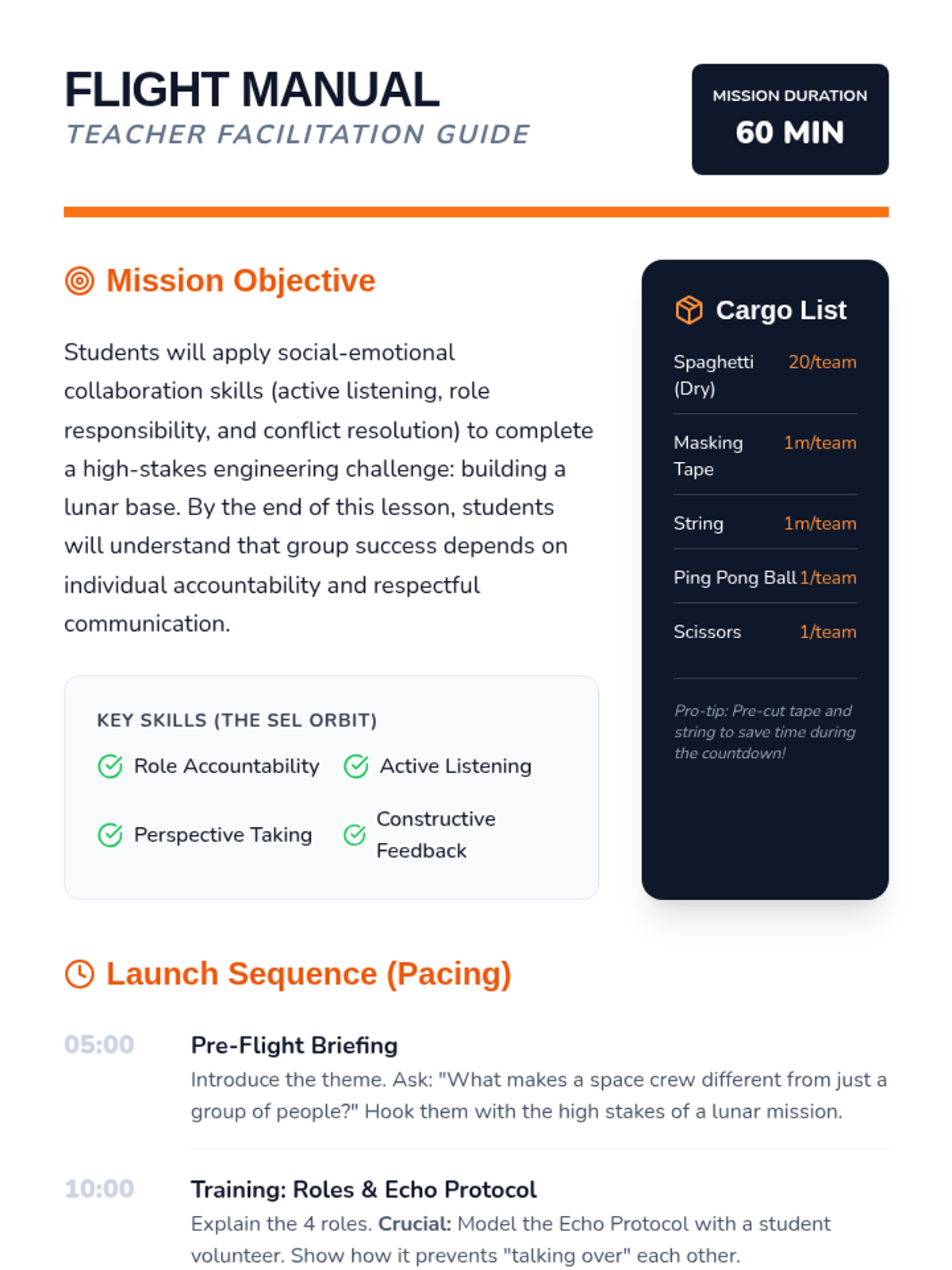
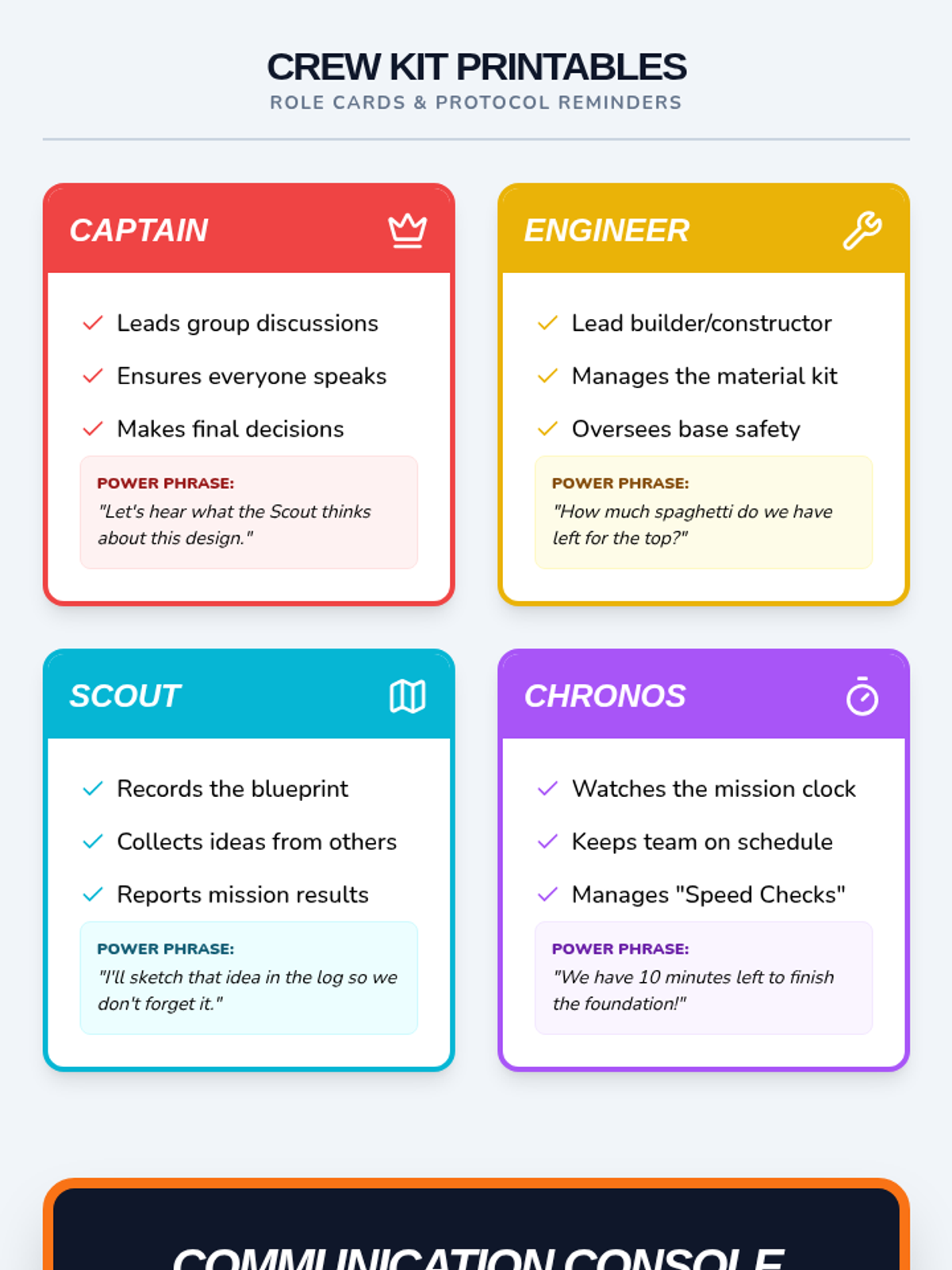
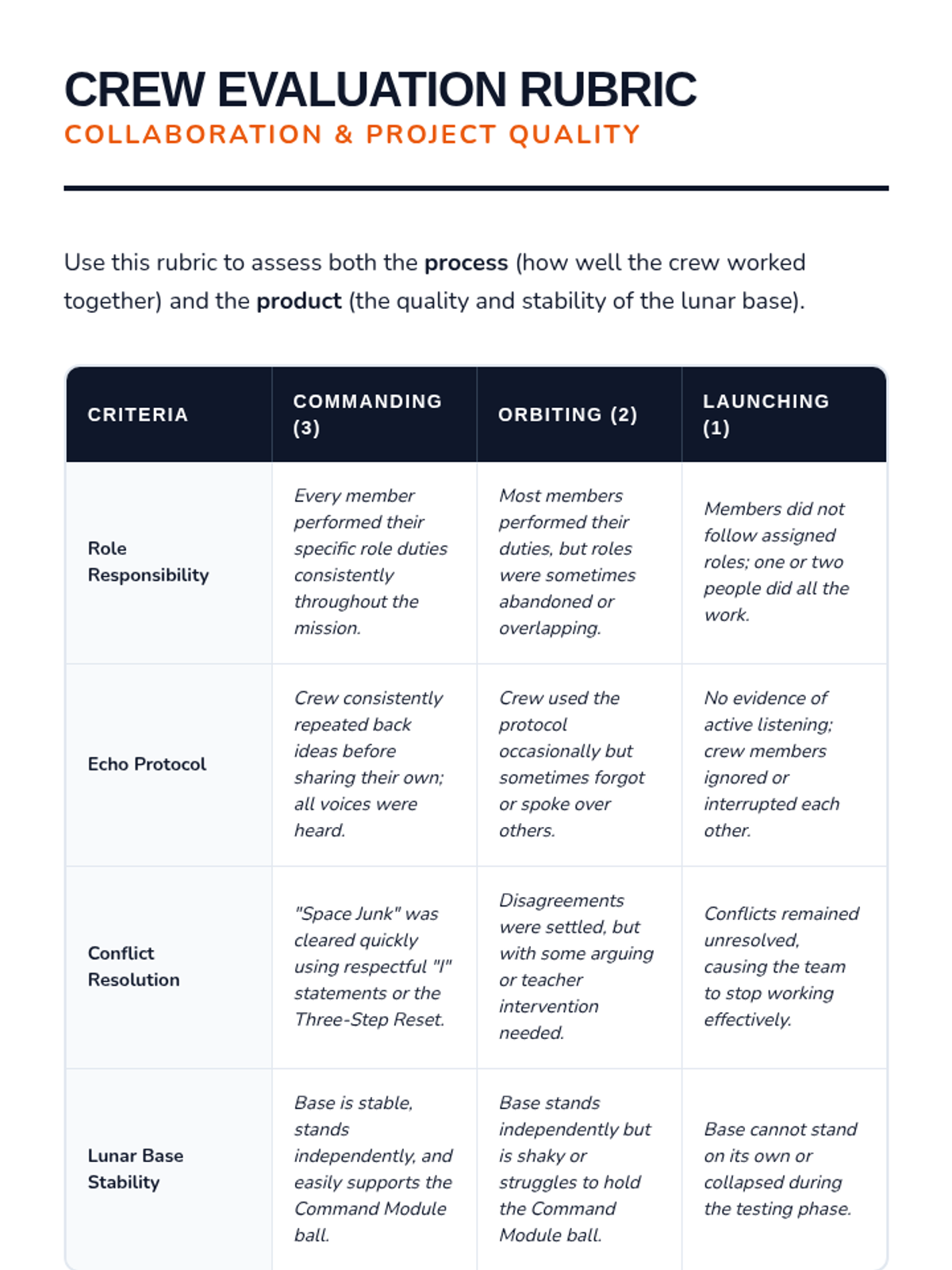
A high-energy, space-themed lesson that teaches students essential collaboration skills through the lens of a mission to build a lunar base. Students learn about role assignment, active listening, and conflict resolution while practicing these skills in a hands-on building challenge.
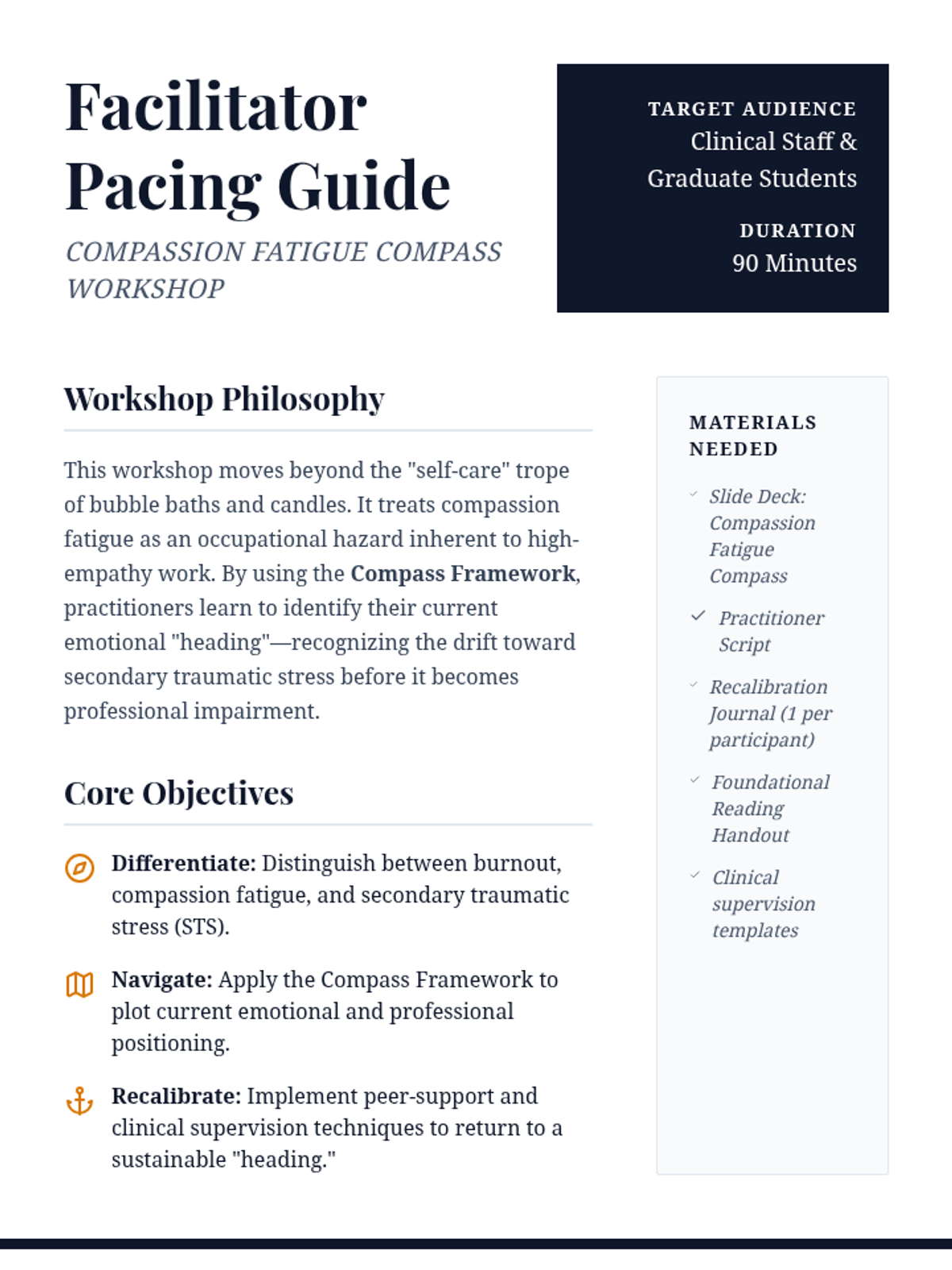
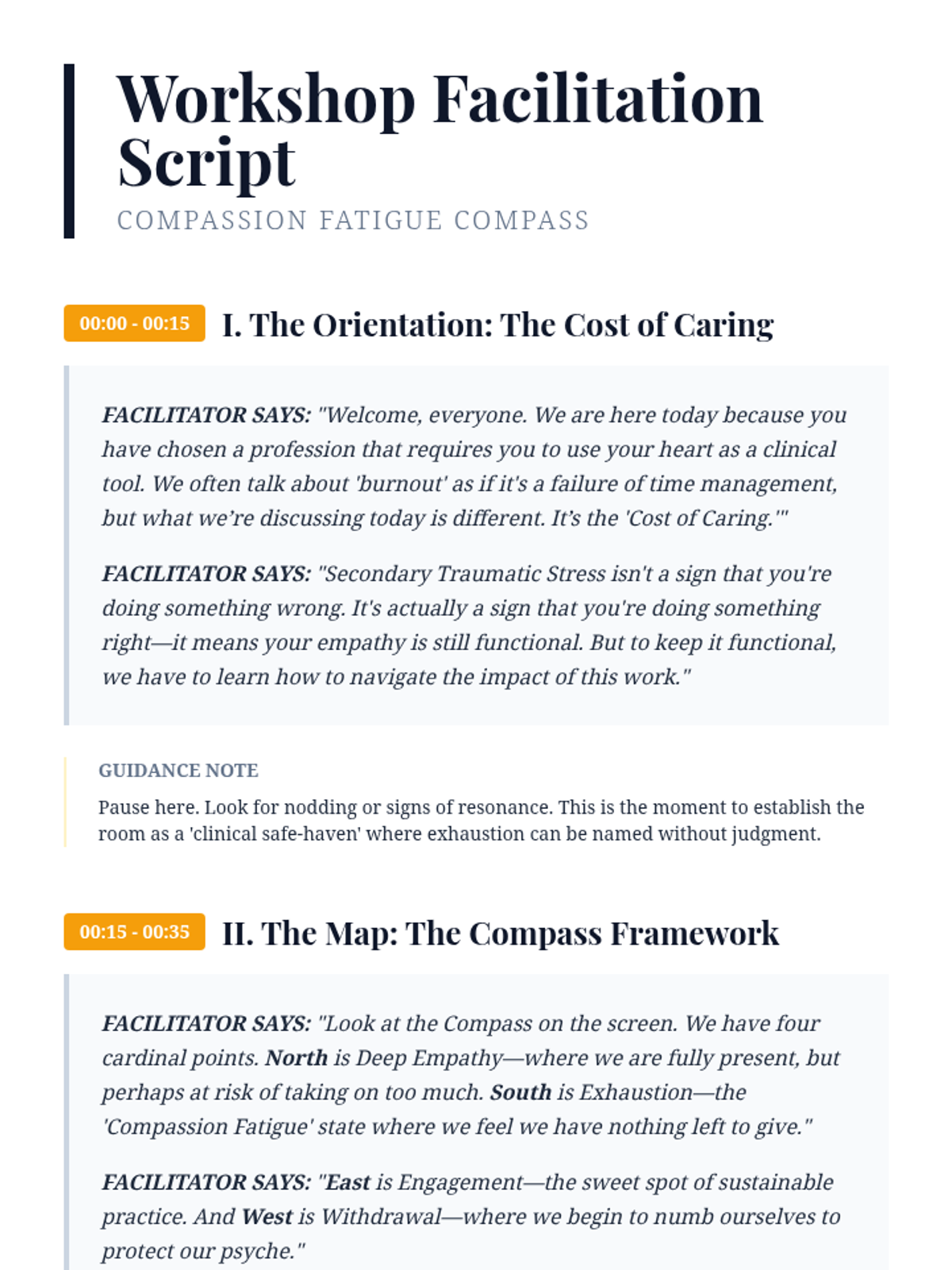
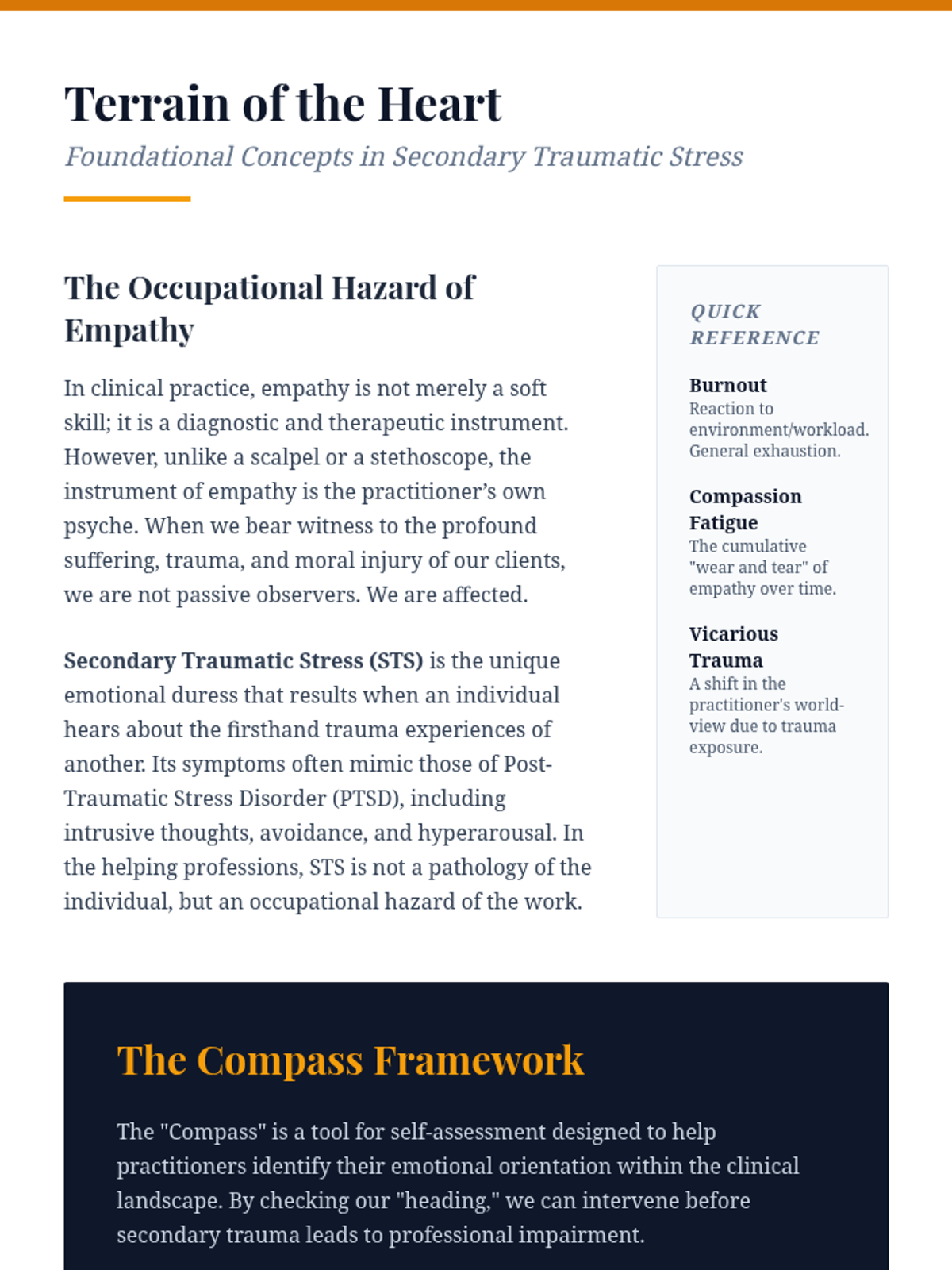
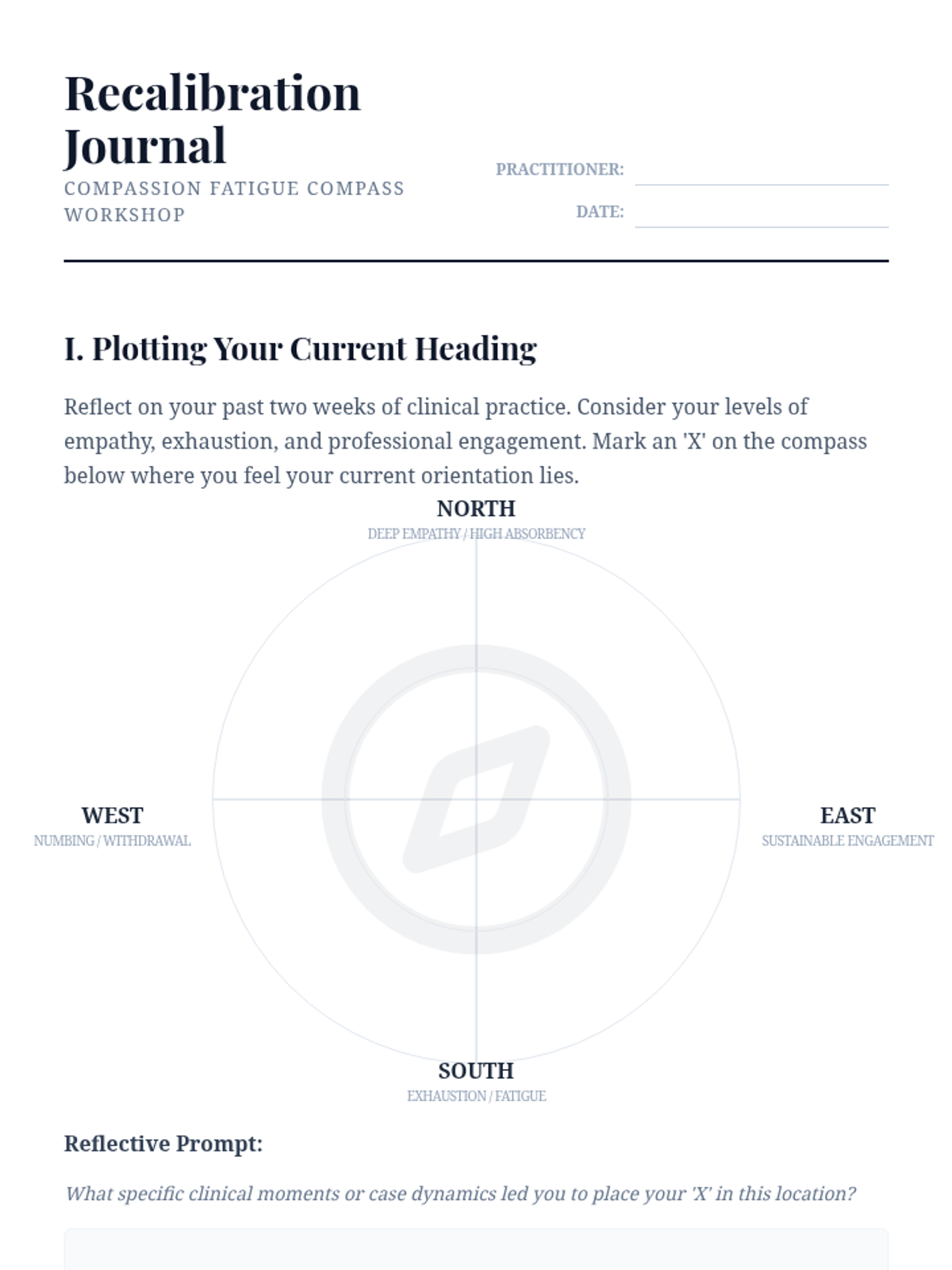
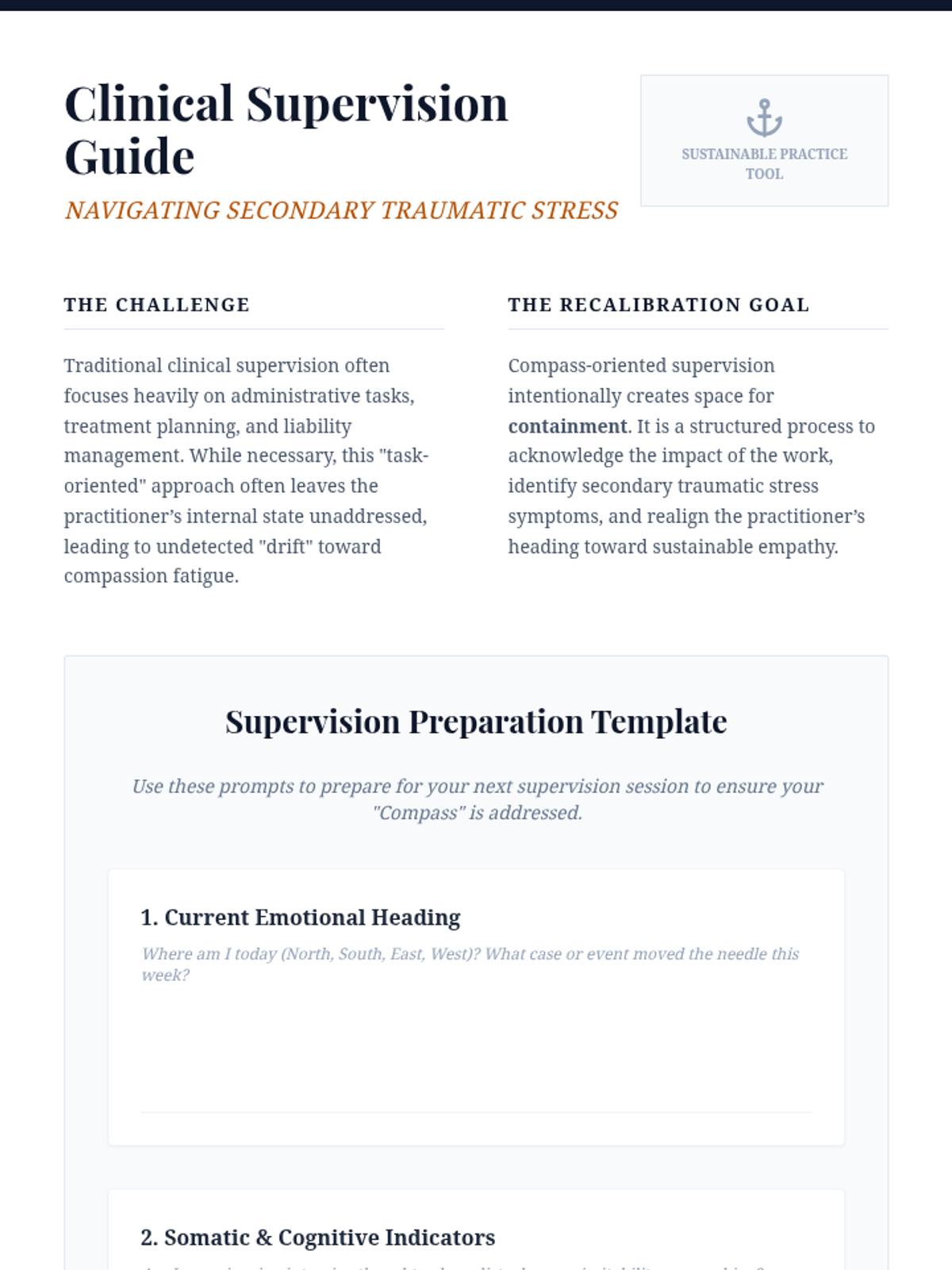
A sophisticated workshop for clinical professionals and graduate students to navigate secondary traumatic stress using a 'Compass' framework for emotional recalibration and sustainable empathy.
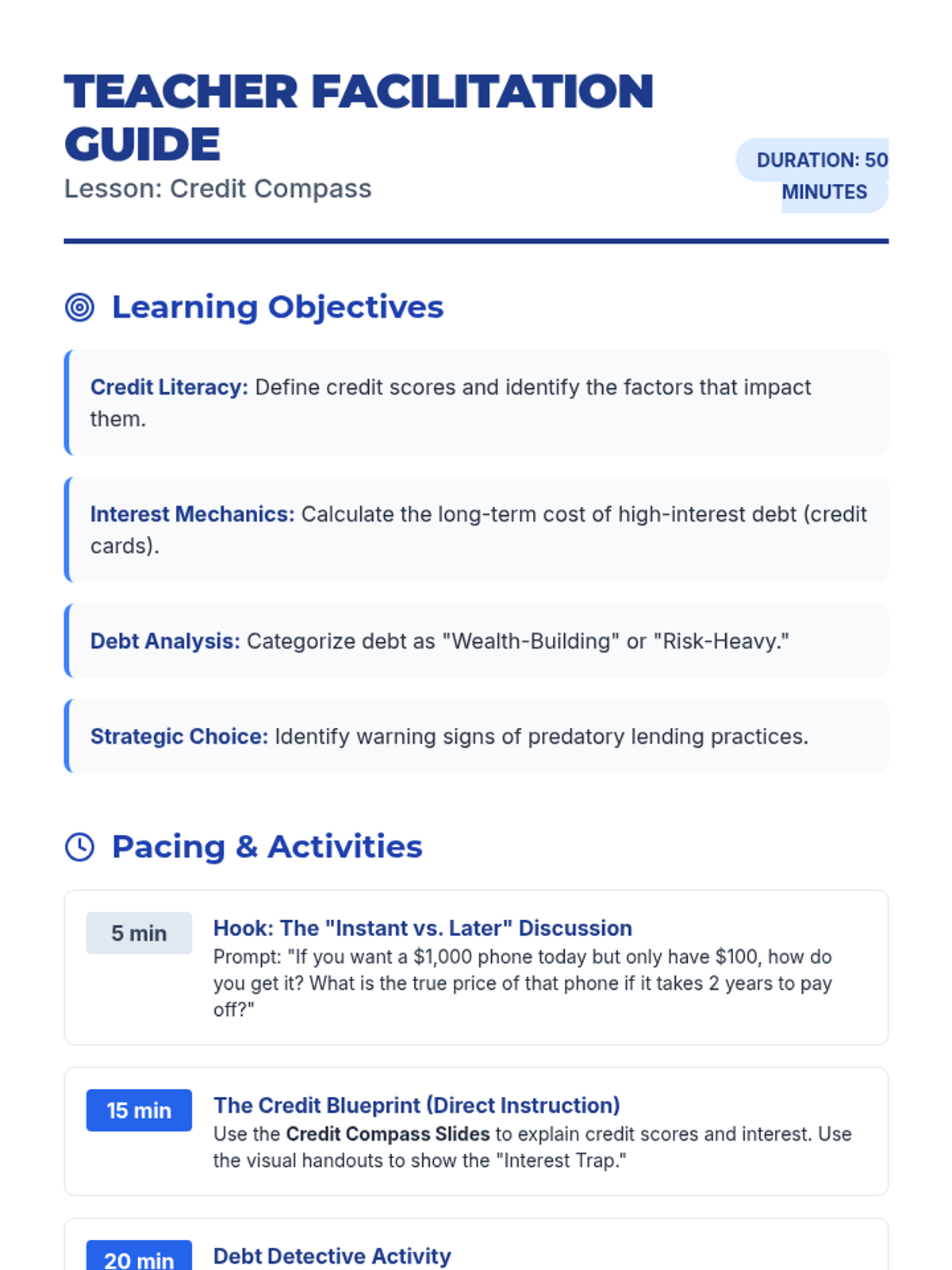
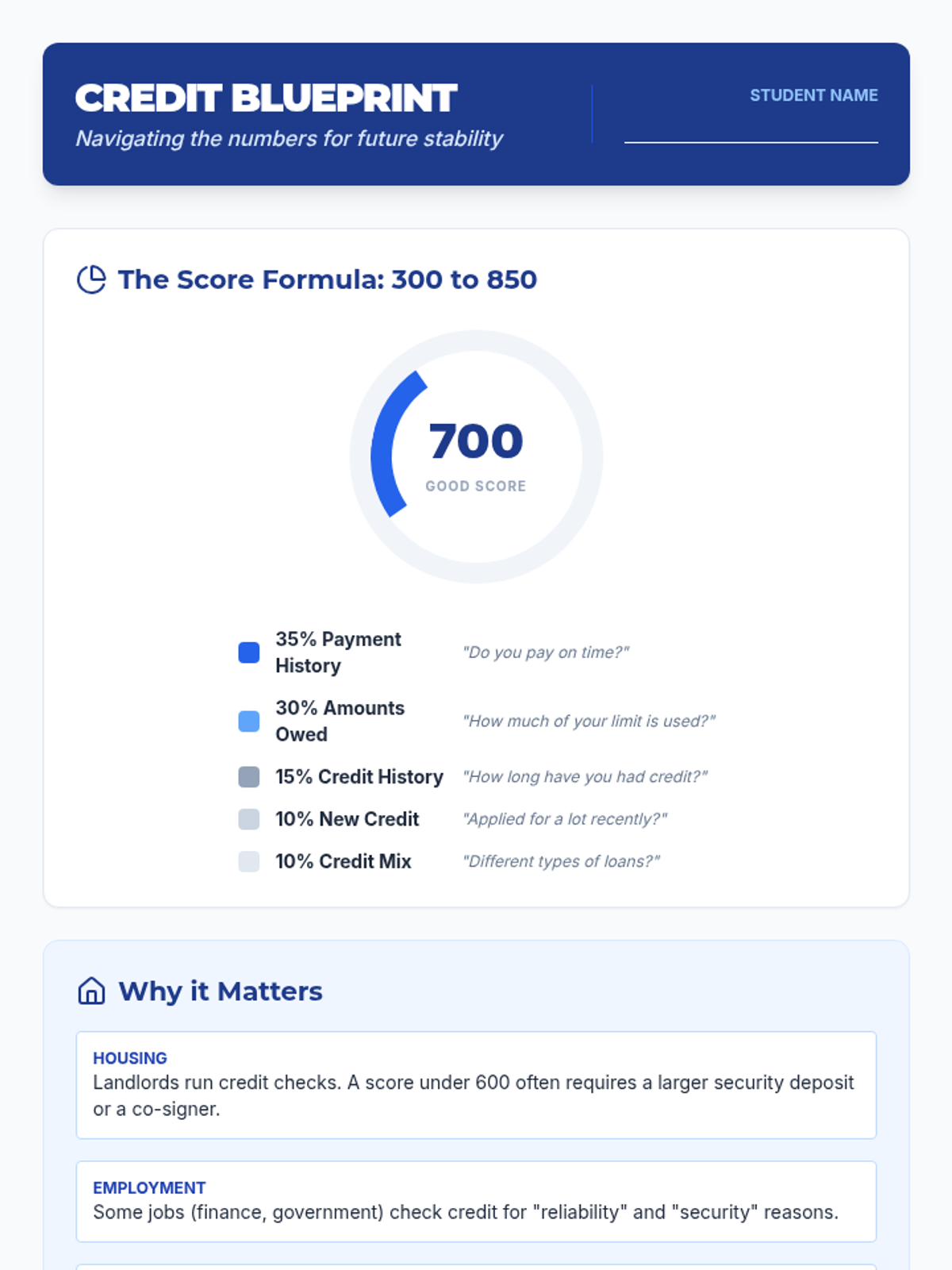
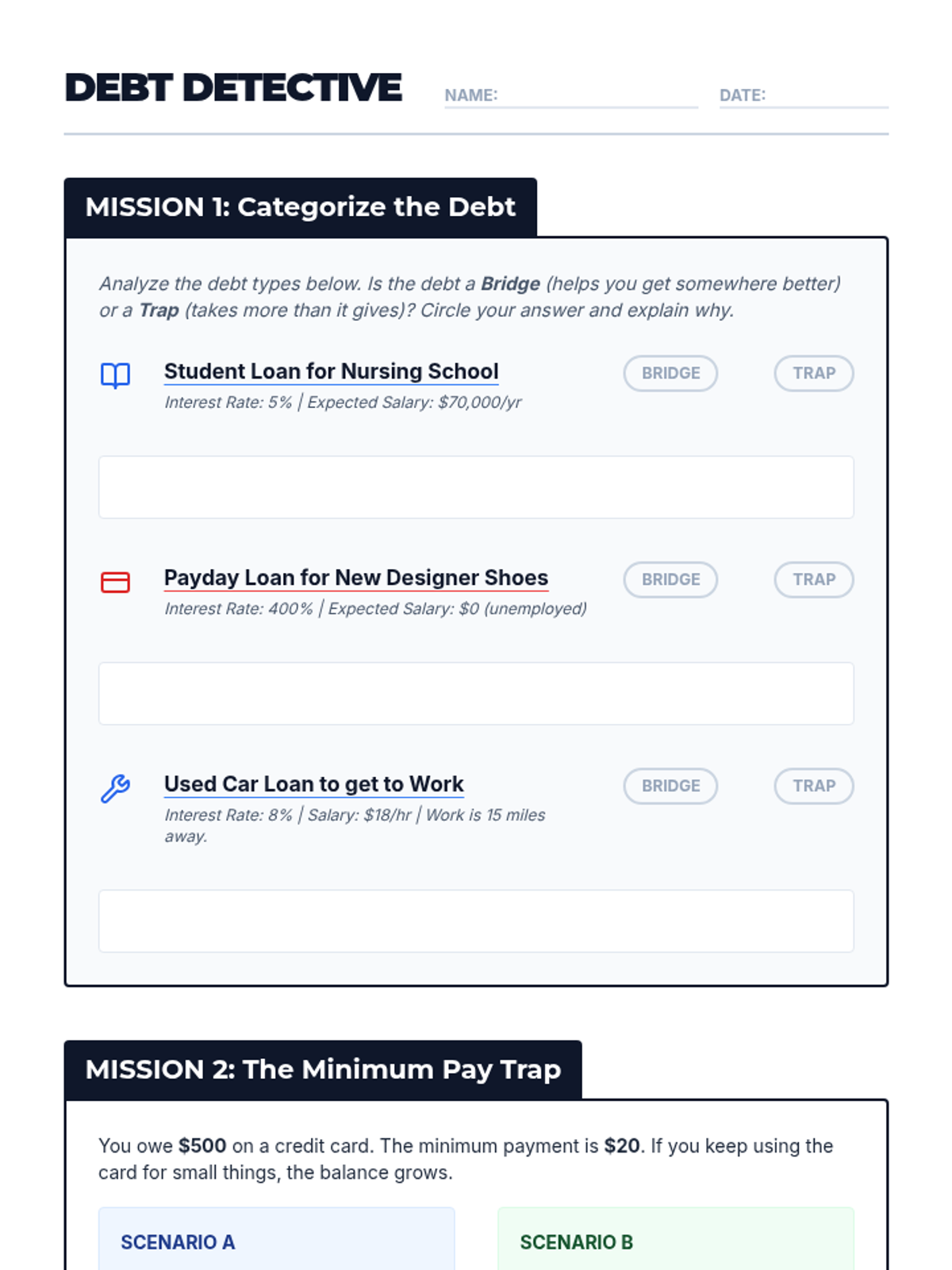
A 50-minute lesson designed for high school students, particularly those facing housing instability, to understand the mechanics of credit scores, the cost of interest, and how to differentiate between productive and predatory debt.
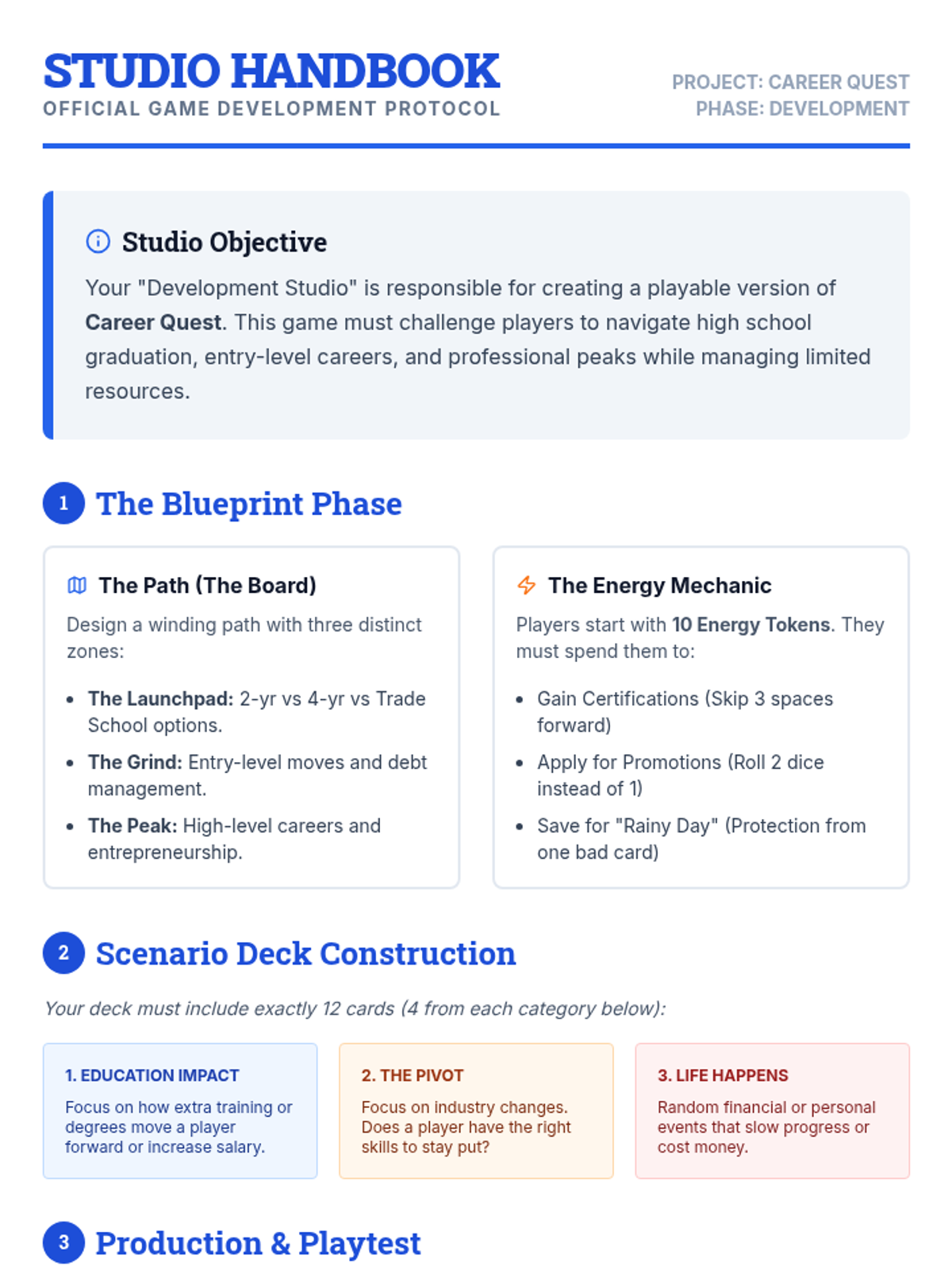
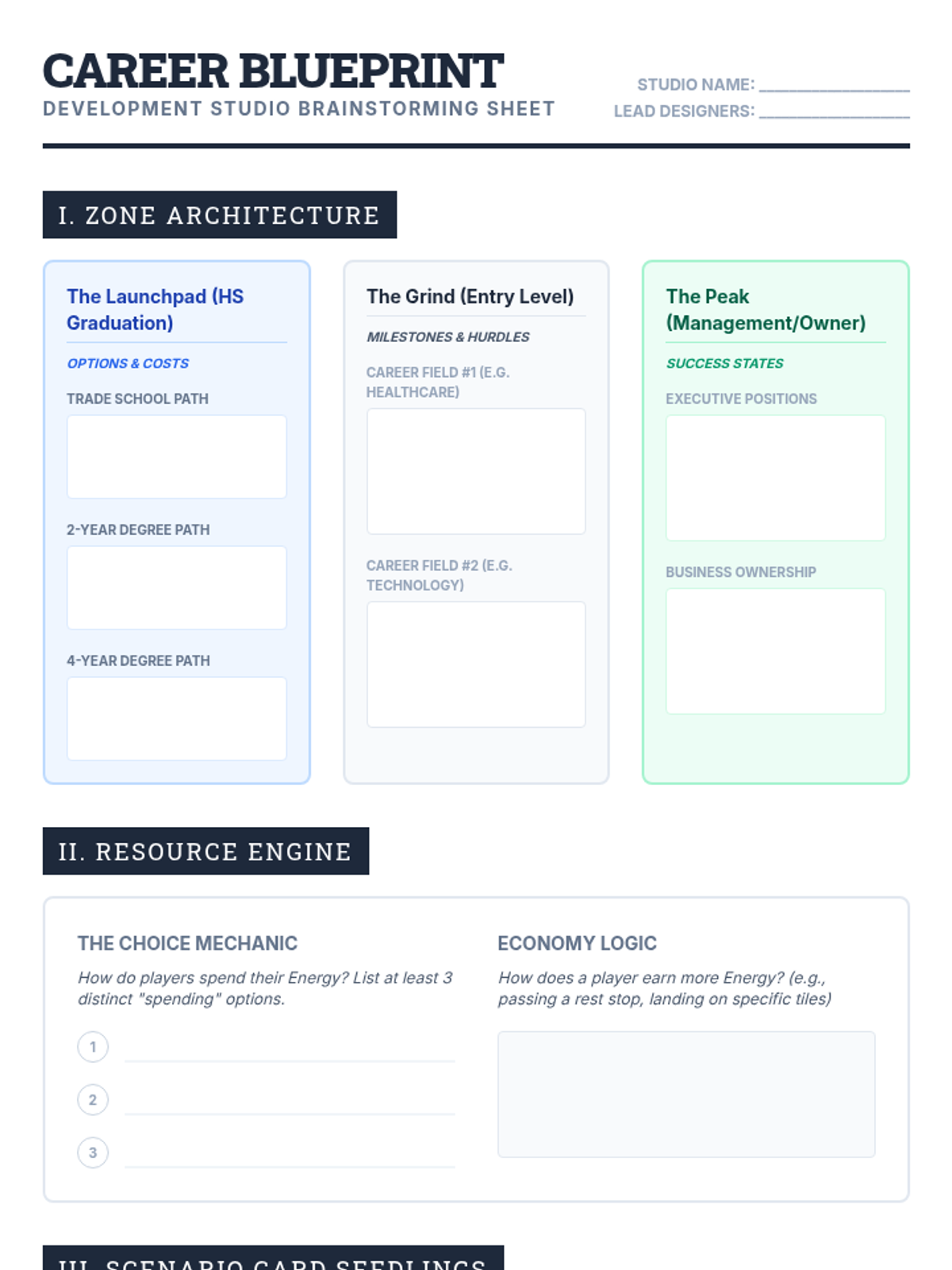
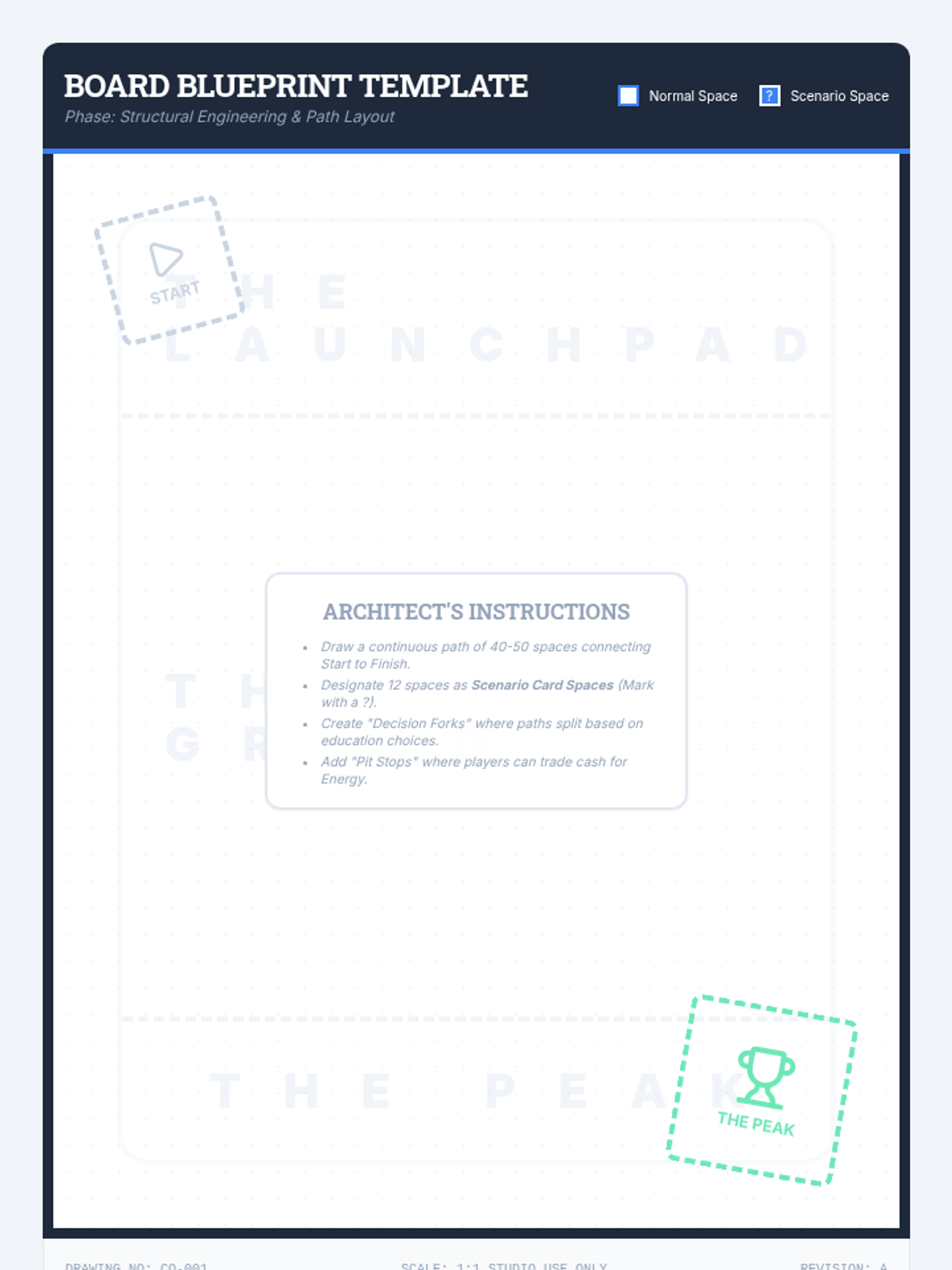
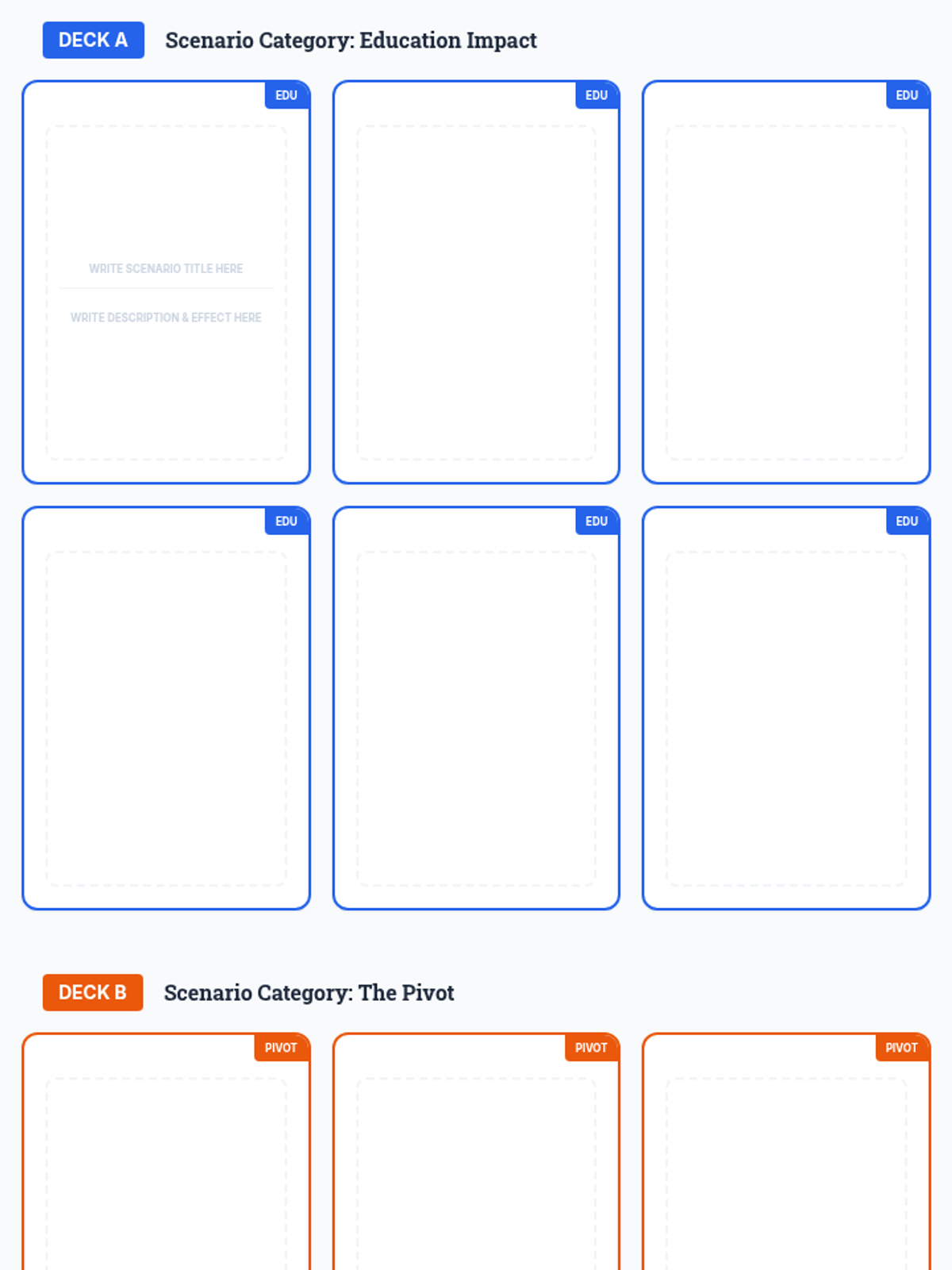
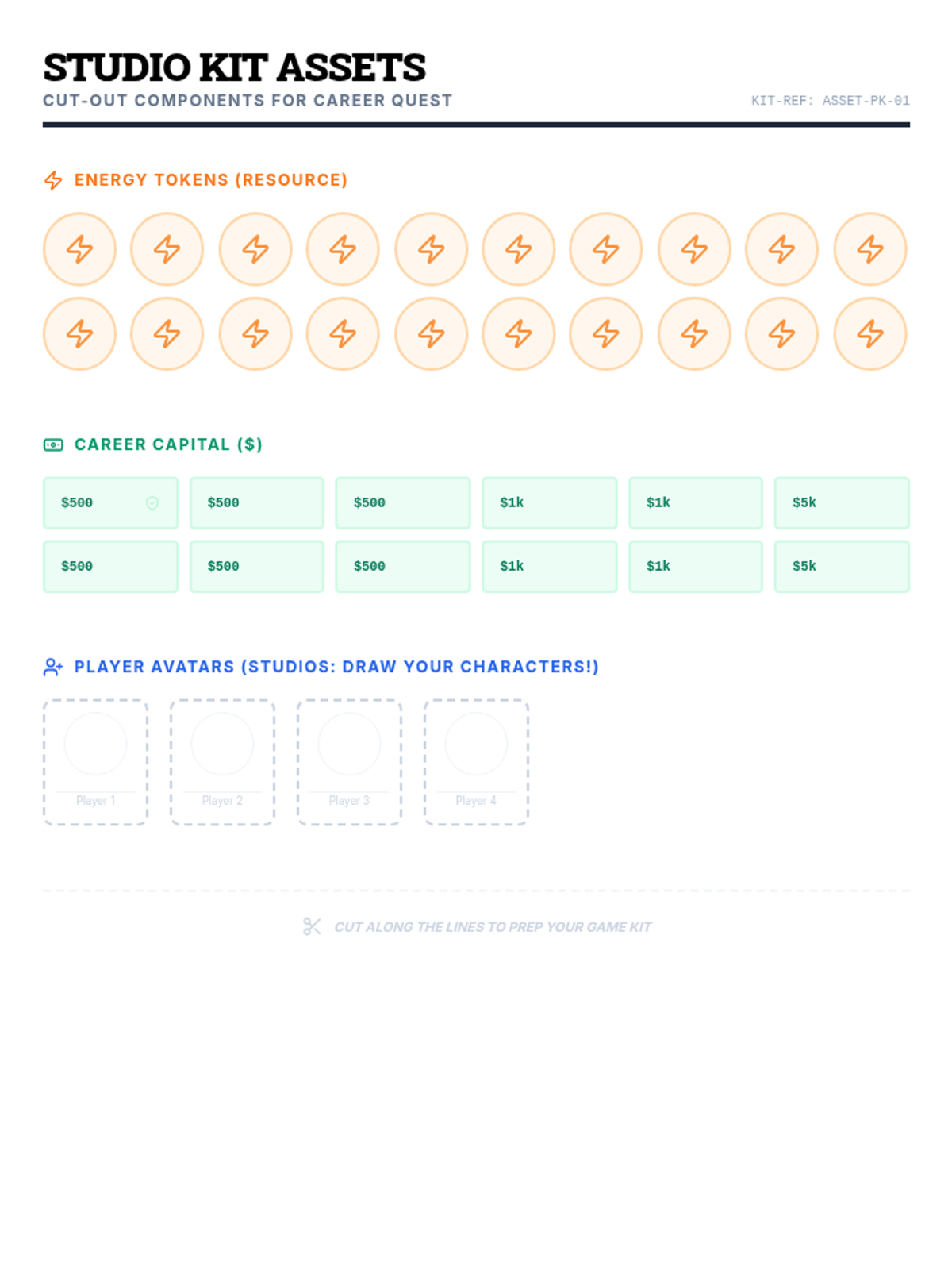
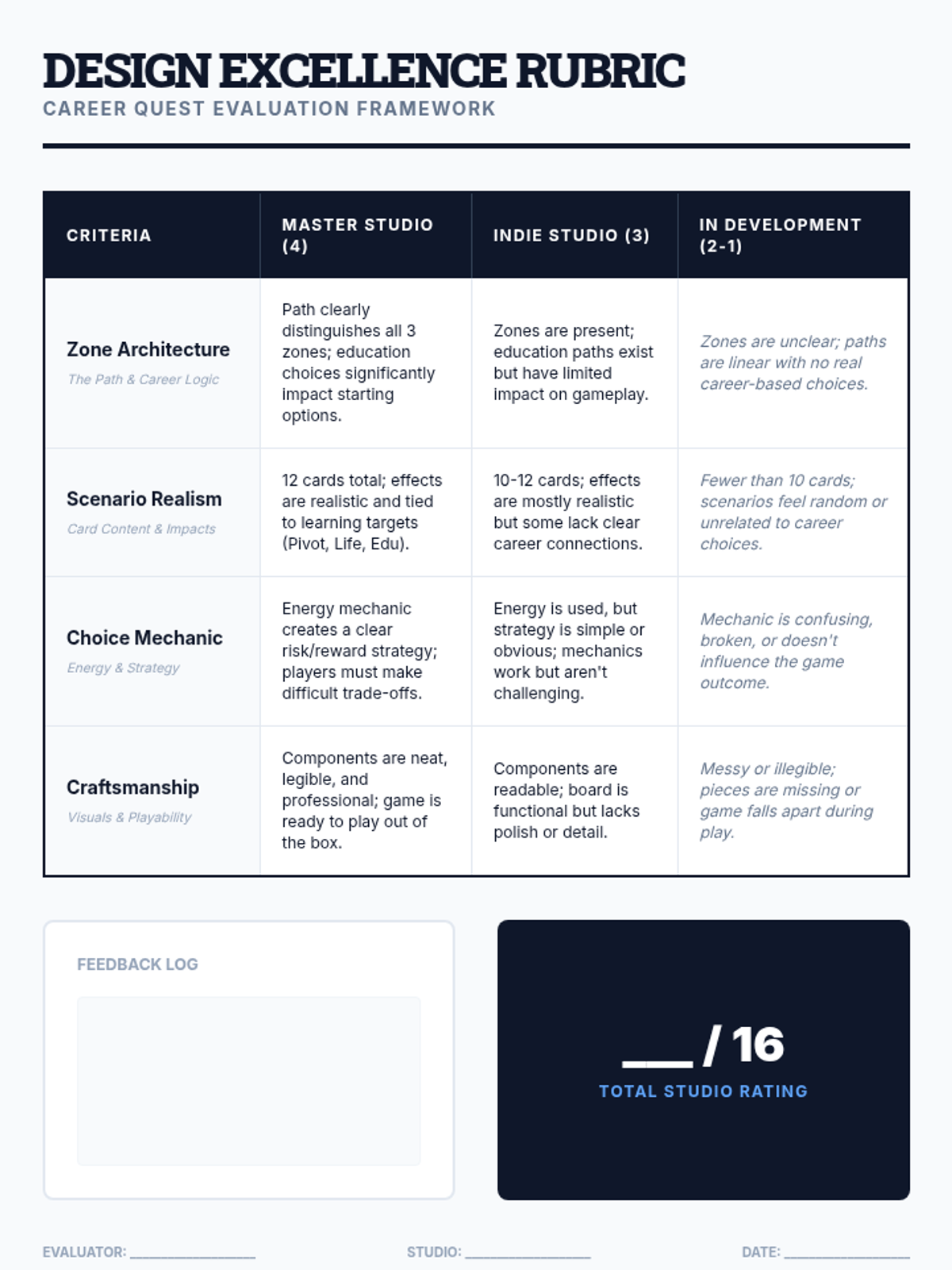
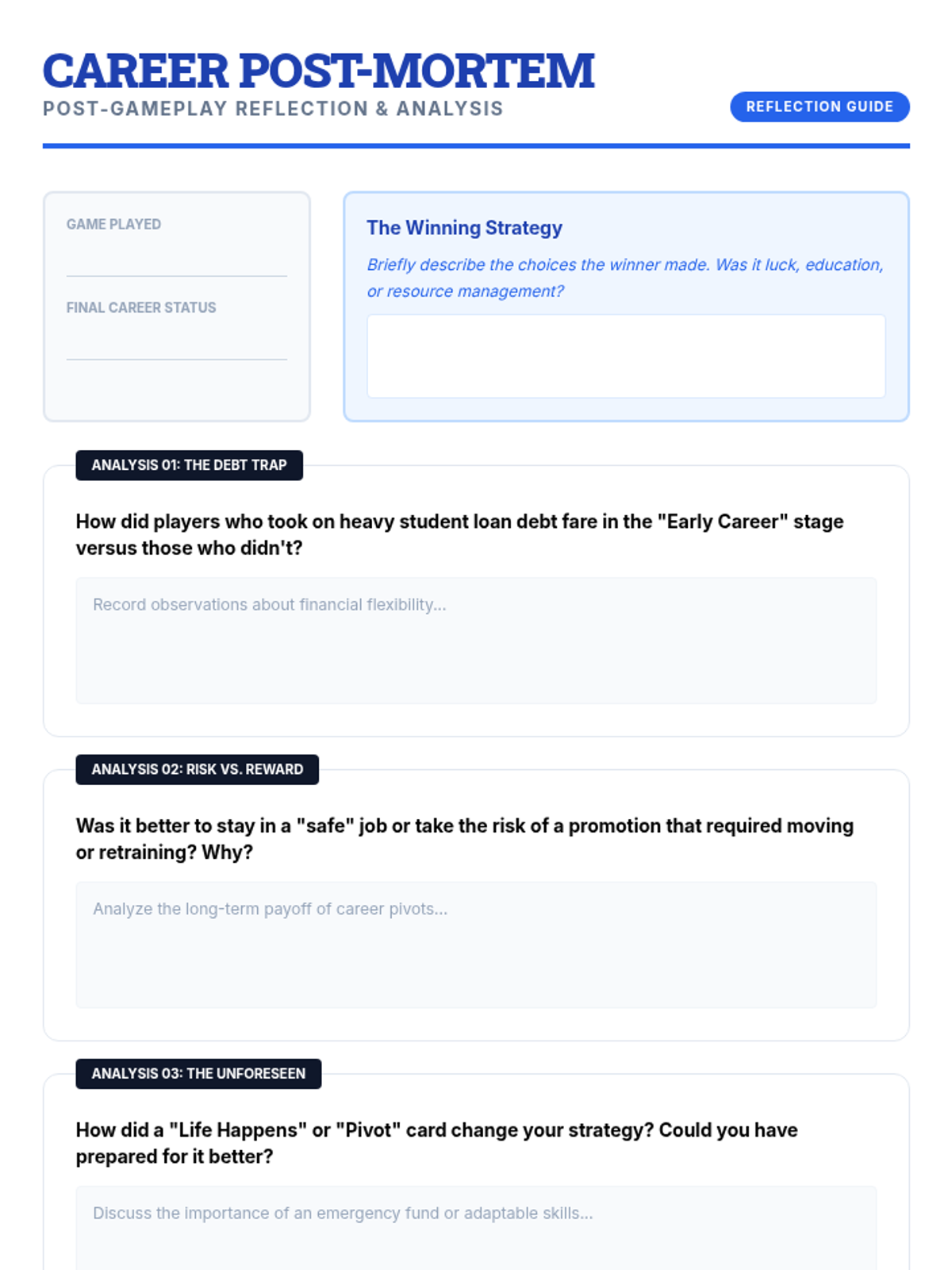
A multi-day project where students act as 'Development Studios' to design, build, and playtest their own career-themed board games, focusing on the impact of education and life choices on long-term outcomes.
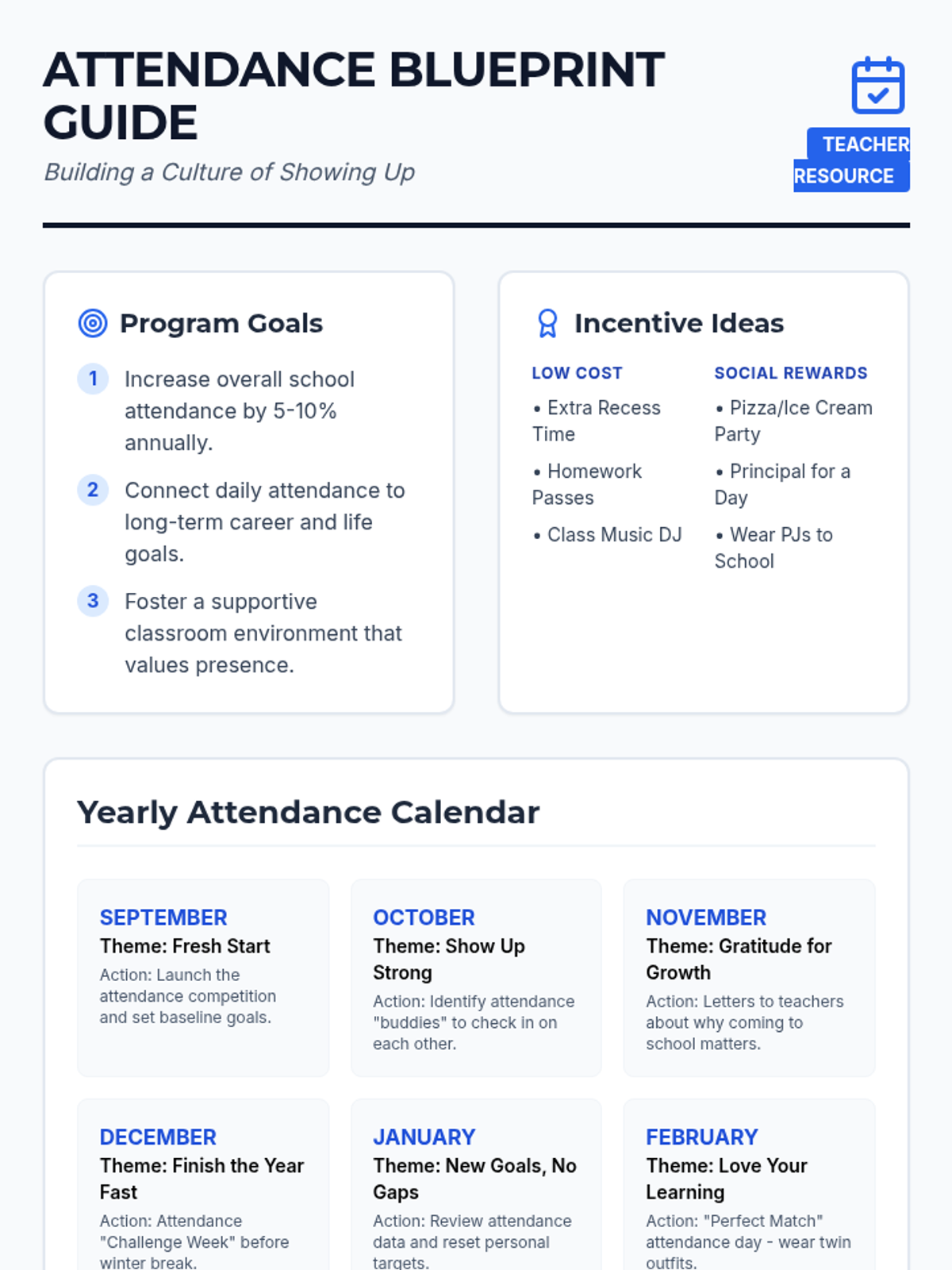
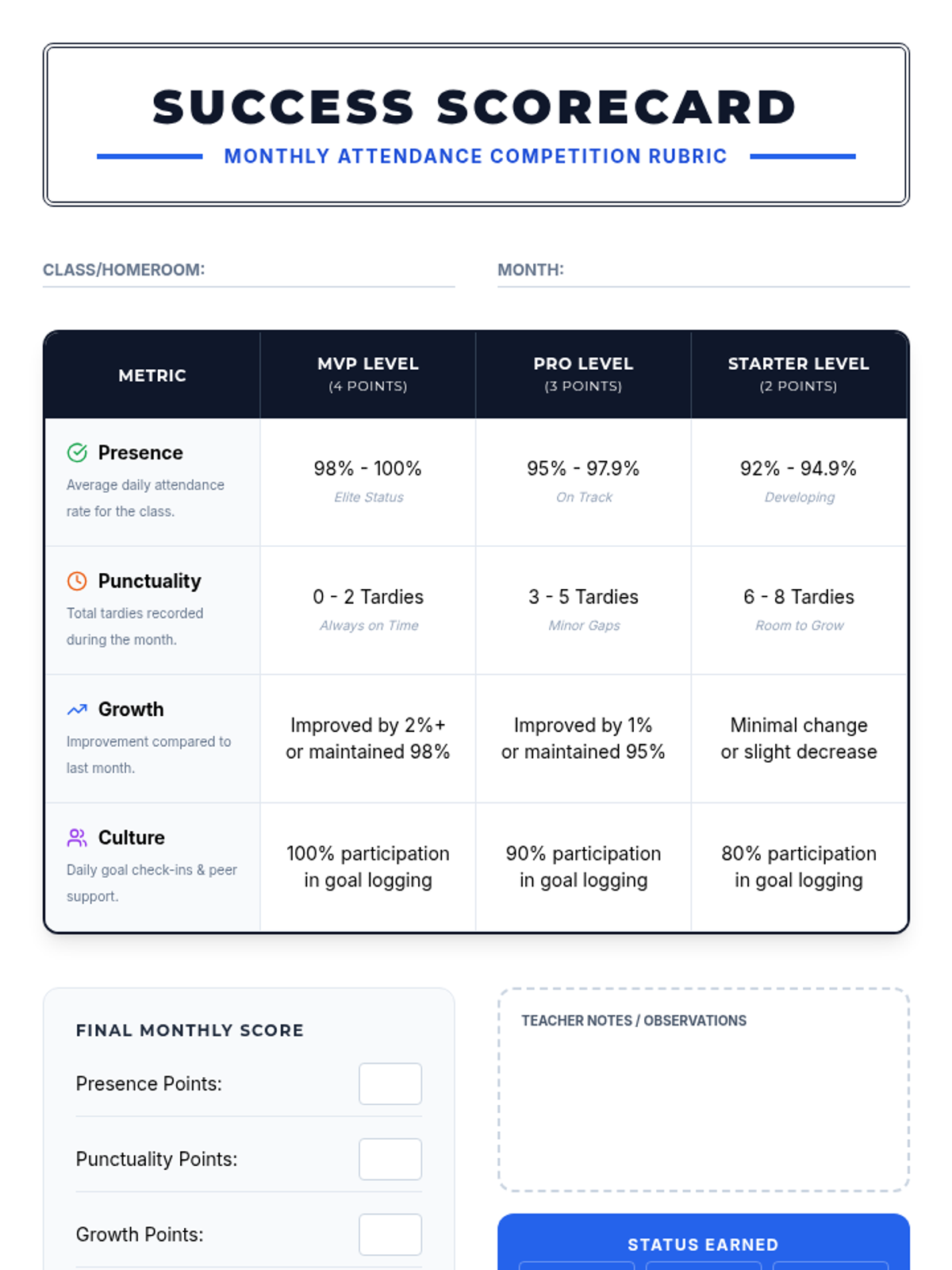
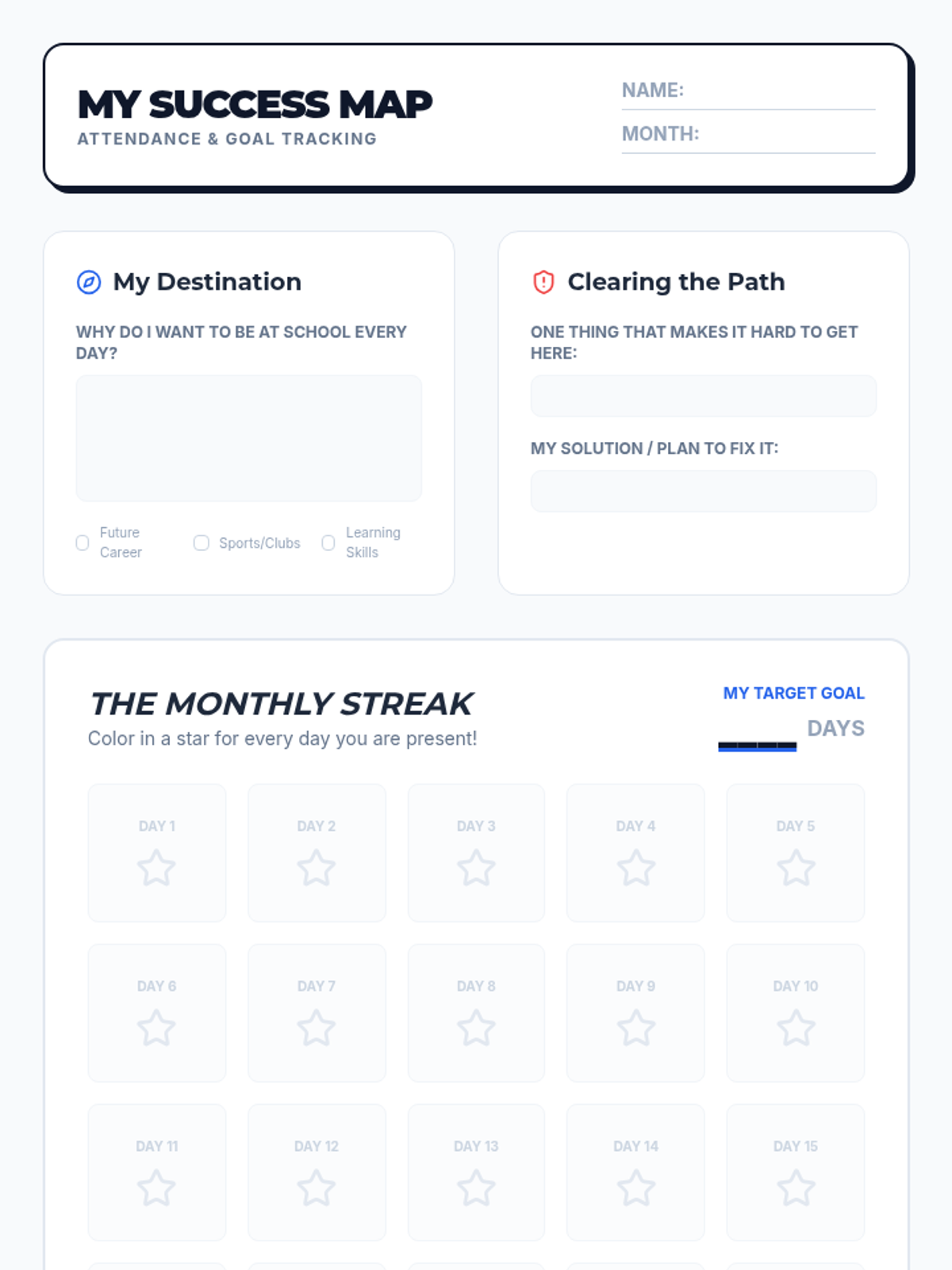
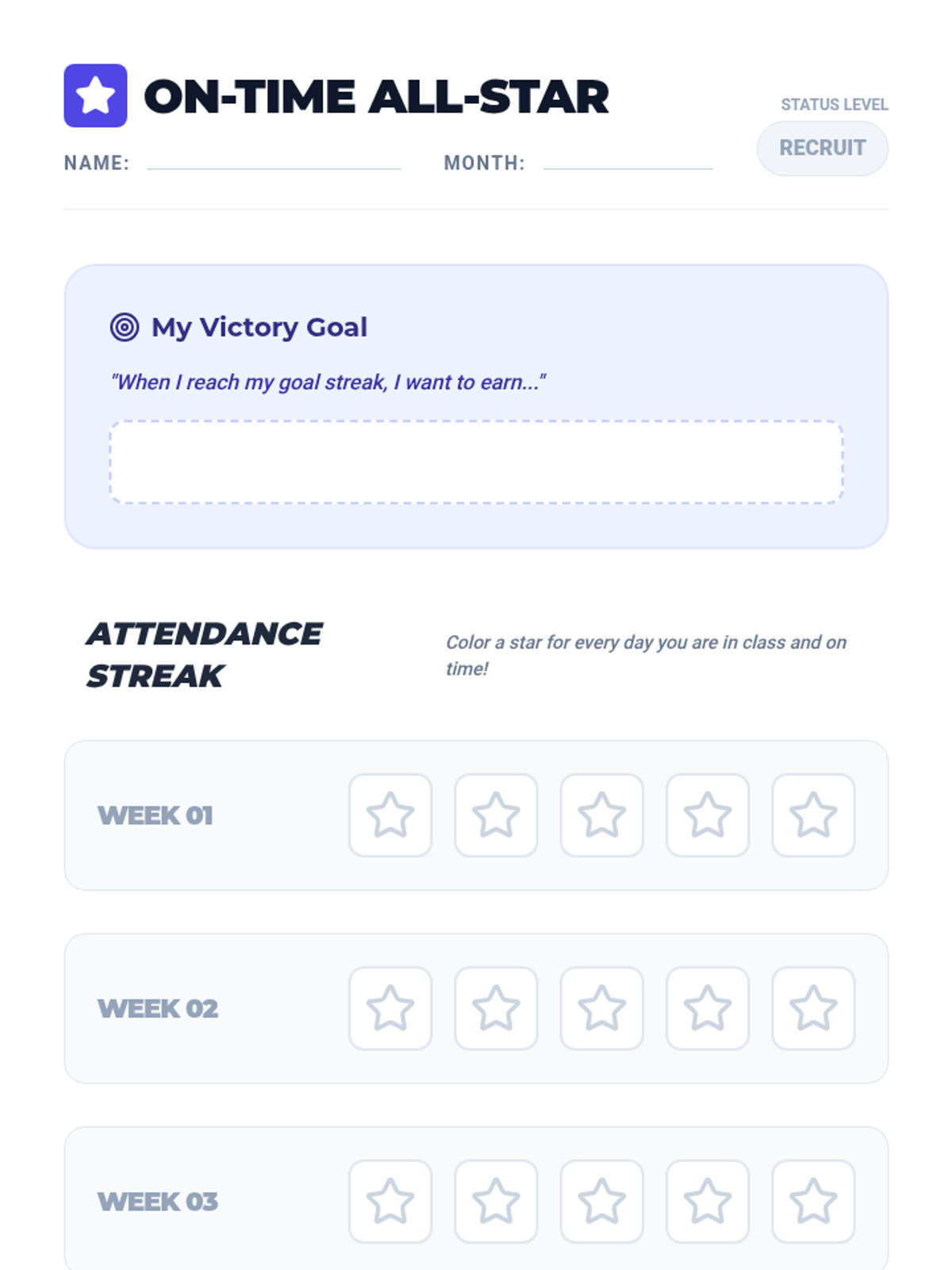
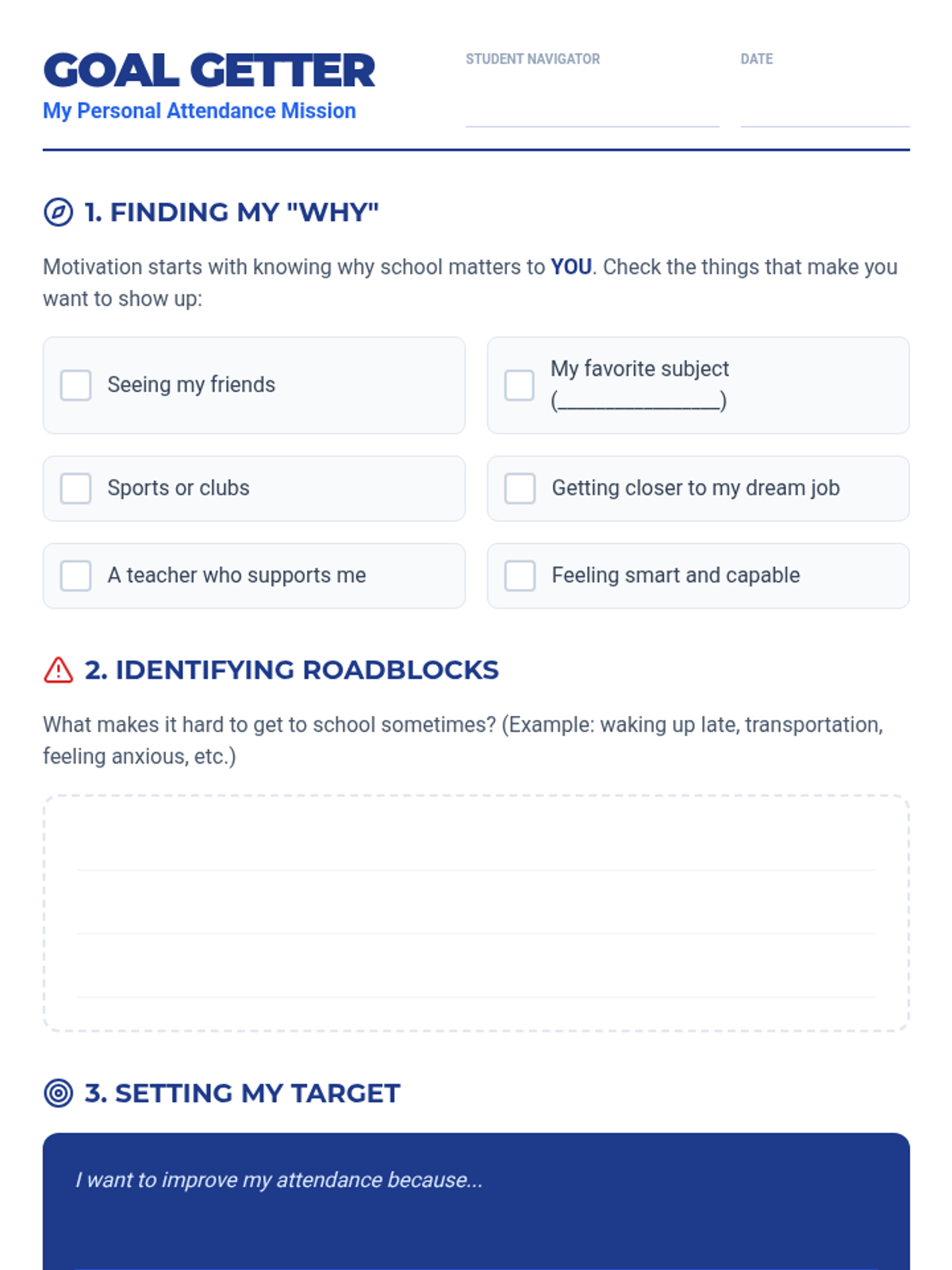
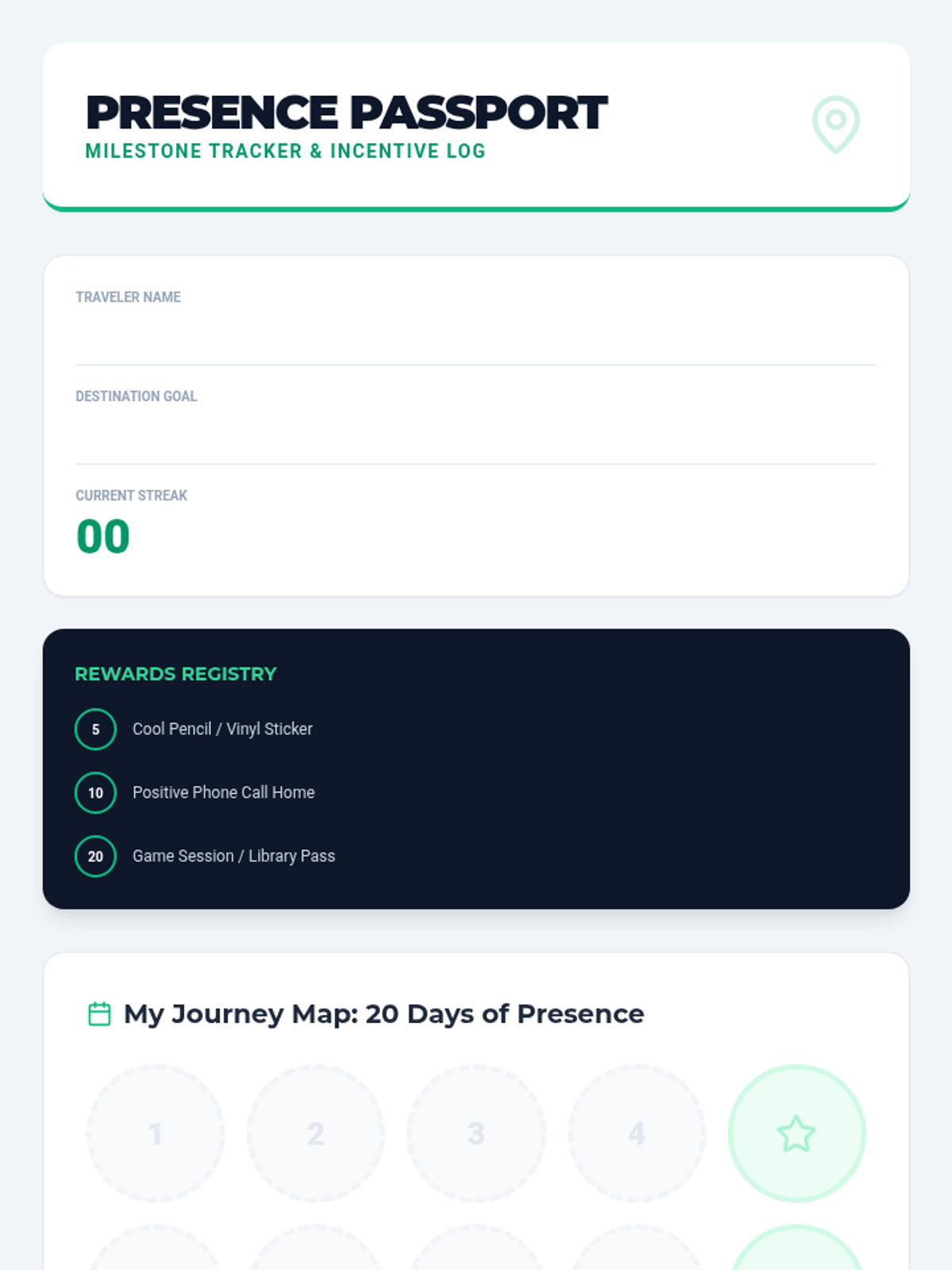
Introductory resources for establishing an attendance competition and educating students on the importance of being present every day for academic success.
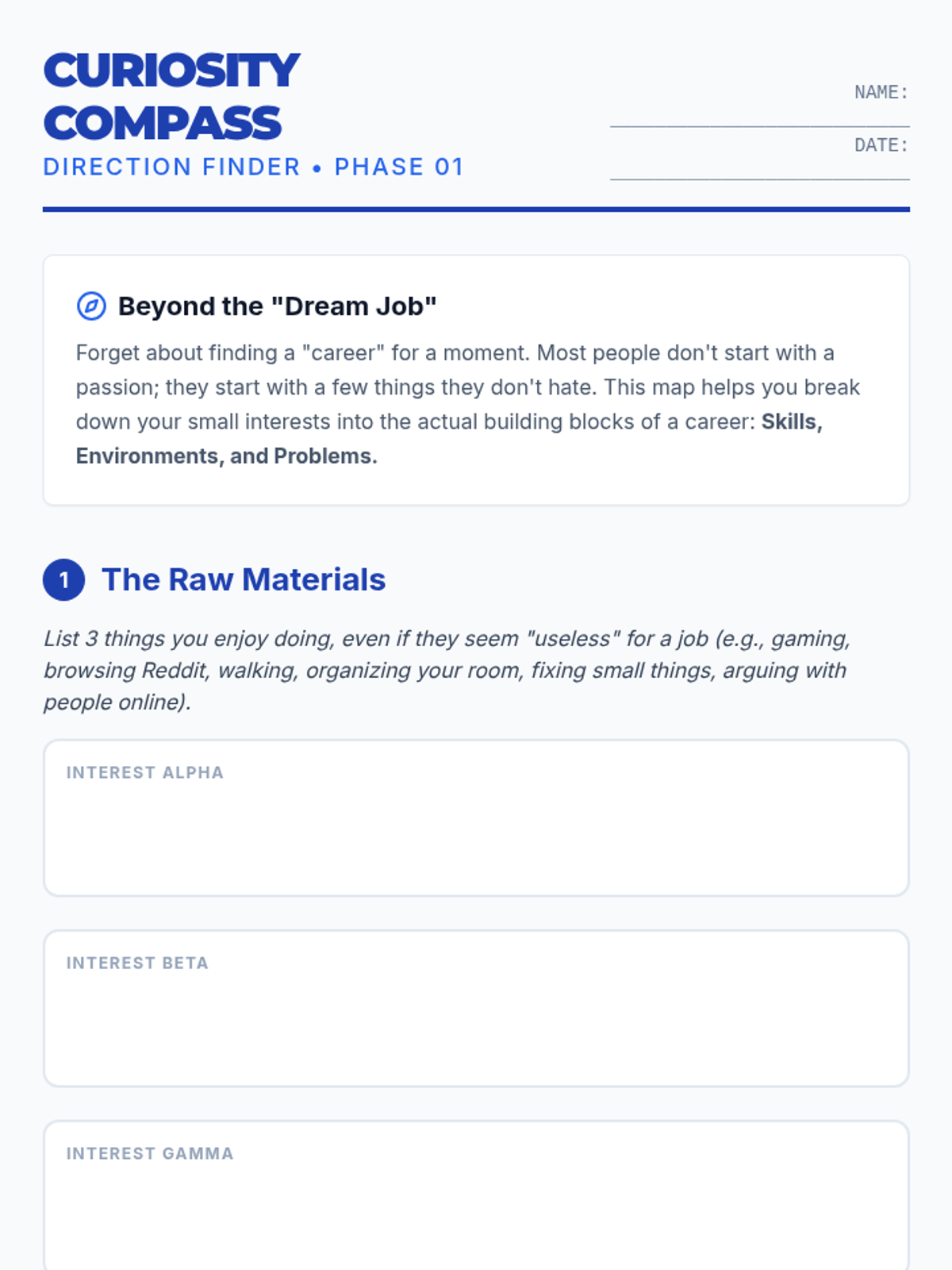
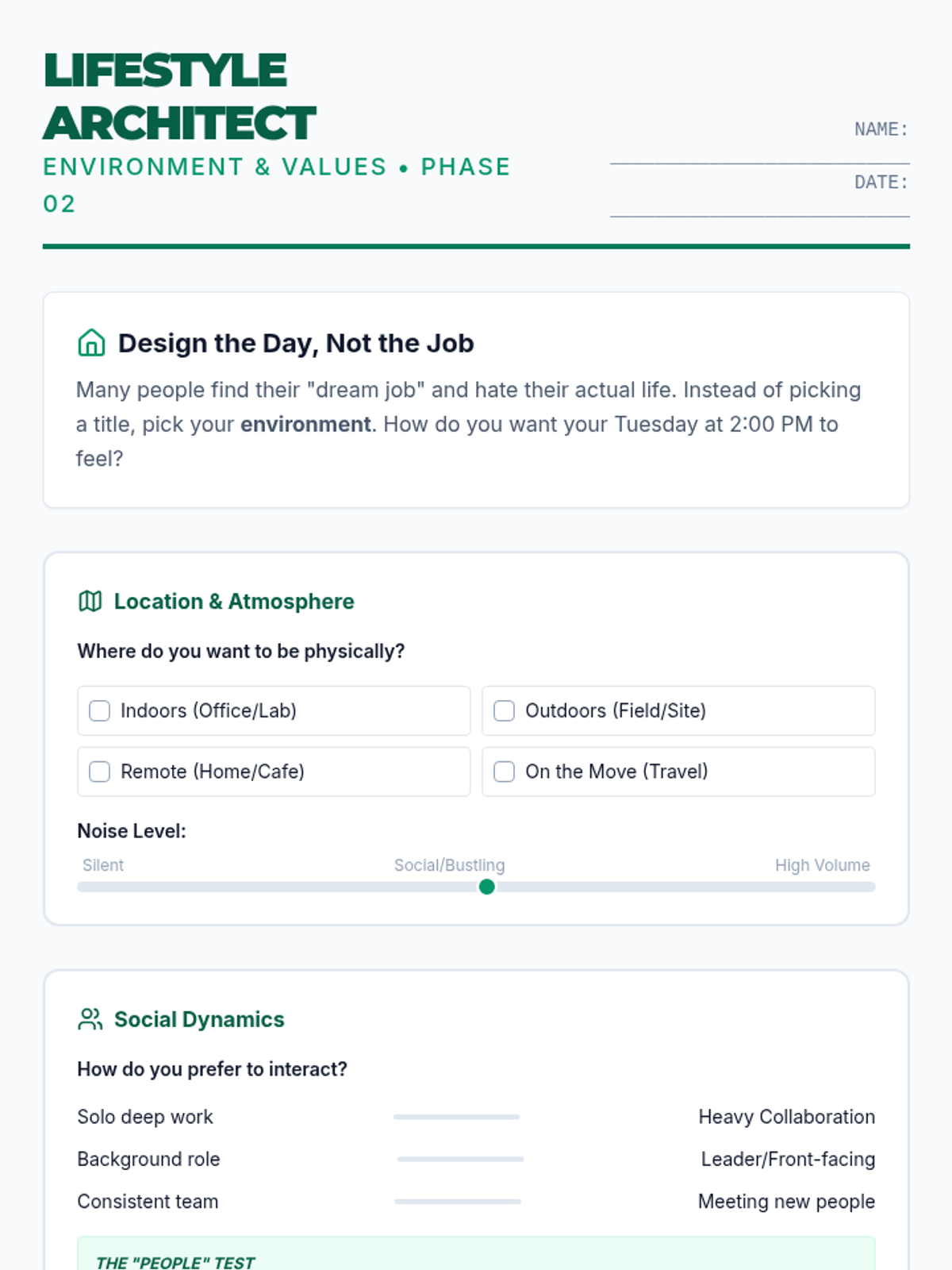
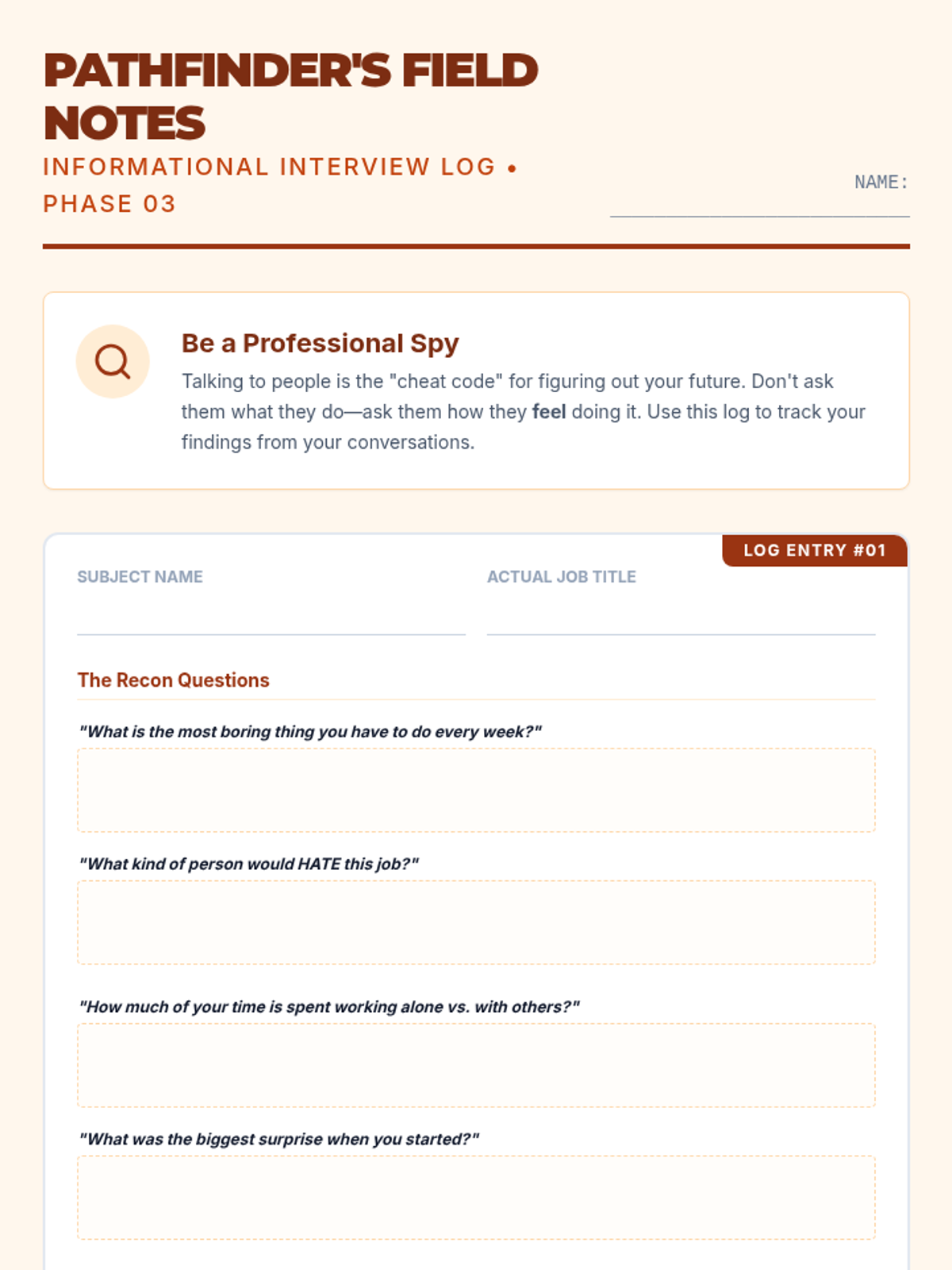
A set of resources designed to help high schoolers with vague or limited interests identify potential career paths by focusing on lifestyle preferences, skills, and real-world conversations.
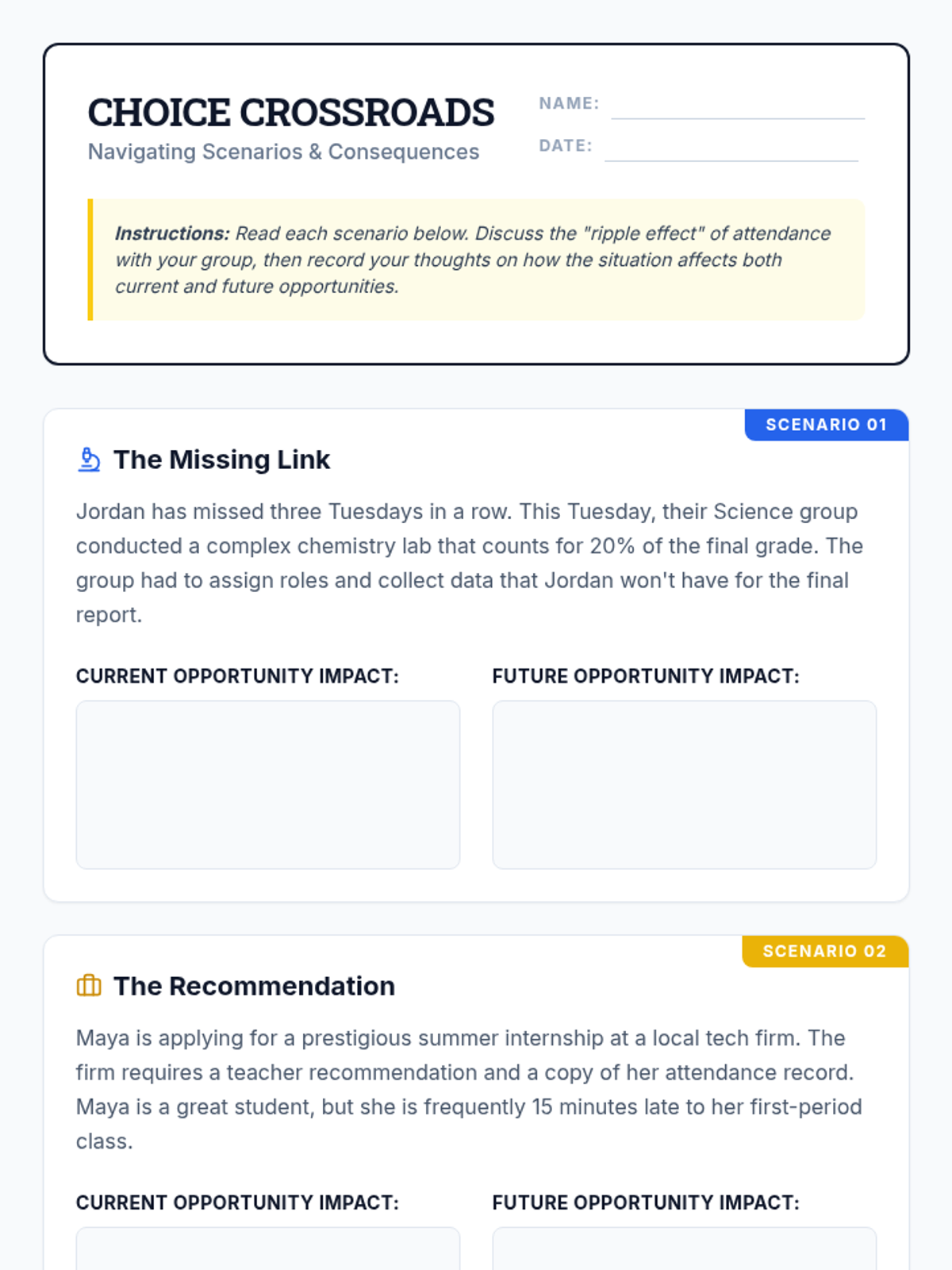
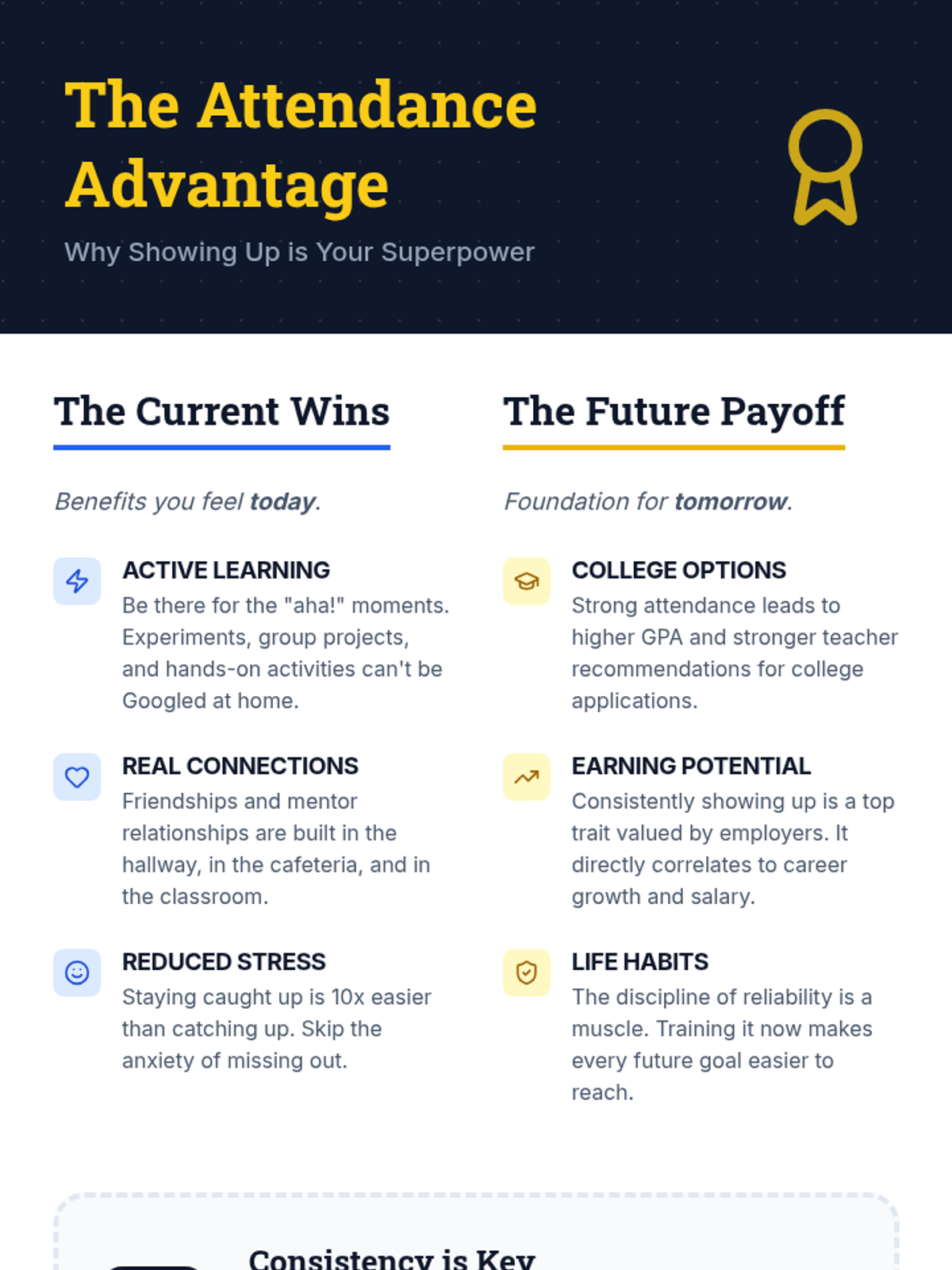
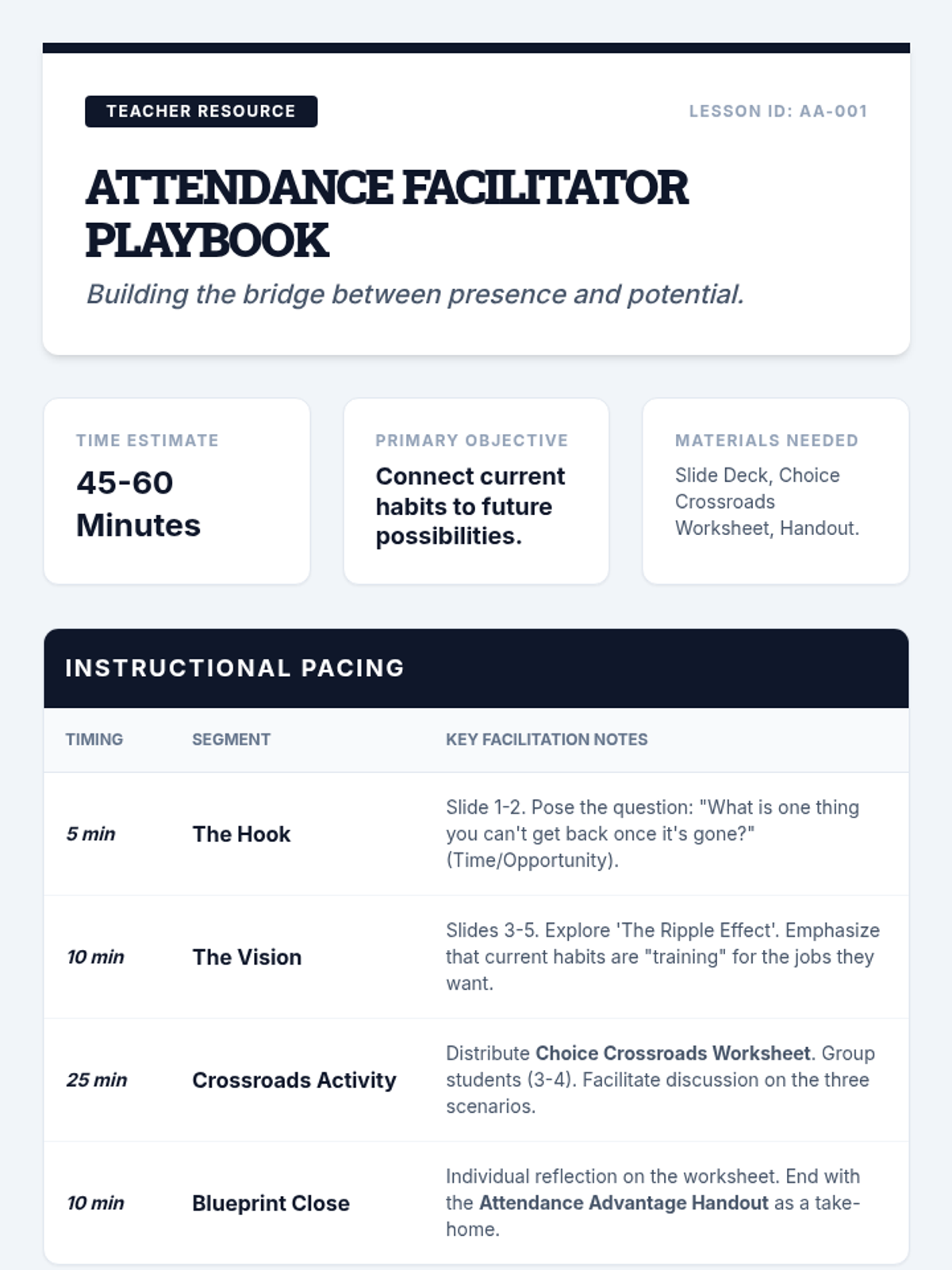
A lesson exploring the tangible benefits of regular school attendance, focusing on how showing up today builds the foundation for both immediate and future success.
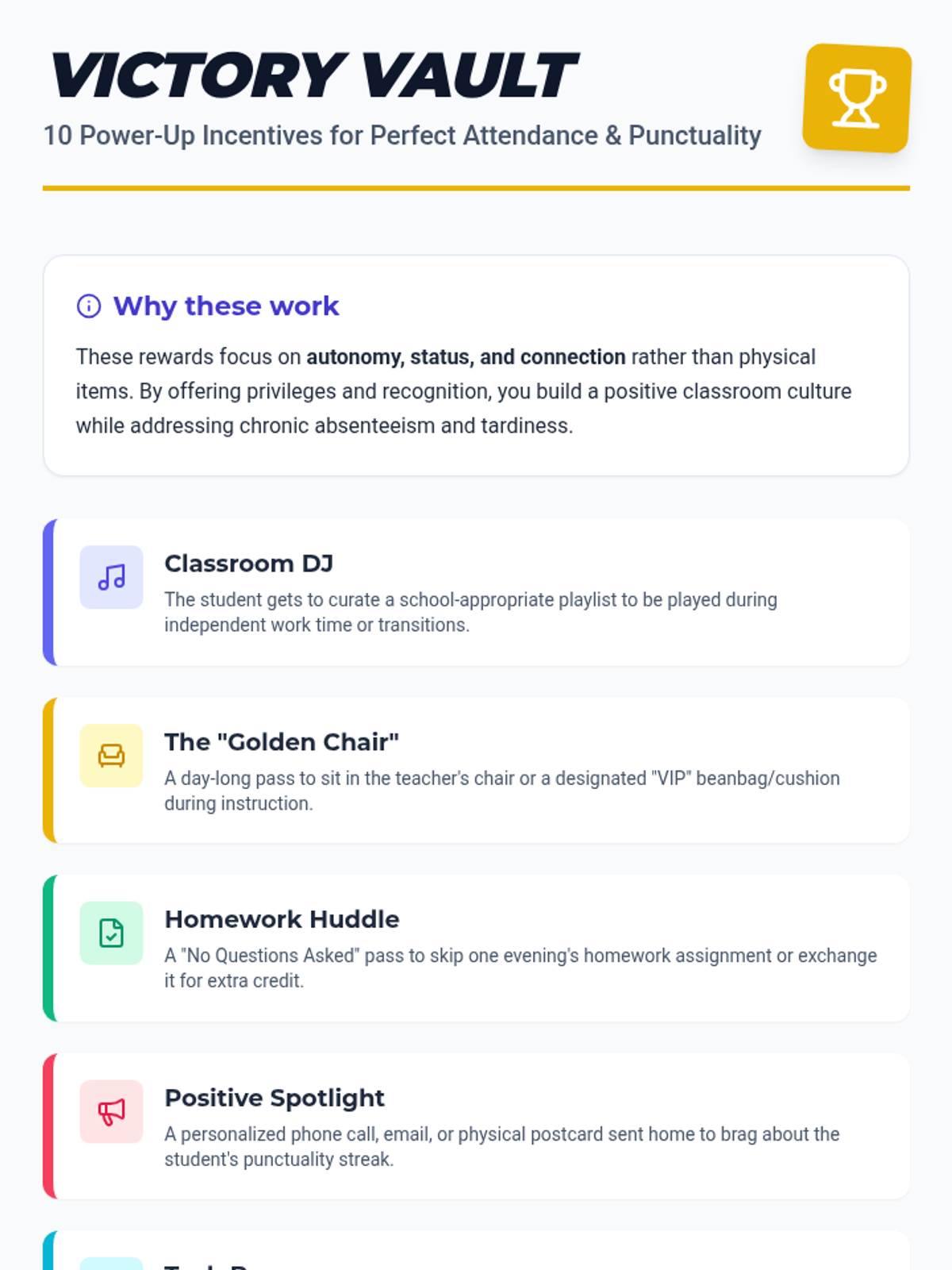
A collection of resources designed to motivate students to arrive on time and attend school regularly using meaningful, non-tangible rewards.
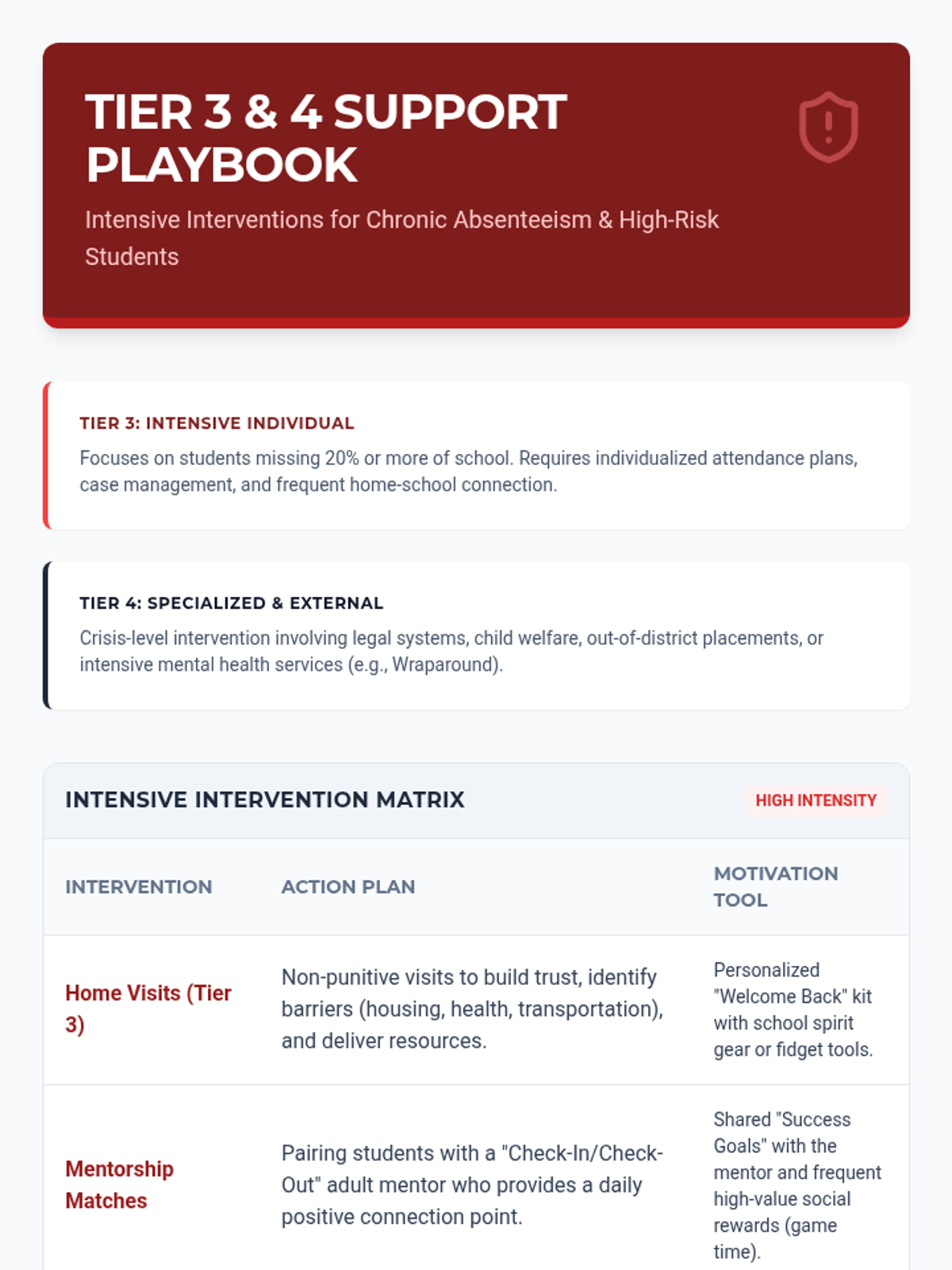
Focuses on intensive and specialized interventions (Tier 3 and 4) for students facing significant barriers to attendance, emphasizing individualized support and wrap-around services.
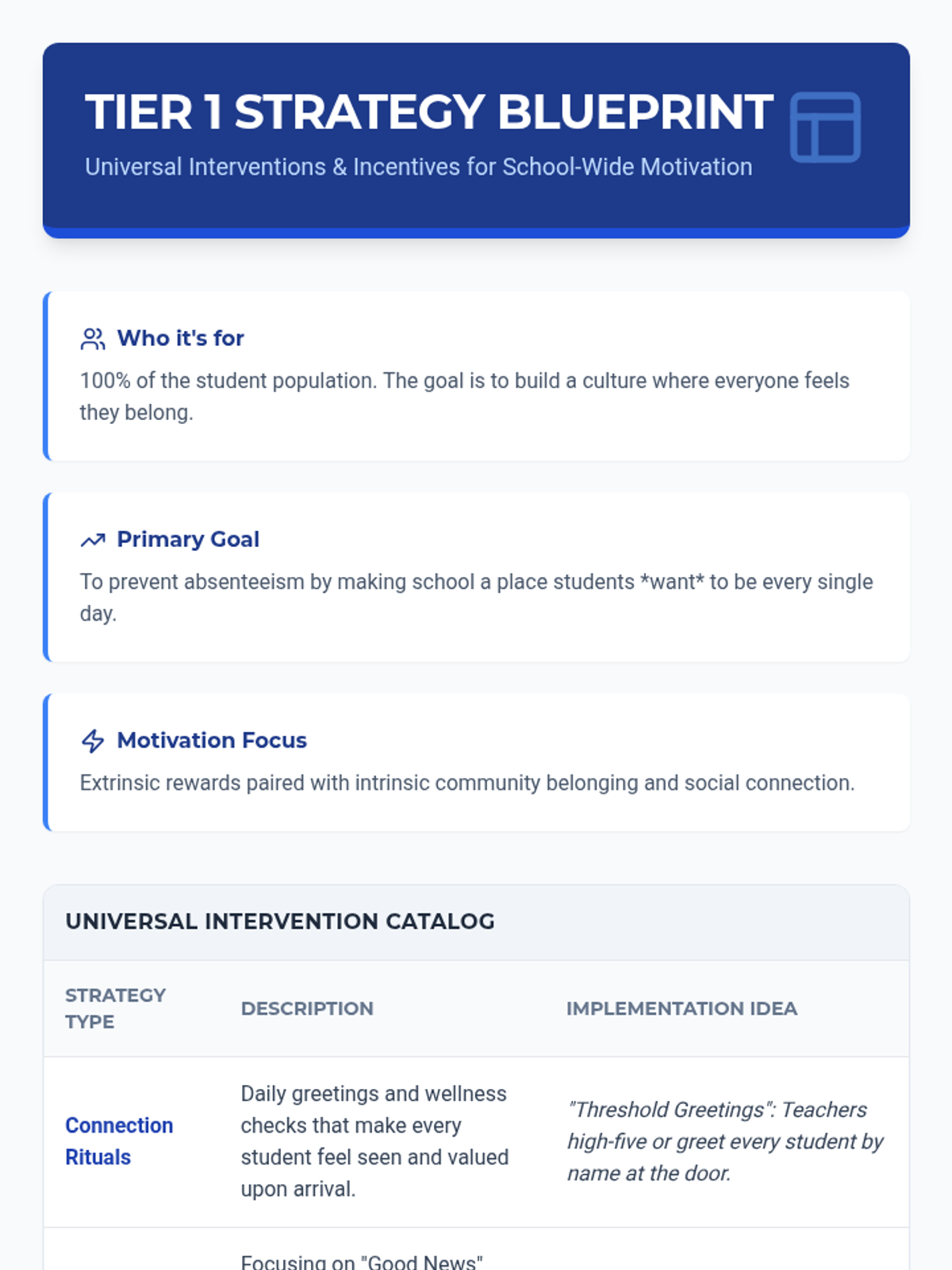
Focuses on universal (Tier 1) strategies to build a school-wide culture of attendance through positive reinforcement, community building, and clear communication.
A 15-minute training module for mentors advising first-generation college students on the financial aid process, focusing on empathy, terminology, and practical timelines.