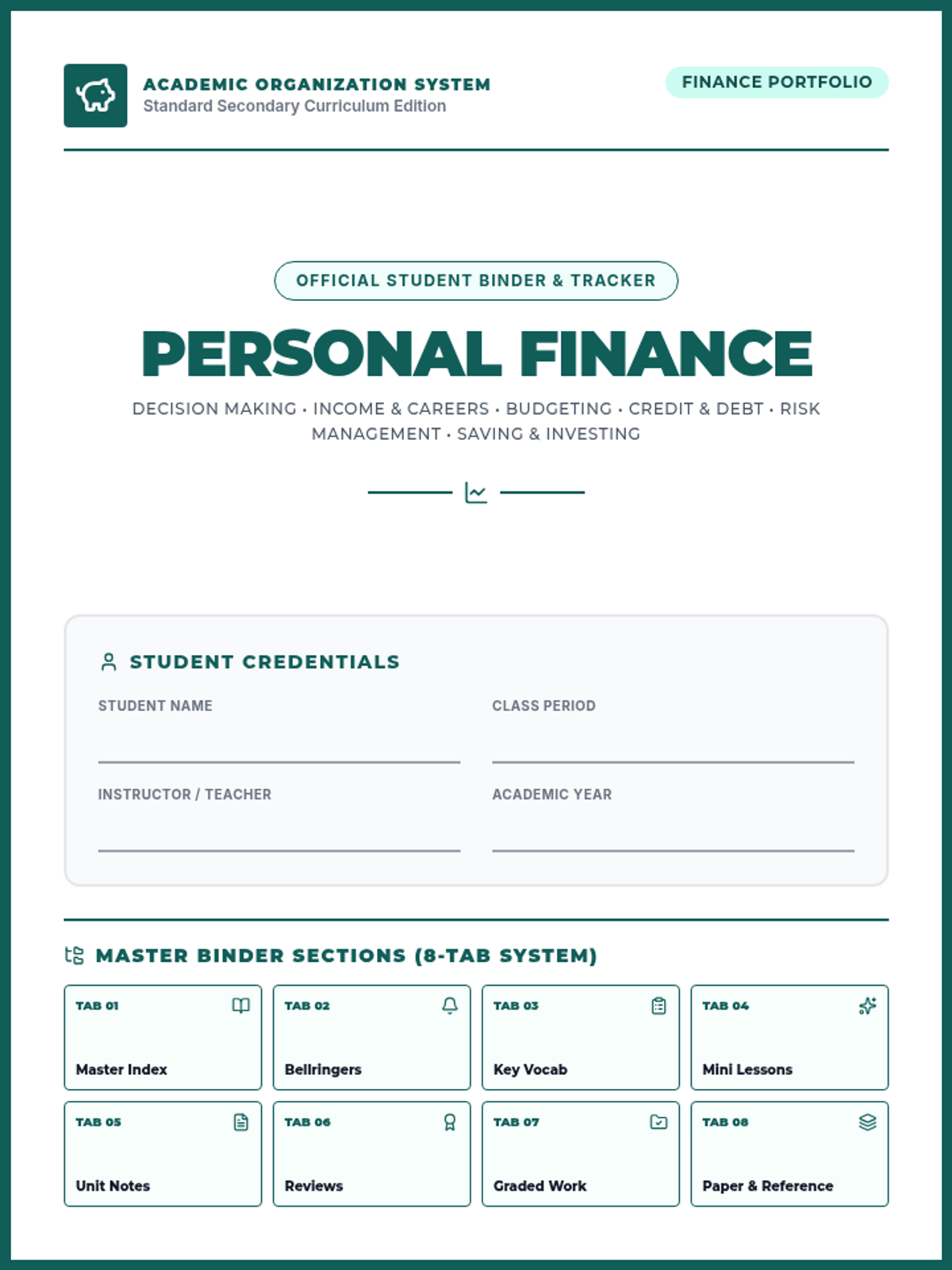
A 50-minute lesson designed for high school students, particularly those facing housing instability, to understand the mechanics of credit scores, the cost of interest, and how to differentiate between productive and predatory debt.
A 50-minute immersion into the mechanics of empathy. Students practice active listening techniques and use 'detective' skills to analyze social scenarios from multiple perspectives.
A high-energy, 15-minute introduction to growth mindset focusing on neuroplasticity. Students engage in a hands-on 'synapse building' activity to visualize how effort changes their physical brain structure.
A high-energy, space-themed lesson that teaches students essential collaboration skills through the lens of a mission to build a lunar base. Students learn about role assignment, active listening, and conflict resolution while practicing these skills in a hands-on building challenge.
A multi-day project where students act as 'Development Studios' to design, build, and playtest their own career-themed board games, focusing on the impact of education and life choices on long-term outcomes.
Introductory resources for establishing an attendance competition and educating students on the importance of being present every day for academic success.
A set of resources designed to help high schoolers with vague or limited interests identify potential career paths by focusing on lifestyle preferences, skills, and real-world conversations.
A lesson exploring the tangible benefits of regular school attendance, focusing on how showing up today builds the foundation for both immediate and future success.
A collection of resources designed to motivate students to arrive on time and attend school regularly using meaningful, non-tangible rewards.
Focuses on intensive and specialized interventions (Tier 3 and 4) for students facing significant barriers to attendance, emphasizing individualized support and wrap-around services.
Focuses on universal (Tier 1) strategies to build a school-wide culture of attendance through positive reinforcement, community building, and clear communication.
This lesson covers the essential components of college financial aid, focusing on the differences between gift aid, work-study, and loans, with a deep dive into federal loan structures.
A comprehensive lesson for first-generation students on navigating financial aid, including the FAFSA process, understanding aid types, and decoding award letters.
Teaches students how to identify and reframe the cognitive distortions that fuel chronic anger and resentment.
Focuses on immediate, practical tools to de-escalate physiological arousal during high-stress moments.
Students explore the biological roots of anger and identify their personal 'Anger Iceberg' to understand the secondary nature of the emotion.
A lesson designed to help students who feel unheard navigate conflict and communicate their needs effectively using laboratory-themed social-emotional learning strategies. Students explore perspective-taking and practice respectful communication techniques.
A comprehensive lesson on building and maintaining healthy friendships through the metaphor of a garden, including quality identification and conflict resolution.
A comprehensive lesson exploring the creation, impact, and management of digital footprints for high school students. Includes a structured advance organizer to guide note-taking and reflection.
A targeted 1:1 intervention session for high schoolers focusing on reducing verbal aggression and navigating social conflict through objective analysis and strategy-building.
A comprehensive guide and checklist designed to help families navigate the financial aid process, from FAFSA completion to evaluating award letters and budgeting for college costs.
A professional development lesson focused on building workplace confidence and communication skills for quiet employees, covering asking for help, expressing opinions, and initiating conversations.
A set of tools and resources to help students engage in meaningful, respectful classroom discussions using sentence stems and participation cues.
Creating meaningful ways to honor the person who died and maintaining their legacy.
Identifying personal growth, strengths, and finding meaning in the journey toward healing.
Developing self-advocacy and communication skills to share needs with friends, family, and teachers.
Exploring secondary losses and the 'ripples' of grief that affect daily life, routines, and relationships.
A lesson focused on identifying unbalanced friendship dynamics and understanding the importance of compromise and mutual interests.
A 30-minute lesson for 10th graders focused on identifying and practicing deep breathing and grounding techniques to build a personal emotional regulation toolkit.
Students will learn to synthesize their business ideas into a concise, professional executive summary that captures the essence of their venture for potential investors or partners.
Students develop a brand identity and marketing strategy tailored to their specific creative field, focusing on community building and platform-specific growth.
An exploration of the financial realities of creative careers, including pricing models, overhead costs, and diversifying revenue streams.
Students define their creative niche and identify the intersection between their skills and market demand. Focuses on the transition from hobbyist to professional creator.