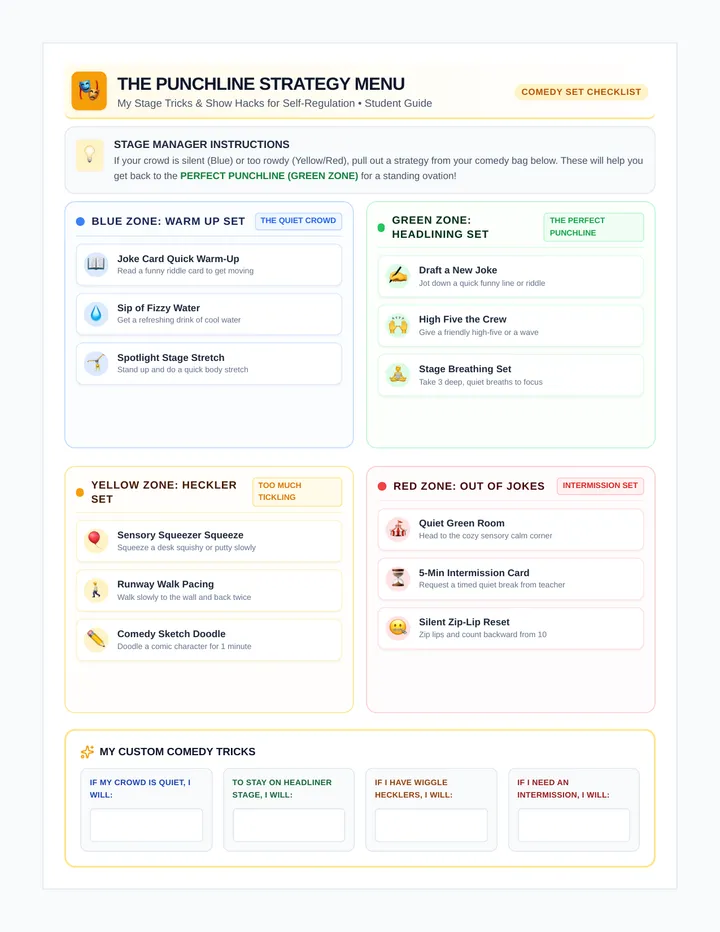
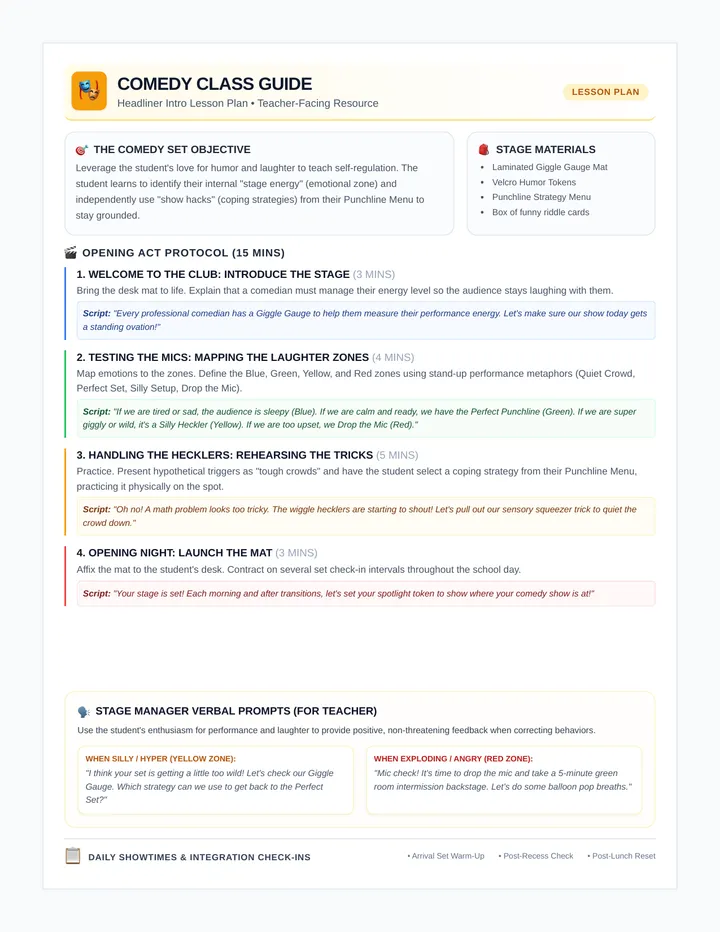
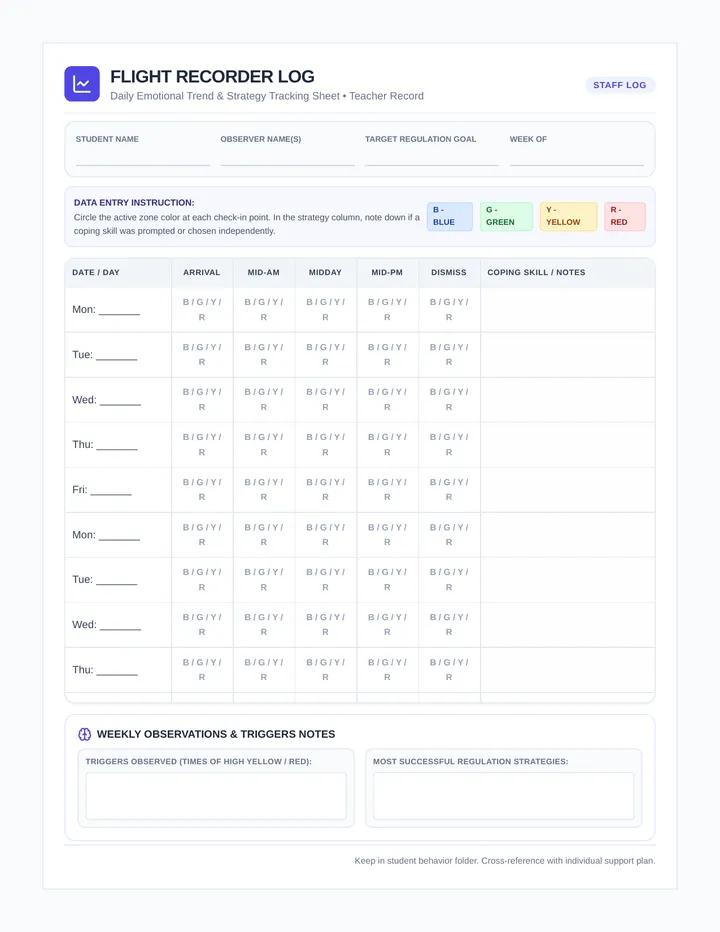
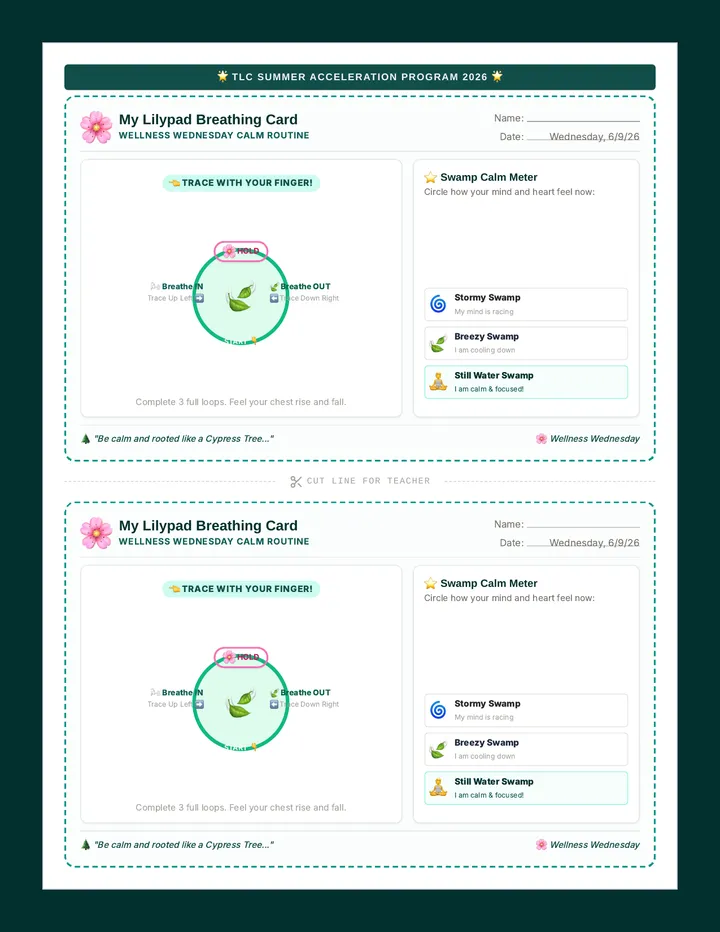
A lesson for 5th graders on managing body control through breathing exercises, collaborative games, and self-reflection strategies. Students learn to regulate their physical presence to improve focus and classroom well-being.
High schoolers align their device habits with professional workplace standards, focusing on agency and self-regulation.
Eighth graders develop peer accountability allies and set community standards for focused digital collaborative work.
Seventh graders explore the difference between compliance and agency, evaluating how their digital navigation builds their personal brand.
Sixth graders analyze the attention economy and map out personal accountability safe-zones for any classroom environment.
Fifth graders model digital leadership by sharing navigation strategies and mentoring peers in responsible device use.
Fourth graders master the art of switching between digital tasks efficiently using the '3-2-1 Switch' protocol.
Third graders identify 'navigation hazards' and use a collaborative 'Focus Shield' to stay on their learning path.
Second graders practice communicating their focus through physical 'Readiness Signals' to show they are prepared for the digital landscape.
First graders distinguish between 'Learning Tools' and 'Toys' and practice navigating only to the path shown by the teacher.
Kindergarten students learn that their device is a special tool for learning and practice listening for 'Red Light/Green Light' signals to know when to navigate.
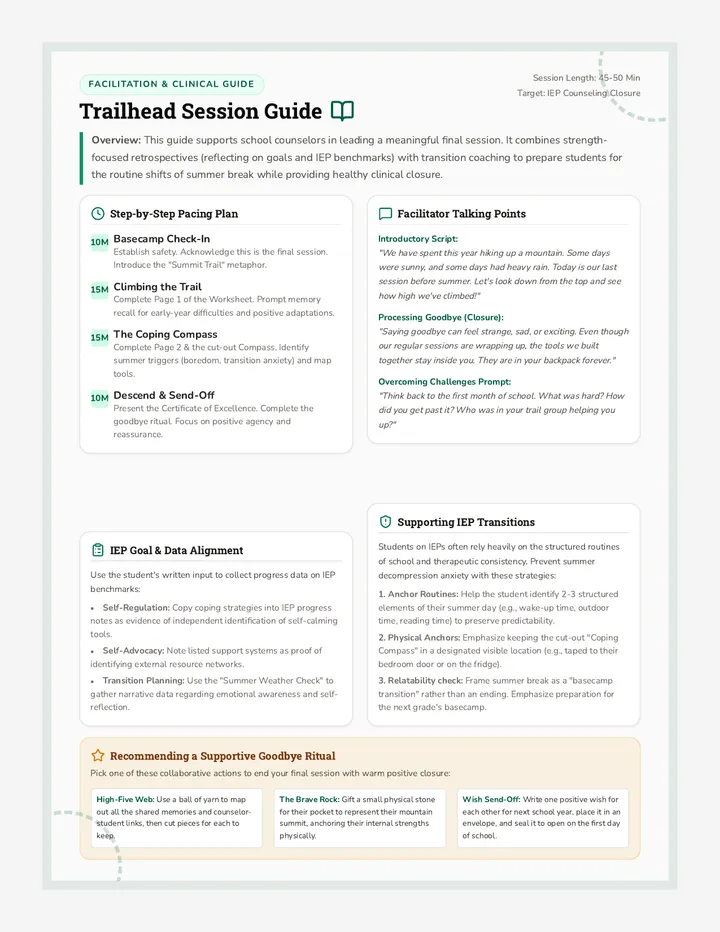
A 30-minute professional development session for preschool and K-8 staff focusing on restorative circles, affective statements, and re-entry reflection tools.
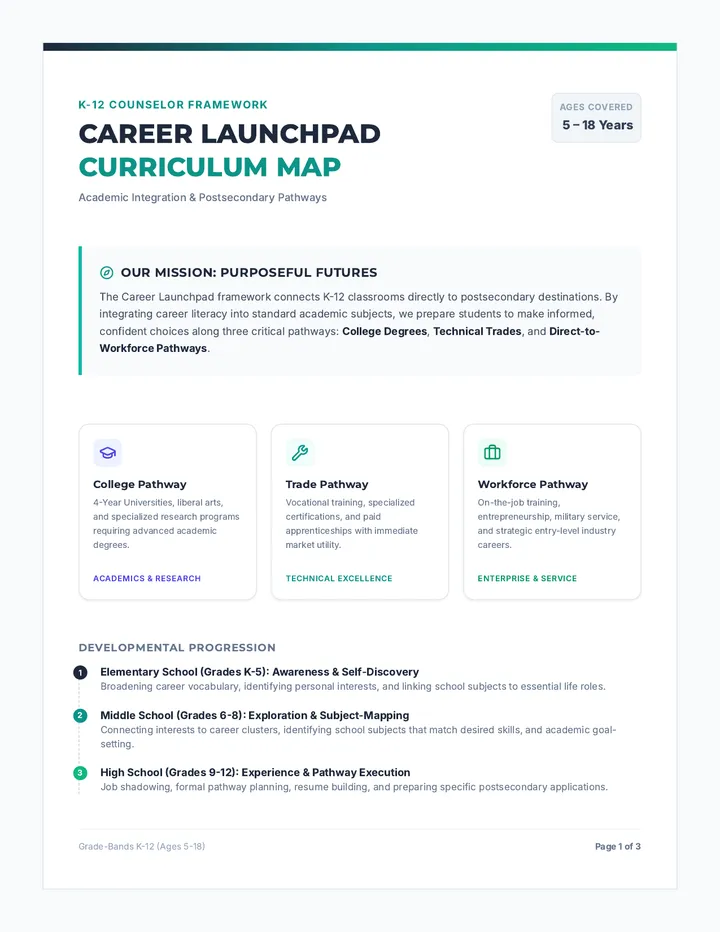
High school students develop agency and professional digital habits, demonstrating Accountability by aligning their device use with academic goals and professional communication.
Middle school students focus on the JHawk Way value of Accountability by managing their digital attention and communicating respect through focused device use.
Elementary students explore how to be Responsible JHawks by navigating to the right learning tools at the right time and communicating their readiness to learn.
A collection of Stranger Things themed encouragement letters for students facing state testing, each featuring a unique calming breathing technique.
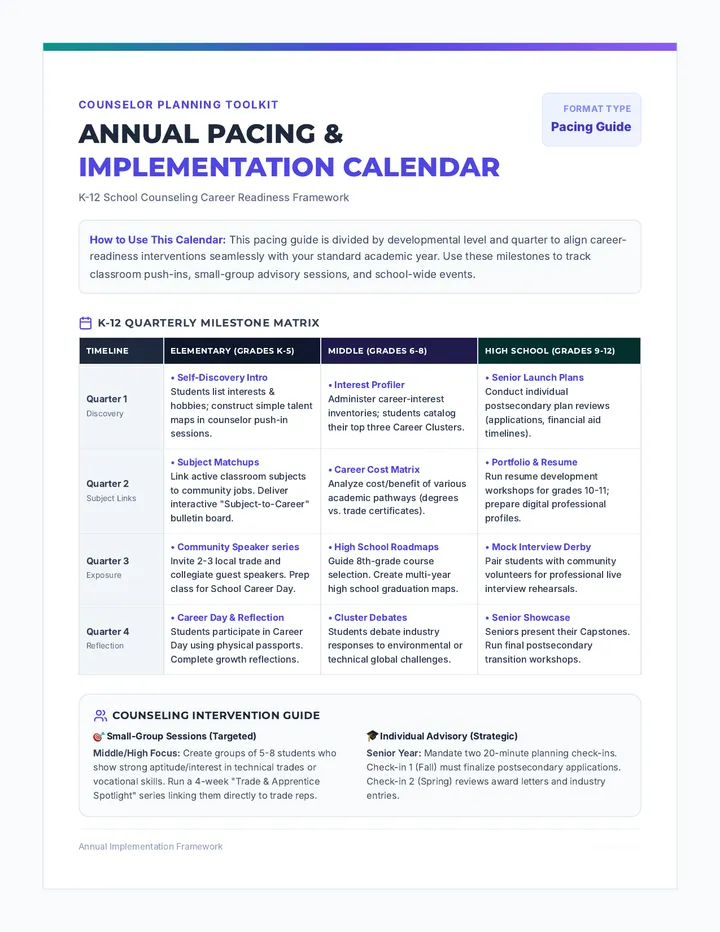
A comprehensive K-12 behavior management system that synthesizes best practices from MTSS, PBIS, and restorative justice frameworks. This lesson provides teachers with a clear decision-making flow and a detailed policy handbook for maintaining a positive school culture.
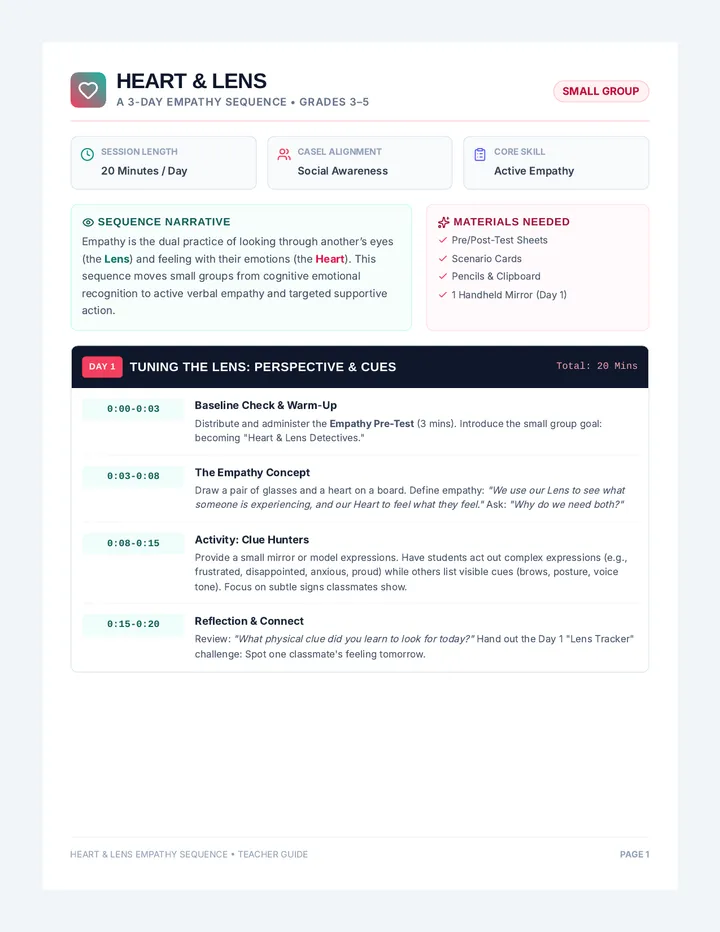
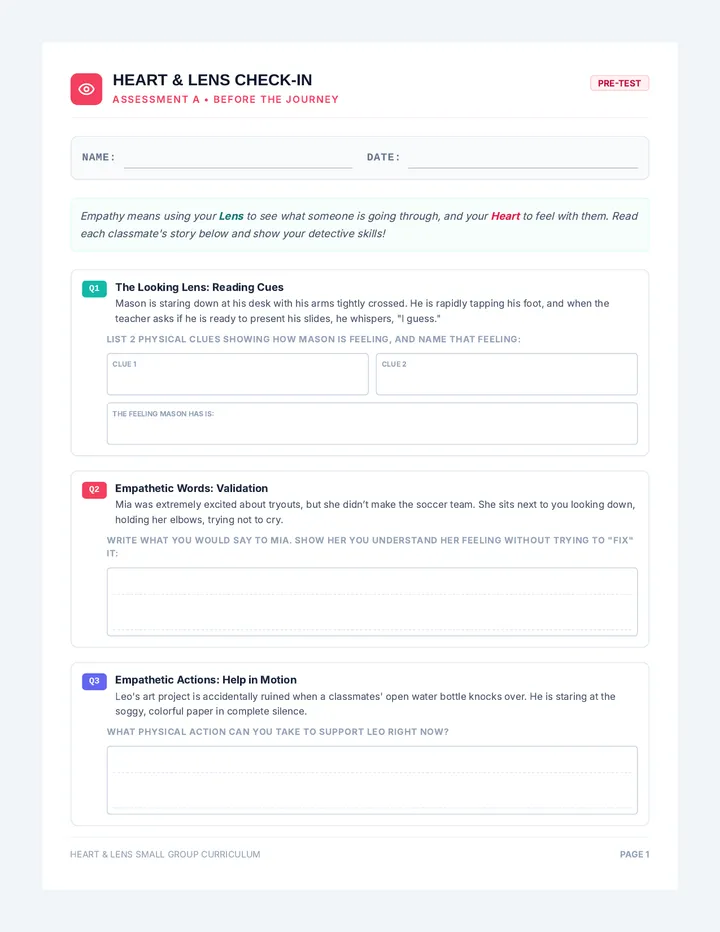
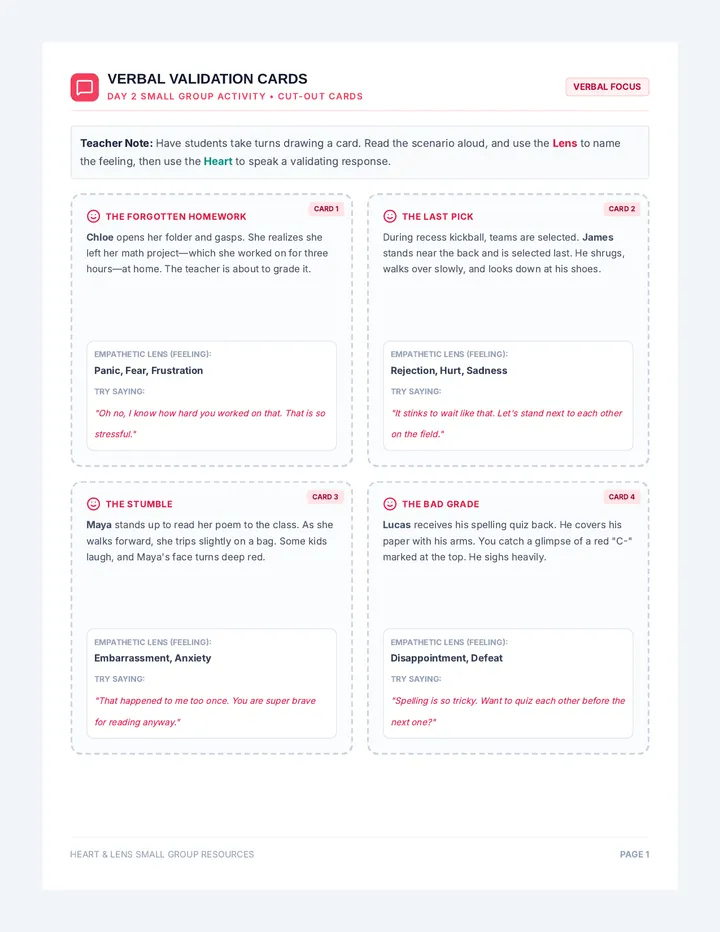
A lesson focused on identifying and navigating core emotions through real-world scenarios and guided reflection.
A social-emotional learning lesson focused on managing impulsivity, practicing deep breathing, and shifting from negative to positive self-talk to navigate classroom challenges successfully.
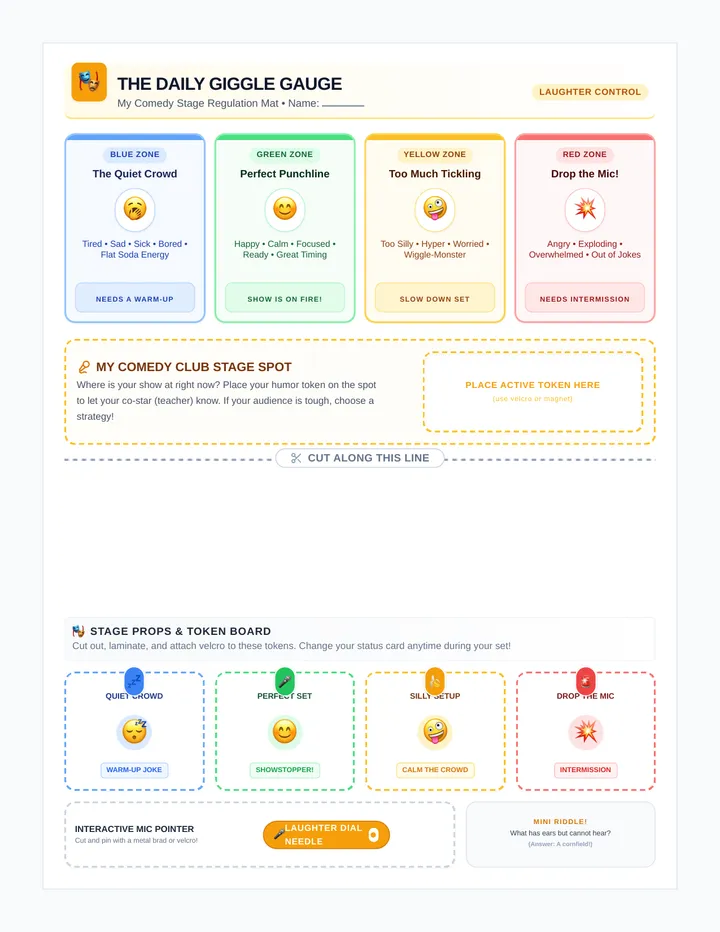
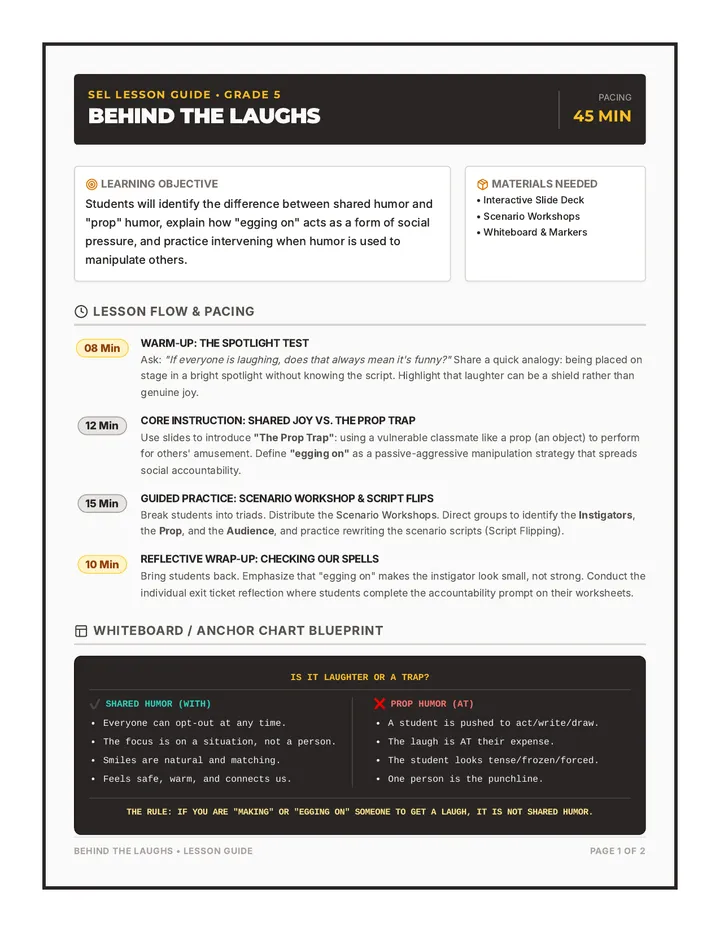
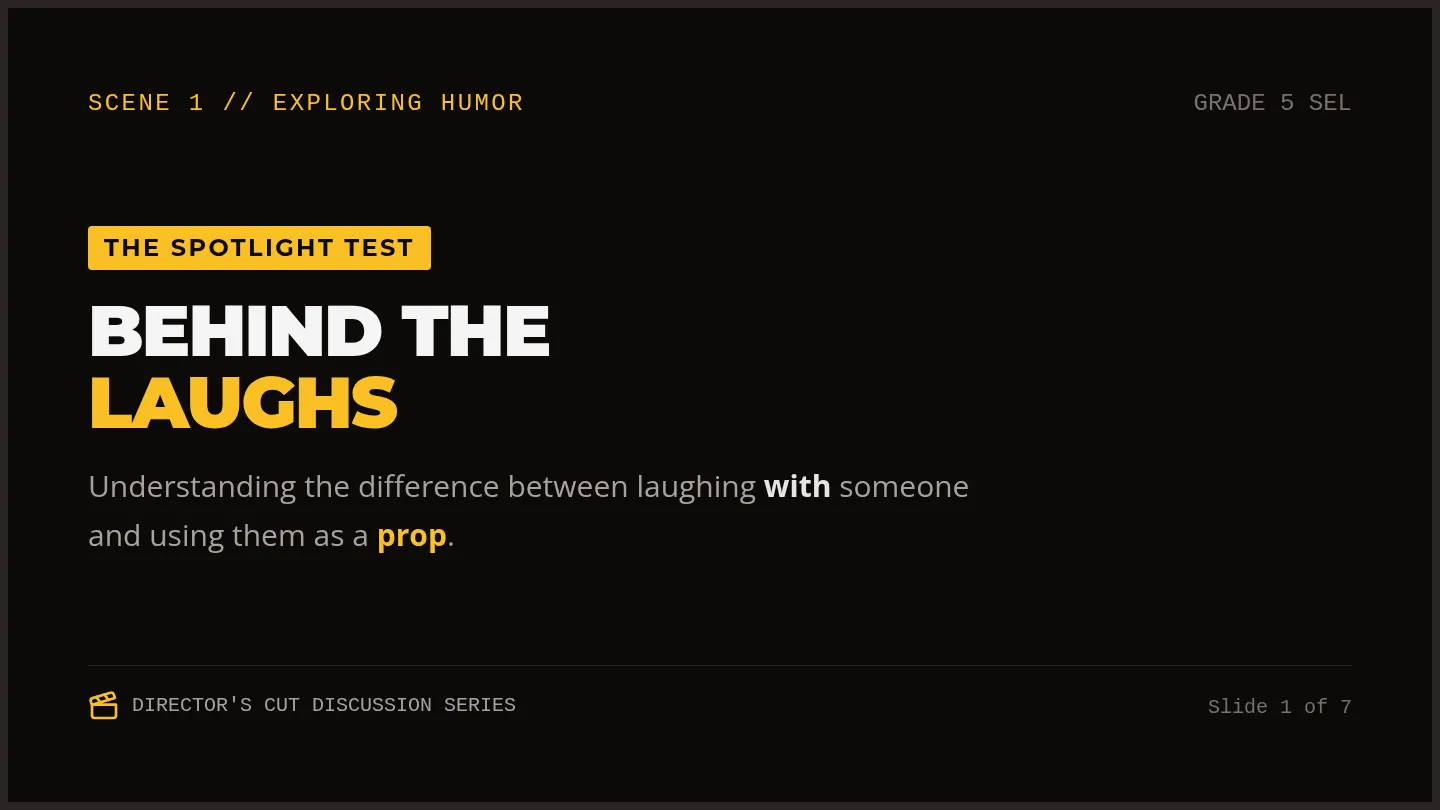
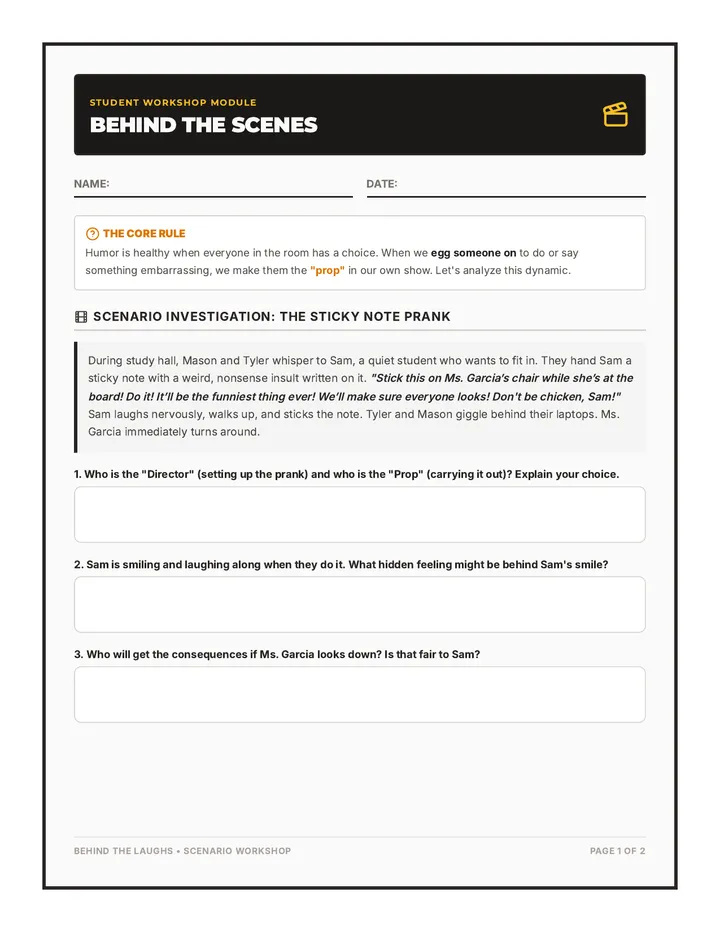
This lesson helps students navigate the social complexities of humor within a school setting. It focuses on identifying appropriate times for jokes, recognizing social cues from teachers, and understanding how timing affects classroom dynamics and respect.
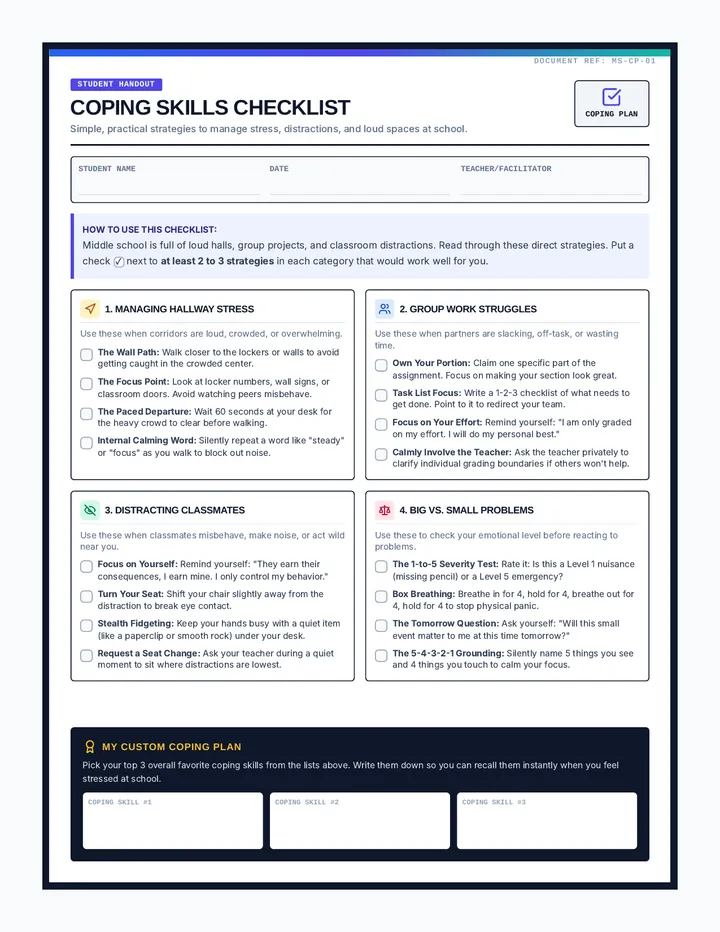
A social-emotional learning lesson focused on identifying negative 'Red' thoughts and reframing them into positive 'Green' thoughts using scenarios and visual self-talk strategies.
A comprehensive lesson for 3rd-5th graders on developing a growth mindset through positive affirmations and reframing negative thoughts. Students learn to 'garden' their brains by replacing 'weedy' negative self-talk with 'blooming' positive perspectives.
This lesson helps students with ADHD master self-control using the 'Inner Remote' metaphor. It focuses on filtering thoughts through the THINK acronym and provides practical tools for managing impulses during difficult transitions and social interactions.
A high-energy teamwork activity where participants must coordinate movements using strings to control a single marker and trace complex paths.
A lesson focused on self-reflection and emotional awareness, helping students process their daily experiences through visual metaphors.
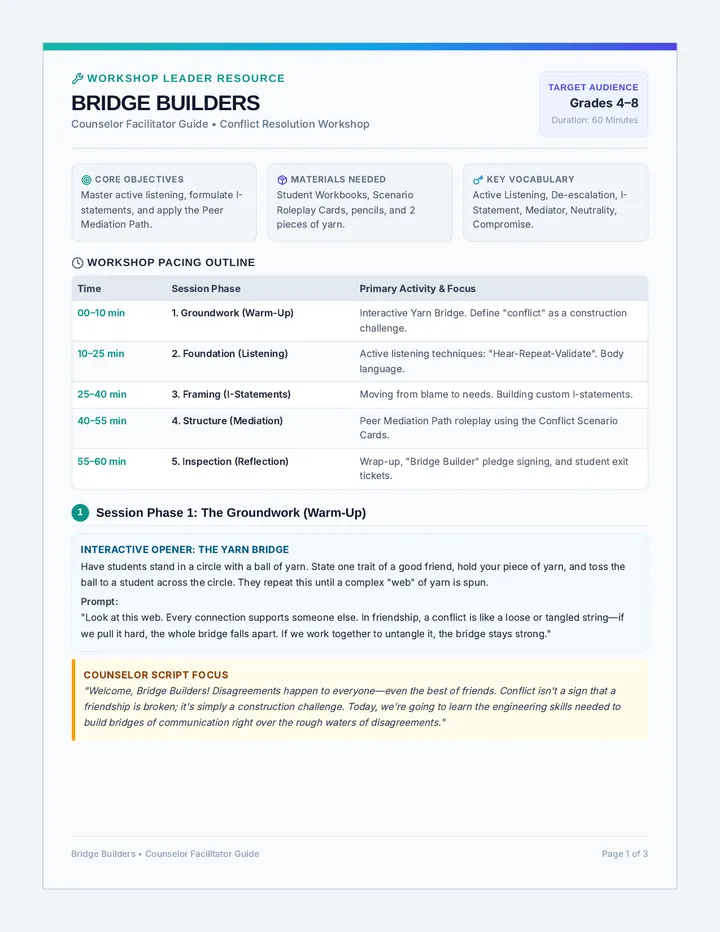
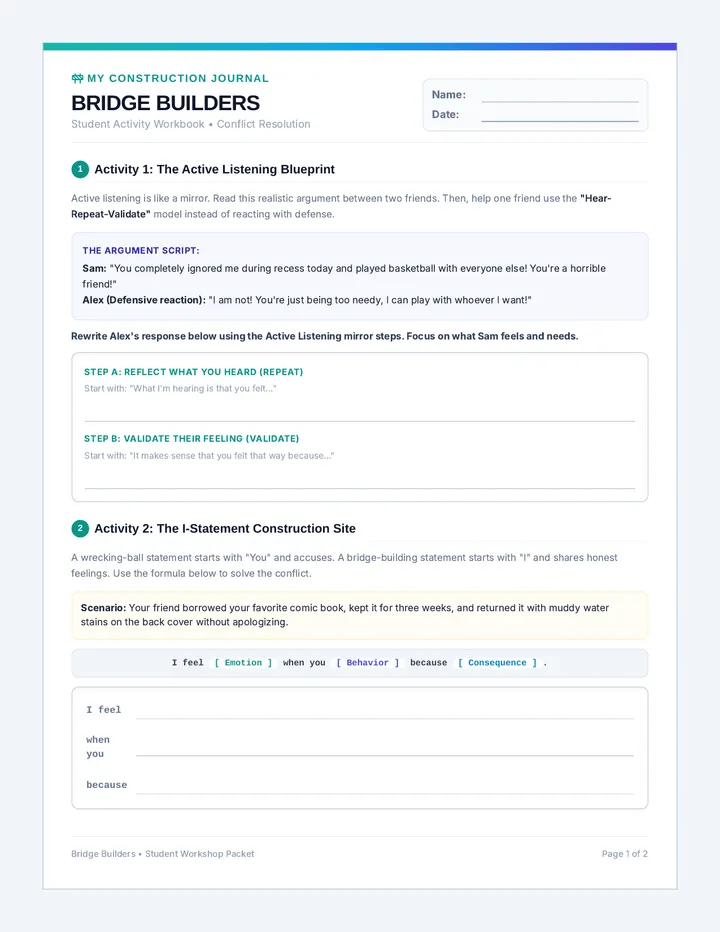
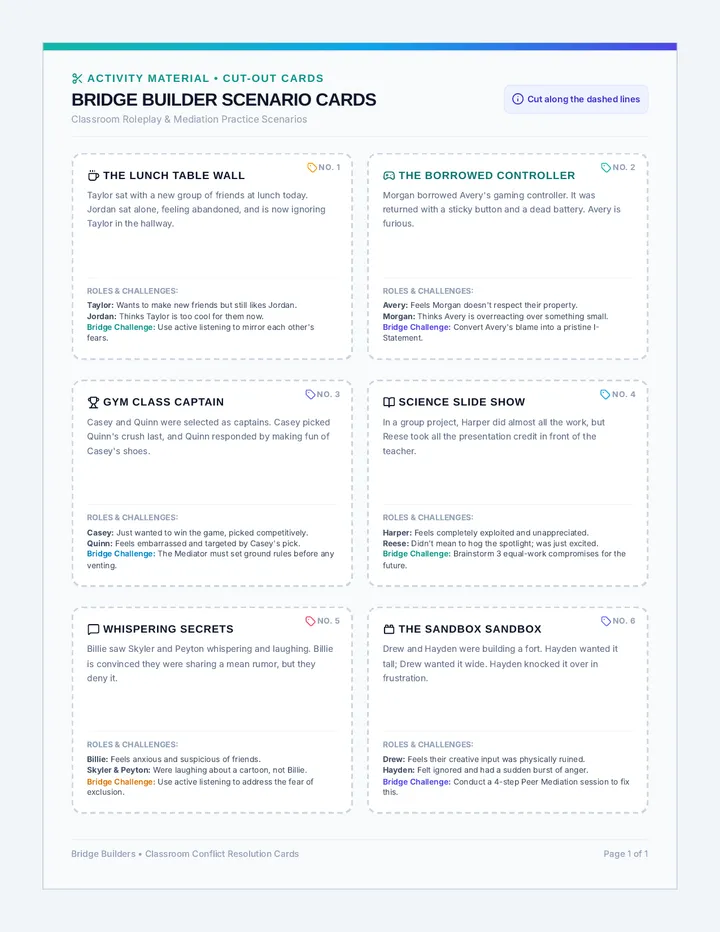
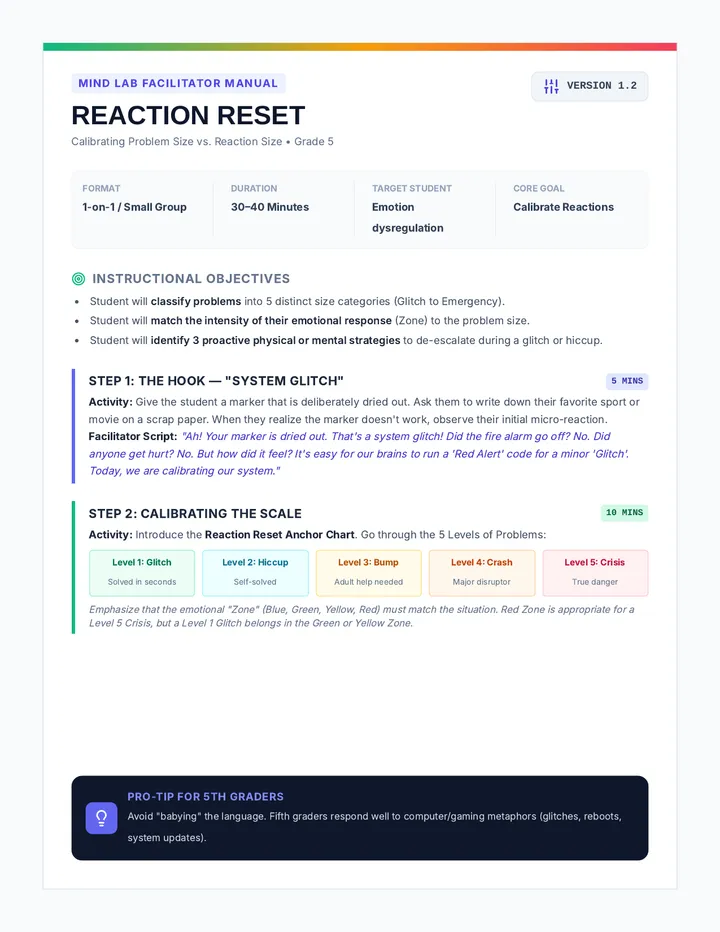
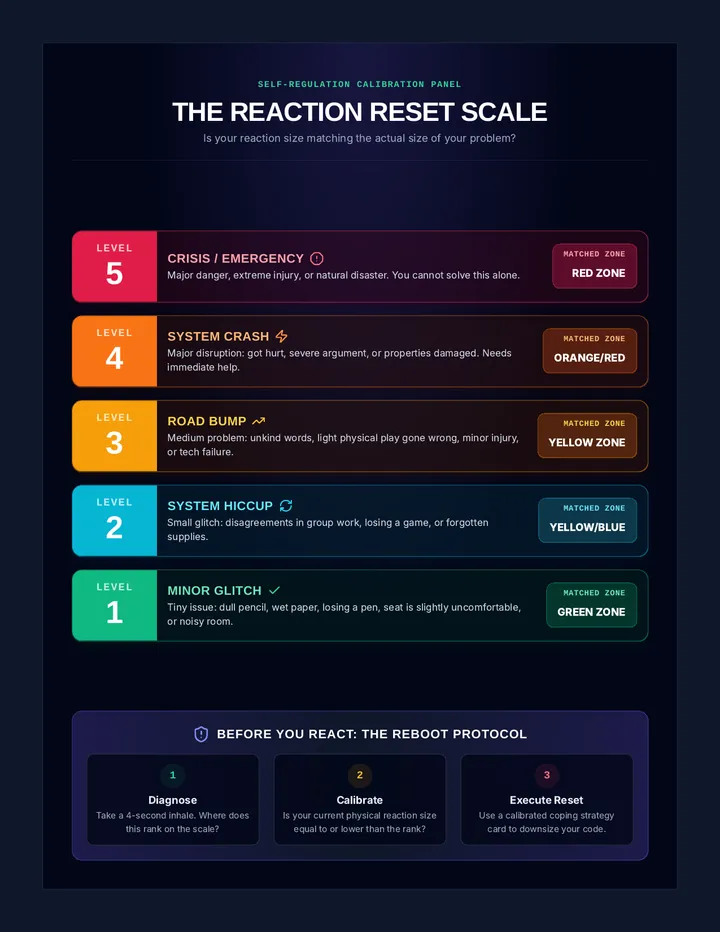
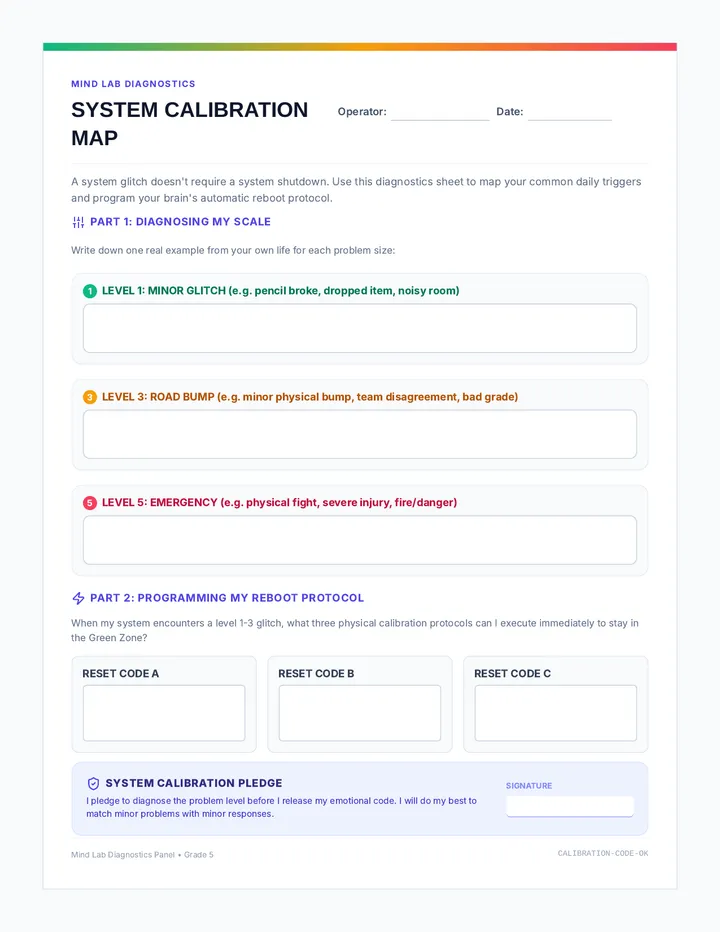
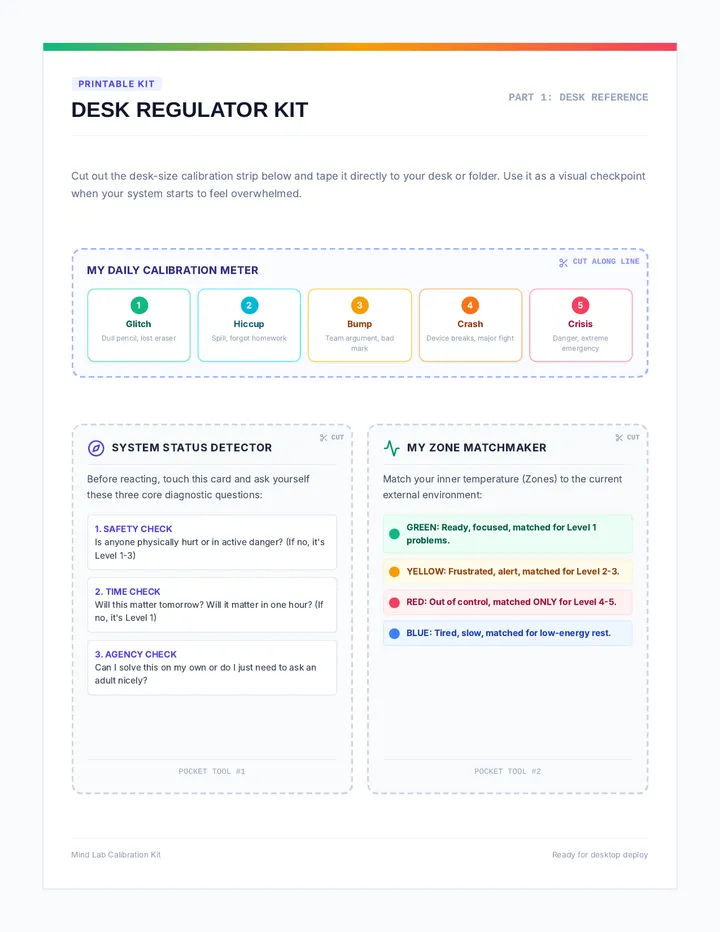
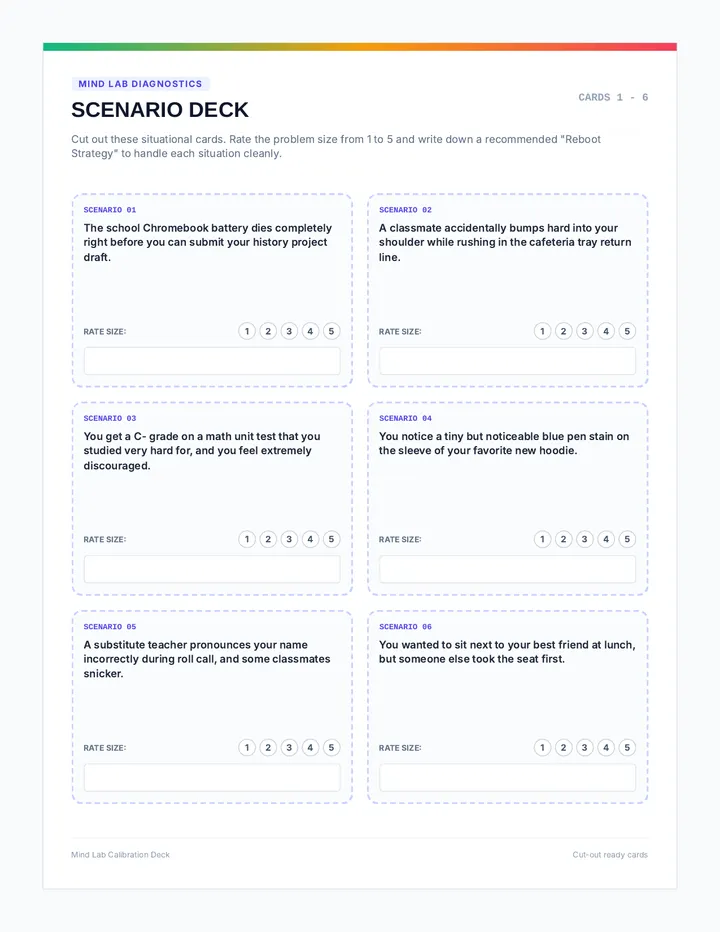
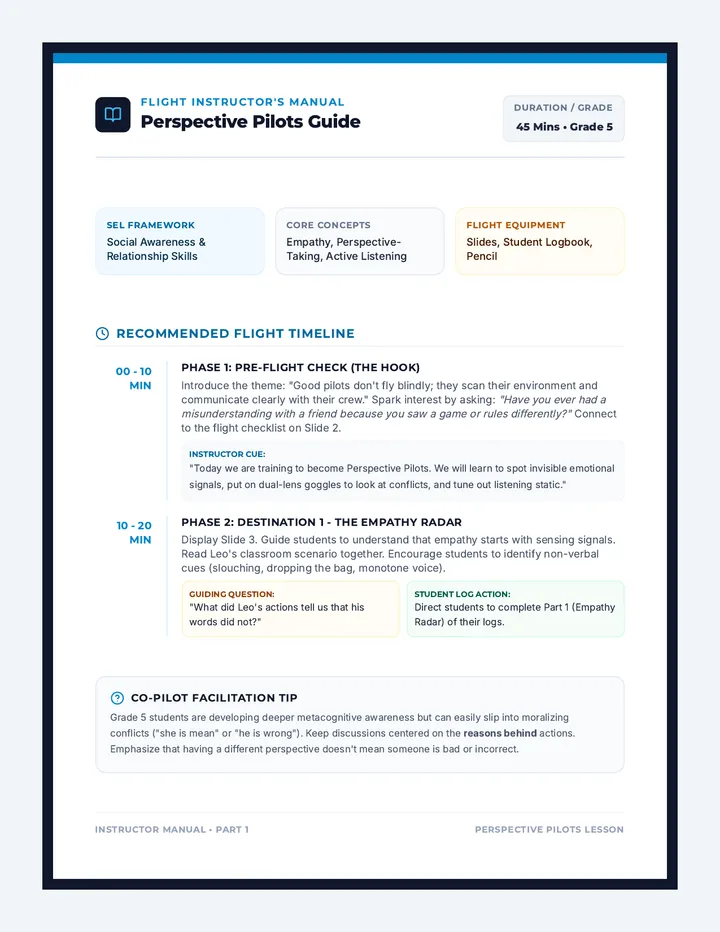
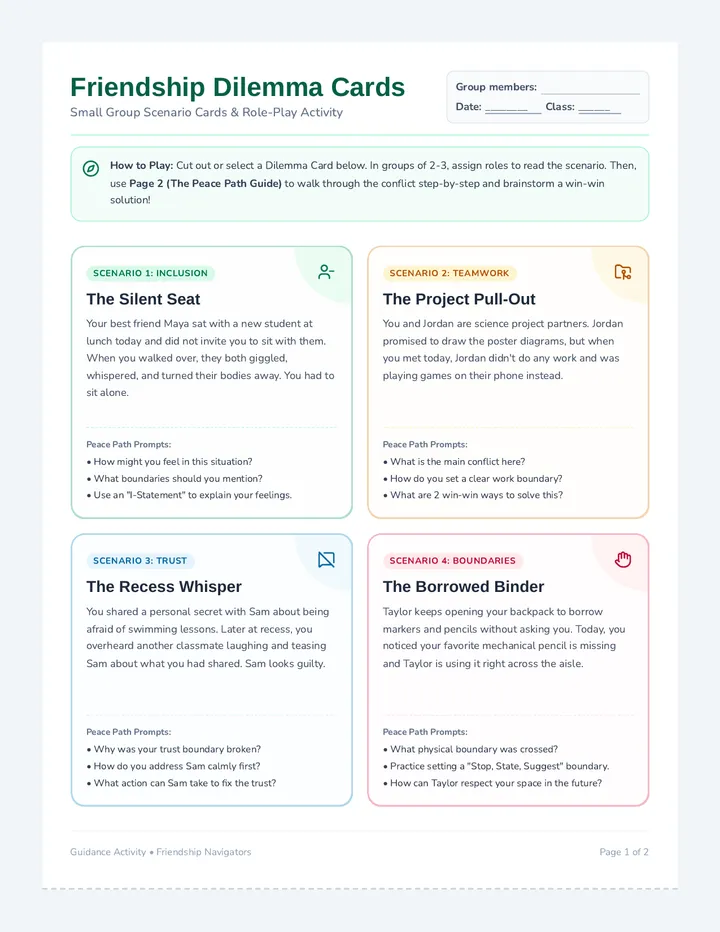
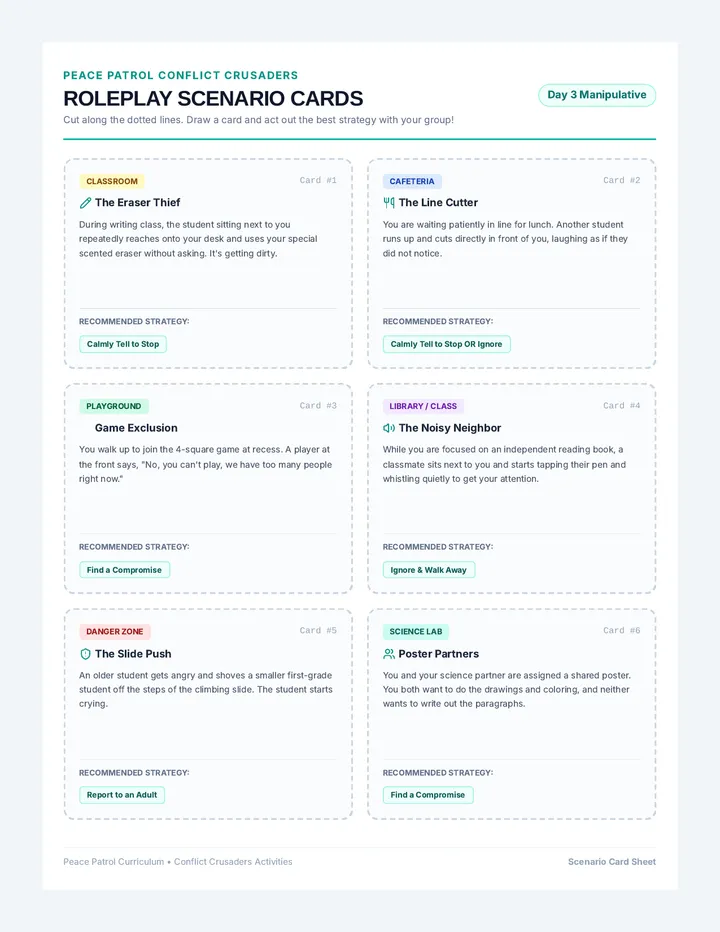
A 10-minute social-emotional learning lesson that helps 5th graders identify the scale of their conflicts and practice resolution through role-play, focusing on emotional awareness without the need for writing.
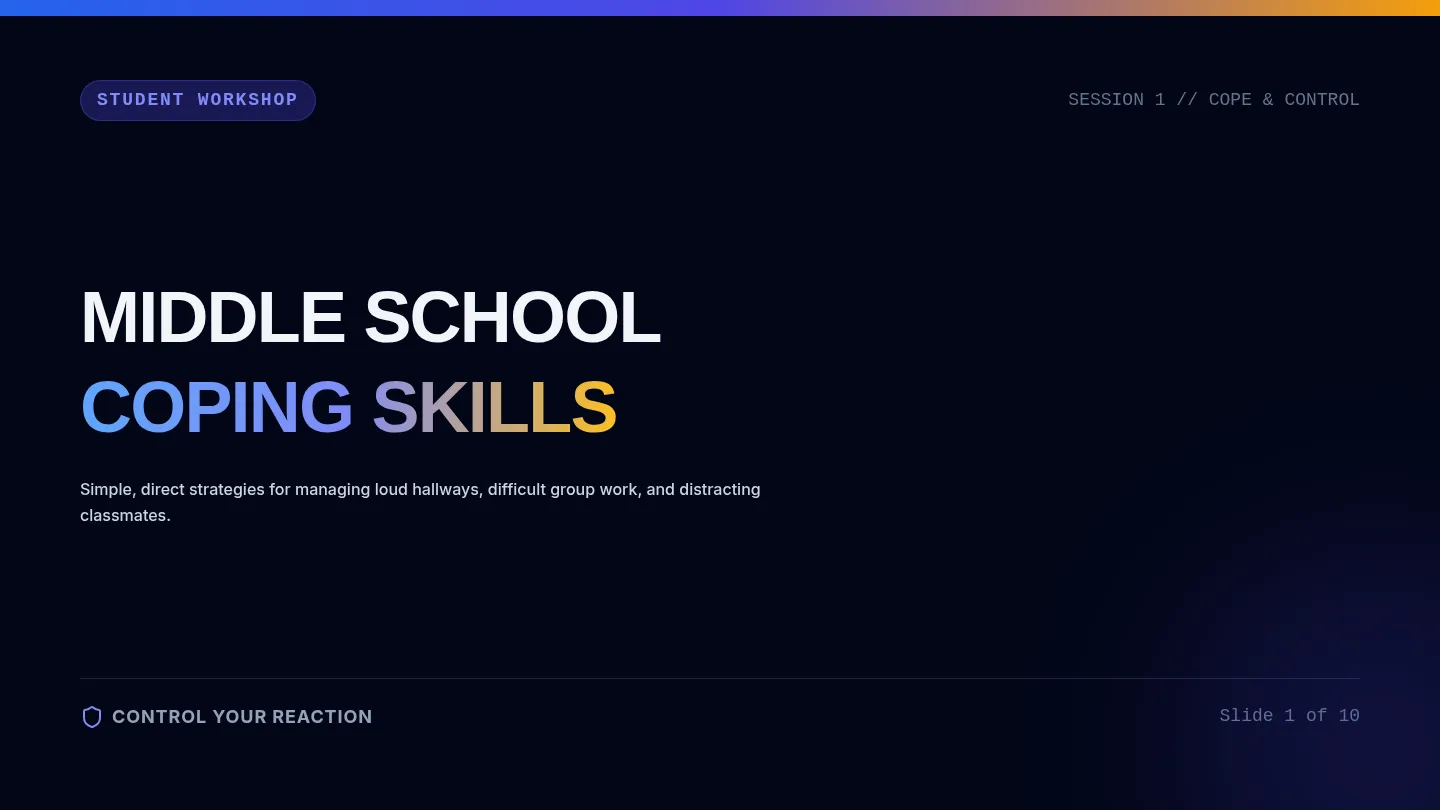
A social-emotional learning lesson designed for two fifth-grade boys to develop resilience when things don't go their way, featuring peer-led advice and practical coping strategies.
A creative project where students author and illustrate original children's books that teach essential life lessons and core values to younger peers.
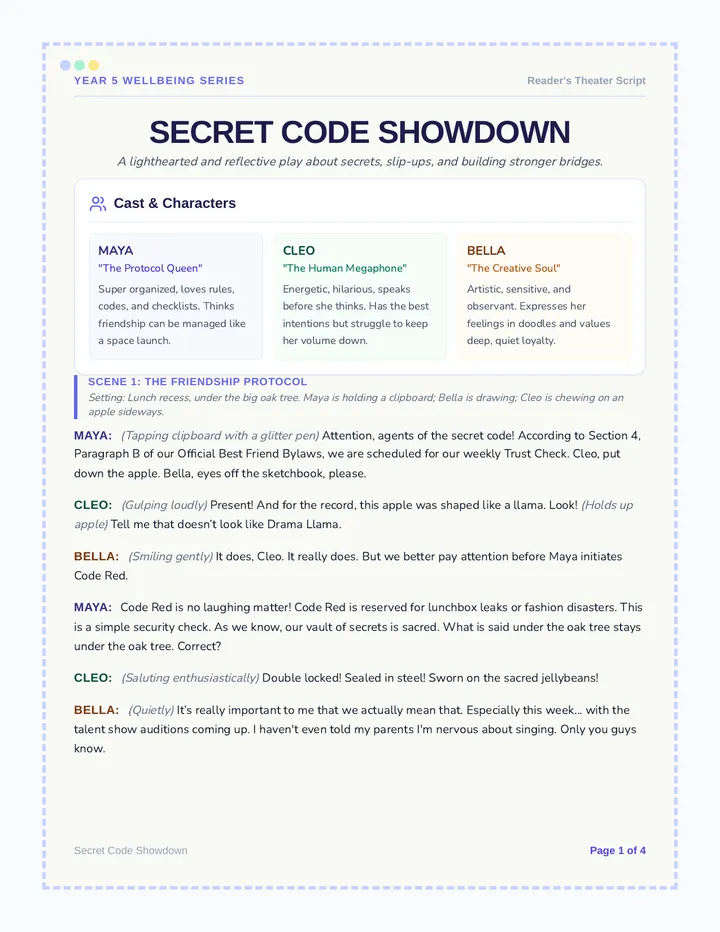
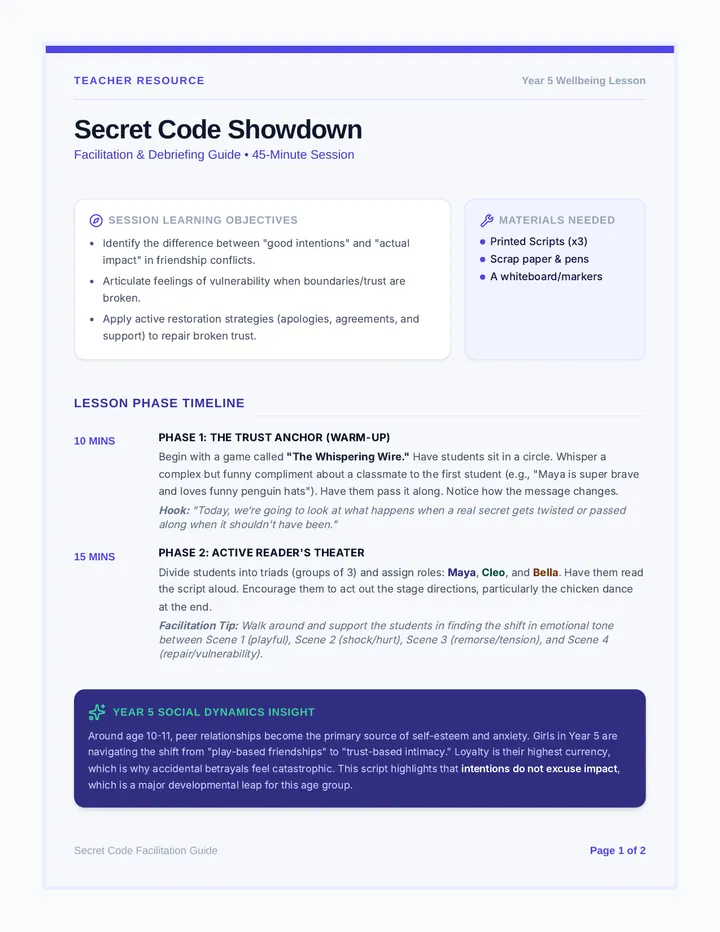
Students work in small groups to rehearse and perform mystery plays, analyzing their specific plot structures and reflecting on social-emotional themes.
Students learn the fundamental components of a play script and use a model play to identify setting, characters, and plot structure.
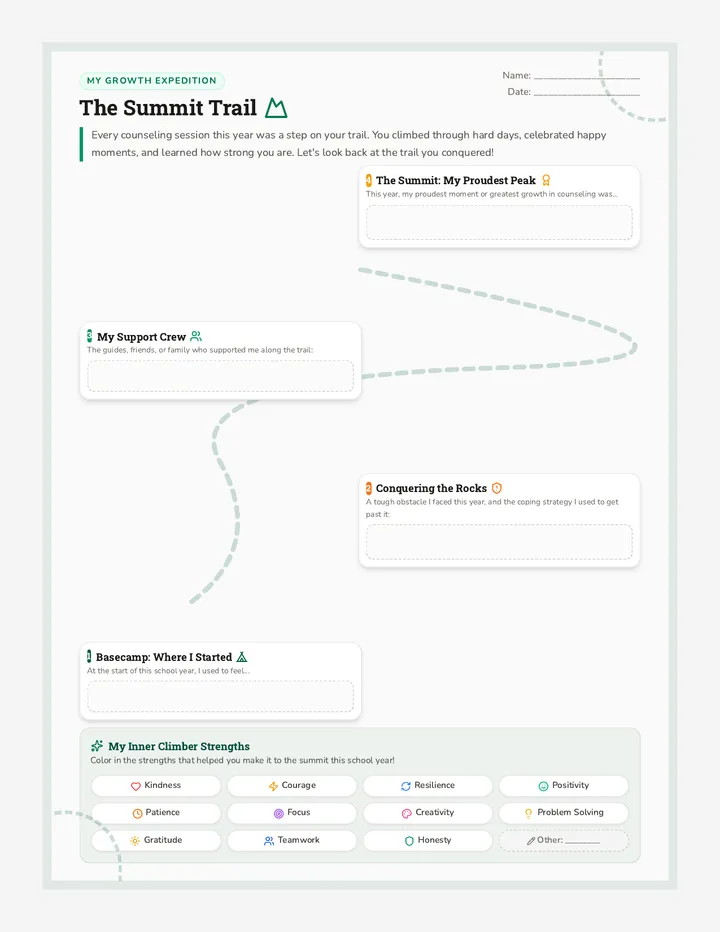
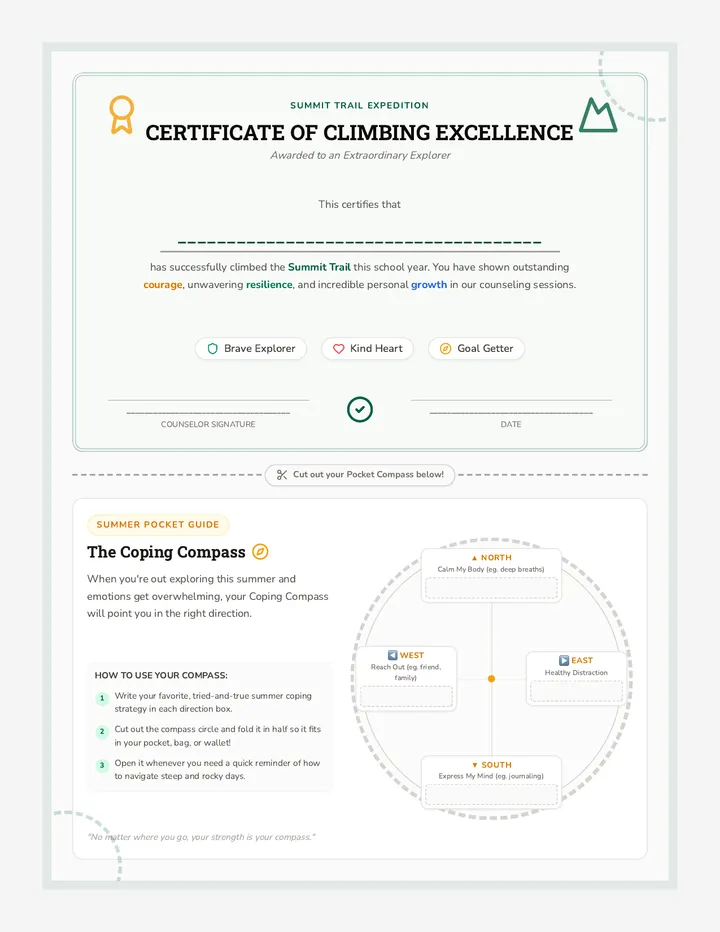
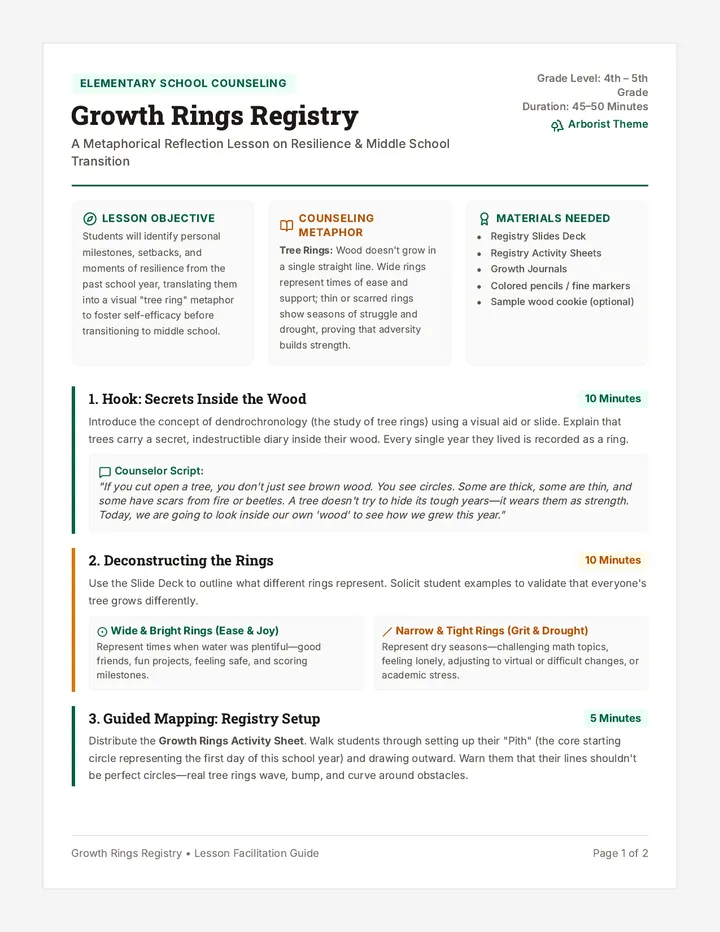
Explores personal history and resilience by identifying personal strengths and role models to navigate future challenges.